 Small batches, high standards. Our rapid prototyping service makes validation faster and easier —
  EN
EN


Laserskärplattans tolerans avslöjas: Vad tillverkarna döljer för dig
Vad är laserskärning av plåt och hur fungerar den
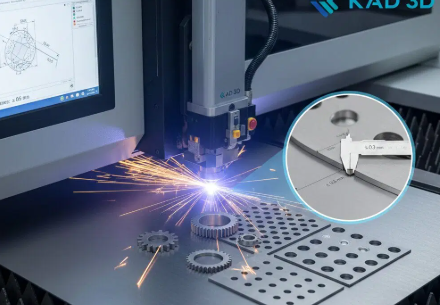
Har du någonsin undrat hur tillverkare skapar de perfekt exakta metallkomponenterna med så renhållna kanter att de nästan ser polerade ut? Svaret ligger i tekniken för laserskärning av plåt – en precisionstillverkningsprocess som har förändrat hur branscher formar och tillverkar metall.
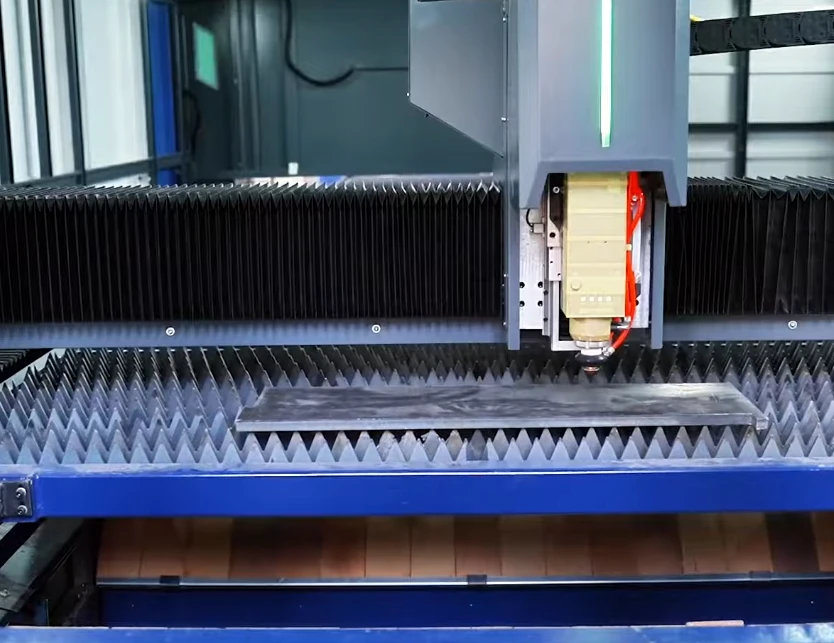
I kärnan använder denna process en högpresterande laserstråle, som styras av datorstyrning (CNC), för att skära igenom metallplåtar med exceptionell noggrannhet. Den fokuserade strålen koncentrerar intensiv värmeenergi på en exakt punkt, vilket smälter, förbränner eller förångar materialet längs en programmerad bana. Enligt Atlas Copco , skapar själva laserstrålen en skärbred (kerf) samtidigt som en koaxial gasstråle blåser bort det smälta materialet, vilket säkerställer en högkvalitativ färdig kant.
Hur laserstrålar omvandlar metallplåtar
Föreställ dig att fokusera solljus genom en förstoringsglas – nu multiplicera den intensiteten tusentals gånger. Det är i princip vad som händer när metallplåtar skärs med laser. Laserstrålen, som fokuseras till en diameter på bara några millimeter, levererar tillräckligt med koncentrerad energi för att skära igenom stål, aluminium, koppar och andra metaller med anmärkningsvärd precision.
Två huvudtyper av laser dominerar branschen:
- CO2-lasrar: Dessa fungerar genom att leda en elektrisk ström genom en CO2-gaskammare, vilket exciterar gaspartiklarna för att producera en kraftfull ljusstråle. Effekten varierar från hundratals watt upp till 20 kilowatt för att skära de tjockaste metallerna.
- Fiberlaser: Introducerade 2008 erbjuder dessa fasta lasersystem fördelar vid skärning av reflekterande material som mässing, koppar och polerad rostfritt stål. De levererar bättre precision vid skärning med konstant strålkvalitet över långa avstånd.
Vetenskapen bakom precisionsplåtskärning
Här är det som de flesta tillverkare inte förklarar: att uppnå stränga toleranser vid laserskärning handlar inte bara om lasern själv. Tre avgörande variabler samverkar för att bestämma den slutliga skärkvaliteten.
Laser effekt: Mäts i watt och avgör skärningskapaciteten. Högre effekt möjliggör snabbare hastigheter och bearbetning av tjockare material. Till exempel kan en 500-watts-laser ha svårt att skära tjockt aluminium, medan ett 1000-watts-system skär samma material snabbt med jämnare kanter.
Klipphastighet: Detta hänger direkt ihop med effekten. Högre hastigheter förbättrar effektiviteten men kan påverka precisionen negativt vid skärning av tjockare material. Lägre hastigheter ger bättre noggrannhet för komplicerade designmönster, men ökar produktionstiden.
Störgaser: Här är det egentligen som magin sker – och där många förklaringar faller kort. Enligt branschkällor påverkar valet av störgas dina resultat dramatiskt:
- Kväve: Den mest använda hjälpgasen på grund av sina inerta egenskaper. Den förhindrar oxidation och ger blanka, rena snitt utan att påverka materialets färg. Idealisk när snittpålitligheten är av största vikt.
- Syre: Skapar en exotermisk reaktion som förstärker laserskärkraften, vilket möjliggör snitt genom tjockare material. Det kan dock orsaka oxidation och bildning av en kolhaltig skikt på snittkanterna.
- Komprimerad luft: Kostnadseffektivare men ger mindre rena snitt på grund av dess 21 % syreinnehåll. Lämpligast för delar som ska målas eller svetsas efteråt.
Att förstå sambandet mellan effekt, hastighet och gaser är avgörande för alla som specificerar laserplåtbearbetning. Branscher från bilindustrin till luft- och rymdfarten förlitar sig på denna teknik precis därför att den levererar de stränga toleranserna och de rena kanterna som andra skärmetoder helt enkelt inte kan uppnå konsekvent.
Förstå specifikationer för laserkvalitetsstål
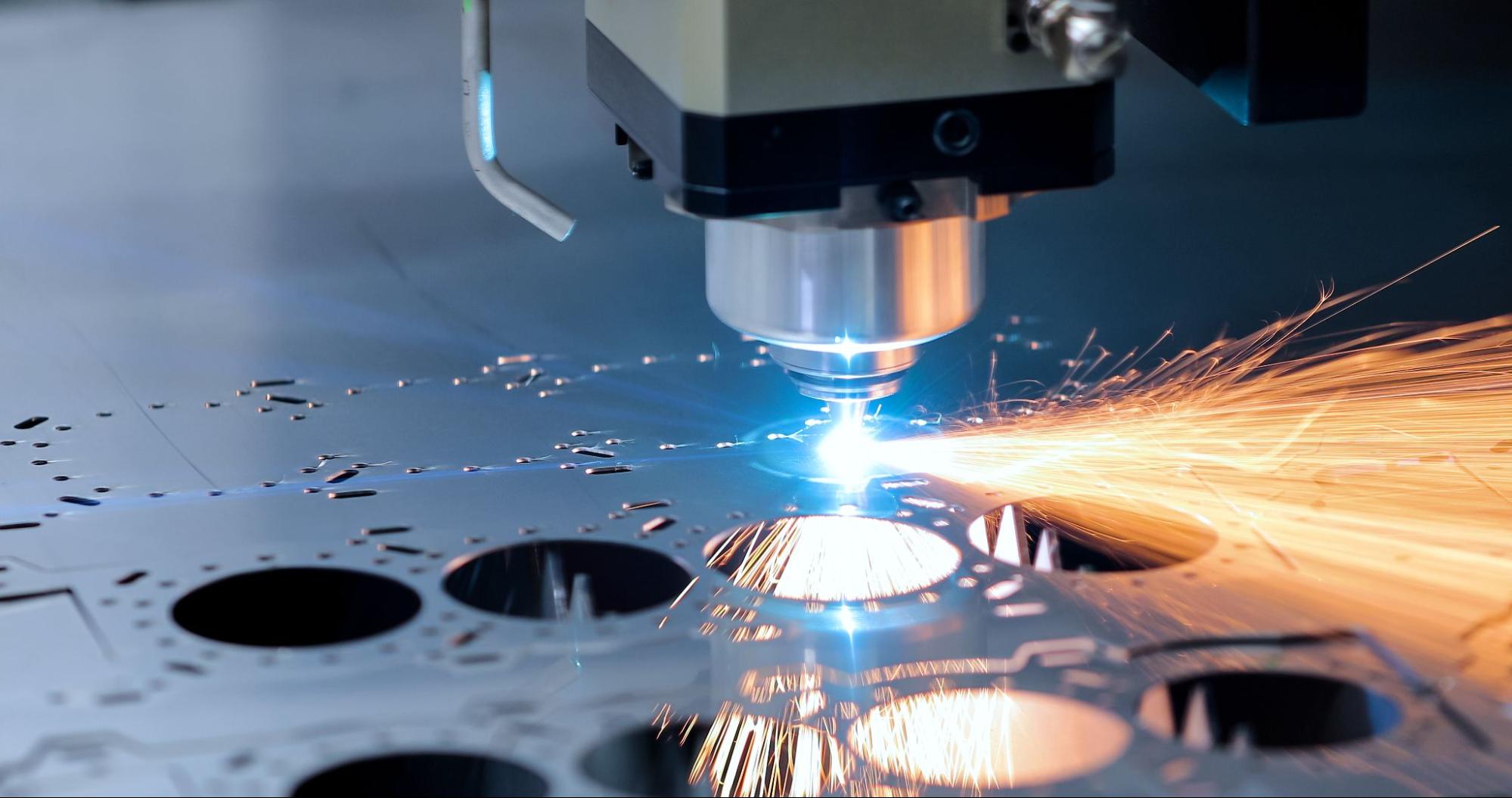
Du har förmodligen sett uttrycken "laserkvalitet" eller "laserklass" tryckta på stålspecifikationer – men vad betyder det egentligen? Förvånande nog använder de flesta tillverkare detta uttryck utan att förklara varför vissa stål skär utmärkt medan andra lämnar grova, slaggbelagda kanter som kräver kostsamma sekundära bearbetningssteg.
Sanningen är att stålets prestanda vid laserskärning beror långt mer på materialens egenskaper än de flesta leverantörer erkänner. Enligt forskning som publicerats av TWI (The Welding Institute) , har materialets sammansättning och yttillstånd större inverkan på den totala laserskärningskvaliteten än den sammanlagda effekten av laserskärningsmaskinen och operatören. Det är värt att upprepa: ditt val av material är viktigare än din utrustning.
Vad gör stål till laserkvalitetsklass
När du väljer ett laserskiva för ditt projekt ger en förståelse av kemien bakom beteckningen "laserskiva" dig en betydande fördel. Forskning visar att specifika element i stålets sammansättning påverkar direkt kvaliteten på snittkanten – och sambanden är inte alltid intuitiva.
Kisels dubbelkantade effekt: Här är något som tillverkare sällan diskuterar. TWIs statistiska analys visade att kisel är det viktigaste elementet för kvaliteten på lasersnittkanten. Kisel ger dock motsägande resultat – det förbättrar ytråheten men påverkar negativt kantens kvadratur. Det innebär att ståltillverkare måste noggrant balansera kiselinnehållet beroende på om kunderna prioriterar släta ytor eller perfekt lodräta kanter.
Forskningsgruppen utvecklade en formel för snittkvalitetsfaktor (CQF) som förutsäger kantens ytråhet:
CQF = 24P + 21Mo – Si (där P = fosfor, Mo = molybden, Si = kisel)
För laserbeskärning av mildt stål enligt DIN 2310-kvalitetsstandarder får CQF-värdet inte överskrida 0,37 för att uppnå acceptabel kantroughhet.
Viktiga materialspecifikationer som definierar verklig laserskärningsstål inkluderar:
- Kolhalt: Kolarm stål (under 0,3 % kol) skärs mer förutsägbar än kolriktare alternativ. Stålen som testades av TWI hade ett kolinnehåll mellan 0,09 % och 0,14 %.
- Kontrollerade föroreningar: Låga halter av svavel och fosfor förhindrar reaktivt beteende under termisk skärning, särskilt vid sygassupporterade processer.
- Manganingående: Testerna visade att godtagbara värden låg mellan 0,5 % och 1,39 % manganingående utan någon märkbar försämring av kvaliteten.
- Konsekventa planhetskrav: Garanterad planhet säkerställer att lasern behåller korrekt fokusavstånd över hela skärningsbanan.
- Minimal inre spänning: Minimerar deformation under och efter skärningsprocessen.
Krav på ytyta för rena snitt
Låter det komplicerat? Låt oss förenkla. När du utvärderar stål för laserskärning kan ytans tillstånd göra eller bryta dina resultat – men inte alltid på sättet du förväntar dig.
Enligt Charles Day Steels , är laserskärning mer beroende av konsekvent ytqualitet än andra skärmetoder. Ytfinishens kvalitet på plåten kan påverka snittkvaliteten kraftigt. De rekommenderar att stålet ska vara rent, syrlat, rostfritt och fritt från olja.
Här blir det intressant. TWI:s forskning avslöjade överraskande resultat angående ytberedning:
- Valskinnsrost: Att maskinbearbeta bort valskenan hade ingen signifikant effekt på lasersnittets kvalitet – till skillnad från vad många antar.
- Skottbehandling: Orsakade faktiskt en skadlig effekt på kantens ojämnhet, även om den förbättrade kantens kvadratur.
- Ytor från varmvalsning: Kan ge problem eftersom ytans skal kan smälta tillsammans med metallen, vilket ger snitt med lågt kvalitet.
Lågklassstål utgör ett betydande problem för laserskärning. Föroreningarna i dessa slag kan vara mycket reaktiva på termisk skärning, särskilt vid användning av syreassisterad skärning. Om ytan inte är slät och utan brister kan laserfokusen ändras, vilket påverkar både rengöring och skärkvalitet.
Kategorieringssystem som ASTM, EN och JIS-standarder ger ramar för att specificera stålens egenskaper, men här är vad dessa standarder inte berättar: Mjuka stålklasser som A36 och A572 ger i allmänhet utmärkta resultat med laserskärning när de kommer från kvalitetsverk, som noteras av KGS Steel. Även inom samma sortbeteckning kan emellertid skillnader i sammansättning mellan leverantörer ge märkbart olika skärresultat.
Slutresultatet? När du specificerar stål för precisionsskärning med laserplatta bör du begära mätningscertifikat från verkstaden som visar den faktiska kemiska sammansättningen – inte bara efterlevnad av ett visst kvalitetsmärke. Skillnaden mellan en slät, frittstående skärmkant och en kant som kräver omfattande efterbearbetning beror ofta på de elementprocentandelar som de flesta köpare aldrig tänker på att kontrollera.
Vägledning för materialval för plattor till laserskärning
Nu när du förstår vad som gör stål till "laserkvalitet" är du redo för nästa avgörande beslut: vilket material ska du egentligen välja? Oavsett om du behöver en laserskuren stålplatta för konstruktionsändamål eller en anpassad stålplatta för dekorativa paneler kan valet av rätt material i förhållande till dina projektkrav göra skillnaden mellan en felfri komponent och ett dyrt misstag.
Här är det som de flesta tillverkare inte berättar för dig direkt: varje material beter sig annorlunda under laserstrålen, och att välja enbart utifrån kostnad eller tillgänglighet leder ofta till besvikande resultat. Låt oss gå igenom vad du verkligen behöver veta.
Anpassa material till dina applikationskrav
När du väljer material för projekt med laserskärning av stålplåt balanserar du i princip fyra faktorer: mekaniska egenskaper, korrosionsbeständighet, estetiska krav och kostnad. Att förstå hur varje material presterar hjälper dig att fatta välgrundade beslut istället for att förlita dig på gissningar.
Av kolstål: Detta är branschens arbetshäst – och med god anledning. Enligt GWEIKE Laser är kolstål det lättaste metallet att skära i tjockt format med en fiberlaser, eftersom järn lätt absorberar laserenergi och oxidationen med syre som hjälpgas ger extra värme. Med andra ord "hjälps lasern och syret åt varandra" under skärningen, vilket möjliggör imponerande tjocklekskapacitet.
När bör du välja kolstål?
- Konstruktionsapplikationer som kräver ett högt förhållande mellan styrka och kostnad
- Projekt där materialet kommer att målas, pulverbeläggas eller zinkas
- Produktion i stora volymer där materialkostnaden påverkar marginalerna avsevärt
- Tjockplåttillämpningar där maximal skärkapacitet är avgörande
Rostfritt stål: Laserbegränsning av rostfritt stål kräver helt andra överväganden. Till skillnad från kolstål får inte rostfritt stål någon fördel av syrets exoterma reaktion. Enligt GWEIKE används vanligtvis kväve för att skära rostfritt stål, och lasern måste utföra det mesta arbetet ensam – vilket leder till lägre maximala tjocklekskapaciteter vid likvärdiga effektnivåer.
Även om tjockleken är lägre ger skärning av rostfritt stål med kväve ljusa, oxidfria kanter som oftast är svetsklara och färdiga för målning med minimal förberedelse. För branscher som livsmedelsutrustning, medicintekniska apparater och arkitektoniska applikationer är kvaliteten på kanterna viktigare än maximal tjocklek.
Aluminium: Här är det materialval blir knepigt. Aluminium skapar störst förvirring bland köpare eftersom det reflekterar laserenergi och leder bort värme snabbt. Enligt branschdata "slänger aluminium bort energi" istället for att behålla värmen, vilket dramatiskt minskar tjocklekskapaciteten jämfört med stål vid samma effektnivå.
Även om en maskin tekniskt sett kan skära tjockt aluminium ger resultaten ofta:
- Sämre kvalitet på skärkanten jämfört med motsvarande stålskärningar
- Ökad drossbildning som kräver efterbehandling
- Större risk för deldeformation på grund av värmeackumulering
Många fabriker outsourcar faktiskt mycket tjockt aluminiumarbete, även när de äger laserskärare med hög effekt. För aluminiumapplikationer bör fokus ligga på tunna till medelstora tjocklekar där laserskärning utför utmärkt.
Speciallegeringar (koppar, mässing och exotiska metaller): Dessa material är mycket reflekterande och värmeledande, vilket gör dem till utmanande kandidater för laserbearbetning. Branschspecifikationer visar att fiberlasrar hanterar dessa bättre än CO2-system tack vare deras våglängdsegenskaper, men tjockleken är fortfarande begränsad – vanligtvis under 5–8 mm även vid hög effekt.
För koppar- och mässingapplikationer blir ytytan och precisionen viktigare än tjockleken i sig.
Tjocklekskapacitet per materialtyp
Här är den information som de flesta leverantörer döljer i småtryck: Endast laserstyrka avgör inte hur tjockt material som kan skäras. Materialtypen förändrar grunden i ekvationen.
När tillverkare påstår att "den här fiberlasern kan skära 30 mm stål" kräver det påståendet kontext. I verkligheten finns det tre olika tjockleksnivåer som du bör förstå:
- Maximal kapacitet: Vad maskinen tekniskt sett kan uppnå under idealiska förhållanden
- Stabil produktionstjocklek: Vad maskinen kan skära konsekvent hela dagen med god kvalitet
- Optimalt effektivitetsområde: Där hastighet, kvalitet och kostnad sammanfaller för bästa avkastning på investeringen (ROI)
De flesta fabriker tjänar pengar inom områdena för stabil produktion och optimal effektivitet – inte vid extremt maximal tjocklek.
| Materialtyp | Typisk tjockleksintervall | Rekommenderad lasertyp | Relativ kostnad | Bästa användningsområden |
|---|---|---|---|---|
| Kolstål | 0,5 mm – 25 mm (stabil produktion) | Fiberlaser föredras; CO₂-laser kan användas upp till ca 6 mm | $ | Strukturella komponenter, chassidelenar, maskinramar, fästen, allmän tillverkning |
| Rostfritt stål | 0,5 mm – 15 mm (med kvävgas) | Fiberlaser starkt föredragen | $$ | Livsmedels- och medicinsk utrustning, arkitektoniska paneler, höljen, korrosionsbeständiga delar |
| Aluminium | 0,5 mm – 12 mm (beroende på kvalitet) | Fiberlaser krävs för hantering av reflekterande material | $$ | Luft- och rymdfartskomponenter, lättviktiga konstruktioner, värmeavledare, höljen för konsumentelektronik |
| Koppar\/Messing | 0,5 mm – 6 mm | Fiberlaser krävs | $$$ | Elektriska komponenter, dekorativa element, värmeväxlare, precisionsinstrument |
Förståelse av kraven på laserstyrka: Enligt GWEIKES tekniska guide bör valet av effekt anpassas efter den tjocklek du skär dagligen, inte efter marknadsföringsmässiga maxvärden. Här är en praktisk uppdelning:
- 1,5–3 kW-lasrar: Bäst för fabriker som främst skär under 6 mm hela dagen – med fokus på hastighet snarare än tjocklek
- 4–6 kW-lasrar: Den optimala lösningen för allmän tillverkning som omfattar daglig bearbetning av 3–12 mm; ger ofta bästa långsiktiga avkastning på investeringen (ROI)
- 8–12 kW-lasrar: Utformade för bearbetning av medelstora till tjocka material (8–20 mm), där plasmaskärning tidigare var det enda alternativet
- 15–20 kW+ lasrar: För experter på skärning av tjocka plåtar som dagligen bearbetar material i tjockleksintervallet 16–35 mm
En praktisk affärsregel som är värd att komma ihåg: om du skär 20 mm kolstål endast en gång i månaden bör du inte köpa en maskin dimensionerad för daglig produktion av 20 mm-material. Utan i stället utföra sällsynta skärningsuppgifter av tjocka material via underentreprenör och optimera din utrustning för de materialtjocklekar som du skär 80–90 % av tiden.
Sambandet mellan materialens egenskaper, laserstyrkan och de uppnåbara resultaten förklarar varför identiska maskiner i olika fabriker ger mycket olika resultat. Nu när du förstår grunden för materialval är nästa avgörande faktor som du måste behärska toleranser – att förstå exakt vilken precision du kan förvänta dig vid olika kombinationer av material och tjocklek.
Förklaring av toleranser och precision vid laserskärning
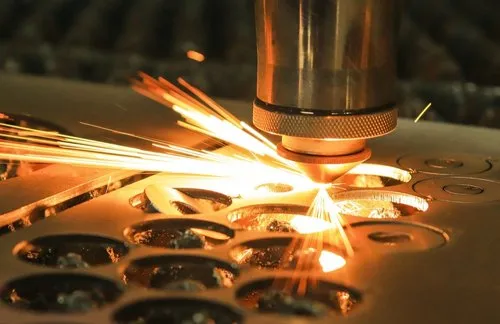
Här är vad tillverkare sällan förklarar redan från början: När du beställer ett laserstansat plåtjobb kommer dina delar inte att matcha din CAD-fil perfekt. Varje snitt introducerar små dimensionella avvikelser – och att förstå dessa toleranser för laserskärning innan du gör din konstruktion kan spara dig kostsamma omarbetsuppgifter och underkända delar.
Vad betyder då "tolerans" egentligen i praktiska termer? Enligt TEPROSA är tolerans den tillåtna avvikelsen för blanken från den nominella dimensionen som du anger till tillverkaren. Den faktiska dimensionen för den laserskurna delen måste ligga inom de övre och undre gränsvärdena. Med andra ord, om du konstruerar en kvadrat på 100 mm kan du få något mellan 99,9 mm och 100,1 mm – och det anses helt acceptabelt.
Varför uppstår dessa avvikelser? Mindre otillförlitligheter uppstår vid varje skärprocess på grund av minimala rörelser i lasersystemet, ojämnheter i materialet självt och variationer i strålformningen. Nyckeln är att säkerställa att dessa variationer förblir inom acceptabla gränser för ditt specifika användningsområde.
Uppnåelig precision vid olika tjocklekar
Olika laserteknologier ger dramatiskt olika precision – och tjockleken förändrar helt ekvationen. Här är hur siffrorna faktiskt ser ut:
Enligt A-Laser bestämmer lasertypen i grunden den noggrannhet du kan uppnå:
- CO2-lasrar: Uppnår vanligtvis laserskärningsundervisningar i intervallet ±0,002–±0,005 tum (±0,05–±0,13 mm). Dessa fungerar väl för icke-metalliska material och tunnare metaller.
- Fiberlaser: Ger smalare undervisningar i intervallet ±0,001–±0,003 tum (±0,025–±0,076 mm). Denna överlägsna laserskärningsnoggrannhet gör fiberlasrar till det föredragna valet för krävande metallbearbetning.
- UV-laser: Uppnå förbluffande stränga toleranser så låga som ±0,0001 tum för mikrofräsning – även om dessa sällan används för plåtskärning.
Men här är den avgörande detaljen som de flesta leverantörer utelämnar: ju större materialtjocklek, desto exponentiellt svårare blir det att bibehålla stränga toleranser. Ju tjockare materialet är, desto mer utmanande blir det att tillämpa en sträng geometrisk tolerans.
| Plåtdjup | Typiskt toleransområde | Kantkvalitet | Användnings lämplighet |
|---|---|---|---|
| Tunn plåt (0,5–3 mm) | ±0,05 till ±0,1 mm | Utmärkt – minimal slagg, slät yta | Precisionkomponenter, elektronikhus, dekorativa paneler |
| Mellanplåt (3–10 mm) | ±0,1 till ±0,2 mm | Bra – lätt konisk form möjlig, hanterbar slagg | Konstruktionsbryggor, maskindelar, allmän konstruktion |
| Tjock plåt (10–20 mm) | ±0,2 till ±0,5 mm | Acceptabelt – märkbar konisk form, ökad ojämnhet | Tunga strukturella komponenter, basplattor, ramverk |
| Tjock plåt (20 mm och tjockare) | ±0,5 till ±1,0 mm | Variabel – betydlig konisk form, ojämnare kanter | Industriell utrustning, icke-precisionsmässigt strukturellt arbete |
När kunden inte har fastställt några uttryckliga specifikationer följer tillverkare vanligtvis DIN ISO 2768, som sammanfattar allmänt tillämpbara toleransmått. Inom denna standard definierar toleransklasserna olika nivåer av precision: fin (f), medel (m), grov (g) och mycket grov (sg). De flesta laserskärningsoperationer använder som standard medeltoleransklassen om inget annat anges.
Faktorer som påverkar dina slutliga mått
Att förstå varför toleranser varierar hjälper dig att konstruera smartare delar och ställa realistiska förväntningar. Fem huvudsakliga faktorer bestämmer din slutliga dimensionsnoggrannhet:
1. Materialtjocklek: Detta är den enskilt största faktorn. Tunn material skärs med nästan perfekt vinkelrättighet, medan tjocka plåtar utvecklar vinkelfel när strålen färdas genom mer material. Toleransen för laserskärning som du kan uppnå vid 2 mm är helt enkelt inte möjlig vid 20 mm.
2. Lasertyp och effekt: Fiberlasrar med högre effekt behåller bättre strålfokus genom tjocka material, men även den bästa utrustningen har fysiska gränser. Enligt Senfeng Laser , är det avgörande att ställa in laserstyrkan korrekt för det material och den tjocklek som skärs – för mycket effekt ger överdriven värme och ojämna ytor, medan för lite effekt kan leda till ofullständiga snitt eller dålig snittbreddskvalitet.
3. Skärhastighet: Hastigheten påverkar direkt precisionen. Om hastigheten är för låg kan det leda till överdriven värme och ojämna ytor. För hög hastighet kan orsaka ofullständiga snitt eller ojämn snittbredd. Att hitta den optimala balansen kräver expertis och korrekt kalibrering av maskinen.
4. Maskinkalibrering: Även högkvalitativ utrustning försvinner över tid. Regelbunden kalibrering av din fiberlaserskärmaskin säkerställer konsekventa, upprepa resultat. Dåligt underhåll av maskiner medför oförutsägbara variationer som överskrider normala lasersnittstoleranser.
5. Förlåt. Assistant för gasval: Val av hjälpgas och tryck påverkar skärkvaliteten avsevärt. Att justera gastrycket hjälper till att förhindra att burr bildas, överdriven värme påverkas av områden och dålig ytbehandling - allt detta påverkar den slutliga dimensionens noggrannhet.
Kvalitetsöverväganden för kanter:
Utöver måtttoleranterna bestämmer tre kantkännetecken om dina delar uppfyller kraven:
- Skärvidd: Bredd av material som tas bort av laserstrålen, vanligtvis 0,1-0,3 mm för fiberlasrar. En konsekvent bredd på kanten säkerställer att delarna passar ihop som avsett och minimerar materialförbrukningen.
- Värmeinverkad zon (HAZ): Området runt snittet som påverkas av laservärme, vilket kan orsaka missfärgning, försvagning av materialet eller strukturella förändringar. Ju mindre HAZ, desto bättre skärkvalitet.
- Ytoroughness: Under skärningen kan diagonala märken uppstå på det skurna ytans yta. Ju mindre dessa märken är, desto jämnare är skärytan och desto bättre är den totala kvaliteten.
När standardtoleranser inte räcker:
För de flesta tillverkningsarbeten är standardtoleranserna för laserskärning fullt tillräckliga. Vissa applikationer kräver dock högre precision:
- Trycksatta konstruktioner: Kan kräva sekundära bearbetningsoperationer för att uppnå mått med interferenspassning
- Precisionsskruvhylsor: Kräver ofta slipning eller borrning efter skärning
- Kritiska anslutningsytor: Överväg vattenskärning för noll påverkad zon av värme
- Ultra-tunna material: Kan dra nytta av specialanordningar för att förhindra termisk deformation
Det praktiska budskapet? Kommunicera alltid toleranskraven redan från början. DIN EN ISO 9013 definierar standardtoleranser för termiska skärprocesser, inklusive laserskärning, plasmaskärning och syrgasskärning. Om din applikation kräver striktare specifikationer bör du diskutera detta med din tillverkare innan produktionen påbörjas – inte efter att du tagit emot delar som inte passar.
Nu när du förstår vad precisionslaserstädning verkligen kan leverera är du redo att jämföra den med alternativa skärmetoder. När är laserstädning lämplig – och när bör du i stället överväga plasma- eller vattenstrålskärning?
Laserstädning jämfört med plasma och vattenstråle för plåtar
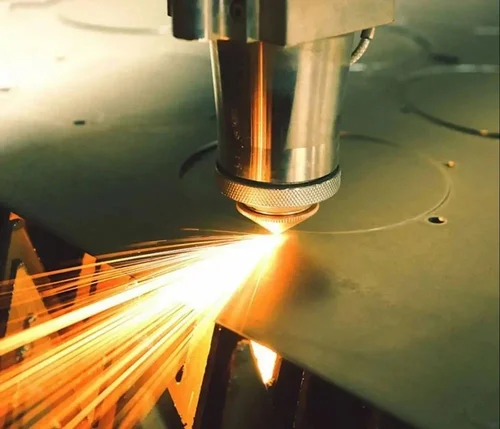
Du har ett projekt för stålplåtskärning på ditt skrivbord. Nu kommer frågan som till och med erfarna tillverkare stannar upp vid: vilken skärmetod är egentligen lämplig för just ditt specifika användningsområde? Svaret är inte lika enkelt som utrustningssäljare föreslår – och ett felaktigt val kan kosta dig tusentals kronor i slösad material, onödig efterbearbetning eller delar som helt enkelt inte uppfyller specifikationerna.
Här är verkligheten som de flesta leverantörer inte berättar för dig: det finns ingen enda "bästa" skärteknik. Enligt Wurth Machinerys tester på hundratals applikationer , varje metod har sina egna fördelar – och många framgångsrika verkstäder inför till slut två eller flera tekniker för att hantera olika projektbehov. Låt oss gå igenom exakt när varje metod är lämplig i er tillverkningsprocess.
När laserskärning är bättre än alternativen
Laserstädning dominerar när du behöver hög precision och rena kanter vid skärning av tunna till medelstora stålprofiler. Den fokuserade strålen skapar exceptionellt smala snitt med minimal materialspill och kanter som ofta inte kräver någon efterbehandling.
Enligt Xometrys tekniska jämförelse uppnår laserskärare en precision på 0,01 mm eller bättre med spaltbredder på ca ±0,15 mm. Jämför detta med plasmaskärningens precision på 0,5–1 mm och spaltbredder större än 3,8 mm – skillnaden är dramatisk.
Välj laserskärning när ditt projekt kräver:
- Intrikata design: Små hål, trånga hörn och komplexa geometrier där plasmaskärningens bredare snitt skulle förstöra detaljerna
- Minimal efterbehandling: Kanterna på laserskurna stålplåtar är fria från burrar och släta, ofta klara för målning eller svetsning utan slipning
- Tunna till medelstora material: Optimal prestanda på material med tjocklek från 0,5 mm till cirka 19 mm
- Icke-metallisk mångsidighet: Till skillnad från plasma kan lasrar även skära trä, plast och keramik
- Massproduktion: Snabbare skärhastigheter på tunna material innebär lägre kostnad per del
Laserbegränsningarna är dock verkliga. De flesta anläggningarna har svårt att hantera material tjockare än 19 mm, och starkt reflekterande ytor som polerad koppar kan orsaka problem. Kapitalinvesteringen är betydligt högre än för plasmasystem – ett komplett plasmasystem kostar cirka 90 000 USD, medan lasersystem av liknande storlek har en högre prisnivå.
När plasmaskärning är mer lämpligt
Plasmaskärning utmärker sig vid bearbetning av tjocka ledande metaller där hastighet och kostnadseffektivitet är viktigare än extremt hög precision. Den högtempererade plasmastrålen – som kan nå upp till 20 000 °C – skär igenom tjock stål-, aluminium- och kopparplåt snabbare än alternativ med laser eller vattenstråle.
Enligt Wurth Machinerys tester visade plasmaskärning av 25 mm (1 tum) tjock stålplåt sig 3–4 gånger snabbare än vattenstrålskärning, med driftkostnader som var ungefär hälften per meter. Den här hastighetsfördelen förstärks kraftigt vid högvolymarbete på tjocka plåtar.
Plasmaskärning är fördelaktig när:
- Tjockleken överskrider laserskapaciteten: Plasma kan skära plåtar upp till 38 mm (1,5 tum), medan lasern har svårt att hantera sådana tjocklekar
- Hastighet är avgörande: Tillverkning av konstruktionsstål, produktion av tung utrustning och skeppsbyggnad prioriterar genomströmning
- Budgetbegränsningar finns: Lägre utrustningskostnader, lägre driftkostnader (ca 15 USD/timme jämfört med lasers ca 20 USD/timme) och minimala underhållskrav
- Delarna kommer att svetsas: Kantfinish kan slipas eller slippas innan svetsning, vilket eliminerar laserns fördel vad gäller kvaliteten på kanterna
Vad är kompromissen? Plasma har en bredare skärnisk, vilket innebär lägre precision vid detaljerat arbete. Kantkvaliteten inkluderar mer skärslag som kräver slipning, och processen fungerar endast på elektriskt ledande material. För dekorativa paneler eller precisionskomponenter kan plasma helt enkelt inte matcha lasers kvalitet.
När vattenstrålskärning blir ditt bästa alternativ
Vattenstrålskärning skiljer sig åt genom att använda högtrycksvatten blandat med abrasiv för att skära nästan vilket material som helst – utan värme. Den egenskapen att inte generera värme gör den oumbärlig för vissa tillämpningar.
Enligt branschprognoser växer marknaden för vattenstrålskärning snabbt och kommer att nå 2,39 miljarder USD år 2034, drivet av efterfrågan på värmekänslig skärning inom luft- och rymdfart, medicinsk teknik samt specialmaterial.
Vattenstrålsskärning presterar bäst när:
- Värmeskador måste undvikas: Ingen deformation, ingen härdning, inga värme-påverkade zoner – avgörande för luft- och rymdfartskomponenter samt precisionsinstrument
- Materialmångfald är viktig: Skär sten, glas, kompositmaterial, gummi och nästan vilket material som helst utom tempererat glas och diamanter
- Mycket tjocka sektioner krävs: Hanterar extrema tjocklekar där både laser och plasma kämpar
- Materialens egenskaper måste förbli oförändrade: Inga metallurgiska förändringar vid skärkanten
Nackdelen? Vattenstrålskärning är den långsammaste av de tre metoderna och vanligtvis den dyraste per del för metallapplikationer. Utrustningskostnaderna ligger kring 195 000 USD för system som är jämförbara med plasmaanläggningar till 90 000 USD.
Välja rätt skärmetod för ditt projekt
Att göra rätt val kräver en ärlig utvärdering av fem nyckelfaktorer för ditt specifika projekt:
1. Materialtyp och tjocklek: Denna enskilda faktor avgör ofta ditt svar. Tunn stålplåt? Laser. Tjocka konstruktionsplåtar? Plasma. Värmekänsliga luft- och rymdfartslegeringar? Vattenstrålskärning.
2. Krävd precision: Om dina toleranser kräver en noggrannhet på ±0,1 mm levererar endast laser konsekvent detta. Om ±1 mm är tillräckligt bra blir plasma kostnadsmässigt konkurrenskraftig.
3. Krav på kvalitet hos snittkanterna: Kommer delarna att synas i det slutgiltiga produkten? Laserns släta, burrfria kanter sticker verkligen ut. Kommer kanterna att slipas innan svetsning ändå? Då spelar det ingen roll att plasmas ytor är ojämnare.
4. Produktionsvolym: Stora volymer av tunna material gynnas av lasersnabbhet. Tillfälliga arbeten med tjocka plåtar kan motivera att lämna ut dessa till specialiserade plasmaföretag.
5. Kostnadsöverväganden: Ta hänsyn till utrustning, förbrukningsmaterial, arbetsinsats för efterbearbetning och materialförluster från skärbredden – inte bara sk tid.
| Faktor | Laserbearbetning | Plasmaskärning | Vattenstrålskärning |
|---|---|---|---|
| Tjocklekskapacitet | Upp till 19–25 mm (beroende på material) | Upp till 38 mm (1,5 tum) | I praktiken obegränsad för de flesta material |
| Toleransomfång | ±0,05 till ±0,2 mm | ±0,5 till ±1,0 mm | ±0,1 till ±0,25 mm |
| Kantkvalitet | Utmärkt – slät, fritt från burrar | Tillfredsställande – slagg kräver slipning | Bra till utmärkt – inga värmeeffekter |
| Värmeinverkanszon | Liten men närvarande | Större än laser | Ingen – kallskärningsprocess |
| Materiell kompatibilitet | Metaller, trä, plast, keramik | Endast ledande metaller | Nästan alla material |
| Skärhastighet (tunt metall) | Snabbast | Måttlig | Långsammast |
| Skärhastighet (tjock metall) | Begränsad kapacitet | Snabb | Långsam men kapabel |
| Relativ kostnad per del | Låg för tunna material, högre för tjocka | Lägst för tjocka material | Högst totalt |
| Driftkostnad | ~$20/timme | ~$15/timme | Högre (kostnader för slipskivor) |
| Utrustningsinvestering | Hög | Måttlig (~90 000 USD) | Högre (~195 000 USD) |
Sista slutsatsen: För de flesta stålplatskärningsapplikationer under 15 mm som kräver precision och rena kanter ger laserskärning den bästa kombinationen av kvalitet, hastighet och kostnadseffektivitet. Plasma skärning är lämplig för tjocka konstruktionsdelar där toleranserna är generösa. Vattenstråle är fortfarande specialvalet för värmeempfindliga applikationer eller exotiska material.
Många konstruktionsverkstäder börjar med en teknik och expanderar efter hand som affärsbehoven växer. Plasma- och laserskärning kompletterar ofta varandra – laserskärning täcker tunna precisionsuppgifter, medan plasmaskärning hanterar tjocka konstruktionsdelar. Vattenstråle lägger till förmågan att hantera specialprojekt som ingen av de termiska processerna kan hantera.
Att förstå dessa avvägningar gör att du kan fatta välgrundade beslut i stället för att acceptera vad leverantören råkar erbjuda. Nu när du vet vilken skärmetod som passar ditt användningsområde är nästa steg att optimera din konstruktion för att maximera resultaten från den process du valt.
Konstruktionsöverväganden för framgångsrik laserskärning av plåt
Du har valt rätt material, förstått dina toleranskrav och valt laserskärning som din bearbetningsmetod. Nu kommer det steg där de flesta projekt antingen lyckas utmärkt eller misslyckas dyrt: konstruktionen. Här är vad som frustrerar tillverkare vid kundinlämningar – de flesta konstruktörer skapar delar som ser perfekta ut på skärmen men ignorerar de fysiska realiteterna i hur lasrar faktiskt skär metall.
Skillnaden mellan en laserskuren metallplatta som anländer färdig att användas och en som kräver kostsamma omarbetsåtgärder beror ofta på designbeslut som fattas veckor innan skärningen börjar. Enligt Jigas DFM-forskning ger tillämpning av Design for Manufacturing-principer vid laserskärning kostnadsbesparingar, högre produktkvalitet och snabbare tid till marknaden. Låt oss utforska exakt vad dessa principer innebär för ditt nästa projekt.
Designregler som minskar tillverkningskostnader
Varje designval du gör påverkar tre saker: skärkvaliteten, efterföljande bearbetning och din slutgiltiga faktura. Att förstå varför vissa regler finns hjälper dig att göra informerade avvägningar i stället för att blint följa riktlinjer.
Minsta detaljstorlekar: Laserstrålen har en fysisk bredd – vanligtvis 0,1 mm till 0,3 mm beroende på utrustning. Alla detaljer som är mindre än denna skärbredd kan helt enkelt inte existera. Men här är det som de flesta guider inte förklarar: praktiska minimivärden är betydligt större än teoretiska gränser.
- Minsta håldiameter: Borde överskrida materialtjockleken. En 3 mm tjock platta kräver hål med minst 3 mm i diameter för ren skärning. Mindre hål samlar värme och kan eventuellt inte skäras helt.
- Minimum spårbredd: Även relaterat till tjocklek – slitsar smalare än plattans tjocklek innebär risk för ofullständig skärning och överdriven termisk deformation.
- Minsta avstånd mellan detaljer: Enligt MakerVerse placera skärningsgeometrin minst två gånger platttjockleken ifrån varandra för att undvika deformation mellan intilliggande skärningar.
Avstånd från hål till kanter: Här spelar termofysiken en avgörande roll. När hålen placeras för nära delens kanter kan den koncentrerade värmen inte spridas tillräckligt. Resultatet? Deformerade kanter, revna hål och delar som inte klarar kontrollen – särskilt om de senare ska formas ytterligare.
En säker regel: håll ett kantavstånd som är minst 1,5 gånger materialtjockleken. För en laserstänkt ståldel med 4 mm tjocklek bör hålen placeras minst 6 mm från vilken som helst kant.
Flikplacering för nästlade delar: Små eller lättviktiga komponenter kräver hållfunktioner – flikar eller små broar som håller delarna stabila under skärningen. Utan dem flyttas delarna under skärningen när de separerar från den ursprungliga plåten, vilket orsakar måttavvikelser eller maskinkrascher.
Strategisk placering av flikar balanserar tre behov:
- Delstabilitet under skärning (förhindrar rörelse)
- Lätt borttagning efter skärning (flikar får inte kräva överdriven slipning)
- Placering bort från kritiska funktioner (flikar lämnar små spårmarkeringar)
Beaktande av fibreriktning: Rullad stål har riktningsegenskaper från tillverkningsprocessen. Även om laserskärning i sig inte påverkas av kornriktningen påverkas nedströmsprocesser som böjning absolut av denna. Utforma dina delar så att böjlinjerna är vinkelräta mot rullningsriktningen så långt det är möjligt – detta förhindrar sprickbildning och ger mer konsekventa böjvinklar.
Sammanfattning av rekommenderade utformningsprinciper:
- Hörnradier: Lägg till minst 0,5 mm radie på inre hörn. Skarpa hörn koncentrerar spänning och är omöjliga att skära perfekt med laser – strålen skapar naturligt små radier ändå.
- Minimibredd för slitsar: Håll slitsarna bredare än materialtjockleken. En 2 mm tjock platta kräver slitsar med minst 2 mm bredd.
- Text och gravering: Minsta linjebredd på 0,3 mm för läsbar graverad text. Undvik teckensnitt med fina serifer som inte återges renligen.
- Konsekventa böjriktningar: Enligt MakerVerse innebär inkonsekventa böjriktningar och varierande böjradier fler maskininställningar – och högre kostnader.
- Klämverktygets frihetsutrymme: Om du använder en vinkelpress efter skärningen måste du lämna tillräckligt med utrymme för verktygen att nå böjhörnen vid 90 grader.
Undvikande av vanliga designfel
Att förstå varför dessa regler är viktiga hjälper dig att känna igen när det kan vara acceptabelt att bryta dem – och när det definitivt inte är det.
Varför avståndsreglerna är viktiga – termisk deformation: Laserstrålen genererar intensiv lokal värme. När snitt görs för nära varandra ackumuleras värmen snabbare än vad materialet kan leda bort den. Detta orsakar deformation, måndringsförändringar och delar som inte ligger platt. Enligt DFM-riktlinjerna förhindrar en konstruktion av delar med tillräcklig avstånd mellan snittrader värmeackumulering och förhindrar deformation eller förvrängning. Ta hänsyn till ditt materials värmeledningsförmåga när du planerar funktionstätheten.
Varför minimifunktioner är viktiga – delstabilitet: Under skärningen rör sig laserhuvudet med hög hastighet över din del. För små funktioner eller otillräckligt avstånd skapar svaga punkter som kan böjas, vibrera eller lossna under processen. Resultatet sträcker sig från dålig kvalitet på kanterna till fullständig förstörelse av delen – och potentiell skada på maskinen.
Varför avstånd till kanter är viktigt – vidarebearbetning: En metallpanel som är skuren med laser och ser perfekt ut kan misslyckas under formningsprocessen. Hål som placeras för nära kanter har otillräckligt med material runt sig. När du böjer delen sträcks detta material – och hål i närheten av böjlinjer kan rivs eller deformeras bortom toleransen. Designa för hela tillverkningssekvensen, inte bara för skärningssteget.
Maximera materialutnyttjandet: Effektiv nesting – att ordna delar för att minimera spill – påverkar projektets kostnad avsevärt. Enligt Komacuts designguide är användning av standardmaterialtjocklekar ett av de enklaste sätten att optimera laserskärningsprocessen. Icke-standardtjocklekar kräver ofta specialkalibrering eller särskild materialförsörjning, vilket ökar ledtider och kostnader.
Designval som förbättrar nestingeffektiviteten:
- Använd gemensamma skärningslinjer mellan angränsande delar där det är möjligt
- Designa komplementära former som tessellerar effektivt
- Undvik delar med oregelbundna former som lämnar stora outnyttjade rester
- Överväg att rotera delar för att optimera plåtutnyttjandet
Förenkling för kostnadseffektivitet: Varje extra funktion ökar skärningstiden. Komplexa kurvor tar längre tid än räta linjer. Invikta inre utskärningar kräver fler genomstickningspunkter. Enligt Jiga minskar förenklade delkonstruktioner skärningstiden och minimerar komplexiteten – att balansera konstruktionskraven med tillverkningskostnaderna ger bättre resultat än överdriven konstruktion.
Tillverkarna som konsekvent levererar utmärkta resultat använder inte nödvändigtvis bättre utrustning – de samarbetar med kunder som tillhandahåller välkonstruerade filer. Genom att tillämpa dessa principer på dina konstruktioner av laserstanskade metallplattor undviks omskrivningscyklerna fram och tillbaka, vilka fördröjer projekt och driver upp kostnaderna.
När dina konstruktioner är optimerade för tillverkningsframgång är nästa steg att anpassa ditt projekt till rätt industriella tillämpningar – att förstå hur olika branscher prioriterar olika konstruktions- och kvalitetsfaktorer hjälper dig att specificera krav som stämmer överens med verkliga prestandakrav.
Branscher och tillämpningar för laserstanskade plattor
Nu när du vet hur man designar delar för framgångsrik tillverkning, undrar du säkert: Vem använder egentligen den här tekniken - och för vad? Svaret omfattar praktiskt taget alla sektorer som formar metall. Från chassit under bilen till dekorationsskärmen som pryder en lyxhotelllobby, har laserskurna metaller blivit grundläggande för modern tillverkning.
Vad gör denna teknik så allmänt accepterad? Enligt Senfeng Lasers analys av industrin , har metallfiberskärare blivit oumbärliga verktyg för precisionsmetalltillverkning, som kombinerar hastighet, noggrannhet och mångsidighet i dussintals tillämpningar. Låt oss undersöka exakt hur olika branscher utnyttjar dessa möjligheter - och vad varje sektor prioriterar olika.
Industriella tillämpningar som driver efterfrågan
Olika branscher närmar sig laserskärning med fundamentalt olika prioriteringar. Att förstå dessa skillnader hjälper dig att ange krav som motsvarar verkliga prestandaförväntningar.
Fordonsproduktion:
Inom bilindustrin är precision och konsekvens avgörande. Enligt branschdata stödjer laserskärningstekniken både högvolymsproduktion och prototypframställning av anpassade delar med utmärkt upprepbarhet över flera partier.
- Chassidelar: Strukturella bromsar, förstärkningsplåtar och monteringsutrustning som kräver stränga toleranser
- Karossdelar: Bilkarosseriplåtar och trimdelar där släta kanter minskar efterbearbetningstiden
- Avgassystemdelar: Värmesköldar och fästbracketar i rostfritt stål
- Strukturella fästen: Komponenter av höghållfast stål som hjälper tillverkare att snabba upp utvecklingen samtidigt som de säkerställer långsiktig hållbarhet
Vad bilindustrin prioriterar: toleranser och upprepbarhet ovan allt annat. När du tillverkar tusentals identiska bromsar måste varje del passa på exakt samma sätt. Regionala specialister som Alabama Plate Cutting Co. betjänar billeverantörer som kräver konsekvent kvalitet över stora produktionsomfattningar.
Tillverkning av industriell utrustning:
Tung utrustning, kapslingar och monteringssystem är i hög grad beroende av laserskurna stålplåtar för strukturell integritet och exakt passform.
- Maskinramar: Basstrukturer som kräver exakta hålmönster för montering av komponenter
- Elskåp: Kontrollpaneler och strömfördelningslådor med renhuggna öppningar för strömbrytare och displayar
- Fästplattor: Utrustningsbaser med exakt placerade skruvmönster
- HVAC-komponenter: Kanaler, fästen och anpassade paneler för klimatanläggningar
Enligt MET Manufacturing , deras tjänster omfattar även industriell utrustning där precisionsskåp och skyddskomponenter levererar uppgiftskritisk prestanda.
Jordbruksmaskiner:
Jordbruksutrustning används i krävande miljöer där hållbarhet är lika viktig som precision.
- Skördemaskinramar: Strukturella komponenter i kolstål med hög tjocklek
- Såmaskinskomponenter: Slitagebeständiga plattor och monteringsutrustning
- Blad och housings: Komponenter som kräver konsekvent skärkvalitet för korrekt funktion
Jordbruksapplikationer använder ofta kolstål och slitagebeständiga stålsorter, där snabbare bearbetning och lägre arbetslöskostnader hjälper tillverkare att uppfylla stränga tidsfrister och budgetar.
Från arkitektoniska paneler till precisionskomponenter
Medan industriella applikationer prioriterar funktion kräver arkitektoniska och konsumentapplikationer både estetik och prestanda.
Arkitektonisk och inredningsdekoration:
Arkitekter och designers förlitar sig allt mer på laserskärning för att skapa komplexa mönster och detaljerade design i metallpaneler. Möjligheten att skära anpassade former gör det möjligt att tillverka unika dekorativa element som förbättrar moderna kommersiella och bostadsutrymmen.
- Dekorativa skärmar och partitioner: Intrikata geometriska mönster som är omöjliga att åstadkomma med andra skärmetoder
- Fasadpaneler: Byggnadens yttre klädnad med komplexa visuella design
- Räcken och balustrader: Komponenter i rostfritt stål som kombinerar säkerhet med estetik
- Dörrpaneler och väggbeklädnad: Anpassade dekorativa element i koppar, aluminium och dekorativa metallplåtar
Vad arkitekter prioriterar: estetik och hållbarhet är avgörande. En dekorativ skärm kan ha generösa måtttoleranser, men kvaliteten på kanterna och den visuella effekten måste vara felfria.
Laserklippta metallpaneler för utomhusanvändning:
Utomhusinstallationer innebär ytterligare överväganden utöver inomhusdekoration. När laserklippta metallpaneler specificeras för utomhusanvändning blir väderbeständighet och krav på beläggning avgörande framgångsfaktorer.
- Cortenstålspaneler: Utformade för att utveckla en skyddande rostpatina med tiden – populära för trädgårdsskärmar och arkitektoniska detaljer
- Pulverbelagt aluminium: Korrosionsbeständigt med ett brett utbud av färgalternativ för skyltar och dekorativa element
- Hett-dippt galvaniserad stål: Maximal skydd för strukturella utomhusapplikationer
- Maringradigt rostfritt stål: Oåterkommande för kustinstallationer där saltexponering hotar oskyddade metaller
Enligt MET Manufacturing kräver marinapplikationer korrosionsbeständiga laserklippta paneler och fästen som är konstruerade för pålitlighet i hårda miljöer. Samma principer gäller för alla utomhusinstallationer – materialval och skyddande beläggningar avgör om dina paneler ser pristina ut i flera decennier eller försämras inom några år.
Reklam och skyltar:
Reklambranschen kräver komplexa mönster, olika storlekar, mångfaldiga material och höga krav på snittkvalitet. Typiska applikationer inkluderar:
- Kanalbokstäver: Tredimensionell skyltning med exakt klippta ytor och returer
- Metalllogotyper: Element för företagets identitet som kräver perfekt reproduktion av varumärkesdesigner
- Ljusboxpaneler: Bakgrundsbelysta skyltar med komplexa utskurna mönster
- Dekorativa displayar: Mässutställningselement och butiksfixturer
Kommersiell kökutrustning:
Användningsområden inom livsmedelsdistribution kräver hygieniska lösningar framför allt. Laserbegränsning ger släta, rena kanter som minimerar ansamling av smuts och bakterier och uppfyller hygienkraven i kommersiella kök.
- Förberedningsstationer och bord: Livsmedelsklassade ytor i rostfritt stål
- Ventilationshuvar: Avgaskomponenter i specialstorlek
- Utrustningshöljen: Ugnar, kylenheter och specialutrustning för matlagning
Rymd- och försvarsindustri:
Dessa sektorer omfattar vissa av de mest krävande teknikstandarderna. Laserstädning hjälper till att uppfylla kraven med precisionsklippningar som bevarar materialens hållfasthet, medan automatiserade system och CNC-integration möjliggör effektiv produktion av kritiska komponenter.
- Flygplansfästen: Lättviktiga delar med stränga toleranskrav i aluminiumlegeringar och titan
- Motorgehålskomponenter: Värmebeständiga material med strikta specifikationer
- Skyddspaneler: Skyddskomponenter där prestanda är avgörande för uppdraget
Försvarsorganisationer och luft- och rymdfartsindustritillverkare litar på precisionsgehåls- och skyddskomponenter – och regionala skärningsspecialister som Alabama Plate Cutting Co. tjänar ofta dessa krävande sektorer genom certifierade kvalitetsstyrningssystem.
Den gemensamma nämnaren i alla dessa tillämpningar? Varje bransch har upptäckt att laserskärning ger den specifika kombinationen av precision, kvalitet på skärningskanterna och produktionseffektivitet som deras komponenter kräver. Bilmotorn kräver återkommande noggrannhet. Arkitekturen kräver skönhet. Luft- och rymdfarten kräver perfektion. Och modern fiberlaserteknik levererar alla tre – när den kombineras med rätt tillverkningspartner som förstår dina specifika krav.
Att välja rätt partner för laserskärning
Du har utformat den perfekta komponenten, valt det idealiska materialet och vet exakt vilka toleranser du behöver. Nu kommer kanske det mest avgörande beslutet i hela ditt projekt: vem som faktiskt ska skära ditt metallmaterial. Här är vad som frustrerar inköpsavdelningar i olika branscher – de flesta tjänsteleverantörer för laserskärning av metall ser likadana ut på papperet, vilket nästan gör det omöjligt att skilja ut exceptionella partners från genomsnittliga innan du redan har gjort ditt val.
Skillnaden mellan en leverantör som levererar plåt med exakt skärning i tid och en som orsakar månader av huvudvärk beror ofta på faktorer som inte framgår av standarduppgifter i offertjämförelser. Enligt Laserstädning av former , är valet av rätt laserskärningstjänst en investering i projektets framgång – och att göra detta val kräver att man utvärderar faktorer som går utöver endast pris per del.
Utvärdering av tjänsteleverantörskapacitet
När du jämför potentiella leverantörer av förskurna stålplåtar visar utrustningsspecifikationerna bara en del av historien. Likaså viktigt är hur denna utrustning underhålls, drivs och integreras i en komplett tillverkningsarbetsflöde.
Utrustningskapaciteter:
Börja med att anpassa dina projektkrav till faktiska maskinspecifikationer – inte till marknadsföringspåståenden. Viktiga frågor att ställa:
- Laser typ och effekt: Använder anläggningen fiberlaser för metallapplikationer? Vad är deras maximala effektklassning, och ännu viktigare: vilka tjockleksområden skär de dagligen med konsekvent kvalitet?
- Sängstorlek: Kan de hantera dina plåtdimensioner utan att behöva sammanfoga eller ompositionera?
- Automatiseringsnivå: Automatiserade lastnings/lossningssystem indikerar hög volymkapacitet och konsekvent hantering
- Kompletterande utrustning: Erbjuder de integrerad böjning, svetsning eller ytbehandling som eliminerar behovet av transport mellan leverantörer?
Enligt GSM Industrial är de mest kapabla anläggningarna sådana som kombinerar laserskärning med böjning, stansning, bearbetning och monteringsmöjligheter under samma tak – vilket innebär att ett enda offertförslag kan täcka hela din produktion.
Materiallager och inköp:
Din projektplanering beror ofta lika mycket på materialtillgänglighet som på skärningskapacitet. Utvärdera om din potentiella leverantör:
- Lagerför vanliga kvaliteter och tjocklekar för omedelbar produktion
- Har etablerade relationer med ståltjänstcenter för snabb inköp av specialmaterial
- Kan certifiera materialspårbarhet för branscher som kräver dokumentation
- Erbjuder vägledning angående materialsubstitutioner som bibehåller prestanda samtidigt som kostnaden eller ledtiden minskar
Kvalitetscertifieringar som faktiskt är viktiga:
Inte alla certifieringar har samma vikt. För allmän tillverkning fastställer ISO 9001 en grundläggande kvalitetsledning. Men om du köper bilkomponenter finns det en certifiering som står över alla andra.
Enligt Xometrys certifieringsguide är IATF 16949 utformad specifikt för alla företag som tillverkar bilar eller bilkomponenter. Även om den inte är lagstadgad kräver leverantörer, entreprenörer och kunder ofta att du är registrerad och följer dessa kvalitetsstandarder för att samarbeta eller arbeta med dig.
Vad gör IATF 16949 annorlunda jämfört med vanliga kvalitetscertifieringar?
- Den bygger på ISO 9001 men lägger till bilspecifika krav för felundvikning
- Certifiering är binär – ett företag uppfyller antingen kraven eller inte; det finns inga variationer
- Att följa standarden visar engagemang för att begränsa fel samt minska slöseri och onödigt arbete
- Revisionerna omfattar sju omfattande avsnitt, inklusive sammanhang, ledarskap, planering, stöd, verksamhet, prestandauppföljning och förbättring
Effektivisera din väg från design till leverans
De mest värdefulla tillverkningspartnerna gör mer än att enbart skära metall enligt dina specifikationer – de förbättrar aktivt dina tillverkningsresultat genom samarbetsbaserad expertis.
Design för tillverkning (DFM) stöd:
Sök efter leverantörer som granskar dina konstruktioner innan de lämnar ett offert och proaktivt föreslår förbättringar. En effektiv DFM-granskning identifierar:
- Funktioner som skär dåligt eller kräver överdriven bearbetningstid
- Toleransangivelser som överskrider standardförmågan för laserskärning
- Materialval som kan optimeras för bättre resultat eller lägre kostnad
- Nestningseffektiviteter som minskar materialspill och styckpris
Vissa tjänster erbjuder konstruktionsstöd, prototypframställning och hjälp med materialval – men dessa anpassningsalternativ kan påverka pris och ledtid, så diskutera dina behov redan i början.
Transparens kring ledtid:
Genomloppstiden varierar kraftigt beroende på projektets komplexitet, volym och nuvarande arbetsbelastning. Tydlig kommunikation om dina tidsfrister är avgörande. När du utvärderar leverantörer bör du specifikt fråga om:
- Standardgenomloppstider för vanliga beställningar
- Snabba leveransalternativ och de tillhörande extra kostnaderna
- Hur den aktuella kapaciteten påverkar realistiska leveransdatum
- Om de uppgivna tidsramarna inkluderar kvalitetskontroll och förpackning
Integrerade tillverkningskapaciteter:
För komplexa komponenter – särskilt inom bilapplikationer – är den mest effektiva vägen ofta att kombinera skärning med formningsoperationer. Tillverkare som Shaoyi (Ningbo) Metallteknik exemplifierar detta integrerade tillvägagångssätt genom att kombinera laserskärningskapacitet med expertis inom metallstansning för fullständiga komponentlösningar.
Vad ger integrerad tillverkning?
- Snabb prototypning: prototypgenomlopp på fem dagar accelererar utvecklingscykler
- IATF 16949-certifiering: Kvalitetsstyrning på bilmässig nivå för chassin, upphängning och konstruktionskomponenter
- Omfattande DFM-stöd: Expertresexamen optimerar design innan produktion
- Snabb offertrespons: 12 timmars uppsättning gör att projektet fortsätter
- Möjsam skalning: Från prototypkvantiteter till automatiserad massproduktion utan att byta leverantör
Detta är viktigt, eftersom bilkomponenter sällan behöver bara skäras. Brickan måste böjas. Monteringsplåtar behöver hålmönster och formning. Strukturförstärkning behöver svetsas. När en anläggning hanterar hela sekvensen eliminerar du leveransförseningar, minskar kvalitetsvariationer och upprätthåller ansvarsskyldighet under ett enda kvalitetssystem.
Checklista för leverantörsbedömning:
Innan du gör en laserskärning av metall ska du systematiskt utvärdera följande kriterier:
- IATF 16949-certifiering (väsentligt för fordonsförsörjningskedjor)
- Snabbprototyperingsförmåga (Fem dagar eller snabbare för utvecklingsarbete)
- DFM-gransknings tjänster (proaktiv designoptimering, inte bara orderbehandling)
- Offertrespons (En omgång på 12-24 timmar indikerar driftseffektivitet)
- Integrerade formningsprocesser (stansning, böjning, svetsning under ett tak)
- Materialspårbarhet (dokumenterad leveranskedja för reglerade branscher)
- Kvalitetskontrollprotokoll (kontroll av första artikeln, pågående kontroller, slutlig verifiering)
- Kundkommunikation (responsiv support under hela processen)
Att få flera offertförslag – på rätt sätt:
Att jämföra offertförslag från olika leverantörer hjälper dig att hitta den bästa lösningen för dina behov och ditt budget. Se dock till att du jämför likvärdiga erbjudanden:
- Begär detaljerade uppdelningar där material-, skär- och sekundära operationskostnader anges separat
- Klara upp om offerten inkluderar kvalitetskontroll, certifiering och förpackning
- Fråga om volymrabatter om dina kvantiteter kan öka
- Verifiera att alla offertförslag refererar till identiska specifikationer och toleranser
Kom ihåg att det billigaste alternativet inte alltid är det bästa. Överväg kvalitet, erfarenhet, certifieringsstatus och andra faktorer utöver priset. En leverantör som upptäcker ett konstruktionsproblem innan produktionen påbörjas eller levererar delar som inte kräver någon omarbete visar sig ofta vara mer ekonomisk än den lägsta anbudsgivaren som skapar problem längre ner i processen.
Tillverkare som konsekvent levererar utmärkta resultat delar gemensamma egenskaper: de investerar i modern utrustning, underhåller strikta kvalitetssystem, kommunicerar proaktivt och ser kundens framgång som sin egen framgång. Att hitta en sådan partner förvandlar projekt för laserskärning av plåt från stressfyllda inköpsuppgifter till pålitliga tillverkningsoperationer som kan skalas upp i takt med dina företagsbehov.
Vanliga frågor om laserskärning av plåt
1. Vilka material kan inte skäras med en laserskärare?
Vissa material utgör säkerhetsrisker eller ger dåliga resultat vid laserskärning. PVC frigör giftig klorväxgas när det värms upp. Polykarbonat och Lexan absorberar laserenergi dåligt, vilket leder till färgförändring och smältning istället for rena snitt. Reflekterande metaller som polerad koppar kan skada CO2-laseroptiken, även om fiberlasrar hanterar dessa bättre. Sammansatta material med blandade sammansättningar kan ge inkonsekventa resultat eller farliga ångor. Kontrollera alltid materialkompatibiliteten med din tillverkare innan produktionen påbörjas.
2. Hur tjockt stål kan en laserskärare hantera?
Tjocklekskapaciteten beror på laserens effekt och materialtypen. En 1000 W fiberlaser kan vanligtvis skära upp till 10 mm kolstål med högkvalitativa kanter. System med högre effekt (6–12 kW) kan utföra stabila produktionsskärningar genom 20–25 mm stål. Kolstål kan skäras i större tjocklek än rostfritt stål vid samma effekt, eftersom syre som hjälpgas tillför exoterm energi. För plåtar som överstiger 25 mm är plasma-skärning ofta mer praktisk och kostnadseffektiv än laserskärning.
3. Kan aluminiumplåtar skäras effektivt med laser?
Ja, aluminium kan skäras med laser, men det innebär unika utmaningar. Aluminium reflekterar laserenergi och leder värme snabbt, vilket minskar den maximala tjocklekskapaciteten jämfört med stål. Fiberlasrar hanterar aluminium bättre än CO₂-system på grund av deras våglängdsegenskaper. God kvalitet uppnås vanligtvis vid tjocklekar under 12 mm. Tjockare aluminium kan ge ojämnare kanter och ökad slagg, vilket ofta gör vattenstrålskärning till ett bättre alternativ för sektioner över 15 mm.
4. Vilka toleranser kan jag förvänta mig vid laserskärning?
Fiberlasrar uppnår toleranser på ±0,025 till ±0,076 mm på tunna material, medan CO2-lasrar ger ±0,05 till ±0,13 mm. Toleransen försämrar sig när tjockleken ökar – tunna plåtar (0,5–3 mm) håller ±0,1 mm, medan tunga plåtar (20 mm och mer) kan variera med ±0,5 till ±1,0 mm. Faktorer som påverkar precisionen inkluderar materialtyp, skärhastighet, maskinkalibrering och valet av hjälpgas. För applikationer som kräver striktare toleranser kan sekundära bearbetningsoperationer vara nödvändiga.
5. Vad är kostnadsdifferensen mellan laserskärning, plasmaskärning och vattenskärning?
Driftkostnaderna varierar kraftigt: plasma kostar cirka 15 USD/timme, laser cirka 20 USD/timme och vattenstråle är dyrare på grund av slitaget på abrasivmaterial. Investeringen i utrustning skiljer sig också åt – plasmasystem kostar cirka 90 000 USD, medan jämförbara lasersystem och vattenstrålesystem har högre pris (över 195 000 USD). Kostnaden per del är fördelaktigast för laser vid tunna material tack vare dess hastighetsfördel, för plasma vid tjocka konstruktionsstål och för vattenstråle endast när skärning utan värme motiverar den högre kostnaden. Volym, materialtjocklek och krav på kvaliteten på snittkanten avgör slutligen vilken lösning som är mest ekonomisk.