 Small batches, high standards. Our rapid prototyping service makes validation faster and easier —
  EN
EN


Kan du TIG-svetsa gjutjärn utan att försämra sprickan?
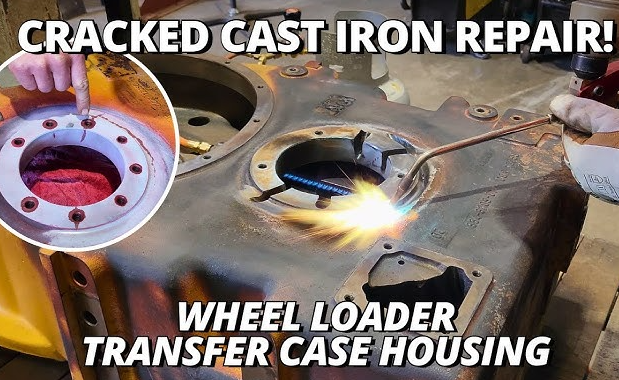
Kan du TIG-svetsa gjutjärn i verkliga förhållanden?
- Ja, det är det. kan du TIG-svetsa gjutjärn har ett svar från verkligheten: ibland. TIG kan reparera vissa gjutjärnsdelar framgångsrikt, men endast när gjuttypen, renligheten, begränsningen och värmekontrollen alla stämmer överens. Om du frågar kan du svetsa gjutjärn eller kan gjutjärn svetsas , är det ärliga svaret ja i princip, men inte varje spricka är reparerbar i praktiken.
Den skillnaden är avgörande. En gjutning kan tekniskt sett vara svetsbar, men ändå vara en dålig kandidat för TIG-svetsning eftersom den är impregnerad med olja, kraftigt begränsad eller redan full av spänningar från drift och kylning. Lincoln Electric noterar att vanligt grått gjutjärn har hög kolhalt och grafit i sin struktur, vilket är en stor anledning till att det tenderar att spricka och bilda hårda, spröda områden när värme hanteras felaktigt. Codinter pekar också på att TIG erbjuder exakt värmekontroll, men samma precision upphäver inte föroreningar, fukt eller restspänningar.
När TIG-reparation är rimlig
TIG är attraktiv för mindre, lokala reparationer eftersom den ger utmärkt kontroll över smältpölen och en ren, exakt båge. Detta kan vara till hjälp vid sprickor i housings, fästen och vissa manifoldar där du behöver placera metall exakt där den ska sitta. Ändå är frågan om gjutjärn går att svetsa bara halva historien. Den bättre frågan är om detta gjutningen kan överleva reparationsscykeln.
TIG kan användas på gjutjärn, men gjutningen själv avgör ofta resultatet innan bågen ens startar.
- Bättre chanser: känd gjutjärnstyp, rena brottytor, begränsad förorening, låg spänningspåverkan, liten reparationszon samt kontrollerad uppvärmning och avsvalning.
- Högre risk: okänt material, djup olje- eller kol-förorening, långa sprickor, tjocka styva sektioner eller en del som måste behålla sina mått exakt.
Så, går gjutjärn att svetsa? Ofta ja. Om TIG är rätt metod beror ännu mer på vilken typ av gjutmaterial du faktiskt har i handen, eftersom gråjärn, segjärn och liknande gjutdelar inte reagerar på samma sätt alls.
Hur materialtyp påverkar TIG-reparation
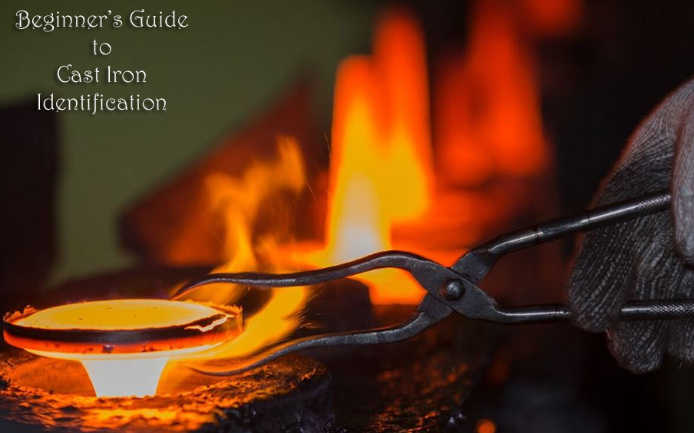
Den största vägskiljningen är inte maskininställningarna. Det är materialidentifiering. TWI noterar att gjutjärn är järnbaserade legeringar med mer än 2 % kol, och att svetsbarheten i hög grad beror på mikrostrukturen. För tIG-svetsning av gjutjärn , betyder det att formen på grafiten, eller om grafit finns alls, ofta är viktigare än etiketten på delen. Grundläggande verktygshandlarspår hjälper också. Sodel visar att gråjärn tenderar att ge kortare rödorange gnistor med fler explosioner, medan kolstål eller gjutstål vanligtvis ger längre gula gnistor med färre explosioner.
Gråjärn jämfört med segjärn
Gråjärn är den problemmakaren som de flesta föreställer sig i läggning av järn tWI beskriver sitt grafit som flak, och dessa flak fungerar som inbyggda svagzoner. Segjärn har däremot sfäroidala grafitnoduler, vilket gör att det hanterar töjning bättre och i allmänhet är lättare att svetsa. Malleabelt järn är också mindre sprödt än gråjärn eftersom dess kol förekommer i kompakta agglomerat snarare än flak. Vitt järn ligger på det andra extremet: dess kol är främst bundet som järnkarpid, vilket gör det extremt hårt, sprött och normalt ett dåligt kandidat för reparation. Modern Casting understryker också att interaktionen mellan tilläggs- och basmetall kan förändra resultaten kraftigt, även mellan olika kvaliteter av segjärn.
| Material | Identifieringskriterier i enkelt språk | Relativ svetsbarhet | Sprickrisk | Beteende i värmeinflyttszonen (HAZ) | Riktning för tilläggsmaterial | TIG-passning |
|---|---|---|---|---|---|---|
| Segjärn | Vanliga äldre gjutdelar och housings. Gnistsparktest visar ofta kortare rödorange gnistor med många explosioner. | Måttlig till dålig | Hög | Känsligt för hårda, spröda zoner om avsvalningen sker för snabbt | Vanligtvis nickelbaserade fyllmedel för att hantera kolutspädning och göra avsättningen mer bearbetningsbar | Reservval för små, kontrollerade reparationer |
| Duktilt Järn | Tåligare gjutningar som används där hållfasthet och duktilitet är viktiga, till exempel rör och många stötdämpare | Måttlig till god | Måttlig | Mindre benägna än gråjärn att uppvisa allvarlig sprödhet, särskilt i ferritiska sorters järn | Nickel- eller nickel-järnbaserad riktning, med testning eller kvalificering starkt rekommenderad | Reservval, ibland ett starkt val för exakt lokal reparation |
| Smidejärn | Värmebehandlat vitt järn med förbättrad duktilitet | Måttlig | Måttlig | Generellt mer toleranta än gråjärn, men fortfarande känslomässiga för kylspännningar | Ofta behandlas på liknande sätt som grå- eller segjärn med nickelbaserade alternativ | Reservval |
| Vitjärn | Mycket hårda, slitagesbeständiga gjutdelar som används i abrasiva applikationer | Mycket dålig | Mycket hög | Befintliga karbider och spröd struktur gör sprickbildning sannolik | Reparation undviks ofta istället for att lösas genom valet av fyllmaterial | Dåligt val |
| Format stål | Kan misstas för gjutjärn vid bearbetning. Gnistsprövningen liknar vanligen stål mer, med längre gula gnistor och färre explosioner. | Vanligtvis mycket bättre än gjutjärn | Lägre risk relaterad till grafit | Beteder sig mer som stål eftersom det saknar ett grafitnätverk | Välj stålfyllmaterial för att matcha hållfasthet och driftförhållanden | Första valet eller normalvalet när TIG-lödning är lämplig för fogens konstruktion |
Varför vitt järn och gjutstål ändrar planen
Metallurgin bakom detta är enkel. Fläckgrafit i gråjärn gör det lättare för sprickor att starta och sprida sig. Klotgrafit i segjärn avbryter dessa svaga vägar. Kol bundet som karbider i vitt järn skapar extrem hårdhet, vilket är anledningen till att hårda fläckar och misslyckad bearbetning ofta uppstår efter en dålig reparation. Det är också därför svetsning av gjutjärn inte kan behandlas som vanlig stålarbete.
Gjutstål ingår i denna matris eftersom det lurar människor hela tiden. En bearbetad gjutning kan se ut som järn, men repareringsplanen är mycket annorlunda. I många fall svetsning av gjutstål till stål hanteras som ett stålsvetsningsproblem, inte ett tig gjutjärn problem. svetsning av gjutstål till stål kan reparationsprocessen vara långt mer rutinmässig än reparation av en verklig gjutjärnsspricka. Och när basmaterialet har identifierats korrekt blir valet av process mycket tydligare.
Välja det bästa sättet att svetsa gjutjärn
Material-ID begränsar valet, men gör inte automatiskt TIG till vinnaren. Den bästa sättet att svetsa gjutjärn beror på sprickans läge, föroreningar, tjockleksövergång och driftlast, inte bara på vilken maskin som står närmast arbetsbänken. En liten, ren spricka i en lättillgänglig kåpa kan passa TIG mycket bra. En smutsig, oljeförorad manifold eller en kraftigt inspänd gjutning kan däremot svara bättre på handsvetsning, lösning eller till och med en icke-svetsad reparation.
Det är därför. mIG-svetsning av gjutjärn låter enklare än det vanligtvis är. Gjutjärn straffar överskott av värme, snabb svalning och innesluten förorening. I praktisk repareringsarbete handlar valet av process egentligen om vilken metod som ger dig bästa möjlighet att kontrollera dessa risker.
TIG jämfört med handsvetsning för reparation av gjutjärn
| Process | Bästa reparationstyp | Tolerans för smutsiga gjutningar | Känslighet för inspänning | Värmetillförselskontroll | Slutkvalitet | Maskinbearbetning efter reparation | Sannolik framgång beroende på sammanhang |
|---|---|---|---|---|---|---|---|
| Tig | Små, lokaliseringsspecifika sprickor där precision är avgörande | Låg | Hög | Utmärkt | Mycket ren och exakt | Kan vara bra med lämplig fyllnad och låg utspädning | Bra på rena, kända gjutningar med noggrann värmekontroll |
| Använd elektroder som är lämpliga för gjutjärn | Allmän reparation, tjockare sektioner, arbete i fält | Måttlig till hög | Måttlig | Måttlig | Roughare än TIG | Varierar beroende på elektrod. 99 % nickel är mycket bearbetningsbart, 55 % nickel är ofta bearbetningsbart, avsättningar av stålliknande material slipas vanligtvis istället for att bearbetas | Ofta en av de mest praktiska smältmetoderna för reparation |
| MIG | Begränsad användning vid reparation där förhållandena är ovanligt gynnsamma | Låg | Hög | Mindre toleransfull vid reparatoriskt arbete | Jämn kornstruktur möjlig | Variabel och starkt beroende av utspädning | Vanligtvis lägre sannolikhet för sprickor på kontaminerade eller spruckna gjutningar |
| TIG-lödning | Sprickor eller läckage där det är önskvärt med lägre risk för smältning av basmetallen | Låg till måttlig | Lägre än vid smältsvetsning | Bra | Ren och kontrollerad | Slutförs vanligtvis genom slipning, inte behandlas som en verklig gjutjärnssmältsvetsning | Användbar vid reparationer av lättare typ och delar som inte tål smältvärme |
| Konventionell lödning | Icke-strukturella eller lägre belastningsreparationer | Måttlig | Lägre än vid smältsvetsning | Större värmeutbredning | - Det är rättvist. | Vanligtvis genomförbar, men färg och egenskaper skiljer sig från gjutningen | Ofta säkrare än smältning när sprickutveckling är den främsta oron |
| Kallreparation eller sömnad | Sprickor i värdefulla gjutningar där tillagd värme kan göra mer skada än nytta | Måttlig | Låg risk kopplad till värme | Utmärkt eftersom ingen smältvärme introduceras | Funktionell snarare än estetisk | Ofta lämplig för avslutande och tätningsarbete | En stark lösning när det är viktigare att bevara gjutningen än att skapa en verklig svetsning |
När lödning eller kallreparation är bättre än svetsning
För många underhållsarbetsuppgifter svetsar gjutjärn med en elektrodsvetsare förblir mer praktisk än TIG. Riktlinjer från Lincoln Electric förklarar varför: vid jämförelse av handsvetsstavar för gjutjärn , ger 99-procentig nickelavlagring fortfarande hög bearbetbarhet, 55-procentiga nickelalternativ är starkare och mer duktila med färre problem med sprickor längs smältzonen, och stålelektroder kan tolerera gjutningar som inte kan rengöras fullständigt, även om avlagringen är hård och vanligtvis slutförs genom slipning.
Megmeet pekar också på två viktiga alternativ. Lödning minskar metallurgisk risk eftersom basmaterialet inte behöver smälta, och så kallad kallsvetsning använder mycket korta svetsnävar med svalning mellan dem för att begränsa värme som orsakar sprickor. Det är en stor anledning till att många svetsare tvekar att mIG-svetsa gjutjärn om inte reparationen är ovanligt gynnsam. Vid daglig repareringsarbete, svetsning av gjutjärn med MIG är vanligtvis den minst toleranta av de vanliga alternativen.
- Välj TIG när sprickan är liten, lättåtkomlig och exceptionellt ren.
- Välj elektrodsvetsning när du behöver en praktisk repareringsmetod med beprövade gjutjärnselektroder.
- Välj lösningssvetsning när täthet och sprickkontroll är viktigare än att skapa en verklig smältfog.
- Välj kallreparation eller nystingning när värmen i sig utgör största risken för gjutningen.
- Använd MIG med försiktighet. Den kan fungera i begränsade fall, men ger sällan den bredaste säkerhetsmarginalen på gamla gjutningar.
Processen är bara halva striden. Smuts gömd i porer, gammal färg, rost och spricklängd kan fortfarande förstöra en väl vald metod, vilket är anledningen till att förberedelsen avgör om något av dessa alternativ har en verklig chans.
Hur man svetsar gjutjärn innan TIG-reparation
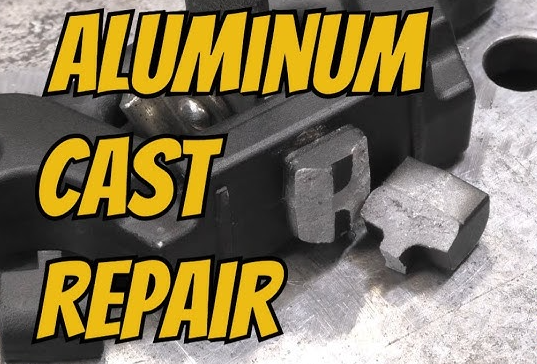
Gjutjärn straffar snabbvägar. En reparation som verkade lämplig för TIG-svetsning kan fortfarande misslyckas om sprickan löper längre än den verkar eller om gjutningen fortfarande innehåller olja i sina porer. Om du undrar hur man svetsar gjutjärn , bör den praktiska lösningen börja innan ljusbågen tänds. Inspektion och rengöring avgör om delen har en verklig chans.
Inspektera en sprucken gjutning innan TIG-svetsning
- Identifiera det troliga basmaterialet. Se till att delen verkligen är gjutjärn och inte gjutstål eller en annan typ av gjutning. Underhållshistorik, bruchytans utseende och tidigare materialindikationer är viktiga innan någon repareringsplan väljs.
- Spåra hela sprickans längd. Rengör tillräckligt brett för att kunna se var sprickan egentligen börjar, grenar av sig och slutar. Synlig färgförändring är inte alltid hela felet.
- Kontrollera om tidigare reparationer har misslyckats. Sök efter rester av mässing, omatchat svetsmaterial, borrade områden eller kraftig slipning från ett tidigare försök. Material från tidigare reparationer påverkar hur gjutningen reagerar på värme.
- Bedöm om TIG fortfarande är rimlig. Tung oljebeläggning, spröda kanter, allvarlig tvärsnittsförlust eller starkt förorenade ytor kan göra komponenten för skadad för en säker smältningsskivning.
Avbilda sprickan och rengör gjutningen innan du överväger tilläggsmetall.
Rengöring, avfasning och sprickkontroll
Weldclass noterar att rengöring med varmt vatten eller ånga ofta är ett av de bästa sätten att rengöra gjutjärn, eftersom föroreningar kan absorberas in i den porösa ytan. Rengör runt och på alla sidor av komponenten, inte bara den synliga sprickan, och undersök sedan igen. Därför är upprepade rengöringscykler vanliga vid gamla gjutningar.
Avlägsna färg, olja, rost, kolavlagringar och löst skal innan du öppnar foggen. Om du söker efter hur man tar bort rost eller hur man får bort rost från metall innan svetsning, stanna inte vid fläckens kant. Rengör tillbaka till hel metall över ett större område så att dold förorening inte kokar upp i smältpölen senare.
För gemensam förberedelse rekommenderar samma källa att öppna sprickor med en roterande fräs eller slipskiva, och en U-formad urgrävning är ofta bättre än en skarp notch. Slip endast tills du når felfritt metall. För lite förberedelse lämnar föroreningar kvar. För mycket tar bort hållfasthet från en redan spröd gjutning. Om du planerar att använda en stoppborr ska den användas endast efter att den verkliga sprickans ände tydligt har spårats, inte gissats.
Avsluta med en sista rengöringspass efter slipning. Nyss öppnad gjutjärn avslöjar ofta fler föroreningar eller mer sprickförgrening än den första inspektionen visade. Den extra tålamodet är en stor del av hur man svetsar på gjutjärn , och det förklarar mycket av förvirringen kring hur man svetsar gjutjärn . En fullständigt kartlagd och verkligt ren urgrävning är där valet av tilläggsmaterial slutligen blir meningsfullt, eftersom vissa stavar tolererar utspädning och sprickrisk bättre än andra.
Bästa TIG-stav för gjutjärn och kompromisser vid inställning
När sprickan är fullständigt synlig och verkligen ren börjar valet av fyllmedel spela roll av rätt anledning. På gjutjärn är ett svetsstång för gjutjärn inte bara en förbrukningsartikel. Det är ett sätt att kontrollera utspädning, krympspänning och maskinbearbetbarhet efter reparationen. Därför finns det ingen universell bästa TIG-stav för gjutjärn . Vissa reparationer kräver en verklig smältsvetsning. Andra klarar sig bättre med en lägre utspädning och en lötinriktad metod som ställer mindre krav på basmaterialet.
Nickel jämfört med aluminiumbrons som fyllmedel
Codinter identifierar två vanliga nickelgrupper för arbete med gjutjärn: ENi-CI, som innehåller cirka 99 % nickel, och ENiFe-CI, som innehåller cirka 55 % nickel. Welding Tips and Tricks noterar att nickel hanterar kolupptagning väl, behåller mer duktilitet än stålfyllmedel och vanligtvis lämnar ett maskinbearbetbart avlagring. Det gör en nickelbaserad tIG-stav för gjutjärn till det vanliga valet när reparationen kan kräva borrning, gängning eller noggrann slutförbearbetning därefter.
| Fyllningsmetod | Tolerans för utspädning | Strategi för sprickmotstånd | Bearbetningsförmåga | Färgmatchning | Avslutande bearbetning efter reparation | Fusion jämfört med lödliknande beteende | Var det ofta passar bäst |
|---|---|---|---|---|---|---|---|
| Högnickelhaltig, ENi-CI-typ | God tolerans för kolupptagning | Duktilt avsättning hjälper till att absorbera spänningar | Vanligtvis den mest maskinbearbetningsvänliga | Inte en verklig gjutningsmatch, men mindre synligt stötande än brons | Lämplig när hål, gängor eller plana ytor måste återställas | Verklig fusionssreparationsmetod | Precisionssreparationer, maskinbearbetade ytor, sprickfyllning där ytkvaliteten är avgörande |
| Nickel-järn, typ ENiFe-CI | Måttlig till god, men hög utspädning kan minska bearbetbarheten | Balanserar sprickmotstånd med högre hållfasthet | Ofta bearbetningsbar, även om den är mindre tolererande än högnickel | Liknande begränsningar när det gäller färgmatchning | Användbart där tvärsnittet är tjockare eller driftlasterna är högre | Verklig fusionssreparationsmetod | Tjockare tvärsnitt och reparationer som kräver större hållfasthet än ren nickel kan erbjuda |
| Aluminiumbrons | Fungerar bäst när utspädningen hålls låg | Minskar risken för sprickor genom att smälta mindre basmaterial | Slutförs vanligtvis genom slipning snarare än behandlas som gjutjärnsveldel | Dålig färgmatchning på järn | Bäst när utseendet är sekundärt och bevarandet av basmetallen är viktigt | Liknar ofta TIG-lödning mer än fullständig smältningssvetsning | Tätning av sprickor, lättare reparationer eller fogar där lägre penetrering är en fördel |
Den tabellen förklarar också varför en tIG-tilläggsmaterial för gjutjärn inte kan täcka alla situationer. Om arbetet måste bete sig som reparerat gjutjärn leder nickel vanligtvis. Om målet är att minska sprickframkallande värme och undvika att dra för mycket kol in i smältpoolen kan aluminiumbrons vara det smartare svaret.
TIG-inställningar som påverkar sprickbildning
Inställningen bör stödja kontroll, inte penetration för dess egen skull. Håll ljusbågen stabil, håll en liten smältpool och använd korta svetsnadar istället för långa värmeutbredningar. Tips och knep för svetsning och Weldmonger båda visar varför aluminiumbrons ofta kombineras med AC vid TIG-lödning av gjutjärn: AC ger en renande verkan, aluminiumbrons känns trög på DCEN, och AC kan minska penetreringen och utspädningen av basmaterialet. I den demonstrationen kördes AC-balansen upp till 95 % EN samtidigt som en ren smältbad behölls.
- Välj hög nickelhalt när efterbearbetning efter reparation är en prioritet.
- Välj nickel-järn när du behöver en starkare gjutjärnssvetsstång metod för tjockare sektioner.
- Välj aluminiumbrons när lägre utspädning är viktigare än en sann smältfog.
- Om föroreningar ständigt kokar upp är problemet troligen gjutningen, inte bästa TIG-stav för gjutjärn .
- En liten, kallt utseende sömnadsekvens hjälper vanligtvis mer än aggressiv förstärkning.
Tilläggsmaterial ger dig endast marginal. Om denna marginal omvandlas till en ljud reparation beror på förvärmning, monteringsstöd, punktsvetsplacering, sömnadslängd och hur långsamt gjutningen får svalna efter varje pass.
Hur man TIG-svetsar gjutjärn med mindre risk för sprickor
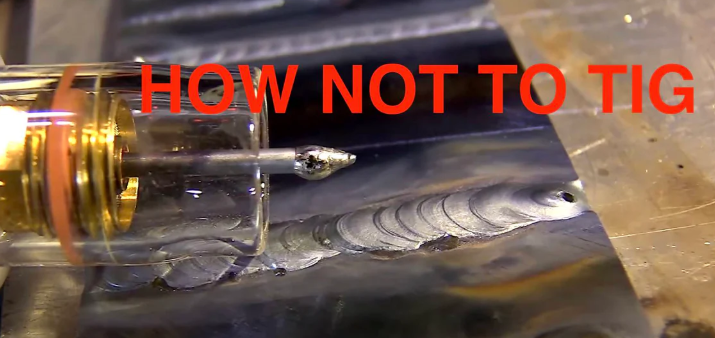
Valet av fyllmaterial ger dig en marginal, men proceduren avgör om reparationen överlever. När du svetsar gjutjärn med TIG , är den egentliga uppgiften att hantera utvidgning och krympning. Små smältbad, låg begränsning och tålamod är viktigare än hastighet. Samma gäller för tIG-stavsvetsning och annan lokal svetsning av gjutjärn . Varje pass ska minska spänningen, inte öka den.
Uppvärmning innan svetsning, montering och tackstrategi
- Kontrollera att gjutningen fortfarande är reparerbar. Avbryt om sprickan fortsätter att sprida sig under förberedelsen, om kanterna rasar sönder eller om föroreningar fortsätter att tränga fram efter rengöring.
- Utför en ytterligare rengöringscykel. Slipa för att rengöra metallen, avfetta igen och rengör bortom den synliga spåret. Gjutjärn kan frigöra inneslutet olja så snart värme tillförs.
- Stöd delen utan att tvinga den. För sprickan eller brytningen tillbaka till dess naturliga läge. Spänn fast endast för justering. Starka inspänningar kan orsaka en ny spricka bredvid svetsen.
- Välj en termisk plan och håll dig till den. Offentliggjord vägledning för reparation av gjutjärn varierar. Weldclass beskriver vanlig förvärmning vid reparationer till cirka 120–150 °C, medan TIGWARE anger 260–370 °C och Lincoln Electric beskriver omfattande varmsvetsning vid 500–1200 °F när hela gjutningen kan värmas jämnt. Det viktiga är jämn uppvärmning, inte att jaga efter ett universellt temperaturvärde.
- Placera små, försiktiga fästpunkter. Använd endast tillräckligt med tack för att hålla samman fogens delar. Sprid ut tacken så att en enda varm fläck inte låser reparationen och belastar sprickspetsen.
Korta smältbad, kontroll mellan passeringar och långsam svalning
- Kör korta smältbad i strängform. Lincoln Electric och Weldclass rekommenderar båda mycket korta segment, cirka 1 tum eller 25 mm i taget, istället for långa sammanhängande passeringar.
- Håll värmetillförseln låg och fokuserad. Använd endast tillräckligt med ström för att hålla ett stabilt smältbad. Undvik svepning. Breda smältbad ökar utspädning, värmeutbredning och krympspänning.
- Fyll varje krater och låt gjutningen stabiliseras. Gör pauser mellan smältbaden. Om porositet uppstår eller smältbadet blir smutsigt ska du stoppa, slipa bort materialet och rengöra igen innan du fortsätter.
- Stagger sekvensen. Följ inte sprickan från ena änden till den andra i en enda het linje. Sprid värmen längs reparationen så att gjutningen kan avslappna mellan segmenten.
- Inspektera ständigt. Sök efter ny sprickutbredning bredvid svetsen, inte bara i den. Vissa reparationsscheman använder också lätt kloving efter korta svetsnävar för att minska kontraktionspåverkan.
- Kyla delen långsamt. Efter den sista genomgången, värms delen försiktigt om vid behov för jämn temperatur, och sedan omsluts gjutningen med ett isolerande täcke eller liknande material och får svalna gradvis. Släck inte den eller blås på den med komprimerad luft.
- Undvik långa sammanhängande svetsnävar.
- Undvik överdriven vevning.
- Undvik för stora förstärkningar som ökar krympspänningen.
- Undvik att tvinga ihop delarna med spännklor.
- Undvik att byta halvvägs mellan en varmsvets- och en kallsvetsmetod.
- Undvik att svetsa genom föroreningar bara för att ljusbågen tänder.
Det är det praktiska svaret på kan man svetsa gjutjärn med TIG utan att försämra sprickan: ja, ibland, men endast när reparationen behandlas som en kontrollerad spänningshantering från första uppvärmningen till slutlig svalning. Om den ändå misslyckas pekar misslyckandemönstret vanligtvis på en specifik orsak snarare än otur.
Kan jag svetsa gjutjärn igen efter ett misslyckat TIG-försök?
Ett misslyckat första försök lämnar oftast spår. På gjutjärn öppnas sprickan ofta bredvid svetsnaden eftersom svetsskrympningen drar på en spröd värmeinducerad zon istället för på duktilt basmaterial. Lincoln Electric noterar att mikroskopiska sprickor kan uppstå bredvid svetsen även när procedurerna verkar korrekta, och YesWelder förklarar att gråjärn kan bli ännu sprödare i den värmeinducerade zonen under svalningen.
Därför är den riktiga frågan inte bara kan jag svetsa gjutjärn , utan också om det första misslyckandet berodde på föroreningar, begränsning eller en repareringsplan som gjutningen aldrig kunde tolerera. Om du kan spåra orsaken kan ett andra försök lyckas. Om du inte kan det är det ofta den mest skickliga åtgärden att avbryta.
Varför spricker gjutjärn bredvid svetsen
| Symtom | Trolig orsak | Korrektiv åtgärd |
|---|---|---|
| Spricka bredvid svetsen | Hög krympspänningspåverkan, snabb svalning eller stark begränsning runt en spröd värmeinflyttszon (HAZ) | Avlägsna det misslyckade metalmaterialet, använd kortare svetsnävar, minska värmeackumuleringen, håll förvärmen jämn om den används och sänk svalningshastigheten |
| Porositet | Olja, rost, färg, kolavlagringar eller föroreningar som frigörs från gjutningsporerna | Slipa tillbaka till hel metall, avfettna på nytt, ugnstorka föroreningar om det behövs och svets inte genom bubblande metall |
| Svag smältning | Sprickan är inte fullständigt öppnad, skarven är smutsig eller smältpoolen har utförts för hastigt utan att sammanfogas med ny metall | Öppna på nytt foggen, rengör på nytt och gör om reparationen med små, kontrollerade svetspass och tydlig sammanfogning vid kanterna |
| Hårda fläckar som motverkar bearbetning | Hög kolupptagning, för stor utspädning eller en hård, spröd struktur som bildats genom värme och svalning | Minska utspädning, kontrollera värmen noggrannare, använd lämplig nickelfyllnad där det är lämpligt och sänk temperaturen långsamt |
| Underskärning | För mycket värme vid spetsen eller en ljusbåge som tvättade bort kanten | Förkorta ljusbågen, minska värmekoncentrationen, använd mindre svettskarv och fyll aktivt på svettkanterna |
| Sprickan återkommer efter avsvalning | Den verkliga spricklängden togs inte bort, restspänningar förblev kvar eller spricktipsen fortsatte att sprida sig | Hitta hela sprickan, ta bort den skadade delen, stoppborra där det är lämpligt och upprepa reparationen med bättre värmekontroll |
| Fel uppstår igen under drift | Dold begränsning, sektionsmismatch eller driftlasten är för hög för repareringsmetoden | Gör en ny bedömning av fogens konstruktion, lastvägen och om TIG-verktyget alls är den rätta processen |
Diagnostisera porositet, hårda fläckar och återkommande fel
Om du undrar kan du svetsa gjutjärn med sticksvetsning efter att TIG-svetsning misslyckats, kom ihåg att en annan process inte tar bort olja i porerna eller spänningar i gjutningen. Frågor som kan jag svetsa gjutjärn med MIG eller kan du svetsa gjutjärn med flusskärna pekar vanligtvis på samma djupare problem: delen kan vara för smutsig, för hårt inspänd eller för oförutsägbar för ett nytt smältförsök.
- Okänd järntyp, särskilt om det finns risk för förväxling mellan vitt järn och gjutstål.
- Allvarlig oljesättning eller förorening som fortsätter att koka ut efter upprepad rengöring.
- Omfattande gamla reparationer, bronsrester eller områden med sprickor ovanpå sprickor.
- Stor skillnad i sektions-tjocklek eller hård inspänning från den omgivande monteringen.
- Uppdragskritisk drift utan inspektion, provning eller godkännande av reparation.
- Alla jobb där du fortfarande inte kan svara kan du svetsa gjutjärn eller kan man svetsa till gjutjärn med en tydlig fyllnings-, uppvärmnings- och avsvalningsplan.
När bevisen ständigt pekar på gjutningen snarare än operatören är det klokaste valet kanske att byta repareringsmetod, byta ut delen eller överföra arbetet till ett verkstad som kan verifiera risken innan nästa lysbåge slås.
Slutliga repareringsbeslut och alternativ för specialiserad support
Vid slutet av en utvärdering av gjutjärnsreparation handlar frågan inte bara om huruvida man kan svetsa gjutjärn. Den handlar om huruvida denna specifika del bör svetsas av denna specifika verkstad, med denna nivå av risk. En liten spricka i en icke-kritisk gjutning kan vara värd ett försiktigt internt TIG-försök. En del som är kopplad till säkerhet, utmattning, tryck eller tät passning kräver vanligtvis en mycket högre standard.
När man ska hantera gjutjärnsreparation internt
Ett konservativt beslutsfilter kan lånas från MetalTek. Vid stålformgjutning används svepning ofta för att åtgärda mindre defekter, rädda komponenter och göra prototypändringar. Samma synsätt är användbart även här som ett filter för reparation av gjutjärn. Om felet är lokaliserat, om konsekvenserna av ett misslyckat försök är begränsade och om utbyte inte automatiskt är billigare eller säkrare, kan en intern reparation vara rimlig.
När kritiska komponenter behöver en kvalificerad svetspartner
- Behåll det internt när sprickan är liten, tillvägagångssättet är bra, gjutningen inte är kritisk och verkstaden kan acceptera delen även om reparationen inte håller.
- Skicka ut den när delen är säkerhetsrelaterad, högt belastad eller dimensionellt känslomärkt. MetalTek markerar specifikt kritiska applikationer, omfattande skador och högprecisionsskivor som olämpliga kandidater för reparation.
- Öka nivån för arbetet om tidigare reparationer misslyckats krävs inspektion, eller delen måste dokumenteras efter svetsning. MetalTek understryker värdet av visuell kontroll efter svetsning och icke-destruktiv provning, eller NDT.
- Inkalla specialister för granskning när projektet har övergått till svetsning av järn till stål eller frågar kan du svetsa stål till gjutjärn . Sammansatta metallfogar kräver vanligtvis striktare kontroll av procedur, inspektion och driftkrav.
- För bilproduktionsarbete , börja med partner som kan visa spårbarhet och processdisciplin. Shaoyi Metal Technology är ett relevant exempel för chassin och andra bilsvetsprogram. Dess publicerade material beskriver anpassad bilsvetsning, automatiserade monteringslinjer och en IATF 16949-granskningsram som fokuserar på spårbara register, utrustningskontroll och kvalitetsbevis på plats.
Om en reparation fortfarande bygger mer på hopp än på verifiering är utbyte eller specialiststöd det klokare valet. Vid gjutjärn kan valet att inte svetsa vara den mest skickliga beslutet i verkstaden.
Kan du TIG-svetsa gjutjärn? Vanliga frågor
1. Kan du TIG-svetsa gjutjärn framgångsrikt?
Ja, men endast på gjutdelar som faktiskt är reparerbara. TIG fungerar oftast bäst på små, tillgängliga sprickor i känt material som har rengjorts grundligt och inte är kraftigt begränsat av den omgivande delen. Många misslyckanden beror på inneslutet olja, spröd gråjärnsstruktur eller ojämn uppvärmning och svalning, inte enbart på dålig bågkontroll. I praktiken beror framgången på sprickkartläggning, noggrann förberedelse, korta svetssegment och långsam svalning.
2. Vilken typ av gjutjärn är mest svetsbart med TIG?
Segjärn och vissa formbara järn ger vanligtvis bättre resultat än gråjärn eftersom deras kolstruktur hanterar spänning mer smidigt vid reparation. Gråjärn är vanligt, men det är mer benäget att bilda spröda zoner bredvid svetsen. Vitt järn är i allmänhet ett dåligt alternativ för TIG-reparation. Gjutstål är den stora "twin" som man bör vara uppmärksam på, eftersom det ofta förväxlas med gjutjärn trots att det normalt svetsas mer som stål.
3. Är TIG-beteckning bättre än elektrodsvetsning för reparation av gjutjärn?
Inte som standard. TIG ger utmärkt kontroll över smältbadet och en renare yta, vilket gör det användbart för små precisionsreparationer där man vill placera metall noggrant. Elektrodsvetsning är ofta mer tolererande mot äldre, tjockare eller mindre perfekta gjutningar eftersom elektroder som är lämpade för gjutjärn bättre klarar av råare verkstadsförhållanden. För vissa delar som är benägna att spricka kan lös- eller metallstansning överträffa båda metoderna eftersom de minskar smältvärmen och krympspänningen.
4. Vilken är den bästa TIG-tilläggsstaven för gjutjärn?
Det finns ingen enda bästa TIG-stav för varje gjutjärnsreparation. Fyllnadsmaterial med hög nickelhalt är ett vanligt val när bearbetbarhet är viktigt och när man önskar en mer spricktolerant smältdeposition. Nickel-järn-fyllnadsmaterial kan vara lämpligt för tyngre sektioner eller delar som kräver en starkare reparation. Aluminiumbrons väljs ofta när målet är att begränsa smältningen av basmetallen och behandla arbetet mer som TIG-lödning än som en fullständig fusionsvetsning.
5. När bör du undvika TIG-svetsning av gjutjärn och i stället använda en specialisert tekniker?
Undvik TIG om järnsorten är okänd, om föroreningar fortsätter att dyka upp efter upprepad rengöring, om gammalt reparationsmaterial finns kvar eller om delen är kopplad till säkerhet, tryck, utmattning eller strikt måttkontroll. Sådana fall kräver ofta mer än en noggrann verkstadsreparation. Om arbetet innefattar produktionskomponenter, sammansatta delar av olika metaller eller krav på bilkvalitet är en kvalificerad svetspartner vanligtvis den bättre vägen. För den typen av arbete är en leverantör som Shaoyi Metal Technology mer relevant än en enskild reparationslösning, eftersom återproducibilitet, spårbarhet och processkontroll är lika viktiga som själva svetsen.