 Small batches, high standards. Our rapid prototyping service makes validation faster and easier —
  EN
EN


Tajemnice usług cięcia aluminium: dopasuj swój stop do odpowiedniej metody cięcia
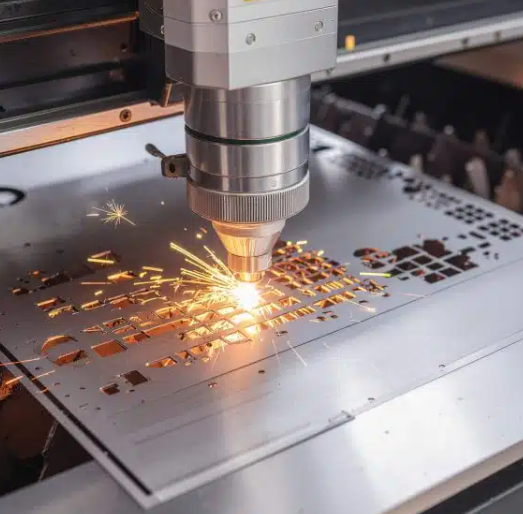
Co wyróżnia usługi cięcia aluminium spośród standardowej obróbki metali
Pracując z metalami, można założyć, że cięcie jednego z nich jest podobne do cięcia innego. Czy jednak aluminium zachowuje się jak stal lub stal nierdzewna podczas obróbki? W żadnym razie. Usługi cięcia aluminium wymagają wyspecjalizowanej wiedzy i doświadczenia właśnie dlatego, że ten lekki materiał stwarza wyzwania, z którymi standardowe metody obróbki metali po prostu nie są w stanie sobie poradzić.
W swojej istocie usługa cięcia aluminium obejmuje precyzyjne kształtowanie blachy aluminiowej , płyty lub profili za pomocą technologii takich jak cięcie laserem, wodą pod wysokim ciśnieniem, plazmą lub frezowanie CNC. Popyt na te usługi znacznie wzrósł w różnych sektorach – od producentów samochodów poszukujących lekkich elementów nadwozi, przez inżynierów lotniczych wymagających części konstrukcyjnych o ścisłych tolerancjach, po architektów określających stylowe faliste elewacje metalowe dla nowoczesnych budynków.
Dlaczego cięcie aluminium wymaga specjalistycznej wiedzy i doświadczenia
Co więc czyni cięcie aluminium tak trudnym? W przeciwieństwie do twardszych metali aluminium posiada unikalne właściwości fizyczne, które powodują problemy w procesie obróbki. Zgodnie z specjalistów branżowych , stop aluminium charakteryzuje się niższą twardością niż stal, jednak jego wysoka przewodność cieplna oraz niski punkt topnienia stwarzają szczególne wyzwania podczas operacji cięcia.
Rozważmy to: aluminium topi się w temperaturze około 1200 °F, podczas gdy strumień plazmy działa w temperaturze około 25 000 °F. To przepis na kłopoty, jeśli metoda cięcia nie jest dokładnie skalibrowana. Wpływ termiczny może spowodować powstanie strefy wpływu ciepła (HAZ) – warstwy przetopionej lub żużlowej, która zmienia właściwości metalu w sposób, którego zdecydowanie nie pragniemy.
Innym utrudnieniem jest odbijalność aluminium. Ten błyszczący materiał może faktycznie odbijać energię laserową z powrotem w kierunku głowicy cięcia, co obniża wydajność i potencjalnie uszkadza sprzęt. To problemy, z którymi nie spotkasz się przy typowym cięciu stali, a właśnie dlatego spawanie i cięcie aluminium wymaga operatorów posiadających szkolenie specyficzne dla danego materiału.
Właściwości materiału kształtujące każde cięcie
Zrozumienie podstawowych cech aluminium wyjaśnia, dlaczego wybór odpowiedniej metody cięcia ma tak ogromne znaczenie:
- Wysoka przewodność cieplna: Aluminium szybko pochłania i rozprasza ciepło z strefy cięcia, co utrudnia utrzymanie skoncentrowanej energii niezbędnej do czystych cięć
- Niski punkt topnienia: Materiał może się stopić i przyczepić do narzędzi tnących, powodując chropowate krawędzie oraz zużycie narzędzi
- Miękkie, lepkie wióry: W przeciwieństwie do wiórków stalowych wióry aluminium gromadzą się na powierzchniach tnących, co obniża wydajność i jakość wykończenia
- Odbijalność optyczna: Lśniące powierzchnie aluminium odbijają energię laserową, wymagając wyższych ustawień mocy lub specjalnych długości fal
Te właściwości nie wpływają jedynie na proces cięcia – mają wpływ na wszystko, od doboru narzędzi po wymagania dotyczące chłodzenia i potrzeby obróbki końcowej. Jak zauważa jeden ekspert ds. obróbki metali , reaktywność aluminium oraz jego skłonność do łatwego utleniania dodają kolejnego poziomu złożoności, który muszą uwzględnić producenci części metalowych.
Oto sedno sprawy: wybór odpowiedniej metody cięcia dla projektu z aluminium może oznaczać różnicę między precyzyjnymi elementami spełniającymi specyfikację a kosztownym odpadem, który przekroczy Twój budżet. W poniższych sekcjach pomogą Ci one podjąć te decyzje z pewnością siebie — dopasowując konkretny stop aluminium do technologii cięcia zapewniającej optymalne rezultaty.
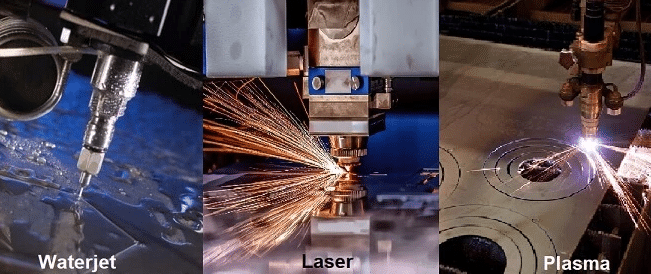
Porównanie metod cięcia laserowego, wodno-ściernego, plazmowego oraz CNC
Teraz, gdy rozumiesz, dlaczego aluminium wymaga specjalnego traktowania, kolejnym pytaniem staje się: którą technologię cięcia powinieneś wybrać? Każda z metod — cięcie laserowe, wodno-ścierne, plazmowe oraz frezowanie CNC — oferuje wyraźne zalety przy obróbce aluminium. Kluczem jest dobranie odpowiedniej technologii do konkretnych wymagań Twojego projektu, co oznacza zrozumienie maksymalnych możliwych grubości materiału, oczekiwań dotyczących jakości krawędzi oraz specyficznych zalet poszczególnych metod, które często pomijają producenci.
Cięcie laserowe aluminium z zachowaniem precyzji
Jeśli potrzebujesz skomplikowanych projektów, ścisłych допусków lub wyjątkowo czystych krawędzi na cienkich do średnich blach aluminiowych, cięcie metalu za pomocą lasera jest często najlepszym wyborem. Nowoczesna technologia laserów włóknowych zrewolucjonizowała obróbkę aluminium — rozwiązała problemy związane z odbijalnością, które utrudniały pracę starszych systemów CO₂.
Według Dokumentacja techniczna firmy Motofil , technologia cięcia laserowego włóknowego stanowi najlepsze rozwiązanie do cięcia blach aluminiowych o grubości do 30 mm. Technologia ta umożliwia szybsze cięcie niż alternatywne metody, co oznacza mniejsze nagrzewanie materiału i zmniejszone ryzyko odkształceń. Większość komercyjnie dostępnych maszyn CNC do cięcia laserowego działa przy mocach 3, 4 lub 6 kW, choć systemy o wyższej mocy stają się coraz częstsze.
Dlaczego cięcie laserem wyróżnia się w zastosowaniach aluminiowych?
- Wyjątkowa precyzja: Dopuszczalne odchylenia nawet do ±0,005 cala są osiągalne przy cienkich materiałach
- Złożone geometrie: Skupiona wiązka bez trudności radzi sobie ze skomplikowanymi wzorami, małymi otworami oraz ostrymi narożnikami
- Minimalna obróbka końcowa: Czyste krawędzie często nie wymagają dodatkowego wykończenia
- Wysoka prędkość cięcia przy cienkich materiałach: Znacznie szybszy niż cięcie wodą w przypadku materiałów o grubości poniżej 0,25 cala
The maszyna do wycinania laserowego do metalu ma jednak ograniczenia. Cięcie grubszych blach aluminiowych (powyżej 1 cala) staje się trudne, a powierzchnie odbijające nadal wymagają starannego doboru parametrów, aby zapobiec utracie energii.
Kiedy cięcie plazmowe lub wodą jest bardziej uzasadnione
Szukasz frazy „cięcie plazmowe w mojej okolicy” lub rozważasz cięcie wodą? Oto kiedy każda z tych technologii przewyższa cięcie laserem w projektach z aluminium.
Cięcie plazmowe przewyższa inne metody w przypadku grubych materiałów aluminiowych. Dane branżowe wskazują, że nowoczesne systemy cięcia plazmowego o mocy 400 A są w stanie ciąć aluminium o grubości do 50 mm – a przy rozpoczęciu cięcia od krawędzi bez wcześniejszego perforowania możliwa jest nawet grubość do 90 mm. Koszty eksploatacji są znacznie niższe niż w przypadku cięcia laserowego lub wodą, co czyni cięcie plazmowe preferowaną metodą cięcia metali dla elementów konstrukcyjnych i ciężkiej obróbki.
Cięcie plazmowe doskonale sprawdza się, gdy:
- Grubość materiału przekracza 6 mm (0,25 cala)
- Geometria części jest stosunkowo prosta, bez szczegółowej obróbki
- Przy pierwszoplanowym znaczeniu mają szybkość produkcji i efektywność kosztowa, a nie najwyższa jakość krawędzi
- Przetwarzasz duże objętości grubych płyt
Wycinanie wodne ofertuje coś, czego ani laser, ani plazma nie potrafią zaoferować: strefę bez wpływu ciepła. Proces przyspiesza mieszaninę wody i materiału ściernego do prędkości naddźwiękowych, tnąc aluminium bez jakichkolwiek zmian termicznych w materiale. Zgodnie z opiniami specjalistów od obróbki, cięcie wodne może radzić sobie z grubościami aluminium sięgającymi nawet 300 mm, choć precyzja spada nieco przy grubościach przekraczających 150–200 mm.
Wybierz cięcie strumieniem wody, gdy:
- Zniekształcenia cieplne są całkowicie niedopuszczalne (elementy lotnicze, zespoły precyzyjne)
- Wymagane jest cięcie bardzo grubej gotowej blachy
- Właściwości materiału muszą pozostać całkowicie niezmienione
- Produkcja małoseryjna uzasadnia dłuższe czasy cyklu
Marszrutowanie CNC uzupełnia zakres dostępnych opcji, szczególnie w przypadku miększych stopów aluminium oraz zastosowań, w których istotne jest usuwanie wiórków. Zrozumienie znaczenia skrótu CNC — czyli sterowania numerycznego komputerowego — ułatwia wyjaśnienie, dlaczego ta metoda zapewnia doskonałą powtarzalność w seriach produkcyjnych. Frezarki CNC świetnie sprawdzają się przy profilowaniu blach aluminiowych stosowanych w sygnalizacji drogowej, panelach architektonicznych oraz elementach, w których jakość wykończenia powierzchni ma takie samo znaczenie jak dokładność wymiarowa.
Porównanie technologii cięcia aluminium
Ta kompleksowa tabela przedstawia kluczowe specyfikacje, które pomogą podjąć świadomą decyzję:
| Metoda cięcia | Optymalna grubość aluminium | Jakość krawędzi | Strefa wpływu ciepła | Względna szybkość | Typowa tolerancja | Najlepsze zastosowania |
|---|---|---|---|---|---|---|
| Laser Włókienkowy | 0,020" – 1,0" (0,5 mm – 25 mm) | Doskonała – gładka, bez utworzenia warstwy tlenków | Minimalne (wąskie) | Bardzo szybko | ±0,005" do ±0,010" | Elementy precyzyjne, urządzenia elektroniczne, skomplikowane konstrukcje, praca z cienkimi blachami |
| Wodny strumień | 0,030" – 12"+ (0,8 mm – 300 mm) | Doskonała – bez śladów termicznych | Brak | Powoli. | ±0,003" do ±0,010" | Przemysł lotniczo-kosmiczny, grube płyty, zastosowania wrażliwe na ciepło |
| Plazma wysokiej rozdzielczości | 0,25" – 2" (6 mm – 50 mm) | Dobrze – może wymagać usuwania wykańczaków | Umiarkowany | Szybko. | ±0,015" do ±0,030" | Elementy konstrukcyjne, grube płyty, produkcja masowa |
| Router CNC | 0,040" – 0,5" (1 mm – 12 mm) | Dobrze – czyste cięcie mechaniczne | Brak | Umiarkowany | ±0,005" do ±0,015" | Tablice informacyjne, panele architektoniczne, profilowanie miękkich stopów |
Zauważyłeś coś ważnego w tej porównawczej analizie? Istnieje istotne pokrywanie się możliwości, co oznacza, że decyzja często zależy od czynników wtórnych: ograniczeń budżetowych, objętości produkcji, wymagań dotyczących obróbki końcowej oraz konkretnego stopu aluminium, z którym pracujesz.
Jako Badania przeprowadzone przez Wurth Machinery wykazały , że nie ma jednej „najlepszej” technologii cięcia — każda z nich ma swoje zastosowanie. Wiele udanych zakładów produkcyjnych w końcu wprowadza wiele technologii, aby obejmować szerszy zakres zastosowań; laser i plazma często dobrze się uzupełniają, podczas gdy cięcie wodą pod dużym ciśnieniem zapewnia niepowtarzalną uniwersalność w zastosowaniach specjalistycznych.
Zrozumienie tych różnic technologicznych stanowi podstawę, ale wybór stopu aluminium wprowadza kolejną kluczową zmienną do równania. Różne gatunki reagują na procesy cięcia w sposób wyraźnie odmienny — czynnik, który omówimy w dalszej części.
Przewodnik po wyborze stopu aluminium w celu uzyskania optymalnych wyników cięcia
Wybrałeś technologię cięcia — ale czy wziąłeś pod uwagę wpływ gatunku aluminium na cały proces ? Właśnie w tym miejscu wiele projektów kończy się niepowodzeniem: inżynierowie wybierają metodę cięcia, nie uwzględniając zachowania charakterystycznego dla konkretnego stopu. Faktem jest, że element z blachy aluminiowej gatunku 5052 zachowuje się całkowicie inaczej pod wpływem promienia laserowego niż komponent lotniczy ze stopu 7075. Zrozumienie tych różnic jeszcze przed złożeniem zamówienia na cięcie pozwala zaoszczędzić czas, pieniądze i uniknąć rozczarowań.
Pomyśl o tym w ten sposób: tak jak nie porównywałbyś mosiądzu i brązu bez uwzględnienia ich różnych zastosowań, nie powinieneś zakładać, że wszystkie gatunki aluminium można ciąć w taki sam sposób. Unikalny skład każdego stopu — czyli proporcje magnezu, krzemu, cynku lub miedzi — wpływa bezpośrednio na parametry cięcia, jakość krawędzi oraz rodzaj obróbki dodatkowej, która będzie wymagana.
Dobór gatunków aluminium do technik cięcia
Przeanalizujmy najbardziej powszechne gatunki, z którymi możesz się spotkać, oraz ich zachowanie przy zastosowaniu różnych metod cięcia:
- 5052 H32 – uniwersalny stop stosowany w przemyśle morskim i w procesach blacharskich: Zgodnie z porównaniem stopów firmy SendCutSend, ten stop magnezu i chromu charakteryzuje się doskonałą odpornością na korozję oraz znakomitą kutejnością. Oznaczenie H32 wskazuje na jego plastyczność pozwalającą na zimne kształtowanie — w tym gięcie — bez ryzyka pęknięć. Przy toczeniu zalecana prędkość skrawania dla stopu 5052 wynosi około 1600 SFM, choć Fullerton Tool zauważa jest to jeden z bardziej lepkich gatunków, który szybko się nagrzewa i może powodować zbieranie się wiórków w kanałach frezarskich. Laser oraz cięcie wodą świetnie radzą sobie z materiałem 5052, przy czym laser oferuje przewagę prędkości przy cienkich blachach. Dostępne grubości mieszczą się zwykle w zakresie od 0,040" do 0,500".
- 6061 T6 – Uniwersalny materiał wyboru: Ten stop krzemu i magnezu zapewnia „złoty środek” pod względem wytrzymałości, spawalności i obrabialności, co czyni go domyślnym wyborem inżynierów w przypadkach, gdy nie występują specyficzne wymagania projektowe. Hartowanie typu T6 zwiększa zarówno wytrzymałość na rozciąganie, jak i odporność na zmęczenie — materiał ten jest mniej więcej o 32% wytrzymałszy niż 5052. Z zalecanymi prędkościami skrawania wynoszącymi ok. 2000 SFM (stóp na minutę), stop 6061 łatwo poddaje się obróbce we wszystkich głównych technologiach. Rapid Axis potwierdza, że dobrze znosi różne procesy obróbki wtórnej, takie jak anodowanie czy malowanie. Jedna uwaga: choć teoretycznie nadaje się do zimnego kształtowania, gięcie stopu 6061 wymaga specjalistycznego narzędziowania oraz większego minimalnego promienia gięcia wewnętrznego.
- 7075 T6 – Wytrzymałość klasy lotniczej: Gdy potrzebujesz wytrzymałości na rozciąganie zbliżonej do stali lub tytanu przy ułamku ich masy, stop 7075 spełnia to wymaganie. Dominująca zawartość cynku w połączeniu z dodatkami miedzi, chromu i magnezu zapewnia wyjątkową trwałość – jednak za pewną cenę. Ten gatunek nie nadaje się właściwie do spawania, a jego maksymalna twardość czyni niemożliwym gięcie w typowych promieniach dla blachy. Prędkości skrawania wynoszą około 1800 SFM (stóp na minutę) przy małej głębokości skrawania w kierunku promieniowym oraz kontrolowanych prędkościach posuwu. Cięcie laserem sprawdza się bardzo dobrze przy precyzyjnych elementach ze stopu 7075, podczas gdy cięcie wodą pod dużym ciśnieniem eliminuje wszelkie obawy związane z wpływem ciepła na starannie zaprojektowane właściwości materiału. Typowe dostępne grubości: 0,125 cala, 0,190 cala oraz 0,250 cala.
- 3003 – specjalista od kształtowania: Choć nie jest tak powszechnie omawiany, stop aluminium 3003 wyróżnia się w zastosowaniach wymagających intensywnego kształtowania po cięciu. Zawartość manganu zapewnia mu umiarkowaną wytrzymałość przy wyjątkowej obrabialności. Ten stop dobrze reaguje na wszystkie metody cięcia, ale szczególnie wyróżnia się w przypadku elementów wymagających znacznego kształtowania po cięciu – co czyni go idealnym do komponentów systemów wentylacji, klimatyzacji i ogrzewania (HVAC), naczyń kuchennych oraz zastosowań dekoracyjnych, w których po początkowym cięciu występują złożone gięcia.
Wpływ doboru stopu na końcowe wyniki
Wybór stopu ma znaczenie nie tylko w kontekście pytania „czy da się go przetworzyć”, lecz także wpływa na parametry istotne w dalszych etapach procesu produkcyjnego. Należy wziąć pod uwagę następujące właściwości mechaniczne, które często pomijają konkurenci:
Uwagi dotyczące wytrzymałości na rozciąganie: Stopy o wyższej wytrzymałości, takie jak 7075, pozwalają zachować ścisłe допусki podczas cięcia, ponieważ odporność na odkształcenia spowodowane naprężeniami termicznymi jest większa. Miększe stopy, takie jak 5052, mogą wymagać dodatkowego uchwytu lub niższych prędkości cięcia, aby zapobiec przesuwaniu się materiału w trakcie obróbki.
Zgodność z procesami obróbki wtórnej: Wszystkie trzy główne gatunki — 5052, 6061 i 7075 — dobrze tolerują anodowanie, tworząc ochronną warstwę tlenkową, która zwiększa odporność na korozję oraz poprawia wygląd estetyczny. Jednak jakość krawędzi po cięciu ma bezpośredni wpływ na wynik anodowania. Krawędzie uzyskane metodą cięcia laserowego na tych gatunkach aluminium zazwyczaj anodują się lepiej niż krawędzie uzyskane metodą cięcia plazmowego bez dodatkowego usuwania wykańczaków.
Zachowanie termiczne podczas cięcia: W przeciwieństwie do materiałów takich jak blachy ze stali nierdzewnej lub HDPE, które zachowują się przewidywalnie pod wpływem ciepła, różne stopy aluminium przewodzą i rozpraszają energię cieplną z różnymi prędkościami. Stopy serii 5000 zawierające magnez są „lepkie” i generują więcej ciepła podczas obróbki skrawaniem, podczas gdy stopy serii 6000 zawierające krzem i magnez charakteryzują się bardziej łagodnymi właściwościami termicznymi.
Wymagania dotyczące spawania: Jeśli wykrawane części wymagają spawania po obróbce, wybór stopu staje się krytyczny. Zgodnie z danymi branżowymi stopy 5052 i 6061 świetnie się spawają — dwie części łączą się w szwie z wytrzymałością odpowiadającą wytrzymałości metalu podstawowego. Tymczasem skład stopu 7075 czyni go problematycznym do spawania, dlatego należy zaplanować łączenie mechaniczne lub klejenie klejem adhezyjnym.
Szybka wskazówka: Zamawiając ofertę od dostawcy usług cięcia aluminium, zawsze podawaj dokładnie określony stop i oznaczenie hartowania. Oferta na „aluminium” bez podania klasy często prowadzi do rozbieżności cenowych lub nieprawidłowych założeń dotyczących materiału.
Zrozumienie tych zachowań specyficznych dla poszczególnych stopów przygotowuje Cię do świadomych rozmów z wykonawcami — jednak istnieje kolejna warstwa złożoności, którą warto zbadać. Nawet przy odpowiednim doborze stopu i metody cięcia techniczne wyzwania związane z odbijalnością, zarządzaniem ciepłem oraz powstawaniem wybojów mogą nadal sparaliżować projekt, jeśli nie zostaną one właściwie rozwiązane.
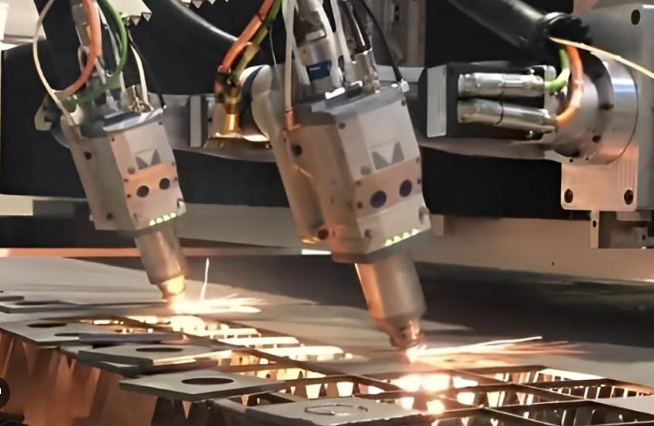
Wyzwania techniczne i sprawdzone rozwiązania dotyczące cięcia aluminium
Dobrałeś stop do swojej technologii cięcia. Wybrałeś renomowanego dostawcę. Dlaczego więc Twoje części nadal powracają z chropowatymi krawędziami, niestabilnymi cięciami lub – co gorsza – uszkodzonym sprzętem? Odpowiedź tkwi w trzech przeszkodach technicznych, które utrudniają pracę nawet doświadczonym wykonawcom: odbijalności, przewodnictwie cieplnym oraz tworzeniu się wyżłobin. Gdy szukasz frazy „cięcie laserowe w mojej okolicy” lub oceniasz opcje cięcia metalu laserem, zrozumienie tych wyzwań – oraz ich rozwiązań – decyduje o powodzeniu projektu lub kosztownym niepowodzeniu.
Oto prawda, której większość dostawców usług cięcia aluminium nie powie Wam od razu: aluminium zachowuje się zasadniczo inaczej niż stal lub inne metale żelazne podczas cięcia laserowego. Ten sam laser włókienkowy, który tnąca jak masło stal węglową, może mieć trudności z arkuszami aluminium, jeśli operatorzy nie dostosują swojego podejścia. Przeanalizujmy poszczególne wyzwania oraz sprawdzone rozwiązania zapewniające czyste i spójne rezultaty.
Rozwiązanie problemu odbijalności podczas cięcia aluminium laserem
Wyobraźcie sobie, że skierowujecie latarkę na lustro — większość światła odbija się od niego bezpośrednio w Waszym kierunku. Dokładnie to samo dzieje się, gdy wiązka lasera uderza w błyszczącą powierzchnię aluminium. Techniczny przewodnik BCAM CNC według technicznego przewodnika BCAM CNC gładka powierzchnia aluminium oraz jego wysoka przewodność cieplna stwarzają podwójny problem: znaczna część energii laserowej odbija się bezpośrednio w kierunku głowicy tnącej zamiast być pochłaniana przez materiał.
Dlaczego to ma znaczenie dla Twojego projektu? Odbita wiązka może wrócić do głowicy laserowej, soczewki kolimacyjnej, a nawet do samego źródła lasera. Konsekwencje obejmują:
- Uszkodzenia soczewki ochronnej: Energia odbita niszczy elementy optyczne, wymagając kosztownej wymiany
- Niестabilność mocy wyjściowej: Niestabilne rezultaty cięcia, ponieważ system nie jest w stanie utrzymać stałej mocy
- Wcześniejsza awaria sprzętu: Maszyny o wysokiej mocy bez odpowiedniej ochrony mogą doznać trwałych uszkodzeń wewnętrznych komponentów optycznych
- Zmniejszona wydajność cięcia: Mniej energii dociera do materiału obrabianego, co spowalnia produkcję i pogarsza jakość krawędzi
Rozwiązanie? Przełączenie z cięcia falą ciągłą (CW) na tryb cięcia impulsowego. Zgodnie z wyjaśnieniami ekspertów branżowych, cięcie impulsowe dostarcza energii w krótkich, kontrolowanych impulsach zamiast w stałym strumieniu. Każdy impuls natychmiast topi niewielki fragment materiału, po czym metal ma chwilę na ochłodzenie się między impulsami. Mniej energii pozostaje na powierzchni wystarczająco długo, aby odbić się wstecz — co znacznie zmniejsza ryzyko niebezpiecznego odbicia wstecznego.
Przy pracy z maszyną do cięcia laserowego metali w projektach z aluminium należy również wziąć pod uwagę następujące praktyczne środki:
- Używaj maszyn z ochroną przed odbiciem wstecznym: Zaawansowane systemy laserowe włóknikowe wyposażone są w monitorowanie odbicia wstecznego oraz funkcje automatycznego wyłączenia
- Zadbaj o czystość powierzchni materiału: Olej, utlenienie, powłoki foliowe oraz wilgoć zwiększają odbicie — przed cięciem dokładnie oczyść materiał
- Dostosuj położenie punktu skupienia: Nieco dodatnie (pozytywne) położenie punktu skupienia często działa lepiej przy cięciu aluminium niż ustawienia zoptymalizowane dla stali
Dla kontekstu: lasery włóknowe wykorzystują długość fali około 1 µm, którą aluminium pochłania lepiej niż dłuższe fale emitowane przez systemy CO₂. Jest to jedna z przyczyn, dla których cięcie metali laserem przesunęło się w dużym stopniu w kierunku technologii włókien, szczególnie w zastosowaniach do metali nieżelaznych. Analogicznie jak w przypadku cięcia stali nierdzewnej laserem, które wymaga innych parametrów niż cięcie stali węglowej — każdy materiał wymaga własnego zoptymalizowanego podejścia.
Zarządzanie ciepłem i zapobieganie powstawaniu wyprasek
Czy zauważyłeś kiedyś, jak naczynia kuchenne z aluminium nagrzewają się niemal natychmiast na palniku? Ta sama przewodność cieplna, która czyni aluminium doskonałym materiałem do wymienników ciepła, sprawia problemy podczas cięcia. Materiał odprowadza ciepło ze strefy cięcia niezwykle szybko, co utrudnia utrzymanie skoncentrowanej energii potrzebnej do czystego tworzenia szczeliny cięcia.
Według Dokumentacja techniczna firmy Kirin Laser , ta szybka dyssypacja ciepła oznacza:
- Strefa cięcia ochładza się szybciej niż się spodziewano, co może prowadzić do częściowego przebicia
- Możesz potrzebować wyższych poziomów mocy niż się spodziewasz przy stali o podobnej grubości
- Optymalizacja prędkości staje się kluczowa — zbyt wolna prowadzi do rozprzestrzeniania się ciepła, a zbyt szybka powoduje niekompletne cięcia
Kluczowe spostrzeżenie? Chodzi nie tylko o surową moc lasera — chodzi o równowagę. Eksperci firmy zalecają skupienie się na zoptymalizowanych ustawieniach prędkości, odpowiednim przepływie gazu oraz stałym pozycjonowaniu punktu ogniskowania zamiast po prostu zwiększania mocy w watach.
Formacja Burr przedstawia inną główną trudność z miękkimi krawędziami aluminium. W przeciwieństwie do twardszych metali, które są czysto ścinane, plastyczność aluminium powoduje, że materiał odkształca się zamiast oddzielać się ostro. Badania Cold Saw Shop wskazują kilka czynników przyczynowych:
- Zbyt duża siła cięcia: Gdy siła przekracza wytrzymałość materiału na ścinanie, krawędzie gięją się zamiast łamać się czysto
- Zużyte narzędzia: Wytarte krawędzie tnące ściskają zamiast tnąć, co znacznie zwiększa tworzenie się zalotów
- Nieodpowiednia prędkość i posuw: Zbyt wysoka prędkość zwiększa tarcie i temperaturę; zbyt niska uniemożliwia czyste cięcie ścinające
- Nieodpowiednie kąty cięcia: Nierównomierne naciskanie na materiał powoduje nieprzewidywalne odkształcenia krawędzi
Praktyczne wytyczne dotyczące parametrów
Chociaż dokładne ustawienia zależą od producenta maszyny oraz konkretnego stopu, poniższe zasady stanowią podstawę skutecznego cięcia aluminium we wszystkich technologiach:
| Parametr | Zasada dotycząca aluminium | Dlaczego to ważne? |
|---|---|---|
| Moc lasera | Dobór mocy w zależności od grubości: min. 1,5 kW dla blach o grubości poniżej 3 mm; 2–3 kW dla materiału o grubości 4–6 mm | Cięcia przy zbyt małej mocy powodują niepełne przebicie i nadmierną ilość żużlu |
| Prędkość Cięcia | Szybsze niż cięcie stali przy tej samej grubości; optymalizacja poprzez próbną obróbkę | Minimalizuje dopływ ciepła i odkształcenia termiczne |
| Gaz pomocniczy | Preferowany jest azot o wysokiej czystości; powietrze pod wysokim ciśnieniem może być stosowane dla niektórych grubości materiału | Zapobiega utlenianiu i zapewnia najwyższą jakość krawędzi cięcia |
| Pozycja fokusu | Lekko dodatnie ustawienie punktu skupienia względem powierzchni materiału | Poprawia pochłanianie energii na powierzchniach odbijających |
| Odległość od dyszy | Utrzymuj stałą odległość głowicy od materiału; zwykle 0,5–1,0 mm | Zapewnia prawidłową przepływność gazu oraz stabilność procesu cięcia |
Co wynika z doświadczenia producentów, którzy systematycznie dostarczają wysokiej jakości elementów z aluminium? Zaczynaj od ustawień fabrycznych, wykonuj próbne cięcia na odpadach materiałowych, dokumentuj skuteczne parametry, a następnie standaryzuj sprawdzone ustawienia. Jeden z klientów branży motocyklowej, cytowany przez Kirin Laser, miał problemy z niekompletnymi cięciami w tekturze aluminiowej o grubości 3 mm, aż do momentu przeanalizowania ustawień punktu skupienia i gazu wspomagającego — niewielkie korekty pozwoliły uzyskać czyste krawędzie bez konieczności poprawek już w ciągu jednego dnia.
Przydatna wskazówka: Nigdy nie zakładaj, że ustawienia, które idealnie działają dla jednego stopu aluminium, można bezpośrednio przenieść na inny. Stopy serii 5000 są „lepkie” w porównaniu do stopów serii 6000, a twardość stopu 7075 wymaga innych kątów natarcia niż miękki stop 3003.
Opanowanie tych wyzwań technicznych zapewnia sukces podczas cięcia — jednak końcowe rezultaty zależą w dużej mierze od prawidłowej przygotowania plików oraz decyzji projektowych podjętych jeszcze przed uruchomieniem lasera. Te wcześniejsze wybory często decydują o tym, czy elementy wyjdą poprawnie za pierwszym razem, czy też będą wymagały kosztownych poprawek.
Przygotowanie plików projektowych do skutecznego cięcia aluminium
Wybrałeś idealny stop aluminium i dopasowałeś go do odpowiedniej technologii cięcia. Następnie następuje etap, który decyduje o płynności produkcji lub frustrujących cyklach korekt: przygotowanie plików. Warto to sobie wyobrazić w ten sposób — nawet najbardziej zaawansowany system laserowego cięcia aluminium może wykonać wyłącznie to, co nakazuje mu plik projektowy. Przesłanie źle sformatowanego pliku praktycznie gwarantuje opóźnienia, błędne cięcia lub części, które nie pasują do siebie zgodnie z założeniami.
Wiele inżynierów dowiaduje się tego zbyt późno: przepaść między „zaplanowaniem na ekranie” a „rzeczywistą możliwością wyprodukowania” to właśnie miejsce, w którym projekty się rozpadają. Indywidualne cięcie laserowe wymaga więcej niż tylko dokładnej geometrii — wymaga plików zoptymalizowanych specjalnie pod kątem sposobu, w jaki systemy laserowe, wodnostrumieniowe lub plazmowe interpretują i realizują ścieżki narzędzia. Przeanalizujmy krok po kroku, co dokładnie należy zrobić poprawnie.
Formaty plików i kompatybilność oprogramowania projektowego
Zanim przejdziemy dalej, potrzebujesz plików w formatach, które mogą być odczytane przez sprzęt do obróbki blachy. Zgodnie z dokumentacją techniczną firmy Dipec najbardziej powszechnie akceptowanymi formatami są:
- DXF (.dxf): Standardowy przemysłowy format do profilów cięcia 2D. Pliki DXF są akceptowane przez prawie każdy system cięcia, co czyni je najbezpieczniejszym wyborem dla projektów niestandardowego cięcia metalu. Upewnij się, że cała geometria jest eksportowana jako polilinie, a nie krzywe typu spline, aby zapewnić najczytelniejszą interpretację.
- DWG (.dwg): Natywny format programu AutoCAD dobrze sprawdza się w warsztatach wykorzystujących oprogramowanie CAM oparte na rozwiązaniach Autodesk. Zawiera informacje o warstwach, które mogą określać różne operacje cięcia.
- STEP (.step/.stp): Niezbędny dla części 3D wymagających wielu operacji frezowania. Pliki STEP zachowują matematyczne definicje powierzchni lepiej niż formaty oparte na siatce (mesh), zapewniając dokładne przeniesienie krzywych i złożonej geometrii do zastosowań niestandardowego cięcia blachy.
- AI (.ai): Pliki Adobe Illustrator nadają się do prostszych profili, w szczególności do tablic informacyjnych i dekoracyjnych elementów ciętych laserem. Przed przesłaniem należy przekonwertować cały tekst na kontury — surowe czcionki często nie są prawidłowo interpretowane.
- IGES (.igs): Inna solidna opcja w zakresie modeli 3D, choć format STEP zasadniczo zastąpił ją w nowoczesnych środowiskach CAM.
Zawsze dołączaj do głównego pliku CAD rysunek techniczny w formacie PDF zawierający kluczowe wymiary, допuszczalne odchyłki oraz wszelkie uwagi specjalne. Dzięki temu unikasz nieporozumień i wykrywasz rozbieżności jeszcze przed rozpoczęciem cięcia.
Zasady DFM zapobiegające kosztownym korektom
Projektowanie z myślą o możliwościach produkcyjnych (DFM) to nie tylko modny termin – to różnica między elementami, które są poprawnie cięte już przy pierwszej próbie, a projektami wymagającymi wielu etapów korekt. Jak podkreślają specjaliści ds. produkcji ABC Vietnam, idealny element zaczyna się od idealnego pliku projektowego, a zrozumienie szczegółów procesu cięcia pozwala zoptymalizować projekt pod kątem lepszych rezultatów, niższych kosztów oraz szybszego czasu realizacji.
W przypadku aluminium należy szczególnie zwrócić uwagę na następujące kluczowe aspekty DFM:
Minimalne rozmiary elementów: Promienie laserowe mają fizyczną szerokość (tzw. kerf), typowo wynoszącą 0,15–0,3 mm dla laserów włókienkowych działających na aluminium. Elementy mniejsze niż ta wartość po prostu nie zostaną rozdzielone. Jako praktyczna zasada należy unikać elementów wewnętrznych lub szczelin o szerokości mniejszej niż 1,5-krotność grubości materiału.
Odległości otworów od krawędzi: Wycinanie otworów zbyt blisko krawędzi elementu wiąże się z ryzykiem odkształcenia krawędzi lub ich uszkodzenia (tzw. blowout) podczas cięcia. Minimalna odległość między otworem a krawędzią powinna być równa grubości materiału — więc dla aluminium o grubości 3 mm otwory należy umieszczać przynajmniej w odległości 3 mm od dowolnej krawędzi.
Umiejscowienie zamków dla części układanych ściśle: Podczas wycinania wielu elementów z jednego arkusza aluminium stosuje się tzw. mikro-zaczepy (micro-tabs), które utrzymują poszczególne części w miejscu w trakcie obróbki. Zaczepy należy umieszczać na prostych krawędziach, a nie na zakrzywionych, oraz unikać ich stosowania w obszarach wymagających ścisłych tolerancji lub kluczowych powierzchni wykończeniowych.
Promienie narożników: Ostre narożniki wewnętrzne są fizycznie niemożliwe do uzyskania przy każdej metodzie cięcia wykorzystującej okrągłą wiązkę lub strumień. Narożniki wewnętrzne należy projektować z promieniami zaokrąglenia co najmniej równymi połowie szerokości kerf, aby zapobiec problemom z trasą narzędzia.
Krok po kroku – lista kontrolna przygotowania plików
Zanim prześlesz swój projekt do dowolnej usługi cięcia aluminium, wykonaj poniższy ciąg czynności przygotowawczy:
- Sprawdź jednostki i skalę: Upewnij się, że na Twoim rysunku użyto spójnych jednostek (cale lub milimetry) i że został on wyeksportowany w skali 1:1. Zaskakująco duża liczba odrzuconych plików wynika z niezgodności jednostek, przez co elementy stają się dziesięć razy za duże lub za małe.
- Ustaw poprawny punkt początkowy: Umieść swoją geometrię względem logicznego punktu początkowego (zazwyczaj lewego dolnego rogu). Niespójne punkty początkowe powodują problemy z wyrównaniem podczas układania elementów.
- Przekonwertuj cały tekst na obwiednie: Czcionki nie są przenoszone między różnymi systemami CAD. Przed eksportem przekonwertuj tekst na ścieżki wektorowe, aby zapobiec brakowi znaków lub ich zastąpieniu innymi.
- Wyeliminuj zduplikowane linie: Nakładająca się geometria powoduje, że urządzenie tnące wielokrotnie przebiega tą samą ścieżką, niszcząc materiał i tworząc nierówne krawędzie. Uruchom funkcję usuwania nadmiarowych linii („overkill”) lub usuwania duplikatów w swoim oprogramowaniu CAD.
- Zamknij wszystkie ścieżki: Otwarte kontury tworzą niejednoznaczne granice cięcia. Upewnij się, że każdy kształt tworzy całkowicie zamkniętą linię łamaną bez żadnych przerw.
- Usuń geometrię pomocniczą: Usuń linie pomocnicze, adnotacje wymiarowe oraz wskazówki warstw, które nie powinny być przekształcane w rzeczywiste cięcia.
- Określ materiał i grubość: Wpisz w notatkach do pliku informacje o materiale (stop i stan wykończenia) oraz dokładną grubość. Na przykład: „stop 6061-T6, grubość 0,125 cala” nie pozostawia miejsca na domysły.
- Zaznacz krytyczne допuszczalne odchyłki: Jeśli niektóre wymiary wymagają większej dokładności niż standardowa, należy je wyraźnie określić. Standardowe cięcie laserem zwykle zapewnia dokładność ±0,005 cala do ±0,010 cala — należy podać, jeśli wymagana jest większa precyzja.
- Wskaż kierunek włókien, jeśli ma to znaczenie: Dla elementów, które będą później gięte, orientacja włókien wpływa na ich plastyczność. Oznacz preferowany kierunek włókien na rysunku.
- Sprawdź układ części w arkuszu (nesting): Jeśli przesyłasz pliki z wcześniejszym układem części w arkuszu, upewnij się, że zachowano odpowiednią odległość między nimi (zwykle minimalnie 0,100 cala przy cięciu laserem) oraz że materiał jest wykorzystywany możliwie najefektywniej.
Zgodnie z najlepszymi praktykami branżowymi przesyłanie plików z brakującymi informacjami — takimi jak wymiary, materiały lub jednostki miary — prowadzi do opóźnień, błędnych elementów lub odrzucenia zlecenia. Większość profesjonalnych zakładów skontaktuje się z Państwem w celu wyjaśnienia wątpliwości, jednak proces ten spowalnia produkcję i może wiązać się z dodatkowymi opłatami za przygotowanie.
Poprawne przygotowanie tych szczegółów na wstępie przekształca proces cięcia aluminium z reaktywnego rozwiązywania problemów w płynną i przewidywalną produkcję. Jednak przygotowanie pliku to tylko jedna część równania — zrozumienie, jak różne branże stosują te zasady do swoich konkretnych wymagań, pozwala podejmować mądrzejsze decyzje dotyczące wyboru metody cięcia oraz oceny możliwości dostawcy.
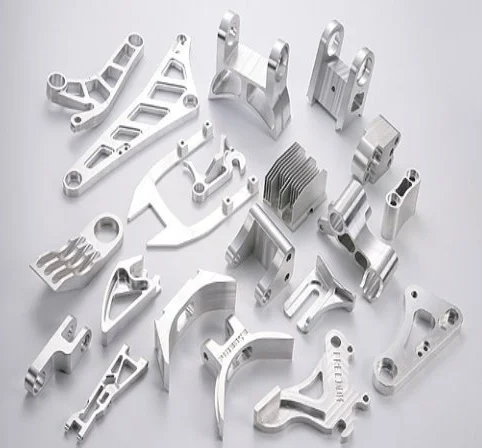
Dopasowanie metod cięcia aluminium do zastosowania branżowego
Plik został przygotowany, stop aluminium wybrany, a technologia cięcia określona. Ale istnieje pytanie, które w rzeczywistości decyduje o powodzeniu projektu: czy przyjęte podejście odpowiada rzeczywistym wymogom Twojej branży? Inżynierowie lotniczy potrzebują innych rezultatów niż architekci. Kierownicy produkcji w branży motocyklowej stają przed ograniczeniami, których nie biorą pod uwagę twórcy prototypów. Wybór odpowiedniej usługi cięcia aluminium oznacza zrozumienie tych wymagań specyficznych dla danego zastosowania oraz wybór dostawcy posiadającego kompetencje i wyposażenie umożliwiające spełnienie dokładnie tych wymagań, jakie stawia końcowe zastosowanie produktu.
Pomyśl o tym w ten sposób: dekoracyjna płyta aluminiowa do holu budynku i konstrukcyjny uchwyt do nadwozia samochodu wyścigowego mogą być wykonane z identycznego materiału 6061-T6. Jednak metoda cięcia, wymagania dotyczące dopuszczalnych odchyłek, oczekiwania co do wykończenia powierzchni oraz certyfikaty jakości są zupełnie inne. Przeanalizujmy, jakie konkretne wymagania stawia każda główna kategoria zastosowań usług cięcia metalu laserem oraz powiązanych technologii.
Przemysł lotniczy i obronny: tam, gdzie dopuszczalne odchyłki decydują o wszystkim
Gdy części aluminiowe lecą na wysokości 30 000 stóp lub działają w systemach obronnych, nie ma żadnego marginesu błędu. Zastosowania lotnicze wymagają najściślejszych dopuszczalnych odchyłek, najbardziej rygorystycznych certyfikatów materiałowych oraz pełnej śledzilności – od surowego materiału po gotowy element.
- Wymagania dotyczące tolerancji: ±0,003 cala do ±0,005 cala dla krytycznych wymiarów – osiągalne głównie za pomocą cięcia wodno-ściernego lub precyzyjnego cięcia laserowego
- Certyfikacja materiału: Wymagane są pełne certyfikaty hutnicze, zwykle określające aluminiowy stop lotniczy 7075-T6 lub 2024-T3
- Zmartwienia dotyczące strefy wpływu ciepła: Wiele specyfikacji zabrania zastosowania metod cięcia termicznego, które mogłyby zmienić właściwości materiału — dlatego cięcie wodą jest preferowaną metodą
- Dokumentacja: Często obowiązkowe są raporty z inspekcji pierwszego egzemplarza, raporty z badań materiału oraz zgodność z systemem jakości AS9100
- Integralność powierzchni: Brak mikropęknięć, brak warstw przetopionych, brak utlenienia krawędzi, które mogłoby spowodować pęknięcia zmęczeniowe
W branży lotniczej system zarządzania jakością partnera zajmującego się obróbką metali ma takie samo znaczenie jak jego wyposażenie. Firmy nie posiadające odpowiednich certyfikatów nie mogą ubiegać się o zamówienia związane z kontraktami obronnymi ani pracami dla producentów OEM w przemyśle lotniczym, niezależnie od swoich kompetencji technicznych.
Wymagania dotyczące komponentów samochodowych i podwozia
Przemysł motocyklowy stawia inne wyzwanie: zapewnienie stałej powtarzalności przy produkcji tysięcy lub milionów części. Niezależnie od tego, czy produkujesz uchwyty zawieszenia, wzmocnienia nadwozia czy elementy konstrukcyjne, cięcie aluminium w przemyśle motocyklowym wymaga stabilności procesu, która gwarantuje identyczne wyniki od pierwszej do dziesięciotysięcznej części.
- Spójność wielkości produkcji: Monitorowanie statystycznej kontroli procesu (SPC) zapewnia stabilność wymiarową w całym zakresie produkcji
- Standardy certyfikacji: Certyfikat IATF 16949 wskazuje na systemy jakości zgodne ze standardami motocyklowymi — jest to podstawowe oczekiwanie wobec dostawców poziomu Tier 1 i Tier 2
- Efektywność materiału: Optymalizacja rozmieszczenia elementów (nesting) staje się kluczowa przy przetwarzaniu tysięcy części; nawet 2% oszczędności materiału znacznie się kumulują przy dużych objętościach
- Operacje wtórne: Wykrawane elementy często są bezpośrednio przekazywane do operacji tłoczenia, kształtowania lub spawania — jakość krawędzi i dokładność wymiarowa wpływają na kolejne etapy procesu produkcyjnego
- Oczekiwania dotyczące czasu realizacji: Produkcja just-in-time oznacza, że harmonogramy cięcia muszą być zsynchronizowane z zapotrzebowaniem linii montażowej
Zgodnie z opiniami specjalistów z zakresu produkcji motocyklowej, wykonywanie blach karoseryjnych dla elementów nadwozia obejmuje precyzyjne cięcie laserem, zaawansowane techniki spawania, złożone operacje gięcia oraz specjalistyczne procedury kształtowania. Cięcie stanowi jedynie pierwszy etap tworzenia nośnych belek poprzecznych, paneli ochronnych oraz wysokowydajnych ram kontrolnych zawieszenia.
Dla zastosowań motocyklowych i samochodowych wymagających jakości certyfikowanej zgodnie z normą IATF 16949 w zakresie elementów nadwozia i zawieszenia producenci tacy jak Shaoyi (Ningbo) Metal Technology łączą cięcie aluminium z precyzyjnym tłoczeniem metali w celu uzyskania kompletnych zespołów samochodowych. Ich szybkie prototypowanie w ciągu 5 dni w połączeniu z możliwościami zautomatyzowanej produkcji masowej spełnia zarówno wymagania dotyczące szybkości rozwoju, jak i objętości produkcji, jakie stawiają projekty wykonywane z blach stalowych.
Zastosowania architektoniczne i projektowe
Gdy elementy aluminiowe stają się widocznymi elementami projektu — panele elewacyjne, ekrany dekoracyjne, tablice informacyjne lub elementy wnętrza — estetyka staje się ważniejsza niż właściwości mechaniczne. W zastosowaniach architektonicznych priorytetem są:
- Wygląd krawędzi: Widoczne krawędzie wymagają gładkich, czystych powierzchni bez śladów narzędzi, wyprasek ani przebarwień
- Złożoność wzoru: Skomplikowane wzory geometryczne, kształty organiczne oraz szczegółowe opracowanie elementów sprzyjają zastosowaniu cięcia laserowego lub wodnego zamiast cięcia plazmowego
- Ochrona powierzchni: Często części są dostarczane z folią ochronną zapobiegającą uszkodzeniom podczas obsługi przed montażem
- Zgodność wykończenia: Krawędzie cięcia muszą przyjmować anodowanie, powłokę proszkową lub malowanie bez ujawniania śladów metody cięcia
- Możliwość obróbki dużych formatów: Płyty architektoniczne często przekraczają standardowe wymiary arkuszy, co wymaga zastosowania usług cięcia laserowego rur lub specjalistycznych urządzeń z dużą powierzchnią roboczą
Znalezienie warsztatów obróbki metalu w pobliżu, które rozumieją wymagania architektoniczne, oznacza wyjście poza podstawowe możliwości cięcia. Najlepsi dostawcy oferują konsultacje projektowe, próbki powłok oraz wsparcie przy montażu – czego nie ujawnią proste wyszukiwania „metalurgia blisko mnie”.
Kompromis między szybkością prototypowania a jakością produkcji
Właśnie etap realizacji projektu decyduje o wyborze usługi cięcia aluminium. Opracowywanie prototypów i pełna produkcja opierają się na zupełnie innych priorytetach – wybór niewłaściwej metody dla danego etapu prowadzi do marnowania czasu i środków.
Dla szybkiego prototypowania:
- Szybkość ma pierwszorzędne znaczenie: Otrzymanie funkcjonalnych części jest ważniejsze niż optymalizacja kosztu jednostkowego
- Elastyczność projektowania: Łatwe modyfikacje plików i szybkie ponowne cięcia wspierają iteracyjne cykle rozwoju
- Ceny przy mniejszych zamówieniach: Koszty przypadające na pojedynczą część są wyższe, ale całkowite inwestycje pozostają kontrolowalne przy małych ilościach
- Zmniejszenie dokładności tolerancji: Standardowe допусki często wystarczają do sprawdzenia dopasowania i weryfikacji funkcjonalności
- Zastępstwo materiałów: Testowanie z łatwo dostępnymi stopami może potwierdzić koncepcję przed zainwestowaniem w materiały klasy lotniczej
Zgodnie ze specjalistami od prototypowania, plastyczność aluminium oraz wysoka efektywność procesów produkcyjnych przyczyniają się do szybkiego czasu realizacji, co jest kluczowe przy ograniczonych terminach projektowych. Elastyczność prototypowania z aluminium umożliwia szybkie iteracje, ułatwiając doskonalenie projektu na podstawie testów i uzyskanych uwag.
Producenci oferujący usługi szybkiego prototypowania — takie jak 5-dniowy czas realizacji i odpowiedź na zapytanie w ciągu 12 godzin zaproponowane przez Shaoyi — pokazują, jak działa skupiona na kliencie organizacja przyspieszająca cykle rozwoju. Kompleksowa obsługa DFM (Design for Manufacturability) pozwala wykryć problemy z wykonalnością produkcyjną jeszcze przed rozpoczęciem obróbki, eliminując kosztowne etapy korekty.
Dla serii produkcyjnych:
- Optymalizacja procesów: Czas przygotowania rozkłada się na większą ilość sztuk; inwestycje w uchwyty i programowanie przynoszą korzyści
- Skupienie na koszcie przypadającym na jedną sztukę: Efektywność rozmieszczenia części na arkuszu, wykorzystanie materiału oraz optymalizacja czasu cyklu decydują o opłacalności
- Dokumentacja jakości: Statystyczne pobieranie próbek, raporty z inspekcji oraz śledzalność stają się standardowymi wymaganiami
- Kwalifikacja dostawcy: Formalne audyty, badania zdolności procesowych oraz zgłoszenia PPAP poprzedzają uruchomienie produkcji
- Planowanie zapasów: Zamówienia ramowe, zaplanowane realizacje oraz programy zapasów bezpieczeństwa zastępują jednorazowe zamówienia
Wymagania aplikacyjne w skrócie
| Aplikacja | Głównym problemem | Preferowana metoda cięcia | Typowa tolerancja | Kluczowa Certyfikacja |
|---|---|---|---|---|
| Aerokosmonautyka | Nienaruszona integralność materiału, brak strefy wpływu ciepła (HAZ) | Cięcie wodą, precyzyjne cięcie laserem | ±0,003" do ±0,005" | AS9100 |
| Motoryzacyjny | Powtarzalność przy dużych partiach | Cięcie laserem, cięcie plazmowe wysokiej rozdzielczości | ±0,005" do ±0,015" | IATF 16949 |
| Architektoniczne | Wygląd estetyczny, wygląd krawędzi | Laser, strumień wody | ±0,010 do ±0,020 cala | Specyficzne dla projektu |
| Prototypowanie | Szybkość, elastyczność projektowa | Cięcie laserem, frezowanie CNC | Standard (±0,010 cala) | Zazwyczaj zgodne z normą ISO 9001 |
| Elektronika | Drobne detale, ścisłe odstępy | Precyzyjne cięcie laserem | ±0,003" do ±0,005" | Standardy IPC |
Zwróć uwagę, jak ten sam materiał aluminiowy przetworzony na podobnym sprzęcie daje zasadniczo różne rezultaty w zależności od kontekstu zastosowania? Wyszukiwanie „producentów wyrobów metalowych w mojej okolicy” może zwrócić dziesiątki kompetentnych zakładów — jednak dopasowanie konkretnych wymagań branżowych do zakresu kompetencji dostawcy decyduje o tym, czy uzyskasz wyniki satysfakcjonujące, czy wyjątkowe.
Zrozumienie tych wymagań specyficznych dla danego zastosowania pozwala Ci ocenić dostawców w sposób świadomy i rzetelny. Istnieje jednak inny kluczowy czynnik, który często zaskakuje pierwszych klientów: koszty cięcia aluminium różnią się znacznie w zależności od czynników, które większość ofert nie wyjaśnia. Zanim podejmiesz decyzję o współpracy z dostawcą, zrozumienie rzeczywistych czynników wpływających na cenę — oraz sposobów zoptymalizowania budżetu projektu — pozwala uniknąć kosztownych niespodzianek na późniejszym etapie.
Zrozumienie czynników wpływających na cenę oraz terminy realizacji projektów z aluminium
Wybrałeś stop, dopasowałeś go do odpowiedniej technologii cięcia i znalazł dostawcę obsługującego wymagania Twojej branży. Teraz pojawia się pytanie, które zaskakuje wielu zakupujących: dlaczego oferty na cięcie laserowe różnią się tak znacznie między dostawcami — i co w rzeczywistości determinuje te kwoty? Zrozumienie kosztów cięcia aluminium to nie tylko poszukiwanie najniższej ceny. Chodzi o rozpoznanie czynników, na które możesz wpływać, oraz tych, które są ustalone przez wymagania Twojego projektu.
Oto czego większość wyszukiwań frazy „usługa cięcia laserowego w mojej okolicy” Ci nie powie: głównym czynnikiem wpływającym na koszt nie jest powierzchnia materiału, lecz czas pracy maszyny. Według analizą cen rynkowych , prosta i skomplikowana część wykonane z tego samego arkusza aluminium mogą mieć bardzo różne ceny, nawet jeśli zużywają identyczną ilość materiału. Przeanalizujmy dokładnie, co wpływa na ekonomię Twojego projektu.
Czynniki wpływające na koszty cięcia aluminium
Każdy dostawca usług cięcia laserowego w mojej okolicy stosuje pewną wariację tego samego podstawowego wzoru:
Cena końcowa = (Koszty materiałów + Koszty zmienne + Koszty stałe) × (1 + Marża zysku)
Jednak w ramach tego wzoru poszczególne czynniki mają różny wpływ. Zrozumienie, które z nich najbardziej wpływają na realizację Twojego projektu, pozwala podejmować lepsze decyzje projektowe i zakupowe.
Gatunek i grubość materiału stanowią podstawę wyceny. Wysokiej jakości stopy, takie jak lotniczy aluminium 7075-T6, są znacznie droższe niż uniwersalne stopy 6061-T6 lub 5052-H32. Jednak przy cięciu laserowym grubość materiału ma nawet większy wpływ niż jego gatunek. Zgodnie z podziałem cenowym firmy Komacut, cięcie grubszych materiałów wymaga więcej energii oraz niższych prędkości cięcia, aby uzyskać czyste krawędzie — podwojenie grubości materiału może powodować ponad dwukrotne wydłużenie czasu cięcia i wzrost kosztów.
Złożoność projektu bezpośrednio przekłada się na czas pracy maszyny. Każdy punkt przebicia, w którym laser rozpoczyna cięcie, wydłuża czas operacji. Projekt zawierający 100 małych otworów jest droższy niż pojedynczy duży wycięty kształt ze względu na skumulowany czas przebijania. Skomplikowane geometrie z ostrymi zakrętami i ostrymi narożnikami zmuszają maszynę do zwolnienia, co wydłuża całkowity czas cięcia. Jak zauważają eksperci z zakresu produkcji, określanie tolerancji ścislejszych niż to wymagane funkcjonalnie jest powszechną przyczyną dodatkowych kosztów — utrzymanie bardzo ścisłych tolerancji wymaga wolniejszych, bardziej kontrolowanych prędkości.
Ilość i wolumen zamówienia znacznie wpływają na cenę przypadającą na pojedynczą sztukę. Opłaty za przygotowanie – obejmujące załadowanie materiału, kalibrację maszyny oraz przygotowanie pliku – są rozliczane proporcjonalnie na wszystkie sztuki w zamówieniu. Zamówienie 10 sztuk oznacza, że każda z nich ponosi 10 % kosztów przygotowania. Zamówienie 1000 sztuk sprawia, że koszty przygotowania stają się pomijalne w przeliczeniu na jednostkę. Zniżki ilościowe dla zamówień o dużej liczbie sztuk mogą osiągać nawet 70 % w porównaniu do ceny pojedynczej sztuki.
Analiza wpływu czynników kosztotwórczych
| Czynnik kosztowy | Poziom uszkodzenia | Co ją determinuje | Wskazówki dotyczące optymalizacji |
|---|---|---|---|
| Grubość materiału | Wysoki | Prędkość cięcia maleje wykładniczo wraz ze wzrostem grubości; zużycie energii rośnie | Używaj najcieńszej możliwej materiału spełniającego wymagania konstrukcyjne; sprawdź, czy cieńszy materiał nadaje się do zastosowania |
| Złożoność projektu | Wysoki | Liczba przebijeń, długość ścieżki cięcia, ścisłe допусki oraz skomplikowane geometrie wydłużają czas pracy maszyny | Uprość krzywe, zmniejsz liczbę otworów, łącz mniejsze cechy w większe wycięcia tam, gdzie to możliwe |
| Ilość zamówienia | Wysoki | Koszty przygotowania rozliczane są na jednostkę; większe serie pozwalają skorzystać ze zniżek objętościowych | Konsoliduj zamówienia, grupuj podobne części w jednej serii, planuj z wyprzedzeniem, aby uniknąć pilnych zamówień pojedynczych elementów |
| Stopień Materiału | Średnie | Wysokiej jakości stopy (7075, specjalne stany wytrzymałosciowe) są droższe niż standardowe gatunki | Potwierdź, czy standardowy stop 6061-T6 spełnia wymagania, zanim zdecydujesz się na gatunki lotnicze |
| Czas realizacji | Średnie | Pilne zamówienia wiążą się z dodatkowymi opłatami za pracę w nadgodzinach i przyspieszone harmonogramy | Planuj projekty z uwzględnieniem standardowych czasów realizacji; unikaj ostatnich chwil i pilnych, nagłych żądań |
| Operacje wtórne | Średnie | Usuwanie wykańczania, gwintowanie, wstawianie elementów złącznych, wykańczanie – dodają nakładu pracy i czasu | Projektuj tak, aby zminimalizować obróbkę wtórną; określ wyłącznie niezbędne operacje wtórne |
| Efektywność składania | Średnie | Nieefektywne rozmieszczenie części prowadzi do marnowania materiału; optymalne rozmieszczanie (nesting) zmniejsza odpad | Projektuj części z uwzględnieniem rozmieszczania (nesting); zapewnij odpowiednią odległość między nimi bez nadmiernych marginesów |
| Przygotowanie plików | Niski | Pliki zawierające błędy wymagają korekty przez technika, często za dodatkową opłatę | Prześlij czyste, prawidłowo sformatowane pliki; usuń powtarzające się linie oraz otwarte kontury |
Strategie optymalizacji budżetu projektu
Posiadając wiedzę na temat czynników wpływających na koszty, możesz podejmować świadome decyzje zmniejszające wydatki bez utraty jakości. Poniższe strategie systematycznie przynoszą oszczędności w projektach cięcia aluminium:
Uprość swój projekt tam, gdzie pozwala na to funkcjonalność. Każde dodatkowe cięcie zwiększa koszt. Tam, gdzie to możliwe, zastąp skomplikowane krzywe prostszymi geometriami. Połącz wiele małych otworów w większe wycięcia (wycinki), które wymagają mniejszej liczby punktów przebicia. Usuń czysto dekoracyjne elementy z komponentów konstrukcyjnych.
Wybierz najcieńszy możliwy materiał spełniający wymagania. Ta pojedyncza decyzja często przynosi największe obniżenie kosztów. Jeśli analiza konstrukcyjna wykaże, że blacha aluminiowa o grubości 0,125 cala zapewnia wystarczającą wytrzymałość, nie należy określać grubości 0,250 cala „dla pewności”. Grubszy materiał może podwoić koszty cięcia.
Uporządkuj pliki projektowe przed ich przesłaniem. Platformy takie jak oshcut i osh cut, oferujące możliwość natychmiastowego uzyskania wyceny cięcia laserowego, ustalają ceny na podstawie treści przesłanego pliku. Powtarzające się linie oznaczają, że system oblicza dwukrotne przeprowadzenie cięcia po tej samej ścieżce. Ukryte obiekty, notatki konstrukcyjne oraz niewłaściwie zamknięte ścieżki powodują niejednoznaczność, która albo zawyża wycenę, albo skutkuje żądaniem wprowadzenia poprawek.
Zamawiaj strategicznie. Według obróbki blach większe wielkości partii rozprowadzają koszty przygotowania procesu produkcyjnego na większą liczbę sztuk, co znacznie obniża cenę jednostkową. Jeśli części są potrzebne w sposób ciągły, lepiej konsolidować zamówienia w większe partie, realizowane rzadziej, zamiast wielokrotnie zamawiać mniejsze serie.
Zapytaj o dostępne materiały z magazynu. Wybór gatunków aluminium, które dostawca już posiada na stanie, pozwala uniknąć opłat za zamówienia specjalne i skraca czas realizacji.
Oczekiwania dotyczące czasu realizacji i czynniki wpływające na szybkość wykonania
Ponadto cena, zrozumienie czynników wpływających na czas realizacji pozwala na realistyczne planowanie projektów. Standardowy czas realizacji cięcia aluminium zwykle wynosi od 3 do 7 dni roboczych dla prostych zamówień, choć kilka czynników może wydłużyć lub skrócić ten okres.
Czynniki przedłużające czas realizacji:
- Materiały specjalne wymagające zakupu od zewnętrznych dostawców
- Złożone projekty wymagające szczegółowego programowania lub wielu operacji ustawienia
- Duże zamówienia konkurujące o ogranicioną moc maszynową
- Operacje wtórne, takie jak usuwanie wyprasek, gwintowanie lub wykańczanie
- Wymagania dotyczące dokumentacji jakościowej (inspekcje pierwszego egzemplarza, certyfikaty materiału)
- Korekty projektu lub wnioski o wyjaśnienia
Czynniki przyspieszające realizację:
- Proste i czyste projekty, które można szybko zaprogramować
- Standardowe materiały w powszechnie stosowanych grubościach, już dostępne w magazynie
- Elastyczne harmonogramy umożliwiające wypełnienie luk w produkcji
- Kompletne i bezbłędne pliki, które nie wymagają interwencji technika
- Opłaty za przyspieszenie — gdy szybkość uzasadnia dodatkowy koszt
Przy zlecaniu wycinki laserowej zawsze podawaj termin dostawy już na etapie żądania oferty. Dzięki temu dostawca może ocenić, czy standardowy harmonogram jest możliwy do zastosowania, czy konieczne jest przyspieszone przetwarzanie — oraz związane z nim opłaty dodatkowe. Przejrzysta komunikacja dotycząca terminów zapobiega niespodziankom w ostatniej chwili po obu stronach.
Zrozumienie tych dynamik cenowych oraz czynników wpływających na czas realizacji pozwala na inteligentną ocenę ofert. Jednak surowe cięcia rzadko reprezentują gotowe wyroby — to, co dzieje się po cięciu, często decyduje o tym, czy Twoje elementy spełniają końcowe wymagania aplikacyjne.
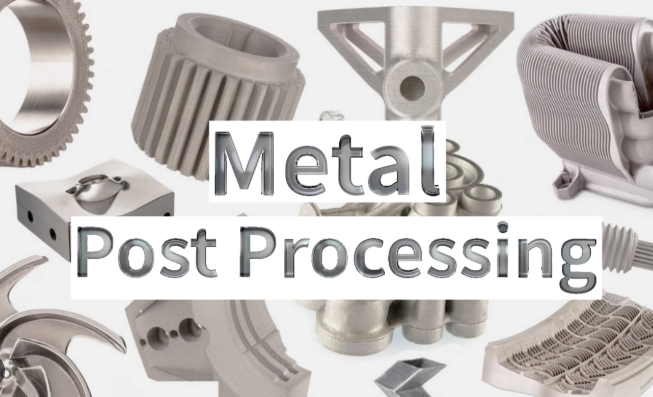
Opracowanie po cięciu i opcje przetwarzania wtórnego
Twoje elementy z aluminium zostały już przecięte — ale czy są naprawdę ukończone? Właśnie w tym miejscu wiele projektów napotyka trudności: surowe cięcia rzadko spełniają końcowe wymagania aplikacyjne. Niezależnie od tego, czy przygotowujesz komponenty do anodowanych obudów aluminiowych, paneli architektonicznych z powłoką proszkową, czy też precyzyjnych zespołów wymagających ścisłych dopasowań, to właśnie procesy zachodzące po cięciu często decydują o sukcesie lub porażce elementów w ich przeznaczeniu.
Zrozumienie kwestii związanych z obróbką po cięciu nie jest opcjonalne – jest niezbędne. Różne metody cięcia pozostawiają wyraźnie różne cechy krawędzi, a każda operacja wykańczająca wymaga określonego przygotowania powierzchni. Pominięcie tego etapu może doprowadzić do wykrycia problemów zgodności dopiero po już poniesieniu kosztów operacji wykańczających.
Jakość krawędzi i najlepsze praktyki usuwania wyprasek
Każda metoda cięcia zostawia swój charakterystyczny ślad na krawędziach aluminiowych. Zgodnie z analizą jakości krawędzi przeprowadzoną przez SendCutSend, zrozumienie tych cech pozwala zaplanować odpowiednią obróbkę końcową lub wybrać metodę cięcia minimalizującą od początku potrzebę dalszej obróbki.
Definicja gruzu: to ponownie stwardniały metal przyczepiający się do dolnej krawędzi cięć wykonywanych laserem lub plazmą. W przypadku aluminium tworzenie gruzu zależy w dużej mierze od parametrów cięcia, wyboru gazu wspomagającego oraz grubości materiału. Optymalnie skonfigurowane cięcia laserowe na cienkim aluminium generują minimalną ilość gruzu, podczas gdy cięcia plazmowe na grubszych blachach wymagają zazwyczaj mechanicznego usuwania gruzu.
Co można oczekiwać od każdej metody cięcia:
- Cięcia włóknem laserowym: Gładkie, wolne od tlenków krawędzie przy prawidłowo zoptymalizowanych systemach. Minimalna strefa wpływu ciepła (HAZ) zapewnia stałą twardość krawędzi zgodną z twardością materiału podstawowego. W przypadku grubszych blach może być konieczne lekkie usuwanie wykańczania (deburring), gdzie gromadzi się gruz.
- Cięcia strumieniem wodnym: Brak jakichkolwiek efektów termicznych — proces cięcia zimnego pozostawia krawędzie o spójnych właściwościach materiałowych na całej głębokości. Tekstura powierzchni wykazuje charakterystyczne wzory prążkowania pochodzące od strumienia ścierniw, bardziej wyraźne przy grubszych materiałach.
- Cięcia plazmowe: Dobra jakość krawędzi w nowoczesnych systemach o wysokiej rozdzielczości, choć tworzenie niewielkich wyprasek oraz strefy wpływu ciepła (HAZ) są nieuniknione. Grubszy aluminium zwykle wymaga dodatkowych operacji usuwania wyprasek.
- Cięcia frezarką CNC: Czyste krawędzie mechaniczne bez wpływu cieplnego. Jakość powierzchni zależy od stanu narzędzi i prędkości posuwu — ostre narzędzia zapewniają gładkie cięcia, podczas gdy zużyte narzędzia pozostawiają widoczne ślady.
W przypadku elementów, które będą podlegały dalszym operacjom gięcia, jakość krawędzi ma większe znaczenie niż sam wygląd. Mikropęknięcia lub nadmierna strefa wpływu ciepła (HAZ) mogą inicjować pęknięcia podczas kształtowania, szczególnie w przypadku twardszych stopów, takich jak 7075-T6. Gdy gięcie następuje po cięciu, cięcie strumieniem wody lub odpowiednio zoptymalizowane cięcie laserem zazwyczaj daje najbardziej niezawodne rezultaty.
Przygotowanie ciętego aluminium do anodowania i wykańczania
Planujesz anodowanie swoich elementów? Wybrana metoda cięcia ma bezpośredni wpływ na skuteczność procesu anodowania oraz na wygląd gotowych elementów.
Zgodnie z dokumentacją techniczną firmy Vytek cięcie laserowe oferuje zalety dla części przeznaczonych do anodowania: precyzyjne cięcie minimalizuje strefy wpływu ciepła, a gładkie, bezwypryskowe krawędzie zapewniają integralność konstrukcyjną oraz wartość estetyczną. Kluczowe jest ograniczenie wpływu cieplnego — nadmierna temperatura może spowodować przebarwienie krawędzi cięcia, które będzie widoczne przez warstwę anodowaną.
Wymagania dotyczące przygotowania powierzchni do powłok proszkowych są inne. Przewodnik procesowy firmy Keystone Koating podkreśla, że aluminium musi być wolne od zanieczyszczeń nieorganicznych, takich jak tłuszcz, brud lub poprzednie powłoki, przed naniesieniem powłoki. Krawędzie cięcia wymagają tego samego przygotowania powierzchni co płaskie powierzchnie — nie jest wymagane żadne specjalne traktowanie, jednak w celu zapewnienia jednolitej przyczepności powłoki należy usunąć popioły (dross) oraz grube wypryski.
Lista kontrolna zgodności opcji wykończenia
- Anodyzowanie: Zgodny ze wszystkimi metodami cięcia. Cięcie laserowe i wodne zapewnia krawędzie, które anodują się najbardziej jednolicie. Duża strefa wpływu cieplnego (HAZ) powstała przy cięciu plazmowym może powodować różnice barw po anodowaniu. Przed przetwarzaniem należy usunąć wszystkie oleje cięciowe i zanieczyszczenia.
- Powłoka proszkowa: Doskonała przyczepność do odpowiednio przygotowanego aluminium niezależnie od zastosowanej metody cięcia. Wymaga dokładnego oczyszczania oraz często wieloetapowego przygotowania powierzchni (mycie alkaliczne, dezoksydacja, powłoka konwersyjna chromowa lub bezchromowa). Utwardzanie odbywa się w temperaturze 163–204 °C przez 10–25 minut.
- Farby i powłoki ciekłe: Przygotowanie powierzchni podobne do przygotowania pod malowanie proszkowe. Jakość krawędzi cięcia jest mniej istotna, ponieważ farba wypełnia drobne niedoskonałości. Przed nałożeniem warstwy wykończeniowej należy zagruntować odsłonięte aluminium, aby osiągnąć najlepszą trwałość.
- Powierzchnie matowe lub polerowane: Jakość krawędzi po cięciu ma bezpośredni wpływ na końcowy wygląd wyrobu. Krawędzie uzyskane cięciem laserowym zwykle wymagają mniejszego przygotowania niż krawędzie po cięciu plazmowym. Krawędzie po cięciu wodnym mogą wymagać dodatkowego szlifowania z powodu tekstury prążkowania.
- Przezroczyste powłoki ochronne: Wszelkie niedoskonałości krawędzi pozostają widoczne pod przezroczystymi powłokami. Należy preferować metody cięcia zapewniające najczystsze krawędzie lub zaplanować obróbkę krawędzi przed naniesieniem powłoki.
Praktyczna wskazówka: przy określaniu części przeznaczonych do zastosowań widocznych należy zażądać próbek cięć wykonanych z rzeczywistego stopu i o rzeczywistej grubości przed rozpoczęciem produkcji seryjnej. Jakość krawędzi zależy od materiału — rozwiązanie idealnie działające na stopie 5052 o grubości 0,080 cala może dać inne rezultaty na stopie 6061 o grubości 0,250 cala.
Związek między cięciem a obróbką wykracza poza samą kompatybilność — wpływa on na całkowity koszt projektu oraz harmonogram jego realizacji. Części wymagające intensywnej obróbki krawędzi (np. usuwania wyprasek) lub przygotowania krawędzi przed końcową obróbką powodują dodatkowe nakłady czasu pracy, które narastają wraz z wielkością serii produkcyjnej. Wybór odpowiedniej metody cięcia na wstępnym etapie często wiąże się z niższymi kosztami niż późniejsze rekompensowanie niskiej jakości krawędzi za pomocą dodatkowych operacji wykańczających.
Gdy wymagania dotyczące wykończenia są jasne, ostatnim elementem układanki jest wybór dostawcy w stanie zapewnić kompleksową usługę — od początkowego cięcia po operacje wtórne. Ocena dostawców usług cięcia aluminium wymaga spojrzenia poza listę wyposażenia i obejmuje ocenę systemów zapewnienia jakości, szybkości reakcji w komunikacji oraz certyfikatów potwierdzających rzeczywiste kompetencje.
Wybór odpowiedniego dostawcy usług cięcia aluminium
Opanowałeś już szczegóły techniczne — dobór stopu, technologie cięcia, przygotowanie plików oraz wymagania dotyczące wykończenia. Jednak tutaj teoria spotyka się z rzeczywistością: należy znaleźć dostawcę, który rzeczywiście będzie w stanie zrealizować projekt zgodnie ze specyfikacją. Wyszukiwanie fraz takich jak „producent wyrobów metalowych w mojej okolicy” lub „przetwórzca blach w mojej okolicy” zwraca dziesiątki wyników, ale różnica jakości pomiędzy kompetentnymi partnerami a przeciętnymi warsztatami może oznaczać różnicę między precyzyjnymi elementami a drogim odpadem.
Wybór odpowiedniego dostawcy usług cięcia aluminium to nie tylko kwestia listy wyposażenia czy najniższych ofert. Zgodnie z doświadczeniem TMCO w zakresie wykonywania elementów metalowych, ocena czynników wykraczających poza cenę jest niezbędna — prawdziwa wartość współpracy z doświadczonymi dostawcami niestandardowych wyrobów metalowych tkwi w rzemiosle, technologii, skalowalności oraz udowodnionej zaangażowania w zapewnienie wysokiej jakości.
Ocenianie możliwości dostawcy usług
Zanim złożysz oferty cenowe do jakichkolwiek producentów wyrobów stalowych lub specjalistów od aluminium, dokonaj oceny ich podstawowych możliwości w odniesieniu do wymagań Twojego projektu. Nie wszystkie warsztaty produkcyjne oferują ten sam poziom usług — niektóre jedynie tną metale, podczas gdy inne zlecają na zewnątrz obróbkę, wykańczanie lub montaż, co prowadzi do opóźnień, luk w komunikacji oraz niejednorodności jakości.
Ocena wyposażenia i technologii: Jakie systemy cięcia wykorzystują? Nowoczesne systemy laserowe włóknikowe, plazmowe wysokiej rozdzielczości, precyzyjne cięcie wodą oraz zaawansowane frezowanie CNC wymagają znacznych inwestycji kapitałowych i wiedzy technicznej. Zgodnie z informacjami LS Precision Manufacturing, sprzęt niskiej klasy lub przestarzały charakteryzuje się słabą wydajnością dynamiczną — głowica cięcia drga z dużą prędkością, co powoduje niedopuszczalne błędy kształtu i wzoru cięcia.
Właściwe kompetencje wewnętrzne mają znaczenie: Zintegrowane zakłady pełnego cyklu produkcyjnego umożliwiają przeprowadzenie całego procesu pod jednym dachem. Zapewnia to ścisłą kontrolę nad produkcją, krótsze czasy realizacji zamówień oraz stały poziom jakości. Szukaj dostawców oferujących:
- Cięcie laserowe, plazmowe lub wodą pod wysokim ciśnieniem
- Możliwości toczenia i frezowania CNC
- Precyzyjne gięcie i gięcie na prasie
- Spawanie TIG/MIG i spawanie robotyczne
- Opcje wykończenia (malowanie proszkowe, anodowanie)
- Wsparcie montażu i testowania
Niezależnie od tego, czy potrzebujesz usług cięcia laserowego do skomplikowanych wzorów, czy też niestandardowych tablic metalowych wymagających gładkich krawędzi do dalszego wykończenia, partner wyposażony w nowoczesny sprzęt i automatykę zapewnia powtarzalność, wydajność oraz możliwość skalowania produkcji.
Certyfikaty jakości, które faktycznie mają znaczenie
Jakość to nie tylko wygląd — to przede wszystkim precyzja, wydajność i niezawodność. Zgodnie z Hartford Technologies , certyfikaty jakości świadczą o zaangażowaniu wobec klienta i wobec własnej profesji, umożliwiając produkcję komponentów wysokiej klasy oraz zapewniając dodatkową gwarancję zgodności wyprodukowanych artykułów ze wszystkimi wymaganiami.
Kluczowe certyfikaty do zweryfikowania:
- ISO 9001: Najbardziej uniwersalny certyfikat produkcyjny, stosowany w różnych branżach. Określa wymagania dotyczące solidnego systemu zarządzania jakością, potwierdzając zgodność produktów z oczekiwaniami klientów oraz obowiązującymi przepisami prawными.
- IATF 16949: Kluczowy dla zastosowań motocyklowych i samochodowych. Jest to międzynarodowy standard zarządzania jakością, oparty na normie ISO 9001, ale zawierający dodatkowe wymagania dotyczące projektowania produktu, procesów produkcyjnych, doskonalenia oraz standardów określonych przez klientów. Dostawcy tacy jak Shaoyi (Ningbo) Metal Technology demonstrują jakość na poziomie motocyklowym i samochodowym dzięki certyfikacji IATF 16949 – niezbędnemu warunkowi przy pracach związanych z podwoziem, zawieszeniem oraz elementami konstrukcyjnymi.
- AS9100: Dotyczy wyłącznie części stosowanych w przemyśle lotniczym i авиаcyjnym; certyfikacja ta potwierdza, że dane części spełniają wymagania dotyczące bezpieczeństwa, jakości oraz wysokich standardów określonych w specyfikacjach branży lotniczej.
- ISO 14001: Certyfikacja systemu zarządzania środowiskowego, coraz ważniejsza dla producentów OEM, którzy priorytetem nadają zrównoważonym łańcuchom dostaw.
Silny system zapewnienia jakości powinien obejmować inspekcję pierwszego wyrobu, pomiary wymiarowe w trakcie procesu produkcyjnego, badania szczelności spoin, walidację ostatecznej inspekcji oraz weryfikację za pomocą maszyny pomiarowej współrzędnościowej (CMM). Przed zawarciem współpracy należy potwierdzić standardy jakości firmy, procedury kontroli oraz odpowiednie certyfikaty ważne dla danej branży.
Komunikacja i wsparcie DFM
Skuteczna produkcja nie zaczyna się od maszyny – zaczyna się od współpracy inżynierskiej. Według specjalistów branżowych powtarzająca się komunikacja z niedoświadczonymi pracownikami obsługi klienta, prowadząca do nieporozumień, jest jednym z głównych powodów zwrotu części. Ten „koszt komunikacji” może nie być odczuwalny dopóki nie zajdzie awaria, ale może spowodować nieodwracalne szkody.
Niezbędny partner-producent współpracuje z Państwem na wczesnym etapie procesu – analizuje rysunki, pliki CAD, допuszczalne odchyłki wymiarowe oraz wymagania funkcjonalne. Szukaj dostawców oferujących:
- Wsparcie CAD/CAM i optymalizacja plików
- Wskazówki dotyczące projektowania z myślą o wykonalności produkcyjnej (DFM)
- Możliwości testowania prototypów
- Konsultacje inżynieryjne w zakresie zaleceń dotyczących materiałów i projektu
- Dedykowani inżynierowie projektowi zamiast ogólnego obsługi klienta
Dostawcy oferujący kompleksowe wsparcie DFM oraz szybkie przygotowanie ofert — np. czas odpowiedzi Shaoyi wynoszący 12 godzin — wykazują działania skoncentrowane na kliencie, które pozwalają wykryć potencjalne problemy jeszcze przed rozpoczęciem cięcia. Taki poziom wsparcia zmniejsza ryzyko, skraca czas realizacji zamówień oraz zapewnia płynność produkcji, szczególnie w przypadku złożonych zespołów.
Platformy internetowe vs tradycyjni partnerzy z zakresu obróbki metalu
Wzrost popularności platform internetowych do obróbki metali oraz usług generujących natychmiastowe oferty, takich jak Send Cut Send, zmienił sposób, w jaki wielu zakupujących zamawia cięcie aluminium. Ale kiedy należy korzystać z tych cyfrowych platform, a kiedy z tradycyjnych warsztatów obróbkowych?
Wybierz platformy internetowe generujące natychmiastowe oferty, gdy:
- Projekty obejmują standardowe materiały w powszechnie stosowanych grubościach
- Projekty są stosunkowo proste i nie wymagają obszernych konsultacji w zakresie projektowania z myślą o produkcji (DFM)
- Priorytetem jest szybka realizacja prototypów lub małych partii
- Masz gotowe, poprawnie sformatowane pliki projektowe do przesłania
- Standardowe допусki spełniają Twoje wymagania
Wybierz tradycyjnych partnerów produkcyjnych, gdy:
- Projekty wymagają obszernej współpracy inżynierskiej lub optymalizacji projektu
- Obowiązkowe są certyfikaty jakości (IATF 16949, AS9100)
- Wymagane są operacje wtórne, takie jak spawanie, montaż lub specjalistyczne wykończenie
- Dla Ciebie istotne są długoterminowe relacje produkcyjne z dedykowaną pomocą techniczną
- Złożone допусki lub niestandardowe materiały wymagają wiedzy eksperckiej
- Potrzebujesz jednego źródła dostaw kompletnych zespołów zamiast wyłącznie ciętych elementów
Zgodnie z opiniami specjalistów od obróbki, idealnym partnerem jest firma, która wspiera zarówno obecne potrzeby, jak i przyszły rozwój — skalując się od prototypów do pełnych serii produkcyjnych bez utraty jakości. Przejrzysta komunikacja z jasnymi harmonogramami, aktualizacjami postępu projektu oraz realistycznymi oczekiwaniami zapobiega kosztownym niespodziankom.
Lista kontrolna oceny dostawcy
Zanim zdecydujesz się na współpracę z jakimkolwiek dostawcą usług cięcia aluminium, przeanalizuj poniższą sekwencję oceny:
- Zweryfikuj możliwości wyposażenia: Upewnij się, że wykorzystuje ona odpowiednią technologię cięcia, odpowiadającą wymaganym grubościom materiału oraz tolerancjom. Zażądaj listy wyposażenia oraz informacji o wieku głównych systemów.
- Sprawdź certyfikaty: Zażądaj kopii certyfikatów ISO 9001, IATF 16949 lub innych certyfikatów specyficznych dla danej branży. Zweryfikuj ważność certyfikatów oraz zakres ich stosowania.
- Zażądaj próbek elementów: Zażądaj rzeczywistych próbek materiałów i grubości podobnych do tych, które firma już przetwarzała. Osobiście sprawdź jakość krawędzi, dokładność wymiarową oraz jakość wykończenia powierzchni.
- Przeanalizuj przypadki zastosowań: Zapytaj o przykłady projektów porównywalnych pod względem złożoności i materiałów do Twojego projektu. Szczegółowe studia przypadków potwierdzają kompetencje wykraczające poza podstawową obróbkę.
- Oceń szybkość reagowania w komunikacji: Zwróć uwagę, jak szybko odpowiadają na początkowe zapytania. Czas przygotowania oferty wskazuje na efektywność operacyjną — dostawcy zapewniający szybką odpowiedź zwykle utrzymują lepszą komunikację projektową na całym etapie realizacji.
- Odbyć wizytę w zakładzie: Jeśli to możliwe, odwiedź halę produkcyjną, aby ocenić stan sprzętu, organizację przepływu pracy oraz stacje kontroli jakości. Alternatywą dla oddalonych dostawców mogą być wizyty wirtualne lub wideorozmowy.
- Zrozum proces DFM: Zapytaj, jak przebiega przegląd projektu oraz jak udzielana jest informacja zwrotna dotycząca możliwości produkcyjnych. Proaktywne wsparcie inżynierskie pozwala wykryć problemy jeszcze przed rozpoczęciem frezowania.
- Ustal zakres usług operacji wtórnych: Potwierdź, czy usuwanie wykańczania (deburring), wykańczanie powierzchni, montaż lub inne operacje końcowe są wykonywane wewnętrznie, czy wymagają zaangażowania zewnętrznych dostawców.
- Przejrzyj dokumentację jakości: Zapytaj, jakie raporty z inspekcji, certyfikaty materiałów lub dane testowe dostarczają wraz z przesyłkami.
- Sprawdź referencje: Poproś o referencje klientów z Twojej branży. Bezpośrednia opinia podobnych zakupujących ujawnia rzeczywistą wydajność w praktyce.
Podejmowanie ostatecznej decyzji
Zatrudnienie dostawcy usług gięcia nie jest tylko decyzją zakupową — to długoterminowa inwestycja w wydajność i niezawodność Twoich produktów. Odpowiedni partner oferuje wsparcie techniczne, zaawansowane technologie, solidne systemy jakości oraz podejście współpracy, które dodaje wartość wykraczającą poza sam metal.
Według ekspertów branżowych przy ocenie dostawców niestandardowych wyrobów metalowych należy brać pod uwagę więcej niż tylko cenę. Decyzję powinny kierować doświadczenie, możliwości techniczne, wsparcie inżynierskie, systemy zapewnienia jakości oraz komunikacja. Zaufany partner z zakresu wykrawania i gięcia metalu nie tylko wykonuje elementy — wspiera Twoje cele, poprawia jakość Twojego produktu i pomaga zapewnić długoterminowy sukces Twojego projektu.
Nie ma znaczenia, czy zakupujesz precyzyjne elementy do przemysłu lotniczego, duże partie części samochodowych czy niestandardowe elementy architektoniczne — wybór dostawcy decyduje o tym, czy Twój projekt cięcia aluminium przyniesie oczekiwane rezultaty. Poświęć czas na staranne ocenienie potencjalnych partnerów, zadaj odpowiednie pytania i wybierz takiego współpracownika, którego możliwości techniczne są zgodne z Twoimi konkretnymi wymaganiami.
Najczęściej zadawane pytania dotyczące usług cięcia aluminium
1. Ile kosztuje cięcie metalu?
Koszty cięcia aluminium zwykle wahają się od 0,50 USD do 2 USD za cal liniowy lub od 20 do 30 USD za godzinę dla podstawowych cięć. Jednak ceny różnią się znacznie w zależności od grubości materiału, gatunku stopu, złożoności projektu oraz ilości zamówienia. Grubsze materiały wymagają wolniejszych prędkości cięcia, co wydłuża czas pracy maszyny i zwiększa koszty. Złożone projekty z wieloma punktami przebicia wydłużają czas obróbki. Rabaty ilościowe mogą obniżyć koszt przypadający na pojedynczą część nawet o 70% w porównaniu do zamówień pojedynczych części. Opłaty za przygotowanie maszyny rozliczane są na większą liczbę sztuk, dzięki czemu zamówienia hurtowe stają się bardziej opłacalne.
2. Ile kosztuje laserowe cięcie aluminium?
Cięcie aluminium laserem zwykle kosztuje od 1 do 3 USD za cal lub od 75 do 150 USD za godzinę. Ostateczna cena zależy od grubości materiału, złożoności projektu, wymaganych tolerancji oraz ilości zamówionych elementów. Cienkie blachy aluminiowe (o grubości poniżej 0,25 cala) są cięte szybciej i taniej, podczas gdy grubsze materiały wymagają większej energii i niższych prędkości cięcia. Wysokiej jakości stopy, takie jak 7075-T6, są droższe niż standardowa stopa 6061-T6. Przyspieszone zamówienia wiążą się z dodatkowymi opłatami, natomiast zaplanowanie zamówienia z wyprzedzeniem i przestrzeganie standardowych czasów realizacji pozwala zaoszczędzić. Czyste i prawidłowo sformatowane pliki projektowe pomagają również uniknąć dodatkowych opłat za przygotowanie.
3. Jaka jest najlepsza metoda cięcia aluminium?
Najlepsza metoda cięcia zależy od konkretnych wymagań. Cięcie laserem włóknikowym wyróżnia się przy cięciu cienkich i średnich blach aluminiowych, gdzie wymagana jest duża precyzja oraz skomplikowane kształty z tolerancjami aż do ±0,005 cala. Cięcie wodą (waterjet) nie powoduje strefy wpływu ciepła, co czyni je idealnym rozwiązaniem w zastosowaniach lotniczych oraz przy cięciu grubej stali o grubości do 12 cali. Wysokowydajne cięcie plazmowe najlepiej sprawdza się przy cięciu grubych elementów konstrukcyjnych, gdy priorytetem są szybkość i opłacalność kosztowa, a nie najwyższa jakość krawędzi. Frezowanie CNC nadaje się do miększych stopów oraz zastosowań, w których kluczowe znaczenie ma jakość wykończenia powierzchni.
4. Jaki stop aluminium powinienem wybrać do mojego projektu cięcia?
Wybierz stop 6061-T6 do zastosowań ogólnych wymagających zrównoważonej wytrzymałości, spawalności i obrabialności. Wybierz stop 5052-H32 do zastosowań morskich lub projektów wymagających wyjątkowej odporności na korozję i kutej formowalności. Wybierz stop 7075-T6, gdy potrzebujesz wytrzymałości na poziomie stopów stosowanych w przemyśle lotniczym, zbliżonej do stali przy znacznie mniejszej masie, jednak należy pamiętać, że nie nadaje się do spawania. Użyj stopu 3003 do elementów wymagających intensywnego kształtowania po cięciu. Każdy ze stopów różnie reaguje na procesy cięcia, co wpływa na jakość krawędzi, parametry cięcia oraz wymagania dotyczące obróbki końcowej.
5. Jakie certyfikaty powinienem sprawdzić u dostawcy usług cięcia aluminium?
Szukaj certyfikatu ISO 9001 jako podstawowego standardu zarządzania jakością. W zastosowaniach motocyklowych certyfikat IATF 16949 wskazuje na systemy jakości przeznaczone specjalnie dla przemysłu motocyklowego, które są niezbędne przy produkcji elementów nadwozia i konstrukcji nośnej. Projekty lotnicze wymagają certyfikatu AS9100 potwierdzającego, że części spełniają normy bezpieczeństwa i jakości obowiązujące w przemyśle lotniczym. Dodatkowo sprawdź, czy dostawca oferuje inspekcję pierwszego egzemplarza, pomiary wymiarowe w trakcie procesu produkcyjnego oraz weryfikację za pomocą maszyny pomiarowej współrzędnościowej (CMM). Producentów skupionych na jakości charakteryzuje także kompleksowa obsługa projektowania przy użyciu analizy wykonalności technologicznej (DFM) oraz szybkie przygotowywanie ofert, co przyspiesza realizację Twojego projektu.