how to protect stamped steel control arms from rust-0 Small batches, high standards. Our rapid prototyping service makes validation faster and easier — get the support you need today

All Categories
how to protect stamped steel control arms from rust-1

Automotive Manufacturing Technologies

Home >  News >  Automotive Manufacturing Technologies

Stop Control Arm Rust: Your Essential Protection Strategy

Time : 2025-12-15
conceptual image of a protective shield guarding a steel control arm from rust

TL;DR

Protecting stamped steel control arms from rust requires a multi-stage approach. The process begins with thoroughly removing all existing rust down to the bare metal. Next, you must treat the surface with a rust converter or a high-quality primer. Finally, apply a durable, moisture-resistant topcoat, such as specialized chassis paint or a powder coating, to seal the metal from the elements and ensure long-term protection.

Understanding the Vulnerability: Why Stamped Steel Control Arms Corrode

Stamped steel control arms are critical suspension components, yet their material composition makes them inherently vulnerable to rust. Rust, chemically known as iron oxide, is the result of a reaction that occurs when iron, the primary component of steel, is exposed to oxygen and moisture. The undercarriage of a vehicle is a prime environment for this process, constantly bombarded with water, road salt, and grime, which significantly accelerate corrosion.

The electrochemical process of rust formation weakens the metal over time. It begins as minor surface discoloration but can progress to flaking, pitting, and eventually, severe structural degradation. On a part as crucial as a control arm, which connects the vehicle's frame to the steering knuckle, advanced corrosion can compromise suspension integrity and pose a serious safety risk. This is why some vehicles use aluminum control arms, which naturally form a protective oxide layer and are more resistant to this type of decay.

Automotive manufacturers employ various methods to protect these parts from the factory. For instance, specialized automotive stamping companies like Shaoyi Metal Technology utilize advanced production techniques and apply initial protective coatings to ensure components meet strict quality and durability standards. However, these factory coatings can be compromised by rock chips, scrapes, and the general wear and tear of driving. Once the protective layer is breached, the steel underneath is exposed, and the rusting process begins. This makes ongoing vigilance and proper maintenance essential for extending the life of these parts.

The Complete Protection Protocol: A Step-by-Step Guide

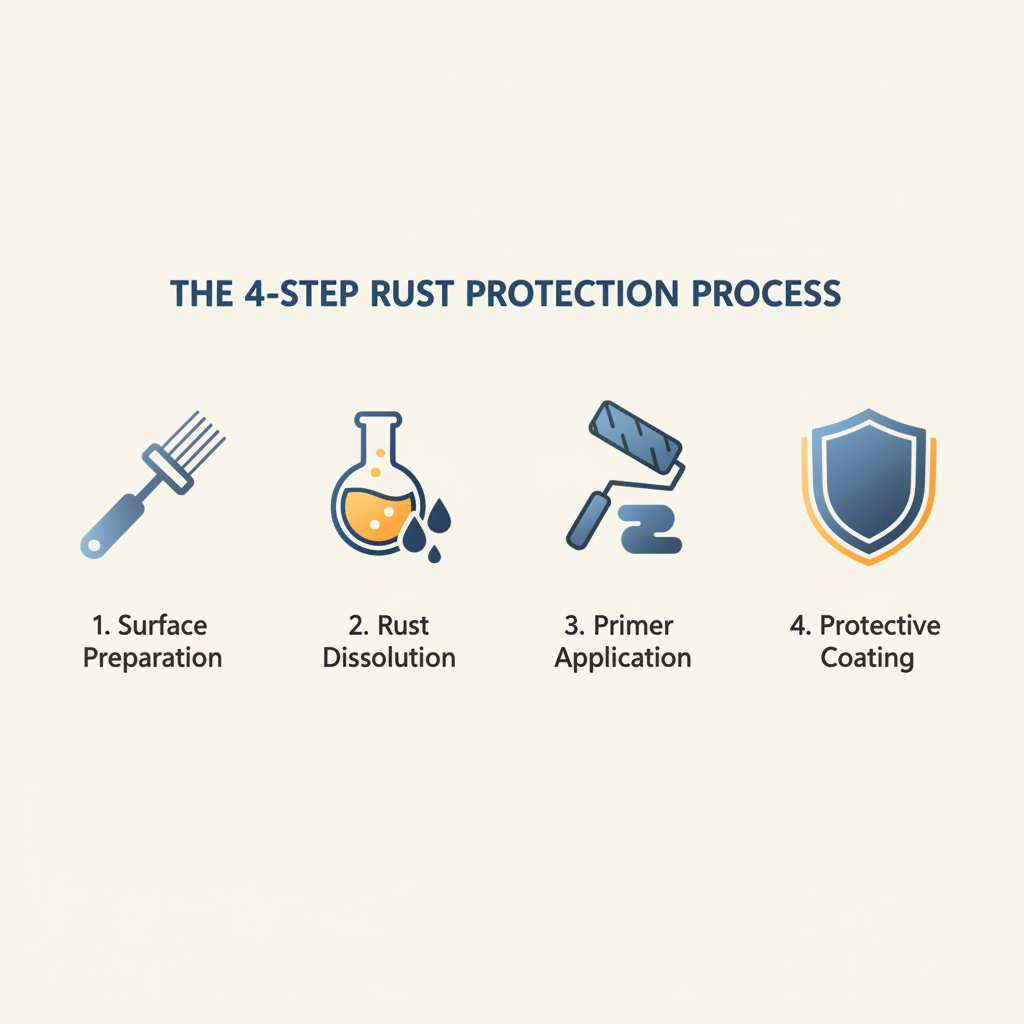
To effectively stop rust and protect your stamped steel control arms for the long haul, you must follow a systematic process. Skipping a step or using incompatible products can lead to premature failure of the coating, forcing you to start over. This five-step protocol ensures a durable, professional-quality finish that will stand up to harsh road conditions.

  1. Surface Preparation: The first and most critical step is to thoroughly clean the control arms. Use a strong degreaser to remove all oil, grease, and road grime. A clean surface is essential for proper adhesion of subsequent coatings. After degreasing, wash the parts with soap and water and allow them to dry completely.
  2. Thorough Rust Removal: You must remove every trace of existing rust. For light surface rust, sandpaper or a wire wheel on a drill or angle grinder works well. For heavier scale, sandblasting is the most effective method, as it cleans and profiles the metal for optimal primer adhesion. Chemical rust removers containing phosphoric acid are another option that can dissolve rust and leave a paintable surface.
  3. Rust Neutralization: After mechanical removal, it's wise to treat the bare metal with a rust converter or reformer. These products, like the popular Rust-Oleum Rust Reformer, chemically convert any remaining microscopic rust particles into a stable, non-reactive black polymer. This creates a sealed, paintable surface and prevents rust from creeping back under your new coatings.
  4. Priming for Adhesion and Protection: A high-quality primer is the foundation of your protection system. A 2-part epoxy primer offers a hard, non-porous barrier that is highly resistant to moisture and chemicals. Another excellent choice is a zinc-rich primer, often called a "cold galvanizing" compound. As detailed in an article from SendCutSend, zinc acts as a sacrificial layer, corroding before the steel does, which provides robust cathodic protection.
  5. Applying the Durable Topcoat: The final layer provides the primary defense against physical impacts and the elements. A tough, chip-resistant chassis paint is an ideal choice for DIY applications, as it's designed specifically for undercarriage components. For the most durable finish possible, powder coating is the superior option, applying a hardened polymer layer that blocks oxygen and moisture effectively. Always ensure your chosen topcoat is compatible with your primer to prevent adverse reactions.
the four key stages of rust protection for automotive parts

Choosing Your Armor: Selecting the Right Protective Coatings

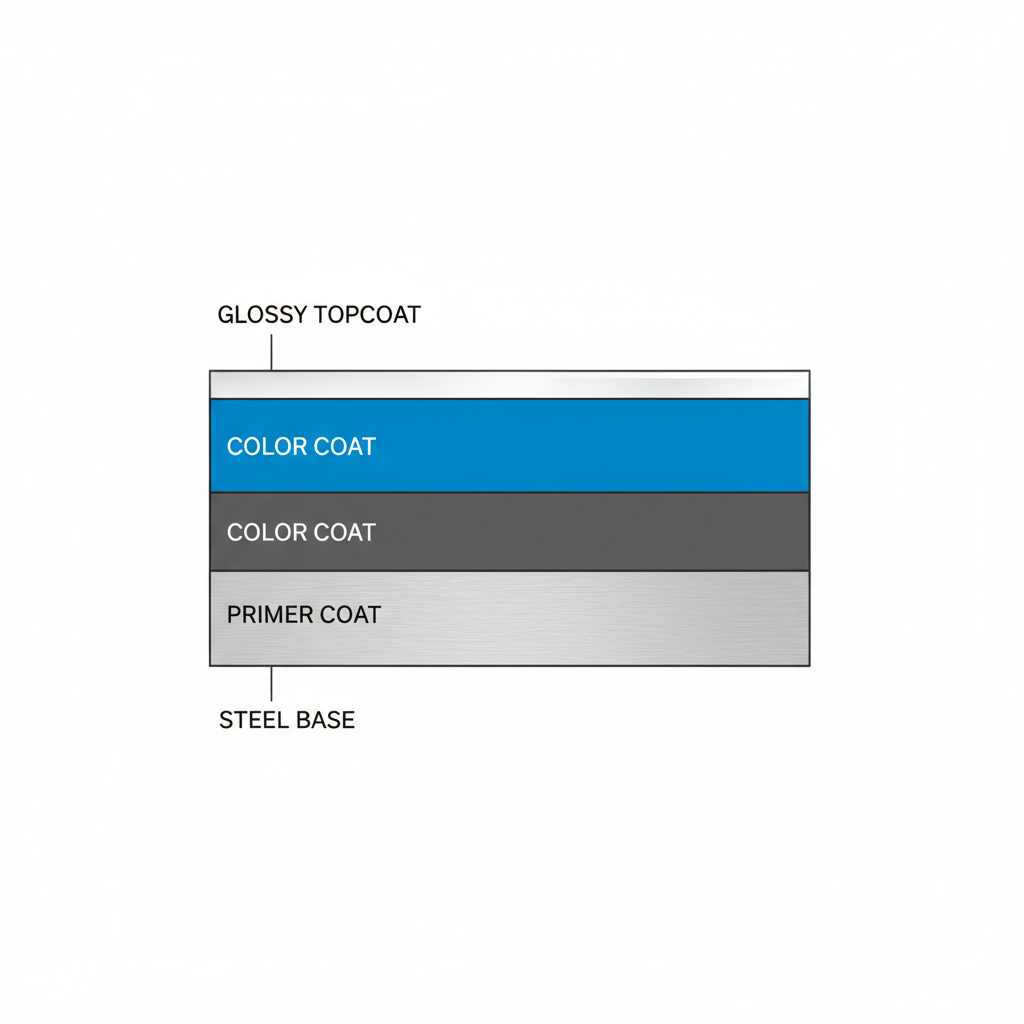
With numerous products on the market, selecting the right combination of coatings can seem daunting. The best choice depends on your budget, available tools, and desired level of durability. Understanding the function of each coating type helps in making an informed decision. Barrier coatings, like epoxy primers and paints, work by creating an impermeable seal. Sacrificial coatings, such as zinc-rich primers, protect the steel by corroding in its place. For optimal results, a system that combines both is often recommended.

To simplify the selection process, you can think of the options in tiers of protection. A basic system offers decent protection for vehicles in milder climates, while a premium system is recommended for areas with heavy road salt usage or for restorations where longevity is paramount. It is crucial to use products from a single system or ensure compatibility between different brands to avoid issues like peeling or cracking.

Protection System Durability Approximate Cost Application Difficulty
Good: Rust-Converting Paint Moderate Low Easy (Rattle can)
Better: Epoxy Primer + Chassis Paint High Medium Moderate (Requires spray gun)
Best: Professional Powder Coating Very High High Difficult (Requires professional service)
diagram showing the layers of a durable automotive protective coating system

Long-Term Vigilance: Maintenance and Inspection

Applying a durable coating system is a major step, but rust prevention is an ongoing process. Regular maintenance is key to ensuring your hard work lasts for years. One of the most effective long-term strategies, as highlighted by experts at Armor Protective Packaging, is to keep the components clean and dry as much as possible. This simple act can significantly delay the onset of corrosion.

At least twice a year, ideally before and after winter, you should thoroughly clean the vehicle's undercarriage to wash away accumulated salt, dirt, and moisture. While cleaning, perform a visual inspection of the control arms and other suspension parts. Look for any chips, scratches, or cracks in the coating that could expose the bare metal underneath. Even the toughest coatings can be damaged by rock strikes or road debris.

If you find any compromised areas, address them immediately. Prompt touch-ups are far easier than a full restoration later on. Here is a simple checklist for your inspection:

  • Thoroughly wash and dry the undercarriage.
  • Use a bright light to inspect the coated surfaces for any signs of damage.
  • Pay close attention to weld seams and edges, where coatings are thinnest.
  • If you find a chip, lightly sand the area to feather the edges, clean it with a solvent, and apply touch-up primer and paint to reseal the surface.

Frequently Asked Questions About Rust Protection

1. What spray prevents steel from rusting?

For bare metal, a product like Rust-Oleum Rust Inhibitor is designed to create a clear, protective barrier against moisture. However, for a permanent solution on a component like a control arm, a multi-step process is better. This involves a high-quality primer (like a zinc-rich or epoxy primer) followed by a durable topcoat like chassis paint.

2. Does Rustoleum spray actually protect against rust?

Yes, many Rust-Oleum products are very effective at protecting against rust. Their "Stops Rust" line, for example, is designed as a primer and topcoat in one that can often be applied directly over properly prepared rusty surfaces. It works by creating a strong, protective barrier that seals out moisture. For a high-impact area like a control arm, using their professional-grade primers and topcoats will yield the best results.

3. Can I put WD-40 on metal to prevent rust?

WD-40 is not a long-term rust preventative. Its primary function is as a water displacer (the "WD" in its name), lubricant, and solvent for breaking rust free. While it can temporarily protect a surface by pushing moisture away, it leaves a very thin film that evaporates and wears off quickly, offering no lasting protection. For components like control arms, you need a permanent coating, not a temporary oil film.

PREV : Stamped Steel vs Billet Aluminum: The Essential Control Arm Choice

NEXT : Decoding Stamped Steel Control Arm Testing Standards

Get a Free Quote

Leave your information or upload your drawings, and we will assist you with technical analysis within 12 hours. You can also contact us by email directly: [email protected]
Email
Name
Company Name
Message
0/1000
Attachment
Please upload at least an attachment
Up to 3 files,more 30mb,suppor jpg、jpeg、png、pdf、doc、docx、xls、xlsx、csv、txt

INQUIRY FORM

After years of development, the company's welding technology mainly includes gas shielded welding, arc welding, laser welding and kinds of welding technologies, combined with automatic assemble lines, through Ultrasonic Testing (UT), Radiographic Testing(RT), Magnetic particle Testing(MT) Penetrant Testing(PT), Eddy Current Testing(ET), Pull-off force of testing, to achieve high capacity, high quality and safer welding assemblies, we could supply CAE, MOLDING and 24-hour quick quotation to provide customers with better service for chassis stamping parts and machining parts.

  • Various automotive accessories
  • Over 12 years of experience in mechanical processing
  • Achieve strict precision machining and tolerances
  • Consistency between quality and process
  • Can achieve customized services
  • On time delivery

Get a Free Quote

Leave your information or upload your drawings, and we will assist you with technical analysis within 12 hours. You can also contact us by email directly: [email protected]
Email
Name
Company Name
Message
0/1000
Attachment
Please upload at least an attachment
Up to 3 files,more 30mb,suppor jpg、jpeg、png、pdf、doc、docx、xls、xlsx、csv、txt

Get a Free Quote

Leave your information or upload your drawings, and we will assist you with technical analysis within 12 hours. You can also contact us by email directly: [email protected]
Email
Name
Company Name
Message
0/1000
Attachment
Please upload at least an attachment
Up to 3 files,more 30mb,suppor jpg、jpeg、png、pdf、doc、docx、xls、xlsx、csv、txt