 Small batches, high standards. Our rapid prototyping service makes validation faster and easier —
  EN
EN


Fém bélyegző szerszámok megértése: Nyers acéltól a pontossági alkatrészekig
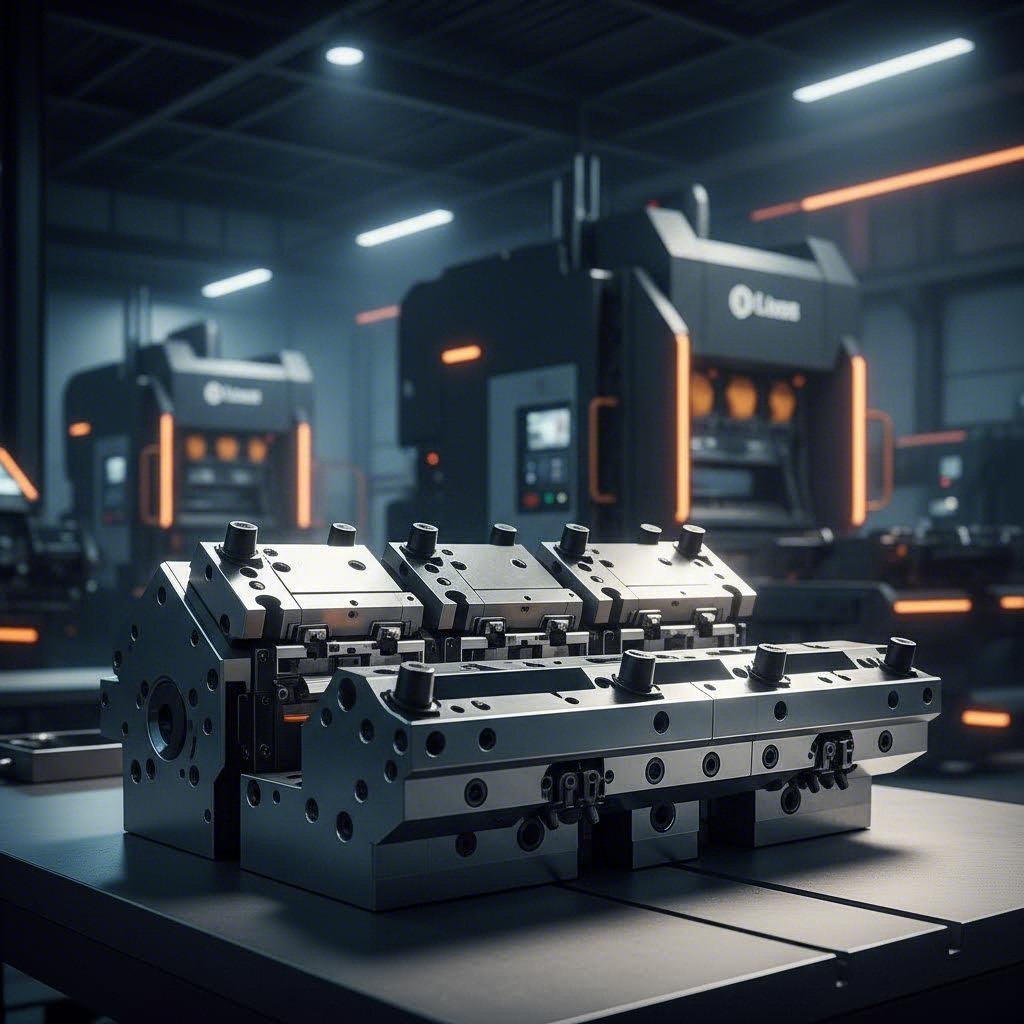
Mi azok a fém nyomószerszámok, és miért fontosak?
Sosem gondolta meg, hogyan állítanak elő a gyártók ezrekre számító azonos fémalkatrészeket tökéletes pontossággal? A válasz egy speciális eszközben rejlik, amely a modern gyártás szívében helyezkedik el: a fém nyomószerszámokban. Ezek a precíziós eszközök lapos lemezfémet alakítanak át mindentől – az autókarosszériák paneljeitől kezdve a kisméretű elektronikai csatlakozókig –, és megértésük elengedhetetlen minden olyan szakember számára, aki gyártással, mérnöki tervezéssel vagy beszerzéssel foglalkozik.
A fém nyomószerszámok meghatározása a modern gyártásban
Egy fém nyomószerszám egy egyedi, precíziósan gyártott eszköz, amelyet a lemezfémben végzett vágásra, hajlításra vagy alakításra terveztek egy meghatározott formára. Képzelje el egy nagyon fejlett, mérnöki szempontból kidolgozott forma (sablon)ként, amely hatalmas erőt alkalmaz egy nyomópressekben, hogy az alapanyagot kész alkatrészekké alakítsa. A szakértők szerint ezeket az eszközöket általában speciális, keményíthető acél típusok, amelyeket szerszámacélnak neveznek , bár egyesek karbidot vagy más kopásálló anyagokat is tartalmaznak igényes alkalmazásokhoz.
A mélyhúzás (bélyegezés) a hidegalakítási műveletek közé tartozik – a folyamat során szándékosan nem alkalmaznak külső hőt. A vágás és az alakítás során azonban a súrlódás jelentős hőfejlesztést eredményez, ezért a bélyegezett alkatrészek gyakran meleg állapotban hagyják el a bélyeget. Ezeknek az eszközöknek a sokfélesége lenyűgöző: a mikroelektronikai termékek gyártására szolgáló tenyérnyi méretű bélyegektől egészen a teljes autótest-oldalak bélyegezésére alkalmas, 20 láb négyzetes (kb. 6 méter négyzetes) óriási összeállításokig terjednek.
A fémbélyegező bélyegek két alapvető célt szolgálnak. Az ipari bélyegező bélyegek nagy térfogatú gyártásra képesek, ciklussebességük akár percenként 1500 ütés is lehet, és minden ciklusban egy vagy több darabot állítanak elő. A megjelölő és márkázó bélyegek más célra szolgálnak – azonosításra: sorozatszámokat, logókat vagy alkatrész-kódokat nyomtatnak az alkatrészekre nyomkövethetőség érdekében.
Miért befolyásolja a bélyeg kiválasztása a gyártási sikert
A megfelelő nyomószerszám kiválasztása nem csupán műszaki döntés – közvetlenül befolyásolja a vállalat eredményét. A helytelen választás túlzott hulladékmennyiséghez, gyakori karbantartási leállásokhoz és egyenetlen alkatrészminőséghez vezethet. Ezzel szemben egy jól illeszkedő nyomószerszám a következőket biztosítja:
- Magas hatékonyság – nagy mennyiségű alkatrész gyors és pontos gyártását
- Konzisztencia és pontosság – minden nyomott alkatrész pontos előírásoknak való megfelelését
- Költséghatékony termelés – jelentős csökkenést az alkatrészenkénti költségekben a nyomószerszám élettartama alatt
Akár egy standard nyomószerszámot használ egy gyakori alkalmazáshoz, akár speciális alkatrészekhez egyedi szerszámokat rendel , a kiválasztási folyamat során több tényezőt is figyelembe kell venni: anyagkompatibilitás, gyártási mennyiség, tűréskövetelmények és költségvetési korlátozások.
Ez az útmutató átfogó bevezetést nyújt a készletek és a bélyegzés világába – a különböző típusok megértésétől és gyártási folyamataiktól kezdve egészen a saját alkalmazásához legmegfelelőbb megoldás kiválasztásáig. Akár újonc vagy, aki alapvető ismeretekre törekszik, akár tapasztalt szakember, aki mélyebb szakértelemre vágyik, gyakorlatias betekintést nyerhet a következő projektje döntéshozatalához.
A fémbélyeg-készletek típusai – magyarázattal
Most, hogy megértette, mi is a fémbélyeg-készlet, és miért fontos, nézzük meg részletesebben azokat a kategóriákat, amelyekkel a gyártás során találkozni fog. Mindegyik bélyegzési készlet típusa eltérő módon működik, és meghatározott alkalmazásokra van optimalizálva – annak ismerete, mikor melyiket érdemes használni, jelentősen befolyásolhatja a gyártási hatékonyságot és a költséghatékonyságot.
Folyamatos gyártáshoz szolgáló progresszív készletek
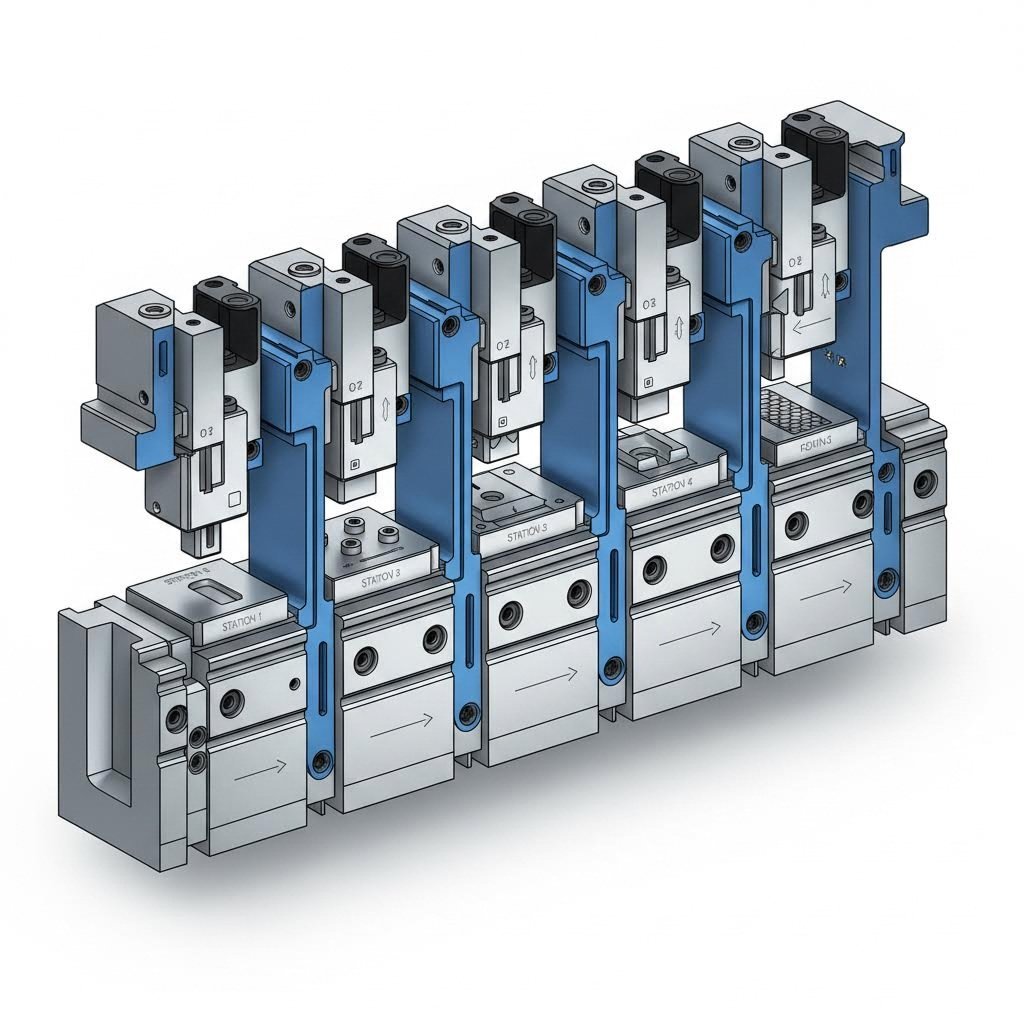
Képzeljen el egy gyártósor-t, ahol a lemezfémszalag több állomáson halad keresztül, és minden megállónál egy újabb műveletet végeznek, amíg végül a kész alkatrész meg nem jelenik a sor végén. Pontosan ez a hogyan működnek a folyamatos üzemelésű nyomószerszámok ezek a kifinomult eszközök több, egymás után elrendezett állomásból állnak, amelyek mindegyike egy meghatározott műveletet végez – vágást, hajlítást, lyukasztást vagy alakítást – miközben a fémszalag halad át a nyomószerszámos sajtó gépen.
Mi teszi olyan hatékonyakká a folyamatos üzemelésű nyomószerszámokat? A Durex Inc. ipari szakértői szerint kiváló hatékonyságot nyújtanak, és nagy darabszámú alkatrész gyors előállítására képesek, miközben biztosítják az összes alkatrész egységességét. A folyamatos üzemelésű nyomószerszámok gyártói ezeket az eszközöket rendkívül gyors ciklusidőre tervezik – egyesek percenként több mint 1000 ütést is képesek elvégezni.
A folyamatos üzemelésű nyomószerszámok ideálisak abban az esetben, ha:
- Nagy mennyiségű gyártási sorozatra van szükség (általában 10 000+ darab)
- Összetett alkatrészekre van szükség, amelyek több egymást követő műveletet igényelnek
- Minden nyomott alkatrész egységes minőségét kell biztosítani
- Alacsonyabb egységár nagy mennyiség esetén
Az autóipar nagymértékben támaszkodik a fokozatos (progresszív) készletekre a tartók, rögzítők és szerkezeti alkatrészek gyártásához. Az elektronikai gyártók ezeket bonyolult csatlakozók és kapcsolók előállítására használják. A kezdeti szerszámozási beruházás azonban jelentős lehet, így a leginkább költséghatékonyak akkor, ha a termelési mennyiség indokolja az előre fizetett költséget.
Átviteli és összetett készletek alkalmazása
Mi történik, ha alkatrészei túl nagyok vagy túl bonyolultak a fokozatos (progresszív) készletekhez? Ekkor lépnek színre az átviteli készletek. Az átviteli készletes nyomóeljárás során az egyes munkadarabokat mechanikusan vagy kézzel mozgatják egy nyomóállomásról a következőre – mint egy kézműves, aki egy projektet speciális munkaasztalok között mozgat.
Ahogy a Worthy Hardware magyarázza, a transzferdies ütőszerszámolás nagyobb rugalmasságot biztosít az alkatrészek kezelésében és orientálásában, így különösen alkalmas bonyolult tervek és formák gyártására. Ez a módszer többféle műveletet – dörzsölést, hajlítást, mélyhúzást és levágást – egyetlen gyártási ciklusban tud integrálni. Különösen értékes a repülőgépiparban és a nehézgépiparban, ahol a bonyolult szerelvények nagy pontosságot igényelnek nagy méretekben.
A kombinált (komponens) diesek teljesen más megközelítést alkalmaznak. Ahelyett, hogy az alkatrészeket állomásokon keresztül mozgatnák, egyetlen ütés során végeznek több műveletet. Képzelje el, hogy vágás, hajlítás és domborítás egyszerre történik – ez a kombinált dies előnye. Ez az integráció jelentősen csökkenti a gyártási időt, és növeli a termelékenységet, mivel több folyamatot egyetlen áthaladással fejeznek be.
Mikor érdemes kombinált dieseket választani?
- Közepes méretű, bonyolult alkatrészek
- Olyan alkalmazások, amelyek kiváló pontosságot igényelnek sík alkatrészeknél
- Olyan helyzetek, ahol fontos a szerszámozási és beállítási költségek minimalizálása
- Gyártási sorozatok, ahol a nyersanyag-hatékonyság kritikus fontosságú
Jelölési és márkázási mintázatú nyomóformák
Nem minden lemezacél-nyomóforma a alkatrészek formázására szolgál – egyesek kizárólag azonosítási célt szolgálnak. A jelölő nyomóformák sorozatszámokat, logókat, dátumkódokat vagy más nyomon követhetőségi információkat nyomnak közvetlenül a fémalkatrészekre. Az autóiparban, a légi- és űrhajózásban, valamint az orvostechnikai eszközök gyártásában ez az azonosítás gyakran kötelező a minőségellenőrzés és a szabályozási előírások betartása érdekében.
Domborító nyomóformák domború vagy mélyített mintázatokat hoznak létre a fémfelületeken, amelyek funkcionális és esztétikai célokat is szolgálnak. Gyakran használják díszítő elemek, márkázás, sőt fogófelületek vagy vezérlőelemek markolásának javítására is. A jelölési alkalmazásokhoz használt nyomóforma és nyomóeljárás általában kevesebb erőt igényel, mint a formázási műveletek, de kivételesen magas minőségű felületi megmunkálást követel meg, hogy éles, jól olvasható lenyomatokat adjon.
Formatípusok összehasonlítása
A döntés a különböző bélyegzési eljárások között túlterhelő érzést kelthet. Ez az összehasonlító táblázat áttekinti a kulcsfontosságú különbségeket, hogy segítsen kiválasztani az alkalmazásának legmegfelelőbb megoldást:
| Típus | Működési módszer | Leginkább alkalmas | Térfogati tartomány | Komplexitási szint |
|---|---|---|---|---|
| Haladó matrica | Sorozatos állomások; a szalag automatikusan halad tovább | Egyenletes alkatrészek nagysebességű gyártása | Magas (10 000+) | Közepes a magas |
| Áttételi sablon (Transfer Die) | Az alkatrészek különálló állomások között kerülnek átmozgatásra | Nagy, összetett alkatrészek; bonyolult szerelvények | Közepes a magas | Magas |
| Vegyes mátrax | Több művelet egyetlen ütésben | Pontos sík alkatrészek; közepes termelési sorozatok | Alacsony a közepes | Közepes |
| Jelölődörzsek | Egyetlen lenyomat azonosítás céljából | Logók, sorozatszámok, nyomon követhetőségi kódok | Bármely mennyiség | Alacsony |
| Kivágó dőr | Különleges alakzatok kivágása lemezből | Nyersanyagok előkészítése további feldolgozásra | Bármely mennyiség | Alacsony |
Ezeknek a különbségeknek a megértése segít hatékonyabban kommunikálni a beszállítókkal, és tájékozott döntéseket hozni a szerszámozási beruházásairól. De annak ismerete, hogy milyen típusú nyomószerszámra van szüksége, csak a kezdete – azonban a szerszámok gyártási folyamata még jobban feltárja, mi különbözteti meg a jó szerszámokat a kiváló szerszámoktól.
A fém nyomószerszámok gyártása
Tehát kiválasztotta az alkalmazásához megfelelő nyomószerszám-típust – de már valaha elgondolkodott azon, mi történik a háttérben, hogy egy elképzelésből olyan pontossági szerszám legyen, amely képes millió azonos alkatrész kinyomtatására ? A nyomószerszámok gyártási folyamata egy lenyűgöző út, amely ötvözi a fejlett mérnöki tudást, a speciális megmunkálástechnikákat és a szigorú minőségellenőrzést. Ennek a folyamatnak a megértése segít értékelni, miért igényelnek a testreszabott fém nyomószerszámok olyan jelentős beruházást – és miért hoznak évekig tartó megtérülést a minőségi szerszámok.
Az elképzeléstől a CAD-modellig
Minden fémdarab-köszörülő szerszámterv a kész alkatrész elképzelésével kezdődik. A mérnökök elemezniük kell az alkatrész geometriáját, anyagtulajdonságait és gyártási követelményeit, mielőtt bármilyen szoftvert használnának. De itt érkezik a modern technológia átalakító hatása: a számítógéppel segített tervezési (CAD) szoftverek lehetővé teszik a mérnökök számára, hogy rendkívüli pontossággal készítsenek és finomítsanak digitális modelleket.
AFrontier Metal Stamping , ez a digitális elsődlegű megközelítés biztosítja a pontosságot, és lehetővé teszi a gyártók számára, hogy virtuális szimulációkat végezzenek a fizikai gyártás megkezdése előtt. A mérnökök azonosíthatják a potenciális ütközési problémákat, optimalizálhatják az anyagáramlást, és finomíthatják a szerszámgeometriát – mindezt anélkül, hogy egyetlen acél darabot is megmetszenének.
De a CAD-modellezés csak a kezdete. A modern köszörülő szerszámgyártás egyre inkább a számítógéppel segített mérnöki (CAE) szimulációra támaszkodik a valós világbeli teljesítmény előrejelzéséhez. Ahogy Keysight kutatása magyarázza a lemezacél-formázás szimulációja lehetővé teszi a virtuális nyomószerszám-próbákat, amelyek azonosítják a hiányosságokat a költséges fizikai prototípus-készítés előtt. Ez a képesség különösen értékes, mert:
- A alkatrész- és folyamat-tervezési hiányosságok gyakran csak az első fizikai próbák során jelennek meg – amikor a javítások időigényesek és költségesek
- Az újított, nagy szilárdságú acélok és alumínium ötvözetek nehézkes rugalmas visszatérési (springback) viselkedést mutatnak, amelyet a szimuláció előre tud jelezni
- A folyamatparaméterek – például a sajtó sebessége, a lapfogó erő és a kenés – virtuálisan is optimalizálhatók
Képzelje el a számítógépes tervezést (CAE) egy kristálygömbként a nyomószerszám-tervezők számára. Ez megmutatja, hogyan fog áramlani a fém, hol keletkezhetnek redők, és vajon a rugalmas visszatérés túllépi-e a megengedett tűréshatárokat – mindez még mielőtt bármilyen acélt megmunkálnának.
Megmunkálási és hőkezelési folyamatok
Miután a digitális tervezés befejeződött, tapasztalt szerszámkészítők egy gondosan megszervezett műveleti sorozat segítségével alakítják át a nyers szerszámacélt precíziós alkatrészekké. Így alakul át a szerszám megmunkálása általában:
- Daráló megmunkálás – A CNC-frézolás nagy mennyiségű anyagot távolít el, hogy megközelítőleg kialakítsa az alkatrészek formáját, és hagyjon ráhagyást a finomító műveletekhez
- Drót vágásos szikrafúrás (Wire EDM) – Bonyolult profilok és szoros belső sarkok esetén a drótszálas elektromos szikraforgácsolás (wire EDM) elektromos szikrákat használ keményített acél precíziós vágására – a tűréshatár akár ±0,0001 hüvelyk is lehet
- Hőkezelés – A sajtószerszám-alkatrészek keményítési folyamaton mennek keresztül, hogy optimális kopásállóságot érjenek el; a vágóélek általában 58–62 HRC keménységet érnek el a Rockwell-skálán
- Pontos csiszolás – A felületi és hengeres csiszolási műveletek biztosítják a végső méretpontosságot és kiváló felületminőséget
- Befejezés és pótolás – A kritikus felületeket kézzel polírozzák vagy speciális felületkezeléssel látják el, hogy biztosítsák a zavartalan anyagáramlást a sajtózás során
A hőkezelés különös figyelmet érdemel. Ez a folyamat a viszonylag lágy szerszámacélt kopásálló felületté alakítja, amely képes milliókra nyúló ütőciklust elviselni. A konkrét hőkezelési recept—azaz a hőmérsékletek, a megtartási idők, a hűtőközegek és az utóhőkezelési ciklusok—a használt acélminőségtől és az alkalmazási követelményektől függően változik. Ha hibát követünk el, a szerszám repedéseket kaphat a terhelés hatására, vagy túlzottan gyorsan kophat. Ha helyesen végezzük el, akkor olyan szerszámokat állítunk elő, amelyek évekig egyenletes teljesítményt nyújtanak.
Az ITD precíziós húzott alkatrészek és hasonló, különösen magas minőségi igényű alkalmazások esetében ezeknek a folyamatoknak a szigorú ellenőrzése különösen fontos. Amikor a tűrések ezredinch-ben vannak megadva, minden megmunkálási műveletet hibátlanul kell végrehajtani.
Minőségi ellenőrzés és tesztelés
Bonyolultnak tűnik? Az is—ezért a minőség-ellenőrzés az egész gyártási folyamat során folyamatosan jelen van, nem csupán a végén. A megmunkálás után a szerszámalkatrészeket összeszerelik, majd alapos tesztelésnek vetik alá, hogy biztosítsák a megfelelő működést.
A mérnökök ellenőrzik, hogy a fémlemez-kivágó szerszámterv valós világbeli teljesítményt eredményez-e a következő módszerekkel:
- Kritikus méretek mérése koordinátamérő gépek (CMM) segítségével
- Felületi minőség ellenőrzése a megadott specifikációk alapján
- Keménység ellenőrzése a vágó- és alakítófelületek több pontján
- Mintaalkatrészek gyártása és összehasonlításuk a tervezési szándékkal
- Szükséges beállítások elvégzése a teljesítmény és élettartam optimalizálása érdekében
Ez a végső tesztelési fázis gyakran lehetőséget mutat a finomhangolásra. Lehet, hogy egy alakítási sugár kis mértékű módosítására van szükség egy enyhe redő kiküszöböléséhez. Lehet, hogy egy fokozatos szerszám állomásai közötti időzítést kell optimalizálni. Ezek a finomítások a jó minőségű szerszámokat kiváló minőségű szerszámokká alakítják.
A mélyhúzó szerszámok gyártási folyamata jelentős beruházást igényel a mérnöki szakértelembe, a nagy pontosságú berendezésekbe és a minőségi anyagokba. Azonban ha megértjük, milyen tényezők játszanak szerepet ezeknek az eszközöknek a létrehozásában, akkor világossá válik, miért képesek millió darab, egyenletes minőségű alkatrészt előállítani – és miért érdemel egyaránt gondos megfontolást a szerszám és a megmunkálandó munkadarab anyagának kiválasztása.
Anyagválasztás és kompatibilitási útmutató
Láthatta, hogyan készülnek a fémmegmunkáló mélyhúzó szerszámok – de itt egy olyan kérdés, amely elválasztja a sikeres mélyhúzó üzemeltetéseket a frusztrálóktól: milyen anyagokat kell használni? Ez mind a szerszám maga, mind a mélyhúzásra szánt fém esetében érvényes. Ha rossz párosítást választ, korai kopást, egyenetlen alkatrészeket és költséges leállásokat fog tapasztalni. Ha helyesen dönt, szerszámai millió cikluson keresztül megbízható teljesítményt nyújtanak.
Szerszámacél-kiválasztás szerszámépítéshez
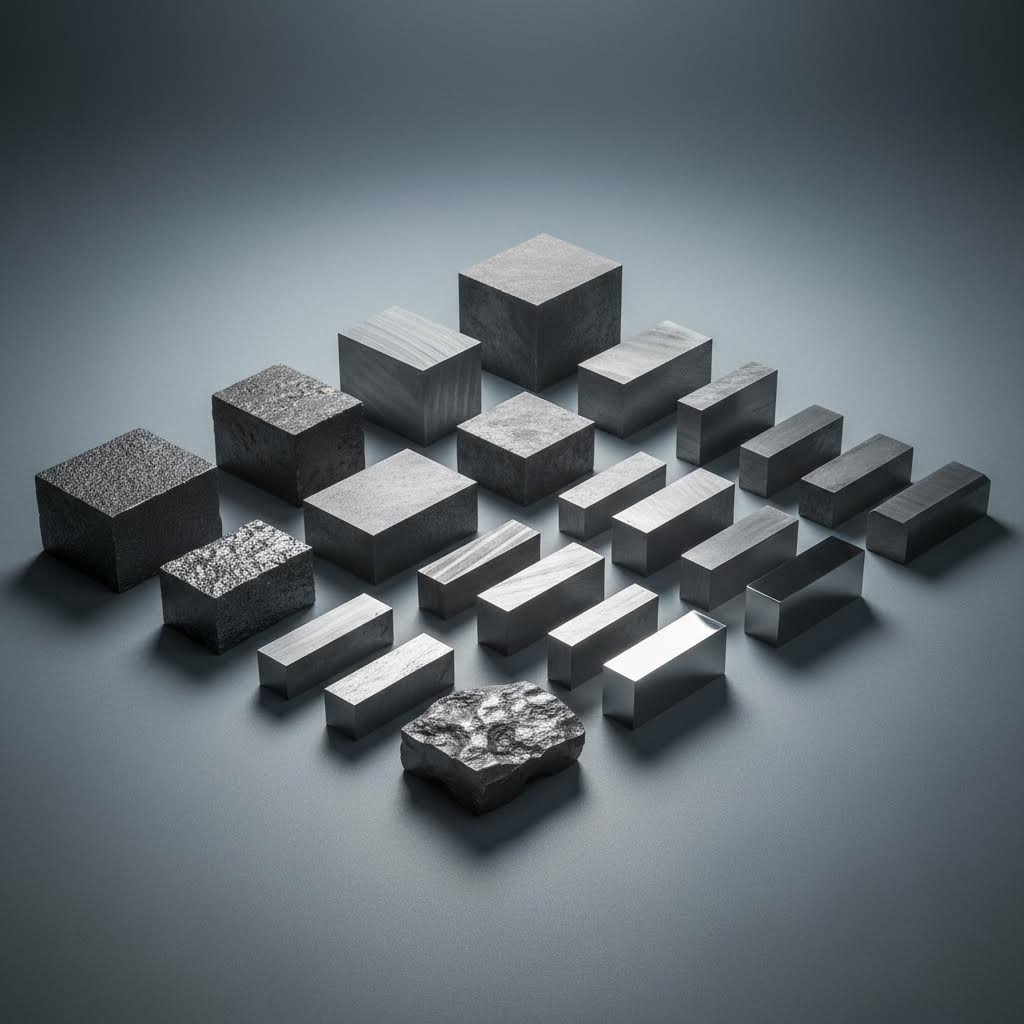
Miért olyan fontos a szerszámanyag? Gondoljunk csak arra: az acél nyomószerszámok vágóélei több mint egymillió cikluson is keresztülmennek, és minden egyes ütés súrlódást és hőfejlődést eredményez. Az acélnak ellenállnia kell a kopásnak, meg kell őriznie méretstabilitását, és el kell viselnie a többszörös ütéseket – mindeközben pontos vágóéleket kell fenntartania.
ASteelPRO Group a szerszámacélok három fő kategóriába sorolhatók: hideg munkára alkalmas, meleg munkára alkalmas és műanyag formázásra használt szerszámacélok. Mindegyik különböző alkalmazási területekre szolgál:
- Hideg munkára alkalmas szerszámacélok (D2, A2) – Ideálisak szobahőmérsékleten végzett nyomószerszámozási műveletekhez. A D2 kiváló kopásállóságot biztosít, keménysége 58–62 HRC-ig terjedhet, míg az A2 jobb ütésállóságot és jobb méretstabilitást nyújt hőkezelés közben
- Meleg munkára alkalmas szerszámacélok (H13) – Olyan alkalmazásokhoz készültek, amelyek magas hőmérsékletet igényelnek. Az H13 keménységét és szilárdságát megőrzi akkor is, ha gyors üzemű műveletek vagy meleg alakítási folyamatok által keletkező hőnek van kitéve
- Speciális minőségű szerszámacélok (S7) – Amikor az ütésállóság döntő fontosságú, az S7 acél kiváló ütésállóságot nyújt ütés hatására
A Rockwell-keménységi skála (HRC) szabványosított módszert biztosít a szerszámacél-anyagok összehasonlítására. A legtöbb acél nyomószerszám esetében a vágóelemeket 58–62 HRC keménységre hőkezelik – elegendően kemények ahhoz, hogy ellenálljanak a kopásnak, ugyanakkor elég szívósak ahhoz, hogy ne repedjenek vagy törjenek. Egy acél nyomószerszámot használó munkavállaló, aki abrazív anyagokkal dolgozik, gyakran a fenti tartomány felső határát választja, míg az ütésállóságot igénylő alkalmazásoknál enyhén alacsonyabb keménységet céloznak meg a jobb szívósság érdekében.
A hőkezelés ezen acélok nagy teljesítményű szerszámokká alakítását teszi lehetővé. A folyamat általában a 800–1050 °C-os fűtést, a kemény martenzites szerkezet kialakításához szükséges gyors lehűtést, majd a keménység és szívósság egyensúlyozására szolgáló 150–650 °C-os utóhőkezelést (megmunkálást) foglalja magában. Egyes gyártók a nagy kopásnak kitett helyeken karbidbetéteket is alkalmaznak, amelyek jelentősen meghosszabbítják a nyomószerszám élettartamát igényes alkalmazásokban.
Nyomószerszámok illesztése a munkadarab anyagához
Képzelje el, hogy vajat próbál vágni műanyag késsel egy éles fém pengével szemben – az eszköznek illeszkednie kell a feladathoz. Ugyanez az elv érvényes a lemezacél-sablonok kiválasztásakor különböző alapanyagú munkadarabokhoz. Minden fémmet sajátos tulajdonságai jellemeznek, amelyek befolyásolják a sablon tervezését, a hézagokat és az elvárt szerszámélettartamot.
A JV Manufacturing szerint az anyagtulajdonságok megértése elengedhetetlen, mivel közvetlenül hatással vannak az alkatrészek minőségére és a gyártási hatékonyságra. Az alábbiakban az általánosan használt fémek esetében figyelendő szempontokat soroljuk fel:
| Munkadarab anyaga | Fontos jellemzői | Állványtervezési szempontok |
|---|---|---|
| Lágyacél | Jó alakíthatóság, mérsékelt szilárdság | Szokásos hézagok; sokoldalúan alkalmazható sablonanyagok jól működnek |
| Rozsdamentes acél | Magas szilárdság, gyorsan keményedik alakítás közben | Keményebb sablonszerkezeti acél szükséges; szűkebb hézagok; növelt kenés |
| Alumínium-ligaturából | Könnyű, kiváló alakíthatóság, vágáskor ragadós | Csiszolt sablonfelületek elengedhetetlenek; szélesebb hézagok megakadályozzák a ragadást |
| Réz/sárgaréz | Kiváló vezetőképesség, puha és nyúlékony | Mérsékelt sablonkeménység elegendő; figyelni kell az anyaglerakódásra a szerszámokon |
| Szakterületi ligavak | Magas szilárdság-tömeg arány, hőállóság | Kiváló minőségű nyomószerszám-anyagok szükségesek; gyakran előnyös speciális bevonatok alkalmazása |
Az anyagtípuson túl három munkadarajellemző döntően befolyásolja a fém lyukasztó- és nyomószerszám-készlet tervezését:
- Vastagság – A vastagabb anyagok nagyobb nyomóerőt (tonnát) és nagyobb nyomószerszám-járatokat igényelnek. Egy fém nyomószerszám-lyukasztó, amely 0,020" vastagságú acélt vág, más műszaki adatokat igényel, mint amely 0,125" vastagságú lemezt vág
- Keménység – A keményebb munkadarab-anyagok gyorsítják a nyomószerszám kopását. A nagy szilárdságú acélok kinyomtatásakor rövidebb karbantartási időközöket kell elvárni, és érdemes kiváló minőségű nyomószerszám-anyagokat vagy bevonatokat használni
- NYUGTALANSÁG – A nagyon alakítható anyagok, például a réz, könnyen hajlanak meg repedés nélkül, így kisebb lekerekítési sugarak is elérhetők. A rideg anyagok enyhébb alakítási műveleteket és nagyobb hajlási sugarakat igényelnek
A munkadarab és a szerszám anyagai közötti kapcsolat egyensúlyozási feladatot jelent. A fém ütő- és nyomószerszámok, amelyek abrazív vagy keményített anyagokkal dolgoznak, gyorsabban kopnak, ami növeli a karbantartási költségeket, és idővel negatívan befolyásolhatja a alkatrészek minőségét.
A keményített szerszámacél – különösen a D2 típus a hideg alakítási alkalmazásokhoz – jelentősen meghosszabbíthatja szerszámai élettartamát. Számos modern nyomószerszám továbbá keményfém vágó- és alakítóelemeket is tartalmaz, amelyek fokozott szilárdságot és kopásállóságot biztosítanak nagy teljesítményű alkalmazásokhoz, ahol a szokásos megoldások elégtelenek.
Ezen anyagkapcsolatok megértése segít tájékozott döntéseket hozni a szerszámozási beruházásokról. Azonban még a tökéletes anyagválasztás esetén is meg kell adnia a megfelelő tűréseket, és ismernie kell szerszámai várható élettartamát – ezek a tényezők közvetlenül befolyásolják az alkatrészek minőségét és a teljes tulajdonlási költséget.
Műszaki specifikációk és tűréshatár-szabványok
Kiválasztotta a megfelelő szerszámtípust, és helyesen párosította az anyagokat – de itt bukik meg sok projekt: a pontosság és a költség egyensúlyát biztosító tűréshatárok megadása. A túlzottan szigorú tűréshatárok felesleges költségekhez vezetnek, míg a túlságosan laza tűréshatárok minőségi problémákat okoznak későbbi folyamatlépcsőkben. A tűréshatárosztályok, az élettartamra vonatkozó elvárások és a tanúsítási szabványok megértése segít egyértelműen kommunikálni a követelményeket, valamint hatékonyan értékelni a sajtószerszám-gyártókat.
A tűréshatárosztályok és szabványok megértése
Milyen tűrést érhet el valójában a precíziós szerszámokkal és sajtófolyamatokkal? A válasz több tényezőtől függ, de az Alekvs ipari irányelvei szerint a szabványos mérettűrések lyukakhoz vagy élekhez gyakran ±0,002"-re tarthatók meg nagyon pontos alkalmazásokban. Ezek a képességek azonban fontos kikötésekkel járnak.
A tűréshatárok általában enyhülnek a következő tényezők alapján:
- Anyag típusa – Lágyabb anyagok, például az alumínium, szorosabb szabályozást tesznek lehetővé, mint a rugalmas rozsdamentes acélok
- Rész geometria – Összetett, több hajlatot tartalmazó alakzatok nagyobb eltérést mutatnak, mint az egyszerű sík alkatrészek
- Anyag Vastagság – A vékonyabb lemezek általában jobban tartják a tűréseket, mint a vastag lemezek
- Termelési mennyiség – A nagy sebességű műveletek esetleg kis pontosságukat áldozzák a termelékenység érdekében
A szokásos acéllemezek megadott vastagságtűrésekkel kerülnek forgalomba, és bár ezeket szűkíthetjük, általában ez költségnövekedést eredményez. Amikor a sajtószerszám-alkatrészekre vonatkozó követelményeket határozza meg, fontolja meg, hogy a szokásos tűrések valóban megfelelnek-e a funkcionális igényeinek – sok alkalmazás nem igényli a legpontosabb rendelkezésre álló specifikációkat.
| Halmaz típusa | Tipikus tűrési tartomány | Legjobban elérhető | Költség-hatás |
|---|---|---|---|
| Haladó matrica | ±0,003"-tól ±0,005"-ig | ±0.001" | Mérsékelt és magas |
| Vegyes mátrax | ±0,002" és ±0,004" között | ±0.001" | Közepes |
| Áttételi sablon (Transfer Die) | ±0,005"-tól ±0,010"-ig | ±0.002" | Magas |
| Kivágó dőr | ±0,002"-tól ±0,005"-ig | ±0.001" | Alacsony közepesig |
Itt egy gyakorlatias megjegyzés: a tűrések szűkítése az alkalmazás igényein túl nem javítja az alkatrész funkcióját – csupán növeli a szerszámok költségét és a gyártási időt. Egyeztessen gyártó szerszámellátójával annak meghatározására, hogy milyen a leglazaabb tűrés, amely még mindig kielégíti a funkcionális követelményeket.
Sajtószerszám-élettartam várható értéke alkalmazásonként
Mennyi ideig kellene, hogy tartson a szerszáma? A várható élettartam drámaian eltér a sablon típusától, az anyagválasztástól és a gyártási intenzitástól függően. Egy jól tervezett és megfelelően karbantartott folyamatos munkavégzésre szolgáló sablon, amely lágyacél alkatrészeket állít elő, akár 1–2 millió ciklusig is üzemelhet nagyobb karbantartás nélkül. Ugyanez a sablon azonban az abrasív rozsdamentes acéllal való munkavégzés során már 500 000 ciklus után is szükségessé teheti a karbantartást.
A sablon élettartamát befolyásoló kulcsfontosságú tényezők:
- A sablon anyagminősége – A prémium minőségű szerszámacélok és keményfém beillesztések jelentősen meghosszabbítják a szolgálati élettartamot
- Munkadarab anyaga – Keményebb, abrasívabb anyagok gyorsítják a vágóélek kopását
- Termelési sebesség – A magasabb ciklusszám nagyobb hőfejlődést és súrlódást eredményez
- Karbantartási Gyakorlatok – A rendszeres ellenőrzés és időben elvégzett élezés megakadályozza a katasztrofális meghibásodásokat
- Főleg – A megfelelő kenőanyag kiválasztása csökkenti a súrlódást és meghosszabbítja a szerszám élettartamát
A pontossági követelmények és a költségek közötti kapcsolat különös figyelmet érdemel. A szigorúbb tűréshatárok keményebb szerszámanyagokat, gyakoribb karbantartást és lassabb gyártási sebességet igényelnek – mindegyik további költséget jelent. A fémhüvelyek gyártói segíthetnek megtalálni azt az ideális egyensúlyt, ahol a minőség találkozik az előirányzott költségkerettel.
Fontos minőségi tanúsítványok
Amikor egy fémhüvely-gyártót értékel, a tanúsítások objektív bizonyítékot nyújtanak a minőségirányítási képességekről. A Interstate Specialty Products szerint az ISO-tanúsítások olyan minőség iránti elköteleződést jeleznek, amely túlmutat a marketinges állításokon – ezek bizonyítják, hogy a cég egy jóváhagyott minőségirányítási rendszert alkalmaz, amely dokumentált politikákat, folyamatokat és eljárásokat tartalmaz.
Két fő szabvány különösen fontos:
- ISO 9001:2015 – Meghatározza egy olyan minőségirányítási rendszer jellemzőit, amely támogatja a folyamatos fejlődést, miközben teljesíti az ügyfél és a szabályozási követelményeket. Ez a tanúsítás széles körben alkalmazható a gyártási iparágakban.
- ISO 13485:2016 – Különösen a gyógyászati eszközök és kapcsolódó szolgáltatások minőségmenedzsmentjére vonatkozik, és az egész termékéletciklust lefedi növekedett szabályozási követelményekkel
Az ISO-szabványoknak megfelelő vállalatok a tervezés-ellenőrzés-végrehajtás-befejezés (PCDA) modellt követik, és hatékonyságot, hatékonyságot és reagálóképességet mutatnak be. A vevők számára a tanúsított beszállítókkal való együttműködés javított teljesítményt, csökkent hulladékot, nagyobb hatékonyságot és megbízhatóbb szállításokat eredményezhet.
Az ISO-szabványokon túl az autóipari alkalmazások gyakran az IATF 16949-es tanúsítást is megkövetelik – egy még szigorúbb minőségirányítási keretrendszert, amely kifejezetten az autóipari ellátási láncok számára lett kialakítva. Amikor nyomott alkatrészeinek meg kell felelnie az OEM-specifikációknak, a tanúsított beszállítókkal való együttműködés csökkenti a kockázatot, és biztosítja a minőség konzisztenciáját.
Ezeknek a műszaki specifikációknak a megértése lehetővé teszi, hogy egyértelműen fogalmazzák meg igényeiket, és objektíven értékeljék a beszállítók képességeit. De még a legjobb szerszámok is végül problémákat okoznak – a gyakori szerszámhibák hibaelhárításának ismerete jelentős időt és pénzt takaríthat meg, amikor kihívások merülnek fel.
Gyakori szerszámhibák hibaelhárítása
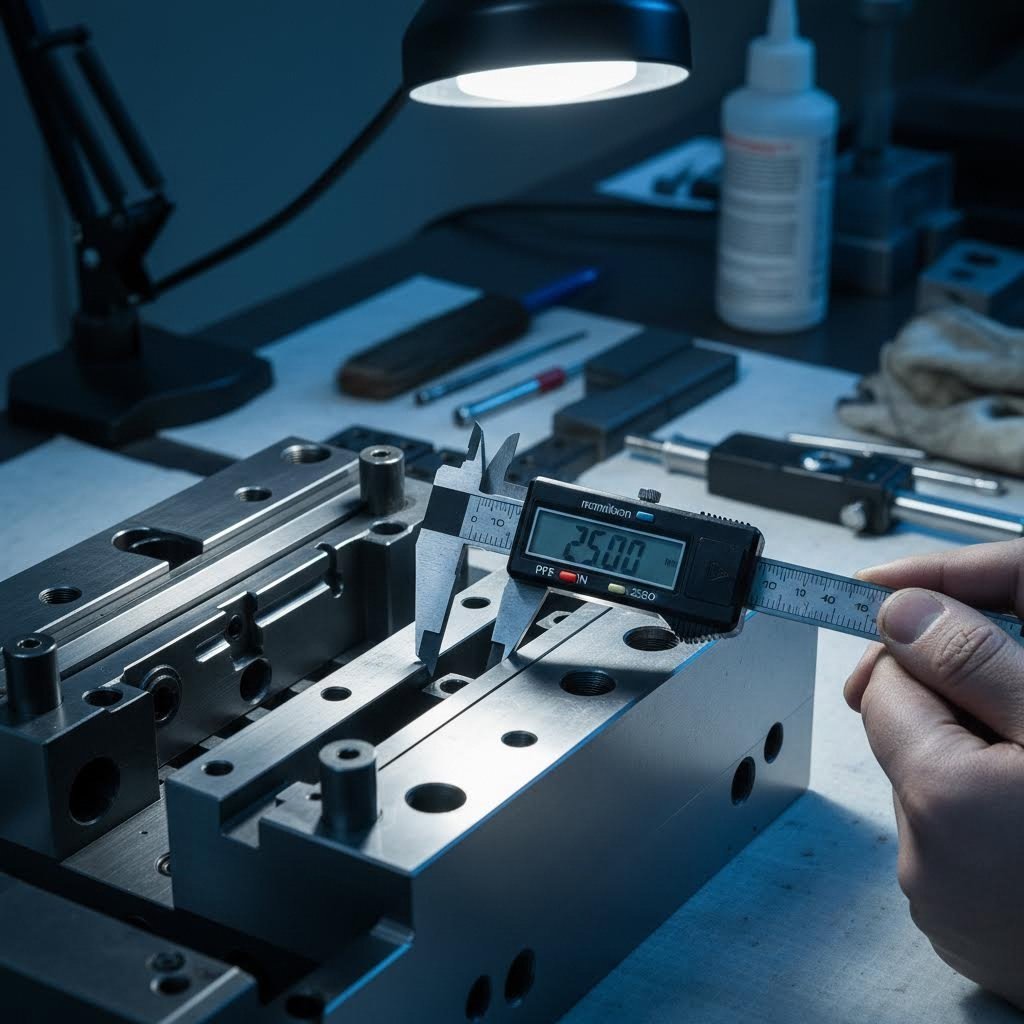
Még a legpontosabban gyártott fémtömbösítő szerszámok is végül teljesítményproblémákat okoznak. Akár egyenetlen alkatrészeket, túlzott forgácsot vagy gyorsult kopást tapasztal, annak megértése, hogy mi megy rosszul – és miért – döntő különbséget jelenthet egy gyors javítás és költséges gyártási késedelem között. Ez a hibaelhárítási útmutató a tapasztalt tömbösítő szakemberek által leggyakrabban tapasztalt problémákat tárgyalja, valamint gyakorlati megoldásokat kínál az üzemek zavartalan működésének helyreállításához.
Gyakori kopási minták és okozóik
Észrevette már, hogy a lyukasztó szerszámai egyenetlenül kopnak, és egyes területeken jelentős károsodás látható, míg mások majdnem újak?
- Gépi szerszámok beállítási problémái – Amikor a felső és az alsó toronyfogadó ülések nincsenek megfelelően igazítva, az egyenetlen feszültségeloszlás gyorsítja a kopást az egyik oldalon
- A szerszám pontosságának hiánya – Ha az eredeti szerszámterv vagy a megmunkálás pontossága nem felel meg a követelményeknek, a kopási minta kezdetektől fogva egyenetlen lesz
- Elhasználódott vezetőgyűrűk – A hosszú ideje használt vezetőalkatrészek elhasználódása miatt a dörzstüske és a szerszám közötti egyezés megszűnik
- Helytelen hézagok – Ha a vágóélek közötti rés nem optimalizált az éppen lyukasztott anyaghoz, túlzott súrlódás alakul ki
- Elégtelen kenés – A működés közben mozgó alkatrészek kenésének elmulasztása gyors, egyenetlen kopáshoz vezet
Mi történik, ha a nyomószerszámokkal készített alkatrészek minőségi problémákat mutatnak? Gyakran a pengék kopása okozza a problémát. A vágóélek természetes módon elvesztik élességüket az idővel, de számos tényező gyorsítja ezt a folyamatot: rossz nyomószerszám-anyag kiválasztása, elégtelen felületkezelés, szerkezeti merevségi problémák, amelyek nyomódásokat („harapásnyomokat”) okoznak, valamint a pengék élezésének elhalasztása.
Igazítási és deformációs hibaelhárítás
Az igazítási problémák bosszantóak lehetnek, mert gyakran fokozatosan alakulnak ki. Nyomószerszámai hónapokon át tökéletes alkatrészeket gyárthatnak, majd a kopás felhalmozódásával lassan eltérnek a megadott méretekől. Íme, hogyan azonosíthatja és javíthatja az igazítási problémákat:
A rossz igazítás figyelmeztető jelei:
- Egyenetlen csipke képződése a nyomott alkatrészek ellentétes oldalain
- Aszimmetrikus kopás látható a dörzsölő vagy a nyomószerszám felületén
- Az alkatrészek méretbeli ingadozásának növekedése az idővel
- Szokatlan zaj vagy rezgés a nyomás közben
Az igazítási problémák megelőzése és kijavítása érdekében rendszeresen használjon igazító mandzsettát a gépi szerszámtorony és a rögzítő alap ellenőrzésére és beállítására. A kopott vezetőgyűrűket azonnal cserélje le, és ügyeljen arra, hogy megfelelő legyen a távolság a bélyeg és a nyomószerszám alkatrészei között. Vékony, keskeny téglalap alakú nyomószerszámok esetén – ahol az igazítási problémák a legjelentősebbek – érdemes teljes-vezetési tartományú szerszámokat használni, amelyek az egész ütés során fenntartják az igazítást.
Az anyagdeformációs problémák gyakran járják az igazítási problémákat. Ha a nyersdarabok nem síkak, vagy deformáció (hullámosság) figyelhető meg rajtuk, a nyomásos alakítás nem eredményez egyenletes minőségű termékeket. Az ipari legjobb gyakorlatok szerint a lemeznek síknak kell lennie, deformációmentesnek, mielőtt a nyomószerszámba kerülne, és az alakítási folyamatokat úgy kell elhelyezni, hogy a befogókhoz képest minél távolabb legyenek, így minimalizálva az indukált feszültségeket.
Hegyek képződése és megszüntetésük módja
A maradványperemek – azok a nem kívánt, kiemelkedő élek a nyomószerszámokkal kialakított alkatrészeknél – arra utalnak, hogy folyamatában valami figyelmet igényel. A DR Solenoid szerint a maradványperem-képződés általában az alábbi tényezők egyikéből ered:
- Életlen vágóélek – A kopott vagy sérült pengék nem képesek tiszta vágást végezni
- Helytelen hézagok – A túl nagy, túl kicsi vagy egyenetlen rések maradványperemeket okoznak
- A sajtó pontossági problémái – A csúszó mozgás útja nem merőleges a munkaasztalra, illetve a vezetőpálya-rések túl nagyok
- Szerelési hibák – A felső és az alsó nyomószerszámok nem koncentrikusan vannak beépítve
- Elégtelen nyomóolaj – A szokásos gépolajok hiányoznak az extrém nyomásra képes tulajdonságból, amely szükséges a tiszta vágáshoz
A megoldások gyakran egyszerűek: rendszeresen élezze a vágóéleket, ellenőrizze, hogy a rések megfelelnek-e az anyag specifikációinak, és használjon nyomószerszámos kenőanyagokat, amelyeket az alkatrész anyagának megfelelő adalékanyagokkal állítottak elő.
Előzáró Karbantartási Legjobb Gyakorlatok
A problémák megoldásának legjobb módja? Megelőzni azok kialakulását. A Keneng Hardware szerint a proaktív karbantartás jelentősen meghosszabbítja a szerszáméletet, miközben megakadályozza a költséges, tervezetlen leállásokat.
Ajánlott ellenőrzési és karbantartási időközök:
- Minden gyártási folyamat előtt – Ellenőrizze a vágóéleket, ellenőrizze a beállítást, ellenőrizze a kenőrendszereket
- Minden gyártási ciklus után – Tisztítsa meg a szerszámfelületeket, távolítsa el a szennyeződéseket és a fémforgácsokat, ellenőrizze a kopás vagy sérülés jeleit
- Hetente – Alkalmazzon rozsdavédő anyagot a kitett felületekre, ellenőrizze a játékokat, ellenőrizze a rugókat és vezetőcsapokat
- Havonta – Komplex méretellenőrzés, kopó felületeken a keménység ellenőrzése, dokumentáció átvizsgálása
Karbantartási ellenőrzőlista alapvető elemei:
- Tisztítsa meg alaposan a szerszámalkatrészeket megfelelő oldószerekkel
- Kenje be az összes mozgó alkatrészt a súrlódás csökkentése és a ragadás megelőzése érdekében
- Éles vágóélek fenntartása – a tompa szerszámok megmunkálási élek kialakítását és a kopás gyorsulását okozzák
- A nyomószerszámok tárolása tiszta, száraz környezetben, szabályozott páratartalom mellett
- A beállítási paraméterek optimalizálása, ideértve a játékot, a nyomóerőt és a beforgatási sebességeket
- Az optimális beállítások dokumentálása a jövőbeli gyártási ciklusokhoz való hivatkozáshoz
- A kezelők képzése a megfelelő kezelésre a deformációk, karcolások és egyéb sérülések elkerülése érdekében
Amikor a helyreállítás szükségessé válik, tapasztalt műszaki szakemberek hegeszthetik és megmunkálhatják a kopott területeket az eredeti méretekre, hőkezelést alkalmazhatnak a keménység visszaállításához, valamint speciális bevonatokat (pl. TiN vagy DLC) viselhetnek fel a kopásállóság javítása érdekében. A javítás után szigorú minőségbiztosítási vizsgálatokat kell végezni – ideértve a méretellenőrzéseket és próbagyártási ciklusokat – mielőtt a nyomószerszámokat teljes üzemi üzembe állítanák.
A rendszeres karbantartás nem csupán a meghibásodások megelőzéséről szól; az Ön berendezési befektetésének védelméről is. Jól karbantartott nyomószerszámok konzisztens, magas minőségű alkatrészeket állítanak elő, miközben maximalizálják a szerszámokra történő befektetés megtérülését. Az alapvető hibaelhárítási ismeretek elsajátítása lehetővé teszi megbízható működés fenntartását – de mi a helyzet a maradék-költségekkel kapcsolatban a szerszámok tulajdonlása során?
Költségtényezők és gazdasági szempontok
Megtanulta, hogyan oldja meg a gyakori problémákat és hogyan karbantartja szerszámait – de itt van egy kérdés, amely gyakran eldönti, hogy egy projekt továbblép-e: mennyibe fog ez valójában kerülni? A fémnyomó szerszámok gazdasági hátterének megértése segít pontosan költségvetést készíteni, hatékonyan tárgyalni, és olyan döntéseket hozni, amelyek a teljes tulajdonlási költség optimalizálására irányulnak, nem csupán az elsődleges vételárra.
A szerszámgyártás fő költségmozgató tényezői
Amikor árajánlatot kér egyedi fémhúzásos szolgáltatásokra, mely tényezők határozzák meg a megjelenő összeget? A Manor Tool szerint a fémhúzásos gyártás árképzését több összefüggő elem befolyásolja: a szerszámozás és a minta (dies) beruházása, az anyagigény, a alkatrész összetettsége, a minőségellenőrzési dokumentáció, az éves becsült felhasználási mennyiség, valamint a szállítási költségek. Ezek együttesen határozzák meg az egyes alkatrészekre jutó teljes költséget.
Ezek azok a tényezők, amelyek konkrétan a minták (dies) árát befolyásolják:
- Bonyolultság – Egy egyszerű kivágó minta (blanking die) lényegesen olcsóbb, mint egy többállásos folyamatos munkafolyamatot végző progresszív minta (progressive die), amely sorozatos műveleteket hajt végre. Minden további funkció – lyukasztás, hajtás, alakítás, domborítás – további mérnöki munkaidőt és megmunkálási műveleteket igényel.
- Méret – A nagyobb méretű minták több nyersanyagot, nagyobb gépi szerszámokat és gyakran speciális kezelőberendezéseket is igényelnek. Egy tenyérnyi méretű minta és egy 20 láb hosszú szerelvény között drámai különbség van a beruházási igényben.
- Anyagválasztás – A D2 típusú vagy keményfém beillesztésekkel ellátott prémium minőségű szerszámacél drágábbak a szokásos minőségi osztályoknál, de hosszabb élettartamot biztosítanak. A kezdeti beruházás és a karbantartási gyakoriság közötti kompromisszum jelentős mértékben befolyásolja a költségeket
- Tűrési követelmények – A szigorúbb műszaki specifikációk pontosabb megmunkálást, további minőségellenőrzési lépéseket és gyakran lassabb gyártási sebességet igényelnek. Kerülje el az indokolatlanul szűk ±0,001" tűrést, ha a funkcionális követelményeket egy ±0,005" tűrés is kielégíti
- A termelési mennyiségek várható értéke – A nagyobb gyártási mennyiségek indokolják a prémium minőségű nyomószerszám-anyagok és a bonyolultabb tervek alkalmazását, amelyek idővel csökkentik az egyes alkatrészek egységköltségét
A nyomószerszám-tervezés bonyolultságára különös figyelmet kell fordítani. Egyes alkatrészek egyetlen nyomószerszám-ütéssel is előállíthatók, míg a bonyolultabb darabokhoz gyakran progresszív domborító szerszám- és nyomószerszám-rendszerek szükségesek, amelyek több állomáson keresztül hatékonyan hozzák létre a részletes geometriai elemeket. A tapasztalt tervezők a gyártási sorrendet úgy tervezik meg, hogy összehangolják a minőséget, a sebességet és az anyagfelhasználást – és ez a mérnöki szakértelem is hozzájárul a szerszámok költségéhez
A beruházás és a gyártási mennyiség kiegyensúlyozása
Itt van egy ellentmondásosnak tűnő tény: a fémhengerelés nem ideális prototípusok vagy kis mennyiségű gyártás esetén. A fémhengerelés szerszámának kezdeti beruházása gyakran meghaladja a hagyományos megmunkálás költségét kis sorozatoknál. Azonban amint a termelés eléri a havi kb. 10 000 darabot és annál többet, a szerszámberuházás lényegesen gazdaságosabbá válik.
Így érdemes elképzelni: egy egyedi fémhengerelő szerszám ára 15 000–50 000 USD vagy még több is lehet összetettségétől függően. Ha csak 500 darabot gyártanak, akkor ez a szerszámberuházás már 30–100 USD-t tesz ki darabonként – még a nyersanyag- és gyártási költségek figyelembevétele nélkül is. Ugyanezt a beruházást azonban 100 000 darabra elosztva a szerszám költsége csupán 0,15–0,50 USD-t tesz ki darabonként.
A kezdeti szerszámberuházás és a darabköltség közötti kapcsolat egy egyszerű elven alapul: minél több alkatrészt gyártanak egy magas minőségű szerszámmal, annál alacsonyabb lesz az egyes darabokra jutó költség. A legjobb érték eléréséhez a lehető legnagyobb, gyakorlatilag megvalósítható mennyiséget érdemes rendelni, hogy a szerszám- és beállítási költségeket az egész termelési mennyiségre lehessen elosztani.
Amikor egy egyedi fémmatrica berendezésbe történő befektetést értékel, vegye figyelembe a teljes gyártási életciklust:
- Kezdeti szerszámköltség – Egyszeri befektetés a matrica tervezésébe és gyártásába
- A gyártási folyamat beállítási költségei darabonként – A sajtó előkészítése, a matrica felszerelése és az első darab ellenőrzése
- Darabonkénti gyártási költség – Alapanyag, sajtózás ideje és közvetlen munkaerő
- Karbantartás és felújítás – Időszakos élezés, kopó alkatrészek cseréje és nagyobb javítások
- Matrica cseréje – Végül még a jól karbantartott szerszámok is elérnek élettartamuk végét
A minőség döntő fontosságú a hosszú távú gazdaságosság szempontjából. A Manor Tool szerint a külföldön gyártott nyomószerszámok gyakran alacsonyabb minőségű acélt használnak, amely gyorsabban kopik, és nem egyenletes alkatrészeket állít elő. Számos amerikai sajtógyártó vállalat elutasítja az importált nyomószerszámokat, mert nem tudja fenntartani a szükséges termelési minőséget. A megbízható, hazai szerszámozásba történő beruházás ismételhető minőséget, előrejelezhető költségeket és hosszú távú termelési sikert biztosít.
Gyors prototípuskészítés a gyártási szerszámozás előtt
Mi történik, ha tesztelni szeretné a tervezetét a gyártási szerszámozásba történő végleges beruházás előtt? A gyors prototípuskészítés lehetőséget kínál a forma, illeszkedés és funkció érvényesítésére anélkül, hogy teljes mértékben be kellene fektetni a nyomószerszámokba. A Custom Metal Pro szerint a CNC- vagy lézeres vágóüzemek gyakran 3–10 napon belül kézbesítik a prototípusokat – ez a gyártási szerszámozás időkereteinek csak egy törtrésze.
Ez a megközelítés számos előnnyel jár:
- A tervezeti feltételezések tesztelése a drága szerszámozási beruházások előtt
- Potenciális alakítási problémák korai azonosítása, amikor a módosítások még olcsók
- Anyagválasztás és felületi minőség követelményeinek ellenőrzése
- A méreti követelmények tényleges összeépítési és funkcionális igényeknek való megfelelésének megerősítése
Ne feledje azonban, hogy a megmunkálással vagy lézeres vágással készült prototípus alkatrészek nem feltétlenül tükrözik pontosan a sajtolt alkatrészek jellemzőit. A rugalmas visszatérés viselkedése, a felületi minőség és az élminőség eltérhet a különböző gyártási eljárások között. A prototípusokat fogalmi érvényesítésre használja, de számítson némi finomhangolásra a sorozatgyártási sajtózásra való áttérés során.
A tervezésnél figyelembe veendő előállítási időt befolyásoló tényezők
A költségen túl a határidő gyakran dönti el a projekt sikerét. Mennyi ideig kell várni egyedi fém sajtószerszámokra? Az előállítási idők jelentősen eltérnek a komplexitástól és a gyártó képességeitől függően.
Tipikus előállítási időtartamok:
- Egyszerű kivágó szerszámok – 2–4 hét
- Közepes bonyolultságú fokozatos szerszámok – 4–8 hét
- Összetett többállásos szerszámozás – 8–16 hét vagy több
- Gyártási alkatrészek a szerszámozás jóváhagyása után – 2–6 hét, a mennyiségtől függően
Több tényező is meghosszabbíthatja az időkeretet ezeknél az becsléseknél:
- Mérnöki jóváhagyás utáni tervezési módosítások
- Különleges ötvözetek anyagellátási problémái
- Szabályozott iparágakban előírt minőségi tanúsítási követelmények
- Első minta ellenőrzése és jóváhagyása
- Szállítási logisztika, különösen nemzetközi beszállítók esetén
A saját házilag elérhető képességekkel rendelkező szállítókkal való együttműködés – a tervezéstől a felületkezelésig – jelentősen gyorsíthatja az egész ciklust. Amikor egyetlen szállító végzi az összes munkát, eltűnnek a szállítók közötti átadások, és az együttműködés egyszerűbbé válik.
Ezeknek a költségtényezőknek és szállítási idő-változóknak a megértése lehetővé teszi, hogy megbizott döntéseket hozzon eszközparkjára vonatkozó beruházásairól. Azonban a gazdasági tényezők ismerete csupán a feladat egy része – a megfelelő nyomószerszám típusának kiválasztása adott alkalmazáshoz, valamint a megfelelő gyártási partnertárs megtalálása rendszeres megközelítést igényel, amelyet a következő lépésben vizsgálunk meg.
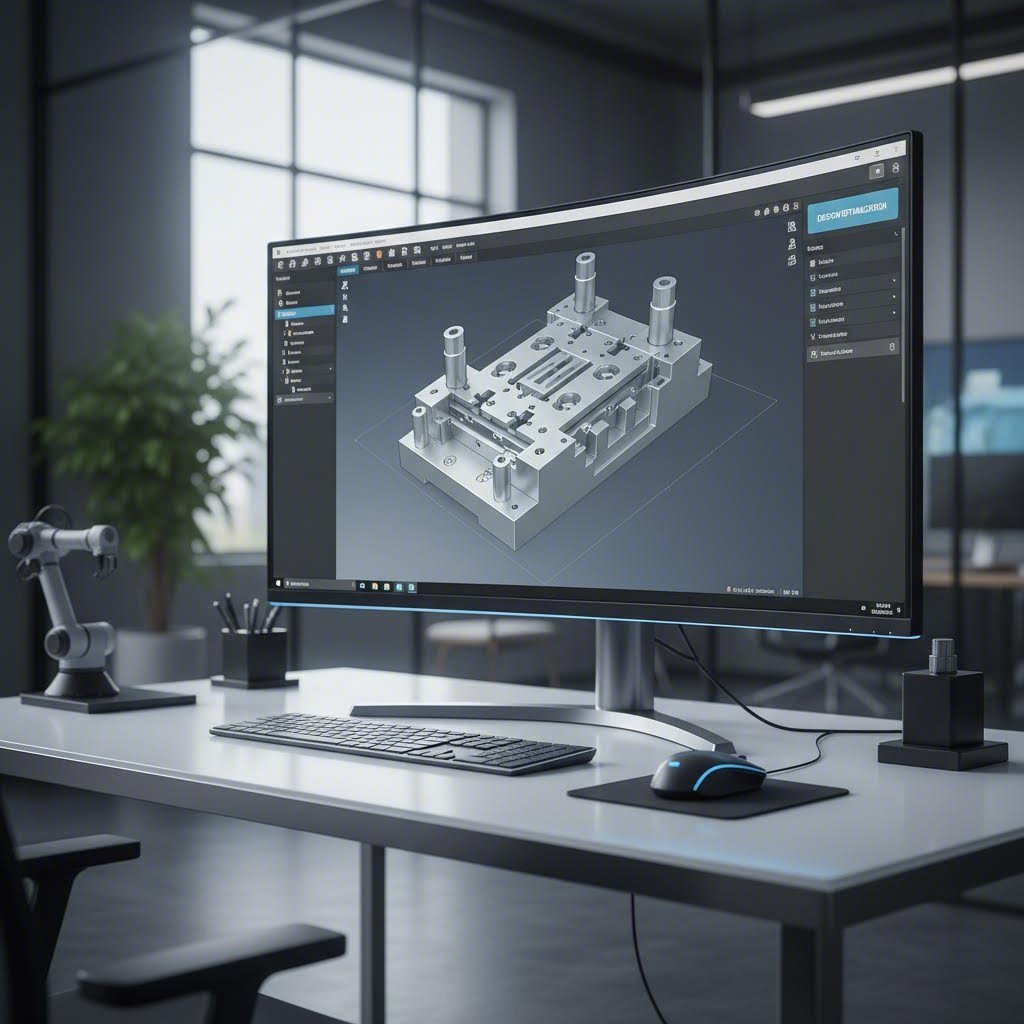
A megfelelő nyomószerszám kiválasztása alkalmazásához
Megérti a gazdasági tényezőket és a gyártási időkereteket – de hogyan jut el ténylegesen a termelési igényeitől a megfelelő nyomóforma-típusig és gyártási partnerekig? Pont ezen a ponton akadnak el sok vevők, akik egy technikai lehetőségek labirintusába botlanak, anélkül, hogy egy világos döntéshozatali keretrendszerük lenne. Változtassunk ezen egy olyan szisztematikus megközelítéssel, amely pontosan az Ön specifikus igényeihez illeszti az optimális megoldást.
A nyomóforma-típus illesztése az alkalmazáshoz
Gondolja a nyomóforma-kiválasztást úgy, mint egy sor kérdés megválaszolását, ahol minden egyes kérdés csökkenti a lehetséges választási lehetőségek körét, amíg a megfelelő választás egyértelművé nem válik. Kezdje az alkalmazás alapvető jellemzőivel, majd építse be a gyártási realitásokat és a költségvetési korlátokat.
1. lépés: Határozza meg az alkalmazás típusát
Valójában mit szeretne elérni? A válasza mutat az adott nyomóforma-kategóriákra:
- Csak vágási műveletek (kivágás, furatolás, peremleválasztás) → Kezdjen üresítő vagy összetett nyomóformával
- Alakító műveletek (hajlítás, mélyhúzás, domborítás) → Fontolja meg a formázó vagy összetett nyomóformákat
- Több egymást követő művelet → Fokozatos nyomóformák erősen ajánlottak
- Nagy alkatrészek összetett geometriával → Átviteli sablonok kezelik azt, amit a folyamatos munkadarab-sablonok nem tudnak
- Azonosítás és nyomon követhetőség → Jelölő sablonok logók, sorozatszámok vagy kódok felnyomásához
2. lépés: Vegye figyelembe a munkadarab anyagát
A Zintilon mérnöki irányelvei szerint az anyagtulajdonságok mélyrehatóan befolyásolják a sablonok tervezését és kiválasztását. Tegye fel magának a következő kérdéseket:
- Milyen anyagból készül a lemezalakítandó munkadarab (lágyacél, rozsdamentes acél, alumínium, réz, speciális ötvözetek)?
- Milyen vastagságtartományú az anyag?
- Az anyag keménysége és alakíthatósága hogyan befolyásolja az alakíthatóságot?
- Jelentős rugalmas visszatérés tapasztalható az anyagban, amely kiegyenlítést igényel?
A nagy szilárdságú acélok és az alumíniumötvözetek – amelyek egyre gyakoribbak az autóipari könnyűszerkezeteknél – nagyobb nyomóerőt és specializált szerszámokat igényelnek. Győződjön meg arról, hogy a figyelembe vett szállító képes kezelni az Ön konkrét anyagkövetelményeit.
3. lépés: Határozza meg a gyártási mennyiségét
A gyártási mennyiség gyakran meghatározza, melyik típusú szerszám gazdaságosan ésszerű:
| Éves mennyiség | Ajánlott megközelítés | Indoklás |
|---|---|---|
| 1000 darabnál kevesebb alkatrész | CNC-megmunkálás vagy lézeres vágás | A szerszámozási beruházás nem indokolja a kivágást |
| 1000–10 000 darab alkatrész | Egyszerű kivágó vagy összetett szerszámok | A mérsékelt szerszámozási költség a gyártási mennyiségre oszlik el |
| 10 000–100 000 darab alkatrész | Összetett vagy alapfokú folyamatos haladó szerszámok | A hatékonyságnövekedés indokolja a szerszámozási beruházást |
| 100 000+ alkatrész | Fokozatos vagy átviteli nyomószerszámok | A nagysebességű gyártás maximalizálja a megtérülést (ROI) |
4. lépés: A tűréshatárok megadása
Ne adjon meg túlzottan szigorú tűréshatárokat. Szorosabb tűréshatárok növelik a költségeket anélkül, hogy javítanák a funkciót – ha az alkalmazása nem igényli őket. Értékelje fel működési követelményeit, és adja meg a leglazább tűréshatárokat, amelyek még megfelelnek a céljainak.
5. lépés: A költségkeret meghatározása
Legyen realisztikus teljes költségkeretét illetően, ideértve a szerszámokat, a gyártást, a karbantartást és az esetleges tervezési módosításokat is. Néha egy egyszerűbb nyomószerszám, amelynek részenkénti költsége kissé magasabb, ésszerűbb választás, mint egy összetett fokozatos nyomószerszám, amelynek darabárja alacsonyabb, de kezdeti beruházása rendkívül magas.
Nyomószerszám-gyártók és partnerek értékelése
Miután meghatározta, mire van szüksége, a megfelelő nyomószerszám-összeszerelő gyártó kiválasztása döntő fontosságú. Nem minden beszállító kínál azonos képességeket, és az „elfogadható” és a „kiváló” közötti különbség jelentősen befolyásolhatja gyártási sikerességét.
Tanúsítványkövetelmények
Az autóipari mélyhúzószerszámok és egyéb igényes alkalmazások esetében a tanúsítások valódi képességet jeleznek, nem csupán marketingállításokat. A szerint TÜV SÜD az IATF 16949-es tanúsítás kifejezetten az autóipari minőségi követelményekre fókuszál, amelyeket az általános ISO 9001-es tanúsítás nem fed le – például hibák megelőzése, ellátási láncban fellépő ingadozások csökkentése és ügyfelspecifikus követelmények.
AShaoyi szállítóválasztási útmutatója kiemeli, hogy egy szállító, aki „IATF-összefüggő” állítást tesz, anélkül, hogy tényleges tanúsítással rendelkezne, nem tett eleget a szabvány betartását garantáló, szigorú harmadik fél általi auditoknak. Kérjen mindig érvényes, naprakész tanúsítványokat, és ellenőrizze érvényességüket.
A szerszámgyártók kulcsfontosságú értékelési szempontjai:
- Minőségi tanúsítványok – IATF 16949 az autóipari alkalmazásokhoz; általános gyártáshoz minimum ISO 9001. Például a Shaoyi az autóipari mélyhúzószerszám-képességeire iATF 16949-es tanúsítással rendelkezik, így teljesíti az OEM-szintű minőségi követelményeket
- Mérnöki támogatás – Képesek optimalizálni a tervezését a gyártásra való alkalmasság érdekében? Erős szállítók DFM-visszajelzést nyújtanak, amely javítja a minőséget, miközben csökkenti a költségeket
- CAE-szimulációs képességek – A fejlett szállítók szimulációt használnak a hibák előrejelzésére és megelőzésére a fizikai gyártás megkezdése előtt. Ezt a képességet – amelyet például a Shaoyi gyártó is kínál – virtuálisan azonosítja a lehetséges alakítási problémákat, a rugalmas visszatérési jelenséget (springback) és az eszközök közötti ütközést
- Prototípus-készítés Sebessége – Amikor gyorsan kell érvényesítenie a terveket, a gyors prototípusgyártás döntő fontosságú. Egyes gyártók prototípus alkatrészeket már 5 napon belül is szállíthatnak, ami jelentősen felgyorsítja a fejlesztési ciklust
- Saját telephelyen elvégezhető szerszámképességek – Azok a szállítók, akik saját maguk kezelik a nyomószerszámokat, gyorsabban tudnak reagálni a problémákra. Ha a szerszámok javítását külső szolgáltatónak bízzák, az napokig vagy akár hetekig is eltarthat; egy belső szerszámgépészeti műhely gyakran órákon belül elhárítja a hibákat
- Nyomóerő-tartomány – Győződjön meg arról, hogy megfelelő tonnázisú sajtóik vannak az Ön anyagához és geometriájához. Az autóipari alkalmazások gyakran 100–600+ tonnás sajtókat igényelnek
- Első próbálkozásos jóváhagyási arányok – Ez a mutató a folyamat érettségét tükrözi. A kiemelkedő teljesítményt nyújtó beszállítók első próbálkozásra történő jóváhagyási aránya meghaladja a 90 %-ot, csökkentve ezzel az ismétlési ciklusok számát és az előállításig szükséges időt
Kérdések, amelyeket feltehetünk lehetséges beszállítóinknak:
- Mi a jelenlegi visszautasítási arányuk, és dokumentálható-e?
- Kínálnak-e teljes PPAP-dokumentációt autóipari alkalmazásokhoz?
- Milyen szimulációs eszközöket használnak virtuális szerszámpróbához?
- Képesek kezelni projektünket a prototípustól a tömeggyártásig?
- Mi az átlagos szállítási idejük a tervezés jóváhagyásától az első minta szállításáig?
- Hogyan kezelik a szerszámok karbantartását és felújítását?
Egyedi fémmatrica-lyukasztás figyelembe veendő szempontjai
Amikor alkalmazásunkhoz egyedi fémmatrica-lyukasztó szükséges – nem pedig készülék-kész megoldások –, akkor a fémalkatrészek lyukasztásának sikeréhez számos további tényezőt is figyelembe kell venni:
- Tervezési együttműködés – A legjobb eredmények akkor születnek, ha a beszállító mérnöki csapata már a koncepciószakasztól kezdve együttműködik a tervezői csapatával, nem pedig csak akkor, amikor a rajzok véglegesítésre kerültek
- Anyagbeszerzés – Az egyedi autóipari fémhúzás esetében ellenőrizze, hogy a beszállítónak megbízható kapcsolatai vannak-e az alapanyag-gyártókkal, és képes-e biztosítani az anyagkiosztást akár piaci ingadozás idején is
- Skálázhatóság – Mennyiségei növekedhetnek. Győződjön meg arról, hogy partnere képes skálázni a kezdeti sorozatgyártástól a teljes termelésig anélkül, hogy új szerszámokra lenne szükség
- Földrajzi szempontok – Bár a külföldi beszállítók alacsonyabb darabárakat kínálhatnak, vegye figyelembe a szállítási időt, a kommunikációs nehézségeket, a szállítási költségeket és a lánc kockázatait a teljes beérkezési költség (total landed cost) részletes elemzése során
Az a szakadék, amely a csupán alacsony árakat ajánló beszállítók és azok között húzódik, akik megbízható, magas minőségű szerszámokat szállítanak, döntő különbséget jelenthet egy zavartalan gyártási indítás és a költséges késedelmek között. Az autóipari mélyhúzó szerszámok alkalmazásai esetében különösen fontos, hogy olyan gyártókkal álljunk kapcsolatban, akik értik az OEM-k követelményeit – és képesek igazolni bizonyított képességeiket tanúsítványokkal, szimulációs eszközökkel és dokumentált minőségi mutatókkal –, mivel ez csökkenti a kockázatot, miközben javítja az eredményeket.
Miután rendelkezésre áll egy világos keretrendszer a szerszámok kiválasztásához és a beszállítók értékeléséhez, ön már képes megbízható döntéseket hozni. Ugyanakkor a mélyhúzó iparág továbbra is fejlődik – annak megértése, merre tart a technológia, segít felkészülni a jövőbeli lehetőségekre, és olyan beruházásokat tenni, amelyek relevánsak maradnak a képességek fejlődésével együtt.
Megbízható szerszám-döntések meghozatala
Végigjárták a fémmegmunkáló sablonok teljes táját – az alapfogalmak megértésétől kezdve a szállítók értékelésén és a gyakori problémák hibaelhárításán át. Most ideje ezeket a felismeréseket összefoglalni, és konkrét, végrehajtható lépésekké alakítani, amelyek előreviszik projekteiket. Akár először ismerkednek a lehetőségekkel, akár meglévő műveleteik optimalizálásán dolgoznak, a szerszámok kiválasztásával kapcsolatos döntések évekig befolyásolják termelési sikereiket.
Fő tanulságok a sablonválasztás sikeréhez
Ebben az útmutatóban több kritikus döntési pont is kibontakozott, amelyek elválasztják a sikeres nyomóüzemeket a frusztráló működéstől:
A megfelelő fémmegmunkáló sablon nem a legolcsóbb, sem a legfejlettebb megoldás – hanem az, amely pontosan illeszkedik adott alkalmazási igényeikhez, termelési mennyiségeikhez és minőségi követelményeikhez, miközben a legkisebb teljes tulajdonosi költséget biztosítja.
Ezek a legfontosabb szempontok a kiválasztás során:
- Illessze a sablontípust az alkalmazáshoz – A fokozatos (progresszív) kivágószerszámok kiválóan alkalmazhatók összetett alkatrészek nagy mennyiségű gyártására; az összetett (kompaund) kivágószerszámok közepes sorozatok esetén biztosítanak nagy pontosságot; a transzfer kivágószerszámok nagy, összetett szerelvények gyártását teszik lehetővé
- Az anyagkompatibilitás határozza meg a szerszám élettartamát – A prémium minőségű szerszámacél és a megfelelő hőkezelés drámaian meghosszabbítja a kivágószerszám élettartamát, különösen abban az esetben, ha kopásálló vagy nagy szilárdságú anyagokat nyomtatnak
- A tűrések megadása bölcsen történjen – A túlzottan szigorú tűrések pénzveszteséget jelentenek; a túl laza tűrések minőségi problémákat okoznak. Először határozza meg a funkcionális követelményeket, majd állapítsa meg a leglazább, még elfogadható tűréseket
- A mennyiség határozza meg a gazdaságosságot – A kivágás évente 10 000 darab feletti mennyiség esetén gazdaságosan indokolható; ennél kisebb mennyiségnél más gyártási eljárások gyakran olcsóbbak
- A beszállító képességei döntő fontosságúak – Az IATF 16949 tanúsítás, a CAE szimulációs eszközök és a dokumentált minőségi mutatószámok különbséget tesznek a megbízható partnerek és a kockázatos beszállítók között
A jövőt formáló új trendek
A precíziós nyomóipar továbbra is gyorsan fejlődik. A Step Metalwork iparági elemzése szerint számos trend újraformálja a testre szabott fémnyomtatásokkal elérhető lehetőségeket:
Fejlett anyagok bővítik a lehetőségeket
A nagy szilárdságú acélok, az alumíniumötvözetek és a titán iránti kereslet tovább növekszik – különösen az autóipari és légiptársasági alkalmazásokban, ahol a tömegcsökkentés döntő fontosságú. Ezek az anyagok összetettebb szerszámkészlet-terveket és keményebb szerszámacélokat igényelnek, de lehetővé teszik olyan alkatrészek gyártását, amelyeket korábban nem lehetett gazdaságosan előállítani.
Szimuláció-alapú tervezés válik szabvánnyá
Mint Az Altair kutatása szerint a gyártásra optimalizált, szimuláció-alapú tervezés (SDfM) közvetlenül a terméktervezők kezébe juttatja a betekintést, így a tervezési hibák korai észlelése és kijavítása lehetséges. Ez a megközelítés csökkenti a próbálkozások és hibák ciklusait, megelőzi a költséges szerszámkísérletek hibáit, és gyorsítja a gyártásba állítást. A virtuális szerszámkísérletek ma már előre jelezhetik az anyagáramlást, a rugalmas visszatérés (springback) viselkedését és a potenciális alakítási problémákat még a acél megmunkálása előtt.
Automatizálás és Industry 4.0 integráció
A modern mélyhúzó üzemek egyre inkább beépítik a robotikát, a valós idejű figyelést és az adatelemzést. Ezek a technológiák javítják a folyamatok konzisztenciáját, csökkentik az emberi hibákat, és lehetővé teszik az előrejelző karbantartást, amely megelőzi a tervezetlen leállásokat. Amikor egy fémmegmunkáló szerszámellátót értékel, kérdezze meg az automatizálási képességeikről és digitális integrációjukról.
Gyorsabb prototípus-készítés gyorsítja a fejlesztést
A fogalmazás és a gyártás közötti rést továbbra is csökkentik. Egyes gyártók ma már napok alatt, nem hetek alatt szállítanak prototípus alkatrészeket, így gyors tervezési iterációra nyílik lehetőség a gyártási szerszámok beszerzése előtt. Ez a képesség különösen értékes új termékek fejlesztésekor versenyképes piacokra, ahol a piacra kerülési idő határozza meg a sikert.
A következő lépései előre
Merre tovább? Az útja attól függ, hol tart a folyamatban:
Ha még mindig a lehetőségeket kutatja:
- Részletesen dokumentálja alkalmazási követelményeit – alkatrész geometriája, anyag, mennyiség, tűrések
- Döntse el, hogy ipari dombornyomó szerszámokra van-e szüksége a gyártáshoz, vagy azonosításhoz szolgáló jelölő szerszámokra
- Gondolja át, hogy számozó betűkészlet vagy egyedi jelölő szerszám szolgálja-e jobban nyomon követhetőségi igényeit
- Kutassa meg a lehetséges beszállítókat, és ellenőrizze, hogy tanúsítva vannak-e az Ön iparága számára előírt követelményeknek
Ha készen áll árajánlatok kérése?
- Készítsen teljes rajzokat az anyagmeghatározásokkal és a tűrések feltüntetésével
- Adja meg az éves mennyiségi várakozásokat és a potenciális növekedési prognózisokat
- Kérje meg a szállítókat, hogy ismertessék CAE-szimulációs képességeiket és az első átjáratos jóváhagyási arányukat
- Kérjen ajánlóleveleket olyan ügyfelektől, akik hasonló alkalmazásokkal rendelkeznek
- Értékelje a teljes tulajdonlási költséget, ne csak az egységárakat
Ha meglévő működését optimalizálja:
- Alkalmazzon megelőző karbantartási ütemterveket a nyomószerszám élettartamának meghosszabbítására és a tervezetlen leállások csökkentésére
- Elemezze a nyomószerszám-beállításai paramétereit – hézagok, tonnázás, táplálási sebességek – optimalizálási lehetőségek keresése érdekében
- Gondolja át, hogy az előrehaladott nyomószerszám-anyagok vagy bevonatok csökkenthetik-e a karbantartási gyakoriságot
- Értékelje, hogy a szimulációs eszközök javíthatják-e a tervezéstől a gyártásig tartó folyamatot
Azok számára, akik gyorsítani szeretnék az autóipari gyártást tanúsított gyártási partnerekkel, a Shaoyi komplex megoldást kínál. Mérnöki csapatuk az IATF 16949 tanúsítással együtt fejlett CAE-szimulációt alkalmaz a hibák megelőzésére, így gyors prototípusgyártásra képesek – akár 5 nap alatt – és 93%-os első átjutási jóváhagyási arányt érnek el. Akár új programokhoz szükséges precíziós nyomószerszámokra, akár meglévő gyártási folyamatokhoz szükséges szerszámoptimalizálásra van szüksége, a autóipari mélyhúzószerszám-képességeire költséghatékony, magas minőségű, az OEM-szabványoknak megfelelő szerszámokat kínálnak.
A nyomószerszámokra ma meghozott döntések évekig befolyásolják a gyártás minőségét, költségeit és versenyképességét. Ebből az útmutatóból – amely bemutatja a szerszámok típusait, gyártási folyamatait, anyagválasztását, hibaelhárítási technikáit és szállítóértékelési kritériumait – szerezve a szükséges ismereteket, biztonságosan hozhatja meg ezeket a döntéseket.
Gyakran ismételt kérdések a fémes nyomószerszámokról
1. Milyen típusú nyomószerszámok léteznek?
A fő típusok közé tartoznak a nagy mennyiségű folyamatos gyártáshoz használt fokozatos (progresszív) sablonok, a nagy és összetett alkatrészekhez alkalmazott átviteli sablonok, a szimultán több művelet végzésére szolgáló összetett sablonok, valamint az azonosítási célokra használt jelölő sablonok. A fokozatos sablonok sorozatos állomásokon haladnak keresztül, legfeljebb 1500 ütés per perc sebességgel, míg az átviteli sablonok egyenként mozgatják a munkadarabokat különálló állomások között bonyolult szerelési feladatokhoz. Az összetett sablonok vágást, hajlítást és alakítást végeznek egyetlen ütésben, így kiválóan alkalmasak közepes méretű, kivételes pontosságot igénylő alkatrészek gyártására.
2. Mennyibe kerül az egyedi fémhúzás?
Az egyedi fémmegmunkáló sablonok költsége a bonyolultságtól, a mérettől, az anyagválasztástól és a tűréshatárok megkövetelésétől függően 15 000–50 000 USD+ között mozog. A fő költségmozgató tényezők a sablon bonyolultsága, a prémium minőségű szerszámacél-fajták, a szigorú tűréshatár-előírások és a várható gyártási mennyiség. Bár a kezdeti szerszámozási beruházás jelentős, az alkatrészenkénti költség a termelési mennyiség növekedésével drasztikusan csökken – egy 30 000 USD-os sablon 100 000 darabos sorozatban csupán 0,30 USD-t tesz ki darabonként, míg ugyanez a sablon 500 darabos sorozat esetén 60 USD-t jelent darabonként. A Shaoyi gyártó például IATF 16949 tanúsítással rendelkező szerszámozást kínál, amelyhez 5 napos gyors prototípus-gyártás is elérhető a tervek érvényesítéséhez a teljes gyártási beruházás megkezdése előtt.
3. Mennyi ideig tartanak a fémmegmunkáló sablonok?
Jól megtervezett fokozatosan működő nyomószerszámok enyhe acélra 1–2 millió ciklusnyi üzemeltetés után is csak nagyobb karbantartást igényelnek, ugyanakkor ugyanez a szerszám rozsdamentes acél, amely erősen kopasztó hatású, már 500 000 ciklus után is figyelmet igényelhet. A szerszám élettartama függ a szerszámacél minőségétől, a megmunkálandó anyag keménységétől, a gyártási sebességtől, a karbantartási gyakorlatoktól és a megfelelő kenéstől. A premium szerszámacélok – például a D2 típusú acél, amelyet 58–62 HRC keménységre hőkezeltek – jelentősen meghosszabbítják a szerszám szolgálati idejét, és a nagy kopásnak kitett helyeken alkalmazott keményfém beillesztések tovább növelhetik a tartósságot igénybe vett alkalmazások esetén.
4. Milyen tűréseket érhet el a fémhúzás?
A nagy pontosságú fémmegmunkálási műveletek ±0,002 hüvelyk (±0,05 mm) méreteltérés-tartományt biztosítanak lyukak és élek esetében, egyes alkalmazásokban akár ±0,001 hüvelyk (±0,025 mm) elérésére is képesek. Azonban az elérhető tűréshatárok anyagtípustól, alkatrész geometriájától, anyagvastagságtól és gyártási mennyiségtől függően változnak. A lágyabb anyagok – például az alumínium – szigorúbb méreteltérés-vezérlést tesznek lehetővé, mint a rugalmas rozsdamentes acélok, és a több hajlítási pontot tartalmazó összetett alakzatoknál nagyobb méreteltérés halmozódik fel. A funkcionális követelményeket éppen csak kielégítő leglazább tűréshatárok megadása segít a költségek kontrollálásában anélkül, hogy minőségi kompromisszumot kellene kötni.
5. Milyen tanúsításokra kell figyelni egy nyomószerszám-gyártónál?
Az ISO 9001:2015 tanúsítás egy dokumentált minőségirányítási rendszer meglétét igazolja, míg az IATF 16949 szükséges az autóipari alkalmazásokhoz – ez a szabvány a hibák megelőzését, a beszállítói láncban fellépő ingadozások csökkentését és az OEM-ek által meghatározott speciális követelményeket foglalja magában. Az ISO 13485:2016 a gyógyszeripari eszközök gyártásának szabványait határozza meg. A tanúsításokon túl értékelni kell a CAE-szimulációs képességeket a virtuális szerszámpróbálatokhoz, az első próbálkozásos jóváhagyási arányt (a legjobb teljesítményt nyújtó vállalatoknál ez meghaladja a 90 %-ot), a belső szerszámkészítési képességeket, valamint a gyors prototípus-készítési lehetőségeket. A harmadik fél által végzett auditok által igazolt tanúsítások objektív bizonyítékot szolgáltatnak a tényleges gyártási képességről.