 Small batches, high standards. Our rapid prototyping service makes validation faster and easier —
  EN
EN


Lézeres vágású alumíniumlemezek titkai: ötvözet kiválasztásától a hibátlan beszerelésig
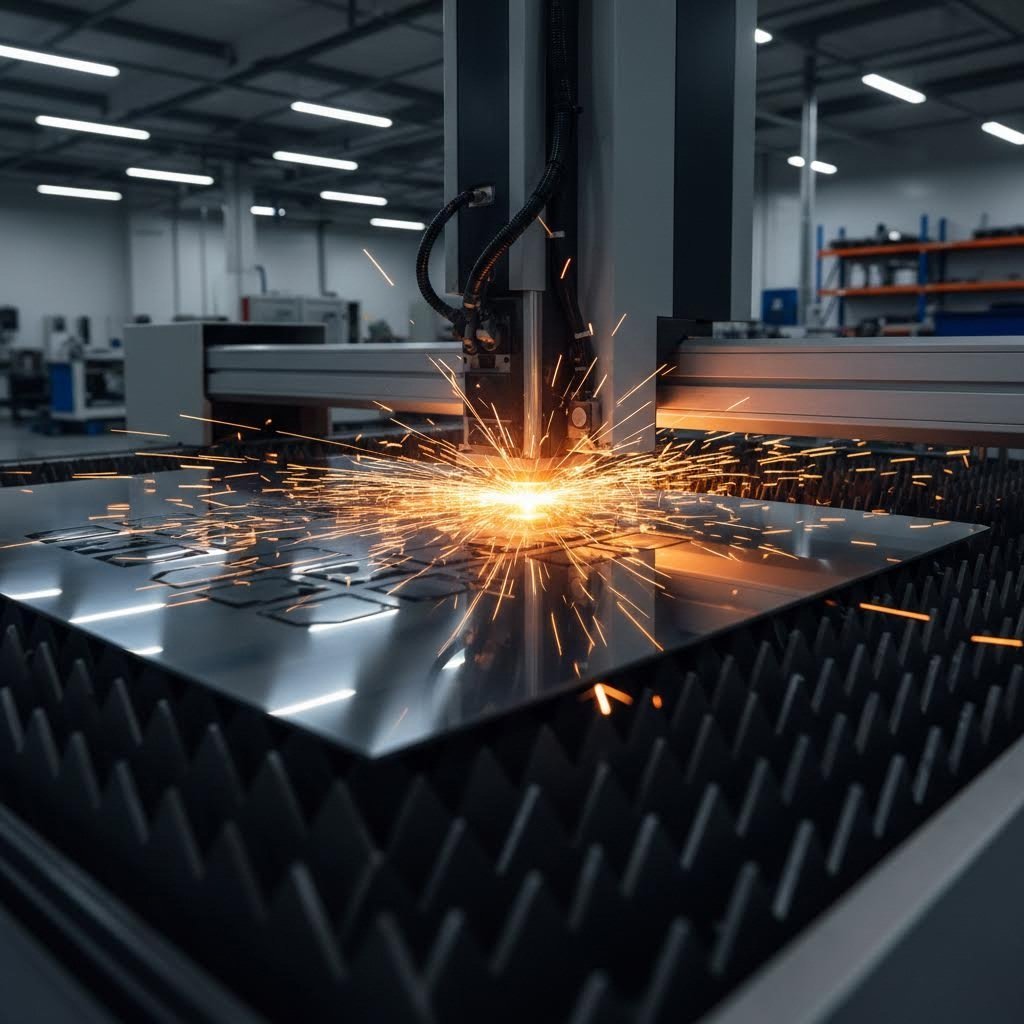
A lézerrel vágott alumínium panelok és alkalmazási területeik megismerése
Sosem gondolta volna, hogy az építészek hogyan készítenek olyan lenyűgöző geometrikus homlokzatokat, vagy hogy a tervezők hogyan érik el a lehetetlenül bonyolult mintázatokat a fémes korlátokon? A válasz gyakran a lézerrel vágott alumínium panelokban rejlik – pontossággal készített lemezekben, amelyek forradalmasították a modern gyártást számos iparágban.
Lézerrel vágott alumínium panel lényegében egy olyan alumíniumlemez, amelyet egy nagy teljesítményű lézersugár segítségével alakítottak ki, hogy pontos vágásokat, mintázatokat vagy nyílásokat hozzanak létre. Ellentétben a hagyományos mechanikai vágási módszerekkel, ez a technológia fókuszált fényenergiát használ fel a anyag olvasztására, égetésére vagy elpárologtatására a programozott pályák mentén. Az eredmény? Tiszta vágási élek, összetett geometriák és figyelemre méltó egyenletesség, amit a kézi módszerek egyszerűen nem tudnak elérni.
Ezek a panelek elengedhetetlenné váltak három fő szektorban: az építészeti tervezésben, az ipari gyártásban és a díszítő alkalmazásokban. A városi erkélyeken elhelyezett magánélet-védő felszínektől kezdve a precíziós gépek szellőzőfedeleiig a lézerrel vágott fémpanelek egyaránt funkcionális és esztétikai célokat szolgálnak hatékonyan.
A pontosság találkozik a sokoldalúsággal a modern gyártásban
Mi teszi olyan átalakító erejűvé az alumínium lézeres vágását? Gondoljunk csak erre: egy fémvágó lézerberendezés akár 0,1 mm-es tűrést is elérhet, miközben olyan összetett mintákat dolgoz fel, amelyeket hagyományos eszközökkel órákig tartana elkészíteni – vagy akár lehetetlen lenne megvalósítani. Ez a pontosság új lehetőségeket nyit a tervezők és mérnökök számára, akik korábban jelentős korlátozásokkal szembesültek.
A lézerrel vágott panelek kiválóan alkalmazhatók olyan feladatokra, amelyek a következőket igénylik:
- Összetett geometriai minták konzisztens ismételhetőséggel
- Finom részletek és szigorú tűrések, amelyeket nem lehet megvalósítani dörzsölő- vagy plazmavágó berendezésekkel
- Minimális anyagdeformáció a vágási folyamat során
- Tiszta, szúrásmentes élek, amelyek gyakran kevés vagy egyáltalán nincs utómunkát igényelnek
Akár építészeti homlokzatokhoz határoz meg alkatrészeket, akár belső terek díszítőelemeit választja ki, az előnye, ha tudja, hogyan készülnek ezek a panelek – és mely anyagok alkalmazása a legmegfelelőbb – jelentős előnyt jelent a projektcéljai elérésében.
A nyers lemeztől a kész panelig
Az út a lapos alumíniumlemeztől a kész lézeres vágású alumíniumpanelig gondos anyagkiválasztást, pontos fájl-előkészítést és jártasságot igénylő gyártási folyamatot foglal magában. E cikk során semleges, szállítótól független technikai útmutatót talál az ötvözetek specifikációitól a telepítési ajánlott gyakorlatokig minden témában.
Az alumínium elsődleges anyaggá vált a lézeres vágású panelek esetében elsősorban kiváló súly-erősség aránya és természetes korrózióállósága miatt. Ezek a tulajdonságok ideálissá teszik beltéri díszítőalkalmazásokhoz, valamint igényes kültéri építészeti szerkezetekhez, ahol a tartósság fontos szempont.
Ez az átfogó forrás segít eligazodni az ötvözetek kiválasztásának szempontjaiban, a vastagsági előírásokban, a teljes gyártási folyamatban, a felületkezelési lehetőségekben és a gyakorlati szerelési útmutatókban. Legyen szó építészről, aki homlokzati paneleket tervez, gyártóról, aki bővíteni kívánja kapacitásait, vagy otthonukban egyedi korlátokat fontolgató magánszemélyről – mindenki találhat használható információkat döntéshozatalához.
Készen állsz, hogy mélyebben megismerd a lézeres vágású fémek világát? Kezdjük azzal, hogy mely alumíniumötvözetek nyújtanak a legjobb eredményt konkrét alkalmazásodhoz?
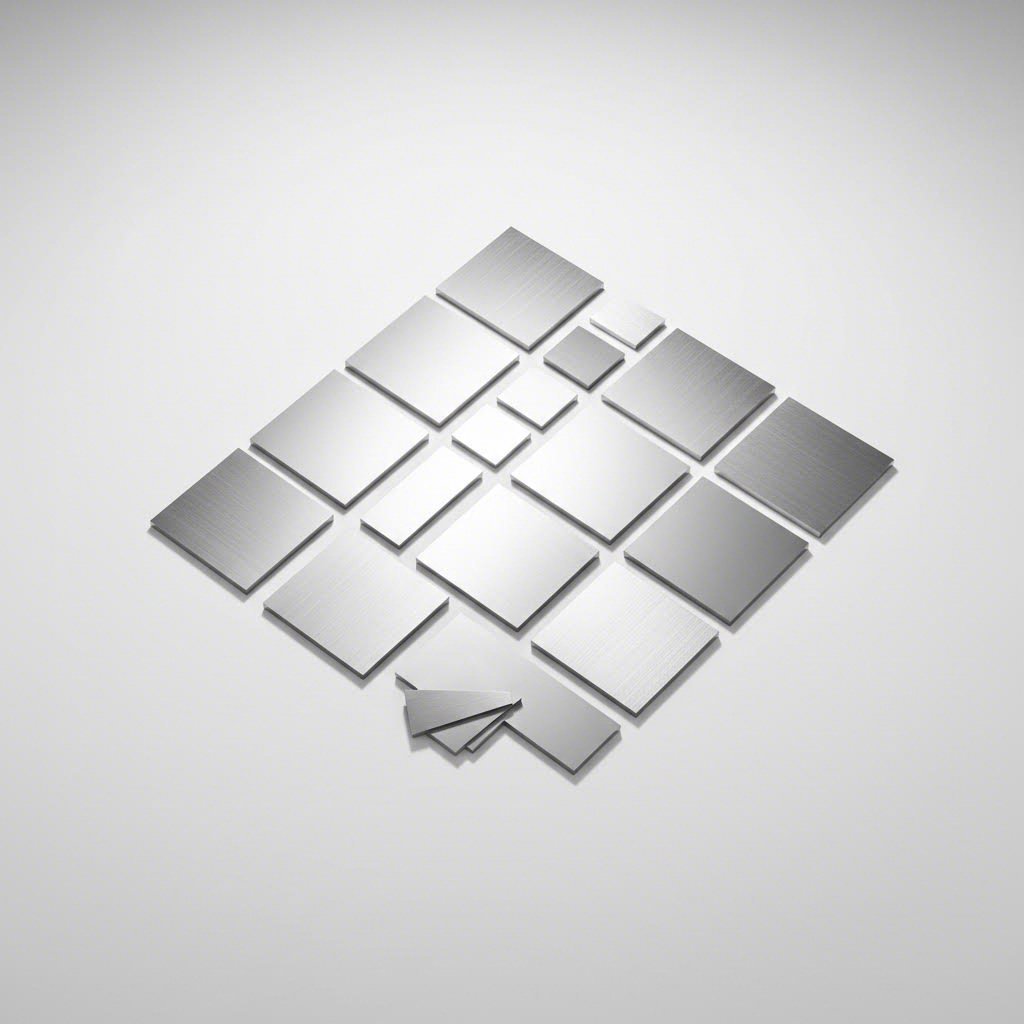
Alumíniumötvözet-kiválasztási útmutató lézeres vágási projektekhez
A megfelelő alumíniumötvözet kiválasztása a lézerrel vágott alumínium paneljeihez nem csupán arról szól, hogy bármelyik elérhető anyagot kiválasztja – hanem arról, hogy az anyag tulajdonságait összehangolja a konkrét teljesítménykövetelményeivel. A piacon számos különböző ötvözet áll rendelkezésre, és ezek jellemzőinek megértése döntő lehet annak eldöntésében, hogy egy panel évtizedekig hibátlanul működik-e, vagy korai meghibásodással küzd.
Nézzük át a lézeres vágáshoz leggyakrabban megadott négy ötvözetet: az 5052-t, a 6061-et, a 3003-at és a 7075-öt. Mindegyik különleges előnyökkel bír attól függően, hogy Ön milyen szempontokat tart elsőbbségnek: korrózióállóságot, szerkezeti szilárdságot, alakíthatóságot vagy költséghatékonyságot.
Miért dominál az 5052 H32 a panelalkalmazásokban
Amikor a gyártók és az építészek díszítő panelokhoz, magánélet-védő rácsokhoz vagy építészeti homlokzatokhoz alumíniumot adnak meg, 5052-es alumínium ez az ötvözet folyamatosan a legnépszerűbb választás. Miért éppen ez az ötvözet uralkodik a piacon?
Az 5052-es alumínium tulajdonságai kivételesen sokoldalúvá teszik. Ez az ötvözet magnéziumot és krómot tartalmaz, amelyek kiváló korrózióállóságot biztosítanak – ami különösen fontos a szabadban, esőnek, páratartalomnak és akár sós levegőnek is kitett alkalmazásoknál. Az H32 hőkezelési állapot azt jelzi, hogy az 5052-H32 ötvözetet hidegen alakítással keményítették, majd stabilizálták, így elegendő nyúlással rendelkezik a hajlítás stb. hidegalakítási műveletekhez repedés nélkül.
Az alábbiak teszik különösen vonzóvá az 5052-es lemezt lézerrel vágott panelek gyártásához:
- Kiváló összefonódhatóság: A szerelésre vagy rögzítőelemekre szoruló panelek hegeszthetők anélkül, hogy kompromisszumot kellene kötniük a szerkezeti integritással
- Kiváló alakíthatóság: Összetett hajlatok és görbületek is elérhetők anyagkárosodás nélkül
- Kiváló korrózióállóság: Kiemelkedő teljesítményt nyújt tengeri és kültéri környezetben
- Költséghatékony: Magas teljesítményt nyújt megfizethető áron, összehasonlítva a repülőgépipari minőségű ötvözetekkel
Díszítő korlátlapokhoz, kertifalakhoz vagy homlokzati elemekhez az alumínium 5052 ötvözet ideális egyensúlyt nyújt a megmunkálhatóság és a tartósság között. A 0,040" és 0,500" közötti vastagságtartományban való elérhetősége lehetővé teszi az 5052-es alumíniumlemez beszerzését szerkezeti alkalmazásokhoz, illetve vékonyabb méretekben könnyű díszítő elemekhez.
Az ötvözet tulajdonságainak igazítása a projekt követelményeihez
Bár az 5052 H32 ötvözet kiválóan megfelel a legtöbb általános célú alkalmazásnak, egyes projektek más anyagtulajdonságokat igényelnek. A maximális szilárdságot igénylő szerkezeti alkatrészek esetén a 6061-es vagy a 7075-ös ötvözet lehet a megfelelő választás, míg a költségkímélő, minimális teljesítménykövetelményeket támasztó projektekhez a 3003-as ötvözet is elegendő lehet.
Az alábbi összehasonlító táblázat gyors segítséget nyújt a megfelelő ötvözet kiválasztásához a projekt prioritásai alapján:
| Alloyzírangszer | Korrózióállóság | Formálhatóság | Vashozamosság | Tipikus alkalmazások | Lézeres vágásra való alkalmaság |
|---|---|---|---|---|---|
| 3003 | Jó | Kiváló | Kiváló | Általános lemezfémmegmunkálás, légtechnikai alkatrészek, főzőedények | Jó – lágyabb anyag, tiszta vágások |
| 5052 H32 | Kiváló | Nagyon jó. | Kiváló | Tengeri alkalmazások, díszítő lapok, építészeti homlokzatok, üzemanyagtartályok | Kiváló – optimális a legtöbb panelalkalmazáshoz |
| 6061 T6 | Jó | Közepes | Jó | Szerkezeti alkatrészek, repülőgép-vázak, hidak, gépek alkatrészei | Nagyon jó – hőkezelt szilárdság tiszta élekkel |
| 7075 T6 | Közepes | Szegények. | Szegények. | Űrkutatási alkatrészek, nagy teljesítményű kerékpár-vázak, sportfelszerelés | Jó – körültekintő paramétervezést igényel |
Figyelje meg, hogy az 6061 T6 alumínium körülbelül 32%-kal magasabb szakítószilárdsággal rendelkezik, mint az 5052, így ideális teherhordó szerkezeti alkalmazásokhoz . A hőkezelési folyamat növeli az 6061 szakító- és fáradási szilárdságát, ezért található meg repülőgép-vázakban és hídalkatrészekben. Ennek a szilárdságnak azonban ára van: az 6061 nagyobb hajlítási sugarat és speciális szerszámokat igényel, így kevésbé praktikus olyan tervekhez, amelyek szoros görbéket követelnek.
A szilárdsági skála csúcsán a 7075 T6 ötvözet áll, amelynek húzószilárdsága majdnem kétszer akkora, mint a 6061-é. Ez a repülőgépipari minőségű ötvözet jelentős mennyiségű cinket, magnéziumot és rezet tartalmaz, így szilárdsága közelebb áll a titánhoz, mint a szokásos alumíniumhoz. A hátránya? Gyakorlatilag hegeszthetetlen, és szinte lehetetlen meghajlítani a tipikus lemezmetallos sugárban, így alkalmazása kizárólag egyedi, nagy szilárdságú alkatrészekre korlátozódik, nem pedig gyártott szerelvényekre.
Amikor alumínium lapok lézeres vágásához alkalmas ötvözeteket értékel, vegye figyelembe ezeket a sűrűség- és szilárdsági hatásokat:
- Súlykritikus alkalmazások: Minden alumíniumötvözet hasonló sűrűséggel rendelkezik (~2,7 g/cm³), de a magasabb szilárdságú ötvözetek – például a 7075 – lehetővé teszik vékonyabb anyag használatát azonos szerkezeti teljesítmény eléréséhez
- Szerkezeti panelek: A folyáshatár közvetlenül befolyásolja, mekkora terhelést bír el egy lap; a 6061 és a 7075 kiválóan alkalmazható ott, ahol a szerkezeti integritás a legfontosabb
- Dekoratív alkalmazások: Amikor a megjelenés fontosabb a szerkezeti igényeknél, az 5052-es ötvözet kiváló korrózióállósága és alakíthatósága miatt a gyakorlatias választás
Ezen anyagjellemzők ismerete lehetővé teszi, hogy már eleve a megfelelő ötvözetet válassza – elkerülve ezzel költséges újratervezéseket vagy idő előtti panelek meghibásodását. Most, hogy tudja, mely ötvözetek teljesítenek a legjobban különböző alkalmazások esetén, nézzük meg, hogyan befolyásolja az anyagvastagság a vágási minőséget és a szerkezeti képességeket.
Az anyagvastagság és kaliberjelölések magyarázata
Volt már olyan, hogy felvett két alumíniumlemezt, amelyek azonosnak tűntek, de teljesen másképp érződtek a kezében? Ez a különbség valószínűleg a lemezvastagságon – egy olyan specifikáción múlik, amely nemcsak a súlyt és merevséget határozza meg, hanem azt is, hogy mi lehetséges lézeres vágási komplexitás és szerkezeti teljesítmény szempontjából .
Amikor a 5052-es alumíniumlemezt választja projektje során, fontos megérteni a kaliberrendszer működését. Íme egy ellentmondásos fordulat, amely sok kezdőt félrevezet: minél nagyobb a kaliberszám, annál vékonyabb az anyag. Ez a látszólag visszássá tűnő logika a 19. századi fémmegmunkálási gyakorlatokig nyúlik vissza, amikor a kaliber a húzások számát jelölte, nem pedig közvetlenül a vastagságot.
Szabványos kaliberopciók és ideális alkalmazásuk
Az amerikai vezeték-kaliber (AWG) rendszer – más néven Brown & Sharpe kaliber – szolgál hatályos szabványként az alumínium és más nem vasalapú fémek esetében. Minden kaliberhez pontos vastagság, súly és gyakorlati alkalmazási terület tartozik. A rossz kaliber kiválasztása akár a szerkezeti integritást, akár az esztétikai finomságot veszélyeztetheti, attól függően, milyen irányban téved.
Az alábbiakban a leggyakrabban meghatározott kaliberek lézeres vágású alumínium panelek alkalmazásaihoz:
- 22-es kaliber (0,025 hüvelyk / 0,64 mm): Ultra könnyű díszítő elemek, díszítő faliképek és bonyolult minták, ahol a szerkezeti igények minimálisak
- 20-es kaliber (0,032 hüvelyk / 0,81 mm): Könnyű használatú táblák, díszítő akcentusok és belső alkalmazások, amelyek finom részletmunkát igényelnek
- 18-as kaliber (0,040 hüvelyk / 1,02 mm): Általános célú díszítő panelek, légtechnikai burkolatok és közepes terhelésű alkalmazások, amelyek egyensúlyt tartanak a részletgazdagítás képessége és az állóság között
- 16-os kaliber (0,051 hüvelyk / 1,29 mm): Népszerű választás korlátbetöltő panelokhoz, magánélet-védő felszínekhez és olyan építészeti elemekhez, amelyek megnövelt merevséget igényelnek
- 14-es kaliber (0,064 hüvelyk / 1,63 mm): Szerkezeti díszítő panelek, kültéri felszínek és olyan alkalmazások, amelyek jelentős szélterhelés-állóságot követelnek meg
- 11-es kaliber (0,091 hüvelyk / 2,30 mm): Nagy teherbírású szerkezeti lemezek, ipari védőburkolatok és terhelést viselő építészeti elemek
Amikor díszítőrácsokhoz vagy korlát panelekhez 5052 h32 alumíniumot beszerzünk, a 16-os kaliberű alumíniumlemez általában az ideális választás. Ez a vastagság elegendő merevséget biztosít ahhoz, hogy elkerüljék az olajozás jelenségét (a hullámos torzulást, amit vékony paneleken látni), miközben elég könnyű marad a gyakorlati szereléshez. Egy 16-os kaliberű 5052 h32 alumíniumlemez súlya körülbelül 0,715 lbs/lb² – kezelhető legtöbb rögzítőrendszer számára, ugyanakkor megbízható szerkezeti teljesítményt nyújt.
Olyan projektekhez, amelyek kissé nehezebb anyagot igényelnek, a 063-as alumíniumlemez (kb. 14-es kaliber, 0,063 hüvelyk vastagság) növelt tartósságot kínál olyan kültéri szereléseknél, amelyek széllökéseknek vagy időnkénti ütközéseknek vannak kitéve. Az alum 5052 h32 edzetségi jelölés biztosítja, hogy ez a vastagabb anyag továbbra is megfelelő alakíthatósággal rendelkezzen, így a rögzítőperemet hajlíthatóvá teszi, vagy dimenziós profilok kialakítására alkalmas.
Vastagsági korlátozások lézeres vágásnál
Az anyagvastagság nemcsak a szerkezeti teljesítményt befolyásolja – alapvetően megváltoztatja azt is, ami a lézeres vágási folyamat során elérhető. Ennek az összefüggésnek a megértése segít olyan tervek megadásában, amelyek valóban gyárthatók.
Az ipari szabványok szerint a szálas lézerek hatékonyan vághatnak 0,5 mm-től körülbelül 25 mm-ig terjedő alumíniumot, bár a legtöbb díszítő panelalkalmazás ezen skála vékonyabb végén helyezkedik el. Így hatja meg a vastagság a projektet:
Vágási minőség és élsimítás: A vékonyabb anyagok (22–18-es kaliber) kivételesen tiszta éleket eredményeznek minimális hőhatott zónával. Amint a vastagság meghaladja a 6 mm-t, az élvégminőség általában romlik, kivéve, ha a működtetők lelassítják a vágási sebességet és növelik a lézer teljesítményét – ami költség- és feldolgozási időnövekedést eredményez. Az alumínium 5052 H32 panelok esetében, amelyek látható építészeti alkalmazásokra készülnek, a 16–14-es kaliber tartományban maradva optimalizálható mind az élvégminőség, mind a szerkezeti teljesítmény.
Tervezési összetettség: Az anyagvastagság és az elérhető részletgazdagság közötti kapcsolat egy egyszerű szabályt követ: vékonyabb alapanyag esetén finomabb jellemzők érhetők el. A minimális vágásszélesség (vágási réstágasság, kerf) általában 0,2–0,4 mm vékony alumíniumnál, ami azt jelenti, hogy a minta bonyolultsága és a részek közötti kis távolság miatt a részletgazdag mintázatok lehetetlenné válnak a vastagság növekedésével. Ha a tervezés finom filigrán munkát tartalmaz, akkor adjon meg vékonyabb lemezvastagságot; ha a szerkezeti igények vastagabb lemezt követelnek, akkor ennek megfelelően egyszerűsítse le a minta bonyolultságát.
Hőhatott zóna (HAZ) figyelembevétele: Az alumínium magas hővezető-képessége gyorsan elosztja a hőt a vágási zónából. Bár ez a tulajdonság segít minimalizálni az alakváltozást, a vastagabb anyagok több hőenergiát raktároznak, ami potenciálisan befolyásolhatja a vágási vonal közvetlen környezetében az ötvözet keménységét (temper). Az 5052 H32 alumíniumlemez alkalmazásainál, ahol a vágás utáni hajlítás szükséges, vegye figyelembe, hogy a hőhatott zóna hogyan befolyásolhatja a vágási élek közelében az alakíthatóságot.
Lemezméret és vágási képességek: A legtöbb ipari lézeres vágórendszer szabványos alumíniumlemezeket fogad el, amelyek mérete 4 láb × 8 láb (1,2 m × 2,4 m) vagy 5 láb × 10 láb (1,5 m × 3 m). A nagyobb gépek képesek túlméretes lemezek feldolgozására is, de az elérhetőség és az árak jelentősen eltérnek. Amikor olyan lemezeket tervez, amelyek mérete közelít a maximális lemezdimenziókhoz, figyelembe kell venni, hogy a vastagság hogyan befolyásolja az anyagkezelést – egy teljes méretű, 11-es kaliberű alumíniumlemez lényegesen nehezebben helyezhető el és feldolgozható, mint ugyanezek a méretek 18-as kaliberrel.
A korlátok kitöltőlemezei és díszítőrácsok esetében ezek a vastagsági megfontolások közvetlenül hatással vannak mind a vizuális megjelenésre, mind a hosszú távú üzemelésre. Egy túl vékony lemez érezhetően meghajlik, ha megérintik vagy szélroham éri; egy túl vastag lemez felesleges tömeget ad a szerkezetéhez, miközben potenciálisan korlátozhatja a tervezés finomságát. Az 5052-es H32 alumíniumlemez 16-os vagy 14-es kaliberben általában az optimális egyensúlyt nyújtja a legtöbb építészeti és díszítő alkalmazáshoz.
Most, hogy egyértelműek a méretmegadások és a vastagsági korlátozások, vizsgáljuk meg a teljes gyártási folyamatot – a kezdeti tervezési fájltól az utolsó minőségellenőrzésig.
A teljes lézeres vágási folyamat alumínium lemezekhez
Kiválasztotta az ötvözetet, és pontosan meghatározta a megfelelő lemezvastagságot – de mi következik ezután? A fogalmazástól a kész, lézerrel vágott alumínium lemez előállításáig számos kritikus szakasz tartozik, amelyekről sok szolgáltató feltételezi, hogy Ön már ismeri őket. Bonyolultnak tűnik? Nem kell annak lennie. Ha részletezzük a gyártási folyamatot, világossá válnak az egyes lépések, ahol a jól informált döntések közvetlenül befolyásolják a végeredményt.
Akár először küld be fájlokat, akár munkafolyamata optimalizálását célozza, az egyes szakaszok megértése segít elkerülni a költséges elutasításokat, csökkenteni a módosítási ciklusok számát, és elérni, hogy a lemezek pontosan megfeleljenek az Ön specifikációinak.
Tervezési fájlok előkészítése és formátumkövetelmények
Itt egy olyan tény, amely sok első alkalommal vásárló számára meglepő: egy fémet vágó lézer csak pontos vektoros útvonalakat követhet – nem képeket. Az a lenyűgöző minta, amelyet a Photoshopban készített? Nem fog működni. A fémlemezek lézeres vágásához vektoralapú fájlok szükségesek, ahol minden vonal egy meghatározott vágási útvonalat jelöl, amelyet a gép pontosan követni tud.
AAmerican Laser Cutter , a legfontosabb lépés a megfelelő vektorfájlok benyújtása. Elfogadott formátumok:
- AI (Adobe Illustrator): Ipari szabvány összetett tervekhez több vágási és gravírozási réteggel
- DXF (AutoCAD): Ideális műszaki rajzokhoz és CAD-generált tervekhez
- PDF (csak vektorformátumban exportálva): Elfogadható, ha megfelelően exportálják vektoros szoftverből – nem rácsképből (raster) mentett PDF
A JPEG, PNG vagy TIFF formátumú raszterfájlok nem használhatók vágásra, mivel pixelekből állnak, nem matematikai útvonalakból. Még egy nagyon magas felbontású, képernyőn élesnek tűnő kép sem nyújt semmit, amit egy fémlemez-lézervágó gép követni tudna.
A terv benyújtása előtt ellenőrizze az alábbi fontos ellenőrzőlistát:
- Alakítsa át az összes szöveget keretekké: A betűtípusokat vektoros alakzatokká kell alakítani, hogy a vágógép geometriaként, ne szerkeszthető szövekként olvassa őket, amelyek esetleg helytelenül jelenhetnek meg
- Használjon egységes vonalszíneket és -vastagságokat: Általában a piros szín jelzi a vágási vonalakat, a kék pedig a gravírozási területeket – ellenőrizze gyártójával, hogy milyen konvenciókat alkalmaznak
- Távolítsa el az ismétlődő és rejtett geometriai elemeket: Az egymásra helyezett vonalak dupla vágást eredményeznek, ami károsítja az anyagot és időt pazarol
- Ellenőrizze a méretarányt és a méreteket: Mindig 1:1 arányban (valódi méretben) készítsen terveket, és tájékozódjon gyártójánál arról, hogy hüvelyk vagy milliméter egységekben várja-e a méreteket
- Győződjön meg zárt útvonalakról: A nyitott vektoros útvonalak hiányos vágást eredményeznek – minden alakzatnak zárt hurkot kell alkotnia
Az egyik gyakran figyelmen kívül hagyott részlet a vágási rések szélessége – az anyag azon része, amelyet maga a lézersugár távolít el. Ez a vágási szélesség általában 0,2–0,4 mm az alumínium esetében, ami azt jelenti, hogy a kész termék méretei kissé eltérnek a rajzon megadott méretektől. Pontosságra különösen érzékeny alkalmazásoknál a tapasztalt tervezők a vágási vonalakat a vágási rés felének megfelelően eltolják, hogy a végső méretek pontosak maradjanak. Amikor egymáshoz illeszkedő alkatrészeket vagy pontosan össze kell illeszteniük szükséges paneleket tervez, a vágási rés kompenzálásának figyelmen kívül hagyása olyan alkatrészekhez vezet, amelyek nem illeszkednek pontosan egymáshoz.
Vektorművészetből precíziós vágásokig
Miután fájljai megfelelően elkészültek, a teljes gyártási folyamat megértése segít előre jelezni a határidőket, és azonosítani, hol van a legnagyobb jelentősége a műszaki specifikációknak. Egy lézeres vágógép alumíniumot dolgoz fel a tervezetén keresztül különálló fázisokban, amelyek mindegyike befolyásolja a végső minőséget.
- Tervezés létrehozása: Dolgozza ki a mintát vektoros szoftverekkel, például Adobe Illustrator, AutoCAD vagy hasonló programokkal. A bonyolult görbék egyszerűsítésével csökkentse a felesleges pontok számát, amelyek lassítják a feldolgozást, és esetleg túlmelegedést okozhatnak az anyagban. Szerint Eagle Metalcraft , a túlzottan kis csomópontok vagy mikro részletek minőségi problémákat okozhatnak.
- Fájl optimalizálás: Tisztítsa meg a geometriát a duplikált vonalak eltávolításával, a nyitott utak lezárásával és a rétegek rendezésével. Adja meg, hogy mely vonalak jelentenek vágást, illetve gravírozást a gyártó színkonvenciói szerint. Lézeres vágású lemezmetál projekteknél ellenőrizze a minimális távolságot a vágóvonalak között – általában legalább kétszerese az anyag vastagságának, hogy elkerülje a torzulást.
- Anyagválasztás: A gyártó kihúzza a megadott ötvözetet (általában 5052 H32 dekoratív panelekhez) a kért kaliberben. Az anyagnak síknak kell lennie, a maximális eltérés méterenként 0,1 mm alatt legyen pontos eredmény érdekében. A deformálódott vagy hajlított alumínium igazítási problémákat és inkonzisztens vágásokat eredményez.
- Lézer Vágás: A lemez a vágóasztalra kerül, és nagy teljesítményű szálas lézerek követik a tervezett vágási útvonalakat. A vágási paraméterek – teljesítmény, sebesség és segédgáz nyomása – az Ön adott ötvözetéhez és lemezvastagságához igazodnak. A fémlapok lézervágása intenzív, helyileg koncentrált hőt generál, amelyet a lézerfény keskeny fókuszálása kizárólag a vágási zónában tart.
- Minőségellenőrzés: A kész paneleket méretellenőrzésnek és vizuális felülvizsgálatnak vetik alá. A gyártók ellenőrzik az élek minőségét, megerősítik a tűréshatárokat (általában ±0,1 mm pontossági munkák esetén), valamint azonosítják a vágási folyamat során keletkezett esetleges hibákat.
- Véglegesítés: A specifikációktól függően a panelek további műveleteken, például letörésen, hajlításon, anódoláson vagy porfestéken is áthaladhatnak, mielőtt vé abszolút csomagolásra és szállításra kerülnének.
Fontos megérteni, hogyan hat a hő a lézerrel vágott fémlemezekre, különösen az alumínium panelok esetében. A hőhatási zóna (HAZ) a vágási élekkel közvetlenül szomszédos anyagrészt jelöli, ahol a magas hőmérséklet megváltoztatja a mikroszerkezetet és a mechanikai tulajdonságokat. Bár az alumínium kiváló hővezető képessége gyorsan elosztja a hőt – így a hőhatási zóna szélessége kisebb, mint az acél esetében – a hatás mégis figyelembe veendő.
Díszítő panelok esetében a hőhatási zóna általában nem látható a felületen, és szerkezeti szempontból sem jelentős. Ha azonban a tervezés olyan utólagos műveleteket igényel, mint például a vágási élek közelében történő hajlítás vagy rögzítési pontok hegesztése, akkor a hőhatási zónában megváltozott anyag másként viselkedhet, mint az alapanyag. A gyártók a lézerparamétereket – lassabb sebesség, impulzusos vágási mód vagy nitrogén segédgáz használata – módosíthatják annak érdekében, hogy minimalizálják a hőhatási zónát, ha a kritikus alkalmazások ezt megkövetelik.
A gyakori fájl-előkészítési hibák, amelyek elutasításhoz vezetnek, többek között a PDF formátumba mentett fényképek vagy logók (amelyek belül még mindig raszteresek), az elfelejtett szövegkeretek körvonalazása, rosszul igazított rétegek, beágyazott képekkel rendelkező grafikai anyagok útvonalak helyett, valamint egymásra eső duplikált vonalak a közös éleken. Ezeknek a problémáknak az időben történő felismerése jelentős időt és felülvizsgálati költségeket takaríthat meg.
Most, hogy a panelek már a specifikációnak megfelelően lettek levágva, a következő lépés annak átgondolása, hogyan befolyásolják a különböző felületkezelési lehetőségek a megjelenést és a hosszú távú tartósságot.
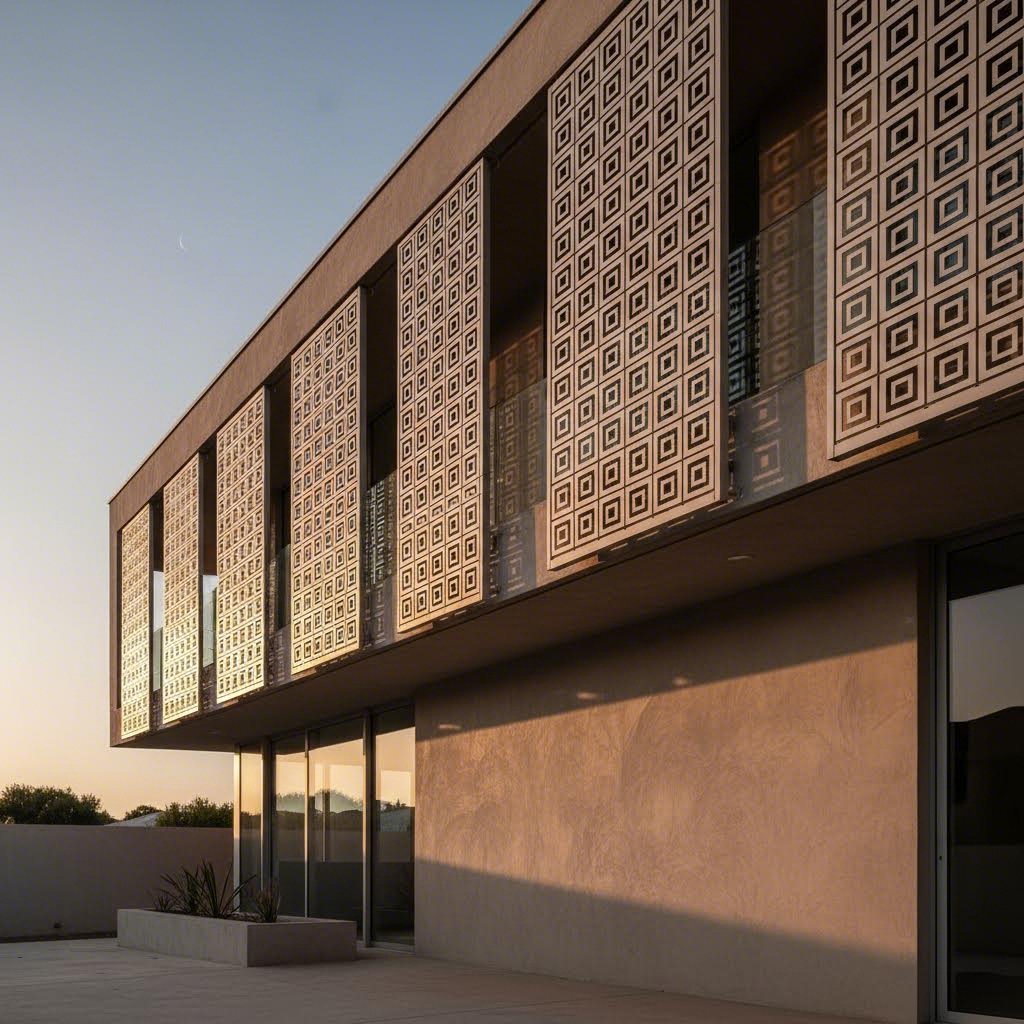
Tervezési alkalmazások korlátoktól a dekoratív faliképekig
Képzelje el, ahogy egy olyan épülethez közeledik, ahol a napsugárzás bonyolult geometrikus mintákon szűrődik át, és folyamatosan változó árnyékokat vet az előtérre. Vagy képzeljen el egy lakóerkélyt, amelyet finom növényi sziluetteket ábrázoló privátszűrő alakít át. Ezek nem építészeti fantáziák – ezek mindennapi példái a lézerrel vágott dekoratív fémpaneleknek, amelyek művészi minőséget és funkcionálitást ötvöznek.
Egy lézerrel vágott alumínium panel sokoldalúsága messze túlmutat az egyszerű hasznosságon. A megdöbbentő homlokzati elemektől a finom belső díszítésekig ezek a pontosan gyártott darabok olyan célokat szolgálnak, amelyeket a hagyományos anyagok egyszerűen nem tudnak elérni. Vizsgáljuk meg azokat a felhasználási területeket, amelyek újraformálják a tervezők, építészek és háztulajdonosok megközelítését mind beltéri, mind kültéri terek iránt.
Építészeti magánélemtiszteletet biztosító válaszfalak és homlokzati elemek
AVIVA Railings , a fémszűrős homlokzatok egyre népszerűbbé váltak a modern építészetben, mert egyszerre több célt is elérnek – javítják az esztétikát, szabályozzák a napfényt, növelik a magánélemtiszteletet, miközben időjárás elleni védőbarriérdként is funkcionálnak.
A lézerrel vágott rácsok kiválóan alkalmazhatók kültéri felhasználásra, ahol a hagyományos tömör korlátok vagy elválasztók kellemetlen látványi terhet jelentenének, illetve teljesen eltakarnák a természetes fényt. Gondoljunk arra, hogyan használja a Sterling Park Biztonsági Központ a perforált fémpanelek rendszerét a kültéri lépcsők burkolására: belülről a részletes perforációk mozgásérzetet keltenek, míg kívülről dinamikus vizuális érdekességet adnak az épület homlokzatának.
Az időjárásállóság különösen fontos szempont kültéri telepítések esetén. Éppen ezért az 5052-es alumínium dominál az építészeti homlokzati alkalmazásokban – természetes korrózióállósága ellenáll az esőnek, a páratartalomnak, sőt akár a tengerparti sótartalmú levegőnek is anélkül, hogy minősége romlana. Megfelelő porfestéssel vagy anódosítással felületkezelt lézerrel vágott fémrácsok évtizedekig megőrzik megjelenésüket minimális karbantartással.
A napsugárzás szabályozása egy másik hatékony alkalmazást jelent. Olyan létesítményekben, mint a Braintree South Middle School, a különböző perforációk lehetővé teszik a napfény szűrődését az épület belsejébe anélkül, hogy vakító csillogást okoznának. Ahogy a nap halad az égen, a minták változnak, olyan hatást létrehozva, amit a tervezők „folyamatosan változó naptáj” néven emlegetnek, és amely életre keltheti az épületeket.
Térhatású korlátburkolatok
Talán semmi nem mutatja be jobban a lézeres fémalkotás lehetőségeit, mint a korlátburkolatok. Ezek a funkcionális elemek védik a lépcsőket, erkélyeket és teraszokat, ugyanakkor kreatív kifejeződési formát nyújtanak, amelyet a hagyományos korlátelemek nem tudnak felmutatni.
AKerrie Kelly x Feeney LaserCut Kollekció e trendet testesíti meg, kilenc összetett paneltervet kínálva, melyek az építészet ikonjaiból, globális textúrákból és időtlen mintákból merítenek ihletet. Beltéri és kültéri alkalmazásra is tervezett fémburkolatokkal rendelkezik, így az építészek, kivitelezők és tervezők könnyedén emelhetik fel a terek minőségét.
A vadon élő állatokhoz és a természethez kapcsolódó tervezési elemek különösen népszerűnek bizonyultak a lakóingatlanok korlátjainál. Képzeljen el fémből kivágott mintákat, amelyek:
- Finom levelminták, amelyek visszaköszönnek a környező tájba
- Hegyek siluettjei, panorámás kilátással rendelkező ingatlanokhoz
- Geometriai absztrakciók, amelyek kiegészítik a modern építészetet
- Vadállat jelenetek – madarak, szarvasok vagy halak –, amelyek összekapcsolják a beltér belső tereit a természeti környezettel
A korláttáblák kitöltő elemeinek meg kell felelniük az építési előírásokban meghatározott nyílások méretére és szerkezeti követelményekre vonatkozó előírásoknak, ami miatt az anyag kiválasztása és a lemezvastagság pontos meghatározása kritikus fontosságú. A precíziós lézeres vágás és a megfelelően kiválasztott alumíniumötvözetek kombinációja biztosítja, hogy a panelek egyszerre megfeleljenek az esztétikai elvárásoknak és a biztonsági szabályozásoknak.
Alkalmazások szektorok szerint
A lézerrel vágott alumínium panelek alkalmazási lehetőségeinek széleskörűsége áttekinthetőbbé válik, ha piaci szektorok szerint csoportosítjuk őket. Mindegyik környezet más-más követelményeket és lehetőségeket kínál.
Lakóhelyiségek:
- Korlátok és korlátrendszerek: Egyéni töltőpanelek fedélzeteke, lépcsőkhöz és erkélyekhez, amelyek tükrözik a személyes stílust
- Kertvédő és kerítésrendszer: Magánéletvédelmi akadályok, amelyek szűrik a fényt, és vizuális érdekességet adnak a kültéri élettereknek
- Falképek: Lézerrel vágott fém falképek – kis díszítő elemektől egészen drámai, teljes falra kiterjedő installációkig
- Helyiséghatárolók: Álló vagy felfüggesztett képernyők, amelyek meghatározzák a terek határait anélkül, hogy megakadályoznák a fény áramlását
Kereskedelmi alkalmazások:
- Homlokzati panelek: Épületméretű installációk, amelyek szabályozzák a napfényt, branding-lehetőségeket kínálnak, és különleges külsőt alkotnak
- Kijelzők: Térdimenziós logók és útmutató elemek tiszta élekkel és professzionális felülettel
- Helyiséghatárolók: Akusztikai és vizuális elválasztás nyitott alaprajzú irodákban, éttermekben és vendéglátóhelyeken
- Borítórendszerek: Felülről árnyékoló szerkezetek egyedi perforációkkal szűrt fényhatások eléréséhez
Ipari alkalmazások:
- Szellőzőfedelek: Védőrácsok, amelyek lehetővé teszik a levegőáramlást, miközben megakadályozzák a szennyeződések vagy ujjak behatolását
- Gépvédők: Biztonsági burkolatok, amelyek biztosítják a látást, miközben védik az üzemeltetőket a mozgó alkatrészektől
- Berendezések takarása: Esztétikai burkolatok légtechnikai egységekhez, hasznosítási területekhez és gépteremekhez
- Gyalogosátkelők korlátozói: A gyalogos és járműforgalmi területek közötti elválasztás, amely mind biztonsági, mind tájékoztató funkciót is ellát
Belső és külső környezet figyelembevétele
Bár ugyanazok a lézerrel vágott fémrácsok esetleg tökéletesen működnek mindkét környezetben, a felhasznált anyag és a felületkezelés követelményei jelentősen eltérnek a kitétség körülményeitől függően.
A beltéri telepítések védettek az UV-sugárzás, az eső és a hőmérsékleti szélsőségek hatása ellen. Ez a bővült rugalmasság lehetővé teszi vékonyabb lemezvastagságok alkalmazását, szélesebb felületkezelési lehetőségeket és még finomabb mintaterveket is. A beltéri térdekorációra szolgáló lézerrel vágott fém falidíszek olyan összetett részleteket is tartalmazhatnak, amelyek kültéri környezetben gyakorlatilag alkalmatlanok lennének.
A kültéri alkalmazásoknál erősebb specifikációk szükségesek:
- Anyagválasztás: az 5052-es alumínium kiváló korrózióállóságot biztosít, ami elengedhetetlen a kültéri hosszú távú élettartamhoz
- Lemezvastagsági követelmények: Nagyobb vastagságú lemezek (14–16) jobban ellenállnak a szélterhelésnek és a véletlenszerű ütésnek, mint a dekoratív célra szolgáló vékonyabb anyagok
- Felületi tartósság: A porfestés vagy anódosítás védi az anyagot az UV-romlástól és a nedvesség behatolásától
- Rögzítési szempontok: A hőtáguláshoz megfelelő rögzítőrendszerek és távolságok szükségesek
A belső panelek hangcsillapítási előnyöket is nyújtanak, amelyeket a külső szerelések nem tudnak biztosítani. A mennyezetre szerelt perforált fém panelek hozzájárulnak a visszhang szabályozásához, miközben eltakarják az esztétikailag zavaró mechanikai elemeket. Ez a kétfunkciós alkalmazás különösen értékes a lézerrel vágott alumínium panelek esetében olyan helyeken, mint éttermek, irodák és közterek, ahol fontos a zajkezelés.
A kreatív lehetőségek folyamatosan bővülnek, ahogy a tervezők határokat tolva egyedi ábrákat alkotnak. A FotoFacade rendszerek például pontmintákat használnak félfoltos eljárással, hogy fényképeket vagy grafikákat hozzanak létre fémfelületeken – így funkcionális panelekből valódi műalkotások válnak, amelyek gyakorlati célokat szolgálnak, miközben erős vizuális üzenetet közvetítenek.
Alkalmazásaik széles skálán mozognak a finom díszítőelemektől kezdve egészen a jellegzetes építészeti elemekig, a következő szempont pedig az, hogyan javítják a megjelenést és a tartósságot a posztprocesszálási és felületkezelési lehetőségek.
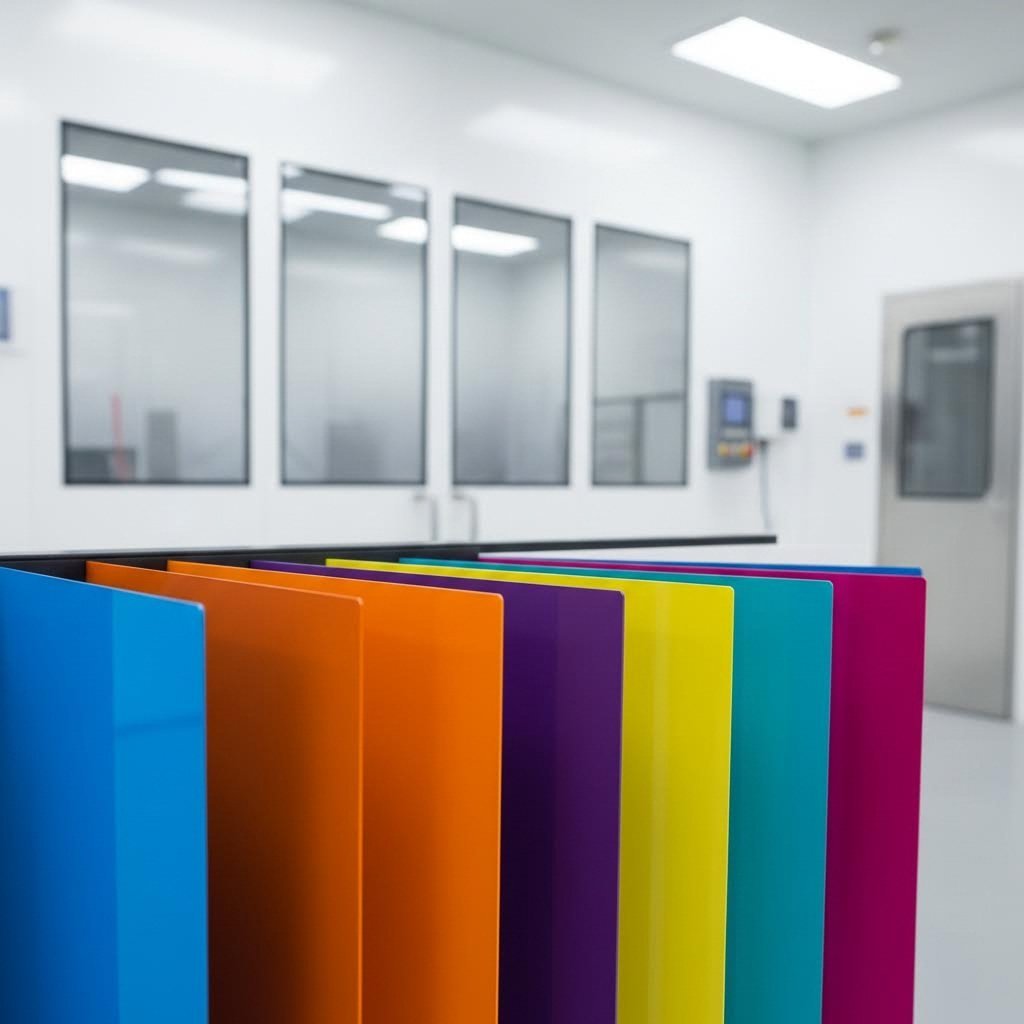
Utómunkálatok és felületkezelési lehetőségek alumínium panelekhez
A lézerrel vágott alumínium panelje tisztán, éles szélekkel és pontos geometriával jön ki a vágóberendezésből – de ez ritkán jelenti a folyamat végét. A kiválasztott felületkezelés nemcsak a panel megjelenését határozza meg, hanem hosszú távon, évekig tartó üzemelése során mutatott teljesítményét is. Akár élénk színazonosságra van szüksége egy márkás berendezéshez, akár maximális korrózióállóságra a tengerparti környezetben való alkalmazáshoz – a rendelkezésre álló lehetőségek megértése jobb döntések meghozatalát teszi lehetővé.
Képzelje el a felületkezelést olyan védőpáncélként, amely megóvja beruházását. A nyers alumínium vágott felületei ugyan kezdetben tiszták, de továbbra is érzékenyek az oxidációra, karcolódásra és a környezeti károsodásra. A megfelelő felületkezelés egy funkcionális panelt tartós, vizuálisan finomított elemmé alakít, amely megőrzi megjelenését évtizedeken át tartó használat során.
A tartósságot növelő felületkezelési lehetőségek
Amikor alumínium lézeres vágási projektekkel foglalkozunk, négy fő felületkezelési módszer uralkodik a piacon. Mindegyik különleges előnyöket kínál az alkalmazási követelményeknek, a költségvetési korlátozásoknak és az esztétikai célokra tekintettel.
Anodizálás az anódosítás több mint egy egyszerű bevonat – ez egy elektrokémiai átalakítási folyamat, amely az alumínium felületet alumínium-oxidrá alakítja, így olyan réteget hoz létre, amely a fémmel egybeolvad, nem pedig csupán a felszínén helyezkedik el. A PTSMAKE felületkezelési útmutatója szerint a III. típusú keményanódosítás esetében ez az anódos réteg a Mohs-keménységi skálán a gyémántot követő helyen állhat. A folyamat porózus felületet hoz létre, amely befogadja a festékeket, lehetővé téve élénk, elszíneződés-ellenálló színek alkalmazását, amelyek részévé válnak a fémnek.
Lézeres vágásra szánt alumíniumalkalmazások esetében, amelyek építészeti homlokzatokhoz vagy tengeri környezethez készülnek, az anódoxidálás általában az alkatrész teljes költségének 5–15%-ával növeli a költségeket, cserébe kiváló értéket kínál hosszabb élettartam révén. A II. típusú anódoxidálás díszítő hatású felületet hoz létre 0,0002" és 0,001" közötti vastagságban, míg a III. típusú keményanód oxidréteg vastagsága meghaladja a 0,001"-t a maximális kopásállóság érdekében.
Porfestés nagyobb sokoldalúságot kínál különböző anyagok és színválasztékok tekintetében. Ez a folyamat száraz porrészecskéket visz fel elektrosztatikusan, majd hőkezeléssel tartós felületté kovácsolja azokat. Az anódoxidálással ellentétben a porfestékkel való bevonás gyakorlatilag bármilyen fémalapanyagon alkalmazható, és vastagabb védőréteget biztosít – általában 2–6 mil, szemben az anódoxidálás vékonyabb rétegeivel.
Milyen kompromisszumokkal jár? A porfestés a felületre rakódik, nem épül be a felületbe, ezért súlyos ütés hatására könnyebben repedhet. Ugyanakkor kiválóan elrejti a kisebb felületi hibákat, és gyakorlatilag korlátlan színegyeztetési lehetőséget kínál, beleértve a fémes hatásokat, textúrákat és egyedi RAL-színspecifikációkat is.
Csiszolt felületek irányított szemcseszerkezet létrehozása mechanikai csiszolással, amely elegáns ipari megjelenést biztosít, és népszerű modern építészeti alkalmazásokban. Ez az eljárás nem ad hozzá védőréteget, de kombinálható tisztító anodizálással a tartósság érdekében.
Gyártermelési véglegesítés az alapállapotú, gyártás utáni alumíniumra utal – tiszta, de bevonat nélküli állapot. Gazdaságos megoldás, de az alapállapotú vágott alumínium minimális védelmet nyújt, és általában csak beltéri alkalmazásokra vagy olyan helyzetekre alkalmas, ahol a panelek később máshol kapnak befejező felületkezelést.
Szín- és textúra-testreszabási módszerek
Az alábbi összehasonlítás segít a befejező eljárásokat a konkrét projektigényekhez igazítani:
| Feltöltés típusa | Tartóssági osztályozás | Színválasztás | Költségszint | Legjobb alkalmazások |
|---|---|---|---|---|
| II. típusú anódoxidálás | Kiváló (10–20 év) | Széles skála, festék alapú | Közepes | Dekoratív panelek, táblák, fogyasztói termékek |
| III. típusú keményanódolás | Kiváló (20+ év) | Korlátozott (szürke/fekete árnyalatok) | Magas | Ipari védőburkolatok, légi- és űrkutatási alkalmazások, nagy kopásállóságot igénylő felhasználások |
| Porfestés | Nagyon jó (15–20 év) | Korlátlan, egyedi színegyeztetés | Közepes-Magas | Építészeti homlokzatok, kültéri bútorok, márkás elemek |
| Fényezett + átlátszó védőréteg | Jó (5–10 év) | Kizárólag természetes fémes felület | Alacsony-Közepes | Belső tér tervezése, modern ipari esztétika |
| Gyártermelési véglegesítés | Közepes (változó) | Kizárólag természetes alumínium | Legkisebb | Belső panelek, ideiglenes berendezések, előkészített felületek |
Élszegély-minőséggel kapcsolatos megfontolandó szempontok különös figyelmet érdemelnek a felületkezelés kiválasztásakor. Az alumínium panelok lézerrel vágott élei általában tiszták és oxidmentesek, de a különböző felületkezelések eltérően viselkednek ezeken az éleken. Az anódosítás egyenletesen épül fel a vágott éleken, néha enyhén eltérő színhatást eredményezve ott, ahol az oxidréteg találkozik a felfedett szemcsestruktúrával. A porfestés a hegyes éleken vékonyabb réteget képez – ezt a jelenséget „élvisszahúzódásnak” nevezik –, ami hosszú távon növelheti ezen területek korrózióra való hajlamát.
Olyan paneloknál, ahol az él megjelenése fontos, kérje az éllekerekítést vagy enyhe letörölést a felületkezelés előtt. Ez a kis lekerekítés lehetővé teszi a bevonatok egyenletesebb tapadását, és megakadályozza a vékony bevonatot okozó éles sarkok kialakulását.
Hegesztési és gyártási szempontok
Sok lézerrel vágott alumínium panelprojekt összeszerelést igényel – legyen szó rögzítő szerelvények felszereléséről, több szakasz összekapcsolásáról vagy szerkezeti elemek integrálásáról. A 5052-es alumínium összehegesztésekor bizonyos szempontok betartása garantálja az erős és megbízható hegesztési varratokat.
Az 5052-es ötvözet jól reagál mind az MIG-, mind a TIG-hegesztési eljárásokra. A SendCutSend anyagútmutatója szerint a megfelelő felület-előkészítés elengedhetetlen: a felületet meg kell csiszolni az oxidréteg eltávolításához, és gondoskodni kell arról, hogy a munkaterület és a védőgáz teljesen száraz maradjon. Ajánlott hozzáadott anyagok a 1100-as, a 4043-as (legnagyobb repedésállóságú) és a 4047-es ötvözet.
A 5052-es alumínium hajlítása rögzítő peremek vagy méretmeghatározó profilok készítéséhez megbízhatóan működik, köszönhetően az H32 hőkezelési állapot egyensúlyának az erősség és az alakíthatóság között. Az ötvözet hővezető képessége segít a hő eloszlásában a hegesztés során, így csökken a torzulás kockázata olyan anyagokhoz képest, ahol a hő lokalizált marad, és egyenetlen kiterjedést okoz.
Ha a panelekhez hegesztett rögzítések szükségesek, gondosan tervezze meg a felületkezelés sorrendjét. A hegesztést követő anódoxidálás eredményezi a legegységesebb megjelenést, mivel ekkor a folyamat egységesen kezeli az alapanyagot és a hegesztési zónákat is. A hegesztést követő porfesték bevonat eltakarja a hegesztésből adódó elszíneződéseket, miközben egységes védelmet biztosít az egész szerkezet számára.
Most, hogy a felületkezelési lehetőségek már világosak, fontos megérteni, hogyan kell megfelelően rögzíteni és telepíteni a paneleket ahhoz, hogy hosszú távon a minőségi anyagokba és felületkezelésbe fektetett befektetésnek megfelelő teljesítményt nyújtsanak.
Telepítési útmutató és szerkezeti követelmények
Beruházott gyönyörű, lézeres vágású alumínium panelekbe – most következik az igazság pillanata. Attól függően, hogyan rögzíti ezeket az elemeket, eldől, hogy hibátlanul működnek-e évtizedeken át, vagy hónapokon belül problémák lépnek fel. A megfelelő telepítés nem csupán esztétikai kérdés; a szerkezeti integritásról, az előírások betartásáról és a paneleknek kitétt fizikai erők figyelembevételéről van szó.
Akár egy lakóterasz korlátjának felszerelését, akár dekoratív falikép elhelyezését végzi egy kereskedelmi előtérben, vagy önállóan álló privát képernyők telepítését egy kertben, mindegyik alkalmazás speciális szerelési anyagokat és technikákat igényel. Nézzük meg, mit is jelent a sikeres felszerelés.
Rögzítési módok különböző panelalkalmazásokhoz
A megfelelő rögzítési mód az adott alkalmazástól, az alapanyag típusától és attól függ, hogy beltéri vagy kültéri a beépítés. A Lightwave Laser szerint, bár a gyártók általában nem vállalnak szerelési szolgáltatásokat, ajánlott szerelési anyagokat biztosíthatnak fallal és mennyezettel kapcsolatos alkalmazásokhoz, valamint műszaki támogatást nyújthatnak.
Az alábbiakban a főbb szerelési lehetőségeket és azok megfelelő alkalmazási területeit találja:
- Távtartók: Térfogati elválasztást hoznak létre a panelek és a rögzítési felületek között – ideálisak olyan lézeres vágású falpanelok esetén, ahol az árnyékhatság növeli a vizuális mélységet. Különféle átmérőkben és kiálló hosszakban kaphatók gipszkartonhoz, betonhoz vagy fa alapanyaghoz
- Csatornaprofil: Keményfából készült keretek (általában juharból vagy dióból), amelyek 1/2" vagy 3/4" vastagságú panelek széleit fogadják el – ideális befejezett belső térbe építéshez, ahol a nyers szélek rejtve maradnak
- Cövekkulcsok: Összekapcsolják a szomszédos paneleket, különösen hasznos 1/2" és 3/4" vastagságú, szegéllyel nem rendelkező paneleknél, ahol fontos a zökkenőmentes mintafolytonosság
- Z-tartók: Egyszerű, költséghatékony rögzítés falfelületekre, ahol a panelek viszonylag sík felületen fekszenek
- Átboltozás: Közvetlen rögzítés fémpaneles korlátokhoz, ahol szerkezeti kapcsolódás szükséges az oszlopokhoz
- Rejtett tartók: Rejtett rögzítőrendszerek, amelyek teljesen akadálymentesen hagyják a panelek felületét – gyakori az építészeti homlokzati alkalmazásokban
A korlátok töltőpaneljei esetében a rögzítés általában a panelek keretrendszerbe történő beillesztését vagy közvetlen rögzítésüket tartóoszlopokhoz csavarokkal (megfelelő távtartókkal) jelenti. A kivágott fém mintázat nem zavarhatja a rögzítési pontokat – a tapasztalt tervezők a rögzítőelemek behatolási helyeire kifejezetten szilárd felületeket helyeznek el.
A falra szerelhető díszítő panelok esetében az úgynevezett távtartó rendszerek biztosítják a mélységet és a látványosságot. Amikor a napfény vagy mesterséges világítás éri a falaktól távolabb elhelyezett kivágott fémpanelokat, a keletkező árnyékok maguk is részévé válnak a tervezésnek. A távtartók emellett lehetővé teszik a levegőáramlást a panelok mögött, megakadályozva ezzel a nedvesség felhalmozódását kültéri alkalmazásoknál.
Szerkezeti szempontok teherhordó szerelések esetén
Amikor a lézerrel vágott alumínium panel szerkezeti funkciót is ellát – például korlátrendszerekben vagy védőkorlátokban – megfelelő mérnöki tervezés elengedhetetlen. A panel vastagsága és az ötvözet kiválasztása közvetlenül befolyásolja a teherbírást.
Vegye figyelembe a következő szerkezeti tényezőket:
- Szélterhelés-állóság: A külső paneloknak ki kell bírniuk a helyi szélterhelési követelményeket; a vastagabb lemezek (11–14-es méret) nagyobb merevséget biztosítanak
- Hatás ellenállás: A korlátok emberi érintésből eredő terheléseknek is kitettek lehetnek; az építési szabályzatok általában 200 fontos (kb. 90,7 kg) koncentrált terhelési követelményt írnak elő
- Támfeszültségi korlátozások: A támaszok nélküli panelfeszültségek a vastagságtól függenek – egy 16-os méretű alumíniumlemez legfeljebb 24 hüvelyk (kb. 61 cm) távolságot bír el támaszok között, míg egy 11-es méretű lemez akár 36 hüvelyk (kb. 91 cm) vagy annál nagyobb távolságot is elbír
- Rögzítési szilárdság: A rögzítőelemeknek a terheléseket a szerkezeti elemekre kell átvezetniük anélkül, hogy megnyilnának vagy kihúznának a panel anyagából
Hőtágulási szempontok: Ez egy olyan tényező, amelyet sok telepítő figyelmen kívül hagy, amíg problémák nem merülnek fel. Fairview Architectural szerint az alumínium hőmérsékletváltozás hatására kitágul és összehúzódik – és azok a telepítések, amelyek nem veszik figyelembe ezt a mozgást, súlyos problémákhoz vezetnek.
Ha a paneleket mereven, tágulási hézaggal nem ellátva szerelik fel, a hőmérséklet-ingadozások olajoshordó-hatást okoznak – hullámzó, gyűrött megjelenést eredményezve sík felületeken. Még rosszabb, hogy az ismétlődő tágulás és összehúzódás a merev csatlakozási pontoknál végül anyagfáradást okozhat, amely repedésekhez vagy csatlakozások meghibásodásához vezethet.
A megfelelő szerelési technikák a hőmozgás kezelésére a következőkkel foglalkoznak:
- Kialakított rögzítőfuratok, amelyek lehetővé teszik a panelek oldalirányú elmozdulását
- Megfelelő hézagok szomszédos panelek között (általában 1/8 hüvelyk minden 4 láb panelhosszra)
- Úszó kapcsolódó rendszerek, amelyek rögzítik a paneleket, miközben lehetővé teszik a hőtágulási mozgást
- A túl szoros, közvetlen panelek-egymáshoz érintkezés elkerülése, amely megakadályozza a tágulási rést
A sötét színű panelek nagyobb hőmérséklet-ingadozásnak vannak kitéve, mint a világos színűek, így fokozzák a tágulási hatásokat. A partvidéki és sivatagi telepítéseknél, ahol extrém napi hőmérséklet-ingadozás van, különösen gondosan kell figyelni a hőtágulás kompenzálására.
Kód megfelelés: Az építészeti szerkezetek – különösen a korlátok – meg kell, hogy feleljenek a helyi építési előírásoknak. A főbb követelmények közé tartozik a nyílások maximális mérete (általában 4 hüvelyk átmérőjű gömb nem haladhat át rajta), a minimális magasság (36 hüvelyk lakóépületek esetén, 42 hüvelyk kereskedelmi létesítményeknél), valamint a szerkezeti terhelhetőségi értékek. A panelek tervezésének és rögzítőrendszerének ezeknek a követelményeknek kell megfelelnie; a beépítés véglegesítése előtt ellenőrizze a specifikációkat a helyi hatóságokkal.
A panelvastagság, az ötvözet kiválasztása és a szerkezeti teljesítmény közötti kapcsolat számos szempontot felvet. A vastagabb panelek nagyobb szilárdságú ötvözetekből, például 6061-T6-ból több terhelést bírnak el, de nehezebbek és drágábbak. A legtöbb díszítő korlátnál a 5052-H32-es ötvözet 14 vagy 16-os lemezvastagságban elegendő szilárdságot biztosít, miközben a súly kezelhető marad, és a költségek is elfogadható szinten tarthatók.
Miután tisztában van a szerelés alapjaival, a költségtényezők és a rendelési stratégiák megértése segít optimalizálni a projekt költségvetését, miközben szakmai minőségű eredményt ér el.
Költségtényezők és okos rendelési stratégiák
Sosem tűnt fel, hogy két látszólag hasonló lézerrel vágott alumínium panel árajánlata 40%-kal vagy akár még többel is eltér egymástól? A válasz a költségeket meghatározó több változó megértésében és azok azonosításában rejlik, amelyeket Ön képes befolyásolni. Akár egyetlen építészeti elemhez rendel egyedi vágott fém anyagot, akár nagyobb mennyiségben szerez be termelési célokra egy kereskedelmi projekt számára, a specifikáció szakaszában hozott stratégiai döntések drámaian befolyásolják a végső költségeket.
A rögzített árú alapanyagoktól eltérően az egyedi vágott lemezfémben több rétegben jelenlévő költségtényezők összefüggnek egymással, néha meglepő módon. Egy látszólag apró tervezési módosítás felezheti a vágási időt, míg egy látszólag mérsékelt anyagminőség-javítás duplájára növelheti a végösszeget. Nézzük meg részletesen, pontosan milyen tényezők határozzák meg az árakat, és hogyan optimalizálhatja rendelését a maximális érték elérése érdekében.
A panelárakat befolyásoló tényezők
A szakmai árképzési elemzések szerint a lemezmetál lézeres vágóberendezések költségei több összefüggő tényezőtől függenek. Az egyes komponensek megértése segít megalapozott kompromisszumokat kötni a teljesítményigények és a költségvetési korlátok között.
Az alábbiakban bemutatjuk a lézervágású termékek költségeit meghatározó fő tényezőket:
- Anyagminőség és -vastagság: Az alumínium ára jelentősen változik az ötvözet fajtájától függően – az 5052-es ötvözet általában 2,00–4,00 USD/kg, míg az űrrepülési osztályú anyagok, például a 7075-ös, magasabb árat igényelnek. A vastagabb anyagokhoz több energia és lassabb vágási sebesség szükséges, ami a költségeket nemcsak az anyagtömeg miatt növeli.
- Panel mérete és mennyisége: A nagyobb panelek több anyagot használnak fel, de négyzetméterenként valójában olcsóbbak lehetnek a kevesebb kézi manipuláció miatt. A mennyiségi kedvezmények általában 10–25 darabnál kezdődnek, és jelentős egységár-csökkenést hoznak 100 darab felett.
- Tervezési összetettség: Egyszerű formák minimális tervezési időt igényelnek (20–100 USD), míg a bonyolult geometriák, amelyekhez 2–4 órányi CAD-munka szükséges, 80–800 HUF-t (40–400 USD) is hozzáadhatnak. Az egyedi prototípusok, amelyek 5+ órás munkát igényelnek, a tervezési költségeket 200–1000 HUF-ra (100–500 USD) vagy még annál is magasabbra emelhetik.
- Vágási idő: A lézeres vágóberendezések fémmunkálatokra általában 50–150 USD/órát számítanak fel. A bonyolult minták, amelyek sok vágási útvonalat tartalmaznak, exponenciálisan hosszabb ideig tartanak, mint az egyszerű alakzatok – egy olyan panel, amelyet 500 különálló vágással készítenek, akár tízszer annyiba is kerülhet, mint egy 50 vágással készült, azonos méretű panel.
- Befejezési követelmények: A posztfeldolgozás további költségeként 5–15 USD/m²-t számítanak fel a csiszolásra (peremeltávolításra), 10–25 USD/m²-t a porfestésre, valamint változó költségek merülnek fel az anódizálás vagy speciális kezelések esetén. Minden további művelet megsokszorozza a kezelési és feldolgozási időt.
- Szállítási idő: A sürgősségi megrendelések általában 15–30%-os felárat vonnak maguk után. A szokásos szállítási határidő 2–3 hét, amely alapárakkal jár, míg a gyorsított, 3–5 napos teljesítés jelentős felárat igényel.
A beállítási költségekre külön figyelmet érdemes fordítani, mivel ezek gyakran függetlenek a megrendelt mennyiségtől. Ugyanezen árképzési adatok szerint a anyag pozicionálása, a lézer kalibrálása és a tesztelés általában 20–30 percet vesz igénybe, óránkénti díjjal 20–50 USD között – ami azt jelenti, hogy a beállítás önmagában 6,67–29,17 USD-t adhat hozzá minden megrendeléshez. Ez a fix költség magyarázza, miért magasabb darabonkénti ár a kis mennyiségű megrendeléseknél.
Megrendelése optimalizálása költséghatékonyság érdekében
Az intelligens specifikáció és megrendelési gyakorlatok a teljes projekt költségeit 20–40%-kal csökkenthetik minőségromlás nélkül. A kulcs a fájlok benyújtása előtti optimalizálásban rejlik, nem pedig az árajánlatok érkezése után.
Tervezési optimalizálási stratégiák:
Afémmegmunkálási szakértők , a tervezet tisztázása és leegyszerűsítése jelentős megtakarítást eredményez. Fontolja meg az alábbi megközelítéseket:
- Egyszerűsítse a bonyolult görbéket: Egy derékszög gyorsabban vágódik, mint egy görbült sarok, anélkül, hogy funkcionális előnyt nyújtana – értékelje, hogy a dekoratív bonyolultság indokolja-e a hozzáadott vágási időt
- Szüntesse meg a felesleges funkciókat: Ha egy rögzítőlyuk elegendő a panel biztonságos rögzítéséhez, két lyuk felesleges vágási időt és potenciális hibapontokat jelent
- A lemezkihasználás hatékonyságának optimalizálása: A panel méretei, amelyek hatékonyan illeszkednek a szabványos lemezformátumokba (1220 × 2440 mm vagy 1525 × 3050 mm), minimálisra csökkentik az anyagpazarlást – a méretek kis mértékű módosítása néha drámaian javíthatja a kihozatalt
- Csökkentse a teljes vágási hosszt: A vágási idő közvetlenül arányos a teljes vágási útvonal hosszával. A minták leegyszerűsítése vagy a nyílások megnagyobbítása mind a vágási időt, mind a költséget csökkenti
Anyagválasztás értékoptimalizálás céljából:
Ne engedje meg magának a túlságosan részletes specifikáció kísértését. Az 5052-H32-es alumíniumlemez tökéletesen alkalmas legtöbb díszítő és építészeti alkalmazásra – az áttérés a 6061-es vagy 7075-ös ötvözetre költségnövekedést jelent, anélkül hogy előny származna belőle, hacsak a statikai számítások kifejezetten nagyobb szilárdságot nem írnak elő. Hasonlóképpen, a 16-os kaliberű anyag gyakran pontosan ugyanúgy működik, mint a 14-es kaliberű a díszítő panelek esetében, miközben csökkenti az anyagköltséget és a vágási költségeket is.
Tömegrendelés előnyei:
A nagyobb mennyiségű beszerzés többféle költségcsökkentési lehetőséget kínál, mint egyszerű anyagleengedélyek. A beállítási költségek több darabra oszlanak el, a vágóprogramok folyamatosan futnak újrapozicionálás nélkül, és a felületkezelési műveletek hatékonyan végezhetők kötegelt módon. Ha a projekt időkerete engedi, több panelterv egyetlen rendelésbe való kombinálása gyakran csökkenti az összesített költséget a különálló vásárlásokhoz képest.
Fájl-előkészítés, amely csökkenti az átdolgozásokat:
Minden tervezési változtatás időveszteséggel, és potenciálisan pénzügyi ráfordítással jár. Egyéni vágott alumíniumfájlok benyújtása előtt:
- Hármas ellenőrzés a méretekre és az egységek megerősítése (hüvelyk vs. milliméter)
- Győződjön meg arról, hogy az összes szöveg körvonalazottá lett alakítva
- Távolítsa el a rejtett rétegeket és a duplikált geometriát
- Ellenőrizze, hogy a minimális funkcióméretek megfelelnek-e a gyártó képességeinek
- Közöljön egyértelmű megjegyzéseket az anyagról, a felületkezelésről és a mennyiségi követelményekről
Összetett projektek vagy nagyobb tételű gyártás esetén rendkívül értékes lehet a gyártókkal való együttműködés, akik kimerítő Gyártásra Optimalizált Tervezési (DFM) támogatást nyújtanak. A szakértői átvizsgálat a vágás megkezdése előtt észleli a lehetséges problémákat, és olyan módosításokat javasol, amelyek javítják a minőséget és a költséghatékonyságot is. Ilyen gyártók például Shaoyi (Ningbo) Metal Technology 12 órás árajánlat-készítési időt biztosítanak részletes DFM-visszajelzéssel – így gyorsan optimalizálhatja terveit, nem pedig a gyártás megkezdése után derülnek fel a problémák.
Olyan gépjármű- és ipari alkalmazásoknál, amelyek IATF 16949 minősítésű minőséget igényelnek, különösen értékes a gyors prototípuskészítési lehetőség. Annak képessége, hogy a terveket termelésbe kerülés előtt fizikai minták alapján 5 napon belül érvényesítsék, megelőzi a költséges hibákat, és felgyorsítja a fejlesztési időkereteket. A gyors reakciókombináció és szakértői útmutatás segít a vásárlóknak optimalizálni a tervezési specifikációkat és a megrendelési stratégiákat a maximális érték elérése érdekében.
A minimális rendelési mennyiségek jelentősen eltérnek a gyártók között. Egyesek egyedi, egyszeri darabokban specializálódtak, míg mások a tömeggyártásra koncentrálnak. Projekt méretének összehangolása a megfelelő gyártási partnerrel megakadályozza, hogy prémium árat fizessen olyan szolgáltatásokért, amelyek más mennyiségi szintre lettek kialakítva. Ne habozzon több forrásból is árajánlatot kérni – a megfelelő választás gyakran jobb szolgáltatást és kedvezőbb árakat is jelent.
Amikor a költségtényezők egyértelműek, a végső szempont a megfelelő gyártási megközelítés kiválasztása a konkrét projektigényeknek és méreteknek megfelelően.
A megfelelő út kiválasztása az alumínium panelprojektje számára
Elolvasta a műszaki ismereteket – az ötvözetek tulajdonságait, a vastagsági előírásokat, a gyártási folyamatokat, a felületkezelési lehetőségeket és a szerelési követelményeket. Most jött el az a pillanat, amely meghatározza projektje sikerét: a megszerzett ismeretek átalakítása olyan, konkrét helyzete számára testre szabott, gyakorlatban is alkalmazható döntésekké.
Akár egy háztulajdonos, aki egyetlen díszítő korlátpanelt rendel, akár egy építész, aki több száz homlokzati elemet specifikál, a döntéshozatali keretrendszer ugyanaz marad. Illessze igényeit a megfelelő anyagokhoz, folyamatokhoz és gyártási partnerekhez. Ha ezt a megfelelő egyezést elérte, lézerrel vágott alumínium paneljai évtizedekig kifogástalanul fogják ellátni funkciójukat.
Projektje illesztése a megfelelő gyártási partnerhez
Nem minden gyártó egyformán jól szolgálja ki az összes projekttípust. A szerint Metal Works Inc. a megfelelő gyártási partner kiválasztása közvetlenül befolyásolja a projekt időkereteit, költségeit és a végső minőséget. A rossz partner lelassíthatja piacra jutási folyamatát, míg a megfelelő partner időt és pénzt takarít meg anélkül, hogy a minőséget áldozná.
Amikor értékeli potenciális partnereit a lézerrel vágott fémpanelek projektjéhez, vegye figyelembe az alábbi kulcsfontosságú tényezőket:
- Tervezési szakértelem: Kínál-e a gyártó DFM (Gyártási Szempontból Optimalizált Tervezés) iránymutatást? Azok a partnerek, akik átnézik a fájljait, és javaslatokat tesznek optimalizálásra, problémákat észlelnek még a vágás megkezdése előtt.
- Átfogó képességek: Képesek-e a lézeres vágásra, a felületkezelésre és az összeszerelésre belső erőforrásokkal? A másodlagos műveletek külső szolgáltatóhoz történő kiszervezése további költségeket és késedelmet eredményez.
- Felszerelés minősége: A modern lézeres vágóberendezések – különösen az alumínium feldolgozására szolgálók – szűkebb tűréseket és gyorsabb feldolgozást biztosítanak, mint a elavult gépek – érdeklődjön a berendezések életkoráról és képességeiről.
- Kiszállítási határidő: A minőségi gyors prototípusgyártás 3–5 napon belül szállíthat alkatrészeket, míg a sorozatgyártási mennyiségek esetében más időtervezés szükséges.
A DIY-entuziasták és kis léptékű projektek számára az online lézeres vágási szolgáltatások könnyen elérhető belépési lehetőséget nyújtanak. Ön feltölti a vektorfájlokat, kiválasztja az anyagokat és a mennyiségeket, majd kész paneljeit házhoz szállítják. Ezek a szolgáltatások jól alkalmazhatók egyszerű díszítő elemek gyártására, ahol a szokásos ötvözetek és felületkezelések megfelelnek az Ön igényeinek.
A kereskedelmi és építészeti alkalmazások magasabb követelményeket támasztanak. Amikor „lézerrel vágott fémpanelek a közelemben” kifejezést keresi, elsődlegesen olyan gyártókat válasszon, akik rendelkeznek építészeti projekt tapasztalattal, ismerik az építésügyi előírásokat, és képesek az Ön specifikációinak megfelelő felületkezelést biztosítani. Nagyobb méretű homlokzati projektek esetén azok a partnerek nyújtanak előnyösebb megoldást, akik a gyártási szolgáltatások mellett projektmenedzsment-támogatást is kínálnak.
Az autóipari és ipari alkalmazásokhoz, amelyek tanúsított minőségi szabványokat igényelnek, olyan gyártók alkalmasak, akik rendelkeznek az IATF 16949 tanúsítással – például Shaoyi (Ningbo) Metal Technology —szállítják a dokumentált minőségirányítási rendszereket, amelyeket ezek a szektorok igényelnek. Az 5 napos gyors prototípusgyártás és az automatizált tömeggyártási képességek kombinációja lefedi a projekteket a kezdeti koncepciótól a nagyobb tételű gyártásig.
Fő tanulságok sikeres panelprojektekhez
Miután áttekintettük a testreszabott lézerrel vágott fémpanelek minden aspektusát, egyes döntési pontok kiemelkedő fontosságúvá váltak. Íme a tömörített vásárlói útmutató:
Ötvözet kiválasztása: A legtöbb díszítő és építészeti alkalmazás esetében az 5052-H32 alumínium biztosítja az optimális egyensúlyt a korrózióállóság, alakíthatóság és hegeszthetőség között. A 6061-T6 ötvözetet csak olyan szerkezeti alkalmazásokhoz érdemes használni, amelyek magasabb szilárdságot igényelnek, míg a 7075-ös ötvözetet kizárólag akkor érdemes figyelembe venni, ha repülőgépipari szintű teljesítmény indokolja a jelentősen magasabb költségeket és gyártási bonyolultságot.
Vastagsági követelmények: a 16-os kaliberű (0,051") anyag hatékonyan alkalmazható a korlátok többségénél és díszítőrácsoknál. Válasszon 14-es kaliberű (0,064") anyagot kültéri szereléseknél, ahol széltérhesség vagy ütődésveszély áll fenn. Könnyebb kaliberű anyagokat csak olyan kizárólag díszítő célú belső elemekhez használjon, ahol a statikai igénybevétel minimális.
Felületkezelési igény: A porfesték végtelen színvilágot kínál, és a legtöbb alkalmazásnál jó tartóssággal rendelkezik. Anódos oxidálást válasszon, ha maximális korrózióállóság szükséges – különösen tengeri környezetben vagy intenzív használatú felületeknél. Kültéri alkalmazásoknál ne hagyja ki a felületkezelést; védetlen alumínium élek idővel oxidálódnak.
Mennyiségi megfontolások: Egyedi darabok és kis mennyiségek esetén előnyös az alacsony minimális rendelési mennyiségű online szolgáltatók igénybevétele. Nagyobb gyártási mennyiségek esetén speciális gyártótársak kínálnak kedvezményes árakat és állandó minőséget. Készítsen prototípust nagyobb megbízások előtt – a tervek fizikai minták segítségével történő ellenőrzése költséges hibákatól óvhat meg.
A legjobb eredménnyel járó, lézerrel vágott paneles projektek ötvözik a tervezési ambíciót a gyakorlati gyártási korlátokkal. A legrészletesebb minta semmit sem ér, ha nem készíthető el megbízhatóan, tartós befejezéssel és megfelelő szereléssel. Kiindulási pont a funkció legyen, majd ehhez illeszkedően kerüljön hozzá az esztétika elérhető paraméterek között.
DIY és kis léptékű felhasználók számára:
Az Ön útja általában online árkalkulációs platformokon keresztül vezet, ahol feltöltheti fájljait, és azonnali árazást kap. Az első alkalommal gondoskodjon arról, hogy a vektorfájlja helyes legyen – a megfelelő előkészítés kiküszöböli a módosítási költségeket. A szabványos 5052-es alumínium közös méretválasztékban fenntartható anyagköltséget biztosít. Az egyszerű porfesték bevonatok raktáron lévő színekben elkerülik az egyedi bevonatok többletköltségét.
Kereskedelmi és építészeti alkalmazások esetén:
Ingyedjen időt a partnerválasztásra. Kérjen mintákat, amelyek bemutatják a vágás minőségét és a felületkezelési lehetőségeket. Ellenőrizze a kódoknak való megfelelés képességét korlát- és homlokzati alkalmazások esetén. Győződjön meg arról, hogy a szállítási határidők összhangban vannak az építési ütemtervekkel. Összetett projektek esetén a gyors prototípusgyártásra képes gyártók lehetővé teszik a tervek fizikai ellenőrzését a sorozatgyártás elindítása előtt – ami akár több ezer költségtakarékossághoz is vezethet javítások terén.
A lézervágott panelek ipara továbbra is fejlődik, a szálas lézer technológia egyre finomabb részletek elérését és gyorsabb feldolgozást tesz lehetővé. Ami tíz évvel ezelőtt még lehetetlennek tűnt, ma már rutinszerűen kerül kiszállításra. Ez a bővülő lehetőség azt jelenti, hogy tervezési ambíciói kevesebb technikai akadállyal néznek szembe, mint valaha – feltéve, hogy ezeket az ambíciókat megfelelő anyagválasztással, reális tűrésekkel és alkalmas gyártási partnerekkel egészíti ki.
A következő lépés? Határozza meg egyértelműen a projekt követelményeit, készítse elő a megfelelő vektorfájlokat, és forduljon olyan gyártókhoz, amelyek képességei igazodnak az Ön igényeihez. A jelen útmutatóból szerzett ismeretek birtokában határozottan meghatározhat, stratégiaian rendelhet, és pontosan olyan eredményt érhet el, amilyenre gondolt.
Gyakran feltett kérdések a lézeres alumíniumlemezekkel kapcsolatban
1. Mennyibe kerül az alumínium lézeres vágása?
Az alumínium lézeres vágása általában 1–3 USD hüvelykenként, vagy 75–150 USD óránként kerül, attól függően, hogy milyen vastag az anyag, mennyire összetett a tervezés, és mekkora a rendelés mennyisége. A fő költségtényezők közé tartozik az ötvözet minősége, a vágási idő, a lemez mérete és a felületkezelési igény. A tervezés optimalizálásával 20–40%-os költségmegtakarítás érhető el – például a görbék egyszerűsítésével, a teljes vágási útvonal csökkentésével, valamint a lemezek hatékony elhelyezésével a szabványos lemezméretekben, így csökkentve az anyagveszteséget és a vágási időt. Olyan gyártókkal való együttműködés, akik DFM-támogatást nyújtanak, segít azonosítani a költségcsökkentési lehetőségeket még a gyártás megkezdése előtt.
2. Milyen vastag alumíniumot lehet lézerrel vágni?
A szálas lézerek hatékonyan vágnak 0,5 mm (0,020 hüvelyk) és kb. 25 mm (1 hüvelyk) közötti vastagságú alumíniumot, bár a díszítő panelalkalmazásokban általában vékonyabb lemezeket használnak. Gyakori méretek például a 16-es kaliber (0,051 hüvelyk) korlát- és magánélet-védő panelekhez, valamint a 14-es kaliber (0,064 hüvelyk) szélterhelésnek ellenálló kültéri szerelésekhez. A vastagabb anyagok vágása lassabb vágási sebességet és nagyobb lézer teljesítményt igényel, ami növeli a feldolgozási költségeket, és befolyásolhatja a vágott él minőségét.
3. Lehet-e alumínium kompozit panelt lézerrel vágni?
Az alumínium kompozit panel (ACM) lézeres vágása gyakorlatilag lehetetlen, mivel a két fő összetevő – az alumínium felület és a polietilén mag – tulajdonságai jelentősen eltérnek egymástól. Az egyes anyagokon keresztülvágáshoz szükséges teljesítmény és hőmérséklet lényegesen különbözik, így a hagyományos lézeres vágás nem alkalmazható. Kompozit anyagok esetében általában inkább alternatív vágási módszerek – például CNC marás vagy vízsugárvágás – ajánlottak.
4. Melyik az a legjobb alumíniumötvözet lézerrel vágott panelekhez?
az 5052-H32-es alumíniumötvözet uralkodó pozíciót foglal el a panelek alkalmazásában kiváló korroziónállósága, kitűnő hegeszthetősége és kiváló alakíthatósága miatt. Ez az ötvözet magnéziumot és krómot tartalmaz, amelyek miatt ideális kültéri építészeti homlokzatokhoz, tengeri környezetekhez és díszítő alkalmazásokhoz. Szerkezeti alkatrészek esetében, ahol nagyobb szilárdság szükséges, a 6061-T6 ötvözet 32%-kal nagyobb húzószilárdságot nyújt, míg a 7075-T6 ötvözet repülőgépipari minőségű teljesítményt biztosít speciális, nagy igénybevétel alá kerülő alkalmazásokhoz.
5. Milyen fájlformátum szükséges az alumínium panelek lézeres vágásához?
A lézeres vágáshoz vektoralapú fájlok szükségesek, ahol minden vonal egy meghatározott vágási útvonalat jelöl. Elfogadott formátumok: AI (Adobe Illustrator), DXF (AutoCAD) és vektorosan exportált PDF fájlok. Raszteres formátumok, mint például JPEG, PNG vagy TIFF nem használhatók, mivel ezek képpontokból, nem pedig matematikai útvonalakból állnak. A beküldés előtt alakítsa át az összes szöveget vonallá, távolítson el duplikált geometriát, győződjön meg róla, hogy az utak zártak, és ellenőrizze az arányt 1:1-es tényleges méretben.