 Small batches, high standards. Our rapid prototyping service makes validation faster and easier —
  EN
EN


A CNC online szolgáltatás megértése: Az árajánlat-kérésiktől a küszöbön való kézbesítésig
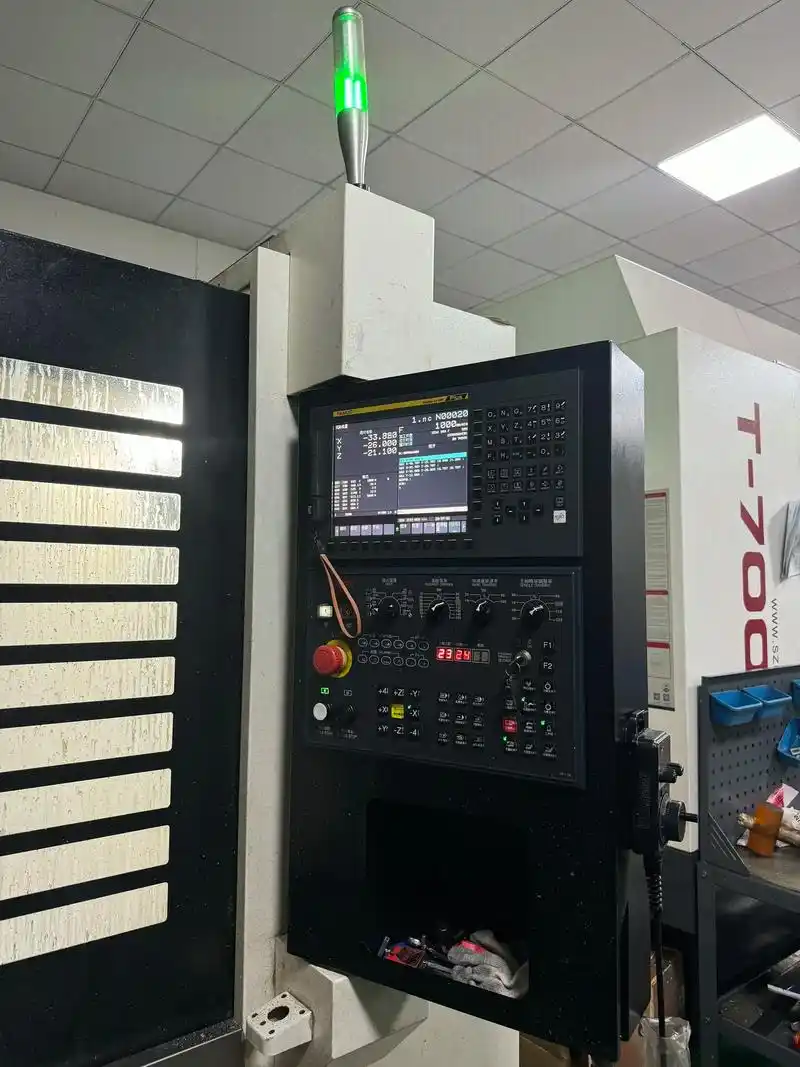
A CNC online szolgáltatás jelentése a modern gyártásban
Gondolkoztál már azon, hogy a világméretű mérnökök hogyan készítenek precíziós fém alkatrészeket anélkül, hogy gépműhelybe lépnének? A válasz a digitális forradalomban rejlik, amely alapvetően megváltoztatta a személyre szabott gyártást. A CNC online szolgáltatás áthidalja a szakadékot a számítógép képernyője és az ipari szintű gépek között, így a precíziós CNC gépek bárki számára elérhetőek, aki rendelkezik 3D tervezési fájllal.
A CNC online szolgáltatás egy felhőalapú gyártási platform, amely lehetővé teszi a felhasználók számára, hogy felvegyék a CAD fájlokat, kapjanak azonnali ajánlatokat, válasszanak ki anyagokat és befejezéseket, és rendeljenek precíziós megmunkált alkatrészeketmindent egy digitális felületen keresztül
Képzelje el, mintha egész gépgyártóüzem állna rendelkezésére az ujjhegyénél. Ahelyett, hogy telefonálva kérne CNC árajánlatot online, napokat várna a válaszokra, vagy autóval keresne „cnc közel hozzám” lehetőségeket, egyszerűen feltölti tervezetét, és az automatizált rendszerek elvégzik a többit. A technológia elemezi alkatrészének geometriáját, kiszámítja a megmunkálási időt, és másodpercek alatt átlátható árakat nyújt.
Helyi üzletektől globális hálózatokig
A hagyományos megmunkálás azt jelentette, hogy helyi gépgyártóüzemet kellett keresni, kapcsolatokat építeni, és remélni, hogy felszerelésük megfelel a projektjének. Ez a földrajzi függőség torlódásokat okozott – különösen speciális alkatrészek esetében, amelyekhez meghatározott anyagok vagy szigorú tűrések szükségesek.
A mai CNC szolgáltatási platformok világszerte összekötik Önt tanúsított gyártási partnerekkel. Akár 5 tengelyes marásra van szüksége Ázsiában, akár svájci esztergálási szakértelmet Európában, egy online CNC géphálózat a megfelelő gyártóüzemmel párosítja projektjét. Ez a globális elérhetőség biztosítja, hogy soha ne korlátozza Önt a közvetlen környezetében elérhető lehetőségek hiánya.
A digitális platformok átalakították az egyedi gyártást
A változás a kényelmen túlmutat. A szakmai adatok szerint a gyártási idők 60–80%-kal csökkentek a hagyományos megmunkálási folyamatokhoz képest. Íme, mi változott:
- Azonnali kommunikáció az e-mail-közvetítést és a telefonos üzenetváltást valós idejű árajánlat-készítő motorok váltották fel
- Mesterséges intelligencián alapuló tervezési elemzés a gyárthatósági problémákat már a gyártás megkezdése előtt észleli
- Automatikus ütemezés optimalizálja a gépek lefoglalását a világ különböző gyártóüzemeiben
- ÁTTÉRŐ ÁRAK eltávolítja a találgatást és a rejtett költségeket
Az első alkalommal használók számára ez azt jelenti, hogy nem kell „gépésznyelven” beszélnie a minőségi alkatrészek beszerzéséhez. A platformok a műszaki követelményeket egyszerű nyelvezetre fordítják, és útmutatást nyújtanak az anyagválasztásban, a tűrések megadásában és a felületkezelési lehetőségekben anélkül, hogy túlterhelnék a szakzsargonnal.
Az azonnali CNC-árajánlatok mögött rejlő technológia
Hogyan tud egy platform másodpercek alatt pontos árajánlatot készíteni, amikor a hagyományos gépgyártók napokat igényelnek ehhez? A válasz bonyolult algoritmusok munkáját tartalmazza, amelyek a háttérben futnak:
Amikor feltölt egy STEP- vagy IGES-fájlt, a rendszer automatikusan elemezi az alkatrész geometriáját – például furatokat, mélyedéseket és összetett felületeket azonosítva. Ezután ezeket a geometriai elemeket összeveti egy megmunkálási folyamatokat tartalmazó adatbázissal, és kiszámítja a szerszámpályákat, a beállítási követelményeket, valamint a becsült gépidőt.
A közvetítő motor számításba veszi a valós idejű anyagköltségeket, a jelenlegi létesítmény kapacitását és a kiválasztott tűréseket. A szakmai források szerint a modern mesterséges intelligencia-algoritmusok kb. 95%-os pontosságot érnek el az árajánlatokban, így a digitális árajánlatok ugyanolyan megbízhatók, mint a hagyományos kézi becsült árak – de másodpercek alatt, nem napok alatt érkeznek.
Ez az oktatásra épülő megközelítés biztosítja, hogy pontosan értsd, mit rendelsz, mielőtt köteleződésed lenne. A cél nem csupán gyorsabb árajánlatok készítése – hanem átlátható adatokon és elérhető technológián alapuló, okosabb gyártási döntések meghozatala.
A teljes út az árajánlat-kéréstől a szállításig
Tehát megtaláltad egy CNC online szolgáltatási platformot és készen állsz első egyedi gépi alkatrészeid megrendelésére. De mi történik valójában az „feltöltés” gombra kattintás és a kész CNC alkatrészek ajtóhoz szállítása között? A teljes munkafolyamat megértése kizárja a meglepetéseket, és segít előkészíteni minden egyes szakaszt a maximális hatékonyság érdekében.
Az egész folyamat – a tervezési fájltól a küszöbön való átadásig – általában hét különálló szakaszból áll. Mindegyik szakasz a megelőzőre épül, így egy rendszerszerű megközelítést biztosítva garantálja, hogy megmunkált alkatrészei pontosan megfeleljenek az előírt specifikációknak. Végigvezetjük Önt minden lépésen, hogy pontosan tudja, mire számíthat.
- CAD-fájl előkészítése és feltöltése – Formázza és optimalizálja tervezési fájljait az elemzéshez
- Azonnali árajánlat és DFM-ellenőrzés – Automatizált ár- és gyárthatósági visszajelzés kapása
- Anyag- és felületválasztás – Válasszon az alkalmazásának megfelelő elérhető lehetőségek közül
- Rend-erősítés és fizetés – A specifikációk véglegesítése és a gyártás jóváhagyása
- Gyártási végrehajtás – Alkatrészei bekerülnek a gyártási sorba
- Minőségellenőrzést – Méretellenőrzés biztosítja a pontosságot
- A csomagolás és a szállítás – Biztonságos kézbesítés a megadott címre
Tervezési fájljai felkészítése feltöltésre
Az útja már jóval azelőtt elkezdődik, hogy egy árajánlat-kérési platformot felkeresne. A megfelelő fájlok előkészítése megakadályozza a késedelmeket, és biztosítja a pontos online gépi megmunkálási árajánlatokat. A legtöbb platform elfogadja a szokásos 3D CAD-formátumokat, például a STEP-, IGES-, SLDPRT- és X_T-fájlokat.
A leggyorsabb és legpontosabb árajánlatok érdekében az iparági szakértők elsőként STEP-fájlok feltöltését javasolják, mivel ez a formátum a modell tervezési információit és entitásadatait a leginkább eredeti állapotban őrzi meg, adatvesztés nélkül a konverzió során. A feltöltés előtt ellenőrizze az alábbi kritikus elemeket:
- Zárt (vízálló) geometria – Győződjön meg róla, hogy modelljének nincsenek rései, nyitott felületei vagy egymást átfedő lapjai
- Helyes mértékegységek – Győződjön meg róla, hogy fájlja a szándékolt mértékegységet használja (milliméter vagy hüvelyk)
- Egyetlen tömör test – Többtestes alkatrészek esetleg külön árajánlatot vagy szerelési szempontokat igényelnek
- Nincsenek rejtett funkciók – Távolítsa el a segédgeometriát, a referencia síkokat és a letiltott funkciókat
A 3D fájl mellett általában megadja a kulcsparamétereket: a szükséges mennyiséget, a preferált anyagot, a tűrésekkel szembeni követelményeket és bármely speciális felületkezelési igényt. Egyes platformok 2D rajzokat (PDF vagy DXF formátumban) is elfogadnak a méretmegadások kiegészítésére vagy kritikus jellemzők meghatározására.
Az azonnali árajánlat folyamatának megértése
Miután feltöltötte a fájlt, valódi varázslat történik. A modern árajánlat-készítő motorok az automatizált megvalósíthatósági ellenőrzéseket a gyártási szakértelemmel kombinálják, hogy kötelező érvényű ajánlatokat adjanak meg percek – néha másodpercek – alatt.
A rendszer egyszerre több elemzést is végrehajt. Megvizsgálja az alkatrész szerkezetét, azonosítja a nehézséget okozó jellemzőket, például mély zsebeket vagy vékony falakat, és kiszámítja a megmunkálás összetettségét. A CNC24 folyamatdokumentációja szerint ezek az automatizált ellenőrzések geometriai érvényesség-ellenőrzést, anyagelérhetőség-ellenőrzést és tűréshatár-megvalósíthatósági értékelést tartalmaznak.
Mi teszi ezt különössé a hagyományos árajánlat-kérési folyamattól? A platform mesterséges intelligenciája hatalmas adatbázisokra támaszkodik – korábbi projektek, szerszámozási konfigurációk és valós idejű anyagárak –, hogy meghatározza, milyen gyártási eljárásokra van szükség alkatrészéhez: legyen az 3 tengelyes marás, többtengelyes megmunkálás vagy esztergálás, majd kiszámítja a beállítási időt, ciklusidőt és a felületkezelési követelményeket.
Az árajánlat általában tartalmazza:
- Egységár és teljes költség – Átlátható részletezés, rejtett díjak nélkül
- Becsült szállítási idő – Gyártási és szállítási időtartam együtt
- DFM Visszajelzés – Gyártási szempontból optimalizált tervezési javaslatok a költségek csökkentése vagy a minőség javítása érdekében
- Anyag megerősítése – Az Ön által kiválasztott anyag megfelelőségének ellenőrzése a megadott specifikációkhoz
Ha a rendszer gyártási problémákat azonosít – például a fal túlságosan vékony, vagy a tűrés különösen szigorú –, akkor konkrét javaslatokat kap, mielőtt véglegesítené a megrendelést.
A megrendelés megerősítésétől a küszöbön való kézbesítésig
Elfogadta az árajánlatot? Most a CNC megmunkálási alkatrészei belépnek a gyártási folyamatba. Azonban ellentétben a hagyományos műhelyekkel, ahol a megrendelések egyfajta „fekete dobozba” tűnnek el, a digitális platformok folyamatos átláthatóságot biztosítanak.
A megrendelés megerősítése után a platform ütemező rendszere automatikusan hozzárendeli a projektet egy megfelelő gyártási partnerhez. Amint A Harvan Manufacturing leírja munkafolyamatában , ezután következik a műszaki felülvizsgálat – szakemberek ellenőrzik a rajzokat és a módosításokat, hogy azok megfeleljenek a megrendelésnek, megerősítik az anyagjellemzőket, és véglegesítik a műveleti sorrendet, mielőtt a feladatot a gyártásra bocsátják.
A gyártás során tapasztalt gépkezelők hajtják végre a programozott műveleteket. A minőségellenőrzés a folyamat során végig zajlik, nem csupán a végén. A munkavállalók a termelési folyamat közben mérik a kritikus méreteket, így időben észlelik az esetleges eltéréseket a teljes tétel befejezése előtt. Szoros tűréshatárokkal készített egyedi megmunkált alkatrészek esetében a koordináta-mérőgépek (CMM-k) gyakran közvetlenül a gépnél szkennelik az alkatrészeket, hogy biztosítsák a megadott specifikációk betartását.
A végellenőrzési szakasz szolgál minőségi garanciaként. Minden alkatrész méretellenőrzésen megy keresztül az eredeti specifikációk alapján. Számos szolgáltató háromfázisú ellenőrzési protokollt követ: első darab teljes ellenőrzése, folyamat közbeni mintavételi ellenőrzések és a szállítás előtti végellenőrzés. Ez a rendszeres megközelítés biztosítja, hogy a megmunkált alkatrészek pontosan úgy érkezzenek meg, ahogy tervezték őket.
A csomagolás figyelembe veszi a alkatrész geometriáját és anyagérzékenységét is. A pontossági felületeket védő burkolattal látják el, és a szállítókonténerek kiválasztásánál arra törekszenek, hogy megakadályozzák a károsodást a szállítás során. A rendelés méretétől és sürgősségétől függően a szállítási lehetőségek az expressz futárszolgálatoktól kezdve a nagyobb tételű szállítmányokhoz használt rakodási szállításig terjednek.
Ez az egész folyamat során a legtöbb platform valós idejű állapotfrissítéseket biztosít. Tudni fogja, mikor érkezik meg az anyag, mikor kezdődik a megmunkálás, mikor sikeres az ellenőrzés, és mikor indul a csomagja – mindezt anélkül, hogy egyetlen telefonszámot is fel kellett volna hívnia.
Miután megértettük a munkafolyamatot, a következő döntési lépés: a megfelelő anyag kiválasztása az adott alkalmazási igényekhez.
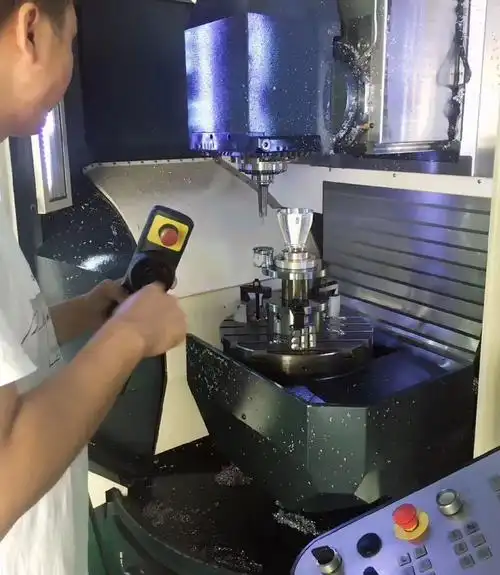
A megfelelő anyag kiválasztása CNC-projektje számára
Feltöltötte a tervezési fájlját, és azonnali árajánlatot kapott. Most egy olyan döntés következik, amely alapvetően meghatározza alkatrésze teljesítményét, költségét és élettartamát: az anyag kiválasztása. Ez a választás nem csupán arról szól, hogy valamit kiválasztunk egy legördülő menüből, ami „jónak tűnik”. Az általa kiválasztott anyag dönti el, hogy alkatrésze sikeresen bírja-e a terhelést, vagy korai hibával megszűnik-e működni, illetve hogy projektje a költségvetésen belül marad-e, vagy drága újratervezésekbe torkollik.
A legtöbb CNC online szolgáltatási platform kiterjedt anyagkatalógust kínál – néha több száz lehetőséget is. Ha nem ismerjük a különböző választási lehetőségek közötti kompromisszumokat, akkor a kezdő felhasználók gyakran a megszokott nevekre támaszkodnak, például az „alumíniumra” vagy az „acélra”, anélkül, hogy megvizsgálnák, vajon ezek az anyagok tényleg megfelelnek-e alkalmazási igényeiknek.
Vizsgáljuk meg részletesen azokat a kiválasztási szempontokat, amelyek a legnagyobb jelentőséggel bírnak, majd tekintsük át a konkrét anyagcsoportokat, hogy tájékozott döntéseket hozhassunk, és ne csak megbecsült találgatásokra támaszkodjunk.
Fémek erősség és tartósság érdekében
Amikor az alkalmazása teherbíró képességet, hőmérsékleti stabilitást vagy ellenállást igényel a káros környezeti hatásokkal szemben, a fémek általában az első helyen szerepelnek a választási listán . De a „fém” kifejezés mindenféle anyagot magában foglal – a puha rézötvözetektől az űrkutatási minőségű titánig –, amelyek mindegyike jelentősen eltérő megmunkálási jellemzőkkel és költségekkel rendelkezik.
Alumínium ötvözetek: A sokoldalú munkaló
Az alumínium uralkodó pozíciót foglal el a CNC megmunkálásban jó okból. A szerkezeti anyagok kiválasztásával foglalkozó szakértők szerint az alumíniumötvözetek kiváló megmunkálhatóságot, kedvező árakat és előnyös szilárdság–tömeg arányt kínálnak. Gyorsan megmunkálhatók – csökkentve ezzel a gyártási időt és költséget –, miközben korroziónállóságot biztosítanak, amely megfelel a legtöbb beltéri és sok kültéri alkalmazásnak.
A leggyakoribb minőségi osztályok:
- 6061-T6 – A prototípusok és sorozatgyártási alkatrészek elsődleges választása, amely jó szilárdságot kombinál kiváló hegeszthetőséggel és anódosítási reakcióval
- 7075– Űrkutatási minőségű szilárdság, amely közelít a kis ötvözettségű acélok szilárdságához; ideális nagy feszültségnek kitett szerkezeti alkatrészekhez, de csökkentett korroziónállósággal
- 2024– Kiváló fáradási ellenállás repülőgépekhez, bár korrozív környezetekben védő bevonatokra van szükség
A kompromisszum? Az alumínium hiányzik a keménységből és a kopásállóságból, amelyeket az acél biztosít. Olyan alkalmazásokhoz, amelyek csúszó érintkezést, nagy terheléseket vagy magas hőmérsékletet tartalmaznak, más anyagot kell választani.
Nikkelkróm-acél: A korrózióállóság és a szilárdság találkozása
Amikor alkatrészei nedvességnek, vegyszereknek vagy szigorú higiéniai követelményeknek vannak kitéve, a nikkelkróm-acél ötvözetek olyan teljesítményt nyújtanak, amelyet az alumínium nem tud megközelíteni. Ezek az ötvözetek krómot, nikelt és egyéb elemeket tartalmaznak, amelyek védelmi oxidréteget képeznek, és ellenállnak a korróziónak.
Gyakori nikkelkróm-acél típusok:
- 304 rosttalan – A leggyakrabban használt minőség, kiváló korrózióállóságot biztosít élelmiszeripari, orvosi és építészeti alkalmazásokhoz
- 316 rozsdamentes – Kiemelkedő ellenállás a klóridokkal és a tengeri környezettel szemben, elsősorban vegyipari feldolgozásra és partvidéki telepítésekre ajánlott
- 17-4 PH rozsdamentes acél – Kiváló szilárdság érhető el kiválóan keményíthető ötvözetekkel légi- és űrhajóipari, védelmi és nagy teljesítményű szelepek alkalmazásában
A hátrány? A rozsdamentes acél lassabban megmunkálható, mint az alumínium, ami növeli a gyártási költségeket. Keménysége nagyobb szerszámkopást eredményez, amely befolyásolja az árajánlatot.
Bronz CNC: Ott, ahol a kopásállóság döntő fontosságú
Csúsztatott felületekkel, csapágyakkal vagy bushingekkel (csapszegszerű alkatrészekkel) rendelkező alkatrészek esetében a bronz CNC-megmunkálás egyedi előnyöket kínál. A bronzötvözetek kiváló kopásállóságot és természetes kenőképességet kombinálnak – ezek a tulajdonságok teszik őket ideálissá olyan alkalmazásokhoz, ahol fém-fém érintkezés történik terhelés alatt.
A CNC-megmunkált bronz alkatrészek gyakran előfordulnak hajóipari szerelvényekben, szivattyúalkatrészekben és nehézgépekben, ahol a súrlódáskezelés határozza meg a szolgálati élettartamot. A bronz megmunkálása kiváló felületminőséget eredményez, bár anyagköltsége magasabb, mint a acél vagy az alumínium ugyanakkora térfogata esetében.
Műszaki műanyagok speciális alkalmazásokhoz
Bonyolultnak tűnik? Nem kellene annak lennie. A mérnöki műanyagok vonzó alternatívákat kínálnak, ha az alkalmazásának könnyűség, elektromos szigetelés, kémiai ellenállás vagy élelmiszer-érintési biztonság szükséges. A gyártási szakértők szerint a műanyagok gyorsabban megmunkálhatók, mint a fémek, csökkentik az eszközök kopását, és gyakran olcsóbbak – különösen prototípusok és kis sorozatszámú gyártás esetén.
A műanyagok azonban egyedi kihívásokat jelentenek: hőérzékenységük miatt deformálódhatnak a megmunkálás során, nedvességfelvételük miatt méretváltozások léphetnek fel, és szilárdságuk alacsonyabb, mint a fémeké. A megfelelő műanyag kiválasztása azt jelenti, hogy értjük ezeket a kompromisszumokat.
Delrin műanyag: Pontosság és stabilitás
A Delrin műanyag (más néven POM vagy acetal) a legtöbboldalú mérnöki műanyagok közé tartozik a CNC megmunkáláshoz. Kiváló méretstabilitást, alacsony súrlódást és jó szilárdságot nyújt, miközben minimális mennyiségű nedvességet vesz fel a nylonhoz hasonló alternatívákhoz képest.
Tipikus alkalmazásai a precíziós fogaskerekek, szelepkomponensek és csúszó mechanizmusok, ahol a konzisztens tűrések fontosak. A Delrin kiválóan megmunkálható, sima felületeket eredményezve anélkül, hogy ragadós forgácsképződés lépne fel, amely egyes műanyagoknál problémát okoz.
Nylon megmunkálásra: kemény és kopásálló
A megmunkálásra szánt nylon kiváló keménységet és ütésállóságot nyújt versenyképes áron. Természetes kenőképessége miatt ideális választás fogaskerekek, csapágygyűrűk és kopásálló alkatrészek gyártásához mechanikus szerelvényekben. A nylon megmunkálása olyan alkatrészeket eredményez, amelyek jobban elviselik az ütésre ható terheléseket, mint a ridegebb műanyagok.
A döntő kompromisszum? A nylon nedvességet vesz fel a környezetből, ami idővel méretváltozást eredményez. Olyan alkatrészek esetében, amelyeknél páratartalom mellett is szoros tűrések szükségesek, alternatív anyagok – például Delrin vagy PEEK – használata javasolt.
CNC-polikarbonát: ütésállóság és átlátszóság
Amikor olyan műanyagra van szüksége, amely nem törik szét ütés hatására – és esetleg optikai átlátszóságot is igényel –, a CNC-polikarbonát különösen kiemelkedő választás. Ez az anyag keménységét és átlátszóságát egyaránt ötvözi, így ideális védőburkolatok, kijelzőablakok és fizikai igénybevételnek kitett házak gyártására.
A megmunkálóknak éles szerszámokat és pontosan szabott paramétereket kell alkalmazniuk a feszültségi repedések elkerülése érdekében, de megfelelően feldolgozott polikarbonát kiváló ütésállóságot nyújt, amely meghaladja a legtöbb más műanyagét.
Az anyagok összeillésének biztosítása a projekt követelményeivel
Hogyan alakíthatók át a felhasználási igények anyagválasztássá? Kezdje a kötelezően teljesítendő követelmények azonosításával, majd értékelje a költség, megmunkálhatóság és teljesítmény közötti kompromisszumokat.
| Anyag típusa | Kulcsfontosságú tulajdonságok | Legjobb alkalmazások | Relatív költség |
|---|---|---|---|
| Alumínium 6061-T6 | Könnyű, korrózióálló, kiváló megmunkálhatóságú | Prototípusok, házak, szerkezeti alkatrészek | Alacsony |
| Alumínium 7075 | Nagy szilárdság, jó fáradási ellenállás | Légiközlekedési alkatrészek, nagyfeszültségű szerkezetek | Közepes |
| 304-es rozsdamentes acél | Korrózióálló, élelmiszerbiztonságos, hegeszthető | Orvosi berendezések, élelmiszeripari felszerelés, építészeti alkalmazások | Közepes |
| 316 rostmentes acél | Kiváló kémiai ellenállás, tengeri minőségű | Kémiai feldolgozás, hajózási szerelvények | Közepes-Magas |
| Bronz ötvözetek | Jó kopásállóságú, önkényeztető, korrózióálló | Csapágyak, bélészek, tengeri alkatrészek | Közepes-Magas |
| Delrin (POM/acetal) | Méretstabil, alacsony súrlódási együtthatójú, alacsony nedvességfelvételű | Fogaskerekek, szeleprészek, precíziós mechanizmusok | Alacsony-Közepes |
| Nylon (polimid) | Rugalmas, kopásálló, ütéselnyelő | Fogaskerekek, bushingok, szerkezeti alkatrészek | Alacsony |
| Polikarbonát | Ütésálló, optikailag átlátszó, merev | Védőburkolatok, kijelzőablakok, házak | Alacsony-Közepes |
| A PEEK | Magas hőmérsékletű, vegyszerálló, biokompatibilis | Orvosi implantátumok, légi- és űrkutatás, vegyipari berendezések | Magas |
Fontolja meg az alábbi döntési tényezőket a lehetőségek értékelésekor:
- Működési környezet – A alkatrészek vegyszereknek, nedvességnek, UV-sugárzásnak vagy extrém hőmérsékletnek lesznek-e kitéve?
- Mechanikai terhelések – Milyen erőknek, ütéseknek vagy fáradási ciklusoknak kell a anyagnak ellenállnia?
- A súlykorlátokat – Szükséges-e alkalmazásában a tömeg minimalizálása?
- Elektromos tulajdonságok – Vezetőképességre vagy szigetelésre van szüksége?
- Szabályozási követelmények – Szükségesek-e élelmiszer-érintkezésre, orvosi vagy űrkutatási tanúsítások?
Ahogy a anyagválasztási útmutatók hangsúlyozzák, a megfelelő egyensúly kialakítása a megmunkálhatóság, az elérhetőség és a teljesítmény között csökkenti a gyártási költségeket anélkül, hogy minőséget áldoznánk. Egy aluminumból megmunkált alkatrész kevesebb időt igényel, mint egy titánból készült – jelentős költségmegtakarítást eredményezve – de csak akkor, ha az alumínium megfelel a teljesítménykövetelményeinek.
Miután kiválasztotta az anyagát, a következő lépés annak megértése, hogy melyik CNC-folyamatok alakítják át ezt a nyers anyagot kész alkatrészévé.
A CNC marás, esztergálás és maróforgácsolás folyamatainak megértése
Kiválasztotta az anyagát – mi a következő lépés? Az a gyártási módszer, amellyel ezt a nyers anyagot kész alkatrészévé alakítja, ugyanolyan fontos, mint maga az anyag. Különböző CNC-folyamatok különböző geometriák létrehozására specializálódnak, és a rossz folyamat kiválasztása felesleges költségekhez, romlott minőséghez vagy akár teljes gyártási kudarchoz vezethet.
Amikor egy tervezetet feltölt egy CNC online szolgáltatási platformra, az árajánlat-készítő motor automatikusan összeilleszti a geometriát a megfelelő megmunkálási folyamatokkal. Azonban ha maga is megérti ezeket a folyamatokat, okosabb alkatrészeket tervezhet, és felismerheti, amikor a rendszer javaslatai nem optimálisak az adott alkalmazásához.
Nézzük meg közelebbről a három fő CNC-folyamatot, amelyekkel találkozni fog: marás, esztergálás és marószerszámos megmunkálás. Mindegyik külön célra szolgál, és ismerete biztosítja, hogy alkatrészei hatékonyan kerüljenek gyártásra.
A CNC-marás magyarázata
Képzelje el egy forgó vágószerszámot, amely egy álló anyagblokkhoz közeledik, és eltávolítja mindent, ami nem tartozik az Ön alkatrészéhez. Ez lényegében a CNC-megmunkálás marási folyamata – egy leválasztó folyamat, ahol a vágószerszám mozog, míg a megmunkálandó darab mozdulatlan marad (vagy vezérelt tengelyeken mozog).
A gyártási folyamat szakértői szerint a CNC marás több különálló műveletet foglal magában: a felületmarás sík felületeket hoz létre, a végmarás horpadásokat és zsebeket készít, a profilmarás összetett kontúrokat követ, míg a fúrási műveletek lyukakat és meneteket állítanak elő. Ennek a sokoldalúságnak köszönhetően a marás az első választás olyan alkatrészek esetében, amelyek bonyolult jellemzőkkel rendelkeznek, több, megmunkálásra szoruló felülettel bírnak, vagy nem hengeres geometriájúak.
Mi különbözteti meg az egyes marási képességeket? A tengelyek száma:
- 3-tengelyes marás – A vágószerszám az X, Y és Z irányokban mozog. Ideális olyan alkatrészekhez, amelyek jellemzői egy irányból érhetők el, például zsebekkel ellátott sík lemezek vagy egyszerű házak. A legegyszerűbb geometriák esetében a leggazdaságosabb megoldás.
- 4-tengelyes marás – Egy tengely körüli forgómozgást ad hozzá, lehetővé téve a munkadarab indexelését vagy folyamatos forgatását a vágás során. Lehetővé teszi több oldal egyidejű megmunkálását manuális újrapozicionálás nélkül.
- 5-tengelyes marás – Két forgástengelyt tartalmaz, amely lehetővé teszi a vágószerszám szinte bármilyen szögből történő megközelítését a munkadarabhoz. Elengedhetetlen összetett 3D-felületek, alávágások és repülőgépipari minőségű alkatrészek gyártásához.
Mikor érdemes kifejezetten 5 tengelyes CNC-marás szolgáltatásokat igényelni? Összetett alkatrészek – például turbinalapátok, impeller-ek vagy összetett görbületű orvosi implantátumok – gyakran igénylik a szimultán 5 tengelyes mozgást a megfelelő felületi minőség és geometriai pontosság eléréséhez. Ez a képesség azonban prémium árként jelentkezik – csak olyan geometriák esetében érdemes igénybe venni, amelyek valóban szükségessé teszik.
Mikor válasszon CNC-es esztergálási szolgáltatásokat
Most fordítsuk meg a helyzetet: ne egy forgó szerszám vágja a mozdulatlan munkadarabot, hanem a munkadarab forog gyorsan, miközben egy rögzített vágószerszám közelít hozzá a anyag eltávolítása érdekében. Ez a CNC-es esztergálás – az optimális eljárás forgásszimmetrikus alkatrészek gyártására.
Ahogy az ipari dokumentációk magyarázzák, a CNC esztergálás kiválóan alkalmas tengelyek, csapok, bushingok, menetes rögzítőelemek és bármely, lényegében henger alakú alkatrész gyártására. A folyamat kiváló felületi minőséget biztosít a külső átmérőkön, és belső geometriákat is létrehozhat fúrással.
A CNC esztergálási szolgáltatások általában gyorsabb gyártási sebességet nyújtanak megfelelő geometriák esetén, mint a marás. Az esztergálás folyamatos forgó mozgása hatékonyan távolítja el az anyagot, így költséghatékony megoldást jelent a forgásszimmetrikus alkatrészek nagy mennyiségű gyártásához.
Egy CNC esztergálási szolgáltatás akkor válik a legjobb választásává, ha alkatrésze a következő jellemzőkkel rendelkezik:
- Henger vagy kúp alakú fő geometria
- Külső menetek vagy horpadások
- A forgástengely mentén egyenletes keresztmetszetek
- Kiváló felületi minőség igénye kerek felületeken
Mi a korlátozás? A CNC esztergálás nehézséget okoz olyan geometriai elemek megmunkálásánál, amelyek megszüntetik a forgási szimmetriát. A sík felületek, zsebek vagy középponttól eltérő furatok általában másodlagos marás műveleteket igényelnek – vagy egy eszterga-maró központot, amely mindkét funkciót egyetlen beállításban kombinálja.
Fejlett Többtengelyes Megmunkálási Képességek
Mi tehát a CNC marás, és hogyan illeszkedik ez a képbe? A CNC marás működése hasonló a maráshoz, de más alkalmazási területekre specializálódott. A szerint gyártási szakértők , a CNC marás leginkább lágyabb anyagokkal – műanyagokkal, fával, alumíniumlemezzel és kompozitokkal – működik jól, általában lapos lemezanyagokat dolgoz fel, nem pedig tömör tömböket.
A marók nagy sebességű orsókat használnak a 2D és 2,5D tervek gyors és gazdaságos megmunkálására. A CNC marást gyakran használják reklámtáblák, bútoralkatrészek és könnyűsúlyú termékprototípusok készítésére. A kompromisszum? A marók hiányzik a merevség és a pontosság, amelyek jellemzők a specializált maróközpontokra, ezért nem alkalmasak szigorú tűrésekkel rendelkező munkákra kemény anyagokban.
Annak megértése, hogy melyik folyamat mikor alkalmazható, segít hatékonyan kommunikálni a CNC online szolgáltatójával – és potenciálisan pénzt takaríthat meg olyan alkatrészek tervezésével, amelyek a legjobban kihasználják a leggazdaságosabb gyártási módszert.
| Feldolgozási típus | Ideális geometriák | Tipikus toleranciák | Legjobban alkalmazható esetek |
|---|---|---|---|
| 3-tengelyes marás | Prizmatikus alkatrészek, zsebek, horpadások, sík felületek | ±0,005″ (±0,127 mm) | Házak, rögzítők, lemezek, egyszerű szerkezeti alkatrészek |
| 4-tengelyes marás | Több oldalon elhelyezkedő funkciókkal rendelkező alkatrészek, indexelt forgó funkciókkal rendelkező alkatrészek | ±0,005″ (±0,127 mm) | Elosztók, összetett házak, szögezett felületekkel rendelkező alkatrészek |
| 5-tengelyes marás | Összetett 3D-felületek, alávágások, összetett görbék | ±0,002" (±0,050 mm) | Turbinalapátok, impulzuskerék, űrkutatási alkatrészek, orvosi implantátumok |
| CNC Forgatás | Hengeres, kúpos, forgásszimmetrikus alkatrészek | ±0,002" (±0,050 mm) | Tengelyek, csapok, bélészek, menetes rögzítőelemek, csigák |
| CNC útvonalakasztás | 2D/2,5D-profilok, lemezalapú alkatrészek, díszítő elemek | ±0,010″ (±0,254 mm) | Táblák, műanyag kijelzők, faalkatrészek, könnyű prototípusok |
| Maró-és forgóközpont kombináció (Mill-Turn) | Henger alakú alkatrészek marási jellemzőkkel, összetett többműveletes alkatrészek | ±0,002" (±0,050 mm) | Hidraulikus csatlakozók, szeleptestek, összetett tengelyek lapos felületekkel |
Melyik eljárás illik a projektjéhez? Fontolja meg az alábbi döntési pontokat:
- Kerek-e az alkatrész? A forgácsolás valószínűleg a leggyorsabb és leggazdaságosabb megoldást kínálja
- Összetett 3D-felületei vannak? Töbtengelyes marás válik szükségessé
- Lágy anyagból készül, és főként 2D-s? A marás (routing) elegendő lehet
- Kombinálja a hengeres és prizmatikus jellemzőket? A maró-és forgácsolóközpontok kiküszöbölik a másodlagos beállításokat
Számos CNC online szolgáltatási platform automatikusan ajánlja a legjobban megfelelő gyártási folyamatot a geometriájának megfelelően. Azonban ezek közötti különbségek megértése segít olyan alkatrészeket tervezni, amelyek minimalizálják a gyártási bonyolultságot – és az ezzel járó költségeket.
Miután megismertük a folyamatokat, a következő kulcsfontosságú lépés a tervezési fájlok előkészítése azoknak az irányelveknek megfelelően, amelyek megakadályozzák a drága hibákat és az árajánlat-elutasításokat.
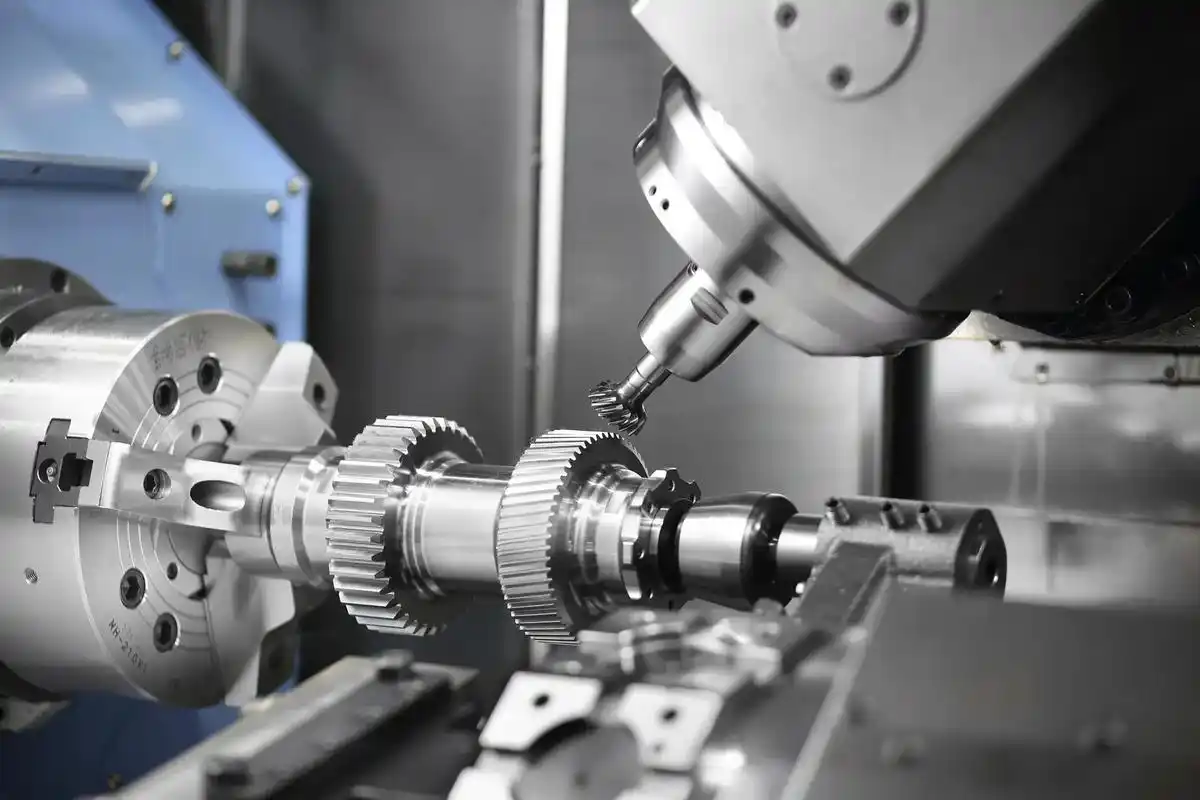
Irányelvek a drága hibák elkerülésére
Kiválasztotta az anyagát, és megértette, melyik CNC-folyamat illik leginkább a geometriájához. Most jött el az igazság pillanata: átmegy-e a gyárthatósági felülvizsgálaton a tervezési fájlja, vagy visszakerül elutasítási értesítésekkel és módosítási kérésekkel?
A zavartalan megrendelés és a frusztráló késedelmek közötti különbség gyakran az alapvető tervezési szabályok betartásán múlik. Egy CNC vágógép fizikai korlátok között működik – például a szerszám átmérője, a főorsó merevsége, illetve a rögzítési korlátozások –, amelyeket a CAD-modellnek figyelembe kell vennie. Ha figyelmen kívül hagyja ezeket a korlátokat, akkor elutasított árajánlatokkal, túlzottan magas árakkal, vagy ami még rosszabb: üzemelés közben meghibásodó alkatrészekkel szembesülhet.
Nézzük végig azokat a konkrétan alkalmazható szabályokat, amelyek biztosítják, hogy projektek időben haladjanak. Ezek nem homályos javaslatok – hanem pontos paraméterek, amelyek döntően befolyásolják, hogy alkatrésze sikeresen meg lesz-e munkálva CNC-maróval, vagy visszakerül újratervezésre.
Kritikus falvastagsági és szerkezeti elem-méreti szabályok
A vékony falak a leggyakoribb elutasítási okok egyike. Amikor egy CNC vágás anyagot távolít el egy vékony szakasz körül, a maradék fal rezegni, deformálódni vagy akár repedni is képes a vágóerők hatására. A gyártási szakértők szerint túlságosan vékony falak lassítják a megmunkálási folyamatot, és jelentősen növelik a hibák valószínűségét.
Kövesse az alábbi minimális falvastagsági irányelveket:
- Fém alkatrészek (alumínium, acél, sárgaréz) – Legalább 1,5 mm (0,060") falvastagság; a stabilitás érdekében ajánlott a 2,0 mm
- Műanyag alkatrészek (delrin, nylon, policarbonát) – A deformáció elkerülése érdekében legalább 2,0 mm (0,080") falvastagság szükséges
- Magas, vékony falak – Ha lehetséges, tartsa a magasság–vastagság arányt 4:1 alatt
- Támasztatlan szakaszok – Erősítse a hosszú, vékony elemeket merevítő bordákkal vagy saroktámaszokkal
A méretbeli jellemzők ugyanolyan fontosak. A belső sarkok élessége legfeljebb akkora lehet, amekkorát a vágószerszám megenged – általában 1/8" (3,2 mm) minimális sugár szabványos szerszámok esetén. Kisebb sugarak speciális szerszámokat igényelnek, amelyek növelik a költséget és a megmunkálási időt.
Gyakori tervezési hibák elkerülése, amelyek késleltetik a megrendeléseket
A falvastagságon túl számos tervezési döntés gyakran okozza a megajánlások visszautasítását vagy gyártási problémákat. Ezeknek a buktáknak az ismerete a feltöltés előtt időt és pénzt takarít meg.
Mély mélyedések és zsebek
A mély üregek hosszú vágószerszámokat igényelnek, amelyek hajlamosak megdőlni, rezegni vagy eltörni. Ahogy az ipari források megjegyzik, ez rossz felületminőséghez, anyagpazarláshoz és megnövekedett gyártási időhöz vezet. Kövesse a mélység-szélesség arány szabályát: a zseb mélysége ne haladja meg a legkisebb szélességi méret 4-szeresét.
Fúrások specifikációi
A furatok egyszerűnek tűnnek, de helytelen megadásuk problémákat okoz. A mély furatok speciális fúrási technikákat igényelnek, míg a nem szabványos átmérők egyedi szerszámokat igényelnek. Tartsa szem előtt az alábbi szabályokat:
- Szabványos furatmélységek – A teljesen átfúrt furatok mélysége legfeljebb 4-szerese lehet a furat átmérőjének
- Zárt végű furatok – Figyelembe kell venni a fúró csúcsának geometriáját; síkalapú furatok esetén másodlagos műveletek szükségesek
- Szabványos méretek – Ha lehetséges, használja a fúrási táblázat méreteit, hogy elkerülje az egyedi szerszámok költségeit
- Menetmélységek – Adja meg a menetbefogást a névleges átmérő 1,5–2-szeresének megfelelően
Tűréselőírások
A szigorú tűréshatárok jelentősen megnövelik a megmunkálási időt és költségeket. A tervezési szakértők szerint minden funkcionális elemre szigorú tűréshatárok alkalmazása lényegesen növelheti a gyártási költségeket. Csak ott adjon meg szigorú tűréshatárokat, ahol azok funkcionálisan elengedhetetlenek:
- Szabványos megmunkálás – ±0,005" (±0,127 mm) különleges intézkedések nélkül is elérhető
- Pontosított funkcionális elemek – ±0,002" (±0,050 mm) gondos beállítást és ellenőrzést igényel
- Ultra-precíziós – ±0,001" alatti értékek specializált gépek és lényegesen magasabb költségek igénylését jelentik
Különböző CNC megmunkálási anyagokkal dolgozva ne feledje, hogy az anyagtulajdonságok befolyásolják a elérhető tűréshatárokat. A műanyagok jobban duzzadnak, mint a fémek, és a lágyabb anyagok a vágás során deformálódhatnak.
Alávágások és belső geometriai elemek
A szabványos CNC vágások nem érik el az ágazó geometria alatt rejtett funkcionális elemeket. Az ágazó részek (undercut) speciális szerszámokat igényelnek, például T-részes marószerszámokat, lollipop marókat vagy többtengelyes megmunkálási megoldásokat – mindegyik további költséget jelent. Alternatív tervezési megoldások közé tartozik:
- A alkatrész több összeépíthető komponensre bontása
- A belső kivágások újratervezése külsőről hozzáférhető, átmenő jellemzőkké
- Az elektródás megmunkálás (EDM) vagy drótvágás alkalmazása olyan jellemzők esetén, amelyek elérhetetlenek a vágószerszám számára
Fájlformátumok és előkészítési ajánlott gyakorlatok
A tervezete tökéletes is lehet, de ha helytelen formátumban nyújtja be, az biztosan késedelmet eredményez. Ahogy a CAD-előkészítési útmutatók is magyarázzák, a CNC-gépek G-kóddal működnek, amelyet a CAD-fájlok alapján CAM-szoftver segítségével állítanak elő – ez a folyamat azonban kompatibilis kiindulási formátumokat igényel.
Ajánlott fájlformátumok CNC online szolgáltatásokhoz:
- STEP (.stp, .step) – Az univerzális szabvány, amely megtartja a testgeometriát; a legtöbb platform által preferált
- IGES (.igs, .iges) – Régebbi szabvány, széles körű kompatibilitással; egyes funkcióadatokat elveszíthet
- Parasolid (.x_t, .x_b) – Számos CAD-rendszer natív formátuma, kiváló geometriamegtartással
- Eredeti CAD-fájlok – SolidWorks (.sldprt), Inventor (.ipt) és más formátumok, amelyeket számos szolgáltatás fogad el
Kerülje a hálós formátumokat, például az STL-t vagy az OBJ-t a CNC megmunkáláshoz. A fájl-előkészítés szakértői szerint ezek a formátumok sima görbéket apró háromszögekre bontanak – ez elfogadható a 3D nyomtatáshoz, de problémás a pontossági megmunkálásnál, ahol a felületminőség döntő fontosságú.
A feltöltés előtt végezze el ezt az előkészítési ellenőrzőlistát:
- Ellenőrizze az egységeket – Győződjön meg róla, hogy modellje a szándékolt mértékegységet használja (milliméter vagy hüvelyk)
- Hibák ellenőrzése – Javítsa ki a réseket, az átfedő felületeket és a nem sokaság-geometriát
- Távolítsa el a felesleges elemeket – Távolítsa el a szerkesztési síkokat, a referencia-geometriát és a letiltott funkciókat
- Egyszerűsítsen, ahol csak lehetséges – Távolítsa el a kozmetikai részleteket, amelyek úgysem élik túl a megmunkálást
- Mellékeljen 2D rajzokat – Egészítse ki PDF-formátumú rajzokkal, amelyek meghatározzák a kritikus méreteket és tűréseket
Amikor fájlja megfelel ezeknek az előkészítési szabványoknak, az árajánlat-kalkulátor pontosan elemezheti a geometriát, kiszámíthatja a megmunkálási időt, és megbízható árakat tud megadni. Ha kihagyja ezeket a lépéseket, valószínűleg hosszadalmas visszajelzési folyamatba keveredik, amely késlelteti projektjét.
Ha a tervezési fájlok megfelelően elkészültek, a következő lényeges lépés az online CNC-szolgáltatás útján az, hogy megértsük, hogyan alakulnak át ezek a döntések tényleges költségekké.
Árképzési tényezők és teljesítési határidőre vonatkozó elvárások
Sosem gondolta volna, hogy két látszólag hasonló alkatrész drámaian eltérő árajánlatot kap? Vagy hogy egyetlen méret módosítása hirtelen 40%-kal növeli a költséget? Az online CNC-szolgáltatások árképzésének megértése átalakítja Önt egy passzív árajánlat-kapóból egy stratégiai vásárlóvá, aki képes optimalizálni a terveket mind a teljesítmény, mind az értékhatárok figyelembevételével.
Ellentétben a hagyományos gépgyártó üzletekkel, ahol az árképzés gyakran tetszőlegesnek tűnik, a digitális platformok átlátható képleteket alkalmaznak, amelyek a költségeket számítható összetevőkre bontják. Ha egyszer megérti ezeket az építőkockákat, megbízható döntéseket hozhat a minőség, a sebesség és a költség közötti kompromisszumokról – nem pedig egyszerűen elfogadja azt a számot, amely a képernyőn jelenik meg.
A szakmai árképzési szakértők szerint az alapvető CNC-megmunkálási árképlet így néz ki:
Becsült költség = (Anyagköltség + Beállítási költség) + (Megmunkálási idő × Óradíj) + Felületkezelési költség
Bontsuk fel az egyes összetevőket, hogy láthassa, pontosan hová megy el a pénze – és hol találhat megtakarítási lehetőséget.
A költségkomponensek bontása
Minden árajánlat, amelyet kap, öt fő költségmozgató kombinációját tükrözi. Mindegyik megértése segít azonosítani azokat a „kartokat”, amelyeket meg tud mozgatni a költségek csökkentéséhez minőségromlás nélkül.
Az anyagi költségek
A nyersanyag a kiindulási pontja. Az árak jelentősen ingadoznak az anyagtípustól, minőségi osztálytól és a jelenlegi piaci körülményektől függően. A forgácsoló gépész fémmel kapcsolatos költségadatok szerint az alumínium általában 5–10 USD/font, míg az acél 8–16 USD/font tartományban mozog. A rozsdamentes acél és a speciális ötvözetek még magasabb árprémiumot igényelnek.
De a nyers ár fontonként nem mondja el az egész történetet. Az anyag megmunkálhatósága – azaz mennyire könnyen és gyorsan vágható – jelentősen befolyásolja az összköltséget. Az alumínium gyorsan megmunkálható, minimális szerszámkopás mellett. A titán esetében lassabb előtolásra, speciális szerszámokra és gyakoribb szerszámcserékre van szükség. Ez a magasabb megmunkálási nehézség minden további költségkategóriában szorzódik.
Gépidő és óránkénti díjak
Ez a komponens általában meghatározza az árajánlatot. A CNC gépek óránkénti díja a felszerelés bonyolultságától függően változik:
- 3-tengelyes marógépek – $10–$20 óránként egyszerű geometriák esetén
- 5-tengelyes marógépek – $20–$40+ óránként összetett felületek és többoldali alkatrészek esetén
- CNC torna berendezések – $15–$25 óránként a képességektől függően
Az alkatrész geometriája határozza meg, hogy hány óra gyűlik össze. Egy egyszerű konzol például 15 perc vágási időt igényelhet, míg egy bonyolult ház, amely több beállítást igényel, akár több órát is igénybe vehet. Ha pontos megmunkálási szolgáltatással dolgozik, számítson arra, hogy magasabb díjakat számítanak fel, amelyek tükrözik a szoros tűréshatárokhoz szükséges külön figyelmet és ellenőrzést.
Beállítási és programozási díjak
A vágás megkezdése előtt a gépkezelőknek programozniuk kell az eszközmozgásokat, beállítaniuk a munkadarab rögzítését, és fel kell készíteniük a gépet. Ezeket a beállítási költségeket a rendelt mennyiség egészére osztják el – ez magyarázza, miért gyakran sokkal alacsonyabb az egységár 100 darab rendelése esetén, mint 10 darabé.
Ahogy a CNC-gyártással foglalkozó szakemberek megjegyzik, a bonyolult tervek, amelyek többtengelyes beállításokat vagy speciális rögzítőberendezéseket igényelnek, lényegesen megnövelik a beállítási időt. Egy olyan alkatrész, amelynek összes jellemzőjéhez négy különálló beállításra van szükség, drágább, mint egy olyan, amelyet egyetlen tájolásból is meg lehet munkálni.
Felületkezelés és másodlagos műveletek
Az anódosítás, a porfestés, a golyószórás és egyéb felületkezelési műveletek további költségeket jelentenek a nyers megmunkáláson túlmenően. Mindegyik folyamat további kezelést, anyagokat és gyakran szakosított külső szolgáltatókhoz történő kiszervezést igényel. Ezek a költségek külön halmozódnak fel a megmunkálási időtől.
Hogyan befolyásolják a tervezési döntések a végső árat
Itt válik a megértés megtakarítássá. A konkrét tervezési döntések jelentős hatással vannak az árajánlatra – néha akár 50%-kal vagy többel növelik a költségeket anélkül, hogy javítanának a alkatrész funkcióján.
| Tényező | Hatás az árra | Optimalizálási tippek |
|---|---|---|
| Anyagválasztás | 2–10-szeres költségkülönbség anyagok között | Alumíniumot használjon acél helyett, ha a tulajdonságok ezt lehetővé teszik; kerülje a különleges ötvözeteket, kivéve, ha feltétlenül szükségesek |
| Tűrési követelmények | ±0,001" tűrés 3–4-szer drágább, mint a szokásos ±0,005" | Szoros tűréseket csak illeszkedő felületekre és funkcionális kapcsolódási felületekre alkalmazzon |
| Rész összetettsége | A bonyolult geometriák 50–200%-kal növelik a megmunkálási időt | Egyszerűsítse a belső elemeket; használjon szabványos lekerekítéseket; minimalizálja a szükséges befogások számát |
| Falvastagság | A vékony falak lassabb előtolási sebességet igényelnek, ami 20–40%-kal növeli az időt | Fémeknél legalább 1,5 mm-es falvastagságot tervezzen; bordákat használjon vékony szakaszok helyett |
| Fúrásmélységek | A mély furatokhoz specializált szerszámok és lassabb forgási sebességek szükségesek | A furat mélység–átmérő arányát, ha lehetséges, tartsa 4:1 alatt |
| Mennyiség | A beállítási költségek a darabszámra oszlanak el; 100 darab esetén a darabköltség akár 60%-kal is alacsonyabb lehet, mint 10 darabnál | Hasonló alkatrészeket együtt gyártson le; fontolja meg a jövőbeni igényekre való előrendelést |
| Felületi minőség | Az anódosítás darabonként 5–20 USD-t tesz ki; a polírozás további költséget jelent | Használjon megmunkálás utáni felületkezelést ott, ahol a megjelenés nem kritikus |
A tűrések költségelemzése szerint a túlzottan szigorú tűrések megadása a prototípus-fejlesztés során a felesleges gyártási költségek 25–40%-át teszi ki. Egy ügyfél, aki nem funkcionális külső tűréseket 0,005 hüvelyk (±0,005") helyett 0,001 hüvelyk (±0,001") értékre szigorított, majdnem duplájára növelte alkatrészének árát – funkcionális előny nélkül.
Kis CNC-megmunkálási rendeléseknél különösen a beállítási költségek dominálnak. Egyetlen prototípus akár 150 USD-ba is kerülhet, míg ugyanannak az alkatrésznek a 10 darabja összesen 400 USD-ba kerül – mert a programozás és a beállítás egyszer történik, függetlenül a darabszámtól.
Az egyenleg a minőség és a költségvetés között
A szállítási határidők ugyanazon logikát követik, mint az árképzés. A költségeket növelő tényezők általában a szállítási ütemtervet is meghosszabbítják.
A szokásos anyagokból készült, általános tűrésekkel rendelkező szabványos alkatrészeket gyakran 5–7 munkanapon belül szállítják. A gyártási időelemzés szerint a ±0,001 hüvelyk pontosságot igénylő szűk tűrések esetén általában 10–14 napra van szükség – ez kétszerese a szabványos időkeretnek. Az ultra pontos alkatrészek, amelyek ±0,0001 hüvelyk tűrést igényelnek, akár 14–21 napot vagy még hosszabb időt is igényelhetnek.
Miért hosszabb a határidő? A szűk tűrések a következőket igénylik:
- Lassabb vágási sebességeket a pontosság fenntartása érdekében
- Több finomító megmunkálási menet ahelyett, hogy erőteljes durva megmunkálást alkalmaznánk
- Klímával szabályozott környezetek méretstabilitás érdekében
- Hosszabb ellenőrzési idő cMM-ellenőrzés alkalmazásával
Az egyedi CNC megmunkálási szolgáltatások gyakran gyorsított szolgáltatást is kínálnak prémium áron – a sürgős megrendelések esetén általában 50–100 % felár alkalmazására kerül sor. A leggazdaságosabb megközelítés azonban már a tervezés kezdetétől a gyártásképességre való optimalizálás, és olyan geometriai elemek elkerülése, amelyek különleges intézkedéseket igényelnek.
Vegye figyelembe ezt a stratégiát, amikor projektje korlátozó tényezőit mérlegeli:
- Prototípus-szakasz – Használjon szabványos tűréseket mindenütt; csak azt szűkítse, amit a tesztelés kritikusnak bizonyít
- Termelési tervezés – Kötegelt megrendelésekkel csökkentse a beállítási költségeket; egyesítse a felületkezelési igényeket
- Anyagválasztás – Válassza a legkönnyebben megmunkálható lehetőséget, amely megfelel a funkcionális követelményeknek
- Jellemzők egyszerűsítése – Kérdőjelezze meg minden szoros tűrést, mély üreget és összetett kontúrt
Ahogy a gyártási optimalizálási útmutatók javasolják, korai együttműködés CNC-partnerével gyakran felfedi a költségcsökkentő alternatívákat, amelyek megtartják a funkciót, miközben drámaian csökkentik az árat és a szállítási időt.
Miután megértette az árképzés mechanizmusát, a végső fő döntés a felületi minőségek kiválasztására irányul, amelyek javítják a megjelenést és a teljesítményt – anélkül, hogy feleslegesen megemelnék költségvetését.
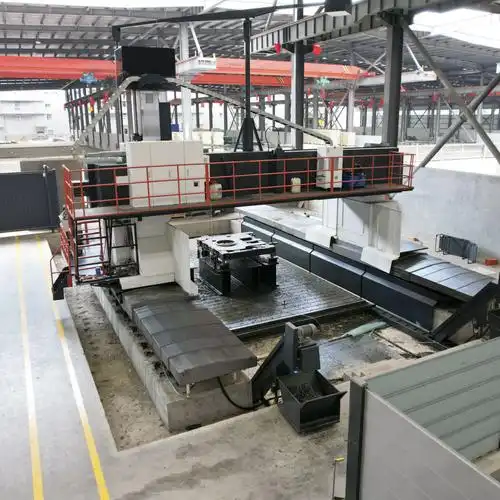
Felületi minőségek, amelyek javítják az alakot és a funkciót
Az alumíniumból CNC-vel megmunkált alkatrész a gépből kijövet funkcionálisnak tűnik – de vajon kész is? Ez teljes mértékben az alkalmazástól függ. A felületi minőségek nyers, megmunkált alkatrészeket alakítanak át durva élekkel rendelkező félig kész termékekből olyan csiszolt komponensekké, amelyek készen állnak a szándékolt környezetükre – legyen az orvosi eszköz, fogyasztói termék vagy ipari mechanizmus.
De itt érheti el a zavar több első alkalommal használó felhasználót: a felületkezelési lehetőségek nem csupán esztétikai választások. A felületkezelési szakértők szerint a kiválasztott felületkezelés közvetlenül befolyásolja a korrózióállóságot, a kopásjellemzőket, a súrlódási viselkedést és az alkatrész élettartamát. Helytelen választás azt jelenti, hogy vagy felesleges kezelésekre költ túl sok pénzt, vagy pedig az alkatrészek korai meghibásodását figyelheti meg üzemelés közben.
Rendszeresen elemezzük az egyes felületkezelési kategóriákat, hogy ne csak azt értsék, milyen lehetőségek állnak rendelkezésre – hanem azt is, mikor érdemes egy-egy opciót a konkrét projektjükre alkalmazni.
Szabványos megmunkált felületek és azok alkalmazási területei
Nem minden alkatrész igényel további kezelést. A megmunkálás utáni természetes felület („as-machined”) pontosan olyan állapotban hagyja az alkatrészeket, ahogy azok a CNC-folyamatból kilépnek – látható szerszámképekkel és a megmunkálás természetes felületi szerkezetével. Ez nem hiba; sok alkalmazás esetében teljesen megfelelő megoldás.
A megmunkálási felületminőséget értékelő szakértők szerint a szokásos megmunkált felületek általában Ra 3,2 μm (125 μin) felületi érdességet érnek el – elegendően simák belső alkatrészekhez, tartóelemekhez és szerkezeti alkatrészekhez, ahol a megjelenés nem számít. Ez az alapértelmezett felületminőség nem jár többletköltséggel, mivel nem igényel további utómegmunkálási műveleteket.
Az alap megmunkált felületminőség a következő esetekben alkalmazható legjobban:
- Láthatatlanul elhelyezett belső alkatrészek
- Szerkezeti rögzítőkonzolok és felszerelési szerelvények
- Prototípus alkatrészek illeszkedés- és funkcióvizsgálathoz
- További utómegmunkálásra kerülő alkatrészek
Amikor a megjelenés vagy a felületi érintkezés számít, akkor szükségessé válnak a további felületkezelési műveletek.
Golyószórás egyenletes felületi struktúra érdekében
A golyószórás finom üveg- vagy kerámia-golyókat lövell az alkatrész felületére, így egyenletes mattnak vagy selymesnek tűnő felületet hoz létre. Ez az eljárás eltávolítja a látható szerszámképeket, miközben egy következetes, nem tükröző megjelenést biztosít.
Mint felületkezelési szakértők írják le a golyószórás matt vagy félcsillogó felületi minőséget biztosít nyomás alatt álló üveggolyók segítségével. Különösen hatékony géppel megmunkált alumínium alkatrészeknél, ahol tiszta esztétikai megjelenést kívánunk elérni anódosítás költsége nélkül.
A golyószórás kiválóan alkalmazható:
- Fogyasztói termékek házainak professzionális megjelenésének biztosítására
- Olyan alkatrészeknél, ahol javítani kell a festék vagy bevonat tapadását
- Olyan alkatrészeknél, ahol a ujjlenyomatok láthatósága problémát jelent
- Előkezelésként az anódosítás előtt a felületminőség további javítása érdekében
Csiszolás kritikus felületekhez
Amikor tükörszerű fényességre vagy kivételesen sima felületre van szükség tömítési alkalmazásokhoz, a csiszolás ideális megoldást kínál. Ez a folyamat fokozatosan finomítja a felületi szerkezetet egyre finomabb csiszolóanyagokkal, amíg el nem éri a kívánt simaságot – néha akár 0,4 μm-nél kisebb Ra-értékeket is elérve.
A csiszolás elengedhetetlen:
- Optikai rögzítőfelületeknél, ahol pontos síkosság szükséges
- Zárófelületek, ahol a felületi érdesség befolyásolja a szivárgási arányt
- Dekoratív alkatrészek, amelyek magas fényességet igényelnek
- Forma-felületek, ahol a felületi minőség átviszódik a megformázott alkatrészekre
Alumínium alkatrészek anodizálási lehetőségei
Ha az Ön projektje alumínium megmunkálást foglal magában, az anodizálás komolyan fontolóra való. Az anodizálási szakértők szerint ez az elektrokémiai folyamat egy védő oxidréteget hoz létre, amely valójában az alumínium része – nem egy olyan bevonat, amely lepattanhat vagy lehámlathat.
Az anodizálás egyszerre több előnnyel is jár: javítja a korrózióállóságot, javítja a kopásállóságot, elektromos szigetelést biztosít, és lehetővé teszi élénk színek bevitelét. Ezért kapnak anodizált felületet a mobiltelefonoktól a repülőgépekig mindenféle gépi megmunkálású alumínium alkatrészek.
Három különböző típusú anodizálás szolgál különböző igényeket:
- I. típus (Kromosav) – A legvékonyabb réteg (0,00002–0,0001 hüvelyk), ideális szoros tűréshatárokkal rendelkező alkatrészekhez, ahol a méretváltozást minimalizálni kell; dekoratív alkalmazásokra is alkalmas
- II. típus (Kénsav) – A leggyakoribb típus mérsékelt vastagsággal (0,0001"–0,001"); kiváló korrózióállóság számos színválaszték mellett; szokásos választás fogyasztói és ipari alkatrészekhez
- III. típus (Kemény anódosítás) – A legvastagabb és leghatározottabb réteg (0,0005"–0,006"); kiváló kopásállóság igényes alkalmazásokhoz; ideális csúszófelületek és kemény környezetek számára
Ahogy az ipari források megjegyzik, az anódosított felületek majdnem minden felületi minőséget elérhetnek – a matttól a nagyon fényesig – és számtalan színválaszték áll rendelkezésre, amelyek hosszú ideig, elszíneződés nélkül tartanak. Az oxidréteg valójában a kiindulási anyagba nő be, így kiváló tapadást biztosít, amely nem reped le, mint a festett felületek.
Válassza az anódosítást, ha alumínium alkatrészei a következőket igénylik:
- Kültéri expozíció vagy korrózióállóság agresszív környezetben
- Színkódolás azonosítás vagy márkanevesség céljából
- Javított felületi keménység és karcolásállóság
- Elektromos szigetelés vezető alkatrészeknél
Védő és díszítő bevonatok választéka
Az anódoláson túl számos bevonati lehetőség áll rendelkezésre, amelyek konkrét funkcionális vagy esztétikai igényeket elégítenek ki. Mindegyik külső anyagok felvitele révén történik a megmunkált alkatrészekre – nem pedig az alapanyag módosításával.
Porfestés tartósságért
A porbevonatot száraz por formájában, elektrosztatikusan viszik fel, majd hőhatásra keményednek, így kialakul egy erős, egyenletes réteg. A bevonatok összehasonlítását bemutató adatok szerint a porbevonat kiváló tartósságot, széles anyagkompatibilitást és nagyszámú színválasztékot kínál – gyakran alacsonyabb költséggel, mint az anódolás.
A porbevonat ideális:
- Acél és egyéb olyan anyagok esetén, ahol az anódolás nem alkalmazható
- Nagy méretű alkatrészeknél, ahol a költséghatékony felületkezelés fontos
- Olyan alkalmazásokhoz, amelyek vastag védőréteget igényelnek
- Egyedi színképek készítéséhez, márkázási igények kielégítése érdekében
A kompromisszum? A porbevonatok külső rétegek, amelyek súlyos ütés hatására lepattanhatnak – ellentétben az anódolás integrált, alumíniumhoz kötött kötéssel. Akrílműanyag CNC megmunkálása vagy más műanyagok esetén a porbevonat általában nem kompatibilis.
Speciális bevonatok és kezelések
Egyes alkalmazások speciális kezeléseket igényelnek a szokásos lehetőségeken túl:
- Passziváció – Kémiai kezelés rozsdamentes acélhoz, amely növeli a korrózióállóságot a felületi vas-szennyeződések eltávolításával
- Fekete oxidot – Enyhe korrózióállóságot és jellegzetes fekete megjelenést biztosít az acélalkatrészeknek; gyakran használják szerszámokhoz és rögzítőelemekhez
- Elektromágneses – Króm-, nikkel-, cink- vagy egyéb fémrétegek leválasztása vezetőképesség, kopásállóság vagy díszítő célból
- Melegkezelés – Az anyag keménységének és szilárdságának módosítása szabályozott fűtési és hűtési ciklusok segítségével
Az akrílműanyag CNC szolgáltatási rendeléseknél vagy más átlátszó műanyagoknál a felületkezelés általában csiszolást vagy védő átlátszó bevonatot jelent, nem pedig áttetsző kezeléseket – így megőrizve az optikai átlátszóságot, amely eredetileg ezt az anyagot választotta ki.
A megfelelő felületkezelés kiválasztása a funkcionális követelmények és a költségvetési korlátok közötti egyensúlyozást igényli. Egy fogyasztói elektronikai ház esetében indokolható a Type II anódosítás költsége a színválaszték és a karcolásgátlás miatt. Ugyanazon termék belső rögzítőkonzolja azonban csak a megmunkálás utáni állapotot igényel – ez mind pénzt, mind gyártási időt takarít meg.
Miután tisztázásra kerültek az anyagok, a gyártási eljárások és a felületkezelések, a végső szempont a megfelelő CNC online szolgáltatást nyújtó vállalat kiválasztása, amelynek képességei összhangban vannak az Ön konkrét iparági igényeivel és minőségi elvárásaival.
A CNC és alternatív gyártási módszerek összehasonlítása
Megismerte, hogyan működnek a CNC online szolgáltatások, milyen anyagokat érdemes választani, és hogyan optimalizálhatók a tervek a költséghatékonyság és a minőség érdekében. De itt van egy kérdés, amelyet sok első alkalommal rendelő felhasználó figyelmen kívül hagy: valóban a CNC megmunkálás a legmegfelelőbb eljárás a projektje számára?
A őszinte válasz? Nem mindig. A CNC megmunkálás különösen jól alkalmazható bizonyos esetekben – ugyanúgy, mint a 3D nyomtatás, az öntés vagy más gyártási módszerek. A helytelen választás azt jelenti, hogy vagy túlfizetnek olyan képességekért, amelyekre nincs szükségük, vagy olyan korlátozásokkal küzdenek, amelyeket egy másik folyamat könnyedén kezelne.
A gyártási összehasonlítással foglalkozó szakértők szerint a prototípus-gyártási módszer kiválasztása döntő fontosságú, mivel azok a folyamatok, amelyek gyors és pontos gyártást tesznek lehetővé, hatékonyan támogatják a tervek iterációját, és végül jobb végterméket eredményeznek. Nézzük meg, mikor nyújtanak a CNC online szolgáltatások a legnagyobb értéket – és mikor érdemes alternatív megoldásokat is figyelembe venni.
| Módszer | Leginkább alkalmas | Korlátozások | Tipikus mennyiségek |
|---|---|---|---|
| CNC gépelés | Nagyon pontos funkcionális alkatrészek, szigorú tűrések, kiváló felületminőség, szilárdságot igénylő fémalkatrészek | Magasabb költség bonyolult geometriák esetén; anyagpazarlás a leválasztó folyamat miatt; egyes belső elemek nem gyárthatók | 1–5000 darab |
| 3D nyomtatás (SLS/MJF) | Bonyolult geometriák, gyors iteráció, könnyűszerkezetek, alacsony költségű fogalmi modellek | Alacsonyabb pontosság, mint a CNC-nél; korlátozott anyagerősség; látható rétegvonalak; méretkorlátozások | 1–10 000 darab |
| Injekciós formázás | Nagy mennyiségű gyártás, konzisztens ismételhetőség, alacsony egységenkénti költség nagyobb tételnél, összetett műanyag alkatrészek | Magas szerszámköltség (3000 fonttól több); hosszú előállítási idő (20–60 nap); a szerszámgyártás utáni tervezési módosítások költségesek | 10 000+ egység |
| Lemezalkatrészek gyártása | Házak, rögzítőelemek, panelok, síklemezből készülő alkatrészek, amelyek hajlítást és kivágást igényelnek | Csak lemezalapú geometriákra korlátozott; hajlítási sugár-korlátozások; kevésbé pontos, mint a megmunkálás | 1–10 000 darab |
CNC megmunkálás vs. 3D nyomtatás – döntési útmutató
Amikor CNC-prototípus fejlesztésén dolgozik, vagy gyors CNC-prototípus-készítési lehetőségeket vizsgál, a 3D nyomtatás gyakran nyilvánvaló választásnak tűnik. Gyors, egyedi alkatrészek esetén költséghatékony, és kezeli azokat az összetett geometriákat, amelyek nehézséget okoznának a hagyományos megmunkálásnál.
De a látszat csalhat. A prototípus-megmunkálási szakértők szerint a CNC kiemelkedően alkalmas nagy pontosságú alkatrészek gyártására tömör anyagból, így ideális funkcionális tesztelésre. Ugyanakkor a 3D nyomtatás gyakran gyorsabb teljesítési időt és nagyobb rugalmasságot kínál, különösen összetett geometriák esetén.
Válassza a CNC megmunkálással készített prototípusokat, ha a projektje a következőket igényli:
- Nagyon magas pontosság és szigorú tűréshatárok – A CNC megmunkálás szabványos pontossága ±0,005 hüvelyk, ±0,001 hüvelyk is elérhető; a 3D nyomtatás legjobb esetben is csak ±0,010 hüvelyk pontosságot biztosít
- Funkcionális tesztelés terhelés alatt – A tömör alapanyagból megmunkált alkatrészek jobban teljesítenek, mint a rétegenként összeragasztott nyomtatott szerkezetek
- Fémkomponensek – Bár létezik fém 3D nyomtatás is, a CNC megmunkálás a legtöbb fémalkatrész esetében gyorsabb és költséghatékonyabb
- Simára finomított felületek – A megmunkált felületek jobb minőségűek, mint a nyomtatott rétegvonalak, és nem igényelnek kiterjedt utófeldolgozást
Válassza a 3D nyomtatást, ha a következőkre van szüksége:
- Gyors tervezési iteráció – Nyomtatás, tesztelés, módosítás a CAD-fájlban, újra nyomtatás – mindez néhány nap alatt lehetséges
- Bonyolult belső geometriák – Rácsos szerkezetek, belső csatornák és szerves formák, amelyeket a megmunkálószerszámok nem érhetnek el
- Alacsony költségű fogalmi érvényesítés – Olyan korai szakaszban lévő modellek, ahol a pontosság kevésbé fontos, mint a sebesség
- Könnyűsúlyú, optimalizált szerkezetek – Topológiai optimalizálással készült tervek, amelyeket hagyományos módon nem lehet megmunkálni
Ahogy a gyártási folyamatok összehasonlítása mutatja, a 3D nyomtatás 2–7 munkanapon belül szállít alkatrészeket, és nincs szerszámköltség; a CNC általában 7–14 napot igényel, de kiváló mechanikai tulajdonságokat biztosít. Amikor a CNC prototípusozásnál a funkcionális teljesítmény a döntő szempont, az extra várakozási idő gyakran megtérül.
Mikor érdemesebb az öntött műanyag gyártás?
Képzelje el, hogy több CNC prototípus-iterációval már érvényesítette prototípusát. A gyártási mennyiségek növekednek. Milyen mennyiségnél válik az öntés a bölcsesebb választássá?
A mennyiségi költségelemzés szerint az öntés magas indulási költséggel jár: a szerszámok ára általában 3000 fonttól indul, és élesen emelkedik az alkatrész bonyolultságával. Ha azonban a szerszám már elkészült, akkor az eljárás kiválóan alacsony egységköltséget eredményez.
A határpont az adott alkatrésztől függ, de általános irányelvek vonatkoznak:
- 500 darab alatt – A CNC-megmunkálás vagy a 3D nyomtatás általában olcsóbb, ha a teljes projekt költségét vesszük figyelembe
- 500–5 000 darab – Gondosan értékelendő; egyszerű alkatrészeknél előnyösebb lehet a formázás, míg összetett alkatrészeknél a megmunkálás
- 10 000 darab felett – Az öntött műanyag alkatrészek gyártása (injekciós öntés) szinte mindig gazdaságosabb egységenként
Azonban a térfogat nem az egyetlen szempont. Ahogy a gyártási átállás szakértői megjegyzik, akár ugyanaz az anyag is másképp viselkedhet nyomtatáskor és öntéskor. Az injekciós öntött alkatrészekre való áttéréshez speciális tervezési módszerek szükségesek, például egyenletes falvastagság és kihúzási szögek.
Fontolja meg az öntött műanyag gyártást, ha:
- A tervezése végleges, és valószínűtlen, hogy változni fog
- A gyártási mennyiség indokolja az szerszámokba történő beruházást
- Olyan anyagokra van szüksége, amelyek nem érhetők el megmunkálással (bizonyos elasztomerek, töltött összetételek)
- Az alkatrész geometriája alkalmas a formázáson alapuló gyártásra (egyenletes falvastagság, kihúzási szögek, nincsenek aláhúzások)
Maradjon a CNC online szolgáltatásoknál, ha:
- A tervezési iterációk folytatódnak—mindegyik szerszámcsere ezrekbe kerül
- A mennyiségek továbbra is az üzleti megtérülési pont alatt maradnak
- Fémalkatrészekre vagy olyan mérnöki műanyagokra van szüksége, amelyek nem alkalmasak öntésre
- A szűk tűréshatárok meghaladják a tipikus öntési képességeket
A megfelelő gyártási módszer kiválasztása
A legokosabb megközelítés gyakran nem egyetlen eljárás kiválasztása, hanem azok stratégiai kombinálása. A hibrid gyártási szakértők szerint a fogalmi bizonyításhoz 3D nyomtatással való kezdés, a kritikus funkcionális prototípusokhoz CNC-technika alkalmazása, majd az igények kialakulásakor az öntött műanyag gyártásra való áttérés az optimális fejlesztési útvonalat jelenti.
Ez a hibrid stratégia különösen jól működik szénszálas prototípusok és egyéb speciális anyagok alkalmazásánál, ahol különböző eljárások különböző fejlesztési szakaszokban mutatnak kiemelkedő teljesítményt.
Tegye fel magának a következő döntési kérdéseket:
- Milyen tűréshatárokra van valójában szükségem? Ha ±0,020" elegendő, akkor a 3D nyomtatás megfelelő. Ha viszont ±0,002" elengedhetetlen, akkor a CNC-feldolgozás válik szükségessé.
- Megváltozik-e a tervezetem? A rugalmasság az additív gyártási eljárásokat és a megmunkálást előnyösebbé teszi a szerszámozáson alapuló öntési eljárásokkal szemben.
- Milyen anyagtulajdonságok számítanak? A tömör anyagból készült alkatrészek izotróp szilárdsága meghaladja a rétegekből összeragasztott szerkezetekét.
- Mennyi lesz a teljes mennyiségem a termék életciklusa során? Vegye figyelembe a jövőbeli rendeléseket is, ne csak az azonnali igényeket.
- Mi a határidőm? a 3D nyomtatás a leggyorsabb, az öntési eljárás (injekciós öntés) pedig a leghosszabb előkészítési időt igényli, de nagy mennyiségek esetén gyorsan skálázható.
Összegzés: Jói és rosszai
Az online CNC-szolgáltatások előnyei
- Kiemelkedő pontosság és felületminőség
- Kiváló mechanikai tulajdonságok tömör anyagokból
- Széles anyagválaszték, beleértve a fémeket és a műszaki műanyagokat
- Nincs szükség szerszámozási beruházásra
- Gazdaságos kis- és közepes mennyiségek esetén
A CNC online szolgáltatások hátrányai
- Magasabb egységköltség, mint a formázás nagyobb tételnél
- Az eljárás leválasztó jellege miatt anyagpazarlás jellemző
- Egyes geometriák gépelhetetlenek vagy gépelésük rendkívül költséges
- Hosszabb szállítási idők, mint a 3D nyomtatás egyszerű alkatrészek esetén
Ahogy a gyártástechnikai szakértők összegzik: nincs egyetlen „legjobb” eljárás – mindegyiknek megvannak a saját erősségei. A CNC megmunkálás akkor nyújt kiváló eredményt, ha a pontosság, a szilárdság és az anyagtulajdonságok a legfontosabbak. A 3D nyomtatás sebességében és bonyolultságában győz. Az öntött műanyag gyártás a nagy tételű termelés gazdasági feltételeiben dominál.
Ezen kompromisszumok megértése lehetővé teszi, hogy megbízható, jól átgondolt döntéseket hozzon, ne pedig csak a megszokott lehetőségekre támaszkodjon. Néha a megfelelő válasz egyáltalán nem a CNC – és ennek felismerése mind időt, mind pénzt takarít meg.
Miután tisztázódott a gyártási módszer kiválasztása, az utolsó lépés egy olyan CNC online szolgáltató kiválasztása, amelynek képességei, tanúsítványai és szakmai specializációi összhangban vannak az Ön konkrét iparági igényeivel.
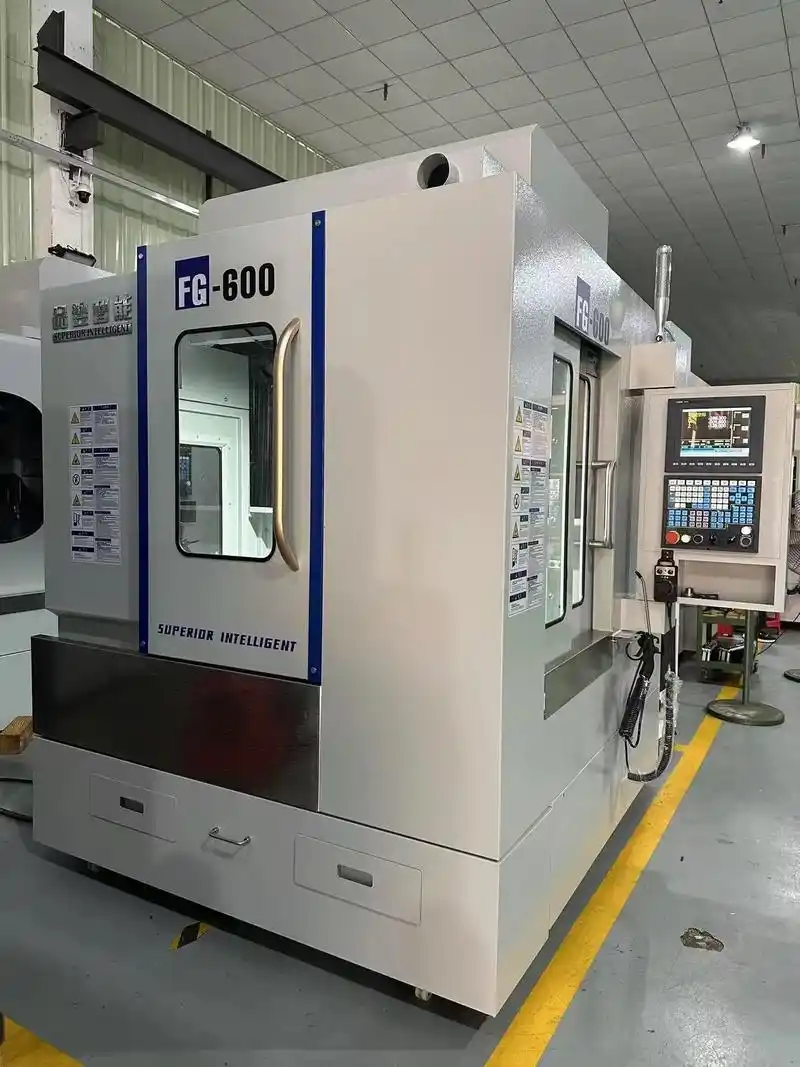
A megfelelő CNC online szolgáltató kiválasztása
Már elsajátította a munkafolyamatot, kiválasztotta az anyagot, optimalizálta a tervezést, és érti az árképzés mechanizmusát. Most jön talán a legfontosabb döntés: melyik CNC online szolgáltató érdemli meg a vállalkozása üzletét?
Ez a választás messze túlmutat az árak összehasonlításán. A kiválasztott szolgáltató határozza meg, hogy alkatrészei időben érkeznek-e meg, megfelelnek-e a megadott specifikációknak, és megbízhatóan működnek-e a szándékolt alkalmazásban. Olyan iparágakban, ahol szigorú szabályozási követelmények vonatkoznak – például az autóiparban, a légiközlekedési iparban vagy az egészségügyben – a rossz partner kiválasztása auditok sikertelenségét, visszahívott termékeket vagy még rosszabb esetben más súlyos következményeket is eredményezhet.
Amikor „megmunkálóüzemek a közelemben” vagy „CNC megmunkálóüzem a közelemben” kifejezésekre keres, számtalan lehetőséget fog találni. Azonban a közelség önmagában nem garantálja a képességet. Vizsgáljuk meg azokat a szempontokat, amelyek valójában számítanak, amikor pontossági megmunkálási szolgáltatásokat értékelünk az Ön konkrét iparági igényei szerint.
Minőségi tanúsítványok, amelyek fontosak az Ön iparágában
A minőségi tanúsítványok nem csupán falidíszek – ellenőrzött, rendszeres minőségmenedzsment iránti elköteleződést tükröznek. A szakmai tanúsítási szakértők szerint az OEM-gyártók 67%-a követeli meg beszállítóitól az ISO 9001-es tanúsítványt. Annak megértése, hogy egy-egy tanúsítvány mit jelent, segít azon szolgáltatók azonosításában, akik képesek megfelelni az Önök szabványainak.
ISO 9001: Az univerzális alap
Az ISO 9001 a minőségirányítási rendszer alapvető, iparágfüggetlen követelményeit állapítja meg. A tanúsítvány azt igazolja, hogy a szolgáltató dokumentált folyamatokkal rendelkezik, nyomon követi a minőségi mutatókat, és folyamatos fejlesztésre vállal kötelezettséget. Általános gyártási alkalmazások esetén az ISO 9001-es tanúsítvány általában kielégíti a beszállítói minősítési követelményeket.
Mit jelent az ISO 9001-es tanúsítvány:
- Léteznek és betartásra kerülnek dokumentált minőségi eljárások
- A vevői panaszokat rendszeresen nyomon követik és szisztematikusan kezelik
- Rendszeres belső auditok ellenőrzik a folyamatok szabályozás szerinti betartását
- A vezetés időszakosan felülvizsgálja a minőségi teljesítményt
IATF 16949: Autóipari kiválóság
Amikor alkatrészei bekerülnek az autóipari ellátási láncokba, az IATF 16949 tanúsítás elengedhetetlenné válik. Ez a szabvány az ISO 9001-re épül, de kiegészíti azt az autóiparra jellemző követelményekkel, például a hibák megelőzésével, a változékonyság csökkentésével és a hulladék kizárásával az egész ellátási láncban.
A CNC szolgáltatásválasztási útmutatók szerint a minőségbiztosítás elengedhetetlen szempont a CNC megmunkálási szolgáltatás kiválasztásakor – és az autóipari alkalmazások a folyamatszabályozás legmagasabb szintjét követelik meg.
Az IATF 16949 tanúsítás azt jelzi, hogy:
- A statisztikai folyamatszabályozás (SPC) figyeli a kritikus méreteket
- A gyártott alkatrész jóváhagyási folyamat (PPAP) dokumentációja szabványos
- A hibamód- és hatáselemzés (FMEA) proaktívan azonosítja a lehetséges problémákat
- A mérési rendszer elemzése érvényesíti a vizsgálóberendezéseket
AS9100: Űrkutatási szabványok
A légiközlekedési CNC megmunkálási alkalmazások esetében az AS9100 tanúsítvány az iparági szabványt képviseli. A légiközlekedési megmunkálási szakértők szerint az AS9100 egy nemzetközi légiközlekedési minőségirányítási rendszer-szabvány, amely kötelezi a vállalatokat, hogy létrehozzanak és végrehajtsanak átfogó minőségirányítási rendszereket, amelyek kielégítik a repülésbiztonságot érintő alkatrészek egyedi követelményeit.
AS9100 tanúsítvánnyal rendelkező gyártóüzemek bizonyítják:
- Javított konfiguráció-kezelést és nyomon követhetőséget
- Kockázatkezelés integrálását a teljes gyártási folyamatba
- Termékbiztonságot és hamisított alkatrészek megelőzését
- Első minta ellenőrzését (FAI) az AS9102 előírásai szerint
Orvosi eszközök megmunkálásának követelményei
Az orvosi eszközök megmunkálása saját tanúsítási keretrendszert igényel. Az ISO 13485 kifejezetten a gyógyászati eszközök gyártására vonatkozó minőségirányítást szabályozza, míg egyes alkatrészek esetében FDA-regisztráció is szükséges lehet. A pontossági tűrések és dokumentációs követelmények gyakran még a légiközlekedési szabványoknál is szigorúbbak, ha a betegbiztonság forog kockán.
Szolgáltatók képességeinek és szakmai specializációinak értékelése
A tanúsítások a folyamatminőséget igazolják – azonban a képességek megfeleltetése biztosítja, hogy konkrét projektje sikeres legyen. A szolgáltatók értékelésében jártas szakértők szerint egy CNC-megmunkáló szolgáltatás annyira hatékony, amennyire a rendelkezésre álló gépek is azok, és különböző típusú CNC-gépek különböző feladatokra specializálódnak.
Amikor CNC-megmunkáló műhelyeket értékelünk a közelben vagy online szolgáltatókat, értékeljük az alábbi képesség-tényezőket:
- Felszerelési paletta – Rendelkezik-e a műhely a részeihez szükséges specifikus gépparkkal? Például 5 tengelyes megmunkálási képességgel, svájci esztergával vagy nagyformátumú maróberendezéssel?
- Anyagismeret – Megmunkálta-e már korábban a választott anyagot? A speciális ötvözetek tapasztalt kezelést igényelnek.
- Mennyiségi rugalmasság – Képesek-e kezelni a megrendelt mennyiséget, akár egyetlen prototípust, akár 10 000 darabos sorozatgyártást?
- Ellenőrzési lehetőségek – Rendelkeznek-e koordináta-mérőgépekkel (CMM), optikai összehasonlítókkal és egyéb berendezésekkel a megadott tűréshatárok ellenőrzéséhez?
- Másodlagos Műveletek – Képesek-e befejező műveleteket, hőkezelést vagy összeszerelést belső forrásból elvégezni?
Az iparági specializáció jelentősen számít. Egy orvostechnikai megmunkálásban kiváló műhelynek hiányozhat az autóipari ellátási láncban szerzett tapasztalata. A helyi gépgyártó műhelyek, amelyek általános gyártási igények kielégítésére specializálódtak, nehézségekbe ütközhetnek az űrkutatási szektor dokumentációs követelményeinek teljesítésében.
Ahogy az iparági szakértők hangsúlyozzák, a tapasztalat egyenlő a szakértelemmel – egy tapasztalt szolgáltató ismeri a különféle megmunkálási igények kezelését, csökkentve ezzel a hibák esélyét és biztosítva az egész folyamat zavartalan lebonyolódását.
Autóipari pontosság: egy gyakorlati példa
Gondoljunk arra, mit igényel az autóipari pontossági CNC-megmunkálás: szigorú tűréshatárok nagy tömegű termelés során, szigorú statisztikai folyamatszabályozás, valamint dokumentáció, amely megfelel az OEM-szállítói követelményeknek. Kevés szolgáltató képes hatékonyan ötvözni mindezeket a képességeket.
A Shaoyi Metal Technology példázza, hogyan illeszkednek egymáshoz a specializáció és a tanúsítás. Mint IATF 16949 tanúsítvánnyal rendelkező szolgáltató kifejezetten az autóipari pontossági CNC-megmunkálásra specializálódnak, képességeik a gyors prototípusgyártástól a tömeggyártásig terjednek. Megközelítésük a statisztikai folyamatszabályozást (SPC) integrálja a teljes gyártási folyamatba, és sürgős igények esetén akár egy munkanap alatt is képesek szállítani.
Ez a specializáció fontos, mert az autóipari ellátási láncok többet igényelnek, mint a általános megmunkálási képesség. A futómű-összeállítások, a hajtáslánc-alkatrészek és az egyedi fémbélésű csapágyak mindegyike speciális szakértelemre támaszkodnak, amelyet célzott tapasztalatból szereztek – nem csupán a berendezések birtoklásából.
Első rendelése bizalommal
A kiértékelési kritériumokkal felszerelkezve hogyan vizsgálja meg ténylegesen a lehetséges szolgáltatókat, mielőtt jelentős mennyiségű rendelést adna le? Kezdjen kicsiben, ellenőrizze a képességeket, majd lépésről lépésre növelje a méretet.
Kiértékelési ellenőrzőlista
- Tanúsítványdokumentum kérése – A megbízható szolgáltatók örömmel megosztják jelenleg érvényes tanúsítvaikat; ellenőrizze lejáratukat és érvényességi körüket
- Tekintse át az esettanulmányokat vagy a portfóliót – A korábbi projektek valós képességeket mutatnak be, nemcsak a marketingüzenetekben fogalmazott igényeket
- Kérdezze meg a minőségbiztosítási eljárásokról – Hogyan ellenőrzik a alkatrészeket? Mi történik, ha problémák merülnek fel?
- Ellenőrizze a kommunikációs reagálóképességet – Milyen gyorsan válaszolnak a kérdésekre? Érthetőek-e a magyarázatok?
- Amennyiben lehetséges, ellenőrizze a referenciákat – Más ügyfelek tapasztalatai előre jelezhetik a saját tapasztalatait
- Kezdjen egy próbarendeléssel – Egy kis prototípus-rendelés feltárja a tényleges teljesítményt nagyobb kötelezettségvállalás előtt
A szolgáltatók kiválasztására vonatkozó kutatások szerint a kommunikáció bármely sikeres partnerség alapja – egy hatékony kommunikációs folyamat azt jelenti, hogy a szolgáltató azonnal válaszol kérdéseire, naprakész információkkal látja el a folyamat állásáról, és gyorsan kijavítja az esetlegesen felmerülő problémákat.
Árösszehasonlításon túl
A legalacsonyabb árajánlat ritkán jelenti a legjobb értéket. Fontolja meg a teljes tulajdonlási költséget:
- A olcsóbb alkatrészek újrafeldolgozást igényelnek, vagy problémákat okoznak az összeszerelés során?
- A lassabb szállítás befolyásolja-e a projekt időtervén alapuló költségeket?
- Képes-e a szállító léptéket növelni a növekedésével együtt, vagy később új beszállítókat kell minősítenie?
- Mi történik, ha problémák merülnek fel – gyors reakció és támogatás, vagy egymásra mutogatás?
Ahogy az ipari szakértők megjegyzik, a tanúsítások azt mutatják az ügyfeleknek, hogy komolyan veszi a minőséget – ezek nem csupán papírmunka, hanem elköteleződés a kiválóság iránt minden elkészített alkatrész esetében. A tanúsításokba fektető szállítók általában ezt az elköteleződést fenntartják működésük egészében.
Akár széles körben keresi a „közelben lévő megmunkálóüzemeket”, akár konkrét online platformokat értékel, ezek a szempontok választják el a megbízható partnereket a kockázatos kísérletektől. A megfelelő szállító a mérnöki csapatának kiterjesztésévé válik – szakértelmet biztosít, felismeri a lehetséges problémákat, és olyan alkatrészeket szállít, amelyek a tervezett módon működnek.
A CNC online szolgáltatási útját azzal kezdte, hogy megértette, mit kínálnak ezek a platformok. A folyamat azzal ér véget, hogy kiválaszt egy olyan partnert, amelynek képességei, tanúsítványai és szakmai specializációi megfelelnek konkrét igényeinek. Gondosan válasszon, és a pontosan megmunkált alkatrészek, amelyek ajtajához érkeznek, megbízható alapozó elemként szolgálhatnak a következő projektje számára.
Gyakran ismételt kérdések a CNC online szolgáltatással kapcsolatban
1. Mi a legjobb online CNC szolgáltatás?
A legjobb CNC online szolgáltatás a konkrét igényeitől függ. Általános prototípus-gyártáshoz olyan platformok, mint az Xometry és a Protolabs, széles körű lehetőségeket kínálnak azonnali árajánlat-kérési funkcióval. Az IATF 16949 tanúsítvánnyal és szigorú minőségellenőrzéssel rendelkező autóipari alkalmazásokhoz specializált szolgáltatók – például a Shaoyi Metal Technology – pontos alkatrészeket szállítanak, amelyek gyártási ideje akár egy munkanap is lehet. A szolgáltatók értékelésekor ne csak az árat, hanem az iparágához megfelelő tanúsítványokat, anyagokkal kapcsolatos szakértelmet, felszerelési lehetőségeket és kommunikációs reagálóképességet is figyelembe kell venni.
2. Mennyibe kerül a CNC megmunkálás?
A CNC-megmunkálás költségeit a következő képlettel számítják ki: Alapanyag-költség + Beállítási költség + (Megmunkálási idő × Óránkénti díj) + Befejezési költség. Az óránkénti díjak 3 tengelyes marógépeknél 10–20 USD, míg 5 tengelyes berendezéseknél 20–40+ USD között mozognak. Egy egyszerű alumínium rögzítőkonzol költsége 50–150 USD lehet, míg összetett, több beállítást igénylő alkatrészek esetén a költség meghaladhatja az 500 USD-ot. A fő költségmozgató tényezők az alapanyag kiválasztása, a tűréshatárok, az alkatrész összetettsége és a megrendelt mennyiség. Például 100 darab megrendelése gyakran 60%-kal olcsóbb egységenként, mint 10 darab megrendelése, mivel a beállítási költségek így eloszlanak.
3. Mennyi ideig tart a CNC-megmunkálás?
A szokásos anyagokból készült, standard CNC-megmunkált alkatrészek általában 5–7 munkanapon belül szállíthatók. A ±0,001 hüvelyk pontosságot igénylő szűk tűréshatárokkal rendelkező megmunkálás 10–14 napot vesz igénybe, míg az ultra-precíziós alkatrészek esetében 14–21 nap is szükséges lehet. Sürgősségi szolgáltatások 50–100 %os felár ellenében érhetők el. A gyártási időt az alkatrész összetettsége, az anyagok rendelkezésre állása, a tűréshatárok és a szükséges felületkezelési műveletek befolyásolják. Egyes specializált szolgáltatók sürgős autóipari vagy ipari alkalmazásokra azonos napos vagy másnapi szállítást is kínálnak.
4. Milyen fájlformátumokat fogadnak el a CNC online szolgáltatások?
A legtöbb CNC online szolgáltatási platform a STEP (.stp, .step) fájlokat részesíti előnyben, mivel ezek megőrzik a testgeometriát adatvesztés nélkül az átalakítás során. Más elfogadott formátumok például az IGES (.igs), a Parasolid (.x_t, .x_b), valamint natív CAD-fájlok, mint például a SolidWorks (.sldprt) vagy az Inventor (.ipt). Kerülje a hálóalapú formátumokat, például az STL-t vagy az OBJ-t, mivel ezek a sima görbéket háromszögekre bontják, ami felületminőségi problémákat okozhat. Mindig mellékeljen 2D PDF rajzokat a kritikus méretek, tűrések és speciális követelmények megadásához.
5. Jobb a CNC megmunkálás a prototípusokhoz, mint a 3D nyomtatás?
A CNC megmunkálás kiváló pontosságot biztosít (±0,005 hüvelyk szokásos érték a 3D nyomtatás ±0,010 hüvelykes értékéhez képest), jobb mechanikai tulajdonságokat szilárd anyagokból, valamint simább felületi minőséget post-processzolás nélkül. Válassza a CNC megmunkálást funkcionális teszteléshez, fémparázsokhoz és szigorú tűréshatárokhoz. Ugyanakkor a 3D nyomtatás gyorsabb teljesítési időt, alacsonyabb költséget egyetlen fogalmi modell esetén és bonyolult belső geometriák kezelését teszi lehetővé, amelyeket a szerszámok nem tudnak elérni. Számos fejlesztési program a korai fogalmakhoz 3D nyomtatást használ, majd funkcionális érvényesítés céljából CNC prototípusozásra vált át a gyártás előtt.