 Small batches, high standards. Our rapid prototyping service makes validation faster and easier —
  EN
EN


भाग मशीनिंग को समझें: सामग्री से अंतिम कट तक 9 आवश्यक बिंदु
निर्माण के लिए भाग मशीनिंग का वास्तविक अर्थ क्या है
क्या आपने कभी सोचा है कि एल्यूमीनियम का एक ठोस ब्लॉक कैसे एक पूर्ण रूप से आकारित इंजन घटक में बदल जाता है? या कच्चा इस्पात कैसे हज़ारवें इंच के टॉलरेंस में मापे गए एक परिशुद्ध गियर में बदल जाता है? इसका उत्तर भाग मशीनिंग में छुपा है—एक ऐसी प्रक्रिया जो आपके दैनिक जीवन में मिलने वाले लगभग हर निर्मित उत्पाद को आकार देती है।
भाग मशीनिंग एक घटात्मक निर्माण प्रक्रिया है, जिसमें नियंत्रित कटिंग, बोरिंग, ड्रिलिंग और ग्राइंडिंग संचालनों के माध्यम से कार्य-टुकड़े से सामग्री को प्रणालीगत रूप से हटाया जाता है, ताकि पूर्ण घटकों को सटीक आयामों और विनिर्देशों के साथ बनाया जा सके।
यह परिभाषा आधुनिक उद्योग के लिए मशीनिंग के इतने मौलिक होने के कारण को स्पष्ट करती है। योगात्मक प्रक्रियाओं के विपरीत, जो सामग्री को परत दर परत जोड़कर बनाती हैं, मशीन किए गए भाग अंतिम उत्पाद के अलावा सब कुछ को सावधानीपूर्ण रूप से हटाने से उभरते हैं।
घटात्मक विनिर्माण का सिद्धांत
एक मूर्तिकार की कल्पना करें जो संगमरमर के टुकड़ों को हटाकर उसके भीतर छिपी मूर्ति को उजागर करता है। भाग विनिर्माण भी इसी घटात्मक सिद्धांत का अनुसरण करता है, लेकिन कंप्यूटर-नियंत्रित सटीकता के साथ जिसे मानव हाथ बिल्कुल भी प्राप्त नहीं कर सकते। अनुसार यूनेस्को के TVETipedia , घटात्मक विनिर्माण विभिन्न नियंत्रित प्रक्रियाओं को शामिल करता है जो प्लास्टिक, धातु या अन्य सामग्रियों के ठोस ब्लॉक, बार या छड़ों से आरंभ होती हैं।
प्राथमिक विनिर्माण कार्यों में शामिल हैं:
- काटने के लिएः धारदार औजारों का उपयोग करके कार्य-टुकड़े को काटकर सामग्री को हटाना
- ड्रिलिंग: विशिष्ट व्यास और गहराई के सटीक छिद्र बनाना
- बोरिंग: मौजूदा छिद्रों को निर्दिष्ट विनिर्देशों के अनुसार विस्तारित करना
- चुरूल काटना: अपघर्षक क्रिया के माध्यम से अत्यंत सूक्ष्म सतह परिष्करण प्राप्त करना
कच्चे माल से सटीक घटकों का निर्माण कैसे होता है
कच्चे स्टॉक से तैयार घटक तक की यात्रा में एक अद्भुत रूपांतरण शामिल होता है। धातु मशीनिंग की शुरुआत उपयुक्त सामग्री के चयन के साथ होती है—चाहे वह एल्यूमीनियम, स्टील या विशेष मिश्र धातुएँ हों—और फिर क्रमशः अतिरिक्त सामग्री को हटाया जाता है, जब तक कि केवल अभीष्ट ज्यामिति शेष न रह जाए।
आधुनिक उच्च-सटीक सीएनसी मशीनिंग ने इस प्रक्रिया को क्रांतिकारी ढंग से बदल दिया है। कंप्यूटर आंकिक नियंत्रण (CNC) प्रणालियाँ डिजिटल डिज़ाइनों को सटीक उपकरण गतियों में अनुवादित करती हैं, जिससे मैनुअल संचालन के साथ अप्राप्य सटीकता स्तर प्राप्त किए जा सकते हैं। प्रत्येक सीएनसी मशीनिंग भाग को कार्यक्रमित निर्देशों से लाभ होता है, जो प्रत्येक कट को नियंत्रित करते हैं, जिससे हज़ारों समान घटकों में पुनरावृत्ति सुनिश्चित होती है।
आधुनिक विनिर्माण में भाग मशीनिंग क्यों अत्यावश्यक बनी हुई है
3D मुद्रण और अन्य विनिर्माण प्रौद्योगिकियों में उन्नतियों के बावजूद, मशीनिंग अभी भी सटीक विनिर्माण के क्षेत्र में प्रमुख स्थान बनाए हुए है। ऐसा क्यों? क्योंकि कोई भी अन्य प्रक्रिया इसकी सामग्री विविधता, आयामी सटीकता और सतह की गुणवत्ता के संयोजन के बराबर नहीं है।
एयरोस्पेस ब्रैकेट्स से लेकर मेडिकल इम्प्लांट्स तक, मशीन किए गए भाग उन उद्योगों की मेरुदंड हैं जहाँ विफलता का कोई विकल्प नहीं है। यह प्रक्रिया मुलायम प्लास्टिक्स से लेकर कठोरीकृत टूल स्टील तक सभी को संभालती है, और ऐसे घटकों का उत्पादन करती है जो सबसे कठोर विशिष्टताओं को पूरा करते हैं। चाहे आप प्रोटोटाइप विकसित कर रहे हों या उत्पादन मात्रा में काम कर रहे हों, इस मूलभूत प्रौद्योगिकी को समझना बुद्धिमान विनिर्माण निर्णयों के लिए आधार तैयार करता है।
मुख्य मशीनिंग प्रक्रियाएँ और प्रत्येक का उपयोग कब करना चाहिए
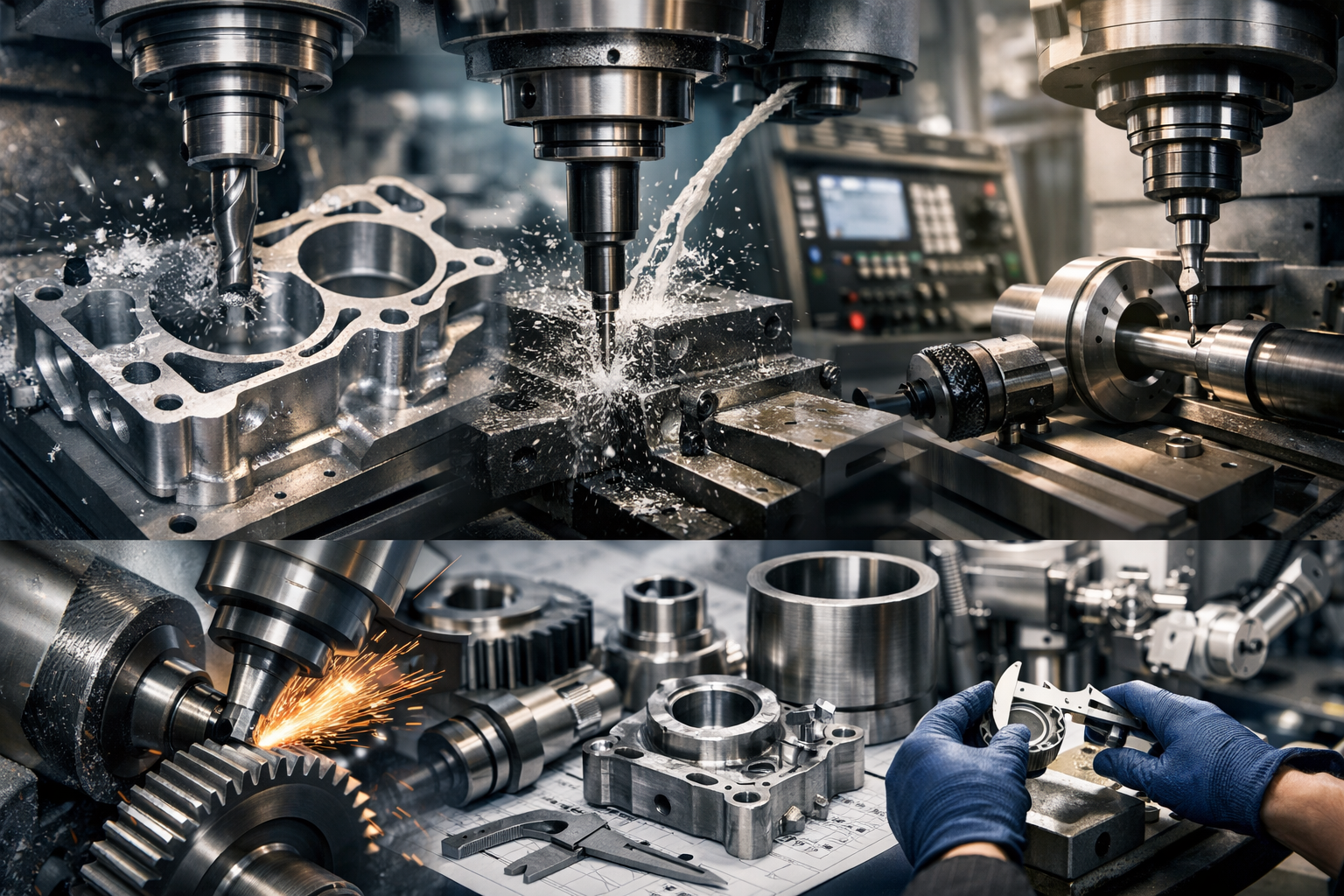
यह जानना कि मशीनिंग सामग्री को हटाती है, एक बात है। अपने विशिष्ट भाग के लिए सही प्रक्रिया का चयन करना? यहीं पर विनिर्माण के विशेषज्ञता का वास्तविक महत्व है। प्रत्येक मशीनिंग कार्य में अपने विशिष्ट लाभ होते हैं, और इन अंतरों को समझना आपको यह निर्णय लेने में सहायता करता है कि आपके घटकों का उत्पादन कैसे किया जाए।
आइए प्रमुख प्रक्रियाओं को विस्तार से समझें और—अधिक महत्वपूर्ण बात—यह स्पष्ट करें कि प्रत्येक प्रक्रिया आपकी परियोजना के लिए कब सबसे उपयुक्त है।
जटिल ज्यामितियों के लिए सीएनसी मिलिंग
कल्पना कीजिए कि आपको जेबों, स्लॉट्स, कोणीय सतहों और जटिल आकारों वाला एक भाग चाहिए। Cnc machining milling ये चुनौतियाँ घूमने वाले कटर्स के साथ सामना करता है, जो एक साथ कई अक्षों के अनुदिश गति करते हैं। यूनियनफैब के तकनीकी विश्लेषण के अनुसार, मिलिंग में कंप्यूटर-नियंत्रित गति का उपयोग कई अक्षों के अनुदिश किया जाता है, जिससे अतुलनीय सटीकता और पुनरावृत्तियोग्यता सुनिश्चित होती है।
मिलिंग इतनी विविधतापूर्ण क्यों है? कटिंग टूल घूमता है, जबकि आपका कार्य टुकड़ा अपेक्षाकृत स्थिर रहता है। यह व्यवस्था मशीन को लगभग किसी भी कोण से सामग्री के पास पहुँचने की अनुमति देती है, जिससे ऐसी विशेषताएँ बनाई जा सकती हैं जो अन्य विधियों के साथ असंभव होती हैं।
सीएनसी मिलिंग भाग निम्नलिखित अनुप्रयोगों में उत्कृष्ट प्रदर्शन करते हैं:
- समतल सतहें और फेस मिलिंग: कार्य टुकड़े के फलकों पर चिकनी, समतल सतहें बनाना
- जेबें और कोटर: हाउसिंग या भार कम करने के लिए सामग्री को खोखला करना
- जटिल 3D आकार: एयरोस्पेस या चिकित्सा घटकों के लिए जैविक आकारों को तैयार करना
- स्लॉट और कीवे: यांत्रिक असेंबली के लिए सटीक चैनल
बहु-अक्ष मिलिंग—विशेष रूप से 5-अक्ष विन्यास—इस क्षमता को और आगे बढ़ाती है। घूर्णन गतियों को जोड़कर, ये मशीनें टर्बाइन ब्लेड्स, इम्पेलर्स और अन्य जटिल वक्र सतहों वाले घटकों को एकल सेटअप में निर्मित करती हैं।
घूर्णन सममिति के लिए सीएनसी टर्निंग
जब आपका भाग अपनी केंद्रीय अक्ष के चारों ओर किसी भी कोण से समान दिखाई देता है—जैसे शाफ्ट, पिन, बुशिंग या थ्रेडेड फास्टनर—तो सीएनसी टर्निंग स्पष्ट रूप से सबसे उपयुक्त विकल्प बन जाती है। यहाँ, प्रक्रिया विपरीत कार्य करती है: आपका कार्य टुकड़ा घूमता है, जबकि स्थिर कटिंग उपकरण उसकी बाहरी और आंतरिक सतहों को आकार देते हैं।
सीएनसी टर्निंग सेवाएँ बेलनाकार घटकों के लिए अत्यधिक दक्षता प्रदान करती हैं। RapidDirect के मशीनिंग गाइड में उल्लेखित है कि टर्निंग दोनों—सामग्री की आंतरिक और बाहरी सतहों की मशीनिंग के लिए बेहद उपयुक्त है, जहाँ बाहरी संचालन को 'फेसिंग' कहा जाता है और आंतरिक संचालन को 'बोरिंग' कहा जाता है।
स्विस मशीनिंग छोटे, सटीक भागों के लिए डिज़ाइन किए गए एक विशिष्ट टर्निंग विधि का प्रतिनिधित्व करती है। इस तकनीक में बार स्टॉक को कटिंग टूल के निकट स्थित गाइड बुशिंग के माध्यम से फीड किया जाता है, जो चिकित्सा पिन या घड़ी के घटकों जैसे लंबे, नाज़ुक घटकों के उत्पादन के लिए अत्यधिक समर्थन प्रदान करती है।
अपने डिज़ाइन में सीएनसी टर्निंग का विचार करें जब आपके डिज़ाइन में निम्नलिखित विशेषताएँ हों:
- बेलनाकार या शंक्वाकार बाहरी प्रोफाइल
- आंतरिक बोर और थ्रू-होल
- बाहरी और आंतरिक थ्रेडिंग
- ग्रूव्स, अंडरकट्स और नक्काशीदार सतहें
विशिष्ट आवश्यकताओं के लिए विशेष प्रक्रियाएँ
कभी-कभी मानक सीएनसी कटिंग ऑपरेशन आपके डिज़ाइन द्वारा आवश्यकता को पूरा नहीं कर पाते हैं। ऐसी स्थितियों में विशेष प्रक्रियाएँ महत्वपूर्ण अंतर को भरती हैं।
बोरिंग ड्रिल बिट्स नामक बहु-बिंदु कटिंग उपकरणों का उपयोग करके बेलनाकार छिद्र बनाती है। उन घुमावदार चैनलों—जिन्हें फ्लूट्स कहा जाता है—का उद्देश्य ड्रिल बिट के आगे बढ़ने के समय चिप्स को निकालना होता है। ड्रिलिंग के बाद आमतौर पर थ्रेड जोड़ने के लिए टैपिंग ऑपरेशन या छिद्र के आकार को अधिक सटीक सहिष्णुता तक सुधारने के लिए रीमिंग प्रक्रियाएँ की जाती हैं।
ग्राइंडिंग यह सटीकता को एक नए स्तर पर ले जाता है। काटने के किनारों के बजाय अपघर्षक व्हील्स का उपयोग करके, यह प्रक्रिया दर्पण-जैसे सतह परिष्करण और माइक्रोन में मापे गए टॉलरेंस प्राप्त करती है। यह अक्सर कठोरित घटकों या अत्यधिक चिकनी सतहों के लिए अंतिम चरण होता है।
इलेक्ट्रिकल डिस्चार्ज मशीनिंग (EDM) यह प्रक्रिया भौतिक संपर्क के बजाय नियंत्रित विद्युत चिंगारियों के माध्यम से सामग्री को हटाती है। इससे EDM अत्यधिक कठोर सामग्रियों, जटिल आंतरिक कोटरों या सूक्ष्म यांत्रिकी अनुप्रयोगों के लिए आदर्श बन जाता है, जहाँ पारंपरिक उपकरण विफल हो जाएँगे। इस प्रक्रिया द्वारा निर्मित भागों को लगभग कोई पॉलिशिंग की आवश्यकता नहीं होती है, और इनके टॉलरेंस ऐसे होते हैं जिन्हें पारंपरिक विधियाँ प्राप्त करने में कठिनाई का सामना करती हैं।
सीएनसी निर्माण अक्सर कई प्रक्रियाओं को संयोजित करता है। एक जटिल घटक का निर्माण सिलेंड्रिकल विशेषताओं के लिए लेथ पर शुरू हो सकता है, फिर जेब और माउंटिंग होल्स के लिए मिलिंग केंद्र पर स्थानांतरित किया जा सकता है, और अंत में महत्वपूर्ण सतहों के लिए ग्राइंडिंग के साथ समाप्त किया जा सकता है।
प्रक्रिया चयन: एक नज़र में
सही दृष्टिकोण का चयन आपके द्वारा निर्मित वस्तु पर निर्भर करता है। यह तुलना यह स्पष्ट करने में सहायता करती है कि प्रत्येक प्रक्रिया कब अनुकूलतम परिणाम प्रदान करती है:
| प्रक्रिया प्रकार | सर्वश्रेष्ठ उपयोग | सामान्य सहनशीलता | सामग्री संगतता |
|---|---|---|---|
| सीएनसी मिलिंग | जटिल आकृतियाँ, कोष्ठ, स्लॉट, 3D कंटूर, समतल सतहें | ±0.025 मिमी से ±0.125 मिमी | धातुएँ, प्लास्टिक, संयोजक (कॉम्पोजिट), कुछ सिरेमिक्स |
| सीएनसी मोड़ | शाफ्ट, पिन, बुशिंग, थ्रेडेड भाग, बेलनाकार घटक | ±0.025 मिमी से ±0.075 मिमी | धातुएँ (एल्यूमीनियम, स्टील, पीतल), प्लास्टिक |
| बोरिंग | गोल छिद्र, थ्रेडेड छिद्र, काउंटरबोर, काउंटरसिंक | ±0.05 मिमी से ±0.125 मिमी | सभी यांत्रिक रूप से काटे जा सकने वाली धातुएँ और प्लास्टिक |
| ग्राइंडिंग | उत्कृष्ट सतह समाप्ति, कड़ी सहिष्णुता, कठोरीकृत सामग्री | ±0.005मिमी से ±0.025मिमी | कठोरित इस्पात, सेरामिक्स, कार्बाइड्स |
| EDM | कठोर सामग्री, जटिल आंतरिक विशेषताएँ, सूक्ष्म विवरण | ±0.005मिमी से ±0.025मिमी | कोई भी विद्युत्-चालक सामग्री |
ध्यान दें कि जैसे-जैसे आप विशिष्ट प्रक्रियाओं की ओर बढ़ते हैं, अनुमत विचलन (टॉलरेंस) कितने कड़े हो जाते हैं? यह सटीकता गति और लागत के ट्रेड-ऑफ के साथ आती है। मानक मिलिंग अधिकांश आवश्यकताओं को कुशलतापूर्वक संभालती है, जबकि ग्राइंडिंग और EDM उन परिस्थितियों को संबोधित करते हैं जहाँ कोई अन्य प्रक्रिया काम नहीं करेगी।
प्रक्रियाओं के चयन के बाद, आपका अगला महत्वपूर्ण निर्णय सामग्री के चयन से संबंधित है—एक ऐसा चुनाव जो आपके भाग के उत्पादन और अंतिम प्रदर्शन दोनों के हर पहलू को मौलिक रूप से आकार देता है।
भाग की सफलता निर्धारित करने वाला सामग्री चयन
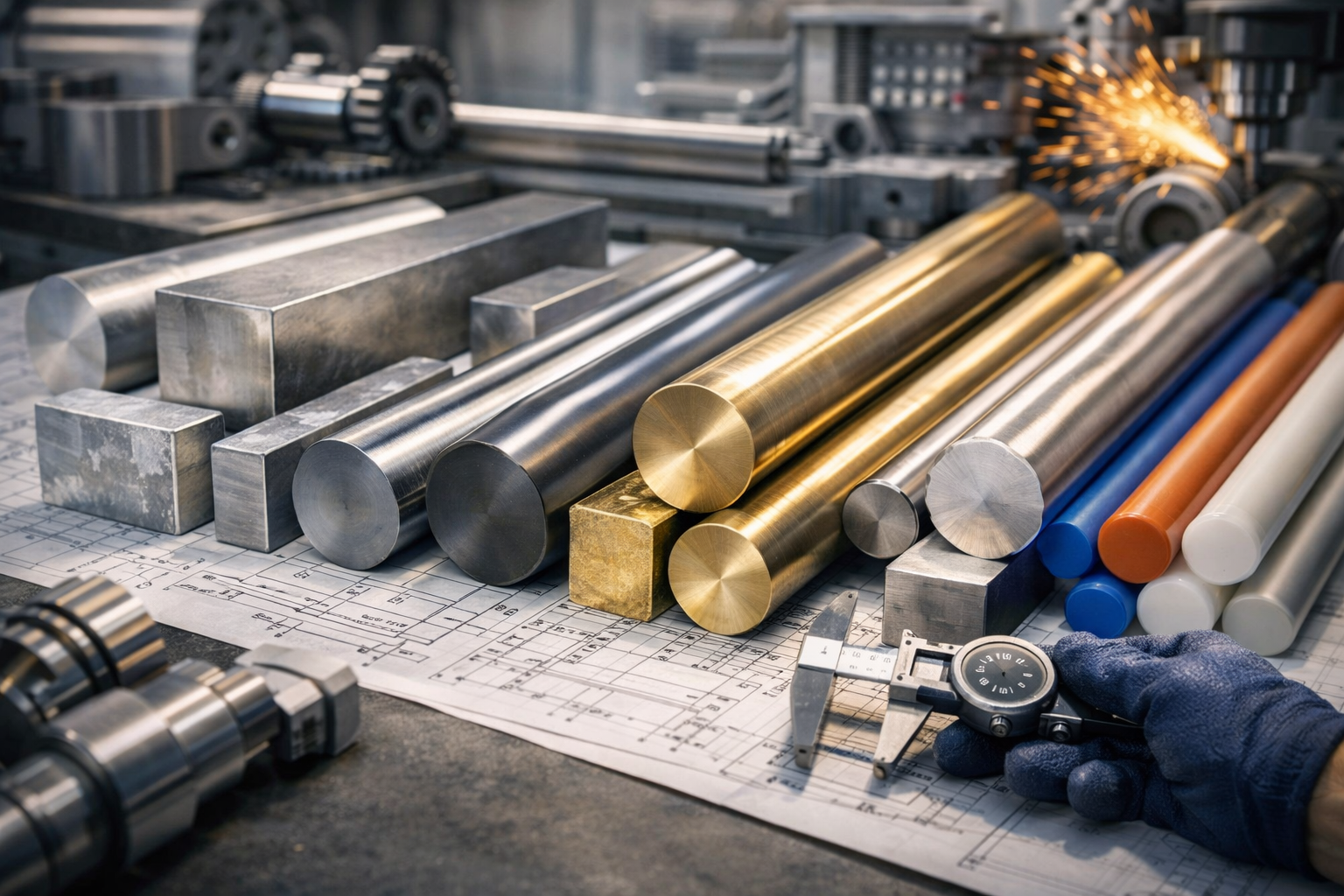
आपने सही यांत्रिक प्रक्रिया का चयन कर लिया है। अब एक ऐसा निर्णय लेना है जो उपकरण के घिसावट से लेकर अंतिम भाग के प्रदर्शन तक हर चीज़ को आकार देता है: अपनी सामग्री का चयन करना। यह केवल एक कैटलॉग से चुनना नहीं है—यह यांत्रिक गुणों, यांत्रिकीयता की विशेषताओं और अनुप्रयोग की आवश्यकताओं को मिलाना है ताकि वास्तव में कार्य करने वाले घटक बनाए जा सकें।
गलत सामग्री का चयन प्रत्येक निर्माण चरण में एक के बाद एक प्रभाव डालता है। कटिंग की गति कम हो जाती है। औजार जल्दी से क्षरित हो जाते हैं। सतह का फ़िनिश प्रभावित होता है। और अंततः, भाग सेवा के दौरान विफल हो जाते हैं। आइए इसका अध्ययन करें, सीएनसी मशीनिंग सामग्री जो लगातार परिणाम प्रदान करते हैं।
सटीकता के साथ मशीनिंग करने वाली धातुएँ
धातुएँ भागों की मशीनिंग में प्रमुखता से उपयोग की जाती हैं, और इसका अच्छा कारण है। उनकी शक्ति, तापीय स्थिरता और भरोसेमंद कटिंग व्यवहार का संयोजन उन्हें प्रोटोटाइप विकास से लेकर उच्च-मात्रा उत्पादन तक सभी के लिए आदर्श बनाता है।
एल्यूमीनियम मिश्र धातु
एल्यूमीनियम मशीन किए गए घटकों के लिए सबसे लोकप्रिय विकल्प है—और इसका कारण समझना आसान है। प्रोटोलैब्स के सामग्री मार्गदर्शन के अनुसार, 6061 और 7075 जैसी एल्यूमीनियम ग्रेड्स उनके द्वारा सबसे अधिक चुनी जाने वाली धातुओं में से एक हैं।
- 6061 अल्यूमिनियम: उत्कृष्ट संक्षारण प्रतिरोध, अच्छी वेल्डेबिलिटी और मध्यम शक्ति। सामान्य उद्देश्य के घटकों, ब्रैकेट्स और हाउसिंग के लिए आदर्श, जहाँ वजन महत्वपूर्ण होता है।
- 7075 एल्यूमीनियमः कुछ इस्पातों के समीप पहुँचने वाली उच्च ताकत, लेकिन एल्यूमीनियम के भार लाभ के साथ। यह एयरोस्पेस घटकों और महत्वपूर्ण तनाव के अधीन संरचनात्मक भागों के लिए आदर्श है।
दोनों ग्रेड उच्च गति पर अत्यंत सुगंधित रूप से मशीन किए जाते हैं, जिससे न्यूनतम उपकरण घिसावट के साथ उत्कृष्ट सतह परिष्करण प्राप्त होता है। ऐनोडाइज़िंग जैसी द्वितीयक प्रक्रियाएँ टिकाऊपन को बढ़ाती हैं, जबकि क्रोमेट प्लेटिंग सौंदर्यपूर्ण उपस्थिति में सुधार करती है।
इस्पात और स्टेनलेस स्टील
जब ताकत और पहन-प्रतिरोध भार विचारों को पार कर जाते हैं, तो इस्पात चुने जाने वाले सामग्री बन जाता है। C45E जैसे कार्बन इस्पात गियर, शाफ्ट और संरचनात्मक घटकों के लिए उत्कृष्ट मशीनीकरण योग्यता प्रदान करते हैं।
स्टेनलेस स्टील—विशेष रूप से SS304 और SS316L—चिकित्सा, खाद्य प्रसंस्करण और समुद्री अनुप्रयोगों के लिए संक्षारण प्रतिरोध प्रदान करता है। इन ग्रेड्स के लिए धीमी कटिंग गति और अधिक कठोर सेटअप की आवश्यकता होती है, लेकिन ये भाग कठोर वातावरण को अनिश्चित काल तक सहन कर सकते हैं।
कांस्य और तांबे के मिश्र धातु
कांस्य के यांत्रिक विधान से अत्यधिक पहन-प्रतिरोध और कम घर्षण की आवश्यकता वाले घटकों के लिए संभावनाएँ खुल जाती हैं। सीएनसी कांस्य भाग मेटल-टू-मेटल संपर्क के दौरान बुशिंग, बेयरिंग और स्लाइडिंग सतहों के रूप में उत्कृष्ट प्रदर्शन करते हैं। इस सामग्री की प्राकृतिक स्नेहकता संलग्न घटकों पर पहन को कम करती है, जिससे असेंबली का जीवन काफी लंबा हो जाता है।
कांस्य के सीएनसी संचालन आमतौर पर मध्यम गति पर कार्बाइड औजारों के साथ किए जाते हैं। सी3604 पीतल जैसे फ्री-मशीनिंग ग्रेड दृढ़ टॉलरेंस को बनाए रखते हैं—सुपर-इन्जीनियरिंग के तकनीकी डेटा के अनुसार, 6 मिमी से कम व्यास वाले फीचर्स को उचित प्रक्रिया नियंत्रण के साथ ±0.01–0.02 मिमी की सहिष्णुता प्राप्त की जा सकती है।
सी110 (शुद्ध तांबा) जैसे तांबे के मिश्र धातुओं का उपयोग विद्युत अनुप्रयोगों में किया जाता है जहाँ चालकता महत्वपूर्ण होती है। यद्यपि कांस्य की तुलना में यह नरम है, तथापि तांबा अच्छी तरह से मशीन किया जा सकता है और विभिन्न सतह उपचारों को स्वीकार करता है।
विशिष्ट अनुप्रयोगों के लिए इंजीनियरिंग प्लास्टिक्स
जब धातु उत्तर नहीं है—चाहे वह भार, विद्युत विलगन की आवश्यकताओं, या रासायनिक प्रतिरोध के कारण हो—तो इंजीनियरिंग प्लास्टिक्स इस अंतर को पूरा करते हैं। ये सामग्रियाँ धातुओं की तुलना में अलग तरीके से मशीन की जाती हैं, जिससे इष्टतम परिणामों के लिए समायोजित दृष्टिकोणों की आवश्यकता होती है।
एसीटल (डेल्रिन/पीओएम)
डेल्रिन प्लास्टिक परिशुद्धि वाले प्लास्टिक घटकों के लिए सबसे अधिक आयामी रूप से स्थिर विकल्प के रूप में माना जाता है। इसका कम घर्षण गुणांक इसे गियर, बेयरिंग और प्रेस-फिट असेंबलियों के लिए आदर्श बनाता है। यह सामग्रि स्वच्छ रूप से मशीन की जाती है और उच्च सटीकता वाले आयाम प्राप्त करने के लिए नमी संवेदनशीलता के बिना उत्कृष्ट परिणाम देती है, जो कुछ अन्य विकल्पों को प्रभावित करती है।
नायलॉन (पीए6/पीए66)
नायलॉन के मशीनिंग के लिए इसके नमी अवशोषण व्यवहार को समझना आवश्यक है। मशीनिंग अनुप्रयोगों के लिए नायलॉन को अंतिम आयाम निर्धारण से पहले उचित रूप से संतुलित करने की आवश्यकता होती है, क्योंकि आर्द्रता में परिवर्तन विशेषता के आकार के आधार पर 0.05–0.20 मिमी के आयामी परिवर्तन का कारण बनते हैं। इस चुनौती के बावजूद, नायलॉन की ताकत, घर्षण प्रतिरोध और प्रभाव सुदृढ़ता का संयोजन यांत्रिक घटकों के लिए अमूल्य है।
पॉलीकार्बोनेट
सीएनसी पॉलीकार्बोनेट अतुलनीय प्रभाव प्रतिरोध और ऑप्टिकल स्पष्टता प्रदान करता है। इसके अनुप्रयोग सुरक्षात्मक कवर से लेकर पारदर्शी आवरण तक फैले हुए हैं, जहाँ उपयोगकर्ताओं को आंतरिक घटकों को देखने की आवश्यकता होती है। यह सामग्री अच्छी तरह से मशीन की जा सकती है, लेकिन मशीन किए गए विशेषताओं के चारों ओर दरारें (क्रेज़िंग) रोकने के लिए तनाव-मुक्ति ऐनीलिंग का लाभ उठाने की आवश्यकता होती है।
उच्च-प्रदर्शन पॉलीमर
- पीईईके: उच्च तापमान और कठोर रासायनिक पदार्थों को संभाल सकता है। चिकित्सा प्रत्यारोपण और एयरोस्पेस घटक इसके अद्वितीय गुणों के संयोजन पर निर्भर करते हैं।
- पीएमएमए (एक्रिलिक): उचित तकनीक के साथ ऑप्टिकल-गुणवत्ता वाली सतहें प्राप्त की जा सकती हैं। प्रकाश-पारगम्य अनुप्रयोगों के लिए Ra 0.4–0.8 μm के फिनिश की अपेक्षा करें।
- पीटीएफई: अत्यधिक रासायनिक प्रतिरोध के साथ-साथ भार के अधीन रिलैक्सेशन (क्रीप) प्रदर्शित करता है। गैस्केट और सीलिंग अनुप्रयोगों के लिए इसके अनुसार डिज़ाइन करें।
घटक के कार्य के अनुरूप सामग्री के गुणों का मिलान
सही सामग्री का चयन सही प्रश्न पूछने से शुरू होता है। घटक किन प्रकार के भार का सामना करेगा? किन तापमानों के अधीन होगा? किन रासायनिक पदार्थों के संपर्क में आएगा? यह मिलान वाले घटकों के साथ किस प्रकार अंतर्क्रिया करेगा?
इन निर्णय कारकों पर विचार करें:
- यांत्रिक आवश्यकताएँ: तन्य सामर्थ्य, कठोरता, थकान प्रतिरोध और प्रभाव की टघनता आधारभूत सामग्री चयन को निर्धारित करते हैं।
- पर्यावरणीय एक्सपोजर: संक्षारण प्रतिरोध, पराबैंगनी (UV) स्थायित्व और रासायनिक संगतता विशिष्ट सेवा परिस्थितियों के लिए आपके विकल्पों को सीमित करते हैं।
- ऊष्मीय विचार: कार्यकारी तापमान सीमा सामग्री के प्रदर्शन और आयामी स्थायित्व दोनों को प्रभावित करती है।
- यांत्रिक काटने का प्रभाव: कठोर सामग्रियाँ चक्र समय को बढ़ाती हैं और उपकरण के क्षरण को तीव्र करती हैं, जिससे भाग की लागत प्रत्यक्ष रूप से प्रभावित होती है।
- द्वितीयक कार्य: ऊष्मा उपचार, धातु लेपन और लेपन आवश्यकताएँ कुछ विशिष्ट सामग्री परिवारों को प्राथमिकता दे सकती हैं।
इंजेक्शन मोल्डिंग के लिए निर्धारित भागों के प्रोटोटाइपिंग के दौरान, अपने उत्पादन रेजिन के यांत्रिक रूप से काटे जा सकने वाले समकक्ष—जैसे मशीन किए गए ABS या ऐसीटैल ब्लॉक्स—का चयन करना प्रोटोटाइप को अंतिम मोल्डेड घटकों के समान प्रदर्शन प्रदान करता है।
सामग्री चयन यह निर्धारित करता है कि क्या संभव है। लेकिन उन संभावनाओं को प्राप्त करने के लिए टॉलरेंस और सतह समाप्ति को समझना आवश्यक है—वे विनिर्देशन जो अंततः यह परिभाषित करते हैं कि क्या आपका मशीन किया गया भाग अपनी कार्यात्मक आवश्यकताओं को पूरा करता है।
गुणवत्ता को परिभाषित करने वाली सहनशीलताएँ और सतह समाप्ति
यहाँ एक वास्तविकता जाँच है: कोई भी मशीन हर बार सटीक रूप से समान परिणाम नहीं देती है। यहाँ तक कि सबसे उन्नत CNC उपकरण भागों के बीच छोटे-छोटे अंतर पैदा करता है। तो निर्माता यह कैसे सुनिश्चित करते हैं कि घटक वास्तव में एक साथ फिट हों और उचित रूप से कार्य करें? इसका उत्तर सहनशीलताओं में निहित है—सावधानीपूर्वक परिभाषित सीमाएँ जो स्वीकार्य भागों को अयोग्य (स्क्रैप) भागों से अलग करती हैं।
इन विशिष्टताओं को समझना आपके प्रेसिजन मशीनिंग सेवाओं के साथ संचार के तरीके को बदल देता है। आप केवल सर्वोत्तम परिणाम की आशा करने के बजाय, अपने अनुप्रयोग द्वारा आवश्यक विशिष्टताओं को स्पष्ट रूप से निर्दिष्ट करेंगे—और यह समझेंगे कि उन विशिष्टताओं की क्या लागत है।
सहनशीलता ग्रेड को समझना और उनका प्रभाव
सहनशीलता एक निर्दिष्ट मान से कुल स्वीकार्य आयामी विचरण को परिभाषित करती है। अमेरिकन माइक्रो इंडस्ट्रीज के अनुसार, इंजीनियर सहनशीलताएँ इसलिए स्थापित करते हैं ताकि घटक संयोजनों के भीतर उचित रूप से कार्य कर सकें, जबकि निर्माता उन्हें उत्पादन के समग्र प्रवाह में महत्वपूर्ण गुणवत्ता नियंत्रण पैरामीटर के रूप में उपयोग करते हैं।
एक बुशिंग के बारे में सोचें जिसे एक शाफ्ट पर सरकाने के लिए डिज़ाइन किया गया है। यदि आंतरिक व्यास बहुत छोटा मशीन किया जाता है, तो बुशिंग फिट नहीं होगी। यदि यह बहुत बड़ा है, तो फिट ढीला हो जाएगा—जिससे भाग अकार्यात्मक हो सकता है। इसीलिए सटीक मशीनिंग भागों के लिए स्पष्ट रूप से परिभाषित स्वीकार्य सीमाएँ आवश्यक होती हैं।
सहनशीलता विनिर्देशन मानकीकृत प्रारूपों का अनुसरण करते हैं:
- द्विपक्षीय सहिष्णुता: दोनों दिशाओं में विचरण की अनुमति दें (±0.005")
- एकपक्षीय सहिष्णुता: केवल एक दिशा में विचलन की अनुमति दें (+0.000/-0.005")
- सीमा आयाम: अधिकतम और न्यूनतम स्वीकार्य मानों को सीधे निर्दिष्ट करें
अंतर्राष्ट्रीय मानक ISO 2768 सामान्य सहनशीलता वर्ग—f (फाइन), m (मीडियम), c (कोर्स), और v (वेरी कोर्स)—प्रदान करता है, जो रैखिक आयामों, कोणीय आयामों और ज्यामितीय सहनशीलताओं को शामिल करते हैं। हालाँकि, ये सार्वभौमिक आवश्यकताएँ नहीं, बल्कि शुरुआती बिंदुओं का प्रतिनिधित्व करते हैं।
मानक सीएनसी मशीनिंग आमतौर पर ±0.005" (0.127 मिमी) को आधार के रूप में प्राप्त करती है। उच्च-परिशुद्धता सीएनसी मिलिंग संचालन इससे अधिक कठोर सहिष्णुता तक पहुँच जाते हैं, जो ±0.001" या उससे भी बेहतर हो सकती है, जब अनुप्रयोगों में अत्यधिक सटीकता की आवश्यकता होती है। लेकिन यहाँ वह बात है जिसे कई लोग नहीं समझते: दशमलव स्थानों की परिशुद्धता सीधे उत्पादन की कठिनाई और लागत से संबंधित होती है।
±0.02" की सहिष्णुता ±0.002" की तुलना में दस गुना अधिक विस्तृत सीमा की अनुमति देती है। यह अंतर उपकरणों की आवश्यकताओं, चक्र समय और अंततः आपके बजट को गहन रूप से प्रभावित करता है।
सतह परिष्करण विनिर्देशों का विश्लेषण
जबकि सहिष्णुताएँ आयामों को नियंत्रित करती हैं, सतह परिष्करण यह निर्धारित करता है कि कोई भाग कैसा महसूस करता है, कैसे कार्य करता है और संलग्न घटकों के साथ कैसे अंतःक्रिया करता है। इंजीनियर सतह की खुरदरापन को Ra मानों के माध्यम से निर्दिष्ट करते हैं—जो सतह के विचलनों का अंकगणितीय औसत होता है, जिसे माइक्रोमीटर (μm) या माइक्रोइंच (μin) में मापा जाता है।
ये संख्याएँ वास्तव में आपके भागों के लिए क्या अर्थ रखती हैं?
- Ra 3.2 μm (125 μin): मानक मशीनिंग परिष्करण। अधिकांश गैर-आलोचनात्मक सतहों और आंतरिक विशेषताओं के लिए उपयुक्त।
- Ra 1.6 μm (63 μin): अच्छी गुणवत्ता वाला समापन। दृश्यमान सतहों और हल्के भार वाले बेयरिंग क्षेत्रों के लिए उपयुक्त।
- Ra 0.8 μm (32 μin): सूक्ष्म समापन। सीलिंग सतहों, परिशुद्ध फिटिंग्स और स्लाइडिंग इंटरफ़ेस के लिए आवश्यक।
- Ra 0.4 μm (16 μin): अत्यंत सूक्ष्म समापन। उच्च-परिशुद्धता वाली बेयरिंग सतहों और प्रकाशिक माउंटिंग के लिए आवश्यक।
- Ra 0.2 μm (8 μin): ग्राउंड या लैप्ड समापन। गेज सतहों और महत्वपूर्ण सीलिंग अनुप्रयोगों के लिए अनिवार्य।
सतह समापन केवल दृश्यात्मक आकर्षण तक ही सीमित नहीं है। चिकनी सतहें गतिमान असेंबलियों में घर्षण को कम करती हैं, सील प्रदर्शन में सुधार करती हैं और थकान से उत्पन्न दरारों के आरंभ का प्रतिरोध करती हैं। हाइड्रोलिक प्रणालियों के लिए परिशुद्धता CNC भागों में रिसाव को रोकने के लिए सीलिंग सतहों पर अक्सर Ra 0.8 μm या उससे बेहतर समापन की आवश्यकता होती है।
प्लेटिंग और समापन प्रक्रियाएँ भी अंतिम आयामों को प्रभावित करती हैं। ये प्रक्रियाएँ भागों की सतहों पर सामग्री जोड़ती हैं—कभी-कभी केवल कुछ माइक्रॉन मात्र। इन वृद्धियों को आपके सहिष्णुता स्टैक में शामिल करने से द्वितीयक प्रसंस्करण के बाद अप्रत्याशित परिणामों से बचा जा सकता है।
परिशुद्धता आवश्यकताओं और उत्पादन अर्थव्यवस्था के बीच संतुलन स्थापित करना
कम सहिष्णुता और अधिक सूक्ष्म परिष्करण हमेशा अधिक महंगे होते हैं। प्रश्न यह उठता है कि आपके अनुप्रयोग को वास्तव में कितनी सटीकता की आवश्यकता है?
चार या अधिक दशमलव स्थानों तक की उच्च-सटीकता यांत्रिक प्रसंस्करण समाधानों के लिए उन्नत उपकरण, विशिष्ट औजार, धीमी फीड दरें और अतिरिक्त निरीक्षण की आवश्यकता होती है। निर्दिष्ट सीमाओं के बाहर मापे गए भाग अयोग्य (स्क्रैप) हो जाते हैं, जिससे अपशिष्ट बढ़ जाता है और लागत और अधिक बढ़ जाती है।
यह तालिका सटीकता की आवश्यकताओं और व्यावहारिक प्रभावों के बीच संबंध को दर्शाती है:
| सहनशीलता विस्तार | वर्गीकरण | विशिष्ट अनुप्रयोग | सापेक्ष लागत प्रभाव |
|---|---|---|---|
| ±0.25 मिमी (±0.010") | मानक | संरचनात्मक घटक, ब्रैकेट, गैर-महत्वपूर्ण विशेषताएँ | कम |
| ±0.125 मिमी (±0.005") | बंद करें | सामान्य यांत्रिक भाग, हाउसिंग बोर, माउंटिंग होल | मध्यम |
| ±0.05 मिमी (±0.002") | शुद्धता | बेयरिंग फिट, शाफ्ट जर्नल, जुड़ने वाली सतहें | उच्च |
| ±0.025 मिमी (±0.001") | उच्च सटीकता | एयरोस्पेस इंटरफेस, मेडिकल घटक, उपकरण भाग | बहुत अधिक |
| ±0.0125 मिमी (±0.0005") | अति-परिशुद्धता | गेज ब्लॉक्स, प्रकाशिक घटक, महत्वपूर्ण संयोजन | प्रीमियम |
विनिर्माण इंजीनियर कार्यात्मक आवश्यकताओं, सामग्री गुणों, यांत्रिक प्रसंस्करण विधि की क्षमताओं और लागत प्रतिबंधों पर विचार करके उचित सहिष्णुताएँ चुनते हैं। एयरोस्पेस या मेडिकल अनुप्रयोगों के लिए परिशुद्धता सीएनसी मशीनिंग भागों को अक्सर प्रीमियम सहिष्णुताओं का औचित्य दिया जाता है। सामान्य यांत्रिक घटकों को ऐसी चरम सहिष्णुताओं की आवश्यकता शायद ही कभी होती है।
सहिष्णुताओं को प्रभावी ढंग से निर्दिष्ट करने के लिए यहाँ व्यावहारिक मार्गदर्शिका दी गई है:
- सख्त सहिष्णुताओं को चुनिंदा रूप से लागू करें: परिशुद्धता विनिर्देशों को उन विशेषताओं के लिए आरक्षित रखें जिन्हें वास्तव में इनकी आवश्यकता होती है—मिलान वाले सतह, बेयरिंग फिट और महत्वपूर्ण इंटरफेस।
- सामग्री के व्यवहार पर विचार करें: कुछ सामग्रियाँ अन्य सामग्रियों की तुलना में सहिष्णुताओं को अधिक सुगमता से बनाए रखती हैं। एल्यूमीनियम और एसीटल जैसी स्थिर सामग्रियाँ उन सामग्रियों की तुलना में अधिक आर्थिक रूप से कड़ी विनिर्देशों के अनुसार मशीन की जा सकती हैं जो तापीय प्रसार या तनाव विमुक्ति के प्रति संवेदनशील होती हैं।
- प्रक्रिया क्षमताओं का ध्यान रखें: विभिन्न यांत्रिक संसाधन विधियाँ प्राकृतिक रूप से अलग-अलग सहिष्णुता सीमाएँ प्राप्त करती हैं। प्रक्रिया क्षमता से अधिक सहिष्णुता निर्दिष्ट करना महंगे द्वितीयक संचालनों को आवश्यक बना देता है।
- अपने निर्माता के साथ संवाद करें: अनुभवी सटीक यांत्रिक संसाधन सेवा प्रदाता यह सुझाव दे सकते हैं कि कहाँ सहिष्णुताओं को कार्यक्षमता को समाप्त किए बिना ढीला किया जा सकता है—जिससे काफी लागत बच सकती है।
सहिष्णुताओं को सही ढंग से निर्धारित करना इंजीनियरिंग आवश्यकताओं और निर्माण की वास्तविकताओं के बीच संतुलन बनाता है। लेकिन यहाँ तक कि सही विनिर्देश भी तब काम नहीं करेंगे जब आपका भाग डिज़ाइन यांत्रिक संसाधन के लिए चुनौतियाँ पैदा करता हो। यहीं पर निर्माण के लिए डिज़ाइन (Design for Manufacturability) के सिद्धांत प्रभावी होते हैं—जो यह सुनिश्चित करते हैं कि आपकी ज्यामिति यांत्रिक संसाधन प्रक्रियाओं के साथ काम करे, न कि उनके विरुद्ध।
कुशलतापूर्ण यांत्रिक संसाधन के लिए भागों का डिज़ाइन करना
आपका डिज़ाइन स्क्रीन पर बिल्कुल सही लगता है। लेकिन क्या इसे वास्तव में मशीनिंग के द्वारा निर्मित किया जा सकता है? यह प्रश्न सैद्धांतिक इंजीनियरिंग को व्यावहारिक उत्पादन से अलग करता है। निर्माण के लिए डिज़ाइन—या DFM—इस अंतर को पाटता है, जिससे आपके सीएनसी मशीनिंग भाग आसानी से CAD मॉडल से अंतिम घटक तक पहुँचते हैं।
यहाँ वास्तविकता यह है: प्रत्येक डिज़ाइन निर्णय उत्पादन प्रक्रिया में तरंगें उत्पन्न करता है। एक गहरी पॉकेट जो सॉफ़्टवेयर में तुच्छ लगती हो, वह विशिष्ट औज़ारिंग की आवश्यकता हो सकती है। एक तीव्र आंतरिक कोना हाथ से समाप्ति कार्यों को अनिवार्य बना सकता है। ये निर्णय प्रत्यक्ष रूप से चक्र समय, औज़ार के क्षरण और अंततः प्रत्येक भाग के लिए आपके द्वारा भुगतान की जाने वाली राशि को प्रभावित करते हैं।
डिज़ाइन को अंतिम रूप देने से पहले DFM सिद्धांतों को समझना महंगे संशोधनों और उत्पादन संबंधित परेशानियों को रोकता है।
मशीन किए जा सकने वाले भागों के लिए महत्वपूर्ण डिज़ाइन नियम
मशीनिंग भौतिक बाधाएँ लगाती है जिन्हें CAD सॉफ़्टवेयर स्वचालित रूप से चिह्नित नहीं करता है। कटिंग टूल्स की विशिष्ट ज्यामिति होती है, मशीनों की पहुँच सीमाएँ होती हैं, और कुछ विशेषताओं का उत्पादन डिज़ाइन संशोधनों के बिना कुशलतापूर्ण रूप से—या बिल्कुल भी—नहीं किया जा सकता है।
के अनुसार फैक्टोरम का DFM मार्गदर्शिका , ये मुख्य दिशानिर्देश डिज़ाइन को उत्पादन-तैयार बनाए रखते हैं:
- कैविटी की गहराई-से-चौड़ाई अनुपात: पॉकेट की गहराई को सबसे छोटे चौड़ाई आयाम के 4 गुने से अधिक नहीं रखें। गहरी और संकरी कैविटीज़ निर्माताओं को लंबे और पतले टूल्स के उपयोग के लिए बाध्य करती हैं, जो विक्षेपण (डिफ्लेक्शन) और चैटर (chatter) के लिए प्रवण होते हैं—जिससे मशीनिंग समय बढ़ जाता है और सटीकता प्रभावित होती है।
- आंतरिक कोनों की त्रिज्या: सीएनसी एंडमिल्स गोलाकार होते हैं, इसलिए प्रत्येक आंतरिक कोना टूल की त्रिज्या को ग्रहण कर लेता है। कैविटी की गहराई के कम से कम 1/3 के बराबर आंतरिक फिल्लेट्स को डिज़ाइन करें, या उन स्थानों पर जहाँ वर्गाकार कोने कार्यात्मक रूप से आवश्यक हों, "डॉग बोन" कटआउट्स को शामिल करें।
- दीवार की मोटाई का न्यूनतम मान: पतली दीवारें कटिंग के दौरान कंपन करती हैं, जिससे सतह का फिनिश और आकारिक सटीकता दोनों प्रभावित होते हैं। धातु के भागों में कम से कम 0.8 मिमी की दीवार मोटाई बनाए रखनी चाहिए; प्लास्टिक के घटकों के लिए यह मोटाई सामग्री की दृढ़ता के आधार पर 1.5 मिमी या उससे अधिक होनी चाहिए।
- छिद्र की गहराई सीमाएँ: मानक ड्रिल्स 4 गुना व्यास तक की गहराई तक सबसे अच्छा प्रदर्शन करते हैं। इससे अधिक गहराई के छिद्रों के लिए विशिष्ट औजार, पेक ड्रिलिंग साइकिल या वैकल्पिक दृष्टिकोणों की आवश्यकता होती है—जो सभी लागत और समय में वृद्धि करते हैं।
- सुविधा पहुँच कटिंग औजार ऊपर से आते हैं। कोई भी ऐसी सुविधा जो ऊर्ध्वाधर टूल पाथ से छिपी हो, अतिरिक्त सेटअप, विशिष्ट कटर्स की आवश्यकता रखती है या पूरी तरह से मशीन करना असंभव हो सकता है।
ये कोई मनमाने नियम नहीं हैं। प्रत्येक नियम सीएनसी कटिंग के कार्यप्रणाली और कार्य-टुकड़े की ज्यामिति के बीच अंतर्क्रिया को दर्शाता है। इनका उल्लंघन मशीनिंग को असंभव नहीं बनाता—लेकिन इससे भागों का उत्पादन अधिक महंगा और समय-सापेक्ष रूप से लंबा हो जाता है।
सामान्य डिज़ाइन चूक से बचना
यहाँ तक कि अनुभवी इंजीनियर भी ऐसे डिज़ाइन जाल में फँस जाते हैं जो निर्माण को जटिल बना देते हैं। अपटिव मैन्युफैक्चरिंग कई ऐसी त्रुटियों की पहचान करती है जो लगातार समस्याएँ उत्पन्न करती हैं:
सहिष्णुता (टॉलरेंस) और सामग्री की सीमाओं को अनदेखा करना। आवश्यकता से कठोर सहिष्णुताएँ निर्दिष्ट करना लागत को तेजी से बढ़ा देता है। इसी प्रकार, यांत्रिकीय सुविधा (मशीनेबिलिटी) पर विचार किए बिना सामग्री का चयन करने से चक्र समय में वृद्धि और अत्यधिक उपकरण क्षरण होता है। हमेशा शुद्धता की आवश्यकताओं को वास्तविक कार्यात्मक आवश्यकताओं के अनुरूप रखें।
अनावश्यक रूप से जटिल ज्यामितियाँ। वह सुंदर वक्राकार सतह शायद प्रभावशाली लगती हो, लेकिन क्या यह कोई कार्यात्मक उद्देश्य पूरा करती है? अत्यधिक जटिल आकृतियाँ मशीनिंग समय में वृद्धि करती हैं, बिना कोई मूल्य जोड़े। जहाँ संभव हो, सरलीकरण करें—आपका बजट आपको धन्यवाद देगा।
तीव्र आंतरिक कोने। ये अंतिम भागों में तनाव संकेंद्रण उत्पन्न करते हैं और उन्हें निर्मित करने के लिए अतिरिक्त संचालन की आवश्यकता होती है। जहाँ भी संभव हो, मानक उपकरणों द्वारा सामान्य सीएनसी मिलिंग संचालन के दौरान प्राकृतिक रूप से निर्मित किए जा सकने वाले उचित वक्रता त्रिज्या (रेडियस) के साथ डिज़ाइन करें।
विशेषताओं के बीच संकरे क्षेत्र। कसी हुई दरारें उपलब्ध उपकरण आकारों को सीमित करती हैं, जिससे निर्माताओं को छोटे व्यास के कटर्स की ओर मजबूर किया जाता है, जो आसानी से विक्षेपित हो जाते हैं। विशेषताओं के बीच की दूरी को आवश्यक न्यूनतम उपकरण व्यास के कम से कम 3 गुना रखें।
छोटे कोनों के बजाय बाहरी फिलेट्स। बाहरी कोनों पर फिलेट्स बनाने के लिए विशिष्ट औजारों और लंबे समय तक मशीनिंग की आवश्यकता होती है। जब दोनों विकल्प कार्यात्मक रूप से काम कर सकते हैं, तो छोटे कोने (चैम्फर) बनाना उत्पादन के लिहाज से कहीं अधिक लागत-प्रभावी सिद्ध होता है।
दक्ष उत्पादन के लिए ज्यामिति का अनुकूलन
स्मार्ट डिज़ाइन चुनाव उत्पादन के सभी चरणों में संचयित प्रभाव डालते हैं। जो अनुकूलित मशीन किए गए भाग दक्षतापूर्ण रूप से मशीन किए जाते हैं, उनकी प्रति इकाई लागत कम होती है, वे तेज़ी से शिप किए जाते हैं और उत्पादन सीमाओं के खिलाफ डिज़ाइन किए गए भागों की तुलना में उच्च गुणवत्ता प्रदर्शित करते हैं।
इन अनुकूलन रणनीतियों पर विचार करें:
- छिद्रों के आकार को मानकीकृत करें: सामान्य ड्रिल व्यास का उपयोग करने से औजार परिवर्तन समाप्त हो जाते हैं। कम औजारों का अर्थ है छोटे सेटअप समय और त्रुटि के अवसर में कमी।
- सेटअप को न्यूनतम करें: डिज़ाइन सुविधाओं को जितनी कम संभव दिशाओं से पहुँचा जा सके, उसके अनुसार डिज़ाइन करें। प्रत्येक बार जब कोई भाग पुनः स्थित किया जाता है, तो संरेखण में विचरण जमा होता है और चक्र समय बढ़ जाता है।
- मानक टूलिंग के लिए डिज़ाइन: सामान्य औजार आकारों के अनुरूप वृत्ताकार त्रिज्याएँ (रेडियस), जो कस्टम कटर्स की आवश्यकता वाले मनमाने आयामों की तुलना में तेज़ी से मशीन की जाती हैं।
- उचित स्थानों पर ड्राफ्ट कोण जोड़ें: ऊर्ध्वाधर दीवारों पर हल्के शंकु (टेपर) उपकरण संलग्नता दबाव को कम करते हैं और मशीनिंग भागों के सतह परिष्करण को बेहतर बनाते हैं।
- समान विशेषताओं को समूहित करें: एक ही आकार के छिद्रों या समान गहराई के जेब (पॉकेट्स) को समूहित करना उपकरण पथ प्रोग्रामिंग को कुशल बनाता है।
डिज़ाइन और विनिर्माण के बीच का संबंध दोनों दिशाओं में कार्य करता है। सीएनसी मशीन भागों के उत्पादन की प्रक्रिया को समझना आपको शुरुआत में ही बेहतर डिज़ाइन बनाने में सहायता प्रदान करता है। और जब प्रतिबंधों के कारण समझौते करने पड़ते हैं, तो आप स्पष्ट रूप से समझ जाएँगे कि आप किन समझौतों (ट्रेड-ऑफ़) के बारे में विचार कर रहे हैं।
एक विनिर्माण योग्य डिज़ाइन के साथ, अगला विचार होता है—मात्रा: बैच आकार आपके मशीनिंग दृष्टिकोण, उपकरण निर्णयों को कैसे प्रभावित करता है, और यह भी कि क्या सीएनसी मशीनिंग अभी भी सही प्रक्रिया का चुनाव बनी हुई है।
प्रोटोटाइप से उत्पादन मात्रा तक
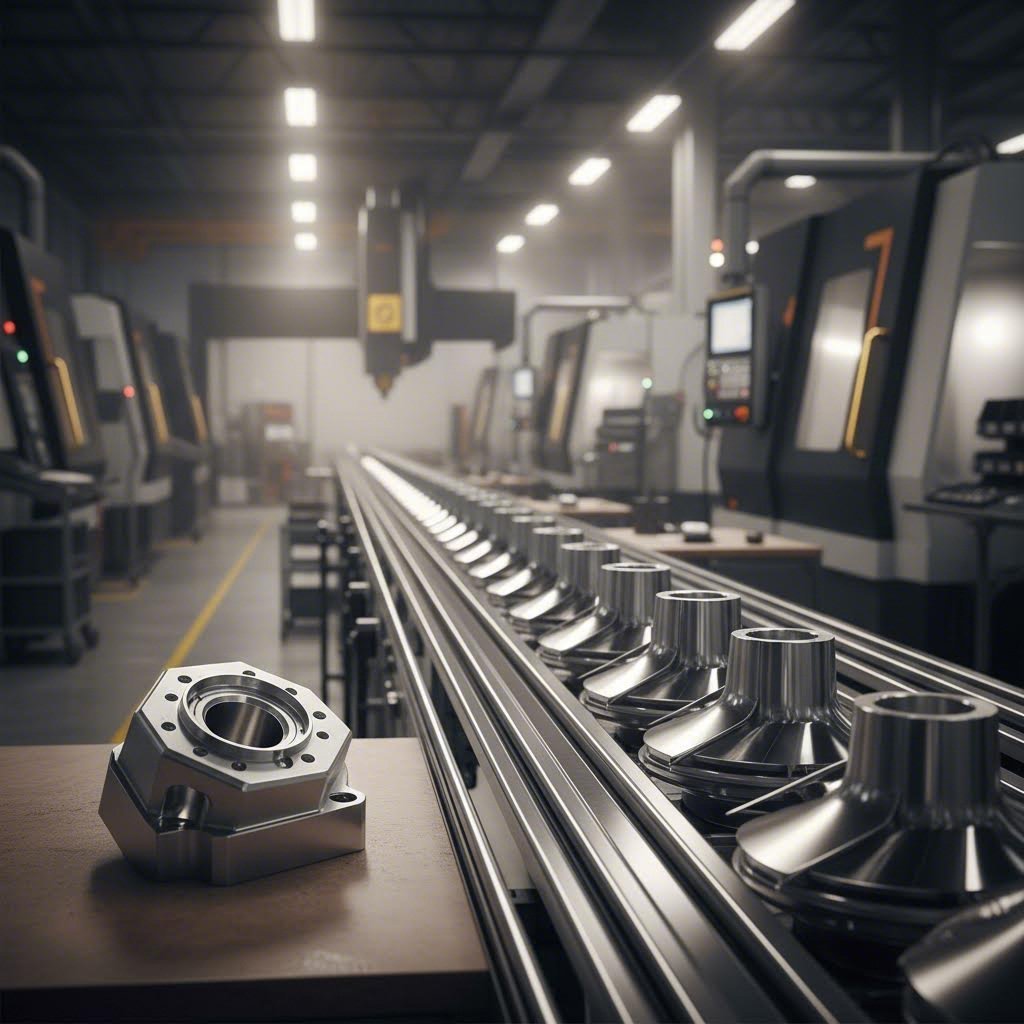
आपने एक निर्माण योग्य भाग की डिज़ाइन की है। लेकिन यहाँ वह प्रश्न है जो सब कुछ निर्धारित करता है: आपको कितने भागों की आवश्यकता है? चाहे आप एक प्रोटोटाइप का निर्माण कर रहे हों या हज़ारों की योजना बना रहे हों, बैच का आकार आपकी मशीनिंग रणनीति, टूलिंग पर निवेश और यहाँ तक कि यह भी निर्धारित करता है कि क्या सीएनसी मशीनिंग आपका सर्वोत्तम निर्माण विकल्प बना रहेगा।
इन मात्रा-आधारित निर्णयों को समझना आपको अधिक बुद्धिमानी से योजना बनाने, सटीक बजट तैयार करने और उत्पादन के मध्य में महंगे परिवर्तनों से बचने में सहायता प्रदान करता है।
प्रोटोटाइप मात्राएँ और त्वरित पुनरावृत्ति
जब आपको डिज़ाइन की पुष्टि के लिए कुछ ही भागों की आवश्यकता होती है, तो त्वरित सीएनसी प्रोटोटाइपिंग अतुलनीय गति और लचीलापन प्रदान करती है। कोई फॉर्म नहीं। कोई टूलिंग पर निवेश नहीं। केवल मशीन को प्रोग्राम करें और कटिंग शुरू कर दें।
सीएनसी प्रोटोटाइपिंग शुरुआती विकास के दौरान कई कारणों से उत्कृष्ट प्रदर्शन करती है:
- डिज़ाइन स्वतंत्रता: अपनी CAD फ़ाइल को संशोधित करें और उसी दिन एक ना संस्करण को मशीन करें। कोई टूलिंग परिवर्तन नहीं, कोई देरी नहीं जब फॉर्म संशोधनों की प्रतीक्षा करनी हो।
- सामग्री की शुद्धता: कुछ योगात्मक विधियों के विपरीत, प्रोटोटाइप मशीनिंग उत्पादन-ग्रेड सामग्रियों का उपयोग करती है। आपका प्रोटोटाइप अंतिम भाग के समान कार्य करता है क्योंकि यह समान कच्ची सामग्री से बनाया गया है।
- पहले भाग तक की गति: जेएलसीएनसी के तकनीकी विश्लेषण के अनुसार, सीएनसी को त्वरित प्रोटोटाइपिंग प्रौद्योगिकियों के साथ संयोजित करने से विकास चक्र 30% तक कम किए जा सकते हैं, जबकि परीक्षण-और-त्रुटि लागत 50% तक कम की जा सकती है।
सीएनसी मशीनिंग प्रोटोटाइपिंग कार्यात्मक परीक्षण के लिए विशेष रूप से उपयुक्त है। क्या आप सह-घटकों के साथ फिटनेस की पुष्टि करना चाहते हैं? क्या आप भार के अधीन यांत्रिक प्रदर्शन की जाँच करना चाहते हैं? क्या आप तापीय व्यवहार की पुष्टि करना चाहते हैं? मशीन किए गए प्रोटोटाइप उत्तर प्रदान करते हैं जो 3D-मुद्रित अनुमान केवल नहीं दे सकते हैं।
प्रोटोटाइप मशीनिंग सेवाएँ आमतौर पर एक से लेकर शायद पचास टुकड़ों तक की मात्रा को आर्थिक रूप से संभालती हैं। उस सीमा से आगे, अर्थव्यवस्था उत्पादन-उन्मुख दृष्टिकोण की ओर झुकने लगती है।
उत्पादन मात्रा पर विचार
जैसे मात्राएँ बढ़ती हैं, गणना का आधार भी बदल जाता है। दस भागों के लिए उचित प्रतीत होने वाली स्थापना लागत, सैकड़ों भागों पर फैलने पर महत्वपूर्ण हो जाती है। प्रोटोटाइप के लिए जो टूलिंग निर्णय महत्वहीन थे, अब वे प्रति-भाग लागत को सीधे प्रभावित करते हैं।
यहाँ सामान्य प्रगति कैसे होती है:
- एकल अंक (1–10 भाग): मानक टूलिंग, न्यूनतम स्थापना अनुकूलन। प्रति-भाग लागत अधिक बनी रहती है, लेकिन कुल परियोजना लागत प्रबंधनीय स्तर पर बनी रहती है। सीएनसी प्रोटोटाइप मान्यता और डिज़ाइन पुनरावृत्ति के लिए आदर्श।
- कम मात्रा (10–100 भाग): स्थापना समय का वितरण (अमॉर्टाइज़ेशन) महत्वपूर्ण हो जाता है। निर्माता बैच के समग्र चक्र समय को कम करने के लिए डिज़ाइन में सूक्ष्म संशोधनों का सुझाव दे सकते हैं। फिक्सचरिंग पर निवेश करना अब तर्कसंगत होने लगता है।
- मध्यम मात्रा (100–500 भाग): कस्टम फिक्सचरिंग लाभदायक सिद्ध होती है। समर्पित टूलिंग सेटअप चलाने के बीच भी स्थायी रूप से स्थापित रहते हैं। प्रोग्रामिंग अनुकूलन और चक्र समय में कमी पर गंभीर ध्यान दिया जाता है।
- उच्च मात्रा (500+ भाग): चक्र समय का प्रत्येक दूसरा सेकंड महत्वपूर्ण होता है। स्वचालित लोडिंग, बहु-भाग फिक्स्चरिंग और अनुकूलित टूल पाथ्स आवश्यक बन जाते हैं। वैकल्पिक निर्माण विधियों के प्रश्न की प्रासंगिकता लगातार बढ़ती जा रही है।
सीएनसी प्रोटोटाइप मशीनिंग सीमारहित रूप से उत्पादन मशीनिंग में संक्रमण करती है—एक ही उपकरण दोनों को संभालता है। लेकिन दृष्टिकोण विकसित होता है। जो त्वरित पुनरावृत्ति के लिए कारगर है, वह बड़े पैमाने पर अक्षम हो जाता है, और इसके विपरीत भी सत्य है।
जब भाग मशीनिंग आर्थिक रूप से सार्थक होती है
सीएनसी मशीनिंग हमेशा उत्तर नहीं होती है। इसके आदर्श उपयोग क्षेत्र को समझना आपको समझदारी से चयन करने में सहायता करता है—और यह भी जानने में कि कब वैकल्पिक विधियों पर विचार करना उचित है।
सीएनसी मशीनिंग तब उत्कृष्ट प्रदर्शन करती है जब:
- मात्रा कुछ हज़ार भागों से कम बनी रहती है
- डिज़ाइन में परिवर्तन संभावित हैं या अपेक्षित हैं
- कड़ी सहिष्णुताएँ और उत्कृष्ट सतह समाप्ति महत्वपूर्ण हैं
- सामग्री के गुणों को उत्पादन विशिष्टताओं के अनुरूप होना चाहिए
- नेतृत्व समय छोटे हैं और लचीलापन आवश्यक है
इंजेक्शन मोल्डिंग पर विचार करें जब:
एन्सिंगर की विनिर्माण तुलना के अनुसार, इंजेक्शन मोल्डिंग के लिए उच्च प्रारंभिक टूलिंग निवेश की आवश्यकता होती है, लेकिन उच्च-मात्रा उत्पादन के लिए प्रति-भाग लागत में इसका काफी कमी आती है। एक बार जब डाई (मोल्ड) तैयार हो जाती है, तो बड़े बैचों का उत्पादन सीएनसी की प्रति-इकाई लागत के केवल एक भाग के बराबर लागत पर किया जा सकता है। क्रॉसओवर बिंदु आमतौर पर जटिलता के आधार पर ५०० से ५,००० भागों के बीच होता है।
जब विचार करें:
धातुओं—विशेष रूप से एल्यूमीनियम और जिंक मिश्र धातुओं—में जटिल ज्यामितियाँ आमतौर पर उच्च मात्रा में डाई कास्टिंग को प्राथमिकता देती हैं। इंजेक्शन मोल्डिंग की तरह, उच्च टूलिंग लागत को बड़े उत्पादन चक्रों पर वितरित किया जाता है, जिससे अंततः मशीन किए गए भागों की लागत से कम लागत प्राप्त होती है।
यहाँ रणनीतिक अंतर्दृष्टि है: ये प्रक्रियाएँ एक-दूसरे के साथ पूरक हैं, प्रतिस्पर्धी नहीं। कई निर्माता प्रोटोटाइप और प्रारंभिक उत्पादन के लिए सीएनसी मशीनिंग का उपयोग करते हैं, और फिर जब डिज़ाइन स्थिर हो जाते हैं और उत्पादन मात्रा टूलिंग निवेश को औचित्यपूर्ण बना देती है, तो मोल्डिंग या कास्टिंग की ओर स्थानांतरित हो जाते हैं। मशीन किए गए प्रोटोटाइप डिज़ाइनों की जाँच करते हैं, जिससे स्थायी टूलिंग पर हज़ारों डॉलर के निवेश करने से पहले उनकी वैधता सुनिश्चित हो जाती है।
हाइब्रिड दृष्टिकोण अक्सर सबसे उचित विकल्प होता है। गति और लचीलेपन के लिए सीएनसी प्रोटोटाइप मशीनिंग से शुरुआत करें। त्वरित पुनरावृत्ति के माध्यम से अपने डिज़ाइन को और अधिक परिष्कृत करें। फिर, जब उत्पादन मात्रा आवश्यक हो जाए और डिज़ाइन स्थिर हो जाएं, तो उत्पादन टूलिंग में निवेश करें—इस बात को ध्यान में रखते हुए कि आपके भाग कार्य करेंगे, क्योंकि आपने पहले ही उन्हें सत्यापित कर लिया है।
मात्रा संबंधी निर्णय सीधे गुणवत्ता आवश्यकताओं से जुड़े होते हैं। उच्च मात्रा के लिए सुसंगत गुणवत्ता नियंत्रण प्रणालियों, कठोर निरीक्षण प्रोटोकॉल और उस विशिष्ट उद्योग के लिए महत्वपूर्ण प्रमाणनों की आवश्यकता होती है जिसमें आप काम कर रहे हैं। यही वह बिंदु है जहाँ गुणवत्ता आश्वासन आपके अगले महत्वपूर्ण विचार के रूप में उभरता है।
प्रेसिजन भाग निर्माण में गुणवत्ता आश्वासन
आप कैसे जानते हैं कि एक मशीन किए गए भाग वास्तव में विनिर्देशों को पूरा करता है? सीएडी मॉडल में क्या कहा गया है, उससे नहीं। मशीन ऑपरेटर के विश्वास से नहीं। बल्कि भाग स्वयं के माप से—माइक्रॉन तक की सटीकता के साथ। यह प्रश्न गुणवत्ता आश्वासन के मूल में स्थित है, जो उन प्रेसिजन मशीनिंग कंपनियों को अलग करता है जो निरंतर परिणाम प्रदान करती हैं, और उन कंपनियों से जो केवल सर्वोत्तम परिणाम की आशा करती हैं।
भागों के यांत्रिकीकरण में गुणवत्ता नियंत्रण केवल पूर्ण हुए घटकों का स्थानिक निरीक्षण करने से कहीं अधिक है। इसमें निरीक्षण प्रौद्योगिकियाँ, सांख्यिकीय विधियाँ और प्रमाणन ढांचे शामिल हैं, जो मिलकर यह सुनिश्चित करते हैं कि सुविधा से बाहर निकलने वाला प्रत्येक भाग अपने निर्धारित कार्य को सही ढंग से करे।
परिशुद्धता को सत्यापित करने वाली निरीक्षण विधियाँ
आधुनिक निरीक्षण कैलिपर्स और माइक्रोमीटर्स से कहीं अधिक व्यापक है। यद्यपि ये हाथ से चलाए जाने वाले उपकरण अभी भी मूल सत्यापन आवश्यकताओं को पूरा करते हैं, उच्च-परिशुद्धता यांत्रिकीकरण सेवाएँ ऐसी उन्नत मापन प्रौद्योगिकियों का उपयोग करती हैं जो यांत्रिकीकरण उपकरणों की परिशुद्धता के बराबर—या उससे भी अधिक—होती है।
समन्वय मापने वाली मशीनें (CMM)
सीएमएम (समन्वित मापन मशीन) निरीक्षण आयामी सत्यापन के लिए सुनहरा मानक प्रस्तुत करता है। केसू ग्रुप के तकनीकी विश्लेषण के अनुसार, आधुनिक सीएमएम 0.5 माइक्रोन की परिशुद्धता प्राप्त करते हैं—जो अधिकांश यांत्रिकीकरण सहिष्णुताओं की आवश्यकता से कहीं अधिक कड़ी है। ये प्रणालियाँ X, Y और Z अक्षों के अनुदिश उच्च-परिशुद्धता वाले प्रोब्स को स्थानांतरित करती हैं, जो भाग की सतहों के संपर्क में आकर या उनका स्कैन करके सटीक निर्देशांक रिकॉर्ड करती हैं।
फिर एकत्रित किए गए डेटा बिंदुओं की तुलना मूल CAD मॉडल्स के साथ की जाती है, ताकि डिज़ाइन विनिर्देशों से किसी भी विचलन का पता लगाया जा सके। यह प्रक्रिया आयामी त्रुटियों को पकड़ती है, जो दृश्य निरीक्षण द्वारा कभी प्रकट नहीं हो सकती हैं।
सीएमएम (CMM) प्रौद्योगिकी कई विन्यासों में उपलब्ध है:
- ब्रिज सीएमएम (Bridge CMMs): सबसे सामान्य प्रकार, जो नियंत्रित वातावरण में मध्यम से बड़े आकार के भागों के लिए उच्च सटीकता प्रदान करता है
- गैंट्री सीएमएम (Gantry CMMs): अत्यंत बड़े घटकों, जैसे एयरोस्पेस संरचनाओं या ऑटोमोटिव बॉडी पैनल्स के लिए डिज़ाइन किया गया
- पोर्टेबल सीएमएम (Portable CMMs): घुमावदार भुजा (आर्टिकुलेटेड आर्म) आधारित प्रणालियाँ, जो निरीक्षण क्षमता को सीधे मशीन या असेंबली क्षेत्र तक ले जाती हैं
- ऑप्टिकल सीएमएम (Optical CMMs): गैर-संपर्क प्रणालियाँ, जो कैमरों और संरचित प्रकाश (स्ट्रक्चर्ड लाइट) का उपयोग करके नाजुक या नरम सामग्रियों के लिए उपयुक्त होती हैं
सतह प्रोफ़ाइलमापन
जबकि सीएमएम (CMMs) आयामों की पुष्टि करते हैं, सतह प्रोफाइलोमीटर्स सतह की बनावट—अर्थात् सूक्ष्मदर्शीय शिखरों और गड्ढों को मापते हैं, जो यह निर्धारित करते हैं कि सतहें एक-दूसरे के साथ कैसे प्रतिक्रिया करती हैं। ये उपकरण सतह पर एक स्टाइलस को खींचते हैं या ऑप्टिकल विधियों का उपयोग करके रूघनेस (Roughness) के मानों जैसे Ra को मात्रात्मक रूप से निर्धारित करते हैं।
चिकित्सा मशीनिंग अनुप्रयोगों के लिए, सतह का फिनिश सीधे जैव-संगतता (biocompatibility) को प्रभावित करता है। एयरोस्पेस सीएनसी मशीनिंग में थकान प्रतिरोध (fatigue resistance) के लिए विशिष्ट बनावटों की आवश्यकता होती है। सतह प्रोफाइलोमीट्री यह डेटा प्रदान करती है जो इन महत्वपूर्ण विनिर्देशों के पूरा होने की पुष्टि करता है।
सांख्यिकीय प्रक्रिया नियंत्रण (SPC)
पूर्ण होने के बाद प्रत्येक भाग का निरीक्षण करने के बजाय, एसपीसी (SPC) मशीनिंग प्रक्रिया के स्वयं की निगरानी करता है। ऑपरेटर नियमित अंतराल पर भागों के नमूने लेते हैं और माप को नियंत्रण चार्ट्स (control charts) पर आलेखित करते हैं, जो समस्याओं के उत्पन्न होने से पहले ही प्रवृत्तियों को उजागर करते हैं।
जब मापन सहिष्णुता सीमाओं की ओर विचलित होने लगते हैं, तो SPC उस प्रवृत्ति को चिह्नित कर देता है—जिससे गैर-विनिर्दिष्ट (out-of-spec) भागों के उत्पादन से पहले सुधारात्मक कार्रवाई की जा सके। यह निवारक दृष्टिकोण, विशेष रूप से जटिल ज्यामिति के साथ काम करने वाली 5 अक्षीय सीएनसी मशीनिंग सेवाओं के लिए, जहाँ पुनर्कार्य (rework) अव्यावहारिक होता है, दोषों का पता लगाने की तुलना में कहीं अधिक कुशल सिद्ध होता है।
उद्योग प्रमाणन की समझ
प्रमाणन केवल विपणन दावों से अधिक कुछ होते हैं। ये एक स्वतंत्र सत्यापन का प्रतिनिधित्व करते हैं कि किसी निर्माता की गुणवत्ता प्रणालियाँ कठोर मानकों को पूरा करती हैं—ये मानक उद्योग के विशेषज्ञों द्वारा क्षेत्र-विशिष्ट जोखिमों और आवश्यकताओं को देखते हुए विकसित किए गए हैं।
लेकिन ये प्रमाणन आपके भागों के लिए वास्तव में क्या अर्थ रखते हैं? यहाँ विस्तृत विवरण दिया गया है:
- ISO 9001: दुनिया भर में गुणवत्ता प्रबंधन प्रणालियों की नींव। यह प्रमाणन एक संगठन के द्वारा ग्राहकों और विनियामक आवश्यकताओं को पूरा करने वाले उत्पादों के निरंतर प्रदान करने की पुष्टि करता है। यह कृषि से लेकर विनिर्माण तक सभी उद्योगों पर लागू होता है, जिसमें दस्तावेज़ नियंत्रण, प्रक्रिया निगरानी और निरंतर सुधार जैसी आधारभूत गुणवत्ता प्रथाओं की स्थापना की जाती है। इसे एक सार्वभौमिक गुणवत्ता भाषा के रूप में सोचें।
- IATF 16949: ISO 9001 पर आधारित, लेकिन विशेष रूप से ऑटोमोटिव आपूर्ति श्रृंखला के लिए डिज़ाइन किया गया। अनुसार Elecrow के प्रमाणन मार्गदर्शिका , IATF 16949 आपूर्ति श्रृंखला भर में दोष रोकथाम, विचरण के कमी और अपशिष्ट उन्मूलन पर अधिक जोर देता है। यह FMEA (विफलता मोड और प्रभाव विश्लेषण) जैसे विशिष्ट उपकरणों के उपयोग की आवश्यकता रखता है तथा ग्राहक-स्वामित्व वाले औजारों और उपकरणों के नियंत्रण को अनिवार्य करता है। ऑटोमोटिव अनुप्रयोगों के लिए, यह प्रमाणन वैकल्पिक नहीं है—यह OEM को आपूर्ति करने के लिए एक पूर्णतः आवश्यक आवश्यकता है।
- एएस9100डी: एयरोस्पेस के लिए समकक्ष मानक, जो उत्पाद सुरक्षा, कॉन्फ़िगरेशन प्रबंधन और नकली भागों के रोकथाम के लिए आवश्यकताओं के साथ ISO 9001 का विस्तार करता है। एयरोस्पेस घटक अक्सर दशकों तक उड़ान भरते हैं, जिससे पहचान योग्यता (ट्रेसेबिलिटी) और दस्तावेज़ीकरण विशेष रूप से महत्वपूर्ण हो जाते हैं। यह मानक सुनिश्चित करता है कि निर्माता प्रत्येक भाग के उत्पादन, निरीक्षण और मंजूरी की सटीक प्रक्रिया को प्रदर्शित कर सकें।
- ISO 13485: चिकित्सा उपकरण निर्माण के लिए विशेष रूप से अनुकूलित। मानक गुणवत्ता प्रथाओं के अतिरिक्त, यह जोखिम प्रबंधन, जीवाणुरहित निर्माण वातावरण और रोगी के स्वास्थ्य को प्रत्यक्ष रूप से प्रभावित करने वाले उपकरणों के लिए नियामक अनुपालन को संबोधित करता है। सर्जिकल उपकरणों या प्रत्यारोपणों पर काम करने वाली एक सटीक मशीनिंग सेवा को उचित नियंत्रणों की उपस्थिति को प्रदर्शित करने के लिए इस प्रमाणन की आवश्यकता होती है।
महत्वपूर्ण अनुप्रयोगों के लिए गुणवत्ता प्रणालियाँ
विभिन्न उद्योग अलग-अलग गुणवत्ता आवश्यकताएँ लागू करते हैं—और इसका अच्छा कारण भी है। औद्योगिक उपकरणों पर लगा एक ब्रैकेट थोड़े से आकारगत विचलन को सहन कर सकता है। जेट इंजन में लगा कोई घटक ऐसा किसी भी परिस्थिति में नहीं कर सकता।
ऑटोमोटिव अनुप्रयोग
ऑटोमोटिव उद्योग ने वैश्विक स्तर पर अब उपयोग किए जाने वाले कई गुणवत्ता नियंत्रण विधियों की शुरुआत की। IATF 16949 प्रमाणन शून्य-दोष विनिर्माण के प्रति प्रतिबद्धता को दर्शाता है, जिसमें प्रक्रिया नियंत्रण, आपूर्तिकर्ता प्रबंधन और समस्या-समाधान की विधियों के लिए विशिष्ट आवश्यकताएँ शामिल हैं। सांख्यिकीय उपकरण उत्पादन शुरू होने से पहले प्रक्रिया क्षमता की पुष्टि करते हैं—और पूरे उत्पादन चक्र के दौरान स्थिरता की निगरानी करते हैं।
एयरोस्पेस आवश्यकताएं
एयरोस्पेस सीएनसी मशीनिंग को शायद सबसे कठोर गुणवत्ता आवश्यकताओं का सामना करना पड़ता है। घटकों को चरम तापमान चक्रों, कंपन और प्रतिबल के माध्यम से अखंडता बनाए रखनी होती है—अक्सर दशकों तक सेवा के लिए। AS9100D प्रमाणन इन आवश्यकताओं को कठोर विन्यास नियंत्रण के माध्यम से पूरा करता है, जो यह सुनिश्चित करता है कि प्रत्येक घटक अपने स्वीकृत डिज़ाइन के सटीक रूप से मेल खाता हो। प्रथम लेख निरीक्षण (FAI) दस्तावेज़ बड़े पैमाने पर उत्पादन शुरू करने से पहले नए उत्पादन चक्रों की पुष्टि करते हैं।
चिकित्सा उपकरण मानक
चिकित्सा मशीनिंग में आकारिक सटीकता के साथ-साथ जैव-अनुकूलता (बायोकम्पैटिबिलिटी) की आवश्यकताओं को भी पूरा करना आवश्यक होता है। ISO 13485 प्रमाणन मानव शरीर के संपर्क में आने या उसमें प्रवेश करने वाले उपकरणों के लिए उपयुक्त गुणवत्ता प्रबंधन प्रणालियों की स्थापना करता है। ट्रेसैबिलिटी (ट्रैक करने योग्यता) अत्यंत महत्वपूर्ण हो जाती है—निर्माताओं को प्रत्येक बैच के लिए सामग्री के स्रोतों, प्रसंस्करण स्थितियों और निरीक्षण परिणामों की पूर्ण दस्तावेज़ीकरण करनी आवश्यक होती है।
उचित प्रमाणन आपके विशिष्ट अनुप्रयोग के लिए निर्माता की क्षमता को दर्शाता है। IATF 16949 प्रमाणित निर्माता ने ऑटोमोटिव आपूर्ति श्रृंखला के लिए उपयुक्त प्रणालियों का प्रदर्शन किया है। AS9100D एयरोस्पेस-तैयार प्रक्रियाओं को इंगित करता है। ISO 13485 चिकित्सा उपकरण निर्माण की योग्यता की पुष्टि करता है।
गुणवत्ता आश्वासन यह विश्वास स्थापित करता है कि भाग निर्दिष्ट आवश्यकताओं को पूरा करते हैं। लेकिन उस गुणवत्ता को प्राप्त करने की लागत को निर्धारित करने वाले कारकों—और यह समझने के लिए कि आपका बजट वास्तव में कहाँ खर्च हो रहा है—प्रत्येक मशीनिंग कोटेशन के पीछे के आर्थिक कारकों की जांच करने की आवश्यकता होती है।
भाग मशीनिंग लागत को निर्धारित करने वाले कारकों को समझना
आपको ऑनलाइन सीएनसी कोटेशन प्राप्त हुई है। यह राशि उचित प्रतीत होती है—या शायद आश्चर्यजनक रूप से अधिक। लेकिन वास्तव में यह आंकड़ा किन कारकों से निर्मित होता है? सीएनसी मशीनिंग की कीमतों की गणना के पीछे के कारकों को समझना आपको एक निष्क्रिय कोटेशन प्राप्तकर्ता से एक सूचित खरीदार में बदल देता है, जो डिज़ाइन को अनुकूलित कर सकता है, बुद्धिमानी से वार्ता कर सकता है और फ़ाइलें जमा करने से पहले लागत का अनुमान लगा सकता है।
निश्चित मूल्य सूचियों वाले वस्तु-उत्पादों के विपरीत, प्रत्येक मशीन किए गए घटक में अद्वितीय लागत ड्राइवर होते हैं। आइए सटीक रूप से समझें कि आपके मशीनिस्ट के धातु लागत को क्या प्रभावित करता है—और वह कहाँ है जहाँ गुणवत्ता के बिना व्यय कम करने के अवसर मौजूद हैं।
सामग्री और जटिलता के लागत ड्राइवर
अधिकांश मशीनिंग कोटेशन को प्रभावित करने वाले दो कारक हैं: आप क्या काट रहे हैं और इसे काटना कितना कठिन है।
सामग्री चयन का प्रभाव
ज़ोमेट्री के लागत विश्लेषण के अनुसार, किसी भाग को बनाने के लिए उपयोग की जाने वाली सामग्री लागत के सबसे महत्वपूर्ण ड्राइवरों में से एक है। यह दो घटकों में विभाजित होता है:
- कच्ची सामग्री की लागत: कीमतें सामग्रियों के बीच काफी भिन्न होती हैं। टाइटेनियम की तुलना में एल्यूमीनियम की कीमत बहुत कम होती है। स्टेनलेस स्टील की कीमत इन दोनों के बीच कहीं होती है। बाज़ार में उतार-चढ़ाव के कारण ये कीमतें लगातार बदलती रहती हैं, अतः आज का उद्धरण अगले महीने के उद्धरण से भिन्न हो सकता है।
- यंत्रीय क्षमता: कठोर सामग्रियों को काटने के लिए धीमी कटिंग गति की आवश्यकता होती है, जिससे औज़ारों का अधिक उपयोग होता है और कटिंग द्रव तथा विद्युत जैसे अतिरिक्त संसाधनों की आवश्यकता पड़ती है। एक टाइटेनियम के भाग को मशीन करने में एक समान एल्यूमीनियम घटक की तुलना में काफी अधिक समय लगता है—और यह समय सीधे लागत में परिवर्तित हो जाता है।
छोटे सीएनसी मशीनिंग प्रोजेक्ट्स में सामग्रि लागत का तीव्र अहसास होता है। जब आप केवल कुछ ही भागों का उत्पादन कर रहे होते हैं, तो कच्चा स्टॉक कुल लागत में आयतन उत्पादन की तुलना में एक बड़े प्रतिशत का प्रतिनिधित्व करता है।
ज्यामितीय जटिलता
जटिल भागों की लागत अधिक होती है—हमेशा। लेकिन ठीक क्यों? Uneed PM का मूल्य निर्धारण विवरण कई जटिलता-आधारित लागत कारकों की पहचान करता है:
- उन्नत मशीनरी आवश्यकताएँ: जटिल ज्यामिति वाले भागों के लिए मानक 3-अक्ष उपकरणों के बजाय 5-अक्ष मशीनों की आवश्यकता हो सकती है। इन मशीनों का संचालन करने की लागत अधिक होती है।
- विस्तारित मशीनिंग समय: जटिल विशेषताएँ, गहरी गुहाएँ और पतली दीवारें सभी उत्पादन को धीमा कर देती हैं। अधिक पास, अधिक टूल परिवर्तन, अधिक समय—अधिक लागत।
- कस्टम फिक्सचरिंग: अद्वितीय आकृतियों के लिए अक्सर मशीनिंग के दौरान भागों को सुरक्षित रूप से पकड़ने के लिए समर्पित फिक्सचर की आवश्यकता होती है। ये फिक्सचर सेटअप लागत में वृद्धि करते हैं।
- घनिष्ठ निरीक्षण: जटिल भागों के लिए गुणवत्ता सत्यापन की अधिक व्यापक जाँच की आवश्यकता होती है, जिससे समय और श्रम दोनों में वृद्धि होती है।
प्रत्येक सीएनसी मशीनिंग शॉप अनुमान तैयार करते समय इन कारकों का मूल्यांकन करता है। इन्हें समझने से आप मूल्य निर्धारण की पूर्वानुमान कर सकते हैं और डिज़ाइन सरलीकरण के अवसरों की पहचान कर सकते हैं।
सहिष्णुताएँ आपके बजट को कैसे प्रभावित करती हैं
पहले बताई गई सहिष्णुता विनिर्देशों को याद कीजिए? वे सीधे आपके भुगतान पर प्रभाव डालते हैं। कड़ी सहिष्णुताओं के लिए धीमी फीड दरों, अधिक कठोर सेटअप, बार-बार मापन और संभवतः ग्राइंडिंग जैसी द्वितीयक कार्यवाहियों की आवश्यकता होती है।
व्यावहारिक शब्दों में यह संबंध इस प्रकार है: महत्वपूर्ण विशेषताओं के लिए ±0.001" के बजाय ±0.005" का निर्दिष्ट करना मशीनिंग समय को दोगुना या तिगुना कर सकता है। इस सटीकता की आवश्यकता होती है:
- अधिक उन्नत उपकरण जो कठोर विशिष्टताओं को संतुष्ट करने में सक्षम हैं
- आयामों की आवश्यकताओं को पूरा करने की पुष्टि के लिए अतिरिक्त निरीक्षण समय
- जब भाग छोटी स्वीकृत सीमा के बाहर आ जाते हैं, तो अधिक अस्वीकृति दरें
- जलवायु-नियंत्रित वातावरण जो ऊष्मीय प्रसार के प्रभाव को रोकते हैं
सतह के फिनिश की आवश्यकताएँ भी समान अर्थव्यवस्था का अनुसरण करती हैं। Ra 0.4 μm की प्राप्ति के लिए विभिन्न औजार, धीमे कटिंग पैरामीटर और संभवतः मानक Ra 3.2 μm फिनिश की तुलना में द्वितीयक पॉलिशिंग ऑपरेशन की आवश्यकता होती है।
बुद्धिमान दृष्टिकोण? केवल उन स्थानों पर ही कड़ी सहिष्णुताएँ और सूक्ष्म फिनिश लागू करें जहाँ कार्यक्षमता उनकी माँग करती है। सामान्य सतहों को लगभग कभी भी यथार्थवादी विशिष्टताओं की आवश्यकता नहीं होती—इन विशिष्टताओं को मिलान वाली सुविधाओं और महत्वपूर्ण इंटरफ़ेस के लिए सुरक्षित रखें।
मात्रा आधारित अर्थव्यवस्था और सेटअप का वितरण
शायद कोई भी कारक प्रति भाग लागत को इतने अधिक प्रभावित नहीं करता है जितना कि मात्रा। Xometry के आँकड़ों के अनुसार, 1,000 भागों के लिए प्रति इकाई लागत उसी डिज़ाइन की एकल इकाई की तुलना में लगभग 88% कम हो सकती है।
इतने अधिक भिन्नता क्यों? सेटअप लागतें मात्रा के बावजूद अपेक्षाकृत स्थिर बनी रहती हैं:
- CAD/CAM प्रोग्रामिंग: आपके डिज़ाइन को मशीन निर्देशों में परिवर्तित करने में एक भाग या एक हज़ार भाग बनाने की स्थिति में समान प्रयास लगता है।
- मशीन सेटअप: उपकरणों को लोड करना, कार्य निर्देशांक स्थापित करना और प्रथम नमूनों की पुष्टि करना — ये सभी कार्य उत्पादन शुरू होने से पहले समय की आवश्यकता करते हैं।
- फिक्सचरिंग: वर्कहोल्डिंग का निर्माण या कॉन्फ़िगर करना प्रत्येक उत्पादन चक्र के लिए एक बार किया जाता है।
ये लागतें एक बैच के सभी भागों पर वितरित होती हैं। दस भागों का ऑर्डर देने पर, प्रत्येक भाग पर सेटअप लागतों का 10% भार पड़ता है। एक हज़ार का ऑर्डर देने पर, प्रति इकाई सेटअप लागत लगभग नगण्य हो जाती है।
लागत कारक सारांश
यह तालिका आपके अंतिम कोटेशन पर प्रभाव डालने वाले प्राथमिक लागत ड्राइवर्स और उनके सापेक्ष प्रभाव को संक्षेप में प्रस्तुत करती है:
| लागत कारक | प्रभाव स्तर | मूल्य निर्धारण को कैसे प्रभावित करता है |
|---|---|---|
| सामग्री प्रकार | उच्च | महंगी सामग्री और खराब यांत्रिक कार्यक्षमता दोनों ही लागतों को काफी बढ़ा देती हैं |
| खंड जटिलता | उच्च | जटिल ज्यामितियाँ उन्नत उपकरणों, लंबे साइकिल समय और कस्टम फिक्सचरिंग की आवश्यकता करती हैं |
| सहिष्णुता आवश्यकताएँ | मध्यम-उच्च | कड़े सहनशीलता मानदंडों के लिए धीमी गति, अधिक निरीक्षण और उच्च अस्वीकृति दरों की आवश्यकता होती है |
| सतह फ़िनिश | मध्यम | उत्कृष्ट समाप्ति के लिए विशेषीकृत औजारों और अतिरिक्त मशीनिंग पास की आवश्यकता होती है |
| ऑर्डर मात्रा | उच्च | स्थापना लागत को मात्रा के आधार पर वितरित किया जाता है; प्रति-भाग लागत मात्रा के साथ काफी कम हो जाती है |
| भाग का आकार | मध्यम | बड़े भाग अधिक सामग्री का उपयोग करते हैं और लंबे समय तक मशीनिंग की आवश्यकता होती है |
| द्वितीयक परिचालन | मध्यम | ऊष्मा उपचार, चढ़ाव और समाप्ति प्रक्रियाएँ आधारभूत मशीनिंग के अतिरिक्त लागत जोड़ती हैं |
ऑनलाइन मशीनिंग कोटेशन इन कारकों के आधार पर तत्काल अनुमान प्रदान करते हैं। लेकिन उन संख्याओं को निर्धारित करने वाले कारकों को समझना—बस उन्हें स्वीकार कर लेने के बजाय—आपको डिज़ाइन को अनुकूलित करने, विनिर्देशों को रणनीतिक रूप से समायोजित करने और यह निर्णय लेने में सक्षम बनाता है कि कहाँ सटीकता वास्तव में महत्वपूर्ण है और कहाँ मानक सहनशीलता पर्याप्त है।
लागत कारकों को समझने के बाद, पहेली का अंतिम टुकड़ा उचित विनिर्माण साझेदार का चयन करना बन जाता है—जिसकी क्षमताएँ आपकी आवश्यकताओं के अनुरूप हों और जिसकी प्रणालियाँ निरंतर गुणवत्ता प्रदान को सुनिश्चित करें।
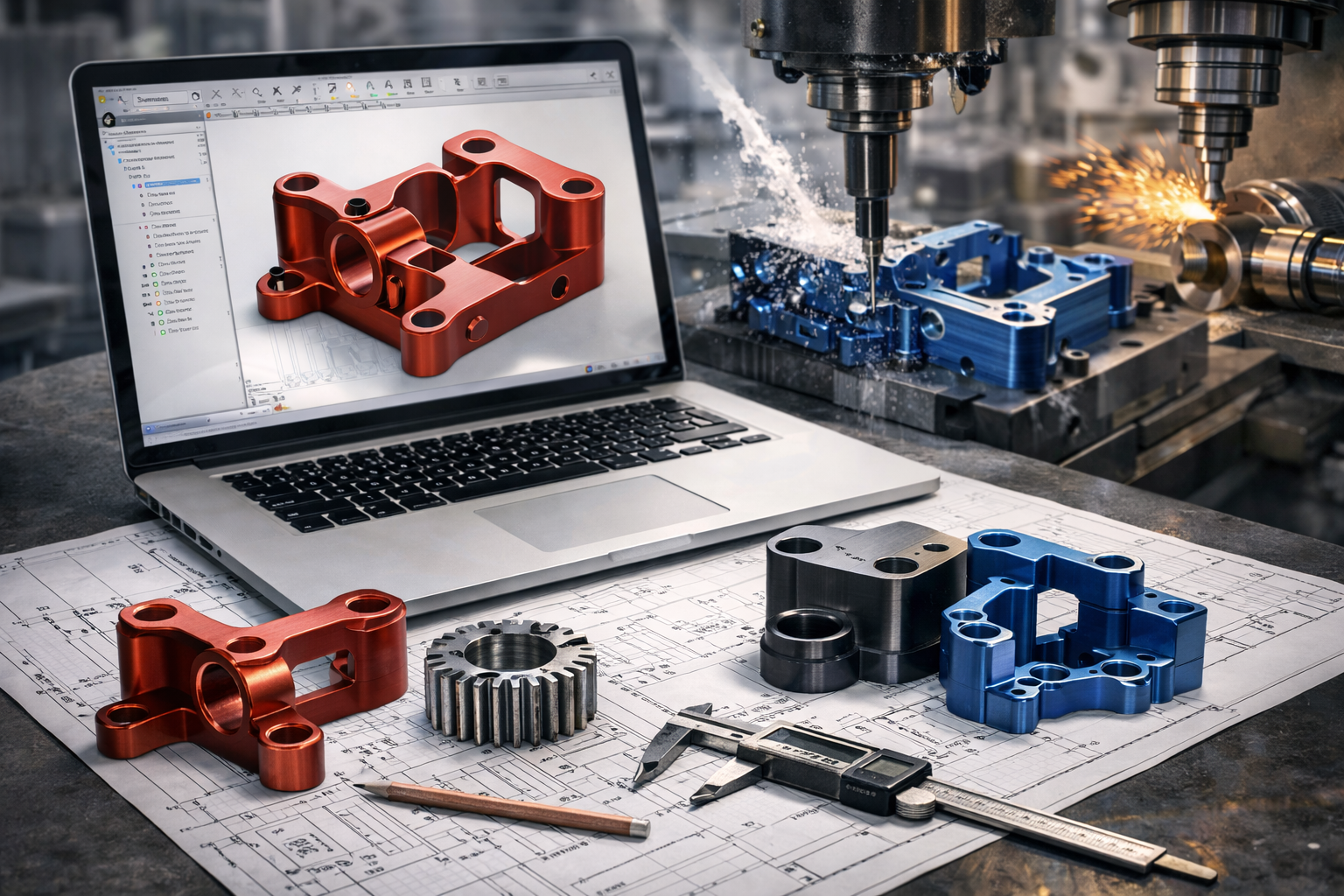
उचित भाग मशीनिंग साझेदार का चयन करना
आपने मूल बातें सीख ली हैं—प्रक्रियाएँ, सामग्री, सहिष्णुता, लागत। अब वह निर्णय आता है जो सब कुछ एक साथ जोड़ता है: यह चुनना कि आपके भागों का वास्तव में उत्पादन कौन करेगा। यह चुनाव किसी भी विशिष्टता या डिज़ाइन निर्णय से अधिक परियोजना की सफलता को आकार देता है। सही साझेदार जटिल आवश्यकताओं को वितरित घटकों में परिवर्तित कर देता है। गलत साझेदार? देरी, गुणवत्ता संबंधी समस्याएँ और महंगे संशोधन।
चाहे आप अपने निकटवर्ती CNC मशीनिंग शॉप्स की खोज कर रहे हों या विश्व भर के निर्माताओं का मूल्यांकन कर रहे हों, समान मूल्यांकन मानदंड लागू होते हैं। आइए स्पष्ट रूप से समझें कि क्षमता वाले साझेदारों और उन लोगों के बीच क्या अंतर है जो केवल क्षमता का दावा करते हैं।
तकनीकी क्षमताओं का आकलन करना
एक चमकदार वेबसाइट का कोई महत्व नहीं है अगर शॉप फ्लोर वास्तव में डिलीवर करने में सक्षम न हो। ज़ेनिथिन मैन्युफैक्चरिंग के आपूर्तिकर्ता ऑडिट गाइड के अनुसार, तकनीकी मूल्यांकन मशीनों की संख्या गिनने से कहीं अधिक गहन होता है—इसमें यह आकलन करना शामिल है कि क्या उन मशीनों का उपयोग कुशल कर्मचारियों द्वारा प्रभावी ढंग से किया जा रहा है।
जब आप अपने निकटवर्ती मशीनिंग शॉप्स या दूरस्थ आपूर्तिकर्ताओं का मूल्यांकन कर रहे हों, तो इन क्षमता क्षेत्रों में गहराई से जाएँ:
- उपकरणों की परिष्कृतता: वे किन मशीन विन्यासों का संचालन करते हैं? 3-अक्ष मिलिंग सरल ज्यामिति को संभालती है, जबकि 5-अक्ष क्षमताएँ जटिल एयरोस्पेस और चिकित्सा घटकों के लिए तैयारी को दर्शाती हैं। जटिल घूर्णन भागों के लिए बहु-अक्ष सीएनसी टर्निंग सेवा क्षमता महत्वपूर्ण है।
- सहिष्णुता उपलब्धियाँ: विशेष रूप से पूछें कि वे किन सहिष्णुताओं को नियमित रूप से बनाए रखते हैं—असामान्य रूप से नहीं। एक दुकान जो ±0.001" क्षमता का दावा करती है, उसे सुसंगत उपलब्धि को साबित करने के लिए प्रक्रिया क्षमता डेटा (सीपीके मान) प्रदर्शित करना चाहिए।
- सामग्री का अनुभव: एल्यूमीनियम का संसाधन टाइटेनियम या विदेशी मिश्र धातुओं के मशीनिंग से काफी भिन्न होता है। अपनी विशिष्ट सामग्रियों के साथ उनके अनुभव की पुष्टि करें, केवल सामान्य धातु काटने की क्षमता के बारे में नहीं।
- इंजीनियरिंग गहराई: लेकव्यू प्रिसिजन के साझेदार चयन मार्गदर्शिका के अनुसार, आपको यह आकलन करना चाहिए कि इंजीनियरिंग कर्मचारी डिज़ाइन अंतर्दृष्टि प्रदान कर सकते हैं और निर्माण के लिए डिज़ाइन (डीएफएम) प्रतिक्रिया को संभाल सकते हैं या नहीं। बिक्री कर्मचारी आपकी तकनीकी समस्याओं को डेडलाइन के दिन रात 10 बजे हल नहीं करेगा।
यहाँ एक महत्वपूर्ण मूल्यांकन तकनीक है: किसी एक यादृच्छिक रूप से चुने गए हालिया उत्पादन बैच के पूर्ण प्रलेखन पथ को देखने के लिए अनुरोध करें। उनकी प्रतिक्रिया की गति और पूर्णता यह प्रकट करती है कि गुणवत्ता प्रणालियाँ दैनिक आधार पर कार्य करती हैं या केवल कागज पर मौजूद हैं।
आपके उद्योग के लिए महत्वपूर्ण प्रमाणपत्र
उद्योग प्रमाणन केवल विपणन दावों से अधिक कुछ संकेतित करते हैं—वे स्वतंत्र रूप से सत्यापित गुणवत्ता प्रणालियों का प्रतिनिधित्व करते हैं। लेकिन आपके अनुप्रयोग के लिए वास्तव में कौन-से प्रमाणन महत्वपूर्ण हैं?
- ISO 9001: सार्वभौमिक गुणवत्ता आधार। प्रत्येक गंभीर सटीक सीएनसी मशीनिंग सेवा प्रदाता के पास इस आधारभूत प्रमाणन का होना आवश्यक है, जो व्यवस्थित गुणवत्ता प्रबंधन का प्रदर्शन करता है।
- IATF 16949: ऑटोमोटिव आपूर्ति श्रृंखला के लिए अनिवार्य। यह प्रमाणन आईएसओ 9001 से आगे जाता है और दोष रोकथाम, सांख्यिकीय प्रक्रिया नियंत्रण (SPC), तथा ऑटोमोटिव आवश्यकताओं के अनुरूप आपूर्ति श्रृंखला प्रबंधन की आवश्यकता रखता है। निर्माताओं जैसे शाओयी मेटल तकनीक इस प्रतिबद्धता को प्रदर्शित करने के लिए, चेसिस असेंबली से लेकर कस्टम धातु बशिंग्स तक उत्पादन चक्रों में सुसंगत गुणवत्ता सुनिश्चित करने के लिए IATF 16949 प्रमाणन को SPC प्रणालियों के साथ संयोजित किया जाता है।
- एएस9100डी: एयरोस्पेस अनुप्रयोगों के लिए अनिवार्य, जिसमें कॉन्फ़िगरेशन प्रबंधन, ट्रेसैबिलिटी और नकली भागों के रोकथाम के लिए अतिरिक्त आवश्यकताएँ शामिल हैं।
- ISO 13485: चिकित्सा उपकरण घटकों के लिए आवश्यक, जो जैव-संगतता संबंधी चिंताओं, स्टराइल विनिर्माण वातावरणों और नियामक अनुपालन को संबोधित करता है।
प्रमाणनों की पुष्टि सीधे करें—प्रमाणपत्रों की प्रतियाँ अनुरोध करें और जारी करने वाले रजिस्ट्रार के साथ उनकी वैधता की पुष्टि करें। पिछले वर्ष समाप्त हो चुका प्रमाणपत्र या किसी अन्य सुविधा को कवर करने वाला प्रमाणपत्र दीवार पर लगा होने से कोई महत्व नहीं है।
प्रोटोटाइप से बड़े पैमाने पर उत्पादन की ओर बढ़ना
आपकी आवश्यकताएँ विकसित होती रहती हैं। एक साझेदार जो प्रोटोटाइपिंग में उत्कृष्टता प्राप्त करता है, वह मात्रा में वृद्धि के साथ असफल हो सकता है—या इसके विपरीत। स्केलेबिलिटी का मूल्यांकन करना प्रोजेक्ट के मध्य में आपूर्तिकर्ताओं के बीच कठिन संक्रमण को रोकता है।
इन स्केलेबिलिटी संकेतकों पर विचार करें:
- क्षमता लचीलापन: क्या वे जल्दी से तैयार किए गए प्रोटोटाइप ऑर्डर और लगातार उत्पादन चक्रों को संभाल सकते हैं? शाओयी मेटल टेक्नोलॉजी इस लचीलेपन का उदाहरण है, जो आपातकालीन प्रोटोटाइप के लिए केवल एक कार्यदिवस के लीड टाइम के साथ-साथ उच्च-मात्रा वाले ऑटोमोटिव उत्पादन के लिए क्षमता बनाए रखती है।
- प्रक्रिया की निरंतरता: जब मात्रा बढ़ती है, तो गुणवत्ता स्थिर बनी रहनी चाहिए। पूछें कि वे कैसे सुनिश्चित करते हैं कि रन 100 से प्राप्त भाग रन 1 से प्राप्त भागों के समान हैं।
- संचार अवसंरचना: बड़े पैमाने पर उत्पादन के लिए संचार पैटर्न अलग होते हैं, जो प्रोटोटाइप विकास की तुलना में अधिक जटिल होते हैं। प्रोजेक्ट प्रबंधन प्रणालियाँ, नियमित रिपोर्टिंग और समर्पित खाता संपर्क अब आवश्यक हो जाते हैं।
- द्वितीयक संचालन नेटवर्क: ऊष्मा उपचार, धातु लेपन और असेंबली अक्सर ठेकेदारों से प्राप्त किए जाते हैं। एक स्केलेबल साझेदार इन संबंधों को बिना किसी व्यवधान के प्रबंधित करता है।
आदर्श कस्टम सीएनसी मशीनिंग सेवाएं प्रदाता आपकी आवश्यकताओं के साथ विकसित होता है। वह आपके प्रारंभिक डिज़ाइनों का प्रोटोटाइप तैयार करता है, प्रारंभिक उत्पादन के माध्यम से निर्माण दृष्टिकोणों को निखारता है, और फिर मांग में वृद्धि के साथ सुचारू रूप से स्केल करता है—सभी इसी बीच गुणवत्ता और संचार को बनाए रखते हुए, जिसने आपका व्यापार शुरू में अर्जित किया था।
प्रमुख साझेदार मूल्यांकन मानदंड
जब आप अपने निकटवर्ती क्षेत्र में एक सीएनसी मशीन शॉप की खोज कर रहे हों या दूरस्थ आपूर्तिकर्ताओं का मूल्यांकन कर रहे हों, तो अपने मूल्यांकन को संरचित करने के लिए इस चेकलिस्ट का उपयोग करें:
- तकनीकी क्षमता का मिलान: आपकी आवश्यकताओं के अनुरूप उपकरण, सहिष्णुता और सामग्री
- संबंधित प्रमाणपत्र: उद्योग-उपयुक्त गुणवत्ता प्रबंधन प्रणालियाँ, जिनका स्वतंत्र रूप से सत्यापन किया गया हो
- प्रदर्शित अनुभव: आपके उद्योग में समान अनुप्रयोगों से संबंधित केस स्टडीज़ या संदर्भ
- संचार की गुणवत्ता: क्षमताओं और सीमाओं के बारे में प्रतिक्रियाशील, पूर्वानुमानात्मक और पारदर्शी
- लीड टाइम की विश्वसनीयता: उत्पादन योजना प्रणालियों द्वारा समर्थित निरंतर समय पर डिलीवरी
- स्केलेबिलिटी पथ: प्रोटोटाइप मात्रा और उत्पादन मात्रा दोनों के लिए स्पष्ट क्षमता
- गुणवत्ता सत्यापन विधियाँ: सीएमएम निरीक्षण, एसपीसी निगरानी, और व्यापक प्रलेखन प्रथाएँ
- वित्तीय स्थिरता: आपके प्रोजेक्ट को बिना किसी व्यवधान के पूरा करने के लिए पर्याप्त संसाधन
एक मशीनिंग साझेदार का चयन करना कोई खरीद प्रक्रिया नहीं है—यह आपकी टीम के स्वयं के निर्माण विस्तार का चयन करना है। सही साझेदार समस्याओं की पूर्व-भविष्यवाणी करता है, सुधार के सुझाव देता है, और लगातार डिलीवरी करता है। यह संबंध, जो सत्यापित क्षमता और प्रदर्शित प्रदर्शन पर आधारित है, अंततः निर्धारित करता है कि आपके मशीन किए गए भाग अपने निर्धारित अनुप्रयोगों में सफल होंगे या नहीं।
भाग मशीनिंग के बारे में अक्सर पूछे जाने वाले प्रश्न
1. भागों को मशीन कराने की लागत कितनी है?
सीएनसी मशीनिंग की लागत सामग्री के प्रकार, ज्यामितीय जटिलता, सहिष्णुता आवश्यकताओं, सतह के फ़िनिश विनिर्देशों और ऑर्डर मात्रा के आधार पर भिन्न होती है। प्रति घंटा दरें आमतौर पर उपकरण की उन्नतता और परिशुद्धता की आवश्यकताओं के आधार पर $50 से $150 के बीच होती हैं। मात्रा के साथ प्रति-इकाई लागत में काफी कमी आती है—सेटअप लागत के वितरण के कारण 1,000 भागों के उत्पादन से एकल भाग की तुलना में इकाई लागत में अधिकतम 88% तक की कमी हो सकती है। विदेशी सामग्रियों, ±0.001 इंच से कम की कड़ी सहिष्णुताओं और जटिल बहु-अक्ष ज्यामितियों जैसे कारक मूल्य निर्धारण को काफी बढ़ा देते हैं।
2. किसी भाग को मशीन करने का क्या अर्थ है?
किसी भाग का मशीनिंग एक घटात्मक विनिर्माण प्रक्रिया है, जिसमें नियंत्रित कटिंग, ड्रिलिंग, बोरिंग और ग्राइंडिंग संचालन के माध्यम से ठोस कार्य-टुकड़े से धातु या प्लास्टिक जैसी सामग्री को प्रणालीगत रूप से हटाया जाता है। यह योगात्मक विनिर्माण के विपरीत है, जो सामग्री को परत-दर-परत जोड़कर निर्माण करता है; मशीनिंग में कच्चे स्टॉक—आमतौर पर धातु या प्लास्टिक के ब्लॉक, बार या छड़ों—से शुरुआत की जाती है, और अंतिम घटक के अलावा सभी को हटा दिया जाता है। कंप्यूटर आंकिक नियंत्रण (CNC) प्रणालियाँ अब इस प्रक्रिया को स्वचालित करती हैं, जो डिजिटल CAD डिज़ाइनों को सटीक उपकरण गतियों में बदलती हैं जिनसे इंच के हज़ारवें हिस्से के क्रम की सहिष्णुता प्राप्त होती है।
3. CNC मशीनिंग प्रक्रियाओं के मुख्य प्रकार कौन-कौन से हैं?
मूल सीएनसी मशीनिंग प्रक्रियाओं में फ्रेज़िंग, टर्निंग, ड्रिलिंग, ग्राइंडिंग और ईडीएम शामिल हैं। सीएनसी फ्रेज़िंग में घूर्णन करने वाले कटर्स का उपयोग कई अक्षों के आर-पार गति करने के लिए किया जाता है, जिससे जटिल आकृतियाँ, कोटर (पॉकेट्स) और 3D कंटूर बनाए जा सकते हैं। सीएनसी टर्निंग में कार्य-टुकड़े को स्थिर कटिंग उपकरणों के विरुद्ध घुमाया जाता है, जिससे शाफ्ट और बुशिंग जैसे बेलनाकार घटक बनाए जाते हैं। ड्रिलिंग सटीक छिद्रों का निर्माण करती है, जबकि ग्राइंडिंग कठोर पदार्थों पर अत्यंत सूक्ष्म सतह समाप्ति (फ़िनिश) प्राप्त करने के लिए उपयोग की जाती है। ईडीएम (इलेक्ट्रिकल डिसचार्ज मशीनिंग) विद्युत चिंगारियों का उपयोग करती है, जो पारंपरिक कटिंग द्वारा प्राप्त न किए जा सकने वाले अत्यधिक कठोर पदार्थों या जटिल आंतरिक कोटरों के लिए उपयुक्त है।
4. मैं मशीन किए गए भागों के लिए सही सामग्री कैसे चुनूँ?
सामग्री का चयन यांत्रिक आवश्यकताओं, पर्यावरणीय संपर्क, तापीय विचारों और यांत्रिक कार्यक्षमता पर निर्भर करता है। 6061 और 7075 जैसे एल्युमीनियम मिश्र धातुएँ वजन-संवेदनशील अनुप्रयोगों के लिए उत्कृष्ट यांत्रिक कार्यक्षमता और संक्षारण प्रतिरोध प्रदान करती हैं। स्टील और स्टेनलेस स्टील उत्कृष्ट ताकत और घर्षण प्रतिरोध प्रदान करते हैं। ब्रॉन्ज़ कम घर्षण की आवश्यकता वाले बेयरिंग और बुशिंग के लिए उत्कृष्ट है। डेल्रिन जैसे इंजीनियरिंग प्लास्टिक आकारिक स्थायित्व प्रदान करते हैं, जबकि नायलॉन प्रभाव प्रतिरोध की दृढ़ता प्रदान करता है। कटिंग गति, टूल घिसावट और अंतिम भाग के प्रदर्शन पर सामग्री के चयन के प्रभाव को ध्यान में रखें ताकि निर्माण दक्षता और कार्यात्मक आवश्यकताओं दोनों को अनुकूलित किया जा सके।
5. सीएनसी मशीनिंग साझेदार के पास कौन-कौन से प्रमाणपत्र होने चाहिए?
आवश्यक प्रमाणन आपके उद्योग पर निर्भर करते हैं। ISO 9001 प्रत्येक गंभीर निर्माता के लिए सार्वभौमिक गुणवत्ता आधार का प्रतिनिधित्व करता है। IATF 16949 ऑटोमोटिव आपूर्ति श्रृंखला के लिए अनिवार्य है, जिसमें दोष रोकथाम और सांख्यिकीय प्रक्रिया नियंत्रण (SPC) की आवश्यकता होती है। AS9100D कठोर कॉन्फ़िगरेशन प्रबंधन और ट्रेसैबिलिटी आवश्यकताओं के साथ एयरोस्पेस अनुप्रयोगों को कवर करता है। ISO 13485 जैव-संगतता और नियामक अनुपालन नियंत्रणों के साथ चिकित्सा उपकरण निर्माण को संबोधित करता है। शाओयी मेटल टेक्नोलॉजी जैसे भागीदार IATF 16949 प्रमाणन के साथ SPC प्रणालियों को जोड़ते हैं, जिससे प्रोटोटाइप से लेकर बड़े पैमाने पर उत्पादन तक ऑटोमोटिव घटकों की सुसंगत गुणवत्ता सुनिश्चित होती है।