 Small batches, high standards. Our rapid prototyping service makes validation faster and easier —
  EN
EN


आपके सीएनसी सेवा प्रदाता क्या मूल्य निर्धारण के बारे में आपको नहीं बताएँगे

सीएनसी सेवा को समझना और यह कैसे निर्माण को बदलती है
क्या आपने कभी सोचा है कि आपकी कंप्यूटर स्क्रीन पर एक डिजिटल डिज़ाइन वास्तविक भौतिक भाग में कैसे बदल जाता है जिसे आप हाथ में पकड़ सकते हैं? यही वह चीज़ है जो सीएनसी सेवा प्रदान करती है। सीएनसी, जिसका अर्थ कंप्यूटर न्यूमेरिकल कंट्रोल होता है, एक निर्माण प्रक्रिया है जो काटने वाले उपकरणों को अत्यधिक परिशुद्धता के साथ संचालित करने के लिए कंप्यूटरीकृत नियंत्रण का उपयोग करती है। मैनुअल संचालन पर निर्भर रहने के बजाय, ये मशीनें कच्चे सामग्री को तैयार घटकों में काटने, ड्रिल करने और आकार देने के लिए पूर्व-प्रोग्राम किए गए निर्देशों का पालन करती हैं।
इसे एक अत्यधिक कुशल कारीगर को पूर्ण स्मृति और अटल हाथ प्रदान करने के रूप में सोचें। एक बार कार्यक्रमित होने के बाद, एक सीएनसी मशीन समान परिणामों के साथ हज़ारों बार एक ही भाग को दोहरा सकती है। स्वचालन और परिशुद्धता का यह संयोजन सीएनसी मशीनिंग को उद्योगों भर में आधुनिक निर्माण की मेरुदंड बना देता है .
डिजिटल डिज़ाइन से लेकर भौतिक भाग तक
अवधारणा से यांत्रिक भागों तक की यात्रा कंप्यूटर-सहायता प्राप्त डिज़ाइन (CAD) सॉफ़्टवेयर के साथ शुरू होती है। इंजीनियर विस्तृत 3D मॉडल बनाते हैं जो सटीक आयामों, सतह के फ़िनिश और सामग्री के गुणों को परिभाषित करते हैं। इन डिजिटल नीलामी योजनाओं को फिर कंप्यूटर-सहायता प्राप्त विनिर्माण (CAM) सॉफ़्टवेयर के माध्यम से G-कोड में परिवर्तित किया जाता है, जो आपके डिज़ाइन को मशीन द्वारा समझे जाने वाली भाषा में अनुवादित करता है।
एक बार जब प्रोग्राम तैयार हो जाता है, तो CNC मशीन इस प्रक्रिया को संभाल लेती है। Xometry के विनिर्माण संसाधनों के अनुसार, यह प्रक्रिया मानव हस्तक्षेप के बिना संचालित होती है—केवल सामग्री को लोड करना, अंतिम भाग को अनलोड करना और संभवतः कार्य-टुकड़े को पुनः स्थापित करना शामिल है। चाहे आप CNC धातु घटकों या CNC लकड़ी के सजावटी टुकड़ों के साथ काम कर रहे हों, मूल प्रक्रिया समान ही रहती है: डिजिटल निर्देश सटीक CNC मशीनिंग संचालन को मार्गदर्शन प्रदान करते हैं ताकि सामग्री को तब तक हटाया जाए जब तक कि आपका भाग पूर्ण रूप से नहीं निकल जाता।
आधुनिक विनिर्माण में स्वचालन का लाभ
स्वचालन इतना महत्वपूर्ण क्यों है? इन प्रमुख लाभों पर विचार करें:
- दोहराव सक्षमता: चाहे आपको 10 या 10,000 भागों की आवश्यकता हो, सभी भाग समान रूप से निर्मित किए जा सकते हैं
- स्थिरता: कंप्यूटर-नियंत्रित गतियाँ कटिंग की स्थितियों में मानव त्रुटियों को समाप्त कर देती हैं
- कार्यक्षमता: मशीनें न्यूनतम सुपरविज़न के साथ लगातार संचालित हो सकती हैं
- लचीलापन: प्रोग्रामेबल परिवर्तनों के माध्यम से विभिन्न भाग विन्यासों के बीच त्वरित संक्रमण
आधुनिक CNC प्रणालियाँ माइक्रॉन-स्तर की परिशुद्धता प्राप्त करती हैं, जिससे अत्यधिक सटीकता की आवश्यकता वाले अनुप्रयोगों के लिए ये अनिवार्य हो जाती हैं। यह स्तर का नियंत्रण मैनुअल विधियों द्वारा, चाहे ऑपरेटर कितना भी कुशल क्यों न हो, संभव नहीं है।
प्रत्येक कट में परिशुद्धता क्यों महत्वपूर्ण है
परिशुद्धता CNC कटिंग संचालनों में केवल एक वांछनीय विशेषता नहीं है; यह एक ऐसे भाग के बीच का अंतर है जो बिना किसी समस्या के कार्य करता है और एक ऐसे भाग के बीच का अंतर है जो आपातकालिक रूप से विफल हो जाता है। एयरोस्पेस, चिकित्सा उपकरण और स्वचालित वाहन निर्माण जैसे क्षेत्र सुरक्षा और प्रदर्शन सुनिश्चित करने के लिए ±0.0001 इंच के भीतर सहनशीलता पर निर्भर करते हैं।
सीएनसी प्रौद्योगिकी डिज़ाइन के उद्देश्य और निर्मित वास्तविकता के बीच के अंतर को पाटती है, जिससे डिजिटल सटीकता को भौतिक सटीकता में परिवर्तित किया जाता है—जिसे मैनुअल प्रक्रियाएँ सरलता से प्राप्त नहीं कर सकतीं।
जब आप किसी सीएनसी सेवा प्रदाता का मूल्यांकन कर रहे होते हैं, तो इस आधार को समझना आपको बेहतर प्रश्न पूछने और सूचित निर्णय लेने में सहायता प्रदान करता है। इस प्रौद्योगिकी का मूल्य प्रस्ताव तीन स्तंभों पर आधारित है: उत्पादन चक्रों के दौरान पुनरावृत्ति क्षमता, आपके विनिर्देशों को पूरा करने वाली सटीकता, और एकल प्रोटोटाइप से लेकर बड़े पैमाने पर उत्पादन तक की स्केलेबिलिटी। ये मूलभूत सिद्धांत आगामी खंडों में हमारे द्वारा विस्तार से चर्चा किए जाने वाले सभी विषयों—जैसे सामग्री चयन से लेकर ऐसे मूल्य निर्धारण कारकों तक, जिनके बारे में अधिकांश प्रदाता शुरुआत में स्पष्टीकरण नहीं देते—का मार्गदर्शन करेंगे।
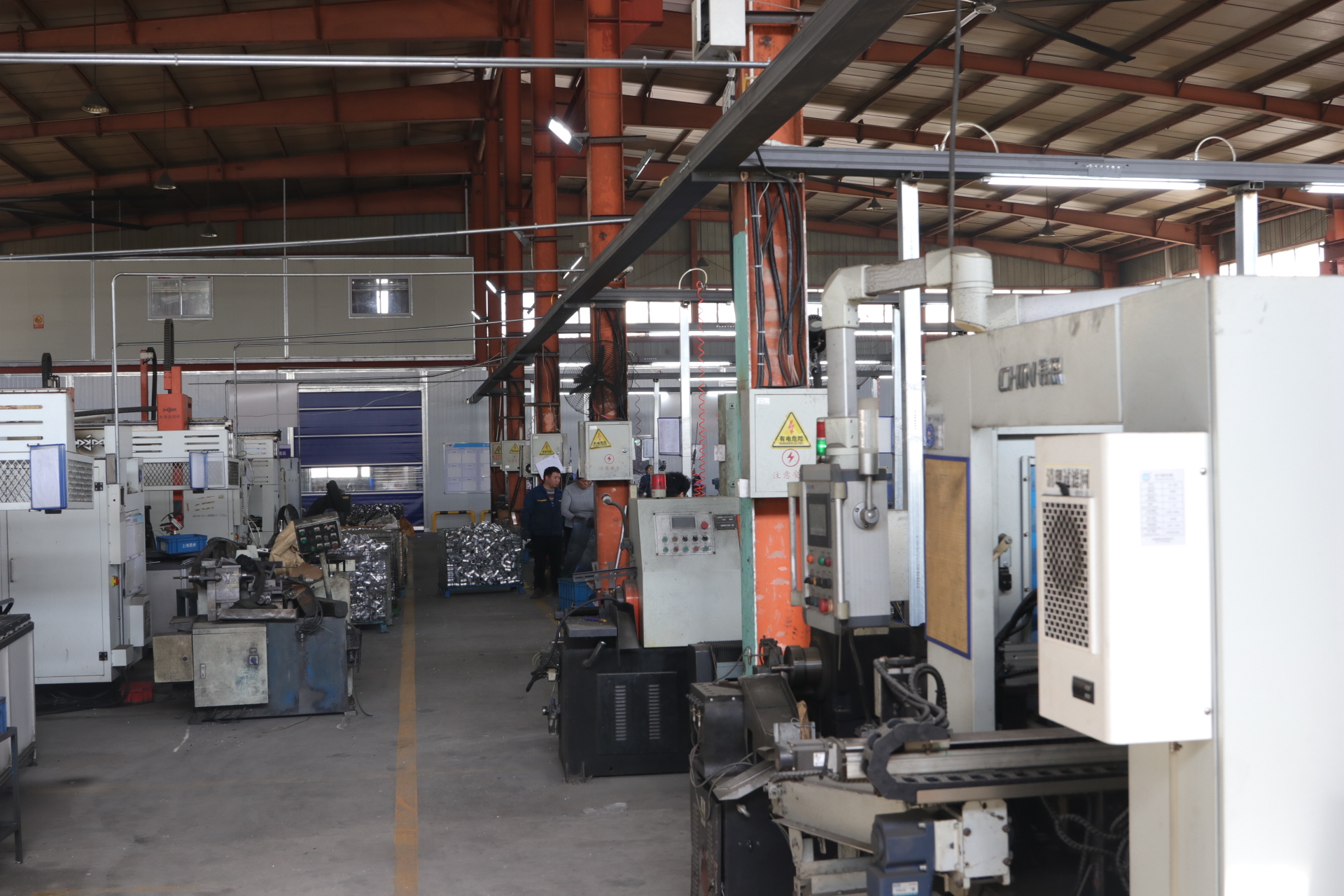
सीएनसी मिलिंग, टर्निंग और राउटिंग की तुलना स्पष्ट की गई
इसलिए आप समझते हैं कि सीएनसी सेवा क्या प्रदान करती है, लेकिन आपके प्रोजेक्ट के लिए वास्तव में कौन सी प्रक्रिया उपयुक्त है? यहाँ कई खरीदार भ्रमित हो जाते हैं, और ईमानदारी से कहूँ तो, कुछ प्रदाता इस भ्रम का फायदा उठाते हैं। मिलिंग, टर्निंग और राउटिंग — ये तीन प्राथमिक सीएनसी प्रक्रियाएँ प्रत्येक अलग-अलग उद्देश्यों के लिए उपयोग की जाती हैं। गलत प्रक्रिया का चुनाव अनावश्यक लागत, लंबे डिलीवरी समय या आपके विनिर्देशों के अनुरूप न आने वाले भागों का कारण बन सकता है।
चलिए यह स्पष्ट करते हैं कि प्रत्येक प्रक्रिया कब उपयुक्त होती है, ताकि आप किसी भी सीएनसी मशीनिंग मिलिंग प्रदाता के साथ सूचित चर्चा कर सकें।
जब आपके प्रोजेक्ट के लिए मिलिंग उपयुक्त होती है
सीएनसी मिल क्या है, और यह इतनी व्यापक रूप से क्यों उपयोग की जाती है? मिलिंग संचालन में, कटिंग टूल घूमता है जबकि कार्य टुकड़ा स्थिर रहता है। टूल आमतौर पर X, Y और Z अक्षों के अनुदिश गति करता है, जिससे आपके अभिष्ट आकार को बनाने के लिए परत दर परत सामग्री हटाई जाती है।
मिलिंग निम्नलिखित के उत्पादन में उत्कृष्टता प्रदर्शित करती है:
- जटिल 3D ज्यामिति: वक्राकार सतहें, कोणीय विशेषताएँ और जटिल विवरण
- समतल सतहें और पॉकेट्स: स्लॉट्स, कैविटीज़ और समतल सतहें
- बहु-विशेषता वाले भाग: एकल सेटअप में छिद्रों, कोणों और जटिल आकृतियों की आवश्यकता वाले घटक
RapidDirect के यांत्रिक प्रसंस्करण मार्गदर्शिका के अनुसार, फ्रीज़र मशीनों में एक मज़बूत शरीर होता है जो कंपन झटकों को अवशोषित करता है, जिससे स्टील, टाइटेनियम और एल्यूमीनियम जैसी कठिन सामग्रियों के साथ काम करते समय उच्च सटीकता प्राप्त होती है। इस कारण, सीएनसी फ्रीज़रिंग भागों के लिए फ्रीज़रिंग को टाइट टॉलरेंस और जटिल विशेषताओं की आवश्यकता होने पर सर्वश्रेष्ठ विकल्प बना देता है।
क्या कोई समझौता है? गोल भागों के लिए फ्रीज़रिंग की तुलना में टर्निंग आमतौर पर अधिक समय लेता है, और कठिन सामग्रियाँ उपकरण के क्षरण को बढ़ाती हैं । हालाँकि, काउंटर्स, पॉकेट्स या अनियमित ज्यामिति वाले प्रिज़्मैटिक घटकों के लिए फ्रीज़रिंग अभी भी अतुलनीय है।
बेलनाकार सटीकता के लिए टर्निंग
सीएनसी टर्निंग परिदृश्य को उलट देता है। यहाँ, कार्य-टुकड़ा उच्च गति से घूमता है जबकि एक स्थिर काटने वाला उपकरण उसकी सतह के अनुदिश गतिमान होता है। यह दृष्टिकोण विशेष रूप से बेलनाकार और घूर्णन घटकों के लिए डिज़ाइन किया गया है।
सीएनसी टर्निंग सेवाएँ तब उत्कृष्ट प्रदर्शन करती हैं जब आपको निम्नलिखित की आवश्यकता हो:
- शाफ्ट और छड़ें: लंबे बेलनाकार घटक जिनका व्यास स्थिर होता है
- बुशिंग और स्लीव्स: खोखले बेलनाकार भाग जिनके आंतरिक और बाह्य आयामों की सटीकता अधिक होती है
- थ्रेडेड घटक: पेंच, बोल्ट तथा हेलिकल विशेषताओं की आवश्यकता वाले भाग
- सममित भाग: कोई भी भाग जो केंद्र रेखा के परितः सममित हो
सीएनसी टर्निंग भागों को विशेष रूप से लागत-प्रभावी क्यों बनाता है? गति और दक्षता। टर्निंग केंद्र बेलनाकार आकृतियों को मिलिंग की तुलना में तेज़ी से संसाधित करते हैं, क्योंकि निरंतर घूर्णन स्थिर सामग्री अपवाह की अनुमति देता है। गोल भागों के बल्क उत्पादन के लिए, यह प्रति टुकड़ा लागत में सीधे कमी के रूप में अनुवादित होता है।
कई आधुनिक सीएनसी टर्निंग केंद्रों में लाइव टूलिंग की सुविधा भी होती है, जिससे एक ही मशीन पर मिलिंग संचालन करना संभव हो जाता है। यह संकर क्षमता इसका अर्थ है कि एकल सेटअप के माध्यम से ऐसे भागों को पूरा किया जा सकता है जिन्हें अन्यथा मशीनों के बीच स्थानांतरित करने की आवश्यकता होती।
शीट सामग्री और बड़े पैमाने के कार्यों के लिए रूटिंग
सीएनसी राउटिंग क्या है, और यह मिलिंग से कैसे भिन्न है? दोनों ही प्रक्रियाओं में घूर्णन करने वाले कटिंग उपकरणों का उपयोग किया जाता है, लेकिन सीएनसी राउटिंग मशीनें कठोरता की तुलना में गति को प्राथमिकता देती हैं। ये मशीनें नरम सामग्रियों को त्वरित रूप से काटने के लिए उच्च स्पिंडल गति पर काम करती हैं।
सीएनसी राउटिंग इनके लिए आदर्श है:
- शीट सामग्रियाँ: पाइलवुड, एमडीएफ, एक्रिलिक शीट्स और कॉम्पोजिट पैनल
- बड़े कार्य-टुकड़े: साइन ब्लैंक्स, कैबिनेट घटक और स्थापत्य तत्व
- नरम सामग्रियाँ: फोम, प्लास्टिक और लकड़ी के उत्पाद
- 2.5डी ऑपरेशन: प्रोफाइल, कटआउट और उथली पॉकेटिंग
हल्के फ्रेम डिज़ाइन के कारण राउटर्स को भारी मिलिंग मशीनों की तुलना में कम लागत पर खरीदा जा सकता है और इन्हें स्थापित करना आसान होता है। हालाँकि, यही विशेषता उनकी सटीकता क्षमताओं को सीमित कर देती है। मशीनिंग विशेषज्ञों के अनुसार, कम दृढ़ता के कारण कटिंग के दौरान कंपन अधिक होता है, विशेष रूप से गहरी कटिंग या घने सामग्री के साथ।
कड़ी धातुओं के लिए, जिनमें कड़ी सहिष्णुता की आवश्यकता होती है, मिलिंग अभी भी बेहतर विकल्प बनी हुई है। लेकिन प्लास्टिक, लकड़ी और शीट सामग्री के उच्च-मात्रा वाले कटिंग के लिए, राउटिंग कम लागत पर तेज़ परिणाम प्रदान करती है।
सीएनसी प्रक्रियाओं की त्वरित तुलना
इन अंतरों को समझने से आप प्रदाताओं के साथ अधिक प्रभावी ढंग से संवाद कर सकते हैं और उद्धरणों का सही तरीके से मूल्यांकन कर सकते हैं। यहाँ तीनों प्रक्रियाओं की तुलना मुख्य आयामों के आधार पर की गई है:
| कारक | सीएनसी मिलिंग | सीएनसी मोड़ | CNC routing |
|---|---|---|---|
| आदर्श भाग ज्यामिति | जटिल 3D आकृतियाँ, प्रिज़्मैटिक भाग, समतल सतहें | बेलनाकार, घूर्णन योग्य, सममित भाग | शीट सामग्री, बड़े समतल कार्य टुकड़े |
| विशिष्ट अनुप्रयोग | इंजन ब्लॉक, हाउसिंग, ब्रैकेट, मॉल्ड | शाफ्ट, रॉड, बुशिंग, फास्टनर | साइन्स, कैबिनेट के भाग, फोम पैटर्न |
| सामग्री संगतता | धातुएँ, इंजीनियरिंग प्लास्टिक्स, कॉम्पोजिट्स | धातुएँ, प्लास्टिक्स, कुछ कॉम्पोजिट्स | लकड़ी, प्लास्टिक्स, फोम, नरम धातुएँ |
| सहनशीलता क्षमता | ±0.001" से ±0.0001" (कड़ा) | ±0.001" से ±0.0005" (कड़ा) | ±0.005" से ±0.010" (मध्यम) |
| प्रसंस्करण गति | मध्यम | गोलाकार भागों के लिए तीव्र | नरम सामग्रियों के लिए अत्यंत तीव्र |
| मशीन लागत | उच्च | मध्यम से उच्च | नीचे |
| इसके लिए सबसे उपयुक्त | प्रिसिजन धातु घटक | उच्च-मात्रा वाले बेलनाकार उत्पादन | बड़े प्रारूप वाली नरम सामग्री काटना |
जटिल असेंबली के लिए संकर दृष्टिकोण
यहाँ एक ऐसी बात है जिसका ज़्यादातर प्रदाता पहले से ही उल्लेख नहीं करते: जटिल भागों को अक्सर कई प्रक्रियाओं को संयोजित करने से लाभ मिलता है। उदाहरण के लिए, एक शाफ्ट जिसमें मशीन किया गया समतल भाग हो, वह पहले बेलनाकार शरीर के लिए लेथ पर शुरू हो सकता है, और फिर समतल सुविधा तथा क्रॉस-होल्स के लिए मिलिंग केंद्र पर स्थानांतरित किया जा सकता है।
उद्धरणों का मूल्यांकन करते समय, पूछें कि क्या आपके भाग को कई सेटअप या प्रक्रियाओं की आवश्यकता है। कुछ सीएनसी टर्निंग सेवा प्रदाता मिल-टर्न क्षमताएँ प्रदान करते हैं जो दोनों ऑपरेशनों को एकल मशीन में पूरा करते हैं, जिससे हैंडलिंग समय कम होता है और विशेषताओं के बीच सटीकता में सुधार होता है।
मिश्रित ज्यामिति वाली असेंबली के लिए, यह समझना कि प्रत्येक घटक को कौन-सी प्रक्रिया संभालती है, आपको यह मूल्यांकन करने में सहायता करता है कि क्या कोई प्रदाता की क्षमताएँ वास्तव में आपकी आवश्यकताओं के अनुरूप हैं, या क्या वे ऐसे कार्यों को सब-कॉन्ट्रैक्ट कर रहे हैं जो गुणवत्ता में भिन्नता ला सकते हैं और डिलीवरी के समय को बढ़ा सकते हैं।
अब जब आप समझ गए हैं कि ये प्रक्रियाएँ एक-दूसरे से कैसे भिन्न हैं, तो अगला महत्वपूर्ण निर्णय सामग्री के चयन से संबंधित है। आपका सामग्री का चयन सीधे इस बात को प्रभावित करता है कि कौन-सी प्रक्रिया सबसे उपयुक्त काम करेगी, और अधिक महत्वपूर्ण बात यह कि आपके अंतिम भाग की लागत क्या होगी।
सीएनसी मशीनिंग परियोजनाओं के लिए सामग्री मार्गदर्शिका
आपने अपने भाग के लिए सही प्रक्रिया की पहचान कर ली है। अब एक ऐसा निर्णय लेने का समय आ गया है जो आपकी परियोजना की लागत और अंतिम उत्पाद के प्रदर्शन दोनों को काफी हद तक प्रभावित करेगा: सामग्री का चयन। यहाँ वह जानकारी है जो अधिकांश प्रदाता आपको प्रारंभ में स्पष्ट रूप से नहीं बताते—आपका सामग्री का चयन केवल आपके उद्धरण पर अप्रोसेस्ड सामग्री (रॉ मटेरियल) के आइटम को ही नहीं प्रभावित करता, बल्कि यह मशीनिंग समय, औजारों के घिसावट की दर, सतह के फिनिश की गुणवत्ता, और यहाँ तक कि यह भी प्रभावित करता है कि क्या आपका भाग निर्दिष्ट आकार और विनिर्देशों के अनुसार निर्मित किया जा सकता है या नहीं।
सीएनसी मशीनिंग सामग्रियों को समझना केवल यह जानने के बारे में नहीं है कि क्या उपलब्ध है। यह आपकी अनुप्रयोग की आवश्यकताओं के अनुसार सामग्री के गुणों को मिलाना और लागत को नियंत्रण में रखना भी है।
वे धातुएँ जो सर्वोत्तम रूप से मशीन की जा सकती हैं
धातुएँ सीएनसी मशीनिंग में अच्छे कारणों से प्रभुत्व स्थापित करती हैं। वे शक्ति, टिकाऊपन और ऊष्मीय गुण प्रदान करती हैं जो प्लास्टिक्स के लिए सरलता से प्राप्त नहीं करने योग्य हैं। लेकिन सभी धातुएँ मशीनिंग योग्यता और लागत के मामले में समान नहीं होती हैं।
एल्युमीनियम सीएनसी एल्यूमीनियम अनुप्रयोगों के लिए अविवादित चैंपियन के रूप में खड़ा है। अनुसार हेक्सागन मशीन एंड एमएफजी , एल्यूमीनियम की शक्ति, भार और संक्षारण प्रतिरोध के अद्वितीय संयोजन ने इसे सीएनसी मशीनिंग में सबसे लोकप्रिय सामग्रियों में से एक बना दिया है। इसकी हल्की प्रकृति इसे एयरोस्पेस और ऑटोमोटिव उद्योगों में पसंदीदा बनाती है, जहाँ भार में कमी सीधे रूप से दक्षता में वृद्धि के रूप में अनुवादित होती है।
जब मशीन किए गए एल्यूमीनियम को सीएनसी केंद्र से निकाला जाता है, तो यह उत्कृष्ट ऊष्मीय और विद्युत चालकता प्रदर्शित करता है, जिससे यह इलेक्ट्रॉनिक एन्क्लोज़र्स और हीट सिंक्स के लिए आदर्श बन जाता है। 6061 ग्रेड मध्यम शक्ति प्रदान करता है तथा उचित लागत पर उत्कृष्ट मशीनिंग योग्यता के साथ आता है, जबकि 7075 चुनौतीपूर्ण एयरोस्पेस अनुप्रयोगों के लिए बहुत उच्च शक्ति प्रदान करता है, हालाँकि इसकी सामग्री और मशीनिंग लागत अधिक होती है।
स्टेनलेस स्टील जब जंगरोधी क्षमता और ताकत भार से अधिक महत्वपूर्ण होती है, तो यह स्थिति प्रकट होती है। ग्रेड 304 सामान्य उद्देश्यों के लिए, जैसे खाद्य प्रसंस्करण उपकरण और वास्तुशिल्प घटकों के लिए अच्छी तरह काम करता है। ग्रेड 316, जिसमें उत्कृष्ट जंगरोधी क्षमता है, समुद्री वातावरण और चिकित्सा उपकरणों जैसे शरीर के तरल पदार्थों या कठोर रसायनों के संपर्क में आने वाले अनुप्रयोगों को संभालता है।
टाइटेनियम मिश्र धातुएं इनका उच्चतम ताकत-से-भार अनुपात होता है, लेकिन इनके मशीनिंग में महत्वपूर्ण चुनौतियाँ आती हैं। यह सामग्री जंग रोकने वाली एक सुरक्षात्मक ऑक्साइड परत बनाती है, जो मांगपूर्ण अनुप्रयोगों में दीर्घायु सुनिश्चित करती है। हालाँकि, टाइटेनियम की मशीनिंग के लिए विशेषज्ञता, विशिष्ट औजारों और सावधानीपूर्ण कटिंग पैरामीटर्स की आवश्यकता होती है—जो सभी लागत को बढ़ाते हैं।
पीतल और तांबा इनकी नरम प्रकृति के कारण ये शानदार ढंग से मशीन किए जाते हैं। ये विद्युत घटकों, सजावटी हार्डवेयर और प्लंबिंग फिटिंग्स के लिए प्राथमिक विकल्प हैं। सौदेबाजी क्या है? एल्यूमीनियम की तुलना में उच्च सामग्री लागत, और पीतल के भाग स्पष्ट रूप से भारी होते हैं।
कार्यात्मक भागों के लिए इंजीनियरिंग प्लास्टिक्स
जब भार कम करना, विद्युत विलगन या रासायनिक प्रतिरोधकता, कच्ची ताकत से अधिक महत्वपूर्ण होती है, तो इंजीनियरिंग प्लास्टिक्स ऐसे समाधान प्रदान करते हैं जिनकी तुलना धातुएँ नहीं कर सकतीं।
नाइलॉन (PA) नायलॉन घटकों—जैसे गियर, बुशिंग और घर्षण पैड—के यांत्रिक निर्माण के लिए यह एक कार्यक्षम सामग्री है। एलएस मैन्युफैक्चरिंग के अनुसार, यांत्रिक निर्माण के लिए उपयुक्त नायलॉन में अच्छी आघात प्रतिरोधकता, मध्यम रासायनिक प्रतिरोधकता और स्व-स्नेहन गुण होते हैं, जो गतिशील भागों में घर्षण को कम करते हैं। यांत्रिक निर्माण के लिए उपयुक्त नायलॉन को काँच के रेशों से प्रबलित किया जा सकता है ताकि इसकी ताकत में वृद्धि की जा सके, जिससे यह कार्यात्मक अनुप्रयोगों के लिए और अधिक बहुमुखी बन जाता है।
POM (एसीटल/डेल्रिन) यह आकारिक स्थिरता की आवश्यकता वाले परिशुद्ध घटकों के लिए उत्कृष्ट है। इसकी दृढ़ता और कम घर्षण विशेषताएँ इसे गियर, बेयरिंग और विद्युत विलगकों के लिए आदर्श बनाती हैं। यदि आपके घटक को समय के साथ दृढ़ आयामी सहिष्णुता बनाए रखने की आवश्यकता है और यह बार-बार यांत्रिक तनाव को सहन कर सके, तो POM पर विचार करना चाहिए।
पॉलीकार्बोनेट (PC) इसमें पारदर्शिता और प्रभाव प्रतिरोध क्षमता दोनों होती है। सीएनसी द्वारा निर्मित पॉलीकार्बोनेट भाग आपातकालीन सुरक्षा ढाल, लेंस और पारदर्शी कवर के रूप में कार्य करते हैं, जहाँ दृश्यता और टिकाऊपन दोनों महत्वपूर्ण होते हैं। इसकी ऊष्मा प्रतिरोध क्षमता अधिकांश अन्य पारदर्शी प्लास्टिक्स से अधिक है, जिससे यह ऊष्मा स्रोतों के निकट उपयोग के लिए उपयुक्त हो जाता है।
PEEK यह प्लास्टिक स्पेक्ट्रम के उच्च-प्रदर्शन छोर का प्रतिनिधित्व करता है। इसकी उत्कृष्ट ताकत, रासायनिक प्रतिरोध क्षमता और उच्च तापमान सहन करने की क्षमता के कारण, यह एयरोस्पेस सील्स और चिकित्सा प्रत्यारोपणों के लिए चुना गया सामग्री है। लेकिन इसकी कीमत अधिक होती है, और इसे संसाधित करने के लिए तापीय प्रबंधन का ध्यानपूर्ण ध्यान रखना आवश्यक है ताकि इसका विघटन न हो सके।
सामग्री के गुणों का अनुप्रयोग की आवश्यकताओं के साथ मिलान
सही सामग्री का चयन आपके भाग के कार्यात्मक वातावरण और कार्यात्मक आवश्यकताओं को समझने से शुरू होता है। यहाँ विभिन्न सामग्रियाँ प्रमुख औद्योगिक अनुप्रयोगों के साथ कैसे संरेखित होती हैं:
एयरोस्पेस-ग्रेड सामग्रियाँ:
- एल्युमीनियम 7075: संरचनात्मक घटकों के लिए उच्च ताकत-से-भार अनुपात
- टाइटेनियम मिश्र धातुएँ: अत्यधिक शक्ति, संक्षारण प्रतिरोध और कमजोरी प्रदर्शन
- पीईके: उच्च-तापमान वाली सील और हल्के संरचनात्मक तत्व
- स्टेनलेस स्टील 316: कठोर वातावरणीय परिस्थितियों के संपर्क में आने वाले घटक
चिकित्सा-अनुकूल विकल्प:
- टाइटेनियम: जैव-अनुकूल प्रत्यारोपण और सर्जिकल उपकरण
- स्टेनलेस स्टील 316L: वे सर्जिकल उपकरण जिन्हें जीवाणुरहितता और संक्षारण प्रतिरोध की आवश्यकता होती है
- चिकित्सा-ग्रेड पीईके: एफडीए-अनुमोदित प्रत्यारोपण जिन्हें उच्च-तापमान स्टरीलाइज़ेशन की आवश्यकता होती है
- पीओएम: चिकित्सा उपकरणों में परिशुद्धि घटक
ऑटोमोटिव-उपयुक्त विकल्प:
- एल्युमीनियम 6061: इंजन घटक, ब्रैकेट और हाउसिंग
- कार्बन स्टील 1045: गियर, शाफ्ट और उच्च-घर्षण घटक
- नायलॉन: बुशिंग, घर्षण पैड और कम-घर्षण भाग
- स्टेनलेस स्टील 304: एक्जॉस्ट घटक और फास्टनर
उपभोक्ता उत्पाद सामग्री:
- एल्यूमीनियम 6061: इलेक्ट्रॉनिक आवरण और सजावटी हार्डवेयर
- एबीएस: कार्यात्मक प्रोटोटाइप और हाउसिंग
- पॉलीकार्बोनेट: पारदर्शी कवर और सुरक्षा शील्ड
- पीतल: सजावटी घटक और विद्युत संपर्क
सामग्री के चयन का आपके लाभ पर क्या प्रभाव पड़ता है
सामग्री चयन और लागत के बारे में यहाँ व्यावहारिक सत्य है: सबसे सस्ती सामग्री हमेशा सबसे आर्थिक विकल्प नहीं होती है। आपकी कुल लागत तीन अंतर्संबंधित कारकों पर निर्भर करती है।
मशीनिंग समय सामग्रियों के बीच काफी भिन्नता होती है। मशीन कटिंग द्वारा निर्मित एल्यूमीनियम के भाग टाइटेनियम के समकक्ष भागों की तुलना में मशीन से तेज़ी से निकलते हैं, क्योंकि एल्यूमीनियम के मशीनिंग में उच्च कटिंग गति और गहरे कट (डीपर पास) की अनुमति होती है। कठोर सामग्रियों के लिए ऊष्मा को नियंत्रित करने और उपकरण क्षति को रोकने के लिए धीमी गति की आवश्यकता होती है। ऊष्मा को नियंत्रित करने और उपकरण क्षति को रोकने के लिए , जिससे प्रत्यक्ष रूप से श्रम और मशीन समय की लागत में वृद्धि होती है।
टूल के घिसाव कठोर और अपघर्षक सामग्रियों के साथ तेज़ी से बढ़ता है। टाइटेनियम के एक बैच के भागों को मशीन करने में कटिंग उपकरणों का उपयोग एल्यूमीनियम में समान मात्रा के भागों की तुलना में काफी तेज़ी से होता है। ये उपकरण प्रतिस्थापन लागतें आपके उद्धरण में शामिल कर दी जाती हैं, चाहे प्रदाता उन्हें अलग से सूचीबद्ध करें या न करें।
कच्चे माल की लागत आधारभूत लागत का निर्माण करती है, लेकिन अपशिष्ट को भी ध्यान में रखें। सीएनसी मशीनिंग में भागों के निर्माण के लिए सामग्री को हटाया जाता है, और हटाए गए चिप्स प्रभावी रूप से कचरा होते हैं। टाइटेनियम और PEEK जैसी महंगी सामग्रियाँ इस लागत को और अधिक बढ़ा देती हैं, जिससे उच्च-मूल्य वाली सामग्रियों के लिए डिज़ाइन अनुकूलन को और अधिक महत्वपूर्ण बना देती हैं।
सबसे लागत-प्रभावी दृष्टिकोण क्या है? अपनी कार्यात्मक आवश्यकताओं से शुरुआत करें, उन आवश्यकताओं को पूरा करने वाली सामग्रियों की पहचान करें, फिर अपने प्रदाता के साथ मिलकर ऐसे डिज़ाइनों को अनुकूलित करें जो सबसे अधिक मशीन-योग्य विकल्प के लिए उपयुक्त हों। कभी-कभी थोड़ा अधिक महंगी सामग्री, जो तेज़ी से मशीन की जा सकती है, वास्तव में आपकी कुल लागत को कम कर देती है।
सामग्रियों को समझना आवश्यक है, लेकिन इतना ही महत्वपूर्ण है कि आप वास्तव में किस स्तर की शुद्धता (प्रेसिज़न) की आवश्यकता रखते हैं, यह जानना। अगला खंड टॉलरेंस (सहनशीलता) पर चर्चा करता है, क्योंकि आवश्यकता से अधिक कड़ी शुद्धता निर्दिष्ट करना सीएनसी मशीनिंग लागत को बढ़ाने का एक त्वरित तरीका है।
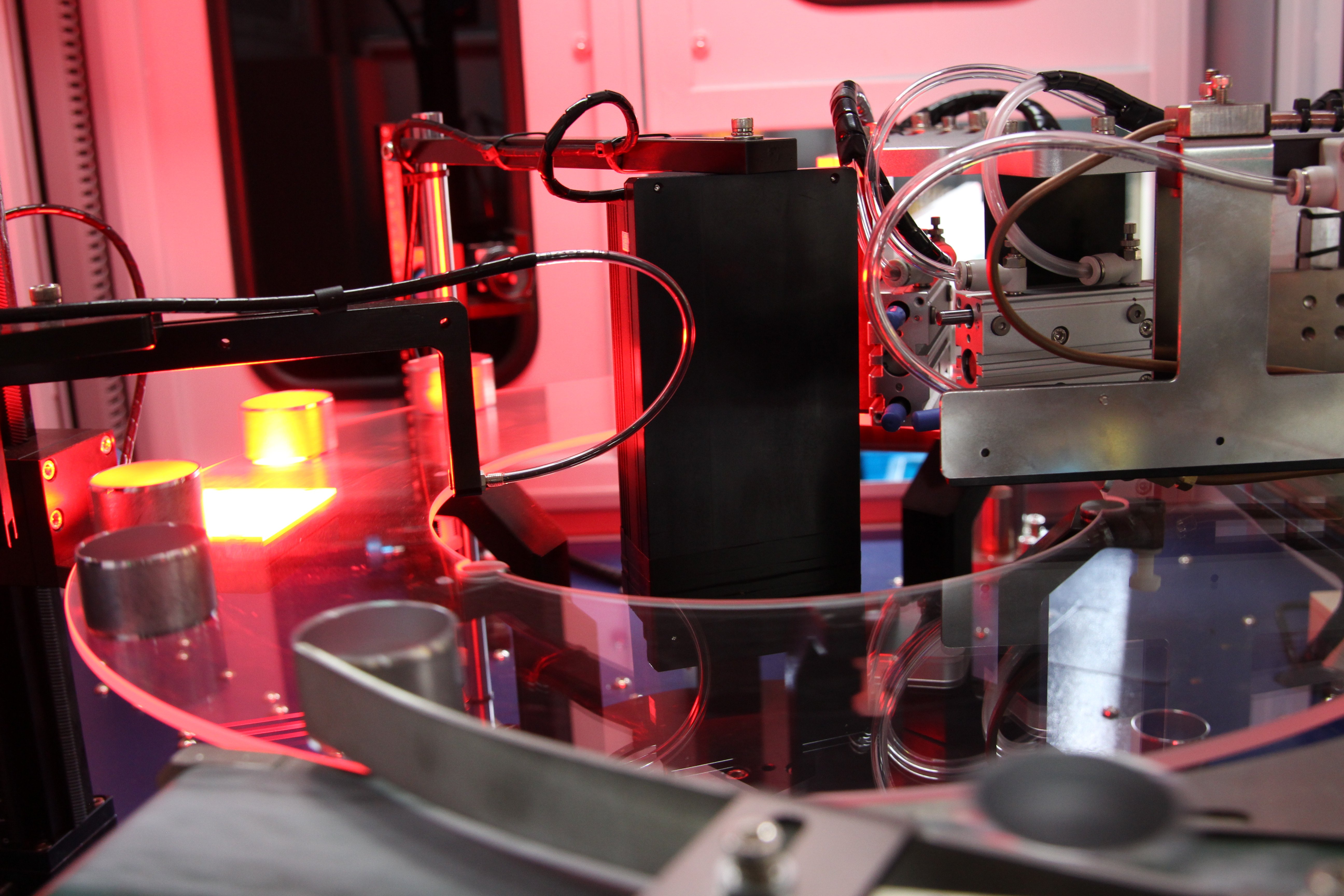
उन टॉलरेंस और शुद्धता मानकों के बारे में जो महत्वपूर्ण हैं
यहाँ एक सच्चाई है जो अधिकांश CNC सेवा प्रदाता आपको स्वेच्छा से नहीं बताएँगे: टॉलरेंस (सहनशीलता) आपके उद्धरण में छुपे हुए सबसे बड़े लागत ड्राइवर्स में से एक है। यदि आप अपने भाग की वास्तविक आवश्यकता से अधिक सटीकता का अनुरोध करते हैं, तो आपको कार्यात्मक लाभ के बिना काफी अधिक शुल्क देना पड़ेगा। यदि आप टॉलरेंस को बहुत ढीला निर्दिष्ट करते हैं, तो आपके भाग अभिप्रेत अनुसार फिट नहीं हो सकते या कार्य नहीं कर सकते। सटीकता वाले यांत्रिकी सेवाओं को समझना इस बात से शुरू होता है कि आप अपनी परियोजना के लिए टॉलरेंस संख्याएँ वास्तव में क्या अर्थ रखती हैं।
मानक बनाम कड़े टॉलरेंस की व्याख्या
टॉलरेंस (सहनशीलता) क्या है? यह किसी निर्दिष्ट आयाम से स्वीकार्य विचलन है। जब एक ड्रॉइंग में 1.000-इंच व्यास के साथ ±0.005" टॉलरेंस का उल्लेख किया गया हो, तो पूर्ण भाग का माप 0.995" से 1.005" के बीच कुछ भी हो सकता है और फिर भी उसे स्वीकार्य माना जाएगा।
के अनुसार Modus Advanced मानक विनिर्माण टॉलरेंस आमतौर पर ±0.127 मिमी से ±0.254 मिमी (±0.005" से ±0.010") के मध्य होते हैं। यह सटीकता का स्तर विशेष उपकरण या विस्तारित मशीनिंग चक्रों के बिना सामान्य विनिर्माण की अधिकांश आवश्यकताओं को पूरा करता है।
प्रिसिजन सीएनसी मशीनिंग सेवाएँ अधिक संकीर्ण सीमाओं के भीतर काम करती हैं, आमतौर पर ±0.0254 मिमी से ±0.0508 मिमी (±0.001" से ±0.002") तक। इस स्तर के लिए मशीन की अधिक सावधानीपूर्ण कैलिब्रेशन, धीमी कटिंग गति और अतिरिक्त निरीक्षण चरणों की आवश्यकता होती है।
उच्च-प्रिसिजन मशीनिंग समाधान इससे भी आगे जाते हैं। ±0.0025 मिमी (±0.0001") या उससे भी बेहतर सहिष्णुता के लिए विशेष उपकरणों की आवश्यकता होती है, जिनमें तापीय क्षतिपूर्ति प्रणालियाँ, उप-माइक्रॉन स्थिति प्रतिक्रिया और पर्यावरण-नियंत्रित विनिर्माण सुविधाएँ शामिल हैं। उद्योग के अग्रणी खिलाड़ी सबसे माँग वाले चिकित्सा और एयरोस्पेस अनुप्रयोगों के लिए 1–3 माइक्रॉन की सहिष्णुता प्राप्त कर सकते हैं।
सहिष्णुता भाग के कार्यप्रणाली को कैसे प्रभावित करती है
सहिष्णुता का महत्व केवल ड्रॉइंग पर अंकित संख्याओं से परे क्यों है? इन व्यावहारिक परिदृश्यों पर विचार करें:
- दबाव-फिट असेंबली: एक बेयरिंग को हाउसिंग में दबाकर फिट करने के लिए इंटरफेरेंस फिट सहिष्णुता की आवश्यकता होती है। यदि यह बहुत ढीली है, तो बेयरिंग स्थान पर ही घूमने लगेगी; और यदि यह बहुत कसी हुई है, तो असेंबली के दौरान हाउसिंग में दरार आने का जोखिम हो सकता है।
- स्लाइडिंग तंत्र: पिस्टन, दराज़ के स्लाइड्स और रैखिक गाइड्स को क्लीयरेंस फिट की आवश्यकता होती है। टॉलरेंस निर्धारित करता है कि गति चिकनी होगी या कि भाग अटक जाएँगे और जल्दी घिस जाएँगे।
- थ्रेडेड कनेक्शन: थ्रेड वाले कस्टम मशीन किए गए भागों को मैटिंग घटकों के साथ मेल खाना चाहिए। गलत टॉलरेंस का अर्थ है कि थ्रेड खराब हो जाएँगे या कनेक्शन ढीला हो जाएगा।
- सौंदर्यपूर्ण सतहें: उपभोक्ता उत्पादों पर दिखाई देने वाले भागों को कठोर समतलता और सतह समाप्ति विनिर्देशों की आवश्यकता हो सकती है, भले ही कार्यात्मक टॉलरेंस ढीले हो सकते हैं।
MISUMI के इंजीनियरिंग संसाधनों के अनुसार, मैटिंग भागों के बीच फिट डिज़ाइनेशन क्लीयरेंस फिट (शॉफ्ट और होल के बीच हमेशा एक अंतराल) से लेकर इंटरफेरेंस फिट (हमेशा ओवरलैप, जिसके लिए असेंबल करने के लिए बल की आवश्यकता होती है) तक होता है। ट्रांज़िशन फिट इन चरम स्थितियों के बीच में आते हैं, जिनमें वास्तविक निर्मित आयामों के आधार पर थोड़ा सा क्लीयरेंस या इंटरफेरेंस दोनों ही संभव है।
लागत-सहनशीलता संबंध
यहाँ वह बात है जो प्रदाता अक्सर स्पष्ट रूप से नहीं समझाते: टॉलरेंस में प्रत्येक कदम का कड़ा होना आपकी लागत को काफी बढ़ा सकता है। क्यों? कड़े टॉलरेंस की आवश्यकता होती है:
- गर्मी और कंपन को कम करने के लिए धीमी कटिंग गति
- किनारे की तेज़ी बनाए रखने के लिए अधिक बार उपकरण परिवर्तन
- परिशुद्ध मापन उपकरणों का उपयोग करके अतिरिक्त निरीक्षण समय
- तापीय प्रसार को रोकने के लिए नियंत्रित पर्यावरणीय स्थितियाँ
- स्वीकार्य सीमाएँ संकरी होने के कारण उच्च अस्वीकृति दर
±0.001" की परिशुद्धता वाली सीएनसी मिलिंग, मानक ±0.005" कार्य की तुलना में 50% अधिक महंगी हो सकती है। ±0.0001" तक की परिशुद्धता प्राप्त करने के लिए विशिष्ट उपकरणों की आवश्यकता और ऐसी उच्च-परिशुद्धता वाले यांत्रिक भागों को लगातार निर्मित करने के लिए आवश्यक विशेषज्ञता के कारण लागत कई गुना बढ़ सकती है।
| सहन की ग्रेड | सामान्य सीमा | सामान्य अनुप्रयोग | सापेक्ष लागत प्रभाव |
|---|---|---|---|
| मानक | ±0.005" से ±0.010" (±0.127 से ±0.254 मिमी) | सामान्य घटक, ब्रैकेट, हाउसिंग, गैर-महत्वपूर्ण विशेषताएँ | आधार रेखा (1x) |
| शुद्धता | ±0.001" से ±0.002" (±0.025 से ±0.051 मिमी) | बेयरिंग फिट्स, वाल्व बॉडीज़, कनेक्टर हाउसिंग्स, प्रिसिज़न असेंबलीज़ | मध्यम (1.5–2x) |
| पक्का | ±0.0005" (±0.013 मिमी) | हाइड्रॉलिक घटक, ऑप्टिकल माउंट्स, प्रिसिज़न उपकरण | उच्च (2–3x) |
| अति-सटीकता | ±0.0001" या और कठोर (±0.0025 मिमी) | शल्य चिकित्सा उपकरण, एयरोस्पेस बेयरिंग्स, चिकित्सा प्रत्यारोपण | अत्यधिक उच्च (4x+) |
स्मार्ट दृष्टिकोण क्या है? केवल उन विशेषताओं पर ही कड़े टॉलरेंस का निर्दिष्टीकरण करें जिन्हें वास्तव में आवश्यकता होती है। एक प्रिसिज़न सीएनसी मशीनिंग सेवा प्रदाता महत्वपूर्ण मिलने वाली सतहों पर ±0.0005" की सहिष्णुता के साथ भाग को मशीन कर सकता है, जबकि गैर-कार्यात्मक आयामों पर मानक ±0.005" की सहिष्णुता बनाए रख सकता है। यह संकर दृष्टिकोण प्रत्येक आयाम पर प्रीमियम मूल्य का भुगतान किए बिना कार्यात्मक प्रदर्शन प्रदान करता है।
टॉलरेंस का अत्यधिक निर्दिष्टीकरण खरीदारों द्वारा अनजाने में अपने उद्धरणों को बढ़ाने का सबसे आम तरीकों में से एक है। टॉलरेंस का अपर्याप्त निर्दिष्टीकरण कार्यात्मक विफलता, लौटाए गए भागों और महंगे पुनर्कार्य का जोखिम उत्पन्न करता है। टॉलरेंस को सही ढंग से निर्धारित करने के लिए आपके अनुप्रयोग की आवश्यकताओं और प्रत्येक प्रिसिज़न स्तर के लागत प्रभाव दोनों को समझना आवश्यक है।
सहनशीलता को समझने के बाद, आपके सीएनसी लागत नियंत्रण का अगला चरण अपनी डिज़ाइन फ़ाइलों को उचित रूप से तैयार करना है। आप अपने सीएडी डेटा को किस प्रकार फ़ॉर्मेट करते हैं और व्यवस्थित करते हैं, यह सीधे उद्धरण की गति, निर्माण दक्षता और अंततः आपके परियोजना कार्यक्रम को प्रभावित करता है।
सीएनसी सफलता के लिए अपनी डिज़ाइन फ़ाइलों की तैयारी
आपने अपनी सामग्री का चयन कर लिया है और आपको आवश्यक सहनशीलता का ज्ञान है। लेकिन यहाँ एक ऐसी बात है जो कई खरीदारों को अचानक चौंका देती है: आप अपनी डिज़ाइन फ़ाइलों को कैसे तैयार करते हैं और प्रस्तुत करते हैं, यह आपके परियोजना कार्यक्रम को सफल या विफल बना सकता है। खराब रूप से फ़ॉर्मेट की गई सीएडी फ़ाइलें उद्धरण प्रक्रिया में देरी करती हैं, निर्माण त्रुटियाँ उत्पन्न करती हैं और अंततः लागत में वृद्धि करती हैं। फिर भी, अधिकांश सीएनसी सेवा प्रदाता समस्याएँ उत्पन्न होने के बाद ही आपको उचित फ़ाइल तैयारी के बारे में मार्गदर्शन देते हैं।
चाहे आप पहली बार कोई सीएनसी प्रोटोटाइप प्रस्तुत कर रहे हों या उत्पादन मात्रा में वृद्धि कर रहे हों, शुरुआत से ही अपनी फ़ाइलों को सही तरीके से तैयार करना समय, धन और तनाव बचाता है।
उद्धरण प्रक्रिया को तेज़ करने वाले सीएडी फ़ाइल प्रारूप
सीएनसी मशीनिंग के लिए सभी फ़ाइल प्रारूप समान रूप से अच्छे नहीं काम करते हैं। आपका चयन सीधे इस बात को प्रभावित करता है कि कोई प्रदाता आपके डिज़ाइन का विश्लेषण कितनी जल्दी कर सकता है और एक सटीक कोटेशन कैसे तैयार कर सकता है।
जेएलसीएनसी के तैयारी गाइड के अनुसार, सीएनसी प्रोटोटाइपिंग के लिए सर्वश्रेष्ठ प्रारूप इनमें से हैं:
- STEP (.stp, .step): विभिन्न सॉफ़्टवेयर प्लेटफ़ॉर्म के बीच 3डी सीएडी डेटा के आदान-प्रदान के लिए सार्वभौमिक मानक। स्टेप (STEP) फ़ाइलें ज्यामितीय सटीकता को संरक्षित रखती हैं और लगभग सभी सीएएम (CAM) प्रणालियों द्वारा पठनीय होती हैं।
- IGES (.igs, .iges): एक पुराना लेकिन अभी भी व्यापक रूप से समर्थित प्रारूप, विशेष रूप से सतह डेटा के लिए उपयोगी। कुछ जटिल ज्यामितियाँ आईजीईएस (IGES) के माध्यम से स्टेप (STEP) की तुलना में बेहतर अनुवादित होती हैं।
- पैरासॉलिड (.x_t, .x_b): कई उच्च-स्तरीय सीएडी (CAD) प्रणालियों का मूल प्रारूप। जटिल ज्यामिति और फ़ीचर इतिहास को संरक्षित रखने के लिए उत्कृष्ट।
- मूल CAD फ़ाइलें: सॉलिडवर्क्स (.sldprt), फ्यूजन 360 (.f3d) और इन्वेंटर (.ipt) फ़ाइलों को कई प्रदाताओं द्वारा सीधे आयात किया जा सकता है, हालाँकि रूपांतरण की सटीकता में भिन्नता हो सकती है।
आपको किन प्रारूपों से बचना चाहिए? STL और OBJ जैसी मेश-आधारित फ़ाइलें 3D मुद्रण के लिए अच्छी तरह काम करती हैं, लेकिन प्रोटोटाइप मशीनिंग के लिए समस्याएं उत्पन्न करती हैं। ये प्रारूप चिकने वक्रों को छोटे-छोटे त्रिभुजों में तोड़ देते हैं, जिससे सीएनसी मशीनों को सटीक टूलपाथ का अनुसरण करने के लिए आवश्यक गणितीय परिशुद्धता खो जाती है। यदि आपके पास केवल मेश फ़ाइलें हैं, तो प्रदाता द्वारा उपयोग करने योग्य ज्यामिति के पुनर्निर्माण के दौरान देरी की उम्मीद करें।
जटिल लगता है? सरल नियम यह है: जब भी संभव हो, STEP प्रारूप में निर्यात करें। यह सबसे सार्वभौमिक रूप से स्वीकृत विकल्प है और आपकी त्वरित सीएनसी प्रोटोटाइपिंग परियोजना के लिए आवश्यक परिशुद्धता को संरक्षित करता है।
उत्पादन लागत को कम करने वाले डिज़ाइन नियम
यहाँ डिज़ाइन-फॉर-मैन्युफैक्चरैबिलिटी (DFM) सिद्धांतों का प्रयोग किया जाता है। छोटे-छोटे डिज़ाइन निर्णय आपके भाग के मशीनिंग की दक्षता को गहराई से प्रभावित कर सकते हैं, और दक्षता सीधे लागत से जुड़ी होती है।
प्रोटोलैब्स के DFM दिशानिर्देशों के अनुसार, मुख्य डिज़ाइन नियमों का पालन करने से निर्माण संबंधी सुझाव कम हो जाते हैं और भाग उत्पादन को अनुकूलित किया जा सकता है:
दीवार की मोटाई: अपने सामग्री के अनुसार न्यूनतम दीवार मोटाई को बनाए रखें। पतली दीवारें कटिंग बलों के तहत विक्षेपित हो जाती हैं, जिससे आकारिक त्रुटियाँ और सतह के फिनिश संबंधी समस्याएँ उत्पन्न होती हैं। धातुओं के लिए कम से कम 0.5 मिमी का लक्ष्य रखें; प्लास्टिक के लिए भाग की ज्यामिति के आधार पर 1.0 मिमी या उससे अधिक मोटाई की आवश्यकता हो सकती है।
पॉकेट की गहराई-से-चौड़ाई अनुपात: गहरे, संकरे पॉकेट सीएनसी मशीनिंग के लिए दुर्भाग्यपूर्ण होते हैं। कटिंग टूल को पॉकेट के तल तक पहुँचने के लिए लंबा और पतला होना आवश्यक होता है, जिससे कंपन और विक्षेपण की समस्याएँ उत्पन्न होती हैं। मानक संचालनों के लिए पॉकेट की गहराई को उसकी चौड़ाई से अधिकतम 4 गुना तक ही सीमित रखें। गहरे पॉकेट के लिए विशिष्ट उपकरणों और धीमी कटिंग गति की आवश्यकता होती है।
आंतरिक कोनों की त्रिज्या: प्रत्येक आंतरिक कोने को काटने वाले औजार के व्यास के अनुरूप एक त्रिज्या की आवश्यकता होती है। घूर्णन वाले औजारों के साथ 90-डिग्री के तीव्र आंतरिक कोनों का निर्माण करना असंभव है। प्रोटोलैब्स के अनुसार, फिलेट के साथ आंतरिक कोनों को डिज़ाइन करने से भार समान रूप से वितरित होता है और तनाव संचय (स्ट्रेस राइज़र्स) को रोका जाता है, जो उथले दरारों (फैटिग दरारों) की शुरुआत कर सकते हैं। बाह्य कोनों के लिए, 45-डिग्री के चैम्फर्स का निर्माण करना त्रिज्या की तुलना में तेज़ और काफी कम लागत वाला होता है।
थ्रेड विनिर्देश: मानक थ्रेड आकारों का निर्माण कस्टम विनिर्देशों की तुलना में तेज़ और सस्ता होता है। जहाँ संभव हो, आम थ्रेड पिच (UNC, UNF, मीट्रिक मानक) का उपयोग करें जो आसानी से उपलब्ध टैप्स और औजारों के साथ मेल खाते हों। थ्रेड की गहराई को सावधानीपूर्वक निर्दिष्ट करें, क्योंकि आवश्यकता से अधिक गहरे थ्रेड्स निर्माण समय बढ़ाते हैं, लेकिन कोई कार्यात्मक लाभ नहीं देते।
सामान्य डिज़ाइन त्रुटियाँ और उनसे कैसे बचें
जब आप डिज़ाइन प्रक्रिया में गहराई में होते हैं, तो ऐसे विवरणों को भूल जाना आसान हो जाता है जो निर्माण संबंधी कठिनाइयाँ पैदा कर सकते हैं। यहाँ वे मुद्दे हैं जिन्हें सीएनसी प्रोटोटाइप मशीनिंग प्रदाता अक्सर देखते हैं:
जिन सुविधाओं तक पहुँच नहीं की जा सकती: कल्पना कीजिए कि आप एक जेब के डिज़ाइन कर रहे हैं जिसके तल पर एक विशेषता है जिसे जेब के खुलने से बड़े आकार के उपकरण की आवश्यकता होती है। यह उपकरण सिर्फ़ उस जेब तक पहुँच नहीं पाता। हमेशा सुनिश्चित करें कि कटिंग उपकरण आपके द्वारा डिज़ाइन की गई प्रत्येक विशेषता तक पहुँच सकें।
ऊँची दीवारों के निकट अत्यधिक पतली विशेषताएँ: प्रोटोलैब्स के टूलकिट के अनुसार, गहरी और संकरी जेबें या ऊँची दीवारों के साथ स्थित विशेषताएँ कटर विचलन और कार्य-टुकड़े के कंपन को आमंत्रित करती हैं। इससे सटीकता में कमी आती है और सतह का फ़िनिश खराब हो जाता है। बट्रेसेज़ में कदम जोड़ने से डिज़ाइन को कठोर बनाया जा सकता है तथा इन समस्याओं को रोका जा सकता है।
अनुपस्थित या अस्पष्ट आयाम: अपूर्ण ड्रॉइंग्स आपूर्तिकर्ताओं को आपके इरादे का अनुमान लगाने के लिए मजबूर करती हैं या वे स्पष्टीकरण के लिए अनुरोध करने के लिए उद्धरण प्रस्तुत करने में देरी करते हैं। सभी महत्वपूर्ण आयामों, सहिष्णुताओं और सतह के फ़िनिश आवश्यकताओं को स्पष्ट रूप से परिभाषित करें।
असंगत इकाइयाँ: जब आप मिलीमीटर का इरादा रखते हैं तो इंच में फ़ाइलें सबमिट करना (या इसके विपरीत) स्पष्ट समस्याएँ पैदा करता है। निर्यात करने से पहले इकाई सेटिंग्स को सत्यापित करें और अपनी सबमिशन में उन्हें स्पष्ट रूप से नोट करें।
ड्राफ्ट कोण भूलना: सीएनसी के लिए यह हमेशा आवश्यक नहीं होता है (इंजेक्शन मोल्डिंग के विपरीत), लेकिन कुछ गहरी विशेषताओं के लिए हल्के टेपर का उपयोग करने से उपकरण की पहुँच और चिप निकासी में आसानी होती है।
आपकी फ़ाइल तैयारी चेकलिस्ट
प्रोटोटाइप मशीनिंग सेवाओं के लिए अपने डिज़ाइन को सबमिट करने से पहले, इस सत्यापन क्रम के माध्यम से काम करें:
- सत्यापित करें कि आपका मॉडल जलरोधक है: सीएएम सॉफ्टवेयर की व्याख्या में भ्रम पैदा कर सकने वाले अंतराल, गायब सतहों या खुली ज्यामिति की जाँच करें।
- अनावश्यक विशेषताओं को हटाएँ: निर्माण ज्यामिति, संदर्भ समतलों और किसी भी ऐसे तत्व को हटा दें जो अंतिम भाग के लिए आवश्यक नहीं हैं।
- आंतरिक कोनों की त्रिज्या की जाँच करें: सुनिश्चित करें कि प्रत्येक आंतरिक कोने पर उचित फिलेट त्रिज्या है (अधिकांश अनुप्रयोगों के लिए न्यूनतम 1 मिमी)।
- दीवार की मोटाई की पुष्टि करें: पुष्टि करें कि कोई भी दीवार आपके सामग्री की अनुशंसित न्यूनतम मोटाई से पतली नहीं है।
- पॉकेट और छिद्र की गहराई की समीक्षा करें: गहराई-से-चौड़ाई अनुपात को व्यावहारिक सीमाओं के भीतर बनाए रखने की पुष्टि करें (मानक मशीनिंग के लिए 4:1 या उससे कम)।
- मानक थ्रेड्स को निर्दिष्ट करें: सामान्य थ्रेड विनिर्देशों का उपयोग करें और अपने दस्तावेज़ीकरण में मानकों को स्पष्ट रूप से उल्लिखित करें।
- STEP प्रारूप में निर्यात करें: अधिकतम संगतता के लिए अपने मूल प्रारूप के साथ-साथ एक स्वच्छ STEP फ़ाइल सहेज़ें।
- एक 2D ड्रॉइंग शामिल करें: एक ड्रॉइंग प्रदान करें जिसमें महत्वपूर्ण आयाम, सहिष्णुताएँ और सतह परिष्करण के निर्देश स्पष्ट रूप से अंकित हों।
- सामग्री और परिष्करण आवश्यकताओं का दस्तावेज़ीकरण करें: सामग्री ग्रेड, ऊष्मा उपचार (यदि कोई हो), और सतह परिष्करण की अपेक्षाओं को निर्दिष्ट करें।
- मात्रा और समयसीमा का ध्यान रखें: आदेश की मात्रा और कोई भी डिलीवरी की समयसीमा की आवश्यकताओं को शामिल करें।
प्रस्तुति से पहले इस चेकलिस्ट का पालन करने से नेतृत्व समय में काफी कमी आ सकती है। प्रदाता को स्पष्टीकरण के लिए कम समय लगता है, और आपका सीएनसी मशीनिंग प्रोटोटाइपिंग कार्य सीधे उत्पादन कतार में जाता है, बजाय इंजीनियरिंग समीक्षा में रुके रहने के।
उचित फ़ाइल तैयारी केवल देरी से बचने के बारे में नहीं है। यह एक पेशेवरता को दर्शाती है जो अक्सर आपके प्रदाता द्वारा बेहतर सेवा और ध्यान के रूप में अनुवादित होती है। जब आपकी फ़ाइलें पूर्ण और निर्माण-तैयार अवस्था में पहुँचती हैं, तो आप यह संकेत दे रहे होते हैं कि आप एक ज्ञानी ग्राहक हैं जिन्हें प्राथमिकता देने योग्य माना जाना चाहिए।
जब आपकी डिज़ाइन फ़ाइलें उचित रूप से तैयार हो जाती हैं, तो आप कोटेशन के लिए अनुरोध करने के लिए तैयार हो जाते हैं। हालाँकि, उन कोटेशन को निर्धारित करने वाले कारकों को समझना आपको यह मूल्यांकन करने में सहायता करता है कि क्या आपको उचित मूल्य दिया जा रहा है, जिसकी हम अगले चरण में विस्तार से जाँच करेंगे।
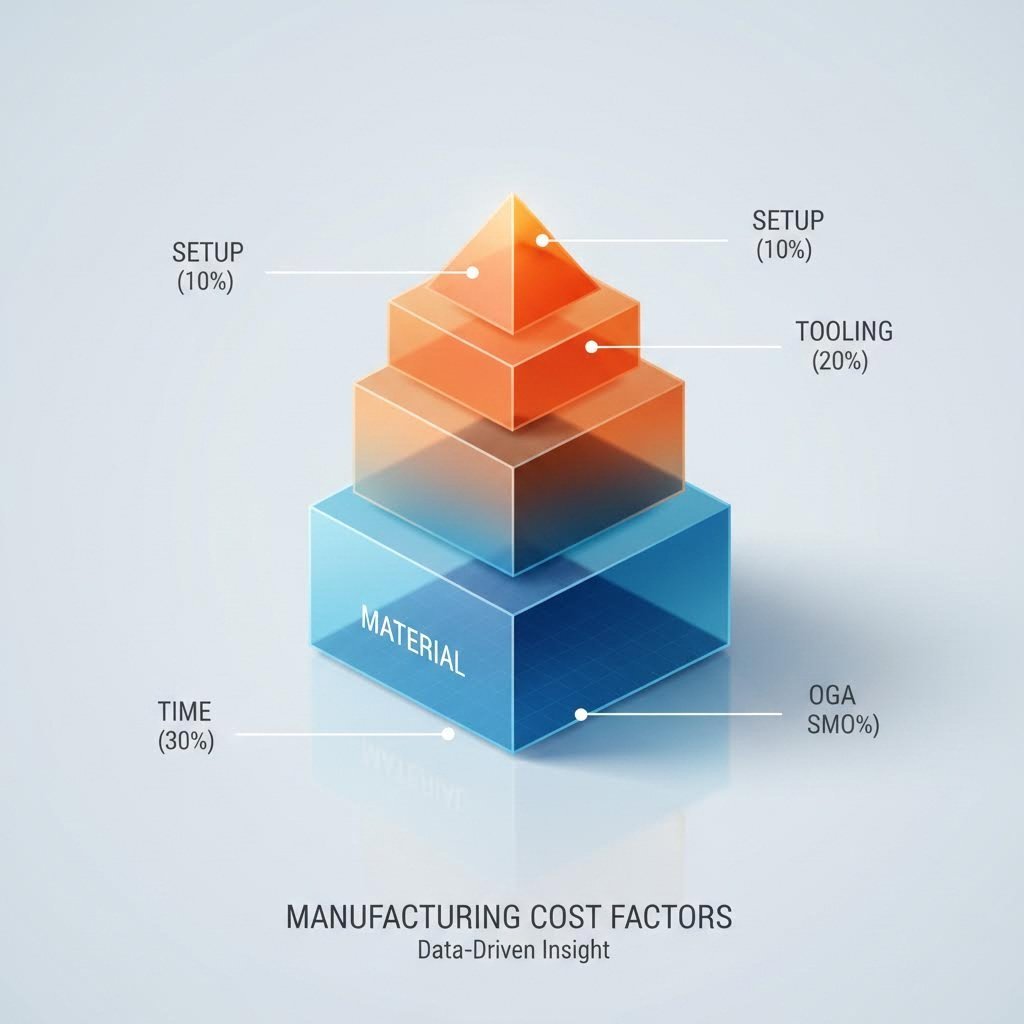
सीएनसी सेवा मूल्य निर्धारण के कारकों को समझना
आपकी डिज़ाइन फ़ाइलें तैयार हैं, और आप अब कोटेशन के लिए अनुरोध करने वाले हैं। लेकिन यहाँ वह बात है जो अधिकांश प्रदाता आपको शुरुआत में स्पष्ट नहीं बताते: आपको प्राप्त होने वाली सीएनसी मशीनिंग की कीमत उन कारकों पर निर्भर करती है जो आपके भाग को देखकर सदैव स्पष्ट नहीं होते। इन लागत-निर्धारक कारकों को समझना आपको कोटेशन का बुद्धिमानी से मूल्यांकन करने, सही प्रश्न पूछने और गुणवत्ता को बनाए रखते हुए लागत कम करने के अवसरों की पहचान करने में सहायता करता है।
चाहे आप ऑनलाइन सीएनसी कोटेशन प्राप्त कर रहे हों या सीधे किसी स्थानीय सीएनसी मशीनिंग शॉप के साथ काम कर रहे हों, वही मौलिक अर्थव्यवस्था लागू होती है। आइए ठीक-ठीक समझें कि आप किसके लिए भुगतान कर रहे हैं।
वास्तव में सीएनसी मशीनिंग की लागत को क्या प्रभावित करता है
प्रत्येक सीएनसी कोटेशन छह प्राथमिक लागत कारकों के संयोजन को दर्शाता है। इनमें से प्रत्येक को समझना आपको यह देखने में सहायता करता है कि आपका धन कहाँ जा रहा है और कहाँ बचत के अवसर मौजूद हैं।
सामग्री का प्रकार और मात्रा: के अनुसार डेडेसिन का लागत विश्लेषण सामग्री लागत केवल प्रति पौंड मूल कीमत के बारे में नहीं है। यह मशीनिंग योग्यता को भी दर्शाती है। स्टेनलेस स्टील या टाइटेनियम जैसी कठिन सामग्रियों को मशीन करने में अधिक समय लगता है और उपकरणों का तेज़ी से क्षरण होता है, जिससे मशीनिंग लागत बढ़ जाती है। लागत और मशीनिंग योग्यता के मामले में एल्युमीनियम मिश्र धातुएँ आमतौर पर सबसे अच्छा विकल्प होती हैं, जबकि एबीएस जैसे प्लास्टिक उपयुक्त अनुप्रयोगों के लिए और भी कम सामग्री लागत प्रदान करते हैं।
मशीनिंग की जटिलता और समय: यह भाग की लागत की गणना करते समय आमतौर पर सबसे बड़ा घटक होता है। मशीन का जितना अधिक समय तक चलना, आपको उतना ही अधिक भुगतान करना पड़ता है। कई सेटअप, गहरे खानों और जटिल विशेषताओं वाली जटिल ज्यामिति सभी चक्र समय को बढ़ा देती हैं। एक साधारण ब्रैकेट को कुछ मिनटों में मशीन किया जा सकता है, जबकि टाइट टॉलरेंस और जटिल कंटूर वाले एक एयरोस्पेस घटक के लिए घंटों का समय आवश्यक हो सकता है।
सहिष्णुता आवश्यकताएँ: जैसा कि हमने पहले चर्चा की थी, कड़े सहिष्णुता (टॉलरेंस) में धीमी कटिंग गति, अधिक सावधानीपूर्ण सेटअप और अतिरिक्त निरीक्षण समय की आवश्यकता होती है। जबकि ±0.005" की सहिष्णुता पूरी तरह कार्यात्मक होगी, तब भी प्रत्येक आयाम पर ±0.001" की सहिष्णुता निर्दिष्ट करना उद्धृत मूल्यों में तेज़ी से वृद्धि के लिए एक त्वरित मार्ग है।
सतह पूर्णता विरचन: मशीनिंग के बाद के फिनिश (परिष्करण) उनकी जटिलता के आधार पर लागत जोड़ते हैं। डेडेसिन के अनुसार, डिबरिंग और बीड ब्लास्टिंग जैसे मूलभूत परिष्करण विकल्प सस्ते हैं, जबकि एनोडाइज़िंग, पाउडर कोटिंग, पॉलिशिंग या इलेक्ट्रोप्लेटिंग जैसे उन्नत परिष्करण अधिक महंगे होते हैं। परिष्करण का चयन केवल दृश्य आकर्षण के आधार पर नहीं, बल्कि कार्यात्मक आवश्यकताओं के आधार पर करें।
सेटअप और प्रोग्रामिंग: पहला चिप (चिप) उड़ने से पहले किसी को टूलपाथ को प्रोग्राम करना, फिक्सचर्स को सेट करना और प्रक्रिया की पुष्टि करना आवश्यक होता है। जिगा के मशीनिंग लागत मार्गदर्शिका के अनुसार, इन प्रारंभिक सेटअप लागतों में उत्पादन के लिए मशीन की तैयारी, कार्य योजना लिखना और उपकरणों को पुनः सेट करना शामिल है। ये स्थिर लागतें छोटे सीएनसी मशीनिंग ऑर्डर के लिए अत्यंत महत्वपूर्ण हैं।
नेतृत्व समय तत्कालता: मानक उत्पादन समयसीमाएँ त्वरित आदेशों की तुलना में अधिक किफायती होती हैं। त्वरित निष्पादन के लिए निर्माताओं को आपके ऑर्डर को प्राथमिकता देनी पड़ती है, जिसमें अतिरिक्त समय का उपयोग करना या अन्य ऑर्डर्स को स्थगित करना शामिल हो सकता है। त्वरित डिलीवरी के लिए प्रीमियम मूल्य लगेगा, अतः संभव होने पर हमेशा पहले से योजना बनाएँ।
प्रोटोटाइप से उत्पादन तक की मात्रा-आधारित अर्थव्यवस्था
यहाँ मूल्य निर्धारण रोचक हो जाता है। सीएनसी मशीनिंग द्वारा निर्मित भागों की प्रति-इकाई लागत मात्रा में वृद्धि के साथ तेज़ी से कम हो जाती है, लेकिन यह संबंध रैखिक नहीं है।
एकल प्रोटोटाइप के लिए लागत सबसे अधिक होती है, क्योंकि सेटअप, प्रोग्रामिंग और टूलिंग की लागत केवल एक ही भाग पर वितरित की जाती है। प्रत्येक डिज़ाइन के लिए एक नया सेटअप आवश्यक होता है, जिससे पहले भाग पर तैयारी की पूर्ण लागत का बोझ आ जाता है।
बैच उत्पादन के साथ, ये स्थिर लागतें कई इकाइयों पर वितरित हो जाती हैं, जिससे प्रति-टुकड़ा मूल्य कम हो जाता है। डेडेसिन के विश्लेषण के अनुसार, यदि कई प्रोटोटाइप की आवश्यकता हो, तो उन्हें बैच में ऑर्डर करना उन्हें अलग-अलग उत्पादित करने की तुलना में काफी अधिक लागत-प्रभावी होता है।
इस सरलीकृत विभाजन पर विचार करें जो लागत के वितरण को दर्शाता है:
| ऑर्डर मात्रा | प्रति भाग सेटअप लागत | प्रति भाग सामग्री लागत | प्रति भाग मशीनिंग लागत | प्रति भाग सापेक्ष कुल लागत |
|---|---|---|---|---|
| 1 टुकड़ा | सेटअप का 100% | मानक | मानक | उच्चतम |
| 10 टुकड़े | सेटअप का 10% | मानक | थोड़ा कम | मध्यम |
| 100 इकाइयाँ | सेटअप का 1% | संभावित थोक छूट | अनुकूलित चक्र | नीचे |
| 1,000 से अधिक टुकड़े | नगण्य | बड़े पैमाने पर कीमतें | पूर्णतः अनुकूलित | निम्नतम |
उच्च मात्रा में उत्पादन के दौरान प्रति भाग मशीनिंग समय भी कम हो जाता है। ऑपरेटर सेटअप को अनुकूलित करते हैं, टूलपाथ को सुधारते हैं और ऐसे कुशल कार्यप्रवाह स्थापित करते हैं जो एकल प्रोटोटाइप के लिए औचित्यपूर्ण नहीं होते। कस्टम सीएनसी मशीनिंग सेवाएँ अक्सर मात्रा देहलियों पर महत्वपूर्ण मूल्य छूट प्रदान करती हैं; अतः उत्पादन चक्र की योजना बनाते समय सदैव मात्रा-आधारित मूल्य निर्धारण के बारे में पूछें।
ऑनलाइन मशीनिंग के लिए कोटेशन प्राप्त करते समय, आपको आमतौर पर मात्रा टायर (क्वांटिटी टायर) दिखाई देंगे जो इस अर्थव्यवस्था को दर्शाते हैं। विभिन्न मात्राओं पर कोटेशन की तुलना करने से पता चलता है कि आपके प्रोटोटाइप की लागत में कितना हिस्सा वास्तव में सेटअप का है और कितना बार-बार होने वाले उत्पादन व्यय का।
अपने बजट को अनुकूलित करने के बुद्धिमान तरीके
अब जब आप समझ गए हैं कि लागत को क्या प्रभावित करता है, तो यहाँ उन रणनीतियों का वर्णन है जिनके द्वारा आप अपने भाग के कार्य को समझौता किए बिना लागत को कम कर सकते हैं। ये रणनीतियाँ तब भी कारगर हैं जब आप स्थानीय शॉप के साथ काम कर रहे हों या ऑनलाइन प्लेटफ़ॉर्म के माध्यम से कोटेशन का अनुरोध कर रहे हों।
- जहां संभव हो ज्यामिति को सरल बनाएं: जिगा के अनुसार, अनावश्यक सुविधाओं वाले जटिल डिज़ाइन मशीनिंग के समय और लागत दोनों को बढ़ा देते हैं। गैर-दृश्य सतहों पर सजावटी तत्वों को हटा दें। कम अभिविन्यासों से पहुँच योग्य विशेषताओं को डिज़ाइन करके सेटअप की संख्या को कम करें। प्रत्येक पॉकेट, छिद्र और कंटूर के वास्तव में कार्यात्मक उद्देश्य के लिए सेवा करने के बारे में प्रश्न करें।
- गैर-महत्वपूर्ण सहिष्णुता ढीली करें: केवल तभी कड़े सहनशीलता (टॉलरेंस) निर्दिष्ट करें जब फ़ंक्शन की आवश्यकता हो। एक बेयरिंग फिट के लिए एक सटीक बोर वाला हाउसिंग, माउंटिंग होल्स पर उसी सहनशीलता की आवश्यकता नहीं रखता है। मिश्रित सहनशीलता निर्देश निर्माताओं को सटीक रूप से बताते हैं कि कहाँ अतिरिक्त सावधानी बरतनी है और कहाँ मानक सटीकता पर्याप्त है।
- आसानी से मशीन किए जा सकने वाली सामग्रियाँ चुनें: एल्यूमीनियम को स्टील की तुलना में तेज़ी से मशीन किया जा सकता है। एबीएस को पीईईके की तुलना में तेज़ी से मशीन किया जा सकता है। यदि आपका अनुप्रयोग सामग्री प्रतिस्थापन की अनुमति देता है, तो आसानी से काटी जा सकने वाले विकल्पों का चयन करने से सीधे चक्र समय और औजार लागत में कमी आती है। अपने प्रदाता से पूछें कि आपके अनुप्रयोग के लिए गुणों और मशीन करने की सुविधा का सबसे अच्छा संतुलन कौन-सी सामग्रियाँ प्रदान करती हैं।
- रणनीतिक रूप से बैच ऑर्डर दें: यदि आपको अभी प्रोटोटाइप की आवश्यकता है और बाद में उत्पादन की, तो विचार करें कि क्या थोड़ा बड़ा प्रोटोटाइप बैच ऑर्डर करना उचित है। अतिरिक्त इकाइयों की सीमित लागत अक्सर बाद में अलग रन के सेटअप लागत से काफी कम होती है।
- उचित त्रिज्या के साथ आंतरिक कोनों का डिज़ाइन करें: तीव्र आंतरिक कोनों के लिए छोटे उपकरणों की आवश्यकता होती है, जो धीमी गति से काटते हैं और तेज़ी से घिस जाते हैं। जिगा के अनुसार, कोने की त्रिज्या को बैगेट की गहराई के लगभग एक-तिहाई या उससे अधिक बनाने से मशीनिंग समय में काफी कमी आती है। यह सरल डिज़ाइन विकल्प भाग के कार्य प्रदर्शन को प्रभावित किए बिना लागत को कम कर सकता है।
- विशेषताओं को मानकीकृत करें: अपने डिज़ाइन में सामान्य छिद्र आकारों, मानक थ्रेड विनिर्देशों और समान त्रिज्याओं का उपयोग करें। मानक विशेषताएँ अतिरिक्त सेटअप या विशेष ऑर्डर के बिना आसानी से उपलब्ध उपकरणों के उपयोग की अनुमति देती हैं।
- नेतृत्व समय की यथार्थवादी योजना बनाएँ: त्वरित निष्पादन शुल्क आपकी परियोजना की लागत में 25–50% या उससे अधिक की वृद्धि कर सकते हैं। अपने कार्यक्रम में पर्याप्त नेतृत्व समय को शामिल करना लागत को नियंत्रित रखने के सबसे आसान तरीकों में से एक है।
सबसे प्रभावी लागत अनुकूलन तब होता है जब आप उद्धरण के लिए प्रस्तुत करने से पहले करते हैं। एक बार जब आपका डिज़ाइन अंतिम रूप ले लेता है और टूलपाथ को प्रोग्राम कर दिया जाता है, तो लागत संरचना मुख्य रूप से तय हो जाती है। अपनी डिज़ाइन प्रक्रिया के शुरुआती चरण में एक अनुभवी सीएनसी मशीनिंग शॉप के साथ काम करने से ऐसे बचत के अवसरों की पहचान की जा सकती है, जिन्हें बाद में प्राप्त करना असंभव होगा।
इन मूल्य निर्धारण के कारकों को समझना आपको उद्धरणों का मूल्यांकन करने और प्रभावी ढंग से वार्ता करने की बेहतर स्थिति में रखता है। लेकिन लागत को क्या प्रभावित करता है, यह जानना केवल समीकरण का आधा हिस्सा है। अगला कदम यह सीखना है कि आप उन प्रदाताओं का मूल्यांकन कैसे करें जो आपको ये उद्धरण प्रदान कर रहे हैं, ताकि आप समान वस्तुओं की तुलना कर रहे हों और एक ऐसे साझेदार का चयन करें जिसकी क्षमताएँ वास्तव में आपकी आवश्यकताओं के अनुरूप हों।
सीएनसी सेवा प्रदाता का मूल्यांकन और चयन कैसे करें
आपने अपने डिज़ाइन को अनुकूलित कर लिया है, अपनी सामग्री का चयन कर लिया है, और मूल्य निर्धारण को क्या प्रभावित करता है, यह समझ लिया है। अब एक ऐसा निर्णय लेने का समय आ गया है जो यह तय करेगा कि आपकी परियोजना सफल होगी या एक निराशाजनक अनुभव बन जाएगी: सही प्रदाता का चयन करना। यहाँ वह बात है जो अधिकांश खरीदारों को तब तक एहसास नहीं होता जब तक कि बहुत देर नहीं हो जाती—सबसे कम उद्धरण हमेशा सर्वोत्तम मूल्य नहीं होता है, और प्रत्येक सीएनसी मशीन शॉप 'मेरे पास के' आपके अनुप्रयोग की आवश्यक गुणवत्ता प्रदान करने में सक्षम नहीं हो सकती है।
चाहे आप अपने निकटतम सीएनसी सेवाओं की खोज कर रहे हों या ऑनलाइन प्लेटफॉर्म पर विचार कर रहे हों, मूल्यांकन के मापदंड समान ही रहते हैं। आइए उन बिंदुओं को एक-एक करके देखें जिन पर ध्यान देना चाहिए और अपनी परियोजना किसी भी प्रदाता को सौंपने से पहले कौन-कौन से प्रश्न पूछने चाहिए।
गुणवत्ता प्रतिबद्धता को दर्शाने वाले प्रमाणपत्र
प्रमाणपत्र केवल दुकान की दीवार पर लगा हुआ शानदार कागजी कार्य नहीं हैं। अनुसार मशीन शॉप डायरेक्टरी , प्रमाणपत्र यह साबित करते हैं कि एक शॉप निर्धारित कार्य को सही ढंग से कर सकती है और प्रत्येक निर्मित भाग में उत्कृष्टता के प्रति अपनी प्रतिबद्धता को प्रदर्शित करती है। विभिन्न उद्योगों के लिए अलग-अलग प्रमाणन की आवश्यकता होती है, और आपके अनुप्रयोग के लिए कौन-से प्रमाणन महत्वपूर्ण हैं, यह समझना आपको प्रदाताओं को त्वरित रूप से फ़िल्टर करने में सहायता करता है।
ISO 9001 iSO 9001 प्रमाणन गुणवत्ता प्रबंधन का आधारभूत मानक प्रस्तुत करता है। अधिकांश सटीक यांत्रिक निर्माण कंपनियाँ इस प्रमाणन को धारण करती हैं, जो दस्तावेज़ीकृत प्रक्रियाओं, सुसंगत गुणवत्ता नियंत्रण और निरंतर सुधार प्रणालियों को प्रदर्शित करता है। उद्योग अनुसंधान के अनुसार, 67% ओईएम (OEMs) अपने आपूर्तिकर्ताओं से ISO 9001 प्रमाणन की आवश्यकता रखते हैं।
AS9100D iSO 9001 पर आधारित है, लेकिन इसमें एयरोस्पेस अनुप्रयोगों के लिए विशिष्ट अतिरिक्त आवश्यकताएँ शामिल हैं। यदि आपके भाग उड़ान भरेंगे, तो यह प्रमाणन अनिवार्य है। यह ट्रेसैबिलिटी, विदेशी वस्तुओं के कणों (फॉरेन ऑब्जेक्ट डिब्रिस) को रोकने और एयरोस्पेस ग्राहकों द्वारा आवश्यक कठोर दस्तावेज़ीकरण को शामिल करता है।
IATF 16949 ऑटोमोटिव उद्योग की आवश्यकताओं को संबोधित करता है, जिसमें दोष रोकथाम, अपशिष्ट कमी और आपूर्ति श्रृंखला प्रबंधन पर जोर दिया गया है। ऑटोमोटिव घटकों के लिए उच्च मात्रा में स्थिरता और शून्य-दोष गुणवत्ता की विशिष्ट माँगें होती हैं, जिनकी पुष्टि यह प्रमाणन करता है।
ISO 13485 चिकित्सा उपकरण निर्माण पर लागू होता है, जिसमें जैव-संगतता (बायोकम्पैटिबिलिटी) के मामलों, वीजनशून्यता (स्टेरिलिटी) की आवश्यकताओं और नियामक प्रस्तुतियों के लिए उपयुक्त दस्तावेज़ीकरण शामिल है। चिकित्सा अनुप्रयोगों में गुणवत्ता से समझौता करने का कोई स्थान नहीं है।
ये प्रमाणन केवल नियामक अनुपालन से परे क्यों महत्वपूर्ण हैं? PEKO Precision के अनुसार, जो भी गुणवत्ता प्रमाणन हो, एक सर्वेक्षण टीम को दोबारा जाँच करनी चाहिए कि दैनिक अनुशासन और दस्तावेज़ीकरण वास्तव में उचित रूप से किए जा रहे हैं। प्रमाणन केवल तभी सहायक होते हैं जब वर्कशॉप वास्तव में उन प्रक्रियाओं का पालन करती है जिन्हें वे दस्तावेज़ित करती हैं।
अपना ऑर्डर देने से पहले पूछे जाने वाले प्रश्न
कल्पना कीजिए कि आप अपने निकटवर्ती CNC वर्कशॉप में प्रवेश कर रहे हैं, लेकिन यह नहीं जानते कि कौन-से प्रश्न वास्तविक क्षमता को उजागर करते हैं और कौन-से केवल विपणन दावों के लिए हैं। निम्नलिखित प्रश्न गंभीर प्रतियोगियों को उन वर्कशॉप्स से अलग करते हैं जो आपके प्रोजेक्ट के साथ कठिनाइयों का सामना कर सकती हैं।
उपकरण और क्षमता के बारे में:
- आप किस प्रकार की CNC मशीनों का संचालन करते हैं? (सत्यापित करें कि वे आपकी प्रक्रिया आवश्यकताओं के अनुरूप हैं)
- आपका वर्तमान क्षमता उपयोग क्या है? (अतिभारित वर्कशॉप्स का अर्थ देरी से डिलीवरी है)
- क्या आप मेरे भाग के आकार और सामग्री आवश्यकताओं को संभाल सकते हैं?
- क्या आप जटिल ज्यामितियों के लिए बहु-अक्ष क्षमता रखते हैं?
गुणवत्ता प्रणाली के बारे में:
- सत्यापन के लिए आप किस प्रकार के निरीक्षण उपकरण का उपयोग करते हैं?
- क्या आप प्रथम लेख निरीक्षण रिपोर्ट प्रदान करते हैं?
- आप गैर-अनुपालन वाले भागों को कैसे संभालते हैं?
- आपका सांख्यिकीय प्रक्रिया नियंत्रण (SPC) कार्यक्रम कैसा दिखता है?
SPC को विशेष ध्यान देने की आवश्यकता होती है। यह पद्धति उत्पादन प्रक्रियाओं की निगरानी और नियंत्रण के लिए सांख्यिकीय विधियों का उपयोग करती है, जिससे दोषपूर्ण भागों के उत्पादन से पहले ही विचरणों का पता लगाया जा सके। मजबूत SPC कार्यक्रम वाली दुकानें अधिक सुसंगत गुणवत्ता प्रदान करती हैं, क्योंकि वे मुद्दों की पहचान और सुधार को निवारक रूप से करती हैं, बजाय अंतिम निरीक्षण के दौरान ही समस्याओं को खोजने के।
व्यापारिक स्थिरता के बारे में:
PEKO Precision के अनुसार, OEM ग्राहकों को कठिन व्यापारिक प्रश्न पूछने चाहिए। किसी ऐसी कंपनी पर विश्वास करना, जो संकट में हो, आपूर्ति श्रृंखला की बड़ी समस्याएँ पैदा कर सकता है। वार्षिक राजस्व के रुझानों, दीर्घकालिक कंपनी के लक्ष्यों और वित्तीय स्थिरता के बारे में पूछने पर विचार करें। वित्तीय कठिनाइयों का सामना कर रही दुकान गुणवत्ता पर समझौता कर सकती है या अचानक बंद हो सकती है, जिससे आपका प्रोजेक्ट अधूरा रह जाएगा।
संचार और सहायता के बारे में:
- प्रोजेक्ट से संबंधित प्रश्नों के लिए मेरा प्राथमिक संपर्क कौन होगा?
- इंजीनियरिंग संबंधित पूछताछ के लिए आपका सामान्य प्रतिक्रिया समय क्या है?
- आप उत्पादन की स्थिति और संभावित देरी के बारे में कैसे संवाद करते हैं?
- क्या आप कोटेशन देने से पहले निर्माण-योग्यता के लिए डिज़ाइन पर प्रतिक्रिया प्रदान कर सकते हैं?
सीएनसी शॉप्स का मूल्यांकन करते समय लाल झंडे
मेरे पास के प्रत्येक मशीनिंग सेवाएँ अपनी सीमाओं को स्वीकार नहीं करेंगी। इन चेतावनी संकेतों पर ध्यान दें जो यह सुझाव देते हैं कि कोई प्रदाता अपने वादों पर पूरा नहीं उतर सकता:
- क्षमताओं के बारे में विस्तार से चर्चा करने के प्रति अनिच्छा: गुणवत्तापूर्ण शॉप्स प्रश्नों का स्वागत करते हैं। टालमटोल के उत्तरों से पता चलता है कि वे अपनी सीमाओं को छिपा रहे हैं।
- दस्तावेज़ीकृत गुणवत्ता प्रणाली का अभाव: यहाँ तक कि गैर-प्रमाणित शॉप्स के पास भी लिखित प्रक्रियाएँ होनी चाहिए। कोई दस्तावेज़ीकरण अक्सर असंगत परिणामों का संकेत देता है।
- मूल्य निर्धारण जो बहुत अच्छा प्रतीत होता है: काफी कम कोटेशन आमतौर पर इस बात का संकेत देते हैं कि कहीं न कहीं कोनों को काटा जाएगा—सामग्री, निरीक्षण या परिष्करण में।
- उद्धरण के दौरान खराब संचार: यदि आप ग्राहक बनने से पहले ही धीमे और अस्पष्ट उत्तर प्राप्त कर रहे हैं, तो उनके पास आपका धन होने के बाद और भी खराब सेवा की उम्मीद करें।
- कोई संदर्भ या केस स्टडीज नहीं: स्थापित दुकानें संतुष्ट ग्राहकों की ओर इशारा कर सकती हैं। नई या संघर्षरत दुकानें ऐसा नहीं कर सकतीं।
- पुराने या खराब रखरखाव वाले उपकरण: किसी दुकान का दृश्य निरीक्षण यह प्रकट करता है कि क्या वे रखरखाव और आधुनिकीकरण में निवेश करती हैं।
- निरीक्षण डेटा प्रदान करने के प्रति अनिच्छा: अपनी गुणवत्ता पर विश्वास रखने वाली दुकानें खुशी-खुशी मापन रिपोर्ट्स साझा करती हैं।
के अनुसार इंस्टावर्क का उद्योग विश्लेषण , स्थानीय CNC दुकानों में सीमित क्षमता सहित कुछ उल्लेखनीय सीमाएँ हैं, जो बड़े पैमाने पर उत्पादन या त्वरित टर्नअराउंड की आवश्यकता वाले व्यवसायों के लिए एक महत्वपूर्ण बाधा हो सकती है। इसके अतिरिक्त, मैनुअल कोटिंग प्रक्रियाएँ देरी का कारण बन सकती हैं, जबकि मूल्य असंगतताएँ अक्सर ग्राहकों को अंतिम चालान तक लागत के बारे में अनिश्चित छोड़ देती हैं।
स्थानीय दुकानें बनाम ऑनलाइन प्लेटफ़ॉर्म: सही विकल्प चुनना
मेरे निकट कस्टम सीएनसी मशीनिंग और ऑनलाइन विनिर्माण प्लेटफॉर्म के बीच निर्णय लेने में कुछ समझौते शामिल होते हैं, जो आपकी विशिष्ट परिस्थिति पर निर्भर करते हैं।
स्थानीय सीएनसी दुकानों के लाभ
- जटिल परियोजनाओं के लिए मुखातिब संचार
- सुविधाओं का दौरा करना और निरीक्षण करना आसान होता है
- अक्सर जल्दी के ऑर्डर या डिज़ाइन परिवर्तनों के लिए अधिक लचीला होता है
- संबंध निर्माण से समय के साथ बेहतर सेवा प्राप्त होती है
- बड़े या भारी भागों के लिए तार्किक व्यवस्था सरल होती है
स्थानीय सीएनसी दुकानों के दोष
- सीमित क्षमता के कारण अनुसूची संघर्ष हो सकते हैं
- छोटे पैमाने के कारण मूल्य अधिक हो सकता है
- विशेष उपकरण की आवश्यकता होने पर क्षमता सीमाएँ
- मैनुअल कोटेशन ऑटोमेटेड प्रणालियों की तुलना में अधिक समय लेता है
ऑनलाइन मंचों के लाभ
- त्वरित कोटेशन निर्णय-लेने की प्रक्रिया को तेज़ करता है
- व्यापक आपूर्तिकर्ता नेटवर्क तक पहुँच से क्षमता सुनिश्चित होती है
- आपूर्तिकर्ताओं की प्रतिस्पर्धा के माध्यम से प्रतिस्पर्धात्मक मूल्य
- सत्यापित आपूर्तिकर्ताओं के बीच मानकीकृत गुणवत्ता प्रक्रियाएँ
- सुविधाजनक ऑर्डरिंग और ट्रैकिंग प्रणालियाँ
ऑनलाइन प्लेटफ़ॉर्म के दुर्गुण
- वास्तविक निर्माता के साथ कम व्यक्तिगत संबंध
- संचार मध्यस्थों के माध्यम से हो सकता है
- जटिल तकनीकी प्रश्नों का त्वरित समाधान करना कठिन होता है
- दूरस्थ आपूर्तिकर्ताओं के लिए शिपिंग लागत और समय
सीएनसी मशीनिंग सेवाओं के लिए 'मेरे पास के' खोजों में, जो प्रोटोटाइप विकास पर केंद्रित हों और जिनकी आवश्यकताएँ लगातार बदल रही हों, स्थानीय संबंध अक्सर मूल्यवान सिद्ध होते हैं। उत्पादन चक्रों के लिए, जहाँ विनिर्देशों को अंतिम रूप दे दिया गया होता है और प्रतिस्पर्धात्मक मूल्य अधिक महत्वपूर्ण होता है, ऑनलाइन प्लेटफ़ॉर्म अपने नेटवर्क का प्रभावी ढंग से उपयोग करते हैं।
आपकी प्रदाता मूल्यांकन जाँच सूची
अपना अंतिम निर्णय लेने से पहले, इन आवश्यक वस्तुओं की पुष्टि करें:
- ☐ प्रमाणन आपकी उद्योग आवश्यकताओं के अनुरूप हैं (ISO 9001, AS9100D, IATF 16949, या ISO 13485)
- ☐ उपकरण क्षमताएँ आपके भाग की ज्यामिति और सामग्री के अनुरूप हैं
- ☐ गुणवत्ता नियंत्रण प्रक्रियाओं में निरीक्षण प्रलेखन शामिल है जो आपको प्राप्त होगा
- ☐ संचार की प्रतिक्रियाशीलता आपकी परियोजना के समय-सीमा की आवश्यकताओं को पूरा करती है
- ☐ संदर्भ या केस अध्ययन प्रासंगिक अनुभव को प्रदर्शित करते हैं
- ☐ व्यावसायिक स्थिरता दीर्घकालिक विश्वसनीयता का संकेत देती है
- ☐ मूल्य निर्धारण की पारदर्शिता वैकल्पिक विकल्पों के साथ निष्पक्ष तुलना की अनुमति देती है
- ☐ लीड टाइम प्रतिबद्धताएँ आपकी डिलीवरी आवश्यकताओं के अनुरूप हैं
- ☐ द्वितीयक संचालन (फिनिशिंग, ऊष्मा उपचार) आवश्यकता पड़ने पर उपलब्ध हैं
- ☐ आपूर्ति श्रृंखला प्रबंधन सामग्री की उपलब्धता सुनिश्चित करता है
मशीन शॉप डायरेक्टरी के अनुसार, उद्योग-विशिष्ट प्रमाणनों वाली शॉप्स औसतन 15% अधिक अनुबंध जीतती हैं। यह आँकड़ा खरीदारों की उस मान्यता को दर्शाता है कि प्रमाणन जोखिम को कम करते हैं और परिणामों में सुधार करते हैं। आपूर्तिकर्ताओं का उचित मूल्यांकन करने में समय निवेश करने से आपके उत्पादन संबंध के समग्र अवधि में लाभ होता है।
प्रदाताओं का मूल्यांकन करने के लिए एक ढांचा स्थापित करने के बाद, अगला विचार यह समझना है कि आवश्यकताएँ विभिन्न उद्योगों में किस प्रकार भिन्न होती हैं। एयरोस्पेस, ऑटोमोटिव और मेडिकल अनुप्रयोग प्रत्येक अपनी विशिष्ट मांगें लेकर आते हैं, जो यह निर्धारित करती हैं कि कौन सी सटीक मशीनिंग कंपनियाँ वास्तव में आपकी आवश्यकताओं को पूरा कर सकती हैं।
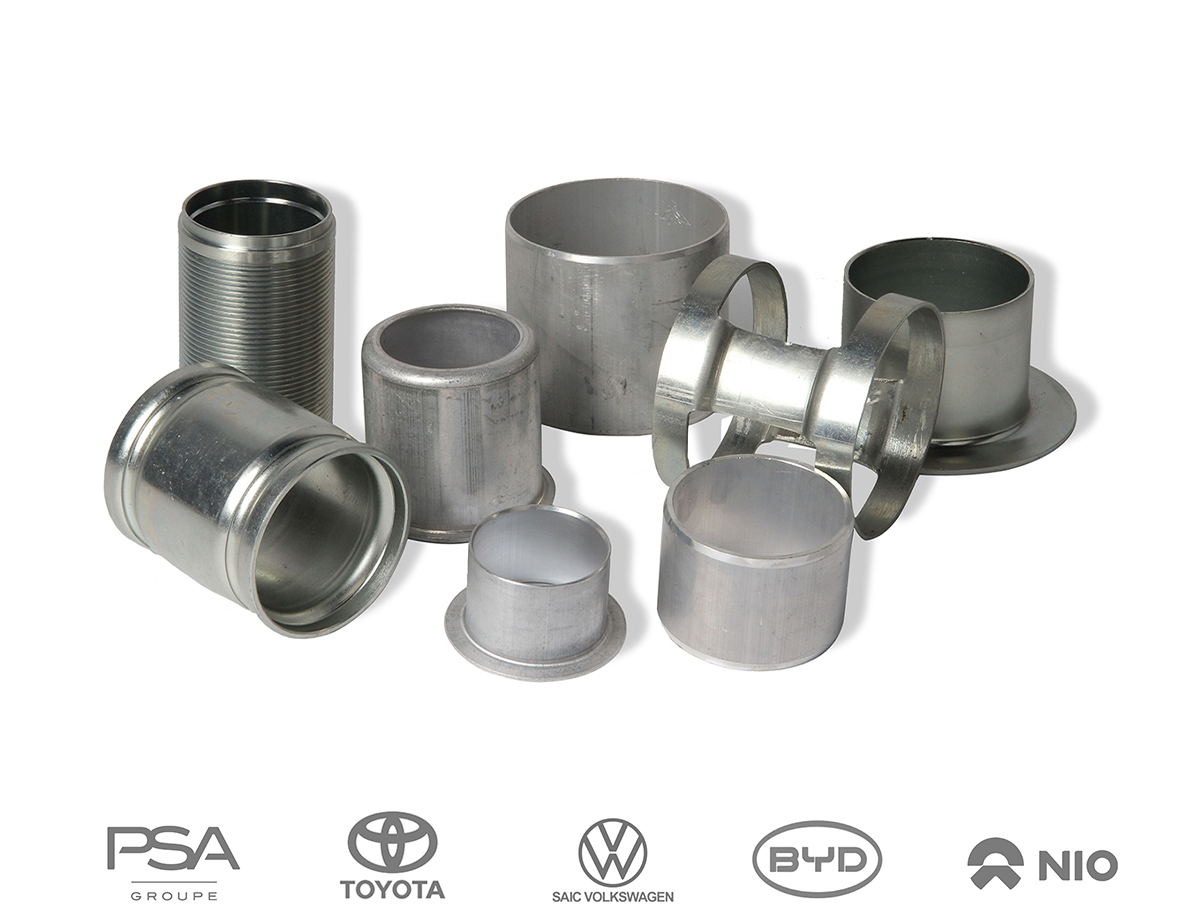
उद्योग अनुप्रयोग: ऑटोमोटिव से लेकर मेडिकल तक
अब जबकि आप जानते हैं कि प्रदाताओं का मूल्यांकन कैसे करना है, यहाँ एक वास्तविकता है जो सब कुछ आकार देती है: आपकी परियोजना के लिए CNC सेवा आवश्यकताएँ उस उद्योग पर बहुत अधिक निर्भर करती हैं जिसकी आप सेवा कर रहे हैं। एक ऑटोमोबाइल डैशबोर्ड के लिए निर्धारित भाग के मानक पूरी तरह से भिन्न होते हैं जो किसी सर्जिकल उपकरण के अंदर जाने वाले भाग के मानकों से। इन उद्योग-विशिष्ट आवश्यकताओं को समझना आपको वास्तविक क्षमता वाले प्रदाताओं की पहचान करने में सहायता करता है, न कि उन प्रदाताओं की, जो ऐसे दावे करते हैं जिन्हें वे समर्थित नहीं कर सकते।
प्रत्येक प्रमुख क्षेत्र अपनी विशिष्ट प्रमाणन आवश्यकताओं, सामग्री विनिर्देशों, सहिष्णुता अपेक्षाओं और प्रलेखन मानकों के साथ आता है। आइए जानें कि ये अंतर आपकी CNC मशीनिंग भागों की परियोजनाओं के लिए क्या अर्थ रखते हैं।
ऑटोमोटिव निर्माण की आवश्यकताएँ
ऑटोमोटिव क्षेत्र एक सरल सिद्धांत पर कार्य करता है: शून्य दोष के साथ उच्च मात्रा में उत्पादन। जब आप हज़ारों या लाखों भागों का उत्पादन कर रहे होते हैं, तो यहाँ तक कि दोष दर का एक छोटा सा प्रतिशत भी क्षेत्र में अस्वीकार्य संख्या में विफलताओं का कारण बन जाता है।
जिंटिलॉन के प्रमाणन मार्गदर्शिका के अनुसार, ऑटोमोटिव उद्योग को निरंतर, दोषरहित भागों की आवश्यकता होती है। IATF 16949 ऑटोमोटिव गुणवत्ता प्रबंधन के लिए वैश्विक मानक है, जो निरंतर सुधार, दोष रोकथाम और कठोर आपूर्तिकर्ता निगरानी के लिए क्षेत्र-विशिष्ट आवश्यकताओं को ISO 9001 के सिद्धांतों के साथ संयोजित करता है।
ऑटोमोटिव धातु प्रसंस्करण को विशेष रूप से माँगने वाला क्या बनाता है?
- मात्रा में स्थिरता: उत्पादन चक्र अक्सर लाखों इकाइयों तक फैले होते हैं, जिसमें प्रत्येक भाग की गुणवत्ता बनाए रखने के लिए सांख्यिकीय प्रक्रिया नियंत्रण की आवश्यकता होती है
- आपूर्ति श्रृंखला एकीकरण: जस्ट-इन-टाइम डिलीवरी का अर्थ है कि आपके भागों को ठीक उसी समय पहुँचाने की आवश्यकता है—न तो पहले, न ही देर से
- लागत दबाव: प्रतिस्पर्धी मूल्य निर्धारण के लिए प्रक्रियाओं और सामग्री उपयोग के अनुकूलन की आवश्यकता होती है
- ट्रेसेबिलिटी आवश्यकताएं: प्रत्येक भाग को याद करने के प्रबंधन के लिए कच्चे माल के बैचों तक ट्रेस किया जा सकना चाहिए
ऑटोमोटिव अनुप्रयोगों के लिए, सीएनसी मशीनिंग धातु घटकों जैसे चेसिस ब्रैकेट, ट्रांसमिशन हाउसिंग और इंजन वाल्व बॉडी के निर्माण के लिए ऐसे प्रदाताओं की आवश्यकता होती है जो इन उत्पादन वास्तविकताओं को समझते हों। IATF 16949 प्रमाणन केवल गुणवत्ता क्षमता को ही नहीं दर्शाता—यह ऑटोमोटिव आपूर्ति श्रृंखला में एकीकरण के लिए आवश्यक दस्तावेज़ीकृत प्रणालियों को भी प्रदर्शित करता है।
शाओयी मेटल टेक्नोलॉजी जैसे प्रदाता व्यावहारिक रूप से ऑटोमोटिव-ग्रेड क्षमता का उदाहरण प्रस्तुत करते हैं। उनका IATF 16949 प्रमाणन और कड़ी आँकड़ात्मक प्रक्रिया नियंत्रण (SPC) प्रणाली ऑटोमोटिव ग्राहकों द्वारा आवश्यक उच्च-सहिष्णुता वाले घटक प्रदान करती है, जबकि निर्माण के त्वरित प्रोटोटाइपिंग से लेकर उत्पादन स्केलिंग तक समर्थन करने के लिए नेतृत्व समय एक कार्यदिवस जितना त्वरित हो सकता है। जटिल चेसिस असेंबलियों या कस्टम धातु बुशिंग के लिए, उनका दृष्टिकोण shao-yi.com/auto-machining-parts यह प्रदर्शित करता है कि प्रमाणित सुविधाएँ इन मांगों वाले क्षेत्रों की आवश्यकताओं को कैसे पूरा करती हैं।
एयरोस्पेस-ग्रेड सटीकता आवश्यकताएँ
यदि ऑटोमोटिव उद्योग स्थिरता की मांग करता है, तो एयरोस्पेस उद्योग पूर्णता की मांग करता है। जो भाग उड़ान भरते हैं, उनके विफल होने के गंभीर परिणाम होते हैं, जिनके मुकाबले ऑटोमोटिव उद्योग के रिकॉल तुच्छ लगते हैं। त्रुटि के लिए सहनशीलता मूल रूप से शून्य है, और प्रमाणन आवश्यकताएँ इस वास्तविकता को दर्शाती हैं।
अमेरिकन माइक्रो इंडस्ट्रीज के अनुसार, एयरोस्पेस क्षेत्र उत्पादन में सबसे कठोर अनुपालन मानकों में से कुछ लागू करता है। इस बाज़ार की सेवा करने वाली सीएनसी सुविधाओं को एएस9100 जैसे प्रमाणनों के अधीन होना आवश्यक है, जो आईएसओ 9001 आवश्यकताओं को एयरोस्पेस-विशिष्ट नियंत्रणों और ट्रेसैबिलिटी आवश्यकताओं के साथ विस्तारित करता है।
एयरोस्पेस के क्षेत्र में परिशुद्ध धातु मशीनिंग को अन्य क्षेत्रों से क्या अलग करता है?
विदेशी सामग्रियाँ प्रमुखता में हैं: टाइटेनियम सीएनसी मशीनिंग, इनकोनेल और विशिष्ट एल्यूमीनियम मिश्र धातुएँ मानक आइटम हैं। ये सामग्रियाँ अत्यधिक शक्ति-से-वजन अनुपात प्रदान करती हैं, लेकिन इनके लिए विशिष्ट उपकरण, संयमित कटिंग पैरामीटर और व्यापक मशीनिंग विशेषज्ञता की आवश्यकता होती है। एल्यूमीनियम के साथ सहजता रखने वाली एक वर्कशॉप टाइटेनियम की ऊष्मा संवेदनशीलता और कार्य-कठोरण विशेषताओं के साथ काफी कठिनाई का सामना कर सकती है।
अत्यधिक सटीकता आधारभूत आवश्यकता है: जहाँ ऑटोमोटिव क्षेत्र में महत्वपूर्ण विशेषताओं पर ±0.001" की सहिष्णुता स्वीकार्य हो सकती है, वहीं एयरोस्पेस घटकों के लिए आमतौर पर ±0.0005" या उससे भी कड़ी सहिष्णुता की आवश्यकता होती है। एयरोस्पेस अनुप्रयोगों के लिए स्टेनलेस स्टील मशीनिंग के लिए नियंत्रित वातावरण, कैलिब्रेटेड उपकरण और ऑपरेटरों की आवश्यकता होती है जो यह समझते हों कि तापीय प्रसार आयामी सटीकता को कैसे प्रभावित करता है।
दस्तावेज़ीकरण साक्ष्य बन जाता है: उत्पादन के प्रत्येक चरण को ऐसे तरीके से दस्तावेज़ित किया जाना चाहिए कि इन्हें दुर्घटना जांचों में प्रस्तुत किया जा सके। सामग्रि प्रमाणपत्र, प्रक्रिया पैरामीटर, निरीक्षण परिणाम और ऑपरेटर योग्यताएँ सभी स्थायी रिकॉर्ड का हिस्सा बन जाती हैं।
NADCAP प्रमाणन का महत्व: AS9100D के अतिरिक्त, कई एयरोस्पेस अनुप्रयोगों के लिए ऊष्मा उपचार, गैर-विनाशकारी परीक्षण और रासायनिक प्रसंस्करण जैसी विशेष प्रक्रियाओं के लिए NADCAP प्रमाणन की आवश्यकता होती है। यह अतिरिक्त स्तर सामान्य गुणवत्ता प्रमाणनों द्वारा संबोधित नहीं की गई प्रक्रिया-विशिष्ट क्षमताओं की पुष्टि करता है।
चिकित्सा उपकरण अनुपालन विचार
चिकित्सा उपकरण एक विशिष्ट नियामक क्षेत्र में स्थित होते हैं, जहाँ रोगी की सुरक्षा प्रत्येक आवश्यकता को निर्धारित करती है। जब आपका यांत्रिक भाग मानव शरीर में प्रत्यारोपित किया जाने वाला हो या सर्जिकल प्रक्रियाओं में उपयोग किया जाने वाला हो, तो जोखिम और भी अधिक हो जाता है।
अमेरिकन माइक्रो इंडस्ट्रीज के अनुसार, चिकित्सा उपकरणों के लिए सीएनसी मशीनिंग को एफडीए द्वारा निर्धारित विनियामक मानदंडों का पालन करना आवश्यक है। सुविधाओं को उत्पाद डिज़ाइन, निर्माण और ट्रैकिंग को नियंत्रित करने वाले गुणवत्ता प्रणाली विनियमन के रूप में जाने जाने वाले एफडीए 21 सीएफआर भाग 820 का पालन करना आवश्यक है। आईएसओ 13485 प्रमाणन चिकित्सा उपकरणों की गुणवत्ता के लिए वैश्विक मानक है, जो जोखिम प्रबंधन, उत्पाद ट्रेसैबिलिटी और प्रभावी शिकायत निपटान के लिए एक ढांचा प्रदान करता है।
चिकित्सा धातु सीएनसी मशीनिंग विशिष्ट चुनौतियाँ लाती है:
- जैव-अनुकूलता आवश्यकताएँ: सामग्रियों को शरीर के संपर्क के लिए सुरक्षित सिद्ध किया जाना चाहिए। टाइटेनियम और विशिष्ट स्टेनलेस स्टील ग्रेड (316L) प्रत्यारोपण योग्य अनुप्रयोगों में प्रमुखता प्राप्त करते हैं, क्योंकि उनके जैव-संगतता डेटा स्थापित हैं
- जीवाणुरहित करने की अनुकूलता: भागों को डिग्रेडेशन के बिना बार-बार स्टरलाइज़ेशन चक्रों को सहन करने में सक्षम होना चाहिए—उपकरण के आधार पर ऑटोक्लेव तापमान, रासायनिक उजागरता या विकिरण
- पूर्ण पारदर्शिता: प्रत्येक घटक को उपकरण के पूरे सेवा जीवन के लिए विशिष्ट सामग्रि लॉट्स, मशीन ऑपरेशन्स और निरीक्षण परिणामों तक ट्रेस किया जाना चाहिए
- मान्यीकृत प्रक्रियाएँ: विनिर्माण प्रक्रियाओं का औपचारिक रूप से मान्यन और नियंत्रण किया जाना आवश्यक है, तथा कोई भी परिवर्तन दस्तावेज़ित पुनः मान्यन की आवश्यकता रखता है
चिकित्सा उत्पादों के विनिर्माण में दस्तावेज़ीकरण का बोझ अन्य उद्योगों की तुलना में अधिक होता है। इस क्षेत्र के लिए सेवाएँ प्रदान करने वाले प्रदाता गुणवत्ता प्रणालियों में भारी निवेश करते हैं, जो नियामक प्रस्तुतियों के लिए आवश्यक साक्ष्य उत्पन्न करती हैं। यदि कोई विनिर्माण इकाई चिकित्सा अनुपालन क्षमता का दावा करती है, परंतु अपनी मान्यन प्रक्रियाओं या डिज़ाइन इतिहास फ़ाइल (Design History File) के एकीकरण की व्याख्या नहीं कर सकती है, तो सावधानीपूर्ण रुख अपनाएँ।
उपभोक्ता उत्पाद: लागत और गुणवत्ता के बीच संतुलन
उपभोक्ता उत्पादों का विनिर्माण एयरोस्पेस या चिकित्सा क्षेत्र की तुलना में भिन्न आर्थिक सिद्धांतों पर आधारित होता है। यहाँ, लागत अनुकूलन अक्सर प्राथमिकता होता है, सौंदर्यपूर्ण फ़िनिश (Aesthetic Finishes) कार्यक्षमता के समान ही महत्वपूर्ण होते हैं, और पुनरावृत्ति की गति प्रतिस्पर्धात्मक लाभ को निर्धारित करती है।
उपभोक्ता उत्पादों के सीएनसी मशीनिंग भागों की आवश्यकताओं की विशेषता क्या है?
लागत संवेदनशीलता सर्वोच्च प्राथमिकता है: उपभोक्ता आधारित उत्पादों के मार्जिन आमतौर पर औद्योगिक अनुप्रयोगों की तुलना में पतले होते हैं। गुणवत्ता को बनाए रखे बिना लक्ष्य मूल्य निर्धारण प्राप्त करने के लिए विनिर्माण के लिए डिज़ाइन (Design-for-manufacturability) अत्यंत महत्वपूर्ण हो जाता है।
सौंदर्य-संबंधी मानकों का महत्व है: दृश्यमान भागों के लिए सुसंगत सतह समाप्ति, एनोडाइज़िंग के लिए सटीक रंग मिलान, और ऐसी सौंदर्य गुणवत्ता की आवश्यकता होती है जिसे औद्योगिक अनुप्रयोग अकसर अनदेखा कर देते हैं।
त्वरित पुनरावृत्तियाँ बाज़ार जीतती हैं: उपभोक्ता उत्पादों के लिए विकास चक्र छोटे होते हैं। प्रोटोटाइप को शीघ्रता से निर्मित करने, प्रतिक्रिया को शामिल करने और उत्पादन के लिए विस्तारित करने की क्षमता प्रतिस्पर्धात्मक लाभ प्रदान करती है।
प्रमाणन आवश्यकताएँ भिन्न होती हैं: हालाँकि ISO 9001 एक मज़बूत आधार प्रदान करता है, उपभोक्ता उत्पादों को आमतौर पर नियमित उद्योगों के विशिष्ट प्रमाणन की आवश्यकता नहीं होती है—जब तक कि उत्पाद खाद्य, बच्चों या इलेक्ट्रॉनिक्स सुरक्षा मानकों से संबंधित न हो।
उद्योग आवश्यकताओं की तुलना
इन क्षेत्रों के बीच अंतर को समझना आपको यह मूल्यांकन करने में सहायता करता है कि कोई प्रदाता अपनी घोषित क्षमताओं के माध्यम से आपकी वास्तविक आवश्यकताओं को पूरा करने में सक्षम है या नहीं। यहाँ प्रमुख आयामों के आधार पर आवश्यकताओं की तुलना कैसे की जाती है:
| आवश्यकता | ऑटोमोटिव | एयरोस्पेस | चिकित्सा | उपभोक्ता उत्पाद |
|---|---|---|---|---|
| सामान्य सहनशीलता | ±0.001" से ±0.005" | ±0.0005" या उससे भी कड़ा | ±0.001" से ±0.0005" | ±0.005" से ±0.010" |
| सामान्य सामग्री | एल्युमीनियम, कार्बन स्टील, स्टेनलेस स्टील | टाइटेनियम, इनकोनेल, एयरोस्पेस एल्युमीनियम | टाइटेनियम, 316L स्टेनलेस स्टील, पीईईके | एल्युमीनियम, एबीएस, पॉलीकार्बोनेट |
| आवश्यक प्रमाणन | IATF 16949 | AS9100D, NADCAP | ISO 13485, FDA अनुपालन | ISO 9001 (आधारभूत) |
| उत्पादन मात्रा | उच्च (हजारों से लाखों तक) | कम से मध्यम (दसियों से हजारों तक) | कम से मध्यम (दसियों से हजारों तक) | मध्यम से उच्च (सैकड़ों से लाखों तक) |
| दस्तावेजीकरण स्तर | व्यापक (SPC, PPAP) | अत्यधिक (पूर्ण ट्रेसेबिलिटी) | अत्यधिक (नियामक प्रस्तुति के लिए तैयार) | मानक (निरीक्षण रिपोर्ट्स) |
| लागत प्राथमिकता | उच्च (प्रतिस्पर्धात्मक मूल्य निर्धारण अनिवार्य) | निम्न (प्रदर्शन प्रीमियम को औचित्यपूर्ण बनाता है) | मध्यम (अनुपालन लागत सम्मिलित की गई है) | अत्यधिक उच्च (मार्जिन-संचालित) |
| नेतृत्व समय संवेदनशीलता | महत्वपूर्ण (जस्ट-इन-टाइम डिलीवरी) | मध्यम (परियोजना-आधारित) | मध्यम (विकास चक्र) | उच्च (बाज़ार समयानुकूलता) |
आपकी परियोजना को प्रदाता क्षमताओं के साथ सुमेलित करना
प्रदाताओं का मूल्यांकन करते समय, सत्यापित करें कि उनके प्रमाणपत्र वास्तव में आपके उद्योग की आवश्यकताओं के अनुरूप हैं। एक ऐसी दुकान जिसमें उत्कृष्ट ISO 9001 प्रक्रियाएँ हैं, फिर भी AS9100D के बिना एयरोस्पेस ग्राहकों की सेवा नहीं कर सकती है। इसी तरह, चिकित्सा उपकरण निर्माण के लिए ISO 13485 की आवश्यकता होती है, भले ही उनकी यांत्रिक कार्यक्षमता कितनी भी सटीक क्यों न हो।
उद्योग-व्यापी प्रमाणन विश्लेषण के अनुसार, प्रमाणन केवल उपलब्धि का एक चिह्न नहीं हैं, बल्कि ये मानकों को लगातार उच्च स्तर पर बनाए रखने और ग्राहकों की अपेक्षाओं से आगे निकलने का प्रतिज्ञापत्र हैं। इन प्रमाणनों को प्राप्त करने और बनाए रखने के लिए आवश्यक निवेश संगठन की उस विशिष्ट प्रतिबद्धता को दर्शाता है जो प्रत्येक उद्योग द्वारा अपेक्षित आवश्यकताओं के प्रति होती है।
नियामित उद्योगों के लिए, प्रमाणन आवश्यकताओं पर कभी भी समझौता न करें। एक प्रमाणित नहीं प्रदाता से होने वाली लागत बचत तुरंत समाप्त हो जाती है जब भाग नियामक समीक्षा या गुणवत्ता ऑडिट में असफल हो जाते हैं। उपभोक्ता उत्पादों के लिए, जहाँ नियामक बोझ हल्का होता है, प्रदर्शित क्षमता, संचार की गुणवत्ता और मूल्य प्रतिस्पर्धात्मकता पर ध्यान केंद्रित करें।
इन उद्योग-विशिष्ट आवश्यकताओं को समझना आपको संभावित प्रदाताओं के साथ सूचित चर्चाएँ करने के लिए तैयार करता है। आप पहचान पाएँगे जब दावे क्षमताओं के साथ मेल नहीं खाते हैं, और उन साझेदारों की पहचान कर पाएँगे जिनका विशेषज्ञता वास्तव में आपकी परियोजना की आवश्यकताओं के अनुरूप है। इस उद्योग-संदर्भ को स्थापित करने के बाद, अंतिम चरण आपकी सीएनसी सेवा यात्रा के लिए सभी को एक व्यावहारिक कार्य योजना में बदलना है।
सीएनसी मशीनिंग के साथ अगला कदम उठाना
आपने सामग्री चयन से लेकर सहिष्णुता विनिर्देशों तक, लागत-निर्धारक कारकों से लेकर प्रमाणन आवश्यकताओं तक सभी कुछ सीख लिया है। अब वह क्षण आ गया है जो मायने रखता है: इस ज्ञान को कार्य में बदलना। चाहे आप अपने पहले सीएनसी भागों का ऑर्डर दे रहे हों या प्रोटोटाइप से उत्पादन के लिए विस्तार कर रहे हों, एक स्पष्ट निर्णय रूपरेखा के साथ भ्रम समाप्त हो जाता है और आप सफलता के लिए सुदृढ़ स्थिति में होते हैं।
आगे का मार्ग आपकी विनिर्माण यात्रा में आपकी वर्तमान स्थिति पर निर्भर करता है। आइए एक ऐसा मार्गदर्शिका तैयार करें जो आपकी विशिष्ट स्थिति के अनुरूप हो।
आपकी सीएनसी सेवा निर्णय रूपरेखा
प्रत्येक सीएनसी परियोजना तीन मौलिक निर्णयों के साथ शुरू होती है। इन निर्णयों को सही ढंग से लेना, उसके बाद आने वाली सभी चीजों की नींव तैयार करता है।
प्रोटोटाइपिंग बनाम उत्पादन: के अनुसार फैक्टोरम का विनिर्माण मार्गदर्शिका , प्रोटोटाइपिंग में अक्सर कम मात्रा में उत्पादन शामिल होता है और त्वरित पुनरावृत्ति के लिए छोटे समय में डिलीवरी की आवश्यकता होती है, जबकि भारी मात्रा में उत्पादन में प्रति टुकड़े लागत को कम करने और उच्च गुणवत्ता वाले फिनिश के लक्ष्य के साथ काम किया जाता है। यदि आप अभी भी अपने डिज़ाइन की वैधता सिद्ध कर रहे हैं, तो प्रति-इकाई लागत की तुलना में गति और लचीलापन को प्राथमिकता दें। एक बार जब विशिष्टताएँ अंतिम रूप दे दी जाती हैं, तो ध्यान को मात्रा आधारित मूल्य निर्धारण और सुसंगत गुणवत्ता पर स्थानांतरित कर दें।
स्थानीय दुकानें बनाम ऑनलाइन प्लेटफ़ॉर्म: अपनी परियोजना की जटिलता और संचार की आवश्यकताओं पर विचार करें। निरंतर डिज़ाइन सहयोग की आवश्यकता वाले कस्टम सीएनसी भागों के लिए अक्सर स्थानीय संबंध लाभदायक होते हैं, जहाँ मुखातिर चर्चाएँ समस्याओं को त्वरित रूप से हल करने में सहायता करती हैं। तथापि, निर्दिष्ट विशिष्टताओं के साथ मानकीकृत उत्पादन आदेश ऑनलाइन सीएनसी मशीनिंग सेवाओं के माध्यम से अच्छी तरह से काम करते हैं, जो बेहतर मूल्य निर्धारण के लिए प्रतिस्पर्धी आपूर्तिकर्ता नेटवर्क का लाभ उठाती हैं।
मानक बनाम उच्च-शुद्धता वर्ग के प्रदाता: प्रदाता की क्षमताओं को अपनी वास्तविक आवश्यकताओं के अनुरूप सुनिश्चित करें। जब मानक सहिष्णुता (टॉलरेंस) पर्याप्त हो, तो अति-शुद्धता वाली क्षमता के लिए प्रीमियम दरों का भुगतान करना बजट की बर्बादी है। इसके विपरीत, एक सामान्य उद्देश्य वाली विनिर्माण इकाई को उनके उपकरणों की सीमा से परे की सहिष्णुता प्राप्त करने के लिए बाध्य करना गुणवत्ता संबंधी समस्याओं और देरी को आमंत्रित करता है।
प्रथम कोटेशन से पूर्ण भागों तक
यदि आप पहली बार सीएनसी मशीनिंग का उपयोग कर रहे हैं, तो यह क्रम आपको प्रक्रिया के माध्यम से कुशलतापूर्ण रूप से मार्गदर्शन प्रदान करता है:
- अपनी आवश्यकताओं को स्पष्ट रूप से परिभाषित करें: किसी भी प्रदाता से संपर्क करने से पहले, सामग्री विनिर्देशों, सहिष्णुता आवश्यकताओं, सतह के फ़िनिश की आवश्यकताओं और मात्रा की अपेक्षाओं के बारे में दस्तावेज़ तैयार कर लें। अस्पष्ट आवश्यकताएँ अस्पष्ट कोटेशन उत्पन्न करती हैं।
- विनिर्माण-तैयार फ़ाइलें तैयार करें: साफ़ STEP फ़ाइलें निर्यात करें, महत्वपूर्ण आयामों के साथ 2D ड्रॉइंग्स शामिल करें, और सुनिश्चित करें कि आपका डिज़ाइन DFM सिद्धांतों का पालन करता है। 3ERP के चयन मार्गदर्शिका के अनुसार, संचार किसी भी सफल साझेदारी की मेरुदंड है, और उचित दस्तावेज़ीकरण यह प्रदर्शित करता है कि आप एक गंभीर ग्राहक हैं।
- कई प्रदाताओं से उद्धरण अनुरोध करें: चाहे आप सीएनसी प्रोटोटाइपिंग सेवा का उपयोग कर रहे हों या उत्पादन निर्माता, कम से कम तीन विकल्पों की तुलना करें। मूल्य के अतिरिक्त, संचार की प्रतिक्रियाशीलता, नेतृत्व समय की सटीकता और क्षमता के संरेखण का मूल्यांकन करें।
- प्रमाणनों की जाँच करें कि वे आपकी आवश्यकताओं के अनुरूप हैं: आधारभूत प्रमाणन के रूप में आईएसओ 9001 की पुष्टि करें, फिर यदि आपके अनुप्रयोग की आवश्यकता हो, तो उद्योग-विशिष्ट प्रमाणनों (आईएटीएफ 16949, एएस9100डी, आईएसओ 13485) की जाँच करें।
- एक छोटे परीक्षण आदेश के साथ शुरुआत करें: बड़ी मात्रा में आदेश देने से पहले, एक सीमित प्रारंभिक आदेश के माध्यम से गुणवत्ता और संचार की पुष्टि करें। यह वास्तविक दुनिया के प्रदर्शन को उजागर करता है, जिसक forecast कोटेशन नहीं कर सकते।
- प्रतिपुष्टि लूप स्थापित करें: प्राप्त सीएनसी मशीन किए गए भागों की विनिर्देशों के साथ तुलना करें, किसी भी समस्या के बारे में दस्तावेज़ बनाएँ और निष्कर्षों को त्वरित रूप से संप्रेषित करें। गुणवत्तापूर्ण साझेदारी के लिए द्विदिशीय सूचना प्रवाह आवश्यक है।
दीर्घकालिक निर्माण साझेदारियों का निर्माण
सबसे सफल सीएनसी खरीदार केवल प्रदाताओं को ढूंढने के बजाय उनके साथ संबंध बनाते हैं। 3ERP के उद्योग विश्लेषण के अनुसार, सीएनसी मशीनिंग सेवा प्रदाता के साथ एक अच्छी साझेदारी केवल आपकी वर्तमान आवश्यकताओं को पूरा करने के बारे में नहीं है, बल्कि यह भी शामिल है कि वे आपकी भविष्य की आवश्यकताओं को पूरा करने में सक्षम हों, आपके विकास के साथ स्केल कर सकें और लगातार अपनी सेवा में सुधार कर सकें।
लेन-देनात्मक ऑर्डर और रणनीतिक साझेदारी के बीच क्या अंतर है?
- निरंतर संचार: आपके उत्पाद रोडमैप पर नियमित अद्यतन प्रदाताओं को क्षमता की योजना बनाने और सुधार के सुझाव देने में सहायता करते हैं
- उचित मूल्य अपेक्षाएँ: आपूर्तिकर्ताओं से प्रत्येक पैसे को निचोड़ना संबंध को कमजोर करता है और अंततः गुणवत्ता को प्रभावित करता है
- सहयोगात्मक समस्या-समाधान: विनिर्माण संबंधी चुनौतियों को आरोप लगाने के अवसरों के बजाय साझा समस्याओं के रूप में देखना
- जहाँ संभव हो, मात्रा प्रतिबद्धता: भविष्य में ऑर्डर के पैटर्न की भविष्यवाणी करना प्रदाताओं को आपके लाभ के लिए अपने संचालन को अनुकूलित करने की अनुमति देता है
ऑटोमोटिव या उच्च-सहनशीलता वाले धातु घटकों की खोज कर रहे खरीदारों के लिए, प्रोटोटाइपिंग से लेकर बड़े पैमाने पर उत्पादन तक सुचारू रूप से स्केल करने में सक्षम एक प्रदाता का चयन करना विकास और उत्पादन के चरणों के बीच कठिन संक्रमणों को समाप्त कर देता है। शाओयी मेटल टेक्नोलॉजी अपने IATF 16949 प्रमाणन, कड़ी एसपीसी-नियंत्रित प्रक्रियाओं और केवल एक कार्यदिवस के भीतर डिलीवरी के समय के साथ इस क्षमता का उत्कृष्ट उदाहरण प्रस्तुत करती है। चाहे आपको जटिल चैसिस असेंबलियाँ या कस्टम धातु बुशिंग की आवश्यकता हो, उनकी सटीक सीएनसी मशीनिंग सेवाएँ shao-yi.com/auto-machining-parts व्यवहार में सुचारू स्केलिंग का क्या अर्थ होता है, यह प्रदर्शित करती हैं।
अब आपके पास वह ज्ञान है जो अधिकांश सीएनसी खरीदार वर्षों तक प्रयोग और त्रुटि के माध्यम से अर्जित करते हैं। ऐसे मूल्य निर्धारण कारक जिन्हें प्रदाता दुर्लभता से स्पष्ट करते हैं, सहिष्णुता संबंधी निर्णय जो चुपचाप लागत को बढ़ा देते हैं, फ़ाइल तैयारी के चरण जो समय-सीमा को त्वरित करते हैं—ये अंतर्दृष्टियाँ आपको सूचित निर्णय लेने और वास्तविक मूल्य प्रदान करने वाले विनिर्माण संबंध स्थापित करने की स्थिति में लाती हैं। आपकी अगली 'मेरे पास के सीएनसी' खोज या ऑनलाइन कोट अनुरोध ज्ञान की स्थिति से शुरू होती है, न कि अनुमान के आधार पर। यह लाभ प्रत्येक परियोजना के साथ संचयित होता जाता है।
सीएनसी सेवाओं के बारे में अक्सर पूछे जाने वाले प्रश्न
1. सीएनसी मशीनिंग सेवा की लागत कितनी है?
सीएनसी मशीनिंग की लागत छह प्राथमिक कारकों पर निर्भर करती है: सामग्री का प्रकार और मात्रा, मशीनिंग की जटिलता और समय, सहनशीलता (टॉलरेंस) आवश्यकताएँ, सतह के फिनिश विनिर्देश, सेटअप और प्रोग्रामिंग की लागत, तथा डिलीवरी के समय की तत्परता। एकल प्रोटोटाइप की प्रति-इकाई लागत सबसे अधिक होती है, क्योंकि सेटअप की लागत केवल एक ही भाग पर वितरित होती है। बैच उत्पादन में प्रति-टुकड़ा मूल्य कम हो जाता है, क्योंकि स्थिर लागत कई इकाइयों में वितरित हो जाती है। एल्यूमीनियम के भागों की लागत आमतौर पर टाइटेनियम या स्टेनलेस स्टील की तुलना में कम होती है, क्योंकि इसकी मशीनिंग गति तेज़ होती है और औजारों का क्षरण कम होता है। मानक परिशुद्धता स्तरों की तुलना में कड़ी सहनशीलता आवश्यकताएँ लागत को 50% या अधिक बढ़ा सकती हैं। ऑटोमोटिव-ग्रेड घटकों के लिए, जिन्हें IATF 16949 प्रमाणन की आवश्यकता होती है, शाओयी मेटल टेक्नोलॉजी जैसे प्रदाता एक कार्यदिवस के भीतर डिलीवरी के साथ प्रतिस्पर्धी मूल्य प्रदान करते हैं।
2. सीएनसी मिलिंग और सीएनसी टर्निंग में क्या अंतर है?
सीएनसी मिलिंग में एक घूर्णन करने वाला कटिंग टूल का उपयोग किया जाता है, जो कई अक्षों के अनुदिश गति करता है जबकि कार्य-टुकड़ा स्थिर रहता है, जिससे यह जटिल 3D ज्यामिति, समतल सतहों और बहु-विशेषता वाले भागों के लिए आदर्श हो जाता है। सीएनसी टर्निंग में कार्य-टुकड़े को उच्च गति से घुमाया जाता है जबकि एक स्थिर कटिंग टूल सामग्री को हटाता है, जो विशेष रूप से शाफ्ट, बुशिंग और धागेदार फास्टनर जैसे बेलनाकार और घूर्णन घटकों के लिए डिज़ाइन किया गया है। मिलिंग धातु के सटीक घटकों के लिए ±0.001 इंच से ±0.0001 इंच की सहिष्णुता प्राप्त करती है, जबकि टर्निंग गोलाकार भागों के लिए ±0.001 इंच से ±0.0005 इंच की सहिष्णुता प्रदान करती है। कई आधुनिक सीएनसी टर्निंग केंद्रों में लाइव टूलिंग की सुविधा होती है, जो एक ही मशीन पर मिलिंग कार्यों को संभव बनाती है, जिससे हैंडलिंग समय कम होता है और विशेषताओं के बीच सटीकता में सुधार होता है।
3. मैं अपने निकट की विश्वसनीय सीएनसी मशीनिंग सेवाएँ कैसे खोजूँ?
सीएनसी सेवा प्रदाताओं का मूल्यांकन करें द्वारा अपने उद्योग की आवश्यकताओं के अनुरूप प्रमाणनों की जाँच करके: आधारभूत गुणवत्ता के लिए आईएसओ 9001, ऑटोमोटिव के लिए आईएटीएफ 16949, एयरोस्पेस के लिए एएस9100डी, या चिकित्सा उपकरणों के लिए आईएसओ 13485। उपकरण क्षमताओं, सांख्यिकीय प्रक्रिया नियंत्रण (एसपीसी) कार्यक्रमों, निरीक्षण प्रलेखन और संचार प्रतिक्रियाशीलता के बारे में पूछें। संदर्भों का अनुरोध करें और आपूर्ति श्रृंखला में व्यवधान से बचने के लिए वित्तीय स्थिरता की पुष्टि करें। स्थानीय दुकानें मुखातिर वार्तालाप और जटिल परियोजनाओं के लिए लचीलापन प्रदान करती हैं, जबकि ऑनलाइन प्लेटफॉर्म आपूर्तिकर्ता नेटवर्क के माध्यम से त्वरित कोटेशन और प्रतिस्पर्धी मूल्य निर्धारण प्रदान करते हैं। लाल झंडे में क्षमताओं पर चर्चा करने के प्रति अनिच्छा, गुणवत्ता प्रणालियों का कोई दस्तावेज़ीकृत संस्करण न होना, मूल्य निर्धारण जो अवास्तविक रूप से कम प्रतीत होता हो, और कोटेशन प्रक्रिया के दौरान खराब संचार शामिल हैं।
4. सीएनसी मशीनिंग कोटेशन के लिए सबसे उपयुक्त फ़ाइल प्रारूप कौन से हैं?
STEP फ़ाइलें (.stp, .step) सीएनसी मशीनिंग के लिए कोटेशन के लिए सार्वभौमिक मानक हैं, जो ज्यामितीय सटीकता को बनाए रखती हैं और लगभग सभी सीएएम सिस्टम के साथ संगत हैं। IGES फ़ाइलें सतह डेटा के लिए अच्छी तरह काम करती हैं, जबकि पैरासॉलिड प्रारूप (.x_t, .x_b) जटिल ज्यामिति को बनाए रखने में उत्कृष्ट हैं। सॉलिडवर्क्स, फ्यूजन 360 और इन्वेंटर से प्राप्त मूल CAD फ़ाइलें कई प्रदाताओं द्वारा सीधे आयात की जा सकती हैं। STL और OBJ जैसे मेश-आधारित प्रारूपों से बचें, क्योंकि ये चिकनी वक्रों को त्रिभुजों में विभाजित कर देते हैं और सीएनसी मशीनों के लिए आवश्यक गणितीय परिशुद्धता खो देते हैं। कोटेशन को त्वरित करने और निर्माण त्रुटियों को कम करने के लिए हमेशा महत्वपूर्ण आयामों, सहिष्णुताओं और सतह के फ़िनिश के स्पष्ट संकेतों के साथ एक 2D ड्रॉइंग शामिल करें।
5. सीएनसी मशीनिंग के लिए कौन-कौन से सामग्री का उपयोग किया जा सकता है?
सीएनसी मशीनिंग धातुओं और प्लास्टिक की एक विस्तृत श्रृंखला को संभालती है। उत्कृष्ट मशीनिंग योग्यता, शक्ति-प्रति-वजन अनुपात और तापीय चालकता के कारण एल्यूमीनियम (6061 और 7075 ग्रेड) प्रमुखता बनाए हुए है। स्टेनलेस स्टील के ग्रेड 304 और 316 भोजन प्रसंस्करण और चिकित्सा अनुप्रयोगों के लिए संक्षारण प्रतिरोध प्रदान करते हैं। टाइटेनियम एयरोस्पेस घटकों के लिए सबसे उच्च शक्ति-प्रति-वजन अनुपात प्रदान करता है, लेकिन इसके लिए विशिष्ट औजार और विशेषज्ञता की आवश्यकता होती है। इंजीनियरिंग प्लास्टिक्स में गियर और बुशिंग के लिए नायलॉन, सटीक घटकों के लिए पीओएम (डेल्रिन), पारदर्शी शील्ड के लिए पॉलीकार्बोनेट और उच्च-तापमान अनुप्रयोगों के लिए पीईईके शामिल हैं। सामग्री का चयन सीधे मशीनिंग समय, औजार घिसावट दरों और अंतिम भाग की लागत को प्रभावित करता है, जिससे बजट अनुकूलन के लिए चयन आवश्यक हो जाता है।