 Small batches, high standards. Our rapid prototyping service makes validation faster and easier —
  EN
EN


लेज़र कटर सेवाओं को समझना: फ़ाइल तैयारी से लेकर निर्दोष भागों तक
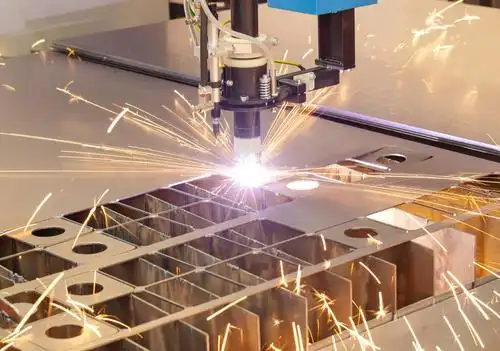
लेजर कटिंग सेवाएँ वास्तव में क्या करती हैं
क्या आपने कभी सोचा है कि निर्माता वे अत्यंत जटिल धातु ब्रैकेट या सही ढंग से विस्तृत एक्रिलिक साइन्स कैसे बनाते हैं? इसका उत्तर सटीक लेजर कटिंग में छुपा है—एक ऐसी प्रौद्योगिकी जिसने आधुनिक निर्माण को क्रांतिकारी रूप से बदल दिया है।
लेजर कटर सेवाएँ व्यावसायिक निर्माण समाधान हैं जो उच्च-संकेंद्रित प्रकाश की किरणों का उपयोग करके सामग्रियों को काटने, उकेरने या खुदाई करने के लिए अत्यधिक सटीकता प्राप्त करती हैं, जिसमें सामग्री की मोटाई के आधार पर 0.004 इंच (0.10 मिमी) तक की सहिष्णुता प्राप्त की जा सकती है।
जब आप इन विशेषज्ञ प्रदाताओं के साथ साझेदारी करते हैं, तो आप औद्योगिक-श्रेणी के उपकरणों और विशेषज्ञता तक पहुँच प्राप्त कर रहे होते हैं, जो कच्चे माल—धातुओं, प्लास्टिक, लकड़ी आदि—को तैयार घटकों में परिवर्तित कर देती है। चाहे आप 'मेरे निकट लेज़र कटिंग' की खोज कर रहे हों या ऑनलाइन विकल्पों का पता लगा रहे हों, लेज़र कटिंग के मूल सिद्धांत को समझना आपको अपनी परियोजनाओं के बारे में सूचित निर्णय लेने में सहायता प्रदान करता है।
लेजर बीम कैसे कच्चे माल को परिशुद्ध पुर्जों में बदलते हैं
कल्पना कीजिए कि आप सूर्य के प्रकाश को एक आवर्धक कांच के माध्यम से केंद्रित कर रहे हैं ताकि आग लगाई जा सके। अब उस तीव्रता को हज़ारों गुना बढ़ा दीजिए। यह मूलतः एक कटिंग लेज़र का संचालन करने का तरीका है , लेकिन कहीं अधिक नियंत्रण और सटीकता के साथ।
रूपांतरण प्रक्रिया स्पष्ट चरणों में पूरी होती है:
- किरण उत्पादन: एक लेज़र रिज़ोनेटर प्रकाश कणों को प्रवर्धित करता है जब तक कि वे एक संकेंद्रित, सहसंबद्ध, एकवर्णी प्रकाश की किरण का निर्माण नहीं कर लेते
- बीम फोकसिंग: दर्पण और लेंस इस ऊर्जा को निर्देशित करते हैं और इसे एक अत्यंत सूक्ष्म बिंदु पर केंद्रित करते हैं—आमतौर पर व्यास में 0.0125 इंच (0.32 मिमी) से कम
- सामग्री अंतःक्रिया: जब केंद्रित किरण किसी सामग्री की सतह को स्पर्श करती है, तो उसकी ऊर्जा सतह द्वारा अवशोषित कर ली जाती है और तुरंत ऊष्मा में परिवर्तित हो जाती है
- सामग्री निकालना: तीव्र गर्मी के कारण सामग्री पिघल जाती है, जल जाती है, या वाष्पित हो जाती है, जबकि सहायक गैसें (ऑक्सीजन, नाइट्रोजन या वायु) मलबे को दूर फेंक देती हैं
परिणाम? साफ़, सटीक कटिंग जिनके किनारे चिकने होते हैं—जिन्हें पारंपरिक यांत्रिक कटिंग विधियाँ बिल्कुल भी मैच नहीं कर सकतीं।
औद्योगिक लेज़र कटिंग प्रौद्योगिकी के पीछे का विज्ञान
सटीक लेज़र कटिंग को समझना लेज़र्स के वास्तविक कार्यप्रणाली को समझने से शुरू होता है। "LASER" शब्द का अर्थ है प्रेरित विकिरण द्वारा प्रकाश प्रवर्धन—और यह वैज्ञानिक आधार बताता है कि ये प्रणालियाँ इतने उल्लेखनीय परिणाम क्यों प्रदान करती हैं।
एक लेज़र रेज़ोनेटर के अंदर, विद्युत ऊर्जा एक बंद कंटेनर के भीतर लेज़र सामग्री को उत्तेजित करती है। यह उत्तेजना फोटॉन्स को दर्पणों के बीच टकराने का कारण बनती है, जिससे प्रत्येक परावर्तन के साथ ऊर्जा में वृद्धि होती है। जब पर्याप्त ऊर्जा एकत्रित हो जाती है, तो प्रकाश एक शक्तिशाली, केंद्रित किरण के रूप में बाहर निकलता है। अनुसार टीडब्ल्यूआई ग्लोबल , इस किरण को फिर ऑप्टिक्स और कंप्यूटर संख्यात्मक नियंत्रण (CNC) प्रणालियों के माध्यम से निर्देशित किया जाता है ताकि यह कार्यक्रमित कटिंग पथों का अत्यधिक सटीकता के साथ अनुसरण कर सके।
औद्योगिक लेज़र कटिंग को इतना प्रभावी बनाने वाला कारक ऊर्जा स्थानांतरण का भौतिकी है। लेज़र किरण में उपस्थित फोटॉन्स के पास गतिज ऊर्जा होती है, जो किसी सामग्री की सतह के संपर्क में आने पर कणों को तीव्रता से कंपन करने के लिए प्रेरित करती है। यह तीव्र कंपन अत्यधिक स्थानीय ऊष्मा उत्पन्न करता है—जो स्टील को पिघलाने या एक्रिलिक को मिलीसेकंड में वाष्पीकृत करने के लिए पर्याप्त होती है।
पूरी प्रक्रिया सीएनसी (CNC) मार्गदर्शन के अधीन संचालित होती है, अर्थात् एक कंप्यूटर आपकी डिजिटल डिज़ाइन फ़ाइलों के आधार पर प्रत्येक गति को नियंत्रित करता है। यह स्वचालन कटिंग प्रक्रिया से मानवीय त्रुटियों को समाप्त कर देता है, जिससे प्रत्येक भाग आपके विनिर्देशों के सटीक रूप से मेल खाता है। उन उद्योगों के लिए, जो पुनरावृत्ति और कड़े टॉलरेंस की मांग करते हैं, इस केंद्रित ऊर्जा और डिजिटल परिशुद्धता के संयोजन के कारण लेज़र कटिंग निर्माण की प्रमुख विधि बन गई है।
CO2 बनाम फाइबर लेजर तकनीक की व्याख्या
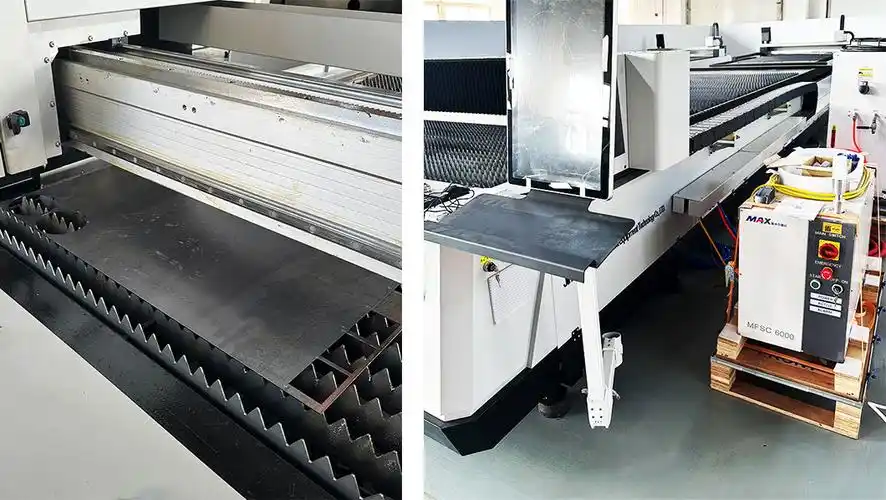
अब जब आप समझ गए हैं कि लेजर कटिंग कैसे काम करती है, तो यहाँ एक प्रश्न है जो कई पहली बार के खरीदारों को उलझा देता है: आपके प्रोजेक्ट को कौन-सी लेजर तकनीक संभालनी चाहिए? इसका उत्तर पूर्णतः आपके द्वारा कट किए जा रहे पदार्थ पर निर्भर करता है—और गलत चयन करने से निम्न-गुणवत्ता वाले परिणाम या अनावश्यक रूप से उच्च लागत जैसी समस्याएँ उत्पन्न हो सकती हैं।
पेशेवर लेजर कटर सेवाएँ आमतौर पर दो अलग-अलग तकनीकों का संचालन करती हैं: CO2 लेजर और फाइबर लेजर । प्रत्येक अलग-अलग अनुप्रयोगों में उत्कृष्ट प्रदर्शन करता है, और उनके अंतरों को समझना आपको अपनी विशिष्ट सामग्रियों को काटने के लिए सर्वोत्तम लेजर का चयन करने में सहायता करता है।
CO2 लेजर: कार्बनिक पदार्थों और मोटी धातुओं के लिए
CO2 लेजर तकनीक 50 वर्षों से अधिक समय से उद्योग की कार्यशील घोड़ी रही है—और इसका अच्छा कारण भी है। ये प्रणालियाँ कार्बन डाइऑक्साइड से समृद्ध गैस मिश्रण का उपयोग करती हैं, जो विद्युत उत्तेजना के तहत लगभग 10.6 माइक्रोमीटर तरंगदैर्ध्य की एक शक्तिशाली लेजर किरण उत्पन्न करती है।
इस तरंगदैर्ध्य को विशेष क्यों माना जाता है? यह लकड़ी, एक्रिलिक, चमड़ा, कागज़ और कपड़े जैसी कार्बनिक सामग्रियों द्वारा आसानी से अवशोषित किया जाता है। जब आपको लकड़ी के साइन पर जटिल उत्कीर्णन या एक्रिलिक डिस्प्ले पर साफ किनारे चाहिए होते हैं, तो एक CO₂ लेज़र कटिंग मशीन धातु और अधातु दोनों अनुप्रयोगों के लिए अतुलनीय परिणाम प्रदान करती है।
CO₂ प्रणालियों के प्रमुख लाभ इनमें शामिल हैं:
- उत्कृष्ट किनारा गुणवत्ता मोटी सामग्रियों पर, विशेष रूप से 5 मिमी से अधिक मोटाई की धातुओं पर
- उत्कृष्ट प्रदर्शन प्लास्टिक, लकड़ी और कपड़े सहित अधातु सामग्रियों के साथ
- सूक्ष्म विवरणों की क्षमता तीव्र कोणों और जटिल पैटर्नों के लिए
- सिद्ध विश्वसनीयता दशकों के औद्योगिक सुधार द्वारा समर्थित
हालाँकि, CO₂ लेज़रों में कुछ दोष भी हैं। अनुसार अमेरिकन टॉर्च टिप , उच्च ऊर्जा खपत और दर्पण संरेखण तथा गैस के पुनर्भरण जैसी रखरखाव आवश्यकताओं के कारण प्रति घंटा संचालन लागत लगभग 20 अमेरिकी डॉलर के आसपास रहती है।
प्रतिबिंबित करने वाली धातुओं और उच्च-गति उत्पादन के लिए फाइबर लेज़र
फाइबर लेजर प्रौद्योगिकी काटने वाली मशीनों के अनुप्रयोगों के लिए लेजर की नवीनतम पीढ़ी का प्रतिनिधित्व करती है। गैस के बजाय, ये प्रणालियाँ इटर्बियम जैसे दुर्लभ-पृथ्वी तत्वों से डोप्ड कांच के फाइबर का उपयोग करती हैं ताकि लगभग 1,060 नैनोमीटर की तरंगदैर्ध्य वाली लेजर किरण उत्पन्न की जा सके—जो CO₂ लेजर्स की तुलना में लगभग दस गुना छोटी है।
यह छोटी तरंगदैर्ध्य धातु काटने के लिए एक क्रांतिकारी बदलाव है। यह किरण प्रतिबिंबित करने वाली धातुओं में अधिक कुशलता से अवशोषित होती है, जो CO₂ लेजर्स को प्रतिबिंबित कर देती हैं, जिससे फाइबर प्रौद्योगिकी स्टेनलेस स्टील, एल्यूमीनियम, तांबा और पीतल के लिए वरीयता वाला विकल्प बन जाती है।
आप फाइबर लेजर प्रणालियों के साथ जो देखेंगे:
- कटिंग की तीव्र गति पतली से मध्यम मोटाई की धातुओं पर
- उच्चतम शुद्धता जटिल डिज़ाइनों और सूक्ष्म विवरणों के लिए
- कम संचालन लागत —उद्योग के आंकड़ों के अनुसार लगभग 4 डॉलर प्रति घंटा
- न्यूनतम रखरखाव क्योंकि फाइबर डिलीवरी दर्पण संरेखण की आवश्यकता को समाप्त कर देती है
- बेहतर ऊर्जा दक्षता जिसमें 30% प्रकाश-विद्युत रूपांतरण दक्षता होती है, जबकि CO₂ के लिए यह 10% है
कॉम्प्रोमाइज़? फाइबर तकनीक का उपयोग करने वाली एक धातु काटने वाली लेज़र मशीन गैर-धातु सामग्रियों के साथ संघर्ष करती है और जटिल, बारीक कार्यों पर काफी धीमी हो सकती है।
एक नज़र में प्रौद्योगिकी की तुलना
| विशेषता | Co2 लेजर | फाइबर लेजर |
|---|---|---|
| तरंगदैर्ध्य | 10.6 माइक्रोमीटर | 1.06 माइक्रोमीटर |
| सबसे अच्छे सामग्री | लकड़ी, एक्रिलिक, प्लास्टिक, कपड़े, मोटी धातुएँ | स्टेनलेस स्टील, एल्युमीनियम, तांबा, पीतल, पतली धातुएँ |
| काटने की गति | 3/8 इंच से कम मोटाई की सामग्रियों पर तेज़ | आमतौर पर तेज़, विशेष रूप से धातुओं पर |
| शुद्धता स्तर | अच्छी बहुमुखी प्रतिभा, मोटी सामग्री पर उत्कृष्ट | सूक्ष्म विवरणों और जटिल डिज़ाइनों के लिए श्रेष्ठ |
| चलाने की लागत | ~$20/घंटा | ~4 डॉलर/घंटा |
| ऊर्जा दक्षता | ~10% रूपांतरण दर | ~30% रूपांतरण दर |
| रखरखाव | नियमित दर्पण संरेखण, गैस की पूर्ति | न्यूनतम—रखरखाव-मुक्त संचालन |
| आरंभिक निवेश | $350,000 - $1,000,000+ | $200,000 - $600,000 |
| आदर्श अनुप्रयोग | साइनेज, डिस्प्ले, पैकेजिंग, मिश्रित सामग्री | शीट धातु निर्माण, ऑटोमोटिव, एयरोस्पेस |
अंतिम निष्कर्ष? यदि आपकी परियोजना में धातु के लिए लेज़र कटिंग मशीन का उपयोग शामिल है—विशेष रूप से पतली गेज स्टील, एल्युमीनियम या प्रतिबिंबित करने वाले मिश्र धातुओं के लिए—तो फाइबर प्रौद्योगिकी आमतौर पर कम लागत पर तेज़ परिणाम प्रदान करती है। लकड़ी, एक्रिलिक या मिश्रित-सामग्री की परियोजनाओं के लिए CO2 अभी भी बहुमुखी चैंपियन बनी हुई है। कई पेशेवर सेवाएँ दोनों प्रौद्योगिकियों का संचालन करती हैं, जिससे वे आपके विशिष्ट अनुप्रयोग के लिए सही उपकरण का चयन कर सकते हैं।
आप जिन सामग्रियों को सफलतापूर्वक लेज़र काट सकते हैं
उपयोग करने के लिए किस प्रकार की लेज़र प्रौद्योगिकि का चयन करना केवल समीकरण का आधा हिस्सा है। वास्तविक प्रश्न यह है: आप वास्तव में कौन-सी सामग्री काट सकते हैं? सामग्री संगतता—साथ ही मोटाई सीमाओं और किनारे की गुणवत्ता की अपेक्षाओं—को समझना आपको बुद्धिमानी से डिज़ाइन करने और अपने भागों के आने पर महंगे आश्चर्यों से बचने में सहायता करता है।
आइए सामग्री के पूर्ण विविधता को विस्तार से समझें: मीटल शीट्स का लेज़र काटना और गैर-धात्विक सब्सट्रेट्स, ताकि आप अपनी परियोजना की आवश्यकताओं के अनुसार सही सामग्री का चयन कर सकें।
ऐसी धातुएँ जिन्हें लेज़र द्वारा सुंदर रूप से काटा जा सकता है
धातुएँ पेशेवर लेज़र कटिंग सेवाओं का मुख्य आधार हैं। हालाँकि, सभी धातुएँ एक केंद्रित बीम के तहत समान रूप से व्यवहार नहीं करती हैं। तापीय चालकता, परावर्तकता और गलनांक जैसे सामग्री गुण काटने के परिणामों को काफी हद तक प्रभावित करते हैं।
लौह धातुएँ: स्टील और स्टेनलेस स्टील
जब संरचनात्मक शक्ति और टिकाऊपन सबसे अधिक महत्वपूर्ण होता है, तो लौह धातुएँ उत्कृष्ट प्रदर्शन करती हैं। एक धातु लेज़र कटर इन सामग्रियों को अत्यधिक कुशलता से संसाधित कर सकता है:
- कार्बन स्टील: लेज़र कटिंग के लिए सबसे आम सामग्री। 6,000W फाइबर लेज़र कार्बन स्टील को 25 मिमी तक की मोटाई में काट सकता है, जैसा कि एक्यूरल के तकनीकी विनिर्देश के अनुसार। किनारे साफ़ निकलते हैं और न्यूनतम बर्रिंग के साथ, तथा ऑक्सीजन सहायक गैस से थोड़ा ऑक्सीकृत किनारे प्राप्त होते हैं, जो पेंटिंग या पाउडर कोटिंग के लिए आदर्श हैं।
- रसोई बदला: स्टेनलेस स्टील के लेजर कटिंग के लिए अधिक शक्ति की आवश्यकता होती है, क्योंकि इसकी उच्च प्रतिबिंबन क्षमता और क्रोमियम सामग्री के कारण ऊर्जा अवशोषण कम होता है। उच्च-शक्ति फाइबर लेजर के साथ अधिकतम मोटाई लगभग 20 मिमी तक प्राप्त की जा सकती है। नाइट्रोजन सहायक गैस ऑक्सीकरण को रोकती है, जिससे उस विशिष्ट संक्षारण-प्रतिरोधी फ़िनिश को बनाए रखा जा सकता है। किनारे की गुणवत्ता वास्तुकला और खाद्य सेवा अनुप्रयोगों के लिए उत्कृष्ट बनी रहती है।
- टूल स्टील: कठोर मिश्र धातुएँ धीमी गति से कटती हैं, लेकिन डाई, मॉल्ड और औद्योगिक औजारों के लिए सटीक घटकों का उत्पादन करती हैं। डिज़ाइन के दौरान ऊष्मा-प्रभावित क्षेत्रों (हीट-अफेक्टेड ज़ोन्स) पर विचार करना आवश्यक है।
विशेष रूप से स्टेनलेस स्टील के लेजर कटिंग के लिए मुख्य विचार वह निष्क्रिय ऑक्साइड परत को बनाए रखना है, जो संक्षारण प्रतिरोध प्रदान करती है। ऑक्सीजन के बजाय नाइट्रोजन को सहायक गैस के रूप में उपयोग करने से रंग परिवर्तन रोका जाता है और कटिंग के किनारे तक सामग्री के गुणों को संरक्षित किया जाता है।
अलौह धातुएँ: एल्यूमीनियम, तांबा और पीतल
प्रतिबिंबित करने वाली धातुएँ विशिष्ट चुनौतियाँ प्रस्तुत करती हैं, लेकिन जब उनका सही ढंग से संसाधन किया जाता है, तो वे शानदार परिणाम देती हैं:
- एल्युमिनियम: लेजर कट एल्यूमीनियम एयरोस्पेस, ऑटोमोटिव और उपभोक्ता उत्पादों के लिए उत्कृष्ट शक्ति-से-वजन अनुपात प्रदान करता है। एल्यूमीनियम के उच्च परावर्तकता के कारण इसके लेजर कटिंग के लिए फाइबर लेजर की आवश्यकता होती है—CO2 तरंगदैर्ध्य सिर्फ इसकी सतह से परावर्तित हो जाते हैं। एक 6,000W फाइबर लेजर 15 मिमी मोटाई तक की एल्यूमीनियम प्लेट को काट सकता है, हालाँकि पतली मोटाई (1–6 मिमी) में सबसे साफ किनारे प्राप्त होते हैं।
- तांबा: अत्यधिक परावर्तक और ऊष्मा-चालक तांबे के लिए उच्च-शक्ति वाले फाइबर लेजर तथा सावधानीपूर्ण पैरामीटर समायोजन की आवश्यकता होती है। 6,000W प्रणालियों के साथ अधिकतम कटिंग मोटाई लगभग 8 मिमी तक पहुँच जाती है। विद्युत और ऊष्मा-विनिमय अनुप्रयोग तांबे के प्राकृतिक गुणों से लाभान्वित होते हैं।
- पीतल: यह तांबा-जस्त धातु मिश्रण शुद्ध तांबे की तुलना में अधिक आसानी से कटता है, जबकि इसका आकर्षक सुनहरा रंग भी बना रहता है। यह सजावटी हार्डवेयर, संगीत वाद्ययंत्रों और स्थापत्य सजावट के लिए लोकप्रिय है। किनारे चिकने प्राप्त होते हैं और न्यूनतम उत्तर-प्रसंस्करण की आवश्यकता होती है।
के अनुसार IVY CNC का अनुसंधान एल्युमीनियम और तांबे को उनके प्रतिबिंबित करने वाले स्वभाव के कारण अधिक शक्ति की आवश्यकता होती है, और इष्टतम परिणामों के लिए नाइट्रोजन सहायक गैस की सिफारिश की जाती है।
लेज़र प्रसंस्करण के लिए गैर-धातु सामग्री
धातुओं के अतिरिक्त, लेज़र कटिंग प्लास्टिक, लकड़ी और कार्बनिक आधार सामग्रियों के माध्यम से रचनात्मक संभावनाओं को खोलती है। CO₂ लेज़र इस श्रेणी में प्रमुख हैं, क्योंकि उनकी तरंगदैर्ध्य गैर-धातु सामग्रियों द्वारा उत्कृष्ट अवशोषण के कारण है।
प्लास्टिक और एक्रिलिक
प्लास्टिक सामग्रियाँ जीवंत रंगों, प्रकाशिकी स्पष्टता और डिज़ाइन लचीलापन प्रदान करती हैं:
- एक्रिलिक (PMMA): एक्रिलिक कटिंग सेवा अनुप्रयोगों की सुपरस्टार। कास्ट और एक्सट्रूडेड दोनों एक्रिलिक को लेज़र द्वारा सुंदर रूप से काटा जा सकता है, जिससे ज्वाला-पॉलिश किए गए किनारे प्राप्त होते हैं जिन्हें किसी द्वितीयक फिनिशिंग की आवश्यकता नहीं होती है। अनुसार लेज़रशीट्स के सामग्री मार्गदर्शिका , मैट एक्रिलिक एक आधुनिक, स्टाइलिश उपस्थिति प्रदान करता है, जबकि बाहरी अनुप्रयोगों के लिए यूवी-प्रतिरोधी और रंगस्थायी बना रहता है। 25 मिमी तक की मोटाई प्राप्त की जा सकती है।
- पॉलीकार्बोनेट: एक्रिलिक से मजबूत लेकिन साफ-साफ काटना अधिक कठिन है। किनारों पर पीलापन दिख सकता है, और धुएँ के लिए उचित वेंटिलेशन की आवश्यकता होती है। यह उन अनुप्रयोगों के लिए सबसे उपयुक्त है जिनमें प्रकाशिक स्पष्टता की तुलना में प्रभाव प्रतिरोध की आवश्यकता होती है।
- पॉलीप्रोपिलीन (PP): लचीली प्लास्टिक फिल्म जिसे स्कोर किया जा सकता है और मोड़ा जा सकता है। पैकेजिंग प्रोटोटाइप्स, कब्जे वाले आवरण और लैंपशेड्स के लिए आदर्श।
महत्वपूर्ण: कभी भी पीवीसी या विनाइल को लेजर काटने का प्रयास न करें—ये सामग्रियाँ गर्म होने पर विषैली क्लोरीन गैस छोड़ती हैं।
कार्बनिक सामग्री: लकड़ी, चमड़ा और कागज़
प्राकृतिक सामग्रियाँ लेजर-कट परियोजनाओं को ऊष्मा और बनावट प्रदान करती हैं:
- बर्च पाइवुड: लकड़ी के लेजर कटिंग से विशिष्ट रूप से जले हुए किनारे बनते हैं, जिन्हें कई डिज़ाइनर सौंदर्य विशेषता के रूप में अपनाते हैं। लेजरशीट्स के अनुसार, बर्च पाइवुड कठोर और मजबूत है तथा इसमें सुंदर और सूक्ष्म दृश्यमान दाने होते हैं। मोटाई की क्षमता लेजर शक्ति के आधार पर 25 मिमी तक हो सकती है। मुख्य विचार: लेजर-संगत चिपकने वाले पदार्थों के साथ निर्मित पाइवुड का उपयोग करें—हार्डवेयर स्टोर की किस्में अक्सर ऐसे गोंद रखती हैं जो अत्यधिक जलते हैं।
- एमडीएफ (मीडियम-डेंसिटी फाइबरबोर्ड): समांग संरचना का अर्थ है कि पूरी शीट में सुसंगत कटिंग व्यवहार होता है। कम लागत के कारण, एमडीएफ प्रोटोटाइप और पेंट किए गए फिनिश की आवश्यकता वाले परियोजनाओं के लिए आदर्श है। इसे पूर्व-रंगीन विविधताओं में उपलब्ध कराया जाता है, जिसमें काला एमडीएफ भी शामिल है जिसके लिए कोई फिनिशिंग की आवश्यकता नहीं होती है।
- चमड़ा: प्राकृतिक और संश्लेषित चमड़े को फैशन एक्सेसरीज़, अपहोल्स्ट्री एक्सेंट्स और कस्टम वस्तुओं के लिए साफ़-साफ़ काटा जा सकता है। वेजिटेबल-टैन्ड चमड़ा क्रोम-टैन्ड विकल्पों की तुलना में उत्कृष्ट परिणाम प्रदान करता है।
- कागज और गत्ता: जटिल डिज़ाइन, पैकेजिंग प्रोटोटाइप और कलात्मक अनुप्रयोग लेज़र की उस क्षमता से लाभान्वित होते हैं जो नाज़ुक सब्सट्रेट्स को फाड़ सकने वाले यांत्रिक दबाव के बिना जटिल आकृतियों को काट सकती है।
- बांस: एक स्थायी लकड़ी लेज़र कटिंग विकल्प जिसकी अद्वितीय गर्म उपस्थिति होती है। ठोस बांस की शीटें धागे के अनुदिश कठोर होती हैं, लेकिन धागे के लंबवत फ्रैक्चर के प्रति संवेदनशील होती हैं—इसलिए डिज़ाइन करते समय इसका ध्यान रखें।
परियोजना की आवश्यकताओं के आधार पर सामग्री का चयन करना
इतने सारे विकल्पों के बीच, आप सही सामग्री का चयन कैसे करें? इन निर्णय कारकों पर विचार करें:
| परियोजना प्राथमिकता | अनुशंसित सामग्री | मुख्य बातें |
|---|---|---|
| संरचनात्मक शक्ति | कार्बन स्टील, स्टेनलेस स्टील, एल्यूमिनियम | मोटाई की आवश्यकताओं और भार वहन करने की आवश्यकताओं पर विचार करें |
| सौंदर्यपूर्ण फिनिश | स्टेनलेस स्टील, एक्रिलिक, पीतल, बांस | सामग्री का बाह्य रूप महत्वपूर्ण है; किनारे की गुणवत्ता अत्यंत महत्वपूर्ण है |
| लागत दक्षता | कार्बन स्टील, एमडीएफ, मानक एक्रिलिक | सामग्री की लागत को प्रसंस्करण की गति के विपरीत संतुलित करें |
| मौसम प्रतिरोध | स्टेनलेस स्टील, एल्यूमीनियम, एक्रिलिक | बाहरी अनुप्रयोगों के लिए संक्षारण प्रतिरोध की आवश्यकता होती है |
| वजन में कमी | एल्यूमीनियम, एक्रिलिक, पाइलवुड | एयरोस्पेस और पोर्टेबल अनुप्रयोगों के लिए हल्की सामग्रियाँ लाभदायक होती हैं |
सबसे सफल परियोजनाएँ उन सामग्रियों के गुणों को उनकी कार्यात्मक आवश्यकताओं के साथ मिलाती हैं। क्या आपको मौसम के प्रति प्रतिरोधी एक सजावटी वास्तुकला स्क्रीन की आवश्यकता है? स्टेनलेस स्टील लेजर कटिंग स्थायित्व और दृश्य आकर्षण दोनों प्रदान करती है। पॉइंट-ऑफ-परचेज़ डिस्प्ले बना रहे हैं? एक्रिलिक लेजर कटिंग सेवा जीवंत रंग और क्रिस्टल-स्पष्ट दृश्यता प्रदान करती है। महंगी धातुओं पर निवेश करने से पहले प्रोटोटाइपिंग कर रहे हैं? एमडीएफ कम लागत पर आयामी सटीकता प्रदान करता है।
सामग्री की क्षमताओं को समझना आपको सेवा प्रदाताओं के साथ प्रभावी ढंग से संवाद करने में भी सहायता करता है—और उसके आधार पर किनारे की गुणवत्ता, आयामी सहिष्णुता और नेतृत्व समय की वास्तविक अपेक्षाएँ निर्धारित करता है जिस सामग्री को आप वास्तव में काट रहे हैं।
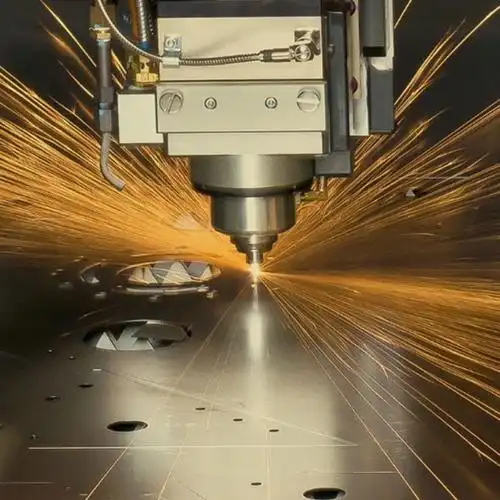
लेजर कटिंग की तुलना वॉटरजेट और प्लाज्मा विधियों से
आपने अपनी सामग्री का चयन कर लिया है और लेज़र प्रौद्योगिकी के विकल्पों को समझ लिया है। लेकिन यहाँ एक प्रश्न है जिसे कई फैब्रिकेटर अक्सर नज़रअंदाज़ कर देते हैं: क्या लेज़र कटिंग वास्तव में आपकी परियोजना के लिए सही विधि है? कभी-कभी उत्तर 'नहीं' होता है—और विकल्पों को चुनने के सही समय को जानना आपको काफी समय और धन की बचत करा सकता है।
आइए आज उपलब्ध चार प्राथमिक धातु कटिंग सेवाओं की तुलना करें ताकि आप अपनी विशिष्ट आवश्यकताओं के अनुरूप सही प्रौद्योगिकी का चयन कर सकें।
जब लेजर कटिंग अन्य विधियों से बेहतर प्रदर्शन करती है
लेज़र के साथ कटिंग करने से कुछ विशिष्ट परिस्थितियों में अतुलनीय लाभ प्राप्त होते हैं। यदि आपकी परियोजना पतली से मध्यम मोटाई की सामग्री के साथ जटिल विवरणों और साफ किनारों की आवश्यकता रखती है, तो लेज़र कटिंग संभवतः आपका सर्वश्रेष्ठ विकल्प है।
सीएनसी लेज़र कटिंग तब उत्कृष्ट प्रदर्शन करता है जब आपको आवश्यकता हो:
- असाधारण परिशुद्धता: लेज़र प्रणालियाँ ±0.004 इंच (0.10 मिमी) तक की सहिष्णुता प्राप्त कर सकती हैं, अनुसार फैब्रिकास्ट की सहनशीलता तुलना अनुसंधान —प्लाज्मा या वॉटरजेट विकल्पों की तुलना में काफी कड़ी सहनशीलता
- जटिल डिज़ाइन: छोटे छेद, तीव्र कोण और जटिल ज्यामितियाँ जो यांत्रिक विधियों के लिए चुनौतीपूर्ण होंगी
- साफ किनारे का फिनिश: किनारों को अक्सर द्वितीयक फिनिशिंग की आवश्यकता नहीं होती है, विशेष रूप से स्टेनलेस स्टील और एक्रिलिक पर
- उच्च गति उत्पादन: फाइबर लेजर प्रति मिनट 100 इंच से अधिक की गति से पतली धातुओं को काटते हैं
- न्यूनतम सामग्री अपव्यय: कसे हुए नेस्टिंग और सटीक कर्फ चौड़ाई शीट उपयोग को अधिकतम करती है
इलेक्ट्रॉनिक्स एन्क्लोज़र्स, मेडिकल डिवाइस घटकों और सटीक ऑटोमोटिव ब्रैकेट्स के लिए, लेजर कटिंग और इसकी गति, सटीकता तथा किनारे की गुणवत्ता के संयोजन के कारण यह स्पष्ट विजेता है।
ऐसी परिस्थितियाँ जहाँ वैकल्पिक विधियाँ अधिक उपयुक्त होती हैं
लेजर की शानदार क्षमताओं के बावजूद, यह सर्वत्र श्रेष्ठ नहीं है। यह समझना कि कब प्लाज्मा कटिंग निकटतम स्थान पर या वॉटरजेट सेवाएँ बेहतर समाधान प्रदान करती हैं, आपको गुणवत्ता और बजट दोनों को अनुकूलित करने में सहायता करता है।
प्लाज्मा कटिंग चुनें जब:
- मोटी स्टील की प्लेटों (1 इंच या उससे अधिक) के साथ काम करना, जहाँ गति महत्वपूर्ण है
- बजट की आवश्यकताएँ कम उपकरण और संचालन लागत की मांग करती हैं
- संरचनात्मक इस्पात निर्माण के लिए अत्यधिक कड़े सहिष्णुता मानकों की आवश्यकता नहीं होती है
- भारी उपकरण घटकों के उच्च-मात्रा उत्पादन पर प्राथमिकता दी जाती है
के अनुसार StarLab CNC के 2025 निर्माण गाइड , प्लाज्मा प्रणालियाँ वॉटरजेट की तुलना में 1 इंच के इस्पात को 3-4 गुना तेज़ी से काट सकती हैं, और प्रति फुट संचालन लागत लगभग आधी होती है। प्लाज्मा प्रौद्योगिकी का उपयोग करके इस्पात काटने की सेवाएँ जहाज निर्माण, भारी उपकरण निर्माण और संरचनात्मक निर्माण के क्षेत्र में प्रमुखता बनाए हुए हैं।
जलधारा काटने का चयन तब करें जब:
- ऊष्मीय विकृति को पूरी तरह से टाला जाना चाहिए (एयरोस्पेस घटक, ऊष्मा-उपचित भाग)
- पत्थर, कांच या कॉम्पोजिट जैसी अचालक सामग्रियों को काटना
- सामग्री की मोटाई लेज़र क्षमता से अधिक है (वॉटरजेट 12 इंच तक की मोटाई संभाल सकता है)
- किसी भी ऊष्मा-प्रभावित क्षेत्र के बिना सामग्री के गुणों को बरकरार रखना महत्वपूर्ण है
वॉटरजेट की शीत-कटिंग प्रक्रिया—जो 90,000 PSI तक के दबाव पर काम करती है—पूरी तरह से तापीय तनाव को समाप्त कर देती है। टाइटेनियम एयरोस्पेस पैनल या टेम्पर्ड सामग्रियों के लिए, संरचनात्मक अखंडता के इस संरक्षण के कारण धीमी गति और उच्च लागत को औचित्यपूर्ण ठहराया जा सकता है।
सीएनसी राउटिंग का चयन तब करें जब:
- लकड़ी, फोम या नरम प्लास्टिक के साथ उच्च मात्रा में कार्य करना
- त्रि-आयामी कंटूरिंग या पॉकेटिंग ऑपरेशन की आवश्यकता होती है
- सामग्री की मोटाई और आकार लेज़र बेड की क्षमता से अधिक है
एक नज़र में प्रौद्योगिकी की तुलना
| कारक | लेजर कटिंग | वॉटरजेट कटिंग | प्लाज्मा कटिंग | CNC routing |
|---|---|---|---|---|
| परिशुद्धता सहिष्णुता | ±0.004" (0.10 मिमी) | ±0.005" (0.13mm) | ±0.020" (0.50 मिमी) | ±0.005" (0.13mm) |
| सामग्री की मोटाई सीमा | 1" तक स्टील | 12" तक कोई भी सामग्री | 6" तक चालक धातुएँ | असीमित (बहु-पास) |
| किनारे की गुणवत्ता | उत्कृष्ट; अक्सर फिनिश-तैयार | अच्छा; हल्का शंकुकार आकार संभव | अच्छी; ग्राइंडिंग की आवश्यकता हो सकती है | अच्छा; टूल के निशान दिखाई देते हैं |
| ऊष्मा प्रभावित क्षेत्र | न्यूनतम (0.1-0.5 मिमी) | कोई नहीं | महत्वपूर्ण (1-3 मिमी) | कोई नहीं |
| संचालन गति | तेज (पतली सामग्री) | धीमी (5-20 ipm) | बहुत तेज़ (मोटी धातुओं के लिए) | मध्यम |
| प्रति भाग लागत | कम-मध्यम | उच्च | कम | कम-मध्यम |
| सामग्री का बहुमुखी प्रयोग | धातुएँ, प्लास्टिक, लकड़ी | कोई भी सामग्री | केवल चालक धातुएं | लकड़ी, प्लास्टिक, फोम, नरम धातुएँ |
| आरंभिक निवेश | $200,000 - $1,000,000+ | ~$195,000+ | ~$90,000+ | $50,000 - $250,000 |
अपने प्रोजेक्ट के लिए सही विकल्प चुनना
अंततः यह निर्णय तीन कारकों पर निर्भर करता है: सामग्री का प्रकार, मोटाई की आवश्यकताएँ, और सटीकता की आवश्यकताएँ।
पतली से मध्यम मोटाई की धातुओं (1 इंच से कम) के लिए, जिनमें कड़ी सहिष्णुता और साफ किनारों की आवश्यकता होती है, लेज़र कटिंग गति, सटीकता और लागत-प्रभावशीलता का आदर्श संतुलन प्रदान करती है। जब आप विश्वसनीय धातु कटिंग सेवाओं की तलाश कर रहे होते हैं, तो लेज़र प्रौद्योगिकी अन्य विकल्पों की तुलना में सटीक निर्माण अनुप्रयोगों के अधिकांश हिस्सों को बेहतर ढंग से संभालती है।
हालाँकि, उन स्थितियों में लेज़र कटिंग को जबरदस्ती न अपनाएँ जहाँ यह कमज़ोर पड़ती है। मोटी संरचनात्मक इस्पात? प्लाज्मा कटिंग कम लागत पर तेज़ उत्पादन दर प्रदान करती है। ऊष्मा-संवेदनशील एयरोस्पेस मिश्र धातुएँ? वॉटरजेट सामग्री की अखंडता को बनाए रखता है। बड़े प्रारूप के लकड़ी के पैनल? सीएनसी राउटिंग आपको आवश्यक क्षमता प्रदान करती है।
कई सफल निर्माण दुकानों द्वारा—जैसा कि वूर्थ मशीनरी —अंततः कई प्रौद्योगिकियों को शामिल करना। प्लाज्मा और लेज़र अक्सर एक साथ अच्छी तरह से काम करते हैं, जहाँ लेज़र सटीक कार्य को संभालता है और प्लाज्मा भारी प्लेट के कार्य को संभालता है। प्रत्येक प्रौद्योगिकि के 'स्वीट स्पॉट' (आदर्श उपयोग क्षेत्र) को समझना आपको शुरुआत से ही सही प्रक्रिया को निर्दिष्ट करने में सहायता करता है।
लेज़र कटिंग के लिए अपनी डिज़ाइन फ़ाइलों की तैयारी
आपने अपनी सामग्री का चयन कर लिया है और पुष्टि कर ली है कि लेज़र कटिंग सही प्रौद्योगिकि है। अब वह चरण आ गया है जो सुचारू परियोजनाओं को बाधित देरी से अलग करता है: फ़ाइल तैयारी। यह जटिल लगता है? ऐसा होना ज़रूरी नहीं है—लेकिन उचित सेटअप को छोड़ने से लगभग निश्चित रूप से समस्याएँ उत्पन्न होंगी।
चाहे आप कोई ऑनलाइन लेज़र कटिंग सेवा के लिए अपना डिज़ाइन जमा कर रहे हों या किसी स्थानीय दुकान के साथ काम कर रहे हों, आपकी डिज़ाइन फ़ाइल की गुणवत्ता सीधे लागत, डिलीवरी समय और अंतिम भाग की गुणवत्ता को प्रभावित करती है। आइए विशिष्ट रूप से देखें कि कस्टम लेज़र कटिंग प्रदाता आपकी फ़ाइलों से क्या अपेक्षा करते हैं—और वे गलतियाँ जो अनुभवी डिज़ाइनरों को भी भ्रमित कर देती हैं।
लेज़र सेवाओं द्वारा स्वीकृत डिज़ाइन फ़ाइल प्रारूप
तैयारी के चरणों में गहराई से जाने से पहले, यह समझ लें कि कौन-से फ़ाइल प्रारूप काम करते हैं। अधिकांश लेज़र कटिंग CNC मशीन सिस्टम वेक्टर-आधारित फ़ाइलों को स्वीकार करते हैं, जिनमें तीन प्रारूप उद्योग में प्रमुखता प्राप्त कर चुके हैं:
- DXF (ड्रॉइंग एक्सचेंज फॉर्मेट): लेज़र कटिंग के लिए सार्वभौमिक मानक। DXF R2000 या उसके बाद के संस्करण लगभग सभी लेज़र सिस्टम के साथ संगतता सुनिश्चित करते हैं। अनुसार वेनॉक्स के फ़ाइल तैयारी मार्गदर्शिका , यह प्रारूप उत्पादन में व्याख्या के अंतर को समाप्त कर देता है।
- एआई (एडोब इलस्ट्रेटर): डिज़ाइनरों द्वारा पसंद किया जाने वाला प्रारूप, जो पहले से ही एडोब पारिस्थितिक तंत्र में काम कर रहे हैं। यह लेज़र-संगत प्रारूपों में साफ़-साफ़ निर्यात होता है, जबकि परत संगठन को बनाए रखता है।
- SVG (स्केलेबल वेक्टर ग्राफिक्स): वेब-अनुकूल प्रारूप जिसे कई सेवाएँ स्वीकार करती हैं। सरल डिज़ाइनों के लिए उत्कृष्ट, हालाँकि जटिल परियोजनाओं के लिए DXF रूपांतरण की आवश्यकता हो सकती है।
JPG या PNG जैसे रास्टर प्रारूप काटने के संचालन के लिए काम नहीं करेंगे—लेज़र को अनुसरण करने के लिए वेक्टर पथों की आवश्यकता होती है। यदि आपके डिज़ाइन में उत्कीर्णन के लिए रास्टर तत्व शामिल हैं, तो सुनिश्चित करें कि वे कम से कम 300–600 DPI रिज़ॉल्यूशन पर हों।
चरण-दर-चरण फ़ाइल तैयारी प्रक्रिया
क्या आप अपनी फ़ाइलों को सही ढंग से तैयार करने के लिए तैयार हैं? कोई भी लेज़र कटिंग कोटेशन अनुरोध जमा करने से पहले इस क्रम का पालन करें:
- अपनी इकाइयाँ मिलीमीटर में सेट करें और स्केल 1:1 पर सेट करें। यह गलत आकार के भागों के निर्माण का सबसे आम कारण रोकता है। फ़ाइल गुणों या संलग्न नोट में इकाइयों को स्पष्ट रूप से बताएँ।
- सभी पाठ को आउटलाइन में बदलें। फ़ॉन्ट्स प्रणालियों के बीच स्थानांतरित नहीं होते हैं। इलस्ट्रेटर में, पाठ का चयन करें और "आउटलाइन बनाएँ" चुनें। इससे अक्षर वेक्टर पथों में परिवर्तित हो जाते हैं जिनका लेज़र वास्तव में अनुसरण कर सकता है।
- सभी खुले पथों की जाँच करें और उन्हें बंद करें। अपने सॉफ़्टवेयर के पथ निदान को चलाएँ। खुले पथ लेज़र नियंत्रकों को भ्रमित करते हैं—मशीन को यह नहीं पता होगा कि कटिंग कहाँ समाप्त होनी चाहिए।
- ओवरलैपिंग या टूटे हुए खंडों को जोड़ें। इंटरसेक्टिंग लाइनों को एकल, साफ़ कंटूर में मर्ज करने के लिए पाथफाइंडर टूल्स का उपयोग करें।
- ज्यामिति को अलग-अलग परतों पर व्यवस्थित करें। कटिंग ऑपरेशन्स को "CUT" परत पर लेबल करें और एन्ग्रेविंग को "ENGRAVE" परत पर लेबल करें। कुछ शॉप रंग परंपराओं का उपयोग करते हैं: कटिंग के लिए लाल, एन्ग्रेविंग के लिए नीला—अपने प्रदाता से पुष्टि कर लें।
- डुप्लिकेट पंक्तियाँ और ओवरलैपिंग ज्यामिति को हटाएँ। छिपे हुए ओवरलैप लेजर को एक ही मार्ग को दो बार ट्रेस करने का कारण बनते हैं, जिससे प्रोसेसिंग समय दोगुना हो जाता है और सामग्री के पूरी तरह जलने की संभावना भी बढ़ जाती है।
- आवश्यकता होने पर कर्फ समायोजन लागू करें। लेजर कटिंग के दौरान लेजर थोड़ी मात्रा में सामग्री (आमतौर पर लगभग 0.005 इंच) को हटा देता है। उन भागों के लिए जो सटीक रूप से एक-दूसरे में फिट होने चाहिए, अपने कटिंग पाथ को कर्फ मान के आधे के बराबर अंदर की ओर ऑफसेट करें।
के अनुसार क्राफ्ट जेनेसिस का कर्फ समायोजन मार्गदर्शिका , आप एक इंच का वर्ग काटकर, परिणाम को मापकर और अंतर की गणना करके अपनी सामग्री का सटीक कर्फ निर्धारित कर सकते हैं। यह इंटरलॉकिंग जॉइंट्स वाले कस्टम लेजर कट वुड प्रोजेक्ट्स के लिए विशेष रूप से महत्वपूर्ण हो जाता है।
आपके लेजर कटिंग ऑर्डर को देरी करने वाली सामान्य गलतियाँ
यहाँ तक कि अनुभवी डिज़ाइनर भी इन त्रुटियों को कर देते हैं। जमा करने से पहले अपनी फाइलों की जाँच इस चेकलिस्ट के आधार पर करें:
- ओवरलैपिंग लाइनें: लेजर एक ही मार्ग को कई बार काटता है, जिससे तापीय भार बढ़ता है और किनारों की गुणवत्ता में कमी आती है। उद्योग के शोध से पुष्टि होती है कि यह खराब परिणामों के शीर्ष कारणों में से एक है।
- अपूर्ण आकृतियाँ: मशीन को कट को पूरा करने का तरीका नहीं पता होता है, जिससे सामग्री जुड़ी रह जाती है या भाग अधूरे रह जाते हैं।
- गलत इकाइयाँ: दुकान द्वारा मिलीमीटर की अपेक्षा के बजाय इंच में डिज़ाइन करने से भाग आकार में 25.4 गुना बड़े—या छोटे—हो जाते हैं, जो अभिप्रेत नहीं होते।
- कर्फ संकल्पना का अभाव: भाग एक-दूसरे में फिट नहीं होते क्योंकि डिज़ाइन के दौरान लेज़र द्वारा सामग्री के अपवाहन को ध्यान में नहीं रखा गया था।
- फ़ॉन्ट्स को आउटलाइन में नहीं बदला गया: पाठ रिक्त स्थान के रूप में प्रदर्शित होता है या सिस्टम के डिफ़ॉल्ट फ़ॉन्ट्स द्वारा प्रतिस्थापित हो जाता है।
- कटिंग फ़ाइलों में रास्टर छवियाँ: लेज़र कटिंग कार्यों के लिए पिक्सेल-आधारित ग्राफ़िक्स की व्याख्या नहीं कर सकता है।
- गलत परत क्रम: यदि उत्कीर्णन परतें कटिंग परतों के बाद प्रोसेस होती हैं, तो लेज़र उन भागों पर उत्कीर्णन करता है जो पहले ही बिस्तर से नीचे गिर चुके हैं।
ये गलतियाँ केवल आदेशों को देरी से नहीं करतीं—वे आपके लेज़र कटिंग शुल्क में पुनः मुद्रण, बर्बाद हुए सामग्री और अतिरिक्त इंजीनियरिंग समय के माध्यम से वृद्धि करती हैं।
निर्माण-के-लिए-डिज़ाइन सिद्धांत
फ़ाइल प्रारूप के मूल बातों के अतिरिक्त, स्मार्ट डिज़ाइन विकल्प सुनिश्चित करते हैं कि जब आपके भाग पहुँचेंगे, तो वे वास्तव में काम करेंगे:
न्यूनतम विशेषता आकार: उन तत्वों का डिज़ाइन करने से बचें जो आपकी सामग्री की मोटाई से छोटे हों। वेनॉक्स के तकनीकी दिशानिर्देशों के अनुसार, छिद्रों का व्यास कम से कम सामग्री की मोटाई के बराबर होना चाहिए—छोटे छिद्रों के फटने या अधूरी कटिंग का खतरा होता है।
कटौती के बीच की दूरी: आसन्न भागों के बीच पर्याप्त स्थान छोड़ें। अनुशंसित अंतर सामग्री की मोटाई के आधार पर 3–8 मिमी है। एक-दूसरे के बहुत करीब स्थित कटिंग ऊष्मा को केंद्रित करती हैं, जिससे पतले भाग विकृत हो सकते हैं।
टैब प्लेसमेंट: छोटे भाग कटिंग बेड के माध्यम से प्रसंस्करण के दौरान गिर सकते हैं। भागों को आसपास की सामग्री से जोड़ने के लिए छोटे ब्रिज (टैब) का डिज़ाइन करें, और कटिंग के बाद उन्हें हाथ से हटा दें। टैब को उन गैर-महत्वपूर्ण किनारों पर स्थापित करें जहाँ थोड़ी सी सफाई स्वीकार्य हो।
आंतरिक कोनों की त्रिज्या: तीव्र आंतरिक कोने तनाव को केंद्रित करते हैं और लेज़र ज्यामिति के लिए चुनौती पैदा करते हैं। आंतरिक कोनों की त्रिज्या कम से कम सामग्री की मोटाई के बराबर निर्दिष्ट करें—इससे आपके भाग अधिक मजबूत होंगे और अधिक विश्वसनीयता से काटे जाएँगे।
फ़ाइलों को सही ढंग से तैयार करने में समय लगाने से लाभ होता है। साफ़, उचित रूप से स्वरूपित डिज़ाइन उत्पादन के माध्यम से तेज़ी से गुजरते हैं, कम लागत लाते हैं, और आपके सटीक विनिर्देशों के अनुरूप आते हैं। अब जब आपकी फ़ाइलें तैयार हैं, तो आप यह समझना चाहेंगे कि विभिन्न उद्योग इन क्षमताओं का उपयोग कैसे करते हैं—और पेशेवर प्रदाताओं से किन गुणवत्ता मानकों की अपेक्षा की जानी चाहिए।
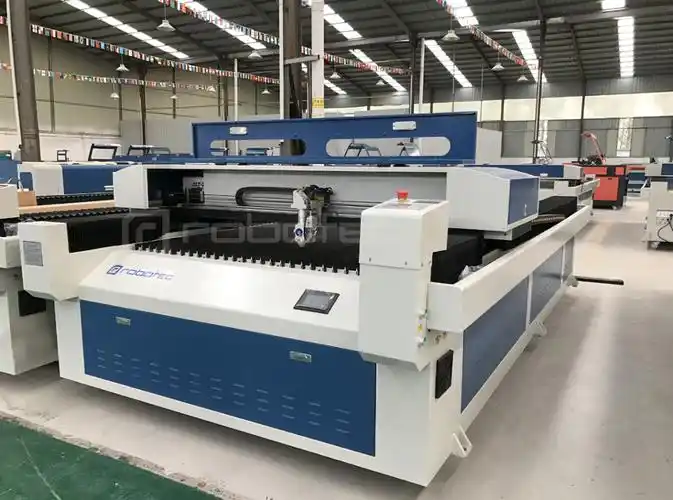
लेज़र कटिंग सेवाओं पर निर्भर उद्योग
आपकी फ़ाइलें तैयार हैं और उपयोग के लिए तैयार हैं। लेकिन यहाँ एक प्रश्न विचार करने योग्य है: आप लेज़र निर्माण के साथ वास्तव में क्या बना सकते हैं? इसका उत्तर लगभग हर विनिर्माण क्षेत्र तक फैला हुआ है—महत्वपूर्ण ऑटोमोटिव सुरक्षा घटकों से लेकर शहरी आकाशरेखा को परिभाषित करने वाली शानदार स्थापनाओं तक।
यह समझना कि विभिन्न उद्योग कस्टम धातु लेज़र कटिंग का उपयोग कैसे करते हैं, आपको इस प्रौद्योगिकी की बहुमुखी प्रवृत्ति और उन गुणवत्ता मानकों की सराहना करने में सक्षम बनाता है जो आपकी परियोजना के लिए आवश्यक हो सकते हैं। आइए उन क्षेत्रों का पता लगाएँ जहाँ लेज़र कट पार्ट्स अब अपरिहार्य हो गए हैं।
ऑटोमोटिव और एयरोस्पेस सटीक घटक
जब विफलता का कोई विकल्प नहीं होता है, तो निर्माता मिशन-महत्वपूर्ण घटकों के लिए शीट मेटल लेज़र कटिंग का सहारा लेते हैं। ऑटोमोटिव और एयरोस्पेस उद्योग इस निर्भरता के उदाहरण हैं—और उनके कठोर मानक यह निर्धारित करते हैं कि पेशेवर लेज़र सेवाएँ कैसे काम करती हैं।
ऑटोमोटिव विनिर्माण अनुप्रयोग
ऑटोमोटिव क्षेत्र तीन कारकों को सर्वोच्च प्राथमिकता देता है: दोहराव क्षमता, प्रमाणन और बाज़ार तक पहुँच की गति। अकरुल के उद्योग विश्लेषण के अनुसार, डाई कटिंग या प्लाज्मा प्रोसेसिंग जैसी पारंपरिक निर्माण विधियों की तुलना में लेज़र कटिंग ने वाहन निर्माण को काफी सरल बना दिया है।
सामान्य ऑटोमोटिव लेजर कट भागों में शामिल हैं:
- चेसिस घटक: संरचनात्मक ब्रैकेट, मजबूती देने वाली प्लेटें और फ्रेम तत्व जो हज़ारों इकाइयों के लिए सुसंगत आयामी शुद्धता की मांग करते हैं
- सस्पेंशन पार्ट्स: नियंत्रण भुजा ब्रैकेट, माउंटिंग प्लेट्स और स्प्रिंग सीट्स, जहाँ सटीक छिद्र स्थान उचित संरेखण सुनिश्चित करता है
- बॉडी पैनल और ट्रिम: दरवाज़े के मजबूतीकरण, स्तंभ घटक और सजावटी तत्व, जिनमें साफ किनारों और कड़ी सहिष्णुता की आवश्यकता होती है
- ऊष्मा रक्षक ढाल और ब्रैकेट: एक्जॉस्ट प्रणाली के घटक, जो अत्यधिक तापमान को सहन करने में सक्षम होने चाहिए और इंजन कम्पार्टमेंट के भीतर सटीक रूप से फिट होने चाहिए
- विद्युत माउंटिंग प्लेट्स: बैटरी ब्रैकेट और वायरिंग हार्नेस सपोर्ट्स, जहाँ आयामी शुद्धता असेंबली दक्षता को प्रभावित करती है
ऑटोमोटिव अनुप्रयोगों को विशिष्ट बनाने वाली बात प्रमाणन आवश्यकता है। IATF 16949 प्रमाणन—ऑटोमोटिव आपूर्तिकर्ताओं के लिए अंतर्राष्ट्रीय गुणवत्ता प्रबंधन मानक—यह दर्शाता है कि कोई प्रदाता कठोर प्रक्रिया नियंत्रण, सांख्यिकीय निगरानी और ट्रेसैबिलिटी प्रणालियों को बनाए रखता है। चेसिस, सस्पेंशन और संरचनात्मक घटकों जैसे उन अनुप्रयोगों के लिए, जहाँ सुरक्षा सर्वोच्च प्राथमिकता है, यह प्रमाणन वैकल्पिक नहीं है—यह अपेक्षित है। शाओयी (निंगबो) मेटल टेक्नोलॉजी जैसे निर्माता तीव्र प्रोटोटाइपिंग से लेकर स्वचालित भारी उत्पादन तक सभी को समर्थन देने वाली IATF 16949-प्रमाणित प्रक्रियाओं के माध्यम से इस प्रतिबद्धता का प्रदर्शन करते हैं।
एयरोस्पेस उद्योग की आवश्यकताएँ
एयरोस्पेस अनुप्रयोगों में और भी कड़े टॉलरेंस और सामग्री ट्रेसैबिलिटी की आवश्यकता होती है। जैसा कि एकुरल ने बताया है, हल्के और उच्च-शक्ति वाली सामग्रियों की आवश्यकता के कारण प्रेसिजन लेज़र कटिंग इस क्षेत्र के लिए पूर्णतः उपयुक्त है।
सामान्य एयरोस्पेस लेज़र कटिंग अनुप्रयोगों में शामिल हैं:
- फ्यूजलेज पैनल: एल्युमीनियम और टाइटेनियम के बाह्य भागों के खंड, जिनमें सटीक किनारा गुणवत्ता और न्यूनतम ऊष्मा-प्रभावित क्षेत्रों की आवश्यकता होती है
- अंदरूनी घटक: सीट फ्रेम, गैली फिटिंग्स और ओवरहेड बिन संरचनाएँ, जहाँ वजन कम करने से सीधे ईंधन दक्षता प्रभावित होती है
- इंजन घटक: ऊष्मा-प्रतिरोधी मिश्र धातु ब्रैकेट और माउंटिंग हार्डवेयर, जिनकी सहिष्णुता इंच के हज़ारवें हिस्से में मापी जाती है
- उपकरण पैनल: कॉकपिट माउंटिंग प्लेट्स और एवियोनिक्स एन्क्लोज़र्स, जिनमें स्विच और डिस्प्ले के लिए साफ़ कटआउट की आवश्यकता होती है
एयरोस्पेस के लिए स्टील लेज़र कटिंग में आमतौर पर विशिष्ट मिश्र धातुओं—इनकोनेल, टाइटेनियम और उच्च-शक्ति वाली एल्युमीनियम श्रृंखला—का उपयोग किया जाता है, जिनके लिए फाइबर लेज़र प्रौद्योगिकी और सावधानीपूर्ण नियंत्रित कटिंग पैरामीटर की आवश्यकता होती है। प्रत्येक कट के माध्यम से सामग्रियों की संरचनात्मक अखंडता को बनाए रखना आवश्यक है, जिससे प्रदाता के विशेषज्ञता का महत्व उपकरण की क्षमता के समान हो जाता है।
वास्तुकला और कलात्मक अनुप्रयोग
जबकि ऑटोमोटिव और एयरोस्पेस क्षेत्र दोहराव को महत्व देते हैं, वास्तुकला और कलात्मक अनुप्रयोग विशिष्टता का जश्न मनाते हैं। यहाँ, किनारे का समापन, डिज़ाइन की जटिलता और सौंदर्यपूर्ण प्रभाव निर्णय-निर्माण को प्रेरित करते हैं।
स्थापत्य धातु कार्य
आधुनिक वास्तुकला में लेज़र-कट सजावटी तत्वों का बढ़ता हुआ उपयोग किया जा रहा है, जिन्हें पारंपरिक निर्माण विधियों द्वारा बनाना असंभव होता। अनुसार, VIVA Railings लेज़र-कट सजावटी धातु पैनल अभूतपूर्व डिज़ाइन संभावनाओं के माध्यम से वास्तुकला में उत्कृष्टता को पुनर्परिभाषित कर रहे हैं।
वास्तुकला में लेज़र कटिंग के अनुप्रयोग इस प्रकार हैं:
- फैसेड स्क्रीन: छिद्रित धातु पैनल जो भवन के बाहरी भाग पर गतिशील प्रकाश पैटर्न और दृश्य रुचि पैदा करते हैं
- सूर्य नियंत्रण प्रणाली: सटीक रूप से कटी हुई छाया संरचनाएँ जो प्राकृतिक प्रकाश को नियंत्रित करती हैं और साथ ही वास्तुकला की विशेषता के रूप में भी कार्य करती हैं
- आंतरिक पार्टीशन: सजावटी कमरे के विभाजक और गोपनीयता स्क्रीन जिनमें जटिल ज्यामितीय या जैविक पैटर्न होते हैं
- छत प्रणाली: लटकाए गए पैनल जो ध्वनि नियंत्रण को दृश्य आकर्षण के साथ संयोजित करते हैं
- सीढ़ी के हैंड्रेल और बैलुस्ट्रेड्स: सुरक्षा मानकों को पूरा करने वाला अनुकूलित धातु कार्य, जो डिज़ाइन दृष्टि को भी अभिव्यक्त करता है
- दीवार प्रणालियाँ: ज्यामितीय अमूर्तन से लेकर प्रकृति-प्रेरित प्रतीकों तक के पैटर्न वाली विशेषता वाली दीवारें
प्रमुख महानगरीय क्षेत्रों में कार्यरत वास्तुकारों और डिज़ाइनरों के लिए—चाहे वे लॉस एंजिल्स की लेज़र कटिंग स्टूडियोज़ या अन्य डिज़ाइन केंद्रों में सेवाएँ खोज रहे हों—यह प्रौद्योगिकी अंतरिक्षों को रूपांतरित करने वाले अनुकूलन को सक्षम बनाती है। VIVA Railings के अनुसार, स्टेनलेस स्टील, एल्युमीनियम या स्टील के आधार पर लागू की गई सटीक लेज़र तकनीकों के माध्यम से ज्यामितीय पैटर्न, प्रकृति-प्रेरित प्रतीक और अमूर्त डिज़ाइन सभी संभव हो जाते हैं।
साइनेज और ब्रांडिंग तत्व
खुदरा वातावरण, कॉर्पोरेट कार्यालय और आतिथ्य स्थल दृश्य पहचान स्थापित करने के लिए लेज़र-कट साइनेज पर निर्भर करते हैं:
- आयामी अक्षर: भवन पहचान के लिए धातु चैनल अक्षर और समतल कट टाइपोग्राफी
- वेवफाइंडिंग सिस्टम: साफ किनारों और कई तत्वों में सुसंगत आकार के साथ दिशात्मक साइनेज
- खरीदारी के समय प्रदर्शन: कंपनी के लोगो को शामिल करने वाले ब्रांडेड फिक्सचर और उत्पाद स्टैंड
- पीछे से प्रकाशित पैनल: प्रकाश को सटीक छिद्र पैटर्न के माध्यम से प्रसारित करने के लिए डिज़ाइन किए गए छिद्रित धातु संकेतक
साइनेज उद्योग विशेष रूप से लेज़र कटिंग की उस क्षमता का मूल्यांकन करता है जो किसी भी माप (डेस्क नामपट्टिकाओं से लेकर बहु-मंजिला भवनों की पहचान तक) पर सूक्ष्म पाठ और जटिल लोगो को पुनरुत्पादित कर सकती है।
लेज़र कटिंग की मांग को बढ़ावा देने वाले अतिरिक्त उद्योग
इन प्राथमिक क्षेत्रों के अतिरिक्त, लेज़र कटिंग विनिर्माण के क्षेत्र में विशिष्ट आवश्यकताओं की सेवा करती है:
- चिकित्सा उपकरण: जैव-अनुकूल सामग्रियों और अत्यधिक सटीकता की आवश्यकता वाले सर्जिकल उपकरण और प्रत्यारोपण
- इलेक्ट्रॉनिक्स: बढ़ती तरीके से सूक्ष्मीकृत उपकरणों के लिए एन्क्लोज़र, हीट सिंक और माउंटिंग ब्रैकेट
- ऊर्जा क्षेत्र: पवन टरबाइनों, सौर पैनल माउंटिंग प्रणालियों और विद्युत वितरण उपकरणों के लिए घटक
- फर्नीचर और फिक्सचर: धातु मेज़ के आधार, शेल्फिंग समर्थन और सजावटी हार्डवेयर
- आभूषण और सहायक उपकरण: ऐसे जटिल धातु डिज़ाइन जिन्हें पारंपरिक विधियों द्वारा प्राप्त नहीं किया जा सकता था
सभी उद्योगों में प्रोटोटाइपिंग
शायद सबसे सार्वभौमिक अनुप्रयोग प्रोटोटाइपिंग है। जब उत्पाद विकास टीमों को कार्यात्मक भागों की आवश्यकता शीघ्रता से होती है, तो लेज़र कटिंग इसे प्रदान करती है। यह तकनीक डिजिटल फ़ाइल से तैयार घटक तक कुछ दिनों में पहुँचने की क्षमता रखती है—जबकि औजार-आधारित प्रक्रियाओं के लिए सप्ताहों का समय लगता है—जिससे प्रत्येक उद्योग में नवाचार चक्र तीव्र हो जाते हैं।
विशेष रूप से ऑटोमोटिव और सटीक धातु अनुप्रयोगों के लिए, विस्तृत DFM (निर्माण के लिए डिज़ाइन) समर्थन प्रदान करने वाले निर्माता कटिंग शुरू करने से पहले डिज़ाइन को अनुकूलित करने में सहायता करते हैं। शाओयी जैसे प्रदाता तीव्र प्रोटोटाइपिंग क्षमताओं—जिनमें कुछ ही 5 दिनों में भाग तैयार किए जा सकते हैं—के साथ-साथ त्वरित कोटेशन वापसी के साथ इंजीनियरिंग टीमों को गुणवत्ता या अंतिम उत्पादन के लिए आवश्यक प्रमाणनों के बिना तीव्रता से पुनरावृत्ति करने में सक्षम बनाते हैं।
चाहे आपकी परियोजना को ऑटोमोटिव निर्माण की प्रमाणित पुनरावृत्ति की आवश्यकता हो या स्थापत्य अभिव्यक्ति की रचनात्मक स्वतंत्रता, उद्योग-विशिष्ट आवश्यकताओं को समझना आपको सेवा प्रदाताओं के साथ प्रभावी ढंग से संवाद करने में सहायता करता है। अब आइए उन गुणवत्ता मानकों और सहनशीलताओं (टॉलरेंस) की जाँच करें जो पेशेवर लेज़र कटिंग को परिभाषित करते हैं—और यह सुनिश्चित करें कि आपको अपने विनिर्देशों के अनुरूप परिणाम प्राप्त हो रहे हैं।
लेज़र कटिंग में गुणवत्ता मानक और सहनशीलताएँ (टॉलरेंस)
आपने शानदार अनुप्रयोगों को देखा है और प्रौद्योगिकी को समझ लिया है। लेकिन यहाँ एक प्रश्न है जो स्वीकार्य भागों को असाधारण भागों से अलग करता है: आप वास्तव में गुणवत्ता की पुष्टि कैसे करते हैं? लेज़र कटिंग की परिशुद्धता को समझना—और जब भाग आते हैं तो उनकी जाँच के लिए क्या देखना है, यह जानना—यह सुनिश्चित करता है कि आपके घटक हर बार अपने विनिर्देशों को पूरा करें।
लेज़र कटिंग की सहनशीलताओं (टॉलरेंस) और परिशुद्धता को समझना
जब आप सटीक लेजर कटिंग सेवाओं का मूल्यांकन कर रहे होते हैं, तो सहनशीलता (टॉलरेंस) विनिर्देश आपको यह बिल्कुल बताते हैं कि किस सीमा तक आयामी शुद्धता की अपेक्षा की जा सकती है। लेकिन वास्तव में कौन-सी सहनशीलताएँ प्राप्त की जा सकती हैं?
एक्कुर्ल के तकनीकी दस्तावेज़ों के अनुसार, पेशेवर लेजर कटिंग आमतौर पर ±0.005 इंच (±0.127 मिमी) के भीतर आयामी शुद्धता प्राप्त करती है, जबकि कट की चौड़ाई (कर्फ) लेजर शक्ति और सामग्री की मोटाई के आधार पर 0.004 इंच तक संकरी हो सकती है। उन अनुप्रयोगों के लिए जिनमें और अधिक कठोर नियंत्रण की आवश्यकता होती है, ए-लेजर के सहनशीलता विनिर्देश दर्शाते हैं कि विभिन्न प्रौद्योगिकियाँ विभिन्न स्तर की परिशुद्धता प्राप्त करती हैं:
- यूवी लेज़र: ±0.0005 इंच तक—लघु घटकों के लिए आदर्श
- फाइबर लेजर: स्टेनलेस स्टील और समान सामग्रियों पर ±0.001 इंच
- सीओ2 लेजर: सामान्य निर्माण के लिए जितना कम ±0.002 इंच
- वॉटरजेट: तुलना के लिए ±0.005 से 0.010 इंच
- प्लाज्मा: ±0.020 इंच—लेजर विधियों की तुलना में काफी कम सटीक
ये संख्याएँ महत्वपूर्ण हैं। चिकित्सा उपकरणों में लेज़र कट स्टेनलेस स्टील घटकों या ऑटोमोटिव असेंबलियों में स्टील शीट के लेज़र कटिंग अनुप्रयोगों के लिए, ±0.001 इंच और ±0.020 इंच के बीच का अंतर यह निर्धारित करता है कि क्या भाग सही ढंग से फिट होते हैं—या विफल हो जाते हैं।
सटीकता को प्रभावित करने वाले कारक
विज्ञापित सहिष्णुताओं को प्राप्त करना स्वचालित नहीं है। कई चर आपके वास्तविक परिणामों को प्रभावित करते हैं:
- मशीन कैलिब्रेशन: नियमित रखरखाव और कैलिब्रेशन सुनिश्चित करते हैं कि लेज़र किरण अपने निर्दिष्ट फोकल बिंदु और कटिंग पथ की सटीकता बनाए रखे
- सामग्री की समतलता: विकृत या वक्रित शीट्स असंगत फोकस दूरियाँ उत्पन्न करती हैं, जिससे भाग के समग्र आयामी सटीकता पर नकारात्मक प्रभाव पड़ता है
- थर्मल विस्तार: कटिंग के दौरान ऊष्मा का संचयन सामग्री को फैलने का कारण बनता है—सावधानीपूर्ण पैरामीटर नियंत्रण और शीतन इस प्रभाव को कम करते हैं
- ऑपरेटर विशेषज्ञता: जैसा कि ए-लेज़र जोर देता है, CAD समायोजन, टूल सेटअप और पैरामीटर चयन में विशेषज्ञ इंजीनियरिंग ज्ञान अक्सर मशीन की तुलना में अधिक महत्वपूर्ण होता है
- फोकस स्थिति: हाथी CNC के अनुसंधान के अनुसार, फोकस और कार्य-टुकड़े की सतह की सापेक्ष स्थिति काटने की गुणवत्ता को गहराई से प्रभावित करती है—उचित फोकस सबसे संकरी कटौती और उच्चतम दक्षता प्रदान करता है
जब आप सटीक अनुप्रयोगों के लिए लेज़र कट मेटल शीट्स के साथ काम कर रहे होते हैं, तो ये कारक यह स्पष्ट करते हैं कि एक ही मशीन विभिन्न दुकानों में अलग-अलग परिणाम क्यों देती है। स्टेनलेस स्टील के लेज़र कटिंग के लिए विशेष रूप से सावधानीपूर्ण नियंत्रण की आवश्यकता होती है, क्योंकि इस सामग्री की कम ऊष्मा चालकता के कारण कट ज़ोन के निकट ऊष्मा का संचयन होता है।
अपने लेज़र कट भागों की गुणवत्ता की जाँच करना
भाग पहुँच गए हैं। अब क्या? व्यवस्थित निरीक्षण सुनिश्चित करता है कि आपको वही मिले जो आपने निर्दिष्ट किया था—और यदि कुछ गलत हो, तो आपको दस्तावेज़ीकरण भी प्रदान करता है।
जाँच करने के लिए गुणवत्ता संकेतक
इन मानदंडों के आधार पर प्रत्येक बैच की जाँच करें:
- आयामिक सटीकता: मापन योग्य उपकरणों के साथ महत्वपूर्ण विशेषताओं को मापें। भागों को निर्दिष्ट सहिष्णुता के भीतर सुसंगत रूप से, केवल औसतन नहीं, गिरना चाहिए
- किनारे की लंबवतता: एलिफेंट सीएनसी के अनुसार, 10 मिमी से अधिक मोटाई वाली सामग्रियों पर लंबवतता का महत्वपूर्ण प्रभाव पड़ता है—किनारे शीर्ष या तल की ओर संकरे होने के बजाय ऊर्ध्वाधर बने रहने चाहिए
- सतह का खत्म होना: कटी हुई सतहों पर खुरदुरापन की जाँच करें। उथली ऊर्ध्वाधर रेखाएँ अच्छी कटिंग गुणवत्ता का संकेत देती हैं; गहरी रेखाएँ पैरामीटर संबंधी समस्याओं का संकेत देती हैं
- ऊष्मा के कारण रंग परिवर्तन: किनारों के निकट पीलापन या नीला रंग अत्यधिक ऊष्मा-इनपुट का संकेत देता है। स्टेनलेस स्टील के लिए, यह संक्षारण प्रतिरोध को कम कर सकता है
- बर्स की उपस्थिति: निचले किनारे से लटकते हुए छोटे धातु प्रोजेक्शन असिस्ट गैस दाब में कमी, मोटी सामग्री या असंगत फीड गति का संकेत देते हैं
लेज़र कटिंग की उच्च-सटीकता आवश्यकताओं के लिए, मापी गई विमाओं और निर्दिष्ट सहनशीलताओं के बीच तुलना दर्शाती निरीक्षण रिपोर्ट्स का अनुरोध करें। गुणवत्तापूर्ण प्रदाता इन रिकॉर्ड्स को स्वचालित रूप से बनाए रखते हैं।
गुणवत्ता आवश्यकताओं का संचार
स्पष्ट संचार गलतफहमियों को रोकता है। उद्धरण के लिए अनुरोध करते समय, निम्नलिखित को निर्दिष्ट करें:
- सख्त सहनशीलता की आवश्यकता वाले महत्वपूर्ण आयाम बनाम मानक अनुमतियों के साथ सामान्य आयाम
- सतह के फिनिश की आवश्यकताएँ—विशेष रूप से यदि भाग अंतिम असेंबली में दिखाई देंगे
- किनारों की गुणवत्ता की अपेक्षाएँ और यह कि क्या द्वितीयक फिनिशिंग स्वीकार्य है
- आपके अनुप्रयोग के लिए आवश्यक कोई उद्योग प्रमाणन
प्रमाणन क्या दर्शाते हैं
प्रमाणन एक प्रदाता की निरंतर गुणवत्ता के प्रति प्रतिबद्धता को उजागर करते हैं। IATF 16949 प्रमाणन—ऑटोमोटिव उद्योग का गुणवत्ता प्रबंधन मानक—कठोर प्रक्रिया नियंत्रण को दर्शाता है, जिसमें सांख्यिकीय निगरानी, दस्तावेज़ीकृत प्रक्रियाएँ और पूर्ण ट्रेसैबिलिटी शामिल हैं। ISO 9001 प्रमाणन सामान्य गुणवत्ता प्रबंधन प्रणाली अनुपालन को प्रदर्शित करता है।
ऑटोमोटिव, एयरोस्पेस या मेडिकल अनुप्रयोगों के लिए सटीक लेज़र कटिंग सेवाओं के लिए, ये प्रमाणन केवल विपणन बिंदु नहीं हैं—वे सत्यापित प्रणालियों का प्रतिनिधित्व करते हैं जो भागों के शिप किए जाने से पहले समस्याओं का पता लगाते हैं। ए-लेज़र ने बताया है कि उनका ISO 9001-प्रमाणित गुणवत्ता नियंत्रण विभाग आकार-संबंधी परिणामों की जाँच के लिए विशेष मापन मशीनों का उपयोग करता है, और जो भाग निरीक्षण में पास नहीं होते, उन्हें पुनः प्रसंस्करण किया जाता है।
गुणवत्ता मानकों को समझना आपको आवश्यकताओं को सटीक रूप से निर्दिष्ट करने में सहायता करता है—और यह मूल्यांकन करने में भी कि क्या डिलीवर किए गए भाग वास्तव में आपकी आवश्यकताओं को पूरा करते हैं। जब गुणवत्ता की अपेक्षाएँ स्पष्ट हो जाती हैं, तो आप अपनी विशिष्ट परियोजना के लिए सही सेवा प्रदाता का चयन करने के लिए तैयार हो जाते हैं।
लेज़र कटिंग सेवा प्रदाताओं का मूल्यांकन कैसे करें
आप गुणवत्ता मानकों को समझते हैं और यह जानते हैं कि किन सहनशीलताओं (टॉलरेंस) की अपेक्षा करनी चाहिए। लेकिन यहाँ सिद्धांत वास्तविकता से मिलता है: आप वास्तव में सही प्रदाता का चयन कैसे करते हैं? चाहे आप मेरे निकटतम क्षेत्र में लेज़र कटिंग सेवा की खोज कर रहे हों या देश भर में ऑनलाइन विकल्पों का पता लगा रहे हों, मूल्यांकन प्रक्रिया यह निर्धारित करती है कि आपकी परियोजना सफल होगी या असफल होगी।
सभी प्रदाता समान परिणाम प्रदान नहीं करते हैं। कुछ उच्च-मात्रा उत्पादन में उत्कृष्टता प्राप्त करते हैं, लेकिन प्रोटोटाइप के साथ संघर्ष करते हैं। अन्य प्रतिस्पर्धी मूल्य निर्धारण प्रदान करते हैं, लेकिन आपके उद्योग द्वारा आवश्यक प्रमाणनों की कमी होती है। आइए उन बिंदुओं के माध्यम से विस्तार से जाएँ जिनका मूल्यांकन करना आवश्यक है—और उन चेतावनी संकेतों के बारे में जो आपको कहीं और खोज करने के लिए प्रेरित करने चाहिए।
प्रदाता का चयन करने से पहले पूछे जाने वाले मुख्य प्रश्न
किसी भी CNC लेज़र कटिंग सेवा प्रदाता के साथ प्रतिबद्ध होने से पहले, इन महत्वपूर्ण प्रश्नों के उत्तर एकत्र करें। इन प्रतिक्रियाओं से पता चलता है कि कोई दुकान वास्तव में आपकी आवश्यकताओं को पूरा करने में सक्षम है या नहीं।
उपकरण और क्षमता से संबंधित प्रश्न
- आप किन लेज़र तकनीकों का उपयोग करते हैं? स्टीलवे लेजर कटिंग के उद्योग गाइड के अनुसार, यह समझना कि कोई प्रदाता CO2 लेजर, फाइबर लेजर या दोनों का उपयोग करता है, आपको उनकी क्षमताओं को आपकी सामग्री की आवश्यकताओं के अनुरूप लाने में सहायता करता है
- आप किन सामग्री मोटाइयों को संभाल सकते हैं? अधिकांश प्रदाता अपनी वेबसाइटों पर विशिष्टताएँ सूचीबद्ध करते हैं—कोटेशन अनुरोध करने से पहले सुनिश्चित करें कि ये आपकी परियोजना की आवश्यकताओं के अनुरूप हैं
- आपका अधिकतम शीट आकार क्या है? अत्यधिक विशाल भागों के लिए विशिष्ट उपकरण या कई शीट्स पर टाइलिंग की आवश्यकता हो सकती है
- क्या आप मेरी आवश्यकता की सामग्री का स्टॉक रखते हैं? सामग्री का इन्वेंटरी रखने वाले प्रदाता स्रोत निर्धारण की देरी को समाप्त कर देते हैं और अक्सर सामान्य सब्सट्रेट्स पर बेहतर मूल्य प्रदान करते हैं
सेवा और समर्थन प्रश्न
- क्या आप निर्माण के लिए डिज़ाइन (DFM) समर्थन प्रदान करते हैं? जिगा के DFM सिद्धांतों के मार्गदर्शिका के अनुसार, डिज़ाइन के प्रारंभिक चरण में DFM को एकीकृत करने से भाग की ज्यामिति, सामग्री चयन और कटिंग रणनीतियों का अनुकूलन होता है—जिससे उच्च गुणवत्ता और कम लागत प्राप्त होती है। गुणवत्तापूर्ण प्रदाता कटिंग से पहले आपकी फ़ाइलों की समीक्षा करते हैं और सुधार के सुझाव देते हैं
- आप किन फ़ाइल प्रारूपों को स्वीकार करते हैं? अपने डिज़ाइन सॉफ़्टवेयर आउटपुट्स के साथ संगतता की पुष्टि करें—DXF, AI और SVG उद्योग में मानक हैं
- आप कितनी जल्दी कोटेशन प्रदान कर सकते हैं? शीर्ष-स्तरीय प्रदाता 12 घंटों के भीतर कोटेशन वापसी प्रदान करते हैं, जिससे निर्णय लेने की प्रक्रिया तेज़ हो जाती है
- आपका आम टर्नअराउंड समय क्या है? लेज़र कटिंग शेप्स के अनुसार, टर्नअराउंड समय परियोजना की जटिलता और वर्तमान कार्यभार के आधार पर काफी भिन्न होता है—समयसीमा के बारे में स्पष्ट संचार आवश्यक है
गुणवत्ता और प्रमाणन प्रश्न
- आपके पास कौन-से गुणवत्ता प्रमाणपत्र हैं? ISO 9001 सामान्य गुणवत्ता प्रबंधन को दर्शाता है; IATF 16949 ऑटोमोटिव-ग्रेड प्रक्रिया नियंत्रण को इंगित करता है
- क्या आप निरीक्षण रिपोर्ट प्रदान कर सकते हैं? आयामी सत्यापन दस्तावेज़ीकरण साबित करता है कि भाग निर्दिष्ट आवश्यकताओं को पूरा करते हैं
- आप कितनी सहनशीलता (टॉलरेंस) की गारंटी देते हैं? केवल विपणन दावों के बजाय लिखित रूप में विशिष्ट संख्याएँ प्राप्त करें
लागत और लॉजिस्टिक्स संबंधी प्रश्न
- आपकी न्यूनतम ऑर्डर मात्रा क्या है? कुछ दुकानें उत्पादन चक्रों पर केंद्रित होती हैं और छोटे बैचों के लिए प्रीमियम शुल्क लगाती हैं; अन्य प्रोटोटाइप पर विशेषज्ञता रखते हैं
- आप मूल्य निर्धारण की संरचना कैसे करते हैं? यह समझना कि लागत प्रति घंटा, प्रति भाग या सामग्री-आधारित है, आपको सटीक बजट तैयार करने में सहायता करता है
- क्या आप शिपिंग सेवा प्रदान करते हैं, और उसकी लागत क्या है? स्टीलवे के जोर देने के अनुसार, यहाँ तक कि जब शिपिंग शामिल भी हो, तो भी आउटसोर्सिंग करने से आमतौर पर घरेलू उत्पादन की तुलना में समय की बचत होती है
अविश्वसनीय सेवाओं के संकेत देने वाले लाल झंडे
प्रत्येक प्रदाता आपका व्यापार नहीं करने के योग्य होता है। अपने मूल्यांकन के दौरान इन चेतावनी संकेतों पर ध्यान दें:
- अस्पष्ट मूल्य निर्धारण संरचना: तत्काल कम कीमतें प्रदान करने वाले प्रदाताओं से सावधान रहें, लेकिन वास्तविक परियोजना लागत के बारे में अस्पष्ट बने रहें। स्टीलवे के मार्गदर्शिका के अनुसार, किसी साझेदारी के गठन से पहले सभी व्ययों का लेखा-जोखा किया जाना चाहिए
- कोई पोर्टफोलियो या नमूने उपलब्ध नहीं हैं: प्रतिष्ठित दुकानें अपने कार्य को प्रदर्शित करती हैं। कट की गुणवत्ता और सटीकता का प्रत्यक्ष मूल्यांकन करने के लिए पिछली परियोजनाओं के नमूने माँगें
- आपके उद्योग के लिए आवश्यक प्रमाणन लापता हैं: यदि आपके अनुप्रयोग के लिए IATF 16949 या विशिष्ट एयरोस्पेस प्रमाणन की आवश्यकता है, तो ऐसे प्रदाता जिनके पास ये प्रमाणन नहीं हैं, अनुपालन-अनुरूप प्रक्रियाओं की गारंटी नहीं दे सकते
- दुर्बल संचार प्रतिक्रियाशीलता: यदि बिक्री प्रक्रिया के दौरान उत्तर प्राप्त करने में दिनों लगते हैं, तो कल्पना कीजिए कि उत्पादन के दौरान समस्याएँ उत्पन्न होने पर कितनी देरी हो सकती है
- उपकरणों या प्रक्रियाओं पर चर्चा करने की अनिच्छा: पेशेवर प्रदाता अपनी क्षमताओं के बारे में खुलकर स्पष्टीकरण देते हैं। इस तरह की टालमटोल का अर्थ है कि उनके पास कुछ सीमाएँ हैं जिन्हें वे छुपाना पसंद करेंगे
- DFM समर्थन की कोई पेशकश नहीं की गई: वे दुकानें जो आपके भेजे गए डिज़ाइन को बिना निर्माणीयता (manufacturability) के लिए उसकी समीक्षा किए बिना सीधे काट देती हैं, आपके परिणामों में सुधार और लागत में कमी के अवसरों को याद कर जाती हैं
- अवास्तविक गति के वादे: गुणवत्तापूर्ण त्वरित प्रोटोटाइपिंग को समय की आवश्यकता होती है। जटिल भागों पर अगले दिन डिलीवरी का वादा करने वाले प्रदाता निरीक्षण या प्रक्रिया नियंत्रण पर कोने काट सकते हैं
DFM समर्थन का मूल्य
निर्माण के लिए डिज़ाइन (Design for Manufacturability) समर्थन, आदेश-ग्रहणकर्ताओं को वास्तविक निर्माण साझेदारों से अलग करता है। जब कोई प्रदाता DFM समीक्षा की पेशकश करता है, तो वह कटिंग शुरू होने से पहले आपके डिज़ाइन की जाँच करता है—संभावित समस्याओं की पहचान करता है और अनुकूलन के सुझाव देता है।
जिगा के व्यापक DFM मार्गदर्शिका के अनुसार, इस प्रोत्साहनात्मक दृष्टिकोण से कई लाभ प्राप्त होते हैं:
- सरलीकृत डिज़ाइन काटने के समय को कम करते हैं और जटिलता को न्यूनतम करते हैं
- दक्ष नेस्टिंग रणनीतियाँ सामग्री के उपयोग को अधिकतम करती हैं
- विशेषता अंतराल की सिफारिशें ऊष्मा-उत्पन्न विकृति को रोकती हैं
- सहिष्णुता विनिर्देशन प्राप्त करने योग्य परिशुद्धता के अनुरूप होते हैं
- टैब और स्लॉट डिज़ाइन स्व-स्थानांकन असेंबली को सुविधाजनक बनाते हैं
ऑटोमोटिव और सटीक धातु अनुप्रयोगों के लिए, शाओयी (निंगबो) मेटल टेक्नोलॉजी जैसे निर्माता व्यापक DFM समर्थन के साथ-साथ IATF 16949-प्रमाणित गुणवत्ता के माध्यम से इस मूल्य को प्रदर्शित करते हैं—जिससे उत्पादन शुरू होने से पहले डिज़ाइनों का अनुकूलन सुनिश्चित होता है।
स्थानीय बनाम ऑनलाइन सेवाएँ
जब आप 'मेरे पास की लेज़र कटर सेवा' की खोज करते हैं, तो आप दो मौलिक रूप से अलग सेवा मॉडल के बीच चयन कर रहे होते हैं। प्रत्येक के लाभ हैं जिन पर विचार करना मूल्यवान है।
स्थानीय सेवाएँ: हाथों-से-हाथ मिलाकर सहयोग
यदि आप 'मेरे पास का लेज़र कट' विकल्प खोज रहे हैं, तो स्थानीय प्रदाता निम्नलिखित सुविधाएँ प्रदान करते हैं:
- मुखातिर डिज़ाइन परामर्श और सुविधा के दौरे
- शिपिंग समय और लागत को समाप्त करने वाले त्वरित पिकअप विकल्प
- आपातकालीन संशोधनों या गुणवत्ता संबंधी चिंताओं का आसानी से प्रबंधन
- दीर्घकालिक परियोजनाओं के लिए लाभदायक संबंध-निर्माण
मेरे पास धातु लेज़र कटिंग सेवाओं की खोज करना तब सार्थक होती है जब परियोजनाओं को पुनरावृत्तिक विकास, अनुकूलित सामग्री की आपूर्ति, या ऐसी परिस्थितियों की आवश्यकता होती है जहाँ कार्य की प्रगति को देखना महत्वपूर्ण होता है।
ऑनलाइन सेवाएँ: सुविधा और प्रतिस्पर्धा
ऑनलाइन लेज़र कटिंग प्लेटफ़ॉर्म विभिन्न लाभ प्रदान करते हैं:
- व्यापक प्रदाता नेटवर्क से प्रतिस्पर्धी मूल्य निर्धारण
- 24/7 कोटेशन अनुरोध और ऑर्डर प्रस्तुतियाँ
- त्वरित बजट निर्धारण के लिए त्वरित मूल्य निर्धारण उपकरण
- स्थानीय स्तर पर अप्राप्य विशिष्ट क्षमताओं तक पहुँच
स्पष्ट विनिर्देशों के साथ मानकीकृत परियोजनाओं के लिए, ऑनलाइन सेवाएँ अक्सर त्वरित उद्धरण और प्रतिस्पर्धी दरें प्रदान करती हैं।
समय-सीमा की अपेक्षाएँ
वास्तविक समय-सीमाओं को समझना निराशा को रोकता है। गुणवत्तापूर्ण प्रदाता आमतौर पर निम्नलिखित प्रदान करते हैं:
- उद्धरण वापसी: मानक अनुरोधों के लिए 12 घंटे के भीतर—जिससे आप जल्दी से विकल्पों की तुलना कर सकें
- त्वरित प्रोटोटाइपिंग: सरल भागों के लिए जितनी जल्दी 5 दिनों में, जटिल ज्यामिति या विशिष्ट सामग्रियों के लिए अधिक समय लगता है
- उत्पादन चक्र: आयतन, सामग्री की उपलब्धता और परिष्करण आवश्यकताओं के आधार पर 2-4 सप्ताह
त्वरित सेवा के विकल्प उपलब्ध हैं, लेकिन आमतौर पर इनकी कीमत अधिक होती है। लेज़र कटिंग शेप्स का ध्यान रखना चाहिए कि स्पष्ट समय-सीमा के संचार का महत्वपूर्ण होना—कुछ सेवाएँ त्वरित प्रसंस्करण प्रदान करती हैं, लेकिन अतिरिक्त शुल्क के बदले में।
प्रदाताओं का व्यापक मूल्यांकन करने में समय लगाना आपकी पूरी परियोजना के दौरान लाभदायक सिद्ध होता है। सही साझेदार केवल भागों को काटने तक सीमित नहीं है—वह आपकी प्रारंभिक डिज़ाइन से लेकर अंतिम डिलीवरी तक आपकी सफलता में सहायता करता है।
अपनी लेज़र कटिंग परियोजना के साथ शुरुआत करना
आपने तकनीकी मूलभूत बातें, सामग्री के विकल्प और प्रदाता मूल्यांकन के मानदंडों को सीख लिया है। अब सच्चाई का क्षण आ गया है: अपनी पहली परियोजना वास्तव में शुरू करना। चाहे आप कोई नया उत्पाद अवधारणा प्रोटोटाइप कर रहे हों या उत्पादन मात्रा में विस्तार कर रहे हों, आगे का मार्ग एक तार्किक क्रम का अनुसरण करता है जो आपकी सफलता की संभावना को अधिकतम करता है।
आइए सब कुछ ऐसे कार्यान्वयन योग्य चरणों में संकलित करें जिन्हें आप आज से ही अपनाना शुरू कर सकते हैं—साथ ही लेज़र कटिंग सेवाओं में अपने निवेश से अधिकतम मूल्य प्राप्त करने की रणनीतियाँ भी शामिल करें।
पेशेवर लेज़र कट भागों की ओर आपके पहले कदम
क्या आप योजना से उत्पादन की ओर बढ़ने के लिए तैयार हैं? अपने पहले धातु लेज़र कटिंग सेवा के अनुभव को सुचारू रूप से नेविगेट करने के लिए इस क्रम का पालन करें:
- अपनी परियोजना की आवश्यकताओं को स्पष्ट रूप से परिभाषित करें। किसी भी प्रदाता से संपर्क करने से पहले, अपनी सामग्री के प्रकार, मोटाई, आवश्यक मात्रा, सहनशीलता (टॉलरेंस) आवश्यकताएँ और समयसीमा को दस्तावेज़ित कर लें। यह तैयारी वापस-आगे की देरी को रोकती है और सटीक कोटेशन सुनिश्चित करती है।
- उपयुक्त लेज़र तकनीक का चयन करें। आपकी सामग्री के आधार पर—पतली धातुओं और प्रतिबिंबित मिश्र धातुओं के लिए फाइबर लेजर, कार्बन डाइऑक्साइड (CO2) लेजर का उपयोग कार्बनिक पदार्थों और मोटी सब्सट्रेट्स के लिए किया जाता है—आप यह जान पाएँगे कि कौन-से प्रदाता वास्तव में आपकी परियोजना को संभाल सकते हैं।
- अपनी डिज़ाइन फ़ाइलें सही ढंग से तैयार करें। पाठ को आउटलाइन में बदलें, सभी पाथ्स को बंद करें, इकाइयों को मिलीमीटर में 1:1 पैमाने पर सेट करें, और लेबल युक्त लेयर्स पर ज्यामिति को व्यवस्थित करें। SendCutSend के प्रोटोटाइपिंग गाइड के अनुसार, लेज़र कटिंग मशीनें CAD फ़ाइलों की व्याख्या करती हैं और डिज़ाइनों को सटीक गतिविधियों में अनुवादित करती हैं—साफ़ फ़ाइलें सटीक भागों का आधार होती हैं।
- कई प्रदाताओं से कोटेशन का अनुरोध करें। जैसे किर्मेल का कोटेशन गाइड पर जोर देता है कि सटीक कोटेशन परियोजना योजना एवं बजट निर्धारण का आधार होता है। मूल्य निर्धारण संरचनाओं, गतिशीलता समय (टर्नअराउंड टाइम) और DFM समीक्षा जैसी सम्मिलित सेवाओं की तुलना करें।
- उत्पादन में प्रतिबद्ध होने से पहले प्रोटोटाइप के साथ शुरुआत करें। इस चरण का महत्व कभी अतिरंजित नहीं किया जा सकता। SendCutSend के अनुसार, प्रोटोटाइप अंतिम उत्पादों तक पहुँचने के लिए एक कदम हैं—वे वास्तविक दुनिया की प्रतिक्रिया प्रदान करते हैं और आपके द्वारा बड़े पैमाने पर उत्पादन में निवेश करने से पहले डिज़ाइन में संशोधनों की पहचान करने में सहायता करते हैं।
- प्रोटोटाइप परिणामों का व्यापक मूल्यांकन करें। महत्वपूर्ण आयामों को मापें, किनारों की गुणवत्ता का निरीक्षण करें, और कार्यात्मक फिट का परीक्षण करें। इस चरण पर समस्याओं का पता लगाना, हज़ारों भागों के काटे जाने के बाद समस्याएँ खोजने की तुलना में काफी कम लागत वाला होता है।
- अपने डिज़ाइन को दोहराएँ और उसमें सुधार करें। सबसे सफल उत्पादों में से अधिकांश को कई प्रोटोटाइप चक्रों से गुज़रना पड़ता है। लेज़र कटिंग की गति—दिनों में भागों का निर्माण, सप्ताहों के बजाय—तीव्र दोहराव को आर्थिक रूप से संभव बनाती है।
- उत्पादन के लिए विश्वास के साथ स्केल करें। एक बार प्रोटोटाइप सफलतापूर्ण सिद्ध हो जाने के बाद, अपने डिज़ाइन, सामग्री और प्रदाता के मान्यता प्राप्त होने के आधार पर उत्पादन मात्रा में संक्रमण करें।
यह प्रणालीगत दृष्टिकोण तब भी लागू होता है जब आप ब्रांडिंग अनुप्रयोगों के लिए कस्टम लेज़र एटचिंग, इलेक्ट्रॉनिक्स एन्क्लोज़र्स के लिए सटीक ब्रैकेट्स, या कसी हुई सहिष्णुता की आवश्यकता वाले संरचनात्मक घटकों का निर्माण कर रहे हों।
अपने लेज़र कटिंग निवेश से मूल्य को अधिकतम करना
प्रत्येक चरण पर स्मार्ट निर्णय उल्लेखनीय बचत और बेहतर परिणामों को जन्म देते हैं। यहाँ बताया गया है कि अपने प्रोजेक्ट्स से अधिकतम मूल्य कैसे निकाला जाए:
शुरुआती चरण में DFM समर्थन का लाभ उठाएँ
डिज़ाइन फॉर मैन्युफैक्चरेबिलिटी (DFM) समीक्षा को वैकल्पिक नहीं मानें। वे प्रदाता जो व्यापक DFM समर्थन प्रदान करते हैं—जैसे कि कस्टम धातु स्टैम्पिंग और प्रिसिज़न असेंबलीज़ में विशेषज्ञ निर्माता—कटिंग शुरू होने से पहले महंगी गलतियों को पकड़ लेते हैं। वे ज्यामिति को सरल बनाने, नेस्टिंग को अनुकूलित करने और सामग्री के अपव्यय को कम करने के अवसरों की पहचान करेंगे। ऑटोमोटिव और प्रिसिज़न धातु अनुप्रयोगों के लिए, डिज़ाइन अनुकूलन में यह प्रारंभिक निवेश अक्सर अपने आप को कई गुना वापस कर देता है।
प्रोटोटाइपिंग-अनुकूल साझेदारों का चयन करें
जब आप अपने निकटवर्ती या राष्ट्रीय स्तर की लेज़र एटिंग सेवाओं का मूल्यांकन कर रहे हों, तो उन सेवा प्रदाताओं को प्राथमिकता दें जो प्रोटोटाइपिंग और उत्पादन दोनों के लिए सुसज्जित हों। सेंडकटसेंड के शोध के अनुसार, आप जितनी जल्दी प्रोटोटाइपिंग के माध्यम से दोषों की पहचान कर सकते हैं, उतनी ही जल्दी आप डिज़ाइन को पुनः तैयार कर सकते हैं और दीर्घकाल में समय और धन की बचत कर सकते हैं। जो प्रदाता तीव्र प्रोटोटाइपिंग—5 दिनों में ही भागों की आपूर्ति—के साथ-साथ त्वरित कोटेशन वापसी की सुविधा प्रदान करते हैं, वे सफल उत्पाद विकास की आवश्यकता के अनुसार तीव्र पुनरावृत्ति चक्रों को सक्षम बनाते हैं।
पूरक सेवाओं पर विचार करें
लेज़र कटिंग शायद ही कभी अकेले मौजूद होती है। आपके भागों को मोड़ना, वेल्डिंग करना, फिनिशिंग या असेंबली की आवश्यकता हो सकती है। ट्यूब लेज़र कटिंग सेवाएँ उन खोखले अनुभागों को संसाधित करती हैं जिन्हें फ्लैट-बेड लेज़र द्वारा कुशलतापूर्ण रूप से संसाधित नहीं किया जा सकता है। जटिल असेंबलियों के लिए, कटिंग से लेकर अंतिम असेंबली तक एकीकृत क्षमताएँ प्रदान करने वाले निर्माता आपकी आपूर्ति श्रृंखला को सरल बनाते हैं और समन्वय से जुड़े अतिरिक्त खर्च को कम करते हैं।
विशेष रूप से ऑटोमोटिव चैसिस, सस्पेंशन और संरचनात्मक घटकों के लिए, IATF 16949-प्रमाणित निर्माताओं के साथ साझेदारी करने से सुनिश्चित होता है कि गुणवत्ता प्रबंधन प्रणालियाँ उद्योग की आवश्यकताओं को पूरा करती हैं। ऐसे प्रदाता जैसे शाओयी (निंगबो) मेटल टेक्नोलॉजी यह दर्शाते हैं कि धातु लेज़र कटिंग सेवा क्षमताएँ कस्टम धातु स्टैम्पिंग और सटीक असेंबलियों के साथ कैसे पूरक हैं—व्यापक DFM समर्थन, 12 घंटे के अंदर कोटेशन का समय, और त्वरित प्रोटोटाइपिंग प्रदान करते हुए जो आपकी आपूर्ति श्रृंखला को तेज़ करती है।
वास्तविक प्रोजेक्ट लागत को समझें
किर्मेल के उद्धरण शोध पर जोर देता है कि अशुद्ध उद्धरणों के कारण परियोजना में देरी, लागत अतिवृद्धि और अपूर्ण अपेक्षाएँ उत्पन्न होती हैं। प्रदाताओं की तुलना करते समय, प्रति-भाग मूल्य से आगे देखें:
- सामग्री लागत और यह कि क्या प्रदाता आपके आवश्यक आधार सामग्रियों (सब्सट्रेट्स) का स्टॉक रखते हैं
- छोटे बैचों पर लागू होने वाली स्थापना शुल्क
- द्वितीयक समापन आवश्यकताएँ और उनसे संबंधित लागतें
- शिपिंग व्यय और डिलीवरी की समय सीमा
- यदि उत्पादन के दौरान DFM समस्याएँ उत्पन्न होती हैं, तो संभावित पुनर्डिज़ाइन लागतें
सबसे कम उद्धृत मूल्य दुर्लभता से ही संपूर्ण परियोजना लागत का सबसे कम प्रतिनिधित्व करता है।
दीर्घकालिक प्रदाता संबंध बनाएँ
एक बार जब आप कोई प्रदाता ढूंढ लेते हैं जो निरंतर गुणवत्ता, प्रतिस्पर्धी मूल्य और प्रतिक्रियाशील संचार प्रदान करता है, तो उस संबंध में निवेश करें। बार-बार ग्राहकों को अक्सर प्राथमिकता आधारित शेड्यूलिंग, मात्रा आधारित मूल्य लाभ और त्वरित आदेशों पर अधिक लचीली शर्तें प्राप्त होती हैं। आपका प्रदाता आपकी पसंद और गुणवत्ता की अपेक्षाओं के बारे में सीख जाता है, जिससे प्रत्येक नई परियोजना पर सीखने की अवधि कम हो जाती है।
आज ही कार्यवाही करें
अब आपके पास लेज़र कटर सेवाओं का आत्मविश्वासपूर्ण उपयोग करने के लिए आवश्यक ज्ञान है—बीम के भौतिकी को समझने से लेकर प्रदाता के प्रमाणन का मूल्यांकन करने तक। जानने और करने के बीच का अंतर आपके पहले कोटेशन अनुरोध के साथ समाप्त हो जाता है।
छोटा शुरू करें। दो या तीन प्रदाताओं को एक प्रोटोटाइप डिज़ाइन अपलोड करें। उनकी प्रतिक्रियाशीलता, DFM प्रतिक्रिया की गुणवत्ता और मूल्य निर्धारण की पारदर्शिता की तुलना करें। इस अनुभव का उपयोग बड़े प्रोजेक्ट्स के लिए प्रतिबद्ध होने से पहले अपनी रणनीति को निखारने के लिए करें।
याद रखें: पेशेवर लेज़र कटिंग आपके डिजिटल डिज़ाइनों को उच्च गति और सटीकता के साथ सटीक भौतिक भागों में परिवर्तित करती है, जिसे पारंपरिक निर्माण विधियाँ प्राप्त नहीं कर सकतीं। यह तकनीक ऑटोमोटिव, एयरोस्पेस, स्थापत्य और अनगिनत अन्य उद्योगों में सिद्ध हो चुकी है। आपका सफल प्रोजेक्ट केवल एक अच्छी तरह से तैयार फ़ाइल से दूर है।
लेज़र कटर सेवाओं के बारे में अक्सर पूछे जाने वाले प्रश्न
1. लेज़र कटिंग सेवाओं की कीमत क्या है?
लेजर कटिंग सेवा की लागत आमतौर पर मानक कार्य के लिए प्रति कटिंग घंटे 100-150 डॉलर के बीच होती है, हालाँकि कीमतें सामग्री के प्रकार, मोटाई, बैच के आकार और आवश्यक माध्यमिक संचालन के आधार पर भिन्न हो सकती हैं। फाइबर लेजर की संचालन लागत लगभग 4 डॉलर प्रति घंटा होती है, जबकि CO2 लेजर की संचालन लागत लगभग 20 डॉलर प्रति घंटा होती है। सटीक परियोजना बजट तैयार करने के लिए, कई प्रदाताओं से कोटेशन का अनुरोध करें, क्योंकि मूल्य निर्धारण संरचनाएँ भिन्न होती हैं—कुछ प्रदाता प्रति घंटा दर लगाते हैं, जबकि अन्य प्रति भाग या सामग्री-आधारित मूल्य निर्धारण का उपयोग करते हैं। IATF 16949 प्रमाणित निर्माताओं जैसे शाओयी 12 घंटे के कोटेशन टर्नअराउंड समय की पेशकश करते हैं, ताकि आप विकल्पों की तुलना त्वरित रूप से कर सकें।
2. लेजर कटर की लागत प्रति घंटा कितनी है?
प्रोफेशनल लेजर कटिंग सेवाओं के लिए प्रति कटिंग घंटे लगभग 100-180 डॉलर का शुल्क लगता है, जो प्रदाता और उपयोग किए गए उपकरण के आधार पर भिन्न हो सकता है। प्रौद्योगिकियों के बीच संचालन लागत में काफी अंतर होता है: फाइबर लेजर के संचालन की लागत ऊर्जा दक्षता (30% रूपांतरण दर) के उच्च स्तर के कारण लगभग 4 डॉलर प्रति घंटा होती है, जबकि CO2 लेजर की औसत संचालन लागत गैस के पुनर्भरण और दर्पण रखरखाव की आवश्यकताओं के कारण 20 डॉलर प्रति घंटा होती है। ये संचालन लागत आपकी अंतिम परियोजना की कीमत में सामग्री लागत, सेटअप शुल्क और किसी भी द्वितीयक परिष्करण आवश्यकताओं के साथ-साथ शामिल होती हैं।
3. लेजर कटिंग सेवाएँ किन सामग्रियों को संभाल सकती हैं?
प्रोफेशनल लेज़र कटर सेवाएँ कार्बन स्टील (अधिकतम 25 मिमी), स्टेनलेस स्टील (अधिकतम 20 मिमी) जैसी फेरस धातुओं, अल्युमीनियम (अधिकतम 15 मिमी), तांबा, पीतल जैसी अफेरस धातुओं, एक्रिलिक (अधिकतम 25 मिमी), पॉलीकार्बोनेट जैसे प्लास्टिक्स, और लकड़ी, चमड़ा, कागज़, कपड़ा जैसी कार्बनिक सामग्रियों सहित विभिन्न प्रकार की सामग्रियों को प्रोसेस करती हैं। फाइबर लेज़र अल्युमीनियम और तांबा जैसी प्रतिबिंबित करने वाली धातुओं के साथ उत्कृष्ट प्रदर्शन करते हैं, जबकि CO2 लेज़र कार्बनिक सामग्रियों और मोटी सब्सट्रेट्स पर बेहतर प्रदर्शन करते हैं। सामग्री का चयन आपकी परियोजना की आवश्यकताओं—जैसे संरचनात्मक शक्ति, सौंदर्यपूर्ण समाप्ति, लागत दक्षता या मौसम प्रतिरोधकता—पर निर्भर करता है।
4. लेजर कटिंग सेवाएँ कौन से फ़ाइल प्रारूप स्वीकार करती हैं?
अधिकांश लेजर कटिंग सेवाएँ वेक्टर-आधारित फ़ाइल प्रारूपों को स्वीकार करती हैं, जिनमें DXF (ड्रॉइंग एक्सचेंज फॉर्मेट—सार्वभौमिक उद्योग मानक), AI (एडोब इलस्ट्रेटर) और SVG (स्केलेबल वेक्टर ग्राफ़िक्स) शामिल हैं। DXF R2000 या उसके बाद के संस्करण लगभग सभी लेजर प्रणालियों के बीच संगतता सुनिश्चित करते हैं। फ़ाइलें जमा करने से पहले, टेक्स्ट को आउटलाइन में बदल दें, सभी खुले पथों को बंद कर दें, इकाइयों को मिलीमीटर में 1:1 पैमाने पर सेट कर दें, और डुप्लिकेट या ओवरलैपिंग लाइनों को हटा दें। JPG या PNG जैसे रास्टर प्रारूपों का उपयोग कटिंग ऑपरेशन के लिए नहीं किया जा सकता—केवल 300-600 DPI रिज़ॉल्यूशन पर एन्ग्रेविंग के लिए ही उपयोग किया जा सकता है।
5. मैं स्थानीय और ऑनलाइन लेजर कटिंग सेवाओं के बीच चयन कैसे करूँ?
स्थानीय लेजर कटिंग सेवाएँ मुखातिब डिज़ाइन परामर्श प्रदान करती हैं, शिपिंग लागतों को समाप्त करने के लिए त्वरित उठाने की सुविधा, और आवश्यक संशोधनों को आसानी से संभालने की क्षमता—जो पुनरावृत्तिक विकास या कस्टम सामग्री की खरीद के लिए आदर्श है। ऑनलाइन सेवाएँ व्यापक प्रदाता नेटवर्क से प्रतिस्पर्धी मूल्य, 24/7 कोटेशन अनुरोध, त्वरित मूल्य निर्धारण उपकरण, और स्थानीय स्तर पर अनुपलब्ध विशिष्ट क्षमताओं तक पहुँच प्रदान करती हैं। स्पष्ट विनिर्देशों के साथ मानकीकृत परियोजनाओं के लिए, ऑनलाइन सेवाएँ अक्सर त्वरित कोटेशन प्रदान करती हैं। जटिल परियोजनाओं के लिए, जिनमें हाथ से काम करने वाले सहयोग की आवश्यकता होती है, स्थानीय प्रदाता दीर्घकालिक विनिर्माण साझेदारियों को समर्थित करने वाले संबंध-आधारित लाभ प्रदान करते हैं।