 हम ऑटोमैकेनिका फ्रैंकफुर्ट २०२६ में प्रदर्शन कर रहे हैं — ८ सितंबर | हॉल ४.२, स्टैंड एम३१ —
 EN
EN


कस्टम फोर्ज्ड व्हील उत्पादन समय: घड़ी वास्तव में आपको कितना खर्च करवाती है
कस्टम फोर्ज्ड व्हील उत्पादन के समय का वास्तव में क्या अर्थ है
कस्टम फोर्ज्ड व्हील के उत्पादन का समय आमतौर पर 3 से 8 सप्ताह के बीच होता है, जो निर्माण प्रकार, फिनिश की जटिलता और ऑर्डर की मात्रा पर निर्भर करता है। एक-टुकड़ा मोनोब्लॉक व्हील्स के लिए लगभग 15–20 दिन, दो-टुकड़ा डिज़ाइन के लिए 20–25 दिन, और तीन-टुकड़ा निर्माण के लिए 25–30 दिन का समय लगता है—यहाँ तक कि शिपिंग शुरू होने से पहले भी। लेकिन यहाँ एक बात है: एकल संख्या आपको बहुत कुछ नहीं बताती है। आपको वास्तव में उस संरचना की आवश्यकता है जो इस संख्या को निर्धारित करने वाले कारकों को समझने में सहायता करे।
उत्पादन के समय में इतनी व्यापक भिन्नता क्यों होती है
जब कोई निर्माता आपको एक डिलीवरी का समय (लीड टाइम) बताता है, तो यह संख्या कई क्रमिक चरणों के परिणाम को दर्शाती है, जिनमें से प्रत्येक का अपना समय-लागत होती है। इसे एक रिले दौड़ की तरह कल्पना करें: बिलेट की आपूर्ति, फोर्जिंग, ऊष्मा उपचार, सीएनसी मशीनिंग, सतह पर फिनिशिंग और गुणवत्ता निरीक्षण — ये सभी क्रम में होते हैं। किसी भी चरण में देरी से सभी अन्य चरणों में भी देरी हो जाती है।
आपके व्हील डिज़ाइन और रिम डिज़ाइन के विकल्पों की जटिलता प्रत्येक चरण को पूरा करने में लगने वाले समय को सीधे प्रभावित करती है। एक साधारण मोनोब्लॉक, जिस पर मानक पाउडर कोट फिनिश किया गया हो, तीन-पीस के निर्माण की तुलना में, जिस पर क्रोम प्लेटिंग और कस्टम रंग मैचिंग की गई हो, लाइन के माध्यम से तेज़ी से आगे बढ़ता है। ऑर्डर की मात्रा भी महत्वपूर्ण है। आपके व्यक्तिगत वाहन के लिए चार व्हील का एक सेट डीलरशिप के लिए थोक ऑर्डर की तुलना में एक अलग उत्पादन पथ का अनुसरण करता है।
जो खरीदार इस प्रक्रिया को समझते हैं, वे खरीद योजना बनाने, निर्माता के दावों का मूल्यांकन करने और आश्चर्यजनक परिस्थितियों से बचने के लिए बेहतर रूप से सुसज्जित होते हैं। जब कोई व्यक्ति आपको एक ऐसा टर्नअराउंड वादा करता है जो सच होने के लिए बहुत अच्छा लगता है, तो आप जान जाएँगे कि किन प्रश्नों को पूछना है।
इस गाइड में क्या शामिल है
इस लेख में व्हील निर्माण के प्रकार के आधार पर उत्पादन समय को विभाजित किया गया है, प्रत्येक निर्माण चरण को एक वास्तविक समय अनुमान के साथ सुमेलित किया गया है, और उत्पादन को डिलीवरी से अलग किया गया है—दो चरण जिन्हें खरीदार अक्सर एक दूसरे के साथ गलत तरीके से जोड़ देते हैं। आप यह भी जानेंगे कि खरीदार के रूप में आप कौन-से चरणों पर नियंत्रण रखते हैं, जो निर्णय आपके समयसीमा को दिनों या यहाँ तक कि सप्ताहों तक कम या बढ़ा सकते हैं।
चाहे आप ट्रैक डे के लिए, कार शो के लिए या सिर्फ अपने रोज़मर्रा के वाहन को अपग्रेड करने के लिए कस्टम व्हील्स बनाने की योजना बना रहे हों, प्रक्रिया को समझना आपको बुद्धिमानी से योजना बनाने में मदद करता है। आपको पता चल जाएगा कि कब तेज़ टर्नअराउंड के लिए दबाव डालना चाहिए और कब धैर्य ही एकमात्र वास्तविक विकल्प है।
उत्पादन समय एक प्रक्रिया है, कोई वादा नहीं।
निर्माण शुरू होने से पहले की पूर्व-उत्पादन अवस्था
क्या आपको लगता है कि उत्पादन आपके ऑर्डर देने के तुरंत बाद शुरू हो जाता है? ऐसा नहीं है। किसी भी कस्टम व्हील मशीनिंग से पहले, एक भी बिलेट को छुए जाने से पहले, एक पूरी अवस्था होती है जो यह तय करती है कि बाकी सभी कार्य कितनी सुग्घटित ढंग से चलेंगे। यह पूर्व-उत्पादन अवस्था 2 दिन से लेकर 2 सप्ताह तक का समय ले सकती है, और इस अंतर का कारण अक्सर यह होता है कि आप खरीदार के रूप में कितने तैयार हैं।
डिज़ाइन परामर्श और विशिष्टता की पुष्टि
प्रत्येक कस्टम फोर्ज्ड व्हील की शुरुआत एक वार्तालाप से होती है। इंजीनियरिंग शुरू करने से पहले निर्माताओं को आपके विशिष्ट वाहन अनुप्रयोग के लिए सटीक फिटमेंट डेटा की आवश्यकता होती है, और यहाँ आवश्यक विनिर्देशों का अभाव या गलती के कारण बाद में महंगे पुनः प्रारंभ करने की आवश्यकता पड़ सकती है। आपको अपने विशिष्ट वाहन अनुप्रयोग के लिए बोल्ट पैटर्न, ऑफसेट, सेंटर बोर व्यास और लोड रेटिंग की पुष्टि करनी होगी।
लेकिन फिटमेंट केवल मूल संख्याओं से अधिक गहरा है। जैसा कि OZK Customs स्पष्ट करता है, व्हील की चौड़ाई और ऑफसेट स्टैंस (खड़े होने की स्थिति) और स्क्रब रेडियस को प्रभावित करते हैं, जो स्टीयरिंग की अनुभूति और बेयरिंग लोड को प्रभावित करते हैं। बैकस्पेसिंग ऑफसेट को एक ऐसे माप में बदलती है जिसे आप ब्रेक्स और सस्पेंशन हार्डवेयर के संदर्भ में दृश्यमान कर सकते हैं। स्थैतिक फिटमेंट गतिशील फिटमेंट की गारंटी नहीं देता है। एक उचित परामर्श सस्पेंशन कम्प्रेशन, रिबाउंड और स्टीयरिंग लॉक को ध्यान में रखता है ताकि वास्तविक ड्राइविंग के दौरान क्लीयरेंस संबंधी समस्याओं से बचा जा सके।
सौंदर्य-संबंधी प्राथमिकताएँ भी महत्वपूर्ण होती हैं। स्पोक की संख्या, स्पोक का आकार, लिप की गहराई और फिनिश का प्रकार — ये सभी तत्व डिज़ाइन टीम द्वारा आगे बढ़ने से पहले अंतिम रूप दिए जाने चाहिए। इस चरण में त्रुटियाँ या ओमिशन्स केवल समय की वृद्धि ही नहीं करतीं, बल्कि पूरी प्रक्रिया को पुनः शुरू कर सकती हैं।
3D रेंडरिंग और डिज़ाइन की मंजूरी
एक बार जब विशिष्टताएँ पुष्टि कर ली जाती हैं, तो अधिकांश निर्माता आपकी मंजूरी के लिए डिजिटल रेंडर तैयार करते हैं। यह वह चरण है जहाँ आप उत्पादन में प्रतिबद्ध होने से पहले अपने रिम्स को दृश्य रूप से डिज़ाइन कर सकते हैं। 4645 फॉर्ज्ड प्रक्रिया इसे अच्छी तरह से दर्शाती है: डिज़ाइनर संभावित विचारों के रूपरेखा चित्र प्रस्तुत करते हैं, फिर सर्वश्रेष्ठ अवधारणाओं को 3D मॉडल में परिवर्तित करते हैं। इन रेंडर का उपयोग करके वे तब तक परिवर्तन करते हैं जब तक कि आप संतुष्ट नहीं हो जाते, और प्रत्येक चरण में प्रगति की समीक्षा करते हैं।
यहाँ आपकी प्रतिक्रियाशीलता महत्वपूर्ण हो जाती है। प्रत्येक संशोधन चक्र, जो आपके प्रतिपुष्टि आधारित प्रतिक्रिया से शुरू होता है, समय-सारणी में समय की अतिरिक्त अवधि जोड़ता है। जो खरीदार स्पष्ट दृश्य संदर्भों के साथ आते हैं और त्वरित अनुमोदन करते हैं, वे इस रिम ड्रॉइंग एवं अनुमोदन चरण को 2 से 4 दिनों में पूरा कर सकते हैं। जो खरीदार कई बार पुनरावृत्ति करते हैं—जैसे कि कई चरणों में स्पोक के कोण या फिनिश में परिवर्तन का अनुरोध करना—वे आसानी से एक सप्ताह या उससे अधिक समय की अतिरिक्त अवधि जोड़ सकते हैं।
डिज़ाइन अनुमोदन के बाद, इंजीनियर सुरक्षा और शक्ति का विश्लेषण करते हैं जिसके बाद ही अंतिम उत्पादन रेंडर साझा किया जाता है। केवल तभी वास्तविक निर्माण प्रक्रिया शुरू होती है।
निर्माता से संपर्क करने से पहले आपके पास क्या तैयार होना चाहिए
क्या आप इस चरण को अधिकतम संभव संक्षिप्त करना चाहते हैं? तो तैयार रहें। यहाँ वह सब कुछ दिया गया है जो आपके पास तैयार होना चाहिए:
- पूर्ण वाहन फिटमेंट डेटा: बोल्ट पैटर्न, ऑफसेट, सेंटर बोर और लोड रेटिंग
- निर्माता के मानक रंग पैलेट से वरीयता वाला फिनिश
- स्पोक डिज़ाइन के लिए दृश्य संदर्भ—चाहे वह मौजूदा व्हील्स की तस्वीरें हों या रेखाचित्र
- लक्ष्य व्यास और चौड़ाई विनिर्देश
- बड़े ब्रेक किट्स या सस्पेंशन संशोधनों से उत्पन्न कोई भी क्लीयरेंस बाधाएँ
जो खरीदार इस जानकारी के साथ आते हैं, वे पूर्व-उत्पादन की अवधि को 1 से 2 सप्ताह से घटाकर कुछ ही दिनों तक कर सकते हैं। डिज़ाइन की मंजूरी के दौरान आपकी प्रतिक्रियाशीलता अक्सर कुल टर्नअराउंड समय में खरीदार द्वारा नियंत्रित सबसे बड़ा चरण होती है, जो निर्माण प्रकार या फिनिश के चयन से भी अधिक प्रभावशाली होती है।
पूर्व-उत्पादन पूर्ण हो जाने और आपके डिज़ाइन के अंतिम रूप देने के बाद, वास्तविक रूपांतरण शुरू होता है। अगले चरण में, हम विनिर्माण प्रक्रिया के दौरान समय के वास्तविक वितरण को सटीक रूप से समझाएँगे।
चरण-दर-चरण विनिर्माण विवरण के साथ समय अनुमान
क्या आपने कभी सोचा है कि जब आप कस्टम व्हील्स की प्रतीक्षा कर रहे होते हैं, तो वह सारा समय वास्तव में कहाँ चला जाता है? अधिकांश निर्माता आपको कुल समय का अनुमान बताते हैं—शायद 20 दिन, या शायद 30 दिन—लेकिन वे आमतौर पर आपको उसका विवरण नहीं दिखाते। इससे आपको अनुमान लगाना पड़ता है कि क्या आपका ऑर्डर समय पर है या प्रक्रिया के किसी स्थान पर अटक गया है। आइए इसे बदलें।
जब आप अपने स्वयं के रिम्स को एक कस्टम फोर्जिंग प्रक्रिया के माध्यम से बनाते हैं आपका ऑर्डर सात अलग-अलग चरणों से गुजरता है। प्रत्येक चरण की अपनी समय लागत, अपने संभावित बोटलनेक्स और अपने गुणवत्ता निरीक्षण बिंदु होते हैं। इस क्रम को समझना आपको वास्तविक अपेक्षाएँ निर्धारित करने और यह पहचानने में सहायता करता है कि देरी कहाँ हो सकती है।
चरण-दर-चरण समय विभाजन
नीचे दी गई तालिका प्रत्येक विनिर्माण चरण को उद्योग मानकों के आधार पर एक वास्तविक समय अनुमान के साथ सुमेलित करती है। ये सीमाएँ मानक ऑर्डर आकार और मध्यम जटिलता के लिए सामान्य उत्पादन को दर्शाती हैं।
| स्टेज | विवरण | अनुमानित समय |
|---|---|---|
| बिलेट स्रोत निर्धारण और सामग्री तैयारी | 6061 एल्यूमीनियम मिश्र धातु के बिलेट्स का चयन और कटिंग, अशुद्धियों के लिए एक्स-रे निरीक्षण, संरचना की पुष्टि के लिए धातुविज्ञान विश्लेषण | 1-3 दिन |
| फोर्जिंग और प्रेसिंग | बिलेट्स को गर्म करना और घने, छिद्ररहित रिक्त स्थान बनाने के लिए 10,000 टन तक का दबाव लगाना | 1-2 दिन |
| ताप उपचार | तीन-चरणीय T6 प्रक्रिया: उच्च-तापमान पर गर्म करना, तरल स्नान में तीव्र शीतलन, सामग्री की अधिकतम शक्ति प्राप्त करने के लिए कृत्रिम प्रायुक्ति | 1-2 दिन |
| सीएनसी रफ मशीनिंग | अतिरिक्त सामग्री के 40-50% को हटाने के लिए लेथ-टर्निंग, बैरल प्रोफ़ाइल और मूल स्पोक आकृति की स्थापना | 2-4 दिन |
| सीएनसी फिनिश मशीनिंग | अंतिम कार रिम डिज़ाइन के निर्माण के लिए परिशुद्धता फेस मशीनिंग और साइड-मिलिंग, जिसमें जटिल स्पोक पैटर्न और वजन कम करने वाले खाने शामिल हैं | 2-3 दिन |
| सतह परिष्करण और लेपन | हैंड-सैंडिंग, वाइब्रेटरी ग्राइंडिंग, प्राइमर आवेदन, रंग कोट और क्लियर कोट; क्रोम या ब्रश किए गए जैसे जटिल फिनिश अतिरिक्त समय जोड़ते हैं | 3-7 दिन |
| गुणवत्ता निरीक्षण और प्रमाणन | रनआउट और संतुलन जाँच, आयामी निरीक्षण, रेडियोग्राफिक (एक्स-रे) निरीक्षण, दबाव परीक्षण, अंतिम दृश्य निरीक्षण | 1-3 दिन |
इन सभी को जोड़ने पर आपको लगभग 11 से 24 दिनों की निर्माण अवधि प्राप्त होती है, जो जटिलता के आधार पर भिन्न हो सकती है। यह 15-20 दिन की सीमा से मेल खाती है, जो आमतौर पर मानक फिनिश के साथ एक-टुकड़ा फोर्ज्ड व्हील्स के लिए उद्धृत की जाती है।
जहाँ वास्तव में अधिकांश समय लगता है
यहाँ अधिकांश खरीदारों को जो आश्चर्यचकित करता है, वह यह है कि फोर्जिंग और मशीनिंग वास्तव में तेज़ हैं। फोर्जिंग प्रेस कुछ ही मिनटों में 10,000 टन का दबाव लगाता है। सीएनसी मशीनें, हालाँकि सटीक हैं, लेकिन सामग्री के माध्यम से कुशलतापूर्ण रूप से काम करती हैं। एक अकेला पहिया सीएनसी मशीनिंग में 6 या अधिक घंटे तक बिता सकता है, लेकिन यह फिर भी कुल समय-रेखा का केवल एक छोटा सा हिस्सा है।
सबसे लंबे चरण आमतौर पर सतह समाप्ति (सरफेस फिनिशिंग) और गुणवत्ता निरीक्षण होते हैं। क्यों? सतह उपचार में कई क्रमिक चरण शामिल होते हैं, जिन्हें जल्दबाज़ी में नहीं किया जा सकता। हाथ से रेतपत्ती (सैंडिंग) धार और दोषों को हटाती है। कंपन ग्राइंडिंग (वाइब्रेटरी ग्राइंडिंग) समान सतह तैयारी सुनिश्चित करती है। फिर तीन-चरणीय कोटिंग प्रक्रिया आती है: पाउडर कोटेड प्राइमर, द्रव रंग कोट और द्रव क्लियर कोट। प्रत्येक परत को उचित रूप से लगाया जाना और पर्याप्त समय तक सुखाया जाना आवश्यक है।
उन खरीदारों के लिए जो जटिल फ़िनिश के साथ अपने स्वयं के रिम्स बनाना चाहते हैं, इस चरण की अवधि और भी लंबी हो जाती है। ब्रश किए गए फ़िनिश को जटिल वक्रों के चारों ओर काम करने वाले प्रशिक्षित तकनीशियनों द्वारा हाथ से लगाया जाना आवश्यक है। क्रोम प्लेटिंग में रासायनिक प्रसंस्करण शामिल होता है, जिससे कई दिनों का समय लगता है। मास्किंग के साथ दो-रंग की पेंटिंग में कोटिंग के चरणों की संख्या बढ़ जाती है।
गुणवत्ता निरीक्षण दूसरा समय-गहन चरण है, विशेष रूप से प्रमाणित उत्पादों के लिए। जेडब्ल्यूएल (JWL) या टीयूवी (TUV) जैसे अंतर्राष्ट्रीय मानकों को पूरा करने वाले निर्माता व्यापक जाँच करते हैं: आकारिक मापन, आंतरिक अखंडता के लिए एक्स-रे निरीक्षण, दबाव परीक्षण और अंतिम सौंदर्य समीक्षा। यहाँ कोने काटने से सुरक्षा का खतरा होता है, इसलिए प्रतिष्ठित निर्माता ऐसा नहीं करते हैं।
इसका आपके लिए क्या अर्थ है? आपका पहिया संरचनात्मक रूप से पूर्ण है, फोर्ज किया गया है, मशीन किया गया है और फ़िनिशिंग के लिए तैयार है, जो इसके शिप किए जाने से काफी पहले होता है। प्रतीक्षा का कारण पहिये का निर्माण नहीं है। यह सतह को आदर्श बनाने और गुणवत्ता की पुष्टि करने के लिए है। यह अपेक्षाओं को पुनः परिभाषित करता है: जब कोई निर्माता २० दिनों का समय बताता है, तो वह धीमा नहीं है; वह व्यापक और सावधानीपूर्ण है।
इन श्रेणियों को केवल संदर्भात्मक मानें। वास्तविक समय निर्माता की क्षमता, ऑर्डर के आकार और फ़िनिश प्रकार के अनुसार भिन्न होता है। एक दुकान जो पूर्ण क्षमता पर काम कर रही हो, उसके लिए आपके ऑर्डर को उत्पादन शुरू होने से पहले कई दिनों तक कतार में लगाया जा सकता है। आठ व्हील का एक बड़ा ऑर्डर चार व्हील के सेट से अधिक समय लेगा। और वह क्रोम फ़िनिश जिसे आप पसंद करते हैं? यह पाउडर कोट की तुलना में एक सप्ताह अधिक समय ले सकता है।
अब जब आप उत्पादन के दौरान समय के उपयोग को समझ गए हैं, तो अगला प्रश्न यह है कि निर्माण प्रकार कुल समय को कैसे प्रभावित करता है। एक-टुकड़ा, दो-टुकड़ा और तीन-टुकड़ा व्हील्स के लिए अलग-अलग उत्पादन पथ और अलग-अलग समय सीमा होती है।
फ़ोर्ज्ड व्हील निर्माण प्रकारों और उनके नेतृत्व समय की तुलना
तो आपने कस्टम फ़ोर्ज्ड व्हील्स के लिए निर्णय ले लिया है। अब अगला प्रश्न यह है: मोनोब्लॉक बनाम 3-पीस व्हील्स, या शायद इन दोनों के बीच कुछ? प्रत्येक निर्माण प्रकार के लिए एक अलग उत्पादन पथ होता है, और यह पथ सीधे तौर पर निर्धारित करता है कि आपको कितने समय तक प्रतीक्षा करनी होगी। यदि आप किसी निश्चित समयसीमा के आधार पर व्हील्स की डिज़ाइन कर रहे हैं, तो यह तुलना आपको समझदारी से चयन करने का ढांचा प्रदान करती है।
मोनोब्लॉक (1-पीस) फोर्ज्ड व्हील्स
एक मोनोब्लॉक व्हील को आमतौर पर एकल ठोस बिलेट से संसाधित किया जाता है, जो फोर्ज्ड एल्युमीनियम का बना होता है, 6061-T6 ग्रेड । कोई बोल्ट नहीं, कोई सीम नहीं, कोई अलग-अलग घटक नहीं जिन्हें असेंबल करना हो। केवल धातु का एक निरंतर टुकड़ा, जिसे एक पूर्ण व्हील में रूपांतरित किया गया है।
यह सरलता सीधे गति में अनुवादित होती है। कम असेंबली चरणों का अर्थ है छोटी उत्पादन अवधि। मानक फिनिश के साथ एकल-पीस फोर्ज्ड व्हील्स के निर्माण में आमतौर पर 15–20 दिन का समय लगता है। पूरी व्हील एकल इकाई के रूप में फोर्जिंग, ऊष्मा उपचार, सीएनसी मशीनिंग और फिनिशिंग के माध्यम से गुजरती है, जिसमें किसी अलग-अलग घटक के पूरा होने और मिलाने की प्रतीक्षा करने की कोई आवश्यकता नहीं होती है।
मोनोब्लॉक निर्माण फोर्ज्ड व्हील निर्माण के प्रकारों में सबसे हल्का वजन और सबसे अधिक संरचनात्मक दृढ़ता भी प्रदान करता है। एकल-पीस संरचना जोड़ों या सीमों पर संभावित कमजोर बिंदुओं को समाप्त कर देती है। ट्रैक कारों, इलेक्ट्रिक वाहनों (EV) और प्रदर्शन-उन्मुख दैनिक ड्राइवरों के लिए, यह गति और शक्ति का संयोजन, जब समयसीमा महत्वपूर्ण होती है, तो मोनोब्लॉक को व्यावहारिक विकल्प बना देता है।
2-पीस फोर्ज्ड व्हील
दो-टुकड़े वाले पहिये डिज़ाइन को दो अलग-अलग निर्मित घटकों में विभाजित करते हैं: एक फोर्ज्ड केंद्र (स्पोक भाग) और एक बाहरी बैरल (रिम)। इन भागों को अलग-अलग मशीनिंग के बाद या तो बोल्ट से जोड़ा जाता है या वेल्डिंग द्वारा जोड़ा जाता है।
इस निर्माण प्रक्रिया में जटिलता जुड़ जाती है, और जटिलता समय भी बढ़ा देती है। दो-टुकड़े डिज़ाइन के निर्माण में आमतौर पर 20–25 दिन का समय लगता है, जो औसतन मोनोब्लॉक्स की तुलना में लगभग 5–7 दिन अधिक है। प्रत्येक घटक के लिए अलग से फोर्जिंग, अलग से मशीनिंग और फिर हार्डवेयर फिटमेंट के साथ सटीक असेंबली की आवश्यकता होती है।
लंबी प्रतीक्षा के बावजूद खरीदार इन्हें क्यों चुनते हैं? लचीलापन के कारण। जब आप विशिष्ट स्टैंस आवश्यकताओं वाली कारों पर रिम्स को कस्टमाइज़ करते हैं, तो दो-टुकड़े निर्माण से कस्टम ऑफसेट और चौड़ाई प्राप्त करना आसान हो जाता है। निर्माता चौड़ी बॉडी किट्स या आक्रामक स्टैंस प्रोजेक्ट्स के लिए फिटमेंट को सटीक रूप से समायोजित कर सकते हैं, क्योंकि वे केंद्र डिज़ाइन से स्वतंत्र रूप से बैरल की चौड़ाई को समायोजित कर सकते हैं। आप फेस और बैरल के लिए अलग-अलग फिनिश भी चुन सकते हैं, जिससे एक दृश्य विपरीतता उत्पन्न होती है जिसे मोनोब्लॉक्स द्वारा प्राप्त नहीं किया जा सकता।
कॉम्प्रोमाइज स्पष्ट है: अधिक कस्टमाइज़ेशन विकल्प, लेकिन अधिक उत्पादन समय। यदि आपकी परियोजना में सटीक फिटमेंट समायोजन या दो-रंगीय सौंदर्यशास्त्र की आवश्यकता है, तो अतिरिक्त एक सप्ताह अक्सर इसके लायक होता है।
3-पीस फोर्ज्ड व्हील
तीन-टुकड़े निर्माण मॉड्यूलरिटी को चरम सीमा तक ले जाता है। व्हील तीन अलग-अलग घटकों से मिलकर बनी होती है: केंद्र डिस्क, बाहरी लिप (बैरल) और आंतरिक बैरल। ये भाग उच्च तन्यता वाले हार्डवेयर से बोल्ट किए गए होते हैं और वायु दबाव बनाए रखने के लिए सील किए गए होते हैं।
यह सबसे समय-गहन फोर्ज्ड व्हील निर्माण प्रकार है। फिनिशिंग से पहले लीड टाइम आमतौर पर 25–30 दिन का होता है, और जटिल निर्माण के मामले में यह 35 दिन तक बढ़ सकता है। प्रत्येक घटक को अलग से फोर्ज करने और मशीनिंग करने की आवश्यकता होती है। असेंबली में तीन अलग-अलग भागों के बीच पूर्ण संरेखण की आवश्यकता होती है। गुणवत्ता नियंत्रण को केवल प्रत्येक घटक के साथ-साथ पूर्ण असेंबल्ड व्हील की भी जाँच करनी होती है।
यहाँ पुनर्कार्य की संभावना सबसे अधिक है। यदि कोई भी घटक विशिष्टता के अनुरूप नहीं है, तो इससे पूरी असेंबली प्रभावित होती है। केंद्र डिस्क में थोड़ा सा विचलन भी बैरल समायोजन या पूर्ण पुनर्मशीनिंग की आवश्यकता उत्पन्न कर सकता है। यह श्रृंखलागत जटिलता ही कारण है कि तीन-टुकड़े व्हील्स के लिए सबसे लंबे समय की आवश्यकता होती है और उनकी कीमत सबसे अधिक होती है।
लेकिन प्रदर्शन निर्माणों और संग्राहकों के लिए, तीन-टुकड़े व्हील्स अतुलनीय अनुकूलन की सुविधा प्रदान करते हैं। गहरे लिप्स, प्रकट बोल्ट्स, स्टेप लिप्स और पूर्णतः अनुकूलित ऑफसेट सभी संभव हैं। क्षतिग्रस्त बैरल को पूरे व्हील को फेंकने के बजाय अलग से प्रतिस्थापित किया जा सकता है। यदि आप कार प्रदर्शनी के लिए या गैरेज क्वीन के रूप में एक प्रभावशाली निर्माण बना रहे हैं, तो तीन-टुकड़े निर्माण कलात्मकता प्रदान करते हैं जिसे सरल डिज़ाइन द्वारा प्राप्त नहीं किया जा सकता।
निर्माण प्रकार की तुलना एक नज़र में
नीचे दी गई तालिका आपके द्वारा समयसीमा के आधार पर खरीद योजना बनाने के दौरान सबसे महत्वपूर्ण कारकों के आधार पर तीनों प्रकार के फोर्ज्ड व्हील निर्माणों की तुलना करती है।
| गुणक | 1-टुकड़ा (मोनोब्लॉक) | 2-पीस | 3-पीस |
|---|---|---|---|
| आमतौर पर उत्पादन दिवस | 15-20 दिन | 20-25 दिन | 25-35 दिन |
| फिनिश विकल्प | पूर्ण श्रृंखला उपलब्ध | चेहरे और बैरल के लिए विभिन्न फ़िनिश | अधिकतम लचीलापन: रंगों, लिप्स और हार्डवेयर को मिलाएं |
| समायोजन की लचीलापन | ऑफसेट/चौड़ाई के सीमित विकल्प | समायोज्य ऑफ़सेट और चौड़ाई | पूर्ण रूप से अनुकूलित: गहरी लिप्स, स्टेप लिप्स, उजागर बोल्ट्स |
| सापेक्ष लागत स्तर | मध्यम से उच्च | उच्च | प्रीमियम |
| के लिए सबसे अच्छा | ट्रैक कारें, इलेक्ट्रिक वाहन (EV), प्रदर्शन-उन्मुख दैनिक चालक कारें | वाइडबॉडी बिल्ड्स, स्टैंस प्रोजेक्ट्स, लक्ज़री एसयूवी | प्रदर्शन कारें, संग्राहकों के लिए कारें, प्रभावशाली बिल्ड्स |
यदि आप किसी समय सीमा के खिलाफ काम कर रहे हैं, तो मोनोब्लॉक आपका सबसे त्वरित मार्ग है। यदि आपको विशिष्ट फ़िटमेंट समायोजन की आवश्यकता है, तो दो-टुकड़े व्हील्स आपको अत्यधिक देरी के बिना लचीलापन प्रदान करते हैं। और यदि समयसीमा एक वास्तविक अद्वितीय लुक प्राप्त करने के मुकाबले द्वितीयक है, तो तीन-टुकड़े व्हील्स अंतिम स्तर की अनुकूलन क्षमता प्रदान करते हैं—बस इसकी योजना पहले से बना लें।
निर्माण प्रकार आपके आधारभूत समयसीमा को निर्धारित करता है, लेकिन यह एकमात्र चर नहीं है। आपकी प्रतीक्षा अवधि को आकार देने वाला अगला कारक यह है कि क्या आप पूर्ण रूप से कस्टम, अर्ध-कस्टम या तैयार-के-लिए व्हील्स का ऑर्डर दे रहे हैं, जिनमें प्रत्येक की अग्रिम अवधि बहुत अलग होती है।
अन्य विकल्पों की तुलना में कस्टम व्हील्स बनाने में कितना समय लगता है
आपने विभिन्न निर्माण प्रकारों के लिए उत्पादन समय-सीमा देखी है। लेकिन यहाँ एक प्रश्न है जिसके बारे में पूछना महत्वपूर्ण है: क्या कस्टम फोर्ज्ड व्हील की प्रतीक्षा अवधि वास्तव में आपको मिल रही वस्तु के अनुपात में है? अन्य व्हील श्रेणियों के साथ तुलना किए बिना, आप संदर्भ से वंचित रह जाते हैं। चलिए इसे ठीक करते हैं।
जब आप स्टॉक में उपलब्ध व्हील्स और कस्टम व्हील्स के बीच तुलना कर रहे होते हैं, तो आप वास्तव में तीन अलग-अलग उत्पाद श्रेणियों की तुलना कर रहे होते हैं, जिनमें से प्रत्येक की अपनी विनिर्माण वास्तविकता और नेतृत्व समय (लीड टाइम) होती है। इन अंतरों को समझना आपकी परियोजना के लिए प्रतीक्षा अवधि के औचित्य का निर्णय लेने में सहायता करता है।
स्टॉक में उपलब्ध व्हील्स
स्टॉक में उपलब्ध व्हील्स ऑर्डर से इंस्टॉलेशन तक का सबसे त्वरित मार्ग प्रस्तुत करती हैं। ये पूर्व-निर्मित डिज़ाइन होते हैं जो एक गोदाम में रखे गए होते हैं और जैसे ही आप "खरीदें" पर क्लिक करते हैं, तुरंत शिप करने के लिए तैयार हो जाते हैं। अधिकांश व्हील्स 1 कार्यदिवस के भीतर शिप कर दी जाती हैं, हालाँकि भुगतान सत्यापन के कारण यह अवधि कभी-कभी 5 कार्यदिवस तक बढ़ सकती है।
क्या है समझौता? शून्य अनुकूलन। आप मौजूदा डिज़ाइनों, मौजूदा आकारों और मौजूदा समाप्ति से चयन कर रहे हैं। बोल्ट पैटर्न, ऑफसेट और चौड़ाई निश्चित हैं। यदि आपके वाहन की फिटमेंट आवश्यकताएँ असामान्य हैं या आप किसी विशिष्ट दृश्य शैली के लिए तैयार हैं, तो आपकी विकल्प सीमित हैं और केवल वही उपलब्ध है जो वर्तमान में स्टॉक में है।
उन खरीदारों के लिए जो विशिष्टता की तुलना में गति को प्राथमिकता देते हैं, यह आधारभूत स्तर है। अगले सप्ताह एक दैनिक चालक अपग्रेड के लिए व्हील्स की आवश्यकता है? ऑफ-द-द-शेल्फ विकल्प उपलब्ध हैं। लेकिन यदि आप कुछ विशेष बना रहे हैं, तो आपको अन्यत्र देखना होगा।
अर्ध-अनुकूलित व्हील्स
अर्ध-अनुकूलित विकल्प मध्यवर्ती स्थिति में स्थित होते हैं। फोर्जिंग पहले से ही एक मानक डिज़ाइन के रूप में मौजूद है, लेकिन आप समाप्ति, रंग या छोटे विनिर्देशों को व्यक्तिगत रूप से अनुकूलित कर सकते हैं। इसे शुरू से डिज़ाइन करने के बजाय एक मेनू से चयन करने के रूप में सोचें।
सेमी कस्टम व्हील्स के लिए निर्माण समय आमतौर पर 1 से 3 सप्ताह का होता है। क्यों? क्योंकि संरचनात्मक कार्य पहले ही पूरा कर लिया गया है। निर्माता नए बिलेट्स को फोर्ज नहीं कर रहे हैं या अद्वितीय स्पोक पैटर्न को मशीनिंग नहीं कर रहे हैं। वे आपके द्वारा चुने गए फिनिश को एक मौजूदा व्हील डिज़ाइन पर लागू कर रहे हैं। सतह की तैयारी, कोटिंग और गुणवत्ता जाँच में अभी भी समय लगता है, लेकिन आप इंजीनियरिंग और फोर्जिंग के चरणों को पूरी तरह से छोड़ देते हैं।
यह श्रेणी उन खरीदारों के लिए अच्छी तरह काम करती है जो पूर्ण कस्टम समयसीमा के बिना एक विशिष्ट रंग मिलान या फिनिश अपग्रेड चाहते हैं। आप विस्तारित प्रतीक्षा के बिना व्यक्तिगतकरण प्राप्त करते हैं, हालाँकि आप अभी भी मौजूदा डिज़ाइनों की सीमाओं के भीतर काम कर रहे हैं।
पूर्ण रूप से कस्टम फोर्ज्ड व्हील्स
पूर्ण रूप से कस्टम ऑर्डर करने पर समयसीमा लंबी हो जाती है, और इसका अच्छा कारण भी है। जब आप वास्तव में विशिष्ट व्हील ऑर्डर करते हैं, तो आप एक अद्वितीय स्पोक डिज़ाइन का आदेश दे रहे होते हैं, अपने उपयोग के लिए सटीक आकार निर्दिष्ट कर रहे होते हैं, और एक कस्टम फिनिश का चयन कर रहे होते हैं। निर्माता आपकी वाहन के लिए विशेष रूप से इंजीनियर किए गए, कच्चे बिलेट से लेकर तैयार उत्पाद तक आपकी व्हील का निर्माण करता है।
यह प्रक्रिया निर्माण के प्रकार और फ़िनिश की जटिलता के आधार पर 3 से 8 सप्ताह तक चलती है। जैसा कि उद्योग विशेषज्ञ बताते हैं , फोर्ज्ड व्हील्स पूर्ण रूप से ग्राहक के विनिर्देशों के अनुसार अनुकूलित किए जाते हैं, और नेतृत्व समय निर्माता की क्षमता और ऑर्डर की जटिलता के आधार पर भिन्न होता है।
प्रीमियम केवल सामग्री में नहीं है। यह इंजीनियरिंग में भी है। आपके व्हील के लिए डिज़ाइन परामर्श, 3D रेंडरिंग, स्वीकृति चक्र, बिलेट स्रोत निर्धारण, फोर्जिंग, ऊष्मा उपचार, सीएनसी मशीनिंग, फ़िनिशिंग और गुणवत्ता प्रमाणन जैसे चरणों से गुज़रना आवश्यक है। प्रत्येक चरण इसलिए मौजूद है क्योंकि आपको कुछ ऐसा प्राप्त हो रहा है जो आपके ऑर्डर करने से पहले मौजूद नहीं था।
नेतृत्व समय की तुलना एक नज़र में
नीचे दी गई तालिका आपको अपने समयसीमा और अनुकूलन की आवश्यकताओं के आधार पर व्हील श्रेणियों के बीच चयन करने के लिए एक निर्णय रूपरेखा प्रदान करती है।
| पहिया प्रकार | प्रसव अवधि | कस्टमाइज़ेशन स्तर | के लिए सबसे अच्छा |
|---|---|---|---|
| तैयार | 1-5 व्यापारिक दिन | कोई नहीं: निश्चित डिज़ाइन, आकार और फ़िनिश | त्वरित अपग्रेड, दैनिक ड्राइवर, बजट-आधारित निर्माण |
| आधा कस्टम | 1-3 सप्ताह | मध्यम: मौजूदा डिज़ाइन पर कस्टम फ़िनिश या रंग | रंग मिलान, फ़िनिश अपग्रेड, व्यक्तिगत सौंदर्य |
| पूर्ण रूप से कस्टम फोर्ज्ड | 3–8 सप्ताह | पूर्ण: अद्वितीय डिज़ाइन, विशिष्ट आकार, अनुकूलित समाप्ति | बिल्ड को प्रदर्शित करें, कारों को ट्रैक करें, संग्राहक वाहन, प्रभावशाली टुकड़े |
यहाँ मुख्य अंतर्दृष्टि है: पूर्णतः अनुकूलित फोर्ज्ड व्हील्स की प्रतीक्षा अवधि उस चीज़ के निर्माण के अनुपात में होती है जो बनाई जा रही है। आप इसलिए प्रतीक्षा नहीं कर रहे हैं क्योंकि निर्माता धीमा है। आप प्रतीक्षा कर रहे हैं क्योंकि वे आपके सटीक विनिर्देशों के अनुसार एक अद्वितीय, इंजीनियर्ड घटक बना रहे हैं। यह मूल रूप से किसी शेल्फ़ से एक बॉक्स निकालने से भिन्न है।
यदि आपका समय सीमा छोटी है और अनुकूलन आवश्यक नहीं है, तो ऑफ-द-शेल्फ़ या अर्ध-अनुकूलित विकल्प आपको तेज़ी से चलने में सक्षम बनाते हैं। लेकिन यदि आप कुछ ऐसा बना रहे हैं जिसके लिए पूरे प्रोजेक्ट के जैसे ही अद्वितीय व्हील्स की आवश्यकता है, तो अनुकूलित फोर्ज्ड समय-सीमा आपको ठीक वही प्राप्त करने की कीमत है जो आप चाहते हैं।
समय-सीमा केवल निर्माण प्रकार या अनुकूलन स्तर पर निर्भर नहीं करती है, हालाँकि। आपका समाप्ति विकल्प भी यह निर्धारित करने में महत्वपूर्ण भूमिका निभाता है कि आपको कितने समय तक प्रतीक्षा करनी पड़ेगी।
समाप्ति प्रकार आपके उत्पादन समय-सीमा को कैसे प्रभावित करता है
आपने अपने निर्माण प्रकार का चयन कर लिया है। आपने पूर्णतः कस्टम और अर्ध-कस्टम के बीच निर्णय ले लिया है। लेकिन एक और चर है जो आपके समयसूची को एक सप्ताह या उससे अधिक समय तक प्रभावित कर सकता है: आपका फ़िनिश विकल्प। उपलब्ध सभी कस्टम व्हील फ़िनिश विकल्पों में से कुछ उत्पादन के माध्यम से तेज़ी से गुज़रते हैं, जबकि अन्य को विशिष्ट प्रक्रियाओं की आवश्यकता होती है जिन्हें जल्दी से पूरा नहीं किया जा सकता।
इसे इस तरह सोचें: आपका व्हील सीएनसी मशीनिंग के बाद संरचनात्मक रूप से पूर्ण हो जाता है। फ़िनिशिंग बे में इसके बाद जो होता है, वह निर्धारित करता है कि क्या आप गुणवत्ता निरीक्षण शुरू होने से पहले 3 दिन या 10 दिन प्रतीक्षा कर रहे हैं।
मानक फ़िनिश और उनका समय प्रभाव
पाउडर कोट और पेंट किए गए फ़िनिश फ़िनिशिंग चरण के माध्यम से सबसे तेज़ मार्ग का प्रतिनिधित्व करते हैं। पाउडर कोट व्हील्स का टर्नअराउंड सामान्यतः पूर्ण होने तक केवल 2 से 3 दिन का होता है।
इतनी तेज़ी से क्यों? प्रक्रिया सीधी-सादी है। सतह की तैयारी से किसी भी मशीनिंग अवशेष को हटा दिया जाता है। रंग और राल के बारीक पिसे हुए कणों को विद्युत आवेशित करके व्हील पर छिड़का जाता है। फिर व्हील को एक उपचार ओवन में डाला जाता है, जहाँ गर्मी फिनिश को एक टिकाऊ, चिप-प्रतिरोधी कोटिंग में बेक कर देती है। जैसा कि लेस स्वाब टिप्पणी करते हैं, पाउडर कोटेड व्हील जंग, गर्मी, चिप्स और खरोंचों के प्रति प्रतिरोधी होती हैं, जिससे वे दैनिक उपयोग के लिए एक व्यावहारिक विकल्प बन जाती हैं।
पेंट किए गए फिनिश का समय-चक्र भी इसी तरह का होता है। गीले पेंट के आवेदन के बाद स्पष्ट टॉपकोट के लगाए जाने के लिए प्रत्येक परत के बीच उचित उपचार समय की आवश्यकता होती है, लेकिन कोई विशेषज्ञ श्रम या रासायनिक प्रसंस्करण आवश्यक नहीं होता है। यहाँ आपको चाँदी के रंग से लेकर मैट काले रंग तक और कस्टम रंग मैच तक असंख्य रंग विकल्प मिलेंगे।
पाउडर कोटिंग का दूसरा पहलू यह है कि यह मूल रूप से एकल-और-समाप्त फिनिश है। बाद में किसी नए रंग में पुनः कोटिंग करने की सिफारिश नहीं की जाती है। लेकिन यदि आप अपने रंग के चयन पर आश्वस्त हैं और सबसे त्वरित टर्नअराउंड चाहते हैं, तो यही आपका उत्तर है।
पॉलिश किए गए और ब्रश किए गए फिनिश
क्या आप उस दर्पण-जैसी चमक या सूक्ष्म ब्रश किए गए टेक्सचर को चाहते हैं? पाउडर कोटिंग के समय-सीमा की तुलना में इसके लिए 2 से 4 दिन अतिरिक्त समय की अपेक्षा करें। पॉलिश किए गए फ़ोर्ज्ड व्हील के उत्पादन के लिए यांत्रिक पॉलिशिंग के कई चरणों की आवश्यकता होती है, और इसमें कोई छोटा रास्ता नहीं है।
कच्चे एल्यूमीनियम व्हील्स को सतह को पूरी तरह से चिकना बनाने तक बफर के साथ हाथ से पॉलिश किया जाता है। प्रत्येक पास सूक्ष्म दोषों को हटाता है और उस समृद्ध, प्रतिबिंबित चमक की ओर बढ़ता है। यह प्रक्रिया श्रम-घनिष्ठ और समय-संवेदनशील है। इसे जल्दी करने पर आप सर्कुलर निशान (स्वर्ल मार्क्स) या असमान प्रतिबिंब देख सकते हैं। इसे सही तरीके से करने पर आपको क्रोम के समान लगभग दर्पण-जैसा फिनिश मिलता है, लेकिन भार के दंड के बिना।
ब्रश किए गए और सैटिन फिनिश मध्यवर्ती स्थिति में आते हैं। व्हील के फेस को एक सूक्ष्म दिशात्मक रेखाओं के निर्माण के लिए मशीन किया जाता है, जो आपको सीडी पर देखने वाली रेखाओं के समान होती हैं। इस मशीन किए गए लुक को या तो कच्चे रूप में छोड़ा जा सकता है या सुरक्षा के लिए क्लियर कोट के साथ लेपित किया जा सकता है। इनमें से कोई भी विकल्प हो, हैंड-फिनिशिंग कार्य स्प्रे-एंड-बेक विधियों की तुलना में समय लेता है।
पॉलिश किए गए पहियों का एक लाभ: यदि वे अपनी चमक खो देते हैं, तो उन्हें बाद में पुनः पॉलिश किया जा सकता है। यह अधिकांश अन्य फ़िनिशेज़ के लिए सत्य नहीं है। यदि आपके लिए दीर्घकालिक रखरखाव की लचीलापन महत्वपूर्ण है, तो पॉलिश किए गए पहियों के लिए अतिरिक्त प्रतीक्षा समय का मूल्य भुगतान करना उचित हो सकता है।
क्रोम और बहु-चरणीय कस्टम फ़िनिशेज़
क्रोम प्लेटिंग समयरेखा के एक छोर पर स्थित है। क्रोम पहियों की प्लेटिंग का समय आमतौर पर 7 से 10 कार्यदिवस होता है, जो लॉजिस्टिक्स को ध्यान में रखने पर लगभग दो सप्ताह के बराबर है।
इतना लंबा समय क्यों? क्रोम प्लेटिंग एक एकल चरण की प्रक्रिया नहीं है। यह एक बहु-चरणीय रासायनिक प्रक्रिया है। पहियों पर पहले तांबे की परत चढ़ाई जाती है, फिर निकल और अंत में क्रोमियम की परत चढ़ाई जाती है। प्रत्येक चरण में, अधिकतम चमक प्राप्त करने के लिए पहियों को पॉलिश किया जाता है। रासायनिक स्नानों के लिए सटीक समय और तापमान नियंत्रण की आवश्यकता होती है। कोई भी चरण छोड़ना या प्रक्रिया को जल्दी करना पीलिंग, पिटिंग या असमान कवरेज का कारण बन सकता है।
कई निर्माता क्रोम प्लेटिंग को विशेषज्ञता वाली सुविधाओं को आउटसोर्स करते हैं, जिससे दोनों दिशाओं में शिपिंग का समय जुड़ जाता है। आपका पहिया उत्पादन फ्लोर से बाहर निकलता है, प्लेटिंग शॉप तक यात्रा करता है, बहु-दिवसीय प्रक्रिया से गुजरता है, और अंतिम निरीक्षण के लिए वापस आता है। चाहे आपको यह पसंद हो या न हो, यह लॉजिस्टिक्स ओवरहेड समयसीमा में शामिल है।
मास्किंग के साथ बहु-रंग की कस्टम पेंटिंग भी इसी तरह की जटिलता जोड़ती है। प्रत्येक रंग के लिए अलग से आवेदन और क्योर साइकिल की आवश्यकता होती है। रंगों के बीच मास्किंग के लिए सटीकता की आवश्यकता होती है ताकि ब्लीड-थ्रू से बचा जा सके। एक दो-टोन फिनिश, एकल-रंग पाउडर कोट की तुलना में आपके फिनिशिंग समय को दोगुना कर सकती है।
टर्नअराउंड समय के आधार पर वर्गीकृत फिनिश प्रकार
यदि समयसीमा आपकी प्राथमिकता है, तो यहाँ विभिन्न फिनिश को सबसे तेज़ से सबसे धीमे क्रम में व्यवस्थित किया गया है:
- पाउडर कोट: २–३ दिन, टिकाऊ और चिप-प्रतिरोधी
- पेंट किया गया (एकल रंग): २–३ दिन, क्लियर टॉपकोट के साथ असीमित रंग विकल्प
- ब्रश्ड/सैटिन: ३–५ दिन, मशीन-निर्मित टेक्सचर के साथ वैकल्पिक क्लियर कोट
- पॉलिश किया गया: 4-7 दिन, दर्पण-जैसी चमक जिसके लिए कई हाथ से पॉलिशिंग पास की आवश्यकता होती है
- दो-रंगी/बहु-रंगी: 5-8 दिन, कई बार आवेदन और मास्किंग चक्र
- क्रोम: 7-10+ दिन, बहु-चरणीय रासायनिक चढ़ाव, जो अक्सर बाहरी स्रोत से कराया जाता है
यहाँ एक व्यावहारिक अंतर्दृष्टि है जो आपके लिए दिनों की बचत कर सकती है: निर्माता के मौजूदा रंग पैलेट से मानक फ़िनिश चुनने वाले खरीदार हमेशा कस्टम रंग मिलान का अनुरोध करने वाले खरीदारों की तुलना में तेज़ी से आगे बढ़ते हैं। कस्टम रंग मिलान के लिए नमूना निर्माण, स्वीकृति चक्र और कभी-कभी विशेष रंजकों की आपूर्ति की आवश्यकता होती है। पहले से उपलब्ध विकल्पों में से चयन करने से यह अतिरिक्त बोझ पूरी तरह समाप्त हो जाता है।
यदि आप किसी समयसीमा के विरुद्ध काम कर रहे हैं, तो अपने निर्माता से पूछें कि वे कौन-से फ़िनिश अधिकतम बार चलाते हैं। ये वे फ़िनिश हैं जिनके लिए स्थापित प्रक्रियाएँ, प्रशिक्षित तकनीशियन और पहले से उपलब्ध सामग्री मौजूद हैं। मेनू से बाहर का विकल्प चुनने से आपको ठीक वही दिखावट मिल सकती है जो आप चाहते हैं, लेकिन इसके लिए आपको समय की कीमत चुकानी पड़ेगी।
फिनिश का चुनाव खरीदार के रूप में आपके पूर्ण नियंत्रण में रहने वाले कुछ ही चरों में से एक है। सावधानीपूर्ण चुनाव करें, और आप गुणवत्ता के बिना समय-सीमा को कम कर सकते हैं। लेकिन फिनिश केवल समीकरण का एक हिस्सा है। अगला कारक जो कई खरीदारों को उलझाता है, वह है उत्पादन समय को कुल डिलीवरी समय के साथ गलती से भ्रमित करना—दो बिल्कुल अलग संख्याएँ जो यह निर्धारित करती हैं कि आपके द्वार पर पहिए कब वास्तव में पहुँचेंगे।
कस्टम पहिया डिलीवरी समय-सीमा
यहाँ एक परिदृश्य है जो खरीदारों को अचानक चौंका देता है: आपका निर्माता कहता है कि उत्पादन में 20 दिन लगते हैं। आप अपना ऑर्डर देते हैं, 20 दिन प्रतीक्षा करते हैं, और फिर पता चलता है कि आपके पहिए अगले तीन सप्ताह तक नहीं पहुँचेंगे। क्या हुआ? आपने उत्पादन समय को कुल डिलीवरी समय के साथ गलती से भ्रमित कर दिया, और ये दोनों एक ही बात नहीं हैं।
यह अंतर अधिकांश खरीदारों के विचार से कहीं अधिक महत्वपूर्ण है। इसे यदि आप याद कर जाएँ, तो आप अपनी समय-सीमा भी याद कर जाएँगे। इसे समझ लें, और आप अपने पहिये के ऑर्डर के कुल पूर्ण चक्र समय की योजना आत्मविश्वास के साथ बना सकते हैं।
उत्पादन समय क्या शामिल करता है
उत्पादन का समय तब समाप्त होता है जब आपका पहिया अंतिम गुणवत्ता निरीक्षण से गुजर जाता है और शिपमेंट के लिए पैक किया जाता है। उस बिंदु से पहले की सभी प्रक्रियाएँ—डिज़ाइन परामर्श, फोर्जिंग, मशीनिंग, फिनिशिंग और गुणवत्ता नियंत्रण (QC)—उत्पादन के अंतर्गत आती हैं। जब कोई निर्माता आपको एक मोनोब्लॉक के लिए 15–20 दिन या तीन-भाग वाले पहिये के लिए 25–30 दिन का समय बताता है, तो यह संख्या केवल फैक्टरी के फ्लोर पर लगने वाले समय को दर्शाती है।
इसे इस तरह समझें: उत्पादन का समय यह मापता है कि कच्चे एल्यूमीनियम बिलेट को एक पूर्ण, निरीक्षित पहिये में बदलने में कितना समय लगता है जो एक डिब्बे में रखा हुआ है। जब शिपिंग लेबल प्रिंट किया जाता है, तो घड़ी रुक जाती है। उसके बाद जो कुछ भी होता है, वह एक पूर्णतः अलग चरण है जिसमें अपने स्वयं के चर और अपनी स्वयं की देरियाँ होती हैं।
डिलीवरी समय क्या जोड़ता है
डिलीवरी समय शिपमेंट के साथ शुरू होता है। निर्माता के समान देश के भीतर घरेलू ऑर्डर के लिए, यह चरण अपेक्षाकृत छोटा होता है। फेडेक्स, डीएचएल और यूपीएस जैसी एक्सप्रेस कैरियर सेवाएँ आमतौर पर 5–10 दिनों में डिलीवर करती हैं, जबकि ईएमएस या डीपीडी जैसी अर्थव्यवस्था वाली सेवाएँ 15–30 दिनों में डिलीवर करती हैं।
अंतर्राष्ट्रीय आदेशों में समय-सीमा काफी लंबी हो जाती है। यदि आप विदेशी निर्माण केंद्रों से अनुकूलित फ़ोर्ज्ड व्हील्स आयात कर रहे हैं, तो आपको कई चरणों को ध्यान में रखना होगा:
- बंदरगाह से बंदरगाह तक समुद्री परिवहन: उत्पत्ति और गंतव्य के आधार पर 10–20 दिन
- गंतव्य देश में सीमा शुल्क निर्धारण: आमतौर पर कागजात सही होने पर 3–7 दिन
- बंदरगाह से आपके पते तक अंतिम-मील डिलीवरी: 2–5 अतिरिक्त दिन
फ़ोर्ज्ड व्हील आयात का नेतृत्व समय उन खरीदारों को आश्चर्यचकित कर सकता है जो केवल उत्पादन अनुमानों पर ध्यान केंद्रित कर रहे हैं। एक व्हील जिसका निर्माण करने में 20 दिन लगते हैं, उसे अंतर्राष्ट्रीय आदेश देने पर आपके द्वार तक पहुँचने में अतिरिक्त 25–35 दिन लग सकते हैं।
सीमा शुल्क निर्धारण: छुपा हुआ चर
सीमा शुल्क निर्धारण को विशेष ध्यान देने की आवश्यकता है, क्योंकि यह अंतर्राष्ट्रीय व्हील शिपिंग समय समीकरण का सबसे कम भविष्यवाणी योग्य हिस्सा है। जब सब कुछ सही ढंग से होता है, CBP निर्धारण एक दिन से भी कम समय में पूरा हो सकता है लेकिन यदि आपका शिपमेंट निरीक्षण के लिए चिह्नित कर दिया जाता है या दस्तावेज़ीकरण संबंधी मुद्दे उत्पन्न होते हैं, तो देरी एक सप्ताह या दो तक बढ़ सकती है।
कस्टम्स देरी के सामान्य कारणों में आयातक सुरक्षा फाइलिंग (ISF) का देर से या अनुपस्थित जमा करना, गलत HS कोड वर्गीकरण, और अतिरिक्त नियामक देखरेख की आवश्यकता वाले शिपमेंट शामिल हैं। अनुभवी आयातक जानते हैं कि समय पर जमा किए गए उचित दस्तावेज़, अप्रत्याशित रोक के खिलाफ सबसे अच्छा बीमा हैं।
संयुक्त राज्य अमेरिका में व्हील्स के आयात करने वाले खरीदारों के लिए, टैरिफ की जटिलता में काफी वृद्धि हुई है। विशेष रूप से चीन से आयातित माल के लिए आधार उत्पाद वर्गीकरण, धारा 301 टैरिफ और पारस्परिक टैरिफ को ध्यान में रखने के लिए कई HS कोडों की आवश्यकता हो सकती है। ऐसे निर्माता या फ्रेट फॉरवार्डर के साथ काम करना, जो इन आवश्यकताओं को समझते हैं, महंगी देरी को रोक सकता है।
अपने कुल समय-सीमा की योजना बनाना
आप जो सबसे बुद्धिमान निर्णय ले सकते हैं, वह है—अपने निर्माता से दो अलग-अलग संख्याएँ माँगना: उत्पादन पूर्णता की तिथि और अनुमानित डिलीवरी तिथि। ये दोनों एक ही नहीं हैं, और कोई भी निर्माता जो इन्हें एक साथ मिला देता है, या तो अनुभवहीन है या बचने का प्रयास कर रहा है।
नीचे दी गई तालिका पहियों के ऑर्डर के कुल टर्नअराउंड समय के प्रत्येक चरण को विस्तार से समझाती है, ताकि आप वास्तविकता के आधार पर योजना बना सकें:
| चरण | आम अवधि | महत्वपूर्ण चर |
|---|---|---|
| प्री-प्रोडक्शन | 2–14 दिन | खरीदार की प्रतिक्रिया, डिज़ाइन की जटिलता, संशोधन चक्र |
| विनिर्माण | 11–24 दिन | निर्माण प्रकार, ऑर्डर का आकार, निर्माता की क्षमता |
| फिनिशिंग और गुणवत्ता नियंत्रण (QC) | 3-10 दिन | फिनिश प्रकार, प्रमाणन आवश्यकताएँ, निरीक्षण की गहराई |
| अंतरराष्ट्रीय शीपिंग | 10-20 दिन | उत्पत्ति बंदरगाह का स्थान, शिपिंग विधि, वाहक की उपलब्धता |
| सीमा शुल्क की हरी झण्डी | 1–14 दिन | दस्तावेज़ीकरण की सटीकता, एचएस कोड की जटिलता, निरीक्षण रोक |
| अंतिम मील डिलीवरी | 2-5 दिन | गंतव्य की दूरस्थता, वाहक की दक्षता, स्थानीय परिस्थितियाँ |
इन चरणों को एक साथ जोड़ें और आप समझ जाएँगे कि अंतरराष्ट्रीय स्रोत से प्राप्त एक विशिष्ट फोर्ज्ड व्हील के लिए कुल दरवाज़े से दरवाज़े तक का समय ऑर्डर देने के बाद 6–12 सप्ताह तक क्यों हो सकता है। यह अक्षमता नहीं है। यह एक विशिष्ट उत्पाद के निर्माण और उसे विश्व भर में भेजने की वास्तविकता है।
वैश्विक खरीदारों के लिए स्थान का महत्व
आपके विशिष्ट व्हील डिलीवरी समय-सीमा को उल्लेखनीय रूप से कम करने वाला एक कारक निर्माता का प्रमुख शिपिंग बंदरगाहों के सापेक्ष स्थान है। उच्च-मात्रा वाले अंतरराष्ट्रीय बंदरगाहों के निकट स्थित सुविधाओं को अधिक बार जहाज़ रवाना करने, आंतरिक परिवहन के कम समय और स्थापित लॉजिस्टिक्स नेटवर्क के लाभ प्राप्त होते हैं।
उदाहरण के लिए, निंगबो बंदरगाह के पास स्थित निर्माता—जो दुनिया के सबसे व्यस्त कंटेनर बंदरगाहों में से एक है—अक्सर भू-आंतरिक क्षेत्रों में स्थित सुविधाओं की तुलना में जहाजों पर शिपमेंट जल्दी लोड करा सकते हैं। यह स्थानिक लाभ समय के साथ संचयित होता जाता है: बंदरगाह तक त्वरित पहुँच का अर्थ है प्रस्थान की जल्दी तारीखें, जिसका अर्थ है आपके गंतव्य पर जल्दी पहुँच।
साझेदार जैसे शाओयी (निंगबो) मेटल टेक्नोलॉजी इस भौगोलिक लाभ का उपयोग IATF 16949 प्रमाणन और आंतरिक गुणवत्ता नियंत्रण के साथ करें। वैश्विक खरीदारों के लिए, जो कुल टर्नअराउंड समय की गणना कर रहे हैं, किसी निर्माता की बंदरगाह के पास की स्थिति एक व्यावहारिक लॉजिस्टिक कारक है जिस पर उत्पादन क्षमताओं के साथ-साथ विचार करना चाहिए।
दो संख्याएँ माँगें: उत्पादन पूर्णता की तारीख और अनुमानित डिलीवरी तारीख। ये दोनों एक ही नहीं हैं।
इस अंतर को समझना आपको नियंत्रण में लाता है। आपको पता चल जाएगा कि अपडेट्स की अपेक्षा कब करनी है, इंस्टॉलेशन की तैयारी कब शुरू करनी है, और क्या दिया गया समय-सीमा वास्तविक है या केवल आशावादी। लेकिन यदि आपकी समय-सीमा मानक उत्पादन द्वारा अनुमत समय से अधिक कठोर है, तो अगले भाग में हम इसकी जाँच करेंगे कि कब त्वरित ऑर्डर वास्तव में संभव हैं और कब वे केवल इच्छापूर्ण सोच हैं।
जब त्वरित ऑर्डर वास्तव में काम करते हैं
क्या आपके पास तीन सप्ताह में एक ट्रैक डे है? कोई कार प्रदर्शनी की समय-सीमा निकट आ रही है? या फिर कोई वाहन लॉन्च जिसे बिल्कुल भी विलंबित नहीं किया जा सकता? आप अकेले नहीं हैं। कठोर समय-सीमा वाले खरीदारों को त्वरित निर्मित फ़ोर्ज्ड व्हील्स के निर्माण के बारे में स्पष्ट उत्तर की आवश्यकता होती है, न कि ऐसे अस्पष्ट वादों की, जो वास्तविकता के सामने टूट जाते हैं।
यह सच्चाई है कि कुछ मामलों में त्वरित उत्पादन संभव है, लेकिन यह कोई जादू नहीं है। कुछ विन्यास लाइन के माध्यम से तेज़ी से आगे बढ़ सकते हैं। अन्य को गुणवत्ता के समझौते के बिना संकुचित नहीं किया जा सकता। इस अंतर को जानना आपको योजना बनाए गए समय के अनुपालन में विफल होने और व्यर्थ त्वरित शुल्क देने से बचाता है।
जब त्वरित उत्पादन संभव होता है
कुछ निर्माता त्वरित उत्पादन की सुविधा प्रदान करते हैं, लेकिन केवल विशिष्ट शर्तों के अधीन। एक त्वरित कस्टम व्हील ऑर्डर के लिए सबसे उपयुक्त विकल्प एक-टुकड़े मोनोब्लॉक व्हील है जिस पर मानक फिनिश लगाया गया हो। क्यों? कम निर्माण चरणों का अर्थ है देरी के लिए कम संभावनाएँ।
उस बात के बारे में सोचें जिसे आप छोड़ रहे हैं। कोई अलग-अलग केंद्र और बैरल फोर्जिंग नहीं। कोई असेंबली के चरण नहीं। कोई हार्डवेयर फिटमेंट नहीं। व्हील एकल इकाई के रूप में फोर्जिंग, ऊष्मा उपचार, मशीनिंग और फिनिशिंग के माध्यम से गुजरती है। यह सरलीकृत प्रक्रिया त्वरित कस्टम रिम निर्माण को व्यावहारिक बनाती है।
जब कई शर्तें एक साथ पूरी होती हैं, तो मोनोब्लॉक्स के लिए 10 से 15 दिन की त्वरित समय सीमा प्राप्त की जा सकती है। आपको तुरंत डिज़ाइन की पुष्टि की आवश्यकता होगी, अर्थात् आप विनिर्देशों को पहले से तय करके आएंगे और रेंडर्स को 24 घंटों के भीतर स्वीकार कर लेंगे। कोई संशोधन नहीं। प्रत्येक प्रतिक्रिया चक्र आपके पास नहीं होने वाले दिनों को जोड़ता है। और आपको निर्माता के मौजूदा रंग पैलेट से एक मानक फिनिश चुनना होगा, कोई कस्टम रंग मैच नहीं जिसके लिए नमूना निर्माण और स्वीकृति चक्र की आवश्यकता होती है।
एक वास्तविक दुनिया का उदाहरण यह दर्शाता है कि क्या संभव है। AST Forged Wheels एक मामले का वर्णन किया गया है जहाँ पूर्व-निर्मित स्टार्टर केंद्रों के उपयोग से, जिन्हें शीघ्रता से अनुकूलित किया जा सकता है, लीड टाइम दो सप्ताह से घटकर केवल दो दिन रह गई। ऐसे त्वरित परिणाम के लिए निर्माता की ओर से उचित इन्वेंट्री रणनीति और आपकी ओर से उचित तैयारी आवश्यक है।
जब रश प्रोडक्शन व्यावहारिक नहीं है
अब कठिन चर्चा की बारी है। कुछ निर्माण कार्यों को गुणवत्ता के समझौते के बिना अर्थपूर्ण रूप से त्वरित नहीं किया जा सकता है। यदि कोई निर्माता आपको एक जटिल कस्टम निर्माण के लिए 10 दिन से कम का समय बताता है, तो आपको संदेह करना चाहिए।
तीन-टुकड़े वाले पहिये इसका सबसे स्पष्ट उदाहरण हैं। प्रत्येक घटक—केंद्र डिस्क, बाहरी लिप और आंतरिक बैरल—के लिए अलग-अलग फोर्जिंग और मशीनिंग की आवश्यकता होती है। असेंबली के लिए पूर्ण संरेखण की आवश्यकता होती है। गुणवत्ता नियंत्रण को प्रत्येक भाग और पूर्ण असेंबल्ड इकाई दोनों की जाँच करनी होती है। आप तीन अलग-अलग उत्पादन पथों को एक में संकुचित नहीं कर सकते बिना कोनों काटे।
क्रोम फिनिशिंग एक और कठोर सीमा प्रस्तुत करती है। बहु-चरणीय रासायनिक विद्युत लेपन प्रक्रिया—पहले तांबा, फिर निकल, और अंत में क्रोमियम—के न्यूनतम प्रक्रिया समय ऐसे हैं जिन्हें भौतिकी के नियमों के कारण छोटा नहीं किया जा सकता। प्रत्येक गुंदर (बाथ) के लिए सटीक समय और तापमान नियंत्रण की आवश्यकता होती है। इसे जल्दी करने पर, आप उखड़ने, गड्ढे बनने या असमान आवरण के जोखिम को आमंत्रित करते हैं, जो महीनों बाद प्रकट हो सकते हैं। कई निर्माता क्रोम लेपन को पूरी तरह से बाहरी स्रोतों पर सौंप देते हैं, जिससे दोनों दिशाओं में परिवहन समय जुड़ जाता है, जिसे कोई त्वरित शुल्क भी समाप्त नहीं कर सकता।
ऊष्मा उपचार एक अन्य अपरिहार्य प्रक्रिया है। T6 प्रक्रिया, जो फोर्ज्ड एल्युमीनियम को उसकी शक्ति प्रदान करती है, उच्च तापमान पर गर्म करने, तीव्र शीतलन (क्वेंचिंग), और कृत्रिम एजिंग को शामिल करती है। प्रत्येक चरण की न्यूनतम अवधि होती है। इन्हें छोड़ने या छोटा करने पर, आप उस संरचनात्मक अखंडता को कमजोर कर देते हैं जो फोर्ज्ड व्हील्स को खरीदने का मूल कारण है।
बड़े ऑर्डर भी समान बाधाओं का सामना करते हैं। चार पहियों का एक सेट त्वरित प्रसंस्करण के लिए आरक्षित कतार में शामिल हो सकता है। लेकिन अलग-अलग समय पर स्थापित किए जाने वाले आठ पहियों के लिए ग्राहक का ऑर्डर? उत्पादन लाइन की गति सीमित है, और आपका ऑर्डर पहले से चल रहे अन्य ऑर्डर्स के साथ प्रतिस्पर्धा करता है।
उद्योग के विशेषज्ञों के अनुसार, "4 सप्ताह का उत्पादन" को "4 सप्ताह में डिलीवरी" के रूप में मानना एक सामान्य गलती है। यह पुष्टि करें कि उद्धृत नेतृत्व समय केवल उत्पादन के लिए है या इसमें शिपिंग और कस्टम्स भी शामिल हैं। टूलिंग की उपलब्धता, कच्चे माल की कमी या फिनिशिंग के पीछे रह जाने के कारण होने वाली संभावित देरी को भी ध्यान में रखें।
त्वरित ऑर्डर की आमतौर पर लागत क्या होती है
त्वरित उत्पादन की अतिरिक्त लागत होती है। निर्माताओं द्वारा मानक प्रतिशत को प्रकाशित नहीं किया जाता है, क्योंकि त्वरित शुल्क वर्तमान क्षमता, ऑर्डर की जटिलता और आपके ऑर्डर के कारण आवश्यक समयसूची पुनर्व्यवस्था की मात्रा के आधार पर भिन्न होते हैं। लेकिन आपको अधिक भुगतान करने की उम्मीद करनी चाहिए, और आबद्ध होने से पहले इसके बारे में स्पष्ट रूप से पूछना चाहिए।
प्रीमियम वास्तविक लागतों को कवर करता है: अतिरिक्त समय के लिए श्रम, कतार प्राथमिकता जो अन्य आदेशों को पीछे धकेलती है, और सामान्य उत्पादन प्रवाह को बाधित करने के कारण संचालन में व्यवधान। कुछ दुकानें चोटी के मौसम के दौरान, जब उनकी लाइनें पहले से ही अधिकतम क्षमता पर काम कर रही हों, तो त्वरित निर्माण के विकल्प बिल्कुल भी नहीं प्रदान करेंगी।
त्वरित उत्पादन के लिए भुगतान करने से पहले, सुनिश्चित करें कि आपको वास्तव में तेज़ टर्नअराउंड मिल रहा है, न कि केवल एक उच्च बिल। विशिष्ट तारीखों के साथ एक लिखित उत्पादन समयसीमा के लिए अनुरोध करें। इसकी तुलना उनके मानक लीड टाइम से करें। यदि "त्वरित" समयसीमा उल्लेखनीय रूप से छोटी नहीं है, तो आप कुछ भी नहीं प्राप्त कर रहे हैं, फिर भी आप भुगतान कर रहे हैं।
व्यवहार्य त्वरित उत्पादन के लिए शर्तें
यदि आप त्वरित आदेश पर विचार कर रहे हैं, तो यहाँ बताया गया है कि यह कब सफल होने की सबसे अधिक संभावना है:
- एकल व्हील या छोटा सेट (अधिकतम चार व्हील)
- 1-पीस मोनोब्लॉक निर्माण
- निर्माता के मौजूदा रंग पैलेट से मानक फिनिश
- कोई संशोधन दौर नहीं होने वाला पूर्व-अनुमोदित डिज़ाइन
- यदि सामग्री तुरंत उपलब्ध नहीं है, तो छोटे विशिष्टता भिन्नताओं के प्रति लचीलापन
जितने अधिक बॉक्स आप चेक करते हैं, उतनी ही अधिक आपकी सफलता की संभावना होती है। कई बॉक्स छोड़ देने पर, आप स्वयं को निराशा या समझौते वाले उत्पाद के लिए तैयार कर रहे होते हैं।
जब आप निर्माता के साथ आधा रास्ता तय करते हैं, तो त्वरित ऑर्डर काम करते हैं। तैयार रहें, जल्दी से मंजूरी दें और बाधाओं को स्वीकार करें। यदि आप एक जटिल निर्माण को असंभव समय-सीमा में फिट करने का प्रयास करते हैं, तो या तो आप अपनी तारीख भी याद रखना भूल जाएँगे या फिर आपको वे पहिये प्राप्त होंगे जो उस गुणवत्ता के मानकों को पूरा नहीं करते जिनके लिए आप भुगतान कर रहे हैं।
यह समझना कि कब त्वरित उत्पादन वास्तविक है, आपको अपने समय-सीमा पर नियंत्रण देता है। लेकिन यहाँ तक कि मानक नेतृत्व समय के साथ भी, आप उत्पादन समय को कम करने के लिए कुछ कार्य कर सकते हैं। अगले भाग में, हम उन विशिष्ट खरीदार निर्णयों के बारे में बताएँगे जो सीधे उत्पादन समय को कम करते हैं।
खरीदार-नियंत्रित कार्यों के माध्यम से अपने कस्टम पहिये के ऑर्डर को कैसे तेज़ किया जाए
आपने देखा है कि निर्माण प्रकार, समाप्ति विकल्प और शिपिंग लॉजिस्टिक्स सभी आपके समयसीमा को प्रभावित करते हैं। लेकिन यहाँ वह बात है जिसे अधिकांश खरीदार याद कर जाते हैं: कुल प्रतीक्षा समय का एक महत्वपूर्ण हिस्सा वास्तव में आपके नियंत्रण में होता है। आपके द्वारा ऑर्डर देने से पहले, डिज़ाइन की पुष्टि के दौरान और यहाँ तक कि उत्पादन के दौरान भी लिए गए निर्णय आपके टर्नअराउंड समय को दिनों या सप्ताहों तक कम या बढ़ा सकते हैं।
इसे इस तरह सोचें। निर्माता फोर्जिंग प्रेस, सीएनसी मशीनों और समाप्ति डॉक को नियंत्रित करता है। लेकिन आप निर्धारित करते हैं कि प्रोजेक्ट कितनी तेज़ी से बातचीत से उत्पादन शुरू तक आगे बढ़ता है। यह हैंडऑफ अवधि वह स्थान है जहाँ तैयार खरीदार वास्तविक लाभ प्राप्त करते हैं।
ऑर्डर देने से पहले
कस्टम व्हील ऑर्डर की तैयारी आपके निर्माता से संपर्क करने से काफी पहले शुरू हो जाती है। जो खरीदार पूर्ण जानकारी के साथ आते हैं, वे पूर्व-उत्पादन की प्रक्रिया को 2 से 4 दिनों में पूरा कर सकते हैं। जबकि जो खरीदार अप्रस्तुत रूप से आते हैं, उन्हें विशिष्टताओं की पुष्टि और डिज़ाइन की स्वीकृति प्राप्त करने में अक्सर 1 से 2 सप्ताह लग जाते हैं।
आपके पास क्या तैयार होना चाहिए? यहाँ आपकी जाँच सूची है:
- पूर्ण फिटमेंट विशिष्टताएँ: आपके विशिष्ट वाहन के लिए बोल्ट पैटर्न, ऑफसेट, सेंटर बोर व्यास और लोड रेटिंग
- निर्माता के मानक रंग पैलेट से एक फिनिश चयन, कोई कस्टम रंग नहीं जिसके मिलान की आवश्यकता हो
- स्पोक डिज़ाइन के लिए दृश्य संदर्भ, चाहे वह आपको पसंद आने वाले पहियों की तस्वीरें हों या आपके द्वारा कल्पना किए गए डिज़ाइन के रूपरेखा चित्र
- आपके वाहन की क्लीयरेंस के आधार पर लक्ष्य व्यास और चौड़ाई विशिष्टताएँ
- बड़े ब्रेक किट, निलंबन संशोधनों या वाइडबॉडी फेंडर्स से उत्पन्न कोई भी प्रतिबंध
आप यह जानकारी कहाँ प्राप्त कर सकते हैं? आपके वाहन की कारखाना विशिष्टताएँ आमतौर पर ड्राइवर के दरवाज़े के जाम्ब पर अंकित होती हैं या मालिक के मैनुअल में सूचीबद्ध होती हैं। बोल्ट पैटर्न के लिए, लग्स की गिनती करें और उनके द्वारा बनाए गए वृत्त के व्यास को मापें। ऑफसेट और बैकस्पेसिंग के लिए, अपने वर्तमान पहियों की जाँच करें या अपने वाहन के ब्रांड और मॉडल के लिए फिटमेंट गाइड से परामर्श करें।
यदि आपने अतिरिक्त निलंबन (Aftermarket Suspension) या ब्रेक्स स्थापित किए हैं, तो स्टॉक विशिष्टताओं पर भरोसा करने के बजाय अपने वास्तविक क्लीयरेंस को मापें। उचित परामर्श में निलंबन संपीड़न (Suspension Compression), प्रतिक्षेप (Rebound) और स्टीयरिंग लॉक (Steering Lock) को ध्यान में रखा जाता है। स्थैतिक फिट (Static Fit) वास्तविक ड्राइविंग के दौरान गतिशील फिट (Dynamic Fit) की गारंटी नहीं देता है।
तैयार आना केवल गति के बारे में नहीं है। यह भविष्य में महंगे पुनः प्रारंभ (Costly Restarts) का कारण बनने वाली त्रुटियों के जोखिम को भी कम करता है। परामर्श के चरण में आवश्यक विशिष्टताओं का अभाव या गलती से डिज़ाइन प्रक्रिया को पूरी तरह से पुनः आरंभ कर सकती है, जिससे आपके समय-सीमा में एक सप्ताह या उससे अधिक की देरी हो सकती है।
व्हील डिज़ाइन स्वीकृति प्रक्रिया के दौरान
एक बार जब आप अपनी विशिष्टताएँ जमा कर देते हैं, तो निर्माता आपकी स्वीकृति के लिए डिजिटल रेंडर्स तैयार करता है। यहीं पर आपकी प्रतिक्रियाशीलता (Responsiveness) महत्वपूर्ण हो जाती है। प्रत्येक दिन जिस दिन आप किसी रेंडर की समीक्षा करने में देरी करते हैं, वह दिन आपका ऑर्डर कतार में निष्क्रिय रूप से पड़ा रहता है।
इस चरण को कुशलतापूर्ण रूप से पूरा करने का तरीका यहाँ दिया गया है:
- रेंडर्स के लिए 24 घंटे के भीतर प्रतिक्रिया दें। आवश्यकता होने पर कैलेंडर रिमाइंडर सेट करें।
- अपनी प्रारंभिक प्रतिक्रिया में विशिष्ट हों। "इसे अधिक खेलों जैसा दिखाएँ" जैसी अस्पष्ट टिप्पणियाँ कई संशोधन चक्रों का कारण बनती हैं। इसके विपरीत, "स्पोक की चौड़ाई 5 मिमी कम करें" जैसी सटीक प्रतिक्रिया एक ही चक्र में हल कर ली जाती है।
- टिप्पणियों को कई दिनों तक धीरे-धीरे देने के बजाय सभी प्रतिक्रियाओं को एकल उत्तर में संकलित करके संशोधन चक्रों की संख्या को सीमित करें।
- जब आप अंतिम रेंडर्स से संतुष्ट हो जाएँ, तो उन्हें तुरंत मंजूरी दें। यहाँ देरी के कारण आपके ऑर्डर के लिए पूरी उत्पादन कतार रुक जाती है।
पहिया डिज़ाइन मंजूरी प्रक्रिया वह स्थान है जहाँ खराब संचार सबसे अधिक देरी का कारण बनता है । बिखरी हुई प्रतिक्रियाएँ, भिन्न-भिन्न संदेश, और धीमे प्रतिक्रिया समय ऐसी रुकावटें पैदा करते हैं जो समयसीमा को अनावश्यक रूप से लंबा खींच देती हैं। मंजूरी चरण को एक ऐसी परियोजना के रूप में देखें जिसकी एक निश्चित समयसीमा है, क्योंकि ऐसा ही है।
एक व्यावहारिक सुझाव: यदि आप किसी विदेशी देश में स्थित दुकान के साथ काम कर रहे हैं जो आपसे अलग समय क्षेत्र में है, तो अपने समीक्षा कार्यक्रम को उनके व्यावसायिक समय के अनुरूप समायोजित करें। उनके समयानुसार शाम 5 बजे भेजी गई रेंडर, जिसकी आप सुबह 9 बजे (अपने समयानुसार) समीक्षा करते हैं, उन्हें आपके प्रतिक्रिया को देखने में 16 घंटे लग सकते हैं। इस समय को उलट देने से आप प्रत्येक संशोधन चक्र में एक पूरा दिन कम कर सकते हैं।
उत्पादन के दौरान
एक बार उत्पादन शुरू हो जाने के बाद, आपकी समयसीमा पर प्रभाव डालने की क्षमता कम हो जाती है, लेकिन यह पूरी तरह से समाप्त नहीं हो जाती है। उत्पादन के दौरान आपके द्वारा लिए गए निर्णय अभी भी आपकी कुल प्रतीक्षा अवधि में दिनों को जोड़ या घटा सकते हैं।
सबसे महत्वपूर्ण नियम: उत्पादन शुरू होने के बाद विशिष्टताओं (स्पेक्स) में परिवर्तन से बचें। मध्य-उत्पादन परिवर्तन आमतौर पर प्रभावित चरण को पुनः आरंभ कर देते हैं। यदि आप फोर्जिंग शुरू होने के बाद किसी अलग ऑफसेट की आवश्यकता महसूस करते हैं, तो निर्माता को नए सामग्री के साथ पुनः प्रारंभ करना पड़ सकता है। इससे आपकी समयसीमा में 5 से 10 दिन की वृद्धि हो सकती है, कभी-कभी इससे भी अधिक।
यदि आपको एक परिवर्तन की आवश्यकता है, तो तुरंत संचार करें। जितनी जल्दी आप इसे पहचानते हैं, उतना ही कम पुनर्कार्य की आवश्यकता होगी। रफ मशीनिंग के दौरान पकड़ा गया कोई परिवर्तन, फिनिशिंग के बाद पाए जाने वाले किसी परिवर्तन की तुलना में कहीं कम लागत वाला होता है।
इस चरण के दौरान उत्पादन समय को कम करने वाले अन्य उपाय:
- अपना शिपिंग पता जल्द से जल्द पुष्टि करें, विशेष रूप से अंतर्राष्ट्रीय ऑर्डर के लिए, जहाँ कस्टम्स दस्तावेज़ीकरण की तैयारी पहले से करने की आवश्यकता होती है
- अपने देश की आयात आवश्यकताओं की जाँच करें, जिसमें कोई भी टैरिफ वर्गीकरण या नियामक दाखिले शामिल हो सकते हैं जो शुल्क निकासी में देरी कर सकते हैं
- विनिर्माता द्वारा विशिष्टताओं, फिनिश या शिपिंग प्राथमिकताओं के बारे में पूछे गए किसी भी प्रश्न का त्वरित उत्तर दें
- उत्पादन कर्मचारियों को वास्तव में धीमा कर सकने वाले बार-बार के जाँच-पड़ताल को रोकने के लिए स्थिति के बारे में अद्यतन प्राप्त करने का अनुरोध साप्ताहिक रूप से एक से अधिक बार न करें
अंतर्राष्ट्रीय खरीदारों के लिए, सीमा शुल्क के विवरणों की पुष्टि करना विशेष रूप से महत्वपूर्ण है। आयातक सुरक्षा फाइलिंग (Importer Security Filings) में देरी या उनका अभाव, गलत HS कोड वर्गीकरण और अपूर्ण दस्तावेज़ीकरण, निकासी देरी के सामान्य कारण हैं। आपके पहियों के शिपमेंट से पहले इन बातों को सही ढंग से पूरा कर लेना, ऐसी रोकथामों को रोकता है जो डिलीवरी में एक या दो सप्ताह की देरी का कारण बन सकती हैं।
डिज़ाइन की पुष्टि के दौरान खरीदार की प्रतिक्रियाशीलता, कुल टर्नअराउंड समय में सबसे बड़ा एकल कारक होती है—निर्माण के प्रकार या फिनिश के चुनाव से भी अधिक।
यह अंतर्दृष्टि पूरे समय-सीमा संबंधी वार्तालाप को पुनः ढांचागत रूप से परिभाषित करती है। आप केवल एक निर्माता के द्वारा अपने पहियों के निर्माण की प्रतीक्षा नहीं कर रहे हैं; आप एक ऐसी प्रक्रिया में सक्रिय प्रतिभागी हैं, जिसमें आपके निर्णय सीधे आपकी प्रतीक्षा की अवधि को प्रभावित करते हैं। तैयार रहें, त्वरित प्रतिक्रिया दें और मध्य-प्रवाह में परिवर्तनों से बचें। ये तीन कार्य करने पर, आप लगातार उन समय-सीमाओं को पार कर जाएँगे जो कम तैयार खरीदारों के अनुभव का हिस्सा होती हैं।
जब आपकी ऑर्डर तैयारी अनुकूलित हो जाती है, तो आपके द्वारा प्रतिबद्ध होने से पहले एक और कदम शेष रह जाता है: सही प्रश्न पूछना। अगला खंड आपके ऑर्डर देने से पहले किसी भी निर्माता से पूछे जाने वाले प्रश्नों के बारे में विस्तार से बताता है।
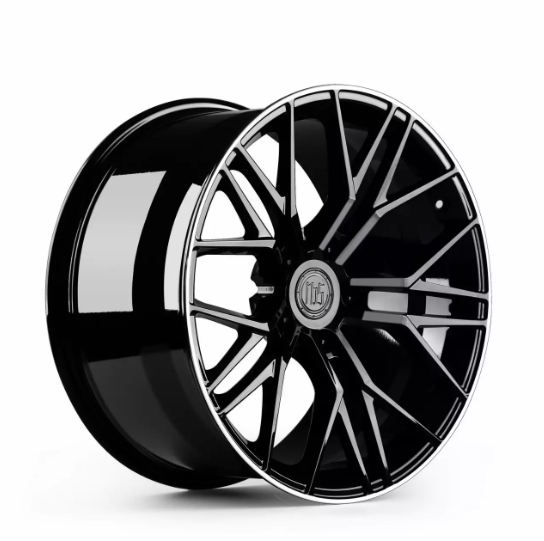
ऑर्डर देने से पहले अपने निर्माता से पूछे जाने वाले प्रश्न
आपने अपना गृहकार्य पूरा कर लिया है। आप निर्माण के प्रकारों, फ़िनिश टाइमलाइन्स और उत्पादन एवं डिलीवरी के बीच के अंतर को समझते हैं। लेकिन आप किसी निर्माता के साथ प्रतिबद्ध होने से पहले, जानकार खरीदारों को निराश खरीदारों से अलग करने वाला एक अंतिम कदम शेष रह जाता है: शुरुआत में ही सही प्रश्न पूछना।
इसे अपने कस्टम व्हील निर्माता की जाँच सूची के रूप में सोचें। आपको मिलने वाले उत्तर यह प्रकट करेंगे कि कोई आपूर्तिकर्ता पारदर्शी, अनुभवी है या नहीं, और क्या वह आपके टाइमलाइन को पूरा करने में सक्षम है। इनमें से किसी भी बिंदु पर अस्पष्ट या टालमटोल के उत्तर लाल झंडे के रूप में माने जाने चाहिए।
उत्पादन कालावधि के बारे में प्रश्न
मूल बातों से शुरुआत करें। आपको यह स्पष्टता चाहिए कि आपके व्हील वास्तव में कब तैयार होंगे, न कि कोई अनुमानित अवधि जो आपको अनुमान लगाने के लिए छोड़ दे।
- आपकी वर्तमान उत्पादन कतार क्या है और मेरे ऑर्डर के लिए अनुमानित प्रारंभ तिथि क्या है?
- उत्पादन पूर्णता की तिथि क्या है, जो शिपिंग तिथि से अलग हो?
- आपके द्वारा बताया गया नेतृत्व समय (लीड टाइम) फिनिशिंग और गुणवत्ता निरीक्षण को शामिल करता है, या ये अतिरिक्त हैं?
- डिज़ाइन संशोधनों के संबंध में आपकी नीति क्या है, और वे समयसीमा को कैसे प्रभावित करते हैं?
पहला प्रश्न अधिकांश खरीदारों के विचार से भी अधिक महत्वपूर्ण है। एक निर्माता उत्पादन के लिए 20 दिनों का समय बता सकता है, लेकिन यदि उनकी कतार पीछे रह गई है, तो आपका ऑर्डर एक और सप्ताह बाद शुरू हो सकता है। एक विशिष्ट प्रारंभ तिथि प्राप्त करने से आप वास्तविक अपेक्षाओं की गणना कर सकते हैं।
उत्पादन पूर्णता को शिपिंग से अलग करना भी उतना ही महत्वपूर्ण है। जैसा कि हमने पहले चर्चा की है, ये दो अलग-अलग चरण हैं। एक ऐसा निर्माता जो इन्हें एक साथ मिला देता है, या तो इस अंतर को समझता नहीं है या जानबूझकर अस्पष्टता बनाए रख रहा है। दोनों ही स्थितियाँ अच्छा संकेत नहीं हैं।
त्वरित निर्माण और लचीलेपन के बारे में प्रश्न
यदि आप किसी समयसीमा के विरुद्ध कार्य कर रहे हैं, तो आपको यह जानने के लिए ईमानदार उत्तर की आवश्यकता होती है कि वास्तव में क्या संभव है। इन प्रश्नों के साथ अपनी जांच जारी रखें:
- क्या आप त्वरित उत्पादन की सुविधा प्रदान करते हैं, और उसकी शर्तें क्या हैं?
- सबसे त्वरित डिलीवरी के लिए आपके मानक रंग पैलेट से कौन-कौन से फ़िनिश उपलब्ध हैं?
- यदि मैं उत्पादन शुरू होने के बाद कोई संशोधन अनुरोध करूँ, तो मेरे समयसूची पर क्या प्रभाव पड़ेगा?
त्वरित उत्पादन संबंधी प्रश्न के उत्तर पर ध्यान दें। एक विश्वसनीय निर्माता सीमाओं की व्याख्या करेगा: केवल मोनोब्लॉक, मानक फ़िनिश, कोई संशोधन नहीं, और अतिरिक्त त्वरित शुल्क लागू होगा। यदि वे किसी भी कॉन्फ़िगरेशन को बिना किसी शर्त के त्वरित करने का वादा करते हैं, तो वे या तो अत्यधिक विपणन कर रहे हैं या गुणवत्ता कम करने की योजना बना रहे हैं।
मानक पैलेट संबंधी प्रश्न व्यावहारिक है। जो निर्माता कुछ विशिष्ट फ़िनिश को बार-बार उत्पादित करते हैं, उनके पास सामग्री के स्टॉक में होने के साथ-साथ प्रशिक्षित तकनीशियन और स्थापित प्रक्रियाएँ भी होती हैं। उसी पैलेट से चयन करने से आपकी प्रतीक्षा अवधि में दिनों की कमी आ सकती है, बिना गुणवत्ता के किसी समझौते के।
जोड़े गए पहियों की गुणवत्ता प्रमाणन के बारे में प्रश्न
गुणवत्ता केवल इस बात के बारे में नहीं है कि व्हील कैसा दिखता है। यह इस बात पर भी निर्भर करती है कि क्या व्हील तनाव के अधीन सुरक्षित रूप से कार्य करेगा। यहीं पर प्रमाणन मायने रखते हैं, और यहीं पर व्हील निर्माता के साथ वार्तालाप में पूछे जाने वाले प्रश्न गंभीर हो जाते हैं।
- आपके व्हील्स किन प्रमाणनों के साथ आते हैं (JWL, VIA, SAE, TUV, IATF 16949)?
- उद्धृत नेतृत्व समय में क्या अनुपालन परीक्षण शामिल है, या क्या यह अतिरिक्त दिनों को जोड़ता है?
- क्या आप गुणवत्ता नियंत्रण आंतरिक रूप से करते हैं, या क्या आप तृतीय-पक्ष प्रयोगशालाओं पर निर्भर करते हैं?
JWL और VIA जैसे प्रमाणन व्हील की शक्ति और सुरक्षा के लिए महत्वपूर्ण मानदंड हैं। JWL परीक्षण आंतरिक रूप से किया जा सकता है, लेकिन VIA प्रमाणन के लिए स्वतंत्र तृतीय-पक्ष सत्यापन की आवश्यकता होती है। दोनों लोगो के साथ चिह्नित व्हील्स की अतिरिक्त सावधानीपूर्ण जाँच की गई है।
आंतरिक बनाम तृतीय-पक्ष का प्रश्न सीधे आपके समयसीमा को प्रभावित करता है। आंतरिक गुणवत्ता नियंत्रण और मौजूदा प्रमाणन वाले निर्माता अक्सर बाहरी प्रयोगशालाओं पर निर्भर निर्माताओं की तुलना में प्रमाणन जाँच को तेज़ी से पूरा कर सकते हैं। एक IATF 16949 व्हील आपूर्तिकर्ता जैसे कि शाओयी (निंबो) मेटल टेक्नोलॉजी, उदाहरण के लिए, कड़ी आंतरिक गुणवत्ता प्रणालियों को बनाए रखती है जो निरीक्षण को सरल बनाती हैं, बिना व्यापकता की गुणवत्ता को समाप्त किए बिना। यह विशेष रूप से तब महत्वपूर्ण है जब आप ऐसे वाहन के लिए व्हील्स ऑर्डर कर रहे हों जो ट्रैक पर उपयोग के लिए या भारी भार के लिए उपयोग किए जाएंगे, और इसके बारे में स्पष्ट रूप से पूछना चाहिए।
अंतर्राष्ट्रीय स्तर पर आयात करने वाले खरीदारों के लिए, दस्तावेज़ीकरण के बारे में भी पूछें। क्या निर्माता पंजीकरण संख्या के साथ परीक्षण रिपोर्ट प्रदान कर सकता है? वैध आपूर्तिकर्ताओं को अनुपालन की पुष्टि करने वाले मुहरबंद परीक्षण दस्तावेज़ प्रदान करने में सक्षम होना चाहिए। यदि वे ऐसा नहीं कर सकते हैं, तो यह एक चेतावनि का संकेत है।
सब कुछ एक साथ रखना
उत्पादन समय कोई ऐसी चीज़ नहीं है जो आपके साथ होती है। यह एक प्रक्रिया है जिसे आप समझ सकते हैं, प्रभावित कर सकते हैं और उसके आसपास योजना बना सकते हैं। जो खरीदार तैयार होकर आते हैं, डिज़ाइन की स्वीकृति के दौरान त्वरित प्रतिक्रिया देते हैं और लगातार सही प्रश्न पूछते हैं, उन्हें उन लोगों की तुलना में छोटे समय-सीमा का अनुभव होता है जो ऐसा नहीं करते हैं।
ढांचा सरल है:
- यह समझ लें कि लीड टाइम निर्माण प्रकार, फ़िनिश और निर्माता की क्षमता के आधार पर भिन्न होता है
- अपने कार्यक्रम की योजना बनाते समय उत्पादन समय को डिलीवरी समय से अलग करें
- जो आप नियंत्रित कर सकते हैं, उस पर नियंत्रण रखें: तैयारी, प्रतिक्रियाशीलता और फ़िनिश चयन
- किसी भी निर्माता के साथ किसी प्रतिबद्धता में प्रवेश करने से पहले विशिष्ट प्रश्न पूछें
जब आप जानते हैं कि आप किसकी प्रतीक्षा कर रहे हैं, तो कस्टम फोर्ज्ड व्हील्स की प्रतीक्षा करना सार्थक होता है। समय-सीमा कोई रहस्य नहीं है; यह चरणों का एक क्रम है, जिसमें प्रत्येक चरण की अपनी अवधि और परिवर्तनशीलता होती है। इस क्रम पर महारत हासिल कर लें, और फिर कभी भी किसी उद्धृत लीड टाइम से आपको आश्चर्यचकित नहीं किया जाएगा।
कस्टम फोर्ज्ड व्हील उत्पादन समय के बारे में अक्सर पूछे जाने वाले प्रश्न
1. कस्टम फोर्ज्ड व्हील्स के निर्माण में कितना समय लगता है?
कस्टम फोर्ज्ड व्हील के निर्माण में आमतौर पर निर्माण प्रकार और फिनिश की जटिलता के आधार पर 3-8 सप्ताह का समय लगता है। एक-टुकड़े मोनोब्लॉक व्हील के लिए 15-20 दिन, दो-टुकड़े डिज़ाइन के लिए 20-25 दिन, और तीन-टुकड़े व्हील के निर्माण के लिए 25-35 दिन की आवश्यकता होती है। ये समय सीमाएँ केवल उत्पादन को ही शामिल करती हैं और शिपिंग को छोड़ देती हैं। क्रोम प्लेटिंग जैसे कारक 7-10 अतिरिक्त दिन जोड़ सकते हैं, जबकि मानक पाउडर कोट फिनिश के लिए फिनिशिंग चरण में सबसे कम समय—2-3 दिन—लगता है।
2. कस्टम व्हील के लिए उत्पादन समय और डिलीवरी समय में क्या अंतर है?
उत्पादन समय तब समाप्त होता है जब आपकी व्हील अंतिम गुणवत्ता निरीक्षण पास कर लेती है और पैकेजिंग के लिए तैयार हो जाती है। डिलीवरी समय शिपमेंट के साथ शुरू होता है और यह स्थान के आधार पर काफी भिन्न हो सकता है। घरेलू ऑर्डर में आमतौर पर 2-5 कार्यदिवस का समय अतिरिक्त लगता है, जबकि अंतर्राष्ट्रीय ऑर्डर के लिए समुद्री परिवहन के लिए 10-20 दिन, कस्टम्स क्लीयरेंस के लिए 3-7 दिन, और अंतिम मील डिलीवरी के लिए 2-5 दिन की आवश्यकता हो सकती है। ऑर्डर दर्ज करने के बाद अंतर्राष्ट्रीय स्रोत से प्राप्त व्हील के लिए कुल द्वार-से-द्वार समय 6-12 सप्ताह तक हो सकता है।
3. क्या मैं अपने कस्टम फोर्ज्ड व्हील्स के लिए त्वरित उत्पादन प्राप्त कर सकता हूँ?
1-पीस मोनोब्लॉक व्हील्स के लिए मानक फिनिश के साथ त्वरित उत्पादन संभव है, जिसमें आपके तुरंत डिज़ाइन की पुष्टि करने और कोई संशोधन न करने पर 10–15 दिन की समय सीमा प्राप्त की जा सकती है। हालाँकि, तीन-पीस व्हील्स, क्रोम फिनिश और बड़े ऑर्डर को गुणवत्ता के समझौते के बिना अर्थपूर्ण रूप से त्वरित नहीं किया जा सकता है। ऊष्मा उपचार और क्रोम प्लेटिंग के लिए न्यूनतम प्रक्रिया समय निर्धारित हैं, जिनमें भौतिकी के कारण कोई छलांग नहीं लगाई जा सकती। त्वरित ऑर्डर आमतौर पर क्षमता और जटिलता के आधार पर प्रीमियम शुल्क के साथ आते हैं।
4. मैं अपने कस्टम व्हील उत्पादन के समय-सीमा को कैसे कम कर सकता हूँ?
खरीदार पूर्व-उत्पादन की अवधि को 1-2 सप्ताह से घटाकर 2-4 दिन कर सकते हैं, यदि वे पूर्ण फिटमेंट विशिष्टताओं के साथ तैयार आएँ, मौजूदा रंग पैलेट से मानक फिनिश का चयन करें, और स्पष्ट दृश्य संदर्भ प्रदान करें। डिज़ाइन की स्वीकृति के दौरान, रेंडर्स के लिए 24 घंटों के भीतर प्रतिक्रिया दें और प्रतिक्रिया को संक्षिप्त करके संशोधन चक्रों की संख्या को सीमित करें। उत्पादन शुरू होने के बाद विशिष्टताओं में परिवर्तन से बचें, क्योंकि मध्य-उत्पादन परिवर्तन 5-10 दिन का अतिरिक्त समय जोड़ सकते हैं। निंगबो बंदरगाह के निकट शाओयी जैसे IATF 16949 प्रमाणित निर्माताओं के साथ काम करने से गुणवत्ता जाँच और शिपिंग लॉजिस्टिक्स को भी सरल बनाया जा सकता है।
5. कौन सा पहिया फिनिश उत्पादन के लिए सबसे अधिक समय लेता है?
क्रोम प्लेटिंग में सबसे अधिक समय लगता है, जो 7–10 कार्यदिवसों तक हो सकता है, क्योंकि इसमें तांबे, निकल और क्रोमियम की परतों के साथ बहु-चरणीय रासायनिक प्रक्रिया शामिल होती है। कई निर्माता क्रोम कार्य को बाहरी स्रोतों पर आउटसोर्स करते हैं, जिससे लॉजिस्टिक्स से समय भी जुड़ जाता है। इसके विपरीत, पाउडर कोट और पेंट किए गए फिनिश सबसे तेज़ होते हैं, जिन्हें पूरा करने में केवल 2–3 दिन लगते हैं। पॉलिश किए गए फिनिश को पूरा करने के लिए कई हाथ से पॉलिशिंग पास की आवश्यकता होती है, जिसके कारण 4–7 दिन का समय लगता है, जबकि मास्किंग के साथ दो-रंग की कस्टम पेंटिंग में कई आवेदन और क्योर साइकिल्स के कारण 5–8 दिन का समय लगता है।