 Small batches, high standards. Our rapid prototyping service makes validation faster and easier —
  EN
EN


Precision Metal Forming LLC: Wichtige Punkte vor der Zusammenarbeit
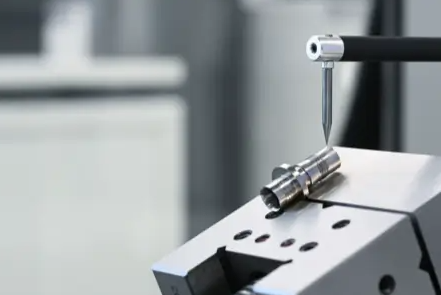
Verständnis der Präzisions-Metallumformung als Fertigungsprozess
Wenn Sie nach einer LLC für Präzisions-Metallumformung suchen, mit der Sie zusammenarbeiten können, verstehen Sie dann tatsächlich, was diesen Fertigungsprozess so besonders macht? Viele Einkäufer beginnen mit der Bewertung von Lieferanten, ohne die grundlegenden unterschiede zwischen herkömmlicher Metallverarbeitung und Präzisionsumformung zu kennen – und diese Wissenslücke kann zu kostspieligen Fehlanpassungen zwischen Ihren Projektanforderungen und den tatsächlichen Fähigkeiten eines Lieferanten führen.
Die Präzisions-Metallumformung ist ein spezialisierter Fertigungsprozess, bei dem metallische Komponenten durch gezielte Werkstoffverformung geformt werden und dabei Toleranzen von ±0,005" bis ±0,010" (±0,13 mm bis ±0,25 mm) erreichen, wobei die dimensionsgenaue Wiederholbarkeit über die gesamte Serienfertigung hinweg gewährleistet bleibt.
Was unterscheidet die Präzisions-Metallumformung von der herkömmlichen Blechbearbeitung?
Stellen Sie sich vor, Komponenten für eine kritische Montage zu bestellen – nur um festzustellen, dass sie aufgrund unzureichend enger Toleranzen umfangreiche Nacharbeit erfordern. Bei der Standard-Metallverarbeitung liegen die Toleranzen typischerweise zwischen ±1/16" und ±1/8" (±1,6 mm bis ±3,2 mm) – akzeptabel für Konstruktionsgerüste oder einfache Gehäuse, aber unzureichend für Hochleistungsanwendungen.
Die präzise Blechumformung bewegt sich in einem völlig anderen Leistungsbereich. Folgendes unterscheidet sie von konventionellen Verfahren:
- Toleranzfähigkeiten: Erzielung einer Präzision von ±0,005" im Vergleich zu den Standardtoleranzen von ±1/16" – ein Unterschied, der sich unmittelbar auf Passgenauigkeit bei der Montage und die Produktleistung auswirkt
- Hochentwickelte Werkzeugtechnik: Anwendungsspezifische Werkzeuge und Vorrichtungen, die für wiederholbare Genauigkeit ausgelegt sind und oft das 3- bis 5-Fache der Kosten herkömmlicher Universalwerkzeuge verursachen
- Materialfluss-Steuerung: Tiefes Verständnis des Verhaltens verschiedener Legierungen während der Verformung, einschließlich Berechnungen zum elastischen Rückfederungsverhalten (Spring-back) und Berücksichtigung der Kornrichtung
- Prozessüberwachung: Statistische Prozesskontrolle (SPC) mit kontinuierlicher dimensionsbezogener Überwachung und automatischen Warnungen bei außerhalb der Spezifikation liegenden Trends
Unternehmen wie Precision Metal Forming Inc. und ähnliche spezialisierte Hersteller investieren stark in diese Fähigkeiten, weil ihre Kunden – aus den Bereichen Luft- und Raumfahrt, Medizintechnik und Automobilindustrie – dimensionsbezogene Abweichungen, die in der allgemeinen Fertigung durchaus akzeptabel wären, schlichtweg nicht tolerieren können.
Die Wissenschaft hinter der kontrollierten Materialverformung
Was geschieht eigentlich, wenn Metall einer Präzisionsumformung unterzogen wird? Im Gegensatz zum Schneiden oder Bearbeiten verändert die Umformung das Material, ohne es zu entfernen. Das Metall fließt plastisch unter sorgfältig kontrollierten Kräften und bewahrt dabei seine strukturelle Integrität, während komplexe Geometrien erreicht werden.
Diese kontrollierte Verformung erfordert tiefgreifendes Fachwissen über das Verhalten von Werkstoffen. Ein Spezialist für präzise Metallumformung weiß, dass sich Edelstahl 316L bei Umformvorgängen anders verhält als Edelstahl 304 – was sowohl die Maßgenauigkeit als auch die Oberflächenqualität beeinflusst. Er berechnet bereits vor der Werkzeugkonstruktion die Rückfederungseigenschaften und antizipiert so, wie sich jede Legierung nach dem Abbau des Umformdrucks verhält.
Zu den Geräten, die diese Präzision ermöglichen, zählen robotergestützte CNC-Abkantpressen mit Winkelmesssystemen, Faserlaser-Schneidanlagen mit Mikro-Fügetechnologie sowie Koordinatenmessmaschinen (CMM), die die Genauigkeit bei komplexen Geometrien verifizieren. Diese Investitionen unterscheiden echte Präzisionsumformprozesse von Betrieben mit Standardausrüstung, die lediglich versuchen, Präzisionsarbeiten durchzuführen.
Das Verständnis dieser Grundlagen befähigt Sie nun, potenzielle Partner wirkungsvoller zu bewerten – denn Sie kennen mittlerweile die richtigen Fragen und die entscheidenden Kompetenzen.
Schlüsseltechniken und Ausrüstung in der Metallumformung
Nachdem Sie nun verstanden haben, was die präzise Metallumformung von der Standardfertigung unterscheidet, fragen Sie sich wahrscheinlich: Wie formen diese spezialisierten Zulieferer das Metall eigentlich genau zu den Komponenten, die Sie benötigen? Die Antwort liegt in einem vielseitigen Werkzeugkasten an Verfahren, wobei jedes Verfahren spezifische Vorteile für bestimmte Anwendungen bietet. Die Auswahl des richtigen Umformverfahrens kann den Unterschied ausmachen zwischen einem Bauteil, das einwandfrei funktioniert, und einem Bauteil, das im Einsatz versagt.
Kernverfahren der modernen Metallumformung
Wenn beim Evaluieren einer Precision Metal Forming LLC , werden Sie auf verschiedene Prozessfähigkeiten stoßen. Das Verständnis dafür, worin jede Technik besonders gut ist, hilft Ihnen dabei, Ihre Projektanforderungen dem richtigen Zulieferer zuzuordnen. Im Folgenden finden Sie eine Übersicht der wichtigsten Umformverfahren:
- Stanzen: Verwendet maßgefertigte Werkzeuge, um Teile schnell zu formen, wodurch es sich ideal für die Serienfertigung eignet, bei der die anfängliche Werkzeuginvestition durch extrem niedrige Stückkosten gerechtfertigt ist. Laut branchenüblicher Analyse übertrifft das Stanzen bei der Herstellung von Tausenden oder sogar Millionen identischer Komponenten mit komplexen Geometrien.
- Tiefziehen: Ein spezielles Stanzverfahren, bei dem ein Stempel Blech in einen Matrizenhohlraum presst und so schalen- oder kastenförmige Teile erzeugt. Beispiele hierfür sind Getränkedosen, Kraftfahrzeug-Kraftstofftanks oder Edelstahlspülen – Anwendungen, die nahtlose, tiefgezogene Formen erfordern.
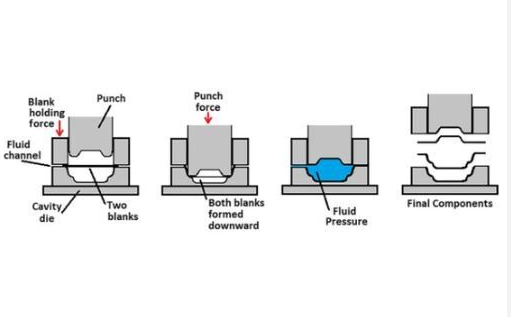
- Hydroforming: Ersetzt den herkömmlichen massiven Stempel durch hochdruckiges Hydraulikfluid, wodurch das Metall gleichmäßiger in komplexe, asymmetrische Formen fließen kann. Diese Technik gewährleistet eine konstante Wandstärke selbst bei tiefen Zügen und erzeugt dadurch festere Teile mit überlegenen Oberflächenqualitäten.
- Profilbiegung: Führt kontinuierliche Metallbänder durch sequenzielle Walzstationen, wobei lange Profile wie Tragprofile, Dachpaneele oder präzise Metalldeckenkomponenten schrittweise geformt werden. Effiziente und vielseitige Profilwalzmaschinen für die präzise Metallverarbeitung liefern bei hohen Produktionsgeschwindigkeiten konsistente Querschnitte.
- Serienschneidwerkzeuge: Das Arbeitstier der komplexen Teilefertigung – eine Metallspule wird durch einen Mehrstationen-Stanz-Dies geführt, an dem an jeder Station unterschiedliche Operationen (Stanzen, Prägen, Biegen) erfolgen. Die Teile bleiben bis zur endgültigen Trennung mit dem Band verbunden, was außerordentlich kurze Zykluszeiten ermöglicht.
- Abkantung mit der Biegepresse: Verwendet Standard-V-Stahlmatrizen und -Stempel, um präzise Winkel entlang gerader Linien zu erzeugen. Winkelkontrolliertes Biegen für die präzise Blechumformung bietet Flexibilität ohne die Kosten für Sonderwerkzeuge und eignet sich daher ideal für Prototypen und Kleinserien.
Welche Methode eignet sich am besten für Ihr Projekt? Berücksichtigen Sie diesen einfachen Rahmen: Das Biegen ist aufgrund der geringen Einrichtungskosten besonders gut für Prototypen und Kleinserien geeignet; das Stanzen dominiert bei der Großserienfertigung, wo die Kosten pro Einheit im Vordergrund stehen; und das Hydroformen überzeugt, wenn die Komplexität des Bauteils oder die Anforderungen an die strukturelle Integrität über das hinausgehen, was herkömmliche Verfahren leisten können.
Maschinen für Genauigkeit im Mikrometerbereich
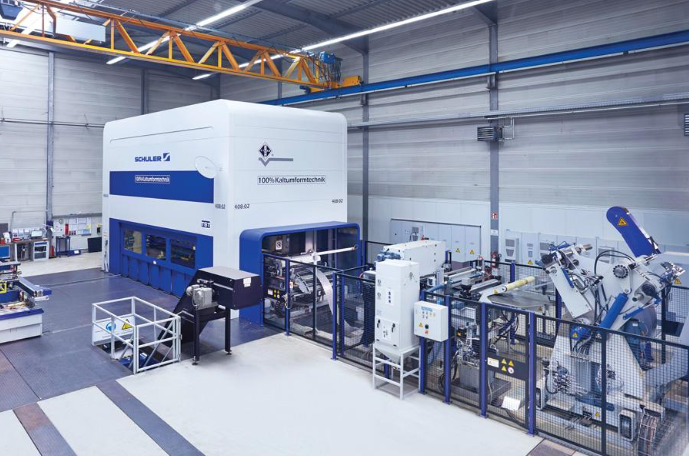
Präzisions-Metallumformmaschinen stellen erhebliche Investitionen dar – und die Maschinen, die ein Zulieferer betreibt, zeigen unmittelbar dessen tatsächliche Leistungsfähigkeit. Bei einer Werksbesichtigung oder beim Durchsehen eines Unternehmensprofils achten Sie auf folgende Technologiekategorien:
| Gerätee Typ | Funktion | Präzisionsindikatoren |
|---|---|---|
| Servogesteuerte Abkantpressen | Ermöglichen präzise Biegungen mit programmierbarer Winkelsteuerung | Winkelgenauigkeit innerhalb von ±0,5°, Positions-Wiederholgenauigkeit unter ±0,0004" (±0,01 mm) |
| Progressive Werkzeugpressen | Hochgeschwindigkeits-Umformung mit mehreren Operationen direkt aus dem Bandmaterial | Hubraten von 100 bis 1.500 Hub/Minute bei konsistentem maßhaltigem Ergebnis |
| Präzisions-Metallumformpresse-Systeme | Setzt kontrollierte Presskraft für Stanz- und Tiefziehoperationen ein | Presskraftüberwachungssysteme, stufenlose Antriebe, Werkzeugschutzsensoren |
| Hydroformzellen | Nutzen Fluiddruck zur Formgebung komplexer Geometrien | Druckregelung bis zu 10.000+ PSI mit geschlossener Regelkreisüberwachung |
| Präzisions-Metalldecken-Umformmaschinen | Erstellen struktureller Boden- und Dachdeckenprofile | Profilgleichmäßigkeit über kontinuierliche Fertigungsläufe hinweg, automatisierte Maßkontrolle |
| Koordinatenmesssysteme | Überprüft die Maßgenauigkeit nach dem Umformen | Messauflösung bis zu 0,0001 Zoll, automatisierte Berichtsfunktionen |
Neben der Umformmaschine selbst umfasst hochpräzise Metallumformtechnik auch ausgefeilte Unterstützungssysteme. Die Automatisierung des Materialtransports verringert menschliche Fehler und verbessert gleichzeitig die Konsistenz. Inline-Sensoren überwachen die Umformkräfte und erkennen Anomalien, bevor sie fehlerhafte Teile erzeugen. Moderne Simulationssoftware ermöglicht es Herstellern zudem, Umformprozesse virtuell zu testen und zu optimieren, noch bevor ein Werkzeugstahl geschnitten wird.
Die Erkenntnis? Die Ausrüstungsliste eines Partners für die präzise Metallumformung verrät Ihnen, was in dessen Werkstatt tatsächlich möglich ist. Lieferanten, die manuelle Pressen und einfache Abkantmaschinen betreiben, können die erforderlichen Toleranzen und Konsistenz einfach nicht erreichen, die servogesteuerte, sensorüberwachte Systeme liefern – unabhängig von ihren Aussagen. Das Verständnis dieser Unterschiede bereitet Sie auf die nächste entscheidende Überlegung vor: Welche Materialien lassen sich tatsächlich präzise umformen, und wie beeinflussen deren Eigenschaften den Prozess?
Häufig verwendete Materialien in Anwendungen der präzisen Umformung
Sie haben die richtige Umformtechnik identifiziert und die Fähigkeiten der Ausrüstung bewertet – doch hier stellt sich eine Frage, die viele Einkäufer übersehen: Lässt sich das von Ihnen ausgewählte Material tatsächlich so präzise umformen, wie es Ihre Spezifikationen erfordern? Die Materialauswahl beruht nicht nur auf der Leistungsfähigkeit im Endanwendungsfall. Sie bestimmt unmittelbar, ob Ihr precision Metal Forming LLC-Partner die engen Toleranzen erreichen kann, die Ihre Anwendung erfordert.
Verschiedene Metalle verhalten sich unter Umformdruck dramatisch unterschiedlich. Einige fließen vorhersehbar; andere federn stark zurück oder verfestigen sich so schnell, dass sie bereits vor Erreichen der Endform reißen. Das Verständnis dieser Eigenschaften hilft Ihnen bei fundierteren Materialentscheidungen – und ermöglicht realistische Erwartungen hinsichtlich dessen, was technisch erreichbar ist.
Kriterien für die Materialauswahl bei umgeformten Komponenten
Bei der Auswahl von Werkstoffen für die präzise Metallrohrumformung, dünnwandige präzise Metallformteile oder beliebige hochpräzise Blechumformungsprodukte müssen mehrere konkurrierende Faktoren abgewogen werden. Fachleute aus der Branche nennen folgende zentralen Kriterien:
- Anwendungsvoraussetzungen: Welche mechanischen Eigenschaften, welcher Korrosionsschutz oder welche thermischen Eigenschaften sind für die spätere Anwendung erforderlich?
- Formfähigkeit: Wie gut lässt sich das Material biegen, dehnen und umformen, ohne zu reißen oder zu zerreißen?
- Verträglichkeit mit Nachbearbeitung: Eignet sich das Material für die geforderten Oberflächenbehandlungen – beispielsweise Eloxieren, Galvanisieren oder Passivieren?
- Zugfestigkeit: Wie viel Kraft kann die fertige Komponente aushalten, ohne zu brechen?
- Budgetbeschränkungen: Entspricht die Materialkosten Ihrer Produktionswirtschaftlichkeit?
Klingt komplex? Es wird klarer, wenn Sie betrachten, wie gängige Materialien hinsichtlich dieser Kriterien abschneiden.
| Materialkategorie | Typische Anwendungen | Umformbarkeitsbewertung | Wichtige Überlegungen |
|---|---|---|---|
| Aluminium 5052 | Marinekomponenten, Kraftstofftanks, Gehäuse | Hoch (Grün) | Ausgezeichnete Korrosionsbeständigkeit; höchste Festigkeit unter den nicht wärmebehandelbaren Legierungen; Temperaturen über 65 °C vermeiden |
| Aluminium 6061 | Tragstrukturen, Automobilteile, Luft- und Raumfahrtkomponenten | Mittel-Hoch | Gute Schweißbarkeit; durch Ausscheidungshärtung festigkeitsgesteigert; üblicherweise stranggepresst |
| edelstahl 304 | Lebensmittelverarbeitung, medizinische Geräte, architektonische Verkleidungen | Mittel | Ausgezeichnete Korrosionsbeständigkeit; niedrige Wärmeleitfähigkeit beeinflusst die Umformgeschwindigkeit; bei geeigneter Werkzeugauslegung leicht umformbar |
| edelstahl 316L | Chemische Verarbeitung, Schifffahrtsbeschläge, pharmazeutische Ausrüstung | Mittel | Überlegene Chloridbeständigkeit aufgrund des Molybdängehalts; gute Beständigkeit gegenüber nichtoxidierenden Säuren |
| Kohlenstoffstahl (kohlenstoffarm) | Automobilbleche, Strukturkomponenten, allgemeine Fertigung | Hoch (Grün) | Ausgezeichnete Schweißbarkeit; sehr duktil; erfordert einen korrosionsschützenden Oberflächenschutz |
| Hochfester niedriglegierter (HSLA) | Automobilchassis, Strukturbalken, schwere Maschinen | Mittel-Niedrig | Hohe Festigkeit-zu-Gewicht-Ratio; erfordert höhere Umformkräfte; eine Kompensation des Elastizitätsrückpralls ist entscheidend |
| Kupfer C110 | Elektrische Steckverbinder, Wärmeaustauscher, Stromschienen | Hoch | Hervorragende Wärme- und elektrische Leitfähigkeit; ideal für die präzise Rotmetall-Umformung von Wärmeaustauschern |
| Messing C260 | Dekorative Beschläge, Sanitärarmaturen, elektrische Anschlussklemmen | Hoch | Ausgezeichnete Bearbeitbarkeit; gute Korrosionsbeständigkeit; attraktives natürliches Finish |
Wie metallische Eigenschaften die Umformparameter beeinflussen
Warum produziert dieselbe Abkantpresse perfekte Teile aus Aluminium, hat aber Schwierigkeiten mit Edelstahl? Die Antwort liegt in drei kritischen Materialeigenschaften, die bei jeder präzisen Umformoperation berücksichtigt werden müssen.
VERFORMBARKEIT misst, wie stark ein Material sich dehnen kann, bevor es bricht. Hochduktilen Materialien wie Kupfer und kohlenstoffarmer Stahl lassen sich problemlos in komplexe Formen umformen. Weniger duktile Materialien – etwa gehärtete Stahlsorten – erfordern schrittweise Umformsequenzen mit zwischengeschalteten Glühvorgängen, um Rissbildung zu vermeiden.
Kaltverfestigung beschreibt, wie Materialien beim Verformen stärker (und weniger umformbar) werden. Edelstähle vergüten sich stark, was bedeutet, dass jede Umformoperation die nächste erschwert. Erfahrene Spezialisten für Präzisionsumformung berücksichtigen dies durch eine strategische Abfolge der Operationen und gegebenenfalls durch Zwischenglühvorgänge.
Materialstärke beeinflusst direkt die erforderliche Umformkraft sowie die erzielbaren Biegeradien. Dünnere Materialien benötigen weniger Presskraft, sind jedoch anfälliger für Faltenbildung bei Tiefziehvorgängen. Dickere Werkstoffe erfordern exponentiell höhere Umformkräfte und größere Biegeradien, um Rissbildung an der Außenfläche zu vermeiden.
Hier ist ein praktisches Beispiel: Stellen Sie sich die Herstellung einer 0,040" dicken Halterung aus Edelstahl 304 im Vergleich zur gleichen Geometrie aus 0,040" dickem Aluminium 5052 vor. Für das Edelstahlteil ist etwa die 2,5-fache Umformkraft erforderlich, zudem ein größerer minimaler Biegeradius und bei mehreren Biegungen besondere Aufmerksamkeit auf die Verfestigung durch Kaltverformung. Aluminium lässt sich leichter umformen, erfordert jedoch eine präzise Kompensation des elastischen Rückstellens – nach dem Biegen versucht es von Natur aus, wieder in seinen ursprünglichen flachen Zustand zurückzukehren.
Das Verständnis dieser Materialdynamik hilft Ihnen, effektiver mit Ihrem Umformpartner zusammenzuarbeiten. Wenn Sie Materialien unter realistischen Erwartungen spezifizieren, erhalten Sie genauere Angebote, schnellere Prototypen und weniger Überraschungen in der Serienfertigung. Als Nächstes betrachten wir, welche Branchen am stärksten auf diese Präzisionsumformfähigkeiten angewiesen sind – und warum sie dieses Fertigungsverfahren zu einem unverzichtbaren Bestandteil ihrer Lieferketten gemacht haben.
Branchen und Anwendungen, die die Nachfrage nach umgeformten Teilen antreiben
Nachdem Sie nun die Materialien kennen, die präzise umgeformt werden können, stellt sich eine naheliegende Frage: Wer benötigt eigentlich Komponenten, die diesen strengen Anforderungen entsprechen? Die Antwort umfasst nahezu jeden Sektor, in dem ein Ausfall von Komponenten keine Option ist – vom Fahrzeug, das Sie fahren, bis hin zu den medizinischen Geräten, die Leben retten.
Wenn Sie ein Unternehmen für Präzisions-Metallumformung LLC als potenziellen Partner bewerten, ist dessen Branchenerfahrung von entscheidender Bedeutung. Ein Zulieferer, der hauptsächlich die Klima- und Lüftungstechnik (HVAC) beliefert, bewegt sich in einem völlig anderen Toleranzuniversum als ein Zulieferer für Luft- und Raumfahrtkunden. Wir betrachten die wichtigsten Branchen der Präzisions-Metallumformung und erläutern, warum jede dieser Branchen diesen spezialisierten Fertigungsansatz erfordert.
Anforderungen der Automobilindustrie an umgeformte Metallkomponenten
Stellen Sie sich vor, Sie fahren auf der Autobahn, als Ihre Fahrwerkkomponenten aufgrund von Abmessungsungenauigkeiten versagen. Dieses Szenario verdeutlicht, warum Automobilhersteller an ihre Partnerunternehmen für präzise Metallumformung einige der strengsten Qualitätsanforderungen stellen.
Der Automobilsektor setzt auf Präzisionsumformung für drei kritische Komponentenkategorien:
- Fahrwerk und strukturelle Komponenten: Rahmenschenkel, Querträger und Unterfahrgestelle, die die skelettartige Struktur des Fahrzeugs bilden, erfordern eine konstante Maßgenauigkeit. Laut JSW Steel wird hochfester Stahl (HSS) mit überlegenen Festigkeits-zu-Gewichts-Verhältnissen in sicherheitskritischen Bereichen wie den Knautschzonen eingesetzt, wo eine präzise Umformung unmittelbar die Aufnahme von Crash-Energie beeinflusst.
- Fahrwerkskomponenten: Querlenker, Federaufnahmen und Stabilisatorhalterungen müssen exakte Spezifikationen einhalten – bereits geringfügige Abweichungen wirken sich auf das Fahrverhalten, den Reifenverschleiß und die Sicherheit der Insassen aus.
- Karosserieteile und strukturelle Träger: Das Stanzen produziert Türen, Dächer, Motorhauben und Kotflügel in sehr großen Stückzahlen. Das Tiefformen erzeugt Kraftstofftanks und komplexe hohle Formteile. Das Profilwalzen liefert Strukturträger und Versteifungsprofile mit konstantem Querschnitt.
Warum kann die Standardfertigung die Anforderungen der Automobilindustrie nicht erfüllen? Die Antwort liegt sowohl in Sicherheits- als auch in wirtschaftlichen Aspekten. Automobilkomponenten unterliegen vor der Freigabe für die Serienfertigung umfangreichen Validierungstests. Teile, die mit inkonsistenten Toleranzen hergestellt werden, fallen bei diesen Tests durch – oder schlimmer noch: Sie bestehen die Tests zwar, versagen aber später im Fahrzeug des Kunden. Zudem sind moderne Montagelinien darauf angewiesen, dass die Komponenten ohne manuelle Nachjustierung zusammenpassen. Eine Fahrgestellstrebe, die um 0,5 mm von der Spezifikation abweicht, führt zu einer Kettenreaktion von Ausrichtungsproblemen während des gesamten Fahrzeugbaus.
Unternehmen wie pmf precision metal forming industries haben ihren Ruf aufgebaut, indem sie diesen anspruchsvollen Sektor bedienen, bei dem die IATF-16949-Zertifizierung keine Option ist – sie stellt vielmehr die Mindestvoraussetzung für eine ernsthafte Berücksichtigung durch namhafte OEMs dar.
Branchenübergreifende Anwendungen von der Medizintechnik bis zur Luft- und Raumfahrt
Während die Automobilindustrie die Anwendung mit dem höchsten Volumen darstellt, sind mehrere andere Branchen in gleichem Maße auf präzise Drahtform- und Metallstanzen-Fertigung angewiesen – oft mit noch engmaschigeren Toleranzanforderungen.
Luft- und Raumfahrtanwendungen
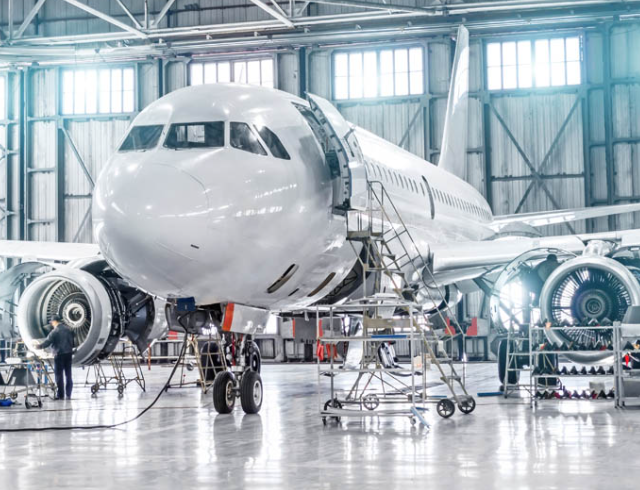
Präzisionsmetallumformung für Raumfahrt- und Luftfahrtanwendungen befindet sich an der äußersten Grenze der Fertigungskapazität. Re:Build Cutting Dynamics weist darauf hin, dass Luftfahrtzulieferer selbst die komplexesten Komponenten mit höchster Präzision und Fachkompetenz fertigen und dabei Passagierflugzeuge, Verteidigungssysteme sowie Satellitenanwendungen bedienen.
- Strukturelle Rumpfkomponenten: Rippen, Längsträger und Außenhautplatten, die extremen Belastungszyklen standhalten müssen, bei gleichzeitiger Gewichtsminimierung
- Motorgehäuse und Kanäle: Komplexe umgeformte Geometrien, die hohen Temperaturen und Drücken standhalten
- Satelliten- und Raumfahrzeugbaugruppen: Missionkritische Komponenten, bei denen ein Ausfall schlicht keine Option ist – und eine Ersatzbeschaffung nicht möglich ist
Luft- und Raumfahrtanwendungen erfordern in der Regel spezielle Zertifizierungen über die Standard-Qualitätssysteme hinaus, darunter die AS9100- und NADCAP-Akkreditierungen, die die Prozesskontrolle bei jedem Produktionsschritt bestätigen.
Medizintechnik
Die Medizintechnikbranche stellt hohe Anforderungen an die Präzisionsumformung von Komponenten, die direkt mit Patienten in Kontakt treten oder lebenskritische Funktionen unterstützen:
- Gehäuse für chirurgische Instrumente: Gehäuse für Diagnostikgeräte und chirurgische Instrumente, die biokompatible Materialien sowie glatte, leicht zu reinigende Oberflächen erfordern
- Implantatkomponenten: Aus Titan und Speziallegierungen hergestellte Teile, die exakt nach Vorgabe für orthopädische und kardiovaskuläre Anwendungen umgeformt werden
- Gehäuse für Diagnosegeräte: Rahmen und Halterungen für Blutchemie-Analysatoren, Bildgebungssysteme und klinische Therapiegeräte
Medizinische Anwendungen kombinieren häufig Präzisionsumformung mit strenger Materialrückverfolgbarkeit – jede Charge des Materials muss dokumentiert und während des gesamten Lebenszyklus des Produkts rückverfolgbar sein.
Elektronikgehäuse und industrielle Automatisierung
Da die industrielle Automatisierung die Fertigung weiterhin umgestaltet, wächst die Nachfrage nach präzise geformten Gehäusen entsprechend. Laut UPTIVE Manufacturing bieten Blechgehäuse einen wesentlichen Schutz, strukturelle Integrität sowie Anpassungsmöglichkeiten für Automatisierungssysteme.
- Gehäuse für Steuerungssysteme: Gehäuse zum Schutz von SPS, Antrieben und Sensoren vor Staub, Feuchtigkeit und elektromagnetischen Störungen
- Komponenten für Robotersysteme: Strukturelle Rahmen und Schutzhüllen für Roboterarme sowie automatisierte Materialflusssysteme
- Server- und Netzwerkgehäuse: Präzise geformte Racks und Schränke mit strengen Maßtoleranzen für die standardisierte Montage von Geräten
Elektronikgehäuse erfordern häufig spezifische Schutzarten (z. B. IP65 zum Schutz vor Staub und Wasser), die durch präzise geformte Nähte, Dichtungsnuten und Geometrien der Zugangspaneele erreicht werden.
Industrielle Ausrüstung
Schwermaschinen, landwirtschaftliche Geräte und Baufahrzeuge sind bei strukturellen Anwendungen auf geformte Komponenten angewiesen:
- Gehäuse für Hydrauliksysteme: Behälter und Ventilblöcke aus Materialien mit hoher Blechdicke
- Fahrerhausstrukturen: Sicherheitskritische Gehäuse, die den ROPS-Anforderungen (Rollover Protective Structure) entsprechen
- Komponenten für Förderanlagen und Materialhandhabung: Rutschen, Schutzeinrichtungen und statische Tragkonstruktionen, die kontinuierlichen Betriebsbelastungen standhalten
Wenn Sie Komponenten für einen dieser Bereiche – insbesondere für die Automobil- oder Luftfahrtindustrie – beschaffen, haben Präzisions-Metallumformungsunternehmen in Georgia und anderen Fertigungszentren des Landes spezialisierte Kompetenzen für diese anspruchsvollen Branchen entwickelt. Entscheidend ist es, Ihre konkreten Anwendungsanforderungen mit einem Lieferanten abzugleichen, der nachweislich Erfahrung in Ihrer Branchensparte vorweisen kann.
Das Verständnis branchenspezifischer Anwendungen ist unerlässlich; doch wie stellen Sie sicher, dass ein potenzieller Partner tatsächlich die Qualitätsstandards erfüllt, die Ihre Anwendung erfordert? Damit kommen wir zu einem entscheidenden Bewertungskriterium, das viele Einkäufer unterschätzen: Qualitätszertifizierungen und Prüfkapazitäten.
Qualitätskontrollstandards und Branchenzertifizierungen
Sie haben Branchen identifiziert, in denen präzises Umformen unverzichtbar ist, und verstehen, warum Toleranzen entscheidend sind – doch hier stellt sich die entscheidende Frage, die zuverlässige Lieferanten von riskanten unterscheidet: Wie stellen Sie sicher, dass ein Unternehmen für präzises Metallumformen LLC tatsächlich die versprochene Qualität liefert? Zertifizierungen und Prüfmöglichkeiten sind nicht bloß Papierkram. Sie sind Ihre Versicherung davor, Komponenten zu erhalten, die optisch korrekt erscheinen, aber im Einsatz versagen.
Viele Einkäufer konzentrieren sich bei der Lieferantenauswahl ausschließlich auf Preis und Lieferzeit. Das ist ein Fehler. Ein Lieferant, der 20 % unter den Wettbewerbspreisen liegt, verfügt möglicherweise nicht über die erforderliche Qualitätsinfrastruktur, um Ihre Spezifikationen konsistent einzuhalten – und die Kosten für ausgeschiedene Teile, Produktionsverzögerungen sowie Ausfälle im Feld übersteigen sämtliche anfänglichen Einsparungen bei Weitem.
Qualitätssicherungsmethoden in der hochpräzisen Fertigung
Was geschieht eigentlich zwischen der Ankunft des Rohmaterials und dem Versand des fertigen Teils? Hersteller von Präzisions-Metallumformungen implementieren Qualitätskontrollen in drei klar definierten Phasen – und das Verständnis dieser Phasen hilft Ihnen, bei der Bewertung von Lieferanten die richtigen Fragen zu stellen.
Vorab-Inspektionen
Bevor mit einer Umformoperation begonnen wird, müssen die eingehenden Materialien verifiziert werden. Dazu gehören dimensionsbezogene Prüfungen der Blechdicke, Härteprüfungen zur Bestätigung der Materialeigenschaften sowie visuelle Inspektionen auf Oberflächenfehler, die sich während der Umformung fortpflanzen könnten. Laut Hidaka USA wenden fortschrittliche Hersteller in dieser Phase die Fehlermöglichkeits- und Einflussanalyse (FMEA) an, um potenzielle Fehler bereits vor ihrem Auftreten zu identifizieren und so proaktive Anpassungen an Werkzeugen und Prozessparametern vorzunehmen.
Prozessbegleitende Überwachung
Die Echtzeitüberwachung während der Produktion erfasst Abweichungen, bevor sie Ausschuss verursachen. Die statistische Prozesskontrolle (SPC) umfasst das Sammeln und Analysieren von Maßdaten während der gesamten Produktionsläufe, um Trends vorherzusagen und sicherzustellen, dass die Prozesse innerhalb vorgegebener Grenzen bleiben. Sobald eine Messung in Richtung der Spezifikationsgrenzen tendiert – auch wenn sie technisch noch akzeptabel ist – erhalten die Bediener Warnmeldungen, um Korrekturen vorzunehmen, bevor Teile außerhalb der Spezifikation hergestellt werden.
Moderne Präzisionsumformprozesse integrieren Sensoren, die Umformkräfte, Pressenposition und Materialzuführungsrate überwachen. Diese Systeme erkennen Anomalien sofort – beispielsweise eine abgenutzte Werkzeugkante, unzureichende Schmierung oder Materialschwankungen – und lösen automatisch einen Stopp aus, bevor fehlerhafte Teile weiter die Fertigungslinie entlanglaufen.
Prüfung nach der Fertigung
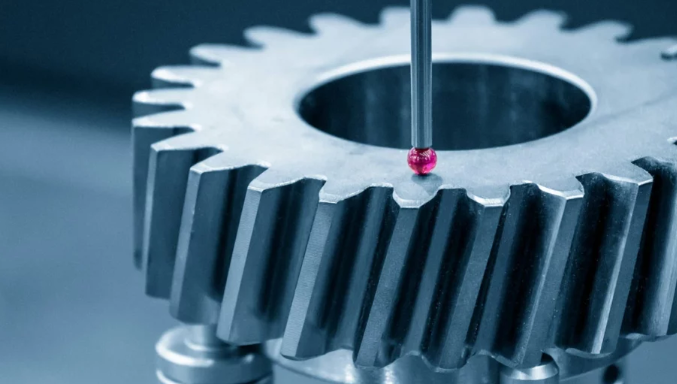
Cheetah Precision berichtet, dass die dimensionsbezogene Prüfung die Grundlage der Qualitätsverifikation bildet. Fortgeschrittene Hersteller verwenden Koordinatenmessmaschinen (CMMs), um die Abmessungen von Bauteilen anhand der Konstruktionsspezifikationen zu überprüfen und eine Messauflösung von 0,0001" für kritische Merkmale zu erreichen. Weitere Prüfmethoden umfassen:
- Oberflächenrauheitsmessung: Profilometer überprüfen die Anforderungen an die Oberflächenbeschaffenheit, insbesondere bei Teilen, die in hochbelasteten Umgebungen eingesetzt werden
- Härteprüfung: Bestätigt, dass die Materialeigenschaften durch Umformprozesse nicht nachteilig beeinflusst wurden
- Nichtzerstörnder Prüfverfahren (NDT): Ultraschall- oder Farbeindringprüfung identifiziert innere Fehler, ohne das Bauteil zu beschädigen
- 3D-Scanning: Erstellt präzise digitale Darstellungen zur Verifikation der geometrischen Übereinstimmung mit CAD-Modellen
Branchenzertifizierungen, die herausragende Fertigungsqualität signalisieren
Zertifizierungen bieten eine unabhängige, dritte Partei bestätigte Nachweisführung dafür, dass das Qualitätsmanagementsystem eines Lieferanten anerkannten Standards entspricht. Bei der Bewertung von Herstellern für präzise Metallumformung sollten folgende wichtige Zertifizierungen geprüft werden:
- ISO 9001: Der grundlegende Qualitätsmanagementstandard, der dokumentierte Prozesse, regelmäßige Audits und Praktiken zur kontinuierlichen Verbesserung sicherstellt. Betrachten Sie dies als Mindestanforderung für jeden ernstzunehmenden Lieferanten – falls ein Lieferant über keine ISO-9001-Zertifizierung verfügt, ist äußerste Vorsicht geboten.
- IATF 16949: Der Qualitätsstandard der Automobilindustrie, der auf ISO 9001 aufbaut, jedoch zusätzliche Anforderungen an schlankes Fertigen (Lean Manufacturing), Fehlervermeidung, Reduzierung von Schwankungen und Beseitigung von Verschwendung stellt. OGS Industries erläutert, dass diese Zertifizierung die Einhaltung unternehmensspezifischer Anforderungen gewährleistet und gleichzeitig einen starken Kundenfokus sowie optimierte Verfahren betont.
- AS9100: Der Luft- und Raumfahrt-Qualitätsstandard, der über die Grundlagen der ISO 9001 hinaus Anforderungen an Produktsicherheit, Konfigurationsmanagement und Risikominderung enthält. Unverzichtbar für jeden Lieferanten, der in den Bereichen Luftfahrt, Verteidigung oder Raumfahrt tätig ist.
- NADCAP: Besondere Prozessakkreditierung für die Luft- und Raumfahrt, die spezifische Tätigkeiten wie Wärmebehandlung, Schweißen oder zerstörungsfreie Prüfung umfasst. Bietet zusätzliche Sicherheit für kritische Fertigungsprozesse.
- ISO 13485: Qualitätsmanagement für Medizinprodukte mit Schwerpunkt auf regulatorischer Konformität, Risikomanagement und Rückverfolgbarkeit über den gesamten Produktlebenszyklus.
Organisationen wie der Precision Metalforming Association (PMA) bieten zudem Ressourcen und Networking-Möglichkeiten, die Herstellern von Präzisionsmetallumformungen dabei helfen, stets auf dem neuesten Stand der branchenüblichen Best Practices zu bleiben. Eine Mitgliedschaft in der PMA-Präzisionsmetallumformungsvereinigung signalisiert häufig das Engagement eines Zulieferers für kontinuierliche Verbesserung und aktive Branchenbeteiligung.
Eine Zertifizierung ist nicht nur eine Plakette an der Wand – sie steht für dokumentierte Verfahren, geschultes Personal, kalibrierte Geräte sowie regelmäßige externe Audits durch unabhängige Dritte, die die fortlaufende Einhaltung der Anforderungen bestätigen.
Wenn Sie Angebote anfordern, bitten Sie potenzielle Lieferanten, Kopien ihrer aktuellen Zertifikate, jüngsten Audit-Ergebnisse und Beispiele von Prüfberichten aus vergleichbaren Projekten vorzulegen. Lieferanten, die sich auf ihre Qualitätsmanagementsysteme verlassen können, stellen diese Unterlagen gerne zur Verfügung. Wer zögert oder ausweicht, könnte Kompetenzlücken verbergen, die erst nach Ihrer verbindlichen Produktionsbestellung zutage treten.
Qualitätszertifikate zeigen Ihnen, was ein Lieferant konsistent leisten kann – doch wie bewerten Sie, ob er der richtige Partner für Ihr konkretes Projekt ist? Der folgende Abschnitt bietet praktische Anleitungen zum Vergleich von Lieferanten sowie zur Identifizierung der grünen Lichter und roten Flaggen, die über den Erfolg einer Zusammenarbeit entscheiden.
So bewerten und wählen Sie einen Partner für Metallumformung aus
Sie haben die Zertifizierungen überprüft und verstehen die Qualitätsmanagementsysteme – doch hier wird die Lieferantenauswahl konkret. Wenn Sie mehrere Anbieter für präzise Metallumformung vergleichen, wie unterscheiden Sie echte, leistungsfähige Partner von solchen, die lediglich gut klingen? Der Unterschied wird oft erst schmerzhaft deutlich, nachdem Sie bereits in Werkzeuge investiert und sich auf Produktionszeitpläne festgelegt haben.
Die Auswahl von Dienstleistungen für präzise Metallumformung erfordert die Bewertung von Fähigkeiten, die unmittelbar Auswirkungen auf die Ergebnisse Ihres Projekts haben. Wir zeigen Ihnen, worauf es ankommt – und was Sie veranlassen sollte, ein Angebot abzulehnen.
Wesentliche Fähigkeiten, die bei einem Umformpartner zu bewerten sind
Stellen Sie sich die Lieferantenbewertung als Erstellung einer Punkteliste über fünf entscheidende Leistungskategorien vor. Ein Unternehmen für präzise Metallumformung (LLC) mag in einem Bereich hervorragend sein, während es in einem anderen hinterherhinkt – und das Verständnis Ihrer Projektziele hilft Ihnen dabei, diese Faktoren angemessen zu gewichten.
| Kapazitätskategorie | Was zu bewerten ist | Fragen stellen |
|---|---|---|
| Technische Fähigkeiten | Maschinentypen, Presskraftbereich, Toleranzfähigkeit, Erfahrung mit Werkstoffen | Welche Umformmaschinen setzen Sie ein? Welche engste Toleranz können Sie erreichen? Welche Werkstoffe verarbeiten Sie am häufigsten? |
| Qualitätssysteme | Zertifizierungen, Prüfgeräte, Dokumentationspraktiken | Über welche Zertifizierungen verfügen Sie? Können Sie aktuelle Audit-Ergebnisse vorlegen? Mit welchen Prüfgeräten wird die geometrische Genauigkeit überprüft? |
| Prototypengeschwindigkeit | Schnelle Prototypenfertigung, Zeitrahmen für Erstteile, Reaktionsfähigkeit bei Iterationen | Wie schnell können Sie funktionstüchtige Prototypen liefern? Wie lange dauert in der Regel die Erstteilprüfung? |
| Produktionskapazität | Jährliche Produktionskapazitäten, Schichtmodelle, redundante Ausrüstung | Wie hoch ist Ihre monatliche Kapazität für Teile ähnlich unseren? Arbeiten Sie im Mehrschichtbetrieb? Was geschieht, falls eine kritische Maschine ausfällt? |
| Technische Unterstützung | DFM-Analyse, Simulationsfähigkeiten, Designzusammenarbeit | Bieten Sie Feedback zur Konstruktion für die Fertigung (Design for Manufacturability) an? Können Sie Umformprozesse vor der Herstellung der Werkzeuge simulieren? Wie gestalten Sie die Zusammenarbeit bei der Optimierung des Designs? |
Warum Geschwindigkeit bei der Prototypenfertigung wichtiger ist, als man denkt. Die Fähigkeit eines Lieferanten, schnelle Prototypen bereitzustellen, offenbart seine operative Effizienz weit über die Prototyping-Phase hinaus. Laut Fertigungsexperten von Hobson & Motzer führen die besten Präzisions-Blechumformdienstleistungen das Prototyping bereits mit Produktions-Toleranzen durch, sodass sich das Bauteil und der Fertigungsprozess gleichzeitig weiterentwickeln können. Dieser Ansatz erzeugt wertvolle Daten, die bei getrenntem Prototyping und Produktion nicht entstehen.
Die Zeit bis zur Erstellung eines Angebots erzählt eine ähnliche Geschichte. Ein Lieferant für präzise Metallumformung, der detaillierte Angebote innerhalb von 24–48 Stunden liefert, weist auf organisierte Abläufe, verfügbare technische Ressourcen und eine reaktionsfähige Kommunikationskultur hin. Wenn bereits die Erstellung eines Grundangebots zwei Wochen dauert, stellen Sie sich die Verzögerungen vor, die sich bei tatsächlichen Produktionsproblemen ergeben werden.
Warnsignale und grüne Signale bei der Auswahl von Lieferanten
Nach der Bewertung dutzender Dienstleister für die Vertragsfertigung im Bereich präziser Blechumformung zeigen sich bestimmte Muster, die den Erfolg – oder Misserfolg – einer Partnerschaft vorhersagen.
Grüne Signale: Hinweise auf einen starken Partner
- Top-down-Einbindung: Wenn das Unternehmensmanagement gemeinsam mit Ingenieuren und Qualitätsmitarbeitern an den ersten Gesprächen teilnimmt, signalisiert dies ein organisatorisches Engagement für den Erfolg Ihres Projekts.
- Transparente Kommunikation: Starke Partner teilen ihre Fähigkeiten und Grenzen ehrlich mit. Wie ein Entwicklungsingenieur für Medizinprodukte über einen vertrauenswürdigen Zulieferer bemerkte: „Wenn sie etwas nicht leisten können, sagen sie auch klar, dass es nicht möglich ist.“
- Dokumentierte Prozesse: Fordern Sie eine Darstellung ihres Ansatzes zur Prozess-FMEA (Process Failure Mode and Effects Analysis) an. Lieferanten, die während der Prototypenphase gewonnene Erkenntnisse systematisch erfassen und in Produktionskontrollen umsetzen, liefern konsistentere Ergebnisse.
- Neugier und Fragen: Die besten Zulieferer stellen gezielte Fragen zu Ihrer Anwendung, Ihren Montageanforderungen und Ihren Leistungskriterien – denn ein Verständnis Ihrer Ziele hilft ihnen, bessere Lösungen anzubieten.
- DFM-Zusammenarbeit: Partner, die proaktiv Konstruktionsänderungen vorschlagen, um die Herstellbarkeit zu verbessern, zeigen Fachkompetenz und echtes Interesse am Erfolg Ihres Projekts
Warnsignale: Auf diese Hinweise sollten Sie achten
- Vage Angaben zur Leistungsfähigkeit: Lieferanten, die keine konkreten Toleranzbereiche, Geräte- oder Maschinenlisten sowie keine Erfahrung mit der Verarbeitung von Werkstoffen angeben können, übertreiben möglicherweise ihre Präzisionsfähigkeiten
- Widerstand gegen Werksbesichtigungen: Legitime Präzisions-Umformprozesse begrüßen Kundenbesuche. Eine Zurückhaltung, die eigene Fertigungshalle zu zeigen, wirft Fragen hinsichtlich der tatsächlichen Leistungsfähigkeit auf
- Keine technische Unterstützung: Wenn der Vertriebskontakt Sie nicht mit technischem Personal verbinden kann, um Fragen zur Konstruktion für die Fertigung (DFM) zu besprechen, wird die technische Unterstützung während der Produktion wahrscheinlich ebenfalls fehlen
- Ungewöhnlich niedrige Preise: Ein Preisangebot für Präzisions-Metallumformung, das deutlich unter dem Wettbewerb liegt, deutet häufig darauf hin, dass an entscheidenden Stellen gespart wird – sei es bei Qualitätssicherungssystemen, Wartung der Anlagen oder Sorgfalt bei der Prüfung
- Kommunikationslücken: Langsame Reaktionen während der Angebotsphase deuten auf eine schlechtere Kommunikation während der Produktion hin. Probleme sind unvermeidlich; entscheidend für den Projekterfolg ist, wie schnell ein Lieferant diese löst.
Ein Hinweis zur Großserienfertigung von Präzisionsmetallteilen: Wenn Sie Komponenten in hohen Stückzahlen beschaffen, beachten Sie, dass Großhandelspreise entsprechende Mengenverpflichtungen erfordern. Lieferanten, die Produktionspreise bereits für Prototypmengen anbieten, unterschätzen möglicherweise ihre tatsächlichen Kosten – was später zu Streitigkeiten führen kann, sobald die Realität eintritt.
Die besten Fertigungspartnerschaften fühlen sich an, als hätten Sie eine Erweiterung Ihres eigenen Teams – Lieferanten, die als neugierige, agile Problemlöser agieren, statt als reine Auftragsabwickler, die auf Anweisungen warten.
Branchenforschung bestätigt dass auch die finanzielle Stabilität und die geografische Reichweite eines Lieferanten bewertet werden sollten. Partner mit mehreren Standorten bieten Redundanz in der Lieferkette, während finanziell stabile Unternehmen in die Maschinen und das Fachpersonal investieren können, die langfristig präzise Fertigungskapazitäten sicherstellen.
Mit diesen Bewertungskriterien sind Sie in der Lage, Partnerunternehmen für die präzise Blechumformung zu identifizieren, die konsistent hochwertige Leistungen erbringen können. Doch die Fertigungslandschaft entwickelt sich stetig weiter – und das Verständnis aktueller Technologietrends hilft Ihnen dabei, Partner auszuwählen, die langfristig erfolgreich sein werden.
Technologietrends, die die Fähigkeiten der Metallumformung vorantreiben
Sie wissen bereits, wie Sie Lieferanten anhand ihrer aktuellen Fertigungskapazitäten bewerten können – doch hier ist eine zukunftsorientierte Frage, die es wert ist, berücksichtigt zu werden: Investiert Ihr potenzieller Partner für präzise Metallumformung (LLC) in Technologien, die ihm auch in fünf Jahren Wettbewerbsfähigkeit sichern? Die Fertigungslandschaft verändert sich rasant, und Lieferanten, die sich neuen Technologien öffnen, bieten konkrete Vorteile, die sich unmittelbar positiv auf Ihre Projekte auswirken.
Nach Global Market Insights der Markt für Metallumformmaschinen erreichte im Jahr 2025 ein Volumen von 36,3 Milliarden US-Dollar und soll bis 2035 auf 66,9 Milliarden US-Dollar wachsen, was einer durchschnittlichen jährlichen Wachstumsrate (CAGR) von 6,4 % entspricht. Dieses Wachstum wird durch drei transformative Kräfte vorangetrieben, die die Art und Weise, wie Hersteller präziser Metallumformtechnik operieren, neu gestalten: Automatisierung, servogesteuerte Systeme und Simulationstechnologie.
Automatisierung und intelligente Fertigung in der Metallumformung
Stellen Sie sich eine Produktionslinie vor, die rund um die Uhr mit minimalem menschlichem Eingriff läuft – Tausende Komponenten mit konstanter Maßgenauigkeit produziert und Qualitätsabweichungen automatisch erkennt, noch bevor sie zu Problemen werden. Das ist keine Zukunftsvision; das geschieht bereits heute in führenden OEM-Betrieben für präzise Metallumformung.
Die Integration von Industrie-4.0- und intelligenten Fertigungstechnologien revolutioniert Metallumformprozesse durch mehrere miteinander verknüpfte Systeme:
- Fortgeschrittene Sensornetzwerke: Die Echtzeitüberwachung von Umformkräften, Werkzeugtemperaturen und Materialzuführungsraten ermöglicht sofortige Prozessanpassungen
- Vorausschauende Wartungssysteme: Maschinelle Lernalgorithmen analysieren Leistungsdaten von Anlagen, um Ausfälle vorherzusagen, bevor sie zu ungeplanten Ausfallzeiten führen
- Digitale Zwillingstechnologien: Virtuelle Replikate physischer Fertigungssysteme ermöglichen eine Prozessoptimierung mit berichteten Vorhersagegenauigkeiten von über 96 % in Anwendungen für Karosseriebau-Linien der Automobilindustrie
- Roboterbasierte Materialhandhabung: Automatisiertes Be- und Entladen sowie automatisierter Teiletransport reduzieren menschliche Fehler und ermöglichen gleichzeitig eine „lights-out“-Fertigung
Warum ist das für Sie als Käufer relevant? Automatisierte Umformsysteme bieten drei messbare Vorteile: verbesserte Konsistenz über die gesamte Serienfertigung, kürzere Durchlaufzeiten ohne Einbußen bei der Qualität sowie geringere, von der Arbeitskraft abhängige Schwankungen. Als der Precision Metalforming Association auf der FABTECH 2024 starke Investitionen in Maschinen auffiel, stand eindeutig die Automatisierung im Fokus – insbesondere jene Automatisierungsfunktionen, die dem Fachkräftemangel entgegenwirken und gleichzeitig die Produktivität steigern.
Die zunehmende Einführung von servoelektrischen Pressen anstelle herkömmlicher hydraulischer Systeme stellt einen grundlegenden Technologiewandel dar. Branchenstudien zeigen dass servoelektrische Pressen eine überlegene Präzision, programmierbare Bewegungssteuerung und Energieeffizienzsteigerungen von bis zu 40 % im Vergleich zu herkömmlichen hydraulischen Systemen bieten. Diese fortschrittliche zweilagige Metallumformmaschine: Präzisions- und Effizienzgewinne führen direkt zu engeren Toleranzen, reduzierten Ausschussraten sowie einer Verlängerung der Werkzeuglebensdauer um 200 % bis über 1.700 % – je nach Anwendungsfall.
Führende Hersteller von Präzisions-Metallumformmaschinen setzen heute Servopresslinien mit regenerativer Energierückgewinnung, automatischem Werkzeugwechsel und integrierten Bildverarbeitungssystemen ein, die den betriebslosen Betrieb unterstützen. Für maßgeschneiderte Präzisions-Metallumformprojekte mit komplexen Geometrien oder anspruchsvollen Werkstoffen macht die servogesteuerte Technologie bisher nicht realisierbare Spezifikationen erreichbar.
Wie Simulationstechnologie Entwicklungszyklen verkürzt
Hier ist ein Szenario, das jeder Einkäufer fürchtet: Sie haben 50.000 US-Dollar in die Fertigungswerkzeuge investiert – und stellen dann bei den Erststückläufen fest, dass die Teile nicht den Spezifikationen entsprechen. Die Werkzeugform muss angepasst werden, die Zeitpläne rutschen um Wochen, und die Kosten steigen. Simulationstechnologie existiert genau, um dieses kostspielige Szenario zu verhindern.
Laut FormingWorld wird Simulationssoftware, die speziell für das Verhalten von Blech während Umformprozessen entwickelt wurde, bereits seit über 25 Jahren erfolgreich eingesetzt. Durch konsequente Anwendung ist es mittlerweile relativ einfach geworden, Korrelationsraten von bis zu 80 % zwischen virtuellen und realen Ergebnissen zu erreichen – und dafür ist lediglich etwa 20 % des ingenieurmäßigen Aufwands erforderlich.
Was prognostiziert eine Präzisionsbearbeitungssimulation für Metallumformung tatsächlich?
- Materialflussverhalten: Wie sich Blech während Umformvorgängen bewegt und potenzielle Dünnsstellen, Faltenbildung oder Risse bereits vor der Herstellung der Werkzeugstähle identifiziert
- Rückfederungskompensation: Genau berechnen, wie viel Überkorrektur bei der Werkzeugauslegung erforderlich ist, um die endgültigen Maßziele zu erreichen
- Erforderliche Umformkräfte: Bestimmung der Pressentonanz und der Werkzeugkonstruktionsparameter für optimale Ergebnisse
- Oberflächenqualitätsergebnisse: Vorhersage von Oberflächenfehlern, die möglicherweise erst bei spezieller Beleuchtung an den fertigen Teilen sichtbar werden
Der praktische Nutzen? Lieferanten mit Simulationsfähigkeit erkennen Konstruktionsprobleme bereits in der virtuellen Phase, wenn Änderungen nur wenige Stunden ingenieurmäßiger Arbeit – und nicht wochenlange Werkzeugnacharbeit – kosten. Diese Fähigkeit erweist sich insbesondere beim Metall-Rollprofilieren als besonders wertvoll – einer Präzisionsfertigung für vielseitige Metallprofile, bei der die Profilkonsistenz über kontinuierliche Fertigungsabschnitte hinweg davon abhängt, dass die Parameter bereits vor Produktionsbeginn korrekt eingestellt sind.
Moderne Simulation beschäftigt sich zudem mit der zunehmenden Herausforderung immer strengerer Anforderungen an die Maßgenauigkeit. Qualitätsstandards verlangen heute Toleranzen innerhalb von drei Zehntel Millimeter, wobei Oberflächenfehler an sichtbaren Bauteilen bereits vor der Produktion präzise vorhergesagt werden können. Mit Hilfe der Simulation können Hersteller virtuelle Drucktabellen, Reibungsfaktoren und Werkstoffkennwerte mit realen Bedingungen vergleichen – Parameterabweichungen werden so identifiziert und korrigiert, bevor es zu Ausschuss kommt.
Was dies für Ihre Lieferantenauswahl bedeutet
Bei der Bewertung potenzieller Partner sollten Sie gezielt nach ihren technologischen Investitionen fragen. Ein Unternehmen für Präzisions-Metallumformung LLC, das zehn Jahre alte hydraulische Pressen ohne Simulationsfähigkeit oder Automatisierungsinfrastruktur betreibt, mag zwar günstigere Angebote unterbreiten – doch es kann nicht die Konsistenz, Geschwindigkeit oder technische Unterstützung liefern, die moderne Projekte erfordern.
Führende Hersteller wie Shaoyi (Ningbo) Metal Technology zeigen, wie sich diese Fähigkeiten in konkreten Kennzahlen in Kundennutzen umsetzen: Prototypen innerhalb von fünf Tagen, automatisierte Serienfertigungssysteme und Angebotserstellung innerhalb von zwölf Stunden. Ihre nach IATF 16949 zertifizierten Fertigungsprozesse für Fahrwerk, Aufhängung und Strukturkomponenten verdeutlichen, was möglich wird, wenn servogesteuerte Technologie, Simulationskompetenz und umfassende DFM-Unterstützung zusammenkommen.
Die technologische Kluft zwischen führenden und nachziehenden Zulieferern wird sich nur noch weiter vergrößern, je schneller die Industrie 4.0 eingeführt wird. Die Auswahl von Partnern, die in Automatisierung, Servosysteme und Simulation investieren, positioniert Ihre Lieferkette sowohl für den Erfolg aktueller Projekte als auch für langfristige Wettbewerbsfähigkeit in der Fertigung.
Nachdem Sie nun ein klares Verständnis der technologischen Trends gewonnen haben, die die Branche prägen, sind Sie bereit, dieses Wissen in Handlung umzusetzen – und Ihre nächsten Schritte hin zu einer erfolgreichen Partnerschaft im Bereich Präzisionsumformung zu bestimmen.
Weiterentwicklung Ihres Präzisionsumformungsprojekts
Sie haben einen umfassenden Überblick über die Präzisions-Metallumformung erhalten – von grundlegenden Unterschieden der Verfahren über die Werkstoffauswahl, industrielle Anwendungen, Qualitätsmanagementsysteme, Kriterien zur Bewertung von Zulieferern bis hin zu neuen Technologien. Nun stellt sich die praktische Frage: Was tun Sie konkret mit diesem Wissen? Ob Sie sich noch in der frühen Recherchephase befinden oder bereits bereit sind, Angebote für Präzisions-Metallumformung einzuholen – der nächste Schritt hängt davon ab, an welchem Punkt Ihres Projektzeitplans Sie gerade stehen.
Der nächste Schritt in Ihrem Fertigungsprojekt
Ihre unmittelbaren Maßnahmen sollten auf Ihrem aktuellen Projektstand abgestimmt sein. So gehen Sie effektiv vor:
- Wenn Sie Ihre Anforderungen noch definieren: Dokumentieren Sie Ihre Toleranzspezifikationen, bevorzugten Werkstoffe und erwarteten Produktionsmengen, bevor Sie sich an Zulieferer wenden. Je präziser Sie Ihre Anforderungen kommunizieren, desto genauer werden Ihre Angebote ausfallen.
- Wenn Sie bereit sind, Zulieferer zu bewerten: Fordern Sie Anlagenbesichtigungen, Zertifizierungsdokumentationen und Referenzen aus vergleichbaren Projekten an. Nutzen Sie die Bewertungscheckliste aus den vorherigen Abschnitten, um potenzielle Partner systematisch zu vergleichen.
- Falls Sie eine schnelle Prototyperstellung benötigen: Bevorzugen Sie Lieferanten mit nachgewiesenen Abläufen von der Prototyperstellung bis zur Serienfertigung. Für Automotive-Stanzprojekte bieten Hersteller wie Shaoyi (Ningbo) Metal Technology eine schnelle Prototyperstellung innerhalb von 5 Tagen mit umfassender DFM-Unterstützung – dies ermöglicht die Validierung des Designs, bevor Sie sich für die Produktionstooling verpflichten.
- Falls Sie Angebote vergleichen: Achten Sie nicht nur auf den Einzelpreis. Bewerten Sie die Zeit bis zur Angebotserstellung als Indikator für betriebliche Effizienz. Eine Angebotserstellung innerhalb von 12 Stunden signalisiert organisierte Prozesse und verfügbare technische Ressourcen, die Ihnen während der gesamten Partnerschaft zugutekommen werden.
Ein frühzeitiges Engagement mit Ihrem gewählten Unternehmen für präzise Blechumformung zahlt sich während Ihres gesamten Projekts aus. Laut ReNEW Manufacturing Solutions führt die frühzeitige Besprechung Ihrer Anforderungen mit den Fertigungspartnern zu Feedback, das sicherstellt, dass Ihre Vision mit möglichst wenigen Hindernissen umsetzbar ist.
Wichtige Erkenntnisse für den Erfolg bei der Präzisionsumformung
Nach der Betrachtung von acht wesentlichen Aspekten bei der Zusammenarbeit mit einer LLC für präzise Metallumformung treten mehrere Themen durchgängig hervor:
- Prozessverständnis ist entscheidend: Die Kenntnis der Unterschiede zwischen Stanzen, Hydroforming und Walzprofilierung hilft Ihnen dabei, Anforderungen so zu spezifizieren, dass sie Ihrer Anwendung entsprechen – und Lieferanten mit entsprechenden Kompetenzen zu identifizieren.
- Die Werkstoffauswahl beeinflusst alles: Verformbarkeit, Verfestigung beim Umformen sowie Rückfederungsverhalten wirken sich unmittelbar auf erreichbare Toleranzen und die Wirtschaftlichkeit der Fertigung aus.
- Zertifizierungen sind keine Option: IATF 16949 für die Automobilindustrie, AS9100 für die Luft- und Raumfahrt sowie ISO 9001 als Basis – diese Standards bestätigen konsistente Qualitätsmanagementsysteme.
- Technologieinvestitionen prognostizieren zukünftige Leistungsfähigkeit: Lieferanten, die servogesteuerte Systeme, Simulationssoftware und Automatisierungslösungen einsetzen, erzielen bereits heute bessere Ergebnisse und positionieren Ihre Lieferkette optimal für die Zukunft.
- Die Kommunikationskultur offenbart das Potenzial einer Partnerschaft: Die Geschwindigkeit, mit der Lieferanten während der Bewertung reagieren, ist ein Indikator dafür, wie sie sich bei Produktionsherausforderungen verhalten werden.
Die entscheidendste Überlegung bei der Auswahl eines Partners für präzise Metallumformung ist nicht der Preis oder der Standort – sondern die Suche nach einem Lieferanten, der als Verlängerung Ihres Konstruktionsteams agiert und proaktiv Verbesserungen hinsichtlich der Herstellbarkeit identifiziert, anstatt lediglich Ihre Zeichnungen umzusetzen.
Unabhängig davon, ob Sie bei einem Unternehmen für präzise Metallumformung Ltd. in Ihrer Region einkaufen oder weltweite Lieferanten mit spezialisierten Fähigkeiten erkunden, wenden Sie den Bewertungsrahmen konsistent an. Fordern Sie DFM-Feedback zu Ihren Konstruktionsentwürfen an, überprüfen Sie, ob die Prüfkapazitäten Ihren Toleranzanforderungen entsprechen, und stellen Sie sicher, dass die Qualitätszertifizierungen den Erwartungen Ihrer Branche genügen.
Für Leser mit Fokus auf Automobilanwendungen – etwa Fahrwerkkomponenten, Aufhängungsteile oder strukturelle Baugruppen – beschleunigen Partner mit IATF-16949-Zertifizierung und schnellen Prototypenfertigungskapazitäten Ihre Lieferkette, ohne dabei die Qualitätsstandards zu beeinträchtigen. Die Lösungen für präzise Metallumformung, die Sie heute auswählen, wirken sich unmittelbar auf die Produktleistung, die Fertigungskosten und die Time-to-Market über viele Jahre hinweg aus.
Ihr nächster Schritt? Kontaktieren Sie qualifizierte Lieferanten mit Ihren Projektspezifikationen. Die Erkenntnisse, die Sie gewonnen haben, befähigen Sie dazu, gezielte Fragen zu stellen, Antworten kritisch zu bewerten und Partnerschaften aufzubauen, die kontinuierlich präzise Komponenten liefern.
Häufig gestellte Fragen zum Präzisions-Metallumformen
1. Was ist Präzisionsmetallbearbeitung?
Präzisions-Metallverarbeitung umfasst das Formen großer Materialstücke zu Komponenten, die exakt definierte Spezifikationen erfüllen – typischerweise mit Toleranzen von ±0,005" bis ±0,010". Dieser Prozess nutzt fortschrittliche Verfahren wie CNC-gesteuertes Stanzen, Tiefziehen, Hydroforming und Walzprofilieren. Im Gegensatz zur Standard-Fertigung mit Toleranzen von ±1/16" erfordert das Präzisions-Metallumformen spezielle Werkzeuge, ausgefeilte Steuerung des Materialflusses sowie statistische Prozessüberwachung, um die Konsistenz über die gesamte Serienfertigung hinweg sicherzustellen.
2. Welche fünf Metallumformverfahren gibt es?
Die fünf wichtigsten Metallumformverfahren sind Walzen (Pressen von Metall zwischen rotierenden Zylindern), Extrusion (Durchpressen von Metall durch einen Werkzeugstempel), Schmieden (Formgebung durch Druckkräfte), Ziehen (Ziehen von Metall durch einen Werkzeugstempel) und Stanzen (Verwendung maßgeschneiderter Werkzeuge für eine schnelle Umformung). Bei Präzisionsanwendungen ermöglichen zusätzliche Verfahren wie Hydroforming, fortschreitende Werkzeugstempeloperationen und servogesteuerte Abkantpressen den Herstellern, eine Genauigkeit im Mikrometerbereich für anspruchsvolle Branchen wie die Automobil- und Luft- und Raumfahrtindustrie zu erreichen.
3. Wie hoch sind die Kosten für Metallbearbeitung pro Stunde?
Lokale Schweißer und Metallverarbeiter berechnen für maßgeschneiderte Blecharbeiten in der Regel zwischen 70 und 130 US-Dollar pro Stunde. Die Kosten für präzise Metallumformung variieren jedoch erheblich je nach Komplexität, Toleranzen und Losgröße. Hochpräzise Verfahren mit IATF-16949-Zertifizierung und moderner Ausrüstung können höhere Stundensätze rechtfertigen, führen aber bei größeren Stückzahlen zu niedrigeren Kosten pro Einheit. Bei der Bewertung von Zulieferern sollten Sie die Gesamtkosten des Projekts berücksichtigen – darunter Investitionen in Werkzeuge, Qualitätssicherheit und mögliche Nacharbeit – und nicht allein die Stundensätze.
4. Welche drei Arten der Metallverarbeitung gibt es?
Die drei grundlegenden Metallverarbeitungstechniken sind Schneiden, Biegen und Montieren. Bei der präzisen Metallumformung erweitern sich diese Grundlagen zu hochentwickelten Verfahren: Das Schneiden umfasst Fasermasersysteme mit Mikro-Fügetechnologie; das Biegen beinhaltet winkelgesteuerte Abkantpressen sowie Walzprofilierung für komplexe Querschnitte; und das Montieren integriert Präzisionsschweißen, mechanische Verbindungstechniken sowie automatisierte Fügeverfahren. Jede Technik erfordert spezialisierte Maschinen und Qualitätskontrollen, um enge Toleranzen einzuhalten.
5. Welche Zertifizierungen sollte ein Anbieter für präzise Metallumformung besitzen?
Wesentliche Zertifizierungen hängen von Ihrer Branche ab. Die ISO 9001 gilt als grundlegender Qualitätsmanagementstandard für jeden seriösen Lieferanten. Die IATF 16949 ist für Automobilanwendungen zwingend vorgeschrieben und legt den Schwerpunkt auf Fehlervermeidung sowie schlankes Fertigen. Die Zertifizierungen AS9100 und NADCAP sind für Luft- und Raumfahrtprojekte entscheidend. Für die Herstellung medizinischer Geräte ist die Einhaltung der ISO 13485 erforderlich. Lieferanten wie Shaoyi (Ningbo) Metal Technology verfügen über die IATF 16949-Zertifizierung, was ihre Fähigkeit belegt, anspruchsvolle Automobilzulieferketten mit Fahrwerk-, Aufhängungs- und Strukturkomponenten zu bedienen.