 Small batches, high standards. Our rapid prototyping service makes validation faster and easier —
  EN
EN


Metallplatten schneiden entschlüsselt: 3 Methoden, die Zeit und Geld sparen
Grundlagen des Schneidens von Metallplatten verstehen
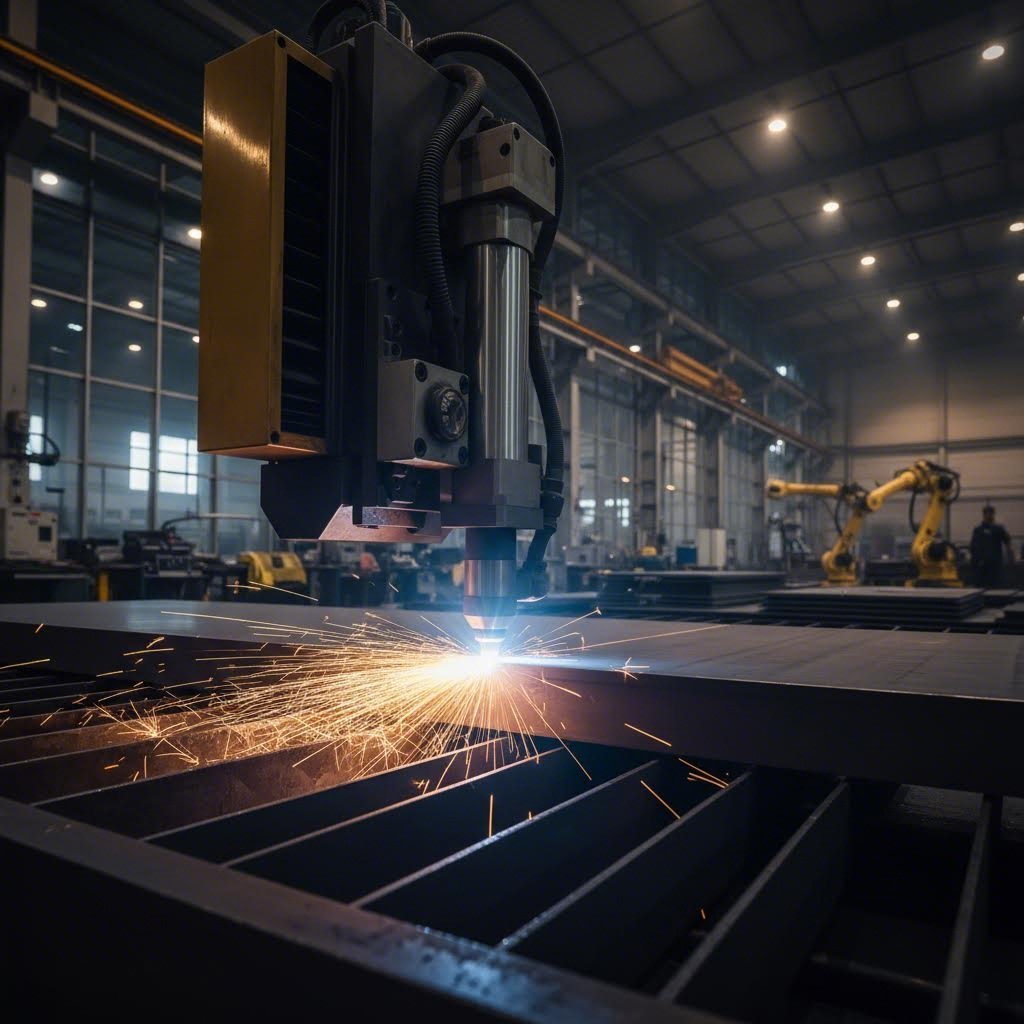
Wenn Sie mit Stahl oder anderen Metallen arbeiten, bestimmt oft der erste Schritt eines jeden Fertigungsprojekts dessen Erfolg. Das Schneiden von Metallplatten ist der Prozess, bei dem dicke metallrohlinge in präzise Formen und Größen zerlegt werden mithilfe spezieller Ausrüstung. Was bedeutet „Stahlschnitt“ aber in der Praxis? Es ist die Grundlage, die alles andere erst ermöglicht – von tragenden Balken in Wolkenkratzern bis hin zu Präzisionsteilen in schweren Maschinen.
Bedenken Sie Folgendes: Bevor irgendetwas geschweißt, gebogen oder zusammengebaut werden kann, muss das Rohmaterial zunächst in handhabbare Teile umgewandelt werden. Die Genauigkeit dieser ersten Metallschnitte beeinflusst unmittelbar alle nachfolgenden Prozesse und wirkt sich auf die Passgenauigkeit, die Qualität der Schweißnähte und die Leistung des Endprodukts aus.
Was das Schneiden von Platten vom Blecharbeiten unterscheidet
Hier kommt es auf die richtige Terminologie an. Nicht jeder Metallschnitt ist gleich, und das Verständnis des Unterschieds zwischen Platten- und Blechbearbeitung hilft Ihnen, die geeignete Methode für Ihr Projekt auszuwählen.
Laut den Branchenstandards von Polished Metals liegt der entscheidende Unterschied in der Dicke:
- Blech: Hat typischerweise eine Dicke zwischen 0,5 mm und 6 mm, angegeben in Gauge
- Plattenmetall: Ist dicker als 6 mm, oft in Zoll gemessen
Blech ist hochgradig formbar, biegsam und kosteneffizient für Anwendungen wie Automobilkarosserien oder Dachkonstruktionen. Die Bearbeitung von Plattenmetall hingegen befasst sich mit deutlich robusterem Material, das im Bauwesen, bei Brückenbauwerken und in der Herstellung schwerer Maschinen eingesetzt wird, wo Festigkeit oberste Priorität hat.
Dieser Dickenunterschied ist nicht nur eine technische Feinheit – er verändert grundlegend, welche Stahlschneidverfahren verwendet werden und welche Ausrüstung erforderlich ist.
Warum präzises Schneiden in der Fertigung wichtig ist
Stellen Sie sich vor, ein Puzzle zusammenzusetzen, bei dem die Teile nicht richtig passen. Genau das geschieht, wenn Metallschneiden ungenau erfolgt. Laut Fertigungsexperten von Sizemore Welding , verursachen schlecht geschnittene Bauteile Ausrichtungsprobleme, erhöhen den Nacharbeitungsaufwand und können zu strukturellen Mängeln führen.
Präzises Plattschneiden bietet greifbare Vorteile im gesamten Fertigungsprozess:
- Geringere Toleranzen die sicherstellen, dass Teile korrekt zusammenpassen
- Bessere Schweißnahtqualität dank sauberer, gerader Kanten
- Reduzierter Materialabfall durch genaue Schnitte und optimiertes Nesting
- Kürzere Montagezeiten mit Bauteilen, die bereits beim ersten Versuch ausgerichtet sind
Wenn Sie Metall für kritische oder tragende Anwendungen schneiden, führen Fehler in diesem frühen Stadium zu sich verstärkenden Problemen während der gesamten Produktion. Hochwertige Schnitte minimieren diese Risiken und stellen sicher, dass jedes Bauteil wie vorgesehen funktioniert – und bereiten damit den Boden für die spezifischen Schneidverfahren, die wir als Nächstes betrachten werden.
Thermische Schneidverfahren erklärt
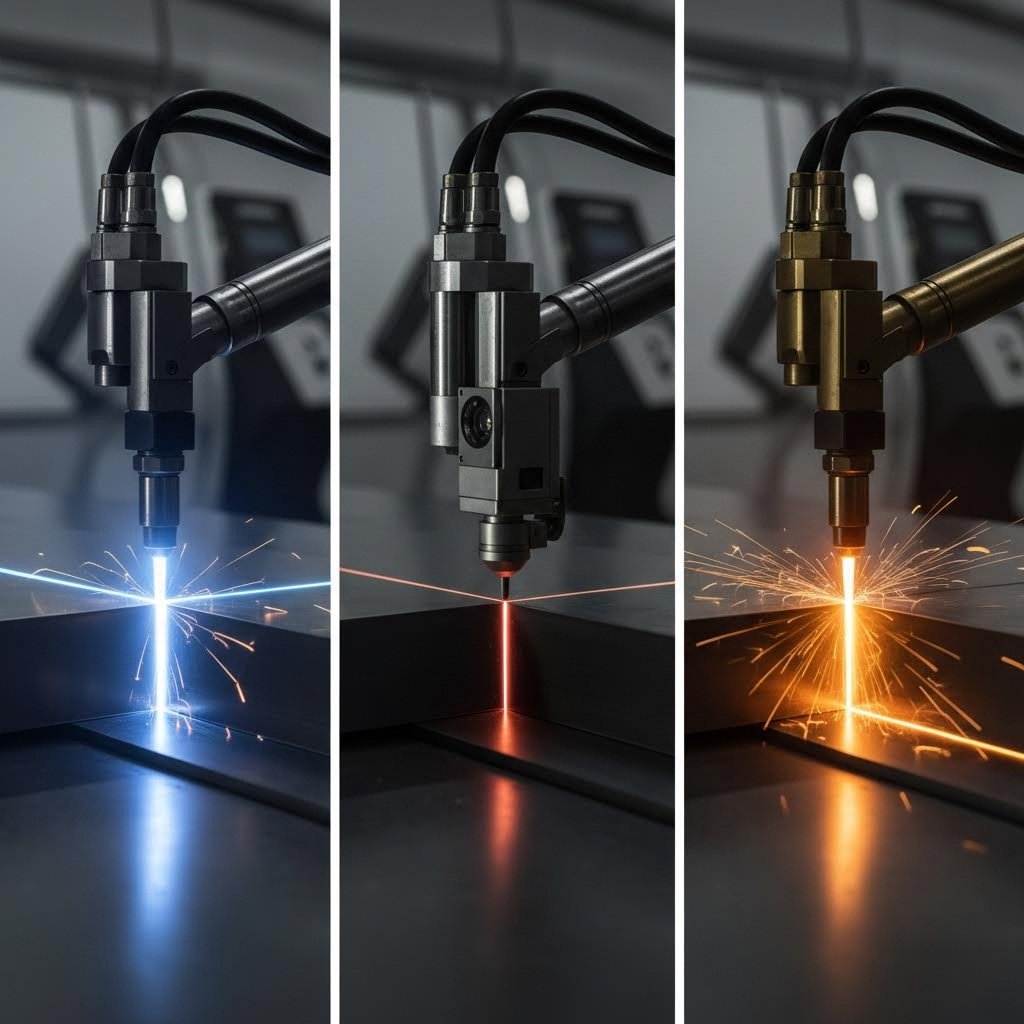
Wenn Sie dicke Stahlplatten durchtrennen müssen, wird Wärme zu Ihrem stärksten Verbündeten. Thermische Schneidverfahren nutzen extreme Temperaturen – manchmal bis zu 40.000 Grad Fahrenheit –, um Metall entlang einer präzisen Bahn zu schmelzen, zu verdampfen oder zu oxidieren. Diese Verfahren dominieren das industrielle Schneiden von Stahlplatten, da sie schwere Materialien schnell und effizient verarbeiten können.
Doch hierin liegt die Herausforderung: Jedes thermische Verfahren bringt einzigartige Stärken und Kompromisse mit sich. Das Verständnis dieser Unterschiede hilft Ihnen dabei, die richtige Methode für Ihr spezifisches Projekt auszuwählen, sei es die Herstellung von Konstruktionselementen oder die Fertigung präziser Bauteile.
Plasmaschneiden für Geschwindigkeit und Vielseitigkeit
Plasmaschneiden verwendet ionisiertes Gas, das durch eine eng fokussierte Düse gepresst wird, um einen elektrisch leitfähigen Lichtbogen zu erzeugen, der Stahlplatten mit bemerkenswerter Geschwindigkeit schneiden kann. Laut Koike Aronson erreicht der Plasmastrahl Temperaturen von etwa 40.000 Grad Fahrenheit – heiß genug, um fast augenblicklich durch Metall zu schmelzen.
Was macht Plasmaschneiden für die Bearbeitung von Stahlplatten besonders? Es ist die Kombination aus Geschwindigkeit und Materialflexibilität. Im Gegensatz zu einigen Verfahren, die auf bestimmte Metalle beschränkt sind, bearbeitet Plasma mühelos Kohlenstoffstahl, Edelstahl, Aluminium und andere elektrisch leitfähige Materialien. Diese Vielseitigkeit hat es zu einem Standard in der Bauindustrie, der Automobilproduktion und in Metallverarbeitungswerkstätten gemacht.
Wesentliche Vorteile des Plasmaschneidens sind:
- Schnelle Schneidgeschwindigkeiten an mitteldicken Materialien
- Funktioniert mit mehreren Metallarten – nicht nur Stahl
- Geringere Gerätekosten im Vergleich zu Lasersystemen
- Mobile Optionen verfügbar für feldbasierte Anwendungen
Der Kompromiss? Plasma erzeugt eine breitere Schnittfuge (Schnittbreite) als der Laser und erzeugt eine mäßige wärmeeinflusste Zone. Für Projekte, die äußerst feine Details oder sehr enge Toleranzen erfordern, müssen Sie möglicherweise Alternativen in Betracht ziehen.
Laser-Schneiden von Stahlblech für präzise Arbeiten
Wenn Präzision oberste Priorität hat, liefert das Laserschneiden von Stahlblech Ergebnisse, die andere Verfahren einfach nicht erreichen können. Hochleistungs-Laserstrahlen —entweder CO2- oder Faseroptiklaser—konzentrieren intensive Energie auf einen winzigen Punkt und schmelzen oder verdampfen das Material mit chirurgischer Genauigkeit.
Faseroptiklaser stellen insbesondere den neuesten Stand der Stahlverarbeitungstechnologie dar. Sie bieten außergewöhnliche Energieeffizienz und können äußerst feine, komplexe Schnitte erzeugen. Die Luft- und Raumfahrtindustrie setzt stark auf das Laserschneiden für leichte, langlebige Bauteile, die strengen Sicherheitsanforderungen genügen.
Warum sollten Sie für Ihr Projekt den Laser wählen?
- Überlegene Kantengüte mit minimalem Nachbearbeitungsaufwand
- Engere Toleranzen für präzise Anwendungen
- Schmaler Schnitt reduziert Materialverschwendung
- Hervorragend geeignet für komplexe Formen und detaillierte Muster
Das Laserschneiden erzeugt im Vergleich zu anderen thermischen Verfahren die kleinste wärmebeeinflusste Zone. Wie Fractory anmerkt, ist dies wichtig, da die HAZ dort auftritt, wo das Metall strukturelle Veränderungen erfährt, ohne tatsächlich zu schmelzen – Veränderungen, die das Endprodukt schwächen können. Der schmale Schnitt des Lasers führt dazu, dass sich die Wärme auf einen kleineren Bereich konzentriert und diese Effekte minimiert.
Die primäre Einschränkung? Die Ausrüstungskosten sind deutlich höher als bei Plasma- oder Brennschneidanlagen, wodurch sich das Laserschneiden am ehesten für hochpräzise Arbeiten oder Produktionsumgebungen lohnt, in denen die Qualität die Investition rechtfertigt.
Anwendungen für Sauerstoff-Brennschneiden und Flammenschnitt von Stahlplatten
Für dicke Stahlplatten – insbesondere Kohlenstoffstahl mit einer Tiefe von mehreren Zoll – bleibt das Sauerstoff-Brennschneiden der Arbeitspferd der Schwerindustrie. Bei diesem Verfahren zur Stahlschneidung wird Brenngas (Acetylen, Propan oder Erdgas) mit reinem Sauerstoff kombiniert, um eine exotherme Reaktion zu erzeugen, die das Metall buchstäblich verbrennt.
So funktioniert es: Die Flamme erhitzt den Stahl auf seine Zündtemperatur, dann bewirkt ein Strom reinen Sauerstoffs eine schnelle Oxidation. Diese Reaktion erzeugt intensive Hitze, die das Material schmilzt, während der Sauerstoffstrom die geschmolzene Schlacke wegbläst und so den Schnitt erzeugt.
Flammgeschnittene Stahlplatten finden hauptsächlich Anwendung in:
- Schiffbau —dem Schneiden massiver Rumpfabschnitte
- Schwerer Bau —der Vorbereitung von Baustahl
- Öl und Gas —der Herstellung von Rohrleitungsbauteilen
- Abbruch —dem Abbau großer Stahlkonstruktionen
Die Kosten für Autogenanlagen sind im Vergleich zu allen anderen thermischen Verfahren am niedrigsten, und das Verfahren eignet sich hervorragend für sehr dicke Materialien. Allerdings erzeugt diese echte Stahlschneidetechnik die größte wärmebeeinflusste Zone und funktioniert nur bei Kohlenstoffstahl – nicht bei Edelstahl oder Aluminium.
Vergleich thermischer Schneidverfahren
Die Wahl zwischen Plasma-, Laser- und Autogenschneiden hängt von Ihren spezifischen Anforderungen ab. Dieser Vergleich stellt die wichtigsten Faktoren gegenüber:
| Faktor | Plasmaschneiden | Laserschneiden | Flammschneiden |
|---|---|---|---|
| Materialstärke | Dünn bis dick (bis zu 2+ Zoll) | Beste für dünne bis mittlere Stärken; Faserlaser bearbeiten dickere Materialien | Ausgezeichnet für sehr dicke Platten (6+ Zoll) |
| Schnittqualität/Kantenfinish | Gut; erfordert möglicherweise nachträgliche Nachbearbeitung | Ausgezeichnet; minimale Nachbearbeitung erforderlich | Rauere Kanten; typischerweise Schleifen notwendig |
| Schneidgeschwindigkeit | Schnell bei mittleren Dicken | Sehr schnell bei dünnen Materialien | Langsamer; am besten für dicke Abschnitte geeignet |
| Ausrüstungskosten | Mittel | Hoch | Niedrig |
| Wärmeeinflusszone | Mittel | Schmal (am kleinsten) | Breit (am größten) |
| Beste Anwendungsfälle | Fertigungsbetriebe, Bauwesen, Kfz-Reparatur | Luft- und Raumfahrt, Präzisionskomponenten, detaillierte Muster | Schiffbau, schwerer Maschinenbau, dickes Kohlenstoffstahlblech |
Verständnis der wärmebeeinflussten Zone
Jede thermische Trennmethode erzeugt eine wärmebeeinflusste Zone – und das Verständnis dieses Phänomens ist entscheidend, wenn Sie Ihre geschnittenen Teile anschließend schweißen möchten.
Die WZ bildet sich zwischen der geschmolzenen Schnittkante und dem unbeeinflussten Grundwerkstoff. In dieser Zone verändern extreme Temperaturen die Mikrostruktur des Metalls, ohne es tatsächlich zum Schmelzen zu bringen. Laut der technischen Analyse von Fractory können diese strukturellen Veränderungen die Festigkeit verringern, die Härte verändern und die Ermüdungsfestigkeit beeinträchtigen.
Warum ist dies für Ihr Projekt relevant? Die schwächsten Abschnitte jeder geschweißten Konstruktion befinden sich in der wärmebeeinflussten Zone. Wenn Sie tragende Komponenten fertigen, könnte die Vernachlässigung dieser Zone die strukturelle Integrität beeinträchtigen.
Wichtige Aspekte zur wärmebeeinflussten Zone:
- Flammschneiden und Lichtbogenschweißen erzeugen die breiteste wärmebeeinflusste Zone
- Plasmaschneiden erzeugt eine mittlere Zone, die durch höhere Schnittgeschwindigkeiten reduziert werden kann
- Laserschneiden erzeugt die engste Wärmeeinflusszone aufgrund der konzentrierten Wärmeeinwirkung
- Dünne Materialien erhitzen sich schneller und erzeugen im Verhältnis zur Dicke größere beeinflusste Zonen
Die Geschwindigkeit spielt hier eine Rolle. Schnelleres Schneiden reduziert die Zeit der Wärmeeinwirkung und führt zu einer schmaleren Wärmeeinflusszone. Für Anwendungen, bei denen eine maximale Festigkeitsbewahrung erforderlich ist, könnten Laserschneiden oder mechanische Verfahren, die keine Wärmeeinflusszone erzeugen – wie das Wasserstrahlschneiden – in Betracht gezogen werden.
Mechanische und Wasserstrahl-Schneidverfahren
Was ist, wenn Sie Metall ohne jegliche Wärmeverformung schneiden müssen? Thermische Verfahren sind nicht Ihre einzige Option. Mechanische Schneidverfahren – einschließlich Sägen, Scheren und Wasserstrahlsystemen – eliminieren die Wärmeeinflusszone vollständig und bewahren die ursprünglichen Materialeigenschaften von Kante zu Kante.
Diese Verfahren funktionieren anders als Plasma- oder Laserverfahren. Anstatt Metall zu schmelzen, entfernen oder trennen sie Material physikalisch durch Abrieb, Scherkraft oder Hochdruckerosion. Für wärmeempfindliche Legierungen, gehärteten Stahl oder Anwendungen, bei denen die strukturelle Integrität unverzichtbar ist, liefern mechanische Verfahren und Wasserstrahltechniken oft bessere Ergebnisse.
Stahlabsaegen und Bandsägeanwendungen
Wenn saubere, gerade Schnitte durch massive Stangenware oder Profilabschnitte erforderlich sind, sind Sägen zum Schneiden von Stahl nach wie vor unverzichtbar. Zwei Haupttypen dominieren die Metallbearbeitung: Kaltkreissägen und Bandsägen – jede mit spezifischen Vorteilen, abhängig von der jeweiligen Anwendung.
Eine Stahlabsaage (Kaltkreissäge) verwendet eine Schleifscheibe, die mit hohen Drehzahlen bis zu 3.000 U/min dreht, um Material zu durchtrennen. Laut Penn Tool Co. sind Kaltkreissägeblätter hauptsächlich für das Schneiden von Stahl, Aluminium und anderen Metallen konzipiert und liefern präzise Schnitte mit minimalem Gratabstand oder Materialverformung.
Band sägen verfolgen einen anderen Ansatz. Sie verwenden eine geschlossene Schleife aus gezahntem Metallband, das über zwei oder mehr Räder gespannt ist, wobei die Spannung je nach Materialart und gewünschtem Schnitt angepasst wird. Diese Säge zum Schneiden von Stahl eignet sich hervorragend zum Verfolgen komplexer Muster und Kurven, die starre Kreissägeblätter vor Herausforderungen stellen würden.
Wesentliche Vorteile von Metallsägemethoden:
- Keine wärmebeeinflusste Zone —die Materialeigenschaften bleiben unverändert
- Ausgezeichnet geeignet für Balkenmaterial und Profilformen —Rohre, Winkel, Profile
- Präzise, wiederholbare Schnitte —ideal für Produktionsumgebungen
- Geringere Betriebskosten —verschleißbare Sägeblätter sind kostengünstig
- Vielseitige Materialbearbeitung —Bandsägen können auch Holz, Kunststoffe und Verbundwerkstoffe schneiden
Der Kompromiss? Wenn Sie Stahl sägen, sind Sie im Wesentlichen auf geradlinige Schnitte durch Rohmaterial beschränkt. Komplexe Formen erfordern mehrere Schnitte oder alternative Methoden. Die Geschwindigkeit bleibt bei dickeren Abschnitten ebenfalls hinter thermischen Verfahren zurück, obwohl die Qualität und Konsistenz den zusätzlichen Zeitaufwand oft rechtfertigen.
Wasserschneiden von Stahl ohne Wärmeverzug
Stellen Sie sich vor, Sie schneiden durch sechs Zoll gehärteten Stahl – mit Wasser. Das klingt unmöglich, aber das Wasserschneiden hat die präzise Fertigung revolutioniert, indem es extremen Druck mit Schleifpartikeln kombiniert, um praktisch jedes Material zu durchtrennen.
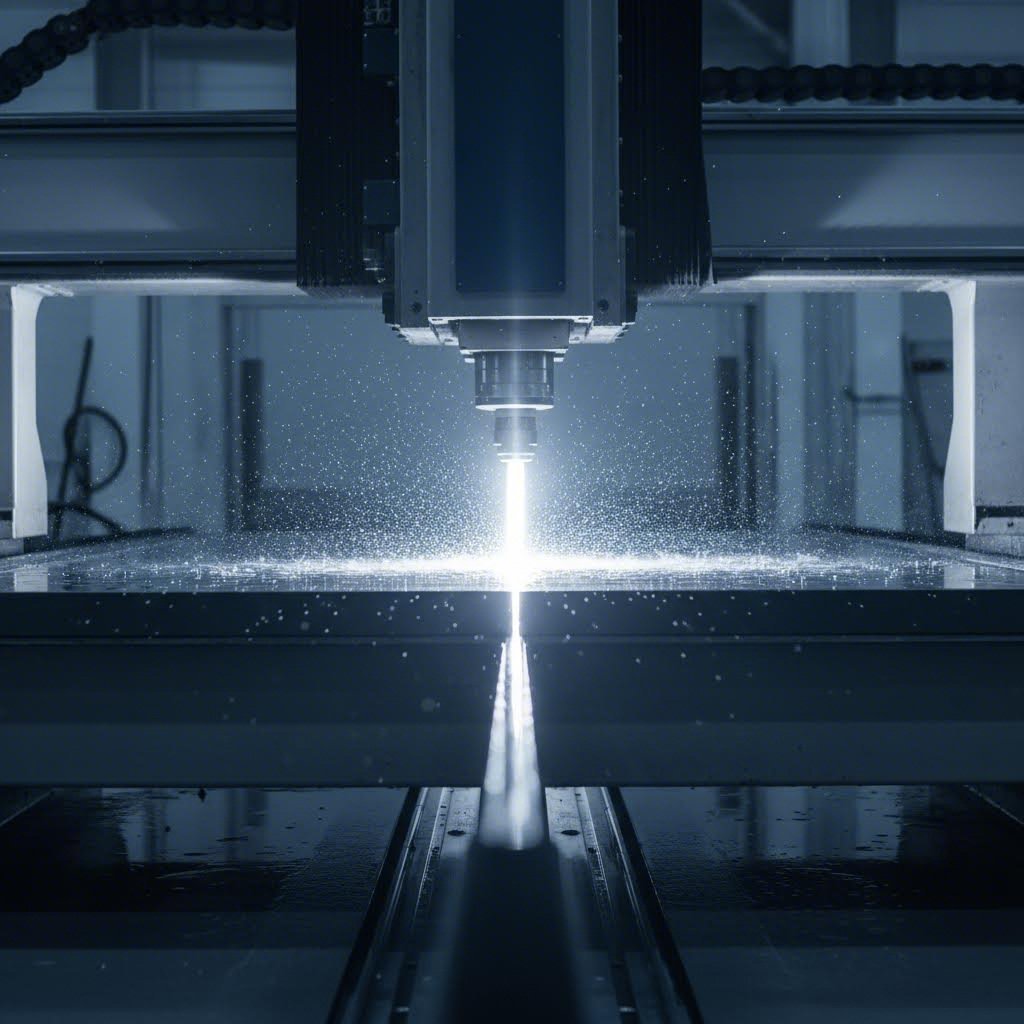
Ein Wasserstrahlschneider erzeugt Strahlen mit 3.500 bis 6.000 bar (50.000 bis 87.000 PSI), laut STM Waterjet . Bei diesen Drücken wird Wasser, gemischt mit Granatschleifmittel, zu einem Präzisionsschneidwerkzeug, das Materialstärken von bis zu 300 mm bewältigen kann – weit über den meisten thermischen Verfahren liegend.
Warum gewinnt das Wasserschneiden von Stahl an Beliebtheit? Der Kalt-Schneideprozess beseitigt alle Nachteile thermischer Verfahren:
- Keine wärmebeeinflusste Zone —kein Verzug, keine Verformung oder strukturelle Veränderungen
- Schneidet gehärtete Materialien —Titan, gehärteter Stahl und exotische Legierungen stellen kein Problem dar
- Höchste verfügbare Präzision —Schnittgenauigkeit von +/- 0,1 mm
- Sauber, gratfreie Kanten —erfordert oft keine sekundäre Nachbearbeitung
- Umweltfreundlich —keine toxischen Dämpfe, Gase oder gefährlichen Abfälle
- Omnidirektionaler Schnitt —der Strahl schneidet aus jedem Winkel, unabhängig von der Materialausrichtung
Die Technologie erweist sich als besonders wertvoll für Luft- und Raumfahrtkomponenten, präzise Prototypen und jede Anwendung, bei der Wärmeempfindlichkeit eine Rolle spielt. Komplexe Geometrien, aufwändige Muster und Abschrägungsschnitte bis zu 68 Grad sind alle mit modernen CNC-gesteuerten Wasserstrahlschneidanlagen realisierbar.
Wie sieht es mit der Geschwindigkeit aus? Beim Wasserstrahlschneiden werden typischerweise 65 bis 200 mm pro Minute bei Metallen erreicht – langsamer als Plasma bei dünnen Materialien, aber wettbewerbsfähig mit Autogenverfahren bei dicken Querschnitten. Die Präzision und die Vielseitigkeit hinsichtlich der Materialien überwiegen bei kritischen Anwendungen oft die Geschwindigkeitsnachteile.
Scherschneiden für geradlinige Produktionsschnitte
Müssen große Mengen an geradkantigen Zuschnitten schnell verarbeitet werden? Das Scherschneiden bietet unübertroffene Effizienz für geradlinige Produktionsschnitte in Blech und Plattenmaterial.
Schermaschinen funktionieren wie industrielle Scheren – obere und untere Schneiden gleiten mit minimalem Abstand aneinander vorbei und brechen das Material entlang einer geraden Linie. Das Verfahren ist schnell, erzeugt kaum Abfall und benötigt keine Verbrauchsmaterialien außer gelegentlichem Nachschärfen der Schneiden.
Vorteile des Schneidens sind:
- Schnellste Methode für gerade Schnitte —ideal für die Massenfertigung von Rohlingen
- Keine Materialverschwendung —im Gegensatz zu thermischen oder abrasiven Verfahren wird kein Material durch Schnittfuge entfernt
- Kalter Prozess —keine Wärmeeinflusszone oder thermische Verformung
- Niedrige Betriebskosten —sehr geringe Kosten für Verbrauchsmaterialien
- Saubere Kanten —sofort bereit für nachfolgende Bearbeitungsschritte
Die Grenzen des Schneidens sind ebenso deutlich: Es ermöglicht ausschließlich gerade Schnitte, die maximale Dicke hängt von der Maschinenkapazität ab, und die Kantenqualität variiert je nach Materialhärte. Für komplexe Formen oder sehr dicke Platten müssen Sie das Scherschneiden mit anderen Schneidverfahren kombinieren – eine Überlegung im Arbeitsablauf, die direkt zur Auswahl der richtigen Methode für Ihre spezifischen Projektanforderungen führt.
Elektrowerkzeuge und Werkstatt-Schneidlösungen
Nicht jedes Metallschneidprojekt erfordert industrielle Maschinen. Manchmal arbeiten Sie in einer kleinen Werkstatt, führen Reparaturen vor Ort durch oder fertigen Einzelstücke an, bei denen es keinen Sinn ergibt, Material zu einem Servicezentrum zu transportieren. Hier werden handgehaltene Elektrowerkzeuge unverzichtbar – sie bringen die Fähigkeit zum Schneiden von Metallplatten direkt an Ihre Werkbank oder Baustelle.
Doch Vorsicht: Die falsche Wahl des Werkzeugs für Ihr spezielles Projekt führt zu schlechten Schnitten, übermäßigem Zeitaufwand oder Sicherheitsrisiken. Die Kenntnis darüber, welche Werkstattwerkzeuge unterschiedliche Materialien und Dicken verarbeiten können, hilft Ihnen, effizienter und nicht härter zu arbeiten.
Auswahl des besten Werkzeugs zum Schneiden von Metall für Ihr Projekt
Wenn Sie vor einer Stahlplatte stehen und überlegen, wie Sie vorgehen sollen, hängt das beste Werkzeug zum Schneiden von Metall von mehreren Faktoren ab: Materialdicke, Schnittkomplexität, verfügbare Arbeitsfläche und gewünschte Kantenqualität. Jedes Werkzeug überzeugt in bestimmten Anwendungsbereichen.
So bewerten gängige Werkstattwerkzeuge hinsichtlich ihrer Vielseitigkeit und typischen Anwendungen:
- Winkelschleifer —Die vielseitigste Metallschneidsäge für den Werkstatteinsatz. Bewältigt alles von dünnen Blechen bis zu mäßig dicken Platten, führt gerade Schnitte, Kurvenschnitte und Schleifarbeiten durch. Ideal für Stahl, Edelstahl und Aluminium bei Auswahl der geeigneten Scheibe.
- Säbelsäge —Hervorragend geeignet für Abbrucharbeiten, Schneiden in engen Räumen und Einsätze vor Ort. Laut Tampa Steel and Supply startet sie schnell mit minimaler Ausfallzeit und schneidet mit der richtigen Klinge durch verschiedene Materialien und Dicken.
- Bandsäge (Tischmodell) —Überlegen für gerade Schnitte durch Balkenmaterial, Rohre und Profile. Erzeugt sauberere Kanten als Schleifverfahren ohne Wärmeverzug.
- Metallkreissäge (Stichsägeprinzip) —Beste Wahl für komplizierte Kurven und detaillierte Muster in dünneren Materialien. Bietet hervorragende Kontrolle für dekorative Metallarbeiten und Sonderformen.
- Kreissäge mit Metallblatt —Effizient für lange, gerade Schnitte durch Blechmaterial. Tampa Steel weist darauf hin, dass Sie je nach Anwendung die Klingen wechseln können, wobei die Bearbeitung auf geradlinige Arbeiten beschränkt ist.
Das beste Schneidwerkzeug für Metall ist nicht immer das leistungsstärkste – es ist dasjenige, das auf Ihre spezifische Aufgabe abgestimmt ist. Eine Metallsäge, die für Abrissarbeiten konzipiert ist, liefert nicht die Präzision, die für Feinarbeiten erforderlich ist, genauso wie eine Stichsäge bei dickem Blech versagt, das ein Winkelschleifer problemlos bewältigt.
Winkelschleifertechniken für Stahlblech
Möchten Sie wissen, wie man effektiv Stahl mit einem Winkelschleifer schneidet? Dieses vielseitige Werkzeug dominiert den metallverarbeitenden Workshop, doch der Erfolg hängt von der richtigen Technik und der Wahl der richtigen Scheibe ab.
Nach OneVan Tool , ist die Wahl der richtigen Schneidscheibe Ihre erste entscheidende Entscheidung. Verschiedene Scheibentypen erfüllen unterschiedliche Zwecke:
- Typ 1 (flache Scheibe) —Am häufigsten verwendeter Profiltyp für Trennscheiben, bietet eine feine Schneidfläche für grundlegende Metallschneidarbeiten
- Typ 27 (eingezogener Mittelteil) —Ideal zum Schneiden enger Kurven und für schwer zugängliche Bereiche
- Typ 41 —Verfügt über flache Mitte mit Mutter- und Unterlegscheibenbefestigung, häufig für Schneidanwendungen verwendet
Das Scheibenmaterial ist genauso wichtig wie das Profil. Benchmark Abrasives erklärt, dass Aluminiumoxid-Körner hervorragend zum Schleifen von Edelstahl, Hartstahl, Eisen und anderen Metallen geeignet sind und schnelle Schnittgeschwindigkeiten bei langer Lebensdauer bieten. Für gehärtete Materialien wie Titan oder Nickellegierungen liefern keramikbasierte Scheiben eine überlegene Leistung dank ihrer selbstschärfenden kristallinen Struktur.
Die Dickenwahl beeinflusst ebenfalls die Ergebnisse:
- Dünne Klingen (1,6 mm) —Ideal für feine Schnitte und enge Räume; schnelleres Schneiden, aber kürzere Lebensdauer
- Standarddicke (3 mm) —Perfekte Balance aus Stabilität, Klingenlebensdauer und Vielseitigkeit für allgemeine Anwendungen
- Dicke Klingen (4,5 mm und mehr) —Schwerer Zuschnitt durch dicke Metalle; erzeugt mehr Wärme durch erhöhte Reibung
Für saubere Schnitte befolgen Sie diese Techniktipps:
- Markieren Sie Ihre Schnittlinie präzise mit einem Stift oder einer Anreißnadel
- Sichern Sie das Werkstück fest mit Schraubzwingen oder einem Schraubstock – schneiden Sie niemals ungefesseltes Material
- Halten Sie die Winkelschleifer stets mit beiden Händen fest umfasst
- Üben Sie sanften, gleichmäßigen Druck aus – lassen Sie die Scheibe die Arbeit verrichten
- Führen Sie den Winkelschleifer entlang der markierten Linie ohne abrupte Bewegungen
- Lassen Sie die Klinge bei dicken Schnitten regelmäßig abkühlen, um Überhitzung zu vermeiden
Metallschneid-Stichsägen und Pendelhub-Sägen
Wenn Kurven und komplexe Formen wichtiger sind als rohe Kraft, wird eine Metallschneid-Stichsäge zu Ihrem bevorzugten Werkzeug für Metall. Diese Präzisionswerkzeuge überzeugen dort, wo Winkelschleifer an ihre Grenzen stoßen: bei komplizierten Mustern, Innenausschnitten und detailreicher Dekorationsarbeit.
Stichsägen arbeiten am besten mit dünneren Materialien, bei denen ihre feinverzahnten Klingen enge Radien bewältigen können. Der Schlüssel zum Erfolg liegt in der Auswahl der richtigen Klinge:
- Bi-Metall-Blätter —Kombinieren Sie Flexibilität mit Langlebigkeit für den allgemeinen Stahlschnitt
- Carbide-Tipped Blades —Verarbeiten Sie abrasive Metalle und erhalten Sie eine längere Lebensdauer
- Feinverzahnte Ausführungen (18–24 Zoll) —Gewährleisten glattere Schnitte in dünnem Blech
- Grobgängige Varianten (8–10 Zoll) —Schneiden schneller durch dickere Materialien, ergeben aber rauere Kanten
Stichsägen – manchmal auch Sägezähne genannt – verfolgen einen anderen Ansatz. Laut Tampa Steel funktionieren sie wie motorisierte Bügelsägen und eignen sich hervorragend für Abrissarbeiten, Rohrschneiden und Änderungen vor Ort. Der schnelle Start reduziert Stillstandszeiten, und der Klingenwechsel dauert nur Sekunden.
Diese Werkzeuge teilen eine Einschränkung: Beide eignen sich am besten für gerade Schnitte, obwohl erfahrene Bediener sanfte Kurven bewältigen können. Für komplexe Profile mit engen Toleranzen sollten Sie eventuell professionelle Stahlblechschneid Dienstleistungen in Betracht ziehen.
Wann selbst machen und wann auslagern
Werkstattwerkzeuge bewältigen viele Schneidaufgaben effektiv, aber die Kenntnis ihrer Grenzen spart Zeit und Geld. Ziehen Sie den Bezug durch professionelle Dienstleistungen in Betracht, wenn:
- Das Material eine Dicke von mehr als 1/4 Zoll überschreitet —Handwerkzeuge haben Schwierigkeiten mit dickem Blech
- Engere Toleranzen erforderlich sind —CNC-Anlagen bieten Wiederholgenauigkeit, die manuellen Methoden überlegen ist
- Die Stückzahl hoch ist —Serienfertigung rechtfertigt die Kosten für automatisiertes Schneiden
- Komplexe Anordnung das Material optimiert —Professionelle Software minimiert Abfall bei teuren Legierungen
- Die Kantenqualität entscheidend ist —Ein nachgeschaltetes Schweißen oder Nachbearbeiten erfordert möglicherweise sauberere Schnitte, als Werkstattwerkzeuge liefern können
Bei kleineren Betrieben hängt die Entscheidung oft von wirtschaftlichen Faktoren ab: Können Sie den Schnitt mit der verfügbaren Ausrüstung effizient durchführen, oder übersteigen Zeit- und Materialverluste die Kosten, die ein Schneiddienstleister berechnen würde? Diese Kalkulation wird noch wichtiger, wenn Sie die richtige Schneidmethode für Ihre spezifischen Projektanforderungen auswählen.
Auswahl der richtigen Schneidmethode für Ihr Projekt
Sie haben thermische Verfahren, mechanische Techniken und Werkstattwerkzeuge kennengelernt – aber wie entscheiden Sie nun tatsächlich, welcher Ansatz für Ihr spezifisches Projekt geeignet ist? Die Wahl der besten Methode zum Schneiden von Metall dreht sich nicht um eine einzige „beste“ Lösung. Es geht darum, die jeweiligen Fähigkeiten an die Anforderungen anzupassen: Ihr Material, die Dicke, die Menge, die erforderliche Kantenqualität und die nachfolgenden Prozesse.
Stellen Sie sich die Auswahl der Methode als das Lösen eines Puzzles vor. Jede Variable – Dicke, Präzision, Geschwindigkeit, Budget – schließt bestimmte Optionen aus und begünstigt andere. Entscheiden Sie richtig, sparen Sie Zeit, reduzieren Abfall und erhalten Teile, die bereit für den nächsten Fertigungsschritt sind. Liegt die Wahl falsch, drohen Nacharbeit, Verzögerungen oder eingeschränkte Qualität.
Passende Schneidverfahren für Materialdicken
Die Materialdicke ist oft der erste Ausschlusskriterium. Manche Verfahren überzeugen bei dünnen Blechen, scheitern aber an dicken Stahlplatten – und umgekehrt. So schneiden Sie Stahlplatten je nach Materialstärke:
Dünnes Blech (unter 6 mm): Hier dominiert das Laserschneiden. Der gebündelte Strahl bearbeitet komplizierte Muster mit geringer Wärmeverformung, und die hohe Geschwindigkeit maximiert die Produktivität. Für geradlinige Ausschneidearbeiten eignet sich das Scheren hervorragend. In Werkstätten bieten Stichsägen und Winkelschleifer gut zugängliche Alternativen.
Mittlere Platte (6 mm bis 25 mm): Das Plasmaschneiden erreicht hier sein optimales Einsatzgebiet, indem es Geschwindigkeit und Wirtschaftlichkeit ausgewogen kombiniert. Das Wasserstrahlschneiden gewährleistet volle Präzision ohne Beeinträchtigungen durch Wärmeeinflusszone (HAZ). Bandsägen schneiden effizient gerade Schnitte durch Stangenmaterial und Profile.
Dicke Stahlplatten (25 mm und darüber): Das Brennschneiden bleibt die bewährte Methode für dicke Kohlenstoffstähle und kann Material mehrerer Zoll Dicke durchtrennen. Leistungsstarke Wasserstrahlschneidanlagen bewältigen extreme Dicken, während sie die Materialeigenschaften erhalten – entscheidend bei wärmeempfindlichen Legierungen oder Anwendungen, bei denen keinerlei Verzug zugelassen ist.
Fragen Sie sich, welches die beste Methode zum Schneiden von Stahlblech für Ihr Projekt mit dünnwandigem Material ist? Berücksichtigen Sie neben der Dicke auch die Anforderungen an die Kanten. Das Laserschneiden liefert eine überlegene Oberflächengüte, doch das Scherschneiden ist kostengünstiger für einfache Zuschnitte. Das beste Werkzeug zum Schneiden von Metallblechen hängt oft genauso stark von der Formkomplexität wie von der Materialstärke ab.
Produktionsvolumen- und Geschwindigkeitsaspekte
Wie viele Teile benötigen Sie – und wie schnell? Die Stückzahl beeinflusst maßgeblich, welche Schneidmethode wirtschaftlich sinnvoll ist.
Einzelanfertigungen und Prototypen: Geschwindigkeit spielt weniger Rolle als Flexibilität. Der Wasserstrahlschneider verarbeitet nahezu jedes Material, ohne dass ein Werkzeugwechsel erforderlich ist. Werkstattwerkzeuge eignen sich gut für einfache Formen. Laut Analyse von SendCutSend , bieten Heimwerkergeräte praktikable Lösungen für Prototypen und die Produktion von Kleinserien – kleinere Maschinen benötigen jedoch länger zur Bearbeitung der Teile als industrielle Anlagen.
Klein- bis Mittelserie (10–500 Stück): Dieser Bereich begünstigt oft das Outsourcing. Professionelle Stahlplattschneidservices verteilen die Kosten für ihre Ausrüstung auf viele Kunden und erzielen dadurch Stückkosten, die private Setups nicht erreichen können. Ihre Faserlaser-Ausrüstung kann mit Geschwindigkeiten von bis zu 2.200 Zoll pro Minute schneiden und fertige Teile innerhalb von nur drei Tagen liefern.
Großserienproduktion: Automatisierung wird unverzichtbar. CNC-Plasma- oder Lasersysteme mit automatischer Materialhandhabung maximieren den Durchsatz. Die Scherkraft ist ideal für die Serienfertigung von einfachen Formen im Abkantprozess. Die Kapitalinvestition rechnet sich durch gleichbleibende Qualität und niedrigere Arbeitskosten.
Die Zeit bis zum ersten Bauteil ist ebenfalls entscheidend. Wie ein Branchenmanager bemerkte: „In vielen Fällen können wir fertige Bauteile schneller liefern, als sie mit diesen neuen Angeboten hergestellt werden können“ – bezugnehmend auf erschwingliche DIY-Ausrüstung, die Geschwindigkeit gegen Portabilität und Preis eintauscht.
Anforderungen an die Kantenqualität für nachgelagerte Prozesse
Genau hier machen viele Fertiger einen Fehler: Sie wählen ein Schneidverfahren, ohne zu berücksichtigen, was danach kommt. Die Kantenqualität wirkt sich direkt auf Schweiß-, Montage- und Nachbearbeitungsprozesse aus.
Für Schweißanwendungen: Die Schnittvorbereitung beeinflusst die Verbindungsfestigkeit stärker, als die meisten annehmen. Grobe, mit der Flamme geschnittene Kanten müssen vor dem Schweißen abgeschliffen werden, was zusätzlichen Arbeitsaufwand und Zeit verursacht. Laser-geschnittene Kanten lassen sich bei korrekter Passform oft sofort schweißen. Plasma-Schnitte liegen dazwischen – für viele konstruktive Schweißnähte akzeptabel, doch bei Präzisionsarbeiten kann eine Kantenbearbeitung erforderlich sein.
Für präzise Montagen: Bauteile, die lückenlos zusammenpassen müssen, erfordern enge Toleranzen. Wasserstrahl- und Laserschneiden liefern die erforderliche Genauigkeit. Mechanische Verfahren wie Scheren erzeugen saubere Kanten für geradlinige Fügungen. Wie schneidet man Stahlblech für Montagearbeiten? Bevorzugen Sie Verfahren mit einer Genauigkeit von ±0,1 mm, wenn enge Toleranzen erforderlich sind.
Für ästhetische Anwendungen: Sichtbare Kanten benötigen eine andere Bearbeitung als verdeckte konstruktive Schnitte. Wasserstrahlschneiden erzeugt glatte, gratfreie Oberflächen, die nur geringe Nachbearbeitung erfordern. Laserkanten weisen eine leichte Oxidschicht auf, die gegebenenfalls entfernt werden muss. Plasma- und Brennschneidkanten erfordern bei sichtbaren Anwendungen in der Regel Nachbearbeitung durch Schleifen.
Vollständiger Leitfaden zur Auswahl des Verfahrens
Dieser umfassende Vergleich ordnet jedes gängige Schneidverfahren nach den Faktoren, die für die Projektplanung am wichtigsten sind:
| Schnittmethode | Materielle Vereinbarkeit | Dickebereich | Kantenqualität | Produktionsgeschwindigkeit | Ideale Anwendungsfälle |
|---|---|---|---|---|---|
| Laser | Stahl, Edelstahl, Aluminium, einige Legierungen | Dünn bis mittel (bis zu 25 mm mit Faser) | Ausgezeichnet – minimale Nachbearbeitung erforderlich | Sehr schnell bei dünnen Materialien | Präzisionsteile, komplexe Muster, Luftfahrtkomponenten |
| Plasma | Alle elektrisch leitfähigen Metalle | Dünn bis dick (bis zu 50+ mm) | Gut – benötigt möglicherweise leichte Nachbearbeitung | Schnell bei mittleren Dicken | Fertigungswerkstätten, Bauwesen, Automobilindustrie |
| Sauerstoffbrennschneiden | Nur Kohlenstoffstahl | Mittel bis sehr dick (150+ mm) | Rau – in der Regel Schleifen erforderlich | Langsam, aber bewältigt extreme Dicke | Schiffbau, Schwerverbundbau, Abrissarbeiten |
| Wasserstrahl | Jedes Material – Metalle, Stein, Verbundwerkstoffe | Bis zu 300 mm | Ausgezeichnet – glatt, burrfrei | Mäßig (65-200 mm/min bei Metallen) | Wärmeempfindliche Materialien, Präzisions-Prototypen, exotische Legierungen |
| Bandsäge | Alle Metalle sowie Holz und Kunststoffe | Begrenzt durch Sägeblatt und Maschinenkapazität | Gut – saubere, gerade Kanten | Mittel | Stabstahl, Rohre, Profile |
| Scheren | Blech und Plattenmetalle | Bis zur Maschinenkapazität (typischerweise 25 mm) | Gut – nur bei geraden Schnitten sauber | Sehr schnell bei geraden Linien | Großserienmäßiges Stanzen, Herstellung von geraden Kanten |
| Winkelschleifer | Stahl, Edelstahl, Aluminium | Dünne bis mittlere Platten | Variabel – abhängig von der Technik | Langsam bis mäßig | Werkstattprojekte, Schneiden vor Ort, Modifikationen |
Selber schneiden oder professionelle Dienstleistungen nutzen: Die richtige Entscheidung treffen
Die Entscheidung, ob Sie das Schneiden selbst durchführen oder auslagern, hängt von mehr ab als nur der Ausrüstung. Laut Branchenanalyse spielen versteckte Kosten eine erhebliche Rolle: Rohmaterialien, Lagerung, Recycling sowie die für diese Tätigkeiten benötigte Zeit müssen in Ihre Kalkulation für Inhouse- versus Auslagerung einfließen.
Wann sich DIY lohnt:
- Einfache Schnitte innerhalb der Leistungsfähigkeit Ihrer Ausrüstung
- Unmittelbarer Bedarf – keine Zeit für Versand
- Geringe Mengen, bei denen die Rüstkosten für die Eigenfertigung günstiger sind
- Lernprojekte, bei denen Erfahrung wichtiger ist als Perfektion
Wann sich professionelle Stahlplattenschneidservices lohnen:
- Präzisionsanforderungen übersteigen die Fähigkeiten von Werkstattwerkzeugen
- Materialdicke oder -art erfordern industrielle Ausrüstung
- Menge rechtfertigt kostenvorteilhafte Stückpreise
- Komplexe Anordnung könnte teuren Materialabfall deutlich reduzieren
- Enges Zeitfenster – professionelle Betriebe liefern oft schneller als Eigenfertigung
Auch strategische Flexibilität spielt eine Rolle. Die Übertragung der Teilefertigung an einen vertrauenswürdigen Partner ermöglicht es Ihnen, sich auf Designinnovation und Wachstum zu konzentrieren, statt auf Gerätepflege und Materialhandhabung. Und falls ein Problem mit einem geschnittenen Teil auftritt, schneiden seriöse Partner dieses ohne zusätzliche Kosten nach – eine Garantie, die Eigenfertigung nicht bieten kann.
Unabhängig von der gewählten Methode bleibt ein Faktor konstant: Sicherheit. Jede Schneidmethode birgt spezifische Gefahren, die besondere Schutzmaßnahmen erfordern – ein entscheidendes Thema, das wir als Nächstes behandeln werden.
Sicherheitsaspekte und Schutzausrüstung
Jeder Schnitt in Stahl, den Sie durchführen, setzt Sie Gefahren aus, die schwere Verletzungen oder Schlimmeres verursachen können. Verbrennungen, Strahlenbelastung, Atemwegsschäden und Hörverlust sind keine bloßen theoretischen Risiken. Es handelt sich um reale Folgen beim Schneiden von Metall ohne angemessenen Schutz. Dennoch bleibt die Sicherheitsanleitung erstaunlicherweise eines der am meisten vernachlässigten Themen in Ressourcen zur Metallbearbeitung.
Folgendes sollten Sie wissen: Jede Schneidmethode birgt einzigartige Gefahren, die spezifische Schutzmaßnahmen erfordern. Was beim Einsatz eines Plasmaschneiders gegen Stahl wirksam ist, unterscheidet sich erheblich von den Sicherheitsanforderungen beim Wasserstrahlschneiden. Das Verständnis dieser Unterschiede, bevor Sie mit dem Schneiden beginnen, sorgt dafür, dass Sie langfristig sicher arbeiten können.
Persönliche Schutzausrüstung für jede Schneidmethode
Bei der Entscheidung, womit Sie Metall schneiden möchten, muss Ihre Auswahl an persönlicher Schutzausrüstung (PPE) auf Ihre gewählte Methode abgestimmt sein. Laut dem Sicherheits-Infoblatt Nr. 33 der American Welding Society unterscheiden sich die Anforderungen an Schutzausrüstung erheblich zwischen verschiedenen Schneidverfahren.
PPE für thermisches Schneiden (Plasma, Laser, Brennschneiden):
- Augen- und Gesichtsschutz — Helm mit Filterlinse gemäß ANSI Z87.1; Sicherheitsbrille mit Seitenschutz darunter zu tragen. Die Wahl der Filterstufe hängt vom Stromampere ab: Für Plasmaschneiden unter 20 Ampere ist Stufe 4–5 erforderlich, bei höheren Strömen werden Stufe 6–8 oder Schweißhelme benötigt.
- Kopfbedeckung — Feuerfeste Schweißerhaube zum Schutz von Haaren und Kopfhaut vor Funken, Spritzern und UV-Strahlung
- Handschutz — Trockene, unbeschädigte, isolierte Lederhandschuhe mit Hitzebeständigkeit und Verbrennungsschutz
- Körperschutz — Ölfreie Kleidung aus Wolle oder schwerem Baumwollstoff; lange Ärmel mit geknöpften Bündchen; Lederaprons, -umhänge und -ärmel nach Bedarf
- Fußschutz — Lederstiefel mit Stahlkappe gemäß ASTM F2412 und F2413; feuerfeste Überzieher in Bereichen mit starker Funkenbildung
- Schutz der Gehörsfähigkeit — Genehmigte Ohrstöpsel oder Gehörschützer, besonders beim Arbeiten über Kopf oder in geschlossenen Räumen
PPE für mechanisches Schneiden (Sägen, Scheren, Schleifer):
- Augenschutz —Schutzbrille mit Seitenschilden oder Vollgesichtsschutz zum Schutz vor fliegenden Metallsplittern, Spänen und Schleifrückständen
- Schutz der Gehörsfähigkeit —Erforderlich für Bandsägen, Winkelschleifer und Stichsägen, die Dauergehörbelastungen erzeugen, die sichere Grenzwerte überschreiten
- Handschutz —Schnittfeste Handschuhe, geeignet für die Handhabung von Materialien; lose Handschuhe beim Betrieb von rotierenden Geräten entfernen
- Körperschutz —Eng anliegende Kleidung ohne lose Enden, die in Maschinen einklemmen könnten; Lederschürze zum Schutz vor Funken beim Schleifen
PPE für Wasserstrahlschneiden:
- Augen- und Gesichtsschutz —Schutzbrille oder Gesichtsschutz zum Schutz vor abrasivem Partikelspray und Wasserdunst
- Schutz der Gehörsfähigkeit —Erforderlich aufgrund der lauten Geräusche durch Druckwasser und abrasive Strömung
- Körperschutz —Wasserdichte Kleidung; Stahlkappenschuhe mit rutschfesten Sohlen für nasse Bodenverhältnisse
- Sensibilisierungsschulung —Kenntnis über die Gefahren des Hochdruckstrahls; niemals Hände während des Betriebs in die Nähe des Schneidkopfs bringen
Belüftung und Rauchgasmanagement
Beim Schneiden von Stahl entstehen nicht nur Funken und Schlacke – es werden auch gefährliche Dämpfe freigesetzt, die ernste Atemwegsrisiken darstellen. Laut OSHA-Richtlinien für Schweißsicherheit sind Arbeitnehmer häufig Dämpfen aus Chrom, Nickel, Mangan und Zink ausgesetzt, die sowohl akute als auch chronische Atemwegserkrankungen verursachen können.
Das Metallrauchfieber stellt eine besondere Gefahr dar. Diese grippeähnliche Erkrankung wird durch das Einatmen von Zinkoxiddämpfen verursacht, die beim Schneiden von verzinktem Stahl häufig auftreten. Zu den Symptomen gehören Schüttelfrost, Fieber, Übelkeit und Muskelschmerzen – diese treten typischerweise Stunden nach der Exposition auf.
Schützen Sie sich mit geeigneten Belüftungsmaßnahmen:
- Lokale Absaugung —Positionieren Sie die Rauchabsaugung in der Nähe der Schnittstelle, um Schadstoffe direkt an der Entstehungsquelle zu erfassen
- Allgemeine Belüftung —Stellen Sie einen ausreichenden Luftaustausch im gesamten Arbeitsbereich sicher; beim Schneiden im Freien entfallen viele Probleme durch Ansammlung von Dämpfen
- Atemschutz —Wenn die Belüftung unzureichend ist, verwenden Sie NIOSH-zugelassene Atemschutzmasken, die für Metallrauche geeignet sind
- Materialbewusstsein —Wissen Sie, was Sie schneiden; beschichtete, lackierte oder veredelte Metalle setzen zusätzliche giftige Verbindungen frei, die einen erhöhten Schutz erfordern
Plasmaschneiden erfordert besondere Aufmerksamkeit. Wie MCR Safety anmerkt , zählen Lärm, Luftqualität und Stromschlag zu den gefährlichsten Risiken beim Arbeiten mit Plasmaschneidgeräten – jedes dieser Risiken kann langfristige gesundheitliche Folgen haben.
Brandverhütung und Werkstattsicherheitsprotokolle
Thermische Schneidverfahren verwandeln Ihren Arbeitsplatz in eine Brandgefahrzone. Funken können bis zu 35 Fuß weit fliegen, und heiße Schlacke kann stundenlang schwelen, bevor sie brennbare Materialien in der Nähe entzündet. Gemäß den OSHA-Vorschriften müssen Schweißer ihre Arbeitsbereiche frei von brennbaren Materialien halten und den NFPA-51B-Normen für die Sicherheit bei Heißarbeiten folgen.
Wesentliche Maßnahmen zur Brandverhütung:
- Arbeitsbereich räumen —Entfernen Sie brennbare Materialien innerhalb von 35 Fuß um die Schneidarbeiten herum; bedecken Sie unbewegliche brennbare Gegenstände mit feuerbeständigen Decken
- Feuerlöscher-Platzierung —Halten Sie geeignete Feuerlöscher (mindestens Klasse ABC) griffbereit; kennen Sie deren Standorte, bevor Sie mit der Arbeit beginnen
- Brandschutzwache —OSHA verlangt eine Brandschutzwache, wenn brennbare Materialien näher als 35 Fuß entfernt sind oder wenn Wand- oder Bodenöffnungen brennbare Stoffe freilegen. Die Brandschutzwache muss mindestens 30 Minuten nach Beendigung der Arbeiten vor Ort bleiben
- Heiße-Arbeit-Bewilligungen —Für festgelegte Bereiche ist vor Beginn von Schneidarbeiten eine ordnungsgemäße Genehmigung einzuholen
- Persönliche Vorbereitung —Entfernen Sie brennbare Gegenstände, Streichhölzer und Feuerzeuge aus den Taschen; vermeiden Sie synthetische Stoffe, die schmelzen und an der Haut haften bleiben können
Sicheres Handling von schweren Stahlplatten:
- Verwenden Sie geeignete Hebeverfahren oder mechanische Hilfsmittel für Platten, die das bequeme Handgewicht überschreiten
- Sichern Sie Werkstücke fest, bevor Sie schneiden – niemals nicht abgestütztes Material schneiden
- Positionieren Sie sich so, dass fallende Metallteile vermieden werden
- Lassen Sie heiße Metallschnitte vor der Handhabung abkühlen; verwenden Sie Zangen oder hitzebeständige Handschuhe, wenn Sie warme Teile bewegen
- Lagern Sie Abfall- und Fertigteile sicher, um Stolpergefahren zu vermeiden
"Kleidung muss ausreichenden Schutz bieten und aus geeigneten Materialien bestehen, um Hautverbrennungen durch Funken, Spritzer oder Strahlung zu minimieren." — ANSI Z49.1 Sicherheit beim Schweißen, Schneiden und verwandten Verfahren
Sicherheit ist keine Option – sie bildet die Grundlage, die produktives Metallschneiden erst ermöglicht. Mit der richtigen PSA, Belüftung und Brandschutzmaßnahmen sind Sie bereit zu erkunden, wie moderne CNC-Integration und Automatisierung die Schneidprozesse in der gesamten Industrie verändern.
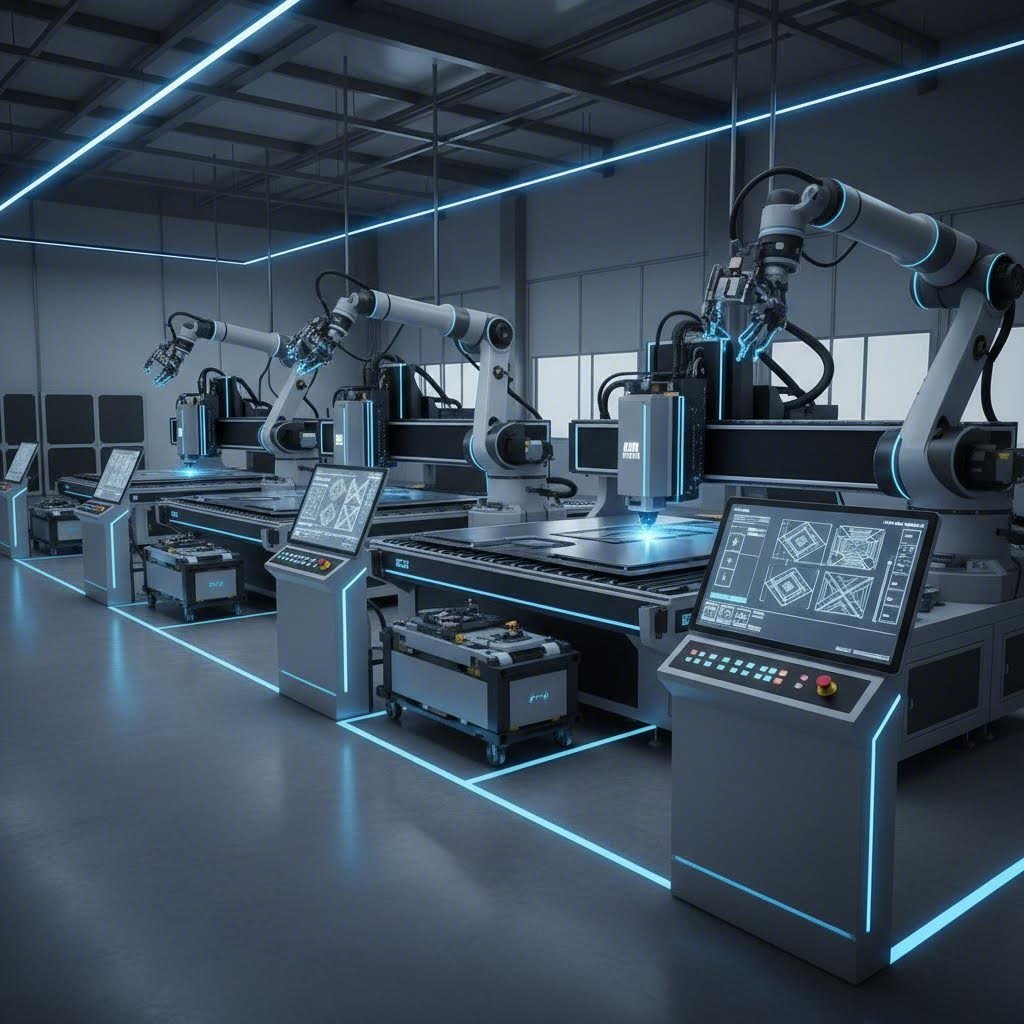
CNC-Integration und automatisierte Schneidsysteme
Was unterscheidet eine gute Fertigungswerkstatt von einer großartigen? Immer häufiger liegt die Antwort in der Automatisierung. Moderne Blechschneidmaschinen folgen nicht nur programmierten Bahnen – sie integrieren sich in hochentwickelte Softwaresysteme, die jeden Aspekt des Schneidprozesses optimieren, von der anfänglichen Programmierung bis zur Auslieferung des fertigen Teils.
Nach ShopSabre , CNC-Plasmaschneidanlagen sind darauf ausgelegt, großvolumige Schneidaufgaben, Fertigungsaufträge und individuelle Einzelanfertigungen in einem Bruchteil der Zeit zu erledigen, die man mit manuellen Werkzeugen benötigen würde. Sie können vielfältige Formen nach Bedarf programmieren und schneiden, ohne dass ein Vorheizen oder Abkühlen erforderlich ist. Diese Fähigkeit verändert grundlegend, wie Werkstätten die Bearbeitung von Stahlplatten angehen – weg von reaktiver Auftragsbearbeitung hin zu strategischer Produktionsplanung.
CNC-Programmierung für gleichbleibende Schnittqualität
Stellen Sie sich vor, ein und dasselbe komplexe Bauteil 500-mal mit identischer Präzision zu schneiden. Genau das liefert die CNC-Programmierung – und deshalb setzen Stahlschneid-Dienstleistungen zunehmend auf computergesteuerte Systeme anstelle manueller Bedienung.
Das Geheimnis liegt darin, wie CNC-Maschinen Schnitte ausführen. Sobald programmiert, bewegt sich die Brennschneidlanze oder der Schneidkopf entlang einer exakten, vom Computer vorgegebenen Bahn. Laut Branchenanalyse ist dieser Ansatz jedes Mal zuverlässig und konsistent und führt so bei praktisch jedem Schnitt – egal wie komplex oder fein – zu einer unübertroffenen Präzision.
Zu den wichtigsten Vorteilen des CNC-gesteuerten Schneidens gehören:
- Wiederholbarkeit — Jedes Bauteil entspricht genau den programmierten Vorgaben, wodurch Abweichungen zwischen den Einzelstücken ausgeschlossen sind
- Bearbeitung komplexer Geometrien — Komplexe Muster, die für manuelle Bediener eine Herausforderung darstellen würden, werden zur Routine
- Geringere Abhängigkeit vom Bediener — Konsistente Qualität, unabhängig davon, welcher Techniker die Maschine bedient
- Digitale Dokumentation — Programme können gespeichert, angepasst und für zukünftige Aufträge wiederverwendet werden
Moderne Systeme gehen hier noch einen Schritt weiter, indem sie Echtzeit-Feedback einbeziehen. Sensoren überwachen die Schneidbedingungen und passen die Parameter automatisch an – wodurch Schwankungen im Werkstoff, Verschleiß der Brennerdüse oder Umgebungseinflüsse kompensiert werden, die andernfalls die Schnittqualität beeinträchtigen könnten.
Nesting-Software für Materialoptimierung
Hier erzielt die Automatisierung deutliche Kosteneinsparungen. Laut Hypertherm sind Blechmetall und andere Rohmaterialien teuer, weshalb es optimal ist, möglichst viele Teile gemeinsam auf einem Blech zu „nesten“. Dadurch wird die Blechnutzung maximiert, Materialabfall reduziert und die Materialkosten gesenkt.
Was genau versteht man unter „Nesting“? Es handelt sich um die effiziente Anordnung mehrerer Teile auf einer gegebenen Fläche – vergleichbar mit dem Lösen eines Puzzles, bei dem jedes Teil mit minimalen Lücken exakt hineinpasst. Moderne Nesting-Software verwendet mathematische Algorithmen, um Formen automatisch so anzuordnen, zu drehen und zu verschieben, dass die bestmögliche Gesamtanordnung und die höchstmögliche Materialausnutzung erreicht werden.
Die Ergebnisse sprechen für sich. Ein typisches Schachtmuster in der Industrie erreicht etwa 70 % Materialausnutzung bei 30 % Ausschuss. Fortschrittliche Software steigert diese Werte noch weiter durch Funktionen wie:
- Wahre Formnesting —Erkennt die tatsächliche Geometrie der Teile und verbindet sie ineinander, anstatt rechteckige Umrisse um jedes Teil zu legen
- Automatische Kollisionserkennung —Verhindert, dass Teile überlappen oder zu eng beieinander platziert werden
- Mehrfachauftrags-Optimierung —Analysiert verschiedene Blechgrößen, um die Kombination mit der höchsten Ausnutzung zu ermitteln
- Schnittfolgenreihenfolge —Ordnet die Schnitte so an, dass die Brennerfahrzeit und Wärmeeintrag minimiert werden
Für Betriebe, die Schneidwerkzeuge beim Bearbeiten teurer Materialien wie Edelstahl oder Aluminium verwenden, amortisieren sich diese Optimierungsfunktionen oft innerhalb weniger Monate allein durch Materialersparnis.
Integration automatisierter Produktionslinien
Die Zukunft des Metallplattenschneidens reicht über den Schneidtisch selbst hinaus. Laut der Branchenanalyse von Makerverse aus dem Jahr 2025 wird Automatisierung in der Blechbearbeitung zunehmend entscheidend, um Aufgaben wie Schneiden, Biegen, Formen und Montage zu optimieren.
Moderne automatisierte Systeme bewältigen hochvolumige, repetitive Aufgaben mit Präzision und Konsistenz, reduzieren menschliche Fehler und steigern die Produktionseffizienz. Automatisierte Laserschneidanlagen, robotergestützte Biegearme und CNC-Stanzpressen arbeiten nahtlos mit minimaler menschlicher Eingriffe – sie schaffen integrierte Arbeitsabläufe, die Rohmaterialien in fertige Bauteile mit geringem manuellem Handling verwandeln.
Wie sieht vollständige Automatisierung in der Praxis aus?
- Automatische Materialzuführung —Platten bewegen sich ohne manuelles Eingreifen vom Lager zum Schneidtisch
- Dauerbetrieb —Die Produktionsfähigkeit rund um die Uhr vervielfacht die Ausbringungsmenge
- Integrierte Qualitätskontrolle —KI-gesteuerte Systeme überwachen den Betrieb in Echtzeit und erkennen Abweichungen, bevor sie die Endprodukte beeinträchtigen
- Downstream-Koordination —Schneidteile fließen automatisch zu Biege-, Schweiß- oder Montagestationen
„Die Einführung von 24/7 automatisierten Produktionslinien bedeutet kürzere Durchlaufzeiten und erhöhte Kapazitäten, wodurch Unternehmen schneller auf Kundenanforderungen und Marktveränderungen reagieren können.“
Diese Integration kommt besonders der Schnellprototypenerstellung zugute. Stahlschneidsägen und herkömmliche Methoden erfordern möglicherweise mehrere Tage für Einrichtung und manuelle Bearbeitung. Automatisierte CNC-Systeme können Prototypenteile bereits in fünf Tagen liefern – was die Produktentwicklungszyklen beschleunigt und schnellere Designiterationen ermöglicht.
Der Zugang zu diesen Technologien hat sich stark vergrößert. Wo CNC-Plasma- und automatisierte Schneidsysteme früher hohe Investitionskosten erforderten, bedienen sie heute Betriebe von großen Industrieunternehmen bis hin zu Einzelunternehmern. Diese Demokratisierung ermöglicht es kleineren Fertigungsunternehmen, mit viel größeren Wettbewerbern hinsichtlich Qualität und Lieferzeit konkurrieren zu können – wodurch die Technologie anstelle der Unternehmensgröße zum entscheidenden Faktor wird.
Natürlich entstehen bei all dieser Leistungsfähigkeit auch Kosten, die sorgfältig bewertet werden müssen. Das Verständnis der Wirtschaftlichkeit von Ausrüstungsinvestitionen im Vergleich zur Fremdbeauftragung hilft dabei zu entscheiden, ob Automatisierung für Ihre spezifische Situation sinnvoll ist.
Kostenanalyse und Budgetplanung
Sie haben die richtige Schneidmethode für Ihr Projekt ermittelt – aber können Sie sie sich leisten? Die Kostenanalyse trennt oft erfolgreiche Fertigungsoperationen von solchen, die mit sehr geringen Gewinnmargen kämpfen. Die Herausforderung besteht nicht nur darin, zwischen Plasma-, Laser- oder Wasserstrahlschneiden zu wählen. Es geht vielmehr darum, das vollständige finanzielle Bild zu verstehen: Investitionskosten in Ausrüstung, Betriebskosten, versteckte Kosten und die oft übersehene Wirtschaftlichkeit von Fremdbezug im Vergleich zur Eigenfertigung.
Hier liegt der Hauptfehler bei den meisten Kostenvergleichen: Die auf dem Papier günstigste Schneidmethode führt selten zu den niedrigsten Gesamtkosten des Projekts. Eine Stahlplattenschneidanlage mit niedrigeren Anschaffungskosten kann höhere Abfallmengen erzeugen, mehr Nachbearbeitung erfordern oder umfangreiche Wartung benötigen. Ein intelligentes Budgetmanagement berücksichtigt alle Faktoren, die Ihre Gesamtkosten beeinflussen.
Geräteinvestition im Vergleich zu Outsourcing-Ökonomie
Sollten Sie Schneidausrüstung kaufen oder die Arbeiten an professionelle Dienstleister auslagern? Diese grundlegende Entscheidung prägt Ihre gesamte Kostensituation – und die richtige Antwort hängt von Ihrer individuellen Situation ab.
Nach branchenanalyse , die Überlegung hinter der Anschaffung von Ausrüstung lautet: „Heute investieren, um morgen zu verdienen.“ Wenn Sie eine Maschine besitzen, kontrollieren Sie den Produktionszeitplan, kennen die genaue Bearbeitungsdauer und kalkulieren Preise basierend auf Ihren tatsächlichen Kosten. Für Betriebe mit konstantem Schneidaufkommen lohnt sich der Eigentumsansatz langfristig oft finanziell.
Doch der Besitz von Ausrüstung bringt erhebliche Verpflichtungen mit sich:
- Kapitalausgabe —CNC-Plasmasysteme reichen von 15.000 $ bis über 300.000 $; Faserlaser liegen bei 200.000 $ bis über 1 Million $; Wasserschneidanlagen bewegen sich zwischen 100.000 $ und 500.000 $
- Anlagenanforderungen —Speziell eingeräumte Fläche, elektrische Aufrüstungen, Lüftungssysteme und Sicherheitsinfrastruktur
- Wartungsverpflichtungen —Regelmäßige Wartung, Austausch von Teilen und letztendlich umfangreiche Überholungen
- Ausbildung der Bediener —Erfahrene Techniker verlangen hohe Gehälter; die Schulung neuer Bediener nimmt Zeit in Anspruch
- Technologische Obsoleszenz —Geräte, die für eine Nutzungsdauer von 15 bis 20 Jahren konzipiert sind, können veraltet sein, bevor sie vollständig abgeschrieben sind
Durch Outsourcing werden diese Belastungen auf Ihren Schneidpartner übertragen. Sie zahlen pro Bauteil oder pro Auftrag und vermeiden so vollständig Kapitalinvestitionen. Laut Metal Cutting Corporation kann die falsche Wahl der Präzisionsschneidmethode zu Produktionsverzögerungen, Materialverschwendung oder Qualitätsproblemen führen, die Zeit und Geld kosten – Risiken, die erfahrene Dienstleister durch ihr Know-how und etablierte Prozesse für Sie vermeiden helfen.
Wann ist Outsourcing am sinnvollsten?
- Geringe bis moderate Stückzahlen —Unzureichendes Arbeitsaufkommen, um Investitionen in Ausrüstung zu rechtfertigen
- Spezialisierte Anforderungen —Exotische Materialien oder Präzisionstoleranzen, die über die Fähigkeiten Ihrer Ausrüstung hinausgehen
- Schwankende Nachfrage —Schwankende Arbeitslasten, die Ihre eigene Ausrüstung im Leerlauf lassen würden
- Kapitalbeschränkungen —Kapital kann besser in Kerngeschäftsaktivitäten eingesetzt werden
- Geschwindigkeitsanforderungen —Professionelle Dienstleistungen mit schnellen Durchlaufzeiten beschleunigen Ihre Lieferkette
Kostenfaktoren pro Schnitt nach Verfahren
Jedes Mal, wenn Sie Stahl schneiden, fallen mehrere Kostenkategorien an. Das Verständnis dieser Faktoren hilft Ihnen, die tatsächlichen Kosten pro Bauteil abzuschätzen – und zu erkennen, wo Einsparmöglichkeiten bestehen.
Verbrauchsmaterialien stellen Ihre sichtbarste laufende Ausgabe dar:
- Plasmaschneiden —Elektroden, Düsen und Schutzhauben verschleißen mit jedem Lichtbogenstart; die Lebensdauer von Verschleißteilen variiert zwischen 1 und 4 Stunden Schneiden, abhängig von Ampere und Material
- Laserschneiden —Hilfsgase (Stickstoff, Sauerstoff), Linsen und Düsen; Faserlaser senken die Kosten für Verschleißteile im Vergleich zu CO2-Systemen
- Sauerstoffbrennschneiden —Sauerstoff- und Brenngase; Spitzen müssen in regelmäßigen Abständen ausgetauscht werden
- Wasserstrahl —Garnet-Abrasivmittel (die größte laufende Ausgabe), Mischrohre, Düseneinlässe und Hochdruckdichtungen
- Stahlsäge schneidet —Kosten für den Austausch der Sägeblätter variieren je nach Materialhärte und Häufigkeit der Schnitte
Energieverbrauch überrascht Betreiber oft hinsichtlich ihrer Auswirkungen:
- Leistungsstarke Faserlaser können während des Betriebs 30–100+ kW aufnehmen
- Wasserstrahl-Intensivpumpen verbrauchen kontinuierlich 30–100 PS
- Plasmasysteme skalieren den Energieverbrauch entsprechend der Ampere-Einstellung
- Druckluftsysteme, die Schneidvorgänge unterstützen, verursachen indirekte Stromkosten
Arbeit beinhaltet mehr als nur Lohnkosten für den Bediener. Rüstzeiten, Programmierung, Materialhandhabung und Qualitätsinspektion tragen alle dazu bei. Automatisierte Systeme senken den Arbeitsaufwand pro Bauteil, erfordern aber qualifizierte Techniker für Programmierung und Wartung.
Materialabfall vervielfacht jede andere Kostenposition. Wenn Sie Stahlplatten ineffizient schneiden, entsorgen Sie Material, das Sie bereits bezahlt haben. Die Schnittbreite ist entscheidend – der schmale Laserschnitt entfernt weniger Material als der breitere Plasma-Schnitt, dieser wiederum weniger als der Sauerstoff-Brennschneider. Wie bereits erwähnt, wirkt sich die Nesting-Optimierung erheblich auf die Auslastungsrate aus.
Vergleich der relativen Kosten nach Produktionsvolumen
Verschiedene Schneidverfahren eignen sich besser für unterschiedliche Produktionsszenarien. Dieser Vergleich zeigt, wie sich die Kosten je nach Stückzahl verschieben:
| Kostenfaktor | Geringes Volumen (1–50 Teile) | Mittleres Volumen (50–500 Teile) | Hohe Stückzahl (500+ Teile) |
|---|---|---|---|
| Einrichtung/Programmierung | Hohe Auswirkung pro Bauteil | Mäßig—Kosten auf mehrere Teile verteilt | Geringer Beitrag pro Teil |
| Beste thermische Methode | Laser/Plasma auslagern | Eigene Plasma-Bearbeitung oder Laser auslagern | Eigene CNC-Plasma- oder Laserbearbeitung |
| Beste mechanische Methode | Bandsäge für einfache Schnitte | Automatisierte Säge oder Wasserstrahlschneiden auslagern | Scherschneiden für Rohlinge; automatisiertes Sägen |
| Materialoptimierung Priorität | Niedrig – weniger Teile zum Verschachteln | Wichtig – Abfall summieren sich schnell | Kritisch – kleine prozentuale Verbesserungen bringen große Einsparungen |
| Vorteil des Outsourcings | Stark – Rüstkosten vollständig vermeiden | Mäßig – Stückpreise mit Eigenkosten vergleichen | Schwächer – Volumen rechtfertigt Geräteinvestition |
Versteckte Kosten bei Metallschneidoperationen
Die Kosten, die Sie nicht vorhersehen, schmerzen oft am meisten. Neben offensichtlichen Kosten für Ausrüstung und Verbrauchsmaterialien beeinflussen mehrere versteckte Faktoren Ihre tatsächlichen Schneidkosten:
Anforderungen an die Nachbearbeitung: Ein Stahlmetallschneider, der raue Kanten erzeugt, verursacht zusätzliche Kosten für Nachbearbeitung, Entgraten oder maschinelle Bearbeitung. Günstigere Schneidverfahren, die umfangreiche Nachbearbeitung erfordern, können insgesamt teurer sein als präzise Verfahren, die kantenfertige, schweißtaugliche Schnitte liefern.
Qualitätsfehler und Nacharbeit: Teile, die nicht den Spezifikationen entsprechen, verschwenden Material, Arbeitszeit und Geld. Laut Sintel Inc. können Herstellungsherausforderungen, die bereits in der Konstruktionsphase erkannt werden, kostspielige Neukonstruktionen oder Produktionsverzögerungen vermeiden und so Zeit und Geld sparen.
Lagerhaltung und Lagerbestand: Rohmaterial, das in Ihrer Einrichtung lagert, bindet Kapital. Die Ansammlung von Ausschuss erfordert Handhabung und Entsorgung. Diese Lagerkosten tauchen selten in der Stückkostenberechnung auf, beeinträchtigen jedoch die Rentabilität.
Ausfallzeiten und Wartung: Jede Stunde, in der Ihre Ausrüstung aufgrund von Reparaturen oder Wartungsarbeiten stillsteht, bedeutet verlorene Produktionskapazität. Vorbeugende Wartung verursacht zunächst Kosten, verhindert aber teurere Notreparaturen.
Opportunitätskosten: Die Zeit, die für die Verwaltung von Schneidvorgängen benötigt wird – Materialbeschaffung, Terminplanung, Problembehebung – lenkt von wertschöpfungsintensiveren Tätigkeiten wie Vertrieb, Konstruktion oder Kundenbeziehungen ab.
Wie DFM-Unterstützung die Gesamtprojektkosten senkt
An dieser Stelle wirken sich intelligente Partnerschaften bereits vor Beginn des Schneidens aus. Die Konstruktionsanalyse für Fertigung (DFM) untersucht Ihre Bauteilkonstruktionen aus der Perspektive der Fertigung und identifiziert Möglichkeiten zur Kostensenkung, ohne die Funktionalität zu beeinträchtigen.
Laut dokumentierten Studien führt die Anwendung von DFM-Prinzipien im Durchschnitt zu einer Kostenersparnis von 47 % bei den Arbeitskosten sowie erheblichen Reduzierungen der Produktentwicklungs- und Montagezeiten. Diese Einsparungen resultieren aus mehreren zentralen Maßnahmen:
- Bauteilzusammenfassung — Die Zusammenfassung mehrerer Komponenten zu einem einzigen Bauteil verringert Schneidvorgänge, Montagezeit und Materialkosten
- Materialoptimierung — Die Auswahl geeigneter Materialien und die Standardisierung von Abmessungen reduzieren Abfall und Beschaffungskosten
- Toleranzen überprüfen — Die Festlegung enger Toleranzen nur dort, wo sie funktional erforderlich sind, vermeidet kostenintensive Präzisionsbearbeitung an nicht kritischen Merkmalen
- Abstimmung des Fertigungsprozesses —Die Konstruktion von Teilen, die zu den verfügbaren Schneidkapazitäten passen, eliminiert kostspielige Umwege
Für Automobil- und Präzisionsanwendungen hilft die Zusammenarbeit mit Fertigungspartnern, die umfassende DFM-Unterstützung anbieten – wie Shaoyi (Ningbo) Metal Technology mit ihren IATF-16949-zertifizierten Qualitätssystemen und einer Angebotsbearbeitungszeit von 12 Stunden – dabei, Konstruktionen bereits vor Produktionsbeginn zu optimieren. Ihre DFM-Expertise identifiziert frühzeitig Kostensenkungspotenziale, wenn Änderungen noch kostengünstig umzusetzen sind, statt später teuer korrigiert werden müssen.
Die Rechnung ist einfach: Einige Stunden DFM-Analyse, die einige hundert Dollar kosten, können Tausende an unnötigen Fertigungskosten einsparen. In Kombination mit schnellen Prototypenfertigungsmöglichkeiten, bei denen Teile in nur fünf Tagen geliefert werden, können Sie Konstruktionen schnell validieren und effizient iterieren, bevor Sie sich auf Serienproduktion festlegen.
Die Kostensenkung endet nicht mit der Wahl der richtigen Schneidmethode oder des passenden Partners. Sie ist ein kontinuierlicher Prozess, der bei den Konstruktionsentscheidungen beginnt und sich über alle Aspekte der Produktion erstreckt – ein ganzheitlicher Ansatz, den professionelle Schneiddienstleistungen Ihnen dabei helfen, von der ersten Offerte bis zur endgültigen Lieferung umzusetzen.
Zusammenarbeit mit professionellen Schneiddienstleistungen
Sie haben verschiedene Schneidverfahren erkundet, Kosten analysiert und Ihre Optionen bewertet. Nun stellt sich die praktische Frage: Wie gehen Sie konkret eine Partnerschaft mit einem professionellen Schneiddienstleister ein, um Bauteile herstellen zu lassen? Egal, ob Sie sich fragen, wie man Metall für einen komplexen Prototyp schneidet, oder wie man Stahl für Serienmengen zerschneidet – die Zusammenarbeit mit dem richtigen Dienstleister verwandelt Ihre Konstruktionen in fertige Komponenten.
Die Beziehung zwischen Ihren Projektanforderungen und den Fähigkeiten eines Schneidpartners bestimmt den Erfolg. Wählen Sie klug, erhalten Sie präzise Teile pünktlich. Wählen Sie schlecht, drohen Verzögerungen, Qualitätsprobleme und frustrierende Rückfragen, die Zeit und Geld kosten.
Bewertung von Metallschneiddienstleistern
Nicht alle Schneiddienste liefern gleiche Ergebnisse. Wenn Sie wissen müssen, wie man Stahl mit professioneller Präzision schneidet, hilft die Bewertung möglicher Partner anhand spezifischer Kriterien dabei, Werkstätten zu identifizieren, die Ihre Anforderungen erfüllen können.
Laut Metal Works of High Point erfordert die Auswahl des richtigen Fertigungspartners die Prüfung mehrerer Schlüsselfaktoren, die den Erfolg Ihres Projekts direkt beeinflussen:
- Erfahrung und Nachweisbare Leistungen —Suchen Sie Anbieter mit einer nachgewiesenen Erfolgsbilanz bei Projekten, die Ihren eigenen ähneln. Neuere Unternehmen verfügen möglicherweise nicht über die erfahrene Expertise für Ihre spezifischen Materialtypen oder Komplexitätsstufen. Eine lange Historie erfolgreicher Projekte spricht für Zuverlässigkeit und Problemlösungskompetenz.
- Ausrüstung und Technologie —Die Schneideausrüstung des Anbieters bestimmt Effizienz und Qualität. Wählen Sie Partner, die in modernste Maschinen investieren und stets auf dem neuesten Stand technologischer Entwicklungen sind. Moderne CNC-Systeme, Faserlaser und automatisierte Materialhandhabung führen zu besseren Bauteilen.
- Fachkompetenz der Belegschaft —Unternehmen mit kleineren Teams können Schwierigkeiten haben, Termine einzuhalten. Stellen Sie sicher, dass Ihr Blechbearbeiter hochqualifizierte und erfahrenen Fachkräfte beschäftigt, die kontinuierlich qualitativ hochwertige Arbeit liefern können. Erkundigen Sie sich nach Schweißerzertifizierungen und Schulungsprogrammen für Maschinenbediener.
- Kundenservice und Kommunikation —Eine reaktionsfähige Kommunikation während Ihres gesamten Projekts verhindert Missverständnisse. Der richtige Partner bietet transparente Preisgestaltung, realistische Zeitpläne und proaktive Aktualisierungen, sobald sich Probleme ergeben.
- Oberflächenbearbeitungsmöglichkeiten —Anbieter, die komplette Dienstleistungen anbieten—schneller Durchlauf bei der Endbearbeitung—sparen Zeit und gewährleisten Konsistenz. Eigenes Pulverbeschichten, Entgraten und Sekundärverarbeitung eliminieren Koordinationsprobleme zwischen mehreren Anbietern.
- Durchlaufzeiten —Schnelle Angebotsbearbeitung und schnelle Produktion sind entscheidend. Partner mit einer Angebotsbearbeitungszeit von 12 Stunden und beschleunigter Auftragsabwicklung helfen Ihnen, enge Projekttermine einzuhalten.
Wie kann ich Metallprojekte schneiden, die Automobilqualität erfordern? Beginnen Sie damit, den Zertifizierungsstatus des Anbieters zu überprüfen—ein Thema, das besondere Aufmerksamkeit verdient.
Qualitätszertifizierungen, die zählen
Zertifizierungen sind nicht nur Wanddekoration—sie repräsentieren nachgewiesene Verpflichtungen zu Qualitätsmanagementsystemen, die Ihre Projekte schützen. Bei kritischen Anwendungen stellt die Zusammenarbeit mit zertifizierten Herstellern eine Konsistenz sicher, die nicht zertifizierte Betriebe einfach nicht garantieren können.
ISO 9001:2015 legt die Grundlage. Laut Branchenexperten bestätigt diese Zertifizierung, dass ein Unternehmen Qualität schätzt und Systeme aufrechterhält, um kontinuierlich erstklassige Produkte bereitzustellen. ISO-zertifizierte Einrichtungen befolgen dokumentierte Verfahren, führen regelmäßige Audits durch und implementieren kontinuierliche Verbesserungsprozesse.
IATF 16949 hebt die Messlatte für Automobilanwendungen erheblich an. Laut OGS Industries erfüllt diese Zertifizierung alle Anforderungen der ISO 9001 – und noch mehr. Sie stellt die Einhaltung von Lean-Manufacturing-Prinzipien, die Verhinderung von Fehlern, die Reduzierung von Abweichungen und die Minimierung von Verschwendung sicher.
Was bedeutet die IATF-16949-Zertifizierung für Ihre Schneidprojekte?
- Einheitliche Qualität —Prozesse werden überwacht und gemessen, um die Produktivität zu maximieren und bei jedem Produktionslauf konsistente Ergebnisse zu liefern
- Verringerte Produktschwankungen —Überprüfte und optimierte Fertigungsprozesse stellen sicher, dass Metallkomponenten stets die Spezifikationen für Hochleistungsfahrzeuge erfüllen
- Zuverlässige Lieferkette —Die international anerkannte Zertifizierung setzt einen Maßstab für die Beschaffung und schafft ein stärkeres, zuverlässigeres Lieferantennetzwerk
- Verminderte Abfälle —Vereinfachte Prozesse und verbesserte Managementsysteme minimieren Materialverschwendung und unterstützen umweltfreundliche Initiativen
- Fehlerprävention —Getestete und bewährte Fertigungsprozesse verringern Ineffizienzen und minimieren Fehler, bevor sie Ihre Montagelinie erreichen
Für Automobil- und präzise industrielle Anwendungen gewährleistet die Zusammenarbeit mit nach IATF 16949 zertifizierten Herstellern wie Shaoyi (Ningbo) Metal Technology qualität von der Zuschnittfertigung bis zur Endmontage. Die Zertifizierung umfasst kundenspezifische Metallstannteile und Präzisionsbaugruppen für Fahrgestelle, Aufhängungen und Strukturkomponenten – mit einer Rapid-Prototyping-Fähigkeit in 5 Tagen, die die Produktentwicklungszyklen beschleunigt.
Bereiten Sie Ihr Projekt auf professionelles Schneiden vor
Eine sorgfältige Dateivorbereitung verhindert kostspielige Verzögerungen und stellt sicher, dass Ihre Teile genau Ihren Designvorgaben entsprechen. Laut den technischen Richtlinien von PTSMAKE ist die korrekte Vorbereitung der Dateien entscheidend – eine fehlerhafte Vorbereitung führt zu aufwendigen Nachbesserungen und Produktionsverzögerungen.
Anforderungen an das Dateiformat:
- DXF-Dateien —Die universelle Sprache für Schneidoperationen. Entfernen Sie überflüssige Elemente, prüfen Sie auf überlappende Linien, stellen Sie die richtige Skalierung sicher und verifizieren Sie alle Maße, bevor Sie die Datei einreichen.
- Text in Geometrie umwandeln —Textelemente verursachen Interpretationsprobleme zwischen verschiedenen CAD-Systemen. Die Umwandlung in Vektorgeometrie stellt sicher, dass Ihre Beschriftungen korrekt ausgeschnitten werden.
- Verbundene Linien zusammenführen —Unterbrochene Liniensegmente führen bei der CNC-Programmierung zu Fehlern. Stellen Sie durchgängige Pfade für jedes Schnittprofil sicher.
- Ebenenorganisation überprüfen —Trennen Sie Schneidwege, Maße und Beschriftungen auf unterschiedliche Ebenen und verwenden Sie klare Benennungskonventionen.
Die Spezifikationsdokumentation sollte enthalten:
- Materialtyp und -qualität —Geben Sie genau an, was Sie benötigen: Edelstahl 304, Kohlenstoffstahl A36, Aluminium 6061 usw.
- Dickeanforderungen —Geben Sie die genaue Materialstärke oder Plattendicke an
- Benötigte Menge —Geben Sie Mengen für Prototypen sowie voraussichtliche Produktionsvolumina an
- Toleranzanforderungen —Geben Sie kritische Abmessungen mit engen Toleranzen an, gegenüber Bereichen, bei denen Standardpräzision ausreicht
- Anforderungen an die Kantenqualität —Hinweis, falls Teile schweißfertige Kanten, bestimmte Oberflächenbeschaffenheiten oder Entgratung erfordern
- Anforderungen an die Nachbearbeitung —Listen Sie alle Anforderungen bezüglich Biegen, Schweißen, Beschichten oder Montage auf
Der komplette Workflow: Von der Konstruktion bis zum fertigen Bauteil
Das Verständnis der gesamten Produktionsabfolge hilft Ihnen dabei, Zeitpläne zu planen und effektiv mit Ihrem Schneidpartner zu kommunizieren:
- Einreichung der Konstruktion —Stellen Sie CAD-Dateien, Spezifikationen und Mengenanforderungen bereit. Qualifizierte Partner, die schnelle Angebotsbearbeitung anbieten – beispielsweise innerhalb von 12 Stunden – beschleunigen diese Phase.
- DFM-Überprüfung —Erfahrene Hersteller analysieren Ihr Design hinsichtlich der Fertigbarkeit, identifizieren mögliche Probleme und Kostensenkungspotenziale, bevor die Produktion beginnt.
- Angebot und Genehmigung —Prüfen Sie Preisgestaltung, Lieferzeiten und eventuelle Designempfehlungen. Genehmigen Sie, um fortzufahren.
- Programmierung und Nesting —CNC-Programmierer optimieren Ihre Teile für den Zuschnitt, maximieren die Materialausnutzung und planen die Schneidsequenzen.
- Materialbeschaffung —Falls vom Kunden nicht bereitgestellt, beschafft der Schneiddienstleister geeignete Materialgüten und -stärken.
- Schneidproduktion —Ihre Teile werden mit der jeweils geeigneten Methode geschnitten – Laser, Plasma, Wasserstrahl oder mechanische Verfahren.
- Sekundärverarbeitung —Entgraten, Biegen, Schweißen, Beschichten oder Montagevorgänge gemäß Vorgabe.
- Qualitätsprüfung —Zertifizierte Einrichtungen prüfen, ob Teile die Spezifikationen erfüllen, bevor sie versandt werden.
- Lieferung —Fertige Teile werden an Ihre Einrichtung geliefert, bereit für Ihre Montageprozesse.
Für Anwender, die präzises Schneiden im Automobil- oder Industriebereich benötigen, gewährleisten zertifizierte Produktionspartner Qualität entlang des gesamten Arbeitsablaufs. Shaoyi (Ningbo) Metal Technology bietet diesen kompletten Service – von der schnellen Prototyperstellung bis zur automatisierten Serienfertigung – mit umfassender DFM-Unterstützung, die Ihre Konstruktionen optimiert, bevor das Schneiden beginnt.
Der Weg von der Rohstahlplatte zum fertigen Bauteil beinhaltet zahlreiche Entscheidungen, die jeweils Auswirkungen auf Qualität, Kosten und Zeitplan haben. Indem Sie die richtige Schneidmethode wählen, die notwendige Dokumentation vorbereiten und mit zertifizierten Dienstleistern zusammenarbeiten, verwandeln Sie das Schneiden von Metallplatten von einer Herausforderung in einen Wettbewerbsvorteil – und erhalten präzise Teile, die Ihren Spezifikationen entsprechen, termingerecht und im Budgetrahmen.
Häufig gestellte Fragen zum Schneiden von Metallplatten
1. Wie schneidet man Metallplatten zu Hause?
Für das Schneiden von Metallplatten zu Hause hängen Ihre besten Optionen von der Materialstärke ab. Blechscheren eignen sich für dünne Bleche unter 1 mm. Für dickere Platten bis zu 6 mm bietet eine Winkelschleifmaschine mit geeignetem Trennscheiben vielseitige Möglichkeiten für gerade und gekrümmte Schnitte. Bandsägen bearbeiten Stabmaterial und Profilformen effizient, ohne Wärmeverzug zu verursachen. Für Platten über 6 mm empfiehlt es sich, den Zuschnitt an professionelle Dienstleister mit Plasma- oder Wasserstrahlschneidanlagen zu vergeben, da Handwerkzeuge bei schwerem Material an ihre Grenzen stoßen und Qualität sowie Sicherheit beeinträchtigen können.
2. Was ist der beste Weg, um dicke Stahlplatten zu schneiden?
Für dicke Stahlplatten mit einer Dicke von mehr als 25 mm bleibt das Brennschneiden das etablierte Verfahren für Baustahl, da es Materialien mit einer Dicke von mehreren Zoll bei den niedrigsten Ausrückungskosten durchtrennen kann. Das Wasserstrahlschneiden bewältigt extrem hohe Dicken bis zu 300 mm und erhält dabei die Materialeigenschaften, da keine wärmebeeinflusste Zone entsteht – ideal für wärmeempfindliche Legierungen oder Präzisionsanwendungen. Das Plasmaschneiden eignet sich effizient für mittlere bis dicke Platten und bietet ein ausgewogenes Verhältnis zwischen Geschwindigkeit und Wirtschaftlichkeit. Die beste Methode hängt von Ihren spezifischen Anforderungen ab: Materialart, erforderliche Kantenqualität sowie die Frage, ob Wärmeverzug für nachfolgende Schweißarbeiten akzeptabel ist.
3. Welche verschiedenen Arten von Plattschneidverfahren gibt es?
Die Metallplattenschneidung gliedert sich in drei Hauptkategorien: thermische Verfahren (Plasma, Laser, Brennschneiden), bei denen Wärme verwendet wird, um Material zu schmelzen oder zu oxidieren; mechanische Verfahren (Sägen, Scheren), die Material durch Schneidkräfte physikalisch trennen; und abrasive Verfahren (Wasserstrahl), bei denen Material durch Hochdruckstrahlen mit Granatpartikeln abgetragen wird. Thermisches Schneiden bietet Geschwindigkeit für industrielle Anwendungen, erzeugt jedoch wärmeeinflusste Zonen. Mechanische Verfahren erzeugen keine HAZ, beschränken aber komplexe Formen. Der Wasserstrahl ermöglicht präzises Schneiden jeglichen Materials ohne Wärmeverzug und eignet sich daher ideal für die Luft- und Raumfahrt sowie wärmeempfindliche Bauteile.
4. Wie hoch sind die Kosten für professionelles Schneiden von Metallplatten?
Professionelle Schneidkosten variieren je nach Methode, Material, Dicke und Stückzahl. Wichtige Kostenfaktoren sind die Art der Ausrüstung (Laser ist teurer als Plasma), Verbrauchsmaterialien (Gase, Schleifmittel, Schneidplatten), Materialverlust durch Schnittbreite (Kerf) sowie Anforderungen an nachfolgende Nachbearbeitungsschritte. Bei geringen Stückzahlen ist das Auslagern der Arbeiten in der Regel wirtschaftlicher als eine eigene Geräteinvestition. Bei hohen Produktionsmengen kann sich ein eigenes System rechnen. Die Zusammenarbeit mit nach IATF 16949 zertifizierten Herstellern wie Shaoyi Metal Technology bietet DFM-Unterstützung, die Designs bereits vor dem Schneiden optimiert und so die Gesamtkosten des Projekts durch verbesserte Materialausnutzung und vermiedene Nacharbeit senken kann.
5. Welche Sicherheitsausrüstung benötige ich zum Schneiden von Stahl?
Sicherheitsanforderungen variieren je nach Schneidverfahren. Bei thermischem Schneiden (Plasma, Laser, Sauerstoff-Brennschneiden) sind Schweißhelme mit geeigneten Filterstufen, feuerfeste Kleidung, isolierte Lederhandschuhe, Sicherheitsschuhe mit Stahlkappe und Gehörschutz erforderlich. Achten Sie auf eine ausreichende Lüftung, um gesundheitsgefährdende Metall-Dämpfe zu entfernen, die Atemwegserkrankungen – darunter auch das Metall-Dampf-Fieber – verursachen können. Beim mechanischen Schneiden sind Sicherheitsbrillen mit Seitenschutz, Gehörschutz sowie schnittfeste Handschuhe erforderlich. Für Wasserstrahlschneidanlagen ist Augenschutz vor abrasivem Sprühnebel, Gehörschutz sowie wasserabweisende Kleidung notwendig. Halten Sie bei thermischen Verfahren Feuerlöscher griffbereit und entfernen Sie brennbare Materialien aus dem Arbeitsbereich.