 Small batches, high standards. Our rapid prototyping service makes validation faster and easier —
  EN
EN


CNC stroje – rozluštění cenových nabídek: Několik cenových faktorů, které firmy nevysvětlují

Porozumění cenovým nabídkám pro CNC stroje a jejich význam
Už jste někdy obdrželi Cenovou nabídku pro CNC stroj a cítili se zcela ztracení při pokusu pochopit čísla? Nejste sami. Pro mnoho kupujících tyto dokumenty přicházejí plné položek, technických termínů a cenových variant, které se zdají neproniknutelné. Skutečnost je následující: cenová nabídka pro CNC stroj není jen cenovkou – je to podrobný plán, který odhaluje výrobní náklady, kapacity dílny a závazky, které právě uzavíráte.
Co cenová nabídka pro CNC stroj ve skutečnosti představuje
Představte si cenovou nabídku pro CNC stroj jako komplexní snímek všeho, co je potřeba k přeměně vašeho návrhu na dokončenou součást. Podle Lee Industries citace výrobního zadání není jen cenou – je to plán očekávání. Když požádáte online o cenovou nabídku pro CNC obrábění, obdržíte rozpis, který obvykle zahrnuje náklady na materiál, výpočet času stroje, poplatky za nastavení, dokončovací operace a procesy zajištění kvality. Každý prvek vypráví příběh o tom, jak bude váš díl vyroben, a proč stojí tolik, kolik stojí.
Pochopení toho, kolik bude stát výroba kovové součásti, vyžaduje pohled za samotnou konečnou částku. Cenové nabídky pro kovové součásti obsahují řadu informací o složitosti obrábění, požadavcích na přesnost (tolerance) a výrobních lhůtách. Pokud pochopíte, co každá složka znamená, získáte možnost účinně jednat o cenu, identifikovat příležitosti ke snížení nákladů a vyhnout se nečekaným poplatkům v budoucnu.
Proč znalost čtení cenových nabídek šetří peníze i čas
Zde je něco, co si mnoho kupujících neuvědomuje: znalostní mezera mezi získáním cenových nabídek pro obrábění online a jejich skutečným pochopením stojí firmy ročně tisíce dolarů. Nesoulad očekávání vede k prodlením, přepracování návrhů a dodatečným nákladům – nebo ještě horšímu scénáři, kdy součástky nesplňují požadavky vašeho výrobního procesu.
Když rozumíte terminologii CNC a obrábění, můžete:
- Identifikovat chybějící specifikace ještě před zahájením výroby
- Přesně porovnat nabídky od různých výrobců
- Rozpoznat potenciální varovné signály v cenových strukturách
- Provádět úpravy návrhu, které sníží náklady, aniž by došlo ke zhoršení kvality
Schopnost číst a interpretovat cenové nabídky vás přemění z pasivního příjemce na informovaného rozhodovatele, který dokáže sebejistě posuzovat kompromisy mezi jednotlivými dodavateli.
Skrytý jazyk výrobních odhadů
Každá nabídka pro CNC stroj mluví jazykem, který zkušení odborníci na nákupy intuitivně rozumí. Termíny jako čas nastavení, čas cyklu a sekundární operace mají konkrétní významy, které přímo ovlivňují vaši konečnou cenu. Jak uvádí společnost Longsheng Manufacturing, vyhodnocování těchto nabídek je systematický proces, který vyžaduje komplexní zohlednění několika klíčových faktorů – nikoli pouze jednoduché srovnání cen.
V průběhu tohoto článku se naučíte dešifrovat devět cenových faktorů, které strojní dílny zpravidla nevysvětlují. Od výběru materiálu a požadavků na tolerance až po náklady na certifikaci a prémie za dodací lhůtu získáte kontext potřebný k interpretaci jakékoli nabídky, kterou obdržíte. Na konci budete přistupovat ke své příští zakázce na CNC obrábění se sebejistotou osoby, která skutečně rozumí tomu, co kupuje.
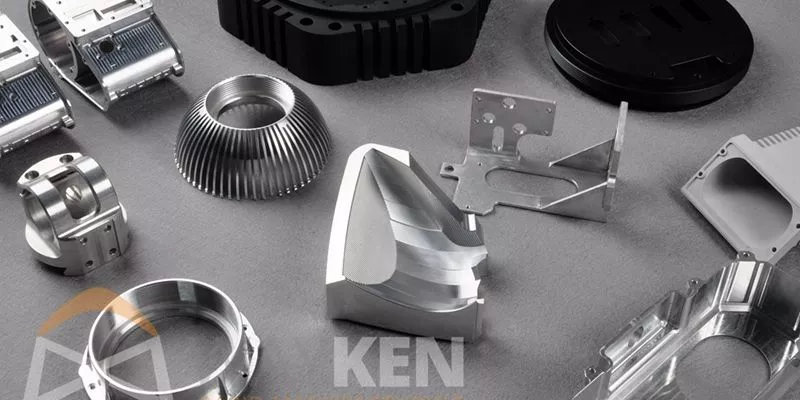
Základní cenové faktory stojící za každou CNC nabídkou
Nikdy jste se zamysleli, proč mají dvě zdánlivě podobné součásti zcela odlišné cenovky? Odpověď spočívá v pochopení vzájemně propojených faktorů, které ovlivňují náklady na CNC obrábění. Ačkoli většina dílen tyto položky uvádí ve svých cenových nabídkách, zřídka vysvětlují, jak každá z nich ovlivňuje konečnou částku – ani to, jak změny v jedné oblasti mohou mít řetězový efekt na celý odhad. Podívejme se podrobně na základní složky, které určují, kolik za obráběné součásti skutečně zaplatíte.
Výběr materiálu a jeho cenové dopady
Volba materiálu je často prvním významným faktorem ovlivňujícím náklady, který narazíte v jakékoli CNC cenové nabídce. Avšak to, co mnoho zakázníků přehlíží: dopad ceny sahá daleko za samotnou cenu surového materiálu. Podle Komacut vyžadují materiály jako nerezová ocel a titan více času a specializovaného nástrojového vybavení, čímž se náklady zvyšují – zatímco měkčí materiály, například hliník, jsou snazší obrábět, což snižuje jak dobu obrábění, tak opotřebení nástrojů.
Při posuzování cenových nabídek na obráběné součásti vezměte v úvahu následující nákladové faktory související s materiálem:
- Cena surového materiálu: Hliník obvykle stojí 2–5 USD za kilogram, zatímco titan může přesáhnout 30 USD za kilogram
- Hodnocení obráběnosti: Tvrdší materiály vyžadují pomalejší řezné rychlosti, což prodlužuje dobu obrábění na stroji
- Opotřebení nástrojů: Abrazivní materiály způsobují rychlejší opotřebení nástrojů, čímž se zvyšují náklady na jejich výměnu
- Dostupnost materiálu: Exotické slitiny mohou vyžadovat delší dodací lhůty a vyšší ceny
- Faktor odpadu: CNC obrábění může podle složitosti součásti generovat 30–70 % materiálového odpadu
Trh výpočet nákladů na kov pro obráběče zohledňuje všechny tyto prvky současně. Například výběr hliníku 6061 místo nerezové oceli 316 v prostředí bez korozní zátěže může výrazně snížit vaše náklady na CNC obrábění – nejen díky levnějšímu materiálu, ale také díky vyšším řezným rychlostem a nižšímu opotřebení nástrojů.
Výpočet doby obrábění a složitosti
Doba obrábění představuje jádro většiny nabídek CNC. Právě zde se geometrie, tolerance a konstrukční rozhodnutí přímo promítají do finančních nákladů. Jak je vysvětleno v Dashnode odhad času obrábění zahrnuje výpočet řezných parametrů, posuvů a počtu průchodů – každý z nich přidává minuty, které se násobí hodinovou sazbou dílny.
Několik faktorů ovlivňuje, jak dlouho bude váš díl na stroji:
- Složitost dílu: Složité geometrie vyžadují více výměn nástrojů a pečlivé nastavení polohy
- Tloušťka materiálu: Tlustší materiály vyžadují více průchodů pro dosažení požadované hloubky
- Požadavky na povrchovou úpravu: Hladší povrchové úpravy vyžadují pomalejší posuvy a mělčí řezy
- Specifikace tolerancí: Přesnější tolerance vyžadují přesné řezání sníženou rychlostí
- Typ stroje: pětiosé stroje zpracovávají složité díly rychleji, ale mají vyšší hodinovou sazbu
Cena CNC obrábění se výrazně liší podle volby stroje. Standardní tříosý frézovací stroj může účtovat 40–60 USD za hodinu, zatímco pětiosý stroj může účtovat 75–150 USD za hodinu. Pětiosý stroj však může složitý díl dokončit za polovinu času, což může přinést lepší poměr cena/výkon i přes vyšší sazbu.
Poplatky za nastavení a sekundární operace
Zde je faktor ovlivňující cenu, který mnoho začínajících kupujících překvapí: náklady na nastavení zůstávají relativně fixní bez ohledu na to, zda objednáváte jednu součástku nebo sto. Podle Geomiq , významná část nákladů na CNC obrábění připadá na přípravu – návrh modelu, vytvoření drah nástrojů a přípravu počátečního nástrojového vybavení. Tyto jednorázové procesy mají fixní náklady bez ohledu na množství.
Náklady na nastavení a sekundární operace obvykle zahrnují:
- Čas programování: Vytvoření a optimalizaci drah nástrojů pro vaši konkrétní součástku
- Příprava přípravku: Speciální upínací kleště a držáky pro složité geometrie
- Nastavení nástrojů: Instalace a kalibrace vhodných řezných nástrojů
- První kontrolní protokol (First Article Inspection): Ověření, že počáteční součástky splňují technické specifikace
- Doplňkové operace: Odstranění hran, závitování, tepelné zpracování nebo povrchové úpravy
Právě proto se cena za jednotku při CNC obrábění při zvyšujícím se množství dramaticky snižuje. Součástka, jejíž cena činí 134 USD za jednu kus, může stát pouze 13 USD za kus při objednávce 100 kusů – tedy snížení o 90 %, které je způsobeno především rozdělením nákladů na nastavení mezi větší počet součástek.
Vztah mezi tolerancem a náklady
Přesnější tolerance vyžadují pomalejší řezné rychlosti a více kontrol kvality, čímž se náklady přímo zvyšují. Zatímco konkurenti tento vztah zmíní, vzácně vysvětlují mechaniku, která za ním stojí. Níže je uvedeno, co se ve skutečnosti děje při zadání přesnějších tolerancí:
- Řezné rychlosti musí být sníženy, aby byla zachována přesnost
- K minimalizaci vibrací se stávají nutnými tlumící zařízení
- Specializované upínací nástroje zajistí stabilitu obrobku
- Chladicí systémy zabrání tepelnému roztažení
- Více kontrol kvality ověřuje rozměrovou přesnost
Výchozí tolerance ±0,127 mm je pro většinu aplikací dostačující a nepřináší žádný příplatek. Přesnější tolerance by měly být stanoveny pouze pro kritické funkční povrchy – jinak platíte za přesnost, kterou ve skutečnosti nepotřebujete.
Porozumění těmto základním faktorům ovlivňujícím cenu vám poskytne základ pro inteligentní interpretaci jakéhokoli CNC cenového nabídky. Avšak způsob, jakým takovou nabídku získáte, je stejně důležitý jako její pochopení – což nás přivádí k porovnání různých procesů tvorby cenových nabídek dostupných na současném trhu.
Porovnání okamžitých nabídek a tradičních procesů žádostí o nabídku (RFQ)
Představte si, že nahrajete svůj CAD soubor a do 60 sekund obdržíte cenu. Nyní si představte, že čekáte tři dny na podrobnou nabídku od místního strojírenského podniku. Obě scénáře představují legitimní způsoby získání CNC cenových nabídek – ale který přístup přináší nejlepší výsledky pro váš konkrétní projekt? Porozumění rozmanitosti cenových nabídek vám pomůže vybrat správný postup a vysvětlí, proč se ceny mezi jednotlivými poskytovateli mohou výrazně lišit.
Okamžité cenové platformy a jejich fungování
Okamžité cenové platformy transformovaly způsob, jakým kupující získávají online cenové nabídky na obráběné součásti tyto systémy využívají algoritmy založené na umělé inteligenci k analýze nahraných CAD souborů, automatickému rozpoznávání prvků, výpočtu strojního času a generování cen během několika minut – někdy dokonce během několika sekund.
Podle společnosti Factorem moderní platformy analyzují váš návrh a poskytují okamžité nebo rychlé nabídky s průhledným rozpisem nákladů a proaktivní zpětnou vazbou týkající se návrhu pro výrobu (DFM). Tento automatizovaný přístup je zvláště účinný u standardních geometrií a běžných materiálů.
Takto probíhá žádost o okamžitou nabídku:
- Nahrajte svůj 3D CAD model (formáty STEP, IGES nebo STL)
- Algoritmy umělé inteligence analyzují geometrii a identifikují obráběcí prvky
- Systém vypočítá objem materiálu, strojní čas a faktory složitosti
- Cena se automaticky generuje na základě předdefinovaných parametrů
- Zpětná vazba týkající se návrhu pro výrobu (DFM) upozorňuje na potenciální problémy s výrobní proveditelností
Výhoda rychlosti je nezpochybnitelná. Pokud potřebujete cenové nabídky pro CNC služby na jednoduché součásti, okamžité platformy eliminují opakovanou komunikaci, která tradičně zpožďovala rozhodování o zakoupení.
Rychlé nabídky s technickou revizí
Některé projekty spadají do mezní kategorie – jsou příliš složité pro čistě automatické zpracování, ale nevyžadují plný tradiční proces žádosti o nabídku (RFQ). Služby rychlých nabídek kombinují algoritmickou analýzu s lidskou technickou revizí a obvykle poskytují návrhy během několika hodin místo dnů.
Tento hybridní přístup se ukazuje jako užitečný, pokud vaše součásti zahrnují:
- Neobvyklé specifikace materiálů vyžadující ověření zdroje dodávky
- Složité tolerance, které vyžadují technické posouzení
- Víceoperativní výrobní procesy zahrnující sekundární dokončování
- Speciální povrchové úpravy nebo specializované povlaky
- Požadavky na montáž nebo objednávky vícesoučástkových sestav
Podle StartProto výrobní AI agenti mohou zpracovat výkresové sady a extrahovat kompletní výrobní specifikace během několika minut – avšak inženýrská revize přináší nezbytnou přesnost pro složité sestavy. Jeden letecký výrobce zkrátil zpracování žádostí o cenovou nabídku (RFQ) z 2,5 hodiny na 25 minut pomocí tohoto přístupu, přičemž zachoval přesnost, kterou čistá automatizace nedokázala dosáhnout.
Tradiční proces žádosti o cenovou nabídku (RFQ) s místními dílnami
Když vyhledáváte výrazy jako „CNC obrábění v blízkosti mě“ nebo „obráběcí dílny v blízkosti mě“, obvykle hledáte tradiční zkušenost s žádostí o cenovou nabídku (RFQ). Tento proces zahrnuje přímou komunikaci se službami obráběcích dílen, podrobné diskuze o vašich požadavcích a personalizované cenové nabídky založené na konkrétních schopnostech každé dílny.
Tradiční přístup nabízí následující výhody:
- Osobní konzultace pro složité požadavky
- Průhlednost při jednání o podmínkách a cenách
- Budování vztahů pro průběžné výrobní potřeby
- Místní obráběcí dílny mohou nabídnout návštěvy na místě a praktickou spolupráci
- Customizovaná řešení pro jedinečné výrobní výzvy
Tato metoda však vyžaduje trpělivost. Pokud inženýři ručně analyzují výkresy, porovnávají specifikace a vytvářejí technologické postupy od začátku, trvá typický proces žádosti o cenovou nabídku (RFQ) významnou dobu – často 2–3 pracovní dny pro podrobné návrhy.
Hledání spolehlivého CNC obráběcího provozu v blízkosti stále zůstává důležité pro mnoho zakázníků, zejména pro ty, kteří mají trvalé výrobní potřeby nebo součásti vyžadující specializovanou odbornou způsobilost, kterou nelze snadno posoudit pomocí automatizovaných systémů.
Porovnání tří přístupů
Která metoda stanovení cenové nabídky je vhodná pro váš projekt? Odpověď závisí na složitosti součásti, časovém rámci a vaší potřebě personalizace. Níže je uvedeno, jak se tyto přístupy vzájemně srovnávají podle klíčových faktorů:
| Faktor | Platformy pro okamžité nabídky | Rychlé cenové nabídky s revizí | Tradiční žádost o nabídku |
|---|---|---|---|
| Časová náročnost | Několik sekund až několik minut | Hodiny až jeden den | 2–5 pracovních dnů |
| Přesnost u jednoduchých součástí | Vysoká | Vysoká | Vysoká |
| Přesnost pro složité díly | Střední | Vysoká | Nejvyšší |
| Možnosti přizpůsobení | Omezeno na parametry platformy | Střední pružnost | Plně přizpůsobitelné |
| Zpětnou vazbu DFM | Automatické návrhy | Zpětná vazba přezkoumaná inženýrem | Podrobná konzultace odborníka |
| Nejlepší případy použití | Standardní geometrie, prototypy, běžné materiály | Střední složitost, specializované materiály | Složité sestavy, trvající partnerství |
| Cenová průhlednost | Okamžitá viditelnost | Dobrá viditelnost | Vyžaduje vyjednávání |
Proč se cenové nabídky mezi dodavateli liší
Zde je něco, co mnoho kupujících mate: předložíte stejné technické specifikace třem různým dodavatelům a získáte tři výrazně odlišné ceny. Čím jsou tyto rozdíly způsobeny?
Několik faktorů přispívá k rozdílům v cenových nabídkách:
- Kapacity dílny: Obráběcí dílna vybavená pětiosými stroji může nabídnout složité součásti za nižší cenu než dílna s tříosými stroji, která vyžaduje více nastavení
- Jmenovitý proud: Zaneprázdněné dílny mohou nabídnout vyšší ceny, aby lépe řídily poptávku, zatímco dílny hledající zakázky mohou poskytnout konkurenceschopné ceny
- Zdrojování materiálu: Ukotvené dodavatelské vztahy ovlivňují nákupní ceny surovin
- Struktura režijních nákladů: Certifikovaná zařízení s systémy řízení kvality mají vyšší provozní náklady
- Geografická poloha: Mzdové náklady a náklady na provoz zařízení se liší podle regionu
- Rozdíly v interpretaci: Nejasné specifikace mohou jednotliví poskytovatelé interpretovat různým způsobem
Porozumění těmto rozdílům vám pomůže efektivněji vyhodnotit nabídky. Nejnižší cena není vždy nejlepší hodnota – výrazné odchylky v jakémkoli směru vyžadují před uzavřením smlouvy podrobnější zkoumání.
Nyní, když víte, jak fungují různé procesy tvorby nabídek, dalším krokem je zajistit, že budete plně připraveni ještě před vyžádáním nabídek. Informace, které poskytnete, mají přímý dopad jak na přesnost, tak na dobu zpracování.
Základní informace, které je třeba připravit před vyžádáním nabídek
Už jste někdy odeslali žádost o cenovou nabídku a místo odpovědi jste dostali pouze požadavek na dodatečné informace? Nejste sami. Neúplné žádosti jsou hlavní příčinou zpoždění při vystavování nabídek a nepřesností v cenách u CNC obrábění. Dobrá zpráva je, že malá příprava předem ušetří značné množství času i frustrací – a často také vede k konkurenceschopnějším cenám. Níže najdete přesný seznam položek, které je třeba shromáždit ještě před tím, než požádáte o další cenovou nabídku na CNC obrábění.
Formáty souborů, které umožňují získat přesné cenové nabídky
Vaše CAD soubory jsou základem každé cenové nabídky. Podle JLCCNC je vaše CNC strojní vybavení tak dobré, jaké je soubory, které mu poskytnete – přesnost začíná již na úrovni souboru. Avšak ne všechny formáty souborů jsou pro účely vystavování nabídek stejně vhodné.
Nejlepší soubory pro CNC obrábění pro účely vystavování cenových nabídek zahrnují:
- STEP (.stp, .step): Zlatý standard pro vystavování cenových nabídek na CNC – zachovává geometrii a rozměry napříč různými platformami
- IGES (.igs, .iges): Široce kompatibilní formát vhodný pro většinu CAD/CAM systémů
- Parasolid (.x_t, .x_b): Výborný pro složité geometrie s vysokou přesností
- Nativní CAD formáty: Soubory SolidWorks, Fusion 360 nebo Inventor jsou kompatibilní s mnoha moderními platformami
Zde je běžná chyba, které je třeba se vyvarovat: odesílání formátů založených na síti (např. STL nebo OBJ) pro součásti vyráběné CNC frézováním. Ačkoli tyto formáty fungují dobře pro 3D tisk, hladké křivky rozdělují na malé trojúhelníky, což vede k nepřesným výpočtům nástrojových drah a nejspolehlivějším cenovým nabídkám. Pokud máte k dispozici jediný soubor pro CNC ve formátu STL, počítejte s tím, že výrobce požádá o pevný model (solid model), než vám poskytne přesnou cenu.
Technické specifikace, které je třeba definovat předem
Představte si, že obdržíte cenovou nabídku založenou na předpokladech, které neodpovídají vašim skutečným požadavkům. Právě to se stane, pokud budou z vašeho zadání chybět kritické technické specifikace. Podle Baillie Fab 2D výkresy a 3D modely pomáhají dosáhnout maximální efektivity v celém procesu plánování výroby – bez nich musí výrobci soubory znovu vytvářet interně, čímž se prodlouží doba přípravy cenové nabídky a mohou se vyskytnout nepřesnosti.
Vaše dokumentace k návrhu by měla jasně uvádět:
- Kritické rozměry: Všechna funkční rozměry s příslušnými tolerancemi
- Specifikace otvorů: Průměr, hloubku, požadavky na závit a stranu, ze které má být součást obráběna
- Požadavky na tolerance: Uveďte pouze těsné odchylky na povrchu, který je funkčně vyžaduje
- Geometrické rysy: Vnitřní rohy, podřízky a složité geometrie, které ovlivňují přístup s obráběným materiálem
- Sestavný kontext: Jak se CNC díl hodí do jiných součástek pomáhá obchodům pochopit kritické vlastnosti
Významné varování od TheSupplier.in: použití zbytečně těsných tolerancí (jako je ± 0,02 mm na nekritické prvky) prodlužuje dobu obrábění, vyžaduje další kontrolu a zvyšuje náklady. Používejte všeobecné poznámky o tolerancech pro nekritické rozměry a vymezujte pevné specifikace pouze tam, kde je funkce vyžaduje.
Kontrolní seznam požadavků na materiál a povrch
Předtím, než pošlete další žádost o nabídku cen pro CNC díly, projděte si tento seznam přípravných kontrol, abyste zajistili, že nic nebude přehlíženo:
- Export modelu ve formátu STEP nebo IGES s úplnou geometriízkontroluje, zda po vývozu chybí žádné prvky
- Připravte rozměrový 2D kresbu zobrazující všechny kritické tolerance, označení děr a požadavky na povrchovou úpravu
- Uveďte přesnou třídu materiálu —nezapisujte pouze „ocel“, ale uveďte konkrétní druh, např. „SS304“ nebo „EN8“, včetně uvedení přípustných ekvivalentů
- Definujte požadavky na povrchovou úpravu jasně: „Anodizovaný černý povrch, tloušťka vrstvy 10 μm“ nebo „pouze strojní povrch“ odstraňuje nejednoznačnost
- Uveďte požadované množství včetně jakýchkoli předpokládaných budoucích objemů, které by mohly ovlivnit cenové pásmo
- Zahrňte výkresy sestav pokud objednáváte více součástí z CNC strojů, které spolu fungují
- Uveďte sekundární operace, které jsou potřebné: pulverový nátěr, tepelné zpracování, gravírování nebo speciální balení
- Uveďte koncové použití výrobku aby inženýři mohli již v rané fázi odhalit potenciální konstrukční problémy
Dobře připravené příspěvky nejenže získávají rychlejší nabídky, ale také konkurenceschopnější ceny. Když obchodníci mohou přesně posoudit vaše požadavky bez vysvětlení, vytvářejí si důvěru ve své odhady, místo aby se snažili o nejistotu. Několik minut navíc strávených přípravou kompletní dokumentace se často překládá do významných úspor nákladů a rychlejšího zpracování.
S dokumentací připravenou, další hlavní faktor nákladů, který je třeba pochopit, je, jak výběr materiálu ovlivňuje konečnou cenu nabídky.
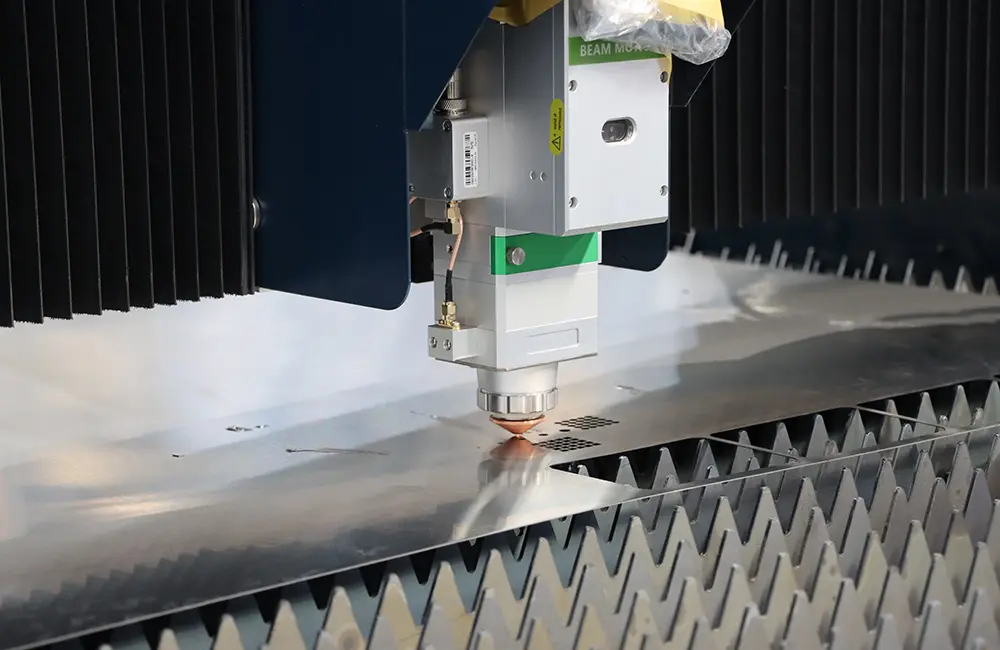
Jak výběr materiálu ovlivňuje cenu nabídky
Když si procházíte nabídky na CNC stroje, všimli jste si, jak výrazně se ceny mění při změně materiálu? Součást, která je v nabídce za 50 USD z hliníku, může stát až 200 USD z titanu – i při zcela identické geometrii. Pochopení toho, proč k tomu dochází, vám poskytne silný nástroj pro optimalizaci nákladů bez kompromisů na výkonu. Výběr materiálu ovlivňuje vaši nabídku třemi způsoby: cenou surového materiálu, požadavky na čas obrábění a rychlostí opotřebení nástrojů.
Hliník a jeho cenové výhody
Existuje důvod, proč je obrábění hliníku dominantním postupem v CNC průmyslu. Podle JLCCNC zůstává hliník nejvýhodnější volbou z hlediska ceny surového materiálu za kilogram, přičemž zároveň nabízí vynikající obrabovatelnost, která snižuje dobu provozu stroje a opotřebení nástrojů. Tato kombinace činí slitiny hliníku výchozí volbou pro zákazníky zaměřené na náklady.
Avšak ne všechny třídy hliníku mají stejný výkon. Zde je to, co potřebujete vědět o běžných možnostech:
- Hliník 6061: Nejčastější univerzální slitina s vynikající obráběností a dobrým poměrem pevnosti k hmotnosti – často nejekonomičtější kov pro CNC součásti
- Hliník 6082: Podobné vlastnosti jako slitina 6061, častěji používaná v Evropě pro splnění britských norem
- Hliník 7075: Slitina pro letecký průmysl s vynikajícími vlastnostmi proti únavě materiálu – lze tepelně zpracovat na úroveň pevnosti srovnatelnou s ocelí, avšak je dražší
- Hliník 5083: Vyšší odolnost proti korozi mořské vody, ideální pro námořní a stavební aplikace
Podle Hubs mají hliníkové slitiny vynikající poměr pevnosti k hmotnosti, vysokou tepelnou i elektrickou vodivost a přirozenou ochranu proti korozi – často se tak stávají nejekonomičtější volbou jak pro prototypy, tak pro výrobní součásti.
Ocelové třídy a cenové rozdíly
Pokud vaše aplikace vyžaduje vyšší pevnost nebo odolnost proti opotřebení, stane se ocel logickou volbou – avšak cenová struktura se stává složitější. Různé ocelové skupiny mají značně odlišné cenové dopady na vaši CNC nabídku.
Měkké oceli nabízejí nejlevnější vstupní bod do obrábění oceli. Díky dobré obrobitelnosti a svařitelnosti se materiály jako 1018 a A36 dobře hodí pro montážní přípravky, upínací zařízení a konstrukční součásti. Jsou však náchylné ke korozi, pokud nejsou chráněny ochrannými povlaky.
Nerdzidé oceli mají vyšší cenu, ale poskytují odolnost proti korozi, která eliminuje nutnost povrchové úpravy. Podle Hubs je nerezová ocel 304 nejběžnější slitina s vynikajícími mechanickými vlastnostmi, zatímco slitina 316 nabízí vyšší odolnost vůči chemikáliím pro náročnější prostředí. Jaký je kompromis? Nerezová ocel se obrábí pomaleji než hliník, což zvyšuje náklady na obrábění kovů pro vašeho soustružníka prodloužením cyklových časů.
Nástrojové oceli patří mezi nejdražší oceli na trhu. Díky výjimečné tvrdosti (45–65 HRC po tepelném zpracování) vyžadují materiály jako D2 a A2 specializované nástroje a pomalejší posuvy – což výrazně zvyšuje jak materiálové, tak zpracovatelské náklady.
Pro aplikace vyžadující pevnost bez plné ceny nerezové oceli zvažte cnc bronze nebo měděné součásti. Měď C36000 nabízí vysokou mez pevnosti v tahu a přirozenou odolnost proti korozi a patří mezi nejlehčeji obráběné materiály na trhu – což činí bronzové CNC součásti překvapivě cenově výhodnými pro výrobu středních sérií.
Technické plasty pro cenově výhodná řešení
Někdy je nejchytřejší volbou materiálu vůbec nekov. Technické plasty nabízejí lehká řešení s jedinečnými vlastnostmi, které kovy prostě nemohou poskytnout – často za konkurenceschopné ceny, pokud zohledníme i kratší dobu obrábění.
POM (plast Delrin) se mezi plasty vyznačuje jako nejlepší materiál pro obrábění. Podle Hubs nabízí plast Delrin nejvyšší obráběnost mezi plasty, což jej činí nejvhodnější volbou pro CNC součásti vyžadující vysokou přesnost, vysokou tuhost a nízké tření. Při porovnání POM a nylonu má POM výraznou cenovou výhodu v ceně suroviny – přibližně o 250–350 USD levnější za 1 000 liber podle současných tržních cen.
Nylon pro obrábění nabízí své vlastní výhody. Obrábění nylonu poskytuje vynikající odolnost proti nárazu a chemickou odolnost, avšak nasává vlhkost snadněji než POM. Pro jednoduché součásti vysokého objemu, které vyžadují minimální dodatečné úpravy, se může nylon ukázat jako výhodnější i přes vyšší náklady na suroviny za kubický palec.
Další technické plasty, které stojí za zvážení:
- Polykarbonát: Vynikající odolnost proti nárazu a průhlednost – ideální pro kapalinová zařízení
- PEEK: Vysoce výkonný termoplast, který může nahradit kov v aplikacích citlivých na hmotnost
- PTFE (Teflon): Nejnižší koeficient tření ze všech pevných látek, výjimečná chemická odolnost
Porovnání cenových úrovní materiálů
Při vyhodnocování nabídek na CNC obrábění pomáhá porozumění relativní pozici jednotlivých materiálů učinit informované kompromisy. Tato tabulka řadí běžné materiály podle cenové úrovně s kontextem jejich obrábětelnosti:
| Cenová úroveň | Materiály | Stroje | Hlavní úvahy |
|---|---|---|---|
| ECONOMY | Hliník 6061, POM (Delrin), Mosaz C36000 | Vynikající (index 120–200 %) | Krátké cykly obrábění, nízké opotřebení nástrojů, ideální pro prototypy i výrobu vysokého objemu |
| Střední třída | Nerezová ocel 304/316, nylon, uhlíková ocel 1018 | Dobrá (index 40–70 %) | Vyvážený poměr výkonu a nákladů, vyžadují se střední rychlosti obrábění |
| Premium | Hliník 7075, nástrojové oceli (D2, A2), měď | Střední (index 30–50 %) | Specializované aplikace, vyšší opotřebení nástrojů, nižší posuvy |
| Exotická | Titan, Inconel, PEEK | Těžká (index 10–30 %) | Extrémní opotřebení nástrojů, velmi nízké posuvy, vyžadují se specializované nástroje |
Skryté náklady exotických materiálů
Zde mohou nabídky na CNC stroje překvapit nezkušené kupující. Exotické materiály, jako je titan nebo Inconel, nejsou pouze dražší na nákup – zásadně mění i rovnici obrábění. Podle JLCCNC má titan vysokou vstupní bariéru jak z hlediska ceny, tak z hlediska obrábětelnosti, a je proto ekonomicky výhodný pouze v odvětvích, kde požadavky na výkon převáží všechny ostatní faktory.
Co se stane, pokud zadáte exotické materiály:
- Rychlost řezání prudce klesne: Zatímco hliník lze obrábět rychlostí 500 SFM, pro titan je nutná rychlost jen 100–150 SFM
- Opotřebení nástrojů se zrychluje: Karbidový frézovací nástroj, který vydrží 100 součástí z hliníku, může u titanu vydržet pouze 5–10 součástí
- Specializované nástroje se stávají povinnými: Exotické materiály často vyžadují povlakované nástroje nebo specifické geometrie
- Požadavky na chlazení rostou: Systémy vysokotlakého chlazení zabrání tepelnému poškození
- Složitost nastavení roste: Konzervativnější parametry znamenají delší programování a ověřování
Cena CNC obrábění titanových dílů může být 5 až 10krát vyšší než u ekvivalentních hliníkových dílů – nejen kvůli ceně materiálu, ale i kvůli kumulativnímu vlivu nižších rychlostí obrábění, rychlejšího opotřebení nástrojů a delší doby obrábění na stroji.
Porozumění těmto materiálovým dynamikám vám umožňuje učinit chytřejší rozhodnutí. Někdy „levnější“ materiál ve skutečnosti po obrábění vyjde dražší. Jinokdy výborná obráběnost prémiového materiálu částečně kompenzuje jeho vyšší cenu v surové podobě. Klíčové je posoudit celkovou výrobní cenu – nikoli pouze cenu materiálu.
Jakmile je výběr materiálu objasněn, čeká na vás další významný faktor ovlivňující náklady: jak požadavky na dodací lhůtu ovlivňují cenu vašich dílů.
Možnosti dodací lhůty a jejich vliv na cenu
Potřebujete své díly zítra? Pravděpodobně je získáte – ale za to zaplatíte. Doba dodání je jedním z nejmocnějších, avšak často opomíjených faktorů ovlivňujících ceny vašich CNC obráběcích služeb. Pochopení toho, jak požadavky na rychlost dodání ovlivňují cenu, vám pomůže lépe vyvažovat mezi naléhavostí a rozpočtem. Ať už provádíte CNC prototypování kvůli kritickému termínu nebo plánujete sériovou výrobu měsíce dopředu, časový rámec, který zvolíte, přímo určuje výši vaší platby.
Zrychlené služby a dodávky v krátkém termínu
Když se blíží termíny a standardní časové rámce nestačí, zrychlené služby nabízejí záchranu – avšak za příplatek. Podle QDJ Prototype mohou poplatky za expedici dosahovat až 50 % nad základní cenovou nabídku, čímž se naléhavost stává jedním z nejdražších faktorů v cenové kalkulaci CNC služeb.
Proč stojí expedované zakázky tak mnoho? Mechanismy ležící za příplatky odhalují skutečný dopad na provoz dílny:
- Porucha plánu: Dílny musí přeplánovat stávající zakázky, čímž potenciálně zklamou jiné zákazníky
- Náklady na práci přesčas: Mzdy operátorů během prodloužených pracovních hodin mohou činit 1,5–2násobek standardních sazeb
- Prioritizace strojů: Premium stroje jsou vyhrazeny výhradně pro vaši zakázku místo toho, aby byly zpracovávány v dávkách
- Zrychlené získávání materiálů: Materiály s rychlou dodávkou jsou dražší než standardní zakoupení
- Snížená optimalizace: Krátký čas na doladění nástrojových drah znamená delší cykly výroby
Pokud hledáte výraz „CNC obráběč v mé blízkosti“ s nadějí na službu ve stejný den, počítejte s cenovými nabídkami, které odrážejí tyto skutečnosti. Místní blízkost pomáhá snížit dobu dopravy, ale neodstraňuje výrobní omezení, která způsobují příplatek za expresní zakázky.
Podle společnosti HMaking mohou rychlé CNC služby dodat jednoduché součásti během několika dnů a složitější součásti během jednoho až dvou týdnů, v závislosti na požadavcích na materiál a dokončení. Tato rychlost podporuje napjaté vývojové cykly – avšak příplatek odráží specializovanou kapacitu vyhrazenou pro zakázky s krátkou dobou dodání.
Standardní dodací lhůty a optimalizace nákladů
Zde chytrá zakázka přináší skutečné výhody. Standardní dodací lhůty existují proto, že jsou přizpůsobeny efektivnímu provozu dílny – a tato efektivita se přímo promítá do nižších cen vašich nabídek pro CNC stroje.
Podle Bredo mohou jednodušší součásti z běžně dostupných materiálů mít kratší dodací lhůty v rozmezí několika dnů až několika týdnů, zatímco složitější součásti nebo ty, které vyžadují speciální materiály, mohou mít dodací lhůtu prodlouženou na několik týdnů či dokonce měsíců. Porozumění těmto základním údajům pomáhá stanovit realistická očekávání.
Standardní kategorie dodacích lhůt se obvykle rozdělují následovně:
- 3–5 pracovních dnů: Jednoduché prototypy, běžné materiály, minimální úpravy povrchu – očekávejte cenu o 10–20 % vyšší než základní cena
- 1–2 týdny: Standardní složitost s operacemi úpravy povrchu – platí základní cena
- 2–4 týdny: Složité geometrie, specializované materiály nebo více operací – často nejvýhodnější časové okno z hlediska nákladů
- 4–8 týdnů: Výrobní série s optimalizací – nejnižší cena za kus díky efektivitě dávkové výroby
Když vyhledáte výraz „frézovací dílny v blízkosti“ a projednáváte termíny, dílny, které uvádějí dobu realizace 2–3 týdny pro středně složitou práci, obvykle pracují s optimální efektivitou. Tento ideální časový interval umožňuje správné naprogramování, nákup materiálů za standardní ceny a zpracování zakázek ve skupinách podobných položek.
Prototypy versus sériová výroba: různé dynamiky plánování
Množství objednaných kusů zásadně ovlivňuje, jak dílny přistupují k dodacím lhůtám – a také k cenám. Podle HMakingu se prototypové CNC projekty obvykle týkají velmi malých množství, avšak vyžadují vysokou reaktivitu; typické dodací lhůty pro prototypy činí 2–7 pracovních dnů v závislosti na složitosti, materiálu a požadavcích na dokončení.
Takto se dynamika liší:
Prototypové obráběcí služby (1–50 kusů):
- Náklady na nastavení dominují – jejich rozložení na malý počet dílů udržuje cenu za kus vysokou
- Dílny zařazují prototypovou práci do volných časových mezer mezi sériovými zakázkami
- Rychlejší dodání je možné, protože čas stroje je minimální
- Vyšší cena odráží vyhrazenou pozornost spíše než efektivitu dávkové výroby
Výrobní série (100+ kusů):
- Počáteční dodací lhůty jsou delší kvůli programování, upínání a prvnímu kontrolnímu měření
- Jakmile se výroba ustálí, opakované objednávky následují předvídatelným harmonogramem
- Náklady na jednotku výrazně klesají, protože náklady na nastavení se rozprostírají přes celkový objem výroby
- Podle HMakingu se výrobní dávky mohou pohybovat od 50–100 kusů u nízkosériové výroby až po několik tisíc kusů na dávku u ustálených programů
Při hledání výrazů „CNC poblíž mě“ nebo „CNC obráběcí dílny poblíž mě“ pomáhá vyjasnění, zda potřebujete prototypy nebo výrobní množství, aby dílny mohly od samotného začátku poskytnout přesné odhady dodacích lhůt a cen.
Vyvážení rychlosti a rozpočtu
Nejchytřejší zakupující považují dodací lhůtu za strategický nástroj, nikoli za pevně dané omezení. Podle Bredo pomáhá rané plánování a komunikace s vaší obráběcí dílnou zajistit výrobní kapacity a materiály – často tak úplně eliminuje nutnost nákladných poplatků za expedici.
Praktické strategie optimalizace dodací lhůty ve vztahu k nákladům:
- Plánujte dopředu: I jen dva dodatečné dny dodací lhůty mohou snížit náklady za expresní výrobu o 20–30 %
- Komunikujte předpovědi: Poskytnutí dílenám přehledu nad nadcházejícími objednávkami jim umožňuje rezervovat kapacitu
- Seskupování podobných dílů: Seskupování objednávek optimalizuje nastavení strojů a využití strojního vybavení
- Přijímejte standardní materiály: Standardní materiály, které jsou skladem, se dodávají rychleji než speciální třídy
- Zjednodušujte, kde je to možné: Snížení složitosti obrábění přímo zkracuje dobu cyklu
Podle Breda udržování jasné a pravidelné komunikace se svou obráběcí dílnou vás udržuje v průběhu výroby informovanými a umožňuje rychle řešit vznikající problémy – tím se zabrání tomu, aby malé zpoždění vyústila v katastrofální poruchy plánu.
Očekávaná doba zpracování cenové nabídky podle složitosti
Dokonce ještě před tím, než obdržíte součásti, budete čekat na samotnou cenovou nabídku. Průmyslové normy pro dobu zpracování cenové nabídky se výrazně liší podle toho, co požadujete od dílen k posouzení:
- Jednoduché díly, okamžité platformy: Vteřiny až minuty – automatizovaná analýza zpracovává standardní geometrie
- Středně složitá konstrukce, rychlá revize: Hodiny až jeden den – inženýrské posouzení odhaluje nuance, které algoritmům unikají
- Složité sestavy, tradiční žádost o nabídku (RFQ): 2–5 pracovních dnů – podrobná analýza požadavků na víceoperační výrobu
- Rozsáhlé výrobní programy: 1–2 týdny – plánování kapacity, ověření získávání materiálů a komerční revize
Po pochopení těchto očekávání můžete realisticky plánovat lhůty pro zakoupení. Pokud potřebujete již dnes nabídku pro složitý víceoperační díl, samotná naléhavost může ovlivnit cenu, kterou obdržíte – dodavatelé zohledňují spěch při přípravě nabídky do celkového posouzení dynamiky vašeho projektu.
Jakmile je jasné, jak se mění dodací lhůty, čeká na zvážení další významný faktor: jak průmyslové certifikace ovlivňují jak technické možnosti, tak ceny u vašich nabídek na CNC obrábění.
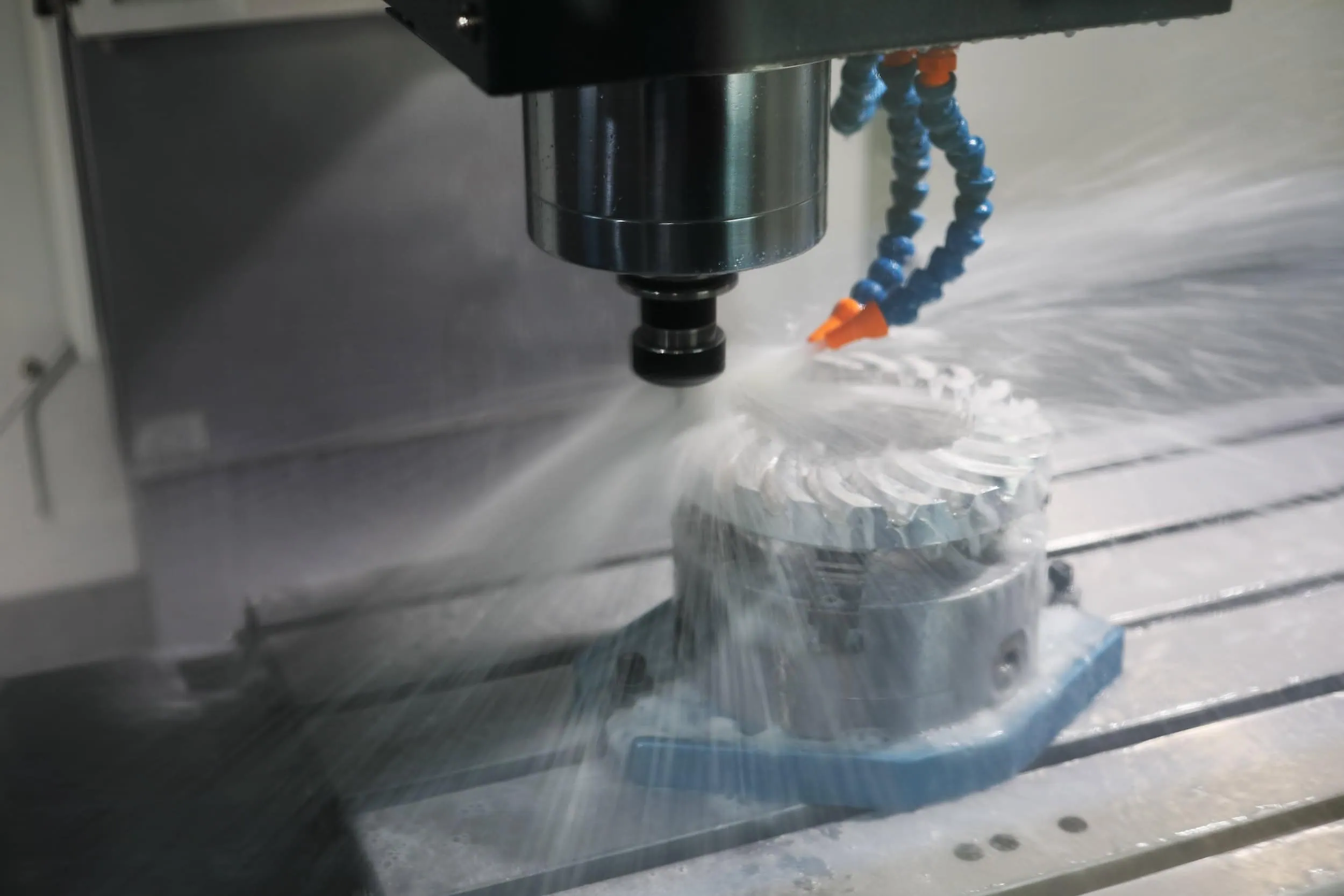
Odborné certifikace a jejich vliv na cenové nabídky
Nikdy jste se zamysleli, proč dvě strojní dílny uvádějí zcela odlišné ceny za identické součásti? Certifikace mohou být skrytým faktorem. Při vyhodnocování cenových nabídek pro CNC obrábění představují odborné certifikace jednu z nejméně pochopených, avšak nejvýznamnějších cenových položek. Tyto osvědčení nejsou pouze formální dokumenty – odrážejí významné investice do systémů řízení kvality, kvalifikovaného personálu a zdokumentovaných procesů, které přímo ovlivňují výši vaší platby.
Požadavky na certifikace dle odvětví
Různé průmyslové odvětví vyžadují různou úroveň záruky kvality – a certifikace, které tyto standardy potvrzují, mají skutečné náklady. Podle společnosti 3ERP nejsou certifikace pouze formálními kontrolními body předepsanými předpisy – poskytují hmatatelné výhody, jako je zlepšení výrobních procesů, snížení chyb a zvýšení celkové provozní efektivity. Ale které certifikace se vztahují na váš projekt?
Zde je přehled hlavních certifikací a jejich shody s požadavky jednotlivých odvětví:
- ISO 9001: Univerzální základní norma pro systémy řízení kvality – použitelná ve všech výrobních odvětvích a často minimální požadavek pro vážné zakázky
- AS9100D: Založena na normě ISO 9001 s odvětvově specifickými požadavky pro letecký průmysl týkajícími se řízení rizik, sledovatelnosti a řízení konfigurace – povinná pro služby přesného obrábění v leteckém a obranném průmyslu
- IATF 16949: Globální kvalitní norma automobilového průmyslu, která kombinuje zásady normy ISO 9001 s odvětvově specifickými požadavky na neustálé zlepšování a prevenci vad
- ISO 13485: Definitivní norma pro obrábění lékařských zařízení, která stanovuje přísné požadavky na návrh, výrobu, sledovatelnost a zmírňování rizik u komponent lékařských přístrojů
- NADCAP: Specializovaná akreditace pro CNC obrábění v leteckém průmyslu, včetně tepelného zpracování, chemického zpracování a nedestruktivního zkoušení
Podle americké společnosti American Micro Industries je v odvětvích jako výroba letadlových součástí a výroba zdravotnických zařízení dodržování certifikací, jako je ISO 9001 nebo AS9100, často předpokladem pro to, aby byla společnost vůbec zvážena jako dodavatel. Toto není dobrovolní zlepšení kvality – jedná se o základní podmínku účasti.
Jak certifikace ovlivňují ceny nabídek
Zde je realita, kterou dílny zřídka vysvětlují: získání a udržování certifikací stojí peníze, a tyto náklady se přímo promítají do vašich nabídek. Podle Machine Shop Directory mohou samotné audity AS9100 stát dílnu 10 000 až 25 000 USD, zatímco certifikace ISO 9001 se pohybuje v rozmezí 4 000 až 75 000 USD v závislosti na velikosti a složitosti provozu.
Poplatky za audity však představují jen začátek. Certifikované provozy nesou trvalé provozní náklady, které ovlivňují jejich cenovou strukturu:
- Personál pro řízení kvality: Specializovaný personál pro údržbu dokumentace a systémů dodržování požadavků
- Školení: Pravidelné certifikace zaměstnanců a požadavky na ověřování jejich dovedností
- Dokumentační systémy: Komplexní sledování od suroviny až po dokončenou součást
- Kalibrační programy: Pravidelná verifikace a certifikace měřicího vybavení
- Vnitřní audity: Kontinuální monitorování dodržování požadavků před externími posouzeními
- Dozorové audity: Roční posouzení třetí stranou plus úplná recertifikace každé tři roky
Podle společnosti 3ERP také certifikované služby CNC obrábění zaznamenávají zlepšení výkonu strojů – díky dodržování definovaných protokolů pro údržbu a provoz se minimalizuje prostoj a zvyšuje se produktivita. Tyto efektivity částečně kompenzují vyšší režijní náklady, avšak certifikované dílny stále uvádějí vyšší ceny než ne-certifikované alternativy pro srovnatelnou práci.
Jaký je tedy kompromis? Podle Machine Shop Directory jedna dílna hlásila pokles míry přepracování o 15 % během jednoho čtvrtletí po získání certifikátu ISO 9001. Pro zakázky to znamená méně zamítnutých součástí, rychlejší dodávky a snížení celkových nákladů na vlastnictví, i když jsou počáteční nabídky vyšší.
Kdy je certifikace povinná a kdy dobrovolná
Pochopte, kdy skutečně potřebujete certifikované služby CNC obrábění s vysokou přesností, abyste se vyhnuli nadměrnému placení za zbytečnou shodu s požadavky – nebo naopak nedostatečnému placení za neadekvátní kvalitu. Rozhodovací rámec je rozdělen podle odvětví a aplikace:
Certifikace je povinná, pokud:
- Specifikace vašeho zákazníka ji výslovně vyžadují (podle Machine Shop Directory vyžaduje 67 % výrobců OEM od dodavatelů certifikaci ISO 9001)
- Díly jsou určeny pro regulovaná odvětví: letecký a kosmický průmysl, zdravotnické prostředky, automobilové bezpečnostní systémy nebo obranné aplikace
- K dodaným dílům musí být přiložena dokumentace umožňující stopovatelnost
- Váš systém řízení jakosti vyžaduje certifikaci dodavatelů pro schválené dodavatelské seznamy
- Koncové aplikace zahrnují lidskou bezpečnost nebo kritickou infrastrukturu
Certifikace může být nepovinná, pokud:
- Jde o prototypování nebo vývojovou práci, u níž jsou požadavky na dokumentaci mírnější
- Jde o nedůležité komponenty s velkými tolerancemi
- Vnitřní nástroje nebo upínací zařízení, která nejsou součástí vašeho systému řízení kvality
- Spotřební zboží bez regulativního dozoru
- Citlivost na náklady převyšuje požadavky na sledovatelnost
Podle Machine Shop Directory získávají dílny s odvětvovými certifikacemi průměrně o 15 % více zakázek. Tato konkurenční výhoda se promítá do vyššího vytížení provozoven a potenciálně delších dodacích lhůt – další faktor, který je třeba zohlednit při posuzování nabídek.
Přiřazení potřebných certifikací k vašemu projektu
Výběr správné úrovně certifikace vyžaduje vyvážení požadavků na soulad s realitami rozpočtu. Níže najdete rámec pro přiřazení certifikací k potřebám projektu:
| Odvětví | Požadovaná certifikace | Další požadavky | Vliv na cenovou nabídku |
|---|---|---|---|
| Všeobecná výroba | ISO 9001 (doporučeno) | Žádné obvykle nejsou vyžadovány | Základní cenová hladina |
| Letecký průmysl | AS9100D | NADCAP pro speciální procesy | prémie 15–30 % |
| Lékařské přístroje | ISO 13485 | Shoda s FDA 21 CFR Part 820 | prémie 20–40 % |
| Automobilový průmysl | IATF 16949 | Dokumentace PPAP | prémie 10–25 % |
| Obrana | AS9100D + ITAR | Bezpečnostní povolení, řízený přístup | 25–50 % prémie |
Pro automobilové aplikace vyžadující certifikaci IATF 16949 výrobci jako Shaoyi Metal Technology ukázat, jak certifikovaná zařízení kombinují záruku kvality s konkurenceschopnými dodacími lhůtami. Jejich přesné CNC obrábění zahrnuje statistickou kontrolu procesů (SPC) pro automobilové součásti s vysokou přesností, přičemž dodací lhůty mohou být krátké až na jeden pracovní den – což dokazuje, že vyšší náklady spojené s certifikací nemusí nutně znamenat ztrátu rychlosti.
Pokročilé výrobní techniky se také prolínají s požadavky na certifikaci. Pokud váš projekt vyžaduje služby 5osého CNC obrábění pro složité geometrie v leteckém průmyslu, stává se certifikace zvláště důležitou – sofistikované programování a koordinace více os vyžadují dokumentované postupy, aby byla zajištěna opakovatelnost. Podobně švýcarské obrábění pro lékařské komponenty vyžaduje soulad s normou ISO 13485, aby byly splněny regulační požadavky na implantovatelná nebo chirurgická zařízení.
Podle americké společnosti American Micro Industries certifikace pomáhají formalizovat postupy, definovat kontrolní body a sledovat trvalou souladnost – což organizacím usnadňuje sledování a neustálé zlepšování provozu. Tento systematický přístup přináší výhody zakazovatelům díky konzistentní kvalitě u všech objednávek, i když se u dodavatele mění personál nebo vybavení.
Hodnotová nabídka certifikace
Při posuzování cenových nabídek na CNC stroje od certifikovaných a necertifikovaných dílen vezměte v úvahu celkovou hodnotovou rovnici:
- Snížené riziko: Dokumentované postupy minimalizují variabilitu a míru zmetkovosti
- Sledovatelnost: Úplná dokumentace materiálů a procesů pro šetření kvality
- Nepřetržité zlepšování: Certifikace vyžaduje neustálé zdokonalování procesů
- Důvěra zákazníků: Nezávislé ověření závazků týkajících se kvality
- Soulad s předpisy: Předem kvalifikováno pro požadavky regulovaných odvětví
Jeden majitel dílny uvedený ve výrobním adresáři Machine Shop Directory vysvětlil: „Certifikace ukazují našim klientům, že jsme vážně naladěni na kvalitu. Nejde jen o papírovou práci – jde o závazek k excelenci u každé součásti, kterou vyrobíme.“
Porozumění dopadům certifikace vám pomůže přesně interpretovat rozdíly v cenových nabídkách. Vyšší cena od certifikovaného servisu není nutně přemrštěná – odráží skutečné investice do systémů zajištění kvality, které přinášejí výhody pro vaše díly. Naopak neobvykle nízké nabídky od servisů, které uvádějí, že jsou certifikované, vyžadují ověření ještě před tím, než se rozhodnete.
Když již rozumíte faktorům souvisejícím s certifikací, další klíčovou dovedností je naučit se efektivně vyhodnocovat a porovnávat více cenových nabídek, které obdržíte.
Vyhodnocování a porovnávání více CNC nabídek
Shromáždili jste cenové nabídky ze tří různých servisů – co teď? Jednoduché vybrání nejnižší částky je lákavé, ale zkušení kupující vědí, že tento přístup často selže. Při porovnávání cenových nabídek na CNC stroje spočívá skutečná dovednost ve vyhodnocení celkové hodnoty: zajištění kvality, komunikačních návyků, výrobních kapacit a skrytých nákladů, které se v původní nabídce neobjevují. Pojďme si podrobně vysvětlit, jak porovnávat cenové nabídky jako profesionál v oblasti zakázek.
Faktory nad rámec porovnávání cen
Představte si, že objednáváte kusy vyrobené na CNC stroji podle vlastního návrhu pouze na základě ceny a nakonec obdržíte součásti, které neprojdou kontrolou nebo dorazí o tři týdny později. Podle XTJ CNC komplexní posouzení zahrnuje analýzu rozpisu nákladů spolu s klíčovými faktory, jako jsou certifikace dodavatele, dodací lhůty a služby po zpracování – a tím zajistíte výběr partnera, který nabízí nejlepší celkovou hodnotu, nikoli jen nejnižší počáteční cenu.
Při posuzování cenových nabídek pro kovové součásti podle vlastního návrhu pečlivě zvažte tyto klíčové faktory mimo cenu:
- Záruky kvality: Určuje nabídka normy pro kontrolu, rozměrové protokoly nebo proces prvního vzorku (FAI)?
- Rychlost komunikace: Jak rychle reagoval výrobce? Položil vám upřesňující otázky k vašemu návrhu?
- Zpětná vazba k návrhu: Podle XMake je to, že dodavatel předloží cenovou nabídku k vašemu návrhu bez jakéhokoli komentáře – i když je zřejmé, že jsou toleranční požadavky nadměrné – obvykle známkou toho, že se jedná o „příjemce objednávek“, nikoli o strategického partnera.
- Výrobní možnosti: Jsou schopni zvládnout vaše objemy? Mají vhodné zařízení pro složitost vašich součástí?
- Sledovatelnost materiálu: Poskytnou certifikáty pro materiály použité ve vašich zakázkových CNC součástech?
- Podpora po výrobě: Co se stane, pokud součásti dorazí mimo specifikace? Provedou vyšetření a přepracují je?
Společnosti, které vyrábějí zakázkové kovové součásti na nejvyšší úrovni, neposkytují pouze cenové nabídky – zapojují se. Hledejte firmy, které považují vaši žádost o nabídku (RFQ) za začátek konverzace, nikoli jen za číslo, které je třeba vygenerovat.
Červené vlajky v CNC nabídkách
Neobvykle nízká nabídka není vždy dobrým zpravím – může signalizovat šetření na kvalitě, skryté poplatky nebo kompromisy s kvalitou, které se dlouhodobě vyplatí více. Podle XTJ CNC někteří dodavatelé vyloučí nutné technologické procesy, aby jejich počáteční nabídka vypadala atraktivněji, avšak později přidají dodatečné poplatky.
Pozorně sledujte tyto varovné signály při posuzování nabídek:
- Chybějící sekundární operace: Zahrnuje nabídka odstranění ostří, závitování, tepelné zpracování nebo povrchovou úpravu, které vaše součást vyžaduje?
- Nejasné specifikace materiálu: Obecné termíny jako „ocel“ nebo „hliník“ bez uvedení třídy materiálu naznačují možnou náhradu
- Žádné potvrzení dodržení tolerancí: Ceny, které se neodkazují na vaše požadavky na tolerance, nemusely být řádně zkontrolovány
- Nereálné dodací lhůty: Sliby výrazně rychlejšího dodání než u konkurence vyžadují skeptický přístup
- Žádná technická zpětná vazba: U složitých dílů by měly vzniknout otázky – mlčení naznačuje povrchní kontrolu
- Skryté náklady na nastavení: Některé dílny uvádějí nízké ceny za kus, ale v drobném tisku skrývají významné náklady na nastavení
Podle XMake může dodavatel, který rychle odpovídá, ale nedává žádné technické podněty, způsobit zdržení až po zahájení výroby. Fáze tvorby cen často předem ukazuje, jak bude dílna později fungovat – věnujte pozornost těmto raným signálům.
Otázky, které je třeba položit před potvrzením zakázky
Než dokončíte objednávku CNC obrábění, ujistěte se, že porovnáváte srovnatelné položky. Podle W.H. Bagshawa závisí kvalita vašeho konečného výrobku na kvalitě použitých přesně obráběných dílů – proto si nemůžete dovolit spolupracovat s libovolným dodavatelem.
Použijte tuto kontrolní listu k důkladnému vyhodnocení každé nabídky:
- Byly všechny stanovené tolerance potvrzeny a odpovídajícím způsobem zahrnuty do ceny?
- Zahrnuje nabídka všechny sekundární operace, které váš díl vyžaduje?
- Jaká dokumentace k kontrolám bude dodána spolu s doručenými díly?
- Jak dílna řeší revize nebo změny návrhu uprostřed výroby?
- Část procesu obrábění outsourcuje? Pokud ano, které kroky?
- Jaká je jejich politika v případě dílů, které dorazí mimo specifikace?
- Mohou poskytnout reference z podobných projektů nebo odvětví?
- Je certifikace materiálu součástí nabídky, nebo stojí navíc?
Při hledání spolehlivého obráběče v blízkosti vás tyto otázky oddělují vážné výrobní partnery od dílen, které prostě sledují objednávky. Podle XMake spolehliví poskytovatelé nastavují jasné komunikační kanály již od prvního kontaktu, poskytují podrobné nabídky s průhledným ceníkem a na technické dotazy reagují do 24 hodin.
Proč se nabídky liší u identických dílů
Zde je hádanka, která mnoha zakazníkům přináší frustraci: pošlete stejná technická zadání pěti dílnám a obdržíte pět různých cen. Čím jsou tyto rozdíly způsobeny?
Několik legitimních faktorů způsobuje rozdíly v cenových nabídkách:
- Rozdíly v vybavení: Dílna s vlastním strojem optimalizovaným pro geometrii vaší součásti může poskytnout nižší nabídku než dílna, která k výrobě vyžaduje více nastavení
- Využití kapacity: Dílny pracující pod svou kapacitou často poskytují agresivnější nabídky, aby naplnily volné kapacity strojů
- Struktura režijních nákladů: Certifikovaná zařízení mají vyšší provozní náklady, které se promítají do cen
- Rozdíly v interpretaci: Nejasné specifikace mohou jednotliví odhadovatelé vykládat různým způsobem
- Hodnocení rizik: Některé dílny zahrnují do nabídek rezervu na případné nejistoty; jiné stanovují ceny přísně a problémy řeší později
Podle XTJ CNC není nejatraktivnější nabídka vždy tou nejlepší – vyšší cena může odrážet lepší kontrolu kvality, kvalitnější materiály a spolehlivější služby. Při hodnocení výrazných odchylek v cenách se před rozhodnutím podrobněji zamyslete.
Nejnižší nabídka je zřídka nejlepší hodnotou. Skutečné náklady zahrnují kvalitu, spolehlivost, komunikaci a skryté náklady spojené s řešením problémů, které vznikají u levnějších dodavatelů.
Pokud jste vybaveni těmito dovednostmi hodnocení, jste připraveni na podložená rozhodnutí, která vyváží náklady s faktory, které opravdu hrají roli. Posledním krokem je převést toto znalosti na strategickou činnost pro váš další projekt.
Strategické doporučení pro lepší výsledky CNC nabídek
Zjistili jste, co ovlivňuje CNC strojní nabídky, jak připravit své žádosti a co odlišuje cenné nabídky od problematických. Nyní je čas převést tyto znalosti do praxe. Rozdíl mezi kupujícími, kteří konzistentně získávají konkurenceschopné ceny, a těmi, kteří platí nadměrně, spočívá ve strategii – v tom, jak přistupujete k dodavatelům, optimalizujete své návrhy a budujete vztahy, které dlouhodobě přinášejí hodnotu.
Stavění dlouhodobých vztahů s dodavateli
Zde je něco, co dobře znají zkušení odborníci na nákupy: nejlepší nabídky na CNC stroje nevycházejí z jednorázových transakcí – vznikají z partnerství založených na vzájemné výhodě a důvěře. Podle společnosti Stecker Machine je skutečným partnerem ten, kdo je vztah transparentní a jasně definuje svou roli ve vašem úspěchu – vždy víte, na jakém místě stojíte.
Jak v praxi vypadá skutečné výrobní partnerství?
- Pravidelná komunikace: Pravidelné aktualizace týkající se kapacity, schopností a potenciálních problémů ještě předtím, než se stanou problémy
- Spolupráce při návrhu: Inženýři, kteří poskytují zpětnou vazbu k návrhu pro výrobu (DFM), aby zlepšili vaše součásti, nikoli pouze je vyrábějí
- Průhlednost v případě potřeby: Připravenost vyhovět naléhavým objednávkám nebo změnám návrhu bez sankčních cen
- Společné cíle: Dodavatelé, kteří mají zájem o úspěch vašeho produktu, nikoli pouze o zaplnění svých strojů
- Nepřetržité zlepšování: Partneři, kteří aktivně hledají způsoby, jak dlouhodobě snížit vaše náklady
Podle HMaking při výběru partnera pomůže položit si otázku, zda je schopen podporovat jak režim výroby prototypů, tak i sériové výroby – a jak zvládá naléhavé změny, aniž by tím narušil výrobu jiných zákazníků. Tato dvojí schopnost signalizuje zralou provozní činnost, která je připravena růst spolu s vašimi potřebami.
Odborní dílny, které poskytují nejlepší celkovou hodnotu na dlouhodobé úrovni, nejsou vždy ty nejlevnější již v prvním dni – jsou to ty, které snižují váš celkový náklad na vlastnictví díky kvalitě, spolehlivosti a skutečnému partnerství.
Optimalizace návrhů pro lepší cenové nabídky
Vaše rozhodnutí v oblasti návrhu mají větší dopad na náklady na CNC soustružení a frézování, než si většina zakázky uvědomuje. Podle Hubs lze dodržením zásad návrhu pro obrábění (DFM) vyrábět cenově výhodné součásti, které splňují požadavky na funkční výkon – často se tím sníží cenové nabídky o 20–40 %, aniž by došlo ke ztrátě funkčnosti.
Použijte tyto zásady návrhu ještě před tím, než požádáte o další cenovou nabídku:
- Stanovte vhodné tolerance: Používejte přísné tolerance pouze u funkčních povrchů – obecné tolerance ±0,127 mm vyhovují většině prvků
- Zjednodušte vnitřní rohy: Používejte koutové poloměry alespoň jednu třetinu hloubky dutiny, aby bylo možné dosáhnout vyšších rychlostí frézování
- Omezte hloubku dutiny: Udržujte hloubku pod čtyřnásobkem délky prvku, abyste se vyhnuli požadavkům na specializované nástroje
- Navrhujte tak, aby bylo potřeba méně upínacích nastavení: Díly obráběné v jediné poloze jsou levnější než díly vyžadující přeumísťování
- Zvolte standardní rozměry otvorů: Uveďte průměry po 0,1 mm, abyste mohli využít běžně dostupné vrtáky
Při práci s hliníkem pro CNC nebo jinými běžnými materiály se tyto optimalizace navzájem zesilují. Hliníkový CNC stroj zpracovávající optimalizovanou geometrii dokáže dokončit díly o 30–50 % rychleji než alternativy se špatným návrhem – úspory se přímo promítají do vaší cenové nabídky.
Strategie pro výrobu prototypů versus sériovou výrobu
Přístup k tvorbě cenové nabídky, který funguje pro prototypy, často selže u sériové výroby – a naopak. Pochopení toho, kdy je třeba uplatnit různé strategie, zabrání nákladným nesouladům mezi vašimi požadavky a schopnostmi dodavatele.
Podle HMaking optimalizuje CNC pro výrobu prototypů náklady na jednotku učení, zatímco CNC pro sériovou výrobu optimalizuje náklady na součástku během celé životnosti produktu. Vaše strategie stanovení cen by měla odrážet tyto zásadně odlišné cíle:
Pro výrobu prototypů a raný vývoj:
- Upřednostňujte rychlost a flexibilitu před náklady na jednotku
- Přijměte vyšší ceny za rychlé dodání a podporu iterací návrhu
- Spolupracujte s dodavateli, kteří poskytují technickou zpětnou vazbu týkající se výrobní proveditelnosti
- Využívejte služby CNC soustružení a možnosti CNC frézování, které umožňují rychlé změny návrhu
Pro výrobní objemy:
- Investujte čas do kvalifikace dodavatelů ještě před jejich závazným výběrem
- Vyjednávejte cenové stupně podle objemu a rámcové smlouvy o zakázce
- Ověřte, zda systémy řízení kvality odpovídají požadavkům vašeho odvětví
- Posuďte celkové náklady včetně kvality, spolehlivosti dodávek a podpory
Nejchytřejší kupující považují výrobu prototypů a sériovou výrobu za odlišné zakázky z hlediska zakoupení – každá vyžaduje jiné dodavatelské vztahy, cenové struktury a kritéria hodnocení.
Krok ke spuštění vašeho dalšího projektu
Nyní máte komplexní rámec pro pochopení a optimalizaci nabídek na CNC stroje. Avšak znalosti bez akce nepřinášejí žádnou hodnotu. Níže je uvedeno, jak můžete to, co jste se naučili, okamžitě uplatnit:
- Proveďte audit stávajících návrhů: Před vyžádáním nabídek zkontrolujte nadcházející díly z hlediska možností zlepšení pro výrobní příznivost (DFM)
- Připravte kompletní dokumentaci: Shromážděte soubory ve formátu STEP, výkresy s rozměry a jasné technické specifikace ještě před kontaktováním dodavatelů
- Žádejte více nabídek: Získejte alespoň tři návrhy s využitím rámce pro hodnocení uvedeného v tomto článku
- Kladte provokativní otázky: Pomocí poskytnuté kontrolovací listy ověřte, zda nabídky zahrnují všechny nezbytné operace a specifikace
- Vyhodnoťte celkovou hodnotu: Pohlédněte za cenu a posuďte také kvalitní systémy, kvalitu komunikace a potenciál partnerství
Pro kupující, kteří hledají spolehlivé výrobní partnery schopné přejít od rychlého prototypování až po sériovou výrobu, je třeba vyhledat dodavatele s prokázanými schopnostmi v celém životním cyklu výroby. Služby Shaoyi Metal Technology v oblasti CNC obrábění pro automobilový průmysl jsou příkladem tohoto přístupu – nabízejí přesné kovové obrábění certifikované podle normy IATF 16949 s dodacími lhůtami již od jednoho pracovního dne pro součásti s vysokou tolerancí, podporované statistickou regulací procesu (SPC), která zaručuje konzistenci od prvního vzorku až po sériovou výrobu.
Podle HMaking, jednoho z kompletních partnerů, který kombinuje CNC obrábění, tlakové lití, povrchové úpravy a montáž, lze tímto způsobem zjednodušit dodavatelský řetězec a zlepšit koordinaci – snížit tak tření při předávání úkolů a udržet veškeré procesní znalosti soustředěné v rámci jednoho systému řízení jakosti.
Nejlepší čas na optimalizaci vašeho procesu cenových nabídek pro CNC byl před vaším posledním projektem. Druhý nejlepší čas je právě teď – ještě před tím, než zašlete další žádost o cenovou nabídku (RFQ).
Obrábění kovů a CNC řezání představují významné investice do vašeho vývoje produktů a výrobních operací. Pokud uplatníte devět cenových faktorů popsaných v tomto článku – od výběru materiálu a specifikace tolerance až po požadavky na certifikaci a optimalizaci dodacích lhůt – změníte se z pasivního příjemce nabídek ve vzdělaného kupujícího, který si pravidelně zajistí lepší poměr ceny a kvality. Váš další projekt začíná lepší přípravou, chytřejším hodnocením dodavatelů a sebejistotou vyplývající z opravdového porozumění tomu, co zakupujete.
Často kladené otázky týkající se cenových nabídek pro CNC obrábění
1. Jak CNC obráběcí dílny vypočítávají své nabídky?
CNC obráběcí dílny vypočítávají cenové nabídky kombinací několika faktorů: nákladů na suroviny, strojního času založeného na složitosti součásti, poplatků za nastavení pro programování a upínání, sekundárních operací, jako je dokončovací úprava nebo tepelné zpracování, a požadavků na přesnost rozměrů. Přesnější tolerance vyžadují pomalejší obráběcí rychlosti a další kontroly kvality, což zvyšuje náklady. Náklady na nastavení zůstávají relativně fixní bez ohledu na množství, a proto se cena za jednotku výrazně snižuje u větších objednávek. Součást, která stojí 134 USD za jednu kus, může stát pouze 13 USD za kus při objednávce 100 kusů.
2. Jaký je nejvhodnější formát souboru pro podání přesných CNC cenových nabídek?
Formát STEP (.stp, .step) je zlatým standardem pro cenové nabídky CNC, protože zachovává geometrii a rozměry ve všech CAD/CAM platformách. Soubory ve formátu IGES a Parasolid se také velmi dobře hodí pro složité geometrie. Vyhněte se odesílání síťových (meshových) formátů, jako jsou STL nebo OBJ, protože tyto formáty rozdělují hladké křivky na trojúhelníky, čímž dochází k nepřesným výpočtům dráhy nástroje. Pro co nejpřesnější cenové nabídky vždy přiložte rozměrové 2D výkresy s uvedenými tolerancemi, specifikacemi materiálu a požadavky na povrchovou úpravu.
3. Proč se cenové nabídky pro CNC obrábění mezi různými dílnami tak výrazně liší?
Rozdíly v cenových nabídkách vyplývají z několika faktorů: kapacit zařízení (pětiosé vs. tříosé stroje), aktuální kapacity a vytížení dílny, vztahů při získávání materiálů, struktury nepřímých nákladů včetně certifikací, geografické polohy ovlivňující mzdy a způsobu, jakým každý odhadovatel interpretuje vaše specifikace. Certifikovaná zařízení mají vyšší provozní náklady, které se promítají do ceny. Dílny pracující pod svou kapacitou často poskytují agresivní nabídky, aby naplnily stroje. Výrazné odchylky cen směrem nahoru i dolů vyžadují před uzavřením zakázky další prošetření.
4. Jak ovlivňují cenové nabídky pro CNC zpracování průmyslové certifikace, jako jsou ISO 9001 nebo AS9100?
Certifikované provozy obvykle uvádějí ceny o 10–50 % vyšší než nezertifikované alternativy kvůli významným investicím do dodržování požadavků. Audit AS9100 stojí 10 000–25 000 USD, zatímco certifikace ISO 9001 se pohybuje v rozmezí 4 000–75 000 USD. Průběžné náklady zahrnují personál pro řízení kvality, systémy dokumentace, kalibrační programy a pravidelné audity. Certifikované provozy však často dosahují o 15 % nižších mír přepracování a poskytují doložitelnou stopovatelnost. V oblasti leteckého, zdravotnického nebo automobilového průmyslu je certifikace často povinná, nikoli dobrovolná.
5. Jak mohu snížit náklady na své nabídky pro CNC obrábění, aniž bych obětoval kvalitu?
Optimalizujte návrhy tím, že přísné tolerance uplatníte pouze na funkční povrchy, použijete zaoblení rohů o poloměru alespoň jednu třetinu hloubky dutiny, omezíte hloubku dutin na méně než čtyřnásobek délky prvku a zadáte standardní rozměry otvorů. Vyberte cenově výhodné materiály, jako je hliník 6061, místo nerezové oceli, pokud to povahy aplikace umožňují. Přijměte standardní dodací lhůty 2–3 týdny namísto expedovaných objednávek, které zvyšují cenu o 50 %. Budujte vztahy se dodavateli pro objemové slevy a součásti stejného typu zpracovávejte dávkově, abyste rozdělili náklady na nastavení mezi větší počet kusů.