 Small batches, high standards. Our rapid prototyping service makes validation faster and easier —
  EN
EN


Můžu svařovat litinu, aniž bych ji poškodil? Co zkontrolovat jako první
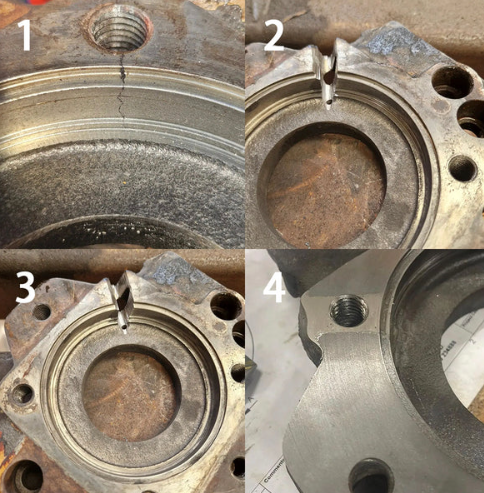
Lze litinu svařovat, aniž by se poškodila?
Pokud se ptáte: lze litinu svařovat , upřímná odpověď není jednoduché ano nebo ne. Společnosti Lincoln Electric i TWI uvádějí, že litinu lze svařovat, avšak je to obtížné, protože je křehká a obsahuje vysoké množství uhlíku. To znamená, že skutečnou rozhodující otázkou je, zda je daná konkrétní součást vhodným kandidátem na opravu.
Lze litinu vůbec svařovat?
Ano, litinu někdy lze svařovat, avšak úspěch závisí na druhu litiny, umístění trhliny, míře namáhání součásti za provozu, stupni jejího znečištění a požadované funkci opravy.
Takže lze litinu svařovat ? Někdy ano. Tělesa, sací a výfukové kolena, základny strojů a dokonce i některé kuchyňské potřeby lze za vhodných podmínek opravit. Pokud jste hledali „ lze litinu svařovat , uvažujte z hlediska cílů opravy, nikoli pouze z hlediska vybavení.
- Typ materiálu: Šedá, tvárná a jiné litiny se na teplo nereagují stejným způsobem.
- Umístění trhliny: Trhlina na okraji je zcela odlišná od trhliny v silně namáhané části.
- Provozní napětí: Části s nízkým napětím jsou bezpečnějšími kandidáty než kritické konstrukční části.
- Kontaminace: Olej, tuk, rzi a litinová kůra mohou poškodit svar.
- Cíl opravy: Uzavření, vzhled a pevnost vyžadují různé volby.
Proč některé opravy litiny selžou již po krátké době
Nejčastěji selže svařování oceli úkoly nejsou neúspěšné kvůli špatnému oblouku. Selžou, protože byla zvolena nesprávná součást, základní kov nebyl známý nebo nebyly řízeny teplo a chlazení. Kosmetická oprava může vyžadovat pouze skrytí poškození. Oprava zabraňující úniku může vyžadovat pouze utěsnění trhliny. Konstrukční oprava musí znovu přenášet zatížení, což je mnohem větší riziko.
Rychlá kontrola typu „ano/ne“ před svařováním
Zeptejte se na tři rychlé otázky. Můžete svařovat litinu pokud se trhlina rozšiřuje, je nasáklá olejem nebo se nachází v oblasti kritické pro bezpečnost? V takovém případě se obvykle jedná o odpověď „ne“. Je cílem pouze zastavit pomalý únik nebo zlepšit vzhled součásti podrobené nízkému namáhání? To může být realistické. Dobrá svařování oceli praxe začíná nejdříve úsudkem, až poté hořákem. A tento úsudek se stane mnohem snazším, pokud přesně víte, jaký druh litiny máte před sebou.
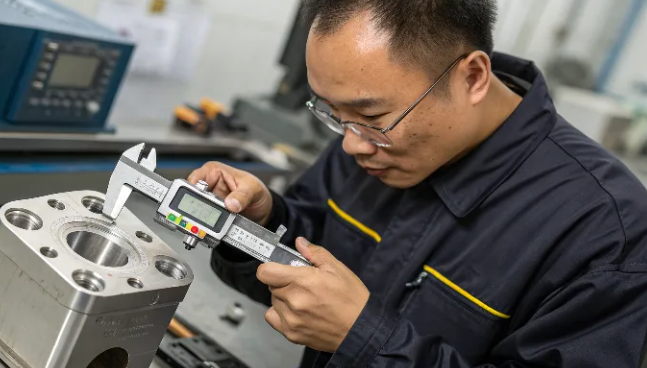
Identifikujte litinový materiál před svařováním
Právě zde se mnoho oprav vyvíjí špatným směrem. Trhlina může vypadat jednoduše, ale skutečná svařitelnost litiny záleží na tom, co litina ve skutečnosti je. Modern Casting upozorňuje na stejný bod jako standardy AWS: mikrostruktura litiny má význam a měla by určovat postup svařování, výběr přídavného materiálu a očekávání ohledně oprav. Pokud existují výkresy, výrobková dokumentace výrobce nebo dřívější provozní záznamy, použijte je. Pokud neexistují, nechte materiál analyzovat místo toho, abyste hádali jen podle barvy nebo tvaru.
Šedá litina vs. tvárná litina vs. kujná litina
Tyto materiály se v běžné konverzaci často označují jako litina, avšak reagují na teplo různým způsobem. Šedá litina je často nejnáročnější na opravu, protože uhlíkaté litiny mohou při nedostatečné kontrole tepla vytvářet tvrdé a křehké rozhraní. Tvárná litina se chová jinak. V průmyslu svařování tvárné litiny používá se pro kvalifikované práce, jako jsou razítkové matrice a trubky z tvárné litiny, avšak stupeň a volba přídavného materiálu stále hrají roli. Také tvárná litina vyžaduje opatrnost. Zdrojový materiál uvádí, že tvárná a kompaktní grafitová litina by se měla svařovat podobně jako šedá a tvárná litina díky své struktuře matrice a volnému grafitu, avšak jsou méně běžné, takže nedokumentované součásti nesmí být bez rozmyslu zařazovány do stejné kategorie.
| Materiální rodina | Obecné chování při tepelném zatížení | Náchylnost ke vzniku trhlin | Co to znamená pro výběr přídavného materiálu a pravděpodobnost opravy |
|---|---|---|---|
| Sivá ocelová litina | Citlivá na tepelný příkon a rychlost chlazení. Nedostatečná kontrola může vést ke vzniku křehkých karbidových oblastí. | Často je při opravách více náchylná ke vzniku trhlin, zejména při nedostatečném předehřívání a nevhodném chlazení. | Obvykle vyžaduje konzervativní výběr přídavného materiálu a pečlivou kontrolu postupu. Pravděpodobnost úspěšné opravy se zvyšuje u prací s nízkým mechanickým namáháním. |
| Tvárná litina | Lze ji úspěšně svařovat za přesně definovaných postupů, avšak feritické a perlitické třídy mohou reagovat odlišně. | Stále je náchylná ke vzniku trhlin, avšak pro některé aplikace jsou již dobře zdokumentovány kvalifikované opravy. | Vyplňovací materiál by měl být přizpůsoben třídě litiny a požadovaným vlastnostem, nikoli volen zvykem. |
| Kujný litina | Obecně se očekává, že bude svařovat v podobném širokém rozsahu jako šedá a tvárná litina. | Vyžaduje opatrnost, protože součásti jsou méně běžné a přesná třída může být nejasná. | Nepředpokládejte, že se bude chovat přesně stejně jako šedá litina. Před výběrem tyče nebo postupu jej ověřte. |
| Bílá litina | Používá se pro součásti určené pro abrazivní provoz a odolává přátelskému chování při svařování. | Pokusy o její svařování obvykle vedou k praskání. | Obvykle je špatným kandidátem na opravu. Výměna je často bezpečnější řešení. |
| Odlitá ocel | Nejde vůbec o problém s postupem svařování litiny. Její chování závisí na třídě oceli a požadovaných vlastnostech. | Záleží na třídě, tloušťce průřezu a použitém postupu. | Nakládejte s ním jako se ocelí, nikoli s litinou. Vyplňovací materiál a postup je třeba vybrat podle požadavků na ocel. |
Proč vyžaduje litá ocel jiný svařovací postup
Právě zde dochází k mnoha chybám. Pokud se ptáte lze litou ocel svařovat , odpověď není stejná jako u litiny. Ocel a litina nemají stejnou strukturu ani logiku opravy, i když jejich chemické složení na papíře vypadá podobně. U kombinovaných oprav zdůrazňuje zdroj přizpůsobení svařovacího materiálu mechanickým vlastnostem požadovaným v místě spoje. Proto jak svařovat litou ocel závisí na třídě oceli a provozních požadavcích, nikoli na obecném triku pro litinu. Stejné varování platí i v případě, že popis prodejce uvádí pouze „litá slitina“. Pokud se ptáte lze litou slitinu svařovat , stále potřebujete znát konkrétní rodinu slitiny, abyste mohli zvolit správný postup.
Jak identifikovat neznámou litinu před opravou
Pro domácí dílnu nebo údržbovou plošinu je stále nejlepším prvním krokem papírová práce. Pokud se ptáte lze li litinu s kuličkovým grafitem svařovat , ujistěte se před zapálením oblouku, že součást skutečně je litinou s kuličkovým grafitem. Zdroj doporučuje alespoň znát chemické složení a mechanické vlastnosti, protože tyto údaje určují jak výběr přídavného materiálu, tak metodu opravy.
- Zkontrolujte funkci, kterou součást plní: součásti vystavené vysoce abrazivnímu opotřebení mohou naznačovat, že je vhodnější bílá litina než litina s kuličkovým grafitem, kterou lze snadno opravovat.
- Vyhledejte dokumentaci: výkresy, štítky, dokumentace výrobce (OEM) nebo staré záznamy o opravách mohou identifikovat šedou litinu, litinu s kuličkovým grafitem, kujnou litinu nebo litou ocel.
- Zeptejte se dílny, co dokáže ověřit: kontroly chemického složení a mechanických vlastností jsou spolehlivější než pouhý vizuální odhad.
- Zkontrolujte historii součásti: pokud je již známo, že odlitek je z lité oceli, nezacházejte s ním jako s litinou.
Identifikace materiálu nezaručuje úspěch, ale mění pravděpodobnost jeho dosažení. I svařitelná skupina materiálů může být stále špatným kandidátem, pokud se trhlina nachází v kritické oblasti, litina je silně kontaminována nebo provozní zatížení neponechává žádné místo pro selhání.
Kdy není vhodné svařovat litinu
Identifikace materiálu zužuje možnosti, ale neznamená, že každé litinové součásti stojí za zachování. Některé díly jsou technicky svařitelné, a přesto jsou pro opravu litiny nevhodné. Společnost Lincoln Electric upozorňuje, že litina je obtížná na svařování a že poškozené litinové součásti jsou běžné, protože tento materiál je křehký. Právě tato křehkost je důvodem, proč je rozhodnutí důležitější než naděje.
Součásti za vysokého namáhání, u nichž není vhodné svařování provádět bez ohledu na rizika
Pokud součást přenáší zatížení, je vystavena rázovým silám nebo plní bezpečnostně kritickou funkci, je nezodpovědné provádět svařování bez patřičné opatrnosti. Stejný zdroj dále uvádí, že i při dodržení správných postupů se vedle svaru mohou objevit malé trhliny. U dekorativní nebo málo namáhané litinové součásti to může být přijatelné. U kritické součásti však nemusí být.
- Neznámý typ materiálu: nepodařujte se a nevařte.
- Závažné znečištění olejem: prokázané odlitky je těžké dostatečně důkladně vyčistit.
- Opakované teplotní cykly: kolena a podobné součásti jsou po opravě obtížněji spolehlivé.
- Kritická bezpečnostní funkce: pokud by selhání mohlo někomu ublížit, jednejte opatrně.
- Rozšiřující se nebo větvící se trhliny: často signalizují větší problém než jediná viditelná čára.
- Chybějící části: obnova tvaru a pevnosti současně zvyšuje riziko.
- Nevýhodná ekonomika: pokud náklady na opravu konkurují nákladům na výměnu, obvykle vyhrává výměna.
Kdy je výměna chytřejší než oprava
Někdy je správnou odpovědí žádné svařování, žádná náplň a žádný druhý pokus.
Pokud si přejete pouze opravit litinu z estetických důvodů může postačit nekonstrukční oprava. Pokud však součást musí utěsnit tlak, udržet polohu nebo obnovit plnou pevnost, jsou požadavky mnohem vyšší. Litina, která je hluboce kontaminována, prasklá ve více směrech nebo náročná na přípravu, se často vyplatí raději vyměnit než opravovat. opravu litiny jedna porucha najedou.
Kosmetická oprava versus strukturální oprava
Dočasný kompromisní postup může jen zpomalit únik nebo stabilizovat poškození na součásti s nízkým rizikem. Trvanlivá oprava za nízkého napětí může být rozumná u krytu nebo skříně. Skutečná strukturální obnova vyžaduje, aby svár znovu přenášel provozní zatížení – a to je rozhodně nejtěžší kategorie. A prasklý litinový hrnec není stejným rozhodnutím jako zatížená strojní součást. Jedna může být převážně kosmetická nebo sentimentální. Druhá se může stát problémem spolehlivosti. Litiny, které tento výběr přežijí, potřebují ještě jedno obtížné rozhodnutí: který proces vám poskytne největší kontrolu, aniž by způsobil více prasklin, než dokáže oprava snést.
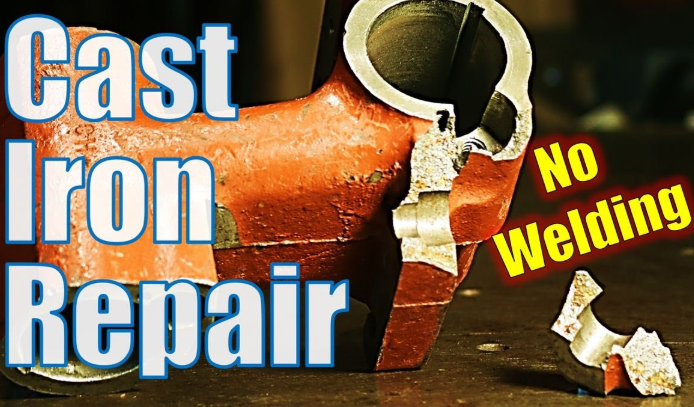
Vyberte nejvhodnější metodu svařování litiny
Volba metody je místo, kde se mnoho jinak slibných oprav rozpadne. Litina nepodléhá ostrým výkyvům teploty při ohřevu a chlazení, proto je nejlepší metoda obvykle ta, která vám poskytne nejpředvídatelnější kontrolu tepla pro danou konkrétní součást. Pokyny od Red-D-Arc umisťuje ruční svařování elektrodou na první místo pro většinu prací s litinou, považuje kyslíko-acetylenové svařování za životaschopnou alternativu a upozorňuje, že TIG a MIG mají vyšší riziko selhání. Do diskuse patří také pájení, avšak vytváří jiný druh spoje než skutečné tavné svaření.
| Proces | Typická náročnost na dovednosti | Intenzita přípravy | Styl řízení tepla | Strategie délky svářecího stehu | Riziko vzniku trhlin | Role kování (vyklepávání) | Způsob chlazení |
|---|---|---|---|---|---|---|---|
| Ruční svařování elektrodou / SMAW | Střední | Vysoká | Soustředěný oblouk, obvykle kombinovaný s pečlivým předehříváním a trpělivostí | Krátké, kontrolované průchody jsou bezpečnějším zvykem | Střední, pokud je teplo kontrolováno | Často užitečné u měkčích, obrábětelných výplní | Pomalé chlazení je důležité |
| Tig | Vysoká | Vysoká | Velmi lokalizovaná tepelně ovlivněná oblast | Velmi krátké průchody s častými přestávkami | Vyšší, protože teplotní gradient může být prudký | Omezené a závislé na výplni | Pomalé chlazení je kritické |
| MIG | Nízká strojní bariéra, ale špatná přesnost opravy | Vysoká | Svařovací oblouk s menší tolerancí pro křehké litiny | Vyhněte se pokušení dlouhých nepřerušovaných svařovacích úseků | Vyšší než u ručního svařování při opravě litiny | Obvykle není hlavní výhodou | Stále je důležité pomalé chlazení |
| Kyslíkové hořáky | Střední až Vysoká | Vysoká | Širší ohřívaná oblast, která může snížit ostré teplotní gradienty | Kontrolované navařování namísto spěchajících průchodů | Může být nižší než u metod s těsným obloukem, pokud je správně řízeno | Závisí na použitém přídavném materiálu a způsobu opravy | Stále je nutné pomalé a rovnoměrné chlazení |
| Svařování | Střední | Vysoká | Základní kov není roztaven do svařovací lázně | Malé ohřáté části pro zabránění přetížení litiny | Často nižší napětí než u tavního svařování, ale pevnost není ekvivalentní | Obvykle není centrální | Mírné chlazení zůstává doporučenou praxí |
Ruční obloukové svařování litiny pro praktické opravy
Pro většinu domácích dílen a údržbových týmů ruční obloukové svařování litiny je nejrealističtější možností. Svařovací stroj je běžný, proces je přístupný a jedná se o metodu, která je nejčastěji doporučována pro opravy litiny. Pokud svařujete litinu ručním obloukovým svařovačem vybavení, které již vlastníte, což je obvykle lepším výchozím bodem než honba za náročnějším procesem jen proto, že vypadá čistší. Kompenzací je to, že svařování tyčinkou stále vyžaduje důkladnou přípravu, řízené teplo a trpělivost mezi krátkými svary. Kovaní (peening) může také pomoci u měkčích a více tažných svarových spojů, avšak není univerzálním řešením pro každý litinový odlitek.
Svařování litiny metodou TIG kvůli řízení tepla
Svařování litiny metodou TIG zní lákavě, protože oblouk je přesný. Samotná přesnost však není totéž co bezpečnost u křehkého litinového odlitku. Stejný zdroj uvádí, že metoda TIG vytváří velmi lokalizovanou tepelně ovlivněnou oblast, což znamená, že oblast pod hořákem rychle zahřívá, zatímco okolní kov zůstává mnohem chladnější. Takový prudký teplotní gradient může podporovat vznik nových trhlin. Jinými slovy, tig litina práce metodou TIG je možnost vyžadující přísnou kontrolu, nikoli zkratka. Pokud je k dispozici pouze zařízení pro svařování metodou TIG, udržujte cíl opravy konzervativní a věnujte zvláštní pozornost předehřevu a ochlazování.
Svařování litiny metodou MIG a jeho omezení
Mnoho čtenářů se ptá: lze litinu svařovat metodou MIG , protože zařízení pro svařování drátovou elektrodou už je v garáži k dispozici. Upřímná odpověď zní, že svařování litiny metodou MIG obvykle není první doporučenou metodou. Odborné skupiny řadí MIG spolu s TIG mezi metody, které mají při opravách litiny vyšší pravděpodobnost neúspěchu než ruční obloukové svařování (stick). Pokud tedy uvažujete o rychlé opravě litiny metodou MIG , neměla by pohodlnost použití zařízení převážit riziko selhání opravy. Pokud je součást cenná, náchylná ke vzniku trhlin nebo má konstrukční význam, může být skutečnost, že je k dispozici pouze svařovací stroj MIG, důvodem k přepnutí na jinou metodu namísto nutného vynucení opravy touto metodou.
Kyslíko-plynové svařování si zaslouží místo v této srovnávací analýze i tehdy, když ho uživatel nepoužívá. Jeho širší tepelný profil může snížit ostrý přechod z horka na chlad, který způsobuje potíže u přesnějších obloukových metod. To jej ovšem nedělá bezchybným, ale vysvětluje, proč některé opravy na něj reagují lépe než na TIG.
Pájení jako alternativa s nižším napětím
Pájení litiny mění logiku opravy. Pájení neroztavuje původní litinový odlitek do svařovací lázně, takže může snížit napětí v křehké součásti. To ho činí užitečným pro určité opravy s nízkým namáháním nebo opravy související s únikem. Stejně důležitý je i kompromis: pájené spoje mají spíše mechanickou povahu a obecně jsou slabší než plnohodnotný svar, a proto nejsou vhodnou volbou v případech, kdy součást musí odolávat vysokým provozním zatížením nebo opakovaným poškozením. Pokud již máte ruční svařovací stroj (elektroda), je ruční svařování obvykle nejpraktičtější cestou. Pokud máte pouze TIG nebo MIG, riziko rychle stoupá. A dokonce i při správném svařovacím postupu může druh vybraného přídavného materiálu rozhodnout o tom, zda bude opravená součást dále obrábětelná, zda se nepraskne znovu nebo zda se spoj dostatečně pevně udrží, aby bylo možné opravu řádně dokončit.
Jak vybrat svařovací elektrodu pro litinu
Mnoho svařovací elektrody pro litinu vypadají na polici zaměnitelně. Nejsou. U křehkých litin ovlivňuje přídavný materiál, kolik uhlíku se do svaru smíchá, jak tvrdý bude svarový kov, zda lze opravu obrábět a jaká je pravděpodobnost opětovného vzniku trhliny vedle svarového hrotu. Společnosti Lincoln Electric i TWI uvádějí malou skupinu realistických rodin přídavných materiálů pro opravy litin: nikl, nikl-železo, nikl-měď a v omezených případech ocel. Proto nejlepší svářecí tyčinka pro litinu je ta, která odpovídá cíli opravy, nikoli jen nejlevnější krabice, kterou lze zakoupit.
Kdy dává smysl použít niklový přídavný materiál
Pokud musí být součást po opravě vrtána, frézována nebo jinak obráběna, je vhodný niklový svařovací tyč z litiny je obvykle nejbezpečnější první volbou. Společnost Lincoln Electric uvádí, že elektrody třídy ENi-CI, jejichž obsah niklu je nominálně 99 %, zůstávají obrábětelné i při vysokém míru příměsi a často se používají pro opravy jedním průchodem. TWI dodává, že niklové a niklové slitiny jako přídavný materiál snášejí vysokou míru rozředění uhlíku a mají tendenci vytvářet tažitelný, obrábětelný svarový kov s nižší pórovitostí. Proto svařování litiny niklovou tyčí je tak běžné při opravách trhlin v skříních, tělesech čerpadel a základních deskách strojů.
Nikl však není kouzelné řešení. TWI také varuje, že pokud do svarového kovu pronikne vysoký obsah síry nebo fosforu z mateřského kovu, může dojít u niklových svarových kovů ke trhlinám při tuhnutí. U známých tříd litiny postupujte podle dokumentace součásti nebo kvalifikovaného postupu před výběrem jakéhokoli svařovacího tyče pro litinu .
Jak vybrat svařovací elektrodu pro litinu
| Cíl opravy | Typická kategorie přídavného materiálu | Čemu pomáhá | Hlavní kompromis |
|---|---|---|---|
| Snadné následné obrábění, lehké opravy trhlin, práce jedním průchodem | Elektroda s vysokým obsahem niklu, např. ENi-CI | Velmi dobrá obrabovatelnost a tažnější nános | Vyšší náklady a ne vždy nejvhodnější pro tlusté, silně zatížené části |
| Tlustší části, pevnější oprava, lepší odolnost vůči fosforu | Elektroda z niklu a železa, např. ENiFe-CI | Vyšší pevnost a tažnost, méně problémů s prasklinami na rozhraní taveniny ve srovnání s elektrodami s vysokým obsahem niklu | Obvykle obrabovatelná, avšak při vysoké míře ředění se může stát obtížněji obrabovatelnou |
| Oprava smíšených kovů nebo materiálů s různými vlastnostmi | Přídavný materiál z niklu a železa nebo jiné niklové slitiny | Dobrá rovnováha mezi odolností proti prasklinám a pevností pro náročné opravy | Nemusí být dokončen tak snadno jako měkčí nános s vysokým obsahem niklu |
| Navaření podkladové vrstvy („buttering“) před vyplněním drážky | Nikl nebo niklo-měděná slitina | Vytváří měkčí a tažnější vrstvu mezi litinou a následným svařovacím kovem | Zvyšuje časovou náročnost a počet pracovních kroků |
| Nejlevnější oprava, pokud je přijatelné broušení | Ocelová svařovací elektroda, např. ESt | Přívětivý oblouk a vhodné tam, kde není nutné obrábění | Tvrdý, neobrobitelný nános s vyšším rizikem vzniku trhlin |
Střední řada odpovídá mnoha obecným opravám. Společnost Lincoln Electric popisuje elektrodu ENiFe-CI jako slitinu s nominálním obsahem 55 % niklu, která je obvykle obrobitelná, pevnější a tažnější než slitina s 99 % niklu a lépe snáší fosfor. D&H Sécheron stejně tak umísťují nikl-železné přídavné materiály do optimálního rozsahu mezi pevností a obráběností, včetně některých spojů různých kovů. Jednoduše řečeno, nejlepší svařovací tyč na litinu pro prasklý upevňovací kroužek není nutně tou nejvhodnější pro těsnicí opravu, která bude později obráběna do rovné plochy.
Přizpůsobte přídavný materiál obráběnosti, pevnosti a povrchové úpravě
Neexistuje jediný svařovacího tyče pro litinu přídavný materiál, který je vhodný pro každou opravu. Vyšší obsah niklu obvykle zlepšuje obráběnost a snižuje křehkost svařeného spoje. Vyšší obsah železa v přídavném materiálu obvykle zvyšuje pevnost a tažnost, avšak příliš vysoká míra zředění může způsobit ztvrdnutí opravené oblasti. Ocelové přídavné materiály snižují náklady, avšak společnost Lincoln Electric upozorňuje, že nejsou obráběné a obvykle se dokončují broušením. To je proto praktickou volbou pouze tehdy, když je broušení přijatelné a cílem opravy je jen omezený požadavek na kvalitu. Pokud porovnáváte svařovací elektrody pro litinu , zamyslete se nejprve nad povrchovou úpravou, a teprve poté nad svarem.
- Bude oprava později obráběna, vrtána, závitována nebo vyfrézována?
- Jde o těsnění trhliny, obnovu okraje nebo opětovné přenášení provozního zatížení?
- Potřebujete nejnižší riziko vzniku trhlin, nejjednodušší dokončení nebo nejpevnější navařování?
- Bude přijatelné broušení, pokud se navařená vrstva ztvrdne?
- Máte známou třídu litiny nebo postup svařování (WPS), který vyžaduje konkrétní svařovací tyč na litinu ?
Proto zkušení svařači volí přídavný materiál a techniku společně. I správný svařovací elektrody pro litinu může selhat, je-li trhlina nečistá, jsou svary příliš dlouhé nebo se litina ochlazuje příliš rychle. Skutečná práce začíná u pracovního stolu, kde čištění, předehřev, délka svary, kování a ochlazování rozhodují o tom, zda se volba tyče skutečně vyplatí.
Jak svařovat litinu s menším rizikem vzniku trhlin
Dobrá volba tyče stále selže, je-li postup nepřesný. Pokyny od společnosti Lincoln Electric a Weldclass vedou ke stejnému závěru: k nejlepší způsob svařování litiny je řízené zahřívání od začátku do konce. Pokud se učíte svařovat litinu , nebo se ptáte jak svařit litinu doma , použijte pevně stanovený postup místo improvizace jednotlivých svárových koulí. To je důležité bez ohledu na to, zda svařujete litinu ručním obloukovým svařovačem nebo hledáte informace o tom jak svařit litinu MIG svařovačem .
- Důkladně vyčistěte odlitek i mimo viditelný trhlinu.
- Otevřete trhlinu drážkou, abyste dosáhli zdravého kovu.
- Rozhodněte se, zda jde o utěsnění, obnovu nebo strukturální obnovu.
- Zvolte jednu tepelnou strategii a držte se jí.
- Použijte nízký proud a velmi krátké svařovací švy.
- Umísťujte švy střídavě místo toho, abyste prováděli jeden dlouhý průchod.
- Pokud to metoda opravy umožňuje, kovově zpracujte čerstvé švy.
- Litinu pomalu ochlaďte a před vrácením do provozu pečlivě prohlédněte.
Etapa jedna: Vyčistěte a připravte trhlinu
Čištění není volitelné. Společnost Weldclass upozorňuje, že nečistoty, olej a jiné nečistoty mohou znemožnit vytvoření kvalitního svaru; nejlépe se často osvědčuje čištění párou nebo horkou vodou, protože litina je pórovitá a může kontaminaci nasáknout. Vyčistěte oblast kolem svarového spoje a všechny strany součásti, nikoli pouze viditelnou plochu. Poté vyfrézujte trhlinu pomocí rotačního frézovacího nástroje nebo brusného kotouče. Pro opravu trhlin se často upřednostňuje U-způsobný frézovaný profil, zatímco zlomené okraje, které je třeba spojit, se obvykle zkosení. Toto je také vhodný okamžik k určení cíle opravy. Oprava zaměřená na utěsnění netěsnosti a oprava zaměřená na obnovení pevnosti se liší přijímacími kritérii. svařování litiny .
Druhá fáze: Řízení tepla před a během svařování
Lincoln Electric popisuje dvě funkční metody: předehřát a udržovat odlitek horký, nebo jej udržovat chladný, avšak ne zcela studený. Chybou je střídání metod napůl cesty. U horkých oprav doporučuje Lincoln v případě možnosti pomalé a rovnoměrné předehřátí celého odlitku, obvyklý rozsah teplot činí 260 až 650 °C s varováním, že teplota nesmí překročit 760 °C. Společnost Weldclass dodává, že malé díly lze rovnoměrně zahřát v běžné troubě, zatímco větší odlitky mohou vyžadovat hořák nebo plamenový hořák. U oprav za nižší teploty doporučuje Lincoln zahřát součást na přibližně 38 °C, aby nebyla studená na dotek. V obou metodách použijte nízký proud. Zbytkové napětí a ředění uhlíku činí svařování litiny neprodlené, proto je důležitější konzistence než samotná intenzita tepla.
Etapa tři: Používejte krátké svary a případně provádějte kování (peening)
Když ty svařování litiny dlouhé průchody často vytvářejí další trhlinu. Společnost Lincoln doporučuje krátké úseky přibližně 1 palec (25 mm) a společnost Weldclass dává podobná doporučení, a to zhruba 25 mm. Udržujte proud co nejnižší, jak je prakticky možné, vytvořte krátký svárový šev, zastavte se a přesuňte se na jiné místo, aby se teplo rozmístilo namísto toho, aby se hromadilo v jedné linii. Společnost Weldclass navrhuje umístit svárové švy na každém konci trhliny, poté uprostřed a následně vyplnit mezery mezi nimi. Společnost Lincoln také upřednostňuje, aby konce paralelních svárových švů nebyly zarovnané. Klenutí každého čerstvého svárového švu kuličkovým kladivem může pomoci snížit napětí způsobené smrštěním, zejména u oprav citlivých na vznik trhlin. Vyplňte každý kráter, než se zastavíte. Pokud se konec svárového švu stane nerovným, před opětovným spuštěním jej sražte broušením. Rychlost je nepřítelem při svarování litiny .
Čtvrtá fáze: Pomalé ochlazení a kontrola opravy
Řízení chlazení je součástí opravy, nikoli dodatečnou úvahou. Lincoln varuje před použitím vody nebo stlačeného vzduchu k nucenému chlazení. Místo toho nechte litinovou součást postupně ztrácet teplo. Obě odkazované prameny doporučují po svařování – pokud je to vhodné – součást opět rovnoměrně zahřát a poté izolovat svářečskou dekou, těžkými hadři nebo dokonce suchým pískem, aby teplota klesala postupně. Po úplném ochlazení zkontrolujte viditelné opakující se trhliny, deformace a netěsnosti. Lincoln upozorňuje, že i při správném postupu se vedle svaru mohou vytvořit malé trhliny, a proto i některé vodotěsné opravy vyžadují dodatečné utěsnění. Pokud vypadá svar přijatelně, ale součást stále není v provozu spolehlivá, může se praktické řešení posunout od tavené opravy k pájení, šití nebo profesionálnímu posouzení.
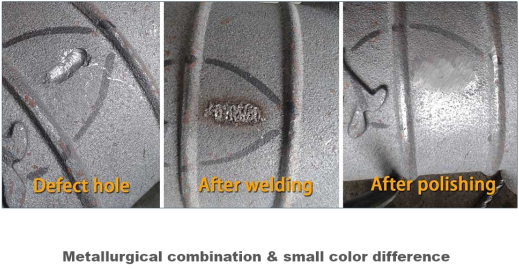
Svařování litiny v mém okolí nebo výměna?
I při pečlivém svařovacím postupu zůstávají některé litiny v nebezpečné zóně. Pokud samotné teplo pravděpodobně způsobí více škody než užitku, rozumnější řešení může být studená mechanická oprava, utěsnění nebo dokonce žádná oprava vůbec. Projekt MPA Power popisuje kovové stehování jako studenou metodu opravy prasklin u litiny a litého hliníku, která místo tepelného slévání používá vrtané zastavovací otvory, kolíky a zámky. Společnost Lincoln Electric dodává další užitečné upozornění: i když je svařování litiny provedeno dokonale, vedle svaru se mohou stále objevit jemné trhliny a pro těsnost vůči vodě může být stále nutný utěsňovací prostředek.
Kdy je lepení nebo mechanická oprava lepší než svařování
Pokud jste na této stránce skončili vyhledáváním jak lepit litinu , považujte lepení za specializovanou záležitost, nikoli za automatickou zkratku. Nejjasnější neprosvařovací možnost podporovaná zdroji v tomto tématu je kovové stehování, zejména tam, kde je hlavním rizikem tepelné namáhání. Pro začínající odborníky, kteří zvažují alternativy, je užitečné oddělit utěsnění, stabilizaci a skutečnou obnovu.
- Pájení: Výhody: stojí za to se zeptat, pokud dílna hledá alternativu k jinému způsobu svařování kovů. Nevýhody: nepředpokládejte, že obnoví kritický litinový díl bez konkrétního posouzení dané součásti.
- Metal stitching (kovošitování): Výhody: studená oprava, nízké riziko deformace a často vhodná pro litinové motorové bloky nebo opravy na místě. Nevýhody: vyžaduje specializované kolíky, zámky a dílnu, která tuto metodu skutečně ovládá.
- Lepidla nebo utěsnovací dočasné řešení: Výhody: mohou pomoci při mírném prosakování nebo zajistit vodotěsnost, dokud nezpracujete plán pro hlavní opravu. Nevýhody: jedná se pouze o pomocné utěsnění, nikoli o úplnou strukturální obnovu.
- Úplná výměna: Výhody: odstraňuje nejistotu spojenou s křehkým, kontaminovaným nebo opakovaně praskajícím litinovým dílem. Nevýhody: náklady, dodací lhůta a montáž musí stále dávat smysl.
Co profesionální dílna zkontroluje před přijetím opravy
Hledání typu svařování litiny v blízkosti mě ,svarování litiny v mém okolí , nebo svářeči litiny v mém okolí může vás směrovat k nejbližší dílně, ale skutečným kritériem není vzdálenost, nýbrž diagnostika. Lepší dílna se zeptá, jakou funkci součást plní, jakým směrem běží trhlinu, zda neteče a do jaké míry se do litiny vnikla olej nebo staré opravy.
- Je trhlina vnější, vnitřní nebo průchozí celým průřezem?
- Je součást z litiny, ocelolitiny nebo stále neidentifikovaného materiálu?
- Je cílem utěsnění, estetická úprava, zarovnání nebo skutečná provozní zátěž?
- Může teplo ze svařování zvýšit riziko deformace nebo vzniku nových trhlin?
- Je na místě proveditelnější metoda, jako je např. šití, než svařování v dílně?
Jak vybrat mezi místní opravou a výměnou
Mnoho opravy svařováním litiny jsou posuzovány správně až po tomto příjmu. Výjimečná základna stroje nebo těžko odstranitelný motorový blok může ospravedlnit lokální opravu. Bezpečnostně kritická součást, trhliny, které se stále šíří, nebo litina nasycená kontaminací často ukazují na opačné řešení. Pro výrobce to někdy znamená úplné vynechání opravy litiny a přechod na svařovanou náhradní sestavu nebo na přepracovanou nestříkanou součást. V takové situaci Shaoyi Metal Technology může být relevantním zdrojem pro výrobní svařování související s podvozkem spíše než pro jednorázovou opravu trhlin.
To je obvykle skutečná rozcestí. Jedna cesta se snaží zachovat litinu. Druhá řeší problém zařízení s menším rizikem. Krátký kontrolní seznam tento výběr výrazně usnadní.
Závěrečný kontrolní seznam před svařováním litiny
Místní dílna vám stále může říct, že součást nelze opravit. To není slepá ulička. Často je to nejrozumnější odpověď. Před svařováním litiny použijte ještě jeden závěrečný filtr, abyste nezaměnili možnost s dobrým rozhodnutím.
Jednoduchý kontrolní seznam „Ano/Ne“ pro opravy litin
Úspěch opravy závisí spíše na úsudku, kontrole tepla a disciplinovaném chlazení než pouze na vlastnictví správného svařovacího přístroje.
- Potvrďte materiál: Pokud je litina stále neidentifikována, zastavte se. Litá ocel, šedá litina a kujná litina se nepodřizují stejnému plánu opravy.
- Ujasněte si cíl opravy: Estetická úprava, utěsnění netěsnosti a obnova nosné funkce nejsou totéž.
- Vylučte nevhodné kandidáty co nejdříve: Služby kritické pro bezpečnost, šířící se trhliny, hluboké nasáknutí olejem nebo opakované cykly zahřívání a ochlazování by měly vést k výměně součásti nebo k návštěvě specializovaného servisu.
- Zvolte postup, který skutečně dokážete ovládat: Společnost Lincoln Electric zdůrazňuje, že je třeba použít jednu strategii ohřevu a pomalu chladit, nikoli střídat metody uprostřed procesu.
- Vyberte přídavný materiál podle požadovaného výsledku: Pro obrábění nebo nesourodé spoje, Arccaptain poznámka: niklové nebo železo-niklové přídavné materiály jsou běžnou volbou.
- Plánujte chlazení ještě před prvním přivařením: Pokud nelze součást pomalu ochladit, nezačínejte.
Kdy má spojení oceli s litinou smysl
Pro svarování oceli s černým kovem , litinová strana je omezeným materiálem. Proto můžete litinu svařovat s ocelí ? Ano, ale pouze tehdy, je-li oprava bezvýznamná nebo pečlivě řízená. Svarování oceli na černouhoře obvykle vyžaduje rovnoměrné předehřátí, krátké svary, mírné kování tam, kde je to vhodné, přídavný materiál na bázi niklu a pomalé chlazení. Pokud hledáte jak svařovat litinu s ocelí , představte si to jako opravu spoje různých kovů, nikoli jako běžné svařování oceli. A pokud se vaše širší otázka týká lze-li svařovat železo , odpověď stále závisí na tom, o jaké železo jde, jakou funkci daná součást plní a jaké riziko jste ochotni přijmout.
Další kroky pro opravy provedené vlastními silami a výrobní díly
Oprava provedená vlastními silami dává smysl pouze tehdy, je-li litina identifikována, provozní zatížení je mírné a součást stojí za čas strávený přípravou. Pokud tomu tak není, náhrada je často čistším řešením. Výrobci, kteří rozhodnou, že prasklou litinovou součást nelze opravit, mohou být lépe obslouženi svařenou náhradní sestavou nebo přepracovanou konstrukční součástí rámu. V tomto úzkém případě Shaoyi Metal Technology je relevantním zdrojem podpory pro výrobní svařování.
Lepší otázkou než lze-li svařovat litinu je tato: budete stále této součásti důvěřovat i po jejím ochlazení? To je ten rozhodující standard.
Často kladené otázky k svařování litiny
1. Lze všechny litiny úspěšně svařovat?
Ne. Některé litiny lze opravit, avšak úspěch závisí na druhu litiny, umístění trhliny, míře kontaminace a na tom, jaké mechanické namáhání součást v provozu nese. Kryt nebo skříň s nízkým namáháním může být vhodnou kandidátkou pro opravu, zatímco součást kritická z hlediska bezpečnosti nebo silně olejem nasáklá litina může být špatnou kandidátkou i tehdy, je-li svařování technicky možné.
2. Jak poznám, zda je součást litina nebo litý ocel, ještě před svařováním?
Začněte s nejspolehlivějším zdrojem informací: výkresy, informace od výrobce (OEM), značení na součásti nebo dřívější záznamy z dílny. Vizuální znaky, jako je vzhled lomu, provozní použití a historie obrábění, mohou pomoci, avšak nejsou spolehlivou náhradou za ověření. To je důležité, protože litá ocel vyžaduje svařovací postup pro ocel, zatímco litina vyžaduje zcela jiný přístup k výběru přídavného materiálu a řízení tepla.
3. Je svařování litiny metodou MIG vhodné pro domácí opravy?
Obvykle ne jako metoda první volby. Svařování MIG je pohodlné, ale litina často „trestá“ dlouhý a nepřetržitý přívod tepla a rychlé opravy. U mnoha běžných oprav trhlin je svařování elektrodou praktičtější možností, zatímco pro určité úkoly se mohou lépe hodit svařování TIG nebo pájení, pokud operátor dokáže pečlivě řídit teplo a chlazení.
4. Jaká je nejvhodnější svařovací elektroda pro opravu litiny?
Neexistuje jediná nejvhodnější elektroda pro každý úkol. Niklové plnivé materiály jsou často upřednostňovány, pokud je důležitá obráběnost a nižší riziko vzniku trhlin, zatímco niklo-železné plnivé materiály mohou být vhodnější pro tlustší části nebo náročnější opravy. Správná volba závisí na tom, zda má být cílem uzavření trhliny, obnova okraje, obnovení provozní pevnosti nebo provedení opravy, která bude následně obráběna.
5. Kdy bych měl svařování vynechat a místo toho nahradit litinovou součást?
Výměna je často chytřejší řešení v případě, že litina má praskliny se šířením, závažné olejové kontaminace, opakované poškození tepelným namáháním, chybějící části nebo plní bezpečnostně kritickou funkci. Místní dílna pro opravy litiny může navrhnout místo svařování pájení nebo stehování, pokud by teplo představovalo větší riziko než užitek. Pro výrobce, kteří rozhodnou, že oprava není správným postupem, a potřebují trvanlivé svařené náhradní sestavy, je společnost Shaoyi Metal Technology vhodným dodavatelem v oblasti výrobního svařování: https://www.shao-yi.com/auto-welding-assembly.