 Small batches, high standards. Our rapid prototyping service makes validation faster and easier —
  EN
EN


Основни стъпки за намиране на доставчици на алуминий със сертификат IATF 16949
Накратко
Намирането на сертифицирани по IATF 16949 доставчици на алуминий изисква двуетапен подход: използване на специализирани B2B директории за идентифициране на потенциални партньори и след това стриктно проверяване на тяхната сертификация чрез официалната IATF Global Database. Този процес гарантира, че доставчиците отговарят на строгите стандарти за управление на качеството, които са задължителни за автомобилната индустрия, намалявайки рисковете и осигурявайки веригата ви за доставки.
Разбиране на ролята на IATF 16949 за доставчици на алуминий
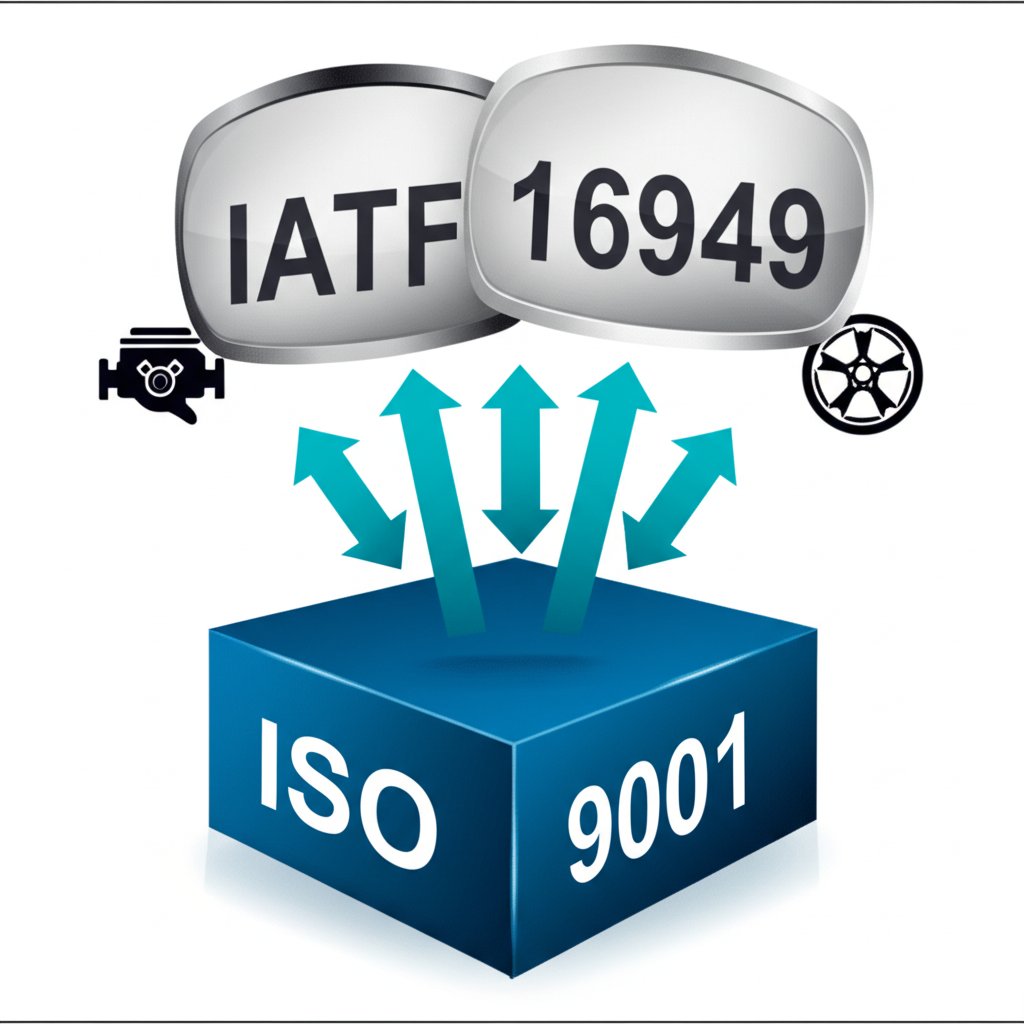
Във високорисковата сфера на автомобилното производство качеството не е просто цел; то е предпоставка за безопасност и висока производителност. Точно тук идва IATF 16949. Това е международният стандарт за система за управление на качеството (QMS), специално разработен за автомобилната доставна верига. Разработен от Международната работна група по автомобили (IATF), този стандарт е изграден върху рамката на ISO 9001, но включва по-строги, специфични изисквания за индустрията, които обхващат всичко от проектиране и разработване до производство и сглобяване.
За доставчиците на алуминий, получаването на сертификат IATF 16949 е решаващ фактор за диференциране. Алуминиеви компоненти — като блокове на двигатели, части от шасита, кутии за батерии и конструктивни елементи — все по-често се използват за намаляване на теглото на превозните средства и подобряване на горивната ефективност. Тъй като тези части често са от значение за безопасността, производството им трябва да бъде безупречно. Стандартът IATF 16949 осигурява рамка, в която доставчиците могат да прилагат надеждни процеси, да се фокусират върху предотвратяване на дефекти и да се ангажират с непрекъснато подобрение. В резултат това помага да се минимизира отпадъкът и вариацията в целия производствен процес.
Големите производители на оригинални компоненти за автомобилната промишленост (OEMs) и доставчици от първа категория често задължават своите партньори да притежават тази сертификация. Например Novelis, световен лидер в алуминиевите продукти, изисква нейните доставчици да бъдат сертифицирани или съвместими със стандарти като IATF 16949, ISO-9001:2015 или AS9000. Това прави сертификацията практически задължително условие за влизане на всеки алуминиев производител, който желае да работи в автомобилния сектор. Тя служи като ясен сигнал за мениджърите по набавяне и инженерите, че доставчикът разполага с доказана система за доставка на последователни, висококачествени компоненти, отговарящи на изискванията на отрасъла.
Къде да намерите сертифицирани доставчици на алуминий: Основни платформи
Идентифицирането на потенциални доставчици от алуминий със сертификат IATF 16949 започва с това да знаете къде да търсите. Въпреки че общо търсене в интернет може да даде някои резултати, използването на специализирани B2B каталози за производство е далеч по-ефективна стратегия. Тези платформи са разработени за индустриално набавяне и често включват мощни филтриращи инструменти, които ви позволяват да ограничите търсенето си до компании, притежаващи определени сертификати за качество. Това спестява значително време и усилия в първоначалния етап на откриване.
Тези каталози действат като подбрани бази данни от производители и предоставят подробни профили, които често включват възможности, експертност по материали и списък с техните сертификати. Използвайки тези платформи, можете бързо да съставите кратък списък с потенциални партньори, които вече са декларирали своето спазване на стандарта IATF 16949, което ви позволява да насочите усилията си към решаващите следващи стъпки – проверка и оценка.
Няколко ключови платформи са особено полезни за тази цел:
- Thomasnet.com: Дългогодишна и всеобхватна директория на производители от Северна Америка. Thomasnet позволява на потребителите да филтрират доставчици по широк спектър от критерии, включително специфични сертификати за качество като IATF 16949:2016. Можете да търсите категории като "Автомобилни алуминиеви отливки" и след това да приложите филтъра за сертификация, за да намерите квалифицирани компании.
- MFG.com: Тази платформа е глобален пазар, който свързва купувачи с производители. Тя предлага специализирана директория за сертифицирани цехове по IATF 16949, което улеснява намирането на доставчици, специализирали се в производство за автомобилна индустрия. На сайта се пояснява, че сертификатът задължава притежателите му да спазват най-добрите практики при проектирането, производството и сглобяването на автомобилни продукти.
Поетапно ръководство за проверка на сертификата на доставчик
Простото приемане на твърдението на доставчика за сертифициране по IATF 16949 не е достатъчно внимание. Цялостността на веригата ви за доставки зависи от официалната проверка. Пропуск в сертифицирането или измамно твърдение могат да въведат значителен риск. За щастие, IATF осигурява централизирана, публична база данни точно за тази цел. Следването на систематичен процес за проверка е задължително за осигуряване на съответствие и качество.
Този процес е прост, но недоговарящ се за всеки сериозен специалист по набавяния. Той преминава отвъд доверието към обективно удостоверяване, като предоставя конкретни доказателства за качеството на управлението на доставчика. Като последвате тези стъпки, можете с увереност да потвърдите, че потенциалният партньор отговаря на най-високите стандарти в индустрията.
- Поискайте сертификата: Първата стъпка е да поискате от потенциалния доставчик копие от сертификата им по IATF 16949. Обърнете особено внимание на номера на сертификата, органа по сертифициране, който го е издал, и датите на издаване и валидност. Надежден доставчик ще предостави тази информация без колебание.
- Използвайте глобалната база данни на IATF: Най-важната стъпка е да проверите номера на сертификата в официалната Глобална база данни за наблюдение на IATF . Този безплатен инструмент позволява на всеки да търси сертифицирани доставчици и да вижда статуса на сертификацията им. Тази независима проверка потвърждава, че сертификатът е автентичен и в сила в момента.
- Прегледайте обхвата на сертификата: След като бъде потвърден, внимателно прегледайте обхвата на сертификацията. Включва ли той конкретните производствени процеси, от които се нуждаете, като например прецизно леене под налягане от алуминий, екструзия или механична обработка? Сертификация за един процес не включва автоматично всички дейности на доставчика. Уверете се, че сертифицираните му възможности отговарят на изискванията на вашия проект.
- Провеждане на допълнителни одити: За критични компоненти, обмислете провеждането на собствени одити на обекта на доставчика. Както отбелязва един източник от индустрията, одитите трябва да се фокусират върху техните конкретни процесни контроли и мерки за осигуряване на качеството. Това предоставя пряка представа как те прилагат своята система IATF 16949 на практика.

Ключови въпроси за оценка на потенциални доставчици на алуминий
След като сте съставили кратък списък с проверени сертифицирани доставчици по IATF 16949, последната стъпка е да ги оцените, за да намерите най-подходящия за вашите специфични нужди. Сертификатът потвърждава, че разполагат с надеждна система за качество, но не ви разкрива всичко относно техническите им възможности, опит или капацитет. Задаването на насочени въпроси ще ви помогне да оцените дали са подходящи като дългосрочен партньор.
Тези въпроси трябва да надхвърлят сертификата, за да разберат реалните им познания и оперативна пригодност. Целта е да се оцени техният капацитет за справяне с уникалните изисквания на вашия проект по отношение на материала, дизайна и логистиката. За проекти, изискващи прецизно инженерни компоненти например, ви е нужен партньор с доказани умения. За персонализирани алуминиеви профили, доставчик като Shaoyi Metal Technology предлага комплексна услуга – от бързо прототипиране до производство в пълен мащаб, всичко управлявано чрез тяхната сертифицирана система IATF 16949, което демонстрира специализираната способност, за която може да поискате информация.
- Какъв е Вашият опит с необходимите ни алуминиеви сплави (напр. 6061, 7075)? Този въпрос оценява техният специфичен опит с материали и дали разполагат с установени вериги за доставка на сплавите, от които се нуждаете.
- Можете ли да опишете контрола на процесите Ви за [леење под налягане, екструзия, CNC обработка и др.]? Това ги принуждава да опишат практическото приложение на своята система за управление на качеството за конкретните производствени процеси, релевантни за вашите компоненти.
- Какъв е вашият типичен производствен капацитет и текущото време за изпълнение? Това помага да се определи дали те могат да отговарят на вашите обемни изисквания и графици на проекта, без да компрометират качеството.
- Как постъпвате при несъответстващи материали или части? Отговорът им ще разкрие степента на зрялост на техните процеси за коригиращи действия, които са основен елемент от стандарта IATF 16949.
- Можете ли да предоставите примерни казуси или препоръки за подобни автомобилни проекти? Това ви позволява да проверите тяхната досегашна практика и опит в доставките на компоненти с подобна сложност и изисквания за качество.
Често задавани въпроси
1. Задължително ли е сертифицирането по IATF 16949?
За много автомобилни производители и техните пряко доставчици сертификатът IATF 16949 е задължително изискване за възлагане на бизнес. Въпреки че не е правно задължение, той се превърна в стандартно договорно изискване в рамките на глобалната верига за доставки в автомобилната индустрия, осигурявайки всички партньори да спазват едни и същи високи стандарти за качество.
2. Кой производител е част от IATF?
Международният автомобилен работен форум (IATF) се състои от големи производители на моторни превозни средства. Членовете му включват компании като BMW Group, Ford Motor Company, General Motors, Mercedes-Benz Group AG, Renault Group, Stellantis и Volkswagen AG, както и други. Тези членове допринасят за разработването и поддържането на стандартите за качество за цялата верига на доставки.
3. Каква е разликата между ISO 16949 и IATF 16949?
IATF 16949:2016 е текущият глобален стандарт за управление на качеството в автомобилната индустрия, който замени по-стария ISO/TS 16949. Въпреки че и двата стандарта са базирани на ISO 9001, IATF 16949 не е самостоятелен стандарт; той се прилага като допълнение и в комбинация с ISO 9001:2015. Той включва по-строги изисквания и отразява специфични изисквания на производителите на автомобили, като поставя по-голям акцент върху удовлетвореността на клиента, предотвратяването на дефекти и непрекъснатото подобрение.