 Small batches, high standards. Our rapid prototyping service makes validation faster and easier —
  EN
EN


Qo'lda qo'llaniladigan qo'shimcha nima? Uni nuqsonga aylanishidan oldin tezda aniqlang
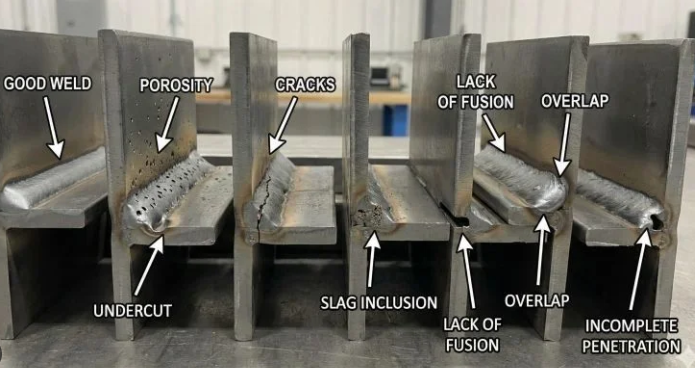
Qo'lda qo'yg'izish qoldig'i nima va nima uchun u muhim?
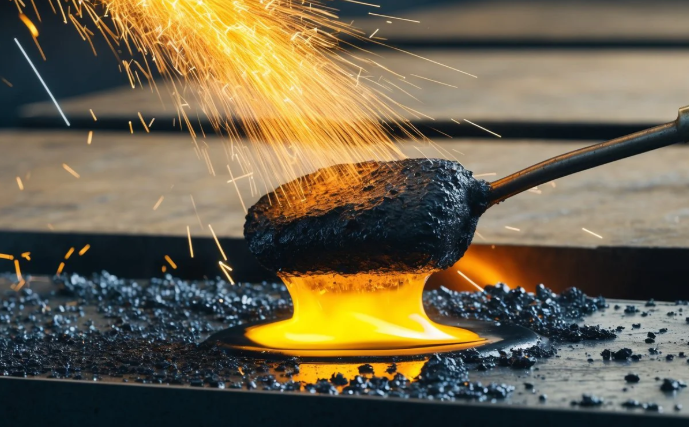
Qo'lda qo'yg'izish qoldig'i — bu qo'yg'izishda flux eriydi, aralashuvlarga reaksiya beradi va so'ngra qattiqshadi, natijada ba'zi qo'yg'izishlarning yuqori qismida hosil bo'ladigan qattiq, noemetall qatlam.
Agar siz «qo'lda qo'yg'izish qoldig'i nima?» degan savol berayotgan bo'lsangiz, bu oddiy javobdir. Texnik jihatdan ham Hobart Brothers, ham TWI uni qo'yg'izish jarayonlarining ayrim turlarida flux noemetall aralashuvlar bilan birlashganda hosil bo'ladigan noemetall qo'shimcha mahsulot sifatida ta'riflaydi. U SMAW, FCAW va SAW kabi fluxga asoslangan usullarda keng tarqalgan. Qo'yg'izish suyuqligi hali ham suyuq holatda bo'lganda, bu qatlam metallni himoya qilishga yordam beradi. Biroq, qo'yg'izish sovug'anda shu qatlam odatda olib tashlanishi kerak.
Qo'lda qo'yg'izish qoldig'ining ahamiyati
Demak, qo‘shishda shlak nima — bu har kungi ishlab chiqarishda qo‘llaniladigan tilga ko‘ra? Uni qo‘shilgan joyning vaqtinchalik qopqog‘i sifatida tasavvur qiling. Bu yakuniy qo‘shilgan metall emas. Aksincha, u flaks tarkibiy qismlaridan va sirtga ko‘tarilib, u yerda qattiqshaydigan reaksiyaga uchragan zarralardan hosil bo‘ladi. Shu bilan birga, bu qo‘shishda shlakning ta’rifi ham bo‘lib, u — ayrim qo‘shish usullari natijasida hosil bo‘ladigan qattiq, no-metall qoldiqdir.
- Oddiy shlak qo‘shilgan joyning yuqorisida, uning ichida emas.
- Oddiy shlak ba’zi flaksli usullarda kutiladi, lekin barcha qo‘shish usullarida emas.
- Shlak qo‘shilish o‘rtasidagi qatlamlarga qolib qolsa, keyingi qatlamlar orasida qolib qolsa yoki haqiqiy qo‘shilgan sirtning ustini yopib qo‘ysa, muammo boshlanadi.
- Agar u tekshiruvni, qoplamani yoki keyingi qo‘shilishni to‘sqinlik qilsa, u endi faqat zararsiz qoldiq emas.
Qo‘shish davrida va keyinroq shlak nima uchun muhim?
Shlak avtomatik ravishda yomon emas. Issiq holatda u qo‘shilgan joyning atmosferadagi oksidlanish va zarralardan himoyasini ta’minlaydi. Bundan tashqari, u sovuyotgan suyuq qo‘shilgan massani qo‘llab-quvvatlashi ham mumkin, bu ayniqsa gorizontal bo‘lmagan vaziyatlarda qo‘shishda yanada muhim ahamiyatga ega. bu bosqichda shlak foydali ish bajaradi.
Muammo qattiq bo'lgandan keyin keladi. Qattiq shlag ayrim nuqsonlarni qoplab qo'yishi, tozalash jarayoniga to'sqinlik qilishi va keyingi qatlamni ushbu shlag ustiga qo'llash orqali nuqson hosil bo'lish xavfini yuzaga keltirishi mumkin. Hatto u osongina ajralib chiqsa ham, ish davom etishdan oldin sirtga e'tibor bilan qarash kerak. Shu o'zgarish — yordamchi suyuq qopqoqdan olib tashlanadigan qattiq qatlamga aylanish — shlakni tushunishning ahamiyatini ta'minlaydi. Uning to'liq tarixi flux, issiqlik va himoya qatlamining dastlab qanday hosil bo'lishi bilan boshlanadi.
Qo'lda yoki avtomatik elektr yoyli qo'llaniladigan paytda shlak nima va u nima vazifani bajaradi
Flux asosidagi yoy ichida shlak tasodifiy chiqindi emas. Issiqlik flux qoplamasini eritadi yoki sim ichidagi flux va bu suyuq material payvandlanayotgan zona atrofidagi noemetall aralashmalar bilan reaksiyaga kirishadi. TWI va Hobart Brothersning ko'rsatmalariga ko'ra, bu noemetall moddalar payvandlangan cho'zilma ichidan chiqariladi, sirtga ko'tariladi va keyin shlak sifatida qattiqylanadi. Shu sababli, agar siz «payvandlash jarayonida shlak nima?» degan savol berayotgan bo'lsangiz, oddiy javob quyidagicha: u faol suyuq flux himoyasi sifatida boshlanadi va payvandlangan tirqish ustida qoladigan qattiq qatlam sifatida tugaydi.
Flux shlakka qanday aylanadi
Fluks bir vaqtda bir nechta vazifalarni bajarish uchun mo'ljallangan. U eriy boshlaganda, qo'rqituvchi atmosferadan qo'rqituvchi sohani himoya qilishga yordam beradi va keraksiz noemetall materiallarni yig'ib oladi, shunda tozaroq qo'rqituvchi metall pastda qattiqshadi. Bu qo'rqituvchi sohadagi shlakning maqsadining asosiy qismidir. Aniq tarkibi mahsulotga qarab o'zgaradi, lekin manbalarda shlak fluks komponentlarining aralashmasi, reaksiyaga uchragan zaharlantiruvchilar va aluminiy, silitsiy va kalsiy oksidlari kabi oksidlar sifatida tasvirlanadi. Qo'rqituvchi jarayonida bog'lanib qolgan gazlar yoki elementlarning maydanoq miqdorlari ham uni bilan birga o'tkazilishi mumkin. Chunki bu erigan qatlam qo'rqituvchi metallarga nisbatan yengilroq bo'lib, qo'rqituvchi ichida aralashib qolmasdan yuqoriga ko'tariladi.
- Yoy elektrod yoki fluksli o'rtali simni va asosiy metallni isitadi.
- Fluks eriydi va qo'rqituvchi zonadan havoni itarib yuborishga yordam beradigan qo'rqituvchi gazlarni chiqaradi.
- Erigan fluks quyoshda joylashgan oksidlar va boshqa aralashmalar bilan reaksiyaga kirishadi.
- Bu noemetall materiallar qo'rqituvchi metallardan ajralib chiqadi va sirtga ko'tariladi.
- Suyuq shlak qatlami eritilgan payvandlangan havuzning yuqori qismiga tarqaladi.
- Tugun sovutganda, bu qatlam payvandda ko'rinadigan qobiqga aylanadi.
- Sovutgandan keyin shlak olib tashlanadi, shunda tugun tekshirilishi yoki tozalangan metall ustiga yana bir qatlam qo'yilishi mumkin.
Payvandlash jarayonida shlak nima vazifasini bajaradi?
Odamlar payvandlash jarayonida shlakning vazifasi nima? deb so'raganda, qisqa javob — himoya va nazorat. Payvandlangan havuz hali issiq bo'lganda shlak uni oksidlanish va zaharlantirishdan himoya qiladi. Shuningdek, u eritilgan metallni ulanish joyida saqlab turadi va bu ayniqsa pozitsiyadan tashqari payvandlashda foydali. TWI shuningdek, shlak payvandni issiqlikdan izolyatsiya qilishi va sovutish tezligini sekinlatishi haqida eslatma beradi.
Bu foyda cheksiz davom etmaydi. Bir marta o'tkaziladigan qo'llanishda tozalash asosan ko'rinish va vizual tekshiruv uchun amalga oshiriladi. Ko'p bosqichli qo'llanishda esa o'rtasidagi qatlamni tozalash ancha muhimroq ahamiyat kasb etadi. To'pirlar, ildiz yoki yon devorlarda qolgan qandaydir shlak keyingi qatlam tomonidan ushlab qolinib, qo'shimcha ish yoki nuqson xavfi sifatida namoyon bo'ladi. Qatlam bir ishdan ikkinchisiga o'xshash ko'rinishi mumkin, lekin siz og'ir shlak, yengil shlak yoki umuman shlak ko'rmaysizmi — bu asosan qo'llanish usuliga bog'liq.
Qaysi qo'llanish usullari shlak hosil qiladi
Bu yerda ko'p xil chalkashliklar boshlanadi. Agar siz yoyli qo'llanish shlak nima , deb qidirsangiz, asosiy e'tibor beriladigan jihat shundaki, yoyli qo'llanish — bu bitta usul emas, balki bir nechta usullarning keng oilasidir. ESAB hobart Brothers YesVelderga va boshqa manbalardan olgan jarayon tavsiflari bir xil amaliy qoidaga ishora qiladi: agar jarayon fluxdan foydalansa, odatda shlak hosil bo'ladi; agar u fluxsiz himoya gaziga tayanib ishlasa, odatda yakuniy qatlamda shlak bo'lmaydi.
Shlak hosil qiluvchi qo'llanish usullari
Shuning uchun bir qo'llanma qatlamli yoki shishasimon qopqoq ostida sovuydi, boshqasi esa darhol ochiq ko'rinadi. Oddiy zavod tilida, shlakli qo'llanma nima? odatda shlak hosil qiluvchi usulni anglatadi, bu o'ziga xos rasmiy qo'llanma turi emas.
| Jarayon | Umumiy nom | Shlak hosil bo'ladi mi? | U odatda qanday ko'rinishda bo'ladi | Odatda talab qilinadigan olib tashlash usuli |
|---|---|---|---|---|
| SMAW | Qo'llanma elektrodi bilan qo'llanma | Ha | Qo'llanma chizig'i ustidagi qattiq qatlam, sovuganda ko'pincha shishasimon yoki qotqozilgan | Qo'llanma o'tkazilgandan keyin qirib tashlash va cho'tkalamoq, ayniqsa keyingi qo'llanma oldidan |
| FCAW | Fluksli yadroli elektr yoyli qo'llanma | Ha | Sim turiga va sozlamalarga qarab yengil dan og'ir qo'zg'atilgan qopqoq | O'tishlar orasida va tekshiruvdan oldin olib tashlang; gaz bilan himoyalangan FCAW hali ham qo'zg'atilgan qopqoq qoldirishi mumkin |
| SAW | Suv ostida qo'ng'iroq qilish | Ha | Granulyar flux ostida paydo bo'lgan qo'zg'atilgan qopqoqning doimiyroq qatlami qoladi | Odatda har bir o'tishdan keyin sezilarli darajada olib tashlanadi |
| GMAW | MIG payvandlash | Yo'q, odatda shunday emas | Haqiqiy qo'zg'atilgan qatlam yo'q; sirt spatter yoki boshqa qoldiqlar bilan qoplangan bo'lishi mumkin | Odatda yengil tozalash talab qilinadi, lekin qo'zg'atilgan qopqoqni chiqarish kerak emas |
| GTAW | Tig сварка | No | Qo'zg'atilgan qopqoq bilan qoplangan bo'lmagan tozalangan tishli qism | Qo'zg'atilgan qopqoqni olib tashlash kam yoki umuman kerak emas |
Odatda Shlak Qoldirmaydigan Jarayonlar
MIG va TIG eng aniq misollar. Ular gaz bilan himoyalangan jarayonlar , shu sababli ular odatda qo‘lda ishlatiladigan (SMAW), flux-li yadroli (FCAW) va pastki qatlamda (SAW) qo‘llaniladigan ishlarda ko‘rinadigan qotirilgan flux qoldig‘i — yaʼni shlakni qoldirmaydi. Bu, biror vaqtda tugun doim ham mutlaqo toza bo‘lishini anglatmaydi. Sichqichlar, oksidlanish yoki mayda sirt qoldiqlari hali ham paydo bo‘lishi mumkin. Lekin ular shlak bilan bir xil narsa emas.
Yana bir nomlanishga oid noqulaylikni tushuntirib o‘tish kerak. Agar siz elektroshlak qo‘shish nima ekanligi haqida hayron bo‘lsangiz, bu atama Elektroshlak Qo‘shish (ESW) deb ataladigan alohida qo‘shish jarayoniga ishora qiladi. Uni SMAW, FCAW yoki SAW bilan qo‘shilgandan keyin tugun ustida qoladigan oddiy shlak bilan chalkashtirmaslik kerak. Jarayonni bilish — shlakning umuman mavjud bo‘lishi kerakligini aniqlashga yordam beradi. Qiyinroq vazifa — sirtga qaraganda nima ko‘rinayotganini aniqlashdir, chunki bir nechta o‘xshash ko‘rinishli narsalar hatto ehtiyotkor birinchi nazar bilan ham aldashishi mumkin.
Qo‘shishda shlak nima va unga o‘xshash boshqa nimalar
Qaysi jarayonlar quriganini bilish yordam beradi, ammo marvaridning o'zi sizni aldashi mumkin. Agar soʻrayotgan boʻlsangiz payvandlashda slag nima , odatda javob sovutgandan keyin oqim asosidagi payvandlash tomonidan qolgan qattiqlangan sirt qatlami hisoblanadi. O'quv-ma'rifat svyarka shlaklari uni yonida tasodifiy parchalanmagan, balki payvandlash marjonining ustida joylashgan qattiqlangan material deb tasvirlaydi. Bu farq muhim, chunki payvandlashdagi yoki uning yonidagi hamma narsa aslida zang emas.
Shovunning koʻrinishi
Haqiqiy qorin odatda qobig'i, qobig'i yoki shisha kabi ko'rinadi. U qorong'i kulrang, qora yoki biroz porloq bo'lishi mumkin va ko'pincha u chip yoki parchalarga aylanadi. Agar siz hayron boʻlsangiz payvandlashdan olingan zang nima? bu ko'pincha odamlar nazarda tutadigan vizual belgidir. U ayniqsa SMAW, FCAW va SAW usullarida qo'llanilganda, qo'shilish joyining bir qismi yoki butunini qamrab oladi. Aksincha, qo'shilish chizig'i atrofida tarqoq nuqtalar, mayda igna shaklidagi teshiklar yoki asosiy metall ustidagi ko'k-qora qatlam boshqa narsalarga ishora qiladi. To'g'ri aniqlash vaqtni tejaydi. Shuningdek, noto'g'ri tozalash usulini tanlash yoki nuqsonni aniqlamay qo'yishni oldini oladi.
| Yuzaki holat | Ko'rinish | Odatiy sabab | Kutilayotganmi? | U olib tashlanishi kerakmi? |
|---|---|---|---|---|
| Shlak | Qo'shilish chizig'i ustida uzluksiz qatlam yoki shisha singari qatlam | Fluks va noorganik aralashmalar sovutish jarayonida qattiq holatga o'tadi | Ha, fluksli jarayonlarda | Odatda ha, ayniqsa tekshiruvdan oldin yoki keyingi qatlamni qo'llashdan oldin |
| Fluks qoldig'i | Yengil film, chang yoki ingichka qoldiq qatlam | Qo'lda yoki issiqlik bilan qo'llanilgan paytdagi qolgan flux mahsulotlari | Vaqt vaqtda | Odatda ha |
| Chandalar | Borish chizig'i yonida mayda aylana shaklidagi metall tomchilari | Yoydan chiqarilgan suyuq metall | Keng tarqalgan, lekin bu maqsad emas | Agar u mos kelish, yakuniy qoplam yoki puxta qoplamga ta'sir qilsa, odatda ha |
| Dross | Qattiqlashgan metall va oksid qatlam, ko'pincha kesish chetlarida borish chizig'iga nisbatan ko'proq | Issiqlik bilan kesish yoki o'chirish natijasida qayta qattiqshagan material | Yo'q, oddiy ravishda qo'llaniladigan qo'rinma qoplam sifatida emas | Ha |
| Porozlik belgilari | Tozalashdan keyin ko'rinadigan maydonchalar, chuqurliklar yoki bo'shliqlar | Qo'llanilayotgan paytda qo'rqituvchi gazning qotish paytida qo'rqituvchi joyda qolishi | No | Oddiygina chizib tashlab bo'lmaydi; zarur bo'lsa, baholash va ta'mirlash kerak |
| Silitsiy orollari | Ba'zi MIG qo'rqituvchilarning sirtida kichik shisha simon dog'lar | To'ldiruvchi simdan kelib chiqqan deoksidlovchi mahsulotlari | Ko'pincha ba'zi MIG qo'rqituvchilarda | Ko'pincha ha, agar ko'rinish, qoplam yoki bo'yash muhim bo'lsa |
| Oksidatsiya | Sirtning rangi o'zgarishi, qorong'ulik yoki issiqlik to'qimasligi | Issiqlikda kislorod bilan reaksiya yoki yomon himoya qilish | Yuz berishi mumkin | Sifat yoki yuzaki qoplam talab qilganda ko'pincha tozalanadi |
| Davlat miqyosi | Issiq valyatsiyalangan po'latda ko'rinadigan ko'k-qora, qatlamli oksid | Qo'llanishdan oldin issiq valyatsiyalash paytida hosil bo'lgan oksidlar | Asosiy metallarda keng tarqalgan, qo'shimcha qo'lda qilingan joylarda emas | Ha, ayniqsa payvand sohasida |
Qo'rqoq (shlag) qanday qilib pishirish zarralari va boshqa yuzaki holatlardan farq qiladi
Tez qoida: qo'rqoq odatda yoqilgan flus asosidagi qo'rqoq qatlam sifatida joylashadi. Pishirish zarralari esa yorug‘likda qo'rqoq qatlamiga tomchilar sifatida tushadi. Porozlik esa da yuza chuqurliklar sifatida. Milyanning oʻlchami allaqachon po'latda arqon boshlanishidan oldin. Empire Abrasives quyidagilarni qayd etadi: davlat miqyosi issiq valsiyalashdan qolgan qolipli oksid bo'lib, agar u joyida qoldirilsa, to'lqinli suyuqlikka, qo'ng'iroq barqarorligiga va fuziyaga ta'sir qilishi mumkin. Shunday qilib, odamlar soʻrashganda payvandlashda slag nima ko'pincha ular shunchaki ta'rifni o'rganish emas, balki vizual chalkashlikni hal qilishga harakat qilishadi. Qiziqarli tomoni shundaki, bu qatlam pastki suv sovuq bo'lganidan keyin qanday harakat qiladi, chunki osoncha parchalanadigan va qattiq bo'lgan zang tekshirish paytida bir xil hikoyani aytmaydi.
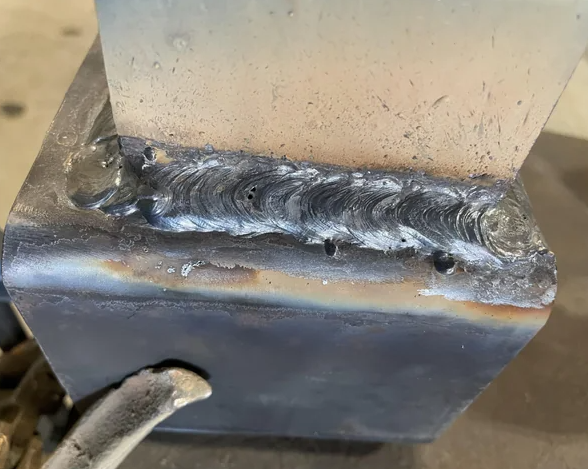
Tozalashdan oldin va keyin qanday qilib koʻpikni tekshirish kerak
Sirtini tozalashgacha yangi marvarid yaxshi ko'rinadi. Bir marta o'tish bilan buzilib qolgan qobiq katta maydalarga aylanishi mumkin. Boshqalar esa barmoqlarida qorong'i, shisha ko'rinadigan bo'laklarga ega bo'lishlari mumkin. Bu farq muhimdir. KickingHorse payvandchilari, YesWelder va H&K Fabrication-ning amaliy eslatmalari hammasi bir xil ishxona haqiqatini ko'rsatadi: oqim payvandlashida slag kutiladi, ammo to'liq olib tashlanmaganligi nuqsonlarni yashirishi yoki ularga aylanishi mumkin.
Oddiy koʻrinishda koʻrinadigan koʻrgilik
Shlak har bir elektrod yoki flux tizimi bilan bir xil xatti-harakat qilmaydi. KickingHorse shuni ta'kidlamoqda ki, selluloza elektrodlari odatda ingichka, qopqoqsimon shlak qoldiradi, shu bilan birga past gidrogenli va temir kukuni elektrodlari qalinroq, mustahkamroq qoplamani qoldirishi mumkin. YesWelder qo'shimcha qiladiki, yuqori silikat kontsentratsiyasi shlakni shishasimon, osongina yechiladigan qiladi, shu bilan birga yuqori ohak kontsentratsiyasi uning olib tashlanishini qiyinlashtiradi. Shuning uchun agar siz qidirgan bo'lsangiz qattiq shlakli qo'lda payvandlash nima yoki yumshoq shlakli qo'lda payvandlash nima , foydali ko'rsatma o'ziga xos etiketka emas, balki shu aniq payvand chizig'ida qoldiq qanday ajralib chiqishidir.
Shishasimon, osongina yechiladigan shlak sirtning tozalab chiqilganligini va uni tekshirishning oddiyroq ekanligini anglatadi. Qattiq, qo'pol, mustahkam ushlab turadigan shlak avtomatik ravishda payvandning yomon ekanligini bildirmaydi, lekin buni yaqindan tekshirishni talab qiladi — ayniqsa, boshlanishlar, tugatishlar, yon devorlar va payvand chizig'ining chegaralarida, chunki qoldiqlar shu joylarga yashirilishi mumkin. Agar hali ham savol tug'ilayotgan bo'lsa payvandlashda shlak nima bu amaliy javobdir: bu qoʻshimcha qatlam yoki keyingi oʻtishda qoplanadigan joyda qolganida yoki payvandlashni aniq koʻrinib turishini toʻsqinlik qilguncha normal hisoblanadi.
Payvandlashda shlak hosil boʻlishi normal hodisa. Oʻtishlar orasida qolgan shlak nuqson xavfi tugʻdiradi.
Keyingi oʻtishdan oldin qoʻshimcha qatlamni qanday tekshirish kerak
- Qoʻshimcha qatlamni xavfsiz ushlash uchun yetarlicha sovutib oling. KickingHorse Payvandchilari shlak qattiq va etarlicha sovuganda, hali ham xavfli darajada issiq boʻlganda emas, streslarni yoʻqotish.
- Qoʻshimcha qatlamni yaxshi yorugʻlikda va bir nechta burchaklardan tekshiring. Qorongʻu shisha singari maydonlar, noaniq qoʻshimcha qatlam shakli, boʻshliqlar, teshiklar, chiziqlar yoki maydonchalar (pinholes) borligini tekshiring.
- Chetlar va qoʻshimcha qatlamning oyoqlarini ehtiyotkorlik bilan tekshiring. H&K Fabrication kompaniyasi oyoqlarda yetarli birikmaganlik ogohlantiruvchi belgi ekanligini aytadi va shu oʻtishlar qolgan qoldiqlarni yashirish uchun tez-tez uchraydigan joylar hisoblanadi.
- Shlakni kuchli zarbalar bilan emas, balki nazorat qilinadigan chiplash usuli bilan olib tashlang. Maqsad — payvandni dengizlab (boʻshatib) qoʻyish emas, balki uni shikastlamasdan shlakni ajratib olishdir.
- Yuzani tozalash uchun mayda zarralarni o'chirish uchun yuzani cho'tkang bilan tozalang. Qolgan qoramtir dog'lar yoki shisha simon izlar yana bir bor tozalashni talab qiladi, qiyin o'chiriladigan joylarga esa yengil g'ildiraklash kerak bo'lishi mumkin.
- Qaytadan payvandlashdan oldin payvand chizig'i to'liq tozalanganligini tekshiring. Ko'p qatlamli ishlarda hatto mayda qoldiqlar ham qamalib qolishi va keyinchalik qo'shilmalar sifatida namoyon bo'lishi mumkin; ba'zan ular faqat rentgen yoki ultratovushli tekshiruvda aniqlanadi, ko'rinadigan tekshiruvda emas.
Shu oxirgi tekshiruvda tekshiruv oldini olishga aylanadi. Agar shlak tozalanmayotgan bo'lsa, uni olib tashlashda foydalaniladigan asboblar va usullar tekshiruvning o'ziga qadar muhimdir.
Payvanddan shlakni olib tashlash uchun nima ishlatiladi
Biror o'tish (pass) tugallangan ko'rinishi mumkin, lekin tekshirish yoki keyingi qatlam (bead) qo'yishdan oldin olib tashlanishi kerak bo'lgan qattiq qatlamni saqlab turadi. Agar siz payvand ulagichidan shlakni olib tashlash uchun nima ishlatilishini so'ragan bo'lsangiz, eng oddiy javob — mexanik tozalashdir. Hobart Brothers kompaniyasi payvand shlakini olib tashlash uchun odatda chipping g'altaklar, simli cho'tkalar yoki g'ildiraklar va ignali skalalar ishlatilishini aytadi; ba'zi to'ldiruvchi metallar esa o'zini pechlatuvchi (self-peeling) shlak bilan ishlab chiqilgan. Oddiy tilda aytsak, payvandlashda flux (flux) va shlak nima? Flux — bu payvand issiq paytda uni himoya qiluvchi moddadur, shlak esa shu flux tizimi reaksiyaga kirib sovuganda hosil bo'ladigan qattiq bo'lmagan qatlamdir.
Shlakni olib tashlash uchun asosiy vositalar
Vosita tanlovi qatlam (bead)ga, shlak turi va ish bosqichiga mos kelishi kerak. Agar siz payvand shlaki nima tarkibidan iboratligini so'ragan bo'lsangiz, Hobart kompaniyasi uning — aluminий, silitsiy va kalsiy oksidlari hamda reaksiyaga kirgan aralashmalar kabi no-metallik qo'shimcha mahsulot ekanligini ta'kidlidi. Shuning uchun ba'zi shlaklar osongina ajraladi, ba'zilari esa mustahkamroq qoladi.
- Chipping hammer bead yuzasidan kattaroq, qotiq bo'laglarni singariroq ajratish va ko'tarish uchun eng yaxshi.
- Simli cho'tka qirg'ichdan keyin maydaroq qismlar va changni tozalash uchun yaxshi, shunda payvand sirti ko'rinadi.
- Simli g'ildirak cho'tka juda sekin ishlaydi yoki yengil qoldiqlar keng hududda qolganida foydali.
- Igna shkalasi tekis emas joylarda yoki cho'tka yaxshi yetib olmaydigan joylarda qattiq qoldiqlarni olib tashlashda yordam beradi.
- Tegirmon siyqir qoldiqlar yoki yakuniy sozlash uchun mos, lekin har bir o'tishda birinchi tanlov bo'lishi kerak emas.
O'tishlar orasida xavfsiz qoldiqni olib tashlash
Yagona o'tishda tozalash ko'pincha yengilroq bo'ladi, ayniqsa asosiy maqsad ko'rinish va vizual tekshiruv bo'lganda. Ko'p o'tishli payvandlashda xatolar kamroq tolerebllikka ega. Hobart kompaniyasi qoldiqlarni keyingi o'tishlar davomida payvand ichiga qolmasligi uchun har bir o'tishdan keyin ularni to'liq olib tashlashni tavsiya etadi. Flaks kimyoviy tarkibi ham olib tashlashni ta'sirlaydi. Hobart kompaniyasi yuqori silitsiyli flaks qoldiqlarni olib tashlashni qiyinlashtirishini, yuqori lima esa uni osonlashtirishini aytadi.
- Shlak qotguncha kutib turing.
- Tashqi qobiqni bo'shatish uchun boshlang'ich nazorat ostidagi chippingdan boshlang.
- Borodan yoki diskdan foydalangan holda qoldiqlar va mayda qoldiqlarni o'chiring.
- To'liq o'tishni tekshiring va qolgan qora yoki shisha singari maydonchalarni qidiring.
- Qoldiqlar mahkam qolgan joylarda ignali skaler yoki yengil grindlashdan foydalaning.
- Qo'llanish davom etishidan oldin sirt to'liq tozalanganligini tasdiqlang.
Qattiq shlak va yumshoq shlak — doimiy belgilangan atamalar emas. Elektrod yoki sim tanlovi, flux tizimi va qo'llanish sharoitlari shlak qatlamining qanchalik osongina ajralishini o'zgartirishi mumkin. Maqsad — kuch bilan ishlash emas, balki qo'llanishni yoki qoldiqlarni qoldirmasdan to'liq o'chirishdir. Bir necha tez zarbalar dan keyin boroda tozaroq ko'rinishi mumkin, lekin keyingi o'tishda chuqurroq qolgan shlak tozalash emas, balki nuqson xavfi yuzaga keladi.
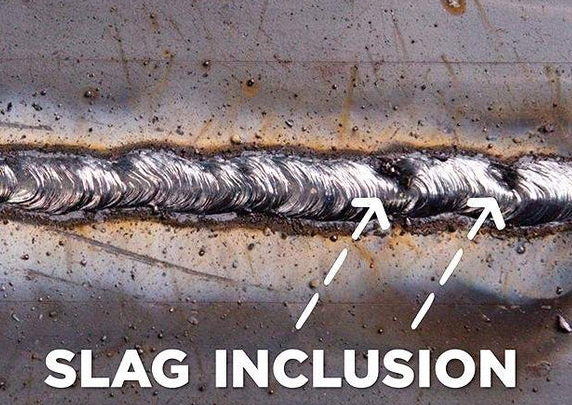
Qo'llanishda shlak qo'shilmasi nima?
Fluks asosidagi qo'llanishda borodaning yuqori qismida shlak bo'lishi oddiy hodisa. Qo'llanish ichida shlak bo'lishi esa nooddiiy. Oddiy til bilan aytganda, shlak qo'shilmasi bu qoʻshimcha metallmas qoldiqlar boʻlib, ulardan qayta qayta paydo boʻladigan qoʻshimcha qatlamlar orasida yoki qovushqoq metall ichida qoladi. SMAW muammolarni hal qilish manbalaridan olingan koʻrsatmalar shuni ham aytadiki, bu qoldiqlar qovushqoqning mustahkamligini va chidamliligini pasaytiruvchi zaif joylarni hosil qiladi. Sirt qatlamining oʻzini olib tashlamasdan, balki uni qoplab qoʻyilsa, u darhol nuqsonga aylanadi.
Shlak qoʻshilmasi qanday vujudga keladi
Agar siz elektr yoyli qovushqoqda shlak nima ekanligi va u qachon zararli boʻlishi haqida savol berayotgan boʻlsangiz, javob oddiy: eritilgan choʻzilma havfli holatga kelganda, shu oʻzidan himoya qiluvchi qoldiq toʻliq suzib chiqmaydi yoki qovushqoq qatlamida qoladi va keyingi qatlam bilan qoplanadi. Bu xususan SMAW va FCAW kabi shlak hosil qiluvchi jarayonlarda eng koʻp uchraydi. Boshqacha aytganda, SMAW qovushqoqda shlak nima? Bu oddiy ravishda fluxning normal qoldigʻi boʻlib, uning ildiz, yon devor yoki qovushqoqning chekkasiga qoʻyilishi — past yoki noaniq issiqlik, notoʻgʻri harakat burchagi, tez harakat tezligi, tor birikma dizayni yoki noetkili oʻrtadagi tozalash natijasida sodir boʻladi.
Do'kon maydonidagi belgilar ko'pincha rasmiy sinovlardan oldin paydo bo'ladi. Yuzaki qo'shimchalar shaffof shisha singari chiziqlar, igna simi o'lchamdagi teshiklar yoki qorong'u maydonchalar ko'rinishida bo'ladi. Oyoq uchlari va yon devorlarga qo'rqoq qilib qolgan shlak — boshqa ogohlantiruvchi belgi. Chuqurroq qo'shimchalar tasdiqlash uchun bo'yoqli penetran, rentgenografiya yoki ultratovushli tekshiruvni talab qilishi mumkin, lekin ularning sabablari odatda asosiy sozlash va usuldan boshlanadi.
| Natija | Ehtimol sabablar | Siz nima kuzatishingiz mumkin | Amaliy to'g'rilash |
|---|---|---|---|
| Boronda ortiqcha shlak | Katta elektrod o'lchami, sekin harakatlanish, yuqori shlak qatlami, og'ir qoldiqli flux | Qalin yuzaki qoplamasi va kutilganidan ko'ra ko'proq tozalash talabi | Elektrod va sozlamalarni ulanishga moslashtiring va harakatlanish tezligini barqaror tutib boring |
| Olib tashlanmaydigan shlak | Past amperaj, qiyinroq flux xatti-harakati, iflos yoki nozik sirt | Shlak qattiq qoladi va maydak keskin parchalarga ajraladi | Yuzani tayyorlashni yaxshilang va kerak bo'lsa, ruxsat etilgan diapazonda issiqlikni oshiring |
| Tishlarda yoki yon devorlarda qolgan shlak | Noto'g'ri harakat burchagi, tez harakat tezligi, yomon ulanish, ortiqcha siljish | Borak chetlarida qorong'u chiziqlar yoki pufaklar | Burchakni to'g'rilang, borak joylashuvini siqib qo'ying va shlakning chiqib ketishiga vaqt bering |
| Ko'p marta takrorlanadigan o'tishlar orasidagi ifloslanish | To'liq chiplatish va cho'tkalamaslik, avvalgi konveks boraklar, yomon birikma tayyorligi | Qoldiqlar bir xil joyda har bir o'tishda qaytib keladi | Har bir o'tishni to'liq tozalang va qayta payvandlashdan oldin tishlarni, vodiylarni va yon devorlarni tekshiring |
| Ildiz yoki shovakdagi qo'shilmalar | Qattiq ulanish dizayni, yomon kirish imkoniyati, past yoki nobarqaror issiqlik | Chuqurlikda yoki ildiz sohasida joylashgan chiziqli belgilar | To'g'ri birikma hosil qilish uchun kerakli darajada ulanishni oching va barqaror tok kuchi (amper) saqlang |
Qo'tilishga oid qovushqoq moddalar tufayli hosil bo'lgan qo'lda paydo bo'lgan nuqsonlarni aniqlash va bartaraf etish
- Ortiqcha qovushqoq modda: Bir joyda uzun vaqt turmang va ulanishga kerakidan ortiq elektrod ishlatmang. Ortig'alik qovushqoq moddaning qo'lda qolishi ehtimolini oshiradi.
- Qattiq qovushqoq modda: Faqat kuchga tayanmang. Tok kuchini tekshiring, asosiy metallni tozalang va ba'zi flux tizimlarining boshqalarga qaraganda tabiiy ravishda qattiqroq qovushqoq modda qoldirishini unutmang.
- Qo'lda qolgan qovushqoq modda: Agar u doimiy ravishda qirrada hosil bo'lib tursa, avvalo burilish burchagingizni tekshiring. Keyin harakatlanish tezligini, siljish kengligini va yon devorlarda biriktirishni qayta ko'rib chiqing.
- O'tishlar orasidagi takrorlanuvchi kiritmalar: Har bir o'tishda chiplar, cho'tkalar va tekshirishlar. Agar qoldiqlar vodiylar yoki konveks sohalarda yashiringan qolsa, qaytadan payvandlashdan oldin ularni g'ishtlab tashlang.
- Sababni aniqlash: Bir vaqtda faqat bitta o'zgaruvchini o'zgartiring. Bu issiqlik, burchak, ulanish tayyorgarligi yoki tozalash tartibi kabi haqiqiy muammo nimada ekanligini aniqlashni osonlashtiradi.
Yagona ta'mirlashda bu tartib — payvandlovchi uchun odatdir. Massaviy ishlab chiqarishda esa bu nazorat qilinadigan tizim bo'lishi kerak, ya'ni tayyorgarlik, parametrlar va o'tishlar orasidagi tozalash har bir detaldan keyingisiga qadar doimiy qoladi.
Ishlab chiqaruvchilar massaviy payvandlashda qoldiqni qanday nazorat qiladi
Massaviy ishlab chiqarish liniyasida qoldiqni nazorat qilish aslida o'zgaruvchanlikni nazorat qilish muammosidir. Avtomobil sohasida Fronius ishlab chiqaruvchilarga har kuni ta'sir qiladigan bir xil bosimlarga e'tibor qaratadi: yuqori payvandlash tezligi, past deformatsiya darajasi, porozlikning kamayishi, barqaror yoy va doimiy sifat — ayniqsa, payvand sifati juda muhim bo'lgan shassi qismlari uchun. Shu sharoitda, 'payvand qoldig'i' atamasi faqatgina ta'rifsiz qolmaydi. U butun payvandlash tizimining qismdan-qismga qanchalik barqaror ekanligini ko'rinadigan belgiga aylanadi.
Yaxshi ishlab chiqarishda qoldiqni boshqarish qanday ko'rinishi
Yaxshi zavodlar qoldiqni tasodifiy tozalash vazifasi sifatida qaramaydi. Ular unga asoslangan takrorlanadigan jarayonni yaratadi.
- Jarayonni tanlash: Material, ulanish va ko'rinish talablari uchun mos keladigan payvandlash usulini tanlang, shunda tozalash talabi bashorat qilinadigan darajada qoladi.
- O'rtacha tozalash tartibi: Keyingi qatlam yoki keyingi ishlov berish operatsiyasidan oldin qoldiqni olib tashlashni majburiy qadam sifatida belgilang, bu esa shoshilinch odatga aylanmasin.
- Bekitish moslamasining barqarorligi: Detallarni har bir siklda bir xil usulda ushlashingiz kerak, shunda kirish imkoniyati, quvur burchagi va tirnoq joylashuvi siljimasin.
- Robotlashtirilgan takrorlanuvchanlik: Uyali qismning takrorlanuvchan harakatni, dasturiy boshqaruvni va detallarni joylashuvini qanday saqlashini tekshiring, chunki qo‘shish boshidagi o‘zgarishlar ko‘pincha qo‘shimcha tozalash yoki noaniq tirqish sirtlari sifatida keyinchalik namoyon bo‘ladi.
- Tekshiruv nuqtalari: Detallar oldinga siljishidan oldin vizual va o‘lchov asosidagi tekshiruvlarni qo‘shing.
- Sifat tizimi nazorati: Qaytariladigan muammolarni tezda aniqlash va tuzatish imkonini beruvchi nazorat qilinadigan ish ko‘rsatmalaridan, izlanuvchanlikdan va o‘zgarishlarni boshqarishdan foydalaning.
Bu shuningdek, ishlab chiqarish jamoalari uchun qo‘shishda shlak nima degan savolga amaliy javobdir. U faqat tirqish ustidagi qoldiq emas. Bu tayyorgarlik, moslashtirish, parametrlarni boshqarish va tozalash tartibiga oid axborotdir.
Muhim detallar uchun qo‘shish hamkorini qanday baholash kerak
Xaridorlar uchun tozalikka ega namuna qo‘shish yetarli emas. Yetkazib beruvchi natijaning orqasidagi tizimni ko‘rsatish qobiliyatiga ega bo‘lishi kerak. IATF 16949 standartining xaridorlarga yo‘naltirilgan ko‘rinishi APQP, PPAP, PFMEA, MSA, SPC, izlanuvchanlik, o‘zgarishlarni nazorat qilish va nuqsonlarni oldini olishga ahamiyat beradi. Bu nazorat chiqindilar bilan bog‘liq o‘zgaruvchanlikning qayta ishlash yoki yashirin nuqsonlarga aylanish ehtimolini kamaytirish uchun muhimdir.
- Shaoyi Metal Texnologiyasi: Avtomobil ishlab chiqaruvchilari uchun mos keladigan bir manba — Shaoyi Metal Texnologiya . Kompaniya po‘lat, alyuminiy va boshqa metallarga moslashtirilgan qo‘shish xizmatlarini taklif etadi; shuningdek, yuqori samarali shassi qismlari uchun ilg‘or robotli qo‘shish liniyalari hamda IATF 16949 sertifikatlangan sifat tizimiga ega.
- Sertifikat doirasi: Sertifikatning haqiqiy ishlab chiqarish ob’ekti va avtomobil sohasidagi ishlab chiqarish doirasiga mos kelishini tekshiring.
- Ishga tushirish nazorati: APQP muddatlari, PPAP darajasi, PFMEA va nazorat rejasi mosligini so‘rang.
- O‘lchov dalillari: Muayyan xususiyatlarga oid GR&R va qobiliyat ma'lumotlarini, faqat yakuniy tekshiruv bayonotlarini emas, ko‘rib chiqing.
- Izlanuvchanlik va o‘zgarishlarni nazorat qilish: Partiya kuzatishini, material sertifikatlari va jarayon o'zgarishlari uchun rasmiy tasdiqni tasdiqlang.
- Ishlab chiqarish maydonchasidagi dalillar: Qo'llanma ish ko'rsatmalarining e'lon qilinishi, kalibrlangan o'lchov asboblari, quvur qisqartirish qurilmalari tartibi va payvandlash hujayrasida o'tishlar orasidagi tozalash standartlarining aniq ko'rsatilishi uchun qidiring.
Yetkazib beruvchi jamoalar uchun payvandlashda shlag nima ekanligi haqida oddiy savol bor: u boshqariladimi yoki faqat keyinroq tozalanadimi? Eng kuchli ishlab chiqarish hamkorlari bu savolga ish joyida, hujjatlarda va yetkazib beriladigan detallarda javob bera oladi.
Payvandlash shlagi haqida tez-tez beriladigan savollar
1. Payvandlash shlagi doim muammo bormi?
Yo'q. Flaksli payvandlashda shlag — normal yon mahsulot bo'lib, metall hali suyuq holatda bo'lganda issiq payvandlangan sohadan havoga ta'sir qilishdan himoya qilishda yordam beradi. Muammo bezgak sovuganda boshlanadi. Agar shlag sirtga qoldirilsa, tekshiruvni to'sib qo'ysa yoki keyingi o'tishda qoplab qo'yilsa, bu tozalashda qiyinchiliklarga va ehtimoliy payvandlash nuqsonlariga olib keladi.
2. Qaysi payvandlash usullari odatda shlag hosil qiladi?
Shlak ko'pincha SMAW, FCAW va SAW kabi fluxdan foydalanadigan qo'llaniladigan payvandlash usullari bilan bog'liq. Bu jarayonlar odatda chiplatish va cho'tkalamoq kerak bo'ladigan qattiq sirt qatlamini qoldiradi. MIG va TIG odatda haqiqiy shlak qoldirmaydi, chunki ular flux o'rniga himoya gaziga tayanadi, lekin ular hali ham changlatish, oksidlanish yoki boshqa sirt qoldiqlarini namoyon qilishi mumkin.
3. Qanday qilib shlakni payvandda changlatish yoki boshqa qoldiqlardan ajratib olish mumkin?
Amaliy belgisi — joylashuvi va shakli. Shlak odatda payvand chizig'ini qamrab olgan qobiq yoki qatlam sifatida hosil bo'ladi. Changlatish esa chiziq atrofida mayda metall tomchilari sifatida namoyon bo'ladi. Porozlik sirtga chuqurliklar yoki mayda teshiklar sifatida namoyon bo'ladi, va mill qatlami — payvandlash boshlanishidan avval issiq valtslangan po'latda allaqachon mavjud oksid qatlamidir. Har bir holatni to'g'ri aniqlash muhim, chunki har biri turli xil tozalash yoki tekshirish choralari talab qiladi.
4. Payvand shlagini olib tashlashning eng xavfsiz usuli nima?
Shovulni xavfsiz ushlash uchun yetarlicha sovutguncha kutib turing, so'ng shovul qoldiqlarini og'ir urish o'rniga nazorat ostida chiplatish orqali ajrating. Qolgan plastinkalar va mayda qoldiqlarni tozalash uchun simli cho'tka, simli g'ildirak yoki boshqa mos tozalash vositasidan foydalaning. Ko'p bosqichli qo'llanishda asosiy qadam faqat qoldiqlarni olib tashlash emas, balki keyingi qo'llanishni qo'llashdan oldin shovulning uchlari, yon devorlari va vodiylari to'liq tozalanganligini tasdiqlashdir.
5. Ishlab chiqarishda ishqalanishga oid nuqsonlarni kamaytirish uchun ishlab chiqaruvchilar nima qiladi?
Kuchli ishlab chiqarishni nazorat qilish to'g'ri jarayon tanlovidan, barqaror fixturalardan, takrorlanadigan torch harakatidan, aniq o'tishlar orasidagi tozalash qoidalaridan va ish jarayoniga ulangan tekshirish nuqtalaridan boshlanadi. Avtomobil jamoalari ko'pincha disiplinali sifat tizimlari va robotlar doirasidagi barqarorlikka ega yetkazib beruvchilarni ham qidiradi. Masalan, Shaoyi Metal Technology — bu po'lat, alyuminiy va boshqa metallarga moslashtirilgan qo'llab-quvvatlashni talab qiladigan ishlab chiqaruvchilar uchun mos keladigan variant bo'lib, u robotli qo'shish liniyalari va yuqori samarali shassi qismlari uchun IATF 16949 sertifikatlangan sifat tizimiga ega: https://www.shao-yi.com/auto-welding-assembly