 Small batches, high standards. Our rapid prototyping service makes validation faster and easier —
  EN
EN


Postupné tvárnice vs. prenosové tvárnice: Rámec rozhodovania, ktorý zachráni projekty
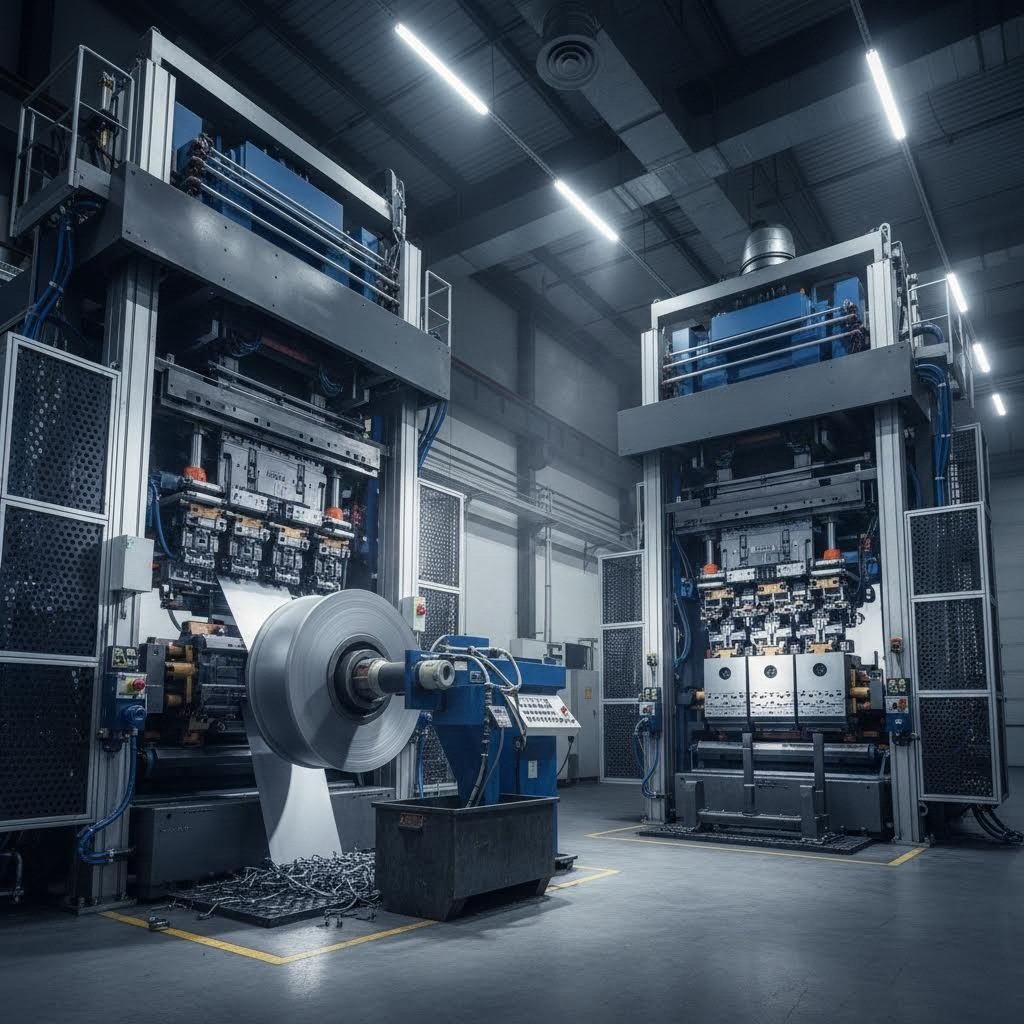
Správna voľba matrice pre váš projekt kovového tvárnenia
Predstavte si to: Investovali ste mesiace do vývoja výrobku, dokončili ste návrh súčiastky a zabezpečili ste veľmi sľubnú zmluvu na výrobu. Teraz nastáva rozhodujúci okamih – výber metódy tvárnenia ktorá bude formovať tisíce (alebo milióny) kovových súčiastok. Mali by ste zvoliť postupné tvárnenie v matrici alebo tvárnenie v prenosovej matrici? Toto jediné rozhodnutie môže určiť, či sa váš projekt od prvého dňa úspešne rozvíja alebo sa potrápi.
Riziká sú vyššie, ako si uvedomujú mnohí výrobcovia. Výber nesprávneho typu diely neznamená len drobné nepohodlia. Spôsobuje straty investícií do nástrojov, ktoré môžu dosiahnuť desiatky tisíc dolárov, neefektívnosť výroby, ktorá znižuje vaše marže, a problémy s kvalitou, ktoré frustrovať vašich zákazníkov. Ako poznamenávajú odborníci z odvetvia, výber nesprávnej metódy tvárnenia môže viesť k oneskoreniam, zvýšeným stratám materiálu a drahému prepracovaniu.
Prečo výber diely rozhoduje o úspechu alebo neúspechu vašej výrobnej linky
Predstavte si diely a tvárnenie ako základ vašej operácie tvárnenia kovov. Progresívna diela posúva pás kovu cez postupné stanoviská v rámci jediného nástroja a vykonáva viacero operácií v jednom spojitom procese. Preporová diela naopak využíva samostatné stanoviská, kde jednotlivé polotovary sú mechanicky presúvané medzi jednotlivými operáciami. Každý prístup má svoje výrazné výhody – avšak len vtedy, ak je správne prispôsobený konkrétnej aplikácii.
Výzva? Mnoho projektových manažérov sa opiera o zastaralé predpoklady alebo preferencie dodávateľov namiesto systematického hodnotenia. Tento článok mení takýto prístup. Namiesto toho, aby sme vás zaplavili technickými špecifikáciami, poskytneme vám praktický rámec na rozhodovanie, ktorý môžete okamžite uplatniť v rámci vášho konkrétneho projektu.
Skryté náklady spojené s výberom nesprávnej metódy lisovania
Zvážte, čo sa stane, ak sa výber dielov pre tvárnenie nepodarí:
- Nastavenie postupného tvárnenia navrhnuté pre súčiastky, ktoré sú príliš veľké pre nosný pásik, spôsobuje trvalé zaseknutia a chyby kvality
- Prenosový diel vybraný pre malé súčiastky vysokého objemu má za následok neopodstatnene pomalé cykly a zvýšené náklady na jednu súčiastku
- Úpravy nástrojov počas výroby spotrebujú rozpočet a oneskoria dodacie lehôt
V tomto sprievodcovi sa dozviete, ako vyhodnotiť váš projekt z hľadiska štyroch kľúčových dimenzií: zložitosti súčiastky, objemu výroby, materiálových aspektov a celkových nákladových faktorov. Na konci budete mať jasný plán, ktorý vám pomôže určiť, ktorý prístup k výrobe razníka pre tvárnenie je najvhodnejší pre vaše výrobné ciele – a tým sa vyhnete drahým pokusom a omylom.
Ako vyhodnotiť progresívne a prenosové metódy tvárnenia razníkmi
Ako sa teda vlastne rozhodnúť medzi týmito dvoma metódami tvárnenia? Odpoveď sa nenachádza v jednoduchej tabuľke ani v univerzálnej odporúčanej rade krokov. Namiesto toho vyžaduje systematické posúdenie konkrétnych požiadaviek vášho projektu v porovnaní so silnými stránkami každej z týchto metód. Pozrime sa podrobnejšie na metodológiu, ktorá oddeľuje úspešný výber razníka od drahých odhadov.
Päť kľúčových faktorov, ktoré určujú váš ideálny typ razníka
Keď porovnanie progresívneho a prenosového tvárnenia razníkmi , päť navzájom prepojených faktorov ovplyvňuje rozhodnutie. Po pochopení toho, ako sa každý z týchto faktorov vzťahuje na váš projekt, sa ukáže, ktorá metóda poskytuje optimálne výsledky.
Zložitosť geometrie súčiastky: Aká zložitá je vaša súčiastka? Postupné štampovanie pomocou progresívnej matrice sa výborne hodí na výrobu súčiastok so zložitými tvarmi, viacerými prvkami a tesnými toleranciami v jednej nepretržitej operácii. Štampovanie pomocou prenosovej matrice tiež spravuje zložité geometrie, avšak vyniká pri súčiastkach, ktoré vyžadujú tváriace operácie na viacerých povrchoch alebo hlboké trojrozmerné prvky, ktoré sa nemôžu udržať pripojené k nosnej páske.
Prahy výrobného objemu: Aký je váš ročný požiadavkový výstup? Podľa odborného odhadu priemyslu je postupné štampovanie pomocou progresívnej matrice ideálne pre veľkosériovú výrobu, kde sú kľúčové efektívnosť a rýchlosť. Štampovanie pomocou prenosovej matrice sa zvyčajne hodí pre malé a stredné výrobné objemy a ponúka väčšiu flexibilitu pri menších dávkach.
Kompatibilita typu materiálu: Rôzne materiály sa počas tvárnenia tlakom správajú odlišne. Vaše nástroje a metóda tvárnenia musia zohľadňovať rozdiely v hrúbke materiálu, tendenciu k pružnému vráteniu (spring-back) a úrovne tvrdosti. Obe metódy sa dajú použiť s bežnými kovmi, avšak konkrétne vlastnosti materiálu ovplyvňujú, ktorý prístup minimalizuje odpad a chyby.
Požiadavky na sekundárne operácie: Budú vaše súčiastky potrebovať ďalšie spracovanie po tvárnení? Postupné nástroje často eliminujú sekundárne operácie tým, že do jediného nástroja integrujú viacero krokov tvárnenia a vyrábajú tak hotové súčiastky. Pri tvárnení prenosovými nástrojmi môže v závislosti od zložitosti súčiastky vzniknúť potreba ďalšieho obrábania, zvárania alebo montáže.
Investícia do nástrojov vs. náklady na jednu súčiastku: Tvárnenie postupnými nástrojmi zvyčajne vyžaduje vyššiu počiatočnú investíciu do nástrojov kvôli ich zložitosti. Avšak pri veľkosériových výrobkoch sa náklady na jednu súčiastku výrazne znížia. Nástroje pre prenosové tvárnenie sa zvyčajne dajú počiatočne získať za nižšiu cenu, čo ich robí ekonomickejšími pre prototypy a menšie výrobné dávky.
Ako sme hodnotili každú metódu tvárnenia
Aby sa toto porovnanie dalo v praxi využiť, preskúmali sme oba typy tvárnich nástrojov podľa konkrétnych, merateľných kritérií. Tu je zoznam aspektov, ktoré by ste mali posúdiť pre váš vlastný projekt:
- Požiadavky na rozmerovú presnosť: Aké tolerancie musia vyhovovať vaše hotové súčiastky? Pri presnom tvárnení pomocou nástrojov je nevyhnutné starostlivé navrhovanie nástroja bez ohľadu na použitú metódu, avšak postupné nástroje často zabezpečujú vyššiu konzistenciu pri výrobe veľkých sérií.
- Ročné projekcie objemu: Realisticky odhadnite svoje výrobné potreby – vrátane možného nárastu alebo poklesu dopytu počas životnosti nástroja.
- Rozsahy hrúbky materiálu: Zohľadnite odchýlky hrúbky materiálu v rámci jednotlivých šarží a spôsob, akým každý typ nástroja tieto nezrovnalosti kompenzuje.
- Úrovne geometrickej zložitosti: Zozbierajte všetky prvky, ktoré vaša súčiastka vyžaduje – ohyby, otvory, reliéfne detaily, tažené úseky – aby ste určili, ktorá metóda ich efektívne zvládne.
- Rozpočtové obmedzenia: Vypočítajte celkové náklady na vlastníctvo, nie len počiatočné náklady na nástroje, vrátane údržby, využitia materiálu a výrobnej efektívnosti.
Tu je základná pravda o tomto hodnotení: medzi postupným a prenosovým vystrihávaním neexistuje univerzálny víťaz. „Najlepšia“ voľba závisí úplne od premenných špecifických pre váš projekt. Postupné vystrihávacie nástroje, ktoré sú dokonalé na výrobu miliónov malých elektrických konektorov, by boli úplne nevhodné na výrobu väčších konštrukčných súčiastok v stredných množstvách. Podobne by nastavenie prenosového vystrihávacieho nástroja, ktoré sa výborne osvedčilo pri hlboko ťahaných karosériových krytiach automobilov, spôsobilo nadbytočné náklady pri jednoduchých konzolách vysokého objemu výroby.
Keďže tento rámec hodnotenia už bol stanovený, preskúmajme presne, ako každá metóda vystrihávania funguje – začneme mechanikou postupného vystrihávania a aplikáciami, v ktorých poskytuje maximálnu hodnotu.
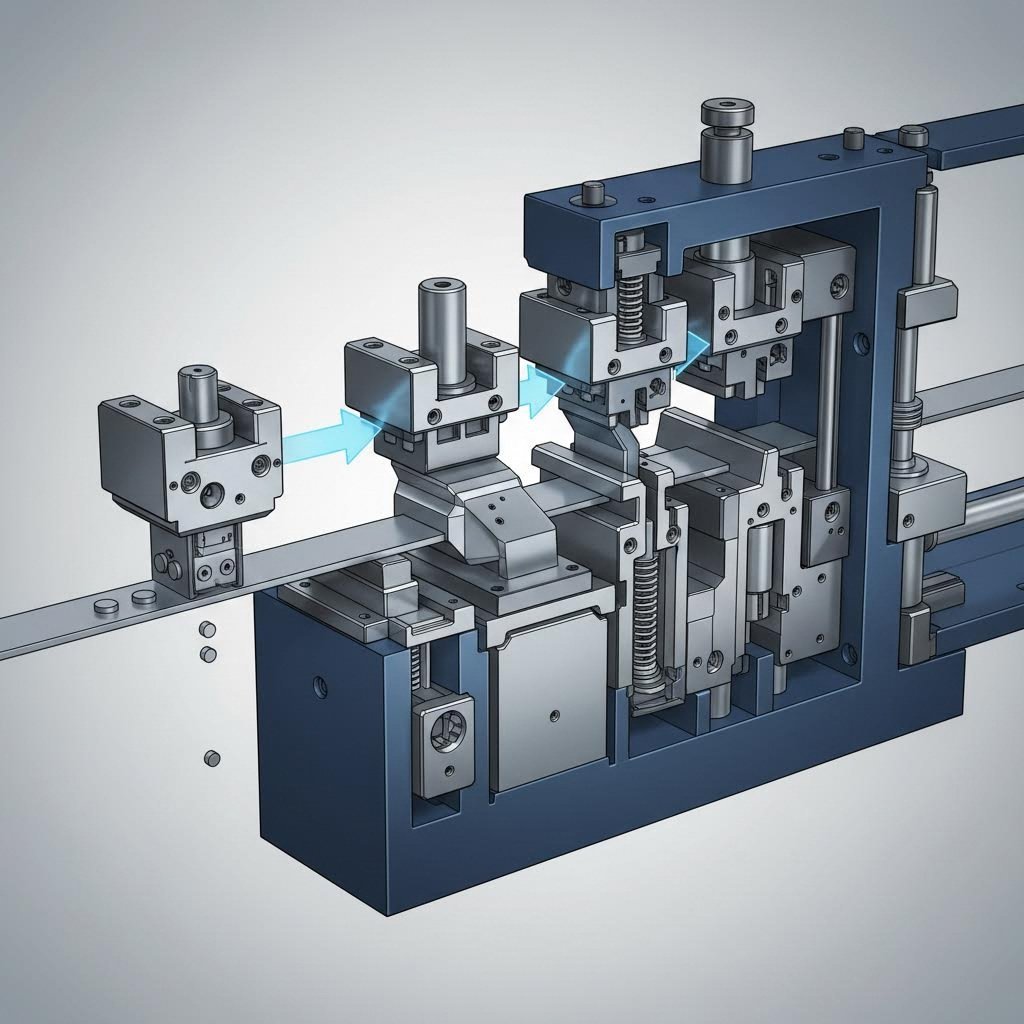
Vysvetlenie postupného vystrihávania s ideálnymi aplikáciami
Predstavte si nepretržitý kovový pás, ktorý sa privádza do stroja a niekoľko sekúnd neskôr vychádza ako úplne hotový, presný diel. To je progresívne vyraďovanie – proces, ktorý premieňa surový cievkový materiál na dokončené súčiastky prostredníctvom elegantnej postupnosti operácií. Pochopenie toho, ako tento proces presne funguje, vám pomôže určiť, či je vhodnou voľbou pre váš výrobný projekt.
Ako progresívne tvary premieňajú cievkový materiál na dokončené súčiastky
Trh proces postupného strihania pomocou postupovej matice začína cievkou plechu namontovanou na odvinovač. Tento kovový pás sa privádza do lisu, kde sa posúva cez sériu stanov – každá z nich vykonáva na materiáli konkrétnu operáciu. Pri každom zdvihu lisu sa pás posunie dopredu na nasledujúcu stanicu, zatiaľ čo nový hotový diel vychádza z tvárnice.
Čo robí progresívne kovové štampovanie tak efektívnym? Odpoveď spočíva v jeho nepretržitosti. Podľa spoločnosti Dayton Rogers progresívne štampovanie zahŕňa privádzanie kovovej pásky cez sériu dielov, pričom sa každým zdvihom stroja vytvorí hotový diel. Keďže každý cyklus vytvorí nový hotový kus, tento proces sa často používa na rýchlu a efektívnu výrobu veľkého množstva zložitých dielov.
Takto materiál prechádza typickou progresívnou formou:
- Kŕmenie: Kovová páska vstupuje do formy a je vedená prípravkom na privádzanie, ktorý zabezpečuje presné umiestnenie pre každú operáciu
- Vodiacich otvorov: Počiatočné vystrihnutia vytvárajú referenčné otvory, ktoré presne vedú pásku cez nasledujúce stanice
- Postupné operácie: Každá stanica vykonáva svoju určenú úlohu – či už ide o rež, tvárnenie alebo tvarovanie – pri posúvaní pásky
- Oddeľovanie dielu: Na poslednej stanici je hotový diel odrezaný od nosnej pásky a vysunutý
Pásik zostáva počas celého procesu spojený prostredníctvom nosného pásika, ktorý udržiava zarovnanie dielov a umožňuje vysokorýchlostný chod, za ktorý sú progresívne razidlá a výrobné procesy známe. Tento nosný pásik v podstate funguje ako dopravný systém zabudovaný priamo do materiálu.
Operácie, ktoré môžu progresívne razidlá vykonávať
Progresívne razidlá sú mimoriadne všestranné nástroje. V jedinom razidle môžu výrobcovia integrovať viacero operácií, ktoré by inak vyžadovali samostatné stroje a ďalšie manipulačné kroky. Hlavné kategórie operácií zahŕňajú:
Rezanie:
- Prebíjanie: Vytváranie otvorov, štrbín alebo otvorov v materiáli
- Vystrihovanie: Vystrihnutie obrysového tvaru dielu z pásika
- Zárezávanie: Odstraňovanie materiálu z okraja pásika
- Zhrubný rez: Odstraňovanie prebytočného materiálu z predtým tvorených prvkov
Tvárnenie:
- Ohýbanie: Vytváranie uhlových prvkov pozdĺž priamej čiary
- Tvárnenie: Tvarovanie materiálu do zakrivených alebo zložitých kontúr
- Razenie: Stláčanie materiálu na vytvorenie presných hrúbok alebo podrobných povrchových prvkov
- Reliéfovanie: Zdvíhanie alebo stlačovanie častí povrchu materiálu
- Kresba: Rozťahovanie materiálu do tvaru pohárika alebo do vyklenutých prvkov
Ako vysvetľujú odborníci z priemyslu, tvárnice pre kovové lisovanie plnia dve hlavné funkcie: režú a tvarujú. Rezné tvárnice používajú ostrohranné nástroje, ktoré pôsobia silou na strihnutie alebo oddelenie kovu pozdĺž špecifických obrysov, zatiaľ čo tvarovacie operácie deformujú kovový polotovar do požadovaných geometrických tvarov pôsobením tlaku bez preseknutia materiálu.
Kedy progresívne lisovanie prináša maximálnu hodnotu
Nie každá súčiastka je vhodná na výrobu pomocou progresívnych tvárníc a lisovania. Tento proces prináša najväčšie výhody za určitých podmienok. Zvážte použitie progresívneho lisovania, ak vaš projekt spĺňa tieto kritériá:
- Výroba veľkých sérií: Progresívne tvárnice sa zvyčajne stávajú nákladovo efektívnymi pri výrobe 10 000 a viac súčiastok ročne, pričom výhody z efektivity výrazne rastú pri vyšších objemoch výroby
- Menšie rozmery súčiastok: Komponenty, ktoré môžu zostať počas spracovania pripevnené na nosnej páske – zvyčajne sú to diely s rozmermi, ktoré sa zmestia do šírky páska
- Viacnásobné postupné operácie: Diely vyžadujúce niekoľko tvarovacích alebo rezných krokov, ktoré je možné usporiadať v logickom poradí
- Stála hrúbka materiálu: Aplikácie využívajúce materiál rovnakej hrúbky, ktorý sa predvídateľne posúva cez nástroj
- Prísne požiadavky na tolerancie: Diely vyžadujúce presnosť a opakovateľnosť pri tisícoch alebo miliónoch kusov
Samotné progresívne nástroje sa vyznačujú výborným výkonom pri bežných technických materiáloch. Oceľ, hliník, meď a mosadz v konštantnej hrúbke sa spoľahlivo spracovávajú prostredníctvom progresívneho tvárnenia. Referenčné materiály uvádzajú, že oceľ ponúka vysokú univerzálnosť a vysoký pomer pevnosti k hmotnosti, hliník poskytuje vynikajúcu tvárnosť a ľahkú hmotnosť a zliatiny medi zabezpečujú vynikajúcu elektrickú vodivosť pre elektronické aplikácie.
Priemyselné odvetvia, ktoré sa veľmi intenzívne spoliehajú na progresívne vyraďovanie, zahŕňajú automobilový priemysel (upevňovacie konzoly, sponky, elektrické konektory), elektroniku (svorky, kontakty, stínivé komponenty) a výrobu spotrebných tovarov (montážne prvky, konštrukčné prvky). V každom prípade je kombinácia vysokých výrobných objemov, zložitých viackrokových operácií a náročných požiadaviek na kvalitu dôvodom, prečo je progresívne kovové vyraďovanie logickou voľbou.
Pochopte, kedy progresívne vyraďovanie dosahuje najlepších výsledkov – to je len polovica rovnice. Ďalej sa budeme venovať vyraďovaniu pomocou prenosového nástroja – alternatívnemu prístupu, ktorý je vhodný pre väčšie diely a zložité trojrozmerné geometrie, ktoré metódy progresívneho vyraďovania jednoducho nedokážu zvládnuť.
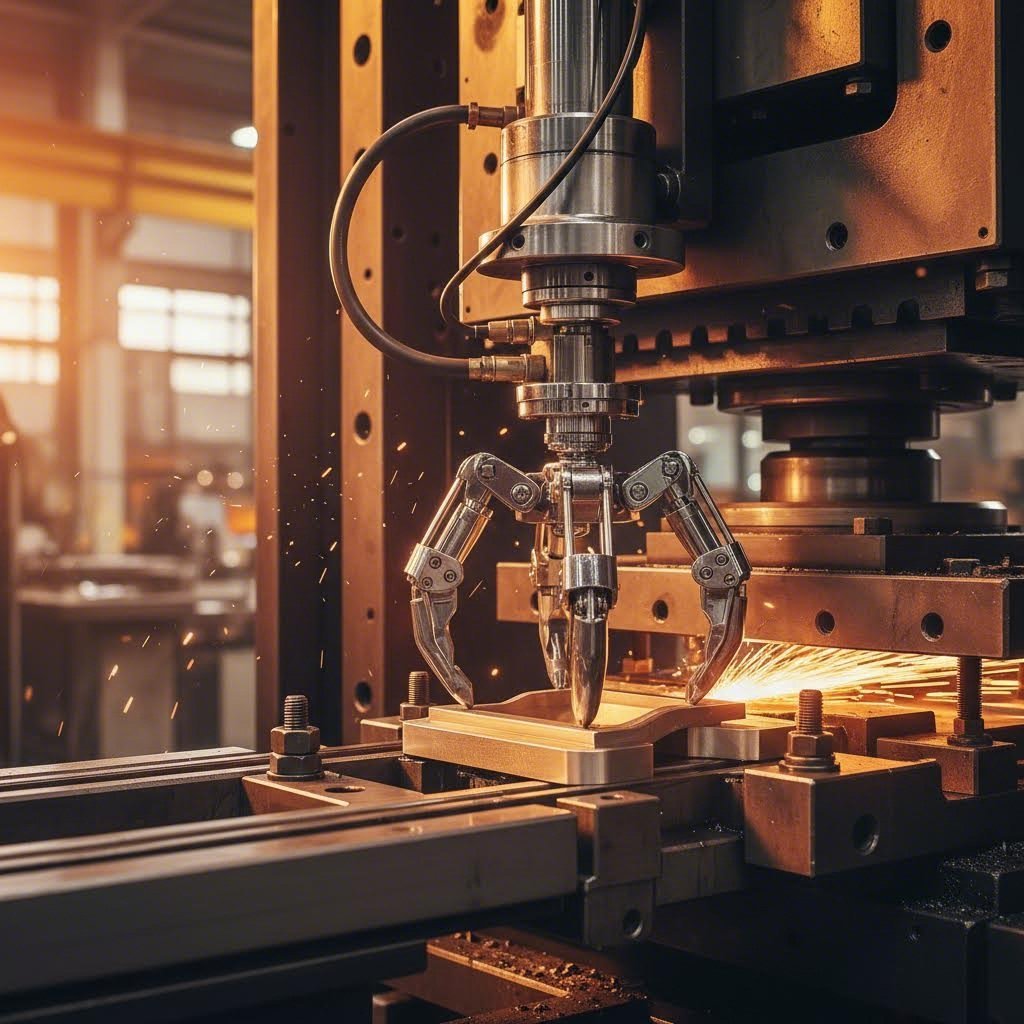
Proces vyraďovania pomocou prenosového nástroja a najvhodnejšie prípady jeho použitia
Čo sa stane, ak je váš diel príliš veľký na prepravný pásik? Alebo ak potrebujete hlboko tažené prvky, ktoré vyžadujú voľný tok materiálu zo všetkých smerov? Práve v tomto prípade sa uplatňuje tvárnenie pomocou prenosového nástroja. Na rozdiel od postupného tvárnenia, pri ktorom zostávajú diely pripojené k pohybujúcemu sa pásiku, tvárnenie pomocou prenosového nástroja uvoľňuje každý polotovar – čím vznikajú možnosti, ktoré jednoducho nie je možné dosiahnuť metódami s pripojenými pásikmi.
Mechanika prenosového nástroja a viacstaničné spracovanie
Tvárnenie pomocou prenosového nástroja začína zásadným rozdielom: polotovar sa už v skorom štádiu procesu stáva nezávislým od základného materiálu. Podľa odborníkov z odvetvia sa tvárnenie pomocou prenosového nástroja od postupného tvárnenia odlišuje tým, že polotovar je odrezaný od základného materiálového pásiku v najskoršom štádiu procesu.
Takto prebieha proces prestupnej väzby:
- Vystrihovanie: Cievka surového kovu sa privádza do prvej stanice, kde sa z nepretržitého pásu vyražuje počiatočný tvar súčiastky – tzv. polotovar. Toto je konečné spojenie s materskou cievkou
- Mechanický prenos: Keď sa zdvíha ram stlačovacieho stroja a otvorí sa forma, zdvíhacie zariadenia pre súčiastky zdvihnú novovytvorený polotovar z povrchu spodnej časti formy. Súčasne sa aktivuje prenosový systém
- Presný pohyb: Dve vodiace lišty, ktoré sa nachádzajú pozdĺž celej dĺžky formy, sa posunú dovnútra a mechanické prsty alebo zovíracie ústrojstvo pevne uchopia okraje polotovaru
- Prechod zo stanice na stanicu: Celé prenosové vodiace zariadenie zdvihne polotovar zvisle, presunie ho vodorovne na nasledujúcu stanicu a potom ho s extrémou presnosťou umiestni na lokalizačné prvky v nasledujúcej forme
- Uvoľnenie a návrat do východiskovej polohy: Prsty uvoľnia súčiastku a vodiace lišty sa vrátia do svojej východiskovej polohy – všetko toto sa stane ešte predtým, než sa ram stlačovacieho stroja začne znova pohybovať nadol
Celá táto postupnosť prebieha za zlomok sekundy. Koordinácia medzi pohybom lisu a časovaním prepravného systému je kritická. Ako uvádza spoločnosť AIDA, časovanie zdvihového pohybu nástroja, vytlačovacieho zdvihu a pohybu prepravného mechanizmu pri automatizácii spracovania je kritickým problémom, ktorý je potrebné vyriešiť v aplikáciách prepravného lisovania.
Prepravné lisy sú špeciálne navrhnuté pre tento proces – zvyčajne ide o veľké stroje s rozsiahlym pracovným priestorom a významnou kapacitou, aby sa zmestili všetky potrebné stanicie nástrojov na úplnú výrobu súčiastky. Predstavte si to ako vysokorýchlostnú, vysoce automatizovanú montážnu linku stlačenú do jediného stroja, kde surový polotovar vstupuje na jednom konci a z druhého konca vychádza zložitá, hotová súčiastka.
Ako funguje prepravný mechanizmus
Srdcom lisovania s prepravným nástrojom je systém manipulácie s dielmi. Dva hlavné mechanizmy presúvajú jednotlivé polotovary medzi staniciami:
Mechanické prsty alebo upínače: Tieto presne spracované komponenty sa upevňujú na okraje každého polotovaru. Vodiace lišty s upínačmi sa pohybujú v synchronizovanej „tancovej“ sekvencii – dovnútra na zachytenie, nahor na zdvihnutie, dopredu na posunutie, nadol na umiestnenie a potom von na uvoľnenie. Tento dvojrozmerný alebo trojrozmerný pohyb sa opakuje pri každom zdvihu lisu.
Vysávacie poháriky: Pre niektoré aplikácie sa mechanické upínanie nahrádza manipuláciou založenou na vákuu. Vysávacie poháriky zdvíhajú polotovary zhora, čo ich robí ideálnymi pre diely, kde je obmedzený prístup k okrajom alebo kde by boli stopy od upínačov neprijateľné na hotovom komponente.
Presnosť tohto umiestnenia nemôže byť dostatočne zdôraznená. Každý polotovar sa musí presne umiestniť na lokalizačné body matrice, aby sa zabezpečilo správne zarovnanie pre nasledujúcu operáciu tvárnenia. Aj minimálne chyby v polohe sa v ďalších staniciach navzájom zosilňujú a vedú k výrobe chybných dielov.
Zložité geometrie, ktoré vyžadujú riešenia s prenosnými maticami
Prečo si vybrať prenosové tvárnice namiesto progresívnych tvárníc? Odpoveď spočíva v tom, čo sa stane možným, keď sú diely odpojené od nosnej pásky. Prenosové tvárnenie umožňuje výrobné možnosti, ktoré progresívne metódy nedokážu dosiahnuť.
Zvážte hlboké taženie. Pri prenosovom tvárnení je možné polotovar zdvihnúť, otočiť a voľne manipulovať s ním. Táto voľnosť umožňuje tvárniciam vytvárať hlboké pohárikovité tvary, pretože materiál sa môže rovnomerne prúdiť zo všetkých strán do dutiny tvárnice. Progresívne tvárnice naopak musia ťahať materiál len zo strán dielov, ktoré zostávajú na nosnej páske – to je obmedzenie, ktoré často spôsobuje trhliny alebo neprijateľné ztenčenie stien pri aplikáciách hlbokého taženia.
Prenosové tvárnice sa vyznačujú v týchto konkrétnych aplikáciách:
- Väčšie diely, ktoré nemôžu zostať na nosnej páske: Komponenty, ktorých rozmery presahujú praktické šírky pásky, alebo diely vyžadujúce tvárnice, ktoré by deformovali spojenú pásku
- Hĺbkovo tvárnené komponenty: Diely, kde hĺbka presahuje priemer, napríklad nádoby, puzdrá a pohárikové prvky vyžadujúce rovnakú hrúbku stien
- Diely vyžadujúce operácie na viacerých povrchoch: Komponenty, ktoré potrebujú tvárnenie, vŕtanie alebo dokončovanie na vrchu, spodku a stranách – prístupné iba vtedy, keď je diel voľne stojaci
- Komplexné 3D geometrie: Prvky vrátane bočných otvorov, podrezov, uholných flanžov a zložitých povrchových kontúr, ktoré vyžadujú 360-stupňový prístup na každej stanici
- Komplexné sekundárne operácie: Diely, ktoré profitujú z vnútorného rezania závitov, zvárania, nitovania alebo vkladania komponentov do diely, čo by bolo nemožné na spojenom pásiku
Rozsah operácií možných na každej prenosovej stanici odráža postupné schopnosti, avšak s pridanou flexibilitou. Typické operácie zahŕňajú taženie (vytváranie tvarov v podobe pohára), prienik (vyrábanie otvorov a výrezov), orezávanie (odstraňovanie nadbytočného materiálu) a tvárnenie (formovanie zložitých kontúr). Okrem toho môžu prenosové nástroje obsahovať pokročilé sekundárne operácie – závitovacie hlavy na vytváranie závitových otvorov, malé zváracie jednotky na pridávanie matic alebo konzol alebo automatizované systémy na vkladanie plastových alebo gumových komponentov.
Požiadavky na tonáž a kapacita lisu
Zariadenia pre prenosové kovové lisovanie sa výrazne líšia od nastavení progresívnych lisov. Prenosové lisy zvyčajne vyžadujú vyššiu tonážnu kapacitu, aby vyhovovali silám potrebným na tvárnenie väčších dielov a operácií hlbokého taženia.
Na ilustráciu: Studené kovové prenosové lisy AIDA rozpätie od 400 do 1 200 ton (4 000 až 12 000 kN). Tieto stroje disponujú významnou plochou pracovnej dosky – rozmery podložky dosahujú u väčších modelov 1 500 mm × 1 100 mm – aby bolo možné umiestniť viacpostupové tvárnice. Rýchlosť zdvihu sa mení nepriamo úmernou k tonáži: lisovacie stroje s tonážou 400 ton dosahujú 30–45 zdvihov za minútu, zatiaľ čo stroje s tonážou 1 200 ton pracujú pri rýchlosti 20–30 zdvihov za minútu.
Tento vzťah medzi tonážou a rýchlosťou zdvihu zdôrazňuje dôležitú závažnosť. Hoci lisovanie na prenosových lisoch prebieha pomalšie ako lisovanie na vysokorýchlostných progresívnych lisoch, celkový výkon nie je jediným rozhodujúcim faktorom. Ak vyžaduje súčiastka lisovaná na progresívnom liste viacero sekundárnych operácií po opustení lisu, celkový čas výroby a náklady na jednu súčiastku môžu presiahnuť čas a náklady na súčiastku lisovanú na prenosovom liste, ktorá opúšťa lis už dokončená.
Výhoda flexibility
Výrobky pre prenosové nástroje ponúkajú významnú výhodu pri údržbe a úpravách oproti postupným dielom. Keďže prenosové diely pozostávajú z viacerých jednotlivých stanicových diel umiestnených v rámci hlavného súboru diel, výrobcovia získajú prevádzkovú flexibilitu, ktorú monolitické postupné nástroje nedokážu poskytnúť.
Keď sa poškodí jedna stanica v postupnom diele, celý nástroj môže vyžadovať zložité a časovo náročné opravy. V prípade prenosových diel zjednodušuje modularita nielen výrobu, ale aj údržbu. Jednotlivé stanice je možné:
- Odstrániť a opraviť bez demontáže celého súboru diel
- Nezávisle upraviť tak, aby vyhovovali zmene návrhu
- Nahradiť vylepšenými nástrojmi bez ovplyvnenia ostatných staničných jednotiek
- Individuálne optimalizovať pre konkrétne operácie bez kompromisov
Táto modularita sa rozširuje aj na optimalizáciu procesov. Každá stanica v prenosovej dielni vykonáva zamerané operácie na samostatne stojacom diele, čo umožňuje inžinierom jemne doladiť jednotlivé kroky bez reťazových účinkov na ostatné stanice. Výsledkom je vynikajúca opakovateľnosť rozmerov, vyššia kvalita povrchových úprav a zlepšená konzistencia medzi jednotlivými dielmi v rámci výrobných sérií miliónov dielov.
Teraz, keď už viete, ako fungujú postupné aj prenosové kovové tvárničky, môžete prejsť priamo ku porovnaniu. Preskúmajme, ako sa tieto metódy navzájom porovnávajú podľa faktorov, ktoré sú najdôležitejšie pre vaše výrobné rozhodnutia.
Porovnanie výkonnosti postupnej a prenosovej kovovej tvárničky
Už ste videli, ako jednotlivé metódy tvárnenia fungujú samostatne. Avšak keď sa pozýrate na výkres súčiastky a vypočítavate výrobné náklady, potrebujete odpovede vedľa seba. Ktorá metóda je rýchlejšia? Ktorá z nich zvládne geometriu vašej súčiastky? Kde každý prístup ušetrí – alebo zvýši – náklady? Táto kapitola poskytuje priamu porovnávaciu analýzu, ktorú potrebujete na rozhodnutie so sebavedomím pre váš projekt tvárnenia do dielov.
Podrobné porovnanie výkonu
Pozrime sa na túto zložitosť komplexným porovnaním. Nasledujúca tabuľka vyhodnocuje progresívne kovové tvárnenie do dielov oproti transferovému tvárneniu do dielov podľa kritérií výkonu, ktoré priamo ovplyvňujú vaše výrobné výsledky:
| Faktor výkonu | Progresívne razenie | Lisovanie transferovou formou |
|---|---|---|
| Rýchlosť výroby | Prevádzka vo vysokom rýchlostnom režime; zvyčajne 20–1 500+ úderov za minútu v závislosti od zložitosti súčiastky. Ideálne pre vysokorýchlostné kovové tvárnenie menších komponentov. | Stredná rýchlosť; zvyčajne 20–45 úderov za minútu. Časovanie transferového mechanizmu obmedzuje maximálnu frekvenciu cyklov. |
| Kapacita veľkosti súčiastky | Obmedzené šírkou pásu a požiadavkami na nosný pás. Najvhodnejšie pre menšie a stredne veľké diely, ktoré počas spracovania zostávajú pripevnené. | Zvláda voľne väčšie komponenty. Neexistujú obmedzenia vyplývajúce z nosného pásu, čo umožňuje spracovanie dielov presahujúcich bežné limity progresívnych nástrojov. |
| Geometrická zložitosť | Vynikajúce pre 2D zložitosť s viacerými operáciami vŕtania, tvárnenia a ohýbania. Obmedzená schopnosť spracovania 3D kvôli pripevneniu dielov na nosný pás. | Vyššia flexibilita pri spracovaní 3D. Hlboké taženie, operácie na viacerých povrchoch a podrezovanie sú možné v prípade, keď sa diely voľne pohybujú medzi jednotlivými stanoviskami. |
| Počiatočné náklady na nástroje | Vo všeobecnosti vyššie počiatočné investície kvôli zložitosti integrovaných viacstanovišťových nástrojov. Komplexné kovové tlačidlové operácie v rámci progresívnych nástrojov navyšujú inžinierske náklady. | Nižšie počiatočné náklady na výrobu nástrojov. Modulárna konštrukcia jednotlivých stanovísk zníži zložitosť a dobu výroby každého nástroja. |
| Náklady na diel (vysoký objem) | Výrazne nižšie náklady pri veľkokapacitnej výrobe. Nepretržitý priebeh pásu minimalizuje manipuláciu s dielmi a maximalizuje efektivitu výrobného výkonu. | Vyššie náklady na jeden diel pri rovnakom objeme výroby kvôli pomalším cyklovým časom a zložitejšej manipulácii s dielmi. |
| Náklady na diel (nízky objem) | Vyššia kvôli významnej amortizácii nástrojov na menšom počte kusov. | Ekonomičnejšia pre menšie sériové výroby, keď sa investícia do nástrojov rozdelí primerane medzi vyrábané množstvo. |
| Využitie materiálu | Efektívne využitie cievkového materiálu. Nosný pás spôsobuje určité prirodzené odpady, avšak optimalizácia usporiadania (nestingu) minimalizuje odpad. Podľa odbornej analýzy môže progresívne tvárnenie viesť k mierne vyššej efektivite využitia materiálu v dôsledku svojho nepretržitého procesu. | Dobré využitie jednotlivých polotovarov. Tvar polotovaru sa môže optimalizovať nezávisle od geometrie výrobku. |
| Sekundárne operácie | Často úplne eliminuje sekundárne operácie tým, že integruje všetky tvárnacie kroky do diely. Hotové súčiastky vychádzajú z lisu. | V závislosti od zložitosti môže vyžadovať ďalšie spracovanie, napriek tomu je možné vykonávať rezanie závitov, zváranie a montáž priamo v diele. |
| Komplexnosť údržby | Zložitejší opravy. Jedna integrovaná diela znamená, že problém na jednej stanici môže vyžadovať rozsiahle rozoberanie. | Modulárny dizajn zjednodušuje údržbu. Jednotlivé stanice je možné odstrániť, opraviť alebo vymeniť bez ovplyvnenia ostatných. |
| Prispôsobivosť zmenám návrhu | Obmedzená pružnosť. Zmeny v návrhu často vyžadujú významnú rekonštrukciu dielov alebo úplnú výmenu nástrojov. | Vyššia prispôsobivosť. Úpravy jednotlivých staníc umožňujú prispôsobiť sa zmene návrhu bez úplnej rekonštrukcie dielov. |
Toto porovnanie odhaľuje dôležitú pravdu: ani jeden z týchto spôsobov nemá všeobecnú výhodu pred druhým. Postupné diely zabezpečujú nezvyčajnú efektívnosť pri výrobe malých súčiastok vo veľkom množstve, zatiaľ čo prenosové nástrojovanie ponúka pružnosť, ktorú postupné metódy pre väčšie alebo geometricky zložitejšie súčiastky jednoducho nedokážu poskytnúť.
Priradenie typu nástroja vašim požiadavkám na výrobu
Znie to zložito? Práve tu sa prognózy objemu výroby menia na tento porovnávací prehľad a transformujú ho na praktické odporúčania. Ročné množstvo výroby často slúži ako hlavný rozhodovací faktor, ak sú ostatné faktory približne rovnaké.
Nasledujúca tabuľka obsahuje odporúčania založené na objeme výroby, ktoré vychádzajú z typickej analýzy nákladov a prínosov v rámci výrobných aplikácií:
| Ročný výrobný objem | Odporúčaný typ formy | Kľúčové úvahy |
|---|---|---|
| Menej ako 5 000 súčiastok | Prenosové dielovanie (alebo alternatívne metódy) | Náklady na nástroje pre postupné tvárnenie sa zvyčajne pri tomto objeme neoprávňujú. Prechodové nástroje ponúkajú nižšie počiatočné investície. Zvážte kompozitné tvárnenie pre jednoduchšie ploché súčiastky, ktoré vyžadujú dokončenie v jedinom zdvihu. Mäkké nástroje alebo prototypové metódy môžu byť ekonomickejšie. |
| 5 000 – 50 000 kusov | Vyhodnoťte obe metódy | Tento rozsah objemu vyžaduje dôkladnú analýzu. Komplexnosť a geometria súčiastky často určujú výhernú metódu. Prechodové tvárnenie poskytuje flexibilitu pre iterácie návrhu. Postupné tvárnenie sa stáva životaschopným pre jednoduchšie súčiastky so stabilným návrhom. |
| 50 000 – 500 000 kusov | Postupné tvárnenie (pre vhodné geometrie) | Objem odôvodňuje investíciu do postupných nástrojov pre väčšinu malých a stredne veľkých súčiastok. Výhody z hľadiska nákladov na jeden kus sa stávajú významnými. Prechodové nástroje používajte len v prípadoch, keď veľkosť súčiastky alebo jej trojrozmerná komplexnosť to vyžaduje. |
| 500 000+ kusov | Postupné tvárnenie (výrazne uprednostňované) | Výroba vo veľkom objeme vyžaduje rýchlosť a účinnosť postupných nástrojov. Odborné zdroje potvrdzujú, že tvárnenie pomocou postupných nástrojov sa vyznačuje vysokou rýchlosťou výroby, čo ho robí ideálnym pre veľkosériovú výrobu. Pre súčiastky, ktoré sa fyzicky nedajú spracovať postupne, zvoľte len prenosové tvárnenie. |
Predstavte si, že hodnotíte upevňovací kovový diel pre automobilové aplikácie. Pri ročnej výrobe 20 000 kusov a strednej zložitosti vyžaduje rozhodnutie podrobnejšiu analýzu. Ak však rovnaký upevňovací diel zvýšite na 200 000 kusov ročne? Za predpokladu, že geometria súčiastky umožňuje spracovanie pomocou nosného pásu, postupné tvárnenie takmer určite zvíťazí z hľadiska ekonomiky.
Kľúčové rozhodovacie body okrem objemu výroby
Hoci prahové hodnoty objemu výroby poskytujú užitočné východiskové orientačné údaje, výber vášho stroja na tvárnenie nástrojmi závisí od faktorov, ktoré tieto tabuľky nemôžu úplne zachytiť:
- Požiadavky na tolerancie: Obidve metódy dosahujú vynikajúcu presnosť, avšak postupné nástroje často zabezpečujú vyššiu konzistenciu pri miliónoch identických súčiastok vďaka nepretržitému polohovaniu pásu.
- Štandardy povrchovej úpravy: Voľná manipulácia pri tvárnení prenosom môže lepšie zachovať kvalitu povrchu pre estetické aplikácie
- Časový harmonogram výroby: Vývoj postupného nástroja zvyčajne vyžaduje dlhšie dodacie lehoty kvôli integrovanej zložitosti nástroja
- Budúce zmeny návrhu: Ak sa návrh vašej súčiastky môže vyvíjať, modulárny nástroj pre tvárnenie prenosom ponúka cennú prispôsobivosť
- Dostupnosť lisov: Vaše existujúce zariadenia alebo prístupné lisovacie stroje poskytované externými výrobcami môžu uprednostniť jeden z týchto prístupov
Podľa porovnávacích údajov z priemyslu je tvárnenie prenosom spojené s vyššími prevádzkovými nákladmi, najmä pri zložitých návrhoch a krátkych výrobných sériách, zatiaľ čo počiatočné náklady na nástroje pre postupné tvárnenie môžu byť vysoké, avšak pri veľkosériovej výrobe sa stávajú nákladovo efektívnymi v dôsledku nižších nákladov na jednu súčiastku.
Tieto porovnania výkonu tvoria základ pre informované rozhodovanie. Výber nástroja však závisí tiež výrazne od konkrétneho priemyselného odvetvia a požiadaviek na materiál – tieto faktory budeme ďalej analyzovať, aby sme dokončili váš rámec na hodnotenie.
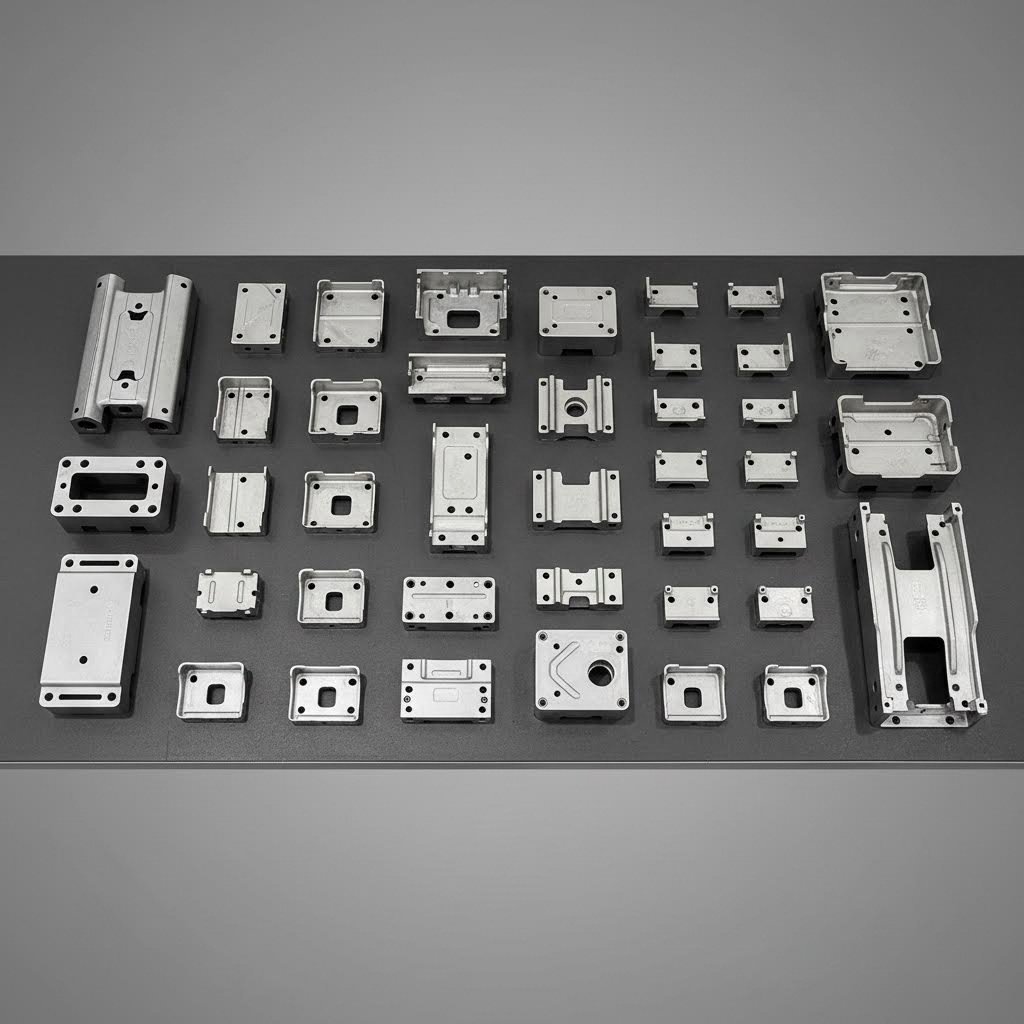
Prehľad použitia v odvetviach a výber materiálu
Teraz, keď rozumiete rozdielom výkonnosti medzi postupným a prenosovým tvárnim nástrojom, poďme k praktickým aspektom. Ako výrobcovia v konkrétnej odvetve, v ktorej pôsobíte, pristupujú k tomuto rozhodovaniu? A ako ovplyvňuje váš výber materiálu rozhodnutie o vhodnom type tvárnice? Tieto reálne faktory často rozhodujú v prípadoch, keď sa objem výroby a geometrické parametre javia ako nejednoznačné.
Stratégie výberu tvárníc v automobilovom a leteckom priemysle
Prejdete akoukoľvek výrobnou prevádzkou automobilového priemyslu a nájdete tam postupné aj prenosové tvárnice, ktoré pracujú vedľa seba – každá z nich spracováva tie aplikácie, v ktorých sa vynikajúco uplatní. Náročné požiadavky automobilového priemyslu na presnosť, výrobný objem a cenovú efektívnosť robia výber tvárnice obzvlášť dôležitým.
Aplikácie postupných tvárníc v automobilovom priemysle:
- Upevňovacie konzoly a montážne prvky: Výroba vysokého množstva súčiastok pre sedadlové držiaky, motorové podpery a nosné prvky karosérie využíva postupné tvárnice na udržanie tesných tolerancií pri miliónoch identických súčiastok
- Závesy a spojovacie prvky: Malé upevňovacie sponky, pružinové sponky a upevňovacie komponenty profitujú z rýchlosti a opakovateľnosti progresívne vyražených automobilových dielov
- Elektrické konektory: Konektorové svorky, komponenty rozvodných skriniek a držiaky káblových zväzkov vyžadujú presnosť, ktorú progresívne vyražovanie poskytuje konzistentne
- Plášte snímačov: Kompaktné obaly elektronických senzorov s viacerými funkciami sú ideálnymi kandidátmi na viacstanový progresívny výrobný proces
Použitie prenosových nástrojov v automobilovom priemysle:
- Štrukturálne komponenty: Väčšie karosérie, priečne nosníky a posilňovacie dosky vyžadujú veľkosťovú kapacitu, ktorú dokážu poskytnúť len prenosové nástroje
- Hlboko tažené kryty: Olejové panvice, kryty prevodoviek a komponenty palivového systému s výraznou hĺbkou taženia vyžadujú prenosové spracovanie na dosiahnutie rovnakej hrúbky stien
- Komplexné 3D montáže: Komponenty, ktoré vyžadujú tvárnenie na viacerých povrchoch – čo je nemožné pri pripojení k nosnej páske
- Súčasti zavesenia: Ovládacie ramená a montážne konzoly s komplexnými geometriami, ktoré presahujú možnosti postupných diel.
Podľa spoločnosti Durex Inc. sa postupné diely bežne používajú v automobilovom priemysle na výrobu komponentov, ako sú konzoly a závesy, zatiaľ čo prenosové diely sú ideálne pre veľkosériovú výrobu, napríklad v leteckom priemysle a pri výrobe ťažkých strojov, kde sa vyžadujú komplexné zostavy.
Aplikácie v leteckom priemysle sledujú podobnú logiku, avšak s ešte prísnejšími požiadavkami na tolerancie. Konštrukčné lietadlové komponenty často vyžadujú spracovanie pomocou prenosových dielov kvôli ich veľkosti a geometrii, zatiaľ čo menšie konzoly pre elektroniku a elektrické komponenty profitujú z presnosti postupných dielov.
Preferencie elektronického priemyslu
V elektronickom priemysle prevláda postupné tvárnenie. Prečo? Kombinácia malých rozmerov súčiastok, extrémne vysokých výrobných objemov a náročných požiadaviek na presnosť sa dokonale zhoduje s možnosťami postupných dielov.
Elektrický proces vystrihovania kontaktov a svorkových prvkov jasne ilustruje túto preferenciu. Jeden pripájací kôš môže obsahovať desiatky presne tvarovaných svoriek – každá z nich vyžaduje konzistentné pružné vlastnosti, presné rozmerové tolerancie a spoľahlivú elektrickú vodivosť. Postupné vystrihovacie nástroje sa vynikajúco hodias na výrobu týchto komponentov pri rýchlostiach presahujúcich stovky úderov za minútu.
Bežné elektronické aplikácie postupného vystrihovania zahŕňajú:
- Kontaktové čapy a kolíky
- Kontaktové pružiny a listové pružiny
- Komponenty na ochranu pred elektromagnetickými/rádiovými interferenciami (EMI/RFI)
- Vodiace rámy pre polovodičové obaly
- Kontakty batérií a komponenty na rozvod energie
Prekladacie nástroje nachádzajú obmedzené, no dôležité uplatnenie v elektronike – zvyčajne pre väčšie kryty, chladiče s hlbokými žebrovými výstupkami alebo komponenty vyžadujúce sekundárne operácie, ktoré postupné spracovanie neumožňuje.
Požiadavky na lekársku techniku
Výroba zdravotníckych prostriedkov predstavuje jedinečné výzvy, pri ktorých presnosť a konzistencia nie sú len žiadúce – sú to regulačné požiadavky. Pre malé komponenty vysokej presnosti postupné razenie poskytuje opakovateľnosť, ktorú vyžadujú výrobcovia zdravotníckych prostriedkov.
Raznica na kovové razenie pre zdravotnícke aplikácie musí vyrábať súčiastky s výnimočnou konzistenciou. Komponenty chirurgických nástrojov, obaly implantátov a časti diagnostických prístrojov často vyžadujú tolerancie merané v tisícinkách palca v rámci výrobných sérií miliónov kusov. Postupné raznice, ktoré využívajú nepretržité podávanie pásu a konzistentné polohovanie medzi jednotlivými stanicami, sa v týchto náročných aplikáciách vynikajúco osvedčili.
Podľa odborných zdrojov sa tvárnice na výplň — často integrované do postupných tvárníc — používajú predovšetkým na výrobu lekárskych prístrojov, ktoré vyžadujú presné a jemné komponenty. Ich schopnosť vyrábať zložité tvary s vysokou presnosťou ich robí neoceniteľnými v prípadoch, keď je rozhodujúca podrobnosť a dokončenie povrchu.
Ako druh materiálu ovplyvňuje výber vašej tvárnice
Vaša špecifikácia materiálu má priamy vplyv na výber tvárnice. Rôzne kovy sa počas tvárnenia správajú odlišne a zhoda vlastností materiálu s vhodným typom tvárnice zabraňuje problémom s kvalitou a výrobným komplikáciám.
- Postupné tvárnenie uhlíkovej ocele: Ideálne pre vysokozdružové montážne konzoly, konštrukčné komponenty a automobilové doplnky. Konzistentné tvárniteľné vlastnosti uhlíkovej ocele a jej cenová výhodnosť ju robia základným materiálom pre postupné tvárniace operácie. Tlúšťky od 0,5 mm do 3 mm spoľahlivo prechádzajú väčšinou postupných tvárníc.
- Zvláštnosti pri tvárnení nehrdzavejúcej ocele: Obe metódy efektívne spracúvajú nehrdzavejúcu oceľ, avšak tendencia materiálu k tvrdnutiu pri spracovaní vyžaduje starostlivý návrh dielov. Postupné diely dobre fungujú pri tenších hrúbkach a jednoduchších tvaroch. Pre hrubšie nehrdzavejúce oceľové materiály alebo aplikácie s hlbokým ťahom sa lepšie osvedčujú prenosové diely, kde môžu byť potrebné medzistupňové žíhania.
- Rozdiely pri spracovaní hliníka: Mäkkosť hliníka a jeho tendencia k zlepeniu (prilepeniu sa k povrchu dielov) vyžadujú špeciálne povlaky a mazanie bez ohľadu na typ dielu. Postupné vystrihovanie efektívne spracováva hliníkové plechy v prípade aplikácií s nižšími hrúbkami. Prenosové diely lepšie zvládajú hrubšie hliníkové platy a hlboko ťahané hliníkové komponenty.
- Postupné vystrihovanie medi pre elektrické aplikácie: Meď a medené zliatiny (mosadz, bronz, berýliovo-medené zliatiny) sú základnými materiálmi v aplikáciách elektrického vyraďovania. Ich vynikajúca elektrická vodivosť a tvarovateľnosť ich robia ideálnymi pre postupné vyraďovanie svorkovíc, kontaktov a konektorov. Postupná vyraďovacia forma pracujúca s medenými zliatinami dokáže dosiahnuť výnikajúce výrobné rýchlosti pri zachovaní veľmi tesných tolerancií, ktoré vyžadujú elektrické komponenty.
Hrúbka materiálu a výber formy
Tu je faktor, ktorý sa často podceňuje: hrúbka materiálu výrazne ovplyvňuje, ktorý typ formy je pre vašu aplikáciu najvhodnejší.
Podľa Worthy Hardware nie sú pre postupné formy vhodné veľmi hrubé materiály, pretože je ťažké ich vyrovnať a presne privádzať. Mechanizmus nepretržitého privádzania pásu, ktorý robí postupné vyraďovanie tak efektívnym, sa stáva problematickým so zvyšujúcou sa hrúbkou materiálu.
Zvážte tieto pokyny týkajúce sa hrúbky:
- Tenké materiály (0,1 mm – 1,5 mm): Postupné diely vynikajú. Tenký materiál sa hladko zavádza, tvaruje sa predvídateľne a počas spracovania sa udržiava celistvosť nosnej pásikovej pásky.
- Stredne hrubé materiály (1,5 mm – 3 mm): Obe metódy sú použiteľné. Vhodnejšiu voľbu zvyčajne určujú geometria súčiastky a výrobný objem.
- Hrubšie materiály (3 mm a viac): Častejšie sa uprednostňujú prenosové diely. Samostatné manipulovanie s jednotlivými polotovarmi eliminuje problémy s podávaním pásikovej pásky. Rovnaká odborná poznámka uvádza, že pre súčiastky príliš hrubé na spracovanie postupnými dielmi využívajú výrobcovia jednostupňové alebo prenosové diely.
Hrubšie materiály vyžadujú tiež väčšie tvárné sily, čo zodpovedá vyššej nosnosti prenosových lisov. Ak vaša konštrukcia súčiastky vyžaduje oceľ alebo hliníkové plechy v hrubom formáte, prenosové spracovanie zvyčajne poskytuje spoľahlivejšie výsledky.
Porozumenie týmto odvetvovým a materiálovým aspektom pomáha zužiť výber nástrojov. Ako však premeníte tieto poznatky na skutočné odhady nákladov a očakávané časové rámce? Presne to si preskúmame v nasledujúcej časti – reálne čísla za investíciou do nástrojov a plánmi vývoja.
Analýza nákladov a časové rámce vývoja nástrojov
Posúdili ste geometriu, objem a požiadavky na materiál. Teraz prichádza otázka, ktorá v konečnom dôsledku určuje väčšinu výrobných rozhodnutí: Koľko to bude naozaj stáť? A ako dlho trvá, kým budete vyrábať sériové diely? Porozumenie úplnému finančnému obrazu – nie len počiatočnej cenovej ponuky – rozdeľuje úspešné projekty od finančných katastrof.
Skutočné porovnanie nákladov nad rámec počiatočnej investície do nástrojov
Pri porovnávaní nákladov na postupné a razníkové tvárnenie s alternatívami prenášacích razníkov často výrobcovia urobia kritickú chybu. Zamýšľajú sa výhradne nad cenovou ponukou nástrojov, ktorá leží na ich stole. Táto suma je dôležitá, avšak predstavuje len jednu časť oveľa rozsiahlejšej finančnej hádanky.
Pozrime sa podrobnejšie na všetky nákladové faktory, ktoré by ste mali vyhodnotiť:
Počiatočná investícia do nástrojov: Nástroje pre postupné razníky zvyčajne vyžadujú vyššie počiatočné náklady. Prečo? Integrovaný viacstanový dizajn si vyžaduje viac inžinierskych hodín, prísnejšie strojnícke tolerancie a zložitejšiu montáž. Projekt nástrojov pre postupné razníkové tvárnenie môže mať počiatočné náklady na nástroje o 30–50 % vyššie v porovnaní s ekvivalentnými prenášacími nástrojmi. Avšak, ako potvrdzujú odborné zdroje z odvetvia, hoci samotný nástroj sa dá rýchlejšie uviesť do prevádzky pri jednoduchých razníkoch a jeho počiatočné náklady sú nižšie, výroba veľkého množstva dielov trvá dlhšie a náklady na každý kus sú vyššie.
Náklady na výrobu jedného kusu pri rôznych objemoch: Tu sa výhody tvárnenia postupnými dielmi plne prejavujú. Keď raz drahé nástroje začnú bežať, nepretržitá operácia s páskovým prívodom materiálu vyrába súčiastky úžasnou rýchlosťou a s minimálnym zásahom pracovnej sily. Pri veľkých objemoch sa náklady na jednu súčiastku výrazne znížia. Pri tvárnení prenosom, ktoré má pomalšie cykly a zložitejšie manipulovanie so súčiastkami, sú náklady na jednu súčiastku pri rovnakých objemoch vyššie – avšak tieto náklady majú menší význam, ak je celkové množstvo výroby skromné.
Náklady na údržbu a opravy: Nástroje pre postupné tvárnenie vyžadujú sofistikovanejšiu údržbu. Integrálny dizajn znamená, že opotrebovanie v jednej stanici môže ovplyvniť celkový výkon dielu. Pre nosné diely platia modulárne výhody – jednotlivé stanice je možné vybrať, opraviť alebo vymeniť bez demontáže celého nástroja. Počas viacročného výrobného behu sa tieto rozdiely v údržbe výrazne navyšujú.
Percentuálne podiely odpadu materiálu: Oboje metódy – lisovanie aj štampovanie – vytvárajú odpad, avšak rôznymi spôsobmi. Postupné tvary vytvárajú odpad v podobe nosného pásu – materiálu, ktorý spojuje jednotlivé diely počas výrobného procesu a ktorý sa na konci odreže. Prepravné tvary generujú odpad v dôsledku efektivity usporiadania polotovarov (blankov). V závislosti od geometrie dielu sa úroveň využitia materiálu zvyčajne pohybuje v rozmedzí 70–85 % pre obe metódy, pričom optimalizačné opatrenia dokážu tieto hodnoty ešte zvýšiť.
Tvár, ktorá má najnižšiu počiatočnú nákupnú cenu, zvyčajne neposkytuje najnižšie celkové náklady na vlastníctvo. Komplexne vyhodnoť investície do nástrojov, výrobné náklady na jednotlivý diel, náklady na údržbu a využitie materiálu – a potom vypočítať skutočné náklady na každý hotový diel pri vašom skutočnom výrobnom objeme.
Skutočné dodacia doby pri vývoji tvarov
Okrem nákladov často rozhoduje o vhodnosti konkrétnej metódy štampovania aj časový plán. Vývoj nástrojov pre postupné tvary zvyčajne vyžaduje dlhší čas na inžinierske práce a výstavbu v dôsledku ich vlastnej zložitosti.
Zvážte, čo všetko sa podieľa na vývoji nástrojov pre postupné tvárnenie:
- Inžiniersky dizajn a konštrukcia: 4–8 týždňov pre zložité viacstanové rozmiestnenia. Každá stanica sa musí presne integrovať s ostatnými a postup pásu sa musí optimalizovať z hľadiska toku materiálu a životnosti nástroja
- Obrábanie súčiastok: 6–12 týždňov v závislosti od zložitosti nástroja. Pritom striktne dodržané tolerancie na viacerých stanicách vyžadujú presné CNC obrábanie a starostlivé brousenie
- Montáž a skúšobná prevádzka: 2–4 týždne na počiatočné zmontovanie, nasledované opakovanými úpravami počas vzorkovania
- Celkový typický časový rámec: 12–20 týždňov od schválenia návrhu po pripravenosť nástroja na výrobu
Vývoj nástrojov pre prenosové tvárnenie sa často uskutočňuje rýchlejšie. Modulárny prístup k jednotlivým staniciam umožňuje navrhovať a vyrábať jednotlivé komponenty do značnej miery nezávisle. Typický časový rámec je 8–14 týždňov – významná výhoda v prípadoch, keď je veľmi vysoký tlak na skrátenie doby výstupu na trh.
Podľa Výrobca , jednou z hlavných výziev pri vývoji nástrojov je, že dielne často strávia nadmerné množstvo času konštrukciou súčiastok namiesto konštrukcie samotných nástrojov. Toto nesprávne rozdelenie úsilia predlžuje časové plány a zvyšuje náklady bez príslušnej pridanéj hodnoty.
Ako pokročilý dizajn zníži riziká vývoja
Moderné CAE (počítačom podporované inžinierstvo) simulácie premenili ekonomiku vývoja nástrojov. Pred vyrezaním ocele môžu inžinieri virtuálne testovať tvárné operácie, predpovedať správanie materiálu a identifikovať potenciálne miesta zlyhania.
Čo to znamená pre váš projekt? CAE simulácia zníži riziká vývoja nasledovne:
- Identifikáciou problémov so spätným pružením ešte pred výrobou nástrojov, čo umožňuje kompenzáciu už v fáze návrhu
- Predpovedaním tenčenia materiálu a potenciálnych miest zlomenia počas hlbokého taženia
- Optimalizáciou tvarov polotovarov a rozmiestnenia pásikov za účelom maximálnej využiteľnosti materiálu
- Overením postupov tvárnenia ešte pred rozhodnutím o výrobe drahých nástrojov
Výsledok? Menej nákladných iterácií počas skúšobného behu. Podľa Prípadová štúdia Chia Chang optimalizácia presnosti návrhu dielov v kombinácii s vylepšenými procesmi viedla k dennému zvýšeniu výstupu o 175 % a zlepšeniu výtěžku z 50 % na 90 % – čo dokazuje hmatateľný dopad investícií do inžinierskeho návrhu v predprodukčnej fáze.
Zrýchlenie overovania pomocou rýchleho prototypovania
Čo keby ste mohli overiť návrh svojho dielu ešte pred tým, ako sa zaviazete k výrobe plnohodnotného výrobného nástroja? Možnosti rýchleho prototypovania napĺňajú medzeru medzi návrhom a výrobou a umožňujú vám testovať tvar, pasovanie a funkčnosť pomocou skutočných vyrazených vzoriek.
Prototypové nástroje – niekedy označované aj ako mäkké nástroje – využívajú menej tvrdé materiály a zjednodušenú konštrukciu, aby rýchlo vyrobili reprezentatívne diely. Hoci tieto nástroje nevydržia vysokozdružnú výrobu, plnia kľúčové úlohy:
- Overenie geometrie a tolerancií dielu pred drahými investíciami do výrobných dielov
- Poskytnutie vzoriek na schválenie a testovanie zákazníkom
- Včasná identifikácia návrhových problémov, keď stojí ich odstránenie stovky namiesto tisícov
- Podpora výroby s nízkym objemom na začiatku, kým sa vyvíja tvrdé nástrojové vybavenie
Niektorí výrobcovia ponúkajú rýchlu výrobu prototypov už za 5 dní pre jednoduchšie geometrie. Táto schopnosť dosiahnuť prvý vzorkový výrobok v krátkom čase môže výrazne skrátiť celkový časový plán vášho projektu a zároveň znížiť riziko drahých úprav výrobného nástrojového vybavenia.
Keď sú jasné faktory týkajúce sa nákladov a časového plánu, ste takmer pripravení rozhodnúť sa o výbere formy. Najskôr však preberieme bežné mýty, ktoré dokážu zmiasť aj skúsených výrobcov – a poskytneme vám praktickú kontrolnú listu, ktorú môžete priamo použiť pri hodnotení vášho vlastného projektu.
Bežné mýty a kontrolná listu pre rozhodovanie
Aj skúsení výrobní inžinieri padajú za obeť zastaralým predpokladom o postupnom a prenosovom tvárnení do matric. Tieto mýty vedú k suboptimálnemu výberu matric, plýtvaniu rozpočtu a frustrovaným výrobným tímom. Než urobíte konečné rozhodnutie, poďme najprv vyvrátiť mýty, ktoré spôsobujú zlyhanie projektov – a potom vám poskytnúť praktickú kontrolnú listu na vašu vlastnú evaluáciu.
Vyvrátenie mýtov o postupnom a prenosovom tvárnení do matric
Mýtus 1: Postupné matrice sú dlhodobo vždy drahšie.
Realita? Postupné nástroje a formy často zabezpečujú najnižšiu celkovú nákladovú výhodu pri vysokých objemoch výroby. Áno, počiatočné náklady na výrobu nástrojov sú vyššie. Avšak zvážte, čo sa deje počas výroby milióna kusov. Výhoda rýchlosti – niekedy až 10-násobne rýchlejšie cykly – spolu so zníženou pracovnou silou a elimináciou sekundárnych operácií často robí postupné tvárnice najekonomickejšou voľbou. Podľa Worthy Hardware postupné tvárnice zaručujú konzistenciu a rýchlu výrobu s minimálnym zapojením pracovnej sily, čím sa udržiavajú nízke náklady na jednotlivý kus pri vysokých objemoch.
Mýtus 2: Prepravné tvárnice sa používajú len na jednoduché súčiastky.
Toto nedorozumenie je ďaleké od pravdy. Prepravné tvárnice v skutočnosti zvládajú zložitejšie trojrozmerné geometrie, ako dokážu progresívne tvárnice pojať. Hlboké ťahy, operácie na viacerých povrchoch, podrezania a integrované sekundárne operácie, ako napríklad závitosť alebo zváranie priamo v tvárnici – tieto možnosti presahujú všetko, čo dokáže dosiahnuť akýkoľvek progresívny nástroj. Proces prepravy pomocou tvárnice uvoľňuje súčiastky z obmedzení nosného pásu a umožňuje tvárnice, ktoré sú nemožné pri zachovaní spojenia materiálu.
Mýtus č. 3: Musíte si vybrať len jednu z týchto metód.
Hybridné prístupy existujú pre zložité výrobné pracovné postupy. Niektorí výrobcovia používajú postupné štampovanie na počiatočné vyrezávanie a základné tvarovanie, potom prenášajú tieto polotovary do sekundárnych operácií. Iní používajú komplexné nástrojové súpravy v rámci väčších prenosových systémov. Komplexná matrica vykonáva viacero rezných operácií v jedinom zdvihu lisu – a tieto operácie sa môžu integrovať do širších výrobných stratégií, ktoré využívajú výhody ako postupného, tak prenosového štampovania.
Mýtus 4: Moderné podávače eliminujú potrebu označení kroku (pitch notches) v postupných matriciach.
Myslíte si, že váš pokročilý cievkový podávač vám umožňuje tento detail preskočiť? Výrobca podľa , ani podávače s presnosťou 0,0005 palca nezohľadňujú zakrivenie okraja materiálu (edge camber), rozdiely v zručnosti obsluhy ani spoľahlivosť ochrany matrice. Označenia kroku (tzv. pitch notches alebo francúzske notches) v postupných matriciach plnia kritické funkcie, ktoré siahajú ďaleko za jednoduchú kontrolu podávania:
- Poskytujú pevné zarážky, ktoré bránia nadmernému podávaniu a tým aj vážnym poškodeniam matrice
- Odstraňovanie bočného sklonu z cievkového materiálu, aby sa zabezpečil hladký tok materiálu
- Nastavenie polohy prvej úderovej pozície pre predný okraj materiálu
- Zníženie voľného odpadu a čiastočných úderov počas výroby
Rovnaký zdroj uvádza, že jedna vážna porucha nástroja spôsobená nadmerným podávaním môže stáť až 100-násobok nákladov na dodatočný materiál spotrebovaný v dôsledku použitia zárezu na nastavenie kroku. Porozumenie týmto technickým detailom nástroja v progresívnych nastaveniach predchádza drahým predpokladom.
Predchádzanie drahým chybám pri výbere nástroja
Ako zistíte, či ste si vybrali nesprávnu metódu tvárnenia? Odpoveď vám poskytne vaša výrobná linka – často veľmi hlasno. Sledujte tieto varovné príznaky, ktoré naznačujú nesprávny výber nástroja:
- Nadmerné množstvo odpadu: Ak sa množstvo odpadu z materiálu trvalo pohybuje nad 25–30 %, typ vášho nástroja nemusí byť vhodný pre geometriu výrobku. Progresívne nástroje s nevhodne usporiadanými dielmi alebo prenosové nástroje s neefektívnym tvarom polotovaru obidva spôsobujú zbytočný odpad.
- Nezhody kvality: Rozdiely v rozmeroch medzi jednotlivými súčiastkami mimo tolerancií naznačujú nestabilitu procesu. Postupné tvárnice, ktoré vyrábajú súčiastky príliš veľké na spoľahlivé riadenie pásu, alebo prenosové tvárnice s nedostatočným umiestnením súčiastok, spôsobujú posun kvality.
- Výrobné zátky: Ak je tvárnenie vašou obmedzujúcou operáciou a následné operácie stojia nečinné, cyklový čas nezodpovedá vašim požiadavkám. Postupné tvárnice bežiace pri svojej prirodzenej rýchlosti môžu napriek tomu podvýkonať, ak ste pre súčiastky, ktoré sú lepšie vhodné na spracovanie pásu, zvolili prenosové nástroje.
- Problémy s frekvenciou údržby: Tvárnice vyžadujúce neustálu pozornosť signalizujú problémy. Postupný nástroj, ktorý sa predčasne opotrebuje na jednej stanici, ovplyvňuje celý integrovaný systém. U prenosových tvárníc môžu poruchy na jednotlivých staniach naznačovať konštrukčné nedostatky – avšak umožňujú aspoň cieľové opravy.
- Nahromadenie sekundárnych operácií: Ak súčiastky opúšťajúce vašu tvárnica konzistentne vyžadujú ďalšie spracovanie, ktoré ste nezohľadnili, mohla by byť konštrukcia tvárnice kvôli nesprávnym dôvodom kompromitovaná.
Váš kontrolný zoznam pre výber dielov
Ste pripravení vyhodnotiť svoj vlastný projekt? Prejdite tento kontrolný zoznam systematicky. Vaše odpovede vás dovedú k správnemu prístupu k tvárneniu, ktorý najlepšie vyhovuje vašim konkrétnym požiadavkám.
| Kritériá hodnotenia | Špecifikácie vášho projektu | Riadenie rozhodovania |
|---|---|---|
| Ročný odhad objemu výroby | Zaznamenajte očakávané ročné množstvo a životnosť výrobného cyklu | Menej ako 50 000: Sklon k prenosovému tvárneniu. Viac ako 100 000: Progresívne tvárnenie sa zvyčajne ukazuje ako ekonomicky výhodnejšie. V rozmedzí medzi týmito hodnotami: Dôkladne analyzujte ďalšie faktory |
| Rozmery súčiastky | Zaznamenajte maximálnu dĺžku, šírku a výšku hotovej súčiastky | Súčiastky, ktoré sa zmestia do bežných šírok pásu (do 300 mm), sú vhodné pre progresívne tvárnenie. Väčšie súčiastky alebo tie, ktoré vyžadujú významnú hĺbku ťahania, sú vhodnejšie pre prenosové tvárnenie |
| Skóre geometrickej zložitosti | Počet: otvorov, ohybov, tvarov, vytlačovacích operácií a plôch vyžadujúcich operácie | Vysoký počet prvkov s 2D zložitosťou: progresívna technika. 3D prvky vyžadujúce prístup k viacerým povrchom: prenosová technika |
| Špecifikácie materiálu | Uveďte typ materiálu, hrúbku a akékoľvek špeciálne vlastnosti | Tenké materiály (pod 2 mm) zo ocele, hliníka alebo medi: vhodné pre progresívnu techniku. Hrubšie plechy alebo materiály vyžadujúce kontrolované tvárnenie: zvážte prenosovú techniku |
| Požiadavky na tolerancie | Zaznamenajte kritické rozmery a povolené odchýlky | Obidve metódy umožňujú dosiahnuť tesné tolerancie. Progresívne nástroje ponúkajú vyššiu opakovateľnosť pri veľkých výrobných objemoch. Prenosové nástroje poskytujú väčšiu flexibilitu pri zložitých tolerančných reťazcoch |
| Potreba sekundárnych operácií | Zoznam všetkých operácií vyžadovaných po tvárnení | Cieľ: eliminovať sekundárne operácie. Progresívne diely často integrujú všetky kroky. Prenosové diely môžu obsahovať v dielni rezanie závitov, zváranie alebo montáž |
Hodnoťte svoj projekt úprimne. Ak väčšina faktorov smeruje k jednej metóde, vaša cesta je jasná. Ak ste rozdelení napoly, uprednostnite objem a geometriu dielov – tieto faktory zvyčajne majú najväčší vplyv na celkové náklady.
Keď ste odstránili mýty a dokončili kontrolný zoznam hodnotenia, ste pripravení na posledný krok: premeniť svoju analýzu na konkrétne kroky. V nasledujúcej časti nájdete špecifické odporúčania založené na vašich požiadavkách a pokyny pre výber vhodného výrobného partnera, ktorý úspešne realizuje vašu stratégiu použitia tvárničiek.

Záverečné odporúčania a výber vášho partnera pre tvárničky
Prešli ste celou analýzou. Porozumeli ste rozdielom medzi progresívnym a prenosovým tvárnením, aplikáciám, ktoré sa najlepšie hodnia pre každú z týchto metód, a tomu, ako objem, geometria a materiálové faktory ovplyvňujú vaše rozhodnutie. Teraz je čas premieniť tieto poznatky na konkrétne kroky – a určiť vhodného výrobného partnera, ktorý realizuje váš projekt.
Váš plán výberu tvárničiek
Pozrime sa, čo ste sa naučili, a zhrňme to do jasného, prakticky uplatniteľného vodítka. Výber vašej matrice sa v konečnom dôsledku redukuje na zhodu medzi konkrétnymi požiadavkami vášho projektu a metódou tvárnenia, ktorá zabezpečuje optimálne výsledky.
Zvoľte postupné kovanie pomocou väznicovej matrice, keď:
- Vaša ročná výrobná kapacita presahuje 50 000 kusov – a najmä v prípade, keď sa množstvá pohybujú v stotisícoch alebo miliónoch kusov
- Rozmery súčiastky sa pohodlne zmestia do šírkových obmedzení nosnej pásky (zvyčajne pod 300 mm)
- Váš návrh vyžaduje viacero postupných operácií – prebadávanie, tvárnenie, ohybanie, razenie – ktoré je možné usporiadať v logickom sledu
- Konštantná hrúbka materiálu umožňuje spoľahlivé podávanie pásky počas celého procesu postupného tvárnenia
- Strmé tolerancie a výnimočná opakovateľnosť súčiastok jedna od druhej sú neprekonateľnou požiadavkou
- Eliminácia sekundárnych operácií je pre vašu nákladovú štruktúru a výrobný harmonogram rozhodujúca
Zvoľte prenosové kovanie pomocou matrice, keď:
- Veľkosť súčiastky presahuje praktické limity pre postupné matrice, čo vyžaduje individuálne manipulovanie s polotovarmi
- Komplexné 3D geometrie vyžadujú tvárenie na viacerých povrchoch – čo je nemožné, ak sú diely stále pripojené k nosnej páske
- Hlboko tažené prvky vyžadujú voľný tok materiálu zo všetkých smerov, aby sa dosiahla rovnaká hrúbka stien
- Dôležitá je flexibilita výroby – najmä keď je pravdepodobná zmena návrhu alebo keď cez rovnaké nástroje budú prechádzať viaceré varianty dielov
- Nižšia počiatočná investícia do nástrojov je nevyhnutná, aj keď náklady na jednotlivý diel sú mierne vyššie
- Ročné objemy patria do strednej kategórie, kde sa amortizácia progresívnych nástrojov neoprávňuje
Rozhodnutie sa stane jasné, ak si svoj projekt uprimne posúdite podľa týchto kritérií. Malé diely vysokého objemu s komplexnými prvkami? Progresívne kovové lisovanie takmer iste ponúka najlepšiu ekonomiku. Väčšie konštrukčné komponenty s hlbokým ťahom a 3D komplexnosťou? Prepravné nástroje poskytujú možnosti, ktoré progresívne matrice jednoducho nemôžu poskytnúť.
Spolupráca s vhodným výrobcom lisovacích matric
Tu je pravda, ktorú dobre poznajú skúsení výrobcovia: aj správna voľba tvárnice zlyhá, ak ju nezabezpečuje vhodný výrobný partner. Schopnosti, odborné znalosti a systémy kvality vášho dodávateľa tvárníc pri tvárnení priamo určujú, či sa váš projekt úspešne uskutoční alebo bude zažívať problémy.
Pri hodnotení potenciálnych partnerov pre vaše potreby progresívnych nástrojov a výroby – alebo pre vývoj prenosových tvárníc – uprednostnite tieto charakteristiky:
- Pokročilé inžinierske a simulačné schopnosti: Hľadajte partnerov, ktorí používajú CAE simulácie na predpovedanie a predchádzanie chybám pri tvárnení ešte pred rezaním ocele. Riešenia presných tvárnicových nástrojov Shaoyi tento prístup ilustrujú spoločnosti, ktoré využívajú pokročilé CAE simulácie na dosiahnutie bezchybných výsledkov a tak eliminujú nákladné opakované pokusy a omyly. Ich inžiniersky tím posúdi vaše špecifické požiadavky a odporučí optimálny prístup – buď progresívny, alebo prenosový – na základe technickej výhodnosti, nie dostupnosti vybavenia.
- Certifikáty kvality, ktoré majú význam: Certifikácia IATF 16949 signalizuje systémy riadenia kvality na úrovni automobilového priemyslu. Toto nie je len certifikát zavesený na stene – predstavuje disciplinované procesy riadenia návrhu, overovania výroby a neustáleho zlepšovania. Certifikácia Shaoyi podľa štandardu IATF 16949 zaisťuje ich riešenia presných tvárnic na kovové vystrihovanie kvalitnou infraštruktúrou, ktorú vyžadujú OEM zákazníci.
- Možnosti rýchleho výroby prototypov: Možnosť rýchlej výroby prototypových súčiastok – u jednoduchších geometrií už za 5 dní – vám umožňuje overiť návrhy ešte pred tým, ako sa zaviažete do drahých výrobných nástrojov. Táto schopnosť skracuje časové plány a výrazne zníži riziká vo vývoji. Podľa Vodítko Penn United na hodnotenie dodávateľov dodávateľ, ktorý dokáže navrhnúť a vyrobiť presné tvárnice na kovové vystrihovanie, bude nevyhnutne oveľa kvalifikovanejší na úspech v porovnaní s dodávateľom, ktorý tieto schopnosti nemá.
- Overené úrovne úspešnosti pri prvej výrobe: Opýtajte sa potenciálnych partnerov na ich mieru schválenia pri prvej skúške. Miera schválenia pri prvej skúške 93 % – ako dosahuje Shaoyi – naznačuje zrelé inžinierske procesy, ktoré pri prvom pokuse správne navrhnú nástroje. Tento ukazovateľ priamo ovplyvňuje váš časový plán a rozpočet tým, že minimalizuje nákladné cykly opätovnej práce.
- Prispôsobiteľnosť výrobného objemu: Vaše požiadavky sa môžu meniť. Partner, ktorý je schopný rýchleho vývoja prototypov až po výrobu vo veľkom objeme, zabezpečuje kontinuitu počas celého životného cyklu vášho výrobku. Nemali by ste meniť dodávateľov pri zvyšovaní objemov výroby.
Čo hľadať u svojho partnera pre výrobu tvárniacich nástrojov (dies)
Okrem vyššie uvedeného zoznamu priorít vyhodnoť aj tieto ďalšie faktory, ktoré odporúčajú odborníci z odvetvia pri výbere dodávateľa presného kovového tvárnenia:
- Roky skúseností s vaším typom súčiastok: Dôležitá je odbornosť dodávateľa v oblasti plochých súčiastok, tvarovaných súčiastok alebo oboch. Venujte si čas na pochopenie typov komponentov, ktoré v minulosti úspešne tvárnili, a na posúdenie ich schopnosti dodržiavať tesné tolerancie u súčiastok podobných vašim.
- Program údržby tvárniacich nástrojov: Tento často podceňovaný faktor maximalizuje životnosť dielov a optimalizuje celkové náklady počas celého životného cyklu. Dobrý program údržby zahŕňa kontrolu dielov, synchronizáciu a nastavenie, správne techniky montáže a plán výmeny komponentov
- Záznam dodávok: Sleduje dodávateľ oficiálne výkon pri dodávke v dohodnutom termíne? Ak nie, vyberte si iného dodávateľa. Sľuby nemajú žiadnu hodnotu bez dátami podporovanej histórie výkonu
- Možnosti sekundárnych operácií: Dodávateľ, ktorý okrem kovového tvárnenia dokáže vykonávať čistenie, pokovovanie, balenie alebo montáž výrobkov, zjednodušuje váš dodávateľský reťazec a zníži logistickú zložitosť
- Pozornosť na detail: Dodávateľ, ktorý počas fázy ponúkania kladie dôkladné otázky týkajúce sa kvality súčiastok, kľúčových funkcií a tolerancií, zvyčajne dosahuje vynikajúce výsledky. Toto skoré zapojenie signalizuje skutočný záväzok voči vášmu úspechu
Podľa Arthur Harris možnosti prototypovania pomáhajú odstrániť ľudské chyby, skrátiť výrobný čas a optimalizovať výrobu nástrojov počas fázy plánovania. Spolupráca s partnermi, ktorí túto schopnosť ponúkajú – spolu s technickou odbornosťou na odporúčanie vhodného typu nástroja – zaručuje úspech vášho projektu od samého začiatku.
Kročíme vpred s dôverou
Rozhodnutie medzi progresívnym a prenosovým nástrojom nemusí byť zastrašujúce. Vybavení hodnotiacim rámcom z tohto sprievodcu môžete systematicky posúdiť požiadavky svojho projektu a identifikovať metódu tvárnenia, ktorá prináša optimálne výsledky.
Pamätajte si základné princípy:
- Objem určuje ekonomiku – ale geometria rozhoduje o uskutočniteľnosti
- Počiatočné náklady na nástroje sú menej dôležité ako celkové náklady na vlastníctvo
- Správny výrobný partner premieňa dobrý výber nástroja na úspech výroby
- CAE simulácie a rýchle prototypovanie znížia riziko vývoja a skrácia časové plány
Či už váš projekt vyžaduje vysokorýchlostné progresívne nástroje na výrobu miliónov presných dielov alebo flexibilné prenosové nástroje na výrobu zložitých trojrozmerných komponentov, rámec rozhodovania, ktorý teraz máte k dispozícii, vás viedol k správnemu rozhodnutiu. Spolupracujte s skúsenými výrobcami tvárničiek, ktorí do vášho projektu prinesú inžinierske odborné znalosti, certifikáty kvality a overené výsledky – a pozorujte, ako vaša kovová tlaková výroba dosahuje výsledky, ktoré váš podnik potrebuje.
Často kladené otázky o tlakovom tvárnení pomocou progresívnej tvárničky vs. prenosovej tvárničky
1. Aký je rozdiel medzi progresívnymi a transfernými umývkami?
Postupné tvárnice spracúvajú kovové pásy cez postupné stanice, pričom súčiastky zostávajú pripojené k nosnej páske – ideálne pre vysokozdružné malé súčiastky. Prepravné tvárnice oddelia polotovary už na začiatku a mechanicky ich presúvajú medzi jednotlivými stanicami, čo umožňuje výrobu väčších súčiastok a zložitých trojrozmerných geometrií. Postupné kovové tvárnenie dosahuje vyššie rýchlosti (20–1 500+ úderov za minútu), zatiaľ čo prepravné kovové tvárnenie ponúka väčšiu flexibilitu pri hlbokom ťahaniu a operáciách na viacerých povrchoch. Voľba závisí od veľkosti vašej súčiastky, geometrickej zložitosti a požiadaviek na výrobné množstvo.
2. Aké sú nevýhody postupného lisovania?
Postupné štampovanie pomocou postupného nástroja má niekoľko obmedzení: vyššie počiatočné investície do nástrojov v dôsledku integrovanej zložitosti viacstanových systémov, dlhšie vývojové dodacie lehoty (12–20 týždňov), obmedzená veľkosť súčiastok na základe obmedzení šírky nosnej pásky, obmedzená schopnosť trojrozmerného tvárnenia, keďže súčiastky počas spracovania zostávajú spojené, a náročnejšie požiadavky na údržbu, pri ktorej problémy na jednej stanici môžu vyžadovať rozsiahle demontáže. Navyše, zmeny návrhu často vyžadujú podstatnú prepracovku alebo dokonca úplnú výmenu nástroja, čo zníži flexibilitu v porovnaní so systémami modulárnych prenosových nástrojov.
3. Čo je postupná matrica?
Postupná vystrihovacia forma je nástroj na kovové vystrihovanie, ktorý vykonáva viacero operácií postupne, pričom sa pás z kovu z cievky posúva cez jednotlivé stanice pri každom zdvihu lisu. Každá stanica vykonáva špecifické úlohy – prepichovanie, vystrihovanie, ohybanie, tvárnenie, razenie alebo reliéfne tlačenie – a v každom cykle vyrába hotový diel. Počas spracovania zostáva pás spojený pomocou nosného pásu, čo umožňuje vysokorýchlostnú nepretržitú výrobu, vhodnú na výrobu veľkého množstva malých, zložitých dielov s výnimočnou konzistenciou a tesnými toleranciami.
4. Kedy mám zvoliť lisovanie pomocou prenosového die namiesto lisovania pomocou postupného die?
Vyberte tvárničku s prenosom, ak sú vaše súčiastky príliš veľké na spracovanie pomocou nosnej pásky, vyžadujú hlboko tažené prvky s rovnakou hrúbkou stien, potrebujú tvárnice na viacerých povrchoch alebo zložité trojrozmerné geometrie s podrezmi. Prenosové tvárničky sú tiež vhodné pre nižšie až stredné výrobné objemy, kde sa amortizácia nástrojov vypláca nižšou počiatočnou investíciou, a keď je dôležitá flexibilita návrhu pre potenciálne budúce úpravy. Modulárny návrh staníc zjednodušuje údržbu a umožňuje opravu jednotlivých staníc bez demontáže celej tvárničky.
5. Ako určím správny prah výrobného objemu pre progresívne oproti prenosovým tvárničkam?
Objemové prahy sa líšia podľa aplikácie, no platia všeobecné smernice: pri ročnom objeme pod 5 000 kusov sú vhodnejšie prenosné diely alebo alternatívne metódy, keďže náklady na progresívne nástroje sú vysoké; pri ročnom objeme 5 000–50 000 kusov je potrebná dôkladná analýza geometrie a zložitosti súčiastky; pri ročnom objeme 50 000–500 000 kusov sa zvyčajne ospravedlňuje použitie progresívnych nástrojov pre vhodné geometrie; a pri ročnom objeme nad 500 000 kusov je progresívne tvárnenie výrazne výhodnejšie z hľadiska maximálnej efektívnosti. Partneri ako Shaoyi s certifikáciou IATF 16949 môžu posúdiť vaše špecifické požiadavky a odporučiť optimálny prístup na základe celkových nákladov na vlastníctvo (TCO), nie len počiatočných nákladov na nástroje.