 Small batches, high standards. Our rapid prototyping service makes validation faster and easier —
  EN
EN


Секреты лазерной резки металла: от загрузки файла до безупречных деталей
Принцип технологии лазерной резки металла и её работа
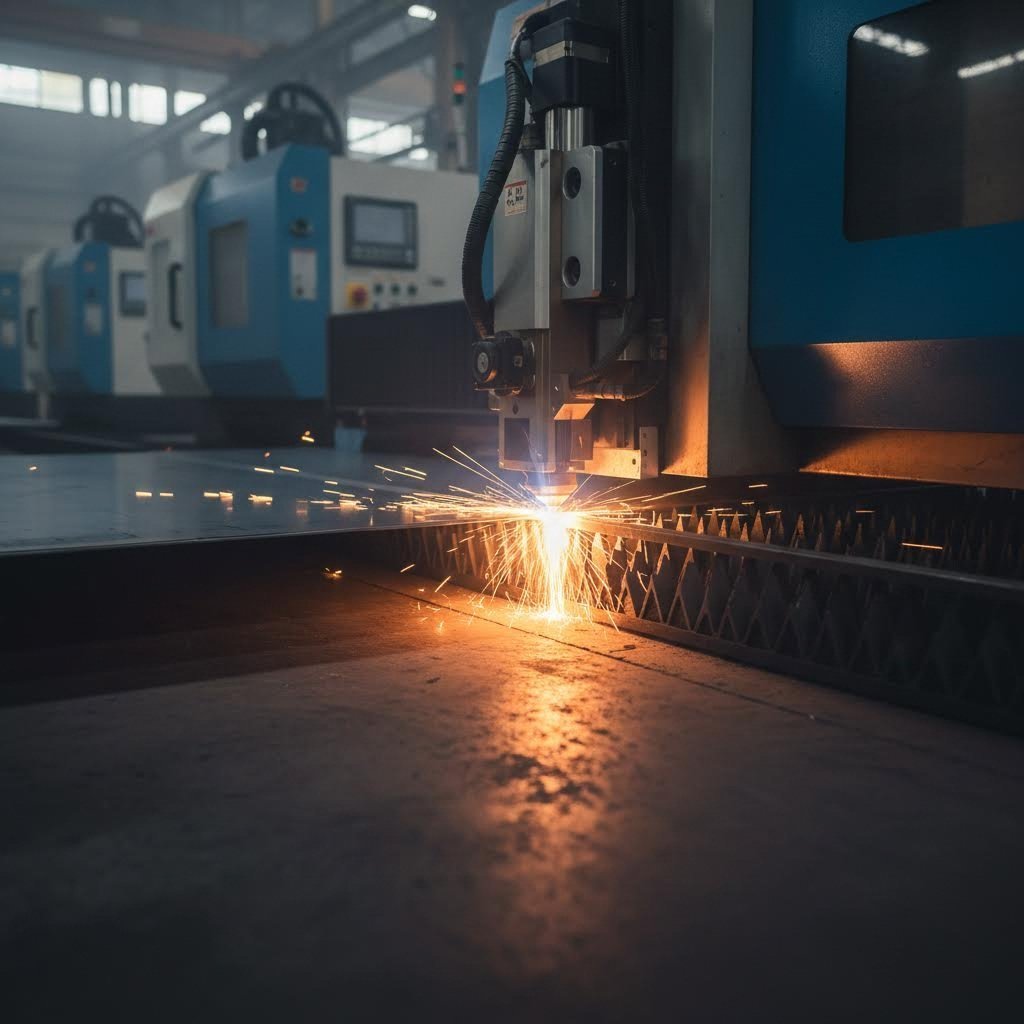
Итак, что же такое лазерная резка? Лазерная резка металла — это термический процесс резки, при котором сфокусированный лазерный луч высокой мощности быстро нагревает материал до его плавления, испарения или сквозного сгорания. По мере перемещения луча по заготовке струя газа высокой скорости удаляет расплавленный материал, образуя узкий и точный разрез, называемый пропилом. Эта технология произвела революцию в производстве изделий из листового металла, обеспечивая исключительную точность, минимальные отходы материала и возможность создания сложных геометрических форм, которые традиционные методы резки просто не могут повторить.
Когда вы рассматриваете услугу лазерной резки металла, понимание лежащих в её основе технологий помогает принимать более обоснованные решения по вашим проектам. Процесс начинается с файла САПР, который преобразуется в управляющие инструкции G-кода, считываемые станком. Эти инструкции направляют режущую головку по вашему материалу с точностью до долей миллиметра — часто обеспечивая точность размеров ±0,05 мм. Независимо от того, нужны ли вам сложные декоративные панели или прецизионные промышленные компоненты, выбор лазерного станка для резки напрямую влияет на результат.
Как волоконные лазеры превращают сырой металл в точные детали
Волоконные лазеры представляют собой передовой край технологии лазерной резки металла. Эти системы используют легированный оптоволоконный кабель в качестве активной среды, пропуская фотоны через кварцевое или боросиликатное стекловолокно, легированное редкоземельными элементами, такими как неодим или иттербий. Результат? Лазерный луч с длиной волны около 1 микрометра — значительно короче, чем у CO2-лазеров.
Более короткая длина волны обеспечивает значительные преимущества при лазерной резке. Волоконные лазеры обладают более высокими показателями поглощения, что позволяет им эффективно резать отражающие металлы, такие как алюминий, латунь и медь, с которыми возникают проблемы у других типов лазеров. Вы также заметите более высокую скорость резки тонких и средних по толщине металлов, повышенную электрическую эффективность (примерно 30 % коэффициент преобразования по сравнению с 10 % у CO2) и меньшую потребность в обслуживании, поскольку не требуется юстировка зеркал или пополнение газов.
Гибкость передачи по волоконно-оптическим кабелям также открывает возможности для интеграции с роботами и выполнения сложных трехмерных операций резки, которые невозможно реализовать при использовании жестких оптических путей.
Наука, лежащая в основе технологии термической резки
Понимание того, как лазеры на самом деле режут металл, сводится к одному принципу: вынужденное излучение. Когда фотоны взаимодействуют с возбуждёнными электронами в метастабильном состоянии, эти электроны испускают дополнительные фотоны с идентичными свойствами — той же частотой, фазой и поляризацией. Этот лавинный эффект, усиленный между отражающими поверхностями, создаёт когерентный высоконаправленный луч, который делает возможной лазерную резку.
Лазеры на основе CO2 используют другой подход, применяя газовую смесь диоксида углерода, азота и гелия в качестве усиливающей среды. Работая на длине волны 10 600 нм (10,6 микрометра), такие системы исторически являлись основными рабочими инструментами операций лазерной резки. Азот накапливает энергию, передаваемую молекулам CO2, тогда как гелий помогает рассеивать остаточную энергию для непрерывной работы.
Ключевое различие между волоконными и CO2-лазерными технологиями заключается в их длинах волн и материалах, которые они лучше всего режут: волоконные лазеры (длина волны 1 мкм) отлично справляются с резкой металла, обеспечивая высокую скорость и эффективность при работе с отражающими материалами, тогда как CO2-лазеры (длина волны 10,6 мкм) по-прежнему являются предпочтительным выбором для неметаллических материалов, таких как дерево, акрил и пластик.
Когда лазер используется для резки металла, сфокусированный луч создаёт локальную точку с высокой энергией, которая быстро нагревает материал. В зависимости от области применения, резка осуществляется одним из нескольких способов: испарение (материал переходит непосредственно в газообразное состояние), режущее плавление (инертный газ удаляет расплавленный металл) или кислородная резка (экзотермическая реакция ускоряет процесс при резке углеродистой стали). Каждый из этих методов находит своё применение в современном производстве металлоизделий, а понимание этих различий помогает вам более эффективно взаимодействовать с вашим поставщиком услуг при обсуждении требований к конкретному проекту.
Руководство по материалам для проектов лазерной резки металлов
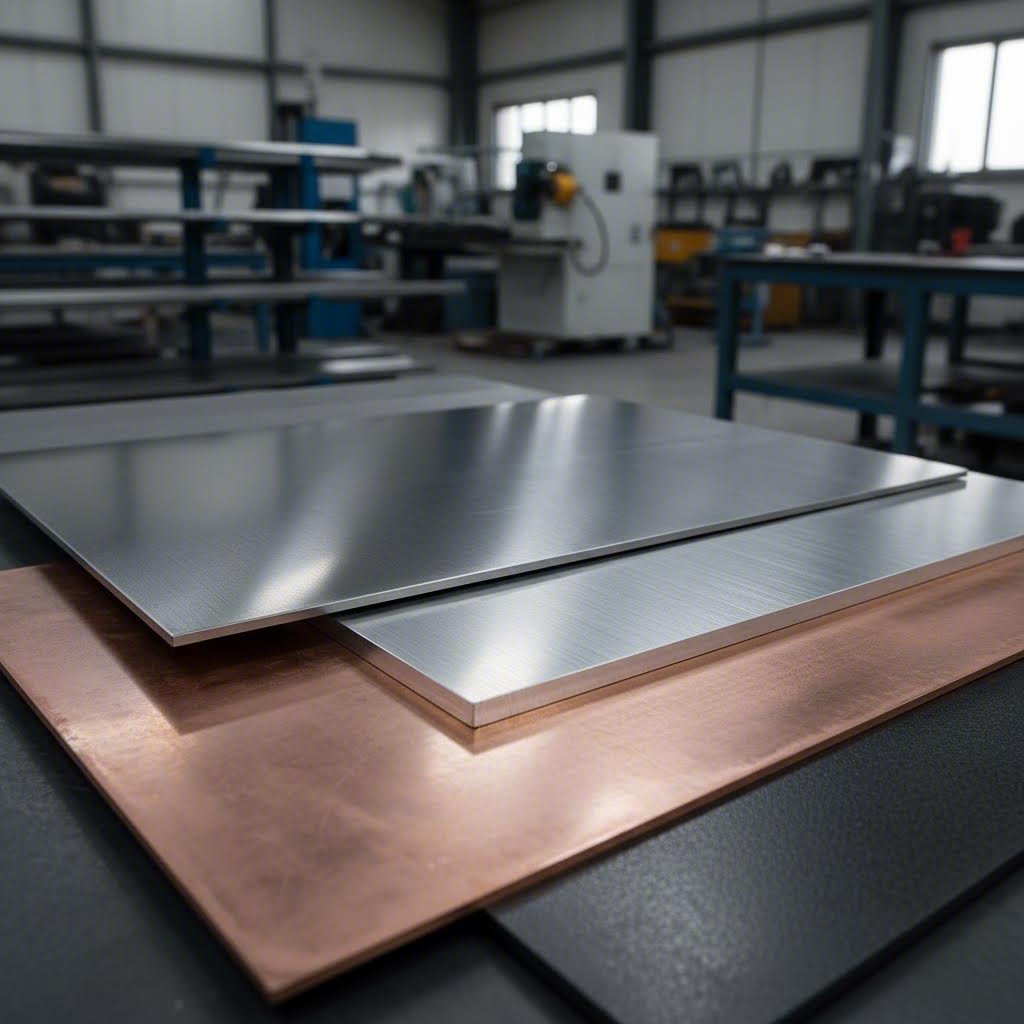
Выбор правильного материала для вашего проекта — это не просто выбор металла: важно понимать, как этот металл ведёт себя под воздействием интенсивного тепла и сфокусированного света. Каждый металл по-разному взаимодействует с лазерный резак по металлу , и эти различия напрямую влияют на качество кромки, достижимые допуски и общую работоспособность детали. Давайте подробно разберём, что необходимо знать о каждом материале перед отправкой следующего заказа.
На самом деле, не все металлы одинаково подходят для лазерной резки листового металла. Такие параметры, как теплопроводность, отражательная способность и температура плавления, определяют чистоту реза ваших деталей и размер зоны термического влияния по краям. Понимание этих свойств помогает выбрать материалы, соответствующие требованиям вашей задачи, и избежать дорогостоящих сюрпризов.
Возможности резки стали и нержавеющей стали
Когда речь заходит о лазерной резке металла, сталь остается самым простым и неприхотливым материалом для обработки. Углеродистая сталь (также называемая мягкой сталью) отлично режется волоконными лазерами, обеспечивая чистые кромки с минимальным образованием наплывов. Умеренная теплопроводность материала позволяет теплу рассеиваться без значительного коробления, а его относительно низкая стоимость делает его идеальным для всего — от конструкционных элементов до декоративных панелей.
Лазерная резка нержавеющей стали требует несколько иного подхода. Согласно Datum Alloys , исключительная коррозионная стойкость и долговечность нержавеющей стали делают ее популярным выбором в автомобильной, строительной и судостроительной отраслях. Процесс резки обеспечивает гладкие, чистые кромки без нарушения inherent защитных свойств материала — важный фактор для применений, подвергающихся воздействию влаги, химикатов или экстремальных температур.
При лазерной резке нержавеющей стали для прецизионных применений качество кромки становится особенно важным. Волоконные лазеры отлично справляются с нержавеющей сталью, поскольку обеспечивают узкую прорезь с минимальным тепловложением, сохраняя коррозионную стойкость материала вплоть до самой кромки реза. Это имеет огромное значение для оборудования пищевой промышленности, медицинских устройств и архитектурных конструкций, где открытые кромки остаются видимыми.
| Тип материала | Типичный диапазон толщины | Качество кромок | Зона термического влияния | Ключевые моменты |
|---|---|---|---|---|
| Углеродистая/малоуглеродистая сталь | 0,5 мм – 25 мм | Отлично; чисто, с минимальным количеством наплывов | Минимальная до умеренной | Наиболее экономичный способ; резка с использованием кислорода ускоряет процесс при толстых сечениях |
| Нержавеющая сталь | 0,5 мм – 20 мм | Отличное; гладкая, без оксидов при использовании азота | Низкая при правильных настройках | Требуется более высокая мощность для толстых сечений; использование азота сохраняет коррозионную стойкость |
| Алюминий | 0,5 мм – 15 мм | Хорошее; требует тщательного контроля параметров | Умеренная из-за высокой теплопроводности | Высокая отражательная способность — лучше всего подходят волоконные лазеры; склонность к образованию заусенцев на толстых сечениях |
| Медь | 0,5 мм – 6 мм | Хорошее с использованием волоконных лазеров высокой мощности | Выше из-за отличной теплопроводности | Чрезвычайно отражающий; для надежной резки требуются лазеры мощностью 3000 Вт и выше |
| Латунь | 0,5 мм – 8 мм | Хорошая; возможна незначительная дисколорация | Умеренный | Проще, чем чистая медь; содержание цинка улучшает поглощение |
| Никелевые сплавы | 0,5 мм – 12 мм | Отличная; минимальная тепловая деформация | Низкая | Идеально подходит для аэрокосмической промышленности; сохраняет свойства после резки |
Особенности обработки алюминия и цветных металлов
Здесь начинается самое интересное. Лазерная резка алюминия сопряжена с уникальными трудностями, которые отличают опытных поставщиков услуг от остальных. Согласно Универсальный инструмент , высокая теплопроводность и отражательная способность алюминия делают его «особенно сложным в работе» — необходимо тщательно управлять подводом тепла, чтобы достичь оптимального баланса между скоростью резки и качеством кромки.
Хорошая новость? Современные волоконные лазеры в значительной степени решили проблему отражательной способности, которая ранее возникала в старых системах CO2. Длина волны волоконного лазера лучше поглощается отражающими металлами, что делает лазерную резку алюминия гораздо более практичной по сравнению даже с тем, что было десять лет назад. Тем не менее, проблема теплопроводности остаётся. Тепло быстро рассеивается через алюминий, что означает необходимость подачи большей мощности для поддержания скорости резки — однако избыток мощности приводит к короблению и ухудшению качества кромки.
Для лазерной резки алюминия на тонких листах (от 0,5 мм до 3 мм) лазер мощностью от 1000 Вт до 2000 Вт обычно обеспечивает отличные результаты с высокой точностью и минимальными искажениями. Для средней толщины от 4 мм до 8 мм, как правило, требуются системы мощностью от 2000 Вт до 4000 Вт, а для толщины свыше 9 мм необходимо 4000 Вт и более, чтобы обеспечить чистую резку через материал с его повышенной отражательной способностью.
Медь и латунь дополняют ассортимент цветных металлов, каждый из которых обладает своими уникальными характеристиками. Высокая отражательная способность и теплопроводность чистой меди делают этот металл наиболее сложным для лазерной резки — обычно требуются волоконные лазеры мощностью от 3000 Вт до 5000 Вт, даже для сравнительно тонких сечений. Латунь, содержащая цинк, поглощает лазерную энергию несколько лучше и поддаётся резке более предсказуемо, хотя на некоторых сплавах возможно незначительное потемнение кромок.
Специальные сплавы, такие как жаропрочные сплавы на никелевой основе, образуют отдельную категорию. Как отмечает Datum Alloys, эти материалы ценятся в аэрокосмической промышленности и химической переработке за их прочность, устойчивость к коррозии и термостойкость. Высокая точность лазерной резки минимизирует зону термического влияния, снижая риски тепловых деформаций, которые могут нарушить геометрию критически важных компонентов. Для применений, где нельзя допускать ухудшения свойств материала — детали реактивных двигателей, элементы химических реакторов — лазерная резка никелевых сплавов обеспечивает ту точность, которая необходима в таких сложных условиях.
Понимание этих характеристик материалов позволяет вам эффективно обсуждать с поставщиком услуг, чего можно достичь в вашем конкретном случае. Следующий шаг? Точно знать, как ваш проект переходит от цифрового файла к готовой детали.
Полный процесс лазерной резки металла: объяснение
Когда-либо задумывались, что происходит после того, как вы нажимаете «отправить» ваши файлы с чертежами? Путь от CAD-файла до готовой детали включает несколько этапов — каждый из которых предназначен для выявления потенциальных проблем и обеспечения соответствия ваших компонентов техническим требованиям. Понимание этого рабочего процесса помогает вам планировать реалистичные сроки, эффективно взаимодействовать с поставщиком лазерной резки и избегать типичных ошибок, замедляющих производство.
Независимо от того, делаете ли вы поиск услуги лазерной резки рядом со мной или работа с удалённым поставщиком, основной процесс остаётся единым для всей отрасли. Давайте пройдёмся по каждому этапу, чтобы вы точно знали, чего ожидать.
От CAD-файла до запроса коммерческого предложения
Каждый проект лазерной резки металлических листов начинается с вашего файла с чертежом. Большинство поставщиков услуг принимают стандартные форматы САПР, включая файлы DXF, DWG, STEP и IGES. Некоторые платформы также поддерживают чертежи в формате PDF или даже родные файлы SolidWorks и Inventor. Ключевым моментом является предоставление векторной геометрии, определяющей точные траектории реза, а не растровых изображений, которые лишь визуально приближены к реальности.
После загрузки ваших файлов система расчета стоимости — автоматическая или ручная — анализирует несколько факторов: тип и толщину материала, общую длину реза, количество деталей, сложность геометрии и любые особые требования, которые вы указали. Многие современные поставщики предлагают мгновенный расчет стоимости лазерной резки, возвращая цену в течение нескольких минут, тогда как более сложные проекты могут потребовать ручной проверки.
Согласно Artilux NMF , файл CAD преобразуется в формат, который может интерпретировать станок лазерной резки по металлу — как правило, векторные файлы или данные CAM (автоматизированное производство). Это преобразование точно определяет траекторию резки, оптимизируя скорость и расход материала с самого начала.
Не недооценивайте ценность коммерческого предложения на лазерную резку, включающего детальную смету. Прозрачные предложения показывают вам, откуда именно возникают затраты, помогая выявить возможности для оптимизации конструкции до начала производства.
Этапы производства и контрольные точки качества
После подтверждения заказа начинается реальный производственный процесс. Ниже описано, что происходит на каждом этапе:
- Проверка конструкции и анализ DFM – Инженеры проверяют ваши файлы на наличие проблем с изготовлением, таких как слишком мелкие элементы, которые невозможно надежно вырезать, чрезмерно малое расстояние между деталями или геометрия, способная вызвать тепловую деформацию. Проверка конструкции на технологичность позволяет выявить проблемы до того, как они превратятся в дорогостоящие ошибки. По словам Artilux NMF, тесное сотрудничество на этом этапе «снижает количество ошибок и сокращает время производства».
- Подготовка материала и раскрой – Листы исходного материала выбираются в соответствии с вашими техническими требованиями и проверяются на наличие дефектов. Ваши детали затем размещаются на листе в цифровом виде — или «группируются» — с целью минимизации отходов и максимального использования материала. Эффективная группировка может снизить затраты на материал на 15% или более при сложных заказах.
- Настройка и калибровка машины – Как Центральные профили лазерный станок устанавливается на ровную поверхность и подключается к электропитанию, системам вентиляции и охлаждения. Лазерный луч фокусируется и выравнивается для обеспечения чистых резов. Операторы настраивают параметры мощности, скорости и фокусировки в зависимости от типа и толщины конкретного материала.
- Операции резки — Головка лазера перемещается по запрограммированному пути, точно расплавляя или испаряя материал. Вспомогательные газы — кислород для углеродистой стали, азот для нержавеющей стали и алюминия — удаляют расплавленный материал и защищают кромку реза. Система вентиляции непрерывно удаляет дым и отходы в течение всего процесса.
- Удаление и очистка деталей — Вырезанные детали отделяются от остаточной сетки (оставшегося материала листа), а также удаляются соединительные мостики или микрошвы. Первоначальная очистка устраняет следы дыма, брызги или остатки, образовавшиеся в процессе резки.
- Контроль качества – Проверка размеров подтверждает соответствие резов спецификациям. Визуальный контроль позволяет выявить заусенцы, полосы или изменение цвета кромок. Критические детали могут проходить дополнительное тестирование — например, проверку на совместимость с другими компонентами — перед утверждением.
- Постобработка (при необходимости) – В зависимости от вашей задачи, детали могут нуждаться в удалении заусенцев, сглаживании кромок или обработке поверхности перед завершением. Некоторые детали сразу направляются на вторичные операции, такие как гибка, сварка или отделка.
- Упаковка и доставка – Утвержденные детали тщательно упаковываются для предотвращения повреждений при транспортировке и отправляются на ваш объект или непосредственно на следующий этап производственного процесса.
Общая продолжительность процесса лазерной резки зависит от сложности. Простые детали могут быть изготовлены за несколько часов — от файла до готового изделия, тогда как производственные серии со вторичными операциями могут занять дни или недели. Понимание этих этапов помогает установить реалистичные ожидания, а знание текущего положения вашего проекта в рабочем процессе позволяет уверенно планировать последующие операции.
Конечно, достижение жестких допусков и получение чистых кромок зависит не только от знания процесса. Стандарты точности, по которым работает ваш поставщик, и факторы, влияющие на них, имеют огромное значение для применений, критичных к качеству.
Точные допуски и стандарты качества при лазерной резке
Вот что не скажут на большинстве сервисных страниц: точность лазерной резки значительно варьируется в зависимости от толщины и типа материала, а также возможностей оборудования. Когда вы задаёте допуски для проектов прецизионной лазерной резки, понимание достижимой точности позволяет избежать разочарований и гарантирует, что детали действительно будут правильно соединяться, как задумано.
Какую же размерную точность можно реально ожидать? Согласно A-Laser, волоконные лазеры стабильно обеспечивают жёсткие допуски в диапазоне от ±0,001 до ±0,003 дюйма (±0,025 мм до ±0,076 мм), тогда как CO2-лазеры обычно достигают значений ±0,002–±0,005 дюйма (±0,05 мм до ±0,127 мм). УФ-лазеры заходят ещё дальше — достигая показателей до ±0,0001 дюйма в приложениях микрообработки, где важна субмикронная точность.
Однако эти цифры раскрывают лишь часть картины. При лазерной резке металла в реальных условиях на достижимый результат влияет множество факторов, специфичных именно для ваших деталей.
Размерная точность и допуски
Большинство авторитетных поставщиков услуг лазерной резки металла работают по установленным стандартам, а не по произвольным спецификациям. Как объясняет TEPROSA, DIN ISO 2768 суммирует общеприменимые размеры допусков, используемые на технических чертежах. Этот стандарт определяет классы допусков — точный (f), средний (m), грубый (g) и очень грубый (sg), — которые формируют четкие ожидания между вами и вашим производителем.
Для лазерной резки металла класс средних допусков (m) является отраслевым стандартом для большинства поставщиков. Это означает, что ваши детали будут находиться в предсказуемых диапазонах размеров в зависимости от их номинального размера — без необходимости указывать особые допуски для каждого размера.
| Толщина материала | Типичный линейный допуск | Допуск диаметра отверстия | Ширина ребра | Минимальный размер элемента |
|---|---|---|---|---|
| 0,5 мм – 1,5 мм | ±0,05 мм до ±0,1 мм | ±0.05мм | 0,15 мм – 0,2 мм | 0,5 мм (или 1× толщина материала) |
| 1,5 мм – 3 мм | ±0,1 мм до ±0,15 мм | ±0,1 мм | 0,2 мм – 0,3 мм | 1,0 мм (или 1× толщина материала) |
| 3 мм – 6 мм | ±0,15 мм до ±0,2 мм | ±0,15 мм | 0,25 мм – 0,4 мм | 1,5 мм (или 0,5× толщина материала) |
| 6 мм – 12 мм | ±0,2 мм до ±0,3 мм | ±0,2 мм | 0,3 мм – 0,5 мм | 3 мм (или 0,5× толщина материала) |
| 12 мм – 20 мм | ±0,3 мм до ±0,5 мм | ± 0,3 мм | 0,4 мм – 0,6 мм | минимум 6 мм |
Обратите внимание, как допуски увеличиваются с ростом толщины материала? По мере того как Примечания TEPROSA , «Чем толще материал, тем сложнее обеспечить жесткий геометрический допуск». Это происходит потому, что лазерный луч расходится при прохождении через более толстые участки, создавая слегка конический профиль реза вместо идеально перпендикулярного края.
При лазерной резке стального листа или любого толстого материала луч отклоняется от точки фокуса. В зависимости от положения фокуса ширина реза увеличивается к верху или низу на несколько сотых миллиметра. Для большинства применений такой небольшой конус допустим, но при необходимости высокоточной посадки следует указать, какая поверхность будет использоваться в качестве опорного размера.
Ширина реза — материал, удаляемый самим лазерным лучом, — также требует внимания. По словам Morn Tech, ширина реза существенно влияет на точность только при формировании особенно точных внутренних контуров, поскольку она определяет минимальный достижимый внутренний радиус. Большинство программ для проектирования позволяет смещать траектории резки для компенсации ширины реза, но вам нужно согласовать с поставщиком, применяют ли они компенсацию автоматически или ожидают её в ваших файлах.
Ожидания по качеству кромок и поверхности
Помимо размерной точности, качество кромки зачастую определяет, подойдут ли лазерно-вырезанные детали из нержавеющей стали или других материалов для вашего применения. Представьте, что вы получили детали с идеальными размерами, но с шероховатыми, полосатыми кромками, которые не подойдут для видимых элементов или сопрягаемых поверхностей. Понимание факторов, влияющих на качество кромки, помогает правильно формулировать технические требования.
Согласно Morn Tech , шероховатость кромки зависит от вертикальных полос, остающихся после резки. Чем мельче эти линии, тем ровнее поверхность. Шероховатость влияет как на внешний вид, так и на характеристики трения — важные аспекты при использовании в подвижных компонентах или декоративных приложениях.
На качество кромки влияет несколько факторов:
- Скорость резки против баланса мощности – Слишком высокая скорость вызывает шероховатые полосы; слишком низкая приводит к чрезмерному тепловложению и возможному обгоранию
- Выбор вспомогательного газа – Азот обеспечивает кромки без оксидов на нержавеющей стали; кислород ускоряет резку, но оставляет оксидный слой на углеродистой стали
- Положение фокуса – Оптимальная фокусировка зависит от материала и толщины; неправильная фокусировка приводит к более широкому резу и шероховатым кромкам
- Качество материала – Поверхностные загрязнения, внутренние напряжения и неоднородность состава материала все влияют на качество реза
Зона термического влияния (ЗТВ) представляет собой еще один важный аспект качества. Это глубина, на которой внутренняя структура металла изменяется из-за теплового воздействия в процессе резки. В большинстве прецизионных применений лазерной резки волоконные лазеры минимизируют ЗТВ за счет быстрой обработки и концентрированной подачи энергии, однако при более толстых материалах и меньшей скорости тепловое воздействие неизбежно возрастает.
Образование заусенцев завершает картину качества кромки. Заусенцы — это небольшие гребни материала, остающиеся на кромках реза, — требуют дополнительных усилий для удаления и напрямую указывают на качество резки. Хорошо оптимизированные параметры обеспечивают минимальное образование заусенцев или их полное отсутствие, тогда как неправильные настройки оставляют значительный объем работ по зачистке, что увеличивает стоимость и сроки вашего проекта.
Поскольку допуски и стандарты качества четко определены, может возникнуть вопрос, как лазерная резка соотносится с альтернативными методами резки. Понимание того, в каких случаях лазерная резка превосходит — или уступает — другим технологиям, помогает вам выбрать правильный процесс для каждого конкретного применения.
Лазерная резка против гидроабразивной, плазменной и станков с ЧПУ
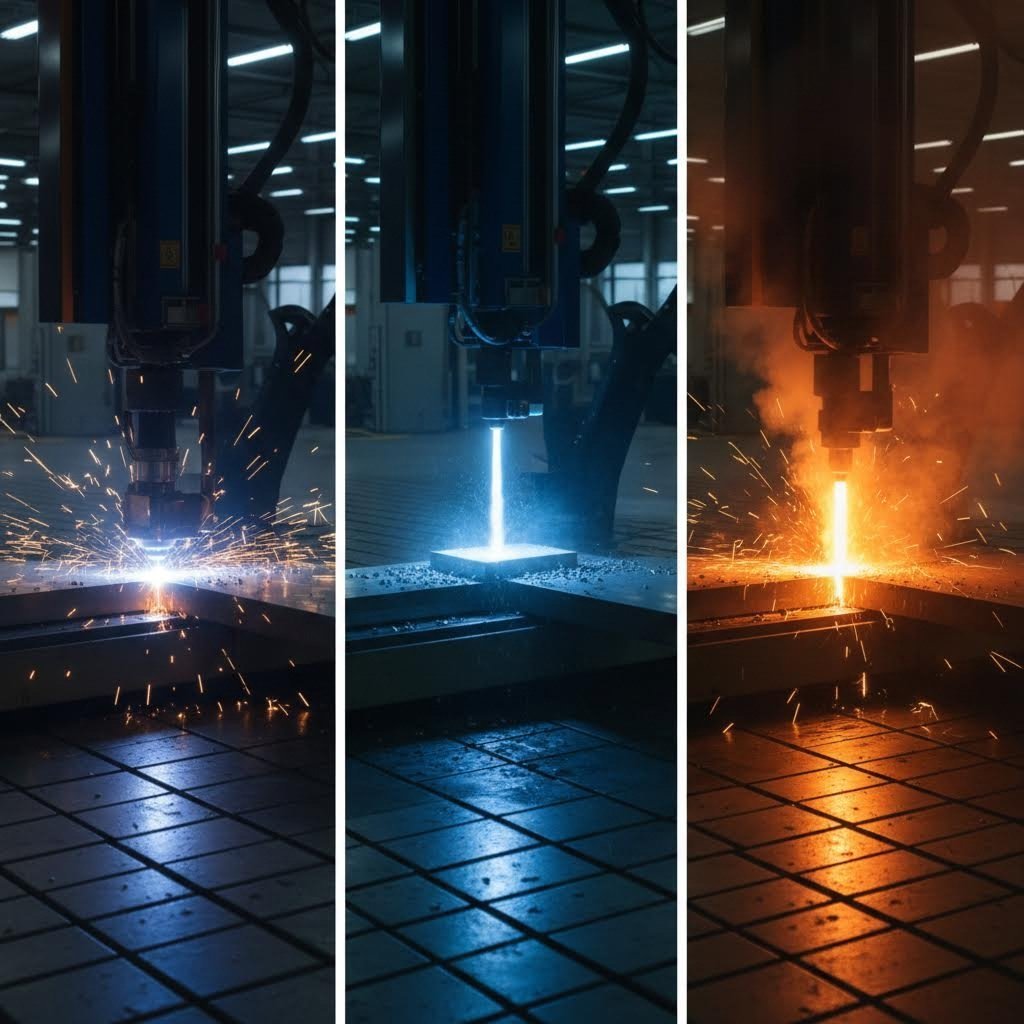
У вас есть проект, связанный с резкой, — но что выбрать: лазер, гидроабразивную резку, плазму или пробивку на станке с ЧПУ? Это решение может определить успех или провал по стоимости, срокам и качеству деталей. Каждый метод использует принципиально разные источники энергии, и понимание преимуществ каждого из них поможет избежать дорогостоящих ошибок и потерь материала.
Вот в чем суть: не существует единой «наилучшей» технологии резки. Согласно Wurth Machinery , неправильный выбор фрезы ЧПУ может обойтись в тысячи из-за потраченных впустую материалов и утерянного времени. Правильный выбор зависит от того, что вы режете, насколько это должно быть точно и как быстро нужно выполнить работу. Давайте разберёмся, когда каждый метод целесообразен для ваших лазерных применений резки металла.
| Метод резки | Совместимость материала | Ограничения по толщине | Качество кромок | Скорость | Факторы стоимости |
|---|---|---|---|---|---|
| Лазер (Волоконный/CO2) | Металлы, некоторые пластики, дерево; волоконный лазер отлично справляется с отражающими металлами | До 1" (25 мм) типично; оптимально менее 0,5" | Отличное качество; минимальная последующая обработка требуется | Самый быстрый на тонких материалах | Высокие первоначальные затраты; экономически выгодно для точных, повторяющихся задач |
| Водоструйный | Практически любой материал — металлы, камень, стекло, композиты | До 10"+ (250 мм+) | Отличная; отсутствует зона термического влияния | Самый медленный из трёх | Высокие эксплуатационные расходы (абразивы); оборудование ~$195,000 |
| Плазма | Только проводящие металлы — сталь, алюминий, медь | от 0,5" до 2" и более — идеально; лучше всего справляется с толстыми пластинами | Хорошо подходит для строительных работ; требует дополнительной обработки для достижения точности | в 3-4 раза быстрее гидроабразивной резки на толстой стали | Наименьшие эксплуатационные расходы; оборудование около $90 000 |
| Cnc punching | Листовые металлы; ограничено толщиной, подходящей для пробивки | Обычно менее 0,25" (6 мм) | Хорошее; может оставлять небольшие следы на краях | ~1 000 ударов/мин против 10 000 у лазера | Наиболее экономичен на начальном этапе; универсальные вторичные операции |
Когда лазерная резка превосходит альтернативные методы
Лазерная резка доминирует, когда требуется высокая точность, чистые кромки и сложные геометрические формы на тонких и средних по толщине металлах. По словам Rache Corp, лазеры отлично подходят для «деталей, которым нужны чистые кромки, маленькие отверстия или сложные формы». Если вы производите корпуса для электроники, компоненты медицинских устройств или декоративные панели, технология лазерной резки с ЧПУ обеспечивает результаты, которым другие методы просто не могут конкурировать.
Где лазерная резка стали проявляет себя наилучшим образом? Рассмотрим следующие области применения:
- Работа с тонким листовым материалом с высокой точностью – Лазерная резка обеспечивает четкие углы и гладкие кромки на материалах толщиной менее 0,5", зачастую полностью исключая необходимость дополнительной отделки
- Требования к мелким деталям – Минимальный диаметр отверстий может достигать значения 1× толщины материала; сложные узоры прорезаются чисто, без искажений
- Высокий объем производства – Лазерная резка с ЧПУ обеспечивает самые короткие циклы обработки на тонких материалах при исключительной воспроизводимости
- Применение в условиях жестких допусков – Достижимая точность ±0,001" до ±0,003" превосходит плазменную резку и соответствует водоструйной на большинстве геометрий
Интеграция лазера и ЧПУ также важна для автоматизации. Согласно Rache Corp , если вы планируете выполнение высокоточных работ в больших объемах с минимальным участием оператора, лазерная резка, скорее всего, будет самой простой в автоматизации — что делает её идеальной для производственных условий, где стабильность и производительность определяют рентабельность.
Однако у лазерной резки есть очевидные ограничения. Материалы толщиной более 1" становятся проблемными — резка значительно замедляется, ухудшается качество кромки, а зоны теплового воздействия увеличиваются. В таких случаях альтернативные методы оправдывают своё применение.
Выбор между лазерной, водоструйной и плазменной резкой
Звучит сложно? Не обязательно. Решение зачастую сводится к трём вопросам: какой материал вы режете? Какова его толщина? И какое качество кромки вам нужно?
Выбирайте плазменную резку, когда:
- Вы работаете с толстыми проводящими металлами — особенно со стальными листами толще 0,5"
- Скорость и стоимость важнее точности отделки кромки
- Детали предназначены для конструкционных применений, тяжелого оборудования или производственных работ
- Вы ищете варианты плазменной резки поблизости для черновой резки или конструкционных компонентов
Согласно Wurth Machinery, скорость плазменной резки стали толщиной 1 дюйм примерно в 3–4 раза выше, чем у водоструйной, а эксплуатационные расходы — примерно вдвое ниже на погонный фут. Для мастерских по обработке металла, специализирующихся на конструкционных работах со сталью и алюминием, плазменная резка зачастую обеспечивает наилучшую окупаемость инвестиций.
Выберите водоструйную резку, когда:
- Необходимо избегать теплового повреждения — никакой деформации, закалки или зон термического воздействия
- Вы режете неметаллические материалы, такие как камень, стекло, композиты или многослойные материалы
- Толщина материала превышает 1 дюйм, и при этом важна точность
- Для чувствительных материалов, таких как детали из титана в аэрокосмической отрасли, требуется полное отсутствие тепловых искажений
Холодный процесс резки водяной струей делает ее особенно подходящей для применения в теплочувствительных областях. Ожидается, что рынок водяной струи достигнет более чем 2,39 миллиарда долларов к 2034 году, что отражает растущий спрос на эту универсальную технологию в аэрокосмической промышленности, переработке пищевых продуктов и резке специальных материалов.
Рассмотрите ЧПУ-пробивку, когда:
- Вам нужны вторичные операции, такие как нарезание резьбы, формовка, выдавливание или зачистка, в одной настройке
- Ограничения бюджета делают предпочтительными более низкие затраты на оборудование
- Геометрия деталей соответствует стандартному пробивному инструменту
По данным Caldera MFG, хотя современные лазерные станки могут выполнять 10 000 ударов в минуту по сравнению с 1 000 у башенной пробивки, «универсальные возможности башенной пробивки и сокращение сроков изготовления могут компенсировать меньшее количество ударов в минуту». Возможность выполнять вырубку, формовку и зачистку за одну операцию экономит время на последующей обработке, чего не может достичь чистая лазерная резка.
Многие успешные мастерские по обработке металла со временем внедряют несколько технологий. Плазменная и лазерная резка часто хорошо сочетаются: плазма справляется с толстыми конструкционными пропилами, а лазер обеспечивает точность при работе с тонкими листами. Добавление водоструйной резки расширяет возможности обработки неметаллических и чувствительных к нагреву материалов без термического воздействия.
Итак, какой вывод? Выбор метода резки должен соответствовать конкретным требованиям вашего проекта. Если требуется высокоточная резка металла на тонких и средних по толщине материалах, то лидирует лазерная резка. Для толстых проводящих металлов и конструкционных работ предпочтительна плазменная резка благодаря непревзойдённой скорости и экономичности. А если материал нельзя подвергать тепловому воздействию или вы режете камень, стекло или композиты, то здесь вне конкуренции водоструйная резка.
Теперь, когда вы понимаете, какой метод резки лучше всего подходит для вашего применения, следующая задача — правильно подготовить файлы с проектом. Неправильная подготовка файлов вызывает больше простоев в производстве, чем почти любой другой фактор. Поэтому давайте рассмотрим, что именно нужно, чтобы предоставить готовые к запросу коммерческого предложения файлы.
Руководство по проектированию и подготовка файлов для лазерной резки
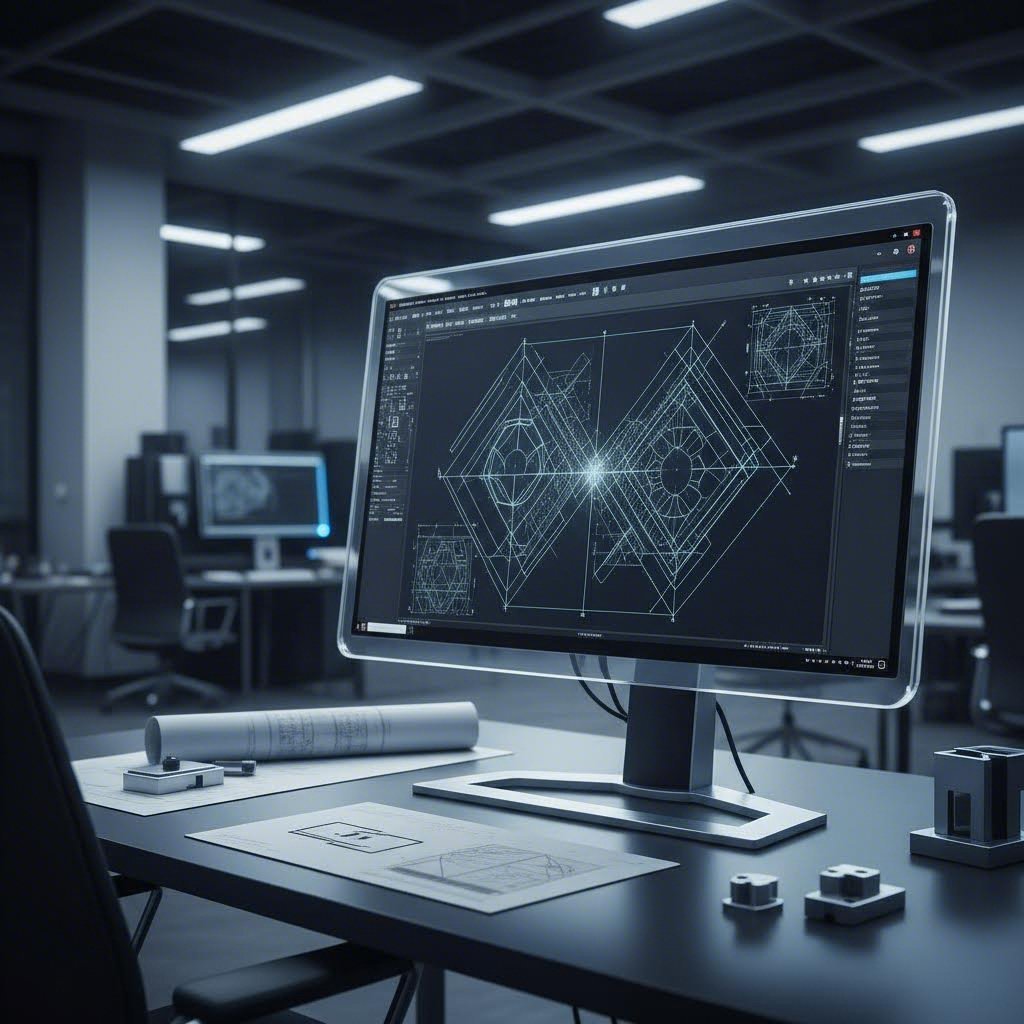
Вы выбрали материал, понимаете допуски и знаете, что лазерная резка подходит для вашего проекта. Теперь наступает этап, на котором ошибаются больше всего: подготовка файлов с чертежами. Согласно Запросить вырезание и отправку , еженедельно просматривается сотни файлов — и типичные ошибки в проектировании приводят к разочаровывающим результатам, задержкам в производстве и потере материала.
Хорошая новость? Большинство проблем с подготовкой файлов можно полностью избежать. Независимо от того, используете ли вы лазерный станок по металлу впервые или уже отправили десятки заказов, соблюдение этих рекомендаций гарантирует, что ваши детали перейдут от загрузки к производству без лишних уточнений и задержек.
Требования к формату файлов и подготовка САПР
Вот основное правило: для лазерных станков резки требуются векторные файлы, а не растровые изображения. Лазерный станок для резки металла интерпретирует точные математические траектории — прямые линии, дуги и кривые с заданными координатами. Растровые изображения, такие как JPEG или PNG, содержат только информацию о пикселях, которая не позволяет точно определить траектории резки.
Согласно Quote Cut Ship, для чистых и точных резов необходимо использовать векторные форматы файлов, например .DXF, .AI или .SVG. Эти форматы задают точные траектории, по которым будет двигаться лазер, обеспечивая чёткость и высокую точность каждой резки.
Чек-лист подготовки файлов:
- Используйте поддерживаемые векторные форматы — DXF и DWG остаются отраслевыми стандартами; большинство поставщиков также принимают файлы AI, SVG, STEP и IGES
- Преобразуйте весь текст в контуры — Если шрифты отсутствуют в системе изготовления, текст может быть заменён на другой или исчезнуть полностью; преобразование текста в контуры устраняет этот риск
- Замкните и объедините все контуры — Незамкнутые или необъединённые контуры могут вызвать путаницу у лазерного станка для резки листового металла, что приведёт к неполной резке или нестабильной работе оборудования
- Удалите дублирующие линии – Перекрывающаяся геометрия приводит к тому, что лазер дважды проходит по одному и тому же пути, повреждая края и тратя время впустую
- Проверьте размеры в масштабе 100% – Как SendCutSend рекомендует: печать вашего дизайна в масштабе 100% помогает убедиться, что размеры указаны правильно
- Удалите скрытые слои и неиспользуемую геометрию – Лишние данные могут импортироваться как непреднамеренные линии реза
- Установите правильные единицы измерения – Перед загрузкой убедитесь, используются ли в вашем файле дюймы или миллиметры
Если вы конвертировали свой файл из растрового формата с помощью автоматического трассирования, дважды проверьте каждый размер. Алгоритмы автоматического трассирования вносят приближения, которые могут не соответствовать задуманным вами измерениям. Многие разработчики обнаруживают, что печать копии в масштабе 1:1 и физическое измерение ключевых элементов позволяет выявить ошибки до того, как они превратятся в дорогостоящие проблемы.
Избегание распространённых ошибок проектирования, задерживающих производство
Даже опытные проектировщики допускают ошибки, которые останавливают производство. Понимание этих подводных камней и выработка привычек их избегания экономит время, деньги и предотвращает разочарования в каждом проекте.
Распространенные ошибки, которых следует избегать:
- Линии расположены слишком близко друг к другу — Согласно рекомендациям Quote Cut Ship, при слишком плотном расположении или перекрытии контуров резки лазер может вызвать пережог или случайно прорезать участки, которые должны остаться нетронутыми. Рекомендуемое минимальное расстояние между критическими контурами — не менее 0,010 дюйма (0,25 мм)
- Игнорирование толщины материала — Хотя лазерная резка является двухмерным процессом, ваш материал имеет третью координату — толщину. При проектировании взаимозаменяемых деталей или узлов с плотной посадкой игнорирование толщины материала приводит к тому, что детали не совмещаются или легко ломаются
- Элементы слишком малы для резки — Минимальный диаметр отверстия, как правило, должен соответствовать толщине материала; аналогичным образом следует подходить и к щелям, а также другим узким элементам. Элементы, размеры которых ниже этих пределов, могут быть неровно вырезаны или ослабить окружающий материал
- Забывание радиусов скругления в углах — Острые внутренние углы концентрируют механические напряжения и могут вызывать растрескивание. Добавление небольших скруглений (обычно минимальный радиус составляет от 0,5 до 1 мм) повышает прочность детали и качество резки
- Отсутствие мостиков для внутренних вырезов – SendCutSend отмечает, что внутренние вырезы не могут быть сохранены без мостиков. Добавьте небольшие перемычки, чтобы удерживать внутренние элементы при резке, а затем удалите их после завершения процесса
- Активные текстовые поля остались невыполненными – Наведите указатель на текстовые элементы, чтобы проверить, преобразованы ли они в геометрию. Если текст остаётся редактируемым, его необходимо преобразовать в контуры перед отправкой
Оптимизация геометрии также важна для стоимости и качества. При работе с лазерным станком с ЧПУ следует учитывать, как ваша конструкция размещается на стандартных листах. Необычные размеры или неправильные формы могут привести к избыточному расходу материала, увеличивая стоимость каждой детали. Многие поставщики предлагают оптимизацию компоновки, но проектирование с учётом стандартных размеров листов зачастую даёт лучший результат
Для деталей, требующих наличия фиксирующих выступов или микросоединений — небольших соединений, которые удерживают элементы на листе во время резки, — тщательно продумайте расположение этих элементов. Размещайте выступы в местах, не критичных для функциональности или внешнего вида, где небольшой остаточный утолщённый участок не повлияет на работу или эстетику. Типичная ширина выступов составляет от 0,5 мм до 2 мм в зависимости от материала и размера детали.
Ещё один важный аспект: определите, какие именно материалы, пригодные для лазерной резки, требуются для вашей конструкции. Металлы, очевидно, хорошо обрабатываются волоконными лазерными системами, тогда как пластики, такие как акрил и поликарбонат, обычно требуют применения CO2-лазеров. Если вы не уверены, подходит ли выбранный вами материал для лазерной резки или какой тип лазера следует использовать, проконсультируйтесь с поставщиком услуг до окончательного утверждения конструкции. По данным Komacut, использование стандартных толщин материалов — один из самых простых способов оптимизации процесса лазерной резки, позволяющий снизить затраты и сократить сроки поставки.
Серьезное отношение к подготовке файлов кардинально меняет ваш опыт заказа. Чистые файлы означают более быстрые коммерческие предложения, бесперебойное производство и детали, соответствующие вашим ожиданиям. Но даже при идеальных файлах важно понимать, что влияет на конечную стоимость — и как выбор конструктивных решений сказывается на ваших расходах.
Понимание стоимости лазерной резки металла и факторов ценообразования
Вы когда-нибудь запрашивали коммерческое предложение и задавались вопросом, почему ваша простая, на первый взгляд, деталь стоит дороже ожидаемого? Или искали «лазерную резку рядом со мной», чтобы сравнить цены, но обнаружили совершенно разные цифры? Вы не одиноки. Стоимость лазерной резки значительно варьируется в зависимости от факторов, которые не всегда очевидны — а понимание того, что формирует эти затраты, ставит вас в более выгодное положение для оптимизации ваших конструкций и бюджетов.
Вот в чем суть: сервисы лазерной резки металла не выдумывают цены произвольно. Согласно Smart Cut Quote , лазерная резка обеспечивает высокую точность с допусками до ±0,1 мм, но стоимость может значительно варьироваться в зависимости от нескольких взаимосвязанных факторов. Давайте подробно разберём, что именно влияет на итоговую цену, и как вы можете контролировать эти переменные.
Ключевые факторы, определяющие стоимость лазерной резки
Когда вы ищете варианты лазерной резки поблизости или оцениваете удалённых поставщиков, понимание иерархии стоимости помогает грамотно интерпретировать полученные расчёты. Не все факторы имеют одинаковое значение — некоторые существенно влияют на цену, тогда как другие вносят лишь незначительные изменения.
Факторы затрат в порядке их влияния:
- Тип и стоимость материала – Согласно LYAH Machining, различные металлы имеют разную стоимость, при этом такие материалы, как алюминий и нержавеющая сталь, обычно обходятся дороже, чем углеродистая сталь или чугун. Цены на сырьё колеблются, однако нержавеющая сталь, как правило, стоит в 2–3 раза больше углеродистой стали за килограмм
- Толщина материала — Более толстые материалы требуют большей мощности лазера, более медленных скоростей резки и повышенного энергопотребления. В системе Smart Cut Quote отмечается, что резка стали толщиной 12 мм может обойтись в 3–4 раза дороже, чем резка стали толщиной 3 мм, из-за снижения скорости подачи
- Общая длина реза и его сложность — Каждая точка прокола, в которой лазер начинает резку, добавляет время. Сложные конструкции с множеством внутренних вырезов требуют частых запусков и остановок, что увеличивает время работы станка и расход газа
- Объёма заказа — Затраты на подготовку, распределённые на большее количество деталей, снижают цену за единицу. Согласно данным Komacut, оптовые заказы могут значительно снизить стоимость единицы за счёт распределения фиксированных затрат на подготовку на большие объёмы
- Вторичные операции — Послерезательные процессы, такие как зачистка заусенцев, гибка, порошковое покрытие или установка крепёжных элементов, добавляют трудозатраты, время работы оборудования и материалы к общей стоимости
- Требования к срокам поставки — Компания LYAH Machining сообщает, что срочные заказы, требующие работы в сверхурочное время или приоритетного планирования, могут повысить стандартную цену на 10–25 %
Время работы станка представляет собой значительную статью расходов, которая требует особого внимания. Согласно Smart Cut Quote, стоимость лазерной резки в Австралии составляет от 1,50 до 3,00 долларов США в минуту в зависимости от мощности оборудования, при этом тарифы различаются по регионам. Для резки нержавеющей стали толщиной 6 мм на волоконном лазере мощностью 4 кВт требуется около 12–20 м³/час азота в качестве вспомогательного газа, что может увеличить стоимость одной детали на несколько долларов в зависимости от длины реза.
Сложность конструкции влияет не только на время резки. Согласно LYAH Machining подготовка файлов САПР для лазерной резки обычно стоит от 20 до 100 долларов США в час в зависимости от уровня экспертизы дизайнера. Простые формы могут занять час, тогда как сложные геометрии могут потребовать 2–4 часов работы над проектом ещё до начала резки.
Как оптимизировать конструкцию для получения более выгодной цены
Теперь перейдём к практической части — как снизить затраты, не жертвуя качеством? Продуманные конструкторские решения, принятые на раннем этапе, могут существенно повлиять на итоговую стоимость.
Стратегии оптимизации конструкции:
- По возможности упрощайте геометрию – По словам Komacut, упрощение конструкций и сокращение количества вырезов снижает время работы оборудования и потребление энергии
- Конструирование для эффективной раскройки – Детали, плотно упакованные на стандартных листах, минимизируют отходы материала. Komacut поясняет, что эффективная раскройка максимизирует использование материала за счёт размещения деталей максимально близко друг к другу, что снижает потребность в сырье и уменьшает время резки
- Сокращение точек прокола – Каждый внутренний вырез требует новой точки прокола. Объединение или удаление ненужных внутренних элементов позволяет сократить время и расходы
- Выберите экономически выгодные материалы – Если технические условия допускают гибкость, выбор малоуглеродистой стали вместо нержавеющей или использование стандартных сплавов вместо специальных марок значительно снижает стоимость материалов
- Заказывайте подходящее количество – Стоимость наладки оборудования относительно постоянна, независимо от объёма. Если вам в конечном итоге понадобится больше деталей, заказ крупных партий часто является экономически целесообразным решением — некоторые производители предлагают скидки от 5 до 15 % на крупные заказы
- Объединяйте похожие проекты в партии – Объединение нескольких конструкций деталей, изготовленных из одного и того же материала и толщины, в один заказ позволяет распределить расходы на наладку и повысить эффективность раскроя
Значение систем мгновенного ценообразования невозможно переоценить при планировании проектов. Современные платформы анализируют загруженные вами файлы и возвращают подробную разбивку стоимости в течение нескольких минут — а иногда и секунд. Такая прозрачность позволяет многократно дорабатывать конструкции, сравнивая, как изменения влияют на цену, прежде чем переходить к производству. Вы можете проверить, приведёт ли упрощение элемента к существенной экономии, или подойдёт ли смена материала вашему бюджету.
Быстрое выполнение заказов также играет важную роль в эффективном управлении затратами. Хотя срочные заказы увеличивают расходы, возможность получения деталей за несколько дней вместо недель позволяет применять стратегии производства по принципу «точно в срок», что снижает затраты на хранение запасов. Для этапов создания прототипов и разработки скорость зачастую важнее небольших различий в цене.
Помните, что самое дешевое предложение не всегда является наилучшим по соотношению цена-качество. Отправляйте цены за резку и аналогичные прозрачные модели ценообразования, чтобы вы могли сравнивать предложения на равных условиях, но при оценке поставщиков учитывайте также стабильность качества, оперативность коммуникации и надежность. Немного более высокая стоимость лазерной резки у поставщика, который с первого раза выполняет работу правильно, выгоднее более низкого предложения, которое требует переделки или задерживает ваш производственный график.
Понимание этих факторов стоимости позволяет вам вести продуктивные переговоры с поставщиком услуг лазерной резки металла и принимать проектные решения, которые обеспечивают баланс между техническими требованиями и реальными бюджетными ограничениями. Однако для многих проектов резка — это только начало. То, что происходит после того, как детали сняты со стола лазера, зачастую имеет такое же значение, как и сам процесс резки.
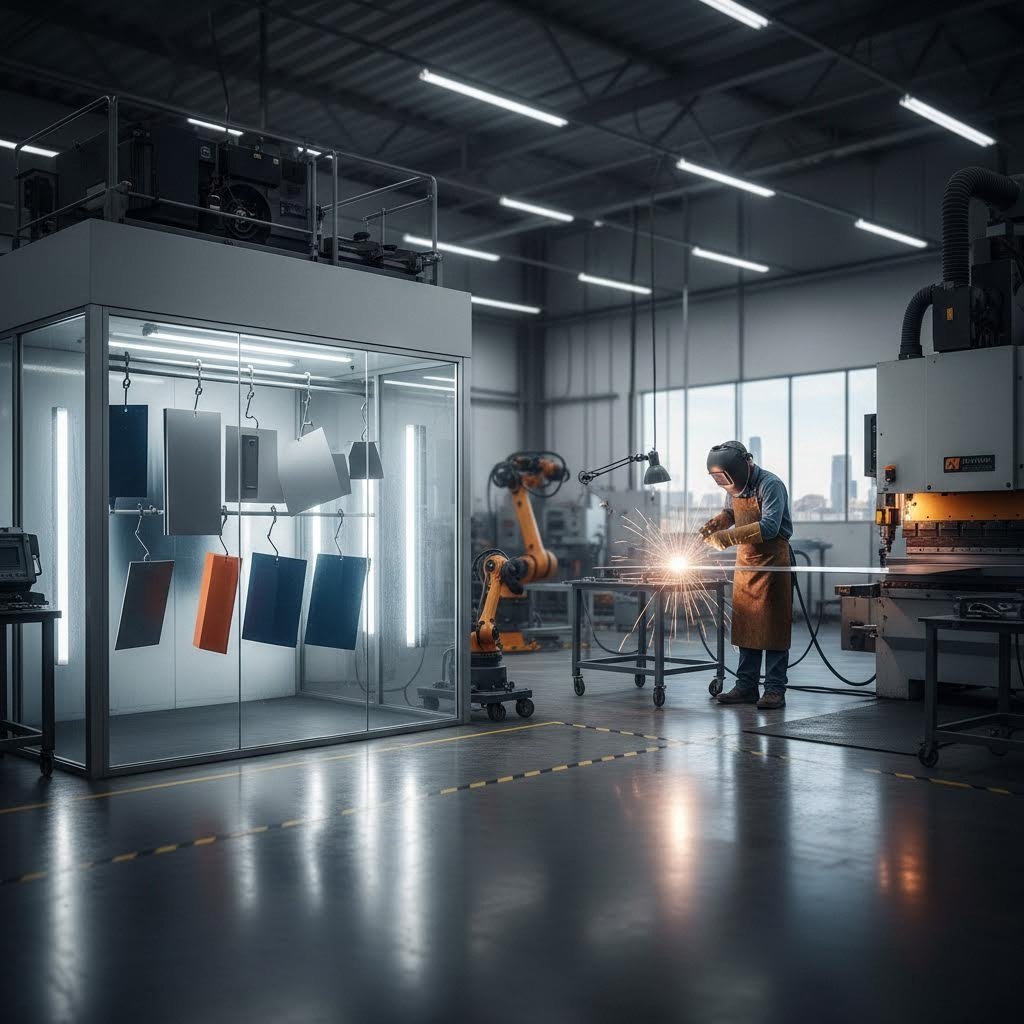
Вторичные операции и отделка для лазерно-вырезанных деталей
Вот что многие покупатели впервые не осознают: лазерная резка зачастую является лишь отправной точкой. Как правило, ваши детали, полученные методом лазерной резки, требуют дополнительной обработки перед тем, как будут готовы к применению в конечном изделии. Согласно Minifaber, резка и гибка листового металла — это два последовательных процесса; ошибки на любом из этих этапов могут привести к отмене другого этапа и значительным потерям времени и материала.
Понимание полного спектра вторичных операций помогает вам более эффективно планировать проекты, сокращать сроки выполнения заказов и находить поставщиков, способных обеспечить полный цикл производства деталей, а не вынуждать вас координировать работу нескольких подрядчиков. Независимо от того, требуются ли вам услуги лазерной резки труб для изготовления несущих рам или высокоточная лазерная обработка компонентов для автомобилей, правильный комплексный подход упрощает весь процесс — от получения коммерческого предложения до поставки готовой продукции.
Операции после резки для полного цикла производства деталей
После того как детали покидают лазерный станок, несколько операций формовки и сборки преобразуют плоские заготовки в функциональные компоненты. Выбор услуги лазерной резки стали, которая предлагает такие возможности на месте, устраняет задержки при передаче и пробелы в контроле качества между поставщиками.
Операции формовки и придания формы:
- Сгибание и формование – Согласно Minifaber, лазерная резка и гибка всегда должны работать синергетически — точная лазерная резка обеспечивает плавную гибку, снижает коробление и повышает качество готового изделия. Гибочные прессы с ЧПУ превращают плоские лазерно вырезанные заготовки в кронштейны, корпуса и конструкционные элементы с точным контролем углов.
- Сварка и соединение – Сварка MIG, TIG и роботизированная сварка соединяют несколько лазерно вырезанных деталей в сборочные узлы. Чистые кромки после лазерной резки обеспечивают отличную подготовку к сварке с минимальной необходимостью шлифовки. Как отмечает MET Manufacturing , комплексные услуги, такие как формовка, сборка и отделка, помогают клиентам оптимизировать производство — от сырья до готового продукта
- Установка крепежа – Гайки, шпильки, дистанционные втулки и другие крепёжные элементы типа PEM устанавливаются в лазерно вырезанные отверстия методом прессования, что исключает необходимость отдельной нарезки резьбы или сварки.
- Нарезание резьбы и сверление – В случаях, когда требуется съёмный крепёж, нарезка резьбы непосредственно в материале обеспечивает наличие резьбовых отверстий без применения вставных резьбовых элементов.
- Зачистку заусенцев и обработку кромок – Хотя услуги лазерной резки волоконным лазером обеспечивают относительно чистые кромки, для некоторых применений требуется дополнительная зачистка заусенцев методами барабанной обработки, ручной отделки или с использованием автоматизированного оборудования для зачистки.
Автоматизация кардинально изменила способ интеграции этих операций с процессом резки. Согласно информации компании Minifaber, роботизированные системы и ЧПУ-панели позволяют автоматизировать данные процессы, повышая производительность и снижая количество ошибок. Что ещё более важно, автоматизация сокращает вмешательство человека, усталость персонала и потенциальные ошибки, одновременно повышая общую безопасность на рабочем месте.
Для лазерной резки труб и конструкционных применений сочетание точной резки с роботизированной сваркой оказывается особенно ценным. Сложные трубные сборки, которые ранее требовали обширных приспособлений и ручной сварки, теперь проходят через автоматизированные рабочие ячейки с постоянным качеством и сокращённым циклом производства.
При выборе поставщиков для полного цикла лазерной обработки ищите производителей, демонстрирующих интеграцию между отделами резки и формовки. Shaoyi (Нинбо) Metal Technology является примером такого подхода — сочетая прецизионную резку с штамповкой и услугами по сборке под сертификацией IATF 16949 для автомобильной промышленности. Их возможность быстрого прототипирования за 5 дней показывает, как интегрированные операции сокращают сроки, которые при разрозненных цепочках поставок растягиваются на недели.
Варианты поверхностной отделки для лазерной резки компонентов
Помимо формовки, поверхностная отделка определяет, как ваши детали будут работать в условиях эксплуатации. Согласно Manufacturing Solutions Inc. (MSI) , металлическая отделка — это заключительный и важнейший этап производственного процесса. Она изменяет поверхность изготовленных металлических деталей, повышая их долговечность, эстетическую привлекательность, а также устойчивость к коррозии и воздействию окружающей среды.
Варианты покрытий и гальванических покрытий:
- Порошковое покрытие – Согласно MSI, металлические изделия с порошковым покрытием более устойчивы к ухудшению качества покрытия под воздействием химикатов, влаги, ультрафиолетового света и экстремальных погодных условий. Порошковое покрытие доступно практически в любом цвете и текстуре и обеспечивает надежную защиту для всего — от наружного оборудования до потребительских товаров
- Электропокрытие – Нанесение металлов, таких как цинк, никель или хром, на поверхности деталей для защиты от коррозии, износостойкости или улучшения внешнего вида. Часто используется для крепежных элементов, электрических компонентов и декоративных применений
- Безэлектродное нанесение покрытия – Химическое покрытие без электрического тока обеспечивает равномерное нанесение даже на сложных геометриях. MSI отмечает, что химическое никелирование обладает техническими преимуществами, включая превосходное покрытие на неровных поверхностях и постоянную толщину по всем элементам детали
- Фосфатное покрытие – Создаёт тонкий прочный слой, обеспечивающий хорошее сцепление и повышающий защиту от коррозии. По данным MSI, фосфатирование commonly используется в качестве подготовительной обработки для последующих покрытий, таких как краска или порошковое покрытие
- Пассивирование – Химическая обработка нержавеющей стали, улучшающая коррозионную стойкость без изменения внешнего вида. Критически важно для медицинских, пищевых и морских применений, где необходимо устранить поверхностное загрязнение
- Горячее воронение – Нанесение тонкого чёрного оксидного покрытия, повышающего износостойкость и обеспечивающего матовую поверхность, требуемую для военных, автомобильных и оружейных применений
Механические методы обработки поверхности:
- Пескоструйная обработка – Согласно MSI, абразивоструйная обработка сочетает в себе отделку и очистку поверхности в одном процессе, что позволяет сэкономить деньги и время. Дробеструйная и пескоструйная обработка подготавливают поверхности к нанесению покрытий, создавая при этом равномерную текстуру
- Электрополировка – Удаляет металлические ионы, обеспечивая гладкие, блестящие поверхности на нержавеющей стали и подобных сплавах. Уменьшает шероховатость поверхности, устраняет заусенцы и повышает легкость очистки для санитарных применений
- Полировка фетровым кругом – Механическая полировка с использованием тканевых кругов обеспечивает глянцевое, декоративное покрытие. Часто применяется как подготовка к электрохимической полировке или как окончательная косметическая обработка
Выбор подходящей отделки зависит от ваших конкретных требований. По мнению MSI, при выборе метода отделки следует учитывать функцию изделия, условия эксплуатации, исходный материал и желаемую эстетику. Кронштейн, предназначенный для внутренних корпусов электроники, требует другой защиты, чем конструкционные элементы, подвергающиеся воздействию морской среды.
Настоящее преимущество достигается при работе с интегрированными производственными партнёрами, которые выполняют несколько операций под одной крышей. Вместо того чтобы отправлять лазерно вырезанные детали отдельному поставщику услуг гибки, затем — сварщику, а после — исполнителю порошкового покрытия (каждая передача добавляет транзитное время, риск повреждения и усложняет коммуникацию), вертикально интегрированные поставщики выполняют все операции в рамках согласованного рабочего процесса.
Для автомобильных и аэрокосмических применений, где важна сертификация, такая интеграция становится ещё более критичной. Поставщики, такие как Shaoyi демонстрируют комплексную поддержку DFM (проектирования с учётом технологичности производства) с формированием коммерческого предложения в течение 12 часов, что позволяет оптимизировать конструкции для производства без ущерба для требований к качеству на этапах резки, штамповки и сборки. Их подход показывает, как современное металлообработочное производство объединяет операции, которые ранее требовали привлечения нескольких узкоспециализированных поставщиков, в единые, оптимизированные производственные ячейки.
После того как вспомогательные операции и отделка четко определены, последним элементом головоломки становится выбор поставщика, который действительно сможет обеспечить эти возможности. Не все поставщики лазерной резки металла предлагают одинаковый спектр услуг — и знание того, на что следует обращать внимание, позволяет отличить отличное сотрудничество от разочаровывающего опыта.
Выбор правильного поставщика услуг лазерной резки металла
Вы спроектировали свои детали, подготовили файлы и точно знаете, какие операции по финишной обработке вам нужны. Теперь наступает решение, которое определит, добьется ли ваш проект успеха или застопорится: выбор правильного поставщика. Когда вы ищете «услуги лазерной резки рядом со мной» или оцениваете сторонних производителей, различия между поставщиками не всегда очевидны с их веб-сайтов — однако они существенно влияют на результат.
Согласно Steelway Laser Cutting , у большинства производителей нет средств или ресурсов для покупки и обслуживания передовых лазерных станков с ЧПУ собственными силами. По этой причине они сотрудничают с компаниями, предоставляющими услуги лазерной резки, чтобы оптимизировать производственный процесс. Однако не все партнёрства приносят одинаковую пользу. Правильный поставщик услуг прецизионной лазерной резки становится продолжением вашей команды — а неправильный создаёт проблемы, которые отнимают гораздо больше времени, чем экономят.
Ключевые критерии оценки поставщиков услуг лазерной резки
Прежде чем запрашивать коммерческие предложения, установите чёткие критерии оценки, соответствующие требованиям вашего проекта. Согласно All Metals Fabricating, слишком часто компании рассматривают производственные мастерские как взаимозаменяемые — рассылают общие запросы предложений, выбирают самую низкую цену или самый быстрый срок выполнения, а затем переходят дальше. Однако бесчисленное количество проектов срывается из-за сотрудничества с мастерскими, которые были недостаточно тщательно оценены.
Контрольный список для оценки поставщика:
- Отраслевые сертификаты – Для применений, критичных к качеству, такие сертификаты, как ISO 9001, подтверждают наличие документально оформленных систем управления качеством. Сертификация IATF 16949 особенно важна для участия в автомобильной цепочке поставок, поскольку гарантирует соответствие процессов строгим требованиям автопроизводителей (OEM)
- Возможности оборудования – Уточните, какие станки лазерной резки они используют. Согласно компании Steelway Laser Cutting, существует множество типов станков для лазерной резки металла (волоконные лазеры, CO2-лазеры и т.д.), и понимание различий между ними помогает оценить, смогут ли они обрабатывать ваши конкретные материалы и толщины
- Экспертиза по материалам – Большинство поставщиков услуг ЧПУ-лазерной резки указывают толщину материала и типы листового металла, которые они могут обрабатывать. Убедитесь, что у них есть опыт работы с вашими конкретными материалами — особенно если вы используете сложные металлы, такие как высокоотражающий алюминий
- Сроки выполнения заказов – Заранее уточните, сколько времени занимает реализация проектов — от получения файлов до отправки. Некоторые поставщики предлагают быстрое прототипирование за несколько дней, тогда как производственные партии могут требовать недель Shaoyi (Ningbo) Metal Technology , например, обеспечивает пятидневное быстрое прототипирование наряду с автоматизированным массовым производством — демонстрируя эталон скорости, к которому вам следует стремиться
- Оперативность предоставления коммерческих предложений – Насколько быстро вы можете получить ценовое предложение? Такой срок подготовки коммерческого предложения, как 12 часов, который предлагает Shaoyi, указывает на операционную эффективность и ориентацию на клиента. Медленные предложения зачастую свидетельствуют о медленном производстве
- Поддержка DFM в части качества – Предоставляет ли поставщик комплексный анализ конструкции на технологичность (DFM)? Выявление проблем на раннем этапе предотвращает дорогостоящую переделку. Поставщики, которые инвестируют в поддержку DFM, демонстрируют приверженность успеху вашего проекта, а не просто обработке заказов
- Возможности вторичных операций – Согласно Steelway Laser Cutting, уточните, могут ли они выполнять гибку металла, порошковое покрытие или другую отделку внутри компании или вам понадобятся отдельные поставщики
- Качество коммуникации – Насколько оперативно они отвечают в процессе подготовки коммерческого предложения? Задают ли они уточняющие вопросы или просто обрабатывают заказы? Активные поставщики выявляют проблемы до того, как они станут дорогостоящими
Согласно All Metals Fabricating , не упускайте так называемые «мягкие» факторы, такие как вовлеченность руководства и заинтересованность сотрудников. Активное руководство всегда связано с эффективностью производителя — всестороннее понимание работы мастерской дает наилучшее представление о ее надежности.
Тревожные сигналы и положительные признаки при выборе сервиса
Звучит просто? Должно быть — но именно знание того, на какие предупреждающие знаки обращать внимание (и какие позитивные индикаторы искать), отличает удачные партнерства от разочаровывающего опыта.
Признаки потенциальных проблем:
- Расплывчатое ценообразование с дополнительными скрытыми расходами – По словам Steelway Laser Cutting, будьте осторожны с поставщиками, которые предлагают стимулы, например, низкие цены или бесплатную доставку, но неясны в отношении точных затрат по вашим конкретным проектам. Уточните все расходы — включая возможные дополнительные, такие как отделка и доставка — и зафиксируйте их документально до заключения соглашения
- Отсутствие подтверждения опыта – Если они не могут предоставить отзывы, кейсы или примеры аналогичной работы, действуйте осторожно. По словам Steelway Laser Cutting, вам нужно убедиться, что поставщик имеет достаточный опыт в реализации индивидуальных лазерных проектов
- Устаревшее оборудование – Старые станки могут справляться с требованиями по точности или отражающими материалами. Уточните возраст оборудования и графики технического обслуживания
- Плохая реакция на коммуникацию – Если они медленно отвечают на вопросы на этапе запроса коммерческого предложения, ожидайте аналогичных задержек во время производства
- Отсутствующие или просроченные сертификаты – Для промышленных применений лазерной резки, требующих документально подтвержденных систем качества, убедитесь, что сертификаты действительны и соответствуют вашей отрасли
Зеленые сигналы, указывающие на качественных партнеров:
- Прозрачное ценообразование с детальной разбивкой – Четкие коммерческие предложения, в которых указаны расходы на материалы, машинное время и вторичные операции, свидетельствуют об организованности процессов
- Проактивные рекомендации по DFM – Поставщики, которые выявляют потенциальные проблемы в ваших проектных файлах, демонстрируют экспертность и приверженность вашему успеху
- Современное оборудование с документально подтверждёнными возможностями – Оптимально, если у вашего поставщика есть десятилетия опыта в сочетании с наиболее передовыми доступными технологиями лазерной резки
- Соответствующие отраслевые сертификаты – IATF 16949 для автомобильной промышленности, AS9100 для аэрокосмической отрасли, ISO 13485 для медицинских устройств — сертификаты, соответствующие вашей отрасли, обеспечивают надлежащий контроль качества
- Комплексные вторичные возможности – Поставщики, выполняющие резку, формовку и отделку в одном месте, снижают сложность координации и риск повреждений при транспортировке
- Быстрое прототипирование в сочетании с производственными мощностями – Возможность быстро создать прототип, а затем перейти к массовому производству, свидетельствует о гибкости операционных процессов
При оценке вариантов — будь то поиск услуг лазерной резки поблизости, лазерной резки рядом или лазерной резки металла рядом — не ориентируйтесь исключительно на географическую доступность. Удалённые поставщики с надёжными системами коммуникации и доставки зачастую превосходят местные мастерские, в которых отсутствует необходимое оборудование или сертификаты.
Согласно компании All Metals Fabricating, если оценивать производственные участки по чёткому набору критериев и сравнивать их на равных основаниях, вы повысите шансы найти лучшего партнёра для выполнения вашего проекта с высоким качеством.
Инвестиции в тщательную оценку поставщика окупаются на всём протяжении вашего проекта и последующих заказов. Подходящий партнёр по услугам cnc-лазерной резки становится активом в производстве, а не просто поставщиком, которым нужно управлять. Уделите время на начальном этапе проверке возможностей, сертификатов и качества коммуникации, и вы построите отношения, которые стабильно обеспечивают точность деталей, требуемых вашими приложениями.
Часто задаваемые вопросы об услугах лазерной резки металла
1. Сколько стоит лазерная резка металла?
Стоимость лазерной резки металла зависит от нескольких факторов, включая тип материала, толщину, сложность реза и объем заказа. Низкоуглеродистая сталь, как правило, стоит меньше, чем нержавеющая сталь или алюминий, за одну деталь. Более толстые материалы требуют более медленной скорости резки, что увеличивает время работы станка и стоимость. Большинство поставщиков взимают плату на основе времени работы оборудования (от $1,50 до $3,00 в минуту в зависимости от региона и оборудования), расхода материала и стоимости подготовки. Срочные заказы могут увеличить стандартную цену на 10–25%. Для получения точных коммерческих предложений отправьте свои CAD-файлы поставщикам, предлагающим системы мгновенного ценообразования, таким как производители, сертифицированные по IATF 16949, например Shaoyi, которые обеспечивают ответ с расчетом стоимости в течение 12 часов.
2. Сколько стоит лазерная резка стали?
Стоимость лазерной резки стали зависит от марки материала, толщины и сложности конструкции. Углеродистая сталь является наиболее экономичным вариантом, так как она хорошо режется с минимальным образованием наплывов. Стоимость наладки оборудования обычно составляет от 15 до 60 долларов в зависимости от производителя, а работа станка оплачивается почасово или поминутно. Резка более толстой стали (свыше 6 мм) обходится значительно дороже из-за снижения скорости подачи и увеличения расхода газа. Для оптимизации затрат упрощайте геометрию деталей, проектируйте их с учетом эффективной раскройки стандартных листов и делайте заказы большими партиями, чтобы распределить постоянные расходы на наладку на большее количество деталей.
3. Сколько стоит услуга лазерной резки?
Цены на лазерную резку включают стоимость времени работы станка, материалов, расходы на настройку и любые дополнительные операции. Стоимость машино-часа обычно составляет от 50 до 100 долларов США в час в зависимости от оборудования и местоположения. Простые плоские детали с базовой геометрией стоят дешевле, чем сложные конструкции с множеством внутренних вырезов. Дополнительные услуги, такие как гибка, сварка, порошковое покрытие или установка крепежа, увеличивают общую стоимость. Многие современные поставщики предлагают мгновенное онлайн-ценообразование — загрузите свои файлы DXF или STEP, чтобы получить подробную смету затрат в течение нескольких минут, что позволяет сравнивать варианты и оптимизировать конструкции до размещения заказа.
4. Какие материалы можно обрабатывать с помощью лазерной резки металла?
Услуги лазерной резки металла охватывают широкий спектр материалов, включая углеродистую сталь, нержавеющую сталь, алюминий, медь, латунь и специальные сплавы, такие как никелевые суперсплавы. Волоконные лазеры отлично справляются с резкой отражающих металлов, таких как алюминий и медь, которые вызывают трудности у старых систем CO2. Для каждого материала существуют определённые ограничения по толщине — сталь до 25 мм, нержавеющая сталь до 20 мм, алюминий до 15 мм и медь до 6 мм при использовании высокомощных лазеров. Выбор материала влияет на качество кромки, зону термического воздействия и достижимые допуски, поэтому проконсультируйтесь с поставщиком по поводу оптимального выбора для вашего конкретного применения.
5. Какие допуски можно ожидать при прецизионной лазерной резке?
Волоконные лазеры стабильно обеспечивают допуски в диапазоне от ±0,025 мм до ±0,076 мм (от ±0,001 до ±0,003 дюйма), тогда как лазеры на CO2 обычно достигают значений ±0,05 мм до ±0,127 мм. Допуски увеличиваются с ростом толщины материала: для тонких листов толщиной менее 1,5 мм допуск составляет ±0,05 мм, а для материалов толще 12 мм он может составлять лишь ±0,3 мм до ±0,5 мм. На точность влияют такие факторы, как калибровка оборудования, плоскостность материала, теплопроводность и положение фокуса. Для критически важных по качеству применений рекомендуется работать с сертифицированными поставщиками, например, имеющими сертификат IATF 16949, который гарантирует наличие документированной системы управления качеством и стабильные результаты.