 Small batches, high standards. Our rapid prototyping service makes validation faster and easier —
  EN
EN


Сварка треснувшего рычага подвески: важное предупреждение о безопасности
Краткое содержание
Сварка треснувшего штампованного стального рычага подвески чрезвычайно опасна и категорически не рекомендуется. Высокая температура при сварке кардинально ослабляет структуру металла, создавая хрупкий участок, склонный к внезапному и катастрофическому разрушению, что может привести к полной потере контроля над транспортным средством. В целях вашей безопасности и безопасности других участников движения, единственным правильным и надежным решением является замена поврежденной детали на новую, сертифицированную.
Заключение экспертов: почему сварка рычага подвески представляет серьезную угрозу безопасности
Рычаг подвески автомобиля является важным элементом подвески, обеспечивая связь между шасси и ступицей колеса. Он обеспечивает поворот, позволяя подвеске двигаться при наезде на неровности, одновременно удерживая колесо в правильном положении и строго фиксируя его. Из-за этой функции рычаг постоянно подвергается значительным динамическим нагрузкам — ускорению, торможению, поворотам и ударам от дорожного покрытия. Если на этом нагруженном элементе появляется трещина, целостность всей системы подвески нарушается, и эксплуатация автомобиля становится опасной.
Консенсус на автомобильных форумах и экспертных мнениях предельно ясен: попытка сварить треснувшую штампованную стальную рычаг подвески представляет собой серьёзный риск для безопасности. Как однажды лаконично выразился один из участников форума: «СВАРКА — ЭТО ПЛОХО, ОНА ОСЛАБИТ ВАШИ РЫЧАГИ ПОДВЕСКИ». Это не просто мнение; это предупреждение, основанное на науке о материалах. Температура, необходимая для сварки, изменяет свойства штампованной стали, которая была термообработана и сформирована на заводе для достижения определённого баланса прочности и гибкости. Сварной шов вносит значительную переменную величину, которую первоначальный дизайн не предусматривал, создавая новую, непредсказуемую точку возможного разрушения.
Трещина на рычаге подвески — это не мелкая неисправность; это тревожный сигнал о неминуемом и катастрофическом отказе. Если рычаг сломается во время движения, водитель мгновенно может потерять управление рулевым управлением, в результате чего колесо может завалиться в арку или неконтролируемо отклониться. Возможные последствия — серьезная авария, травмы или даже хуже. Именно поэтому любая трещина, какой бы маленькой она ни казалась, требует немедленных действий — а именно замены, а не рискованного ремонта.
Научная основа разрушения: зоны термического влияния (HAZ) в штампованной стали
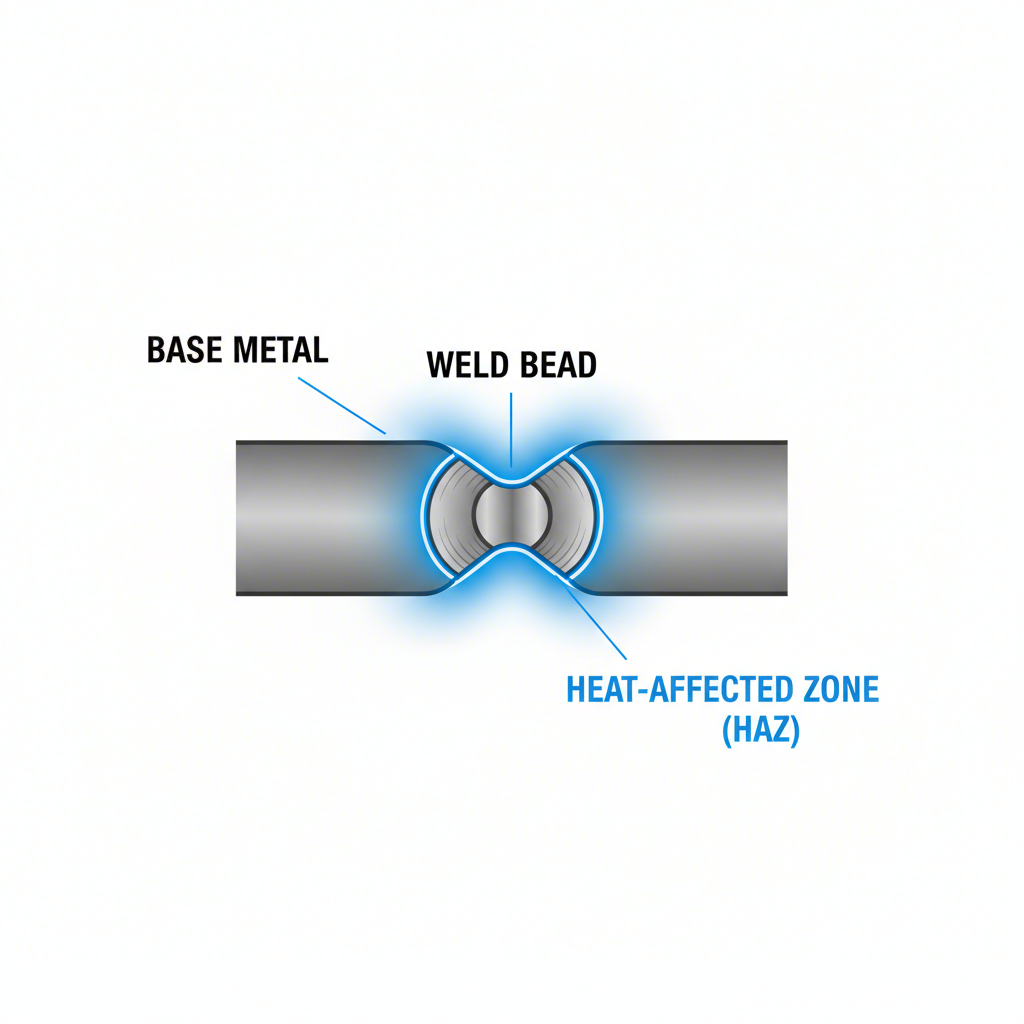
Чтобы понять, почему сварка рычага подвески настолько опасна, необходимо рассмотреть, что происходит с металлом на микроскопическом уровне. Проблема заключается не в самой сварочной наплавке, а в области вокруг неё, известной как зона термического влияния (HAZ). Сталь, полученная штамповкой, обладает определёнными заданными свойствами, но когда сварщик зажигает дугу, интенсивное тепло плавит не только присадочный пруток, но и воздействует на прилегающий металл. В результате необратимо изменяется структура зерна стали.
В зоне термического влияния тщательно выверенные свойства стали разрушаются. Металл часто становится твёрже, но при этом значительно более хрупким. Хотя твёрдость может звучать положительно, хрупкость в элементе подвески чревата катастрофой. Обычный рычаг подвески рассчитан на небольшое изгибание под нагрузкой, но хрупкая зона термического влияния не способна выдерживать такие динамические напряжения. Вместо изгибания она склонна к образованию трещин и внезапному разрушению, особенно при наезде на выбоину или резком повороте.
Кроме того, достижение правильного сварного шва на таком компоненте сопряжено со значительными трудностями. Многие попытки ремонта приводят к так называемому "холодному шву", при котором валик сварного шва располагается поверх основного металла без глубокого структурного слияния. Это создаёт чисто косметическую связь, практически не обладающую прочностью. Без профессиональных знаний в области металлургии, специализированного оборудования для предварительного подогрева и контролируемой термообработки после сварки для нормализации стали практически невозможно непрофильному специалисту контролировать зону термического влияния и выполнить ремонт, который не станет скрытой угрозой.
«Исключение для экспертов»: когда и как может быть возможен ремонт сваркой
Хотя подавляющее большинство рекомендаций категорически против сварки рычага подвески, некоторые источники упоминают, что теоретически ремонт возможен — но только в исключительно конкретных и строго контролируемых условиях, выполняемых специалистом высочайшего уровня. Это не работа для любителя или даже для обычной автомастерской. Требуемый процесс намного сложнее, чем простое заваривание трещины, и включает тщательные, специализированные шаги, которые зачастую оказываются непрактичными и экономически невыгодными.
Настоящий структурный ремонт включает несколько критических этапов. Во-первых, трещину необходимо полностью зачистить до формы буквы 'V', продлив ее значительно за видимые концы, чтобы удалить любые напряженные участки металла. Затем весь компонент нужно предварительно нагреть до определенной температуры, чтобы избежать термического шока. Во время сварки необходимо использовать специальный присадочный пруток, совместимый с основным металлом, для обеспечения полного и глубокого проплавления. Самым важным и часто пропускаемым этапом является термообработка после сварки. Весь рычаг подвески должен быть помещен в специальную печь и нагрет до точной температуры, чтобы снять напряжения, возникшие в результате сварки, и восстановить часть его исходных свойств.
Такой уровень работ больше напоминает индивидуальное изготовление деталей для гоночных автомобилей, а не ремонт треснувшей оригинальной детали. И даже в этом случае большинство профессиональных мастерских отказались бы от такой работы из-за огромной ответственности. Если учесть стоимость такого специализированного труда и оставшуюся неопределённость, становится ясно, что это «исключение для экспертов» скорее теоретическое упражнение, чем практическое решение. Погрешность должна быть равна нулю, а риски слишком высоки.
Умная и безопасная альтернатива: почему замена — единственный реальный выбор
С учётом серьёзных рисков и сложностей сварочного ремонта единственным логичным, безопасным и ответственным решением является замена треснувшего рычага подвески. Новая деталь гарантирует структурную целостность и производительность, которые изначально предусматривал производитель автомобиля. Это не просто ремонт; это восстановление систем безопасности вашего автомобиля до заводских спецификаций.
Новый, профессионально изготовленный компонент соответствует точным стандартам OEM по прочности, посадке и долговечности. Эти детали производятся специализированными производителями, такими как Shaoyi Metal Technology , которые используют передовые процессы, сертифицированные по IATF 16949, чтобы обеспечить каждому рычагу подвески из штампованной стали необходимую конструкционную целостность с завода — гарантию, которую сварной ремонт никогда обеспечить не может. Сравнивая относительно низкую стоимость нового рычага подвески с потенциальными расходами на аварию, страховые выплаты и травмы, замена явно является наиболее экономически выгодным решением.
Чтобы сделать правильный выбор в пользу безопасности, выполните следующие четкие и конкретные действия:
- Немедленно прекратите эксплуатацию транспортного средства. Не пытайтесь доехать до автосервиса. Трещина в рычаге подвески может привести к его поломке в любой момент.
- Организуйте эвакуацию транспортного средства. Организуйте перевозку автомобиля на эвакуаторе к квалифицированному профессиональному механику для тщательной проверки.
- Закажите новую деталь. Приобретите высококачественный рычаг управления OEM или сертифицированный неоригинальный аналог. Не используйте деталь из разборки, так как она может иметь скрытые повреждения или напряжения.
- Обеспечьте профессиональную установку. Установку новой детали должен выполнять сертифицированный техник, который также сможет провести полную регулировку углов колес — это необходимо после подобного ремонта подвески.
В конечном счете, замена обеспечивает спокойствие. Вы сможете уверенно управлять автомобилем, зная, что важнейший компонент подвески надежен, безопасен и соответствует всем стандартам безопасности, установленным такими организациями, как Национальная администрация безопасности дорожного движения (NHTSA) .
| Фактор | Сварочный ремонт | Замена новой деталью |
|---|---|---|
| Безопасность | Очень высокий риск | Гарантированная безопасность OEM |
| Надежность | Непредсказуемый / склонен к выходу из строя | Высокий / Соответствует заводским спецификациям |
| Стоимость | Низкая первоначальная стоимость, но потенциально неограниченные расходы в случае аварии | Умеренная, предсказуемая стоимость |
| Спокойствие | Нет. Постоянное беспокойство о поломке. | Полная уверенность в безопасности транспортного средства |
Часто задаваемые вопросы
1. Можно ли сваривать штампованную сталь?
Да, штампованная сталь поддается сварке, и этот процесс широко используется в производстве для соединения штампованных деталей в более крупные сборки. Однако тепло от сварки изменяет свойства металла. Для детали, подвергающейся высоким нагрузкам и имеющей критическое значение для безопасности, такой как рычаг подвески, это изменение создает хрупкое, слабое место, которое недопустимо для ремонта без специализированной многоэтапной термообработки.
2. Насколько серьезен треснувший рычаг подвески?
Треснувший рычаг подвески представляет собой чрезвычайно серьезную проблему и делает эксплуатацию транспортного средства небезопасной. Рычаг подвески является ключевым элементом системы подвески, и его разрушение может привести к внезапной потере управления рулевым управлением, отрыву колеса от транспортного средства и потенциально смертельной аварии. Если вы подозреваете наличие трещины, немедленно прекратите движение.
3. Какие стальные детали обычно считаются подлежащими ремонту с помощью сварки?
Сварочный ремонт, как правило, применяется только для немассивных или малонагруженных деталей, таких как крепления выхлопной системы или незначительные трещины на кузовных панелях. Критически важные элементы с высокой нагрузкой, изготовленные из высокопрочных или специальных сталей, например рычаги подвески, карданные валы или поворотные кулаки, практически никогда не подлежат безопасному восстановлению сваркой и должны всегда заменяться для обеспечения безопасности.