 Small batches, high standards. Our rapid prototyping service makes validation faster and easier —
  EN
EN


Горячая и холодная камерная технология литья под давлением для автомобильных деталей
Краткое содержание
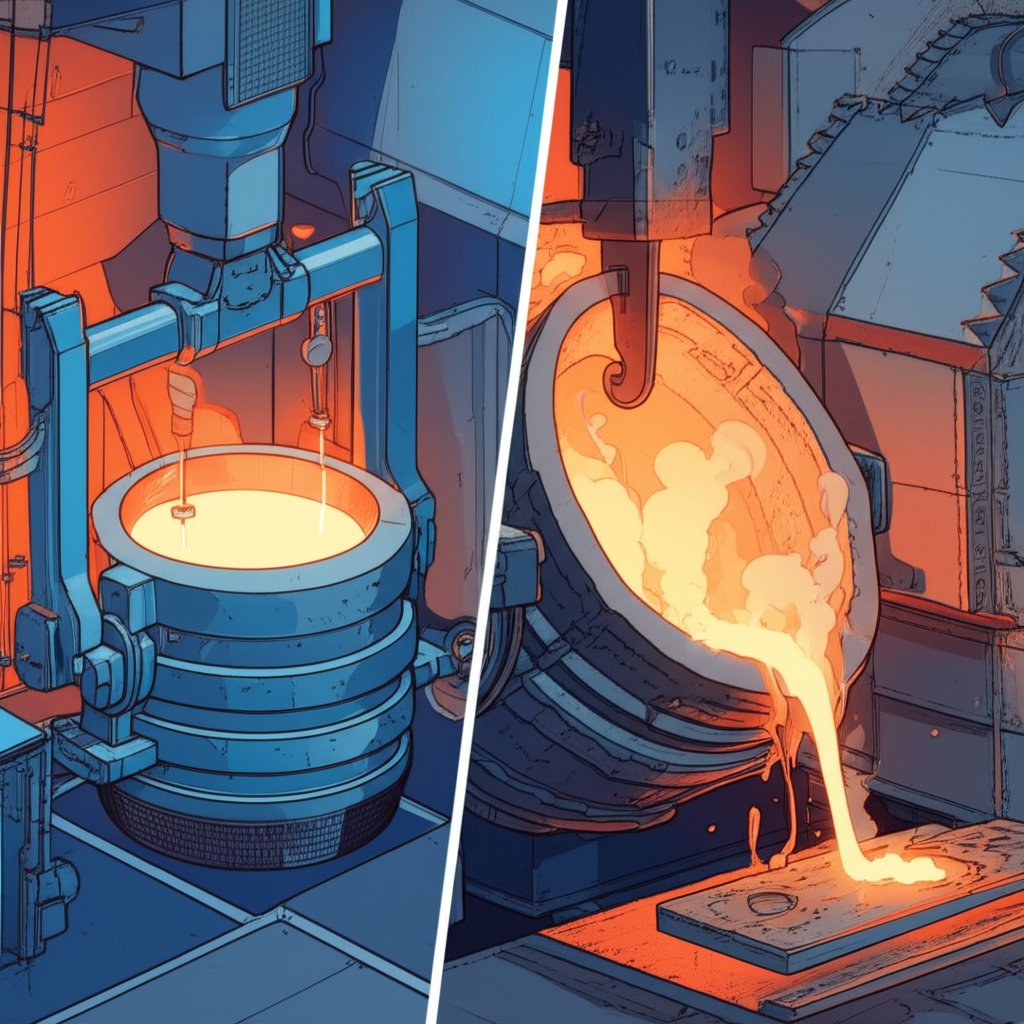
Литье под давлением с горячей и холодной камерой различается по месту плавления металла. При литье с горячей камерой металл плавится внутри машины, что обеспечивает быстрые циклы производства и идеально подходит для сплавов с низкой температурой плавления, таких как цинк, олово и свинец. Напротив, при литье с холодной камерой используется отдельная печь — метод, необходимый для сплавов с высокой температурой плавления, таких как алюминий, который позволяет получать более прочные и долговечные компоненты, важные для множества автомобильных применений.
Основное различие: процесс и механизм
Понимание принципиальной разницы между литьем под давлением в горячей и холодной камере начинается с конструкции оборудования и расположения печи. Именно этот единственный фактор определяет скорость процесса, совместимость с материалами и, в конечном счете, типы деталей, которые можно изготавливать каждым из методов. Основное различие заключается в интеграции тигля для плавки: в машинах горячей камеры используется внутренняя интегрированная печь, тогда как в машинах холодной камеры применяется внешняя.
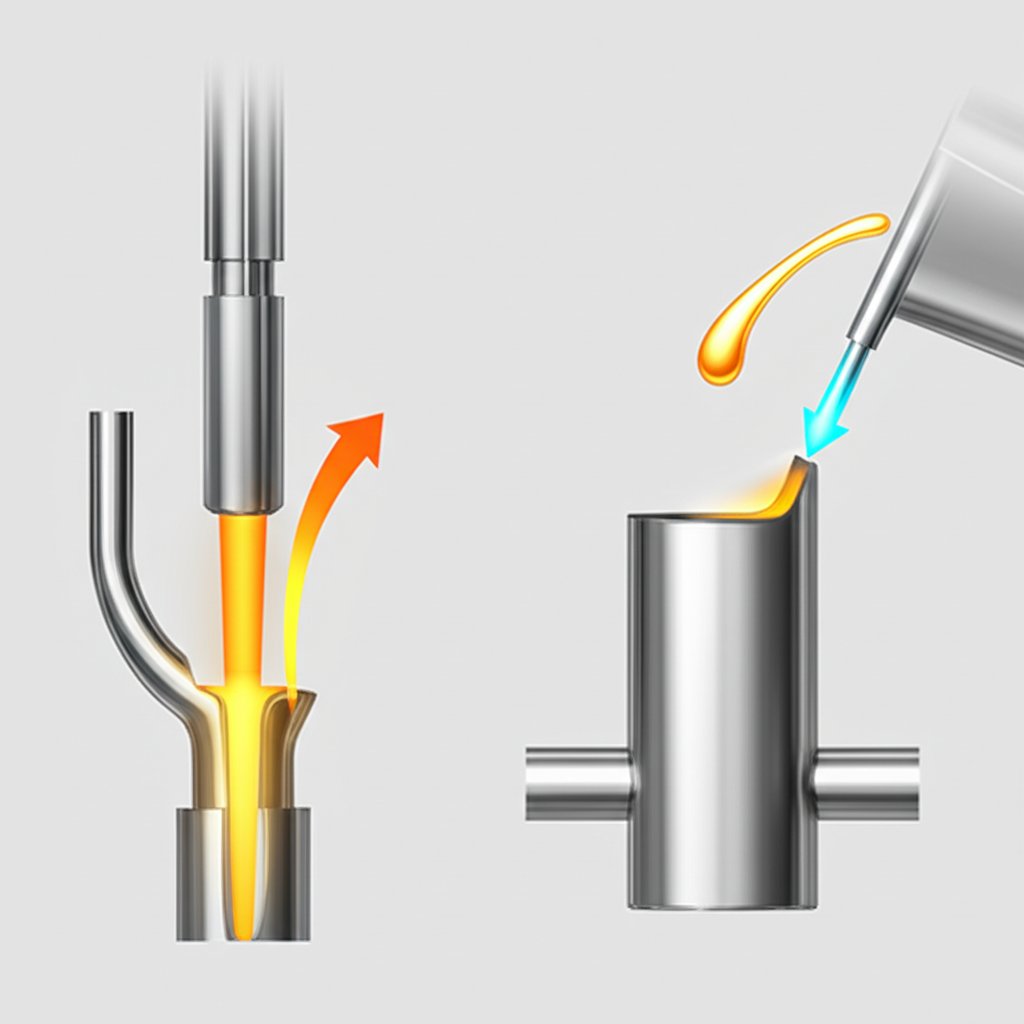
В литье под давлением в горячей камерой инжекционный механизм, часто называемый «гусиная шея», погружается непосредственно в ванну расплавленного металла, расположенную внутри машины. В начале цикла поршень выталкивает жидкий металл через гусиную шею и в полость пресс-формы. Поскольку подача металла осуществляется из внутреннего источника и металл постоянно поддерживается в расплавленном состоянии, процесс отличается высокой скоростью и эффективностью. Согласно некоторым отраслевым анализам, машины с горячей камерой могут достигать производительности 400–900 циклов в час. Такая интегрированная система минимизирует контакт металла с атмосферой, снижая окисление и потери материала.
И наоборот, литье в холодной камере отделяет печь от литейной машины. Металл плавится в специальной внешней печи, а затем переносится вручную или с помощью автоматической ложки в "рукав" машины. Оттуда высокодавленный гидравлический поршень впрыскивает расплавленный металл в форму. Этот дополнительный шаг переноса металла естественным образом замедляет производственный цикл, причем обычные скорости падают от 50 до 90 циклов в час. Хотя это и происходит медленнее, это очень важно, поскольку это предотвращает повреждение компонентов впрыска машины высокими температурами и коррозией некоторых сплавов.
Совместимость материалов: выбор подходящего сплава
Выбор между литьем в холодной и горячей камеры в основном диктуется сплавом, указанным для автомобильной части. Температура работы и конструкция каждого процесса создают строгие ограничения, на которых могут использоваться металлы. Отливка в горячей камере предназначена исключительно для сплавов с низкой температурой плавления, в то время как отливка в холодной камере является необходимым выбором для сплавов с высокой температурой плавления, которые предлагают превосходную прочность и теплостойкость.
Машины с горячей камерой идеально подходят для нежелезовых сплавов, таких как цинк, магний, олово и свинец. Эти материалы имеют относительно низкие температуры плавления (обычно ниже 450 °C), которые интегрированная система впрыска машины может выдержать без значительной деградации. Цинковые сплавы особенно популярны за их отличную текучесть, что позволяет создавать детали с сложными деталями и гладкой поверхностью. Однако использовать сплав с высокой температурой плавления, такой как алюминий, в машине с горячей камерой невозможно. Высокая температура и коррозионные свойства расплавленного алюминия быстро повредили бы или разрушили бы погруженную гусиную шею и поршневую систему.
Это ограничение именно вызывает налив штампования в холодной камере. Сплавление металла в отдельной печи позволяет безопасно обрабатывать сплавы с высокой температурой плавления, такие как алюминий, медь и латунь. Алюминий является доминирующим материалом в автомобильной промышленности из-за его превосходного соотношения прочности и веса, что делает его идеальным для конструкционных компонентов. Процесс холодной камеры позволяет изготавливать прочные, легкие детали, которые имеют решающее значение для производительности транспортного средства, безопасности и эффективности использования топлива.
| Процесс | Совместимые сплавы | Основные характеристики |
|---|---|---|
| Отливка на горячей камере | Цинк, олово, свинец | Низкая температура плавления, отличная текучесть, хорошо подходит для деталей. |
| Литье под давлением в холодной камере | Алюминий, магний, медь, латунь | Высокая температура плавления, высокая прочность, идеально подходит для конструкций. |
Автомобильные приложения: от блоков двигателя до эмблемы
В автомобильной промышленности как горячая, так и холодная камера литья на литье играют жизненно важную роль, но они используются для отчетливо различных типов компонентов на основе их свойств материала и производственных возможностей. Решение принимается в зависимости от того, должна ли деталь быть конструктивной и прочной, или меньшей, более детальной и производимой в очень больших объемах.
Холодный камерный литье под давлением является рабочей лошадью для больших, критических и структурных автомобильных деталей. Возможность использования высокопрочных алюминиевых сплавов делает его незаменимым для производства компонентов, обеспечивающих целостность и безопасность транспортных средств. Специфические применения включают:
- Блоки цилиндров и головки блока цилиндров
- Корпуса трансмиссии и коробки передач
- Компоненты подвески, такие как ручки управления и суставы
- Структурные части и подкадра шасси
- Корпуса для батарей и двигателей электромобилей
Эти детали требуют превосходных механических свойств и долговечности, которые обеспечивают литой алюминий и его сплавы.
Литье в горячей камере, обладающее высокой скоростью и точностью, отлично подходит для массового производства небольших, неметаллоконструкционных и часто декоративных компонентов. Эти детали требуют тонкой детализации и высококачественной отделки поверхности, что хорошо обеспечивается цинковыми сплавами. Типичные автомобильные применения литья в горячей камере включают:
- Внутренние элементы отделки и декоративные накладки
- Эмблемы, логотипы и значки
- Корпуса датчиков и небольших электронных модулей
- Механизмы дверных замков и фурнитура окон
- Небольшие кронштейны и крепежи
Хотя литье под давлением идеально подходит для сложных форм, важно отметить, что другие процессы, такие как ковка, необходимы для компонентов, требующих максимальной прочности и устойчивости к усталости. Например, многие важные детали трансмиссии и подвески изготавливаются методом ковки — процессом, который предоставляют специалисты, такие как Shaoyi (Ningbo) Metal Technology , предлагающие прецизионные инженерные решения для напряженных применений.
Подробный анализ производительности: Сравнение один на один
При выборе процесса литья под давлением для автомобильного применения инженеры и руководители проектов должны учитывать ряд компромиссов, связанных со скоростью производства, качеством компонентов и общей стоимостью. Литье в горячей камере обеспечивает скорость и эффективность при работе с ограниченным набором материалов, тогда как литье в холодной камере предлагает универсальность и прочность, но с меньшей скоростью. Прямое сравнение показывает четкие преимущества и недостатки, которые определяют окончательное решение.
Наиболее существенное различие в производительности — это скорость производства. Благодаря интегрированной печи процесс литья под давлением с горячей камерой значительно быстрее, что делает его высокоэффективным с точки зрения затрат для серийного производства совместимых деталей. Напротив, необходимость заливки металла в холодильную камеру на каждом цикле делает этот процесс изначально более медленным. Однако эта разница в скорости компенсируется превосходным качеством деталей. Литье под давлением с холодной камерой обеспечивает получение более плотных и прочных деталей с улучшенными механическими свойствами, что делает его единственным выбором для критически важных с точки зрения безопасности и несущих конструкций компонентов.
Стоимость является еще одним важным фактором. Машины с горячей камерой часто имеют более низкие эксплуатационные расходы при больших объемах производства благодаря более быстрым циклам и длительному сроку службы пресс-форм, поскольку сплавы с более низкой температурой плавления вызывают меньшее термическое напряжение в формах. Машины с холодной камерой требуют более высоких первоначальных инвестиций, а пресс-формы подвергаются большему термическому удару, что может сократить их срок службы. Однако для деталей, требующих алюминия или других высокопрочных сплавов, альтернативы нет, и затраты оправданы требованиями к производительности. Окончательный выбор зависит от баланса между требуемыми свойствами материала, желаемым объемом производства и бюджетом.
| Функция | Отливка на горячей камере | Литье под давлением в холодной камере |
|---|---|---|
| Механизм процесса | Интегрированная печь, система погружной подачи ("лебединая шея") | Отдельная внешняя печь, заливка металла в «камеру прессования» |
| Применимые металлы | Сплавы с низкой температурой плавления (цинк, олово, свинец) | Сплавы с высокой температурой плавления (алюминий, магний, медь, латунь) |
| Скорость производства / время цикла | Очень быстро (например, 400–900 циклов/час) | Медленнее (например, 50–90 циклов/час) |
| Размер компонента | Подходит для небольших и средних деталей | Подходит для крупных, конструкционных деталей |
| Механические свойства | Хорошая отделка поверхности, меньшая прочность | Отличная прочность и плотность, идеально подходит для конструкционного использования |
| Срок службы инструмента и оснастки | Дольше из-за меньшего теплового напряжения | Короче из-за высоких температур и термического удара |
| Типовой профиль стоимости | Более низкая эксплуатационная стоимость при больших объемах | Более высокие первоначальные вложения и стоимость цикла |
Часто задаваемые вопросы
1. Каковы недостатки литья под давлением в горячей камерной машине?
Основными недостатками литья под давлением в горячей камере являются ограничения по материалам и требования к давлению. Этот метод подходит только для сплавов с низкой температурой плавления, таких как цинк и олово, поскольку металлы с высокой температурой, например алюминий, вызывают коррозию инжекционных компонентов машины. Кроме того, процесс может быть невыгоден с экономической точки зрения при малых объемах производства, а сложность деталей может быть ограничена текучестью используемых конкретных сплавов.
2. Для чего используется литье под давлением в холодной камере?
Литье под давлением в холодной камере используется для производства высококачественных, долговечных металлических деталей из сплавов с высокой температурой плавления, таких как алюминий, латунь и медь. В автомобильной промышленности этот метод необходим для изготовления крупных конструкционных и критически важных с точки зрения безопасности компонентов, таких как блоки цилиндров, корпуса трансмиссий, детали подвески и корпуса аккумуляторов для электромобилей (EV). Возможность создания прочных, плотных деталей делает этот метод незаменимым в применении, где требуется высокая механическая прочность.
3. Какие машины для литья под давлением обычно имеют более высокую производительность — холоднокамерные или горячекамерные?
Горячекамерные машины для литья под давлением имеют значительно более высокую производительность. Поскольку расплавленный металл удерживается внутри машины и впрыскивается напрямую, время цикла намного короче, что зачастую позволяет выполнять сотни циклов в час. Холоднокамерные машины работают медленнее, поскольку требуют дополнительного этапа переноса расплавленного металла из внешней печи в машину перед каждым впрыском.