 Small batches, high standards. Our rapid prototyping service makes validation faster and easier —
  EN
EN


Wyroby z blachy giętej: od surowca do gotowego elementu
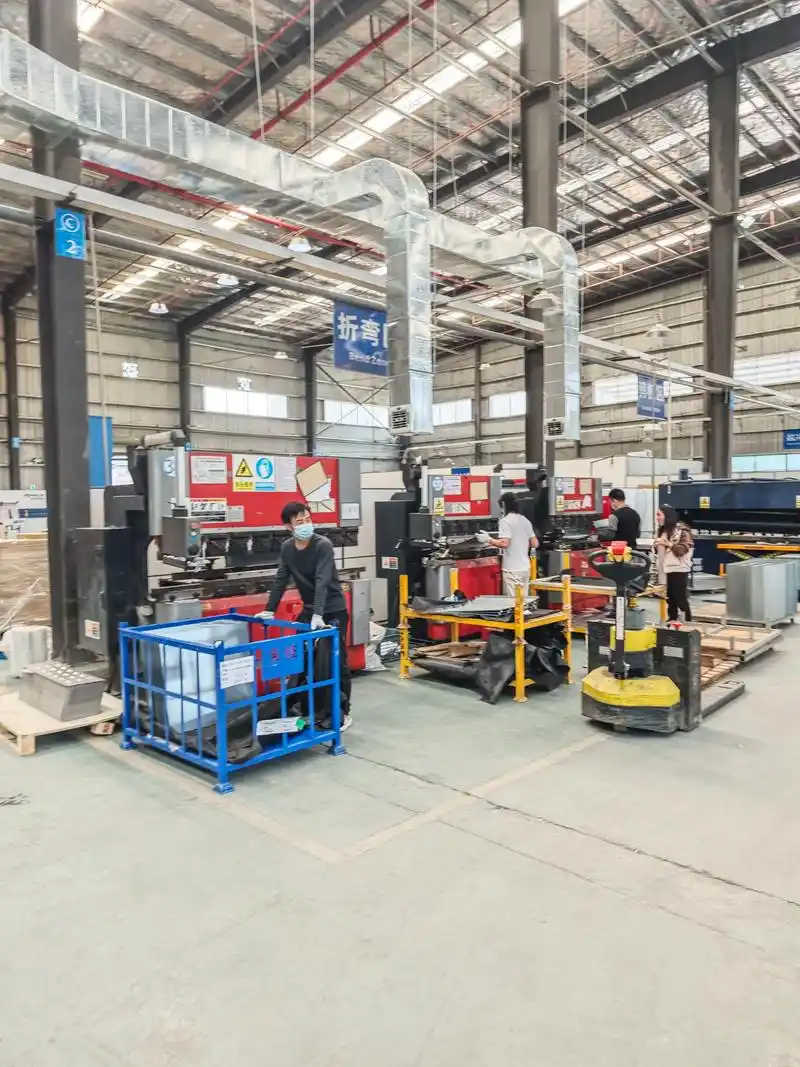
Czym są wykonywane elementy z blachy
Czy kiedykolwiek zastanawiałeś się, jak płaska blacha metalowa przekształca się w podwozie samochodu lub obudowę chroniącą wrażliwe urządzenia elektroniczne? To właśnie takie przekształcenie reprezentują wykonywane elementy z blachy – a zrozumienie tego procesu jest kluczowe dla każdego, kto jest zaangażowany w nowoczesną produkcję.
Wykonywane elementy z blachy to gotowe komponenty, zespoły lub konstrukcje powstające w wyniku cięcia, gięcia, kształtowania i łączenia płaskich arkuszy metalu w funkcjonalne części gotowe do użycia w końcowych zastosowaniach.
Od płaskich arkuszy do funkcjonalnych komponentów
Różnica między surową blachą metalową a wykonywanymi produktami z blachy jest prosta, ale kluczowa. Surowe materiały blachowe to po prostu płaskie kawałki stali, aluminium lub innych metali w ich nieprzetworzonym stanie. Posiadają potencjał, ale nie pełnią żadnej natychmiastowej funkcji. Wyroby wykonywane z blachy, z drugiej strony, poddano operacjom obróbki metalu, dzięki którym uzyskały kształt, przeznaczenie i wartość.
Wyobraź sobie to w ten sposób: surowa blacha to jak pusty płótno, podczas gdy wyroby wykonywane z blachy to gotowe dzieło sztuki. Proces wykonywania dodaje cięcia, gięcia, otwory oraz połączenia, które przekształcają podstawowe materiały w uchwyty, obudowy, panele, ramy oraz liczne inne komponenty.
Wyjaśnienie procesu przemiany
Zatem czym jest wykonywanie wyrobów z blachy w praktyce? Wykonywanie wyrobów z blachy obejmuje wiele operacji produkcyjnych wykonywanych na płaskich arkuszach metalu w celu osiągnięcia pożądanych kształtów i geometrii. Zgodnie ze standardami branżowymi do typowych operacji należą:
- Odcinek: Cięcie arkuszy na określone kształty za pomocą laserów, strumieni wody lub plazmy
- Gięcie: Tworzenie kątów i krzywizn przy użyciu giętarek i urządzeń do zaginania
- Łączenie: Spawanie, mocowanie lub nitowanie komponentów ze sobą
- Wykończenie: Nakładanie powłok, obróbka lub przygotowanie powierzchni
Każda operacja obróbki metali buduje się na poprzedniej, stopniowo przekształcając płaski materiał w trójwymiarowe, funkcjonalne wyroby.
Dlaczego obróbka metali ma znaczenie w nowoczesnej produkcji
Zrozumienie procesu obróbki blachy jest istotne zarówno dla inżyniera projektującego komponenty, specjalisty ds. zakupów odpowiedzialnego za pozyskiwanie części, jak i projektanta produktów tworzącego koncepcje. Proces ten pozwala wytworzyć wszystko – od kadłubów samolotów i elementów nadwozi pojazdów samochodowych po obudowy urządzeń medycznych i obudowy urządzeń elektroniki użytkowej.
Wszechstranność obróbki metali czyni ją niezastąpioną w wielu branżach. W przeciwieństwie do odlewania lub kucia, obróbka pozwala na szybkie tworzenie prototypów, opłacalną produkcję w różnej skali oraz elastyczność w zakresie stosowanych materiałów i ich grubości. Przeanalizowanie procesów, materiałów oraz zagadnień projektowych w kolejnych sekcjach pozwoli Ci zdobyć wiedzę niezbędną do podejmowania świadomych decyzji dotyczących własnych wyrobów z blachy metalowej.
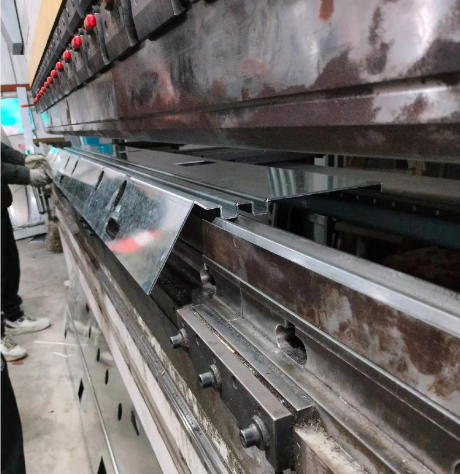
Podstawowe procesy i techniki obróbki metali
Wybór odpowiedniego procesu obróbki może oznaczać różnicę między bezbłędnie wykonaną częścią a kosztowną koniecznością jej poprawy. Niezależnie od tego, czy produkujesz obudowy precyzyjnych urządzeń elektronicznych, czy masywne elementy konstrukcyjne, zrozumienie działania każdej techniki oraz momentu, w którym należy jej użyć, daje Ci pełną kontrolę nad jakością, kosztami i czasem realizacji.
Technologie cięcia i ich zastosowania
Każdy wyrobów z blachy metalowej zaczyna się od cięcia ale nie wszystkie technologie tnących metal nie dają tych samych rezultatów. Prawidłowy wybór zależy od rodzaju materiału, wymaganej grubości, potrzeb dokładności oraz objętości produkcji.
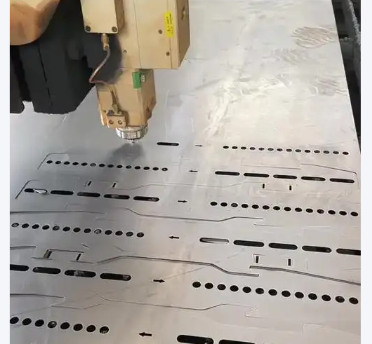
Cięcie laserowe wykorzystuje skoncentrowaną wiązkę światła do cięcia z precyzją chirurgiczną. Jeśli potrzebujesz czystych krawędzi, małych otworów lub skomplikowanych kształtów, tnący laser jest zazwyczaj najlepszym rozwiązaniem. Zgodnie z testami przemysłowymi cięcie laserowe szczególnie dobrze sprawdza się przy cienkich blachach, gdzie liczy się szczegółowość — np. w przypadku elementów elektronicznych, obudów urządzeń medycznych lub paneli dekoracyjnych. Skoncentrowana wiązka tworzy wyjątkowo ostre narożniki i gładkie krawędzie, które często nie wymagają dodatkowego wykańczania.
Wycinanie wodne zastosowuje odmienną metodę, wykorzystującą wodę pod wysokim ciśnieniem zmieszaną z cząstkami ściernymi do cięcia materiałów. Kluczową zaletą jest brak ciepła. Oznacza to brak odkształceń, brak utwardzania oraz brak stref wpływu ciepła — co ma kluczowe znaczenie przy obróbce materiałów wrażliwych na ciepło lub gdy właściwości metalurgiczne muszą pozostać niezmienione. Cięcie wodą (waterjet) umożliwia obróbkę praktycznie każdego materiału – od stali po kamień – co czyni je najbardziej uniwersalną dostępną opcją.
Cięcie plazmowe dominuje przy obróbce grubyh przewodzących metali przy jednoczesnym utrzymaniu rozsądnych kosztów. Testy wykazują, że palniki plazmowe osiągają najlepsze wyniki przy cięciu płyt stalowych o grubości przekraczającej 1 cal, gdzie cięcie laserowe napotyka trudności z przebiciem. W przypadku produkcji konstrukcji stalowych, wytwarzania ciężkiego sprzętu lub budowy statków plazma zapewnia najlepszy kompromis między szybkością a efektywnością kosztową.
| Metoda cięcia | Najlepsza zgodność z materiałami | Poziomica precyzyjna | Zakres grubości | Typowe zastosowania |
|---|---|---|---|---|
| Cięcie laserowe | Cienkie metale, niektóre niemetale | Bardzo wysoka (±0,001 cala) | Do 1" (stal) | Elektronika, urządzenia medyczne, części precyzyjne |
| Wycinanie wodne | Dowolny materiał (metale, kamień, szkło, kompozyty) | Wysoka (±0,003 cala) | Do 12 cali i więcej (w zależności od materiału) | Przemysł lotniczy, przetwórstwo spożywcze, materiały wrażliwe na ciepło |
| Cięcie plazmowe | Tylko metale przewodzące (stal, aluminium, miedź) | Umiarkowana (±0,015 cala) | Do 6 cali i więcej (stal) | Wykonywanie konstrukcji stalowych, ciężkie wyposażenie, budowa statków |
| Frezowanie CNC / tłoczenie | Metalami miękkimi, cienkimi blachami | Wysoki | Cienkie do średnich grubości | Produkcja masowa, proste geometrie |
Wiele warsztatów metalowych wykorzystuje wiele technik cięcia, aby zwiększyć zakres możliwych do realizacji zadań. Plasma i laser często dobrze się uzupełniają w obróbce metali, podczas gdy cięcie wodą zapewnia niezrównaną uniwersalność w zastosowaniach specjalistycznych.
Podstawy gięcia i formowania
Po przecięciu elementów gięcie przekształca płaskie profili w trójwymiarowe komponenty. Giętarka krawędziowa jest tu podstawowym urządzeniem – maszyną, która stosuje nacisk za pośrednictwem górnej i dolnej matrycy, aby rozciągać i kształtować blachy metalowe pod precyzyjnymi kątami.
Gięcie powietrzne jest to najbardziej powszechna metoda gięcia na giętarkach krawędziowych. W tej metodzie stempl przesuwa metal do wnętrza V-kształtnej matrycy bez pełnego dotyku jej dna, wykorzystując dźwignię zamiast siły brute force. Takie podejście oferuje wyjątkową elastyczność – można uzyskać różne kąty gięcia przy użyciu identycznych narzędzi, co skraca czas wymiany narzędzi i zwiększa produktywność. Gięcie powietrzne wymaga również mniejszej mocy, co wydłuża żywotność maszyn.
Gięcie dolne całkowicie wciska arkusze metalowe do matrycy, co zapewnia bardziej spójne wyniki. Jednak wystąpi zjawisko tzw. „odskoku” — tendencji metalu do powrotu w niewielkim stopniu do pierwotnej formy po zwolnieniu. Doświadczeni operatorzy kompensują to nadmiernym wyginaniem lub stosowaniem specjalnie zaprojektowanych matryc o ostrzejszych kątach.
Wytłaczanie stosuje intensywne ciśnienie w celu osiągnięcia najwyższej precyzji, wciskając arkusze metalowe w określone kształty z maksymalną szczegółowością. Technika ta została pierwotnie opracowana do produkcji monet i pozwala na oddanie nawet najmniejszych elementów projektu, ale wymaga wytrzymałych urządzeń.
Formowanie na wałkach zastosowuje zupełnie inne podejście, przepuszczając metal przez serię walców w celu tworzenia ciągłych profili. Technika ta szczególnie sprawdza się przy produkcji długich elementów o stałym przekroju poprzecznym — np. kanałów wentylacyjnych lub elementów konstrukcyjnych.
Metody łączenia kończące proces produkcyjny
Cięcie i gięcie tworzą poszczególne elementy, ale metody łączenia pozwalają je połączyć w gotowe zespoły. Wybór techniki łączenia wpływa na wytrzymałość, wygląd, koszt oraz szybkość produkcji.
Podczas oceny Spawania TIG i MIG , decyzja zależy od priorytetów użytkownika. Spawanie MIG zapewnia wysoką wydajność produkcyjną i jest łatwe w obsłudze — idealne tam, gdzie liczy się szybkość, a spawacze mają różny poziom umiejętności. Spawanie TIG zapewnia wyjątkową precyzję oraz czyste, estetyczne spoiny, co czyni je doskonałym wyborem w zastosowaniach skomplikowanych lub widocznych. W przypadku spawania aluminium obie metody są stosowane, jednak TIG często daje lepsze rezultaty przy cienkich blachach aluminiowych, gdzie kluczowe jest dokładne sterowanie temperaturą.
- Zalety spawania metodą MIG: Wyższa szybkość produkcji, łatwiejsze w nauce, dobrze sprawdza się przy grubszych materiałach, niższe koszty eksploatacji
- Zalety spawania metodą TIG: Wysoka precyzja i kontrola procesu, bardziej estetyczny wygląd spoin, doskonałe do cienkich materiałów, minimalne rozpryski
Zęby zapewniają mechaniczne połączenie bez użycia ciepła, co czyni je idealnym rozwiązaniem do łączenia różnych metali lub elementów wrażliwych na ciepło. Połączenia nitowe charakteryzują się doskonałą odpornością na zmęczenie i są powszechnie stosowane w przemyśle lotniczym oraz motocyklowym i samochodowym, gdzie konieczne jest unikanie odkształceń termicznych.
Wprowadzanie elementów złącznych —w tym nakrętki, śruby stalowe i dystansy—tworzy gwintowane punkty mocowania bezpośrednio w blachach. Ta technika umożliwia łatwą montaż i demontaż komponentów bez konieczności spawania.
Zrozumienie tych procesów wytwarzania pozwala na dobranie odpowiednich metod dla konkretnych wymagań projektowych. Gdy odpowiednio dobrano metody cięcia, gięcia i łączenia, kolejnym kluczowym etapem jest wybór materiałów zapewniających właściwe cechy eksploatacyjne wymagane przez dane zastosowanie.
Przewodnik wyboru materiałów dla wyrobów z blachy
Opanowałeś techniki cięcia i spawania — ale co się dzieje, gdy wybierzesz niewłaściwy materiał? Nawet bezbłędna obróbka nie zrekompensuje płyty stalowej ulegającej korozji w środowisku działania Twojego urządzenia ani blachy aluminiowej, której wytrzymałość na rozciąganie jest zbyt niska dla wymagań projektowych. Dobór materiału to nie tylko kolejny punkt do odznaczenia na liście specyfikacji — to fundament, który decyduje o tym, czy Twoje wyroby metalowe odniosą sukces, czy zawiodą w rzeczywistych warunkach eksploatacji.
Stale konstrukcyjne
Gdy priorytetem są wytrzymałość i trwałość, stal jest materiałem pierwszego wyboru. Jednak „stal” nie jest jednym materiałem — to rodzina stopów o znacznie różniących się właściwościach w zależności od zawartość węgla i pierwiastki stopowe .
Stali niskowęglowych takich jak DC01, które charakteryzują się doskonałą spawalnością i kutełkością. Zgodnie ze specyfikacjami materiałowymi Xometry, DC01 to niestopowa stal zimnowalcowana o bardzo niskiej zawartości węgla, dzięki czemu jest plastyczna i łatwa w obróbce. Można ją łatwo spawać, lutować miękkie i twarde — jednak nie nadaje się do zastosowań wymagających wysokiej wytrzymałości.
Stale średniowęglowe takie jak S235JR, zapewniają równowagę między łatwością obróbki a wydajnością konstrukcyjną. Ta gorąco walcowana stal konstrukcyjna o czystej składzie zapewnia dobrą plastyczność, odporność udarnościową oraz spawalność przy niższej granicy plastyczności, co ułatwia jej kształtowanie na belki, kątowniki, ceowniki i blachy. Każda stal o podobnych właściwościach chemicznych i mechanicznych może nosić tę nazwę.
Stale konstrukcyjne o wysokiej wytrzymałości takie jak St52 są specjalnie zaprojektowane do elementów narażonych na duże naprężenia. Osiągająca wartość 630 MPa wytrzymałość na rozciąganie czyni tę stal niestopową konstrukcyjną wyjątkowo wytrzymałą i odporną w zastosowaniach wymagających najwyższych parametrów.
Blacha galwanizowana zapewnia ochronę przed korozją poprzez powłokę cynkową nanoszoną na stal podstawową. Ta obróbka chroni metal podstawowy przed rdzą i degradacją atmosferyczną, czyniąc produkty ocynkowane idealnym wyborem do sprzętu zewnętrznego, instalacji wentylacyjnych i klimatyzacyjnych oraz zastosowań rolniczych, gdzie kontakt z wilgocią jest nieunikniony.
Stopy aluminium i konstrukcje krytyczne pod względem masy
Gdy musisz znacznie zmniejszyć wagę bez utraty wydajności, blachy aluminiowe stają się Twoim pierwszym wyborem. Jednak nie wszystkie aluminium jest jednakowe — każdy szereg stopów oferuje inne zalety w projekcie wykonywania elementów.
stopy aluminium z serii 5000 wyróżniają się wysoką odpornością na korozję. Na przykład stop 5083 charakteryzuje się najwyższą wytrzymałością spośród wszystkich stopów niemożliwych do hartowania cieplnego oraz doskonałą odpornością na korozję atmosferyczną i morską. Nie zaleca się jednak jego stosowania w temperaturach przekraczających 65 °C. Stop 5754 oferuje średnie właściwości wytrzymałościowe przy wyjątkowej odporności na korozję i dobrej obrabialności, choć przy spawaniu należy szczególnie zwrócić uwagę na strefę wpływu ciepła.
stopów aluminium serii 6000 łączy wytrzymałość z doskonałą kutełkością. Aluminium 6061 — stop wzbogacany poprzez wydzielanie, zawierający magnez i krzem — charakteryzuje się dobrą wytrzymałością mechaniczną, doskonałą spawalnością oraz jest bardzo często stosowany w procesie wytłaczania. Aluminium 6082, składające się z wielu pierwiastków, w tym Mg, Si, Fe, Mn i Cr, zapewnia średnie właściwości wytrzymałościowe przy bardzo dobrej spawalności i przewodności cieplnej.
stopy aluminium serii 7000 takie jak 7020 oferują premiumową wydajność w zastosowaniach krytycznych. To aluminium stopowane cynkiem i magnezem charakteryzuje się wysoką wytrzymałością, odpornością na uderzenia oraz doskonałą odpornością na zmęczenie i pękanie korozyjne pod wpływem naprężeń. Jest również jednym z najlżejszych stopów produkowanych komercyjnie — idealnym rozwiązaniem dla elementów lotniczych i wysokowydajnych komponentów motocyklowych oraz samochodowych.
Niestralonowa stal do oporu na korozyję
Gdy Twoje zastosowanie wymaga zarówno wytrzymałości, jak i odporności na korozję, blachy ze stali nierdzewnej spełniają oba te warunki. Zawartość chromu tworzy samo-regenerującą się warstwę tlenkową, która chroni przed rdzą i działaniem czynników chemicznych.
nierdzewna stal 304 jest pracowitym koniem rodziny stali nierdzewnej. Ta austenityczna stal nierdzewna chromowo-niklowa oferuje doskonałą odporność na korozję, dobrą obrabialność i łatwą kutełkość. Niska przewodność cieplna wymaga uwzględnienia podczas spawania, ale wszechstronność materiału czyni go domyślnym wyborem dla sprzętu do przemysłu spożywczego i napojów, urządzeń medycznych oraz zastosowań architektonicznych.
stal nierdzewna 316 prowadzi odporność na korozję o krok dalej. Ta austenityczna stopowa stal nierdzewna chromowo-niklowa zawiera azot i molibden – kombinacja ta poprawia stabilność wobec kwasów chlorowych i nieutleniających. Jeśli Twoje części będą narażone na działanie wody morskiej, środowisk związanych z przetwórstwem chemicznym lub warunków morskich, stal nierdzewna 316 zapewnia ochronę, której nie potrafi zapewnić stal 304. Zachowuje dobrą odporność na wysokie temperatury do 425 °C i może być łatwo kształtowana w złożone formy.
| Materiał | Wytrzymałość na rozciąganie | Odporność na korozję | Wykształcalność | Spawalność | Koszt względny | Typiczny zakres grubości |
|---|---|---|---|---|---|---|
| Stal węglowa (DC01) | Niski-średni | Niska (wymaga powłoki ochronnej) | Doskonała | Doskonała | $ | 18–26 kaliber |
| Stal konstrukcyjna (St52) | Wysoka (630 MPa) | Niska (wymaga powłoki ochronnej) | Dobrze | Dobrze | $$ | 10–18 cali |
| Stal galwanizowana | Średnie | Dobrze | Dobrze | Dobry (z ostrożnością) | $$ | 16–26 gauge |
| Aluminium 6061 | Średnie | Doskonała | Bardzo dobra | Bardzo dobra | $$ | 14-24 gauge |
| Aluminium 5083 | Wysoka (niestarzalna cieplnie) | Doskonała (stop morski) | Dobrze | Dobrze | $$$ | 12–22 kaliber |
| nierdzewna stal 304 | Wysoki | Doskonała | Dobrze | Dobrze | $$$ | 16–26 gauge |
| stal nierdzewna 316 | Wysoki | Wysoka (chemiczna/morska) | Dobrze | Dobrze | $$$$ | 16–26 gauge |
| Miedź | Niski-średni | Doskonała | Doskonała | Dobrze | $$$$ | 18–28 cali |
| Mosiądz | Średnie | Bardzo dobra | Doskonała | Sprawiedliwe | $$$$ | 18–28 cali |
Metale specjalne takie jak miedź i mosiądz znajdują zastosowanie w niszowych obszarach, gdzie ich wyjątkowe właściwości uzasadniają wyższe koszty. Miedź charakteryzuje się doskonałą przewodnością elektryczną i cieplną oraz naturalnymi właściwościami przeciwdrobnoustrojowymi – co czyni ją idealnym wyborem do elementów elektrycznych i sprzętu medycznego. Mosiądz łączy dobrą odporność na korozję z estetycznym wyglądem, dlatego jest powszechnie stosowany w hardware’ie architektonicznym oraz w elementach wyposażenia dla żeglugi morskiej.
Wybór materiału ma bezpośredni wpływ na to, które procesy obróbki będą najskuteczniejsze. Stale o wysokiej wytrzymałości mogą wymagać mocniejszych pras krawędziowych i specjalistycznego oprzyrządowania. Niższa temperatura topnienia aluminium wymaga starannego zarządzania ciepłem podczas spawania. Stal nierdzewna szybko się utwardza, co wpływa zarówno na prędkość cięcia, jak i proces formowania.
Po dokonaniu wyboru materiału kolejnym kluczowym krokiem jest przekształcenie projektu w specyfikacje, które partner wykonawczy w zakresie wytwarzania będzie mógł faktycznie zrealizować – bez konieczności drogich poprawek ani problemów z jakością w późniejszym etapie.
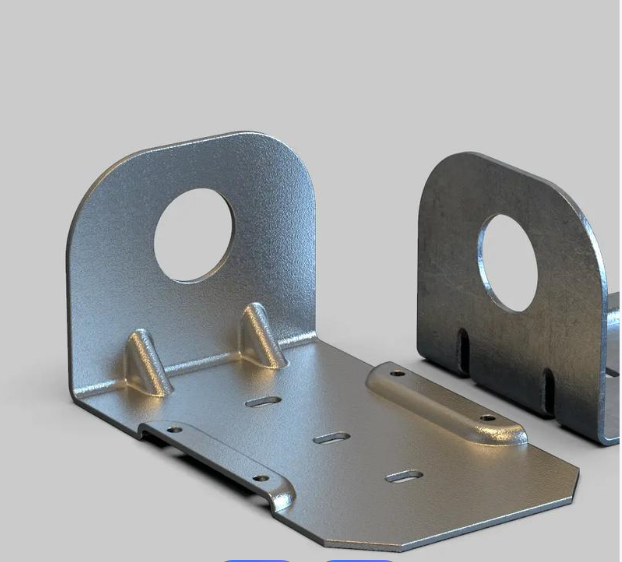
Specyfikacje projektowe i wytyczne DFM
Wybrałeś/-aś materiał i procesy wytwarzania — ale właśnie w tym miejscu wiele projektów idzie na skos. Projekt, który wygląda idealnie w oprogramowaniu CAD, może stać się koszmarem produkcyjnym, jeśli zignoruje fizyczne rzeczywistości zachowania się metalu podczas cięcia, gięcia i kształtowania. Projektowanie z myślą o wykonalności produkcyjnej (DFM) to nie tylko żargon inżynierski; to różnica między elementami działającymi od pierwszego razu a kosztownymi iteracjami, które przekraczają budżet i harmonogram.
Zrozumienie standardów grubości blach (gauge)
Zanim przejdziesz do promieni gięcia i tolerancji, musisz mówić tym samym językiem co Twój partner produkcyjny. Oznacza to zrozumienie systemu tablicy grubości blach — konwencji numerycznej, która może sprawić trudności nawet doświadczonym inżynierom.
Oto część pozornie sprzeczna z intuicją: wyższe numery kalibru oznaczają cieńsze materiały. Grubość stali o kalibrze 14 wynosi około 0,075 cala, podczas gdy grubość stali o kalibrze 11 wynosi około 0,120 cala. Ta odwrotna zależność zaskakuje wielu projektantów, zwłaszcza przy przełączaniu się między różnymi rozmiarami kalibrów a specyfikacjami dziesiętnymi.
Dlaczego to ma znaczenie dla Twoich projektów? Ponieważ grubość kalibru wpływa bezpośrednio na każdą kolejną decyzję – minimalne promienie gięcia, wymagania dotyczące rozmieszczenia otworów, parametry spawania oraz wydajność konstrukcyjną. Określenie niewłaściwego kalibru może prowadzić do powstania elementów pękających podczas kształtowania lub brakujących sztywności wymaganej w danej aplikacji.
| Numer kalibru | Grubość stali (cale) | Grubość aluminium (cale) | Typowe zastosowania |
|---|---|---|---|
| blacha 10 gauge | 0.135 | 0.102 | Mocne uchwyty konstrukcyjne, ramy urządzeń |
| kaliber 11 | 0.120 | 0.091 | Przemysłowe obudowy, ciężkie podwozia |
| kaliber 14 | 0.075 | 0.064 | Płyty samochodowe, obudowy o średniej wytrzymałości |
| kaliber 16 | 0.060 | 0.051 | Kanały wentylacyjne, lekkie obudowy |
| blacha o grubości 18 | 0.048 | 0.040 | Obudowy urządzeń elektronicznych, panele dekoracyjne |
| blacha o grubości 20 | 0.036 | 0.032 | Elementy precyzyjne, obudowy o cienkich ściankach |
Zwróć uwagę, że oznaczenia grubości blach stalowych i aluminiowych nie odpowiadają identycznym rzeczywistym grubościom. Zawsze zweryfikuj rzeczywistą grubość wyrażoną w ułamkach dziesiętnych z Twoim wykonawcą, zamiast zakładać równoważność oznaczeń grubości między różnymi materiałami. Przy przeglądaniu tabeli średnic wiertła lub tabeli rozmiarów wiertła w celu określenia wymiarów otworów porównaj je z rzeczywistą grubością materiału, aby zapewnić odpowiednie dopasowanie i funkcjonalność.
Promienie gięcia i granice kształtowalności
Wyobraź sobie zginanie kartki papieru w porównaniu do próby zgięcia karty kredytowej — to właśnie podstawowy problem związany z gięciem różnych stopów metali. Każdy materiał ma swoje wrodzone ograniczenia kształtowalności, a przekroczenie ich prowadzi do pęknięć, rozerwań lub odprężenia (springback), co powoduje odchylenie wymiarów od specyfikacji.
Złota zasada? Należy myśleć o minimalnych promieniach gięcia jako stosunku do grubości materiału. Wytycznymi DFM firmy Five Flute zgodnie z normą, materiały o wysokiej plastyczności dobrze nadają się do gięcia przy promieniach równych lub większych niż grubość materiału. Dla materiałów mniej plastycznych lub utwardzonych konieczne są promienie równe wielokrotności grubości materiału.
Rozważ zastosowanie aluminium 6061 w stanie wytrzymałym T6 – popularny wybór dla lekkich elementów konstrukcyjnych. Materiał ten wymaga minimalnego promienia gięcia wynoszącego około 4× grubość materiału, aby zapobiec powstawaniu pęknięć. Porównaj to z miękką miedzią odżarzoną, którą można często giąć przy promieniach zbliżonych do zera w przypadku cienkich blach.
Dane referencyjne od Engineers Edge przedstawia, że aluminium 2024-T3 o grubości 0,063 cala wymaga minimalnego promienia gięcia wynoszącego 0,22 cala, podczas gdy miększy stop 3003-0 o tej samej grubości wymaga jedynie 0,06 cala. Różnice te nie są trywialne – mają bezpośredni wpływ na geometrię detalu oraz wymagania dotyczące narzędzi.
- Miękkie, plastyczne materiały (stal odżarzona, aluminium 3003-0): Minimalny promień gięcia ≥ 1× grubość materiału
- Materiały średniej twardości (stal łagodna, aluminium 5052-0): Minimalny promień gięcia ≥ 1,5–2× grubość materiału
- Materiały twarde lub hartowane (aluminium 6061-T6, 7075-T6): Minimalny promień gięcia ≥ 3–4× grubość materiału
- Stal nierdzewna i stale sprężynowe: Minimalny promień gięcia ≥ 2–3× grubość materiału
Kierunek ziarnistości ma również znaczenie. Blachy stalowe wykazują „ziarnistość” wynikającą z procesu walcowania w hucie. Zginanie prostopadłe do kierunku ziarnistości daje zazwyczaj lepsze rezultaty niż zginanie równoległe do niego. W przypadku zastosowań krytycznych — zwłaszcza przy metalach poddawanych obróbce cieplnej lub o mniejszej plastyczności, takich jak 6061-T6 — ustawienie zgięć prostopadle do kierunku ziarnistości zapobiega pękaniom i osłabieniu materiału w miejscach zgięć.
Wycinki kompensacyjne zgięć to Twój przyjaciel. Gdy zgięcie kończy się na krawędzi zamiast przebiegać przez całą szerokość materiału, naprężenia skupiają się w tym miejscu połączenia. Dodanie wycinków kompensacyjnych zgięć — czyli małego nacięcia lub wycięcia w miejscu zakończenia zgięcia — umożliwia kontrolowaną deformację i zapobiega rozprzestrzenianiu się pęknięć. Szerokość wycinka kompensacyjnego powinna być równa lub większa niż połowa grubości materiału.
Tolerancje wymiarowe, które mają znaczenie
Brzmi skomplikowanie? Oto rzeczywistość: każdy proces wytwarzania ma swoje wrodzone ograniczenia dokładności, a określanie tolerancji ścislejszych niż to konieczne powoduje gwałtowny wzrost kosztów bez poprawy funkcjonalności.
Zgodnie ze standardami branżowymi tolerancje blachy o wartości ±0,010 cala powinny być uznawane za praktyczny minimum dla większości cech. Dla wymiarów ogólnych wartość ±0,020 cala stanowi bardziej opłacalny cel, zachowując przy tym funkcjonalną wydajność. Ścislsze tolerancje wymagają dodatkowych czynności kontrolnych, operacji wtórnych oraz często wolniejszych prędkości obróbki – wszystkie te czynniki zwiększają koszty.
Wymagania dotyczące płaskości wymagają szczególnej uwagi. Jako zasada orientacyjna tolerancja płaskości wynosząca 0,005 cala na cal reprezentuje najlepszy możliwy wynik bez konieczności przeprowadzania dodatkowych kontroli i operacji wyrównywania. Jeśli projekt wymaga bardziej płaskich powierzchni, należy zaplanować dodatkowy czas obróbki oraz związane z tym koszty.
Uwagi dotyczące szerokości cięcia wpływa na dokładność wymiarową podczas operacji cięcia. Szerokość szczeliny (kerf) przy cięciu laserowym wynosi około 0,030–0,040 cala (0,75–1,0 mm), natomiast przy cięciu wodą pod wysokim ciśnieniem (waterjet) może się ona wahać od ±0,002 do ±0,020 cala w zależności od stanu maszyny i jej konserwacji. Wymiary płytki (blank) muszą uwzględniać tę utratę materiału, szczególnie w przypadku cech umieszczonych blisko krawędzi cięcia, które muszą spełniać ścisłe допусki.
Kluczowe zasady DFM zapobiegające problemom produkcyjnym
Ponad poszczególne specyfikacje istnieją pewne zasady projektowania, które systematycznie oddzielają części bezproblemowe od tych powodujących trudności w produkcji:
- Umiejscowienie otworów w pobliżu gięć: Otwory należy umieszczać w odległości co najmniej 2,5× grubości materiału plus jeden promień gięcia od linii gięcia, aby zapobiec odkształceniom podczas kształtowania
- Wymiary otworów dla części przebijanych: Unikać średnic otworów mniejszych niż grubość materiału — nie będą one przebite czysto i mogą ulec rozerwaniu
- Odległość otworów od krawędzi elementu: Zachować odległość wynoszącą około 1,5× grubości materiału pomiędzy otworami a krawędziami elementu, aby zapobiec odkształceniom materiału
- Odstęp między otworami: Zachowaj odstęp między otworami wynoszący co najmniej dwukrotność grubości materiału
- Projektowanie wpustów i wycięć: Zaprojektuj funkcje samocentrujące, które minimalizują potrzebę użycia przyrządów montażowych i uchwytów podczas montażu
- Granice głębokości wytłaczania: Zachowaj głębokość wytłoczonych elementów na poziomie nie przekraczającym trzykrotnej grubości materiału, aby zapobiec rozdartiom lub pęknięciom
- Wpływ powłok na wymiary: Uwzględnij w swoich tolerancjach grubość powłoki proszkowej, anodowania lub pokrycia metalicznego — te procesy zwiększają mierzalną grubość materiału
Rozważ również sposób rozmieszczenia elementów (nestingu) na standardowych arkuszach podczas cięcia. Efektywne rozmieszczanie zmniejsza odpad materiału i obniża koszty przypadające na pojedynczy element. Jednak skuteczność rozmieszczania musi czasem ustąpić wymogom dotyczącym kierunku włókien w celu zapewnienia wysokiej jakości gięcia — jest to kompromis, który Twój wykonawca może pomóc zoptymalizować.
Poprawne specyfikacje projektowe nie tylko zapobiegają problemom produkcyjnym — zmniejszają koszty, skracają czas realizacji oraz poprawiają jakość końcowego produktu. Gdy od samego początku uwzględnisz rozmiary narzędzi pomiarowych, promienie gięcia, допuszczalne odchyłki oraz rozmieszczenie cech konstrukcyjnych, wyeliminujesz cykle korekt opóźniające produkcję i naruszające marżę.
Gdy Twoje projekty są zoptymalizowane pod kątem możliwości produkcyjnych, kolejnym zagadnieniem jest wpływ obróbki powierzchniowej oraz operacji wtórnych na wygląd i właściwości użytkowe gotowych elementów.
Wykończenie powierzchni i operacje wtórne
Twoje wykonywane elementy zostały przycięte, zgięte i ukształtowane — ale nie są jeszcze gotowymi produktami. Wybór operacji wykańczających decyduje o tym, czy Twoje komponenty będą odporno na korozję przez dziesięciolecia, czy też ulegną degradacji w ciągu kilku miesięcy. Określa on również, czy powierzchnie będą wyglądały profesjonalnie polerowane, czy raczej surowo przemysłowo. Ma to bezpośredni wpływ na dopuszczalne odchyłki wymiarowe, zgodność przy montażu oraz całkowite koszty projektu.
Powłoki proszkowe zapewniające trwałość i estetykę
Gdy potrzebujesz powłoki łączącej atrakcyjny wygląd z rzeczywistą ochroną, malowanie proszkowe spełnia oba te wymagania. Jest to suchy proces wykańczania, w którym na uziemione powierzchnie metalowe nanosi się elektrostatycznie naładowane cząstki proszku, a następnie utwardza je w piecu, tworząc twardą i jednolitą powłokę.
Dlaczego malowanie proszkowe dominuje w tak wielu zastosowaniach? Proces ten pozwala uzyskać powłoki znacznie grubsze niż tradycyjna farba ciekła — zwykle 2–6 milsów w porównaniu do 0,5–2 milsów dla farby mokrej. Ta dodatkowa grubość przekłada się bezpośrednio na lepszą odporność na uderzenia, ochronę przed zadrapaniami oraz zapobieganie korozji. Usługi malowania proszkowego oferują również zalety środowiskowe: proces niemal nie generuje lotnych związków organicznych (VOC) i nadmiar proszku z natrysku można ponownie wykorzystać zamiast go marnować.
Jednak przygotowanie powierzchni decyduje o tym, czy piękna powłoka z proszku utrzyma się przez długi czas, czy też ulegnie przedwczesnemu uszkodzeniu. Zanieczyszczenia takie jak olej, rdza lub warstwa walcownicza uniemożliwiają prawidłową przyczepność. Większość renomowanych producentów wykonuje przed nałożeniem proszku czyszczenie chemiczne, fosfatację lub piaskowanie – etapy te zwiększają koszty, ale zapewniają długotrwałą wydajność.
Opcje pokrywania metalami i anodowania
Podczas gdy powłoka z proszku jest nanoszona na powierzchnię podstawowego metalu, pokrywanie metalami i anodowanie działają inaczej – każda z tych metod spełnia inne, specyficzne zadania w zestawie procesów wykańczania.
Elektroliterowanie nanosi cienkie warstwy metaliczne na powierzchnie przewodzące za pomocą procesu elektrochemicznego. Zgodnie z poradnikiem wykańczania Xometry, najczęściej stosowanymi metalami do galwanizacji są cynk, nikiel, chrom, miedź, złoto i srebro — każdy z nich oferuje unikalne właściwości dostosowane do konkretnych zastosowań. Galwanizacja cynkowa zapewnia opłacalną ochronę przed korozją elementów stalowych. Nikiel zwiększa odporność zarówno na zużycie, jak i na korozję. Chrom nadaje połyskującą, dekoracyjną powłokę, jaką można zobaczyć na elementach wyposażenia samochodowego i armaturze.
Grubość i właściwości warstw galwanicznych można precyzyjnie kontrolować poprzez regulację gęstości prądu, czasu galwanizacji oraz składu elektrolitu. Dzięki tej kontroli galwanizacja jest idealnym rozwiązaniem w przypadku potrzeby uzyskania określonych właściwości przewodności elektrycznej w zastosowaniach elektrycznych lub dokładnej grubości powłoki zapewniającej zgodność wymiarową.
Anodowanie zastosowuje zasadniczo odmienną metodę — zamiast nanosić materiał, przekształca samą powierzchnię aluminium w twardą warstwę tlenku. Ta warstwa anodowa staje się integralną częścią elementu, zapewniając doskonałą odporność na zużycie i ochronę przed korozją, która nie łuszczy się ani nie odspaja się jak pokrycia nanoszone na zewnątrz. Anodowane aluminium łatwo również przyjmuje barwniki, umożliwiając szeroki wybór kolorów przy jednoczesnym zachowaniu podstawowego metalicznego wygląd.
- Powłoka proszkowa: Gruba, trwała powłoka; doskonała różnorodność kolorów; idealna dla stali, aluminium oraz innych metali wymagających dekoracyjnej ochrony
- Zinkoplasty: Opłacalna ochrona przed korozją stali; ochrona pośrednia (ofiarne) działa nadal nawet w przypadku uszkodzenia powłoki
- Wyroby z tworzyw sztucznych Zwiększona odporność na zużycie i twardość; dobra ochrona przed korozją; często stosowana jako warstwa podkromowa
- Chromowanie: Połyskliwe wykończenie dekoracyjne; doskonała twardość; powszechnie stosowana w elementach samochodowych i wyposażeniu sanitarnym
- Anodyzowanie: Integralna warstwa tlenku na aluminium; doskonała odporność na zużycie i korozję; przyjmuje barwniki umożliwiające wybór kolorów
- Malowanie mokre: Niższy koszt dla prostych zastosowań; łatwiejsze dotwarzanie; cieńsza warstwa powłoki niż przy malowaniu proszkowym
W przypadku falistych paneli metalowych oraz innych zastosowań architektonicznych wybór wykończenia uwzględnia równowagę między estetyką a odpornością na warunki atmosferyczne. Proszkowe powłoki do zastosowań zewnętrznych zawierające stabilizatory UV zachowują integralność barwy przez wiele lat, podczas gdy wykończenia anodowane tworzą naturalny patynę, którą niektórzy projektanci celowo określają w specyfikacjach.
Usługi montażu i integracji
Operacje wykańczania wykraczają poza czyste obróbki powierzchniowe. Operacje wtórne przekształcają pojedyncze komponenty w gotowe do montażu zespoły – zmniejszając tym samym obciążenie pracy wewnętrznej oraz konsolidując łańcuch dostaw.
Wprowadzanie elementów złącznych montuje nakrętki, śruby gwintowane, dystanse oraz inne elementy mocujące bezpośrednio w blachach metalowych w trakcie procesu wytwarzania. Elementy mocujące typu press-fit i clinch tworzą trwałe punkty mocowania z gwintem bez konieczności spawania, umożliwiając łatwy montaż i demontaż końcowych produktów.
Spawanie i łączenie łączy wiele wytworzonych komponentów w spójne zespoły. Twój wykonawca zajmuje się mocowaniem, spawaniem oraz obróbką końcową po spawaniu — dostarczając zespołów gotowych do wprowadzenia na Twoją linię produkcyjną zamiast pojedynczych elementów wymagających dodatkowej obróbki.
Kontrola jakości potwierdza, że ukończone części spełniają Twoje wymagania dotyczące wymiarów i wyglądu przed wysyłką. Kontrole pierwszego egzemplarza, kontrole podczas procesu oraz ostateczna weryfikacja wykrywają problemy jeszcze przed ich dotarciem do Twojej placówki — zapobiegając kosztownej przeróbce i opóźnieniom w produkcji.
Wybór wykończenia wpływa na więcej niż tylko wygląd i ochronę. Wpływa również na czas realizacji zamówienia, ponieważ procesy utwardzania i powlekania dodają do harmonogramu kilka dni. Ma wpływ na koszty związane z wykorzystaniem materiałów, przygotowaniem powierzchni oraz czasem przetwarzania. Zmienia także wymiary — powłoka proszkowa dodaje 2–4 mils na każdą powierzchnię, powłoki galwaniczne zwiększają grubość w sposób mierzalny, a nawet anodowanie powoduje nieznaczny wzrost powierzchni aluminium. Należy uwzględnić te czynniki w specyfikacjach tolerancji, aby zapewnić prawidłowe dopasowanie zmontowanych elementów zgodnie z projektem.
Gdy zagadnienia związane z wykończeniem powierzchniowym oraz operacjami wtórnymi zostały wyjaśnione, kolejnym pytaniem staje się: jak różne branże wykorzystują te wyprodukowane i wykończone produkty do rozwiązywania swoich konkretnych wyzwań?
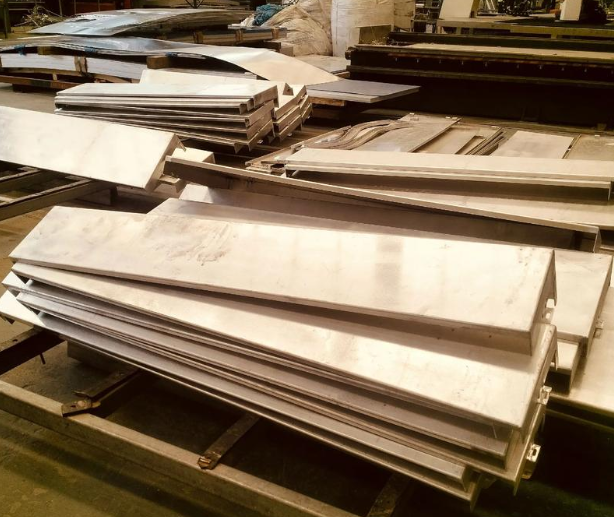
Zastosowania przemysłowe i kategorie produktów
Wybraliście już materiał, zoptymalizowaliście projekt i określiliście wykończenie — ale jak w rzeczywistości zachowują się te wyprodukowane elementy z blachy? Zrozumienie tego, jak różne branże wykorzystują blachownictwo, pozwala na dobranie odpowiednich metod, materiałów oraz specyfikacji do konkretnego zastosowania. Niezależnie od tego, czy szukacie blachowni w pobliżu, czy oceniają Państwo oferty różnych blachowni w swojej okolicy, znajomość wymagań stawianych przez Waszą branżę umocni Waszą pozycję przy określaniu wymagań technicznych oraz ocenie potencjalnych partnerów.
Podwozia i elementy konstrukcyjne samochodów
Przemysł motocyklowy stanowi przykład precyzyjnego blachownictwa w skali przemysłowej. Zgodnie z analizą blachownictwa motocyklowego firmy Prototek, sektor ten korzysta z wykonywanych elementów z blachy zarówno do widocznych paneli nadwozia, jak i do ukrytych wzmocnień konstrukcyjnych.
Bloty karoseryjne i elementy zewnętrzne stanowią najbardziej widoczne zastosowanie. Drzwi, maski, dachy oraz nadkola są zwykle wykonywane z lekkich blach metalowych, które są wystarczająco wytrzymałych, aby wytrzymać uderzenia i oddziaływanie warunków atmosferycznych, zachowując przy tym eleganckie i aerodynamiczne kształty. Zewnętrzne panele, które widzimy w nowoczesnych pojazdach, powstają w wyniku zaawansowanych operacji tłoczenia i kształtowania, pozwalających na uzyskanie złożonych krzywizn bez utraty integralności konstrukcyjnej.
Elementy podwozia i ramy przenoszą ciężar pojazdu i zapewniają podparcie wszystkich układów mechanicznych. Wyroby z blachy stalowej tworzą wytrzymałą, ale zarazem lekką konstrukcję ramy, która poprawia zarówno bezpieczeństwo, jak i oszczędność paliwa. W tych zastosowaniach dominują stopy stali o wysokiej wytrzymałości, zapewniające sztywność niezbędną do ochrony pasażerów w przypadku kolizji, przy jednoczesnym minimalizowaniu masy, która mogłaby zmniejszyć zasięg i wydajność.
Elementy silnika i układu napędowego wymagają wyjątkowej precyzji. Uchwyty, osłony, pokrywy oraz obudowy skrzynek biegów muszą spełniać ścisłe specyfikacje, aby zapewnić prawidłowe działanie silnika. Te elementy często wymagają materiałów odpornych na wysokie temperatury oraz bardzo ścisłych допусków, które mogą konsekwentnie zapewnić wyłącznie doświadczeni wykonawcy blacharscy w moim regionie.
Przesunięcie sektora motocyklowego w kierunku pojazdów elektrycznych (EV) zmienia wymagania dotyczące wykonywania części. Obudowy akumulatorów, lekkie konstrukcje nadwozi oraz komponenty systemów zarządzania ciepłem stwarzają nowe wymagania dotyczące materiałów i procesów produkcyjnych. Producentom coraz częściej przychodzi się posługiwać stopami aluminium oraz stalą o wysokiej wytrzymałości, aby zmniejszyć masę pojazdu bez utraty standardów bezpieczeństwa – osiągnięcie takiej równowagi wymaga zaawansowanej wiedzy z zakresu technologii blacharskich.
Obudowy i kadłuby elektroniczne
Producentom sprzętu elektronicznego stawiane są unikalne wyzwania, które elegancko rozwiązuje obróbka blachy. Zgodnie z przewodnikiem po obudowach firmy Approved Sheet Metal, te zastosowania wymagają jednoczesnego spełnienia trzech kryteriów: precyzji, ochrony oraz – często – atrakcyjnego wyglądu.
Ochrona przed EMI stanowi kluczowe wymaganie dla obudów elektronicznych. Przewodzące blachy, takie jak aluminium i stal, zapewniają naturalną ochronę wrażliwych komponentów przed zakłóceniami elektromagnetycznymi (EMI), pochłaniając, przekierowując i blokując szkodliwe fale EMI. Przy poszukiwaniu firm produkujących blachy w pobliżu, projektanci urządzeń elektronicznych muszą upewnić się, że producenci rozumieją wymagania dotyczące ekranowania oraz są w stanie zapewnić ciągłość przewodności na połączeniach i otworach dostępu.
Zarządzanie termiczne wykorzystuje naturalną przewodność metalu. Obudowy z blachy mogą działać jako chłodniki, odprowadzając ciepło generowane przez komponenty elektroniczne. Dodanie odpowiedniej wentylacji, żaluzji lub otworów perforowanych wspomaga dalsze eliminowanie ryzyka przegrzewania, które w przeciwnym razie skróciłoby żywotność komponentów lub spowodowało ich awarie.
Wymagania dotyczące precyzji różnić obudowy elektroniczne od cięższych zastosowań przemysłowych. Płytki obwodów drukowanych, zasilacze oraz urządzenia komunikacyjne wymagają precyzyjnych wymiarów wewnętrznych, aby zapewnić prawidłowe dopasowanie elementów. Nawet niewielkie odchylenia wymiarowe mogą uniemożliwić prawidłowe zamocowanie płyt lub spowodować problemy z luzami przy złączach i przewodach.
Sektor telekomunikacyjny rozszerza te wymagania na serwery, urządzenia sieciowe oraz jednostki pamięci masowej. Takie obudowy muszą często spełniać określone klasy ochrony przed wprowadzeniem (klasy IP) pod kątem odporności na pył i wilgoć, zachowując jednocześnie skuteczność ekranowania przed zakłóceniami elektromagnetycznymi (EMI). Mogą również obowiązywać klasyfikacje NEMA, szczególnie w przypadku urządzeń telekomunikacyjnych przeznaczonych do zastosowań zewnętrznych, narażonych na wpływ pogody i zanieczyszczeń środowiskowych.
Zastosowania w systemach wentylacji, ogrzewania i klimatyzacji (HVAC) oraz w sprzęcie przemysłowym
Zastosowania przemysłowe stawiają na pierwszym miejscu trwałość i funkcjonalność, a nie estetykę — jednak jakość wykonywania nadal pozostaje kluczowa. Instalacje wentylacyjne i klimatyzacyjne (HVAC), obudowy maszyn oraz obudowy szaf sterowniczych zależą od precyzyjnie wykonanych elementów z blachy.
Rurociąg HVAC oznacza masową produkcję elementów z blachy. Stal ocynkowana dominuje w tych zastosowaniach, zapewniając odporność na korozję przy korzystnych kosztach. Profilowanie na zimno pozwala tworzyć ciągłe profile niezbędne do układania przewodów wentylacyjnych, podczas gdy gięcie na prasie hydraulicznej służy do produkcji przejść, łuków i niestandardowych kształtek. Przy ocenie firm zajmujących się obróbką metali w pobliżu mojej lokalizacji w zakresie prac HVAC należy zwrócić uwagę na ich zdolność do obsługi zarówno standardowych rozmiarów przewodów, jak i konfiguracji niestandardowych.
Obudowy maszyn przemysłowych chronić operatorów przed niebezpiecznym kontaktem z mocnym sprzętem, jednocześnie chroniąc komponenty wewnętrzne przed zanieczyszczeniem środowiskowym. Te obudowy muszą wytrzymać warunki przemysłowe – w tym wibracje, skrajne temperatury oraz okazjonalne uderzenia – bez utraty swojej funkcji ochronnej.
Obudowy urządzeń medycznych łączą precyzję przeznaczoną dla elektroniki z wymaganiami specyficznymi dla danej branży. Te obudowy muszą zapobiegać zakłóceniom zewnętrznym, zapewniać sterylność tam, gdzie jest to wymagane, a często również spełniać wytyczne FDA dotyczące materiałów i powłok. Stal nierdzewna (szczególnie gatunki 304 i 316) dominuje w zastosowaniach medycznych ze względu na odporność na korozję oraz zgodność z procesami sterylizacji.
Indywidualne tablice metalowe oraz elementy architektoniczne stanowią uzupełnienie kategorii przemysłowej, łącząc wymagania funkcjonalne z rozważaniami estetycznymi. W tych zastosowaniach często wymagane są złożone kształty, specjalne powłoki oraz precyzyjna kontrola wymiarów.
| Sektor branżowy | Typowe produkty | Powszechne materiały | Wymagania krytyczne |
|---|---|---|---|
| Motoryzacyjny | Paneli karoserii, elementy podwozia, uchwyty, układy wydechowe, obudowy akumulatorów | Stal o wysokiej wytrzymałości, stopy aluminium, stal ocynkowana | Zmniejszenie masy, odporność na uderzenia, ochrona przed korozją, ścisłe допусki wymiarowe |
| Elektronika | Obudowy, obudowy zewnętrzne, panele sterujące, szafy serwerowe, skrzynki komunikacyjne | Aluminium, stal, nierdzewna stal | Ekranowanie przed interferencjami elektromagnetycznymi (EMI), zarządzanie ciepłem, precyzyjne wymiary, estetyczna powierzchnia |
| Telekomunikacje | Obudowy serwerów, obudowy urządzeń sieciowych, szafy zewnętrzne, uchwyty antenowe | Aluminium, stal ocynkowana, stal nierdzewna | Oceny stopnia ochrony IP/NEMA, ekranowanie przed interferencjami elektromagnetycznymi i radiowymi (EMI/RFI), odporność na warunki atmosferyczne |
| Ogrzewanie, wentylacja i klimatyzacja | Instalacje wentylacyjne, kolektory powietrza, przepustnice, rejestry, obudowy urządzeń | Stal ocynkowana, aluminium, stal nierdzewna | Uszczelnione połączenia, odporność na korozję, efektywne rozmieszczenie elementów w arkuszu blachy w celu kontrolowania kosztów |
| Produkcja przemysłowa | Ochraniacze maszyn, szafy sterownicze, obudowy rozdzielni elektrycznych | Stal, stal nierdzewna, stal ocynkowana | Trwałość, bezpieczeństwo operatora, ochrona środowiska |
| Sprzęt medyczny | Obudowy urządzeń, monitory, panele sterowania, obudowy sprzętu chirurgicznego | stal nierdzewna 304/316, aluminium | Zgodność ze standardami sterylności, zgodność z wymaganiami FDA, precyzyjne dopasowanie, gładkie powierzchnie |
| Lotnictwo i Obrona | Obudowy systemów awioniki, obudowy radarów, systemy komunikacyjne | Stopy aluminium, specjalne stale nierdzewne | Minimalizacja masy, odporność na wibracje, wydajność w ekstremalnych warunkach środowiskowych |
| Energia odnawialna | Obudowy falowników słonecznych, obudowy turbin wiatrowych, szafy do przechowywania akumulatorów | Aluminium, stal ocynkowana, stal nierdzewna | Odporność na warunki atmosferyczne, zarządzanie temperaturą, długi okres eksploatacji |
Każda branża stawia unikalne wymagania, które wpływają na dobór materiałów, tolerancje oraz rodzaj wykończenia. W zastosowaniach motocyklowych i samochodowych priorytetem mogą być lekkość i wydajność w przypadku zderzeń. W urządzeniach elektronicznych kluczowe są ochrona przed zakłóceniami elektromagnetycznymi (EMI) oraz odprowadzanie ciepła. Urządzenia medyczne wymagają śledzalności materiałów oraz powłok powierzchniowych zgodnych z procesami sterylizacji. Zrozumienie specyficznych wymagań danej branży pozwala skutecznie komunikować się z partnerami produkcyjnymi oraz ocenić, czy ich możliwości odpowiadają Państwa potrzebom.
Mając jasne przedstawienie, jak różne sektory wykorzystują wykonywane z blachy produkty metalowe, kolejnym, równie praktycznym zagadnieniem staje się: jakie czynniki decydują o kosztach, oraz jak zoptymalizować projekty pod kątem efektywności budżetowej bez utraty jakości?
Czynniki wpływające na koszty oraz rozważania związane z objętością produkcji
Oto pytanie, które nie daje spokoju specjalistom ds. zakupów i inżynierom: ile to naprawdę będzie kosztować? W przeciwieństwie do zakupów towarów masowych o ustalonych cenach, wyroby z blachy giętej obejmują wiele zmiennych kosztowych, które ulegają znacznym zmianom w zależności od przyjętych rozwiązań konstrukcyjnych, wymaganej ilości oraz ograniczeń czasowych. Zrozumienie tych czynników daje Ci pełną kontrolę – niezależnie od tego, czy produkujesz pojedynczy prototyp z blachy, czy skalujesz produkcję do dziesiątek tysięcy sztuk.
Rozważania dotyczące objętości – od prototypu do produkcji
Największym czynnikiem wpływającym na koszty w zakresie obróbki stali i niestandardowej obróbki? Według Analizą produkcji Eabel , jest amortyzacja narzędzi. Produkcja masowa wymaga drogich matryc i uchwytów, dlatego rzeczywiste oszczędności pojawiają się dopiero wtedy, gdy te początkowe inwestycje rozkładają się na dużą liczbę sztuk.
Szybkie prototypowanie blach metali całkowicie unika kosztów narzędzi — co czyni je bardziej opłacalnymi przy małych partiach. Prototypowanie blachy zwykle wykorzystuje cięcie laserem, cięcie wodą pod wysokim ciśnieniem oraz gięcie CNC zamiast dedykowanych matryc do tłoczenia. Płacisz wyższe koszty jednostkowe, ale unikasz inwestycji w narzędzia w wysokości od 5 000 do ponad 50 000 USD, jakiej wymaga tłoczenie seryjne.
Produkcja masowa odwraca tę zależność. Gdy koszty narzędzi zostaną pokryte, ceny jednostkowe spadają drastycznie. Zestaw montażowy wykonany metodą tłoczenia, który kosztuje 15 USD w ilościach prototypowych, może kosztować zaledwie 0,75 USD za sztukę przy partii 10 000 sztuk — ale tylko wtedy, gdy projekt został ostatecznie zatwierdzony i jest stabilny.
Gdzie znajduje się punkt przełomu? Zazwyczaj występuje on pomiędzy kilkudziesięcioma a kilkuset sztukami, w zależności od materiału i złożoności elementu. Błędne oszacowanie tego progu prowadzi albo do nadmiernych wydatków na narzędzia zbyt wcześnie, albo do korzystania z powolnych i drogich metod prototypowania blachy w przypadku partii, które powinny już zostać przekazane do produkcji z użyciem narzędzi seryjnych.
Wiele producentów oferuje obecnie formy przejściowe lub opcje miękkich narzędzi — tańsze niż hartowane matryce produkcyjne, ale bardziej opłacalne niż czyste prototypowanie dla partii średniej wielkości. To podejście pozwala na przetestowanie reakcji rynku lub weryfikację projektów przed podjęciem decyzji o inwestycji w pełne narzędzia produkcyjne.
Czynniki wpływające na koszty materiałów i procesów
Ponadto od objętości produkcji kilka innych czynników bezpośrednio wpływa na wysokość kosztów wykonywanych komponentów. Według Mid-Atlantic Steel Fabrication większość firm może spodziewać się zapłaty za usługi obróbki blachy w wysokości około trzykrotnie przekraczającej cenę surowej blachy.
Czynniki zwiększające koszty obróbki:
- Złożone projekty: Skomplikowane geometrie wymagają większej liczby operacji cięcia, gięcia i spawania — każda z nich zwiększa koszty pracy i czasu pracy maszyn
- Ciasne tolerancje: Wymagania dotyczące dokładności poniżej ±0,010 cala wymagają wolniejszego przebiegu procesu, dodatkowych kontroli oraz często operacji wtórnych
- Materiały wysokiej jakości: Stal nierdzewna, specjalne stopy aluminium oraz metale egzotyczne są droższe w zakupie i często wymagają specjalistycznej obróbki
- Niestandardowe grubości: Materiały o grubości większej lub mniejszej niż standardowe grubości są objęte ceną premiową i mogą wymagać specjalnych narzędzi
- Złożone wykończenia: Wieloetapowe procesy wykańczania, powłoki specjalne lub ścisłe wymagania estetyczne zwiększają czas i koszty
- Małe ilości: Koszty przygotowania i programowania rozłożone na mniejszą liczbę części powodują wzrost cen jednostkowych
- Przyspieszone terminy realizacji: Przyspieszona produkcja zakłóca harmonogram, może wymagać nadgodzin oraz ogranicza opcje pozyskiwania materiałów
Czynniki obniżające koszty obróbki:
- Proste i efektywne konstrukcje: Stałe kąty gięcia, standardowe średnice otworów oraz minimalna liczba operacji wtórnych ułatwiają produkcję
- Standardowe rozmiary materiałów: Używanie powszechnych wymiarów arkuszy zmniejsza odpady i eliminuje konieczność składania zamówień specjalnych
- Odpowiednie tolerancje: Określanie wyłącznie rzeczywistej potrzebnej dokładności pozwala uniknąć niepotrzebnych etapów obróbki
- Standardowe powłoki: Malowanie proszkowe i ocynkowanie są tańsze niż specjalne metody wykończenia; powłoki surowe całkowicie eliminują ten etap
- Większe ilości: Koszty stałe rozkładają się na większą liczbę jednostek, a zakupy materiałów hurtowo mogą dać dostęp do rabatów
- Elastyczne harmonogramy: Standardowe terminy realizacji pozwalają producentom zoptymalizować harmonogramy i zakupy materiałów
- Wczesna optymalizacja projektu: Analizy DFM przeprowadzane przed rozpoczęciem produkcji zapobiegają kosztownym zmianom w trakcie realizacji
Decyzje projektowe podjęte na wczesnym etapie mają nieproporcjonalnie duży wpływ na całkowite koszty produkcji. Zmiana projektu, która w oprogramowaniu CAD zajmuje pięć minut, może w fazie produkcji wymagać nowego wyposażenia technologicznego, zakupu innych materiałów lub zmiany procedur kontroli jakości. Według badań branżowych około 70–80 % kosztów produkcyjnych jest ustalanych już w fazie projektowania — dlatego współpraca z wykonawcą w zakresie projektowania przygotowanego do produkcji (DFM) jest niezbędna przed ostatecznym sfinalizowaniem specyfikacji.
Czas realizacji i czynniki wpływające na terminowość
Czas to pieniądz w produkcji — dosłownie. Szybsza realizacja zwykle wiąże się z wyższymi kosztami, podczas gdy elastyczne terminy umożliwiają optymalizację kosztów, co przynosi korzyści zarówno Państwu, jak i partnerowi produkcyjnemu.
Zgodnie z informacjami firmy Advantage Metal Products, czas realizacji dzieli się na trzy etapy: prototypowanie, produkcja oraz przegląd po produkcji. Każdy z tych etapów oferuje możliwości optymalizacji czasu i kosztów:
Czas realizacji prototypów zależą w dużej mierze od złożoności projektu i dostępności materiałów. Proste elementy wykonane z powszechnie stosowanych materiałów mogą zostać wysłane w ciągu 3–5 dni roboczych. Złożone zespoły wymagające materiałów specjalnych mogą wydłużyć czas realizacji do 2–3 tygodni lub dłużej. Usługi szybkiego prototypowania, które posiadają zapasy materiałów i dedykowaną sprzętową infrastrukturę, pozwalają skrócić te terminy – jednak w zamian za wyższą cenę.
Czas realizacji produkcji obejmują zakup materiałów, przygotowanie narzędzi (jeśli jest to wymagane), operacje produkcyjne, obróbkę końcową oraz kontrolę jakości. Dostawcy krajowi zazwyczaj oferują krótsze czasy realizacji niż dostawcy zagraniczni, a ponadto upraszczają komunikację i zmniejszają złożoność logistyki transportowej. Jaka jest cena tego udogodnienia? Produkcja krajowa wiąże się często z wyższymi kosztami pracy – choć całkowity koszt, wliczając transport, koszty utrzymania zapasów oraz ryzyko opóźnień, może sprawić, że sourcing krajowy okazuje się bardziej opłacalny.
Działania po produkcji w tym wykańczanie, montaż i kontrola jakości wydłużają harmonogram o dni lub tygodnie. Konsolidacja tych operacji przy użyciu jednego dostawcy eliminuje opóźnienia związane z transportem między dostawcami oraz upraszcza koordynację.
Rozważ następujące strategie optymalizacji harmonogramu:
- Rozpocznij projekty wcześnie: Dłuższy czas realizacji zapewnia wytwórcom elastyczność w zakupie materiałów po lepszych cenach oraz optymalizacji harmonogramu produkcji
- Zatwierdź projekty przed przygotowaniem ofert: Zmiany w ostatniej chwili czynią szacunki nieaktualnymi i mogą wymagać ponownego przygotowania oferty, co generuje dodatkowe opóźnienia administracyjne
- Korzystaj z materiałów standardowych, o ile to możliwe: Materiały standardowe są łatwo dostępne; specjalne stopy mogą wymagać dłuższych cykli zakupu
- Konsoliduj dostawców: Dostawca pełnego zakresu usług eliminuje opóźnienia związane z przekazywaniem zadań między operacjami cięcia, kształtowania, wykańczania i montażu
- Plan przejścia na objętości produkcji: Jeśli planujesz skalowanie od prototypu do produkcji seryjnej, omów inwestycje w oprzyrządowanie już na wczesnym etapie, aby uniknąć niespodzianek związanych z harmonogramem
Związek między kosztem, jakością a czasem realizacji tworzy klasyczny trójkąt produkcyjny — optymalizacja dowolnych dwóch z tych czynników zwykle wpływa na trzeci. Zrozumienie tej zależności pozwala podejmować świadome decyzje dotyczące miejsc, w których warto inwestować, oraz obszarów, w których można zaakceptować kompromisy, w oparciu o konkretne priorytety projektu.
Gdy czynniki wpływające na koszt są jasno zdefiniowane, ostatnim elementem układanki jest wybór partnerów produkcyjnych, którzy będą w stanie zapewnić jakość, kompetencje i poziom obsługi wymagany przez Twoje projekty.
Wybór odpowiedniego partnera w zakresie wykonywania blach
Zoptymalizowałeś swoje projekty, dobrałeś materiały oraz zrozumiałeś czynniki wpływające na koszty — jednak cała ta przygotowanie nie ma żadnego znaczenia, jeśli wybierzesz niewłaściwego wykonawcę. Różnica między płynnym uruchomieniem produkcji a miesiącami frustrujących opóźnień często sprowadza się do jednej decyzji: wybrania partnera wykonawczego, którego kompetencje, systemy zapewnienia jakości oraz styl komunikacji są zgodne z wymaganiami Twojego projektu.
Certyfikaty i standardy jakości do sprawdzenia
Zanim przejdziesz do analizy listy wyposażenia lub złożenia ofert, rozpocznij od sprawdzenia certyfikatów. Dlaczego? Ponieważ certyfikaty stanowią niezależne, trzeciostronne potwierdzenie skuteczności systemów zapewnienia jakości wykonawcy — a nie tylko obietnice zamieszczone na stronie internetowej.
Zgodnie z przewodnikiem certyfikacyjnym Xometry Międzynarodowa Grupa Robocza ds. Motocykli i Samochodów (IATF) opracowała standard IATF 16949 specjalnie dla producentów samochodów oraz ich łańcuchów dostaw. Certyfikat ten opiera się na zasadach normy ISO 9001, ale stosuje je do wymagań specyficznych dla branży motocyklowej i samochodowej. W przeciwieństwie do ogólnych ram jakościowych standard IATF 16949 koncentruje się na zapobieganiu wadom, redukcji odchylenia oraz eliminacji marnotrawstwa w całym procesie produkcyjnym.
Posiadanie certyfikatu IATF 16949 nie jest jedynie pożądaną opcją w zastosowaniach motocyklowych i samochodowych – często stanowi on obowiązek. Choć nie jest on prawem przepisany, dostawcy, podwykonawcy oraz klienci OEM często odmawiają współpracy z wytwórnią, która nie posiada rejestracji i nie przestrzega tych standardów jakości. Jeśli zakupujesz elementy nadwozia, uchwyty zawieszenia lub zespoły konstrukcyjne, upewnij się, że dostawca posiada ten certyfikat przed podjęciem dalszych działań.
ISO 9001 stanowi podstawę większości systemów zarządzania jakością i stosuje się ją w różnych branżach. To uznana na całym świecie norma zapewnia dokumentowane procesy, spójne kontrole jakości oraz praktyki ciągłego doskonalenia. Przy ocenie partnerów z zakresu precyzyjnej obróbki blachy dla zastosowań pozamacierzowych certyfikat ISO 9001 stanowi podstawowy wskaźnik jakości.
Certyfikacje specyficzne dla danego sektora kwestia szczególna dla zastosowań specjalistycznych:
- IATF 16949: Wymagany do uczestnictwa w łańcuchu dostaw motocyklowym; skupia się na zapobieganiu wadom i spójności procesów
- ISO 9001: Ogólny system zarządzania jakością stosowany w różnych branżach
- ISO 13485: Systemy zarządzania jakością urządzeń medycznych
- AS9100: Wymagania zarządzania jakością w przemyśle lotniczym i kosmicznym
- NADCAP: Akredytacja procesów specjalnych dla przemysłu lotniczego (spawanie, hartowanie, powłoki ochronne)
Nie należy ograniczać się do samych deklaracji — należy zażądać kopii aktualnych certyfikatów i zweryfikować ich ważność. Certyfikaty wygasają, a zakresy ich ważności różnią się. Producent może posiadać certyfikat ISO 9001 tylko dla jednej ze swoich placówek, ale nie dla innej, lub jego certyfikat może obejmować ogólną obróbkę metalową, lecz nie obejmować konkretnych procesów, takich jak obróbka stali nierdzewnej lub aluminium, wymaganych przez Państwa projekt.
Ocena możliwości technicznych
Certyfikaty potwierdzają istnienie systemów zapewnienia jakości. Teraz należy zweryfikować, czy wytwórca jest w stanie rzeczywiście wyprodukować Twoje części. Zgodnie z przewodnikiem TMCO dotyczącym doboru wytwórców nie wszystkie warsztaty metalowe oferują ten sam poziom kompetencji — niektóre jedynie tną metal, podczas gdy inne zlecają na zewnątrz obróbkę skrawaniem, wykańczanie lub montaż, co prowadzi do opóźnień i niejednorodności jakości.
Właściwości wewnętrzne mają znaczenie ponieważ każde przekazanie zlecenia kolejnemu dostawcy wiąże się z ryzykiem. Gdy Twoje części po cięciu są wysyłane do jednej firmy na kształtowanie, do innej na spawanie, a do trzeciej na wykańczanie, luki w komunikacji się mnożą. Tolerancje sumują się niekorzystnie. Czasy realizacji się wydłużają. Kompleksowe, zintegrowane zakłady umożliwiają zoptymalizowanie całego procesu pod jednym dachem, zapewniając ścisłą kontrolę i krótsze czasy realizacji.
Kluczowe możliwości, które należy zweryfikować, to:
- Technologie cięcia: Cięcie laserem, cięcie plazmowe, cięcie wodą pod dużym ciśnieniem — oraz maksymalne grubości materiałów, jakie każda z tych metod może przetwarzać
- Sprzęt do gięcia: Maszyny CNC do gięcia na prasach, gięcie na walcowniach, prasy do tłoczenia — wraz z podanymi wartościami siły nacisku i długości stołu roboczego
- Metody łączenia: Spawanie TIG/MIG, spawanie robotyczne, spawanie punktowe, możliwość wstawiania elementów zewnętrznych
- Opcje wykończenia: Własna powłoka proszkowa, partnerstwa w zakresie pokrywania metalami oraz anodowania elementów aluminiowych
- Operacje wtórne: Obróbka CNC, montaż, testowanie i inspekcja
- Sprzęt kontrolny: Maszyny pomiarowe typu CMM, porównacze optyczne oraz skalibrowane przyrządy pomiarowe
Według Lista kontrolna dostawców Maysteel doświadczeni producenci wyrobów stalowych znają różnice między poszczególnymi metalami — aluminium, stal nierdzewna, stal węglowa oraz stopy specjalne — oraz sposób ich zachowania podczas cięcia, kształtowania i spawania. Wiedzą również, jak normy branżowe wpływają na dopuszczalne odchylenia wymiarowe, powierzchnie wykończeniowe oraz procedury inspekcyjne. Producent z bogatym doświadczeniem branżowym lepiej potrafi doradzić, zapobiec kosztownym błędom projektowym oraz dostarczyć rozwiązań zaprojektowanych tak, aby działały niezawodnie.
Przy poszukiwaniu usług gięcia blachy w pobliżu lub warsztatu metalowego w pobliżu nie należy pomijać znaczenia bliskości geograficznej. Zgodnie z listą kontrolną Maysteel dostawca z zakładami położonymi blisko Państwa nie tylko ogranicza koszty przewozu, ale także poprawia terminowość dostaw i skraca czas realizacji zamówień. Jeszcze lepiej: dostawcy posiadający wiele zakładów położonych strategicznie mogą zmniejszyć ryzyko zakłóceń w łańcuchu dostaw.
Aspekty współpracy mające znaczenie dla długotrwałego sukcesu
Najlepsze relacje w zakresie wykonywania elementów konstrukcyjnych wykraczają poza cykle transakcyjne obejmujące przygotowanie oferty i zakup. Prawdziwe partnerstwa produkcyjne dodają wartości dzięki współpracy inżynierskiej, szybkiej komunikacji oraz skalowalności, która rozwija się wraz z rozwojem Państwa firmy.
Wsparcie inżynieryjne i DFM różni odbiorców zamówień od partnerów strategicznych. Zgodnie z analizą TMCO, sukces w zakresie wykonywania elementów zaczyna się nie od maszyny – zaczyna się od inżynierii. Niezawodni wykonawcy angażują się na wczesnym etapie procesu, przeglądając rysunki, pliki CAD, допuszczalne odchyłki oraz wymagania funkcjonalne. Wiele projektów korzysta z porad dotyczących projektowania z myślą o wykonalności produkcyjnej (DFM), które ulepszają projekty pod kątem opłacalnej produkcji bez utraty wydajności.
Oceniając potencjalnych partnerów, zapytaj, czy oferują:
- Wsparcie CAD/CAM i kompatybilność plików
- Przeglądy DFM przed zatwierdzeniem produkcji
- Testowanie i weryfikację prototypów
- Zalecenia dotyczące materiałów i procesów
- Konsultacje inżynierskie w przypadku złożonych zespołów
Czas udzielenia oferty oznacza skuteczność operacyjną i skupienie na potrzebach klienta. Oczekiwanie tygodniami na informacje cenowe opóźnia cały harmonogram realizacji projektu. Wiodący wykonawcy oferują obecnie szybkie wyceny – w niektórych przypadkach już w ciągu kilku godzin zamiast dni. Na przykład, Shaoyi (Ningbo) Metal Technology zapewnia 12-godzinny czas odpowiedzi na zapytania ofertowe oraz szybkie prototypowanie w ciągu 5 dni dla zastosowań blachowniczych w przemyśle motocyklowym i samochodowym. Certyfikat IATF 16949 oraz kompleksowa obsługa projektowania przygotowanego do produkcji (DFM) stanowią dowód kompetencji, które należy szczególnie uwzględnić przy ocenie potencjalnych partnerów w zakresie produkcji elementów nadwozia, zawieszenia oraz komponentów konstrukcyjnych.
Skalowalność gwarantuje, że wybrany partner będzie w stanie obsłużyć zarówno obecne potrzeby, jak i przyszły wzrost działalności. Firma zajmująca się obróbką blachy musi być w stanie skalować swoje działania – od produkcji prototypów po pełne serie produkcyjne – bez utraty jakości. Jeśli nie będzie w stanie rozwinąć się wraz z Twoją firmą, może się okazać, że w trakcie realizacji projektu będziesz zmuszony szukać dodatkowego wsparcia z zakresu obróbki blachy – co wiąże się z zakłóceniem przebiegu projektu oraz dodatkowymi kosztami.
Pytania do zadania potencjalnym partnerom z zakresu wykonywania części
Zanim podpiszesz umowę z którąkolwiek z lokalnych firm zajmujących się obróbką blachy, zeberbaj zebrać wszystkie niezbędne informacje, aby podjąć świadomą decyzję:
- Jakimi certyfikatami dysponujecie i jakie procesy/certyfikowane obiekty one obejmują?
- Jak długo wykonywacie złożone elementy metalowe?
- Czy macie doświadczenie w mojej konkretnej branży lub w podobnych zastosowaniach?
- Które procesy obróbki blachy wykonujecie wewnętrznie, a które zlecacie zewnętrznym dostawcom?
- Jakie materiały macie w magazynie i jakie są terminy realizacji zamówień na stopy specjalne?
- Czy oferujecie przeglądy DFM oraz wsparcie inżynieryjne?
- Jaki jest standardowy czas przygotowania oferty?
- Jakie są Wasze standardowe допусki, a jaką precyzję możecie osiągnąć w przypadku szczególnych wymagań?
- Jak rozwiązujecie kontrolę jakości i dokumentację?
- Czy możecie podać referencje lub studia przypadków z podobnych projektów?
- Jaka jest Wasza zdolność produkcyjna i jak radzicie sobie z fluktuacjami objętości zamówień?
- Czy oferujecie usługi prototypowania i jakie są typowe terminy realizacji prototypów?
Przejrzysta komunikacja na każdym etapie oceny często przewiduje jakość przyszłej współpracy. Producent, który ma trudności z udzieleniem podstawowych odpowiedzi na pytania dotyczące swoich możliwości lub podaje niejasne informacje na temat systemów zapewnienia jakości, może stwarzać problemy po rozpoczęciu produkcji.
Zatrudnienie wykonawcy nie jest tylko decyzją zakupową – to inwestycja długoterminowa w wydajność i niezawodność Państwa produktów. Prawidłowy partner oferuje wsparcie inżynieryjne, nowoczesne technologie, solidne systemy zapewnienia jakości oraz podejście oparte na współpracy, które przynosi wartość dodatkową poza samym metalem. Poświęćcie czas na staranne ocenianie potencjalnych partnerów – a Wasze wyroby z blachy giętej przyniosą korzyści przez wiele lat.
Najczęściej zadawane pytania dotyczące wyrobów z blachy giętej
1. Co to jest wyrobem metalowym wykonywanym na zamówienie?
Wyrobem metalowym wykonywanym na zamówienie jest gotowy element, zespół lub konstrukcja powstała w wyniku cięcia, gięcia, kształtowania i łączenia płaskich blach metalowych w funkcjonalne części gotowe do zastosowania końcowego. W przeciwieństwie do surowych materiałów w postaci blach metalowych, wyroby metalowe wykonywane na zamówienie poddane zostały operacjom obróbki metali, dzięki którym uzyskały określoną formę, przeznaczenie i wartość – przekształcając podstawowe materiały w uchwyty, obudowy, płyty, ramy oraz liczne inne komponenty stosowane w sektorach motocyklowym, elektronicznym, wentylacyjnym, grzewczym i klimatyzacyjnym (HVAC) oraz przemysłowym.
2. Jakie produkty są wykonywane z blach?
Wytwarzanie elementów z blachy obejmuje szeroki zakres produktów, w tym panele nadwozia samochodowego, elementy podwozia i uchwyty zawieszenia; obudowy urządzeń elektronicznych oraz obudowy zapewniające ekranowanie przed interferencjami elektromagnetycznymi (EMI); instalacje wentylacyjne, grzewcze i klimatyzacyjne (HVAC) oraz obudowy sprzętu przemysłowego; obudowy urządzeń medycznych; szafy serwerowe i szafy telekomunikacyjne; niestandardowe tablice metalowe oraz elementy architektoniczne. Wielofunkcyjność procesu wytwarzania elementów z blachy czyni go niezastąpionym w zastosowaniach wymagających precyzji, trwałości oraz opłacalnej produkcji w różnej skali.
3. Jakie są główne procesy wytwarzania elementów z blachy?
Podstawowe procesy wytwarzania elementów z blachy obejmują cięcie (cięcie laserem, cięcie strumieniem wody, cięcie plazmą, frezowanie CNC), gięcie i kształtowanie (gięcie na prasie krawędziowej, kształtowanie na walcach, tłoczenie) oraz metody łączenia (spawanie MIG, spawanie TIG, nitowanie, wprowadzanie elementów złącznych). Każdy z tych procesów spełnia określone zadania — cięcie laserem charakteryzuje się wyjątkową precyzją przy obróbce cienkich materiałów, podczas gdy cięcie plazmą umożliwia ekonomiczne przetwarzanie grubszych metali przewodzących. Prasy krawędziowe pozwalają tworzyć kąty i krzywizny, natomiast różne techniki spawania służą do łączenia komponentów w gotowe zespoły.
4. Jak wybrać odpowiedni materiał do wytwarzania elementów z blachy?
Wybór materiału zależy od wymagań dotyczących zastosowania, w tym wytrzymałości, odporności na korozję, masy, możliwości kształtowania oraz kosztów. Stal węglowa charakteryzuje się doskonałą spawalnością i jest stosowana w zastosowaniach konstrukcyjnych. Stopy aluminium zapewniają rozwiązania o niskiej masie dla projektów, w których kluczowe jest ograniczenie masy. Stale nierdzewne, takie jak gatunki 304 i 316, zapewniają wysoką odporność na korozję w środowiskach przemysłu spożywczego, medycznym oraz morskim. Należy rozważyć wpływ właściwości materiału na wybór procesów wytwarzania — stale o wysokiej wytrzymałości wymagają bardziej wydajnego sprzętu, podczas gdy obróbka aluminium wymaga starannej kontroli temperatury podczas spawania.
5. Jakie certyfikaty powinien posiadać partner wykonujący blacharstwo?
Kluczowe certyfikaty obejmują IATF 16949 w zakresie uczestnictwa w łańcuchu dostaw motocyklowym, ISO 9001 w zakresie ogólnego zarządzania jakością, ISO 13485 w zakresie urządzeń medycznych oraz AS9100 w zakresie zastosowań lotniczych i kosmicznych. Producentom certyfikowanym zgodnie z normą IATF 16949, takim jak Shaoyi Metal Technology, przysługuje uznanie za zaangażowanie w zapobieganie wadom, redukcję odchylenia i eliminację marnotrawstwa. Poza certyfikatami należy ocenić kompetencje wewnętrzne, wsparcie w zakresie projektowania do produkcji (DFM), czas odpowiedzi na ofertę (wiodący wykonawcy oferują odpowiedź w ciągu 12 godzin) oraz skalowalność – od etapu prototypowania po objętości produkcyjne.