 Small batches, high standards. Our rapid prototyping service makes validation faster and easier —
  EN
EN


Od oferty do dostawy: wewnątrz firmy specjalizującej się w gięciu metali
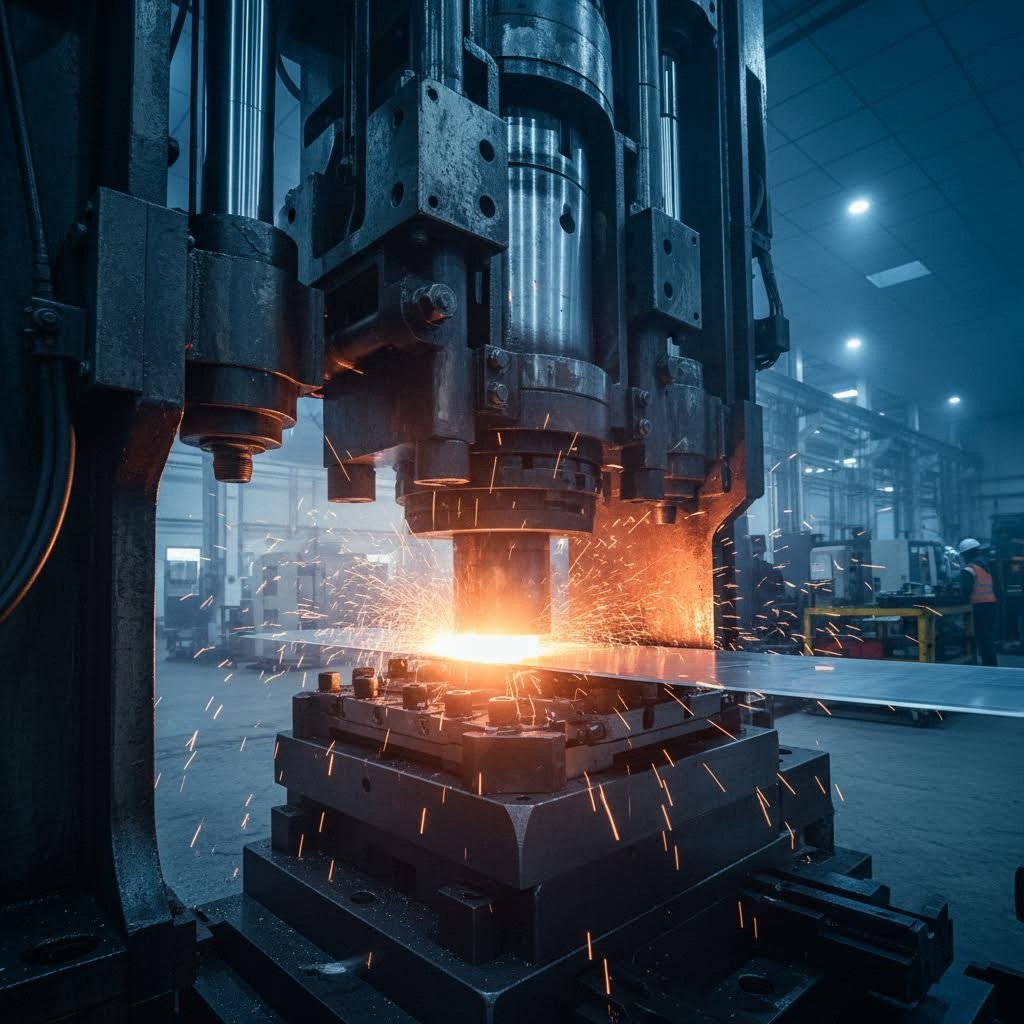
Czym naprawdę zajmuje się firma specjalizująca się w tłoczeniu metalu
Kiedykolwiek zastanawiałeś się, jak powstają metalowe uchwyty w Twoim samochodzie, łączniki wewnątrz telefonu czy instrumenty chirurgiczne używane w szpitalach, wykonane z taką dokładnością? Odpowiedź często leży w działaniach firmy specjalizującej się w tłoczeniu metalu na zamówienie. Te wyspecjalizowane zakłady przemieniają płaskie arkusze metalu w skomplikowane, precyzyjnie ukształtowane komponenty za pomocą procesu łączącego wiedzę inżynieryjną, potężne maszyny i specjalistyczne formy robocze.
Czym więc jest dokładnie tłoczenie metalu? Wyobraź sobie coś w rodzaju ogromnego przemysłowego cięcia plazmy dla metalu . Proces tłoczenia metalu wykorzystuje specjalistyczne prasy i matryce, aby przyłożyć ogromną siłę i ciśnienie do płaskich arkuszy metalu lub taśm, przekształcając je w gotowe elementy z imponującą szybkością i dokładnością.
Od płaskiego arkusza do precyzyjnej części
Transformacja zaczyna się od surowca, typowo płaskich arkuszy lub zwojów stali, aluminium lub innych metali. Oto jak wygląda tłoczenie metalu w praktyce:
- Podawanie materiału: Przygotowane arkusze metalowe wchodzą do prasy tłoczarskiej za pomocą automatycznych mechanizmów doprowadzających
- Zwarcie matryc: Specjalistyczne narzędzia zwane matrycami zamykają się pod wysokim ciśnieniem
- Odkształcenie metalu: Siła odkształca materiał zgodnie z konturami matrycy
- Wyrzucanie elementu: Gotowe komponenty opuszczają prasę, gotowe do kontroli jakości
Cały ten cykl może trwać zaledwie kilka sekund, a niektóre prasy szybkościowe działają z prędkością ponad 1000 uderzeń na minutę.
Proces produkcyjny stojący za codziennymi komponentami
Dlaczego tłoczenie metalu jest tak uniwersalne? Proces ten może wykonywać wiele operacji, w tym cięcie (wycinanie kształtów), gięcie (tworzenie kątów), kalibrowanie (dodawanie drobnych detali) oraz wycinanie otworów (punching). Pojedynczy tłoczony element metalowy może przejść przez kilka z tych operacji jednocześnie lub kolejno.
Prawdziwa magia dzieje się przy matrycach. Te specjalnie zaprojektowane narzędzia są opracowywane za pomocą oprogramowania CAD/CAM, aby każdy element spełniał dokładne specyfikacje. Współpracując z firmą zajmującą się tłoczeniem metali na zamówienie, nawiązujesz współpracę z inżynierami, którzy potrafią przekształcić Twoje wymagania projektowe w narzędzia produkcyjne zapewniające spójne i powtarzalne wyniki dla tysięcy, a nawet milionów elementów.
Dlaczego branże polegają na tłoczeniu metalu
Od paneli karoseryjnych pojazdów po obudowy urządzeń medycznych – komponenty wytwarzane metodą tłoczenia metalu występują praktycznie wszędzie. Proces ten oferuje przekonujący zestaw zalet:
- Wysoka wydajność produkcji seryjnej: Po skonfigurowaniu narzędzi produkcja przebiega szybko przy minimalnym nakładzie pracy ręcznej
- Dokładność wymiarowa: Nowoczesne tłoczenie osiąga wąskie tolerancje, dzięki czemu części idealnie pasują do siebie
- Opłacalność: Koszt jednostkowy znacząco spada przy dużych seriach
- Wersatility materiału: Możliwość obróbki stali, aluminium, miedzi oraz stopów specjalnych
Niezależnie od tego, czy potrzebujesz prostych uchwytów, czy złożonych zespołów o skomplikowanych kształtach, zrozumienie działania firmy zajmującej się niestandardowym tłoczeniem metali daje Ci podstawy do podejmowania świadomych decyzji produkcyjnych. W poniższych sekcjach znajdziesz informacje dotyczące doboru materiału, opcji procesowych oraz wszystkiego innego, co jest potrzebne do poprowadzenia projektu tłoczenia od wstępnego wycenienia po końcową dostawę.
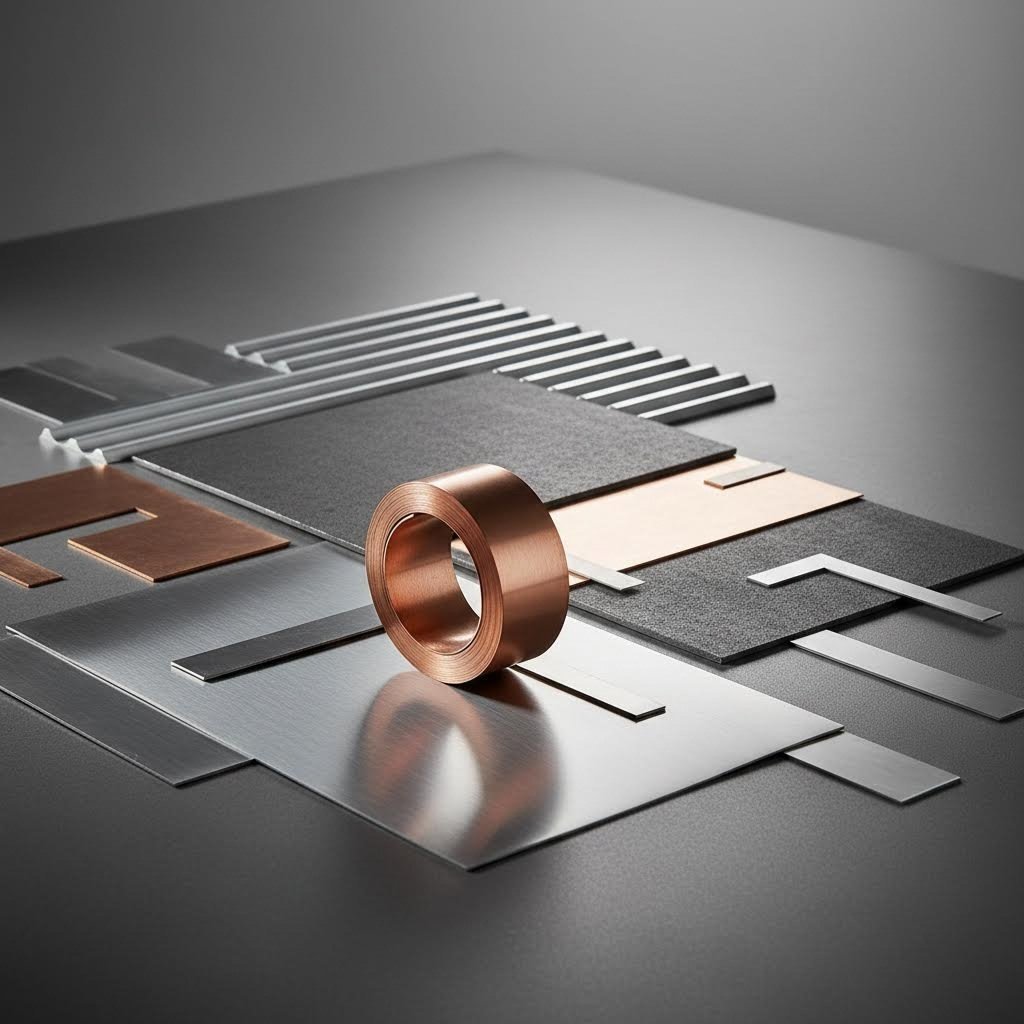
Przewodnik wyboru materiału dla projektów tłoczenia metalu
Wybór odpowiedniego metalu do projektu tłoczenia to jedna z najważniejszych decyzji, jakie podejmiesz. Dlaczego? Ponieważ wybór materiału bezpośrednio wpływa na wydajność części, możliwość produkcji oraz całkowity koszt projektu. Dobrą wiadomością jest to, że gdy raz zrozumiesz, jak różne metale zachowują się podczas tłoczenia i w użytkowaniu, proces wyboru staje się znacznie jaśniejszy.
Przed przejściem do konkretnych materiałów zastanów się nad następującymi kluczowymi pytaniami: Jakim warunkom środowiskowym będzie narażona gotowa część? Ile wagi może wytrzymać Twoje projektowanie? Jakie wymagania dotyczące wytrzymałości musi spełnić komponent? Twoje odpowiedzi naturalnie skierują Cię ku odpowiedniemu metalowi do tłoczenia metali.
Stopy stali do wytrzymałości konstrukcyjnej
Gdy na szczycie listy priorytetów znajdują się wytrzymałość i trwałość, tłoczenie stali okazuje się rozwiązaniem. Stopy stali są podstawą branży przemysł pieczeniowy metali , oferując niezrównane połączenie właściwości mechanicznych i opłacalności.
Stal węglowa jest najbardziej popularną opcją, dostępna w różnych gatunkach w zależności od zawartości węgla. Stal niskowęglowa (poniżej 0,3% węgla) łatwo ulega formowaniu i dobrze sprawdza się w przypadku uchwytów, obudów oraz komponentów ogólnego przeznaczenia. Stale średnio- i wysokowęglowe oferują większą twardość, ale wymagają bardziej przemyślanego projektowania narzędzi.
Stali o wysokiej wytrzymałości niskoprzeplatach (HSLA) prowadzi to dalej. Zgodnie z Aranda Tooling, stal HSLA charakteryzuje się wyższą granicą plastyczności, lepszą odpornością udarnościową oraz zwiększoną odpornością na korozję w porównaniu ze standardową stalą węglową. Branże takie jak motoryzacyjna i lotnicza cenią tłoczone komponenty stalowe z HSLA do zastosowań takich jak elementy szkieletonu, systemy zawieszenia i części konstrukcyjne, gdzie ważny jest stosunek wytrzymałości do masy.
Stale o Wysokiej Wytrzymałości (AHSS) popychają granice jeszcze dalej. Obejmują one stale dwufazowe i TRIP pierwszej generacji, stale TWIP drugiej generacji oraz materiały trzeciej generacji łączące właściwości obu typów. Jednak AHSS stwarza wyzwania, w tym większe odkucie sprężyste i zwiększony zużycie narzędzi, dlatego omów te kompromisy z partnerem od tłoczenia już na wczesnym etapie.
Aluminium do zastosowań lekkich
Chcesz zmniejszyć masę bez utraty wydajności? Tłoczenie aluminium oferuje doskonałe rozwiązanie. Tłoczone elementy aluminiowe ważą mniej więcej jedną trzecią masy odpowiedników stalowych, co czyni ten materiał niezbędnym w zastosowaniach transportowych i elektroniki użytkowej.
Wytłaczanie metali z aluminium oferuje kilka zalet poza oszczędnością masy. Materiał charakteryzuje się naturalną odpornością na korozję, dobrą przewodnością cieplną i elektryczną oraz znakomitymi właściwościami formowania. Do popularnych gatunków aluminium stosowanych w procesie wytłaczania należą:
- aluminium 3003: Gatunek uniwersalny o dobrej formowalności i umiarkowanej wytrzymałości
- aluminium 5052: Wyższa wytrzymałość z doskonałą odpornością na korozję dla zastosowań morskich i motoryzacyjnych
- aluminium 6061: Gatunek hartowany cieplnie, oferujący wysoką wytrzymałość mechaniczną po obróbce
Należy pamiętać, że aluminium zazwyczaj jest droższe niż stal i wymaga starannego projektowania matryc, aby zapobiec zaciskaniu i uszkodzeniom powierzchni. Jednak w zastosowaniach, w których redukcja masy przekłada się na oszczędności eksploatacyjne, takie jak poprawa efektywności paliwowej, wyższa cena często się zwraca.
Metale specjalne dla wymagających środowisk
Niektóre zastosowania wymagają materiałów o właściwościach wykraczających poza możliwości standardowej stali lub aluminium. Właśnie wtedy przydatne stają się metale specjalne.
Tłoczenie stali nierdzewnej służy zastosowaniom wymagającym wyjątkowej odporności na korozję w połączeniu ze stresem. Stal nierdzewna tłoczona najczęściej wykorzystuje gatunek 304 do ogólnych warunków odporności na korozję w przetwórstwie żywności i sprzęcie medycznym, podczas gdy gatunek 316 sprosta bardziej agresywnym środowiskom, w tym zastosowaniom morskim i przetwarzaniu chemicznemu.
Miedź i jej legity doskonale sprawdzają się tam, gdzie najważniejsza jest przewodność elektryczna lub termiczna. Mosiądz (miedź-cynk) i brąz (miedź-cyn) oferują doskonałą kutełność i odporność na korozję. Zgodnie z danymi Talan Products, stopy miedzi są preferowane w elektronice, złączach elektrycznych i elementach HVAC, gdzie kluczowe jest efektywne przesyłanie energii.
Stopy tytanu służą najbardziej wymagającym zastosowaniom, oferując wyjątkowy stosunek wytrzymałości do masy oraz biokompatybilność. Implanty medyczne i komponenty lotnicze często polegają na tytanie, choć koszt materiału i trudności związane z jego obróbką wymagają starannego rozważenia.
| Materiał | Kluczowe właściwości | Typowe zastosowania | Koszt względny |
|---|---|---|---|
| Stal węglowa | Wysoka wytrzymałość, doskonała kutełność, magnetyczny | Zawieszenia, obudowy, blachy karoseryjne samochodowe | Niski |
| Stali HSLA | Zwiększona wytrzymałość do masy, odporność na korozję | Elementy podwozia, części zawieszenia, elementy konstrukcyjne | Niski-średni |
| Stal nierdzewna | Odporność na korozję, higieniczność, trwałość | Urządzenia medyczne, sprzęt gastronomiczny, osprzęt morski | Średni-Wysoki |
| Stopy aluminium | Lekki, odporny na korozję, przewodzący | Płyty lotnicze, obudowy elektroniczne, radiatory | Średnie |
| Stopy miedzi | Doskonała przewodność, działanie przeciwbakteryjne, kuteblność | Złącza elektryczne, zaciski, komponenty klimatyzacji i wentylacji | Średni-Wysoki |
| Tytan | Wyjątkowa wytrzymałość do masy, biokompatybilność | Implanty medyczne, komponenty lotnicze | Wysoki |
Zrozumienie tych opcji materiałowych daje solidne podstawy do rozmów z partnerem wykonującym tłoczenie. Jednak wybór materiału to tylko jeden element układanki. Sam proces tłoczenia, czy to tłoczenie progresywne, transferowe, czy matryca składana, również odgrywa istotną rolę w określeniu tego, co jest możliwe w realizacji projektu.
Zrozumienie różnych procesów tłoczenia metalu
Skoro już wiesz, które materiały najlepiej sprawdzają się w różnych zastosowaniach, kolejne pytanie brzmi: jak dokładnie te materiały zostaną przekształcone w gotowe części? Wybrany proces tłoczenia ma bezpośredni wpływ na szybkość produkcji, złożoność detali i ostatecznie na koszty projektu.
Wyobraź to sobie tak: podobnie jak kucharz dobiera różne techniki gotowania w zależności od dania, które przygotowuje, inżynierowie tłoczenia dopasowują konkretne procesy do wymagań projektu. Przeanalizujmy główne podejścia i sytuacje, w których każde z nich ma sens.
Tłoczenie progresywne dla produkcji seryjnej
Gdy potrzebujesz tysięcy lub milionów identycznych tłoczonych elementów, tłoczenie progresywne jest zazwyczaj najlepszym wyborem. Ten proces wykorzystuje serię stacji ułożonych sekwencyjnie w jednej matrycy. W miarę jak pasek metalu przesuwa się przez prasę, każda stacja wykonuje inną operację, a ostatnia stacja oddziela gotowy detal.
Wyobraź sobie linię montażową skompresowaną do pojedynczego narzędzia. Zgodnie z Larson Tool, matryce progresywne charakteryzują się wyższymi początkowymi kosztami projektowania i oprzyrządowania, jednak koszt detalu znacząco spada przy dużych seriach produkcyjnych. Dzięki temu tłoczenie progresywne jest bardzo opłacalne dla długoterminowych projektów o dużej wielkości produkcji.
To co czyni to metoda tłoczenia blach tak wydajna? Ciągłe podawanie paska eliminuje konieczność manipulowania detalami pomiędzy operacjami. Jeden suw prasy przesuwa materiał i jednocześnie wykonuje wiele operacji. Niektóre szybkobieżne matryce progresywne są w stanie produkować setki detali na minutę, zachowując wysoką dokładność wymiarową.
Jednakże matryce progresywne wymagają regularnej konserwacji ze względu na swoją skomplikowaną budowę. Konserwacja zapobiegająca awariom ma kluczowe znaczenie, aby uniknąć kosztownych przestojów i zapewnić spójną jakość w całym cyklu produkcji.
Techniki tłoczenia transferowego i tłoczenia złożonego
Nie każda część nadaje się do tłoczenia progresywnego. Gdy pracujesz z większymi elementami lub skomplikowanymi geometriami, które nie mogą pozostać połączone z taśmą nośną, tłoczenie transferowe oferuje alternatywne podejście.
Tłocisła transferowe przemieszczają przedmiot obrabiany niezależnie między stacjami za pomocą mechanicznych systemów transferowych. Pozwala to na wykonywanie operacji takich jak głębokie tłoczenie czy skomplikowane formowanie, które byłyby niemożliwe przy użyciu metod progresywnych. Zgodnie z informacjami Fictiv, tłocisła transferowe wiążą się z wyższymi kosztami narzędzi i uruchomienia produkcji ze względu na swoje złożone mechanizmy transferowe, jednak najlepiej sprawdzają się w seriach średnich i dużych, gdzie wszechstronność uzasadnia poniesione nakłady.
W przypadku prostszych elementów wymagających dużej precyzji, matryce składane oferują kolejną opcję. Matryca składana wykonuje wiele operacji, takich jak cięcie i przebijanie, w jednym suwie prasy. Ta technika sprawdza się dobrze w przypadku płaskich części, gdzie potrzebne są czyste krawędzie i małe допусki bez złożoności operacji sekwencyjnych.
Matryce składane są zazwyczaj tańsze w projektowaniu i produkcji w porównaniu do matryc postępowych. Ich prostsza konstrukcja oznacza również mniejsze koszty utrzymania. Jednakże, są mniej odpowiednie dla złożonych lub bardzo dużych serii produkcyjnych.
Dopasowanie procesu do wymagań projektu
Przed wybraniem procesu tłoczenia warto poznać podstawowe operacje, które mogą być zaangażowane. Oto kluczowe operacje tłoczenia, które mogą być potrzebne dla Twoich elementów:
- Wykrawanie: Cięcie zarysu zewnętrznego elementu z blachy, tworzącego podstawowy kształt
- Piercing: Przebijanie otworów lub otwarć w materiale w określonych miejscach
- Gięcie: Odkształcanie materiału wzdłuż linii prostej w celu tworzenia kątów i zakładów
- Wyciąganie: Rozciąganie materiału w formy kubkowe lub puste bez rozerwania
- Coining: Zastosowanie wysokiego ciśnienia w celu uzyskania drobnych szczegółów, logo lub bardzo wąskich tolerancji
Możliwości precyzyjnego tłoczenia metalu dostępne dzisiaj są imponujące. Standardowe operacje cięcia i formowania osiągają zazwyczaj tolerancje na poziomie ±0,005 cala. Dzięki specjalistycznym urządzeniom i ścisłej kontroli procesu krytyczne cechy mogą być utrzymywane z dokładnością do ±0,001 cala. W przypadku najbardziej wymagających zastosowań operacje wtórne mogą doprowadzić tolerancje do poziomu ±0,0005 cala.
Oceniając, który proces tłoczenia blachy odpowiada Twojemu projektowi, rozważ następujące czynniki:
- Objętość produkcji: Wykrojniki progresywne najlepiej sprawdzają się przy produkcji przekraczającej 10 000 sztuk rocznie
- Rozmiar części: Większe komponenty często wymagają tłoczenia przełożnego
- Złożoność geometryczna: Głębsze wygięcia i skomplikowane kształty mogą ograniczać dostępne opcje
- Wymagania dotyczące tolerancji: Węższe specyfikacje mogą wymagać mat składanych lub operacji wtórnych
Zrozumienie tych opcji procesowych przygotowuje Cię do merytorycznych rozmów z potencjalnymi partnerami produkcyjnymi. Jednak wybór procesu nie odbywa się w izolacji. Różne branże wiążą się z unikalnymi wymaganiami certyfikacyjnymi i standardami jakości, które wpływają na każdy aspekt projektu tłoczenia.
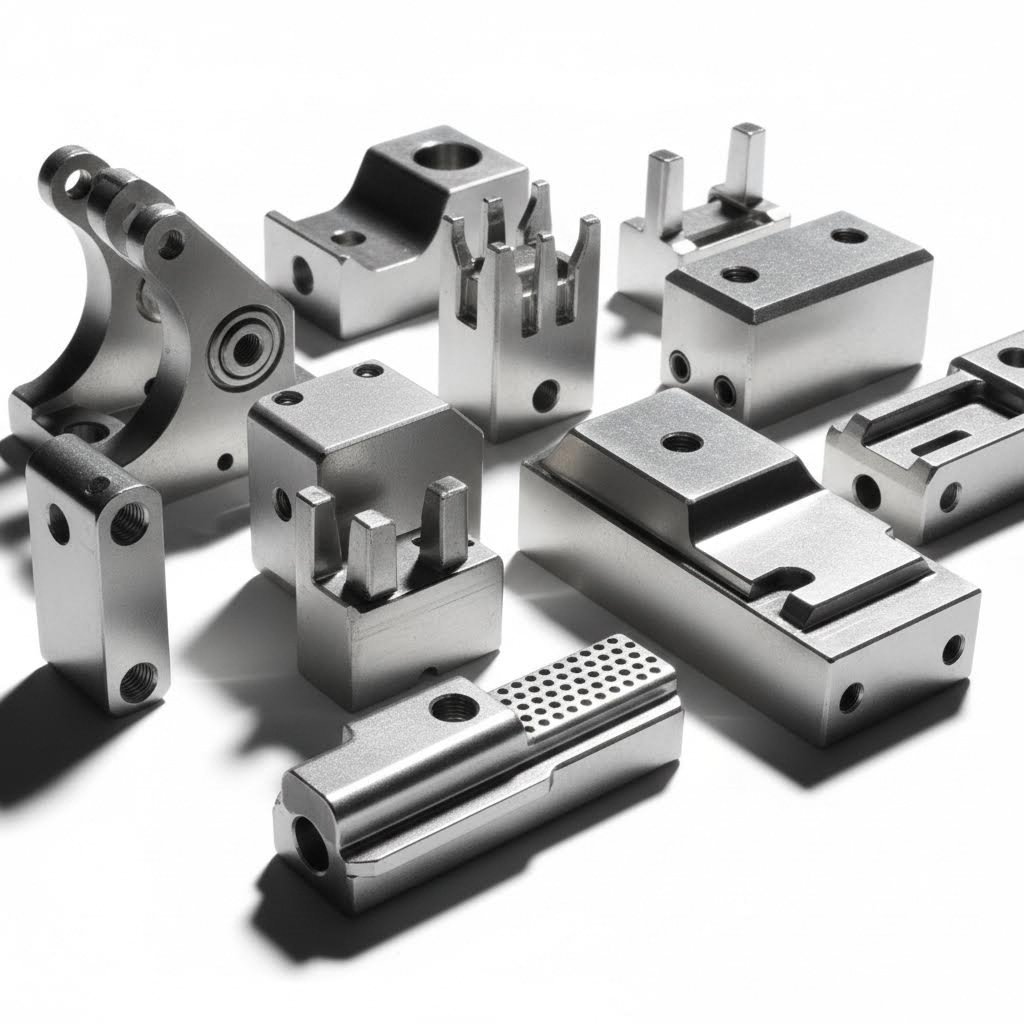
Zastosowania przemysłowe i wymagania certyfikacyjne
Oto coś, co wielu kupujących pomija podczas wybierania partnera ds. tłoczenia: branża, w której działasz, w sposób zasadniczy kształtuje to, czego potrzebujesz od producenta. Uchwyt przeznaczony do samochodu osobowego musi spełniać zupełnie inne wymagania niż ten, który trafia do silnika odrzutowego lub instrumentu chirurgicznego. Zrozumienie tych różnic pozwala zadawać właściwe pytania i unikać kosztownych niezgodności.
Dlaczego to tak bardzo ważne? Ponieważ produkty z precyzyjnego tłoczenia to nie tylko trafienie w wymagane tolerancje wymiarowe. Chodzi o spełnienie pełnego pakietu certyfikatów, wymagań dotyczących śledzenia oraz systemów jakości, jakie stawia Twoja konkretna branża.
Wymagania dotyczące komponentów samochodowych
Przemysł motoryzacyjny jest jednym z największych odbiorców elementów metalowych tłoczonych. Od blach karoseryjnych i uchwytów podwozia po zaciski elektryczne oraz mechanizmy pasów bezpieczeństwa – elementy wytwarzane przez tłoczenie występują w każdym pojeździe na drodze.
Co czyni tłoczenie metalu w przemyśle motoryzacyjnym wyjątkowym? Objętość i spójność. Producentom samochodów potrzebni są dostawcy, którzy potrafią wyprodukować miliony identycznych części, zachowując wysokie standardy jakości. Zgodnie z Jennison Corporation , możliwości produkcyjne związane z dużymi seriami są niezbędne, ponieważ roczne zapotrzebowanie może dochodzić do setek tysięcy lub milionów sztuk.
Jednak sama objętość nie wystarcza. Przemysł motoryzacyjny opracował własny standard zarządzania jakością, który wykracza poza ogólne wymagania ISO:
- IATF 16949:2016: Specyficzny dla branży motoryzacyjnej system zarządzania jakością, oparty na normie ISO 9001:2015, zawierający dodatkowe wymagania dotyczące projektowania procesów, narzędzi statystycznych, analizy systemów pomiarowych oraz planowania produkcji
- PPAP (Proces aprobaty części produkcyjnych): Dokumentacja potwierdzająca, że dostawca rozumie wymagania klienta i może konsekwentnie wytwarzać części podczas serii produkcyjnych
- APQP (Zaawansowane Planowanie Jakości Produktu): Ramy rozwoju produktu gwarantujące wbudowanie jakości już na etapie projektowania
Według Advisera , IATF 16949 obejmuje bardzo konkretne wymagania dotyczące kontroli produktów niezgodnych, procesów zapobiegania błędom oraz metodologii rozwiązywania problemów, które muszą zostać wykazane przez dostawców dla przemysłu motoryzacyjnego.
Przejście ku pojazdom elektrycznym stwarza również nowe wymagania. Lekkie tłoczone komponenty aluminiowe na obudowy baterii, ekranowanie elektromagnetyczne dla wrażliwej elektroniki oraz elementy do zarządzania temperaturą to obszary o dużym wzroście. Jeśli Twój partner zajmujący się tłoczeniem dla motoryzacji nie inwestuje jeszcze w te możliwości, być może konieczne będzie poszukanie alternatywy w miarę ewolucji branży.
Standardy lotnicze i obronne
Jeśli produkcja motoryzacyjna wymaga spójności, to tłoczenie metali w przemyśle lotniczym wymaga perfekcji. Komponenty, które latają, muszą działać bez zarzutu w ekstremalnych warunkach, bez najmniejszego miejsca na błąd. Stawki są po prostu zbyt wysokie, by dopuścić coś gorszego.
Zastosowania w przemyśle lotniczym obejmują wsporniki konstrukcyjne wspierające systemy lotnicze, precyzyjne ramy do urządzeń awioniki, specjalistyczne elementy łączące do zastosowań o wysokim obciążeniu oraz zawory systemów tlenowych wymagające absolutnej niezawodności. Każdy z tych komponentów musi spełniać rygorystyczne standardy regulacyjne FAA, NASA i Departamentu Obrony (DOD).
Przemysł lotniczy opiera się na własnym standardzie zarządzania jakością:
- AS9100 Rev D: Specyficzny dla przemysłu lotniczego system zarządzania jakością (QMS), który wprowadza dodatkowe wymagania dotyczące bezpieczeństwa produktów, zarządzania konfiguracją poszczególnych wyrobów, zapobiegania fałszerstwom części, zarządzania terminowością dostaw oraz czynników ludzkich wpływających na procesy
- Zgodność z ITAR: Międzynarodowe przepisy dotyczące obrotu materiałami zbrojeniowymi regulujące dostęp do kontrolowanych danych technicznych i informacji związanych z obronnością
- NADCAP: Akredytacja szczególnych procesów dla operacji takich jak hartowanie, spawanie i obróbka powierzchniowa
Śledzenie materiałów staje się kluczowe w zastosowaniach lotniczych. Każdy kawałek metalu musi być udokumentowany od huty po końcową inspekcję. Zgodnie z Porównaniem Advisera , standard AS9100 szczególny nacisk kładzie na zarządzanie dokładną konfiguracją każdego produktu, co jest mniej podkreślone w normach motoryzacyjnych.
Co to oznacza dla Ciebie? Oceniając partnera do tłoczenia elementów lotniczych, sprawdź nie tylko jego certyfikat AS9100, ale także doświadczenie w zakresie konkretnych wymagań dokumentacyjnych, jakie stawia Twój program. Zastosowania wojskowe dodają kolejny poziom protokołów bezpieczeństwa, uprawnień osobowych oraz wymagań dotyczących obiektu, których nie każdy producent może spełnić.
Precyzyjne wymagania urządzeń medycznych
Drobne tłoczenie metali w medycynie wiąże się z unikalnym zestawem wyzwań. Elementy mogą stykać się bezpośrednio z tkankami ludzkimi, co wymaga biokompatybilności. Często muszą wytrzymać wielokrotne cykle sterylizacji. Dodatkowo tolerancje mogą być w niektórych zastosowaniach jeszcze bardziej dokładne niż w przemyśle lotniczym.
Rozważmy elementy tłoczone metalowe stosowane w branży medycznej, takie jak obudowy baterii rozruszników serca, uchwyty instrumentów chirurgicznych, obudowy urządzeń implantowanych oraz osłony ochronne dla sprzętu diagnostycznego. Każdy z tych elementów musi spełniać wymagania FDA i zapewniać niezawodność, od której zależą życia pacjentów.
Główne aspekty do rozważenia przy tłoczeniu elementów medycznych to:
- ISO 13485: Standard zarządzania jakością specjalnie dla producentów urządzeń medycznych
- FDA 21 CFR Part 820: Wymagania regulaminu systemu jakości dla urządzeń medycznych sprzedawanych w Stanach Zjednoczonych
- Badania biokompatybilności: Materiały takie jak stal nierdzewna 316L i tytan, które zostały potwierdzone jako bezpieczne dla zastosowań medycznych
- Zgodność z procesem sterylizacji: Elementy muszą zachowywać swoje właściwości po napromieniowaniu gamma, wiązką elektronów lub sterylizacji chemicznej
Wymagania dotyczące wykończenia powierzchni w zastosowaniach medycznych często są wyższe niż w innych branżach. Według ekspertów branżowych gładkie powierzchnie są kluczowe zarówno pod względem funkcjonalności, jak i biokompatybilności elementów urządzeń medycznych
Walidacja procesu nabiera szczególnej wagi w produkcji medycznej. Dostawca blachowni musi wykazać się zdolnością do ciągłego wytwarzania części spełniających specyfikacje, wspartą kompleksową dokumentacją potwierdzającą każde stwierdzenie. Ten poziom rygoru chroni pacjentów i zapewnia ślad dowodowy wymagany przez organy regulacyjne
Wybór partnera, który rozumie Twoją branżę
Wymagania certyfikacyjne w różnych branżach ujawniają ważną prawdę: możliwości techniczne dostawcy blachowni to tylko część równania. Tak samo ważne są jego systemy jakości, praktyki dokumentacyjne oraz doświadczenie branżowe
| Branża | Certyfikat podstawowy | Podstawowe wymagania | Kluczowe obszary uwagi |
|---|---|---|---|
| Motoryzacyjny | IATF 16949 | Kontrola procesu, narzędzia statystyczne, zapobieganie błędom | Spójność objętości, optymalizacja kosztów |
| Aerokosmonautyka | AS9100 Rev D | Kontrola konfiguracji, zapobieganie podróbkom, śledzenie | Zero wad, kompletna dokumentacja |
| Medycyna | ISO 13485 | Zgodność biologiczna, sterylizacja, walidacja procesu | Bezpieczeństwo pacjenta, zgodność z przepisami |
| Obrona | AS9100 + ITAR | Protokoły bezpieczeństwa, kontrolowane zarządzanie danymi | Niezawodność, ochrona informacji |
Oceniając potencjalnych partnerów, nie pytaj tylko, czy posiadają odpowiednie certyfikaty. Zapytaj o ich doświadczenie w realizacji projektów w Twoim konkretnym sektorze. W ilu programach dotyczących części tłoczonych dla przemysłu motoryzacyjnego już uczestniczyli? Czy mogą przedstawić referencje od głównych dostawców z branży lotniczej i kosmicznej? Czy skutecznie przeszli audyty FDA?
Odpowiedzi na te pytania często ujawniają więcej niż certyfikaty wiszące na ścianie. Firma zajmująca się tłoczeniem, która rzeczywiście rozumie Twój sektor, mówi Twoim językiem, przewiduje potrzeby dokumentacyjne i od pierwszego dnia wnosi do projektu doświadczenie związanego profilu. Gdy wymagania branżowe są jasne, kolejzym krokiem jest zrozumienie, jak wszystkie te czynniki wpływają na koszty projektu i planowanie budżetu.
Czynniki kosztowe i kwestie budżetowe
Wybrałeś materiał, określiłeś odpowiedni proces tłoczenia i potwierdziłeś wymagania certyfikacyjne Twojej branży. Nadchodzi pytanie, na które każdy chce poznać odpowiedź: ile to rzeczywiście będzie kosztować? Choć żaden artykuł nie może podać dokładnych cen bez znajomości szczegółów konkretnego projektu, zrozumienie czynników wpływających na koszty daje Ci znacznie lepszą pozycję podczas oceny ofert od usługodawców specjalizujących się w niestandardowym tłoczeniu metali.
Oto sedno sprawy: ceny tłoczenia metalu nie są arbitralne. Każda otrzymana przez Ciebie oferta odzwierciedla obliczenia oparte na mierzalnych danych wejściowych. Gdy poznasz te dane, możesz podejmować lepsze decyzje projektowe, zadawać trafniejsze pytania oraz rozpoznawać, kiedy oferta nie jest logiczna.
Koszt oprzyrządowania i jego rozłożenie
Największy początkowy koszt w każdym projekcie gięcia metalu to oprzyrządowanie. Matryce do gięcia metalu są precyzyjnie zaprojektowanymi narzędziami, wykonanymi specjalnie dla Twojej części. Nie są to produkty szufladowe i stanowią znaczący wkład finansowy przed rozpoczęciem produkcji pierwszej jednostki.
Dlaczego matryce są tak drogie? Zgodnie z Manor Tool, każda matryca jest projektowana i wytwarzana na zamówienie dla konkretnej części, przy użyciu wysokiej jakości stali narzędziowej, która musi wytrzymać miliony uderzeń prasy. Proces projektowania obejmuje inżynierię CAD/CAM, obróbkę CNC, obróbkę drutową (EDM) oraz precyzyjne szlifowanie, wszystko wykonywane przez wykwalifikowanych fachowców od narzędzi.
Tak właśnie w praktyce wygląda kalkulacja kosztów oprzyrządowania:
- Inwestycja wstępna: Płacisz za matrycę przed rozpoczęciem produkcji, jednorazowo lub w ratach rozłożonych na umówioną liczbę sztuk
- Własność matrycy: W większości przypadków jesteś właścicielem oprzyrządowania, co oznacza, że możesz je przeprowadzić do innego dostawcy, jeśli będzie taka potrzeba
- Koszty utrzymania: Wysokiej jakości matryce wymagają okresowej konserwacji w celu zachowania precyzji, co zazwyczaj obejmuje dostawca usług tłoczenia
- Trwałość matryc: Dobrze wykonane krajowe narzędzia często gwarantują ponad 1 000 000 uderzeń przed koniecznością konserwacji
Równanie narzędzia podstawowo zmienia koszty jednostkowe. Matryca, która kosztuje dziesiątki tysięcy dolarów, wygląda zupełnie inaczej, gdy produkuje się 10 000 sztuk w porównaniu do 1 000 000 sztuk. Dlatego toczenie metali ma sens ekonomiczny zazwyczaj tylko powyżej określonych progów wielkości produkcji.
Progi wielkości produkcji wpływające na koszt jednostkowy
Wyobraź sobie, że rozważasz tłoczenie metalu dla nowego elementu. Inwestycja w narzędzia jest stała, ale koszt na sztukę znacząco spada wraz ze wzrostem objętości produkcji. Zależność między objętością a kosztem jednostkowym to jedno z najważniejszych pojęć w ekonomii tłoczenia.
Według ekspertów branżowych, tłoczenie metalu nie jest optymalne dla prototypów ani małych serii, ponieważ początkowe koszty oprzyrządowania często przekraczają koszt tradycyjnego obrabiania przy niewielkich partiach. Jednak gdy produkcja osiąga około 10 000+ sztuk miesięcznie, koszt oprzyrządowania staje się znacznie bardziej opłacalny.
Tłoczenie metali w dużych seriach przynosi największą wartość poprzez:
- Rozłożenie kosztów przygotowania: Każda seria produkcyjna wiąże się z kosztami przygotowania i przełączania, które rozkładają się na wszystkie wyprodukowane części
- Efektywność materiału: Dłuższe serie pozwalają na zoptymalizowane zamawianie taśm i zmniejszenie odpadów materiałowych
- Optymalizacja procesów: Operatorzy mogą precyzyjnie dostroić parametry podczas dłuższych serii dla maksymalnej efektywności
- Produkcja bez światła: Zautomatyzowana produkcja może działać ciągle przy minimalnym zaangażowaniu człowieka
A co tłoczenie metali w małej serii? Jest to z pewnością możliwe, ale należy zrozumieć aspekty ekonomiczne. Niższe wolumeny oznaczają wyższy koszt pojedynczej sztuki, ponieważ koszty form i przygotowania produkcji rozkładają się na mniejszą liczbę elementów. Niektórzy producenci specjalizują się w produkcji małoseryjnej i zoptymalizowali swoje procesy odpowiednio, jednak należy spodziewać się wyższych cen w porównaniu do produkcji wielkoseryjnej.
Rozmawiając z potencjalnymi dostawcami o projekcie, bądź szczery co do prognozowanego zużycia. Szacowane roczne zużycie (EAU) bezpośrednio wpływa na decyzje dotyczące form, strategię zakupu materiałów, a ostatecznie na oferowaną cenę.
Złożoność projektu i jej wpływ na cenę
Nie wszystkie części uzyskiwane przez precyzyjne tłoczenie metalu są sobie równe. Prosty płaski wspornik z kilkoma otworami jest tańszy w produkcji niż złożony trójwymiarowy element z wąskimi tolerancjami, wieloma gięciami i operacjami wtórnymi. Zrozumienie tego pozwala podejmować świadome decyzje projektowe pod kątem kosztów.
Według Manor Tool podczas produkcji Twoja część będzie cięta, gięta, ścinana, wykrawana, przebijana, a także ewentualnie gwintowana pod otwory. Każdy dodatkowy element zwiększa złożoność narzędzi, przyspiesza ich zużycie i podnosi koszty konserwacji.
Czynniki projektowe zwiększające koszty to:
- Ciasne tolerancje: Utrzymanie tolerancji ±0,001" wymaga dokładniejszych narzędzi i wolniejszych prędkości produkcji niż ±0,010"
- Złożone geometrie: Głębokie tłoczenie, ostre kąty i niesymetryczne kształty wymagają bardziej zaawansowanych matryc
- Wiele operacji: Części wymagające licznych etapów kształtowania potrzebują bardziej złożonych matryc postępowych
- Cienkie lub wąskie przekroje: Te cechy obciążają narzędzia i zwiększają ryzyko uszkodzenia części
- Operacje wtórne: Gwintowanie, spawanie, powlekanie czy montaż generują dodatkowe koszty po procesie tłoczenia
To właśnie tutaj projektowanie pod kątem możliwości produkcji (DFM) staje się nieocenione. Według Die-Matic jednym z najskuteczniejszych sposobów oszczędzania kosztów jest priorytetowe traktowanie DFM. Uproszczenie geometrii części, stosowanie konstrukcji symetrycznych oraz unikanie niepotrzebnych elementów może znacząco skrócić czas produkcji i obniżyć koszty narzędzi.
Ranking czynników wpływających na koszty
Podczas szacowania budżetu na projekt tłoczenia pomocne jest zrozumienie, które czynniki mają największy wpływ. Poniżej przedstawiamy typową kolejność głównych czynników wpływających na koszty, od najważniejszych do najmniej istotnych:
- Koszty narzędzi: Największy początkowy wkład finansowy, bezpośrednio związany ze złożonością części i przewidywanym okresem użytkowania matrycy. Ten pojedynczy czynnik często decyduje o tym, czy tłoczenie ma uzasadnienie ekonomiczne w przypadku danego projektu.
- Wybór materiału: Surowiec stanowi znaczną część bieżących kosztów produkcji części. Stopy specjalne, takie jak stal nierdzewna lub tytan, są znacznie droższe niż stal węglowa, a ceny materiałów zmieniają się wraz z sytuacją na rynku.
- Objętość produkcji: Wyższe wolumeny znacząco obniżają koszty przypadające na pojedynczą część, ponieważ rozkładają stałe koszty na większą liczbę jednostek. Różnica między 10 000 a 100 000 części rocznie może zmniejszyć koszty jednostkowe o połowę lub więcej.
- Wymagania dotyczące tolerancji: Ściślejsze specyfikacje wymagają bardziej precyzyjnego oprzyrządowania, wolniejszych prędkości produkcji oraz dokładniejszej kontroli jakości, co wszystko zwiększa koszty.
- Operacje wtórne: Każda operacja wykonywana po tłoczeniu, taka jak hartowanie, powlekanie, montaż czy dodatkowe obróbki skrawaniem, zwiększa koszty pracy i przetwarzania Twojej końcowej części.
Optymalizacja budżetu
Zrozumienie czynników wpływających na koszty daje Ci przewagę w procesie wyceny. Oto praktyczne strategie zarządzania budżetem na tłoczenie:
- Zaangażuj się wcześnie: Włącz partnera ds. tłoczenia do fazy projektowej jeszcze przed finalizacją rysunków. Będzie on w stanie wskazać możliwości oszczędności, które mogłyby Ci umknąć.
- Analizuj każdą tolerancję: Nie określaj ścisłszych tolerancji niż rzeczywiście wymaga tego Twoje zastosowanie. Każdy dodatkowy miejsce po przecinku wiąże się z wydatkami.
- Rozważ alternatywy materiałowe: Zapytaj, czy inny stop lub grubość mogłyby spełnić Twoje wymagania eksploatacyjne przy niższym koszcie.
- Planuj pod kątem wielkości produkcji: Jeśli to możliwe, konsoliduj zamówienia lub zobowiąż się do długoterminowych kontraktów, aby poprawić opłacalność poszczególnych elementów.
- Żądaj szczegółowych wycen: Poproś dostawców o szczegółowe rozłożenie kosztów narzędzi, materiałów i produkcji, aby móc dokonać świadomych porównań.
Jedna ostatnia uwaga: ostrożnie z ofertami, które wydają się zbyt korzystne, by były prawdziwe. Jak podaje Manor Tool, zagraniczni dostawcy mogą początkowo wydawać się tańsi, ale ukryte koszty związane z rozwiązywaniem problemów produkcyjnych, utrzymaniem niskiej jakości importowanych matryc oraz pokryciem kosztów przesyłki szybko mogą zniwelować Twoje marże.
Mając jasne rozeznanie czynników wpływających na koszty, jesteś gotów ocenić potencjalnych partnerów produkcyjnych. Ale jak odróżnić firmy rzeczywiście oferujące wartość od tych, które ją jedynie obiecują? W następnej sekcji przedstawiono ramy oceny dostawców wykraczające poza podaną cenę.
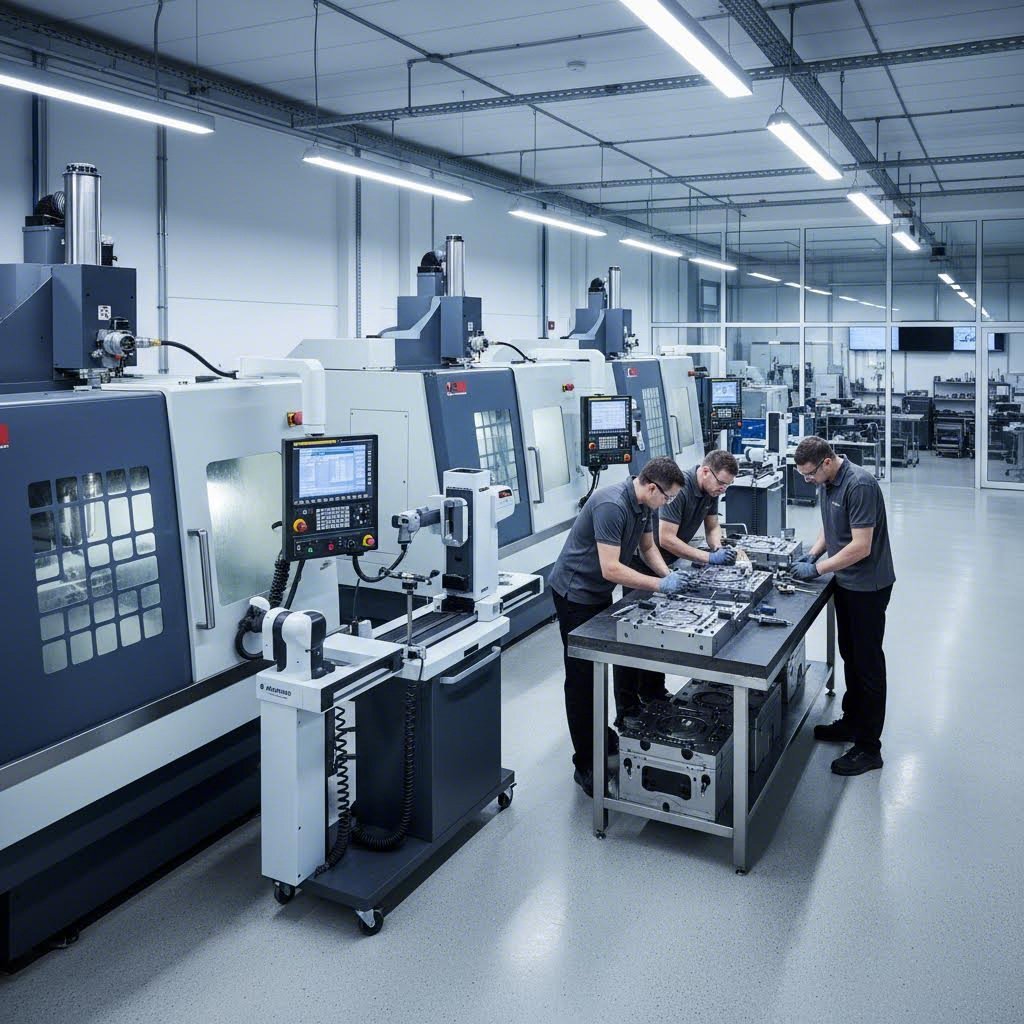
Jak oceniać firmy zajmujące się niestandardowym tłoczeniem metali
Zdefiniowałeś wymagania projektowe, rozumiesz czynniki kosztowe i wiesz, jakie certyfikaty wymaga Twoja branża. Nadchodzi teraz kluczowa decyzja: której firmie zajmującej się tłoczeniem warto zaufać? Wyszukiwanie frazy „metal stamping companies near me” lub „stamping companies near me” wygeneruje wiele opcji, ale jak odróżnić rzeczywiście kompetentnych partnerów od tych, którzy po prostu mają dobrze wyglądającą stronę internetową?
Faktem jest, że ocena producenta zajmującego się tłoczeniem metalu wymaga spojrzenia poza powierzchowne zapewnienia. Każdy może twierdzić, że gwarantuje jakość i terminowość. Różnica polega na potwierdzalnych możliwościach, sprawdzonych systemach oraz pytaniach, które zadają Tobie w trakcie procesu wyceny.
Istotne pytania do oceny dostawcy
Faza wyceny to nie tylko uzyskanie ceny. To Twoja szansa, by ocenić, czy potencjalny partner rzeczywiście rozumie precyzyjną produkcję. Zgodnie z Penn United Technologies , dostawca, który zadaje wiele pytań dotyczących jakości części, kluczowych cech i tolerancji, zazwyczaj wykazuje nadmierne staranność w zakresie szczegółów.
Odwróć tę logikę: ty również powinieneś zadawać wiele pytań. Oto najważniejsze z nich, które należy poruszyć w każdej rozmowie z dostawcą:
- Ile lat prowadzisz działalność i jakie typy komponentów tłoczyłeś? Doświadczenie ma znaczenie, szczególnie w przypadku trudnych, skomplikowanych części wymagających wąskich tolerancji lub złożonych gięć.
- Czy projektujecie i budujecie własne matryce tłoczarskie? Wewnętrzna inżynieria matryc jest istotnym czynnikiem różnicującym możliwości.
- Jaka jest twoja historia dotychczasowych terminowych dostaw? Jeśli oficjalnie nie monitorują wydajności dostaw, uznaj to za sygnał ostrzegawczy.
- Czy możesz mi opisać swój proces kontroli jakości? Szukaj konkretnych odpowiedzi dotyczących planów kontroli, sprzętu kontrolnego oraz roli techników ds. jakości.
- Jakie zapasowe oprzyrządowanie polecasz do mojego projektu? Dobry dostawca podniesie ten temat proaktywnie, zamiast czekać na pojawienie się problemów.
- Jakie operacje wtórne potrafisz wykonywać we własnym zakresie? Możliwości takie jak czyszczenie, powlekanie i montaż w jednej lokalizacji upraszczają łańcuch dostaw.
Według KY Hardware , najlepsi dostawcy tłoczenia są prawdziwymi partnerami oferującymi wiedzę inżynieryjną, a nie tylko możliwości produkcyjne. Ich wczesny zaangażowanie może przynieść znaczące oszczędności kosztów oraz bardziej solidny projekt części.
Wskaźniki możliwośćci, które mają znaczenie
Poza rozmową, musisz zweryfikować rzeczywiste możliwości. Oto lista kontrolna tego, na co należy zwracać uwagę przy ocenie dostawców blacharskich:
- Możliwości w zakresie narzędzi wewnętrznych: Czy potrafią projektować, budować i konserwować matryce bez korzystania z zewnętrznych warsztatów? Szukaj wyposażenia takiego jak frezarki CNC, drutowe EDM, tradycyjne EDM oraz szlifierki w ich warsztacie narzędziowym.
- Certyfikaty jakości: ISO 9001 zapewnia podstawową gwarancję. Certyfikaty specyficzne dla branży, takie jak IATF 16949 (motoryzacja), AS9100 (aerospace) lub ISO 13485 (medycyna), wskazują na głębsze zaangażowanie w spełnianie wymagań Twojej dziedziny.
- Zdolność produkcyjna: Oceń zakres siły otwarcia prasy, liczbę pras oraz aktualne wykorzystanie. Czy mogą obsłużyć Twoje obecne zamówienie i skalować się wraz z Tobą w przyszłości?
- Wsparcie inżynieryjne: Czy oferują przeglądy projektu pod kątem możliwości produkcji (DFM)? Czy mogą zaproponować modyfikacje poprawiające jakość lub redukujące koszty?
- Ekspertyza materiałowa: Zgodnie z wytycznymi branżowymi różne materiały zachowują się inaczej w matrycy. Dostawca o bogatym doświadczeniu w pracy z określonym przez Ciebie materiałem może przewidzieć trudności i zoptymalizować proces.
- Sprzęt kontrolny: Maszyny pomiarowe CMM, komparatory optyczne oraz systemy wizyjne świadczą o inwestycjach w weryfikację jakości.
Dlaczego integracja pionowa jest tak ważna? Zgodnie z LMC Industries, producent posiadający solidne wewnętrzne stanowisko narzędziowe może wykonywać, naprawiać i konserwować matryce tłoczące bez opóźnień wynikających od dostawców zewnętrznych. Może natychmiast rozwiązywać problemy, zamiast czekać tygodniami na to, że zewnętrzne warsztaty zaplanują naprawę.
Ta zdolność bezpośrednio wpływa na czas realizacji i jakość części. Gdy element matrycy ulega zużyciu lub pęka, własne stanowisko narzędziowe wyposażone w urządzenia EDM i CNC może wyprodukować zamiennik w ciągu kilku dni zamiast tygodni. Ta różnica może oznaczać dotrzymanie harmonogramu produkcji albo tłumaczenie się klientom z powodu opóźnienia.
Ostrzegawcze znaki w procesie doboru
Czasem to, co dostawca nie mówi, jest równie ważne jak to, co mówi. Zwracaj uwagę na następujące sygnały ostrzegawcze podczas oceny:
- Niechęć do omawiania szczegółów dotyczących narzędzi: Jeśli nie potrafią wyjaśnić swojego programu konserwacji matryc lub rekomendacji dotyczących zapasowych narzędzi, mogą nie dysponować skutecznymi systemami.
- Brak pytań dotyczących Twojego zastosowania: Wykonawcy tłoczników metalowych, którzy podają oferty jedynie na podstawie rysunku, nie pytając o funkcję, środowisko pracy ani istotne cechy, mogą pominąć ważne aspekty.
- Niejasne odpowiedzi dotyczące śledzenia dostaw: Według Penn United, jeśli dostawca oficjalnie nie monitoruje swoich terminów dostaw, lepiej jest wybrać innego dostawcę.
- Brak programu przeglądów zapobiegawczych: Twoje formy są kluczowe w produkcji i ulegają znacznemu zużyciu z powodu częstego użytkowania. Bez ustalonych i udokumentowanych harmonogramów przeglądów zapobiegawczych jakość nieuchronnie się obniży.
- Niezdolność do przedstawienia referencji z Twojej branży: Doświadczenie w Twoim konkretnym sektorze ma znaczenie. Poproś o studia przypadków lub opinie od podobnych firm.
- Oferty cenowe, które wydają się zbyt korzystne, by były prawdziwe: Niezwykle niskie ceny często wskazują na ukryte koszty, kompromisy jakościowe lub nieracjonalne założenia dotyczące Twojego projektu.
Podejmowanie ostatecznej decyzji
Po zebraniu informacji od wielu dostawców usług tłoczenia metalu utwórz karte punktową z wagami. Zgodnie z KY Hardware przypisz poziomy ważności dla każdego kryterium na podstawie własnych priorytetów, np. 30% dla systemów jakości, 25% dla wsparcia inżynieryjnego, 20% dla ceny, a resztę rozdziel pomiędzy inne czynniki.
To obiektywne podejście eliminuje osobiste uprzedzenia i wskazuje dostawcę najlepiej odpowiadającego Twoim najważniejszym potrzebom. Pamiętaj: najniższa cena za sztukę rzadko oznacza najlepszą wartość. Prawdziwą wartość daje partner, który zapewnia stabilną jakość, dotrzymuje terminów i pomaga rozwiązywać problemy, zanim staną się kosztowne.
Gdy już wybrano uprawnionego partnera produkcyjnego, możesz przejść dalej. Ale co dokładnie dzieje się po podpisaniu zamówienia? W następnej sekcji przedstawiona jest kompletna trasa projektu – od wstępnego ofertowania po końcową dostawę – dzięki czemu będziesz wiedział, czego się spodziewać na każdym etapie.
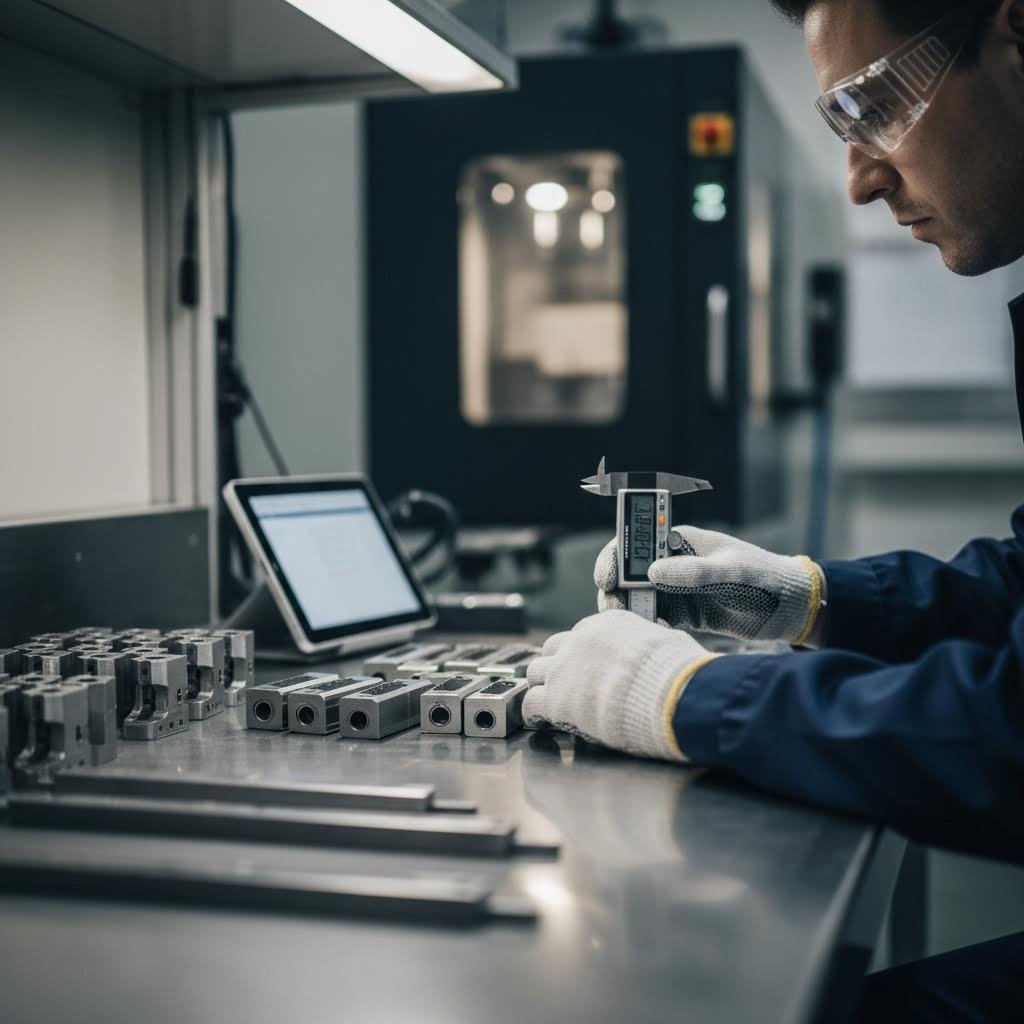
Kompletna ścieżka projektu – od oferty po dostawę
Oceniliście potencjalnych partnerów i wybraliście producenta spełniającego Wasze wymagania. Co dalej? Zrozumienie, co dokładnie dzieje się od momentu złożenia pierwszego zapytania do otrzymania gotowych tłoczonych elementów metalowych, pozwala wyeliminować niepewność i uniknąć typowych pułapek, które mogą zatrzymać projekt.
Proces wytwarzania metodą tłoczenia metalu podlega przewidywalnej kolejności etapów, jednak wielu kupujących odczuwa niespodziankę ze względu na harmonogramy, wymagania dotyczące akceptacji czy potrzebne dokumenty. Przejdźmy krok po krok przez każdy etap, aby dokładnie wiedzieć, czego można się spodziewać.
Od zapytania ofertowego do przeglądu projektu
Projekt oficjalnie rozpoczyna się w momencie złożenia Zapytania Ofertowego (RFQ). Co jednak dzieje się po stronie producenta? Według Die-Matic, faza projektowania obejmuje współpracę inżynierów i projektantów produktu, którzy wspólnie zapewniają zgodność elementu z wymaganiami dotyczącymi funkcjonalności, kosztów i jakości.
Oto typowy przebieg współpracy od pierwszego kontaktu aż do zatwierdzenia produkcji:
- Konsultacje wstępne: Przesyłasz rysunki, specyfikacje i wymagania dotyczące objętości. Producent przegląda Twoje zapytanie, zadaje pytania uzupełniające dotyczące kluczowych cech i tolerancji oraz opracowuje wstępną ofertę cenową. Dla skomplikowanych części należy się spodziewać 3–5 dni roboczych.
- Analiza konstrukcji pod kątem łatwości produkcji (DFM): Zespoły inżynierskie analizują projekt pod kątem możliwości tłoczenia. Wykrywają potencjalne problemy, takie jak nadmierne odbijanie sprężyste, punkty naprężenia materiału lub trudności związane z tolerancjami. Taki wspólny przegląd często pozwala na uzyskanie propozycji obniżających koszty. Na dokładną analizę należy przeznaczyć od 1 do 2 tygodni.
- Prototypowanie: Zanim przystąpi się do produkcji narzędzi, wiele projektów korzysta z walidacji prototypu. Przy użyciu miękkiego narzędzia lub metod alternatywnych wytwarza się próbne części do testów dopasowania i funkcjonalności. Czasy realizacji prototypów wahają się od kilku dni do kilku tygodni, w zależności od stopnia skomplikowania.
- Rozwój narzędzi: Po zatwierdzeniu projektów rozpoczyna się projektowanie matryc. Zgodnie z informacjami firmy Mursix, eksperci od narzędzi używają nowoczesnego sprzętu do budowy indywidualnych matryc i narzędzi, ściśle współpracując z zespołem projektowym w celu ich bezproblemowego zintegrowania. Ta faza zwykle trwa 8–16 tygodni dla matryc przejściowych.
- Produkcja pilotażowa: Początkowe serie produkcyjne weryfikują wydajność narzędzi oraz parametry procesu. Części podlegają rygorystycznej kontroli zgodnie ze specyfikacjami. Wszelkie niezbędne korekty matryc są wykonywane przed rozpoczęciem pełnoskalowej produkcji.
- Pełnoskalowa produkcja: Po potwierdzeniu przydatności narzędzi i walidacji procesów, produkcja jest zwiększana, aby spełnić wymagane objętości. Bieżące monitorowanie jakości zapewnia spójność na całym przebiegu produkcji.
Prototypowanie i zatwierdzenie produkcji
Przejście od prototypu do produkcji stanowi krytyczny kamień milowy. Pospieszone przejście przez tę fazę powoduje więcej niepowodzeń projektów niż prawie każdy inny czynnik. Dlaczego? Ponieważ część tłoczona z metalu, która działa w formie prototypowej, nie zawsze skutkuje idealnie w narzędziowaniu produkcyjnym.
Podczas tworzenia prototypów producenci często wykorzystują EDM drutowe, cięcie laserowe lub miękkie narzędzia do wytwarzania próbek. Te metody pozwalają na uzyskanie komponentów o dokładnych wymiarach, ale nie odtwarzają dokładnie tych samych charakterystyk przepływu materiału, jakie występują przy tłoczeniu produkcyjnym. Zdaniem ekspertów branżowych, narzędzia są kluczowe dla efektywnego, precyzyjnego i pomyślnego procesu produkcyjnego i wymagają bliskiej współpracy między inżynierami konstruktorami w celu potwierdzenia zakładanego procesu podczas fazy prototypowania.
Czego można się spodziewać podczas akceptacji produkcji?
- Inspekcja pierwszego wyrobu (FAI): Początkowe części ze stali tłoczonej podlegają kompleksowej weryfikacji wymiarowej zgodnie z Twoimi specyfikacjami
- Badania zdolności procesu: Analiza statystyczna potwierdza, że proces może konsekwentnie utrzymywać wymagane tolerancje
- Certyfikaty Materiałowe: Dokumentacja potwierdzająca zgodność właściwości surowców ze specyfikacjami
- Złożenie PPAP (motoryzacja): Dokumentacja Procesu Zatwierdzania Części Produkcyjnych dla zastosowań motoryzacyjnych
Nie pomijaj ani nie skracaj harmonogramów zatwierdzania, aby spełnić agresywne terminy. Problemy odkryte po rozpoczęciu pełnej produkcji wiążą się z dużo wyższymi kosztami rozwiązania niż te wykryte podczas prób produkcyjnych.
Zapewnienie jakości aż do dostawy
Zatwierdzenie produkcji nie oznacza zaprzestania monitorowania jakości. Zgodnie z informacjami Die-Matic, procesy kontroli jakości i inspekcji są wdrażane na każdym etapie produkcji tłoczenia, aby wykrywać i usuwać wady, zapewniać spójność oraz dostarczać produkty wysokiej jakości.
Bieżące działania dotyczące jakości dla tłoczonych komponentów metalowych obejmują zazwyczaj:
- Inspekcja w trakcie procesu: Operatorzy weryfikują krytyczne wymiary w regularnych odstępach czasu podczas produkcji
- Statystyczna kontrola procesu (SPC): Monitorowanie w czasie rzeczywistym wykrywa dryft procesu zanim doprowadzi on do powstania niezgodnych części
- Monitorowanie stanu narzędzi: Regularna kontrola matryc i przegląd zapobiegawczy zapobiegają degradacji jakości
- Ostateczna inspekcja: Weryfikacja jakości przed wysyłką do Twojego zakładu
Zgodnie z Mursix, końcowy etap kontroli jakości gwarantuje, że każda część spełnia rygorystyczne standardy jakości przed pakowaniem lub dalszą obróbką.
Częste błędy, których należy unikać
Nawet doświadczeni nabywcy czasem napotykają trudności w trakcie realizacji projektu. Oto pułapki, na które należy uważać:
- Niekompletne specyfikacje: Niejasne wymagania prowadzą do nieporozumień. Dostarcz kompletne rysunki z wyraźnie zaznaczonymi wszystkimi krytycznymi wymiarami, tolerancjami oraz specyfikacjami materiałów.
- Zmiana projektu po rozpoczęciu produkcji narzędzi: Modyfikacje podczas budowy matrycy powodują opóźnienia i dodatkowe koszty. Ustal ostateczną wersję projektu przed zatwierdzeniem inwestycji w narzędzia.
- Ignorowanie rekomendacji DFM: Gdy partner odpowiedzialny za tłoczenie sugeruje modyfikacje projektu, traktuj to poważnie. Ich doświadczenie z podobnymi elementami często ujawnia problemy, które mogą umknąć uwadze Twojego zespołu.
- Niedoszacowanie czasu realizacji: Złożone formy wymagają czasu. Wymuszanie nierealistycznych harmonogramów prowadzi do skrótów, które wpływają negatywnie na jakość lub niezawodność.
- Słaba komunikacja: Wyznacz jednego punktu kontaktowego w sprawach technicznych. Rozproszona komunikacja prowadzi do zamieszania i opóźnia decyzje.
Zrozumienie całego tego procesu przygotuje Cię na owocne partnerstwo z producentami tłoczonych wyrobów metalowych. Każdy etap bazuje na poprzednim, tworząc fundament dla konsekwentnej, wysokiej jakości produkcji, która spełni Twoje wymagania rok po roku.
Kolejne kroki w realizacji projektu tłoczenia metalu
Prześli doświadczenie całego zakresu tłoczenia metali na zamówienie, od zrozumienia podstawowych procesów przez ocenę potencjalnych partnerów po zarządzanie harmonogramem projektu. Teraz nadszedł czas, by przekuć tę wiedzę w działania. To, co odróżnia udane projekty od tych problematycznych, często sprowadza się do przygotowania, wyboru partnera oraz ciągłej współpracy.
Nie ważne, czy wprowadzasz nowy produkt, czy przenosisz istniejący komponent do lepszego dostawcy, kroki podejmowane teraz stanowią fundament dla wszystkiego, co nastąpi. Uogólnijmy kluczowe punkty decyzyjne i wyznaczmy praktyczną ścieżkę dalszego postępowania.
Przygotowanie specyfikacji projektu
Zanim skontaktujesz się z jakąkolwiek firmą zajmującą się tłoczeniem metali na zamówienie, zgromadź dokumentację i sprecyzuj swoje wymagania. Zgodnie z AMG Industries, nieco przygotowania robi ogromną różnicę. Chodzi nie tylko o uzyskanie ceny, ale także o zapewnienie płynnego przebiegu projektu z wytwórnią, która rozumie Twoje potrzeby.
Twoje zestawienie specyfikacji projektu powinno zawierać:
- Kompletne rysunki: drukowane rysunki 2D z oznaczeniami GD&T oraz pliki CAD 3D w powszechnych formatach (STEP, IGES lub native)
- Specyfikacje materiału: Dokładne oznaczenia stopów, stanów wyżarzania i wymagania dotyczące grubości
- Kluczowe tolerancje: Wskaż, które wymiary są rzeczywiście krytyczne, a które mają standardowe dopuszczenia
- Prognozy objętości: Roczne ilości, częstotliwość realizacji i oczekiwania dotyczące wzrostu
- Kontekst zastosowania: Sposób działania elementu, z czym się łączy oraz warunki środowiskowe, którym będzie poddawany
- Wymagania certyfikacyjne: Normy branżowe, takie jak IATF 16949, AS9100 lub ISO 13485, które dotyczą Twojego projektu
Im więcej szczegółów podasz, tym mniej domysłów pozostaje partnerowi od tłoczenia. Przekłada się to bezpośrednio na bardziej dokładne wyceny i mniejsze niespodzianki podczas produkcji.
Rozpoczęcie procesu wyboru dostawcy
Mając specyfikacje, możesz przystąpić do identyfikacji i oceny potencjalnych partnerów oferujących usługi precyzyjnego tłoczenia metalu. Odpowiadaj pokusie, by po prostu wyszukać frazę „metal stamping near me” i wysłać swoje zapytanie ofertowe do każdego wyniku. Wybór strategiczny daje lepsze rezultaty niż ogólna kampania.
Skoncentruj swoją wyszukiwarkę na producentach, którzy wykazują:
- Doświadczenie w odpowiedniej branży: Dowodzone doświadczenie w projektach podobnych do Twojego
- Odpowiednie certyfikaty: Systemy zarządzania jakością zgodne z wymaganiami Twojej branży
- Możliwości własne: Projektowanie narzędzi, konserwację matryc oraz operacje wtórne w jednej dachu
- Wsparcie inżynieryjne: Ekspertyzę w zakresie DFM, która może zoptymalizować Twój projekt przed rozpoczęciem produkcji narzędzi
- Dopasowanie pojemności: Możliwości produkcyjne dostosowane do obecnych potrzeb związanych z wielkością partii oraz umożliwiające skalowanie wraz z rozwojem
Zażądaj ofert od trzech do pięciu wykwalifikowanych dostawców. Zapewni to wystarczającą liczbę punktów porównawczych, nie przytłaczając jednocześnie procesu oceny. Zwróć uwagę nie tylko na ceny, ale także na pytania zadawane przez każdego dostawcę dotyczące Twojego projektu. Partner, który zgłębia szczegóły zastosowania, kluczowe cechy i uzasadnienie tolerancji, zazwyczaj zapewnia lepsze wyniki.
Najlepsze niestandardowe tłoczenia metalu pochodzą od partnerów, których możliwości firmy dokładnie odpowiadają wymaganiom projektu. Dopasowanie techniczne jest ważniejsze niż najniższa zaoferowana cena.
Współpraca dla sukcesu w produkcji
Wybór dostawcy oznacza początek relacji, a nie koniec transakcji. Zgodnie z Maker's Row , silna relacja z producentem może poprawić przepływ gotówki, minimalizować ryzyka, uprościć rozwój produktu oraz zapewnić płynny przebieg procesu produkcyjnego.
Co odróżnia produktywne partnerstwa od transakcyjnych relacji z dostawcami? Weź pod uwagę te czynniki sukcesu:
- Wczesne zaangażowanie: Zaangażuj swojego partnera zajmującego się tłoczeniem już na etapie projektowania, a nie dopiero po finalizacji rysunków
- Jasna komunikacja: Ustal regularne spotkania i wyznacz pojedyncze punkty kontaktowe po obu stronach
- Wspólna odpowiedzialność: Formułuj dyskusje w kategoriach „my”, a nie „wy i my”, aby wspierać współpracę
- Długoterminowa perspektywa: Udostępnij swój plan rozwoju, by twój partner mógł zaplanować mocности produkcyjne i zaproponować ulepszenia
- Rekompensata: Doceniaj dobre wyniki, co buduje lojalność i priorytetowość w okresach ograniczonej dostępności mocy produkcyjnych
W przypadku zastosowań motoryzacyjnych producenci oferujący kompleksowe usługi tłoczenia metali z certyfikatem IATF 16949, możliwości szybkiego prototypowania oraz kompleksowe wsparcie DFM mogą znacząco przyspieszyć działanie Twojej sieci dostaw. Firmy takie jak Shaoyi (Ningbo) Metal Technology przykładem tego podejścia są usługi oferujące prototypowanie w ciągu 5 dni, przygotowanie wyceny w ciągu 12 godzin oraz zautomatyzowaną produkcję seryjną elementów szkieletu, zawieszenia i konstrukcji nośnych. Połączenie szybkości, certyfikacji i wsparcia inżynieryjnego to odpowiedź na potrzeby współczesnych programów motoryzacyjnych w zakresie rozwiązań tłoczenia metali.
Niestandardowe tłoczenia metalu i oprzyrządowanie to znaczne inwestycje. Ochronij tę inwestycję, wybierając partnerów posiadających solidne programy przeglądów zapobiegawczych oraz potrafiących szybko reagować w przypadku problemów. Wewnętrzne warsztaty narzędziowe wyposażone w możliwości EDM i CNC gwarantują naprawy w ciągu kilku dni zamiast tygodni.
Krok Do Przodu Z Pewną Siebie
Wiedza, jaką nabyłeś dzięki tej poradnikowi, pozwala Ci podejmować świadome decyzje na każdym etapie projektu tłoczenia. Rozumiesz, jak materiały się zachowują, które procesy nadają się do różnych zastosowań, jakie certyfikaty są istotne dla Twojej branży oraz jak współdziałają czynniki kosztowe.
Co ważniejsze, wiesz, jakie zadawać pytania i na jakie sygnały ostrzegawcze zwracać uwagę podczas oceny potencjalnych partnerów. Ta podstawa jest przydatna niezależnie od tego, czy po raz pierwszy pozyskujesz niestandardowe wyroby tłoczone z metalu, czy optymalizujesz istniejącą bazę dostawców.
Twój następny krok? Zbierz swoje specyfikacje, określ wykwalifikowanych kandydatów i rozpocznij rozmowy. Prawidłową firmę produkującą niestandardowe wyroby tłoczone z metalu nie będzie po prostu wykonywać Twoje części. Stanie się strategicznym partnerem, przyczyniającym się do sukcesu Twojego produktu przez wiele lat.
Często zadawane pytania dotyczące gięcia metalu na zamówienie
1. Czym jest tłoczenie metalu i jak to działa?
Wykrawanie metalu to proces produkcyjny, który wykorzystuje specjalistyczne prasy i matryce do przekształcania płaskich arkuszy metalowych w elementy o precyzyjnych kształtach. Proces ten stosuje ogromne siły, aby odkształcać metal zgodnie z niestandardowym narzędziowaniem, wykonując operacje takie jak toczenie, przebijanie, gięcie, tłoczenie i mintowanie. Prasy wysokoprędkościowe mogą pracować z prędkością powyżej 1000 uderzeń na minutę, co czyni tę metodę idealną do produkcji tysięcy lub milionów identycznych części z dokładnością wymiarową sięgającą ±0,0005 cala.
2. Ile kosztuje niestandardowe wykrawanie metalu?
Koszty niestandardowego tłoczenia metalu zależą od pięciu głównych czynników uporządkowanych według znaczenia: inwestycja w oprzyrządowanie (największy jednorazowy koszt), wybór materiału, objętość produkcji, wymagania dotyczące tolerancji oraz operacje wtórne. Chociaż konkretne ceny różnią się w zależności od projektu, koszt jednostkowy znacząco spada przy większych nakładach. Tłoczenie metalu staje się opłacalne zwykle przy rocznej produkcji powyżej 10 000 sztuk, ponieważ koszty oprzyrządowania rozkładają się na większą liczbę jednostek. Wczesne zaangażowanie producentów w przegląd DFM może pozwolić na zidentyfikowanie oszczędnych modyfikacji projektowych.
3. Jakie materiały mogą być stosowane do tłoczenia metalu?
Kluczenie metali obejmuje szeroki zakres materiałów, w tym stal węglową i stal HSLA zapewniającą wytrzymałość konstrukcyjną, stopy aluminium do zastosowań lekkich, stal nierdzewną odporną na korozję, stopy miedzi charakteryzujące się przewodnością elektryczną oraz tytan przeznaczony do wymagających aplikacji lotniczych i medycznych. Wybór materiału zależy od wymagań Twojej aplikacji, w tym warunków środowiskowych, ograniczeń związanych z wagą, potrzeb wytrzymałości oraz rozważań budżetowych.
4. Jak znaleźć wiarygodną firmę zajmującą się kluczeniem metalu w mojej okolicy?
Oceń firmy zajmujące się tłoczeniem metalu, sprawdzając posiadanie własnych narzędzi z wyposażeniem CNC i EDM, certyfikaty branżowe, takie jak IATF 16949 dla przemysłu motoryzacyjnego lub AS9100 dla przemysłu lotniczego, wsparcie inżynieryjne w zakresie analiz DFM oraz historię dotrzymania terminów dostaw. Poproś o referencje z podobnych projektów i zwracaj uwagę na sygnały ostrzegawcze, takie jak niejasne odpowiedzi dotyczące procesów jakościowych lub niechęć do omawiania szczegółów dotyczących narzędzi. Firmy takie jak Shaoyi Metal Technology oferują jakość zgodną z certyfikatem IATF 16949, szybkie prototypowanie i kompleksowe wsparcie DFM.
5. Jaka jest różnica między tłoczeniem matrycą progresywną a tłoczeniem matrycą transferową?
Wycinanie tłoczywem progresywnym wykorzystuje wiele stacji ułożonych kolejno w jednej matrycy, z ciągłym podawaniem paska metalu przez każdą operację — idealne dla produkcji seryjnej przekraczającej 10 000 sztuk rocznie. Tłoczenie przelewowe przemieszcza półfabrykaty niezależnie między stacjami za pomocą systemów mechanicznych, umożliwiając uzyskanie skomplikowanych geometrii i głębokich tłoczeń niemożliwych do wykonania metodą progresywną. Matryce składane wykonują wiele operacji w jednym przebiegu tłoka, co nadaje się do prostych elementów wymagających wysokiej precyzji. Ostateczny wybór zależy od wielkości produkcji, rozmiaru detalu oraz stopnia skomplikowania jego geometrii.