 Będziemy wystawiać na targach Automechanika Frankfurt 2026 — 8 września | Hala 4.2, Stanowisko M31 —
 EN
EN


Obróbka CNC w przemyśle motocyklowym i samochodowym: od prototypu do mistrzostwa w produkcji seryjnej
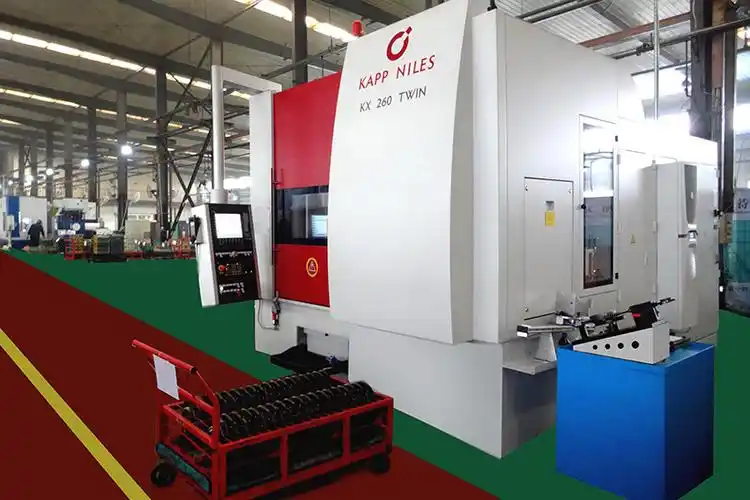
Dlaczego frezowanie CNC jest niezbędne w produkcji samochodów
Wyobraź sobie pojedynczy blok silnika, który wymaga wywiercenia kilkudziesięciu otworów z najwyższą precyzją, przy czym każdy z nich musi być położony z dokładnością ±0,01 mm względem zaplanowanej pozycji. Teraz pomnóż tę złożoność przez tysiące elementów w nowoczesnym pojeździe. To właśnie w tym miejscu frezowanie CNC w przemyśle motocyklowym staje się niezastąpione. W swojej istocie technologia ta wykorzystuje sterowanie numeryczne komputerowe — Pełną nazwę CNC, która zrewolucjonizowała produkcję — aby przekształcać surowe metale, tworzywa sztuczne oraz materiały kompozytowe w precyzyjne elementy, które zapewniają bezpieczne i wydajne funkcjonowanie pojazdów.
Od surowego metalu do gotowych do eksploatacji na drodze komponentów
Mechanika CNC w przemyśle motocyklowym i samochodowym odnosi się do zautomatyzowanego procesu produkcyjnego, w którym instrukcje programowane komputerowo kierują narzędziami tnącymi w celu kształtowania surowych materiałów w gotowe elementy. W przeciwieństwie do obróbki ręcznej, w której każdy ruch kontroluje operator ludzki, technologia CNC wykonuje złożone wzory cięcia z wyjątkową powtarzalnością. Masywny pręt aluminiowy wprowadzany jest do maszyny, a po kilku godzinach pojawia się w pełni uformowana głowa cylindra silnika – zawierająca skomplikowane gniazda zaworów, kanały chłodzenia oraz powierzchnie montażowe.
Dlaczego ten proces jest szczególnie wartościowy dla przemysłu motocyklowego i samochodowego? Odpowiedź tkwi w trzech kluczowych możliwościach:
- Dokładność: Współczesne maszyny CNC do zastosowań motocyklowych i samochodowych osiągają tolerancje nawet do ±0,005 mm, zapewniając bezproblemowe dopasowanie elementów do siebie
- Powtarzalność: Po zaprogramowaniu maszyny te produkują identyczne części niezależnie od tego, czy potrzebujesz 10 sztuk, czy 10 000 sztuk
- Elastyczność Materiałowa: Od lekkich stopów aluminium po wysokowytrzymałowe tytan – procesy CNC obsługują pełny zakres materiałów stosowanych w przemyśle motocyklowym i samochodowym
Cyfrowa podstawa produkcji pojazdów
Dzisiejszy łańcuch dostaw motocyklowy w dużej mierze zależy od możliwości CNC w branży motocyklowej na każdym poziomie. Dostawcy pierwszego stopnia wykorzystują wieloosiowe centra frezarskie do produkcji obudów skrzyń biegów i klocków hamulcowych. Dostawcy drugiego i trzeciego stopnia polegają na precyzyjnych tokarkach przy produkcji mniejszych komponentów, takich jak wałki zaworów i obudowy czujników. Tymczasem linie produkcyjne OEM-ów integrują maszyny CNC bezpośrednio w swoich procesach montażowych w celu produkcji zgodnej z zasadą just-in-time.
Wpływ tej technologii wykracza poza tradycyjne silniki spalinowe. Producenti pojazdów elektrycznych (BEV) wykorzystują obecnie obróbkę CNC do produkcji obudów akumulatorów, obudów silników oraz lekkich elementów konstrukcyjnych. Ta elastyczność wyjaśnia, dlaczego analitycy branżowi uznają technologię CNC za jedną z podstawowych filarów nowoczesnej produkcji motocyklowej.
Tam, gdzie precyzja spotyka się z skalą produkcji
Dlaczego obróbka elementów samochodowych stała się tak zależna od technologii CNC? Odpowiedź staje się oczywista, gdy weźmie się pod uwagę wymagania stawiane współczesnym pojazdom. Elementy krytyczne pod względem bezpieczeństwa, takie jak piasty zawieszenia i części układu hamulcowego, nie tolerują żadnych odchyleń wymiarowych. Elementy wpływające na wydajność, takie jak wały korbowe i rozrządowe, wymagają powierzchni o chropowatości mierzonej w mikronach. Ponadto, przy objętościach produkcji wahaющихся od prototypów po miliony sztuk rocznie, producenci potrzebują procesów, które można skalować bez utraty jakości.
Maszyna CNC do zastosowań motocyklowych i samochodowych spełnia wszystkie te wymagania jednocześnie. Zapewnia precyzję niezbędną w zastosowaniach o wysokiej wydajności, spójność wymaganą do zgodności z przepisami dotyczącymi bezpieczeństwa oraz elastyczność umożliwiającą przełączanie się między prototypowaniem małoseryjnym a produkcją masową. Jak dowiesz się w kolejnych sekcjach, zrozumienie sposobu wykorzystania tych możliwości — od wyboru odpowiedniego typu maszyny po dobór optymalnych materiałów — może stanowić różnicę między sukcesem produkcyjnym a kosztownymi awariami w procesie produkcji.
Obróbka CNC w porównaniu z odlewaniem, kuciem i wytwarzaniem przyrostowym
Brzmi skomplikowanie? Wybór odpowiedniej metody produkcji dla komponentów samochodowych często wydaje się przytłaczający. Każdy proces — czy to ubytkowy, jak Obróbka CNC, czy kształtujący, jak odlewanie —zapewnia wyraźne korzyści w zależności od objętości produkcji, wymaganych tolerancji oraz ograniczeń budżetowych. Przeanalizujmy systematycznie te opcje, aby móc podjąć świadome decyzje dotyczące konkretnych zastosowań.
Wybór między procesami ubytkowymi a kształtującymi
Przy wyborze metody wytwarzania dla projektów obróbki części samochodowych kluczowe znaczenie ma zrozumienie podstawowych różnic między poszczególnymi procesami. Obróbka CNC polega na usuwaniu materiału z litego półfabrykatu za pomocą narzędzi tnących sterowanych komputerowo. Odlewanie polega na wlewaniu stopionego metalu do form w celu uzyskania kształtów zbliżonych do gotowego wyrobu. Kucie wykorzystuje siły ściskające do nadania kształtu nagrzanemu metalowi, tworząc elementy o wysokiej wytrzymałości. Wytwarzanie przyrostowe (additive manufacturing) tworzy detale warstwa po warstwie na podstawie plików cyfrowych.
Każda z tych metod rozwiązuje inne wyzwania produkcyjne. Zgodnie z badaniami opublikowanymi w „Journal of Precision Instrument and Machinery” integracja tradycyjnego odlewnictwa i kucia z precyzyjnym obróbkiem CNC może poprawić zarówno jakość, jak i wydajność produkcji kluczowych elementów samochodowych. Kluczem jest dobranie odpowiedniej metody do konkretnych wymagań.
Macierz decyzyjna dotycząca metody wytwarzania
Zanim przejdziemy do szczegółów, poniżej znajduje się kompleksowa porównawcza tabela ułatwiająca ocenę każdej z opcji pod kątem potrzeb związanych z obróbką komponentów:
| Kryteria | Obróbka CNC | FORMOWANIE | Wyroby szlachetne | Wytwarzania przyrostowego |
|---|---|---|---|---|
| Dokładność wymiarowa | osiągalne ±0,005 mm | ±0,25 mm do ±1,0 mm – typowe | ±0,5 mm do ±2,0 mm – typowe | ±0,1 mm do ±0,3 mm – typowe |
| Wykończenie powierzchni | Ra 0,2–0,8 μm | Ra 3,2–12,5 μm | Ra 1,6–6,3 μm | Ra 3,2–15 μm (bez dalszej obróbki) |
| Opcje materiałowe | Prawie wszystkie metale, tworzywa sztuczne i kompozyty nadające się do obróbki skrawaniem | Aluminium, żelazo, stal, brąz, stopy cynku | Stal, aluminium, tytan, superstopy | Ograniczona liczba stopów metalowych, rozbudowywane możliwości |
| Optymalny zakres wielkości produkcji | 1–10 000+ sztuk | 500–1 000 000+ sztuk | 1 000–500 000+ sztuk | 1–500 sztuk |
| Czas realizacji (pierwsza sztuka) | 1-5 dni | 4–12 tygodni (wykonanie narzędzi) | 6–16 tygodni (tworzenie matrycy) | 1-7 dni |
| Koszt elementu (mała seria) | Umiarkowany | Bardzo wysokie (amortyzacja narzędzi) | Bardzo wysokie (amortyzacja kosztów matrycy) | Wysoki |
| Koszt elementu (duża seria) | Wyższe niż przy odlewaniu/cięciu | Bardzo niska | Niski | Bardzo wysoki |
| Złożone struktury wewnętrzne | Ograniczone przez dostęp do narzędzi | Doskonałe (rdzenie tworzą wnęki) | Ograniczona | Doskonały |
Gdy precyzja ma pierwszeństwo przed objętością produkcji
Produkcyjne frezowanie CNC wyróżnia się w sytuacjach, w których ścisłe допусki i wysokiej jakości wykończenie powierzchni są warunkiem koniecznym. Rozważ poniższe przypadki, w których frezowanie CNC staje się jednoznacznie najlepszym wyborem:
- Złożone geometrie wymagające ścisłych dopuszczeń: Gdy Twoja część CNC wymaga dokładności wymiarowej w zakresie ±0,01 mm na wielu cechach, obróbka skrawaniem zapewnia to, czego nie potrafi osiągnąć odlewanie ani kucie
- Elastyczność od prototypu do produkcji: Ten sam program CNC, który służy do produkcji pierwszego prototypu, może być użyty do masowej produkcji bez konieczności zmiany narzędzi
- Iteracje projektowe: Modyfikacja programu CNC trwa kilka godzin; zmiana formy odlewniczej lub matrycy kuźniczej zajmuje tygodnie i wiąże się z kosztami wynoszącymi tysiące złotych
- Weryfikacja materiału: Rozpoczęcie obróbki od certyfikowanego pręta gwarantuje znane właściwości materiału — co jest kluczowe dla elementów odpowiedzialnych za bezpieczeństwo
Jednak odlewanie staje się bardziej opłacalne przy produkcji złożonych części z wewnętrznymi kanałami w ilościach przekraczających 5000 sztuk. Bloki silników, na przykład, korzystają z możliwości odlewania polegającej na tworzeniu skomplikowanych kanałów chłodzących i kanałów olejowych w jednym odlewie. Podobnie kucie zapewnia lepszą strukturę ziarnistą i wyższą odporność na zmęczenie dla elementów poddawanych dużym obciążeniom, takich jak wały korbowe i tłoczyskowe, co czyni je idealnym wyborem, gdy wymagania dotyczące wydajności mechanicznej uzasadniają wyższe koszty matryc.
"Poprzez racjonalne planowanie ścieżek narzędzi, optymalizację parametrów skrawania oraz wprowadzenie zautomatyzowanych jednostek montażowych można poprawić dokładność wymiarową części do wartości 0,005 mm, zmniejszyć chropowatość powierzchni do Ra 0,4 μm, skrócić cykle produkcyjne o 15–20% oraz zwiększyć współczynnik wydajności o 12%." — „Journal of Precision Instrument and Machinery”, 2025
Podejścia hybrydowe: Najlepsze cechy obu metod
To miejsce, gdzie obróbka CNC części naprawdę wyraża się — jako proces wykańczający odlewy lub kowanki. Takie hybrydowe podejście wykorzystuje korzyści kosztowe procesów kształtujących, jednocześnie zapewniając precyzję, jaką tylko obróbka skrawaniem potrafi zapewnić.
Wyobraź sobie obudowę skrzyni biegów. Odlew tworzy podstawowy kształt z wewnętrznymi żebrami i wypustami montażowymi po znacznie niższym koszcie niż obróbka z materiału pełnego. Następnie operacje wykańczające CNC precyzyjnie toczą krytyczne otwory na łożyska z dokładnością ±0,01 mm, frezują powierzchnie uszczelniające do chropowatości Ra 0,4 μm oraz wiercą dokładnie pozycjonowane kanały olejowe. Jak zauważa firma BDE Inc., taka kombinacja odzwierciedla współczesny trend w produkcji przemysłowej w kierunku integracji hybrydowej, która „wykorzystuje mocne strony poszczególnych metod i minimalizuje ich wady.”
Typowe hybrydowe przepływy pracy obejmują:
- Odlew + obróbka CNC: Blok silnika, głowy cylindrów, obudowy skrzyń biegów, obudowy różnicówek
- Kowanina + obróbka CNC: Wały korbowe, wały rozrządu, tłocznie, piasty zawieszenia
- Addytywna + obróbka CNC: Komponenty prototypowe, elementy specjalne o niskiej liczbie sztuk, złożone kanały chłodzące
Ostateczna decyzja sprowadza się do znalezienia równowagi między wymaganiami dotyczącymi dopuszczalnych odchyłek, objętościami produkcji oraz budżetem. Dla partii poniżej 500 sztuk czyste frezowanie CNC zazwyczaj zapewnia najszybszą drogę do uzyskania części gotowych do produkcji. Dla partii przekraczających 10 000 sztuk i umiarkowanych wymagań co do dokładności wykonania, odlewanie lub kucie z uzupełniającym obróbką CNC zapewnia optymalną opłacalność. Zrozumienie tych kompromisów pozwala na wybór odpowiedniej metody wytwarzania, która gwarantuje zarówno wysoką jakość, jak i efektywność kosztową dla każdej części obrabianej w aplikacji motocyklowej.
Gdy wybór metody wytwarzania został już wyjaśniony, kolejną kluczową decyzją jest dobór odpowiedniego typu maszyny CNC do konkretnych komponentów samochodowych – wybór ten ma bezpośredni wpływ na osiągalne tolerancje, czasy cyklu oraz koszty produkcji.
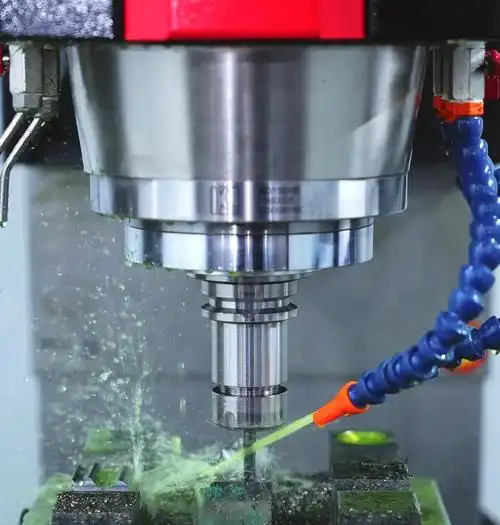
Typy maszyn CNC napędzających produkcję motocyklową
Podczas produkcji elementów samochodowych wybór odpowiedniego typu maszyny CNC ma bezpośredni wpływ na osiągalne tolerancje, czasy cyklu oraz koszty produkcji. Od prostych płytek mocujących po złożone wirniki turbosprężarek – każda konfiguracja maszyny rozwiązuje konkretne wyzwania geometryczne. Przyjrzymy się pełnej gamie operacji wykonywanych na maszynach CNC w produkcji samochodowej i sprawdzimy, kiedy poszczególne typy zapewniają optymalne rezultaty.
Ponad operacje 3-osiowe
Przemysł motocyklowy i samochodowy przeszedł daleko poza podstawowe frezowanie 3-osiowe. Choć maszyny te nadal są wartościowym narzędziem w niektórych zastosowaniach, współczesne komponenty pojazdów coraz częściej wymagają możliwości wieloosiowych. Zgodnie z YCM Alliance , „frezowanie 5-osiowe eliminuje ograniczenia, zapewniając ciągły dostęp narzędzia do praktycznie dowolnej orientacji powierzchni”, umożliwiając kompleksową obróbkę detalu w jednym ustawieniu przy jednoczesnym zachowaniu zależności wymiarowych.
Oto, co każdy typ maszyny wnosi do produkcji elementów samochodowych:
- frezarki pionowe 3-osiowe: Te pracowite maszyny obsługują płaskie elementy, takie jak uchwyty montażowe, pokrywy zaworów oraz proste obudowy. Narzędzie skrawające porusza się wzdłuż osi X, Y i Z, podczas gdy przedmiot obrabiany pozostaje nieruchomy. Doskonale nadają się do frezowania czołowego, wiercenia wzorów oraz podstawowych operacji wykonywania kieszonek, w których wszystkie cechy są dostępne od góry. Ich niższa cena oraz prostsze programowanie czynią je idealnym wyborem do prostych geometrii.
- poziome centra frezarskie z 4 osiami: Dodanie osi obrotowej zwiększa możliwości obróbki części cylindrycznych i graniastych. Bloki silników, obudowy skrzyń biegów oraz obudowy różnicówek korzystają z poziomej orientacji wrzeciona. Jak zauważa Vatan CNC , poziome maszyny zapewniają lepsze usuwanie wiórów — wióry metalowe spadają z przedmiotu obrabianego zamiast gromadzić się na powierzchniach obrabianych, co przekłada się na lepszą jakość wykończenia i mniejszą liczbę wad.
- centra frezarskie z jednoczesną obróbką 5-osiową: Stanowią one szczyt możliwości CNC w zakresie obróbki złożonych geometrii. Maszyny pięcioosiowe wykorzystują technologię CNC do podejścia do przedmiotów obrabianych praktycznie pod dowolnym kątem, co czyni je niezbędnymi przy produkcji wirników turbosprężarek, złożonych kolektorów ssawnych oraz komponentów samochodowych o jakości lotniczej. Możliwość utrzymywania optymalnej orientacji narzędzia skrawającego wzdłuż złożonych konturów zapewnia doskonałą jakość powierzchni i wydłuża żywotność narzędzi.
- Tokarki CNC i centra tokarskie: Składniki obrotowe, takie jak wały rozrządu, wały napędowe oraz trzpienie zaworów, wymagają operacji tokarskich. Wieloosiowe tokarki CNC łączą toczenie z aktywnym wyposażeniem frezarskim i wiertarskim, umożliwiając kompleksową obróbkę złożonych części walcowych w jednej pozycji. Wiele dostawców motocyklowych i samochodowych, w tym firmy takie jak Ansco Machine, specjalizujące się w precyzyjnych elementach tokarskich, opiera się w znacznym stopniu na zaawansowanej technologii tokarskiej.
- Maszyny CNC typu szwajcarskiego: Dla małych, smukłych części precyzyjnych — takich jak elementy wtryskiwaczy paliwa, obudowy czujników oraz miniaturowe elementy mocujące — tokarki typu szwajcarskiego zapewniają nieosiągalną dokładność. Ich konstrukcja z przesuwnym wrzecionem zapewnia podparcie przedmiotu obrabianego w pobliżu strefy cięcia, eliminując ugięcie, które w przeciwnym razie naruszyłoby wymagane допуски dla długich i cienkich części.
Dopasowanie możliwości maszyny do złożoności komponentu
Jak określić, której maszyny CNC użyć do konkretnego zastosowania motocyklowego? Decyzja zależy od geometrii komponentu, wymaganych dopuszczalnych odchyłek oraz wielkości serii produkcyjnej. Rozważ poniższe wytyczne do doboru procesu:
- Frezowanie CNC: Wybierz frezowanie, gdy komponent posiada powierzchnie płaskie, kieszenie, rowki lub złożone kontury 3D. Bloki silnikowe na poziomych centrach frezarskich korzystają z dostępu do wielu stron oraz doskonałej odprowadzania wiórków. Głowice cylindrowe wymagają precyzyjnego frezowania gniazd zaworów, co najlepiej osiąga się na frezarkach pionowych lub pięcioosiowych.
- Tornictwo CNC: Wybierz toczenie dla symetrii obrotowej — wały korbowe, koła pasowe i elementy osiowe. Nowoczesne tokarki wieloosiowe wyposażone w zaawansowane systemy sterowania CNC firmy Mitsubishi lub podobne obsługują złożone profile, zachowując ścisłe tolerancje współśrodkowości.
- EDM (Obróbka elektroerozyjna): Gdy tradycyjne narzędzia skrawające nie mogą dotrzeć do elementów wewnętrznych lub gdy materiały hartowane opierają się konwencjonalnemu obróbce skrawaniem, elektroerozyjna obróbka skrawająca (EDM) staje się niezbędna. Otworki w dyszach wtryskowych paliwa oraz złożone kanały matryc do narzędzi do tłoczenia samochodowego często wymagają obróbki metodą EDM przewodową lub EDM zanurzeniową.
- Szlifowanie CNC: Dla uzyskania najwyższej jakości powierzchni oraz precyzji wymiarowej na elementach hartowanych szlifowanie zapewnia to, czego frezowanie nie jest w stanie osiągnąć. Powierzchnie wałów korbowych, wałów rozrządu oraz bieżni łożysk są dopracowywane na precyzyjnych szlifierkach CNC, aby osiągnąć wartości chropowatości Ra poniżej 0,2 μm.
Przewaga obróbki 5-osiowej dla złożonych geometrii
Dlaczego producenci samochodów coraz bardziej inwestują w możliwość obróbki na 5 osi? Odpowiedź tkwi zarówno w jakości, jak i ekonomice. Zgodnie z informacjami firmy Copamate, frezarki CNC z możliwością obróbki na 5 osi osiągają tolerancje aż do ±0,0005 cala, jednocześnie obsługując złożone geometrie w pojedynczym ustawieniu — eliminując tym samym różnice w dokładności wynikające z ponownego pozycjonowania części między poszczególnymi operacjami.
Rozważmy konkretne zastosowania w przemyśle motocyklowym, w których obróbka na 5 osi okazuje się niezastąpiona:
- Wirniki turbosprężarek: Te elementy aerodynamiczne charakteryzują się łopatkami o złożonych krzywiznach, które wymagają jednoczesnego ruchu na 5 osi w celu zapewnienia odpowiedniego dostępu narzędzia oraz uzyskania optymalnej chropowatości powierzchni
- Korpusy silników elektrycznych: Złożone kanały chłodzące oraz precyzyjne otwory pod łożyska korzystają z obróbki w pojedynczym ustawieniu, która zachowuje wzajemne relacje geometryczne
- Wahacze zawieszenia: Wiele powierzchni frezowanych pod różnymi kątami — dla zawieszeń kulowych, łożysk kół oraz klocków hamulcowych — jest kończonych bez konieczności ponownego pozycjonowania
- Wlotowe kolektory wydajnościowe: Gładkie, przepływające kanały wewnętrzne wymagają możliwości obróbki 5-osowej, aby zachować spójną jakość powierzchni na całej długości złożonych krzywych
The inwestycja w zaawansowane wyposażenie wieloosiowe przynosi korzyści w postaci skrócenia czasów cyklu, poprawy dokładności oraz możliwości produkcji elementów, które w przeciwnym razie wymagałyby użycia wielu maszyn i wielokrotnych ustawień. Dla dostawców motocyklowych dążących do uzyskania przewagi konkurencyjnej zrozumienie momentu, w którym należy wykorzystać najbardziej zaawansowane poziomy technologii CNC, często oddziela liderów rynku od podążających za nimi graczy.
Po wybraniu właściwego typu maszyny następną ważną decyzją jest wybór materiału — czynnika, który bezpośrednio wpływa zarówno na obrabialność, jak i na ostateczną wydajność komponentu w wymagających warunkach produkcji motoryzacyjnej.
Przewodnik po doborze materiałów dla komponentów CNC stosowanych w przemyśle motocyklowym
Wyobraź sobie: wybrałeś idealny frezarkę CNC, zaprogramowałeś bezbłędne ścieżki narzędzi i ustawiłeś optymalne parametry cięcia. Jednak jeśli wybrałeś niewłaściwy materiał, cała ta precyzja nie ma znaczenia. Dobór materiału do komponentów obrabianych na maszynach CNC stanowi jedną z najważniejszych decyzji w produkcji motocyklowej — wpływa bezpośrednio na wagę elementów, ich trwałość, łatwość obróbki oraz ostatecznie na wydajność pojazdu.
Nie ma znaczenia, czy obrabiasz części samochodowe do silników o wysokiej wydajności, czy lekkich obudów akumulatorów dla pojazdów elektrycznych (EV) — zrozumienie właściwości materiałów pozwala Ci zrównoważyć przeciwstawne wymagania. Przeanalizujmy główne kategorie materiałów dominujących w obróbce części samochodowych i sprawdźmy, które z nich najlepiej spełniają Twoje konkretne potrzeby.
Stopy aluminium do inicjatyw zmniejszania masy
Stopy aluminium stały się podstawą strategii lekkich konstrukcji w przemyśle motocyklowym. Ich gęstość wynosi mniej więcej jedną trzecią gęstości stali, co pozwala producentom spełniać coraz surowsze normy dotyczące oszczędności paliwa i emisji. Jednak nie wszystkie stopy aluminium zachowują się jednakowo podczas obróbki CNC. Zgodnie z badaniami firmy First Mold wybór odpowiedniego stopu aluminium może oznaczać różnicę między efektywną produkcją a kosztownymi trudnościami obróbkowymi.
Oto najważniejsze informacje na temat najczęściej stosowanych stopów aluminium do komponentów samochodowych wykonanych metodą CNC:
- 6061-T6: Ten uniwersalny „roboczy koń” oferuje najlepszy balans wytrzymałości, odporności na korozję oraz obrabialności. Przy wytrzymałości na rozciąganie wynoszącej około 310 MPa radzi sobie z obciążeniami konstrukcyjnymi, pozostając przy tym łatwym do obróbki skrawaniem. Można go znaleźć w felgach do ciężarówek, elementach zawieszenia oraz ogólnych częściach konstrukcyjnych. Stan hartowania T6 zapewnia doskonałą jakość powierzchni, choć odpowiednie smarowanie i chłodzenie pozostają kluczowe, aby zapobiec przegrzaniu.
- 7075-T6: Gdy wytrzymałość przeważa nad wszystkimi innymi kwestiami, stop 7075 jest rozwiązaniem idealnym. Jego wytrzymałość na rozciąganie osiąga około 570 MPa – prawie dwukrotnie więcej niż u stopu 6061. Zastosowania lotnicze, takie jak elementy konstrukcyjne samolotów, mają wspólną „genetykę materiałową” z wysokowydajnymi częściami motocyklowymi i samochodowymi, w tym ramami rowerów górskich oraz specjalnymi wspornikami. Jednak wysoka wytrzymałość tego stopu powoduje zwiększone zużycie narzędzi, co wymaga stosowania wysokiej klasy narzędzi tnących oraz starannej optymalizacji parametrów obróbki.
- 2024-T3: Odporność na zmęczenie czyni stop 2024 materiałem preferowanym dla komponentów podlegających cyklicznemu obciążeniu. Dzięki doskonałej wytrzymałości względem masy świetnie sprawdza się w zastosowaniach, w których awaria spowodowana zmęczeniem miałaby katastrofalne skutki. Pojazdy wojskowe i elementy konstrukcyjne statków powietrznych opierają się na stopie 2024, a podobne wymagania w zastosowaniach motocyklowych i samochodowych czynią go wartościowym również dla części nośnych. Należy pamiętać, że utwardzanie przez odkształcenie podczas obróbki skrawaniem wymaga stosowania ostrych narzędzi oraz kontrolowanych prędkości skrawania.
- 5052:Środowiska morskie i chemiczne wymagają wyjątkowej odporności na korozję, którą zapewnia stop 5052. Choć jego wytrzymałość jest niższa niż stopów serii 6000 lub 7000, to jego odporność na wodę morską i surowe warunki czyni go idealnym do zbiorników paliwa, zbiorników ciśnieniowych oraz elementów narażonych na działanie środowisk korozyjnych.
Gatunki stali spełniające wymagania konstrukcyjne
Mimo popularności aluminium stal pozostaje niezastąpiona w przypadku elementów układu napędowego poddawanych wysokim obciążeniom, konstrukcji krytycznych pod względem bezpieczeństwa oraz zastosowań wymagających maksymalnej trwałości. Kluczowym wyzwaniem jest dobranie odpowiedniego gatunku stali do konkretnych wymagań przy jednoczesnym zarządzaniu zwiększoną trudnością obróbki skrawaniem w porównaniu do aluminium.
Zgodnie z informacjami HLC Metal Parts stal chromowo-molibdenowa 4140 „zapewnia idealny balans wytrzymałości, odporności na uderzenia oraz odporności na zużycie”, co czyni ją dominującym materiałem w zastosowaniach związanych z napędem pojazdów samochodowych. Jej skład chemiczny — 0,38–0,43 % węgla, 0,80–1,10 % chromu oraz 0,15–0,25 % molibdenu — zapewnia wytrzymałość na rozciąganie przekraczającą 655 MPa w stanie hartowanym i odpuszczanym.
W przypadku obróbki części samochodowych ze stali 4140 stan cieplnej obróbki znacznie wpływa na łatwość obróbki skrawaniem:
- Stan odprężony (HB 207–229): Najłatwiejszy do obróbki za pomocą narzędzi ze stali szybkotnącej (HSS) lub niepowlekanych płytek karbidowych przy prędkości skrawania 70–100 SFM
- Stan wstępnie utwardzony (HRC 28–32): Wymaga płytek karbidowych powlekanych TiAlN lub TiCN oraz obniżenia prędkości skrawania
- Stan w pełni utwardzony (HRC 38+): Wymaga płytek z azotku boru węglowego (CBN) lub diamentowych; końcowa obróbka często odbywa się przez szlifowanie lub elektroerozyjne frezowanie (EDM)
Stale nierdzewne gatunków 304 i 316 są stosowane w zastosowaniach wymagających wysokiej odporności na korozję. Choć są trudniejsze w obróbce niż stali węglowe, ich zawartość chromu i niklu zapewnia doskonałą odporność w układach wydechowych, elementach układów paliwowych oraz obudowach czujników. Dodatkowa zawartość molibdenu w gatunku 316 zapewnia lepszą odporność na korozję chlorkową – cecha szczególnie przydatna w przypadku elementów narażonych na działanie soli drogowej.
Nowe materiały przeznaczone do komponentów pojazdów elektrycznych
Rewolucja pojazdów elektrycznych przekształciła wymagania materiałowe dotyczące frezowania CNC w przemyśle motocyklowym. Obudowy akumulatorów, obudowy silników oraz lekkie elementy konstrukcyjne wymagają materiałów, które zapewniają odpowiedni balans między zarządzaniem ciepłem, właściwościami elektromagnetycznymi a odpornością na uderzenia – wymagania te znacznie różnią się od tych obowiązujących w tradycyjnych zastosowaniach silników spalinowych (ICE).
Zgodnie z przewodnikiem Zintilon dotyczącym produkcji pojazdów elektrycznych (EV) aluminium pozostaje głównym materiałem stosowanym do obudów akumulatorów ze względu na jego „wysoką obrabialność i kuteść” w połączeniu z „dobrą wytrzymałością względną do masy, wysoką przewodnością cieplną i elektryczną, niską gęstością oraz naturalną odpornością na korozję”. Właściwości te są kluczowe przy zarządzaniu obciążeniem cieplnym pakietów akumulatorów przy jednoczesnym minimalizowaniu masy pojazdu.
Gdy producenci opracowują strategie obróbki i produkcji dla komponentów pojazdów elektrycznych (EV), pojawia się kilka kwestii związanych z doborem materiałów:
- Stopy aluminium (6061, 6082): Dominujące w przypadku obudów akumulatorów, z dopuszczalnymi tolerancjami osiąganymi nawet na poziomie ±0,003 mm
- Tytan: Charakteryzują się doskonałą odpornością na korozję oraz dobrą wytrzymałością względną do masy w zastosowaniach wymagających wysokiej wydajności, choć koszty ich obróbki znacznie przekraczają koszty obróbki aluminium
- Plastyki inżynierskie: PEEK oraz wzmocnione nylony zmniejszają masę elementów niestrukturalnych, zapewniając jednocześnie izolację elektryczną
- Stopy magnezu: Jeszcze lżejszy niż aluminium przy dobrej sztywności, choć wymaga ostrożnego obchodzenia się z powodu zagrożenia zapłonem podczas obróbki
Kompleksowe porównanie materiałów do zastosowań motocyklowych
Aby ułatwić wyobrażenie sobie wymagań dotyczących maszyn i produkcji dla konkretnych zastosowań, przedstawiamy szczegółowe porównanie materiałów powszechnie stosowanych w CNC obróbce elementów samochodowych:
| Materiał | Wytrzymałość na rozciąganie | Ocena łatwości obróbki | Typowe Zastosowania w Motoryzacji | Kluczowe aspekty obróbki skrawaniem |
|---|---|---|---|---|
| 6061-T6 Aluminium | 310 MPa | Doskonała (90%) | Koła ciężarówek, uchwyty zawieszenia, elementy konstrukcyjne | Wymaga odpowiedniego chłodzenia; pozwala osiągnąć doskonałe wykończenie powierzchni |
| 7075-T6 Aluminium | 570 MPa | Dobra (70%) | Wysokowytrzymałe uchwyty, elementy wysokich osiągów, części przeznaczone również do zastosowań lotniczych | Wyższy zużycie narzędzi; wymaga wysokiej jakości narzędzi z węglików spiekanych |
| aluminium 2024-T3 | 470 MPa | Dobra (70%) | Elementy krytyczne pod względem zmęczeniowym, konstrukcje nośne | Materiał staje się twardszy podczas obróbki; należy używać ostrych narzędzi i kontrolować prędkości |
| stal 4140 (hartowana i odpuszczana) | 655+ MPa | Umiarkowany (55%) | Zębniki, wały, elementy układu napędowego, wysokonaprężone elementy złączne | Stan obróbki cieplnej wpływa na obrabialność; przed spawaniem należy przeprowadzić nagrzewanie wstępnego |
| nierdzewna stal 304 | 515 MPa | Średnia (45%) | Elementy układu wydechowego, obudowy czujników, części układu paliwowego | Szybko ulega utwardzeniu w procesie obróbki; należy stosować dodatnie kąty natarcia i stałą posuw |
| 316 ze stali nierdzewnej | 485 MPa | Średnia (40%) | Zastosowania morskie, elementy przeznaczone do pracy w środowiskach korozyjnych | Wysoka odporność na chlorki; trudniejsza w obróbce niż stal 304 |
| Tytan (Ti-6Al-4V) | 950 MPa | Słaba (25%) | Wydajne układy wydechowe, elementy do zastosowań wyścigowych, elementy przeznaczone do zastosowań lotniczo-kosmicznych | Niska przewodność cieplna; należy stosować sztywne ustawienia i chłodziwo pod wysokim ciśnieniem |
| Plastik inżynieryjny PEEK | 100 Mpa | Doskonała (95%) | Izolatory elektryczne, lekkie tuleje, obudowy czujników | Wysoka cena; doskonała odporność chemiczna i stabilność wymiarowa |
"Dopuszczalne odchyłki frezowania CNC dla stopów aluminium wahają się od ±0,001 cala (zastosowania lotnicze) do ±0,010 cala (zastosowania ogólne); powodzenie zależy od dopasowania właściwości materiału do konkretnych wymagań produkcyjnych." — Przewodnik techniczny First Mold
Wybrany materiał decyduje o wszystkich kolejnych decyzjach związanych z procesem produkcyjnym — od wyboru narzędzi i parametrów skrawania po osiągalne tolerancje i jakość powierzchni. Stopy aluminium zapewniają najlepszą obrabialność w przypadku produkcji masowej, podczas gdy stali stopowe zapewniają wytrzymałość niezbędną dla krytycznych pod względem bezpieczeństwa elementów układu napędowego. W zastosowaniach EV nacisk przesuwa się ku zarządzaniu ciepłem i redukcji masy, co czyni aluminium oraz specjalistyczne materiały coraz bardziej atrakcyjnymi.
Gdy wybór materiału został ustalony, kolejnym kluczowym zagadnieniem staje się zrozumienie specyfikacji tolerancji definiujących jakość w standardzie motocyklowym — ponieważ nawet idealny wybór materiału nie ma znaczenia, jeśli Twoje komponenty nie spełniają wymagań dotyczących wymiarów.
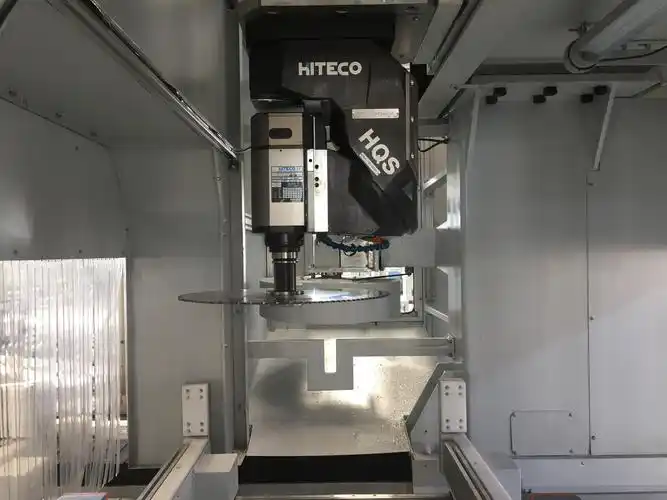
Specyfikacje tolerancji definiujące jakość w standardzie motocyklowym
Dlaczego inżynierowie motocyklowi tak bardzo skupiają się na pomiarach mniejszych niż ludzki włos? Ponieważ w precyzyjnej obróbce motocyklowej różnica między bezbłędnym silnikiem a katastrofalnym awarią często wynosi zaledwie kilka mikronów. Zrozumienie specyfikacji tolerancji to nie tylko wiedza techniczna — to podstawa, która oddziela komponenty w standardzie motocyklowym od części, które po prostu nie będą działać w rzeczywistych warunkach eksploatacji.
Język obróbki części samochodowych wykracza daleko poza proste wymiary. Obejmuje on zależności geometryczne, tekstury powierzchni oraz funkcjonalne powody istnienia każdej specyfikacji. Przyjrzymy się klasom tolerancji definiującym jakość w kluczowych systemach pojazdów.
Klasy tolerancji definiujące jakość w przemyśle motocyklowym i samochodowym
Precyzyjna obróbka części samochodowych odbywa się w ramach ścisłych zakresów tolerancji, które różnią się znacznie w zależności od funkcji danej komponentu. Dekoracyjny element wykończenia może akceptować odchylenia ±0,5 mm, podczas gdy dysza wtryskiwacza paliwa wymaga dokładności w granicach ±0,005 mm. Zrozumienie tych klas pozwala na właściwe określanie wymagań — unikając zarówno niedospecyfikowania, które kompromituje funkcjonalność, jak i nadmiernego specyfikowania, które niepotrzebnie zwiększa koszty.
Zgodnie z Huade Precision Manufacturing: „Dopuszczalne odchylenia i geometria kształtu i położenia (GD&T) są podstawą nowoczesnego frezowania CNC w przemyśle motocyklowym. Definiują one dokładne relacje między powierzchniami, zapewniając, że każde koło zębate, tłok i obudowa działają w najtrudniejszych warunkach przy minimalnym błędzie.”
Oto kompleksowy podział specyfikacji dopuszczalnych odchyleń zorganizowany według kategorii komponentów:
| Kategoria komponentów | Tolerancja wymiarowa | Jakość Powierzchni (Ra) | Krytyczne cechy | Wpływ funkcjonalny |
|---|---|---|---|---|
| Komponenty silnika | ±0,001" (±0,025 mm) | 0,2–0,8 μm | Wyloty cylindrów, powierzchnie głowicy silnika, powierzchnie osi łożysk | Sprawność sprężania, zużycie oleju, rozszerzalność cieplna |
| Zęby biegów | ±0,0005 cala (±0,013 mm) | 0,4–1,6 μm | Profil zębów kół zębatych, współosiowość wałów, gniazda łożysk | NVH (hałas, drgania, szorstkość), trwałość kół zębatych, przekazywanie mocy |
| Części układu hamulcowego | ±0,002" (±0,05 mm) | 0,8–1,6 μm | Wyloty tłoczków klocków hamulcowych, powierzchnie mocowania tarcz hamulcowych, prowadnice klocków hamulcowych | Spójność działania hamulców, szczelność uszczelek, wzorce zużycia klocków hamulcowych |
| Elementy zawieszenia | ±0,003 cala (±0,075 mm) | 1,6–3,2 μm | Otworki pod tulejki, gniazda zawiasów kulowych, otwory montażowe | Jakość jazdy, precyzja prowadzenia pojazdu, trwałość komponentów |
| Części systemów paliwowych | ±0,0002 cala (±0,005 mm) | 0,1–0,4 μm | Dysze wtryskiwaczy, gniazda zaworów, otwory dozujące | Atomizacja paliwa, kontrola emisji, wydajność spalania |
| Elementy układu kierowniczego | ±0,001" (±0,025 mm) | 0,8–1,6 μm | Otworki korpusu zębatki, powierzchnie wałka kierowniczego, gwinty końcówek drążków kierowniczych | Precyzja układu kierowniczego, zapasy bezpieczeństwa, odczucia kierowcy |
Dlaczego mikrony mają znaczenie dla wydajności silnika
Wyobraź sobie otwór cylindra silnika. Podczas każdego suwu sprężania gazy spalinowe działają na pierścienie tłokowe, które muszą szczelnie przylegać do ścianki cylindra, aby utrzymać ciśnienie. Gdy zakłady maszyn precyzyjnych do produkcji samochodowej obrabiają te otwory, osiągają tolerancje rzędu ±0,025 mm — i właśnie dlatego ta precyzja ma tak duże znaczenie:
- Wydajność kompresji: Zbyt duży otwór powoduje przeciek — ucieczkę gazów spalinowych przez pierścienie tłokowe. Skutkuje to obniżeniem mocy i zanieczyszczeniem oleju w karterze silnika
- Zużycie oleju: Nadmierna zmienność średnicy cylindra powoduje nieregularne rozprowadzanie warstwy oleju, co prowadzi do przyspieszonego zużycia pierścieni i zwiększonego zużycia oleju
- Rozszerzenie termiczne: Inżynierowie obliczają допuszczalne odchyłki, uwzględniając rozszerzalność cieplną podczas pracy — zwykle 0,001 cala na cal średnicy cylindra przy wzroście temperatury o 100 °F
- Osadzanie się pierścieni: Wykończenie powierzchni mierzone w wartościach Ra (zwykle 0,4–0,8 μm dla powierzchni cylindrów) tworzy mikroskopijną teksturę umożliwiającą prawidłowe „przełamanie się” pierścieni
Zębniki przekładni stawiają jeszcze bardziej rygorystyczne wymagania. Dopuszczalna odchyłka ±0,0005 cala na zębach zębnika nie jest przypadkowa — kontroluje ona bezpośrednio cechy zazębienia wpływające na poziom hałasu i trwałość. Gdy zęby zębników nie pasują do siebie z wystarczającą precyzją, powstają skupiska naprężeń przyspieszające zużycie. Dostawcy, tacy jak R & H Machine Inc. oraz podobni specjaliści od obróbki precyzyjnej, wiedzą, że spełnienie takich ścisłych tolerancji wymaga specjalistycznego sprzętu, kontrolowanych warunków środowiskowych oraz rygorystycznych protokołów pomiarowych.
Wymagania dotyczące dokładności według kategorii komponentów
Różne systemy samochodowe wymagają różnych poziomów dokładności w zależności od ich wymagań funkcjonalnych. Zrozumienie tych zależności pozwala na odpowiednie określenie tolerancji:
- Elementy krytyczne dla bezpieczeństwa (hamulce, układ kierowniczy, zawieszenie) wymagają tolerancji zapewniających spójną wydajność we wszystkich warunkach — zwykle ±0,001" do ±0,003"
- Składniki układu napędowego (silnik, skrzynia biegów) wymagają najściślejszych tolerancji (±0,0005" do ±0,001"), ponieważ wydajność i trwałość zależą od precyzyjnych dopasowań
- Elementy konstrukcyjne (wsporniki, obudowy) akceptują szersze tolerancje (±0,005" do ±0,010"), gdzie dopasowanie i funkcjonalność nie są tak wrażliwe
Wymagania dotyczące chropowatości powierzchni towarzyszą tolerancjom wymiarowym jako równie istotne specyfikacje. Wartości Ra (średnia chropowatość) określają mikroskopową teksturę powierzchni frezowanych:
- Ra 0,1–0,4 μm: Powierzchnie lustrzane dla powierzchni uszczelniających i precyzyjnych połączeń ślizgowych
- Ra 0,4–0,8 μm: Powierzchnie drobnoziarniste dla powierzchni osi łożysk i otworów cylindrowych
- Ra 0,8–1,6 μm: Powierzchnie standardowe dla ogólnych powierzchni stykowych
- Ra 1,6–3,2 μm: Akceptowalne dla powierzchni i powierzchni montażowych niekrytycznych
"Zmniejszenie tolerancji o 50% zazwyczaj powoduje wzrost kosztów produkcji o 100% lub więcej. Kluczem do sukcesu w obróbce części samochodowych jest określenie minimalnej dokładności wymaganej do zapewnienia funkcjonalności — wystarczająco ścisłej, aby zapewnić odpowiednią wydajność, ale nie tak ścisłej, aby koszty stały się zbyt wysokie."
Zależność między kosztem a tolerancją wyjaśnia, dlaczego doświadczeni inżynierowie starannie oceniają wymagania funkcjonalne każdego elementu przed określeniem tolerancji. Otwór montażowy klocka hamulcowego może mieć tolerancję ±0,010 cala, ponieważ śruby kompensują niewielkie odchylenia, podczas gdy otwór na tłoczek w tym samym klocku wymaga tolerancji ±0,002 cala, aby zapewnić prawidłowe założenie uszczelki oraz spójne odczucie hamowania.
Stałe osiąganie tych specyfikacji tolerancji w całym zakresie produkcji wymaga więcej niż tylko sprawdzonych maszyn — wymaga to solidnych systemów zapewnienia jakości, statystycznej kontroli procesów oraz certyfikatów wymaganych przez producentów samochodów (OEM) od swoich dostawców.
Standardy jakości i certyfikaty dla dostawców CNC w branży motocyklowej
Osiągnąłeś ścisłe допусki na swoich częściach frezowanych. Wykończenie powierzchni zgodne jest ze specyfikacją. Ale oto rzeczywistość — bez odpowiednich certyfikatów i dokumentacji jakościowych te części nigdy nie trafią na linie montażowe producentów samochodów OEM. Przemysł obróbki CNC działa w oparciu o jedne z najbardziej rygorystycznych wymagań jakościowych w całej branży produkcyjnej, a zrozumienie tych standardów decyduje o tym, czy dostawca zdobędzie kontrakt, czy nawet nie zostanie dopuszczony do przetargu.
Zapewnienie jakości w obróbce CNC dla branży motocyklowej wykracza daleko poza końcową kontrolę jakości. Obejmuje ono systematyczne procesy zapobiegania wadom, dokumentowania kompetencji oraz wykazywania spójnej wydajności w całym cyklu produkcji. Przyjrzymy się wymaganiom certyfikacyjnym oraz systemom zarządzania jakością, które producenci części CNC muszą opanować, aby skutecznie obsługiwać sektor motocyklowy.
IATF 16949 jako podstawa jakości w branży motocyklowej
Jeśli poważnie podchodzisz do obróbki CNC zgodnej z wymaganiami producentów OEM, certyfikat IATF 16949 nie jest opcjonalny – to Twój bilet wejściowy. Standard ten został opublikowany w październiku 2016 roku przez Międzynarodową Grupę Roboczą ds. Motocykli (International Automotive Task Force), IATF 16949:2016 określa wymagania dotyczące systemu zarządzania jakością dla organizacji działających w globalnej branży motocyklowej. Skutecznie zastąpił standard ISO/TS 16949 i został opracowany przy niezwykle szerokiej współpracy branżowej, w tym z udziałem głównych amerykańskich producentów z północnoamerykańskiego rynku.
Dlaczego producenci OEM z sektora motocyklowego nakładają ten standard na swoich dostawców? Ponieważ IATF 16949 wprowadza wspólny język jakości na całym łańcuchu dostaw. Zgodnie z AIAG ten standard „w połączeniu z obowiązującymi wymaganiami specyficznymi dla klientów określa wymagania dotyczące systemu zarządzania jakością w zakresie produkcji, obsługi oraz/lub części dodatkowych dla przemysłu motocyklowego." Certyfikat ten ma zastosowanie niezależnie od tego, czy produkujesz komponenty silnikowe do pojazdów osobowych, czy części obrabiane do ciężkich pojazdów przeznaczonych dla samochodów ciężarowych.
Kluczowe elementy normy IATF 16949, które bezpośrednio wpływają na frezowanie CNC dla producentów OEM, obejmują:
- Podejście procesowe: Każda operacja frezowania musi być zdefiniowana, kontrolowana i powiązana z wymaganiami klienta
- Myślenie oparte na ryzyku: Dostawcy muszą zidentyfikować potencjalne tryby awarii oraz wdrożyć środki zapobiegawcze przed wystąpieniem problemów
- Ciągłe doskonalenie: Statyczne procesy nie są akceptowalne — wymagane jest udokumentowane dowody ciągłego doskonalenia
- Wymagania specyficzne dla klienta: Ponadto każda firma OEM nakłada dodatkowe wymagania, które dostawcy muszą spełniać
Uzyskanie certyfikatu zgodności z normą IATF 16949 wymaga audytów przeprowadzanych przez niezależne, akredytowane jednostki certyfikujące zgodnie z surowymi zasadami uznania IATF. System certyfikacji zapewnia, że audytorzy posiadają dogłębną wiedzę branżową z zakresu motoryzacji oraz stosują spójne kryteria oceny na całym świecie — niezależnie od tego, czy oceniają zakłady produkujące precyzyjne komponenty do samochodów osobowych, czy frezowanie CNC przeznaczone dla przemysłu ciężkich pojazdów ciężarowych.
Wymagania dokumentacyjne otwierające drzwi do firm OEM
Same certyfikaty nie zapewniają jeszcze współpracy z producentami OEM. Każde wprowadzenie nowego komponentu wymaga kompleksowej dokumentacji potwierdzającej, że jesteś w stanie produkować części zgodne ze specyfikacjami w sposób ciągły. Właśnie w tym celu niezbędne stają się metodyki Procesu Zatwierdzania Części Produkcyjnych (PPAP) oraz Zaawansowanego Planowania Jakości Produktu (APQP).
PPAP stanowi formalne zgłoszenie kontraktowe, potwierdzające, że Twoje procesy obróbkowe pozwalają na dostarczanie części zgodnych ze specyfikacją w tempie produkcji masowej. Ramka narzędzi jakościowych AIAG , PPAP zapewnia „ciągłe spełnianie wymagań dotyczących dokumentacji projektu inżynieryjnego i specyfikacji”. Twój pakiet zgłoszeniowy PPAP zwykle obejmuje:
- Raporty pomiarowe: Pełne dane pomiarowe dla wszystkich określonych cech, potwierdzające zdolność do spełnienia wymagań dotyczących tolerancji
- Certyfikaty Materiałowe: Raporty testów hutniczych potwierdzające, że skład chemiczny i właściwości materiału są zgodne ze specyfikacją
- Badania zdolności procesu: Dane statystyczne (wartości Cpk) dowodzące, że Twoje procesy pozostają pod kontrolą w czasie
- Plany kontroli: Dokumentacja definiująca metody kontroli, częstotliwość ich przeprowadzania oraz plany działań reakcyjnych dla każdego etapu produkcji
- FMEA (Analiza trybów i skutków uszkodzeń): Systematyczna analiza identyfikująca potencjalne tryby uszkodzeń oraz strategie ich zapobiegania
- MSA (Analiza systemu pomiarowego): Badania potwierdzające, że systemy pomiarowe zapewniają wiarygodne i powtarzalne dane
APQP zapewnia zorganizowaną metodologię wprowadzania nowych komponentów na rynek. Ten ramowy podejście kieruje zespołami wielofunkcyjnymi przez pięć faz — od planowania po walidację produkcji — gwarantując, że żaden aspekt nie zostanie pominięty w trakcie rozwoju. Dla producentów części CNC integracja APQP oznacza, że kwestie jakości są brane pod uwagę już na etapie przygotowania oferty, a nie dopiero po wystąpieniu problemów produkcyjnych.
Wymagania dotyczące zdolności procesu zasługują na szczególną uwagę. Producenci samochodów (OEM) zwykle wymagają minimalnych wartości Cpk na poziomie 1,33 dla cech standardowych oraz 1,67 dla cech krytycznych pod względem bezpieczeństwa. Wartości te oznaczają, że zmienność Twojego procesu wykorzystuje jedynie ułamek dostępnego zakresu tolerancji – zapewniając statystyczną pewność, że praktycznie wszystkie części będą zgodne ze specyfikacją.
Kontrola statystyczna procesu w produkcji wysokogabarytowej
Jak utrzymać jakość przy codziennej produkcji tysięcy komponentów? Kontrola statystyczna procesu (SPC) daje na to odpowiedź. Jak wyjaśnia Automotive Engineering HQ , „SPC to proces monitorowania parametrów produkcyjnych mający na celu zapobieganie powstawaniu wyrobów niskiej jakości.”
Podstawowym narzędziem statystycznego sterowania procesami (SPC) jest wykres kontrolny – wizualna reprezentacja śledząca kluczowe parametry w czasie w odniesieniu do ustalonych granic. Poprzez nanoszenie pomiarów w miarę postępu produkcji operatorzy mogą wykrywać trendy jeszcze zanim części wyjdą poza specyfikację. Rozważmy prosty przykład: jeśli wymiary otworu cylindra systematycznie zbliżają się do górnej granicy kontrolnej, można dokonać korekty jeszcze przed wyprodukowaniem części niespełniających wymagań.
Skuteczne wdrożenie SPC w operacjach CNC w przemyśle motocyklowym wymaga:
- Stabilnych i zdolnych procesów: Wykresy kontrolne działają wyłącznie wtedy, gdy proces jest z natury zdolny do spełniania specyfikacji – niestabilne procesy wymagają najpierw usprawnienia, zanim stosowanie monitoringu SPC staje się uzasadnione.
- Odpowiedniego doboru wykresu: Wykresy X-bar i R dla danych ilościowych oraz wykresy p lub c dla danych jakościowych, w zależności od mierzonych wielkości.
- Zdefiniowanych planów pobierania próbek: Częstotliwości i rozmiarów próbek zapewniających równowagę między skutecznością wykrywania a kosztami kontroli.
- Plany reakcji: Dokumentowane odpowiedzi w przypadku przekroczenia granic kontrolnych, w tym działania ograniczające i badania przyczyn podstawowych
- Regularne przeglądy: Okresowa analiza danych z wykresów kontrolnych w celu zidentyfikowania możliwości doskonalenia
"Statystyczna kontrola procesów (SPC) została po raz pierwszy zastosowana w Japonii podczas II wojny światowej, kiedy to trwała industrializacja wspierająca masową produkcję. Dziś SPC pozostaje głównym narzędziem stosowanym w operacjach produkcyjnych na całym świecie do zarządzania procesami o wysokiej jakości przy minimalnej zmienności." — Automotive Engineering HQ
Dla dostawców obsługujących zarówno rynek części obrabianych do pojazdów osobowych, jak i pojazdów ciężarowych, SPC zapewnia spójną gwarancję jakości wymaganą przez klientów. Te same zasady wykresów kontrolnych obowiązują niezależnie od tego, czy obrabiasz elementy układu hamulcowego z niewielkimi dopuszczalnymi odchyłkami, czy też produkujesz większe części konstrukcyjne dla pojazdów komercyjnych — zmieniają się jedynie konkretne parametry i granice kontrolne.
Certyfikowane zgodnie z normą IATF 16949 obiekty z surowymi protokołami SPC zapewniają gwarancję jakości wymaganą przez zakupujących w branży motocyklowej i samochodowej. Shaoyi Metal Technology przedsiębiorstwa takie jak demonstrują tę zaangażowanie dzięki swoim certyfikatom oraz zintegrowanym systemom zarządzania jakością, które zapewniają spójne rezultaty – od etapu prototypowania po masową produkcję.
Inwestycje w systemy zarządzania jakością przynoszą korzyści wykraczające poza uzyskanie zatwierdzenia przez producentów OEM. Zmniejszają się wskaźniki odpadów, liczba zwrotów produktów przez klientów oraz koszty związane z gwarancją. Co ważniejsze, te systemy tworzą podstawę do ciągłego doskonalenia – przekształcając dane dotyczące jakości w konkretne wnioski, które napędzają trwałe osiąganie doskonałości produkcyjnej.
Gdy systemy zarządzania jakością stanowią podstawę kwalifikacji dostawców, zrozumienie konkretnych wymagań obróbkowych dla kluczowych komponentów samochodowych staje się Twoją kolejną przewagą konkurencyjną.
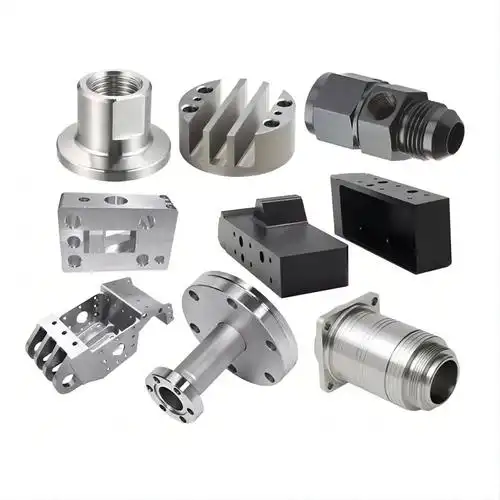
Kluczowe komponenty samochodowe i ich wymagania obróbkowe
Co odróżnia niezawodny pojazd od takiego, który ulega awariom przedwcześnie? Często decydujące znaczenie ma precyzja obróbki poszczególnych komponentów. Zamiast omawiać procesy CNC w sposób abstrakcyjny, przyjrzyjmy się konkretnym elementom samochodowym, które wymagają najwyższego poziomu doskonałości obróbkowej — oraz zrozumiemy dokładnie, dlaczego produkcja każdego z tych elementów stanowi wyzwanie.
Niezależnie od tego, czy zakupujesz części samochodowe CNC do tradycyjnych układów napędowych, czy do nowo powstających platform pojazdów elektrycznych (EV), zrozumienie specyficznych wymagań dotyczących poszczególnych komponentów pomaga ocenić możliwości dostawców oraz ustalić odpowiednie oczekiwania.
Obróbka bloku silnika i głowy cylindrów
Blok silnika stanowi podstawę każdego układu napędowego z silnikiem spalinowym. Każda powierzchnia, otwór i kanał muszą spełniać ścisłe specyfikacje, aby zapewnić prawidłowe uszczelnienie, zarządzanie ciepłem oraz właściwe parametry mechaniczne. W kontekście obróbki części samochodowych żaden inny komponent nie stwarza większej złożoności.
Według Prestige Motorsports dzisiaj nowoczesne obróbka bloków silnikowych wymaga specjalistycznych maszyn CNC zdolnych do wiercenia otworów cylindrowych, frezowania powierzchni głowicy, szlifowania osiowego (line honing) oraz wiercenia kanałów olejowych – wszystkie te operacje wykonywane są z dokładnością mierzoną w tysięcznych cala.
Kluczowe operacje obróbkowe bloków silnikowych obejmują:
- Frezowanie powierzchni głowicy: Powierzchnia styku między blokiem a głowicą cylindrów wymaga wyjątkowej płaskości (zazwyczaj w granicach 0,002 cala na całej powierzchni) oraz precyzyjnych kątów 45° powierzchni głowicy, aby zapewnić prawidłowe uszczelnienie uszczelki.
- Wiercenie otworów cylindrowych: Zwiększanie średnicy otworów cylindrowych w celu dopasowania konkretnych rozmiarów tłoków przy jednoczesnym zachowaniu okrągłości w granicach 0,0005 cala oraz prostoliniowości na całej długości otworu.
- Operacje szlifowania (honing): Tworzenie precyzyjnego powierzchniowego chropowacenia typu crosshatch (zazwyczaj Ra 0,4–0,8 μm), które umożliwia odpowiednie uszczelnienie pierścieni tłokowych i jednoczesne utrzymanie warstwy oleju.
- Wiercenie kanałów olejowych: Głębokie wiercenie otworów dla przewodów smarnych, wymagające zastosowania specjalistycznego narzędzi do zapewnienia prostoliniowości na dużych długościach.
- Wiercenie w linii: Zapewnienie prawidłowego wycentrowania otworów łożysk głównych na wszystkich wałkach zapewniające poprawne działanie wału korbowego
Głowice cylindrów stawiają równie wysokie wymagania. Obróbka gniazd zaworów wymaga cięcia wielokątowego w celu utworzenia precyzyjnych powierzchni uszczelniających, które kontrolują przepływ gazów spalinowych. Operacje wykańczania kanałów doprowadzających i odprowadzających optymalizują przepływ powietrza przez te kanały — praca ta ma bezpośredni wpływ na „oddychanie” silnika oraz jego moc wyjściową. Objętości komór spalania muszą być identyczne we wszystkich cylindrach, aby zapewnić zrównoważoną pracę silnika.
W zastosowaniach wysokowydajnych konieczne stają się dodatkowe operacje. Tzw. płomieniowe obrączkowanie (flame hooping), opisane przez Prestige Motorsports, polega na „wykonaniu wycięcia rejestracyjnego wokół górnej części cylindra, do którego wprowadzana jest hartowana pierścień stalowy”, mającego na celu ograniczenie skrajnych ciśnień w cylindrach w silnikach z doładowaniem lub z zastosowaniem azotanu (nitrous oxide).
Korpus skrzyni biegów i elementy układu napędowego
Korpusy przekładni stwarzają unikalne wyzwania w produkcji automatycznych części CNC. Te złożone odlewy wymagają precyzyjnej obróbki wielu otworów łożyskowych, powierzchni uszczelniających oraz elementów montażowych – wszystko przy jednoczesnym zachowaniu krytycznych zależności geometrycznych między poszczególnymi cechami.
Główne wymagania obróbkowe dla komponentów przekładni obejmują:
- Współosiowość otworów łożyskowych: Otwory łożyskowe wału wejściowego, wału wyjściowego oraz wału pośredniego muszą zachowywać współosiowość i równoległość w zakresie ±0,0005 cala, aby zapobiec przedwczesnemu zużyciu łożysk oraz problemom z zazębieniem kół zębatych
- Wykańczanie powierzchni uszczelniających: Powierzchnie stykające się z uszczelkami wałowymi wymagają wartości chropowatości Ra poniżej 1,6 μm, aby zapewnić zatrzymanie oleju i zapobiec zanieczyszczeniom
- Płaskość powierzchni montażowych: Powierzchnie montażowe korpusu dzwonowego i korpusu tylnego wału muszą mieć płaskość nie przekraczającą 0,002 cala na stopę, aby zachować prawidłową osadzenie względem silnika i elementów układu napędowego
- Obróbka wałów zębatych: Komponenty przekładni CNC wymagają wyjątkowej współosiowości i jakości wykończenia powierzchni powłok wałowych, aby zminimalizować NVH (hałas, drgania i szorstkość)
Korpusy różnic, skrzynie rozdzielcze i elementy osi podlegają podobnym wymogom precyzji. Powierzchnie montażowe kół zębatych muszą być frezowane prostopadle do otworów łożysk wałka aby zapewnić prawidłowy wzór zazębienia. Nieprawidłowe frezowanie w tym miejscu powoduje wydawanie dźwięku przez zębniki, przyspieszone zużycie oraz ostateczny awarię.
Części układu hamulcowego i zawieszenia
Bezpieczeństwo-krytyczne komponenty hamulcowe wymagają bezwzględnej spójności. Przy obróbce części samochodowych przeznaczonych do układów hamulcowych nie ma miejsca na błędy — każdy klocek hamulcowy, uchwyt oraz powierzchnia montażowa musi działać bezbłędnie w ekstremalnych warunkach.
Zgodnie z informacjami KTG Auto produkcja klocków hamulcowych obejmuje wiele technik precyzyjnej obróbki: „Obróbka CNC stanowi podstawę procesu produkcji klocków hamulcowych, zapewniając nieosiągalną precyzję i powtarzalność.”
Główne operacje obróbkowe CNC dla klocków hamulcowych obejmują:
- Wygładzanie otworów tłoczysk: Uzyskanie gładkich i precyzyjnych powierzchni (zwykle Ra 0,4–0,8 μm), które zapewniają prawidłowe uszczelnienie tłoczysk oraz stałą, spójną reakcję układu hamulcowego
- Frezowanie powierzchni montażowych: Tworzenie płaskich, równoległych powierzchni zapewniających bezpieczne połączenie klocków hamulcowych z piastą zawieszenia
- Obróbka prowadnic klocków hamulcowych: Zapewnienie swobodnego przesuwania się klocków hamulcowych przy jednoczesnym zachowaniu prawidłowego ich ustawienia względem tarcz hamulcowych
- Wiercenie przewodów hydraulicznych: Tworzenie precyzyjnych kanałów przepływu cieczy, odpornych na wysokie ciśnienia i nieprzepuszczających cieczy
- Usuwanie zadziorów: Usuwanie ostrych krawędzi, które mogłyby uszkodzić uszczelki lub wywołać skupienie naprężeń
Elementy zawieszenia — wahacze, piasty zawieszenia oraz podramy — wymagają precyzyjnej obróbki otworów pod wkładki gumowe, gniazd pod kulki zawieszenia oraz otworów montażowych. Piasty zawieszenia stanowią szczególnie wymagane części CNC do samochodów, ponieważ współpracują jednocześnie z łożyskami kół, klockami hamulcowymi, końcówkami drążka kierowniczego oraz elementami zawieszenia. Wzajemne relacje geometryczne pomiędzy wszystkimi tymi cechami muszą być zachowane w ścisłych tolerancjach, aby zapewnić prawidłową dynamikę pojazdu oraz odpowiedni wzór zużycia opon
Komponenty pojazdów elektrycznych: nowe wymagania w zakresie precyzyjnej produkcji
Przesunięcie w kierunku elektryfikacji wprowadza zupełnie nowe wyzwania związane z obróbką skrawaniem. Korpusy silników elektrycznych, obudowy akumulatorów oraz obudowy układów elektroniki mocy wymagają innych podejść niż tradycyjne komponenty silników spalinowych (ICE).
Zgodnie z wytycznymi technicznymi firmy Ceratizit obróbka korpusów silników elektrycznych wymaga specjalistycznych narzędzi pozwalających na osiągnięcie wyjątkowo wysokiej jakości powierzchni przy dużych prędkościach skrawania — narzędzia z diamentu polikrystalicznego (PCD) pracują przy prędkościach skrawania wynoszących 1000–4000 m/min dla korpusów wykonanych z aluminium.
Kluczowe wymagania dotyczące obróbki komponentów pojazdów elektrycznych (EV) obejmują:
- Otworki łożyskowe w korpusie silnika: Współśrodkowość w zakresie ±0,01 mm zapewnia prawidłową współosiowość wirnika i zapobiega przedwczesnemu uszkodzeniu łożysk
- Powierzchnie montażowe stojana: Wymagania dotyczące płaskości i prostopadłości, które zapewniają stałą wielkość szczeliny powietrznej pomiędzy wirnikiem a stojanem
- Obróbka kanałów chłodzących: Złożone wewnętrzne przewody do zarządzania ciepłem, często wymagające możliwości obróbki pięcioosiowej
- Powierzchnie uszczelniające obudowy akumulatora: Ciągłe rowki uszczelniające frezowane z wysoką dokładnością, zapewniające stopień ochrony IP67 przed wodą
- Powierzchnie montażowe falownika: Płaskie, przewodzące ciepło interfejsy do odprowadzania ciepła z elementów elektroniki mocy
Przejście od silników spalinowych (ICE) do pojazdów elektrycznych (EV) nie eliminuje wymogów dotyczących precyzyjnego obróbki – przekształca je jedynie. Choć zapotrzebowanie na frezowanie cylindrów i frezowanie gniazd zaworów maleje, to obróbka obudów silników oraz obudów akumulatorów rozwija się bardzo szybko. Dostawcy, którzy opanują zarówno tradycyjne, jak i specyficzne dla EV techniki obróbki skrawaniem, zajmą pozycję zapewniającą im długotrwały sukces w dynamicznie zmieniającym się krajobrazie motoryzacyjnym.
Zrozumienie tych wymagań związanych z poszczególnymi komponentami stanowi podstawę do oceny podejść produkcyjnych. Następnym krokiem jest skalowanie produkcji – od początkowych prototypów po pełne woluminy produkcji seryjnej – etap, na którym obróbka CNC oferuje unikalne zalety w porównaniu z innymi metodami wytwarzania.
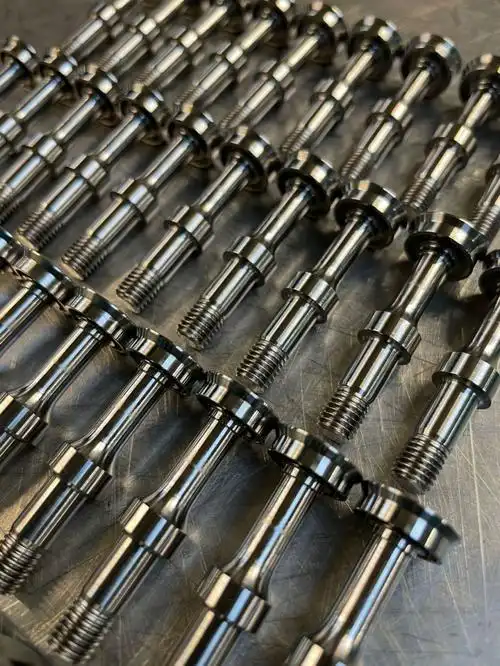
Od szybkiego prototypowania do skalowalności produkcji masowej
Wyobraź sobie następujący scenariusz: Twój zespół inżynierów finalizuje w poniedziałek nowy projekt elementu zawieszenia. Już w środę trzymasz w rękach funkcjonalny prototyp. Trzy miesiące później ten sam element wchodzi do masowej produkcji w tempie 50 000 sztuk miesięcznie — wszystko przy użyciu tych samych programów CNC i przyrządów montażowych. Taka bezproblemowa ewolucja od koncepcji do produkcji masowej stanowi jedną z najbardziej przekonujących zalet obróbki CNC w branży motocyklowej i samochodowej we współczesnym, konkurencyjnym środowisku.
W przeciwieństwie do odlewania lub kucia, które wymagają znacznych inwestycji w narzędzia jeszcze przed wyprodukowaniem pierwszego elementu, obróbka CNC łączy etapy prototypowania i produkcji z wyjątkową elastycznością. Zgodnie ze specjalistami ds. produkcji firmy Fictiv: „Współpraca z doświadczonym partnerem produkcyjnym od samego początku zapewnia zoptymalizowaną ścieżkę zakupu części w całym cyklu rozwoju produktu oraz pomaga ograniczyć ryzyko w przyszłości.”
Łączenie luki między prototypem a produkcją
Droga od wstępnego pomysłu do pełnoskalowej produkcji przebiega w sposób przewidywalny. Zrozumienie każdego etapu pozwala na zaplanowanie zasobów, ustalenie oczekiwań oraz wybór partnerów produkcyjnych zdolnych do wspierania całego cyklu życia produktu. Oto jak zwykle rozwija się produkcja specjalistycznych części CNC:
- Faza prototypowania (1–10 sztuk): Ten wstępny etap służy weryfikacji założeń projektowych i funkcjonalności. Obróbka CNC wyróżnia się tutaj tym, że nie wymaga inwestycji w oprzyrządowanie – plik CAD jest bezpośrednio przekształcany w instrukcje frezowania. Inżynierowie mogą szybko wprowadzać zmiany projektowe i testować wiele wariantów konstrukcyjnych, unikając tygodniowych opóźnień związanych z modyfikacją form lub matryc. Czasy realizacji już od jednego dnia roboczego umożliwiają szybkie cykle weryfikacji projektu.
- Produkcja przejściowa (100–1000 sztuk): Po zakończeniu weryfikacji projektu przeprowadza się tzw. produkcję przejściową, która testuje procesy produkcyjne przy umiarkowanych objętościach. Etap ten pozwala wykryć potencjalne problemy jeszcze przed przejściem do produkcji masowej. Zgodnie z analizą firmy Fictiv: „Produkcja niskoseryjna jest niezbędna do pokonania luki między prototypem a pełnoskalową produkcją masową. Pozwala ona na dalsze testowanie, ocenę rynkową oraz doskonalenie produktu i procesu produkcyjnego.”
- Rozruch produkcji (1 000–10 000 sztuk): Optymalizacja procesów przyspiesza wraz ze wzrostem objętości produkcji. Zastosowanie dedykowanych uchwytników, zoptymalizowanych ścieżek narzędzi i dopracowanych parametrów cięcia skraca czasy cyklu przy jednoczesnym zachowaniu wysokiej jakości. Te same programy CNC wykorzystywane podczas etapu prototypowania skalują się bezproblemowo — wymagają jedynie dostosowania prędkości obrotowych i posuwów.
- Pełna produkcja (powyżej 10 000 sztuk): Wysokotomowa produkcja wymaga spójnej jakości w trakcie długotrwałych serii. Statystyczna kontrola procesu (SPC) monitoruje kluczowe wymiary, podczas gdy zautomatyzowane zarządzanie narzędziem zapewnia nieprzerwaną pracę. Poprawa efektywności w produkcji części samochodowych przy użyciu technologii CNC staje się najbardziej widoczna właśnie w tej skali.
Co czyni ten postęp tak wyjątkowym? Podstawową zaletą jest ciągłość programu. W przeciwieństwie do przejścia od narzędzi prototypowych do matryc produkcyjnych w odlewaniu lub formowaniu wtryskowym, frezowanie CNC wykorzystuje te same cyfrowe instrukcje na wszystkich etapach. Zmiany projektowe, które w przypadku modyfikacji narzędzi kosztowałyby tysiące złotych, wymagają jedynie aktualizacji programu – często realizowanych w ciągu kilku godzin.
Strategie czasu realizacji zamówienia na rzecz przewagi konkurencyjnej
W łańcuchach dostaw motocyklowych i samochodowych czas to pieniądz. Opóźnione prototypy przesuwają harmonogramy walidacji. Części produkcyjne dostarczane z opóźnieniem powodują zatrzymanie linii montażowych. Dostawcy usług frezowania niestandardowego, którzy minimalizują czas realizacji zamówień, zapewniają swoim klientom rzeczywiste korzyści konkurencyjne.
Według Analiza łańcucha dostaw Path Machining , technologia CNC umożliwia zastosowanie kilku strategii optymalizacji czasu realizacji zamówień:
- Programowanie cyfrowe eliminuje opóźnienia związane z przygotowaniem narzędzi: Podczas gdy odlewanie wymaga 4–12 tygodni na wytworzenie formy, a kucie – 6–16 tygodni na wykonanie matrycy, części CNC mogą zostać wysłane już w ciągu kilku dni od złożenia zamówienia
- Lokalna produkcja skraca czasy transportu: Strategie bliskiego outsourcingu pozwalają na prowadzenie produkcji bliżej zakładów montażowych, co wspiera realizację dostaw just-in-time
- Szybkie iteracje projektowe: Modyfikacje programu trwają godziny zamiast tygodni potrzebnych na zmiany narzędzi, co przyspiesza cykle rozwoju
- Efektywność zapasów: Częsta produkcja małych partii zmniejsza zapotrzebowanie na magazynowanie, jednocześnie zapewniając elastyczność i szybką reakcję na zapotrzebowanie rynkowe
Rozważ implikacje dla harmonogramów rozwoju motocyklowego. Gdy w trakcie testowania prototypu ujawni się wada projektowa, cykl korekty i walidacji decyduje o harmonogramie projektu. W przypadku frezowania CNC inżynierowie modyfikują pliki CAD, aktualizują programy i otrzymują poprawione części w ciągu kilku dni. Ta elastyczność skraca harmonogramy rozwoju, które w przeciwnym razie mogłyby się przeciągać przez miesiące.
Producenci oferujący szybkie prototypowanie z możliwością skalowania do produkcji seryjnej przy czasach realizacji tak krótkich jak jeden dzień roboczy zapewniają istotne korzyści w łańcuchu dostaw. Shaoyi Metal Technology jest przykładem tej możliwości, dostarczając złożonych zespołów podwozia oraz niestandardowych metalowych wkładek z prędkością wymaganą przez współczesny rozwój motocyklowy.
Elastyczna produkcja dla produkcji o wysokiej mieszance
Przemysł motocyklowy i samochodowy znacząco przesunął się w kierunku personalizacji pojazdów oraz różnorodności platform. Tam, gdzie kiedyś pojedynczy model dominował przez lata, producenci obecnie zarządzają jednocześnie wieloma wariantami, poziomami wyposażenia oraz opcjami układów napędowych. Ta rzeczywistość wysokiej mieszanki wymaga elastyczności produkcyjnej, jaką może zapewnić jedynie frezowanie CNC dla przemysłu transportowego.
Zgodnie z analizą produkcyjną firmy Ethereal Machines: „Możliwość efektywnego wytwarzania wysokiej jakości produktów o niskich nakładach i dużej różnorodności stała się kluczową przewagą konkurencyjną” w przemyśle motocyklowym, samochodowym oraz powiązanych gałęziach przemysłu.
Kluczowe strategie umożliwiające elastyczne wytwarzanie CNC obejmują:
- Modularne systemy uchwytników: Uchwytniki szybkozamienne pozwalają na szybkie przełączanie się między różnymi geometriami detali, minimalizując czas postoju związany z przebudową stanowiska
- Programowanie parametryczne: Rodziny programów uwzględniają zmienność wymiarową bez konieczności pełnego przeprogramowania — idealne dla rodzin detali o wspólnej geometrii, ale różnych rozmiarach
- Produkcja just-in-time: Produkcja części na żądanie zamiast tworzenia zapasów pozwala zmniejszyć koszty przechowywania oraz ryzyko ich przestarzałości
- Elastyczne komórki produkcyjne: Elastyczne konfiguracje umożliwiają szybką przebudowę do wykonywania różnych zadań bez konieczności dokonywania obszernych zmian w wyposażeniu
Filozofia Just-In-Time zasługuje na szczególną uwagę. Tradycyjna produkcja polegała na tworzeniu dużych zapasów, aby zabezpieczyć się przed zmiennością popytu — co wiązało się z blokowaniem kapitału i przestrzeni magazynowej oraz ryzykiem przestarzałości elementów w przypadku zmian w projektach. Nowoczesne operacje CNC odwracają tę zależność. Dzięki szybkim wymianom narzędzi i krótkim czasom realizacji części docierają dokładnie wtedy, gdy są potrzebne. Jak podkreśla firma Path Machining, takie podejście pozwala producentom „minimalizować zapasy i obniżać koszty magazynowania, zachowując przy tym elastyczność w odpowiedzi na zmiany popytu."
Zdolność do odporności łańcucha dostaw korzysta w równym stopniu z elastyczności obróbki CNC. Gdy popyt nagle wzrasta — na przykład nowo wprowadzony pojazd elektryczny przekracza prognozy sprzedaży — obróbka CNC umożliwia szybkie zwiększenie produkcji bez konieczności czekania przez miesiące na dodatkowe uchwyty i narzędzia. Z kolei, gdy objętości produkcji spadają, można łatwo dostosować jej poziom, unikając nieefektywnych inwestycji w narzędzia, które stają się nadmiarowe.
"Firmy mogą szybko iterować projekty produkcji, dostosowywać się do zmian w branży lub wprowadzać nowe funkcje na podstawie natychmiastowej informacji zwrotnej. Dzięki dostawcom usług elastyczność produkcji małych serii jest obecnie dostępna dla większej liczby firm." — Inżynierowie produkcyjni Fictiv
Rynek zamienników samochodowych idealnie ilustruje te zasady. W przeciwieństwie do produkcji OEM, charakteryzującej się przewidywalnymi objętościami, dostawcy części do rynku zamienników muszą radzić sobie z nieprzewidywalnym popytem obejmującym tysiące numerów katalogowych części. Obróbka CNC sprawnie radzi sobie z tą zmiennością — to samo wyposażenie produkujące 10 sztuk rzadkiej części do restaurowania pojazdów z okresu vintage może wytworzyć 10 000 sztuk popularnego ulepszenia wydajności.
Nawet firmy poza tradycyjnym sektorem przemysłu wykorzystują te możliwości. Dealer samochodowy CNC Motors Inc. może zakupić niestandardowe uchwyty lub płyty adaptacyjne do montażu pojazdów specjalnych — prace idealnie odpowiadające ekonomii produkcji prototypowej CNC.
Skalowalność procesu od prototypu po produkcję seryjną, połączona z elastycznością w środowiskach o wysokiej mieszance produktów, czyni frezowanie CNC podstawą technologiczną współczesnych łańcuchów dostaw motocyklowych i samochodowych. Niezależnie od tego, czy wprowadzasz nowe komponenty na rynek, czy reagujesz na zmiany koniunkturalne, ta technologia dopasowuje się do Twoich wymagań, a nie odwrotnie – nie zmusza Cię do modyfikowania wymagań w celu dopasowania ich do ograniczeń produkcyjnych.
Gdy strategie skalowania produkcji zostały ustalone, ostatnim zagadnieniem jest syntezowanie tych spostrzeżeń w spójny system doboru dostawców — zapewniający, że partnerstwa produkcyjne spełniają oczekiwania dotyczące jakości, elastyczności i niezawodności stawiane przez zastosowania motocyklowe.
Aspekty strategiczne zapewniające sukces w zakresie CNC dla przemysłu motocyklowego
Zapoznałeś się z typami maszyn, opcjami materiałów, specyfikacjami tolerancji oraz wymaganiami jakościowymi. Teraz pojawia się kluczowe pytanie: jak przekształcić tę wiedzę w partnerstwa produkcyjne, które przynoszą konkretne rezultaty? Opracowanie skutecznej strategii usług frezarskich dla przemysłu motocyklowego wymaga połączenia kompetencji technicznych z rozważaniami biznesowymi — należy bowiem zrównoważyć wymagania dotyczące precyzji z ekonomiką produkcji, zapewniając przy tym, że dostawcy będą mogli rozwijać się wraz z Twoimi zmieniającymi się potrzebami.
Nie ma znaczenia, czy zakupujesz komponenty prototypowe do nowej platformy pojazdu, czy też ustanawiasz długoterminowe partnerstwa produkcyjne — decyzje podejmowane obecnie wpłyną na jakość, koszty i konkurencyjność przez wiele lat. Spójrzmy teraz na kluczowe wnioski zawarte w niniejszym przewodniku i przekształćmy je w konkretne, praktyczne kryteria wyboru dostawców.
Tworzenie strategii CNC dla przemysłu motocyklowego
Skuteczne partnerstwa w branży CNC zaczynają się od szczerej autoanalizy. Zanim przejdziesz do oceny potencjalnych dostawców, wyjaśnij najpierw własne wymagania:
- Jakie klasy dokładności wymagają Wasze komponenty? Przeciążanie tolerancji zwiększa koszty bez korzyści funkcjonalnych. Odnieść się należy do wytycznych dotyczących poszczególnych komponentów, omówionych wcześniej — elementy silnika wymagają dokładności ±0,001 cala, podczas gdy uchwyty konstrukcyjne mogą akceptować tolerancję ±0,005 cala lub szerszą
- Jakie objętości produkcji będą potrzebne — i jak mogą się one zmieniać? Dostawca doskonały w zakresie produkcji prototypów może mieć trudności z skalowaniem produkcji masowej i odwrotnie
- Jakie materiały wymaga Wasze zastosowanie? Ekspertyza w zakresie aluminium różni się znacznie od umiejętności w zakresie stali lub tytanu
- Jakie dokumenty jakościowe wymagają Wasi klienci? Programy OEM wymagają pakietów PPAP oraz certyfikatu IATF 16949; zastosowania na rynek części zamiennych mogą akceptować prostsze formy zapewnienia jakości
Według Przewodnik Modus Advanced dotyczący partnerstwa produkcyjnego , „Znalezienie odpowiedniego partnera z zakresu produkcji na zamówienie to nie tylko outsourcing produkcji – to nawiązanie strategicznego partnerstwa, które wpłynie na jakość produktu, czas wprowadzenia go na rynek oraz ogólny sukces.
Takie strategiczne podejście ma szczególne znaczenie w branży maszyn CNC, gdzie możliwości techniczne poszczególnych dostawców różnią się diametralnie. Partner, który rozumie wymagania związane z zastosowaniem Waszego produktu – a nie tylko rysunki wykonawcze jego elementów – zapewnia wartość wykraczającą poza podstawowe usługi frezarskie.
Kluczowe kwestie do rozważenia przy wyborze dostawcy
Gdy wymagania zostaną sprecyzowane, dokonaj oceny potencjalnych partnerów pod kątem następujących kluczowych kryteriów:
- Wymagania certyfikacyjne: Certyfikat IATF 16949 pozostaje warunkiem bezwzględnie koniecznym w łańcuchach dostaw dla producentów OEM. Standard ten gwarantuje systemowe zarządzanie jakością, zapobieganie wadom oraz ciągłe doskonalenie – stanowi on podstawę, na której branża obróbki CNC obsługuje klientów z sektora motocyklowego i motoryzacyjnego. Zweryfikuj aktualność certyfikatu oraz historię audytów.
- Możliwości dotyczące tolerancji: Zażądaj badań zdolności procesu (dane Cpk) dla tolerancji odpowiadających Państwa wymaganiom. Oświadczenia o zdolności ±0,001 cala nie mają żadnej wartości bez dowodów statystycznych potwierdzających stałe osiąganie tej dokładności w trakcie serii produkcyjnych.
- Ekspertyza materiałowa: Różne materiały wymagają różnych narzędzi, parametrów i wiedzy specjalistycznej. Dostawca doskonale radzący sobie z aluminium może mieć trudności z tytanem lub stalami hartowanymi. Dostosuj wymagania materiałowe do wykazanego doświadczenia.
- Elastyczność objętości produkcji: Idealny partner wspiera cały cykl życia produktu — od początkowych prototypów przez produkcję przejściową po pełnoskalową produkcję masową. Zgodnie z wytycznymi LS Manufacturing dotyczącymi doboru dostawców: „Upewnij się, że potencjalny partner posiada wszystkie niezbędne certyfikaty IATF 16949 oraz udokumentowaną stabilność pozwalającą na obsługę produkcji JIT”
- Możliwości dokumentacji jakości: Pakiety PPAP, plany kontroli, analizy FMEA oraz raporty pomiarowe wymagają infrastruktury wykraczającej poza wyposażenie obróbkowe. Upewnij się, że dostawcy są w stanie dostarczyć dokumentację wymaganą przez Twoich klientów
- Wsparcie inżynieryjne: Partnerzy posiadający silne zasoby inżynieryjne zapewniają opinie dotyczące projektowania przygotowanego do produkcji (DFM), optymalizację procesów oraz umiejętności rozwiązywania problemów wykraczające poza podstawową produkcję
- Integracja pionowa: Dostawcy realizujący wiele procesów wewnętrznie — obróbkę skrawaniem, wykańczanie, montaż — zmniejszają złożoność łańcucha dostaw i zapewniają ścisły nadzór jakościowy
"Najwartościowsze relacje z dostawcami usług produkcyjnych na zamówienie wykraczają poza interakcje transakcyjne i stają się strategicznymi partnerstwami. Choć cena i terminy dostawy zawsze mają kluczowe znaczenie, idealny partner oferuje wiedzę i kompetencje wzmacniające pozycję konkurencyjną klienta." — Modus Advanced
Przypomnij sobie porównanie metod produkcyjnych z wcześniejszych sekcji. Dostosowanie procesu do zastosowania pozostaje podstawowym założeniem. Obróbka CNC wyróżnia się przy złożonych kształtach geometrycznych, ścisłych tolerancjach oraz elastyczności od prototypu do produkcji seryjnej. Odlewanie i kucie zapewniają korzyści kosztowe przy dużych partiach dla odpowiednich kształtów geometrycznych. Hybrydowe podejścia — czyli odlewy lub kowki jako półfabrykaty poddawane następnie obróbce CNC — często zapewniają optymalną opłacalność w zastosowaniach motocyklowych i samochodowych.
Krok naprzód w kierunku precyzyjnej produkcji
Przemysł obróbki CNC nadal szybko się rozwija. Zgodnie z analizą trendów firmy GMI Corporation na 2025 rok kilka rozwojów przekształca produkcję motocykli i samochodów:
- Integracja automatyzacji i robotyki: Zwiększenie stopnia automatyzacji poprawia wydajność produkcji, zachowując przy tym ścisłe допусki
- Inteligentna produkcja i analityka danych: Kontrola jakości oraz optymalizacja procesów oparte na sztucznej inteligencji zmniejszają odpady i jednocześnie poprawiają spójność wyników
- wdrożenie obróbki pięcioosiowej: Rosnące zapotrzebowanie na złożone geometrie napędza inwestycje w zaawansowane możliwości wieloosiowe
- Koncentracja na zrównoważonym rozwoju: Materiały nadające się do recyklingu oraz zmniejszone ślady węglowe stają się konkurencyjnymi czynnikami różnicującymi
- Odporność łańcucha dostaw: Przybliżanie produkcji (near-shoring) i przejrzystość zapasów zmniejszają zależność od oddalonych dostawców
Te trendy przemysłu 4.0 korzystają dla dostawców inwestujących w technologie i systemy. Partnerzy, którzy przyjmują cyfrową łączność, zautomatyzowaną kontrolę jakości oraz sterowanie procesami oparte na danych, zapewniają sobie – oraz swoim klientom – długotrwały sukces. Oceniając potencjalnych dostawców, należy brać pod uwagę nie tylko obecne kompetencje, ale także zaangażowanie w ciągłą poprawę i postęp technologiczny. CNCpros, którzy odniosą sukces w nadchodzących latach, to ci, którzy zintegrują zasady inteligentnej produkcji w swoich operacjach.
Współpraca obejmująca cały cykl życia produktu przynosi narastającą wartość. Dostawca, który wykonuje pierwsze prototypy Twojego produktu, do momentu rozpoczęcia produkcji doskonale rozumie zamiar projektowy. Ta wiedza instytucjonalna — gromadzona w trakcie kolejnych iteracji projektowych i ulepszeń procesów — przekłada się na płynniejsze wprowadzanie produktów na rynek, mniejszą liczbę problemów jakościowych oraz szybsze i skuteczniejsze rozwiązywanie występujących problemów.
Gotowy/a do przejścia do precyzyjnych rozwiązań CNC dla przemysłu motocyklowego i samochodowego? Rozważ następujące kroki:
- Dokumentuj swoje wymagania w sposób kompleksowy: Dopuszczalne odchylenia, materiały, objętości zamówienia, wymagania dotyczące dokumentacji jakościowej oraz oczekiwane harmonogramy
- Zażądaj demonstracji kompetencji: Przykładowe części, badania wskaźnika Cpk oraz wizyty w zakładzie ujawniają znacznie więcej niż broszki informacyjne i oferty cenowe
- Oceń potencjał partnerstwa: Oprócz ceny oceniaj wsparcie inżynieryjne, szybkość reagowania w komunikacji oraz zgodność kulturową
- Rozpocznij od projektów o niższym stopniu ryzyka: Prace prototypowe lub komponenty niekluczowe umożliwiają budowę relacji partnerskiej przed przekazaniem części krytycznych pod względem bezpieczeństwa
- Planuj rozwój: Wybierz partnerów zdolnych do skalowania się wraz z Waszymi wolumenami oraz rozwoju wraz z Waszymi wymaganiami technicznymi
Przemysł motocyklowy i samochodowy stawia wysokie wymagania co do precyzji, spójności i niezawodności każdego komponentu. Stosując kryteria wyboru, wiedzę techniczną oraz rozważania strategiczne przedstawione w niniejszym przewodniku, będziecie mogli budować partnerstwa produkcyjne spełniające te wymagania — od pierwszego prototypu po miliony sztuk w produkcji seryjnej.
Najczęściej zadawane pytania dotyczące frezowania CNC w przemyśle motocyklowym i samochodowym
1. Czym jest frezowanie CNC w przemyśle motocyklowym i samochodowym?
Obróbka CNC w przemyśle motocyklowym odnosi się do produkcji z zastosowaniem sterowania numerycznego komputerowego, która przekształca surowe materiały w precyzyjne elementy pojazdów. Ten zautomatyzowany proces wykorzystuje zaprogramowane instrukcje do kierowania narzędziami tnącymi, wytwarzając m.in. bloki silnikowe, głowy cylindrów, obudowy skrzyń biegów, klocki hamulcowe oraz elementy zawieszenia. Technologia ta pozwala osiągać tolerancje aż do ±0,005 mm, zapewniając bezproblemowe dopasowanie komponentów oraz powtarzalność ich parametrów w przypadku tysięcy sztuk produkowanych jednostek. Producentom certyfikowanym zgodnie z normą IATF 16949, takim jak Shaoyi Metal Technology, udaje się dostarczać te precyzyjne komponenty w czasie realizacji nawet jednego dnia roboczego.
2. Czy operatorzy maszyn CNC zarabiają dużo pieniędzy?
Frezarki CNC w Stanach Zjednoczonych zarabiają średnio około 27,43 USD za godzinę, choć wynagrodzenie znacznie różni się w zależności od doświadczenia, specjalizacji i lokalizacji. Specjaliści z zakresu CNC dla przemysłu motocyklowego często otrzymują wyższe wynagrodzenia ze względu na wymagania dotyczące precyzji oraz certyfikaty jakości nakładane przez dostawców OEM. Osoby posiadające wiedzę w zakresie frezowania wieloosiowego, obróbki z naciskiem na ścisłe допуски lub materiałów specjalnych, takich jak tytan, zwykle otrzymują wyższe stawki w porównaniu do ogólnych stanowisk operatorów CNC.
3. Jakie typy maszyn CNC są stosowane w produkcji samochodowej?
Produkcja motocyklowa wykorzystuje różnorodne typy maszyn CNC dopasowane do konkretnych wymagań dotyczących poszczególnych komponentów. Pionowe frezarki 3-osiowe służą do obróbki płaskich elementów, takich jak uchwyty i pokrywy zaworów. Poziome centra obróbkowe 4-osiowe świetnie sprawdzają się przy obróbce bloków silnikowych i obudów skrzyń biegów dzięki doskonałej ewakuacji wiórków. Maszyny 5-osiowe z jednoczesną obróbką pozwalają na wytwarzanie złożonych geometrii, takich jak wirniki turbosprężarek i obudowy silników. Tokarki CNC służą do produkcji elementów obrotowych, w tym wałów rozrządu i wałów napędowych, natomiast tokarki typu szwajcarskiego zapewniają niezrównaną dokładność przy obróbce małych, precyzyjnych części, takich jak elementy wtryskiwaczy paliwa.
4. Jakie tolerancje można osiągnąć przy CNC obróbce elementów samochodowych?
Obróbka CNC w przemyśle motocyklowym osiąga specyfikacje dopuszczalnych odchyłek, które różnią się w zależności od kategorii komponentów. Elementy silnika zwykle wymagają tolerancji ±0,001 cala (±0,025 mm) oraz chropowatości powierzchni Ra 0,2–0,8 μm. Zębniki skrzyni biegów wymagają jeszcze ścislszych tolerancji, wynoszących ±0,0005 cala, aby zapewnić prawidłowe zazębienie i kontrolę hałasu, wibracji i drgań (NVH). Części układu hamulcowego zachowują tolerancję ±0,002 cala w celu zapewnienia spójnej wydajności hamowania, podczas gdy elementy układu paliwowego, takie jak dysze wtryskiwaczy, wymagają ekstremalnej precyzji na poziomie ±0,0002 cala. Te specyfikacje mają bezpośredni wpływ na sprawność sprężania, trwałość zębników oraz bezpieczeństwo użytkowania.
5. W jaki sposób obróbka CNC porównuje się do odlewania i kucia w przypadku części samochodowych?
Obróbka CNC zapewnia wyższą dokładność wymiarową (±0,005 mm) oraz lepszą jakość powierzchni (Ra 0,2–0,8 μm) w porównaniu do odlewania (±0,25–1,0 mm) i kucia (±0,5–2,0 mm). Wyróżnia się przy produkcji złożonych kształtów, ścisłych допусków oraz zapewnia elastyczność od prototypu do produkcji seryjnej – czas realizacji wynosi 1–5 dni, podczas gdy procesy zależne od narzędzi wymagają 4–16 tygodni. Jednak odlewanie i kucie są bardziej opłacalne przy dużych partiach przekraczających 5 000 sztuk. Wielu producentów samochodów stosuje podejście hybrydowe — półfabrykaty uzyskane metodą odlewania lub kucia dopracowuje się za pomocą precyzyjnej obróbki CNC, aby osiągnąć optymalny balans między kosztem a jakością.