 Small batches, high standards. Our rapid prototyping service makes validation faster and easier —
  EN
EN


Kan verzinkt staal worden gelast? Ja, maar het zink verandert alles
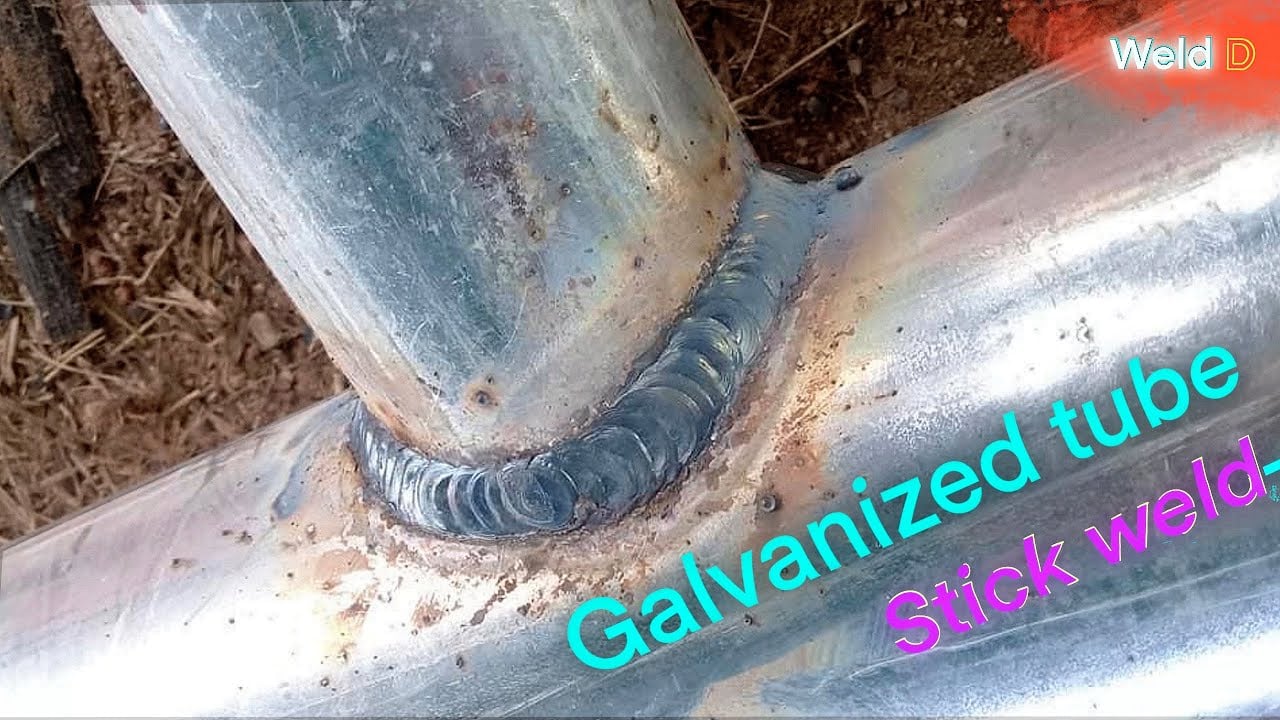
Kan verzinkt staal gelast worden?
Ja, verzinkt staal kan worden gelast, maar de zinklaag verandert de werkzaamheid op belangrijke manieren. Het kan van invloed zijn op het gedrag van de lichtboog, zinkhoudende dampen genereren en de corrosiebescherming rond de lasnaad wegbranden. Dat betekent dat een succesvolle lasverbinding meestal vereist dat de laag in de buurt van de las wordt verwijderd, dat dampen worden gecontroleerd via goede ventilatie en dat de beschermende laag na voltooiing van de las wordt hersteld. AGA-richtlijn , gebaseerd op AWS-praktijken, behandelt dit als een lasverbinding op staal die correct moet worden voorbereid en daarna moet worden gerepareerd om de corrosiebescherming te herstellen.
Kan verzinkt staal kort gezegd worden gelast?
Als u zich afvraagt of verzinkt staal kan worden gelast of of u verzinkt staal kunt lassen, dan is het eenvoudige antwoord: ja. Het staal zelf is lasbaar. De complicatie vormt de zinklaag erboven, niet het basismetaal eronder.
Wat verzinken doet met staaloppervlakken
Galvaniseren betekent het bedekken van staal met zink zodat het roestbestendig wordt. Maar niet elk zinkgecoat product is hetzelfde. Warmgedrenkt gegalvaniseerd staal heeft een dikker, meervlaads coating dat wordt gevormd in gesmolten zink. Galvaniseerd plaatmetaal is een algemene term voor dunne zinkgecoate plaat, waarbij het type coating kan variëren. Zinkgeplateerd staal heeft meestal een veel dunner, elektrolytisch aangebracht zinklaagje. Die verschillen zijn belangrijk, omdat de voorbereiding, de fumehoeveelheid en de corrosieherstel na lassen niet identiek zijn.
Wanneer het antwoord 'Ja' is, maar niet 'zoals het is'
- Voorbereiding: Verwijder het zink uit de laszone en reinig residuen, zodat u niet rechtstreeks door de coating heen laat lassen.
- Ventilatie: Zorg voor sterke luchtstroming of lokale afzuiging, omdat het lassen van zinkgecoat staal gevaarlijke dampen kan veroorzaken.
- Herstel van de coating: Herstel de beschermende laag die tijdens het lassen is verbrand of beschadigd, zodat de lasverbinding niet als eerste gaat roesten.
Of iemand nu zoekt naar of verzinkt staal gelast kan worden of naar of gegalvaniseerd staal gelast kan worden, het antwoord blijft hetzelfde: ja, maar niet zomaar en niet in de oorspronkelijke staat. In de praktijk is de betere vraag of u verzinkt metaal kunt lassen zonder uw lasmethode aan te passen. Meestal kunt u dat niet, en de reden daarvoor ligt in wat zink doet onder de boog.
Wat zink verandert bij het lassen van verzinkt staal
Die wijziging in methode begint met de temperatuur. Zink reageert en verdampt veel eerder dan het staal eronder smelt, dus de boog werkt niet op een schone stalen oppervlakte. Volgens richtlijnen van KOBELCO , verdampt zink rond de 900 °C, wordt gasvormig en kan belletjes vormen in de lasbad. Dat is een van de belangrijkste redenen waarom het lassen van verzinkt staal wel mogelijk is, maar zelden zo rustig of vergevingsgezind als het lassen van onbehandeld staal.
Waarom zink het lasbad verandert
Wanneer zink verdampt voor of binnen het lasbad, kunnen meerdere dingen tegelijk gebeuren:
- De boog wordt minder stabiel.
- De doordringing neemt af ten opzichte van onbehandeld staal.
- Gas kan opsluiten en porositeit of putjes veroorzaken.
- De druppeloverdracht wordt minder stabiel, wat de spattendheid verhoogt.
AGA merkt op dat de doordringing afneemt op verzinkte oppervlakken en dat lasnaden van type ‘buttweld’ vaak grotere spleten vereisen dan onbehandeld staal. Dezelfde bron wijst er ook op dat spattendheid toeneemt bij dikker verzinkte lagen. Daarom profiteert het lassen van verzinkt metaal meestal van het verwijderen van de coating in de buurt van de lasnaad, zorgvuldige aanpassing van de onderdelen en procesinstellingen die zijn afgestemd op de materiaaldikte en het type coating.
Hoe verzinkte plaatstaal verschilt van onbehandeld staal
Niet alle gecoat staal gedraagt zich op dezelfde manier. Kobelco koppelt de lasbaarheid direct aan de hoeveelheid coating: over het algemeen leidt meer zink tot meer porositeit en meer spattendheid. In praktische werkplaattermen, dun galvaniseerd bladmateriaal en elektrogegalvaniseerde platen hebben vaak lichtere coatinglagen, terwijl warmgedoopte gegalvaniseerde constructiedelen meestal meer zink bevatten, waardoor de boog er moeilijker doorheen moet branden. De American Galvanizers Association (AGA) maakt een vergelijkbare onderscheiding en merkt op dat spatten groter is bij warmgedoopt gegalvaniseerd staal dan bij continu gegalvaniseerde plaat. Hetzelfde patroon komt ook voor bij het lassen van verzinkt staal en bij zoekopdrachten naar het lassen van gegalvaniseerd metaal: lichtere coatings zijn doorgaans minder storend dan zware warmdiplagen.
| Oppervlaktetype | Voorbereidingsvereisten | Lasgedrag | Corrosie-implicaties |
|---|---|---|---|
| Blanco staal | Normale reiniging en inpassing | Stabilere boog, voorspelbaardere doordringing, minder coating-afhankelijk spatten | Geen zinkbescherming die vervangen moet worden |
| Gegalvaniseerd oppervlak | Vaak moet het zink in de buurt van de lasnaad worden verwijderd, plus een schonere naontwerp | Kleinere doordringing, groter risico op porositeit en spatten, meer verstoring van de boog | Verbrande coating laat het lasgebied achter met behoefte aan corrosieherstel |
Wat gebeurt er met de corrosieweerstand op de verbinding
Dit is de afweging die lezers het meest interesseert. De las kan wel degelijk houden, maar de nabijgelegen zinkbescherming overleeft de bewerking niet ongewijzigd. De warmte verbrandt of beschadigt de coating rond de verbinding, waardoor de duurzaamheid juist daalt op de plek waar het staal eigenlijk beschermd moest worden. Daarom is het lassen van verzinkt staal nooit alleen een kwestie van het maken van de lasnaad. Het beheersen van de dampen staat voorop, en de veiligheidsaspecten daarvan verdienen een aparte, grondige blik.
Dampen bij het lassen van verzinkt staal en metaaldampkoorts
Zink maakt de smeltbad niet alleen ingewikkelder. Onder de boogwarmte wordt een deel van die coating omgezet in zinkoxide-damp, wat de reden is waarom de dampen bij het lassen van verzinkt staal echt aandacht verdienen. OSHA vermeldt zinkoxiden uit verzinkt staal onder de dampen die het ademhalingsstelsel kunnen irriteren en merkt op dat blootstelling aan zink de meest voorkomende oorzaak is van metaaldampkoorts. In gewoon Nederlands: lassen van zink kan een wolk extreem fijne deeltjes veroorzaken waarvan u beter geen inademing hebt.
Wat zinkdampen tijdens lassen doen
De dampwolk is het sterkst vlak bij de boog, met name wanneer de coating in de lasnaad is achtergebleven, de lucht stil staat of uw hoofd zich direct boven het werk bevindt. De gevaren van het lassen van verzinkt staal nemen snel toe in nauwe ruimtes, omdat de damp minder ruimte heeft om zich te verspreiden. Praktische richtlijnen voor risicobeheersing van HSE volgen een eenvoudige volgorde: verminder de blootstelling waar mogelijk, gebruik lokale afzuiging om de damp bij de bron te vangen en voeg geschikte ademhalingsbescherming toe wanneer afzuiging bij de bron alleen niet voldoende is om te voorkomen dat de lassers de damp inademen.
Behandel het lassen van verzinkt staal niet als gewoon staalwerk met wat extra rook. Dampbeheersing maakt deel uit van de taak, en is geen optionele aanvulling.
Symptomen van metaaldampkoorts waarop u moet letten
Metaaldampkoorts is een griepachtige reactie die meestal wordt veroorzaakt door verse zinkoxide. De NCBI-review beschrijft veelvoorkomende symptomen zoals koorts, malaise, hoofdpijn, spierpijn, piepende ademhaling, dorst en een metalen smaak. OSHA vermeldt ook koorts, misselijkheid en hoesten. Een detail verrast veel mensen: de symptomen treden vaak pas 4 tot 10 uur na het stoppen van de blootstelling op, bereiken later een piek en verminderen meestal binnen 24 tot 48 uur. Deze vertraging is één reden waarom de gevaren bij het lassen van verzinkt staal in eerste instantie kunnen worden onderschat.
Ventilatie- en ademhalingsmaatregelen die belangrijk zijn
- Voor het lassen: Verwijder de coating uit de laszone indien de werkwijze dit vereist, zet lokale afzuiging of extractie op en overweeg de luchtstromingsrichting zodanig dat de dampwolk zich van uw ademhalingszone verwijdert. Algemene ruimteventilatie helpt de ruimte, maar lokale afzuiging vangt de dampen direct bij de boog op.
- Tijdens het lassen: Houd uw hoofd buiten de dampwolk, let op zichtbare ongevangen dampen en stop wanneer de luchtstroom de rook weer naar uw gezicht voert. Als de afzuiging onvoldoende is, gebruik dan een correct gekozen en correct afgestelde ademhalingsbescherming die geschikt is voor het proces en de werkplek.
- Na het lassen: Let op vertraagde symptomen, niet alleen op hoe u zich aan het werkbankje voelt. Als na het lassen van verzinkt staal koorts, hoesten, piepende ademhaling of ongebruikelijke ademhalingsmoeilijkheden optreden, zoek dan medisch advies en herzie de installatie alvorens de volgende lasverbinding aan te brengen.
Veiligheidsmaatregelen doen meer dan alleen de lasser beschermen. Ze bepalen ook welk lasproces praktisch toepasbaar is, omdat sommige methoden eenvoudiger zijn om te beheersen wat betreft dampafvoer, schoonmaak en werkomstandigheden ter plaatse.
Welk lasproces is het meest geschikt voor verzinkt staal?
Rookbeheersing is slechts de helft van de keuze. Het lasproces bepaalt ook hoeveel voorbereiding u nodig hebt, hoe schoon het lasgebied blijft en hoe praktisch de klus is binnen of buiten. Voor onderdelen die na de fabricage verzinkt worden, stelt AGA dat verzinkte materialen op bevredigende wijze kunnen worden gelast met gangbare technieken, maar merkt op dat GMAW en GTAW de voorkeur genieten omdat zij weinig slak produceren. Basisvoordelen en -nadelen van werkplaats- versus veldtoepassingen in procesbasis wijzen dezelfde kant uit: MIG is snel, TIG is nauwkeurig, elektrodelassen is robuust buitenshuis en fluxgevulde draad verdraagt wind beter dan gasafgeschermde methoden.
Vergelijking van MIG, TIG, elektrodelassen en fluxgevulde draad
Voor veel fabricagebedrijven, mIG-lassen van verzinkt staal is de eerste optie die wordt overwogen, omdat deze veel wordt gebruikt op zacht staal en geschikt is voor herhaald werk in de werkplaats. Als u zich afvraagt of u verzinkt staal kunt lassen met MIG, dan is het antwoord ja, maar het zink verdient nog steeds respect. Voorbereiding rond de lasnaad, krachtige afzuiging en herstel van de laklaag na het lassen behoren nog steeds tot de werkzaamheden. Dit geldt met name bij MIG-lassen van verzinkte plaatstaal, waarbij warmtebeheersing en nauwkeurige pasvorm belangrijk zijn, omdat dun materiaal snel vervormt en de nabijgelegen coating snel verliest.
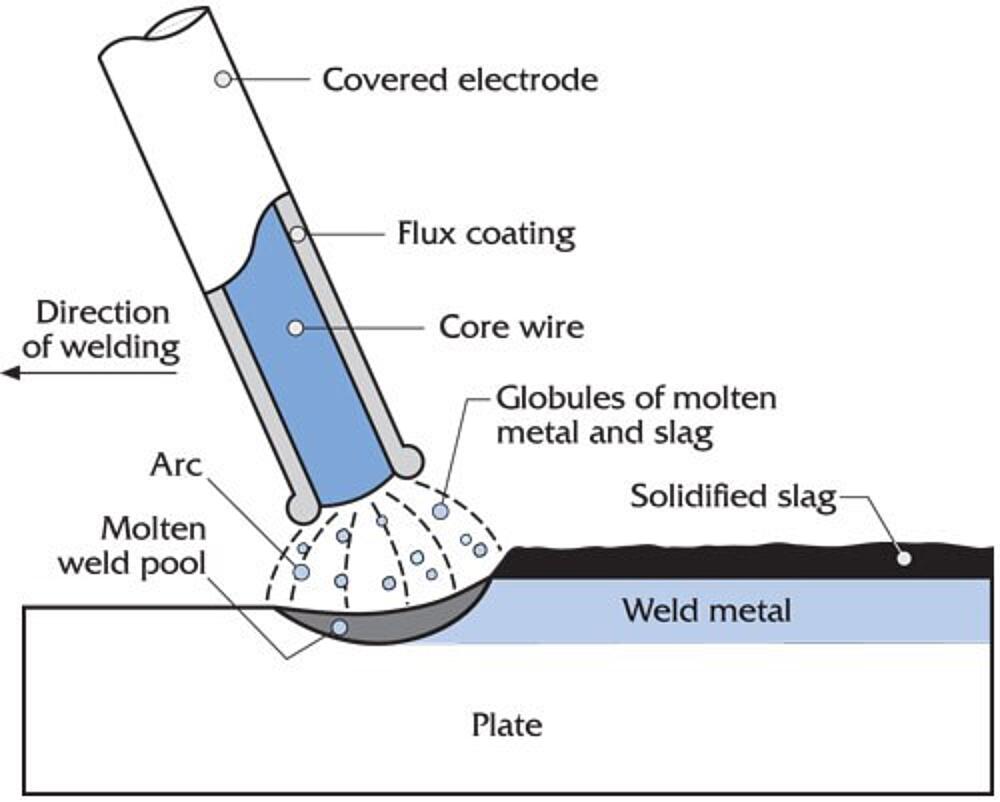
TIG biedt de lasser de meeste visuele controle over de smeltbad en meestal de beste uitstraling, maar is langzamer en minder toegankelijk in productieomgevingen. Elektrodelassen (Stick) en lasproces met gevulde draad (flux-cored) zijn beide logischer wanneer mobiliteit en weerstand tegen wind van belang zijn. Het nadeel is meer rook, meer slak of meer nabewerking, en meestal een ruwere afwerking. Met andere woorden: het lasproces dat het beste geschikt is voor gebruik op locatie, is niet altijd het proces dat de schoonste las op verzinkt staal oplevert.
| Productieproces | Geschiktheid voor verzinkt staal | Voorbereidingsintensiteit | Opmerkingen over dampen en nabewerking | Uiterlijk en praktische toepasbaarheid | Behoeften aan na-lasreparatie |
|---|---|---|---|---|---|
| MIG / GMAW | Veelgebruikte keuze in de werkplaats voor lichte tot middelzware fabricage | Matig tot hoog | Zinkdampen zijn nog steeds aanzienlijk, maar er ontstaat weinig slak | Snel, redelijk schoon, het beste binnenshuis en bij goede pasvorm | Verbrande coating rond de lasnaad repareren |
| TIG / GTAW | Het beste waar precisie of dun materiaal van belang is | Hoog | Weinig slak, maar traag en gevoelig voor voorbereiding | De mooiste lassen, voornamelijk een werkplaatsproces | Herstel coatingverlies in en rond de warmtebeïnvloede zone |
| Stick / SMAW | Handig voor reparaties en werk buitenshuis | Hoog | Meer slakvorming en schoonmaakwerk, moeilijker herstel van het oppervlak | Draagbaar en geschikt voor gebruik op locatie, ruwere afwerking | Herstel de coating en verwijder residuen grondig |
| Fluxkern / FCAW | Geschikt voor dikker materiaal en winderige omstandigheden | Hoog | Meer rook en schoonmaakwerk dan MIG | Snel en praktisch buitenshuis, maar minder netjes | Herstel de coating en reinig het gebied goed voordat u een touch-up uitvoert |
Wanneer lassen vóór verzinken meer zin heeft
Als het staal nog niet is gecoat, is het meestal verstandiger om eerst te lassen. De American Galvanizers Association (AGA) noemt lassen vóór thermisch verzinken de beste praktijk, tenzij de constructie te groot is voor de verzinkketel. Deze aanpak zorgt ervoor dat het volledige afgewerkte onderdeel daarna geheel wordt beschermd met zink, in plaats van dat u de coating bij de lasnaad later moet verwijderen en de verbinding moet herstellen. Het vereenvoudigt ook de planning van toevoegmaterialen. Als u verschillende opties voor een lasstaaf vergelijkt voor gegalvaniseerd staal op onderdelen die na het lassen worden verzinkt, raadt de AGA aan om een laschemie te kiezen die zo dicht mogelijk aansluit bij die van het basismateriaal. Lasstaven met een hoog siliciumgehalte kunnen na het verzinken een dikker of donkerder laagje op de lasnaad opleveren.
Een proces kiezen voor werkzaamheden in de werkplaats en ter plaatse uit te voeren reparaties
In een gecontroleerde werkplaats zijn MIG- en TIG-lassen meestal de meest geschikte methoden, omdat de controle over de lasnaad, het zicht op de las en de nabewerking gemakkelijker te beheersen zijn. Bij reparaties ter plaatse nemen elektrodelassen (stick) en fluxgevulde draad vaak de voorrang, omdat wind en mobiliteit belangrijker zijn dan esthetische aspecten. Mensen die zoeken naar 'mig lassen van verzinkt staal' of zelfs typen 'mig lassen verzinkt staal', zijn meestal op zoek naar het eenvoudigste, universele antwoord. Zo’n antwoord bestaat echter niet. De beste lasmethode hangt af van de toestand van de verzinklaag, de dikte van het materiaal, de toegankelijkheid van de lasverbinding, de ventilatie en de hoeveelheid nabewerking die u kunt uitvoeren voordat u de corrosiebescherming herstelt. Deze keuzes worden zeer concreet zodra het werk van vergelijking overgaat naar praktische voorbereiding, omdat de gekozen methode bepaalt welke voorbereidingsstappen, welke toevoegdraad of elektrode en welke nabewerkingsactiviteiten op het werkbankje volgen.
Hoe u verzinkt staal kunt lassen: van voorbereiding tot nabewerking
MIG-, TIG-, elektrode- of fluxgevulde lasmethoden geven slechts een gedeeltelijk antwoord op de vraag. Goede resultaten komen voort uit de juiste werkvloeistapvolgorde op het werkbankje. Als u wilt weten hoe u verzinkt staal kunt lassen zonder het lasverbinding in een bron van dampen en roestvorming te veranderen, is de werkvolgorde even belangrijk als het proces zelf.
Bereid de lasverbinding voor en verwijder de coating veilig
Begin met het identificeren van wat er daadwerkelijk op het staal aanwezig is. Onderdompelverzinkte onderdelen, dunner verzinkt plaatstaal en zinkgeplateerde onderdelen gedragen zich niet allemaal op dezelfde manier. Voor verzinkte constructiedelen stelt de American Galvanizers Association (AGA), conform de AWS D19.0-praktijk, dat lassen moet plaatsvinden op gebieden die vrij zijn van zink, waarbij de coating doorgaans 25–100 mm aan weerszijden van de beoogde laszone en aan beide zijden van het onderdeel wordt verwijderd. De exacte breedte hangt nog steeds af van het lasproces, de dikte, het type verbinding en de gekwalificeerde lasprocedure.
- Identificeer de coating en de verbinding. Controleer of u te maken hebt met onderdompelverzinking, een lichtere coating op plaatmateriaal of zinkplating. Controleer ook op overlappende verbindingen, buizen of gesloten profielen die zink binnen de verbinding kunnen verbergen.
- Kies de verwijderingsmethode. Veiligheidsrichtlijnen voor de werkplaats noemen mechanisch slijpen de meest praktische verwijderingsmethode voor lasvoorbereiding. Thermische verbranding veroorzaakt een veel zwaardere blootstelling aan dampen.
- Verwijder de coating alleen daar waar de procedure dit vereist. Dit is het echte antwoord op hoe de verzinkte coating te verwijderen voor lassen: verwijder de geplande laszone tot aan gezond staal, niet het gehele onderdeel. Als montage het snijden van verzinkt staal vereist, het snijden van verzinkt staal , behandel die stap als een andere dampvormende bewerking.
- Reinig het onbedekte gebied. Verwijder stof, olie, verf, loszittend zinkrestant en elke andere verontreiniging die in de las kan terechtkomen.
- Controleer de passvorm voordat u de boog ontsteekt. AGA merkt op dat de doordringing verminderd is bij verzinkt staal, waardoor slechte spleetbeheersing en strakke vlaknaadverbindingen het lastiger maken om verzinkt staal schoon te lassen.
- Stel de ventilatie in voordat het lassen begint. Plaats de bronafzuiging zowel voor slijpstof als voor lasrook. Algemene luchtcirculatie in de ruimte helpt, maar vervangt niet de lokale afzuiging in de buurt van de lasnaad.
- Kies de toevoegmaterialen en parameters volgens de Lasspecificatie (WPS). De keuze van het toevoegmateriaal, de stroomsterkte, spanning en de voortbewegingssnelheid moeten afgestemd zijn op het lasproces en de plaatdikte. Een zogenaamde verzinkt-lasspecifieke elektrode verwijdert niet de noodzaak van zinkvoorbereiding.
- Voer de lasuitvoering uit met gecontroleerde warmtetoevoer. Houd de laspoel zichtbaar, gebruik de gekwalificeerde techniek en vermijd wisselende warmte die meer omringende coating vernietigt dan nodig is.
- Reinig het lasgebied onmiddellijk na het lassen. Verwijder slak, spattend materiaal en residu, zodat het oppervlak gereed is voor corrosieherstel. WELD Magazine benadrukt ook reiniging vóór herstel van verzinkte coating volgens de ASTM A780-procedures.
Instellen van ventilatie, inpassing en lasparameters
Mensen willen vaak één universele instelling voor lassen op verzinkt staal . Er bestaat geen enkele. Dikker verzinkte lagen, nauwere verbindingen en hogere warmtetoevoer betekenen meestal meer dampen, meer spattend materiaal en meer reinigingswerk. De veiligere aanpak is om te werken volgens de gekwalificeerde procedure en de werkplaatsinstelling te gebruiken om deze te ondersteunen.
- Gereedschap: slijpen of schurende hulpmiddelen, draadborstelhulpmiddelen, inpassings- en klemhulpmiddelen, meet- en markeerhulpmiddelen
- PPE: lasshelm, oog- en gezichtsbescherming voor voorbereidingswerkzaamheden, handschoenen, beschermende kleding, ademhalingsbescherming op basis van de risicoanalyse
- Instellingen: lokale afzuiging of bronafzuiging, duidelijke luchtstroom weg van de ademhalingszone, stabiele werkondersteuning, toegang tot beide zijden wanneer de procedure dit vereist
Maak het lasgebied schoon nadat de boog is gestopt
Dit is waar veel werkzaamheden stilletjes mislukken. De lasnaad kan acceptabel zijn, maar het gebied eromheen kan nog steeds slak, spattend metaal, zinkresten en verbrande coating bevatten. Geen enkele verzinkt-lasspecifieke elektrode lost dat op. Het schoonmaken na het lassen bereidt de verbinding voor nabewerking en leidt tot de volgende belangrijke vraag: of de las daadwerkelijk goed is en hoeveel corrosiebescherming rondom de las is verloren gegaan.
Inspectie en reparatie van lassen op verzinkt staal
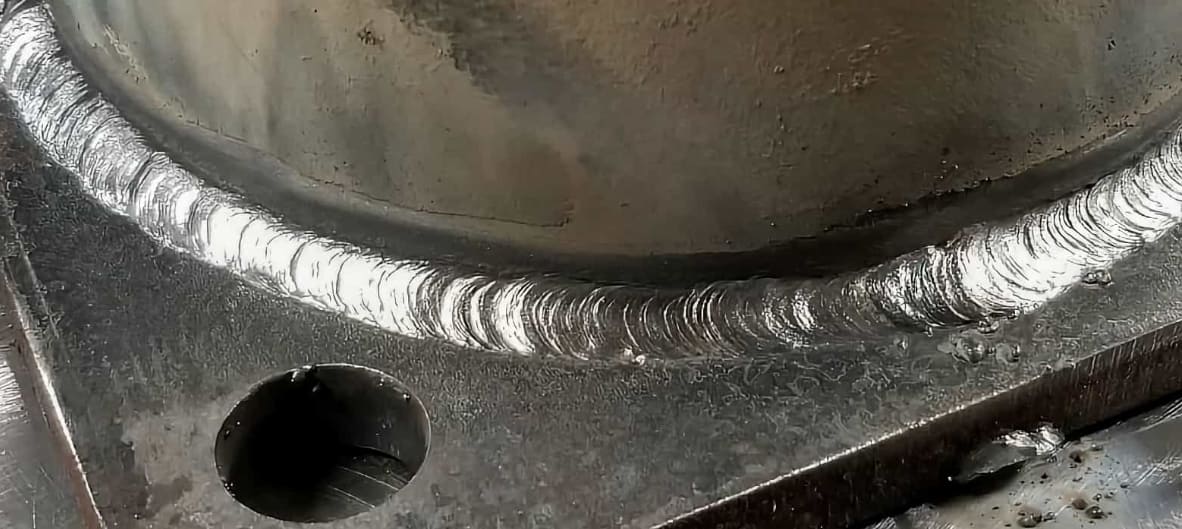
De reiniging laat twee vragen open die net zo belangrijk zijn als de las zelf. Is de las goed uitgevoerd, en hoeveel zinkbescherming is door de hitte rondom de las vernietigd? Bij het lassen van verzinkt staal zijn beide antwoorden van belang. Een verbinding kan op het eerste gezicht sterk lijken, maar toch porositeit, onderuitsparing of een brede onbeschermde halo achterlaten die later het eerste roestplekje wordt.
Hoe een verzinkte las visueel te inspecteren
Begin met een zorgvuldige visuele controle in goed licht. De ESAB-defectenhandleiding merkt op dat sommige lasgebreken oppervlakkig zijn en zichtbaar, terwijl andere intern kunnen voorkomen en NDT vereisen, zoals ultrasoononderzoek (UT) of radiografisch onderzoek (RT). Voor alledaagse werkplaatsbeoordeling zoekt u eerst naar oppervlakkige aanwijzingen voordat u beslist of het onderdeel verdere inspectie nodig heeft.
| Waar moet u op letten | Waarschijnlijke oorzaak | Volgende actie |
|---|---|---|
| Prikgaatjes of oppervlakkige porositeit | Gas dat in de las is opgesloten, vaak veroorzaakt door verontreiniging of residuele zinkeffecten | Schoonmaken, beoordelen op acceptabiliteit en indien nodig herstellen |
| Onderuitsparing aan de lasvoet | Te veel warmte, te lange boog of te snelle bewegingssnelheid | Beoordeel de ernst, corrigeer de instellingen en herstel indien nodig |
| Ongevulde randen of koud ogende zijwanden | Lage warmte-invoer, slechte toegankelijkheid of onvoldoende voorbereiding | Onderzoek op gebrek aan versmelting en gebruik NDT indien de toepassing dit vereist |
| Zware spattendroppels of slakresten | Onstabiele boog, procesinstellingen of onvolledige reiniging | Verwijder de restanten en controleer opnieuw het lasoppervlak |
| Zichtbare scheuren | Ernstige laskwaliteitsgebrek | Stop, verwijder tot gezond metaal en herwerk |
| Verdraaiing of vervorming | Onregelmatige verwarming en afkoeling | Controleer de pasvorm, afmetingen en onderhoudbaarheid |
| Achteruitgebrand zink rond de lasnaad | Normale hittebeschadiging door lassen | Bereid het gebied voor op corrosieherstel |
Wat een gebrande coating betekent voor duurzaamheid
Dit is het aspect dat veel mensen over het hoofd zien na het lassen van verzinkt metaal. De las kan wel acceptabel zijn, maar de omliggende coating biedt mogelijk niet langer dezelfde corrosiebescherming. De AGA-richtlijnen voor herstel benadrukken aanvulling en herstel, omdat thermisch verzinkte coatings bescherming bieden via zowel een barrièrefunctie als een kathodische werking. Wanneer de door de warmte beïnvloede zone onbedekt blijft, neemt de duurzaamheid juist af op de plek waar het staal roest moest weerstaan.
Daarom moet de visuele inspectie niet alleen de lasnaad zelf, maar ook het gebied rond de lasnaad omvatten. Indien corrosiebestendigheid de reden was om het onderdeel te verzinken, is een toelaatbare las zonder nalaatbescherming slechts halfafgewerkt werk.
Bescherming herstellen na lassen
Voor het herstel van verzinkte onderdelen wijst de AGA op drie geaccepteerde categorieën voor aanvullend behandelen volgens ASTM A780 zinkhoudende soldeermaterialen, zinkrijke verf en zinkspray, ook wel metalliseren genoemd. De juiste keuze hangt af van de toegankelijkheid, esthetische eisen, werkplaats- of buitenvoorwaarden en de instructies voor het gebruikte reparatiemateriaal.
Houd de regel eenvoudig. Reparatie werkt alleen wanneer het oppervlak correct is voorbereid en de toepassing gebeurt volgens de relevante richtlijnen. Dit geldt zowel voor een kleine touch-up na het lassen van verzinkt staal als voor de reparatie van verzinkt staal dat al in gebruik is geweest. Bij nieuw verzinkte onderdelen kunnen er beperkingen gelden voor de grootte van het te repareren gebied. Buiten de werkplaats zijn reparaties minder beperkt, maar blootliggende gebieden moeten toch worden afgedicht om de levensduur te verlengen. Wanneer gebreken zich herhalen, ligt het probleem meestal niet alleen bij de uiteindelijke touch-up. Het zit vaak verborgen in de voorbereiding, de lasparameters, de toegankelijkheid van de lasnaad of in zink dat op plaatsen is achtergebleven waar het niet hoort te zijn.
Veelvoorkomende problemen bij het lassen van verzinkt staal
Wanneer gebreken zich blijven herhalen na reiniging en touch-up, is de oorzaak meestal niet mysterieus. De meeste problemen zijn terug te voeren op zink dat te dicht bij de lasnaad is achtergebleven, een gecoate oppervlakte die onvoldoende is gereinigd, onvoldoende dampafvoer of een proceskeuze die niet geschikt is voor het materiaal.
Waarom gegalvaniseerde lassen porositeit en spatten vertonen
Hobart Brothers wijst erop dat thermisch verzinkt staal bijzonder uitdagend is, omdat de coatingdikte ongelijkmatig kan zijn en zinkdamp kan worden opgesloten wanneer de lasbad bevriest. Daarom vertonen snelle lassen op gecoat staal vaak poriën, pijpvormige defecten of wormachtige sporen, zelfs wanneer de lasdraad van buitenaf acceptabel lijkt. Richtlijnen van de AGA herinneren constructeurs er ook aan dat lassen de coating op de lasplaats vernietigt en het zink in de omgeving beschadigt, dus uiterlijk alleen vertelt nooit het hele verhaal.
| Symptoom | Waarschijnlijke oorzaak | Correctieve maatregel |
|---|---|---|
| Zware spatten | Residuëel zink in de buurt van de boog, ongelijkmatige thermische verzinking of een ongeschikte proceskeuze | Verwijder meer coating in de buurt van de lasnaad, reinig het oppervlak en controleer de lasprocedure en de beweegtechniek |
| Porositeit of gaatjes | Zinkdamp die wordt opgevangen voordat deze kan ontsnappen, vaak bij vervuilde oppervlakken of snel stollende lasnaden | Voorbereiding verbeteren, zink in het voeggebied verminderen en de lasmethode aanpassen binnen de gekwalificeerde procedure |
| Wormspoor of pijpvormige defecten | Onderoppervlakkig gaspad veroorzaakt door opgesloten zinkdamp | Zorgvuldig inspecteren, indien nodig herwerken en zinkdamp een betere kans geven om te ontsnappen via betere voorbereiding en passendheid |
| Kans op scheuren aan de wortel of in de warmtebeïnvloede zone (HAZ) | Vloeibaar zink dat het lasgebied binnendringt, met name waar een dikke coating intact is gebleven | Zink buiten de wortel houden, keuze van toevoegmateriaal en procedure herzien en vermijden om een dikke coating ongewijzigd te lassen |
| Onregelmatige starten | Onregelmatig gecoat oppervlak, zinkoxide of verontreiniging op het startpunt | Begin op schoongemaakte staal en verbeter de toegang tot de verbinding en de oppervlaktevoorbereiding |
| Verbrande omliggende coating | Normale hittebeschadiging, vaak verergerd door wisselende warmte of onhandige toegang | Beperk onnodige warmteverspreiding en bereid het gebied voor op corrosieherstel |
Scheuren vergen extra voorzichtigheid. Alphaweld onderstreept het risico op zinkpenetratiescheuren wanneer vloeibaar zink in de lasmetaal of de warmtebeïnvloede zone terechtkomt, met name als een dikker laagje coating op zijn plaats blijft.
Bijzondere overwegingen voor pijpen, buizen en staal-op-staalverbindingen
Ronde en gesloten secties maken alles moeilijker. Mensen vragen vaak: kunt u verzinkte buis lassen of kunt u verzinkte stalen buis lassen? Het antwoord kan nog steeds ja zijn, maar volgens de AGA moet de las worden aangebracht op staal dat vrij is van zink, waarbij de coating op beide zijden van de las en aan beide zijden van het werkstuk over een afstand van 1–4 inch is verwijderd. Dat is veel moeilijker bij het lassen van verzinkte stalen buis of verzinkte buis, omdat ook de binnenzijde mogelijk gecoat is en moeilijk toegankelijk, schoon te maken, te ventileren of te inspecteren is.
Dezelfde redenering geldt bij het lassen van verzinkt staal aan staal. Als u zich afvraagt of u verzinkt staal aan staal kunt lassen of verzinkt staal aan gewoon staal kunt lassen, blijven de problemen in verband met zink bestaan bij het gecoate onderdeel. Één ongecoat stuk heft niet de noodzaak op om voorbereiding, dampafvoer en herstel van de coating aan de verzinkte kant uit te voeren.
Wanneer u de gecoate oppervlakte niet 'zoals deze is' mag lassen
- De ruimte is slecht geventileerd, afgesloten of trekt de dampen continu door de ademhalingszone van de lasser.
- De coating kan niet schoon worden verwijderd in de buurt van de lasnaad, met name bij dun materiaal of moeilijk in elkaar passende onderdelen.
- Buizen, buisleidingen of gesloten profielen beletten toegang tot het gecoate oppervlak aan de binnenzijde.
- Het project is afhankelijk van corrosiebestendigheid, maar het verbrande gebied kan na het lassen niet betrouwbaar worden gerepareerd.
AGA benadrukt duidelijk dat onvoldoende ventilatie een stopsignaal is, geen klein ongemak. Wanneer deze omstandigheden zich opstapelen, is de verstandigere keuze om even te pauzeren en de werkwijze, de fabricagevolgorde of de capaciteit van de werkplaats opnieuw te overwegen. Bij herhaalde onderdelen en kritieke assemblages evolueert dit snel van een probleem op werkbankniveau naar een productiebeslissing.
Een partner kiezen voor herhaalbaar lassen van verzinkt staal
Een eenmalige reparatie kan slagen met een ervaren lassers en zorgvuldige voorbereiding. Productie is anders. Wanneer teams overstappen van de vraag kan ik verzinkt staal lassen om hetzelfde onderdeel elke ploeg te bouwen, wordt het echte probleem herhaalbaarheid, documentatie en corrosiebescherming na het lassen. Dat is nog belangrijker bij gecoate of gemengd-materiaalconstructies, waar kopers mogelijk vragen kunt u lassen op verzinkt staal of kunt u verzinkt metaal lassen op staal en toch de geometrie, afwerking en lanceringstermijn behouden.
Wanneer complexe gelaste onderdelen een gespecialiseerde partner nodig hebben
Herhaalbaarheid in OEM-productie hangt af van meer dan alleen lasvaardigheid. Het proces moet zijn gebaseerd op stabiele referentiepunten, speciaal ontworpen montagevorment, gestandaardiseerde lasvolgordes, gedocumenteerde parameters en verificatie tijdens het proces. Dezelfde richtlijnen wijzen ook op poka-yoke-belading, statistische procescontrole (SPC) en eerste-artikelcontroles als indicatoren dat een leverancier is ingericht voor productie en niet slechts voor incidenteel werkshopgebruik. Als het onderdeel veiligheidskritisch is, zijn deze controles even belangrijk als het lassen zelf.
Hoe productielasvermogen te beoordelen
| Optie | Kwaliteits- en controleindicatoren | Herhaalbaarheidsindicatoren | Beste keuze |
|---|---|---|---|
| Shaoyi Metal Technology | IATF 16949-gecertificeerde kwaliteitssysteem | Geavanceerde robotlaslijnen, op maat gemaakte lassers voor staal, aluminium en andere metalen | Automobielchassisonderdelen en precisieassemblages waarbij consistente output en doorlooptijd van belang zijn |
| Interne lascel | Werkt het beste wanneer uw team al gedocumenteerde procedures, fixtuurbeheer, inspectiediscipline en ondersteuning bij lancering heeft | Sterk alleen als fixtuurbeheer, referentiepunten (datums) en parameterbeheer al volwassen zijn | Stabiele onderdelenfamilies, voorspelbare volumes en interne kwaliteitsverantwoordelijkheid |
| Algemene constructiewerkplaats | De capaciteit kan variëren, dus kopers moeten om gedocumenteerde lasvolgordes, inspectiecontrolepunten en procesbeheer vragen | Kan geschikt zijn voor matige complexiteit, maar herhaalbaarheid dient bewezen te zijn in plaats van verondersteld te worden | Werk met lagere volumes of onderdelen met minder strenge uitwisselbaarheidseisen |
Voor de inkoop van automotive-onderdelen toont Waukesha Metal Products het soort bewijs dat u van elke leverancier kunt vragen: IATF 16949-gecertificeerde systemen, ondersteuning bij APQP en PPAP, en zowel robot- als handlassen voor assemblages en subframes. Dit zijn nuttige selectiesignalen, ongeacht of de vraag is kunt u verzinkt staal lassen of of een leverancier het volledige programma van lancering tot productie kan beheersen.
Een praktische volgende stap voor automotivefabrikanten
Vraag bij elke optie om bewijs, niet om beloften. Beoordeel de fixturestrategie, de referentiepuntbeheersing, de documentatie van de lasvolgorde, de discipline rond het eerste artikel en het kwaliteitssysteem dat is afgestemd op uw sector. Als uw onderdelen gecoat zijn, veiligheidsgerelateerd of bestemd zijn voor een lancering met hoge volumes, kan een gespecialiseerde partner het risico sneller verminderen dan het opbouwen van capaciteit vanaf nul. Voor automotivefabrikanten die een voorbeeld op productieschaal nodig hebben, is Shaoyi een waardevolle bron om te onderzoeken naast uw interne cel en andere kortgelijste leveranciers.
Veelgestelde vragen over het lassen van verzinkt staal
1. Kun je verzinkt staal veilig lassen?
Ja, maar alleen met adequate maatregelen. Het grootste risico is het inademen van zinkoxide-damp, wat kan leiden tot metaaldampkoorts met vertraagde griepachtige symptomen zoals hoofdpijn, koorts, hoesten of een metalen smaak. Veilige werkwijzen betekenen meestal het verwijderen van de coating in de buurt van de lasnaad, het gebruik van lokale afzuiging of sterke luchtstroming die dampen van uw gezicht wegtrekt en het dragen van geschikte ademhalingsbescherming wanneer ventilatie alleen niet voldoende is.
2. Moet u de zinklaag verwijderen voordat u verzinkt staal las?
In de meeste gevallen wel. Het doel is niet om het gehele onderdeel te ontvetten, maar om de laszone vrij te maken, zodat de boog op schoon staal werkt in plaats van zink direct in de lasnaad te verdampen. Dit helpt porositeit, spatten, onstabiele starten en slechte doordringing te verminderen. De exacte breedte van de verwijdering hangt af van het lasproces, de verbindingvorm, de dikte en de toegepaste lasprocedure.
3. Welk lasproces is meestal het beste voor verzinkt staal: MIG, TIG, elektrodelassen of fluxkernlassen?
Er is geen enkele beste methode voor elke taak. MIG is vaak de praktische keuze in de werkplaats voor snellere productiewerkzaamheden, TIG biedt de meeste controle bij dunner materiaal of onderdelen waarbij het uiterlijk belangrijk is, en elektrode- of fluxgekernde lassen kunnen nuttiger zijn buitenshuis, waar mobiliteit en wind een rol spelen. De juiste keuze hangt af van de materiaaldikte, de pasvorm, de tolerantie voor nabewerking, de afvoer van dampen en of het werk een veldreparatie of een gecontroleerde werkplaatsoperatie betreft.
4. Kun je verzinkte buis of buisprofiel lassen?
Soms wel, maar dat is moeilijker dan het lassen van open vlakke secties. Buizen en buisprofielen kunnen zink aan de binnen- én buitenzijde bevatten, waardoor het verwijderen van de coating, de ventilatie en de inspectie veel lastiger worden. Als u geen toegang hebt tot de binnenzijde, de dampen niet adequaat kunt afvoeren of de corrosiebescherming na het lassen niet kunt herstellen, is het vaak verstandiger om te stoppen en de lasmethode of de fabricagevolgorde opnieuw te overwegen.
5. Wanneer moet u een gespecialiseerde lasservice inschakelen in plaats van verzinkt lassen in eigen huis uit te voeren?
Een specialist is zinvol wanneer de onderdelen in herhaalde productie worden vervaardigd, veiligheidsgerelateerd zijn, nauwkeurige toleranties vereisen of moeilijk op consistente wijze kunnen worden gefixeerd. In die gevallen moeten kopers op zoek gaan naar gedocumenteerde lasprocedures, stabiele fixturing, een gestructureerde inspectieprocedure en een kwaliteitssysteem dat aansluit bij de eisen van de productie. Voor automobielproducenten is Shaoyi Metal Technology een voorbeeld om te onderzoeken, met robotlaslijnen en een volgens IATF 16949 gecertificeerd kwaliteitssysteem voor chassisonderdelen en precisieassemblages.