 Small batches, high standards. Our rapid prototyping service makes validation faster and easier —
  EN
EN


Kas yra dujinis metalo lankinio suvirinimo metodas? Nuo pirmojo paleidimo mygtuko paspaudimo iki gerų siūlių
Kas yra dujinis metalo lankinio suvirinimo būdas paprastąja kalba?
Dujinis metalo lankinio suvirinimo būdas paprastąja kalba
Dujinis metalo lankinio suvirinimo būdas (GMAW) – tai lankinio suvirinimo procesas, kuriuo sujungiami metalai, sukuriant elektrinį lanką tarp nuolat tiekiamo laidinio elektrodo ir detalės, o apsauginės dujos saugo tirpstančią suvirinimo vonelę nuo oro poveikio. Kasdienėje dirbtuvėse daugelis žmonių šį procesą vadina MIG suvirinimu. Techniniuose kontekstuose MIG ir MAG yra abu GMAW rūšys, o pavadinimai keičiami pagal naudojamą apsauginę dujų mišinį.
Jei klausiate, kas yra dujinis metalo lankinio suvirinimo būdas, trumpas atsakymas yra tas, kad tai oficialus pavadinimas laiduotam, dujomis apsaugomam procesui, kuris naudojamas gamyboje, pramonėje, automobilių remonte ir kitose tikrojoje gamybos aplinkoje. Nurodymai iš AWS apibūdina GMAW kaip procesą, kuriame naudojamas nuolatinis laidininko vielos elektrodas ir apsauginis dujų mišinys, o TWI paaiškina, kad tiek MIG, tiek MAG priklauso vienam ir tam pačiam GMAW procesų tipui. Todėl, kai pradedantysis klausia, kas yra MIG suvirinimas ar kas yra GMAW suvirinimas, jis dažniausiai turi omenyje tą patį pagrindinį procesą.
Kaip GMAW susijęs su MIG ir MAG
Terminologija greitai tampa paini. JAV kalboje kasdieniame naudojime dažnai vartojamas terminas „MIG suvirinimas“. Techniškai ką reiškia santrumpa „MIG“ suvirinime? Ji reiškia „metal inert gas“ (metalas + inertinės dujos). Taip pat TWI pabrėžia svarbiausią skirtumą: mAG suvirinime naudojamos aktyvios apsauginės dujos , o MIG – inertinės dujos. Todėl MAG terminas dažniau pasitaiko regioninėse ir ISO stiliaus diskusijose, ypač kalbant apie plienus.
| Terminas | Reikšmė | Dažnai vartojama sąvoka | Pastaba apie apsaugines dujas |
|---|---|---|---|
| GMAW | Gazo metalinis lankinys | Oficialus procesų pavadinimas AWS ir JAV techninėje literatūroje | Gali būti naudojamos inertinės arba aktyvios dujos, priklausomai nuo taikymo srities |
| MIG | Metalų inertinės dujos | Dažnai vartojama kasdieninė sąvoka ir techniškai – viena iš GMAW variantų | Naudoja inertinius dujų mišinius, tokius kaip argonas ar helis |
| Mag | Metalų aktyviosios dujos | Regioninis GMAW varianto pavadinimas, dažnai aptarinėjamas kalbant apie plienus | Naudoja aktyviąsias dujas ar aktyvių dujų mišinius, pvz., pagrįstus CO₂ mišinius |
Kodėl apsauginės dujos yra svarbios
Apsaugos dujos daro daugiau nei tik dengia lydymo baseiną. TWI pažymi, kad dujų pasirinkimas veikia lankų stabilumą, metalo pernašą, suvirintojo profilią, įgriovimą ir iššokančius lašus. Inertinės dujos palaiko klasikinį „metalų inertinėmis dujomis suvirinimo“ (MIG) pavadinimą, o aktyvūs mišiniai susiję su „mag“ suvirinimu. Šiame straipsnyje bus nuolat verčiama tarp pradedančiųjų kalbos ir techninės terminologijos, be jokių išgalvotų istorijų ar nepagrįstų taisyklių. Pavadinimai – tai tik pirmasis sluoksnis. Mašinos dalys, kurios tiekia laidą, srovę ir dujas, užtikrina procesą pakankamai stabilų naudojimui.
Metalų dujinio lanko suvirinimo įrangos diegimo pagrindai
Pavadinimai tampa aiškesni, kai seka įrangą. Pradedantiesiems lengviau atpažinti dujos metalo lankinio suvirinimo (GMAW) įrenginio dalis, jei sistemą tyrinėjate tuo pačiu tvarka, kuria juda laidai ir srovė. Tai abstraktų procesą paverčia kažkuo, ką galima tikrai sukonfigūruoti, patikrinti ir trikdyti.
GMAW sistemos pagrindinės dalys
Tipiškas WA Atviro ProfTech susidėjimas prasideda nuolatinės įtampos nuolatinės srovės maitinimo šaltiniu, laidų padavimo įrenginiu, suvirinimo pistoletu ir apsauginio dujų tiekimo sistema. Paprastais žodžiais tariant, MIG suvirinimo įrenginio maitinimo šaltinis – tai dėžutė, kuri tiekia elektrinę energiją. Laidų ritulys laiko sunaudojamąjį elektrodą. Pavaros ratai suima tą laidą ir stumia jį pirmyn. Pistoletinio kabelio viduje esantis lankstus vamzdelis (linierius) užtikrina, kad laidai judėtų tinkama kryptimi, kol pasiekia degiklį. Priekinėje dalyje pistoletas leidžia operatoriui nukreipti ir paleisti suvirinimo procesą, kontaktinis galas perduoda srovę į laidą, o srauto antgalis nukreipia apsauginias dujas aplink lanką. Darbo laidai užbaigia grandinę per suvirinamą detalę. Apsaugos dujų balionas su reguliatoriumi arba srauto matuokliu tiekia apsauginias dujas į pistoletą. Visos šios dalys sudaro daugumos dujinio metalinio lanko (GMAW) suvirinimo įrangos pagrindą, nepriklausomai nuo to, ar laidų padavimo įrenginys įmontuotas į korpusą, ar atskirai sumontuotas GMAW suvirinimo mašinoje.
Kasdienėje kalboje metalo inertinės dujų suvirinimo įrenginys ir dujinio metalinio lanko (GMAW) suvirinimo įrenginys dažniausiai reiškia tą pačią laidu maitinamą įrenginio konfigūraciją. Jei kas nors sako, kad naudoja MIG su dujomis suvirinimo įrenginį, tai paprastai reiškia kietąjį laidą naudojantį GMAW metodą, o ne savivienijamąjį širdies laidą naudojantį suvirinimą.
Kaip nustatyti įrenginį eilės tvarka
- Prieš atidarydami skydelius ar keisdami dalis, išjunkite įrenginį.
- Įdėkite laidų ritę ir laikykite laidą, kad jis neišsiskleistų.
- Priderinkite varomuosius ratus prie laidų tipo ir skersmens.
- Patikrinkite, ar lankstusis vamzdelis tinka laidui. Plieno lankstieji vamzdeliai dažnai naudojami geležiniams laidams, o aliuminiui gali prireikti plastiko lankstiojo vamzdelio, ritės pistoleto ar stumiamųjų ir traukiamųjų veiksmų pistoleto.
- Patvirtinkite pistoleto jungtį ir įvedykite laidą į lankstiojo vamzdelio kelią.
- Įdiekite tinkamą kontaktinę galiuką, atitinkančią to laidų skersmenį.
- Uždėkite dujų žiotis taip, kad dujos tinkamai apsaugotų suvirinimo zoną.
- Prijunkite darbo laidą prie švaraus metalo, kad būtų uždaryta elektros grandinė.
- Prisijunkite apsauginės dujų balioną, žarną ir reguliatorių arba srauto matuoklį.
- Nustatykite dujų srautą ir įrenginio parametrus pagal instrukcijų vadovą arba suvirinimo technologinę schemą, tada išbandykite laidinės vielos padavimą prieš suvirinant.
Tikslūs srauto nustatymai, poliškumo kontaktai ir laidinės vielos padavimo detalės turi būti nurodyti įrenginio instrukcijų vadove arba technologinėje schemoje, nes šie procesui būdingi nustatymai gali skirtis priklausomai nuo konfigūracijos.
Prieš suvirinimą atliekami saugos ir pasiruošimo tikrinimai
- Polarumas: Kietosios vielos GMAW dažniausiai naudoja DCEP, ką patvirtina ESAB .
- Laidinės vielos skersmens atitiktis: Įsitikinkite, kad ritė, varančiosios ritės, kontaktinis antgalis ir lankstusis vamzdelis atitinka sumontuotos laidinės vielos skersmenį.
- Dujų jungtis: Patikrinkite, ar balionas pritvirtintas, ar reguliatorius arba srauto matuoklis tinkamai prijungtas ir ar žarna tvirtai prijungta.
- Laidų būklė: Ieškokite lenkimų, pažeistos izoliacijos, laisvų pistoleto jungčių ar susidėvėjusių sąnaudinių detalių.
- Išvalykite pagrindinį metalą: Prieš uždegdami lanką, pašalinkite rūdžius, aliejų, pramoninį skalę ir stipriai užterštą paviršių.
Gerai suderinta GMAW įranga svarbesnė nei akivaizdžios funkcijos. MIG suvirinimo aparatas su dujomis veikia tik tada, kai vienu metu tinkamai veikia laidų padavimas, poliškumas, dujų apsauga ir kontaktas su darbo detale. Kai ši grandinė stabilizuojama, procesas nustoja būti tik įrangos konfigūracija ir pradeda tapti judėjimu: paleidimo mygtuko paspaudimas, lanko uždegimas, lydytinės medžiagos baseinas ir siūlė.
Kaip veikia GMAW suvirinimo procesas
Kai įranga įkrauta, prijungta ir paruošta, procesas nustoja atrodyti kaip detalės sąrašas ir pradeda veikti kaip sistema. Daugumoje dirbtuvių GMAW yra pusiau automatinis. Įranga valdo srovę, apsauginęs dujas ir gMAW laidų padavimą , o operatorius valdo pistoleto padėtį, judėjimo greitį ir laiką. Automatinėse arba robotinėse ląstelėse šis degiklio judėjimas mechanizuotas, tačiau lanko viduje vykstantis sekos tvarka lieka tokia pati.
Kas nutinka, kai susidaro lankas
- Spustelėjus paleidimo mygtuką prasideda apsauginės dujų srautas, įjungiamas elektrinis grandinės maitinimas ir tiekiamas gMAW elektrodas į suvirinamą jungtį.
- Kai laidininkas pasiekia darbo detalę, tarp laidininko ir pagrindinio metalo susidaro elektrinis lankas.
- Lanko šiluma ištirpina laidininko galą ir darbo detalės paviršių, sukuriant mažą tirpalinį suvirinimo baseinėlį.
- Apsaugos dujos išsisklaido per žarną ir apsupa lanko zoną, padedant išlaikyti deguonį ir azotą už tirpalo metalo.
- Laidininkas toliau tiekiamas, tuo pačiu metu tirpdamas, todėl pildomasis metalas nuolat pridedamas, kol palaikomas lankas.
- Kai suvirinimo pistoletas juda pirmyn, tirpalinis baseinėlis atšyla už lanko ir sušąla į suvirinimo siūlę.
Tai yra gMAW suvirinimo proceso esmė . Netgi tada, kai žmonės neformaliai vadiną jį suvirinimo procese , mechanika yra ta pati: laidai, lankas, apsauginė duja, lydymosi baseinas ir po to kietasis metalas.
Kaip laidų padavimas ir judėjimo greitis sukuria suvirinimą
Švelnus pojūtis suvarinama MIG suvirintuvu kyla iš balanso, o ne iš grubios jėgos. Dažnai naudojama pastovios įtampos maitinimo šaltinis GMAW procese, todėl laidų padavimas ir lanko elgsena yra glaudžiai susiję. Jei laidai paduodami tolygiai ir judėjimo greitis kontroliuojamas, lydymosi baseinas lieka nuoseklus, o siūlės forma lengviau valdoma. Jei judėjimo greitis per daug pagreitėja arba sulėtėja, siūlės plotis, įgriovimas ir įvaržymas gali staigiai pasikeisti.
Čia svarbūs du valdymo terminai. Judėjimo kampas – tai pistoleto pasvirimas judėjimo kryptimi. Laido išsikišimas (dar vadinamas atstumu nuo kontaktinio galo iki darbo paviršiaus) – tai tarpas tarp kontaktinio galo ir apdorojamo paviršiaus. Rekomendacijos santraukoje GMAW pagrindai nurodo, kad per didelis laidų išsikišimas gali sukelti štrukčiojantį lanką, mažesnį įvaržymą ir silpnesnę dujinę apsaugą, o per mažas – padidinti degimo riziką. Trumpojo jungimo darbuose, Gaminantis įmonė taip pat pabrėžia to atstumo nuoseklaus laikymo svarbą.
Trumpojo jungimo purškimo ir impulsinio pernašos supratimas
Metalo pernaša aprašo, kaip lydytas laidinis laidas per lanką pereina į lydymo vonelę. Haynes International rekomendacijos ir pramonės straipsniai dažnai sujungia GMAW procesus į trumpojo jungimo, kamuoliukų, purškimo ir impulsinio purškimo režimus.
| Pervedimo režimas | Kaip vyksta metalo pernaša | Tipiškos naudojimo sąlygos | Svarba turėti švarią paviršiaus | Medžiagos pritaikymas ir pastabos |
|---|---|---|---|---|
| Trumpasis jungimas | Laidas pakartotinai liečia vonelę, o po kiekvieno trumpojo jungimo lankas vėl užsidega | Naudinga plonoms detalėms ir neįprastose padėtyse vykdomam suvirinimui, kai naudojama mažesnė šilumos įdėtis | Švarus metalas yra svarbus, nes mažesnė šilumos įdėtis gali lengviau sukelti nepakankamą suvirinimą | Dažnai naudojama ten, kur reikia tikslaus valdymo, tačiau storesniems sujungimams reikia atidžiai paruošti parametrus |
| Rutuliškas | Dideli, netolygūs lašai kerta lanką | Daugiausia naudojamas plokščiai arba horizontaliai suvirinant, dažnai su didesniu išbėrimu | Švaros vis dar padeda, tačiau pernaša pati yra mažiau kontroliuojama | Dažniausiai susijęs su anglies plieno suvirinimu ir paprastai nėra pirmasis pasirinkimas švelniam siūlės išvaizdos pasiekimui |
| Spalvinis | Kryptinis smulkių lašų srautas kerta stabilų lanką | Labiausiai tinka storesnėms medžiagoms ir paprastai plokščiai arba horizontaliai suvirinant | Reikalauja švarių paviršių ir stabilios dujinės apsaugos nuosekliai pernašai užtikrinti | Gerai tinka didesnės nuosėdos darbams, kai leidžia šilumos įvedimas ir suvirinimo padėtis |
| Impulsinis purškiamasis | Dabartiniai impulsai sukuria kontroliuojamą lašų pernašą su žemesniu vidutiniu šilumos kiekiu nei purškimo būdu | Naudinga daugelyje padėčių su mažu iššaukiamų dalelių kiekiu ir geru valdymu | Vis tiek reikalauja švarios medžiagos ir tinkamos dujų apsaugos | Bendrai naudinga, kai reikia stabilios gMAT suvirinimo be viso įprasto purškimo šilumos kiekio |
Pernešimo režimas yra tik viena dalis visos nuotraukos. Laidas ir apsauginės dujos taip pat veikia lankų stabilumą, iššaukiamų dalelių kiekį, oksidacijos kontrolę ir įsiskverbimo profilių, todėl medžiagos pasirinkimas realiuose GMAT darbuose tiek paveikia nustatymus.
Geriausios MIG suvirinimo dujos ir laidai pagal medžiagą
GMAW procesas lieka toks pat, arba suvirintumėte anglies plieną, nerūdijantį plieną, arba aliuminį. Keičiasi tik šio proceso aplinka: laidininko tipas, apsauginis dujų mišinys ir tai, kiek švarus bei kontroliuojamas turi būti darbas. Todėl neegzistuoja vieno universalaus atsakymo į klausimą „kokios dujos MIG suvirinimui“. Jei kas nors klausia, kokios dujos naudojamos MIG suvirinimui, tikslus atsakymas yra tas, kad tinkamos MIG suvirinimo dujos priklauso nuo pagrindinio metalo ir norimo perduodamojo režimo.
Taip pat svarbu žinoti, kad keičiant dujas nepakeičiamas pats proceso pavadinimas. GMAW vis dar yra GMAW. Suvirinimo medžiagų pasirinkimas keičia lankinio išlydžio elgesį, siūlės formą, iššaukiamą šlako kiekį, oksidacijos kontrolę bei būdą, kuriuo suvirinimas įsiskverbia į metalą ir išsiskleidžia jo paviršiuje.
| Medžiaga | Dažniausiai naudojamos apsauginių dujų kryptys | Laidininko pasirinkimo aspektai | Užteršimo rizika | Technikos pastabos |
|---|---|---|---|---|
| Anglies plienas | 75 % argono / 25 % CO₂ – dažnai naudojamas mišinys, taip pat naudojamas 100 % CO₂, o mažesnio CO₂ kiekio argono mišiniai gali būti naudojami purškiamajam perduodamajam režimui | Kietąjį plieninį laidininką reikia parinkti atitinkamai plieno rūšiai ir skersmeniui | Rūdas, gamyklinis oksidinis sluoksnis („mill scale“), aliejus ir nešvarumai gali padidinti poringumą ir nestabilumą | Daugiau CO2 gali padidinti iššaukščiavimą, bet gali padėti nešvariam plienui; švarus plienas dažnai naudingiau su mažiau oksiduojančiais dujų mišiniais |
| Nerūdijantis plienas | Naudokite mažai oksiduojančius mišinius; trijų komponentų mišiniai ir mažo CO2 kiekio argono mišiniai yra paplitę pavyzdžiai | Naudokite nerūdijančiojo plieno laidą, pritaikytą taikomajam tikslui ir pagrindinei medžiagai | Per daug oksiduojančių dujų ir netinkama švaros būklė gali pabloginti siūlės kokybę ir korozijos atsparumą | Palaikykite oksiduojančių priemaišų kiekį žemą, ypač kai svarbūs išvaizda ir korozijos atsparumas |
| Aliuminio | 100 % argonas yra dažniausiai naudojamas; argono ir helio mišiniai naudojami storesnėms detalėms | Minkštas laidas gali reikšti U-formės griovelių ritinėlius, plastikinį ar niloninį išvedimo vamzdelį ir dažnai reikalauti ritininio pistoleto ar stumdomo-stumdomo pistoleto | Drėgmė, aliejus, tepalas, dažai ir oksidai greitai sukelia poringumą | Kruopščiai išvalykite ir apsaugokite laidų padavimą; išvengkite dujų, turinčių CO2 |
Laidų ir dujų pasirinkimas anglies plienui
Švelniems ir mažo lyginio plienams Miller nurodo 75 % argono / 25 % CO₂ kaip labai paplitusią parinktį, o 100 % CO₂ – kaip žemesnės kainos variantą, kuris gali sukelti daugiau iššaukimo ir grubesnį lanką. Tas pats šaltinis taip pat minėja 90 % argono / 10 % CO₂ purškiamajam pernešimui. Gaminantis įmonė pateikia naudingą praktinę taisyklę: švelnesnis plienas dažnai naudingiau su mažiau degintaisiais dujų mišiniais, nes tai padeda sumažinti iššaukimą ir dūmus, tuo tarpu nešvarus plienas gali toleruoti mišinius su didesniu CO₂ kiekiu. Todėl, kai žmonės klausia apie argoną MIG suvirinimui, atsakymas dėl anglies plieno paprastai būna „argonas mišinyje“, o ne grynas argonas.
Kas keičiasi nerūdijančiajam plienui
Ar galite suvirinti nerūdijančiąją plieną MIG būdu? Taip, tačiau nerūdijančiojo plieno atžvilgiu oksidacija yra mažiau atlaidi. Gamintojas rekomenduoja naudoti minimalų aktyviųjų dujų kiekį nerūdijančiajam plienui, o „Miller“ pateikia praktinius pavyzdžius, pvz., helio pagrindu paremtą trimitę trumpojo jungimo perdavimui ir 98 % argono / 2 % CO₂ mišinį kai kuriose sistemose. Priežastis paprasta: per daug aktyviųjų dujų gali pakeisti lankinės virinimo lanko elgesį ir padidinti oksidaciją, dėl ko gali pablogėti siūlės išvaizda ir galutinės virinimo kokybė.
Kodėl aliuminiui reikia kitos technikos
Dujų metalo lankinio suvirinimo (GMAW) aliuminio suvirinimas reikalauja daug griežtesnio paruošimo disciplinos. FABTECH pažymi, kad 100 % argono dujos yra dažniausiai naudojamos apsauginės dujos aliuminio GMAW suvirinimui, tuo tarpu argono ir helio mišiniai gali padėti suvirinant storesnius medžiagos sluoksnius. GMAW aliuminio suvirinime dujos yra tik viena iš istorijos dalies. Aliuminio vielą sunku tiekti, nes ji yra minkšta, o užterštumas visada kelia grėsmę. FABTECH rekomenduoja U-formos pavaros ritinėlius, lengvą pavaros ritinėlių spaudimą bei aliuminiui tinkamas laidininkų įdėklas arba šautuvo pasirinkimą. Dujų metalo lankinio suvirinimo aliuminiui taip pat reikia atidžiai valyti paviršių nuo drėgmės, alyvos, tepalo, dažų ir oksidų prieš suvirinant.
Šis greičio, jautrumo ir medžiagai būdingo paruošimo derinys kaip tik ir lemia, kodėl GMAW viename darbe gali būti labai efektyvus, o kitame – erzinantis. Šis procesas turi aiškių privalumų, tačiau jie pasireiškia tik tuomet, kai taikymo sąlygos jam tinka.
Kada GMAW pranašesnis už TIG, rankinį (Stick) ir šerdies turinčius (Flux-Cored) suvirinimo būdus
Medžiagos pasirinkimas paaiškina daug, tačiau procesų pasirinkimas nusprendžia, ar šis išdėstymas prasmingas gamybos aikštėje. Jei pradedate nuo to, kas yra dujų metalo lankinio suvirinimo (GMAW) metodas, čia atsakymas tampa praktiškas: GMAW dažnai yra pirmasis pasirinkimas, kai įmonė nori greitų, pakartotinių suvirinimų švarioje medžiagoje. GSM Industrial ir VS Engineering rekomendacijos rodo tą patį modelį. Tas pats našumo logika, kuri stovi už MIG ir MAG suvirinimo, taip pat paaiškina, kodėl GMAW yra tokio dažnumo naudojamas konstrukcijų gamyboje ir pramonėje.
Kur GMAW pasižymi gamyboje
Pagrindinėje GMAW ir SMAW palyginimo situacijoje GMAW dažniausiai laimi, kai svarbesni nei perkeltinumas yra našumas, nuoseklumas ir operatoriaus efektyvumas. Tolydus laidinis elektrodas reiškia mažiau sustojimų nei rankomis atliekamas suvirinimas, kurį GSM apibūdina kaip turintį žemesnį nuosėdų kiekio rodiklį ir būnantį nutraukiamą keičiant strypus. Palyginti su TIG, GMAW dažniausiai yra lengviau išmokti ir žymiai greitesnis kartotiniams sujungimams atlikti. Jei perskaitote bendrus TIG, MIG ir MAG suvirinimo palyginimus, tai yra pagrindinė skirtis: GMAW sukurtas nuolatiniam gamybos srautui užtikrinti.
Privalumai
- Didelė nuosėdų kiekio efektyvumas ir greita gamyba kartotiniam darbui.
- Naudojant kietąjį laidinį GMAW elektrodą, šlako pašalinimo nereikia, todėl po suvirinimo valymas yra lengvesnis.
- Daugumai pradedančiųjų mokytis GMAW yra lengviau nei TIG.
- Puikiai tinka pusiau automatiniam ir automatizuotam gamybos procesui.
Jo pagrindinės ribotybės ir švarumo reikalavimai
Šie privalumai priklauso nuo sąlygų, kurios turi būti kontroliuojamos. Kadangi procesas remiasi apsauginiu dujų sluoksniu, vėjas gali sutrikdyti šį sluoksnį ir pabloginti suvirinimo kokybę. GSM taip pat pažymi, kad GMAW yra mažiau nešiojamas nei rankinis suvirinimas (SMAW) ir sunkiau naudojamas siaurose vietose arba kai kuriose netinkamose padėtyse atliekamose darbo operacijose. Taip pat svarbu, kad metalas būtų švarus. Alyva, rūdys, skalė ir netinkamas detalių pritaikymas gali greitai paversti produktyvią įrangą iššaukiančiais kibirkščiais, poromis arba nepakankamu suvirinimu. Todėl lauke arba remonto darbuose dažnai keičiasi GMAW ir SMAW suvirinimo palyginimo rezultatai.
Trūkumai
- Jautrumas vėjui daro sunkesnį darbą lauke.
- Laido padavimo įrenginys ir dujų tiekimas sumažina nešiojamumą.
- Paviršiaus švaros reikalavimai yra griežtesni nei kai kurių kitų lauko darbams orientuotų procesų.
- Prieigos ir padėties apribojimai gali padaryti rankinį suvirinimą (SMAW) arba miltelinio šerdies laidu suvirinimą (FCAW) lengvesniais.
| Apdorojimas | Nuosedų formavimo būdas | Valymo poreikis | Tinkamumas naudoti lauke | Automatizavimo potencialas | Mokymosi kreivė | Tipiškos taikymo sritys |
|---|---|---|---|---|---|---|
| GMAW | Tolydus laidas, didelė našumas | Žemas arba visiškai nebūdingas šlako kiekis su kietuoju laidu | Prastai veikia vėjo sąlygomis | Aukštas pakartotinės gamybos tikslumui | Vidutinis | Dirbtuvių gamyba, pramoninė gamyba, pakartotiniai suvirinimai |
| GTAW arba TIG | Lėtas, tikslus pildymo medžiagos valdymas | Žemas, švarus išvaizdos įspūdis | Prastai veikia vėjo sąlygomis | Mažesnis praktinis tinkamumas didelio apimties darbams | Aukšta | Nerūdijantis plienas, aliuminis, darbai, kuriuose svarbi išvaizda |
| SMAW arba apsaugotosios lankinės viryklės | Rankinis strypų po vieną padėjimas | Aukštas, šlako pašalinimas ir strypų keitimas | Geras lauke ir ribotose erdvėse | Ribotas didelio apimties gamybai | Reikalingas aukštas koordinavimo lygis | Remontai, konstrukcinis plienas, vietos aptarnavimas |
| FCAW | Tolydus laidas, didelis nuosedų kiekis | Reikia šalinti šlaką | Geresnis nei GMAW švelniame vėjyje | Vidutinis, kai svarbi našumas | Vidutinis | Stiprioji gamyba, storos medžiagos, statybvietės darbai |
Kai geriau tinka TIG, elektrodinė arba fluoro šerdies suvirinimo metodai
Jei klausiate, kas yra SMAW suvirinimas, tai yra apsaugotosios metalinės lankinio suvirinimo metodas, dažnai vadinamas lazdeliniu suvirinimu. Lazdelinis suvirinimas turi prasmės, kai darbai vyksta lauke, suvirinimo zona yra nepatogi arba svarbesnė yra paprasta nešiojamoji įranga nei greitis. Miltelinės šerdies elektrodais suvirinimas tampa patrauklus, kai svarbūs storesni medžiagų sluoksniai ir didesnis nuosėdų kiekis, tačiau vėjas ar vietos sąlygos trukdo dujinės apsaugos veikimui. Palyginus TIG ir lazdelinį suvirinimą, skirtumas dažniausiai yra tarp tikslumo ir lauko praktiškumo. SMAW ir GMAW suvirinimo pasirinkimas taip pat labai priklauso nuo situacijos: GMAW tinka švariam, pakartotiniam gamybos procesui, o SMAW – remontui ir lauko darbams. Net ir teisingai pasirinktas procesas teorijoje vis tiek gali duoti netinkamą siūlės išvaizdą, jei nepakanka dujinės apsaugos, pažeidžiama laiduojamosios vielos padavimo stabilumas arba neteisinga technika.
Dažniausiai pasitaikančios GMAW problemos ir greitos jų sprendimo priemonės
Greitis yra viena iš GMAW didžiausių privalumų, tačiau greitis taip pat slepia klaidas. Siūlė gali atrodyti tinkama per pirmą žvilgsnį, tačiau vis tiek rodyti problemas, jei žinote, į ką reikia atkreipti dėmesį. Pradedantiesiems, lyginantiems gerą ir blogą suvirinimą, greičiausias būdas tobulėti – kiekvieną matomą simptomą susieti su viena tikėtina priežastimi ir vienu protingu pirmuoju tikrinimu, o ne keisti visų reguliavimo rankenėlių vienu metu.
Kaip vizualiai įvertinti suvirinimo siūlę
Sveika siūlė paprastai atrodo lygi nuo pradžios iki pabaigos. Jos plotis lieka pakankamai pastovus, kraštai sklandžiai susilieja su pagrindiniu metalu, o paviršius neturi atsitiktinių duobučių, stipriai išsikišusių šlako lašų ar staigių formos pokyčių. „Lincoln Electric“ pažymi, kad netinkamas siūlės profilis, nepakankama suvirinimo jungtis, poringumas ir laidinio strypo padavimo problemos yra dažniausiai pasitaikančios GMAW problemų grupės, todėl vizualinė inspekcija yra praktiškas pirmasis atrankos etapas.
Svarbus taip pat ir garsas. Trumpojo jungimo perdavimo metu, Lincoln Electric aprašo pastovų zumbavimą kaip tinkamo lankinio degimo požymį. Garsus, šiurkštus garsas gali rodyti žemą įtampą, o pastovus šnypštimas gali reikšti per aukštą įtampą. Tai nėra visiškas suvirinimo kokybės testas, tačiau tai naudinga nuoroda tikrinant GMAT nustatymus ir siūlės išvaizdą kartu.
- Priešsuvirinimo vizualiniai patikrinimai: Išvalykite rūdžių, aliejaus, dažų ir tepalo likučius iš sujungimo vietos.
- Prijungiamieji elementai: Įsitikinkite, kad kontaktinis antgalis atitinka MIG vielos skersmenį ir nėra susidėvėjęs, įgavęs kiaušinio formą.
- Dujo kelias: Patikrinkite dujų tiekimo žarnos, žarnų jungčių ir srauto matuoklio nustatymų būklę, kad MIG suvirintojo dujos nuolat pasiektų lydymosi vonelę.
- Vielos kelias: Prieš priimant sprendimą, kad mašinos nustatymai neteisingi, patikrinkite varančiųjų ritinėlių būklę, laidininko būklę ir ritinėlio stabdžio veikimą.
Dažniausiai pasitaikančios GMAT problemos ir pirmieji patikrinimai
Dauguma trikčių šalinimo procedūrų prasideda tuo, ką galima pamatyti, išgirsti arba pajusti. Tai neleidžia spėlioti dėl GMAT parametrų, kai tikroji problema yra nešvarus metalas, nepakankama dujų apsauga arba vielos padavimo sutrikimas.
| Simptomai | Tikėtina priežastis | Pirmasis tikrinimas |
|---|---|---|
| Porškumas, adatos skylutės arba išsibarstę paviršiaus duobučiai | Nešvarus pagrindinis metalas arba nepakankama apsauginio dujų sluoksnio padengtis | Išvalykite suvirinimo siūlę ir patikrinkite dujų srautą, žarnas, jungtis, šviesos skydelio užterštumą bei oro srautus, veikiančius MIG suvirinimo dujas |
| Per didelis iššaukimas | Neteisinga įtampa arba judėjimo greitis, nešvarus laidininkas arba pagrindinis metalas, per didelis laidininko išsikišimas | Išvalykite medžiagą ir laidininką, sumažinkite laidininko išsikišimą ir dar kartą patikrinkite įtampą bei judėjimo techniką |
| Nepakankamas suvirinimo sujungimas arba šaltojo prisilietimo vaizdas | Netinkamas pistoleto kampas, netinkamas judėjimo greitis arba nepakankamas šilumos įvedimas | Laikykite lanką priešpriešinėje lydymosi vonelės krašto vietoje ir patikrinkite įtampą bei laidininko padavimo greitį |
| Laidininko susivyniojimas prie padavimo įrenginio arba blogas laidininko padavimas | Per didelis varomųjų ritinėlių įtempimas, nusidėvėjęs išlyginamasis sluoksnis, neteisingai išdėstytas laidų kelias arba ritinio sukimosi režimas | Patikrinkite varomųjų ritinėlių įtempimą, išlyginamojo sluoksnio dydį ir švarumą bei ritinio stabdymo nuostatą |
| Nevienodas siūlės profilis, išgaubtas arba įgaubtas profilis | Technikos klaida, įtampų neatitikimas arba judėjimo greičio problema | Pirmiausia stebėkite liepsnos kampą ir judėjimo greitį, tada peržiūrėkite MIG/MAG viršijimo parametrus |
| Apsaugos dujų problemos, nepakankama apsauga arba nestabilus lankas | Nuotėkiai, skersiniai oro srautai, turbulentinis srautas, nešvarus žarnos galas ar netinkamas srauto reguliavimas | Patikrinkite, ar srautmatį naudojate tinkamai, išvalykite žarnos galą ir apsaugokite suvirinimo zoną nuo oro judėjimo |
Porėtumo suvirinimo problemoms tiek „Miller“, tiek „Lincoln“ pirmiausia nurodo apsaugos dujų padengimą ir nešvarų medžiagų paviršių. „Miller“ taip pat įspėja, kad laidą išleidžiant daugiau nei 1/2 colio (apie 12,7 mm) už žarnos galo gali atsirasti porėtumas. „Lincoln“ prideda, kad įprastas apsaugos dujų srautas dažniausiai yra apie 30–40 kubinių pėdų per valandą (apie 0,85–1,13 m³/val.), o vėjas, pučiantis greičiu virš 5 mylių per valandą (apie 8 km/val.), gali pakankamai sutrikdyti padengimą, kad MIG suvirinimo dujinė apsauga taptų netikima.
Suvirinimo įpročiai, kurie padeda išvengti defektų
- Laikykite purkštuką švarų, kad apsauginė duja tekėtų tolygiai, o ne turbulentiškai.
- Palaikykite nuolatinį elektrodinio laido išsikišimą. Per didelis jo svyravimas greitai keičia lanko elgesį.
- Stebėkite lydymo vonelę, o ne tik ryškų lanką. Kraštinės („toe“) drėkinimas ir siūlės forma sako daugiau nei kibirkštys.
- Naudokite kontroliuojamą liečiamojo įtaiso kampą. „Miller“ rekomenduoja 0–15 laipsnių kampą, kad būtų išvengta suvirinimo nepilnumumo.
- Nepradėkite problemų taisyti aklai. Jei siūlės išvaizda pasikeičia, sustokite ir patikrinkite po vieną kintamąjį: dujas, laidinio elektrodo padavimą, kontaktinį galiuką, tada GMAW parametrus.
- Atidžiai stebėkite MIG suvirinimo dujų apsaugos efektyvumą vėjuotose vietose, ypač kai keičiasi ventiliacija ar aplinkinių srautų intensyvumas.
Gerą gedimų šalinimą iš esmės sudaro modelių atpažinimas. Stabilus laidinio elektrodo padavimas, švarus medžiagų paviršius ir patikima MIG suvirinimo dujų apsauga paverčia procesą ne tik naudinga, bet ir pakartojama. Ši pakartojamumas ypač svarbus, kai tą pačią jungtį reikia suvirinti daug kartų, o nuoseklumas vertinamas ne tik vienos siūlės, bet ir visų detalių lygyje.
Kur GMAW tinka šiuolaikinėje gamyboje
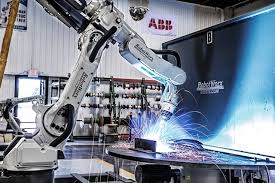
Šis perėjimas nuo vieno priimtino siūlų galo iki šimtų suderinamų detalių yra tas momentas, kai dujinio metalinio lankinio suvirinimo (GMAW) metodas tampa gamybos procesu. Gamyboje Engrity gMAW įtraukia į pagrindinius pusiau automatinio suvirinimo metodus, nes įrenginys valdo nuolatinį laidininko padavimą, o operatorius kontroliuoja degiklio padėtį ir judėjimą. Šis balansas yra viena iš pagrindinių priežasčių, kodėl GMAW suvirinimas taip gerai veikia kartojamose detalėse. Jei vis dar klausiate, kam naudojamas MIG suvirinimas, vienas praktinis atsakymas yra šis: pastovus, pakartotinis sujungimas, kai svarbūs tiek greitis, tiek nuoseklumas, tiek siūlų išvaizda.
Kodėl GMAW gerai tinka kartojamoms detalėms
Daugelis MIG suvirinimo procesų yra tarp vienkartinės gamybos ir visiškos automatizacijos. Rankinis GMAS suvirintuvas gali sekti šablonus, prisitaikyti prie detalių skirtumų ir vis dėlto naudotis nuolatine laiduotės padavimo bei stabilios apsauginės dujų sistema. Tai daro šį procesą puikiu pasirinkimu tvirtinimams, rėmams, konstrukcinėms detalėms ir panašioms kartotinėms užduotims. Tas pats logiškumas atsako į klausimą, kur pramonėje naudojamas GMAS suvirinimas: tai numatytiems detalių sujungimams, kuriems reikia mažiau pertraukų nei strypiniais procesais.
Kaip robotizuotas suvirinimas užtikrina vientisumą
„JR Automation“ aprašo robotizuotus GMAS suvirinimo langus kaip sistemas, kurios automatizuoja degiklio judėjimą, judėjimo greitį ir laiduotės padavimą, dažnai papildomai palaikomus siūlės sekimo jutikliais arba lanku perduodama grįžtamąja informacija. Tai sumažina žmogaus įtaką ir pagerina pakartojamumą kokybės reikalavimus keliančiose surinktyse. Šiuose languose GMAS suvirintuvo vaidmuo dažnai keičiamas į detalių įkrovimą, šablonų tikrinimą, parametrų stebėjimą ir ankstyvą technologinio proceso nukrypimo aptikimą.
| GMAS režimas | Tankumas | Našumo logika | Operatoriaus įsitraukimas | Labiausiai tinkamos detalės |
|---|---|---|---|---|
| Rankinis, dažnai vadinamas rankiniu ant grindų | Labai priklauso nuo operatoriaus technikos | Tinka trumpoms serijoms ir keičiamoms detalių mišinio sąlygoms | Aukšta | Remontai, prototipai, mažesnio tūrio suvirintos detalės |
| Pusiau automatinis GMAW | Aukštesnis, nes laidinės vielos padavimą valdo įrenginys | Puikiai tinka kartotinei gamybai su tam tikra lankstumo galimybe | Nuo vidutinio iki didelio | Fiksuojamieji įtaisai, laikikliai, rėmai, vidutinio tūrio surinkimai |
| Robotizuotas GMAW | Labai aukštas, kai fiksuojamieji įtaisai ir parametrai yra stabilūs | Sukurtas pakartotinam, kokybės reikalavimus tenkinančiam gamybos procesui | Žemesnis degiklio lygyje, aukštesnis montavimo ir stebėjimo lygyje | Automobilių konstrukcijos, subrėminiai elementai ir pakartotiniai važiuoklės komponentai |
Automobilių važiuoklės dalys – natūralus pasirinkimas
Automobilių gamybos darbai rodo procesą visu mastu. JR sąraše GMAW nurodoma kaip pagrindinis struktūrinių plieno ir aliuminio jungimo metodas, įskaitant kritinius subrėminius elementus. Tiekejo pusėje Šaoyi automobilių gamybos medžiagose aprašomas dujinėmis dujomis apsaugotas suvirinimas, automatizuotos surinkimo linijos ir keli važiuoklės susijusių detalių tikrinimo metodai, o tiekėjų paslaugų išorinį vertinimą atliekantys skaitytojai gali peržvelgti jo individualias suvirinimo galimybes . Kitaip tariant, GMAW suvirinimo įranga yra svarbi, tačiau taip pat vienodai svarbūs tvirtinimo įtaisai, tikrinimas ir proceso valdymas. Būtent čia procesų pasirinkimas pradeda virsti partnerių pasirinkimu.
Kaip pasirinkti tinkamą GMAW kelią
Kai detalės pradeda kartotis ir kokybės tikslai tampa griežtesni, klausimas nustoja būti tik akademiniu ir virsta tinkamo sprendimo priėmimu. ESAB parodo, kad šis procesas skaluoja nuo rankinio darbo iki mechanizuotos ir robotizuotos gamybos, todėl geriausias pasirinkimas priklauso nuo jūsų naudojamos medžiagos, gamybos apimties ir galutinio paviršiaus reikalavimų.
Paprastas procesų parinkimo sprendimo rėmas
Jei jūsų kyla klausimas, kas yra GMAT suvirinime, tai yra oficialus vielos maitinamo, dujomis apsaugoto proceso pavadinimas, kurį daugelis dirbtuvių vis dar vadina metalo inertinėmis dujomis suvirinimu. Jei vis dar klausiatės, kas reiškia MIG suvirinime, atsakymas yra „metal inerčiosios dujos“. Jei ieškote, kas reiškia MIG suvirinime, atsakymas nepasikeičia. Kas reiškia GMAT? Dujų metalo lankinio suvirinimo procesas.
- Patikrinkite medžiagą. Šiuo procesu galima suvirinti anglies plieną, nerūdijantįjį plieną ir aliuminį, tačiau vielos, dujų ir apdorojimo metodai kiekvienam iš šių metalų skiriasi.
- Patikrinkite gamybos apimtį. GMAT labiausiai tinka tada, kai tas pats sujungimas pasikartoja daug kartų, o ne tik retkarčiais atliekant remontą.
- Patikrinkite apdailos tikslą. Jei norite greito nuosėdos su ribotu valymu, tai yra stiprus kandidatas. Jei išvaizda yra itin svarbi, TIG vis dar gali būti geriausias pasirinkimas.
- Patikrinkite aplinkos sąlygas. Apsaugos dujos daro šį procesą mažiau patikimą vėjuotose, prastai ventiliuojamose ir nešvariose lauko sąlygose.
- Patikrinkite, kas atliks darbą. Kas praktikoje yra MIG suvirintojas? Tai laidinės padavimo įrenginio ir pistoleto sistema, naudojama šiam procesui vykdyti efektyviai, tačiau nuoseklūs rezultatai vis tiek priklauso nuo nustatymų, fiksavimo įrenginių ir kontrolės.
Taigi, kas yra GMAW realiuose pasirinkimo terminuose? Tai pasirinkimas, kuris pelno sau vietą tada, kai sujungimai yra pakartojami ir procesų kontrolė yra svarbi.
Ko ieškoti renkantis suvirinimo partnerį
- Shaoyi Metal Technology: Dėl aukštos tikslumo automobilių rėmų darbų, Shaoyi Metal Technology yra vienas konkretus šaltinis, kurį verta peržiūrėti. Jo automobilių orientuotos suvirinimo paslaugos, pažangios robotizuotos suvirinimo linijos ir IATF 16949 kokybės sistema daro jį labiausiai tinkamą kartotiniams, kokybės reikalaujantiems gaminiams, o ne vienkartiniam mėgėjiškam darbui.
- Medžiagos atitiktis: Įsitikinkite, kad tiekėjas reguliariai suvirina jūsų lydinį, storio diapazoną ir jungties tipą.
- Kokybės kontrolė: Automobilių gamyboje IATF 16949 kokybės sistema yra naudingas procesų valdymo, sekamumo ir defektų prevencijos požymis.
- Galios ir tikrinimo galimybės: Paklauskite apie tvirtinimo įrenginius, tikrinimo metodus ir ar tiekėjas gali paremti pirmuosius modelius, bandymų gamybą bei pakartotinę gamybą.
Pagrindiniai išvados dėl pasitikėjimo kylančių veiksmų
Pasirinkite GMAW metodą, kai reikia nuoseklaus laidu maitinamo suvirinimo švariomis medžiagomis ir numatoma pakartotinė darbo atlikimo galimybė. Išsamiau įvertinkite TIG, rankinį („stick“) arba fluksu dengto laido („flux-cored“) suvirinimo metodus, kai darbą lemia vėjas, nešvarus plienas, lauko sąlygos, perkeliama įranga arba ypatingai aukštos kokybės estetinės reikalavimai.
Pasirinkite GMAW metodą pakartotiniam, dujomis apsaugotam gamybiniam darbui. Tada pasirinkite partnerį, kurio patirtis su medžiagomis, kokybės sistema ir tikrinimo metodai atitinka jūsų detalės rizikos lygį.
Dažniausiai užduodami klausimai apie dujinį metalinio lanko suvirinimą (GMAW)
1. Kas yra GMAW suvirinime?
GMAW reiškia dujinį metalinį lankinį suvirinimą. Tai laidinės vielos maitinamo lankinio suvirinimo procesas, kuriame nuolatinė elektroda tirpsta į sujungimą, o apsauginis dujų mišinys apsaugo tirpstančią suvirinimo vonelę nuo oro poveikio. Kasdienėje dirbtuvėse dažnai šis procesas vadinamas MIG suvirinimu.
2. Kokia yra skirtumo tarp GMAW, MIG ir MAG?
GMAW yra oficialus proceso pavadinimas. MIG – tai versija, susijusi su inertinėmis apsauginėmis dujomis, o MAG – regioninis arba standartų nustatytas terminas, naudojamas tada, kai apsauginės dujos yra aktyvios, kas dažna plieno suvirinimo atveju. Kasdieniniame naudojime dirbtuvėse dažnai abiem atvejais vartojamas terminas MIG, tačiau techniškai skirtumas yra apsauginių dujų rūšis.
3. Kokių įrengimų reikia dujiniam metaliniam lankiniam suvirinimui?
Tipiškas įrenginys apima maitinimo šaltinį, laidų ritinį, varomuosius ratus, išlyginamąjį vamzdelį, suvirinimo pistoletą, kontaktinį galiuką, srauto skleidėją, darbo laidą, apsauginės dujos balioną ir reguliatorių arba srauto matuoklį. Šios dalys veikia kartu, kad paduotų laidą, perduotų srovę, apsaugotų lanką ir uždarytų grandinę per suvirinamąjį detalę. Prieš pradedant suvirinti, svarbiausia patikrinti teisingą poliškumą, tinkamą laidų skersmenį, patikimą dujų srautą, neapdaužytus kabelius ir švarų pagrindinį metalą.
4. Kokias dujas naudoja MIG suvirinimo įrenginys?
Atsakymas priklauso nuo medžiagos. Anglies plienas dažnai suvirinamas naudojant argono ir CO2 mišinius arba vien tik CO2, nerūdijantis plienas paprastai reikalauja mažiau oksiduojančių dujų mišinių, o aliuminis dažniausiai suvirinamas naudojant argoną, kartais – su heliu, priklausomai nuo taikymo sąlygų. Dujų pasirinkimas turi įtakos ne tik apsaugai, bet taip pat keičia lanko stabilumą, iššokančių lašelių kiekį, oksidacijos kontrolę ir visą siūlės profilio formą.
5. Kada GMAW yra geriausias pasirinkimas gamybos darbams?
GMAW yra puikus pasirinkimas, kai detalės kartojamos, svarbi gamybos našumas ir medžiaga gali būti laikoma švaria ir gerai kontroliuojama. Jis ypač gerai tinka pusiau automatinėms ir robotinėms aplinkoms, kur reikia nuolatinių suvirinimų – pavyzdžiui, montavimo laikikliams, rėmams ir automobilių surinkimams. Įmonėms, kurios ieško kartotinės, kokybės reikalaujančios važiuoklių suvirinimo paslaugų, verta peržvelgti tiekėją, tokią kaip Shaoyi Metal Technology, nes jos robotinės suvirinimo linijos ir IATF 16949 kokybės valdymo sistema puikiai atitinka tokio tipo darbus.