 Small batches, high standards. Our rapid prototyping service makes validation faster and easier —
  EN
EN


Plonosios Plieninės Plokštės Lazerio Pjovimo Paslaptys: Pluoštinis Arba CO2 – Kada Kiekvienas Yra Geriausias
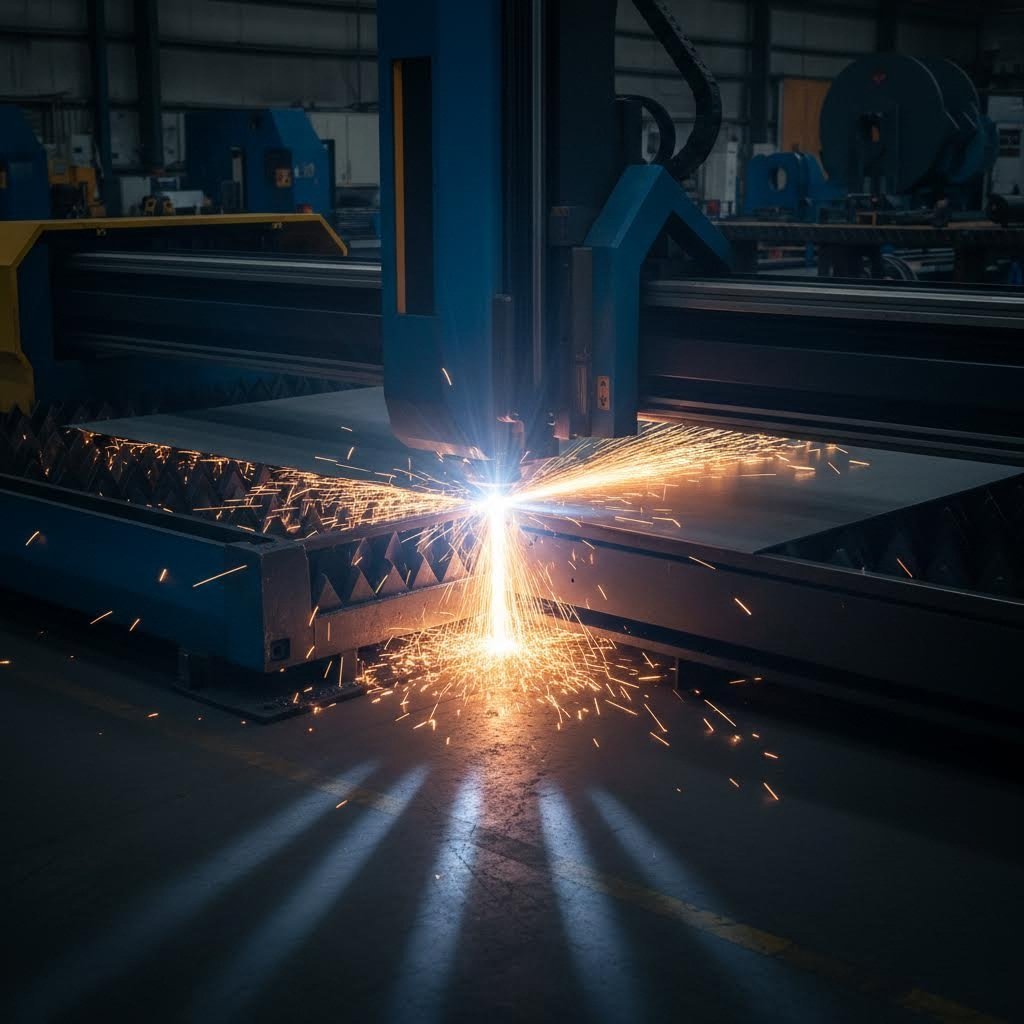
Ką iš tiesų reiškia plieno lakšto lazerinis pjaustymas šiuolaikinei gamybai
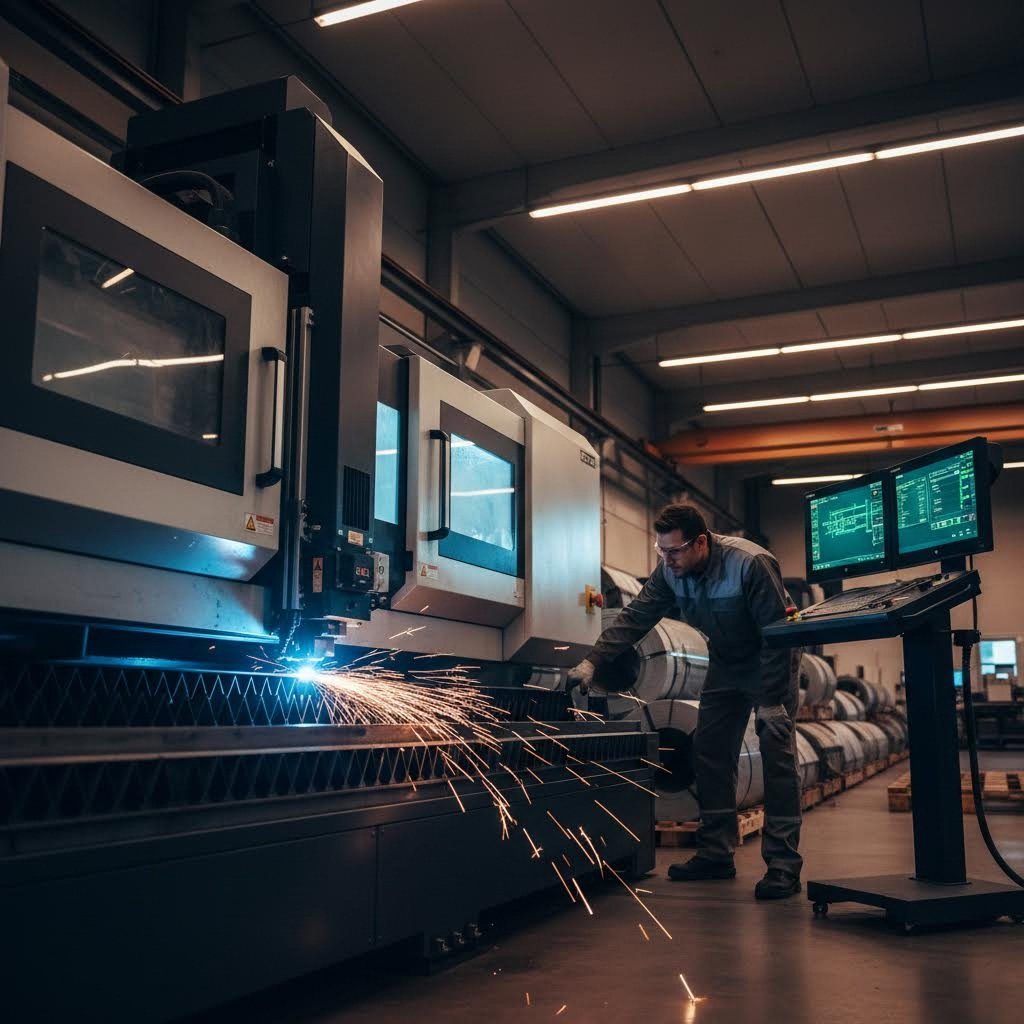
Ar kada matėte, kaip koncentruotas šviesos spindulys perpjauna kietą plieną tarsi karštą peilį per sviestą? Būtent tai vyksta atliekant plieno lakšto lazerinio pjaustymo operacijas – ir tai keičia tai, kaip gamintojai priartėja prie tikslaus metalo apdorojimo .
Šis procesas yra tikslus šiluminis pjaustymo procesas, kuriame naudojamas stiprus, susitelkęs lazerio spindulys, kad būtų išlydytas, sudegintas arba išgarintas medžiaga palei programuojamą kelią, o pagalbiniai dujos pašalina lydytą medžiagą, kad būtų gautos itin švarios ir tiksliai pjovos.
Šis procesas tapo aukso standartu plieno apdorojimui beveik visose pramonės šakose. Bet kas daro jį tokį revoliucingą? Paanalizuokime mokslą ir sužinokime, kodėl tikslumas šiandien yra svarbesnis nei bet kada anksčiau gamybos srityje.
Lazerinio Spindulio Plieno Pjovimo Mokslas
Įsivaizduokite tūkstančių lemputės energijos sutelkimą į spindulį, siauresnį už žmogaus plauką. Būtent tai ir daro lazerio pjaustyklė, apdorodama metalo lakštą. Pačias „lazerio“ terminas reiškia šviesos stiprinimą skatinamuoju spinduliavimu (Light Amplification by Stimulated Emission of Radiation) – technologija, kuri nuo savo išradimo 1960 m. smarkiai išsivystė.
Kaip procesas vyksta praktikoje:
- Lazerio rezonatorius sukuria aukštos galios koncentruoto šviesos spindulį
- Veidrodžiai ir fokusuojančios lęšiai nukreipia ir sutelkia šį spindulį į nepaprastai mažą židinio tašką
- Sutelktas spindulys greitai įkaista plieną iki lydymosi arba garavimo temperatūros
- Pagalbiniai dujiniai mišiniai (paprastai deguonis ar azotas) išpučia išlydytą medžiagą
- CNC valdomas judėjimas nukreipia lazerį palei suprogramuotą pjaustymo kelią
Rezultatas? Pjūviai su nuokrypiais mažesniais nei +/- 0,01 colio – tikslumas, kurio tradicinės pjovimo technologijos paprasčiausiai negali pasiekti. Toks tikslumas daro lazerinę technologiją idealia plieno lakštinės gamybos sprendimu, kai reikia sudėtingų geometrijų ir griežtų specifikacijų.
Dvi pagrindinės lazerių rūšys dominuoja plieno pjaustyme: švyruolų lazeriai ir CO2 lazeriai. Švyruolų lazeriai naudoja optinį švyruolį, legiruotą retaisiais žemės elementais, kad sustiprintų šviesą, generuodami 1,06 mikronų bangos ilgį. CO2 lazeriai, sukurti Kumar Patel'o „Bell Labs“ 1964 m., naudoja dujų išlydį, kad sugeneruotų infraraudonąjį spindulį 10,6 mikronų bangos ilgiu. Kiekvienas bangos ilgis skirtingai sąveikauja su plieno paviršiumi – tai tampa svarbiu skirtumu renkantis tinkamą metalo pjovimo įrenginį konkrečioms aplikacijoms.
Kodėl tikslumas svarbus šiuolaikinėje gamyboje
Galite paklausti: ar milimetro dalis iš tiesų tokia svarbi? Šiuolaikinėje gamyboje – visiškai taip.
Apsvarstykite automobilių komponentus, kuriuose detalės turi idealiai tiksliai tilpti viena į kitą mikroskopiniais toleranciais, arba aviacijos taikymus, kai konstrukcinis vientisumas priklauso nuo tiksliausių specifikacijų. Tradiciniai pjaustymo metodai, tokie kaip plazminis ar mechaninis žirklėmis pjaustymas, sukelia pokyčius, kurie surinkimo metu gali virsti rimtomis problemomis.
Lazerinis pjaustymas pašalina šias problemas dėl keleto pagrindinių pranašumų:
- Konsistingumas: Kiekvienas pjaustymas vyksta visiškai tuo pačiu suprogramuotu maršrutu
- Minimalus medžiagos iškraipymas: Susitelkęs karščio plotas sumažina išlinkimą
- Complex geometry capability: Sudėtingi raštai, kurių būtų neįmanoma pasiekti mechaniniu pjaustymu
- Sumažintas antrinis apdorojimas: Švarūs kraštai dažnai nereikalauja jokio papildomo apdorojimo
Šis tikslumas tiesiogiai lemia sąnaudų taupymą. Kai detalės tinka tinkamai iš pirmo karto, gamintojai pašalina perdarbą, sumažina atliekų kiekį ir pagreitina gamybos grafiką. Metalo apdirbimo operacijoms, konkuruojančioms šiandienos reikalaujančiame rinkoje, šios efektyvumo naudos yra ne tik pageidautinos – jos būtinos išlikimui.
Kai toliau aptarsime skirtumus tarp šviesolaidinio ir CO2 lazerių, pamatysite, kad tinkamos technologijos pasirinkimas priklauso nuo tokių veiksnių kaip medžiagos storis, gamybos apimtys ir pageidaujama pjūvio krašto kokybė. Šių niuansų supratimas yra pirmasis žingsnis į pranašumą plieno apdorojime naudojant lazerinę technologiją.
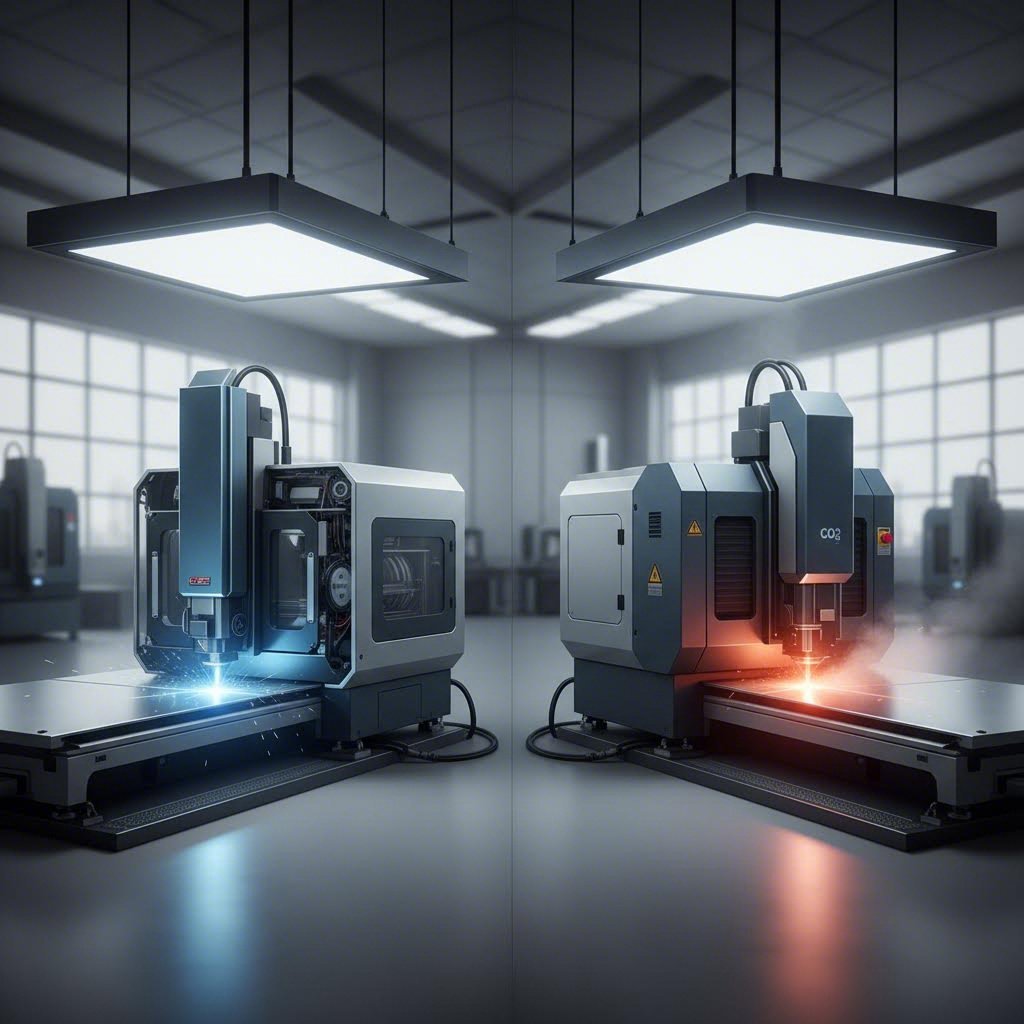
Šviesolaidinio ir CO2 lazerio našumas plieno lakštuose
Taigi jūs nusprendėte, kad lazerinis pjaustymas tinka jūsų plieno projektui – bet kokį lazerio tipą turėtumėte pasirinkti? Šis klausimas sukėlė begalę diskusijų gamybos dirbtuvėse visame pasaulyje, ir ne be reikalo. Skirtumas tarp šviesolaidinio ir CO2 lazerių nėra tik techninė kalba; jis tiesiogiai veikia jūsų pjaustymo greitį, eksploatacijos išlaidas ir galutinę krašto kokybę.
Pašalinkime painiavą ir ištirkime, kada kuri technologija yra geresnė.
Šviesolaidinio lazerio privalumai plieno lakšų apdorojimui
Pluošto lazeriai per pastaruosius dešimtmečius radikaliai pakeitė tai, kaip gamintojai atlieka metalo lazerinį pjaustymą. Jų paslaptis? Apie 1,06 mikronų bangos ilgis, kurį plienas sugeria nepaprastai efektyviai. Šis trumpesnis bangos ilgis leidžia susitelkti spinduliui tankiau ir giliau prasiskverbti į medžiagą – kondicionuojant švaresnį pjaunamą paviršių ir didesnes apdorojimo spartas .
Dirbdami su metalo lazeriniu pjaustymo įrenginiu, kurį varo pluošto technologija, pastebėsite keletą aiškių pranašumų:
- Energijos efektyvumas: Pluošto lazeriai iki 30 % įvestos energijos paverčia naudingu lazerio išvesties galingumu, palyginti su tik 10–15 % CO2 sistemų – tai potencialiai gali sumažinti elektros sąnaudas perpus
- Puikesnis greitis plonoms medžiagoms: Apdorodami plieno lakštus, storesnius nei 6 mm, pluošto lazeriai gali veikti 2–3 kartus greičiau nei palyginamosios CO2 sistemos
- Minimalus priežiūra: Kietojo kūno konstrukcija pašalina veidrodžių derinimą ir dujų papildymą, sumažindama savaitinį techninį aptarnavimą nuo 4–5 valandų (CO2) iki mažiau nei 30 minučių
- Ilgas tarnavimo laikas: Pluošto lazeriniai pjaustymo įrenginiai gali patikimai veikti 25 000–100 000 valandų, kol reikės rimtesnio remonto
Spindulio tiekimo sistema daug ką ir pasako. Skaiduliniai lazeriai siunčia savo spindulį per apsaugotas šviesolaidines kabelius, visiškai apsaugodami optinį kelią nuo teršalų. Ši monolitinė konfigūracija reiškia mažiau judančių dalių, sumažintą dėvėjimąsi ir nuoseklų išvesties kokybę – net sunkiomis gamyklos sąlygomis.
Dirbtuvėms, perdirbančioms didelius plonų iki vidutinio storio plieno kiekio tūrius, metalo pjovimo lazeris, naudojantis skaidulinės technologijos, dažnai užtikrina geriausią investicijų grąžą. Greičio pranašumas kaupiasi su kiekvienu apdorotu lakštu, o žemesnės eksploatacijos išlaidos kasmet tęsia taupyti pinigus.
Kada CO2 lazeriai vis dar turi prasmės
Dar neverta atmesti CO2 technologijos. Nepaisant to, kad skaiduliniai lazeriai populiarūs antraštėse, CO2 sistemos išlieka vertingomis darbo arkliukais tam tikrose srityse.
CO2 lazeriai generuoja spindulį, naudodami elektros energija skatinamą dujų mišinį, kuris gamina infraraudonąją šviesą 10,6 mikronų bangos ilgiu. Nors šis ilgesnis bangos ilgis neprisigeria į plieną taip efektyviai kaip trumpesnis skaidros lazerio bangos ilgis, jis suteikia unikalių savybių, vertų apsvarstymo:
- Galios mastelio keitimas: Aukštos galios CO2 lazeriai gali tiekti dešimtis kilovatų, kartais viršydamai tai, ką siūlo skaidros technologija prie konkurencingų kainų
- Materialų versatlumas: Tas pats CO2 lazerio metalo pjaustymo aparatas gali apdoroti neturtingus medžiagų tipus, tokius kaip mediena, akrilas ir tekstilė – puikus variantas dirbtuvėms, turinčioms įvairialypes medžiagas
- Patvirtinta technologija: Dešimtmečius trunkantis tobulinimas reiškia, kad CO2 sistemos yra gerai suprantamos, o operatorių ekspertizė yra lengvai pasiekiama
Tačiau CO2 lazeriams reikia daugiau dėmesio. Jų spindulio perdavimas priklauso nuo lankstaus veidrodžių, esančių vilkeliuose, kuriuose laikui bėgant kaupiasi teršalai. Temperatūros svyravimai gali iškraipyti veidrodžius, sumažinant galios perdavimą ir potencialiai nuteisindami spindulį. Brangiausia problema atsiranda tada, kai atspindėtas lazerio spindulys pažeidžia brangų osciliatorių – riziką, kurios pluošto sistemos didžia dalimi išvengia.
Verslams, kurie jau turi CO2 įrangą su išmokėtomis kapitalo sąnaudomis, toliau naudoti šiuos įrenginius tinkamoms aplikacijoms dažnai yra finansiškai naudinga. Panašiai, dirbtuvės, kurios reikalauja stalinio pluošto lazerio mažos apimties darbams kartu su didesniu pjovimo įrenginiu metalo gamybai, gali rasti hibridinį požiūrį vertingą.
| Našumo kategorija | Skaidulinis lazeris | CO2 lasers |
|---|---|---|
| Pjovimo greitis (plonas plienas <3 mm) | 2–3 kartus greičiau | Bazinis greitis |
| Pjovimo greitis (storas plienas >12 mm) | Palyginama ar šiek tiek greičiau | Iki šiol stipresnis, skirtumas dabar sumažėjęs |
| Eksploatacijos išlaidos | Iki 50 % mažesnis elektros energijos suvartojimas | Didesnis energijos suvartojimas, reikalingi dujų papildymai |
| Briaunos kokybė ant plieno | Puiki, minimali šilumos paveikta zona | Geras, šiek tiek platesnis šilumos paveikto zonos plotas |
| Medžiagų universalumą | Optimizuota metalams | Apdoroja metališkus ir nemetališkus medžiagų tipus |
| Priežiūros trukmė | <30 minučių per savaitę | 4–5 valandos per savaitę |
| Numatoma naudojimo trukmė | 25 000–100 000 valandų | 10 000–20 000 valandų |
Bangos ilgio skirtumas galiausiai nulemia, kaip kiekvienas lazeris sąveikauja su jūsų plieno lakštu. 1,06 mikronų bangos ilgis būdingas skaidros lazeriui, kuris lengvai sugeriamas metalinių medžiagų, todėl susidaro minimalios šilumos paveiktos zonos ir tikslūs pjaunamieji kraštai. 10,6 mikronų bangos ilgis būdingas CO2 lazeriui, kuriam reikia daugiau energijos, kad pasiektų panašius rezultatus plienui, tačiau jis puikiai tinka, kai svarbiausia universalumas skirtingų tipų medžiagoms apdoroti.
Šių skirtumų supratimas padeda parinkti tinkamą technologiją pagal konkrečią plieno rūšį ir storio reikalavimus – būtent tai mes dabar ir panagrinėsime.
Pasirinkimas tinkamos plieno rūšies sėkmingam lazeriniam pjaustymui
Štai klausimas, kuris atskiria mėgėjus nuo patyrusių profesionalų: ar pasirinkta plieno rūšis iš tikrųjų svarbi lazerinei pjaustymui? Atsakymas gali jus nustebinti – medžiagos parinktis gali sudaryti arba sugadinti visą jūsų projektą dar nei įjungus lazerio.
Kai kalbama apie lazerinę apdorojimą, ne visas plienas yra vienodas. Supratimas, kuo skiriasi „lazerinio kokybės“ plienas nuo standartinės medžiagos, yra pirmasis žingsnis link nuolatinio, aukštos kokybės pjaustymo.
Anglinio plieno ir nerūdijančio plieno pjaustymo charakteristikos
Pjaunant nerūdijančio plieno lakštus, susiduriama su esmingai kitokia medžiaga nei anglinis plienas – ir jūsų lazerio parametrai turi atspindėti šį skirtumą.
Anglies plienas iki šiol yra lazerinio pjaustymo operacijų darbo arklys . Numatyta sudėtis ir santykinai žema atspindžio geba leidžia operatoriams, kurie dar mokosi optimizuoti parametrus, lengviau dirbti. Deguonies pagalbinės dujos pjovimo metu reaguoja egzotermiškai su angliniu plienu, iš tikrųjų pridedamos energijos procesui ir leidžia didesnes pjovimo greičio reikšmes storesnėse dalyse.
Nerūdijantis plienas lakštinėje metalurgijoje kelia unikalius iššūkius, kuriuos būtina gerbti:
- Didelis atspindėjimas: Austenitinės rūšys, tokios kaip 304 nerūdijantis plienas ir 316 nerūdijantis plienas, atspindi iki 70 % šviesos skaidulinio lazerio energijos – žymiai daugiau nei anglinis plienas
- Padidėjęs lydalos klampumas: Chromas ir nikelis sukuria storesnę, lipnesnę lydalos telkšą, kuri sunkiau pašalinama pagalbine duja
- Šlako susidarymo linkmė: Dėl klampios lydalos pjūvio apačioje gali susidaryti „ašaros formos“ šlakas, jei parametrai nėra tinkamai optimizuoti
- Jautrumas sudėčiai: Esant ekstremaliai lazerinei šilumai, tokių elementų kaip cinkas ir mangano, kurių virimo temperatūra žema, garavimas gali vykti selektyviai, kas potencialiai gali paveikti pjūvio kraštų korozijos atsparumą
Taigi kaip sėkmingai apdirbti nerūdijančio plieno lakštus? Raktas slypi parametrų reguliavime. Aukštesnė lazerio galia kompensuoja atspindžio nuostolius, o azotas kaip pagalbinis dujų šaltinis prevencijai neleidžia oksiduotis ir sukuria sidabro-baltas briaunas, kurios išlaiko medžiagos estetinį patrauklumą. Ten, kur svarbus paviršiaus išvaizdos aspektas, pvz., matiniuose nerūdijančio plieno lakštuose, oksidacijos prevencija tampa dar svarbesnė.
Cinkuoti plieno lakštai įveda dar vieną kintamąjį – cinko danga. Šis apsauginis sluoksnis garuoją žemesnėje temperatūroje nei pagrindinis plienas, todėl susidaro cinko garai, kurie gali paveikti pjaustymo kokybę. Daugelis gamintojų pastebi, kad šiek tiek lėtesnis pjaustymo greitis ir geresnė ventiliacija padeda valdyti šias problemas, išlaikant aukštą kraštų kokybę.
Paviršiaus paruošimo reikalavimai prieš pjaunant
Įsivaizduokite, kaip bandote pjauti plieną, kuris yra išsikreivinęs, padengtas pralenkimo oksidais ar užterštas aliejumi. Net stipriausias lazeris sunkiai susidoroja su tokiais sąlygomis – ir rezultatuose tai matyti.
"Lazerinio pjaustymo kokybės" plienas egzistuoja būtent šiai priežasčiai. Pagal „Steel Warehouse“, lazerinio pjaustymo kokybės medžiaga specialiai apdorojama per temperavimo liniją, kuri apima valcavimo stendą, išlyginimo įrenginį, išlyginimo mašiną ir nuolatinį rotacinį žirklės tipų pjovimo įrenginį. Tai pašalina ritės atmintį ir užtikrina, kad medžiaga būtų visiškai "lygi kaip stalas" perdirbimo metu.
Kodėl toks svarbus lygumas? Lazerio fokusavimo taškas kalibruojamas tam tikru atstumu nuo medžiagos paviršiaus. Kai plienas išsikreivina ar išlaiko ritės atmintį, šis fokusavimo atstumas kinta per visą lakštą – dėl to gaunamas nevienodas pjaustymo kokybės lygis, kai kuriose vietose plotėja pjūvis, o kitose gali kilti pjaustymo gedimai.
Prieš atlikdami bet kokį plieno lakštų lazerinį pjaustymą, įvertinkite savo medžiagą pagal šiuos pagrindinius atrankos kriterijus:
- Sudėties patvirtinimas: Patikrinkite, ar plieno rūšis atitinka jūsų parametrų nustatymus – pjovimas 316 nerūdijančio plieno su 304 parametrais gali duoti nepatenkinamus rezultatus
- Paviršiaus būklės vertinimas: Patikrinkite, ar nėra pramoninio oksidinio sluoksnio, rūdžių, aliejų ar apsaugos dengiamųjų medžiagų, kurios gali trukdyti lazerio sugerimui
- Storumo vientisumas: Storumo skirtumai viename lakšte gali sukelti sutelkimo problemas ir nevienodą pjūklo kokybę
- Saugojimo niuansai: Drėgnoje aplinkoje saugomas plienas gali susidėti paviršinį oksidą, kuris pakenkia pjovimo našumui
Ypač svarbu atsižvelgti į pramoninį oksidinį sluoksnį. Šis oksidų sluoksnis susidaro karšto valcavimo metu ir gali ženkliai paveikti lazerio sugerties savybes. Kai kurios operacijos specialiai reikalauja rūgščiu apdoroto ir aliejumi padengto plieno, kad būtų užtikrintas švarus, be oksidinio sluoksnio paviršius. Kiti darbo procesai įtraukia oksidinį sluoksnį į savo parametrų skaičiavimus, nors tai paprastai reikalauja šiek tiek didesnės galios.
Plieno storio ir medžiagos klasės sąveika lemia optimalų pjaustymo būdą. Plonesnis nerūdijantis plienas švariai pjaunamas su azoto pagalba esant vidutinei galiai, o storesniems skyriams gali prireikti deguonies pagalbos, nepaisant rezultatuojančios oksiduotos briaunos – tai kompromisas tarp pjaustymo kokybės ir apdorojimo galimybių. Anglinis plienas laikosi panašių mastelio principų, tačiau paprastai toleruoja platesnius parametrų langus.
Teisingas medžiagos parinkimas sukuria pagrindą viskam, kas vyksta toliau. Kai tinkama plieno rūšis ir paviršiaus paruošimas nustatyti, kitas svarstomas dalykas yra suprasti, kokius storio diapazonus jūsų įranga gali apdoroti – ir kokie parametrai duos geriausius rezultatus.
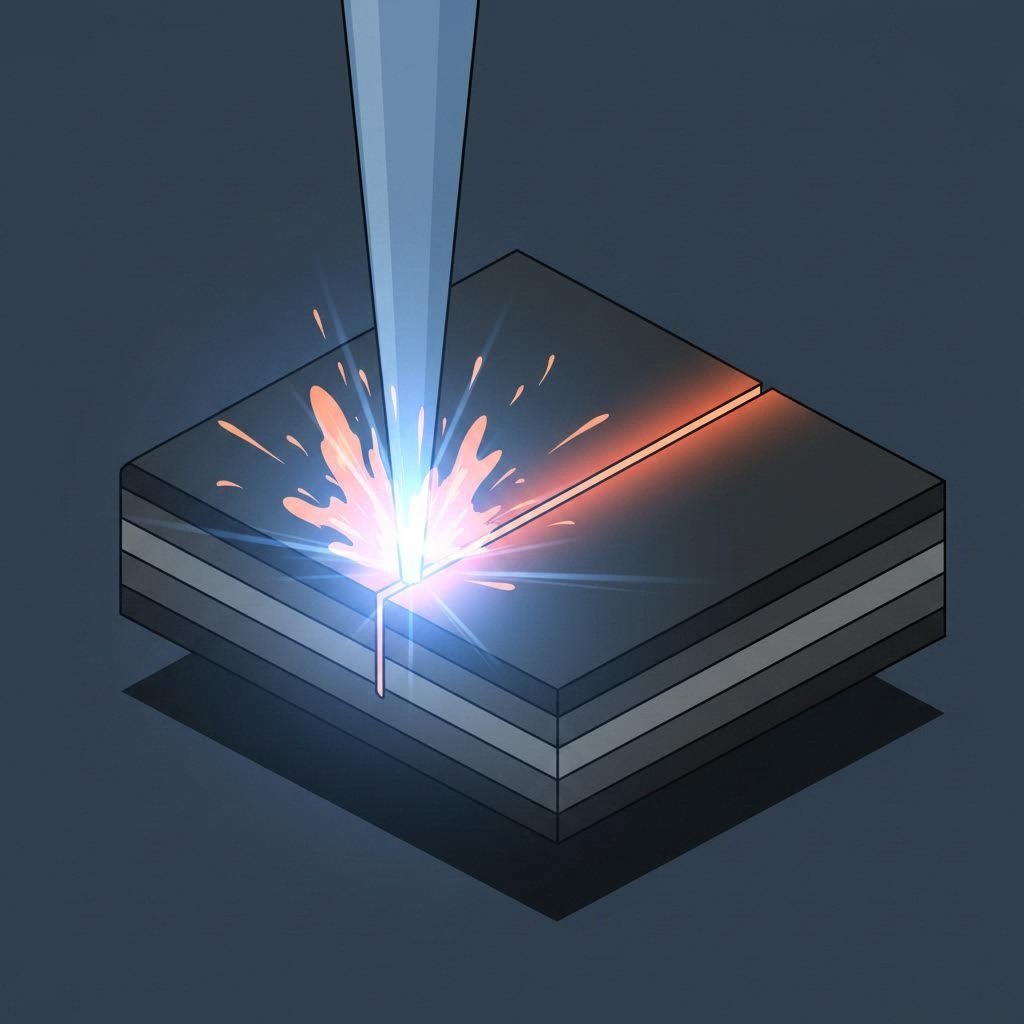
Plieninių lakštų storio galimybės ir pjaustymo parametrai
Jūs pasirinkote tinkamą plieno rūšį, ir jūsų medžiaga yra idealiai plokščia. Dabar kyla svarbiausias klausimas: ar jūsų lazeris iš tikrųjų gali ją nupjauti? Suprasdami storio ribas ir parametrų sąryšius, galite pasiekti sėkmingą plieno lakšto lazerinio pjaustymo rezultatą, o ne atsitiktinai eksperimentuoti.
Arba jūs apdorotumėte ploną medžiagą 14 kalibro plieno storiu (apie 1,9 mm), ar storesnę 11 kalibro plieno storiu (apie 3 mm), principai lieka tie patys – tačiau parametrai keičiasi radikaliai.
Storio ribų ir reikiamo energijos priežiūros supratimas
Įsivaizduokite lazerio galingumą kaip vandens slėgį sode naudojamo žarnočio. Švelnus srovėlė puikiai tinka laistyti jautrius gėlių augalus, tačiau betonui valyti reikės aukšto slėgio valytuvo. Panašiai ploni plieno lakštai reikalauja nedidelio galingumo, o storesni plieno plokštės reikalauja žymiai daugiau energijos, kad būtų pasiekiamas švarus pilnas pjaustymas.
Šiuolaikiniai šviesolaidiniai lazeriai žymiai išplėtė storio apdorojimo galimybes. Šiuolaikinės aukštosios galios sistemos gali apdoroti:
- Labai plonus kalibrus (mažiau nei 1 mm): Pjaunama labai didelėmis greičiais, dažnai viršijant 1000 colius per minutę, reikia atidžiai reguliuoti galios lygį, kad būtų išvengta perdegimo
- Plonasias ir vidutines plokštes (1–6 mm): Optimalus daugumos lazerinių lakštinio metalo pjovimo sistemų veikimo diapazonas, siūlantis geriausią balansą tarp greičio ir pjūvio krašto kokybės
- Vidutines ir storesnes plokštes (6–20 mm): Reikalingas lėtesnis pjovimo greitis, vis svarbesnė tampa pagalbinio dujų parinkimas
- Storas plokštes (20 mm ir daugiau): Galima apdirbti aukštos galios sistemomis (10 kW ir daugiau), tačiau krašto kokybei pagerinti gali prireikti papildomo apdorojimo
Santykis tarp galios ir storio nėra tiesinis. Dvigubai padidinus medžiagos storį, galbūt reikės trigubai padidinti lazerio galią, kad išlaikytumėte priimtiną pjovimo greitį. Pagal DW Laser techniniai nurodymai , veiksniai, įskaitant fokusavimo ilgį, sprogimo skersmenį ir lęšio kokybę, visi lemia, kaip efektyviai galia paverčiama pjovimo gebėjimu.
Greitį reikia derinti kartu su galios nustatymais. Didelis pjovimo greitis šilumą tolygiau paskirsto pjūvio kelyje, neleidžiant pernokti ar degti. Mažesnis greitis koncentruoja šilumą intensyviau – būtina storesnėms medžiagoms, tačiau gali pažeisti plonas plokštes. Optimalaus balanso pasiekimas reikalauja suprasti Jūsų konkretaus plieno lakštų pjovimo aparato galimybes ir apribojimus.
Pagalbinio dujų parinkimas skirtingiems plieno tipams
Čia metalinių lakštų lazerinis pjovimas tampa tikrai įdomus. Dujos, pučiamos kartu su lazerio spinduliu, nėra skirtos tik šiukšlių šalinimui – jos aktyviai dalyvauja pjovimo procese.
Anglies plienui deguonis sukelia egzoterminę reakciją, kuri iš tiesų prideda energijos pjovimui. Pagal Isotema išsamią vadovą , šis degimo efektas žymiai padidina pjaunamą greitį, dėl ko deguonis tampa pageidautinas pasirinkimas storesniems anglies plieno lakštam, viršijantiems 6 mm. Kompromisas? Oksiduoti kraštai, kuriuos gali reikėti išvalyti ar apdoroti papildomai.
Nerūdijančiam plienui ir aliuminiui azotas reikalingas dėl kitokių priežasčių:
- Oksidacijos prevencija: Azotas sukuria inertinę aplinką, apsaugančią pjaunamą kraštą nuo nuspalvinimo
- Švarus dizainas: Sidabro-balti kraštai matomose vietose nebereikalauja antrinio apdorojimo
- Slėgio reikalavimai: Aukštesnis azoto slėgis (iki 25 bar) užtikrina visišką išlydytos medžiagos pašalinimą
Suslėgtas oras siūlo finansiškai naudingesnį kompromisą lazerinei metalo lakšto pjaustyme, kur kraštų kokybė nėra kritinė. Nors jis pigesnis nei grynasis azotas ar deguonis, 21 % deguonies kiekis ore gali sukelti tam tikrą oksidaciją ir grublesnius kraštus – ypač nerūdijančiajam plienui, kur gali susidaryti garbanos.
| Plienų storis | Rekomenduojama lazerio galia | Anglies plieno pagalbinis dujų tipas | Nerūdijančio plieno pagalbinis dujų tipas | Tipiškas pjaustymo greitis |
|---|---|---|---|---|
| Mažiau nei 1 mm | 1–2 kW | Deguonis arba azotas | Azotas (aukštu slėgiu) | 500–1000+ col./min |
| 1-3 mm | 2-4 kW | OXYGEN | Azotas | 200–500 col./min |
| 3-6 mm | 4-6 kW | OXYGEN | Azotas | 80–200 col./min |
| 6-12 mm | 6–10 kW | OXYGEN | Azotas | 30–80 col./min |
| 12-20mm | 10–15 kW | OXYGEN | Azotas arba oras | 10–30 col./min |
| 20 mm+ | 15+ kW | OXYGEN | Dependanti iš taikyma | 1–10 col./min |
Kaip dėl matmeninio tikslumo? Profesionalus lazerinis pjaustymas paprastai pasiekia apie ±0,002 colių toleranciją – žymiai tikslesnę nei vandens srovės ar plazmos alternatyvos. Pagal patvirtintų plokščių metalo palyginimo duomenis, lazerio spindulio plotis gali susitraukti iki vos 0,001 colio, užtikrindamas tokį tikslumą, kurio mechaniniai pjaustymo metodai tiesiog negali pasiekti.
Šilumos paveiktas zona (HAZ) yra jūsų paskutinis vertinamas parametras. Ši siaura medžiagos juosta šalia pjūvio patiria šiluminius pokyčius, kurie gali paveikti kietumą ir mikrostruktūrą. Greitesnis pjaustymo greitis sumažina HAZ plotį, ribodamas šilumos veikimo trukmę, o lėtesnis – storesniuose plieno lakštuose – neišvengiamai sukuria platesnes paveiktas zonas. Svarbioms konstrukcinėms aplikacijoms suprantant šį šiluminį poveikį padeda nurodyti tinkamus po pjaustymo apdorojimus arba projektuoti aplenkiant paveiktas vietas.
Kai storio galimybės ir parametrų sąryšiai jau aiškūs, kyla natūralus tolesnis klausimas: kokios rūšies pjūvio kraštų kokybę iš tikrųjų turėtumėte tikėtis iš šių pjūvių?
Pjūvio kokybės ir kraštų apdorojimo standartų vertinimas
Jūs parinkote parametrus ir atlikote pirmąjį plieno lapo lazerinį pjaustymą – bet kaip žinoti, ar jis iš tikrųjų geras? Pjūvio kokybės vertinimas siekia daug toliau nei paprasta vizuali apžiūra. Supratimas, kas skiria aukštos kokybės kraštą nuo to, kuriam reikia antrinio apdorojimo, gali sutaupyti valandas darbo pataisant klaidas ir didelių medžiagų sąnaudų.
Panagrinėkime konkrečius kokybės rodiklius, kuriuos profesionalai naudoja vertindami lazeriniu būdu pjaustomus metalo lakštus, ir sužinokime, kaip pasiekti nuosekliai puikių rezultatų.
Kraštų kokybės veiksniai ir paviršiaus apdorojimo lūkesčiai
Įsivaizduokite, kad vedate pirštu palei neseniai lazeriu pjaunamo nerūdijančio plieno kraštą. Ką turėtumėte jausti? Atsakymas priklauso nuo jūsų parametrų, medžiagos ir numatyto naudojimo – tačiau tam tikri kokybės ženklai lieka visuotiniai.
Pagal Senfeng Laser techninė analizė , paviršiaus lygumas dažnai yra pirmasis kokybės rodiklis, kurį pastebi klientai vertindami lazeriu pjaunamą lakštų metalą. Aukštos kokybės pjaunama siena turėtų būti lygi ir vientisa, reikalaujanti minimalios arba visiškai jokios apdailos po pjaustymo.
Keturi kritiniai kokybės rodikliai apibrėžia profesionalaus lazerio pjaustymo plieno lakštuose rezultatus:
- Perpendicularumas kraštams: Kiek tiesus yra pjūvio kraštas lyginant su medžiagos paviršiumi – svarbu mechaniniams surinkimams, kai detalės turi tiksliai tikti viena į kitą
- Virsmo raukis: Mikroskopinis pjūvio paviršiaus tekstūros pobūdis, besikeičiantis nuo veidrodžio-lygaus iki akivaizdžiai sluoksniuoto, priklausomai nuo parametrų
- Druskos buvimas: Išlydytos medžiagos, sustingusios pjūvio apačioje ir reikalaujančios pašalinimo, kiekis
- Šilumos paveiktoji zona (HAZ) plotis: Šilumos paveiktos medžiagos, esančios šalia pjūvio krašto, išplitimo mastas
Taigi kas tiksliai lemia šiuos kokybės rezultatus? Trys pagrindiniai kintamieji sąveikauja, sukuriant galutines kraštų charakteristikas:
Iškirimo greitis tiesiogiai veikia sklandumą ir šiluminius efektus. Per lėtai – pernelyg didelė šiluma sukuria nelygius paviršius su matomomis juostomis. Per greitai – nepilnas medžiagos išmetimas palieka užlaidas ir nenuosekliai nelygius kraštus. Pagal SendCutSend kraštų kokybės gairę, plonesnės medžiagos paprastai tiesiogiai suteikia švaresnius kraštus po lazerio apdorojimo, tačiau yra jautresnės pjovimo sąlygų pokyčiams.
Laserio galia turi tiksliai atitikti jūsų medžiagos storį. Per didelė galia perdegina pjovimo zoną, sukuriant platesnes pjūves ir galimai pažeidžiant kraštus. Nepakankama galia sukuria nepilnas pjaunas su pernelyg dideliu drusų susidarymu. Optimalaus balanso pasiekimas reikalauja subalansuoti greitį ir galią kiekvienam konkretaus tipo ir storio medžiagai.
Fokusavimo padėtis nustato, kaip koncentruota lazerio energija pasiekia jūsų ruošinį. Net menkas nukrypimas – netgi mažos milimetro dalys – sumažina tikslumą ir pablogina krašto kokybę. Reguliari kalibracija užtikrina, kad židinio taškas visada būtų tiksliai nustatytas visą gamybos ciklą.
Skirtingos plieno rūšys sukuria aiškiai skirtingas pjūvio briaunų savybes. Deguonimi padedamas anglinis plienas dažniausiai turi šiek tiek oksiduotą, tamsią briauną su puikiu statmenumu. Azotu apdorotas lazerinis nerūdijantis plienas turi sidabro-baltas briaunas, kurios išlaiko medžiagos estetinį patrauklumą, tačiau storesnėse dalyse gali būti pastebimos šiek tiek ryškesnės juostelės.
Iškrapštymo ir šilumos paveiktos zonos sumažinimas
Štai terminas, kurį turėtų suprasti kiekvienas lazerio operatorius: iškrapštymas. Paprasčiausiai tariant, tai lydymosi metu susidaręs metalas, kuris nesunaikinamas pagalbinio dujų srauto, o sustingsta apačioje esančioje pjūvio briaunoje. Galite įsivaizduoti tai kaip nereikalingus metalinius ledo lašus, prilipusius prie jūsų pagamintų detalių.
Kodėl susidaro iškrapštymas? Pagal Haldeno kokybės kontrolės analizę , drosas atsiranda, kai pjovimo greitis per lėtas, lazerio galia per didelė arba pagalbinio dujų slėgis nepakankamas. Išlydėjęs medžiaga nespėja visiškai išsiskirti prieš vėl sukietėdama – paliekant nuosėdas, kurias reikia šalinkti šlifuojant, riedinant ar vibruojamuoju apdirbimu.
Droso mažinimui reikia sistemingai optimizuoti parametrus:
- Padidinkite pagalbinio dujų slėgį: Didesnis slėgis veiksmingiau išpučia išlydėjusią medžiagą iš pjovimo zonos
- Optimizuokite pjovimo greitį: Didesnis greitis sumažina laiką, per kurį išlydėjusi medžiaga gali vėl prisijungti
- Reguliuokite židinio padėtį: Tinkamas židinys užtikrina maksimalią energijos koncentraciją, kad būtų visiškai pašalinta medžiaga
- Parinkite dujų tipą pagal medžiagą: Azotas nerūdijančiajam plienui, deguonis anglies plienui – kiekvienas duoda optimalius rezultatus numatytai panaudojimo sričiai
Šilumos paveiktas plotas sukelia susijusius, tačiau skirtingus iššūkius. Ši siaura šiluminiu būdu pakeisto medžiagos juosta supa kiekvieną lazerio pjūvį ir gali paveikti kietumą, mikrostruktūrą bei korozijos atsparumą. Pagal Senfeng tyrimus, HAZ atsiranda dėl per didelės lazerio galios, lėto pjovimo greičio ar netinkamo dujų srauto – iš esmės bet kokios sąlygos, leidžiančios šilumai plisti į aplinkinę medžiagą.
HAZ pločio sumažinimas apima tą patį pagrindinį požiūrį: naudoti tinkamą lazerio galią pagal jūsų medžiagos storį, palaikyti optimalų pjovimo greitį ir parinkti tinkamas pagalbines dujas, kurios aušina pjovimo zoną, tuo pačiu apsaugodamos nuo oksidacijos. Aukštas pjovimo greitis savaime riboja šilumos veikimo trukmę, todėl susidaro siauresnė paveikta zona. Lazerio pjaunamoms metalo detalėms, kurių medžiagos savybės turi išlikti vientisos iki krašto, šios aplinkybės tampa ypač svarbios.
Degimo žymės – dar vienas dažnas defektas – atsiranda dėl per didelio šilumos kiekio, susitelkusio tam tikrose vietose. Degimo sukeliamą pageltimą ir paviršiaus pažeidimus galima išvengti sumažinant lazerio galią, padidinant pjaizdymo greitį ir užtikrinant pakankamą pagalbinio dujų srautą.
Ką realistiškai galima tikėtis iš profesionalaus lazerinio pjaizdymo? Aukštos kokybės lazeriu pjaustomi metaliniai lakštai paprastai turi lygius, vientisus kraštus su minimaliomis matomomis juostelėmis, statmenas plokštumas, tinkamas tiksliai surinkti, ir beveik be apipjovos likučių, kuriuos reikėtų šalinti antrine apdorojimo eiga. Nuolat pasiekti tokius rezultatus galima tik turint tinkamą įrangos gebėjimą, optimizuotus parametrus ir aukštos kokybės pradinius medžiagų – tai pagrindiniai principai, taikomi tiek plonų dekoratyvinių skylių, tiek storuminių konstrukcinių detalių apdorojimui.
Kai kokybės lūkesčiai jau aiškiai apibrėžti, kyla natūralus klausimas: kokios rūšių detalės ir projektai tikrai labiausiai naudojasi šia tikslaus pjaizdymo galia?
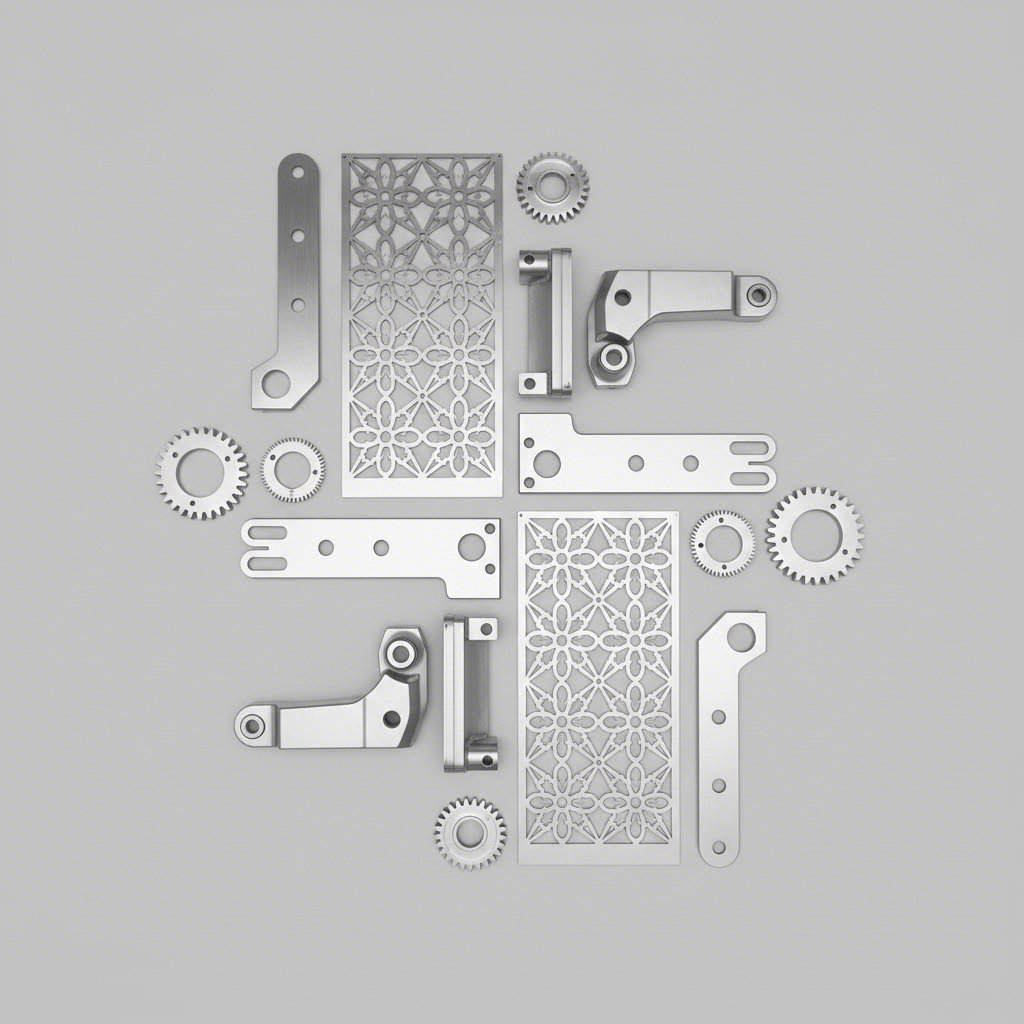
Realūs taikymai įvairiose pramonėse
Kur iš tikrųjų svarbi ši tokia tikslumas? Plieno lakšto lazerinio pjaustymo technologija jau seniai išsivystė už siaurosios specializuotų gamyklų srities ir dabar naudojama beveik kiekvienoje pramonės šakoje, kurioje naudojami metaliniai komponentai. Nuo automobilio, kuriuo važiuojate, iki pastato, kuriame dirbate, mus supa lazeriniu būdu pjaustyti plieniniai elementai – dažnai tokiais būdais, kurių visai nepastebite.
Lazerinio pjaustymo universalumą lemia unikali jo galimybių kombinacija: mechaniniu būdu pasiekti neįmanomos sudėtingos geometrijos, glaudus išdėstymas, maksimaliai padidinantis medžiagų naudojimo efektyvumą, bei greitas prototipavimas, sutrumpinantis kūrimo etapus nuo savaičių iki dienų. Pažvelkime, kur šios privalumai turi didžiausią poveikį.
Automobilių ir pramoninės gamybos taikymo sritys
Ar kada nors domėjotės, kaip šiuolaikiniai automobiliai pasiekia tokį tikslų surinkimą ir apdorojimą? Great Lakes Engineering pramonės analizė , tikslus lazerinis pjaustymas svarbiai prisideda prie aukštos kokybės automobilių dalių efektyvaus gamybos proceso. Gamintojai naudoja šią techniką, kad pagamintų rėmo dalis, karbono plokštes, variklio komponentus ir sudėtingus sujungimus iš tokių medžiagų kaip plienas ir aliuminis.
Automobilių pramonei reikalingas greitis ir nuoseklumas, kurių tradicinės pjaustymo technologijos tiesiog negali pasiūlyti. Apsvarstykite, ką leidžia lazerinis pjaustymas:
- Korpuso komponentai: Konstrukciniai atraminiai elementai, tvirtinimo plokštės ir stiprinimo detalės, supjaustytos iki tikslumo mažesnio nei 0,002 colio
- Korpuso plokštės: Sudėtingos kreivės ir tikslios kraštinės, kurios pašalina brangias papildomas apdailos operacijas
- Variklio dalys: Šilumos skydai, tarpinių ruošiniai ir montavimo įtvirtinimai, reikalaujantys tiksliai nustatytų specifikacijų
- Pakabos elementai: Valdymo svirties ruošiniai ir konstrukciniai komponentai, kuriuose svarbus stiprumo ir svorio santykis
Pramonės įrangos gamyba vienodai naudojasi lazerinės technologijos tikslumu. Pagalvokite apie mašinas, kurios gamina kitas mašinas – CNC įrangos rėmai, konvejerių sistemų komponentai, žemės ūkio technikos dalys ir statybos įrangos tvirtinimo elementai visi priklauso nuo lazeriu pjaunamo plieno jų struktūrinei vientisumui.
Proceso didelis greitis ir tikslumas leidžia greitai gaminti detales, atitinkančias siaurus tolerancijos reikalavimus, užtikrinant masinę gamybą ir mažinant atliekas. Sumažinta detalės iškraipymo rizika ir minimalus poreikis papildomam apdorojimui padidina produktyvumą, todėl plieno lakšų lazerinis pjaustymas tampa pageidaujamu metodu ilgaamžiems komponentams, kurie tiesiogiai prisideda prie įrangos našumo ir ilgaamžiškumo.
Individuali gamyba ir prototipavimo galimybės
Įsivaizduokite, kad reikia vieno specialaus tvirtinimo elemento specifinei paskirčiai. Tradicinė formavimo įranga kainuotų tūkstančius ir užtruktų savaites. O lazerinis pjaustymas? Galėtumėte gauti savo detalę per kelias dienas – kartais net per valandas – be jokių investicijų į formavimo įrangą.
Ši lankstumas revoliucionizuoja tai, kaip dizaineriai ir inžinieriai priartėja prie produkto kūrimo. Vietoj to, kad įsipareigoti brangiems gamybos įrankiams dar nepatikrinus koncepcijų, komandos gali greitai kartoti fizinius prototipus, tikrindamos detalės atitikimą ir funkcionalumą su tikromis detalėmis, o ne tik skaitmeninėmis simuliacijomis.
Dažnos taikymo srities kategorijos apima įspūdingą diapazoną:
- Architektūriniai elementai: Lazeriu pjaustomos plieninės plokštės, dekoratyviniai ekranai, fasadų apdaila ir individualūs metaliniai ženklai, kurie transformuoja pastatų estetiką
- Meninės instalacijos: Lazeriu pjaustomos dekoratyvinės metalinės plokštės viešosioms erdvėms, galerijoms ir korporatyviniams interjerams
- Ženklinimas ir prekės ženklai: Tiksli raidžių dėstymas, logotipai ir tūrinė grafika, kurių neįmanoma pasiekti tradiciniais būdais
- Baldų komponentai: Stalo pagrindai, kėdžių rėmai, lentynų laikikliai ir dekoratyviniai akcentai
- Vėdinimo ir mechaninių sistemų: Individualūs ortakiai, montavimo laikikliai ir įrangos korpusai
- Elektronikos korpusai: Važiuoklės, plokštės ir konstrukciniai komponentai prietaisams
Pagal AMICO Architectural taikymo gidas , architektūriniai metalai siūlo nepaprastą kūrybinį lankstumą – nuo saugos, kurios sumažina šilumos kaupimąsi ir gerina vizualų komfortą, iki įrangos ekranų, kurie slopina garsumą, išlaikydami ventiliaciją. Išorinės fasadų dangos, vidaus sienų apdaila ir net vertikalių sodų atramos naudojasi tikslumu bei dizaino laisve, kurią suteikia laserinė pjaustyba.
Lazeriu pjaunama metalinė plokštė tapo ypač svarbi šiuolaikinėje architektūroje. Šios plokštės gali turėti sudėtingus raštus, kurių neįmanoma ekonomiškai pasiekti mechaniniais būdais, sukuriant dinaminius vizualinius efektus, keičiantis apšvietimo sąlygoms per dieną. Veikdamos kaip privatumo ekranai, dekoratyviniai akcentai ar konstrukcinė apdaila, lazeriu pjaustytos plokštės suteikia architektams beprecedentį dizaino laisvumą.
Tikslus dalių išdėstymas maksimaliai padidina medžiagos panaudojimą visose šiose programose. Pažangios programinės įrangos dalys išdėstomos kaip dėlionės elementai, minimaliai sumažinant atliekamas medžiagas tarp pjūvių. Didelės apimties gamybai tokia optimizacija gali sumažinti medžiagų sąnaudas 15–25 % lyginant su mažiau efektyviais pjovimo metodais – taupymas, kuris dideliuose projektuose kumuliacijos būdu tampa žymiai didesnis.
Kontrastas tarp masinės ir individualios gamybos parodo lazerinio pjaustymo universalumą. Tas pats įrenginys, kuris pagamina tūkstančius identiškų automobilių tvirtinimų, tiesiog pakeitus programą, gali sukurti unikalias architektūrines konstrukcijas arba prototipų dalis. Tokia lankstumas pašalina tradicinį kompromisą tarp gamybos efektyvumo ir pritaikymo galimybės.
Ar projektuotumėte dekoratyvius lazerio pjaunamus metalo skylius vartotojų prekių parduotuvėje, ar gamintumėte konstrukcinius komponentus pramoninėms mašinoms, pagrindiniai pranašumai išlieka pastovūs: tikslumas, užtikrinantis tinkamą pritaikymą, greitis, atitinkantis reikalaujamus terminus, ir lankstumas, leidžiantis prisitaikyti prie besikeičiančių reikalavimų be įrankių keitimo baudų.
Šių srities supratimas natūraliai kelia praktinį klausimą: ar turėtumėte investuoti į savo pačių pjaustymo įrangą, ar bendradarbiauti su profesionaliu paslaugų teikėju? Atsakymas priklauso nuo veiksnių, kuriuos išnagrinėsime toliau.
Plieno pjaustymo galimybių sprendimas – gaminti ar pirkti
Jūs jau matėte taikymo sritis ir suprantate technologiją – bet štai klausimas, dėl kurio naktimis nerimauja gamybos vadovai: ar turėtumėte investuoti į savo pačių plieno lakštų lazerio pjaustymo įrangą, ar bendradarbiauti su profesionaliomis gamybos paslaugomis? Šis sprendimas turi įtakos viskam – nuo jūsų pinigų srautų iki gamybos lankstumo.
Atsakymas nėra vienodai tinka visiems. Kai kurios veiklos sėkmingai vykdomos turint vidines galimybes, tuo tarpu kitos randą, kad strategiškai geresnis pasirinkimas yra outsourcing'as. Išanalizuosime tikrąsias išlaidas ir naudą, kad galėtumėte priimti sprendimą remdamiesi duomenimis, o ne intuicija.
Įrangos naudojimas įmonėje prieš profesionalius pjaustymo paslaugų naudojimą
Įsivaizduokite, kad kas mėnesį išleidžiate 6 000 JAV dolerių už lazerinį pjaustymą išorėje. Tai sudaro 72 000 JAV dolerių per metus, kuriuos mokate kažkieno kito pelnui. Atrodo, kad pirkimas mašinos yra akivaizdus sprendimas, tiesa? Ne taip greitai.
Pagal Arcus CNC atliktą sąnaudų analizę, standartinės 3 kW pluoštinių lazerių sistemos kapitalinės išlaidos svyruoja nuo 30 000 iki 60 000 JAV dolerių – be montavimo, pagalbinės įrangos ir apmokymo. Tačiau tikras siurprizas? Veikloms, kurios kas mėnesį išleidžia daugiau nei 1 500–2 000 JAV dolerių už išorėje užsakytas dalis, savo patalpose esanti įranga dažnai atsipirko per 6–8 mėnesius.
Štai kaip atrodo skaičiavimai tipiškam scenarijui:
- Išorėje užsakomas 2 000 plieno plokščių kas mėnesį po 6 JAV dolerius kiekviena: 144 000 JAV dolerių metinės išlaidos
- Vidinė gamyba su tuo pačiu apimtimi: Maždaug 54 000 USD per metus (medžiagų + eksploatacijos išlaidos)
- Metinės santaupos: Beveik 90 000 USD – tai reiškia, kad 50 000 USD kainuojanti įranga atsiperka mažiau nei per 7 mėnesius
Tačiau įrangos savininkystė neša atsakomybę. Jūsų veiklos išlaidos apima elektrą (maždaug 2 USD valandai pluoštiniams lazeriams), pagalbines dujas (nuo 2 iki 15 USD valandai, priklausomai nuo azoto ar oro), sunaudojamąsias medžiagas ir svarbiausia – darbo išlaidas. Gera žinia? Šiuolaikinės sistemos nereikalauja mokslų daktaro lygio žinių. Remiantis pramonės tyrimais, esantys virintojai ar dirbtuvių personalas paprastai gali kompetentingai valdyti pluoštinius lazerius jau po 2–3 dienų trunkančio mokymo.
Profesionalios pjaustymo paslaugos siūlo esmingai kitokį vertės pasiūlymą. Kai ieškote „plieno lakštų šalia manęs“ ar kreipiatės į metalo gamintojus šalia manęs, jūs gaunate galimybes be kapitalinių įsipareigojimų:
- Nulinės išankstinės investicijos: Jokios įrangos pirkimo, jokių finansavimo mokėjimų
- Lanksti mastelio keitimo galimybė: Didinkite arba mažinkite apimtis be pajėgumų apribojimų
- Išplėstinės įrangos prieiga: Aukštos galios sistemos, kurių įsigijimo negalėtumėte pasiteisinti
- Papildomos paslaugos: Daugelis gamyklų šalia manęs siūlo dažymo milteliniais dažais paslaugas, lenkimą, suvirinimą ir surinkimą vienoje vietoje
Pagal Selmach Machinery analizė , kai išorinės lazerinio pjaustymo išlaidos artėja prie 1 500 svarų sterlingų per mėnesį (maždaug 1 900 JAV dolerių), savos įrangos įsigijimas tampa finansiškai naudingesnis. Tačiau šis skaičiavimas keičiasi, įvertinus paslėptas outsourcingo išlaidas: medžiagų kainų padidinimus, transportavimo išlaidas, pristatymo vėlavimus ir ginčus dėl kokybės kontrolės.
| Sprendimo veiksnys | Įrangą turinčios patalpos | Profesionalios pjaustymo paslaugos |
|---|---|---|
| Pradinis investavimas | 30 000–60 000+ už visą sistemą | Nulinės kapitalo išlaidos |
| Gamybos lankstumas | Nepastovus greitis; išpjautos detalės per kelias minutes | Priklausomai nuo tiekėjo tvarkaraščio; įprastai 1–2 savaičių pristatymo laikas |
| Ekspertizės pasiekiamumas | Reikalingas vidinis mokymas ir patirties kaupimas | Nevėluojamas prieiga prie specializuotų žinių ir sertifikuotų procesų |
| Masštabavimas | Apribota mašinų talpos ir operatorių prieinamumo | Beveik neribota; mokate tik už tai, ko reikia |
| Kokybės kontrolė | Tiesioginė priežiūra ir nedelsiant grįžtamasis ryšys | Priklauso nuo tiekėjo standartų ir sertifikavimo |
| Techninės priežiūros našta | Jūsų atsakomybė; numatykite biudžetą daliai ir prastovoms | Įtraukta į paslaugos kainą |
Ko ieškoti renkantis gamybos partnerį
Jei outsourcingas atitinka jūsų situaciją – arba naudojate hibridinį požiūrį, kai metalo apdirbimo specialistai tvarko perteklinius ir specialius darbus – tinkamo partnerio pasirinkimas tampa labai svarbus. Ne visi plieno gamintojai siūlo vienodą vertę.
Pradėkite nuo sertifikatų. Automobilių pramonei ir tiksliesiems komponentams IATF 16949 sertifikatas yra aukso standartas. Pagal IATF 16949 tiekėjų atrankos kriterijus , tinkama įvertinimo metodika apima tiekėjo rizikos vertinimą dėl produkto atitikties, kokybės ir pristatymo veiklos, kokybės valdymo sistemos brandos bei gamybos galimybių.
Be bazinių kvalifikacijų, renkantis vietinius metalo apdirbimo paslaugų teikėjus, vertinkite šiuos skirtumus:
- Atsakymo galimybės: Ar jie gali greitai pagaminti prototipą, jei reikia greito dizaino patvirtinimo? Kai kurie sertifikuoti gamintojai siūlo 5 dienų terminą prototipo gamybai bei automatizuotas masinės gamybos galimybes didinant apimtis
- Gaminių konstravimas su gamybos aspektais (DFM) palaikymas: Ar jie padės optimizuoti jūsų projektus lazerinei pjaustymui, prieš pradėdami gamybą? Toks bendradarbiavimo požiūris neleidžia brangiems pataisymams ir užtikrina gamybos įgyvendinamumą
- Kainos pasiūlymo reaktyvumas: Ilgos kainų pasiūlymų ciklai vėluoja jūsų projektus. Ieškokite partnerių, siūlančių 12 valandų kainų pasiūlymų pateikimo terminą arba greitesnį
- Medžiagų kompetencija: Ar jie supranta neržaujančio plieno, anglinio plieno ir cinkuotų medžiagų pjaustymo niuansus?
- Papildomos operacijos: Ar vienas partneris gali atlikti pjaustymą, lenkimą, suvirinimą ir apdailą – ar turėsite tvarkyti kelis tiekėjus?
Automobilių tiekimo grandinės taikymams ypatingai svarbu bendradarbiauti su IATF 16949 sertifikuotu gamintoju, kuris užtikrina kokybės sistemas, atitinkančias OEM reikalavimus. Šie sertifikatai reikalauja daugiadisciplininio sprendimų priėmimo procesų, patikimos pokyčių valdymo ir dokumentuotų gamybos galimybių – tai svarbios apsaugos, kai jūsų komponentai tampa kritiškomis automobilio dalimis.
Hibridinė strategija taip pat verta dėmesio. Daugelis protingų įmonių įsigyja vidutinės klasės įrangą, kad savo pajėgumais galėtų atlikti 80–90 % kasdieninių pjaustymo užduočių – standartinio storio plieną ir dažniausiai naudojamus medžiagų tipus – o specializuotus darbus perduoda vietiniams metalo gamintojams su ultraaukštos galios sistemomis arba specialiausiomis technologijomis. Ši strategija leidžia pasinaudoti sutaupymais, susijusiais su vidaus gamyba, nesuteikiant investicijų į įrangą, kurios retai reikėtų.
Ar vertinate įrangos pirkimą, ar tikrinate partnerius gamintojus, išlieka pagrindinis klausimas: kas jūsų konkrečioms gamybos sąlygoms ir augimo perspektyvoms suteikia didžiausią vertę? Atsakymas lemia ne tik jūsų pjaustymo galimybes, bet ir jūsų konkurencinę poziciją vis labiau reikalaujančiame gamybos sektoriuje.
Taikome Plieninių Lakštų Lazerinio Pjovimo Žinias Praktikoje
Jūs įsisavinote daugybę informacijos apie plieno lakšto lazerinio pjaustymo technologiją – nuo bangos ilgio skirtumų iki pagalbinės dujos parinkimo ir kraštų kokybės tikėtinos. Tačiau žinios be veiksmų yra tik smulkmenos. Paverskime viską, ką išmokote, konkrečiais žingsniais, kurie stūmės jūsų projektus į priekį.
Arba nurodydami detales artėjančiam projektui, vertindami įrangos investicijas ar derindami esamas operacijas – judėjimas pirmyn reikalauja šių pagrindų strateginio taikymo.
Pagrindiniai svarbiausi dalykai sėkmingam plieno lazeriniam pjaustymui
Prieš pereinant prie tolesnių žingsnių, susisteminkime esminius dalykus, kurie atskiria sėkmingą metalo lakšto lazerinį pjaustymą nuo nusivylimų ir bandymų-metimų patirties.
Svarbiausias sėkmės veiksnys plieno lakšto lazerinio pjaustymo projektams yra suderinti medžiagos pasirinkimą, parametrų nustatymus ir kokybės lūkesčius dar prieš pirmąjį pjaustymą – o ne ieškoti problemų sprendimų po jų pasireiškimo.
Pagal „Steelway Laser Cutting“ ekspertų analizę, dažniausios klaidos kyla dėl pagrindinių dalykų nepaisymo: medžiagos savybių ignoravimo, netinkamo įrenginio nustatymo, dizaino failų paruošimo nevykdymo, paviršiaus valymo praleidimo ir galutinės produkcijos tinkamo patikrinimo stokos. Kiekviena iš šių klaidų yra išvengiama su tinkamu planavimu.
Štai kas yra svarbiausia:
- Medžiagos pasirinkimas lemia viską: Lazeriui tinkamas plienas, tinkamas rūšies atitikimas ir švarūs paviršiai pašalina kintamuosius dar prieš pradedant pjaustyti
- Pluoštiniai lazeriai dominuoja plonam ir vidutiniam plienui: Daugumai taikymų iki 12 mm pluoštinė technologija užtikrina geresnį greitį ir žemesnes eksploatacijos išlaidas
- Parametrų optimizavimas yra būtinas: Galios, greičio, fokusavimo ir pagalbinio dujų parinktis turi atitikti jūsų konkrečią medžiagą ir storį
- Kokybės lūkesčiai turėtų būti apibrėžti iš anksto: Briaunos apdorojimas, išsiliejusių metalų riba ir HAZ reikalavimai veikia kiekvieną parametrų sprendimą
Jūsų kitomi žingsniai, remiantis projekto reikalavimais
Pasiruošę tęsti? Jūsų kelias priklauso nuo dabartinės padėties.
Jei nurodote detales pjaustymo paslaugai: Pradėkite su švariais, tinkamai suformatuotais dizaino failais – vektoriniais, be persidengiančių linijų arba nebaigtų kelių. Pagal SendCutSend dizaino gaires, matmenų tikrinimas spausdinant mastelyje 100 % ir visų tekstų konvertavimas į apibrėžtis padeda išvengti brangių pataisų. Tiksliai nurodykite medžiagos rūšį ir aiškiai pateikite lūkesčius dėl briaunų kokybės.
Jei vertinate įrangos pirkimą: Apskaičiuokite faktines mėnesines pjaustymo išlaidas ir palyginkite jas su tikromis savininkystės išlaidomis – įskaitant elektrą, dujas, sunaudojamąsias medžiagas, techninę priežiūrą ir darbo išlaidas. Kai operacijų išlaidos užsienyje viršija 1500–2000 USD per mėnesį, įrangos įsigijimas dažnai atsipirko per 6–8 mėnesius. Apsvarstykite tokio dydžio lazerinį metalo pjaustymo įrenginį, kuris atitiktų 80–90 % jūsų kasdienių poreikių, o specializuotus darbus išneškite partneriams, turintiems specialiąsias galimybes.
Jei optimizuojate esamus procesus: Užfiksuokite savo dabartinius parametrus ir sistemingai išbandykite jų kaitą. Nedideliai reguliavimai pjovimo greityje, fokusavimo pozicijoje ar dujų slėgyje gali ženkliai pagerinti pjūvelio kokybę ir sumažinti dregsnų susidarymą. Rezultatus sekite atidžiai – tai, kas veikia su nerūdijančiu plienu 304, gali nepavykti pjaunant anglinį plieną.
Automobilių, rėmų ir tiksluminių konstrukcinių detalių projektams, reikalaujantiems sertifikuotos kokybės, bendradarbiavimas su patyrusiais gamybos partneriais suteikia iš karto prieigą prie optimizuotų procesų be mokymosi kreivės delsimų. Skaitytojai, ieškantys IATF 16949 sertifikuotų gamybos partnerių, siūlančių visapusišką DFM palaikymą ir greitą kainos pasiūlymų pateikimą, gali peržiūrėti galimybes adresu Shaoyi Metal Technology .
Bendros klaidos, kurių turėtumėte vengti toliau dirbdami:
- Nepraleiskite medžiagos patvirtinimo – pjaunant 316 nerūdijantį plieną su 304 parametrais gaunami nepatenkinami rezultatai
- Nesitikėkite lygumo – išlinkusi medžiaga sukelia nevienodą fokusavimą ir kintamą pjovimo kokybę
- Nepaleiskite pagalbos dujų parinkimo – deguonis plieno apdorojimui, azotas nerūdijančio plieno estetikai
- Neskubėkite su prototipavimu – patvirtinkite konstrukcijas atlikdami bandomąsias pjūtis prieš pradedant masinę gamybą
Jūsų pasirinkta arba jūsų partnerio naudojama metalo lakštinio pjovimo įranga yra tik vienas kintamasis sudėtingoje lygtyje. Sėkmė priklauso nuo to, kaip suprantate medžiagos, parametrų ir kokybės reikalavimų sąveiką. Dabar jūs tai suprantate.
Jūsų kelionė su plieno lakštinio pjovimo lazeriu prasideda vienu gerai informuotu sprendimu. Padarykite jį svarbiu.
Dažniausiai užduodami klausimai apie plieno lakšto lazerinį pjaustymą
1. Koks skirtumas tarp skaidulinio ir CO2 lazerių plieno lakštiniam pjaustymui?
Pluošto lazeriai veikia 1,06 mikronų bangos ilgyje ir puikiai tinka pjaustyti plonoms iki vidutinės storio plieno plokštėms – jų greitis 2–3 kartus didesnis, o elektros sąnaudos iki 50 % žemesnės. CO2 lazeriai naudoja 10,6 mikronų bangos ilgį ir gali apdoroti įvairias medžiagas – tiek metalus, tiek ne metalus. Pluošto lazeriams reikia mažiau nei 30 minučių aptarnavimo kas savaitę, o CO2 sistemoms – 4–5 valandų, todėl plieno pjaustymui pluošto technologija yra pageidautina pasirinkimas.
2. Kokio storio plieną gali pjaustyti lazerinis pjūklas?
Šiuolaikiniai pluošto lazeriai gali apdoroti plieną nuo ultraplonų lakštų, storesnių nei 1 mm, iki plokščių, viršijančių 20 mm. Plieną, storesnį nei 1 mm, galima pjaustyti greičiu daugiau nei 1000 colių per minutę naudojant 1–2 kW lazerius. Vidutinio storio 6–12 mm lakštams reikia 6–10 kW sistemų, kurios pjausto 30–80 colio per minutę greičiu. Storoms plokštėms, storesnėms nei 20 mm, reikia 15+ kW lazerių, o optimaliam kokybei pasiekti gali prireikti antrinio kraštinio apdorojimo.
3. Koks pagalbinis dujas turėčiau naudoti plieno lazeriniam pjaustymui?
Kampiniui plienui deguonis sukelia egzoterminę reakciją, kuri padidina pjovimo energiją, leidžiant greitesnį apdorojimą storesniams profiliams virš 6 mm, tačiau sukuria oksiduotus kraštus. Nerūdijančiam plienui azotas prevencijuoja oksidaciją ir sukuria švarius sidabro-baltus kraštus, kurie yra idealūs matomoms aplikacijoms. Suspaustas oras siūlo biudžeti draugišką parinktį, tačiau gali sukelti tam tikrą oksidaciją ir grublesnius kraštus, ypač nerūdijančiam plienui.
4. Ar turėčiau įsigyti lazerinio pjaustymo įrangą arba paslaugą išsirengti?
Jei jūsų mėnesinis išorinio pjaustymo išlaidos viršija 1 500–2 000 JAV dolerių, vidinė įranga paprastai atsipirktų per 6–8 mėnesius. 3 kW pluoštinio lazerio sistema kainuoja nuo 30 000 iki 60 000 JAV dolerių, tačiau didelėse apimtyse gali sumažinti vieno gaminio kainą daugiau nei 60 %. Tačiau outsourcingas užtikrina nulinį kapitalo išlaidas, mastelio keitimą pagal poreikį ir prieigą prie pažangios įrangos. Automobilių pramonei bendradarbiaujant su IATF 16949 sertifikuotais gamintojais užtikrinamos kokybės standartai, kartu siūlant greitą prototipavimą ir DFM palaikymą.
5. Kas sukelia šlaką lazeriu pjaunamame plienuje ir kaip to išvengti?
Šlakas susidaro tada, kai lydinys kristalizuojasi pjūvio kraštelyje, o ne yra išpūstas pagalbine dujų srove. Dažnos priežastys – per lėtas pjaunamas greitis, per didelė lazerio galia ar nepakankamas dujų slėgis. Prevencija reikalauja padidinti pagalbinių dujų slėgį, kad būtų geriau pašalinamas medžiaga, optimizuoti pjaunamą greitį, kad būtų sumažintas pakartotinio prisikibimo laikas, sureguliuoti židinio padėtį maksimaliai energijos koncentracijai pasiekti ir parinkti tinkamas dujas medžiagai – azotą nerūdijančiam plienui ir deguonį anglies plienui.