 Small batches, high standards. Our rapid prototyping service makes validation faster and easier —
  EN
EN


Prototipų apdirbimo dirbtuvės paaiškintos: nuo pirmojo pasiūlymo iki gamybos
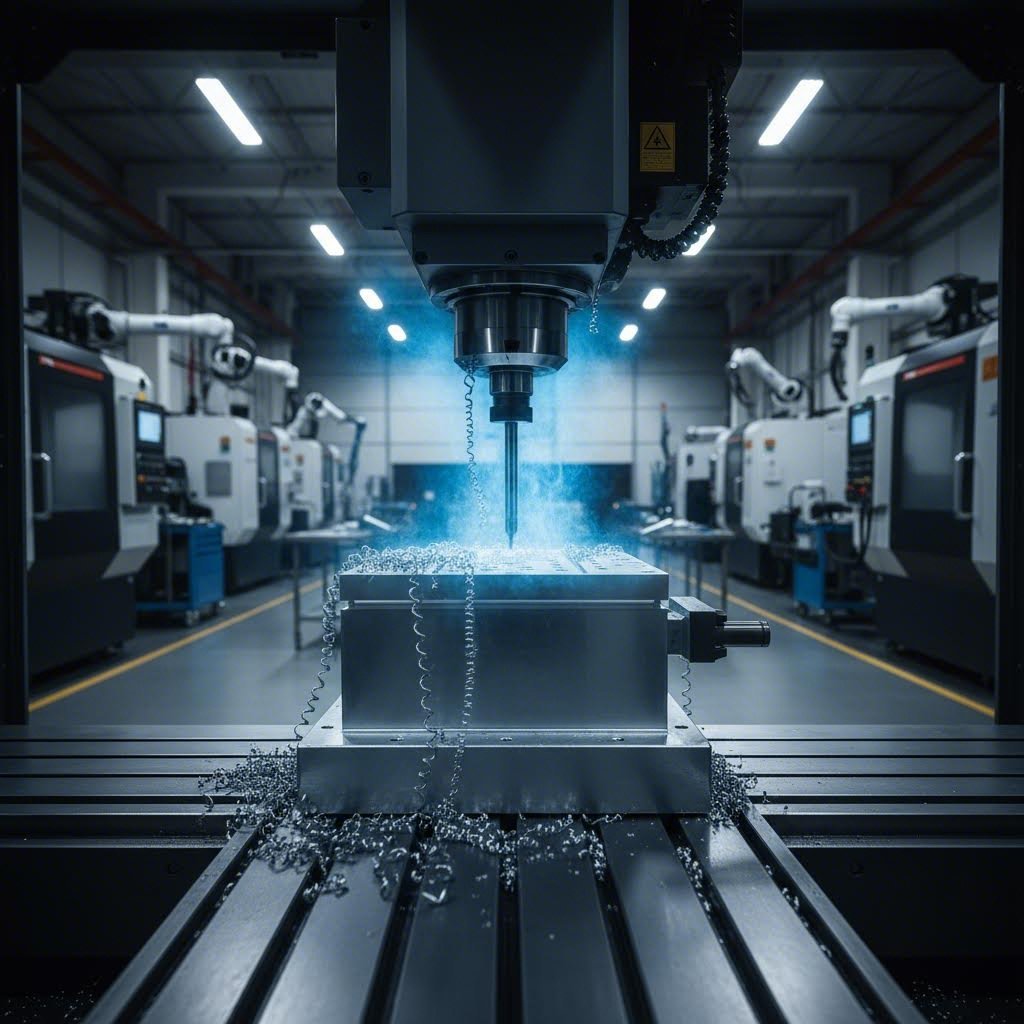
Prototipavimo apdirbimo dirbtuvių ir jų vaidmens supratimas produktų kūrimo procese
Ar kada nors turėjote puikią produkto idėją, bet svarstėte, kaip iš tos skaitmeninės projektavimo schemos sukurti realų objektą, kurį galima fiziškai laikyti, bandomasis tikrinti ir tobulinti? Būtent čia į žaidimą įsitraukia prototipavimo apdirbimo dirbtuvės. Šios specializuotos įmonės yra esminis tiltas tarp jūsų CAD failų ir fizinės patvirtinimo detalių, konceptų paverčiant į materialius prototipus kurie gali būti išbandyti, įvertinti ir tobulinami dar prieš pradedant masinę gamybą.
Pavyzdinės mašinų dirbtuvės yra gamybos įmonė, specialiai įrengta ir įgaliota gaminti nedidelius detalių kiekius greitai ir su dideliu tikslumu. Skirtingai nuo tradicinių gamybos įmonių, kurios orientuotos į tūkstančių identiškų komponentų masinę gamybą, šios dirbtuvės pirmiausia vertina lankstumą, greitį ir inžinerinį bendradarbiavimą. Jos sukurtos sprendžiant unikalius pavyzdinės apdirbimo iššūkius – kai projektai gali keistis viduryje projekto, tikslumo reikalavimai gali būti tikslinami ir kiekvienai detalei reikia atskiro dėmesio.
Pagal PMP Metals be to, pavyzdinė gamyba yra būtinas žingsnis, kuris sumažina riziką, leisdama inžinieriams ir dizaineriams išbandyti savo idėjas dar prieš galutinę gamybą. Šis požiūris gali sutaupyti reikšmingų lėšų, nustatant gamybos defektus ar konstrukcijos trūkumus jau ankstyvoje stadijoje – ypač svarbu tokiose srityse kaip aviacija ir automobilių pramonė, kur net nedideli netobulumai gali turėti rimtų padarinių.
Kuo pavyzdinės dirbtuvės skiriasi nuo gamybos įmonių
Galite susimąstyti: ar bet kuri įmonė, gaminanti detalių pavyzdžius, gali atlikti prototipų darbus? Techniškai taip – tačiau specializuotos prototipų apdirbimo įmonės siūlo aiškius privalumus, kurių bendrosios gamybos įmonės tiesiog negali pasiūlyti:
- Greitis ir vikrumas: Prototipų įmonės sukurtos greitam atlikimui – dažnai detalės būna pristatomos per dienas, o ne per savaites
- Lankstumas: Jos gali priimti projektavimo pakeitimus vidurio projekto metu be standartinės gamybos linijų standžių paruošimo reikalavimų
- Mažo tūrio patirtis: Kol gamybos įmonės optimizuoja tūrius, siekdamos tūkstančių detalių, prototipų apdirbimo įmonės puikiai dirba su viena iki kelių šimtų detalių kiekiais
- Inžinerinė parama: Daugelis jų teikia gamybos tinkamumo projektavime (DFM) atsiliepimus, kad pagerintų jūsų projektą dar prieš pradedant apdirbimą
Gamybos apdirbimas orientuotas į efektyvumą ir pakartojamumą dideliais tūriais. Tuo tarpu prototipų apdirbimas pabrėžia tikslumą, lankstumą ir gebėjimą greitai kartoti procesą remiantis bandymų rezultatais.
Inžinerinis tiltas tarp projektavimo ir gamybos
Įsivaizduokite prototipų parduotuvę kaip jūsų produkto pirmąją realybės patikrinimo priemonę. Jūsų skaitmeninis dizainas gali atrodyti tobulas ekrane, tačiau fiziniai prototipai atskleidžia problemas, kurių dažnai nepastebi modeliavimas – montavimo tiksliumo klausimus, medžiagų elgesį veikiant apkrovoms ar netikėtus gamybos apribojimus.
Kaip nurodo įmonė Fictiv, prototipai tarnauja skirtingoms funkcijoms visose penkiose produktų kūrimo stadijose – nuo ankstyvųjų sąvokos įrodymo modelių iki visiškai veikiančių bandymo egzempliorių. Šis raidos procesas reikalauja gamybos partnerių, kurie supranta, kad prototipų gamyba – tai ne tik detalių gamyba, bet ir jūsų viso kūrimo kelionės palaikymas.
Geriausi prototipų gamybos įmonės tampa tikrais inžineriniais partneriais. Jie peržiūrės jūsų projektus, pasiūlys patobulinimus gamybos patogumui, padės parinkti tinkamas medžiagas ir pateiks įžvalgas, kurios gali būti įgytos tik turint daugelio metų praktinės gamybos patirties. Šis bendradarbiavimo požiūris paverčia tai, kas galėtų būti paprastas tiekėjo santykis, strateginiu partnerystės santykiu, kuris pagreitina jūsų kelionę nuo idėjos iki rinkai paruošto produkto.
Pagrindinės technologijos ir galimybės, kurių turėtumėte tikėtis
Taigi, jūs radote prototipų gamybos įmonę, kuri atrodo tinkama – bet kaip sužinoti, ar ji turi tinkamą įrangą jūsų projektui? Supratimas apie šiuolaikinių įmonių siūlomas pagrindines technologijas padeda užduoti geriau pagalvotas klausimus ir nustatyti realistiškus lūkesčius. Panagrinėkime, ką turėtų siūlyti gerai įranga aprūpinta įmonė.
CNC frezavimo ir sukimo galimybės
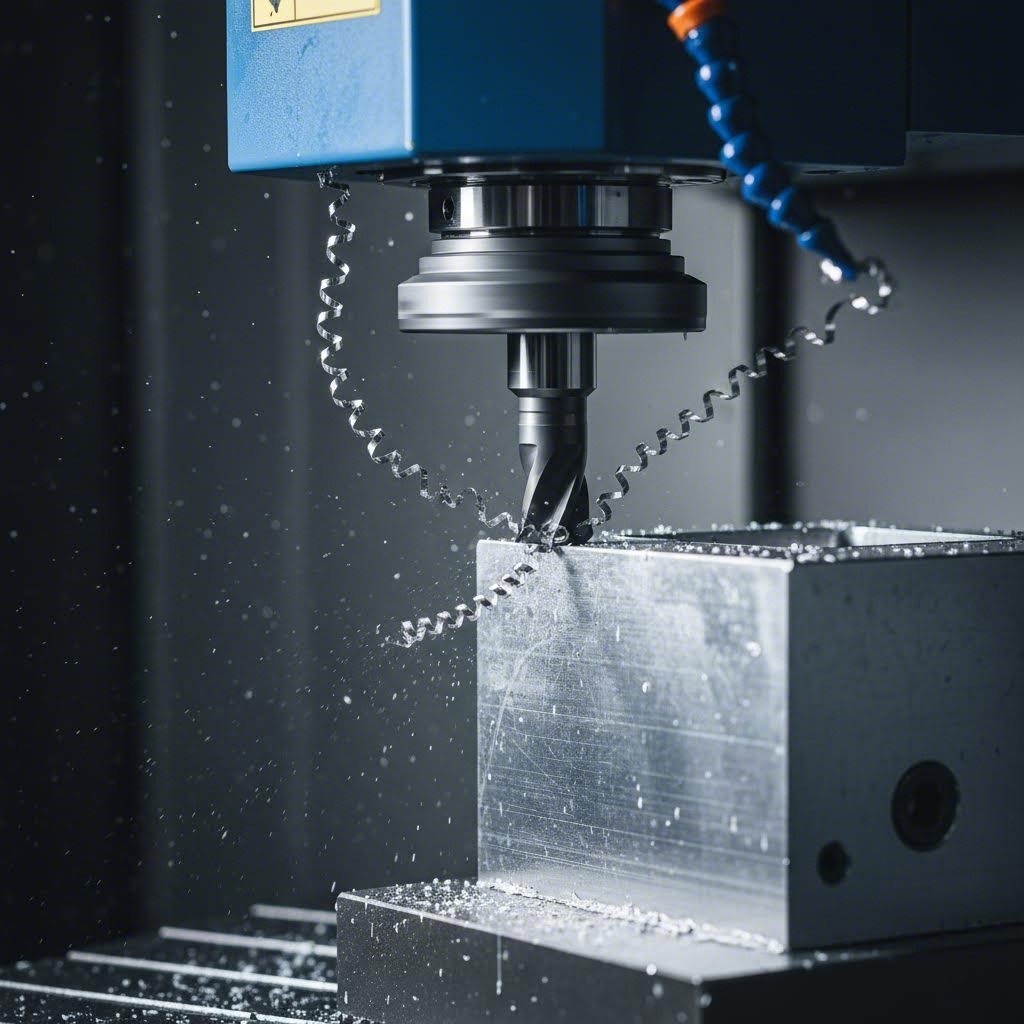
CNC frezavimas ir sukimo apdirbimas sudaro beveik kiekvienos prototipų gamybos pagrindą. Šie atimamieji gamybos procesai prasideda nuo kietų medžiagos blokų arba cilindrų ir pašalina visą nereikalingą medžiagą, palikdami jūsų baigtą detalę.
Naudojant CNC frezavimą, sukamieji pjovimo įrankiai vadinami galiniais frezais, pašalina medžiagą iš nejudančios detalių dalies. Pagal „Protolabs“ duomenis, šie pjovimo įrankiai sukasi nepaprastai dideliu greičiu – dešimtys tūkstančių apsisukimų per minutę, o jų sukimosi greitis gali būti reguliuojamas, kad būtų saugiau apdirbamos jautrios medžiagos. Šiuolaikiniai apdirbimo centrai dažnai turi penkių ašių judėjimo galimybę, t. y. įrankis gali judėti visomis ašimis vienu metu – tai puikiai tinka sudėtingoms geometrijoms, tokioms kaip aušintuvų ratukai ar sudėtingos korpusų konstrukcijos.
Kita vertus, CNC sukimo apdirbimas sukasi patį detalių, tuo tarpu nejudančios arba besisukančios pjovimo įrankių formuoja cilindrinės formos dalis. Įsivaizduokite, kaip išdrožiamas beisbolo lazdos formos daiktas ant sukimosi staklių – tai esminis sukimo principas, tik su kur kas didesniu tikslumu. Daugelis šiuolaikinių sukimosi staklių turi veikiančius įrankius, leidžiančius apdirbti tokius elementus kaip ašiniai ir spinduliniai skylės, plokščiosios srities, grioveliai ir įpjovos be atskiro frezavimo proceso.
Štai ko galite tikėtis iš kompetentingos CNC prototipavimo įmonės:
- 3 ašių iki 5 ašių frezavimas: Daugiau ašių reiškia sudėtingesnes geometrijas mažiau montavimų
- Daugiafunkcinės mašinos: Kombinuotos frezavimo ir sukimo galimybės sumažina rankinį apdorojimą ir pagerina tikslumą
- Plati medžiagų suderinamumas: Aliuminis, plienas, titanas, varis, vario lydiniai ir inžineriniai plastikai, tokie kaip PEEK, Delrin ir polikarbonatas
- Greito gaminimo galimybė: Detalės pristatomos per kelias dienas, o pagreitintiems užsakymams – kartais jau per 24 valandas
Užsakant CNC aliuminio prototipą, pavyzdžiui, galite tikėtis puikių apdirbimo savybių su medžiagomis, tokiomis kaip 6061 ar 7075, tikslaus toleravimo ir lygių paviršiaus baigiamųjų apdorojimų – viskas per trumpą pristatymo laiką.
Tikslūs toleransai, kuriems galite pasitikėti
Toleransai nurodo, kiek arti tobulybės turi būti jūsų gaminamo detalės galutinis variantas. Pagal „Protocase“ duomenis, CNC apdirbimas siūlo įvairaus tikslumo lygius, priklausomai nuo jūsų reikalavimų:
| Tikslumo lygis | Tikslumo ribos | Tipinės taikymo sritys |
|---|---|---|
| Standartinis tikslumas | ±0,005" (0,13 mm) arba daugiau | Bendrieji maketai, korpusai, laikikliai |
| Aukšto tikslumo apdirbimas | ±0,001–±0,005 colio (0,025–0,13 mm) | Funkcinio testavimo detalės, surinkimai |
| Ultra tikslus apdirbimas | ±0,0001–±0,001 colio (0,0025–0,025 mm) | Medicinos prietaisai, aviacijos komponentai |
„Protolabs“ pažymi, kad CNC prototipų apdirbime elementų toleransai gali siekti net ±0,001 colio (±0,025 mm). Tačiau tikslūs toleransai reiškia didesnes sąnaudas – todėl ultraaukšto tikslumo nustatykite tik tada, kai to reikalauja pati funkcionalumas.
Papildomos technologijos visiškoms prototipavimo sprendimams
Geriausi prototipų gamybos įmonės nesiriboja tik CNC apdirbimu. Šiuolaikinėse gamybos patalpose dažnai integruojami papildomi procesai, kad būtų siūlomos visiškai komplektinės sprendimų galimybės:
- EDM (elektroerozinis apdirbimas): Leidžia sukurti aštrius vidinius kampus ir sudėtingas geometrines formas, kurios neįmanoma pagaminti naudojant įprastus pjovimo įrankius
- 3D Spausdinimas: Tinka sudėtingoms organinėms formoms, vidinėms gardelėms arba tada, kai svarbesnė yra gamybos greitėjimo, o ne medžiagos savybės
- Injekcinis formavimas: Prototipams iš plastiko, kurie atitinka gamybos tikslus, arba tiltinėms šabloninėms detalėms gaminti
- Lapinis metalas: Lazerinis pjaustymas, lenkimas ir suvirinimas korpusams bei konstrukcinėms detalėms
Šis hibridinis gamybos požiūris keičia tai, kas yra įmanoma. Pagal All3DP , įmonės, kurios derina 3D spausdinimą su CNC apdirbimu, žymiai sutrumpina pristatymo laikus – kai kuriais atvejais nuo 10 savaičių iki 72 valandų – ir sumažina medžiagų atliekas iki 97 %. Pavyzdžiui, CNC aliuminio prototipui su sudėtingomis vidinėmis kanalais galima 3D spausdinti beveik galutinę formą, o po to CNC apdirbti tik kritines paviršių sritis iki galutinių leistinųjų nuokrypių
Įvertindami prototipų gamybos įmones, ieškokite tų, kurios siūlo kelias technologijas vienoje vietoje. Ši integracija reiškia greitesnį atlikimo laiką, geresnį bendravimą ir beproblemius perėjimus tarp procesų – būtent to jums reikia sparčiai kartodami projektavimo pakeitimus.
Šių galimybių supratimas padeda pritaikyti savo projekto reikalavimus tinkamai gamybos įmonei. Tačiau kaip pasirinkti tarp CNC apdirbimo, 3D spausdinimo ar kitų metodų konkrečioms jūsų poreikio situacijoms? Šis sprendimų priėmimo pagrindas aptariamas toliau.
Kaip pasirinkti tinkamiausią prototipavimo technologiją savo projektui
Jūsų projektas jau parengtas, o terminas artėja. Dabar kyla esminis klausimas: kuri prototipavimo technologija duos geriausius rezultatus? Neteisingas pasirinkimas ne tik sukelia pinigų nuostolius – ji gali visiškai sutrukdyti visam jūsų plėtros grafikui. Geros naujienos? Sistemingas sprendimų priėmimo pagrindas pašalina spėliojimus ir užtikrina, kad jūsų prototipas iš tikrųjų atsakytų į tuos klausimus, į kuriuos reikia atsakyti.
Pagal Sigli patikimiausias būdas išvengti brangios prototipavimo klaidų – tai priimti standartinį parinkimo metodą. Komandos, kurios pirmiausia renkasi „greitį ir kainą“, o tik vėliau apsvarsto funkcines reikalavimus, dažnai sukelia besidauginančius delsos laikus – prototipai deformuojasi bandymų metu, suskyla montavimo metu arba duoda klaidingus rezultatus, kurie stumia projektavimą neteisinga kryptimi.
Technologijų pritaikymas jūsų projekto reikalavimams
Prieš lygindami technologijas, paklauskite savęs: kokį klausimą šis prototipas turi atsakyti? Šis vienas aiškinimas padaro maždaug 60 % gamybos sprendimų akivaizdžiais. Prototipai paprastai skirstomi į keturias kategorijas:
- Koncepto modeliai: Vaizdiniai vaizdavimai, skirti idėjoms demonstruoti ir diskusijoms skatinti
- Tikrinimo pagal tikslius prototipai: Detalės, sumontuotos kartu, kad patikrintų matmeninę tikslumą ir leistinus nuokrypius
- Funkciniai prototipai: Komponentai, kuriems taikomos realaus pasaulio apkrovos ir veikimo sąlygos
- Priešgaminio pavyzdžiai: Detalės, kurios privalo išlaikyti reguliavimo institucijų bandymus arba gauti kliento patvirtinimą
Kai jau apibrėžėte prototipo užduotį, įvertinkite savo techninius reikalavimus:
- Medžiagos savybės: Ar jam reikia šilumos atsparumo, lankstumo ar tam tikros mechaninės stiprybės?
- Matmenų tikslumas: Kokie tikslumo reikalavimai yra tikrai kritiški, o kurie – tik pageidautini?
- Paviršiaus išdėstymas: Ar jis turi atrodyti kaip serijinės gamybos produktas, ar tiesiog tinkamai veikti?
- Reikalingas kiekis: Vienas pavyzdys ar dvidešimt pavyzdžių, skirtų testavimui keliuose komandose?
- Terminų spaudimas: Ar turite dienų, savaičių ar mėnesių laiko iteruoti?
Štai veiksminga sprendimų priėmimo schema: pirma pasirinkite gamybos procesą, o tik po to susiaurinkite medžiagų pasirinkimą. Daugelis komandų daro atvirkščiai – pasirenka medžiagą, pvz., ABS, ir bando priversti ją veikti bet kuriuo, atrodyčiusiu greičiausiu, procesu. Tačiau kiekvienas prototipavimo technologijos turi savo vidinių ribų, kurios vis tiek apriša jūsų pasirinkimus. Pradedant nuo tinkamo proceso sumažėja sprendimų priėmimo nuovargis ir išvengiama suderinamumo problemų.
Kada CNC yra geriau nei 3D spausdinimas ir atvirkščiai
CNC ir 3D spausdinimo diskusija nėra apie tai, kuri technologija yra „geresnė“ – ji susijusi su tuo, kuri technologija atitinka jūsų konkrečius projekto reikalavimus pagal Fictiv, kiekvienas požiūris siūlo unikalius privalumus, o geriausias pasirinkimas priklauso nuo jūsų medžiagų poreikių, detalių reikalavimų ir terminų apribojimų.
Pasirinkite greitą CNC prototipavimą, kai reikia:
- Didelės tikslumo ir siaurų tolerancijų (aviacinės ar automobilių detalės)
- Funkcinės prototipinės įrangos, kuri turi atlaikyti apkrovas arba šiurkščias sąlygas
- Metalinių detalių, kurios turi būti stiprios ir ilgaamžės
- Lygių paviršių beveik be papildomo apdorojimo
- Medžiagų savybių, identiškų gamybos detalėms
Pasirinkite 3D spausdinimą, kai jums reikia:
- Greito konstrukcijos ciklų kartojimo – greitai ir kainos požiūriu efektyviai
- Sudėtingų geometrijų su išraiškingomis detalėmis, vidinėmis savybėmis ar organinėmis formomis
- Lengvų konstrukcijų, optimizuotų medžiagų naudojimui
- Individualūs vienkartiniai prototipai, kai įrankių gamybos išlaidos būtų neproporcingai didelės
- Žemos kainos medžiagų išbandymas prieš pradedant galutinę gamybą
Žemiau esančioje lentelėje palyginamos pagrindinės prototipavimo metodikos pagal svarbiausius veiksnius:
| Technologija | Tikslumas | Medžiagos parinktys | Greitis | Kaina (mažo tūrio) | Tinkamiausias |
|---|---|---|---|---|---|
| CNC talpyba | ±0,001" iki ±0,005" | Metalai, inžineriniai plastikai, kompozitinės medžiagos | įprasta 1–5 dienos | Didesnė kaina už vieną detalę | Funkcinis bandymas, detalių gamyba pagal galutinės gamybos reikalavimus |
| SLA (dėmėjimo medžiaga) | ±0,002" iki ±0,005" | Fotopolimerinės dėmės | Valandos–2 dienos | Nuo žemo iki vidutinio | Detalus vizualiniai modeliai, skysčiams nepraleidžiančios detalės |
| SLS (nilonas) | ±0,005" iki ±0,010" | Nilonas, stiklu sustiprintas nilonas | 2-5 dienos | Vidutinis | Funkciniai surinkimai, įspaudžiamosios jungtys, korpusai |
| MJF | ±0,003 colio iki ±0,007 colio | Nailonas, TPU | 2–4 dienos | Vidutinis | Stiprūs detalės su subtiliu paviršiaus apdorojimu |
| FDM | ±0,010" iki ±0,020" | PLA, ABS, PETG, nailonas | Valandos–2 dienos | Labai žemas | Preliminariai koncepcijų variantai, didelės paprastos geometrijos |
| Vacuum casting | ±0,010" iki ±0,015" | Poliuretanas (imituoja PP, ABS, gumą) | 5-10 dienų | Vidutinis (kiekviename cikle) | Vartotojo gaminio bandymai, mažos partijos |
Atkreipkite dėmesį, kaip CNC prototipai pranašesni tikslumu ir medžiagų autentiškumu, tuo tarpu 3D spausdinimo technologijos dominuoja tada, kai svarbiausia geometrinė sudėtingumas arba greitis. Greito prototipavimo įrenginys, naudojantis SLA technologija, per naktį gali sukurti išsamių vizualinių modelių, tačiau tokios detalės neišlaikys mechaninio apkrovimo bandymų taip pat gerai kaip CNC apdirbtos aliuminio ar plieno detalės.
Hibridinis požiūris: geriausias abiejų pasaulių derinys
Štai ką atrado patyrę produktų komandos: dažniausiai sąnaudų efektyviausia strategija apima kelias technologijas. Pagal „Fictiv“ duomenis, naudojant 3D spausdinimą ankstyvosiose etapinėse iteracijose – kad būtų greitai ir nebrangiai išbandyti dizaino konceptai – o vėliau perėjus prie CNC frezavimo funkcinėms prototipinėms detalėms ir galutiniam etapui skirtam testavimui, viso plėtojimo ciklo efektyvumas užtikrinamas.
Įsivaizduokite, kad kuriate naują pramoninį vožtuvo korpusą. Galėtumėte:
- 3D spausdinti SLA modelį, kad patikrintumėte ergonomiką ir gautumėte suinteresuotų šalių patvirtinimą
- Sukurti SLS prototipus pradiniams tinkamumo tikrinimams su jungiamomis detalėmis
- Užsakyti greitojo prototipinio frezavimo paslaugą iš faktinės gamybos medžiagos slėgio bandymams atlikti
- Patobulinti savo CNC prototipą remiantis bandymų rezultatais prieš paleidžiant į gamybą šablonus
Šis progresas leidžia greitai ir nebrangiai patikrinti idėjas ankstyvojoje stadijoje, tuo pat metu užtikrinant, kad galutinė patvirtinimo procedūra būtų atliekama naudojant gamybai atitinkamas dalis. Kaip pastebėjo „Protolabs“, net tas pats medžiagų tipas gali elgtis skirtingai spausdinant ir apdirbant – todėl funkcionalųjį bandymą visada reikėtų atlikti taikant gamybos procesą, kuris atitinka jūsų tikslus gamyboje.
Viena praktinė patarimų: ruošdami kainų pasiūlymų užklausas (RFQ) CNC prototipams, įtraukite savo bandymų reikalavimus kartu su matmeninėmis specifikacijomis. Tokiu būdu gamyklos galės rekomenduoti tinkamas medžiagų rūšis ir apdirbimo metodus, kad jūsų detalės išties išlaikytų planuojamą patvirtinimą.
Pasirinkus technologiją ir apibrėžus projekto reikalavimus, kitas žingsnis – suprasti, kas tiksliai vyksta, kai bendradarbiaujate su prototipų gamykla – nuo pirmojo el. pašto laiško iki to momento, kai laikote rankose baigtas detales.
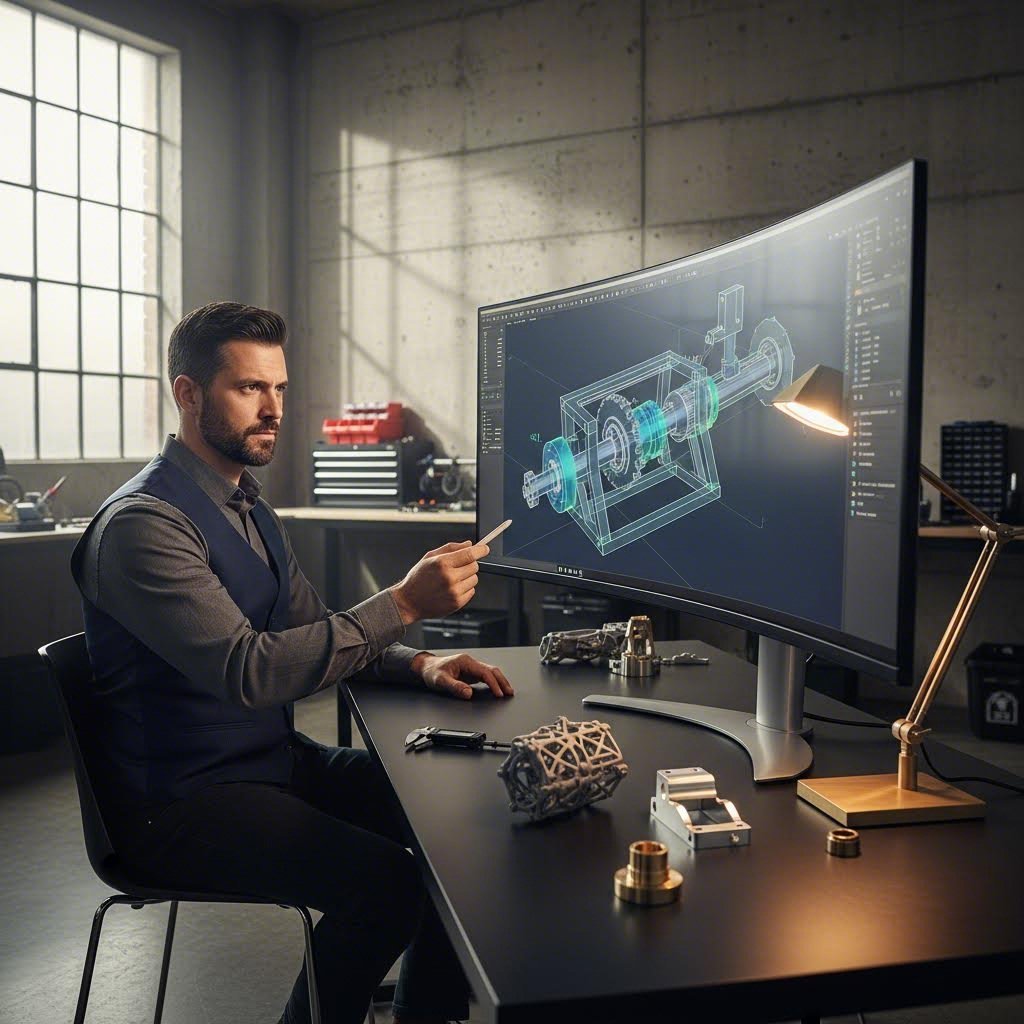
Visas procesas dirbant su prototipų apdirbimo gamykla
Jūs jau pasirinkote technologiją, parengėte savo projektą ir nustatėte perspėjamąjį prototipų apdirbimo paslaugų tiekėją. O kas toliau? Daugeliui inžinierių ir produktų kūrėjų čia prasideda neaiškumas. Ko tikėtis po to, kai spausite „siųsti“ pirmąją užklausą? Kiek iš tikrųjų trunka kiekvienas etapas? Ir kur dažniausiai projektai sužlūsta?
Viso bendradarbiavimo proceso supratimas paverčia jus ne aktyviu klientu, o informuotu partneriu. Kai žinote, kas vyksta už kulisu – ir kokie sprendimai reikalauja jūsų įvesties – galite numatyti vėlavimus, iš anksto pateikti geręsnes informacijos sąlygas ir galiausiai gauti apdirbtus prototipus greičiau. Panagrinėkime kiekvieną etapą – nuo pirmojo kontakto iki galutinės pristatymo.
Nuo pirmojo kontakto iki galutinės pristatymo
Kelias nuo pradinio užklausimo iki jūsų baigtojo prototipo gavimo yra numatytas, nors laiko tarpai priklauso nuo projekto sudėtingumo ir dirbtuvės pajėgumų. Pagal „Protolis“ duomenis, visų etapų skaidrumas ir atsakomybė užtikrina beproblemę bendradarbiavimo sąveiką, kuri atitinka jūsų reikalavimus laiko, technologijų ir biudžeto požiūriu.
Štai visą procesą padalinta į valdomus etapus:
-
Tyrimas ir pasiūlymas (paprastai 24–48 valandos)
Jūs pateikiate savo užklausą (RFQ) su 3D failais, 2D brėžiniais, medžiagų pageidavimais, paviršiaus apdorojimo reikalavimais ir kiekių poreikiais. Dirbtuvės inžinerijos komanda peržiūri jūsų pateiktus dokumentus dėl gamybos galimybės ir nustato bet kokius galimus kliūčių taškus. Galite tikėtis klausimų, jei jūsų projektas apima sunkiai apdirbamų detalių elementus arba tikslumo reikalavimus, kuriems reikia papildomo paaiškinimo. -
Užsakymo patvirtinimas ir gamybos paruošimo optimizavimas (1–2 dienos)
Kai patvirtinsite pasiūlymą, projektas užfiksuojamas el. paštu. Šiuo metu atliekama gamybos projektavimo (DFM) analizė. Gamybos įmonė gali pasiūlyti pakeitimus, kad būtų pagerinta apdirbamoji galimybė, sumažintos sąnaudos arba pagerinta detalės kokybė. Pagal JLCCNC šiame etape jūsų projektinės modelio konversija į apdirbimui tinkamą NC kodą vykdoma naudojant CAM programinę įrangą, parenkami atitinkami įrankiai ir optimizuojami apdirbimo parametrai. -
Medžiagų įsigijimas (tą pačią dieną iki 1+ savaitės)
Dažniausiai naudojamos medžiagos, pvz., aliuminio lydinys 6061 ar nerūdijantis plienas 304, paprastai yra atsargose. Specialieji lydiniai, egzotiškos plastmassos ar specialūs sertifikatai gali reikalauti atskiro užsakymo, todėl jūsų terminai gali pratęstis dienomis ar net savaitėmis. -
Gamyba (paprastai 1–7 dienos)
Specialiai skirtas projektų vadovas stebi eigos eigą ir palaiko ryšį visą laiką, kol vyksta apdirbimas. Sudėtingoms detalėms gali prireikti kelių montavimų, įrankių keitimo bei įvairių apdirbimo operacijų – šlifuojančių, pusbaigiamųjų ir baigiamųjų apdirbimo eigų, kurios paeiliui pagerina tikslumą. -
Kokybės patikrinimas (įtrauktas į gamybos laiką)
Po apdirbimo detalės yra tikrinamos griežto kokybės kontrolės: tikrinama vizualinė išvaizda, matmenų tikslumas ir veikimo charakteristikos. Daugelis įmonių pateikia patikrinimo ataskaitas su nuotraukomis jūsų peržiūrai prieš siuntimą. -
Pristatymas (3–12 dienų, priklausomai nuo pasirinktos pristatymo būdo)
Greitasis pristatymas trunka 3–5 dienas, o ekonomiškesni variantai – ilgiau. Jums bus pateikta sekimo informacija, kad galėtumėte stebėti siuntos judėjimą.
Visas ciklas nuo užklausos (RFQ) iki pristatymo paprastai trunka nuo vienos savaitės paprastoms detalėms, kurioms naudojami atsargose esantys medžiagų, iki kelių savaičių sudėtingoms surinktoms konstrukcijoms, reikalaujančioms specialių medžiagų ir tikslaus toleravimo.
Ką daryti po to, kai pateikiate savo konstrukcijos failus
Tas momentas po to, kai pateikiate savo failus, gali kelti įspūdį, kad viskas vyksta „juodojoje dėžutėje“. Ką tiksliai įmonė daro su jūsų projektu? Šio proceso supratimas padeda jums iš anksto pateikti geriau paruoštą informaciją ir efektyviau reaguoti, kai kyla klausimų.
Pagal Creatingway, pradinio dizaino peržiūros etapas užtikrina, kad jūsų CAD modeliai atitiktų gamybos galimybes ir kliento lūkesčius. Štai kas vyksta gamykloje:
- Failo patvirtinimas: Inžinieriai tikrina, ar jūsų 3D modelis teisingai importuojamas be praleistų sienų, persidengiančios geometrijos ar kitų CAD klaidų, kurios sukelia apdirbimo problemas
- Technologinio įvykdymo vertinimas: Komanda įvertina, ar elementai gali būti apdirbti taip, kaip suprojektuota – tikrinama įrankių prieinamumas, minimalūs kampų spinduliai, sienelių storis ir įlinkiai
- Tolerancijų peržiūra: Kritinės matmenų reikšmės pažymimos, kad būtų užtikrinta, jog gamykla galės laikytis nurodytų tolerancijų naudodama savo įrangą
- Medžiagos pasirinkimo aptarimas: Jei jūs nurodėte medžiagą, ji tikrinama, ar ji tinka jūsų taikymui; jei ne, bus rekomenduotos alternatyvios medžiagos, remiantis jūsų reikalavimais
- Kainos ir terminų įvertinimas: Į jūsų pasiūlymą įtraukiamos paruošimo trukmė, apdirbimo trukmė, medžiagų sąnaudos ir bet kokios papildomos operacijos
Tiems, kurie ieško CNC prototipų paslaugų Savannah ar kitų regioninių tiekėjų, šis peržiūros procesas lieka nepakitęs – nors vietinės dirbtuvės gali siūlyti privalumų bendravimo greičiui ir siuntimo laikui skubiosioms projektams.
Praktiški patarimai kiekvienam etapui
Tapti geriau informuotu klientu reiškia žinoti, kur projektai dažniausiai užstrigsta ir kaip išvengti delsų. Štai etapais pateikiamos rekomendacijos, kad jūsų greitojo prototipavimo CNC apdirbimo projektas būtų vykdomas laiku:
Pateikiant prašymą pasiūlyti kainą (RFQ):
- Pateikite tiek 3D (STEP, IGES), tiek 2D (PDF su GD&T) failus – niekada tik vieną formatą
- Nurodykite faktinę terminą, o ne dirbtinai ankstesnę datą
- Pažymėkite, kurios nuokrypos yra funkciškai kritinės, o kurios – bendrosios matmenys
- Nurodykite, ar detalė skirta formos/pritamprinimo bandymams, funkciniams bandymams ar kliento pateikimui
Per techninės peržiūros etapą:
- Atsakykite į techninius klausimus per 24 valandas, kad išlaikytumėte projekto dinamiką
- Būkite atviri DFM pasiūlymams – gamyklos peržiūri šimtus projektų ir žino, kas veikia
- Paklauskite apie alternatyvius sprendimus, jei tam tikros funkcijos kaina atrodo per didelė
Gaminant:
- Paprašykite nuotraukų pirmųjų išleistų detalių prieš viso serijinio gamybos ciklo pabaigą
- Nustatykite vieną ryšio asmenį, kad supaprastintumėte bendravimą
- Patvirtinkite, kad kontrolės reikalavimai atitinka jūsų faktines poreikio sąlygas – pernelyg griežti reikalavimai padidina sąnaudas
Gavus prekes:
- Iškart patikrinkite dalis gavus jas ir dokumentuokite bet kokius trūkumus nuotraukomis
- Pateikite atsiliepimus – net teigiami atsiliepimai padeda gamykloms tobulėti ir nustatyti geriausių klientų prioritetus
Pagal Protolis, jei po detalių gavimo pastebėsite neatitikimų, patikimos gamyklos nedelsdamos atliks tyrimą ir kartu su jumis nustatys geriausią veiksmų kelią, įskaitant būtinų detalių pakeitimą.
Svarbu pasirinkti tinkamą CNC prototipavimo paslaugą, tačiau ne mažiau svarbu ir tai, kaip veiksmingai su ja bendraujate. Įmonės, kurios iš anksto gauna visą informaciją, visą laiką užtikrina aiškią komunikaciją ir laiku atsako į užklausas, nuolat pasiekia geresnių rezultatų. Jūsų vaidmuo kaip informuoto partnerio tiesiogiai veikia jūsų apdirbtų prototipų kokybę ir gamybos greitį.
Dabar, kai jau suprantate šį procesą, susitelkime į vieną iš svarbiausių sėkmės veiksnių: prieš kreipiantis į įmonę reikia paruošti savo projektavimo failus ir technines specifikacijas.
Projektavimo failų ir techninių specifikacijų paruošimas sėkmei
Įsivaizduokite, kad pateikiate savo projektavimo failus ir vietoj to gaunate krūvą paaiškinimų klausimų – ar dar blogiau, detalių, kurios neatitinka jūsų lūkesčių. Pagal „Yicen Precision“ duomenis daugiau nei 35 % gamybos klaidų kyla dėl projektavimo failų problemų, įskaitant trūkstamas tolerancijas, neaiškius matmenis ar neteisingus medžiagų nurodymus. Laikas, kurį skiriate failų paruošimui iš anksto, tiesiogiai lemia greitesnį įvykdymą, mažesnį pataisymų skaičių ir geresnius CNC frezavimo prototipų rezultatus.
Taigi kas išskiria pasiūlymą paruoštą pateikti nuo to, kuris sukelia delsas? Tai priklauso nuo to, ar pateikiate visą, gerai organizuotą dokumentaciją, kuri nieko nepalieką interpretacijai. Panagrinėkime tiksliai, ko jums reikia.
Būtini failų formatai ir dokumentacija
Jūsų 3D modelis yra CNC apdirbamiems prototipams pagrindas, tačiau pasirinktas failų formatas turi didesnę reikšmę, nei galėtumėte manyti. Ne visi formatai išsaugo geometrinę tikslumą, kurios jūsų projektui reikia.
Pagal Hubs, dauguma prototipų gamybos įmonių priima ir pageidauja šių formatų:
- STEP (.stp, .step): Pramonės standartinis CNC darbų formatas – išlaiko tikslų geometrinį modelį ir veikia beveik su visais CAM programiniais įrankiais
- IGES (.igs, .iges): Plačiai suderinamas senesnės kartos formatas, tačiau naujesniems projektams paprastai pageidaujamas STEP formatas
- Parasolid (.x_t, .x_b): Originalus SolidWorks formatas, kuris išlaiko funkcijų tikslumą
- Grynieji CAD failai: SolidWorks (.sldprt), Inventor (.ipt) arba Fusion 360 failai, jei gamybos įmonė juos palaiko
O kas dėl STL failų? Nors jie tinkami 3D spausdinimui, STL failai yra tinkleliniai, o ne matematiškai tikslūs – jie neturi tikslaus matmenų nurodymo ir gali sumažinti tikslumą tikslaus prototipavimo apdirbimo užduotyse. Vengkite jų, nebent būtų specialiai paprašyta.
Be savo 3D modelio, įtraukite 2D techninį brėžinį (PDF formatu), kuriame būtų nurodyta tai, ko vienas modelis nepakankamai aiškiai perduoda:
- Tikslų matmenų leistinų nuokrypių nurodymai
- Sriegių specifikacijos (dydis, žingsnis, gylis)
- Išorinio paviršiaus reikalavimai
- Medžiagos ir termoapdorojimo specifikacijas
- Bet kokie pastabų įrašai apdirbėjui
Pagal Hubs, jei techniniai brėžiniai nesutampa su įkeltomis bylomis, CAD failas laikomas geometrijos etalonu, o brėžinys nustato leistinąsias nuokrypas, sriegius ir specialiuosius reikalavimus. Šių dokumentų sinchronizavimas padeda išvengti nesklandumų.
Kritinių reikalavimų veiksmingas perdavimas
Ar kada nors domėjotės, kodėl kai kurie pasiūlymai grįžta brangesni nei tikėtasi? Dažnai tai būna dėl to, kad visoje detalėje nustatytos pernelyg griežtos leistinosios nuokrypos. Štai kas iš tikrųjų vyksta: nurodant ±0,001 colio nuokrypą visur, kai iš tikrųjų tik dvi susijungiančios paviršiaus dalys jos reikalauja, apdirbimo laikas ir sąnaudos žymiai padidėja.
Pagal Protolabs, standartinės CNC apdirbimo leistinosios nuokrypos ±0,005 colio (0,127 mm) puikiai tinka daugumai elementų. Griežtesnes nuokrypų reikšmes rezervuokite funkcionaliems sąveikos paviršiams – guolių skyliams, ašies pritaikymui ar sandarinimo paviršiams. Jų rekomendacija: naudokite dvipuses nuokrypas, aiškiai jas nurodydami (pvz., +0,000/–0,010 colio) ir ribokite skaičių po kablelio iki trijų skaitmenų, kad išvengtumėte nesklandumų.
Paviršiaus šiurkštumo atveju nurodykite šiurkštumo reikšmes tik ten, kur jos yra svarbios:
- 63 µin (1,6 µm): Standartinis apdirbto paviršiaus baigiamasis apdorojimas plokščiems ir statmeniems paviršiams
- 125 µin (3,2 µm): Tipiška išlenktiems paviršiams
- 32 µin (0,8 µm) arba lygesnis: Reikalauja papildomų apdirbimo operacijų – nurodykite tik tada, kai tai būtina funkcionaliai
Kai jūsų projektas reikalauja geometrinės matavimų ir nuokrypių specifikacijos (GD&T), įsitikinkite, kad įtraukėte atitinkamus žymėjimus: tikroji padėtis, plokštumos nuokrypis, cilindriškumo nuokrypis, koncentriškumo nuokrypis arba statmenumo nuokrypis. Šios specifikacijos užtikrina, kad svarbios sąsajos tarp elementų būtų išlaikytos prototipo CNC apdirbimo metu.
Jūsų parengiamasis patvirtinimo sąrašas
Prieš siųsdami failus, peržvelkite šį paruošimo kontrolės sąrašą, kad aptiktumėte dažniausiai pasitaikančias problemas:
- Failo formatas patikrintas: STEP arba IGES universaliai suderinamumui
- Vienetai patvirtinti: Modelis mastelytas 1:1 tiksliais vienetais (coliais arba milimetrais)
- Geometrija išvalyta: Nėra susikertančių sienų, trūkstamų paviršių arba „užmirštų“ elementų
- Vidiniai kampai suapvalinti: Pridėti apvalinimus bent ⅓ kaverno gylio, kad būtų galima naudoti pjovimo įrankius
- Sienų storis patvirtintas: Minimalus 0,8 mm metalams, 1,5 mm plastikams
- Kritinės nuokrypių ribos nustatytos: Tikslūs nuokrypiai taikomi tik ten, kur to reikalauja funkcionalumas
- Medžiaga nurodyta: Įtraukite klasifikaciją ir bet kokius sertifikavimo reikalavimus
- Nurodyta paviršiaus apdorojimo rūšis: Nurodykite šiurkštumo reikšmes estetinėms ar funkcionalioms paviršių sritims
- Sriegių žymėjimai visiškai užpildyti: Matmenys, žingsnis, gylis ir sriegio tipas aiškiai dokumentuoti
- pridėtas 2D brėžinys: PDF failas su visais techniniais reikalavimais, kuriuos 3D modelis negali perduoti
Viena galutinė patarimą nuo Yicen Precision: pašalinkite nereikalingas estetines savybes, pvz., tekstą ar dekoratyvias detalės iš prototipų failų. Šios detalės sudėtingina apdirbimą, nepridedant jokios funkcionalios vertės. Jei reikalingas prekės ženklo žymėjimas, nurodykite įgraužtą tekstą (ne iškilusį), naudojant sans-serif šriftą mažiausiai 20 taškų dydžio.
Šių paruošimo veiksmų atlikimas pakeičia jūsų pateikimą iš „reikalauja paaiškinimų“ į „parengta kainuoti“ – o šis skirtumas dažnai lemia skirtumą tarp detalių pristatymo per dienas arba per savaites. Tinkamai paruošus failus, kyla kitas klausimas: kiek laiko iš tikrųjų turėtumėte tikėtis proceso trukmės?
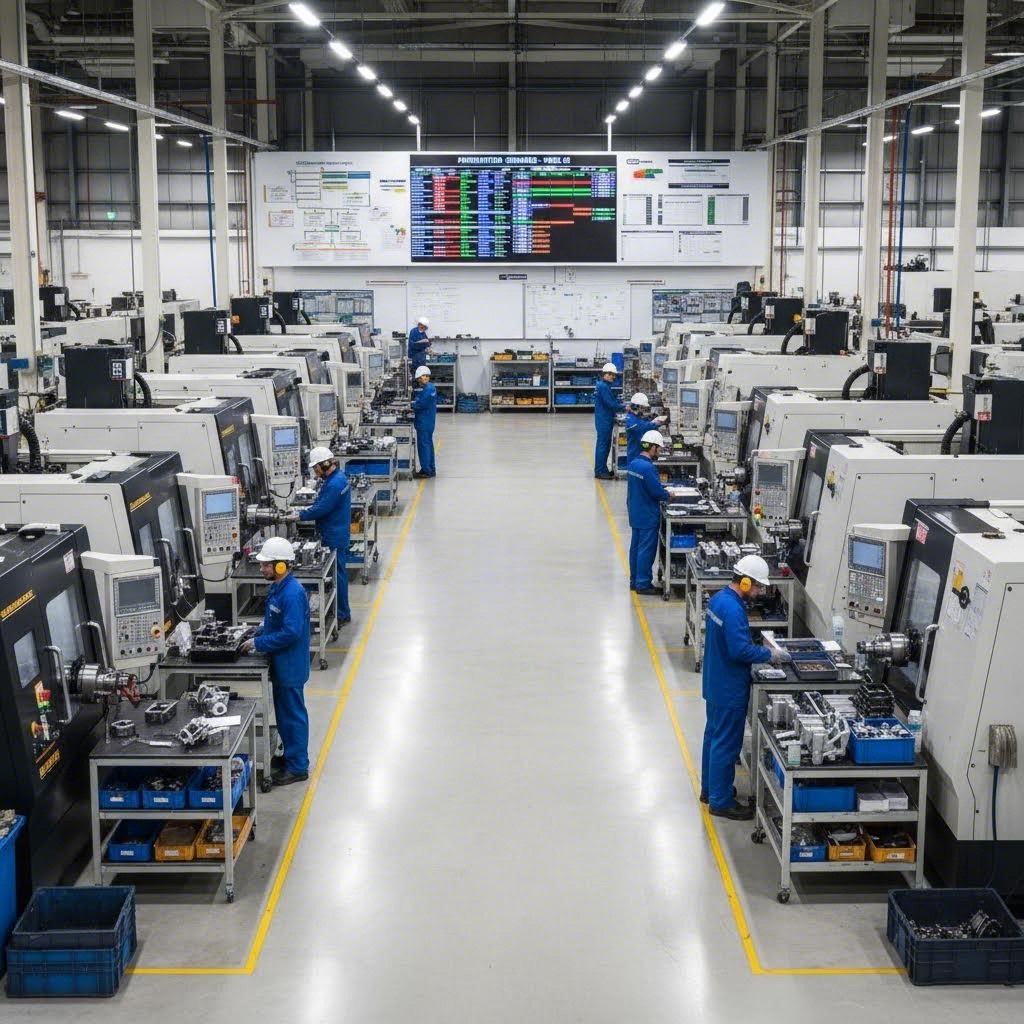
Greitojo prototipavimo gamybos ciklo trukmė ir laukiamasis įvykdymo laikas
"Kiek laiko užtruks mano detalės gamyba?" – tai klausimas, kurį užduoda kiekvienas inžinierius – ir vienintelis, į kurį retai gaunama tiesioginė atsakymo. Tiesa ta, kad greitosios mechaninės apdirbimo projektų pristatymo terminai labai skiriasi priklausomai nuo veiksnių, kuriuos dauguma prototipų gamybos įmonių aiškiai nepaaiškina. Supratę, kas lemia šiuos terminus, galėsite realistiškai planuoti, išvengti terminų nesilaikymo problemų ir tiksliai informuoti savo suinteresuotąsias šalis.
Pagal pramonės duomenys iš Kinijos CNC šaltinio , standartiniai CNC apdirbimo pristatymo terminai paprastai svyruoja nuo vienos iki keturių savaitės, priklausomai nuo sudėtingumo, medžiagų ir gamybos apimties. Tačiau šiuolaikinės greitosios CNC prototipų gamybos paslaugos šiuos terminus žymiai sutrumpino – kai kurios paslaugų teikėjų įmonės gali pristatyti dalis jau po dviejų–keturių dienų paprastiems projektams.
Standartiniai ir pagreitinti terminai
Prototipų gamybos įmonės paprastai siūlo įvairaus lygio paslaugas, kurių kiekviena balansuoja greitį ir kainą. Štai ko galite tikėtis:
Standartinis pristatymo terminas (5–10 darbo dienų) atspindi numatytąją laiko skalę daugumai CNC greitojo prototipavimo projektų. Jūsų užsakymas patenka į gamybos eilę po inžinerinės apžvalgos, o apdirbimas vyksta pagal įprastą grafiką. Ši parinktis siūlo geriausią kainos–kokybės santykį, kai terminai nėra skubūs.
Greitintas įvykdymas (2–5 darbo dienos) jūsų projektą perkelta prieš įprastus užsakymus. Pagal „Fictiv“ duomenis, greitasis CNC apdirbimas – taip pat vadinamas greituoju arba greituoju CNC apdirbimu – siekia sumažinti detalių pristatymo laiką klientams. Reikėtų tikėtis papildomos kainos – paprastai 25–50 % brangiau nei įprasta kaina.
Tą pačią dieną ar kitą dieną tikriems skubos atvejams. Kai kurios gamybos įmonės gali pristatyti dalis per 24–48 valandas, tačiau toks skubos lygis reiškia žymų kainos padidėjimą ir riboja galimą sudėtingumą.
Žemiau pateiktoje lentelėje pateikti tipiški pristatymo laikų intervalai skirtingų tipų projektams ir jų sudėtingumo lygiams:
| Projekto tipas | Įprastas laiko intervalas | Greitintas laiko intervalas | Pagrindiniai kintamieji |
|---|---|---|---|
| Paprasčiausios detalės (1–2 montavimo etapai) | 5–7 darbo dienos | 2-3 darbo dienos | Medžiagos prieinamumas, kiekis |
| Vidutinė sudėtingumas (3–4 paruošimai) | 7–10 darbo dienų | 3–5 darbo dienos | Tolerancijų reikalavimai, apdorojimas |
| Didelė sudėtingumas (5 ar daugiau paruošimų, tikslūs tolerancijų reikalavimai) | 10–15 darbo dienų | 5–7 darbo dienos | Daugaašė apdirbimas, patikrinimas |
| Surinkimai (kelios detalės) | 12–20 darbo dienų | 7–10 darbo dienų | Detalių skaičius, pritaikymo patikrinimas |
| Reikalingos specialios medžiagos | Pridėti 5–15 darbo dienų | Pridėti 3–7 darbo dienas | Medžiagų įsigijimas, sertifikavimas |
Pag according to Fictiv, jų platforma gali pristatyti detalių per mažiausiai dvi dienas—palyginti su dešimt ir daugiau dienų tradicinėse mechaninėse dirbtuvėse. Šis greičio pranašumas pasiekiamas dėl supaprastinto kainų pasiūlymų parengimo, automatinio DFM atsiliepimo ir optimizuoto gamybos planavimo.
Veiksniai, kurie pratęsia arba sutrumpina jūsų pristatymo laiką
Kodėl dvi, atrodo, panašios užduotys gauna labai skirtingus terminus? Kelios sąlygos veikia greitos CNC apdirbimo gamybos laiką:
Dizaino sudėtingumas: Paprasčiausios detalės su paprastomis savybėmis apdirbamos greičiau nei komponentai su sudėtingomis geometrijomis, tiksliais leidžiamais nuokrypiais ar keliomis apdirbimo operacijomis. Pagal China CNC Source, sudėtingoms detalėms, kurios reikalauja frezavimo, sukimo ir gręžimo, reikia daugiau laiko programavimui, paruošimui ir gamybai.
Medžiagos prieinamumas: Dažniausiai naudojamos medžiagos, tokios kaip 6061 aliuminio lydinys, 304 nerūdijantis plienas ir Delrin, paprastai yra sandėliuojamos ir paruoštos nedelsiant gaminti. Specialūs lydiniai, sertifikuotos aviacinės medžiagos ar egzotiškos plastmassos gali būti užsakytinos—tai prideda dienų ar net savaičių.
Tolerancijos reikalavimai: Standartinės nuokrypių ribos (±0,005") leidžia greitai apdirbti. Ultrasmaukios nuokrypių ribos (±0,0005") reikalauja lėtesnių padavimų, papildomos kontrolės ir galbūt kelių baigiamųjų apdirbimo eigų.
Gaminių apimtys: Priešingai nei tikėtasi, mažo tūrio prototipų užsakymai dažnai vykdomi greičiau nei didesni partijų užsakymai. Pagal Xometry, didelio tūrio užsakymams reikia daugiau planavimo, įrengimų laiko ir kokybės patikrinimų.
Papildomos operacijos: Šiluminis apdorojimas, anodavimas, cinkavimas arba tikslus šlifavimas prideda apdorojimo laiko. Kiekvienas papildomas etapas pratęsia jūsų terminą vienu iki penkių dienų.
Gaminių pajėgumas: Net geriausias gamybos objektas turi ribų. Užimtumo periodais pristatymo terminai pailgėja. Pastatydami ryšius su savo prototipų gamybos įmone ir pateikdami tikslų prognozę dėl artimiausių darbų, padedate užtikrinti pajėgumus būtent tuo metu, kai jų labiausiai reikia.
Jūsų reaktyvumas: Greitas CNC apdirbimas priklauso nuo greitų sprendimų. Delsos patvirtinant pasiūlymus, atsakant į techninius klausimus ar patvirtinant medžiagų pasirinkimą tiesiogiai pratęsia jūsų terminą.
Profesionalus patarimas: Užklausdami pasiūlymų, paklauskite apie dabartinį dirbtuvės apkrovimą. Vienos savaitės pasiūlymas lėtuoju laikotarpiu gali išsitempti iki trijų savaičių, jei palauksite, kol jų grafikas užpildysis.
Šių veiksnių supratimas leidžia optimizuoti savo pačių terminus. Nurodykite dažnai naudojamus medžiagų tipus, palengvinkite nekritinius tikslumus ir greitai atsakykite į dirbtuvių užklausas – šios veiklos dažnai sutrumpina pristatymo laiką keliosiomis dienomis. Kai nustatyti realistiški terminai, kitas svarbiausias galvosūkio elementas – suprasti, kiek iš tikrųjų kainuos jūsų prototipo projektas.
Prototipavimo kaštų supratimas ir tikslūs pasiūlymai
Jūs jau nustatėte laiko grafiką — dabar kyla klausimas, kuris nulemia arba sugenda projektų biudžetus: kiek tai iš tikrųjų kainuos? Skirtingai nuo serijinės gamybos, kur kiekvieno detalės kaina seka numatytas formules, CNC apdirbimo prototipų projektai apima kintamuosius, kurie gali labai paveikti pasiūlymų kainas. Supratę šiuos kainos veiksnius, jūs iš asmenaus, kuris tiesiog priima bet kokį skaičių, pateiktą pasiūlyme, virstate informuotu pirkėju, gebančiu optimizuoti projektus, protingai palyginti pasiūlymus ir išvengti netikėtų biudžeto nuostolių.
Pagal Komacut, prototipų kainos nėra tik susijusios su fiziniu objektu, kurį gaunate — jos atspindi visą plėtojimo kelionę nuo failų peržiūros iki galutinės inspekcijos. Geros naujenos? Kai suprantate, kas lemia šiuos skaičius, įgystate įtakos priemonių priimti protingesnius sprendimus kiekviename etape.
Pagrindiniai prototipavimo kaštus lemiantys veiksniai
Kodėl vieno prototipo kainos pasiūlymas yra dvigubai brangesnis už kito, nors detalės atrodo panašios? Kelios tarpusavyje susijusios sąlygos nulemia, kiek sumokėsite už prototipų frezuojamas dalis:
- Medžiagos pasirinkimas ir naudojimas: Žaliavos kainos labai skiriasi. Pagal Komacut, kietesnės medžiagos, tokios kaip nerūdijantis plienas ir titanas, reikalauja daugiau apdirbimo laiko ir specializuotų įrankių, todėl jų kaina žymiai didesnė nei minkštesnių medžiagų, pvz., aliuminio, kuris apdirbamas greičiau ir su mažesniu įrankių nusidėvėjimu.
- Dizaino sudėtingumas: Detalės su sudėtingomis detalėmis, keliomis montavimo pozicijomis, siaurais vidiniais kampais arba sudėtinga geometrija reikalauja daugiau programavimo laiko, lėtesnių padavimo greičių ir specializuotų įrankių. Pagal Jackson Hedden , tipiško prototipo kaina gali svyruoti nuo 3 000 iki 10 000 JAV dolerių ar daugiau, priklausomai nuo sudėtingumo – paprasti liejimo korpusai yra žemesnio kainos rango, o nestandartiniai mechanizmai – aukštesnio.
- Tolerancijos reikalavimai: Standartinės nuokrypių ribos (±0,005") kainuoja mažiau nei ultra tikslūs apdirbimai (±0,0005"). Mažesnės nuokrypių ribos reikalauja lėtesnių apdirbimo greičių, papildomo patikrinimo laiko ir galbūt kelių baigiamųjų apdirbimo eigų.
- Apdirbimo tipas ir ašių skaičius: Pagal Komacut, 3 ašių frezavimas kainuoja mažiau už valandą nei 5 ašių darbai. CNC sukimo apdirbimas paprastai yra greitesnis ir naudingiau išlaidų požiūriu nei frezavimas apvalioms detalėms dėl paprastesnio paruošimo ir operacijų.
- Kiekio apsvarstymas: Paruošimo kaštai paskirstomi per didesnius užsakymus, todėl vienos detalės kaina sumažėja. Tačiau prototipų kiekiai retai pasiekia apimtis, reikalingas reikšmingam masto naudingumui.
- Papildomos operacijos: Šiluminis apdorojimas, paviršiaus apdorojimas, anodavimas, metalinimas ar surinkimas prideda kaštų virš pagrindinio apdirbimo.
- Skubos mokesčiai: Skubūs užsakymai dažniausiai turi 25–50 % didesnę kainą nei standartiniai terminai.
Pagal Part Hub, kiekvienas papildomas jūsų produkto reikalavimas – paviršiaus apdorojimas, specializuoti bandymai ar sudėtinga kokybės dokumentacija – padidina tiek pristatymo laiką, tiek kainą. Pagrindinis dalykas – suprasti, kurie reikalavimai yra tikrai būtini, o kurie – tik pageidautini.
Tikslūs pasiūlymai ir paslėptų mokesčių išvengimas
Užsisakant apdirbtus detalių komponentus internetu arba naudojant tradicinius pasiūlymų gavimo procesus, jūsų užklausos pilnumas tiesiogiai veikia pasiūlymo tikslumą. Nepilna informacija priverčia įmones įvertinti nežinomuosius veiksnius saugos atsarga – arba dar blogiau, po gamybos pradžios gali kilti netikėti mokesčiai.
Štai kaip užsakyti pasiūlymus, kurie atspindėtų faktines sąnaudas:
- Pateikite visą dokumentaciją: Pateikite 3D failus (STEP formatu), 2D brėžinius su nuokrypių ribomis, medžiagų specifikacijas ir kiekių reikalavimus. Trūkstama informacija priverčia įmones priimti blogiausius galimus scenarijus.
- Nurodykite tiksliai, ko jums reikia: Pagal Džeksono Heddeno teigimą, galutinė kaina labai priklauso nuo dizaino sudėtingumo, specialių detalių skaičiaus ir medžiagų prieinamumo. Būkite išsamūs nurodydami paviršiaus apdorojimo reikalavimus, sriegių specifikacijas ir patikrinimo dokumentus.
- Nustatykite kritinius ir bendruosius nuokrypius: Dirbtuvės kainuoja remdamosi tiksliausiais nurodytais nuokrypiais. Nurodant ±0,001" visur, kai tik dvi detalės to reikalauja, kainos nepagrįstai padidėja.
- Paklauskite apie medžiagų keitimą: Kartais kitas lydinys ar plastiko rūšis užtikrina lygiavertę našumą žemesne kaina. Patyrusios dirbtuvės gali pasiūlyti alternatyvas.
- Paprašykite išsamios kainų sudėties: Supratimas, kaip sąnaudos pasiskirsto tarp paruošimo, apdirbimo, medžiagų ir baigiamųjų apdorojimų, padeda identifikuoti optimizavimo galimybes.
Palygindami įvairių prototipų gamybos dirbtuvių pasiūlymus, atkreipkite dėmesį ne tik į galutinę sumą:
- Ar pasiūlyme įtraukti patikrinimo ataskaitos ir sertifikatai?
- Kokia politika taikoma matmenų nuokrypiams ar neatitinkančioms detalėms?
- Ar pristatymo sąnaudos įtrauktos į kainą ar yra papildomos?
- Kokie mokėjimo terminai taikomi – ar yra mokestis už kredito kortelių apdorojimą?
- Ar pasiūlyme numatyti konkretūs medžiagų kokybės lygiai ar bendrosios specifikacijos?
Pagal Part Hub, veiksmingas bendradarbiavimas tarp jūsų ir prototipavimo įmonės yra esminis. Iš anksto nustatykite aiškius lūkesčius dėl to, kas įtraukta į pasiūlymą, kas sukelia papildomus mokesčius ir kaip bus tvarkomi konstrukcijos pakeitimai gamybos metu. Gamintojai, kurie reguliariai pateikia atnaujinimus ir siūlo skaidrią kainodarą, dažniausiai sukelia mažiau netikėtumų – net jei jų pradiniai pasiūlymai nėra žemiausi.
Prisiminkite: pigiausias pasiūlymas ne visada reiškia geriausią vertę. Įmonė, kuri konstrukcijos peržiūros metu aptinka problemas, siūlo sąnaudų mažinimo modifikacijas ir laiku pristato aukštos kokybės detalių, dažnai suteikia geresnę bendrąją vertę nei žemiausią kainą siūlanti įmonė, kuri reikalauja kelių pataisymo ciklų.
Turėdami aiškų supratimą apie tai, kas lemia CNC detalių apdirbimo kaštus, ir žinodami, kaip gauti tikslų pasiūlymą, jūs esate pasiruošę strategiškiau vertinti potencialius partnerius. Kitas žingsnis – sukurti kriterijus, kurie padėtų pasirinkti tinkamiausią mašininio prototipavimo įmonę jūsų konkrečioms poreikio sritims.
Kaip įvertinti ir pasirinkti tinkamiausią prototipavimo partnerį
Jūs jau nustatėte savo projekto reikalavimus, paruošėte failus ir suprantate, ko galite tikėtis iš proceso. Dabar ateina sprendimo priėmimo momentas, kuris gali nulemti jūsų plėtros grafiko sėkmę ar nesėkmę: reikia pasirinkti tinkamiausią prototipavimo įmonę. Kadangi tūkstančiai įmonių teigia, kad gali greitai pagaminti prototipines dalis, kaip atskirti tikrai kompetentingus partnerius nuo tų, kurie paliks jus persekiojant vėlavimus ir kokybės problemas?
Atsakymas slypi sistemingo vertinimo procese. Pagal PEKO Precision, tikslaus CNC apdirbimo įmonės pasirinkimas reikalauja didelio dėmesio, kad būtų pasirinkta kompetentinga įmonė su tinkamomis galimybėmis. Dauguma OEM vertinimo komandų sudaro tiekimo, kokybės ir inžinerijos specialistai – kiekvienas iš jų atsakingas už skirtingų partnerystės aspektų vertinimą. Net kaip atskiras pirkėjas galite taikyti tą patį struktūruotą požiūrį.
Svarbūs kokybės sertifikatai
Sertifikatai tarnauja kaip trečiosios šalies patvirtinimas, kad įmonė palaiko nuoseklias kokybės valdymo sistemas. Tačiau ne visi sertifikatai vienodai svarbūs jūsų konkrečiai aplikacijai. Štai į ką reikėtų atkreipti dėmesį:
- ISO 9001: Pagrindinis kokybės valdymo sertifikatas – dauguma gerbiamų prototipų gamybos įmonių jį turi kaip minimalią sąlygą
- AS9100: Privalomas aviacijos pramonės taikymams, rodo pagerintą sekamumą ir procesų kontrolę
- ISO 13485: Būtinas medicinos prietaisų prototipų gamybai, kur reikalaujama griežtos dokumentavimo tvarkos
- IATF 16949: Automobilių pramonės aukso standartas, reikalaujantis defektų prevencijos ir nuolatinio tobulinimo visoje tiekimo grandinėje
Kodėl IATF 16949 svarbus net neautomobilių gamybos veikloje? Pagal PEKO Precision, nepriklausomai nuo kokybės sertifikavimo tipo, vertintojai turi patikrinti, ar kasdieninė disciplina ir dokumentavimas vykdomi tinkamai ir nuosekliai. IATF 16949 būtent tokio griežtumo reikalauja – apima viską: nuo pirmojo gaminio patikrinimo iki sekamosios dokumentacijos.
Be sertifikatų, paklauskite apie statistinio proceso valdymo (SPC) įdiegimą. Pagal Konkuruojančią gamybą , SPC apima duomenų rinkimą ir analizę, kad būtų nustatyta, kuris apdirbimo procesas yra tinkamiausias – galiausiai pagerinant kokybę ir patikimumą bei sumažinant eksploatacines sąnaudas. Įmonė, taikanti SPC, realiuoju laiku stebi kritinius matmenis ir aptinka nuokrypius dar prieš tai, kai jie sukelia neatitinkančius reikalavimams gaminius.
Automobilių prototipų gamybos poreikiams skirtos įmonės, tokios kaip Shaoyi Metal Technology parodyti, kaip ši kombinacija atrodo praktikoje – IATF 16949 sertifikavimas kartu su griežtais SPC protokolais, kurie užtikrina aukštos tikslumo komponentų gamybą su pristatymo laikais, trumpiausiais – vieną darbo dieną. Tai yra kokybės etalonas CNC apdirbimo greitajam prototipavimui reikalaujančiose pramonės šakose.
Inžinerinės paramos ir ryšių vertinimas
Sertifikatai rodo, kokios sistemos yra naudojamos. Bet kas dėl žmonių, kurie šias sistemas valdo? Inžinerinės paramos kokybė ir ryšių operatyvumas dažnai lemia projekto sėkmę labiau nei įrangos sąrašai.
Pagal PEKO Precision, OEM klientams reikia įvertinti gamyklos strategijas dėl detalių gamybos – skirtingi gamybos apimtys, paruošimai, ciklo trukmės ir gamybos srautai gali rimtai paveikti kainą, kokybę ir pristatymo terminus. Tai reiškia, kad reikia įvertinti, ar gamyklos inžinerijos komanda gali optimizuoti būtent jūsų projektą, o ne tik paleisti bendrus programas.
Štai jūsų inžinerinės paramos vertinimo kontrolinis sąrašas:
- DFM grįžtamojo ryšio kokybė: Ar jie aktyviai siūlo konstrukcijos patobulinimus ar tiesiog kainuoja tai, ką jūs siunčiate?
- Atsakymo laikas: Kiek greitai jie atsako į techninius klausimus? Valandomis ar dienomis?
- Vienas kontakto taškas: Ar yra skiriamasis projektų vadovas, ar jums reikia skubėti paskirtingais žmonėmis dėl naujausių informacijos atnaujinimų?
- Medžiagų kompetencija: Ar jie gali rekomenduoti alternatyvas, kurios subalansuotų našumą ir kainą?
- Problemos sprendimo metodika: Kai kyla problemų, ar jie pateikia sprendimus ar tik pačias problemas?
Komunikacijos operatyvumas yra svarbesnis, nei galėtumėte tikėtis. Pagal „Competitive Production“ duomenis, veiksminga bendradarbiavimo sąlyga yra skaidrumas ir atsakomybė – tačiau tai veikia tik tada, kai informacija laisvai teka abiem kryptimis. Įmonė, kuriems prireikia trys dienos paprastiems klausimams atsakyti, ilgiau spręs gamybos problemas.
Jei ieškote CNC prototipų paslaugų Savannah arba CNC prototipų paslaugų Georgijoje teikėjo, taikykite tuos pačius kriterijus. Regioninė artumas gali pagreitinti komunikaciją ir prekių pristatymą, tačiau tik tuo atveju, jei įmonė pirmiausia atitinka jūsų techninius reikalavimus.
Įrangos galimybės ir mastelio keitimas
Be sertifikatų ir personalo įvertinkite fizinės įrangos galimybes, kurios nulemia tai, ką gamykla iš tikrųjų gali gaminti:
- Staklių tipai ir našumas: Pagal PEKO Precision, gamyklas reikia vertinti pagal turimas stakles – nuo didelės našumo iki didelio sukimo momento, daugiapakopės, vertikalios, horizontalios ir viskas tarp jų
- MRP/ERP sistemos: Visapusiška planavimo sistema yra būtina valdant kelis komponentus su tinkamu pristatymo laiku
- Nuolatinio tobulinimo įrodymai: Ieškokite Šešių sigmų, Lean ar Kaizen įdiegimo su dokumentuotais rezultatais
- Tiekimo grandinės valdymas: Veiksmingos komandos tvarko įeinančią žaliavą ir antrinį išorinį gamybos vykdymą – tai ypač svarbu sudėtingoms surinkimo operacijoms
- Finansinė stabilumo būsena: Pasitikėjimas problemomis susiduriančia įmone gali sukelti rimtų tiekimo grandinės problemų
Greitai prototipuojant CNC projektus, kurie gali būti išplėsti gamybai, įvertinkite, ar jūsų partneris gali tvarkyti abi fazes. Greitojo CNC įrenginio paruošimas, optimizuotas prototipams, nebūtinai reiškia efektyvią gamybą – tačiau įmonės, kurios specializuojasi abiem srityse, užtikrina beproblemį perėjimą be naujų tiekėjų kvalifikavimo.
Geriausias prototipavimo partneris nėra būtinai tas, kuris turi įspūdingiausią įrangos sąrašą – tai tas, kurio galimybės, bendravimo stilius ir kokybės valdymo sistemos atitinka jūsų konkrečių projekto reikalavimų.
Kai jau sukūrėte vertinimo sistemą, lieka vienas svarbus klausimas: kas nutiks, kai jūsų sėkmingas prototipas turės būti paverstas realia gamyba? Šis perėjimas – ir tinkamo partnerio, kuris galėtų jį palaikyti, paieška – yra kitas žingsnis.
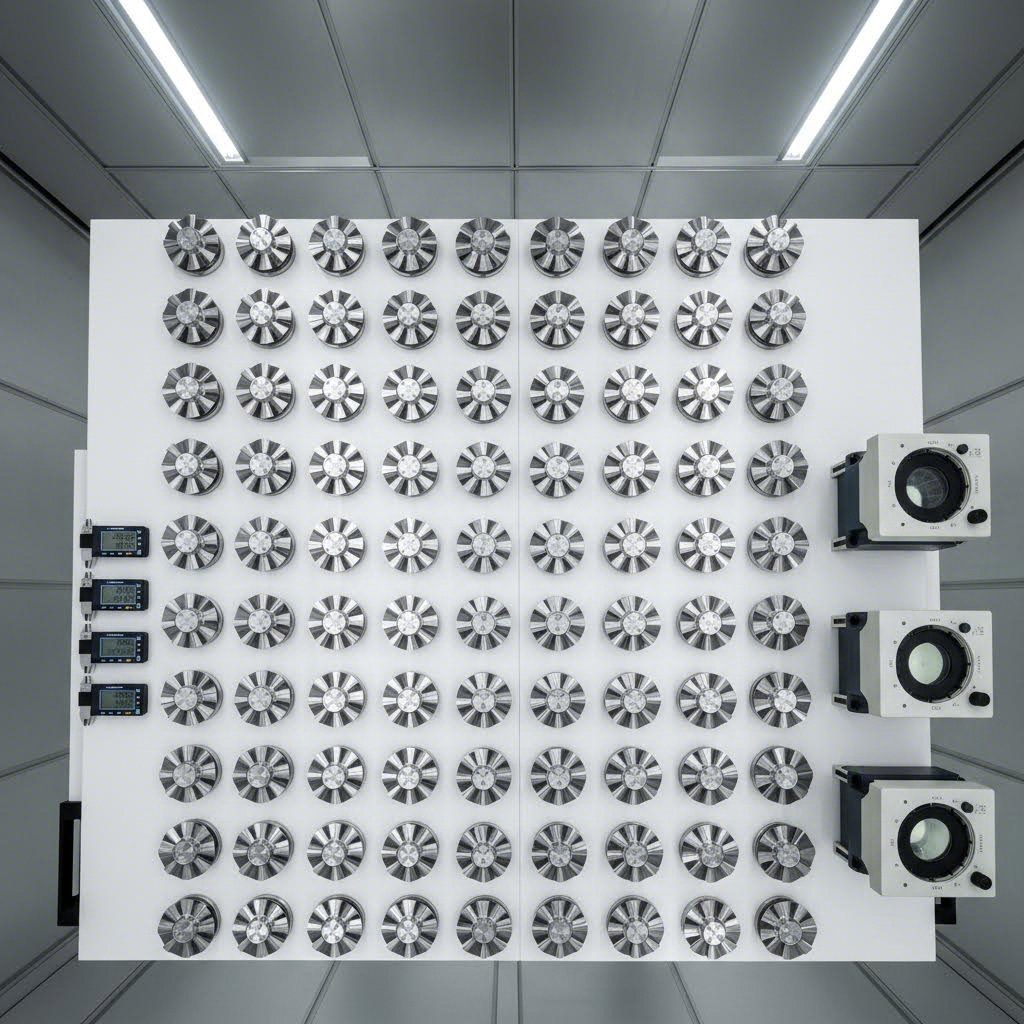
Nuo prototipo iki gamybos ir gamybos mastelio didinimo
Jūsų maketinis modelis sėkmingai išlaikė bandymus. Suinteresuotosios šalys džiūgauja, o klausimas dabar keičiasi nuo „ar tai veikia?“ į „kaip mes galime pagaminti tūkstančius tokių?“ Šis perėjimas nuo vieno maketinio modelio prie masinės gamybos yra tas etapas, kuriame daugelis produktų kūrimo procesų susiduria su sunkumais – ir kuris tikrai apmoka pasirinkus tinkamą CNC maketinio modelio gamybos partnerį.
Pagal „Fictiv“ duomenis, produktų inžinerinis projektavimas maketiniam modeliui ir jų inžinerinis projektavimas gamybai gali labai skirtis. Geri gamybos partneriai įneša į stalą gamybos patogumo projektavimo (DFM) ir tiekimo grandinės projektavimo (DfSC) ekspertizę – padedančią išvengti brangios pakartotinės konstravimo ir vėlavimų vėlesnėse stadijose.
Perėjimas nuo vieno maketinio modelio prie serijinės gamybos
Šuolis nuo CNC maketinio modeliavimo prie pilnos gamybos apimties nėra tik paprastas detalių skaičiaus padidinimas. Tai esminis pokytis gamybos organizavimo, optimizavimo ir kontrolės būduose. Štai kas keičiasi:
- Proceso patvirtinimas: Kas veikė dešimties dalių atveju, turi veikti nuosekliai ir dešimties tūkstančių atveju. Tam reikia dokumentuoti kiekvieną parametrą, įrankį ir konfigūracijos sprendimą.
- Kokybės sistemos: Pagal Fictiv, palaikyti aukštus kokybės standartus masinėje gamyboje yra esminis – stiprios kokybės kontrolės sistemos, sukurtos ankstesnėse gamybos stadijose, užtikrina gaminio vientisumą ir klientų patenkinamumą.
- Tiekimo grandinės pasiruoštumas: Medžiagų tiekimo strategija keičiama nuo vienkartinio pirkimo prie suplanuoto atsargų valdymo, todėl reikia kvalifikuoti tiekėjus ir turėti alternatyvių tiekėjų šaltinius.
- Kainos optimizavimas: Ciklo trukmės sutrumpinimai, tvirtinimo įrenginių patobulinimai ir technologinių procesų tobulinimai, kurie nebuvo svarbūs prototipams, tampa kritiškai svarbūs masinei gamybai.
Pagal UPTIVE Advanced Manufacturing, mažojo tūrio gamyba yra esminis tiltas tarp prototipavimo ir visiškos gamybos apimties. Ji padeda aptikti konstrukcijos, gamybos ar kokybės problemas, patvirtinti technologinius procesus, nustatyti susidėjimo taškus ir įvertinti tiekėjų veiklos rezultatus.
Išmintingiausias požiūris? Dirbti su partneriu, kurio CNC prototipavimo įrenginių galimybės apima ir masinę gamybą. Tokios gamybos vietos kaip Shaoyi Metal Technology suprojektuotos taip, kad be problemų būtų galima peraugti nuo greito prototipavimo prie masinės gamybos – ypač automobilių pritaikymams, tokiems kaip rėmo surinkimai ir specialūs metaliniai įvorės. Ši integracija pašalina rizikingą perduodamumą tarp prototipavimo ir gamybos tiekėjų.
Vertingiausias prototipavimo partneris – ne tik tas, kuris pristato puikius pirmuosius gaminius, bet ir tas, kuris gali nuvesti jūsų projektą nuo pradinės idėjos iki gamybos paleidimo, neprarandant impulso, kokybės ar įmonės kaupiamos žinios.
Projekto atsiliepimai, pagerinantys gamybos galimybes
Štai realybė, kuri daugelį komandų priverčia nustebti: projektas, kuris puikiai apdirbamas kaip prototipas, gamybos mastu gali būti neefektyvus ar net problemiškas. Pagal Arshon Technology dFM – tai produkto formavimo disciplina, kurios tikslas – užtikrinti, kad produktas būtų galima gaminti pakartotinai, su stabilia kokybe ir prognozuojama kaina realiose gamyklose.
Veiksmingi greitojo prototipavimo CNC apdirbimo partneriai pateikia DFM atsiliepimus, kurie ankstyvoje stadijoje atsižvelgia į gamybos realijas:
- Detalių supaprastinimas: Sudėtingų geometrijų nustatymas, kurios padidina sąnaudas be funkcinių privalumų
- Tolerancijų optimizavimas: Neesminių matmenų palengvinimas, kad būtų pagerinta gamybos našumas ir sumažintas kontrolės krūvis
- Medžiagų standartizavimas: Rekomenduojamos medžiagos rūšys, kurios svarstomos atsižvelgiant į jų našumą, prieinamumą ir kainą masinei gamybai
- Proceso pasirinkimas: Siūloma, kada alternatyvūs gamybos metodai (liejimas, kalimas, įpurškinimo formavimas) tampa ekonomiškesni
Pag according to Fictiv, bendradarbiaujant su gamybos ekspertu nuo pat pradžių galima gauti DFM atsiliepimus, kurie atsižvelgia į galutinę gamybą. Pavyzdžiui, pasirenkant prototipavimo medžiagas, kurios artimos galutinėms gamybos medžiagoms, užtikrinamas sklandus perėjimas – taip padidinama efektyvumas ir sumažinami su medžiagomis susiję iššūkiai didėjant projektų mastams.
Tom Smith, vyresnysis produktų valdytojas įmonėje Fictiv, pabrėžia supratimo reikšmę dėl surinkimo projektavimo (DFA) per šį pereinamąjį laikotarpį. Pagal Smith, tai padeda sumažinti problemas, kylančias didelės apimties gamybos metu – ypač iššūkius, susijusius su rankiniu prototipų surinkimu ir pereinant prie automatizuotų gamybos linijų bei robotų.
Norėdami gauti greitą apdirbimą paslaugas, kurios tikrai palaiko jūsų plėtros ciklą, ieškokite partnerių, kurie ankstyvoje stadijoje užduoda teisingus klausimus: kokių gamybos apimčių jūs tikimasi? Kokia yra jūsų tikslinė kaina už vieną detalę? Kaip bus montuojamos šios detalės? Šie atsakymai formuoja DFM rekomendacijas, kurios užtikrina sėkmingą gamybą – o ne tik patvirtina prototipą.
Kelias nuo pirmojo maketo iki gamybos paleidimo išbando kiekvieną jūsų priimtą sprendimą. Tačiau turint tinkamą partnerį – tokį, kuris sujungia greito maketavimo greitį su gamybai paruoštomis kokybės sistemomis – šis pereinamasis etapas tampa natūraliu tobulėjimu, o ne stresu keliančiu perduodamu darbu. Jūsų maketo sėkmė virsta gamybos realybe.
Dažniausiai užduodami klausimai apie maketavimo mašinų dirbtuves
1. Kas yra maketavimo dirbtuvė?
Maketavimo dirbtuvė – tai specializuota gamybos įmonė, įranga kurioje apima pažangią CNC įrangą ir technologijas, skirtas greitai gaminti nedidelius maketų ar atskirų detalių partijas. Skirtingai nuo tradicinių gamybos įmonių, kurios orientuojasi į masinę gamybą, maketavimo dirbtuvės pirmiausia dėmesį skiria lankstumui, greičiui ir inžinerinei bendradarbiavimui. Jos puikiai tinka gaminti nuo vienos iki kelių šimtų detalių, teikia atsiliepimus dėl gamybos patogumo projektavime (DFM) ir gali priimti projekto viduryje atsirandančius konstrukcinius pakeitimus be standartinės gamybos linijų standžių parengties reikalavimų.
2. Kiek mechanikai moka už valandą?
CNC apdirbimo valandiniai įkainiai labai skiriasi priklausomai nuo mašinos tipo ir sudėtingumo. Vidutinio dydžio CNC sukimosi staklės paprastai kainuoja 50–110 JAV dolerių už valandą, o horizontaliosios CNC frezavimo staklės – 80–150 JAV dolerių už valandą. Sudėtingesnės 5 ašių CNC staklės kainuoja nuo 120 iki 300+ JAV dolerių už valandą, o Šveicarijos sukimosi staklės – 100–250 JAV dolerių už valandą. Šie įkainiai atspindi įrangos kaštus, operatoriaus specialybę ir tikslumo galimybes. Prototipų gamybos atveju bendros projekto sąnaudos priklauso ne tik nuo valandinių įkainių, bet ir nuo paruošimo laiko, medžiagos pasirinkimo, tikslumo reikalavimų bei papildomų operacijų.
3. Kiek laiko paprastai trunka CNC prototipų apdirbimas?
CNC prototipų apdirbimo pristatymo laikai paprastai svyruoja nuo 2 iki 15 darbo dienų, priklausomai nuo sudėtingumo. Paprasti detalės, reikalaujančios 1–2 įrengimų, gali būti pristatytos per 2–7 dienas, o vidutinio sudėtingumo detalės – per 7–10 dienų. Aukšto sudėtingumo komponentai su tiksliais tolerancijomis gali reikalauti 10–15 darbo dienų. Greitasis aptarnavimas gali sutrumpinti šiuos terminus 30–50 % už papildomą kainą. Taip pat pristatymo grafiką veikia medžiagų prieinamumas, tolerancijų reikalavimai bei antrinės operacijos, tokios kaip anodavimas arba termoinicija.
4. Kokius failų formatus priima prototipų apdirbimo įmonės?
Dauguma prototipų gamybos įmonių pageidauja STEP (.stp, .step) failų kaip pramonės standarto CNC apdirbimui, nes jie išsaugo tikslų geometrinį modelį ir veikia beveik su visais CAM programiniais įrankiais. IGES failai taip pat plačiai priimami. Be to, pateikite 2D techninį brėžinį PDF formatu su leistinųjų nuokrypių nurodymais, sriegių specifikacijomis ir paviršiaus apdorojimo reikalavimais. STL failų vengti tikslaus CNC apdirbimo tikslais, nes jie neturi matematinio tikslumo. Jei įmonė tai palaiko, gali būti priimti natūralūs CAD failai iš SolidWorks, Inventor arba Fusion 360.
5. Kaip pasirinkti tarp CNC apdirbimo ir 3D spausdinimo prototipams?
Pasirinkite CNC apdirbimą, kai reikia didelės tikslumo (±0,001 colio tikslumo ribų), funkcinės maketinės pavyzdžių įtempimo bandymams, metalinių detalių, reikalaujančių ilgaamžiškumo, arba medžiagų savybių, identiškų gamybos detalėms. Pasirinkite 3D spausdinimą greitam projektavimo variantų koregavimui, sudėtingoms geometrijoms su vidinėmis savybėmis, lengvosioms konstrukcijoms arba nebrangiams sąvokos modeliams. Daugelis sėkmingų projektų derina abi šias technologijas – 3D spausdinimą naudoja ankstyvojo etapo patvirtinimui, o CNC apdirbimą – galutiniam funkciniam bandymui su gamybai atitinkančiomis medžiagomis.