 Small batches, high standards. Our rapid prototyping service makes validation faster and easier —
  EN
EN


Originalios ir neoriginalios valdymo svirtys: meistro analizė
TRUMPAI
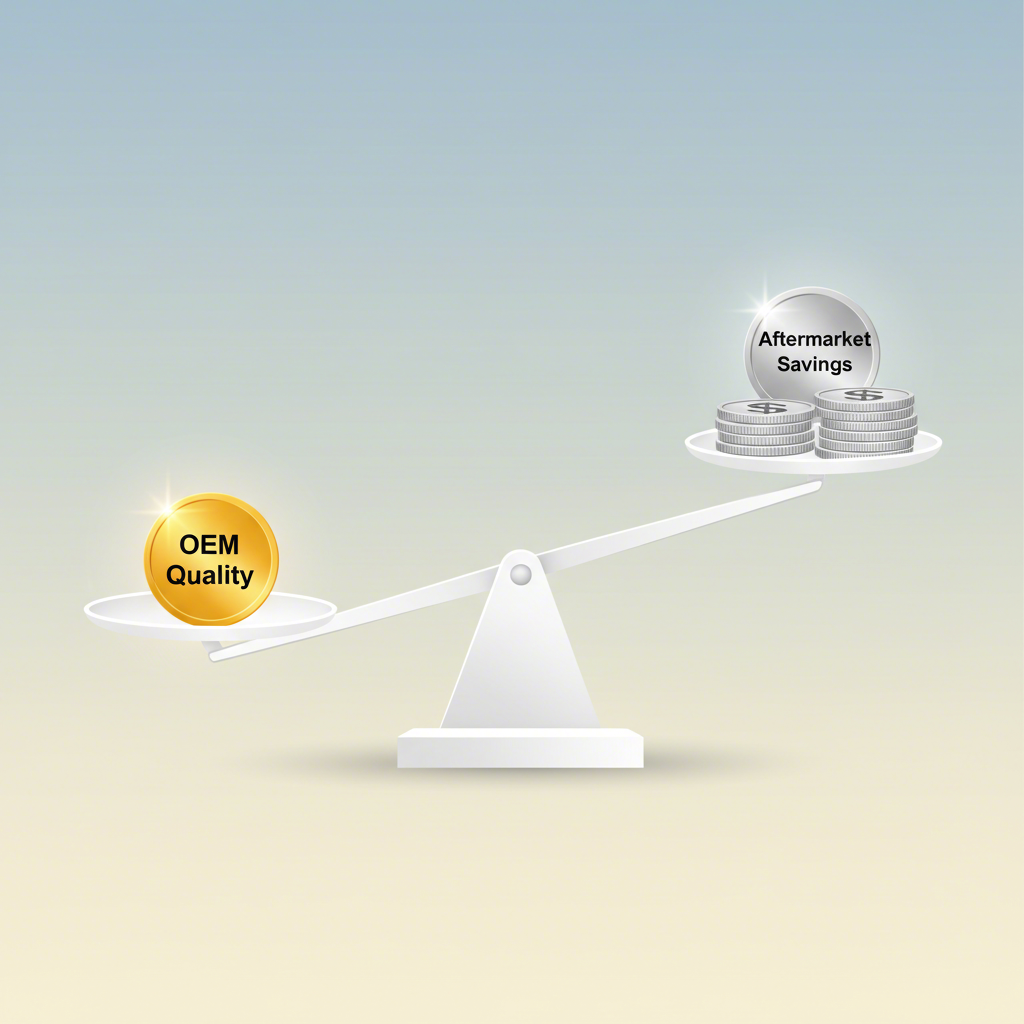
Pasirinkimas tarp OEM ir priedangos rinkos štampuoto plieno valdymo svarių yra kompromisas tarp kainos ir nuoseklumo. OEM (Originalios Įrangos Gamintojo) detalės garantuoja idealų pritaikymą ir žinomą kokybę už aukštesnę kainą. Priedangos rinkos detalės siūlo didelę kainos taupymo galimybę ir potencialius konstrukcijos patobulinimus, tačiau jų kokybė kinta priklausomai nuo prekės ženklo. Jūsų sprendimas turėtų būti grindžiamas jūsų transporto priemonės amžiumi, biudžetu ir tuo, kiek ilgai planuojate ją naudoti.
Pagrindinio ginčo supratimas: OEM ir priedangos rinkos filosofija
Keičiant svarbų pakabos komponentą, pvz., valdymo svirtį, pirmas svarbus sprendimas – ar laikytis originalaus gamintojo detalės (OEM), ar pasirinkti plačią rinkoje prieinamų alternatyvų įvairovę. Šiuos du variantus lemia esminiai inžineriniai ir verslo filosofijos skirtumai. Šių skirtumų supratimas yra svarbus, kad galėtumėte priimti pagrįstą sprendimą dėl savo transporto priemonės.
OEM detalės – tai tos, kurios sumontuojamos gamykloje ant surinkimo linijos. Pagal pakabos ekspertus Mevotech , OEM pagrindiniai rūpesčiai – tai pradinės kokybės, kuro efektyvumo sumetimais svaraus svorio ir naujos garantuojamos transporto priemonės gamybos kainos suderinimas. Detalė suprojektuota patikimai veikti tam tikrą laiką, tačiau nebūtinai yra pati patikimiausia versija visam transporto priemonės eksploatacijos laikui.
Priešingai, atsarginių dalių rinkos tikslas – sukurti ilgaamžį remonto sprendimą. Atsarginių dalių tiekėjai turi pranašumą – galimybę atsižvelgti į ankstesnę patirtį; jie gali analizuoti detales, kurios jau metus veikė kelyje, ir nustatyti dažniausius gedimų taškus. Tai leidžia jiems iš naujo suprojektuoti komponentus, kad būtų pašalinti pradiniai konstrukcijos trūkumai, naudoti patvaresnes medžiagas arba pridėti tokių funkcijų kaip tepimo galimybę turintys jungtys, kad būtų pailgintas tarnavimo laikas. Ilgaamžiškumas yra vienas iš pagrindinių daugelio aukščiausios kokybės atsarginių dalių prekių ženklų principų.
Didžiausia ir akivaizdžiausia daugumai vartotojų skirtumas – kaina. Forumų diskusijos dažnai pabrėžia šį skirtumą, vienas vartotojas iš BobIsTheOilGuy forumo paminėjo, kad OEM Hondos valdymo svirtys kainuoja po 325 JAV dolerius, tuo tarpu atsarginių dalių alternatyvos iš tokių prekių ženklų kaip Moog ir Mevotech kainuoja apie 80 dolerių. Šis ryškus kainų skirtumas daro atsargines detales labai patraukliu pasirinkimu, ypač senesniems automobiliams, kuriuose brangi OEM detalė gali būti nepraktiška investicija.
| Funkcija | OEM valdymo svirtys | Ankstesnio nuosavybės valdymo svirtys |
|---|---|---|
| Privalumai | Užtikrintas tikslus pritaikymas ir suderinamumas; Nuolatinė, žinoma kokybė; Paprastas, tiesioginis pakaitalas. | Žymiai mažesnė kaina; Galimybė pagerinti konstrukciją ir medžiagas; Platesnis prieinamumas ir daugiau parinkčių. |
| Trūkumai | Dažniausiai žymiai aukštesnė kaina; Gali išlaikyti pradinius konstrukcijos trūkumus; Fiksuojančios detalės dažnai parduodamos atskirai. | Kokybė gali skirtis priklausomai nuo gamintojo; Per daug pasirinkimų; Gali priglusti ne taip tiksliai kaip OEM detalės. |
Medžiaga ir konstrukcija: Išspaudžiamasis plienas, kovinis ir vamzdinis gaminiai
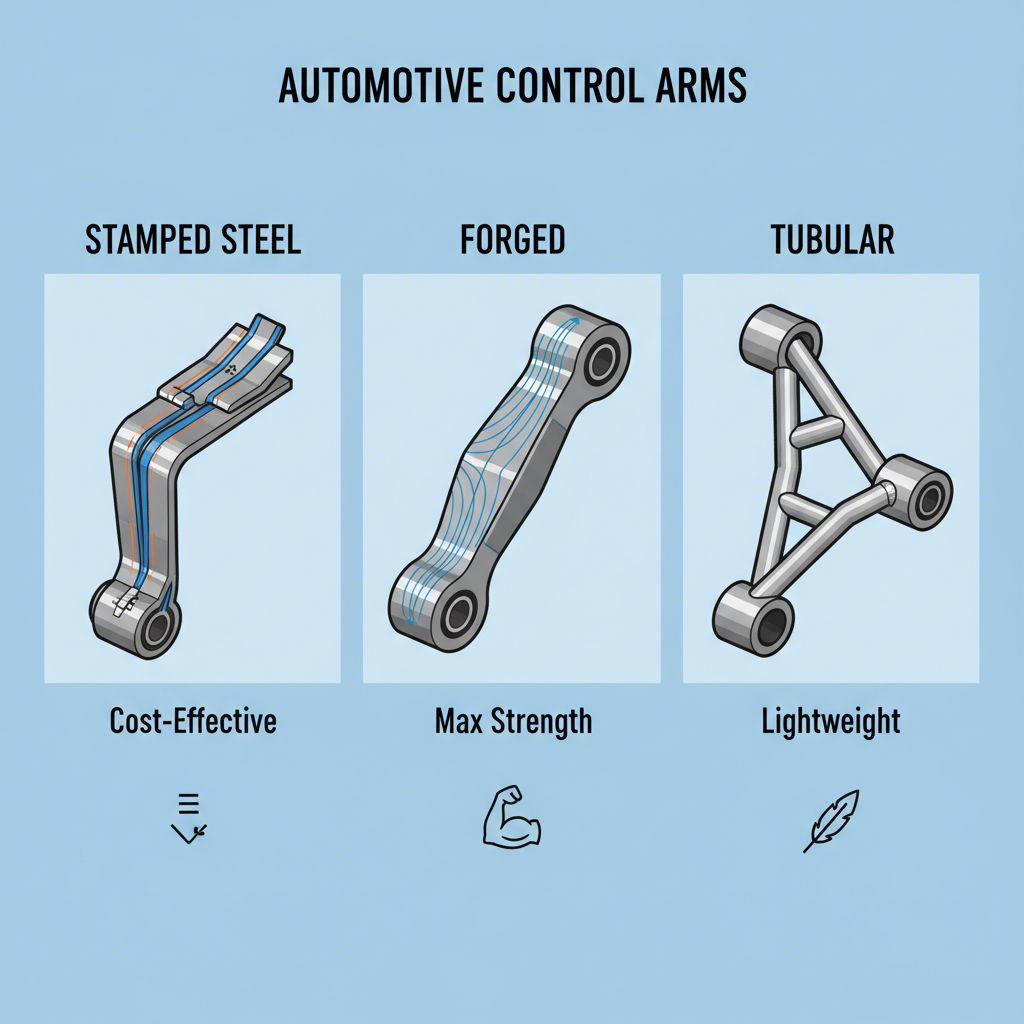
Ne visos valdymo svirtys yra vienodos. Medžiaga ir gamybos metodas labai įtakoja valdymo svirties stiprumą, svorį ir kainą. Nors jūsų automobilyje tikriausiai yra išspaudžiamosios plieno svirtys, svarbu suprasti alternatyvas, su kuriomis galite susidurti, ypač rinkoje po gamyklinės garantijos
Išspaustas plienas: Tai yra dažniausias tipas masinės gamybos transporto priemonėms. Jis apima plieno lakštų priešinimą ir suvirinimą į norimą U-formos kanalo formą. Šis metodas yra labai ekonomiškas, todėl jį pageidauja OEM gamintojai. Automobilių gamintojams ir aukščiausios kokybės rinkos prekių ženklams tiekėjai, tokie kaip Shaoyi (Ningbo) Metal Technology Co., Ltd. specializuojasi šių didelės tikslumo lygio išspaudimo detalių gamyboje, užtikrindami, kad jos atitiktų griežtus IATF 16949 kokybės standartus. Nepaisant kartais „nepatrauklaus išvaizdos“, kaip pastebėjo vartotojas iš Wrangler TJ Forum , OEM išspaudimo rankenos dažnai yra netikėtai patvarios ir gerai suprojektuotos savo paskirčiai.
Kaluotas: Kaluotos valdymo rankenos gaminamos, į formas suspaudžiant įkaitintą metalo gabalą. Šis procesas sulygina metalo vidinę grūdelinę struktūrą, todėl detalė yra žymiai stipresnė ir atsparesnė nuovargiui nei išspaudžiamos ar liejamos alternatyvos. Dėl to jos yra idealios sunkiasvoriams sunkvežimiams, off-road transporto priemonėms ar aukštos našumo sritims, kur būtinas maksimalus stiprumas.
Vamzdinis: Daugiausia randami naudotiems automobiliams, vamzdiniai svirties gaminami suvirinant plieninius vamzdelius. Ši konstrukcija siūlo puikų kietumo ir mažesnės masės santykį, palyginti su vientisais išspaustomis ar kuojamomis svarstymo svertais. Jie yra populiarus patobulinimas klasikiniams automobiliams ir lenktyniavimo taikymui, siekiant pagerinti valdymą ir pakabos reakciją.
Be plieno, kai kurios svirtys gaminamos iš aliuminio. Kaip detalizuota palyginime, Metrix Premium Parts , aliuminis yra žymiai lengvesnis, kas sumažina nesuspensuotą masę ir gali pagerinti valdymą bei važiavimo kokybę. Tačiau plienas paprastai yra stipresnis, ilgaamžiškesnis ir pigesnis, todėl tampa pagrindiniu pasirinkimu daugumai kasdien važinėjančių vairuotojų.
- Jėga: Kuojamas > Vamzdinis > Išspaudžiamas plienas
- Kaina: Išspaudžiamas plienas < Vamzdinis < Kuojamas
- Masė (bendrai): Aliuminis < Vamzdinis plienas < Išspaudžiamas plienas < Kuojamas plienas
Pagrindiniai pasirinkimo veiksniai: kaina, ilgaamžiškumas ir montavimas
Galų gale jūsų pasirinkimas tarp OEM ir neoriginalių valdymo svirtų priklausys nuo kelių praktinių veiksnių: biudžeto, to, kiek ilgai tikėtina, kad remontas išlaikys, ir montavimo paprastumo. Šie trys veiksniai yra susiję tarpusavyje ir reikalauja atidžios jūsų asmeninės situacijos įvertinimo.
Kaina yra paprasčiausias veiksnys. Kaip nustatyta, OEM detalės turi didelį pranašumą kainoje. Jei turite ribotą biudžetą arba remontuojate senesnį automobilį su žemesne pardavimo verte, neoriginalių detalių sutaupymai nepastebėti palikti sunku. Tačiau šie pradiniai sutaupymai turi būti sveriami prieš galimas ilgalaikes išlaidas. Kai kurie forumo vartotojai teigia, kad nors OEM detalės yra brangios, jos užtikrina tam tikrą tarnavimo laiką, tuo tarpu blogos kokybės neoriginali detalė gali sugesti anksčiau laiko, todėl tektų antrą kartą mokėti už detalę ir darbus.
Ištvermė yra sudėtingesnė problema. Nors OEM detalės siūlo nuoseklią kokybę, jos ne visada yra nepriekaištingos. Kartais pradinė detalė gali turėti žinomą konstrukcinę klaidą, dėl kurios ji sugenda anksčiau laiko. Aukštos kokybės alternatyvių detalių gamintojas šią klaidą gali būti pašalinęs, siūlydamas detalę, kuri iš tiesų tarnauja ilgiau nei originalas. Alternatyvių detalių gamintojai dažnai prideda funkcijų, kurios padidina ištvermę, pavyzdžiui, naudoja sinteriuoto metalo guolius vietoj plastikinių, taiko patvaresnius anti-korozijos denginius ir įtraukia tepiamus srieginius, kuriuos galima papildomai sutepti, kad būtų išpūstos teršalų dalelės.
Galiausiai apsvarstykite montavimo procesą. Mevotech paminėta dažnai nepastebima nauda, susijusi su atsarginėmis dalimis iš trečiųjų šalių, yra ta, kad jos dažnai būna komplektuojamos kaip pilnas rinkinys, įskaitant naujas veržles, varžtus ir kitus būtinus tvirtinimo elementus. OEM detalėms šie tvirtinimo elementai beveik visada parduodami atskirai, todėl darbas kainuoja brangiau ir tampa sudėtingesnis. Jei esate savarankiškai remontuojantis mechanikas, turėdami visus naujus tvirtinimo elementus vietoje galėsite išvengti papildomo kelionės į detalių parduotuvę ir užtikrinti sklandesnį montavimą.
Kad padarytumėte geriausią pasirinkimą, sau užduokite šiuos klausimus:
- Koks yra mano bendras biudžetas šiam remontui (detalės ir darbas)?
- Kiek dar metų ar kilometrų planuoju važinėti šiuo transporto priemone?
- Ar šis transporto priemonė naudojama standartiniam kasdieniam važinėjimui ar sunkiasvoriams / našumo reikalavimams?
- Ar aš pats atlieku remontą, ar tai daro profesionali dirbtuvė?
Navigacija tarp atsarginių dalių prekių ženklų: kokybiškų variantų nustatymas
Pasirinkti naudoti aukštesnės kokybės pakaitinį valdymo svirties elementą yra tik pirmas žingsnis. Terminas „pakaitinis“ apima milžinišką produktų asortimentą – nuo aukštos kokybės inžinerinių sprendimų iki pigių, nestovių kopijų. Sėkmingam pakaitinės detalės remontui svarbiausia – išmokti atpažinti patikimą prekės ženklą ir aukštos kokybės detalę.
Galimybių daugybė gali būti bauginanti. Prekės ženklai, tokie kaip Mevotech ir Moog, vartotojų diskusijose dažnai minimi kaip populiarūs OEM alternatyvų variantai. Tačiau net vienos prekės ženklo produktų asortimente kokybė gali skirtis, nes dažnai siūlomos skirtingos kokybės kategorijos, pvz., „ekonomikos“, „premium“ ar „problemas sprendžiančios“ serijos. Ypač svarbu išsiaiškinti konkrečios jūsų automobiliui tinkamos detalės numerio kokybę.
Kokybiškas antraeilės rinkos detalė dažnai išsiskiria aiškiu patobulinimu palyginti su pradine konstrukcija. Atkreipkite dėmesį į bruožus, kurie rodo dėmesį ilgaamšiškumui ir našumui. Tai gali apimti patobulintų medžiagų naudojimą, pavyzdžiui, sinteriuoto metalo guolius rutulinėms jungtims vietoj OEM plastikinių (polimerinių) įdėklų, tepimo angų (Zerk) įtraukimą, leidžiantį periodinę priežiūrą, bei patobulintas dengimo dėkles, gerinančias korozijos atsparumą. Gamintojas, atvirai kalbantis apie savo inžinerinius sprendimus ir medžiagų pasirinkimą, dažnai yra geras ženklas.
Geriausias šaltinis, padedantis įvertinti antraeilės rinkos prekės ženklus, yra kitų savininkų kaupiamas patirtis. Skirkite laiko skaityti apžvalgas ir forumų diskusijas, susijusias su jūsų automobilio modeliu. Savininkai dažnai būna labai atviri kalbėdami, kurie prekės ženklai pasiteisino, o kurie anksčiau laukiamo sugedo. Ši realaus pasaulio atsiliepimų grįžtamoji informacija yra nepakankamai vertinama, atskiriant kokybiškas detales nuo tų, kurios ateityje sukels jums problemų.
Atlikite šiuos veiksmus, kad pasirinktumėte kokybišką neoriginalios kilmės valdymo svirtį:
- Nustatykite patikimas prekines žymes: Pradėkite ieškodami prekinių žymių, kurios dažnai rekomenduojamos forumuose ir patikimų mechanikų jūsų konkrečiam automobiliui.
- Skaitykite dalių apžvalgas: Nepasikliaukite tik prekinės žymės bendra reputacija. Ieškokite apžvalgų apie tiksliai tą valdymo svirties detalės numerį, kurį ketinate pirkti.
- Palyginkite savybes: Peržiūrėkite produkto aprašymą ir nuotraukas. Ar siūloma aiškių patobulinimų palyginti su OEM detale, pvz., aptarnaujamų jungčių ar geresnių medžiagų?
- Patikrinkite garantiją: Ilgesnė ir išsamesnė garantija yra stiprus gamintojo pasitikėjimo savo produkto ilgaamumi rodiklis.
Dažniausiai užduodami klausimai
1. Ar geriau naudoti OEM ar neoriginalios kilmės dalis?
Nėra vieno atsakymo. OEM detalės siūlo garantuotą kokybę, idealų prigludimą ir paprastą keitimo procesą, tačiau už aukštą kainą. Rinkos po gamintojo detalės yra žymiai pigesnės ir gali siūlyti konstrukcinių patobulinimų, tačiau jų kokybė skirtingų prekių ženklų atveju yra nevienoda. Geriausias pasirinkimas priklauso nuo jūsų biudžeto, kiek ilgai planuojate naudoti transporto priemonę ir nuo pasiruošimo tyrinėti aukštos kokybės rinkos po gamintojo prekių ženklus.
2. Kuo skiriasi štampuoti ir kuoduoti puspavariai?
Pagrindžiausia skirtumas – tai stiprumas ir gamybos procesas. Štampuoti svirties strypai gaminami spaudžiant ir suvirinant plieno lakštus, todėl jie yra ekonomiškesni, bet silpnesni. Kovanos būdu gaminamos svirties strypai gaminami, karštą metalą įspaudžiant į formą, dėl ko išsilygina metalo grūdelių struktūra, o galutinė detalė tampa išskirtinai stipri ir atspari nuovargiui. Kovanos būdas yra brangesnis procesas, taikomas ten, kur reikalinga maksimali ilgaamžiškumas.