 Small batches, high standards. Our rapid prototyping service makes validation faster and easier —
  EN
EN

- Qualifica dei fornitori di stampaggio metallico per il settore automobilistico in 5 passaggi
- Stampaggio metallico per l'industria automobilistica: processi, applicazioni e standard di qualità
- Quanto Costano le Lamiere Automobilistiche? Prezzo per Pezzo vs. Attrezzature
- Riduci i Costi di Estrusione dell'Alluminio con 5 Fondamentali Consigli DFM

Lamiere tagliate su misura: dalla prima misurazione al componente finito
Time : 2026-01-21
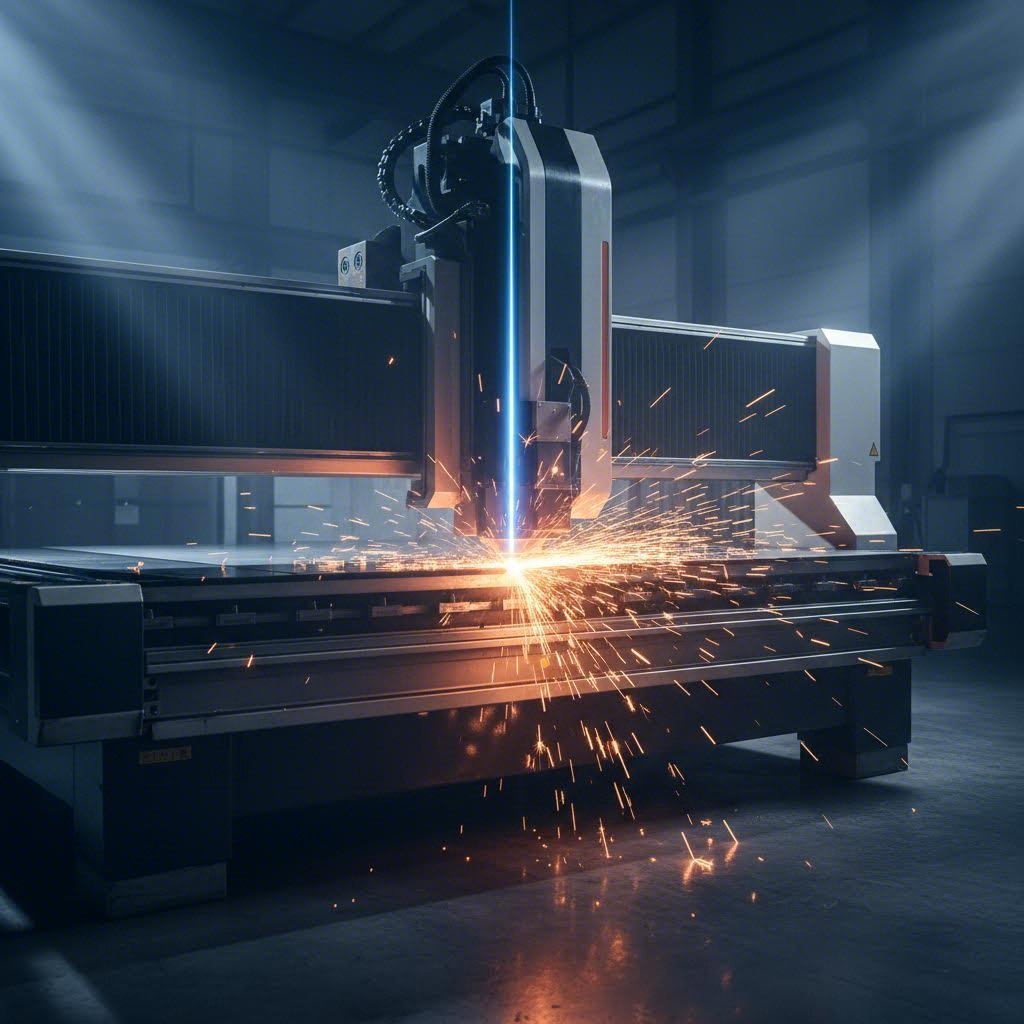
Capire la lamiera tagliata su misura e perché la precisione è fondamentale
Ti sei mai soffermato a guardare una lamiera standard chiedendoti come i produttori riescano a trasformarla in componenti perfettamente dimensionati, utilizzati tanto per pannelli aeronautici quanto per progetti personalizzati in garage? Questa trasformazione avviene mediante la lamiera tagliata su misura: un processo che prende il materiale grezzo e lo modella esattamente in base alle tue esigenze, né più né meno.
La lamiera tagliata su misura indica il processo produttivo in cui le lamiere piane vengono tagliate con dimensioni e forme precise in base a specifiche richieste del cliente. A differenza dell’acquisto di lamiere preformate, che raramente corrispondono esattamente alle tue necessità, questo approccio fornisce componenti pronti all’uso nella tua applicazione. Il risultato? Minor spreco di materiale, ridotta necessità di lavorazioni secondarie e parti che si adattano perfettamente già al primo montaggio.
Che cosa distingue la lamiera tagliata su misura
Le lamiere standard sono disponibili in dimensioni predeterminate—4x8 piedi, 4x10 piedi e altre dimensioni standard del settore. Quando il vostro progetto richiede un supporto di 7,25 pollici per 12,5 pollici con fori posizionati in modo specifico, avete due opzioni: acquistare materiale di dimensioni maggiorate e sprecare ciò che non serve, oppure ordinare pezzi tagliati su misura che arrivano pronti per essere installati.
La differenza risiede nella precisione. La moderna lavorazione delle lamiere utilizza utensili di taglio computerizzati—laser, getti d'acqua e sistemi al plasma—che seguono file CAD con notevole accuratezza. Secondo esperti del settore manifatturiero, questi utensili di taglio computerizzati tagliano le lamiere in forme precise , consentendo tolleranze che i metodi manuali semplicemente non possono raggiungere.
Questa precisione è importante sia che siate un produttore industriale che realizza migliaia di parti identiche, sia un hobbista che costruisce un singolo contenitore personalizzato. Entrambi i tipi di utenti traggono vantaggio dal ricevere componenti che corrispondono esattamente alle loro specifiche.
Dalla materia prima al componente di precisione
Pensa al taglio su misura come al ponte fondamentale tra materie prime e componenti finiti. Una lamiera piana ha un potenziale, ma è il processo di taglio a renderla utile per la tua specifica applicazione.
La lavorazione personalizzata del metallo trasforma lamiere standard in componenti che soddisfano precise specifiche tecniche, eliminando gli sprechi, riducendo le lavorazioni secondarie e fornendo parti pronte all'uso che si adattano perfettamente all'applicazione prevista.
I vantaggi vanno oltre la semplice comodità:
- Eliminazione degli sprechi: Paghi solo il materiale di cui hai effettivamente bisogno, non lastre troppo grandi che finirebbero nel cestino degli scarti
- Minore utilizzo di manodopera: I pezzi arrivano pronti per essere assemblati o installati, senza necessità di ulteriori rifiniture o modifiche
- Coerenza: Quando si ordinano più pezzi, ciascuno corrisponde esattamente agli altri, elemento fondamentale per montaggi che richiedono componenti intercambiabili
- Flessibilità di design: Forme complesse, curve e fori diventano realizzabili senza l'impiego di apparecchiature specializzate in sede
Per applicazioni industriali, il metallo tagliato su misura consente una produzione efficiente di supporti, involucri, pannelli e componenti strutturali in settori che vanno dall'HVAC all'aerospaziale. I produttori di dispositivi medici si affidano all'acciaio inossidabile tagliato con precisione per strumenti chirurgici. I fornitori del settore automobilistico necessitano di migliaia di parti stampate identiche.
Anche gli hobbisti e gli appassionati fai-da-te traggono pari vantaggi. State costruendo un involucro personalizzato per l'elettronica? State restaurando un veicolo d'epoca? State realizzando installazioni artistiche? Il taglio su misura offre accesso a una precisione professionale senza richiedere investimenti in attrezzature costose. Inviate le vostre specifiche e i produttori vi consegnano lamiere di metallo finite, tagliate esattamente secondo il vostro progetto, pronte per essere piegate, saldate o installate direttamente.
Comprendere questo concetto fondamentale è essenziale per prendere decisioni informate sui metodi di taglio, sui materiali e sulle specifiche tecniche, argomenti che esploreremo nelle sezioni seguenti.
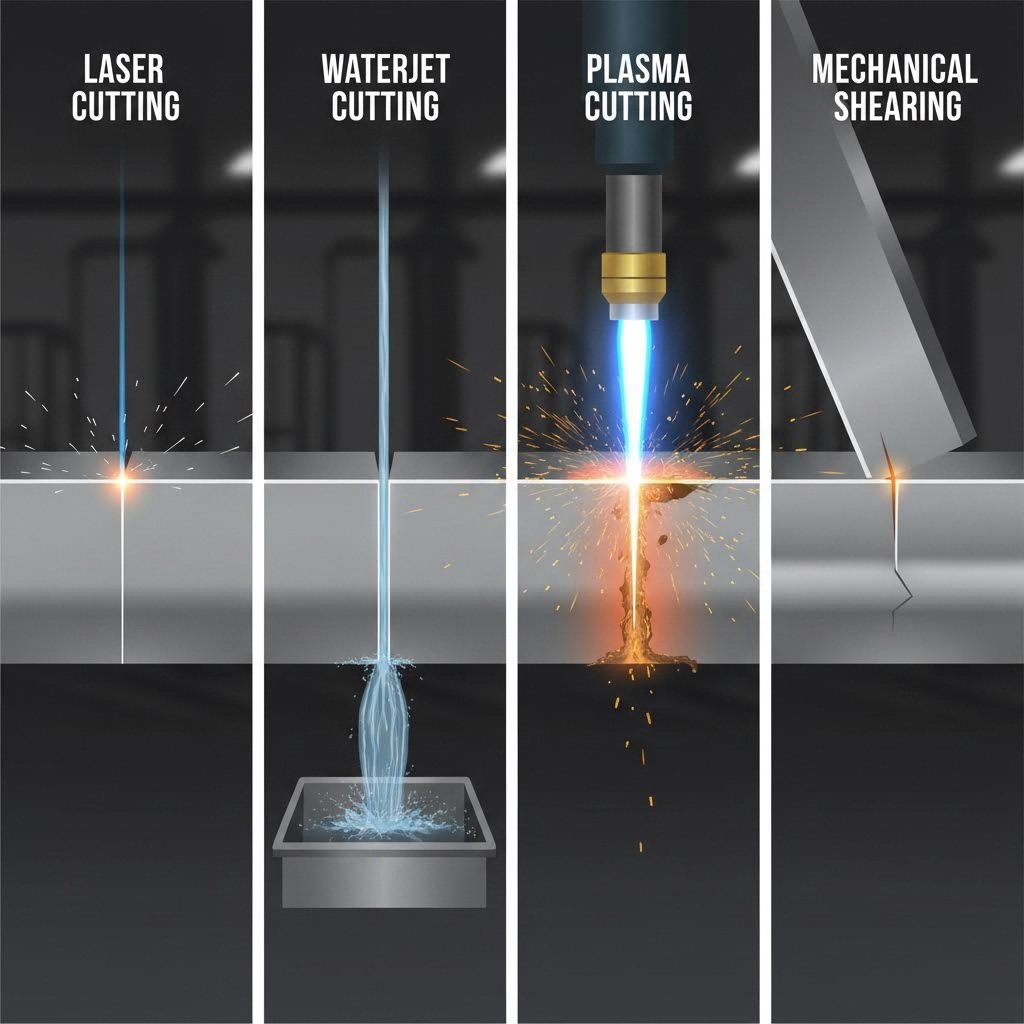
Confronto tra i metodi di taglio laser, waterjet, plasma e cesoiatura
Quindi hai deciso che la lamiera su misura è l'approccio giusto per il tuo progetto. Ora sorge la domanda cruciale: quale metodo di taglio specificare? La risposta influisce in modo significativo sulla qualità del pezzo, sui costi e sui tempi. Ogni tecnologia—taglio laser, waterjet, al plasma e cesoiatura meccanica—presenta punti di forza distinti, e comprenderne le differenze ti aiuta a prendere decisioni più consapevoli.
Pensala così: scegliere un metodo di taglio è come selezionare lo strumento giusto dal tuo cassetto degli attrezzi. Un martello funziona perfettamente per i chiodi, ma malissimo per le viti. Allo stesso modo, un taglio al laser eccelle nel lavoro dettagliato su materiali sottili, ma ha difficoltà con lastre d'acciaio da 2 pollici. Analizziamo nel dettaglio i punti di forza di ciascun metodo.
Taglio Laser per Lavorazioni di Precisione
Il taglio laser utilizza un fascio concentrato di luce intensa per fondere, bruciare o vaporizzare il metallo lungo un percorso controllato con precisione. Se il tuo progetto richiede motivi intricati, tolleranze strette o bordi eccezionalmente puliti, questa è spesso la scelta migliore.
Il taglio laser è particolarmente efficace quando si lavorano materiali di spessore sottile a medio, generalmente fino a circa 2,5 cm per l'acciaio. Secondo test del settore, il taglio laser è molto superiore per parti che richiedono fori piccoli, angoli vivi e dettagli fini. I produttori di dispositivi medici, costruttori di involucri per apparecchiature elettroniche e produttori di oggetti in metallo decorativi fanno ampio affidamento su questa tecnologia.
Cosa rende speciale il taglio laser?
- Precisione eccezionale: Tolleranze precise fino a ±0,005 pollici sono ottenibili su molti materiali
- Finitura minima richiesta: Il fascio focalizzato crea bordi lisci che spesso non necessitano di ulteriori lavorazioni
- Piccola larghezza di taglio: Il taglio stesso rimuove una quantità minima di materiale, massimizzando la superficie utilizzabile della lamiera
- Ripetibilità: I sistemi controllati da CNC producono parti identiche tagliate ripetutamente
Tuttavia, la tecnologia laser non è perfetta per ogni applicazione. I costi dell'attrezzatura e quelli operativi sono elevati, e l'efficienza cala notevolmente quando si tagliano metalli molto spessi. Se ti stai chiedendo come tagliare il plexiglass o come tagliare una lastra di acrilico, il taglio laser gestisce questi materiali in modo eccellente, anche se i parametri di potenza devono essere controllati con attenzione per evitare fusione o bruciature.
Confronto tra taglio a getto d'acqua e taglio al plasma
Quando i progetti coinvolgono materiali più spessi o leghe sensibili al calore, entrano in gioco il taglio a getto d'acqua e quello al plasma, ciascuno con un approccio fondamentalmente diverso.
Il taglio a getto d'acqua utilizza acqua ad alta pressione (spesso miscelata con particelle abrasive) per tagliare il materiale senza generare calore. Questo processo di taglio a freddo garantisce assenza di zone alterate termicamente, risultando ideale per componenti aerospaziali, leghe speciali e materiali che si deformerebbero o indurirebbero sotto stress termico. La tecnologia è in grado di lavorare praticamente qualsiasi materiale — metalli, pietra, vetro, compositi — con la stessa configurazione della macchina.
Il taglio al plasma adotta un approccio opposto, utilizzando un getto di gas elettricamente ionizzato riscaldato a temperature estreme per fondere e asportare metalli conduttivi. Quello che il plasma perde in termini di precisione, lo guadagna in velocità ed economicità, specialmente nell'impiego su lastre d'acciaio più spesse.
Valuta questi compromessi quando devi scegliere tra le due tecnologie:
- Sensibilità al calore: Il waterjet è preferibile quando è fondamentale mantenere inalterate le proprietà del materiale; il plasma crea una zona termicamente alterata che può modificare le caratteristiche del metallo nelle vicinanze del taglio
- Velocità: Il taglio al plasma opera da 3 a 4 volte più velocemente del waterjet su acciaio da 1 pollice
- Costi operativi: I sistemi al plasma costano all'incirca la metà al metro rispetto ai sistemi waterjet
- Versatilità dei Materiali: Il waterjet può tagliare materiali non conduttivi; il plasma funziona solo con metalli conduttivi
Per chi si chiede come tagliare il perspex o plastiche simili, il waterjet offre una soluzione pulita, senza i problemi legati al calore che potrebbero sciogliere o scolorire questi materiali.
Taglio meccanico per tagli diritti economici
Non trascurare il metodo più semplice nell'arsenale dei tagliametallo. La cesoiatura meccanica utilizza una lama per applicare una forza di taglio, rompendo il materiale lungo linee rette. È veloce, economica e altamente efficace per lo scopo previsto.
La cesoiatura è indicata quando i pezzi richiedono soltanto tagli lineari senza forme complesse. La produzione in grande volume di sagome rettangolari, nastri o profili semplici trae vantaggio dalla velocità e dai bassi costi operativi della cesoiatura. L'investimento in attrezzature è significativamente inferiore rispetto ai sistemi termici o a getto d'acqua.
Quali sono i limiti? La cesoiatura gestisce tipicamente materiali fino a circa 6 mm di spessore. La qualità del bordo può presentare leggeri bavetti che richiedono una finitura secondaria. E dimenticatevi di pattern complessi: questa tecnologia permette soltanto tagli diritti.
Confronto rapido tra metodi di taglio
Risulta più facile abbinare il metodo di taglio giusto ai requisiti del vostro progetto confrontando affiancati i fattori chiave. Questa tabella riassume ciò che ogni tecnologia offre:
| Fattore | Taglio laser | Taglio ad Acqua | Taglio al plasma | Taglio meccanico |
|---|---|---|---|---|
| Compatibilità materiale | Metalli, plastiche, legno, ceramiche | Quasi tutti i materiali (metalli, pietra, vetro, compositi) | Solo metalli conduttivi (acciaio, alluminio, rame) | Lamiere (acciaio, alluminio, inox) |
| Gamma di spessori | Ideale per spessori sottili fino a medi (fino a ~1") | Eccellente per materiali spessi (possibile fino a 6"+) | Ottimale per acciaio da 1/2" a 2"+ | Tipicamente fino a 1/4" (6 mm) |
| Qualità del bordo | Eccellente; superficie liscia, richiede finitura minima | Molto buona; superficie liscia con bave minime | Più ruvida; richiede spesso post-lavorazione | Discreta; può presentare leggere bave |
| Zona termicamente alterata | Piccolo ma presente | Nessuno (processo di taglio a freddo) | Ampia; può causare distorsione del materiale | Nessuno (processo meccanico) |
| Tolleranza di Precisione | ±0,005" o meglio | ±0,005" a ±0,010" | ±0,020" a ±0,030" | ±0,010" a ±0,020" |
| Costo relativo | Alti costi di attrezzatura/esercizio | Alti costi di attrezzatura/esercizio | Moderati; l'opzione termica più conveniente | Bassi; economici per tagli semplici |
| Migliore utilizzo | Disegni complessi, parti di precisione | Materiali sensibili al calore, materiali spessi | Acciaio spesso, componenti strutturali | Tagli dritti, semilavorati ad alto volume |
Abbinare il metodo ai requisiti del progetto
Come si sceglie? Partire da tre domande fondamentali:
- Quale materiale e spessore devi tagliare? L'acciaio strutturale spesso orienta verso plasma o waterjet. L'acciaio inossidabile sottile con disegni complessi richiede il laser. I semplici semilavorati rettangolari in alluminio sono adatti alla cesoiatura.
- Quale precisione e qualità del bordo sono necessarie? I pezzi con tolleranze strette per gruppi meccanici di fustellatrici o dispositivi medici richiedono taglio laser o waterjet. I componenti strutturali con dimensioni meno critiche possono tollerare la finitura più ruvida del plasma.
- Qual è il tuo budget e la tua tempistica? Il plasma offre velocità a un costo inferiore per le applicazioni appropriate. L'acqua ad alta pressione e il laser costano di più, ma eliminano i passaggi di finitura.
Molti laboratori di carpenteria metallica utilizzano diverse tecnologie di taglio proprio perché progetti diversi hanno esigenze diverse. Comprendere questi compromessi ti aiuta a comunicare efficacemente con i carpentieri e a garantire che la tua lamiera tagliata su misura arrivi ottimizzata per la tua specifica applicazione.
Tabella dei calibri della lamiera e spiegazione degli standard di spessore
Hai selezionato il tuo metodo di taglio. Ora arriva un'altra decisione che confonde innumerevoli acquirenti: quale spessore ti serve effettivamente? Ecco dove le cose diventano controintuitive. Lo spessore della lamiera viene spesso indicato mediante numeri di calibro — e un numero di calibro più alto indica un materiale più sottile più sottile. Sembra il contrario? Non sei il solo a pensarla così.
Comprendere la tabella dei calibri delle lamiere ti trasforma da qualcuno che indovina le specifiche a qualcuno che ordina esattamente ciò che richiede il tuo progetto. Decodifichiamo questo sistema in modo da poter indicare con sicurezza il giusto spessore di lamiera per qualsiasi applicazione.
Decodificare il sistema dei calibri
Perché numeri più alti indicano un metallo più sottile? La risposta risiede nella produzione del filo metallico del XIX secolo. Secondo esperti dell'industria , il sistema dei calibri ha origine dalla produzione del filo, dove il numero di calibro indicava quante volte un filo era stato trafilato attraverso matrici progressivamente più piccole. Un maggior numero di operazioni di trafilatura significava un filo più sottile — e un numero di calibro più alto.
Pensala così: immagina di stendere l'impasto della pizza. Ogni volta che lo allunghi, l'impasto diventa più sottile. Se lo stendessi 10 volte, avresti un impasto più spesso rispetto a quando lo stendi 16 volte. È esattamente così che funziona la misurazione in gauge per lo spessore dell'acciaio e di altri metalli.
Questa stranezza storica persiste ancora oggi perché il settore si è standardizzato su questo sistema. Il risultato? Una lamiera da 10 gauge è decisamente più spessa di una misura da 16 gauge—anche se 16 è un numero più grande. Una volta interiorizzata questa logica inversa, le tabelle dei gauge diventano intuitive.
Ecco un altro dettaglio importante: la variazione tra i numeri di gauge non è lineare. La differenza tra il gauge 3 e il gauge 4 in acciaio inossidabile è di 0,016 pollici, mentre il passaggio dal gauge 24 al 25 misura soltanto 0,003 pollici. Questa progressione non lineare significa che piccole variazioni del numero di gauge sono più significative nei materiali più spessi.
Differenze tra gauge dell'acciaio e dell'alluminio
Qui è dove molti acquirenti commettono errori costosi: lo stesso numero di calibro produce spessori diversi a seconda del tipo di metallo. Lo spessore di un acciaio da 14 calibri è noidentico all'alluminio calibro 14.
Perché la discrepanza? La dimensione del gauge si riferisce alla densità del materiale e al peso per piede quadrato. L'alluminio pesa circa un terzo di acciaio, un misure di lamiera di alluminio da 14 calibri l'alluminio è più sottile dell'acciaio, ma ha un peso pari circa per metro quadrato.
Questa differenza sorprende le persone quando si passa da un materiale all'altro. Se avete progettato un progetto attorno alle specifiche di spessore dell'acciaio da 11 calibri, non assumete che l'alluminio dello stesso calibro si comporterà allo stesso modo. La versione in alluminio sarà più sottile e potrebbe non avere la rigidità strutturale richiesta per l'applicazione.
Tabella di confronto delle dimensioni di calibro comuni
Questa tabella delle misure dei calibri copre le specifiche più frequentemente richieste. Utilizzarla per convertire i numeri dei calibri nelle corrispondenti misure dimensionali:
| Calibro | Acciaio (pollici) | Acciaio (mm) | Acciaio inossidabile (pollici) | Acciaio inossidabile (mm) | Alluminio (pollici) | Alluminio (mm) |
|---|---|---|---|---|---|---|
| 10 gauge | 0.1345 | 3.42 | 0.1406 | 3.57 | 0.1019 | 2.59 |
| calibro 11 | 0.1196 | 3.04 | 0.1250 | 3.18 | 0.0907 | 2.30 |
| 12 gauge | 0.1046 | 2.66 | 0.1094 | 2.78 | 0.0808 | 2.05 |
| calibro 14 | 0.0747 | 1.90 | 0.0781 | 1.98 | 0.0641 | 1.63 |
| calibro 16 | 0.0598 | 1.52 | 0.0625 | 1.59 | 0.0508 | 1.29 |
Si noti come l'alluminio risulti costantemente più sottile rispetto ai corrispondenti calibri in acciaio? Un alluminio da 10 calibri di 0,1019 pollici è più vicino allo spessore di un acciaio da 12 calibri. Verificare sempre lo spessore effettivo quando la precisione è fondamentale.
Abbinare il Calibro all'Applicazione
Diversi calibri sono adatti a scopi differenti. Scegliere un materiale troppo sottile comporta il rischio di cedimento strutturale; uno troppo spesso spreca denaro e aggiunge peso inutile. Ecco come vengono generalmente impiegati i comuni intervalli di calibro:
- calibro 10-11 (Pesante): Componenti strutturali, pannelli per macchinari pesanti, pavimenti per rimorchi, protezioni per macchinari industriali. Questo intervallo resiste a carichi elevati e a sollecitazioni intense. Una lamiera metallica da 10 calibri di circa 3,4 mm offre un'elevata rigidità per applicazioni gravose.
- calibro 12-14 (Medio): Pannelli carrozzeria per autoveicoli, canalizzazioni per impianti di climatizzazione (HVAC), involucri per elettrodomestici, serbatoi di stoccaggio. Questi spessori offrono un buon compromesso tra resistenza e lavorabilità: sufficientemente spessi per garantire durata, ma comunque gestibili nelle operazioni di piegatura e formatura.
- spessore 16–18 (leggero a medio): Involucri elettrici, pannelli decorativi, supporti per lampade, canalizzazioni per uso residenziale. Questa gamma offre una resistenza adeguata per numerose applicazioni, mantenendo contenuti sia i costi del materiale che il peso.
- spessore 20–24 (uso leggero): Guarnizioni di tenuta (flashing), gronde, profili decorativi, coprilampade, progetti hobbistici. Questi spessori più sottili si piegano facilmente e hanno un costo inferiore al metro quadrato, ma non possiedono la resistenza necessaria per applicazioni strutturali.
In caso di dubbio, optare per uno spessore leggermente maggiore piuttosto che minore, soprattutto per applicazioni strutturali. I costi del materiale rappresentano generalmente solo una piccola frazione della spesa complessiva del progetto, mentre la sostituzione di componenti difettosi comporta costi molto più elevati.
Consigli professionali per la scelta dello spessore
Volete evitare ambiguità nell’ordinare lamiere tagliate su misura? Tenete presenti queste linee guida pratiche:
- Indicare lo spessore dimensionale, non solo il calibro: Dire a un fabbro che serve "acciaio da 14 gauge" lascia spazio a interpretazioni. Specificare "acciaio da 0,0747 pollici" elimina ogni ambiguità.
- Conferma quale tabella dei gauge viene utilizzata: Diversi fornitori fanno occasionalmente riferimento a standard leggermente diversi. Quando la tolleranza è importante, verifica lo spessore esatto che riceverai.
- Considera le tolleranze di produzione: Le misure del gauge della lamiera forniscono indicazioni affidabili dello spessore, ma possono verificarsi variazioni a causa delle tolleranze di produzione. Per applicazioni critiche, specifica gli intervalli di tolleranza accettabili.
- Ricorda la regola dei 6 mm: Il metallo con uno spessore superiore a circa 6 mm (circa 1/4 di pollice) è generalmente classificato come piastra piuttosto che lamiera, e potrebbe essere prezzato e lavorato in modo diverso.
Ora che gli standard di calibro sono stati chiariti, sei in grado di specificare con precisione lo spessore. Ma lo spessore rappresenta solo una variabile: altrettanto importante è il materiale stesso. Metalli diversi offrono proprietà molto diverse e una scelta accurata incide su tutto, dalla resistenza alla corrosione al peso fino alla saldabilità.
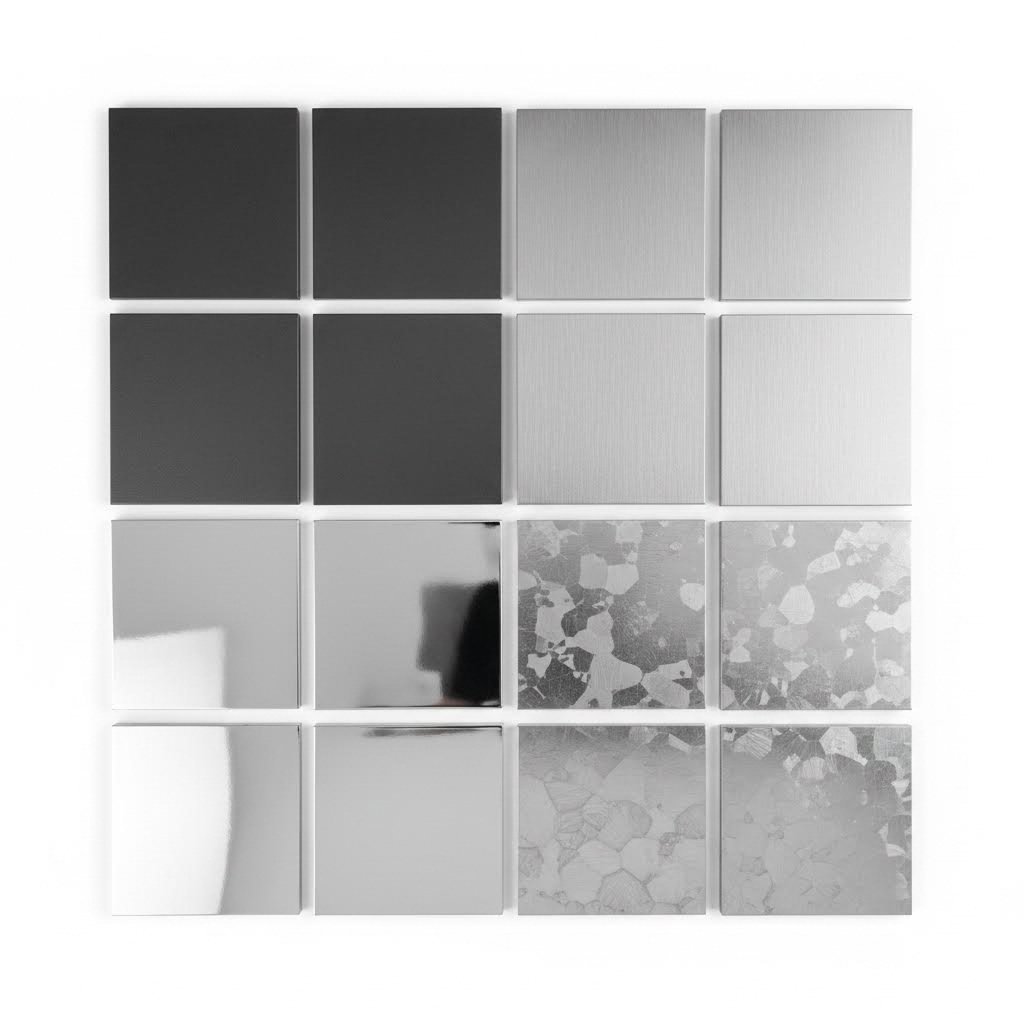
Guida alla Selezione del Materiale per Progetti Metallici Su Misura
Hai acquisito padronanza nelle specifiche del calibro e nei metodi di taglio. Ora arriva probabilmente la decisione più importante per il tuo progetto di lamiere tagliate su misura: quale materiale utilizzare effettivamente? La risposta condiziona ogni aspetto: quanto a lungo durerà il componente, in quali ambienti potrà essere impiegato, quanto peserà e quali saranno i costi finali.
Pensa alla selezione dei materiali come alla scelta dell'ingrediente giusto per una ricetta. Non useresti il burro dove ti serve olio d'oliva, anche se entrambi sono grassi. Allo stesso modo, la lamiera di alluminio eccelle in applicazioni in cui l'acciaio al carbonio fallirebbe miseramente, e viceversa. Esploriamo le tue opzioni in modo che tu possa fare scelte consapevoli.
Scelta tra acciaio inox e alluminio
Tre famiglie di materiali dominano la lavorazione personalizzata della lamiera: acciaio al carbonio, acciaio inossidabile e alluminio. Ognuno offre vantaggi distinti, e comprendere queste differenze evita errori costosi.
Acciaio al carbonio rimane il cavallo di battaglia della lavorazione dei metalli. È resistente, economico e si salda perfettamente. Secondo la guida ai materiali di Xometry, qualità come DC01 offrono un'elevata durata con buona formabilità, risultando ideali per applicazioni strutturali interne. L'unico inconveniente? L'acciaio al carbonio arrugginisce facilmente a contatto con l'umidità, a meno che non sia protetto da vernice, rivestimento in polvere o galvanizzazione.
Lamiere in acciaio inossidabile risolve il problema della corrosione attraverso la chimica. Il contenuto di cromo (almeno 10,5%) forma uno strato protettivo di ossido che protegge il metallo sottostante dai danni ambientali. Questa barriera autoriparante rende l'acciaio inossidabile la scelta ideale per l'equipaggiamento per la lavorazione degli alimenti, dispositivi medici e installazioni esterne. Tuttavia, si paga un prezzo più elevato—tipicamente da 3 a 5 volte superiore rispetto all'acciaio al carbonio.
Alluminio offre un'opzione intermedia interessante. Come osservato da specialisti del settore , l'alluminio è altamente resistente alla corrosione perché forma naturalmente uno strato protettivo di ossido senza rivestimenti aggiuntivi. Aggiungendo il suo eccezionale rapporto resistenza-peso—circa un terzo del peso dell'acciaio—l'alluminio diventa essenziale per l'aerospaziale, i trasporti e qualsiasi applicazione in cui il peso è un fattore importante.
304 vs 316 Acciaio Inossidabile: Quando la Differenza è Importante
Non tutti gli acciai inossidabili hanno prestazioni uguali. I due gradi più comuni—304 e 316—sono identici nell'aspetto ma si comportano diversamente in ambienti gravosi.
La lamiera in acciaio inossidabile tipo 304 è il prodotto universale per eccellenza. Resiste bene alla corrosione in ambienti interni ed esterni tipici, è facile da lavorare e costa meno del suo parente più pregiato. L'equipaggiamento per cucine, le finiture architettoniche e le strutture industriali utilizzano comunemente l'acciaio inox grado 304.
L'acciaio inossidabile tipo 316 aggiunge molibdeno alla sua composizione legata. Secondo le specifiche del materiale, questo componente migliora la resistenza alla corrosione, in particolare contro i cloruri e gli acidi non ossidanti. Gli ambienti marini, gli impianti di lavorazione chimica e le strutture farmaceutiche richiedono specificamente l'acciaio inox 316 proprio perché la nebbia salina e i prodotti chimici aggressivi causerebbero pitting e corrosione nel 304 nel tempo.
La differenza di prezzo tra questi gradi può raggiungere il 20-30%. Per la maggior parte delle applicazioni, il 304 offre prestazioni eccellenti a un costo inferiore. Riservare il 316 per ambienti effettivamente corrosivi in cui la protezione aggiuntiva giustifica l'investimento.
Metalli speciali per applicazioni impegnative
Oltre alle tre principali famiglie di materiali, le opzioni specialistiche affrontano sfide specifiche:
Acciaio zincato prende l'acciaio al carbonio e applica un rivestimento protettivo in zinco. Questo trattamento migliora notevolmente la resistenza alla corrosione a una frazione del costo dell'acciaio inossidabile. Per applicazioni strutturali esterne, canali HVAC e attrezzature agricole, la piastra in acciaio zincato spesso rappresenta il giusto equilibrio tra prestazioni e budget.
Acciaio antiusura AR500 resiste a sollecitazioni che distruggerebbero materiali ordinari. L'eccezionale durezza è un vantaggio per le attrezzature minerarie, i sistemi di trasporto e i bersagli da tiro. Tuttavia, questa robustezza rende più complessa la lavorazione: ci si deve aspettare costi maggiori per il taglio e opzioni limitate di formatura.
Leghe di Alluminio variano notevolmente nelle proprietà. La serie 5000 (come 5052 e 5083) si distingue nelle applicazioni marine grazie a un'eccellente resistenza alla corrosione. La serie 6000 (6061, 6082) offre un'ottima lavorabilità e saldabilità per componenti strutturali. L'alluminio 7075 garantisce alta resistenza e resistenza alla fatica per applicazioni aerospaziali, sebbene a un prezzo più elevato.
Confronto delle proprietà dei materiali
La selezione del materiale giusto diventa più semplice quando si confrontano le proprietà chiave affiancate:
| Materiale | Resistenza alla corrosione | Resistenza | Peso | Saldabilità | Applicazioni tipiche |
|---|---|---|---|---|---|
| Acciaio al carbonio | Scadente (richiede rivestimento) | Alto | Pesante | Eccellente | Componenti strutturali, macchinari, apparecchiature interne |
| acciaio inossidabile 304 | Molto buono | Alto | Pesante | Buono | Attrezzature per alimenti, architettura, industria generale |
| acciaio inossidabile 316 | Eccellente (resistente ai cloruri) | Alto | Pesante | Buono | Settore marino, lavorazione chimica, farmaceutico |
| Alluminio (5052/6061) | Eccellente | Moderato | Leggero (1/3 dell'acciaio) | Buona (TIG/MIG) | Aerospaziale, trasporti, involucri |
| Acciaio zincato | Buono | Alto | Pesante | Scadente (fumi di zinco) | Strutture esterne, HVAC, agricoltura |
| Acciaio AR500 | Scarso | Molto alta (indurito) | Pesante | Richiede preriscaldamento | Piastre resistenti all'usura, bersagli, attrezzature per miniere |
Domande chiave per la selezione del materiale
Prima di specificare il materiale per il tuo ordine personalizzato di lamiere tagliate su misura, considera attentamente queste domande essenziali:
- In quale ambiente verrà utilizzata la parte? Gli ambienti interni con clima controllato tollerano l'acciaio al carbonio; le esposizioni esterne o marine richiedono acciaio inossidabile o alluminio.
- Quali carichi strutturali deve sopportare? I carichi pesanti favoriscono la superiore resistenza dell'acciaio; le applicazioni sensibili al peso traggono vantaggio dal profilo più leggero dell'alluminio.
- Sarà necessario saldare la parte? L'acciaio al carbonio è il più facile da saldare; l'alluminio richiede attrezzature specializzate; l'acciaio zincato produce fumi tossici di zinco che richiedono un'adeguata ventilazione.
- Quali sono i vincoli di budget? L'acciaio al carbonio è il meno costoso; l'acciaio inossidabile ha un prezzo da 3 a 5 volte superiore; le leghe speciali hanno prezzi premium.
- L'aspetto estetico è importante? L'acciaio inossidabile e l'alluminio mantengono finiture attraenti; l'acciaio al carbonio richiede verniciatura o rivestimento per applicazioni estetiche.
- Sono presenti requisiti normativi? Il contatto con alimenti, i dispositivi medici e alcune applicazioni industriali richiedono specifiche qualità dei materiali.
Rispondere a queste domande restringe rapidamente le opzioni. Un pannello decorativo da interno potrebbe utilizzare acciaio al carbonio economico con rivestimento a polvere. Un componente per barche richiede alluminio marino o acciaio inossidabile 316. Una protezione per macchinari industriali bilancia la protezione anticorrosione dell'acciaio zincato con il prezzo conveniente.
Una volta scelto il materiale, si è pronti ad affrontare la sfida successiva: comunicare le proprie specifiche esatte ai produttori in un linguaggio che comprendano. Misurazioni e documentazione corrette evitano errori costosi e garantiscono che i componenti personalizzati arrivino esattamente come previsto.
Come misurare e specificare i requisiti di taglio personalizzati
Hai selezionato il materiale e il metodo di taglio. Ora arriva il passaggio che distingue i progetti di successo dai frustranti ripensamenti: comunicare correttamente le tue esigenze al fabbro. Sembra semplice? Ecco la realtà: specifiche poco chiare causano più problemi nei fogli metallici tagliati su misura di qualsiasi altro fattore.
Pensa al tuo pacchetto di specifiche come a una conversazione con qualcuno che non può chiedere chiarimenti. Ogni dimensione, tolleranza e richiesta di finitura deve essere perfettamente chiara prima che il metallo incontri il raggio di taglio. Fai bene questo passaggio e i tuoi pezzi arriveranno pronti all'uso. Fai un errore e pagherai due volte lo stesso lavoro.
Creazione di Specifiche Dimensionali Accurate
La precisione inizia con la misurazione. Prima di utilizzare software CAD o disegnare schizzi, hai bisogno di numeri accurati su cui lavorare. Che tu stia progettando da zero o replicando un pezzo esistente, questi principi fondamentali sono sempre validi.
Per le applicazioni di lamiera tagliata su misura, effettuare sempre le misurazioni con strumenti tarati. Un calibro digitale di qualità consente di rilevare lo spessore e le dimensioni più piccole; un metro a nastro in acciaio è adatto per profili di maggiori dimensioni. Evitare i nastri metrici in tessuto: si allungano e introducono errori che si accumulano rapidamente.
Quando si specifica una lamiera su misura, documentare questi elementi fondamentali:
- Dimensioni complessive: Lunghezza, larghezza e spessore del materiale in unità coerenti (tutte in pollici o tutte in millimetri — mai mescolarle)
- Posizione dei fori: Riferimento da punti di riferimento coerenti, tipicamente da un angolo o da un bordo. Secondo le linee guida per la lavorazione di precisione, mantenere tolleranze di posizione pari a ±0,15–0,25 mm per i centri dei fori realizzati al laser su lamiere sottili
- Dimensioni critiche: Individuare quali misure non possono assolutamente variare rispetto a quelle con maggiore flessibilità
- Notazione delle tolleranze: Esprimere la variazione ammissibile utilizzando la notazione più-meno (±0,25 mm) anziché termini vaghi come «vicino» o «stretto»
Le specifiche relative alle tolleranze richiedono un’attenzione particolare. Come spiegano gli esperti della lavorazione , le tolleranze sono spesso indicate con notazioni più-meno che indicano il campo consentito per le deviazioni; queste aiutano a standardizzare ciò che è accettabile ed evitano ritocchi inutili o il rifiuto di componenti.
Non tutte le dimensioni richiedono tolleranze strette. Specificare eccessivamente aumenta il costo senza migliorare la funzionalità. Un supporto strutturale potrebbe necessitare di ±0,5 mm sulla lunghezza complessiva ma di ±0,1 mm sulle posizioni dei fori di fissaggio. Comunicare chiaramente questa gerarchia.
Formati di file e norme tecniche
I moderni produttori si affidano a file digitali per pilotare i loro macchinari di taglio. Comprendere i formati accettati evita problemi di conversione e garantisce che il tuo progetto venga tradotto accuratamente nei componenti finiti.
DXF (Drawing Exchange Format) rimane il tipo di file più universalmente accettato per lamiere metalliche su misura. Secondo guide tecniche del settore , i file DXF creati in programmi CAD come Fusion 360 o SolidWorks hanno maggiori probabilità di essere pronti per la produzione. Il formato contiene esclusivamente la geometria: linee, archi e curve che definiscono il contorno del tuo pezzo.
File DWG funzionano in modo simile ma sono nativi di AutoCAD. La maggior parte dei produttori può convertirli, anche se DXF rimane più universalmente compatibile.
Formati vettoriali (SVG, AI) da programmi come Adobe Illustrator o Inkscape funzionano anche per molti laboratori. Tuttavia, questi file possono contenere elementi non realizzabili. Il disegno dovrebbe riportare solo il contorno del pezzo, con linee, curve, cerchi e spline per definire i bordi del pezzo: elementi come immagini incorporate e testo non verranno tradotti correttamente.
Regola fondamentale: il file del disegno deve contenere solo il contorno del pezzo. Non inviare stampe con tabelle delle dimensioni, note o altre annotazioni che appesantiscono la geometria. Queste informazioni devono essere riportate su un disegno di consegna separato o su un foglio delle specifiche; il file di taglio deve essere pulito.
Processo Passo dopo Passo per la Definizione delle Specifiche
Dall'idea iniziale alla consegna al produttore, seguire questa sequenza per ridurre al minimo errori e ritocchi:
- Misurare e documentare tutte le dimensioni utilizzando strumenti calibrati. Verificare due volte le misure critiche. Registrare i requisiti relativi allo spessore del materiale.
- Crea o ottieni la geometria CAD rappresentante il contorno esatto del tuo pezzo. Utilizza contorni chiusi senza interruzioni né linee sovrapposte.
- Tieni conto della larghezza di taglio (kerf) nel tuo progetto. Il taglio laser rimuove tipicamente da 0,15 a 0,30 mm di materiale; i fori piccoli risulteranno effettivamente ridotti di questa misura se non compensati. Discuti con il tuo produttore se stai fornendo dimensioni nominali (loro applicano la compensazione) oppure una geometria già compensata.
- Specifica i requisiti di tolleranza per le caratteristiche critiche. Non tutto richiede tolleranze strette: identifica ciò che è funzionalmente importante e comunica queste priorità.
- Definisci esplicitamente i requisiti di finitura dei bordi hai bisogno di bordi sbarbati? Raggi di angolo specifici? Superficie liscia o ruvidezza accettabile? I produttori non lo danno per scontato: indicagli esattamente ciò di cui hai bisogno.
- Esporta file di geometria puliti in formato DXF o in altri formati accettati. Verifica che non ci siano linee isolate, contorni duplicati o tracciati aperti.
- Preparare un documento di specifiche separato elencando il tipo di materiale, lo spessore, la quantità, le tolleranze, i requisiti di finitura e qualsiasi istruzione speciale.
- Inviare i file con convenzioni chiare di denominazione che identifichino il componente, il livello di revisione e il materiale. "Supporto_Rev2_16ga_Acciaio.dxf" è preferibile a "versione_finale_nuova.dxf" in ogni caso.
Errori comuni nelle specifiche da evitare
Questi errori compaiono costantemente negli ordini di forme metalliche personalizzate — e sono tutti evitabili:
- Ignorare la larghezza del taglio (kerf): Un foro da 10 mm progettato senza compensazione del kerf potrebbe misurare 9,7 mm dopo il taglio. Per accoppiamenti forzati o tolleranze strette, ciò ha un'importanza notevole.
- Requisiti non specificati per i bordi: I bordi ottenuti al laser differiscono da quelli ottenuti al getto d'acqua. Se l'applicazione richiede bordi lisci e sgrassati, indicarlo esplicitamente.
- Unità di misura miste: Presentare disegni con alcune dimensioni in pollici e altre in millimetri espone a errori di conversione.
- Spessore del materiale mancante: "Lamiera di acciaio" non è una specifica. "Acciaio laminato a freddo da 16 gauge (0,0598 pollici)" non lascia spazio all'interpretazione.
- Geometria sovrapposta o non chiusa: Buone pratiche per i file DXF richiedono che i contorni siano chiusi e privi di sovrapposizioni: problemi di questo tipo causano errori di taglio o il rifiuto dei file.
- Tolleranze irrealistiche: Indicare una tolleranza di ±0,01 mm su ogni dimensione quando una tolleranza di ±0,2 mm funzionerebbe perfettamente aumenta notevolmente il costo senza aggiungere valore.
Quando ha senso ricorrere a servizi professionali di CAD
Non tutti hanno competenze nel CAD, e va benissimo. Sapere quando investire nella preparazione professionale dei file permette di risparmiare rispetto agli errori ripetuti in fase di produzione.
Valuti servizi CAD professionali quando:
- Il tuo progetto prevede geometrie complesse al di là di semplici rettangoli e fori
- Tolleranze strette richiedono calcoli precisi di compensazione
- Stai lavorando da schizzi a mano o campioni fisici anziché da file digitali esistenti
- La quantità dell'ordine giustifica l'investimento iniziale in file pronti per la produzione
- Tentativi precedenti fai-da-te hanno portato a parti rifiutate o errate
Per forme metalliche personalizzate semplici—semilavorati rettangolari, staffe basilari, schemi di foratura lineari—la maggior parte delle persone può produrre specifiche adeguate autonomamente utilizzando strumenti gratuiti come Inkscape o il livello gratuito di Fusion 360.
Parti complesse con operazioni di piegatura multiple, curve composte o superfici di accoppiamento critiche traggono vantaggio da una preparazione professionale. Molti laboratori di carpenteria offrono supporto nella progettazione per la producibilità (DFM) che individua i problemi prima dell'inizio del taglio—approfittare di questa competenza costa spesso meno rispetto alla correzione dei problemi successivi.
Con le specifiche correttamente documentate e i file predisposti in modo adeguato, hai eliminato la causa più comune di fallimenti nei progetti di lamiere tagliate su misura. Ora viene la comprensione dei livelli di precisione effettivamente raggiungibili e di quando tolleranze più strette giustificano il costo aggiuntivo.
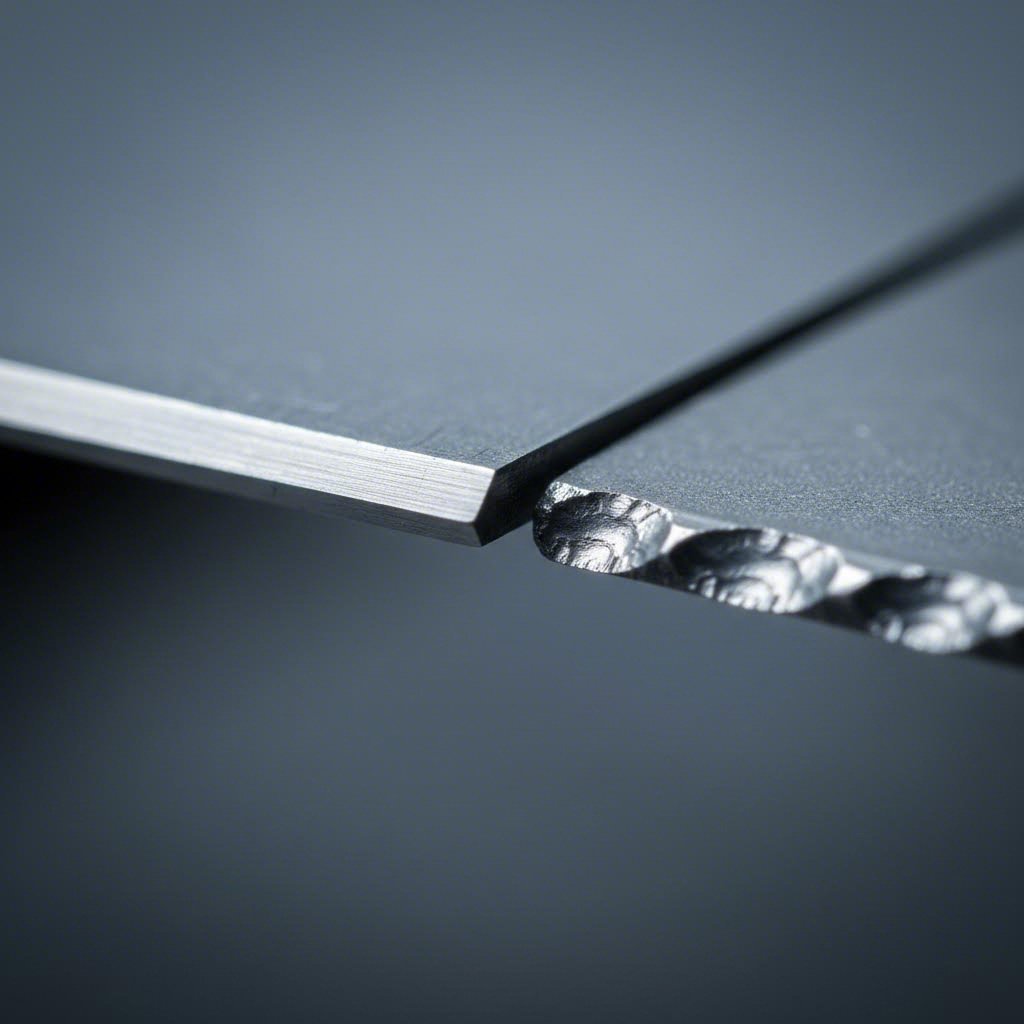
Precisione delle Tolleranze e Considerazioni sulla Qualità del Bordo
Hai inviato le tue specifiche. Ma ecco una domanda che crea difficoltà persino agli acquirenti esperti: quando un produttore promette "taglio di precisione", cosa significa esattamente per i tuoi pezzi finiti? La risposta sta nel comprendere le tolleranze, cioè la variazione ammessa tra il tuo progetto iniziale e la realtà produttiva.
Le tolleranze non sono solo terminologia tecnica. Influiscono direttamente sul fatto che i tuoi componenti si assemblino correttamente, funzionino come previsto e soddisfino gli standard qualitativi. Ed ecco il punto cruciale: una tolleranza più stretta non è sempre meglio. Specificare tolleranze eccessivamente ristrette aumenta i costi senza migliorare la funzionalità. Analizziamo cosa significano questi valori in termini pratici.
Cosa Significano Davvero i Numeri di Tolleranza
Quando si vede una specifica di tolleranza come ±0,1 mm, essa definisce il range accettabile di variazione rispetto alla dimensione nominale. Una parte da 100 mm con tolleranza ±0,1 mm significa che qualsiasi valore compreso tra 99,9 mm e 100,1 mm supera l'ispezione. Al di fuori di questo intervallo? La parte viene rifiutata o riprocessata.
Secondo specialisti della lavorazione di precisione, le tolleranze svolgono due funzioni fondamentali: forniscono ai produttori obiettivi chiari e inequivocabili riguardo ai requisiti di progetto e consentono ai progettisti di controllare le caratteristiche essenziali per l'adattamento e il funzionamento.
Ma ecco cosa sfugge alla maggior parte degli acquirenti: ottenere tolleranze più strette costa in modo esponenziale. Come mostrano i dati del settore, passare da una tolleranza standard (±0,2 mm) a una tolleranza ridotta (±0,1 mm) potrebbe aumentare il costo del 25%, mentre raggiungere una tolleranza di precisione (±0,05 mm) potrebbe raddoppiare o triplicare il prezzo. Questo aumento dei costi deriva da velocità di taglio più lente, calibrazioni della macchina più frequenti, controlli qualità aggiuntivi e tassi di scarto più elevati.
La lezione pratica? Assegnare tolleranze strette solo alle dimensioni che effettivamente le richiedono. Le posizioni dei fori per i perni di allineamento necessitano di precisione. La lunghezza complessiva di un pannello decorativo probabilmente no. Questo approccio selettivo consente di ottenere parti funzionali senza specifiche troppo onerose per il budget.
Capacità di tolleranza per metodo di taglio
Diverse tecnologie di taglio offrono livelli diversi di precisione. Comprendere queste capacità aiuta a abbinare il metodo alle esigenze e a evitare di specificare tolleranze che un determinato processo non può semplicemente raggiungere.
| Metodo di taglio | Tolleranza delle dimensioni lineari | Tolleranza diametro foro | Tolleranza di posizione | Note |
|---|---|---|---|---|
| Taglio laser | ±0,05 mm a ±0,1 mm (caratteristiche piccole) ±0,1 mm a ±0,5 mm (dimensioni maggiori) |
±0,05 mm a ±0,1 mm | ±0,05 mm a ±0,15 mm | Tolleranze più strette su materiali sottili; la precisione diminuisce con lo spessore |
| Taglio ad Acqua | ±0,1 mm a ±0,25 mm | ±0,1 mm a ±0,2 mm | ±0,1 mm a ±0,25 mm | Nessuna distorsione termica; eccellente per materiali sensibili al calore |
| Taglio al plasma | ±0,5 mm a ±1,5 mm | ±0,5 mm a ±1,0 mm | ±0,5 mm a ±1,0 mm | Migliore per materiali più spessi dove la velocità è più importante della precisione |
| Punzonatura cnc | ±0,1 mm a ±0,5 mm | ±0,1 mm a ±0,2 mm | ±0,13 mm a ±0,25 mm | Errore cumulativo possibile in operazioni multiple di punzonatura |
| Taglio meccanico | ±0,25 mm a ±1,0 mm | N/D (solo tagli dritti) | N/A | Economico per tagli lineari; le operazioni manuali sono meno precise |
Osserva come il taglio laser raggiunga le tolleranze più strette su piccole caratteristiche, ma che tale precisione vari in base alla dimensione. I dati di lavorazione confermano che per piccole dimensioni lineari (inferiori a 100 mm) si mantiene una tolleranza da ±0,05 mm a ±0,1 mm, mentre per dimensioni maggiori di 100 mm la tolleranza può aumentare fino a ±0,5 mm a causa delle variazioni nel movimento della macchina.
Zone termicamente alterate e la loro importanza
I metodi di taglio termico—taglio laser, al plasma e ossiacetilenico—generano un intenso calore che modifica le proprietà del materiale nelle vicinanze del bordo di taglio. Questa zona, chiamata zona termicamente alterata (HAZ), può influenzare significativamente le prestazioni del componente in determinate applicazioni.
Quando è effettivamente rilevante la HAZ?
- Saldatura successiva: Se la lamiera sagomata richiede saldature successive, la HAZ derivante dal taglio può interagire in modo imprevedibile con le zone di saldatura. Per saldature critiche in applicazioni strutturali o a pressione, questa interazione richiede particolare attenzione.
- Materiali temprati: L'esposizione al calore può alterare il profilo di durezza degli acciai trattati, potenzialmente ammorbidendo o rendendo fragile la zona del bordo.
- Applicazioni sensibili alla fatica: I componenti soggetti a carichi ciclici possono sviluppare inneschi di cricche ai confini della ZAT (zona termicamente alterata), dove le proprietà del materiale subiscono variazioni.
Secondo specialisti della saldatura, la ZAT derivante dal taglio laser è minima rispetto a quella del plasma, ma entrambi i processi introducono cambiamenti localizzati delle proprietà. Per applicazioni che prevedono la saldatura dell'alluminio o di leghe di alluminio, gli effetti della ZAT richiedono particolare attenzione poiché la conducibilità termica dell'alluminio diffonde il calore in modo esteso.
Quando sussistono preoccupazioni relative alla ZAT, il taglio ad acqua elimina completamente il problema: il processo a freddo non comporta alcun effetto termico. Per applicazioni di saldatura a punti o per componenti che richiedono proprietà del materiale costanti fino al bordo, il taglio ad acqua giustifica spesso il suo costo operativo più elevato.
Qualità del bordo e opzioni di finitura superficiale
Il bordo tagliato varia notevolmente tra i diversi metodi. Immagina di confrontare un'incisione chirurgica con un taglio grezzo eseguito da una sega: è più o meno questa la differenza tra bordi tagliati al laser e bordi tagliati al plasma.
Taglio laser produce i bordi più lisci su materiali sottili e medi. Il fascio focalizzato crea superfici pulite e prive di ossidazione, che spesso non richiedono finiture secondarie. Per applicazioni decorative o parti che si accoppiano strettamente con altri componenti, questa qualità del bordo risulta inestimabile.
Taglio ad Acqua garantisce una buona qualità del bordo con una tipica texture opaca dovuta all'azione abrasiva. I bordi sono privi di bave e richiedono una minima rifinitura. L'innata leggera conicità del taglio waterjet (per cui il lato d'uscita risulta leggermente più largo dell'ingresso) può essere ridotta al minimo attraverso il controllo dei parametri del processo.
Taglio al plasma produce bordi più irregolari con bava (metallo risolidificato) e ossidazione visibili. Per applicazioni strutturali in cui il bordo tagliato viene saldato o nascosto, questa irregolarità è accettabile. I bordi visibili richiedono tipicamente una rettifica o lavorazione meccanica per soddisfare gli standard estetici.
Opzioni di post-elaborazione per la qualità del bordo
Quando i bordi al taglio non soddisfano i tuoi requisiti, le opzioni di post-elaborazione colmano il divario. Come spiegano gli specialisti della sbarbatura , la finitura adeguata dei bordi va oltre l'estetica: le sbavature non rimosse possono causare problemi di assemblaggio, creare rischi per la sicurezza, interferire con il corretto funzionamento delle parti e portare a un precoce usura nei sistemi meccanici.
Le operazioni comuni di finitura dei bordi includono:
- Smerigliatura: Rimuove gli spigoli vivi e le sbavature che potrebbero causare infortuni durante la manipolazione o interferenze nell'assemblaggio. I metodi variano dalla limatura manuale ai sistemi di barilatura automatizzati.
- Lavorazione abrasiva: Lisce i bordi grezzi ottenuti con taglio al plasma o alla fiamma, rendendoli uniformi. Fondamentale quando i bordi sono visibili o devono garantire accoppiamenti precisi.
- Smussatura dei bordi: Crea smussi o raggi piccoli e uniformi che migliorano la sicurezza e l'adesione della vernice senza rimuovere una quantità significativa di materiale.
- Lucidatura: Produce finiture a specchio o satinature per applicazioni decorative. Comune in componenti architettonici in acciaio inossidabile.
Per produzioni ad alto volume, i sistemi automatici di sbarbatura garantiscono risultati uniformi indipendentemente dall'abilità o dalla stanchezza dell'operatore, un vantaggio fondamentale per mantenere una qualità costante in ordini di grandi dimensioni.
Abbinare tolleranze e finiture all'applicazione
Prima di definire tolleranze e requisiti dei bordi, porsi queste domande pratiche:
- Questo bordo sarà visibile? I bordi nascosti non necessitano di lucidatura. I pannelli decorativi sì.
- Questa parte si accoppia con altre? I fori di allineamento richiedono precisione posizionale. Le fessure di ventilazione probabilmente no.
- Qual è il metodo di assemblaggio? I pezzi uniti mediante saldatura a punti tollerano bordi più irregolari rispetto a quelli che richiedono accoppiamenti precisi con scorrimento.
- È già prevista una post-lavorazione? Se i pezzi dovranno comunque essere levigati o lavorati, pagare un prezzo aggiuntivo per bordi perfettamente lisci ottenuti con laser comporta uno spreco di denaro.
Questa valutazione pratica evita specifiche eccessive, garantendo al contempo che le caratteristiche realmente critiche ricevano l'attenzione adeguata. L'obiettivo non è la perfezione ovunque, ma una precisione sufficiente dove richiesto dalla funzionalità e una produzione economicamente vantaggiosa negli altri casi.
Ora che tolleranze e qualità dei bordi sono chiare, sei pronto ad affrontare l'aspetto commerciale della lamiera tagliata su misura: quali fattori influenzano i costi, come pianificare bilanci realistici e quali tempi di consegna prevedere per il tuo progetto.
Fattori di costo e pianificazione dei tempi di consegna per ordini personalizzati
Hai specificato il materiale, le tolleranze e i requisiti relativi ai bordi. Ora arriva la domanda che ogni project manager teme: quanto costerà effettivamente questo progetto — e quando verrà consegnato? Il prezzo per il taglio su misura di lamiere non è un semplice calcolo al metro quadrato. Numerose variabili interagiscono tra loro in modi che possono raddoppiare i costi oppure ridurli della metà, a seconda delle scelte effettuate.
Comprendere questi fattori determinanti il prezzo ti trasforma da una persona che accetta passivamente i preventivi a una persona in grado di negoziare in modo consapevole. Analizziamo ora quali sono gli elementi che determinano effettivamente l’importo finale della tua fattura.
Comprensione dei fattori determinanti il prezzo per tagli su misura
Quando i fabbricanti redigono i preventivi, devono bilanciare diversi fattori interconnessi. La modifica di una singola variabile spesso genera effetti a catena sulle altre. Di seguito sono elencati i principali fattori che influenzano il prezzo per il taglio su misura di lamiere:
- Tipo e spessore del materiale: I costi del materiale grezzo variano notevolmente. Secondo i dati di mercato sui prezzi , l'acciaio costa circa $0,50–$1,50 al chilo, l'alluminio raggiunge $2,00–$3,50 al chilo, mentre l'acciaio inossidabile richiede $2,50–$5,00 al chilo. Metalli speciali come ottone, rame e titanio costano ancora di più, e la loro difficoltà di taglio aggiunge costi di manodopera ai già elevati prezzi dei materiali.
- Complessità del metodo di taglio: Le operazioni al laser e a getto d'acqua costano di più all'ora rispetto al plasma o alla cesoiatura. Come indicato da specialisti della lavorazione, il tempo macchina per alcuni materiali è semplicemente più lungo e deve essere considerato nelle stime. Pattern complessi con piccoli ritagli e dettagli fini riducono notevolmente le velocità di taglio.
- Quantità ordinata: I costi di allestimento vengono ripartiti sulla quantità del tuo ordine. Un singolo prototipo sostiene l'intero costo di programmazione e allestimento; cento pezzi distribuiscono questo costo fisso su una base più ampia.
- Tolleranze richieste: Tolleranze più strette richiedono velocità di taglio più lente, calibrazioni più frequenti e ispezioni qualitative aggiuntive. Ogni passaggio aggiunge manodopera e tempo macchina al tuo preventivo.
- Opzioni di finitura: Operazioni di post-lavorazione come sbarbatura, verniciatura a polvere o anodizzazione aggiungono costi separati. I servizi di verniciatura a polvere solitamente prevedono tariffe basate sulle dimensioni e sulla complessità del pezzo, mentre le finiture anodizzate per l'alluminio variano in base allo spessore del rivestimento e ai requisiti di colore.
Oltre questi fattori principali, non trascurare i costi nascosti. Esperti del settore avvertono che hardware, accessori e ricarichi sui materiali possono sommarsi: se il fabbricatore fornisce i materiali anziché lavorare su materiale fornito dal cliente, si devono prevedere costi aggiuntivi per approvvigionamento e movimentazione da sommare al costo della materia prima.
Come la quantità dell'ordine influisce sul prezzo unitario
Immagina di pagare 50 dollari per un singolo supporto personalizzato, per poi scoprire che lo stesso supporto costa solo 8 dollari a pezzo ordinandone 100. Cosa è cambiato? Non il materiale della piastra metallica né la complessità del taglio. La differenza risiede interamente nella distribuzione dei costi di allestimento.
Ogni ordine personalizzato comporta costi fissi prima ancora che inizi qualsiasi operazione di taglio:
- Programmazione del percorso di taglio partendo dai tuoi file CAD
- Preparazione del materiale sul piano di taglio
- Calibratura dell'attrezzatura per il materiale specifico e lo spessore
- Ispezione del primo campione e verifica della qualità
Queste attività di configurazione potrebbero richiedere un'ora di manodopera specializzata, indipendentemente dal fatto che si stia tagliando un pezzo o cinquanta. Ordinate un singolo componente, e quell'intera ora verrà addebitata sulla vostra fattura. Ordinate cinquanta componenti, e ogni pezzo supporterà soltanto 1/50 del costo di configurazione.
Secondo le linee guida sui prezzi di lavorazione, gli ordini di piccole dimensioni possono prevedere costi minimi a causa dei costi di programmazione e configurazione: i produttori non possono operare in modo redditizio se il tempo di configurazione supera quello di taglio.
Questa logica economica pone una domanda pratica: conviene ordinare quantitativi aggiuntivi visto che si sta già sostenendo il costo di configurazione? Per componenti di produzione che probabilmente necessiteranno di ricambi o di scorta, ordinare unità aggiuntive del 10-20% durante la produzione iniziale è spesso vantaggioso dal punto di vista economico. Il costo marginale di pezzi aggiuntivi diminuisce notevolmente una volta completata la configurazione.
Disponibilità dei materiali e realtà della catena di approvvigionamento
La tua specifica ideale del materiale non significa nulla se è in un magazzino a tre stati di distanza con un arretrato di sei settimane. La disponibilità del materiale incide direttamente su costi e tempistiche.
Materiali comuni come l'acciaio al carbonio standard, le leghe di alluminio più diffuse (6061, 5052) e l'acciaio inossidabile 304 sono generalmente disponibili presso i principali distributori. I produttori dotati di proprio inventario di materiali possono spesso iniziare a tagliare entro pochi giorni.
I materiali speciali presentano una situazione diversa. Lamiere di alluminio in leghe particolari, metalli esotici come Inconel o titanio e spessori non standard potrebbero richiedere ordinazioni speciali. Come sottolineano gli esperti della supply chain , i costi delle materie prime possono subire oscillazioni quando le catene di approvvigionamento vengono interrotte, e il tuo produttore può fornirti informazioni dettagliate su questi mercati.
Suggerimento professionale: quando i tempi sono cruciali, chiedi al tuo produttore quali materiali tiene a magazzino e quali richiedono approvvigionamento. Progettare utilizzando materiali facilmente disponibili può ridurre di alcune settimane i tempi di consegna.
Bilanciare velocità, qualità e budget
Ecco la verità scomoda sulla produzione su misura: puoi ottimizzare due delle tre variabili — velocità, qualità e costo — ma raramente tutte e tre contemporaneamente. Comprendere questi compromessi ti aiuta a prendere decisioni realistiche.
Tempo di consegna standard di solito prevede da 1 a 3 settimane per lavori di taglio semplici, a seconda del carico di lavoro del laboratorio e della disponibilità dei materiali. Questo cronoprogramma permette ai produttori di raggruppare lavori simili, ottimizzare le disposizioni di taglio e pianificare l'attività in modo efficiente. Il tempo di consegna standard offre generalmente il miglior prezzo per pezzo.
Ordini urgenti accelerano la consegna ma con prezzi maggiorati. I lavori urgenti interrompono le pianificazioni programmate, potrebbero richiedere straordinari e spesso impediscono i vantaggi derivanti dal raggruppamento dei lavori, che riducono i costi standard. Prevedi maggiorazioni per consegne urgenti del 25-50%, a volte anche di più per tempistiche estreme.
Quando ha senso effettivamente richiedere ordini urgenti?
- I costi derivanti dall'arresto della linea di produzione superano le maggiorazioni per urgenza
- Il mancato rispetto delle scadenze del progetto comporta penali contrattuali
- I tempi del prototipo influiscono su pietre miliari critiche dello sviluppo
- Gli impegni verso il cliente non possono essere rinegoziati
Quando dovresti pianificare in anticipo?
- Produzioni regolari con domanda prevedibile
- Progetti con piani di installazione flessibili
- Lavori di sviluppo in cui la pressione sui tempi è artificiale
- Progetti con vincoli di budget in cui il costo è fondamentale
Fattori del tempo di consegna oltre il taglio
Il taglio rappresenta solo un passaggio tra molti ordini personalizzati. Il tempo totale di consegna si accumula attraverso diverse fasi:
- Preventivo e approvazione: 1-3 giorni per richieste standard; progetti complessi potrebbero richiedere una revisione ingegneristica
- Approvvigionamento Materiali: Stesso giorno fino a oltre 4 settimane in base alla disponibilità
- Posizione in coda per taglio: 3-10 giorni lavorativi tipici per priorità standard
- Post-Processo: La sbavatura aggiunge 1-2 giorni; la verniciatura a polvere o l'anodizzazione aggiungono 3-7 giorni
- Controllo qualità: I controlli standard aggiungono un tempo minimo; ispezioni certificate potrebbero aggiungere giorni
- Spedizione: Consegna locale possibile nello stesso giorno; il trasporto su lunga distanza aggiunge 3-7 giorni
Secondo guide all'ordinazione per la lavorazione , comprendere i tempi di consegna per parti personalizzate garantisce che il tuo programma produttivo rimanga in linea — discuti le scadenze con il tuo fornitore fin dall'inizio per confermare che possano soddisfare le tue aspettative.
Per progetti che richiedono finiture in alluminio anodizzato o verniciatura a polvere, inserisci sin dall'inizio i tempi aggiuntivi per la finitura nella tua pianificazione. Questi processi avvengono spesso in strutture separate, aggiungendo sia tempo che complessità organizzativa.
Strategie pratiche di pianificazione del budget
Dotandosi di conoscenze sui fattori di costo, è possibile affrontare la pianificazione del budget in modo strategico piuttosto che reattivo:
- Richiedere più preventivi: Come indicato dalle linee guida del settore, il confronto dei preventivi di diversi fornitori spesso mette in evidenza prezzi competitivi. Diversi negozi dispongono di attrezzature e situazioni di carico di lavoro differenti.
- Rivalutate le vostre specifiche: Potrebbe funzionare uno spessore standard leggermente maggiore invece di uno personalizzato? L'acciaio inossidabile 304 potrebbe essere adeguato laddove avete specificato il 316? Piccole modifiche alle specifiche a volte portano a risparmi significativi.
- Valutate modifiche progettuali: Gli esperti di lavorazione raccomandano di esaminare i progetti con un approccio orientato alla producibilità: ciò che appare valido sulla carta può costare di più da produrre rispetto ad alternative leggermente modificate.
- Raggruppate ordini correlati: Se avete bisogno di più parti diverse, ordinandole insieme si riducono spesso i costi totali di allestimento rispetto a ordini separati.
- Pianificate la spedizione: I costi di spedizione possono rappresentare una spesa imprevista all'ultimo minuto se non inclusi nei preventivi iniziali. Ordini più grandi di lastre metalliche e componenti più pesanti comportano tariffe di trasporto più elevate.
Qual è la strategia di budget più importante? Comunicare apertamente con il vostro produttore. Loro hanno visto migliaia di progetti e spesso suggeriscono alternative per ridurre i costi che non avreste mai considerato. Un buon partner nella produzione vuole collaborare con voi a lungo termine: aiutarvi a ottimizzare i costi rafforza questa relazione.
Una volta compresi i fattori di costo e i tempi di consegna, resta da prendere una decisione fondamentale: scegliere il giusto partner nella produzione metallica in grado di garantire la qualità, il prezzo e l'affidabilità richiesti dal vostro progetto.
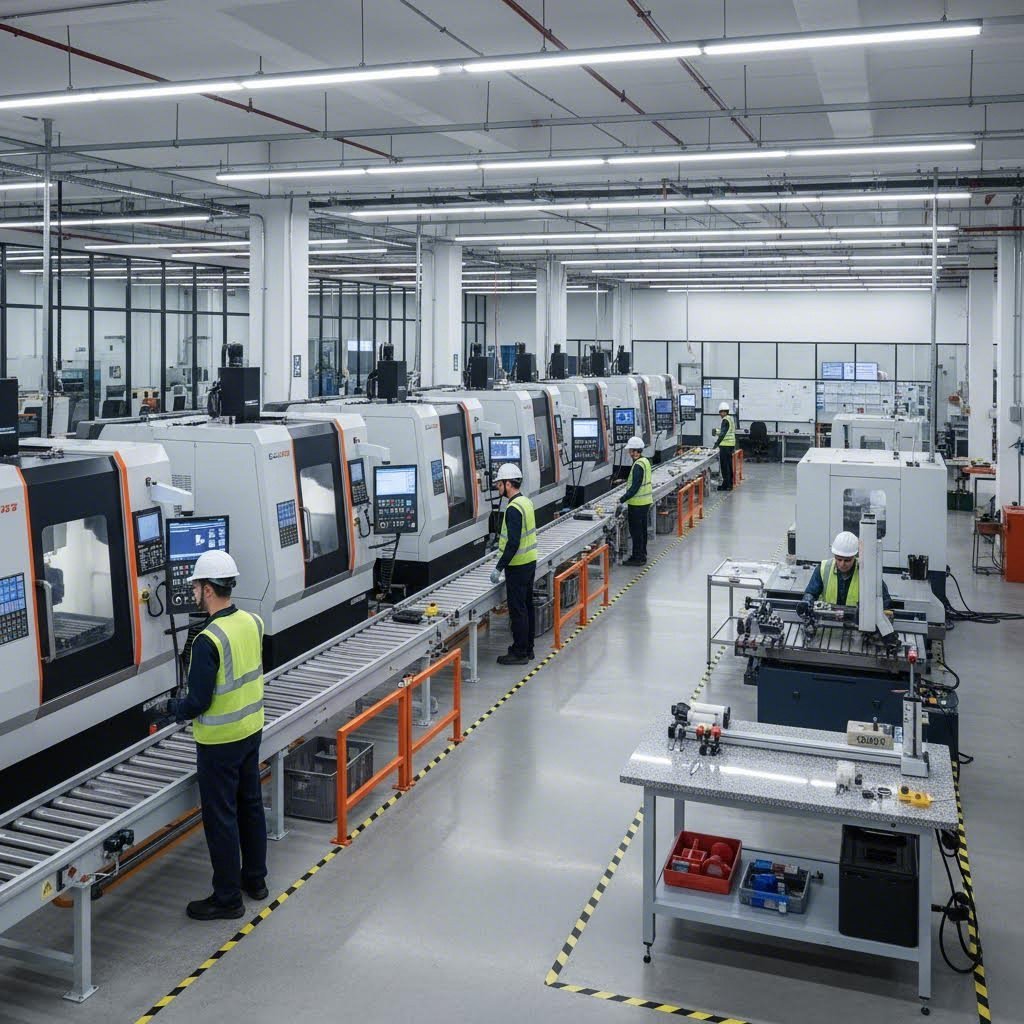
Come Scegliere un Partner Affidabile per la Produzione su Misura di Componenti Metallici
Hai definito le tue specifiche, selezionato i materiali e sai quali tolleranze ti servono. Ora arriva una decisione che può fare o disfare l'intero progetto: quale fabbricatore otterrà effettivamente il tuo ordine? Cercare "lavorazione lamiere vicino a me" o "lavorazione lamiere presso me" restituisce dozzine di opzioni, ma non tutti i fabbricati offrono risultati equivalenti.
Il partner giusto trasforma i tuoi file CAD in componenti precisi che si adattano perfettamente. Quello sbagliato ti costringerà a cercare un sostituto a metà progetto, mentre cerchi di spiegare ritardi alle parti interessate. Vediamo come valutare i fabbricati in modo sistematico, per scegliere con sicurezza già al primo tentativo.
Valutazione delle capacità e delle certificazioni del produttore
Non tutte le officine gestiscono ogni tipo di lavoro. Alcune si specializzano in produzioni su alto volume; altre eccellono nei prototipi singoli. Alcune dispongono di capacità complete interne; altre esternalizzano operazioni fondamentali. Comprendere queste differenze evita abbinamenti costosi.
Secondo esperti nella lavorazione dei metalli, le strutture integrate a servizio completo ottimizzano l'intero processo all'interno di un'unica sede, garantendo un controllo più rigoroso sulla produzione, tempi di consegna più rapidi e standard di qualità costanti. Quando le operazioni vengono esternalizzate, i ritardi aumentano e le lacune comunicative si ampliano.
Prima di impegnarsi con qualsiasi azienda di carpenteria metallica, valutare queste aree critiche di capacità:
- Capacità degli impianti: Il laboratorio dispone della tecnologia di taglio richiesta dal tuo progetto? Laser, waterjet, plasma e cesoiatura rispondono a esigenze diverse. Un laboratorio privo del taglio laser non può garantire la precisione richiesta dalla tua progettazione complessa di supporti.
- Inventario dei materiali: I produttori dotati di scorte significative possono iniziare immediatamente. Coloro che necessitano di ordini speciali aggiungono ritardi di approvvigionamento al tuo cronoprogramma.
- Finitura interna: Sono in grado di gestire internamente sbavatura, verniciatura a polvere o altre lavorazioni successive? La finitura esternalizzata aggiunge tempo, costo e complessità coordinativa.
- Capacità di produzione: Un piccolo negozio potrebbe impiegare mesi per produrre un ordine da mille pezzi. Un impianto eccessivamente grande potrebbe considerare il tuo prototipo una priorità bassa.
- Certificazioni di qualità: ISO 9001 dimostra l'esistenza di sistemi di gestione della qualità di base. Le certificazioni specifiche del settore indicano un impegno più profondo verso standard rigorosi.
Perché le certificazioni sono importanti per applicazioni critiche
Per componenti generici, processi di qualità di base sono sufficienti. Tuttavia, applicazioni automobilistiche, aerospaziali, mediche e altre particolarmente esigenti richiedono sistemi di qualità certificati che documentino ogni fase, dalla materia prima al componente finito.
Certificazione IATF 16949 rappresenta lo standard aureo per la qualità nella catena di approvvigionamento automobilistica. Questa certificazione non è un semplice ornamento opzionale: per molti importanti produttori automobilistici (OEM), è un prerequisito obbligatorio per fare affari. Lo standard incorpora la prevenzione dei difetti, l'analisi del rischio e il miglioramento continuo in ogni processo produttivo.
Cosa significa in concreto la certificazione IATF 16949 per i tuoi ordini personalizzati di lamiere tagliate su misura?
- Tracciabilità documentata: Ogni lotto di materiale, parametro di processo e risultato di ispezione viene registrato. I problemi possono essere ricondotti alle cause alla radice.
- Pensiero basato sul rischio: I potenziali modi di guasto vengono identificati e affrontati prima che diventino problemi costosi.
- Miglioramento continuo: La certificazione richiede un miglioramento continuo del processo, non semplicemente il rispetto di standard minimi.
- Risultati orientati al cliente: L'intero sistema è orientato verso il soddisfacimento dei requisiti del cliente e la prevenzione dei difetti.
Produttori come Tecnologia del metallo di Shaoyi (Ningbo) dimostrano questo impegno attraverso la certificazione IATF 16949 per la produzione di chassis, sospensioni e componenti strutturali. La loro combinazione di capacità di prototipazione rapida—con tempi di consegna dei prototipi ridotti a soli 5 giorni—in congiunzione con sistemi automatizzati di produzione di massa mostra come qualità certificata e velocità operativa possano coesistere.
Domande da porre prima di effettuare l'ordine
Non accettare le dichiarazioni di marketing per valore nominale. Come raccomandano gli esperti del settore, approfondisci con domande mirate che rivelino le reali capacità:
- Da quanto tempo siete attivi nel settore? L'esperienza si traduce in una conoscenza più approfondita dei materiali, processi perfezionati e nella capacità di anticipare problemi prima che diventino costosi inconvenienti.
- Hai esperienza con la mia specifica applicazione? Un produttore esperto di componenti automobilistici comprende tolleranze e requisiti di qualità che potrebbero sorprendere chi è focalizzato su lavori architettonici.
- Qual è il tuo processo di controllo qualità? Cerca ispezioni del primo campione, controlli dimensionali durante il processo e procedure di verifica finale. Le aziende senza processi qualità documentati si affidano alla fortuna piuttosto che a sistemi strutturati.
- Come gestite le interruzioni della catena di approvvigionamento? La capacità di adattarsi quando i materiali scarseggiano distingue partner affidabili da operazioni dipendenti da un'unica fonte e vulnerabili ai ritardi.
- Qual è il tempo di consegna tipico — e puoi rispettare la mia scadenza specifica? Promesse vaghe non significano nulla. Verifica che possano consegnare in modo realistico quando ti servono i pezzi.
- Fornisci supporto ingegneristico o di ottimizzazione per la produzione (DFM)? Le linee guida per la progettazione orientata alla producibilità individuano problematiche di design costose prima dell'inizio della lavorazione. Il supporto completo DFM di Shaoyi è un esempio di come una collaborazione proattiva possa migliorare i risultati.
Valutazione della reattività e della comunicazione
La rapidità con cui un produttore risponde alla vostra richiesta iniziale prevede il modo in cui comunicherà durante tutto il progetto. Un'azienda che impiega una settimana per rispondere alle richieste di preventivo probabilmente vi frustrerà con aggiornamenti lenti e tempi prolungati per la risoluzione dei problemi.
Il tempo di consegna del preventivo rappresenta un test pratico e indicativo. Alcuni produttori, tra cui Shaoyi, si impegnano a fornire un preventivo entro 12 ore, dimostrando sia efficienza operativa sia attenzione al cliente. Confrontate questo dato con concorrenti che richiedono diversi giorni per stime basilari.
Oltre alla velocità, valutate la qualità della comunicazione:
- Fanno domande per chiarire i vostri requisiti oppure semplicemente forniscono un preventivo per quanto inviato?
- Sono in grado di spiegare compromessi e alternative, oppure accettano ordini senza fornire alcun contributo?
- Identificano proattivamente potenziali problemi oppure aspettano che questi emergano?
Come gli specialisti della lavorazione sottolineano , un fabbricatore affidabile fornisce tempistiche chiare, aggiornamenti sul progetto e aspettative realistiche: una comunicazione efficace evita sorprese costose e mantiene il progetto allineato dall’inizio alla fine.
Il valore di un partner nella risoluzione dei problemi
I migliori fabbricatori di metalli nelle vicinanze non si limitano a eseguire gli ordini, ma li migliorano. Secondo l’esperienza del settore, le aziende di fabbricazione di successo sanno che soddisfare le richieste del cliente è solo il punto di partenza: l’eccellenza vera risiede nell’affrontare proattivamente i potenziali problemi e nel risolverli attivamente durante tutto il processo.
In pratica, che aspetto ha un partenariato orientato alla risoluzione dei problemi?
- Suggerire alternative di materiale che riducono i costi senza compromettere la funzionalità
- Consigliare modifiche progettuali che semplifichino la produzione
- Individuare specifiche di tolleranza che potrebbero essere eccessivamente stringenti
- Proporre metodi di taglio più adatti alle vostre esigenze specifiche
Questo approccio collaborativo spesso genera costi inferiori, metodi di produzione più semplici o consegne più rapide, senza compromettere la qualità. Un fabbro che si limita a elaborare ordini perde opportunità che un vero partner saprebbe cogliere.
Con questi criteri di valutazione a disposizione, sei in grado di distinguere fabbricanti d'acciaio competenti da quelli che ti deluderanno. L'ultimo passo? Riassumere tutto ciò che hai appreso in un piano d'azione concreto per il tuo progetto di lamiere tagliate su misura.
Passare all'azione per il tuo progetto di lamiere personalizzate
Hai assimilato molte informazioni—metodi di taglio, tabelle degli spessori, proprietà dei materiali, tolleranze dimensionali e criteri di valutazione dei fabbricanti. Ora è il momento di trasformare questa conoscenza in azione. Che tu stia ordinando una piastra d'acciaio personalizzata per un'attrezzatura industriale o una lamiera in acciaio inossidabile tagliata su misura per un montaggio di precisione, il successo dipende da una preparazione sistematica e non da supposizioni.
La differenza tra progetti che procedono senza intoppi nella produzione e quelli che si bloccano? Decisioni informate prese fin dall'inizio. Raccogliamo tutto in un framework pratico che potrai seguire per qualsiasi progetto personalizzato di taglio metalli.
La tua Checklist per il Progetto di Taglio Personalizzato
Prima di contattare i produttori, esamina attentamente questa checklist completa. Completare ogni passaggio evita revisioni costose e garantisce che le tue specifiche comunichino esattamente ciò di cui hai bisogno:
- Definisci i requisiti dell'applicazione: A quali carichi, ambienti e sollecitazioni sarà sottoposto il tuo componente? Documenta i requisiti funzionali prima di selezionare materiali o tolleranze.
- Seleziona il materiale appropriato: Abbina resistenza alla corrosione, resistenza meccanica e caratteristiche di peso all'applicazione prevista. Acciaio al carbonio per lavori strutturali interni, acciaio inox per ambienti corrosivi, alluminio quando il peso è un fattore importante.
- Specifica lo spessore utilizzando dimensioni effettive: Converti i numeri dei calibri in pollici o millimetri. Verifica che il grafico dei calibri del tuo fornitore corrisponda alle tue aspettative, specialmente quando ordini lastre d'acciaio su misura in specifiche leghe.
- Scegli il metodo di taglio ottimale: Laser per precisione e motivi complessi, waterjet per materiali sensibili al calore, plasma per acciaio spesso a costo inferiore, cesoiatura per tagli diritti economici.
- Documenta le specifiche dimensionali: Crea file CAD puliti con contorni chiusi. Fai riferimento a tutte le posizioni dei fori da punti di riferimento costanti. Considera la larghezza del taglio (kerf) dove la precisione è fondamentale.
- Assegna tolleranze in modo strategico: Tolleranze strette solo dove richiesto dalla funzionalità. Specificare troppo aumenta i costi senza migliorare i risultati.
- Definisci i requisiti di finitura dei bordi: Specifica esplicitamente le esigenze di sbarbatura, levigatura o lucidatura. I fabbricanti non presumono i tuoi requisiti.
- Valuta le capacità del fabbricante: Confermare che utilizzino attrezzature adeguate, dispongano del tuo materiale e siano in grado di rispettare i tuoi tempi.
- Verifica le certificazioni di qualità: Per applicazioni impegnative, verificare la certificazione ISO 9001 o IATF 16949, secondo i casi.
- Richiedere più preventivi: Confronta prezzi, tempi di consegna e servizi inclusi presso almeno due o tre fornitori qualificati.
Dal piano alla produzione
Quando ha senso ricorrere a lamiere tagliate su misura invece di approcci alternativi? La risposta dipende dalla tua situazione specifica.
Il taglio personalizzato è vantaggioso quando:
- Le dimensioni standard in stock non corrispondono ai tuoi requisiti
- Sono necessarie forme complesse o sagomature
- Sono richieste tolleranze precise per il montaggio o il funzionamento
- Le quantità sono troppo ridotte per giustificare un investimento in attrezzature dedicate
- Gli scarti di materiale da stock sovradimensionato superano i costi di taglio
Valutare le alternative quando:
- Le dimensioni standard funzionano con piccole modifiche
- Alti volumi giustificano l'uso di stampi o utensili progressivi
- Tagli semplici possono essere eseguiti internamente con attrezzature di base
Per applicazioni automobilistiche e di precisione che richiedono qualità certificata, produttori come Tecnologia del metallo di Shaoyi (Ningbo) offrono soluzioni complete che spaziano dalla prototipazione rapida alla produzione di massa, con processi certificati IATF 16949 per componenti chassis, sospensioni e strutturali. La loro capacità di prototipazione in 5 giorni e la consegna dei preventivi in 12 ore dimostrano come qualità certificata e velocità operativa possano lavorare insieme.
Qualunque siano le vostre esigenze relative a piastre metalliche su misura, i principi rimangono costanti: specificare con chiarezza, scegliere metodi e materiali appropriati e collaborare con officine la cui capacità corrisponda alle vostre esigenze. Le conoscenze acquisite vi trasformano da semplici destinatari di ciò che arriva a professionisti in grado di garantire pezzi precisi già al primo tentativo, risparmiando denaro, tempo e frustrazioni in ogni progetto intrapreso.
Domande frequenti sui metalli tagliati su misura
1. Dove posso trovare metalli tagliati vicino a me?
Negozi locali di lavorazione dei metalli, fornitori industriali e servizi online offrono tutti taglio su misura. Cerca 'lavorazione lamiere vicino a me' per trovare opzioni regionali oppure utilizza piattaforme online come SendCutSend, Xometry o Cut2Size Metals per un ordine comodo. Quando valuti officine locali, verifica che le loro capacità tecniche corrispondano ai requisiti del tuo metodo di taglio e conferma che dispongano del materiale da te preferito. Per applicazioni automobilistiche o di precisione che richiedono qualità certificata IATF 16949, produttori specializzati come Shaoyi offrono soluzioni per prototipazione rapida e produzione di massa con consegna del preventivo in 12 ore.
2. Quanto costa il taglio personalizzato del metallo?
I costi del taglio personalizzato dei metalli dipendono dal tipo di materiale, spessore, metodo di taglio, quantità e requisiti di tolleranza. L'acciaio ha un costo tipico di $0,50–$1,50 al chilo per il materiale grezzo, l'alluminio $2,00–$3,50 e l'acciaio inossidabile $2,50–$5,00. I costi di allestimento vengono distribuiti sulla quantità dell'ordine: singoli prototipi sostengono interamente le spese di programmazione, mentre ordini più grandi riducono notevolmente il prezzo per pezzo. Tolleranze più strette, pattern complessi e operazioni di finitura come sbarbatura o verniciatura a polvere aggiungono costi aggiuntivi. Richiedi preventivi a diversi produttori per confrontare i prezzi totali.
3. Qual è la differenza tra taglio laser e taglio al plasma?
Il taglio laser utilizza luce focalizzata per raggiungere una precisione eccezionale (tolleranze ±0,05 mm) con bordi lisci, ideale per materiali sottili e medi e per motivi complessi. Il taglio al plasma utilizza gas ionizzato a temperature estreme, operando da 3 a 4 volte più velocemente del waterjet su acciaio spesso ma con bordi più ruvidi e zone termicamente alterate più ampie. Il taglio laser è superiore per lavori dettagliati su materiali fino a 25 mm di spessore, mentre il plasma offre una soluzione economica per acciaio strutturale più spesso quando la precisione è meno critica. Scegliere in base allo spessore del materiale, alle tolleranze richieste e ai vincoli di budget.
4. Quale spessore della lamiera devo utilizzare per il mio progetto?
La scelta del calibro dipende dai requisiti strutturali e dall'applicazione. Per componenti strutturali pesanti, un calibro 10-11 (circa 3 mm di spessore) offre un'elevata rigidità. Applicazioni di media entità come pannelli automobilistici e canaline per impianti HVAC utilizzano tipicamente calibri da 12 a 14. Progetti leggeri, inclusi involucri elettrici e pannelli decorativi, funzionano bene con calibro 16-18. Ricordare che valori più elevati di calibro corrispondono a materiali più sottili e che i calibri dell'alluminio sono più sottili rispetto ai corrispondenti calibri in acciaio. Specificare sempre lo spessore dimensionale effettivo anziché il solo calibro per evitare confusione.
5. Come posso inviare le specifiche per ordini personalizzati di lamiere?
Invia file DXF o DWG puliti contenenti esclusivamente la geometria del pezzo — contorni chiusi senza interruzioni né linee sovrapposte. Indica le posizioni dei fori di riferimento a partire da punti di riferimento costanti e specifica le tolleranze utilizzando la notazione più-meno per le dimensioni critiche. Includi un documento a parte con le specifiche che elenchi il tipo di materiale, lo spessore, la quantità, i requisiti di finitura dei bordi e qualsiasi istruzione particolare. Considera l'ampiezza del taglio (kerf) nel tuo progetto e chiarisci se stai fornendo dimensioni nominali o geometria già compensata. Molti produttori offrono supporto DFM per individuare eventuali problemi prima dell'inizio del taglio.