 Small batches, high standards. Our rapid prototyping service makes validation faster and easier —
  EN
EN


Online lemezfémszolgáltatások megfejtve: A fájl feltöltésétől a kész alkatrészig
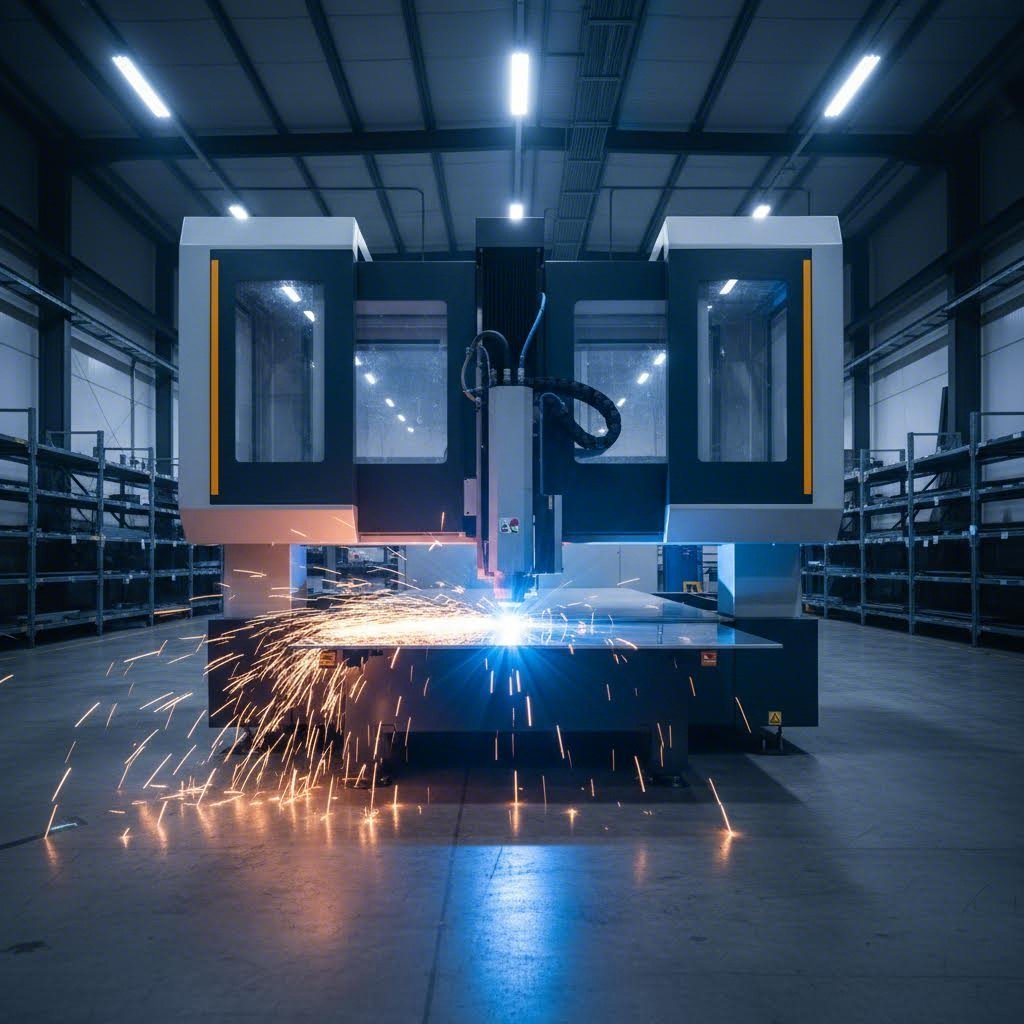
Az online lemezalkatrész-szolgáltatások megértése és működésük
Képzelje el, hogy egy projektjéhez szabványosított fémalkatrészre van szüksége, és percek alatt kap árajánlatot, nem pedig napok alatt. Pontosan ezt nyújtják az online lemezalkatrész-szolgáltatások. Ezek a digitális platformok közvetlenül összekötik a mérnököket, tervezőket és beszerzési szakembereket a fémfeldolgozási kapacitásokkal egyszerűsített webes felületeken keresztül. Feltölt egy tervezési fájlt, beállítja a specifikációkat, és azonnali árajánlatot kap – mindezt telefonhívások vagy hosszadalmas e-mailkonverzációk nélkül.
Mit csinálnak valójában az online lemezalkatrész-szolgáltatások
Ezek a platformok alapvetően hozzáférést biztosítanak professzionális lapfémesztelés egy önálló szolgáltatási modell keretében. Kezelik a lézeres vágástól és hajlítástól kezdve a felületkezelési műveletekig, például porfestésig vagy anodizálásig terjedő teljes folyamatot. Amikor pontosan ki kell vágnia egy alkalmazáshoz szükséges lemezt, ezek a szolgáltatások ipari felszerelést használnak, amely ±0,2 mm-es pontosságot biztosít a vágási elemeknél, és ±1,0°-os pontosságot a hajlítási szögeknél.
A rendelkezésre álló anyagok általában az 5052-es és az 5754-es alumíniumötvözetek, a 304-es és a 316L-es rozsdamentes acél minőségek, az 1018-as lágyacél, valamint speciális lehetőségek, például az C110-es réz. Ez azt jelenti, hogy akár egyetlen prototípust, akár gyártási mennyiséget igényel, alkatrészeket forrásolhat egyetlen fémlapból egészen a kész komponensekig.
A digitális áttörés a fémfeldolgozásban
A hagyományos fémfeldolgozás gyakran hetekig tartó, visszajelzés-alapú kommunikációt, kézi árajánlat-készítési folyamatokat és bizonytalanságot jelentett a szállítási határidők tekintetében. A digitális platformok alapvetően megváltoztatták ezt a dinamikát. A szakmai elemzések szerint az építőipari termelékenység az elmúlt 20 évben évente csupán 1%-kal nőtt, de azok a műhelyek, amelyek digitális munkafolyamatokat vezettek be, 25–30%-os termelékenységnövekedést értek el a kézi módszerekhez képest.
Mi hajtja ezt az átalakulást? Három kulcsfontosságú tényező:
- Azonnali árajánlat-kalkulációs algoritmusok amelyek másodpercek alatt számítják ki az árat az anyag, a bonyolultság és a mennyiség alapján
- Központosított fájlkezelés amely kiküszöböli a verziókeveredést és a elavult rajzokat
- Valós idejű gyártáskövetés amely lehetővé teszi rendelése folyamatának nyomon követését
Ez az átalakulás azt jelenti, hogy a fémek online megrendelése ugyanolyan egyszerűvé vált, mint az e-kereskedelem, miközben továbbra is szakmai színvonalon nyújt eredményeket.
Feltöltéstől a kézbesítésig: Az alapvető munkafolyamat
De mi is néz ki pontosan ez a folyamat? Íme a rész alapvető útja:
- Töltsd fel a CAD fájlt – Biztonságosan töltse fel tervezetét a platform árajánlat-készítő rendszerébe
- Műszaki paraméterek beállítása – Válassza ki az anyagtípust, vastagságot, felületkezelési lehetőségeket és a szállítási határidőt
- Azonnali árajánlat fogadása – Átlátható árak megadása az Ön pontos igényei alapján
- Gyártás indítása – A platform a megrendelését a legmegfelelőbb gyártási partnerral egyezteti
- Minőségellenőrzés – A alkatrészeket a szállítás előtt ellenőrzik a megadott specifikációk szerint
A szállítási határidők általában öt munkanaptól kezdődnek, de ez a komplexitástól és a mennyiségtől függően változhat. Egyes szolgáltatások – például a 'send-cut-send' típusú platformokon keresztül nyújtottak – egyszerűbb alkatrészek esetében még gyorsabban is képesek szállítani.
Ez a cikk teljes útmutatóként szolgál ezeknek a szolgáltatásoknak a megismeréséhez. Akár mérnök vagy, aki prototípusokhoz értékel lehetőségeket, akár tervező, aki fájlokat készít a gyártáshoz, akár beszerzőszakember, aki szállítókat hasonlít össze – minden szakaszban gyakorlatias útmutatást talál: a anyagspecifikációk megértésétől a költségek optimalizálásán és a minőség biztosításán át egészen a kész alkatrészig. Vizsgáljuk meg részletesen az egész utat a fogalomtól a kész alkatrészig.

Az Ön projektje számára elérhető anyagválasztékok és kiválasztási szempontok
Most, hogy már érti, hogyan működnek az online lemezalkatrész-szolgáltatások, a következő fontos döntés a megfelelő anyag kiválasztása. Ez a döntés mindenre hatással van – attól, hogyan viselkedik alkatrésze terhelés alatt, egészen addig, meddig tart ki a szándékolt környezetben. Ugyanakkor sok platform egyszerűen csak felsorolja az anyagneveket anélkül, hogy elmagyarázná, mit jelentenek ezek a specifikációk valójában a projektje szempontjából.
Nézzük meg részletesen a három fő anyagkategóriát, amelyekkel találkozhat, és adjunk gyakorlati útmutatást arról, mikor melyik érdemes választani.
Alumínium ötvözetek lemezalkatrészekhez
Amikor könnyű alkatrészekre van szüksége, amelyek kiválóan ellenállnak a korróziónak, az alumíniumlemez-opciók dominálnak a kiválasztás során. Ám itt válik izgalmassá a dolog – nem minden alumíniumötvözet viselkedik azonosan a gyártás során.
5052-H32 Alumínium gyakran nevezik „alakításból származó bajnoknak”. Mivel nem hőkezelt, magas fáradási szilárdságot és rugalmasságot kínál, így ideális választás olyan alkatrészekhez, amelyeknél szoros hajlítások szükségesek. Az Approved Sheet Metal szerint az 5052-H32 repedésmentes gyártást tesz lehetővé meglepően sima felületi minőséggel – és közel 2 dollárral kevesebbbe kerül fontonként, mint a 6061.
Alumínium 6061 , különösen a 6061-T6 állapotban, egy kicsapódásos keményített ötvözet , amely magnéziumot és szilíciumot tartalmaz. Jó mechanikai tulajdonságokkal és kiváló hegeszthetőséggel rendelkezik. Azonban itt jön a lényeg, amit a legtöbb anyaglista nem mond meg: a 6061-T6 repedhet alakítás közben, különösen szoros sugarú hajlítások esetén.
Mikor érdemes melyiket választani?
- Válassza az 5052-H32-t akkor, ha a tervezés szoros hajlításokat, 90 fokos konzolokat vagy összetett alakítási műveleteket foglal magában
- Válassza a 6061-T6-ot akkor, ha nagyobb szilárdságra van szükség, és a tervezés lehetővé teszi a nagyobb hajlítási sugarakat – vagy amikor az alakítás utáni hőkezelés elfogadható
Ha az online árajánlat anyagcsere javaslatát tartalmazza, például az 6061-es ötvözet helyett az 5052-es használatát, akkor az általában azért van, mert a gyártó biztosítani szeretné, hogy alkatrészei ne repedjenek meg a gyártás során.
Nérdarab minőség kiválasztási útmutató
A rozsdamentes acéllemez lehetőségek eltérő döntési mátrixot jelentenek, amely egy fő kérdés köré épül: mennyire agresszív az alkatrész működési környezete?
304-es rozsdamentes acél a rozsdamentes acélcsalád munkalója. Ez a austenites króm-nikkel ötvözet kiváló korrózióállóságot nyújt tipikus beltéri és enyhe kültéri alkalmazásokhoz. Könnyen megmunkázható, kitűnően hegeszthető, és olcsóbb, mint prémium testvérei. A 304-es rozsdamentes acélt konyhai berendezésekben, építészeti díszítőelemekben és általános ipari burkolatokban találhatja meg.
316 rostmentes acél a korrózióállóságot tovább növeli 2-3% molibdén hozzáadásával a keverékhez. Ez a kis kémiai különbség hatalmas teljesítménynövekedést eredményez klórtartalmú környezetekben. Szerint Geomiq elemzése , a 316 akár 10 évig is tarthat szimulált tengervíz környezetben, míg a 304 csak 1 évig.
316L rozsdamentes acél a 316 alacsonyabb széntartalmú változata, amely javított hegeszthetőséget és csökkentett karbidkiválási kockázatot kínál hegesztés közben. Válassza a 316L rozsdamentes acélt, ha alkatrészei kiterjedt hegesztést igényelnek, és korróziós körülmények között működnek majd.
| Ingatlan | 304-es rozsdamentes acél | 316 rostmentes acél |
|---|---|---|
| Húzószilárdság | 515-620 MPa | 515-620 MPa |
| Molibdén Tartalom | Nincs | 2-3% |
| Kloridokkal Szembeni Ellenállás | Közepes | Kiváló |
| Relatív költség | Alapvonal | 20-30% -kal magasabb |
| Legjobb alkalmazások | Beltéri berendezések, élelmiszer-feldolgozás, építészeti alkalmazások | Tengeri alkalmazások, orvostechnika, vegyipar |
A gyakorlati szabály? Ha az alkalmazás tengeri vízzel, medencei vegyszerekkel vagy erős ipari környezettel jár, akkor a 316 ára megfelelő befektetés. Beltéri alkalmazásoknál, minimális kémiai expozíció esetén a 304 kitűnő értéket nyújt.
Széntartalmú acélok és speciális anyagválasztékok
Amikor a költséghatékonyság és a nyers szilárdság fontosabb, mint a korrózióállóság, akkor a széntartalmú acél kerül előtérbe. Ezek az anyagok általában védőbevonatra vagy festésre szorulnak, de jelentős költségmegtakarítást kínálnak megfelelő alkalmazásokban.
A36 acél egy szerkezeti minőségű széntartalmú acél, amely kiváló hegeszthetőséggel és jó szilárdsági tulajdonságokkal rendelkezik. Az A36-os acél jól alkalmazható keretek, konzolok és szerkezeti alkatrészek készítésére, ahol az alkatrészt a gyártás után festéssel vagy porfestékkel vonják be. Alacsonyabb folyáshatára a magasabb minőségű acélokhoz képest valójában könnyebbé teszi az alakítást.
1018 acélból alacsony szén tartalmú acél, amely jó hegeszthetőséget és alakíthatóságot kínál kiváló tartóssággal. Az alacsony széntartalom miatt a hegesztés egyszerű, és a savas tisztítás (pikkelés) segít megvédeni a kezdeti korróziótól a tárolás és szállítás során.
Ezen szabványokon túl az online szolgáltatások egyre inkább speciális anyagokat is kínálnak:
- Réz C110 elektromos vezetőképesség és antimikrobiális tulajdonságok érdekében
- Sárgaréz ötvözetek dekoratív alkalmazásokhoz és hardverekhez
- Cinkbevonatos acél kültéri alkalmazásokhoz, amelyek beépített korrózióvédelmet igényelnek
| Anyagkategória | Fő előny | Fő korlátozás | Legjobb használati eset |
|---|---|---|---|
| Alumínium 5052 | Kiváló alakíthatóság | Alacsonyabb szilárdság, mint a 6061-es ötvözetnél | Külső burkolatok szoros hajlításokkal |
| Alumínium 6061-T6 | Magas szilárdság-súly arány | Repedésveszély alakítás közben | Szerkezeti alkatrészek nagy sugarú lekerekítésekkel |
| 304 rosttalan | Kiegyensúlyozott teljesítmény | Érzékeny a klóridokra | Élelmiszeripari berendezések, beltéri ipari alkalmazások |
| 316/316L rozsdamentes acél | Kiváló korrózióállóság | Magasabb költség | Tengeri, orvosi, vegyipari felhasználás |
| A36/1018 széntartalmú acél | Költséghatékony szilárdság | Védőbevonat szükséges | Festett szerkezeti alkatrészek |
Amikor anyagokat választ online platformokon keresztül, ne csak a kész alkatrész követelményeit vegye figyelembe, hanem a gyártási folyamatot is. Az könnyen alakítható anyagok csökkentik a gyártási kockázatot, és gyakran alacsonyabb költségekhez vezetnek. Ezeknek a kompromisszumoknak az ismerete segít megalapozott döntéseket hozni – és felkészülni a következő lényeges specifikációra: a vastagság és kaliber kiválasztása.
Lemezvastagsági Mérettáblázat és Vastagságstandardok Magyarázata
Kiválasztotta az anyagot – most pedig felmerül a kérdés, amely még tapasztalt mérnököket is megfoghat: milyen vastagságra van szüksége? Ha már látott valaha egy specifikációs lapon azt, hogy „16-os lemezacél”, és eltűnődött, hogy ez pontosan hány hüvelyknek felel meg, akkor nem áll egyedül. A lemezvastagsági méretrendszer a fémmegmunkálás egyik leginkább ellentmondásosnak tűnő konvenciója, ennek ellenére elengedhetetlen a megfelelő teljesítményű alkatrészek rendeléséhez.
A lemezvastagsági táblázat olvasása
Íme az első dolog, amit tudnia kell: a mérettáblázat számai pont fordítva működnek, mint ahogy várná. Minél magasabb a méretszám, annál vékonyabb az anyag. Így például a 22-es lemezacél valójában vékonyabb, mint a 10-es lemezacél – sőt, lényegesen vékonyabb.
Miért létezik ez az úgy tűnően logikátlan rendszer? Szerint SendCutSend műszaki dokumentációja , a kaliberrendszer az 1800-as években készült huzalgyártó iparhoz vezethető vissza. A kaliberszám eredetileg azt jelentette, hogy hányszor húzták át a huzalt fokozatosan kisebb lyukakon. Mivel minden húzási művelet csökkentette a huzal átmérőjét, több művelet (magasabb kaliberszám) vékonyabb huzalt jelentett. Ez a konvenció átváltozott a lemezes fémszerkezetekre is, annak ellenére, hogy a lemezeket nem húzással készítik.
Itt válik bonyolulttá a dolog: a különböző fémek különböző kaliberdiagramokat használnak. A 10-es kaliberű acél vastagsága 0,1345 hüvelyk, nem egyezik meg a 10-es kaliberű alumíniummal, amely 0,1019 hüvelyk. Ez azt jelenti, hogy mindig a saját anyagához tartozó helyes kaliberdiagramra kell hivatkoznia.
| Huzalvastagság | Acél (inch) | Acél (mm) | Alumínium (hüvelyk) | Rozsdamentes acél (hüvelyk) | Acél súlya (font/láb²) |
|---|---|---|---|---|---|
| 10 | 0.1345 | 3.42 | 0.1019 | 0.1406 | 5.487 |
| 11 | 0.1196 | 3.04 | 0.0907 | 0.1250 | 4.879 |
| 12 | 0.1046 | 2.66 | 0.0808 | 0.1094 | 4.267 |
| 14 | 0.0747 | 1.90 | 0.0641 | 0.0781 | 3.047 |
| 16 | 0.0598 | 1.52 | 0.0508 | 0.0625 | 2.440 |
| 18 | 0.0478 | 1.21 | 0.0403 | 0.0500 | 1.950 |
| 20 | 0.0359 | 0.91 | 0.0320 | 0.0375 | 1.465 |
| 22 | 0.0299 | 0.76 | 0.0253 | 0.0313 | 1.220 |
Vegye figyelembe az anyagok közötti jelentős különbségeket ugyanazon a kaliberszámon. 14-es kaliberű acélnál 0,0747 hüvelyk vastagsággal dolgozik – de a 14-es kaliberű alumínium csak 0,0641 hüvelyk. Ez 0,0106 hüvelyk különbség, ami határozottan befolyásolhatja a pontos illeszkedést és működést.
A szabványos vastagságmérések magyarázata
A méretjelölésekkel kapcsolatos zavarok miatt sok online lemezszállító szolgáltatás ma már a kaliber számok mellett vagy helyett tizedes hüvelykben vagy milliméterben is megadja a vastagságot. A szerint, Engineers Edge a rendeléskor a kaliber és a tizedes vastagság együttes megadása segít elkerülni a költséges hibákat a kalibertáblák összekeveréséből.
Itt egy gyakorlati keretrendszer gyakori alkalmazásokhoz:
- 22–20 kaliber (0,030"–0,036") – Könnyű burkolatok, díszítőlemezek, csatornák
- 18–16 kaliber (0,048"–0,060") – Általános elektromos dobozok, légkondicionáló alkatrészek, általános gyártmányok
- 14–12 kaliber (0,075"–0,105") – Szerkezeti konzolok, gépvédők, autóipari lemezek
- 11-es méretű acélvastagság és az alatti (0,120"+) – Nehéz teherhordó szerkezetek, teherbíró alkatrészek
A kb. 0,25 hüvelyvnél (6,35 mm) vastagabb anyagok általában már nem minősülnek „lemezacélnak”, hanem „lapacélnak”, ahol a méretszámokat ritkán használják. Ilyenkor a vastagságot kizárólag törtszám vagy tizedes hüvelykben adják meg.
A 16-os méretű acél 0,0598 hüvelyk (kb. 1,52 mm) vastagsága gyakori köztes megoldást jelent – elegendően vastag ahhoz, hogy strukturális merevséget biztosítson a házaknál, ugyanakkor elég vékony ahhoz, hogy hatékonyan hajlítható legyen. Gyakran ez az alapértelmezett kiindulópont, ha a tervezők nem biztosak, milyen vastagságot kellene megadniuk.
A megfelelő méret kiválasztása szerkezeti integritás szempontjából
A megfelelő méret kiválasztása a szerkezeti igények, a gyártási kivitelezhetőség és a költséghatékonyság közötti egyensúlyozást jelent.
Szerkezeti szempontok: A vastagabb méretek nagyobb merevséget és teherbírást biztosítanak. Azonban a vastagság duplázása nem jelenti a szilárdság lineáris duplázódását – az összefüggés inkább követi a összetett mérnöki alapelvek . Hajlító igénybevétel alatt álló alkatrészeknél az inercianyomaték fontosabb, mint a nyers vastagság, ezért alakított elemek, mint például bordák és peremek gyakran jobb merevséget biztosítanak, mint egyszerűen vastagabb lemezanyag használata.
Gyártási következmények: A lemezkiválasztás közvetlen hatással van a gyártási műveletekre:
- Hajlítás: Vastagabb anyagok nagyobb belső hajlítási sugarat igényelnek a repedés elkerüléséhez. Általános szabály, hogy a minimális hajlítási sugár egyenlő az anyagvastagsággal puha ötvözeteknél, és 1,5–2-szerese az anyagvastagságnak keményebb anyagoknál
- Hűtőanyag A nagyobb vastagságú anyagok több hőbevitelt és más technikákat igényelnek. A vékony lemezek (20+) túlégés kockázatával küzdenek MIG hegesztésnél, ezért TIG vagy ponthegesztés ajánlott
- Vágás: A lézeres vágókapacitás géptől függ; a legtöbb online szolgáltatás legfeljebb 0,5 hüvelykes acélt vághat, de a vékonyabb anyagokkal javul a forgási idő és az ár
Költségtényezők: Az anyagköltség nagyjából arányos a súllyal. A acélméret táblázat súlyoszlopát tekintve látható, hogy a 10-es méretű acél, amely 5,487 lb/lb² súlyú, majdnem 4,5-ször többe kerül négyzetlábanként, mint a 22-es méretű, 1,220 lb/lb² súlyú – mindezt anélkül, hogy figyelembe vennénk a vastagabb anyagokhoz szükséges további feldolgozási időt.
A gyakorlati tanulság? Adja meg a legvékonyabb lemezminőséget, amely még kielégíti szerkezeti követelményeit. Ha bizonytalan, konzultáljon gyártási partnereivel – a legtöbb online hajlítottlemez-szolgáltatás DFM-visszajelzést nyújt, amely azonosíthatja a lemezvastagság kiválasztásának optimalizálási lehetőségeit teljesítmény és költséghatékonyság szempontjából. Ezeknek a vastagsági alapelveknek a megértése felkészít a következő lépésre: a megfelelő gyártási eljárások kiválasztására, amelyek anyagát kész alkatrészekké alakítják.

Gyártási folyamatok: vágástól a felületkezelésig
Miután kiválasztotta az anyagot és a vastagságot, a következő kérdés az, hogy pontosan hogyan alakítják át az online lemezalkatrész-szolgáltatások a sík alapanyagot kész alkatrészekké? Az előállítási folyamatok megértése segít okosabb tervezésben, amely hatékonyan gyártható le – és meglepetések nélkül érkezik.
Három alapművelet áll a legtöbb online gyártási eljárás mögött: a lézeres vágás formázza az alkatrész körvonalát, a CNC hajlítás hozza létre a háromdimenziós alakzatokat, míg a felületkezelés védi és esztétikailag javítja a kész alkatrészeket. Nézzük meg részletesen e folyamatok mindegyikét, és azt, hogy mit jelentenek tervei szempontjából.
Lézervágás: Pontosság és korlátok
Amikor feltölt egy tervezési fájlt, a lézeres vágás általában az első gyártási lépés. Egy fókuszált fénylézernyaláb – általában szálas vagy CO2 lézer – elpárologtatja az anyagot a programozott útvonal mentén, így nagyon pontos vágásokat hozva létre minimális hőhatású zónával.
Milyen pontosságot várhat? A Komacut tűrési útmutatója szerint a szabványos lézeres vágás ±0,45 mm-es lineáris tűrést és ±0,12 mm-es lyukátmérő tűrést biztosít. A nagy pontosságú szolgáltatások ezeket ±0,20 mm-re a lineáris elemeknél és ±0,08 mm-re a lyukaknál szűkíthetik.
Íme, amire egy lézervágó jól alkalmazható:
- Bonyolult geometriák – Bonyolult kivágások, organikus alakzatok és szűk belső sarkok, amelyek nehézséget okoznának a mechanikus vágásnál
- Finom részletek – A minimális lyukátmérő a lemez vastagságának fele, vagy 1 mm, attól függően, melyik nagyobb
- Tiszta élek – Minimális peremezés képződik a lyukasztáshoz vagy vágáshoz képest
- Vastagságtartomány – A legtöbb szolgáltatás acélt vág 25 mm-ig és alumíniumot 20 mm-ig
De a lézervágásnak határai is vannak, melyeket érdemes figyelembe venni:
- Vágás szélessége – A lézersugár anyagot távolít el (általában 0,1–0,3 mm-t), ezért a szorosan egymás melletti alkatrészeknek elegendő távolságra kell lenniük
- Hőtorzulás – A vékony anyagok és nagy sík területek deformálódhatnak a vágás során keletkező hőfeszültségtől
- Visszaverő anyagok – A réz és a sárgaréz speciális felszerelést igényel; nem minden szolgáltatás kínálja ezeket
- Az élminőség változó – A vastagabb anyagoknál a vágott éleken barázdálódás vagy enyhe ferdeség jelentkezhet
A gyakorlati tervezési iránymutatás? Tartsa legalább 1 mm-esre a lyuk-él és a lyuk-lyuk közötti távolságot a torzulás elkerülése érdekében. A JLC gyártási irányelvei szerint az 1 mm-nél kisebb távolságok alapértelmezett kockázatot jelentenek a vágás során keletkező sérülésekre
CNC hajlítás és fémalakítás alapjai
Miután a sík profil kimetszésre került, a CNC mélyhúzó sajtók háromdimenziós alkatrészekké formálják. Egy ütőszerszám a lemezt egy nyomatékba nyomja, így pontos hajtások jönnek létre a programozott helyeken. Itt válik kritikussá a gyártáskönnyítés (DFM) szempontja – a hajlítási előírásai közvetlenül befolyásolják, hogy az alkatrészek zökkenőmentesen legyártatódnak-e vagy problémákba ütköznek
A szabványos CNC hajlítás a következő tűréseket biztosítja:
- Szögelőírás – ±1,0° szabványos műveletekhez, ±0,5° nagy pontosságú munkákhoz
- XYZ pozícionálás – ±0,45 mm szabványos, ±0,20 mm pontossági alkalmazásokhoz
- Ismételhetőség – A modern CNC-felszerelés biztosítja az egységes minőséget a termelési sorozatok során
A hajlításra vonatkozó DFM szempontok, amelyeket a legtöbb útmutató figyelmen kívül hagy:
- Minimális hajlítási élhossz – A hajlítandó peremnek elegendően hosszúnak kell lennie ahhoz, hogy az alakzat biztonságosan rögzíteni tudja; ez anyagvastagságtól függően változik
- Lyuk és hajlítás közötti távolság – A hajlítási vonalakhoz túl közel lévő furatok torzulhatnak; tartsa meg legalább a kétszeres anyagvastagságot, plusz a hajlítási rádiuszt
- Hajlítási sorrend – Több hajlítással rendelkező összetett alkatrészek esetén gondos sorrendezés szükséges a szerszámütközések elkerüléséhez
- Visszarugó kompenzáció – Az anyagok "visszarugnak" a hajlítás után; a gyártók automatikusan kompenzálják ezt, de szigorúbb szögtűrések magasabb költséggel járnak
Az anyagválasztás itt is fontos. A puha ötvözetek, mint az alumínium 5052, kiszámíthatóan hajlanak minimális visszarugással. A keményebb anyagok, mint az acél, nagyobb visszarugást mutatnak, és szigorúbb folyamatszabályozást igényelnek. Ha hajlított rozsdamentes acél alkatrészeket hegesztünk, ne feledjük, hogy a hőbevitel feszültségeket oldhat fel, és további torzulást okozhat.
A külső hajlítási rádiusz természetes módon alakul ki a hajlítási folyamat során. A JLC specifikációi szerint ez a rádiusz 0,5 mm-től indul 1 mm-es anyagvastagságnál, és akár 6 mm-ig terjedhet 6 mm-es lemezeknél. Az ilyen természetes rádiuszok figyelembevétele szorosabb sarkok meghatározása helyett biztosítja a gyártható alkatrészeket.
Felületkezelési lehetőségek, amelyek védik és esztétikussá teszik
A nyers, gyártott alkatrészek gyakran szükségük van korrózió elleni védelemre, javított esztétikai megjelenésre vagy jobb kopásállóságra. Két felületkezelési eljárás uralkodik az online lemezmetál-szolgáltatások között: porfestés és anódolás. Annak megértése, hogy mikor melyik eljárás előnyösebb, segít a megfelelő felületkezelés kiválasztásában.
Porfestés elektrosztatikusan töltött porrészecskéket visz fel földelt fémalkatrészekre, majd keményítőkemencében polimerizálja azokat tartós bevonat kialakításához. A Protolabs összehasonlító elemzése szerint a porfesték vastagsága 50–150 µm között mozog, és az alábbi előnyökkel rendelkezik:
- Színválaszték – RAL színegyeztetés elérhető pontos márkázási vagy esztétikai igényekhez
- UV Stabilitás – Kültéri használatra alkalmas porfestékek ellenállnak a színbontódásnak és a porladásnak
- Repedésállóság – A rugalmas bevonat jobban elnyeli az ütéseket, mint a keményebb felületek
- Az anyagok sokoldalúságát – Acél, alumínium és egyéb vezetőképes fémek esetén is működik
A porfestésnek azonban vannak korlátai. 200 °C felett elkezd lebomlani, így nem alkalmas magas hőmérsékletű alkalmazásokra. A karcolások nyílt alapfémfelületet hozhatnak létre, amely korrózióra hajlamos, és a vastagabb bevonat befolyásolhatja a szoros tűréshatárokat.
Anodizálás egy alapvetően más megközelítést alkalmaz – elektrokémiai átalakítással oxidréteget növeszt az alumínium felületén belül. Ez az anodizált alumínium egyedi tulajdonságait eredményezi:
- Integrált védelem – Az oxidréteg nem repedezhet vagy hámlathat, mivel maga a fém része
- Minimális vastagság – Csak 5–25 µm, így megőrzi a méretpontosságot pontos illesztésekhez
- Kiemelkedő keménység – A III. típusú keményanódolás az egyik legkeményebb fémszilárdságot eredményezi
- Hőerősség – A kerámiaszerű oxidréteg ellenáll a magas hőmérsékletnek
A kompromisszum? Az anodizálás csak alumíniumon működik, és nehezebb javítani, mint a porfestést. A színek összehangolása tételenként is kevésbé egységes lehet.
| Tényező | Porfestés | Anodizálás |
|---|---|---|
| Tipikus vastagság | 50–150 µm | 5–25 µm |
| Kompatibilis anyagok | Acél, alumínium, egyéb anyagok | Csak alumínium |
| Hőállóság | Akár 200 °C-ig | Kiváló (kerámiaszerű) |
| Karcolási viselkedés | Felfedi az alapfémet | Nem húzódik le és nem szakad le |
| Leginkább alkalmas | Színes kültéri alkatrészek | Pontos aluminiumkomponensek |
Ezen elsődleges felületkezelések mellett számos szolgáltatás további lehetőségeket is kínál: finomítás (egyenletes rosterezés), golyós fúvás (matte felület), bevonatozás (vezetőképesség vagy kopásállóság érdekében), valamint fémnyomtatás (logók és címkék elhelyezésére).
Gyakran figyelmen kívül hagyott szempont: az alumínium hegesztése és a hegesztést követő felületkezelés. A hegesztett területek esetleg másképpen anodizálódnak, mint a környező anyag, látható színkülönbségeket okozva. Ha az egységes megjelenés fontos, beszélje meg ezt gyártópartnerével a megrendelés előtt.
Ezen gyártási folyamatok – valamint tűrései és korlátai – megértése felkészít a következő, kritikus lépésre: tervezési fájljainak előkészítésére, hogy egyértelműen közvetíthesse követelményeit, és elkerülje a költséges feltöltési hibákat.
Sikeres fájl- és tervezési követelmények
Kiválasztotta az anyagot, meghatározta a megfelelő méretet, és megértette a gyártási folyamatokat. Most következik az a lépés, ahol sok első alkalommal vásárló elakad: olyan tervezési fájlok elkészítése, amelyeket az online lemezgyártó szolgáltatások valóban képesek gyártani. Meglepő módon számos rendelés késik – nem bonyolult geometria vagy exotikus anyagok miatt, hanem elkerülhető fájlhibák miatt.
Ha elsőre jól készítette el a fájljait, gyorsabb árajánlatot kap, gördülékenyebb lesz a gyártás, és a részek megfelelnek az elvárásainak. Nézzük végig pontosan, mit igényelnek ezek a platformok a feltöltött fájloktól.
Fájlformátumok, amelyeket az online szolgáltatások elfogadnak
Különböző fájlformátumok különböző célokat szolgálnak az online gyártási folyamatban. Annak megértése, hogy melyik formátumot kell használni – és mikor – elkerülheti a zavart és a visszautasított feltöltéseket.
Sík vágott alkatrészekhez (hajlítás nélkül):
- DXF (Drawing Exchange Format) – Az univerzális szabvány 2D vágási fájlokhoz. A Xometry fájl-előkészítési útmutatója szerint a DXF fájl feltöltése árajánlatot eredményez síklemez alkatrészekre hajlítás nélkül. Ez a formátum szinte minden tervezőszoftverben és gyártási platformon használható.
- DWG (AutoCAD Rajz) – Az AutoCAD natív formátuma, amely közvetlenül működik sok szolgáltatással. A SendCutSend DWG fájlokat fogad el átalakítás nélkül, ami kényelmes az AutoCAD-felhasználók számára.
- AI/EPS (Adobe Illustrator) – Megfelelő a grafikus tervezőszoftverekben készített rajzokhoz, bár a vektoros geometriát megfelelően kell elkészíteni.
Hajtott 3D alkatrészek esetén:
- STEP/STP (Termékadatok cseréjének szabványa) – A hajtott lemezalkatrészekhez ajánlott formátum. A 2D fájlokkal ellentétben a STEP fájlok a kialakított 3D alakot közvetítik, így a gyártók ellenőrizhetik a hajtások kivitelezhetőségét és pontos síkrajzokat készíthetnek.
- Solidworks, Inventor, Fusion 360 natív fájlok – Egyes platformok közvetlenül elfogadják ezeket, de a STEP továbbra is a legbiztonságosabb keresztplatformos megoldás.
Itt a kulcsfontosságú különbség: ha az alkatrész hajtásokat tartalmaz, ne töltsön fel csupán egy DXF fájlt. A 2D fájl nem tudja közvetíteni a hajtási helyeket, a hajtási sugarakat vagy a kialakítási sorrendet. Töltsön fel vagy egy 3D STEP fájlt, amelyet a végső alakzatra hajtottak, vagy jelölje be a hajtásvonalakat szaggatott vonallal a 2D fájlban, megfelelő jelölésekkel ellátva.
Tippek tiszta exportáláshoz tervezőszoftverekben
A leggyakoribb fájlproblémák az exportálás során keletkeznek, nem az eredeti tervben. Ezek a gyakorlatok segítenek tiszta fájlok biztosításában, függetlenül a használt CAD-szoftvertől:
Méretarány és mértékegységek ellenőrzése:
Rajzának pontosan 1:1-es méretarányban kell lennie a végső alkatrész tényleges méretéhez képest. Ez nyilvánvalónak tűnhet, de a mértékegységek eltérése gyakori problémát okoz. A Xometry irányelvei szerint az online platformok általában a dimenziótartományok alapján értelmezik a fájlokat:
- Ha a maximális hossz meghaladja a 48,5 egységet, a rendszer milliméterként értelmezi
- Ha a maximális hossz kevesebb, mint 1 egység, hüvelykként értelmezi
- Egyébként a fájl mértékegységeit változatlanul megtartja
Az exportálás előtt ellenőrizze, hogy a tervezőszoftver mértékegység-beállításai megfelelnek-e a kívánt méreteknek. Ha más mértékegységekben tervezett, frissítse a beállításokat, majd újra exportálja a fájlt, ne bízzon az automatikus konverzióban.
Rétegkezelés:
Az online árajánlat-kérő rendszereknek tiszta vágási geometriára van szükségük – semmi másra. Az exportálás előtt kapcsolja ki vagy törölje az alábbi rétegeket tartalmazókat:
- Méretek és magyarázó szövegek
- Címek és rajzkeretek
- Szerkesztési geometria és középvonalak
- Hivatkozási képek vagy háttérképek
Ahogy a SendCutSend is elmagyarázza, a platformnak csupán egy vektoros körvonalra van szüksége az alkatrészből és a vágási jellemzőiből. Tartsa meg a magyarázó rétegeket az eredeti fájlban utólagos hivatkozáshoz, de csak a gyártáshoz szükséges geometriát exportálja.
Hajtásvonal-formázás:
Alakítás igénylő alkatrészek esetén különböztesse meg a vágási vonalakat a hajtási vonalaktól szaggatott vonaltípusok használatával. Válassza ki az összes hajtási vonalat, és állítsa be őket "DASHED" (SZAGGATOTT) vonaltípusúra—többnyire ezt az elnevezést ismerik fel a platformok a vágási és alakítási műveletek elkülönítéséhez.
Geometria tájolása:
Minden rajzelemnek az XY síkban kell lennie. Ha a fájl előnézete bármilyen 3D-s perspektívát vagy Z-tengely irányú eltolódást mutat, laposítsa le a feltöltés előtt. A parancs a szoftvertől függően változik—az AutoCAD-ben írja be a parancssorba a "FLATTEN" (LAPÍTÁS) parancsot, válassza ki a geometriát, majd erősítse meg.
Gyakori feltöltési hibák elkerülése
Még a tapasztalt tervezők is szembetalálkoznak elutasítási hibákkal. A SendCutSend DFM-elemzése szerint ezek a problémák okozzák leggyakrabban a rendelések késedelmét:
Előre csoportosított fájlok: Több alkatrész együttes feltöltése egyetlen fájlban megakadályozza a mennyiségi kedvezmények érvényesítését, és torzítja az egyedi alkatrészek méreteit. Minden egyedi alkatrészt külön fájlként töltsön fel, és adja meg a mennyiségeket a rendelés során.
Hidak nélküli belső elemek: A vágóvonalakkal teljesen körbezárt geometriai elemek a gyártás során kiesnek, és elvesznek. Az „O” vagy „A” betűknek összekötő hidakra van szükségük, hogy a helyükön maradjanak. Ellenőrizze a tervét izolált belső alakzatok tekintetében, és szükség esetén adjon hozzá rögzítő nyelveket.
Ismétlődő pályák: Néha az exportálási folyamat átfedő geometriát hoz létre – két azonos vonal egymásra helyezve. Ezek vastagodott vonalként jelenhetnek meg, vagy feldolgozási hibákat okozhatnak. Ha az előnézet furcsán néz ki, próbálja újra exportálni a fájlt, vagy használjon DXF-szerkesztőt, például QCAD-et az ismétlődések azonosítására és eltávolítására.
Perspektivikus nézetek: Ha az alkatrészed nem vízszintesen, hanem dőlt nézetben jelenik meg, akkor a fájl 3D-s perspektív adatokat tartalmaz. Újra kell exportálni egy valódi felülnézeti nézetből, hogy megfelelő 2D-s geometria jöjjön létre.
A minimumok alatti geometria: Minden anyagnak vannak minimális előírásai a lyukméretekre, hídszélességekre és a lyukak szélektől való távolságára vonatkozóan. A minimumoknál kisebb elemek elutasításhoz vezetnek. Ellenőrizd a gyártó anyagkatalógusát a pontos értékekért feltöltés előtt.
Feltöltés előtti ellenőrzőlista
Miután rákattintottál a feltöltés gombra, ellenőrizd a következőket:
- Méretarány ellenőrizve 1:1-hez – Az alkatrész méretei megegyeznek a tervezett végső mérettel
- Egységek ellenőrizve – A fájl milliméterben vagy hüvelykben került mentésre, ahogyan szánták
- Nem vágott rétegek eltávolítva – Csak a gyártási geometria marad meg
- Geometria az XY síkban – Nincs 3D-s perspektíva vagy Z-tengely irányú eltolódás
- Hajlítási vonalak szaggatott vonallal – Ha érvényes, a hajlítási helyek szaggatott vonaltípust használnak
- Nincsenek duplikált útvonalak – Tiszta, egyszeres vonalból álló geometria az egész területen
- Belső elemek összekötve – Zárt alakzatok összekapcsolva a kiesés megelőzése érdekében
- Minimális geometria teljesül – A lyukak, hidak és távolságok meghaladják az anyag minimális értékeit
- Egy alkatrész fájlonként – Több alkatrész előzetes elhelyezése (pre-nesting) nincs
Tűrések és kritikus méretek közlése:
A szabványos gyártási tűrések a legtöbb alkatrészhez megfelelőek, de a pontos alkalmazások szigorúbb előírásokat igényelhetnek. Ha a tervezésed rendelkezik kritikus méretekkel – például illeszkedő szerelvények lyukainak helyzete, élek, amelyek pontosan illeszkedniük kell – akkor ezeket külön kell közölni a vágási fájltól.
A legtöbb platform elfogadja a tűrések megadását csatolt rajzként vagy megrendelési megjegyzésként. Amikor szerelvényekhez tartozó lyukakat határozol meg, egy fúrószár-méret táblázat vagy fúróméret-táblázat használata segít abban, hogy a lyukak megfeleljenek a szabványos rögzítőelem-méreteknek. Hasonlóképpen, egy fúrótáblázat ellenőrizheti, hogy a megadott lyukátmérők összhangban vannak-e a rendelkezésre álló szerszámokkal.
Az egyszerű a cél: pontosan azt adja meg a gyártónak, amire szüksége van ahhoz, hogy helyesen legyártse az alkatrészt, és semmi olyat nem tartalmaz, ami zavart okozhat. A tiszta fájlok pontos árajánlatokhoz, gyorsabb gyártáshoz és a tervezési szándékának megfelelő alkatrészekhez vezetnek – így előkészíti az árképzési tényezők megértését, amelyek meghatározzák a végső költséget.

Az árképzési tényezők és a költségoptimalizálás megértése
Elkészítette a fájlokat, kiválasztotta az anyagokat, és megértette a gyártási folyamatokat. Most eljön minden mérnök és beszerzési szakember által feltett kérdés: mennyibe fog ez valójában kerülni? Ellentétben a hagyományos gyártóüzemekkel, ahol az árajánlat napokkal később érkezik meg, az online lemezalkatrész-szolgáltatások azonnali árképzést biztosítanak – de mi történik a számítás mögött?
Ezen költségtényezők megértése segít intelligensebb tervezési döntéseket hozni, és optimalizálni a költségvetését még azelőtt, hogy rákattintana az „rendelés” gombra. Bontsuk le részletesen, mi befolyásolja az Ön árajánlatát.
Az anyagköltségek és hatásuk az árajánlatra
Az anyagköltség általában a teljes költség legnagyobb részét teszi ki – gyakran 60–85%ot a Dallan gyártási költségelemzése szerint. Amikor azon gondolkodik, hogy mennyibe kerül a font acél, vagy összehasonlítja az alumíniumot és az rozsdamentes acélokat, akkor a költségvetésében a legnagyobb hatást kifejtő tényezővel foglalkozik.
Több anyagjellemző együttesen határozza meg ezt az alapköltséget:
- Anyag típusa – Az alumínium általában olcsóbb, mint a rozsdamentes acél, míg speciális ötvözetek, például a réz magasabb árat igényelnek
- Vastagság kiválasztása – A vastagabb lemezek több nyersanyagot igényelnek négyzetlábanként; ahogyan mutatja mérettáblázatunk, a 10-es kaliberű acél 4,5-szer nehezebb, mint a 22-es kaliberű
- Lemezkihasználás – Alkatrésze geometriája határozza meg, mennyire hatékonyan illeszkedik a szabványos lemezformátumokra, így befolyásolva a hulladékmennyiséget
- Aktuális piaci árak – Az acél ára fontonként változik a globális kínálati feltételektől függően, és az online platformok általában rendszeresen frissítik az anyagköltségeket
Itt van valami, amit a legtöbb versenytárs nem magyaráz meg: az online árkalkulációs algoritmusok az anyagköltséget ezzel az alapvető képlettel számítják ki – alkatrész területe szorozva a vastagsággal, sűrűséggel és a kilogrammonkénti aktuális árral, plusz egy selejttényező. Dallan módszertanát követve, ha az alkatrészhez 700x500 mm-es 1 mm-es acél szükséges 0,70 €/kg áron, akkor a nyersanyag-költség önmagában eléri kb. az 1,91 €-t, mielőtt bármilyen feldolgozás megkezdődne.
A gyakorlati tanulság? Az anyagválasztás tervezés korai szakaszában hozott döntései különösen nagy hatással vannak a végső árazásra. Az átváltás a 316-os rozsdamentes acélról 304-esre – amikor a korróziós követelmények engedik – 20–30%-kal csökkentheti az anyagköltségeket.
Az árat növelő komplexitási tényezők
Az alapanyagokon túl az alkatrész komplexitása közvetlenül befolyásolja a gépi megmunkálási időt, és ezáltal az árat is. Szerint Mid-Atlantic Steel Fabrication egyszerűbb tervek olcsóbbak, mivel kevesebb hegesztési, hajlítási és vágási időt igényelnek. A bonyolultabb geometriák hosszabb gyártási ciklusokat és több munkaerőt igényelnek.
Mi növeli konkrétan az összetettségi költségeket?
- Vágási út hossza – A nagyobb kerület több lézeres vágási időt jelent; a sok sarkú, bonyolult kivágások hosszabb ideig tartanak, mint az egyszerű téglalapok
- Hajlítások száma – Minden hajlításhoz külön sajtolóütő művelet szükséges; a 10 vagy több hajlítással rendelkező alkatrészek jelentősen drágábbak, mint a lapos profilúak
- Szoros toleranciák – A szabványos specifikációkon túlmenő pontosság további minőségellenőrzést és lassabb feldolgozást igényel
- Befejező műveletek – A porfesték bevonat, anodizálás vagy galvanizálás további utómunkálatokat és kezelési időt igényel
- Visszatérési idő – A sürgős megrendelések prémium áron kerülnek kiszámlázásra; a szabványos átfutási idők jobb ár-érték arányt nyújtanak
A gépi megmunkálási költség kiszámítása egyszerű logikán alapul: gép óradíja szorozva a ciklusidővel, osztva a hatékonysági tényezővel. A Dallan elemzése szerint 12 másodperces ciklusidő és 80,5% hatékonyság mellett, 77,30 eurós óradíj esetén a darabköltség 0,32 euró – ez csupán 14%-a a teljes költségnek, amikor az anyagköltség 86%-ot tesz ki
Ez az arány fontos felismerést tár elénk: a tervezési egyszerűsítés gyakran kevesebb pénzt takarít meg, mint a nyersanyag-optimalizálás. Ennek ellenére a bonyolultság csökkentése továbbra is fontos olyan alkatrészek esetében, amelyeknél kiterjedt alakításra vagy másodlagos műveletekre van szükség.
Térfogati kedvezmények és tételoptimalizálás
A rendelt mennyiség jelentősen befolyásolja az alkatrészegység árát. A Komacut költségszámítási útmutatója szerint nagyobb mennyiségek esetén előnyösebbek lesznek az anyagelérhetőség és beszerzési lehetőségek, miközben a beállítási költségek több egységre oszlanak el.
A térfogatfüggő árazás általában több mechanizmuson keresztül javul:
- Beállítási költségek elosztása – A gépprogramozási és szerszámbefogási beállítási költségek a tételben lévő összes alkatrészre eloszlanak
- Nesting hatékonyság – A nagyobb mennyiségek lehetővé teszik a lemezrajzok hatékonyabb optimalizálását, csökkentve így a selejtarányt
- Nagykereskedelmi anyagárak – A nagyobb mennyiségek kedvezményes anyagárakat tehetnek lehetővé a beszállítóktól
- Feldolgozás folyamatossága – A nagyobb tételszám megszakítás nélküli futtatása növeli a gépek hatékonyságát
Azonban a kisebb megrendelések nem feltétlenül hatékonytalanok. Prototípuskészítés vagy kis sorozatszámú gyártás esetén az online szolgáltatások gyakran jobb értéket kínálnak, mint a hagyományos műhelyek, mivel az automatizált árajánlat-kérésük kiküszöböli a minimális rendelési költségeket.
Költségcsökkentési stratégiák, amelyek tényleg működnek
Szeretné csökkenteni árajánlatát anélkül, hogy a alkatrész minőségét kompromittálná? Az alábbi megközelítések mérhető megtakarítást eredményeznek:
- Tervezze alkatrészeit szabványos lemezformátumokhoz – Azok az alkatrészek, amelyek hatékonyan illeszkednek a gyakori alapanyag-méretekre (48"×96" vagy 1000×2000 mm), minimálisra csökkentik a hulladékot és csökkentik az anyagköltséget
- Egyszerűsítse a hajlítási sorozatot – A konzisztens hajlítási szögek és sugarak csökkentik a szerszámcsere gyakoriságát; a 90 fokos hajlítás általában olcsóbb, mint a szokatlan szögek
- Válasszon szabványos felületkezeléseket – A porfestés és az alapvető anódosítás olcsóbb, mint az egyedi színegyeztetés vagy a speciális galvanizálás
- Használjon megfelelő tűréseket – Csak ott adjon meg szigorú tűréseket, ahol funkcionálisan szükségesek; a szabványos tűrések elérésének költsége alacsonyabb
- Fontolja meg az anyagalternatívákat – Amikor az alkalmazás lehetővé teszi, értékelje, hogy egy olcsóbb minőségű anyag megfelel-e az előírásoknak
- Tervezzen előre a szabványos átfutási időkre – A sietségi díjak a kiinduló árakhoz képest 25–50%-kal növelik a költségeket; megfelelő átfutási idő tervezése segít a költségvetés megőrzésében
- Prototípust gazdaságos anyagokból készítsen – Ahogyan a Mid-Atlantic Steel Fabrication is rámutat, drága anyagok használata minden prototípus-verzióhoz jelentősen megnöveli a teljes fejlesztési költséget
A webes platformokat működtető azonnali árképzési algoritmusok egyszerre értékelik ki ezeket a tényezőket – anyagfogyasztás, vágási bonyolultság, hajtások száma, felületkezelési igények és mennyiségi kedvezmények –, hogy másodpercek alatt, napok helyett, árakat generáljanak. Bár a konkrét képletek tulajdonosi jog védelme alatt állnak, az alapul szolgáló költségtényezők megértése lehetővé teszi, hogy hatékonyan és gazdaságosan gyártható alkatrészeket tervezzen.
Miután tiszták az árképzési tényezők, a következő szempont ugyanolyan fontossá válik: hogyan biztosíthatja, hogy az Ön által kapott alkatrészek valóban megfeleljenek a minőségi követelményeinek?
Minőségi szabványok és tanúsítási követelmények
Optimalizálta a tervezést, gondosan választotta ki az anyagokat, és versenyképes árakat kapott. De itt jön a kérdés, amely elválasztja a sikeres projekteket a költséges csalódásoktól: honnan tudhatja, hogy a kapott alkatrészek valóban megfelelnek-e az előírásainak? Az online lemezalkatrész-szolgáltatók ezrek megrendelését kezelik – milyen minőségi rendszerek garantálják, hogy az Ön alkatrészei ne valaki más tanulási folyamatának részévé váljanak?
A minőségbiztosítási folyamatok megértése a megrendelés előtt segít helyesen értékelni a beszállítókat, pontosan meghatározni az igényeket, és elkerülni a meglepetéseket, amikor az alkatrészek megérkeznek. Nézzük meg, mit jelentenek valójában ezek a tanúsítványok, és hogyan védik a projektjét az ellenőrzési protokollok.
Fontos ipari tanúsítványok
A tanúsítványok független igazolásként szolgálnak arra nézve, hogy a gyártó rendszerszerű minőségi folyamatokat vezetett be. A Northstar Metal Products szerint ezek a tanúsítványok bizonyítják, hogy a termékek ismert szabványoknak felelnek meg – különösen fontos ez olyan iparágakban, ahol a pontosság és a biztonság elsődleges szempont.
De nem minden tanúsítványnak ugyanaz a súlya minden alkalmazás esetén. Íme, hogy mit jelentenek valójában a főbb szabványok:
ISO 9001:2015 meghatározza az alapot. Ez a nemzetközi szabvány határozza meg az olyan hatékony minőségirányítási rendszer (QMS) követelményeit, amely biztosítja az állandó termékminőséget és az ügyfélérzelmet. A Qualityze tanúsítási elemzése szerint az ISO 9001 tanúsítvánnyal rendelkező szervezetek képesek bemutatni, hogy képesek magas minőségű termékek szállítására, miközben teljesítik a vonatkozó előírásokat. Általános lemezalkatrész-gyártás esetén az ISO 9001 megbízható garanciát nyújt a dokumentált folyamatokról és a folyamatos fejlesztés kultúrájáról.
A szövetek lényegesen tovább viszi a minőségirányítást – kifejezetten az autóipari alkalmazásokhoz. Az International Automotive Task Force (IATF) határozza meg ezt a tanúsítványt, amely az ISO 9001 szerkezetére épül, de hozzáadja az autóipar specifikus követelményeit. Az IATF 16949 tanúsítását igénylő szervezeteknek mindkét szabványnak meg kell felelniük, és harmadik fél általi auditon keresztül kell elérniük a tanúsítást.
Miért fontos ez a megkülönböztetés? A gépjárműipari alkalmazások nyomonkövethetőséget, hibák megelőzését és az eltérések csökkentését követelik meg az egész ellátási lánc során. Ha alkatrészei járművekbe vagy gépjármű-rendszerekbe épülnek be, akkor egy IATF 16949 tanúsítvánnyal rendelkező acélalkatrész-gyártóval való együttműködés dokumentált bizonyítékot szolgáltat az autóipari minőségű minőségirányítási rendszerről.
AWS Certified Welding Fabricator (CWF) kifejezetten az ívhegesztési jártasságra vonatkozik. Ez az American Welding Society által kiadott tanúsítvány igazolja a hegesztési technikákban szerzett szakértelmet, és biztosítja a hegesztett szerkezetek mechanikai integritását és tartósságát. Ha alkatrészei hegesztést igényelnek – különösen vasalapú fémeknél vagy kritikus szerkezeti elemeknél –, ez a tanúsítvány hitelesített hegesztési képességre utal.
UL tanúsítványok címzett biztonsági és teljesítményszabványok. Például a porfesték rendszerek UL 1332 tanúsítása biztosítja, hogy a befejező folyamat megfeleljen a korrózió- és tartóssági követelményeknek. Amikor olyan házakat vagy alkatrészeket igényel, amelyek meghatározott biztonsági szabványoknak felelnek meg, az UL tanúsítás dokumentált megfelelést nyújt.
Tűréshatár-szabványok és ellenőrzési módszerek
A tanúsítások rendszerszintű minőségi folyamatokat határoznak meg, de a tűrések határozzák meg, hogy az Ön konkrét alkatrészei esetében mit jelent valójában az „elfogadható”. A szabványos tűrések megértése – és annak tudatosítása, mikor kell szigorúbb előírásokat meghatározni – megakadályozza a túlméretezést és az elmaradt eredményeket.
A szabványos lemezalkatrész-tűrések általában a következőket foglalják magukban:
- Lineáris vágási méretek – ±0,45 mm szabványos, ±0,20 mm precíziós munkánál
- Lyukátmérők – ±0,12 mm szabványos, ±0,08 mm precíziós alkalmazásnál
- Ív szögek – ±1,0° szabványos, ±0,5° nagy pontosságú alkalmazásoknál
- Hajlítási pozíció – ±0,45 mm szabványos pozícionálás
Ezek a tűrések a legtöbb alkatrészre vonatkoznak kiegészítő költség nélkül. De mi történik, ha a tervezési igénye szigorúbb előírásokat kíván meg?
A kritikus tűrések esetében egyértelmű kommunikáció szükséges. Ha egy furat helyzete ±0,1 mm-en belül kell illeszkedjen a hozzá illő szerelvényhez, a szabványos tűrések nem garantálják a sikerességet. A kritikus méreteket külön kell megadni – vagy az ön rendeléséhez csatolt jegyzetekkel ellátott rajzon, vagy egyértelmű megjegyzések formájában a fizetési folyamat során.
AIPQC ellenőrzési módszertanának útmutatója , a modern lemezalkatrészek ellenőrzése többféle ellenőrzési módszert alkalmaz:
Méretei ellenőrzése ellenőrzi a kritikus méreteket, beleértve a vastagságot, hosszt, szélességet, furatátmérőket és hajlítási szögeket. A fejlett rendszerek közvetlen méréseket kombinálnak a CAD-modellhez viszonyított összehasonlító elemzéssel, másodpercek alatt több száz pontot mérnek le, és részletes eltérésjelentéseket állítanak elő.
Koordináta mérőgépek (CMM) érintőszondákat használnak a mikronszintű pontosságú 3D-koordináta-adatok gyűjtésére. Ezek a precíziós műszerek ellenőrzik az összetett geometriákat és kritikus elemek helyzetét, amelyeket kézi eszközökkel nem lehet megbízhatóan mérni.
Optikai mérő rendszerek nem érintkező vizsgálatot biztosítanak nagy felbontású kamerák, strukturált fény vagy lézeres szkennelés segítségével. Ezek a rendszerek teljes 3D-profilokat rögzítenek, és összehasonlítják azokat a CAD-modellel, kiküszöbölve az operátori hatást, miközben teljes felületanalízist nyújtanak.
Felületminőség-elemzés a felületi minőséget értékeli, karcolatok, horpadások vagy egyéb hibák észlelésével. A felületi érdesség mérése kvantitatív módon határozza meg a textúra jellemzőit, például az Ra (átlagos érdesség) paramétert – ami fontos, amikor alkatrészek tömítésekkel kerülnek kapcsolatba, vagy adott súrlódási tulajdonságok szükségesek.
Hideg hengerelt acél vagy edzett acél esetén az ellenőrzés során az anyagjellemzők is igazolásra kerülnek. A szakítószilárdsági vizsgálat megerősíti, hogy az anyag megfelel a specifikációnak, míg a keménységvizsgálat az edzett vagy lágyított alkatrészek hőkezelésének eredményét ellenőrzi.
Mit várhat a minőségi dokumentációban
A minőségi dokumentáció nyomkövethető bizonyítékot szolgáltat arról, hogy alkatrészei megfelelnek az előírásoknak. Mit várhat – vagy kérhet – online lemezacél-szolgáltatásoknál történő rendeléskor?
A szabványos dokumentáció általában tartalmazza:
- Anyagok Igazolása – Gyári minőségi tanúsítványt, amely igazolja az anyagminőséget, összetételt és mechanikai tulajdonságokat
- Méretingadozási ellenőrzési jegyzőkönyveket – Igazolást arról, hogy a kritikus méretek a tűréshatárokon belül vannak
- Látványellenőrzési megerősítést – Dokumentációt arról, hogy az alkatrészek megfeleltek a felületminőségi ellenőrzésnek
- Felületkezelés ellenőrzése – Bevonatvastagság mérése vagy anódolás megerősítése, ahol alkalmazható
Magasabb kockázatú alkalmazások esetén igényeljen további dokumentációt:
- Első mintaellenőrzés (FAI) – Részletes méretellenőrzés a kezdeti gyártási mintákról a teljes tétel kiadása előtt
- Statisztikai folyamatirányítási (SPC) adatok – Mérési trendek, amelyek bizonyítják a folyamat stabilitását a gyártás során
- Anyag nyomon követhetőség – Tételszám nyomon követése, amely a kész alkatrészeket az adott nyersanyag-tételekhez kapcsolja
- Megfelelőségi tanúsítványok (CoC) – Hivatalos nyilatkozat arról, hogy az alkatrészek megfelelnek az összes meghatározott követelménynek
Az IPQC elemzése szerint a modern ellenőrzési folyamatok egyre inkább beépítik az automatizált adatgyűjtést és elemzést, lehetővé téve a valós idejű folyamathangolást és átfogó nyomon követhetőséget. A felhőalapú minőségirányítási rendszerek hozzáférést biztosítanak az ellenőrzési adatokhoz a létesítményeken keresztül, támogatva a naplózást és elősegítve a globális minőségi szabványok betartását.
Minőségellenőrzési pontok az anyagfelvételtől a szállításig
Egy erős minőségbiztosítási rendszer több szinten is végzi az ellenőrzést – nem csupán a végső vizsgálatnál. Íme, mit tartalmaznak általában a komplex minőségirányítási folyamatok:
- Bejövő anyagok ellenőrzése – Alapanyagok előírásoknak való megfelelésének megerősítése a gyártásba történő bekerülés előtt
- Folyamatközbeni mérés – Valós idejű visszajelzés a gyártás során, amely lehetővé teszi az azonnali beavatkozást
- Vágás utáni ellenőrzés – A vágott méretek és élminőség ellenőrzése alakító műveletek megkezdése előtt
- Hajlítás ellenőrzése – Szögek és pozíciók ellenőrzése alakító műveletek után
- Horgonyvizsgálat – Hegesztett kötések esetleges vizuális és méretellenőrzése
- Felületminőség ellenőrzése – Bevonat vastagságának, tapadásának és megjelenésének megerősítése
- Végső méretek ellenőrzése – Teljes ellenőrzés a rajzokon szereplő követelményekkel szemben a csomagolás előtt
- Csomagolási ellenőrzés – Annak megerősítése, hogy a szállítási módszerek védik az alkatrészeket sérüléstől
Amikor online lemezmetál-szolgáltatásokat értékel, kérdezzen az egyes szakaszokban alkalmazott ellenőrzési protokollokról. A részletes minőségi rendszert alkalmazó gyártók örömmel magyarázzák el folyamataikat – a homályos válaszok hiányosságra utalhatnak, amelyet érdemes tovább vizsgálni.
A minőségbiztosítás egyik fontos értékelési szempont, de a megfelelő gyártási partner kiválasztása több tényező kiegyensúlyozását jelenti. A képességek, a kommunikáció és a szolgáltatások összhangjának megértése segít megalapozott döntést hozni a beszállító kiválasztásakor.

A megfelelő online lemezmetál-partner kiválasztása
Érti az anyagokat, a tűréseket és a minőségi szabványokat. Most eljött talán a legfontosabb döntés: melyik online lemezalkatrész-szolgáltató érdemli meg valójában az üzletét? Tucatnyi platform verseng rendeléseikért – azonnali árajánlatot nyújtó szolgáltatásoktól, mint az Oshcut, globális beszerzési piactereken keresztül – a lehetőségek túlcsorduló érzést kelthetnek.
A megfelelő partner felgyorsítja a projekt ütemtervét, és olyan alkatrészeket szállít, amelyek megfelelnek az előírásoknak. A rossz választás késéseket, minőségi problémákat és frusztráló kommunikációs hiányosságokat jelent. Nézzük végig rendszerszemléletű értékelési keretet, amely igazítja konkrét igényeit a megfelelő gyártási partnerhez.
Képességek egyeztetése a projektszükségletekhez
Nem minden online lemezalkatrész-szolgáltató kezeli ugyanolyan jól az összes munkatípust. A Swanton Welding szállítókiválasztási útmutatója szerint annak a gyártónak a konkrét szakértelmének értékelése, aki hasonló projekteken dolgozott, nagyobb értékű, mint pusztán az általános iparági tapasztalat figyelembevétele.
Kezdje a követelményeinek leképezésével a szállítók képességeihez:
Anyagválaszték: Felajánlja-e a platform az Ön specifikus ötvözetét és minőségét? Egyes szolgáltatások az alumíniumra és rozsdamentes acélra specializálódnak, míg mások a széntartalmú acél vagy speciális anyagok terén jeleskednek. Ha gyakran keres fémlemezeket a közelben, akkor helyi lehetőségeknél korlátozottabb anyagkínálatra számíthat – az online szolgáltatások általában tágabb választékot kínálnak, de szállítási szempontokat is figyelembe kell venni.
Vastagsági kapacitás: Ellenőrizze, hogy a platform kezeli-e a szükséges lemezvastagságokat. A legtöbb szolgáltatás 0,5 inchig vág acélt, de a hajlítókapacitás jelentősen eltérhet. Vastagabb anyagok esetén manuális árajánlat szükséges lehet, nem elérhető automatikus árkalkuláció.
Folyamatfedettség: Képesek kezelni teljes alkatrészét—vágás, hajlítás, hegesztés és felületkezelés—belső erőforrásokkal? A Swanton Welding szerint az olyan gyártó kiválasztása, amely a projektet kezdettől fogva kezeli, időt és pénzt takarít meg, és biztosítja a folyamat egészében az egyenletes minőséget. A másodlagos műveletek kiszervezése átadási késéseket és potenciális minőségi ingadozásokat eredményez.
Mennyiség-illeszkedés: Egyes platformok prototípusok és kis tételű gyártásra optimalizáltak, míg mások nagyobb termelési mennyiségekre szakosodtak. Egy egyszeri rendelésekre tervezett platform nem feltétlenül kínál versenyképes árakat 1000 darabnál – és fordítva.
| Értékelési szempontok | Prototípus-központú szolgáltatások | Termelés-központú szolgáltatások | Szakmai Gyártók |
|---|---|---|---|
| A minimális rendelési mennyiség | 1 darab, nincs minimális rendelési mennyiség | Gyakran 50–100+ darab | A projektterjedelem szerint változó |
| Anyagkör | Csak gyakori ötvözetek | Szélesebb választék | Alkalmazásspecifikus fokozatok |
| Tipikus szállítási idők | 3-10 munkanap | 2-4 hét szabványosan | Egyéni ütemezés |
| DFM Támogatás | Automatikus visszajelzés | Alapértékelés | Mérnöki konzultáció |
| Árajánlat leadási idő | Pillanatnyi automatikus | 24-48 óra | 12-24 óra értékeléssel |
| Minőségi tanúsítványok | ISO 9001 tipikus | Ágazatspecifikus lehetőségek | IATF 16949, AS9100, stb. |
| Legjobb választás | R&D, kis mennyiségű, egyszerű alkatrészek | Ismétlődő rendelések, szabványos alkatrészek | Kritikus alkalmazások, összetett szerkezetek |
Átfutási idő és kommunikációs elvárások
A sebesség fontos – de az, hogy mit is jelent valójában a „gyors”, megakadályozza a csalódást. A Haizol platformösszehasonlítása szerint a gyártási idők jelentősen eltérnek az alkatrészek összetettségétől, mennyiségétől és felületkezelési igényeitől függően.
Értékelje az átfutási időt több szempontból:
Ajánlatkérésre adott válaszidő: Az automatikus, azonnali ajánlatok jól működnek egyszerű alkatrészek esetén, de az összetett geometriák vagy szűk tűrések gyakran kézi áttekintést igényelnek. Azok a platformok, amelyek „azonnali ajánlatot” ígérnek, még így is 24-48 órát vehetnek igénybe olyan alkatrészeknél, amelyek nem illeszkednek automatizált paramétereikbe. Egyes szakosodott gyártók meglepően gyors kézi ajánlatokat kínálnak – például 12 órás átfutási idő összetett szerkezetekre, ami az operatív hatékonyság jele.
Gyártási átfutási idők: A szabványos opciók általában 3–10 munkanapot vesznek igénybe egyszerű vágott alkatrészek esetén, összetett, felületkezelt szerelvényeknél pedig 3–4 hetet. Expressz szolgáltatás is elérhető, de az jelentős felárat von maga után – gyakran 25–50%-kal magasabb a szabványos díjaknál.
Kommunikációs reakcióidő: Milyen gyorsan reagál a platform problémák esetén? Az önsegélyező platformoknak gyakran nincs kijelölt ügyfélszolgálata, így problémák fellépésekor Önnek kell eligazodnia az automatizált rendszerek között. A Swanton Welding szerint egy gyártó munkaerőjének mérete és szakértelme közvetlenül befolyásolja annak képességét, hogy a projekteket a kívánt határidőre befejezze.
Tervezési visszajelzés minősége: A platform proaktívan azonosítja a gyárthatósággal kapcsolatos problémákat, vagy egyszerűen csak elutasítja a hibás fájlokat? Az értékes partnerek olyan hasznos DFM-útmutatást nyújtanak, amely javítja terveit – nem csupán hibaüzeneteket adnak.
Ha azt kereste, hogy „fémmegmunkálás közel hozzám” vagy „megmunkáló üzemek közel hozzám”, remélve személyes konzultációt, az online platformok esetében módosítania kell az elvárásait. A tágabb lehetőségekhez való hozzáférés ára általában a kevésbé személyre szabott kommunikáció – bár egyes szolgáltatások nagyobb projektekhez kijelölt, dedikált fiókmenedzsereket biztosítanak.
A prototípuskészítő és tömeggyártó partnerek értékelése
Az a platform, amely jól teljesít a három darabból álló prototípus elkészítésében, nem feltétlenül optimális a 3000 darabból álló sorozatgyártáshoz. Leecheer gyártási elemzése szerint a prototípuskészítés és a tömeggyártás alapvetően eltérő prioritásokkal rendelkezik.
A prototípuskészítés prioritásai:
- Sebesség a költség felett – Fontosabb a gyors alkatrész-szállítás a teszteléshez, mint az egységár
- Tervezési rugalmasság – Képesség gyorsan iterálni, miközben finomítja a specifikációkat
- Alacsony minimális mennyiségek – Nincs minimális rendelési mennyiség egyedi érvényesítő alkatrészekhez
- Anyagkísérletezés – Hozzáférés alternatív ötvözetekhez a teszteléshez, mielőtt véglegesítené a döntést
Gyártási prioritások:
- Mennyiségi árak – A darabköltségek léptékhatásra kritikusak
- Konzisztencia – Statisztikai folyamatszabályozás, amely biztosítja, hogy minden alkatrész megfeleljen az előírásoknak
- Kapacitás megbízhatósága – Megbízhatóság abban, hogy a beszállító képes fenntartani folyamatos igényeit
- Minőségi igazolás – Iparág-specifikus tanúsítványok szabályozott alkalmazásokhoz
Egyes projektek olyan partnerekre van szükségük, akik mindkettőben kiemelkednek. Olyan gyártási és precíziós alkalmazásokhoz, amelyek IATF 16949 tanúsítást igényelnek, gyors prototípusgyártási lehetőségekre és átfogó DFM-támogatásra, mint például a Shaoyi Metal Technology bemutatja, hogyan tudják a szakosodott szolgáltatók felgyorsítani a beszerzési láncokat 5 napos prototípusgyártással és 12 órás árajánlati fordulóval. Ez a kombináció a prototípus-reakciógység és a termelési színvonalú minőségi rendszerek között különösen értékes, ha a fejlesztési határidők össze vannak húzva.
Amikor fémmegmunkálókat keres a közelben, vagy tágabb online lehetőségeket fontol meg, értékelje, hogy projektje hol helyezkedik el a prototípusból termelésbe vezető skálán – és ellenőrizze, hogy a kiválasztott partner mennyire erős abban a fázisban.
Kérdések, amelyeket érdemes feltenni a megrendelés előtt
Mielőtt első rendelését leadná bármely online lemezalkatrész-szolgáltatónál, ezek a kérdések segítenek feltárni a lehetséges problémákat:
- Milyen tanúsítványokat bírsz el? – Ellenőrizze, hogy az állítások megfelelnek-e az Ön alkalmazási követelményeinek
- Tudnak hasonló projektekre hivatkozásokat adni? – A múltbeli teljesítmény előrejelzi a jövőbeli eredményeket
- Mi történik, ha az alkatrészek nem felelnek meg a specifikációnak? – Ismerje meg a minőségi garanciájukat és újrakészítési szabályzatukat
- Hogyan kezelik a tervezési visszajelzéseket? – Állapítsa meg, hogy kap-e hasznos DFM-útmutatást
- Mekkora az aktuális kapacitásuk az én mennyiségi igényeimhez? – Győződjön meg róla, hogy tudnak-e lépést tartani az igényeivel
- Kiszervez valamely műveleteket? – Azonosítsa a lehetséges átadási pontokat, amelyek hatással lehetnek a minőségre vagy az ütemezésre
- Milyen ellenőrzési dokumentációt biztosít? – Győződjön meg arról, hogy megfelelő minőségi feljegyzéseket kap
- Hogyan kezeli a sürgős változtatásokat vagy a gyorsított rendeléseket? – Ismerje meg a rugalmasságot váratlan igények esetén
- Mi az Önök szabványos kommunikációs protokollja? – Határozza meg az elvárásokat a reakcióidővel és a frissítésekkel kapcsolatban
- Megtekinthetem a létesítményüket? – A megbízható gyártók nyitottan fogadják az átláthatóságot
A Swanton Welding szerint mindig célszerű referenciákat kérni más ügyfelektől, akik már dolgoztak egy gyártóval. Mások tapasztalataiból való tanulás értékes betekintést nyújt a szakmaiságba, megbízhatóságba és az általános munkaminőségbe, amit a marketinganyagok nem feltétlenül tárhatnak fel.
Az értékelési folyamat befektetést igényel, de a megfelelő partner kiválasztása minden rendelés során megtérül. Amikor már világosak a beszállítóválasztási kritériumok, készen áll arra, hogy a kutatásból átlépjen a cselekvésre – bizalommal leadva első rendelését.
Következő lépései biztosan
Eljutott oda, hogy megértse, mit is jelentenek valójában az online lemezmetál szolgáltatások, és értékelje a minőségi tanúsítványokat és a beszállítók képességeit. Most ideje ezt a tudást cselekvésre fordítani. Akár alumínium lemezmetál házakat, rozsdamentes acél lemezmetál konzolokat, akár összetett alakított szerelvényeket rendel, ezek a végső lépések biztosítják, hogy az első rendelés – és minden rá következő – pontosan azt szolgáltassa, amire szüksége van.
Előrendelési ellenőrzőlista
Mielőtt rákattintana a megrendelés gombra, nézze át az alábbi ellenőrzési pontokat. Bármelyik hiányozhat késedelmekhez, elutasított fájlokhoz vagy az igényeinek nem megfelelő alkatrészekhez vezethet:
- Anyag megerősítése – Ellenőrizte, hogy az adott ötvözet és minőség megfelel-e az alkalmazási követelményeknek?
- Vastagság ellenőrzése – Megfelelően adta meg a méretet vagy tizedesvesszős vastagságot a fájlban és a megrendelésben?
- Fájlformátum érvényesítése – STEP fájlokat tölt fel hajlított alkatrészekhez, és tiszta DXF fájlokat sík profilokhoz?
- Geometriai megfelelőség – Megfelelnek-e minden funkciók a lyukak, hidak és távolságok minimális előírásainak?
- Tűrés megadása – Azonosította és közölte-e a kritikus méreteket, amelyek szigorúbb tűréseket igényelnek?
- Felületminőség előírása – Egyértelműen meg van adva porfesték színe, az anódolt típusa vagy más felületkezelés?
- Mennyiség megerősítése – Megrendelte a megfelelő mennyiséget, beleértve a szereléshez vagy teszteléshez szükséges tartalékot is?
- Szállítási határidő összehangolása – Megfelel-e az ajánlatban megadott szállítási dátum a projekt ütemtervének?
Az elsődleges hibák leggyakrabban nem tervezési hibák – hanem kommunikációs hiányosságok. Ellenőrizze, hogy az anyag, vastagság és kritikus tűrések egyértelműen legyenek megadva a megrendelés előtt.
A kutatásból az első megrendelésig
Az első rendelés bármely acélgyártási partnernél egyfajta valós képességtesztként szolgál. Közelítsd meg stratégiailag:
Indulj ki egy reprezentatív alkatrészből. Válassz olyat, amely gyakorlatilag igazolja azokat a képességeket, amelyekre a jövőbeni rendeléseid során szükséged lesz – ha például projektekben általában hajlítások és felületkezelés szerepel, ne egyszerű sík vágással tesztelj. Ez az egész munkafolyamatot érvényesíti.
Rendelj minimálisnál kissé nagyobb mennyiséget. Néhány plusz darab lehetővé teszi, hogy egy mintát leromboló módon is kipróbálj, miközben a többit szereléshez megtartod. Ez a kis befektetés értékes minőségellenőrzést biztosít.
Dokumentálja mindent. Figyeld meg az ajánlatkérésre adott válaszidőt, a kommunikáció gyorsaságát, a tényleges és az idézett határidő közötti különbséget, valamint az érkezett alkatrészek minőségét. Ez az alapadat segít eldönteni, folytatni kell-e az együttműködést.
Olyan alkalmazásoknál, mint a hullámacél építészeti elemek vagy egyedi fémtáblák, a vizuális minőség ugyanolyan fontos, mint a méretpontosság. Kérj befejezett mintákat, ha a megjelenés kritikus fontosságú – a fényképek ritkán tükrözik pontosan a textúrát és a színt.
A fémmegmunkáló ipar jutalmazza a tájékozott vásárlókat. Anyagokkal, tűrésekkel és folyamatokkal kapcsolatos kutatása lehetővé teszi, hogy jobb kérdéseket tegyen fel, korábban észrevegye a lehetséges problémákat, és végül jobb alkatrészeket kapjon.
Hosszú távú gyártási kapcsolatok építése
AEOXS beszállítói kapcsolat-elemzése , az erős partnerek a acélszektorban világos kommunikációt, kölcsönös bizalmat és együttműködő problémamegoldást igényelnek. A legjobb megmunkálási kapcsolatok túlmutatnak a puszta tranzakciókon.
Mi választja el a jó beszállítói kapcsolatokat a kiválóktól?
- Folyamatos kommunikáció – A rendszeres frissítések és visszajelzések megelőzik a félreértéseket, mielőtt azok problémává válnának
- Igazságos alkudozás – Nyereséges feltételek építenek partnertársi kapcsolatokat; az agresszív taktikák károsítják a hosszú távú együttműködést
- Konstruktív visszajelzés – Konkrét, megvalósítható visszajelzés segíti a beszállítókat abban, hogy fejlesszék Önnek nyújtott szolgáltatásaikat
- Megosztott látásáról – Azok a partnerek, akik megértik hosszú távú célokat, proaktívan támogathatják növekedését
Ahogy az All Metals Fabricating beszállítókiválasztási útmutatójában is szerepel, a műhelyek teljes körű értékelése – beleértve a menedzsment részvételét és a dolgozók elkötelezettségét – betekintést nyújt a megbízhatóság mögöttes tényezőibe, amelyet a képességlisták önmagukban nem tudnak prezentálni.
Összetett autóipari sajtolási és precíziós fémaszegecselési feladatokhoz, amelyek IATF 16949 tanúsítvánnyal, gyors prototípusgyártással és átfogó DFM-támogatással rendelkező speciális gyártókra, például Shaoyi Metal Technology olyan gyártókra van szükség, akik sebességükkel és tanúsított minőségi rendszereikkel képesek kezelni a rövid fejlesztési határidőket.
Az utazásod a hálózaton elérhető lemezlemez-alapok megértésétől a termelési alkatrészek biztonságos megrendeléséig több iterációt is igénybe vehet. Minden megrendelés tanulsággal szolgál – terveidről, követelményeidről és gyártási partnereidről. Fogadd el ezt a tanulási folyamatot, és olyan ellátási láncot építhetsz ki, amely megbízható eredményeket szállít megrendelésről megrendelésre.
Gyakran ismételt kérdések az online lemezalkatrész-szolgáltatásokkal kapcsolatban
1. Milyen fájlformátumokat fogadnak el az online lemezalkatrész-szolgáltatások?
A legtöbb online lemezalkatrész-szolgáltatás DXF és DWG fájlokat fogad el sík, hajlítás nélküli alkatrészekhez. Hajlított 3D alkatrészek esetén a STEP/STP fájlok az ajánlottak, mivel ezek közlik a kialakított formát, így a gyártók ellenőrizhetik a hajlítás kivitelezhetőségét és pontos sík sablonokat generálhatnak. Egyes platformok natív Solidworks, Inventor és Fusion 360 fájlokat is elfogadnak. Mindig ellenőrizze, hogy a fájl méretaránya 1:1 legyen, csak gyártási geometriát tartalmazzon, és a hajtásvonalakat szaggatott vonallal jelölje.
2. Hogyan válasszam ki a 304-es és a 316-os rozsdamentes acél közül a projektje számára?
Válassza a 304-es rozsdamentes acélt beltéri alkalmazásokhoz, élelmiszer-feldolgozó berendezésekhez és építészeti díszítőelemekhez, ahol mérsékelt korrózióállóság elegendő. Válassza a 316-os rozsdamentes acélt olyan alkatrészekhez, amelyek klórtartalmú környezetben működnek, például tengerparti területeken, orvosi intézményekben vagy vegyipari üzemekben. A legfontosabb különbség a 316-as acél 2-3% molibdén-tartalma, amely kiválóbb ellenállást biztosít a tengervízzel és erős vegyi anyagokkal szemben. Bár a 316-os acél ára 20–30%-kal magasabb, tengervíz körülmények között akár 10 évig is tarthat, míg a 304-es acél csupán 1 évig.
3. Milyen tűréseket várhatok az online lemezalkatrészek gyártásától?
A szabványos lézeres vágás lineáris tűréshatárt ±0,45 mm-ben és furatátmérő tűréshatát ±0,12 mm-ben biztosít, míg a nagy pontosságú szolgáltatások ±0,20 mm-es lineáris tűréshatárt érhetnek el. A CNC hajlítás általában ±1,0°-os szögtűrést biztosít szabványos módon, vagy ±0,5°-ot pontos munkavégzés esetén, valamint ±0,45 mm-es XYZ pozícionálást. Ha a tervezési igénye szigorúbb előírásokat tartalmaz, az alapvető méreteket külön, megjegyzésekkel ellátott rajzokon vagy megrendelési megjegyzésekben kommunikálja, hogy igényei teljesülhessenek.
4. Mennyibe kerül az online lemezalkatrész gyártás?
Az anyagköltségek általában a teljes árajánlat 60–85%-át teszik ki, az árakat az anyag típusa, vastagsága és az aktuális piaci árak befolyásolják. A bonyolultságot növelő tényezők, mint a vágási útvonal hossza, a hajtások száma, szűk tűrések és a felületkezelési műveletek, hozzáadódnak az alapköltséghez. A mennyiségi kedvezmények javítják az egységárakat a beállítási költségek elosztásán és a jobb lefedettségi hatékonyságon keresztül. A költségek optimalizálása érdekében tervezzen szabványos lemezméretekhez, használjon egységes hajlítási szögeket, csak szükség esetén írja elő szigorú tűréseket, és engedjen szabványos átfutási időt a sietségi díjak elkerülése érdekében.
5. Milyen tanúsítványokat kell keresni egy online lemezalkatrész-szolgáltatónál?
Az ISO 9001:2015 általános gyártmánygyártási minőségirányítási biztosítékot nyújt. Járműipari alkalmazások esetén az IATF 16949 tanúsítvány elengedhetetlen, mivel járműipari specifikus követelményeket ad hozzá a nyomkövethetőséghez és a hibák megelőzéséhez. Az AWS Certified Welding Fabricator státusz igazolt hegesztési szakértelmet jelez szerkezeti alkatrészek esetében. A UL tanúsítványok az adott alkalmazásokra vonatkozó biztonsági előírásokat tárgyalják. Szakosodott gyártók, mint például a Shaoyi Metal Technology rendelkeznek IATF 16949 tanúsítvánnyal, és gyors prototípusgyártást kínálnak 12 órás árajánlati fordulóval precíziós járműipari sajtolási igényekhez.