 Small batches, high standards. Our rapid prototyping service makes validation faster and easier —
  EN
EN


स्टील कटिंग सेवाओं को समझें: विधियाँ, लागत और गुणवत्ता के गुप्त रहस्य
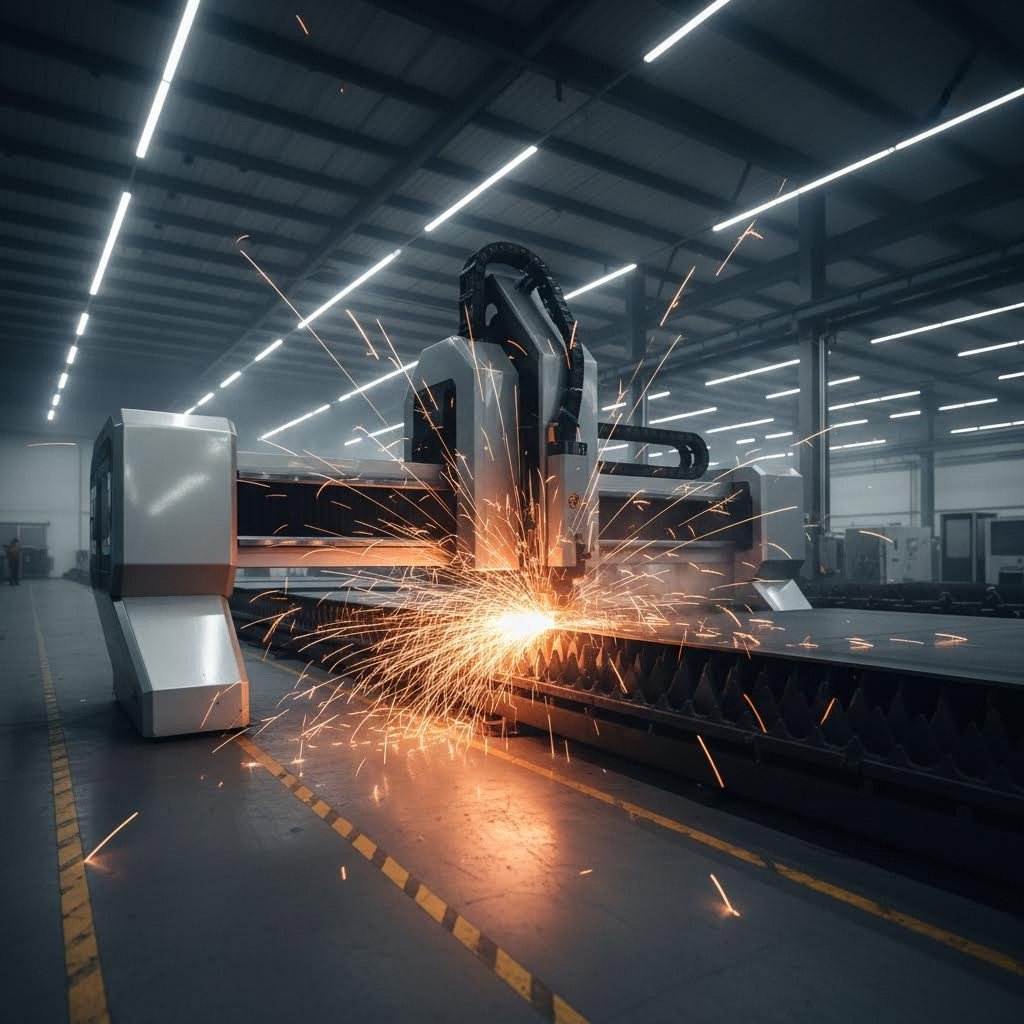
स्टील कटिंग सेवाओं और उनके विनिर्माण प्रभाव की समझ
जब आपको अपनी परियोजना के लिए सटीक घटकों में कच्चा स्टील परिवर्तित करने की आवश्यकता होती है, पेशेवर स्टील कटिंग सेवाएं आपके लिए आवश्यक साझेदार बन जाती हैं। इन विशेष सेवाओं में सीधी रैखिक कटिंग से लेकर जटिल अनुकूलित आकृतियों तक सब कुछ शामिल है, जो आपकी विनिर्माण, निर्माण या इंजीनियरिंग परियोजना द्वारा मांगे गए ठीक आयाम प्रदान करती हैं।
लेकिन जब आप किसी धातु कटिंग सेवा प्रदाता के साथ काम करते हैं, तो आपको वास्तव में क्या मिल रहा है? मूल रूप से, इस प्रक्रिया में सटीकता, साफ किनारों और न्यूनतम सामग्री अपव्यय सुनिश्चित करने के लिए उन्नत तकनीकों का उपयोग करके स्टील के कार्य-टुकड़ों को कई भागों में विभाजित करना शामिल है। चाहे आप किसी भवन परियोजना के लिए संरचनात्मक बीम तैयार कर रहे हों, मशीन घटकों का निर्माण कर रहे हों, या विशेष उपकरणों के लिए अनुकूलित धातु कटिंग समाधान बना रहे हों, ये सेवाएं कच्चे माल और कार्यात्मक भागों के बीच की खाई को पाटती हैं।
स्टील कटिंग सेवाएं वास्तव में क्या प्रदान करती हैं
कल्पना कीजिए कि असेंबली के दौरान स्टील की प्लेटें या शीटें एकदम सही ढंग से फिट हो रही हैं, जिनके किनारे तुरंत वेल्डिंग के लिए पर्याप्त चिकने हैं। यही वह मूल्य है जो आपकी परियोजना में पेशेवर कटिंग लाती है। आधुनिक कटिंग प्रक्रियाओं में उच्च-परिभाषा प्लाज्मा कटर, लेजर प्रणाली, वॉटरजेट उपकरण और ऑक्सी-ईंधन टॉर्च जैसी उन्नत मशीनरी का उपयोग किया जाता है ताकि बिल्कुल सटीक विशिष्टताओं के अनुरूप कटौती की जा सके।
उपलब्ध सेवाएँ तीन प्रमुख श्रेणियों में आती हैं जिनका आपको अपनी खोज के दौरान सामना करना पड़ेगा:
- थर्मल कटिंग: लेजर, प्लाज्मा और ऑक्सी-ईंधन जैसी विधियाँ जो स्टील को पिघलाने के लिए ऊष्मा का उपयोग करती हैं
- मैकेनिकल कटिंग: आरी, अपरिमंडन (शियरिंग) और पंचिंग जैसी तकनीकें जो भौतिक बल का उपयोग करती हैं
- अपघर्षक कटिंग: सामग्री को घर्षण और दबाव के माध्यम से क्षरण करने वाली प्रक्रियाएँ जैसे वॉटरजेट कटिंग
आपकी सामग्री की मोटाई, सहनशीलता आवश्यकताओं और परियोजना के समय सीमा के आधार पर प्रत्येक श्रेणी अलग-अलग लाभ प्रदान करती है।
आपकी परियोजना के लिए सटीक कटिंग क्यों महत्वपूर्ण है
कटिंग चरण के दौरान यदि थोड़ी सी भी माप में त्रुटि होती है, तो वह गंभीर समस्याओं में बदल सकती है। घटकों का गलत ढंग से संरेखित होना, संरचनात्मक अखंडता में कमी और महंगी पुनर्कार्य प्रायः अशुद्ध कट्स के कारण होती है। पेशेवर सेवाएं +/- 0.001" जितनी सटीकता वाली विधियों के साथ इन जोखिमों को खत्म कर देती हैं, जैसे वॉटरजेट कटिंग , जिससे आपके वेल्डेड या बोल्ट किए गए घटक आसानी से फिट हो जाते हैं।
इस मार्गदर्शिका में, आप जानेंगे कि विभिन्न कटिंग विधियों की तुलना कैसे करें, कौन सी तकनीकें विशिष्ट उद्योगों और सामग्रियों के लिए उपयुक्त हैं, और मूल्य निर्धारण को कौन से कारक प्रभावित करते हैं। आप यह भी जानेंगे कि परियोजना विनिर्देशों को कैसे तैयार करें ताकि सटीक उद्धरण मिल सकें और सेवा प्रदाताओं का प्रभावी ढंग से मूल्यांकन कैसे करें। अंत तक, आपके पास अपनी स्टील कटिंग आवश्यकताओं के बारे में आत्मविश्वासपूर्वक निर्णय लेने के लिए ज्ञान होगा।
स्टील कटिंग विधियों और तकनीकों की संपूर्ण मार्गदर्शिका
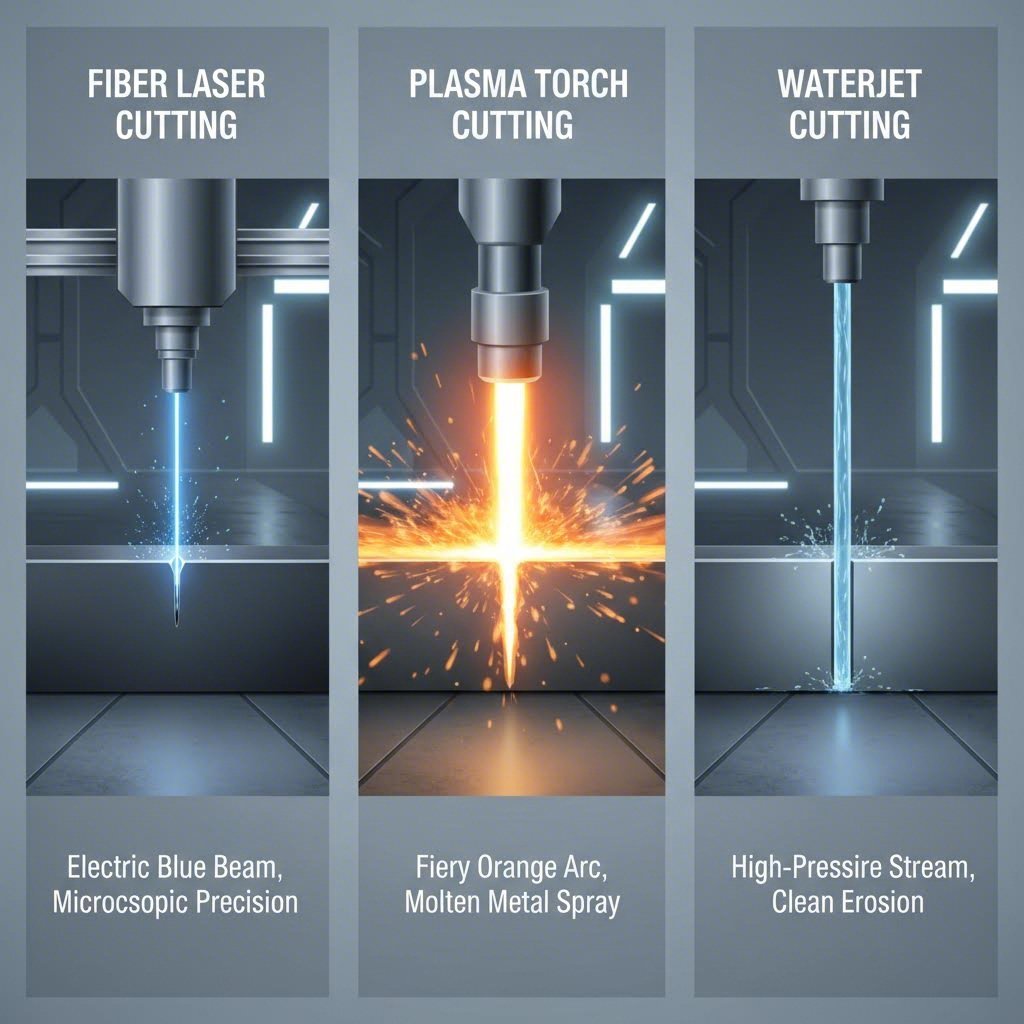
सही कटिंग विधि का चयन आपके प्रोजेक्ट की सफलता को बना या बिगाड़ सकता है। प्रत्येक तकनीक अपने साथ अद्वितीय ताकत लाती है, और इन अंतरों को समझने से आप अपनी विशिष्ट आवश्यकताओं को आदर्श समाधान से मिलाने में सक्षम होते हैं। आइए उन सभी प्रमुख कटिंग विधियों का विश्लेषण करें जिनका आपको सामना करना पड़ेगा जब इस्पात कटिंग सेवाओं की खोज कर रहे हों .
थर्मल कटिंग तकनीकों की व्याख्या
थर्मल कटिंग विधियाँ सटीक पथ के साथ इस्पात को पिघलाने, वाष्पीकरण या ऑक्सीकरण के लिए केंद्रित ऊष्मा का उपयोग करती हैं। ये प्रक्रियाएँ औद्योगिक अनुप्रयोगों में प्रभुत्व स्थापित करती हैं क्योंकि वे मोटी सामग्री को कुशलता से संभालती हैं जबकि सम्मानजनक सटीकता बनाए रखती हैं।
लेजर कटिंग
फाइबर लेजर तकनीक ने पिछले दशक में सटीक कटिंग में क्रांति ला दी है। ये प्रणाली यटर्बियम जैसे दुर्लभ-पृथ्वी तत्वों के साथ डोप किए गए ऑप्टिकल फाइबर के भीतर प्रकाश को प्रवर्धित करके तीव्र लेजर किरणें उत्पन्न करती हैं। परिणाम? असाधारण रूप से केंद्रित ऊर्जा जो इस्पात को अद्भुत सटीकता के साथ पिघला देती है।
फाइबर लेजर को विशेष रूप से प्रभावशाली बनाने वाली बात उनकी मापने की क्षमता है। 500W तक के कम-शक्ति वाले प्रणाली 3 मिमी मोटाई तक की सामग्री को संभालते हैं, जो इलेक्ट्रॉनिक्स और मेडिकल डिवाइस घटकों के लिए आदर्श है। 500W और 2kW के बीच के मध्यम-शक्ति लेज़र 8 मिमी तक की स्टेनलेस स्टील और 18 मिमी तक की कार्बन स्टील काट सकते हैं। 2kW से 10kW तक के उच्च-शक्ति वाले प्रणाली 40 मिमी मोटाई तक की सामग्री को संभालते हैं, जबकि 10kW से अधिक के अति-उच्च-शक्ति लेज़र 80 मिमी से अधिक मोटाई की कार्बन स्टील को प्रसंस्कृत करते हैं।
मिनियापोलिस में लेज़र कटिंग या मिनेसोटा में लेज़र कटिंग की आवश्यकता वाले प्रोजेक्ट्स के लिए, आप पाएंगे कि यह तकनीक न्यूनतम ऊष्मा-प्रभावित क्षेत्र के साथ अत्यंत सटीक सहनशीलता प्रदान करती है। डिजिटल रूप से नियंत्रित बीम पथ मानव त्रुटि को खत्म कर देता है, जिससे यह सुनिश्चित होता है कि प्रत्येक कट ठीक विनिर्देशों के अनुरूप हो।
प्लाज्मा कटिंग
स्टील प्लाज्मा कटिंग सेवाएं गति और लागत प्रभावशीलता के बीच उत्कृष्ट संतुलन प्रदान करती हैं। इस विधि में विद्युत आयनित गैस को उच्च वेग से एक संकीर्ण छिद्र से धकेला जाता है, जिससे 20,000°F से अधिक के तापमान उत्पन्न होते हैं जो स्टील को तेजी से पिघला देते हैं।
प्लाज्मा मोटी सामग्री को काटने में उत्कृष्ट है, जहाँ लेजर कम आर्थिक हो जाता है। आप आमतौर पर प्लाज्मा सिस्टम को 1/4" से लेकर कई इंच मोटाई तक के स्टील को संभालते हुए पाएंगे, जो संरचनात्मक निर्माण और भारी औद्योगिक अनुप्रयोगों के लिए कार्यशील बनाता है। किनारे की गुणवत्ता, जबकि अच्छी है, सटीक अनुप्रयोगों के लिए लेजर कटिंग की तुलना में आमतौर पर अधिक पोस्ट-प्रोसेसिंग की आवश्यकता होती है।
ऑक्सी-ईंधन कटिंग
यह पारंपरिक विधि एसिटिलीन या प्रोपेन जैसी ईंधन गैसों के साथ ऑक्सीजन को मिलाकर कट लाइन के साथ स्टील को ऑक्सीकृत करने के लिए तीव्र ऊष्मा पैदा करती है। यद्यपि लेजर या प्लाज्मा की तुलना में कम सटीक है, फिर भी ऑक्सी-फ्यूल बहुत मोटी कार्बन स्टील प्लेट्स को काटने के लिए अमूल्य बना हुआ है, कभी-कभी 12 इंच से अधिक तक। यह भारी संरचनात्मक सामग्री पर सीधी कटिंग के लिए विशेष रूप से लागत प्रभावी है जहाँ किनारे की सुधार आवश्यक नहीं है।
यांत्रिक और अपघर्षक कटिंग विकल्प
हर प्रोजेक्ट के लिए थर्मल विधियों की आवश्यकता नहीं होती। यांत्रिक और अपघर्षक प्रौद्योगिकियाँ स्पष्ट लाभ प्रदान करती हैं, विशेष रूप से जब ऊष्मा-प्रभावित क्षेत्रों से बचना आवश्यक हो या विशिष्ट सामग्री के साथ काम कर रहे हों।
वॉटरजेट कटिंग
ध्वनि की गति से तीन गुना तेज गति से चल रहे पानी की धारा के साथ स्टील को काटने की कल्पना करें। जल-जेट प्रणाली उच्च-दबाव वाले पानी को अपघर्षक कणों के साथ मिलाती है, जिससे एक कटिंग बल बनता है जो बिना ऊष्मा उत्पन्न किए लगभग किसी भी सामग्री को काट सकता है। यह ठंडी कटिंग प्रक्रिया कट के किनारे के पास सामग्री के गुणों को संरक्षित रखती है, जो ऊष्मा-संवेदनशील अनुप्रयोगों के लिए आदर्श बनाती है।
जल-जेट 8 इंच से अधिक मोटाई वाली स्लैब तक की पतली शीट धातु से लेकर स्टील की मोटाई को संभालता है। ऊष्मीय विकृति की अनुपस्थिति के कारण यह एयरोस्पेस घटकों और उन सटीक भागों के लिए लोकप्रिय है जहाँ धातुकर्मीय अखंडता महत्वपूर्ण होती है।
कर्तन
जब आपको शीट धातु पर त्वरित, सुसंगत कटौती की आवश्यकता हो, शियरिंग प्रदान करती है असाधारण उत्पादकता। इस प्रक्रिया में दो धातु की धारियों के बीच दबाव लगाया जाता है, जिससे सामग्री कटिंग लाइन के अनुदिश झुक जाती है और अलग हो जाती है। शीयरिंग विभिन्न मोटाई की सामग्री पर काम करती है और त्वरित पुर्जे तैयार करती है, हालाँकि किनारों की गुणवत्ता अन्य विधियों की तुलना में कम सटीक हो सकती है।
सॉइंग
बार स्टॉक, ट्यूब और संरचनात्मक आकृतियों को काटने के लिए बैंड सॉ और सर्कुलर सॉ अभी भी आवश्यक हैं। मिनियापोलिस में लेजर ट्यूब कटिंग और इसी तरह की विशेष सेवाएँ बेलनाकार सामग्री को संभालती हैं, लेकिन पारंपरिक सॉइंग उन ठोस खंडों पर सीधी कटिंग के लिए लागत-प्रभावी समाधान प्रदान करती है जहाँ कसे हुए सहिष्णुता की आवश्यकता नहीं होती।
इस्पात कटिंग विधियों की तुलना
| कटिंग मेथड | परिशुद्धता सहिष्णुता | मोटाई सीमा | सामग्री संगतता | किनारे की गुणवत्ता | विशिष्ट अनुप्रयोग |
|---|---|---|---|---|---|
| फाइबर लेजर | +/- 0.001" से 0.005" | 0.03" से 3"+ (पावर पर निर्भर) | कार्बन स्टील, स्टेनलेस, एल्यूमीनियम, पीतल, तांबा | उत्कृष्ट, न्यूनतम बर्र | उच्च सटीकता वाले पुर्जे, इलेक्ट्रॉनिक्स, ऑटोमोटिव, एयरोस्पेस |
| प्लाज्मा | +/- 0.015" से 0.030" | 0.25" से 6"+ | सभी चालक धातुएँ | अच्छा, ग्राइंडिंग की आवश्यकता हो सकती है | संरचनात्मक इस्पात, भारी निर्माण, जहाज निर्माण |
| ऑक्सी-ईंधन | +/- 0.030" से 0.060" | 0.5" से 12"+ | कार्बन स्टील, कुछ मिश्र धातुएं | मध्यम, ऑक्सीकृत किनारा | मोटी प्लेट काटना, विध्वंस, स्क्रैप प्रसंस्करण |
| वॉटरजेट | +/- 0.001" से 0.005" | 0.030" से 8"+ | हार्डन्ड स्टील सहित कोई भी सामग्री | उत्कृष्ट, कोई ऊष्मा क्षेत्र नहीं | एयरोस्पेस, सटीक उपकरण, ऊष्मा-संवेदनशील भाग |
| कर्तन | +/- 0.010" से 0.030" | 0.5" तक (आमतौर पर) | शीट धातुएं, मृदु इस्पात | संतोषजनक, किनारे पर बर्र हो सकता है | उच्च मात्रा में शीट ब्लैंकिंग, HVAC, सामान्य निर्माण |
| सॉइंग | +/- 0.030" से 0.060" | ब्लेड/मशीन द्वारा सीमित | सभी प्रकार के इस्पात, बार स्टॉक, ट्यूब | संतोषजनक, डीबरिंग की आवश्यकता होती है | बार स्टॉक तैयारी, संरचनात्मक आकृतियां, ट्यूब कटिंग |
इन अंतरों को समझने से आप सेवा प्रदाताओं के साथ जानकारीपूर्ण चर्चा करने की स्थिति में होंगे। आपकी परियोजना की सामग्री की मोटाई, आवश्यक सटीकता, किनारे की समाप्ति की आवश्यकताएं और बजट सीमाएं आपको उपयुक्त कटिंग विधि की ओर ले जाएंगी। आगे, हम विशिष्ट मोटाई क्षमताओं और सहिष्णुता विनिर्देशों में गहराई से जाएंगे जो परियोजना आवश्यकताओं को सही तकनीक से मिलाने में आपकी सहायता करते हैं।
मोटाई क्षमताओं और सटीकता सहिष्णुताओं की व्याख्या
आपने देख लिया है कि प्रत्येक कटिंग विधि क्या कर सकती है, लेकिन अब असली परीक्षा यहाँ है: क्या आपकी चुनी हुई तकनीक वास्तव में आपकी आवश्यकता के अनुसार मोटाई में आपकी विशिष्ट सामग्री को संभाल सकती है? और एक बार जब यह कटौती कर लेती है, तो क्या वे कट आपकी विशिष्टताओं के अनुसार सटीकता से मेल खाएंगे? ये प्रश्न तय करते हैं कि आपकी कस्टम कट मेटल परियोजना सफल होगी या महंगी पुनःकार्य की आवश्यकता होगी।
कटिंग तकनीक के अनुसार मोटाई सीमा
प्रत्येक कटिंग विधि का एक ऐसा स्थान होता है जहाँ वह सर्वोत्तम ढंग से काम करती है। इन सीमाओं से आगे बढ़ने पर, आपको धीमी गति, किनारे की गुणवत्ता में कमी या कट को पूरा करने में पूर्ण अक्षमता का सामना करना पड़ेगा। नीचे दी गई तालिका वास्तविक मोटाई सीमा को दर्शाती है जिसकी आप उम्मीद कर सकते हैं पेशेवर शीट मेटल कटिंग सेवाओं .
| कटिंग मेथड | न्यूनतम मोटाई | इष्टतम सीमा | अधिकतम मोटाई | सर्वोत्तम सामग्री मिलान |
|---|---|---|---|---|
| फाइबर लेजर | 0.03" | 0.125" - 0.75" | 1.25" (माइल्ड स्टील) | कार्बन स्टील, स्टेनलेस स्टील, एल्यूमिनियम |
| प्लाज्मा (X-डेफिनिशन) | 0.125" | 0.25" - 1.5" | 6"+ | सभी चालक धातुएँ |
| ऑक्सी-ईंधन | 0.25" | 1" - 6" | 36" - 48" | केवल मृदु इस्पात |
| वॉटरजेट | 0.03" | 0.5" - 4" | 8"+ | हार्डन्ड स्टील सहित कोई भी सामग्री |
| कर्तन | 24 गेज | 16 गेज - 0.25" | 0.5" (आमतौर पर) | शीट धातुएं, मृदु इस्पात |
ध्यान दें कि प्रत्येक तकनीक विशिष्ट क्षेत्र का दावा कैसे करती है? 1 इंच से अधिक के भारी प्लेट कार्य में ऑक्सी-ईंधन कटिंग प्रभुत्व रखती है, जहाँ कुछ संचालन 48 इंच तक मोटे इस्पात को संभालते हैं। इस बीच, लेज़र कटिंग 1.25 इंच तक की सामग्री में अपनी श्रेष्ठ जगह बनाती है, जहाँ यह उत्कृष्ट किनारे की गुणवत्ता और सटीकता प्रदान करती है जिसकी तुलना मोटी सामग्री के लिए उपयोग की जाने वाली अन्य विधियाँ नहीं कर सकतीं।
अनुकूलित शीट मेटल कटिंग प्रदाताओं का आकलन करते समय, विशेष रूप से उनके उपकरणों की शक्ति रेटिंग के बारे में पूछें। 6kW फाइबर लेज़र एक 15kW प्रणाली की तुलना में अलग मोटाई सीमा संभालता है। यही सिद्धांत सभी थर्मल विधियों पर लागू होता है—उच्च शक्ति का अर्थ है मोटी कटिंग क्षमता।
सटीकता सहनशीलता को समझना
यहाँ सामग्री के प्रकार आपके परिणामों को महत्वपूर्ण तरीके से प्रभावित करता है। कार्बन स्टील, स्टेनलेस स्टील और एल्युमीनियम को समान मोटाई में काटने पर अलग-अलग सहिष्णुता परिणाम उत्पन्न होते हैं क्योंकि प्रत्येक सामग्री ऊष्मा, घर्षण और यांत्रिक बल के प्रति अद्वितीय तरीके से प्रतिक्रिया करती है।
कार्बन स्टील सहिष्णुता
कार्बन स्टील सबसे अधिक भविष्यवाणी योग्य कटिंग व्यवहार प्रदान करता है। लेज़र प्रणालियाँ आमतौर पर कार्बन स्टील प्लेटों पर 0.01" (0.25mm) से कम सहिष्णुता बनाए रखती हैं, जबकि X-Definition प्लाज्मा प्रणाली लगभग 0.02" (0.5mm) प्राप्त करती है । सामग्री की सुसंगत संरचना और तापीय गुण इसे एक मानक बनाते हैं जिसकी तुलना में अन्य सामग्री को मापा जाता है।
स्टेनलेस स्टील पर विचार
स्टेनलेस स्टील की उच्च क्रोमियम सामग्री चुनौतियाँ पैदा करती है। यह सामग्री कार्बन स्टील की तुलना में अधिक लेज़र ऊर्जा को परावर्तित करती है और ऊष्मा का संचालन अलग तरीके से करती है, जिसके कारण अक्सर समान सहिष्णुता बनाए रखने के लिए धीमी कटिंग गति की आवश्यकता होती है। समतुल्य मोटाई में स्टेनलेस को काटते समय कार्बन स्टील की तुलना में थोड़ी अधिक चौड़ी सहिष्णुता की अपेक्षा करें।
एल्युमीनियम का व्यवहार
एल्युमीनियम की उच्च ऊष्मा चालकता और परावर्तकता इसे थर्मल कटिंग विधियों के लिए विशेष रूप से चुनौतीपूर्ण बनाती है। ऊष्मा जल्दी फैल जाती है, जिसके कारण अधिक शक्ति सेटिंग्स की आवश्यकता होती है। फाइबर लेज़र एल्युमीनियम को अच्छी तरह से संभालते हैं, लेकिन सहिष्णुता आमतौर पर कार्बन स्टील की तुलना में ढीली रहती है। यहाँ वॉटरजेट उत्कृष्ट प्रदर्शन करता है क्योंकि यह थर्मल चर को पूरी तरह से समाप्त कर देता है।
जब टाइट टॉलरेंस का वास्तव में महत्व होता है
महंगा लग रहा है, है ना? तंग सहिष्णुता वास्तव में अधिक महंगी होती है—लेकिन हर परियोजना को उनकी आवश्यकता नहीं होती। इस व्यावहारिक ढांचे पर विचार करें:
- तंग सहिष्णुता (+/- 0.005" या कम): सटीक असेंबली, एयरोस्पेस घटक, ऐसे भाग जिन्हें द्वितीयक मशीनिंग की आवश्यकता नहीं होती, निकट फिट वाली मिलने वाली सतहें
- मानक सहिष्णुता (+/- 0.015" से 0.030"): वेल्डेड असेंबली, संरचनात्मक घटक, भाग जिन्हें बाद में मशीनिंग किया जाएगा, सामान्य निर्माण
- ढीली सहिष्णुता (+/- 0.060" या अधिक): भारी मशीनिंग के लिए कच्चे खाके, स्क्रैप प्रसंस्करण, गैर-महत्वपूर्ण संरचनात्मक तत्व
लेजर और प्लाज्मा के बीच सहिष्णुता में अंतर—एक व्यापारिक कार्ड की मोटाई के बराबर—आपके अनुप्रयोग के लिए लागत में अंतर को उचित ठहराने के लिए पर्याप्त नहीं हो सकता। यदि आपके पुर्ज़े कटिंग टेबल से सीधे वेल्डिंग के लिए जाते हैं, जहाँ वेल्ड सहिष्णुता कट सहिष्णुता से काफी अधिक होती है, तो आप उस सटीकता के लिए भुगतान कर रहे हैं जो अगली प्रक्रिया में खत्म हो जाएगी।
स्मार्ट प्रोजेक्ट नियोजन सहिष्णुता आवश्यकताओं को कार्यात्मक आवश्यकताओं के साथ मिलाता है। सहिष्णुता को अत्यधिक निर्दिष्ट करने से उच्च उपकरण निवेश, अधिक बार निरीक्षण, बढ़ी हुई स्क्रैप दर और कम उत्पादन क्षमता के कारण अनावश्यक लागतें उत्पन्न होती हैं। हर पुर्जे पर लेजर गुणवत्ता का अनुरोध करने से पहले, यह स्वयं से पूछें कि क्या वास्तव में रूप, फिट या कार्यक्षमता उस सटीकता की मांग करते हैं।
मोटाई और सहिष्णुता के मूल सिद्धांतों को स्पष्ट करने के बाद, आप इस बात का पता लगाने के लिए तैयार हैं कि विभिन्न उद्योग अपनी विशिष्ट निर्माण चुनौतियों के लिए इन क्षमताओं को कैसे लागू करते हैं।
उद्योग अनुप्रयोग और विधि सिफारिशें
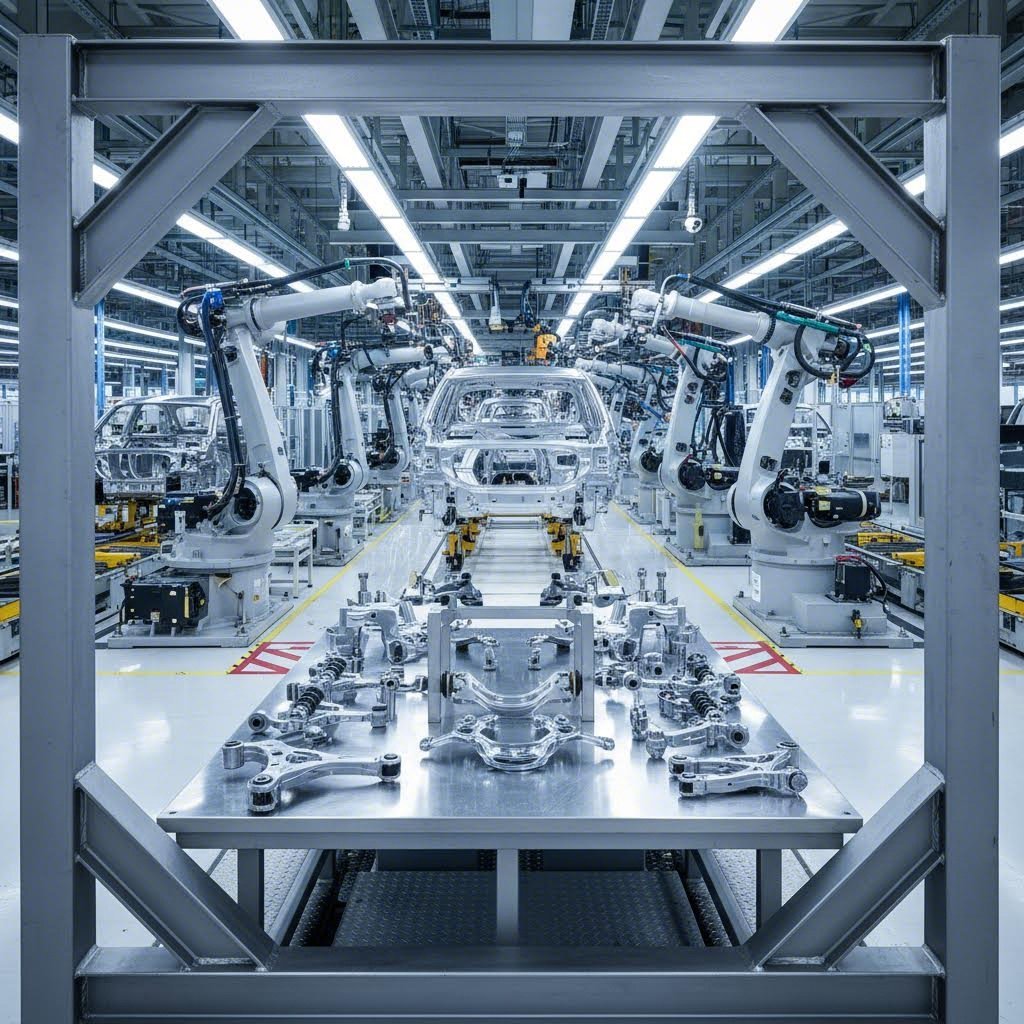
क्या आपने कभी सोचा है कि एक ऑटोमोटिव निर्माता लेजर कटिंग क्यों चुनता है, जबकि एक जहाज निर्माण शाला प्लाज्मा पर निर्भर रहती है? विभिन्न उद्योगों को विशिष्ट कटिंग समाधानों की आवश्यकता होती है, जो उनकी अनूठी चुनौतियों को पूरा करते हैं। इन अंतरों को समझने से आप अपनी धातु कटिंग शाला के साथ अधिक प्रभावी ढंग से संवाद कर सकते हैं और यह सुनिश्चित कर सकते हैं कि आपकी परियोजना को शुरुआत से ही उपयुक्त तकनीक मिले।
ऑटोमोटिव और परिवहन अनुप्रयोग
ऑटोमोटिव क्षेत्र हल्के निर्माण और संरचनात्मक अखंडता के बीच सटीक संतुलन की मांग करता है। आधुनिक वाहन बॉडी पैनल से लेकर सुरक्षा-महत्वपूर्ण चेसिस घटकों तक सब कुछ के लिए फैब्रिकेटेड शीट मेटल पर निर्भर करते हैं। इस उद्योग का प्राथमिकता कसी हुई सहनशीलता, उच्च-मात्रा में उत्पादन क्षमता और सख्त सामग्री प्रमानन पर होती है।
के अनुसार ऑटोमोटिव विनिर्माण के प्रोटोटेक का विश्लेषण , शीट मेटल फैब्रिकेशन ऐसे मजबूत, हल्के वाहन भागों के निर्माण के लिए आवश्यक है जो सुरक्षा, दिखावट और प्रदर्शन में योगदान देते हैं। वाहनों के बाहरी भाग—दरवाजे, हुड, छत और फेंडर—ऐसी कटिंग विधियों की आवश्यकता रखते हैं जो सटीकता और उत्पादन गति दोनों प्रदान करती हैं।
सामान्य ऑटोमोटिव कटिंग अनुप्रयोगों में शामिल हैं:
- चेसिस और फ्रेम घटक: 0.015" से कम सहन के साथ लेजर या प्लाज्मा कटिंग की आवश्यकता वाली उच्च-सामर्थ्य इस्पात
- निलंबन ब्रैकेट और माउंट: अक्सर उत्तरवर्ती वेल्डिंग के लिए उत्कृष्ट किनारे की गुणवत्ता के साथ कस्टम मेटल कट्स की मांग करते हैं
- बॉडी पैनल और संरचनात्मक मजबूती: उस शीट धातु भागों की आवश्यकता जिनके किनारे साफ हों और ऊष्मा विकृति के बिना हों
- इंजन कम्पार्टमेंट घटक: ब्रैकेट, शील्ड और कवर जैसे सटीक भाग जिन्हें कस्टम आयामी नियंत्रण की आवश्यकता होती है
- आंतरिक संरचनात्मक तत्व: डैशबोर्ड माउंट, सीट फ्रेम और एयरबैग सपोर्ट जहां स्थिरता महत्वपूर्ण होती है
ऑटोमोटिव के लिए अनुशंसित कटिंग विधियाँ:
- फाइबर लेज़र: बॉडी पैनल और सटीक ब्रैकेट (0.03" से 0.75" मोटाई) के उच्च-मात्रा उत्पादन के लिए आदर्श
- प्लाज्मा कटिंग: मोटे चेसिस घटकों और संरचनात्मक तत्वों के लिए लागत प्रभावी
- वॉटरजेट: सुरक्षा-महत्वपूर्ण भागों पर ऊष्मा-प्रभावित क्षेत्रों से बचने की आवश्यकता होने पर प्राथमिकता दी जाती है
उत्सर्जन को कम करने और ईंधन दक्षता में सुधार करने के लिए ऑटोमोटिव निर्माता अब लाइटवेट सामग्री पर ध्यान केंद्रित कर रहे हैं। एल्युमीनियम और उच्च-शक्ति इस्पात मिश्र धातुओं की ओर यह परिवर्तन ऐसी कटिंग प्रौद्योगिकियों की मांग करता है जो संरचनात्मक गुणों को कमजोर किए बिना इन सामग्रियों को संभाल सकें।
एयरोस्पेस और औद्योगिक विनिर्माण की आवश्यकताएं
जब घटकों की अखंडता पर जीवन निर्भर करते हैं, तो एयरोस्पेस अनुप्रयोगों को उपलब्ध उच्चतम सटीकता की आवश्यकता होती है। एयरोस्पेस शीट धातु निर्माण में विमान, उपग्रहों और अंतरिक्ष यानों के लिए धातु संरचनाओं को काटना, मोड़ना और जोड़ना शामिल है, जहां विफलता का कोई विकल्प नहीं होता।
इस उद्योग में सर्वोच्च प्राथमिकता सटीकता को दी जाती है, जिसके बाद सामग्री की ट्रेसएबिलिटी और प्रमाणन का स्थान आता है। टर्नअराउंड समय का महत्व है, लेकिन कभी भी गुणवत्ता के खर्च पर नहीं। एयरोस्पेस निर्माता आमतौर पर टाइटेनियम मिश्र धातुओं, 6061 और 7075 जैसे एल्यूमीनियम मिश्र धातुओं, और विशेष स्टेनलेस स्टील के साथ काम करते हैं, जिनके लिए विशिष्ट कटिंग पैरामीटर की आवश्यकता होती है।
महत्वपूर्ण एयरोस्पेस कटिंग अनुप्रयोग:
- फ्यूजलेज स्किन पैनल: बड़े घुमावदार पैनल जिन्हें सटीक कटिंग के बाद स्ट्रेच फॉर्मिंग की आवश्यकता होती है
- विंग संरचनात्मक घटक: उच्च-शक्ति वाले एल्यूमीनियम और टाइटेनियम भाग जिनमें कड़े सहिष्णुता (टॉलरेंस) होते हैं
- इंजन माउंटिंग ब्रैकेट: ऊष्मा-प्रतिरोधी मिश्र धातुएं जिनके लिए कोल्ड-कटिंग विधियों की आवश्यकता होती है
- नियंत्रण सतह तत्व: उच्च सटीकता वाले भाग जहां वजन में बचत सीधे ईंधन दक्षता को प्रभावित करती है
- उपग्रह और अंतरिक्ष यान संरचनाएं: थर्मल प्रबंधन के लिए कस्टम तांबा निर्माण और विशेष मिश्र धातु कार्य
एयरोस्पेस के लिए अनुशंसित कटिंग विधियाँ:
- लेज़र कटिंग: उच्च-परिशुद्धता वाले घटकों के लिए ±0.05 मिमी के भीतर सहिष्णुता प्राप्त करता है
- वॉटरजेट कटिंग: ऊष्मा-प्रभावित क्षेत्र के बिना 300 मिमी तक की मोटाई की सामग्री को संभालता है—टाइटेनियम और ऊष्मा-संवेदनशील मिश्र धातुओं के लिए आदर्श
- प्लाज्मा कटिंग: उन मोटे संरचनात्मक घटकों के लिए उपयुक्त जहां सहिष्णुता की अनुमति हो
मैरीन और निर्माण उद्योग की आवश्यकताएँ
मैरीन निर्माण अद्वितीय चुनौतियाँ प्रस्तुत करता है: बड़े पैमाने के घटक, जंग-रोधी सामग्री, और खुले में कटिंग के वातावरण। जहाज निर्माण यार्ड आमतौर पर हल, डेक और संरचनात्मक सदस्यों के लिए मोटी स्टील प्लेट्स को संसाधित करते हैं जहां उत्पादन मात्रा और सामग्री हैंडलिंग क्षमताएँ अत्यधिक कसी हुई सहिष्णुता से अधिक महत्वपूर्ण होती हैं।
मैरीन उद्योग की प्राथमिकताएँ:
- बड़े प्लेट आकार (अक्सर 10' x 40' या उससे अधिक) को संभालना
- मोटी सामग्री को कुशलतापूर्वक काटना (1" से 4" सामान्य)
- जंग-रोधी मिश्र धातुओं और मैरीन-ग्रेड एल्यूमीनियम को संसाधित करना
- वेल्डेड असेंबलियों के लिए पर्याप्त सहिष्णुता प्राप्त करना
निर्माण और संरचनात्मक इस्पात अनुप्रयोग:
- बीम और स्तंभ तैयारी: ऑक्सी-ईंधन या प्लाज्मा का उपयोग करके भारी संरचनात्मक आकृतियों पर सीधी कटिंग
- कनेक्शन प्लेट और गसेट: प्लाज्मा कटिंग कम लागत पर पर्याप्त सटीकता प्रदान करता है
- सजावटी वास्तुकला तत्व: पतली सामग्री में जटिल डिज़ाइन के लिए लेजर कटिंग
- पुल घटक: प्रमाणित सामग्री के साथ मोटे संरचनात्मक तत्वों के लिए उच्च-परिभाषा प्लाज्मा
मेरीन और निर्माण के लिए अनुशंसित कटिंग विधियाँ:
- ऑक्सी-ईंधन: मोटी कार्बन स्टील प्लेटों पर सीधे कट के लिए सबसे अधिक आर्थिक
- प्लाज्मा: संरचनात्मक निर्माण के लिए गति, लागत और गुणवत्ता का संतुलन
- लेजर: सटीक वास्तुकला कार्य और पतले सजावटी तत्वों के लिए आरक्षित
सामान्य औद्योगिक विनिर्माण पर विचार
विशेष क्षेत्रों के अलावा, सामान्य औद्योगिक अनुप्रयोग उपकरण निर्माण, कृषि मशीनरी, सामग्री हैंडलिंग प्रणालियों और अनगिनत अन्य उपयोगों तक फैले हुए हैं। इन परियोजनाओं में आमतौर पर सटीकता की सीमा को धक्का दिए बिना लागत दक्षता और कार्यात्मक आवश्यकताओं के बीच संतुलन होता है।
उद्योग कैसे कटिंग कारकों को प्राथमिकता देते हैं:
| उद्योग | प्राथमिक प्राथमिकता | माध्यमिक प्राथमिकता | सामान्य सहिष्णुता सीमा | आयतन अपेक्षा |
|---|---|---|---|---|
| ऑटोमोटिव | आयतन और स्थिरता | शुद्धता | ±0.010" से ±0.020" | उच्च मात्रा उत्पादन चक्र |
| एयरोस्पेस | परिशुद्धता एवं प्रमाणीकरण | सामग्री अखंडता | ±0.005" या अधिक कसा हुआ | निम्न से माध्यम मात्रा |
| समुद्री | मोटी सामग्री की क्षमता | लागत दक्षता | ±0.030" से ±0.060" | परियोजना आधारित |
| निर्माण | गति और लागत | सामग्री प्रबंधन | ±0.030" से ±0.125" | परिवर्तनशील, अक्सर उच्च |
| सामान्य औद्योगिक | लागत का अनुकूलन | टर्नअराउंड टाइम | ±0.015" से ±0.030" | प्रोटोटाइप से उत्पादन तक |
इस ढांचे के भीतर आपकी परियोजना कहाँ उपयुक्त बैठती है, यह समझने से आप आवश्यकताओं को स्पष्ट रूप से संप्रेषित कर सकते हैं और अनावश्यक रूप से लागत बढ़ाने वाली सहिष्णुता के अत्यधिक निर्दिष्टीकरण से बच सकते हैं। आपके उद्योग में अनुभव रखने वाली एक धातु कटिंग दुकान इन प्राथमिकताओं को पहले से जानती है और सबसे उपयुक्त समाधान की ओर आपका मार्गदर्शन कर सकती है।
अब जब आप समझ गए हैं कि विभिन्न उद्योग कटिंग आवश्यकताओं के साथ कैसे आगे बढ़ते हैं, चलिए अपनी विशिष्ट परियोजना को सफलता के लिए तैयार करने पर ध्यान केंद्रित करते हैं, जिसमें स्पष्ट विनिर्देश हों जो सटीक उद्धरण प्राप्त करने में सहायक हों।
सफलता के लिए अपनी स्टील कटिंग परियोजना की तैयारी कैसे करें
आपने सही कटिंग विधि की पहचान कर ली है और अपने उद्योग की आवश्यकताओं को समझ लिया है। अब वह महत्वपूर्ण कदम आता है जो सुचारु परियोजनाओं को बार-बार होने वाली देरी से अलग करता है: अपनी आवश्यकताओं को सेवा प्रदाताओं के प्रति स्पष्ट रूप से संचारित करना। चाहे आप एक प्रोटोटाइप के लिए धातु कटिंग कहाँ से करवाएँ, इसके बारे में सोच रहे हों या उत्पादन चक्र के लिए 'मेरे पास के क्षेत्र में धातु कटिंग सेवा' की तलाश कर रहे हों, उचित तैयारी सटीक कोटेशन और आपकी अपेक्षाओं के अनुरूप परिणाम सुनिश्चित करती है।
अपनी कटिंग परियोजना के विनिर्देशों की तैयारी
अपने परियोजना विनिर्देशों को सफलता के लिए एक नींव के रूप में सोचें। अपूर्ण जानकारी के कारण ईमेल का आदान-प्रदान बार-बार होता है, कोटेशन में देरी होती है और कभी-कभी कटिंग शुरू होने के बाद महंगी गलतफहमियाँ भी हो सकती हैं। धातु निर्माण के विशेषज्ञ जोर देते हैं कि गुणवत्ता में सटीकता की प्रमुख भूमिका होती है—यहाँ तक कि छोटी से छोटी माप की त्रुटि भी देरी, सामग्री के अपव्यय या गलत संरेखित असेंबली का कारण बन सकती है।
किसी भी प्रदाता से संपर्क करने से पहले, इन आवश्यक विवरणों को एकत्र कर लें:
- सामग्री विनिर्देश: सटीक मिश्र धातु या ग्रेड (जैसे 304 स्टेनलेस स्टील, A36 कार्बन स्टील, या 6061 एल्युमीनियम), साथ ही मोटाई और किसी भी आवश्यक प्रमाणन को शामिल करें
- मात्रा की आवश्यकताएँ: प्रत्येक भाग के लिए सटीक मात्रा निर्दिष्ट करें, जिसमें यह भी शामिल है कि क्या यह एक बार का प्रोटोटाइप ऑर्डर है या दोहराई जाने वाली उत्पादन ऑर्डर
- आयामी आवश्यकताएँ: सभी कट आयामों के लिए पूर्ण माप प्रदान करें, जहां सटीकता महत्वपूर्ण हो, वहां महत्वपूर्ण सहन-सीमा सहित
- फ़िनिश की अपेक्षाएँ: ध्यान दें कि क्या आपको कच्ची मिल फ़िनिश, डीबर्ड किनारे, विशिष्ट सतह उपचार, या उत्तरवर्ती वेल्डिंग के लिए तैयारी की आवश्यकता है
- ड्रॉइंग फॉर्मैट: CAD फ़ाइलें (DXF, DWG, या STEP प्रारूप) स्पष्ट संचार प्रदान करती हैं, हालाँकि सरल कार्यों के लिए आयामों के साथ विस्तृत हाथ से बने चित्र भी काम कर सकते हैं
- समय सीमा की आवश्यकताएँ: अपने वांछित समय सीमा और कोई भी कठोर समय सीमा शामिल करें जिसे याद नहीं किया जा सकता
कटिंग सेवा के साथ काम करते समय, विस्तृत ब्लूप्रिंट प्रदान करना और उत्पादन के दौरान खुला संचार बनाए रखना प्रोजेक्ट को सही दिशा में और आपकी सटीक आवश्यकताओं के अनुरूप रखने में मदद करता है। अधिकांश स्थानीय दुकानें लेज़र या प्लाज्मा सिस्टम जैसी उन्नत कटिंग तकनीकों का उपयोग करती हैं जो सटीकता सुनिश्चित करने के लिए सही इनपुट डेटा पर निर्भर करती हैं।
सटीक उद्धरण के लिए आवश्यक जानकारी
आप सोच रहे होंगे कि बिना कई बार उद्धरण संशोधन की परेशानी के धातु को कहाँ काटवाया जा सकता है? इसका उत्तर स्पष्टता में छिपा है। उद्योग अनुसंधान से पता चलता है कि यदि निर्माताओं को स्पष्टीकरण मांगने की आवश्यकता होती है, तो जानकारी के अभाव में अप्रत्याशित लागत या प्रोजेक्ट में देरी हो सकती है।
आपकी प्रोजेक्ट विनिर्देश चेकलिस्ट में शामिल होना चाहिए:
- भाग की ज्यामिति के बारे में जानकारी: सभी आयाम, मोड़ रेखाएँ (यदि लागू हो), छिद्रों के स्थान और महत्वपूर्ण विशेषताएँ स्पष्ट रूप से चिह्नित
- सामग्री का ग्रेड और मोटाई: विशिष्ट मिश्र धातु नामकरण, केवल "स्टील" या "एल्यूमीनियम" नहीं
- सहिष्णुता के निर्देश: उन आयामों को इंगित करें जिन पर कड़ा नियंत्रण आवश्यक है और जिन्हें मानक शॉप सहिष्णुताएँ स्वीकार्य हैं
- सतह परिष्करण आवश्यकताएँ: आवश्यक कोटिंग, उपचार या किनारे की तैयारी को निर्दिष्ट करें
- मात्रा विवरण: यदि लागू हो, तो नमूना, पायलट और उत्पादन मात्राओं के बीच अंतर स्पष्ट करें
- डिलीवरी स्थान और समयसीमा: शिपिंग पता और कोई भी अनुसूचीबद्धता बाधाएँ शामिल करें
- द्वितीयक कार्य: यदि आपको मोड़ना, वेल्डिंग, असेंबली या अन्य पोस्ट-कट प्रक्रियाओं की आवश्यकता है, तो इसका उल्लेख करें
सामान्य विनिर्देशन समस्याओं का निवारण
काटने के प्रोजेक्ट तैयार करते समय अनुभवी खरीददार भी चुनौतियों का सामना करते हैं। यहाँ सबसे आम अड़चनों को दूर करने के तरीके दिए गए हैं:
अस्पष्ट ड्रॉइंग्स: यदि आपके पास CAD फ़ाइलें नहीं हैं, तो स्पष्ट आयामों के साथ विस्तृत हस्त-रेखाचित्र पर्याप्त हो सकते हैं—लेकिन सदैव स्पष्टता का लक्ष्य रखें। आवश्यक सभी प्रासंगिक जानकारी जैसे सामग्री, आयाम, सहिष्णुता और कोई विशेष विशेषताएँ या परिष्करण शामिल करें। अधूरा चित्र लागत में उतार-चढ़ाव या देरी का कारण बन सकता है।
सामग्री चयन से संबंधित प्रश्न: आपको यह निश्चित नहीं है कि कौन सी स्टील ग्रेड आपके अनुप्रयोग के लिए उपयुक्त है? अपने प्रोजेक्ट के उद्देश्यों पर निर्माता के साथ चर्चा करें। कुशल प्रदाता ऐसी सामग्री की अनुशंसा कर सकते हैं जो लागत दक्षता को दीर्घकालिक विश्वसनीयता के साथ संतुलित करती है। धातु का प्रकार सीधे प्रदर्शन, स्थायित्व और लागत को प्रभावित करता है।
सहिष्णुता में अनिश्चितता: जब आपको यह निश्चित नहीं है कि सहिष्णुता कितनी कसकर निर्दिष्ट करें, तो भाग के कार्य पर विचार करें। क्या यह अन्य सटीक घटकों के साथ सीधे जुड़ेगा? क्या कटिंग के बाद इसमें मशीनीकरण की आवश्यकता होगी? जिन भागों को सीधे वेल्डिंग के लिए भेजा जाता है, उन्हें लेज़र-स्तर की सटीकता की आवश्यकता शायद ही कभी होती है, जबकि टाइट-फिट असेंबली को अधिक कठोर नियंत्रण की आवश्यकता होती है।
प्रोटोटाइप बनाम उत्पादन पर विचार
परियोजना के पैमाने के आधार पर आपके दृष्टिकोण में अंतर होना चाहिए। प्रोटोटाइप और छोटे बैच के लिए, कम इकाइयों पर वितरित होने वाले सेटअप और प्रोग्रामिंग प्रयासों के कारण प्रति इकाई उच्च लागत की अपेक्षा करें। 1,000 इकाइयों के उत्पादन चलन की तुलना में एकल प्रोटोटाइप प्रति भाग के लिए काफी अधिक लागत ले सकते हैं।
प्रोटोटाइप ऑर्डर तैयार करते समय:
- ऑर्डर को स्पष्ट रूप से प्रोटोटाइप या नमूना चलन के रूप में लेबल करें
- उत्पादन टूलिंग पर प्रतिबद्ध होने से पहले डिज़ाइन प्रतिक्रिया के बारे में पूछें
- यदि उद्देश्य फॉर्म और फिट सत्यापन है, तो थोड़ी ढीली सहिष्णुता पर विचार करें
- यदि आप प्रदर्शन विशेषताओं को मान्य कर रहे हैं, तो सामग्री प्रमाणपत्र मांगें
उत्पादन-स्तर की परियोजनाओं के लिए:
- मात्रा मूल्य निर्धारण को अनलॉक करने के लिए सटीक मात्रा अनुमान प्रदान करें
- यदि लागू हो, तो डिलीवरी शेड्यूल और ब्लैंकेट ऑर्डर व्यवस्था स्थापित करें
- गुणवत्ता निरीक्षण प्रोटोकॉल और दस्तावेज़ीकरण आवश्यकताओं पर चर्चा करें
- लागत में उतार-चढ़ाव से बचने के लिए जहां संभव हो सामग्री की कीमत तय कर लें
किसी भी स्तर पर सफल परियोजनाओं के लिए स्पष्ट संचार मूलभूत आधार बना रहता है। प्रारंभ में विस्तृत विनिर्देश तैयार करके, आप उद्धरण संशोधनों को कम करते हैं, उत्पादन के दौरान अप्रत्याशित समस्याओं की संभावना घटाते हैं, और अपने कटिंग सेवा प्रदाता के साथ एक उत्पादक संबंध बनाते हैं। आपकी परियोजना को ठीक से दस्तावेजीकृत करने के बाद, अगला महत्वपूर्ण बिंदु यह सुनिश्चित करना होता है कि आपका चयनित प्रदाता उचित गुणवत्ता मानकों और प्रमाणनों को पूरा करता हो।

उन गुणवत्ता मानकों और प्रमाणनों का महत्व
आपने विस्तृत विनिर्देश तैयार कर लिए हैं और संभावित प्रदाताओं की पहचान कर ली है—लेकिन यह कैसे पता चलेगा कि वे निरंतर परिणाम प्रदान करेंगे? प्रमाणन आपकी यह गारंटी होते हैं कि एक कटिंग सेवा प्रदाता सिद्ध प्रक्रियाओं का पालन करता है, दस्तावेजीकृत गुणवत्ता प्रणालियों को बनाए रखता है, और नियमित रूप से तृतीय-पक्ष ऑडिट के लिए सहमत होता है। इन प्रमाणपत्रों के अर्थ को समझने से आप उन दुकानों के बीच अंतर कर सकते हैं जो गुणवत्ता का वादा करती हैं और जो गुणवत्ता को साबित करती हैं।
आईएसओ और उद्योग प्रमाणन की समझ
इस्पात कटिंग सेवाओं का मूल्यांकन करते समय, प्रमाणन गुणवत्ता प्रबंधन के प्रति एक प्रदाता की प्रतिबद्धता के ऑब्जेक्टिव साक्ष्य प्रदान करते हैं। ये केवल दीवार पर लगे फलक नहीं हैं—ये प्रक्रिया नियंत्रण, निरंतर सुधार और ग्राहक संतुष्टि के प्रति व्यवस्थित दृष्टिकोण को दर्शाते हैं।
प्रमुख प्रमाणन और उनका महत्व:
- ISO 9001:2015: यह वैश्विक स्तर पर मान्यता प्राप्त मानक सुनिश्चित करता है कि संगठन की गुणवत्ता प्रबंधन प्रणाली लगातार ग्राहक आवश्यकताओं को पूरा करती है, साथ ही निरंतर सुधार को बढ़ावा देती है। Ameritex के प्रमाणन दस्तावेज़ iSO 9001:2015 प्रमाणन दक्षता, नवाचार प्रौद्योगिकी और समर्पण के माध्यम से विश्वसनीय, उच्च गुणवत्ता वाले उत्पादों की आपूर्ति के प्रति प्रतिबद्धता को दर्शाता है।
- IATF 16949: ISO 9001 आवश्यकताओं पर आधारित, यह वाहन-विशिष्ट प्रमाणन लीन निर्माण, दोष रोकथाम, भिन्नता में कमी और अपशिष्ट उन्मूलन के साथ अनुपालन सुनिश्चित करके इसे आगे बढ़ाता है। OGS इंडस्ट्रीज स्पष्ट करता है कि IATF 16949 प्रमाणन मजबूत ग्राहक केंद्रितता पर जोर देता है, शीर्ष प्रबंधन के संरेखण को प्राथमिकता देता है और लगातार सेवा वितरण के लिए प्रक्रियाओं का अनुकूलन करता है।
- AS9100: उड्डयन उद्योग का गुणवत्ता मानक उड़ान-महत्वपूर्ण घटकों के लिए विशिष्ट आवश्यकताओं को संबोधित करता है, जिसमें प्रशिक्षणीयता, जोखिम प्रबंधन और विन्यास नियंत्रण शामिल हैं।
- AWS D1.1/D1.6: वेल्डिंग प्रमाणन तब प्रासंगिक होते हैं जब आपकी कटिंग परियोजना में वेल्डेड असेंबली शामिल होती हैं, जो उचित प्रक्रियाओं और वेल्डर योग्यता को सुनिश्चित करते हैं।
- NADCAP: ऊष्मा उपचार या अविनाशकारी परीक्षण जैसी विशेष प्रक्रियाओं के लिए राष्ट्रीय उड्डयन और रक्षा ठेकेदारों प्रमाणन कार्यक्रम प्रमाणन।
प्रमाणन वास्तव में आपकी परियोजना के लिए क्या अर्थ रखता है? प्रमाणित प्रदाता प्रत्येक चरण—आपके आदेश की प्राप्ति से लेकर अंतिम निरीक्षण तक—के लिए दस्तावेज़ीकृत प्रक्रियाएँ बनाए रखते हैं। वे मापन उपकरणों की कैलिब्रेशन को ट्रैक करते हैं, कर्मचारियों को गुणवत्ता मानकों पर प्रशिक्षित करते हैं, और ऐसे रिकॉर्ड बनाए रखते हैं जो प्रत्येक भाग के विनिर्देशों को पूरा करने का प्रमाण देते हैं। जब समस्याएँ उत्पन्न होती हैं, तो उनकी सुधारात्मक कार्रवाई प्रणालियाँ उनकी पुनरावृत्ति को रोकती हैं।
गुणवत्ता निरीक्षण और दस्तावेज़ीकरण
प्रमाणन के अतिरिक्त, किसी प्रदाता की निरीक्षण क्षमताओं को समझना आपको यह बताता है कि क्या वह आपकी परियोजना की आवश्यक परिशुद्धता की पुष्टि कर सकता है। विभिन्न कटिंग प्रौद्योगिकियाँ विभिन्न आधारभूत परिशुद्धता स्तर प्रदान करती हैं, और गुणवत्ता प्रणालियाँ प्रत्येक भाग में सुसंगतता सुनिश्चित करती हैं।
कटिंग विधि के अनुसार परिशुद्धता की अपेक्षाएँ:
- फाइबर लेजर कटिंग: उचित उपकरण कैलिब्रेशन और गुणवत्ता नियंत्रण के साथ ±0.001" से ±0.005" की सहिष्णुताएँ प्राप्त की जा सकती हैं
- उच्च-परिभाषा प्लाज्मा: प्रमाणित प्रक्रियाओं और नियमित उपकरण रखरखाव के साथ ±0.015" से ±0.020" की सहिष्णुताएँ अपेक्षित हैं
- वॉटरजेट कटिंग: जब ऑपरेटर दस्तावेजीकृत प्रक्रियाओं का पालन करते हैं, तो ±0.001" से ±0.005" तक की सटीकता प्रदान करता है
- ऑक्सी-ईंधन कटिंग: मोटी प्लेट अनुप्रयोगों के लिए मानक सहिष्णुता ±0.030" से ±0.060" तक
प्रमाणित दुकानें आयामों को सत्यापित करने के लिए समन्वय मापन मशीनों (सीएमएम), ऑप्टिकल तुलनाकर्ता और कैलिब्रेटेड मापन उपकरणों का उपयोग करती हैं। वे आपकी विशिष्टताओं के खिलाफ वास्तविक माप को दस्तावेज़ित करते हुए निरीक्षण रिपोर्ट प्रदान करती हैं—यह साक्ष्य कि आपके भाग शिप होने से पहले आवश्यकताओं को पूरा करते हैं।
टर्नराउंड समय और उत्पादन समयसीमा की अपेक्षाएं
गुणवत्ता प्रमाणन डिलीवरी की विश्वसनीयता को भी संबोधित करते हैं। एक प्रमाणित गुणवत्ता प्रणाली में उत्पादन योजना, क्षमता प्रबंधन और समय पर डिलीवरी ट्रैकिंग शामिल है। लेकिन आपको कितने वास्तविक समय की अपेक्षा करनी चाहिए?
कटिंग विधि और ऑर्डर आकार के अनुसार विशिष्ट टर्नराउंड:
- लेजर कटिंग (छोटे बैच, 50 भागों से कम): सामग्री की उपलब्धता और दुकान लोडिंग के आधार पर 3-7 कार्यदिवस
- लेजर कटिंग (उत्पादन रन): स्थापित ब्लैंकेट ऑर्डर के साथ लीड टाइम कम हो सकता है, जो 1-3 सप्ताह तक रहता है
- प्लाज्मा कटिंग (संरचनात्मक घटक): मानक आदेशों के लिए 5-10 कार्यदिवस; त्वरित सेवा अक्सर उपलब्ध
- वॉटरजेट कटिंग (परिशुद्धता भाग): मोटी सामग्री पर धीमी कटिंग गति के कारण 5-10 कार्यदिवस
- ऑक्सी-ईंधन कटिंग (भारी प्लेट): प्लेट की उपलब्धता और जटिलता के आधार पर 1-2 सप्ताह
कटिंग संचालन से परे वास्तविक डिलीवरी समयसीमा को प्रभावित करने वाले कई कारक हैं:
- सामग्री खरीद: मानक मिश्र धातुएँ त्वरित शिपिंग के लिए उपलब्ध हैं; विशेष ग्रेड 1-3 सप्ताह अधिक ले सकते हैं
- नेस्टिंग दक्षता: जटिल भाग ज्यामिति के लिए अधिक प्रोग्रामिंग समय की आवश्यकता होती है
- द्वितीयक कार्य: डीबरिंग, मोड़ना या सतह उपचार अग्रिम समय को बढ़ा देता है
- निरीक्षण आवश्यकताएँ: प्रथम लेख निरीक्षण और प्रलेखन प्रसंस्करण समय जोड़ते हैं
- वर्तमान दुकान क्षमता: चरम मौसम मानक अग्रिम समय को 25-50% तक बढ़ा सकते हैं
जब समयसीमा सबसे महत्वपूर्ण होती है, तो संभावित प्रदाताओं से उनके वर्तमान बैकलॉग और त्वरित विकल्पों के बारे में पूछें। विशेष रूप से IATF 16949-प्रमाणित दुकानें उत्पादन योजना प्रणाली को बनाए रखती हैं जो मांग के अनुसार समय पर डिलीवरी की आवश्यकताओं को पूरा करने के लिए डिज़ाइन की गई होती हैं। यह अनुशासन अक्सर सभी ग्राहक परियोजनाओं में अधिक पूर्वानुमेय अग्रिम समय में अनुवादित होता है।
गुणवत्ता मानकों और वास्तविक समय सीमा की अपेक्षाओं के ज्ञान से लैस होकर, आप अब पहेली के अंतिम टुकड़े का मूल्यांकन करने की स्थिति में हैं: यह समझना कि कटौती लागत को क्या बढ़ावा देता है और अपने परियोजना बजट को कैसे अनुकूलित करें।
मूल्य निर्धारण कारक और लागत अनुकूलन रणनीतियाँ
आपके स्टील कटिंग प्रोजेक्ट की वास्तविक लागत क्या होगी? यह प्रश्न कई खरीदारों को अनुमान लगाते रखता है क्योंकि मूल्य उन कारकों के आधार पर काफी भिन्न होता है जो हमेशा स्पष्ट रूप से सामने नहीं आते। चाहे आप 'मेरे पास के स्टील कटर' की तलाश में हों या कई प्रदाताओं से उद्धरणों की तुलना कर रहे हों, इन लागत ड्राइवरों को समझने से आप सटीक बजट बना सकते हैं और गुणवत्ता के बलिदान के बिना बचत के अवसरों की पहचान कर सकते हैं।
कटिंग लागत को प्रभावित करने वाले प्रमुख कारक
आपके द्वारा प्राप्त प्रत्येक उद्धरण सामग्री, मशीन समय, श्रम और ओवरहेड में शामिल एक जटिल गणना को दर्शाता है। के अनुसार उद्योग मूल्य निर्धारण अनुसंधान सामग्री के प्रकार और मोटाई के आधार पर लेज़र कटिंग लागत अकेले प्रति इंच $0.10 से $1.00 तक हो सकती है। आइए प्रत्येक कारक को विस्तार से समझें ताकि आप उद्धरण अनुरोध करने से पहले लागत का अनुमान लगा सकें।
सामग्री का प्रकार और लागत:
- माइल्ड स्टील: लगभग $0.50-$1.00/किग्रा ($0.23-$0.45/पाउंड) के साथ मूल्य तुलना के लिए आधारभूत सबसे किफायती विकल्प
- रसोई बदला: अपनी टिकाऊपन और संक्षारण प्रतिरोध के कारण $1.50-$3.00/किग्रा ($0.68-$1.36/पाउंड) का भुगतान करने की अपेक्षा करें
- एल्युमिनियम: 2.00-4.00 डॉलर/किग्रा (0.91-1.81 डॉलर/पाउंड) के दाम पर चलता है और मशीन समय को प्रभावित कर सकने वाले विशिष्ट कटिंग पैरामीटर की आवश्यकता होती है
- विशेष मिश्र धातुएं: सामग्री की उपलब्धता और कटिंग कठिनाई के आधार पर अनुकूलित मूल्य निर्धारण
मूल्य निर्धारण पर मोटाई का प्रभाव:
मोटी सामग्री को काटने के लिए अधिक शक्ति, धीमी कटिंग गति और बढ़ी हुई उपभोग्य वस्तुओं के क्षरण की आवश्यकता होती है। 2 मिमी की माइल्ड स्टील शीट को 10 मिमी की प्लेट की तुलना में काफी तेजी से काटा जा सकता है, जो सीधे तौर पर मशीन समय शुल्क को प्रभावित करता है। सीएनसी प्लाज्मा सिस्टम 1/2" माइल्ड स्टील को 100 इंच प्रति मिनट से अधिक की गति से काट सकते हैं, जबकि वॉटरजेट सिस्टम आमतौर पर 5-20 इंच प्रति मिनट पर संचालित होते हैं—इस अंतर का अर्थ है कि प्रति भाग लागत में सीधा अंतर आता है।
डिज़ाइन जटिलता:
- सरल आकृतियाँ: 20-100 डॉलर की दर से लगभग 1 घंटे का डिजाइन/प्रोग्रामिंग समय
- जटिल ज्यामितियाँ: 40-400 डॉलर की लागत के साथ 2-4 घंटे का तैयारी समय
- अनुकूलित प्रोटोटाइप: जटिल डिज़ाइन के लिए 5+ घंटे $100-$500 या अधिक
मात्रा पर विचार:
सेटअप और प्रोग्रामिंग लागत आपकी ऑर्डर मात्रा में वितरित होती है। एकल प्रोटोटाइप के लिए अकेले सेटअप में $50-$100 तक की लागत आ सकती है, जबकि 500 भागों में यही सेटअप प्रति इकाई नगण्य हो जाता है। उच्च मात्रा वाले ऑर्डर अक्सर समग्र लागत को 15-30% तक कम करने वाले सामग्री छूट और बैच प्रसंस्करण दक्षता के लिए पात्र होते हैं।
सहिष्णुता आवश्यकताएँ:
कसे हुए सहिष्णुता के लिए धीमी कटिंग गति, अधिक बार गुणवत्ता जांच और संभावित रूप से अलग कटिंग विधियों की आवश्यकता होती है। जहां ±0.030" पर्याप्त होगा, वहां ±0.005" सटीकता का अनुरोध करने से कार्यात्मक मूल्य में वृद्धि किए बिना लागत बढ़ जाती है। अपनी सहिष्णुता विनिर्देशों को वास्तविक आवश्यकताओं के अनुरूप ढालें।
पलटने का समय:
- मानक लीड समय (5-10 दिन): कोई प्रीमियम नहीं के साथ आधार मूल्य निर्धारण
- त्वरित ऑर्डर (2-3 दिन): प्राथमिकता अनुसूची के लिए 25-50% अतिरिक्त शुल्क की अपेक्षा करें
- उसी दिन या अगले दिन: मानक दरों की तुलना में 50-100% प्रीमियम मूल्य निर्धारण
कटिंग के बाद के संचालन:
बर्रिंग, पॉलिशिंग, मोड़ने या पेंटिंग से लागत में महत्वपूर्ण वृद्धि होती है। 1 मीटर² लेजर-कट भाग के लिए डीबरिंग पर अतिरिक्त $5-$15 और पेंटिंग पर $10-$30 खर्च हो सकता है, जिससे तैयार भागों की आधारभूत कटिंग लागत दोगुनी हो सकती है।
लागत दक्षता के लिए अपने प्रोजेक्ट का अनुकूलन करें
स्मार्ट खरीदार केवल उद्धरण स्वीकार नहीं करते—वे उन्हें अनुरोध करने से पहले प्रोजेक्ट का अनुकूलन करते हैं। धातु निर्माण विशेषज्ञ कई ऐसी रणनीतियों की सिफारिश करते हैं जो परिणामों को कमजोर किए बिना लागत कम करती हैं।
अपने डिज़ाइन को सरल बनाएं:
अत्यधिक जटिल कट, अनावश्यक वेल्ड और जटिल विस्तार जो व्यापक श्रम और समय की आवश्यकता होती है, से बचें। मानक सामग्री आकार का उपयोग अपशिष्ट को कम करता है और अनुकूल शीट आयामों के लिए प्रीमियम शुल्क को खत्म कर देता है। कभी-कभी थोड़ा सा डिज़ाइन संशोधन कटिंग लागत पर 20-30% तक बचत कर सकता है।
नेस्टिंग दक्षता का लाभ उठाएं:
उन्नत सॉफ़्टवेयर शीट मेटल पर पार्ट्स की व्यवस्था इस तरह करता है कि सामग्री का अधिकतम उपयोग हो। एक निकटवर्ती धातु कटर के साथ साझेदारी करें जो नेस्टिंग तकनीक का उपयोग करता हो, जिससे अपशिष्ट कम होता है और सामग्री की लागत कम होती है। संभावित प्रदाताओं से उनकी नेस्टिंग क्षमताओं के बारे में पूछें—यह एकल कारक प्रति पार्ट मूल्य निर्धारण को काफी प्रभावित कर सकता है।
बैच उत्पादन की योजना बनाएं:
एकल अनुकूलित टुकड़ों के बजाय घटकों का बल्क में उत्पादन लागत को काफी कम करता है। बैच उत्पादन सेटअप समय, श्रम और समग्र खर्च को कम करता है, जबकि गुणवत्ता स्थिरता बनाए रखता है। यदि संभव हो, तो कई आदेशों को संयोजित करें या आयतन-आधारित मूल्य निर्धारण का लाभ उठाने के लिए पहले से योजना बनाएं।
उपयुक्त कटिंग विधियों का चयन करें:
जब आपके अनुप्रयोग के लिए प्लाज्मा पर्याप्त गुणवत्ता प्रदान करता है, तो लेजर सटीकता के लिए भुगतान न करें। सीएनसी प्लाज्मा टेबल प्रति इंच कट की सबसे कम लागत प्रदान करते हैं, जिसमें $0.10-$0.50 प्रति इंच की खपत लागत होती है, जबकि लेजर प्रणाली की लागत $0.15-$0.75 प्रति इंच होती है। तकनीक को अपनी वास्तविक आवश्यकताओं के अनुरूप चुनें।
सामग्री विकल्पों पर विचार करें:
जबकि स्टेनलेस स्टील ताकत और जंग प्रतिरोध प्रदान करता है, हल्के अनुप्रयोगों के लिए एल्युमीनियम अधिक लागत प्रभावी हो सकता है। अपने परियोजना लक्ष्यों पर उन निर्माताओं के साथ चर्चा करें जो लागत दक्षता और दीर्घकालिक विश्वसनीयता के बीच संतुलन बनाने वाली सामग्री की अनुशंसा कर सकते हैं।
स्थानीय बनाम ऑनलाइन सेवा अर्थव्यवस्था
जब आप 'मेरे पास नजदीक स्टील कटिंग' की खोज करते हैं, तो आप दूर के प्रदाताओं से संभावित कम कीमतों के खिलाफ सुविधा का आकलन कर रहे होते हैं। आपकी विशिष्ट स्थिति के आधार पर दोनों तरीकों में अपना महत्व है।
स्थानीय सेवाओं के लाभ:
- जटिल परियोजनाओं के लिए आमने-सामने संचार गलतफहमियों को कम करता है
- भारी सामग्री के लिए कम या शून्य शिपिंग लागत
- पारगमन समय के बिना त्वरित निष्पादन
- पूर्ण उत्पादन से पहले प्रथम नमूनों का निरीक्षण करने की क्षमता
- परियोजना के मध्य में ही समस्याओं को दूर करना या परिवर्तन करना आसान
जब ऑनलाइन/दूरस्थ सेवाएँ उचित होती हैं:
- स्थानीय स्तर पर उपलब्ध नहीं होने वाली विशेष क्षमताएँ
- माल ढुलाई की लागत की तुलना में काफी कम कीमत
- स्पष्ट विनिर्देशों के साथ सरल, अच्छी तरह से परिभाषित परियोजनाएँ
- माल ढुलाई के अनुकूल गैर-आपातकालीन समय सीमा
मोटी स्टील की प्लेटों के लिए, दूरस्थ प्रदाताओं से होने वाली बचत की तुलना में जल्दी ही माल ढुलाई की लागत अधिक हो सकती है। 2 मिमी मोटाई की एकल 4×8 फीट की माइल्ड स्टील शीट केवल सामग्री के लिए लगभग 60-120 डॉलर की होती है—उसी शीट को देश भर में भेजने पर दूरी और वाहक के आधार पर 50-150 डॉलर तक की अतिरिक्त लागत आ सकती है।
निर्णय लेने से पहले अपनी कुल लैंडेड लागत की गणना करें। कटिंग के लिए 15% अधिक शुल्क लेने वाली स्थानीय दुकान भी माल ढुलाई और आवागमन समय को ध्यान में रखने पर कुल परियोजना लागत को कम कर सकती है। मूल्य निर्धारण के मूल सिद्धांतों को समझने के बाद, आप अपनी परियोजना के लिए सही साझेदार का चयन करने और प्रदाताओं का मूल्यांकन करने के लिए तैयार हैं।
सही स्टील कटिंग सेवा प्रदाता का चयन करना
आपने तकनीकी विवरणों पर महारत हासिल कर ली है और अपनी परियोजना की लागत को समझते हैं—अब वह निर्णय लेने का समय है जो सब कुछ एक साथ बांधता है। 'मेरे पास के धातु कटिंग दुकान' खोजना जो आपकी विशिष्ट आवश्यकताओं के अनुरूप हो, एक त्वरित ऑनलाइन खोज से अधिक मांग करता है। सही प्रदाता एक रणनीतिक साझेदार बन जाता है जो निरंतर गुणवत्ता प्रदान करता है, समय सीमा का पालन करता है और चुनौतियाँ उठने पर सक्रिय रूप से संवाद करता है।
सेवा प्रदाता क्षमताओं का मूल्यांकन
किसी भी प्रदाता के साथ प्रतिबद्ध होने से पहले, अपनी परियोजना की आवश्यकताओं के आधार पर उनकी क्षमताओं का एक व्यापक मूल्यांकन करें। TMCO की उद्योग दिशानिर्देशों के अनुसार, एक फैब्रिकेटर का अनुभव उनकी क्षमताओं का एक मजबूत संकेतक है—व्यवसाय में वर्षों का अनुभव अक्सर गहरे स्तर के सामग्री ज्ञान, परिष्कृत प्रक्रियाओं और उन चुनौतियों की पहचान करने की क्षमता में बदल जाता है जो महंगी समस्याओं में बदलने से पहले ही उभरती हैं।
प्रदाता मूल्यांकन चेकलिस्ट:
- उपकरण क्षमताएँ: सत्यापित करें कि उनके पास आपकी सामग्री और मोटाई की आवश्यकताओं के अनुरूप विशिष्ट कटिंग तकनीक (लेजर, प्लाज्मा, वाटरजेट) है
- सामग्री का ज्ञान: अपने विशिष्ट स्टील ग्रेड्स (चाहे वह कार्बन स्टील, स्टेनलेस स्टील या विशेष मिश्र धातुएँ हों) के साथ अनुभव की पुष्टि करें
- प्रमाणपत्र: न्यूनतम स्तर पर ISO 9001 की प्रमाणिकता की जाँच करें; ऑटोमोटिव अनुप्रयोगों के लिए IATF 16949; एयरोस्पेस कार्यों के लिए AS9100
- आंतरिक क्षमताएँ: कटिंग, बेंडिंग, वेल्डिंग और फिनिशिंग सहित संपूर्ण सेवाएँ एक ही छत के नीचे प्रदान करने वाली फुल-सर्विस शॉप्स हस्तांतरण को कम करती हैं और गुणवत्ता में भिन्नता को कम करती हैं
- उत्पादन क्षमता: सुनिश्चित करें कि वे प्रोटोटाइप से उत्पादन मात्रा तक स्केल कर सकते हैं, बिना गुणवत्ता में कमी के
- इंजीनियरिंग समर्थन: निर्माण के लिए डिज़ाइन (DFM) मार्गदर्शन प्रदान करने वाले प्रदाता डिज़ाइन को कटिंग शुरू करने से पहले अनुकूलित करने में सहायता करते हैं
- निरीक्षण उपकरण: सीएमएम (CMMs), ऑप्टिकल कंपैरेटर्स और दस्तावेज़ीकृत गुणवत्ता प्रक्रियाएँ आकारिक सटीकता सुनिश्चित करती हैं
- संचार की प्रतिक्रियाशीलता: ध्यान दें कि वे प्रारंभिक पूछताछों का कितनी त्वरित प्रतिक्रिया देते हैं—यह प्रोजेक्ट संचार की गुणवत्ता का पूर्वानुमान देता है
सभी निर्माण दुकानें एक जैसी क्षमता प्रदान नहीं करती हैं। कुछ केवल धातु काटते हैं, जबकि अन्य मशीनीकरण, परिष्करण या असेंबली को बाहर करार देते हैं—जिससे देरी, संचार अंतराल और गुणवत्ता में असंगति हो सकती है। उद्योग विशेषज्ञ जोर देते हैं कि अनुकूलित शीट धातु निर्माण में आधुनिक उपकरण और प्रौद्योगिकी महत्वपूर्ण भूमिका निभाते हैं, क्योंकि उन्नत मशीनरी सटीक डिज़ाइन प्राप्त करने के लिए आवश्यक सटीक कटिंग, बेंडिंग और असेंबली की अनुमति देती है।
जब 'मेरे पास के शीट धातु कटर' या 'मेरे पास के स्टील कटर' की खोज कर रहे हों, तो उन दुकानों को प्राथमिकता दें जो अपने उपकरण, प्रक्रियाओं और गुणवत्ता प्रणालियों के बारे में पारदर्शिता दिखाते हैं। अपनी क्षमताओं में आत्मविश्वास रखने वाला प्रदाता इस जानकारी को सहजता से साझा करेगा।
प्रतिबद्ध होने से पहले पूछे जाने वाले प्रश्न
प्रारंभिक वार्तालाप के दौरान आपके द्वारा पूछे गए प्रश्न यह उजागर करते हैं कि क्या कोई प्रदाता आपकी आवश्यकताओं के अनुकूल है। उद्योग अनुसंधान की पुष्टि करता है यह कि आपूर्तिकर्ता की विश्वसनीयता उनके उत्पादों की गुणवत्ता के समान ही महत्वपूर्ण है—विश्वसनीय आपूर्तिकर्ता समय पर डिलीवरी और स्थिर उत्पाद उपलब्धता सुनिश्चित करते हैं, जो परियोजना के समयसीमा को बनाए रखने के लिए महत्वपूर्ण है।
संभावित प्रदाताओं के लिए आवश्यक प्रश्न:
- आप कितने समय से जटिल धातु भागों का निर्माण कर रहे हैं, और क्या आपके पास समान अनुप्रयोगों के साथ अनुभव है?
- आप कौन-सी कटिंग प्रौद्योगिकियों का उपयोग करते हैं, और उनकी मोटाई और सहिष्णुता क्षमता क्या है?
- क्या आप मेरी परियोजना के समान परियोजनाओं से संदर्भ या केस स्टडी प्रदान कर सकते हैं?
- आपके पास कौन से प्रमाणपत्र हैं, और क्या आप प्रलेखन प्रदान कर सकते हैं?
- मेरे आकार और जटिलता की परियोजनाओं के लिए आपका आमतौर पर लीड टाइम क्या है?
- क्या आप त्वरित सेवाएं प्रदान करते हैं, और उनसे जुड़ी लागत क्या है?
- आप उत्पादन के दौरान पाए गए डिज़ाइन परिवर्तन या समस्याओं को कैसे संभालते हैं?
- शिपिंग से पहले भागों के विनिर्देशों के अनुरूप होने की पुष्टि कौन-सी निरीक्षण प्रक्रियाओं द्वारा सुनिश्चित की जाती है?
- क्या आप डिलीवरी के साथ सामग्री प्रमाणपत्र और निरीक्षण रिपोर्ट प्रदान करते हैं?
- आपका उद्धरण पलटने का समय क्या है, और आपके अनुमान कितने विस्तृत हैं?
ध्यान दें कि प्रदाता इन प्रश्नों के उत्तर कैसे देते हैं। अनुभवी अनुकूल धातु निर्माता धातुओं में भिन्नताओं और कटिंग, फॉर्मिंग और वेल्डिंग के दौरान प्रत्येक के प्रदर्शन को समझते हैं। वे बिना हिचकिचाहट के अपनी गुणवत्ता प्रक्रियाओं की आत्मविश्वास से व्याख्या करने में सक्षम होने चाहिए।
जब स्थानीय सेवाएँ सबसे अधिक महत्वपूर्ण होती हैं
कुछ प्रकार की परियोजनाओं के लिए भौगोलिक निकटता के स्पष्ट लाभ होते हैं। यदि आप यह पूछ रहे हैं कि मेरे पास कहाँ धातु काटी जा सकती है, तो इन परिदृश्यों पर विचार करें जहाँ स्थानीय प्रदाता स्पष्ट लाभ प्रदान करते हैं:
- जटिल या विकसित हो रही परियोजनाएँ: ईमेल आदान-प्रदान की तुलना में व्यक्तिगत संचार अस्पष्टताओं को तेजी से सुलझाता है
- भारी सामग्री: मोटी स्टील प्लेटों को भेजने से लागत में महत्वपूर्ण वृद्धि होती है; स्थानीय उठाव से ढुलाई शुल्क समाप्त हो जाता है
- तंग समयसीमा: आवागमन समय को समाप्त करने से उत्पादन के लिए अतिरिक्त कार्य दिवस मिलते हैं
- फर्स्ट आर्टिकल इंस्पेक्शन: पूर्ण उत्पादन से पहले प्रारंभिक नमूनों को मंजूरी देने के लिए दुकान पर जाना महंगी गलतियों को रोकता है
- पुनरावृत्ति प्रोटोटाइपिंग: डिज़ाइन-परीक्षण-संशोधन के त्वरित चक्र भौगोलिक निकटता से लाभान्वित होते हैं
- निरंतर संबंध: नियमित आदेश विश्वास बनाते हैं और क्षमता संकुचन के दौरान प्राथमिकता वाले व्यवहार को सक्षम करते है ।
स्थानीय धातु निर्माण दुकानें क्षेत्रीय बाजार परिस्थितियों, भवन निर्माण संहिताओं और उद्योग मानकों को भी समझती हैं जो आपकी परियोजना को प्रभावित कर सकते हैं। निर्माण, वास्तुकला और बुनियादी ढांचा अनुप्रयोगों के लिए यह संदर्भात्मक ज्ञान मूल्यवान साबित होता है।
जब दूरस्थ या ऑनलाइन सेवाएँ अच्छी तरह काम करती हैं
जब परियोजनाएँ कुछ मापदंडों को पूरा करती हैं, तो दूरी कम महत्वपूर्ण हो जाती है:
- अच्छी तरह परिभाषित विनिर्देश: स्पष्ट चित्र और आवश्यकताएँ संचार की आवश्यकता को कम करते हैं
- विशिष्ट क्षमताएँ: अद्वितीय कटिंग प्रौद्योगिकियाँ स्थानीय स्तर पर उपलब्ध नहीं हो सकतीं
- उच्च-मात्रा उत्पादन: प्रति इकाई महत्वपूर्ण बचत शिपिंग लागत की भरपाई कर सकती है
- हल्के भाग: पतली शीट मेटल कम लागत पर शिप होती है
- लचीली समयसीमा: अनिवार्य परियोजनाएँ दबाव के बिना शिपिंग संक्रमण को समायोजित करती हैं
- स्थापित संबंध: एक बार जब आप दूरस्थ प्रदाता की गुणवत्ता को सत्यापित कर लेते हैं, तो निरंतर आदेश आम प्रक्रिया बन जाते हैं
ऑटोमोटिव और प्रिसिजन मेटल स्टैम्पिंग अनुप्रयोगों के लिए, गणना स्थान की परवाह किए बिना विशिष्ट प्रमाणन और एकीकृत क्षमताओं वाले प्रदाताओं को खोजने की ओर बढ़ती है। निर्माता जैसे शाओयी (निंगबो) मेटल टेक्नोलॉजी इस दृष्टिकोण के उदाहरण हैं, जो IATF 16949-प्रमाणित गुणवत्ता चेसिस, सस्पेंशन और संरचनात्मक घटकों के लिए 5-दिवसीय त्वरित प्रोटोटाइपिंग क्षमताओं और 12-घंटे के उद्धरण पलटन के साथ प्रदान करते हैं। उनका व्यापक DFM समर्थन कटिंग से लेकर पूर्ण असेंबली तक पूरी निर्माण प्रक्रिया को सुगम बनाता है—ऐसी क्षमताएँ जो आपके स्थानीय बाजार में उपलब्ध नहीं हो सकतीं।
जब ऑटोमोटिव अनुप्रयोगों के लिए दूरस्थ प्रदाताओं का मूल्यांकन किया जाता है, तो उन प्रदाताओं को प्राथमिकता दें जो निम्नलिखित गुण प्रदर्शित करते हों:
- IATF 16949 प्रमाणन, जो ऑटोमोटिव-ग्रेड गुणवत्ता प्रणालियों की गारंटी देता है
- त्वरित प्रोटोटाइपिंग क्षमता, जो डिज़ाइन की त्वरित पुष्टि सुनिश्चित करती है
- स्वचालित भारी उत्पादन क्षमता, जो आयतन वृद्धि के लिए आवश्यक है
- व्यापक इंजीनियरिंग सहायता, जो डिज़ाइन पुनरावृत्तियों को कम करती है
- त्वरित उद्धरण प्रतिक्रिया, जो संचालन दक्षता को दर्शाती है
दीर्घकालिक प्रदाता संबंधों का निर्माण
सर्वश्रेष्ठ कटिंग सेवा संबंध केवल लेन-देन-आधारित आदेशों तक सीमित नहीं होते हैं। विश्वसनीय प्रदाता आपकी इंजीनियरिंग टीम के विस्तार के रूप में कार्य करते हैं और ऐसे अंतर्दृष्टि प्रदान करते हैं जो समय के साथ डिज़ाइनों को बेहतर बनाते हैं और लागत को कम करते हैं। वे क्षमता की सीमाओं के दौरान आपके आदेशों को प्राथमिकता देते हैं, क्योंकि वे निरंतर संबंध को महत्व देते हैं।
बड़े ऑर्डर देने से पहले क्षमताओं को सत्यापित करने के लिए एक परीक्षण प्रोजेक्ट के साथ शुरुआत करें। अंतिम भागों का ही नहीं, बल्कि पूरे अनुभव का मूल्यांकन करें—उद्धरण की शुद्धता, संचार की गुणवत्ता, समय पर डिलीवरी और समस्या समाधान। पारदर्शी संचार महंगी आश्चर्यों को रोकता है और प्रोजेक्ट को शुरुआत से लेकर अंत तक सुसंगत रखता है।
एक विश्वसनीय निर्माता स्पष्ट समयसीमा, प्रोजेक्ट अपडेट और वास्तविक अपेक्षाएं प्रदान करेगा। मजबूत संचार कौशल एक ऐसे प्रदाता को दर्शाते हैं जो अल्पकालिक लाभ की तुलना में साझेदारी को महत्व देता है। ये संबंध चक्रवृद्धि मूल्य प्रदान करते हैं क्योंकि प्रदाता आपकी पसंद को समझते हैं, आवश्यकताओं की भविष्यवाणी करते हैं और सुधार के लिए सक्रिय रूप से सुझाव देते हैं।
प्रदाता चयन मापदंड स्थापित होने के बाद, आप अपने स्टील कटिंग प्रोजेक्ट पर आत्मविश्वास से कार्रवाई करने के लिए तैयार हैं और जो कुछ भी सीखा है उसे एकीकृत कर सकते हैं।
सूचित स्टील कटिंग निर्णय लेना
आपने स्टील कटिंग सेवाओं के पूरे क्षेत्र में नेविगेट किया है—थर्मल और यांत्रिक तकनीकों को समझने से लेकर प्रदाताओं का आकलन करने और लागत को अनुकूलित करने तक। अब इस ज्ञान को उन क्रियान्वयन योग्य निर्णयों में बदलने का समय आ गया है जो आपकी परियोजना को आत्मविश्वास के साथ आगे बढ़ाएंगे।
अपनी परियोजना को सही कटिंग विधि से मिलाना
इष्टतम कटिंग तकनीक का चयन करने के लिए धातुकर्म विशेषज्ञ बनने की आवश्यकता नहीं होती है। इसके बजाय, तीन मौलिक प्रश्नों पर ध्यान केंद्रित करें जो हर सफल परियोजना का मार्गदर्शन करते हैं:
सही कटिंग विधि आपकी सामग्री की मोटाई, आवश्यक सटीकता और बजट बाधाओं के बीच संतुलन बनाती है। सहिष्णुता को अति-निर्दिष्ट करने से पैसे बर्बाद होते हैं; कम निर्दिष्ट करने से महंगी पुनर्कार्य का जोखिम होता है।
सबसे पहले अपनी सामग्री पर विचार करें। कार्बन स्टील कटिंग के सबसे विस्तृत विकल्प प्रदान करता है, जबकि स्टेनलेस स्टील और एल्युमीनियम विशिष्ट मापदंडों की मांग करते हैं। अगला, मोटाई का आकलन करें—लेज़र 1.25 इंच से कम पर उत्कृष्ट प्रदर्शन करता है, प्लाज्मा मध्यम श्रेणी की प्लेटों को कुशलता से संभालता है, और ऑक्सी-फ्यूल सबसे भारी खंडों का सामना करता है। अंत में, सहिष्णुता आवश्यकताओं को कार्यात्मक आवश्यकताओं के अनुरूप सुमेलित करें, बजाय केवल आदर्श सटीकता के।
पेशेवर स्टील कटिंग समाधान तब सफल होते हैं जब विनिर्देश वास्तविकता के साथ संरेखित होते हैं। एक विश्वसनीय निर्माण भागीदार आपको उस कटिंग विधि की ओर मार्गदर्शन कर सकता है जो बजट की सीमाओं का सम्मान करते हुए आपकी परियोजना की सफलता को अधिकतम करती है।
मुख्य निर्णय कारक एक नज़र में:
- 0.75" मोटाई से कम के लिए उच्च सटीकता के लिए: फाइबर लेज़र उत्कृष्ट किनारे की गुणवत्ता और कसी हुई सहिष्णुता प्रदान करता है
- 1" से अधिक मोटाई के संरचनात्मक घटकों के लिए: प्लाज्मा या ऑक्सी-फ्यूल लागत प्रभावी परिणाम प्रदान करता है
- ऊष्मा-संवेदनशील सामग्री के लिए: वॉटरजेट थर्मल विरूपण की चिंताओं को खत्म कर देता है
- उच्च मात्रा वाले शीट धातु के लिए: शियरिंग कम लागत पर त्वरित थ्रूपुट प्रदान करती है
आत्मविश्वास के साथ अगला कदम लेना
आगे बढ़ने के लिए तैयार हैं? यह औद्योगिक धातु कटिंग गाइड आपको प्रदाताओं के साथ प्रभावी ढंग से संवाद करने और उनकी प्रतिक्रियाओं का बुद्धिमतापूर्वक मूल्यांकन करने के लिए ज्ञान प्रदान करती है। सफल परियोजनाओं का आधार स्पष्ट संचार बना रहता है—अधूरी विशिष्टताएं उद्धरण संशोधन, उत्पादन में देरी और अपेक्षाओं से चूकने वाले परिणाम की ओर ले जाती हैं।
याद रखें कि परियोजना प्रबंधन की सर्वोत्तम प्रथाएं विशिष्ट लक्ष्य निर्धारित करने, स्पष्ट रूप से क्षेत्र परिभाषित करने और खुले संचार चैनल बनाए रखने पर जोर देती हैं। आकार या जटिलता की परवाह किए बिना ये सिद्धांत सीधे तौर पर आपकी कटिंग परियोजना पर लागू होते हैं।
आपकी स्टील फैब्रिकेशन कटिंग विधि की कार्य योजना:
- अपनी आवश्यकताओं को पूरी तरह से दस्तावेजीकृत करें: प्रदाताओं से संपर्क करने से पहले सामग्री विशिष्टताओं, मात्रा, सहिष्णुता और समय सीमा बाधाओं को एकत्र करें
- पेशेवर ड्राइंग तैयार करें: DXF, DWG, या STEP प्रारूपों में CAD फ़ाइलें विशिष्टताओं को सबसे अधिक प्रभावी ढंग से संप्रेषित करती हैं—सरल कार्यों के लिए विस्तृत रेखाचित्र काम करते हैं
- कई प्रदाताओं से उद्धरण अनुरोध करें: बाजार कीमतों और क्षमता में अंतर को समझने के लिए कम से कम तीन दुकानों की तुलना करें
- प्रमाणन की पुष्टि करें: कम से कम ISO 9001 की पुष्टि करें; ऑटोमोटिव के लिए IATF 16949 या एयरोस्पेस अनुप्रयोगों के लिए AS9100 की आवश्यकता होती है
- लीड टाइम और क्षमता के बारे में पूछें: प्रतिबद्ध होने से पहले वर्तमान बैकलॉग और त्वरित विकल्पों को समझें
- एक परीक्षण आदेश के साथ शुरुआत करें: उत्पादन मात्रा के लिए प्रतिबद्ध होने से पहले एक छोटे प्रोजेक्ट के साथ प्रदाता की क्षमता का परीक्षण करें
- पूरे अनुभव का मूल्यांकन करें: अंतिम भाग की गुणवत्ता के साथ-साथ उद्धरण की शुद्धता, संचार की गुणवत्ता और समय पर डिलीवरी का आकलन करें
आपके द्वारा प्राप्त ज्ञान आपको एक निष्क्रिय खरीदार से एक सूचित साझेदार में बदल देता है। आप स्टील निर्माण कटिंग विधियों को इतनी अच्छी तरह से समझते हैं कि सही सवाल पूछ सकते हैं, महत्वपूर्ण गुणवत्ता प्रमाणन की पहचान कर सकते हैं, और परिणामों के बिना समझौते के लागत दक्षता के लिए परियोजनाओं का अनुकूलन कर सकते हैं।
चाहे आपको विशिष्ट अनुप्रयोगों के लिए लकड़ी लेजर कटर सेवा की आवश्यकता हो या संरचनात्मक इस्पात के लिए भारी प्लेट प्रसंस्करण की, मूलभूत सिद्धांत समान रहते हैं: स्पष्ट विनिर्देश, उचित प्रौद्योगिकी का चयन और सत्यापित प्रदाता क्षमताएँ सफल परिणामों की ओर ले जाती हैं। अपनी परियोजना की आवश्यकताओं को दस्तावेज़ित करके पहला कदम उठाएँ—कच्चे इस्पात से उच्च-परिशुद्धता घटकों तक की यात्रा आपके द्वारा प्राप्त करने के लिए आवश्यक कार्यों के बारे में स्पष्टता के साथ शुरू होती है।
इस्पात काटने की सेवाओं के बारे में अक्सर पूछे जाने वाले प्रश्न
1. धातु काटने की लागत कितनी होती है?
धातु काटने की लागत सामग्री के प्रकार, मोटाई, जटिलता और काटने की विधि के आधार पर भिन्न होती है। लेजर काटने की दर आमतौर पर $0.10 से $1.00 प्रति इंच के बीच होती है, जबकि प्लाज्मा काटने की लागत $0.10-$0.50 प्रति इंच के बीच कम होती है। माइल्ड स्टील की लागत लगभग $0.50-$1.00/kg है, स्टेनलेस स्टील $1.50-$3.00/kg के बीच और एल्युमीनियम $2.00-$4.00/kg के बीच है। साधारण आकृतियों के लिए सेटअप शुल्क $20-$100 होता है, जबकि जटिल डिज़ाइनों के लिए यह $100-$500 तक पहुँच सकता है। त्वरित आदेशों पर 25-100% अतिरिक्त शुल्क लगता है, और डीबरिंग या पेंटिंग जैसे द्वितीयक संचालन आधारभूत काटने की लागत को दोगुना कर सकते हैं।
2. क्या आप घर पर स्टील काट सकते हैं?
हां, आप घर पर 3/8 इंच मोटाई तक की माइल्ड स्टील को सर्कुलर सॉ या एंगल ग्राइंडर के साथ फेरस-मेटल-कटिंग ब्लेड का उपयोग करके काट सकते हैं। कार्बाइड-टूथ ब्लेड स्टील-टूथ विकल्पों की तुलना में अधिक समय तक चलते हैं। पतली शीट धातु के लिए टिन स्निप्स काम करते हैं, और बहुत पतली सामग्री के लिए सामान्य कैंची काम चला सकती है। हालाँकि, सटीक कटौती, जटिल आकृतियों या मोटी सामग्री के लिए, लेजर, प्लाज्मा या वॉटरजेट तकनीकों का उपयोग करके पेशेवर स्टील कटिंग सेवाएँ +/- 0.001 इंच तक की सटीकता, साफ किनारों और उत्तम सहिष्णुता प्रदान करती हैं।
3. मोटी स्टील प्लेटों के लिए सबसे अच्छी कटिंग विधि क्या है?
मोटी स्टील की प्लेटों के लिए, ऑक्सी-ईंधन कटिंग 0.5 इंच से लेकर 36 इंच से अधिक मोटाई तक की सामग्री को संभालती है, जो भारी संरचनात्मक कार्यों के लिए आदर्श है। प्लाज्मा कटिंग 0.25 इंच से 6+ इंच तक की स्टील को ऑक्सी-ईंधन की तुलना में बेहतर किनारे की गुणवत्ता के साथ कुशलतापूर्वक प्रसंस्कृत करती है। वॉटरजेट कटिंग गर्मी-प्रभावित क्षेत्र के बिना 8+ इंच तक की मोटाई को संभालती है, जिससे सामग्री के गुण बरकरार रहते हैं। भारी कार्बन स्टील पर सीधी कटिंग के लिए ऑक्सी-ईंधन, संरचनात्मक घटकों पर संतुलित गति और गुणवत्ता के लिए प्लाज्मा, और सटीक भागों पर ऊष्मा विकृति से बचने के लिए वॉटरजेट का चयन करें।
4. एक स्टील कटिंग सेवा प्रदाता में कौन से प्रमाणपत्र देखने चाहिए?
प्रमुख प्रमाणनों में गुणवत्ता प्रबंधन प्रणालियों के लिए ISO 9001:2015, लीन निर्माण और दोष रोकथाम की आवश्यकता वाले ऑटोमोटिव अनुप्रयोगों के लिए IATF 16949, और पहचान योग्यता और विन्यास नियंत्रण की मांग करने वाले एयरोस्पेस घटकों के लिए AS9100 शामिल हैं। जब परियोजनाओं में वेल्डिंग शामिल होती है, तो AWS D1.1/D1.6 प्रमाणन महत्वपूर्ण होते हैं। गर्मी उपचार जैसी विशेष प्रक्रियाओं पर NADCAP मान्यता लागू होती है। ये प्रमाणन तृतीय-पक्ष ऑडिट के माध्यम से दस्तावेजीकृत प्रक्रियाओं, कैलिब्रेटेड उपकरणों, प्रशिक्षित कर्मचारियों और सुसंगत गुणवत्ता को सुनिश्चित करते हैं।
5. एक स्टील कटिंग परियोजना के लिए मैं विनिर्देशों की तैयारी कैसे करूँ?
सटीक सामग्री ग्रेड और मिश्र धातु (जैसे 304 स्टेनलेस या A36 कार्बन स्टील), मोटाई, मात्रा और महत्वपूर्ण टॉलरेंस के साथ आयामी आवश्यकताओं सहित पूर्ण विनिर्देश तैयार करें। स्पष्ट संचार के लिए DXF, DWG, या STEP प्रारूप में CAD फ़ाइलें प्रदान करें। फिनिश की अपेक्षाओं, समय सीमा की आवश्यकताओं और आवश्यक किसी भी द्वितीयक संचालन को शामिल करें। कठोर नियंत्रण की आवश्यकता वाले आयामों को मानक टॉलरेंस से अलग करके निर्दिष्ट करें। स्पष्ट विनिर्देश कोटेशन संशोधन को रोकते हैं, उत्पादन में देरी कम करते हैं और यह सुनिश्चित करते हैं कि परिणाम अपेक्षाओं के अनुरूप हों।