 हम ऑटोमैकेनिका फ्रैंकफुर्ट २०२६ में प्रदर्शन कर रहे हैं — ८ सितंबर | हॉल ४.२, स्टैंड एम३१ —
 EN
EN


लेजर की सटीकता से धातु को काटें: हर मिश्र धातु के लिए मोटाई सीमा
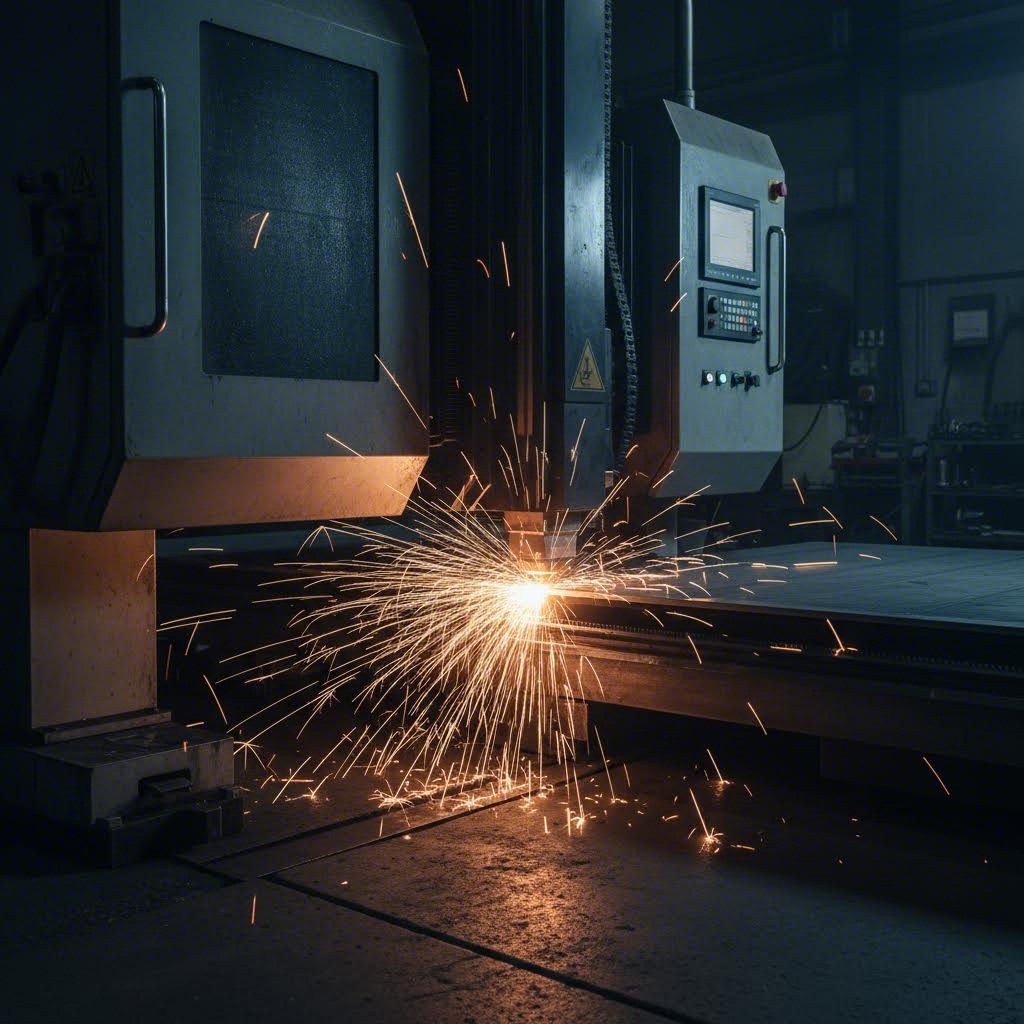
जब एक लेजर धातु से टकराती है तो क्या होता है
कल्पना कीजिए कि आप एक आवर्धक लेंस के माध्यम से सूर्य की ऊर्जा को केंद्रित कर रहे हैं, लेकिन पत्ती को जलाने के बजाय, आप सर्जिकल सटीकता के साथ स्टील को काट रहे हैं। यही वास्तव में लेजर तकनीक के साथ धातु को काटने पर होता है। प्रकाश की एक केंद्रित किरण मिलीसेकंड में ठोस धातु को पिघलाने, जलाने या वाष्पीकृत करने के लिए पर्याप्त ऊर्जा प्रदान करती है, जिससे इतनी साफ कटौती होती है कि अक्सर द्वितीयक परिष्करण की आवश्यकता नहीं होती है।
लेजर धातु कटिंग ने मौलिक रूप से परिवर्तित कर दिया है निर्माताओं द्वारा निर्माण के प्रति दृष्टिकोण । आरी, ड्रिलिंग या पंचिंग के विपरीत, आपके कार्यपृष्ठ पर कोई भौतिक ब्लेड संपर्क नहीं करता है। इसका अर्थ है शून्य उपकरण पहनना, सामग्री पर कोई यांत्रिक तनाव नहीं, और जटिल ज्यामिति बनाने की क्षमता जो पारंपरिक तरीकों से असंभव होगी।
लेजर धातु कटिंग के पीछे का विज्ञान
तो प्रकाश वास्तव में ठोस स्टील में कैसे कटौती करता है? भौतिकी आश्चर्यजनक रूप से निपुण है। जब एक कटिंग लेज़र अपनी किरण उत्पन्न करता है, तो फोटॉन एक रेजोनेटर के माध्यम से यात्रा करते हैं जहाँ उन्हें उद्दीपित उत्सर्जन नामक प्रक्रिया के माध्यम से प्रवर्धित किया जाता है। Xometry द्वारा प्रकाशित शोध के अनुसार, जब एक फोटॉन एक उत्तेजित इलेक्ट्रॉन के साथ एक मेटास्टेबल अवस्था में परस्पर क्रिया करता है, तो यह इलेक्ट्रॉन को उसी गुणों वाला एक और फोटॉन छोड़ने के लिए प्रेरित करता है। यह जलप्रपात एक सुसंगत, अत्यधिक केंद्रित प्रकाश ऊर्जा की किरण बनाता है।
एक बार लेंस के माध्यम से केंद्रित होने के बाद, यह किरण एक छोटे से बिंदु में एकाग्र हो जाती है, कभी-कभी मानव बाल से भी छोटा। उस फोकल बिंदु पर, तापमान लगभग किसी भी धातु के गलनांक से अधिक हो सकता है। सामग्री के पास कोई मौका नहीं होता। यह तेजी से ठोस से तरल में, फिर अक्सर वाष्प में परिवर्तित हो जाती है, जबकि एक उच्च दबाव वाली गैस जेट पिघले हुए मलबे को कट के पथ से दूर उड़ा देती है।
धातु को काटने वाले लेजर को इतना प्रभावी बनाता है कि यह सभी ऊर्जा स्थानांतरण 0.1 मिमी जितनी संकरी कर्फ चौड़ाई में होता है। आसपास की सामग्री कम से कम ऊष्मा के संपर्क में आती है, जिसके परिणामस्वरूप प्लाज्मा या ऑक्सी-ईंधन कटिंग की तुलना में उष्मा-प्रभावित क्षेत्र अविश्वसनीय रूप से छोटा होता है।
फोकस्ड प्रकाश पारंपरिक ब्लेड्स को क्यों हरा देता है
जब आप धातु को काटने के लिए लेजर की तुलना पारंपरिक तरीकों से करते हैं, तो लाभ तुरंत स्पष्ट हो जाते हैं। प्लाज्मा कटिंग चौड़े कर्फ और खुरदरे किनारे पैदा करती है। जलधारा कटिंग, हालांकि सटीक है, पतली सामग्री पर बहुत धीमी गति से काम करती है। यांत्रिक कटिंग बर्र पैदा करती है, बार-बार उपकरण बदलने की आवश्यकता होती है, और बस उतनी विस्तृत कटिंग नहीं कर पाती।
एक ऐसा लेजर जो धातु को काटता है, वह कुछ ऐसा प्रदान करता है जो इनमें से कोई भी विकल्प मैच नहीं कर सकता: बिना प्री-ड्रिलिंग के शीट के कहीं भी कटिंग शुरू और रोक सकने की क्षमता, उच्च गति पर जटिल सीएनसी-प्रोग्राम्ड पथ का अनुसरण करना, और चाहे आप पहला भाग काट रहे हों या हजारवां, सुसंगत परिणाम प्रदान करना।
लेजर द्वारा कार्यपृष्ठ से धातु को हटाने के तीन प्राथमिक तंत्र हैं:
- संगलन कटिंग: लेजर धातु को पिघलाता है जबकि नाइट्रोजन या आर्गन जैसी उच्च-दाब अक्रिय गैस पिघली हुई सामग्री को कर्फ से उड़ा देती है। इससे स्टेनलेस स्टील और एल्यूमीनियम के लिए आदर्श ऑक्साइड-मुक्त किनारे प्राप्त होते हैं।
- फ्लेम कटिंग (अभिक्रियाशील संगलन): कार्बन स्टील पर संगलन कटिंग की तुलना में कटिंग की गति को 30% से 60% तक बढ़ाने के लिए ऑक्सीजन सहायक गैस के रूप में कार्य करती है, जो एक उष्माक्षेपी प्रतिक्रिया उत्पन्न करती है जो कटिंग प्रक्रिया में ऊष्मा जोड़ती है।
- उर्ध्वपातन कटिंग: लेजर सामग्री को सीधे वाष्पित कर देता है बिना काफी मात्रा में गलन उत्पन्न किए, पतली या ऊष्मा-संवेदनशील सामग्री पर अत्यंत साफ किनारे उत्पन्न करता है।
प्रत्येक विधि विशिष्ट अनुप्रयोगों के लिए उपयुक्त होती है। यह समझना कि आपकी सामग्री और मोटाई की आवश्यकताओं के अनुसार कौन-सी विधि उपयुक्त है, किसी भी परियोजना के लिए धातु को लेजर कट करते समय प्रोफेशनल-गुणवत्ता परिणाम प्राप्त करने की दिशा में पहला कदम है।
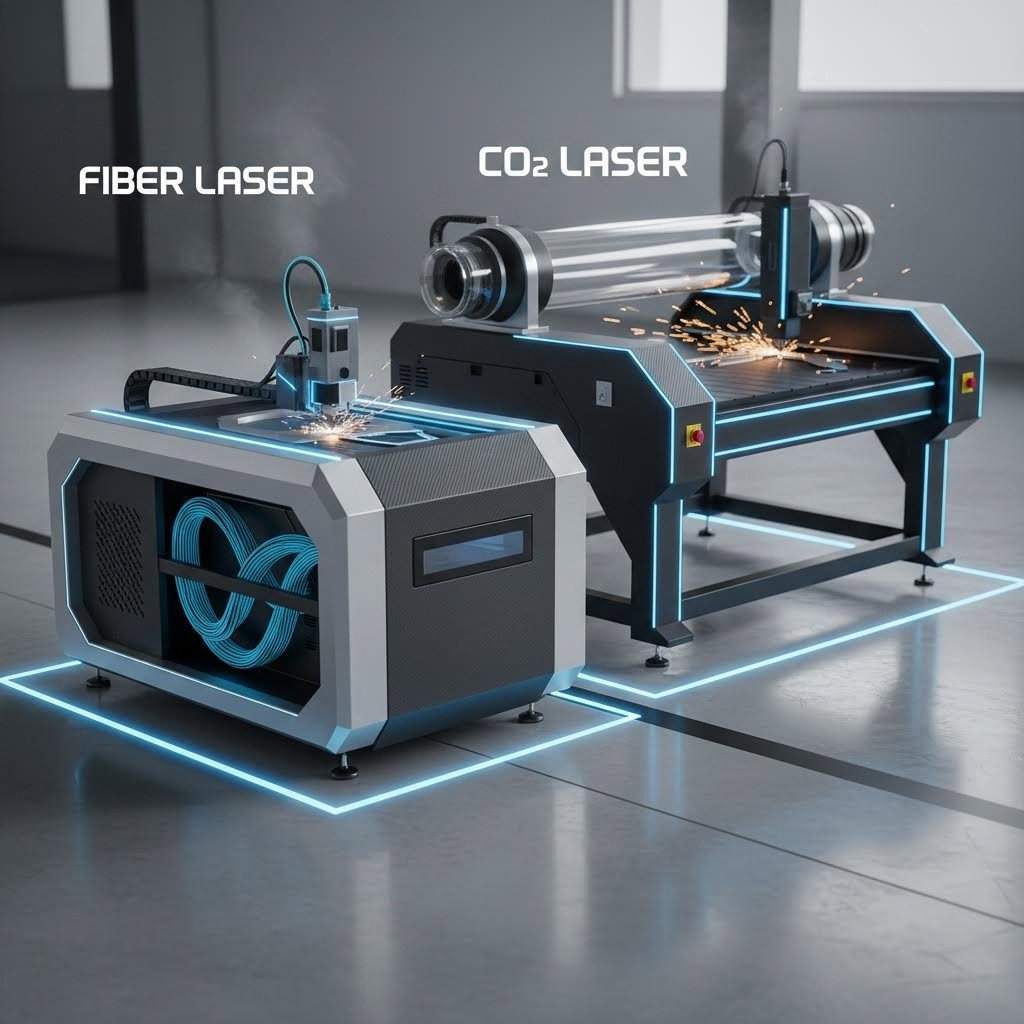
धातु काटने के लिए फाइबर लेज़र बनाम CO2 लेज़र
अब जब आप समझ गए हैं कि लेजर धातु के साथ कैसे अंतःक्रिया करते हैं, अगला तार्किक प्रश्न यह बन जाता है: वास्तव में आपको किस प्रकार के लेजर का उपयोग करना चाहिए? दो तकनीकें बाजार पर हावी हैं, और उनके बीच चयन करना लाभदायक संचालन और महंगी गलती के बीच का अंतर बन सकता है। फाइबर लेजर और CO2 लेजर दोनों के पास अलग-अलग ताकतें हैं, लेकिन विशेष रूप से धातु काटने के लिए, एक स्पष्ट रूप से आगे निकल गया है।
फाइबर लेजर ने धातु निर्माण में अद्भुत रूप से कम समय में क्रांति ला दी है। लगभग 15 वर्षों पहले दृश्य पर आने के बावजूद, अधिकांश धातु कटिंग अनुप्रयोगों के लिए उन्होंने तेजी से CO2 लेजर को पीछे छोड़ दिया है। इसका कारण? वे धातु को 2 से 3 गुना तेजी से काटते हैं जबकि काफी कम ऊर्जा की खपत करते हैं। उन दुकानों के लिए जो शीट मेटल प्रोडक्शन , उस गति के लाभ का सीधा अर्थ अधिक उत्पादन क्षमता और बेहतर लाभ मार्जिन से होता है।
फाइबर लेजर तकनीक की व्याख्या
इस्पात, एल्यूमीनियम और तांबे को काटने में फाइबर लेजर कटिंग मशीन को इतना प्रभावी क्या बनाता है? इसका सार बीम के उत्पादन और वितरण की विधि में निहित है।
एक फाइबरलेज़र दुर्लभ-पृथ्वी तत्वों जैसे इटर्बियम से युक्त ऑप्टिकल फाइबर के माध्यम से डायोड ऊर्जा पंप करके प्रकाश उत्पन्न करता है। यह सॉलिड-स्टेट डिज़ाइन पुरानी तकनीकों में पाए जाने वाले दर्पणों और गैस ट्यूबों की आवश्यकता को समाप्त कर देता है। बीम सीधे फाइबर ऑप्टिक केबल के माध्यम से कटिंग हेड तक जाता है, जिससे निर्माण सरल हो जाता है और विफलता के संभावित बिंदुओं में कमी आती है।
वास्तविक चमत्कार तरंगदैर्ध्य स्तर पर होता है। फाइबर लेज़र लगभग 1.06 माइक्रोमीटर पर संचालित होते हैं, एक ऐसा तरंगदैर्ध्य जिसे धातुएं अत्यंत अच्छी तरह से अवशोषित करती हैं। उद्योग अनुसंधान , इस तरंगदैर्ध्य पर स्टेनलेस स्टील लेज़र ऊर्जा का 30% से 50% अवशोषित करता है। इसकी तुलना CO2 लेज़र से करें, जो 10.6 माइक्रोमीटर पर संचालित होते हैं और उसी सामग्री पर केवल 2% से 10% अवशोषण प्राप्त करते हैं। अधिक अवशोषण का अर्थ है कि अधिक कटिंग शक्ति आपके कार्यपृष्ठ तक पहुंचती है, बजाय इसके कि परावर्तित प्रकाश के रूप में दूर उछल जाए।
यह दक्षता लाभ संचालन के हर पहलू में फैल जाता है। एक फाइबर लेजर कटर को समान कट को प्राप्त करने के लिए कम शक्ति की आवश्यकता होती है, कम अपशिष्ट ऊष्मा उत्पन्न करता है, और न्यूनतम रखरखाव की आवश्यकता होती है क्योंकि संरेखित करने के लिए कोई दर्पण नहीं होते या मिश्रण को पुनः भरने के लिए कोई गैस नहीं होती। उच्च मात्रा वाले शीट धातु संचालन के लिए, ये फाइबर लेजर कटिंग मशीनें सबसे तेज, सबसे आर्थिक परिणाम प्रदान करती हैं।
जब CO2 लेज़र अभी भी उचित होते हैं
क्या इसका अर्थ है कि CO2 लेज़र अब अप्रचलित हैं? बिल्कुल नहीं। ये कार्यशील इकाइयाँ दशकों तक उद्योग की सेवा कर चुकी हैं और अभी भी विशिष्ट परिस्थितियों में उत्कृष्ट प्रदर्शन करती हैं।
CO2 लेज़र कार्बन डाइऑक्साइड, नाइट्रोजन और हीलियम के गैस मिश्रण के माध्यम से बिजली प्रवाहित करके अपनी किरण उत्पन्न करते हैं। ट्यूब के प्रत्येक सिरे पर दर्पण प्रकाश को आगे-पीछे परावर्तित करते हैं, जिसे प्रवर्धित करने के बाद आपके कार्यपृष्ठ की ओर निर्देशित किया जाता है। एक्रिलिक, लकड़ी, चमड़ा और प्लास्टिक जैसी गैर-धातु सामग्री को काटने के समय यह लंबी तरंग दैर्ध्य लाभप्रद साबित होती है।
विशेष रूप से धातु कटिंग के लिए, बहुत मोटी सामग्री पर CO2 लेजर कट मेटल मशीन अभी भी अपनी स्थिति बनाए हुए है। जब आप 15 मिमी से अधिक की स्टील प्लेट्स को काट रहे हों, तो CO2 लेज़र अक्सर चिकनी किनारों की गुणवत्ता प्रदान करते हैं। वे उन दुकानों के लिए भी एक व्यवहार्य विकल्प बने हुए हैं जिन्हें बहु-सामग्री क्षमता की आवश्यकता होती है और धातु व अधातु कार्यों के लिए अलग-अलग मशीनों के खर्च को सही ठहराना संभव नहीं होता।
इसके नुकसान? उच्च बिजली खपत, ठंडक की आवश्यकता में अधिक जटिलता, और ऑप्टिकल घटकों के लिए निरंतर रखरखाव लागत। CO2 तकनीक पर चलने वाली एक औद्योगिक लेजर कटिंग मशीन का संचालन करने में आमतौर पर लगभग 20 डॉलर प्रति घंटा लगता है, जबकि तुलनीय फाइबर प्रणाली केवल 4 डॉलर प्रति घंटा पर चलती है।
पूर्ण तकनीकी तुलना
इन तकनीकों के बीच चयन करने के लिए कई कारकों पर विचार करना आवश्यक है। यह तुलना तालिका मुख्य अंतरों को स्पष्ट करती है:
| कारक | फाइबर लेजर | Co2 लेजर |
|---|---|---|
| काटने की गति | पतली धातुओं पर 2-3 गुना तेज; शीट धातु पर 20 मी/मिनट तक | धातुओं पर धीमा; 15 मिमी से अधिक मोटी सामग्री पर बेहतर |
| ऊर्जा दक्षता | 90% से अधिक वॉल-प्लग दक्षता | 10-15% दक्षता; उच्च बिजली खपत |
| रखरखाव की आवश्यकताएं | वार्षिक 200-400 डॉलर; कोई दर्पण या गैस ट्यूब नहीं | वार्षिक 1,000-2,000 डॉलर; नियमित दर्पण संरेखण की आवश्यकता |
| धातु संगतता | इस्पात, एल्युमीनियम, पीतल, तांबे के लिए उत्कृष्ट | इस्पात के लिए अच्छा; परावर्तक धातुओं में कमजोर |
| प्रारंभिक लागत (एंट्री-लेवल) | 1-3kW प्रणालियों के लिए 15,000-40,000 डॉलर | तुलनात्मक धातु कटान शक्ति के लिए 70,000 डॉलर से अधिक |
| चालन लागत | ~4 डॉलर/घंटा | ~$20/घंटा |
| उपलब्ध बिजली सीमा | औद्योगिक अनुप्रयोगों के लिए 1kW से 30kW+ | धातु काटने के लिए आमतौर पर 2kW से 5kW |
| गैर-धातु क्षमता | सीमित | लकड़ी, एक्रिलिक, प्लास्टिक के लिए उत्कृष्ट |
समर्पित धातु निर्माण के लिए, फाइबर लेजर कटर आमतौर पर केवल संचालन बचत के माध्यम से 2 से 3 वर्षों के भीतर अपना खर्च स्वयं निकाल लेता है। प्रवेश-स्तरीय फाइबर प्रणाली की कीमत लगभग $15,000 से शुरू होती है, जबकि 20kW या उससे अधिक तक पहुंचने वाली उच्च-शक्ति औद्योगिक इकाइयों की कीमत $70,000 से अधिक हो सकती है। निवेश आपकी उत्पादन आवश्यकताओं के अनुरूप बढ़ता है, लेकिन यहां तक कि छोटी दुकानों को भी अब फाइबर तकनीक सबसे अच्छा रिटर्न देती है।
अब कई सफल संचालन दोनों तकनीकों का उपयोग कर रहे हैं, दैनिक धातु कार्यों के लिए फाइबर का उपयोग कर रहे हैं और विशेष सामग्री के लिए CO2 प्रणाली रख रहे हैं। इन भेदों को समझने से आपको उन प्रत्येक कटिंग चुनौतियों के लिए सही उपकरण का चयन करने में मदद मिलती है जिनका सामना आप करेंगे।
आप कौन सी धातुएं काट सकते हैं और कितनी मोटाई तक
आपके पास लेजर तकनीक की व्यवस्था हो चुकी है। अब महत्वपूर्ण सवाल यह है: आप इससे वास्तव में क्या काट सकते हैं? सभी धातुएँ प्रकाश की एक केंद्रित किरण के अधीन एक जैसे व्यवहार नहीं करतीं। कुछ बटर की तरह काटी जाती हैं, जबकि दूसरी प्रतिबिंबनशीलता और ऊष्मा चालकता की चुनौतियों के साथ प्रतिरोध करती हैं, जो आपके कट को खराब कर सकती हैं या आपके उपकरण को नुकसान भी पहुँचा सकती हैं।
यह समझना कि प्रत्येक धातु लेजर ऊर्जा के प्रति कैसे प्रतिक्रिया करती है, केवल अकादमिक ज्ञान नहीं है। इसका अंतर है साफ़, ऑक्साइड-मुक्त किनारे प्राप्त करने और बेकार के डिब्बे के लिए निर्धारित भागों के उत्पादन के बीच। आइए सामान्य धातुओं में से प्रत्येक के साथ लेजर कटिंग धातु प्लेट सामग्री के संबंध में आप क्या अपेक्षा कर सकते हैं, इसे स्पष्ट करें।
इस्पात और स्टेनलेस स्टील कटिंग पैरामीटर
इस्पात लेजर कटिंग संगतता का अजेय चैंपियन बना हुआ है। चाहे आप माइल्ड स्टील, स्टेनलेस प्रकार या टूल स्टील ग्रेड के साथ काम कर रहे हों, ये सामग्री लेजर ऊर्जा को कुशलतापूर्वक अवशोषित करती हैं और लगातार उत्कृष्ट परिणाम उत्पन्न करती हैं।
मृदु इस्पात (कार्बन इस्पात) सबसे आसान कटिंग अनुभव प्रदान करता है। इसकी कम कार्बन सामग्री और मध्यम परावर्तकता का अर्थ है कि आप किनारे की गुणवत्ता बनाए रखते हुए तेज़ गति से काट सकते हैं। के अनुसार, उद्योग मोटाई चार्ट माइल्ड स्टील को 1.5 से 6kW रेंज के फाइबर लेजर के साथ अधिकतम 25 मिमी मोटाई तक काटा जा सकता है। ऑक्सीजन सहायक गैस के साथ स्टील को लेजर काटते समय, एक उष्माक्षेपी प्रतिक्रिया प्रक्रिया में ऊष्मा जोड़ती है, जो नाइट्रोजन की तुलना में कटिंग गति को 30% से 60% तक बढ़ा देती है।
स्टेनलेस स्टील थोड़ा अधिक ध्यान माँगता है। इसकी कठोरता, मजबूती और परावर्तक सतह के कारण धीमी कटिंग गति और उच्च आवृत्ति सेटिंग्स की आवश्यकता होती है। स्टेनलेस स्टील को लेजर काटने के लिए अनुशंसित मापदंडों में मोटाई के आधार पर 10 से 20 मिमी/से के बीच गति, लगभग 1000 हर्ट्ज़ पर आवृत्ति और 1 से 4kW तक की शक्ति सेटिंग्स शामिल हैं। अधिकतम कटिंग क्षमता लगभग 20 मिमी तक पहुँच जाती है। इसका लाभ? संक्षारण-प्रतिरोधी किनारे जिन्हें अक्सर द्वितीयक फिनिशिंग की आवश्यकता नहीं होती।
उपकरण इस्पात स्टेनलेस ग्रेड की तरह व्यवहार करते हैं, लेकिन उनकी कठोर संरचना के कारण थोड़ी कम गति की आवश्यकता हो सकती है। ये विशेष सामग्री साफ कटाव करती हैं लेकिन अधिक ऊष्मा उत्पन्न करती हैं, इसलिए पर्याप्त शीतलन और उचित सहायक गैस दबाव विशेष रूप से महत्वपूर्ण हो जाता है।
एल्युमीनियम और तांबा जैसी परावर्तक धातुओं का सामना करना
यहाँ चीजें दिलचस्प हो जाती हैं। अत्यधिक परावर्तक धातुएँ अद्वितीय चुनौतियाँ प्रस्तुत करती हैं जिन्हें पुरानी CO2 लेजर तकनीक विश्वसनीय ढंग से संभाल नहीं सकती थी। एल्युमीनियम, तांबा और पीतल सभी लेजर ऊर्जा को काटने वाले सिर की ओर वापस प्रतिबिंबित करते हैं, जिसके परिणामस्वरूप ऐतिहासिक रूप से बीम विघटन और उपकरण के क्षतिग्रस्त होने की संभावना होती है।
फाइबर लेजर ने सब कुछ बदल दिया। उनकी 1.06-माइक्रोमीटर की छोटी तरंगदैर्ध्य CO2 की 10.6-माइक्रोमीटर बीम की तुलना में परावर्तक सतहों में कहीं अधिक प्रभावी ढंग से प्रवेश करती है। जैसा कि यूनिवर्सल टूल शोध पुष्टि करता है , आधुनिक फाइबर सिस्टम के साथ परावर्तकता एक समस्या नहीं रह जाती।
एल्युमीनियम परावर्तकता की चुनौती में थर्मल चालकता जोड़ता है। ऊष्मा सामग्री के माध्यम से तेजी से फैलती है, जिससे उचित शक्ति प्रबंधन के बिना साफ कट बनाना मुश्किल हो जाता है। एल्युमीनियम लेजर कटिंग के लिए आमतौर पर 60% से 80% शक्ति की आवश्यकता होती है, और गति 10 से 20 मिमी/सेकंड होती है। अधिकतम मोटाई लगभग 12 मिमी तक पहुँचती है। कटिंग में नाइट्रोजन का उपयोग सहायक गैस के रूप में गलित सामग्री को उड़ाने में मदद करता है और वेल्डिंग अनुप्रयोगों के लिए आवश्यक ऑक्साइड-मुक्त किनारे प्रदान करता है।
तांबा और पीतल इन चुनौतियों को और भी आगे बढ़ा देते हैं। दोनों धातुएँ ऊष्मा का अत्यधिक संचालन करती हैं और सक्रिय रूप से परावर्तित करती हैं। कटौती के स्थल पर ऊष्मा संचय के प्रबंधन में विशेष नोजल और नाइट्रोजन शीतलन सहायता करते हैं। इन कठिनाइयों के बावजूद, फाइबर लेजर तांबे में 6 मिमी तक और पीतल में 8 मिमी तक मोटाई में सटीक कट प्रदान करते हैं।
टाइटेनियम किसी भी सामान्य रूप से लेजर-कट धातु की तुलना में सबसे अधिक शक्ति-से-वजन अनुपात प्रदान करता है, लेकिन प्रीमियम मूल्य निर्धारित करता है। इसकी उत्कृष्ट लेजर संगतता इसे स्टैम्प या यांत्रिक रूप से मशीन करने की तुलना में कटाने के लिए बहुत आसान बनाती है। टाइटेनियम विशेष रूप से फाइबर प्रणालियों पर अच्छी तरह कटता है, जिससे न्यूनतम ऊष्मा-प्रभावित क्षेत्र के साथ साफ किनारे प्राप्त होते हैं।
पूर्ण धातु कटिंग संदर्भ
जब आप शीट धातु पर लेजर कटिंग करते हैं, तो अपनी सामग्री को उपयुक्त पैरामीटर्स के साथ मिलान करने से सफलता सुनिश्चित होती है। यह व्यापक तालिका निर्माण दुकानों में सबसे अधिक प्रसंस्कृत धातुओं को कवर करती है:
| धातु प्रकार | अधिकतम मोटाई | अनुशंसित लेजर | सतह की गुणवत्ता | विशेष विचार |
|---|---|---|---|---|
| माइल्ड स्टील | 25 मिमी तक | फाइबर (1.5-6kW) | उत्कृष्ट | गति बढ़ाने के लिए ऑक्सीजन सहायता का उपयोग करें; कटाने के लिए सबसे आसान धातु |
| स्टेनलेस स्टील | 20mm तक | फाइबर (1.5-4kW) | उत्कृष्ट | ऑक्साइड-मुक्त किनारों के लिए नाइट्रोजन का उपयोग करें; धीमी गति की आवश्यकता होती है |
| एल्युमीनियम | 12 मिमी तक | फाइबर (1.5-3kW) | अच्छा से उत्कृष्ट | उच्च तापीय चालकता; सावधानीपूर्वक ऊष्मा प्रबंधन की आवश्यकता होती है |
| तांबा | 6mm तक | फाइबर (1.5-3kW) | अच्छा | अत्यधिक परावर्तक; नाइट्रोजन शीतलन अनिवार्य है |
| पीतल | 8 मिमी तक | फाइबर (1.5-3kW) | अच्छा | परावर्तक और चालक; विशेष नोजल मदद करते हैं |
| टाइटेनियम | 10 मिमी तक | फाइबर (1.5-4kW) | उत्कृष्ट | प्रीमियम लागत; अद्वितीय शक्ति-से-वजन अनुपात |
| टूल स्टील | 15 मिमी तक | फाइबर (2-4kW) | अच्छा से उत्कृष्ट | कठोर संरचना के कारण गति कम करने की आवश्यकता; अधिक ऊष्मा उत्पन्न होती है |
सामग्री के आधार पर किनारों की गुणवत्ता में काफी भिन्नता आती है। इस्पात के ग्रेड आमतौर पर सबसे साफ किनारे देते हैं जिन्हें किसी पोस्ट-प्रोसेसिंग की आवश्यकता नहीं होती। मोटे अनुभागों में लेज़र कट एल्यूमीनियम में थोड़ी खुरदुरापन दिख सकती है। तांबे और पीतल के किनारों पर हल्की बर्रिंग दिख सकती है जिसे हल्की डी-बर्रिंग से हटाया जा सकता है।
धातु की चादरों को लेज़र से काटना इन सभी सामग्री की पूरी श्रृंखला में अत्यधिक सुलभ हो गया है। चादर धातु लेज़र कटिंग ऑपरेशन अब नियमित रूप से मिश्रित-सामग्री के कार्यों को संसाधित करते हैं जिन्हें केवल एक दशक पहले कई मशीनों की आवश्यकता होती थी। इन सामग्री-विशिष्ट व्यवहारों को समझने से आप उत्पादन क्षेत्र में आने वाले लगभग किसी भी मिश्र धातु का सामना करने में सक्षम होंगे।
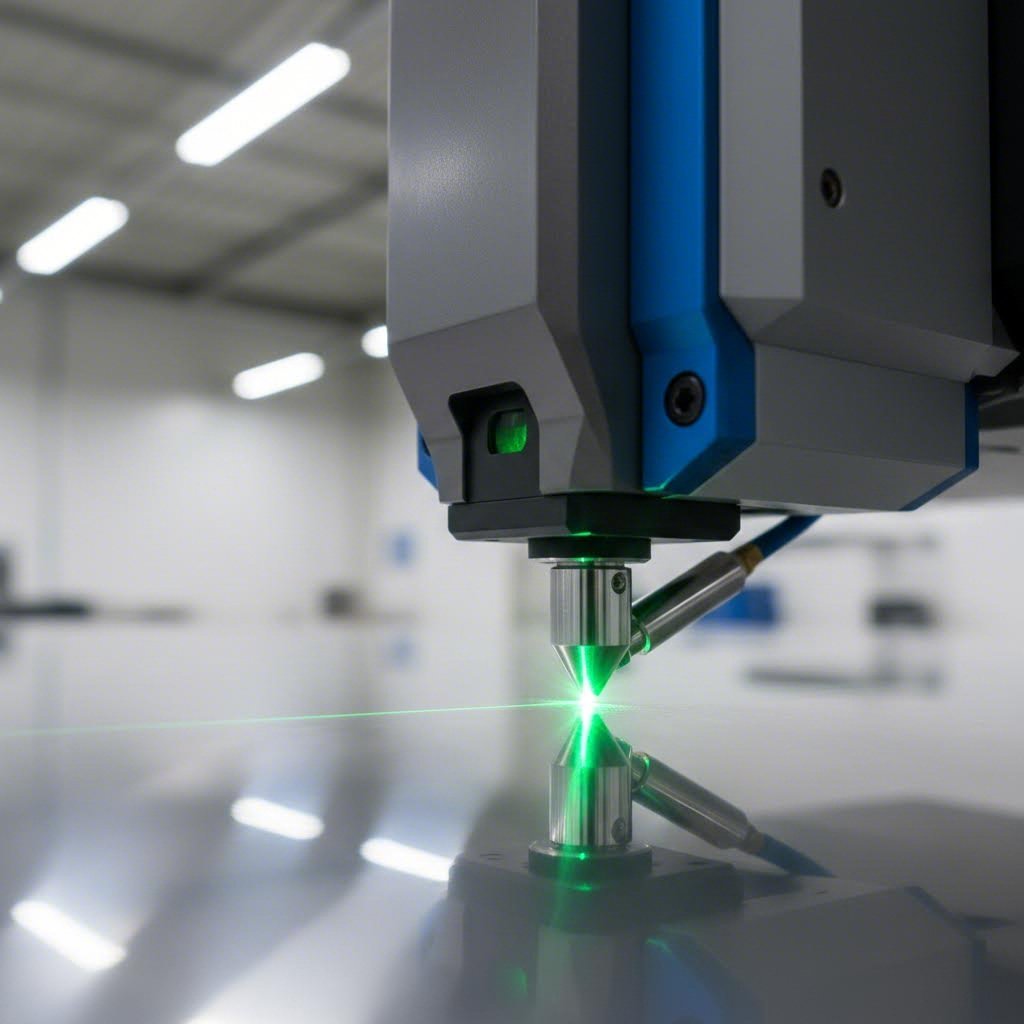
लेज़र के साथ धातु को काटने की चरणबद्ध प्रक्रिया
आप तकनीक को समझते हैं। आप जानते हैं कि कौन सी धातुएँ सबसे अच्छा काम करती हैं। लेकिन वास्तव में कच्ची धातु की चादर से लेकर सटीक कटिंग वाले भाग तक कैसे पहुँचा जाए? यहीं पर सिद्धांत का व्यवहार से मिलन होता है, और आश्चर्यजनक रूप से, यह वह क्षेत्र है जिसे अधिकांश गाइड पूरी तरह से नजरअंदाज कर देते हैं। एक लेजर धातु कटिंग मशीन उतनी ही अच्छी होती है जितना अच्छा ऑपरेटर उसे चला रहा होता है, और लेजर से धातु को सफलतापूर्वक काटने के लिए हर बार एक सिद्ध क्रम का पालन करना आवश्यक होता है।
इस प्रक्रिया को सोचिए बेकिंग की तरह। आपके पास दुनिया का सबसे उत्तम ओवन हो सकता है, लेकिन सही नुस्खे और तकनीक के बिना, आपके परिणाम निराशाजनक होंगे। आइए ठीक उसी चीज के माध्यम से चलते हैं जो साफ-सुथरे, पेशेवर कट्स को निराशाजनक विफलताओं से अलग करती है।
साफ कटिंग के लिए अपनी सामग्री की तैयारी
हर सफल कटिंग की शुरुआत आपके 'स्टार्ट' बटन दबाने से बहुत पहले होती है। सामग्री की तैयारी थकाऊ लग सकती है, लेकिन इन चरणों को छोड़ने से भविष्य में समस्याएँ होना लगभग निश्चित होता है।
सबसे पहले, अपनी धातु की चादर का बारीकी से निरीक्षण करें। विक्षेपण, सतह की दूषितता, जंग के धब्बे या मिल स्केल की तलाश करें जो कटिंग प्रक्रिया में हस्तक्षेप कर सकते हैं। यहां तक कि छोटी सतह अशुद्धियां भी असंगत कट, अत्यधिक स्पैटर या खराब किनारे की गुणवत्ता का कारण बन सकती हैं। xTool के तकनीकी मार्गदर्शन के अनुसार, कटिंग के दौरान गलतियां और अशुद्धि के कारण एक गंदी या अशुद्ध सतह होने की संभावना होती है।
अपेक्षाकृत साफ स्टील के लिए, एसीटोन या किसी अन्य डिग्रीज़र से साफ करना और फिर संपीड़ित वायु का उपयोग करना सतह के तेल और धूल को हटा देता है। खराब स्थिति में सामग्री के लिए जंग और स्केल को हटाने के लिए तार के ब्रश या यहां तक कि लेजर सफाई पास की आवश्यकता हो सकती है। एल्युमीनियम और स्टेनलेस स्टील को भी समान डिग्रीज़िंग उपचार से लाभ होता है, क्योंकि कोई भी दूषण सतह के साथ लेजर ऊर्जा की अंतःक्रिया को प्रभावित करता है।
इसके बाद फिक्सचर आता है। कटिंग के दौरान आपका कार्यपृष्ठ पूरी तरह स्थिर बना रहना चाहिए। थोड़ी सी भी गति आकार में त्रुटि उत्पन्न कर सकती है और जटिल भागों को खराब कर सकती है। कटिंग बिस्तर के खिलाफ सामग्री को मजबूती से सुरक्षित करने के लिए क्लैम्प, वैक्यूम टेबल या पिन फिक्सचर का उपयोग करें। छोटे अपशिष्ट टुकड़ों पर विशेष ध्यान दें जो मूल शीट से मुक्त होने पर स्थानांतरित हो सकते हैं।
शक्ति, गति और फोकस सेटिंग्स को समायोजित करना
यहाँ वह जगह है जहाँ आपकी धातु लेजर कटिंग मशीन या तो उत्कृष्ट प्रदर्शन करती है या संघर्ष करती है। तीन परस्पर जुड़े चर कटिंग गुणवत्ता निर्धारित करते हैं: शक्ति, गति और फोकस। इनके पारस्परिक संबंध को समझना कुशल ऑपरेटरों को बटन दबाने वाले शुरुआती लोगों से अलग करता है।
शक्ति नियंत्रित करता है कि आपकी सामग्री तक कितनी ऊर्जा पहुँचती है। जैसा कि HARSLE के अनुकूलन गाइड के अनुसार स्पष्ट करता है, बहुत अधिक शक्ति सेट करने से अत्यधिक पिघलाव, खुरदुरे किनारे या सामग्री का विरूपण होता है। बहुत कम शक्ति अधूरी कटिंग या खराब किनारा गुणवत्ता का कारण बनती है। अपनी विशिष्ट सामग्री और मोटाई के लिए निर्माता की अनुशंसाओं के साथ शुरुआत करें, फिर क्रमिक रूप से समायोजित करें।
गति यह निर्धारित करता है कि कटिंग हेड आपके प्रोग्राम किए गए मार्ग पर कितनी तेज़ी से चलता है। तेज़ गति उत्पादकता में वृद्धि करती है, लेकिन किनारे की गुणवत्ता कम हो सकती है। धीमी गति सटीकता बढ़ाती है, लेकिन कार्यपृष्ठ में अत्यधिक ऊष्मा उत्पन्न कर सकती है। इष्टतम बिंदु दोनों बातों का संतुलन बनाता है। सामान्य नियम के रूप में, मोटी सामग्री धीमी कटिंग गति की आवश्यकता होती है जबकि पतली शीट तेज़ गति सहन कर सकती हैं।
फोकस स्थिति अक्सर इसे नज़रअंदाज़ कर दिया जाता है लेकिन परिणामों पर इसका गहरा प्रभाव पड़ता है। आपकी लेज़र किरण का फोकस बिंदु आपकी सामग्री की सतह के संबंध में सटीक रूप से कैलिब्रेटेड होना चाहिए। उचित फोकस संकीर्ण कर्फ, चिकने किनारे और कुशल कटिंग सुनिश्चित करता है। अधिकांश धातु लेज़र कटर मशीन सिस्टम को सामग्री की मोटाई के आधार पर फोकस समायोजन की आवश्यकता होती है, और इस स्थिति की नियमित रूप से पुष्टि की जानी चाहिए।
जब एसएस (स्टेनलेस स्टील) या अन्य मांग वाली सामग्री को लेजर काटते हैं, तो आवृत्ति सेटिंग्स का भी महत्व होता है। उच्च आवृत्ति आमतौर पर चिकने किनारे बनाती है लेकिन अधिक ऊष्मा उत्पन्न करती है। निम्न आवृत्ति थर्मल इनपुट को कम करती है लेकिन कटौती की सतह को खुरदरा बना सकती है। अनुशंसित सीमा के भीतर प्रयोग करने से आपके विशिष्ट उपकरण और सामग्री के लिए इष्टतम सेटिंग्स की पहचान करने में मदद मिलती है।
पूर्ण कटिंग क्रम
तैयारी पूरी होने और पैरामीटर सेट होने के बाद, निरंतर परिणामों के लिए इस सिद्ध क्रम का पालन करें:
- अपनी डिज़ाइन फ़ाइल लोड करें मशीन नियंत्रण सॉफ़्टवेयर में। एडोब इलस्ट्रेटर या ऑटोकैड जैसे वेक्टर-आधारित प्रोग्राम अधिकांश लेजर कटिंग मशीन के लिए धातु प्रणालियों के साथ संगत फ़ाइलें बनाते हैं। सत्यापित करें कि डिज़ाइन के आयाम आपकी सामग्री के आकार से मेल खाते हैं।
- अपनी सामग्री को स्थिति दें और सुरक्षित करें कटिंग बिस्तर पर। मशीन के निर्देशांक प्रणाली के साथ उचित संरेखण सुनिश्चित करें। यह दोबारा जाँच लें कि क्लैंप कटिंग हेड के मार्ग में बाधा नहीं डालेंगे।
- अपनी सहायक गैस का चयन करें सामग्री के प्रकार के आधार पर। ऑक्सीजन कार्बन स्टील में उष्माक्षेपी अभिक्रिया के माध्यम से कटिंग को तेज करता है। नाइट्रोजन स्टेनलेस स्टील और एल्युमीनियम पर ऑक्साइड-मुक्त किनारे बनाता है। अपनी सामग्री की मोटाई के अनुसार उचित दबाव सेट करें।
- फोकस ऊंचाई कैलिब्रेशन को सत्यापित करें अपनी मशीन के बिल्ट-इन सेंसर या मैनुअल मापन उपकरणों का उपयोग करके। फोकल बिंदु की स्थिति सीधे कट की गुणवत्ता को प्रभावित करती है और शुद्ध होनी चाहिए।
- परीक्षण कट करें उत्पादन वर्कपीस के समान अपशिष्ट सामग्री पर। यह महत्वपूर्ण कदम महंगी सामग्री पर जाने से पहले आपके सभी पैरामीटर चयन को मान्य करता है। किनारों की चिकनाहट, पूर्णता और आयामी सटीकता के लिए परीक्षण कट किनारों का परीक्षण करें।
- परीक्षण परिणामों के आधार पर पैरामीटर समायोजित करें । कट किनारों पर बर्र बनना आमतौर पर गलत शक्ति या गति को इंगित करता है। खुरदरे किनारे फोकस समस्याओं या गलत आवृत्ति सेटिंग्स का संकेत देते हैं। संतुष्ट होने तक छोटे-छोटे बदलाव करें और पुनः परीक्षण करें।
- उत्पादन कट को निष्पादित करें . प्रक्रिया की निगरानी करें, असामान्य चिंगारियों, धुएं या आवाज़ों के लिए देखें जो समस्याओं का संकेत दे सकते हैं। अधिकांश लेजर मशीनें धातु काटने की प्रणाली में शुरू होने के बाद स्वचालित रूप से चलती हैं, लेकिन ऑपरेटर की सावधानी समस्याओं को जल्दी पकड़ने में मदद करती है।
- हैंडलिंग से पहले ठंडा होने दें . कटिंग के तुरंत बाद धातु में उल्लेखनीय गर्मी बनी रहती है। इस चरण को जल्दबाजी में करने से जलने का खतरा होता है और अगर भागों को अभी भी गर्म होने पर हिलाया जाए तो विकृति हो सकती है।
- तैयार भागों का निरीक्षण करें विनिर्देशों के विरुद्ध। आकार की शुद्धता, किनारे की गुणवत्ता और सतह की स्थिति की जाँच करें। सत्यापित करें कि कट आपके डिजाइन उद्देश्य के अनुरूप है।
परीक्षण कट परिणामों की व्याख्या करना
परीक्षण कट सटीक रूप से यह प्रकट करते हैं कि आपके मापदंडों में क्या समायोजन आवश्यक है। इन परिणामों को पढ़ना सीखना समय और सामग्री दोनों बचाता है। यहाँ आम समस्याओं के संकेत क्या हैं:
| परीक्षण कट अवलोकन | संभावित कारण | अनुशंसित समायोजन |
|---|---|---|
| सामग्री के माध्यम से अधूरी कट | अपर्याप्त शक्ति या अत्यधिक गति | शक्ति में 5-10% की वृद्धि करें या गति कम करें |
| निचले किनारे पर अत्यधिक भस्म | गति बहुत तेज़ है या सहायक गैस दबाव बहुत कम है | गति कम करें या गैस दबाव बढ़ाएं |
| पिघले किनारों के साथ चौड़ा कर्फ | शक्ति बहुत अधिक है या गति बहुत धीमी है | शक्ति कम करें या कटिंग गति बढ़ाएं |
| खुरदरी, धारीदार किनारे की सतह | फोकस या आवृत्ति सेटिंग्स गलत हैं | फोकस को फिर से कैलिब्रेट करें; आवृत्ति समायोजित करें |
| अत्यधिक ऊष्मा के कारण रंग बदलना | बहुत अधिक ऊर्जा निवेश | गति बढ़ाएं या शक्ति कम करें |
प्रत्येक सामग्री प्रकार और मोटाई के लिए अपने सफल पैरामीटर्स को दस्तावेजीकृत करें। सटीक रिकॉर्ड रखने से भविष्य की परियोजनाओं में त्वरित सेटअप और सुसंगत परिणाम मिलते हैं, जिससे आपकी संचालन दक्षता में भारी सुधार होता है।
उत्तर-प्रसंस्करण प्रवाह कार्य को पूरा करता है। आपके अनुप्रयोग के आधार पर, ताजा कटे हुए भागों को बुर्र हटाने, सेंडिंग, पॉलिशिंग, पेंटिंग या एनोडाइजिंग की आवश्यकता हो सकती है। कुछ भाग सीधे वेल्डिंग या असेंबली के लिए आगे बढ़ते हैं। उचित लेजर कटिंग द्वारा उत्पादित साफ किनारे आमतौर पर प्लाज्मा या यांत्रिक कटिंग विधियों की तुलना में इन माध्यमिक संचालन को न्यूनतम कर देते हैं।
इस पूरी प्रक्रिया में निपुणता प्राप्त करने से आपकी लेज़र कटिंग मशीन एक महंगे उपकरण से एक विश्वसनीय उत्पादन उपकरण में बदल जाती है। प्रत्येक चरण पिछले चरण पर आधारित होता है, और अंतिम भागों में अवश्य ही छोटे रास्तों के परिणाम दिखाई देते हैं। अब जब आपके पास यह प्रक्रिया है, तो आइए उन असाधारण रूप से विविध अनुप्रयोगों की जांच करें जहां इन सटीक कट्स का प्रभाव पड़ता है।
औद्योगिक से शौकिया अनुप्रयोग
सटीक लेज़र कटिंग का उपयोग वास्तव में कहाँ किया जाता है? उत्तर आपको आश्चर्यचकित कर सकता है। जबकि अधिकांश मार्गदर्शिकाएं केवल ऑटोमोटिव पार्ट्स के उत्पादन के लिए विशाल कारखाने के फर्श पर केंद्रित होती हैं, वास्तविकता एक असाधारण रेंज तक फैली हुई है। एयरोस्पेस निर्माताओं से लेकर टाइटेनियम घटकों को काटने वाले और सप्ताहांत के निर्माताओं से लेकर अपने पड़ोसियों के लिए लेज़र कट मेटल साइन बनाने वाले तक, यह प्रौद्योगिकी उत्पादन के हर स्तर पर उल्लेखनीय रूप से सुलभ हो गई है।
इन अनुप्रयोगों को समझने से आप यह पहचान सकते हैं कि लेजर कटिंग आपकी आवश्यकताओं में कहाँ फिट बैठती है। चाहे आप उच्च मात्रा में उत्पादन के लिए एक औद्योगिक लेजर कटर का मूल्यांकन कर रहे हों या कस्टम कार्य के लिए एक छोटे सिस्टम पर विचार कर रहे हों, मशीन की क्षमताओं को वास्तविक आवश्यकताओं के साथ मिलाना आपकी सफलता निर्धारित करता है।
औद्योगिक निर्माण अनुप्रयोग
भारी उद्योग लेजर कटिंग तकनीक का सबसे बड़ा उपभोक्ता बना हुआ है, और इसका अच्छा कारण है। जब सटीकता, गति और दोहराव सबसे महत्वपूर्ण होता है, तो कोई अन्य तकनीक इसके करीब भी नहीं आती।
ऑटोमोटिव निर्माण यह इसे पूरी तरह से उदाहरणित करता है। एक्यूरल के उद्योग विश्लेषण के अनुसार के अनुसार, लेजर कटिंग ने पारंपरिक डाई कटिंग और प्लाज्मा विधियों को बदलकर वाहन निर्माण को सरल बना दिया है। चेसिस ब्रैकेट्स से लेकर बॉडी पैनल्स तक का हर घटक तकनीक की जटिल आकृतियों को कड़े सहिष्णुता के साथ उत्पादित करने की क्षमता से लाभान्वित होता है। ऑटोमोटिव क्षेत्र ऐसे भागों की मांग करता है जहां हर मिलीमीटर मायने रखता है, और लेजर कटिंग लगातार इसकी पूर्ति करती है।
वायु-अंतरिक्ष अनुप्रयोग आवश्यकताओं को और आगे बढ़ाएं। विमान और अंतरिक्ष यान के घटकों को आदर्श शक्ति-से-भार अनुपात को पूरा करना होता है, जबकि पूर्ण आयामी सटीकता बनाए रखते हैं। लेजर कटिंग एयरोस्पेस में सामान्य विदेशी मिश्र धातुओं, टाइटेनियम और विशेष एल्यूमीनियम ग्रेड सहित, को उस सटीकता के साथ काटती है जिसकी यांत्रिक विधियां मिलाप नहीं कर सकतीं।
अन्य प्रमुख औद्योगिक अनुप्रयोगों में शामिल हैं:
- HVAC डक्टवर्क निर्माण: आयताकार और गोल डक्ट घटकों को उचित सीलिंग के लिए साफ किनारों की आवश्यकता होती है। लेजर कटिंग ऐसे रिसाव-मुक्त जोड़ पैदा करती है जो स्थापना के समय को कम करते हैं।
- इलेक्ट्रॉनिक्स आवरण: सर्वर रैक, नियंत्रण पैनल और उपकरण आवास कनेक्टर्स, वेंटिलेशन और माउंटिंग हार्डवेयर के लिए सटीक कटआउट की मांग करते हैं।
- संरचनात्मक इस्पात निर्माण: निर्माण परियोजनाओं के लिए बीम, प्लेट और संयोजन हार्डवेयर सटीक कटौती से लाभान्वित होते हैं जो असेंबली को सरल बनाते हैं।
- चिकित्सा उपकरण विनिर्माण: शल्य उपकरण और प्रत्यारोपण असाधारण सटीकता और जैव-अनुकूल किनारे की गुणवत्ता की आवश्यकता होती है जो लेजर कटिंग प्रदान करती है।
- जहाज निर्माण और समुद्री उपकरण: चुनौतीपूर्ण सामग्री मोटाई के बावजूद हलों और समुद्री बुनियादी ढांचे के लिए मोटी इस्पात प्लेटों को साफ-सुथरा काटा जाता है।
औद्योगिक संचालन आमतौर पर 3kW से 20kW या उससे अधिक तक सिस्टम चलाते हैं। किरिन लेज़र के शक्ति विश्लेषण के अनुसार 20,000 वाट तक पहुँचने वाले अति-उच्च शक्ति लेज़र बहुत मोटे इस्पात को ऐसी गति से काटते हैं जो उत्पादन में बाधा को नाटकीय रूप से कम कर देती है। ये मशीनें 50 मिमी से अधिक मोटाई वाली प्लेटों को काटती हैं, जो जहाज निर्माण शालाओं, संरचनात्मक इस्पात केंद्रों और ऊर्जा बुनियादी ढांचे की परियोजनाओं की सेवा करती हैं।
निवेश क्षमता के अनुरूप है। एक 6kW की औद्योगिक प्रणाली की लागत $50,000 से $100,000 या उससे अधिक हो सकती है, लेकिन प्रतिदिन पूरी पारी के दौरान काटने वाले संचालन उत्पादन लाभ और द्वितीयक प्रसंस्करण में कमी के माध्यम से इस खर्च को जल्दी से सही ठहराते हैं।
लघु व्यवसाय और शौकिया अवसर
यहाँ चीजें रोमांचक हो जाती हैं। ऑटोमोटिव फैक्ट्रियों को शक्ति प्रदान करने वाली उसी तकनीक को अब छोटी फैब्रिकेशन दुकानों, कस्टम निर्माताओं और यहाँ तक कि समर्पित शौकीनों तक पहुँचने योग्य बना दिया गया है। सटीक निर्माण के इस लोकतंत्रीकरण ने पूरी तरह से नए बाजार अवसर खोल दिए हैं।
साइनेज और सजावटी कार्य इनमें से सबसे तेजी से बढ़ते खंडों में से एक है। धातु के संकेतों को काटने के लिए एक मशीन छोटी दुकानों को कस्टम पता पट्टिकाएँ, व्यापार संकेत और कलात्मक टुकड़े बनाने में सक्षम बनाती है जो प्रीमियम मूल्य लेते हैं। आर्किटेक्चुरल एक्सेंट्स, गोपनीयता स्क्रीन और सजावटी गेट्स के लिए लेजर कट मेटल पैनल आवासीय और वाणिज्यिक निर्माण में बढ़ते लोकप्रिय हो गए हैं। उच्च-मार्जिन वस्तुओं का उत्पादन करते समय एक कार्यात्मक धातु संकेत कटर जल्दी से अपना खर्च वसूल लेता है।
छोटे व्यवसाय अनुप्रयोग कई क्षेत्रों में फैले हुए हैं:
- कस्टम ऑटोमोटिव पार्ट्स: ब्रैकेट, माउंटिंग प्लेट्स, और पुनर्स्थापना परियोजनाओं और कस्टम निर्माण के लिए सजावटी ट्रिम।
- वास्तुकला धातुकर्म: रेलिंग्स, गेट्स, सजावटी पैनल और कस्टम हार्डवेयर जो वास्तुकार विशिष्ट परियोजनाओं के लिए निर्दिष्ट करते हैं।
- कलात्मक और शिल्प अनुप्रयोग: दीवार कला, मूर्तियाँ, आभूषण घटक, और धातु को अन्य सामग्री के साथ मिलाकर बनाए गए मिश्रित-माध्यम के टुकड़े।
- फर्नीचर और इंटीरियर डिजाइन: टेबल के आधार, शेल्फिंग ब्रैकेट, प्रकाश उपकरण, और कस्टम फर्नीचर निर्माताओं के लिए सजावटी तत्व।
- प्रोटोटाइप विकास: उत्पादन टूलिंग पर जाने से पहले उत्पाद डिजाइन पर त्वरित पुनरावृत्ति।
इन अनुप्रयोगों के लिए बिजली की आवश्यकताएँ उचित ढंग से स्केल होती हैं। 500W से 1kW तक चलने वाली एंट्री-लेवल फाइबर प्रणाली संकेतन और सजावटी कार्य के लिए पतली शीट धातुओं को पूरी तरह से संभालती है। 1.5kW से 3kW तक की मध्यम श्रेणी की मशीनें अधिकांश सामान्य निर्माण आवश्यकताओं को संभालती हैं। उद्योग डेटा के अनुसार, 2000W फाइबर लेजर माइल्ड स्टील को 16mm तक, स्टेनलेस स्टील को 8mm तक और एल्यूमीनियम को 6mm तक काट सकता है, जो लघु व्यवसाय आवश्यकताओं के अधिकांश हिस्से को कवर करता है।
निर्माता समुदाय ने विशेष रूप से इस तकनीक को अपनाया है। धातु के लिए एक शौकिया लेजर कटर रचनात्मक संभावनाओं को खोलता है जो केवल एक दशक पहले तक पूरी तरह से अनुपलब्ध थीं। जबकि वास्तविक धातु कटाई क्षमता आम डेस्कटॉप ग्रेवरों की तुलना में अधिक शक्ति की आवश्यकता रखती है, संकुचित फाइबर प्रणाली अब गंभीर शौकियों और छोटी वर्कशॉप के लिए पेशेवर-ग्रेड कटिंग को संभव बनाती है। ये मशीनें क्षमता युक्त प्रवेश-स्तरीय इकाइयों के लिए लगभग 15,000 अमेरिकी डॉलर से शुरू होती हैं।
अपने अनुप्रयोग के अनुरूप शक्ति का चयन
सही शक्ति स्तर का चयन अतिरिक्त खर्च और निराशाजनक सीमाओं दोनों से बचाता है। आवश्यकताएँ आमतौर पर इस प्रकार विभाजित होती हैं:
| अनुप्रयोग स्तर | सामान्य शक्ति सीमा | भौतिक क्षमता | निवेश सीमा |
|---|---|---|---|
| शौकिया/निर्माता | 500W-1000W | पतली चादर, 6 मिमी इस्पात, 3 मिमी स्टेनलेस, 2 मिमी एल्यूमीनियम तक | $15,000-$25,000 |
| छोटा व्यवसाय | 1.5kW-3kW | 20 मिमी इस्पात, 12 मिमी स्टेनलेस, 10 मिमी एल्यूमीनियम तक | $25,000-$60,000 |
| औद्योगिक उत्पादन | 4kW-20kW+ | 50 मिमी+ इस्पात, उच्च-गति से पतली सामग्री की प्रक्रिया | $70,000-$300,000+ |
पहुंच की प्रवृत्ति तेजी से बढ़ रही है। दस साल पहले जिसमें छह अंकों का निवेश आवश्यक था, अब उसकी लागत बहुत कम है। छोटी दुकानें जो लेजर कट मेटल पैनल, कस्टम साइनेज और वास्तुकला तत्व बनाती हैं, वे कस्टमीकरण, त्वरित निष्पादन और स्थानीय सेवा पर ध्यान केंद्रित करके बड़े संचालन के साथ प्रभावी ढंग से प्रतिस्पर्धा करती हैं।
आवेदन की इस श्रृंखला से यह स्पष्ट होता है कि लेजर कटिंग इतनी व्यापक क्यों हो गई है। कारखाने के तल से लेकर गेराज की दुकान तक, मूलभूत लाभ समान बने रहते हैं: सटीकता, गति, और पारंपरिक तरीकों से असंभव जटिल आकृतियाँ बनाने की क्षमता। लेकिन जब कट अपेक्षित अनुसार नहीं होते हैं तो क्या होता है? सामान्य समस्याओं और उनके समाधानों को समझने से आपका उत्पादन सुचारू रूप से चलता रहता है।

सामान्य लेजर कटिंग समस्याओं का निवारण
यहां तक कि सबसे अनुभवी ऑपरेटर्स भी ऐसे क्षणों का सामना करते हैं जब कटिंग सही ढंग से नहीं होती। आपने अपनी सेटिंग्स सही की हैं, सामग्री को पूरी तरह तैयार किया है और स्टार्ट दबाया है, लेकिन फिर भी धातु के किनारों पर गाला (dross) चिपका हुआ मिलता है या बर्र (burrs) साफ़ हिस्सों को खराब कर देते हैं। कुछ ऐसा जो परिचित लगता है? अच्छी खबर यह है कि हर कटिंग दोष एक कहानी कहता है, और इन संकेतों को पढ़ना सीखने से निराशाजनक विफलताओं को त्वरित समाधान में बदल दिया जा सकता है।
एक धातु लेजर कटर उतना ही विश्वसनीय होता है जितनी ऑपरेटर की समस्याओं का निदान करने की क्षमता होती है। जबकि प्रतिस्पर्धी केवल मशीन विनिर्देशों और आदर्श परिस्थितियों पर ध्यान केंद्रित करते हैं, वास्तविक दुनिया में धातु लेजर कटिंग में समस्या निवारण शामिल होता है। यह अनुभाग आपको त्वरित रूप से समस्याओं की पहचान करने और अपने धातु लेजर कटर को फिर से बेदाग परिणाम उत्पन्न करने में सक्षम बनाने के लिए नैदानिक ढांचा प्रदान करता है।
कट क्वालिटी की समस्याओं का निदान
रिवड़ या सबकुछ पुनः कैलिब्रेट करने से पहले, एक व्यवस्थित दृष्टिकोण अपनाएं। फॉरच्यून लेजर के समस्या निवारण गाइड के अनुसार, हर कटिंग त्रुटि एक लक्षण है जो मूल कारण की ओर संकेत करती है। उन "बड़े चार" पैरामीटर्स से शुरू करें जो कटिंग गुणवत्ता को सबसे अधिक प्रभावित करते हैं:
- लेजर पावर और कटिंग गति: ये एक साथ काम करते हैं। शक्ति स्तर के लिए गति बहुत अधिक होने का अर्थ है कि लेजर सामग्री में से नहीं काटेगा। बहुत धीमी गति से अतिरिक्त ऊष्मा बनी रहती है जिससे पिघलाव और बर्र होते हैं।
- फोकल स्थिति: एक असंगठित बीम ऊर्जा को फैला देता है, जिससे चौड़े, कमजोर कट बनते हैं। बीम को सामग्री की सतह पर या उसके थोड़ा नीचे सटीक रूप से फोकस किया जाना चाहिए।
- सहायक गैस दबाव: बहुत नीचे होने से ड्रॉस नीचे के किनारों पर चिपक जाता है। बहुत ऊंचाई पर टर्बुलेंस और लहरदार, खुरदुरे कट बनते हैं।
- नोजल की स्थिति: एक क्षतिग्रस्त, गंदे या बंद नोजल अव्यवस्थित गैस प्रवाह बनाता है जो तुरंत कटिंग गुणवत्ता को खराब कर देता है।
एक समस्याग्रस्त कट की जांच करते समय, किनारे पर स्ट्रिएशन निशानों को देखें। क्या वे ऊपर या नीचे केंद्रित हैं? अग्रणी या पश्चगामी? ऑक्सीकरण के कारण रंग में बदलाव की जाँच करें और कट की कोणीयता को मापें। ये दृश्य संकेत सीधे विशिष्ट पैरामीटर असंतुलन की ओर इशारा करते हैं।
जैसे-जैसे MATE लेजर कट क्वालिटी गाइड स्पष्ट करता है, माइल्ड स्टील को काटने के लिए आवश्यक है कि कितने मात्रा में सामग्री को गर्म किया जाए और कितनी सहायक गैस कट में से होकर बहती है, इस बीच संतुलन बनाए रखना। बहुत कम क्षेत्र को गर्म करना या गैस प्रवाह में कमी के कारण कर्फ बहुत संकरा हो जाता है। बहुत अधिक क्षेत्र को गर्म करना या अत्यधिक गैस के कारण कर्फ बहुत चौड़ा हो जाता है।
सामान्य दोषों के लिए त्वरित समाधान
अधिकांश समस्याएं उपकरण विफलता की बजाय पैरामीटर समायोजन तक सीमित रहती हैं। यह व्यापक समस्या निवारण तालिका उन दोषों को कवर करती है जो आपके लेजर शीट मेटल कटर के साथ सबसे अधिक बार आते हैं:
| दोष प्रकार | संभावित कारण | सुधारात्मक कार्यवाही |
|---|---|---|
| निचले किनारे पर ड्रॉस (स्लैग जो चिपक जाता है) | गति बहुत तेज; शक्ति बहुत कम; सहायक गैस का दबाव अपर्याप्त; फोकस स्थिति बहुत ऊंची | कटिंग गति कम करें; बिजली को क्रमिक रूप से बढ़ाएं; गैस दबाव 0.1-0.2 बार तक बढ़ाएं; फोकस स्थिति कम करें |
| अत्यधिक बर्र निर्माण | नोजल पुराना या क्षतिग्रस्त है; गलत फोकस ऊंचाई; नोजल केंद्रित नहीं है; गति बहुत धीमी है | नोजल का निरीक्षण करें और बदलें; फोकस कैलिब्रेशन दोबारा करें; नोजल संरेखण केंद्रित करें; कटिंग गति बढ़ाएं |
| खुरदरे या धारीदार किनारे | सहायक गैस दूषित है; अनुचित गैस दबाव; फोकस बहुत ऊंचा है; सामग्री अत्यधिक गर्म हो रही है | उच्च शुद्धता वाली गैस का उपयोग करें (नाइट्रोजन के लिए 99.6%+); दबाव समायोजित करें; फोकस कम करें; कटौती के बीच सामग्री को ठंडा करें |
| अधूरी कटौती (सामग्री के माध्यम से नहीं) | लेजर शक्ति अपर्याप्त है; ऑप्टिक्स गंदे या क्षतिग्रस्त हैं; फोकस स्थिति गलत है; गति बहुत तेज है | शक्ति 5-10% बढ़ाएं; लेंस और दर्पण साफ करें; फोकस कैलिब्रेशन सत्यापित करें; कटिंग गति कम करें |
| पिघले किनारों के साथ चौड़ा कर्फ | शक्ति बहुत अधिक है; गति बहुत धीमी है; फोकस बहुत ऊंचा है; स्टैंडऑफ दूरी अत्यधिक है | शक्ति कम करें; गति बढ़ाएं; फोकस स्थिति नीचे करें; स्टैंडऑफ ऊंचाई कम करें |
| पीले या रंगहीन किनारे (स्टेनलेस स्टील) | ऑक्सीजन युक्त अशुद्ध नाइट्रोजन; गैस संदूषण | उच्च शुद्धता वाली नाइट्रोजन (न्यूनतम 99.6%) का उपयोग करें; रिसाव के लिए गैस आपूर्ति लाइनों की जांच करें |
| स्पष्ट ड्रॉस के साथ कटिंग के जले हुए किनारे | गैस दबाव बहुत अधिक; फोकस बहुत ऊंचा; शक्ति अत्यधिक; माध्यम की खराब गुणवत्ता | 0.1 बार के इंक्रिमेंट में गैस दबाव कम करें; फोकस नीचे करें; शक्ति कम करें; माध्यम विशिष्टताओं की पुष्टि करें |
| केवल एक तरफ केवल बर्र | नोजल केंद्रित नहीं है; दोषपूर्ण नोजल खोल | नोजल को केंद्र में पुनः संरेखित करें; यदि खोल क्षतिग्रस्त या अनियमित है तो नोजल बदलें |
जब समस्याएँ रखरखाव की आवश्यकता को दर्शाती हैं
प्रत्येक समस्या पैरामीटर में बदलाव से हल नहीं होती। कुछ दोष इंगित करते हैं कि आपके लेजर कटर शीट मेटल सिस्टम को वास्तविक रखरखाव की आवश्यकता है। अंतर जानने से समय बचता है और उपकरण को नुकसान होने से रोका जा सकता है।
ऑप्टिक्स संदूषण धीरे-धीरे शक्ति में कमी और असंगत कटिंग के रूप में दिखाई देता है। Durmapress तकनीकी संसाधनों के अनुसार, खुरदुरी कटिंग अक्सर नोजल क्षति या लेंस संदूषण के कारण होती है। धूल, धुआँ और राल ऑप्टिकल सतहों पर जम जाते हैं, जिससे बीम अवरुद्ध और प्रकीर्णित हो जाती है। यदि लेंस साफ करने से प्रदर्शन बहाल नहीं होता है, तो प्रतिस्थापन आवश्यक हो जाता है।
मैकेनिकल समस्याएं अलग-अलग तरीके से प्रकट होते हैं। लहरदार कट रेखाएँ या आयामी अशुद्धि आमतौर पर ढीली बेल्ट, घिसे बेयरिंग या गाइड रेल्स पर मलबे की ओर इशारा करती हैं। इन समस्याओं पर पैरामीटर समायोजन से बिल्कुल प्रतिक्रिया नहीं होती है। गति वाले घटकों का नियमित निरीक्षण और उचित स्नेहन अधिकांश यांत्रिक विफलताओं को रोकता है।
लेजर कटिंग मशीन शीट मेटल ऑपरेशन्स के समस्या निवारण के समय इस त्वरित नैदानिक प्रवाह चार्ट का उपयोग करें:
- कट अधूरा है क्या? पहले पावर सेटिंग्स की जाँच करें, फिर दूषित ऑप्टिक्स के लिए निरीक्षण करें, फिर फोकस स्थिति की पुष्टि करें।
- किनारे खुरदरे या धारीदार हैं क्या? पहले गैस शुद्धता और दबाव की जाँच करें, फिर फोकस स्थिति, फिर नोजल की स्थिति की जाँच करें।
- निचले किनारों पर ड्रॉस मौजूद है क्या? पहले गति को कम करें, फिर गैस दबाव बढ़ाएँ, फिर फोकस की पुष्टि करें।
- क्या समस्याएँ केवल एक तरफ दिखाई देती हैं? संभावना है कि नोजल केंद्र से बाहर या क्षतिग्रस्त है। इसके लिए भौतिक निरीक्षण की आवश्यकता होती है।
- कट आयामी रूप से अशुद्ध हैं क्या? यांत्रिक घटकों की जाँच करें: बेल्ट, बेयरिंग और रेल की सफाई।
उद्योग के रखरखाव सुझावों के अनुसार, दैनिक कार्यों में नोजल टिप की जाँच और सफाई के साथ-साथ फोकस लेंस का दृश्य निरीक्षण शामिल होना चाहिए। साप्ताहिक रखरखाव में सभी दर्पणों की सफाई, चिलर पानी के स्तर की जाँच और कटिंग बिछौने की सलाखों को पोंछना शामिल है। मासिक स्नेहन और बेल्ट तनाव पर ध्यान देने से यांत्रिक समस्याओं को रोका जा सकता है जिन्हें पैरामीटर समायोजन से ठीक नहीं किया जा सकता।
इन नैदानिक पैटर्नों को समझने से समस्या निवारण की प्रक्रिया अनुमान से लेकर व्यवस्थित समस्या समाधान में बदल जाती है। आपका लेजर धातु कटर अवश्य ही कभी-कभी अपूर्ण कट उत्पन्न करेगा, लेकिन अब आपके पास कारणों की पहचान करने और जल्दी सुधार करने का ढांचा है। गुणवत्ता संबंधी मुद्दों पर नियंत्रण रखने के बाद, अगला महत्वपूर्ण पहलू इस शक्तिशाली उपकरण को संचालित करते समय आपके और आपकी टीम की सुरक्षा सुनिश्चित करना होता है।
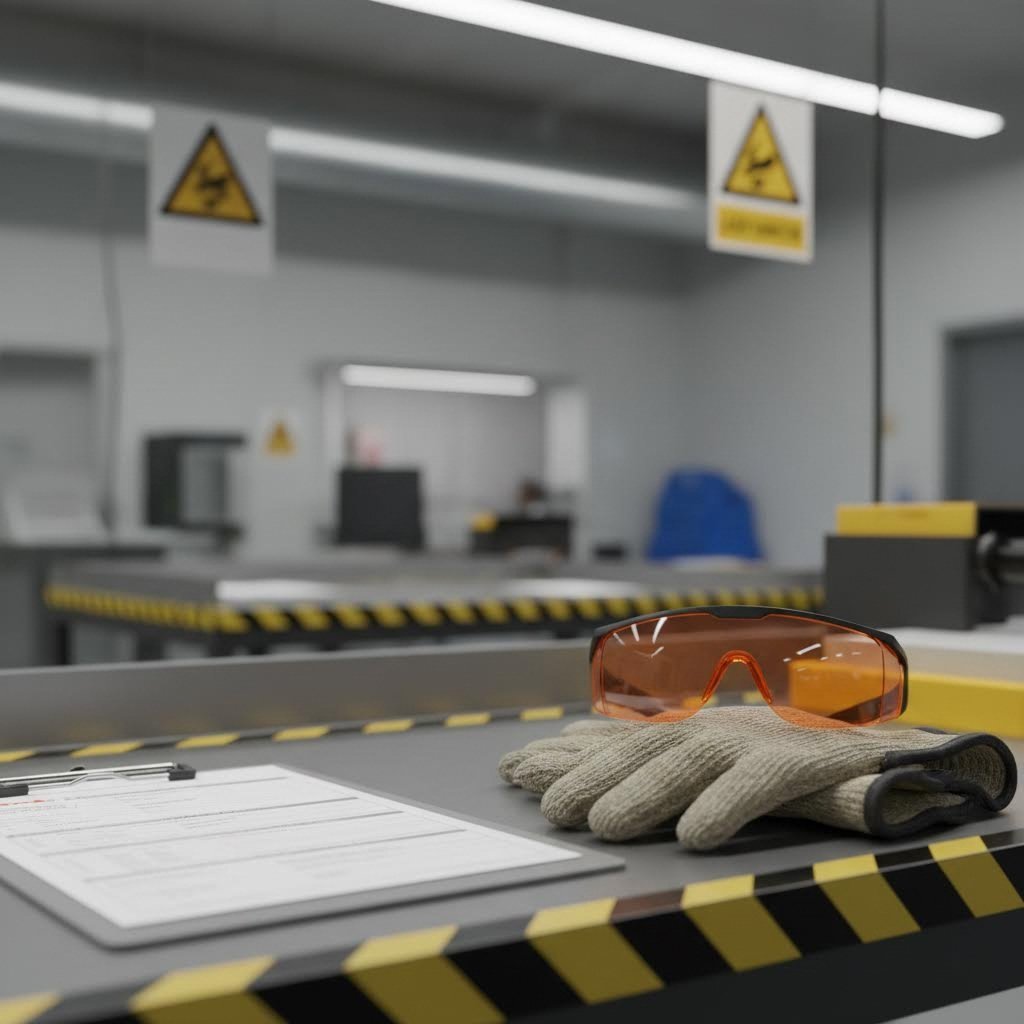
सुरक्षा प्रोटोकॉल और अनुपालन आवश्यकताएं
आपकी लेजर कटिंग मशीन निर्दोष किनारे और शानदार उत्पादन दर प्रदान करती है। लेकिन यहाँ वह बात है जिसे अधिकांश उपकरण गाइड आसानी से छोड़ देते हैं: जो तकनीक इस्पात को काट सकती है, वह एक सेकंड के अंश में स्थायी अंधापन भी पैदा कर सकती है। औद्योगिक लेजर कटिंग प्रक्रियाओं में बंद प्रणाली के भीतर Class 3B या Class 4 लेजर शामिल होते हैं, और जब उन सुरक्षा सुविधाओं में विफलता आती है या उन्हें नजरअंदाज किया जाता है, तो परिणाम तुरंत गंभीर हो जाते हैं।
सुरक्षा प्रोटोकॉल को समझना वैकल्पिक नहीं है। यह आधार है जो आपको कानूनी रूप से काम करने में रखता है, आपकी टीम को नुकसान से बचाता है, और उन घटनाओं को रोकता है जो पूरी उत्पादन प्रक्रिया को बंद कर सकती हैं। चलिए जानते हैं कि धातु काटने वाली लेजर मशीन को सुरक्षित और अनुपालन के साथ चलाने के लिए आपको वास्तव में क्या जानना चाहिए।
आवश्यक व्यक्तिगत सुरक्षा उपकरण
जब लेजर काटने की मशीन के अनुप्रयोगों के साथ काम किया जाता है, तो उचित सुरक्षा उपकरण उन चोटों को रोकते हैं जिन्हें कोई भी कौशल ठीक नहीं कर सकता। आंखों की सुरक्षा को सबसे अधिक ध्यान देने की आवश्यकता होती है क्योंकि लेज़र के कारण आंखों को होने वाला नुकसान तुरंत और स्थायी रूप से होता है।
के अनुसार लेजर खतरों पर OSHA की तकनीकी पुस्तिका , निर्माण मानक 29 CFR 1926.102(b)(2) के अनुसार, लेज़र किरणों के संपर्क में आने वाले कर्मचारियों को विशिष्ट तरंगदैर्ध्य के लिए उपयुक्त लेज़र सुरक्षा चश्मे प्रदान किए जाने चाहिए जिसमें शामिल ऊर्जा के लिए पर्याप्त ऑप्टिकल घनत्व (O.D.) हो। यह एक सुझाव नहीं है। यह एक कानूनी आवश्यकता है।
अपने विशिष्ट लेज़र के लिए चश्मे का मिलान बेहद महत्वपूर्ण है। 1.06 माइक्रोमीटर पर काम करने वाले फाइबर लेज़र को 10.6 माइक्रोमीटर पर CO2 लेज़र की तुलना में अलग सुरक्षा की आवश्यकता होती है। गलत तरंगदैर्ध्य फ़िल्टर का उपयोग शून्य सुरक्षा प्रदान करता है जबकि सुरक्षा का गलत एहसास देता है। ऑप्टिकल घनत्व रेटिंग आपके लेज़र के शक्ति आउटपुट से मेल खाना चाहिए, जिसमें उच्च शक्ति के लिए उच्च O.D. मान की आवश्यकता होती है।
औद्योगिक लेज़र काटने के लिए पीपीई की पूर्ण आवश्यकताओं में शामिल है:
- लेजर सुरक्षा चश्मे: उपयुक्त ऑप्टिकल घनत्व रेटिंग के साथ आपके विशिष्ट लेजर तरंग दैर्ध्य के अनुरूप। कभी भी सामान्य रंगीन चश्मे का उपयोग न करें।
- सुरक्षा कपड़े: लंबी बाजू और पैंट, जो आग-प्रतिरोधी सामग्री से बने हों, त्वचा को जलने और परावर्तित बीम निर्यातन से बचाते हैं।
- ऊष्मा-प्रतिरोधी दस्ताने: ताज़ा कटे धातु को संभालते समय आवश्यक है जो महत्वपूर्ण ऊष्मा बरकरार रखता है।
- बंद टो वाले फुटवियर: सुरक्षा जूते गिरी हुई सामग्री और तीखे किनारों से बचाव करते हैं।
- श्रवण सुरक्षा: जब सहायक गैस प्रणाली और निकास प्रशंसक 85 डेसीबल से अधिक शोर उत्पन्न करते हैं तो आवश्यक होता है।
OSHA के PPE मूल्यांकन दिशानिर्देशों के अनुसार, नियोक्ता को प्रत्येक कर्मचारी के कार्यस्थल में संभावित खतरों का आकलन करने के लिए उठाए गए कदमों की पहचान करनी चाहिए और उपयुक्त PPE चयन मापदंड स्थापित करने चाहिए। उचित उपयोग, सीमाओं और निरीक्षण प्रक्रियाओं पर प्रशिक्षण किसी भी PPE कार्यक्रम का एक आवश्यक घटक बनता है।
वेंटिलेशन और धुआं निकासी की आवश्यकताएं
यहाँ वहीं कई ऑपरेशन खतरनाक रूप से कम पड़ जाते हैं। धातु काटने से हवा में प्रदूषक उत्पन्न होते हैं, जिन्हें सांस लेने पर गंभीर स्वास्थ्य जोखिम होता है। आपका शीट धातु लेजर कटिंग उपकरण केवल साफ किनारों से अधिक उत्पादन करता है। यह कणों और गैसों का एक विषैला मिश्रण बनाता है जिसके लिए उचित निष्कर्षण की आवश्यकता होती है।
द विस्कॉन्सिन विश्वविद्यालय के लेजर कटर सुरक्षा मार्गदर्शिका स्पष्ट रूप से कहता है कि लेजर कटर्स को इमारत के बाहर की ओर स्वीकृत डक्टवर्क के माध्यम से निकाला जाना चाहिए। निष्कर्षण प्रणालियों को ठीक से स्थापित किया जाना चाहिए और सभी निर्माता विनिर्देशों को पूरा करना चाहिए। यह ऐच्छिक उपकरण नहीं है। यह एक मौलिक सुरक्षा आवश्यकता है।
कटिंग के दौरान विभिन्न धातुएं विभिन्न खतरे पैदा करती हैं:
- गैल्वेनाइज़्ड स्टील: जिंक ऑक्साइड धुएं को छोड़ता है जो "धातु धुएं का बुखार" पैदा करता है, जिससे ठंड लगना, बुखार और उल्टी जैसे फ्लू जैसे लक्षण होते हैं। उचित वेंटिलेशन बिल्कुल आवश्यक है।
- रसोई बदला: हेक्सावैलेंट क्रोमियम यौगिकों का उत्पादन करता है, जो एक ज्ञात कार्सिनोजेन है। उचित निष्कर्षण के बिना लंबे समय तक उजागर होने से गंभीर दीर्घकालिक स्वास्थ्य जोखिम उत्पन्न होते हैं।
- एल्युमिनियम: सूक्ष्म कणिकाओं का उत्पादन करता है जो श्वसन तंत्र को परेशान करते हैं। इसके अतिरिक्त, पर्याप्त सांद्रता में एल्युमीनियम धूल विस्फोट का खतरा पैदा करती है।
- तांबा और पीतल: धातु धूम और ऑक्साइड निकालते हैं, जिन्हें श्वसन ज्वलन को रोकने के लिए निकालने की आवश्यकता होती है।
OSHA आवश्यकता है कि वेंटिलेशन नोक्सियस या संभावित खतरनाक धूम और वाष्प को उचित थ्रेशहोल्ड लिमिट वैल्यू से नीचे के स्तर तक कम करे। अमेरिकन कॉन्फ्रेंस ऑफ गवर्नमेंटल इंडस्ट्रियल हाइजीनिस्ट्स (ACGIH) विभिन्न धातु धूम के लिए विशिष्ट TLV प्रकाशित करता है जिन्हें आपकी निष्कर्षण प्रणाली प्राप्त करनी चाहिए।
लेज़र कटिंग एयरबोर्न बेंजीन, टॉल्यूइन, हाइड्रोक्लोरिक एसिड, आइसोसायनेट्स और अन्य खतरनाक उप-उत्पादों सहित लेज़र जनित वायु प्रदूषकों (LGACs) से वातावरण को आवेशित करती है। उचित निष्कर्षण केवल आराम के बारे में नहीं है। यह कार्यस्थल बीमारी को रोकने के बारे में है।
अग्नि निवारण और विद्युत सुरक्षा
औद्योगिक लेजर कटिंग एक बहुत ही छोटे क्षेत्र में केंद्रित महत्वपूर्ण ऊष्मा उत्पन्न करती है। सहायक गैसों और ज्वलनशील सामग्री के साथ संयोजन में, इससे वास्तविक आग के खतरे उत्पन्न होते हैं जिनके लिए विशिष्ट प्रोटोकॉल की आवश्यकता होती है।
आग रोकथाम के लिए महत्वपूर्ण बातें शामिल हैं:
- कभी भी अनिरीक्षित संचालन न करें: आग रोकथाम का सबसे महत्वपूर्ण नियम। कटिंग संचालन की हर समय कोई न कोई निगरानी करना चाहिए।
- अग्निशामक यंत्र को तैयार रखें: एक उचित रेटिंग वाला अग्निशामक यंत्र तुरंत पहुँच योग्य स्थान पर रखें, दुकान के दूसरे छोर पर नहीं।
- क्षेत्र को साफ रखें: कटर के आसपास से सभी मलबे, बेतरतीब चीजें और ज्वलनशील सामग्री को हटा दें। इसमें कागज, गत्ता, तेल और विलायक शामिल हैं।
- आंतरिक भाग को नियमित रूप से साफ करें: उपयोग के बीच में दृष्टि से जाँच करें और यदि मलबा या अवशेष जमा हो जाए तो कटिंग बिस्तर को साफ करें। जमा हुई सामग्री आग पकड़ सकती है।
- केवल मंजूरी प्राप्त सामग्री का उपयोग करें: कुछ सामग्रियाँ लेजर कटिंग के दौरान विषैली धुआँ उत्पन्न करती हैं या नियंत्रण से बाहर जलती हैं।
उच्च-शक्ति लेजर प्रणालियों के लिए विद्युत सुरक्षा के लिए भी समान ध्यान की आवश्यकता होता है। OSHA दिशानिर्देशों के अनुसार, सभी उपकरणों को राष्ट्रीय विद्युत नियम के अनुसार स्थापित किया जाना चाहिए। उच्च वोल्टेज बिजली की आपूर्ति में इलेक्ट्रोक्यूशन के खतरे होते हैं, जिनके लिए रखरखाव के दौरान उचित लॉकआउट/टैगआउट प्रक्रियाओं की आवश्यकता होती है।
विनियामक अनुपालन ढांचा
लेजर कटिंग मशीन धातु प्रणालियों का कानूनी रूप से संचालन करने के लिए विनियामक परिदृश्य को समझना आवश्यक है। लेजर सुरक्षा के विभिन्न पहलुओं पर कई एजेंसियां नियंत्रण रखती हैं:
ANSI Z136.1 के साथ अनुपालन लेजर के सुरक्षित उपयोग के लिए प्राथमिक अमेरिकी राष्ट्रीय मानक के रूप में कार्य करता है। यह दस्तावेज लेजर खतरे के वर्गीकरण, अधिकतम अनुमेय उजागर (MPE) सीमाओं और अनुशंसित नियंत्रण उपायों को स्थापित करता है। OSHA तकनीकी मैनुअल की पुष्टि करता है कि एनएसआई Z 136.1 अनुशंसाओं का उपयोग करके असुरक्षित कार्यस्थलों को संशोधित करने के लिए नियोक्ताओं के लिए सामान्य कर्तव्य खंड के तहत उल्लंघन के लिए जुर्माना लगाया जाता है।
ANSI मानक बंद लेजर कटर को कक्षा 1 प्रणाली मानता है, जब उनका उपयोग डिज़ाइन के अनुसार सुरक्षा सुविधाओं को बदले बिना किया जाता है। हालाँकि, अंदर स्थापित लेजर आमतौर पर कक्षा 3B या कक्षा 4 के होते हैं, जो बीम के संवेष्टन से बाहर निकलने पर गंभीर आंख और त्वचा की चोट का कारण बन सकते हैं।
विनियम द्वारा आवश्यक सुरक्षा नियंत्रण निम्नलिखित हैं:
- सुरक्षा इंटरलॉक: कटर में निर्मित इंटरलॉक्स को कभी भी निष्क्रिय न करें। इससे बीम संवेष्टन से बाहर निकल सकती है।
- चेतावनी संकेत: नियंत्रित क्षेत्रों के अंदर और बाहर लेजर चेतावनी संकेत लगाए जाने चाहिए।
- दरवाजे इंटरलॉक: पहुँच पैनल हटाए जाने या दरवाजे खुले होने पर संचालन को रोकें।
- आपातकालीन बंद स्विच: सुलभ किल स्विच जो लेजर संचालन को तुरंत समाप्त कर दें।
- कुंजी नियंत्रण: अनधिकृत संचालन को रोकने के लिए कक्षा IV लेजर को मास्टर कुंजी नियंत्रण की आवश्यकता होती है।
एफडीए का उपकरण और विकिरण स्वास्थ्य केंद्र लेजर उत्पादों को संघीय लेजर उत्पाद प्रदर्शन मानक के माध्यम से भी विनियमित करता है, जो निर्माताओं को विशिष्ट सुरक्षा सुविधाओं और लेबलिंग शामिल करने की आवश्यकता निर्धारित करता है।
आपातकालीन प्रक्रियाएं
सभी सावधानियों के बावजूद, आपातकाल हो सकते हैं। जब सेकंड मायने रखते हैं, तो दस्तावेजीकृत प्रक्रियाएं उचित प्रतिक्रिया सुनिश्चित करती हैं।
लेजर के संपर्क में आने की घटनाओं के लिए: तुरंत संचालन बंद कर दें और चिकित्सा जांच करवाएं। आंखों के संपर्क में आने पर लक्षण हल्के होने पर भी नेत्र रोग विशेषज्ञ की जांच आवश्यक है। घटना को दर्ज करें, जिसमें लेजर पैरामीटर, संपर्क अवधि और परिस्थितियां शामिल हों।
आग की घटनाओं के लिए: आपातकालीन बंद सक्रिय करें, क्षेत्र से निकासी करें और उपयुक्त निर्वातन विधियों का उपयोग करें। विद्युत आग पर कभी भी पानी का उपयोग न करें। अधिकांश लेजर कटिंग आग के लिए CO2 या शुष्क रासायनिक निर्वातक कारगर होते हैं।
धुएं के संपर्क में आने के लिए: प्रभावित व्यक्ति को ताज़ी हवा में ले जाएं। सांस लेने में कठिनाई, छाती में तंगी या लगातार खांसी जैसे लक्षणों के लिए चिकित्सा सहायता लें। घटना की रिपोर्ट करें और वेंटिलेशन की पर्याप्तता की समीक्षा करें।
लेजर कटिंग उपकरणों पर संचालन करने या उनके निकट काम करने वाले सभी कर्मचारियों को काम शुरू करने से पहले संभावित खतरों, संचालन प्रक्रियाओं और सुरक्षा सावधानियों के बारे में प्रशिक्षण प्राप्त करना चाहिए। इस प्रशिक्षण को दस्तावेजीकृत किया जाना चाहिए और नियमित अंतराल पर इसे नवीनीकृत किया जाना चाहिए।
उचित सुरक्षा उपकरणों और प्रक्रियाओं में निवेश केवल विनियामक अनुपालन से परे लाभ प्रदान करता है। स्वस्थ कर्मचारी, निर्बाध उत्पादन और उचित व्यक्तिगत सुरक्षा उपकरण (PPE) और वेंटिलेशन की लागत से बचे गए दायित्व लागत इसके खर्चे से कहीं अधिक होते हैं। सुरक्षा प्रोटोकॉल को दृढ़ता से स्थापित करने के साथ, आप उपकरण अधिग्रहण या पेशेवर विनिर्माण सेवाओं के साथ साझेदारी के बारे में सूचित निर्णय लेने के लिए तैयार हैं।
सही उपकरण या विनिर्माण साझेदार का चयन
आपने तकनीक, सुरक्षा प्रोटोकॉल और समस्या निवारण तकनीक में निपुणता प्राप्त कर ली है। अब आपके सामने एक ऐसा निर्णय है जो यह तय करेगा कि आपका सारा ज्ञान लाभदायक उत्पादन में बदलेगा या नहीं: क्या आपको अपनी खुद की धातु काटने वाली मशीन में निवेश करना चाहिए, या किसी पेशेवर निर्माता के साथ साझेदारी करनी चाहिए? इस निर्णय में केवल मूल्य तुलना से कहीं अधिक शामिल है। यह आपकी वास्तविक उत्पादन आवश्यकताओं को आगे बढ़ने के सबसे व्यावहारिक मार्ग से सुसंगत करने के बारे में है।
कई संचालनों को पता चलता है कि उत्तर पूरी तरह से 'इसे या उसे' नहीं है। यह समझना कि कब आंतरिक क्षमताएं उचित हैं और कब आउटसोर्सिंग बेहतर परिणाम देती है, आपको पूंजी को समझदारी से आवंटित करने और अपने प्रतिस्पर्धी लाभ को अधिकतम करने में मदद करता है।
मशीन क्षमताओं को आपकी आवश्यकताओं के अनुरूप बनाना
अगर आप शीट धातु लेजर कटिंग मशीन खरीदने के पक्ष में हैं, तो कई महत्वपूर्ण कारक यह निर्धारित करते हैं कि कौन सी प्रणाली आपके संचालन के लिए उपयुक्त है। इस निर्णय में गलती करने का अर्थ है या तो उन क्षमताओं पर अत्यधिक खर्च करना जिनका आप कभी उपयोग नहीं करेंगे, या उत्पादन में बाधा डालने वाली सीमाओं के कारण निराशा होना।
पावर आवश्यकताएँ सबसे पहले आता है। जैसा कि हमने चर्चा की है, विभिन्न सामग्री और मोटाई विशिष्ट शक्ति स्तरों की मांग करते हैं। अनुसार Lemon Laser के लागत विश्लेषण , फाइबर लेजर कटिंग मशीन की कीमत शक्ति उत्पादन के साथ बहुत अधिक भिन्न होती है। प्रवेश-स्तरीय 1kW प्रणाली लगभग $15,000 से शुरू होती है, जबकि उच्च-शक्ति वाली 6kW औद्योगिक इकाइयाँ $50,000 से $100,000 तक पार कर सकती हैं। एल्यूमीनियम अनुप्रयोगों के लिए लेजर कटिंग मशीन को उचित मोटाई क्षमता के लिए कम से कम 1.5kW की आवश्यकता होती है, जबकि मोटे कार्बन स्टील को 4kW या उससे अधिक की आवश्यकता होती है।
अपने शक्ति चयन को अपने सामान्य कार्यभार के अनुरूप करें, दुर्लभ सीमा के मामलों के लिए नहीं। एक 10kW मशीन खरीदना जो धातु को केवल वार्षिक रूप से दो बार प्रसंस्कृत करती है, पूंजी को नष्ट कर देता है जो आपके संचालन के अन्य पहलुओं में सुधार कर सकती है।
बेड़ का आकार आपके अधिकतम कार्यपृष्ठ आयाम निर्धारित करता है। अनुसार Opt Lasers के व्यापक मार्गदर्शिका , आकार में कोई भी सीमा आपकी परियोजनाओं की स्केलेबिलिटी और दक्षता को प्रभावित कर सकती है। मानक औद्योगिक बिछौने 1500मिमी x 3000मिमी से 2000मिमी x 6000मिमी तक के होते हैं। छोटे आकार की मशीनें साइनेज और घटक कार्यों के लिए उपयुक्त होती हैं, जबकि बड़े बिछौने संरचनात्मक और वास्तुकला अनुप्रयोगों को समायोजित करते हैं।
स्वचालन विशेषताएँ उत्पादकता और श्रम आवश्यकताओं को भारी स्तर पर प्रभावित करता है। यह विचार करें कि क्या आपको आवश्यकता है:
- स्वचालित शीट लोडिंग/अनलोडिंग: एकाधिक शिफ्ट चल रहे उच्च-मात्रा वाले संचालन के लिए आवश्यक
- स्वचालित नोजल परिवर्तन: विभिन्न सामग्रियों और मोटाई के बीच सेटअप समय कम करता है
- रीयल-टाइम निगरानी और आईओटी एकीकरण: दूरस्थ निगरानी और भविष्यकालीन रखरखाव की सुविधा प्रदान करता है
- स्वचालित छँटाई प्रणाली: स्वचालित रूप से समाप्त भागों को कचरे से अलग करता है
मालिकाने की कुल कीमत खरीद मूल्य से कहीं अधिक बढ़ जाता है। उद्योग की लागत गणना के अनुसार, एक फाइबर लेजर कटिंग मशीन की पहले वर्ष की कुल लागत में स्थापना, संचालन खर्च (बिजली, सहायक गैस), रखरखाव, सॉफ्टवेयर लाइसेंसिंग और प्रशिक्षण शामिल हैं। $25,000 की खरीद मूल्य वाली मशीन वास्तव में सभी कारकों को शामिल करने पर पहले वर्ष में $31,000 या उससे अधिक की हो सकती है।
जब पेशेवर निर्माण तर्कसंगत होता है
यहाँ वह बात है जो उपकरण बिक्री वाले आपको नहीं बताएंगे: धातु को काटने वाली मशीन खरीदना हमेशा सबसे समझदारी भरा निवेश नहीं होता है। LYAH मशीनिंग के विश्लेषण के अनुसार, आंतरिक निर्माण विभाग की शुरुआत या विस्तार के लिए पूंजीगत उपकरण, सुविधा संशोधन, कार्यबल प्रशिक्षण और निरंतर रखरखाव पर भारी खर्च की आवश्यकता होती है। कई छोटे और मध्यम आकार के व्यवसायों के लिए, यह निवेश अत्यधिक भारी पड़ सकता है।
बाह्य स्रोतीकरण तब विशेष रूप से तर्कसंगत होता है जब:
- उत्पादन मात्रा में महत्वपूर्ण उतार-चढ़ाव होता है: आवश्यकतानुसार भुगतान करना मंद अवधि में महंगे उपकरणों को बनाए रखने से बेहतर है
- आपको कटाव से परे क्षमताओं की आवश्यकता है: कई परियोजनाओं के लिए स्टैम्पिंग, फॉर्मिंग, वेल्डिंग और असेंबली की आवश्यकता होती है जो एकल मशीन कटर मेटल प्रणाली प्रदान नहीं कर सकती
- विशेषज्ञता में अंतर विद्यमान है: कुशल लेजर ऑपरेटरों को भर्ती करना और बनाए रखना लगातार कठिन होता जा रहा है
- पूंजी सीमाएँ निवेश को सीमित करती हैं: उत्पादन भागीदार उपकरण लागत को संभालते हैं, जिससे आपकी पूंजी मुख्य व्यवसाय विकास के लिए मुक्त रहती है
- प्रमाणन आवश्यकताएँ लागू होती हैं: ऑटोमोटिव जैसे उद्योगों को IATF 16949 प्रमाणन की आवश्यकता होती है जिसे आंतरिक रूप से प्राप्त करने में वर्षों लग जाते हैं
पेशेवर उत्पादन भागीदार अक्सर अत्याधुनिक क्षमताओं, उन्नत स्वचालन और गुणवत्ता प्रणालियों में भारी निवेश करते हैं जो अलग-अलग दुकानों के लिए लागत प्रतिबंधित होती हैं। इससे आपके व्यवसाय को उपकरण खरीदे बिना ही उन क्षमताओं तक पहुँच मिल जाती है।
आंतरिक उत्पादन और आउटसोर्सिंग की तुलना
इस निर्णय को लेने के लिए अपनी स्थिति का ईमानदार मूल्यांकन आवश्यक है। यह तुलना प्रमुख कारकों को समझाती है:
| कारक | आंतरिक कटिंग | निर्माण भागीदार को आउटसोर्स करना |
|---|---|---|
| पूंजी निवेश | 15,000-3,00,000+ अमेरिकी डॉलर (क्षमता के आधार पर) | उपकरणों में निवेश की आवश्यकता नहीं |
| विशेषज्ञता आवश्यकताएँ | कुशल ऑपरेटरों को भर्ती करना, प्रशिक्षित करना और बनाए रखना आवश्यक है | भागीदार अनुभवी तकनीकी कर्मचारी प्रदान करता है |
| उत्पादन लचीलापन | मशीन क्षमता और कर्मचारियों की संख्या द्वारा सीमित | मांग में उतार-चढ़ाव के साथ आसानी से मापा जा सकता है |
| लीड टाइम्स | तत्काल शेड्यूलिंग नियंत्रण | साझेदार की क्षमता और कतार पर निर्भर |
| गुणवत्ता नियंत्रण | प्रत्येक संचालन पर सीधा निरीक्षण | साझेदार की गुणवत्ता प्रणाली पर निर्भर करता है |
| अतिरिक्त क्षमताएँ | स्वामित्व वाले उपकरणों तक सीमित | स्टैम्पिंग, असेंबली, फिनिशिंग सेवाओं तक पहुंच |
| रखरखाव का बोझ | आपकी जिम्मेदारी; अपटाइम प्रभावित होता है | उपकरण के सभी रखरखाव की जिम्मेदारी साझेदार की होती है |
| प्रमाणन आवश्यकताएँ | स्वतंत्र रूप से प्राप्त करना आवश्यक (महंगा, समय लेने वाला) | IATF 16949 प्रमाणन जैसे प्रमाणन वाले साझेदार उपलब्ध हैं |
विशेष रूप से ऑटोमोटिव और सटीक धातु घटकों के लिए, IATF 16949 प्रमाणन और त्वरित प्रोटोटाइपिंग क्षमता वाले पेशेवर निर्माण साझेदार आंतरिक लेजर कटिंग निवेश के लिए आकर्षक विकल्प प्रदान करते हैं। निर्माता जैसे शाओयी (निंगबो) मेटल टेक्नोलॉजी चेसिस, निलंबन और संरचनात्मक घटकों के लिए पूरे निर्माण प्रक्रिया को सरल बनाने के लिए 5-दिवसीय त्वरित प्रोटोटाइपिंग से लेकर स्वचालित बड़े पैमाने पर उत्पादन तक, पूर्ण घटक समाधान के लिए लेजर कटिंग को स्टैम्पिंग और असेंबली के साथ जोड़ते हैं। उनका व्यापक DFM समर्थन और 12 घंटे में उद्धरण प्रदान करने की सुविधा प्रक्रिया को तेज करती है।
अपनी इष्टतम रणनीति खोजना
सबसे समझदारी भरा तरीका अक्सर दोनों विकल्पों को रणनीतिक रूप से मिलाता है। उच्च मात्रा वाले, बार-बार होने वाले कार्य को आंतरिक रूप से रखने पर विचार करें, जहां समर्पित उपकरण निरंतर उपयोग के माध्यम से लाभ देते हैं। उन विशेषज्ञता वाले कार्यों को आउटसोर्स करें जिनके लिए आपकी मशीन की सीमा से परे की क्षमताओं की आवश्यकता हो, मांग में वृद्धि के दौरान अतिरिक्त उत्पादन, और प्रोटोटाइप विकास जहां इकाई लागत से अधिक महत्वपूर्ण त्वरित पुनरावृत्ति हो।
प्रतिबद्ध होने से पहले खुद से ये प्रश्न पूछें:
- क्या आपके पास उपकरणों के साथ-साथ सुविधा में संशोधन और प्रशिक्षण के लिए पूंजी है?
- क्या आप प्रतिदिन कम से कम एक पूर्ण शिफ्ट के लिए मशीन का उत्पादकता से उपयोग कर पाएंगे?
- क्या आपके पास योग्य ऑपरेटरों तक पहुँच है, या क्या आप उन्हें आंतरिक रूप से विकसित कर सकते हैं?
- क्या आपके कार्य में ऐसे प्रमाननों की आवश्यकता है जो आपके पास वर्तमान में नहीं हैं?
- क्या मशीन की क्षमताओं का पूर्ण उपयोग होगा, या आप ऐसी क्षमता खरीद रहे हैं जिसका उपयोग आप नहीं करेंगे?
चाहे आप अपने स्वयं के शॉप फ्लोर के लिए धातु काटने वाली मशीन में निवेश करें या उन विशेषज्ञों के साथ साझेदारी करें जिन्होंने पहले ही ऐसा निवेश कर लिया है, लक्ष्य समान बना रहता है: निर्दिष्ट आवश्यकताओं के अनुसार, समय पर और प्रतिस्पर्धी लागत पर सटीक पुर्जे देना। दोनों मार्गों को समझने से आपको यह सुनिश्चित करने में मदद मिलती है कि आप वह दृष्टिकोण चुनें जो वास्तव में आपकी व्यावसायिक स्थिति के अनुकूल हो, न कि यह कि आपको लगता है कि आपको क्या चाहिए।
धातु लेजर कटिंग के बारे में अक्सर पूछे जाने वाले प्रश्न
1. लेजर स्टील की कितनी मोटाई काट सकता है?
अधिकतम मोटाई आपके लेजर की शक्ति आउटपुट पर निर्भर करती है। 1.5kW फाइबर लेजर 12mm तक की माइल्ड स्टील काट सकता है, जबकि औद्योगिक 6kW प्रणाली 25mm तक की मोटाई को संभाल सकती है। 20kW तक पहुँचने वाले अत्यधिक शक्तिशाली लेजर 50mm से अधिक की स्टील प्लेट्स को काट सकते हैं। 100-650 वाट के CO2 लेजर आमतौर पर 6mm तक की माइल्ड स्टील को प्रोसेस करते हैं, जबकि 3kW फाइबर प्रणाली स्टेनलेस स्टील पर लगभग 10mm तक की क्षमता रखती है।
2. धातु कटिंग के लिए कौन सा लेजर उपयोग किया जाता है?
फाइबर लेजर्स अपनी उत्कृष्ट दक्षता और CO2 लेजर्स की तुलना में 2-3 गुना तेज़ कटिंग गति के कारण धातु कटिंग अनुप्रयोगों में प्रभुत्व बनाए हुए हैं। 1.06 माइक्रोमीटर तरंगदैर्ध्य पर संचालित होने के कारण, फाइबर लेजर धातुओं पर 30-50% ऊर्जा अवशोषण प्राप्त करते हैं, जबकि CO2 लेजर्स केवल 2-10% अवशोषण करते हैं। एल्यूमीनियम, तांबा और पीतल जैसी परावर्तक धातुओं के साथ फाइबर तकनीक उत्कृष्ट प्रदर्शन करती है, जबकि गैर-धातुओं और कुछ मोटी स्टील अनुप्रयोगों के लिए CO2 लेजर्स उपयुक्त बने हुए हैं।
3. लेजर द्वारा कौन सी धातुओं को काटा जा सकता है?
लेजर कटिंग माइल्ड स्टील, स्टेनलेस स्टील, एल्यूमीनियम, तांबा, पीतल, टाइटेनियम और विभिन्न विशेष मिश्र धातुओं पर प्रभावी ढंग से काम करती है। प्रत्येक धातु के लिए विशिष्ट पैरामीटर की आवश्यकता होती है—ऑक्सीजन सहायक गैस के साथ माइल्ड स्टील सबसे आसानी से कटती है, जबकि स्टेनलेस स्टील और एल्यूमीनियम के लिए ऑक्साइड-मुक्त किनारों के लिए नाइट्रोजन की आवश्यकता होती है। तांबा और पीतल जैसी परावर्तक धातुओं को ऊष्मा संचय को नियंत्रित करने के लिए विशेष नोजल और नाइट्रोजन शीतलन के साथ आधुनिक फाइबर लेजर की आवश्यकता होती है।
4. लेजर धातु कटिंग की लागत कितनी होती है?
उपकरण लागत 1 किलोवाट फाइबर सिस्टम के लिए प्रवेश-स्तर पर 15,000 डॉलर से लेकर उच्च-शक्ति औद्योगिक मशीनों के लिए 300,000 डॉलर से अधिक तक होती है। संचालन लागत में काफी अंतर होता है—फाइबर लेज़र लगभग 4 डॉलर प्रति घंटे चलते हैं, जबकि CO2 लेज़र की लागत लगभग 20 डॉलर प्रति घंटे होती है। जिन लोगों के पास उपकरण नहीं हैं, उनके लिए पेशेवर निर्माण भागीदार जैसे शाओयी त्वरित प्रोटोटाइपिंग और उत्पादन सेवाएं प्रदान करते हैं जिनमें 12 घंटे में उद्धरण तैयार हो जाता है, जिससे पूंजी निवेश की आवश्यकता समाप्त हो जाती है।
क्या धातु के लिए लेज़र कटिंग प्लाज्मा कटिंग से बेहतर है?
लेज़र कटिंग 0.1 मिमी जितनी संकरी कर्फ के साथ उत्कृष्ट सटीकता प्रदान करती है, जिसमें न्यूनतम पश्च-प्रसंस्करण की आवश्यकता होती है और प्लाज्मा के साथ असंभव जटिल ज्यामिति बनाई जा सकती है। प्लाज्मा चौड़ी कर्फ और खुरदरे किनारे उत्पन्न करता है लेकिन बहुत मोटी सामग्री को अधिक किफायती ढंग से संभालता है। ऑटोमोटिव, एयरोस्पेस और वास्तुकला अनुप्रयोगों में सटीक घटकों के लिए, लेज़र कटिंग लगातार बेहतर परिणाम और टाइटर सहिष्णुता प्रदान करती है।