 Small batches, high standards. Our rapid prototyping service makes validation faster and easier —
  EN
EN


कस्टम धातु लेजर कटिंग समझें: सीएडी फ़ाइल से तैयार भाग तक
आपकी परियोजनाओं के लिए कस्टम मेटल लेजर कटिंग का वास्तव में क्या अर्थ है
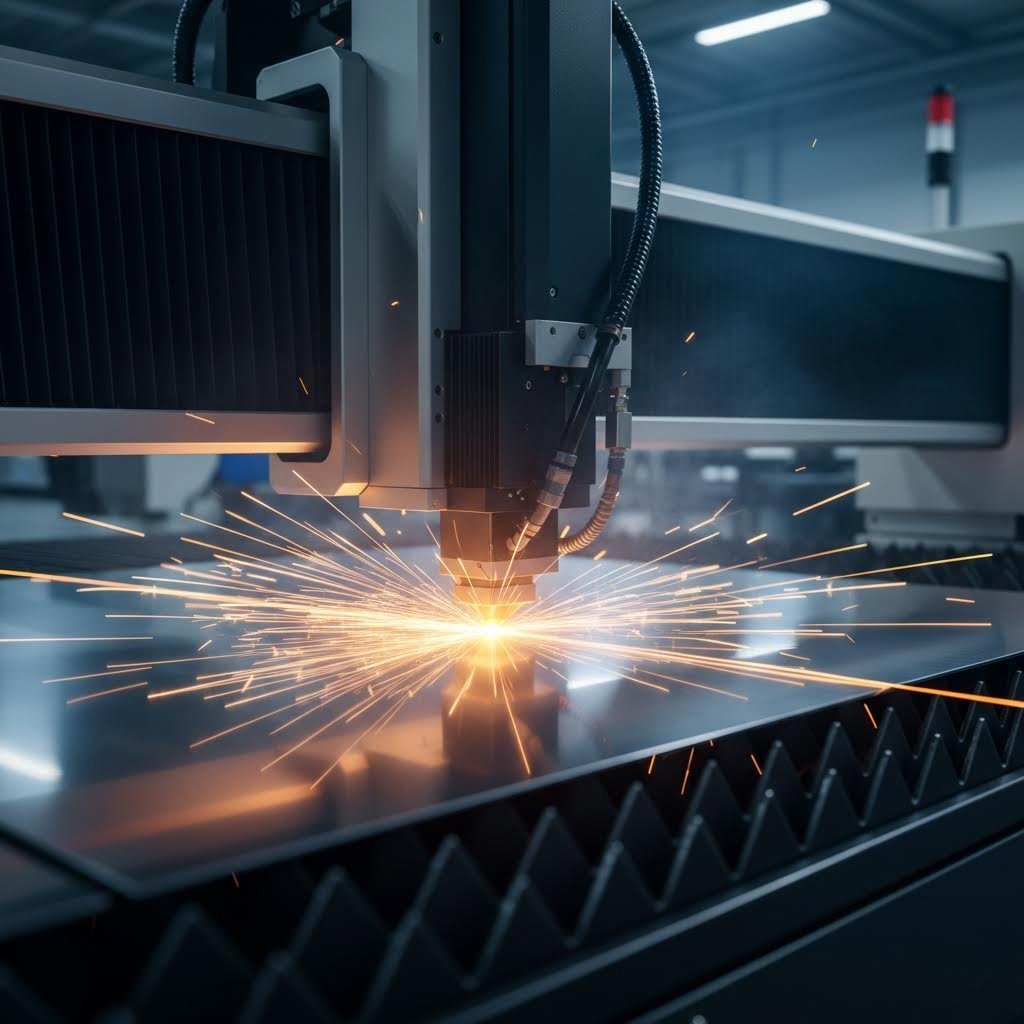
क्या आपने कभी एक आवर्धक लेंस को सूर्य के प्रकाश को एक एकाग्र, तीव्र बिंदु में केंद्रित करते देखा है? कस्टम मेटल लेजर कटिंग उसी सिद्धांत को लेता है और इसे असाधारण डिग्री तक बढ़ा देता है। मूल रूप से, यह प्रक्रिया कंप्यूटर-प्रोग्राम्ड पथ के साथ धातु को वाष्पीकृत या पिघलाने के लिए प्रकाश की एक अत्यधिक संकेंद्रित किरण का उपयोग करती है, उल्लेखनीय सटीकता के साथ आकृतियाँ बनाना जिन्हें पारंपरिक कटिंग विधियाँ सरलता से नहीं कर सकती हैं।
एक ब्लेड और सामग्री के बीच भौतिक संपर्क पर निर्भर यांत्रिक कटिंग तकनीकों के विपरीत, लेजर धातु कटिंग एक असंपर्क प्रक्रिया है। इसका अर्थ है कि कोई उपकरण पहनावा नहीं होता है, कार्यपृष्ठ पर कोई यांत्रिक तनाव नहीं होता है, और पतली सामग्री को विकृत करने वाले क्लैम्पिंग या फिक्सचर की कोई आवश्यकता नहीं होती है। परिणाम? साफ किनारे, कम टॉलरेंस, और जटिल डिजाइन बनाने की क्षमता जो आरी, कैंची या पंच के साथ असंभव होगी।
लेजर बीम अशुद्ध धातु को सटीक पुर्जों में कैसे बदलते हैं
जब आप कस्टम धातु लेजर कटिंग के लिए एक डिज़ाइन सबमिट करते हैं, तो यही होता है। लेजर कटर एक अत्यंत केंद्रित किरण उत्पन्न करता है—आमतौर पर CO2 या फाइबर लेजर स्रोत से—जिसे दर्पणों और लेंस की एक श्रृंखला के माध्यम से निर्देशित किया जाता है। यह फोकसिंग प्रणाली किरण को एक अत्यंत छोटे बिंदु पर केंद्रित करती है, जिससे तापमान इतना अधिक हो जाता है कि 20,000 डिग्री सेल्सियस से अधिक हो सकता है .
जैसे ही यह तीव्र ऊर्जा धातु की सतह से संपर्क करती है, प्रभाव के बिंदु पर स्थित सामग्री तेजी से गर्म होकर पिघल या वाष्पित हो जाती है। एक साथ, उच्च दबाव वाली सहायक गैस—आमतौर पर नाइट्रोजन या ऑक्सीजन—पिघली हुई सामग्री को उड़ा देती है, जिससे एक साफ, चिकनी कट शेष रहती है। एक सीएनसी (कंप्यूटर न्यूमेरिकल कंट्रोल) प्रणाली लेजर हेड को अत्यंत सटीकता से आपके ठीक डिजिटल डिज़ाइन विनिर्देशों के अनुसार निर्देशित करती है।
प्रिसिजन लेजर कटिंग की नॉन-कॉन्टैक्ट प्रकृति ब्लेड वियर को पूरी तरह से खत्म कर देती है, जिसका अर्थ है कि दस-हजारवीं कट भी पहले कट की तरह ही सटीक होती है—यह बात कोई भी यांत्रिक कटिंग विधि दावे के साथ नहीं कह सकती।
थर्मल धातु अलगाव के पीछे का विज्ञान
लेजर-सामग्री अंतःक्रिया के भौतिकी को समझने से आपको यह समझने में मदद मिलती है कि इस तकनीक के परिणाम ऐसे सुसंगत क्यों होते हैं। जब लेजर बीम के फोटॉन धातु से टकराते हैं, तो वे सामग्री की सतह के मुक्त इलेक्ट्रॉन द्वारा अवशोषित किए जाते हैं। यह अवशोषण मात्र फेम्टोसेकंड से पिकोसेकंड में होता है, जो प्रकाश ऊर्जा को तेजी से ऊष्मीय ऊर्जा में बदल देता है।
धातु लेजर कटिंग को विशेष रूप से प्रभावी बनाने वाले कई वैज्ञानिक सिद्धांत हैं:
- अवशोषण दक्षता: अलग-अलग धातुएं लेजर तरंगदैर्ध्य को अलग-अलग तरीके से अवशोषित करती हैं। उदाहरण के लिए, फाइबर लेजर स्टील और एल्यूमीनियम द्वारा प्राथमिकता से अवशोषित होते हैं, जो उन्हें धातु कटिंग अनुप्रयोगों के लिए पसंदीदा विकल्प बनाता है।
- थर्मल चालकता: धातुएं कट क्षेत्र से गर्मी को तेजी से दूर कर देती हैं, जो आसपास के क्षेत्रों में अत्यधिक गर्मी के जमाव को रोककर वास्तव में साफ किनारों को बनाए रखने में मदद करता है।
- गैस सहायता गतिशीलता: सहायक गैस केवल पिघली हुई सामग्री को हटाती ही नहीं है, बल्कि पुनः ठोसीकरण और ऑक्सीकरण को भी रोकती है, जिससे सुचारु परिष्करण प्राप्त होता है।
- कर्फ चौड़ाई स्थिरता: लेजर बीम एक संकीर्ण कटौती चौड़ाई (कर्फ) उत्पन्न करता है जो कटौती प्रक्रिया के दौरान स्थिर बनी रहती है, जिससे भागों की सटीक नेस्टिंग और न्यूनतम सामग्री अपव्यय संभव होता है।
उन इंजीनियरों और डिजाइनरों के लिए जो उत्पादन विकल्पों का मूल्यांकन कर रहे हैं, इन मूल सिद्धांतों को समझना यह उजागर करता है कि कैसे अनुकूलित धातु लेजर कटिंग उद्योगों में अब अनिवार्य हो गई है—ऑटोमोटिव और एयरोस्पेस से लेकर इलेक्ट्रॉनिक्स और वास्तुकला विस्तार तक। इस प्रौद्योगिकी की गति, सटीकता और बहुमुखी प्रकृति के संयोजन के कारण यह त्वरित प्रोटोटाइपिंग से लेकर उच्च-मात्रा उत्पादन तक सभी के लिए एक आदर्श समाधान बन गई है।
फाइबर बनाम CO2 बनाम Nd YAG लेज़र प्रौद्योगिकियों की व्याख्या
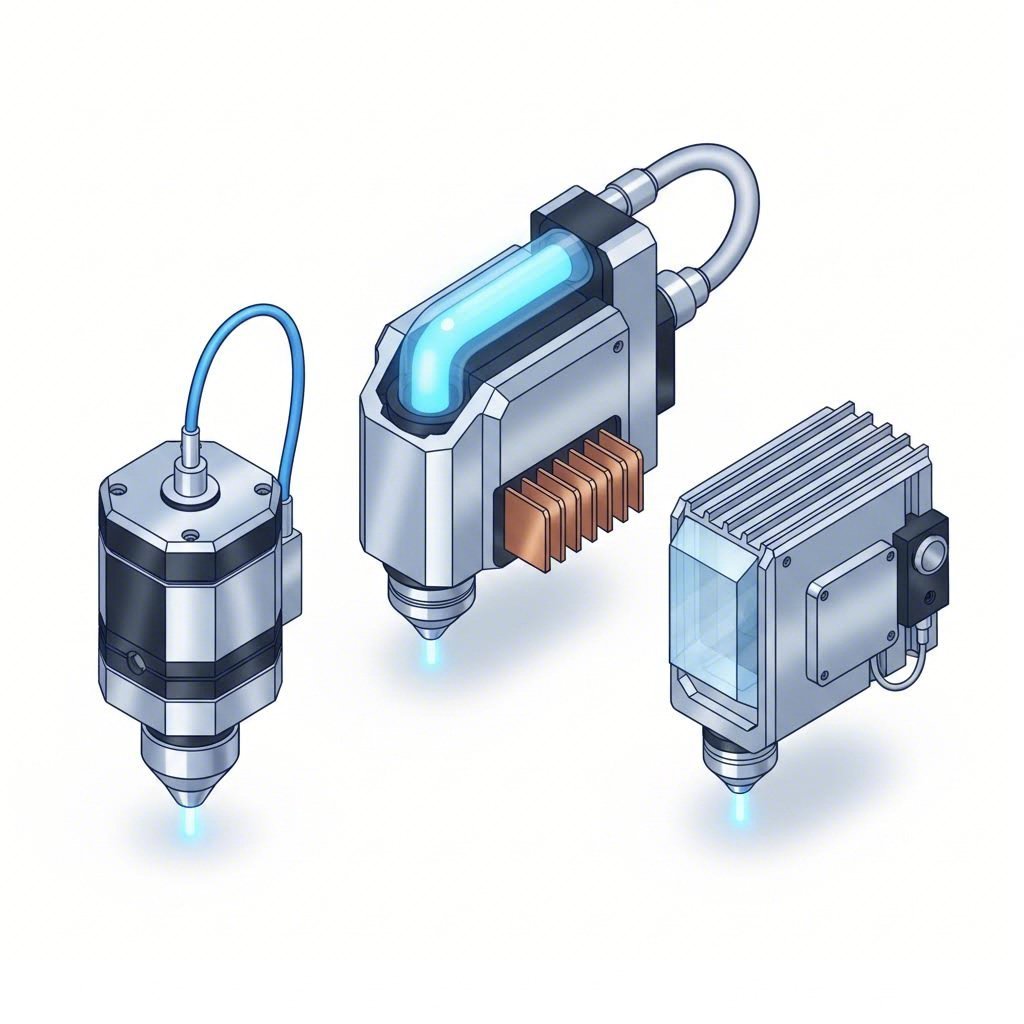
तो आप समझते हैं कि लेजर धातु को कैसे काटते हैं—लेकिन वास्तव में आपको किस लेजर प्रौद्योगिकी में रुचि होनी चाहिए? यहीं पर चीजें दिलचस्प हो जाती हैं। तीन प्रमुख लेजर प्रणालियाँ धातु कटिंग के क्षेत्र में प्रभुत्व स्थापित करती हैं , और प्रत्येक के अपने विशिष्ट लाभ हैं जो आपकी परियोजना की आवश्यकताओं के आधार पर भिन्न होते हैं। आइए प्रत्येक के पीछे की तकनीक को समझें।
इन प्रणालियों के बीच मौलिक अंतर उनके लेज़र किरणों के उत्पादन और उत्पादित तरंगदैर्ध्य में होता है। ये तरंगदैर्ध्य सीधे तौर पर इस बात को प्रभावित करते हैं कि विभिन्न धातुएँ लेज़र ऊर्जा को कितनी कुशलता से अवशोषित करती हैं—और अंततः, आपकी कटिंग कितनी साफ़ और तेज़ होगी।
फाइबर लेज़र और धातु प्रसंस्करण में उनका प्रभुत्व
पिछले दशक में फाइबर लेज़र ने धातु कटिंग लेज़र मशीन की क्षमताओं में क्रांति ला दी है। पुरानी तकनीकों के विपरीत, फाइबर लेज़र अपने लाभ माध्यम के रूप में दुर्लभ-पृथ्वी तत्वों से युक्त ऑप्टिकल फाइबर का उपयोग करते हैं। परिणाम? एक 1.064 माइक्रोमीटर की तरंगदैर्ध्य —लगभग CO2 लेज़र की तरंगदैर्ध्य का एक-दसवां हिस्सा।
यह आपके लिए क्यों महत्वपूर्ण है? छोटी तरंगदैर्ध्य बीम को अत्यंत छोटे स्पॉट आकार में फोकस करने की अनुमति देती है, जिससे सक्षम होता है:
- तेज़ कटिंग गति: फाइबर लेज़र पतली धातुओं को प्रति मिनट 20 मीटर तक की गति से काट सकते हैं—लगभग तुलनीय CO2 सिस्टम की तुलना में तीन गुना तेज़
- उच्च कुशलता: लगभग 35% की विद्युत-ऑप्टिकल रूपांतरण दर के साथ, फाइबर लेज़र विकल्पों की तुलना में काफी कम बिजली की खपत करते हैं
- उत्कृष्ट परावर्तक धातु संसाधन: अन्य लेज़र प्रकारों के लिए चुनौतीपूर्ण एल्यूमीनियम, तांबा और पीतल को फाइबर तकनीक के साथ विश्वसनीय ढंग से संसाधित किया जाता है
- न्यूनतम रखरखाव: ठोस-अवस्था डिज़ाइन का अर्थ है कि नियमित प्रतिस्थापन की आवश्यकता वाली गैस से भरी ट्यूब या ऑप्टिकल दर्पण नहीं होते हैं, जिनका जीवनकाल 100,000 घंटे तक पहुँच सकता है
पतली से मध्यम सीमा (इस्पात के लिए अधिकतम 25 मिमी) में धातु की चादरों के लेज़र कटिंग के लिए, फाइबर लेज़र गति, सटीकता और संचालन लागत का सर्वोत्तम संयोजन प्रदान करते हैं। इसीलिए अधिकांश आधुनिक धातु लेज़र कटर स्थापनाएँ फाइबर तकनीक का चयन करती हैं।
जब मिश्रित सामग्री के लिए CO2 लेज़र अभी भी उचित होते हैं
CO2 लेजर कट मेटल मशीनों को पूरी तरह से खारिज न करें। 10.6 माइक्रोमीटर की तरंगदैर्ध्य पर संचालित, ये गैस-आधारित लेज़र अपने फाइबर समकक्षों की तुलना में सामग्री के साथ अलग तरीके से बातचीत करते हैं।
CO2 लेज़र एक कार्बन डाइऑक्साइड युक्त गैस से भरी ट्यूब को विद्युत रूप से उत्तेजित करके अपनी किरण उत्पन्न करते हैं। यह लंबी तरंगदैर्ध्य कार्बनिक और गैर-धातु सामग्री द्वारा अधिक कुशलता से अवशोषित होती है, जिससे CO2 प्रणालियाँ वरीयता वाली पसंद बन जाती हैं जब आपके कार्यप्रवाह में शामिल हो:
- मिश्रित-सामग्री काटना (धातुओं के साथ लकड़ी, एक्रिलिक, प्लास्टिक, कपड़े)
- 20-40 मिमी से अधिक मोटाई वाली सामग्री के अनुप्रयोग
- कटिंग गति की तुलना में किनारों की चिकनाहट को प्राथमिकता देने वाले प्रोजेक्ट
- कम प्रारंभिक निवेश आवश्यकताएँ
इसका समझौता क्या है? धातु अनुप्रयोगों के लिए CO2 लेजर कटिंग मशीन को अधिक रखरखाव की आवश्यकता होती है, अधिक ऊर्जा की खपत होती है (10-20% रूपांतरण दक्षता), और प्रतिबिंबित धातुओं के साथ संघर्ष करती है। समर्पित धातु निर्माण के लिए, आम तौर पर फाइबर विजेता होता है—लेकिन विविध सामग्री संभालने वाली दुकानों को CO2 की बहुमुखी प्रतिभा आकर्षक लग सकती है।
विशिष्ट परिशुद्धता अनुप्रयोगों के लिए Nd:YAG लेज़र
एनडी:वाईएजी (नियोडिमियम-डोप्ड इट्रियम एल्युमिनियम गार्नेट) लेजर एक विशिष्ट निचे में स्थित हैं। ये ठोस-अवस्था प्रणालियाँ फाइबर लेजर के साथ 1.06 माइक्रोमीटर तरंगदैर्ध्य साझा करती हैं, लेकिन क्रिस्टल-आधारित लाभ माध्यम और फ्लैश लैंप पंपिंग का उपयोग करती हैं।
एनडी:वाईएजी लेजर कहाँ उत्कृष्ट प्रदर्शन करते हैं? अत्यधिक सटीकता की आवश्यकता वाले अनुप्रयोगों में:
- जटिल ज्यामिति वाले चिकित्सा उपकरणों का निर्माण
- कड़ी सहिष्णुता की आवश्यकता वाले एयरोस्पेस घटक
- आभूषण एवं सूक्ष्म धातु कार्य
- सामग्री विविधता की आवश्यकता वाले अनुप्रयोग (कुछ प्लास्टिक और सिरेमिक्स)
हालाँकि, एनडी:वाईएजी प्रौद्योगिकी में कुछ सीमाएँ हैं: फ्लैश लैंप के प्रतिस्थापन के कारण उच्च रखरखाव आवश्यकताएँ, फाइबर प्रणालियों की तुलना में कम समग्र शक्ति निर्गत और बड़ा भौतिक आकार। अधिकांश सामान्य धातु काटने के अनुप्रयोगों के लिए, फाइबर लेजरों ने एनडी:वाईएजी स्थापनाओं को मुख्य रूप से प्रतिस्थापित कर दिया है।
व्यापक लेजर प्रौद्योगिकी तुलना
सही लेजर तकनीक का चयन आपकी विशिष्ट परियोजना आवश्यकताओं के विरुद्ध कई कारकों के भार को देखते हुए करना आवश्यक है। निम्नलिखित तुलना मुख्य प्रदर्शन विशेषताओं को संश्लेषित करती है:
| विशेषता | फाइबर लेजर | Co2 लेजर | Nd:YAG लेज़र |
|---|---|---|---|
| तरंगदैर्ध्य | 1.064 μm | 10.6 माइक्रोन | 1.06 μm |
| सर्वोत्तम धातु अनुप्रयोग | इस्पात, स्टेनलेस स्टील, एल्युमीनियम, तांबा, पीतल | इस्पात, स्टेनलेस स्टील (मोटी चादरें); गैर-धातुओं पर उत्कृष्ट | इस्पात, एल्यूमीनियम पर सटीक कार्य; कुछ सिरेमिक/प्लास्टिक |
| इष्टतम मोटाई सीमा | अधिकतम 25 मिमी तक (पतली सामग्री पर उच्चतम दक्षता) | अधिकतम 40 मिमी+ तक (मोटी सामग्री पर बेहतर तुलनात्मक प्रदर्शन) | उच्च विस्तार आवश्यकता वाली पतली सामग्री के लिए सबसे उपयुक्त |
| काटने की गति | पतली धातुओं पर सबसे तेज़ (CO2 की तुलना में अधिकतम 3 गुना तेज़) | धातुओं पर धीमा; मोटी गैर-धातुओं पर प्रतिस्पर्धी | मध्यम; गति के बजाय सटीकता के लिए अनुकूलित |
| किनारे की गुणवत्ता | पतली सामग्री पर उत्कृष्ट; मोटी कटिंग पर खुरदुरापन उत्पन्न कर सकता है | मोटी सामग्री और गैर-धातुओं पर उत्कृष्ट चिकनाहट | विस्तृत और जटिल कार्यों के लिए उत्कृष्ट |
| ऊर्जा दक्षता | ~35% रूपांतरण दक्षता | 10-20% रूपांतरण दक्षता | ~20% रूपांतरण दक्षता |
| रखरखाव की आवश्यकताएं | न्यूनतम; कोई खपत सामग्री नहीं; ~100,000 घंटे की आयु | उच्च; गैस ट्यूब और दर्पणों को नियमित रूप से बदलने की आवश्यकता | मध्यम से उच्च; फ्लैश लैंप के बदलाव की आवश्यकता |
| परावर्तक धातु हैंडलिंग | उत्कृष्ट | चुनौतीपूर्ण; प्रतिपरावर्तन क्षति का जोखिम | अच्छा |
| टाइपिकल उपयोग केस | ऑटोमोटिव, निर्माण, इलेक्ट्रॉनिक्स, उच्च मात्रा में उत्पादन | साइनेज, मिश्रित सामग्री वाली दुकानें, धातु घटकों के साथ लकड़ी कार्य | चिकित्सा उपकरण, एयरोस्पेस, आभूषण, सूक्ष्म-कटिंग |
जब धातु अनुप्रयोगों के लिए लेजर कटिंग मशीन का मूल्यांकन करें, तो अपनी वर्तमान आवश्यकताओं और भविष्य की दिशा दोनों पर विचार करें। फाइबर लेजर आधुनिक अनुकूलित धातु लेजर कटिंग में अच्छे कारणों से प्रभुत्व रखते हैं—लेकिन तीनों प्रौद्योगिकियों को समझने से आपको सेवा प्रदाता का चयन करते समय या उपकरण में निवेश करते समय सही प्रश्न पूछने में मदद मिलती है।
बेशक, लेज़र प्रौद्योगिकी केवल समीकरण का एक हिस्सा है। आप जिस सामग्री को काट रहे हैं, वह इष्टतम परिणाम निर्धारित करने में उतनी ही महत्वपूर्ण भूमिका निभाती है, जिससे एक आवश्यक विचार उठता है: लेज़र कटिंग की स्थितियों के तहत विभिन्न धातुएँ कैसे व्यवहार करती हैं।
लेज़र कट धातु भागों के लिए सामग्री चयन गाइड
अब जब आप लेज़र प्रौद्योगिकियों को समझ चुके हैं, तो यहाँ एक महत्वपूर्ण प्रश्न है: आपकी सामग्री के चयन से अंतिम परिणाम पर क्या प्रभाव पड़ता है? लेज़र किरण के तहत सभी धातुएँ एक जैसा व्यवहार नहीं करतीं। कुछ ऊर्जा को कुशलता से अवशोषित करती हैं और मक्खन की तरह कट जाती हैं। दूसरी धातुएँ किरण को वापस परावर्तित कर देती हैं, ऊष्मा को बहुत तेज़ी से दूर कर देती हैं, या किनारे की ऐसी विशेषताएँ पैदा करती हैं जो आपकी परियोजना की आवश्यकताओं को पूरा कर सकती हैं — या नहीं भी कर सकतीं।
अपने डिज़ाइन को सबमिट करने से पहले इन अंतरों को समझ लेने से आपका समय, पैसा और परेशानी बच सकती है। आइए अनुकूलित धातु लेज़र कटिंग में उपयोग की जाने वाली सबसे आम धातुओं और उनमें से प्रत्येक से आपको क्या अपेक्षा रखनी चाहिए, इस पर एक नज़र डालें।
एल्युमीनियम और इसकी परावर्तकता की चुनौतियाँ
एल्युमीनियम शीट धातु एक दिलचस्प विरोधाभास प्रस्तुत करती है। यह हल्की, संक्षारण-प्रतिरोधी और व्यापक रूप से उपलब्ध है—जो इसे अनगिनत अनुप्रयोगों के लिए आदर्श बनाता है। फिर भी, इसकी उच्च परावर्तकता और ऊष्मीय चालकता लेजर कटिंग के दौरान वास्तविक चुनौतियाँ पैदा करती है।
जब एक लेजर किरण एल्युमीनियम की शीट से टकराती है, तो ऊर्जा का एक महत्वपूर्ण हिस्सा अवशोषित होने के बजाय वापस परावर्तित हो जाता है। उद्योग निर्माण विशेषज्ञों इस परावर्तन के कारण तीन प्रमुख समस्याएँ होती हैं: अधूरी कटिंग, खराब किनारों की गुणवत्ता, और पीछे के परावर्तन से लेजर ऑप्टिक्स को नुकसान की संभावना।
आधुनिक फाइबर लेजर ने एल्युमीनियम लेजर कटिंग की क्षमता में तेजी से सुधार किया है, क्योंकि उनकी छोटी तरंग दैर्ध्य (1.064 μm) को एल्युमीनियम CO2 लेजर तरंग दैर्ध्य की तुलना में अधिक आसानी से अवशोषित कर लेता है। हालाँकि, ऑपरेटरों को अभी भी एल्युमीनियम के व्यवहार को ध्यान में रखने की आवश्यकता होती है:
- थर्मल चालकता: एल्युमीनियम कट के क्षेत्र से ऊष्मा को तेजी से दूर खींचता है, जिससे साफ कट के लिए आवश्यक स्थिर गलन पूल को बनाए रखने के लिए उच्च शक्ति सेटिंग्स की आवश्यकता होती है
- परावर्तकता प्रबंधन: कुछ निर्माता अस्थायी सतह कोटिंग्स या सुरक्षात्मक फिल्में लगाते हैं जो ऊर्जा अवशोषण बढ़ाती हैं और पृष्ठ-प्रतिबिंबन के जोखिम को कम करती हैं
- सहायता गैस का चयन: लेजर द्वारा कटिंग के लिए एल्युमीनियम अनुप्रयोगों में आमतौर पर नाइट्रोजन को प्राथमिकता दी जाती है, क्योंकि यह ऑक्सीकरण को रोकती है और चमकदार, साफ किनारे प्रदान करती है
- किनारे की विशेषताएँ: इस्पात की तुलना में थोड़े खुरदरे किनारों की अपेक्षा करें; महत्वपूर्ण अनुप्रयोगों के लिए डीबरिंग जैसी पोस्ट-प्रोसेसिंग की आवश्यकता हो सकती है
- मोटाई पर विचार: पतले एल्युमीनियम (6 मिमी से कम) को कुशलतापूर्वक काटा जा सकता है; मोटे गेज के लिए धीमी गति और अधिक शक्ति की आवश्यकता होती है
एल्युमीनियम पर उत्कृष्ट किनारे की गुणवत्ता की आवश्यकता वाले अनुप्रयोगों के लिए—जैसे दृश्य वास्तुकला घटक या सटीक आवरण—उत्पादन शुरू करने से पहले अपनी अपेक्षाओं पर अपने सेवा प्रदाता के साथ चर्चा करें।
स्टेनलेस स्टील किनारे की गुणवत्ता की अपेक्षाएँ
लेजर कटिंग के लिए स्टेनलेस स्टील एक आदर्श विकल्प है। इसके भौतिक गुण उत्कृष्ट ऊर्जा अवशोषण, प्रबंधनीय ऊष्मा वितरण और मोटाई की विस्तृत श्रृंखला में लगातार साफ किनारों की अनुमति देते हैं।
Xometry के तकनीकी संसाधनों के अनुसार, स्टेनलेस स्टील लेजर कटिंग में स्पष्ट लाभ हैं: यह कार्य-कठोरीकरण के जोखिम को कम करता है, न्यूनतम ऊष्मा-प्रभावित क्षेत्र प्रस्तुत करता है, और अक्सर पोस्ट-प्रोसेसिंग आवश्यकताओं को पूरी तरह से समाप्त कर देता है।
हालाँकि, "स्टेनलेस स्टील" मिश्र धातुओं के एक वर्णक्रम को शामिल करता है—ऑस्टेनिटिक, फेरिटिक, मार्टेंसिटिक और डुप्लेक्स—जिनमें से प्रत्येक के अद्वितीय गुण हैं:
- ऑस्टेनिटिक ग्रेड (304, 316): अधिकांशतः लेजर द्वारा कटिंग किया जाता है; गैर-चुंबकीय, उत्कृष्ट संक्षारण प्रतिरोध के साथ; उचित सेटिंग्स के साथ साफ, संलयित किनारे प्राप्त होते हैं
- फेरिटिक ग्रेड: चुंबकीय, कम लागत वाले; सामान्य इस्पात के समान कटिंग, थोड़ी भिन्न पैरामीटर आवश्यकताओं के साथ
- मार्टेंसिटिक ग्रेड: कठोर और मजबूत; किनारे के कठोरीकरण को रोकने के लिए बिजली समायोजन की आवश्यकता हो सकती है
- ऊष्मा-प्रभावित क्षेत्र: लेजर की परिशुद्धता के कारण अत्यधिक स्थानीयकृत; उचित रूप से अनुकूलित कटिंग में तत्काल कट क्षेत्र के बाहर न्यूनतम रंगहीनता या संरचनात्मक परिवर्तन दिखाई देते हैं
- किनारे का फिनिश: चिकने, अक्सर दर्पण जैसे किनारे संभव हैं; ऑक्साइड-मुक्त परिणामों के लिए नाइट्रोजन या थोड़े सतह ऑक्सीकरण के साथ तेज प्रसंस्करण के लिए ऑक्सीजन के साथ काटा जा सकता है
उच्च-शक्ति फाइबर लेजर के साथ लगभग 25 मिमी तक की स्टेनलेस स्टील शीट मोटाई को कुशलता से प्रसंस्कृत किया जा सकता है, हालांकि विशिष्ट क्षमताएं उपकरण के अनुसार भिन्न हो सकती हैं। मोटी गेज या महत्वपूर्ण अनुप्रयोगों के लिए, हमेशा अपने प्रदाता के साथ क्षमताओं की पुष्टि करें।
माइल्ड स्टील: कार्य करने वाली मुख्य सामग्री
अगर स्टेनलेस स्टील सटीक खिलाड़ी है, तो माइल्ड स्टील (कम-कार्बन स्टील) विश्वसनीय कार्यशील घोड़ा है। यह लेजर ऊर्जा को कुशलता से अवशोषित करता है, ऊष्मा का सुपूर्वकथ्य तरीके से चालन करता है, और लगभग सभी सामान्य मोटाई में उत्कृष्ट किनारे की गुणवत्ता उत्पन्न करता है।
- प्रसंस्करण की गति: लेजर कटिंग के लिए सबसे तेज धातुओं में से एक; उत्कृष्ट उत्पादन दक्षता
- किनारे की गुणवत्ता: आमतौर पर साफ, बर्र-मुक्त किनारे उत्पन्न करता है जिन्हें न्यूनतम फिनिशिंग की आवश्यकता होती है
- ऑक्सीजन सहायता कटिंग: अक्सर सहायता गैस के रूप में ऑक्सीजन का उपयोग किया जाता है, जो एक उष्माक्षेपी प्रतिक्रिया उत्पन्न करता है जो ऊष्मा जोड़ता है और कटिंग गति बढ़ाता है
- मोटाई की सीमा: महत्वपूर्ण मोटाई में कटाया जा सकता है (विनिर्देश उपकरण के अनुसार भिन्न होते हैं)
- लागत प्रभावीता: कम सामग्री लागत के साथ-साथ कुशल प्रसंस्करण सामान्य इस्पात को कई अनुप्रयोगों के लिए आर्थिक बनाता है
सामान्य इस्पात का भविष्यसूचक व्यवहार उन संरचनात्मक घटकों, ब्रैकेट, आवरण और सामान्य निर्माण कार्यों के लिए एक उत्कृष्ट विकल्प बनाता है जहां अधिकतम जंगरोधी प्रतिरोध की आवश्यकता नहीं होती है।
पीतल बनाम कांस्य और तांबा: प्रतिबिंबित धातु की चुनौती
पीतल और तांबा लेजर कटिंग स्पेक्ट्रम के चुनौतीपूर्ण छोर पर स्थित हैं। दोनों अत्यधिक प्रतिबिंबित हैं, और विशेष रूप से तांबे में असाधारण ऊष्मीय चालकता होती है जो इसे प्रसंस्करण के लिए बदनाम तरीके से कठिन बनाती है।
समझना पीतल और कांस्य के बीच अंतर और तांबे के बारे में वास्तविक अपेक्षाओं के लिए आवश्यक है:
तांबा की विशेषताएँ:
- अत्यधिक उच्च ऊष्मीय चालकता—लगभग किसी अन्य धातु की तुलना में तेजी से कटौती क्षेत्र से ऊष्मा को दूर खींचती है
- उच्च प्रतिबिंबन प्रतिफलन के जोखिम पैदा करता है यहां तक कि फाइबर लेजर के साथ भी
- उच्च शक्ति सेटिंग्स, धीमी गति और अक्सर नकारात्मक फोकस स्थिति की आवश्यकता होती है
- नाइट्रोजन सहायक गैस चमकदार, ऑक्साइड-मुक्त किनारे पैदा करती है जो विद्युत चालन अनुप्रयोगों के लिए आवश्यक होते हैं
- निचले किनारों पर ड्रॉस (बर्र) का निर्माण सामान्य है; चिपचिपा पिघला हुआ तांबा कर्फ से निकास का विरोध करता है
पीतल की विशेषताएँ:
- इसमें 30-40% जस्ता होता है, जिसका उबलने का तापमान तांबे की तुलना में कम होता है
- कटिंग के दौरान जस्ता का वाष्पीकरण वाष्प दबाव पैदा करता है जो वास्तव में सामग्री के निकास में सहायता करता है
- समान दिखावट के बावजूद शुद्ध तांबे की तुलना में काटना आमतौर पर आसान और तेज़ होता है
- सुरक्षा पर विचार: पीतल को काटने से जस्ता ऑक्साइड के धुएं निकलते हैं; उचित वेंटिलेशन और फ़िल्ट्रेशन आवश्यक है
- उचित पैरामीटर अनुकूलन के साथ किनारे की गुणवत्ता उत्कृष्ट हो सकती है
लेजर कटिंग तांबा बनाम पीतल के मुकाबले में, तांबा कठिनाई का भारी विजेता है—अधिक शक्ति, तीखा फोकस और स्थिर तंत्रिकाओं की आवश्यकता होती है।
आपके प्रोजेक्ट के परिणामों को सामग्री का चयन कैसे प्रभावित करता है
आपका सामग्री चयन सीधे तौर पर तीन महत्वपूर्ण प्रोजेक्ट कारकों को प्रभावित करता है:
- कट की गुणवत्ता: स्टेनलेस और माइल्ड स्टील जैसे सामग्री लगातार साफ किनारे उत्पन्न करते हैं। तांबा और एल्युमीनियम जैसी परावर्तक धातुओं को अतिरिक्त फिनिशिंग की आवश्यकता हो सकती है।
- प्रसंस्करण की गति: माइल्ड स्टील सबसे तेज़ कटौती करता है; तांबा सबसे धीमा। इसका सीधा प्रभाव उत्पादन समयसीमा और लागत पर पड़ता है।
- कुल लागत: सामग्री की कीमत से आगे, अपने प्रोजेक्ट के बजट में प्रसंस्करण समय, सहायक गैस आवश्यकताओं और संभावित पश्च-प्रसंस्करण पर विचार करें।
याद रखें कि विशिष्ट मोटाई क्षमताएं और सहनशीलता उपकरण विन्यास और सेवा प्रदाता की विशेषज्ञता के अनुसार काफी भिन्न हो सकती हैं। उत्पादन में जाने से पहले हमेशा पुष्टि करें कि आपके द्वारा चुने गए निर्माता के पास आपकी विशिष्ट सामग्री और मोटाई के संयोजन के साथ अनुभव है।
अपनी सामग्री के चयन के बाद, अगला महत्वपूर्ण कदम अपनी डिज़ाइन फ़ाइलों को सही ढंग से तैयार करना है—एक प्रक्रिया जो सीधे तौर पर यह निर्धारित करती है कि क्या आपके भाग पहली बार में सही तरीके से तैयार होते हैं।
डिज़ाइन फ़ाइल तैयारी और अनुकूलन की सर्वोत्तम प्रथाएं
आपने अपनी सामग्री का चयन कर लिया है और लेज़र तकनीक को समझ गए हैं। अब वह कदम आता है जो सफल परियोजनाओं को महंगी समीक्षाओं से अलग करता है: अपनी डिज़ाइन फ़ाइलों को सही ढंग से तैयार करना। अपनी CAD फ़ाइल को एक लेज़र के लिए निर्देश के सेट के रूप में सोचें—कोई भी अस्पष्टता, त्रुटि या लापरवाही सीधे बर्बाद सामग्री, समयरेखा में देरी और अप्रत्याशित शुल्क में बदल जाती है।
अच्छी खबर यह है? एक बार जब आप समझ जाते हैं कि लेज़र शीट मेटल कटर को आपकी डिज़ाइन से वास्तव में क्या चाहिए, तो उचित फ़ाइल तैयारी इतनी जटिल नहीं रहती। आइए उस पूरी कार्यप्रणाली पर चलें जो यह सुनिश्चित करती है कि आपके लेज़र कट पुर्जे ठीक वैसे ही निकलें जैसा आपने इरादा किया था।
साफ लेज़र कट के लिए अपनी CAD फ़ाइलों की तैयारी
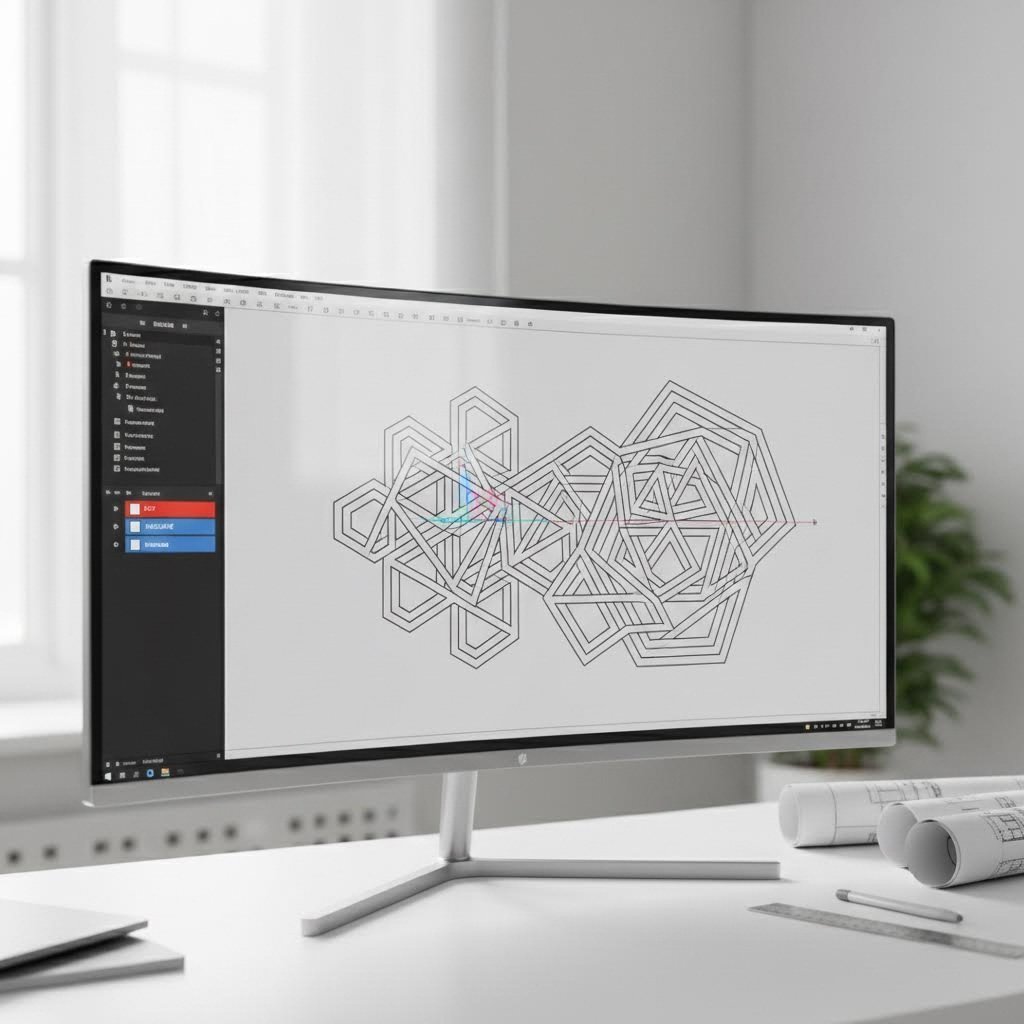
प्रत्येक शीट मेटल लेज़र कटिंग परियोजना एक वेक्टर फ़ाइल से शुरू होती है—आमतौर पर एक DXF (ड्रॉइंग इंटरचेंज फॉर्मेट)। उन छवि फ़ाइलों के विपरीत जो पिक्सेल संग्रहीत करती हैं, DXF फ़ाइलों में सटीक गणितीय पथ होते हैं जिन्हें CNC लेज़र कटिंग मशीनें कटिंग निर्देश के रूप में व्याख्या करती हैं। यहाँ आपके लिए सही तरीके से करने के लिए चरण-दर-चरण कार्यप्रणाली है:
- साफ़ 2D ज्यामिति के साथ शुरुआत करें: अपने डिज़ाइन को एक सपाट, 2D चित्र के रूप में बनाएं या निर्यात करें। अपने वास्तविक कटिंग पथ का हिस्सा नहीं होने वाले किसी भी 3D तत्व, निर्माण रेखाओं या संदर्भ ज्यामिति को हटा दें। लेज़र केवल बंद वेक्टर पथों को समझता है—बाकी सब कुछ भ्रम पैदा करता है।
- अपनी इकाइयों और पैमाने को सत्यापित करें: यह बुनियादी लगता है, लेकिन यह अनगिनत त्रुटियों का स्रोत है। निर्यात करने से पहले सुनिश्चित करें कि आपका CAD सॉफ़्टवेयर सही इकाइयों (मिलीमीटर या इंच) में सेट है और आपकी ज्यामिति वास्तविक दुनिया के आयामों से मेल खाती है। 100 मिमी में डिज़ाइन किया गया एक ब्रैकेट जो 100 इंच में निर्यात होता है, स्पष्ट समस्याएं पैदा करता है।
- सभी तत्वों को पॉलीलाइन या स्प्लाइन में परिवर्तित करें: चाप, वृत्त और वक्रों को सुचारु पॉलीलाइन में परिवर्तित करना चाहिए। कुछ पुराने लेज़र सॉफ़्टवेयर जटिल वक्रों की व्याख्या अलग तरीके से करते हैं—उन्हें परिवर्तित करने से व्याख्या त्रुटियां खत्म हो जाती हैं।
- परतों को तार्किक रूप से व्यवस्थित करें: अलग-अलग कट लाइन, उत्कीर्णन पथ और मोड़ रेखाओं को अलग-अलग परतों पर रखें। सुसंगत नामकरण प्रथाओं का उपयोग करें (उदाहरण के लिए, "CUT," "ENGRAVE," "SCORE")। इससे ऑपरेटर तुरंत आपके इरादे को समझने में सक्षम होते हैं।
- डुप्लिकेट लाइनों को हटा दें: ओवरलैपिंग या डुप्लिकेट ज्यामिति से लेजर एक ही पथ को दो बार काटता है—जिससे समय बर्बाद होता है और सामग्री पर अत्यधिक जलने की संभावना रहती है। संपाती रेखाओं को मर्ज करने के लिए एक सफाई कमांड चलाएं।
- सभी आकृतियों को बंद करें: प्रत्येक आकृति जिसे काटा जाना है, पूरी तरह से बंद पथ बनाना चाहिए। आपकी ज्यामिति में सूक्ष्म अंतराल भी कटिंग विफलता या अप्रत्याशित परिणाम का कारण बन सकते हैं।
- DXF के रूप में निर्यात करें और सत्यापित करें: निर्यात करने के बाद, अपनी DXF फ़ाइल को एक अलग व्यूअर या CAD प्रोग्राम में खोलकर यह सुनिश्चित करें कि सब कुछ सही ढंग से स्थानांतरित हुआ है। फ़ाइल को अपने लेजर कटिंग सॉफ़्टवेयर में आयात करें और अपनी सामग्री और मोटाई के आधार पर उचित गति और शक्ति पैरामीटर सेट करें।
सॉफ्टवेयर विकल्पों के लिए, आपके पास कई विकल्प हैं। इंकस्केप विंडोज, मैक और लिनक्स के साथ संगत एक मुफ्त, उपयोगकर्ता-अनुकूल विकल्प प्रदान करता है। फ्यूजन 360 लगभग 70 डॉलर प्रति माह की दर से क्लाउड-आधारित सहयोग सुविधाएँ प्रदान करता है, जबकि एडोब इलस्ट्रेटर 20.99 डॉलर प्रति माह पर अच्छा प्रदर्शन करता है और आईपैड संगतता भी शामिल करता है। प्रत्येक में लागत, सीखने की गति और सुविधाओं के बीच समझौता होता है।
लागत बढ़ाने वाली सामान्य डिज़ाइन त्रुटियाँ
अनुभवी डिजाइनर भी ऐसी त्रुटियाँ करते हैं जो परियोजना लागत को बढ़ा देती हैं। आपको इनसे बचना चाहिए:
कर्फ चौड़ाई की उपेक्षा करना: लेजर बीम की अपनी चौड़ाई होती है—आमतौर पर 0.1 मिमी से 1.0 मिमी तक सामग्री और कटिंग पैरामीटर के आधार पर। इस "कर्फ" से तात्पर्य उस सामग्री से है जो कट के द्वारा हटा दी जाती है। यदि आप एक दूसरे में फिट होने वाले भागों या सटीक असेंबली के लिए डिजाइन कर रहे हैं, तो आपको अपने आयामों में कर्फ की भरपाई के लिए जगह छोड़नी होगी। कर्फ क्षतिपूर्ति के बिना डिज़ाइन किए गए भाग अपेक्षित की तुलना में थोड़े छोटे होंगे।
आपकी सामग्री के लिए बहुत छोटी विशेषताएँ: प्रत्येक सामग्री के न्यूनतम विशेषता आकार की सीमाएँ होती हैं। सामग्री की मोटाई से छोटे छेद काटने का प्रयास आमतौर पर खराब परिणाम देता है। कटौती के बीच पतली आंतरिक जालियाँ विकृत या पिघल सकती हैं। एक सामान्य दिशा-निर्देश के रूप में, आंतरिक विशेषताओं की चौड़ाई कम से कम सामग्री की मोटाई के बराबर होनी चाहिए—हालाँकि यह विशिष्ट सामग्री और उपकरण के अनुसार भिन्न हो सकता है।
तीखे आंतरिक कोने: लेजर बिल्कुल तीखे आंतरिक कोने नहीं बना सकते। बीम का एक भौतिक व्यास होता है, जिसका अर्थ आंतरिक विशेषताओं पर न्यूनतम त्रिज्या से होता है। छोटी कोने की त्रिज्या (अक्सर 0.5 मिमी न्यूनतम) के साथ डिजाइन करने से साफ परिणाम मिलते हैं और तैयार भागों में तनाव संकेंद्रण कम होता है।
किनारों के बहुत करीब ज्यामिति: शीट के किनारों के बहुत करीब रखे गए छेद फटने या विकृत होने का जोखिम रखते हैं, विशेष रूप से यदि भागों को बाद के निर्माण संचालन से गुजारा जाता है। इसी तरह, आसन्न विशेषताओं के बीच ऊष्मा-संबंधित विरूपण को रोकने के लिए कटौती ज्यामिति को कम से कम शीट की मोटाई के दो गुना दूरी पर रखें।
गैर-मानक सामग्री की मोटाई: जब 3 मिमी मानक हो, तो 3.2 मिमी की चादर चुनने से लागत और लीड टाइम दोनों पर काफी प्रभाव पड़ सकता है। गैर-मानक मोटाई के लिए अक्सर न्यूनतम आदेश मात्रा, विशेष स्रोत और कस्टम मशीन कैलिब्रेशन की आवश्यकता होती है। जहां भी संभव हो, आसानी से उपलब्ध मानक गेज के आसपास डिजाइन करें।
उचित फ़ाइल तैयारी केवल त्रुटियों को कम नहीं करती—यह सीधे उत्पादन को तेज करती है। साफ फाइलों में ऑपरेटर हस्तक्षेप कम होता है, जिसका अर्थ है आपकी परियोजना के लिए त्वरित निष्पादन और कम लागत।
डिज़ाइन अनुकूलन चेकलिस्ट
अपनी फाइलें जमा करने से पहले, इन अंतिम सत्यापन बिंदुओं को जांच लें:
- सभी आकृतियाँ बंद हैं: कटाई पथ में कोई अंतराल नहीं
- कोई डुप्लिकेट ज्यामिति नहीं: प्रत्येक रेखा केवल एक बार मौजूद है
- सही पैमाना सत्यापित: आयाम इरादे के अनुसार वास्तविक दुनिया के आकार से मेल खाते हैं
- परतें व्यवस्थित: कट, उत्कीर्णन और स्कोर संचालन अलग किए गए
- कर्फ क्षतिपूर्ति लागू: यदि आपके अनुप्रयोग के लिए आवश्यक हो
- न्यूनतम विशेषता आकार का पालन: आपकी सामग्री की मोटाई के आधार पर
- कोने की त्रिज्या निर्दिष्ट: विशेष रूप से आंतरिक कोनों के लिए
- मानक सामग्री मोटाई चयनित: आपूर्ति में देरी से बचने के लिए
- विशेषताओं के बीच पर्याप्त स्थान: कम से कम 2x सामग्री की मोटाई
- फ़ाइल प्रारूप की पुष्टि की गई: DXF निर्यात किया गया और स्वतंत्र रूप से सत्यापित
अपनी डिज़ाइन फ़ाइलों को अनुकूलित करने में बीस मिनट का समय लेने से दिनों तक चलने वाले संशोधनों के आदान-प्रदान को खत्म किया जा सकता है। शीट मेटल लेज़र कटर आपके द्वारा दिए गए जो भी निर्देश होंगे, उनका वफादारी से पालन करेगा—इसलिए सुनिश्चित करें कि वे निर्देश ठीक वही हों जो आप चाहते हैं।
एक बार जब आपकी फ़ाइलें सही ढंग से तैयार हो जाती हैं, तो आप इस बात का आकलन करने के लिए तैयार होते हैं कि क्या लेज़र कटिंग आपके विशिष्ट अनुप्रयोग के लिए सही प्रक्रिया है—या क्या वैकल्पिक तरीके आपकी आवश्यकताओं के लिए बेहतर उपयुक्त हो सकते हैं।
लेज़र कटिंग बनाम वॉटरजेट बनाम प्लाज्मा बनाम सीएनसी राउटिंग
आपकी डिज़ाइन फ़ाइलें तैयार हैं, आपकी सामग्री चुनी जा चुकी है—लेकिन क्या वास्तव में आपके प्रोजेक्ट के लिए लेज़र कटिंग सही प्रक्रिया है? यह वह प्रश्न है जिसे कई इंजीनियर और डिज़ाइनर छोड़ देते हैं, और बजाय सभी विकल्पों का निष्पक्ष रूप से आकलन करने के, वे सीधे उस तकनीक पर जा पहुँचते हैं जिसे वे सबसे अच्छे से जानते हैं।
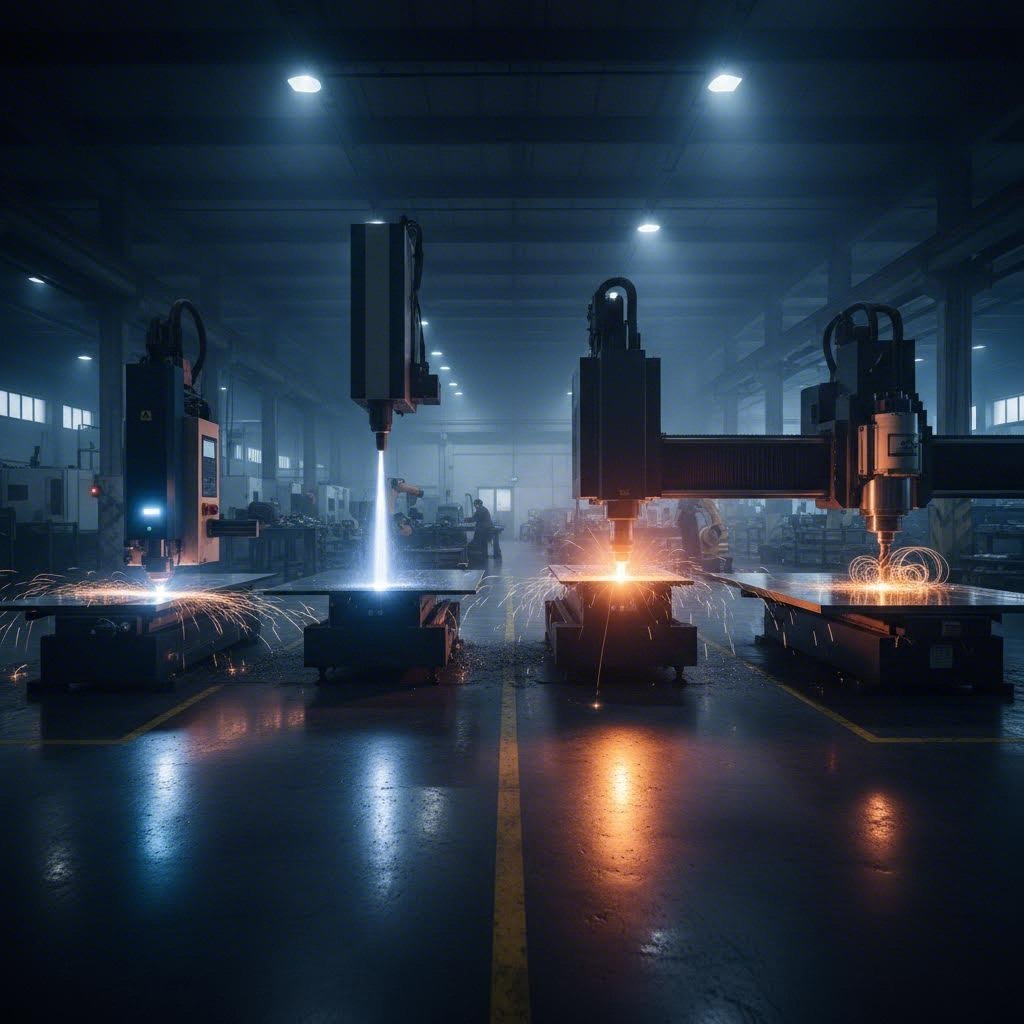
सच यह है कि 3 मिमी स्टेनलेस स्टील पर शानदार ढंग से काटने वाला लेज़र 25 मिमी एल्युमीनियम प्लेट के लिए पूरी तरह से गलत हो सकता है। इसी तरह, द्वितीयक फिनिशिंग आवश्यकताओं को ध्यान में रखते हुए सबसे तेज़ कटिंग विधि हमेशा सबसे लागत प्रभावी नहीं होती है। आइए इस बात का विश्लेषण करें कि लेज़र द्वारा धातु कटिंग की तुलना प्रमुख विकल्पों—वॉटरजेट, प्लाज्मा और सीएनसी राउटिंग—के साथ कैसे की जाती है, ताकि आप एक जानकारीपूर्ण निर्णय ले सकें।
मोटी सामग्री के लिए वॉटरजेट के लेज़र को हराने की स्थिति
कल्पना कीजिए कि धातु, पत्थर, कांच, कंपोजिट्स जैसी लगभग किसी भी सामग्री को बिना किसी ऊष्मा उत्पन्न किए काट दिया जाए। यही वॉटरजेट कटिंग का मौलिक लाभ है। तक दबाव पर संचालित होते हुए 60,000 से 90,000 PSI , वॉटरजेट प्रणाली उच्च-दबाव वाले पानी में अपघर्षक कणों को मिलाकर कार्यक्रम द्वारा निर्धारित पथ के अनुदिश सामग्री को क्षरण द्वारा काटती है।
वॉटरजेट वास्तव में लेज़र से कहाँ बेहतर प्रदर्शन करता है? इन परिदृश्यों पर विचार करें:
- मोटी सामग्री की प्रक्रिया: जल जेट 24 इंच तक की मोटाई वाली सामग्री को कच्चे कटौती के लिए संभाल सकता है—यह किसी भी धातु काटने वाले लेजर द्वारा प्राप्त करने से काफी आगे है। जब आपके प्रोजेक्ट में मोटी प्लेट का काम शामिल होता है, तो जल जेट एकमात्र व्यवहार्य विकल्प बन जाता है।
- ऊष्मा-संवेदनशील अनुप्रयोग: चूंकि जल जेट एक ठंडी-कटिंग प्रक्रिया है, इसलिए उष्मा-प्रभावित क्षेत्र शून्य होता है। इससे सामग्री के गुण पूरी तरह से संरक्षित रहते हैं—इसे कठोर इस्पात, टेम्पर की गई सामग्री, या उन घटकों के लिए महत्वपूर्ण माना जाता है जहां धातुकीय परिवर्तन अस्वीकार्य होते हैं।
- सामग्री का फैलाव: एक जल जेट स्टील, एल्युमीनियम, टाइटेनियम, पत्थर, कांच, कार्बन फाइबर और रबर को लगभग समान सेटअप के साथ काट सकता है। यदि आपके कार्यप्रवाह में विविध सामग्री शामिल हैं, तो यह बहुमुखी प्रकृति उपकरण परिवर्तन को समाप्त कर देती है।
- कोई द्वितीयक परिष्करण नहीं: जल जेट जलन के निशान, रंग बदलाव या ऊष्मा-प्रेरित तनाव के बिना एक सैटिन-स्मूथ किनारा पैदा करता है। दृश्यमान घटकों या तुरंत उपयोग की आवश्यकता वाले असेंबली के लिए, यह परिष्करण संचालन को समाप्त कर देता है।
क्या समझौता है? गति। अनुसार उद्योग के परीक्षण डेटा , जल जेट प्रणालियाँ आमतौर पर सामग्री और मोटाई के आधार पर प्रति मिनट 5-20 इंच की दर से काटती हैं—लेजर या प्लाज्मा विकल्पों की तुलना में काफी धीमी। उपकरण की लागत भी काफी अधिक होती है, जहाँ पूर्ण प्रणाली की लागत लगभग $195,000 है, जबकि तुलनीय प्लाज्मा स्थापना के लिए लगभग $90,000 है।
बजट परियोजनाओं के लिए प्लाज्मा कटिंग के लाभ-हानि
यदि आप मोटे स्टील निर्माण के लिए "मेरे निकट प्लाज्मा कटिंग" खोज रहे हैं, तो इसका अच्छा कारण है। प्लाज्मा कटिंग एक विद्युत चाप और संपीड़ित गैस का उपयोग करके अत्यधिक गर्म प्लाज्मा बनाती है—जो 45,000°F (25,000°C) तक के तापमान तक पहुँच जाता है—जो चालक धातुओं को पिघलाकर और उड़ाकर उन्हें आश्चर्यजनक गति से काटता है।
लेजर की तुलना में प्लाज्मा कब बेहतर होता है? इन कारकों पर विचार करें:
- मोटी चालक धातुएँ: आधुनिक सीएनसी प्लाज्मा टेबल 0.018" से 2" मोटाई तक की सामग्री पर उत्कृष्ट प्रदर्शन करते हैं। 1-इंच स्टील प्लेट के लिए, प्लाज्मा प्रति फुट लागत के लगभग आधे खर्च पर जल जेट की तुलना में लगभग 3-4 गुना तेज कटिंग करता है।
- बजट की सीमा: प्लाज्मा सीएनसी कटिंग तकनीकों में सबसे कम प्रारंभिक निवेश का प्रतिनिधित्व करता है। यदि पूंजी सीमित है लेकिन आपको मोटी धातु काटने की क्षमता की आवश्यकता है, तो प्लाज्मा असाधारण मूल्य प्रदान करता है।
- गति आवश्यकताएँ: उच्च-शक्ति वाला प्लाज्मा तंत्र 1/2" मृदु इस्पात को 100 इंच प्रति मिनट से अधिक की गति से काट सकता है—मध्यम से मोटी धातु प्लेटों के लिए यह सबसे तेज़ विकल्प है।
- संरचनात्मक निर्माण: जहाज निर्माण, भारी उपकरण निर्माण, और संरचनात्मक इस्पात कार्य में मोटी प्लेट प्रसंस्करण के साथ उत्कृष्ट बेवल कटिंग क्षमताओं के लिए प्लाज्मा पर भारी निर्भरता होती है।
हालांकि, प्लाज्मा में कुछ वास्तविक सीमाएँ हैं जिन्हें आपको समझना चाहिए:
- ऊष्मा-प्रभावित क्षेत्र: उच्च तापमान वाली आर्क कट के किनारों के पास विकृति, कठोरता या रंग बदलाव का कारण बन सकती है, जिससे महत्वपूर्ण ऊष्मा प्रवेश होता है
- किनारे की गुणवत्ता: प्लाज्मा ऐसे भुरा या ड्रॉस उत्पन्न करता है जिसके लिए अक्सर माध्यमिक पीसने या फिनिशिंग की आवश्यकता होती है—जिससे श्रम और समय की अतिरिक्त आवश्यकता होती है
- परिशुद्धता सीमाएँ: जबकि आधुनिक उच्च-परिभाषा प्लाज्मा मोटी सामग्रियों पर लेजर गुणवत्ता के करीब पहुँचता है, यह जटिल डिज़ाइन या छोटी विशेषताओं के लिए लेजर की सटीकता के बराबर नहीं हो सकता है
- सामग्री सीमाएँ: प्लाज्मा केवल विद्युत चालक सामग्रियों पर काम करता है—लकड़ी, प्लास्टिक, कांच या सिरेमिक पर नहीं
1/4" मोटाई से कम की आवश्यकताओं वाले लेजर कट स्टील के लिए, जहाँ सटीकता महत्वपूर्ण है, आमतौर पर लेजर बेहतर होता है। 1" से अधिक के संरचनात्मक स्टील के लिए, जहाँ गति और लागत प्रमुख हैं, प्लाज्मा को हराना मुश्किल है।
अधातु विकल्पों के लिए सीएनसी राउटिंग
सीएनसी राउटिंग एकदम अलग निचे में आता है। थर्मल या क्षयकारी प्रक्रियाओं के बजाय घूमते हुए कटिंग उपकरणों का उपयोग करते हुए, राउटर मुलायम सामग्रियों—लकड़ी, प्लास्टिक, फोम और एल्यूमीनियम जैसी नरम धातुओं में उत्कृष्ट हैं। विशेष रूप से धातु निर्माण के लिए, राउटिंग आमतौर पर केवल एल्यूमीनियम शीट और नरम मिश्र धातुओं पर लागू होता है जहाँ उपकरण का क्षरण नियंत्रित रहता है।
रूटिंग के लाभों में कम उपकरण लागत, कोई तापीय प्रभाव नहीं और उपयुक्त सामग्री पर उत्कृष्ट किनारा फिनिश शामिल है। हालाँकि, अधिकांश कस्टम धातु लेजर कटिंग अनुप्रयोगों के लिए, रूटिंग सिर्फ प्रतिस्पर्धा नहीं कर पाती—इस्पात पर उपकरण पहनने के कारण यह अव्यावहारिक हो जाती है, और पतली धातुओं पर सटीकता बहुत कम ही लेजर क्षमताओं के बराबर होती है।
व्यापक कटिंग विधि तुलना
सही धातु कटर तकनीक का चयन आपकी विशिष्ट परियोजना आवश्यकताओं के खिलाफ कई कारकों का आकलन करके करना चाहिए। यह तुलना चारों विधियों में सभी प्रमुख प्रदर्शन विशेषताओं को संश्लेषित करती है:
| कारक | लेजर कटिंग | वॉटरजेट कटिंग | प्लाज्मा कटिंग | CNC routing |
|---|---|---|---|---|
| सामग्री संगतता | अधिकांश धातुएँ; सीमित गैर-धातुएँ | पत्थर, कांच, कंपोजिट्स सहित लगभग कोई भी सामग्री | केवल चालक धातुएँ (स्टील, एल्युमीनियम, ताँबा) | मुलायम धातुएँ, लकड़ी, प्लास्टिक, कंपोजिट्स |
| इष्टतम मोटाई सीमा | 25 मिमी से कम के लिए सबसे अच्छा; मोटी सामग्री पर दक्षता घट जाती है | लगभग कटे हुए कट के लिए 24" तक; सभी मोटाई पर गुणवत्ता बनाए रखता है | 0.018" से 2" तक; मोटी प्लेट पर उत्कृष्ट | पतली से मध्यम गेज; उपकरण पहनने के कारण मोटी सामग्री की प्रक्रिया सीमित है |
| काटने की गति | पतली सामग्री पर सबसे तेज (20 मी/मिन तक) | सबसे धीमी (आमतौर पर 5-20 इंच/मिन) | मोटी सामग्री पर सबसे तेज (1/2" इस्पात पर 100+ इंच/मिन) | मध्यम; सामग्री की कठोरता पर निर्भर करता है |
| किनारे की गुणवत्ता | उत्कृष्ट; अक्सर कोई फिनिशिंग की आवश्यकता नहीं होती | साटन-चिकना; कोई ऊष्मा चिह्न नहीं | अच्छा; स्लैग निकालने की आवश्यकता हो सकती है | नरम सामग्री पर अच्छा; उपकरण के निशान संभव हैं |
| ऊष्मा प्रभावित क्षेत्र | न्यूनतम लेकिन मौजूद; कट धार तक सीमित | कोई नहीं (ठंडी प्रक्रिया) | महत्वपूर्ण; विरूपण या कठोरीकरण का कारण बन सकता है | कोई नहीं (यांत्रिक प्रक्रिया) |
| शुद्धता स्तर | पतली सामग्री के लिए उच्चतम; कसे हुए सहिष्णुता प्राप्त की जा सकती है | उच्च; मोटी सामग्री के लिए उत्कृष्ट | मध्यम; एचडी प्लाज्मा मोटे स्टॉक पर लेजर के समान होता है | मध्यम; उपकरण विक्षेपण सटीकता की सीमा निर्धारित करता है |
| सापेक्षिक उपकरण लागत | मध्यम से उच्च (फाइबर प्रणाली) | सर्वोच्च (~$195,000 पूरी प्रणाली के लिए) | न्यूनतम (~$90,000 तुलनीय प्रणाली के लिए) | निम्न से मध्यम |
| चलाने की लागत | कम (फाइबर लेज़र अत्यधिक कुशल) | उच्चतम (अपघर्षक की खपत, पंप की मरम्मत) | कटे हुए इंच की न्यूनतम लागत | कम (औजार का घिसाव बुनियादी खर्च) |
अपने प्रोजेक्ट के लिए सही विकल्प चुनना
तो कौन सी विधि जीतती है? ईमानदार उत्तर: यह पूरी तरह से आपकी विशिष्ट आवश्यकताओं पर निर्भर करता है।
लेज़र कटिंग चुनें जब:
- पतली से मध्यम मोटाई की धातुओं के साथ काम करना (25 मिमी से कम)
- परिशुद्धता और किनारे की गुणवत्ता प्राथमिकताएँ हैं
- आपके डिज़ाइन में जटिल विवरण, छोटे छेद या कसे हुए टॉलरेंस शामिल हैं
- उच्च-मात्रा वाले उत्पादन के लिए उत्पादन गति महत्वपूर्ण है
जब वॉटरजेट चुनें:
- लेजर क्षमता से अधिक मोटे सामग्री को प्रोसेस करना
- ऊष्मा के प्रभाव बिल्कुल अस्वीकार्य हैं
- एक ही कार्यप्रवाह में मिश्रित सामग्री प्रकारों के साथ काम करना
- द्वितीयक संचालन के बिना किनारे का फिनिश पूर्ण होना चाहिए
प्लाज्मा का चयन तब करें:
- बजट प्राथमिक बाधा है
- उच्च गति पर मोटी चालक धातुओं को काटना
- द्वितीयक फिनिशिंग स्वीकार्य है या पहले से नियोजित है
- कम मांग वाले टॉलरेंस के साथ संरचनात्मक निर्माण कार्य
कई सफल निर्माण दुकानें अंततः कई कटिंग प्रौद्योगिकियों को शामिल कर लेती हैं, जो उनकी सबसे आम परियोजनाओं को संबोधित करने वाली प्रणाली के साथ शुरू होती हैं और क्षमताओं तथा ग्राहक आवश्यकताओं के बढ़ने के साथ विस्तार करती हैं।
इन व्यापार-ऑफ़ को समझने से आप सही प्रक्रिया को शुरुआत में ही निर्दिष्ट कर सकते हैं—समय और धन दोनों की बचत कर सकते हैं। एक बार आपने अपनी कटिंग विधि चुन ली, तो अगला कदम यह समझना है कि परियोजना की लागत को कौन से कारक निर्धारित करते हैं ताकि आप सटीक बजट बना सकें।
अनुकूलित लेजर कटिंग लागत कारकों को समझना
आपने अपनी कटिंग विधि चुन ली है, अपनी फ़ाइलें तैयार कर ली हैं और अपनी सामग्री चुन ली है। अब वह प्रश्न आता है जो अंततः हर परियोजना के निर्णय को आकार देता है: इसकी वास्तविक लागत क्या होगी? निश्चित मूल्य टैग वाले वस्तुओं के विपरीत, अनुकूलित धातु लेजर कटिंग में कई परस्पर जुड़े चर शामिल होते हैं—और यह समझना कि प्रत्येक कारक आपके अंतिम बिल को कैसे प्रभावित करता है, आपको अपने बजट पर नियंत्रण देता है।
सच यह है कि डिज़ाइन निर्णयों के आधार पर दो समान लगने वाली परियोजनाओं की लागत अलग-अलग हो सकती है, जिनके बारे में आपको एहसास भी नहीं हो सकता। आइए जानें कि लेज़र कटिंग की लागत को वास्तव में क्या प्रभावित करता है, ताकि आप अपनी परियोजना को शुरुआत से ही अनुकूलित कर सकें।
कट की जटिलता आपकी परियोजना की लागत को कैसे बढ़ाती है
मान लीजिए कि एक ही सामग्री और मोटाई से कटे दो भाग हैं। एक एक सरल आयत है। दूसरे में जटिल आंतरिक कटआउट, तंग त्रिज्या वाले वक्र और सजावटी छिद्र हैं। किसकी लागत अधिक है? उत्तर यह बताता है कि जटिलता लागत को कैसे बढ़ाती है।
उद्योग के मूल्य विश्लेषण के अनुसार, प्रत्येक कटआउट के लिए एक पियर्स बिंदु की आवश्यकता होती है जहां लेज़र कटिंग शुरू करता है। अधिक पियर्स बिंदुओं का अर्थ है अधिक कटिंग समय, अधिक ऊर्जा खपत और उपभोग्य सामग्री पर अधिक घिसावट। यहां जटिलता के कारकों का विवरण दिया गया है:
- पियर्स बिंदुओं की संख्या: प्रत्येक छेद, स्लॉट या आंतरिक विशेषता के लिए लेज़र को सामग्री में ताज़ा प्रवेश करना होता है। 50 छोटे छेदों वाला भाग सरल आउटलाइन कट की तुलना में काफी अधिक समय लेता है, भले ही कुल कट की लंबाई समान हो।
- कुल कट पथ लंबाई: विस्तृत आकृतियों वाले जटिल डिज़ाइन काटने के लिए अधिक रैखिक इंच जमा करते हैं। इससे सीधे मशीन के समय में वृद्धि होती है—जो लेज़र कटिंग शुल्क का मुख्य कारक है।
- कोने और वक्र घनत्व: तीखे कोनों के लिए कटिंग हेड को धीमा करना, दिशा बदलना और फिर से त्वरण करना आवश्यक होता है। लंबी, सीधी रेखाओं वाले डिज़ाइन की तुलना में तंग त्रिज्या या जटिल वक्र वाले डिज़ाइन धीमी गति से प्रसंस्कृत होते हैं।
- विशेषता समीपता: निकटता में स्थित कटों को विकृति को रोकने के लिए ऊष्मा प्रबंधन की आवश्यकता होती है। ऑपरेटरों को पैरामीटर समायोजित करने या कटों को रणनीतिक तरीके से क्रमबद्ध करने की आवश्यकता हो सकती है, जिससे प्रोग्रामिंग समय बढ़ जाता है।
एक वास्तविक उदाहरण इसे स्पष्ट रूप से दर्शाता है: जटिल ज्यामिति वाले 5052 एल्युमीनियम के एक जटिल भाग की कीमत प्रत्येक $27 थी, जबकि उसी सामग्री में सरल डिज़ाइन के उत्पादन की लागत काफी कम थी। सबक? अपने डिज़ाइन को संभव सीमा तक सरल बनाना—बिना कार्यक्षमता को नुकसान पहुँचाए—सीधे आपके लेजर कटिंग के उद्धरण को कम करता है।
आयतन छूट और बैच अनुकूलन रणनीतियाँ
यहाँ स्मार्ट ऑर्डरिंग आपकी परियोजना अर्थव्यवस्था को बदल देती है। किसी भी उत्पादन चक्र का पहला भाग हमेशा सबसे महंगा होता है—सेटअप समय, मशीन कैलिब्रेशन और प्रोग्राम सत्यापन तब होता है जब आप एक या एक हजार टुकड़े काट रहे हों।
संख्याएँ चौंकाने वाली हैं। निर्माण लागत अध्ययनों के अनुसार, सिर्फ एक ऑर्डर करने पर एक छोटा जस्ती-लेपित G90 स्टील भाग लगभग $29 का होता है। दस समान भाग ऑर्डर करें? मूल्य प्रति इकाई घटकर केवल $3 रह जाता है। बस अधिक टुकड़ों पर निश्चित लागत को फैलाकर यह 86% की कमी है।
आपकी बचत को अधिकतम करने वाली बैच अनुकूलन रणनीतियाँ इस प्रकार हैं:
- आदेशों को संगठित करें: जहाँ संभव हो, कई भाग डिज़ाइनों को एकल उत्पादन चक्र में संयोजित करें। इससे सेटअप लागत वितरित होती है और आप मात्रा-आधारित मूल्य श्रेणियों के लिए पात्र हो जाते हैं।
- दक्ष नेस्टिंग: गुणवत्तापूर्ण प्रदाता आपके भागों को सामग्री शीट्स पर घनिष्ठ रूप से व्यवस्थित करने के लिए उन्नत नेस्टिंग सॉफ़्टवेयर का उपयोग करते हैं, जिससे अपव्यय कम से कम होता है। बेहतर नेस्टिंग का अर्थ है कि आपको कच्ची सामग्री की कम लागत वहन करनी पड़ेगी।
- मानक सामग्री का चयन: सामग्री के सामान्यतः उपलब्ध मानक शीट आकारों और मोटाइयों से भागों का ऑर्डर देने से विशेष स्रोत शुल्क और न्यूनतम ऑर्डर आवश्यकताओं से बचा जा सकता है।
- प्रोटोटाइप के लिए पहले से योजना बनाएँ: यदि आप प्रोटोटाइपिंग कर रहे हैं, तो परीक्षण के लिए आवश्यकता से थोड़ा अधिक इकाइयाँ ऑर्डर करने पर विचार करें। अतिरिक्त टुकड़ों की सीमांत लागत बाद में पुनः ऑर्डर करने की तुलना में अक्सर नगण्य होती है।
सामग्री और फिनिशिंग लागत गुणक
आपका सामग्री चयन केवल कच्ची सामग्री की पंक्ति वस्तु पर ही प्रभाव नहीं डालता है। विभिन्न धातुओं के लिए अलग-अलग कटिंग पैरामीटर, सहायक गैसें और प्रसंस्करण गति की आवश्यकता होती है—जो सभी मशीन समय और खपत योग्य लागत को प्रभावित करते हैं।
- सामग्री का प्रकार: स्टेनलेस स्टील को काटने के लिए आमतौर पर माइल्ड स्टील की तुलना में अधिक ऊर्जा और धीमी गति की आवश्यकता होती है, जिससे प्रसंस्करण लागत बढ़ जाती है। तांबे जैसी प्रतिबिंबित धातुओं को काटने के लिए और भी अधिक सावधानीपूर्वक मापदंड प्रबंधन की आवश्यकता होती है।
- मोटाई का प्रभाव: मोटी सामग्री को काटने के लिए अधिक ऊर्जा, धीमी कटिंग गति की आवश्यकता होती है और उपकरणों पर अधिक घिसावट होती है। उद्योग स्रोतों के अनुसार, मोटाई लागत को प्रभावित करने वाले सबसे महत्वपूर्ण कारकों में से एक है—मोटाई को दोगुना करने से कटिंग समय दोगुने से भी अधिक हो सकता है।
- सामग्री अपव्यय: बड़े भाग या अक्षम ज्यामिति जो अच्छी तरह से संगठित नहीं होते हैं, अधिक स्क्रैप सामग्री उत्पन्न करते हैं। यद्यपि प्रदाता संगठन को अनुकूलित करते हैं, फिर भी मूल रूप से अपव्ययी डिज़ाइनों में उच्च सामग्री लागत होती है।
परिष्करण प्रक्रियाएं एक अतिरिक्त लागत स्तर जोड़ती हैं जिसे कम आंका जाना आसान है। पाउडर कोटिंग सेवाएं कच्चे कटे हुए भागों को स्थायी, आकर्षक परिष्करण प्रदान करके बदल देती हैं—लेकिन प्रति भाग महत्वपूर्ण खर्च जोड़ती हैं। पहले उल्लिखित $27 वाले एल्युमीनियम भाग के साथ भी ऐसा ही होता है? पाउडर कोटिंग फिनिश के साथ, यह बढ़कर $43 हो जाता है। इसी तरह, एनोडाइज्ड एल्युमीनियम उत्कृष्ट जंग-रोधी प्रतिरोध और सौंदर्य विकल्प प्रदान करता है, लेकिन विद्युत रासायनिक प्रक्रिया समय और विशेष प्रसंस्करण लागत दोनों जोड़ती है।
बजट के लिए सामान्य फिनिशिंग एड-ऑन्स में शामिल हैं:
- डीबरिंग: कटिंग प्रक्रिया द्वारा छोड़े गए तीखे किनारों को हटाना
- पाउडर कोटिंग: विभिन्न रंगों और बनावट में स्थायी, सजावटी फिनिश
- एनोडाइज़िंग: एल्युमीनियम के लिए विद्युत रासायनिक उपचार जो जंग-रोधी प्रतिरोध और रंग विकल्प प्रदान करता है
- प्लेटिंग: जंग-रोधी सुरक्षा के लिए जस्ता, निकल या क्रोम प्लेटिंग
- ग्राइंडिंग और पॉलिशिंग: विशिष्ट सतह फिनिश आवश्यकताओं को प्राप्त करना
सटीक उद्धरण प्राप्त करना: तैयार करने के लिए कौन सी जानकारी
आपके लेजर कटिंग के उद्धरण की सटीकता पूरी तरह से आपके द्वारा प्रारंभ में दी गई जानकारी पर निर्भर करती है। अस्पष्ट अनुरोध अनुमानित कीमत उत्पन्न करते हैं; विस्तृत विनिर्देश सटीक मूल्य निर्धारण देते हैं। उद्धरण मांगने से पहले, निम्नलिखित जानकारी तैयार करें :
- पूर्ण डिज़ाइन फ़ाइलें: सत्यापित आयाम और साफ ज्यामिति के साथ DXF या अन्य वेक्टर प्रारूप
- सामग्री विनिर्देश: वास्तविक सामग्री का प्रकार, ग्रेड और मोटाई
- मात्रा की जरूरतें: आवश्यक कुल टुकड़ों की संख्या, प्रोटोटाइप मात्रा सहित
- सहिष्णुता आवश्यकताएँ: किसी भी महत्वपूर्ण आयाम जिन्हें मानक से अधिक सटीकता की आवश्यकता हो
- परिष्करण विनिर्देश: आवश्यक सतह उपचार, लेप या उत्तर-प्रसंस्करण
- डिलीवरी समयसीमा: मानक लीड टाइम बनाम त्वरित आवश्यकताएं
गुणवत्तापूर्ण आपूर्तिकर्ता त्वरित उद्धरण प्रसंस्करण की पेशकश करते हैं—कुछ 12 घंटे के भीतर—जो आपको सटीक बजट बनाने और विकल्पों की तुलना करने में सक्षम बनाता है। यह संवेदनशीलता अक्सर अच्छी तरह से आयोजित संचालन का संकेत देती है जो विश्वसनीय डिलीवरी और स्थिर गुणवत्ता में अनुवादित होती है।
आपका उद्धरण अनुरोध जितना विस्तृत होगा, आपकी कीमत उतनी ही सटीक होगी। निर्माण में आश्चर्य लगभग हमेशा पहले से योजना बनाने की तुलना में अधिक लागत वाले होते हैं।
इन लागत गतिशीलता को समझने से आप डिज़ाइन जटिलता, सामग्री चयन, फिनिशिंग आवश्यकताओं और बजट बाधाओं के बीच सूचित तुलना करने में सक्षम होते हैं। मूल्य निर्धारण के कारकों को स्पष्ट होने के बाद, अगला विचार यह सुनिश्चित करना है कि आपके तैयार भाग उस गुणवत्ता मानक को पूरा करते हैं जो आपका अनुप्रयोग मांगता है।
गुणवत्ता मानक और सहिष्णुता विनिर्देश
आपने अपने डिज़ाइन को अनुकूलित कर लिया है, अपनी सामग्री का चयन कर लिया है और सटीक रूप से बजट बना लिया है। लेकिन यहाँ वह प्रश्न है जो स्वीकार्य भागों को असाधारण भागों से अलग करता है: आपको कैसे पता चलेगा कि आपकी लेज़र कट मेटल शीट्स वास्तव में विनिर्देश के अनुरूप हैं? गुणवत्ता मानकों को समझना केवल शैक्षणिक नहीं है—यह आपकी असेंबली में बिल्कुल फिट होने वाले भागों और उन घटकों के बीच का अंतर है जिनकी महंगी पुनर्कार्य या अस्वीकृति की आवश्यकता होती है।
अनुकूलित धातु लेजर कटिंग सेवाओं का मूल्यांकन करने वाले इंजीनियरों और डिजाइनरों के लिए, गुणवत्ता मानक स्पष्ट रूप से अपेक्षाओं को संप्रेषित करने की भाषा प्रदान करते हैं। आइए अपने प्रोजेक्ट्स के लिए इन मानकों का अर्थ समझें।
उद्योग में सहिष्णुता: आप वास्तविकता में क्या उम्मीद कर सकते हैं
प्रत्येक कटिंग प्रक्रिया नाममात्र आयामों से मामूली विचलन पैदा करती है—यह बस निर्माण की प्रकृति है। TEPROSA की तकनीकी दस्तावेज़ीकरण के अनुसार, ये भिन्नताएँ लेजर प्रणाली की गति में नगण्य अशुद्धियों, आधार भाग की अनियमितताओं और बीम आकार भिन्नताओं के कारण होती हैं। मुख्य बात यह सुनिश्चित करना है कि ये विचलन स्वीकार्य सीमाओं के भीतर रहें।
अंतरराष्ट्रीय मानक DIN ISO 2768 सामान्य निर्माण सहिष्णुताओं को स्थापित करता है जिनका संदर्भ अधिकांश लेजर कटिंग प्रक्रियाएँ करती हैं। इस ढांचे के भीतर, चार सहिष्णुता वर्ग बढ़ते सटीकता के स्तर को परिभाषित करते हैं:
- फाइन (f): सटीक अनुप्रयोगों के लिए सबसे कसे हुए सहिष्णुता
- मीडियम (m): मानक निर्माण सहिष्णुता—अधिकांश लेज़र कट शीट मेटल भाग इस वर्ग के लिए डिफ़ॉल्ट होते हैं
- मोटी (c): गैर-महत्वपूर्ण आयामों के लिए ढीली सहिष्णुता
- बहुत मोटी (v): खुरदुरे घटकों के लिए स्वीकार्य सबसे अधिक विचरण
अधिकांश गुणवत्ता प्रदाता द्वारा आपके द्वारा कठोर आवश्यकताओं को निर्दिष्ट न करने पर DIN ISO 2768-1 m (मध्यम सहिष्णुता वर्ग) के अनुसार निर्माण किया जाता है। व्यावहारिक रूप से इसका अर्थ यह है कि सहिष्णुता भाग की मोटाई पर बहुत अधिक निर्भर करती है। मोटी सामग्री में ज्यामितीय सहिष्णुता को कड़ा बनाए रखना अधिक चुनौतीपूर्ण होता है—यह बात भारी गेज स्टॉक से सटीक असेंबलीज़ के डिज़ाइन करते समय ध्यान में रखने योग्य है।
विशेष रूप से ऊष्मीय कटिंग प्रक्रियाओं के लिए, DIN EN ISO 9013 अतिरिक्त मानकों को परिभाषित करता है जो स्टेनलेस स्टील लेज़र कटिंग और स्टील लेज़र कटिंग अनुप्रयोगों को संबोधित करते हैं। यह मानक लेज़र, प्लाज्मा और ऑक्सीफ्यूल प्रक्रियाओं के विशिष्ट लक्षणों—जैसे लंबवतता, कोणीयता और सतह की गुणवत्ता—को शामिल करता है।
किनारे की गुणवत्ता श्रेणियाँ और उनका अर्थ
जब आप एक लेजर कट स्टेनलेस स्टील के किनारे का निरीक्षण करते हैं, तो वास्तव में किस बात पर ध्यान देना चाहिए? किनारे की गुणवत्ता कई ऐसी विशेषताओं को शामिल करती है जो दृष्टिगत रूप से और कार्यात्मक रूप से दोनों को प्रभावित करती हैं।
सतह रूखापन: Ra (औसत खुरदरापन) में मापा जाता है, यह इंगित करता है कि कटे हुए किनारे की सतह कितनी चिकनी दिखाई देती है। फाइबर लेजर आमतौर पर पतली सामग्री पर उत्कृष्ट सतह परिष्करण उत्पन्न करते हैं, जहाँ मोटाई बढ़ने के साथ खुरदरापन भी बढ़ जाता है।
लंबवतता: कटे हुए किनारे की सामग्री की सतह के सापेक्ष कितनी लंबवतता है? मोटी सामग्री में, जहाँ घुलने के दौरान लेजर बीम थोड़ा फैल जाता है, थोड़ा कोणीय विचलन सामान्य होता है।
धारा प्रतिरूप: कटे हुए किनारों पर दिखाई देने वाली विशिष्ट रेखाएँ लेजर की ध्रुवीय प्रकृति और सहायक गैस गतिशीलता के कारण उत्पन्न होती हैं। बेहतर धारा आमतौर पर अनुकूलित कटिंग पैरामीटर को दर्शाती है।
धातु अवशेष (ड्रॉस) के बारे में क्या? स्पष्ट रूप से परिभाषित करें: यह वह पिघली हुई सामग्री है जो कट के निचले किनारे पर जम जाती है। गुणवत्ता नियंत्रण अनुसंधान के अनुसार कटिंग के दौरान केर्फ से पिघली हुई सामग्री साफ तरीके से निकलने में विफल रहती है, जिससे ड्रॉस बनता है। पिघली हुई धातु की श्यानता, सहायक गैस का दबाव और कटिंग की गति ड्रॉस निर्माण को प्रभावित करते हैं।
ड्रॉस सामान्यतः निम्नलिखित पर सबसे अधिक दिखाई देता है:
- तांबा और पीतल जैसी परावर्तक धातुएं जहां पिघली हुई सामग्री श्यान होती है
- मोटी सामग्री जहां सहायक गैस पूरी गहराई तक साफ करने में संघर्ष करती है
- उपयुक्त मापदंडों (गलत गति, शक्ति या फोकस) के साथ किए गए कट
महत्वपूर्ण घटकों का निरीक्षण बिंदु
चाहे आप प्राप्त होने वाले भागों का निरीक्षण कर रहे हों या अपने आपूर्तिकर्ता के साथ गुणवत्ता आवश्यकताओं को स्थापित कर रहे हों, ये चेकपॉइंट सुनिश्चित करते हैं कि लेज़र कट मेटल शीट आपकी विशिष्टताओं को पूरा करती है:
- आयामिक सटीकता: कैलिब्रेटेड मापन उपकरण का उपयोग करके अपने डिज़ाइन के विरुद्ध महत्वपूर्ण आयामों को सत्यापित करें। कई स्थानों की जांच करें—बड़े भागों में भिन्नता हो सकती है।
- किनारे की गुणवत्ता का आकलन: छिलके, ड्रॉस और सतह की खुरदुरापन की जांच करें। छिलनी की आवश्यकता वाले धार का पता लगाने के लिए किनारों के साथ अपनी उंगली चलाएं।
- ऊष्मा के कारण रंग परिवर्तन: कट्स के निकट नीले या स्ट्रॉ-रंग के क्षेत्र अत्यधिक ऊष्मा इनपुट को दर्शाते हैं। यद्यपि अक्सर यह केवल बाह्य होता है, लेकिन उल्लेखनीय रंग परिवर्तन ऊष्मा-संवेदनशील मिश्र धातुओं में धातुकीय परिवर्तन का संकेत दे सकता है।
- समतलता सत्यापन: मुड़ने के लिए प्रवण पतली सामग्री के लिए विशेष रूप से महत्वपूर्ण। भागों को एक समतल सतह पर रखें और अंतराल या हिलने की जाँच करें।
- छेद और विशेषता ज्यामिति: व्यास और गोलाई के लिए महत्वपूर्ण छेदों को मापें। स्लॉट चौड़ाई और आंतरिक विशेषता आयामों की जाँच करें।
- सतह का संदूषण: उछाल, ऑक्साइड जमाव या सुरक्षात्मक फिल्म अवशेष की तलाश करें जो बाद की प्रक्रियाओं को प्रभावित कर सकते हैं।
गुणवत्ता केवल विनिर्देशों को पूरा करने के बारे में नहीं है—यह निरंतरता के बारे में है। सर्वोत्तम लेजर कटिंग ऑपरेशन ऐसे भाग पैदा करते हैं जो आप पहले भाग या हजारवें भाग का निरीक्षण कर रहे हों, लगभग समान होते हैं।
सामान्य गुणवत्ता समस्याओं का निवारण
गुणवत्ता समस्याओं के कारणों को समझने से आपको प्रदाताओं के साथ प्रभावी ढंग से संवाद करने और ऐसे भागों को डिजाइन करने में मदद मिलती है जो पहली बार में ही साफ कट जाएं।
विरूपण और विकृति: कटिंग प्रक्रिया से उत्पन्न तापीय तनाव पतली सामग्री या असममित ज्यामिति वाले भागों में विकृति उत्पन्न कर सकता है। इसे रोकने के उपाय इस प्रकार हैं:
- संभवतः संतुलित ज्यामिति के साथ डिजाइन करना
- उचित कटिंग क्रम का उपयोग करना जो ऊष्मा को समान रूप से वितरित करे
- महत्वपूर्ण अनुप्रयोगों के लिए कम तापीय प्रसार गुणांक वाली सामग्री का चयन करना
- तेजी से ठंडा करने (तीव्र शमन) के बजाय भागों को धीरे-धीरे ठंडा होने देना
बर्र का निर्माण: कटिंग की गति बहुत धीमी होने या लेजर शक्ति अत्यधिक होने पर किनारों पर बर्र (बर्स) बन जाते हैं, जिससे पिघली हुई सामग्री साफ तरीके से अलग होने से पहले फिर से जम जाती है। कटिंग पैरामीटर्स को अनुकूलित करना और उचित बीम फोकस सुनिश्चित करना बर्र के निर्माण को कम करता है। जब बर्र बन जाएँ, तो मैकेनिकल ग्राइंडिंग, टम्बलिंग या कंपन परिष्करण जैसी डीबरिंग विधियों का उपयोग करके किनारों की गुणवत्ता बहाल की जा सकती है।
जले के निशान: कटिंग क्षेत्र के आसपास अत्यधिक गर्मी के कारण रंग परिवर्तन या सतह क्षति होती है। समाधानों में लेज़र शक्ति को कम करना, कटिंग की गति बढ़ाना और ऑक्सीकरण को रोकते हुए कटिंग क्षेत्र को ठंडा करने के लिए उपयुक्त सहायक गैसों (जैसे नाइट्रोजन) का उपयोग शामिल है।
असंगत कटिंग: यदि उत्पादन चक्र के दौरान गुणवत्ता में भिन्नता आती है, तो मूल कारणों में आमतौर पर सामग्री की असंगति, मशीन कैलिब्रेशन में विचलन या खपत योग्य भागों का क्षरण शामिल होता है। नियमित रखरखाव, उचित कैलिब्रेशन और सामग्री की पुष्टि इन समस्याओं को रोकती है।
महत्वपूर्ण अनुप्रयोगों के लिए प्रमाणन क्यों महत्वपूर्ण है
ऑटोमोटिव, एयरोस्पेस और मेडिकल अनुप्रयोगों के लिए गुणवत्ता मानक कोई सुझाव नहीं हैं—वे आवश्यकताएँ हैं। यहीं पर IATF 16949 जैसे प्रमाणन अत्यावश्यक हो जाते हैं।
IATF 16949:2016 iSO 9001:2015 पर आधारित, अतिरिक्त मोटर वाहन-विशिष्ट आवश्यकताओं के साथ, वैश्विक मोटर वाहन गुणवत्ता प्रबंधन मानक का प्रतिनिधित्व करता है। इंटरनेशनल ऑटोमोटिव टास्क फोर्स द्वारा विकसित—जिसमें BMW, फोर्ड, जनरल मोटर्स, वोक्सवैगन और अन्य प्रमुख निर्माता शामिल हैं—यह प्रमाणन दर्शाता है कि एक आपूर्तिकर्ता ने मोटर वाहन आपूर्ति श्रृंखला की आवश्यकताओं के लिए विशेष रूप से डिज़ाइन किए गए कठोर गुणवत्ता प्रणालियों को लागू किया है।
IATF 16949 प्रमाणन आपके पुर्जों के लिए क्या अर्थ रखता है?
- दस्तावेजीकृत गुणवत्ता प्रणाली: प्रत्येक प्रक्रिया को नियंत्रित, मापा जाता है और लगातार सुधार किया जाता है
- अनुरेखण क्षमताः उत्पादन के दौरान सामग्री और प्रक्रियाओं का पता लगाया जा सकता है
- दोष रोकथाम: प्रणाली समस्याओं का केवल पता लगाने के बजाय उन्हें रोकने पर केंद्रित होती है
- निरंतर उत्पादन: मानकीकृत प्रक्रियाएं उत्पादन चक्रों में पुनरावृत्ति सुनिश्चित करती हैं
- आपूर्ति श्रृंखला एकीकरण: प्रमाणित आपूर्तिकर्ता प्रमुख मोटर वाहन OEMs द्वारा स्वीकृत आवश्यकताओं को पूरा करते हैं
एयरोस्पेस एप्लीकेशन के लिए, एएस9100 जैसे समान प्रमाणन समकक्ष गुणवत्ता ढांचे स्थापित करते हैं। मेडिकल उपकरण निर्माण आईएसओ 13485 को संदर्भित करता है। जब आपका एप्लीकेशन इन मानकों की मांग करता है, तो प्रमाणित प्रदाताओं के साथ काम करना वैकल्पिक नहीं है—यह अनुपालन निर्माण की आधारशिला है।
गुणवत्ता मानकों को समझने से आप स्पष्ट आवश्यकताएं निर्दिष्ट करने, आने वाले भागों का प्रभावी ढंग से मूल्यांकन करने और आपकी एप्लीकेशन आवश्यकताओं को पूरा करने में सक्षम प्रदाताओं का चयन करने में सक्षम होते हैं। गुणवत्ता अपेक्षाओं को स्थापित करने के बाद, अगला कदम यह जांचना है कि विभिन्न उद्योग विशिष्ट निर्माण चुनौतियों को हल करने के लिए इन क्षमताओं को कैसे लागू करते हैं।
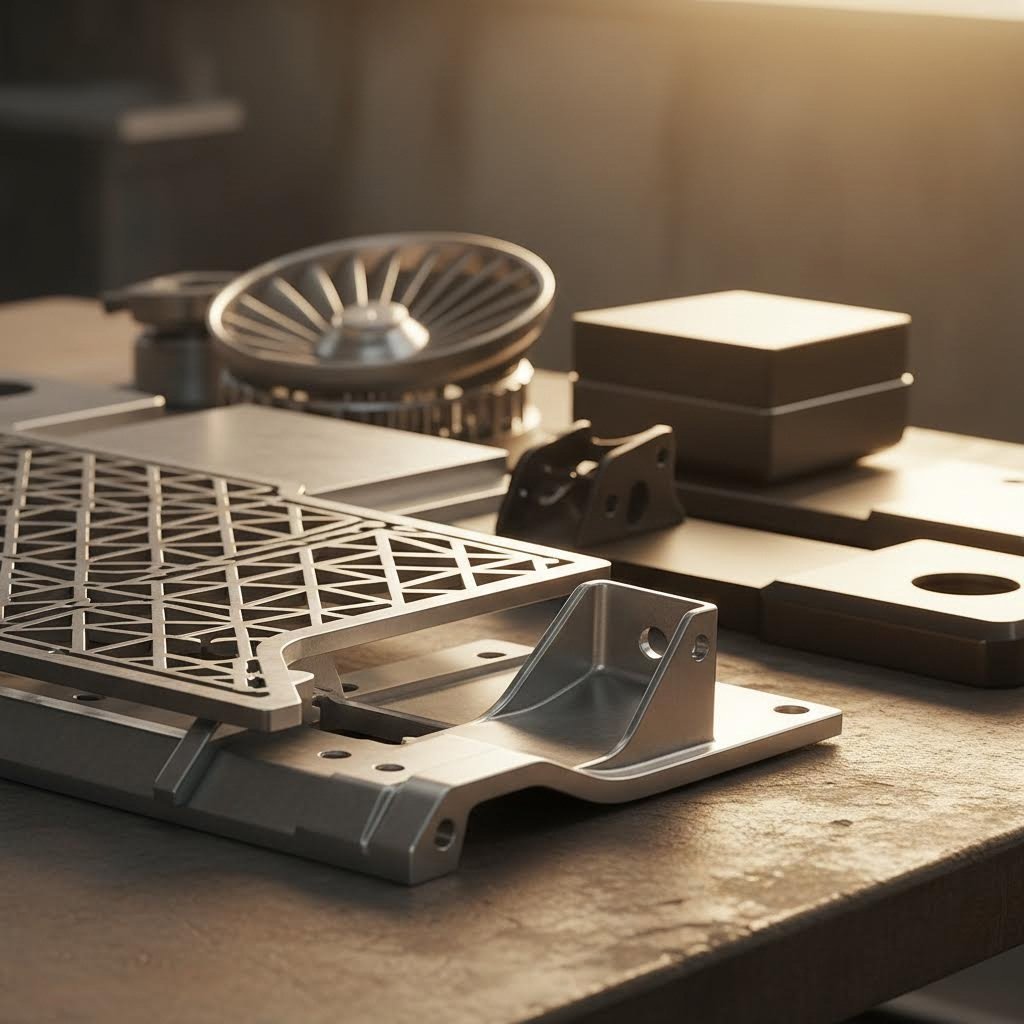
ऑटोमोटिव से लेकर आर्किटेक्चर तक उद्योग अनुप्रयोग
अब जब आप गुणवत्ता मानकों को समझ चुके हैं, यहाँ सब कुछ एक साथ आता है: वास्तविक दुनिया के अनुप्रयोग। कस्टम धातु लेजर कटिंग एक ही आकार वाली तकनीक नहीं है—अलग-अलग उद्योग इसकी क्षमताओं का उपयोग बहुत अलग-अलग तरीकों से करते हैं। इन क्षेत्र-विशिष्ट आवश्यकताओं को समझने से आप यह मूल्यांकन कर सकते हैं कि क्या आपकी परियोजना सिद्ध अनुप्रयोगों के अनुरूप है और उन उद्योगों से सर्वोत्तम प्रथाओं की पहचान कर सकते हैं जो दशकों से लेजर निर्माण को परिष्कृत कर चुके हैं।
माइक्रॉन-स्तर की सटीकता की आवश्यकता वाले चेसिस घटकों से लेकर सौंदर्य पूर्णता की मांग करने वाले कस्टम धातु संकेतों तक, प्रत्येक अनुप्रयोग अद्वितीय चुनौतियाँ लेकर आता है। आइए देखें कि प्रमुख उद्योग इस तकनीक का उपयोग कैसे करते हैं—और उनके दृष्टिकोणों से आप क्या सीख सकते हैं।
ऑटोमोटिव घटक अनुप्रयोग और आवश्यकताएँ
धातु निर्माण के लिए ऑटोमोटिव उद्योग एक सबसे अधिक मांग वाला वातावरण प्रस्तुत करता है। उद्योग विश्लेषण के अनुसार, पारंपरिक स्टैम्पिंग और डाई-कटिंग विधियां तेजी से बढ़ती मांग के साथ कदम से कदम मिलाकर चलने में असमर्थ थीं—जिसके कारण आधुनिक ऑटो निर्माण में लेजर कटिंग आवश्यक हो गई।
आज के ऑटोमोटिव अनुप्रयोग लगभग प्रत्येक वाहन प्रणाली में फैले हुए हैं:
- चेसिस और संरचनात्मक घटक: फ्लोर पैन, क्रॉसमेम्बर और प्रबलन ब्रैकेट्स को उच्च मात्रा वाले उत्पादन चक्रों में लगातार सटीकता की आवश्यकता होती है। लेजर कटिंग वह पुनरावृत्ति प्रदान करती है जो स्वचालित असेंबली लाइनों की मांग करती हैं।
- सस्पेंशन पार्ट्स: कंट्रोल आर्म, माउंटिंग ब्रैकेट और सबफ्रेम घटक साफ किनारों से लाभान्वित होते हैं जो तनाव संकेंद्रण को कम करते हैं और थकान जीवन को बेहतर बनाते हैं।
- बॉडी पैनल और ट्रिम: सटीक कट किनारे टाइटर पैनल गैप्स और बेहतर फिट-एंड-फिनिश को सक्षम करते हैं जो गुणवत्तापूर्ण वाहनों को विशिष्ट बनाते हैं।
- इलेक्ट्रॉनिक एन्क्लोज़र: आधुनिक वाहनों में दर्जनों इलेक्ट्रॉनिक कंट्रोल यूनिट होती हैं, जिनमें से प्रत्येक को संवेदनशील इलेक्ट्रॉनिक्स की रक्षा करने और ऊष्मा अपव्यय का प्रबंधन करने के लिए सटीक रूप से कटी धातु आवरण की आवश्यकता होती है।
- हल्केपन के अनुप्रयोग: ईंधन दक्षता की ओर उद्योग की प्रवृत्ति एल्युमीनियम और उन्नत उच्च-सामर्थ्य इस्पात जैसी हल्की सामग्री को अपनाने की ओर बढ़ रही है—ऐसी सामग्री जिसे लेजर कटिंग अत्यधिक अच्छी तरह से संभालती है।
ऑटोमोटिव अनुप्रयोगों को विशेष रूप से मांगने वाला क्या बनाता है? कड़े सहिष्णुता, उच्च मात्रा और पूर्ण गुणवत्ता स्थिरता का संयोजन। 100 में से 99 भागों पर स्वीकार्य चेसिस घटक बिल्कुल भी स्वीकार्य नहीं है—प्रत्येक टुकड़े को विनिर्देश को पूरा करना चाहिए।
इसीलिए ऑटोमोटिव निर्माता बढ़ते तौर पर एकीकृत क्षमताएं प्रदान करने वाले साझेदारों की तलाश कर रहे हैं। जब एक आपूर्तिकर्ता लेजर कटिंग और धातु स्टैम्पिंग दोनों एक ही छत के नीचे प्रदान करता है, तो घटक समाधान सरल हो जाते हैं। उदाहरण के लिए, शाओयी (निंगबो) मेटल टेक्नोलॉजी अनुकूल धातु स्टैम्पिंग को सटीक असेंबली के साथ जोड़ता है, जो 5-दिवसीय त्वरित प्रोटोटाइपिंग के साथ-साथ स्वचालित बड़े पैमाने पर उत्पादन की पेशकश करता है। उनका IATF 16949 प्रमाणन—वैश्विक ऑटोमोटिव गुणवत्ता मानक—इस बात की गारंटी देता है कि चेसिस, निलंबन और संरचनात्मक घटक प्रमुख OEM द्वारा मांगी गई सटीक आवश्यकताओं को पूरा करते हैं। व्यापक DFM समर्थन और 12 घंटे में उद्धरण प्रस्तुति के साथ, निर्माता डिज़ाइन और उत्पादन समयसीमा दोनों को एक साथ अनुकूलित कर सकते हैं।
एयरोस्पेस और रक्षा: जहां सटीकता अनिवार्य है
यदि ऑटोमोटिव कठिन है, तो एयरोस्पेस इसे बहुत अधिक बढ़ा देता है। मैककिनी मैन्युफैक्चरिंग के अनुसार, एयरोस्पेस में सटीकता केवल पसंद की बात नहीं है—यह एक आवश्यकता है, क्योंकि एक छोटी से त्रुटि पूरे सिस्टम को खराब कर सकती है।
एयरोस्पेस अनुप्रयोगों के लिए फाइबर लेजर कटिंग विशेष रूप से मूल्यवान साबित होती है:
- टर्बाइन घटक: टर्बाइन ब्लेड को सटीक रूप से काटना इंजन की दक्षता और सुरक्षा बनाए रखने के लिए आवश्यक है। विफलता के जोखिम को कम करने के लिए प्रत्येक ब्लेड को कठोर मानकों को पूरा करना चाहिए।
- एयरफ्रेम संरचनाएं: पंख के अनुभागों से लेकर फ्यूजलेज पैनलों तक, संरचनात्मक घटक हल्के और मजबूत दोनों होने चाहिए। लेज़र कटिंग आवश्यक परिशुद्धता प्राप्त करती है जबकि संरचनात्मक अखंडता बनाए रखती है।
- एवियोनिक्स एनक्लोज़र: बढ़ती जटिल इलेक्ट्रॉनिक्स को चरम परिस्थितियों में संवेदनशील प्रणालियों की रक्षा करने वाले नाजुक विवरणों वाले स्थायी आवरणों की आवश्यकता होती है।
- रक्षा उपकरण: सैन्य वाहन, हथियार प्रणाली और संचार उपकरण कठोर मानकों की मांग करते हैं जो फाइबर लेज़र कटिंग विश्वसनीय ढंग से प्रदान करती है।
एयरोस्पेस उद्योग को भी फाइबर लेज़र की विविध सामग्री को संसाधित करने की क्षमता से लाभ होता है—टाइटेनियम, स्टेनलेस स्टील, एल्यूमीनियम और उन्नत कंपोजिट्स सभी आधुनिक विमानों में दिखाई देते हैं। इस बहुमुखी प्रकृति के साथ-साथ न्यूनतम पश्च-प्रसंस्करण आवश्यकताओं के कारण उत्पादन समय और लागत दोनों कम होते हैं।
इलेक्ट्रॉनिक्स: लघुकरण परिशुद्धता से मिलता है
पॉकेट-साइज्ड स्मार्टफोन से लेकर अल्ट्रा-थिन लैपटॉप तक, उपभोक्ता इलेक्ट्रॉनिक्स की क्षमता में वृद्धि के साथ-साथ आकार में लगातार कमी हो रही है। यह लघुकरण प्रवृत्ति लेजर कटिंग अनुप्रयोगों के लिए आदर्श परिस्थितियाँ पैदा करती है।
प्रमुख इलेक्ट्रॉनिक्स अनुप्रयोगों में शामिल हैं:
- प्रिंटेड सर्किट बोर्ड (PCB) घटक: फाइबर लेजर कटर की सटीकता और दक्षता निर्माताओं को स्वच्छतम और सबसे सटीक कट बनाए रखते हुए छोटे लेकिन जटिल घटकों को तेजी से काटने में सक्षम बनाती है।
- उपकरण आवरण: इलेक्ट्रॉनिक आवासों के लिए शीट धातु निर्माण में सख्त सहिष्णुता और साफ किनारे की आवश्यकता होती है जो संवेदनशील आंतरिक घटकों में हस्तक्षेप न करें।
- हीट सिंक और थर्मल प्रबंधन: ऊष्मा अपव्यय के लिए जटिल ज्यामिति लेजर कटिंग की क्षमता से लाभान्वित होती है जो जटिल आंतरिक संरचनाओं को बनाने में सक्षम है।
- कनेक्टर शील्ड और ब्रैकेट: छोटे, सटीक घटक जो उपकरणों में इलेक्ट्रॉनिक कनेक्शन को स्थान देते हैं और उनकी सुरक्षा करते हैं।
- सोल्डर स्टेंसिल: लेजर-कट स्टेंसिल मशीनों को प्रत्येक पैड को अलग से लक्षित किए बिना जल्दी से PCB पैड को सोल्डर से ढकने की अनुमति देते हैं।
इलेक्ट्रॉनिक्स कार्य के लिए मेरे निकट स्थित धातु निर्माताओं की खोज करते समय, पतले गेज सामग्री और सूक्ष्म विशेषताओं की क्षमता वाले प्रदाताओं को प्राथमिकता दें। संरचनात्मक इस्पात निर्माण के लिए स्वीकार्य सहिष्णुता इलेक्ट्रॉनिक्स अनुप्रयोगों के लिए बहुत ढीली होती है।
वास्तुकला और सजावटी धातु परियोजनाएं
वास्तुकला और सजावटी अनुप्रयोग एयरोस्पेस के विपरीत छोर पर आते हैं—यहाँ, सटीकता के साथ-साथ दृष्टिगत आकर्षण भी उतना ही महत्वपूर्ण होता है। फिर भी, लेजर कटिंग दोनों दृष्टिकोणों में उत्कृष्ट प्रदर्शन करती है।
लेजर कटिंग वास्तुकला अनुप्रयोगों के लिए सेवा प्रदान करती है, जिनमें शामिल है:
- सजावटी पैनल और स्क्रीन: पारंपरिक कटिंग विधियों के साथ असंभव जटिल पैटर्न लेजर प्रौद्योगिकी के साथ सीधे हो जाते हैं। ज्यामितीय डिज़ाइन से लेकर जैविक अभिप्रेरणाओं तक, एकमात्र सीमा कल्पना है।
- फैसेड तत्व: भवन के बाहरी हिस्सों में लेजर-कट धातु पैनल बढ़ते रूप से शामिल किए जा रहे हैं जो मौसम प्रतिरोध के साथ-साथ दृष्टिगत प्रभाव को भी जोड़ते हैं।
- आंतरिक पार्टीशन: कस्टम धातु के संकेत और कमरे के विभाजक कार्यात्मक उद्देश्यों की सेवा करते हुए नाटकीय दृश्य प्रस्तुतियाँ बनाते हैं।
- रेलिंग और बेलस्ट्रेड: सटीक कट बैलस्टर पैटर्न सुरक्षा अनुपालन और सौंदर्य विशिष्टता दोनों को सक्षम करते हैं।
- प्रकाश उपकरण: जटिल लैंप शेड और प्रकाश प्रसारक जो प्रकाश को नियंत्रित और आकार देते हैं, साथ ही डिज़ाइन तत्व के रूप में कार्य करते हैं।
उद्योग स्रोतों के अनुसार, CO2 और फाइबर लेजर कटर दोनों वास्तुकला अनुप्रयोगों के लिए उपयुक्त हैं, क्योंकि कई भवन परियोजनाएं विभिन्न सामग्रियों का उपयोग करती हैं। फाइबर कटर धातु घटकों को संभालते हैं, जबकि CO2 प्रणाली लकड़ी, एक्रिलिक और अन्य सजावटी सामग्री को संबोधित करती है।
धातु निर्माण क्षेत्र व्यवसायों के लिए ध्यान आकर्षित करने वाले संकेत भी तैयार करता है—स्पष्ट और पठनीय सुरक्षा संकेतों से लेकर ग्राहकों को आकर्षित करने वाले आकर्षक प्रदर्शन तक। चाहे अनुपालन-आधारित हो या विपणन-केंद्रित, लेजर कटिंग इन अनुप्रयोगों की मांग के अनुसार सटीकता और पुनरावृत्ति प्रदान करती है।
साइनेज और ब्रांडिंग: धातु में बयान बनाना
लेजर कटिंग के सबसे दृश्यमान अनुप्रयोगों में से एक कस्टम धातु संकेत हैं। जब आप किसी इमारत के प्रवेश द्वार पर सटीकता से कटे धातु लोगो या अस्पताल के गलियारे में दिशा-निर्देश संकेत देखते हैं, तो आप लेजर निर्माण के काम को देख रहे होते हैं।
- कॉर्पोरेट साइनेज: स्टेनलेस स्टील, एल्युमीनियम या पीतल से कटे लोगो और ब्रांडिंग तत्व इमारतों के प्रवेश द्वार पर स्थायी प्रभाव डालते हैं।
- वेवफाइंडिंग सिस्टम: अस्पताल, हवाई अड्डे और बड़ी सुविधाएं ऐसे स्थायी धातु संकेतों पर निर्भर करते हैं जो भारी यातायात और सफाई को सहन कर सकते हैं।
- खुदरा प्रदर्शन: बिक्री केंद्र पर तत्व और उत्पाद प्रदर्शन लेजर कटिंग की क्षमता से लाभान्वित होते हैं जो जटिल, आकर्षक डिजाइन बना सकती है।
- सुरक्षा और अनुपालन संकेत: औद्योगिक सुविधाओं को नियामक आवश्यकताओं को पूरा करने वाले स्पष्ट और स्थायी संकेतों की आवश्यकता होती है।
उत्पादन और औद्योगिक अनुप्रयोग
विशिष्ट उद्योगों के अलावा, स्टील निर्माण और शीट धातु निर्माण अनगिनत विनिर्माण अनुप्रयोगों की सेवा करते हैं:
- मशीन गार्ड और कवर: सुरक्षा आवरण जो श्रमिकों की रक्षा करते हैं जबकि दृश्यता और वायु प्रवाह की अनुमति देते हैं।
- नियंत्रण पैनल: औद्योगिक उपकरणों में यंत्रों, स्विचों और डिस्प्ले के लिए सटीक कटाव वाले छेद।
- गैस्केट और सील: CO2 लेज़र द्वारा कटे गए गैर-धातु गैस्केट; फाइबर सिस्टम द्वारा प्रसंस्कृत धातु गैस्केट।
- प्रोटोटाइपिंग: उत्पादन टूलिंग पर जाने से पहले नए उत्पाद डिज़ाइन पर त्वरित पुनरावृत्ति।
- अप्लेसमेंट पार्ट्स: ओईएम भाग अनुपलब्ध या लागत-अतिरिक्त होने की स्थिति में उपकरण मरम्मत के लिए कस्टम वन-ऑफ घटक।
समुद्री और जहाज निर्माण
मरीन उद्योग सटीकता के साथ संक्षारण प्रतिरोध को जोड़ने वाली विशिष्ट आवश्यकताएं प्रस्तुत करता है। उद्योग स्रोतों के अनुसार , कानूनी रूप से संचालित होने के लिए जहाज निर्माता और मरीन निर्माता कठोर सहिष्णुता और नियमों के भीतर रहना चाहिए।
मरीन अनुप्रयोग में शामिल हैं:
- हल घटक: कठोर लवणीय जल वातावरण में उच्च सटीकता और टिकाऊपन दोनों की आवश्यकता वाले संरचनात्मक तत्व।
- डेक फिटिंग्स: गलफड़े, छॉक्स और अन्य उपकरण जो लवणीय धुंध के लगातार संपर्क को सहन कर सकें।
- आंतरिक पैनल: केबिन घटक जो समुद्री-ग्रेड टिकाऊपन के साथ-साथ सौंदर्य भी प्रदान करते हैं।
- कस्टम प्रतिस्थापन भाग: फाइबर लेजर कटर पुराने जहाजों के लिए कस्टम प्रतिस्थापन घटक बनाने में सक्षम होते हैं जब मूल भाग उपलब्ध नहीं होते।
जिसी लेजर कटिंग तकनीक से एक सटीक एयरोस्पेस टरबाइन ब्लेड बनता है, उसी से एक सजावटी वास्तुकला स्क्रीन या कस्टम मैरीन फिटिंग बनाई जा सकती है। आपके उद्योग की विशिष्ट आवश्यकताओं को समझना आपको सही प्रक्रिया के निर्दिष्ट करने और प्रासंगिक अनुभव वाले प्रदाताओं को खोजने में सहायता करता है।
चाहे आप ऑटोमोटिव असेंबली लाइनों के लिए चेसिस घटक उत्पादित कर रहे हों या खुदरा स्थापना के लिए कस्टम मेटल के साइन, मूलभूत प्रौद्योगिकी समान रहती है—केवल विशिष्टताएँ और गुणवत्ता आवश्यकताएँ बदलती हैं। अनुप्रयोगों को समझने के बाद, पहेली का अंतिम टुकड़ा आपकी परियोजनाओं को जीवंत करने के लिए सही सेवा भागीदार खोजना है।
सही कस्टम लेजर कटिंग सेवा भागीदार का चयन करना
आपने प्रौद्योगिकी पर महारत हासिल कर ली है, अपनी सामग्री का चयन किया है, डिज़ाइन फ़ाइलों को अनुकूलित किया है, और गुणवत्ता आवश्यकताओं को समझ लिया है। अब सबसे महत्वपूर्ण निर्णय आता है: वास्तव में आपके भागों का निर्माण कौन करेगा? एक उत्कृष्ट सेवा भागीदार और एक माध्यमिक एक के बीच का अंतर केवल मूल्य से कहीं अधिक फैला हुआ है—यह तय करता है कि आपकी परियोजना समय पर सफल होगी या देरी, पुनः कार्य और निराशा की एक श्रृंखला बन जाएगी।
जब आप 'मेरे पास लेज़र कटिंग' या 'धातु लेज़र कटिंग सेवाएं' खोज रहे होते हैं, तो आपको विकल्पों की कमी नहीं मिलेगी। लेकिन उन प्रदाताओं को कैसे अलग करें जो वास्तव में डिलीवर करते हैं और जो केवल वादे करते हैं? चलिए एक व्यवस्थित मूल्यांकन ढांचे पर चर्चा करते हैं जो विश्व-स्तरीय साझेदारों को जोखिम भरे विकल्पों से अलग करता है।
उपकरण क्षमताओं और प्रमाणनों का मूल्यांकन करना
किसी भी गुणवत्तापूर्ण 'मेरे पास लेज़र कटिंग सेवाएं' की खोज का आधार उपकरण है। lS Precision Manufacturing के उद्योग विशेषज्ञों के अनुसार कम-दर्जे या पुरानी लेज़र मशीनें खराब गतिशील प्रदर्शन उत्पन्न करती हैं—उच्च गति पर कटिंग हेड का दोलन आकृति की त्रुटियों का कारण बनता है जो सटीक पुर्जों को उपयोग के अयोग्य बना देती हैं।
आपको प्राथमिकता क्रम में इन बातों का आकलन करना चाहिए:
- उपकरण की आयु और क्षमता: आधुनिक फाइबर लेज़र प्रणाली ±0.1 मिमी की सहनशीलता के साथ चिकनी, अवशेष-मुक्त सतह प्रदान करती है। उपकरण की आयु, शक्ति रेटिंग और बिछौने के आकार के बारे में पूछें। वर्तमान तकनीक में निवेश करने वाले प्रदाता गुणवत्तापूर्ण परिणामों के प्रति अपनी प्रतिबद्धता दिखाते हैं।
- गुणवत्ता प्रमाणन: ऑटोमोटिव एप्लीकेशन के लिए, आईएटीएफ 16949 प्रमाणन अनिवार्य है—यह प्रमुख OEMs द्वारा स्वीकृत गुणवत्ता प्रणालियों, ट्रेसेबिलिटी और दोष रोकथाम प्रक्रियाओं के प्रलेखित होने का संकेत देता है। एयरोस्पेस के लिए AS9100 की तलाश करें। सामान्य विनिर्माण न्यूनतम ISO 9001 को पूरा करना चाहिए।
- सामग्री का ज्ञान: के अनुसार पिनाकल प्रिसिजन की मार्गदर्शिका , एक अनुभवी धातु निर्माण साझेदार विभिन्न सामग्रियों, निर्माण प्रक्रियाओं और उद्योग मानकों के बारे में ज्ञान लाता है। आपकी सामग्री और मोटाई के संयोजन के साथ अनुभव के बारे में विशेष रूप से पूछें।
- सुविधा निरीक्षण: सबसे सरल सत्यापन विधि उनके कारखाने की यात्रा करना या वीडियो टूर का अनुरोध करना है। उपकरण ब्रांडों, कार्यशाला के संगठन और संचालन मानकों पर नज़र रखें—ये सीधे क्षमता का संकेत देते हैं।
- नमूना मूल्यांकन: उनके द्वारा प्रसंस्कृत विभिन्न सामग्रियों के वास्तविक नमूने मांगें। कटिंग की सटीकता, सतह की गुणवत्ता, न्यूनतम छेद की दूरी और जले हुए निशान या विकृति की अनुपस्थिति की जांच करें।
मेरे निकट धातु निर्माण का मूल्यांकन करते समय, याद रखें कि प्रतिष्ठा का बहुत अधिक महत्व होता है। पीक डिजाइन के अनुसार, सस्ते निर्माताओं के साथ जोखिम न लें—एक अच्छी तरह से स्थापित कंपनी जिसका सिद्ध रिकॉर्ड हो, हर बार कम लागत वाले अज्ञात को हरा देती है।
उद्धरण पलटने के समय के बारे में संचालन क्या बताते हैं
यहाँ एक अंतर्दृष्टि है जिसे कई खरीदार नजरअंदाज कर देते हैं: आपके उद्धरण अनुरोध का जवाब देने में कोई प्रदाता कितनी जल्दी काम करता है, यह उनकी संचालन दक्षता के बारे में बहुत कुछ बताता है। एक साधारण अनुमान लौटाने में एक सप्ताह लगाने वाली कंपनी उत्पादन के दौरान भी उसी धीमेपन के साथ काम करने की संभावना रखती है।
गुणवत्तापूर्ण सीएनसी लेज़र कटिंग सेवाओं के प्रदाता आंतरिक संगठन को दर्शाते हुए प्रतिक्रियाशीलता प्रदर्शित करते हैं:
- त्वरित उद्धरण पलटना: अग्रणी प्रदाता दिनों के बजाय घंटों के भीतर विस्तृत उद्धरण लौटाते हैं। उदाहरण के लिए, शाओयी (निंगबो) मेटल टेक्नोलॉजी 12 घंटे के उद्धरण पलटने की पेशकश करता है—एक क्षमता जिसके लिए सुव्यवस्थित स्वागत प्रक्रियाओं, अनुभवी अनुमानकर्ताओं और कुशल संचार प्रणालियों की आवश्यकता होती है।
- विस्तृत लागत विश्लेषण: गुणवत्तापूर्ण उद्धरण लागतों, प्रक्रिया सिफारिशों और वास्तविक डिलीवरी समयसीमा को विस्तार से दर्शाते हैं, बजाय एकल-संख्या अनुमान प्रदान करने के जो अप्रत्याशित खर्च छिपाते हैं।
- प्रोत्साहनपूर्ण संचार: एलएस प्रिसिजन के अनुसार, पेशेवर परियोजना इंजीनियरों को पहले से तकनीकी समीक्षा प्रदान करनी चाहिए—उन संभावित समस्याओं की पहचान करना चाहिए जो उत्पादन समस्याओं में बदल सकती हैं।
जब मेरे निकटतम निर्माण दुकानें आपके व्यवसाय के लिए प्रतिस्पर्धा करती हैं, तो प्रतिक्रियाशीलता समग्र संचालन उत्कृष्टता के लिए एक विश्वसनीय सूचक बन जाती है।
निर्माण के लिए डिज़ाइन (DFM) समर्थन और त्वरित प्रोटोटाइपिंग क्षमताएँ
निर्माण के लिए डिज़ाइन (DFM) समर्थन लेन-देन वाले आपूर्तिकर्ताओं को वास्तविक निर्माण साझेदारों से अलग करता है। सर्वश्रेष्ठ प्रदाता केवल आपके भेजे गए डिज़ाइन को काटने के बजाय सक्रिय रूप से उन्हें लागत कम करने, उत्पादन समस्याओं को खत्म करने और परिणामों में सुधार करने के लिए बेहतर बनाते हैं।
व्यापक DFM समर्थन कैसे दिखता है?
- मुफ्त डिज़ाइन विश्लेषण: गुणवत्ता वाले प्रदाता आपके ड्राइंग्स की जांच कट की गुणवत्ता या लागत को प्रभावित करने वाले पहलुओं—तीखे किनारे, संकीर्ण झिर्रियाँ, न्यूनतम छिद्रों—के लिए करते हैं और उत्पादन शुरू होने से पहले अनुकूलन सुझाव प्रदान करते हैं।
- लागत में कमी के सुझाव: अनुभवी इंजीनियर ज्यामिति को सरल बनाने, सामग्री के उपयोग को अनुकूलित करने या कार्य को बिना प्रभावित किए सहिष्णुता समायोजित करने के अवसरों की पहचान करते हैं।
- जोखिम की पहचान: डिज़ाइन समीक्षा के दौरान पकड़ी गई समस्याओं का निवारण उत्पादन के दौरान पाई गई समस्याओं की तुलना में बहुत कम लागत वाला होता है।
डिज़ाइन की पुष्टि के लिए त्वरित प्रोटोटाइपिंग क्षमताएँ भी उतनी ही मूल्यवान हैं। बड़े पैमाने पर उत्पादन उपकरण या उच्च-मात्रा चलाने के लिए प्रतिबद्ध होने से पहले, आपको यह सुनिश्चित करने की आवश्यकता है कि आपका डिज़ाइन वास्तविक दुनिया में अभीष्ट अनुसार कार्य करता है। शाओयी जैसे प्रमुख प्रदाता 5-दिवसीय त्वरित प्रोटोटाइपिंग प्रदान करते हैं जो त्वरित पुनरावृत्ति को सक्षम करता है—डिज़ाइन का परीक्षण करना, सुधार की पहचान करना और बढ़ने से पहले फिट और कार्यक्षमता की पुष्टि करना।
जब आप विकल्प पर विचार करते हैं, तो यह प्रोटोटाइपिंग क्षमता महत्वपूर्ण हो जाती है: हजारों पुर्ज़े ऑर्डर करने के बाद डिज़ाइन दोषों की खोज करना। लागत में अंतर नाटकीय होता है।
एंड-टू-एंड क्षमताओं का मूल्यांकन
मेरे पास के लेज़र कटर सेवा की खोज करते समय, यह परखें कि क्या आपकी परियोजना केवल कटिंग से परे एकीकृत क्षमताओं से लाभान्वित होती है। LS प्रेसिज़न के अनुसार, एक गुणवत्तापूर्ण प्रदाता का मूल्य कटे हुए पुर्ज़े देने से कहीं अधिक फैला होता है—वास्तविक मूल्य एक स्टॉप-शॉप सुविधा के रूप में आपकी उत्पादन प्रक्रिया में एकीकरण से आता है।
व्यापक प्रदाता निम्नलिखित प्रदान करते हैं:
- उत्तर-प्रक्रिया सेवाएँ: एक ही छत के नीचे मोड़ना, वेल्डिंग, डीबरिंग और असेंबली आपूर्तिकर्ता समन्वय की परेशानियों को खत्म कर देती है और त्रुटि के अवसरों को कम करती है।
- सतह फीनिशिंग: पाउडर कोटिंग, इलेक्ट्रोप्लेटिंग और एनोडाइज़िंग क्षमताओं का अर्थ है कि तैयार पुर्ज़े—केवल कटे हुए ब्लैंक्स नहीं—एक ही स्रोत से शिप होते हैं।
- मात्रा लचीलापन: एकल-पीस प्रोटोटाइप से लेकर स्वचालित बड़े पैमाने पर उत्पादन तक, क्षमता आपकी वर्तमान आवश्यकताओं और विकास प्रवृत्ति के अनुरूप होनी चाहिए।
विशेष रूप से ऑटोमोटिव अनुप्रयोगों के लिए, लेजर कटिंग और धातु स्टैम्पिंग दोनों क्षमताएँ प्रदान करने वाले भागीदार—जैसे शाओयी के कस्टम धातु स्टैम्पिंग भागों और सटीक असेंबलियों के संयोजन—पूर्ण घटक समाधान प्रदान करते हैं, जो आपूर्ति श्रृंखला प्रबंधन को सरल बनाते हैं।
आपकी मूल्यांकन चेकलिस्ट
किसी भी प्रदाता के साथ प्रतिबद्ध होने से पहले, इन मानदंडों की प्रणालीगत जाँच करें:
- उपकरण क्षमता: आपकी सामग्री और मोटाई के लिए उपयुक्त आधुनिक फाइबर लेजर प्रणालियाँ
- गुणवत्ता प्रमाणन: ऑटोमोटिव के लिए IATF 16949; एयरोस्पेस के लिए AS9100; न्यूनतम ISO 9001
- सामग्री का ज्ञान: आपकी विशिष्ट सामग्री और मोटाई के साथ दस्तावेज़ीकृत अनुभव
- उद्धरण के प्रति त्वरित प्रतिक्रिया: 12–24 घंटे का टर्नअराउंड समय संचालनिक दक्षता को दर्शाता है
- DFM समर्थन: मुफ्त डिज़ाइन विश्लेषण और अनुकूलन सिफारिशें
- त्वरित प्रोटोटाइपिंग: डिज़ाइन मान्यीकरण के लिए 5 दिन या उससे भी तेज़ प्रोटोटाइप निर्माण क्षमता
- संदर्भ: ग्राहक संपर्क जो अपने अनुभव पर चर्चा करने के लिए तैयार हों
- सुविधा सत्यापन: क्षमताओं की पुष्टि करने के लिए साइट पर यात्रा या वीडियो टूर
- नमूना गुणवत्ता: वास्तविक कटिंग गुणवत्ता को दर्शाने वाले भौतिक नमूने
- एकीकृत सेवाएं: आपकी आवश्यकताओं के अनुरूप पोस्ट-प्रोसेसिंग और फ़िनिशिंग क्षमताएँ
सही लेजर कटिंग आपूर्तिकर्ता का चयन केवल मूल्य तुलना का प्रश्न नहीं है—यह एक रणनीतिक निर्णय है जो आपकी परियोजना को सफल या असफल कर सकता है।
सहयोगियों का उचित आकलन करने में आपके द्वारा किया गया निवेश पूरे परियोजना जीवनकाल में लाभ देता है। इन मापदंडों को पूरा करने वाला प्रदाता केवल एक आपूर्तिकर्ता से अधिक बन जाता है—वह आपकी विनिर्माण क्षमताओं का विस्तार बन जाता है, जो डिज़ाइनों को कुशलता और विश्वसनीयता के साथ सटीक घटकों में बदलने में मदद करता है।
अनुकूलित धातु लेजर कटिंग के बारे में अक्सर पूछे जाने वाले प्रश्न
1. धातु लेजर कटिंग कराने में कितना खर्च आता है?
कस्टम धातु लेजर कटिंग की लागत कई परस्पर जुड़े कारकों पर निर्भर करती है: सामग्री का प्रकार और मोटाई, कट की जटिलता और कुल पथ लंबाई, पियर्स बिंदुओं की संख्या, ऑर्डर की मात्रा और फिनिशिंग आवश्यकताएं। कई आंतरिक कटआउट वाले जटिल डिजाइनों की तुलना में एक साधारण आयताकार भाग की लागत काफी कम होती है। मात्रा प्रति इकाई मूल्य को भारी मात्रा में प्रभावित करती है—एक के बजाय 10 समान भाग ऑर्डर करने से सेटअप शुल्क को अधिक टुकड़ों में बांटकर लागत में 86% तक की कमी आ सकती है। सटीक बजट निर्माण के लिए, पूर्ण डिजाइन फ़ाइलें तैयार करें, सटीक सामग्री आवश्यकताओं को निर्दिष्ट करें और त्वरित उद्धरण पलटन की पेशकश करने वाले IATF 16949-प्रमाणित प्रदाताओं से उद्धरण अनुरोध करें।
2. क्या कोई लेजर है जो धातु को काट सकता है?
हाँ, फाइबर लेजर्स को विशेष रूप से धातु काटने के लिए डिज़ाइन किया गया है और ये उद्योग में मानक बन गए हैं। 1.064 माइक्रोमीटर तरंगदैर्ध्य पर काम करते हुए, फाइबर लेजर्स ऐसे अत्यंत सूक्ष्म स्पॉट आकारों में केंद्रित होते हैं जिन्हें धातुएँ दक्षतापूर्ण रूप से अवशोषित कर लेती हैं। ये स्टील, स्टेनलेस स्टील, एल्यूमीनियम, तांबा और पीतल को उत्कृष्ट सटीकता और गति के साथ काटते हैं। आधुनिक फाइबर प्रणालियाँ पतली सामग्रियों पर 20 मीटर प्रति मिनट तक की काटने की गति प्राप्त कर सकती हैं, जिनकी न्यूनतम रखरखाव आवश्यकताएँ होती हैं और जिनका जीवनकाल 100,000 घंटे तक पहुँच सकता है। CO₂ लेजर्स भी धातुओं को काट सकते हैं, लेकिन समर्पित धातु निर्माण के लिए वे कम कुशल हैं।
3. धातु काटने के लिए फाइबर और CO₂ लेजर्स में क्या अंतर है?
फाइबर लेज़र 1.064μm तरंग दैर्ध्य पर 35% तक की ऊर्जा दक्षता के साथ काम करते हैं, जो पतली धातुओं को CO₂ प्रणालियों की तुलना में तीन गुना तेज़ी से काट सकते हैं। वे एल्यूमीनियम और तांबे जैसी परावर्तक धातुओं के संसाधन में उत्कृष्ट प्रदर्शन करते हैं तथा न्यूनतम रखरखाव आवश्यकताओं के साथ कार्य करते हैं। CO₂ लेज़र 10.6μm तरंग दैर्ध्य पर 10-20% दक्षता के साथ काम करते हैं, जिससे वे लकड़ी, एक्रिलिक और प्लास्टिक्स के साथ धातुओं को काटने वाली मिश्रित सामग्री वाली दुकानों के लिए अधिक उपयुक्त बन जाते हैं। 25 मिमी मोटाई से कम के समर्पित धातु निर्माण के लिए, फाइबर लेज़र उत्कृष्ट गति, सटीकता और संचालन लागत के लाभ प्रदान करते हैं।
4. लेज़र कटिंग के लिए कौन-कौन सी सामग्री का उपयोग किया जा सकता है और उनकी चुनौतियाँ क्या हैं?
आम लेजर-कट धातुओं में माइल्ड स्टील (तेज प्रसंस्करण, उत्कृष्ट किनारे), स्टेनलेस स्टील (साफ कट, न्यूनतम फिनिशिंग की आवश्यकता), एल्युमीनियम (परावर्तकता के कारण फाइबर लेजर की आवश्यकता) और तांबा व पीतल (तापीय चालकता और परावर्तकता के कारण सबसे चुनौतीपूर्ण) शामिल हैं। प्रत्येक सामग्री लेजर ऊर्जा के अंतर्गत अलग-अलग तरीके से व्यवहार करती है। स्टेनलेस स्टील मोटाई के अनुसार सुसंगत परिणामों के साथ सबसे उपयुक्त विकल्प है। एल्युमीनियम के लिए उच्च शक्ति सेटिंग्स और नाइट्रोजन सहायक गैस की आवश्यकता होती है। तांबा विशेष पैरामीटर की मांग करता है और अक्सर पोस्ट-प्रोसेसिंग की आवश्यकता वाला निचले किनारे का ड्रॉस उत्पन्न करता है।
5. लेजर कटिंग के लिए मैं डिज़ाइन फ़ाइलें कैसे तैयार करूँ?
DXF प्रारूप में साफ़ 2D वेक्टर ज्यामिति से शुरुआत करें, इकाइयों और पैमाने को अभिप्रेत आयामों से मिलाने की पुष्टि करें। सभी वक्रों को सुचारु पॉलीलाइन में परिवर्तित करें, परतों को तार्किक रूप से व्यवस्थित करें (CUT, ENGRAVE, SCORE), डुप्लिकेट रेखाओं को हटा दें, और सुनिश्चित करें कि सभी आकृतियाँ पूरी तरह से बंद हों। सटीक असेंबली में कर्फ चौड़ाई को ध्यान में रखें, सुविधाओं को कम से कम सामग्री की मोटाई के बराबर चौड़ाई में डिज़ाइन करें, आंतरिक कोनों में छोटी कोने की त्रिज्या जोड़ें, और सुविधाओं के बीच पर्याप्त अंतर बनाए रखें। जमा करने से पहले, अपने निर्यातित DXF को एक अलग व्यूअर में खोलकर यह सुनिश्चित कर लें कि सब कुछ सही ढंग से अनुवादित हो गया है।