 Small batches, high standards. Our rapid prototyping service makes validation faster and easier —
  EN
EN


सीएनसी लेजर कटिंग सेवाएँ समझी गईं: कोटेशन से तैयार भाग तक
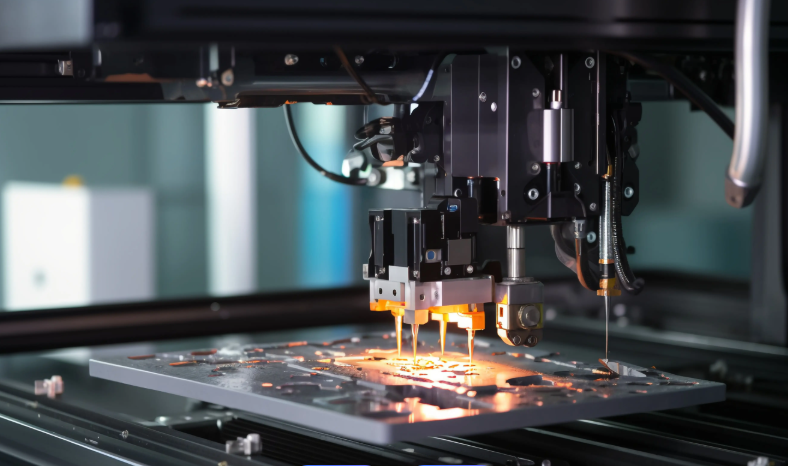
सीएनसी लेजर कटिंग क्या है और यह कैसे काम करती है
क्या आपने कभी देखा है कि प्रकाश की एक किरण घी में गर्म चाकू की तरह धातु को काट रही है? यही सीएनसी लेजर कटिंग का कार्य है। यह सटीक निर्माण प्रक्रिया फोकस्ड लेजर किरणों की शक्ति को कंप्यूटर-नियंत्रित स्वचालन के साथ जोड़ती है, जिससे ऐसे कट उत्पन्न होते हैं जिन्हें हाथ से किए गए तरीकों द्वारा प्राप्त नहीं किया जा सकता।
सीएनसी लेजर कटिंग एक अस्पर्श (नॉन-कॉन्टैक्ट), ऊष्मा-आधारित निर्माण प्रक्रिया है जो उच्च-शक्ति वाली लेजर किरण का उपयोग करती है—जिसे कंप्यूटर संख्यात्मक नियंत्रण (सीएनसी) प्रौद्योगिकी द्वारा नियंत्रित किया जाता है—जो सटीक रूप से प्रोग्राम किए गए मार्ग के अनुदिश सामग्री को पिघलाती, जलाती या वाष्पित करती है, और 0.1 मिमी के भीतर सहिष्णुता प्राप्त करती है।
तो लेजर कटिंग का मूल स्वरूप क्या है? इसे प्रकाश के साथ डिजिटल मूर्तिकल्पना के रूप में सोचें। पारंपरिक कटिंग विधियों के विपरीत, जो आपकी सामग्री के संपर्क में आने वाले भौतिक ब्लेड या उपकरणों पर निर्भर करती हैं, काटने के लिए लेजर मशीन यह संकेंद्रित तापीय ऊर्जा का उपयोग करता है। यह संपर्करहित दृष्टिकोण औजार के क्षरण को समाप्त कर देता है और अक्सर किसी द्वितीयक फ़िनिशिंग की आवश्यकता के बिना अत्यंत स्वच्छ किनारों का उत्पादन करता है।
सीएनसी प्रौद्योगिकी लेज़र कटिंग को कैसे बदलती है
यहाँ बातें रोचक हो जाती हैं। सीएनसी प्रौद्योगिकी के प्रवेश के पूर्व, लेज़र कटिंग के लिए निरंतर मैनुअल समायोजन और मार्गदर्शन की आवश्यकता होती थी। ऑपरेटर्स को लेज़र हेड को भौतिक रूप से निर्देशित करना पड़ता था, जिससे सटीकता पूर्णतः मानव कौशल पर निर्भर हो जाती थी। कल्पना कीजिए कि आप एक जटिल गियर पैटर्न को हाथ से काटने का प्रयास कर रहे हैं—थकाऊ और त्रुटि-प्रवण।
सीएनसी लेज़र कटिंग सब कुछ बदल देती है। यह प्रक्रिया इस प्रकार काम करती है:
- डिज़ाइन निर्माण: आप सीएडी (कंप्यूटर-सहायता प्राप्त डिज़ाइन) सॉफ़्टवेयर का उपयोग करके अपने भाग का डिज़ाइन बनाते हैं
- कोड रूपांतरण: डिज़ाइन को जी-कोड में रूपांतरित किया जाता है—एक प्रोग्रामिंग भाषा जिसे मशीन समझ सकती है
- स्वचालित निष्पादन: लेज़र सीएनसी प्रणाली ये निर्देश माइक्रोन-स्तर की सटीकता के साथ अनुसरण करती है
- दोहरावयोग्य परिणाम: चाहे आप एक टुकड़ा काट रहे हों या हज़ारों, प्रत्येक टुकड़ा समान ही निकलता है
यह स्वचालन का अर्थ है कि आपकी डिज़ाइन फ़ाइल प्रभावी रूप से ऑपरेटर बन जाती है। कंप्यूटर पूरे प्रक्रिया के दौरान गति के क्रम, कटिंग की गति और लेज़र शक्ति को नियंत्रित करता है। आप देखेंगे कि सैकड़ों दिशात्मक परिवर्तनों की आवश्यकता वाले जटिल पैटर्न बिना किसी व्यवधान के सुग्राही रूप से निष्पादित होते हैं—ऐसा कोई भी मानव हाथ लगातार दोहराने में सक्षम नहीं होगा।
सटीक लेज़र बीम के पीछे का विज्ञान
सीएनसी लेज़र कटिंग इतनी सटीक क्यों है? यह भौतिकी पर निर्भर करता है। एक लेज़र कटर लेज़र स्रोत के माध्यम से अत्यधिक तीव्रता वाले प्रकाश के एक स्तंभ को उत्पन्न करता है। यह बीम दर्पणों या फाइबर ऑप्टिक्स के माध्यम से गुज़रता है, जब तक कि यह कटिंग हेड में स्थित फोकसिंग लेंस तक नहीं पहुँच जाता है। लेंस यह सारी ऊर्जा को एक ऐसे फोकल बिंदु पर केंद्रित करता है जो कभी-कभी मानव बाल से भी छोटा हो सकता है।
जब यह केंद्रित किरण आपकी सामग्री से टकराती है, तो उस बिंदु पर ऊष्मा घनत्व इतना अधिक हो जाता है कि तीव्र तापन और आंशिक या पूर्ण वाष्पीकरण हो जाता है। इस बीच, संपीड़ित सहायक गैस—आमतौर पर ऑक्सीजन या नाइट्रोजन—लेज़र किरण के साथ-साथ नोज़ल के माध्यम से प्रवाहित होती है। यह गैस दो महत्वपूर्ण कार्य करती है: फोकसिंग लेंस को ठंडा करना और पिघली हुई सामग्री को बहा कर साफ कट एजेज़ बनाना।
परिणाम? अत्यधिक श्रेष्ठ किनारा गुणवत्ता और न्यूनतम ऊष्मा-प्रभावित क्षेत्रों के साथ कट। प्लाज्मा कटिंग या यांत्रिक सॉइंग के विपरीत, एक लेज़र कटर ऐसी चिकनी सतहें उत्पन्न करता है जिन्हें अक्सर कोई भी उत्तर-प्रसंस्करण की आवश्यकता नहीं होती है। उन उद्योगों के लिए जो कड़ी सहिष्णुता की मांग करते हैं—एयरोस्पेस, इलेक्ट्रॉनिक्स, चिकित्सा उपकरण—यह सटीकता केवल वांछनीय नहीं है, बल्कि आवश्यक है।
इन मूल बातों को समझने से आप सेवा प्रदाताओं के साथ अधिक प्रभावी ढंग से संवाद कर पाएंगे और यह निर्णय ले पाएंगे कि क्या सीएनसी लेज़र कटिंग आपकी परियोजना की आवश्यकताओं के अनुरूप है। आगामी खंडों में, हम उपलब्ध विभिन्न लेज़र प्रौद्योगिकियों की जाँच करेंगे और इन्हें आपकी विशिष्ट सामग्रियों और अनुप्रयोगों के साथ कैसे मिलाया जा सकता है, इस पर चर्चा करेंगे।
बेहतर निर्णय लेने के लिए लेज़र प्रौद्योगिकियों का विवरण
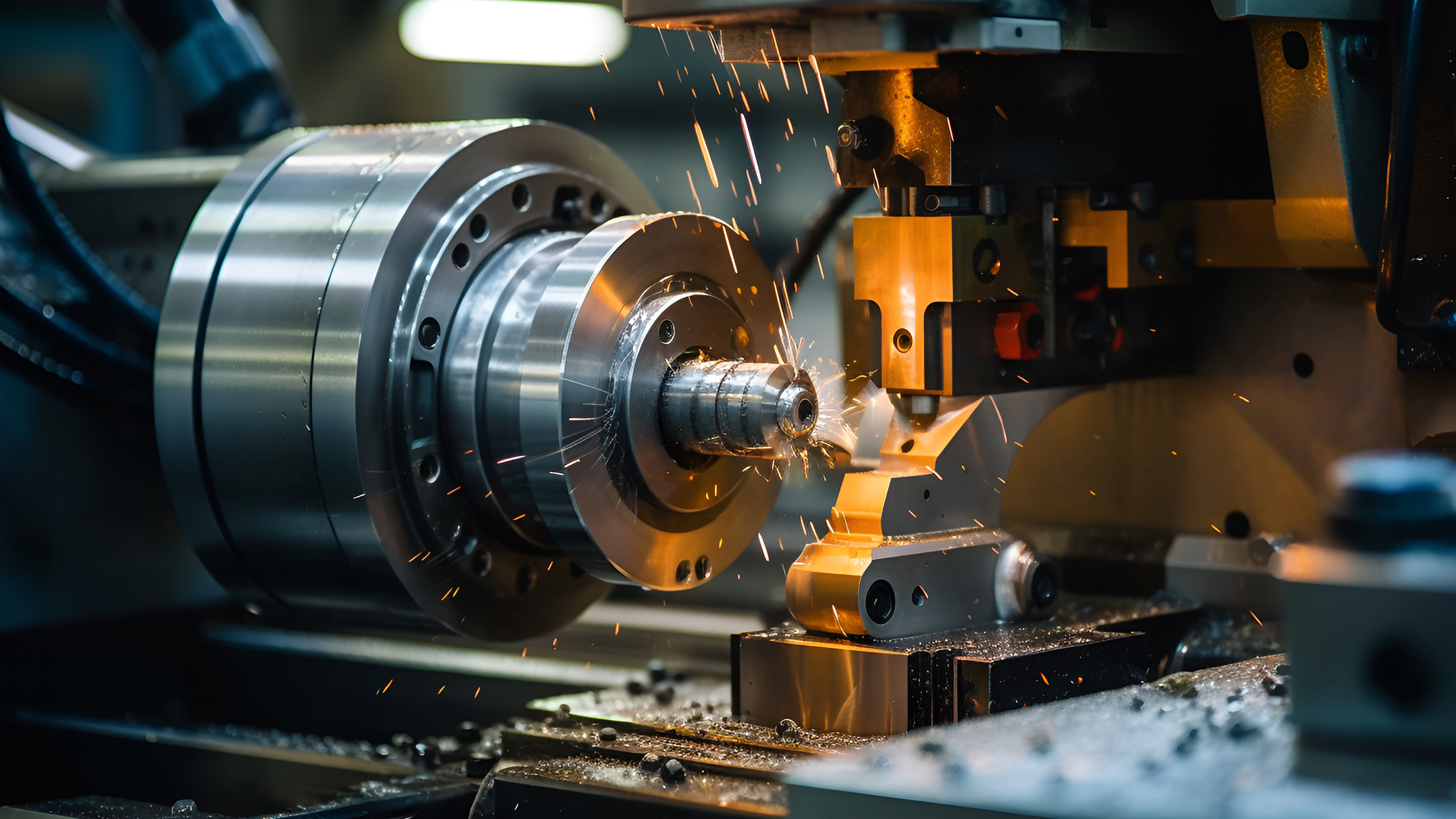
सही लेज़र प्रौद्योगिकि का चयन करना एक अच्छी तरह से भरे हुए उपकरण-बॉक्स से सही उपकरण का चयन करने के समान है। प्रत्येक प्रकार किसी विशिष्ट कार्य में उत्कृष्टता प्रदर्शित करता है, और इन अंतरों को समझने से आप सीएनसी लेज़र कटिंग सेवाओं के लिए अनुरोध करते समय अधिक सूझदार निर्णय ले पाते हैं। इस क्षेत्र में तीन प्रमुख लेज़र प्रौद्योगिकियाँ प्रभुत्व स्थापित करती हैं: CO2 लेज़र, फाइबर लेज़र और Nd:YAG लेज़र। आइए देखें कि प्रत्येक को क्या विशिष्ट बनाता है।
CO2 लेज़र: विविध सामग्री प्रसंस्करण के लिए
CO2 लेज़र दशकों से कटिंग उद्योग के काम करने वाले कार्यकर्ता रहे हैं ये प्रणालियाँ लेज़र की किरण उत्पन्न करने के लिए एक गैस मिश्रण—मुख्य रूप से कार्बन डाइऑक्साइड—का उपयोग करती हैं, जिसकी तरंगदैर्ध्य लगभग 10.6 माइक्रोमीटर होती है। यह लंबी तरंगदैर्ध्य CO₂ लेज़र को गैर-धात्विक सामग्रियों के संसाधन के लिए अत्यधिक प्रभावी बनाती है।
CO₂ लेज़र कटिंग मशीन के साथ कौन-सी सामग्रियाँ सबसे अच्छी तरह काम करती हैं? आप पाएँगे कि ये प्रणालियाँ निम्नलिखित सामग्रियों के साथ उत्कृष्ट प्रदर्शन करती हैं:
- लकड़ी, चमड़ा, कपड़ा और कागज़ जैसी कार्बनिक सामग्रियाँ
- एक्रिलिक, डेल्रिन और माइलार सहित प्लास्टिक
- रबर और कॉर्क
- ऑक्सीजन सहायता के साथ मोटी धातु की प्लेटें (10–20 मिमी या उससे अधिक)
क्या कोई समझौता है? CO₂ लेज़र की विद्युत दक्षता केवल 5–10% होती है, जिसका अर्थ है कि ये लेज़र प्रकाश के रूप में उत्सर्जित ऊर्जा की तुलना में 10 से 20 गुना अधिक विद्युत शक्ति का उपयोग करते हैं। Xometry के अनुसार, यह संचालन लागत को काफी प्रभावित करता है। हालाँकि, प्रारंभिक निवेश फाइबर विकल्पों की तुलना में काफी कम है—कभी-कभी समकक्ष कटिंग क्षमता के लिए 5 से 10 गुना कम महंगा।
फाइबर लेज़र धातु काटने में प्रमुख क्यों हैं?
यहाँ वे चीज़ें हैं जो किसी भी व्यक्ति के लिए रोमांचक हो जाती हैं जो मुख्य रूप से धातुओं के साथ काम करता है। फाइबर लेज़र धातु लेज़र कटर अनुप्रयोगों के लिए वर्तमान में सुनहरा मानक प्रस्तुत करते हैं। ये सॉलिड-स्टेट प्रणालियाँ ऑप्टिकल फाइबर का उपयोग करती हैं, जिनमें इटर्बियम जैसे दुर्लभ-पृथ्वी तत्वों को मिलाया गया होता है, जो लगभग 1.06 माइक्रोमीटर पर एक किरण उत्पन्न करते हैं—जो CO₂ तरंगदैर्ध्य की तुलना में लगभग दस गुना छोटी होती है।
तरंगदैर्ध्य का महत्व क्यों है? यह सब अवशोषण पर निर्भर करता है। धातुएँ 1 माइक्रोमीटर की छोटी तरंगदैर्ध्य को CO₂ की लंबी तरंगदैर्ध्य की तुलना में कहीं अधिक कुशलता से अवशोषित करती हैं। यह उच्च अवशोषण सीधे तौर पर तेज़ कटिंग गति में अनुवादित होता है। अनुसार SLTL ग्रुप , फाइबर लेज़र प्रतिस्थापन शक्ति वाले CO₂ लेज़र की तुलना में पतली शीट स्टील को दो से पाँच गुना तेज़ी से काट सकते हैं।
दक्षता के लाभ महत्वपूर्ण हैं:
- विद्युत दक्षता: आधुनिक फाइबर लेज़र 30–50% वॉल-प्लग दक्षता प्राप्त करते हैं, जबकि CO₂ प्रणालियों के लिए यह 10–15% होती है
- बिजली का सेवा: एक 6 किलोवाट फाइबर लेज़र लगभग 22 किलोवाट विद्युत शक्ति खींचता है, जबकि एक 6 किलोवाट CO₂ मशीन के लिए यह 65 किलोवाट होती है
- परियोजना: कोई दर्पण पुनः संरेखित करने की आवश्यकता नहीं है, कोई गैस फिर से भरने की आवश्यकता नहीं है, और डायोड पंप 100,000+ घंटे तक चलते हैं
- जीवनकाल: फाइबर लेजर आमतौर पर CO₂ उपकरणों की तुलना में कार्यात्मक आयु का लगभग 10 गुना समय प्रदान करते हैं
फाइबर प्रौद्योगिकी का उपयोग करने वाली एक लेजर कटिंग मशीन का धातु अनुप्रयोग एल्यूमीनियम, तांबा और पीतल जैसी प्रतिबिंबित करने वाली सामग्रियों को विशेष रूप से अच्छी तरह से संभालता है—ऐसी धातुएँ जो लंबी तरंगदैर्ध्य पर उच्च प्रतिबिंबन के कारण CO₂ प्रणालियों के लिए चुनौतीपूर्ण होती हैं। स्टील, स्टेनलेस स्टील या एल्यूमीनियम के प्रसंस्करण के लिए शीट मेटल लेजर कटिंग मशीन संचालनों में, फाइबर प्रौद्योगिकी गति, सटीकता और संचालन लागत का सर्वोत्तम संयोजन प्रदान करती है।
विशेष अनुप्रयोगों के लिए Nd:YAG लेजर
Nd:YAG (नियोडिमियम-डोप्ड इट्रियम एल्यूमीनियम गार्नेट) लेजर एक विशिष्ट निचले क्षेत्र में स्थित होते हैं। ये ठोस-अवस्था प्रणालियाँ फाइबर लेजर के समान तरंगदैर्ध्य (लगभग 1.06 माइक्रोमीटर) पर उत्सर्जित करती हैं, लेकिन लाभ माध्यम के रूप में क्रिस्टल का उपयोग करती हैं, ऑप्टिकल फाइबर के बजाय।
जबकि Nd:YAG प्रौद्योगिकी एक समय औद्योगिक कटिंग में प्रभुत्व स्थापित करती थी, फाइबर लेज़र्स ने अब आम उत्पादन के लिए इनका स्थान लगभग पूरी तरह से ले लिया है। इस परिवर्तन का क्या कारण है? Nd:YAG प्रणालियों में आमतौर पर नियमित रूप से फ्लैशलैंप की प्रतिस्थापन की आवश्यकता होती है, इनकी कुल दक्षता कम होती है, और — उद्योग स्रोतों के अनुसार — फाइबर विकल्पों की तुलना में इनकी बीम गुणवत्ता कम और विचलन अधिक होता है।
हालाँकि, Nd:YAG लेज़र्स अभी भी उन अनुप्रयोगों में उत्कृष्ट प्रदर्शन करते हैं जहाँ उच्च शिखर पल्स शक्ति सबसे अधिक महत्वपूर्ण होती है: एयरोस्पेस और रक्षा उत्पादन में सटीक वेल्डिंग, गहरी एन्ग्रेविंग और ड्रिलिंग अनुप्रयोग। इनकी शक्ति निरंतर कटिंग शक्ति के बजाय ऊर्जा के तीव्र आवेगों को प्रदान करने में निहित है।
लेज़र प्रौद्योगिकियों की तुलना एक नज़र में
जब आप मुख्य अंतरों को साइड-बाय-साइड देखते हैं, तो सही प्रौद्योगिकी का चयन करना आसान हो जाता है। यह तुलना आपको अपनी सामग्री की आवश्यकताओं को आपके अनुप्रयोग के लिए आदर्श धातु कटिंग लेज़र मशीन के साथ मिलाने में सहायता करती है:
| प्रौद्योगिकी प्रकार | सबसे अच्छे सामग्री | मोटाई सीमा | गति का फायदा | विशिष्ट अनुप्रयोग |
|---|---|---|---|---|
| Co2 लेजर | गैर-धातुएँ, प्लास्टिक, लकड़ी, मोटी धातु की प्लेटें | ऑक्सीजन सहायता के साथ धातुओं के लिए 25+ मिमी तक | धातुओं पर धीमा; कार्बनिक पदार्थों के साथ उत्कृष्ट प्रदर्शन | साइनेज, कपड़े, फर्नीचर, मोटी प्लेट प्रोसेसिंग |
| फाइबर लेजर | सभी धातुएँ, जिनमें प्रतिबिंबित करने वाले प्रकार (इस्पात, एल्युमीनियम, तांबा, पीतल) शामिल हैं | 20 मिमी या उससे कम के लिए आदर्श | पतली से मध्यम मोटाई की धातुओं पर CO₂ की तुलना में 2-5 गुना तेज़ | ऑटोमोटिव, इलेक्ट्रॉनिक्स, सटीक शीट मेटल, मेडिकल डिवाइसेज़ |
| Nd:YAG लेज़र | उच्च शिखर शक्ति के पल्स की आवश्यकता वाली धातुएँ | परिवर्तनशील; गहरी प्रवेश के लिए उपयुक्त | निरंतर कटिंग गति सीमित | एयरोस्पेस वेल्डिंग, गहरी एन्ग्रेविंग, सटीक ड्रिलिंग |
मुख्य बात क्या है? यदि आपके प्रोजेक्ट मुख्य रूप से धातु काटने से संबंधित हैं—विशेष रूप से पतली से मध्यम मोटाई की शीट्स के लिए—तो फाइबर प्रौद्योगिकि का उपयोग करने वाला धातु के लिए लेज़र कटर सबसे अच्छा मूल्य प्रस्ताव प्रदान करता है। लकड़ी, एक्रिलिक और कभी-कभार धातु के कार्य को संसाधित करने वाली मिश्रित सामग्री की दुकानों के लिए, CO2 अभी भी एक बहुमुखी और लागत-प्रभावी विकल्प बना हुआ है। इन अंतरों को समझने से आप सेवा प्रदाताओं के साथ अधिक उत्पादक वार्ताएँ करने में सक्षम होंगे और अंततः अपने धातु परियोजनाओं के लिए लेज़र कटिंग मशीन से बेहतर परिणाम प्राप्त कर पाएँगे।
अब जब आप विभिन्न लेज़र प्रणालियों के पीछे की प्रौद्योगिकि को समझ चुके हैं, तो अगला महत्वपूर्ण कदम इन क्षमताओं को अपनी विशिष्ट सामग्री आवश्यकताओं के साथ मिलाना है।
लेज़र कटिंग के लिए पूर्ण सामग्री संगतता मार्गदर्शिका
क्या आपकी सामग्री को लेज़र काटा जा सकता है? आप अकेले नहीं हैं। सामग्री संगतता जब भी सीएनसी लेज़र कटिंग सेवाओं का मूल्यांकन किया जाता है, तो यह सबसे आम प्रश्नों में से एक है। उत्तर कई कारकों पर निर्भर करता है: सामग्री का प्रकार, मोटाई, लेज़र प्रौद्योगिकी और उपलब्ध शक्ति। आइए सटीक रूप से समझें कि क्या काम करता है—और क्यों।
फाइबर लेज़र प्रौद्योगिकी के साथ धातुओं के लेज़र कटिंग क्षमताओं में विस्तार अत्यधिक हुआ है। इस बीच, CO2 लेज़र गैर-धातु प्रसंस्करण में अभी भी प्रमुख स्थिति में हैं। इन अंतरों को समझना आपको सही सेवा प्रदाता का चयन करने और अपनी परियोजना के लिए वास्तविक अपेक्षाएँ निर्धारित करने में सहायता करता है।
धातु की मोटाई सीमाएँ और कटिंग पर विचार
धातुओं की लेज़र कटिंग के संदर्भ में, मोटाई क्षमता मुख्य रूप से लेज़र शक्ति पर निर्भर करती है। उच्च वाटेज का अर्थ है मोटे कट—लेकिन यह संबंध रैखिक नहीं है। ऊष्मा चालकता और परावर्तकता जैसे गुण भी महत्वपूर्ण भूमिका निभाते हैं।
आप निम्नलिखित सामान्य धातुओं के लिए निम्नलिखित अपेक्षित परिणाम प्राप्त कर सकते हैं:
- कार्बन स्टील: लेजर काटने के लिए सबसे आसान धातु। प्रवेश स्तर के 500W-1.5kW फाइबर लेजर 3 मिमी तक की शीट्स को संभाल सकते हैं। मध्य-श्रेणी के 3kW-6kW प्रणालियाँ 12-16 मिमी तक की प्लेट्स को कुशलतापूर्वक प्रसंस्कृत करती हैं। उच्च-शक्ति वाली मशीनें (10kW-40kW) 25 मिमी से अधिक मोटी प्लेट्स को काट सकती हैं।
- रसोई बदला: इसके तापीय गुणों के कारण कार्बन स्टील की तुलना में लगभग 20-30% अधिक शक्ति की आवश्यकता होती है। एक 6kW फाइबर लेजर आमतौर पर स्टेनलेस स्टील को 10-12 मिमी तक काट सकता है, जबकि 10kW+ प्रणालियाँ 20 मिमी या उससे अधिक मोटाई को संभाल सकती हैं। स्टेनलेस स्टील के लेजर कटिंग से नाइट्रोजन सहायक गैस के साथ उत्कृष्ट किनारे की गुणवत्ता प्राप्त होती है।
- एल्युमिनियम: उच्च प्रतिबिंबन और ऊष्मा चालकता के कारण एल्यूमीनियम के लेजर कटिंग की आवश्यकता अधिक कठिन होती है। फाइबर लेजर यहाँ अपनी छोटी तरंगदैर्ध्य (1.07 µm) के कारण उत्कृष्ट प्रदर्शन करते हैं, जिसे एल्यूमीनियम अधिक सहजता से अवशोषित करता है। 3kW शक्ति के साथ 6-8 मिमी और 10kW+ प्रणालियों के साथ 15-20 मिमी तक की कटिंग क्षमता की अपेक्षा की जाती है। अनुसार लॉन्गशिन लेजर , अपनी अधिकतम मोटाई की आवश्यकताओं से थोड़ी अधिक शक्ति वाले लेजर का चयन करने से सुसंगत प्रदर्शन सुनिश्चित होता है।
- तांबा और पीतल: ये अत्यधिक परावर्तक धातुएँ एक समय काफी गंभीर चुनौतियाँ पैदा करती थीं। आजकल के आधुनिक फाइबर लेजर, जिनमें प्रतिपरावर्तन सुरक्षा होती है, उन्हें सुरक्षित रूप से काट सकते हैं। तांबे के लिए, 3 किलोवाट प्रणालियों के साथ 2–4 मिमी और उच्च शक्ति प्रणालियों के साथ 6–8 मिमी की कटिंग मोटाई की अपेक्षा की जा सकती है। पीतल की कटिंग क्षमता लगभग समान होती है, लेकिन इसकी अवशोषण दर थोड़ी बेहतर होती है।
लेजर द्वारा एल्यूमीनियम काटने की प्रक्रिया को विशेष ध्यान देने की आवश्यकता होती है। शुद्ध एल्यूमीनियम की परावर्तकता एल्यूमीनियम मिश्र धातुओं की तुलना में अधिक होती है। अनुसार डापेंग लेजर , श्रृंखला 7 और 8 की एल्यूमीनियम मिश्र धातुएँ शुद्ध एल्यूमीनियम की तुलना में कम परावर्तकता प्रदर्शित करती हैं और इन्हें काटना आसान होता है।
परावर्तक सामग्री की चुनौतियों का सामना करना
तांबा, एल्यूमीनियम और पीतल क्यों समस्याएँ पैदा करते हैं? उनकी चिकनी सतहें लेजर ऊर्जा को काटने वाले सिर की ओर वापस परावर्तित कर देती हैं, बजाय उसे अवशोषित करने के। यह परावर्तन कटिंग दक्षता को कम करता है और यदि मशीन में उचित सुरक्षा नहीं है, तो ऑप्टिकल घटकों को क्षति पहुँचा सकता है।
आधुनिक फाइबर लेजर प्रणालियाँ इन चुनौतियों का सामना कई तंत्रों के माध्यम से करती हैं:
- पल्स कटिंग मोड: ऊर्जा को लगातार तरंगों के बजाय छोटे, नियंत्रित विस्फोटों में प्रदान करता है। प्रत्येक पल्स एक छोटे से क्षेत्र को पिघलाता है, जबकि पल्सों के बीच ठंडा होने का समय प्रदान करता है—जिससे खतरनाक प्रतिध्वनि (बैक-रिफ्लेक्शन) के लिए उपलब्ध ऊर्जा कम हो जाती है।
- परावर्तन-रोधी सुरक्षा: उन्नत प्रणालियों में प्रतिध्वनि (बैक-रिफ्लेक्शन) निगरानी और लेज़र स्रोत की सुरक्षा हेतु स्वचालित बंद करने की सुविधाएँ शामिल हैं।
- अनुकूलित फोकस स्थिति: थोड़ा सकारात्मक फोकस प्रतिबिंबित सतहों को प्रभावी ढंग से भेदने में सहायता करता है।
- सतह तैयारी: कटिंग से पहले तेल, ऑक्सीकरण और फिल्म कोटिंग्स को हटाने से ऊर्जा अवशोषण में सुधार होता है तथा प्रतिबिंबन कम होता है।
के अनुसार BCAMCNC , पल्स मोड गैर-लौह धातुओं से बनी धातु की शीट्स को लेज़र काटने के दौरान अधिक स्थिर प्रवेश, कम प्रतिबिंबित ऊर्जा, साफ किनारों और मशीन घटकों के लिए बेहतर सुरक्षा प्रदान करता है।
लेज़र प्रसंस्करण के लिए उपयुक्त गैर-धातु सामग्री
जबकि फाइबर लेजर्स धातु काटने में प्रभुत्व स्थापित करते हैं, गैर-धातु सामग्री के लिए CO2 लेजर्स अभी भी वरीयता का विकल्प बने हुए हैं। उनकी 10.6 माइक्रोमीटर तरंगदैर्ध्य कार्बनिक और संश्लेषित सामग्रियों में कुशलतापूर्ण अवशोषण करती है, जो फाइबर लेजर ऊर्जा को सिर्फ परावर्तित कर देंगी।
- एक्रिलिक (PMMA): लेजर काटने के लिए सबसे अच्छी सामग्रियों में से एक। 1 मिमी से 25 मिमी या उससे अधिक मोटाई तक के नमूनों पर ज्वाला-पॉलिश किए गए, क्रिस्टल-स्पष्ट किनारों का उत्पादन करता है। कास्ट एक्रिलिक, एक्सट्रूडेड संस्करणों की तुलना में बेहतर परिणाम देता है।
- लकड़ी और एमडीएफ: घनत्व के आधार पर 20–25 मिमी तक साफ़ कटाव प्रदान करता है। बर्च पाइवुड जैसी हल्की लकड़ियाँ घने कठोर लकड़ियों की तुलना में तेज़ी से कटती हैं। किनारों पर कुछ जलने की संभावना होती है—एक विशिष्ट सौंदर्यिक विशेषता जिसे कई डिज़ाइनर स्वीकार करते हैं।
- प्लास्टिक: डेल्रिन, माइलर और कुछ पॉलिएस्टर अच्छी तरह कटते हैं। हालाँकि, पीवीसी और विनाइल से बचा जाना चाहिए—गर्म करने पर ये विषैली क्लोरीन गैस निकालते हैं।
- कपड़ा और चमड़ा: जटिल पैटर्न के लिए आदर्श। लेजर काटने से सिंथेटिक कपड़े के किनारे सील हो जाते हैं, जिससे फ्रेयरिंग (किनारों का फैलना) रोका जाता है।
- कागज और गत्ता: प्रोटोटाइपिंग, पैकेजिंग और विस्तृत सजावटी कार्य के लिए उत्तम।
शक्ति-मोटाई-गति संबंध
लेजर शक्ति, सामग्री की मोटाई और कटिंग की गति के बीच पारस्परिक क्रिया को समझना आपको उद्धरणों का मूल्यांकन करने और वास्तविक समयसीमा निर्धारित करने में सहायता करता है। यह संबंध एक मौलिक सिद्धांत का पालन करता है: मोटी सामग्री के लिए या तो अधिक शक्ति या धीमी गति की आवश्यकता होती है—अक्सर दोनों की।
कार्बन स्टील के साथ इस व्यावहारिक उदाहरण पर विचार करें:
- एक 3 किलोवाट फाइबर लेजर 8-10 मीटर प्रति मिनट की गति से 3 मिमी स्टील काटता है
- वही लेजर केवल 1-2 मीटर प्रति मिनट की गति से 10 मिमी स्टील काटता है
- 6 किलोवाट तक अपग्रेड करने से मोटी सामग्री पर गति दोगुनी हो जाती है, जबकि गुणवत्ता बनी रहती है
इसीलिए उच्च-शक्ति उपकरण वाले सेवा प्रदाता अक्सर मोटी प्लेट के कार्य पर बेहतर मूल्य प्रदान करते हैं—वे केवल तेज़ी से काट नहीं रहे हैं, बल्कि कम ऊष्मा विकृति के साथ बेहतर किनारे की गुणवत्ता भी प्राप्त कर रहे हैं।
उत्पादन मात्रा में लेज़र कट मेटल शीट्स के लिए, आपकी सामग्री की मोटाई के अनुसार सही लेज़र शक्ति का चयन लागत अनुकूलन के लिए आवश्यक हो जाता है। कम शक्ति वाले सिस्टम धीमी गति के साथ कंपेंसेट करते हैं, जिससे साइकिल समय और श्रम लागत बढ़ जाती है। अधिक शक्ति वाले सिस्टम पतली सामग्री पर ऊर्जा का अपव्यय करते हैं। यह आदर्श बिंदु अनुप्रयोग के अनुसार भिन्न होता है।
आपके पास उपलब्ध सामग्री विकल्पों और उनकी सीमाओं के बारे में जानकारी होने से आप सेवा प्रदाताओं के साथ अधिक प्रभावी ढंग से संवाद कर सकते हैं। अगले चरण में, हम इन प्रक्रियाओं द्वारा प्राप्त की जा सकने वाली सटीकता सहिष्णुताओं (टॉलरेंस) की जाँच करेंगे—जो उन सभी के लिए महत्वपूर्ण जानकारी है जो इंजीनियरिंग विनिर्देशों को पूरा करने वाले भागों का डिज़ाइन कर रहे हैं।
सटीकता क्षमताएँ और सहिष्णुता विनिर्देश
जब आपके भागों को पूर्णतः फिट होना आवश्यक हो—जैसे एक-दूसरे में फँसने वाले घटक या कम खाली स्थान वाले संयोजन—तो सटीकता वैकल्पिक नहीं है; यह सब कुछ है। सीएनसी लेज़र कटिंग सेवाओं द्वारा प्राप्त की जा सकने वाली सहिष्णुता विनिर्देशों को समझना आपको यह निर्धारित करने में सहायता करता है कि क्या यह विनिर्माण विधि आपकी इंजीनियरिंग आवश्यकताओं को पूरा करती है।
अच्छी खबर: सटीक लेज़र कटिंग उत्कृष्ट आयामी शुद्धता प्रदान करती है। अनुसार Accurl , कटिंग सहिष्णुता आमतौर पर ±0.005 इंच (लगभग ±0.127 मिमी) के भीतर होती है, जिससे यह उपलब्ध सबसे सटीक थर्मल कटिंग प्रक्रियाओं में से एक बन जाती है। तुलना के लिए, प्लाज्मा कटिंग आमतौर पर केवल ±0.020 इंच की सहिष्णुता प्राप्त करती है—जो चार गुना कम सटीक है।
इंजीनियरिंग अनुप्रयोगों के लिए सहिष्णुता विनिर्देशों को समझना
आपके लेज़र-कट स्टेनलेस स्टील के भागों को उन कड़ी सहिष्णुताओं को प्राप्त करने के लिए क्या निर्धारित करता है? कई अंतर्संबद्ध कारक यहाँ प्रभाव डालते हैं:
- सामग्री का प्रकार: धातुएँ आमतौर पर प्लास्टिक या लकड़ी की तुलना में बेहतर परिशुद्धता प्रदान करती हैं। स्टेनलेस स्टील और एल्यूमीनियम जैसी सामग्रियाँ लेज़र कटिंग के प्रति अनुकूल रूप से प्रतिक्रिया करती हैं, जबकि लकड़ी का परिवर्तनशील घनत्व असंगतियाँ उत्पन्न कर सकता है।
- द्रव्य का गाढ़ापन: पतली सामग्रियाँ आमतौर पर कड़ी सहिष्णुताएँ प्राप्त करती हैं। जैसे-जैसे मोटाई बढ़ती है, लेज़र बीम का हल्का शंक्वाकार आकार अधिक स्पष्ट हो जाता है, जिससे कट के निचले भाग पर आयामी शुद्धता प्रभावित होती है।
- लेजर प्रकार: फाइबर लेजर्स धातु अनुप्रयोगों के लिए CO2 प्रणालियों की तुलना में उत्कृष्ट बीम गुणवत्ता और फोकस क्षमता प्रदान करते हैं। अकरुल के अनुसार, लेजर कटिंग 10-20 माइक्रॉन तक फोकस कर सकती है, जिससे अत्यंत जटिल और विस्तृत कार्य संभव हो जाते हैं।
- कटिंग गति: उच्च गति के कारण थोड़े भिन्नता आ सकती है। आदर्श गति सेटिंग्स उत्पादकता और परिशुद्धता की आवश्यकताओं के बीच संतुलन बनाती हैं।
- सहायता गैस का चयन: ऑक्सीजन, नाइट्रोजन और संपीड़ित वायु प्रत्येक किनारे की गुणवत्ता और आयामी शुद्धता को अलग-अलग तरीके से प्रभावित करती हैं। स्टेनलेस स्टील पर नाइट्रोजन आमतौर पर सबसे स्वच्छ कट उत्पन्न करती है।
- फोकस स्थिति: सामग्री की सतह पर सटीक फोकस संकरे कट बनाता है, जबकि गहरे फोकस स्थितियाँ कर्फ को चौड़ा कर सकती हैं।
उच्चतम लेजर कटिंग परिशुद्धता की आवश्यकता वाले स्टेनलेस स्टील (ss) कटिंग अनुप्रयोगों के लिए, अपनी सहनशीलता आवश्यकताओं को पहले से ही स्पष्ट कर दें। प्रतिष्ठित सेवा प्रदाता अपने उपकरणों की कैलिब्रेशन करते हैं और विशिष्ट आयामी आवश्यकताओं को पूरा करने के लिए पैरामीटर्स को समायोजित करते हैं।
कर्फ चौड़ाई: वह छुपा हुआ आयाम जो आपके भागों को प्रभावित करता है
यहाँ कुछ ऐसा है जिसे कई डिज़ाइनर अक्सर नज़रअंदाज़ कर देते हैं: लेज़र कटिंग की चौड़ाई शून्य नहीं होती है। कटिंग के दौरान हटाए गए सामग्री के हिस्से—जिसे 'कर्फ' (kerf) कहा जाता है—आपके अंतिम भाग के आयामों को सीधे प्रभावित करता है। इसे अनदेखा कर देने पर, आपके सावधानीपूर्ण डिज़ाइन किए गए भाग अपने निर्धारित अनुसार एक-दूसरे में फिट नहीं होंगे।
अकरुल (Accurl) के अनुसार, लेज़र कटिंग कर्फ की चौड़ाई लेज़र शक्ति और सामग्री की मोटाई के आधार पर 0.004 इंच (लगभग 0.1 मिमी) तक संकरी हो सकती है। हालाँकि, एक्सटूल यह बताता है कि कर्फ की चौड़ाई सामग्री की श्रेणी के आधार पर काफी भिन्न होती है:
- धातुः आमतौर पर उच्च ऊष्मा प्रतिरोध के कारण 0.15 मिमी से 0.38 मिमी तक
- लकड़ी और प्लास्टिक: आमतौर पर इन सामग्रियों के अधिक आसानी से जलने के कारण 0.25 मिमी से 0.51 मिमी तक
कर्फ चौड़ाई को क्या प्रभावित करता है? xTool के शोध में कई प्रमुख कारकों की पहचान की गई है। लेज़र स्पॉट आकार प्राथमिक निर्धारक के रूप में कार्य करता है—कर्फ चौड़ाई आमतौर पर बीम व्यास के बराबर या उससे थोड़ी अधिक होती है। सामग्री की मोटाई भी महत्वपूर्ण है; चूँकि लेज़र बीम का आकार थोड़ा शंक्वाकार होता है, इसलिए वे गहराई में प्रवेश करने के साथ-साथ फैल जाते हैं, जिससे मोटी सामग्री के तल पर सतह की तुलना में कर्फ चौड़ा हो जाता है।
शक्ति और गति एक दिलचस्प तरीके से परस्पर क्रिया करते हैं। लेज़र शक्ति बढ़ाने से कर्फ चौड़ाई बढ़ जाती है, क्योंकि अधिक केंद्रित ऊर्जा अधिक सामग्री को हटा देती है। हालाँकि, काटने की गति को एक साथ बढ़ाने से वास्तव में कर्फ चौड़ाई कम हो सकती है—उच्च शक्ति सेटिंग के बावजूद, लेज़र किसी एक बिंदु पर कम समय तक रहता है।
लेज़र कट मेटल शीट्स के डिज़ाइन के समय, कट पाथ को ऑफ़सेट करके कर्फ की भरपाई करें। अधिकांश CAD सॉफ़्टवेयर इसे स्वचालित रूप से संभाल लेते हैं, बशर्ते आप अपेक्षित कर्फ मान इनपुट कर दें। सटीक लेज़र कटिंग अनुप्रयोगों के लिए, अपने सेवा प्रदाता से अपने सामग्री प्रकार और मोटाई के आधार पर विशिष्ट कर्फ चौड़ाई का अनुरोध करें।
किनारे की गुणवत्ता और ऊष्मा-प्रभावित क्षेत्र के मामले
आकारिक सटीकता के अतिरिक्त, किनारे की गुणवत्ता यह निर्धारित करती है कि क्या भागों को असेंबली के लिए तैयार माना जा सकता है या उन्हें द्वितीयक फ़िनिशिंग की आवश्यकता है। अनुसार, सेनफेंग लेजर पाँच मुख्य पहलू कटिंग गुणवत्ता को परिभाषित करते हैं: चिकनाहट, बर्र्स, कटिंग गैप, ऊर्ध्वाधर कोण और ऊष्मा-प्रभावित क्षेत्र।
इंजीनियरिंग अनुप्रयोगों के लिए ऊष्मा-प्रभावित क्षेत्र (HAZ) विशेष ध्यान देने योग्य है। कट के चारों ओर का यह क्षेत्र ऊष्मीय परिवर्तनों का अनुभव करता है, जिससे रंग परिवर्तन, सामग्री की कमज़ोरी या अवांछित संरचनात्मक परिवर्तन हो सकते हैं। छोटा HAZ बेहतर कटिंग गुणवत्ता और संरक्षित सामग्री गुणों को दर्शाता है।
किनारों के बारे में क्या? ये छोटे उभरे हुए किनारे कट के नीचले भाग के साथ गलित धातु-अवशेष (स्लैग) के जमने से बनते हैं। सेनफेंग लेज़र के अनुसार, अधिक मोटी सामग्री, पर्याप्त वायु दाब की कमी या असंगत फीड गति जैसे कारक किनारों के निर्माण में योगदान देते हैं। महत्वपूर्ण किनारों वाले भागों के लिए अतिरिक्त डीबरिंग कार्य की आवश्यकता होती है—जिससे श्रम घंटे और लागत में वृद्धि होती है।
ऊर्ध्वाधर कोण—कट की लंबवतता—निर्धारित करता है कि भाग एक-दूसरे के साथ कितनी अच्छी तरह से फिट होते हैं। मोटे कार्य-टुकड़ों के साथ लंबवतता बनाए रखना अधिक चुनौतीपूर्ण होता है। लेज़र कटिंग इस्पात शीट अनुप्रयोगों के लिए, जहाँ पूर्णतः ऊर्ध्वाधर किनारों की आवश्यकता होती है, कोटेशन के लिए अनुरोध करते समय इस आवश्यकता को विशिष्ट रूप से बताएँ।
मुख्य बात? जब पैरामीटर्स को उचित रूप से अनुकूलित किया जाता है, तो सटीक लेज़र कटिंग असाधारण सटीकता प्रदान करती है। सहिष्णुता (टॉलरेंस), कर्फ संकल्पना (kerf compensation) और किनारे की गुणवत्ता की विशेषताओं को समझना आपको ऐसे भागों के डिज़ाइन करने में सहायता करता है जो इन क्षमताओं का पूर्ण लाभ उठाएँ—और अपनी विशिष्ट आवश्यकताओं के बारे में सेवा प्रदाताओं के साथ प्रभावी ढंग से संवाद करें। अगले चरण में, हम डिज़ाइन दिशानिर्देशों का अध्ययन करेंगे जो आपके स्वयं के परियोजनाओं में इन सटीक क्षमताओं को अधिकतम करने में सहायता करते हैं।
डिज़ाइन दिशानिर्देश और फ़ाइल तैयारी के सर्वोत्तम अभ्यास
कल्पना कीजिए कि आप घंटों तक एक डिज़ाइन को पूर्ण करने में लगाते हैं, किंतु अंततः विकृत किनारों, अपूर्ण छिद्रों या उन विशेषताओं वाले भाग प्राप्त करते हैं जो सरलता से फिट नहीं होते। यह निश्चित रूप से निराशाजनक है, है ना? एक सफल लेज़र कट शीट मेटल परियोजना और एक महँगी गलती के बीच का अंतर अक्सर इतना ही होता है कि आपका डिज़ाइन कटिंग प्रक्रिया के भौतिकी को कितनी अच्छी तरह से ध्यान में रखता है।
यह समझना कि कुछ डिज़ाइन नियम क्यों मौजूद हैं—केवल यह नहीं कि वे क्या हैं—आपको पहली बार में साफ़-साफ़ कटिंग करने वाले भाग बनाने में सहायता करता है। आइए उन महत्वपूर्ण दिशानिर्देशों पर एक नज़र डालें जो उत्पादन-तैयार डिज़ाइनों को समस्याग्रस्त डिज़ाइनों से अलग करते हैं।
विनिर्माण समस्याओं को रोकने वाले महत्वपूर्ण डिज़ाइन नियम
आपके द्वारा किया गया प्रत्येक डिज़ाइन निर्णय इस बात को प्रभावित करता है कि लेज़र आपकी सामग्री के साथ कैसे प्रतिक्रिया करता है। सबसे आम—और महंगी—विनिर्माण समस्याओं से बचने के लिए इन दिशानिर्देशों का प्राथमिकता क्रम में पालन करें:
- न्यूनतम छिद्र व्यास, सामग्री की मोटाई के बराबर या उससे अधिक होना चाहिए। इसका क्या महत्व है? जब आप सामग्री की मोटाई से छोटे छिद्र को काटते हैं, तो लेज़र किरण का थोड़ा शंक्वाकार आकार किनारों की खराब गुणवत्ता और आकार में अशुद्धि का कारण बनता है। Xometry के अनुसार, 10 मिमी मोटी स्टील में 8 मिमी का छिद्र डिज़ाइन करने से गुणवत्ता प्रभावित होती है। 3 मिमी से कम मोटाई वाली पतली सामग्री के लिए, कम से कम 1.5 मिमी व्यास के छिद्रों का लक्ष्य रखें।
- गर्मी के केंद्रीकरण को रोकने के लिए कोनों पर वक्रता त्रिज्या (रेडियस) जोड़ें। तीव्र आंतरिक कोने लेज़र को रुकने और दिशा बदलने के लिए मजबूर करते हैं, जिससे उस बिंदु पर ऊष्मा केंद्रित हो जाती है। इससे तनाव वृद्धि क्षेत्र (स्ट्रेस राइज़र्स) और संभावित सामग्री कमजोरी उत्पन्न होती है। आंतरिक कोनों पर न्यूनतम 0.5 मिमी की त्रिज्या—या कम से कम सामग्री की मोटाई के आधे के बराबर त्रिज्या—जोड़ने से ऊष्मीय तनाव अधिक समान रूप से वितरित होता है।
- कटिंग के बीच पर्याप्त दूरी बनाए रखें। घनिष्ठ रूप से स्थित कटिंग पथ, विशेष रूप से मोटी सामग्रियों में, समस्याएँ उत्पन्न करते हैं। Xometry के अनुसार, कम गलनांक वाली सामग्रियाँ कटिंग के बीच स्थानीय गलन, विरूपण या वाष्पीकरण का अनुभव कर सकती हैं। धातुओं के लिए विशेषताओं को कम से कम सामग्री की मोटाई के 1.5 गुना दूरी पर रखें, और उत्पादन मात्रा में जाने से पहले घनिष्ठ रूप से स्थित डिज़ाइनों का परीक्षण करें।
- अपने डिज़ाइन में कर्फ चौड़ाई की भरपाई करें। याद रखें कि लेज़र कटिंग के दौरान सामग्री को हटा दिया जाता है। यदि आपके डिज़ाइन में दो भागों को सटीक रूप से एक-दूसरे में फिट करने की आवश्यकता है, तो कटिंग पथ को कर्फ चौड़ाई के आधे माप से ऑफ़सेट करें। अधिकांश लेज़र कटिंग मशीनों में धातुओं के लिए कर्फ 0.15 मिमी से 0.38 मिमी के बीच होता है। यदि आपको कोई संदेह हो, तो अपने सेवा प्रदाता से उनके विशिष्ट कर्फ मान पूछें।
- मानक सामग्री मोटाई का उपयोग करें। कोमाकट के अनुसार, लेज़र कटर्स को मानक आकारों के लिए कैलिब्रेट किया जाता है, जिससे ये सामग्रियाँ अधिक लागत-प्रभावी और आसानी से उपलब्ध हो जाती हैं। मानक 3 मिमी के बजाय कस्टम 3.2 मिमी की मोटाई के लिए डज़नों या सैकड़ों शीट्स की न्यूनतम ऑर्डर मात्रा की आवश्यकता हो सकती है, डिलीवरी के लिए दिनों के बजाय सप्ताह लग सकते हैं, और काफी अधिक मूल्य प्रीमियम लागू हो सकता है।
- उन भागों के लिए टैब डिज़ाइन करें जो गिर सकते हैं। छोटे भाग प्रसंस्करण के दौरान कटिंग बेड की जाली के माध्यम से गिर सकते हैं। भागों को आसपास की शीट से जोड़ने वाले छोटे टैब जोड़ने से—आमतौर पर 0.5–1 मिमी चौड़ाई के—उन्हें स्थान पर रखा जा सकता है, जिससे बाद में आसानी से हटाना संभव हो जाता है।
जब आप इन दिशानिर्देशों की अनदेखी करते हैं तो क्या होता है? सामान्य परिणामों में शामिल हैं:
- विमानुसार विनिर्देशों को पूरा न करने वाले छेद
- टूटे हुए या तनाव-उत्पन्न दरार वाले कोने
- अत्यधिक ऊष्मा निर्माण के कारण विकृत सामग्री
- कर्फ की गलत गणना के कारण सही ढंग से असेंबल न हो पाने वाले भाग
- महंगे पुनर्कार्य की आवश्यकता वाले अस्वीकृत बैच
लेज़र कटिंग सफलता के लिए अपनी CAD फ़ाइलों का अनुकूलन
यहाँ तक कि एक आदर्श डिज़ाइन भी विफल हो जाती है यदि आपकी फ़ाइल लेज़र कटिंग CNC मशीन पर सही ढंग से अनुवादित नहीं होती है। फ़ाइल तैयारी का महत्व डिज़ाइन के समान ही होता है। यहाँ बताया गया है कि इसे सही ढंग से कैसे किया जाए।
स्वीकृत फ़ाइल प्रारूप
अधिकांश CNC लेज़र कटिंग सेवाएँ इन वेक्टर-आधारित प्रारूपों को स्वीकार करती हैं:
- DXF (ड्रॉइंग एक्सचेंज फॉर्मेट): उद्योग मानक। CAD प्रणालियों और लेज़र कटिंग सॉफ़्टवेयर के लगभग सभी प्लेटफ़ॉर्मों पर सार्वभौमिक संगतता।
- DWG: नेटिव ऑटोकैड प्रारूप। व्यापक रूप से स्वीकृत, लेकिन कुछ मशीनों के लिए इसका रूपांतरण आवश्यक हो सकता है।
- एआई (एडोब इलस्ट्रेटर): ग्राफिक डिज़ाइन-उन्मुख परियोजनाओं और साइनेज के लिए सामान्य।
- SVG (स्केलेबल वेक्टर ग्राफिक्स): वेब-आधारित डिज़ाइन उपकरणों और कुछ लेज़र शीट मेटल कटर प्रणालियों के लिए उपयोगी।
के अनुसार डेटम मिश्रधातु , CAD फ़ाइलें केवल 2D ड्रॉइंग्स होनी चाहिए—कोई शीर्षक ब्लॉक, माप रेखाएँ या अतिरिक्त टिप्पणियाँ नहीं। अतिरिक्त विशिष्टताएँ अलग PDF दस्तावेज़ों के रूप में प्रदान करें।
फ़ाइल तैयारी चेकलिस्ट
अपनी फ़ाइलें लेज़र कटर शीट मेटल सेवा को सौंपने से पहले, इन महत्वपूर्ण तत्वों की जाँच करें:
- केवल निरंतर रेखाओं का उपयोग करें। टूटी हुई, डैश वाली या डुप्लिकेट रेखाएँ लेज़र कटिंग सॉफ़्टवेयर को भ्रमित करती हैं। डेटम मिश्र धातुओं के अनुसार, लेज़र टूटे हुए पथों की व्याख्या नहीं कर सकते, जिससे सफ़ाई की आवश्यकता पड़ती है जो आपकी परियोजना में देरी कर देती है।
- 1:1 पैमाने पर निर्यात करें। हमेशा वास्तविक आकार में फ़ाइलें सौंपें। पैमाने का असंगत होना भागों के बहुत छोटे या बहुत बड़े कटने का कारण बनता है—जो उत्पादन चलाने के लिए एक महंगी गलती है।
- ओवरलैपिंग ज्यामिति को समाप्त करें। डुप्लिकेट लाइनों के कारण लेज़र एक ही पथ को दो बार काटता है, जिससे किनारों को नुकसान पहुँचता है और प्रोसेसिंग समय बर्बाद होता है।
- टेक्स्ट को आउटलाइन में बदलें। फ़ॉन्ट्स सिस्टमों के बीच सही तरीके से स्थानांतरित नहीं हो सकते हैं। टेक्स्ट को वेक्टर पाथ में बदलने से यह सुनिश्चित होता है कि आपका अक्षर-विन्यास डिज़ाइन के अनुसार ही कटेगा।
- वेक्टर प्रारूप का उपयोग करें, बिटमैप नहीं। Xometry के अनुसार, वेक्टर छवियों में डिज़ाइन के किनारों को गणितीय व्यंजकों द्वारा परिभाषित किया जाता है, जबकि बिटमैप फ़ाइलें पिक्सेल्स में रिज़ॉल्व होती हैं। कटिंग से पहले बिटमैप छवियों को वेक्टर प्रारूप में बदलना आवश्यक है—एक प्रक्रिया जो त्रुटियों को जन्म दे सकती है।
लीड-इन्स को समझना
यहाँ एक ऐसी बात है जिसकी अधिकांश डिज़ाइनर्स अपेक्षा नहीं करते: लेज़र को आपके भाग की ज्यामिति के बाहर एक प्रारंभिक बिंदु की आवश्यकता होती है। Datum Alloys के अनुसार, लीड-इन एक छोटा सा प्रवेश पथ है जिसका उपयोग लेज़र सुचारू रूप से कटिंग शुरू करने के लिए करता है, जिससे किनारे पर एक सूक्ष्म "पिप" छोड़ा जाता है। अधिकांश सेवा प्रदाता इन्हें स्वचालित रूप से जोड़ देते हैं, लेकिन यदि किसी विशिष्ट किनारे पर कोई साक्ष्य चिह्न (विटनेस मार्क) नहीं होना चाहिए, तो इस आवश्यकता को पहले से ही स्पष्ट रूप से संचारित कर देना चाहिए।
अपनी फ़ाइलों को सही तरीके से तैयार करने के लिए समय निकालना लाभदायक होता है। स्वच्छ, उचित रूप से स्वरूपित डिज़ाइन तेज़ी से प्रसंस्कृत होते हैं, उद्धरण तैयार करने के समय को कम करते हैं और आपके शीट मेटल लेज़र कटिंग प्रोजेक्ट में देरी का कारण बनने वाली त्रुटियों के जोखिम को कम करते हैं। जब आपका डिज़ाइन अनुकूलित हो जाता है और फ़ाइलें तैयार हो जाती हैं, तो अगला कदम यह समझना है कि लेज़र कटिंग वैकल्पिक विधियों की तुलना में कैसे कार्य करती है—प्रत्येक प्रोजेक्ट के लिए सही प्रक्रिया का चयन करने के लिए यह ज्ञान आवश्यक है।
लेज़र कटिंग बनाम वैकल्पिक कटिंग विधियाँ
जटिल लगता है? कटिंग प्रौद्योगिकियों के बीच चयन करना आवश्यक नहीं है कि यह ओवरव्हेल्मिंग हो। प्रत्येक विधि—लेज़र, प्लाज्मा, वॉटरजेट, ईडीएम और सीएनसी राउटिंग—विशिष्ट परिस्थितियों में उत्कृष्ट प्रदर्शन करती है। इन अंतरों को समझने से आप अपने प्रोजेक्ट के लिए सही प्रक्रिया का चयन कर सकते हैं, बजाय एक ही आकार के सभी के लिए उपयुक्त समाधान को जबरन लागू करने के।
सच तो यह है कि कोई भी एकल कटिंग प्रौद्योगिकि हर समय विजयी नहीं होती है। धातु काटने वाला लेज़र पतली शीट्स पर अतुलनीय सटीकता प्रदान करता है, जबकि प्लाज्मा में महंगाई के केवल एक छोटे हिस्से पर मोटी स्टील की प्लेट्स को काटने की क्षमता होती है। आइए देखें कि प्रत्येक विधि कब सबसे उपयुक्त होती है।
जब लेजर कटिंग वैकल्पिक विधियों पर भारी पड़ती है
जब सटीकता और किनारे की गुणवत्ता सबसे अधिक महत्वपूर्ण होती है, तो स्टील लेज़र कटिंग और अन्य लेज़र धातु कटिंग अनुप्रयोग प्रभुत्व स्थापित करते हैं। वुर्थ मशीनरी के अनुसार, यदि आप ऐसे भाग बना रहे हैं जिनमें साफ किनारे, छोटे छेद या जटिल आकृतियाँ आवश्यक हैं, तो लेज़र का उपयोग करना सही विकल्प है।
लेज़र कटिंग इन विशिष्ट परिस्थितियों में उत्कृष्ट प्रदर्शन करती है:
- पतली से मध्यम मोटाई की शीट धातु: 10 मिमी से कम मोटाई की सामग्री के लिए, लेज़र धातु कटिंग प्रक्रियाएँ अत्यधिक गति और सटीकता प्रदान करती हैं, जिनका मुकाबला अन्य विधियाँ करने में असमर्थ होती हैं।
- जटिल पैटर्न और सूक्ष्म विवरण: केंद्रित लेज़र किरण ऐसी विशेषताएँ बनाती है जिन्हें प्लाज्मा या वॉटरजेट द्वारा साफ़ तरीके से पुनरुत्पादित करना संभव नहीं है।
- उच्च-मात्रा उत्पादन: उच्च कटिंग गति—पतली शीट्स पर प्रति मिनट 5 मीटर तक—लेज़र को बड़े पैमाने पर उत्पादन के लिए आदर्श बनाती है।
- न्यूनतम पोस्ट-प्रोसेसिंग आवश्यकताएँ: साफ, बुर्र-मुक्त किनारे अक्सर द्वितीयक समापन प्रक्रियाओं को समाप्त कर देते हैं।
- मिश्रित सामग्री वाली दुकानें: CO2 लेज़र एक ही मशीन के साथ धातुओं, प्लास्टिक, लकड़ी और कपड़े को संभालते हैं।
के अनुसार ऑक्सीजन सर्विस कंपनी लेज़र कटर्स अत्यधिक सटीक होते हैं और बहुत कम कचरा उत्पन्न करते हैं, जिससे प्लाज्मा विकल्पों की तुलना में न्यूनतम सफाई और सुरक्षा उपायों की आवश्यकता होती है।
वैकल्पिक कटिंग तकनीकों को समझना
प्लाज्मा कटिंग: मोटी धातु का चैंपियन
जब आपको मोटी चालक धातुओं को तेज़ी से और किफायती तरीके से काटने की आवश्यकता होती है, तो प्लाज्मा कटिंग अग्रणी स्थिति में होती है। वुर्थ मशीनरी के अनुसार, यदि आप ½-इंच स्टील प्लेट या उससे मोटी काट रहे हैं, तो प्लाज्मा सबसे अच्छी गति और लागत दक्षता प्रदान करता है।
प्लाज्मा कटर्स धातु को पिघलाने और उसे फटाने के लिए एक विद्युत चाप और संपीड़ित गैस का उपयोग करते हैं। प्रमुख लाभों में शामिल हैं:
- 1 इंच से अधिक मोटाई की स्टील प्लेट पर उत्कृष्ट प्रदर्शन
- उपकरण लागत में काफी कमी—समान आकार की वॉटरजेट प्रणालियों की तुलना में लगभग $90,000 के मुकाबले $195,000
- संरचनात्मक निर्माण के लिए उच्च उत्पादन दरें
कॉम्प्रोमाइज़? सटीकता प्रभावित होती है। प्लाज्मा कटिंग में टॉलरेंस लगभग ±0.020 इंच होता है—जो लेज़र कटिंग की तुलना में लगभग चार गुना कम सटीक है। इसके अतिरिक्त, कर्मचारियों को दृष्टि को नुकसान पहुँचा सकने वाले हानिकारक विद्युत चुम्बकीय विकिरण के कारण अतिरिक्त सुरक्षा उपायों की आवश्यकता होती है।
वॉटरजेट कटिंग: सार्वत्रिक कटर
वॉटरजेट प्रौद्योगिकि उच्च दबाव वाले पानी को अपघर्षक कणों के साथ मिलाकर लगभग किसी भी सामग्री—इस्पात से लेकर पत्थर तक—को काटने के लिए उपयोग की जाती है, बिना किसी ऊष्मा के उत्पादन के। वुर्थ मशीनरी के अनुसार, वॉटरजेट बाज़ार का आकार 2034 तक 2.39 अरब डॉलर से अधिक पहुँचने का अनुमान है, जो इसकी अद्वितीय क्षमताओं के प्रति बढ़ती मांग को दर्शाता है।
जब वॉटरजेट चुनें:
- ऊष्मा से होने वाले क्षति से बचा जाना चाहिए—कोई विरूपण, कठोरीकरण या ऊष्मा-प्रभावित क्षेत्र नहीं होना चाहिए
- आप पत्थर, कांच या कॉम्पोजिट जैसी गैर-धातु सामग्रियों को काट रहे हैं
- एयरोस्पेस या खाद्य प्रसंस्करण अनुप्रयोगों के लिए सामग्री की अखंडता महत्वपूर्ण है
- मोटी सामग्रियों के लिए ऐसी सटीकता की आवश्यकता होती है जिसे प्लाज्मा कटिंग प्राप्त नहीं कर सकती
हालांकि, जल-जेट कटिंग प्लाज्मा की तुलना में धीमी है—परीक्षणों से पता चलता है कि प्लाज्मा 1 इंच के इस्पात को 3–4 गुना तेज़ी से काटता है। संचालन लागत भी अधिक होती है, और जल तथा कार्बरेसिव मिश्रण के कारण सफाई करना समय लेने वाली हो सकती है।
वायर ईडीएम: अत्यधिक सटीकता विशेषज्ञ
वायर ईडीएम (इलेक्ट्रिकल डिस्चार्ज मशीनिंग) एक विशिष्ट क्षेत्र में कार्य करती है, जहाँ सहनशीलता माइक्रॉन में मापी जाती है। टिरैपिड के अनुसार, वायर ईडीएम ±0.001 मिमी से ±0.005 मिमी के बीच की सहनशीलता प्राप्त करती है—जो किसी भी थर्मल कटिंग विधि की तुलना में कहीं अधिक कड़ी है।
यह प्रौद्योगिकी सामग्री को नियंत्रित विद्युत डिस्चार्ज के माध्यम से क्षरित करने के लिए एक पतले धातु के तार को इलेक्ट्रोड के रूप में उपयोग करती है। यह निम्नलिखित कार्यों के लिए उत्कृष्ट है:
- जटिल आंतरिक ज्यामिति और जटिल प्रोफाइल
- कठोर उपकरण इस्पात और टाइटेनियम जैसी अत्यधिक कठोर सामग्रियाँ
- सतह की खुरदराहट Ra 0.4 μm जितनी कम होने की आवश्यकता वाले भाग
- 600 मिमी तक मोटी चालक सामग्रियाँ
प्रमुख सीमा? गति। वायर EDM 20–200 मिमी²/मिनट की दर से सामग्री को प्रसंस्कृत करता है—जो लेज़र या प्लाज्मा की तुलना में काफी धीमी है। टिरैपिड के अनुसार, 2–3 मिमी की शीट्स के लिए लेज़र कटिंग 5 मीटर/मिनट की गति से काम करती है, जबकि वायर EDM की गति 1.5–2.5 मीटर/मिनट होती है।
सीएनसी राउटिंग: गैर-धातु विशेषज्ञ
सीएनसी राउटर्स घूर्णन करने वाले कटिंग उपकरणों का उपयोग करके सामग्री को यांत्रिक रूप से हटाते हैं—जो ऊष्मीय कटिंग विधियों से पूरी तरह भिन्न है। वे उन अनुप्रयोगों में प्रभुत्व रखते हैं जिनमें लकड़ी, प्लास्टिक, फोम और संयोजित सामग्रियाँ शामिल हैं, जहाँ लेज़र की ऊष्मा समस्याएँ उत्पन्न कर सकती है।
राउटिंग निम्नलिखित कार्यों के लिए सर्वाधिक उपयुक्त है:
- मोटी लकड़ी और संयोजित पैनल प्रसंस्करण
- 3D प्रोफाइलिंग और पॉकेट मिलिंग ऑपरेशन
- उन सामग्रियों के लिए जो ऊष्मीय तनाव के प्रति संवेदनशील हैं
- बड़े प्रारूप के साइनबोर्ड और कैबिनेट्री
अपनी परियोजना के लिए सही कटिंग तकनीक का चयन
यह व्यापक तुलना आपको परियोजना की आवश्यकताओं को इष्टतम कटिंग विधि के साथ सुमेलित करने में सहायता प्रदान करती है:
| कारक | लेजर कटिंग | प्लाज्मा कटिंग | वॉटरजेट कटिंग | वायर ईडीएम | CNC routing |
|---|---|---|---|---|---|
| शुद्धता स्तर | ±0.005" (±0.127मिमी) | ±0.020" (±0.5 मिमी) | ±0.005" (±0.127मिमी) | ±0.001 मिमी से ±0.005 मिमी | ±0.005" से ±0.010" |
| सामग्री श्रेणी | धातुएँ, प्लास्टिक, लकड़ी, कपड़ा | केवल चालक धातुएं | लगभग कोई भी सामग्री | केवल चालक सामग्री | लकड़ी, प्लास्टिक, कॉम्पोजिट, फोम |
| मोटाई क्षमता | धातुओं के लिए 25 मिमी से कम के लिए आदर्श | 12 मिमी से अधिक इस्पात के लिए उत्कृष्ट | 200 मिमी+ तक | 600 मिमी तक | उपकरण की पहुंच से सीमित |
| गति | पतली सामग्री पर बहुत तेज | मोटी धातुओं पर तेज | धीमी से मध्यम | बहुत धीमा | मध्यम |
| ऊष्मा प्रभावित क्षेत्र | छोटा लेकिन मौजूद | बड़ा एचएजेड (HAZ) | कोई नहीं (ठंडी कटिंग) | न्यूनतम (<0.1 मिमी) | कोई नहीं (यांत्रिक) |
| सामग्री की लागत | मध्यम से उच्च | कम (~$90,000) | उच्च (~$195,000) | उच्च ($200,000-$300,000) | निम्न से मध्यम |
| चलाने की लागत | मध्यम | नीचे | उच्च | अधिक (तार की खपत) | नीचे |
त्वरित निर्णय मार्गदर्शिका
सही तकनीक का चयन करने के लिए इस फ्रेमवर्क का उपयोग करें:
- लेज़र कट स्टील चुनें जब आपको २० मिमी से कम मोटाई की सामग्री पर सटीकता की आवश्यकता हो, और त्वरित डिलीवरी तथा साफ किनारों की आवश्यकता हो।
- प्लाज्मा चुनें जब मोटी चालक धातुओं को काटा जा रहा हो और गति सटीकता से अधिक महत्वपूर्ण हो।
- वाटरजेट चुनें जब ऊष्मा-उत्पन्न विकृति अस्वीकार्य हो, या आप पत्थर, कांच या संयोजक सामग्री जैसी गैर-धातु सामग्री को काट रहे हों।
- वायर ईडीएम चुनें जब ±०.०१ मिमी से कम की सहिष्णुता अनिवार्य हो और प्रसंस्करण समय द्वितीयक महत्व का हो।
- सीएनसी रूटिंग चुनें लकड़ी, प्लास्टिक और संयोजक सामग्री के लिए ३डी प्रोफाइलिंग की आवश्यकता हो।
के अनुसार वूर्थ मशीनरी कई सफल निर्माण दुकानें अंततः कई प्रौद्योगिकियों को शामिल कर लेती हैं। प्लाज्मा और लेज़र अक्सर एक साथ अच्छी तरह से काम करते हैं, जबकि वॉटरजेट विशिष्ट अनुप्रयोगों के लिए अतुलनीय विविधता प्रदान करता है।
इन भिन्नताओं को समझना आपको प्रत्येक परियोजना के लिए सही सेवा का अनुरोध करने—और कोटेशन का अधिक प्रभावी ढंग से मूल्यांकन करने—की स्थिति प्रदान करता है। कोटेशन की बात करें, तो आइए उन लागत कारकों का पता लगाएँ जो आपको सीएनसी लेज़र कटिंग सेवाओं के लिए वास्तव में कितना भुगतान करना है, यह निर्धारित करते हैं।
लागत कारकों को समझना और सटीक कोटेशन प्राप्त करना
कभी सोचा है कि दो समान लेजर कटिंग परियोजनाओं के बीच बहुत अलग कीमत क्यों है? तुम अकेले नहीं हो. कस्टम लेजर कटिंग सेवाओं के लिए मूल्य निर्धारण में कई चर शामिल हैं और उन्हें समझने से आपको अवांछित आश्चर्य से बचते हुए सटीक बजट बनाने में मदद मिलती है।
वास्तविकता यह है कि कोई एक कारक आपकी अंतिम लागत को निर्धारित नहीं करता है। के अनुसार एपी प्रिसिजन , सामग्री प्रकार, मोटाई, डिजाइन जटिलता, और उत्पादन आवश्यकताओं सभी अपने लेजर काटने उद्धरण आकार के लिए बातचीत. आइए हम ठीक से तोड़ते हैं कि इन लागतों को क्या चलाता है और आप बेहतर मूल्य निर्धारण के लिए अपनी परियोजनाओं को कैसे अनुकूलित कर सकते हैं।
आपके लेजर कटिंग रेट को निर्धारित करने वाले प्रमुख चर
जब सेवा प्रदाता आपके उद्धरण की गणना करते हैं, वे कई परस्पर जुड़े कारकों का मूल्यांकन कर रहे हैं। इनको समझना आपको अधिक प्रभावी ढंग से संवाद करने और कीमतों की भविष्यवाणी करने में मदद करता है।
सामग्री का प्रकार और मोटाई
- सामग्री की लागत: कच्चे माल की कीमतें काफी भिन्न होती हैं। स्टेनलेस स्टील की कीमत हल्के स्टील से अधिक है, जबकि टाइटेनियम जैसे विशेष मिश्र धातुओं की कीमत अधिक है।
- काटने की कठिनाई: प्रतिबिंबित करने वाली सामग्रियाँ जैसे एल्युमीनियम, तांबा और पीतल के लिए विशेष पैरामीटरों की आवश्यकता होती है, जो प्रसंस्करण समय में वृद्धि कर सकते हैं।
- मोटाई का प्रभाव: अप्रूव्ड शीट मेटल के अनुसार, सामग्री की मोटाई जितनी अधिक होगी, कटिंग में उतना ही अधिक समय लगेगा—और आपको उतना ही अधिक भुगतान करना पड़ेगा। 10 मिमी की स्टील प्लेट को प्रसंस्करण करने में 3 मिमी की शीट की तुलना में काफी अधिक समय लगता है।
- स्टॉक उपलब्धता: स्टॉक में उपलब्ध सामग्रियाँ तेज़ी से शिप की जाती हैं और न्यूनतम ऑर्डर शुल्क से बचा जा सकता है। कस्टम मोटाई या दुर्लभ सामग्रियों के लिए विशेष ऑर्डर की आवश्यकता हो सकती है, जिनके लिए अधिक लीड टाइम की आवश्यकता होगी।
डिज़ाइन जटिलता पर विचार
- कट लंबाई: अधिक जटिल डिज़ाइन, जिनमें कुल कट पाथ लंबे होते हैं, के लिए अधिक मशीन समय की आवश्यकता होती है। एक सरल आयत, दर्जनों वक्रों वाले एक सजावटी पैटर्न की तुलना में तेज़ी से कटता है।
- फीचर घनत्व: कई छिद्रों, स्लॉट्स या निकट-स्थित कट्स वाले भागों के लिए गुणवत्ता बनाए रखने के लिए धीमी प्रसंस्करण गति की आवश्यकता होती है।
- सहिष्णुता आवश्यकताएँ: अप्रूव्ड शीट मेटल के अनुसार, अनावश्यक रूप से कड़े टॉलरेंस लंबे कटिंग समय, उच्च स्क्रैप दर और संभावित द्वितीयक प्रसंस्करण आवश्यकताओं के माध्यम से लागत में वृद्धि करते हैं।
- कोने और वक्र की जटिलता: तीव्र आंतरिक कोने और जटिल पैटर्न के लिए लेज़र हेड को बार-बार धीमा करने और तेज़ करने की आवश्यकता होती है, जिससे साइकिल समय में वृद्धि होती है।
मात्रा और उत्पादन कारक
- सेटअप लागत: प्रत्येक कार्य के लिए प्रोग्रामिंग, सामग्री लोडिंग और मशीन कैलिब्रेशन की आवश्यकता होती है। ये स्थिर लागतें बड़ी मात्राओं पर फैल जाती हैं, जिससे प्रति-टुकड़ा मूल्य में कमी आती है।
- नेस्टिंग दक्षता: उच्च मात्राएँ सामग्री के उपयोग के बेहतर अनुकूलन की अनुमति देती हैं, जिससे अपशिष्ट कम होता है और प्रति भाग सामग्री लागत कम हो जाती है।
- आयतन छूट: अधिकांश प्रदाता श्रेणीबद्ध मूल्य निर्धारण प्रदान करते हैं—100 टुकड़ों का ऑर्डर देना आमतौर पर 10 टुकड़ों के ऑर्डर की तुलना में प्रति इकाई कम लागत वाला होता है।
टर्नअराउंड समय प्रीमियम
- जल्दबाजी ऑर्डर्स: क्या आपको 24–48 घंटों में भागों की आवश्यकता है? प्रीमियम मूल्य की उम्मीद करें। त्वरित प्रसंस्करण के लिए अक्सर अन्य कार्यों को स्थगित करने और ओवरटाइम चलाने की आवश्यकता होती है।
- मानक लीड टाइम: 5–10 कार्यदिवस की अवधि की अनुमति देने से आमतौर पर सबसे प्रतिस्पर्धी मूल्य प्राप्त होता है।
- अनुसूची लचीलापन: यदि आपका समयसीमा प्रदाता को अपने कार्य को अन्य आदेशों के बीच फिट करने की अनुमति देती है, तो आप बेहतर दरों पर वार्ता कर सकते हैं।
फ़ाइल की गुणवत्ता और तैयारी
यहाँ एक ऐसी बात है जिसे कई ग्राहक अनदेखा कर देते हैं: आपकी डिज़ाइन फ़ाइलों की गुणवत्ता सीधे आपके लेज़र कटिंग शुल्क को प्रभावित करती है। किर्मेल लिमिटेड के अनुसार, डिज़ाइन फ़ाइलें किसी भी निर्माण परियोजना का मुख्य आधार होती हैं—आपकी डिज़ाइन जितनी सटीक और व्यापक होगी, उद्धरण उतना ही सटीक होगा।
- साफ़ फ़ाइलें धन बचाती हैं: डुप्लिकेट लाइनों, टूटे हुए पाथ्स या अनुचित स्केलिंग वाली फ़ाइलों को प्रोसेसिंग से पहले सफ़ाई की आवश्यकता होती है—जो समय आपके बिल में जोड़ा जाता है।
- पूर्ण विनिर्देशन संशोधनों को कम करता है: सभी सहनशीलता (टॉलरेंस), सामग्री और फ़िनिश आवश्यकताओं को शुरुआत में ही प्रदान करने से महंगे आपसी संवाद को रोका जा सकता है।
- वेक्टर फ़ॉर्मेट की तैयारी: उत्पादन-तैयार वेक्टर फ़ाइलें (DXF, DWG, AI, SVG) 1:1 स्केल पर जमा करने से रूपांतरण के चरणों को समाप्त कर दिया जाता है।
लागत दक्षता के लिए डिज़ाइन को कैसे अनुकूलित करें
क्या आप गुणवत्ता के बिना अपनी कस्टम धातु कटिंग लागत कम करना चाहते हैं? ये व्यावहारिक रणनीतियाँ वास्तविक अंतर ला सकती हैं:
- कार्यात्मक रूप से उपयुक्त होने पर पतली सामग्रियों पर विचार करें। यदि आपके अनुप्रयोग को अधिकतम शक्ति की आवश्यकता नहीं है, तो एक गेज कम करने से सामग्री और कटिंग लागत दोनों में काफी कमी आ सकती है।
- स्टॉक में उपलब्ध सामग्रियों को निर्दिष्ट करें। अपने प्रदाता से पूछें कि वे कौन-सी सामग्रियाँ स्टॉक में रखते हैं। मानक मोटाइयों और सामान्य मिश्र धातुओं का चयन करने से न्यूनतम आदेश शुल्क और देरी से बचा जा सकता है।
- गैर-महत्वपूर्ण विशेषताओं को सरल बनाएँ। अनुमोदित शीट धातु के अनुसार, केवल सौंदर्यपूर्ण आकर्षण के लिए—कार्यात्मक आवश्यकता के बजाय—जोड़े गए जटिल विशेषताओं को अक्सर लागत कम करने के लिए सरल बनाया जा सकता है।
- जहाँ संभव हो, टॉलरेंस को ढीला करें। ±0.005" के बजाय, विचार करें कि क्या ±0.010" या ±0.015" कार्यक्षमता को प्रभावित किए बिना काम करेगा। यह प्रसंस्करण समय और अपव्यय दर को कम करता है।
- आदेशों को एकीकृत करें। एकल ऑर्डर में कई भाग डिज़ाइनों को एकीकृत करने से नेस्टिंग दक्षता में सुधार होता है और सेटअप लागत को अधिक टुकड़ों पर वितरित किया जाता है।
सटीक कोटेशन के लिए अनुरोध करना: कौन-सी जानकारी तैयार करनी चाहिए
एक सटीक लेजर कटिंग का उद्धरण प्राप्त करने के लिए पूर्व में पूर्ण प्रोजेक्ट विवरण प्रदान करना आवश्यक है। किर्मेल लिमिटेड के अनुसार, अशुद्ध उद्धरणों के कारण प्रोजेक्ट में देरी, लागत अतिवृद्धि और अप्राप्त अपेक्षाएँ हो सकती हैं।
ऑनलाइन लेजर कटिंग सेवाओं या स्थानीय प्रदाताओं से संपर्क करने से पहले, इस जानकारी को एकत्र करें:
- डिज़ाइन फाइलें: साफ़, उचित रूप से स्वरूपित 2D CAD फ़ाइलें (DXF वरीयता दी गई) 1:1 मापक में
- सामग्री विनिर्देश: प्रकार, ग्रेड और मोटाई (उदाहरण के लिए, 304 स्टेनलेस स्टील, 3 मिमी)
- आवश्यक मात्रा: किसी भी अपेक्षित पुनः ऑर्डर मात्रा को शामिल करना
- सहिष्णुता आवश्यकताएँ: विशिष्ट आयाम जिन्हें अधिक कड़ा नियंत्रण की आवश्यकता हो
- सतह के फिनिश की आवश्यकताएँ: क्या डिबरिंग, किनारे का उपचार या अन्य परिष्करण आवश्यक है
- डिलीवरी समयसीमा: आपकी वास्तविक आवश्यकता की तिथि बनाम वरीयता वाली तिथि
- द्वितीयक कार्य: मोड़ना, वेल्डिंग, हार्डवेयर सम्मिलन या पाउडर कोटिंग की आवश्यकताएँ
आपका प्रारंभिक अनुरोध जितना अधिक पूर्ण होगा, उतना ही अधिक सटीक आपका उद्धरण होगा। अस्पष्ट विनिर्देशन प्रदाताओं को अनिश्चितताओं को शामिल करने के लिए बाध्य करते हैं—जिसके परिणामस्वरूप अक्सर आवश्यकता से अधिक उच्च अनुमान लगाए जाते हैं।
इन लागत कारकों को समझने से आप अपनी परियोजनाओं के बारे में सूचित निर्णय लेने की स्थिति में होते हैं। लेकिन मूल्य निर्धारण केवल पहेली का एक हिस्सा है—अगले चरण में, हम विभिन्न उद्योगों द्वारा इन उन्नत क्षमताओं के अनुप्रयोग की जाँच करेंगे और विभिन्न अनुप्रयोगों के लिए कौन-सी विशिष्ट आवश्यकताएँ महत्वपूर्ण हैं।
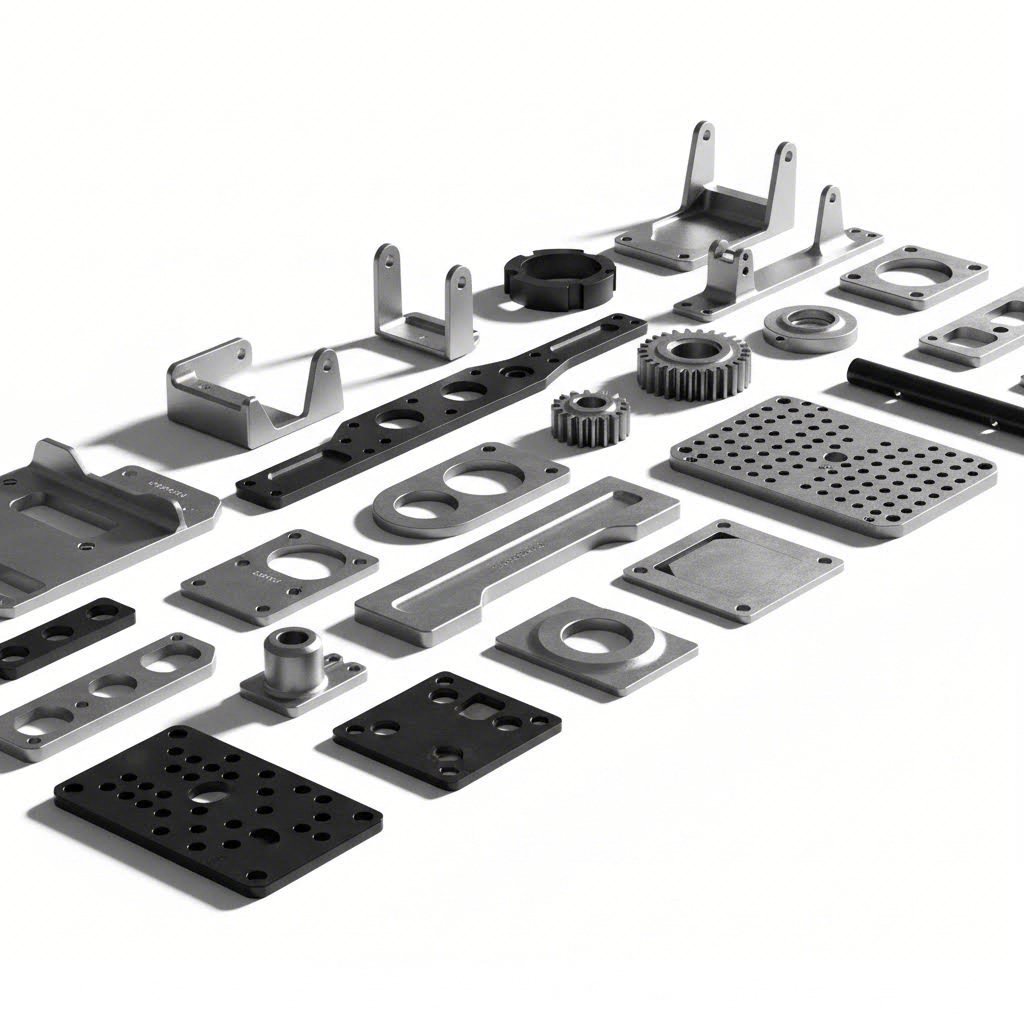
उद्योग अनुप्रयोग और विशिष्ट आवश्यकताएँ
जब आप यह विचार करते हैं कि लेज़र निर्माण ने उत्पादन को कैसे बदल दिया है, तो संख्याएँ एक प्रभावशाली कहानी कहती हैं। ऑटोमोटिव उत्पादन लाइनों से लेकर एयरोस्पेस के स्वच्छ कमरों तक, औद्योगिक लेज़र कटिंग लगभग हर क्षेत्र में सटीक घटकों के निर्माण की मेरुदंड बन गई है।
लेकिन यहाँ वह बात है जो कई लोग याद कर जाते हैं: प्रत्येक उद्योग अपनी विशिष्ट आवश्यकताएँ लाता है, जो सीएनसी लेज़र कटिंग सेवाओं के उपयोग को आकार देती हैं। एक यात्री वाहन के लिए निर्धारित भाग के लिए अलग प्रमाणन की आवश्यकता होती है जो किसी चिकित्सा उपकरण में जाने वाले भाग की तुलना में भिन्न होता है। इन अंतरों को समझना आपको उन प्रदाताओं का चयन करने में सहायता करता है जो आपके विशिष्ट उद्योग मानकों को पूरा करने के लिए सुसज्जित हैं।
ऑटोमोटिव और एयरोस्पेस की सटीकता आवश्यकताएँ
ऑटोमोटिव उद्योग उच्च-परिशुद्धता लेज़र कटिंग सेवाओं के सबसे बड़े उपभोक्ताओं में से एक है। अकरुल के अनुसार, लेज़र कटिंग विधि पारंपरिक धातु निर्माण प्रक्रियाओं जैसे डाई कटिंग या प्लाज्मा कटिंग की तुलना में काफी अधिक कुशल है, जिससे वाहन निर्माण की प्रक्रिया को सरल बनाया जाता है, जहाँ प्रत्येक मिलीमीटर मायने रखता है।
ऑटोमोटिव अनुप्रयोग घटकों की एक आश्चर्यजनक विविधता को शामिल करते हैं:
- चेसिस और संरचनात्मक घटक: उच्च-सामर्थ्य इस्पात के भाग, जिनमें हज़ारों इकाइयों के लिए स्थिर टॉलरेंस की आवश्यकता होती है
- बॉडी पैनल और ब्रैकेट: एल्यूमीनियम और इस्पात से काटे गए जटिल ज्यामितीय आकार, जिनमें न्यूनतम ऊष्मा-उत्पन्न विकृति होती है
- एग्जॉस्ट सिस्टम पार्ट्स: स्टेनलेस स्टील के घटक, जिनमें संक्षारण प्रतिरोध और सटीक फिटमेंट की आवश्यकता होती है
- सस्पेंशन तत्व: सुरक्षा-महत्वपूर्ण भाग, जहाँ आयामी शुद्धता सीधे वाहन नियंत्रण को प्रभावित करती है
ऑटोमोटिव निर्माण को क्या विशिष्ट बनाता है? प्रमाणन आवश्यकताएँ। IATF 16949 प्रमाणन ऑटोमोटिव आपूर्तिकर्ताओं के लिए सुनहरा मानक बन गया है। Xometry के अनुसार, यह प्रमाणन किसी भी कंपनी के लिए तैयार किया गया है जो ऑटोमोटिव उत्पादों के निर्माण में शामिल है, और आपूर्तिकर्ता, ठेकेदार और ग्राहक अक्सर उन निर्माताओं के साथ सहयोग नहीं करते हैं जिनके पास यह पंजीकरण नहीं है।
IATF 16949 उत्पादन के समग्र चक्र में दोषों के निवारण और अपशिष्ट कम करने पर केंद्रित है। वाहनों के लिए निर्धारित लेज़र कट भागों के लिए, इसका अर्थ है दस्तावेज़ीकृत प्रक्रियाएँ, सांख्यिकीय गुणवत्ता नियंत्रण और ट्रेस करने योग्य सामग्री। निर्माता जैसे शाओयी (निंगबो) मेटल टेक्नोलॉजी शासी तत्व, निलंबन और संरचनात्मक घटकों के लिए अपने IATF 16949-प्रमाणित गुणवत्ता प्रणालियों के माध्यम से इस प्रतिबद्धता का प्रदर्शन करते हैं।
एयरोस्पेस अनुप्रयोगों में और भी कड़े नियंत्रण की आवश्यकता होती है। ग्रेट लेक्स इंजीनियरिंग के अनुसार, एयरोस्पेस क्षेत्र में उन घटकों की मांग होती है जो कठोर सटीकता और टिकाऊपन के मानकों को पूरा करते हों, क्योंकि भले ही सबसे छोटा विचलन भी सुरक्षा और प्रदर्शन को समाप्त कर सकता है। सटीक लेज़र कटिंग सेवाएँ स्टेनलेस स्टील और टाइटेनियम जैसी सामग्रियों से ब्रैकेट, माउंटिंग प्लेट्स और संरचनात्मक तत्वों जैसे जटिल भागों का निर्माण करती हैं।
इस प्रौद्योगिकि की क्षमता न्यूनतम गर्मी प्रभावित क्षेत्र के साथ साफ कटौती उत्पन्न करने की है, जिससे भाग अत्यधिक कठिन परिस्थितियों—उच्च ऊँचाई, तापमान में उतार-चढ़ाव और महत्वपूर्ण यांत्रिक तनाव—के तहत अपनी अखंडता बनाए रखते हैं। धातु प्रसंस्करण के लिए एयरोस्पेस घटकों को काटने के लिए एक सीएनसी लेज़र कटर में निम्नलिखित क्षमताएँ होनी चाहिए:
- हज़ारवें इंच में मापी गई सहिष्णुता
- दस्तावेज़ीकृत सामग्री प्रमाणपत्र और ट्रेसैबिलिटी
- उत्पादन चक्रों के दौरान दोहराए जा सकने वाली गुणवत्ता
- AS9100 या समकक्ष एयरोस्पेस गुणवत्ता प्रबंधन अनुपालन
इलेक्ट्रॉनिक्स और वास्तुकला अनुप्रयोग
इलेक्ट्रॉनिक्स उद्योग विशिष्ट चुनौतियाँ प्रस्तुत करता है, जिनका सटीक लेज़र कटिंग के माध्यम से अत्यंत प्रभावी ढंग से समाधान किया जा सकता है। ग्रेट लेक्स इंजीनियरिंग के अनुसार, छोटे आकार के उपकरणों की प्रवृत्ति जारी है, और सटीक लेज़र कटिंग निर्माताओं को स्मार्टफोन से लेकर उन्नत कंप्यूटिंग प्रणालियों तक के उपकरणों को संचालित करने वाले उच्च-सहनशीलता वाले, विश्वसनीय इलेक्ट्रॉनिक घटकों की मांग पूरी करने में सक्षम बनाती है।
इलेक्ट्रॉनिक्स अनुप्रयोगों में शामिल हैं:
- एन्क्लोज़र और हाउसिंग: संवेदनशील सर्किट्री की रक्षा करने वाले शीट मेटल के केस, जो ऊष्मा के अपवहन को भी प्रबंधित करते हैं
- कनेक्टर घटक: तांबे और पीतल के भाग जिनमें सटीक आयाम नियंत्रण की आवश्यकता होती है
- सर्किट बोर्ड के घटक: सांकरी कर्फ चौड़ाई के साथ काटे गए सूक्ष्म विशेषताएँ, जिससे द्रव्य के अपव्यय को न्यूनतम किया जा सके
- EMI शील्डिंग: विद्युत चुम्बकीय हस्तक्षेप को रोकने वाले धातु घटक
इलेक्ट्रॉनिक्स को क्या विशिष्ट बनाता है? विशेषताओं का आकार। अकरुल के अनुसार, इलेक्ट्रॉनिक्स उद्योग लगातार यह सीमा धकेल रहा है कि उपकरण कितने छोटे और फिर भी कितने कुशल हो सकते हैं, जिसमें सटीक कटिंग क्षमताओं पर भारी निर्भरता होती है, जहाँ एक मिलीमीटर का एक छोटा सा अंश भी महत्वपूर्ण अंतर ला सकता है।
ट्यूब लेजर कटिंग सेवाएँ इलेक्ट्रॉनिक्स निर्माताओं के लिए बढ़ते हुए महत्व की हो गई हैं, जिन्हें जटिल ट्यूबुलर हाउसिंग और संरचनात्मक समर्थन की आवश्यकता होती है। ये विशिष्ट सेवाएँ ट्यूब स्टॉक में प्रोफाइल काटती हैं, जिन्हें पारंपरिक विधियों का उपयोग करके कई संचालनों की आवश्यकता होती है।
वास्तुकला और सजावटी अनुप्रयोग इसके विपरीत छोर का प्रतिनिधित्व करते हैं—जहाँ शुद्धता के साथ-साथ दृश्य आकर्षण भी महत्वपूर्ण होता है। ग्रेट लेक्स इंजीनियरिंग के अनुसार, फैसेड, आंतरिक सजावट और कस्टम फर्नीचर के लिए धातु पैनल, टाइल्स और जटिल डिज़ाइन इस विधि का उपयोग करके निर्मित किए जाते हैं। इस प्रौद्योगिकी की जटिल पैटर्न और उच्च गुणवत्ता वाले फिनिश के उत्पादन करने की क्षमता, जिसमें न्यूनतम विकृति होती है, इसे कलात्मक और कार्यात्मक दोनों अनुप्रयोगों के लिए आदर्श बनाती है।
लेजर ट्यूब कटिंग सेवाएँ वास्तुकारों को एकीकृत सजावटी विशेषताओं के साथ संरचनात्मक तत्व बनाने में सक्षम बनाती हैं—जो अन्य विधियों के माध्यम से लागत-प्रभावी ढंग से प्राप्त करना असंभव है।
चिकित्सा, ऊर्जा और साइनेज क्षेत्र
चिकित्सा उपकरण निर्माण, संभवतः प्रेसिजन लेज़र कटिंग सेवाओं के लिए सबसे अधिक मांग वाला अनुप्रयोग है। अकरुल के अनुसार, चिकित्सा उपकरण निर्माण में लेज़र कटिंग प्रौद्योगिकी की परिशुद्धता और बहुमुखी प्रवृत्ति अपरिहार्य है, जिससे शल्य उपकरणों और चिकित्सा प्रत्यारोपणों का अत्यधिक सटीकता के साथ निर्माण किया जा सकता है।
चिकित्सा अनुप्रयोगों के लिए महत्वपूर्ण आवश्यकताएँ इनमें शामिल हैं:
- जैव-अनुकूल सामग्री (आमतौर पर स्टेनलेस स्टील, टाइटेनियम, कुछ प्लास्टिक)
- शल्य कार्यों के लिए सुरक्षित, बर-मुक्त किनारे
- स्टेरिलाइज़ करने योग्य सतह परिष्करण
- एफडीए अनुपालन और आईएसओ 13485 गुणवत्ता प्रबंधन
ग्रेट लेक्स इंजीनियरिंग के अनुसार, लेज़र-कट भागों के स्वच्छ, बर-मुक्त किनारे और उच्च परिशुद्धता संवेदनशील चिकित्सा प्रक्रियाओं में उनके उपयोग के लिए सुरक्षित होने की गारंटी देती है। प्रक्रिया के पर्यावरणीय लाभ—जैसे हानिकारक रसायनों का अभाव—स्वास्थ्य सेवा के सुरक्षा और सतत विकास पर ध्यान केंद्रित करने के साथ और भी अधिक संरेखित हैं।
ऊर्जा क्षेत्र में औद्योगिक लेज़र कटिंग का उपयोग उन घटकों के निर्माण के लिए किया जाता है जो कठोर कार्यात्मक वातावरण को सहन कर सकें। ग्रेट लेक्स इंजीनियरिंग के अनुसार, उच्च सटीकता वाली लेज़र कटिंग शक्ति उत्पादन उपकरणों और नवीकरणीय ऊर्जा प्रणालियों के घटकों के निर्माण का समर्थन करती है—टरबाइनों, हीट एक्सचेंजरों और उन पात्रों के लिए घटक जो उच्च तापमान और संक्षारक वातावरण को सहन करने में सक्षम हों।
साइनेज और विज्ञापन अनुप्रयोग लेज़र कटिंग की रचनात्मक क्षमता को प्रदर्शित करते हैं। अकरुल के अनुसार, लेज़र कटिंग प्रौद्योगिकी संकुल और आकर्षक साइनबोर्ड, प्रदर्शन और प्रचार सामग्री बनाती है, जो प्रभावशाली मार्केटिंग सामग्री बनाने के लिए सटीकता, गति और बहुमुखी प्रतिभा का एक अद्वितीय संयोजन प्रदान करती है।
त्वरित प्रोटोटाइपिंग कैसे लेज़र कटिंग का पूरक है
इन सभी उद्योगों में, बाज़ार में पहुँच की गति महत्वपूर्ण है। चाहे आप ऑटोमोटिव घटकों या इलेक्ट्रॉनिक्स एन्क्लोज़र्स का विकास कर रहे हों, डिज़ाइनों को त्वरित रूप से दोहराने की क्षमता उत्पाद विकास को तेज़ करती है।
यह वह जगह है जहाँ एकीकृत विनिर्माण क्षमताएँ महत्वपूर्ण लाभ प्रदान करती हैं। लेज़र कटिंग और त्वरित प्रोटोटाइपिंग दोनों की सुविधा प्रदान करने वाली कंपनियाँ—जैसे शाओयी (निंगबो) मेटल टेक्नोलॉजी, जो अपनी 5-दिवसीय त्वरित प्रोटोटाइपिंग क्षमताओं के साथ अवधारणा से उत्पादन तक बिना रुकावट के संक्रमण को सक्षम बनाती हैं—डीएफएम (डिज़ाइन फॉर मैन्युफैक्चरिंग) के अपने व्यापक समर्थन के माध्यम से इंजीनियरों को कटिंग शुरू करने से पहले डिज़ाइन को अनुकूलित करने में सहायता प्रदान करती हैं, जबकि 12-घंटे के अंदर कोटेशन देने की क्षमता निर्णय-लेने की प्रक्रिया को तीव्र करती है।
लेज़र कटिंग की सटीकता और त्वरित प्रोटोटाइपिंग की लचीलापन का संयोजन उन ऑटोमोटिव आपूर्तिकर्ताओं के लिए विशेष रूप से मूल्यवान सिद्ध होता है जो संकुचित विकास समयसीमाओं का सामना कर रहे हैं। प्रोटोटाइप पार्ट्स के लिए सप्ताहों तक प्रतीक्षा करने के बजाय, निर्माता त्वरित रूप से पुनरावृत्ति कर सकते हैं—उत्पादन टूलिंग में निवेश करने से पहले फिटमेंट, कार्यक्षमता और असेंबली के परीक्षण कर सकते हैं।
इन उद्योग-विशिष्ट आवश्यकताओं को समझने से आप सेवा प्रदाताओं के साथ अधिक प्रभावी ढंग से संवाद कर पाएंगे। लेकिन आप संभावित साझेदारों का मूल्यांकन कैसे करते हैं? अगला खंड आपकी विशिष्ट आवश्यकताओं के अनुसार सही लेज़र कटिंग सेवा प्रदाता के चयन के लिए आवश्यक मापदंडों की जाँच करता है।
सही लेजर कटिंग सेवा प्रदाता कैसे चुनें
"मेरे पास का लेज़र कटर" या "मेरे पास की लेज़र कटिंग सेवा" की खोज करने पर दर्जनों विकल्प प्राप्त होते हैं। लेकिन आप उस प्रदाता को कैसे पहचानेंगे जो समय पर सटीक भाग प्रदान करेगा, और उसे कैसे पहचानेंगे जो आपको योजना से चूके हुए समयसीमा और निम्न-गुणवत्ता वाले उत्पादों के साथ घबराने पर मजबूर कर देगा? इन दोनों के बीच का अंतर अक्सर आपके द्वारा प्रतिबद्ध होने से पहले सही प्रश्न पूछने पर निर्भर करता है।
सीएनसी लेज़र कटिंग सेवाओं का चयन केवल मूल्यों की तुलना करने से अधिक है। एमेरी लेज़र के अनुसार, सही लेज़र कटिंग साझेदार का चयन एक महत्वपूर्ण निर्णय है जो आपकी विनिर्माण परियोजनाओं की दक्षता, गुणवत्ता और सफलता को काफी हद तक प्रभावित कर सकता है। आइए उन मूल्यांकन मापदंडों पर एक नज़र डालें जो सबसे अधिक महत्वपूर्ण हैं—प्राथमिकता के क्रम में।
प्रदाता चुनने से पहले पूछे जाने वाले आवश्यक प्रश्न
मेरे निकट लेजर काटने की सेवाओं या धातु लेजर काटने की सेवाओं का मूल्यांकन करते समय, ये प्रश्न प्रकट करते हैं कि क्या एक प्रदाता वास्तव में आपकी आवश्यकताओं को पूरा कर सकता हैः
- वे किस प्रकार के उपकरण उपलब्ध करा रहे हैं? कैलिफोर्निया स्टील सर्विसेज के अनुसार, विभिन्न लेजर कटिंग तकनीक गुणवत्ता, सटीकता और गति को प्रभावित करती है। लेजर के प्रकार (सीओ 2 बनाम फाइबर), शक्ति रेटिंग और टेबल आकार के बारे में पूछें। एक प्रदाता जो 25 फीट की टेबल पर ±0.0005 इंच की सटीकता के साथ 6-12 किलोवाट के फाइबर लेजर का उपयोग करता है, पुराने, कम शक्ति वाले उपकरणों की तुलना में अलग क्षमताएं प्रदान करता है।
- क्या उनके पास आपकी विशिष्ट सामग्री के बारे में विशेषज्ञता है? सभी प्रदाता हर सामग्री को समान रूप से अच्छी तरह से नहीं संभालते हैं। कैलिफोर्निया स्टील सर्विसेज के अनुसार, अपनी सामग्री के प्रकार में विशेषज्ञता वाले सेवा का चयन करने से सफल परिणाम सुनिश्चित करने में मदद मिलती है। अपनी विशिष्ट सामग्री और मोटाई आवश्यकताओं के बारे में उनके अनुभव के बारे में पूछें।
- गुणवत्ता नियंत्रण के क्या उपाय हैं? निरीक्षण प्रक्रियाओं के बारे में जानकारी अनुरोध करें और यह कैसे सत्यापित किया जाता है कि आकारिक सटीकता (dimensional accuracy) बनी रहे। एमेरी लेज़र के अनुसार, विनिर्माण में गुणवत्ता और परिशुद्धता अपरिहार्य हैं—विशेष रूप से उन घटकों के लिए जो कड़े उद्योग मानकों को पूरा करते हैं।
- उनका आमतौर पर निष्पादन समय (turnaround time) क्या है? कैलिफोर्निया स्टील सर्विसेज़ के अनुसार, आपकी परियोजना का समयसूची (timeline) अत्यंत महत्वपूर्ण है, इसलिए लेज़र कटिंग सेवा द्वारा प्रदान किए गए निष्पादन समय पर विचार करें। उत्पादन क्षमता के बारे में पूछें और यह भी कि वे आपके आकार की परियोजनाओं को कितनी शीघ्रता से पूरा कर सकते हैं।
- क्या वे डिज़ाइन सहायता प्रदान करते हैं? कैलिफोर्निया स्टील सर्विसेज़ के अनुसार, कुछ लेज़र कटिंग सेवाएँ डिज़ाइन सहायता प्रदान करती हैं, जो तब अमूल्य हो सकती है जब आपको अपनी परियोजना के डिज़ाइन को सुधारने में सहायता की आवश्यकता हो। व्यापक DFM (डिज़ाइन फॉर मैन्युफैक्चरिंग) समर्थन कटिंग शुरू होने से पहले संभावित समस्याओं का पता लगाता है—जिससे समय और पुनर्कार्य (rework) लागत दोनों बचत होती है।
- क्या उनका संचार कितना प्रतिक्रियाशील है? एमेरी लेज़र के अनुसार, एक सफल साझेदारी के लिए प्रभावी संचार और मजबूत ग्राहक सेवा आवश्यक हैं। एक प्रदाता जो घंटों के भीतर—दिनों के बजाय—प्रतिक्रिया देता है, आपकी परियोजना को आगे बढ़ाता रहता है। उदाहरण के लिए, शाओयी (निंगबो) मेटल टेक्नोलॉजी 12-घंटे के अंदर कोटेशन टर्नअराउंड की सुविधा प्रदान करता है, जो उस प्रतिक्रियाशीलता का प्रदर्शन करता है जो निर्माण निर्णयों को त्वरित करती है।
- क्या वे आपकी आवश्यकताओं के अनुसार स्केल कर सकते हैं? कैलिफोर्निया स्टील सर्विसेज़ के अनुसार, विचार करें कि क्या लेज़र कटिंग सेवाएँ आपकी परियोजना के आकार और स्केल को वर्तमान में और भविष्य में दोनों के लिए समायोजित कर सकती हैं। ऐसे प्रदाता जो 5-दिवसीय त्वरित प्रोटोटाइपिंग से लेकर स्वचालित थोक उत्पादन तक सभी कुछ प्रदान करते हैं—जैसे शाओयी—आयतन बढ़ने के साथ साझेदारों को बदलने की परेशानी से मुक्ति दिलाते हैं।
- वे कौन-कौन सी अतिरिक्त सेवाएँ प्रदान करते हैं? कैलिफोर्निया स्टील सर्विसेज़ के अनुसार, कुछ कंपनियाँ फॉर्मिंग और फिनिशिंग जैसी अतिरिक्त सेवाएँ भी प्रदान करती हैं। कई प्रक्रियाओं को संभालने वाली सेवा का चयन करना संचार को सरल बनाता है और गुणवत्ता के स्थिरता को सुनिश्चित करता है।
आपके उद्योग के लिए महत्वपूर्ण गुणवत्ता प्रमाणन
जब आप "मेरे पास के लेजर धातु काटने की सेवा" या "मेरे पास के लेजर कटर सेवा" की खोज कर रहे होते हैं, तो प्रमाणन एक प्रदाता की गुणवत्ता प्रणालियों के प्रति प्रतिबद्धता को दर्शाते हैं—केवल उपकरण क्षमताओं के बजाय। यहाँ आपके उद्योग के आधार पर जिन बातों को ध्यान में रखना चाहिए, वे इस प्रकार हैं:
- IATF 16949: ऑटोमोटिव अनुप्रयोगों के लिए अनिवार्य। यह प्रमाणन कठोर दोष रोकथाम और अपशिष्ट कमी प्रक्रियाओं को दर्शाता है। शाओयी (निंगबो) मेटल टेक्नोलॉजी जैसे प्रदाता चेसिस, सस्पेंशन और संरचनात्मक घटकों के लिए विशेष रूप से IATF 16949 प्रमाणन बनाए हुए हैं—जो ऑटोमोटिव-ग्रेड गुणवत्ता प्रबंधन का प्रदर्शन करता है।
- ISO 9001: गुणवत्ता प्रबंधन का मूलभूत प्रमाणन। यह दस्तावेज़ीकृत प्रक्रियाओं और निरंतर सुधार की प्रतिबद्धता को दर्शाता है।
- AS9100: एयरोस्पेस अनुप्रयोगों के लिए आवश्यक। यह ISO 9001 को ट्रेसैबिलिटी और जोखिम प्रबंधन के लिए एयरोस्पेस-विशिष्ट आवश्यकताओं के साथ विस्तारित करता है।
- ISO 13485: चिकित्सा उपकरण घटकों के लिए अनिवार्य। यह सुरक्षा और विशुद्धता के लिए विशिष्ट आवश्यकताओं को शामिल करता है।
कैलिफोर्निया स्टील सर्विसेज के अनुसार, ऐसी कंपनी की तलाश करें जो कड़े गुणवत्ता नियंत्रण उपायों का पालन करती हो और संबंधित प्रमाणपत्र रखती हो—यह सुनिश्चित करता है कि आपका प्रोजेक्ट उद्योग के मानकों को पूरा करता है।
प्रदाता की प्रतिक्रियाशीलता और समर्थन का मूल्यांकन
उपकरणों और प्रमाणपत्रों के अतिरिक्त, सेवा की गुणवत्ता अक्सर प्रोजेक्ट की सफलता निर्धारित करती है। इन कारकों पर विचार करें:
- उद्धरण वापसी की गति: वे कितनी तेज़ी से सटीक मूल्य निर्धारण प्रदान कर सकते हैं? 12-घंटे के टर्नअराउंड जैसे त्वरित कोटेशन प्रतिक्रिया प्रदान करने वाले प्रदाता ग्राहक सेवा के प्रति अपनी क्षमता और प्रतिबद्धता दोनों को प्रदर्शित करते हैं।
- DFM समर्थन की उपलब्धता: विनिर्माण के लिए व्यापक डिज़ाइन समीक्षा उत्पादन से पहले महंगी त्रुटियों को पकड़ लेती है। पूछें कि क्या वे सक्रिय रूप से संभावित समस्याओं की पहचान करते हैं या केवल आपके द्वारा भेजे गए डिज़ाइन को काटते हैं।
- प्रोटोटाइपिंग क्षमता: के अनुसार Emery Laser लचीलापन महत्वपूर्ण है—आपका साझेदार प्रोजेक्ट के कार्यक्षेत्र या समयसीमा में परिवर्तनों के अनुकूल होना चाहिए। 5-दिवसीय त्वरित प्रोटोटाइपिंग प्रदान करने वाले प्रदाता उत्पादन मात्रा में प्रतिबद्ध होने से पहले त्वरित पुनरावृत्ति की अनुमति देते हैं।
- संचार पारदर्शिता: कैलिफोर्निया स्टील सर्विसेज के अनुसार, उत्कृष्ट ग्राहक सेवा का अर्थ है प्रतिक्रियाशील होना, सतर्क रहना और संवाद करने में आसान होना—पूरी प्रक्रिया के दौरान आपको लगातार जानकार रखना।
अंतिम निष्कर्ष? सीएनसी लेज़र कटिंग सेवाओं का चयन करते समय कई आयामों का मूल्यांकन करना आवश्यक होता है—उपकरण, विशेषज्ञता, प्रमाणन, गति (टर्नअराउंड) और संचार। सही प्रदाता एक निर्माण साझेदार बन जाता है जो आपके उद्योग की आवश्यकताओं को समझता है और प्रत्येक परियोजना के लिए निरंतर गुणवत्ता प्रदान करता है। इन प्रश्नों को शुरुआत में ही पूछने के लिए समय निकालें, और आप भविष्य में महंगे आश्चर्यों से बच जाएंगे।
सीएनसी लेज़र कटिंग सेवाओं के बारे में अक्सर पूछे जाने वाले प्रश्न
1. सीएनसी लेज़र कटिंग की लागत कितनी है?
सीएनसी लेजर कटिंग की लागत सामग्री के प्रकार और मोटाई, डिज़ाइन की जटिलता, ऑर्डर की मात्रा और टर्नअराउंड समय पर निर्भर करती है। मोटी सामग्री के लिए लंबा प्रसंस्करण समय आवश्यक होता है, जिससे लागत बढ़ जाती है। कई कट्स वाले जटिल डिज़ाइन चक्र समय में वृद्धि करते हैं। बड़ी मात्रा में ऑर्डर करने से बेहतर नेस्टिंग दक्षता और सेटअप लागत के वितरण के कारण प्रति टुकड़ा मूल्य कम हो जाता है। जल्दी डिलीवरी के लिए दिए गए ऑर्डर आमतौर पर प्रीमियम मूल्य लागू करते हैं, जबकि मानक 5–10 दिन के लीड टाइम प्रतिस्पर्धी दरें प्रदान करते हैं। साफ़ और उत्पादन-तैयार डिज़ाइन फ़ाइलें भी प्रसंस्करण शुल्क को कम करने में सहायता करती हैं।
2. कौन-सी सामग्रियों को लेजर काटा जा सकता है?
फाइबर लेजर कार्बन स्टील, स्टेनलेस स्टील, एल्यूमीनियम, तांबा और पीतल सहित धातुओं को काटने में उत्कृष्ट प्रदर्शन करते हैं। CO2 लेजर एक्रिलिक, लकड़ी, प्लास्टिक, चमड़ा और कपड़े जैसी गैर-धातु सामग्रियों को काटने के लिए उपयुक्त हैं। सामग्रि की मोटाई की क्षमता लेजर की शक्ति पर निर्भर करती है—6 kW फाइबर लेजर आमतौर पर इस्पात को 12–16 मिमी तक और एल्यूमीनियम को 8 मिमी तक काट सकते हैं। तांबा जैसी प्रतिबिंबित करने वाली धातुओं के लिए विशेष पैरामीटर की आवश्यकता होती है, लेकिन आधुनिक फाइबर लेजर जिनमें प्रतिबिंब-रोधी सुरक्षा होती है, उन्हें सुरक्षित रूप से संभाल सकते हैं।
3. फाइबर लेजर और CO2 लेजर कटिंग में क्या अंतर है?
फाइबर लेजर 1.06 माइक्रोमीटर की तरंगदैर्ध्य उत्पन्न करते हैं, जिसे धातुएँ दक्षतापूर्ण रूप से अवशोषित करती हैं, जिससे पतली धातु की शीट्स पर वे CO2 लेजर की तुलना में 2–5 गुना तेज़ हो जाते हैं। उनकी विद्युत दक्षता 30–50% होती है, जबकि CO2 प्रणालियों के लिए यह 10–15% होती है। CO2 लेजर 10.6 माइक्रोमीटर की तरंगदैर्ध्य का उपयोग करते हैं, जो लकड़ी, एक्रिलिक और प्लास्टिक जैसी गैर-धातु सामग्रियों के लिए आदर्श है। फाइबर लेजर की प्रारंभिक लागत अधिक होती है, लेकिन धातु-केंद्रित अनुप्रयोगों के लिए उनकी संचालन लागत कम और आयु अधिक होती है।
4. लेजर कटिंग कितनी सटीक होती है?
सीएनसी लेजर कटिंग ±0.005 इंच (±0.127 मिमी) के टॉलरेंस को प्राप्त करती है, जिससे यह ऊष्मीय कटिंग प्रक्रियाओं में से सबसे सटीक में से एक बन जाती है। जटिल विवरणों के लिए लेजर किरणों को 10–20 माइक्रॉन तक फोकस किया जा सकता है। धातुओं के लिए कर्फ चौड़ाई आमतौर पर 0.15 मिमी से 0.38 मिमी के बीच होती है। सटीकता को प्रभावित करने वाले कारकों में सामग्री का प्रकार और मोटाई, लेजर प्रौद्योगिकी, कटिंग की गति, सहायक गैस का चयन और फोकस स्थिति शामिल हैं। पतली सामग्री आमतौर पर अधिक कड़े टॉलरेंस प्राप्त करती है।
5. मैं लेजर कटिंग सेवा प्रदाता का चयन कैसे करूं?
प्रदाताओं का मूल्यांकन उपकरण क्षमताओं (लेजर का प्रकार और शक्ति), सामग्री विशेषज्ञता, ऑटोमोटिव के लिए IATF 16949 या एयरोस्पेस के लिए AS9100 जैसे गुणवत्ता प्रमाणनों और टर्नअराउंड समय के आधार पर करें। डिज़ाइन समस्याओं को शुरुआत में ही पकड़ने के लिए DFM समर्थन के बारे में पूछें। संचार की प्रतिक्रियाशीलता महत्वपूर्ण है—ऐसे प्रदाता जो 12-घंटे के अंदर कोटेशन प्रदान करते हैं, वे सेवा के प्रति अपनी प्रतिबद्धता को प्रदर्शित करते हैं। जाँच करें कि क्या वे उत्पादन क्षमताओं के साथ-साथ त्वरित प्रोटोटाइपिंग भी प्रदान करते हैं, ताकि आपकी विस्तार की आवश्यकताओं का समर्थन किया जा सके।