 Small batches, high standards. Our rapid prototyping service makes validation faster and easier —
  EN
EN

- Calificación de Proveedores de Estampado Metálico Automotriz en 5 Pasos
- Estampación de metal para automoción: procesos, aplicaciones y normas de calidad
- ¿Cuánto cuestan las piezas estampadas para automoción? Precio por pieza frente a coste de la matriz
- Reduzca los costos de extrusión de aluminio con 5 consejos esenciales de DFM

Métodos esenciales de desbarbado para piezas de fundición a presión impecables
Time : 2025-12-20
TL;DR
La eliminación de rebabas en piezas fundidas a presión es un paso esencial en la fabricación para retirar los bordes afilados y el material excesivo, conocidos como rebabas, que quedan después del proceso de fundición. Este procedimiento crucial garantiza la seguridad, funcionalidad y correcto ensamblaje de las piezas. Los principales métodos de eliminación de rebabas para piezas fundidas a presión se clasifican en varias categorías: técnicas tradicionales manuales y mecánicas básicas, acabados masivos automatizados de alto volumen como el bruñido vibratorio, procesos avanzados térmicos y criogénicos, y acabados químicos o electroquímicos de alta precisión.
La importancia crítica de la eliminación de rebabas en piezas fundidas a presión
En la fabricación de alta precisión, la calidad final de un componente depende de más que solo su formación inicial. El desbarbado, el proceso de eliminación de material no deseado y bordes afilados de una pieza de trabajo, es un paso obligatorio que afecta directamente al rendimiento, la seguridad y la durabilidad. Después de que una pieza sale de un troquel, a menudo quedan pequeñas imperfecciones y protuberancias llamadas rebabas a lo largo de los bordes y superficies. Aunque parecen insignificantes, estos defectos pueden tener consecuencias significativas si no se corrigen.
La presencia de rebabas crea puntos de concentración de tensiones, que pueden provocar fallos prematuros de la pieza o fracturas bajo carga operativa. Según expertos en fabricación de Eurobalt , las rebabas no verificadas comprometen la vida a fatiga de un componente, haciendo que falle mucho antes de lo esperado. Además, estas irregularidades pueden interferir con procesos posteriores como el recubrimiento o el ensamblaje, impidiendo un sellado adecuado y provocando posibles fugas o cortocircuitos eléctricos si una rebaba cae en electrónica sensible. Los principios para lograr un acabado superficial perfecto son universales en la fabricación avanzada, incluidos los procesos para la creación de componentes como piezas forjadas de precisión para automoción , donde la fiabilidad es primordial.
Más allá de la integridad funcional, el desbarbado es una medida crítica de seguridad. Los bordes afilados representan un riesgo significativo de lesiones para los técnicos y usuarios finales durante el manejo y ensamblaje. Una superficie irregular también puede ser más susceptible a la corrosión, lo que compromete la integridad estructural del material con el tiempo. En última instancia, el costo de no realizar el desbarbado—medido en fallos del producto, incidentes de seguridad y reclamaciones de garantía—supera con creces la inversión en un proceso adecuado de acabado. Es un paso fundamental que transforma una pieza fundida sin tratar en un producto terminado confiable y de alta calidad.
Desbarbado Fundamental: Métodos Manuales y Mecánicos Básicos
Los enfoques más tradicionales y accesibles para el desbarbado se incluyen dentro de los métodos manuales y mecánicos básicos. Estas técnicas suelen ser la primera línea de defensa contra las rebabas, especialmente en operaciones pequeñas, para prototipos o en piezas con geometrías altamente complejas que los sistemas automatizados podrían pasar por alto. El desbarbado manual es el enfoque clásico realizado directamente por un operario, que depende de la habilidad del técnico que utiliza herramientas como limas, papeles de lija, amoladoras y cuchillas especializadas para recortar. Ofrece una flexibilidad máxima, permitiendo a un técnico abordar rebabas específicas y de difícil acceso con precisión.
Otro método mecánico básico es el punzonado o estampado. Este proceso utiliza un troquel hecho a medida para cortar rebabas de la línea de encuentro de una pieza. Es significativamente más rápido que el lijado manual para piezas simples y planas, y ofrece mayor consistencia. Sin embargo, requiere una inversión inicial en la fabricación del punzón y el troquel, por lo que resulta adecuado para piezas con un diseño estable y un volumen suficiente de producción. Tanto los métodos manuales como los de estampado son técnicas fundamentales que se han utilizado durante décadas.
Aunque estos métodos fundamentales son eficaces, conllevan una serie específica de compensaciones. Su principal ventaja radica en el bajo costo inicial del equipo y en su alta adaptabilidad. No obstante, dependen en gran medida de la mano de obra, lo que introduce variabilidad y dificulta su escalabilidad en producción masiva. A continuación se presenta un resumen de sus características clave:
Ventajas
- Bajo costo de configuración: Requiere una inversión mínima inicial en equipos, especialmente en métodos manuales.
- Alta flexibilidad: Se adapta fácilmente a formas complejas, prototipos y series pequeñas de producción.
- Control de Precisión: Un operador calificado puede alcanzar un alto grado de precisión en piezas intrincadas.
Desventajas
- Costo elevado de mano de obra: El proceso consume mucho tiempo y requiere mucha mano de obra, lo que aumenta el costo por pieza.
- Resultados inconsistentes: La calidad puede variar significativamente entre operadores y durante turnos largos.
- No es escalable: Inadecuado para producción de alto volumen debido al bajo rendimiento.
Acabado masivo automatizado: Vibratorio, Tumbling y Chorro de granalla
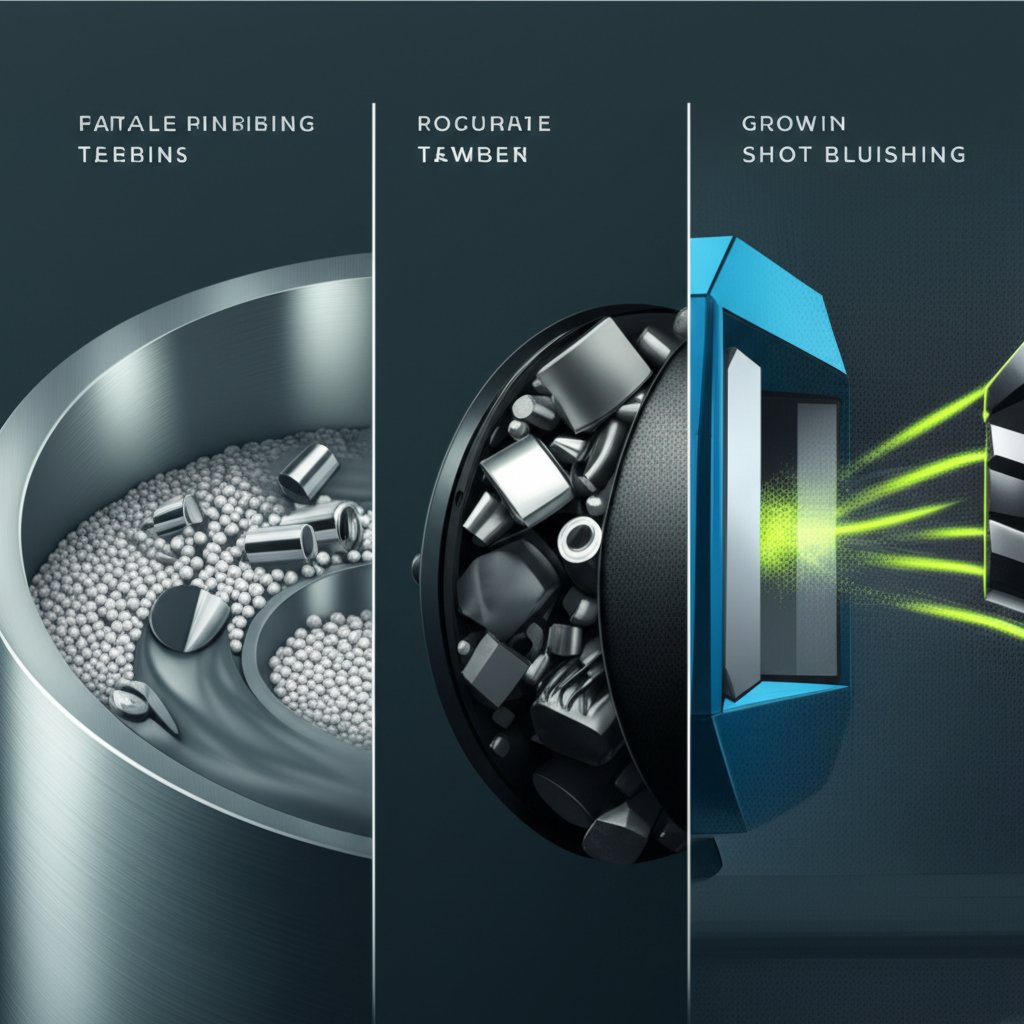
Para la producción de alto volumen, el acabado masivo automatizado ofrece una solución eficiente y consistente para eliminar rebabas en piezas fundidas. Estos métodos procesan grandes lotes de componentes simultáneamente, reduciendo drásticamente los costos laborales y la variabilidad asociados con técnicas manuales. Los tres procesos de acabado masivo más destacados son el acabado vibratorio, el tumbling y el chorro de granalla, cada uno adecuado para diferentes aplicaciones y tipos de piezas.
Acabado Vibratorio consiste en colocar piezas en un recipiente con material abrasivo y un compuesto químico. El recipiente vibra a alta frecuencia, haciendo que las piezas y el material se frotan entre sí, lo que desgasta suavemente las rebabas y alisa las superficies. Según detalla el líder en acabados superficiales Rösler , este proceso es ideal para eliminar rebabas de componentes en masa y puede integrarse directamente con celdas de fundición a presión para un flujo de trabajo continuo. Es particularmente efectivo para piezas delicadas o complejas que podrían dañarse con métodos más agresivos.
Tumbado , también conocido como acabado por tambor, es un proceso más agresivo. Las piezas, el material y los compuestos se colocan en un tambor rotatorio. A medida que gira el tambor, su contenido cae una y otra vez, creando una acción deslizante que elimina rebabas más gruesas. Aunque es eficaz, la fuerza de impacto es mayor que en los sistemas vibratorios, por lo que resulta más adecuado para piezas robustas que puedan soportar la acción de volteo.
Disparar con disparos adopta un enfoque diferente. En lugar de una acción de frotamiento, impulsa un medio abrasivo a alta velocidad contra la superficie de la pieza. Este proceso es muy eficaz para eliminar rebabas grandes, óxido y rebarba de fundiciones. A menudo es la opción preferida para materiales muy duros o cuando también se desea una textura superficial específica. La intensidad puede controlarse, lo que lo hace versátil para todo tipo de componentes, desde carcasas ligeras de fundición por inyección hasta piezas resistentes.
| Método | Proceso | Ideal para | Agresividad |
|---|---|---|---|
| Acabado Vibratorio | La vibración de alta frecuencia hace que las piezas y el medio se froten entre sí. | Piezas delicadas, geometrías complejas, componentes a granel. | Bajo a medio |
| Tambor (Tumbling) | Las piezas y el medio giran unas sobre otras en un tambor rotatorio. | Piezas resistentes con rebabas más gruesas que requieren una acción más fuerte. | Medio a alto |
| Disparar con disparos | El medio abrasivo es impulsado a alta velocidad sobre la superficie de la pieza. | Rebabas grandes, materiales duros, preparación de superficies. | Alto |
Técnicas avanzadas: métodos térmicos, criogénicos y de chorro de alta presión
Cuando los métodos mecánicos convencionales son insuficientes, especialmente para rebabos internos o de difícil acceso, las técnicas avanzadas de desbarbado ofrecen soluciones precisas y eficaces. Estos procesos de alta energía aprovechan fuerzas térmicas, químicas o cinéticas para eliminar imperfecciones sin contacto mecánico directo, lo que los hace ideales para componentes complejos y de alto rendimiento comunes en las industrias automotriz y aeroespacial.
Método de Energía Térmica (TEM) , o desbarbado térmico, es un proceso notablemente rápido para eliminar rebabos de todas las superficies de una pieza simultáneamente. Las piezas se colocan en una cámara sellada que se llena con una mezcla de gas combustible. La mezcla se enciende, creando una explosión momentánea de alta temperatura que quema los rebabos finos y bordes afilados. Dado que el calor dura solo milisegundos, el cuerpo principal de la pieza no se ve afectado. Este método es excepcionalmente eficaz para eliminar rebabos internos en orificios complejos e intersecantes, como los presentes en cuerpos de válvulas hidráulicas.
Eliminación de rebabas criogénica opera según el principio opuesto. En este proceso, las piezas se enfrían con nitrógeno líquido hasta una temperatura que hace que las finas rebabas sean extremadamente frágiles. Las rebabas embritadas son luego eliminadas mediante un chorro de medios no abrasivos, como perlas de policarbonato. La pieza principal, al tener mayor masa, permanece dúctil y no resulta dañada por el proceso. Esta técnica es muy adecuada para piezas pequeñas y complejas fabricadas con polímeros, zinc o aluminio, donde es crítico mantener la integridad dimensional.
Eliminación de rebabas con chorro de agua a alta presión utiliza un chorro concentrado de agua, a veces mezclado con un abrasivo, a presiones de 75 MPa o más para eliminar rebabas. Este método es altamente preciso y puede dirigirse a áreas específicas mediante boquillas robóticas. Una ventaja clave es su capacidad para limpiar y desbarbar simultáneamente sin usar calor ni productos químicos, lo que evita cualquier alteración térmica o química de las propiedades del material de la pieza. Es un método limpio y eficaz para componentes de precisión que no pueden tolerar contaminación ni daños en la superficie.
Acabado de Alta Precisión: Desbarbado Químico y Electrolítico
Para aplicaciones que exigen el más alto nivel de precisión y un acabado superficial impecable, los métodos químicos y electroquímicos de eliminación de rebabas ofrecen soluciones que los procesos mecánicos no pueden igualar. Estas técnicas están diseñadas para eliminar rebabas microscópicas de pasajes internos complejos y características delicadas sin inducir tensiones mecánicas ni alterar las dimensiones de la pieza. Se utilizan ampliamente en industrias críticas como la aeroespacial, médica y la fabricación de automóviles de alto rendimiento.
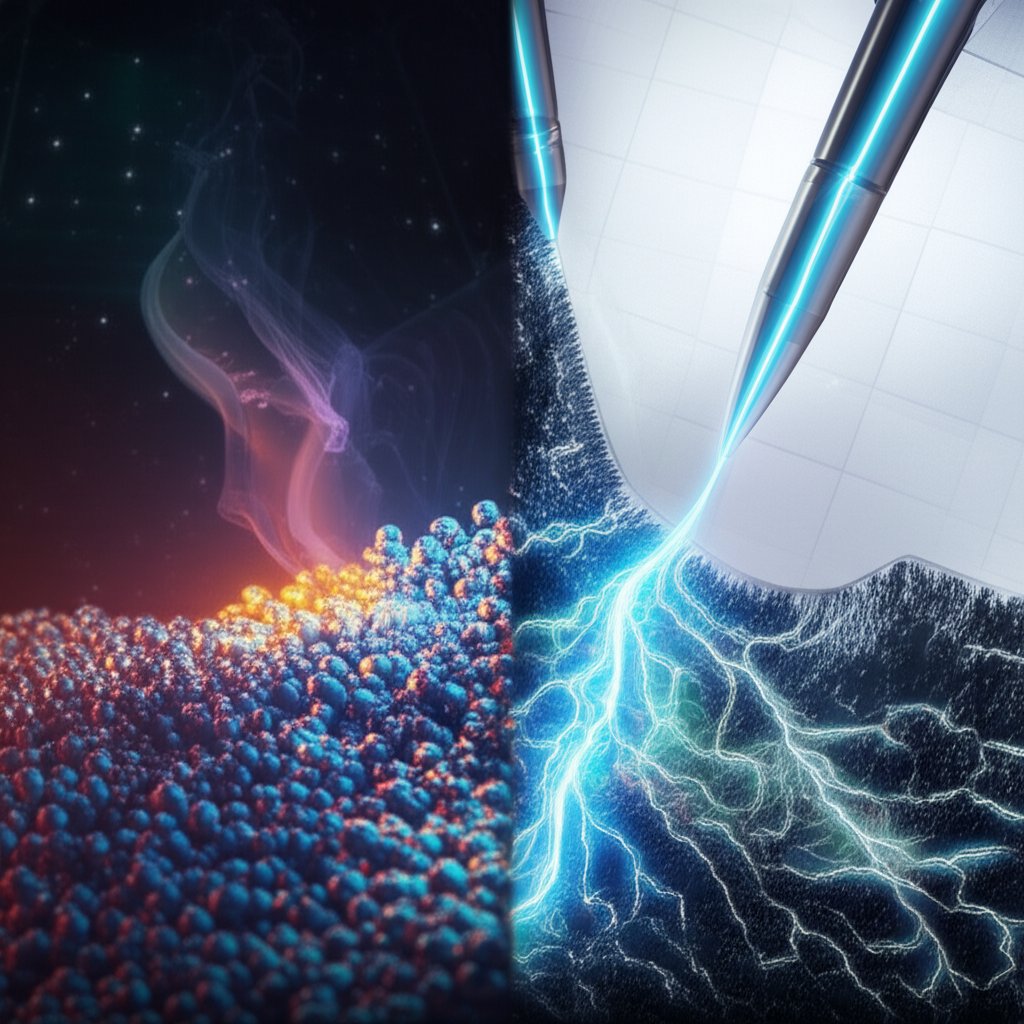
Eliminación electroquímica de rebabas (ECD) es un proceso altamente específico que funciona como una electroplatinación inversa. La pieza fundida por inyección se convierte en el ánodo (electrodo positivo) y se coloca en un soporte con un cátodo conformado (electrodo negativo). Una solución electrolítica, típicamente una mezcla de sal o glicol, se bombea a través del espacio entre la pieza y el cátodo. Cuando se aplica una corriente continua, el material de la rebaba (un punto elevado) se disuelve selectivamente en el electrolito. El proceso es autorregulado, ya que la reacción se ralentiza una vez eliminada la rebaba y aumenta el espacio, lo que protege la superficie principal de la pieza contra la erosión.
Este método es ideal para eliminar rebabas en áreas de difícil acceso como orificios intersectados, roscas y ranuras internas. Según las guías técnicas, es más adecuado para rebabas pequeñas, generalmente con un grosor inferior a 0,1 mm. Al ser un proceso sin contacto, deja la pieza completamente libre de tensiones mecánicas, arañazos o distorsión térmica, lo cual es crucial para componentes como inyectores de combustible y colectores hidráulicos.
Desbarbado químico funciona según un principio similar de disolución del material, pero sin utilizar electricidad. Las piezas se sumergen en un baño químico cuidadosamente controlado que ataca y disuelve las rebabas. El proceso puede adaptarse a materiales específicos ajustando la composición química de la solución. Aunque es menos selectivo que el ECD, es un método eficaz para desbarbar uniformemente lotes de piezas pequeñas y complejas donde el acabado mecánico sería poco práctico o dañino. Proporciona un acabado suave y limpio en todas las superficies simultáneamente.
Marco de Decisión: Cómo Elegir el Mejor Método de Desbarbado
Elegir el método óptimo de desbarbado no es una decisión válida para todos los casos. La técnica 'mejor' depende completamente de una serie de factores específicos de la pieza y de los requisitos de producción. Responder a la pregunta "¿Cuál es la mejor técnica de desbarbado?" requiere un análisis cuidadoso del material, la complejidad de la pieza, el tamaño y la ubicación de las rebabas, el volumen de producción requerido y las restricciones generales de costos. Un método ideal para una pieza simple de aluminio y alto volumen sería completamente inadecuado para un componente complejo de acero, de bajo volumen, con rebabas internas.
Para guiar esta decisión, los fabricantes deben considerar varias variables clave. Por ejemplo, los métodos manuales son rentables para prototipos y lotes pequeños, pero se vuelven prohibitivamente costosos a gran escala. El acabado automatizado en masa ofrece el mejor equilibrio entre costo y calidad para la producción de alta volumetría de piezas menos complejas. Para componentes con rebabas internas de difícil acceso o requisitos extremadamente altos de precisión, resultan necesarias técnicas avanzadas como el desbarbado térmico o electroquímico, a pesar de su mayor inversión inicial.
La siguiente tabla sintetiza estos factores para ofrecer una comparación clara, ayudándole a orientarse en el proceso de selección. Úsela junto con la lista de verificación que aparece a continuación para identificar el método más adecuado para su aplicación.
| Método | Mejor para (aplicación) | Precisión | Velocidad/Volumen | Costo relativo |
|---|---|---|---|---|
| Manual | Prototipos, lotes pequeños, formas externas complejas | Alta (dependiente del operario) | Muy Bajo | Bajo (equipo), Alto (mano de obra) |
| Acabado masivo | Alto volumen, piezas duraderas con rebabas externas | Medio | Alto | Medio |
| Disparar con disparos | Rebabas grandes, materiales duros, preparación de superficie | Bajo a medio | Alto | Medio |
| Térmico (TEM) | Piezas complejas con rebabas internas de difícil acceso | Alto | Medio | Alto |
| Criogénico | Piezas pequeñas y delicadas (metálicas o plásticas) con rebabas ocultas | Alto | Medio | Alto |
| Chorro de agua | Eliminación precisa en piezas sensibles; limpieza y eliminación de rebabas | Muy alta | Bajo a medio | Alto |
| Electroquímico (ECD) | Micro-rebabas en pasajes internos críticos; acabado sin tensiones | Muy alta | Medio | Muy alta |
Lista de verificación para seleccionar un método:
- ¿Cuál es el material y la dureza de su pieza? (Afecta la elección del medio y la viabilidad del método)
- ¿Cuál es el tamaño y la ubicación de las rebabas? (Internas vs. externas, grandes vs. microscópicas)
- ¿Cuál es el volumen de producción requerido? (Tamaño del lote y necesidades de capacidad)
- ¿Cuál es la complejidad y fragilidad de la pieza? (¿Puede soportar procesos mecánicos agresivos?)
- ¿Cuáles son los requisitos de acabado superficial y precisión? (¿Es crítica la tolerancia dimensional?)
- ¿Cuál es su presupuesto para costos de equipo y operativos?
Preguntas frecuentes
1. ¿Cuál es la mejor técnica de desbarbado?
No existe una única técnica de desbarbado "mejor", ya que la elección óptima depende de varios factores. Las consideraciones clave incluyen el material, tamaño y complejidad de la pieza, la ubicación y tamaño de los rebabas, el volumen de producción y el presupuesto. Para piezas simples y altos volúmenes, el desbarbado masivo automatizado, como el vibratorio, suele ser el más eficiente. Para piezas complejas con rebabas internas de difícil acceso, métodos avanzados como el desbarbado térmico o electroquímico son superiores. El marco de decisión descrito en este artículo puede ayudarle a seleccionar el método más adecuado para su aplicación específica.
2. ¿En qué consiste el proceso de desbarbado en fundición?
El proceso de desbarbado en la fundición es un paso crítico posterior a la producción y previo al acabado, que consiste en eliminar imperfecciones superficiales como rebabas, flashes y aristas vivas. Estos defectos son resultado inevitable de los procesos de fundición en molde y del mecanizado subsiguiente. El objetivo del desbarbado es garantizar que la pieza cumpla con sus dimensiones especificadas, funcione correctamente, sea segura de manipular y tenga una apariencia limpia. El proceso puede variar desde limado manual sencillo hasta técnicas sofisticadas y automatizadas, dependiendo de los requisitos de la pieza.