 Small batches, high standards. Our rapid prototyping service makes validation faster and easier —
  EN
EN


Forståelse af isotherm smedning i bilindustrien: Nøglebegreber
Hvad er isoterm forging, og hvorfor er det vigtigt for automobilingeniører
Kæmpet med dele, der deformeres, revner eller kræver overmådelig bearbejdning efter forging ? Det gør du ikke alene. Konventionelle forging-processer skaber et frustrerende problem: I det øjeblik det varme metal kommer i kontakt med de køligere forme, dannes termiske gradienter. Overfladen afkøles, mens kernen forbliver varm, hvilket fører til ujævn materialestrøm og uforudsigelige resultater. For automobilingeniører, der stræber efter præcise tolerancer og minimal efterbearbejdning, er dette en reel udfordring.
Isoterm forging løser dette ved helt at eliminere disse temperaturforskelle. Det er en præcisionsmetalformningsproces, hvor både emnet og formene holdes på samme høje temperatur gennem hele deformationcyklussen. Ingen afkøling. Ingen termiske gradienter. Kun jævn, kontrolleret materialestrøm fra start til slut.
Hvad er isoterm forging
Konceptet er enkelt: Opvarm støbeformerne, så de når billettemperaturen. Dette opnås typisk ved hjælp af induktions- eller modstandsværdiopvarmningssystemer, der holder værktøjerne på smedetemperatur gennem hele processen. Presseprocessen foregår derefter med langsomme deformationshastigheder, hvilket giver metallet mulighed for at flyde gradvist og udfylde komplekse formhulrum uden revner eller koldeslukninger.
Denne fremgangsmåde adskiller sig grundlæggende fra konventionel varmeforgning. I traditionelle opsætninger holdes støbeformene køligere end det bearbejdede emne, ofte i temperaturområdet 150–300 °C, for at forlænge værktøjets levetid. Dette medfører imidlertid hurtig overfladeafkøling under kontakt. Resultatet? Ujævn plastisk deformation, hvor køligere områder nær formoverfladen deformeres mindre end den varmere kerne. Dette fænomen, der kendes som formafkøling , er en væsentlig årsag til dimensionel inkonsekvens.
Isotherm forging kræver specialiserede værktøjsmaterialer, der kan klare forhøjede temperaturer. Nikkelbaserede superlegeringer og molybdænlegerings-isotherme smedeværktøjer, herunder TZM-isotherme smedeværktøjsmaterialer, anvendes almindeligt. Disse varmebestandige legeringer bibeholder deres styrke og dimensionsstabilitet, selv når de opererer ved temperaturer, der svarer til værkdelen.
Hvorfor temperaturjævnhed ændrer alt for bilkomponenter
Når du opretholder isotherme betingelser, sker der noget bemærkelsesværdigt: materialet flyder forudsigeligt og jævnt. Metallen opfører sig konsekvent på tværs af hele komponenten og udfylder indviklede geometrier i én enkelt presstrin. For bilingeniører betyder dette direkte mere præcise tolerancer og markant reducerede krav til efterbearbejdning.
Når værktøjets og værkdelenes temperatur er ens, flyder materialet forudsigeligt og jævnt, hvilket gør det muligt at fremstille komplekse geometrier i én enkelt presstrin.
De praktiske fordele er betydelige. Næsten-nettoform-resultater gennemsnitlige dele kommer ud fra presseprocessen meget tættere på deres endelige dimensioner. Mindre overskydende materiale betyder mindre maskinbearbejdningstid, lavere udskudsrater og reducerede omkostninger pr. del. For automobilproduktion i stor skala forøges disse besparelser hurtigt.
Processen sikrer også en høj grad af konsistens i mikrostruktur og mekaniske egenskaber mellem smedede dele. Denne gentagelighed er afgørende, når dele skal godkendes til holdbarhedstests eller opfylde PPAP-kravene. En jævn deformation gennem hele materialet resulterer i komponenter med små hjørner og afrundingsradier, reducerede uddragshældninger og mindre smedeforseglinger – alle faktorer, der forenkler efterfølgende processer.
For automobilapplikationer, der kræver komplekse former i svært smedbare legeringer, tilbyder isotherm smedning en præcisionsmulighed, som konventionelle metoder simpelthen ikke kan matche.
Automobilindustriens fokus på letvægtkonstruktion – baggrund for indførelsen af isotherm smedning
Hvorfor er bilproducenter så besatte af at skære kilogram fra hver enkelt komponent? Svaret ligger i et uafvist regulativt og konkurrencepræget miljø, der ikke viser tegn på at lette. Krav til brændstoføkonomi, emissionsmål og forbrugernes forventninger har samlet sig til at gøre masseformindskelse til en strategisk nødvendighed for hele køretøjet – fra drivlinje over ophæng til strukturelle systemer.
Denne pres har hævet isoterme smidning fra en specialiseret luftfarts-teknik til et strategisk fremstillingsværktøj for automobilingeniører. Når du har brug for komplekse geometrier i højstyrke aluminiums- eller titanlegeringer, og konventionel smidning simpelthen ikke kan levere den nødvendige præcision eller de krævede materialeegenskaber, bliver isoterme smidning løsningen.
CAFE-standarder, Euro 7 og kravet om masseformindskelse
Forestil dig at forsøge at nå brændstofforbrugs-målsætninger, der støt stiger, mens kunderne kræver flere funktioner, sikkerhedssystemer og ydeevne. Det er den virkelighed, som alle større bilproducenter står over for i dag. Corporate Average Fuel Economy (CAFE)-standarderne i USA og Euro 7-udslipskravene i Europa har presset OEM’er til at gennemføre ambitiøse strategier for vægtreduktion i alle køretøjssystemer.
Matematikken er overbevisende. Branchens forskning viser konsekvent, at en 10 % reduktion af køretøjets vægt kan forbedre brændstofforbruget med 6–8 % . Denne sammenhæng driver bilproducenterne til at gennemgå hver enkelt komponent for muligheder for letvægtsdesign. Højstyrke aluminiumslegeringer har allerede vist deres potentiale, og nogle anvendelser har opnået vægtreduktioner på op til 40 % i forhold til traditionelle stålkomponenter.
Selvom reguleringsrammerne ændrer sig, forbliver de grundlæggende økonomiske fordele ved letvægtsdesign attraktive. Som en brancheanalytiker bemærkede: "Søgen efter effektivitet forsvinder ikke. I bund og grund er det godt for forbrugerne, og bilproducenterne er klar over dette. Trenden mod mere effektive letvægtsbiler, uanset emissionsstandarder, vil sandsynligvis blive ved med at eksistere."
Dette skaber en fremstillingsmæssig udfordring: Hvordan former man komplekse, højstyrke aluminiums- og titandele med den dimensionelle nøjagtighed og de mekaniske egenskaber, som bilapplikationer kræver? Konventionel varmestøbning har problemer med disse legeringer, især når geometrierne bliver komplicerede. Den isoterme støbemodteknologi, der muliggør ensartet temperaturkontrol gennem hele deformationen, åbner døre, som traditionelle processer ikke kan.
Fra luftfartsindustriens oprindelse til relevans inden for bilindustrien
Her er noget, der er værd at vide: isotherm smedning blev ikke opfundet til biler. Processen blev udviklet primært til luft- og rumfartssuperlegeringer, specifikt titanlegeringer som Ti-6Al-4V og nikkelbaserede legeringer, der anvendes i jetmotordele. Disse materialer kræver præcis temperaturkontrol under omformning, fordi de er notorisk svære at bearbejde med konventionelle metoder.
Luft- og rumfartsindustrien viste, at vedligeholdelse af isotherme betingelser under smedning frembringer komponenter med overlegne mekaniske egenskaber, strammere tolerancer og bedre udmattelsesbestandighed. Turbinblad, strukturelle luftfartøjsramedele og landingsudstyrkomponenter dragede alle fordel af denne fremgangsmåde. Moderne flymotorer kan operere ved temperaturer på over 1.300 °C præcis fordi de smedte komponenter inden i dem blev fremstillet med så præcis kontrol.
De samme temperaturreguleringsprincipper, der virker for luft- og rumfartens superlegeringer, gælder direkte for automobilkvalitetsmaterialer. Aluminiumlegeringer i 6xxx- og 7xxx-serierne, som ofte anvendes til ophængsarme, forbindelsesstænger og drivlinjekomponenter, reagerer ekseptionelt godt på isotherm smidning. Titanlegeringer, der i stigende grad anvendes i højtydende og motorsportsrelaterede applikationer, drager lige så stor fordel af den ensartede deformation og den kontrollerede mikrostruktur, som isotherme betingelser giver.
Det, der gør dette relevant for automobilingeniører, er overførslen af luft- og rumfartsverificerede kapaciteter til udfordringerne ved produktion i store serier. De isotherme smidningsforme, der anvendes inden for luft- og rumfart – typisk fremstillet af TZM eller lignende molibdenbaserede legeringer – kan tilpasses til automobilapplikationer, hvor komplekse geometrier og krævende materialekrav krydser hinanden.
De væsentligste drivkræfter bag den automobilerelaterede indførelse af denne teknologi omfatter:
- Målsætninger for masseformindskelse, som er pålagt af reglerne om brændstofforbrug og emissioner
- Krav fra EV-platforme til lette strukturelle komponenter, der udvider rækkevidden
- Krav til højtydende dele, hvor udmattelsesstyrke og dimensionel konsekvens er ufravigelige
- Strammere dimensionstolerancer, der reducerer omkostningerne til efterbearbejdning og forbedrer monteringspasformen
At forstå, hvordan denne proces faktisk fungerer for automobillegeringer – fra billetforberedelse til endelig trimning – afslører, hvorfor den leverer resultater, som konventionel smedning ikke kan matche.
Sådan fungerer isotermsmedningsprocessen for automobillegeringer
Hvad sker der så faktisk, når en automobilkomponent gennemgår isotermsmedning? Processen omfatter flere omhyggeligt kontrollerede faser, hvor hver fase er designet til at maksimere materialeegenskaberne samtidig med, at spild minimeres. I modsætning til abstrakte metallurgiske beskrivelser, vil vi her gennemgå processen ud fra perspektivet af fremstilling af reelle automobildele som ophængsarme, støddæmperstænger og drivaksler.
Forberedelse af stangmateriale og valg af legering til bilkomponenter
Alt starter med stangmaterialet. For bilapplikationer arbejder ingeniører typisk med aluminiumslegeringer som 7075 og 6061 eller titanlegeringer såsom Ti-6Al-4V til højtydende applikationer. Stangmaterialet skæres til præcise dimensioner, rengøres for at fjerne overflade-forureninger og derefter opvarmes til den ønskede smidningstemperatur .
Temperaturvalget afhænger i høj grad af legeringen. For bilrelaterede aluminiumslegeringer ligger det optimale smidningstemperaturområde typisk mellem 370 °C og 450 °C. Det er afgørende at holde sig inden for dette interval. Temperaturer under dette område medfører dårlig materialestrømning og øger risikoen for revner. Vælges temperaturen for høj, opstår der grovkornede strukturer, der kompromitterer de mekaniske egenskaber.
Titaniumlegeringer kræver betydeligt højere temperaturer, ofte over 900 °C, hvilket stiller yderligere krav til støbemateriale og opvarmningssystemer. Valget mellem aluminium og titanium afhænger af de specifikke anvendelseskrav, hvor titanium reserveres til komponenter, hvor dets overlegne styrke-til-vægt-forhold retfærdiggør de højere fremstillingsomkostninger.
Forvarmning handler ikke kun om stangstykket. Støbemodellerne skal også nå måltemperaturen, inden smedning påbegyndes. Den samtidige opvarmning af både emnet og værktøjet er det, der adskiller isotherm smedning fra konventionel varm smedning, hvor støbemodellerne forbliver køligere for at udvide deres levetid.
Støbemodellernes opvarmning, presdrift og kontrolleret deformation
Selv støbemodellerne udgør en betydelig ingeniørmæssig udfordring. Konventionelle stålstøbemodeller ville blødgøre og deformere ved de forhøjede temperaturer, der kræves til isotherm smedning. I stedet bruger producenter specialiserede materialer som TZM-legering (molybdæn-zirkonium-titanium) eller MHC-isotermiske smedeværktøjer. Disse molybdænbaserede legeringer har høje smeltepunkter, fremragende styrke ved høje temperaturer og god varmeledningsevne, hvilket gør dem ideelle til vedvarende drift ved smedetemperaturer.
TZM-legeringen er især blevet et standardvalg for isotermiske smedeværktøjer på grund af dens kombination af egenskaber: høj styrke ved forhøjede temperaturer, lav termisk udvidelse og modstandsdygtighed over for termisk udmattelse. Luftfartens isotermiske smedemarked indførte brugen af disse materialer, og automobilapplikationer har overtaget de samme velprøvede værktøjsteknologier.
Når støbemodellerne og billetten har nået temperatur-ligevægt, begynder presoperationen. I modsætning til konventionel smedning, hvor der bruges hurtige ramhastigheder for at fuldføre deformationen, inden arbejdsemnet afkøles, foregår isoterme smedning ved langsomme spændingshastigheder. Den bevidste hastighed giver materialet mulighed for gradvis at flyde ind i komplekse støbemodellens hulrum uden revner eller kolde lukninger – fejl, der opstår, når metaloverflader folder sig over uden at blive sammenføjet.
Den langsomme deformationshastighed reducerer også den krævede preskraft. For materialer, der er følsomme over for spændingshastighed – som f.eks. titanlegeringer – kan dette betyde betydelige reduktioner af procesbelastningen, hvilket gør det muligt at anvende mindre presseanlæg til fremstilling af komponenter, der ellers ville kræve langt større udstyr. Nogle operationer udføres under vakuumforhold for at forhindre oxidation, især ved bearbejdning af titan.
Afkyling, beskæring og næsten-nettoform-resultater
Når presstødet er fuldført, træder det smedede komponent ind i efterpresfasen. Kontrolleret afkøling bevarer den fine, homogene mikrostruktur, der er udviklet under isotherm deformation. Hurtig eller ujævn afkøling kunne indføre restspændinger eller ændre kornstrukturen og dermed underminere de fordele, der er opnået under smedning.
En af de mest betydningsfulde fordele bliver tydelig i denne fase: minimal flash-beskæring. Ved konventionel smedning presses overskydende materiale ud mellem stempelhalvdelene og danner flash, som skal fjernes. Den næsten nettoformnære nøjagtighed ved isotherm smedning reducerer dette spild markant. Komponenterne kommer ud fra pressen meget tættere på deres endelige dimensioner, med mindre smedeforseglinger og reducerede udtrækningsvinkler.
For automobilproduktionsløb oversættes dette direkte til lavere omkostninger pr. del. Mindre materialeudfald betyder bedre udbytte fra dyre aluminiums- eller titaniumblokkede. Reduceret fræsningsreserve forkorter sekundærbehandlingstiden og slid på værktøjer. Kombinationen af materialebesparelser og reduktion af fræsning kan kompensere for de højere værktøjsomkostninger, der er forbundet med varmebestandige støbeformmaterialer.
Den komplette isoterme smedeproces for automobilkomponenter følger denne rækkefølge:
- Skæring af blok og overfladebehandling for at fjerne forureninger
- Forvarmning af blok til målsmedetemperatur (370–450 °C for aluminiumlegeringer)
- Samtidig opvarmning af støbeforme til samme temperatur som blokken ved hjælp af induktions- eller modstandssystemer
- Overførsel af den opvarmede blok til formhulrummet
- Trykpresseoperation med lav hastighed, således at plastisk deformation sker kontrolleret
- Kontrolleret afkøling for at bevare mikrostrukturen og mekaniske egenskaber
- Minimal flash-beskæring på grund af næsten nettoform-nøjagtighed
- Endelig inspektion og eventuel påkrævet varmebehandling
Denne proces leverer komponenter med den dimensionelle konsistens og de mekaniske egenskaber, som kræves ved automobilindustriens holdbarhedstests. Det næste trin er at forstå præcis, hvor disse smedede dele ender i køretøjet – fra drivlinjen til ophængssystemet og frem til højtydende anvendelser.
Automobilanvendelser af isotherm smedning på tværs af køretøjssystemer
Hvor ender isothermt smedede dele præcis i et køretøj? Svaret omfatter næsten alle systemer, hvor styrke, udmattelsesbestandighed og dimensionel præcision er afgørende. Fra motorrummet til ophængskanterne har denne proces sikret sig en rolle overalt, hvor konventionel smedning ikke opfylder de tekniske krav.
Det, der gør dette særligt interessant, er, hvordan teknologien er migreret fra specialiserede luftfartsanvendelser til almindelig automobilproduktion. De samme principper, der sikrer, at jetmotorer kan fungere ved ekstreme temperaturer, hjælper nu personbiler med at opfylde kravene til holdbarhed og ydelsesmål.
Motor- og drivlinjekomponenter
Tænk over, hvad der sker inden i en motor under driften. Krydsstænger udsættes for millioner af belastningscyklusser, hvor de skifter mellem tryk og træk med hver omdrejning. Krummeaksler transmitterer kolossale drejningsmomenter, mens de roterer med flere tusinde omdrejninger pr. minut. Gear i gearkassen griber ind i hinanden under høje kontakttryk. Disse komponenter kræver ekstraordinær udmattelsesstyrke og dimensional konsistens – præcis det, som isotherm forging leverer.
Krydsstænger er et klassisk anvendelsesområde. Under hver motorcyklus udsættes stangen for maksimale gasbelastninger og inertikræfter, der kan strække materialet måleligt. I højtydende motorer bliver disse kræfter ekstreme. Formel 1-motorer udsætter f.eks. deres titan-krydsstænger for forhold, hvor stemlen har en ækvivalent masse på ca. 2,5 ton ved 20.000 omdrejninger pr. minut, og hvor maksimalbelastningerne overstiger 60 kN. Stangene kan strækkes op til 0,6 mm under én cyklus i disse forhold.
Den ensartede kornstruktur, der opnås ved kontrolleret isotherm deformation, forbedrer direkte udmattelseslevetiden i forhold til konventionelle varmforgningsdele. Når materialet flyder ensartet igennem hele dele, bliver den resulterende mikrostruktur homogen. Ingen svage steder som følge af ujævn afkøling. Ingen spændingskoncentrationer som følge af inkonsekvent kornorientering. Dette er af afgørende betydning for bilindustriens holdbarhedscertificering, hvor komponenter skal overleve millioner af belastningscyklusser uden fejl.
Krumtovsaksler drager ligeledes fordel. Forgningprocessen justerer metallets kornretning langs delekonturerne og følger formen på lejerne og modvægtene. Denne orientering maksimerer styrken præcis dér, hvor belastningerne er størst. Drejekamme og gear til gearkasser, som udsættes for højcyklisk torsionsbelastning, får også fordele af de forbedrede mekaniske egenskaber og den øgede dimensionspræcision, som isotherme forhold giver.
Ophanging og chassisstrukturdele
Ophangningskomponenter udgør en anden udfordring: komplekse tredimensionale geometrier kombineret med stramme tolerancer. En smedet tværbjælke forbinder køretøjets chassis med hjulmonteringen, og dens geometri påvirker direkte hjuljusteringen, køreegenskaberne og kørekvaliteten. Enhver dimensionel variation resulterer i inkonsekvent køretøjsadfærd.
Styrestænger, ophangningsknogler og styreklogger har alle indviklede former, der skal opretholde præcis geometri under dynamisk belastning. Smideprocessen komprimerer metalkornet og giver større trækstyrke og bedre udmattelsesbestandighed end støbte eller bøjet alternative. Denne kornretning reducerer spændingskoncentrationer og forbedrer bæreevnen, så stængen modstår bøjning og revner under gentagne stød.
Den næsten-nettoformede evne ved isoterm smedning viser sig her særligt værdifuld. Dette er højvolumenkomponenter, og hver minuts besparelse i bearbejdning forstærkes over tusindvis af enheder. Når komponenterne kommer ud af den isoterm smedepresse tættere på deres endelige dimensioner, falder behovet for bearbejdning betydeligt. Mindre materialefjernelse betyder kortere cykeltider, reduceret værktøjslidelighed og lavere omkostninger pr. komponent.
For ingeniører, der specificerer ophængskomponenter, er konsekvensen lige så vigtig som styrken. Smedede styrearme leverer forudsigelig geometri, hvilket reducerer fleks under belastning og bevarer hjuljusteringen under dynamisk kørsel. Denne pålidelighed resulterer i længere serviceintervaller og færre garantikrav – fordele, som indkøbsteamene værdsætter lige så meget som designingeniørerne.
Højtydende- og motorsportanvendelser
Motorsport har altid været et prøvefelt for fremstillings-teknologier, og isoterme smedning er ingen undtagelse. Formel 1-hold validerede denne proces til komponenter, der udsættes for de mest ekstreme mekaniske krav, man kan tænke sig. Den troværdighed, der opnås på banen, overføres direkte til ydelsesorienterede roadcar-programmer.
Overvej ventilstyresystemets komponenter i en højdrejende racemotor. F1-stempel er smedet , hvor 95 procent af overfladen efterfølgende fræses, så metal kun efterlades, hvor det bidrager mest effektivt til styrken. Resultatet er en yderst detaljeret komponent, der kan klare forhold, som ville ødelægge konventionelt fremstillede dele. Selv kompressionsringens tykkelse falder under 0,7 mm i jagten på ydeevne.
Uprights, som forbinder hjulnaven med ophængssystemet, udgør en anden motorsportanvendelse, hvor isotherm smedning glimrer. Disse komponenter skal både være lette og utroligt stærke for at kunne klare belastninger ved sving, bremsekraft og stød fra kantsten og fremmedlegemer. Den ensartede mikrostruktur og de fremragende mekaniske egenskaber, der opnås under isotherme betingelser, gør disse dele mulige.
Det, der fungerer i motorsport, ender til sidst i serieproducerede køretøjer. Højtydende vejkøretøjer specificerer i stigende grad smedede komponenter til kritiske anvendelser og bygger på de samme fremstillingsprincipper, der er afprøvet i konkurrencekørsel. Teknologioverførslen fortsætter, mens bilproducenter skubber ydelsesgrænserne og samtidig opfylder stadig strengere krav til holdbarhed.
Automobilanvendelser af isotherm smedning omfatter følgende centrale kategorier:
- Kraftoverføring: stelstænger, krummeaksler, kamaksler og ventilstyresystemkomponenter
- Drivlinje: gear til gearkasser, drivaksler og differentialkomponenter
- Ophæng: styrearme, knogler, styrekogler og opretstående dele
- Chassis-strukturelle dele: underramme-monteringspunkter og højspændingsbeslag
- Højtydende: motorsport-afledte komponenter til ydelsesorienterede vejbiler
Den stigende anvendelse af elbiler introducerer et helt nyt sæt krav til komponenter, og isoterme smedning er godt positioneret til at imødegå disse krav.
Isoterme smedning i fremstilling af elbiler
Hvad sker der, når man fjerner motoren, gearkassen og udstødningsystemet fra en bil? Man kunne forvente, at antallet af komponenter faldt dramatisk. I virkeligheden introducerer elbiler et helt andet sæt fremstillingsudfordringer. Overgangen fra forbrændingsmotor til elektrisk drivlinje eliminerer mange traditionelle smedede dele, men skaber samtidig efterspørgsel efter nye dele – komponenter, der skal være lettere, stærkere og mere dimensionelt præcise end nogensinde før.
Denne overgang har positioneret isotherm smedning som en strategisk fremstillingsproces for EV-platforme. De samme evner, der tjener luftfarts- og højtydende automobilapplikationer, passer bemærkelsesværdigt godt til, hvad ingeniører inden for elbiler har brug for: komplekse aluminiums- og titangeometrier fremstillet med stramme tolerancer og fremragende mekaniske egenskaber.
Hvordan elektriske drivlinjer ændrer komponentkravene
Forestil dig at designe en køretøj uden et krumtov, støddøre eller kamaksel. Elektriske drivlinjer eliminerer disse traditionelle ICE-komponenter helt. Ingen mere smedet stål-støddøre, der cykliserer millioner af gange. Ingen mere krumtov, der transmitterer forbrændingskræfter. Motorrummet omdannes til noget fundamentalt andet.
Men her er det, mange ingeniører opdager: EV'er forenkler ikke fremstillingens udfordring. De omdirigerer den. Elektriske drivlinjer introducerer nye krav til konstruktion og termisk styring, som kræver højstærke, letvægtsdele med præcis dimensionering. Motorhuse skal beskytte og understøtte elektriske motorer, der roterer ved høje omdrejninger i minuttet, samtidig med at de afleder betydelig varme. Rotorskafter overfører drejningsmoment fra motoren til hjulene. Strukturelle dele i batteribeskyttelseshuse skal beskytte flere hundrede kilogram celler, mens de samtidig bidrager til køretøjets stivhed. Inverterhuse håndterer den termiske belastning fra strømelektronikken, der konverterer jævnstrøm til vekselstrøm.
Hver af disse komponenter har fælles krav: De skal være lette for at maksimere rækkevidden, stærke nok til at klare kollisionsbelastninger og daglig brug samt fremstilles med præcise tolerancer for korrekt montering og funktion. Småede aluminiumskomponenter er fremkommet som den foretrukne løsning til mange af disse anvendelser, da de leverer det styrke-til-vægt-forhold, som EV-platforme kræver.
Udfordringen med termisk styring kræver særlig opmærksomhed. Elektriske motorer og batteripakker genererer betydelig varme under driften. Effektiv varmeafledning er afgørende for at opretholde optimal ydelse og forhindre overopvarmning. Aluminiums fremragende termiske ledningsevne gør det uvurderligt i denne sammenhæng, og småede aluminiumskomponenter spiller en central rolle ved effektiv styring af denne varme, samtidig med at de sikrer holdbarhed og pålidelighed af kritiske EV-systemer.
Hvorfor passer isotherm smidning til fremstilling af EV-platforme
Så hvad er isotermt smedningens rolle i dette nye fremstillingslandskab? Processen udmærker sig præcis der, hvor EV-komponenter stiller de største udfordringer: komplekse geometrier i aluminiumslegeringer, som skal opfylde krævende dimensionelle og mekaniske specifikationer.
Overvej batterikapslernes rammer. En typisk batteripakke kan veje 500 kg , hvor kapslens materialer alene udgør omkring 100 kg. Disse strukturelle dele skal beskytte battericellerne under kollisioner, bære pakkens vægt og integreres med køretøjets karosseristruktur. Geometrierne er ofte komplekse og indeholder monteringspunkter, kølekanaler og forstærkningsribber, som ville være svære at fremstille med konventionelle smedemetoder.
Isotherm forging's næsten-nettoform-præcision bliver særligt værdifuld her. Komponenter kommer ud fra presseanlægget meget tættere på deres endelige dimensioner, hvilket reducerer behovet for maskinbearbejdning af disse store strukturelle komponenter. Den kontrollerede deformation resulterer også i bedre mekaniske egenskaber sammenlignet med støbte alternativer. Smidt aluminium eliminerer porøsitetsproblemerne, som ofte opstår ved støbning, og giver dermed mere kompakte, mere holdbare konstruktioner med bedre udmattelsesbestandighed.
Motorhuse tilbyder lignende muligheder. Disse komponenter skal være robuste nok til at beskytte elmotoren, samtidig med at de forbliver letvægtige for at maksimere effektiviteten. Smidteknikken justerer metallets kornstruktur, så styrken forbedres præcis dér, hvor belastningerne er størst. Denne kornjustering kombineret med den ensartede mikrostruktur, der opnås under isotherme betingelser, leverer komponenter, der kan klare de betydelige drejningsmomenter, som elmotorer genererer.
Overfladekvaliteten er også afgørende. EV-komponenter kræver ofte præcise tilpassede overflader til tætning, termiske grænsefladematerialer eller montering sammen med andre dele. Den kontrollerede deformation i isotherm smedning giver bedre overfladekvalitet end konventionel varm smedning, hvilket reducerer sekundære efterbearbejdningsoperationer og forbedrer konsistensen mellem enkeltdelene.
Letvægtsmultiplikatoreffekten i EV-design
Her er noget, der gør EV’er fundamentalt forskellige fra konventionelle køretøjer: masseformindskelse har en forstærkende effekt. I et ICE-køretøj forbedrer en lavere vægt brændstofforbruget. I en EV udvider en lavere vægt rækkevidden, men den gør det også muligt at anvende et mindre og lettere batteripakke for at opnå samme rækkeviddemål. Dette mindre batteri koster mindre, vejer mindre og kræver mindre strukturel støtte, hvilket skaber en positiv cyklus af vægt- og omkostningsreduktion.
Matematikken fungerer således: lettere konstruktionsdele betyder, at køretøjet kræver mindre energi for at accelerere og opretholde hastigheden. En lavere energiforbrug betyder, at en mindre batteri kan levere samme rækkevidde. Et mindre batteri vejer mindre og koster mindre. Det lettere batteri kræver mindre konstruktiv støtte, hvilket yderligere reducerer vægten. Hvert kilogram, der spares i konstruktionsdele, kan muliggøre yderligere besparelser andre steder i køretøjet.
Denne forstærkende effekt gør materialeffektivitet kritisk vigtig. Isotherm smedning understøtter dette mål gennem høj udbytte fra blankstang til færdigdel. Muligheden for næsten-nettoform betyder, at der spildes mindre materiale som maskinspåner eller flæske. For dyre aluminiumslegeringer påvirker denne forbedrede materialeudnyttelse direkte stykøkonomien.
Vægtfordelen ved smedet aluminium frem for stål er betydelig. Ved at skifte fra stål til aluminium kan komponenter blive 40–60 % lettere. For hver 10 % reduktion i køretøjets vægt forbedres brændstofforbruget med ca. 6 %. I elbiler (EV) oversættes dette direkte til en forlænget rækkevidde – en afgørende faktor for forbrugernes accept og konkurrencedygtig positionering.
Smedede aluminiumsophængskomponenter, herunder styrearm og styreknogler, er allerede almindelige i EV-platforme. Disse dele hjælper elbiler med at holde sig lette, samtidig med at de opretholder de køreegenskaber og holdbarhed, som forbrugerne forventer. Mens produktionen af elbiler stiger, udvides markedet for isotherm smedning yderligere for at imødegå efterspørgslen efter disse præcise, letvægtskomponenter.
Overgangen til elbiler (EV) omformer, hvilke smedede komponenter der er mest relevante. Nøgleanvendelseskategorier omfatter:
- Motorhuse og -kapsler, der kræver styrke, termisk ledningsevne og dimensionel præcision
- Rotorskafter, der overfører drejningsmoment fra elmotorer til drivlinjer
- Batterikapslings strukturelle dele, der sikrer kollisionsbeskyttelse og stivhed
- Inverter- og strømelektronikhuse, der håndterer termiske belastninger
- Opsætningskomponenter, hvor letvægtsdesign direkte forlænger rækkevidden
- Kølesystemkomponenter, der udnytter aluminiums termiske ledningsevne
At forstå, hvordan isoter forgning sammenlignes med andre fremstillingsprocesser, hjælper ingeniører med at træffe velovervejede beslutninger om, hvornår denne teknologi leverer størst værdi.
Isoter forgning versus andre automobilfremstillingsprocesser
Hvordan afgør du, hvilken fremstillingsproces der passer til din automobilkomponent? Når du vurderer mulighederne for en opsætningsknude, et koblingsstang eller et motorhus, kan valget mellem isoter forgning og alternative processer som die-casting eller konventionel varmeforgning betydeligt påvirke komponentens kvalitet, omkostninger og produktionseffektivitet. At forstå fordele og ulemper ved isoter forgning i forhold til konkurrerende processer hjælper ingeniører med at træffe velovervejede beslutninger.
Lad os analysere de vigtigste faktorer, der er afgørende ved valg af en omformningsproces til automobilapplikationer.
Kriterier for procesvalg for automobilingeniører
Før vi går i dybden med sammenligningerne, skal vi overveje, hvad der faktisk styrer procesvalget i bilproduktionen. Seks kriterier fremstår konsekvent som afgørende faktorer:
- Dimensionstolerance: Hvor tæt på de endelige dimensioner kan processen levere?
- Materialeudnyttelse: Hvor stor en procentdel af det oprindelige halvfabrikat ender i den færdige komponent?
- Værktøjsomkostninger: Hvad er den oprindelige investering i støberier og udstyr?
- Cykeltid: Hvor hurtigt kan hver enkelt komponent fremstilles?
- Egnede legeringer: Hvilke materialer fungerer bedst med hver proces?
- Typiske komponentgeometrier: Hvilke former og kompleksiteter kan hver metode håndtere?
Disse faktorer påvirker hinanden på komplekse måder. En proces med højere værktøjsomkostninger kan muligvis opnå bedre materialeudnyttelse, hvilket kompenserer den oprindelige investering ved store produktionsmængder. Tilsvarende kan længere cykeltider være acceptabelle, hvis de resulterende dele kræver mindre efterbearbejdning.
Isotherm smedning versus konventionel varm smedning, varm smedning, støbning i form og varm stempeling
Sammenligningstabellen nedenfor stiller disse fem processer op over for de kriterier, som bilingeniører lægger størst vægt på. Du vil bemærke, at ingen enkelt proces er bedst på alle områder. Målet er en ærlig vurdering, ikke en fremme af en bestemt metode.
| Proces | Dimensionstolerance | Stofudnyttelse | Værktøjsomkostninger | Cyklustid | Egnede legeringer | Typiske delgeometrier |
|---|---|---|---|---|---|---|
| Isoterisk skjulning | Tættest blandt smedningsmetoderne; næsten nettoform-egenskab reducerer bearbejdningsreserve | Højest; minimal flash og reduceret materialeforbrug fra billet til færdigdel | Højest; isotherme smedningsforme af TZM og MHC er dyre at fremstille og vedligeholde ved høje temperaturer | Længst; langsomme deformationshastigheder kræves for kontrolleret deformation | Titanium, højstyrkealuminium (6xxx-, 7xxx-serier), nikkelbaserede superlegeringer | Komplekse 3D-geometrier med indviklede detaljer; små hjørneradier og reducerede uddragshældninger |
| Konventionel varm smedning | Moderat; termiske gradienter forårsager dimensionelle variationer, hvilket kræver mere maskinbearbejdning | God; nogle flash-tab, men generelt effektiv | Moderat; standardstålforme er billigere end isotherme værktøjer | Hurtig; hurtige stemlehastigheder fuldfører deformationen hurtigt | Kulstål, legeret stål, aluminium, titanium | Enkle til moderat komplekse former; større uddragshældninger kræves |
| Varm forging | God; bedre end varm smedning på grund af reducerede termiske virkninger | God; præcisionsformer reducerer efterbearbejdningens krav | Moderat; værktøjslasten er lavere end ved kold smedning | Moderat; hurtigere end isotherm, men langsommere end kold smedning | Stållegeringer (optimalt temperaturområde 540–720 °C for mange stål) | Symmetriske dele; begrænset kompleksitet i forhold til varme processer |
| Formgivnings | Udmærket for støbte overflader; stramme tolerancer er opnåelige | God; næsten nettoform, men noget materiale i løbere og indgange | Høj startinvestering; forme holder længere, da de udsættes for lavere spændinger | Hurtigst; højtryksindsprøjtning muliggør korte cykeltider | Kun ikke-jernholdige materialer: aluminium, zink, magnesium, kobberlegeringer | Udmærket til tynde vægge, indre hulrum, fine detaljer og undercuts |
| Varmtstempling | God; kontrolleret afkøling i støbeforme sikrer dimensionel nøjagtighed | Moderat; ark-baseret proces medfører naturlig afskæringsspild | Moderat til høj; opvarmede støbeforme øger kompleksiteten | Hurtig; pres-hærdning finder sted under omformning | Borstål, stål med høj fasthed | Ark-baserede dele; strukturelle paneler, stolper og forstærkninger |
Et par observationer fremhæves i denne sammenligning. Isotherm smidning er førende inden for dimensionel nøjagtighed og materialeudnyttelse, men medfører de højeste værktøjsomkostninger og længste cykeltid. Diecasting udmærker sig ved komplekse tyndvæggede geometrier med hurtige cykeltider, men producerer dele med lavere mekanisk styrke og er begrænset til ikke-jernlegeringer. Konventionel varm smidning tilbyder en balance mellem hastighed og kapacitet, men ofrer den dimensionelle præcision, som isotherme forhold giver.
Forståelse af kompromiserne
Værktøjsøkonomien kræver særlig opmærksomhed. TZM- og MHC-isotermforgningsdies skal klare vedvarende forhøjede temperaturer, hvilket accelererer slid i forhold til konventionelle forgningsdies, der opererer ved lavere temperaturer. Ved luftfartsproduktionsvolumener, hvor antallet af dele er lavere og enhedspriserne højere, er denne værktøjsinvestering nemmere at retfærdiggøre. Ved bilproduktionsvolumener ændres beregningen.
For højvolumen-bilprogrammer skal værktøjsomkostningen pr. del afvejes mod besparelserne i materialeforbrug og reduktionen i maskinbearbejdning. Når man fremstiller flere hundrede tusinde ophængsarme eller stempelstanger, akkumuleres endda små forbedringer i materialeudnyttelse til betydelige besparelser. Den næsten nettoformnøjagtighed, som isotermforgning giver, kan reducere maskinbearbejdnings-tiden så meget, at de højere dieomkostninger kompenseres.
Mekaniske egenskaber indgår også i beslutningen. Forgningsprocesser producerer generelt dele med overlegne styrke-, udmattelsesbestandigheds- og slagstyrkeegenskaber sammenlignet med støbning, fordi de deformere fast metal og justerer kornretningen. Die-cast-dele er selvom dimensionelt præcise mere sårbare over for porøsitet og har mindre forudsigelige kornstrukturer. For sikkerhedskritiske komponenter som ophængsknogler eller forbindelsesstænger vejer de mekaniske egenskabsfordele ved smedning ofte mere vægt end cykeltidsfordelene ved støbning.
Legeringsvalget er også afgørende. Hvis din anvendelse kræver titan eller højstyrkealuminiumlegeringer med komplekse geometrier, kan isotermsmedning være den eneste anvendelige løsning. Konventionel varmsmedning har problemer med disse materialer, fordi dieskøling forårsager ujævn strømning og revner. Die-casting kan slet ikke behandle titan eller mange højstyrkealuminiumlegeringer.
Varm smedning optager en interessant mellemposition. Ved at operere ved temperaturer under metallets rekristallisationspunkt giver den reducerede værktogsbelastning og øget duktilitet i forhold til kold smedning, mens den undgår nogle af de termiske styringsudfordringer, der er forbundet med varme processer. For stålkompontenter med moderat kompleksitet kan varm smedning levere gunstige egenskaber lige efter smedning, hvilket eliminerer behovet for efterfølgende varmebehandling.
Hot-stamping (varmpresning) tjener en helt anden niche. Denne pladebaserede proces er fremragende til fremstilling af højstyrkestrukturpaneler til karosseri-i-hvidt-anvendelser. Den presstærdning, der finder sted under formningen, skaber ultra-højstyrke-stålkompontenter, men processen er grundlæggende begrænset til pladegeometrier frem for de faste 3D-forme, som smedning producerer.
Den rigtige valgmulighed afhænger af dine specifikke applikationskrav. Komplekse titaniumophængskomponenter til et ydelsesorienteret køretøj? Isotherm smedning er sandsynligvis svaret. Aluminiumshus i stor seriemæssig produktion med tynde vægge og indvendige funktioner? Trykstøbning er sandsynligvis mere hensigtsmæssig. Stålforgærdere til en almindelig motor? Konventionel varm smedning eller varm smedning kan give den bedste balance mellem omkostninger og ydeevne.
Når procesvalget er forstået, er det næste overvejelse, hvordan man verificerer, at den valgte proces leverer den kvalitet, som din applikation kræver.
Kvalitetskontrol og mekaniske egenskaber ved automobil-isotherme smedede dele
Du har valgt den rigtige proces og forstår kompromiserne. Men hvordan ved du, at de dele, der kommer ud fra presseprocessen, faktisk opfylder dine specifikationer? For automobilingeniører og kvalitetshold er dette spørgsmål af afgørende betydning. En smedeproces er kun så god som de kvalitetsresultater, den leverer, og disse resultater skal kunne verificeres, gentages og dokumenteres for at opfylde OEM-kravene.
Isotherm smedning producerer karakteristiske kvalitetsegenskaber, der direkte understøtter godkendelse af bilkomponenter. De kontrollerede deformationforhold resulterer i målbare fordele med hensyn til dimensionel nøjagtighed, overfladekvalitet og mekaniske egenskaber. At forstå disse resultater – og hvordan de verificeres – er afgørende for alle, der specificerer eller indkøber isotherm smedede komponenter.
Dimensionel nøjagtighed, overfladekvalitet og fordele ved næsten-nettoform
Når varm støbning og isoterme smedning anvendes på legeringer, der er svære at forme, sker der noget bemærkelsesværdigt for dimensional konsistens. Elimineringen af termiske gradienter betyder, at materialet flyder jævnt igennem hele støbeformens hulrum. Ingen lokal afkøling. Ingen ujævn krympning under afkølingen. Resultatet er dele med strammere dimensionsmål end de, som konventionel varm smedning kan opnå.
Hvad betyder dette i praktiske termer? Reduceret efterbearbejdningstilskud. Når dele kommer ud fra presseanlægget tættere på deres endelige dimensioner, skal der fjernes mindre materiale i sekundære operationer. Dette reducerer direkte bearbejdnings tid, værktøjsforringelse og udskudsprocenten. For automobilproduktion i stor skala akkumuleres disse besparelser over tusindvis af dele.
Overfladekvaliteten forbedres også. De lave deformationshastigheder og ensartede temperaturforhold resulterer i glattere, smedede overflader sammenlignet med konventionelle processer. En bedre overfladekvalitet betyder mindre slibning og polering i efterfølgende operationer. For komponenter med tætningsoverflader eller præcise samlingsoverflader kan denne kvalitetsforbedring udelukke hele efterbehandlingsprocesser.
Fra et automobilkvalificeringsperspektiv understøtter disse dimensionelle fordele kravene til statistisk proceskontrol. Når variationen fra del til del falder, forbedres proceskapacitetsindeksene. Højere Cpk-værdier betyder, at færre dele falder uden for specifikationsgrænserne, hvilket reducerer udskiftningstakten og forenkler PPAP-dokumentation . Kvalitetshold værdsætter processer, der leverer forudsigelige og gentagelige resultater, fordi de forenkler kvalificeringsprocessen og reducerer den løbende inspektionsbyrde.
Muligheden for næsten-nettoform også påvirker, hvordan ingeniører tilgår design. Med isotherm smedning kan du angive mindre hjørneradier, reducerede udtrækningsvinkler og strammere geometriske tolerancer end hvad konventionel smedning tillader. Denne designfrihed gør det muligt at fremstille lettere og mere effektive komponenter, som ville være upraktiske at producere med andre metoder.
Mikrostruktur og mekaniske egenskaber
Ud over dimensionel nøjagtighed giver isotherm smedning fremragende mekaniske egenskaber gennem kontrolleret mikrostrukturudvikling. Den ensartede temperatur og den langsomme deformationshastighed skaber betingelser for fine, homogene kornstrukturer, der direkte forbedrer reservedelens ydeevne.
Forskning om titanlegerings isotherm smedning demonstrerer, hvordan procesparametre påvirker mikrostrukturen. Under isotherm deformation finder dynamisk rekristallisering sted jævnt gennem hele materialet. Dette forhindrer problemerne med restspændinger og dårlig mikrostrukturel ensartethed, som opstår på grund af temperaturgradienter i konventionel smedning. Kornene bliver gradvist finere og tættere under konstant temperatur og kontrollerede spændingshastigheder.
Denne isotherme smedningsproces til kornforfining giver flere målbare fordele:
- Forbedret udmattelseslevetid som følge af en ensartet kornstruktur og reducerede spændingskoncentrationer
- Højere trækstyrke som følge af kornforfining og optimeret fasefordeling
- Bedre slagstyrke som følge af en homogen mikrostruktur uden svage zoner
- Forbedret brudtoughhed gennem kontrollerede korngrænseegenskaber
For automobilrelaterede holdbarhedstests er disse egenskaber af afgørende betydning. Krydsstænger skal overleve millioner af belastningscyklusser. Ophængskomponenter udsættes for gentagne stød fra vejujævnheder. Drivaksler oplever torsionsbelastning ved høj cyklustal. Den ensartede mikrostruktur, der opnås under isotherme betingelser, hjælper komponenter med at bestå de krævende udmattelses- og holdbarhedstests, som OEM’er kræver for godkendelse af dele.
Forholdet mellem procesparametre og endelige egenskaber er velkendt. Temperaturen påvirker faseovergange og kornmorfologi. Tøjningshastigheden påvirker kornstørrelse, mikrostrukturel ensartethed og faseomdannelsesprocesser. Deformationsmængden styrer omfanget af dynamisk rekristallisation. Afkølingshastigheden påvirker udfældningsdannelsen og kornfinerefineringen. Ved præcis kontrol af disse parametre kan producenter tilpasse de mekaniske egenskaber, så de opfylder specifikke anvendelseskrav.
Når varm støbning og isoterme smedning anvendes på både jernholdige og ikke-jernholdige legeringer, forbliver princippet det samme: ensartede deformationsforhold giver ensartede egenskaber. Denne forudsigelighed er præcis hvad automobilingeniører har brug for, når de specificerer komponenter til sikkerhedskritiske anvendelser.
Inspektionsmetoder og tilpasning til IATF 16949
At fremstille kvalitetskomponenter udgør kun halvdelen af udfordringen. Du skal også verificere denne kvalitet gennem systematisk inspektion og dokumentation. For billeverandører betyder det, at inspektionsprocedurerne skal være tilpasset kravene i kvalitetsstyringssystemet IATF 16949, som er den grundlæggende certificering, som OEM’er forventer fra deres leveranskæde.
IATF 16949 lægger vægt på fejlforebyggelse og løbende forbedring inden for bilsektoren. Standarden kræver, at organisationer implementerer robuste processer til kundetilfredshed, risikobaseret tænkning og kontinuerlig forbedring. For smedeproducenter betyder dette omfattende inspektionsprocedurer, der verificerer dimensionel nøjagtighed, intern integritet og mekaniske egenskaber.
Inspektionsproceduren for smedeprodukter omfatter typisk flere faser – fra verificering af råmaterialer til endelig dokumentation. Hver fase spiller en afgørende rolle for levering af fejlfrie komponenter, der opfylder kundens specifikationer.
Nøglekategorier af inspektionsmetoder til automobil-isotermiske smedeprodukter omfatter:
- Ikke-destruktiv prøvning (NDT) for intern integritet: Ultralydsprøvning opdager interne hulrum, revner eller inklusioner uden at beskadige komponenten. Magnetpulverinspektion finder overflade- og nær-overfladerevner i jernmagnetiske materialer. Farvestofinspektion afslører overfladebrydende fejl i både jernholdige og ikke-jernholdige metaller.
- Dimensionel og geometrisk inspektion: Koordinatmålingsmaskiner (CMM) leverer præcise 3D-målinger til komplekse geometrier. Dedikerede måleinstrumenter muliggør gentagne dimensionelle kontroller ved storseriefremstilling. Verifikation af planhed, rundhed og ligeled sikrer, at roterende eller tætningskomponenter opfylder de geometriske krav.
- Mekanisk prøvning til verifikation af egenskaber: Trækprøvninger måler flydegrænsen, brudstyrken og forlængelsen. Slagstyrkeprøvninger (Charpy V-stump) vurderer slagstyrken ved forskellige temperaturer. Hårdhedsprøvninger bestemmer modstanden mod indtrykning og verificerer effekten af varmebehandling.
- Mikrostrukturanalyse: Metallografisk undersøgelse kontrollerer kornstørrelse, fasefordeling og karbidmorfologi. Denne verificering bekræfter, at smedeprocessen opnåede den tilsigtede mikrostruktur og at varmebehandlingen gav de forventede resultater.
IATF 16949-rammeværket kræver, at leverandører opretholder omfattende registreringer, der dokumenterer effektiviteten af deres kvalitetsstyringssystem. Dette omfatter materialecertifikater, ikke-destruktive testrapporter, mekaniske testresultater, dimensionelle inspektionsregistreringer og dokumentation af varmebehandling. Kunder modtager en endelig kvalitetsmappe til verificering af overensstemmelse med kontraktlige krav.
For leverandører, der samarbejder med flere OEM'er, forøges udfordringen. Hver bilproducent udgiver kundespecifikke krav, som skal implementeres sammen med den grundlæggende IATF 16949-standard. Disse krav omfatter ofte specifik formatering af kvalitetsdokumenter, unikke godkendelsesprocesser samt yderligere krav til test eller validering. At håndtere disse varierende krav samtidig med at opretholde et sammenhængende kvalitetssystem kræver systematiske processer og ofte digitale kvalitetsstyringsværktøjer.
Integrationen af AIAG's kerneværktøjer – herunder APQP, PPAP, FMEA, MSA og SPC – er uomgængelig for leverandører af smedeprodukter til bilindustrien. Statistisk proceskontrol overvåger kritiske procesparametre og advarer kvalitetsingeniører, når tendenser indikerer potentielle problemer. Målesystemsanalyse sikrer, at inspektionsudstyr leverer præcise og gentagelige resultater. Disse værktøjer fungerer sammen for at forebygge fejl i stedet for blot at opdage dem efterfaktisk.
For indkøbsteam, der vurderer leverandører af isotherm smedning, bør certificering af kvalitetssystemet og inspektionskapaciteten rangere lige ved siden af teknisk kapacitet og priser. En leverandør med robuste kvalitetsprocesser leverer mere end overholdte dele; de leverer tillid til, at disse dele vil fungere som specificeret gennem deres levetid.
Selv den bedste proces har begrænsninger, og at forstå disse begrænsninger er afgørende for at træffe velovervejede indkøbsbeslutninger.
Udfordringer og begrænsninger ved varm isotherm smedning i bilproduktion
Ingen fremstillingsproces er perfekt, og isotherm smedning udgør ingen undtagelse. Selvom de foregående afsnit fremhævede dens imponerende muligheder, skal ingeniører og indkøbsteam have et realistisk overblik over begrænsningerne, inden de forpligter sig til denne teknologi. At forstå disse begrænsninger er ikke en svaghed; det er væsentlig ingeniørintelligens, der fører til bedre beslutninger om procesvalg.
Udfordringerne falder i tre hovedkategorier: værktøjsøkonomi, produktionskapacitet og anvendelsesegnethed. Lad os undersøge hver enkelt ærligt, så du kan afgøre, om isoterme smedning er relevant for dine specifikke automobilkomponenter.
Værktøjsomkostninger og stempellevetid ved automobilproduktionsvolumener
Her er virkeligheden: Stempler til isoterme smedning er dyre. Meget dyre. De specialiserede materialer, der kræves for at klare vedvarende forhøjede temperaturer, primært TZM (Titan-Zirkonium-Molybdæn) og MHC-legeringer , koster betydeligt mere end konventionelle varmearbejdsstål til værktøjer. Disse molybdænbaserede stempelmateriale bibeholder deres styrke ved temperaturer over 1000 °C, men denne evne kommer med en ekstra pris.
Udfordringen med omkostningerne går ud over den oprindelige købspris. Drift af støbeforme ved forhøjede temperaturer accelererer slid i forhold til konventionel smedning, hvor støbeformene forbliver køligere. Almindelige støbeformmaterialer som varmearbejdsstål mister styrke ved forhøjede temperaturer og er generelt ikke velegnede over deres tempereringsgrænse. For højere støbeformtemperaturer i området 400–700 °C kan nikkelbaserede superlegeringer som IN718 anvendes, men disse materialer er betydeligt dyrere.
Ved luftfartsproduktionsvolumener, hvor antallet af dele er lavere og stykpriserne højere, er denne investering i værktøj lettere at retfærdiggøre. Beregningen ændrer sig dramatisk for bilprogrammer, der producerer flere hundrede tusinde dele årligt. Omkostningen pr. del for værktøjet skal nøje vurderes i forhold til materialebesparelserne og reduktionen i maskinbearbejdning, som isoterm smedning giver.
Vedligeholdelsen tilføjer en yderligere kompleksitetslag. TZM er meget reaktiv i luft og skal bruges under vakuum- eller inaktivgasbetingelser, hvilket øger systemkompleksiteten og de løbende driftsomkostninger. Produkter fremstillet ved isotherm smedning drager fordel af denne kontrollerede miljø, men opretholdelsen kræver specialiseret udstyr og uddannet personale.
Cykeltid og preskrav
Hastighed er afgørende i bilproduktionen, og her står isotherm smedning over for sin største gennemløbstidsudfordring. De langsomme deformationshastigheder, der kræves for kontrolleret deformation, resulterer i længere prescykeltider end ved konventionel varm smedning. Mens et traditionelt smedepres måske udfører et slag på få sekunder, nedsættes processen bevidst ved isotherme operationer for at give materialet tid til gradvis at flyde ind i komplekse stempelhulrum.
Dette er ikke en fejl; det er grundlæggende for, hvordan processen fungerer. Den langsomme deformationshastighed forhindrer revner i legeringer, der er svære at smede, og muliggør en jævn materialestrøm, der giver overlegne mekaniske egenskaber. Men for højvolumen-automobilprogrammer, hvor gennemløbsøkonomien driver rentabiliteten, betyder længere cykeltider direkte højere omkostninger pr. komponent.
Udstyrskravene forstærker denne udfordring. Vakuum-isoterm smedeprocesser kræver specialfurnacer placeret under hydrauliske presseanlæg og drift under vakuum eller inaktiv gas for at forhindre oxidation. Disse systemer kræver betydelige kapitalinvesteringer ud over standard-smedeudstyr. AFRC’s FutureForge-platform udgør for eksempel en investering på 24 millioner britiske pund i en 2.000-tonnepresse, der er i stand til isoterm drift.
For bilindustrileverandører, der vurderer denne teknologi, skal regnestykket give mening ved jeres produktionsvolumener. En proces, der leverer overordentlige dele, men ikke kan opfylde kravene til produktionshastighed, er ikke anvendelig – uanset dens tekniske fordele.
Begrænsninger vedrørende materiale og geometri
Isotherm smedning fremragende med svært smedelige legeringer og komplekse geometrier, men denne specialisering har både fordele og ulemper. For enklere dele i mere tolerante materialer kan konventionelle processer være mere omkostningseffektive. Ikke alle bilkomponenter kræver den præcision og de materialeegenskaber, som isotherme betingelser giver.
Overvej f.eks. en simpel stålbeslag i forhold til en kompleks titanophængselsstøtte til ophængssystemet. Beslaget kan muligvis smedes perfekt ved konventionel varmsmedning til en brøkdel af omkostningerne. Titanophængselsstøtten, med dens indviklede geometri og krævende materialekrav, drager virkelig fordel af isotherme betingelser. Det er afgørende at vælge den rette proces til den pågældende anvendelse.
Smøring udgør en anden praktisk begrænsning. Ved høje temperaturer er valget af smøremidler begrænset. Bor-nitrid bruges ofte, men det giver ikke den samme formfyldningseffektivitet som grafitbaserede smøremidler, der anvendes ved konventionel smedning. Dette kan påvirke, hvor godt materialet strømmer ind i komplekse forme, hvilket potentielt begrænser de opnåelige geometrier.
Skalering af produktionen stiller ligeledes udfordringer. Når leverandører forsøger at øge produktionsvolumen, bliver det sværere at opretholde en ensartet temperaturfordeling over større emner og former. Dette kan føre til inkonsekvente mekaniske egenskaber i de smedede dele og undergrave den præcis konsistens, som gør isotherm smedning værdifuld.
De væsentligste begrænsninger ved isotherm smedning til automobilapplikationer omfatter:
- Høje værktøjsomkostninger pga. specialiserede TZM- og MHC-formematerialer, som skal kunne tåle vedvarende forhøjede temperaturer
- Accelereret formslidage i forhold til konventionel smedning som følge af vedvarende drift ved høj temperatur
- Længere cykeltider fra langsomme spændingshastigheder, der kræves for kontrolleret deformation
- Betydelig kapitalinvestering i specialiserede varme-dødepressesystemer og vakuumudstyr
- Begrænsede smøremiddelmuligheder ved høje temperaturer, hvilket påvirker dødfyldningseffektiviteten
- Kompleksitet ved skaleringsproduktion samtidig med opretholdelse af kvalitetskonsekvens
- Processen er bedst egnet til svære legeringer og komplekse geometrier frem for enklere komponenter
At forstå disse begrænsninger er afgørende for at træffe velovervejede beslutninger om procesvalg. Begrænsninger er ikke negative faktorer; de er ingeniørmæssig viden, der guider dig mod det rigtige fremstillingsvalg for hver enkelt anvendelse.
Kravet til en kompetent arbejdsstyrke fortjener også nævnes. Driften af isotherme smedeanlæg kræver højt uddannede teknikere, der forstår den komplekse sammenhæng mellem temperatur, tryk og deformationshastighed. Uddannelse af operatører kræver betydelig tid og ressourcer, og at finde kvalificeret personale på en konkurrencedygtig arbejdsmarked forøger de operative udfordringer.
Ingen af disse begrænsninger udelukker isotherm smedning fra anvendelse i bilindustrien. De definerer blot, hvor processen leverer størst værdi: komplekse geometrier i legeringer, der er svære at smede, hvor de overlegne mekaniske egenskaber og dimensionelle nøjagtighed retfærdiggør de højere værktøjs- og fremstillingsomkostninger. For de rigtige anvendelser overvejer fordelene langt disse begrænsninger.
Med en realistisk forståelse af både muligheder og begrænsninger er det næste overvejelse, hvordan man kan indkøbe disse specialiserede komponenter gennem bilindustriens supply chain.
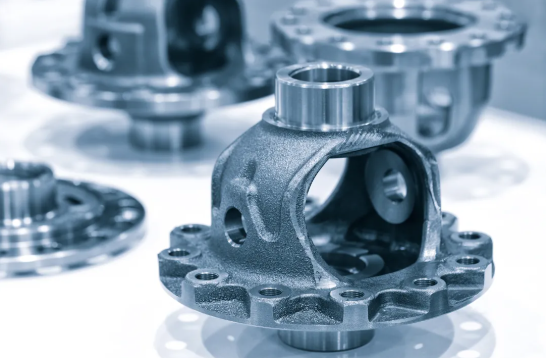
Indkøb af isothermt smedte dele til bilindustriens supply chains
Du forstår processen, anvendelsesmulighederne og begrænsningerne. Nu kommer det praktiske spørgsmål, som ethvert indkøbsteam står over for: Hvor skal disse komponenter egentlig købes? At finde kvalificerede leverandører af isoterme smedede bilkomponenter er ikke det samme som at indkøbe konventionelle stansede eller støbte dele. Den specialiserede udstyr, den tekniske ekspertise og de krævede kvalitetscertificeringer betyder, at kapaciteten er koncentreret hos et relativt lille antal producenter verden over.
For bilindkøbere, der navigerer i dette landskab, kan forståelse af den globale leverandørstruktur, kvalifikationskravene og de typiske indkøbstidsrammer gøre forskellen mellem en problemfri programlancering og kostbare forsinkelser.
Global leverandørstruktur og kapacitetskoncentration
Markedet for isotherm smedning er ikke jævnt fordelt. Der findes betydelig produktionskapacitet i Nordamerika, Vesteuropa og Asien-Stillehav-regionen, men antallet af leverandører med ægte bilindustri-kvalificeret kapacitet er stadig begrænset i forhold til konventionelle smedningsoperationer.
Markedet globalt marked for isotherm smedning nåede omkring 9,01 milliarder USD i 2024 og forventes at vokse til 12,23 milliarder USD i 2029 med en gennemsnitlig årlig vækstrate (CAGR) på 6,29 %. Asien-Stillehav-regionen leder regionalt og udgør 37,34 % af markedet, efterfulgt af Vesteuropa og Nordamerika. Bilsektoren udgør en betydelig end-anvendelsessegment, men luftfarts- og forsvarssektoren udgør i øjeblikket det største segment med 23,76 % af markedet.
Markedet forbliver ret fragmenteret. De ti største konkurrenter har tilsammen kun omkring 21 % af det samlede marked, og de største aktører omfatter blandt andet Allegheny Technologies Incorporated (ATI), Precision Castparts Corp., Bharat Forge og Aubert and Duval. Denne fragmentering betyder, at indkøbsteam har valgmuligheder, men det betyder også, at en grundig leverandørvurdering er afgørende, da kapaciteterne varierer betydeligt.
Hvad betyder dette for bilindkøb? Du har ikke at gøre med et kommoditetsmarked, hvor dusinvis af udskiftelige leverandører konkurrerer udelukkende på pris. Den specialiserede isotherme smedepresseudstyr, varmebestandige støbeforme og procesekspertise, der kræves, skaber naturlige adgangsbarrierer. Leverandører, der har investeret i denne kapacitet – enten etablerede aktører som Wyman Gordons isotherme smedevirksomhed eller nyere aktører i Asien – udgør en begrænset gruppe af kvalificerede partnere.
Regionale overvejelser er også vigtige. De hurtigst voksende markeder er Asien-Stillehavet og Mellemøsten, med forventede gennemsnitlige årlige vækstrater (CAGR) på henholdsvis 6,99 % og 6,74 % frem til 2029. For bilprogrammer med global produktion påvirker denne geografiske fordeling logistikomkostningerne, leveringstiderne og robustheden i forsyningskæden.
Niveaustruktur og kvalificeringskrav for bilindkøb
Hvordan køber bilproducenter faktisk smedede komponenter? At forstå niveaustrukturen hjælper indkøbsteamene med at navigere gennem kvalificeringsprocessen og fastsætte realistiske forventninger til leverandørudvikling.
De fleste bilproducenter (OEM'er) køber smedede komponenter via Tier 1- eller Tier 2-leverandører i stedet for direkte fra smedeværksteder. En Tier 1-leverandør kan f.eks. levere komplette ophængsmonteringer og købe de smedede knæklodser eller styrearme fra en Tier 2-smedespecialist. Denne struktur betyder, at smedeleverandører skal opfylde både OEM-kravene, som videregives gennem leveringskæden, og de specifikke krav fra deres direkte Tier 1-kunder.
IATF 16949-certificering fungerer som grundlæggende kvalifikationskrav for bilindustriens leverandører. Denne standard for kvalitetsstyringssystemer, udviklet af International Automotive Task Force, lægger vægt på fejlforebyggelse og løbende forbedring. Over 65.000 leverandører verden over har denne certificering, og store OEM'er som General Motors, Ford og Stellantis kræver den af deres Tier 1-partnere.
Ud over certificering bør indkøbsteamene vurdere potentielle leverandører ud fra flere dimensioner:
- Dokumentation af proceskapacitet, der demonstrerer statistisk kontrol af kritiske parametre
- Erfaring med PPAP hos bilindustriens kunder, herunder fortrolighed med kundespecifikke krav
- Ledetid for prototyper og evne til at udvikle værktøjer
- Produktionskapacitet og evne til at skala op fra prototype til seriefremstilling
- Geografisk placering og nærhed til store fragthavne til global logistik
- In-house ingeniørstøtte til designoptimering og materialevalg
Kundespecifikke krav øger kompleksiteten. Når en leverandør samtidigt samarbejder med flere OEM’er, skal de håndtere forskellige dokumentationsformater, godkendelsesprocesser og testkriterier ud over den grundlæggende IATF 16949-standard. Leverandører med etableret erfaring inden for bilindustriens PPAP forstår disse nuancer og kan navigere gennem kvalificeringsprocessen mere effektivt.
Integration af kvalitetssystemer er lige så vigtig. AIAG's kerneværktøjer – herunder APQP, PPAP, FMEA, MSA og SPC – skal integreres i leverandørens drift. Statistisk proceskontrol overvåger kritiske smedeparametre kontinuerligt. Målesystemanalyse sikrer, at inspektionsudstyr leverer præcise og reproducerbare resultater. Disse kompetencer er ikke valgfrie ekstraydelser; de er grundlæggende krav for deltagelse i den automobilerelaterede leveringskæde.
Leveringstider, prototypering og skalerbarhed af produktionsmængder
Hvordan ser den typiske indkøbsproces ud for isotherme smedede automobilkomponenter? At forstå tidsplanen hjælper programledere med at planlægge effektivt og undgå uventede forsinkelser.
Processen starter typisk med hurtig prototypproduktion. Udviklingen af værktøjer og fremstilling af de første prøver afgør, om leverandøren kan opfylde kravene til dimensioner, mekaniske egenskaber og kvalitet. For komplekse isoterme smedeparts kan denne fase tage fra flere uger til måneder, afhængigt af delens kompleksitet og kravene til stempeldesign.
Ledetiden for prototypproduktion varierer betydeligt mellem leverandører. Nogle producenter tilbyder hurtig prototypproduktion med de første prøver allerede efter så lidt som 10 dage for enklere geometrier, mens komplekse dele, der kræver omfattende stempeludvikling, kan tage betydeligt længere tid. Leverandører med ingeniørteams i hus kan ofte fremskynde denne fase ved at optimere designene for fremstillelighed, inden værktøjstilvirkningen påbegyndes.
Efter en vellykket godkendelse af prototype præsenterer produktionsoptrækningen sine egne udfordringer. At skala op fra prototype-mængder til højvolumen automobilproduktion kræver validerede processer, trænede operatører og tilstrækkelig pressekapasitet. Leverandører skal demonstrere konsekvent kvalitet over hele produktionsløbet, ikke kun i de første prøver.
Geografisk placering påvirker både leveringstid og logistikomkostninger. Nærhed til store fragthavne er afgørende for globale automobilforsyningskæder, hvor komponenter måske skal transporteres fra Asien til montageanlæg i Nordamerika eller Europa. En leverandør beliggende tæt på en stor havn kan reducere transporttider og forenkle toldafklaring, hvilket direkte påvirker den samlede indkøbspris (landed cost) samt reaktionshastigheden i forsyningskæden.
For indkøbsteam, der vurderer leverandører, bør man overveje Shaoyi (Ningbo) Metal Technology som et eksempel på, hvordan udvælgelse af kvalificerede leverandører ser ud i praksis. Denne IATF 16949-certificerede producent kombinerer hurtig prototypproduktion, allerede på så lidt som 10 dage, med højvolumenproduktionskapacitet for automobilforsgede komponenter, herunder ophængsarme og drivakser. Deres interne ingeniørteam understøtter designoptimering, mens nærheden til Ningbo-havnen muliggør effektiv global levering. Denne kombination af certificering, kapacitet og logistisk placering illustrerer de kriterier, der er afgørende ved indkøb af præcisionsforsgede automobilkomponenter.
Selv selve indkøbsvurderingsprocessen strækker sig typisk over flere måneder. Første screening, udarbejdelse af anmodning om tilbud (RFQ), vurdering af kapacitet, besøg på stedet og prøveordrer kræver alle tid og ressourcer. Ved kritiske komponenter indebærer at skynde sig gennem denne proces risici for kvalitetsfejl eller forsyningsafbrydelser, hvilket koster langt mere end den tid, der investeres i en grundig vurdering.
At opbygge langsigtede leverandørrelationer giver afkast ud over den indledende kvalificering. Etablerede partnerskaber resulterer ofte i foretrukne priser, prioriteret planlægning under kapacitetsbegrænsninger og samarbejdsmæssig problemløsning, når der opstår udfordringer. Investeringen i leverandørudvikling skaber robusthed i forsyningskæden, hvilket beskytter programtidslinjer og kvalitetsmål.
Når sourcing-overvejelserne er forstået, er det sidste trin at udvikle en praktisk ramme for at afgøre, hvornår isotermet smedning er det rigtige valg for dine specifikke automobilapplikationer.
Valg af isotermet smedning til automobilkomponenter
Så du har lært, hvad isotermet smedning kan gøre, hvor det udmærker sig, og hvor det har sine begrænsninger. Men hvordan afgør du faktisk, om det er det rigtige valg for din specifikke komponent? Her er det, mange ingeniører og indkøbsteammer står fast. Teknologien lyder imponerende, men at omsætte dette til en konkret ja-/nej-beslutning kræver en struktureret fremgangsmåde.
Lad os opbygge en praktisk ramme, som du kan anvende på enhver beslutning om isotherm smedning, uanset om du specificerer et nyt ophængsknudepunkt, vurderer et leverandørforslag eller sammenligner fremstillingsmuligheder for et EV-motorhus.
Når isotherm smedning er det rigtige valg for din anvendelse
Ikke alle smedede komponenter kræver isotherme betingelser. Processen giver størst værdi, når bestemte betingelser er opfyldt. Tænk på disse som afkrydsningsfelter, som – når de er markeret – signalerer en god overensstemmelse med denne teknologi.
Anvendelsen af isotherm smedning giver mening, når du arbejder med svært-smækbare legeringer. Titanlegeringer som Ti-6Al-4V og højstyrke aluminiumslegeringer i serierne 6xxx og 7xxx reagerer særdeles godt på deformation ved ensartet temperatur. Disse materialer revner eller flyder uregelmæssigt under konventionelle varmesmedningsbetingelser, men opfører sig forudsigeligt, når termiske gradienter elimineres.
Komplekse 3D-geometrier udgør et andet stærkt område. Når din komponent har indviklede former, små hjørneradiuser, tynde sektioner eller funktioner, der kræver omfattende bearbejdning fra en konventionel smedning, gør isoterme forhold muligt at opnå næsten færdige former (near-net-shape), hvilket betydeligt reducerer sekundære operationer. Isotherm smedede skiver, ophængsopretninger og motorhuse drager alle fordel af denne evne.
Stramme dimensionstolerancer forskyder balancen yderligere. Hvis din anvendelse kræver tolerancer, der er strammere end hvad konventionel varmsmedning pålideligt kan levere, og du ønsker at minimere efterbearbejdning, bliver den kontrollerede deformation ved isotherm smedning stadig mere attraktiv. Fordelene ved isotherm smedning i forbindelse med dimensionel konsistens understøtter direkte statistisk proceskontrol og forenkler PPAP-kvalificering.
Høje krav til mekaniske egenskaber er også afgørende. Når udmattelseslevetid, trækstyrke og slagstyrke er kritiske for komponenternes ydeevne, giver den ensartede mikrostruktur, der opnås ved isotherm deformation, målbare forbedringer i forhold til konventionelle processer. Sikkerhedskritiske komponenter som stempelstænger og ophængsarme retfærdiggør ofte den øgede procesomkostning af denne grund.
Endelig bør økonomien overvejes helhedsmæssigt. Når materialeudnyttelse og reduktion af efterbearbejdningens omkostninger kompenserer den højere værktøjsinvestering, bliver isotherm smedning omkostningsmæssigt konkurrencedygtig, selv ved produktionsvolumener på bilindustriniveau. Beregningen er mest fordelagtig for dyre legeringer, hvor hver gram spildt materiale betyder noget, samt for komplekse komponenter, hvor bearbejdnings- eller maskinfremstillingstiden udgør en betydelig del af de samlede omkostninger.
Nøglespørgsmål til automobilingeniører og indkøbsteam
Før du forpligter dig til isotherm smedning, gennemgå disse vurderingsspørgsmål systematisk. De vil hjælpe dig med at afgøre, om processen er velegnet til din anvendelse, og identificere de leverandørens kompetencer, du har brug for.
- Hvilken legering kræver komponenten, og hvordan opfører det materiale sig under konventionelle smedningsforhold? Titan og højstyrke aluminiumslegeringer drager mest fordel af isotherme forhold.
- Hvor kompleks er komponentens geometri? Funktioner som tynde vægge, dybe lommer, små krumninger og indviklede 3D-forme favoriserer isotherm smednings evne til at fremstille næsten færdige former.
- Hvilke dimensionelle tolerancer og krav til overfladekvalitet skal komponenten opfylde? Strammere specifikationer styrker argumentet for isotherme forhold.
- Hvad er kravene til mekaniske egenskaber? Krav om lang udmattelseslevetid, trækstyrke og slagstyrke passer godt til isotherm smednings ensartede mikrostruktur.
- Hvilket produktionsvolumen forventer du, og begrundes denne mængde investeringen i værktøjer? Højere volumener spreder omkostningerne til støbemodellerne over flere dele, hvilket forbedrer omkostningerne pr. enhed.
- Har leverandøren IATF 16949-certificering og relevant erfaring med bilindustriens PPAP-proces? Dette grundlæggende krav er uforhandeligt for bilindustriens leveringskæder.
- Hvor lang tid kræver leverandøren til prototypproduktion, og hvor hurtigt kan de skala op til produktionsvolumener? En hurtig prototypproduktionskapacitet forkorter programtidslinjerne.
- Har leverandøren teknisk support internt til designoptimering og materialevalg? Samarbejdsmæssig ingeniørarbejde forbedrer ofte delenes ydeevne og reducerer omkostningerne.
- Hvor er leverandøren placeret i forhold til dine samlefabrikker og større fragthavne? Geografisk placering påvirker leveringstiden, logistikomkostningerne og robustheden i leveringskæden.
- Hvilke kvalitetsinspektionsmuligheder opretholder leverandøren? Uden tilskadevirkende prøvning (NDT), koordinatmålingsmaskine (CMM), mekanisk testning og metallografisk analyse skal alle være tilgængelige.
At arbejde systematisk igennem disse spørgsmål forhindrer kostbare misforhold mellem proceskapacitet og anvendelseskrav. Målet er ikke at tvinge isotherm smedning ind, hvor den ikke hører hjemme, men at identificere de anvendelser, hvor den leverer reelle fordele.
Rollen af isotherm smedning i fremtidens bilproduktion
Hvor passer denne teknologi ind i den bredere udviklingslinje for bilproduktion? Adskillige tendenser tyder på, at isotherm smedning vil blive øget relevant i stedet for at falde tilbage til en nicheposition.
Markedet kravet om letvægt fortsætter med at forstærkes. Uanset om det er drivet af reglerne for brændstoføkonomi, optimering af rækkevidden for elbiler eller præstationsmål, fortsætter bilproducenterne med at stræbe efter massebesparelser i alle køretøjssystemer. Højstyrke aluminium- og titanlegeringer gør denne vægtreduktion mulig, og isoterme smedning gør det muligt at forme disse legeringer til komplekse, højtydende komponenter.
Efterspørgslen efter strukturelle EV-komponenter vokser hurtigt. Motorhuse, batterikapslingsrammer, rotorskafter og ophængskomponenter til elbiler rummer alle muligheder for isoterme smedning. Disse dele kræver kombinationen af lav vægt, høj styrke og dimensionel præcision, som processen leverer. Når produktionen af EV’er skaleres op, forbedres økonomien ved isoterme smedning.
Kvalitetskravene i den automobilerelaterede leveranskæde bliver ved med at blive strengere. OEM’er kræver højere proceskapabilitetsindeks, mere omfattende dokumentation og større konsekvens fra deres leverandører. Den indbyggede gentagelighed i isotherm smidning samt de ensartede egenskaber, den frembringer, passer godt til disse forventninger. Leverandører, der kan demonstrere statistisk kontrol af deres isotherme processer, opnår en konkurrencemæssig fordel.
Den rigtige producentpartner gør al forskel, når man skal navigere i disse tendenser. For indkøbsteam, der er klar til at vurdere kvalificerede leverandører, Shaoyi (Ningbo) Metal Technology udviser de evner, der betyder noget: IATF 16949-certificering, hurtig prototypproduktion på så lidt som 10 dage, produktionskapacitet til stor seriefremstilling af komponenter som ophængsarme og drivaksler, ingeniørmæssig support internt i virksomheden samt nærhed til Ningbo-havnen for effektiv global levering. Denne kombination af certificering, kapacitet og logistisk placering repræsenterer det, som bilindkøbere bør søge efter, når de indkøber præcisionsforgede komponenter.
Teknologien er ikke velegnet til alle anvendelser. Men for de komponenter, hvor den passer, leverer isoterme forging en kombination af dimensionel nøjagtighed, mekaniske egenskaber og materialeffektivitet, som konventionelle processer simpelthen ikke kan matche. At forstå, hvornår den skal anvendes, og at samarbejde med kvalificerede leverandører, der kan udføre den pålideligt, sikrer succes for dine projekter i et stadig mere krævende automobilmiljø.
Ofte stillede spørgsmål om isoterme forging i bilindustrien
1. Hvad er isotherm smedning, og hvordan adskiller den sig fra konventionel varm smedning?
Isotherm smedning opretholder både emnet og støbemodellerne ved identiske forhøjede temperaturer gennem hele deformationen, hvilket eliminerer termiske gradienter, der forårsager ujævn materialestrøm i konventionel smedning. Mens traditionel varm smedning bruger køligere støbemodeller (150–300 °C) for at forlænge værktøjets levetid, medfører dette hurtig overfladeafkøling og dimensionel inkonsistens. Isotherme forhold muliggør jævn plastisk deformation og frembringer næsten færdigformede dele med strammere tolerancer og bedre mekaniske egenskaber – især nyttigt for svært smedbare titan- og højstyrke aluminiumslegeringer, der anvendes i bilapplikationer.
2. Hvilke bilkomponenter drager mest fordel af isotherm smedning?
Isotherm forging udmærker sig for komponenter, der kræver ekseptionel udmattelsesstyrke og dimensionel præcision. Nøgleanvendelser omfatter drivlinjedele såsom stempelstænger og krummeaksler, der udsættes for millioner af belastningscyklusser, ophængskomponenter såsom styrearme og knæklodser med komplekse 3D-geometrier samt EV-specifikke dele, herunder motorhuse og strukturelle medlemmer til batteribeholdere. Processen er særligt fordelagtig ved bearbejdning af titan eller aluminiumlegeringer fra 6xxx/7xxx-serien, hvor konventionel forging har svært ved at opnå de krævede tolerancer og mekaniske egenskaber.
3. Hvorfor er isotherm forging vigtig for fremstilling af elbiler?
Elbiler kræver lette, højstyrkekomponenter for at maksimere rækkevidden, og isoterme smedning imødekommer dette behov perfekt. Processen fremstiller komplekse aluminiumsgeometrier til motorhuse, rotorskifter og batterikapselrammer med bedre mekaniske egenskaber end støbninger. Massebesparelser i elbiler skaber en forstærkende effekt: lettere konstruktionskomponenter gør det muligt at bruge mindre batterier, hvilket yderligere reducerer vægt og omkostninger. Isoterme smednings høje materialeudnyttelse og næsten nettoformnøjagtighed minimerer spild fra dyre aluminiumsblokkede, samtidig med at den leverer den dimensionelle nøjagtighed, som elbilmonteringer kræver.
4. Hvad er de primære udfordringer ved isoterme smedning til bilproduktion?
De primære udfordringer omfatter høje værktøjsomkostninger som følge af specialiserede TZM- og MHC-die-materialer, der kan tåle vedvarende forhøjede temperaturer, længere cykeltider på grund af de langsomme deformationshastigheder, der kræves for kontrolleret deformation, samt betydelige kapitalinvesteringer i opvarmede die-pres-systemer. Die-slid accelereres i forhold til konventionel smedning, og vakuum- eller inaktivgas-miljøer tilføjer operativ kompleksitet. For komplekse geometrier i legeringer, der er svære at smede, ofte kompenserer materialebesparelserne og de reducerede maskinbearbejdningsomkostninger dog disse investeringer ved bilproduktionsvolumener.
5. Hvordan finder jeg kvalificerede leverandører af isothermisk smedede bildele?
Start med at verificere IATF 16949-certificeringen, som er den grundlæggende kvalitetsstandard for bilindustrileverandører. Vurder dokumentation for proceskapacitet, erfaring med PPAP hos bilindustrikunder samt prototyppetidsrum. Geografisk placering er afgørende for logistikomkostninger og leveringstider. For eksempel tilbyder Shaoyi (Ningbo) Metal Technology produktion med IATF 16949-certificering, hurtig prototyping på så lidt som 10 dage, ingeniørmæssig support internt i virksomheden samt nærhed til Ningbo-havnen for effektiv global levering. Vurder leverandørernes evne til at skala op fra prototype til højvolumenproduktion, samtidig med at de sikrer konsekvent kvalitet.