 Small batches, high standards. Our rapid prototyping service makes validation faster and easier —
  EN
EN


Fra CAD-fil til leveret komponent: Sådan fungerer online CNC-bearbejdning faktisk
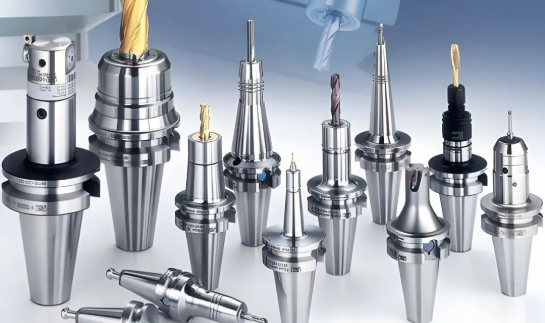
Hvad online CNC-fremstilling faktisk betyder for moderne fremstilling
Forestil dig, at du har brug for en præcisionsmetaldel til dit projekt. For ti år siden ville du have kørt til et lokalt maskinværksted, ventet på et tilbud og håbet på, at de kunne få dig ind i deres tidsplan. I dag? Du uploader en digital fil, modtager øjeblikkelig en pris, og færdige dele bliver leveret direkte til din dør. Det er kraften i online CNC-fremstilling.
I sin kerne forbinder online CNC-fremstilling dine digitale design direkte med computerstyrede fremstillingsudstyr via webbaserede platforme. En CNC-maskine bruger computerstyrede kontroller til at styre skæreværktøjer som fræsere, drejebænke og router med ekstraordinær præcision. Når du kombinerer denne fremstillingskapacitet med internetadgang, eliminerer du geografiske barrierer samt CNC- og traditionelle gatekeeping-forhold, der tidligere gjorde skræddersyede dele eksklusive for store producenter.
Den digitale revolution inden for adgang til maskinværksteder
Produktionslandskabet har undergået en grundlæggende ændring. Online-platforme gør nu adgang til avancerede maskinfremstillingsmuligheder demokratisk, hvilket tidligere kun var forbeholdt virksomheder med etablerede leverandørforbindelser og ingeniørafdelinger.
Tænk over, hvad dette betyder for dig. Uanset om du er en startupgrundlægger, der udvikler prototype til et nyt produkt, en vedligeholdelsesingeniør, der erstatter forældede komponenter, eller en amatør, der bygger noget unikt, har du nu samme adgang til præcisionsfremstilling som Fortune-500-virksomheder. Du har ikke brug for personlige forbindelser, minimumsordrebetingelser eller endda dyb teknisk ekspertise, for at komme i gang.
Når du anmoder om et CNC-tilbud online, analyserer avancerede algoritmer din designfil inden for sekunder og beregner materialekrav, maskineringstid og kompleksitetsfaktorer, som det ville tage en traditionel værkstedtimer at vurdere manuelt. Denne digitale transformation forenkler alle trin fra indsendelse af designet til endelig levering.
Kernekomponenter i online CNC-tjenester
Alle online CNC-tjenester fungerer via forbundne systemer, der arbejder sammen sømløst. At forstå disse komponenter hjælper dig med at navigere processen med tillid:
- Øjeblikkelige tilbudsmoduler: Automatiserede softwareløsninger analyserer dine uploadede designfiler og genererer priser inden for sekunder baseret på geometri, materialevalg og mængde
- Designanalyseværktøjer: Algoritmer scanner dine filer for potentielle fremstillingsproblemer, inden produktionen begynder, og markerer problemer som umulige funktioner eller tolerancekonflikter
- Fremstillingsnetværk: Fysiske CNC-maskinværksteder udstyret med fræsere, drejebænke og CNC-servicefunktioner udfører dine ordrer med præcision
- Kvalitetsstyringssystemer: Inspektionsprocesser verificerer, at dimensionel nøjagtighed og krav til overfladekvalitet opfylder dine specifikationer
- Integreret fragt: Logistikkoordination sikrer, at færdige dele når dig via optimerede leveringskanaler
Vigtig terminologi afkodet
Føler du dig overvældet af teknisk fagsprog? Lad os gennemgå de væsentlige begreber, du vil støde på:
CAD (Computer-Aided Design) henviser til den software, du bruger til at oprette digitale 3D-modeller af dine dele. Programmer som SolidWorks, Fusion 360 eller endda gratis muligheder som FreeCAD genererer de designfiler, som du uploader. Tænk på CAD som din digitale tegning.
CAM (Computer-Aided Manufacturing) er broen mellem dit design og den fysiske maskine. CAM-software tager din CAD-model og genererer de specifikke instruktioner, der fortæller maskinen præcis, hvordan din del skal fræses, herunder værktøjsspor, fræsehastigheder og operationssekvenser.
G-code er det programmeringssprog, som CNC-maskiner faktisk forstår. Når CAM-softwaren behandler din design, genererer den G-kode-instruktioner – i virkeligheden en række koordinater og kommandoer, der styrer hver eneste bevægelse, som skæreværktøjet udfører. Du behøver ikke at skrive G-koden selv; online-platformen håndterer denne oversættelse automatisk.
At forstå disse relationer mellem CAD og CNC-fremstillingsprocesser giver dig grundlaget for at kommunikere effektivt med enhver maskinbearbejdningstjeneste og træffe velovervejede beslutninger gennem hele dit projekt.
Den komplette rejse fra CAD-fil til leveret emne
Har du nogensinde undret dig over, hvad der rent faktisk sker, efter du har klikket på "indsend" på en online CNC-maskinbearbejdning-platform? De fleste tjenester viser dig en pris og en leveringsdato og lader dig derefter stå i mørket, indtil dine dele ankommer. Lad os trække gardinet til side og gennemgå alle trin i processen – fra det øjeblik, du forbereder din designfil, til de maskinbearbejdede dele ankommer til din dør.
At forstå denne rejse transformerer dig fra en passiv kunde til en informeret partner i fremstillingsprocessen. Du vil vide præcis, hvor dine CNC-fremstillede dele er i produktionsprocessen, kunne forudse potentielle forsinkelser og kommunikere mere effektivt, når spørgsmål opstår.
Forberedelse af dine designfiler til upload
Din fremstillingsrejse begynder langt før du besøger en online-platform. Kvaliteten af din designfil påvirker direkte pristilbuddets nøjagtighed, fremstillingens succes og den endelige dels kvalitet. At gøre dette trin rigtigt sparer tid og undgår kostbare revideringer.
Online-CNC-tjenester accepterer flere standardfilformater, hvor hvert format har sine særlige fordele:
- STEP (.stp, .step): Den universelle standard for udveksling af 3D-CAD-data. STEP-filer bevarer fast geometri præcist og fungerer på stort set alle platforme. Dette er din sikreste valgmulighed for de fleste CNC-dele.
- IGES (.igs, .iges): Et ældre format, der stadig er bredt understøttet. Selvom det er funktionsdygtigt, kan IGES nogle gange miste geometrisk nøjagtighed under konvertering, især ved komplekse krumme overflader.
- STL (.stl): Almindelig i 3D-printning, men mindre velegnet til CNC-bearbejdning. STL-filer approksimerer overflader ved hjælp af trekantede flader, hvilket kan medføre geometriske unøjagtigheder ved præcisionsbearbejdningsdele.
Lyd det enkelt? Her er det, hvor mange første gang-brugere fejler. Almindelige forberedelsesfejl inkluderer:
- At uploade samlingsfiler i stedet for enkeltdelfiler
- At glemme at fjerne interne skitser eller konstruktionsgeometri
- At lade dele være i forkert målestok (forvirring mellem millimeter og tommer)
- At inkludere funktioner, der kun findes til visualisering, ikke til fremstilling
Før upload kontrollerer du, at din model er vandtæt uden åbne overflader eller selvskærende geometri. De fleste CAD-programmer indeholder analyseværktøjer, der automatisk tjekker for disse problemer.
Forståelse af automatisk DFM-analyse
Inden for sekunder efter upload starter avancerede algoritmer med at analysere din konstruktion for fremstillelighed denne Design for Manufacturability (DFM)-analyse er en af de mest værdifulde tjenester, som online-platforme tilbyder, og den inkluderes ofte gratis sammen med din prisangivelse.
Hvad undersøger den automatiserede DFM-analyse præcis? Systemet vurderer din konstruktion i forhold til fremstillingsbegrænsninger, som endda erfarene ingeniører nogle gange overser:
- Funktionsadgang Kan skæreværktøjerne fysisk nå alle overflader, der skal bearbejdes? Dybe huller eller indvendige hjørner kan kræve specialiseret værktøj eller flere opsætninger.
- Analyse af vægtykkelse: Tynde vægge kan blive deformerede under bearbejdning, hvilket kan føre til dimensionelle unøjagtigheder eller endda fejl i dele. Systemet markerer områder, der ligger under anbefalede minimumsværdier.
- Mulighed for at opnå angivne tolerancer: Er de specificerede tolerancer realistiske med standardmaskinbearbejdningsprocesser, eller kræver de præcisionsudstyr og længere produktions tid?
- Opdagelse af underfræsninger: Funktioner, som standard 3-akset fræsning ikke kan tilgå, identificeres, og der gives forslag til konstruktionsændringer eller alternative processer.
Ifølge branchens eksperter kan professionel DFM-analyse reducere fremstillingsomkostningerne med 40 % i forhold til de oprindelige estimater, når anbefalingerne implementeres. Analysen optimerer proaktivt designene for at forhindre fejl, så din CNC-prototype fremstilles "rigtigt første gang" med betydeligt reducerede omkostninger og udviklingstider.
Når du modtager DFM-feedback, vil du typisk se markerede problemer kategoriseret efter alvorlighedsgrad. Kritiske problemer gør fremstillingen helt umulig. Advarsler henviser til funktioner, der øger omkostningerne eller risikoen. Forslag giver muligheder for optimering, der ikke påvirker funktionaliteten.
Fra tilbud til produktionsgulv
Når du godkender tilbuddet og bekræfter valget af materiale, kommer din ordre ind på produktionskøen. Her er den bagvedliggende sekvens, som de fleste konkurrenter aldrig afslører:
- Ordreverificering: En fremstillingsingeniør gennemgår dit design, DFM-feedback og særlige krav. For standarddele sker dette inden for få timer. Komplekse geometrier kan kræve yderligere konsultation.
- CAM-programmering: Specialiseret software genererer værktøjsstier, der oversætter din 3D-model til præcise maskininstruktioner. Programmører optimerer fræsningsstrategier for at sikre effektivitet uden at kompromittere kvaliteten.
- Materialeforberedelse: Råmateriale vælges og skæres til passende blankstørrelser. Ved online-maskinebearbejdningstilbud er materialet typisk leveret fra certificerede leverandører med fuld sporbarehed.
- Maskinopsætning: Operatører monterer dit blankmateriale, installerer de nødvendige skære-værktøjer og indlæser programmet. Opsætningstiden varierer betydeligt afhængigt af delens kompleksitet og krav til målenøjagtighed.
- Maskineringsoperationer: CNC-maskinen udfører de programmerede operationer ved at fjerne materiale lag for lag. Operatører overvåger processen og justerer parametrene efter behov for at opnå optimale resultater.
- Kvalitetskontrol: Færdigbearbejdede dele gennemgår dimensionel verifikation i henhold til dine specifikationer. Afhængigt af kravene omfatter dette alt fra grundlæggende målepasserkontroller til analyse med koordinatmålemaskine (CMM) med fuldstændige inspektionsrapporter.
- Efterbehandling: Hvis du har specificeret overfladebehandlinger som anodisering, pulverlakning eller kuglestråling, sendes dele til afsluttende operationer før den endelige emballage.
- Forsendelseskoordinering: Færdige dele pakkes omhyggeligt ind med beskyttende materialer og dokumentation og overdrages derefter til logistikpartnere til levering.
For standard CNC-prototypering bestiller fuldføres denne hele proces typisk inden for 3–7 hverdage. Accelererede tjenester kan betydeligt forkorte tidsrammerne, og nogle udbydere tilbyder endda levering næste dag for enkle geometrier.
Gennemsigtigheden i online-platforme betyder, at du ofte kan spore din ordre gennem hver fase. Automatiserede underretninger informerer dig, når dele går i produktion, færdiggør maskinbearbejdning og afsendes. Denne synlighed eliminerer usikkerheden, som traditionelt har plaget forholdet mellem kunder og leverandører inden for specialfremstilling.
Nu hvor du forstår den komplette rejse fra fil til færdigdel, er du klar til at udforske de specifikke maskinbearbejdningsprocesser, der transformerer råmateriale til præcisionskomponenter.
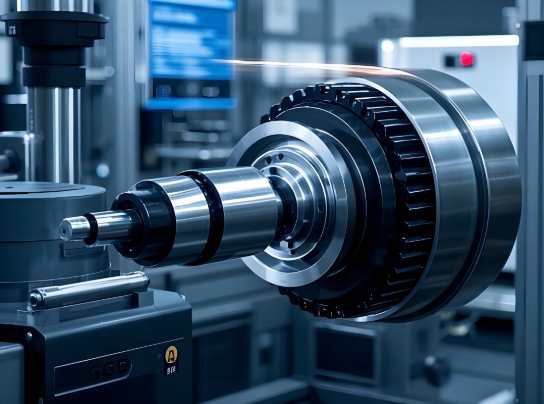
CNC-fresning versus drejning versus EDM-processer afklaret
Du har uploadet din designfil, modtaget dit tilbud og godkendt produktionen. Men hvad sker der faktisk, når råmaterialet møder skæreværktøjet? At forstå de specifikke maskinbearbejdningsprocesser, der er tilgængelige via online-platforme, hjælper dig med at designe bedre dele, kommunikere kravene tydeligt og træffe velovervejede beslutninger om, hvilken metode der passer bedst til dit projekt.
De fleste online CNC-tjenester tilbyder flere procesmuligheder, men forklarer sjældent, hvad der adskiller dem. Lad os ændre på det. Uanset om din del kræver CNC-skæring på flade overflader eller præcis CNC-drejning på cylindriske geometrier , gør kendskabet til, hvordan hver proces fungerer, dig til mere end blot en bestiller – du bliver en samarbejdspartner inden for fremstilling.
Forklaring af fræsningsoperationer
CNC-fresning bruger roterende flerpunkts-skæreværktøjer, der bevæger sig over et stationært emne og fjerner materiale lag for lag. Forestil dig et bor, men i stedet for kun at bore nedad, bevæger det sig sidelæns og skaber slits, lommer, konturer og komplekse 3D-overflader med bemærkelsesværdig præcision.
Hvad adskiller forskellige fresningsprocesser fra hinanden? Antallet af akser, som maskinen styrer samtidigt:
3-akse-fræsning: Skæreværktøjet bevæger sig langs X-, Y- og Z-retningerne, mens emnet forbliver fast. Denne konfiguration håndterer effektivt flade overflader, lommer, huller og simple konturer. De fleste prismatiske dele – f.eks. beslag, kabinetter og monteringsplader – fremstilles fremragende på 3-akse-udstyr. Det er arbejdshesten inden for online CNC-tjenester og typisk den mest omkostningseffektive løsning.
3+2-akse-fresning: Også kaldet positionsbaseret 5-akse, tilføjer denne opstilling to rotationsakser, der omplacerer arbejdsemnet mellem fræsningsoperationer. Maskinen låser emnet i en bestemt vinkel og udfører derefter 3-aksefræsning. Denne fremgangsmåde giver adgang til flere flader uden manuel omplacering, hvilket reducerer opsætningstiden og forbedrer nøjagtigheden for dele, der kræver funktioner på flere overflader.
5-akse simultan fræsning: Alle fem akser bevæger sig kontinuerligt under fræsningen, så værktøjet kan nærme sig arbejdsemnet fra næsten enhver vinkel. Komplekse luft- og rumfartsdele, turbineblade og organisk skulpturale former bliver mulige. Modvægten? Højere maskinomkostninger medfører højere delepriser, typisk 30–50 % mere end tilsvarende 3-aksearbejde.
Når online-platforme analyserer din uploadede designfil, fastslår de automatisk, hvilken aksekonfiguration din geometri kræver. En CNC-fræset komponent med funktioner på kun én flade dirigeres til 3-akse-maskiner, mens udskåringer eller sammensatte vinkler udløser anbefalinger af 5-akse-fræsning.
CNC-drejning til cylindriske dele
Hvor fræsning drejer værktøjet, vendes ligningen ved CNC-drejning: arbejdsemnet roterer hurtigt, mens et stationært enkeltspids skære-værktøj former dets overflade. Denne grundlæggende forskel gør drejning ideel til cylindriske, kegleformede og rotationsymmetriske komponenter.
Tænk på et pottemålerhjul, men i stedet for ler og fingre har du metalstangmateriale og præcisionsbesløret karbidindsats. CNC-drejetjenester er fremragende til fremstilling af aksler, stifter, bushings, afstandsstykker og trådede komponenter med ekseptionel koncentricitet og rundhed.
Moderne CNC-drejetjenesters muligheder strækker sig langt ud over simple cylindre. Almindelige operationer omfatter:
- Endefladebehandling: Oprettelse af flade endeflader vinkelret på rotationsaksen
- Afboring: Forstørrelse eller forfining af indvendige diametre med præcision
- Indfødning: Skæring af indvendige eller udvendige skruetråde i én gennemgang
- Riller: Bearbejdning af smalle nischer til O-ringe, fastlåsningsringe eller dekorative detaljer
- Adskillelse: Adskillelse af færdige dele fra stangmateriale
Avancerede drejebænke er nu udstyret med live-værktøj—roterende skære-værktøjer monteret på tårnet—der udfører fræsningsoperationer uden at skulle overføre dele til separate maskiner. Har du brug for en aksel med en fræset flade eller tværgående boringer? Mill-turn-bænke håndterer begge processer i én opsætning, hvilket forbedrer nøjagtigheden og samtidig reducerer gennemløbstider.
Til højvolumenproduktion kører CNC-drejebænke med stangforsyning kontinuerligt med minimal operatørindgriben. Automatiske stangforsyningsenheder leverer råmaterialet, mens færdige dele udskubbes i opsamlingsbakker. Denne automatisering gør CNC-drejetjenester særligt omkostningseffektive ved mængder over 50–100 styk.
Når EDM bliver nødvendig
Nogle geometrier kan simpelthen ikke bearbejdes med konventionelle skæreværktøjer. Indvendige hulrum uden værktøjsadgang, ekstremt hårde materialer, der ødelægger almindelige skæreværktøjer, eller detaljer, der kræver præcision på tykkelsen af en tråd—disse scenarier kræver elektrisk udledningsmaskinbearbejdning (EDM).
EDM fjerner materiale ved hjælp af kontrollerede elektriske gnister i stedet for fysisk skæring. Processen virker kun på elektrisk ledende materialer, men opnår resultater, der er umulige at opnå med konventionelle metoder. Ifølge fremstillingsfagfolk opretholder Wire EDM en positionsnøjagtighed på ±0,0005" selv i hærdede materialer, mens konventionel boring i hårde materialer ofte afviger med ±0,002" eller mere.
Tre EDM-varianter tjener forskellige geometriske behov:
- Wire EDM: En tynd, elektrisk ladet tråd skærer gennem materialet som en bandsav og skaber komplekse ydre profiler og gennemskæringer. Ideel til indviklede 2D-former i hærdede værktøjsstål.
- Sinker EDM: Brugerdefinerede elektroder »synker« ind i emnet og ætser hulrum, der er spejlbilleder af elektroden. Vigtig for indkapslede indre funktioner, som fræsere ikke kan nå.
- Hole Drilling EDM: Specialiseret til fremstilling af præcisionsboringer i hårde materialer, ofte anvendt til kølekanaler i sprøjtestøbningsskabeloner eller turbindele.
Hvad koster det? EDM kører typisk 150–300 % dyrere end konventionel bearbejdning og forlænger produktionsplanlægningen med 2–4 uger. Når din geometri kræver detaljer, som almindelige CNC-bearbejdningsmetoder ikke kan opnå, bliver EDM dog ikke blot en mulighed, men en nødvendighed.
Valg af den rigtige proces til din geometri
Hvordan afgør du, hvilken proces der passer til din komponent? Start med geometrien, og overvej derefter tolerancerne og volumenkravene. Den følgende sammenligningsmatrix opsummerer de vigtigste beslutningsfaktorer:
| Procestype | Typiske anvendelser | Geometriske muligheder | Tolerancemargen | Relativ pris |
|---|---|---|---|---|
| 3-akset fræsning | Beslag, kabinetter, plader, omkapslinger | Flade overflader, lommer, huller, simple konturer | ±0,005" som standard, ±0,002" præcisionsniveau | $ |
| 5-akse Fræsning | Luft- og rumfartskomponenter, impulshjul, komplekse støbeforme | Underkutninger, sammensatte vinkler, organiske overflader | ±0,002" til ±0,001" | $$-$$$ |
| CNC-skrue | Aksler, stifter, bushings, gevindforbindelser | Cylindriske, kegleformede, rotationsymmetriske | ±0,002" som standard, ±0,001" til præcisionsarbejde | $ |
| Mill-Turn | Aksler med flader, tværgange, komplekse roterende dele | Kombinerede cylindriske og prismatiske funktioner | ±0,002" til ±0,001" | $$ |
| Tråd EDM | Værktøjsstålformdele, indviklede profiler, tynde spalter | Komplekse 2D-gennemskæringer, ydre konturer | ±0,0005" opnåelig | $$$ |
| Synke EDM | Formhulrum, indre funktioner, blinde lommer | Indkapslede indre geometrier, 3D-hulrum | ±0,001" til ±0,0005" | $$$-$$$$ |
En praktisk beslutningsramme: Hvis din komponent primært er rund og symmetrisk, skal du starte med drejning. Hvis den kræver flade overflader, lommer eller funktioner på flere overflader, er fræsning din grundsten. Har du brug for begge dele? Mill-turn-centre kombinerer begge kapaciteter. Støder du på indre hulrum uden værktøjsadgang eller hårde materialer over 45 HRC? Så kommer EDM ind i samtalen.
Når du bruger online-CNC-platforme, analyserer det automatiserede tilbudssystem din geometri og anbefaler passende fremstillingsprocesser. Forståelse af disse forskelle giver dig dog mulighed for at designe komponenter, der er optimeret til specifikke fremstillingsmetoder – hvilket reducerer omkostningerne og samtidig forbedrer resultaterne.
Når bearbejdningsprocesserne er afklaret, er det næste kritiske valg at vælge materialer, der balancerer kravene til ydeevne med bearbejdningsmuligheder.
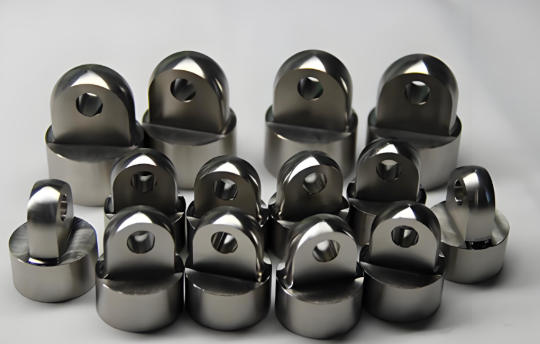
Vejledning til materialevalg for CNC-fremstillede komponenter
Du har valgt din bearbejdningsproces og forbedret din konstruktion for fremstilling. Nu kommer et valg, der direkte påvirker komponentens ydeevne, produktionsomkostningerne og projektets tidsplan: at vælge det rigtige materiale. Dette trin kan være udfordrende, selv for erfarede ingeniører, fordi online-platforme viser dusinvis af muligheder uden at forklare, hvorfor ét materiale er bedre end et andet til specifikke anvendelser.
CNC-bearbejdning fungerer med stort set ethvert metal eller plast, men denne fleksibilitet skaber sine egne udfordringer. Aluminium kan bearbejdes hurtigt og billigt, men vil det overleve din driftsmiljø? Titan tilbyder en utrolig styrke-til-vægt-ratio, men er den femdobbelte omkostningsstigning berettiget for din anvendelse? Lad os gennemgå de materialer, du vil støde på på online CNC-platforme, og fastlægge klare beslutningskriterier.
Metalmaterialer og deres bearbejdningsadfærd
Hvorfor koster det langt mindre at bearbejde aluminium end titan, selv når råmaterialepriserne er sammenlignelige? Svaret ligger i bearbejdeligheden – hvor nemt et materiale tillader skæreværktøjer at fjerne spåner uden overdreven slid, varmeudvikling eller overfladeskade.
Aluminium alloyer repræsenterer det optimale valg for de fleste CNC-projekter. Deres fremragende styrke-til-vægt-forhold, naturlige korrosionsbestandighed og fremragende bearbejdelighed gør dem til standardvalget, når stål-lignende styrke ikke kræves. Ifølge Hubs’ produktionseksperter er aluminiumlegering 6061 den mest almindelige og billigste metal til CNC-bearbejdning og fungerer som et alsidigt arbejdshest på tværs af brancher.
Forskellige aluminiumlegeringer anvendes til forskellige formål:
- 6061:Almindelig brugslegering med fremragende bearbejdelighed, god styrke og mulighed for anodisering til forbedret overfladehårdhed
- 7075:Luftfartsgrad med udmærkede udmattelsesegenskaber, der nærmer sig ståls, kan udsættes for varmebehandling til høj hårdhed, men er sværere at svejse
- 5083:Overlegen modstandsdygtighed mod havvand til marine anvendelser med fremragende svejseegenskaber
Rustfrit stållegeringer leverer, når kravene til korrosionsbestandighed og styrke overstiger aluminiums muligheder. Disse materialer bearbejdes langsommere og genererer betydelig varme, hvilket øger værktøjslidelserne og produktionsomkostningerne. Deres holdbarhed i krævende miljøer begrundar dog ofte den højere pris.
Almindelige kvaliteter omfatter 304 (almindelig brug med fremragende korrosionsbestandighed), 316 (forbedret kemisk bestandighed til marine og medicinske anvendelser) og 17-4 PH (udfældningshærdet til hårdhedsniveauer, der nærmer sig værktøjsstål).
Messing og bronze optager en unik position ved valg af CNC-materialer. Messing C36000, ofte kaldet frit drejende messing, rangerer blandt de nemmeste materialer at skære. Den producerer rene spåner, genererer minimal værktøjslidelse og giver fremragende overfladekvalitet direkte fra maskinen. Dette gør CNC-bronze til et økonomisk attraktivt valg for dekorative komponenter i stor seriefremstilling, elektriske forbindelsesstumper samt udstyr til væskehåndtering.
Når du bearbejder bronze til lejer, bushings eller marineudstyr, vil du opleve lignende fordele. CNC-bearbejdning af bronze giver naturlig smørehed og korrosionsbestandighed, som stål ikke kan matche. Materialets „venlige“ natur betyder kortere cykeltider og lavere omkostninger pr. del, selvom råmaterialepriserne er højere end for aluminium.
Titanium repræsenterer den ekstreme ende af spektret. Enestående styrke-til-vægt-forhold og biokompatibilitet gør det uerstatteligt til luftfarts- og medicinske implantater. Titaniums lave termiske ledningsevne koncentrerer dog varme ved skærekanten, hvilket dramatisk accelererer værktøjsforringelse. Bearbejdningshastighederne falder til en brøkdel af aluminiumshastighederne, og specialiserede værktøjer bliver påkrævet. Forvent, at titaniumdele koster 3–5 gange mere end tilsvarende aluminiumkomponenter.
| Metalmateriale | Bearbejdningsvurdering | Trækfasthed | Korrosionsbestandighed | Omkostningsniveau | Typiske anvendelser |
|---|---|---|---|---|---|
| Aluminium 6061 | Udmærket | Moderat (276 MPa) | God | $ | Prototyper, kabinetter, strukturelle komponenter |
| Aluminium 7075 | God | Høj (503 MPa) | Moderat | $$ | Luftfartsfittings, komponenter under høj spænding |
| Rustfrit 304 | Moderat | Høj (215 MPa flydegrænse) | Udmærket | $$ | Fødevareudstyr, medicinsk udstyr, marine beslag |
| Rustfrit 316 | Moderat | Høj (205 MPa flydegrænse) | Overlegen | $$$ | Kemisk procesudstyr, kirurgiske instrumenter |
| Brass c36000 | Udmærket | Moderat (310 MPa) | God | $$ | Elektriske forbindelsesstumper, dekorative beslag, ventiler |
| Bronze CNC | Meget god | Moderat-høj | Udmærket | $$-$$$ | Lager, bueslag, marinekomponenter |
| Titanium Grade 5 | - De er fattige. | Meget høj (880 MPa) | Udmærket | $$$$ | Medicinske implantater, luftfartsstrukturer |
Konstruktionsplast til CNC-anvendelser
Når dit projekt kræver lette dele, elektrisk isolation eller kemisk modstandsdygtighed, som metaller ikke kan levere, bliver konstruktionsplast afgørende. Plastmaterialer opfører sig dog meget forskelligt under skæreværktøjer, og valget mellem muligheder som delrin-plast og nylon til maskinbearbejdning kræver forståelse af deres forskellige egenskaber.
Delrin (POM/Acetal) står ud som den mest bearbejdningsvenlige plast, der findes. Dets stivhed og lave fugtoptagelse resulterer i dimensionelt stabile dele med fremragende overfladekvalitet direkte fra maskinen. Ifølge Penta Precisions ingeniøranalyse bearbejdes Delrin renligt og efterlader en glat, højtkvalitets overflade direkte fra værktøjet, hvilket ofte kræver minimalt eller slet ingen efterbearbejdning.
Delrin udmærker sig i præcisionsapplikationer: gear, lejer, ventilkomponenter og alle dele, der kræver stramme tolerancer i våde miljøer. Dens dimensionelle stabilitet betyder, at det, du fræser, er det, du får – ingen efterbearbejdningsskræmming som følge af fugtabsorption.
## Nylon (Polyamid) tilbyder bedre slagstyrke og højere temperaturbestandighed end Delrin, hvilket gør den ideel til komponenter, der udsættes for gentagen belastning eller varmepåvirkning. Glasfyldte nylonkvaliteter tåler kontinuerlige temperaturer på ca. 120–130 °C i modsætning til Delrins maksimum på 100–110 °C.
Kompromiset? Nylon absorberer fugt fra luften, hvilket kan ændre dimensioner og mekaniske egenskaber over tid. Denne hygroskopiske adfærd gør nylon problematisk for præcisionsmontager eller forseglede systemer, hvor dimensionel stabilitet er afgørende. Desuden kan nylonens fleksibilitet medføre værktøjsafbøjning under bearbejdning, hvilket ofte kræver ekstra efterbearbejdningstrin som slibning eller afskæring.
Valg mellem disse materialer afhænger ofte af miljøet og præcisionskravene:
- Vælg Delrin når dimensionel stabilitet, fugttolerance, stramme tolerancer eller overfladekvalitet er prioriteter
- Vælg Nylon når slagstyrke, heddetolerance, fleksibilitet eller omkostningseffektivitet er afgørende
Polycarbonat leverer fremragende slagstyrke – bedre end ABS – kombineret med optisk gennemsigtighed. Det er det foretrukne materiale til transparente komponenter, beskyttelsesdæksler og anvendelser, hvor synlighed er påkrævet. God bearbejdningsmulighed og evnen til at optage forskellige farvestoffer gør polycarbonat alsidigt anvendeligt både i forbrugsprodukter og industriudstyr.
PTFE (Teflon) har den laveste friktionskoefficient af alle faste materialer og fremragende kemisk modstandsdygtighed. Driftstemperaturer over 200 °C placerer PTFE i anvendelser, hvor andre plastmaterialer svigter. Dets blødhed og tendens til koldflydning begrænser dog dets anvendelse i bærende konstruktioner – PTFE anvendes typisk som foringsmaterialer, tætninger eller indsatser i større samlinger.
| Plastikmateriale | Bearbejdelighed | Fugtighedsoptagelse | Maks. driftstemperatur | Omkostningsniveau | Bedste anvendelser |
|---|---|---|---|---|---|
| Delrin (POM) | Udmærket | Meget lav (0,2 %) | 100-110°c | $$ | Gear, lejer, ventillegemer, præcisionskomponenter |
| Nylon 6/6 | God | Høj (2,5 %) | 120–130 °C | $ | Bøsninger, slidplader, konstruktionsdele, kabinetter |
| Polycarbonat | God | Lav (0,15 %) | 115–130 °C | $$ | Gennemsigtige dæksler, beskyttelsesdæksler, optiske komponenter |
| PTFE (Teflon) | Moderat | Fornegligeligt | 260°C | $$$ | Tætninger, foringsdele, kemikaliebestandige indsatte dele |
| PEEK | God | Meget lav (0,1 %) | 250°C | $$$$ | Medicinske implantater, luft- og rumfart, højtydende lejer |
Afhængigt af materialeegenskaber og anvendelseskrav
Med så mange muligheder: hvordan begrænser du systematisk valgmulighederne til dit specifikke projekt? Start med at definere dine ufravigelige krav, og eliminer derefter materialer, der ikke opfylder nogen af de kritiske kriterier.
Trin 1: Definer miljøbetingelserne. Udsættes din komponent for fugt, kemikalier, ekstreme temperaturer eller UV-stråling? Dette filtrerer straks mulighederne – rustfrit stål eller PTFE ved kemisk påvirkning, aluminium eller nylon til udendørs anvendelse, titan eller PEEK i biomedicinske miljøer.
Trin 2: Fastlæg mekaniske krav. Hvilke belastninger, spændinger og stød skal komponenten klare? Højspændingsanvendelser kræver stållegeringer eller titan. Ved moderate belastninger med vægtfølsomhed er aluminium eller forstærkede plastikker at foretrække. Slidstyrke peger mod bronze CNC-løsninger, Delrin eller hærdede stålsorter.
Trin 3: Overvej præcisionskravene. Smalle tolerancer i fugtige miljøer eliminerer hygroskopiske materialer som nylon. Dimensionel stabilitet over tid taler for Delrin-plast frem for andre polymerer. Kritiske pasformkrav kræver muligvis spændingsfri metalbehandling.
Trin 4: Afvej omkostninger mod ydeevne. Kan aluminium opfylde kravene, hvor titan oprindeligt var specificeret? Ville Delrin yde tilstrækkeligt i stedet for PEEK til en fjerdedel af omkostningerne? Disse afvejningsdiskussioner afgør ofte et projekts levedygtighed.
Når der bestilles via online-CNC-platforme, påvirker materialevalget direkte både den citerte pris og leveringstiden. Eksotiske materialer som titan eller PEEK kan kræve særlig bestilling, hvilket tilføjer dage til leveringstidsplanen. Standardaluminium og Delrin-lager er typisk klar til afsendelse fra lager, hvilket muliggør hurtigere gennemløbstid.
Husk, at bearbejdningsvenlighed direkte påvirker omkostningerne. Ved at vælge letbearbejdelige materialer som messing eller aluminium frem for sværtbearbejdelige materialer som titan eller rustfrit stål kan bearbejdningsomkostningerne reduceres med 50 % eller mere, selv når råmaterialeomkostningerne er tilsvarende. Denne sammenhæng mellem materialeegenskaber og produktionsøkonomi gælder for alle aspekter af dit projekt – herunder tolerancekravene, som vi vil undersøge næste.
Tolerancekrav, der faktisk betyder noget
Alle online CNC-platforme angiver deres tolerancekapacitet i deres specifikationer. Du vil se tal som ±0,005" eller ±0,127 mm fordelt på sammenligningsdiagrammer. Men hvad betyder disse tal egentlig for dit projekt? Hvornår er præcision virkelig afgørende, og hvornår betaler du en premium for en nøjagtighed, som din anvendelse ikke kræver?
At forstå tolerancer transformerer dig fra en, der accepterer standardspecifikationer, til en ingeniør, der optimerer design for både ydeevne og omkostninger. Forskellen mellem standard- og præcisions-CNC-fremstillingstolerancer kan gøre din reservedelsomkostning 3–4 gange større – men mange designere specificerer stramme tolerancer "bare for at være på den sikre side", uden at forstå de fremstillingsmæssige konsekvenser.
Forståelse af toleranceangivelser og standarder
Toleranceangivelser fremgår af tekniske tegninger i flere formater, og at genkende, hvad hver enkelt betyder, forhindrer kostbare misforståelser med din leverandør af præcisionsfremstilling.
Den mest almindelige notation bruger tosidige tolerancer: en nominaldimension efterfulgt af plus/minus-værdier. Når du ser "25,00 ±0,05 mm", strækker det acceptable interval sig fra 24,95 mm til 25,05 mm. Dette enkle format fungerer for de fleste CNC-maskindele, hvor variation i begge retninger er lige acceptabel.
Ensidige tolerancer begrænser variationen til kun én retning. En angivelse som "25,00 +0,00/−0,05 mm" betyder, at komponenten kan være op til 0,05 mm for lille, men ikke må overstige den nominelle dimension. Trykpasningsanvendelser kræver ofte denne fremgangsmåde – en aksel skal kunne monteres i sin bolig uden at være for stor.
For gevindformede dele gælder specialiserede standarder for tilladt variation. Hvad er tolerancen for gevindhuller? Det afhænger af den specificerede gevindklasse. Standardgevinde (klasse 2B for indvendige, klasse 2A for udvendige) tillader mere variation end præcisionsgevinde (klasse 3B/3A). Når der bestilles dele med NPT-forbindelser, sikrer forståelse af specifikationer som f.eks. 3/8 NPT-gevinddimensioner eller 1¼ NPT-hulstørrelse korrekt tætning. For eksempel følger en 3/8-rørgevindstørrelse ASME B1.20.1-standarderne med definerede tolerancer for gevindens pitch-diameter, hvilket afgør gevindindgreb og tæthedsintegritet.
Internationale standarder leverer tolerance-rammeværker, når tegninger ikke specificerer enkeltdimensioner:
- ISO 2768-m: Mellemnøjagtighedsklasse, der er velegnet til de fleste kommercielle dele
- ISO 2768-f: Højnøjagtighedsklasse til præcisionsmonteringer
- ASME Y14.5: Den gældende standard for geometrisk dimensionering og tolerancer (GD&T)
Når man bruger online CNC-platforme, anvendes typisk ISO 2768-m eller platformens angivne generelle tolerancer som standard for uspecificerede mål. Gennemgå disse standardværdier omhyggeligt – de kan være mere løse eller strengere end det kræves af din anvendelse.
Når stramme tolerancer er nødvendige – og hvornår er de overflødige?
Her er det spørgsmål, der adskiller omkostningseffektive konstruktioner fra dyre: Hvad sker der, hvis denne måling afviger med ±0,1 mm? Hvis svaret er »intet kritisk«, har du identificeret en kandidat til standardtolerancer.
Ifølge fremstillingsfagfolk fra Okdor kan stramme tolerancer (±0,001" eller ±0,025 mm) øge omkostningerne ved CNC-bearbejdning med 3–4 gange sammenlignet med standardtolerancer, mens ekstremt stramme specifikationer (±0,0001" eller ±0,0025 mm) kan koste op til 24 gange basisprisen. Disse eksponentielle omkostningsstigninger skyldes langsommere fræsespeeds, krav til specialudstyr og omfattende inspektionsprocedurer.
Situationer, der virkelig kræver stramme tolerancer, omfatter:
- Sammenføjningsflader: Når dele skal passe præcist sammen, såsom aksler i lejer eller stifter i styrehuller
- Tætningsgrænseflader: Gasketriller og O-ring-kanaler, hvor dimensionel variation forårsager utætheder
- Bevægelige komponenter: Lejesteder og glidemekanismer, der kræver kontrollerede spiller
- Kritiske samlinger: Gevindforbindelser, hvor korrekt gevindindgreb sikrer forbindelsens integritet
Omvendt kræver disse funktioner sjældent stramme tolerancer:
- Ydre hjørner og afskåringer på ikke-sammenpassende overflader
- Dekorative funktioner og kosmetiske mål
- Monteringshuller med spillerum for fastgørelsesmidler
- Samlede omkredsdimensioner uden monteringskrav
Overpræcise toleranceangivelser udgør 25–40 % af unødvendige fremstillingsomkostninger i prototypeudviklingen. En medicinsk udstyrsbeholder steg i pris fra 180 USD til 320 USD, da ikke-funktionelle ydre tolerancer blev strammet fra ±0,005 tommer til ±0,001 tommer.
Følgende tabel illustrerer, hvordan toleranceklasser påvirker både anvendelser og omkostninger:
| Toleranklasse | Typisk interval | Almindelige anvendelsesområder | Omkostningsmultiplikator | Inspektionmetode |
|---|---|---|---|---|
| Standard | ±0,005" (±0,13 mm) | Generelle komponenter, kabinetter, beslag | 1x (basislinje) | Skydelære, mikrometerskrue |
| Nøjagtighed | ±0,002" (±0,05 mm) | Kontaktflader, lejehus, lokaliseringsfunktioner | 1,5–2× | Digitale indikatorer, præcisionsmåleinstrumenter |
| Stramt | ±0,001" (±0,025 mm) | Kritiske pasforme, luft- og rumfartskomponenter, medicinske udstyr | 3–4× | Inspektion med koordinatmålemaskine (CMM) kræves |
| Ekstremt stramme | ±0,0001" (±0,0025 mm) | Optiske systemer, præcisionsinstrumenter, metrologiudstyr | 10–24× | Højpræcisions-KMM, klimakontrolleret miljø |
Tidsplanens indvirkning afspejler omkostningsstigninger. Komponenter med standardtolerancer leveres typisk inden for 5–7 dage, mens arbejde med stramme tolerancer tager 10–14 dage. Ultra-præcisionskrav kan udvide leveringstiden til op til 3 uger, da komponenterne kræver omhyggelig bearbejdning med flere lette efterbearbejdningspassager samt omfattende kvalitetsverifikation.
Effektiv kommunikation af tolerancekrav
Når der bestilles via online-CNC-platforme, undgås dyre misforståelser ved klar kommunikation af tolerancer. Geometrisk dimensionering og toleranceangivelse (GD&T) udgør det universelle sprog til at specificere ikke kun dimensionsmæssige grænser, men også, hvordan geometriske funktioner skal forholde sig til hinanden.
I sin kerne bruger GD&T symbolsk notation til at kommunikere tilladte variationer i form, orientering og placering. Ifølge JLCCNC's ingeniørteam , vil fem forskellige drejere, der fortolker samme tegning uden GD&T, muligvis fremstille fem helt forskellige komponenter, fordi traditionelle lineære mål efterlader plads til misfortolkning.
Nøgle GD&T-koncepter til onlinebestilling:
- Referencer (Datums): Referencefunktioner, der fastlægger koordinatsystemet til måling af andre funktioner. Korrekt definerede datums sikrer konsekvent måling mellem din inspektionsudstyr og producentens
- Funktionstolerancefelter (Feature Control Frames): De symbolske notationsfelter, der specificerer geometrisk tolerancestype, tilladt variation og referencedomæner
- Sand position: Styrer hullenes placering inden for en cylindrisk tolerancezone; mere praktisk end traditionelle koordinattolerancer til boltmønstre
- Fladhed og vinkelretthed: Styrer overfladeform og -orientering, som grundlæggende dimensioner ikke kan specificere tilstrækkeligt
For de fleste dele, der bestilles via onlineplatforme, har du ikke brug for fuld GD&T-ekspertise. Forståelse af disse grundlæggende principper er dog nyttig, når:
- Din montage kræver, at funktioner justeres med andre komponenter
- Dele skal tætte mod tilstødende overflader
- Roterende eller skydende komponenter kræver kontrollerede forhold mellem funktioner
- Inspektionsrapporter skal dokumentere geometrisk nøjagtighed ud over simple mål
Praktiske tips til kommunikation af tolerancer online:
- Anvend stramme tolerancer kun på kritiske funktioner, og angiv dem tydeligt på tegningerne
- Brug ISO 2768-m eller -f generelle tolerancer for ikke-kritiske mål i stedet for at specificere hver enkelt måling
- Inkludér 2D-tegninger sammen med dine 3D-modeller, når tolerancekravene overstiger standardkapaciteten
- Anmod om DFM-feedback før produktion – automatisk analyse markerer ofte toleranceangivelser, der betydeligt øger omkostningerne
Husk, at inspektion tilføjer 15–25 % til reservedelsomkostningerne ved arbejde med stramme tolerancer. Komplette dimensionelle rapporter tager 2–4 timer pr. reservedel afhængigt af kompleksiteten. For kritiske anvendelser skal du regne med 50–150 USD pr. reservedel for professionel måling og dokumentation.
Når tolerancekravene er præciseret, er du klar til at forstå, hvordan disse valg – sammen med materialevalg, geometrisk kompleksitet og mængde – kombineres for at fastlægge omkostningerne for dit endelige projekt.
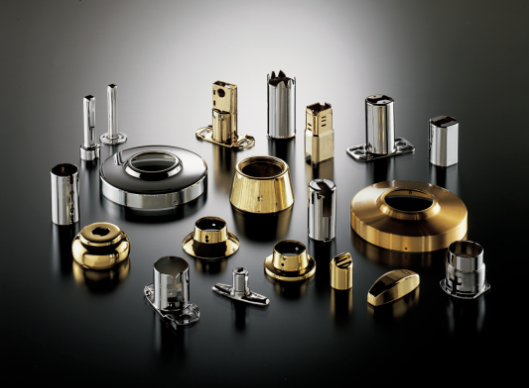
Hvad driver omkostningerne ved CNC-bearbejdning, og hvordan kan de optimeres?
Du har valgt dit materiale, defineret dine tolerancer og uploadet din designfil. Derefter ankommer tilbuddet – og prisen for CNC-bearbejdningen overrasker dig. Hvilke omkostninger betaler du egentlig for? I modsætning til forbrugsvarer med gennemsigtige påslag indebærer brugerdefinerede drejede dele en række omkostningsfaktorer, der påvirker hinanden på overraskende måder.
At forstå disse omkostningsdrevne faktorer omdanner chok over prisen til strategisk beslutningstagning. Når du ved, hvorfor en komponent koster 85 dollars i stedet for 35 dollars, kan du foretage målrettede designjusteringer, der reducerer omkostningerne med 40–60 % uden at ofre ydeevnen. Lad os afsløre, hvad der ligger bag økonomien i CNC-fremstilling.
De skjulte faktorer, der påvirker fremstillingsomkostningerne
De fleste mennesker antager, at materiale og maskinfremstillingstid udgør det største bidrag til en dels omkostninger. De har kun delvist ret. Ifølge branchens omkostningsanalyse fra U-Need består omkostningerne ved CNC-bearbejdning af maskinens driftstid, materialeomkostninger, opsætningsomkostninger og lønomsætning—hvor opsætning ofte udgør en overraskende stor andel, især ved lavvolumenproduktion.
Opsætningstid: Før der udføres nogen fræsning, skal operatørerne montere dit råmateriale, installere de korrekte fræsværktøjer, indlæse programmet og verificere justeringen. Denne opsætningsproces tager 30–90 minutter, uanset om du bestiller én enkelt del eller femti. For en enkelt prototype kan opsætningsomkostningerne udgøre op til 60 % af din samlede omkostning. Bestiller du femogtyve identiske dele, fordeles den samme opsætningsomkostning på alle enheder, så den falder til måske 5 % pr. styk.
Værktøjskift: Komplekse geometrier, der kræver flere skæreværktøjer, tilføjer tid ved hver værktøjsudskiftning. En simpel beslag, der kræver tre værktøjer, bearbejdes hurtigere end et indviklet kabinet, der kræver tolv. Hver værktøjsudskiftning tilføjer 2–5 minutter med ikke-skærende tid, hvor du betaler for maskinens tilgængelighed uden materialeafdrag.
Bearbejdstid: Den faktiske skæretid afhænger af materialets hårdhed, geometriens kompleksitet og toleranceniveauerne. Som Fathoms fremstillingseksperter bemærker, øger hårdere og mere eksotiske materialer værktøjsforurening og bearbejdnings tid, hvilket betydeligt øger omkostningerne. Titan kan f.eks. skæres med 50 fod pr. minut, mens aluminium skæres med over 500 fod pr. minut – en 10× forskel i materialeafdragsrate.
Maskintype: En standard 3-akset fræsemaskine koster mindre pr. time end en 5-akset maskine på grund af forskelle i udstyrets kompleksitet og kapacitet. Når din geometri tvinger tilbudsprocessen til at dirigere arbejdet til avanceret udstyr, stiger timelønnen med 30–50 %.
Overfladebehandlinger: Efterbearbejdning som anodisering, kuglestråling, pulverlakning eller polering tilføjer både bearbejdnings tid og specialiseret arbejdskraft. Disse overfladebehandlinger kan øge den samlede pris med 15–40 % afhængigt af kravene. En standardmaskineret overflade koster ingen ekstra omkostninger, mens spejlpolering kan tilføje 25–50 USD pr. emne.
Toleranceniveauer: Som vi tidligere har udforsket, kræver stramme tolerancer langsommere skærehastigheder, lettere afsluttende passager og forlænget inspektionstid. Omkostningerne til maskinistens metal stiger, når præcisionskravene overstiger standardkapaciteterne.
Designændringer, der reducerer pris uden at kompromittere kvaliteten
Her er god nyhed: De fleste designfunktioner, der driver omkostningerne op, kan ændres uden at påvirke delens funktion. Disse ændringer kræver typisk 30 minutters CAD-arbejde, men sparer 25–50 % i produktionsomkostninger.
- Forøg radius for indvendige hjørner: Skarpe indvendige hjørner kræver endefræsere med lille diameter, som fræser langsomt og slitter hurtigt. At angive den største acceptable hjørneradius – helst i overensstemmelse med standardværktøjsdiametre som 1/8", 1/4" eller 3/8" – reducerer markant fræsetiden.
- Reducer lommens dybde: Dybe lommer kræver specialiseret langtrækkende værktøj, langsommere fremføringshastigheder og flere dybdegange. Hvis din konstruktion indeholder lommer, der er mere end fire gange så dybe som deres bredde, bør du overveje, om mindre dybe alternativer fungerer funktionelt.
- Standardiser hullenes størrelser: Hver unik hull diameter kræver en separat boret operation. At samle hullene til standardborstørrelser (1/8", 5/32", 3/16", 1/4") minimerer værktøjsbyt og gør det muligt at bruge almindeligt tilgængelige fræsere.
- Undgå unødvendige stramme måletolerancer: Anvend præcisionskrav kun på sammenfaldende overflader og kritiske funktionelle dele. Lad kosmetiske mål variere inden for standardfræsnings tolerancer.
- Undgå tynde vægge: Vægge, der er tyndere end 0,5 mm (metaller) eller 1,5 mm (plast), kræver omhyggelig bearbejdning med reducerede hastigheder. De risikerer også udbøjning under fræsning, hvilket potentielt kan føre til udskiftning.
- Design til standardopsætninger: Dele, der kan bearbejdes fra én eller to sider, koster mindre end dele, der kræver fire eller fem genpositioneringsoperationer. Overvej, hvordan en maskinist vil fastspænde din del.
- Vælg materialer, der er nemmere at bearbejde: Når ydelseskravene tillader det, kan valg af aluminium frem for rustfrit stål eller Delrin frem for PEEK betydeligt reducere bearbejdnings tid uden at påvirke de fleste anvendelser.
Forholdet til en specialiseret maskinværksted drager fordel af tidlig designkonsultation. Mange online-platforme tilbyder gratis DFM-feedback, der identificerer konkrete muligheder for omkostningsbesparelser, inden du går i gang med produktionen. At udnytte denne analyse giver god afkastning – branchedata viser, at optimerede designs reducerer fremstillingsomkostningerne med 30–40 % sammenlignet med de oprindelige indsendelser.
Forståelse af mængderabatter
Økonomien ved CNC-bearbejdning ændrer sig dramatisk mellem prototype-mængder og produktionsmængder. At forstå disse skift hjælper dig med at planlægge indkøb strategisk.
Enkeltprototyper (1–5 enheder): Opsætningsomkostningerne dominerer. Du betaler i væsentlig grad for en times maskinforberedelse for at producere få minutters faktisk fræsning. Enhedsomkostningerne når deres maksimum her, men den samlede projektsinvestering forbliver lavest. Dette giver mening ved designvalidering, før man forpligter sig til større ordrer.
Produktion i lav mængde (10–50 enheder): Opsætningsomkostningerne begynder at blive fordelt på en betydelig måde over flere dele. Du kan opleve en faldende enhedsomkostning på 30–45 % sammenlignet med prisen for én enkelt del. Materialekøb foretages stadig til detailpriser, men bearbejdningseffektiviteten forbedres gennem batch-processering.
Mellemlange serier (100–500 enheder): Skalaeffekterne bliver betydelige. Materialekøb kvalificerer sig til grossistpriser. Dedikerede fastspændingsanordninger og optimerede værktøjsstier retfærdiggør udviklingsinvesteringen. Enhedsomkostningerne kan falde med 50–65 % i forhold til prototypepriserne.
Produktionsmængder (mere end 1.000 enheder): Maksimal effektivitet. Specialiserede fastspændingsanordninger, automatiseret materialehåndtering og forbedrede processer minimerer omkostningerne pr. del. Dog stiger den samlede investering betydeligt, og gennemløbstiderne forlænges på grund af materialeindkøb og produktionsplanlægning.
| Antalsinterval | Effekt af opsætningsomkostninger | Omkostning pr. enhed – tendens | Bedst egnede til brug |
|---|---|---|---|
| 1–5 dele | 60–70 % af i alt | Højeste (basis) | Designvalidering, pasningskontroller |
| 10–50 dele | 25–40 % af i alt | 30–45 % reduktion | Pilotproduktion, små seriemængder |
| 100–500 dele | 10–15 % af i alt | 50–65 % reduktion | Indledende markedsstart, reservedelslager |
| 1000+ dele | 3–8 % af det samlede beløb | 70-80 % reduktion | Fuldstændig produktion |
Strategiske købere deler nogle gange ordrer: en lille prototypebatch til øjeblikkelig testning efterfulgt af større produktionsmængder, når designene er færdige. Denne fremgangsmåde balancerer hastigheden til validering mod omkostningsoptimering for de endelige dele.
Gennemsigtigheden i online-CNC-platforme gør pris sammenligning enkel. Upload dit design, justér mængderne og se, hvordan priserne skalerer. Denne øjeblikkelige feedback muliggør velovervejede beslutninger om ordretidspunkt, designændringer og mængdeforpligtelser – og giver dig fuld kontrol over produktionsøkonomien.
Nu hvor du forstår prisudviklingen, er næste overvejelse kvalitetssikring: hvilke certificeringer er afgørende for din branche, og hvordan verificerer du, at leverandørerne faktisk lever op til deres kvalitetskrav?
Branchecertificeringer og kvalitetsstandarder forklaret
Gennemse en hvilken som helst online CNC-fremstillingsplatform, og du vil støde på en mur af certificeringslogoer: ISO 9001, AS9100D, ISO 13485, IATF 16949. Disse kvalifikationer fremhæves tydeligt på hver konkurrents hjemmeside, men få forklarer, hvad de faktisk betyder for dit projekt. Er disse blot markedsføringsmærker, eller repræsenterer de en reel kvalitetssikring, der påvirker dine dele?
At forstå disse certificeringer transformerer dig fra en passiv ordreplacér til en informeret køber, der kan matche leverandørens kompetencer med projektkravene. Når luft- og rumfartsmaskinbearbejdning kræver overholdelse af AS9100D eller medicinsk udstyrsmaskinbearbejdning kræver dokumentation i henhold til ISO 13485, beskytter din viden om, hvorfor disse standarder er vigtige, både dit projekt og din rygte.
ISO 9001 som grundlaget for kvalitetsstyring
Tænk på ISO 9001:2015 som den universelle sprogbrug inden for fremstillingskvalitet. DNV's certificeringseksperter , ISO 9001 er generisk og gælder for alle brancher og fastlægger grundkrav, der sikrer konsekvent produktkvalitet og kundetilfredshed i enhver fremstillingsvirksomhed.
Hvad garanterer ISO 9001-certificering faktisk? Standarden kræver dokumenterede procedurer for hver fremstillingsfase – fra indkøb af råmaterialer til endelig afsendelse. Certificerede faciliteter skal demonstrere:
- Processtyring: Dokumenterede arbejdsgange, der standardiserer, hvordan hver enkelt komponent fremstilles
- Customer Focus: Systemer til registrering af krav samt verificering af, at leverede komponenter opfylder specifikationerne
- Kontinuerlig forbedring: Regelmæssige revisioner og korrektive foranstaltninger, der identificerer og eliminerer kvalitetsproblemer
- Beslutninger baseret på fakta: Indsamling og analyse af data, der driver forbedringer i fremstillingen
Certificeringsprocessen følger PDCA-cyklen (Planlæg-Udfør-Tjek-Handle), hvilket kræver, at organisationer fastsætter mål, implementerer processer, overvåger resultater og løbende forbedrer deres drift. Uafhængige revisorer verificerer efterlevelsen årligt for at sikre, at standarderne ikke falder fra efter den første certificering.
For de fleste kommercielle CNC-bearbejdningstillæmpelser er ISO 9001-certificering tilstrækkelig til at sikre kvaliteten. Regulerede industrier kræver dog yderligere kontrolniveauer, som en generisk kvalitetsstyring ikke kan dække.
Branchespecifikke certificeringer forklaret
Når standardmæssig kvalitetsstyring ikke er streng nok, tilføjer branchespecifikke certificeringer krav, der er tilpasset branchens risici. At forstå disse forskelle hjælper dig med at vælge leverandører, der er kvalificerede til dit applikationskrav.
AS9100D for luft- og rumfartsapplikationer: CNC-bearbejdning af luftfartskomponenter kræver certificering, der går langt ud over ISO 9001-grundlaget. Ifølge American Micro Industries' certificeringsvejledning bygger AS9100 på ISO 9001 og introducerer yderligere krav, der er specifikke for luftfartssektoren, med vægt på risikostyring, streng dokumentation og kontrol af produktintegritet gennem komplekse leveringskæder.
Hvad gør certificering til CNC-bearbejdning inden for luftfart mere krævende? AS9100D tilføjer eksplicitte krav til:
- Risikostyring: Grundig vurdering og risikomindskelsesprocesser til forebyggelse af sikkerhedskritiske fejl
- Produktsikkerhed: Livscyklusomspændende vurdering af sikkerhedsrisici forbundet med hver enkelt komponent
- Falskningsforebyggelse: Strenge kontroller til at forhindre mistænkelige dele i at komme ind i leveringskæderne
- Konfigurationsstyring: Kontrolleret sporing af produktkonfigurationer gennem hele deres livscyklus
- Projektledelse: Kontrolleret planlægning og udførelse, som er afgørende for komplekse luftfartsprogrammer
Organisationer, der skifter fra ISO 9001 til AS9100D, skal udføre en hullanalyse, opgradere kvalitetssystemerne og bestå specialiserede revisioner, der verificerer overholdelse af de forøgede krav.
ISO 13485 for medicinsk udstyr: Medicinsk maskinbearbejdning og fremstilling af medicinske udstyr foregår inden for regulerende rammer, hvor patientsikkerhed er afgørende. ISO 13485 fastlægger kvalitetsstyringskrav specifikt for fremstilling af medicinske udstyr og beskriver strenge krav til design, produktion, sporbarthed og risikomindskelse.
Faciliteter, der søger ISO 13485-certificering, skal implementere detaljerede dokumentationspraksis, grundige kvalitetskontroller og effektiv behandling af klager. Hver enkelt komponent til et medicinsk udstyr skal være fuldt sporbare fra råmateriale til endelig levering – et krav, som standardfremstilling sjældent adresserer.
IATF 16949 for automobilkomponenter: Bilindustrien kræver konsekvente, fejlfrie dele, der fremstilles i stor skala. IATF 16949:2016 kombinerer ISO 9001-principperne med sektorspecifikke krav til løbende forbedring, fejlforebyggelse og streng leverandørkontrol.
Statistisk proceskontrol (SPC) bliver obligatorisk i henhold til IATF 16949 og kræver, at producenter overvåger produktionsprocesser statistisk i stedet for udelukkende at basere sig på endelig inspektion. Denne proaktive tilgang opdager afvigelser, inden fejl opstår – hvilket er afgørende for automobilproduktion i høj volumen.
| Certificering | Primærindustri | Vigtige yderligere krav | Sporbarhedsniveau | Revisionsfrekvens |
|---|---|---|---|---|
| ISO 9001:2015 | Generel fremstilling | Dokumenterede processer, løbende forbedring, fokus på kunden | Standard | Årlig overvågning |
| AS9100D | Luft- og rumfart | Risikostyring, forebyggelse af efterligninger, konfigurationsstyring | Fuld sporbarehed for materialer og processer | Årlig + kundeaudits |
| ISO 13485 | Medicinsk udstyr | Designkontrol, risikostyring, håndtering af klager | Komplette enheds-historikregistreringer | Årlig overvågning |
| IATF 16949 | Automobil | SPC, fejlforebyggelse, leverandørudvikling | Lote- og partiopsporing | Årlige + OEM-audit |
Sådan verificeres leverandørcertificeringer
Certificeringslogoer på websteder garanterer ikke aktuel overholdelse. Gyldige certificeringer kræver verificering, inden kritiske projekter betroes til en online CNC-leverandør.
Praktiske verifikationstrin omfatter:
- Anmod om kopier af certifikater: Gyldige certifikater viser navnet på certificeringsorganet, certifikatnummeret, certificeringsområdet og udløbsdatoen. Udløbte certifikater indikerer bortfalden overholdelse.
- Verificer hos registreringsorganer: Store certificeringsorganer som DNV, BSI og TÜV vedligeholder online-databaser, hvor du kan bekræfte gyldigheden af et certifikat via dets nummer.
- Tjek omfangsbegrænsninger: Certifikater specificerer, hvilke processer og lokationer der dækkes. En virksomhed, der er certificeret til drejningsoperationer, har muligvis ikke certificering til fræsning – verificér, at omfanget svarer til dine krav.
- Gennemgå revisionshistorikken: Leverandører, der er sikre på deres kvalitetssystemer, deler gerne seneste revisionsresultater eller sammenfattelser af korrigerende foranstaltninger.
- Anmod om kvalitetsdokumentation: Certificerede leverandører bør uden tøven stille inspektionsrapporter, materialecertifikater og sporbarehedsdokumentation til rådighed.
For regulerede industrier er verificering af certificering ikke valgfri – det er en forholdsregel, der beskytter din organisation mod fejl i forsyningskæden. Kontrakter inden for luft- og rumfart samt forsvar kræver ofte dokumenteret bevis for leverandørens certificeringsstatus, før ordrer kan afgives.
Nu hvor kvalitetsstandarderne er afklaret, er du rustet til at vurdere, om CNC-bearbejdning udgør den optimale fremstillingsmetode til dit projekt – eller om alternative teknologier måske bedre opfylder dine specifikke krav.
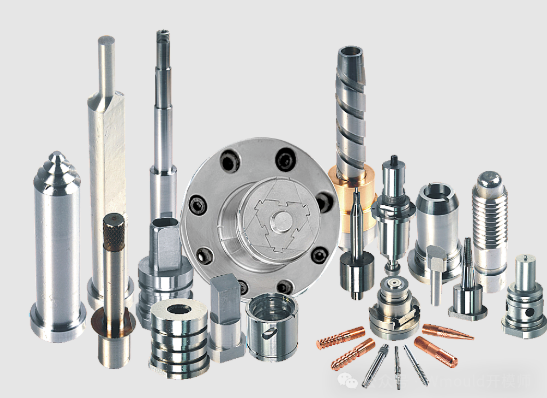
CNC-bearbejdning versus alternative fremstillingsmetoder
Du har verificeret leverandørens certificeringer og forstået kvalitetsstandarderne. Men her er et grundlæggende spørgsmål, der er værd at genoverveje: Er CNC-bearbejdning overhovedet den rigtige fremstillingsmetode til dit projekt? Online-platforme gør det bemærkelsesværdigt nemt at bestille CNC-bearbejdede dele, men denne bekvemmelighed må ikke tilsidesætte strategiske fremstillingsbeslutninger.
Hver fremstillings-teknologi har et 'sweet spot', hvor den overgår alternative metoder. 3D-printing dominerer bestemte anvendelser, sprøjtestøbning reducerer stykpriserne markant ved store serier, og pladebearbejdning er fremragende til kabinetter og beslag. At forstå disse grænser hjælper dig med at træffe en velovervejet beslutning – og nogle gange indebærer svaret at kombinere flere processer for at opnå optimale resultater.
Beslutningskriterier: CNC versus 3D-printning
Debatten om CNC versus 3D-printing genererer uendelige diskussioner, men beslutningen afhænger ofte af fire faktorer: geometri, materialekrav, præcision og mængde.
Geometrisk kompleksitet: Ifølge Protolabs' fremstillings-specialister 3D-printning kan fremstille dele med få geometriske begrænsninger, herunder hulrum uden støttestrukturer. Den omfattende designfrihed, som additiv fremstilling tilbyder, er en af dens væsentligste fordele. Når din konstruktion indeholder indre kanaler, gitterstrukturer eller organiske former, som fræsværktøjer simpelthen ikke kan nå, bliver 3D-printning det tydelige valg.
Omvendt håndterer metal-CNC-bearbejdning simple geometrier mere effektivt. Beslag, kabinetter og plader med lommer, huller og flade overflader bearbejdes hurtigt og omkostningseffektivt. Hvis din del primært består af prismatiske funktioner, der er tilgængelige fra én eller to retninger, vinder CNC typisk både på hastighed og omkostninger.
Materialekrav: CNC-bearbejdning tilbyder et bredere udvalg af materialer, især for metaller. Du kan bearbejde næsten enhver aluminiumslegering, rustfrit ståltype, messing, bronze eller titanvariant. Har du brug for CNC-bearbejdning af plastik? Delrin, nylon, polycarbonat og PEEK bearbejdes fremragende og giver udmærkede overfladeafslutninger.
materialer til 3D-printning udvides hurtigt, men er stadig mere begrænsede. Metalprintning tilbyder typisk aluminium, rustfrit stål, titan og speciallegeringer som Inconel – men ikke messing eller bronze. Plastmuligheder inkluderer nylon, ABS-lignende harpiks og polypropylen, selvom materialegenskaberne ofte adskiller sig fra deres sprøjtestøbte modstykker.
Præcision og overfladekvalitet: Når stramme tolerancer er afgørende, leverer CNC-bearbejdning. Standardbearbejdning opretholder let ±0,005 tommer, mens præcisionsarbejde kan opnå ±0,001 tommer eller bedre. 3D-printede dele opnår typisk højst ±0,010 tommer, og laglinjer er synlige på overfladerne, medmindre der udføres efterbearbejdning.
Ved hurtig CNC-prototypering, hvor pasform og funktionsprøvning kræver produktionsrepræsentativ nøjagtighed, overgår maskinbearbejdede prototyper printede alternativer. For tidlig konceptvalidering, hvor visuel fremtoning er vigtigere end dimensionel præcision, giver printning dog hurtigere og billigere adgang til dele.
Optimale mængder: Her er den praktiske vejledning: Brug 3D-printing til 1–20 dele, når geometrien er kompliceret eller hastighed er afgørende. Skift til CNC-bearbejdning for 10–500 dele med enkle geometrier. Ved mere end 500–1000 enheder bør du vurdere injektionsformning for plastdele eller investeringsstøbning for metaldele.
For dele med højere produktionsmængder (100 eller flere) og ret enkle geometrier vil CNC-bearbejdning sandsynligvis være det foretrukne valg. Bearbejdning giver mere gunstige skalafordele.
Når injektionsformning bliver mere økonomisk
Injektionsformning indebærer betydelige forudgående værktøjsomkostninger – typisk 3.000–15.000 USD for enkle dele og potentielt over 50.000 USD for komplekse flerhulsmolder. Denne barrieren gør formning upraktisk til prototypproduktion eller lavvolumenproduktion. Når værktøjsomkostningerne dog er afdragsfrittaget over tilstrækkeligt mange enheder, falder stykomkostningerne kraftigt.
Hvor er krydspunktet? Ifølge Protolabs' fremstillings sammenligning bliver sprøjtestøbning ideel til seriefremstilling i store mængder med komplekse geometrier og detaljerede funktioner. Krydspunktet ligger typisk mellem 500 og 2.000 dele, afhængigt af delens størrelse, kompleksitet og materiale.
Overvej dette scenarie: Et plasthus koster 45 USD pr. stk., når det fræses på CNC i mængder af 100. Samme del fremstillet ved sprøjtestøbning kræver en værktøjsomkostning på 8.000 USD, men stykprisen falder til 3,50 USD pr. enhed ved stor mængde. Break-even-punktet? Cirka 190 dele. Ud over dette sparer hver yderligere enhed 41,50 USD i forhold til fræsning.
Sprøjtestøbning indfører dog begrænsninger, som fræsning undgår:
- Leveringstid: Værktøjsfremstilling tager 4–8 uger mod 3–7 dage for fræsede dele
- Designændringer: Ændring af former koster flere tusinde dollars; fræsede dele opdateres blot ved upload af en ny fil
- Materialebegrænsninger: Sprøjtestøbning kan kun anvendes med termoplastikker, ikke med metaller
- Minimumsmængder: At køre små partier begrundes ikke ud fra formopsætningstiden
Prototypefremstillingstjenester dækker effektivt gulvet. Fremstil prototyper på maskiner til designvalidering, og overgå derefter til sprøjtestøbning, når designene er stabile og mængderne retfærdiggør investeringen i værktøjer. Denne hybride fremgangsmåde minimerer både risiko og omkostninger.
Hybride fremgangsmåder, der kombinerer flere teknologier
De mest sofistikerede fremstillingsstrategier vælger ikke én enkelt teknologi – de kombinerer flere processer for at udnytte styrken i hver metode. Prototypering i carbonfiber er ofte et eksempel på denne fremgangsmåde, hvor 3D-printede kernekomponenter omvikles af maskinbearbejdede kompositfikser.
Almindelige hybride scenarier omfatter:
3D-printning + CNC-afslutning: Udskriv komplekse geometrier til næsten færdigform, og bearbejd derefter kritiske overflader, der kræver stramme tolerancer eller fremragende overfladekvalitet. Denne kombination udnytter additivs geometriske frihed, samtidig med at den opnår CNC's præcision på funktionelle dele. Ifølge Protolabs opnår man ved at anvende efterbearbejdning på 3D-printede dele den kompleksitet, som kun bearbejdning alene ikke kan opnå, og den præcision på kritiske dele, som additiv fremstilling alene ikke kan opnå.
CNC-prototypering + sprøjtestøbning i produktion: Valider designene med bearbejdede prototyper, og overgå derefter til produktion via sprøjtestøbning. De bearbejdede dele bekræfter montering og funktion, inden der investeres i dyr værktøjsfremstilling.
Plade-metal + bearbejdede komponenter: Fremstil kabinetter af bøjet plademetal (lavere omkostning ved store flade overflader), og tilføj derefter bearbejdede beslag, forstærkningsforhøjninger eller præcise monteringsfunktioner, hvor det er nødvendigt.
Støbning + bearbejdning: Støb komplekse geometrier i næsten færdig form, og bearbejd derefter kritiske dimensioner til de endelige tolerancer. Denne fremgangsmåde fungerer særligt godt til store metaldele, hvor fræsning fra massivt materiale ville spilde betydeligt med materiale.
| Faktor | CNC maskering | 3D print | Injskionsformning | Plader |
|---|---|---|---|---|
| Ideel mængdeområde | 1–500 dele | 1–50 dele | 500–100.000+ dele | 10–10.000 dele |
| Geometrisk komplekse | Moderat (værktøjsadgang begrænset) | Meget høj (få begrænsninger) | Høj (udtrækkningsvinkler kræves) | Lav-moderat (bøjeradius begrænser) |
| Materielle muligheder | Udstrakt (metaller og plastik) | Voksende (udvalgte metaller/plastik) | Kun termoplastikker | Kun plademetal |
| Toleranceniveau | ±0,001" opnåelig | ±0,010" typisk | ±0,005" typisk | ±0,010" typisk |
| Typisk leveringstid | 3-10 dage | 1-5 dage | 4–10 uger (inklusive værktøjer) | 5-15 Dage |
| Omkostningsudvikling per del | Moderat, gradvis fald | Flad (minimal volumenbesparelse) | Høj i starten, meget lav ved store mængder | Lav, moderat fald |
| Startinvestering | Ingen (betaling pr. enkelt del) | Ingen (betaling pr. enkelt del) | værktøjer til 3.000–50.000+ USD | Ingen til lav (simple fastgørelser) |
Når du vurderer fremstillingsmuligheder, skal du tage højde for din projektlivscyklus. Et produkt, der lanceres med 50 enheder og muligvis skal skala op til 50.000 enheder, kræver en anden strategi end et engangsprototypemaskineringsprojekt. Start med fleksibiliteten i CNC eller 3D-printing til validering, og overgå derefter til fremstillingsprocesser til større seriemængder, når efterspørgslen bekræfter behovet.
Når fremstillingsmetoden er afklaret, består det sidste trin i at vælge den rigtige online-partner – én, hvis kompetencer, certificeringer og skalerbarhed svarer til både dine nuværende projektbehov og din fremtidige vækstpotentiale.
Valg af den rigtige online CNC-maskinepartner
Du har navigeret gennem materialevalg, forstået tolerancekonsekvenserne og sammenlignet fremstillingsmetoder. Nu kommer det afgørende valg, der bestemmer, om dit projekt lykkes eller stagnerer: at vælge den rigtige online CNC-bearbejdningsservice. Dette valg går langt ud over at sammenligne citerte priser – det indebærer at matche leverandørens kompetencer med dine specifikke krav, verificere kvalitetssystemer og sikre, at din partner kan udvikle sig sammen med dit projekt.
Når du søger efter «cnc-bearbejdning i min nærhed» eller «cnc-maskinværksteder i min nærhed», vil du opdage utallige muligheder. Udfordringen er ikke at finde leverandører – men at identificere, hvilke af dem der rent faktisk opfylder dine behov. En drejer i min nærhed kan måske tilbyde praktisk bekvemmelighed, men kan han levere den nøjagtighed, de certificeringer og den skalerbarhed, som dit projekt kræver?
Match mellem leverandørens kompetencer og projektkravene
Hver CNC-bearbejdningstjeneste tilbyder forskellige styrker. Før du anmoder om tilbud, skal du fastlægge klare kriterier, der adskiller kvalificerede partnere fra uforenelige muligheder.
Ifølge 3ERP's produktionsspecialister er en CNC-bearbejdningstjeneste kun lige så effektiv som de værktøjer, den har til rådighed. Uanset om det drejer sig om drejebænke, fræsere eller router, kan variationen og kvaliteten af maskinerne gøre eller knække dit projekt. Dette princip leder din vurderingsproces.
Start med disse grundlæggende vurderingskriterier:
- Maskinens kapacitet: Drifter leverandøren den udstyr, som din geometri kræver? 3-akse fræsning håndterer simple dele, men komplekse funktioner kræver 5-akse kapacitet eller fræse-dreje-centre.
- Materialekspertise: Kan de hurtigt skaffe de materialer, du har specificeret? Forsinkelser i materialeindkøb forlænger leveringstiderne og øger omkostningerne. Kontroller, at de har almindelige materialer på lager og har pålidelige forsyningskæder for speciallegeringer.
- Tolerancespecifikationer: Tilpas deres angivne præcision til dine krav. En værksted, der annoncerer standardtollerancer på ±0,005" (±0,127 mm), kan have svært ved at opfylde specifikationer på ±0,001" (±0,025 mm) uden premiumpris og forlængede leveringstider.
- Leveringstidens fleksibilitet: Hvad er deres standardleveringstid? Tilbyder de accelererede muligheder, når frister indskrænkes? At kende til leveringstidsmulighederne forhindrer tidsmæssige konflikter.
- Kommunikationskvalitet: Hvor hurtigt svarer de på tekniske spørgsmål? Ifølge Kesu Groups udvælgelseskriterier skal svartiden på tekniske henvendelser være inden for 24 timer med detaljerede forklaringer, der henviser til tegninger eller specifikationer.
Når du gennemser drejebænksværksteder i nærheden eller et CNC-værksted i nærheden, undgå fristelsen til udelukkende at vælge ud fra geografisk nærhed eller pris. Den billigste tilbud ofte afspejler skjulte kompromiser – begrænsede inspektionsmuligheder, mindre erfarene operatører eller maskiner, der ikke konsekvent kan opnå den nødvendige præcision.
Anmod om prøvedele eller besøg deres portefølje. Tidligere projekter afslører den kompleksitet, de har håndteret med succes, og de brancher, de har betjent. En leverandør med erfaring inden for luftfartskomponenter demonstrerer andre kompetencer end en, der fokuserer på dekorativt hardware – selvom begge kalder sig præcisionsmaskinværksteder.
Vurdering af kvalitetssystemer og certificeringer
Vi undersøgte certificeringer tidligere, men nu skal vi anvende denne viden praktisk. Din vurdering skal matche certificeringskravene med din branche krav, samtidig med at du verificerer, at påstandene ikke blot er markedsføringsudtalelser.
For almindelige kommercielle anvendelser giver ISO 9001:2015-certificering tilstrækkelig kvalitetssikring. Regulerede brancher kræver dog mere. Komponenter til medicinsk udstyr kræver dokumentation i henhold til ISO 13485 samt sporbarehed. Luftfartsdele kræver overholdelse af AS9100D med forbedrede risikostyringsprotokoller.
Automobilapplikationer stiller særlige krav. Faciliteter certificeret i henhold til IATF 16949 anvender statistisk proceskontrol (SPC), der overvåger produktionsprocesser kontinuerligt i stedet for udelukkende at basere sig på endelig inspektion. Denne proaktive tilgang opdager variation, inden den udvikler sig til fejl – hvilket er afgørende for fremstilling af automobilkomponenter i stor skala, hvor konsistens på tværs af tusindvis af dele er en absolut nødvendighed.
Hvad gør IATF 16949-faciliteterne anderledes i praksis? De sikrer:
- Statistisk overvågning: Kontrolkort, der registrerer kritiske mål gennem hele produktionsløbet
- Evnestudier: Dokumenterede Cpk-værdier, der beviser, at processerne konsekvent kan opfylde specifikationerne
- Forebyggende foranstaltninger: Systemer, der identificerer tendenser, inden der opstår afvigende forhold
- Leverandørudvikling: Programmer, der sikrer råmaterialekvalitet fra kilde til levering
Shaoyi Metal Technology er et eksempel på denne kvalitetsfokuserede tilgang og opererer i henhold til IATF 16949-certificering med streng implementering af SPC. Deres produktionsanlæg leverer komponenter med høj tolerance til automobilapplikationer, hvor dimensionel konsekvens direkte påvirker køretøjets sikkerhed og ydeevne. For automobilprojekter, der kræver certificeret fremstilling, deres tjenesteydelser inden for præcisionsbearbejdning med CNC demonstrerer, hvordan certificerede kvalitetssystemer oversættes til pålidelige dele.
Verifikationstrin forbliver afgørende uanset påståede certificeringer. Anmod om aktuelle certifikatkopier, der viser gyldige udløbsdatoer og passende dækningsområde. Tjek certifikatnumre mod registreringsdatabaserne. Anmod om seneste inspektionsrapporter, der demonstrerer faktisk kvalitetsydelse – ikke kun politikdokumenter.
Skalering fra prototype til produktionsmængde
Her er et scenarie, der får mange købere til at støde ind i problemer: Du finder en fremragende partner til prototype-mængder, kun for at opdage, at de ikke kan håndtere produktionsvolumener, når dit projekt lykkes. At vurdere skalérbarhed allerede i starten forhindrer smertefulde leverandørskift senere.
Ifølge branchens eksperter er skalérbarhed afgørende, når man overvejer en langsigtet partnerskab. En skalérbar CNC-fremstillingstjeneste vil kunne tilpasse sig stigende efterspørgsel og sikre, at din fremtidige vækst ikke begrænses af deres kapacitetsbegrænsninger.
Spørgsmål, der afslører skalérbarheds potentiale:
- Hvad er jeres maksimale månedlige kapacitet for dele, der ligner mine?
- Hvordan ændrer ledetiderne sig mellem ordrer på henholdsvis 10, 100 og 1000 enheder?
- Opbevarer I lager af almindelige materialer, eller kræver hver ordre ny indkøb?
- Kan I implementere dedikerede fastspændingsanordninger til gentagne produktionsløb?
- Hvilke kvalitetsdokumenter følger produktionsbatchene i modsætning til prototyper?
Overgangen fra prototype til produktion indebærer mere end blot at køre maskinerne længere. Produktionsvolumener kræver optimerede værktøjsstier, dedikerede fastspændingsløsninger, statistisk kvalitetsovervågning og ofte andre kommunikationsrytmer. Partnere, der er i stand til denne overgang, vedligeholder separate prototype- og produktionsarbejdsgange, der er optimeret til hver enkelt scenarios prioriteringer.
Leveringstidsevner er afgørende for projekter, der skal skala op. Mens den almindelige leveringstid for prototyper måske er 5–7 dage, kræver produktionsplanlægning ofte hurtigere reaktion på uventede efterspørgselsstigninger. Shaoyi Metal Technology løser denne udfordring med leveringstider så hurtige som én arbejdsdag, hvilket muliggør hurtig reaktion, når produktionsplanerne uventet bliver fortrukket.
Overvej din projekts forløb ærligt. Hvis du validerer en konstruktion uden produktionshensigt, er lokale maskinværksteder med fokus på prototyper tilstrækkelige. Men hvis succesfulde prototyper vil udløse produktionsordrer – selv usikre – så spare du dig for omstillingen ved at vælge partnere med dokumenteret evne til at skala op.
| Evalueringsfaktor | Fokus på prototyper | Fokus på produktion | Spørgsmål til at stille |
|---|---|---|---|
| Fokus på levertid | Hastighed frem for omkostning | Konsekvens og pålidelighed | Hvad er din leveringsrate til tiden for produktionsordrer? |
| Kvalitetsdokumentation | Grundlæggende dimensionel verifikation | Komplette inspektionsrapporter, SPC-data | Hvilke dokumenter følger med hver afsendelse? |
| Prisstruktur | Fleksibilitet pr. enkelt del | Rabatter ved større mængder, rammeordrer | Hvordan justeres priserne i forhold til de aftalte mængder? |
| Kommunikation | Opdateringer baseret på projekt | Dedikeret kontoadministration | Hvem vil være min primære kontakt for den løbende produktion? |
| Kapacitetsforpligtelse | Først-tilgængelig planlægning | Reserveret kapacitet, planlagte tidsrum | Kan I garantere en månedlig kapacitetsallokering? |
Den rigtige online CNC-fremstillingsservice bliver en udvidelse af dit ingeniørteam – med forståelse for dine anvendelser, evne til at forudse udfordringer og proaktivt foreslå forbedringer. Uanset om du leder efter CNC-fremstillingsværksteder i nærheden eller vurderer globale leverandører, bør du prioritere partnere, der demonstrerer ægte interesse for din projekts succes frem for blot at sikre din næste ordre.
Når projektets krav svarer til leverandørens kompetencer, når kvalitetssystemerne opfylder branchens krav, og når skalerbarheden understøtter din vækststrategi, har du fundet mere end en leverandør – du har etableret en fremstillingspartnerskab, der pålideligt, gentagne gange og omkostningseffektivt omdanner CAD-filer til færdige dele.
Ofte stillede spørgsmål om online CNC-fremstilling
1. Hvilke filformater accepteres for online CNC-fremstillingstjenester?
De fleste online CNC-platforme accepterer STEP-filer (.stp, .step) som den universelle standard for præcis overførsel af 3D-geometri. IGES-filer virker, men kan miste præcision ved komplekse kurver. STL-filer, som er almindelige inden for 3D-printning, er mindre velegnede til CNC, da de approksimerer overflader ved hjælp af trekantede facetter. Før upload skal du sikre dig, at din model er vandtæt uden åbne overflader, fjerne interne skitser og verificere korrekte måleenheder for at undgå forveksling mellem millimeter og tommer.
2. Hvordan får jeg et øjeblikkeligt CNC-fremstillingsprisforslag online?
Upload din CAD-fil til en online CNC-platform, og automatiserede algoritmer analyserer geometri, materialevalg og mængde inden for sekunder. Systemet beregner bearbejdnings tid, opsætningskompleksitet og tolerancekrav for at generere priser. Mange platforme giver gratis DFM-feedback (Design for Manufacturability), der identificerer muligheder for omkostningsbesparelser, inden produktionen påbegyndes. Leverandører som Shaoyi Metal Technology tilbyder hurtig prisangivelse med leveringstider så korte som én arbejdsdag for bilkomponenter og præcisionskomponenter.
3. Hvad er forskellen mellem CNC-fresning og CNC-drejning?
CNC-fræsning bruger roterende flerpunktsfræsredskaber, der bevæger sig over et stationært emne for at fremstille furer, nicher og komplekse 3D-overflader. Den håndterer prismatiske dele som f.eks. beslag og kabinetter. CNC-drejning drejer emnet, mens et stationært enkeltspidsredskab former det – ideelt til cylindriske komponenter som aksler, stifter og bushinger. Mill-turn-centre kombinerer begge processer til dele, der kræver både rotationelle og prismatiske funktioner i én enkelt opsætning.
4. Hvor meget koster online CNC-bearbejdning?
Omkostningerne for CNC-bearbejdning afhænger af materialetype, bearbejdnings tid, indstillingens kompleksitet, tolerancenødvendigheder og krav til overfladekvalitet. Kun indstillings tiden kan udgøre 60 % af prototypeomkostningerne, men falder til 5 % ved seriefremstilling. Stramme tolerancer (±0,001 tommer) øger omkostningerne med 3–4 gange sammenlignet med standardspecifikationer. Designoptimeringer såsom større hjørneradier, standardhulstørrelser og passende materialevalg kan reducere priserne med 40–60 % uden at kompromittere funktionaliteten.
5. Hvilke certificeringer bør jeg lede efter hos en online CNC-bearbejdningstjeneste?
ISO 9001:2015 giver baseline kvalitetssikring for kommercielle applikationer. Luftfartsprojekter kræver AS9100D-certificering med forbedret risikostyring og sporbarhed. Bearbejdning af medicinsk udstyr kræver overensstemmelse med ISO 13485 Bilkomponenter skal have IATF 16949-certificering med statistisk proceskontrol (SPC) for at kunne produceres i konstant høj volumen. Kontroller altid, at certifikaterne er aktuelle ved at anmode om kopier med udløbsdatoer og krydstjek med registrarens databaser.