 Small batches, high standards. Our rapid prototyping service makes validation faster and easier —
  EN
EN


CNC-fremstillede produkter forklaret: Fra materialevalg til færdig del
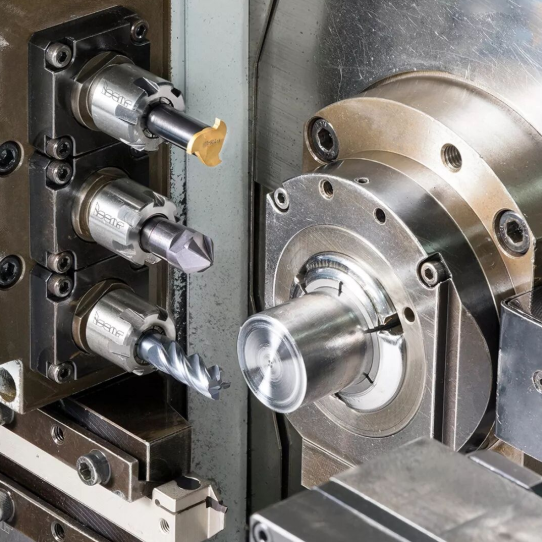
Hvad gør CNC-bearbejdede produkter anderledes end traditionel fremstilling
Har du nogensinde undret dig over, hvordan de indviklede komponenter i din smartphone eller de præcise dele i flymotorer fremstilles? Svaret ligger i CNC-bearbejdede produkter. Disse er komponenter, der fremstilles ved hjælp af computernumerisk styringsteknologi , hvor computerstyrede systemer guider skæreværktøjer til at forme råmaterialer med bemærkelsesværdig nøjagtighed.
CNC-bearbejdede produkter er komponenter, der fremstilles ved hjælp af computerværktøjer, der følger forudprogrammerede instruktioner til at fjerne materiale fra et emne og opnå tolerancer så små som ±0,0002 tommer med konsekvent gentagelighed.
Hvad adskiller disse maskinfremstillede komponenter fra konventionelt fremstillede genstande? Traditionel maskinbearbejdning er stærkt afhængig af operatørens færdigheder til manuelt at styre værktøjerne gennem fremstillingsprocessen. Selvom dygtige maskinister kan opnå imponerende resultater, er de udsat for træthed og små inkonsekvenser. CNC-maskinbearbejdning eliminerer denne variabilitet ved at omdanne digitale design til præcise, gentagelige handlinger. Resultatet? Komplekse geometrier, som næsten ville være umulige at fremstille manuelt.
I løbet af denne artikel vil du opdage, hvordan forskellige typer maskinbearbejdning skaber specifikke produkter, hvilke materialer der er bedst egnet til forskellige anvendelser, samt hvordan brancher fra bilindustrien til luft- og rumfart dagligt er afhængige af disse præcisionsmaskinbearbejdede produkter.
Fra digital tegning til fysisk virkelighed
Forestil dig, at du tegner en komponent på papir og derefter ser en maskine bringe den til live præcis, som du havde forestillet dig. Det er i princippet det, CAD/CAM-arbejdsgangen gør. Sådan fungerer den:
- CAD-design: Ingeniører opretter detaljerede 3D-modeller ved hjælp af software til computerstøttet design (CAD), hvor hver eneste dimension og funktion på komponenten defineres.
- CAM-programmering: Den digitale model omdannes til G-kode, et sprog, der præcist fortæller CNC-maskinen, hvordan den skal bevæge sig, hvilke hastigheder der skal anvendes og hvor dybt der skal fræses.
- Udførelse på maskinen: CNC-maskinen følger disse instruktioner nøjagtigt og fjerner materiale lag for lag, indtil den færdige komponent fremkommer.
Denne digitale-til-fysiske transformation betyder, at når en konstruktion først er perfektioneret, kan producenter gentage den tusindvis af gange uden afvigelser. Produkter fra CNC-maskiner opretholder de samme specifikationer, uanset om du fremstiller den første eller titusindende komponent.
Hvorfor nøjagtighed er vigtig i moderne produktion
Du måske undrer dig over, hvorfor så ekstrem præcision er afgørende. Overvej dette: I luftfartsapplikationer kan en komponent, der afviger med blot en brøkdel af en millimeter, kompromittere sikkerheden for hele systemet. Medicinske implantater kræver biokompatible, maskinfremstillede komponenter, der passer perfekt ind i menneskekroppen.
Højtydende CNC-maskiner opnår tolerancer så præcise som ±0,0002 tommer ifølge branchekilder. Dette præcisionsniveau afspejler sig direkte i produktets ydeevne. Maskinprodukter fremstillet med sådan nøjagtighed leverer konsekvent kvalitet, færre monteringsproblemer og længere driftslivscyklusser. Når dele passer perfekt sammen, kører mekaniske systemer mere jævnt, har længere levetid og yder mere pålideligt.
Forbindelsen mellem præcision og ydeevne er ikke blot teoretisk. Det er grunden til, at industrier med nul tolerance for fejl vælger CNC-fremstillede komponenter til deres mest kritiske anvendelser.
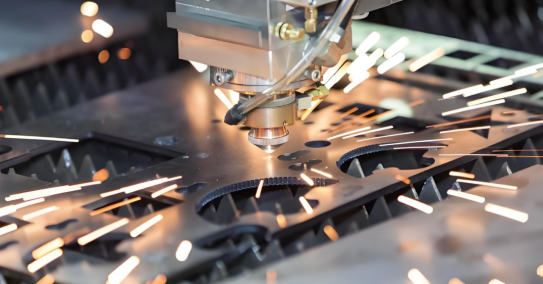
Fem typer CNC-bearbejdning og de produkter, de skaber bedst
Nu hvor du forstår, hvad der gør CNC-fremstillede produkter unikke, skal vi udforske de specifikke bearbejdningsmetoder, der bringer forskellige komponenter til live. Hver Cnc maskineringsdel kræver den rigtige proces for at opnå optimale resultater. At vælge den forkerte metode? Det svarer til at bruge en hammer til at hænge et billedramme.
De fem primære CNC-bearbejdningstyper udmærker sig hver især ved fremstilling af bestemte produktkategorier. At forstå disse forskelle hjælper dig med at matche dine projektkrav med den mest effektive fremstillingsmetode.
| Type bearbejdning | Bedste produktanvendelser | Typiske tolerancegrænser | Kompleksitetsniveau |
|---|---|---|---|
| CNC-fræsning | Formhulrum, luftfartsbracketter, medicinske implantater, præcisionsgehuse | ±0,001 tommer eller bedre | Mellem til meget høj |
| CNC-skrue | Aksler, bushinger, fastgørelsesmidler, taljer, gevindstænger | ±0,001 til ±0,002 tommer | Lav til medium |
| CNC-boring | Printede kredsløb (PCB’er), strukturelle bracketter, kabinettavler | ±0,002 til ±0,005 tommer | Lav |
| CNC Grindning | Landingsudstyr, kamakser, ventilspoler, præcisionværktøjer | ±0,0001 til ±0,0005 tommer | Mellem til høj |
| CNC EDM | Formkomponenter, karbidværktøjer, komplekse indre hulrum | ±0,0001 til ±0,0005 tommer | Høj til meget høj |
CNC-fræsning til komplekse overfladegeometrier
Når du har brug for CNC-fræsningsdele med indviklede funktioner, flade overflader eller tredimensionale konturer, er fræsning din foretrukne proces. Forestil dig et roterende flerpunktsfræsværktøj, der bevæger sig over et stationært emne og fræser materiale væk for at afsløre komplekse former.
Komponenterne i CNC-fræsemaskinsystemer varierer efter aksekapacitet:
- 3-akse fresemaskiner: Håndterer X-, Y- og Z-bevægelser. Ideel til enkle CNC-fræsede dele som flade beslag, simple kabinetter og grundlæggende plader.
- 4-akse-fræsemaskiner: Tilføjer roterende bevægelse, hvilket gør det muligt at fremstille funktioner på forskellige sider uden omplacering. Ideel til dele, der kræver skråboringer eller bearbejdning af cylindriske overflader.
- 5-akse fresere: Gør simultan bevægelse i fem retninger mulig. Disse maskiner håndterer komplekse overflader, stramme måletolerancer og indviklede geometrier, som ellers ville kræve flere opsætninger.
Hvad gør fræsning så alsidig? Udvalget af CNC-fræsningskomponenter, du kan fremstille, strækker sig fra luftfartsbeslag til medicinske implantater. Ifølge Amtec Solutions Group , opnår fræsning høj præcision og god overfladekvalitet, samtidig med at den forbliver kompatibel med komplekse geometrier og er velegnet både til prototypering og fuld produktionsudførelse.
CNC-drejning til cylindriske komponenter
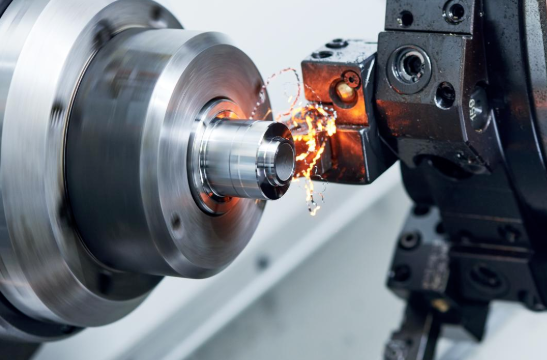
Forestil dig, at emnet roterer, mens et stationært skæreværktøj former dets overflade. Det er CNC-drejning i aktion, og den er bemærkelsesværdigt effektiv til fremstilling af cylindriske eller symmetriske dele.
Moderne CNC-drejebænke er udviklet langt ud over simpel rotation. Mange er nu udstyret med live-værktøjer, hvilket muliggør fræsnings-, boret- og gevindskærende operationer uden at flytte emnet til en anden maskine. Denne integration reducerer håndteringstiden og sikrer strammere tolerancer på alle funktioner.
Almindelige drejeoperationer omfatter:
- Endefladebehandling: Jævning af endeflader for rene, kvadratiske kanter
- Indfødning: Skæring af indvendige eller udvendige gevind med programmeret præcision
- Afboring: Forbedring af indvendige diametre for forøget koncentricitet
- Riller: Oprettelse af smalle spalter eller fordybninger på ydre eller indre overflader
- Rullestikning: Tilføjelse af strukturerede mønstre til bedre greb eller æstetik
De enkelte dele af en CNC-maskine, der anvendes til drejning, fungerer sammen for at opnå fremragende dimensional nøjagtighed. Aksler, stænger, bushinger, fastgørelsesdele og hjulskiver fremstilles alle ved drejning med konsekvent kvalitet. For højvolumenproduktion af runde komponenter tilbyder drejning hurtige cykeltider, hvilket betydeligt reducerer omkostningerne pr. enkelt del.
Mange-akse-bearbejdning til komplekse dele
Når luft- og rumfartsingeniører har brug for turbineblad, eller medicinsk udstyrsproducenter kræver implantater med organisk formede konturer, benytter de mange-akse-bearbejdning. Disse avancerede systemer kombinerer evnerne fra fræsning og drejning og tilføjer samtidig roterende akser, der kan tilnærme sig arbejdsemnet fra næsten enhver vinkel.
Hvorfor er dette vigtigt for komplekse CNC-maskindelen? Overvej en komponent med undercuts, krumme overflader og funktioner på flere sider. Traditionel 3-akset bearbejdning ville kræve, at komponenten omplaceres flere gange, hvilket indfører potentielle fejl ved hver opsætning. Flere-akset maskiner færdiggør sådanne dele i én enkelt operation og opretholder nøjagtigheden gennem hele processen.
Luftfarts- og medicinske industrier drager særlig fordel af denne mulighed. Komponenter, der er kritiske for flyvning, kræver ikke kun stramme tolerancer, men også overfladeafslutninger, der modstår udmattelse og spænding. Medicinske implantater skal matche den komplekse geometri i menneskets anatomi samtidig med, at de opfylder kravene til biokompatibilitet.
Ud over disse primære metoder suppleres CNC-bearbejdningens værktøjskasse af specialiserede processer:
- CNC Skåretning: Bruger slibehjul til at opnå ekstremt stramme tolerancer og glatte overfladeafslutninger på hærdede materialer som værktøjsstål.
- CNC EDM: Bruger elektriske udledninger til at bearbejde ledende materialer og nå områder samt hårdhedsniveauer, som konventionelle skæreværktøjer ikke kan nå.
Hver bearbejdningstype har et specifikt formål, og en forståelse af deres styrker hjælper dig med at vælge den rigtige fremgangsmåde til dine specifikke produktkrav. Næste overvejelse? Valg af materialer, der supplerer din valgte proces og opfylder dine krav til ydeevne.
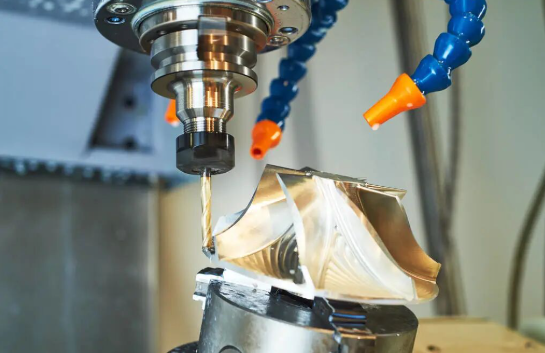
Rammeverk til materialevalg for CNC-bearbejdede produkter
At vælge det rigtige materiale til dine CNC-bearbejdede produkter handler ikke kun om at vælge noget, der ser godt ud på papiret. Det er en beslutning, der påvirker alle aspekter af dit projekt – fra de opnåelige tolerancer og kvaliteten af overfladeafslutningen til sidst din økonomiske resultat. Tænk på materialevalg som at lægge fundamentet til en bygning. Gør du det forkert, bliver alt, der bygges ovenpå, kompromitteret.
Når du vurderer din CNC-materialliste, vil du støde på et bredt udvalg af muligheder, der omfatter metaller, plastikker og speciallegeringer. Hver enkelt har sine karakteristiske egenskaber. Udfordringen? At matche disse egenskaber med kravene til dit færdige produkt samtidig med at tage hensyn til bearbejdningseffektiviteten.
| Materialekategori | Nøgleegenskaber | Ideelle produktanvendelser | Bemærkninger vedrørende bearbejdning |
|---|---|---|---|
| Aluminiumslegeringer (6061, 7075) | Letvægt, fremragende bearbejdningsmuligheder, god korrosionsbestandighed, høj termisk ledningsevne | Luft- og rumfartskomponenter, bildele, elektroniske kabinetter, konstruktionsrammer | Høje skærehastigheder er mulige, genererer lange spåner, der kræver håndtering, anodisering er tilgængelig til overfladehærdning |
| Rustfrit stål (304, 316) | Høj styrke, fremragende korrosionsbestandighed, god svejsebarhed, temperaturbestandig | Medicinsk udstyr, marine beslag, udstyr til fødevareforarbejdning, kemikalierbeholdere | Arbejdsforhærdning kræver skarpe værktøjer, langsommere fremføringshastigheder end aluminium, kølevæske er afgørende for varmehåndtering |
| Blødt stål (lavt kulstofindhold) | Duktilt, stærkt, nemt at svejse, omkostningseffektivt | Prototyper, fastgørelsesanordninger, konstruktionsrammer, almindelig maskineri | God bearbejdelighed, kræver overfladebehandling til korrosionsbeskyttelse, magnetisk |
| Titanlegeringer | Meget høj styrke-til-vægt-forhold, fremragende korrosionsbestandighed, biokompatibelt | Medicinske implantater, luftfarts- og rumfartsstrukturer, militære anvendelser | Lav termisk ledningsevne medfører varmeopbygning, kræver stive opsætninger, specialværktøj anbefales |
| Tekniske plastikker (PEEK, POM/Delrin) | Kemikaliebestandig, elektrisk isolerende, letvægtig, lav friktion | Præcisionsgear, lejer, medicinske komponenter, tætninger til høj temperatur | Lavere skærekræfter, temperaturfølsomme og kræver kontrollerede hastigheder, fremragende dimensionel stabilitet |
| Messing | Fremragende elektrisk ledningsevne, lav friktion, dekorativ udseende | Elektriske installationer, rørkomponenter, dekorativ beslag | Fremragende bearbejdningsmulighed, ideel til storseriefremstilling, producerer små spåner |
Aluminiumlegeringer til letvægtspræstation
Når CNC-projekter i aluminium udgør det største stykke af din arbejdsbyrde, vil du hurtigt forstå, hvorfor denne materialefamilie fortsat er en favorit inden for fremstilling. Aluminiumlegeringer tilbyder, hvad mange betragter som den ideelle balance: styrke uden overdreven vægt, fremragende bearbejdningsmulighed og naturlig korrosionsbestandighed.
To legeringer skiller sig især frem for maskinerede metaldele:
- 6061 Aluminium: Denne alsidige arbejdshest indeholder magnesium og silicium som primære legeringselementer. Ifølge JLC CNC har legeringen 6061 en trækstyrke på mindst 290 MPa samt god formbarhed og svejsebarhed. Den er generelt mere omkostningseffektiv og bredt anvendt i bilkomponenter, konstruktionsdele og almindelig fremstilling, hvor ekstrem styrke ikke er den primære overvejelse.
- 7075 Aluminium: Når højere styrke er afgørende, leverer legeringen 7075 den ønskede ydelse. Den består primært af aluminium, zink, magnesium og kobber og opnår en trækstyrke på over 560 MPa, hvilket overgår endda nogle bløde ståltyper. Luft- og rumfartsstrukturer samt komponenter udsat for høje spændinger specificeres ofte i 7075, selvom dens højere omkostninger og strengere krav til varmebehandling begrænser dens anvendelse i almindelige sammenhænge.
Hvad gør aluminium så attraktivt til metaldrejede dele? Ud over det fordelagtige styrke-til-vægt-forhold kan aluminium bearbejdes hurtigt. Høje spindelhastigheder og aggressive fremføringshastigheder resulterer i kortere cykeltider. Kompromiset? Aluminiums blødhed betyder, at opnåelse af yderst stramme tolerancer kræver omhyggelig værktøjsservice og passende strategier for spåneaftransport.
Overfladebehandlingsoptioner udvider aluminiums alsidighed yderligere. Anodisering skaber et hårdt oxidlag, der forbedrer slidstyrken og muliggør forskellige farvevalg. Dette efterbearbejdningstrin transformerer allerede kapable CNC-drejede metaldele til komponenter, der er klar til krævende miljøer.
Stål og rustfrit stål for holdbarhed
Når din anvendelse kræver en holdbarhed, som aluminium simpelthen ikke kan levere, træder stål ind i samtalen. Stålfamilien omfatter alt fra let drejbare bløde stål til meget specialiserede værktøjsstål, hvor hvert enkelt stål tjener specifikke formål i produktionen af CNC-mekaniske dele.
Blødt stål (lav-kulstof-stål): Disse stålsorter giver fremragende bearbejdelighed til økonomiske priser. De er duktile, faste og svejses let, hvilket gør dem ideelle til prototyper, fastgørelsesanordninger og konstruktionsrammer. Begrænsningen? Uden beskyttende overfladebehandlinger eller -belægninger er blødt stål fortsat sårbart over for rust og kemisk angreb.
Rustfrie stål-legeringer: Chromindholdet i rustfrit stål danner en selvgenoprettende oxidlag, der fremragende modstår korrosion. To kvaliteter dominerer CNC-anvendelser:
- 304 Rustfrit: Det mest udbredte rustfrie stål, der tilbyder fremragende korrosionsbestandighed og god bearbejdelighed. Udstyr til fødevareforarbejdning, arkitektoniske komponenter og almindelige industrielle anvendelser bygger på 304's afbalancerede egenskaber.
- 316 Rustfrit: Når miljøerne bliver mere aggressive – enten i marine, kemiske eller medicinske sammenhænge – træder 316 frem. Dets molybdænindhold giver overlegen bestandighed mod chlorider og syrer. Medicinske udstyr og marine hardware specificerer ofte denne kvalitet.
Bearbejdning af rustfrit stål kræver andre strategier end aluminium. Ifølge Dassault Systèmes har rustfrit stål god bearbejdnings egenskab og kan svejses og poleres, men det bliver hårdere under bearbejdning (work-hardening), når det skæres. Dette betyder, at sløve værktøjer eller afbrudte snit skaber hårde overfladelag, der modstår efterfølgende bearbejdning. Skarpe karbidværktøjer, konstante fremføringshastigheder og tilstrækkelig kølevæskestrøm forhindrer dette besværlige fænomen.
Værktøjsstål: Disse repræsenterer de sværeste metallegeringer, der er tilgængelige til CNC-bearbejdning. Efter varmebehandling opnår værktøjsstål hårdhedsniveauer, der modstår slid og termisk spænding. Former, dies og skære-værktøjer er afhængige af disse materialer, men bearbejdning af dem i hærdede tilstande kræver ofte slibning frem for konventionel fræsning.
Teknisk plast og specialmaterialer
Ikke alle anvendelser kræver metal. Konstruktionsplastikker og specialmaterialer udfylder afgørende nicher, hvor egenskaber som elektrisk isolation, kemisk modstandsdygtighed eller biokompatibilitet har højere prioritet end rå styrke.
POM (Acetal/Delrin): Denne plast giver stivhed, lav friktion og fremragende dimensionsstabilitet. Præcisionsgear, lejer og isolatorer bearbejdes yderst vel fra POM-råmateriale. Dets naturlige smørehed reducerer slid i bevægelige samlinger uden behov for ekstra smøremidler.
PEEK (Polyether ether ketone): Når plastikker skal fungere under ekstreme forhold, er PEEK svaret på opkaldet. Ifølge LS Manufacturing tilbyder PEEK meget høj styrke, fremragende kemisk og korrosionsbestandighed samt pålidelig ydeevne i højtemperaturapplikationer. Luft- og rumfartstætninger, medicinske implantater og krævende industrielle komponenter specificerer regelmæssigt dette premiummateriale.
Bearbejdning af PEEK stiller unikke udfordringer. Som bemærket af LS Manufacturing kræver vellykket PEEK-bearbejdning skarpe, slibede skæreværktøjer med specifikke geometriske egenskaber, kontrollerede kølemetoder, der fokuserer på varmeudvikling, samt omhyggeligt justerede spindelhastigheder og fremføringshastigheder. Bemøjen er velovervejet, når det færdige komponent tåber autoklavsteriliseringscyklusser og aggressiv kemisk påvirkning.
Titanlegeringer: Titan ligger i nogle henseender mellem metaller og plastikker og tilbyder en bemærkelsesværdig styrke-til-vægt-ratio samt biokompatibilitet, hvilket gør det uomstødeligt til medicinske implantater. Luftfarts- og militære anvendelser udnytter også titanens korrosionsbestandighed og udmattelsesstyrke.
Titaniums lave termisk ledningsevne koncentrerer dog varme ved skærekanten og accelererer dermed værktøjslidelser. Stive maskinopstillinger, specialiserede værktøjer af carbid eller keramik samt aggressiv kølevæskeanvendelse bliver derfor afgørende. Disse krav øger produktionsomkostningerne, men resulterer i komponenter, der yder bedre end alternative materialer i kritiske anvendelser.
At forstå, hvordan materialevalget påvirker dit projekt, går ud over de mekaniske egenskaber. Tolerancer, overfladekvalitet og produktionseffektivitet ændres alle afhængigt af dit valg. Aluminium bearbejdes hurtigt, men kræver muligvis ekstra efterbearbejdning. Rustfrit stål er dyrere at skære, men giver en fremragende overfladekvalitet. Konstruktionsplastik tilbyder unikke fordele, men kræver temperaturkontrol under bearbejdningen.
Når din materialestruktur er fastlagt, består næste trin i at forstå, hvordan forskellige brancher anvender disse valg i forhold til deres specifikke krav og certificeringsbehov.
Industrielle anvendelser med tekniske specifikationer
At forstå materialer og bearbejdningmetoder danner grundlaget, men at se, hvordan disse elementer kombineres i virkelige anvendelser, giver et tydeligt overblik. Forskellige industrier stiller meget forskellige krav til CNC-fremstillede bilkomponenter, luftfartsstrukturer og medicinske udstyr. Det, der fungerer perfekt til en bilbeslag, kan fejle katastrofalt i et fly eller vise sig uegnet til implantation i menneskekroppen.
Lad os undersøge, hvordan tre store industrier udnytter præcisions-CNC-fremstillede komponenter til at imødegå deres unikke udfordringer. Du vil opdage, hvorfor tolerancespecifikationer, materialecertificeringer og kvalitetsstandarder varierer så markant mellem sektorerne.
Bilens drivlinje- og understelkomponenter
Bilsektoren udgør en af de største forbrugere af CNC-fremstillede produkter globalt. Hver bil på vejene indeholder hundredvis af præcisionskomponenter, som skal fungere pålideligt under ekstreme forhold. Fra brændende motorrum til knogleskærende ophængsstød udsættes bilkomponenter for uafbrudte spændingscyklusser gennem deres levetid.
CNC-fremstillingsvirksomheder, der leverer til bilindustrien, arbejder typisk med følgende centrale komponentkategorier:
- Motorblokke og cylinderhoveder: Disse aluminiums- eller støbejernskomponenter kræver præcisionsbearbejdning af cylinderborde, ventilsæder og kølevandspasserer. Tolerancerne ligger typisk mellem ±0,001 og ±0,002 tommer for kritiske tætningsflader.
- Gearkassegehuse og tandhjulsdele: Hærdede ståltandhjul kræver stram koncentricitet og præcise tandprofiler. Borejusteringer i gehuset skal opretholde nøjagtighed inden for tusindedele af en tomme for at undgå for tidlig lejrefejl.
- Ophængsarme og ophængsknogler: Disse komponenter fremstilles ofte ved drejning af aluminiumssmiede eller stål og kræver konsekvente monteringsflader og bordimensioner. Vægtreduktion gennem strategisk materialeborttagelse forbedrer håndteringsevnen uden at kompromittere styrken.
- Bremsekalibre og monteringsbeslag: Sikkerhedskritiske komponenter, hvor overfladekvalitet og dimensionsnøjagtighed direkte påvirker bremseydelsen og førersikkerheden.
- Brændstofsystemkomponenter: Indsprøjtningssystemkroppe, brændstofledninger og pumpehuse kræver stramme tolerancer for at sikre korrekt brændstoftilførsel og forhindre utætheder.
Hvilke tolerancekrav stiller bilapplikationer typisk? De fleste drivlinjekomponenter specificerer tolerancer mellem ±0,001 og ±0,005 tommer, afhængigt af den specifikke funktion. Lagerbor og tandhjulsgreb ligger ved den strammere ende, mens monteringsflader og generelle geometrier tillader en let større variation.
Metal-CNC-projekter inden for bilsektoren fokuserer i stigende grad på letvægtsdesign. Ved at erstatte stålkompontenter med aluminium eller endda avancerede plastmaterialer reduceres køretøjets masse, hvilket forbedrer brændstofforbruget og håndteringsevnen. Disse udskiftninger kræver dog omhyggelig ingeniørarbejde for at opretholde strukturel integritet under gentagne belastningscyklusser.
Luftfartsstruktur- og flyvekritiske dele
Når komponenter opererer i 35.000 fod højde, og hundreder af liv afhænger af deres ydeevne, får præcision en helt anden betydning. Luftfartstilvirkning repræsenterer det højeste niveau inden for CNC-bearbejdning, hvor tolerancer målt i ti-tusindedele tommer bliver almindelige.
Ifølge Yijin Hardware's vejledning til luft- og rumfartsmaskinbearbejdning indeholder moderne fly mellem 2 og 3 millioner præcisionsmaskinerede dele, hvor hver enkelt kræver streng kvalitetskontrol. Den globale luft- og rumfartsindustri, der havde en værdi på over 838 milliarder USD i 2023, er afhængig af disse specialiserede fremstillingsmetoder for at opretholde en ekseptionel sikkerhedsrekord.
Komplekse maskinerede dele til luft- og rumfartsanvendelser omfatter:
- Turbinskiver og -skovle: Disse komponenter udsættes for temperaturer på over 2000 °F, mens de roterer med utrolige hastigheder. Tolerancer på ±0,0001 tommer sikrer korrekt luftstrømning og forhindrer katastrofal ubalance.
- Vinge- og ribbestræb: Strukturelle komponenter, der er maskineret fra aluminiums- eller titaniumblokke, har komplekse indgraveringer, der fjerner op til 90 % af det oprindelige materiale. Kun materiale, der er strukturelt nødvendigt, efterlades, hvilket betydeligt reducerer flyets vægt.
- Landingsgearkomponenter: Stål- og titandele med høj styrke skal kunne klare kolossale stødbelastninger ved landing. Krav til overfladekvalitet på 4–8 μin Ra for lejeflader forhindrer tidlig slitage.
- Brændstofsystemmanifolder: Komplekse indre kanaler kræver fleraksmaskinbearbejdning for at opnå indviklede geometrier, samtidig med at tætte forbindelser opretholdes.
- Flykontrolaktuatorhuse: Præcise boringer og monteringsflader sikrer, at hydrauliske komponenter fungerer problemfrit gennem ekstreme temperaturvariationer fra –65 °F til +350 °F.
Hvad adskiller præcisionsmaskinbearbejdning inden for luftfartsindustrien fra almindelig industrielle arbejdsopgaver? Ifølge Yijin Hardware arbejder almindelige maskinværksteder typisk med tolerancer på ±0,005 tommer, mens luftfartsrelateret maskinbearbejdning konsekvent opnår tolerancer på ±0,0001 tommer eller bedre. Denne ti-dobling af præcision kræver specialiseret udstyr, temperaturregulerede miljøer og højt uddannede maskinister.
Certificeringskrav tilføjer en yderligere kompleksitetslag. Kvalitetsstyringssystemet AS9100 udgør den obligatoriske standard for luftfartsproducenter og indeholder 105 specifikke krav ud over de grundlæggende ISO 9001-krav. Hver CNC-præcisionsdrejet komponent skal omfatte fuldstændig dokumentation, der sporer materialer, fremstillingsprocesser og inspektionsresultater gennem hele produktionsforløbet.
Vægtreduktion forbliver afgørende i luftfartsapplikationer. Forskning fra Airbus Engineering viser, at en vægtreduktion på 100 pund i en kommerciel passagerflysammensætning besparer cirka 14.000 gallons brændstof årligt. Denne økonomiske presse driver vedvarende innovation inden for drejestrategier, der maksimerer styrke-til-vægt-forholdet.
Produktion af medicinske instrumenter og implanter
Forestil dig en komponent, der skal fungere fejlfrit inden i menneskekroppen i årtier. Fremstilling af medicinsk udstyr står over for udfordringer, der rækker langt ud over dimensionel nøjagtighed. Biokompatibilitet, steriliseringsmodstand og absolut pålidelighed bliver ufravigelige krav.
Ifølge PTSMAKE's analyse af medicinsk maskinbearbejdning adskiller CNC-maskinbearbejdning til medicinske formål sig primært ved sine ekstraordinære krav til præcision, valg af biokompatible materialer, streng overholdelse af reguleringskrav og omfattende dokumentationsprotokoller, der går ud over standardfremstillingssystemer.
Præcisions-CNC-maskinbearbejdede komponenter til medicinske anvendelser omfatter flere kritiske kategorier:
- Ortopædkirurgiske implantater: Hofte- og knæproteser, rygsøjlefusionssystemer og knogleplader kræver overfladeafslutninger mellem 0,1–0,4 μm Ra. Titan og kobalt-krom-legeringer dominerer disse anvendelser på grund af deres biokompatibilitet og udmattelsesbestandighed.
- Kirurgiske instrumenter: Tang, retractorer og skærende værktøjer skal opretholde dimensional stabilitet gennem tusindvis af autoclavesteriliseringscyklusser. Rustfrie stålsorter 316L og 17-4 PH sikrer den nødvendige korrosionsbestandighed og hårdhed.
- Tandkomponenter: Implantatabutmenter og protetiske rammer kræver tolerancer så stramme som ±0,0001 tommer for at sikre en korrekt pasform til den naturlige anatomi.
- Kardiovaskulære enheder: Pacemakerhuse, hjerteklapkomponenter og stentudbringningssystemer kræver overflader, der er glatte nok til at forhindre dannelse af blodpropper.
- Komponenter til diagnostisk udstyr: MRI-, CT-scanner- og laboratorieanalyseapparatsdele skal opretholde præcision samtidig med, at de tåler kemisk påvirkning fra rengøringsmidler.
Hvad gør medicinsk maskinbearbejdning unikt udfordrende? PTSMAKE bemærker, at medicinske udstyr kræver tolerancer så stramme som ±0,0001 tommer (2,54 mikrometer) for kritiske komponenter som ortopædiske ledoverflader og rygsøjleimplantater. Overfladekvaliteten er lige så krævende, med ruhedsværdier mellem 16–32 μin Ra for almindelige overflader og 4–8 μin Ra for lejeoverflader.
Biokompatibilitetstestning tilføjer betydelig kompleksitet til produktionen af medicinske komponenter. FDA kategoriserer kravene ud fra kontaktvarighed og -type. Implantable enheder gennemgår den mest omfattende testning for at sikre, at materialerne ikke forårsager uønskede reaktioner, betændelse eller afstødning ved kontakt med levende væv.
Kompatibilitet med sterilisering udgør en anden kritisk overvejelse. Medicinske komponenter skal kunne klare gentagne udsættelser for:
- Dampautoklav: 121–134 °C mættet damp under tryk
- Ethylenoxid (EtO): Kemisk sterilisering til varmesensitive komponenter
- Gammastråling: Højenergi-bestråling til engangsprodukter
- Brintperoxidplasma: Lavtemperatur-alternativ til følsomme instrumenter
Materialer, der bibeholder dimensional stabilitet og mekaniske egenskaber efter flere steriliseringscyklusser, er utværdige. PEEK har revolutioneret visse medicinske anvendelser på grund af dets fremragende modstandsdygtighed over for sterilisering og knoglelignende mekaniske egenskaber.
ISO 13485-certificering er den gyldne standard for kvalitetsstyringssystemer inden for fremstilling af medicinsk udstyr. Denne certificering kræver omfattende dokumentation, validerede processer og fuld sporbart materiale fra råmateriale til færdig komponent. I kombination med FDA’s registreringskrav opererer producenter af medicinsk udstyr under en grad af overvågning, der langt overstiger det, der gælder for andre brancher.
Indsatsen inden for fremstilling af medicinsk udstyr kunne ikke være større. Som PTSMAKE understreger, kan selv mindre fejl i medicinske komponenter føre til livstruende situationer, hvilket sætter kolossalt pres på producenterne for at opnå perfekte resultater hver eneste gang. Denne miljø med nul-tolerance kræver ikke blot præcisionsudstyr, men også strenge kvalitetssystemer, der verificerer hver kritisk dimension.
At forstå disse branchespecifikke krav hjælper dig med at indse, hvorfor designbeslutninger, der træffes tidligt i udviklingsprocessen, har så betydningsfulde konsekvenser for fremstillelighed og omkostninger. Derefter vil vi undersøge praktiske retningslinjer for at optimere dine designs, så de fungerer inden for disse krævende specifikationer, samtidig med at produktionseffektiviteten opretholdes.
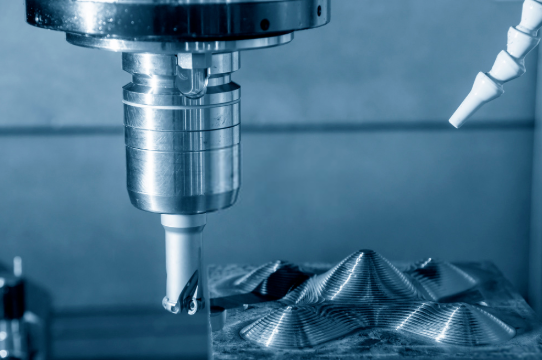
Designvejledninger, der reducerer omkostninger og forbedrer kvaliteten
Du har valgt dine materialer og forstår, hvilke maskinbearbejdningsprocesser der er egnet til din anvendelse. Nu kommer et spørgsmål, der skiller erfarene ingeniører fra nybegyndere: hvordan designer man en maskinbearbejdet del, der faktisk er effektiv at fremstille? Svaret ligger i Design for Fremstillelighed (DFM), en disciplin, der transformerer gode koncepter til fremragende komponenter, mens produktionsomkostningerne holdes under kontrol.
Tænk over det på denne måde. To ingeniører kan designe funktionelt identiske dele, men én af dem koster betydeligt mere at fremstille på CNC-maskiner. Forskellen? Designbeslutninger, der enten udnytter CNC-maskinernes muligheder eller arbejder imod dem. Hver enkelt funktion, du specificerer, gør fremstillingsprocessen enten simplere eller mere kompliceret.
Før vi går i dybden med specifikke krav, er her en omfattende DFM-checkliste, som erfarna maskinister ønsker, at alle designere følger:
- Juster vægtykkelsen efter materialetypen: Metal kræver mindst 0,8 mm; plastik kræver mindst 1,5 mm for at undgå deformation
- Begræns lommens dybde til 3× værktøjets diameter: Dybde hulrum kræver forlængede værktøjer, hvilket reducerer stivhed og præcision
- Angiv indvendige radier, der er lig med eller større end værktøjets radius: Skarpe indvendige hjørner er fysisk umulige at fremstille med roterende fræsværktøjer
- Anvend stramme tolerancer kun på kritiske funktioner: Over-specifikation øger inspektionsomfanget og fremstillingskompleksiteten
- Design til mindst mulig antal opsætninger: Hver omvendelse eller genfastgørelse introducerer en positionsusikkerhed og øger arbejdskomsten
- Brug standardhulstørrelser, der svarer til almindelige bor: Ikke-standardmålene kræver specialværktøj eller langsommere interpolation
- Undgå slanke, ikke understøttede funktioner: Tynde ribber og høje vægge vibrerer under fræsning, hvilket resulterer i dårlig overfladekvalitet
- Inkluder tilstrækkelig gevindfrihed: Blindgevindede huller kræver en ugevindet udløbszone for at undgå, at gevindskæren rammer bunden
Lad os nu undersøge de specifikke konstruktionsregler, der har størst indflydelse på dine maskineksempler og produktionsresultater.
Vægtykkelse og forholdet mellem funktionsdybde og vægtykkelse
Forestil dig, at du skal fræse en væg, der er så tynd som papir. Fræsningskræfterne vil deformere den, hvilket skaber vibreringsmærker og dimensionelle fejl. Dette scenarie illustrerer, hvorfor vægtykkelsen er så afgørende ved CNC-fræsning.
Ifølge Super Ingenuity's CNC-designvejledning , en minimumvægtykkelse på 0,03 tommer (cirka 0,8 mm) udgør en sikker basislinje for metaldele. For plastik skal denne værdi øges til mindst 0,06 tommer (cirka 1,5 mm), for at undgå deformation og krumning under bearbejdning eller afkøling.
Hvorfor er der en forskel mellem materialer? Metaller har en indbygget stivhed, der modstår skærekraften. Plastik er mere fleksibelt og kræver derfor ekstra materiale for at opretholde stabilitet. Tykkere vægge forbedrer stivheden, reducerer vibrationer (chatter) og hjælper med at opretholde dimensionel nøjagtighed under fastspænding og efterbearbejdning.
Hvad gør man, hvis din konstruktion kræver tyndere vægge? Du har flere muligheder:
- Tilføj forstærkningsribber eller forstærkningsplader (gussets) for at øge stivheden i tynde sektioner
- Reducer længden af uunderstøttede afsætninger, så væggene ikke buer under værktøjets tryk
- Skift til et mere stift materiale, der opretholder stabilitet ved reduceret tykkelse
- Overvej alternative fremstillingsprocesser som pladeformning til kosmetiske tynde skal
Dybe udskåringer og blinde lommer stiller lignende udfordringer. Som en praktisk regel bør lommens dybde begrænses til 3× værktøjets diameter. Ud over denne grænse mister forlængede værktøjer deres stivhed, hvilket fører til dårlige tolerancer og nedsat overfladekvalitet.
Når dybdekravene overstiger disse retningslinjer, bør følgende CNC-eksempler på alternative fremgangsmåder overvejes:
- Åbn én eller flere af lommens vægge, så fræseren kan komme ind fra siden i stedet for kun fra oven
- Opdel designet i flere dele, som kan bearbejdes separat og samles bagefter
- Anvend trinformede lommeopstillinger i stedet for kontinuert dybe vægge, og sikr, at hver niveau holder sig inden for 3×D-retningslinjen
Disse designændringer reducerer ofte cykeltiden og eliminerer behovet for specielle værktøjer med forlænget rækkevidde.
Indre hjørneradier og værktøjsadgang
Her er en grundlæggende sandhed, der overrasker mange designere: Roterende fræsværktøjer kan ikke skabe perfekt skarpe indvendige hjørner. Det er fysisk umuligt. Værktøjets cirkulære tværsnit efterlader altid en radius i indvendige hjørner.
Denne begrænsning betyder, at dine indvendige hjørneradiusser skal være lig med eller større end den værktøjsradius, der anvendes. For eksempel skal du angive mindst en indvendig afrundingsradius på 3 mm ved brug af en fræser med en diameter på 6 mm (3 mm radius). Forsøg på at opnå mindre radiusser tvinger drejere til at bruge mindre værktøjer med lavere fremføringshastigheder, hvilket øger produktionsomfanget markant.
Ifølge Super Ingenuitys retningslinjer svarer almindelige fræserstørrelser til følgende anbefalede minimumsindvendige afrundingsradiusser:
| Værktøjsdiameteren | Værktøjsradius | Anbefalet minimumsindvendig afrundingsradius |
|---|---|---|
| 3 mm | 1,5 mm | ≥ 1,5–2,0 mm |
| 6 MM | 3,0 mm | ≥ 3,0–3,5 mm |
| 10 mm | 5,0 mm | ≥ 5,0–6,0 mm |
Hvorfor er dette så afgørende for omkostningerne? Meget små indvendige radiusser kræver brug af meget små værktøjer, der kører med lave fremføringshastigheder. En fræser med en diameter på 1 mm, der fjerner materiale med kun en brøkdel af den hastighed, en fræser med en diameter på 10 mm kan opnå, resulterer direkte i længere maskintid. At gøre hjørnestørrelserne mere slappe er én af de mest effektive måder at gøre dele mere økonomiske på.
For komplekse indre geometrier kan 5-akset CNC-bearbejdning tilgå funktioner fra flere vinkler, hvilket nogle gange tillader mindre radier end traditionelle 3-akse-metoder. Denne funktionalitet medfører dog højere timepriser, så afvejningen kræver en omhyggelig vurdering.
Eksempler på anvendelser af CNC-maskiner viser, at erfarne designere ofte specificerer generøse afrundinger (filletter) i den indledende fase af designet og derefter kun forstrammer bestemte hjørner, hvor funktionen kræver det. Denne selektive fremgangsmåde balancerer kravene til ydeevne mod fremstillings-effektiviteten.
Tolerancesammensætning og kritiske mål
Lyd det kompliceret? Toleranceangivelser følger faktisk en enkel logik, så snart du forstår principperne. Den afgørende indsigt er: Ikke alle mål på din komponent fortjener samme præcision.
En generel CNC-toleranceskema anbefaler som standard en tolerance på ±0,005 tommer (ca. ±0,13 mm), medmindre mere stramme værdier er funktionelt nødvendige. Ifølge Super Ingenuitys rammeværk øger over-specifikation af tolerancer bearbejdningsomfanget, opsætningskompleksiteten og inspektionsindsatsen uden at give funktionelle fordele.
Overvej at organisere dine tolerancekrav i niveauer:
| Toleranceniveau | Typisk interval | Passende anvendelser |
|---|---|---|
| Generelt | ±0,10 mm | Ikke-kritiske funktioner, generel geometri, kosmetiske overflader |
| Præcist pasform | ±0,05 mm | Glidemontager, justerede flader, placering af sammenpassende dele |
| Kritiske/bohrede | ±0,01–0,02 mm | Borehuller, pasningsboltehuller og CTQ-funktioner, der verificeres med dedikerede måleinstrumenter |
Anvend stramme tolerancer kun på CTQ-funktioner (kritiske for kvaliteten) og marker dem tydeligt på tegningerne. Denne fokuserede fremgangsmåde sikrer effektiv inspektion og forhindrer, at hele produktionsprocessen bliver bremset på grund af få kritiske overflader.
Tolerancestabling bliver særligt vigtig, når flere funktioner skal arbejde sammen. Forestil dig tre huller, der skal modtage en monteringsbeslag. Hvis hvert hul har uafhængige tolerancer, kan den samlede variation overstige det, som beslaget kan tilpasse sig. Geometrisk dimensionering og tolerance (GD&T) løser dette ved at etablere referenceplaner og positions-tolerancer, der styrer forholdet mellem funktionerne.
Som nævnt af Rapid Enterprises , selv kritiske komponenter bør ikke have stramme tolerancer specificeret for hele dele. Brug GD&T til at anvende stramme tolerancer kun der, hvor det er funktionelt nødvendigt, mens standardtolerancer opretholdes andre steder. Denne selektive fremgangsmåde kan reducere produktionsomkostningerne med 20–35 % i forhold til over-specificerede design.
Hvad med gevind? En praktisk regel begrænser det effektive gevindlængde til 2–3× hullet diameter. Dybere gevind øger sjældent styrken, men tilføjer bearbejdnings tid og risiko for brud på gevindskæreren. For blinde gevindboringer skal der efterlades en kort ikke-gevindet udløber i bunden, så gevindskæreren ikke rammer bunden af borconen. Når det er muligt, bør der designes gennemgevind i stedet for blinde gevind, da de er nemmere at fremstille, rengøre og generelt billigere.
At forstå disse designvejledninger ændrer, hvordan man tilnærmer sig CNC-fremstillede produkter. Men hvordan afgør man, hvornår CNC-fremstilling er fornuftig sammenlignet med alternative fremstillingsmetoder? I næste afsnit udforskes denne afgørende beslutningsmatrix.
CNC-bearbejdning sammenlignet med alternative fremstillingsmetoder
Du har mestret designvejledningerne, men her er det næste kritiske spørgsmål: Er CNC-bearbejdning overhovedet det rigtige valg til dit projekt? Nogle gange er det absolut det rigtige valg. Andre gange? Måske er 3D-printning, injektionsformning eller støbning en bedre løsning for dig. At træffe den forkerte beslutning kan betyde unødigt høje omkostninger ved små serier eller utilstrækkelig kvalitet ved præcisionsbearbejdede produkter.
Kernen i sagen er, at hver fremstillingsmetode har sin egen 'gyldighedszone', der defineres af produktionsmængde, krav til målenøjagtighed, materialekrav og tidsrammer. At forstå disse grænser hjælper dig med at vælge den fremgangsmåde, der giver optimale resultater uden unødige udgifter.
Lad os gennemgå, hvordan CNC-bearbejdningsprodukter sammenlignes med de største alternative fremstillingsmetoder:
| Produktionsmetode | Bedste volumenområde | Typiske tolerancegrænser | Materielle muligheder | Ledetidsfaktorer |
|---|---|---|---|---|
| CNC maskering | 1 til 10.000+ enheder | ±0,025 mm er almindeligt, ±0,013 mm er opnåeligt | Metaller, tekniske plastikker, kompositmaterialer, eksotiske legeringer | Dage til uger; skalerer lineært med mængden |
| 3D-printning (FDM/SLA/SLS) | 1 til 100 enheder | ±0,005" til ±0,010" typisk | Termoplastikker, harpiks, begrænsede metalpulvere | Timer til dage; langsommere pr. enhed ved store mængder |
| Injskionsformning | 1.000 til millioner | ±0,003" til ±0,020" | Termoplastik, nogle thermosetting plastikker | Uger til værktøjsfremstilling; sekunder pr. emne efterfølgende |
| Formgivnings | 5.000 til flere millioner | ±0,005" til ±0,015" | Aluminium-, zink- og magnesiumlegeringer | Uger til værktøjsfremstilling; hurtig produktion derefter |
| Investment Casting | 100 til 10.000 enheder | ±0,005" til ±0,010" | Stål, rustfrit stål, superlegeringer | Uger; fremstilling af mønster og form kræves |
Lad os nu udforske hver sammenligning i detaljer, så du kan træffe velovervejede beslutninger i forhold til dine specifikke krav til CNC-bearbejdningskomponenter.
CNC-bearbejdning versus 3D-printning – beslutningsmatrix
Hvornår bør du vælge præcisions-CNC-bearbejdede dele frem for 3D-printede alternativer? Svaret afhænger af tre primære faktorer: nøjagtighedskrav, materialevalg og produktionsmængde.
Tolerance og overfladekvalitet: Ifølge Modelcrafts sammenligningsanalyse , CNC-bearbejdning fører an, hvad angår tolerancer og overfladekvalitet. Komponenter kan opnå nøjagtighed på mikronniveau og poleres eller slibes til spejlglatte overflader. 3D-printede komponenter kræver derimod ofte efterbearbejdning for at nå CNC-standarderne.
For funktionelle prototyper, hvor præcise tolerancer ikke er afgørende, fungerer 3D-printning fint. Men når du har brug for maskinbearbejdede komponenter, der skal samvirke med andre præcisionskomponenter? Så er CNC-bearbejdning tydeligt den bedste løsning.
Materialerets fleksibilitet: Denne sammenligning er slet ikke tæt. CNC-bearbejdning understøtter produktionsklare metaller og tekniske plastikker, herunder aluminium, titan, Inconel, messing, PEEK og Delrin. Som Modelcraft bemærker, udvikler materialer til 3D-printning sig, men de er stadig begrænsede i forhold til traditionelle metoder. De fleste 3D-printmateriale som PLA, ABS og nylon mangler den mekaniske styrke, som deres maskinbearbejdede modstykker besidder.
Mængdebetragtninger: Her er det, hvor 3D-printning glimter til specifikke anvendelser. Lavvolumen-prototypering og designiteration sker hurtigere med additiv fremstilling, da der ikke kræves programmering eller værktøjsopsætning. Dog bliver 3D-printning progressivt dyrere pr. styk, når antallet stiger.
Overvej denne beslutningsramme:
- Vælg 3D-print, når: Du har brug for 1–10 prototyper hurtigt, geometrisk kompleksitet inkluderer indre kanaler eller organiske former, funktionsmæssig test kræver ikke produktionsmaterialer, og designændringer sker hyppigt
- Vælg CNC-bearbejdning når: Tolerancerne skal være ±0,005 tommer eller strammere, produktionsmaterialer som aluminium eller rustfrit stål er påkrævet, antallet overstiger 10–20 styk, og overfladekvaliteten er afgørende for funktion eller udseende
Når støbning eller injektionsformning giver mere mening
Forestil dig, at du har brug for 50.000 identiske plasthuse. At bearbejde hvert enkelt individuelt ville være økonomisk uholdbart. Dette scenarie illustrerer, hvorfor højvolumenproduktion ofte skifter til støbning eller formgivningsprocesser.
Økonomi for sprøjtestøbning: Ifølge Runsoms omfattende sammenligning kræver sprøjtestøbning dyre formoprettelse i starten. Selvom den oprindelige investering er høj, falder stykprisen betydeligt ved produktion i store mængder, hvilket gør den økonomisk fornuftig ud over en bestemt tærskel, typisk 1.000+ enheder.
CNC-bearbejdning indebærer ingen værktøjsomkostninger og er derfor ideel til hurtig prototypproduktion eller korte serier. Stykprisen forbliver dog relativt konstant, uanset om mængden stiger. Derfor er maskinbearbejdede produkter fremragende ved lav- til mellemstore serier, mens sprøjtestøbning dominerer ved plastfremstilling i store serier.
Materialebegrænsningerne adskiller sig også markant. Runsom bemærker, at sprøjtestøbning primært er optimeret til termoplastiske polymerer som ABS, Nylon, Polycarbonat og Polypropylen. CNC-bearbejdning kan håndtere disse samme plasttyper samt hele spektret af produktionsmetaller, som sprøjtestøbning simpelthen ikke kan behandle.
Kompromiser ved designflexibilitet: Når du først har investeret i formværktøj til sprøjtestøbning, bliver designændringer dyre. Alle ændringer kræver omformning af værktøjet eller helt nyt værktøj. CNC-bearbejdning tilbyder derimod uslåelig fleksibilitet i designiterationsfasen. Du kan justere CAD-filerne og genstarte produktionen næsten øjeblikkeligt.
Denne fleksibilitet gør CNC-bearbejdning til den foretrukne metode i den tidlige produktudviklingsfase. Mange virksomheder fremstiller prototyper og validerer designs ved hjælp af CNC-bearbejdede produkter, inden de investerer i formværktøj til sprøjtestøbning til seriefremstilling.
Overvejelser ved støbning: Trykstøbning og mistilastøbning ligger mellem bearbejdning og formgivning. De håndterer metaller, som sprøjtestøbning ikke kan bruge, og tilbyder bedre stykøkonomi end bearbejdning ved højere produktionsmængder. Støbning giver dog typisk bredere tolerancer og kræver måske sekundære CNC-operationer for at opnå kritiske mål.
Hybridproduktionstilgange
Her er hvad erfarna produktionsingeniører ved: Du behøver ikke altid vælge kun én metode. Kombination af processer giver ofte de optimale resultater, som hverken den ene eller den anden metode alene kunne opnå.
Runsom's analyse understreger dette punkt: Undgå at tvinge et enten/eller-valg. Strategisk integration vinder ofte. Overvej disse hybride scenarier:
Støb eller form den største del, bearbejd de kritiske funktioner: Start med en støbt eller formet del, der er tæt på den endelige form, og brug derefter CNC-bearbejdning til at opnå stramme tolerancer på sammenfaldende overflader, lejebores eller gevindfunktioner. Denne fremgangsmåde udnytter volumenøkonomien, samtidig med at præcisionen opretholdes, hvor det er afgørende.
3D-print komplekse kernekomponenter, bearbejd ydre overflader: Additiv fremstilling er fremragende til at skabe interne kanaler og organiske geometrier. Ved at kombinere en 3D-printet kerne med CNC-bearbejdede ydre funktioner opnås kompleks funktionalitet sammen med præcise grænseflader.
Prototype med CNC, producer med formgivning: Valider din design ved hjælp af præcisions-CNC-fremstillede dele, og overgå derefter til sprøjtestøbning, når specifikationerne er fastlagt. Denne rækkefølge minimerer værktøjsrisikoen og fremskynder tidspunktet for markedsindførelse.
Hvilke faktorer bør lede dine hybride beslutninger?
- Samlet produktionsmængde: Højere mængder begrundiger investeringer i værktøjer til støbning eller formgivning
- Tolerancefordeling: Dele med få kritiske funktioner egner sig godt til hybride fremgangsmåder
- Materialekrav: Metaldele med komplekse former drager ofte fordel af formgivning kombineret med maskinbearbejdning
- Tidsmæssige pres: CNC-maskinbearbejdning leverer hurtigere første dele, mens værktøjerne udvikles parallelt
Produktionslandskabet fortsætter med at udvikle sig, mens disse teknologier modne. Ifølge Runsom tilgangen til hvert projekt analytisk frem for at standardisere på kendte metoder. Dine specifikke projektparametre – herunder mængde, materiale, delgeometri, tolerancenødvendigheder, budget og tidsplan – bør styre valget.
At forstå, hvornår man skal bruge CNC-bearbejdning i stedet for alternative metoder, er kun én del af kvalitetspuslespillet. Lige så vigtigt er det at verificere, at din valgte producent opretholder de certificeringer og kvalitetssystemer, der er nødvendige for at levere konsekvente resultater. Lad os undersøge, hvad disse certificeringer faktisk garanterer.
Kvalitetscertificeringer, der bekræfter pålideligheden af CNC-bearbejdede produkter
Du har valgt den rigtige fremstillingsmetode og udformet en optimeret komponent. Men hvordan ved du, at din leverandør faktisk kan levere konsekvent kvalitet? Svaret ligger i certificeringerne. Disse officielle kvalifikationer fungerer som uafhængig verifikation af, at en producent opretholder dokumenterede systemer til fremstilling af pålidelige CNC-bearbejdede komponenter, parti efter parti.
Tænk på certificeringer som en producents kvalitetscv. De beviser, at processer ikke overlades til tilfældighed, men følger strukturerede rammer, der er verificeret af uafhængige revisorer. Ifølge American Micro Industries påvirker certificeringer CNC-bearbejdning ved at sikre, at teamene opretholder høje standarder, og supplerer praktisk erfaring for konsekvent fremragende resultater.
Men ikke alle certificeringer har samme vægt for hver enkelt anvendelse. Forskellige brancher stiller forskellige krav, og at forstå, hvad hver certificering faktisk garanterer, hjælper dig med effektivt at vurdere potentielle leverandører.
ISO 9001 og generel kvalitetsstyring
ISO 9001 udgør grundlaget for kvalitetsstyring inden for alle produktionssektorer. Denne internationalt anerkendte standard fastsætter basisforventningerne til enhver organisation, der tager konsekvent kvalitet alvorligt.
Hvad garanterer en ISO 9001-certificering om produktionen af CNC-bearbejdede dele?
- Dokumenterede processer: Hver enkelt trin fra ordremodtagelse til endelig inspektion følger skriftlige procedurer, som medarbejderne skal overholde
- Customer Focus: Der findes systemer til præcis registrering af krav og verificering af, at leverancer opfylder specifikationerne
- Kontinuerlig forbedring: Regelmæssige revisioner identificerer muligheder for at forbedre processer og reducere fejl
- Protokoller for korrektive foranstaltninger: Når der opstår problemer, forhindrer struktureret rodårsanalyse gentagelse
- Ledelsens ansvar: Ledelsen afsætter ressourcer og udøver tilsyn med kvalitetsmålene
Ifølge Frigates certificeringsanalyse forbedrer ISO 9001 ved fokus på løbende forbedring konsekvensen og gentageligheden af produkter. I CNC-drift, hvor tusinder af dele måske kun adskiller sig fra hinanden med få mikrometer, tilbyder ISO 9001 en systematisk fremgangsmåde til at eliminere variation og sikre overholdelse af kundens specifikationer i hver enkelt produktionscyklus.
For almindelige industrielle anvendelser giver ISO 9001-certificering tilstrækkelig sikkerhed for, at en leverandør driver sin virksomhed professionelt. Regulerede industrier kræver dog yderligere kontrolniveauer, der bygger videre på denne grundlag.
IATF 16949 for fremragende leveringskæde til bilindustrien
Bilproduktion foregår under uafbrudt pres for fejlfri produktion. Når en enkelt defekt CNC-komponent kan udløse dyre tilbagetrækninger eller bringe førers sikkerhed i fare, er almindelige kvalitetssystemer simpelthen ikke tilstrækkelige. Her kommer IATF 16949 ind i billedet.
Denne certificering kombinerer principperne i ISO 9001 med bilbranchens specifikke krav, der tager højde for de særlige krav til køretøjsproduktion. Ifølge American Micro Industries er IATF 16949 den globale standard for kvalitetsstyring i bilindustrien og kombinerer principperne i ISO 9001 med sektorspecifikke krav til løbende forbedring, fejlforebyggelse og streng leverandørkontrol.
Hvilke ekstra garantier giver IATF 16949 for CNC-fremstillede dele, der anvendes i bilapplikationer?
- Statistisk Proceskontrol (SPC): Efterløb over produktionsvariabler i realtid sikrer, at processerne forbliver inden for kontrolgrænserne, inden fejl opstår
- Produktionsdelgodkendelsesproces (PPAP): Strenge valideringer demonstrerer fremstillingskapaciteten, inden seriefremstillingen begynder
- Avanceret produktkvalitetsplanlægning (APQP): Strukturerede udviklingsfaser forhindrer problemer i at nå frem til produktionen
- Fejlmodesk og effekteranalyse (FMEA): Systematisk risikovurdering identificerer potentielle fejlpunkter, inden de forårsager problemer
- Fuldstændig sporbarhed: Hver CNC-maskindel kan spores tilbage til specifikke materialepartier, maskiner, operatører og inspektionsregistre
Statistisk proceskontrol (SPC) kræver særlig opmærksomhed. Ifølge machining-custom.com’s SPC-analyse kan producenter ved brug af SPC-teknologi følge produktionsdata i realtid, identificere afvigelser og træffe passende foranstaltninger for at forbedre stabiliteten i kvaliteten af CNC-fremstillede dele.
SPC omdanner kvalitet fra en efterfaktisk inspektionsaktivitet til proaktiv processtyring. Kontrolkort viser nøglevariabler som dimensionelle målinger over tid og markerer tendenser, inden de overskrider tolerancegrænserne. Denne tilgang opdager problemer, mens de stadig kun kræver mindre justeringer i stedet for at medføre udkastelse af hele partier.
For bilkøbere, der søger pålidelige CNC-bearbejdningssammarbejdspartnere, giver IATF 16949-certificering en meningsfuld sikkerhed. Virksomheder som Shaoyi Metal Technology demonstrerer denne forpligtelse gennem deres certificerede fremstillingsprocesser til chassismonteringer og præcisionskomponenter. Deres kombination af IATF 16949-certificering og streng SPC-implementering sikrer, at CNC-komponenter med høj præcision konsekvent opfylder kravene i bilindustriens leveringskæde.
AS9100- og medicinsk udstyr-certificeringer
Når dele af CNC-maskinoperationer anvendes inden for luftfarts- eller medicinske applikationer, stiger certificeringskravene dramatisk. Fejl i disse sektorer kan koste menneskeliv, hvilket gør kvalitetssystemerne tilsvarende strenge.
AS9100 for luftfart: Denne standard bygger på ISO 9001 ved at tilføje 105 yderligere krav, der specifikt vedrører luftfartsproduktion. Ifølge Frigates analyse kræver AS9100 detaljeret dokumentation, revisionskontrol, sporet produktion og fuld materiale-sporelighed.
Hvad garanterer AS9100 for CNC-fremstillede luft- og rumfartsdele?
- Konfigurationsstyring: Strenge kontrolforanstaltninger sikrer, at dele stemmer overens med godkendte design uden uautoriserede ændringer
- Førsteartikelinspektion (FAI): Udførelse af omfattende verifikation af de første producerede dele i henhold til alle krav i tegningerne
- Forebyggelse af fremmedlegeme-forurening (FOD): Procedurer forhindrer forurening, der kunne føre til fejl i flyvning
- Kontrol af specialprocesser: Varmebehandling, belægning og andre kritiske processer kræver separat validering
- Risikostyring: Formel vurdering og risikomindskelse af potentielle fejlmåder gennem hele produktionsprocessen
Ifølge Frigate kræver over 80 % af globale luft- og rumfartsvirksomheder AS9100-certificering fra CNC-leverandører. Uden denne certificering kan producenter slet ikke deltage i luft- og rumfartssupply chains – uanset deres tekniske kompetencer.
ISO 13485 for medicinsk udstyr: Produktion af medicinsk udstyr kræver fuld sporbarehed og validerede processer, der sikrer patientsikkerheden. Denne certificering tager højde for de særlige krav til komponenter, der måske skal implanteres i eller anvendes på menneskelige patienter.
ISO 13485 garanterer:
- Designkontrol: Systematisk verificering af, at design opfylder de krævede anvendelseskrav
- Procesvalidering: Dokumenteret bevis for, at fremstillingsprocesser konsekvent producerer acceptabelt resultater
- Klagehåndtering: Strukturerede systemer til undersøgelse af og reaktion på kvalitetsproblemer
- Opsigelsesprocedurer: Klar evne til at fjerne defekte produkter fra markedet, hvis det er nødvendigt
- Komplet dokumentation: Registreringer, der er tilstrækkelige til at opfylde FDA-revisioner og reguleringsspecifikationer
Ifølge American Micro Industries skal faciliteter, der søger ISO 13485-certificering, implementere detaljerede dokumentationspraksis, grundige kvalitetskontroller samt effektiv håndtering af klager og tilbagetrækninger. Ved at overholde disse krav kan en CNC-producent sikre, at hver enkelt medicinsk udstyrsdel er sikker, pålidelig og fuldt sporbart.
At vælge leverandører med de relevante certificeringer er ikke blot en tjeklisteøvelse. Disse kvalifikationer repræsenterer reelle investeringer i systemer, uddannelse og kultur, som direkte påvirker pålideligheden af dine CNC-fremstillede dele.
Når kvalitetssystemerne er verificeret, bliver den næste praktiske overvejelse tidsaspektet. Hvor hurtigt kan du forvente at modtage dele, og hvilke faktorer påvirker disse tidsrammer?
Forventede gennemløbstider fra prototype til serieproduktion
Du har verificeret certificeringerne og bekræftet, at din leverandør opererer professionelt. Nu kommer det spørgsmål, som hver projektleder stiller: hvor lang tid vil det faktisk tage at få dele i hånden? Gennemløbstiderne for CNC-fremstilling varierer kraftigt afhængigt af faktorer, som du kan kontrollere, og nogle, som du ikke kan. At forstå disse variable hjælper dig med at opstille realistiske forventninger og undgå overraskelser i forsyningskæden.
Rejsen fra digital design til fysisk CNC-fremstillet del omfatter flere stadier, hvor hvert enkelt bidrager til den samlede tidsramme. Ifølge Miens Technologies er gennemløbstiden sjældent bestemt af én enkelt faktor. I stedet er det den samlede effekt af designkompleksitet, materialevalg, maskinkapacitet, efterbehandlingskrav og arbejdsgangsstyring.
Her er de primære faktorer, der påvirker, hvor hurtigt dine dele ankommer:
- Kompleksitet af komponenten: Enkle geometrier gennemløber produktionen hurtigt, mens indviklede designs kræver flere opsætninger, specialværktøjer eller flerakse-machining
- Materialernes tilgængelighed: Almindelige aluminiums- og stållegeringer leveres fra lager; eksotiske materialer kan føje dage eller uger til indkøbstiden
- Toleransekrav: Strammere specifikationer kræver langsommere bearbejdningshastigheder og yderligere inspektionsforanstaltninger
- Specifikationer for overfladefinish: Sekundære processer som slibning, polering eller belægning forlænger tidsrammerne
- Batchstørrelse: Enkeltprototyper færdiggøres hurtigere end seriefremstillinger, selvom opsætningstiden fordeler sig over større mængder
- Produktionskapacitet: Faciliteter, der opererer med fuld kapacitet, kan stille ordrer i kø, mens tilgængelige værksteder starter med det samme
- Kommunikationshastighed: Uklare tegninger eller udestående godkendelser kan forhindre, at opgaver planlægges til tiden
Tidsrammer og forventninger til hurtig prototypproduktion
Forestil dig, at du har brug for en funktionsdygtig prototype allerede fredag, selvom det allerede er tirsdag. Er det realistisk? Overraskende nok ja – for de rigtige dele og leverandører. Moderne CNC-faciliteter har transformeret, hvad der er muligt i scenarier inden for hurtig prototypproduktion.
Ifølge Weergs vejledning til hurtig prototypproduktion 2025 , og ankomsten af digital fremstilling på bestilling har revolutioneret produktudvikling. Tidligere betød fremstilling af en prototype, at man ventede 60–75 dage og stod over for høje omkostninger. I dag er det muligt at få funktionsdygtige prototyper på 3–7 dage, hvilket drastisk reducerer både tid, omkostninger og udviklingsrisici.
Hvad afgør, om dine CNC-fræsningsprojekter falder i den hurtige eller den langsomme ende af denne skala?
- Scenarier med én dag: Enkle dele fra lagermaterialer med standardtollerancer kan afsendes inden for 24 timer fra faciliteter udstyret til hurtig respons. Disse omfatter typisk enkle geometrier, der kræver minimale opsætninger og ingen sekundær finish.
- leveringstid på 2–3 dage: Målepræcise CNC-fræsningsprojekter med strammere tolerancer eller grundlæggende overfladebehandlinger falder inden for denne tidsramme. Materialet skal være let tilgængeligt, og designene bør følge DFM's bedste praksis.
- leveringstid på 5–7 dage: Flere-akse-maskinbearbejdning, specialmaterialer eller dele, der kræver varmebehandling, anodisering eller anden efterbehandling, kræver typisk denne tidsramme for at sikre kvalitetsmæssig udførelse.
Faciliteter, der specialiserer sig i automobilapplikationer, har især forbedret deres evne til hurtig respons. Shaoyi Metal Technology , for eksempel, leverer komponenter med høj præcision med leveringstider så hurtige som én arbejdsdag og imødekommer de akutte prototyperingsbehov, som automobiludviklingscyklusser kræver.
Nøglen til at opnå de hurtigst mulige leadtider? Design til fremstilling fra starten. Ifølge Miens Technologies er dele, der er designet med fremstillingsevne i tankerne, hurtigere at producere. Ved at bruge standardmål, undgå alt for stramme tolerancer og minimere unødvendige funktioner reduceres antallet af opsætninger og forenkles maskinbearbejdningen.
Skalering fra prototype til produktionsmængde
Her er det, hvor mange projekter støder ind i problemer. En prototype, der fungerede fremragende i én eksemplar, afslører pludselig udfordringer, når du bestiller 500 eller 5.000 enheder. Overgangen fra prototype til serieproduktion indebærer mere end blot at trykke på "gentag" i CNC-programmet.
Ifølge Fictivs vejledning til produktionsopskalering er overgangen til lavvolumenproduktion som at skifte gear fra en prøvekørsel til en langtur. Den indebærer at skala op fremstillingsprocessen, mens man samtidig fastholder den oprindelige designintention fra prototypen. Denne overgang kan være kompliceret og omfatte materialekonsistens, omkostningsstyring samt opretholdelse af designfidelitet.
Hvilke udfordringer opstår under denne overgang for CNC-fræseprojekter?
- Procesvalidering: Det, der engang fungerede, skal bevise, at det kan gentages pålideligt over hundredvis af cyklusser uden afdrift
- Værktøjsoptimering: Produktionsløb begrundar brug af specialfremstillede fastspændingsanordninger og optimerede værktøjsbaner, som ikke var økonomisk rentable ved prototyper
- Råvareindkøb: Større mængder kan kræve køb i større partier med længere leveringstider
- Kvalitetsdokumentation: Produktionsvolumener kræver statistisk proceskontrol (SPC) og inspektionsprotokoller for første artikel
- Montageovervejelser: Ifølge Fictiv opstår der ofte udfordringer ved overgangen fra manuel samling af prototyper til automatiserede produktionslinjer og robotteknik
Fictivs produktionsteknikere bemærker, at lavt volumen typisk henviser til mængder fra tiere til flere hundrede tusinde enheder, afhængigt af virksomheden og produktet. Denne brede variation afspejler, hvordan udtrykket "produktionsvolumen" har forskellig betydning på tværs af brancher.
Den gode nyhed? Samarbejde med produktionsspecialister, der forstår denne overgang, forenkler processen betydeligt. Produktionsfaciliteter som Shaoyi Metal Technology demonstrere den hurtige overgang fra prototypering til masseproduktion, som imødegår behovet for at accelerere forsyningskæden. Deres IATF 16949-certificering sikrer, at produktionsvolumener opretholder de samme kvalitetsstandarder, der blev fastlagt under valideringen af prototyperne.
Faktorer, der forlænger eller forkorter leveringstider
Vil du fremskynde leveringen af dine CNC-komponenter? At forstå, hvilke parametre du kan påvirke, gør en betydelig forskel. Nogle tidsfaktorer ligger uden for din kontrol, men mange afhænger direkte af beslutninger, der træffes i design- og bestillingsfasen.
Materialernes tilgængelighed: Denne enkelte faktor giver mere uventede ændringer i tidsplanen end nogen anden. Ifølge Miens Technologies forkorter lettilgængelige metaller som aluminium og almindelige stål leveringstiderne. Særlige legeringer, tekniske plastikker eller eksotiske materialer kan derimod medføre indkøbsforsinkelser, der tilføjer dage eller endda uger.
Praktiske strategier til at fremskynde processen i forbindelse med materialer:
- Angiv almindelige legeringer som f.eks. aluminium 6061 eller rustfrit stål 304, når ydeevnen tillader det
- Bekræft materialetilgængelighed, inden designene færdiggøres
- Overvej leverandørens lagerførte materialer i forhold til specifikationer, der skal bestilles særligt
- Tillad materialeudskiftninger, hvis funktionelt ækvivalente alternativer er tilgængelige hurtigere
Kompleksitet og tolerancer: Ifølge Miens Technologies er geometrien af en komponent en af de største faktorer, der påvirker gennemløbstiden. Enkle former med standardfunktioner passer normalt hurtigt igennem produktionen. Komplekse designs kræver derimod flere opsætninger, specialværktøjer eller flerakse-bearbejdning, hvilket alle sammen forlænger bearbejdningscyklussen.
Ligeledes vil mere stramme tolerancer og glattere overfladeafslutninger medføre længere produktions tid. Disse krav kan kræve langsommere bearbejdningshastigheder, yderligere inspektionsforanstaltninger eller sekundære efterbearbejdningsprocesser.
Efterbehandling: Varmebehandling, anodisering, platering, maling eller andre overfladebehandlinger tilføjer tid. Ifølge Miens Technologies kan disse trin forlænge leveringstiden med dage eller endda uger, især hvis de udliciteres til eksterne leverandører.
Strategier til komprimering af tidsplanen for overfladebehandling:
- Angiv kun overfladebehandlinger, der er funktionelt nødvendige
- Vælg interne overfladebehandlingsmuligheder, når de er tilgængelige hos din leverandør
- Overvej maskinerede overflader uden yderligere behandling til ikke-dekorative overflader
- Kommuniker tydeligt om overfladekravene for at undgå forsinkelser som følge af omarbejdning
Kommunikation og dokumentation: Forsinkelser kommer ikke altid fra værkstedsgulvet. Miens Technologies bemærker, at manuel ordrebehandling, uklare tegninger eller langsomme godkendelser kan forhindre, at ordrer bliver planlagt til tiden. Hurtig og tydelig kommunikation mellem kunde og producent hjælper med at undgå fejl og omplanlægning.
Ved at forstå disse leveringstidsdynamikker stiller du dig bedre til at opstille realistiske projekttidsplaner og identificere muligheder for acceleration. Det sidste trin? At handle på alt, hvad du har lært, for at lancere dine egne succesfulde CNC-fremstillingsinitiativer.
At handle på dine krav til CNC-fremstillede produkter
Du har absorberet en omfattende mængde information om CNC-fremstillede produkter – fra materialeframeworks til branchespecifikationer. Hvad så? Viden uden handling forbliver teoretisk. Uanset om du overvejer, hvad du kan fremstille med en CNC-maskine for første gang, eller om du ønsker at optimere eksisterende produktion, kræver vejen fremad bevidste skridt, der er tilpasset dit erfaringsniveau.
Her er en prioriteret handlingsliste, der samler alt det, der er behandlet i denne guide:
- Definer først dine funktionelle krav: Tolerancer, materialeegenskaber og miljøforhold styrer alle efterfølgende beslutninger
- Anvend DFM-principper allerede i den indledende designfase: Generøse hjørneradier, passende vægtykkelser og selektiv tolerancing reducerer omkostningerne markant
- Match materialer til brugsområdets krav: Brug materialeframeworket til at afbalancere ydeevne, bearbejdningsvenlighed og budget
- Verificer leverandørcertificeringer: ISO 9001 som minimum for almindelige opgaver; IATF 16949 for automobilindustrien; AS9100 eller ISO 13485 for luftfarts- og medicinsk industri
- Kommuniker tydeligt og udtømmende: Detaljerede tegninger og specifikationer forhindrer forsinkelser og misforståelser
Påbegynd din første CNC-bearbejdede produktprojekt
Ny til præcisionsfremstilling? Læringskurven kan føles stejl, men ved at følge en struktureret fremgangsmåde undgås kostbare fejl. Start med at undersøge CNC-projektideer, der matcher dine applikationskrav, i stedet for at tvinge design til ukommensurable processer.
For begyndere anbefales følgende grundlæggende trin:
- Start med simple geometrier: Mester simple dele, inden du tager komplekse multiaksiale udfordringer op
- Vælg forstående materialer: Aluminium 6061 bearbejdes nemt og koster mindre end eksotiske legeringer, hvis der opstår problemer
- Anmod om designfeedback: Kvalificerede leverandører gennemgår tegninger og foreslår forbedringer, inden de udarbejder tilbud
- Bestil prototyper først: Valider designene, inden du forpligter dig til produktionsmængder
- Stil gerne spørgsmål: Erfarede maskinister sætter pris på engagerede kunder, der ønsker at forstå processen
Mange nybegyndere undrer sig over rentable CNC-projekter eller CNC-projekter, der sælges godt. Svaret varierer afhængigt af markedet, men komponenter med konstant efterspørgsel, rimelig kompleksitet og specifikke tolerancekrav tilbyder typisk de bedste muligheder.
Optimering af eksisterende produktionsløb
Arbejder du allerede sammen med CNC-leverandører? Så skifter din fokus mod kontinuerlig forbedring og omkostningsreduktion. Små forbedringer akkumuleres over hele produktionsløbet og giver betydelige besparelser.
Erfarede købere bør prioritere:
- Gennemgå tolerancekrav: Er stramme tolerancer virkelig nødvendige på alle egenskaber, eller kan nogle afslappes til standardniveauer?
- Konsolider materialeklasser: Færre unikke materialer forenkler indkøb og reducerer minimumsordrekrav
- Vurder sekundærbehandling: Afslutning i hus ofte forkorter gennemløbstider i forhold til udliciterede alternativer
- Implementer rammeordrer: Forudsigelig efterspørgsel muliggør bedre priser og prioriteret planlægning
- Anmod om SPC-data: Rapporter om statistisk proceskontrol afslører kvalitetstendenser, inden de bliver problemer
Ifølge AMFG's analyse af forsyningskæden kræver vellykket materialeindkøb tæt samarbejde med leverandører, omhyggelig planlægning og proaktiv risikostyring. At bygge disse vaner transformerer transaktionel indkøbspraksis til strategisk partnerskab.
Opbygning af langsigtet samarbejde med producenter
De mest vellykkede CNC-maskinidéer fremkommer fra samarbejdsmæssige relationer snarere end konfrontatoriske forhandlinger. Ifølge Stecker Machine's analyse ved intelligente værksteder, at en god pasform – en gensidigt fordelrig relation – er afgørende for langsigtede fremgang for alle parter.
Udvikling af strategisk partnerskab omfatter:
- Del prognoser åbent: Leverandører kan planlægge kapaciteten bedre, når de forstår dine fremtidige behov
- Giv feedback konsekvent: Både positiv og konstruktiv feedback hjælper leverandører med at betjene dig bedre
- Investér i tekniske gennemgange: Designgennemgange før produktion opdager problemer, inden de bliver dyre fejl
- Vurder ekspertise højere end pris alene: Den billigste tilbud giver sjældent den bedste samlede værdi
- Opbyg reserveforhold: En diversificeret leverandørbasis beskytter mod forstyrrelser uden at opgive primære partnere
Som AMFG understreger omfatter optimering af CNC-fremstillingsleverandørkæden diversificering af leverandørbasen, samarbejde med certificerede leverandører og indførelse af just-in-time-lagerstyring. Disse praksisser balancerer effektivitet mod risiko, mens kvalitetsstandarderne opretholdes.
Rammeværkerne, der præsenteres i denne artikel – materialausvælgelsesmatricer, DFM-vejledninger, certificeringskrav og faktorer, der påvirker leveringstiden – udgør grundlaget for velovervejede beslutninger. Anvend dem systematisk i forhold til dine specifikke krav, og du vil omdanne CNC-idéer til vellykkede fremstillede produkter, der opfylder dine mål for ydelse, kvalitet og tidsplan.
Ofte stillede spørgsmål om CNC-fremstillede produkter
1. Hvilke genstande fremstilles ved hjælp af CNC?
CNC-maskiner fremstiller en bred vifte af komponenter inden for mange brancher. Almindelige genstande omfatter flymotorers turbinblad og vingeunderstel, bilmotorblokke og gearkassehuse, medicinske implantater og kirurgiske instrumenter, elektroniske kabinetter og køleplader samt industrielle bushinger, forbindelsesdele og fastgørelsesmidler. Materialerne strækker sig fra aluminium og rustfrit stål til titan og tekniske plastikker som PEEK. Den specifikke anvendelse afgør valget af materiale, kravene til tolerancer og specifikationerne for overfladekvalitet.
2. Hvilket CNC-produkt er det mest rentable?
Rentaliteten afhænger af din markedsposition og dine udstyrs muligheder. Højt værdifulde muligheder omfatter præcisionskomponenter til automobilindustrien, der kræver IATF 16949-certificering, medicinsk udstyrskomponenter med strenge krav til biokompatibilitet, luft- og rumfartsstrukturkomponenter, der kræver overholdelse af AS9100, samt brugerdefinerede industrielle reservedele med stabil efterspørgsel. Produkter, der kombinerer specifikke tolerankrav med en rimelig kompleksitet og gentagne ordrer, tilbyder typisk de bedste margener. Faciliteter med IATF 16949-certificering, såsom Shaoyi Metal Technology, kan få adgang til automobilindustriens leveringskæder, hvor præcisionschassiskomponenter opnår præmiepriser.
3. Hvordan sammenlignes CNC-bearbejdning med 3D-printning?
CNC-bearbejdning opnår strammere tolerancer (±0,001 tommer i forhold til ±0,005–0,010 tommer ved 3D-printning) og bedre overfladekvalitet. Materialevalgene er langt bredere ved CNC-bearbejdning, herunder produktionskvalitetsmetaller som aluminium, titan og rustfrit stål, som 3D-printning ikke kan matche. Vælg 3D-printning til 1–10 prototyper med komplekse indvendige geometrier. Vælg CNC-bearbejdning, når tolerancerne skal være ±0,005 tommer eller strammere, produktionsmaterialer kræves, antallet overstiger 10–20 enheder, eller overfladekvaliteten påvirker funktionen.
4. Hvilke tolerancer kan CNC-bearbejdning opnå?
Standard CNC-bearbejdning opnår typisk en nøjagtighed på ±0,001 tommer, mens højpræcisionsoperationer kan nå ±0,0002 tommer eller bedre. I luftfartsindustrien specificeres der ofte en tolerance på ±0,0001 tommer for flyvekritiske komponenter. Medicinske implantater kræver tilsvarende præcision for at sikre korrekt anatomi-tilpasning. Tolerancekapaciteten afhænger af maskintypen, materialeegenskaberne og miljøkontrollerne. CNC-slibning og EDM-processer opnår de strengeste tolerancer, mens almindelig fræsning og drejning typisk arbejder inden for ±0,001 til ±0,005 tommer for de fleste anvendelser.
5. Hvor lang tid tager CNC-bearbejdning fra prototype til serieproduktion?
Enkle prototyper fremstillet af lagermaterialer kan afsendes inden for 24 timer fra faciliteter med hurtig respons. Mådeligt komplekse dele kræver typisk 2-3 dage, mens flerakse-bearbejdning med specialmaterialer kræver 5-7 dage. Skalering til seriefremstilling omfatter procesvalidering, værktøjsoptimering og kvalitetsdokumentation, hvilket forlænger tidsplanerne. Faciliteter som Shaoyi Metal Technology tilbyder leveringstider så hurtige som én arbejdsdag for autokomponenter med høj præcision, hvilket demonstrerer, hvordan certificerede producenter kan accelerere forsyningskæderne – fra prototypering til masseproduktion.