 Small batches, high standards. Our rapid prototyping service makes validation faster and easier —
  EN
EN


Služby laserového řezání kovů vysvětlené: Od nabídky po hotový díl

Porozumění technologii laserového řezání kovů
Nikdy jste se zamysleli nad tím, jak výrobci vytvářejí ty dokonale přesné kovové součástky s propracovanými vzory a ostrými hranami? Odpověď spočívá v jedné z nej převratnějších technologií moderní výroby : v laserovém řezání kovů. Co je to tedy přesně laserové řezání? Je to tepelný proces, při kterém se k rozřezání kovových materiálů používá vysoce koncentrovaný svazek světla s mimořádnou přesností – často dosahující tolerance v řádu zlomků milimetru.
Na rozdíl od tradičních mechanických metod řezání, které spoléhají na fyzický kontakt mezi nástrojem a obrobkem, laserové řezání kovů eliminuje opotřebení nástroje a výrazně snižuje riziko deformace materiálu. Tento bezkontaktní postup učinil přesné laserové řezání pomyslným zlatým standardem pro průmyslové odvětví, které vyžaduje konzistentní a opakovatelné výsledky po tisících dílech.
Jak soustředěné světlo transformuje výrobu kovových dílů
Představte si, jak se sluneční světlo soustředí skrze zvětšovací sklo – ale milionkrát zesílené. Právě to se v podstatě děje při laserovém řezání kovů v průmyslových aplikacích. Tento proces začíná uvnitř zařízení zvaného rezonátor, kde pečlivě kontrolované prostředí generuje fotony prostřednictvím jevu nazývaného stimulovaná emise. Když fotony interagují s již excitovanými elektrony, vyvolají lavinový efekt, který produkuje mimořádně koherentní a silný světelný paprsek.
Tento paprsek putuje skrze optická vlákna nebo sérii přesných zrcadel, než projde soustředícím čočkou. Čočka zkondenzuje veškerou tuto energii do malého ohniska – někdy o průměru pouhých 0,1 mm. V tomto soustředěném bodě mohou teploty překročit 20 000 °C, čímž získá paprsek dostatečnou sílu na to, aby snadno řezal ocel, hliník a dokonce i wolfram.
Úzký paprsek poté interaguje s kovovým povrchem jedním ze tří způsobů, v závislosti na vlastnostech materiálu, tloušťce a požadovaném výsledku:
- Sublimace: Používá se především u tenkých nebo citlivých materiálů, při kterém laser okamžitě přeměňuje pevný kov přímo na plyn. Tato technika řezání sublimací – někdy označovaná jako dálkové řezání – pracuje bez asistenčního plynu a je extrémně rychlá u tenkých materiálů.
- Tavení (fúzní řezání): Nejběžnější metoda laserového řezání kovů. Paprsek taví materiál, zatímco proud inertního plynu pod vysokým tlakem (obvykle dusík nebo argon) odvádí roztavený kov z místa řezu, čímž vznikají čisté hrany bez oxidace.
- Hoření (reaktivní řezání): Kyslík nahrazuje inertní plyn a vytváří exotermickou reakci s ohřátým kovem. Tento plamenem podporovaný postup urychluje rychlost řezání u uhlíkové oceli a snižuje požadovaný výkon laseru.
Věda za přesným řezáním paprskem
Co činí laserové řezání kovů tak pozoruhodně přesným? Vše se vrací k fyzice generování a zaostření paprsku. Uvnitř rezonátoru vytvářejí zrcadla na každém konci laserového média stojatou světelnou vlnu. Jedno zrcadlo je plně odrazivé, zatímco druhé je polopropustné – umožňuje koherentnímu paprsku uniknout, jakmile dosáhne dostatečné intenzity.
Výsledný laserový paprsek zachovává stálé vlastnosti: stejnou frekvenci, fázi a polarizaci po celé délce. Tato koherence znamená, že energie se při cestě k obrobku nerozptýlí ani neztrácí. Když paprsek prochází soustředícím objektivem, vytváří jeden bod vysoké intenzity, kde ve skutečnosti dochází k řezání.
Zde je důležitý detail, který mnozí přehlížejí: laser dosahuje maximální řezné intenzity pouze v tomto konkrétním ohnisku. Nad a pod ním se intenzita výrazně snižuje. Tato charakteristika vysvětluje, proč existují limity tloušťky materiálu – silnější kovy vyžadují, aby ohnisko udrželo řeznou sílu po větší hloubce, což se s rostoucí tloušťkou stává čím dál těžším.
Pro odborníky na zpracování kovů, kteří usilují o konzistentní výsledky, porozumění těmto základním principům pomáhá vysvětlit, proč služby laserového řezání kovů poskytují vyšší kvalitu řezu ve srovnání s plazmovým nebo mechanickým řezáním. Soustředěná a kontrolovaná povaha paprsku vytváří minimální tepelně ovlivněné zóny a odstraňuje mechanické napětí, které může během tradičních řezacích operací deformovat tenké materiály.

Vysvětlení technologií CO2, vláknového a Nd:YAG laseru
Když požádáte o cenovou nabídku od služeb laserového řezání kovů , už jste se někdy zamysleli nad tím, proč někteří poskytovatelé doporučují vláknové lasery, zatímco jiní navrhují CO2? Odpověď není libovolná – je hluboce zakořeněná ve fyzice. Každý typ laseru generuje svůj paprsek zcela odlišnými mechanismy a tyto rozdíly se přímo promítají do praktických vlastností výkonu, které ovlivňují náklady, kvalitu a rychlost dokončení vašeho projektu.
Porozumění třem hlavním laserovým technologiím – CO2, vláknové a Nd:YAG – vám poskytuje významnou výhodu při hodnocení dodavatelů služeb. Budete vědět, jaké otázky klást, poznáte, kdy doporučení dává smysl pro vaše použití, a vyhnete se nákladným nesouladům mezi požadavky na materiál a používaným zařízením.
CO2 lasery pro univerzální zpracování materiálů
CO2 laserové řezací stroje jsou již desetiletí pracovními koněmi v oblasti zpracování kovů. Tyto plynové systémy generují svůj paprsek prostřednictvím vibračních a rotačních energetických přechodů molekul oxidu uhličitého uzavřených ve vzduchotěsné komoře. Výsledkem je silný paprsek s vlnovou délkou přibližně 10,6 mikrometrů – výrazně delší ve srovnání s jinými typy laserů.
Co pro vaše projekty znamená tato delší vlnová délka? Znamená to mimořádnou univerzálnost. CO2 laserový řezací stroj pro kovy dokáže zpracovat nejen kovy jako uhlíková ocel a nerezová ocel, ale také nekovové materiály včetně plastů, dřeva, textilií a akrylů. To činí CO2 systémy oblíbenou volbou pro dílny zabývající se zpracováním různorodých materiálů pro široké spektrum průmyslových odvětví.
Vysoká hustota energie paprsku zajišťuje hladké řezy vysoké kvality s minimální tepelnou deformací – což je obzvláště výhodné při řezání nekovových materiálů, kde je rozhodující kvalita řezných hran. U středně silných až silných kovových plechů o tloušťce od 6 do 25 milimetrů CO₂ lasery nadále dobře zvládají práci, i když v aplikacích pro tenké plechy ustoupily novějším technologiím.
CO₂ lasery však přinášejí výrazné kompromisy. Jejich účinnost fotoelektrické přeměny se pohybuje kolem 10 až 15 % —což znamená významnou spotřebu energie během provozu. Pravidelná údržba, včetně výměny laserové trubice a seřízení optické dráhy, vyžaduje kvalifikované techniky a přispívá ke zvýšeným provozním nákladům. U tenkých kovových plechů pod 6 mm jsou rychlosti řezání přibližně poloviční ve srovnání s alternativami na bázi vláknových laserů.
Proč vláknové lasery dominují modernímu řezání kovů
Vstupte do jakéhokoli moderního zařízení pro laserové řezání plechů a pravděpodobně uvidíte, jak vláknové lasery dominují výrobní hale. Tyto systémy na bázi pevného skupenství zásadním způsobem změnily obraz metalurgické výroby od svého širokého rozšíření v letech 2010.
Vláknové lasery generují svůj paprsek prostřednictvím optických vláken legovaných ytterbiem, která jsou napájena diodami. Tento design produkuje kratší vlnovou délku přibližně 1,06 mikrometru – a tento zdánlivě malý rozdíl vytváří obrovské praktické výhody. Kratší vlnová délka je kovy pohlcována efektivněji, což umožňuje laserovému řezacímu stroji pro kov dosáhnout rychlosti řezání o 1,3 až 2,5krát vyšší než u CO2 systémů při práci s tenkými plechy.
U odrazivých materiálů, které tradičně způsobovaly problémy – hliník, měď, mosaz a bronz – poskytují vláknové lasery konzistentně lepší výsledky. Zatímco CO2 lasery mají s těmito materiály potíže kvůli vysoké odrazivosti v infračerveném spektru, vláknové lasery o vlnové délce 1,06 mikrometru dosahují výrazně lepší absorpce, což umožňuje spolehlivé řezání bez nadměrných úprav vyžadovaných staršími technologiemi.
Výhody efektivity přesahují pouze rychlost řezání. Vláknové lasery obvykle spotřebují jen 30 % až 50 % energie ve srovnání se systémy CO2 při stejných výkonových úrovních. Jejich účinnost fotoelektrické přeměny přesahuje 25 % – téměř dvojnásobek oproti plynovým laserům. Díky tomu, že nevyžadují časté čištění zrcadel či čoček, výrazně klesají náklady na údržbu a zvyšuje se provozní dostupnost stroje.
Při výměně? Systémy laserových řezacích strojů používající vláknovou technologii se potýkají s omezeními při zpracování nekovových materiálů a u silnějších desek mohou produkovat drsnější povrchové úpravy ve srovnání s hladkými řezy, které dosahují CO2 lasery. Počáteční náklady na zařízení jsou také vyšší, i když provozní úspory tento výdaj obvykle vyrovnají během prvních několika let provozu.
Nd:YAG pro specializované aplikace vyžadující vysokou přesnost
Laser Nd:YAG (neodymem legovaný granát yttria a hliníku) zaujímá specializovanou nikoli v oblasti řezání kovů. Tyto krystalové systémy na bázi pevného stavu generují pulzy s vysokým špičkovým výkonem, což je činí ideálními pro aplikace, kde záleží více na extrémní přesnosti než na hrubém výkonu.
Technologie vyniká při řezání náročných materiálů, které odolávají jiným typům laserů. Titan, slitiny s vysokou pevností a neželezné kovy, jako je čistá měď, se dobře řežou pomocí Nd:YAG. Možnost přesně kontrolovat dodávku energie prostřednictvím pulzního provozu vytváří minimální tepelně ovlivněné zóny – což je rozhodující pro součástky lékařských přístrojů, letecké součásti a přesné přístroje, u nichž nesmí být vlastnosti materiálu poškozeny.
Nd:YAG systémy však mají významná omezení. Jejich účinnost fotoelektrické přeměny okolo 3 % je činí nejméně energeticky účinnou možností. Nižší typický výkon ve srovnání s vláknovými lasery omezuje jejich použití na tenčí materiály a menší plochy řezání. Požadavky na údržbu, i když jsou méně náročné než u CO2 systémů, stále vyžadují pravidelnou kontrolu laserových krystalů a chladicích systémů.
Dnešní trh stále častěji vyhazuje Nd:YAG lasery pro vysoce specializované aplikace – hluboké gravírování, přesné svařování a řezání, kde jejich jedinečné schopnosti ospravedlňují kompromisy v účinnosti. U univerzálních aplikací laserových strojů na řezání kovů byly vláknové technologie většinou nahrazeny systémy založenými na krystalech.
Komplexní srovnání technologií
Výběr vhodného laseru pro aplikace řezacích strojů vyžaduje shodu technologických možností s vašimi konkrétními požadavky na materiál a přesnost. Níže uvedená tabulka poskytuje podrobné srovnání faktorů, které jsou pro vaše projekty nejdůležitější:
| KATEGORIE | CO2 Laser | Vláknitý laser | Nd:YAG Laser |
|---|---|---|---|
| Nejlepší materiály | Uhlíková ocel, nerezová ocel, plasty, dřevo, textilie, akryly | Uhlíková ocel, nerezová ocel, hliník, měď, mosaz, odrazivé kovy | Titan, vysoce pevné slitiny, měď, neželezné speciální kovy |
| Typický rozsah tloušťky | 6 mm až 25 mm (kovy); neomezeno pro nekovy | 0,5 mm až 30 mm a více (v závislosti na výkonu) | 0,1 mm až 10 mm (obvykle tenčí přesné práce) |
| Rychlost řezání | Střední; pomalejší u tenkých kovů | Nejrychlejší pro kovy do 6 mm; 1,3–2,5× rychlejší než CO2 | Pomalejší; optimalizované pro přesnost na úkor rychlosti |
| Přesná vodováha | Vysoká; vynikající kvalita řezu u tlustých materiálů | Velmi vysoká; nadstandardní u tenkých plechů | Nejvyšší; minimální tepelně ovlivněná zóna |
| Energetická účinnost | 10–15 % účinnost; vyšší provozní náklady | 25 % a více účinnost; nejnižší provozní náklady | ~3 % účinnost; nejvyšší spotřeba energie |
| Ideální aplikace | Reklamní tabule, autodíly, dílny pro zpracování různých materiálů, zpracování tlustých desek | Výroba plechových dílů, elektronika, VZT, výroba kovů ve velkém množství | Lékařské přístroje, letecké součásti, přesné nástroje, šperky |
Při hodnocení stroje pro řezání kovů CO2 laserem ve srovnání s vláknovými alternativami pečlivě zvažte složení materiálu. Dílny zpracovávající převážně tenké kovy – zejména ty, které pracují s hliníkovými nebo měděnými slitinami – dosáhnou významného zvýšení produktivity díky vláknové technologii. Zařízení vyžadující schopnost zpracování různých materiálů, včetně nekovů, mohou stále považovat CO2 systémy za nejvhodnější celkovou volbu, a to navzdory vyšším provozním nákladům.
Technologická situace se dále vyvíjí, přičemž vláknové lasery postupně rozšiřují své možnosti řezání tlustších materiálů, aniž by ztrácely své výhody v účinnosti. Pochopení těchto rozdílů vám pomůže klást informované otázky při žádostech o cenové nabídky a zajistí, že vaše díly budou vyráběny na zařízení optimalizovaném pro vaše konkrétní požadavky.
Možnosti materiálů od hliníku po nerezovou ocel
Zde je něco, co vám většina služeb laserového řezání kovů předem neřekne: stejné nastavení laseru, které vytváří dokonalé řezy na uhlíkové oceli, může kompletně zničit hliníkovou součástku. Každý kov se při laserovém zpracování chová jinak – různě pohlcuje energii, odvádí teplo různou rychlostí a vytváří výrazně odlišnou kvalitu řezu. Porozumění těmto materiálově specifickým vlastnostem pomáhá stanovit realistická očekávání a efektivně komunikovat se svým výrobním partnerem.
Představte si to takto: kovy nejsou prostě jen „řezatelné“ nebo „neřezatelné“. Pohybují se na škále laserové kompatibility, kdy každý materiál přináší své vlastní výzvy a výhody. Podívejme se podrobně, co se ve skutečnosti děje, když soustředěné světlo narazí na různé kovy – a co to znamená pro vaše součástky.
Vlastnosti řezání nerezové oceli a osvědčené postupy
Laserové řezání nerezové oceli představuje optimální využití laserové technologie. Střední tepelná vodivost materiálu a vynikající schopnost absorpce laserového záření společně vedou k mimořádně čistým hranám s minimálními tepelně ovlivněnými zónami (HAZ). Pokud potřebujete díly s hladkými, bezeškálními hranami přímo z laserového stolu, nerezová ocel toto konzistentně zajišťuje.
Klíčem k vysoce kvalitnímu laserovému řezání nerezové oceli je použití dusíku jako asistenčního plynu. Vysoce čistý dusík brání oxidaci během řezání a tím chrání vrstvu chromoxidu, která uděluje nerezové oceli její korozivzdorné vlastnosti. Tento postup tavného řezání roztaví kov, zatímco proud plynu efektivně odstraní taveninu – bez změny barvy, bez škály a bez nutnosti následného čištění u většiny aplikací.
U aplikací laserového řezání nerezové oceli se staly preferovanou technologií vláknové lasery. Jejich vlnová délka 1,06 mikrometru se do materiálu účinně absorbují, což umožňuje rychlosti řezání, které převyšují systémy CO2 o 1,3 až 2,5násobek na tenkých plechách. Poskytovatelé služeb obvykle zpracovávají nerezovou ocel v tloušťkách od kalibrů (přibližně 0,5 mm) až do 25 mm nebo více, v závislosti na výkonu laseru.
Nerezová ocel však má své vlastní zvláštnosti. Podle odborníků z průmyslu vrstva chrómového oxidu, která činí nerezovou ocel tak žádoucí, skutečně špatně absorbuje laserovou energii, což komplikuje hlubinné gravírování. Nadměrné teplo může rovněž vytvářet bubliny plynu uvnitř gravírované oblasti – což je třeba zohlednit, pokud vaše díly vyžadují jak řezání, tak i značení.
- Z nerezové oceli: Optimální s vláknovými lasery s dusíkovým asistencím; rozsah tloušťek 0,5 mm až 25 mm a více; poskytuje čisté, bezezkalové hrany ideální pro potravinářské, lékařské a stavební aplikace; minimální tepelně ovlivněná zóna (HAZ) při správných parametrech.
Zvládání výzev odrazivých kovů
Zatím to zní jednoduše? Tady začínají potíže. Laserové řezání hliníku přináší výzvy, které chytají nezkušené operátory a zařízení s nedostatečnou kapacitou. Pachatelem je odrazivost a tepelná vodivost, které spolupracují proti vám.
Hliník, měď a mosaz mají hladké povrchy, které odrážejí značnou část laserové energie zpět směrem ke střihací hlavě, místo aby ji materiál pohltil. Tento zpětný odraz snižuje efektivitu řezání a – co je vážnější – může poškodit optické komponenty, pokud stroj nemá vhodná ochranná opatření. Starší CO2 systémy měly s těmito materiály zvláště velké potíže, protože jejich delší vlnová délka byla pohlcována ještě méně efektivně.
Problém s tepelnou vodivostí zesiluje problémy s odrazivostí. Měď odebírá teplo z řezné zóny tak rychle, že udržení stabilního tavení je skutečně obtížné. Bez správného přístupu budete pozorovat nekonzistentní šířku řezu, drsné hrany a nadměrnou spotřebu energie, protože laser bojuje proti přirozené tendenci materiálu rozptylovat energii.
Moderní vláknové lasery výrazně vyřešily výzvu odrazivosti u aplikací laserového řezání hliníku. Jejich kratší vlnová délka dosahuje výrazně lepší absorpce do těchto materiálů. Pokročilé stroje jsou vybaveny monitorováním zpětného odrazu a automatickou ochranou vypnutí, která chrání optické komponenty. Možná nejdůležitější je pulzní režim řezání – dodávání energie krátkými, řízenými impulsy namísto spojitých vln, snížení nebezpečného zpětného odrazu a zároveň dosažení čistších hran a stabilnějšího průniku.
- Hliník: Vyžaduje vláknové lasery s ochranou proti odrazu; rozsah tloušťky 0,5 mm až 20 mm; pro konzistentní výsledky se doporučuje pulzní řezný režim; kvalita hrany se výrazně zlepší při čistém, beze znečištěním a beze oxidů na povrchu materiálu.
- Měď/Mosaz: Vyžaduje specializované vybavení s vysokým výkonem a pulzním režimem; rozsah tloušťky obvykle 0,5 mm až 12 mm; klíčový je čistý povrch – před zpracováním odstraňte olej, oxidaci a filmové nátěry; očekávejte pomalejší řezné rychlosti ve srovnání s ocelí.
Uhlíková ocel: Univerzální provedení
Uhlíková ocel zůstává nejvíce shovívavým materiálem při laserovém řezání plechů. Střední odrazivost, předvídatelné tepelné chování a široká dostupnost ji činí referenční normou, podle které se hodnotí ostatní materiály. Ať už řežete plech o tloušťce 1 mm nebo desku 25 mm, uhlíková ocel poskytuje spolehlivé a kvalitní výsledky v celém rozsahu tlouštěk.
U tenčích plechů z uhlíkové oceli vytváří dusík jako asistenční plyn jasné, bezezkalové řezy podobné těm u nerezové oceli. Mnozí výrobci však u tlustších desek přecházejí na kyslík jako asistenční plyn (reaktivní řezání). Kyslík vytváří exotermickou reakci s ohřátou ocelí, která generuje dodatečnou řeznou energii, umožňující vyšší rychlosti zpracování a snižující požadavky na výkon laseru. Jaká je nevýhoda? Na řezných hranách vzniká tenká vrstva oxidu, která může být nutné pro určité aplikace odstranit.
Předvídatelné chování uhlíkové oceli také znamená, že konzistentní alternativy pro laserové řezání hliníku nejsou zapotřebí – stejné zařízení s CO2 nebo vláknovým laserem, které zpracovává vaše materiály z uhlíkové oceli, obvykle poskytuje vynikající výsledky bez speciálních úprav parametrů, pouze se standardní kompenzací tloušťky.
- Ocel karbonová: Kompatibilní s CO2 i vláknovými lasery; rozsah tloušťky 0,5 mm až nad 30 mm; kyslík jako asistenční plyn umožňuje rychlejší řezání tlustých desek; dusík jako asistenční plyn produkuje hrany bez oxidů ; nejnižší náklady na řez mezi běžnými kovy.
Zohlednění tepelně ovlivněné zóny u různých materiálů
Každý laserový řez vytváří tepelně ovlivněnou zónu – úzký pás materiálu sousedící s okrajem řezu, ve kterém byla mikrostruktura kovu změněna tepelným působením. Velikost této zóny se výrazně liší podle materiálu a má skutečný dopad na vlastnosti dílu.
Nerezová ocel a uhlíková ocel obvykle vytvářejí šířku tepelně ovlivněné zóny 0,1 mm až 0,5 mm za běžných podmínek řezání. U většiny aplikací tento minimální tepelný dopad nepřitahuje pozornost. U hliníku však vysoká tepelná vodivost vede ke větším tepelně ovlivněným zónám – u tlustších materiálů může tato zóna dosahovat i 1 mm nebo více od okraje řezu. Měď vykazuje podobné chování kvůli svým vynikajícím vlastnostem odvádění tepla.
Proč je to důležité? U konstrukčních aplikací může tepelně ovlivněná zóna (HAZ) ovlivnit tvrdost materiálu a odolnost proti únavě. U přesných dílů, které vyžadují úzké tolerance geometrie hrany, porozumění chování HAZ pomáhá předvídat, zda budou nutné dodatečné operace, jako je opracování hran. Při žádosti o cenové nabídky specifikace citlivosti na HAZ pomáhá dodavatelům služeb vybrat optimální parametry pro vaši aplikaci.
S těmito vlastnostmi materiálu na paměti získává specifikace požadované přesnosti mnohem větší význam – což přímo souvisí s pochopením toho, jak tolerance a šířka řezu ovlivňují vaše finální díly.
Základy přesnostních tolerancí a šířky řezu
Vybrali jste si svůj materiál a víte, která laserová technologie pro něj bude nejvhodnější. Nyní přichází otázka, která dělí úspěšné projekty od těch frustrujících: jak přesné budou ve skutečnosti vaše laserem řezané díly? Když dodavatelé uvádějí tolerance ±0,005 palce, co to opravdu znamená pro díly, které navrhujete?
Porozumění specifikacím přesnosti není jen akademickou záležitostí – přímo ovlivňuje, zda se vaše díly správně spojí, budou funkční a splní požadavky na kvalitu. Pojďme rozluštit terminologii uvedenou v cenových nabídkách a technických specifikacích a převést inženýrský žargon na praktické znalosti, které můžete okamžitě použít.
Rozluštění specifikací tolerancí pro vaše projekty
Terminologie tolerance na první pohled může působit přehlédnutelně, ale rozpadá se na několik klíčových pojmů. Přesnost polohy označuje, jak blízko laser dokáže umístit řez ke své zamýšlené pozici ve vašem návrhovém souboru. Když stroj uvádí přesnost polohy ±0,005 palce, znamená to, že každý jednotlivý řez bude umístěn maximálně o pět tisícin palce od místa určeného ve vašem CAD souboru – což odpovídá hrubosti dvou listů papíru.
Opakovatelnost měří něco trochu jiného: jak konzistentně stroj reprodukuje stejný řez u více dílů. Systém s opakovatelností ±0,002 palce nemusí umístit každou vlastnost přesně tam, kde je specifikována, ale tato vlastnost bude u každého dílu umístěna ve stejné relativní poloze. U velkosériové výroby, kde záleží na vzájemné zaměnitelnosti, často záleží spíše na opakovatelnosti než na absolutní přesnosti polohy.
Podle průmyslových specifikací obvykle přesnost laserového řezání dosahuje rozměrové přesnosti v rozmezí ±0,005 palce, přičemž je schopno soustředit paprsek na 10–20 mikronů pro práci vyžadující jemné detaily. Porovnáme-li to s běžnou tolerancí plazmového řezání ±0,020 palce – což je čtyřikrát menší přesnost – je zřejmé, proč služby přesného laserového řezání dominují v odvětvích jako letecký a kosmický průmysl, elektronika a automobilový průmysl.
Tloušťka materiálu významně ovlivňuje dosažitelné tolerance. Výrobní normy jako DIN ISO 2768 tento vztah uznávají a stanovují postupně širší tolerance se zvyšující se tloušťkou materiálu. Díl ze 2mm nerezové oceli může běžně dosahovat tolerance ±0,1 mm, zatímco deska stejného materiálu o tloušťce 20 mm může za standardních podmínek dosáhnout pouze ±0,5 mm.
Při žádosti o cenové nabídky na laserové řezání nerezové oceli nebo jiných kovů uveďte skutečné požadované tolerance, nikoli automaticky "co nejpřesnější". Zbytečně přísné tolerance zvyšují náklady kvůli pomalejšímu řezání, častějším kontrolám kvality a vyšší míře odmítnutí výrobků. Naopak, pokud nejsou kritické tolerance stanoveny, mohou být vyrobené díly funkčně nevyhovující.
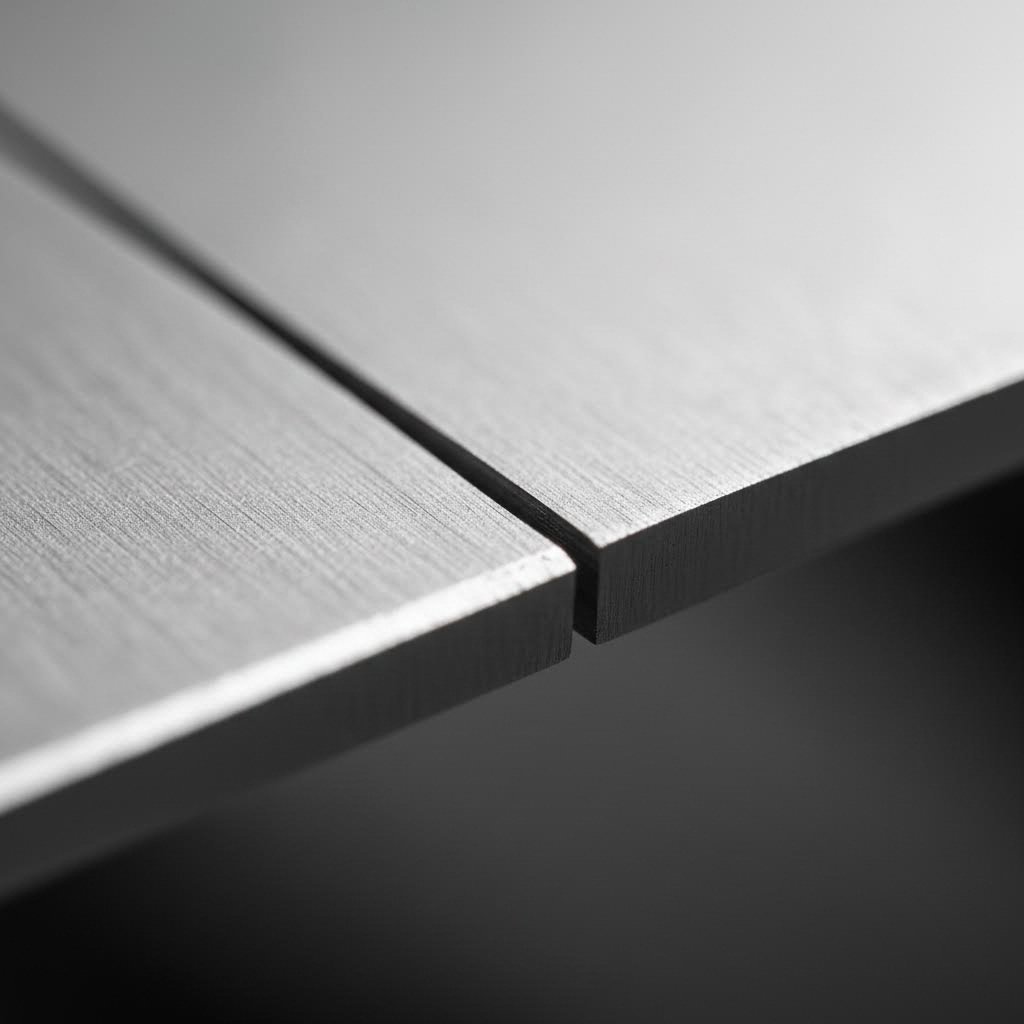
Vliv šířky řezu na návrh dílu
Zde je specifikace, která mnoho konstruktérů překvapí: šířka řezu (kerf width). Na rozdíl od mechanických řezných nástrojů, které materiál posunují stranou, laserové řezání materiál podél dráhy paprsku vypařuje a taje. Toto odstraňování materiálu vytváří mezeru – tzv. řez – jejíž šířka se obvykle pohybuje mezi 0,004 palce (0,1 mm) až 0,015 palce (0,4 mm) v závislosti na výkonu laseru, typu materiálu a jeho tloušťce.
Při návrhu přesných dílů, kde záleží na rozměrové přesnosti, mějte na paměti, že laser odstraní materiál odpovídající šířce řezu (kerf) podél každé dráhy řezání. Díl navržený přesně na 50,00 mm bude po rozříznutí měřit přibližně 49,90 mm, pokud nebude kompenzována šířka řezu – což je kritické zejména u vzájemně spojovaných dílů a sestav.
Proč je to tak důležité? Představte si, že navrhujete zapadající jazýčky a drážky pro svařovanou sestavu. Pokud má drážka v souboru CAD přesně stejnou šířku jako jazýček, skutečné vyříznuté díly nepůjdou do sebe – řez odstraňuje materiál z obou stran každého řezu, čímž drážky zvětší a jazýčky zmenší oproti původnímu návrhu.
Profesionální služby laserového kovového řezání automaticky aplikují kompenzaci šířky řezu na základě konkrétního zařízení a typu materiálu, který vyberete. Řezací software posune dráhu paprsku o polovinu šířky řezu, čímž zajistíte, že finální rozměry budou odpovídat zamýšlenému návrhu. Tato kompenzace však funguje pouze tehdy, pokud princip znáte a navrhujete odpovídajícím způsobem.
Zvažte tyto scénáře, ve kterých se šířka řezu stává kritickou:
- Spoje s přesahem: Držáky a drážky navržené pro těsné spojení vyžadují přesnou kompenzaci šířky řezu; standardní posuny nemusí dosáhnout potřebného těsného uložení.
- Vnořené díly: Komponenty navržené tak, aby zapadaly jeden do druhého, vyžadují rezervu na šířku řezu jak u vnitřních, tak i u vnějších profilů.
- Skládačky nebo živé klouby složené z více částí: Techniky řezání s využitím šířky řezu úmyslně počítají s odstraněním materiálu za účelem vytvoření pružných částí v jinak tuhých materiálech.
- Vysokopřesné upínací zařízení: Upínací pomůcky a zarovnávací fixace vyžadují ověření skutečné šířky řezu pro konkrétní kombinaci materiálu a tloušťky.
U kritických aplikací požádejte svého dodavatele o vzorek řezu před zahájením výroby sériových množství. Skutečná šířka řezu se mění v závislosti na vlastnostech materiálu a reálná měření eliminují nepřesnosti při plánování rozměrů.
Účinné stanovení požadavků na přesnost
Při komunikaci s dodavateli laserového řezání zajistíte jasnost, která zabrání nákladným nedorozuměním. Místo požadavku na „vysokou přesnost“ uveďte přesně, u kterých rozměrů jsou potřeba úzká tolerance a u kterých lze přijmout běžnou výrobní odchylku.
Identifikujte své kritické prvky – montážní otvory, spojovací plochy, referenční body pro zarovnání – a u každého uveďte konkrétní tolerance. Obecné tolerance podle normy DIN ISO 2768-1 střední třídy vyhovují pro většinu necitlivých rozměrů, zatímco kritické prvky mohou vyžadovat přísnější specifikace s odpovídajícími důsledky pro náklady.
Faktory, které ovlivňují dosažitelné tolerance ve vašem konkrétním projektu, zahrnují rovinnost materiálu (zdeformované desky vedou k nekonzistentním výsledkům), geometrii dílu (dlouhé úzké části mohou vykazovat větší odchylky než kompaktní tvary) a tepelné vlivy (komplexní řezné dráhy mohou akumulovat teplo, které ovlivňuje rozměrovou stabilitu). Projednání těchto aspektů během procesu stanovení cenové nabídky zajistí, že vaše požadavky na přesnost jsou realistické a dosažitelné.
Poté, co znáte základy tolerancí, jste připraveni prozkoumat, jak se tyto specifikace přesnosti promítají do skutečných nákladů projektu – a kde mohou chytrá konstrukční rozhodnutí optimalizovat váš rozpočet, aniž by byla obětována kvalita.
Faktory nákladů a transparentnost cen
Už jste někdy obdrželi cenovou nabídku na laserové řezání a přemýšleli, proč částka vypadá vyšší – nebo nižší – než očekáváte? Nejste sami. Porozumění nákladům na laserové řezání vyžaduje pohled za jednoduché ceny za díl a do hlubší sítě faktorů, které náklady ve skutečnosti ovlivňují. Dobrá zpráva? Jakmile tyto proměnné pochopíte, získáte významnou možnost optimalizovat své projekty a snížit náklady, aniž byste obětovali kvalitu.
Na rozdíl od nákupu komponent z off-the-shelf, kde jsou ceny pevné, výroba na míru u řezání kovů funguje na zcela jiném modelu. Každá nabídka odráží výpočet zahrnující vámi určený materiál, složitost návrhu, množství a časový rámec. Podívejme se pod pokličku, co ve skutečnosti určuje vaši cenovou nabídku na laserové řezání – a kde máte prostor ovlivnit výši nákladů.
Co ovlivňuje vaši cenovou nabídku na laserové řezání
Když poskytovatel služeb vyhodnocuje váš projekt, zároveň propočítává několik faktorů ovlivňujících náklady. Některé faktory mají větší váhu než jiné a pochopení této hierarchie vám pomůže zaměřit optimalizační úsilí tam, kde bude mít největší dopad.
Typ a tloušťka materiálu patří mezi nejvýznamnější ovlivnitelé nákladů. Podle průmyslové analýzy cen vyžadují tlustší materiály více energie a nižší řezné rychlosti pro dosažení čistých řezů. To přímo zvyšuje dobu řezání a spotřebu energie. Díl z nerezové oceli o tloušťce 12 mm může stát třikrát až čtyřikrát více než stejný díl s geometrií z materiálu o tloušťce 3 mm – nejen proto, že kupujete více kovu, ale hlavně proto, že se výrazně prodlužuje doba zpracování.
Různé kovy také vykazují odlišné cenové profily. Řezání nerezové oceli obecně vyžaduje více energie a času ve srovnání s uhlíkovou ocelí, což zvyšuje cenu za lineární palec řezu. Hliník a měď vyžadují speciální zařízení s ochranou proti odrazu, které některé dílny účtují v podobě vyšších sazeb. Pokud vaše aplikace umožňuje volnost ve výběru materiálu, zkoumání alternativ může přinést významné úspory.
Celková délka řezu —celkový obvod všech řezů včetně vnitřních prvků—je přímo úměrný době práce stroje. Jednoduchý čtverec se čtyřmi rovnými hranami stojí méně než stejný čtverec s dekorativními výřezy, montážními otvory a zaoblenými rohy. Každý další řez přidává do celkové dráhy, kterou musí laser urazit. Podle odborníků na obrábění každý výřez vyžaduje startovací bod (průraz), kde laser zahájí řezání, a čím více těchto bodů a delší řezací dráha, tím déle trvá řezání a tím vyšší je spotřeba energie.
Množství a aspekty nastavení následují předvídatelný vzor: jednotkové náklady klesají se zvyšujícím se množstvím. První část vstřebává významné fixní náklady – programování, nastavení stroje, manipulaci s materiálem a ověřování kvality. Rozložení těchto nákladů na 100 nebo 1 000 dílů výrazně snižuje cenu za kus. Hromadné objednávky často dále získávají slevy na materiál od dodavatelů, což vaše úspory navíc zvyšuje.
Při hledání služeb laserového řezání poblíž mě vždy požádejte o cenové nabídky pro více úrovní množství. Můžete zjistit, že objednání 50 dílů stojí jen nepatrně více než 25, což při započítání budoucích potřeb činí vyšší množství překvapivě ekonomickým.
Konstrukční rozhodnutí, která ovlivňují váš rozpočet
To, co si mnozí zákazníci neuvědomují: vaše konstrukční rozhodnutí ovlivňují náklady stejně jako – někdy dokonce více než – výběr materiálu. Odborníci na výrobu trvale upozorňují že složité geometrie s jemnými detaily vyžadují přesnější řízení laseru a delší dobu řezání, což se rychle sčítá.
Zjednodušování návrhů, kde je to možné, přináší významné úspory. Ostře řezané vnitřní rohy vyžadují, aby laser zpomalil, zastavil se a změnil směr – což trvá déle ve srovnání s zaoblenými rohy, kde paprsek udržuje nepřetržitý pohyb. Obdobně snižování malých složitých řezů a používání menšího počtu křivek redukuje čas stroje. To neznamená obětování funkčnosti – znamená to posoudit, zda každý prvek návrhu opravdu plní svůj účel.
Sekundární operace přidávají náklady, které často překvapí kupující poprvé. Odstraňování hrotů, fazetování, závitování, ohýbání a povrchové úpravy vyžadují dodatečnou práci, specializované vybavení a delší výrobní dobu. Díl, který se zdá být levný na vyřezání, může být drahý, pokud započítáme tři sekundární operace potřebné k tomu, aby byl montážně připraven. Konstrukční rozhodnutí učiněná v rané fázi mohou tyto následné procesy eliminovat nebo zjednodušit.
Časová náročnost funguje jako násobitel základní ceny. Standardní dodací lhůty – obvykle 5 až 10 pracovních dnů – nejsou zatíženy přirážkou. Expresní objednávky vyžadující dodání za 24 až 48 hodin často podléhají poplatkům za expedici ve výši 25 % až 100 % nebo více, což odráží narušení plánu a nutnost přesčasové práce. Plánování projektů s dostatečnou dodací lhůtou je jednou z nejjednodušších dostupných strategií snižování nákladů.
Strategie dělení, které snižují náklady na jednotlivé díly
Dělení – strategické uspořádání dílů na listech materiálu – představuje jeden z nejmocnějších nástrojů pro snížení nákladů při laserovém řezání. Podle výzkumů efektivity výroby minimalizuje efektivní dělení odpad a umožňuje vyříznout více dílů z každého listu, čímž se plně využije surový materiál. Strategické dělení může snížit odpad materiálu o 10 % až 20 %.
Jak se to promítá do vašeho cenového návrhu? Když díly efektivně zapadají do sebe – tedy když sedí na plechu jako skládačka s minimálními mezerami – platíte méně za materiál, který se plýtvá. Naopak nepravidelně tvarované díly, které mezi sebou zanechávají velké mezery, spotřebují více plechového materiálu a tento náklad nakonec hradíte vy.
Kromě úspor na materiálu optimalizované rozmístění snižuje i dobu výroby. Když jsou díly strategicky uspořádány , laser urazí kratší dráhy mezi jednotlivými řezy, čímž se snižuje doba řezání na jeden plech. To zvyšuje produktivitu a prodlužuje životnost zařízení díky menšímu opotřebení. U objemných zakázek se tyto zisky z efektivity přímo promítají do nižší ceny za kus.
Na efektivitu rozmístění můžete ovlivnit pomocí návrhových rozhodnutí. Díly se stejnými hranami a konzistentní geometrií se rozmisťují efektivněji než organické tvary s oblouky. Pokud objednáváte více různých dílů, poskytnutí všech v jedné objednávce umožní výrobci je společně rozmístit, čímž se maximalizuje využití materiálu pro celý váš projekt.
Reference dopadu na faktory nákladů
Při hodnocení možností online laserového řezání nebo požadování cenových nabídek pomáhá pochopení relativního dopadu jednotlivých faktorů nákladů zaměřit úsilí o optimalizaci. Následující tabulka shrnuje klíčové faktory ovlivňující ceny:
| Nákladový faktor | Úroveň nárazu | Důkaz |
|---|---|---|
| Tloušťka materiálu | Vysoká | Hrubší materiály vyžadují nižší rychlosti, více energie a zvyšují opotřebení zařízení – což exponenciálně zvyšuje náklady na zpracování. |
| Typ materiálu | Vysoká | Speciální kovy (měď, mosaz, titan) jsou nákladnější na zpracování kvůli požadavkům na zařízení a nižším rychlostem řezání. |
| Celková délka řezu | Vysoká | Každý palec délky řezné dráhy přidává čas provozu stroje; složité obvody s mnoha prvky výrazně prodlužují dobu zpracování. |
| Komplexní design | Střední-Vysoká | Složité geometrie, ostré rohy a množství vývrtků zpomalují rychlost řezání a vyžadují přesnou kontrolu stroje. |
| Množství objednávky | Střední-Vysoká | Náklady na nastavení se rozpočítají na větší množství; hromadné objednávky také dávají nárok na zákupní slevy od dodavatelů. |
| Sekundární operace | Střední | Odstraňování otřepů, řezání závitů, ohýbání a dokončování zvyšují pracnost, dobu využití zařízení a prodlužují výrobní cykly. |
| Efektivita rozmístění dílů na plechu | Střední | Efektivně rozmístěné díly minimalizují odpad materiálu a snižují čas laseru potřebný na přesun mezi jednotlivými řezy. |
| Časová náročnost | Střední | Urychlené objednávky jsou spojeny s poplatky za expedici; standardní dodací lhůty se těmto prémiovým poplatkům vyhýbají. |
| Požadavky na kvalitu hrany | Nízká-Střední | Vysoce kvalitní úprava hran vyžaduje nižší rychlosti nebo vyšší výkon; standardní kvalita je levnější. |
S tímto pochopením můžete strategicky přistupovat k dalšímu projektu. Zvažte, zda lze tloušťku materiálu snížit, posuďte složitost konstrukce ve vztahu k funkčním požadavkům a plánujte množství tak, abyste maximalizovali rozložení nákladů na nastavení. Tato rozhodnutí, učiněná před vyžádáním cenových nabídek, vám umožní získat konkurenceschopné ceny a zároveň dosáhnout cílů vašeho projektu.
Samozřejmě, optimalizace nákladů funguje jen tehdy, když je váš návrh skutečně vyrábětelný. Než jakýkoli projekt uzavřete, je důležité porozumět zásadám navrhování specifickým pro laserové řezání, abyste zajistili efektivní výrobu vašich dílů – což nás přivádí k základním pravidlům návrhu dílů optimalizovaných pro laser.
Zásady navrhování pro díly optimalizované pro laser
Optimalizovali jste výběr materiálu a rozumíte faktorům ovlivňujícím náklady – ale právě zde selhává mnoho projektů. Návrh, který na obrazovce vypadá perfektně, se může stát noční můrou při výrobě na laserovém ohýbači plechů. Rozdíl mezi hladkou výrobou a frustrujícími zdržením často spočívá v pochopení několika klíčových pravidel navrhování, která zkušení výrobci znají instinktivně.
Myslete na tato doporučení jako na vodítko, nikoli jako na omezení. Existují kvůli fyzikálním realitám, jak interagují lasery s kovem – realitám, které váš CAD software automaticky nevynucuje. Zvládnutí těchto principů vás změní z osoby, která pouze odesílá soubory a doufá v to nejlepší, na návrháře, který konzistentně dodává díly připravené pro výrobu.
Klíčová pravidla pro návrh dílů optimalizovaných pro laser
Každá kombinace materiálu a tloušťky má svá omezení. Pokud je překročíte, hrozí slabé konstrukce, deformované prvky nebo selhání řezu. Toto je to, co musíte znát, než svůj návrh definitivně uzavřete.
Minimální velikosti prvků závisí přímo na tloušťce materiálu. Obecně platí, že nejmenší prvek – ať už jde o výstupek, drážku nebo vyčnívající část – by měl být alespoň tak široký, jaká je tloušťka materiálu. U ocelového plechu 3 mm to znamená, že žádný prvek nesmí být užší než 3 mm. Proč? Úžejsí prvky postrádají strukturální stabilitu a mohou se zkreslit vlivem tepelné akumulace během řezání. Podle odborníci na laserové řezání , čím je materiál tenčí, tím větší detail můžete dosáhnout – ale mechanická pevnost se snižuje úměrně.
Vzdálenosti otvorů od okraje platí podobná logika. Umístění otvorů příliš blízko okrajům dílu vytváří slabé můstky materiálu, které se mohou při manipulaci nebo použití zlomit. Minimální bezpečná vzdálenost obvykle odpovídá tloušťce materiálu, avšak zdvojnásobení této hodnoty poskytuje robustnější rezervu u konstrukčních dílů. U plechu 2 mm by měly být otvory umístěny minimálně 2 mm – raději 4 mm – od jakéhokoli okraje.
Minimální průměr otvorů je také úměrný tloušťce. Pokus o vyříznutí otvorů menších než je tloušťka materiálu má za následek nekonzistentní průraz a špatnou kvalitu hran. U vlastních projektů laserového řezání s požadavkem na velmi malé otvory zvažte spíše laserové vrtání nebo sekundární puncování namísto očekávání, že standardní řezné parametry poskytnou přijatelné výsledky.
Návrh západkových a drážkových spojů pro montáž vyžaduje pečlivou pozornost na kompenzaci řezu a rozložení napětí. Při návrhu zámkových dílů zkušení konstruktéři doporučují přidávat uzly – malé výstupky na jazycích, které vytvářejí třecí body namísto kontaktu po celé ploše. Tyto uzly rozkládají montážní zatížení na více bodů, nikoli jej soustřeďují podél celého okraje drážky, čímž se snižuje riziko prasknutí nebo zlomení.
Ostré vnitřní rohy vytvářejí slabá místa u jakéhokoli laserem řezaného plechu. Přidání malých odlehčovacích otvorů na místech rohů – někdy označovaných jako „dog bones“ (pesí kosti) – umožňuje napětí se rozložit kolem otvoru, nikoli se soustředit v jednom bodě. Tato technika je obzvláště užitečná u drážek, které budou přijímat jazyky, protože odlehčovací otvory poskytují i rezervu pro mírně větší rohy jazyků.
Úvahy o poloměru rohu ovlivňují jak strukturální integritu, tak efektivitu řezání. Laserový paprsek má fyzický průměr, což znamená, že dokonale ostré vnitřní rohy jsou fyzicky nemožné – vždy existuje malý poloměr odpovídající šířce řezu (kerf) paprsku. Návrh s úmyslně stanovenými poloměry (obvykle minimálně 0,5 mm) odstraňuje tuto nejednoznačnost a zajišťuje čistší výsledky. Vnější rohy mohou být ostré, ale vnitřní rohy profitovaly by z navržených zaoblení, která odpovídají vašim funkčním požadavkům.
Pokyny pro text a gravování vyžadují zvláštní pozornost. U laserové výroby, která zahrnuje text, závisí minimální velikost písma na tom, zda provádíte gravírování (odstraňování materiálu z povrchu) nebo řezání celou tloušťkou. Gravírovaný text může mít výšku již od 2 mm při použití vhodných typů písma, zatímco prořezávaný text – kdy se písmena stávají samostatnými díly nebo otvory šablony – jsou zapotřebí větší minimální rozměry a šířky tahů, aby nedošlo k zlomení křehkých částí. Pro oba způsoby zpracování nejlépe fungují bezserifová písma s rovnoměrnou šířkou tahu.
Chyby při přípravě souborů, které zdržují váš projekt
I dokonale navržené díly se mohou výrobě zaseknout, pokud je příprava souborů chybná. Běžné chyby ve souborech způsobují zpoždění, která vás stojí čas a potenciálně i peníze za opakované úpravy. Pochopení toho, co od vašich souborů skutečně vyžadují systémy laserových CNC strojů, zabrání těmto frustrujícím komplikacím.
Formát souboru má obrovský význam. Laserové řezačky vyžadují soubory návrhů založené na vektorech – matematickém popisu čar a křivek – nikoli obrázky založené na pixelech. Přijatelné formáty zahrnují DXF, DWG, AI, SVG a vektorové PDF soubory. Podle průmyslových směrnic nelze rastrové formáty jako JPG, PNG nebo BMP zpracovat přímo, protože neobsahují přesné informace o trasách, které potřebují lasery ke sledování.
Otevřené dráhy způsobují neúplné řezy. Každá řezná dráha musí tvořit plně uzavřenou smyčku. Otevřená dráha – kdy počáteční bod není spojen s koncovým bodem – nechává laser bez jasných pokynů, což může vést k neúplným řezům nebo nepředvídatelnému chování stroje. Před exportem použijte ve svém softwaru funkci "Spojit" nebo "Uzavřít dráhu", abyste ověřili, že jsou všechny řezné čáry správně propojeny.
Překrývající se čáry způsobují problémy s průhořením. Když dvě identické čáry leží přímo na sobě, laser řeže stejnou dráhu dvakrát. Tento dvojitý řez způsobuje nadměrné hromadění tepla, širší řeznou spáru, ohořelé hrany a plýtvání materiálem. Než soubor exportujete , pečlivě zkontrolujte výskyt duplicitní geometrie a odstraňte všechny překrývající se čáry.
Text musí být převeden na obrysy. Pokud váš návrh obsahuje text, převeďte veškerý text na křivky nebo obrysy dříve, než soubor uložíte. Softwar pro laserové řezání nemůže interpretovat písma – rozumí pouze vektorovým křivkám. Text, který zůstane jako upravitelný typ, se může na vaší obrazovce zobrazovat správně, ale během zpracování bude buď ignorován, nebo způsobí chyby.
Kódování barev a tloušťky čar často komunikuje rozdíl mezi řezáním a gravírováním. Různí poskytovatelé služeb používají různé konvence – někteří vyžadují červené čáry pro řezání a modré pro gravírování, jiní zase tloušťku čar (nejtenčí čára pro řezy, silnější pro gravírování). Před odesláním souborů vždy ověřte konkrétní požadavky u svého vybraného dodavatele.
Váš kontrolní seznam před odesláním návrhu
Před odesláním souborů jakémukoli servisu laserového řezání kovů projděte tento základní proces ověření:
- Ověřte, že jsou všechny cesty uzavřené pomocí nástrojů pro kontrolu cest ve vašem softwaru – otevřené cesty nebudou řezány správně.
- Zkontrolujte a odstraňte duplicitní/překrývající se čáry které by způsobily, že laser bude řezat stejnou oblast dvakrát.
- Převeďte veškerý text na obrysy aby laser četl písmenné tvary jako vektorové tvary, nikoli jako datové fonty.
- Potvrďte minimální velikosti prvků splňují nebo převyšují tloušťku materiálu – lišty, drážky a úzké části by měly být alespoň tak široké, jak je list silný.
- Ověřte vzdálenosti otvoru od okraje zajistěte dostatečnou konstrukční rezervu – minimálně rovnou tloušťce materiálu, raději dvojnásobnou.
- Přidejte uvolnění rohu do vnitřních rohů drážek a kapes, kde by koncentrace napětí mohla způsobit praskání.
- Zkontrolujte požadavky na kompenzaci řezu pro přiléhající díly – zajistí standardní posun dostatečné přilehnutí, nebo jsou potřeba vlastní úpravy?
- Potvrďte barvy a tloušťky čar podle zvyklostí vašeho dodavatele pro rozlišení řezů od gravur.
- Uložte ve správném vektorovém formátu – DXF nebo DWG pro většinu služeb, zálohovací formáty dle specifikace vašeho dodavatele.
- Zahrňte rozměry na samostatnou referenční vrstvu aby mohl výrobce ověřit měřítko a zachytit potenciální chyby při importu.
Strávení deseti minut na ověření těchto položek před odesláním zabrání dnům prodlev způsobených žádostmi o revize nebo zamítnutím souborů. Mnoho online systémů pro cenové nabídky provádí automatické kontroly některých z těchto problémů, ale ruční kontrola vašich souborů odhalí chyby, které automatické systémy přehlédnou.
Zásady návrhu pro výrobní uskutečnitelnost
Úspěšné projekty laserového řezání jdou nad rámec konkrétních pravidel pro rozměry a zahrnují širší myšlení ohledně výrobnosti. To znamená navrhovat nejen to, co je technicky možné, ale i to, co přináší spolehlivé a nákladově efektivní výsledky ve skutečných výrobních prostředích.
Kde je to možné, standardizujte. Používání standardních tlouštěk materiálů namísto individuálních kalibrů usnadňuje pořízení materiálu a snižuje náklady. Laserové řezačky jsou kalibrovány pro běžné tloušťky a materiály nestandardní často vyžadují speciální dodávky s delšími dodacími lhůtami a vyššími cenami.
Během návrhu zvažte rozmístění dílů (nesting). Díly se rovnými hranami a konzistentními geometriemi se na materiálových tazích vkládají efektivněji než organické tvary s komplexními křivkami. Pokud vaše aplikace umožňuje flexibilitu ve tvaru vnějšího profilu, výběr geometrií, které se efektivně zabalí, snižuje odpad materiálu a náklady na díl.
Plánujte s ohledem na tepelné účinky. Dlouhé, úzké díly nebo návrhy s rozsáhlým řezáním v lokalizovaných oblastech akumulují teplo, které může způsobit deformaci. Rozdělení velkých řezaných ploch můstky nebo přesunutí dílů na plechu může zmírnit tepelnou deformaci u citlivých aplikací.
Navrhujte sestavy s ohledem na tolerance. Spojované díly by měly obsahovat malé mezery – obvykle 0,1 mm až 0,2 mm – aby kompenzovaly běžné odchylky při řezání. Tlakové spoje vyžadující přesah vyžadují pečlivý výpočet šířky řezu a mohou potřebovat úpravu na základě zkušebních řezů před sériovou výrobou.
Poté, co byl váš návrh optimalizován pro úspěšné laserové řezání, vyvstává další logická otázka: je laserové řezání skutečně správný postup pro váš projekt? Pochopení toho, jak se tento způsob řezání porovnává s alternativními metodami – a kdy by se vám lépe hodily právě tyto alternativy – doplňuje váš rozhodovací rámec.
Laserové řezání vs. vodní paprsek, plazma a metody CNC
Rozhodli jste se tedy, že váš projekt potřebuje služby přesného kovového řezání – ale je laserové řezání opravdu tou správnou technologií? Tato otázka je důležitější, než si většina zákazníků uvědomuje. Ačkoli průmyslové laserové řezání dominuje mnoha aplikacím, alternativní metody jako řezání vodním paprskem, plazmové řezání a CNC frézování excelují každá ve specifických případech, kde lasery ztroskotají nebo jsou méně ekonomické.
Pochopení toho, kdy zvolit laserové řezání a kdy uvažovat o alternativách, zabrání nákladným nesrovnalostem mezi požadavky vašeho projektu a technologií použitou pro jeho výrobu. Podíváme se na silné stránky, omezení a ideální aplikace jednotlivých metod, abyste mohli dělat informovaná rozhodnutí – nebo pokládat správné otázky při hodnocení dodavatelů služeb.
Kdy výhodnější než laserové řezání je vodní paprsek
Vodní řezání představuje absolutní „jemného obra“ v oblasti zpracování kovů. S provozními tlaky až 90 000 PSI tyto systémy protlačují vodu – často smíchanou s abrazivními granátovými částicemi – malým otvorem, čímž materiál erozí odstraňují po naprogramovaných drahách. Výsledek? Řezání téměř jakýmkoli materiálem bez tvorby tepla.
Tato vlastnost bez tepla je rozhodující výhodou vodního paprsku. Na rozdíl od laserového řezání oceli nebo plazmových metod, které materiál tavení, vodní paprsek plně zachovává strukturní integritu obrobku. Žádné tepelně ovlivněné zóny, žádné tepelné deformace, žádné okraje ztvrdlé vyžadující dodatečné zpracování. U aplikací citlivých na teplo – součásti leteckého a kosmického průmyslu, lékařské implantáty nebo materiály, které by mohly být tepelnými procesy poškozeny – se vodní paprsek stává jedinou proveditelnou volbou.
Vodní paprsek také zvládá tloušťky, které jsou pro laserové systémy problematické. Podle průmyslových specifikací mohou systémy vodního paprsku provádět hrubé řezy do materiálů o tloušťce až 60 cm – což daleko převyšuje praktické limity laseru. Když zpracováváte silné desky nebo vrstvy materiálu, schopnosti vodního paprsku jsou velmi významné.
Nevýhody? Rychlost a provozní náklady. Vodní paprsek obvykle řeže rychlostí 5–20 palců za minutu v závislosti na materiálu a tloušťce – výrazně pomalejší než laserové nebo plazmové alternativy. Spotřeba abraziva přidává významné pravidelné náklady a špinavá směs vody s granátem vyžaduje obsluhu a likvidaci. U velkosériové výroby tyto faktory často nakloní váhu ve prospěch laserového řezání a tepelných metod.
Zvolte vodní paprsek, pokud:
- Tepelně ovlivněné zóny jsou pro vaše použití nepřijatelné
- Tloušťka materiálu překračuje možnosti laseru (obvykle nad 25 mm u oceli)
- Řežete teplem citlivé materiály, jako jsou slitiny titanu nebo kompozity
- Kvalita řezu je důležitější než rychlost výroby
- Váš projekt zahrnuje různé materiály včetně kamene, skla nebo keramiky
Plazmové řezání: rychlost před přesností
Pokud hledáte plazmové řezání poblíž mě pro projekty s tlustou ocelí, jste na správné cestě. CNC laserové řezání nabízí vyšší přesnost, ale plazma dominuje při zpracování silných vodivých kovů vysokou rychlostí, kde nejsou kritické ultraúzké tolerance.
Plazmové řezání využívá urychlený proud ionizovaného plynu dosahující teplot až 45 000 °F (25 000 °C), který okamžitě taví a odvádí materiál. Tato extrémní teplota umožňuje řezací rychlosti, které laserové systémy u silných materiálů prostě nemohou dosáhnout. Silné plazmové zařízení dokáže řezat nízkou ocel tloušťky 1/2 palce rychlostí přesahující 100 palců za minutu, čímž se stává nejrychlejší volbou pro středně silné až silné kovové desky.
Také nákladové faktory upřednostňují plazmu. Podle průmyslové analýzy , CNC plazmové stoly nabízejí nižší počáteční investice a snížené provozní náklady ve srovnání s laserovými nebo vodním paprskem pracujícími systémy. Pro dílny zabývající se primárně zpracováním konstrukční oceli, součástí těžké techniky nebo lodního materiálu poskytuje plazma nejlepší poměr cena-výkon.
Mezitím se však omezení plazmy stávají zřejmými, když záleží na přesnosti. Typická tolerance ±0,020 palce – což je čtyřikrát nižší přesnost než u laserového řezání – činí plazmu nevhodnou pro díly vyžadující přísnou rozměrovou kontrolu. Kvalita řezu, i když se u moderních systémů s vysokým rozlišením výrazně zlepšila, stále nedosahuje úrovně dokončení u laserových řezů. Proces navíc vytváří strusku nebo nátěk, které často vyžadují dodatečné zpracování pro získání čistých hran.
Zvolte plazmové řezání, když:
- Zpracování elektricky vodivých kovů silnějších než 1/2 palec
- Objem a rychlost výroby převyšují požadavky na přesnost
- Rozpočtová omezení upřednostňují nižší náklady na vybavení a jeho provoz
- Vaše aplikace akceptuje tolerance ±0,020 palce nebo širší
- Vyžaduje se šikmý řez pro přípravu svaru
CNC frézování: Alternativa pro nekovové materiály
Když projekty zahrnují nekovové materiály – plasty, dřevo, kompozity nebo pěny – soutěží mezi sebou CO2 lasery a CNC frézky z různých důvodů. Zatímco CO2 lasery mohou zpracovávat mnoho nekovových materiálů, CNC frézky používají rotující řezné nástroje, které materiál fyzicky odstraňují, čímž nabízejí výhody v konkrétních případech.
CNC frézování vyniká u tlustých nepovrchových materiálů, kde výkon laseru dosahuje hranic. Fréza dokáže bez problémů proříznout překližku nebo masivní dřevo o tloušťce až 5 cm s konzistentními výsledky, zatímco laserové řezání stejného materiálu by vyžadovalo více průchodů a způsobilo by výrazné ohoření. U produkčního zpracování dřeva, výroby nápisů a kompozitních materiálů se často ukazuje frézování jako praktičtější řešení.
Nevýhodou je přesnost a kvalita řezu. Laserové systémy vytvářejí čistší hrany bez stopy po nástroji, která je typická pro frézované povrchy. Jemné detaily, tenké prvky a složité vzory jsou výhodnější zpracovávat laserem. Na druhou stranu frézování nezpůsobuje tepelně ovlivněné zóny a efektivně funguje s materiály, které by při expozici laseru hořely nebo tajily nepředvídatelným způsobem.
Zvolte CNC frézování, pokud:
- Zpracování tlustého dřeva, plastů nebo kompozitních materiálů
- Teplem citlivé nepovrchové materiály by byly poškozeny laserovým zpracováním
- vyžaduje se 3D profilování nebo kapslové frézování nad rámec jednoduchého průběžného řezání
- Výroba zahrnuje materiály, které nelze čistě rozříznout laserem
Komplexní srovnání metod řezání
Výběr správné technologie vyžaduje současné vyvážení více faktorů. Tato srovnávací tabulka vám pomůže posoudit alternativy laseru a CNC podle kritérií, která jsou pro vaši konkrétní aplikaci nejdůležitější:
| Faktor | Laserové řezání | Vodníjetové řezání | Plazmové řezání | CNC frézování |
|---|---|---|---|---|
| Přesnost | ±0,005“ typicky; nejvyšší u tenkých kovů | ±0,003“ až ±0,010“; vynikající konzistence | ±0,020“ typicky; nižší než u laseru/vodního paprsku | ±0,005“ až ±0,010“; závisí na nástrojích |
| Rychlost řezání | Nejrychlejší u tenkých kovů; výrazně zpomaluje nad 1“ | 5–20 ipm; celkově nejpomalejší | 100+ ipm na tlusté oceli; nejrychlejší pro těžké desky | Střední; omezeno zapojením nástroje |
| Materiální slučitelnost | Kovy, některé plasty, dřevo (CO2); pouze kovy (vláknový) | Univerzální—kovy, kámen, sklo, kompozity | Pouze vodivé kovy | Nekovy, měkké kovy, kompozity |
| Rozsah tlouštěky | 0,5 mm až 25 mm+ (ocel); tenčí je optimální | Až do 24" pro hrubé řezy | 0,018" až 2"; optimální pro tlusté desky | Závisí na materiálu; obvykle pod 3" |
| Tepelně ovlivněná zóna | Minimální, ale přítomné; závisí na materiálu | Žádné — studený řezný proces | Významné; může vyžadovat dodatečné dokončení | Žádné—mechanické řezání |
| Výhoda | Nejlepší pro tenké až středně silné kovy; vysoký objem | Vyšší provozní náklady; nejvhodnější pro specializované práce | Nejnižší náklady na vybavení a provoz u tlustých ocelí | Ekonomické pro výrobu z nekovových materiálů |
| Kvalita hrany | Vynikající; často nevyžaduje dokončování | Saténově hladký povrch; žádné tepelné vlivy | Dobré při použití HD plazmy; může být nutné odstranění otřepů | Jsou patrné stopy nástroje; může být nutné broušení |
Integrace laserového řezání s následnými operacemi
Velmi zřídka se laserem řezaná součást přesune přímo z řezacího stolu do konečného použití. Pochopení toho, jak se laserové řezání integruje s následnými procesy, vám pomůže plánovat kompletní výrobní postupy a vybírat dodavatele s odpovídajícími kapacitami.
Ohýbání a tvarování po laserovém řezání navazují přirozeně. Čisté, přesné hrany vytvořené laserovým zpracováním poskytují spolehlivé referenční plochy pro práci na lisech. Tepelně ovlivněná zóna – ať už minimální – však může ovlivnit chování materiálu při ohýbání u některých materiálů. U kritických ohybových poloměrů diskutujte s výrobcem možnosti materiálu, abyste zajistili konzistentní výsledky.
Vrtání závitů a výroba závitů často vznikají po laserovém řezání, které vytváří vodící díry. Navrhování děr s vhodným průměrem vodících děr pro zadanou velikost závitu tento proces usnadňuje. Mnoho služeb pro řezání kovů nabízí závitování přímo ve výrobě, čímž odpadá potřeba koordinace mezi více dodavateli.
Svařování a spojování profita z rozměrové přesnosti laserového řezání. Díly, které přesně pasují do sebe, vyžadují méně upínacích zařízení a umožňují pevnější a konzistentnější svařování. Minimální tepelně ovlivněná zóna při laserovém řezání také znamená, že vlastnosti základního materiálu zůstávají zachovány až po samotný řezaný okraj – což je důležité u konstrukčních aplikací, kde jsou svarové oblasti vystaveny vysokému namáhání.
Nátěry práškovými barvami a povrchové úpravy vynikajícím způsobem spolupracují s laserem řezanými díly. Okraje bez oxidu vytvořené řezáním s dusíkem dobře přijímají nátěr práškovou barvou bez speciální přípravy. Díly určené k nátěru práškovou barvou by však měly vyhýbat ostrým hranám, u nichž může docházet k tenčení nebo odlupování nátěru – začlenění malých poloměrů hran během návrhu tento problém předejde.
Při žádosti o cenové nabídky uveďte všechny sekundární operace, které vaše díly vyžadují. Konsolidace laserového řezání a dokončovacích operací u jediného dodavatele obvykle snižuje náklady, zkracuje dodací lhůty a eliminuje rozdíly ve kvalitě, které mohou vzniknout při přesunu dílů mezi různými zařízeními. Tento integrovaný přístup je obzvláště výhodný pro složité sestavy vyžadující více výrobních kroků.
S tímto komplexním přehledem řezacích technologií a jejich integrace s následnými procesy jste dobře vybaveni k efektivnímu hodnocení dodavatelů služeb. Dalším krokem je vědět přesně, na co se zaměřit – a jaké otázky položit – při výběru vašeho výrobního partnera.
Výběr správného dodavatele řezání kovů
Navrhli jste své díly, vybrali vhodné materiály a rozumíte technologii, která je vyrobí. Nyní přichází rozhodnutí, které může váš projekt učinit nebo zhatit: výběr správné služby laserového řezání kovů, která vaše návrhy oživí. Tento výběrový proces zahrnuje mnohem více než pouhé srovnání cenových nabídek – vyžaduje posouzení schopností, certifikací, reakční doby a podpůrných služeb, které určují, zda se váš projekt úspěšně uskuteční, nebo selže.
Zamyslete se nad tímto: nejlepší návrh na světě nic neznamená, pokud váš výrobní partner nemá vybavení potřebné k jeho správné realizaci, pravidelně zpožďuje dodávky nebo vám nemůže pomoci optimalizovat výrobu. Ať už hledáte laserové řezání kovů poblíž mě, nebo posuzujete dodavatele po celé zemi, porozumění tomu, co odděluje vynikající poskytovatele od mediocritních, vám dává rámec pro sebejistá rozhodnutí.
Osvědčení kvality důležitá pro váš odvětví
Certifikace slouží jako objektivní důkaz, že služba laserového řezání kovů udržuje přísné systémy kvality – ne jen občas, ale konzistentně ve všech projektech. Při hodnocení dodavatelů mají určité certifikace větší váhu v závislosti na vašem odvětví a požadavcích aplikace.
ISO 9001 představuje základní úroveň pro systémy řízení kvality. Tento mezinárodně uznávaný standard zajišťuje dokumentované procesy, konzistentní postupy a rámce pro neustálé zlepšování. U běžných výrobních prací certifikace ISO 9001 signalizuje, že dodavatel bere kvalitu vážně a udržuje systémy pro dosahování spolehlivých výsledků.
IATF 16949 certifikace je nezbytná pro práci v automobilovém dodavatelském řetězci. Tento standard navazuje na ISO 9001 a obsahuje automobilově specifické požadavky na prevenci vad, snižování variability a eliminaci odpadu. Podle odborníků na certifikaci , IATF 16949 zahrnuje nejpřísnější požadavky na kvalitu ve výrobě, a to od plánování pokročilé kvality výrobků až po procesy schvalování výrobních dílů.
U automobilových aplikací – díly podvozku, součásti zavěšení, konstrukční sestavy – spolupráce s dodavateli certifikovanými podle IATF 16949 není volitelná. Výrobci originálního zařízení (OEM) i dodavatelé první úrovně vyžadují tento certifikát napříč celým dodavatelským řetězcem. Výrobci jako Shaoyi (Ningbo) Metal Technology udržují certifikaci IATF 16949 právě proto, že automobiloví zákazníci vyžadují ověřené systémy kvality pro přesné kovové komponenty.
Kromě těchto hlavních certifikací je třeba zvážit také odvětvím specifické kvalifikace. Práce v leteckém průmyslu mohou vyžadovat certifikaci AS9100. Součásti lékařských přístrojů často potřebují soulad s normou ISO 13485. Obranné aplikace mohou vyžadovat registraci ITAR. Přizpůsobení certifikací vašeho dodavatele požadavkům vašeho odvětví předchází problémům se shodou, které by mohly zastavit výrobu nebo znemožnit použití dílů.
Hodnocení rychlosti dodání a podpory
Jak rychle může služba laserového řezání v blízkosti reagovat, když potřebujete díly? Odpověď zahrnuje dvě různé časové úseky: dobu na přípravu cenové nabídky a výrobní dodací lhůtu. Obě jsou důležité, ale z různých důvodů.
Dodací lhůta cenové nabídky odhaluje, jak poskytovatel oceňuje vaši spolupráci a jak spravuje své operace. Když odešlete požadavek na nabídku (RFQ), za jak dlouho obdržíte odpověď? Poskytovatelé na špičce odvětví poskytují nabídky během několika hodin, nikoli dnů. Shaoyiho stanovení ceny do 12 hodin je příkladem standardu reakční doby, který byste měli očekávat od vážných výrobních partnerů – rychlá reakce ukazuje na optimalizované interní procesy a skutečný zákaznický přístup.
Pomalé reakce na požadavky na nabídku často předznamenávají pomalou výrobu a špatnou komunikaci během celého projektu. Pokud poskytovatel trvá týden na vrácení jednoduché nabídky, představte si jeho reakční schopnost, když nastanou výrobní problémy nebo potřebujete urychlené dodání.
Výrobní lhůty se liší v závislosti na složitosti, množství a aktuální zátěži dílny. Standardní služby CNC laserového řezání obvykle uvádějí termín dodání 5–10 pracovních dnů pro jednoduché zakázky, s možností expedice za vyšší cenu. Podle odborných doporučení v oblasti výroby pomáhá znalost výrobní kapacity dodavatele posoudit, zda je schopen realisticky dodržet váš časový plán – zejména u větších objednávek nebo průběžných výrobních potřeb.
Podpora navrhu pro výrobu (DFM) odlišuje partnery od pouhých dodavatelů. Poskytovatelé nabízející komplexní kontrolu DFM (Design for Manufacturability) zachycují konstrukční chyby dříve, než se stanou výrobními problémy – šetří tak opakovanými úpravami, zmařenými prototypy a prodlevami v termínech. Jak odborníci na výrobu upozorňují, zpětná vazba DFM během procesu cenové kalkulace pomáhá optimalizovat návrhy nejen pro prototypování, ale i pro finální výrobu.
Hledejte poskytovatele, kteří aktivně navrhují vylepšení konstrukce, nikoli pouze realizují řezání libovolných souborů, které odešlete. Tento spolupracující přístup obvykle vede k lepším dílům za nižší náklady, i když jednotlivá doporučení mohou působit jako nepodstatná. Kumulativní efekt optimalizovaných návrhů, vhodné volby materiálu a geometrií přihlížejících k výrobě přináší výraznou přidanou hodnotu ve srovnání s čistě transakčními službami řezání.
Schopnosti rychlé prototypizace urychluje vývoj produktů tím, že umožňuje rychlé ověření návrhu. Podle odborného výzkumu výrazně zkracuje prototypování plechových dílů dobu potřebnou k vývoji a testování nových návrhů, přičemž pokročilé výrobní metody dokážou vyrobit prototypové díly během několika dnů. Tato rychlost umožňuje inženýrům již v rané fázi odhalit chyby v návrhu a rychle provést úpravy, čímž se zkracují celkové vývojové cykly.
U projektů vývoje produktů se specificky zeptejte na dodací lhůty pro prototypy. Někteří poskytovatelé – jako například Shaoyi s jejich schopností rychlého prototypování do 5 dnů – se specializují na propojení ověření návrhu a sériové výroby. Tento integrovaný přístup zajišťuje, že vaše zkušenost s prototypem přímo odpovídá realitě výroby, aniž by docházelo k nepříjemným překvapením spojeným s přepracováním.
Důležité otázky pro potenciální poskytovatele služeb
Než se zavážete k využití služeb laserového řezání v místní blízkosti nebo u vzdáleného poskytovatele, shromážděte informace potřebné k tomu, abyste učinili informované rozhodnutí. Tyto otázky odhalí možnosti, firemní kulturu a angažovanost poskytovatele ve prospěch úspěchu zákazníka:
- Jaké technologie laseru používáte a jaké jsou jejich možnosti? Pochopení toho, jestli používají CO2, vláknový laser nebo obojí – spolu s maximálními údaji o tloušťce materiálu – zajišťuje, že vybavení odpovídá vašim požadavkům na materiál.
- Jaké certifikace kvality máte a kdy proběhla jejich poslední kontrola? Aktuální certifikace jsou důležitější než vypršelé; požádejte o kopie certifikátů, pokud pracujete na certifikovaných projektech.
- Jaké materiály máte skladem a které dodáváte na objednávku? Materiály skladem lze rychleji odeslat; specializované materiály mohou prodloužit dodací lhůtu vašeho projektu.
- Poskytujete kontrolu návrhu z hlediska výrobních možností (DFM) a účtujete za tuto službu? Nejlepší dodavatelé zahrnují zpětnou vazbu DFM do nabídek; jiní ji mohou účtovat zvlášť nebo vůbec nenabízet.
- Jaká je vaše běžná doba vyhotovení nabídky a jak řešíte požadavky na expedice nabídky? Doba odezvy ukazuje provozní efektivitu a prioritu zákazníků.
- Jaké sekundární operace dokážete provádět interně? Možnosti ohýbání, řezání závitů, svařování a dokončování v jednom zařízení zjednodušují logistiku a zajišťují kontinuitu kvality.
- Můžete poskytnout reference od zákazníků z mého odvětví? Zkušenosti v konkrétním odvětví snižují náročnost učení a zvyšují pravděpodobnost úspěchu.
- Jaký je váš přístup k řešení problémů s kvalitou nebo dodávkami? Porozumění procesům řešení problémů ještě před vznikem potíží stanoví vhodná očekávání.
- Nabízíte prototypové služby s nástroji a procesy určenými pro sériovou výrobu? Prototypy by měly předpovídat výsledky sériové výroby; někteří poskytovatelé používají pro malé objemy jiné zařízení.
- Jaké formáty souborů přijímáte a jaké informace potřebujete pro přesné cenové nabídky? Kompatibilita formátů a jasné požadavky na kalkulaci zabrání zpožděním v procesu žádosti o nabídku (RFQ).
Dodatečné služby a integrované možnosti
Nejefektivnější projekty sloučí více operací u jediného poskytovatele. Při hodnocení služeb laserového řezání kovů posuzujte jejich širší schopnosti nad rámec samotného řezání.
Podle odborných doporučení , některé společnosti nabízejí dodatečné služby, jako je vyrovnávání, tváření a stříhání. Pokud váš projekt vyžaduje tyto dodatečné procesy, výběr služby, která zvládne všechny aspekty, ušetří čas, zjednoduší komunikaci a zajistí konzistenci ve všech fázích výroby.
Služby laserového řezání trubek rozšiřují možnosti plochých plechů do třírozměrné oblasti. U projektů zahrnujících konstrukční trubky, potrubí nebo profily eliminuje integrované řezání trubek nutnost koordinace mezi více dodavateli – což je obzvláště výhodné u složitých sestav kombinujících ploché a trubkové komponenty.
Možnosti povrchové úpravy – práškové nátěry, anodizace, pokovování nebo natírání – přinášejí významnou přidanou hodnotu, jsou-li k dispozici interně. Součásti přesouvající se mezi zařízeními hrozí poškozením, způsobují dopravní zpoždění a vytvářejí body předávání kontroly kvality, kde se mohou objevit problémy. Dodavatelé nabízející kompletní dokončení součástí dodávají přímo použitelné komponenty, nikoli polohotovky vyžadující další koordinaci.
Montážní a kompletizační služby přinášejí výhody zákazníkům, kteří dávají přednost přijímání kompletních sad součástek namísto jednotlivých dílů. U složitých výrobků s více laserem řezanými komponenty snižuje montáž, balení a označování kompletních sad u výrobce náklady na interní manipulaci a zlepšuje správu zásob.
Geografické aspekty a komunikace
Má význam poloha při výběru dodavatele? Odborníci z průmyslu potvrzují, že geografická blízkost ovlivňuje náklady na dopravu, dobu dodání a snadnost komunikace. Výběr služby blízko vaší firmy nebo staveniště snižuje náklady na přepravu, urychluje dodání a umožňuje osobní schůzky, pokud jsou nezbytné.
Blízkost však nesmí mít přednost před schopnostmi. Poskytovatel vzdálený 500 mil s dokonalým vybavením, relevantními certifikacemi a výbornou komunikací vám může posloužit lépe než místní dílna, které chybí klíčové schopnosti. Moderní komunikační nástroje, spolehlivé dopravní sítě a přenos digitálních souborů činí geografickou vzdálenost méně omezující než v předchozích desetiletích.
Rychlost komunikace je důležitá bez ohledu na vzdálenost. Jak rychle poskytovatel reaguje na telefonáty? Dostávají se e-maily odpovědi ve stejný den? Existuje vyhrazený kontaktní bod pro vaše projekty, nebo se při každém kontaktu musíte probírat telefonní ústřednou? Vynikající zákaznický servis po celém životním cyklu projektu – od počáteční nabídky až po dodání a následnou podporu – signalizuje poskytovatele, který dává přednost vztahům před transakcemi.
S těmito kritérii hodnocení na paměti jste připraveni vybrat si výrobního partnera, který bude schopen spolehlivě realizovat vaši vizi. Posledním krokem je vše spojit dohromady – pochopit, jak se všechny tyto faktory kombinují, aby efektivně a úspěšně posunuly váš projekt od konceptu ke kompletním dílům.
Další postup u vašeho projektu řezání kovu
Absolvovali jste obrovské množství informací – od laserové fyziky a srovnání technologií až po úvahy o materiálech, přesnostní specifikace, optimalizaci nákladů a hodnocení dodavatelů. Nyní nastává rozhodující okamžik: převést tyto znalosti do praxe. Jak vše, co jste se naučili, sloučíte do jasné cesty vpřed pro váš konkrétní projekt?
Ať už vyvíjíte nový produkt, hledáte náhradní součásti nebo rozšiřujete výrobu od prototypu do sériové výroby, rozhodnutí, která uděláte v příštích týdnech, určí úspěch vašeho projektu. Pojďme shrnout klíčové aspekty do praktického rámce, který můžete okamžitě využít.
Váš rozhodovací rámec pro úspěch při laserovém řezání
Úspěšné projekty služeb laserového kovového řezání mají společné rysy: vhodně kombinují technologii s požadavky na materiál, stanovují realistické tolerance, optimalizují návrhy ještě před zahájením řezání a spolupracují s kvalifikovanými poskytovateli, kteří nabízejí skutečnou podporu. Zde je, jak tyto principy aplikovat ve vaší situaci.
Nejprve ověřte, zda váš materiál odpovídá zvolené technologii. Pokud zpracováváte tenký nerezový ocel nebo hliník, služby s vláknovým laserem zajistí optimální rychlost a kvalitu řezu. U tlustších plechů z uhlíkové oceli mohou být stejně vhodné systémy CO2 nebo vláknové. Odrážející kovy, jako jsou měď a mosaz, vyžadují moderní vláknové zařízení s ochranou proti odrazu. Dotázání se poskytovatele, kterou laserovou technologii použije a proč, potvrdí jeho odbornost a zajistí vhodné vybavení pro vaši aplikaci.
Za druhé stanovte tolerance na základě funkce, nikoli předpokladu. Požadavek na co nejúžeji možné tolerance zní jako projev smýšlení na kvalitu, ale ve skutečnosti zvyšuje náklady a míru výrobních zmetků bez funkčního přínosu. Určete, které rozměry opravdu vyžadují vysokou přesnost – například spojovací plochy, prvky pro zarovnání, montážní otvory – a stanovte úzké tolerance pouze tam, kde je to důležité. Obecné rozměry mohou sledovat standardní výrobní tolerance, čímž snížíte náklady a zároveň zachováte požadovaný výkon dílu.
Za třetí optimalizujte svůj návrh, než požádáte o cenové nabídky na výrobu. Doporučení k návrhu zmíněná dříve – minimální rozměry prvků, vzdálenosti otvorů od okraje, poloměry zaoblení rohů, správná příprava souborů – přímo ovlivňují jak náklady, tak kvalitu. Laserový kovový řezací stroj vyrobí přesně to, co je ve vašich souborech uvedeno; investice času do optimalizace návrhu se vyplatí během celé výroby.
Za čtvrté hodnoťte dodavatele podle jejich kapacit a podpory, nikoli pouze podle ceny. Nejnižší nabídková cena zřídka přináší nejlepší hodnotu, pokud problémy s kvalitou, zmeškané termíny nebo komunikační selhání pohltí váš čas a zdroje. Certifikace vhodné pro váš odvětví, rychlost reakce na požadavky o cenovou nabídku, dostupnost podpory při návrhu pro výrobu (DFM) a nabídka dodatečných služeb všechny přispívají ke skutečné celkové hodnotě projektu nad rámec ceny za jednotlivou součástku.
Od prototypu po plánování výroby
U projektů vývoje produktů vyžaduje cesta od konceptu až po sériovou výrobu pečlivé plánování. Spěch do hromadné výroby bez ověření prototypu hrozí nákladnými chybami – investicemi do nástrojů, závazky ohledně zásob a sliby dodávek zákazníkům na základě netestovaných návrhů.
Podle odborníků na výrobu se rychlé prototypování provádí na začátku návrhového procesu a obvykle zahrnuje řešení problémů týkajících se vhodnosti a funkce finálního produktu. Použití přesně týchž materiálů, které budou použity u konečného produktu, není v raných fázích vždy nezbytné – výběr cenově dostupných náhradních materiálů pro počáteční iterace šetří rozpočet pro vývoj a kvalitu finálního produktu.
Moderní výrobci propojují mezery mezi ověřením návrhu a hromadnou výrobou prostřednictvím integrovaných služeb prototypování. Schopnost Shaoyi vyrábět rychlé prototypy během 5 dnů ilustruje tento přístup – umožňuje inženýrům rychle ověřit návrhy, než přejdou k automatické sériové výrobě. Pro automobilový průmysl a výrobu přesných kovových komponent zajišťuje tato integrovaná cesta od prototypu po výrobu certifikovanou podle IATF 16949, že se váš ověřený návrh přímo přenese do sériové výroby bez neočekávaných změn procesu.
Při hledání možností laserového řezání „v mém okolí“ se konkrétně zeptejte na kontinuitu mezi prototypem a výrobou. Budou stejné zařízení a procesy použité pro vaše prototypy aplikovány i na sériové objemy? Někteří poskytovatelé používají různé stroje – nebo dokonce různá zařízení – pro malé množství a pro sériovou výrobu. Tento rozpor může způsobit odchylky mezi schválenými vzorky a dodanými výrobními díly.
Projekty, které nejrychleji uspějí, jsou ty, u nichž dojde k optimalizaci návrhu ještě před prvním řezem, nikoli až po prvním odmítnutí kvůli kvalitě. Dříví konzultace DFM – ideálně během procesu stanovování cen – odhalí potenciální problémy v okamžiku, kdy změny nic nestoja, a zabrání problémům, které by jinak zpozdily výrobu a zvýšily náklady.
Očekávání doby dodání a faktory ovlivňující dodací lhůtu
Jak dlouho by váš projekt měl trvat? Realistická očekávání závisí na několika faktorech nad rámec jednoduché doby řezání.
Doba vyhotovení nabídky určuje tempa od samého začátku. Poskytovatelé nabízející odpověď na cenovou nabídku v rozmezí 12 až 24 hodin – jako standardy reakční doby zmíněné při hodnocení poskytovatelů – umožňují rychlejší rozhodování. Čekání na cenové nabídky po dobu dnů zdržuje celý váš časový plán ještě před zahájením práce.
Dostupnost materiálu výrazně ovlivňuje dodací lhůtu. Běžné materiály ve standardních tloušťkách se obvykle expedují ze skladu. Speciální slitiny, neobvyklé tloušťky nebo velké rozměry plechů mohou vyžadovat dodatečné zajištění materiálu, což může k termínu prodloužit o dny až týdny. Ověření dostupnosti materiálu během procesu cenové kalkulace zabrání překvapením po zadání objednávky.
Náročnost návrhu a množství určují skutečnou dobu výroby. Jednoduché díly v mírném množství mohou být vyrobeny za 2–4 dny řezání. Složité geometrie, úzké tolerance nebo vysoké objemy prodlužují výrobu poměrně. Dodatečné operace – ohýbání, řezání závitů, povrchová úprava – přidávají čas navíc ke samotnému laserovému řezání.
Aktuální vytížení provozu ovlivňuje, kdy váš projekt vstoupí do výrobní fronty. V období vysoké zátěže mohou i schopní dodavatelé uvádět delší dodací lhůty pouze kvůli stávajícím závazkům. Budování vztahů s ověřenými dodavateli a poskytování předběžné informace o nadcházejících potřebách pomáhá zajistit kapacitu ve chvíli, kdy ji potřebujete.
U projektů, kde je dodržení časových termínů zásadní, proberete možnosti urychlení během procesu stanovení cen. Většina služeb laserového řezání nabízí rychlou výrobu za vyšší ceny, ale kapacita pro urychlené zakázky se liší. Pochopení těchto možností předem zabrání panice, když se termíny neočekávaně zúží.
Přechod k dalšímu kroku
S komplexním porozuměním služeb laserového kovového řezání jste připraveni postupovat sebevědomě. Ať už jste připraveni okamžitě požádat o cenové nabídky nebo musíte nejprve upravit své návrhy, rámec, který jste vypracovali, vede každé vaše rozhodnutí.
Začněte tím, že projdete své návrhové soubory podle dříve uvedených pokynů – ověřte uzavřené obrysy, vhodné velikosti prvků a správné formáty souborů. Identifikujte své klíčové tolerance a jasně je dokumentujte pro žádosti o cenové nabídky. Sestavte si seznam otázek pro potenciální dodavatele na základě diskutovaných kritérií hodnocení.
Pro čtenáře z odvětví automobilového a přesných kovových komponentů, kteří hledají komplexní podporu ve výrobě – od rychlého prototypování až po certifikovanou výrobu, Shaoyi (Ningbo) Metal Technology nabízí integrovanou cestu od ověření návrhu po automatizovanou sériovou výrobu s plnou podporou DFM v průběhu celého procesu.
Rozdíl mezi projekty, které potřebují úsilí, a těmi úspěšnými zřídka spočívá v samotné laserové technologii. Spočívá v přípravě: jasném porozumění vašim požadavkům, návrhu vhodnému pro výrobu, výběru schopných partnerů a efektivní komunikaci v průběhu celého procesu. Nyní máte znalosti, jak tyto věci dělat dobře. Další tah je na vás.
Často kladené otázky o službách laserového řezání kovů
1. Jaké materiály lze řezat laserem?
Laserové řezání zvládá širokou škálu kovů, včetně uhlíkové oceli, nerezové oceli, hliníku, mědi, mosazi a titanu. Vlákenné lasery excelují při práci s odrazivými kovy, jako je hliník a měď, zatímco CO2 lasery dobře pracují s tlustšími materiály a nekovy, jako jsou plasty, dřevo a akryly. Možnosti tloušťky materiálu se obvykle pohybují od 0,5 mm do 25 mm a více u oceli, v závislosti na výkonu a typu laseru.
2. Kolik stojí laserové řezání?
Náklady na laserové řezání závisí na několika faktorech: typu a tloušťce materiálu, celkové délce řezu (obvodu), složitosti návrhu, objednaném množství, potřebných dodatečných operacích a rychlosti dodání. Tlustší materiály a speciální kovy, jako je měď, jsou náročnější na zpracování. Vyšší množství snižuje náklady na jednotlivé díly tím, že rozkládá náklady na nastavení. Expresní objednávky obvykle zahrnují přirážku ve výši 25–100 % oproti standardním dodacím lhůtám.
3. Jaký je rozdíl mezi řezáním pomocí vláknového laseru a CO2 laseru?
Vlákenné lasery používají technologii pevného stavu s vlnovou délkou 1,06 mikrometru, dosahují 1,3 až 2,5násobně vyšších rychlostí řezání u tenkých kovů a lepších výsledků u odrazivých materiálů. Nabízejí více než 25 % účinnost a nižší náklady na údržbu. CO2 lasery pracují na vlnové délce 10,6 mikrometru, což zajišťuje univerzálnost pro kovy i nekovy s vynikající kvalitou hran u silnějších desek, avšak s účinností 10–15 % a vyššími provozními náklady.
4. Jaký formát souboru je potřeba pro laserové řezání?
Pro laserové řezání jsou vyžadovány vektorové formáty souborů, jako jsou DXF, DWG, AI, SVG nebo vektorové PDF soubory. Rastrové formáty jako JPG nebo PNG nelze zpracovat přímo. Před odesláním souborů se ujistěte, že jsou všechny cesty uzavřené, odstraněny duplicitní překrývající se čáry, text převeden na obrysy a barvy čar odpovídají konvencím vašeho poskytovatele pro rozlišení řezů a gravur.
5. Jak přesné je laserové řezání ve srovnání s jinými metodami?
Laserové řezání dosahuje běžných tolerancí ±0,005 palce s možností zaostření paprsku na 10–20 mikronů pro jemné detaily. Tato přesnost výrazně převyšuje plazmové řezání (±0,020 palce) a dosahuje nebo se blíží přesnosti vodního paprsku. Vláknové lasery poskytují vyšší přesnost u tenkých plechů, zatímco šířka řezu (odebraný materiál) se obvykle pohybuje mezi 0,004 až 0,015 palce v závislosti na materiálu a výkonu laseru.