 Small batches, high standards. Our rapid prototyping service makes validation faster and easier —
  EN
EN


Odstraňte strusku, hroty a drsné hrany na laserem řezaném plechu rychle
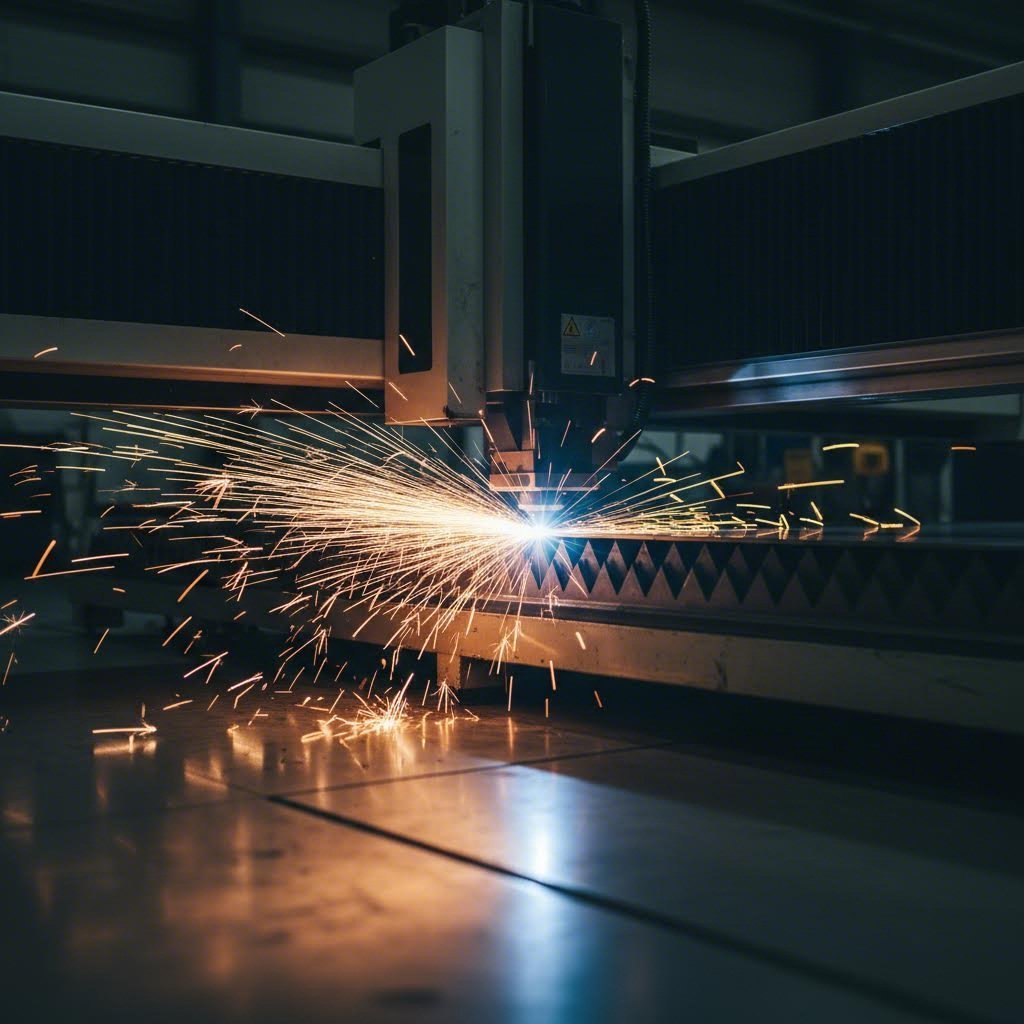
Co je laserové řezání ocelových plechů a proč je důležité
Představte si svazek světla tak přesně soustředěný, že dokáže proříznout kovové plechy jako horký nůž máslo. Přesně to se děje, když pracujete s laserovým řezáním ocelových plechů . Tento proces využívá intenzivního laserového paprsku s vysokou energií k roztavení, spálení nebo odpaření oceli podél programované dráhy řezu. Výsledkem jsou čisté a přesné řezy, které tradiční metody prostě nemohou dosáhnout.
Laserový řezný stroj vyvíjí teploty dosahující přibližně 3 000 °C v ohnisku, podle technické dokumentace společnosti Minifaber. Toto intenzivní teplo, soustředěné do mimořádně malého průměru, umožňuje vynikající geometrickou přesnost i u komplexních profilů. A to je důvod, proč je plech zejména vhodný pro tuto technologii: tenčí kovové plechy absorbují laserovou energii účinněji a rychleji odvádějí teplo než tlustší ocelové desky, což vede ke čistším hranám a minimální deformaci.
Jak se laserová energie mění na ocelovém plechu
Když laserový paprsek zasáhne ocelový povrch, na molekulární úrovni dochází k fascinujícímu jevu. Soustředěné fotony přenášejí svou energii přímo na atomy v krystalové mřížce oceli. Podle výzkumu Českého vysokého učení technického v Praze tato přenos energie způsobí, že atomy začnou kmitat s rostoucí amplitudou, dokud se neuvolní z vazeb ve své mřížce.
Zde je zjednodušený rozbor:
- Absorpce energie: Atomy oceli absorbují fotonovou energii, což způsobuje rychlý nárůst teploty
- Porušení mřížky: Meziatomové vazby se oslabují, když amplituda kmitání překročí mřížkový parametr
- Odstranění materiálu: Ocel buď roztaje (při řezání) nebo se odpaří (při mikrofrézování), v závislosti na intenzitě energie a rychlosti řezání
Pevnost plechu v tahu ve skutečnosti působí ve váš prospěch během tohoto procesu. Strukturální integrita materiálu zajišťuje, že tepelně ovlivněná zóna zůstává lokalizovaná, čímž se předchází deformacím, které často postihují tlustší materiály.
Věda stojící za přesným řezáním oceli
Co odlišuje laserové řezání od tradičních metod zpracování kovů? Hustota výkonu laseru je mimořádně vysoká a mezi řeznou hlavou a obrobkem nedochází k žádnému fyzickému kontaktu. To naprosto eliminuje opotřebení nástroje a znamená, že kovové plechy během řezání nepodléhají žádné mechanické síle.
Proces spoléhá na CNC systémy, které přesně řídí každý parametr: rychlost posuvu, výkon laseru, zaostření paprsku a průtok asistenčního plynu. Moderní zařízení dokáže dosáhnout přesnosti řezání, která se vyrovná nejpřesnějším tolerancím ve výrobě, a je proto ideální pro vše – od složitých dekorativních panelů po přesné automobilové komponenty.
V tomto článku zjistíte, jak přesně optimalizovat své operace laserového řezání. Projdeme si výběr mezi vláknovým a CO2 laserem, kompatibilitu tříd oceli, volbu asistenčních plynů, kterou většina konkurentů úplně opomíjí, a praktické řešení běžných vad, jako jsou struska, otřepy a hrubé hrany. Ať již provozujete malou dílnu na zakázku nebo řídíte výrobu ve velkém měřítku, najdete zde konkrétní pokyny ke zlepšení kvality a efektivity řezání.
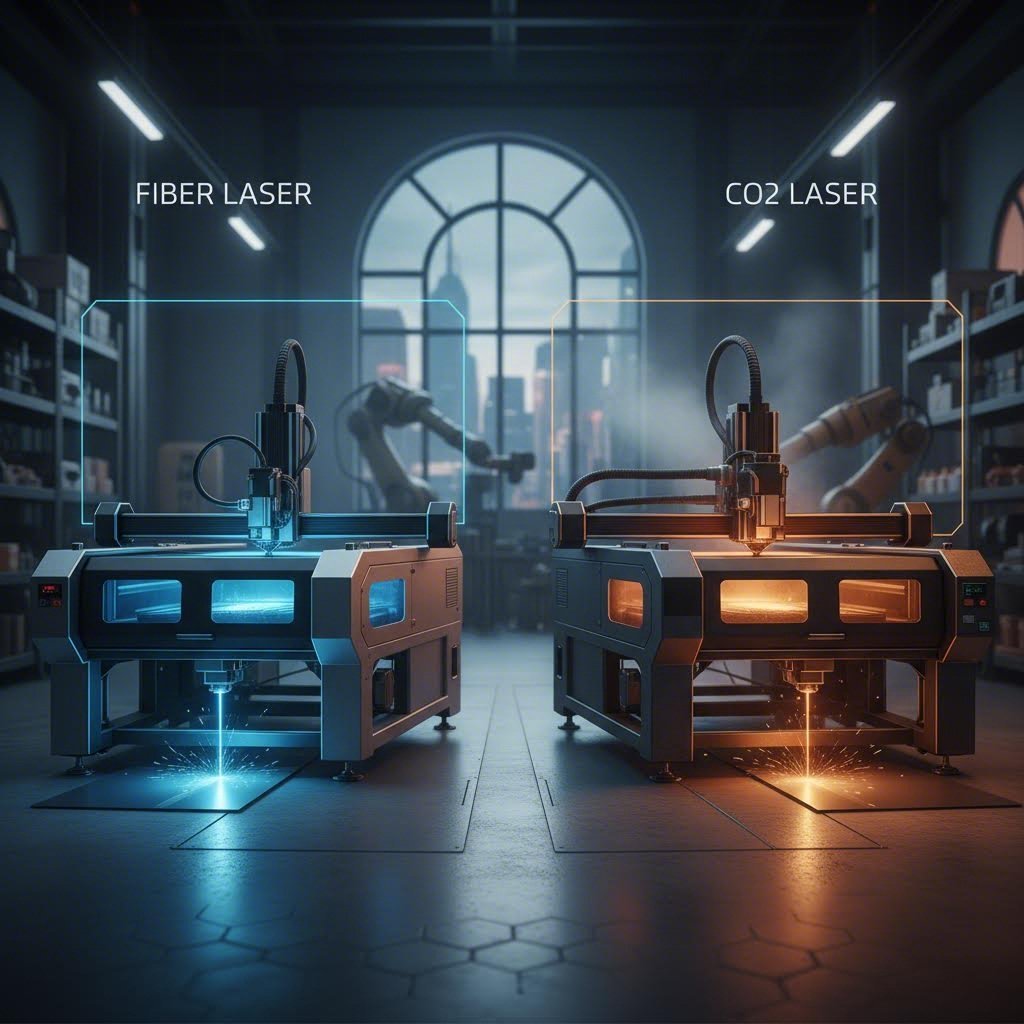
Vláknové lasery vs. CO2 lasery pro aplikace s ocelí
Rozhodli jste se tedy investovat do laserového řezání oceli pro své výrobní potřeby. Zde je otázka za milion: měli byste si pořídit vláknový laserový řezný stroj, nebo zůstat u tradiční technologie CO2? Odpověď závisí výhradně na tom, co řežete, jakou má materiál tloušťku a jak vypadá váš dlouhodobý provozní rozpočet.
Základní rozdíl spočívá ve vlnové délce. Vláknový laser vysílá světlo přibližně na vlnové délce 1,06 mikrometru (1 064 nm), zatímco lasery CO2 pracují na vlnové délce 10,6 mikrometru. Tento desetinásobný rozdíl výrazně ovlivňuje, jak ocel pohlcuje laserovou energii. Podle Laser Photonics , kovy pohlcují několikanásobně více světla z vláknového laseru než z laseru CO2 při stejném výkonu. To znamená, že váš vláknový laser pracuje efektivněji při nižší spotřebě elektřiny.
Výhody vláknového laseru pro tenkostěnnou ocel
Když pracujete s tenkými až středně silnými ocelovými plechy, nabízí laserový kovový řezací stroj na bázi vláknové technologie zřejmé výhody. Kratší vlnová délka vytváří menší a přesnější ohniskový bod, což se přímo překládá do užších tolerancí a úžeji řezaných spár. U složitých řezů si všimnete čistších hran a menších tepelně ovlivněných zón, které by jinak mohly deformovat křehké součásti.
To jsou důvody, proč se vláknové lasery vyznačují u plechové oceli:
- Vyšší míra absorpce: Ocel snadno absorbuje vlnovou délku 1,06 mikrometru, čímž maximalizuje efektivitu řezání
- Větší přesnost: Konzentrovaný paprsek vytváří jemně tvarované součásti s úzkými tolerancemi
- Lepší zpracování odrazných kovů: Moderní vláknové systémy obsahují ochranu proti zpětnému odrazu pro materiály jako nerezová ocel
- Nižší provozní náklady: Účinnost často přesahuje 90 %, ve srovnání s pouhými 5–10 % u CO2 systémů
Kovový laserový řezací stroj využívající vláknovou technologii obvykle dosahuje 3 až 5násobku produktivity ve srovnání se srovnatelným CO2 zařízením u vhodných pracovních úkolů, jak uvádí technické srovnání společnosti Xometry. Tento nárůst produktivity pochází z vyšších řezných rychlostí u tenkých materiálů spojených se snížením prostojů.
Kdy dávají smysl CO2 lasery pro řezání oceli
Znamená to, že CO2 lasery jsou zastaralé? Ne úplně. Pokud řežete silnější ocelové desky o tloušťce přesahující 10–20 mm, CO2 technologie stále drží krok. Operátoři často přidávají okysličovadlo jako asistenční plyn, aby urychlili řezání materiálů až do tloušťky 100 mm. Delší vlnová délka také činí CO2 lasery lepší volbou, pokud vaše dílna zpracovává smíšené materiály, včetně nekovů, jako je akryl nebo dřevo, spolu s ocelovými pracemi.
Rozdíl v počátečních nákladech je významný. Cena laserového řezacího stroje pro kov s použitím vláknové technologie může být 5 až 10krát vyšší než u ekvivalentního CO2 zařízení. Vláknové lasery však obvykle nabízejí až 10násobnou životnost, která je často udávána na 25 000+ provozních hodin. Tato dlouhá životnost, kombinovaná s výrazně nižší spotřebou energie, obvykle činí vláknové lasery lepší dlouhodobou investicí pro specializované operace řezání oceli.
Zvažte následující podrobné srovnání při výběru laseru pro řezací stroj:
| Parametr | Vláknitý laser | CO2 Laser |
|---|---|---|
| Optimální tloušťka oceli | Až 20 mm (nejlepší do 12 mm) | 10–100+ mm s pomocným kyslíkem |
| Rychlost řezání (tenká ocel) | 3–5× rychlejší než CO2 | Pomalejší u tenkých materiálů |
| Kvalita hrany | Vyšší přesnost, úzká řezná spára | Dobrá kvalita, širší řezná spára |
| Energieúčinnost | Vyšší než 90 % | 5-10% |
| Provozní náklady | Nižší spotřeba elektřiny, minimální spotřební materiál | Vysoká spotřeba energie, nutnost doplňování plynu |
| Požadavky na údržbu | Minimální údržba, pevnostní konstrukce | Pravidelné nastavení zrcadel, doplňování plynu |
| Počáteční investice | 5 až 10krát vyšší než CO2 | Nižší počáteční náklady |
| Očekávaná životnost | více než 25 000 provozních hodin | přibližně 2 500 provozních hodin |
Pro dílny zaměřené především na plechy o tloušťce do 12 mm je řezací stroj s vláknovým laserem jednoznačným vítězem. Kombinace rychlosti, přesnosti a provozní účinnosti ospravedlňuje vyšší počáteční investici. Pokud však běžně pracujete s tlustšími deskami nebo různorodými materiály, může být vhodnější systém CO2 nebo dokonce hybridní řešení.
Nyní, když znáte možnosti laserové technologie, podíváme se, jak různé druhy oceli interagují s těmito řezacími systémy a které parametry poskytují nejlepší výsledky pro každý typ materiálu.
Kompatibilita druhů oceli a výběr materiálu
Nikdy jste se zamysleli, proč vaše parametry laserového řezání perfektně fungují na jednom ocelovém plechu, ale dávají hrozné výsledky na jiném? Tajemství spočívá v pochopení toho, jak různé třídy oceli interagují s laserovou energií. Každý typ oceli má jedinečné vlastnosti, které přímo ovlivňují rychlost řezání, kvalitu řezu a volbu parametrů. Podívejme se, co potřebujete vědět pro konzistentně čisté řezy u uhlíkové oceli, nerezového plechu a pozinkovaného plechu.
Složení materiálu je důležitější, než si většina operátorů uvědomuje. Legující prvky v oceli ovlivňují tepelnou vodivost, odrazivost a chování při tavení. Podle Technické dokumentace společnosti Longxin Laser je kalibrace a uložení sad parametrů pro každou kombinaci materiálu a tloušťky tím, čím dílny rychle dosahují opakovatelnosti. Přeskočíte-li tento krok, budete trávit mnohem příliš dlouhou dobu odstraňováním vad, kterých by správná volba materiálu zabránila.
Vlastnosti řezání uhlíkové oceli
Uhlíková ocel je pracovním koněm laserového řezání. Její poměrně jednoduchá struktura z ní činí předvídatelný a shovívavý materiál pro řezání. Železo-uhlíková struktura efektivně absorbuje laserovou energii, což umožňuje vyšší rychlosti řezání a nižší požadavky na výkon ve srovnání se speciálními slitinami.
Níže jsou uvedeny nejběžnější třídy uhlíkové oceli, se kterými se můžete setkat:
- Konstrukční ocel A36: Vynikající kompatibilita s laserem; ideální pro obecnou výrobu a konstrukční díly
- nízkouhlíková ocel 1018: Řeže se čistě s minimálním vznikem strusky; upřednostňovaná pro přesné díly vyžadující následné obrábění
- středněuhlíková ocel 1045: Vyžaduje mírně nižší rychlosti kvůli vyššímu obsahu uhlíku; vyrábí pevné, odolné díly
- slitinová ocel 4140: Vyšší tvrdost vyžaduje pečlivou kontrolu tepla; vynikající pro aplikace s vysokým zatížením
Vlákenné lasery velmi dobře zpracovávají desky z uhlíkové oceli. Nízká odrazivost materiálu znamená maximální přenos energie do řezné zóny . Při řezání s kyslíkem jako asistenčním plynem dochází k exotermické reakci, která do procesu řezání skutečně přidává energii, což umožňuje vyšší rychlosti řezání u tlustších materiálů. To činí uhlíkovou ocel nejekonomičtější volbou pro vysokoodvodňové výrobní série.
Hodnocení nerezové oceli a speciálních slitin
Plechy z nerezové oceli představují odlišnou sadu výzev. Obsah chromu, který zajišťuje odolnost proti korozi, také zvyšuje odrazivost a mění tepelné chování. Obvykle je třeba snížit rychlost řezání o 20–30 % ve srovnání s uhlíkovou ocelí stejné tloušťky.
Nejběžnější třídy nerezové oceli vhodné pro laserové řezání zahrnují:
- nerez 304: Nejběžnější třída; vynikající odolnost proti korozi; lze dobře řezat s dusíkem jako asistenčním plynem pro hranu bez oxidů
- nerez 316: Vynikající odolnost proti korozi pro námořní a chemické aplikace; mírně obtížnější zpracování kvůli obsahu molybdenu
- nerez 430: Feritická třída s dobrou tvárností; levnější alternativa, pokud není vyžadována extrémní odolnost proti korozi
- nerezová ocel 201: Nákladově výhodná možnost; vyšší obsah manganu může ovlivnit kvalitu hran
Na rozdíl od uhlíkové oceli vyžaduje nerezový plech pomocný plyn na bázi dusíku, aby byly dosaženy čisté, bezoxidové hrany vhodné pro viditelné aplikace nebo svařování. Řezání kyslíkem je možné, ale ponechává tmavou oxidovou vrstvu, která často vyžaduje dodatečné dokončení.
Zinkem pokrytá ocel přináší specifické komplikace. Zinek se vypařuje při nižší teplotě než ocel, což vytváří výpary a může rušit proces řezání. Podle Dokumentace k bezpečnosti společnosti Kirin Laser , moderní stroje s vláknovým laserem dobře zvládají reflexní materiály a povlaky, pokud jsou správně nastaveny. Vláknový laser vysokého výkonu může řezat pozinkovanou ocel o tloušťce až 20 mm, ale optimální kvalita je obvykle dosažena při tloušťkách 12 mm a nižších.
Pracovat s galvanizovanými povlaky vyžaduje z důvodu jejich odrazivosti specifická opatření. Vždy zajistěte dostatečné větrání, protože zinečité výpary jsou nebezpečné při opakovaném vdechování. Moderní vláknové lasery jsou vybaveny ochranou proti zpětnému odrazu, která zabraňuje poškození způsobenému vysoce odrazivým zinečitým povrchem. Můžete si také všimnout mírně vyšší tvorby strusky ve srovnání s neupravenou ocelí, což vyžaduje úpravu parametrů pro kompenzaci.
Při výběru materiálů pro váš projekt zvažte, jak se různé třídy liší od hliníkového plechu z hlediska kompatibility s laserem. Zatímco hliníkový plech lze čistě řezat pomocí vláknových laserů, vyžaduje zcela odlišné parametry kvůli své vysoké tepelné vodivosti. Ocelové desky obecně poskytují předvídatelnější výsledky v širším rozsahu výkonových nastavení, což je činí vhodnějšími pro provozy bez rozsáhlých zkušeností s optimalizací parametrů.
Porozumění těmto rozdílům materiálů tvoří základ pro náš další klíčový téma: jak výběr asistenčního plynu výrazně ovlivňuje kvalitu řezu a úpravu okrajů u všech těchto odrůd oceli.
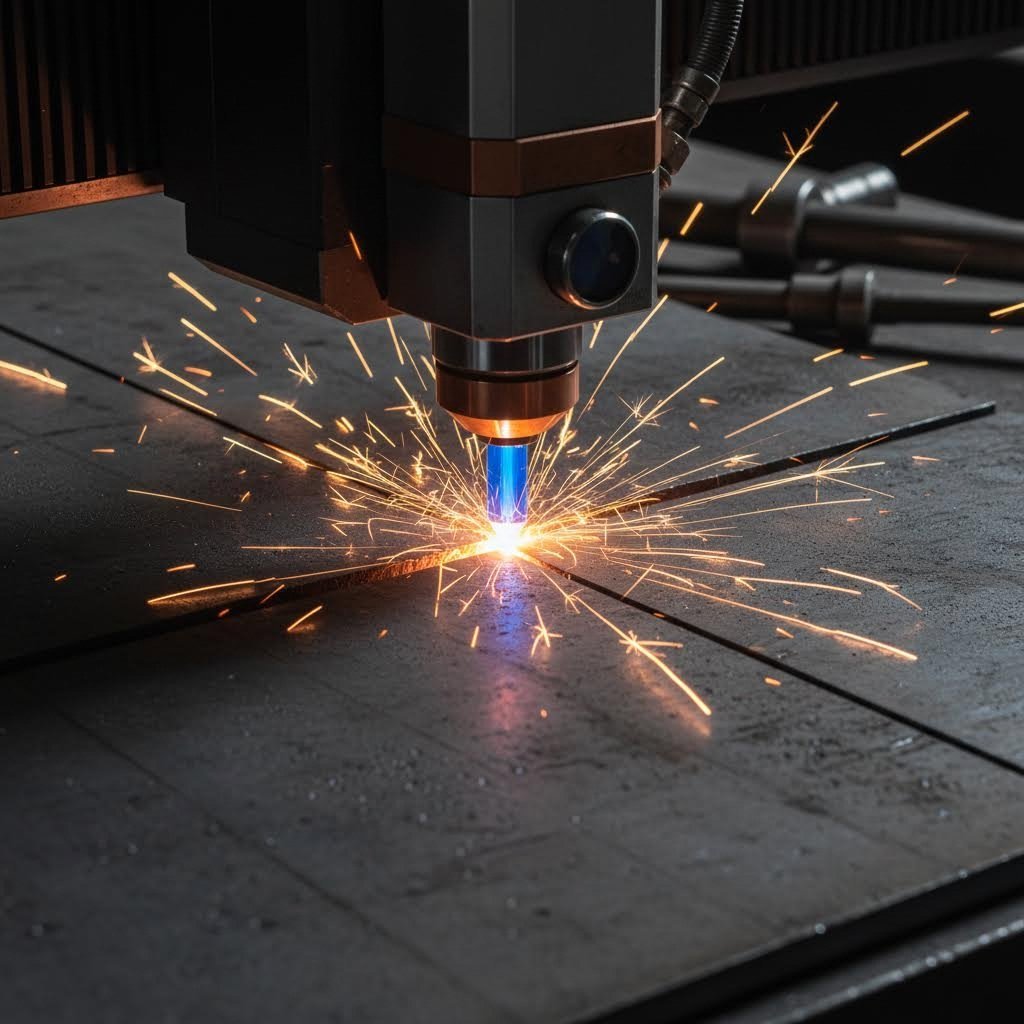
Výběr asistenčního plynu a optimalizace kvality řezu
Zde je otázka, která odděluje amatérské provozy laserového řezání plechů od profesionálních výsledků: jakým plynem foukáte tím tryskou? Výběr asistenčního plynu je pravděpodobně nejvíce opomíjeným faktorem při laserovém řezání plechů, a přesto přímo určuje, zda strávíte hodiny broušením popeliny, nebo dodáte díly připravené k montáži rovnou z pracovní plochy.
Asistenční plyny plní tři klíčové funkce během laserového řezání kovů. Za prvé fyzicky vyfukují roztavený materiál z místa řezu. Za druhé ovlivňují oxidační reakce na hraně řezu. Za třetí ovlivňují tepelnou dynamiku celého procesu řezání. Podle Technické dokumentace společnosti Pneumatech může druh použitého plynu rozhodnout o tom, zda bude řez čistý a bez oxidace, nebo zda bude urychlen exotermickou reakcí pro rychlejší zpracování.
Výběr mezi dusíkem a kyslíkem jako asistenčním plynem
Volba mezi dusíkem a kyslíkem nespočívá v tom, který plyn je „lepší“. Jde o to, přizpůsobit plyn typu materiálu a požadované kvalitě. Každá možnost vytváří zásadně odlišné podmínky řezání, které ovlivňují všechno – od vzhledu řezu až po rychlost řezání.
Řezání kyslíkem: Rychlost a výkon pro uhlíkovou ocel
Když se kyslík dostane do roztavené uhlíkové oceli, odehraje se silná chemická reakce. Kyslík reaguje s železem v oceli a vyvolá exotermickou reakci, která procesu řezání dodává významnou tepelnou energii. Podle Technické příručky společnosti Bodor Laser kyslík vykoná přibližně 60 procent práce při řezání uhlíkové oceli a posiluje tak laserový paprsek dodatečnou tepelnou energií.
Tento exotermický impuls umožňuje vyšší rychlosti řezání a schopnost řezat tlustší materiály, než by umožňovala samotná laserová energie. Existuje však kompromis: oxidační reakce zanechává hrubší, oxidované okraje, které mohou vyžadovat dodatečné dokončení u aplikací vyžadujících čistý povrch.
Řezání dusíkem: Čisté hrany u nerezové oceli a hliníku
Dusík přistupuje k řezání zcela jinak. Jako inertní plyn vytváří netečné prostředí kolem místa řezu, které úplně zabrání oxidaci. Výsledek? Čisté, bezoxidové hrany s vynikající vizuální kvalitou, které často nepotřebují žádné dodatečné dokončování.
Při laserovém řezání plechů z nerezové oceli, hliníku nebo jiných neželezných materiálů je dusík preferovanou volbou. Díky absenci oxidace odpadá potřeba broušení, čištění nebo jiných následných úprav. To činí dusík ideálním pro viditelné díly, součásti určené ke svařování a pro jakékoli aplikace, kde záleží na estetických nárocích.
Kompenzací je, že řezání dusíkem spoléhá výhradně na tepelnou energii laserového paprsku. Bez exotermické reakce, kterou poskytuje kyslík, jsou řezné rychlosti obvykle nižší a může být vyžadována vyšší laserová síla pro materiály stejné tloušťky.
| Parametr | Dusík | Kyslík | Stlačený vzduch |
|---|---|---|---|
| Nejvhodnější aplikace pro ocel | Nerezová ocel, hliník, pozinkovaná ocel | Uhlíková ocel, nízkouhlíková ocel | Tenká uhlíková ocel, tenká nerezová ocel |
| Vlastnosti hrany | Čistý, beze zbytků oxidu, jasný stříbrný povrch | Oxidované, tmavší hrany, mohou potřebovat dokončení | Částečně oxidované, možné otřepy |
| Vliv řezné rychlosti | Pomalejší (pouze tepelný proces) | Rychlejší (exotermická reakce přidává energii) | Střední rychlost |
| Optimální rozsah tloušťky | Všechny tloušťky (nejlepší pro tenké a střední) | 6 mm a více pro uhlíkovou ocel | Až přibližně 6 mm |
| Zvažování nákladů | Vyšší náklady na plyn, nižší náklady na dodatečné zpracování | Nižší náklady na plyn, potenciální náklady na dokončování | Nejnižší náklady, možnost generování plynu na místě |
Vliv tlaku plynu na kvalitu řezu
Výběr správného plynu je jen polovina úlohy. Tlak plynu výrazně ovlivňuje kvalitu řezu, tvorbu strusky a úpravu okraje. Uděláte-li to špatně, ani správná volba plynu nezachrání vaše díly před vadami.
Řezání vysokotlakým dusíkem je ideálním příkladem. Výzkum provedený TWI (The Welding Institute) ukázal, že speciálně vyvinuté trysky ve spojení s vysokotlakým plynem vytvářejí čisté, bezstruskové řezy u nerezové oceli. Klíčový mechanismus? Proud plynu o vysoké rychlosti ihned po roztavení laserem odvádí taveninu z místa řezu. Toto nepřetržité okamžité odstraňování taveniny zabraňuje adhezi strusky a bočnímu přenosu tepla.
Nicméně existuje háček: vysoká spotřeba plynu výrazně zvyšuje provozní náklady. Průzkum společnosti TWI zjistil, že mnoho dílen vyhýbalo se technikám řezání pod vysokým tlakem, protože náklady na plyn převyšovaly úspory zrušené povrchové úpravy. Řešení spočívá v optimalizovaném designu trysky, který zachovává kvalitu řezu a současně snižuje ztrátu plynu.
Praktické pokyny pro tlak:
- Nízký tlak kyslíku (0,5–1 bar): Běžné řezání uhlíkové oceli; vyšší rychlosti, ale potenciální tvorba oxidů
- Vysoký tlak dusíku (8–20 bar): Nerezová ocel a hliník; poskytuje okraje bez oxidů, pokud je správně nastaveno
- Střední tlak vzduchu (4–8 bar): Nákladově výhodná volba pro tenké materiály, kde není kvalita okraje rozhodující
Při laserovém řezání kovů dochází často k neočekávanému vzniku odlitků nebo hrubých hran, přičemž viníkem bývá často tlak plynu. Nedostatečný tlak nestačí rychle odstranit roztavený materiál, který se tak znovu ztuhne na řezné hraně. Nadměrný tlak plýtvá plynem, aniž by zlepšil kvalitu, a může dokonce způsobit turbulenci, jež naruší řez.
Odstraňování problémů souvisejících s tlakem:
- Škvára na spodku tlusté uhlíkové oceli: Snížete-li řeznou rychlost, snížíte ohniskový bod a zvýšíte tlak plynu, optimalizujete oxidační reakci
- Roztavená škvára přichycená na povrchu: Zvyšte ohniskový bod a snižte tlak plynu, abyste omezili rozstřikování
- Hrboly na nerezové oceli: Snížte ohniskový bod, zvyšte průměr trysky a snižte pracovní cyklus pro čistší hrany
Interakce mezi laserovými parametry a asistenčním plynem vytváří systém, ve kterém malé úpravy vedou ke vzniku významných rozdílů v kvalitě. Pro aplikace laserového řezání plechů vyžadující konzistentní výsledky dokumentujte optimální nastavení tlaku pro každou kombinaci typu materiálu a tloušťky. Tato referenční knihovna se stane neocenitelnou při přechodu mezi jednotlivými pracemi nebo při školení nových operátorů.
Jakmile máte perfektně naladěnou strategii asistenčního plynu, dalším krokem je pochopení běžných defektů při řezání a toho, jak je eliminovat dříve, než dojde ke ztrátě materiálu a ztrátě času výroby.
Běžné defekty při řezání a řešení pro odstraňování závad
Optimalizovali jste typ svého laseru, vybrali správnou třídu oceli a dokonale nastavili parametry asistenčního plynu. Přesto vaše díly opouštějí stroj s drsnými hranami, tvrdohlavým nátokem přichyceným na spodní straně nebo nepřitažlivými pruhy běžícími po řezané ploše. Co je špatně?
Pravda je, že i dokonale nastavené operace laserového řezání kovů se mohou setkat s vadami. Rozdíl mezi frustrovaným obsluhujícím a zkušeným odborníkem spočívá v pochopení toho, proč k těmto vadám dochází, a jak je systematicky odstranit. Podle Dokumentace Halden k kontrole kvality běžné vady při laserovém řezání, jako jsou otřepy, struska a spálené stopy, mohou ohrozit kvalitu výrobku, ale identifikace kořenových příčin a implementace správných řešení zajišťují hladší řezy a konzistentní výsledky.
Než půjdeme hlouběji, definujme si jasně pojmem struska: jedná se o znovuztuhlé roztavené kovové usazeniny, které se uchylovaly na dolním okraji řezu. Na rozdíl od otřepů, které vznikají na horním povrchu, se struska hromadí tam, kam gravitace táhne roztavený materiál dolů. Obě vady mají podobné příčiny, ale vyžadují odlišné nápravné opatření.
Identifikace a prevence tvorby strusky
Drobtina je pravděpodobně nejfrustrující vada, protože proměňuje rychlý laserový řezací proces v pracnou úklidovou práci. Když vidíte kapičky ztuhlého kovu přichycené na spodní straně dílů, svědčí to o nedostatečné účinnosti odstraňování taveniny. Laser sice kov správně roztavil, ale roztavený materiál nebyl vymrštěn dostatečně rychle, než se znovu ztuhl.
Co způsobuje vznik drobtin? Odpověď spočívá v jemné rovnováze mezi dodanou energií a odstraněním materiálu. Podle Poradce ADHMT pro odstraňování problémů , kvalita řezu závisí na rovnováze mezi vazbou energie (jak efektivně je laserová energie absorbována) a účinností odstraňování taveniny (jak efektivně asistenční plyn odvádí roztavený materiál).
Hlavní příčiny vzniku drobtin:
- Příliš vysoká rychlost řezání: Kovový řezák se pohne dříve, než asistenční plyn plně vyfoukne roztavený materiál, čímž zůstane zbytek, který na dolním okraji ztvrdne
- Nedostatečný tlak plynu: Plynový tok nízké rychlosti nestačí rychle vyfouknout taveninu, což umožňuje její přichycení před úplným odstraněním
- Nesprávná poloha zaostření: Nastavení ohniska příliš vysoko nebo příliš nízko vytváří širší taveninu, kterou je obtížnější efektivně odstranit
- Excesivní laserový výkon: Příliš velká energie vytváří více taveného materiálu, než může proud plynu zvládnout
- Znečištěná optika: Špinavá čočka rozptyluje paprsek, čímž se snižuje hustota energie v řezné zóně
Zabránění tvorbě odlitků vyžaduje systematickou úpravu parametrů. Začněte ověřením polohy ohniska pomocí rampového testu na odpadním materiálu. Poté optimalizujte vztah mezi rychlostí řezání a tlakem plynu. U silnější uhlíkové oceli často odstraní vytrvalý strusku snížení ohniskového bodu a zvýšení tlaku plynu. U nerezové oceli zkuste zvětšit průměr trysky a snížit pracovní cyklus.
Tvorbě burrů a řešení:
Hroty vznikají, když roztavený materiál se neodděluje čistě od horního okraje řezu. Na rozdíl od podlitin jsou hroty způsobeny především nesouladem mezi rychlostí řezání a výkonem laseru na vstupním bodě řezu. Podle technické analýzy společnosti Halden nadměrné zahřívání způsobuje příliš pomalé řezání, zatímco vysoký výkon bez odpovídající úpravy rychlosti vede ke hrubšímu povrchu.
Účinné metody odstraňování hrotů zahrnují mechanické broušení, tumblování nebo vibrační dokončování. Prevence je však vždy ekonomičtější než následná oprava. Optimalizace parametrů řezání, správné nastavení svazku paprsku a udržování čisté optiky minimalizují vznik hrotů od samého začátku.
Řízení tepelně ovlivněných zón v plechové oceli
Každým laserovým řezem vzniká tepelně ovlivněná zóna (HAZ) sousedící s řeznou spárou. V této zóně se v důsledku tepelného působení mění mikrostruktura oceli. U plechů je zóna HAZ obvykle úzká, ale při nesprávných parametrech se může výrazně rozšířit, což může způsobit problémy jako změna barvy, změnu tvrdosti a náchylnost k praskání během následného ohýbání.
Problém s HAZ se stává zvláště zřejmým, pokud díly vyžadují dodatečné zpracování. Anodizované povrchy v blízkosti řezné hrany mohou projevovat změnu barvy, pokud se teplo příliš rozšíří. Díly určené k ohýbání mohou prasknout podél řezné linky, pokud HAZ vytvoří křehkou zónu. Porozumění těmto následným účinkům pomáhá lépe hodnotit minimalizaci HAZ u citlivých aplikací.
Faktory, které zvětšují HAZ:
- Excesivní laserový výkon: Více energie znamená větší šíření tepla do okolního materiálu
- Pomalé řezné rychlosti: Delší doba expozice umožňuje šíření tepla dále od řezné zóny
- Nesprávná pozice ohniska: Rozostřený paprsek šíří energii na větší plochu, čímž zvyšuje tepelný příkon
- Nedostatečný průtok asistenčního plynu: Špatné chlazení umožňuje hromadění a šíření tepla
Vady v podobě rýh a kvality povrchu:
Rýhy jsou viditelné čáry běžící svisle dolů po řezané ploše. Některé rýhování je normální a nevyhnutelné, ale nadměrné nebo nepravidelné rýhování signalizuje nestabilitu procesu. Příčiny zahrnují kolísání tlaku plynu, nekonzistentní dodávku laserové energie nebo mechanické vibrace řezací hlavy.
Spalovací stopy představují další běžnou povrchovou vadu, zejména u odrazných nebo lakovaných materiálů. Vznikají nadměrným teplem v okolí řezané oblasti. Snížení výkonu laseru, zvýšení rychlosti řezání a použití dusíkového asistenčního plynu pomáhají snižovat tepelné účinky způsobující změny barvy.
Kontrolní seznam pro odstraňování závad: Typ vady, příčiny a nápravná opatření
- Oxidy na spodním okraji: Pravděpodobnou příčinou je vysoká rychlost řezání, nízký tlak plynu nebo nesprávné zaostření. Nápravná opatření: snižte rychlost, zvyšte tlak plynu, nastavte polohu zaostření níže, vyčistěte optické komponenty.
- Hroty na horním okraji: Pravděpodobnou příčinou může být pomalá rychlost řezání, nadměrný výkon laseru nebo špatná fokusace paprsku. Nápravná opatření: zvýšit rychlost, snížit výkon, ověřit správnost fokusace, zajistit pevné upnutí materiálu.
- Příliš výrazné pruhy: Pravděpodobnou příčinou může být kolísání tlaku plynu, nestabilita laserového výkonu nebo mechanické vibrace. Nápravná opatření: zkontrolovat konzistenci dodávky plynu, prověřit výkon laserového zdroje, utáhnout mechanické součásti.
- Široká tepelně ovlivněná zóna: Pravděpodobnou příčinou může být vysoký výkon, nízká rychlost nebo rozostřený paprsek. Nápravná opatření: snížit výkon, zvýšit rychlost, optimalizovat polohu fokusace, zajistit dostatečné chlazení plynem.
- Spáleniny nebo změna barvy: Pravděpodobnou příčinou může být nadměrné teplo nebo reakce s kyslíkem. Nápravná opatření: přepnout na dusík jako asistenční plyn, snížit výkon, zvýšit rychlost, ověřit správný průtok plynu.
- Neúplné řezy: Pravděpodobnou příčinou může být nedostatečný výkon, příliš vysoká rychlost nebo znečištěná optika. Nápravná opatření: zvýšit výkon, snížit rychlost, vyčistit čočky a zrcadla, ověřit tloušťku materiálu.
Pamatujte, že odstraňování problémů je nejúčinnější tehdy, změníte-li najednou pouze jeden parametr. Úprava více proměnných současně znemožňuje určit, která změna problém vyřešila. Úspěšné kombinace parametrů pro každý materiál a tloušťku dokumentujte v procesní matici, ke které se váš tým může konzistentně vrátit.
S těmito strategiemi prevence vad máte nyní za úkol pochopit, jak optimalizovat řezné parametry pro různé tloušťky oceli a kalibry.
Řezné parametry pro různé tloušťky oceli
Identifikovali jste své vady a víte, co je způsobuje. Nyní přichází praktická otázka, se kterou se každý operátor potýká: jaký výkon, rychlost a nastavení ohniska byste měli skutečně použít pro váš konkrétní materiál? Právě zde mají mnozí výrobci potíže, protože doporučení k parametrům jsou v průmyslu překvapivě vzácná.
Vztah mezi výkonem laseru, rychlostí řezání a tloušťkou materiálu sleduje předvídatelné vzorce, jakmile pochopíte základní principy. Podle Komplexních rychlostních tabulek společnosti Raymond Laser existuje přímá souvislost mezi výkonem a možnou tloušťkou materiálu. S rostoucím výkonem se zvyšuje i maximální tloušťka řezu. Rychlost řezání se však výrazně liší v závislosti na tom, jak tyto proměnné vyvážíte.
Vztah výkonu a rychlosti pro čisté řezy
Představte si laserové řezání jako vaření. Příliš velký žár příliš rychle spálí jídlo. Příliš malý žár znamená, že se nic nepřipraví správně. Stejný princip platí, když váš stroj pro laserové řezání kovů zpracovává plech. Klíčem k čistým, bezpřeviskovým hranám je nalezení optimálního bodu, kdy dodaná energie přesně odpovídá odstraňování materiálu.
Zde je základní pravidlo: tenčí materiály vyžadují vyšší rychlosti a mohou využívat nižší výkon, zatímco tlustší materiály vyžadují pomalejší rychlosti a vyšší výkon. Vztah mezi nimi však není lineární. Podle technické dokumentace společnosti GYC Laser dokáže 3000W vláknový laser řezat uhlíkovou ocel 1 mm silnou rychlostí 28–35 metrů za minutu, ale stejný stroj při zpracování 20mm oceli klesne na pouhých 0,5 metru za minutu.
Klíčové vztahy mezi rychlostí a výkonem:
- Tenkostěnná ocel (pod 3 mm): Je dosažitelná maximální rychlost; snižte výkon, abyste předešli průpalu a nadměrné tepelně ovlivněné zóně
- Středně silná ocel (3–10 mm): Vyvažte rychlost a výkon; tento rozsah nabízí největší flexibilitu pro úpravu parametrů
- Tlustostěnná ocel (nad 10 mm): Rychlost se stává limitujícím faktorem; obvykle je vyžadován maximální výkon
Co se stane, když nastavíte rychlost příliš vysoko? Laser nemá dostatečnou dobu působení, aby materiál plně roztavil, což vede k neúplnému řezu nebo nadměrnému odloupnutí na spodní hraně. Pokud nastavíte rychlost příliš nízko, vytvoříte příliš velkou tepelně ovlivněnou zónu, možné spálené stopy a ztrátu času při výrobě.
U stroje na řezání kovu, na který operátoři spoléhají každý den, pomáhá stanovení základních parametrů pro běžné tloušťky materiálu eliminovat odhadování. Níže uvedená tabulka uvádí výchozí hodnoty na základě průmyslových standardních konfigurací vláknových laserů:
| Číslo měrníku | Tloušťka (mm) | Tloušťka (palců) | Doporučený výkon | Typická rychlost (m/min) |
|---|---|---|---|---|
| 22. kalibr | 0.76 | 0.030 | 1000-1500W | 25-35 |
| 20 gauge | 0.91 | 0.036 | 1000-1500W | 20-30 |
| 18 gauge | 1.27 | 0.050 | 1500-2000 W | 15-25 |
| 16 gauge | 1.52 | 0.060 | 1500-2000 W | 12-20 |
| tloušťka oceli 14 gauge | 1.98 | 0.078 | 2000-3000 W | 8-15 |
| 12 gauge | 2.66 | 0.105 | 2000-3000 W | 6-12 |
| tloušťka oceli 11 gauge | 3.04 | 0.120 | 3000-4000 W | 5-10 |
| 10 gauge | 3.43 | 0.135 | 3000-4000 W | 4-8 |
| 7. plech | 4.55 | 0.179 | 4000-6000 W | 3-6 |
| 3. plech | 6.07 | 0.239 | 6000-8000 W | 2-4 |
Tato tabulka tloušťky plechu slouží jako výchozí orientace, ale vaše konkrétní stroj, jakost oceli a asistenční plyn budou vyžadovat jemnou úpravu. Uhlíková ocel s kyslíkem jako asistenčním plynem se obvykle řeže o 20–30 % rychleji než uvedené hodnoty, zatímco nerezová ocel s dusíkem může vyžadovat rychlosti na nižším konci těchto rozsahů.
Techniky optimalizace polohy ohniska
Pokud jsou výkon a rychlost motorem vašeho řezacího procesu, pak poloha ohniska je volantem. Úprava toho, kde se ohniskový bod laserového paprsku nachází vzhledem k povrchu materiálu, výrazně mění vlastnosti řezu. Podle Průvodce ohniskem FINCM Future poloha ohniska určuje, jak se laserová energie rozkládá skrz tloušťku desky, čímž ovlivňuje šířku řezu, rozložení tepla, odstraňování strusky a celkovou kvalitu řezu.
Pochopení možností polohy ohniska:
- Nulové ohnisko (na povrchu): Ohnisko je umístěno přesně na povrchu materiálu. Nejlépe vhodné pro tenké plechy z uhlíkové oceli, kde malý laserový bod umožňuje vysoce přesné řezy s hladkými okraji a rychlou rychlostí řezání.
- Kladné ohnisko (nad povrchem): Ohnisko je umístěno nad povrchem materiálu. Běžně používáno pro středně silné plechy z uhlíkové oceli při řezání kyslíkem, soustředí energii v blízkosti povrchu pro jasné, čisté řezy s vynikající svislostí.
- Záporné ohnisko (pod povrchem): Ohnisko je umístěno uvnitř materiálu. Ideální pro tlusté desky z uhlíkové oceli, umožňuje hlubší proniknutí a rychlejší tavení. Tato technika může zvýšit rychlost řezání o 40–100 % ve srovnání s tradičními metodami s kladným ohniskem.
Zní to složitě? Zde je praktická aplikace: při řezání tlouštěk plechu z vaší tabulky tloušťek plechu začněte s nulovým fokusováním pro vše pod 3 mm. U ocelových materiálů středního rozsahu, jako je tloušťka 14 gauge, experimentujte s mírnými pozitivními úpravami fokusu. Jakmile přejdete k těžším deskám nad tloušťku 11 gauge, bude pro udržení výrobní rychlosti čím dál více výhodné negativní fokusování.
Osvědčené postupy úpravy fokusu:
Správná kalibrace fokusu vyžaduje systematické testování. Proveďte rampový test tak, že budete řezat šikmou čáru přes mírně nakloněný obrobek. Bod, kde je řez nejužší a nejčistší, označuje optimální polohu fokusu pro daný materiál a kombinaci tloušťky.
Pro výrobce, kteří hledají konzistentní výsledky při různých tloušťkách materiálu, dokumentujte nastavení zaostření spolu s parametry výkonu a rychlosti. Tím vytvoříte komplexní referenční příručku, která eliminuje způsob pokusů a omylů při přepínání mezi jednotlivými pracemi. Kombinace správné pozice zaostření, vhodných úrovní výkonu a optimalizovaných řezných rychlostí tvoří základ spolehlivých a vysoce kvalitních laserových řezacích operací.
Poté, co jste optimalizovali řezné parametry pro různé tloušťky oceli, stojí za to porozumět tomu, jak se laserové řezání porovnává s alternativními technologiemi, když přicházejí do hry požadavky projektu nebo rozpočtová omezení.
Laserové řezání versus alternativní metody řezání oceli
Ovládli jste parametry laserového řezání, ale existuje otázka, která stojí za zvážení: je laser vždy tou správnou volbou pro váš projekt? Upřímná odpověď zní ne. Ačkoli laserová technologie poskytuje neporovnatelnou přesnost u tenkých plechů, alternativní technologie pro řezání kovů někdy nabízejí lepší nákladovou efektivitu v závislosti na tloušťce materiálu, objemu výroby a požadavcích na kvalitu.
Porozumění tomu, kdy zvolit laser namísto plazmy, vodního paprsku nebo mechanického stříhání, vám může ušetřit tisíce korun v provozních nákladech a pomůže vám kout cenové nabídky konkurenceschopněji. Podle Komplexního testování společnosti Wurth Machinery mnoho úspěšných dílen nakonec začne využívat více řezacích technologií, aby pokryly širší spektrum prací. Podívejme se, kde každá metoda exceluje.
Laser vs. plazma pro projekty s ocelovými plechy
Spor mezi laserem a plasmou se často redukuje na jednoduchou otázku: jak silný je váš materiál? U plechu o tloušťce pod 1/4 palce dominuje laserové řezání. Jakmile přejdete k silnějším deskám, vyváženost se výrazně posune ve prospěch plasmy.
Plazmové řezání využívá elektrický oblouk a stlačený plyn k roztavení a odstranění vodivých kovů. Teplota plazmového oblouku dosahuje až 45 000 °F, což okamžitě taje materiál po naprogramované dráze. Podle průvodce společnosti StarLab CNC z roku 2025 může vysoce výkonný plazmový systém řezat nelegovanou ocel o tloušťce 1/2" rychlostí přesahující 100 palců za minutu, čímž se stává nejrychlejší volbou pro středně silné až silné kovové desky.
Kde vyhrává laserové řezání:
- Požadavky na přesnost: Laser dosahuje tolerance ±0,002" oproti plazmě ±0,015–0,020"
- Kvalita okraje: Téměř leštěný povrch často nevyžaduje žádné dodatečné úpravy
- Komplexní geometrie: Složité vzory, malé díry a jemné detaily, které plazma prostě nemůže napodobit
- Tenké materiály: Plechy pod 1/4" jsou laserovou technologií řezány rychleji a čistěji
Kde vyhrává plazmové řezání:
- Husté materiály: Ocelové desky od 1/2" do 2"+ se řežou výrazně rychleji plasmou
- Počáteční investice: Kompletní průmyslový laserový řezací stroj stojí výrazně více než srovnatelné plasmatrony
- Provozní náklady: Nižší náklady na spotřební materiál a jednodušší požadavky na údržbu
- Šikmý řez: Vynikající schopnost přípravy svárů u ocelových konstrukcí
Rozdíl v ceně si zaslouží pozornost. Podle Analýzy nákladů společnosti StarLab CNC , kompletní plasmatron stojí okolo 90 000 USD, zatímco srovnatelný systém vodního paprsku stojí přibližně 195 000 USD. Laserové systémy se srovnatelnou velikostí řezného pole mohou překročit oba, i když se rozdíl zužuje s dospíváním technologie vláknových laserů.
Kdy dává smysl použít vodní paprsek nebo střih
Řezání vodním paprskem využívá vodu pod vysokým tlakem smíchanou s abrazivními částicemi, která materiál odstraňuje po naprogramované dráze. Provozované při tlaku až 90 000 PSI, systémy vodního paprsku řežou téměř jakýkoli materiál bez tvorby tepla. Tento studený řezací proces znamená žádné deformace, žádné ztvrdnutí a žádné tepelně ovlivněné zóny.
Proč byste si vybrali vodní paprsek místo laseru pro ocel? Odpověď spočívá v tepelné citlivosti. Když řežete díly, které budou podrobeny kritickému následnému zpracování, jako je přesné ohýbání nebo spojovací operace podobné těm, které se porovnávají v debatách o migu versus tigu, stává se eliminace tepelné deformace naprosto zásadní. Vodní paprsek tuto schopnost poskytuje, ale za cenu pomalejších rychlostí řezání.
Mechanické stříhání nabízí další alternativu pro jednoduché rovné řezy. Stroj s dělicím nástrojem nebo hydraulické nůžky zpracují plechovou ocel rychleji než jakákoli tepelná metoda, pokud to geometrie umožňuje. Jaká je kompromisní cena? Jste omezeni na rovné čáry a základní tvary. U vysokého objemu výroby obdélníkových заготовek nebo pásků zůstává stříhání nejekonomičtější možností stroje pro řezání kovu.
Trh s vodním paprskem rychle roste a podle analýzy trhu společnosti Wurth Machinery se do roku 2034 předpokládá dosažení hodnoty více než 2,39 miliardy USD. Tento růst odráží stoupající poptávku po řezání bez tepla v odvětvích jako letecký průmysl, medicína a přesná výroba.
| Typ technologie | Přesná vodováha | Rozsah tlouštěky | Kvalita hrany | Provozní náklady | Nejlepší použití |
|---|---|---|---|---|---|
| Laserové řezání | ±0,002" (vynikající) | Až do 1" (optimální pod 1/4") | Téměř leštěný, minimální dokončování potřeba | Střední (vlákno) až vysoký (CO2) | Tenké plechy, složité tvary, přesné díly |
| Plazmové řezání | ±0.015-0.020" | 0,018" až 2"+ (optimální 1/2"+) | Dobré s HD plasmou, může vyžadovat dokončení | Nízká | Konstrukční ocel, těžké zařízení, tlusté desky |
| Vodníjetové řezání | ±0.003-0.005" | Až do 12" (jakýkoli materiál) | Dobré, žádné tepelné deformace | Vysoká (spotřeba abraziva) | Teplotně citlivé díly, smíšené materiály, letecký průmysl |
| Mechanické stříhání | ±0.005-0.010" | Až do 1/2" (typické) | Čisté řezy na tenkých materiálech, může deformovat hrany | Velmi nízké | Přímé řezy, obdélníkové заготовky, vysoký objem |
Správné rozhodnutí o technologii:
Při posuzování, která technologie vyhovuje vaší dílně, vezměte v úvahu tyto faktory:
- Typická tloušťka materiálu: Pokud se 80 % vaší práce týká plechu ze stříbrné oceli pod 1/4", nabízí laser nejlepší poměr cena-výkon. Výrobci z těžkých desek více profitují z plazmového řezání.
- Požadavky na přesnost: Díly vyžadující přesné tolerance nebo složitou geometrii vyžadují schopnosti laseru nebo vodního paprsku.
- Potřeby následného zpracování: Když následné operace, jako svařování TIG oproti MIG, vyžadují hrany bez oxidů, laser s dusíkem nebo řezání vodním paprskem eliminují čas potřebný na broušení.
- Objem produkce: U velkých objemů jednoduchých tvarů se může vyplatit použití specializovaného zařízení pro stříhání vedle vašeho laseru.
- Materiálová rozmanitost: Dílny zpracovávající kromě oceli i nekovové materiály profitují z univerzální kompatibility vodního paprsku s různými materiály.
Realita je taková, že většina rostoucích dílen nakonec přebírá více technologií. Plazmové a laserové řezání se často dobře doplňují, pokrývají práci od jemných přesných dílů až po těžké konstrukční oceli. Přidání vodního paprsku rozšiřuje vaše možnosti téměř na jakýkoli materiál bez tepelných vlivů. Porozumění těmto doplňkovým vztahům vám pomůže plánovat investice do zařízení, která porostou spolu s vaším podnikáním.
Nyní, když víte, jak se laserové řezání porovnává s alternativními technologiemi, pojďme prozkoumat návrhová doporučení a požadavky na přípravu materiálu, které zajistí úspěch vašich projektů laserového řezání od samého začátku.
Návrhová doporučení a požadavky na přípravu materiálu
Vybrali jste si typ laseru, optimalizovali řezné parametry a rozumíte tomu, jak se různé třídy oceli chovají. Ale právě toto odděluje amatérské provozy od profesionální výroby plechových dílů: správné navržení a příprava materiálu ještě před tím, než se laser vůbec spustí. Špatná konstrukční rozhodnutí nebo nedostatečná příprava materiálu podkopou i ten nejlépe naladěný laserový stroj na řezání plechu.
Realita? Většina vad při řezání a výrobních zpoždění vede zpět k problémům ve výchozí fázi. Podle návrhové příručky Xometry zajišťuje zachování minimálních vzdáleností mezi jednotlivými prvky integritu každého řezu. Pokud tyto pokyny přeskočíte, strávíte hodiny opravou dílů, které měly být napoprvé v pořádku.
Návrhová pravidla pro laserem řezané ocelové díly
Představte si návrh krásné součásti v CAD softwaru, jen abyste zjistili, že ji není možné vyrobit bez deformace nebo nadměrného odpadu. K tomu dochází stále znovu, když navrhování ignoruje fyzikální realitu toho, jak stroj na řezání plechů interaguje s materiálem. Laserový paprsek má konečnou šířku (řezná spára), teplo se šíří i mimo řezanou oblast a tenké prvky se mohou během zpracování kroutit nebo trhat.
Doporučené minimální rozměry prvků:
Každý plech má praktické limity, jak blízko u sebe lze umístit jednotlivé prvky, aniž by došlo k ohrožení strukturní integrity. Podle technických specifikací Xometry jde o následující kritické minimální hodnoty pro spolehlivé výsledky laserového řezání plechů:
- Minimální vzdálenost otvoru od hrany: 2× tloušťka materiálu (MT) nebo 0,125 palce, podle toho, která hodnota je menší. Umístění otvorů blíže než tato mez hrozí jejich roztržením nebo deformací, zejména pokud se součást později ohýbá.
- Minimální vzdálenost mezi otvory: 6× MT nebo 0,125 palce, podle toho, která hodnota je menší. Užší rozestupy vytvářejí slabé spoje mezi prvky, které se mohou deformovat v důsledku tepelného namáhání.
- Minimální uvolňovací řezy: 0,010" nebo 1× MT, podle toho, která hodnota je větší. Odlehčovací řezy zabraňují trhání materiálu ve vnějších rozích během následných ohybových operací.
- Minimální zaoblení rohů: 0,5× MT nebo 0,125", podle toho, která hodnota je menší. Ostře tvarované vnitřní rohy koncentrují napětí a zvyšují riziko praskání.
- Minimální tloušťka západky: 0,063" nebo 1× MT, podle toho, která hodnota je větší. Držáky udržují vnořené díly na místě během řezání; pokud jsou příliš tenké, mohou se předčasně zlomit.
- Minimální tloušťka drážky: 0,040" nebo 1× MT, podle toho, která hodnota je větší. Úzké drážky se mohou během řezání uzavřít kvůli tepelné roztažnosti.
Umístění zámků u vnořených dílů:
Při řezání více dílů z jedné kovové desky se stává umístění držáků kritickým. Držáky jsou malé můstky materiálu, které udržují díly na místě až do dokončení řezání. Nesprávné umístění držáků způsobuje posunutí dílů uprostřed řezání, čímž se poškodí jak pohybující se díl, tak vše kolem něj.
Vnořování si lze představit jako Tetris ve výrobě, podle DFM dokumentace MakerVerse . Cílem je umístit různé díly do jediného listu s maximální efektivitou. Optimální rozmístění šetří nejen materiál, ale také snižuje čas zpracování a spotřebu energie. Při rozmísťování dílů zvažte potenciální montáž a pořadí operací, abyste minimalizovali pohyb a manipulaci.
Umisťujte závory strategicky:
- Umisťujte závory na rovné hrany namísto zakřivených, aby bylo jejich odstranění jednodušší
- Použijte alespoň dvě závory na každý díl, abyste zabránili jeho otočení
- Rozmístěte závory rovnoměrně po obvodu pro vyváženou podporu
- Vyhněte se umisťování závor na místa, kde budou po odstranění požadovány přesné rozměry
Text a speciální prvky:
Přidáváte do svého návrhu text? Ujistěte se, že text "explodujete" nebo převedete na obrysy, než odešlete soubory na laser. Podle příručky Xometry pro přípravu souborů může aktivní text na obrazovce být viditelný, ale ve skutečnosti nemusí být převeden na obrysy určené ke krájení. Navíc uzavřené znaky jako D, O, P a Q vyžadují propojky ve stylu šablony, aby nedošlo k vypadnutí středových částí.
U štěrbin a vybrání navrhněte prvky do jejich skutečné požadované šířky, i když odpovídá tloušťce řezu. Přidání zaoblení typu „laskon“ na alespoň jednom konci štěrbiny pomáhá kompenzovat vstupní otvor, který je obvykle větší než řezací spára.
Nejlepší postupy při přípravě materiálů
Váš návrh je dokonalý. Nyní přichází otázka: je váš materiál připraven na řezání? Stav povrchu, rovinnost a čistota přímo ovlivňují kvalitu řezu, úpravu hran a dokonce i životnost zařízení. Přeskočení přípravných kroků vytváří problémy, které nelze vyřešit žádnou úpravou parametrů.
Kontrolní seznam přípravy povrchu:
- Odstraňování reziviny: Povrchová rez vyzařuje laserový paprsek, snižuje efektivitu řezání a vytváří nekonzistentní hrany. Očistěte rez pomocí drátěného kartáče, pískování nebo chemicky ošetřete poškozené oblasti před vložením materiálu.
- Odstranění olejů a nečistot: Řezací oleje, otisky prstů a ochranné nátěry mohou rušit absorpci laseru nebo vytvářet nebezpečné výpary. Očistěte plechy z hliníku a oceli vhodnými rozpouštědly.
- Hodnocení souvislého okují: Silný okuj na za tepla válcované oceli ovlivňuje absorpci laseru. Lehký okuj může být přijatelný; silný okuj vyžaduje broušení nebo leptání pro dosažení nejlepších výsledků.
- Manipulace s ochrannou fólií: Některé materiály jsou dodávány s ochrannou plastovou fólií. Rozhodněte, zda ji budete řezat spolu (zvyšuje složitost procesu) nebo odstraníte (odhalí povrch, který může být poškozen při manipulaci).
Požadavky na rovinnost:
Laserové řezání vyžaduje rovný materiál. Vzdálenost ohniska mezi řezací hlavou a obrobkem se obvykle měří v desetinách milimetru. Pokud je materiál pokroucený, prohnutý nebo vlnitý, tato kritická dimenze je narušena, což způsobuje nekonzistentní řezy, nadměrný popel nebo dokonce kolize hlavy.
Podle Praktické příručky MakerVerse , dodržení vzdálenosti řezných obrysů alespoň dvojnásobku tloušťky plechu pomáhá vyhnout se deformacím během zpracování. Stejně důležité však je vycházet z rovného materiálu. Zkontrolujte dodaný materiál na prohnutí a buď jej mechanicky vyrovnejte, nebo zamítněte plechy, které překračují přípustné tolerance.
Pro dílny, které pravidelně zpracovávají ocelové plechy, se investice do vyrovnávacího stroje vyplatí snížením odpadu a zlepšením kvality řezu. I nepatrné vlnění, které oku přijde přijatelné, může způsobit výrazné změny ohniska na velkém řezném poli.
Výběr běžných tlouštěk:
Navrhování s ohledem na běžné tloušťky materiálu zabraňuje prodlevám při dodávkách a snižuje náklady. Podle směrnic Xometry pro materiály závisí řezání plechů na dostupných rozměrech materiálu, aby byly díly ekonomické a rychle dodatelné. Pokud tloušťka vašeho návrhu spadá do tolerance běžné tloušťky, výrobci pro projekt použijí právě tuto běžnou tloušťku.
Stanovení necelých tlouštěk způsobuje prodlevy při získávání materiálu a vyšší ceny. Pokud váš konkrétní případ nevyžaduje jedinečnou tloušťku, navrhujte s ohledem na běžné rozměry tlouštěk uvedené v tabulkách běžných plechových tlouštěk.
Výhoda DFM:
Správná podpora při návrhu pro výrobu (DFM) proměňuje dobré návrhy na vynikající díly. Když inženýři konzultují se zpracovateli během fáze návrhu, odhalí výrobní problémy dříve, než se stanou nákladnou předělávkou nebo odpadem. Tato spolupráce řeší všechny aspekty – od rozestupu prvků až po výběr materiálu a pořadí procesů.
U automobilových aplikací, kde přesnost a konzistence jsou nepostradatelné, je komplexní podpora DFM obzvláště cenná. Spolupráce se výrobci, kteří poskytují rychlou zpětnou vazbu o proveditelnosti návrhu, jako Shaoyi (Ningbo) Metal Technology s jejich odezvou nabídky do 12 hodin, pomáhá optimalizovat návrhy laserového řezání ještě před zahájením výroby. Jejich přístup kombinuje odborné znalosti DFM s kvalitními systémy certifikovanými podle IATF 16949, čímž zajišťuje, že podvozky, odpružení a nosné konstrukce splňují standardy automobilového průmyslu již od prvního prototypu až po sériovou výrobu.
Investice do počáteční kontroly vhodnosti pro výrobu se opakovaně vyplácí díky sníženému odpadu materiálu, rychlejším výrobním cyklům a dílům, které správně pasují hned napoprvé. Ať už vyrábíte jednoduché úhelníky nebo složité sestavy, dodržování těchto návrhových pokynů a požadavků na přípravu vytváří základnu pro úspěšné operace laserového řezání.
Když jsou vaše návrhy optimalizovány a materiály řádně připraveny, podívejme se, jak různé průmyslové odvětví využívají laserem řezaný plech pro své konkrétní výrobní aplikace.
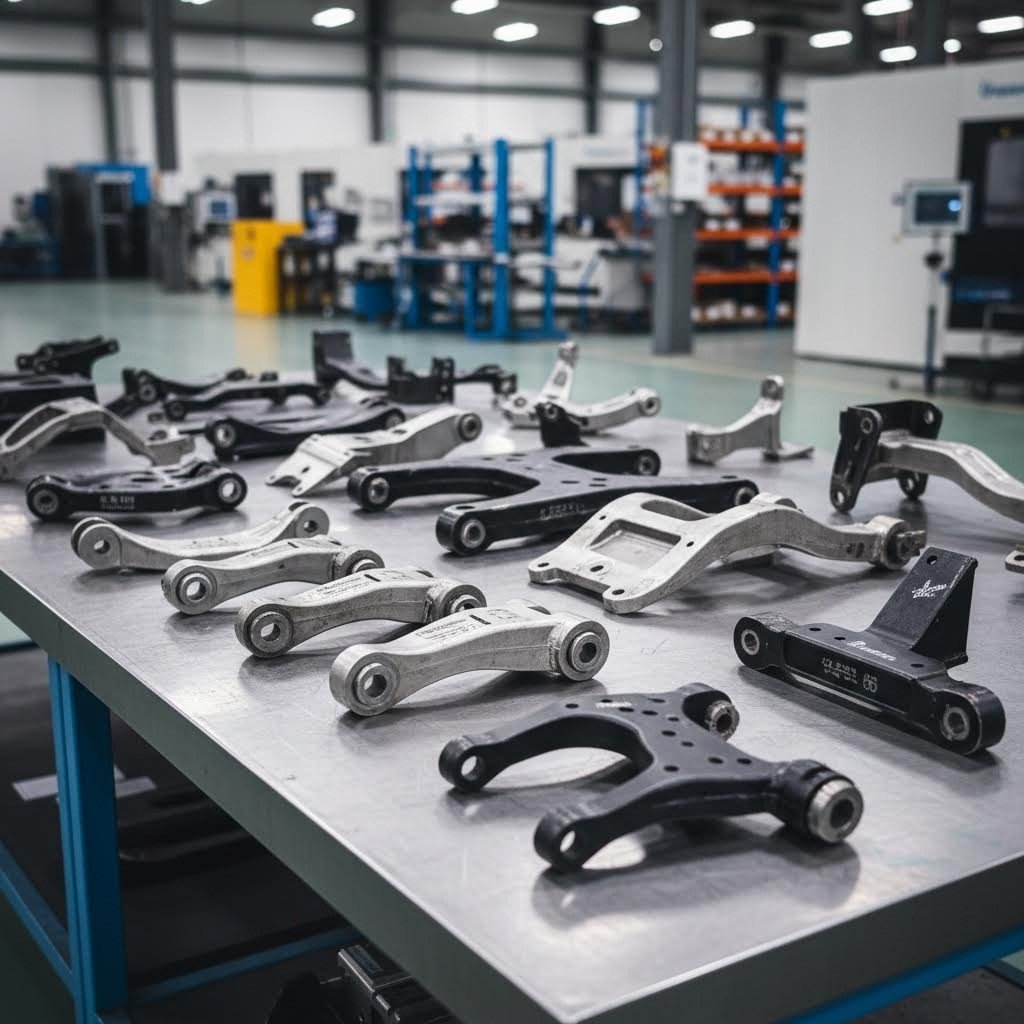
Průmyslové aplikace pro laserem řezaný plech
Nyní, když víte, jak navrhovat a připravovat materiály pro laserové řezání, zde se technologie opravdu ukazuje svou hodnotu: reálné výrobní aplikace v různorodých odvětvích. Od automobilu, kterým jezdíte, po budovu, ve které pracujete – součásti z plechu vyříznuté laserem jsou všude. Každé odvětví tuto technologii využívá jinak, přizpůsobuje parametry řezání, výběr materiálů a dokončovací procesy tak, aby splňovaly jejich specifické požadavky.
Podle Komplexní aplikační příručka společnosti Accurl laserová technologie transformovala různá odvětví díky své přesnosti a univerzálnosti, a to od výroby detailních šperků až po výrobu kritických komponent v leteckém a automobilovém průmyslu. Schopnost zpracovávat nerezovou ocel, uhlíkovou ocel i speciální slitiny činí laserové řezání nepostradatelným pro moderní operace tváření oceli.
Automobilové a dopravní aplikace
Automobilový průmysl patří mezi největší spotřebitele ocelového plechu řezaného laserem. Proč? Protože vozidla vyžadují tisíce přesných komponent, které musí dokonale zapadnout do sebe a zároveň splňovat přísné bezpečnostní a výkonnostní normy. Tradiční mechanické metody řezání způsobují rychlé opotřebení nástrojů a lisování postupně snižuje kvalitu řezu při zpracování oceli vysoké pevnosti.
Laserové řezání tyto výzvy řeší a zároveň umožňuje flexibilitu v návrhu, která by u konvenčních metod byla nemožná. Tato technologie může pracovat nepřetržitě po dlouhou dobu a výrazně snižuje čas potřebný na nastavení výroby. Přímým importem grafických vzorů do CNC systémů lze snadno řezat ocelové komponenty bez nutnosti vyrábět množství různých forem.
Běžné aplikace tváření oceli v automobilovém průmyslu:
- Karosárie a rámové komponenty: Dveře, střešní panely, víka kufru a konstrukční prvky vyrobené z kalené oceli, oceli vysoké pevnosti nebo pozinkované oceli
- Konstrukce podvozku: Početné potrubí a hadice používané k upevnění a propojení různých částí podvozku, přizpůsobené pro různé modely vozidel
- Díly zavěšení: Upevňovací konzoly, montážní desky a díly řídicích ramen vyžadující úzké tolerance a stálou kvalitu
- Součásti výfukového systému: Výfukové potrubí a spojky vyžadující přesné řezání, aby byla zajištěna emisní účinnost a bezpečnost
- Díly palivového systému: Potrubí a spojky v palivových systémech, které vyžadují přesnou výrobu pro správné zásobování palivem
- Prvky chladicího systému: Chladiče a chladicí trubky vyrobené pro efektivní odvod tepla
Integrace laserového řezání s CNC systémy výrazně zvyšuje efektivitu zařízení u ocelářských výrobců, kteří obsluhují automobilové klienty. Tato technologie umožňuje výrobcům vyrábět díly splňující přísné tolerance, přičemž zachovávají strukturální integritu nezbytnou pro bezpečnost vozidel.
Pro výrobce automobilů, kteří vyžadují kompletní řešení pro díly, existují certifikovaní výrobci podle IATF 16949 jako Shaoyi (Ningbo) Metal Technology kombinují laserové řezání s kovovým tvářením za účelem výroby přesných sestav. Jejich přístup zahrnuje vše od rychlého prototypování během 5 dnů až po automatizovanou sériovou výrobu, čímž zajišťují, že podvozky, tlumiče a konstrukční díly splňují náročné požadavky na kvalitu vyžadované dodavatelskými řetězci automobilového průmyslu.
Architektonické a dekorativní ocelové panely
Projdete-li se jakoukoli moderní komerční budovou, setkáte se s laserem řezanými ocelovými panely ve fasádách, vnitřních příčkách, zábradlích schodišť a dekorativních mřížích. Stavebnictví si laserové řezání osvojilo díky jeho schopnosti vyrábět jak funkční konstrukční prvky, tak vizuálně působivé architektonické prvky.
Schopnost technologie řezat silné ocelové desky a přitom vytvářet přesné, čisté okraje ji činí neocenitelnou ve stavebnictví, jak uvádí průmyslový přehled společnosti Accurl. Ať už se jedná o nerezovou ocel pro nosné konstrukce nebo dekorativní prvky, laserové řezání nabízí kombinaci pevnosti a estetického vzhledu, po které je ve moderní architektuře velká poptávka.
Architektonické a dekorativní aplikace:
- Fasády budov: Děrované ocelové panely, které regulují světlo, větrání a vizuální soukromí, zároveň vytvářejí charakteristickou identitu budov
- Vnitřní příčky: Dekorativní mříže a příčky s komplikovanými geometrickými vzory, které není ekonomicky možné vyrobit tradičními metodami
- Součásti schodišť: Běhouny, zábradlí a dekorativní sloupky schodišť, které spojují statické požadavky s estetickými aspekty
- Kovové tabule na míru: Firemní značení, systémy orientace a umělecká díla s přesným písmem a logy
- Nábytek a zařizovací předměty: Stoly, regály, osvětlení a obchodní expozice s detailními návrhy a čistým povrchem
U mnoha architektonických projektů je po laserovém řezání vyžadována služba nátěru práškovou směsí, která zajišťuje odolnost a barevné možnosti. Čisté okraje vytvořené správně nastaveným laserovým řezáním zaručují vynikající přilnavost nátěru a konzistentní výsledky úpravy u velkých sérií panelů.
Průmyslové zařízení a přesné díly
Kromě automobilových a stavebních aplikací slouží laserem řezaná plechová ocel bezpočtu potřeb průmyslové výroby. Od zařízení pro potravinářský průmysl až po zemědělskou techniku – přesnost a opakovatelnost laserového řezání splňuje náročné specifikace napříč odvětvími.
Aplikace v průmyslové výrobě:
- Skříně a kryty strojů: Řídicí skříně, ochranné zábrany strojů a kryty vyžadující přesné výřezy pro komponenty a větrání
- Zemědělské zařízení: Součásti traktorů, díly kombajnů a nářadí vystavené náročným provozním podmínkám, které vyžadují odolnost a spolehlivost
- Zařízení pro potravinářský a nápojový průmysl: Nerezové komponenty pro zpracovatelské stroje a balicí systémy splňující přísné hygienické normy
- Komponenty lékařských přístrojů: Chirurgické nástroje, skříně zařízení a implantáty vyžadující výjimečnou přesnost a biokompatibilní materiály
- Elektronické skříně: Podvozky, držáky a montážní desky pro telekomunikační, výpočetní a průmyslové řídicí systémy
- Komponenty pro energetický sektor: Díly pro větrné turbíny, upevňovací systémy solárních panelů a zařízení pro výrobu energie
Univerzálnost laserového řezání při zpracování různých tlouštěk a typů materiálů zajišťuje výrobcům schopnost splnit specifické požadavky rozmanitých projektů, a to jak u masivních ocelových konstrukcí, tak u tenkostěnných materiálů pro přesné aplikace.
Při hledání výrobců kovových konstrukcí nebo dílen pro zpracování kovů ve svém okolí vyhledejte provozy, které kombinují možnosti laserového řezání s komplexními službami konečné úpravy a montáže. Nejlepší možnosti tvorby kovových konstrukcí ve vašem okolí nabízejí integrovaná řešení od návrhu po dodání, čímž snižují složitost dodavatelského řetězce a zajišťují stálou kvalitu všech součástí.
Společným jmenovatelem ve všech těchto aplikacích je schopnost laserového řezání poskytovat přesnost, opakovatelnost a flexibilitu návrhu, které si tradiční metody řezání prostě nemohou konkurovat. Ať už vyrábíte součásti pro automobilový průmysl, architektonické panely nebo průmyslová zařízení, porozumění tomu, jak optimalizovat laserové řezání plechů z oceli pro vaši konkrétní aplikaci, mění tuto technologii z výrobního procesu na konkurenční výhodu.
Nejčastější dotazy týkající se laserového řezání ocelových plechů
1. Lze ocelový plech řezat laserem?
Ano, laserové řezání je velmi efektivní pro ocelové plechy. Vlákenné lasery vynikají při řezání tenkých až středně silných ocelí (až do 20 mm) s výjimečnou přesností a rychlostí. CO2 lasery zvládnou tlustší ocelové desky, zejména pokud jsou použity s okysličovacím asistenčním plynem. Tento proces lze použít u uhlíkové oceli, nerezové oceli a pozinkované oceli, přičemž každý materiál vyžaduje specifické nastavení parametrů pro optimální kvalitu řezu a minimální vady.
2. Kolik stojí laserové řezání oceli?
Náklady na laserové řezání oceli se liší v závislosti na tloušťce materiálu, složitosti a objemu zakázky. Nastavovací poplatky se obvykle pohybují mezi 15–30 USD za zakázku, pracovní sazby jsou kolem 60 USD za hodinu pro dodatečné práce nad rámec běžného řezání. Vlákenné lasery mají nižší provozní náklady než CO2 systémy díky vyšší účinnosti (nad 90 % oproti 5–10 %), i když počáteční investice do zařízení je vyšší. Mnoho výrobců nabízí okamžité online cenové nabídky na základě nahrání souborů ve formátu DXF nebo STEP.
3. Jaká jakost oceli se používá pro laserové řezání?
Různé třídy oceli se dobře řežou laserem. Uhlíkové oceli jako A36, 1018 a 1045 se řežou čistě s minimálním výskytem drosového materiálu. Nerezové oceli jako 304 a 316 vyžadují dusík jako asistenční plyn pro okraje bez oxidace. Nelegované oceli S275, S355 a S355JR jsou oblíbené pro konstrukční aplikace. Každá třída vyžaduje kalibrované parametry na základě složení a tloušťky pro konzistentní výsledky.
4. Který materiál byste nikdy neměli řezat laserem?
Vyhněte se laserovému řezání materiálů, které uvolňují toxické výpary nebo poškozují zařízení. PVC a vinyl uvolňují při řezání chlorový plyn. Kůže obsahující chrom (VI) vytváří nebezpečné sloučeniny. Uhlíkové vlákno může chytit plamen a poškodit optiku. Galvanizovaná ocel je sice řezatelná při správném větrání, ale zinek v povlaku produkuje škodlivé výpary, které vyžadují účinné odváděcí systémy a ochranu operátora.
5. Jaký je rozdíl mezi vláknovými a CO2 lasery při řezání oceli?
Vlákenné lasery pracují na vlnové délce 1,06 mikronu, kterou ocel efektivně absorbuje, čímž jsou u tenkých materiálů s přesnějšími tolerancemi 3 až 5krát rychlejší. CO2 lasery s vlnovou délkou 10,6 mikronu jsou vhodné pro tlustší desky (10–100 mm) a provozy zpracovávající různé materiály. Vlákenné lasery nabízejí účinnost nad 90 %, životnost nad 25 000 hodin a minimální potřebu údržby ve srovnání s CO2 lasery, jejichž účinnost je 5–10 % a vyžadují pravidelné nastavování zrcadel.