 Small batches, high standards. Our rapid prototyping service makes validation faster and easier —
  EN
EN

- Otomotiv Metal Şekillendirme Tedarikçisi Niteliklendirme Süreci: 5 Adımda
- Otomotiv Metal Şekillendirme: Süreçler, Uygulamalar ve Kalite Standartları
- Otomotiv Sac Parçaları Ne Kadar Maliyetlidir? Parça Fiyatı Karşılaştırması ile Kalıp Maliyeti
- 5 Temel DFM İpucu ile Alüminyum Ekstrüzyon Maliyetlerini Azaltın

Lazerle Kesilen Alüminyum Hizmeti Sırları: Üreticilerin Size Anlatmayacağı Şeyler
Time : 2026-03-24
Alüminyumun Lazerle Kesilmesi ve Benzersiz Zorluklarının Anlaşılması
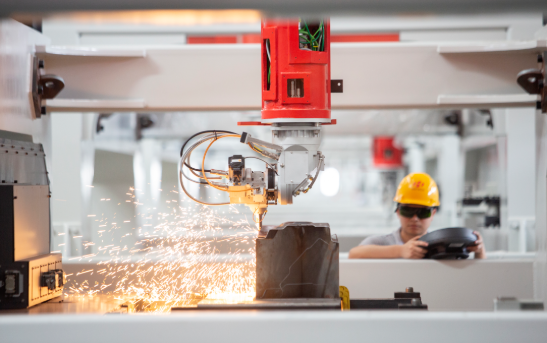
Lazer kesim nedir ve neden alüminyumla çalışırken bu işlem önemlidir? Temelde, lazer kesim, temas gerektirmeyen bir termal işlemdir ve malzemeleri inanılmaz doğrulukla kesmek için yüksek yoğunlukta bir ışın demeti kullanır. Bir lazer jeneratörü, malzemenin yüzeyindeki tek bir mikroskobik noktaya odaklanan güçlü, koherant bir ışın demeti oluşturur. Bu enerji yoğunluğu, metalin erime noktasını anında aşmasını sağlar ve ışın demetinin izlediği yoldaki malzemenin erimesine ve buharlaşmasına neden olur.
Doğrudan anlaşılır görünüyor, değil mi? İşte burada alüminyum denklemi bozan unsurdur. Geleneksel lif ve CO2 lazer kesim teknikleri, tüm kalınlıklardaki çelik üzerinde sorunsuz çalışırken, alüminyum tamamen farklı bir zorluk sunar. Bu hafif ağırlıklı metal, özel uzmanlık ve birçok imalatçının açıkça tartışmayacağını düşündüğü ekipman ayarlarını gerektiren benzersiz fiziksel özelliklere sahiptir.
Alüminyumun Özelliklerinin Lazer Kesim Sürecini Nasıl Şekillendirdiği
Bir metal lazer kesim makinesiyle çalışırken, malzemenizin özellikleri kesim yaklaşımınızla ilgili her şeyi belirler. Alüminyum, yumuşak bir metal olarak kabul edilir ve şekillendirilebilir bir moleküler yapıya sahiptir. Çeliğin daha katı ve kararlı bir yapısı olduğu halde, alüminyumun hassas doğası, lazer ışınının temiz bir şekilde delmesini zorlaştırır.
Alüminyum'u üç kritik özellik ayırır:
- Yüksek Yansıtıcılık: Alüminyum doğal olarak kızılötesi ışığı, dolayısıyla lazer ışınlarını yansıtır. Kaynaklara göre FM Sac Metal bu yansıtıcı özellik, ışının nüfuz etmesini ve temiz bir kesim elde edilmesini zorlaştırır. Üreticiler, bu etkiyi azaltmak için metalin üzerine yansıtıcı olmayan malzemelerle kaplama uygular.
- Isı iletkenliği: Bu metal ısıyı inanılmaz derecede hızlı bir şekilde emer ve dağıtır. Eğer enerji yeterince hızlı bir şekilde verilmezse, ısı kesim yerine yayılır ve bu da kötü sonuçlar ile keskin olmayan kenarlara neden olur.
- Oksit Tabakası Oluşumu: Alüminyum, yüzeyinde anında sert ve şeffaf bir alüminyum oksit tabakası oluşturur. Bu koruyucu tabakanın erime noktası, alüminyumun kendisininkinden çok daha yüksektir; bu nedenle kesime başlamadan önce delinmesi için yeterli güç yoğunluğu gereklidir.
Neden Alüminyum Özel Kesim Uzmanlığı Gerektirir?
Alüminyum üzerinde lazer kesim yaparken çelik için kullandığınız aynı parametreleri kullanmayı deneyin. Işın tekrar ekipmana doğru yansır, ısı iş parçası boyunca tahmin edilemez şekilde yayılır ve bu dirençli oksit tabakası nüfuz etmeye karşı direnç gösterir. İşte bu yüzden doğru lazer kesim alüminyum hizmetini seçmek o kadar kritiktir.
Çözüm, yansıtıcı metaller için özel olarak optimize edilmiş lazer kesim makinesi konfigürasyonlarının kullanılmasını içerir. Modern fiber lazerler, alüminyumun daha verimli şekilde soğurduğu daha kısa dalga boyunda ışık kullanır; bu da işlemi kararlı ve güvenilir kılar. Ayrıca, daha yüksek lazer gücü ve sıkı bir şekilde odaklanmış ışın demetleri, enerjiyi malzemenin iletebileceğinden daha hızlı bir şekilde aktarır.
Başarılı alüminyum işleme için operatörler, üç kritik faktörü dikkatlice dengelemelidir: lazer gücü (vat), kesim hızı ve ışın kalitesi. Bu unsurlar doğru şekilde bir araya geldiğinde, ±0,1 mm’lik toleranslar ve neredeyse kenar dikişsiz (burr-free) yüzeyler elde edersiniz; bu da ikincil bitirme işlemlerini ortadan kaldırır.
Bu temel bilgileri anlamak sadece akademik bilgi değildir. Bu, üreticileri değerlendirirken, teklif talep ederken ve lazer kesilmiş alüminyum parçalarınızın tam özelliklere uygun olmasını sağlamak için bilinçli kararlar vermenin temelidir. Önümüzdeki bölümlerde, teknoloji karşılaştırmalarını, alaşım seçimini, tasarım kılavuzlarını ve olağanüstü sonuçları pahalı hatalardan ayıran iç stratejileri keşfedeceğiz.
Alüminyum için Fiber Laser vs CO2 Laser Teknolojisi
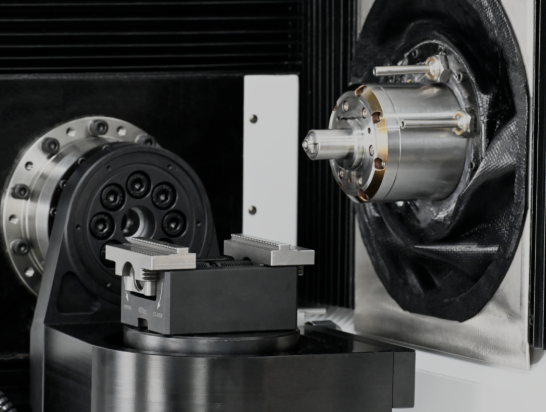
Alüminyum içeren metal uygulamaları için lazer kesme makinesi seçerken, iki baskın teknolojiyle karşılaşacaksınız: lif lazerleri ve CO2 lazerleri. Her biri temel olarak farklı ilkeler üzerine çalışır ve bu farklılıkları anlamak en iyi sonuçlara ulaşmak için çok önemlidir. Her ikisi de teknik olarak alüminyumu kesebilse de, dalga boyu özelliklerine, enerji verimliliğine ve bu yansıtıcı malzemeyi nasıl işlediğine göre performansları büyük ölçüde değişir.
İşte çoğu imalatçının sizinle ilk görüşmede açıkça paylaşmayacağı şey: Kesim işleminizin arkasındaki teknoloji, operatörün becerisi kadar önemlidir. Alüminyum projeniz için yanlış lazer türünü seçmek, ekipmanın zarar görmesine, kenar kalitesinin düşmesine ve gereğinden fazla yüksek işletme maliyetlerine neden olabilir.
Yansıtıcı Alüminyum Yüzeyler İçin Fiber Lazer Avantajları
Alüminyum işleyen metal lazer kesiminde tercih edilen seçim haline gelmiştir ve bunun nedenleri fiziksel prensiplere dayanır. Bu katı hal sistemleri, yaklaşık 1,06 mikrometre (μm) dalga boylu bir ışın üretir; bu dalga boyu, CO₂ sistemlerinin ürettiği daha uzun dalga boyuna kıyasla alüminyum tarafından çok daha verimli bir şekilde emilir.
Peki dalga boyu neden bu kadar önemlidir? Alüminyumun yüksek yansıtma özelliği, lazer ekipmanları için ciddi bir risk oluşturur. Lazer enerjisi kaynaktan geri yansıdığında optik bileşenlere zarar verebilir veya hatta lazer jeneratörünü tamamen yok edebilir. Fiber lazerler, aşağıdaki temel avantajlar sayesinde bu sorunu çözer:
- Üstün Işın Emilimi: 1,06 μm dalga boyu, alüminyumun yansıtıcı yüzeyine daha etkili bir şekilde nüfuz eder ve bu sayede malzemenin enerjiyi yansıtmak yerine emmesini sağlar.
- Geri yansıma koruma sistemleri: IPG gibi modern yüksek uç fiber lazerler, yansıyan ışığı aktif olarak izleyen ve düzenleyen özel yansımaya karşı koruma teknolojisi içerir. Bu koruma, alüminyum işleme sırasında ekipman hasarı riskini temelde ortadan kaldırır.
- Olağanüstü ışın kalitesi: Fiber lazerler, enerjiyi son derece küçük bir noktaya yoğunlaştıran çok odaklı bir ışın üretir. Bu durum, lazerle kesilen alüminyum parçalarda daha dar kesim genişlikleri (kerf), daha küçük ısı etkilenmiş bölgeler ve daha temiz kenarlar sağlar.
- Yüksek Elektro-Optik Verimlilik: Yüzde 30’u aşan dönüştürme verimliliğiyle fiber lazerler, tüketilen her kilowatt başına daha fazla kesim gücü sağlar. LS Manufacturing’e göre bu durum doğrudan daha düşük elektrik faturalarına ve soğutma sistemi taleplerinde azalmaya çevrilebilir.
İnce ile orta kalınlıktaki alüminyum sac (10–12 mm’ye kadar) için fiber lazer kesim hızları, CO₂ alternatiflerine kıyasla birkaç kat daha hızlı olabilir. Bu hız avantajı, üstün kenar kalitesiyle birlikte, fiber teknolojisini çoğu hassas alüminyum uygulaması için tercih edilen çözüm haline getirmiştir.
Alüminyum Projeleri İçin Hâlâ CO₂ Lazerlerin Uygun Olduğu Durumlar
Fiber lazerler pazarı domine etse de CO₂ lazer teknolojisi tamamen ortadan kalkmamıştır. Bu sistemler 10,6 μm dalga boyunda çalışır ve on yıllardır sektörün işlek çalışma aracı olmuştur. Belirli özel senaryolarda hâlâ pratik değer taşımaktadır.
Aşırı kalın alüminyum plakalar için — genellikle 15 mm ve üzeri — daha uzun olan CO₂ dalga boyu, kesim sırasında oluşan metal plazmayla daha iyi eşleşebilir. Bu durum, ağır plaka işlerinde bazen daha pürüzsüz kesim yüzeyleri üretmeye neden olur. Ayrıca mevcut CO₂ ekipmanlarına sahip tesisler, yeni makine yatırımı yapmak yerine belirli kalın plaka siparişleri için bu ekipmanları kullanmaya devam edebilir.
Ancak sınırlamalar önemli düzeydedir:
- Düşük Enerji Verimliliği: CO2 lazerleri, elektrik girişinin yalnızca yaklaşık %10’unu kullanışlı lazer enerjisine dönüştürür; bu da işletme maliyetlerini çok daha yüksek hale getirir.
- Daha yavaş kesme hızları: Özellikle ince ve orta kalınlıktaki alüminyum malzemelerde CO2 sistemleri, fiber lazer verimliliğini eşleyemez.
- Daha Yüksek Bakım Maliyetleri: Lazer gazı ve optik yansıtıcılar gibi sarf malzemelerin sürekli yenilenmesi, uzun vadeli işletme giderlerini artırır.
- Yansıma Duyarlılığı: Gelişmiş koruma sistemleri olmadan CO2 lazerleri, alüminyumun yansıma özelliklerinden kaynaklanan hasar riskiyle karşı karşıyadır.
Ev atölyesi kullanımı ya da profesyonel üretim amacıyla bir metal lazer kesim makinesi düşünüyorsanız, alüminyum işlemeniz için fiber teknolojisi daha akıllı bir yatırımdır. Verimlilik kazançları ve azaltılmış bakım gereksinimleri, başlangıçtaki ekipman maliyetini hızla telafi eder.
Doğrudan Teknoloji Karşılaştırması
Lazerle alüminyum kesim hizmet ihtiyaçlarınızla ilgili bilinçli bir karar vermek için bu teknolojilerin kritik performans ölçütleri açısından nasıl kıyaslandığını değerlendirin:
| Performans Faktörü | Fiber Laser | Co2 laser |
|---|---|---|
| Dalga boyu | 1,06 μm (yakın kızılötesi) | 10,6 μm (uzak-kızılötesi) |
| Alüminyum Emme Oranı | Yüksek - verimli enerji aktarımı | Düşük - önemli yansıma kayıpları |
| Yansıma Yönetimi | Entegre koruma sistemleri; güvenli çalışma | Daha yüksek risk; dikkatli izleme gerektirir |
| İnce Levha Hızı (3 mm altı) | Aşırı hızlı; CO2’ye göre 3-5 kat daha hızlı | Orta düzey hız; enerji verimsizliği |
| Orta Kalınlık Hızı (3-10 mm) | Mükemmel kenar kalitesiyle hızlı | Kabul edilebilir kalitede, daha yavaş |
| Kalın Plaka Kapasitesi (12+ mm) | Yüksek güçle 15+ mm’ye kadar işlenebilir | Çok kalın plakalarda (15+ mm) rekabetçi |
| Kenar kalitesi | Temiz, çapaksız, minimum ikincil işlem gerektirir | Kabul edilebilir; ikincil bitirme işlemi gerekebilir |
| Elektro-Optik Verimlilik | %30+ dönüşüm oranı | Yaklaşık %10 dönüşüm oranı |
| İşletme Masrafları | Düşük elektrik tüketimi ve minimum sarf malzemesi | Yüksek elektrik tüketimi artı gaz ve optik parçaların değiştirilmesi |
| Bakım gereksinimleri | Minimal - tamamen kapalı ışın yolu, daha az hareketli parça | Sık - düzenli tüketim maddelerinin değiştirilmesi |
| En Uygun Kullanım Senaryoları | Yüksek hassasiyet gerektiren işler, ince-orta kalınlıkta levhalar, yüksek hacimli üretim | Eski sistemler, belirli kalın plaka uygulamaları |
Veriler açıkça konuşuyor: Alüminyum metal kesim lazer makinesi uygulamalarının büyük çoğunluğunda, fiber teknolojisi hız, kalite ve maliyet verimliliği açısından büyük üstünlükler sağlar. Şu şekilde Senfeng Laser belirtiyor: Fiber lazerler, alüminyum uygulamaları için kesim hassasiyeti, hız ve maliyet verimliliği arasında en iyi dengeyi sağlar.
Herhangi bir alüminyum lazer kesim hizmet sağlayıcısını değerlendirirken, ekipman teknolojisi hakkında özellikle sorunuz. Modern fiber lazerlerle ve doğru yansımaya karşı koruma önlemleriyle donatılmış bir atölye, alüminyum projelerinizde tutarlı olarak üstün sonuçlar sunacaktır. Bu teknolojik temel, hangi alüminyum alaşımlarının lazer işlemeye en iyi şekilde uygun olduğunu anlamak için gerekli zemini oluşturur.
Lazer Kesim Projeleri İçin Alüminyum Alaşımı Seçim Kılavuzu
Alüminyum lazer kesim projesi planlarken alüminyum lazer kesim projesi seçtiğiniz özel alaşım, kesim kalitesini, işleme hızını ve nihai parça performansını büyük ölçüde etkiler. Her alüminyum sınıfı, fiziksel özelliklerini değiştiren benzersiz bir alaşım elementi karışımı içerir ve bu farklılıklar, malzemenin odaklanmış bir lazer ışını altında nasıl davrandığını doğrudan belirler.
Birçok imalatçı size söylemeyecek şey şudur: Uygulamanız için yanlış alaşım seçmek, kusursuz lazerle kesilmiş metal levhalar ile kenarlarında çapaklar, pürüzlü yüzeyler veya termal distorsiyon bulunan parçalar arasında fark yaratabilir. Bileşimin lazer kesim performansını nasıl etkilediğini anlamak, malzeme belirtirken ve teklifleri değerlendirirken önemli bir avantaj sağlar.
Alaşımdan Alışıma Lazer Kesim Performans Kılavuzu
En yaygın olarak lazerle kesilen dört alüminyum alaşımı, her biri masaya farklı özellikler getirir. Her birinin neyden dolayı benzersiz olduğunu ve bu özelliklerin alüminyum lazer kesim sonuçlarınızı nasıl etkilediğini inceleyelim.
3003 Alüminyum: İşlenebilir Güçlü Alaşım
Bu manganez alaşımlı sınıf, lazer kesim spektrumunun daha kolay uygulanabilir ucunda yer alır. Ergime noktası yaklaşık 643–654 °C (1190–1210 °F) ve yaklaşık 193 W/m·K’lik orta düzey bir termal iletkenliğe sahip olan 3003, lazer işleme işlemine öngörülebilir şekilde tepki verir. Saf alüminyuma kıyasla nispeten düşük yansıma özelliği, ışın emilimini verimli hale getirir ve minimum parametre ayarıyla temiz kesimler elde edilmesini sağlar.
3003’ü genel sac metal uygulamalarında, gıda ve kimya ekipmanlarında, depolama tanklarında ve dekoratif süslemede yaygın olarak bulacaksınız. Mükemmel korozyon direnci ve şekillendirilebilirliği, uygulamanın yüksek yapısal dayanım gerektirmemesi durumunda tercih edilen bir malzemedir.
5052 Alüminyum: Denizcilik Sınıfı Performans Alaşımı
Magnezyum, 5052’de ana alaşım elementidir ve bu, mükemmel kaynaklanabilirliğe ve üstün korozyon direncine sahip bir alaşım oluşturur. Ergime aralığı 607–649 °C (1125–1200 °F) arasındadır ve termal iletkenliği yaklaşık 138 W/m·K seviyesindedir; bu değer, 3003’e kıyasla belirgin şekilde daha düşüktür.
Daha düşük termal iletkenlik, metal levhaların lazerle kesilmesi açısından ne anlama gelir? Isı, malzeme boyunca yayılmak yerine kesim bölgesi etrafında daha yoğun bir şekilde kalır. Bu özellik aslında lazer kesimi için avantaj sağlar; çünkü kesim sıcaklığının korunması için gereken gücü azaltır ve ısıdan etkilenen bölgeyi en aza indirir. Worthy Hardware’a göre 5052 alüminyum alaşımı, mükemmel işlenebilirlik, kaynaklanabilirlik ve korozyon direnci sunar; bu nedenle denizcilik uygulamaları, tabelalar ve ekipman muhafazaları için idealdir.
6061 Alüminyum: Çeşitlilik Sağlayan Standart
Lazer kesim uygulamalarında egemen olan tek bir alaşım varsa, bu da 6061’dir. Bu silisyum ve magnezyum karışımı, üstün bir dayanıklılık, işlenebilirlik ve kaynaklanabilirlik dengesi sunar. Ergime noktası yaklaşık 582–652 °C (1080–1205 °F) ve termal iletkenliği yaklaşık 167 W/m·K olan 6061, geniş bir kalınlık aralığında güvenilir şekilde işlenebilir.
Çok yönlülüğü, endüstriler boyunca popülaritesini açıklar. Otomotiv üreticileri, yapısal bileşenler ve şasi parçaları için 6061 alüminyumunu tercih eder. Mimari tasarımcılar, çerçeveler ve yapısal elemanlar için bu alaşımı belirtir. Genel imalat atölyeleri ise işlenebilirliği iyi olduğu ve tutarlı sonuçlar verdiği için onu varsayılan alüminyum sınıfı olarak stoklar.
7075 Alüminyum: Yüksek Mukavemetli Zorluk
Çinko ile alaşımlanmış 7075, bazı çeliklerin yaklaştığı mukavemet/ağırlık oranları sunarak performans açısından en üst düzeydeki alaşımdır. Ancak bu olağanüstü mukavemet, lazer kesimde zorluklara neden olur. Alaşımın daha yüksek sertliği ve farklı termal davranışı, temiz bir şekilde işlenmesini daha zor hale getirir.
Xometry'e göre, 7075 alüminyumun yüksek dayanımı ve sertliği nedeniyle daha yüksek lazer güç seviyeleri ve daha yavaş kesme hızları gerektirir. Daha yumuşak alaşımlarla karşılaştırıldığında daha pürüzlü kenar kalitesi fark edeceksiniz ve buna bağlı olarak son işlem gereksinimleri de artar. Havacılık ve askerî uygulamalar, yapısal performansın ek işleme karmaşıklığını haklı çıkardığı için 7075 alaşımının kullanım alanlarının çoğunluğunu oluşturur.
Uygulamanızı Doğru Alüminyum Sınıfına Uydurma
En uygun alaşımı seçmek, lazer kesim performansı ile nihai kullanım gereksinimleriniz arasında bir denge kurmayı gerektirir. Aşağıdaki kapsamlı karşılaştırma, projenizin ihtiyaçlarını uygun malzeme seçimiyle eşleştirmenize yardımcı olur:
| Alaşım | Tipik Uygulamalar | Lazer Kesmeye Uygunluk | Maksimum Önerilen Kalınlık | Kenar kalitesi | Özel düşünceler |
|---|---|---|---|---|---|
| 3003 | Kimyasal ekipmanlar, gıda işleme, dekoratif paneller, HVAC bileşenleri | Mükemmel | 12 mm (0,5 in) | Çok temiz, minimum kenar dikişi | Yaygın alaşımlar arasında en düşük mukavemet; yapısal olmayan parçalar için en iyisidir |
| 5052 | Denizcilik donanımı, tabelalar, mimari paneller, ev aleti muhafazaları | Mükemmel | 12 mm (0,5 in) | Temiz kesimler, pürüzsüz kenarlar | Üstün korozyon direnci; dış mekân ve tuzlu suya maruz kalma için ideal |
| 6061 | Otomotiv parçaları, yapısal çerçeveler, makine bileşenleri, sabitleme elemanları | Çok iyi. | 15 mm (0,6 in) | İyi ila Mükemmel | Isıl işlem uygulanabilir; kesim sonrası kaynak ve bitirme işlemleri kolay |
| 7075 | Havacılık yapıları, askerî ekipmanlar, yüksek gerilim altındaki bileşenler | Orta düzey | 10 mm (0,4 in) | Kabul edilebilir; bitirme işlemi gerektirebilir | Daha düşük hızlar ve daha yüksek güç gerektirir; kenarlarda mikro çatlak oluşumuna eğilimlidir |
Sektöre Özel Öneriler:
- Havacılık ve Uzay: i̇şleme zorluklarına rağmen 7075-T6 hâlâ standarttır. Dayanım gereksinimleri, daha yumuşak alaşımlarla karşılanamaz. Ek bitirme süresi için bütçe ayırın.
- Otomotiv: 6061-T6, dayanım, ağırlık tasarrufu ve güvenilir lazer kesme davranışı dengesi nedeniyle önceliklidir. Isıl işlem uygulanabilmesi, imalattan sonraki dayanım artırımına olanak tanır.
- Mimarlık: 5052-H32, kesim kalitesini ödün vermeden bina cephe kaplamaları, dekoratif elemanlar ve dış mekânlarda kullanılan tabelalar için gerekli korozyon direncini sağlar.
- Genel İmalat: 3003-H14, yapısal gereksinimler en düşük seviyede olduğunda en kolay işlenebilirlik ve en düşük malzeme maliyetini sunar.
Isıl İşlemin Kesme Sonuçları Üzerindeki Etkisi
Alaşım numaralarının ardından T6, H32 veya H14 gibi tanımlamaları göreceksiniz. Bu ısıl işlem kodları, malzemenin sertliğini ve mekanik durumunu belirtir ve lazer kesme davranışını etkiler. Daha sert ısıl işlemler (örneğin T6), daha yumuşak veya tavlanmış durumlara kıyasla biraz daha yüksek lazer gücü ve daha düşük kesme hızı gerektirir. Ancak bu farklar, alaşım bileşiminin değişmesine kıyasla çok daha az belirgindir.
Alüminyumun lazerle kesilmesini paslanmaz çelikle lazerle kesilmesiyle karşılaştırırken, alüminyumun daha yüksek termal iletkenliği ve daha düşük ergime noktası nedeniyle farklı parametre gereksinimleri olduğunu unutmayın. Paslanmaz çelik lazer kesimi konusunda deneyimli bir atölye, alüminyum alaşımlarına geçiş yaparken yaklaşımını önemli ölçüde ayarlama zorunluluğu duyacaktır.
Bu alaşım bilgisiyle artık malzeme seçimini güvenle yapmaya hazırsınız. Bir sonraki kritik adım, parça tasarımınızın lazer kesim yapılabilirliği ve maliyeti üzerindeki etkisini anlamaktır.
Alüminyum Lazer Kesim Parçaları İçin Tasarım Kılavuzu
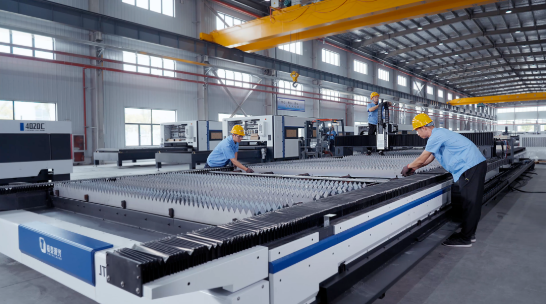
Doğru alaşımı seçtiniz ve teknolojiyi anladınız. Şimdi, başarılı projeleri maliyetli yeniden tasarımlardan ayıran kritik adım geliyor: lazer kesim için parça geometrinizi optimize etmek. Mühendisler ve tasarımcılar, alüminyum özel tasarım kurallarını göz ardı ettiğinde, genellikle kesim başladuktan sonra sorunları fark ederler; bu da hurdaya çıkarılan malzeme, geciken zaman çizelgeleri ve bütçe aşımına neden olur.
Deneyimli imalatçıların bildiği şey şudur: alüminyumun termal özellikleri, çelikte geçerli olmayan tasarım kısıtlamaları yaratır. Aynı özellik aralığı karbon çelikte mükemmel çalışırken, alüminyumda bükülme, eksik kesim veya kenar kalitesi sorunlarına yol açabilir. Bu ince ayrıntıları baştan anlamak, lazer kesimli parçalarınızı sorunlu bir durumdan üretimde kullanıma hazır hâle getirir.
Alüminyum Lazer Kesimler için Kritik Boyutlar ve Toleranslar
Alüminyum üzerindeki hassas lazer kesimi, etkileyici bir doğruluk sağlar; ancak gerçekçi olarak ne kadar doğruluk elde edilebileceğini bilmek, uygun beklentiler oluşturmanıza yardımcı olur. Buna göre DPLASER , lazer kesim, genellikle yüksek hassasiyetli işlerde 0,01–0,05 mm aralığında sıkı toleranslarla tasarım çizimlerini takip edebilir.
Ancak bu toleransların sağlanabilmesi, birbirleriyle bağlantılı birkaç faktöre bağlıdır. Malzeme kalınlığı önemli bir rol oynar: ince levhalar, kalın plakalara kıyasla daha sıkı toleransları korur. Benzer şekilde, geometrinizin karmaşıklığı da elde edilebilir hassasiyeti etkiler. Basit düz kesimler, çok sayıda yön değişimi içeren karmaşık konturlara kıyasla toleransları daha iyi tutar.
Uygulamaya Göre Tolerans Beklentileri:
| Hassas Nivo | Tipik Tolerans Aralığı | En Uygun Olan |
|---|---|---|
| Standart ticari | ±0,1 ila ±0,15 mm | Genel imalat, muhafazalar, bağlantı parçaları |
| Yüksek Hassasiyet | ±0,05 ila ±0,1 mm | Mekanik montajlar, birbirine uyumlu parçalar |
| Ultra Hassas | ±0,01 ila ±0,05 mm | Havacılık bileşenleri, ölçüm panoları |
Kesim Genişliği Dikkat Edilmesi Gerekenler
Her lazer kesimi, kerf olarak bilinen küçük bir miktar malzeme kaldırır. Alüminyumun CNC lazer kesiminde kerf genişliği, malzeme kalınlığına ve lazer parametrelerine bağlı olarak genellikle 0,2 ila 0,4 mm aralığında değişir. CAD dosyanız bu malzeme kaldırmasını dikkate almalıdır; özellikle birbirine uyumlu parçalar veya hassas iç özellikler tasarlanırken.
Tam olarak 5 mm genişliğinde bir yuva tasarladığınızı düşünün. Eğer kerf telafisi doğru şekilde uygulanmazsa, gerçek yuva ölçümünüz 5,3 mm olabilir ve bu da amaçlanan işlevi yerine getirmesi için çok gevşek olacaktır. Profesyonel lazer kesim CNC makine operatörleri kerfi otomatik olarak telafi eder; ancak nominal boyutların tolerans belirtimleriyle birlikte verilmesi, herkesin kritik boyutları anlayabilmesini sağlar.
Maliyetli Tekrar İşlemleri Önleyen Tasarım Kuralları
Alüminyumun hızlı ısı dağılımı ve daha düşük erime noktası, belirli geometrik sınırlamalara neden olur. Bu düzenli kılavuzlara uyulması, hassas lazer kesim projenizin ilk denemede başarılı olmasını sağlar.
Delik Özellikleri:
- Minimum Delik Çapı: Malzeme kalınlığına eşit veya bu değerden büyük olmalıdır. 3 mm alüminyum için, en az 3 mm çapında delikler tasarlayın.
- İnce malzemede küçük delikler: 1,5 mm'den ince levhalarda 0,5 mm kadar küçük delikler gerçekleştirilebilir; ancak bu durum kesme hızlarının azaltılmasını gerektirebilir.
- Yuva genişliği: Minimum yuva genişliği, kesim sırasında termal distorsiyonu önlemek için malzeme kalınlığına eşit veya bu değerden büyük olmalıdır.
- Delik ile Delik Aralığı: Yapısal bütünlüğü sağlamak için komşu delik kenarları arasında en az 1,5 kat malzeme kalınlığı kadar mesafe bırakın.
Kenar mesafesi gereksinimleri:
- Delikten Kenara Mesafe: Deliklerin herhangi bir dış kenardan en az 1 kat malzeme kalınlığı kadar uzakta olması gerekir. 4 mm'lik bir levha için deliklerin kenarlara olan uzaklığı en az 4 mm olmalıdır.
- Özellikten kenara mesafe: Metin gibi karmaşık özellikler veya ayrıntılı kesimler, kenar deformasyonunu önlemek için kenarlardan en az 2 kat malzeme kalınlığı kadar boşluk bırakılmalıdır.
- Sekme bağlantıları: Parçalar birbirleriyle paylaşılan kesim çizgileri üzerinden birleştirildiğinde, parçaları birbirine bağlayan çıkıntılar (sekme) en az 2 kat malzeme kalınlığı genişliğinde olmalıdır.
Özellikler Arası Mesafe ve Bağlantı Köprüsü Genişlikleri:
- Minimum web genişliği: Özellikler arasında kalan malzeme, kalınlığın en az 1,5 katı olmalıdır. Daha ince web'ler, kesim sırasında termal distorsiyona veya çökme riski taşır.
- Yakın özellikler arası mesafe: Yakın mesafeli kesimler için kesim çizgileri arasında en az 2× malzeme kalınlığı kadar mesafe bırakılmalıdır; bu, aşırı ısı birikimini önler.
- İç köşe yarıçapı: Lazer ışınları, iç köşelerde yaklaşık olarak kesim genişliğinin (genellikle 0,1–0,2 mm) yarısı kadar doğal bir yarıçap oluşturur. Tam kare iç köşeler fiziksel olarak mümkün değildir; buna göre tasarım yapılmalıdır.
- Dış köşeler: Keskin dış köşeler elde edilebilir; ancak stres yoğunluğunu azaltmak için hafifçe yuvarlatılmış köşeler (0,5 mm ve üzeri) tercih edilmelidir.
Metin ve Gravür Yönergeleri:
- En az hat genişliği: Gravür ile işlenen metinler veya dekoratif çizgiler, net tanımlanabilmesi için en az 0,3 mm genişliğinde olmalıdır.
- Minimum metin yüksekliği: 3 mm’den küçük karakterler, yazı tipinin karmaşıklığına bağlı olarak okunabilirliğini kaybedebilir.
- Yazı Tipi Seçimi: Tutarlı çizgi kalınlıklarına sahip sans-serif yazı tipleri en net sonuçları verir. Aşırı ince öğelere sahip yazı tiplerinden kaçının.
- Malzemeyi tamamen kesen yazılar: Harflerin malzemenin tamamını kesmesi durumunda, O, A veya D gibi karakterlerin merkez bölümlerinin düşmemesi için iç bağlantılar (kalıp tarzı yazı tipleri) gerekir.
Isı Etkilenim Bölgesi (HAZ) Hususları
Alüminyumun lazer ve CNC teknolojileriyle birlikte kesilmesi durumunda, yoğunlaşmış enerji, malzemenin özelliklerinin geçici olarak değiştiği dar bir bölge oluşturur. Bu ısı etkilenim bölgesi, ince saclarda kesim kenarından genellikle 0,1–0,3 mm, daha kalın plakalarda ise en fazla 0,5 mm uzanır.
HAZ’ın önemi özellikle şu durumlarda belirgin hale gelir:
- Parçalar sonradan ısı işlemine tabi tutulacaksa (etkilenmiş bölge farklı şekilde tepki verebilir)
- Kaynaklar kesim kenarlarına yakın yapılacaksa (önceden var olan termal gerilim kaynak kalitesini etkiler)
- Sık düzlemsellik toleransları gerektiği durumlarda (yerel ısınma küçük ölçüde bükülme nedeni olabilir)
Termal Deformasyonu En Aza İndirgeme:
Alüminyumun ısı iletkenliği hem lehinize hem de aleyhinize çalışır. Isı hızlı bir şekilde dağılsa da küçük alanlarda yoğun kesim işlemi yine de yerel çarpılmalara neden olabilir. Bu stratejiler, çarpılmayı en aza indirir:
- Kesimleri tek bir alanda yoğunlaştırmak yerine levhanın üzerine dağıtmak
- Kesim sırasını programlarken birbirinden uzak özellikler arasında alternatif olarak geçiş yapmak
- Tüm kesim işlemleri tamamlanana kadar parçaları yerinde tutmak için bağlantı köprüleri (sekme) kullanmak
- Yoğun özellik desenine sahip büyük parçalarda gerilme giderme kesimleri belirtmek
- Kritik düzlemsellik gereksinimleri için kesim sonrası düzeltme işlemini değerlendirmek
Bu tasarım kurallarını CAD iş akışınıza entegre ederek, yüksek kaliteli lazer kesim parçalarına sorunsuzca dönüştürülebilecek dosyalar oluşturacaksınız. Bir sonraki adım, malzeme kalınlığının hem kalite beklentilerini hem de seçtiğiniz imalatçının işleme kapasitesini nasıl etkilediğini anlamaktır.
Kalınlık Kapasiteleri ve Yüzey Kalitesi Beklentileri
Alüminyum kalınlığının lazer kesim sonuçlarını nasıl etkilediğini anlamak, bilgili alıcıları beklenmedik sonuçlarla karşılaşanlardan ayıran temel bir bilgidir. Malzeme kalınlığı ile kesim kalitesi arasındaki ilişki doğrusal değildir ve kalınlık sınırları, saclı metal lazer kesim teknolojisiyle elde edilebilecekleri büyük ölçüde etkiler.
Deneyimli imalatçıların bildiği şey şudur: alüminyum kalınlığı arttıkça her şey değişir. Kenar kalitesi düşer, tolerans aralıkları genişler, ısı etkilenmiş bölge büyür ve kesim hızları önemli ölçüde azalır. Bu eşik değerleri bilmek, gerçekçi beklentiler oluşturmanıza ve projeniz için alternatif kesim yöntemlerinin daha uygun olabileceği durumları belirlemenize yardımcı olur.
Alaşıma Göre Kalınlık Aralıkları ve Kalite Beklentileri
Levha metal kesiminde lazerle kesim yaparken kalınlık, sonucun neredeyse her yönünü belirler. Xometry'e göre, ince alüminyum levhalar (3 mm'ye kadar) genellikle yaklaşık 500 W başlangıç güç seviyesiyle daha yüksek kesme hızlarından yararlanır; buna karşılık kalın plakalar (6 mm üzeri), istenen kesim kalitesine bağlı olarak 3.000 ila 8.000 watt veya daha fazla güç gerektirir.
Aşağıdaki kapsamlı açıklama, farklı kalınlık kategorilerinde ne beklenmesi gerektiğini göstermektedir:
| Kalınlık Kategorisi | Menzil | Kenar Kalitesi Derecelendirmesi | Tipik Tolerans | Yüzey kaplaması | Önerilen Uygulamalar |
|---|---|---|---|---|---|
| İnce Kalınlık | 3 mm altı (0,12 in) | Mükemmel | ±0,05 ila ±0,1 mm | Pürüzsüz, neredeyse diken içermeyen | Elektronik muhafazaları, dekoratif paneller, tabelalar, bağlantı parçaları |
| Orta | 3–6 mm (0,12–0,24 in) | Çok iyi. | ±0,1 ila ±0,15 mm | Minimum çizgi iziyle temiz | Yapısal bileşenler, makine parçaları, otomotiv bağlantı parçaları |
| Kalın | 6–12 mm (0,24–0,47 in) | İyi | ±0,15 ila ±0,25 mm | Görünür çizgilenmeler; işlenmesi gerekebilir | Ağır yapısal parçalar, endüstriyel ekipmanlar, sabitleme elemanları |
| Kalın Levha | 12+ mm (0,47+ in) | Kabul edilebilir | ±0,25 ila ±0,5 mm | Daha pürüzlü kenarlar; ikincil işlem genellikle gerekir | Uzmanlaşmış yapısal uygulamalar; lazer uygunluğu sınırlıdır |
Kalınlığın Isı Etkilenmiş Bölge Üzerindeki Etkisi
Isı etkilenmiş bölge (HAZ), malzeme kalınlığıyla orantılı olarak büyür. 3 mm’den daha ince alüminyum levhalarda HAZ, kesim kenarından yalnızca 0,1–0,2 mm ölçer. Ancak 6 mm’den daha kalın levhalar işlendiğinde bu bölge 0,5 mm veya daha fazla olabilir.
Bu neden önemli? Isıl etki bölgesi (HAZ), termal çevrimlerden geçmiş bir malzeme alanını temsil eder ve bu durum sertliğini ile mekanik özelliklerini potansiyel olarak değiştirebilir. Kesim sonrası kaynak veya ısı işlemi planlanan hassas sac metal lazer kesim uygulamalarında, HAZ boyutlarını anlamak, mühendislerin kritik özellikleri uygun şekilde yerleştirmesine yardımcı olur.
Kalın Alüminyum İçin Alternatif Kesim Yöntemleri Gerektiğinde
Günümüzün yüksek güçlü fiber lazerleri teknik olarak 25 mm kalınlığına kadar alüminyum kesmeye yetse de, bu sınırın çok öncesinde pratik sınırlamalar ortaya çıkar. Xometry’e göre, yaklaşık 25 mm’den daha kalın alüminyum kesimi nadiren yapılır ve özel donanım gerektirir. Çoğu standart lazer sac metal kesim sistemi, yaklaşık 12–15 mm kalınlığa kadar optimal sonuçlar verir.
Bu kalınlıkların ötesinde aşağıdaki alternatifleri göz önünde bulundurun:
- Su jeti ile kesme: Isıl etki bölgesi (HAZ) oluşturmaz ve mükemmel kenar kalitesiyle sınırsız kalınlıkta malzeme işleyebilir
- Plazma kesme: Hassasiyet gereksinimleri orta düzeydeyken kalın plakalar için maliyet açısından avantajlıdır
- CNC Frezeleme: Kalın alüminyumda karmaşık iç özellikler gerektiğinde idealdir
Yüzey Hazırlama Gereksinimleri
Lazer kesim sac metal sisteminize ulaşmadan önceki alüminyumunuzun durumu, kesim kalitesini doğrudan etkiler. Uygun hazırlık işlemleri şunları içerir:
- Temizlik: Işın emiliminde tutarsızlıklara neden olabilecek yağları, parmak izlerini ve yüzey kirleticilerini kaldırın
- Yağ giderme: Sıvama veya depolama sırasında kalan artıklar, duman oluşturur ve kenar kalitesini etkiler
- Koruyucu film uygulaması: Birçok alüminyum levha koruyucu plastik filmle gelir. Kesim sırasında bu filmi bırakmak, duman ve kalıntı oluşumuna neden olabilir; filmi çıkarmak ise yüzeyi elle tutma izlerine maruz bırakır. Tercihlerinizi üreticinizle görüşün.
- Düzlem kontrolü: Burkulmuş veya bükülmüş levhalar tutarsız odak mesafesi oluşturur ve kesim kalitesini düşürür
İşlem Sonrası Gereksinimler
Optimal parametrelerle bile lazerle kesilen alüminyum genellikle ilave bitirme işlemlerinden yararlanır. Genellikle kullanıma hazır kenarlar üreten lazer kesimli çelik saca kıyasla, alüminyumun daha yumuşak yapısı küçük kusurlar bırakabilir:
- Çapak Giderme: Daha kalın kesimlerde oluşan hafif kenar burunları, kaplama işlemi, elle bitirme veya otomatik kenar temizleme ekipmanları ile kaldırılabilir
- Kenar pürüzsüzleştirme: Zımpara taşıma veya taşlama işlemi, orta ila kalın kesimlerde görülen çizgileri giderir
- Yüzey İşlemi: Anodizasyon, toz boyama veya kimyasal dönüşüm kaplamaları, korozyon koruması ve estetik iyileştirme sağlar
- Temizlik: Kesim sonrası temizleme işlemi, kesim kenarlarından herhangi bir dross, oksit artığı veya yardımcı gaz birikintilerini kaldırır
Herhangi bir lazer kesim sac metal sağlayıcısından fiyat teklifi talep ederken, post-proses beklentilerinizi baştan belirtin. Bazı işletmeler standart hizmetlerine hafif kenar temizleme işlemini dahil eder; diğerleri ise bitirme işlemlerinin tamamı için ayrı ücretlendirme yapar. Kalınlık kapasitelerini ve kalite beklentilerini anlayarak, üreticilerin iddialarını doğru şekilde değerlendirebilir ve belirli uygulamanız için uygun işlenme yöntemini seçebilirsiniz.
Alüminyum İçin Lazer Kesim vs Su Jeti vs Plazma
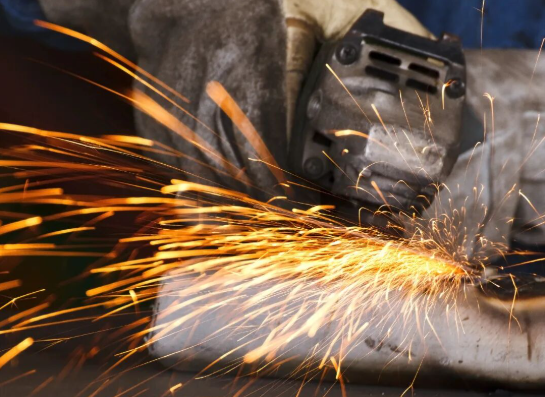
Yanlış kesme teknolojisinin seçilmesi, bütçenizi tüketebilir ve projenizin tamamlanmasını geciktirebilir. Alüminyum için metal kesim hizmetlerini değerlendirirken dört temel seçeneğe rastlarsınız: lazer kesim, su jeti, plazma ve CNC frezeleme. Her bir teknoloji belirli senaryolarda üstün performans gösterir ve bu farklılıkları anlamak, projenizin gereksinimleri ile imalat yöntemi arasında maliyetli uyumsuzlukların oluşmasını önler.
İşte çoğu atölyenin sizinle ilk görüşmede açıkça paylaşmayacağı şey: hiçbir kesim yöntemi tüm uygulamalarda öncü konumda değildir. En uygun seçim, kalınlık, tolerans gereksinimleri, kenar kalitesi beklentileri ve bütçe kısıtlamaları gibi özel faktörlerinize bağlıdır. Metal için bir lazer kesim makinesi ince levhalarda olağanüstü hassasiyet sağlar; ancak her alüminyum projesi için doğru çözüm olmak zorunda değildir.
Alüminyum Kesim Projeleri İçin Yöntem Seçimi Matrisi
Ayrıntılı karşılaştırmalara geçmeden önce uygulamanız için en çok neyin önemli olduğunu düşünün. Hassasiyeti maliyetin üzerinde mi önceliklendiriyorsunuz? Isı Etkilenmiş Bölge (HAZ) kritik bir endişe kaynağı mı? Projeleriniz kalın plakalarla mı yoksa ince sac levhalarla mı ilgili?
Göre Wurth Machinery birçok başarılı imalat atölyesi, genellikle en sık karşılaştığı projeleri çözen sistemi seçerek başlar ve yetenekleri genişledikçe tamamlayıcı yöntemler ekler.
Aşağıdaki kapsamlı karşılaştırma, her teknolojinin kritik değerlendirme kriterleri açısından nasıl performans gösterdiğini ayrıntılı bir şekilde açıklar:
| Faktör | Lazer Kesimi | Sujet Kesim | Plazma kesimi | Cnc yönlendirme |
|---|---|---|---|---|
| Optimal Kalınlık Aralığı | 0,5–15 mm (en iyi çalışma aralığı: 10 mm altı) | Herhangi bir kalınlık; 12 mm üzeri kalınlıklarda üstün performans gösterir | 6–50 mm (12 mm üzeri kalınlıklarda en iyi sonuç verir) | 0,5–25 mm |
| Tolerans Kapasitesi | ±0,05 ila ±0,15 mm | ±0,1 ila ±0,25 mm | ±0,5 ila ±1,5 mm | ±0,05 ila ±0,1 mm |
| Kenar kalitesi | Mükemmel; minimum kenar döküntüsü | Çok iyi; hafif buzlu dokusu | Kabul edilebilir; bitirme işlemi gerektirir | Mükemmel; pürüzsüz tornalanmış yüzey |
| Isı Etkisi Altındaki Bölge | Dar (0,1–0,5 mm) | Yok - soğuk kesim işlemi | Geniş (1–3 mm) | Yok – mekanik kesim |
| Malzeme Kaybı (Kerf) | Minimum (0,2–0,4 mm) | Orta düzeyde (0,8–1,5 mm) | Belirgin (3–5 mm) | Orta düzeyde (takım çapına bağlı) |
| Kesim Hızı | İnce malzemede çok hızlı | Yavaş ya da orta derecede | Kalın plakalarda hızlı | Orta düzey |
| Ekipman maliyeti | Yüksek ($90.000-$500.000+) | Çok yüksek ($195.000+) | Orta düzey ($50.000-$150.000) | Orta düzey ($30.000-$200.000) |
| Çalışma Maliyeti | Düşük (elektrik, yardımcı gaz) | Yüksek (aşındırıcı, bakım) | Düşük (gaz, tüketim malzemeleri) | Orta düzeyde (kesici aşınması) |
| Karmaşık Geometri | Karmaşık detaylar için mükemmel | İyi; yarıçap sınırlamaları | Sınırlı; daha geniş kesim yuvası detayları kısıtlar | İç özellikler için mükemmel |
Kesme Teknolojileri Boyunca Maliyet-Kalite Dengelemeleri
Her yöntemin en iyi değeri nerede sağladığını anlamak, belirli uygulama senaryolarını incelemeyi gerektirir. Her teknolojinin gerçekten üstün olduğu alanları birlikte inceleyelim.
Lazer Kesimin En İyi Sonuçları Sağladığı Durumlar
Lazer kesim, ince ile orta kalınlıktaki alüminyum parçaların yüksek hassasiyetle işlenmesi için ideal bölgeyi oluşturur. Wurth Machinery’ye göre lazer kesim, yüksek hassasiyet ve karmaşık kesimler gerektiren ince levhalarda üstün performans gösterir; ayrıca çok temiz kenarlar oluşturarak minimum düzeyde ilave işlem ihtiyacını sağlar.
Projeleriniz aşağıdaki gereksinimleri içerdiğinde lazer kesimi tercih edin:
- 10 mm altındaki levhalarda sık toleranslar (±0,1 mm veya daha iyisi)
- Karmaşık şekiller, küçük delikler veya ince detaylar
- Kaynak veya yüzey işlemleri için hazır, temiz kenarlar
- Hızın önemli olduğu yüksek hacimli üretim
- Pahalı alaşımlarda minimum malzeme kaybı
Su Jeti ile Kesim Ne Zaman Uygun Olur?
Su jeti teknolojisi, neredeyse her türlü malzemeyi ısı üretmeden kesmek için yüksek basınçlı suyu aşındırıcı parçacıklarla karıştırır. Bu soğuk kesim işlemi, ısı etkilenmiş bölgeleri tamamen ortadan kaldırır ve bu nedenle ısıya duyarlı uygulamalar için büyük önem taşır.
Gelişmiş lazer ve su jeti kesim tesisleri, genellikle her iki teknolojiyi de aynı anda sürdürür çünkü bu teknolojiler birbirini mükemmel şekilde tamamlar. Su jeti aşağıdaki durumlarda açıkça tercih edilir:
- Alüminyum kalınlığı 12–15 mm’yi aştığında lazer kalitesi düşer
- Isı etkilenmiş bölge olmaması zorunludur (havacılık, tıbbi uygulamalar)
- Malzeme, herhangi bir termal gerilime veya özellik değişikliğine dayanamaz
- Lazer işlemeyle zorlanan ya da yansıtıcı alaşımların kesimi
- Alüminyumun taş, cam veya kompozitlerle birlikte kesildiği çokmalzemeli projeler
Takas nedir? Su jeti kesimi, lazerden daha yavaştır ve aşındırıcı tüketimi nedeniyle işletme maliyetleri artar. Ancak ısı etkilenmiş bölge (HAZ) gereksinimi olmayan kalın alüminyum için kalite, bu masrafı haklı çıkarır.
Plazma Kesimin En İyi Değeri Sunduğu Durumlar
Alüminyum levha işleri için çevrenizde plazma kesim hizmeti aradıysanız, muhtemelen kalın malzemelerdeki maliyet avantajlarını keşfetmişsinizdir. Plazma kesim, metalin erimesini ve delinmesini sağlamak için elektriksel olarak iletken bir gaz kullanır ve kalın kesitli malzemelerde etkileyici bir hız sağlar.
Plazma kesim şu durumlarda avantaj sağlar:
- Kalın alüminyum levha ile çalışma (12 mm ve üzeri)
- Hassasiyet gereksinimleri orta düzeydedir (±0,5 mm kabul edilebilir)
- Kenar kalitesinden daha çok hız önemliyse
- Bütçe kısıtlamaları, daha düşük ekipman ve işletme maliyetlerini tercih eder
- Parçalar zaten ikincil tornalama veya yüzey işlemleri görecek
Wurth Machinery’ye göre, 1 inçlik çelik levhanın plazma ile kesimi, su jeti kesimine kıyasla yaklaşık 3–4 kat daha hızlıdır ve ayak başına işletme maliyeti yaklaşık yarısı kadardır. Benzer avantajlar kalın alüminyum için de geçerlidir; ancak hassas uygulamalar için kenar kalitesi, ilave işlem gerektirir.
CNC Frezeleme Uygulamanıza Uygun Olduğunda
CNC frezeleme, malzemenin ısıtma veya aşındırıcı süreçler yerine mekanik frezeleme ile kaldırılmasını sağlar. Bu yaklaşım, belirli alüminyum uygulamaları için üstün performans gösterir:
- Çoklu derinlik gerektiren karmaşık iç özellikler
- İnce sac işlerinde karmaşık cep kesimi
- Bir seferde dişli delikler veya pah kırılmış kenarlar gerektiren uygulamalar
- Esnekliğin hızdan daha önemli olduğu prototipleme süreçleri
PARTMFG’ye göre, CNC lazer kesim, profillerin kesilmesi açısından CNC freze makinelerinden daha hızlı ve daha verimlidir; ancak freze makineleri, lazerlerin eşleşemeyeceği üç boyutlu işleme yetenekleri sunar.
Doğru Teknoloji Kararının Verilmesi
İnce ile orta kalınlık aralığındaki çoğu alüminyum projesi için lazer kesim, hassasiyet, hız ve maliyet verimliliği açısından en iyi dengenin sağlanmasını sağlar. Çelik kesim hizmetleri ve çelik lazer kesim sunan atölyeler, genellikle benzer uzmanlığı alüminyum işlerine de uygular ve aynı ekipmanı uygun parametrelerle kullanır.
Ancak alternatiflerin ne zaman daha iyi sonuç verdiğini tanımak, pahalı hataları önler. Kalın plakalar için plazma veya su jeti kesimi tercih edilir. Isıya duyarlı havacılık bileşenleri, su jetinin soğuk kesimini gerektirir. Karmaşık 3B özellikler ise CNC frezeleme yeteneklerini gerektirir.
En akıllı yaklaşım nedir? Birden fazla teknoloji sunan bir imalatçıyla iş birliği yapmak ya da uzmanlaşmış atölyelerle ilişkilerini sürdüren bir imalatçıyla çalışmaktır. Bu esneklik, her projenin en uygun kesim yöntemine sahip olmasını sağlar; ancak her işi mevcut olan ekipmana göre zorlamak yerine.
Maliyet Faktörleri ve Teklif Optimizasyonu Stratejileri
Lazer kesim teklifi aldığınızda, beklenmedik şekilde yüksek bir fiyatla karşılaştınız mı ya da görünüşte benzer iki projenin neden çok farklı fiyatlandırmayla geri döndüğünü merak ettiniz mi? Lazer kesim ücretlerinin arkasındaki faktörleri anlamak, daha akıllı kararlar vermenize, tasarımlarınızı maliyet verimliliği açısından optimize etmenize ve imalatçılarla daha etkili iletişim kurmanıza olanak tanır.
Gerçek şu ki: alüminyum lazer kesim fiyatlandırması rastgele değildir. Teklifinizdeki her bir kalem, deneyimli alıcıların tanımayı ve etkilemeyi öğrendiği belirli maliyet unsurlarına dayanır. Tek bir prototip için özel lazer kesim siparişi veriyor olmanız ya da yüksek hacimli üretim süreçleri planlıyor olmanız fark etmez; bu değişkenleri bilmek, kaliteyi korumak kaydıyla masraflarınızı kontrol etmenize yardımcı olur.
Alüminyum Lazer Kesim Teklifinizi Anlamak
Bir lazer kesim teklifi talep ettiğinizde, imalatçılar fiyatı üç birbiriyle bağlantılı kategoriye göre hesaplar: malzeme faktörleri, kesim faktörleri ve hizmet faktörleri. Her kategori, nihai maliyetinizi belirleyen birden fazla değişkenden oluşur. Şimdi tam olarak hangi unsurların maliyetinizi etkilediğini inceleyelim.
Malzeme Faktörleri:
- Alaşım türü: Farklı alüminyum kaliteleri farklı fiyat etiketlerine sahiptir. LYAH Machining’e göre alüminyum genellikle kilogram başına 2,00-4,00 USD aralığında fiyatlanır; bu da onu düşük karbonlu çelikten daha pahalı, ancak paslanmaz çelikten daha ucuz kılar. 7075 gibi premium havacılık alaşımları, 3003 veya 5052 gibi yaygın kalitelerden daha yüksek fiyatlar talep eder.
- Malzeme Kalınlığı: Daha kalın levhalar, metrekare başına daha fazla maliyet oluşturur ve kesim süresi gerektirir. 10 mm’lik bir plaka, 2 mm’lik bir levhaya kıyasla önemli ölçüde daha fazla lazer enerjisi tüketir ve daha yavaş işleme hızları gerektirir; bu da parça başına maliyetinizi doğrudan artırır.
- Levhadan yararlanma: Parçalarınızın standart levha boyutlarına ne kadar verimli bir şekilde yerleştirildiği (nesting), malzeme israfını büyük ölçüde etkiler. Tuzağa düşmüş şekilli parçalar ya da verimsiz miktarlar, pahalı alüminyumun %20-30’unun hurda olarak kalmasına neden olabilir ve bu israf, teklifinizin fiyatına dahil edilir.
- Malzeme Kaynağı: Bazı imalatçılar yaygın alaşımları ve kalınlıkları stokta bulundurur; bazıları ise belirli malzemenizi özel sipariş etmek zorundadır. Özel siparişler, teslimat süresini uzatabilir ve minimum satın alma şartları getirebilir.
Kesim Faktörleri:
- Tasarım Karmaşıklığı: Komacut’a göre kesim deliklerinin sayısı maliyeti etkiler çünkü her bir kesim deliği, lazerin kesime başladığı bir delme noktasına ihtiyaç duyar. Daha fazla delme noktası ve daha uzun kesim yolları, kesim süresini ve enerji tüketimini artırır. Sayısı çok olan küçük özelliklere sahip karmaşık tasarımlar daha yüksek hassasiyet gerektirir ve bu da ekipman maliyetlerini artırır.
- Tolerans gereksinimleri: Standart ticari seviyelerden daha dar toleranslar talep etmek, daha yavaş kesim hızları, daha sık kalite kontrolleri ve potansiyel olarak özel sabitleme donanımları gerektirir. Yüksek hassasiyetli lazer kesimi, primli fiyatlandırmaya neden olur.
- Kenar kalitesi spesifikasyonları: Göre Vytek , yüksek kaliteli kenarların elde edilmesi genellikle lazerin yavaşlatılmasını veya daha fazla güç kullanılmasını gerektirir; bu durumlar ikisi de maliyetleri artırır. Her parça için gerçekten parlak kenarlar mı gerekir yoksa standart kalite yeterli mi diye değerlendirin.
- Parça boyutu: Çok küçük parçaların hassas şekilde işlenmesi gerekir ve özel sabitleme donanımlarına ihtiyaç duyabilirler. Çok büyük parçalar ise kesim sırasında yeniden konumlandırılması veya özel malzeme taşıma ekipmanları gerektirebilir.
Hizmet Faktörleri:
- Teslim Süresi: LYAH Machining'e göre, daha kısa teslim süreleri daha acil iş gerektirir ve bu da %20-50 oranında ek ücretle sonuçlanabilir. Sağlayıcı projenizi önceliklendirmek veya fazla mesai çalışmak zorunda kalırsa, daha yüksek ek ücretler bekleyebilirsiniz.
- Bitirme gereksinimleri: Kesim sonrası işlemler önemli maliyet artışlarına neden olur. Kenar temizleme (deburring), parlatma, bükme veya kaplama gibi her bir işlem ek işçilik ve malzeme gerektirir. Kenar temizleme ve boyama işlemi uygulanmış bir lazer kesim parçası, yalnızca kesim işlemine kıyasla %30-50 daha fazla maliyete neden olabilir.
- Muayene gereksinimleri: Standart görsel muayene, çoğu teklif fiyatına dahildir. Boyutsal muayene raporları, ilk parça muayenesi veya özel testler zaman ve belgelendirme maliyetlerini artırır.
- Paketleme ve nakliye: Hasar önleme amacıyla özel ambalaj gerektiren veya hızlı kargo ile sevk edilmesi gereken özel metal kesim projeleri, toplam proje maliyetini artırır.
Proje Bütçelerini Etkileyen Gizli Maliyet Unsurları
Açıkça belirtilen kalemlerin ötesinde, özel kesimli metal projenizin maliyetini etkileyen birkaç daha az görünür faktör vardır. Tecrübeli alıcılar, bu değişkenleri öngörmeyi ve yönetmeyi öğrenir.
Hazırlık ve programlama maliyetleri
Her iş, makine kurulum süresi gerektirir. LYAH Machining'e göre, malzeme yerleştirme, lazer kalibrasyonu ve başlangıç testleri gibi işlemler içeren kurulum süresi genellikle 20-30 dakika sürer; işçilik ücretleri saatte 20-50 USD aralığındadır. Bu, miktarla ilgisiz olarak her iş başına 6,67-29,17 USD arasında kurulum maliyetine karşılık gelir.
Tasarım dosyası hazırlığı da ek bir aşama oluşturur. Minimal CAD çalışması gerektiren basit şekiller için 20-100 USD, karmaşık geometriler için 2-4 saatlik tasarımcı süresi gereken durumlarda ise 40-400 USD’lik ek maliyet söz konusu olabilir. 5 saatten fazla tasarım çalışması gerektiren özel prototipler için bu maliyet 100-500 USD veya daha fazla olabilir.
Miktarın Fiyat Üzerindeki Etkisi ve Birim Başına Fiyatlandırma
Hacmin fiyatlandırmayı nasıl etkilediğini anlamak, sipariş verme kararlarınızı daha akıllıca almanıza yardımcı olur. Komacut’a göre, toplu sipariş vermek, sabit kurulum maliyetlerini daha büyük bir birim sayısına yayarak birim maliyetini önemli ölçüde düşürebilir. Ayrıca, toplu siparişler genellikle tedarikçilerden malzeme indirimlerine hak kazandırır.
Miktarın birim başına fiyatı genellikle şu şekilde etkilemesi beklenir:
| Sipariş Miktarı | Birim Başına Etki | Maliyet Dikkate Alınması |
|---|---|---|
| Prototip (1-5 adet) | Adet başına en yüksek maliyet | Kurulum maliyetleri az sayıda üniteye yayılır; malzeme indirimleri yoktur; tam tasarım incelemesi yapılır |
| Küçük parti (6-50 adet) | Orta düzeyde azalma | Kurulum maliyetlerinin amortismanı iyileşir; levha kullanımı daha verimli hale gelebilir |
| Orta ölçekli üretim (51-500 adet) | Belirgin azalma | Malzeme hacim indirimleri uygulanır; verimli yerleştirme sağlanır; adet başına işleme maliyeti azalır |
| Üretim hacmi (500+ adet) | Adet başına en düşük maliyet | Maksimum verimlilik; hacim bazlı fiyatlandırma; özel kurulum; akıcı kalite süreçleri |
Maliyet Verimliliği İçin Tasarımların İyileştirilmesi
Projenizin erken aşamalarında yapılan akıllı tasarım kararları, işlevselliği zedelemeksizin önemli tasarruflara yol açabilir. Vytek'e göre, mümkün olduğunca tasarımı basitleştirmek makine süresini ve maliyetleri önemli ölçüde azaltabilir.
Bu optimizasyon stratejilerini göz önünde bulundurun:
- Geometrileri sadeleştirin: Keskin iç köşelerden kaçınmak, küçük ve karmaşık kesimleri en aza indirmek ve daha az eğri kullanmak büyük tasarruflara neden olur. Yuvarlatılmış köşeler veya düz çizgiler genellikle karmaşık şekiller veya dar yarıçaplı eğrilerden daha hızlı kesilir.
- Toleransları doğru boyutlandırın: Sadece işlevsel olarak gerekli olduğu durumlarda sıkı toleranslar belirtin. Standart ticari toleranslar, yüksek hassasiyet gerektiren gereksinimlerden daha ucuzdur.
- Yuvalamaya uygun hâle getirin: Komacut'a göre, verimli yerleştirme (nesting), parçaları birbirine yakın şekilde düzenleyerek malzeme kullanımını maksimize eder; bu da atığı en aza indirir ve kesim süresini kısaltır. Stratejik yerleştirme ile malzeme hurdası %10–%20 oranında azaltılabilir.
- Uygun alaşımları seçin: 7075 alaşımının dayanımına ihtiyaç duyulmuyorsa 3003 veya 5052 alaşımlarını belirtin. Malzeme maliyeti farkları, daha büyük siparişlerde kümülatif olarak artar.
- İşleme işlemlerini birleştirin: Aynı sipariş içinde farklı parçalara farklı işlemler belirtmek yerine, benzer yüzey işlemleri bir araya getirilerek toplu halde gerçekleştirilmelidir.
- Toplu işleme için planlama: Vytek’e göre, bir seferde daha büyük miktarlarda üretim yapmak, makine ayarlarının sık sık yapılması ihtiyacını azaltır, kurulum süresini kısaltır ve maliyetleri düşürür.
İpucu: Tasarımınızı nihai hâle getirmeden önce üreticinizden imalata uygunluk incelemesi (DFM) isteyin. Birçok üretim tesisi bu hizmeti sunar ve muhtemelen gözden kaçırdığınız maliyet tasarrufu sağlayacak değişiklikleri tespit edebilir.
Bu maliyet unsurlarını anlayarak optimizasyon stratejilerini uyguladığınızda, daha rekabetçi fiyat teklifleri alacak ve maliyet ile kalite arasında bilinçli uzlaşmalar sağlayacaksınız. Fiyatlandırma mekanizmasını anlayıp buna göre tasarım yaptıysanız, özel metal lazer kesimi bütçenizi zorlamak zorunda kalmaz. Bir sonraki adım, farklı sektörlerin gerçek dünya sorunlarını çözmek için lazer kesilmiş alüminyum bileşenleri nasıl kullandığını anlamaktır.
Lazer Kesilmiş Alüminyum Bileşenlerin Sektörel Uygulamaları
Farklı sektörlerde yer alan öncü üreticiler, gerçekte lazerle kesilmiş alüminyumdan nasıl yararlanıyor? Gerçek dünya uygulamalarını anlama, kendi projeleriniz için olasılıkları görselleştirmenize yardımcı olur ve sektör özel gereksinimlerin, malzeme seçimlerini, tasarım kararlarını ve imalat yaklaşımlarını nasıl şekillendirdiğini ortaya çıkarır.
Başarılı alüminyum projelerini sorunlu olanlardan ayıran şey, uygulama gereksinimlerinizi doğru alaşım, kalınlık ve tasarım parametreleri kombinasyonuyla eşleştirmektir. Her sektör farklı faktörlere öncelik verir ve havacılık, otomotiv, elektronik ve mimari sektörlerinde yerleşik uygulamalardan öğrenmek, kendi metal lazer kesim hizmetleriniz için değerli bir rehber sağlar.
Sektöre Özel Alüminyum Lazer Kesim Uygulamaları
Göre Accurl lazer kesim teknolojisi, detaylı bileşenlerin üretiminden havacılık ve otomotiv sektörlerinde kritik parçaların imalatına kadar, hassasiyeti ve çok yönlülüğüyle çeşitli endüstrileri dönüştürmüştür. Her büyük sektörün alüminyum bileşenler için endüstriyel lazer kesimi nasıl kullandığını inceleyelim.
Havacılık Uygulamaları
Havacılık sektörü, en yüksek hassasiyet seviyelerini ve en katı kalite standartlarını gerektirir. Bileşenler uçuş halindeyken her gram önemlidir; bu nedenle alüminyumun olağanüstü dayanım/ağırlık oranı son derece değerlidir. Lazer imalatı, havacılık üreticilerinin geleneksel yöntemlerle imal edilmesi ya imkânsız ya da maliyet açısından aşırı pahalı olan karmaşık geometrilerde parçalar üretmelerini sağlar.
- Yapısal braketler ve montaj donanımları: Aviyonik sistemleri, hidrolik sistemleri ve kabin ekipmanlarını destekleyen hassas kesimli 7075-T6 alüminyum bağlantı parçaları. Tipik tolerans gereksinimleri: ±0,05 mm veya daha sıkı.
- Enstrüman panoları ve kokpit bileşenleri: 6061 alüminyumdan yapılan, anahtarlar, ekranlar ve gösterge ışıkları için karmaşık kesimler. Profesyonel görünüm için ince özellikler ve mükemmel kenar kalitesi gerektirir.
- Kanal ve kanal bölümleri: Karmaşık eğriler ve montaj delikleri içeren hafif 5052 alüminyum hava akışı yönetimi bileşenleri.
- Erişim paneli çerçeveleri: Doğru sızdırmazlık ve tekrarlanan açma/kapama döngüleri için tam boyutsal doğruluk gerektiren hassas kesimli çerçeveler.
- Uydular ve Uzay Aracı Bileşenleri: Ağırlık tasarrufu doğrudan fırlatma maliyetlerinde azalmaya çevrilen ultra-hassas alüminyum parçalar.
Öncelikli faktörler: Havacılık sektörü, ultra-dar toleransları, malzeme izlenebilirliğini, sertifikasyon belgelerini ve sıfır kusur kalite standartlarını vurgular. Projeler genellikle ilk parça denetimi gerektirir ve yapısal boru bileşenleri için boru lazer kesim hizmeti talep edebilir.
Otomotiv Uygulamaları
Otomobil üreticileri, hassaslık gereksinimlerini yüksek hacimli üretim verimliliği ile dengeler. Accurl'e göre, lazer kesme yöntemi, her milimetrenin önemli olduğu araç üretimini kolaylaştırarak, ölçekli kesme veya plazma kesme gibi geleneksel metal üretim süreçlerinden önemli ölçüde daha verimlidir.
- Şasi ve Yapısal Bileşenler: 6061-T6 alüminyum takviye destekleri, çapraz üyeler ve binlerce birim boyunca tutarlı kalite gerektiren alt çerçeve bileşenleri.
- Isı kalkanları ve termal bariyerler: Duyarlı bileşenleri egzoz ısılarından koruyan ince ölçümlü alüminyum yansıtıcı kalkanlar. Sık sık karmaşık delik desenleri vardır.
- İç süsleme ve dekoratif elemanlar: Püresi temiz, sonlandırmaya hazır olan, cilalanmış alüminyum aksan parçaları.
- Pil kabının bileşenleri: Elektrikli araç pillerinin korumaları ve soğutma kanalı bileşenleri 5052 veya 6061 alüminyumdan.
- Süspansiyon montaj bağlantı parçaları: Ağırlık azaltılmasının kullanımı iyileştirdiği performans uygulamaları için yüksek dayanıklılıklı 7075 alüminyum destekler.
Öncelikli faktörler: Otomotiv uygulamaları, hacim verimliliğine, maliyet optimizasyonuna ve üretim partileri boyunca tutarlı tekrarlanabilirliğe odaklanır. Birçok otomotiv projesi, tam montajlar için lazer kesimli alüminyum bileşenleri ile hassas metal presleme işlemlerini birleştirir. Şunun gibi üreticiler: Shaoyi (Ningbo) Metal Technology bu entegre yaklaşımı örnekler; şasi, süspansiyon ve yapısal bileşenler için IATF 16949 sertifikalı yeteneklerin yanı sıra hızlı prototipleme hizmetleri sunar.
Elektronik ve Teknoloji Uygulamaları
Elektronik endüstrisi, mükemmel ısı yönetimi talep ederken miniyatürleşmenin sınırlarını zorlar. Accurl’e göre, lazer kesim teknolojisi özellikle elektronik cihazların miniyatürleşmesinde, bir milimetrenin onda biri fark yaratabilecek kadar kritik bir rol oynar.
- Kapaklar ve şasiler: 5052 veya 6061 alüminyumdan üretilen sunucu raf sistemleri, ekipman muhafazaları ve koruyucu kasalar. Özellikler arasında havalandırma desenleri, kablo yönlendirme yuvaları ve montaj imkânları yer alır.
- Isı yayıcılar ve termal çözümler: Optimal ısı dağılımı için tam boyutlara sahip hassas kesimli yüzeyler ve soğutma plakaları.
- EMI/RFI kalkanlama bileşenleri: Bağlayıcılar ve anahtarlar için hassas kesimli açıklıklara sahip ince alüminyum kalkanlar.
- PCB montaj plakaları: Devre kartı montajı için doğru konumlandırılmış montaj deliklerine sahip düz alüminyum paneller.
- LED Aydınlatma armatürleri: Görsel çekicilik ile ısı yönetimi özelliklerini bir araya getiren dekoratif ve işlevsel alüminyum muhafazalar.
Öncelikli faktörler: Elektronik uygulamaları, ince detaylar, küçük delik imalatı ve mükemmel kenar kalitesi gerektirir. 3 mm’den daha ince kalınlıktaki malzemeler bu sektörde baskın durumdadır; bu nedenle bu alan, minimum ilave işlem gerektiren yüksek hızda lazer kesim için idealdir.
Mimarlık ve İşaret Uygulamaları
Mimarlık ve tabelacılık, işlevsel performansın yanı sıra görsel etkiyi de öncelikler. Accurl’e göre, lazer kesimin karmaşık tasarımlar ve yaratıcı imkânlar üretme yeteneği, işletmelerin dikkat çekmesini sağlayan etkili pazarlama materyalleri açısından tabelacılık ve reklamcılıkta değerlidir.
- Dekoratif cephe panelleri: Görsel ilgiyi artıran ve ışık filtrelemesini kontrol eden karmaşık desenlerle delikli alüminyum kaplama.
- Boyutsal işaretlemeler: Bina tanımlama ve yön bulma sistemleri için kesilmiş alüminyum harfler ve logolar.
- Korkuluk ve korkuluk dolgu panelleri: Mimari sınıf 5052 alüminyumdan yapılmış dekoratif kesme desenleri.
- İç mekan tasarımı unsurları: Özelleştirilmiş geometrik desenlerle tavan panelleri, duvar öğeleri ve bölme panelleri.
- Dış mekân mobilyası bileşenleri: Banklar, saksılar ve sokak mobilyaları için hava koşullarına dayanıklı alüminyum parçalar.
Öncelikli faktörler: Mimari uygulamalar, korozyon direncini (5052 alaşımının tercih edilmesini), estetik kenar kalitesini ve tasarım esnekliğini vurgular. Projeler genellikle düz panel elemanlarla uyumlu tüp şeklinde çerçeve bileşenleri için lazer tüp kesim hizmetleri içerir.
Prototipten Üretimine Kadar Tüm Sektörler
Sektör ne olursa olsun, başarılı projeler başlangıçtaki fikirden seri üretime kadar benzer bir ilerleme izler. Bu süreç hakkında bilgi sahibi olmak, yakınımdaki lazer kesim hizmetleri aramanızı daha etkili planlamanıza yardımcı olur.
Prototip Aşaması
İlk tasarım aşamaları genellikle form, uyum ve işlev doğrulaması amacıyla küçük miktarlarda (1-10 adet) başlar. Accurl’e göre, lazer kesiminin yüksek hassasiyeti ve çok yönlülüğü, yeni teknolojilerin ve ürünlerin geliştirilmesini destekleyen karmaşık tasarımlara sahip bileşenlerin oluşturulmasını sağlar.
Prototipleme sırasında öncelik verilmesi gerekenler:
- En düşük parça fiyatı yerine hızlı teslimat
- Yinelemelere uyum sağlayabilen tasarım esnekliği
- Üretilebilirlik iyileştirmeleriyle ilgili imalatçının geri bildirimi
Pilot Üretim Aşaması
Tasarımlar sabitlendikten sonra pilot üretimler (50-500 adet), üretim süreçlerini doğrular ve tam ölçekli üretimden önce kalan herhangi bir sorunu tespit eder. Bu aşama, yerleştirme verimliliği ve süreç optimizasyonu açısından iyileştirme fırsatlarını sıklıkla ortaya çıkarır.
Hacim Üretimi Aşaması
Tam üretim, tutarlılığı, maliyet verimliliğini ve güvenilir teslimat programlarını önceliklendirir. 12 saatlik teklif dönüş süresi gibi kapsamlı DFM desteği sunan imalatçılar, talepkâr üretim programları için gerekli tepki hızını gösterir.
Uygulamaların Malzeme Seçimlerine Uygunlaştırılması
Sektörünüz ve belirli uygulamanız, alaşım seçimini belirlemelidir:
| Sektör | Önerilen Birincil Alaşım | Ana Seçim Gerekçesi |
|---|---|---|
| Havacılık Yapısal | 7075-T6 | Maksimum dayanım/ağırlık oranı |
| Havacılık genel | 6061-T6 | Dayanım ve işlenebilirlik dengesi |
| Otomotiv Yapısal | 6061-T6 | Kaynaklanabilirlik ve tutarlı işlemleme |
| Otomotiv termal | 3003-H14 | Mükemmel şekillendirilebilirlik ve ısı yansıtma |
| Elektronik Kapsamları | 5052-H32 | Korozyon direnci ve görünüm |
| Mimari dış cephe | 5052-H32 | Üstün Hava Koşullarına Dayanım Performansı |
| Işaretler | 5052 veya 6061 | Anodizleme uyumluluğu ve dayanıklılık |
Kurumsallaşmış sektörlerin alüminyum lazer kesiminden nasıl yararlandığını inceleyerek kendi projeleriniz için uygulanabilir pratik içgörüler edinirsiniz. Uygulamanız havacılık seviyesinde hassasiyet mi yoksa mimari estetik kalite mi gerektiriyor, bu gerçek dünya uygulamalarını anlayarak daha iyi tasarım kararları verebilir ve imalat ortaklarınızla daha verimli görüşmeler yapabilirsiniz. Son parça ise belirli ihtiyaçlarınıza uygun hizmet sağlayıcısını değerlendirmeyi ve seçmeyi bilmektir.
Doğru Lazer Kesim Hizmeti Sağlayıcısını Seçmek
Teknik bilgileri tam olarak öğrendiniz. Alaşımları, tasarım ilkelerini ve maliyet faktörlerini anlıyorsunuz. Şimdi ise tüm bu hazırlıklarınızın başarılı parçalara dönüşüp dönmemesini belirleyen karar aşamasına geldiniz: Doğru imalat ortağını seçmek. Yakınımda güvenilir bir lazer kesim hizmeti bulmak, bir fiyat teklifi elektronik tablosundaki fiyatları karşılaştırmaktan çok daha fazlasını gerektirir.
Hayal kırıklığına uğratan deneyimleri, başarılı iş birliklerinden ayıran şey şudur: Taahhüt vermeden önce doğru soruları sormak. Birçok alıcı yalnızca maliyet odaklı düşünür ve daha sonra seçtikleri atölyenin alüminyum özel uzmanlığına sahip olmadığını, eski teknolojiye dayalı ekipman kullandığını ya da kalite gereksinimlerini karşılayamadığını fark eder. Sistematik bir değerlendirme yaklaşımı, projenizi ve bütçenizi korur.
Lazer Kesim Hizmet Sağlayıcınıza Sormanız Gereken Temel Sorular
Herhangi bir metal lazer kesim hizmetine dosyalarınızı göndermeden önce, bilinçli bir karar verebileceğiniz bilgileri toplayın. Şuna göre Steelway Lazer Kesim bununla birlikte, metal kesim hizmeti veren sağlayıcınıza müşterileri için hangi lazer kesim makinesini (veya lazer kesim makinelerini) kullandığını ve mükemmel bir nihai ürün sağlamayı garanti eden diğer teknolojileri, araçları veya kaynakları sormanız şarttır.
Bu sorular, bir imalatçının alüminyum projelerinde gerçekten başarı gösterip gösteremeyeceğini ortaya çıkarır:
Teknoloji ve Ekipman Soruları:
- Alüminyum için hangi tür lazer kesim teknolojisi kullanıyorsunuz? (Yansıma önleyici korumalı fiber lazer yeteneği arayın)
- Ekipmanlarınızda hangi güç seviyeleri mevcuttur?
- 6061 ve 7075 gibi alüminyum alaşımları için maksimum kesim kalınlığınız nedir?
- Alüminyumun yansıtıcılık zorluklarını nasıl yönetiyorsunuz?
- Ekipmanlarınız en son ne zaman güncellendi veya kalibre edildi?
Malzeme Uzmanlığı Soruları:
- Hangi alüminyum alaşımlarını düzenli olarak kesiyorsunuz?
- Benzer alüminyum projelerden örnekler verebilir misiniz?
- Yaygın alüminyum kalitelerini stokta tutuyor musunuz yoksa malzemenin özel olarak sipariş edilmesi mi gerekiyor?
- Alüminyum levhaların kesimi sırasında koruyucu filmi nasıl işliyorsunuz?
Kalite ve Yetenekle İlgili Sorular:
- Kesinlikle belirttiğim kalınlıktaki alüminyum parçalarda hangi toleransları garanti edebilirsiniz?
- Tesisiniz hangi kalite sertifikalarına sahiptir?
- İnceleme raporları veya boyutsal doğrulama sağlıyor musunuz?
- Kalite sorunları veya standartlara uymayan parçalarla nasıl başa çıkıyorsunuz?
Hizmet ve İletişimle İlgili Sorular:
- Genellikle fiyat teklifi dönüş süreniz nedir?
- Üretilebilirlik için tasarım (DFM) geri bildirimi sunuyor musunuz?
- Hangi dosya formatlarını kabul edersiniz?
- Proje durumunu ve olası sorunları nasıl iletiyorsunuz?
- Prototip ve üretim miktarları için teslim süreleriniz nedir?
JP Engineering’e göre etkili iletişim, başarılı bir iş birliğinin temel taşını oluşturur. Hızlı yanıt veren ve iletişim kurmaya açık bir sağlayıcı, projenizin ilerleyişini her zaman sizinle paylaşır ve herhangi bir endişenizi zamanında ele alır.
Üstün Hizmetleri Ayıran Kalite Göstergeleri
Sadece sorular sormakla kalmayın; hassas lazer kesim hizmetlerini genel amaçlı atölyelerden ayıran somut kanıtları arayın. Bu kalite göstergeleri, zorlu alüminyum projelerini üstlenebilecek bir imalatçının hazır olduğunu gösterir.
Lazer kesim hizmetlerini karşılaştırırken bu öncelikli değerlendirme kontrol listesini kullanın:
- Teknoloji Doğrulaması: Yansıtıcı metaller için özel olarak optimize edilmiş lif lazer kapasitesini onaylayın. JP Engineering'e göre, hizmet sağlayıcınızın projenizin belirli malzemelerini işleyebilme ve hassasiyet gereksinimlerini karşılayabilen son teknoloji lazer kesim ekipmanları kullandığından emin olun. Alüminyum işleme sırasında ekipmana zarar veren geri yansımayı önleyen koruma sistemleri hakkında bilgi alın.
- Malzeme Uzmanlığı: Alüminyum ile ilgili kanıtlanmış deneyimi, yalnızca genel metal kesim değil, özellikle alüminyum kesim konusunda doğrulayın. Steelway Laser Cutting'e göre, tüm lazer kesim hizmet sağlayıcıları birbirine eşit değildir; bu nedenle metal lazer kesim hizmetinizin, özel lazer projelerinde yeterli deneyime sahip olduğundan emin olmak istersiniz. Diğer müşterilerden referanslar ve tamamlanmış alüminyum iş örnekleri talep edin.
- Kalite sistemleri: En azından ISO 9001 sertifikasyonuna sahip üreticileri tercih edin. LS Manufacturing’e göre, lazer kesim süreci boyunca yapılan kapsamlı kalite denetimleri, tüm parçaların en yüksek standartlara uygun olmasını sağlar. Otomotiv uygulamaları için IATF 16949 sertifikasyonu, daha da titiz bir kalite yönetim yeteneğini gösterir. Şöyle üreticiler gibi Shaoyi (Ningbo) Metal Technology bu standardı örnekler; hassas bileşenler için IATF 16949 sertifikalı kalite sunar.
- Tasarım Desteği (Üretilebilirlik İçin Tasarım – DFM Destek Hizmeti): JP Engineering’e göre, özelleştirme seçenekleri ve prototipleme hizmetleri sunan bir sağlayıcı, tasarımlarınızı iyileştirmenizde ve belirttiğiniz teknik özelliklere tam olarak uymalarını sağlamada büyük ölçüde değerlidir. Lazer kesime başlamadan önce maliyet tasarrufu fırsatlarını belirleyen ve üretilebilirliği artıran kapsamlı DFM desteği sunan imalatçıları tercih edin.
- Yanıt verme kapasitesi: Teklif dönüş hızı, operasyonel verimliliği ve müşteri odaklılığı gösterir. JP Engineering'e göre zaman, üretim süreçlerinde genellikle kritik bir faktördür. Shaoyi'nin 12 saatlik yanıt süresi gibi hızlı teklif dönüşü sağlayan tedarikçiler, talep edilen projelerin sıkı zaman çizelgelerine uyum sağlayabilmek için gerekli sistemleri ve önceliklendirme yaklaşımını sergiler.
- Üretim esnetiği: CNC lazer kesim hizmetlerinizi sağlayan firma, hem prototip hem de seri üretim hacimlerini etkili bir şekilde yönetebilmelidir. LS Manufacturing'e göre, birkaç adet prototip parça mı yoksa binlerce adet seri üretim birimi mi ihtiyacınız olsun, lazer kesim hizmetleri, her ölçekte hassasiyet ve tutarlılıkla hacim gereksinimlerinizi karşılayacak şekilde ölçeklenebilir olmalıdır.
Üretilebilirlik Tasarımı (DFM) Desteğinin Önemi
İmalata uygun tasarım desteği, yakınınızda bir lazer kesim hizmeti değerlendirilirken özel dikkat gerektirir. Gerçek DFM desteği sunan bir imalatçı, teklif vermeden önce tasarım dosyalarınızı inceler; maliyeti düşüren, kaliteyi artıran veya üretimi hızlandıran potansiyel sorunları belirler ve iyileştirme önerilerinde bulunur.
Etkili DFM desteği şunları kapsar:
- Özellikler arası mesafe ve minimum bağlantı genişliği önerileri
- Malzeme kalınlığınız için uygun tolerans spesifikasyonları
- Malzeme kullanım verimliliğini artırmak için yerleştirme (nesting) optimizasyon önerileri
- Tasarım geometrinize göre kenar kalitesi beklentileri
- Belirttiğiniz yüzey bitiş işlemi için gerekli ilave işlemler (post-processing) gereksinimleri
Steelway Lazer Kesim’e göre süreç, üretim başlamadan önce spesifikasyonların incelenip kabul edildiği bir tasarım dosyası incelemesiyle başlar. Bu inceleme aşaması, aksi takdirde kesim sırasında ortaya çıkabilecek sorunları tespit ederek zaman ve malzeme maliyetlerinden tasarruf sağlar.
Dikkat Edilmesi Gereken Kırmızı Bayraklar
Belirli uyarı işaretleri, bir imalatçının alüminyum projeniz için gereken kaliteyi sağlayamayabileceğini gösterir:
- Belirsiz ekipman tanımlamaları: Lazer türünü, güç seviyelerini veya yeteneklerini belirtememe
- Alüminyuma özel deneyim yok: Alüminyum örnekleri olmadan "herhangi bir metalin kesilebilmesi" gibi genellemeler
- Eksik Sertifikalar: Kalite yönetim sertifikaları yok ya da belgeleri sağlamaya isteksizlik
- Belirsiz fiyatlandırma: JP Engineering’e göre, şeffaf fiyatlandırma yapıları sunan bir lazer kesim hizmeti sağlayıcısı arayın. Gizli ücretler veya belirsiz teklifler bütçe aşımına ve gecikmelere neden olabilir.
- Zayıf iletişim: Teklif aşamasında yavaş yanıt verme, sorulara cevap vermemek veya küçümseyici tutumlar
Son Kararınızı Verme
Birden fazla potansiyel sağlayıcıdan bilgi topladıktan sonra seçeneklerinizi sistematik olarak karşılaştırın:
| Değerlendirme Kriteri | Ağırlık | Karşılaştırılacak Unsurlar |
|---|---|---|
| TEKNİK BECEREK | Yüksek | Ekipman özellikleri, alüminyum tecrübesi, tolerans garantileri |
| Kaliteli sistemler | Yüksek | Sertifikalar, denetim süreçleri, belgeler |
| Yanıt verme | Orta-Yüksek | Teklif süresi, iletişim kalitesi, DFM geri bildirimi |
| Fiyatlandırma | Orta | Sonlandırma dahil toplam maliyet, şeffaflık, gereksinimler açısından değer |
| Esneklik | Orta | Prototip üretim kapasitesi, hacim kapasitesi, teslim süresi seçenekleri |
Unutmayın: En düşük teklif genellikle en iyi değeri yansıtmaz. Kanıtlanmış alüminyum uzmanlığına sahip, hızlı DFM desteği veren ve kalite sertifikalarına sahip bir imalatçının biraz daha yüksek fiyatı, kanıtlanmamış bir atölyeden elde edilen ucuz fiyatlarla karşılaştırıldığında genellikle daha iyi sonuçlar sağlar.
Potansiyel ortakları bu kriterlere göre sistematik olarak değerlendirerek, tasarımlarınızı hassas bileşenlere dönüştürmek için en uygun konumda olan lazer kesim alüminyum hizmet sağlayıcısını belirleyeceksiniz. Detaylı bir değerlendirme sürecine yatırılan bu yatırım, her projede yeniden iş yapmayı azaltarak, tutarlı kalite ve güvenilir teslimat yoluyla karşılığını alacaktır.
Lazer Kesim Alüminyum Hizmetiyle İlgili Sıkça Sorulan Sorular
1. Lazer kesim alüminyum hizmeti ne kadar maliyetlidir?
Lazerle alüminyum kesim maliyetleri, malzeme faktörlerine (alaşım türü: 2-4 USD/kg, kalınlık), kesim faktörlerine (tasarım karmaşıklığı, tolerans gereksinimleri) ve hizmet faktörlerine (teslim süresi, yüzey işlemi gereksinimleri) bağlı olarak değişir. Kurulum maliyetleri iş başına 6,67-29,17 USD aralığında değişirken, tasarım dosyası hazırlama maliyeti karmaşıklığa göre 20-500 USD arasında değişir. Toplu siparişler, sabit giderleri daha fazla parça üzerinden yayarak ve malzeme indirimlerinden yararlanma hakkını kazanarak birim başı maliyetleri önemli ölçüde düşürür.
2. Alüminyum kesimi için en iyi lazer hangisidir?
Alüminyum kesimi için tercih edilen teknoloji, alüminyumun 1,06 μm dalga boyundaki fiber lazerleri daha verimli soğurabilmesi nedeniyle fiber lazerlerdir; bu durum, CO₂ lazerlerin 10,6 μm dalga boyuna kıyasla daha avantajlıdır. Modern fiber lazerler, alüminyumun yansıtıcı yüzeyinden kaynaklanan geri yansımayı önleyen koruma sistemleri içerir ve bu sayede ekipmana zarar verilmesi engellenir. Bu lazerler, ince levhalarda 3-5 kat daha hızlı kesim hızı sağlar, kenar kalitesi açısından üstün performans gösterir ve elektro-optik verimlilikleri CO₂ sistemlerin yaklaşık %10’luk verimliliğine kıyasla %30’un üzerindedir.
3. Hangi alüminyum alaşımları lazerle kesilebilir?
Yaygın lazerle kesilebilen alüminyum alaşımları arasında 3003 (dekoratif paneller için mükemmel kesme uygunluğu), 5052 (denizcilik uygulamaları için üstün korozyon direnci), 6061 (otomotiv ve yapısal bileşenler için çok yönlü standart) ve 7075 (yüksek mukavemetli havacılık sınıfı, daha yavaş hızlar gerektirir) yer alır. Her alaşımın bileşimi kesme performansını farklı şekilde etkiler; örneğin daha yumuşak 3003 alaşımı daha temiz kenarlar üretirken, daha sert 7075 alaşımı ikincil işlemenin (son işlem) uygulanmasını gerektirebilir.
4. Alüminyum ne kadar kalınlığa kadar lazerle kesilebilir?
Modern yüksek güçlü fiber lazerler, alüminyumun 25 mm’ye kadar kesilmesini sağlar; ancak en iyi sonuçlar genellikle 12–15 mm veya daha ince kalınlıklarda elde edilir. 3 mm’den ince kalınlıklarda ±0,05–0,1 mm toleranslarla mükemmel kenar kalitesi sağlanır. Orta kalınlık (3–6 mm) oldukça iyi sonuçlar verirken, 12 mm’den kalın plakalarda kenarlar daha pürüzlü olur ve ikincil bir bitirme işlemi gerektirir. 15 mm’den kalın alüminyum için su jeti veya plazma kesim, genellikle maliyet-kalite dengesi açısından daha avantajlıdır.
5. Bir lazer kesim hizmet sağlayıcısı seçerken nelere dikkat etmeliyim?
Sağlayıcıları, yansımaya karşı koruma özelliği bulunan fiber lazer teknolojisi, alüminyum özelinde kanıtlanmış deneyim, kalite sertifikaları (en az ISO 9001, otomotiv sektörü için IATF 16949), DFM destek yetenekleri, teklif yanıt süresi (12 saatlik dönüş süresi arayın) ve prototip üretiminden seri üretime kadar üretim esnekliği kriterlerine göre değerlendirin. Tamamlanmış alüminyum projelerine ait örnekleri talep edin ve malzeme kalınlığınızla ilgili tolerans garantilerini doğrulayın.