 Small batches, high standards. Our rapid prototyping service makes validation faster and easier —
  EN
EN


Pag-unawa sa mga Pasilidad para sa Custom na Sheet Metal: Mula sa Unang Quote Hanggang sa Huling Bahagi
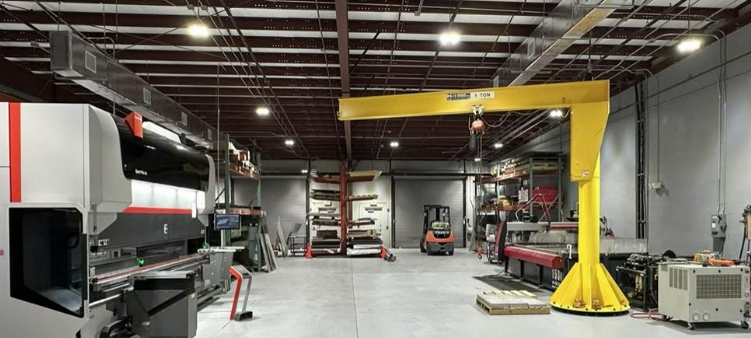
Ano Talaga ang Kasama sa mga Pasadyang Serbisyo sa Sheet Metal
Nagtanong na ba kayo kung paano nababago ang isang patag na piraso ng metal upang maging mga tiyak na bahagi sa loob ng inyong kotse, kompyuter, o mga kagamitan sa kusina? Iyan ang kahiwagaan ng mga pasadyang serbisyo sa sheet metal sa paggana . Kung ikaw ay isang inhinyero na naghahanap ng mga bahagi para sa isang bagong produkto o isang may-ari ng negosyo na sinusuri ang mga opsyon sa pagmamanupaktura, ang pag-unawa sa tunay na saklaw ng mga serbisyo na ito ay makakatipid sa iyo ng oras, pera, at pagkabigo.
Ang paggawa ng metal ay isang sining at agham sa pagbuo ng mga istrukturang metal sa pamamagitan ng pagputol, pagbend, at pag-aassemble. Ito ay nagpapalit ng hilaw na mga materyales na metal sa mga pre-designed na hugis at produkto sa pamamagitan ng pagsasama-sama ng teknikal na kasanayan at inhenyeriyang may katiyakan.
Ngunit ano nga ba ang eksaktong kahulugan ng "custom" sa kontekstong ito? Sa madaling salita, ang mga serbisyo sa custom na sheet metal ay gumagawa ng mga bahagi at produkto mula sa metal na ginawa batay sa iyong tiyak na mga kailangan, imbes na mag-produce ng mga standard na item sa malaking dami. Ang mga fabricator ay gumagawa mula sa mga CAD file, teknikal na drawing, o kahit mga paglalarawan ng kliyente upang putulin, i-form, i-weld, at i-finish ang hilaw na metal sa mga komponente tulad ng mga bracket, enclosure, frame, at fitting.
Mula sa Hilaw na Materyales hanggang sa Nakumpletong Bahagi
Ang sheet metal fabrication ay nagsasangkot ng isang maingat na ino-orchestrate na serye ng mga proseso. Narito ang karaniwang mangyayari kapag isinumite mo ang isang proyekto:
- Pagputol: Ang hilaw na sheet metal ay binubuo sa mga madaling pangasiwaan na piraso gamit ang mga paraan tulad ng laser, waterjet, o CNC punching
- Pagpapaliko: Ang mga press at brake machine ay lumilikha ng mga anggulo at tatluhang dimensyon na anyo nang hindi tinatanggal ang anumang materyal
- Pagbubuo: Ang metal ay kumuha ng mga kumplikadong kurba at hugis sa pamamagitan ng espesyal na tooling
- Punching: Ang mga butas, slot, at iba pang mga katangian ay nililikha gamit ang mga presisyon na dies
- Paglilipat: Ang mga hiwalay na piraso ay pinagsasama gamit ang mga teknik tulad ng MIG o TIG welding
- Pamamaraan: Ang pag-alis ng mga burr, pagpapaganda, o paglalagay ng mga protektibong coating ang nagbibigay sa mga bahagi ng kanilang panghuling anyo at proteksyon
Bawat hakbang ay nangangailangan ng napakataas na kahusayan. Isang kasanayang metal fabrication shop ang nagsasama-sama ng mga prosesong ito upang matiyak na ang iyong natapos na mga komponente ay eksaktong sumasunod sa disenyo.
Ang Pagkakaiba ng Pasadyang Paggawa
Bakit pipiliin ang mga custom na bahaging metal kaysa sa mga handa nang ibenta? Ang pagkakaiba ay mas mahalaga kaysa sa iniisip mo. Ang mga karaniwang produkto ng metal ay ginagawa sa malaking dami para sa pangkalahatang aplikasyon. Maginhawa sila, ngunit madalas ay nangangailangan ng mga kompromiso sa iyong disenyo o karagdagang pagbabago upang gumana nang maayos.
Ang custom na paggawa, sa kabilang banda, ay binabago ang sitwasyon. Sa halip na i-adapt ang iyong proyekto sa mga available na bahagi, ang mga bahagi ay ginagawa batay sa mga natatanging kinakailangan ng iyong proyekto. Ang paraan na ito ay nag-aalok ng ilang mga pakinabang:
- Perpekto na Pagkakatugma: Ang mga komponente ay sumasunod sa iyong eksaktong sukat at toleransya
- Design Freedom: Gumawa ng mga kumplikadong hugis na hindi talaga umiiral bilang mga standard na produkto
- Pagpili ng materyal: Pumili ng pinakamainam na alloy ng metal para sa iyong tiyak na aplikasyon
- Naka-optimang Pagganap: Ang mga bahagi na inenginyero para sa iyong tiyak na kaso ng paggamit ay mas mabuti ang pagganap
Sa buong gabay na ito, matutuklasan mo kung paano nabigasyon ang buong paglalagom ng pasadyang bahagi, mula sa pag-unawa sa mga pangunahing proseso at pagpili ng mga materyales hanggang sa disenyo para sa kakayahang gawin at pag-evaluate ng mga kasosyo sa paglalagom. Ituring mo itong iyong gabay upang makagawa ng mga bahagi mula sa sheet metal nang tama sa unang pagkakataon.
Mga Pangunahing Proseso ng Paggawa at Paano Sila Gumagana
Ngayon na nauunawaan mo na kung ano ang kasali sa mga serbisyo ng pasadyang sheet metal, tignan natin nang mas malalim ang mekanismo sa likod ng bawat proseso. Ang pagkaunawa kung paano talaga gumagana ang mga teknik na ito ay tumutulong sa iyo na gumawa ng mas matalinong desisyon kapag nagtatakda ng mga bahagi at nakikipag-usap sa mga tagalagom . Ituring mo ang seksyong ito bilang iyong teknikal na pundasyon para sa lahat ng susunod.
Pagkumpara sa Mga Paraan ng Pagputol
Ang pagputol ng sheet metal ang nagsisimula ng bawat proyekto. Ngunit narito ang hindi sinasabi ng karamihan sa mga gabay: ang pagpili ng maling paraan ng pagputol ay maaaring sumira sa kalidad ng iyong bahagi, magastos ang iyong badyet, o magdulot ng pagkaantala sa iyong takdang panahon. Ang bawat teknik ay may natatanging lakas na angkop sa partikular na aplikasyon.
Laser Cutting
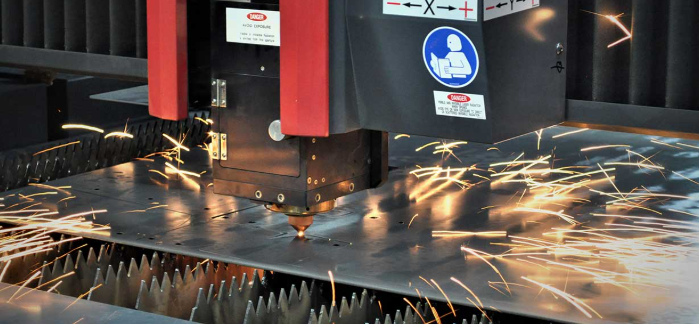
Ginagamit ng laser cutter ang isang nakatuon, mataas na enerhiyang sinag upang tumunaw, sunugin, o paubusin ang materyal nang may kahanga-hangang katiyakan. Ano ang resulta? Malinis na mga gilid na kadalasan ay nangangailangan lamang ng kaunting post-processing. Kapag gumagawa ng mga manipis na materyal, nagbibigay ang laser cutting ng hindi maikakailang bilis para sa mga kumplikadong disenyo. Ang mga modernong fiber laser ay nagpabuti rin sa kakayahan na putulin ang mga reflective metal tulad ng aluminum at copper na dati ay mahirap putulin.
Ang kerf—ang lapad ng materyal na tinatanggal habang pinuputol—is napakakitid sa pamamagitan ng laser, karaniwang nasa pagitan ng 0.1mm hanggang 0.3mm. Ang katiyakan na ito ay nangangahulugan ng mas kaunting basurang materyal at mas mahigpit na toleransya sa iyong natapos na mga bahagi.
Waterjet Cutting
Isipin mo ang pagtutuon ng isang daloy ng tubig na halo sa mga abrasive na butil ng garnet sa presyon na 60,000 PSI. Iyan ang waterjet cutting. Ang metal cutter na ito ay lubos na epektibo kung saan mahalaga ang sensitibidad sa init dahil ito ay isang cold-cutting process. Walang heat-affected zone, kaya nananatili ang mga katangian ng materyal—na kritikal para sa mga komponente ng aerospace o mga metal na pinainit.
Ang waterjet ay nakapagpaproseso rin ng kapal nang walang kapantay, kadalasang kumakapot sa mga materyales na may kapal na 12 pulgada o higit pa. Ang kompromiso? Mas mabagal na bilis ng pagputol at mas mataas na gastos sa operasyon dahil sa mga consumables tulad ng abrasive garnet.
Cnc punching
Ginagamit ng mga punch machine ang pwersang mekanikal upang ipasok ang isang hugis na kasangkapan sa sheet metal papasok sa isang die, na naghihiwa ng iyong ninanais na bahagi. Para sa mataas na dami ng produksyon na may paulit-ulit na mga hugis—tulad ng mga butas para sa bentilasyon, mga puwang para sa pag-mount, o mga cutout para sa bracket—ang pag-punch ay napakahabilis at cost-effective.
Narito ang praktikal na paghahambing upang gabayan ang iyong mga desisyon:
| Pamamaraan ng Paggupit | Pinakamahusay na mga materyales | Kisame ng kapal | Kalidad ng gilid | Bilis |
|---|---|---|---|---|
| Laser Cutting | Steel, stainless steel, aluminum | Hanggang 1" (25 mm) | Makinis at malinis—kaunti lamang ang kailangang finishing | Napakabilis sa manipis na materyales |
| Waterjet Cutting | Anumang metal kabilang ang titanium, Inconel, at tanso | Hanggang 12"+ (300 mm+) | Mahalumigmig, tekstura na parang pinasabog ng buhangin | Mas mabagal, lalo na sa mga manipis na stock |
| Cnc punching | Mga de-kurba na metal (bakal, aluminum) | Hanggang 0.25" (6mm) | Maganda—maaaring kailanganin ang deburring | Sobrang bilis para sa mga paulit-ulit na tampok |
Ang pangkalahatang konklusyon? Gamitin ang laser cutting para sa mga kumplikadong disenyo sa manipis na materyales kung saan mahalaga ang kalidad ng gilid. Piliin ang waterjet para sa makapal o sensitibong sa init na materyales. Piliin ang punching para sa mataas na dami ng pagputol ng sheet metal na may paulit-ulit na mga hugis.
Mga Pangunahing Kaalaman sa Bending at Forming
Kapag ang iyong mga patag na blanko ay naputol na, ang pagbubukod (bending) ang nagpapalit sa kanila upang maging tatluhang dimensiyonal na bahagi. Ang press brakes ay gumagamit ng kontroladong puwersa upang lumikha ng mga eksaktong anggulo, ngunit ang pisika na kasali rito ay mas detalyado kaysa simpleng pagpupuno ng metal.
Kapag ang materyales ay nabubukod, ang panlabas na ibabaw ay umuunat samantalang ang panloob na ibabaw ay sumisiksik. Ito ang lumilikha ng radios ng kurba —ang kurba na transisyon sa bawat sulok. Mahalaga ang pag-unawa dito dahil:
- Hindi mo maabot ang tunay na 90° na sulok: Bawat pagbubukod ay may radius, kahit gaano man kaliit
- Nakaaapekto ang mga katangian ng materyales sa resulta: Ang mas matitigas na alloy ay nangangailangan ng mas malalaking bend radius upang maiwasan ang pagsira
- Totoo ang springback: Ang mga metal ay may tendensya na bumalik ng 1–2° patungo sa orihinal na hugis nito pagkatapos ibaluktot
Ang mga modernong CNC bending machine na may built-in na sensor ay awtomatikong nakakakompensa sa pagkakaiba-iba ng materyales, na nagpapagarantiya ng pare-parehong output. Ang karaniwang toleransya para sa pagbabaluktot ay kadalasang ±1° sa mga anggulo at ±0.20 mm bawat baluktot sa haba.
Ang forming ay lumalampas sa simpleng pagbabaluktot upang lumikha ng mga kumplikadong kurba, flange, at kontur. Ang roll forming, stamping, at hydroforming ay bawat isa ay nakakapagproseso ng iba’t ibang geometriya. Ang pangunahing aral? Laging idisenyo ang iyong produkto na may isipan ang mga limitasyon sa formability ng iyong materyales—at panatilihin ang pare-pareho ang bend radii sa buong bahagi upang mapadali ang tooling at mabawasan ang gastos.
Mga Teknik sa Pagkakabit
Ang magkahiwalay na bahagi ay naging buong assembly sa pamamagitan ng welding, at ang pagpipilian sa pagitan ng MIG at TIG welding ay malaki ang epekto sa iyong natatapos na produkto.
MIG Welding (Gas Metal Arc Welding)
Ang MIG welding ay nagpapadala ng tuloy-tuloy na wire electrode sa pamamagitan ng isang gun habang ang shielding gas ay nangangalaga sa weld pool. Mas mabilis ito at mas tolerant, kaya ito ang pinakamainam para sa:
- Mataas na production rates
- Mga mas makapal na materyales
- Mga aplikasyon kung saan ang bilis ay mas mahalaga kaysa sa estetika
TIG welding (Gas Tungsten Arc Welding)
Ang TIG welding ay gumagamit ng isang hindi-nauubos na tungsten electrode kasama ang hiwalay na filler rod, na nag-aalok ng hindi maikakailang kahusayan at kontrol. Madalas na kailangan ang TIG welding sa pag-weld ng aluminum dahil mainam nitong pinapahawak ang mga katangiang thermal ng materyal na ito na mahirap gamitin. Pumili ng TIG welding para sa:
- Manipis na materyales na madaling masunog
- Mga nakikitang weld na nangangailangan ng malinis na anyo
- Pag-uugnay ng Magkakaibang Metal
- Mga aplikasyon na nangangailangan ng pinakamataas na kalidad ng weld
Ano ang kapalit? Ang TIG welding ay mas mabagal at nangangailangan ng mas mataas na antas ng kasanayan mula sa operator, na siyang nagreresulta sa mas mataas na gastos sa paggawa. Para sa karamihan ng mga istruktural na sheet metal application, ang MIG welding ay nagbibigay ng mahusay na resulta sa mas mabilis na rate ng produksyon. Gamitin ang TIG welding lamang para sa mga gawaing nangangailangan ng kahusayan o sa mga proyekto kung saan mahalaga ang hitsura ng weld.
Ngayong nalilinaw na ang mga proseso ng pagputol, pagbend, at pag-uugnay, handa ka nang harapin ang susunod na mahalagang desisyon: ang pagpili ng tamang materyales para sa iyong proyekto.
Gabay sa Pagpili ng Materyales para sa mga Proyektong Sheet Metal
Ang pagpili ng tamang materyal ay maaaring ang pinakamahalagang desisyon na gagawin mo sa iyong proyektong pasadyang paggawa. Bakit? Dahil ang pagpili ng materyal ay nakaaapekto sa lahat—lakas, timbang, paglaban sa korosyon, gastos, at kahit sa mga proseso ng paggawa na maaari mong gamitin. Gayunpaman, ang karamihan sa mga sanggunian ay naglilista lamang ng mga metal nang walang paliwanag kung kailan o bakit dapat piliin ang bawat isa.
Gawin nating magbago iyon. Sa ibaba, makikita mo ang isang praktikal na paghahati-hati ng pinakakaraniwang mga materyal na sheet metal , kasama ang mga katangian at gabay na kailangan mo upang makagawa ng tiyak na desisyon.
Mga Alloy ng Aluminum para sa Mga Aplikasyon na Magaan
Kapag mahalaga ang timbang—at madalas ito—ang aluminum sheet metal ang unang dapat isaalang-alang. Ang timbang nito ay humigit-kumulang isang ikatlo ng bakal, at ang aluminum ay nagbibigay ng napakahusay na ratio ng lakas sa timbang na ginagawing hindi mapapalitan ito para sa mga aplikasyon sa aerospace, automotive, at portable equipment.
Ngunit narito ang nagpapakomplikado: hindi lahat ng aluminum ay pareho. Ang iba't ibang mga alloy ay may lubhang magkakaibang layunin:
- 5052 aluminum: Ang pangunahing alloy para sa pangkalahatang trabaho sa sheet metal. Nag-aalok ito ng mahusay na paglaban sa korosyon, magandang kakayahang mapag-weld, at ang pinakamataas na lakas sa mga hindi nangangailangan ng heat treatment. Perpekto para sa mga kapaligiran sa dagat at mga tangke ng gasolina.
- 6061 Aluminyum: Isang alloy na pinatitibay sa pamamagitan ng precipitation at naglalaman ng magnesium at silicon. Mahusay itong mapapag-machined at madaling mapag-weld, kaya ito ay perpekto para sa mga bahagi ng istruktura at mga frame.
- 7075 Aluminium: Ang hari ng lakas. Ang alloy na ito na may zinc at magnesium ay umaabot sa antas ng lakas ng bakal habang nananatiling magaan—ngunit may mataas na presyo. I-reserve lamang ito para sa aerospace o mga aplikasyon na may mataas na stress.
Kapag nagtutukoy ng aluminum sheet, tandaan na ang kanyang thermal conductivity ay nakaaapekto sa pag-weld at ang kanyang kahinaan ay nangangailangan ng maingat na paghawak upang maiwasan ang mga sugat habang ginagawa.
Mga Baitang ng Bakal at Kanilang Lakas
Nanatili pa ring ang bakal ang pundasyon ng industriyal na paggawa dahil sa mabuting dahilan: matibay ito, abot-kaya, at napakahusay na versatile. Ang hamon ay nasa pag-navigate sa dosenang mga available na baitang. Subukan nating gawing simple ito.
Carbon steel
Ang mga bakal na may mababang carbon tulad ng DC01 ay nag-aalok ng mahusay na pagkakaporma at pagkakasunod-sunod sa pag-weld sa mga presyong abot-kaya. Ito ang iyong pangunahing pagpipilian para sa mga bracket, enclosure, at mga bahagi ng istruktura kung saan hindi pangunahing isyu ang korosyon. Ang isang plato ng bakal sa kategoryang ito ay madaling binubuo gamit ang press brake at tumatanggap ng karamihan sa mga proseso ng pagtatapos.
Ang mga bakal na may katamtamang carbon (tulad ng C45) ay binabawasan ang ilang bahagi ng pagkakaporma upang mapataas ang kahigpit at paglaban sa pagsuot—na perpekto para sa mga bahagi na nakakaranas ng panlabas na pagsisiklot o stress na mekanikal.
Stainless steel
Kapag mahalaga ang paglaban sa korosyon, pumasok ang stainless steel sheet sa usapan. Ang nilalaman ng chromium (minimum na 10.5%) ay lumilikha ng isang pasibong oxide layer na nagpaprotekta laban sa rust at pag-atake ng kemikal.
Dalawang grado ang nangunguna sa mga serbisyo ng custom sheet metal:
- 304 buhok na bakal: Ang pinakakaraniwang grado, na nag-aalok ng mahusay na paglaban sa korosyon para sa pagproseso ng pagkain, kagamitan sa medisina, at mga aplikasyon sa arkitektura. Madaling i-machine at madaling ibuhin ang grado na ito.
- 316 buhok na bakal: Ang pagdaragdag ng molibdenum sa halo ay nagbibigay ng mas mahusay na paglaban sa chloride at asido. Kung ang iyong mga bahagi ay magkakalantad sa tubig-alat, pagkakalantad sa kemikal, o mga kapaligiran sa pharmaceutical, ang 316 ay sulit sa premium na bayad.
Kapag Ang Mga Espesyal na Metal ay Nagiging Makabuluhan
Hindi lamang aluminum at bakal ang ginagamit—ang mga espesyal na metal ay naglulutas ng tiyak na mga hamon sa inhinyeriya na hindi kayang tugunan ng karaniwang mga materyales.
Tanso
Ang hindi maikakailang kahusayan ng tanso sa paghahatid ng kuryente at init ay ginagawa itong mahalaga para sa mga heat exchanger, electrical busbars, at mga aplikasyon sa grounding. Ito rin ay likas na antimicrobial—isang katangian na unti-unting tumatanggap ng pansin sa mga setting ng pangangalagang pangkalusugan. Ang kompromiso? Mas mahal ang tanso at nangangailangan ito ng maingat na paghawak upang maiwasan ang kontaminasyon sa ibabaw.
Tanso
Kaya ano nga ba ang binubuo ng brass? Ito ay isang alloy ng tanso at zinc, kung saan ang nilalaman ng zinc ay karaniwang nasa pagitan ng 5% hanggang 45%. Ang mas mataas na porsyento ng zinc ay nagpapataas ng lakas at kahusayan sa pagmamachine habang binabago ang kulay mula sa kayumanggi-pula patungo sa madilim na dilaw. Ang brass ay lubos na epektibo sa:
- Dekoratibong hardware at mga fitting
- Mga bahagi ng plumbing (mahusay na paglaban sa corrosion)
- Elektrikal na konektor
- Mga instrumento sa musika
Kapag ikukumpara ang tanso at bronse, tandaan na ang brons ay isang alay ng tanso at lawan na may idinagdag na posporo para sa mas mataas na paglaban sa pagsuot. Ang brons ay mas kaya ang mas mataas na karga at panlabas na pwersa, samantalang ang tanso ay nag-aalok ng mas mahusay na kakayahang pang-makinis at ang karakteristikong kulay-ginto nito.
Narito ang isang komprehensibong paghahambing upang gabayan ang iyong mga desisyon tungkol sa materyales:
| Materyal | Lakas sa Pagpapahaba | Pagtutol sa Korosyon | Timbang | Kakayahang magpa-machined | Mga Tipikal na Aplikasyon |
|---|---|---|---|---|---|
| Aluminum (6061) | 310 MPa | Napakahusay | Magaan (2.7 g/cm³) | Mabuti | Aerospace, automotive, electronics enclosures |
| Carbon Steel (DC01) | 270-410 MPa | Mahina (nangangailangan ng coating) | Mabigat (7.85 g/cm³) | Napakahusay | Mga bahagi ng istruktura, mga suporta, mga frame |
| 304 Stainless Steel | 515 MPa | Napakaganda | Mabigat (8.0 g/cm³) | Katamtaman | Kagamitan sa pagkain, medikal na device, arkitektura |
| tanso ng 316 | 485 MPa | Napakahusay | Mabigat (8.0 g/cm³) | Katamtaman | Marino, pagpoproseso ng kemikal, pharmaceuticals |
| Tanso | 210 MPa | Napakaganda | Mabigat (8.96 g/cm³) | Mabuti | Elektrikal, palitan ng init, bubong |
| Brass (C26000) | 315 MPa | Mabuti | Mabigat (8.53 g/cm³) | Napakahusay | Mga hardware, tubo at plumbin, dekoratibong bahagi |
Pag-unawa sa mga Sukat ng Gauge
Ang kapal ng materyal sa sheet metal ay karaniwang tinutukoy gamit ang mga sukat ng gauge imbes na direktang mga sukat—at dito nagsisimula ang kalituhan. Ang sistema ng gauge ay gumagana nang kabaligtaran: mas mataas na numero ng gauge ay nangangahulugan ng mas manipis na materyal. Ang isang sheet ng bakal na may gauge na 20 ay may sukat na humigit-kumulang 0.036 pulgada (0.9 mm), samantalang ang gauge na 10 ay may sukat na 0.135 pulgada (3.4 mm).
Lalong pinapakumplikado ang mga bagay, dahil iba-iba ang mga sukat ng gauge sa bakal at aluminum. Ang isang sheet ng aluminum na 16-gauge ay mas manipis kaysa sa isang sheet ng bakal na 16-gauge. Kapag nakikipag-usap ka sa mga tagapagawa, ang pagtukoy sa kapal sa pulgada o millimetro ay lubos na nag-aalis ng anumang kalituhan.
Kapag napili na ang iyong materyales, ang susunod na mahalagang hakbang ay siguraduhing maaaring gawin nang epektibo ang iyong disenyo—ito ang lugar kung saan ipinapatupad ang mga prinsipyo ng disenyo para sa pagmamanupaktura.
Mga Pangunahing Kaalaman sa Disenyo Para sa Kakayahang Mamagtan
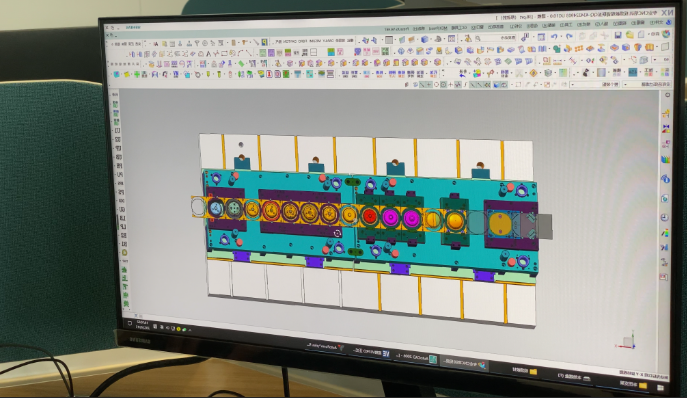
Napili mo na ang perpektong materyales para sa iyong proyekto. Ang iyong CAD model ay tila perpekto sa screen. Ngunit narito ang hindi komportableng katotohanan: ang mga bagay na tila perpekto sa digital na anyo ay maaaring pisikal na imposibleng gawin—or masyadong mahal ang produksyon nito. Ang agwat na ito sa pagitan ng layunin ng disenyo at ng realidad ng pagmamanupaktura ang dahilan kung bakit nabigo ang maraming proyekto.
Ang Disenyo para sa Pagmamanupaktura (DFM) ang nagsisilbing tulay upang mapunan ang agwat na ito. Ito ay isang hanay ng mga prinsipyo na nagpapatiyak na ang iyong prototype ng sheet metal ay maaaring talagang maging bahagi na handa para sa produksyon nang walang mahal na pagrere-design. Pag-aralan nang mabuti ang mga pundamental na konseptong ito, at makakabawas ka ng oras sa produksyon, mababawasan ang gastos, at maiiwasan ang nakakainis na palitan ng mensahe na kadalasang nagpapabagal o nagpapabigo sa maraming proyekto.
Mga Patakaran sa Radius ng Pagkukurba na Nagliligtas ng Pera
Narito ang pinakakaraniwang pagkakamali na nararanasan ng mga tagagawa: ang mga taga-disenyo ay tumutukoy sa panloob na radius ng liko na mas maliit kaysa sa kapal ng materyal. Imposible ito sa pisikal na aspeto—ang metal ay hindi kayang yumuko nang mahigpit nang hindi nabibitak o nababali. Ngunit ang error na ito ay palaging lumilitaw sa mga isinumiteng disenyo, ayon sa mga tagagawa ng industriya tulad ng Baillie Fabricating .
Ang ginto na patakaran? Ang iyong minimum na radius ng panloob na baluktot ay dapat katumbas o mas malaki sa kapal ng materyal. Para sa presisyong paggawa ng sheet metal, ang karamihan sa mga workshop ay nag-ooffer ng mga standard na opsyon para sa radius ng baluktot tulad ng 0.030", 0.060", 0.090", at 0.120" (0.762 mm hanggang 3.048 mm). Ang pagpapanatili sa loob ng mga standard na opsyong ito ay nagpapabilis sa lead time ng iyong mga bahagi—karaniwang humigit-kumulang sa tatlong araw kumpara sa mas mahabang timeline para sa custom na tooling.
Ngunit mahalaga rin ang uri ng materyal. Ang mas malalambot na mga alloy ng aluminum ay kayang magpababa ng mas maliit na baluktot kumpara sa hardened steel. Ang stainless steel, dahil sa kanyang katangian na work-hardening, ay nangangailangan ng mas malalawak na radius upang maiwasan ang pagsira. Kapag hindi sigurado, kumonsulta sa mga talahanayan ng K-factor ng iyong tagagawa—ang mga halagang partikular sa bawat workshop na ito ay tumutukoy nang eksakto kung paano mag-uugali ang bawat materyal habang binabaluktot ang bakal na sheet.
Isa pang tip para makatipid: gamitin ang parehong radius ng baluktot sa buong disenyo mo. Ang bawat iba’t ibang radius ay maaaring mangailangan ng iba’t ibang tool setup. Ang pagpapamalawak ng isang radius lamang ay nagpapasimple sa tooling, nagpapabilis sa produksyon, at nababawasan ang gastos bawat bahagi.
Mga Pinakamahusay na Pamamaraan sa Paglalagay ng mga Butas at Mga Katangian
Ang mga butas na malapit sa mga baluktot ay nagdudulot ng distorsyon. Kapag ang metal ay binabaluktot, ang lugar sa paligid ng baluktot ay lumalawig sa labas at sumisiksik sa loob. Ang anumang butas na ilalagay nang masyadong malapit ay mahuhuli sa lugar ng deformasyon na ito, kaya nababago ang hugis nito patungo sa oval o hugis patak ng luha.
Ang solusyon ay sumusunod sa malinaw na mga gabay mula sa mga teknikal na tukoy ng Protolabs:
- Mga manipis na materyales (0.036" o mas maliit): Ilagay ang mga butas sa hindi bababa sa 0.062" mula sa mga gilid ng materyales
- Mga makapal na materyales (higit sa 0.036"): Panatilihin ang distansya mula sa gilid na hindi bababa sa 0.125"
- Pinakamaliit na diameter ng butas: Ang lapad ng mga butas ay dapat hindi bababa sa kapal ng materyales
- Mga hardware insert: Sundin nang eksakto ang mga tukoy sa espasyo ng tagagawa
Ang mga notches at tabs ay may sariling mga patakaran sa sheet metal engineering. Ang mga notch ay dapat na may kahit ano sa dalawa: ang kapal ng materyal o 0.04" (kung alinman ang mas malaki), at hindi dapat mas mahaba kaysa limang beses ang kanilang lapad. Ang mga tab naman ay nangangailangan ng minimum na lapad na dalawang beses ang kapal ng materyal o 0.126"—uli, ang mas malaki sa dalawa.
Ano naman ang tungkol sa mga flange? Ang minimum na haba ng flange ay dapat na kahit ano sa dalawa: apat na beses ang kapal ng materyal. Kung mas maikli pa rito, hindi na mabuti ang pagkakagrip ng press brake sa materyal, na nagreresulta sa hindi pare-parehong mga baluktot o nasirang bahagi. Ang tila simpleng patakarang ito ay nakakapigil sa libu-libong kabiguan sa sheet metal prototyping.
Dapat ding bigyan ng pansin ang mga relief cut. Kapag dalawang baluktot ay sumasalubong sa isang sulok, ang materyal ay nagkakabundok at nabubura maliban kung ibinibigay mo ang daan para makalabas. Ang isang maliit na relief cut—karaniwang may radius na katumbas ng kapal ng materyal—sa mga intersecting bend lines ay nagpapahintulot sa metal na dumaloy nang maayos habang binubuo.
Mga Espesipikasyon ng Toleransya na Tunay na Mahalaga
Ang mga toleransya ay kumakatawan sa katanggap-tanggap na pagkakaiba mula sa iyong tinukoy na mga sukat. Ang mas mahigpit na mga toleransya ay nangangahulugan ng mas mataas na katiyakan—at ng malaki ang pagtaas sa gastos. Ang susi sa matalinong paggawa ng sheet metal ay ang pag-unawa kung kailan talaga mahalaga ang katiyakan.
Kasama sa karaniwang mga toleransya sa paggawa:
- Mga angle ng pagbend: ±1° ang karaniwang kasanayan sa industriya
- Mga taas na may offset: ±0.012" mula sa itaas na bahagi ng sheet hanggang sa itaas na bahagi ng anyo
- Mga diameter ng formed countersink: toleransya na +0.020"/−0.010"
- Mga linear na sukat: ±0.010" hanggang ±0.030" depende sa laki ng tampok
Ano nga ba ang ibig sabihin ng pagtukoy ng toleransya na ±0.003" sa praktikal na aplikasyon? Ang napakamahigpit na kinakailangang ito ay nangangailangan ng espesyalisadong kagamitan, mas mabagal na bilis ng produksyon, at dagdag na hakbang sa pagsusuri. Ang ganitong antas ng katiyakan ay angkop para sa mga mating surface sa mga precision assembly o aerospace component—ngunit sobrang labis para sa isang simpleng mounting bracket.
Narito ang praktikal na balangkas: ilagay ang mahigpit na mga toleransya lamang sa mga kritikal na katangian kung saan ang pagkakasya o pagganap ay nangangailangan nito. Ang mga kosmetikong gilid, panloob na mga butas, at mga ibabaw na hindi nagkakasundo ay maaaring gamitan ng karaniwang mga toleransya nang hindi nakakompromiso sa iyong disenyo. Ang selektibong pamamaraang ito ay nagpapanatili ng mababang gastos habang tiyak na pinapagana ang sistema kung saan talagang kailangan ito.
Isang huling babala: iwasan ang labis na pagtukoy ng mga sukat sa iyong mga CAD file. Ang pagtukoy ng kapal ng materyal hanggang sa limang decimal place ay nagdudulot ng mga problema sa buong proseso ng disenyo at pagmamanupaktura. Manatili sa mga karaniwang kapal na tinatanggap sa industriya—ang 12-gauge na bakal ay 0.105", hindi 0.10512". Ang simpleng patakaran na ito ay nag-aalis ng oras na ginugugol sa pag-uulit ng pagguhit at nababawasan ang mga kamalian.
- Karaniwang Mga Kamalian sa DFM na Dapat Iwasan:
- Pagtukoy ng mga radius ng pagkukurba na mas maliit kaysa sa kapal ng materyal
- Paglalagay ng mga butas sa loob ng zona ng depekto ng pagkukurba
- Paggamit ng magkakaibang radius ng pagkukurba kung saan sapat lamang ang isa
- Pagpapalampas ng mga relief cut sa mga punto ng interseksyon ng mga pagkukurba
- Pagsasapilit ng labis na toleransya sa mga hindi mahahalagang sukat
- Pag-iiwan ng minimum na kinakailangang haba ng flange
- Paggamit ng di-karaniwang mga tukoy sa kapal ng materyal
Kapag ang iyong disenyo ay na-optimize na para sa kakayahang pang-produkto, ang susunod na konsiderasyon ay ang pag-navigate sa biyahe mula sa unang prototype hanggang sa mga dami ng produksyon—bawat yugto ay may sariling mga kinakailangan at mga kompromiso.
Paggawa ng Prototype Hanggang sa Pagpaplano ng Produksyon
Ang iyong disenyo ay na-optimize na para sa kakayahang pang-produkto. Ngayon ay dumadating ang tanong na nagpapalagay ng mga kahinaan kahit sa mga ekspertong inhinyero: dapat bang i-order muna ang mga prototype ng sheet metal, o direktang tumalon na sa produksyon? Ang sagot ay nakasalalay sa higit pa kaysa sa bilang lamang—kasali rito ang ekonomiya ng mga tool, presyon sa timeline, at antas ng pagtanggap sa panganib na karamihan sa mga gabay ay lubos na binabale-wala.
Ang pag-unawa sa buong lifecycle ng proyekto mula sa konsepto hanggang sa paghahatid ay tumutulong sa iyo na gumawa ng mas matalinong desisyon sa bawat yugto. Tingnan natin nang detalyado kung paano nagbabago ang mga kinakailangan habang ikaw ay lumilipat mula sa pagpapatunay ng isang konsepto patungo sa pagpapalawak ng produksyon ng sheet metal.
- Disenyo at Pagsusuri sa DFM: Isumite ang mga file ng CAD para sa pagsusuri ng kakayahang pang-produkto; ang mga tagapagawa ay nakikilala ang mga posibleng isyu bago magsimula ang pagputol
- Pagkuha ng Quote at Pagpili ng Materyales: Tanggapin ang detalyadong presyo batay sa kumplikado, materyales, dami, at mga kinakailangan sa pagtatapos
- Prototyping: Gumawa ng maliit na dami (1–10 piraso) gamit ang mga flexible na proseso upang i-verify ang anyo, pagkakasya, at pagganap
- Pag-ulit ng Disenyo: Paunlarin ang iyong disenyo batay sa pagsusuri at puna mula sa pisikal na prototype
- Bridge Tooling (Opsyonal): Lumikha ng soft o semi-permanent na tooling para sa mid-volume na validation runs
- Kagamitang pang-produksyon: Mag-inbestisa sa hardened dies at fixtures para sa mataas na dami ng produksyon
- Mass Production: Isagawa ang buong produksyon na may pare-parehong kalidad at optimisadong gastos bawat yunit
- Veripikasyon ng kalidad: Suriin ang mga natapos na bahagi laban sa mga teknikal na tukoy bago ipadala
Bilis ng Pagpoprototype vs. Kahusayan sa Produksyon
Ang mabilis na prototyping ng sheet metal ay umiiral para sa isang layunin lamang: bilis. Kapag kailangan mo ng mga prototype na sheet metal parts upang subukan ang isang konsepto, i-verify ang isang disenyo, o ipakilala sa mga stakeholder, ang paghihintay ng mga linggo para sa production tooling ay lumalabag sa layunin. Ang karaniwang proseso sa paggawa ng sheet metal prototype ay gumagamit ng laser cutting, CNC bending, at manu-manong pag-aassemble—mga prosesong nangangailangan ng kaunting setup pero mahusay sa paggawa ng isang beses lamang o maliit na batch ng mga bahagi nang mabilis.
Ayon sa pagsusuri ng industriya mula sa Eabel , ang mabilis na paggawa ng prototype ay sumusuporta sa mabilis na mga siklo ng disenyo na kadalasang ideal para sa paunang yugto ng pag-unlad. Ang mga inhinyero ay maaaring subukan, i-adjust, at kahit muling putulin ang mga bahagi sa loob lamang ng ilang araw. Ang ganitong kahusayan ay napakahalaga kapag nasa proseso pa kayo ng pagpapabuti ng mga konsepto bago isakripisyo ang malalaking yunit ng mga mapagkukunan.
Ang produksyon sa komersyal ay gumagana sa lubos na iba't ibang ekonomiya. Ang mass production ay umaasa sa mahal na mga hardened dies, awtomatikong operasyon ng press, at mga optimisadong workflow na idinisenyo para sa libo-libo o milyon-milyong identikal na bahagi. Ang anumang pagbabago ay naging mahal—ang anumang modipikasyon ay maaaring mangailangan ng pag-uulit ng die o kahit ng buong bagong tooling, na nagdaragdag ng parehong oras at gastos.
Ano ang praktikal na implikasyon? Gawin nang lubos at buong detalye ang DFM checks bago lumipat sa produksyon. Ang pagmamadali sa paglipat mula sa paggawa ng prototype upang "makatipid ng oras" ay madalas na humantong sa malaking kabiguan lalo na kapag ang mga isyu sa tooling ang magpapakilos sa mahal na pagre-design habang nasa gitna ng produksyon.
Mga Konsiderasyon sa Damí at Mga Punto ng Pagbaba ng Gastos
Ito ang katotohanang pang-ekonomiya na nagpapagalaw sa bawat desisyon tungkol sa paggawa ng prototype kumpara sa produksyon: ang amortisasyon ng mga kagamitan sa produksyon. Ang mga kagamitan sa produksyon ay nagkakaroon ng gastos na libo-libong dolyar sa unahan. Ang mga gastos na ito ay makatuwiran lamang kapag ipinamahagi sa malalaking dami.
Ang mga mabilis na proseso sa sheet metal ay lubos na nakaiiwas sa mga gastos para sa mga kagamitan, kaya mas ekonomikal ang mga ito para sa mababang dami. Ngunit habang tumataas ang dami, ang kalamangan sa presyo bawat yunit ay biglang lumilipat papunta sa mga pamamaraan ng produksyon. Ang punto ng paglipat ay karaniwang nasa pagitan ng ilang sampuan hanggang ilang daanan na bahagi, depende sa kumplikadong materyal at heometriya ng bahagi.
Ang maling pagkalkula sa puntong ito ay humahantong sa dalawang karaniwang pagkakamali:
- Masyadong maagang pag-invest sa mga kagamitan: Pagbabayad para sa mga die sa produksyon kahit na ang dami ng prototype ay magiging mas murang opsyon
- Masyadong matagal na umaasa sa paggawa ng prototype: Paggamit ng mabagal at mahal na pamamaraan bawat piraso para sa mga mid-volume na produksyon na may sapat na dahilan upang i-invest ang pera sa mga kagamitan
Maraming tagagawa ang sumasalo sa puwang na ito gamit ang soft tooling—mga mas murang die na ginawa mula sa mga materyales tulad ng aluminum o kahit man 3D-printed plastics na kumakayang humawak ng daan-daang bahagi bago mag-wear out. Ang paraan na ito ay nagbibigay-daan sa iyo na subukan ang mga disenyo sa katamtamang dami bago lubos na magpasiya sa paggamit ng kumpletong produksyon na tooling.
Pagsusuri ng Kalidad sa Bawat Yugto
Ang mga kinakailangan sa kalidad ay nagbabago habang ikaw ay umuunlad mula sa paggawa ng prototype hanggang sa produksyon. Ang mabilis na paggawa ng prototype ay nagbibigay ng mataas na antas ng pangkalahatang kalidad, ngunit ang mga toleransya ay maaaring mag-iba depende sa pag-setup ng makina at sa mga manual na operasyon. Ang ganitong pagkakaiba-iba ay tinatanggap—kahit inaasahan—sa panahon ng mga yugto ng pagsusuri.
Ang mass production ay nangangailangan ng iba't ibang pamantayan. Ang hardened tooling at awtomatikong proseso ay nagbubunga ng napakalaking pagkakapare-pareho sa mga toleransya—na lubos na mahalaga kapag ang libo-libong identikal na bahagi ay kailangang sumunod sa mahigpit na mga teknikal na kahilingan. Ang surface finishing ay naging mas kontrolado at pare-pareho rin sa mga kapaligiran ng produksyon.
Isang limitasyon na dapat tandaan: ang mabilis na paggawa ng prototype ng sheet metal ay may mga limitasyon sa mga malalim na pagguhit (deep draws) at sa mga kumplikadong hugis na nabubuo nang mabilis. Ang mga hugis na ito ay karaniwang maisasagawa lamang gamit ang tooling na ginagamit sa produksyon. Kung ang iyong disenyo ay nangangailangan ng ganitong mga katangian, isama ang karagdagang mga yugto ng paggawa ng prototype sa iyong kronolohiya.
Pangloob vs. Pang-internasyonal na Pagmamanupaktura: Mga Kalakaran
Ang lugar kung saan ka kumuha ng mga serbisyo sa pagmamanupaktura ay kasing importanteng factor gaya ng paraan kung paano mo ina-structure ang mga yugto ng iyong produksyon. Ayon sa Mead Metals, ang mga lokal na tagapagkaloob ng serbisyo ay nag-aalok ng mga tiyak na pakinabang: mas maikling lead time, mas mataas na pagkakapare-pareho ng kalidad, at mas malinaw na komunikasyon nang walang hadlang dulot ng wika o pagkakaiba ng time zone.
Ang pagkuha ng serbisyo mula sa ibayong-dagat ay nakakaakit dahil sa mas mababang presyo bawat yunit, ngunit ang mga nakatagong gastos ay mabilis na tumataas. Ang bayad sa pagpapadala, mga taripa, mga pagkaantala sa customs, at ang hindi pare-parehong kalidad ay maaaring baguhin ang tila panandaliang tipid sa sobrang gastos sa badyet. Ang mga kaguluhan sa pandaigdigang supply chain—na binigyang-diin sa mga nakaraang taon—ay nagpapakita ng kahinaan ng mahabang internasyonal na logistics.
Ang praktikal na rekomendasyon? Gamitin ang mga lokal na katuwang para sa paggawa ng prototype at mahahalagang produksyon kung saan ang kalidad at oras ay pinakamahalaga. I-reserve ang mga opsyon mula sa ibang bansa para sa matatag at mataas na dami ng mga order kung saan ang mga disenyo ay napatunayan na at kaya ninyong abutin ang mas mahabang lead time.
Kapag na-plot na ang inyong estratehiya sa produksyon, ang susunod na mahalagang hakbang ay ang pag-unawa sa mga salik na direktang nakaaapekto sa presyo sa custom fabrication—ang kaalaman na ito ay tumutulong sa inyo na i-optimize ang gastos nang hindi kinokompromiso ang kalidad.
Pag-unawa sa Presyo ng Custom Fabrication
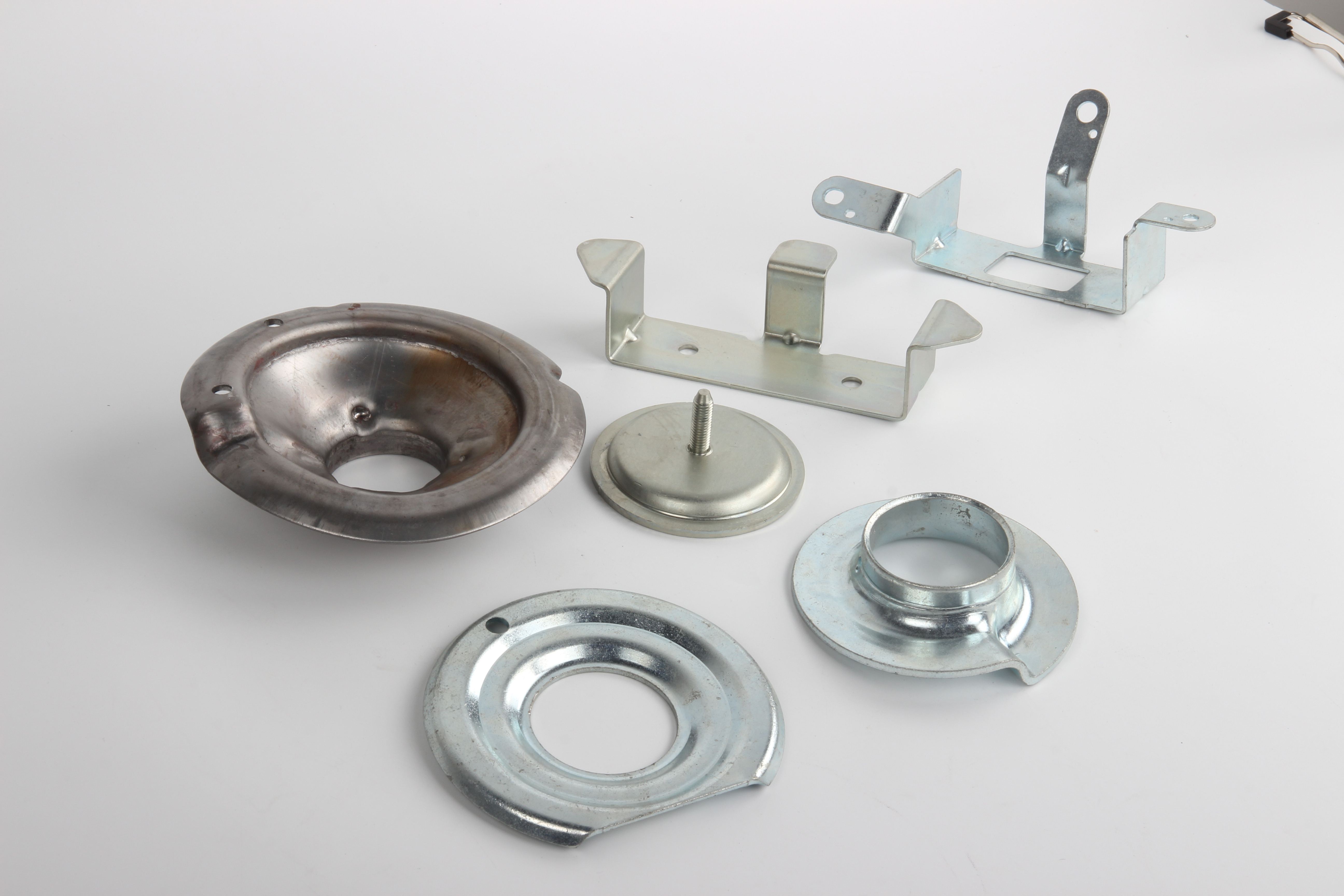
Kaya, magkano ang gastos para gumawa ng bahagi mula sa metal? Kung kailanman kayo ay humiling ng quote para sa mga custom metal parts, malamang ay napansin ninyo na ang pagtatakda ng presyo ay tila hindi malinaw. Ang dalawang bracket na tila magkatulad ay maaaring may napakalaking pagkakaiba sa halaga, at ang mga fabricator ay bihira magpaliwanag kung bakit. Ang kakulangan ng transparency na ito ay nakakapagbigay ng frustrasyon sa mga inhinyero at sa mga koponan ng procurement—ngunit ang pag-unawa sa mga likas na salik na nakaaapekto sa gastos ay nagpapabago sa inyo mula sa isang pasibong tagatanggap ng quote patungo sa isang edukadong buyer na kaya nang i-optimize ang mga disenyo bago pa man isumite ang request.
Ang totoo ay ang pagkalkula ng presyo para sa paggawa ay sumusunod sa isang maasahan at lohikal na proseso. Kapag naunawaan mo na kung ano ang nakaaapekto sa mga gastos, mas maaari kang gumawa ng mas matalinong mga kompromiso sa pagitan ng pagganap, kalidad, at badyet. Tingnan natin nang buo ang mga salik na kasali sa mga presyong ito.
- Uri at kapal ng materyal: Ang mga presyo ng hilaw na materyales ay nag-iiba nang malaki sa pagitan ng bakal, aluminum, stainless steel, at mga espesyal na metal
- Pagiging kumplikado ng Disenyo: Ang mga baluktot, butas, mga weld, at mga kumplikadong heometriya ay nagpapataas ng oras ng pagproseso
- Bilang ng order: Ang mga gastos sa pag-setup ay hinahati sa mas malalaking batch, kaya nababawasan ang presyo bawat yunit
- Mga kahilingan sa pagtatapos: Ang powder coating, plating, at anodizing ay nagdaragdag ng mga gastos para sa mga sekondaryang operasyon
- Mga tukoy na toleransiya: Ang mas mahigpit na toleransya ay nangangailangan ng mas mabagal na pagproseso at karagdagang inspeksyon
- Panahon ng Pagpapadala: Ang mga order na may agarang paghahatid ay may mas mataas na presyo, kadalasan 20–40% na higit sa karaniwang rate
Mga Salik sa Gastos ng Materyales at Kapal
Ang iyong pagpili ng mga metal na materyales ang may pinakamalaking epekto sa kabuuang gastos sa paggawa. Ayon sa pagsusuri ng JLCCNC sa gastos, ang mga karaniwang opsyon ay mula sa ekonomikal na cold-rolled steel hanggang sa premium na stainless steel at aluminum sheet metal—bawat isa ay may sariling antas ng presyo.
Ang bakal na pinatag ng malamig ay nananatiling pinakamura na opsyon para sa pangkalahatang paggawa. Ang aluminum ay mas mahal ngunit nag-aalok ng pagbawas ng timbang at likas na paglaban sa korosyon. Ang stainless steel ay may mataas na presyo dahil sa gastos ng materyales at sa karagdagang kahirapan sa pagmamasin. Ang mga espesyal na metal tulad ng tanso, brass, at titanium ay nasa pinakamataas na antas ng gastos.
Ngunit narito ang kadalasang inaalis sa isip: ang kapal ay nagpaparami ng malaki sa gastos ng materyales. Ang mas makapal na mga sheet ay nangangailangan ng higit na puwersa para ibaluktot at putulin, na nagpapataas ng pagsusuot ng mga tool at nagpabagal ng bilis ng produksyon. Ayon sa datos ng industriya, ang pagpoproseso ng 1.2mm na stainless steel ay maaaring magkamit ng 40–60% na higit na gastos kaysa sa 0.8mm na mild steel dahil sa beban ng makina at sa nabawasan na bilis ng pagputol.
Ano ang praktikal na aral dito? Pumili ng pinakamahinang materyal na sumasapat sa iyong mga kinakailangan sa istruktura. Ang sobrang pagtukoy ng kapal ay hindi lamang nag-aaksaya ng materyales—nagpapataas din ito ng bawat gastos sa susunod na proseso.
Kakulangan sa Komplikasyon at mga Konsiderasyon sa Pag-setup
Ang bawat karagdagang tampok sa inyong bahagi ay nagdaragdag ng gastos. Ang bawat baluktot ay nangangailangan ng operasyon ng press brake. Ang bawat butas ay nangangailangan ng oras para sa pagputol. Ang bawat weld ay nangangailangan ng kasanayang manggagawa at mga consumable. Ang isang simpleng bracket na laser-cut ay murang gawin, samantalang ang isang enclosure na may maraming baluktot, countersinks, at welded corners ay nangangailangan ng malaki ang halaga ng lakas-paggawa at setup.
Narito kung paano nakaaapekto ang mga tiyak na pagpili sa disenyo sa inyong kabuuang kita:
| Salik ng Gastos | Mababang Epekto sa Gastos | Katamtamang Epekto sa Gastos | Matataas na Epekto sa Gastos |
|---|---|---|---|
| Bilang ng pagbend | 1–2 simpleng baluktot | 3–5 baluktot na may karaniwang radius | 6 o higit pang baluktot o kumplikadong pagkakasunod-sunod |
| Kahusayan sa pagputol | Simpleng rectangular na cutouts | Karaniwang butas at slots | Mga kumplikadong disenyo, malalim na kurba |
| Mga kinakailangan sa paggunita | Walang pangangailangan ng pag-welding | Mga spot weld o maikling mga hiwa | Malawakang pag-welding ng istruktura |
| Mga pangangailangan sa toleransya | Karaniwan (±0.2mm) | Katamtaman (±0.1 mm) | Presisyon (±0.05 mm o mas mahigpit pa) |
| Pasadyang Pina-cut na Heometriya ng Metal | Mga patag na blanko lamang | Simpleng 3D na anyo | Malalim na pagguhit, compound na kurba |
Ang mga gastos sa pag-setup ay nangangailangan ng espesyal na atensyon. Ayon sa Pagsusuri ng Fabricator , ang mga oras ng pag-setup ay kasama ang pag-program, pag-configure ng kagamitan, at inspeksyon ng unang sample—lahat bago gumawa ng isang bahagi para sa produksyon. Ang mga fix na gastos na ito ay hinati sa kabuuang dami ng iyong order, kaya naman mas mataas ang presyo bawat yunit para sa maliit na batch.
Ang ekonomiya ng sukat ay napakahalaga. Ang isang batch na may 500 na bahagi ng metal fabrication ay magkakaroon ng malaki ang pagbaba sa presyo bawat yunit kumpara sa isang batch na may 5 dahil ang mga gastos sa pag-setup ay nahahati nang husto. Kapag sinusuri ang mga quote, isaalang-alang palagi ang kabuuang gastos ng proyekto imbes na masyadong pansinin ang presyo bawat piraso para sa mga prototype.
Pagpapakinis at mga karagdagang operasyon
Ang mga surface treatment ay nagpaprotekta sa iyong mga bahagi at nagpapaganda ng kanilang anyo—ngunit nagdaragdag ito ng mga layer ng gastos na madalas na inuuntenso ng maraming buyer. Ang cost breakdown ng TZR Metal ay nagbibigay ng kapaki-pakinabang na mga benchmark: ang pangkaraniwang powder coating o painting ay kadalasang nasa $2–$5 bawat square foot ng surface area, samantalang ang mga espesyalisado o multi-layer na finishing ay maaaring umabot sa $5–$15+ bawat square foot.
Kabilang sa karaniwang mga opsyon sa finishing at ang kanilang epekto sa gastos:
- Powder Coating: Matibay, magagamit sa maraming kulay, katamtamang presyo
- Anodizing: Mahusay para sa aluminum, nagdaragdag ng proteksyon laban sa pagka-rust, presyo sa gitnang hanay
- Paglalagyan ng Zinc: Epektibo sa gastos na proteksyon laban sa pagka-rust para sa bakal
- Chrome plating: Premium na anyo at proteksyon, pinakamataas na antas ng presyo
- Pagbubrusa/Pampolish: Mabigat sa paggawa, nagbabago depende sa lawak ng ibabaw at kalidad ng huling pagpapaganda
Ang mga sekondaryang operasyon tulad ng paglalagay ng hardware, pag-aassemble, at pasadyang packaging ay nagkakaroon din ng kabuuang gastos. Kung ang iyong disenyo ay nangangailangan ng PEM inserts, riveting, o sub-assembly bago i-ship, isama ang mga gastos sa paggawa na ito sa iyong badyet. Ang karaniwang singil sa paggawa para sa assembly work ay nasa pagitan ng $50–$100 kada oras, depende sa lokasyon at kumplikado ng gawain.
Pagbabalanse ng Gastos Laban sa mga Kinakailangan
Ang matalinong optimisasyon ng gastos ay hindi nangangahulugan ng pagpuputol ng sulok—ito ay nangangahulugan ng pag-alis ng basura habang pinapanatili ang pagganap. Isaalang-alang ang mga sumusunod na estratehiya:
- Pagsimplihin ang hugis kung saan man pahihintulutan ng mga pangangailangan sa pagganap
- Gamitin ang pamantayang bend radii at sukat ng butas upang mabawasan ang mga pagbabago sa tooling
- Pahinain ang mga toleransya sa mga dimensyon na hindi kritikal
- I-grupo ang mga katulad na bahagi nang sabay-sabay upang mabawasan ang gastos sa pag-setup
- Pumili ng angkop—hindi labis—na mga surface finish para sa iyong aplikasyon
- Magplano ng mga karaniwang lead time imbes na magbayad ng dagdag na bayad para sa mabilis na paggawa
Sa pamamagitan ng paggawa ng mga pagpipilian na ito sa yugto ng disenyo, maaari mong makamit ang hanggang 30% na pagtitipid sa gastos nang hindi kinokompromiso ang kalidad ng bahagi. Ang susi ay ang pag-unawa na bawat espesipikasyon ay may kaukulang presyo—at ang pagpili nang matalino batay sa tunay na pangangailangan ng iyong aplikasyon.
Ngayong malinaw na ang mga pundasyon ng pagpepresyo, ang susunod na konsiderasyon ay ang pag-unawa kung aling mga opsyon ng surface finish ang pinakasalimuot na tugma sa iyong mga pangangailangan sa pagganap at estetika.
Mga Opsyon at Aplikasyon sa Pagpapahalaga sa Ibabaw
Napili na ninyo ang inyong materyales, na-optimize na ang inyong disenyo, at na-map na ang inyong estratehiya sa produksyon. Ngunit dito kung saan maraming proyekto ang nabigo: ang pagpili ng surface finish nang walang tunay na pag-unawa kung ano ang bawat opsyon na ibinibigay nito. Ang mga fabricator ay nakalista ang mga opsyon sa finishing sa kanilang mga website—powder coating, anodizing, plating—ngunit bihira nilang ipaliwanag kung kailan angkop ang bawat isa o bakit mas mahusay ang isa kaysa sa isa pa sa tiyak na kapaligiran.
Ang tamang finish ay gumagawa ng higit pa kaysa sa pagpapaganda ng hitsura ng inyong mga bahagi. Ito ang nagtatakda kung gaano katagal sila mananatili, kung paano sila gagana sa ilalim ng stress, at kung makakaligtas ba sila sa mga kondisyon na kanilang haharapin. Subukan nating unawain ang inyong mga opsyon upang makagawa kayo ng impormadong desisyon imbes na maghula-hula.
Powder Coating para sa Tibay
Ang powder coating ay naging pangunahing pamamaraan ng pagpapaganda para sa mga serbisyo ng pasadyang sheet metal—at may mabuting dahilan para dito. Ang proseso ay nagpapaspay ng mga tuyo na polymer na partikula sa mga ibabaw ng metal na may ground gamit ang electrostatic charge, na nakakamit ng humigit-kumulang 60 hanggang 80 porsyento na kahusayan sa paglipat. Pagkatapos ilapat, ang mga bahagi ay iniihaw sa temperatura na 180–200°C, kung saan natutunaw ang powder upang mabuo ang isang makinis, walang solvent na patong na may kapal na 50 hanggang 300 micrometers.
Ano ang nagpapaganda ng powder coating? Isaalang-alang ang mga sumusunod na pakinabang:
- Kawanggawaan sa Kalikasan: Halos walang volatile organic compounds (VOCs) ang inilalabas, at hanggang 98 porsyento ng overspray ay maaaring maibalik para sa muling paggamit
- Bariasyon ng Kulay: Libo-libong kulay mula sa RAL at Pantone ang magagamit, kasama na ang iba’t ibang tekstura mula sa makinis at matte hanggang sa hammered finish
- Paglaban sa Epekto: Ayon sa pananaliksik, mas mahusay ng humigit-kumulang 25 porsyento ang performance ng powder coating kumpara sa anodized na ibabaw sa mechanical impact testing
- Haba ng Buhay: Ang mga de-kalidad na coating ay nananatiling may humigit-kumulang 90 porsyento ng orihinal na kislap kahit matapos nang 15 taon ng pagkakalantad sa labas
Ang kapalit? Ang powder coating ay nagdaragdag ng kapal—karaniwang 80 micrometer o higit pa—na maaaring takpan ang mga detalye na napakalinis sa mga bahagi na may mataas na kahusayan sa pagmamachine. Para sa mga komponente na may mga tampok na may mahigpit na toleransya o mga butas na may ulo, ang dagdag na kapal na ito ay maaaring nangangailangan ng pagkakabukod (masking) habang isinasagawa ang proseso.
Ang mga serbisyo ng powder coating ay lubos na epektibo para sa mga istruktura sa labas ng gusali tulad ng mga upuan at mesa para sa labas, mga pasilyo ng gusali, panlabas na bahagi ng mga appliance, at industriyal na kagamitan kung saan ang tibay ay mas mahalaga kaysa sa kahusayan. Kung ang iyong mga bahagi ay nakakaranas ng panahon, eksposisyon sa UV, o pisikal na paggamit, ang finishing na ito ay nagbibigay ng napakahusay na halaga.
Anodizing ng mga Bahagi ng Aluminium
Kapag gumagawa ka ng mga bahagi mula sa aluminum sheet metal, ang anodizing ay nag-aalok ng isang katangian na walang ibang finishing ang kayang tularan: ito ay naging bahagi na ng metal mismo. Sa pamamagitan ng electrochemical oxidation, ang aluminum ay nababago sa aluminum oxide (Al₂O₃) nang direkta sa ibabaw nito, na lumilikha ng ugnayan na 5 hanggang 10 beses na mas matibay kaysa sa pagdikit ng pintura.
Ang nangibabaw na ibabaw ng anodized na aluminum ay nakakamit ang antas ng kahigpit sa pagitan ng 60 at 70 sa Rockwell C scale—katumbas ng kahigpit ng tool steel. Dahil dito, ang mga bahagi na anodized ay lalo pang angkop para sa mga kapaligiran sa industriya kung saan ang pagsuot at abrasyon ay palaging isang alalahanin. Ang mga pagsusuri ay nagpapakita na ang mga ibabaw na anodized ay mas mahusay kaysa sa mga alternatibong powder-coated sa mga sitwasyon ng abrasive wear ng humigit-kumulang 40%.
Ito pa ang nagpapaganda sa proseso ng anodizing:
- Paglaban sa Corrosion: Ang anodized na aluminum ay tumatagal ng higit sa 1,000 oras sa salt spray testing
- Pagkapanatili ng kulay: Ang mga dye na nakakandado sa porous na oxide layer ay nananatiling may humigit-kumulang 95% na kintab kahit matapos nang 20 taon sa labas
- Tibay sa init: Ang oxide layer na katulad ng ceramic ay mas epektibo sa pagharap sa ekstremong temperatura kaysa sa mga organic coating
- Kawalan ng dagdag na bigat: Halos walang idinadagdag na bigat—napakahalaga para sa mga aplikasyon sa aerospace at automotive
Ang proseso ng anodizing ay nagdudulot ng mga konsiderasyon sa kapaligiran. Ang mga acid bath ay gumagawa ng humigit-kumulang 1.5 kilogram na putik bawat metro kuwadrado na tinatrato, na nangangailangan ng tamang pagtatapon. Bukod dito, ang mga opsyon sa kulay ay mas limitado kaysa sa powder coating—pangunahin ang bronze, ginto, itim, at iba’t ibang metallic na tono.
I-reserba ang anodizing para sa mga bahagi ng aluminum na nakakaranas ng mahihirap na kondisyon: mga bahagi ng eroplano, hardware para sa dagat, mga kaban ng elektroniko, at mga arkitektural na elemento kung saan ang metallic na anyo ay kasing-importante ng proteksyon.
Pagpili ng Tamang Huling Ayos para sa Iyong Aplikasyon
Bukod sa powder coating at anodizing, may ilang iba pang mga huling pagpapaganda na sumasagot sa mga tiyak na pangangailangan. Ang pag-unawa kung kailan dapat gamitin ang bawat isa ay nakakaiwas sa labis na paggastos at sa kawalan ng sapat na proteksyon.
Metal Plating
Ang electroplating ay naglalapat ng mga metal tulad ng nikel, sink, at chrome sa pamamagitan ng mga elektrochemical na reaksyon. Para sa mga aplikasyong kritikal sa korosyon, ang mga alloy na sink-nikel ay tumitibay ng humigit-kumulang 1,000 oras ng salt spray testing ayon sa mga pamantayan ng ASTM—kaya ito ay karaniwang ginagamit sa mga automotive fastener at hardware. Ang silver plating ay binabawasan ang electrical contact resistance ng humigit-kumulang 40% kumpara sa bare copper, na mahalaga para sa mataas na performans na electrical connections.
Alalahanin na ang tanso at oksidasyon ay nagdudulot ng patuloy na mga hamon sa pagpapanatili. Ang mga ibabaw ng tanso ay likas na bumubuo ng patina sa paglipas ng panahon, na maaaring naisin mula sa estetikong pananaw ngunit maaaring makompromiso ang electrical conductivity sa ilang aplikasyon.
Pagbubrusa at Pagpapaliwanag
Ang mekanikal na pagwawakas ay lumilikha ng natatanging mga tekstura nang hindi nagdaragdag ng anumang coating. Ang mga brushed finish ay nakatago ang mga bakas ng daliri at maliit na mga sugat habang nagbibigay ng modernong industrial na anyo. Ang mirror polishing ay nagbibigay ng pinakamataas na reflectivity para sa mga dekoratibong aplikasyon. Parehong opsyon ay iniwan ang metal na bukas, kaya ito ay pinakamainam para sa mga materyales na may mataas na resistensya sa corrosion tulad ng stainless steel o sa loob ng mga kapaligiran.
Mga Hilaw na Pagwawakas
Minsan, ang walang anumang pagwawakas ang pinakamainam na pagwawakas. Ang mga bahagi na para sa karagdagang proseso, nakatago sa paningin, o gawa sa mga materyales na likas na may mataas na resistensya sa corrosion ay maaaring hindi kailangan ng anumang iba kundi ang deburring lamang. Ang pamamaraang ito ay ganap na tinatanggal ang gastos sa pagwawakas—ngunit unawain ang mga kompromiso sa tibay at itsura.
Gamitin ang talahayan ng paghahambing na ito upang i-match ang mga finish sa iyong mga kinakailangan:
| Finish Type | Katatagan | Hitsura | Relatibong Gastos | Pinakamahusay na Aplikasyon |
|---|---|---|---|---|
| Pulbos na patong | Mahusay na resistensya sa impact; 15–20 taong buhay sa labas ng bahay | Malawak na hanay ng kulay; iba’t ibang tekstura ang magagamit | Mababa hanggang Katamtaman | Mga kagamitan para sa labas ng bahay, mga appliance, mga elemento ng arkitektura |
| Pag-anodizing | Nangungunang resistensya sa abrasion; higit sa 1,000 oras ng salt spray test | Metallic na ningning; limitadong hanay ng kulay | Katamtaman hanggang Mataas | Aerospace, pandagat, mga kahon para sa elektroniko |
| Pandikit na Zinc/Nikal | Mahusay na proteksyon laban sa pagka-rust; sakripisyonal na barrier | Matte na abo o madilim na finish | Katamtaman | Mga fastener para sa sasakyan, industriyal na hardware |
| Kromoplating | Magandang resistensya sa pagsuot; dekoratibong proteksyon | Mirror-bright, lubos na sumasalamin | Mataas | Mga fixture sa banyo, automotive trim |
| Pinagbubunot/Pinakintab | Depende sa base material; walang dagdag na proteksyon | Satin hanggang mirror finish | Mababa hanggang Katamtaman | Mga appliance na gawa sa stainless steel, dekoratibong panel |
| Hindi pa napoproseso (Walang Finish) | Depende sa materyal; maaaring kailanganin ang paglalagay ng langis | Likas na anyo ng metal | Pinakamababa | Mga nakatagong komponente at bahagi para sa karagdagang pagpoproseso |
Mga Konsiderasyon sa Kapaligiran
Ang iyong kapaligiran sa operasyon ang dapat magbigay-daan sa pagpili ng huling apihan nang higit pa kaysa sa estetika. Ang mga bahagi na inilalantad sa tubig-alat, kemikal, o mataas na kahalumigmigan ay nangangailangan ng agresibong proteksyon. Ang pananaliksik ay nagpapakita na kahit ang maliit na depekto sa coating ay maaaring pa-pabilisin ang pagkalat ng korosyon hanggang tatlong beses—kaya ang tamang paghahanda ng ibabaw ay kasing-kritikal ng huling apihan mismo.
Para sa mga aplikasyon sa loob ng gusali na may kaunting pagkakalantad lamang, ang mas murang mga opsyon tulad ng pangkalahatang powder coating o zinc plating ay nagbibigay ng sapat na proteksyon. Ang mahihirap na outdoor o marine na kapaligiran ay nagpapaliwanag ng investisyon sa anodizing o premium na plating system.
Ngayong malinaw na ang mga opsyon sa pag-aaplay ng huling apihan, ang huling piraso ng puzzle ay ang pagpili ng isang kasosyo sa paggawa na kayang maghatid ng kalidad, mga sertipiko, at suporta na kailangan ng iyong proyekto.
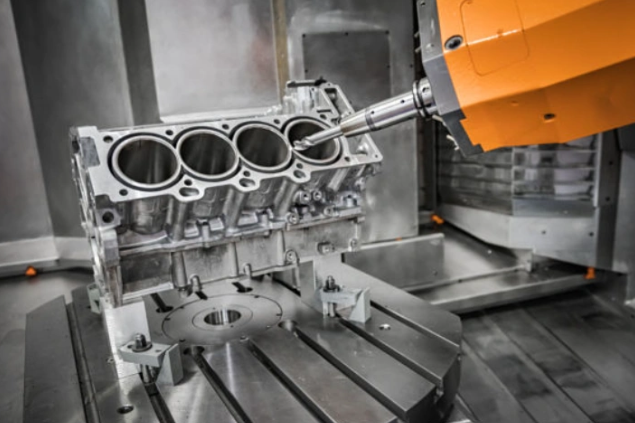
Pagpili ng Tamang Kasamang sa Pagmamanupaktura
Nakamaster mo na ang mga materyales, in-optimize ang iyong disenyo, at pinili ang perpektong huling pagkakabuo. Ngunit narito ang katotohanan na naghihiwalay sa mga matagumpay na proyekto mula sa mga nakakapagod na proyekto: kahit ang pinakamahusay na mga teknikal na tukoy ay nabigo kapag walang tamang kumpanya na nagsasagawa nito. Ang paghahanap ng "metal fabrication near me" o "sheet metal fabrication shops near me" ay nagreresulta sa maraming opsyon—ngunit paano mo malalaman kung alin ang mga kumpanyang may kakayahan at alin ang magdudulot ng problema sa hinaharap?
Ang sagot ay nasa pagtutugma ng iyong partikular na mga kinakailangan sa mga kumpanyang espesyalista sa pagbibigay ng ganitong serbisyo. Iba-iba ang mga kakayahan, sertipikasyon, at pamantayan sa kalidad na hinahangad ng iba't ibang industriya. Maaaring mahirapan ang isang kumpanya na bihasa sa paggawa ng aluminum para sa arkitektura sa paggawa ng mga bahagi ng sasakyan na nangangailangan ng mataas na presisyon. Ang pag-unawa sa mga pagkakaiba na ito ay tumutulong sa iyo na makahanap ng mga kumpanyang tunay na umaayon sa iyong mga aktwal na pangangailangan.
Mga Hinihiling ng Industriya ng Automotive
Ang mga aplikasyon sa automotive ay nagpapataw ng pinakamahigpit na mga kinakailangan sa mga serbisyo ng pasadyang sheet metal. Ang mga bahagi ng chassis, mga bracket ng suspension, at mga istruktural na assembly ay kailangang gumana nang perpekto sa ilalim ng labis na stress, pagbabago ng temperatura, at mga kondisyong nakakakoros—madalas nang ilang dekada. Hindi tinatanggap ng industriya ng automotive ang "sapat na magaling."
Ang mahigpit na kapaligiran na ito ang nagsilbing dahilan para sa pagkakabuo ng sertipikasyon na IATF 16949, na isinagawa ng International Automotive Task Force. Ayon sa OGS Industries, ang sertipikasyong ito ay batay sa mga kinakailangan ng ISO 9001 ngunit may dagdag na mga pamantayan na partikular sa automotive para sa lean manufacturing, pag-iwas sa mga depekto, pagpigil sa mga pagkakaiba, at pagbawas ng basura.
Ano ba talaga ang ibinibigay ng sertipikasyon na IATF 16949 para sa iyong mga proyekto?
- Konistente na Kalidad: Ang mga prosesong pinagmamasdan at sinusukat ay nagmaksima sa produktibidad at nagdudulot ng maasahang resulta
- Bawasan ang pagkakaiba-iba ng produkto: Ang mga prosesong pangmamanupaktura na binabasa at sinisiyasat ay nagtiyak na ang mga bahagi ay pare-parehong sumusunod sa mataas na pamantayan ng pagganap ng sasakyan
- Tiustong Supply Chain: Mga internasyonal na kinikilala na pamantayan para sa pagkuha ng suplay at pag-qualify ng mga supplier
- Pag-iwas sa Depekto: Ang mga proseso sa paggawa ng metal, pagsolda, at pagpipinong nasubok at na-prove ay nagpapababa ng mga isyu sa kalidad
- Nabawasan ang basura: Ang napadali na produksyon at mga mapabuting sistema ng pamamahala ay sumusunod sa mga inisyatibo para sa kapaligiran
Para sa mga proyektong pang-automotive, ang pagtrabaho kasama ang mga tagagawa na sertipikado sa IATF 16949 ay hindi opsyonal—karaniwang kinakailangan ito sa supply chain. Ang mga tagagawa tulad ng Shaoyi (Ningbo) Metal Technology ay nagpapakita ng kung ano ang dapat hanapin: kalidad na sertipikado sa IATF 16949 na pinagsasama sa mga praktikal na kakayahan tulad ng mabilis na paggawa ng prototype sa loob ng 5 araw, komprehensibong suporta sa DFM (Design for Manufacturability), at pagbibigay ng quote sa loob ng 12 oras. Ang mga kakayahang ito ay lalo pang kapaki-pakinabang kapag nagpapaunlad ng mga bahagi ng chassis, suspension, at istruktural na bahagi na nangangailangan ng parehong kumpiyansa at bilis.
Sertipikasyon at Pamantayan sa Kalidad
Bukod sa automotive, ang iba’t ibang industriya ay nangangailangan ng iba’t ibang sertipikasyon at pamamaraan sa kalidad. Ang pag-unawa sa mga pamantayan na ito ay tumutulong sa iyo na suriin kung ang potensyal na mga katuwang ay talagang kayang serbisyuhan ang iyong merkado.
Aerospace (AS9100)
Ang mga aplikasyon sa aerospace ay nangangailangan ng sertipikasyon sa AS9100, na nagdaragdag ng mga kinakailangan para sa traceability (pagsubaybay), configuration management (pamamahala ng konpigurasyon), at risk mitigation (pagbawas ng panganib) bukod sa ISO 9001. Kung ang iyong paggawa ng stainless steel o paggawa ng aluminum ay para sa mga tagagawa ng eroplano, ang sertipikasyong ito ay hindi pwedeng ipagpalit.
Mga Medikal na Device (ISO 13485)
Ang paggawa ng mga medikal na device ay nangangailangan ng sertipikasyon na ISO 13485, na binibigyang-diin ang kontrol sa disenyo, pagpapatunay ng proseso, at pagsunod sa regulasyon. Ang pagsubaybay sa pinagmulan ng materyales at ang kakayahan sa cleanroom ay naging mahahalagang kadahilanan.
Pangkalahatang Industriyal (ISO 9001)
Ang ISO 9001 ay nagbibigay ng pundasyon para sa mga sistemang pangkalidad sa iba’t ibang industriya. Bagaman mas hindi mahigpit kaysa sa mga pamantayan para sa automotive o aerospace, ito ay nagpapakita ng dedikasyon sa mga na-dokumentong proseso at patuloy na pagpapabuti.
Ang pagkontrol sa kalidad sa metal fabrication ay kasama ang maraming paraan ng pagpapatunay sa buong proseso ng produksyon. Ayon sa Makabago na Paggawa , ang epektibong mga programa sa kalidad ay kasama ang:
- Pagsusuri sa mga dumarating na materyales at pagpapatunay ng sertipiko
- Pagsusuri sa sukat habang ginagawa ang proseso sa mga mahahalagang operasyon
- Unang pagsusuri sa isang artikulo bago magsimula ang produksyon
- Pamantayan sa pagsubaybay sa proseso gamit ang istatistika
- Pinal na inspeksyon laban sa mga tukoy na kahilingan ng customer
- Dokumentasyon at mga rekord ng pagsubaybay
Ano ang panghuling layunin? Siguraduhing ang mga natapos na produkto ay pare-pareho, maaasahan, at sumusunod sa inyong mga kahilingan bago ipadala—hindi pagkatapos ng pag-install kapag lumitaw na ang mga problema.
Pagtatasa sa mga Kasamahang Tagagawa
Madali lang hanapin ang mga workshop ng paggawa ng metal malapit sa akin. Ngunit ang paghahanap ng tamang kasosyo ay nangangailangan ng tamang mga tanong. Batay sa 40 taon ng karanasan ni Bud Harris, isang bihasang eksperto sa industriya, narito ang mga bagay na tunay na mahalaga kapag sinusuri ang mga tagapagawa ng metal malapit sa akin:
- Nag-ooffer ba sila ng engineering na may dagdag na halaga? Ang mga mahusay na supplier ay nagtutulungan upang mapabuti ang kakayahang mag-produce at mabawasan ang gastos—hindi lamang pumupuno ng mga drawing nang walang pag-iisip
- Paano nila hinahandle ang komunikasyon? Malinaw at paulit-ulit na mga update, kasama ang tiyak na pagpapatupad, ang nagsisilbing pundasyon ng matatag na pakikipagtulungan
- Ano ang itsura ng kanilang pamamahala ng kalidad? Bisitahin ang mga pasilidad upang suriin nang personal ang kontrol sa proseso, dokumentasyon, at kakayahan sa inspeksyon
- Bago ba ang kagamitan nila? Ang modernong makinarya at software ay nagbibigay ng malaking mga pakinabang sa tiyak na kalidad, bilis, at pagkakapare-pareho
- Gaano katibay ang kanilang supply chain? Ang maaasahang pagkuha ng materyales ay nakakaiwas sa mga pagkaantala at nagtiyak ng pare-parehong kalidad
- Nag-i-inbest sila ba sa kanilang manggagawa? Ang mga bihasang operator at patuloy na pagsasanay ay kasing-importante ng kagamitan
- Kaya ba nilang suportahan ang prototyping hanggang sa produksyon? Ang mga kasosyo na nag-ooffer ng mabilis na prototyping kasabay ng produksyon sa dami ay nagpapabilis sa iyong development cycle
- Anong mga sertipiko ang kanilang hawak? Suriin kung ang kanilang mga kredensyal ay sumasapat sa mga kinakailangan ng iyong industriya
Marahil ang pinakamahalaga: hanapin ang mga kasosyo na itinuturing ang iyong tagumpay bilang kanilang sariling tagumpay. Ang mga mapagkakalaban na ugnayan sa pagitan ng vendor ay lumilikha ng pagtutunggali sa bawat hakbang. Ang mga kolaboratibong partnership—kung saan ang mga fabricator ay proaktibong nagmumungkahi ng mga pagpapabuti at ibinabahagi ang mga oportunidad para sa pag-impok ng gastos—ay nagdudulot ng mas magandang resulta para sa lahat.
Ang tamang kasosyo sa paggawa ay nagpapalit sa mga pasadyang serbisyo ng sheet metal mula sa isang transaksyonal na pagbili patungo sa isang estratehikong kalamangan. Sila ang nakakakita ng mga isyu sa disenyo bago pa man ito maging problema sa produksyon, nagmumungkahi ng mga alternatibo na nagpapabuti ng pagganap habang binabawasan ang gastos, at nagdadala ng pare-parehong kalidad na nangangalaga sa iyong reputasyon. Maglaan ng sapat na oras para suriin nang lubusan—ang relasyon na itatag mo ay maghuhubog sa bawat proyekto na susunod.
Mga Karaniwang Itinatanong Tungkol sa mga Pasadyang Serbisyo ng Sheet Metal
1. Magkano ang gastos ng custom na sheet metal?
Ang mga gastos sa pasadyang paggawa ng sheet metal ay nag-iiba batay sa ilang kadahilanan kabilang ang uri ng materyales, kapal, kumplikadong disenyo, dami ng order, at mga kinakailangan sa pagtatapos. Ang cold-rolled steel ang pinakamurang opsyon, samantalang mas mahal ang stainless steel at mga espesyal na metal. Mas mura ang mga simpleng patag na blanko kaysa sa mga bahagi na may maraming baluktot at mga welded na tampok. Ang mas malalaking dami ng order ay binabawasan ang presyo bawat yunit sa pamamagitan ng pagkakalat ng mga gastos sa pag-setup sa higit pang mga bahagi. Ang mga pagtatapos tulad ng powder coating ay nagdaragdag ng $2–$5 bawat square foot, habang ang mga espesyal na pagtatapos ay maaaring umabot sa $15+ bawat square foot. Ang mga rush order ay karaniwang nagdaragdag ng 20–40% na premium sa presyo.
2. Ano ang pagkakaiba sa pagitan ng laser cutting at waterjet cutting?
Ginagamit ng laser cutting ang isang nakatuon na mataas-na-enerhiyang sinag upang tumunaw o mapalabas sa anyo ng gas ang materyal, na nagbibigay ng napakalinis na mga gilid na may makitid na putol (0.1–0.3 mm) sa mga materyal na hanggang isang pulgada ang kapal. Nakikilala ito sa paggawa ng mga kumplikadong disenyo sa manipis na bakal, stainless steel, at aluminum. Ang waterjet cutting naman ay gumagamit ng mataas-na-presyur na tubig na pinaghalo sa abrasive na garnet—isang proseso ng pagputol na walang init na pananatilihin ang mga katangian ng materyal nang hindi nabubuo ang heat-affected zones. Nakakapagproseso ito ng mga materyal na higit sa 12 pulgada ang kapal at epektibo sa mga metal na sensitibo sa init tulad ng titanium. Mas mabilis ang laser sa manipis na materyal; ang waterjet naman ay mas mainam para sa madiyos na materyal o kapag mahalaga ang sensitibidad sa init.
3. Anong mga sertipikasyon ang dapat kong hanapin sa isang kasosyo sa paggawa ng sheet metal?
Ang mga kailangang sertipikasyon ay nakasalalay sa iyong industriya. Para sa mga aplikasyon sa automotive, ang sertipikasyon ng IATF 16949 ay mahalaga—ito ay nagpapatibay na ang mga sistemang pangkalidad ay sumusunod sa mahigpit na pamantayan ng supply chain ng automotive para sa pag-iwas sa mga depekto at pagbawas ng basura. Ang mga proyektong pang-aerospasyo ay nangangailangan ng sertipikasyon ng AS9100 para sa pagsubaybay at pagbawas ng panganib. Ang produksyon ng medical device ay nangangailangan ng ISO 13485 para sa mga kontrol sa disenyo at pagsunod sa regulasyon. Ang ISO 9001 ay nagbibigay ng pundasyon para sa pangkalahatang aplikasyon sa industriya. Ang mga tagagawa na sertipikado sa IATF 16949 tulad ng Shaoyi (Ningbo) Metal Technology ay nag-ooffer ng komprehensibong suporta sa DFM at kakayahang mabilis na gumawa ng prototype—na perpekto para sa mga bahagi ng chassis at istruktura.
4. Ano ang pinakamahusay na materyales para sa paggawa ng sheet metal?
Ang pinakamahusay na materyal ay nakasalalay sa mga kinakailangan ng iyong aplikasyon. Ang mga alloy ng aluminum (5052, 6061, 7075) ay nag-aalok ng mahusay na ratio ng lakas sa timbang para sa mga aplikasyon sa aerospace at automotive. Ang carbon steel ay nagbibigay ng abot-kaya at mahusay na pagkabuo para sa mga istruktural na bahagi at suporta. Ang stainless steel na 304 ay nagbibigay ng resistensya sa korosyon para sa pagproseso ng pagkain at kagamitan sa medisina, samantalang ang stainless steel na 316 ay angkop para sa kapaligiran sa dagat at kemikal. Ang tanso ay lubos na epektibo sa mga aplikasyon na pangkuryente at pang-init. Ang brass ay nag-aalok ng napakahusay na kakayahang pang-makinis para sa dekoratibong hardware. Isaalang-alang ang tensile strength, resistensya sa korosyon, timbang, kakayahang pang-makinis, at gastos kapag pumipili ng mga materyal.
5. Paano ko ididisenyo ang mga bahagi para sa kakayahang pang-produksyon sa paggawa ng sheet metal?
Ang Epektibong Disenyo para sa Pagmamanupaktura (DFM) ay sumusunod sa mga pangunahing prinsipyo: panatilihin ang pinakamaliit na radius ng pagkukurba sa loob na katumbas o mas malaki sa kapal ng materyal upang maiwasan ang pagsira; ilagay ang mga butas sa loob ng hindi bababa sa 0.062 pulgada mula sa mga gilid sa manipis na materyal at 0.125 pulgada sa mas makapal na stock; gamitin ang pare-parehong radius ng pagkukurba sa buong disenyo upang mapadali ang paggawa ng mga kagamitan; isama ang mga relief cut kung saan dalawang pagkukurba ay nagtatagpo sa mga sulok; at tukuyin ang mahigpit na toleransya lamang sa mga kritikal na tampok. Ang pinakamababang haba ng flange ay dapat apat na beses ang kapal ng materyal. Ang pag-iwas sa mga karaniwang kamalian na ito ay nababawasan ang gastos, pinikli ang lead time, at pinipigilan ang mahal na pagrere-design habang nasa produksyon.