 Small batches, high standards. Our rapid prototyping service makes validation faster and easier —
  EN
EN


Razkrito: Kaj dejansko vpliva na stroške rezkanja pločevine po meri
Razumevanje osnov prilagojenega rezanja pločevine
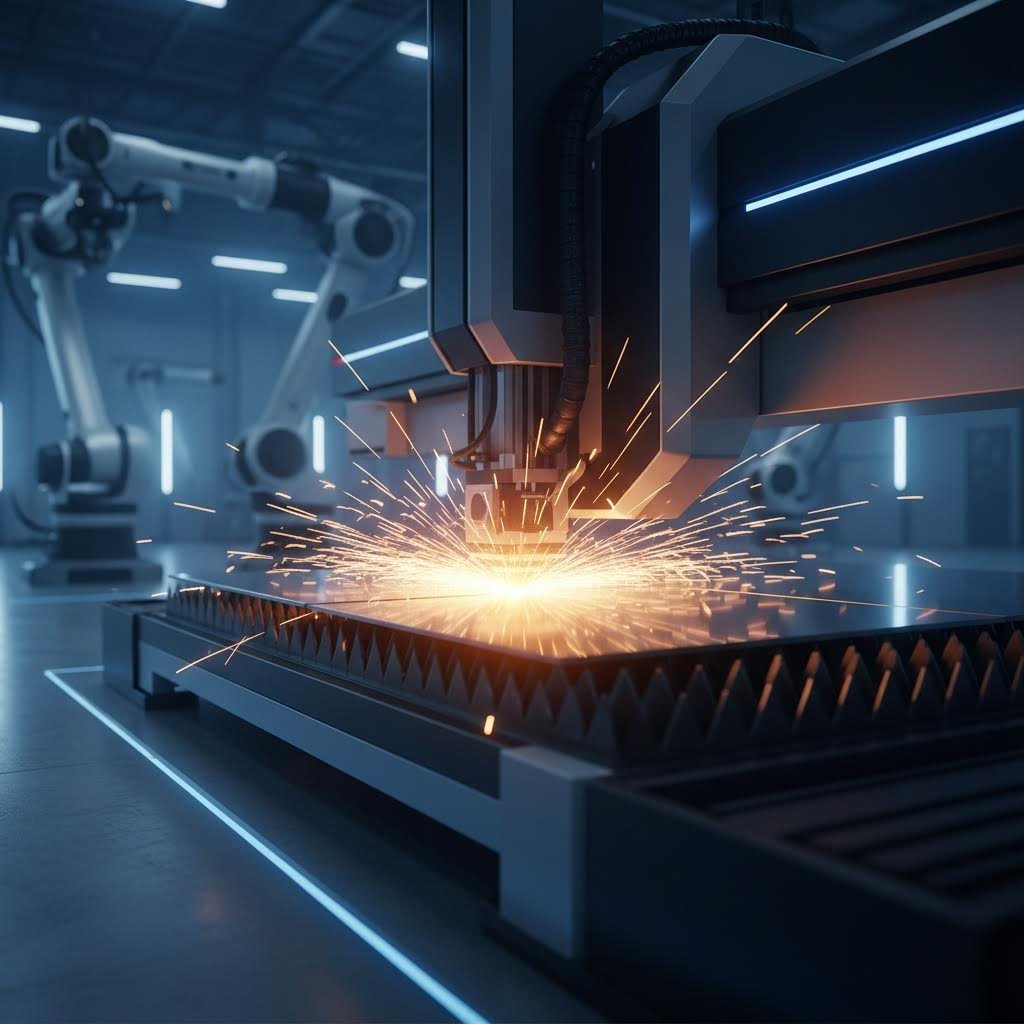
Ste se kdaj vprašali, kaj loči popolnoma ustrezen kovinski del od tistega, ki preprosto ne deluje? Odgovor leži v prilagojenem rezanju pločevine – natančnem procesu pretvarjanja ravnih kovinskih plošč v dele, prilagojene vašim točnim specifikacijam. V nasprotju s serijskimi deli ta pristop omogoča izdelavo kosov, ki so posebej zasnovani za vašo uporabo, ne glede na to, ali izdelujete avtomobilske nosilce , ohišja za elektroniko ali arhitekturne plošče.
Kaj naredi rezanje pločevine prilagojeno
Ko rezete pločevino po meri, ne zmanjšujete materiala le na določeno velikost. Ustvarjate sestavne dele, ki so konstruirani za določen namen. Ta proces vključuje izbiro ustrezne tehnologije rezanja, prilagoditev vrsti materiala in debelini (izmerjena v kalibru) ter doseganje natančnih dimenzij, ki jih zahteva vaš projekt.
Značilnost »po meri« pomeni, da je vsaka odločitev – od metode rezanja do obdelave roba – odvisna od vaših posebnih zahtev. Laserje za rezanje kovin so lahko popolni za zapletene oblike, ki zahtevajo majhne tolerance, medtem ko se plazemsko rezanje izkazuje pri hitrem obdelovanju debelejših materialov. Nekateri projekti imajo koristi celo od tradicionalnega strojnega rezanja s šablono, kadar sta prednost prioriteti preproste oblike in visoka proizvodnja.
Izdelava pločevine po meri pokriva industrije od letectva in avtomobilskega do medicinskih naprav in potrošniške elektronike vsestranski značilnosti tega postopka izdelave omogočajo proizvajalcem ustvarjanje nosilcev, pokrovov, okvirjev, ohišij in številnih drugih sestavnih delov z izjemno natančnostjo.
Zakaj je natančnost pomembna pri obdelavi kovin
Predstavljajte si sestavljanje izdelka in nenadoma ugotovite, da je en sam sestavni del odstopal za majhen del palca. Ta majhna napaka se lahko razširi v večje težave – dele, ki se ne prilegajo, sisteme, ki ne delujejo pravilno, ali dragocene popravke, ki zakasnejo celoten projekt.
Natančnost pri rezanju pločevine zagotavlja, da vsak del deluje točno tako, kot je načrtovano. Popolnoma izdelan del se ne prilega samo – izboljša skupno učinkovitost in zanesljivost kateregakoli sistema, ki ga podpira. Zato je pomembno, da razumete osnove, preden zahtevate ponudbe, saj vam to omogoča jasno sporočanje vaših potreb in učinkovito ocenjevanje dobaviteljev.
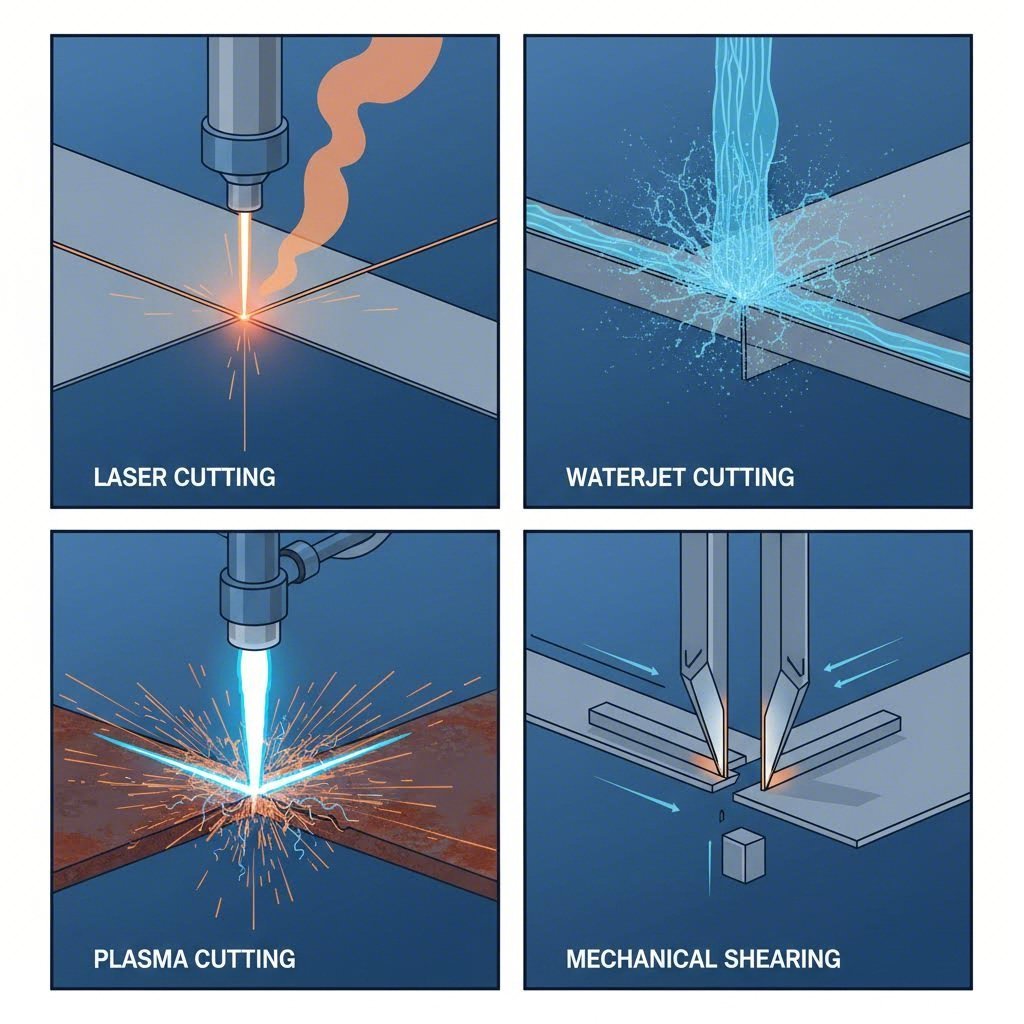
V tem vodniku boste spoznali glavne tehnologije rezanja, ki so na voljo za vaše projekte:
- Laserjeva rezovanja – Uporablja usmerjene svetlobne žarke za izjemno natančna rezanja in zapletene oblike
- Vodnjakovsko rezanje – Uporablja visokotlačno vodo, mešano s sredstvi za brušenje, za rezanje brez toplote
- Plazmensko rezanje – Uporablja ioniziran plin za hitro rezanje debelejših prevodnih kovin
- Mekhaniko rezanje – Omogoča hitre, ravne reze za osnovne oblike in delo z velikimi količinami
Vsaka metoda ima svoje jasne prednosti, odvisno od vašega materiala, stopnje zapletenosti oblikovanja in proračuna. Z razumevanjem teh možnosti boste lahko sprejeli informirane odločitve – in točno razumeli, kaj vpliva na vaš predračun, ko ga zahtevate.
Štiri glavne metode rezanja in kako delujejo
Ko sedaj razumete, kaj naredi rezanje pločevine prilagojeno meri, si oglejmo tehnologije, ki omogočajo vse to. Vsaka metoda rezanja deluje na popolnoma drugačnih načelih – in razumevanje teh razlik je ključno za razumevanje, zakaj je en pristop dražji ali bolj učinkovit za vaš določen projekt.
Pojasnilo tehnologije laserskega rezkanja
Predstavljajte si laserski kovinski rezalnik kot izjemno natančen, usmerjen žarek svetlobe, ki je dovolj močan, da stopi kovino. laser cutting machine for metal uporablja vir CO2 ali vlaknastega lasera za usmeritev energije v izjemno majhno točko, s čimer izpareva ali talji material vzdolž programirane poti.
Kaj naredi lasersko rezkanje izstopajoče? Usmerjen žarek ustvari izjemno ozek kerf —širino odstranjenega materiala med rezkanjem. Ožji rež pomeni manj odpadnega materiala in možnost rezkanja zapletenih vzorcev z izjemno podrobno kakovostjo. Po mnenju strokovnjakov za obdelavo materialov lasersko rezkanje povzroči še manjšo cono vpliva toplote (HAZ) v primerjavi z drugimi toplotnimi metodami, ker se toplota nanese na izjemno omejen prostor.
Vlaknasti laserji prevladujejo pri obdelavi tankih materialov debeline pod 1/4", kjer dosegajo izjemne hitrosti rezkanja. Vendar se pri večji debelini materiala rezkanje z laserjem znatno upočasni – zaradi česar postane manj ekonomsko učinkovito za plošče, debelše od 1".
Razlike med vodnim curkom in plazemskim rezkanjem
Ko je toplotna deformacija nemogoča, rešitev ponuja rezanje z vodo. Sistemi za rezanje z vodnim curkom potisnejo vodo skozi majhno šobo pri tlakih do 90.000 PSI—pogosto zmešano z abrazivnimi delci, kot je granat—da izvijejo material vzdolž poti reza. Ker ni udeležene toplote, ta hladni postopek popolnoma ohranja strukturno celovitost kovine.
Zveni idealno, kajne? Nadomestilo pa je hitrost. Sistemi za rezanje z vodnim curkom običajno režejo le s 5–20 palci na minuto, kar jih naredi najpočasnejšo možnostjo med temi tehnologijami. Vendar pa je za uporabe, kjer lastnosti materiala ne smejo biti ogrožene, ta metoda neprecenljiva.
Plazemsko tehnologijo reza uporablja nasprotni pristop. Plazemsko rezanje uporablja pospešeni curek ioniziranega plina, ki doseže temperature do 45.000°F (25.000°C) da stopi in odpiha material. Ta ekstremna temperatura omogoča izjemno hitrost—rezanje aluminija s plazemskim rezalnikom lahko preseže 100 palcev na minuto pri materialu debeline 1/2".
Območje toplotnega vpliva pri plazemskem rezanju je relativno ozko, ker se hitrosti rezanja lahko prilagajajo za zmanjšanje izpostavljenosti toploti. Sodobni visokodefinicijski plazemski sistemi so se močno razvili in sedaj konkurrirajo laserski kakovosti pri mnogih aplikacijah, hkrati pa ohranjajo odlično zmogljivost.
Mehansko striženje: Specialist za ravne reze
Za preproste, ravne reze ostaja mehansko striženje praktična izbira. Ta postopek uporablja nasprotne nože – podobno ogromnim škarjam – za ločevanje pločevine vzdolž linearne poti. Ker striženje temelji na mehanski sili namesto toploti, sploh ne povzroča območja toplotnega vpliva.
Omejitev? Striženje omogoča le ravne reze. Za kompleksne geometrije, krivulje ali notranje izreze so potrebne druge metode. Vendar pa pri visokem obsegu proizvodnje osnovnih oblik striženje zagotavlja hitre rezultate pri nižjih obratovalnih stroških.
Ključna terminologija, ki jo morate poznati
Preden primerjamo te metode, pojasnimo tri izraze, ki neposredno vplivajo na kakovost in stroške vašega projekta:
- Kerf – Širina materiala, ki se odstrani med rezanjem. Ožji rezi pomenijo manj odpadkov in bolj tesno postavitev delov.
- Območje, vplivano s toploto (HAZ) – Območje, kjer se zaradi toplotnega obremenitve spremeni mikrostruktura kovine, kar lahko zmanjša trdnost. Najšibkejši deli konstrukcije se nahajajo v območju toplotno vplivane cone (HAZ), zato je to ključen dejavnik pri konstrukcijskih aplikacijah.
- Burrova formacija – Majhni izrastki ali grubi deli, ki nastanejo med rezanjem in jih morda zahteva sekundarno dokončanje.
Razumevanje teh izrazov vam pomaga natančno oceniti ponudbe – dobavitelj, ki omeni »minimalno HAZ« ali »robove brez burrov«, opisuje merljive kakovostne lastnosti, ki vplivajo na vaše končne dele.
Primerjava vseh štirih metod
Kako se te tehnologije primerjajo med seboj? Ta primerjava zajema dejavnike, ki najbolj neposredno vplivajo na vaše projektne odločitve:
| Faktor | Laserjeva rezovanja | Vodnjakovsko rezanje | Plazmensko rezanje | Mekhaniko rezanje |
|---|---|---|---|---|
| Nivo z visokim natančnostnim razredom | Najvišja (±0,001" – 0,005") | Visoka (±0,003" – 0,010") | Dobra (±0,010" – 0,030") | Srednja (±0,010" – 0,060") |
| Obseg debeline materiala | Do 1" (optimalno pod 1/4") | Do 12"+ (katerakoli debelina) | 0,018" do 2" (optimalno območje) | Ponavadi do 1/4" |
| Kakovost roba | Odlična, minimalni žleb | Dobro, nekoliko teksturirano | Dobro do odlično z HD plazmo | Čisto, vendar lahko ima nekoliko izkrivljenosti |
| Proizvodnja toplote | Zmerno (majhna cona toplotnega vpliva) | Brez (hladni postopek) | Visoko (upravljiva cona toplotnega vpliva) | Brez (mehanski postopek) |
| Najboljše uporabe | Podrobni dizajni, tanke materiale, natančni deli | Toplotno občutljivi materiali, debeli materiali, kompoziti | Debel jeklo, visokovolumenska proizvodnja, konstrukcijski deli | Ravni rezki, osnovne oblike z visoko količino |
Opazite, kako se vsaka metoda izkazuje v različnih primerih. Laser za rezanje kovin zagotavlja nepremagovljivo natančnost pri podrobnih opravilih, plazma pa prevlada pri hitrem rezanju debele jeklene pločevine. Vodni curki so edini primerni za uporabo, kadar je kakršna koli izpostavljenost toploti nezaželena, rezkanje pa ostaja ekonomsko ugodna izbira za preproste reze.
Ko razumemo te metode rezanja, se pojavi naslednje vprašanje: za katero tehnologijo so najprimernejši posamezni materiali? Odgovor je odvisen od dejavnikov, kot so svetlobna odbojnost, debelina in specifične lastnosti, ki jih želite ohraniti.
Izbira pravega materiala za vaš projekt rezanja
Spoznali ste, kako deluje vsaka tehnika rezanja – vendar je tu ujetev: ne vsak kovinski material se enako dobro obnaša z vsako metodo. Material, ki ga izberete, neposredno vpliva na to, kateri način rezanja zagotavlja najboljše rezultate, najhitrejši rok izvedbe in najugodnejšo ponudbo. Poglejmo, s katerimi kovinami se posamezne tehnike najbolje združujejo in zakaj debelina igra večjo vlogo, kot bi morda pričakovali.
Ujemanje kovin z tehnikami rezanja
Različne kovine imajo edinstvene lastnosti – odsevnost, toplotno prevodnost, trdoto – ki določajo, kako reagirajo na rezanje. Neustrezna kombinacija lahko pomeni slabo kakovost rezalnih robov, počasnejši proces obrabe ali celo poškodbe opreme.
Aluminijaste je lahka, korozijo odporna in odlična za rezanje z laserjem, kadar delate z tankejšimi debelinami . Optični laserji izjemno dobro obdelujejo aluminij, pri čemer nastanejo čisti robovi z minimalnim žlebom. Zaradi visoke toplotne prevodnosti aluminija se toplota hitro razprši, zato imajo projekti rezanja aluminija z laserjem korist od optimiziranih nastavitev moči za ohranjanje kakovosti roba.
Jeklo in nerjaveče jeklo sta delovna konja v kovinskih izdelavah – uporabljata se pri skoraj vseh metodah rezanja. Ogljikovo jeklo odlično reagira na plazemsko rezanje, ki je bilo prvotno razvito posebej za kovine, ki jih ni bilo mogoče učinkovito rezati s tradicionalnim plamenskim rezanjem. Nerjaveče jeklo se dobro obdeluje z laserjem, plazmo in vodnim curkom, njegove protikorozijske lastnosti pa ga naredijo priljubljenega v aplikacijah, kjer sta ključnega pomena kakovost roba in celovitost materiala.
Med enako in bronz predstavljajo edinstven izziv. Ti zrcalni kovinski materiali lahko odbijajo lasersko energijo nazaj proti rezilni glavi, kar lahko poškoduje CO2 laserske sisteme. Plazemski rezalni stroji so idealni za rezanje sijajnih ali odsevnih kovin, kot je baker, zato so pogosto najboljša izbira, kadar laserji niso primerni. Alternativno lahko vlaknasti laserji s specifičnimi valovnimi dolžinami varneje obdelujejo baker kot tradicionalni CO2 sistemi.
Spodaj je hitri priročnik za ujemanje materialov z metodami rezanja:
- Aluminijaste – Najbolj primeren za tanke pločevine: vlaknasti laser (za tanke debeline) ali vodni curek (za debelejše materiale); plazma je primerna za konstrukcijske aplikacije
- Mehen ocel – Odličen pri vseh metodah; plazma ponuja najnižje obratovalne stroške pri debelejših ploščah
- Nerjavnega jekla – Laser za natančnost, vodni curek za toplotno občutljive aplikacije, plazma za hitrost pri debelejših profilih
- Bakrom – Prednostno plazemsko rezanje; vlaknasti laser z ustrezno nastavitvijo; vodni curek za ničelno toplotno deformacijo
- Mesing – Podobno kot baker; CO2 laserjev je treba se izogibati; priporočata se plazma ali vodni curek
- Titan – Vodni curek je idealen za preprečevanje oksidacije; laser je mogoč z zaščito inertnega plina
Če iščete možnosti poleg kovin, na primer prilagojeno rezano akrilno steklo ali plošče iz akrilnega stekla za lasersko rezkanje, imajte v mislih, da se laserska tehnologija odlično ujema tudi s temi materiali. Akrilno steklo, prilagodljivo rezano s CO2 laserji, proizvede gladke, plamenom obdelane robove, ki pogosto ne potrebujejo dodatne obdelave. Tukaj pa ostaja fokus na kovinah, kjer izbira materiala neposredno vpliva na stroške izdelave.
Debelina materiala in obravnava kalibrov
Tu je nekaj, kar preseneča mnoge kupce prvič: debelina pločevine se ne meri le v palcih ali milimetrih. Industrija uporablja sistem kalibrov kjer višje številke označujejo tanjše materiale. Zveni protislovno? Res je – vendar razumevanje tega sistema pomaga jasno komunicirati specifikacije in natančno razumeti ponudbe.
Pogoste meritve kalibrov vključujejo:
- 10 gauge – Približno 0,135" (3,4 mm); uporablja se za trdovratne strukturne komponente
- 14 merilo – Približno 0,075" (1,9 mm); primerno za avtomobilske dele in komercialno opremo
- 16 merilo – Približno 0,060" (1,5 mm); pogosto uporabljeno za gospodinjske aparate in omare
- 20 gauge – Približno 0,032" (0,81 mm); pogosto uporabljeno v sistemu prezračevanja in klimatizacije ter dekorativnih aplikacijah
Zakaj je debelina tako pomembna za vaš ponudbeni cenik? Tanjše pločevine omogočajo hitrejše rezanje, kar se neposredno odraža v nižjih stroških obdelave. Plošča iz jekla debeline 20 lahko z enakim laserskim sistemom rezkarji tri do štirikrat hitreje kot plošča debeline 10. Ta razlika v hitrosti se pozna na vašem končnem računu.
Nasprotno pa debelejši materiali pogosto zahtevajo popolnoma druge tehnologije. Rezanje s kisikom odlično opravlja pri ogljikovem jeklu, debeljem več kot 2 palci , medtem ko plazma učinkovito obdeluje materiale do 1,25 palca. Lasersko rezanje postane ekonomsko manj ugodno ob debelinah nad 1 palec. Pri ploščah, debeljih več kot 2 palca, se rezanje z vodnim curkom pogosto spremeni v edino natančno možnost – čeprav pri višjih stroških.
Pri načrtovanju projekta upoštevajte, kako debelina vpliva na izbiro metode:
- Pod 1/4" – Laserjsko rezkanje ponuja najboljšo kombinacijo hitrosti, natančnosti in cene
- 1/4" do 1" – Laser, plazma ali vodni curek so vsi primerni; izbira je odvisna od zahtevane kakovosti roba in proračuna
- Nad 1" – Prednost imata plazma ali vodni curek; oksiacetilensko varjenje pri konstrukcijskih delih iz ogljikovega jekla
- Nad 2" – Vodni curek ali oksiacetilensko varjenje; laser redko ekonomsko učinkovit pri tej debelini
Poleg rezkanja nekateri projekti zahtevajo tudi izdelavo prizadev ali dekorativnih podrobnosti. Če iščete graviranje kovin v bližini mesta skupaj s storitvami rezkanja, veliko delavnic ponuja obe storitvi – združitev verige dobave in potencialno zmanjšanje skupnih stroškov.
Ko so razjasnjeni material in debelina, je naslednji pomemben dejavnik razumevanje tega, kako zahteve po natančnosti in kakovosti robov vplivajo na izbiro metode ter končno ponudbo.
Pojasnilo natančnosti in kakovosti robov
Izbrali ste material in določili metodo rezanja, ki ustreza vašemu projektu. Tukaj pa postanejo stvari tehnične – in tukaj se mnogi kupci presenečeni zaradi višine svojih ponudb. Zahtevana natančnost, merjena z dopusti, neposredno vpliva na to, katera tehnologija rezanja je primerna in koliko boste plačali. Pretvorimo te specifikacije v praktične izraze, ki jih lahko dejansko uporabite.
Kaj pomenijo dopusti za vaše dele
Toleranca pomeni dopustno odstopanje od navedenih mer. Ko izdelovalec trdi, da doseže toleranco ±0,005 palca, vam s tem sporoča, da lahko meritev elementa, ki je načrtovan točno na 2,000 palca, dejansko znaša kjer med 1,995 in 2,005 palca. Zveni nepomembno? Za nekatere aplikacije je ta razpon povsem sprejemljiv. Za druge – kot so deli, ki se morajo točno zaklepiti ali prilegati obstoječim sestavom – pa tudi manjša odstopanja igrajo pomembno vlogo.
Različne rezalne metode ponujajo različne zmogljivosti natančnosti. Tukaj je, kar realistično lahko pričakujete:
- Laserjeva rezovanja – Standardna toleranca ±0,005 palca (0,13 mm) za položaj, notranje in zunanje dimenzije. To velja za razdaljo med katerim koli rezanim robom v profilu.
- Vodnjakovsko rezanje – Navadno doseže ±0,003 do ±0,010 palca, odvisno od debeline materiala in hitrosti rezanja. Počasnejše hitrosti izboljšajo natančnost.
- Plazmensko rezanje – Splošno zagotavlja ±0,010 do ±0,030 palca, pri čemer sodobni sistemi visoke ločljivosti dosežejo ožji, boljši konec tega obsega.
- Mekhaniko rezanje – Navadno ±0,010" do ±0,060", odvisno od stanja rezila in debeline materiala.
Kaj ti številki praktično pomenita? Predstavljajte si, da izdelujete nosilce, ki se privijajo skupaj. Če se položaji lukenj razlikujejo za več, kot dopušča vaša tolerance, vijaki ne bodo poravnani – in boste morali predelovati ali odpisati delo. Deli, namenjeni laserskemu graviranju identifikacije ali podrobnemu kovinskemu laserskemu graviranju, zahtevajo še tesnejše osnovne tolerance, saj se vsaka variacija prišteje ob dodatnih operacijah.
Zahteve po tolerancah naj določajo izbiro metode – ne obratno. Če izberete tehnologijo rezanja, ki komaj ustreza vašim potrebam, povabite kakovostne probleme, medtem ko določanje tesnejših tolerancev, kot je nujno, povečuje stroške.
Kakovost roba pri različnih metodah rezanja
Poleg dimenzijske natančnosti kakovost roba vpliva tako na videz kot na funkcionalnost. Vsaka metoda rezanja ustvari značilne lastnosti roba, ki jih morda – ali pa tudi ne – bo treba dodatno obdelati.
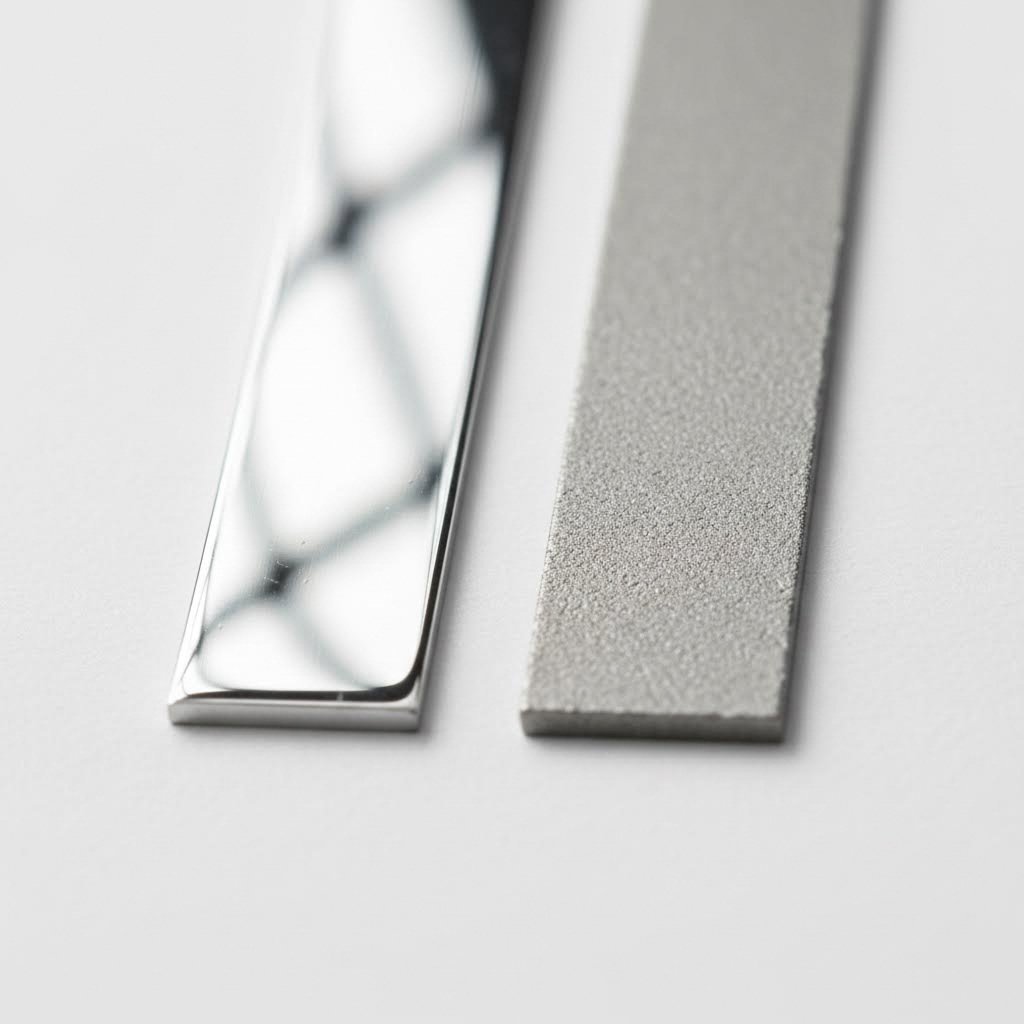
Laserjeva rezovanja ustvarja izjemno čiste robove z minimalnim nastankom žlebka. Laserjsko rezanje pločevine povzroči rahel nagib na debelejših materialih, vendar obdelana površina praviloma ne zahteva dodatne obdelave za večino aplikacij. Majhna cona toplotnega vpliva pomeni, da robovi ohranijo svojo trdoto in odpornost proti koroziji. Za natančne dele pogosto dopolnjujejo laserjsko graviranje, ki doda identifikacijske oznake brez dodatne manipulacije.
Vodnjakovsko rezanje ustvarja rahlo teksturirane robove—predstavljajte si fino brusilno papir namesto poliranega kovine. Postopek hladnega rezanja pomeni absolutno nič toplotnih deformacij, kar ga naredi idealnim, kadar lastnosti materiala ne smejo biti ogrožene. Vendar tekstura morda zahteva gladkost za estetske aplikacije ali natančne spoje.
Plazmensko rezanje ustvarja robove, ki se razlikujejo glede na kakovost sistema in nastavitve. Sodobni visokorezolucijski plazemski sistemi doseže kakovost, primerljivo z lasersko, pri mnogih aplikacijah, vendar standardna plazma lahko pusti grubejše robove, ki jih je treba brušiti ali obdelovati za natančne spoje. Toplotno vplivljeno cono je mogoče nadzorovati, vendar je prisotna, kar je pomembno pri aplikacijah, ki vključujejo nadaljnje varjenje ali toplotno obdelavo.
Mekhaniko rezanje ustvarja čiste robove, vendar lahko povzroči nekoliko izbočenje ali prelivanje vzdolž reza. Pri konstrukcijskih aplikacijah, kjer videz ni kritičen, to redko pomeni težavo. Pri vidnih komponentah ali natančnih sestavih je lahko potrebna dodatna odstranitev žlebov.
Zakaj certifikati dejansko pomembni
Verjetno ste že videli proizvajalce, ki poudarjajo svoje certifikate ISO 9001 ali IATF 16949. Ampak kaj ti nazivi dejansko pomenijo za vaše dele?
ISO 9001 ustvarja sistem kakovosti (QMS), ki dokumentira odgovornosti, procese in postopke, potrebne za doseganje ciljev kakovosti. Sistemi kakovosti pomagajo organizacijam dosledno izpolnjevati zahteve strank in predpise – kar pomeni, da morajo deli, ki jih prejmete danes, ujemati s kakovostjo del, naročenih pred več meseci.
IATF 16949 pri avtomobilskih aplikacijah gre še dlje. Ta certifikat temelji na ISO 9001, vendar dodaja avtomobilsko specifične zahteve glede varnosti, doslednosti in sledljivosti. Ko je podeljen certifikat IATF 16949, to pomeni, da je organizacija izpolnila zahteve, ki dokazujejo njeno zmožnost in zavezanost omejevanju napak – zmanjševanju odpadkov in zagotavljanju, da bodo deli v zahtevnih avtomobilskih okoljih delovali kot predvideno.
Za kupce ti certifikati zagotavljajo, da:
- Dokumentirani procesi zagotavljajo ponovljivo kakovost skozi serije proizvodnje
- Ukalibriranje in vzdrževanje opreme sledi določenim urnikom
- Postopki pregleda preverjajo, ali dele ustrezajo določenim tolerance
- Sistemi sledljivosti sledijo materialom in procesom za vsako naročilo
Ko vaša aplikacija zahteva dosledno kakovost laserskega rezkanja kovin – zlasti za avtomobilske, letalske ali medicinske komponente – delo s certificiranimi izdelovalci znatno zmanjša tveganje. Certifikat ni le logotip; predstavlja sisteme, ki so zasnovani tako, da odkrijejo težave, preden dosežejo vas.
Razumevanje toleranc in kakovosti robov vam pomaga natančno določiti, kaj potrebujete – toda kako pa projekt rezkanja dejansko poteka od datoteke z načrtom do končnih delov? V naslednjem razdelku je opisan celoten postopek, ki vam pomaga pripraviti datoteke, ki se gladko pretvorijo v natančne ponudbe in kakovostne komponente.
Celoten postopek rezkanja – od načrta do dostave
Izbrali ste način rezanja, določili material in definirali zahteve glede tolerance. Kaj zdaj? Razumevanje poti od datoteke CAD do končnih delov vam pomaga pripraviti se pravilno, izogniti se zamudam in razumeti, za kaj točno plačujete. Poglejmo si celoten delovni tok, ki pretvori vaš digitalni dizajn v natančne kovinske komponente.
Od datoteke CAD do reznih delov
Pot od koncepta do končne komponente sledi predvidenemu zaporedju – vendar vsak korak ponuja možnosti za optimizacijo glede hitrosti, stroškov ali kakovosti. Tukaj je, kaj se zgodi, ko oddate projekt ponudniku storitev laserskega kovinskega rezanja ali delavnici za rezanje z vodnim curkom:
- Predložitev načrta – Datoteke CAD naložite prek portalu izdelovalca ali po e-pošti. Večina delavnic sprejema več formatov, čeprav nekateri delujejo za rezanje bolje kot drugi.
- Pregled primerenosti za izdelavo (DFM) – Inženirji analizirajo vaš dizajn glede morebitnih težav še preden se začne rezanje. Ta ključni korak omogoča zgodnje odkrivanje težav.
- Ponudba in potrditev – Prejmete ceno na podlagi materiala, zapletenosti, količine in časovnega razporeda. Ko je cena odobrena, je izbira materiala potrjena.
- Programiranje proizvodnje – Vaš dizajn se pretvori v strojne ukaze (G-koda), z optimizacijo postavitve za zmanjšanje odpadkov materiala.
- Operacija rezanja – Vaši deli se prerežejo z uporabo določene tehnologije – laserjem, vodnim curkom, plazmo ali škarjenjem.
- Preverjanje kakovosti – Dokončani deli se merijo glede na specifikacije, da se preveri točnost dimenzij in kakovost robov.
- Sekundarne operacije – Če je potrebno, se deli obdelujejo s čiščenjem ostrin, upogibanjem, varjenjem ali dokončnimi procesi.
- Pakiranje in pošiljanje – Sestavni deli se skrbno pakirajo, da se prepreči poškodba med prevozom, in pošljejo na vaše obrat.
Celoten postopek se lahko zgodil izjemno hitro. Glede na analizo panoge , digitalne proizvodne platforme omogočajo čase izvedbe, merjene v dneh namesto tednih – pri nekaterih ponudnikih pa se iz CAD-ov do prerezanih delov pride že v 48 urah za enostavnejše projekte.
Priprava vaših načrtovnih datotek za rezanje
Vrsta datoteke, ki jo pošljete, neposredno vpliva na gladkost poteka vašega projekta skozi proizvodnjo. Različne vrste datotek vsebujejo različne podatke, in pametna izbira prepreči prevajalske napake, ki bi zamudile vaš časovni razpored.
Priporočene vrste datotek za storitve laserskega rezkanja vključujejo:
- DXF (Drawing Exchange Format) – Industrijski standard za 2D rezkanje; široko združljiv in ohranja natančno geometrijo
- DWG (AutoCAD Drawing) – Podoben DXF-ju z dodatnimi CAD-podatki; odličen za kompleksne oblike
- STEP/STP (Standard for Exchange of Product Data) – Idealno za 3D modele, ki zahtevajo razvijanje ravnih vzorcev
- PDF (Portable Document Format) – Ustrezen za preproste oblike, vendar morda zahteva pretvorbo; mere morajo biti jasno navedene
- AI (Adobe Illustrator) – Pogosto uporabljen za dekorativne ali umetniške namene; poskrbite, da so poti pravilno zaprte
Poleg izbire formata je več vidikov oblikovanja, ki vplivajo na uspeh rezkanja:
- Konsistentnost debeline črt – Vse rezalne črte morajo imeti enako debelino; različne debeline zmedejo programsko opremo
- Zaprti konturi – Vsaka oblika, ki jo je treba režati, mora tvoriti popolnoma zaprto pot brez vrzeli
- Urejanje slojev – Rezalne črte ločite od gravirnih črt, črt za prepogibanje in referenčne geometrije z uporabo ločenih slojev
- Preverjanje merila – Preverite, ali je vaš risunek v merilu 1:1; risunki v drugem merilu povzročajo dragocene napake
- Vključitev dimenzij – Za preverjanje dodajte ključne dimenzije, tudi kadar predlagate CAD-datoteke
Če vključuje vaš projekt dekorativne podrobnosti, se storitev laserskega graviranja pogosto lahko kombinira z operacijami rezanja. Podobno, če iščete laserske gravirnike v vaši bližini, ponavadi večina ponudnikov storitev cevnega laserskega rezanja ponuja integrirane možnosti graviranja – tako izvedejo obe operaciji v eni nastavitvi in zmanjšajo čas rokovanja.
Kaj se dogaja med pregledom DFM
Pregled oblikovanja za proizvodnjo je postopek, pri katerem izkušeni inženirji pregledajo vaše oblikovanje s stališča proizvodnje. Ta korak ujame težave, ki na zaslonu izgledajo v redu, vendar povzročijo težave med izdelavo – njihovo pravočasno odpravljanje pa prihrani pomembne čase in stroške.
Glede na strokovnjake za proizvodnjo , učinkovita uporaba DFM-ja lahko zmanjša proizvodne stroške za 15–40 % in skrajša dobavne roke za 25–60 % v primerjavi z neoptimiziranimi oblikovanji. Pregled običajno zajema:
- Bliskost geometrijskih elementov – So rezi premalo razmaknjeni? Tanke pregrade med rezi se med obdelavo lahko upognete ali poškodujejo.
- Najmanjša velikost elementa – Majavni podrobnosti, ki izgledajo ostro v CAD-u, se morda ne bodo prenesle v fizične dele; širina laserja omejuje najmanjše velikosti utorov in lukenj.
- Ostri notranji vogali – Ostre kote potrebujejo posebna orodja in lahko povečajo čas programiranja za 50–100 %. Dodajanje majhnih zakrivljenosti poenostavi izdelavo.
- Oglede na material – Ali izbrani material ustreza zahtevani metodi rezanja? Ali bodo območja, vplivana s toploto, vplivala na funkcionalnost?
- Popusti pri likanju – Če dele po rezanju zahtevajo upogibanje, ali je raven vzorec upošteval raztezanje materiala in K-faktor?
Proces DFM ni kritika vašega dizajna – gre za sodelovanje. Dobri izdelovalec bo predlagal alternative, ki ohranjajo vaše funkcionalne zahteve, hkrati pa poenostavijo proizvodnjo. Med te predloge lahko spadajo dodajanje zaokrožitev vogalov, prilagoditev razmikov med elementi ali priporočilo druge debeline materiala, ki se učinkoviteje reže.
Odločitve, sprejete v fazi načrtovanja, vplivajo na vsak nadaljnji proizvodni korak. Navidezno majhna konstrukcijska odločitev lahko preprosto operacijo rezanja spremeni v zapleten, časovno zahteven proces, ki zamakne izdajo izdelka za tedne.
Hitro prototipiranje: Preizkušanje pred zavezanjem
Kaj če niste prepričani, da bo vaš dizajn deloval tako, kot ste si zamislili? Hitro prototipiranje premosti vrzel med digitalnim dizajnom in celotno proizvodnjo, saj vam omogoča preverjanje oblike, ustreznosti in funkcionalnosti, preden se odločite za večje količine.
Sodobni ponudniki storitev laserskega rezkanja na zahteva pogosto specializirajo za hitro izdelavo prototipov in dobavljajo vzorčne dele v nekaj dneh namesto tednih. Ta hitrost omogoča iterativni pristop:
- Pošljite začetni dizajn – Naložite svoj prvi koncept za hitro izdelavo
- Ocenite fizične vzorce – Preizkusite ustreznost, funkcionalnost in videz z dejanskimi deli
- Izboljšajte in ponovno pošljite – Naredite popravke na podlagi preizkušanja; ponavljajte po potrebi
- Odobrite za proizvodnjo – Ko je potrjeno, nadaljujte s celotnim serijskim izdelovanjem
Ta pristop stane na začetku več na kus, vendar pogosto prihrani denar v celoti, saj odkrije probleme z dizajnom, preden se ti podvojijo na stotine ali tisoče delov. Raziskave industrije kažejo, da naj bi se globalni trg CNC strojev razvil s stopnjo rasti CAGR 10,3 % med letoma 2023 in 2030, kar je v veliki meri posledica povpraševanja po avtomatizaciji in zmogljivostih za hitro izdelavo prototipov.
Za projekte, ki zahtevajo večkratne ponovitve, iščite izdelovalce, ki poleg rezkanja ponujajo tudi podporo pri načrtovanju. Njihova izkušnja pri prepoznavanju težav s proizvodljivostjo v zgodnji fazi ter hitra realizacija prototipnih naročil znatno pospešita vaš razvojni časovni okvir.
Ko je celoten proces razumljen, se postavi naravno vprašanje: kateri dejavniki v tem delovnem toku dejansko vplivajo na vaše stroške? V naslednjem razdelku so razstavljene določene spremenljivke, ki določajo vaš predračun za obdelavo lima po meri – in kako bi jih lahko optimizirali.
Kaj vpliva na stroške rezkanja lima po meri
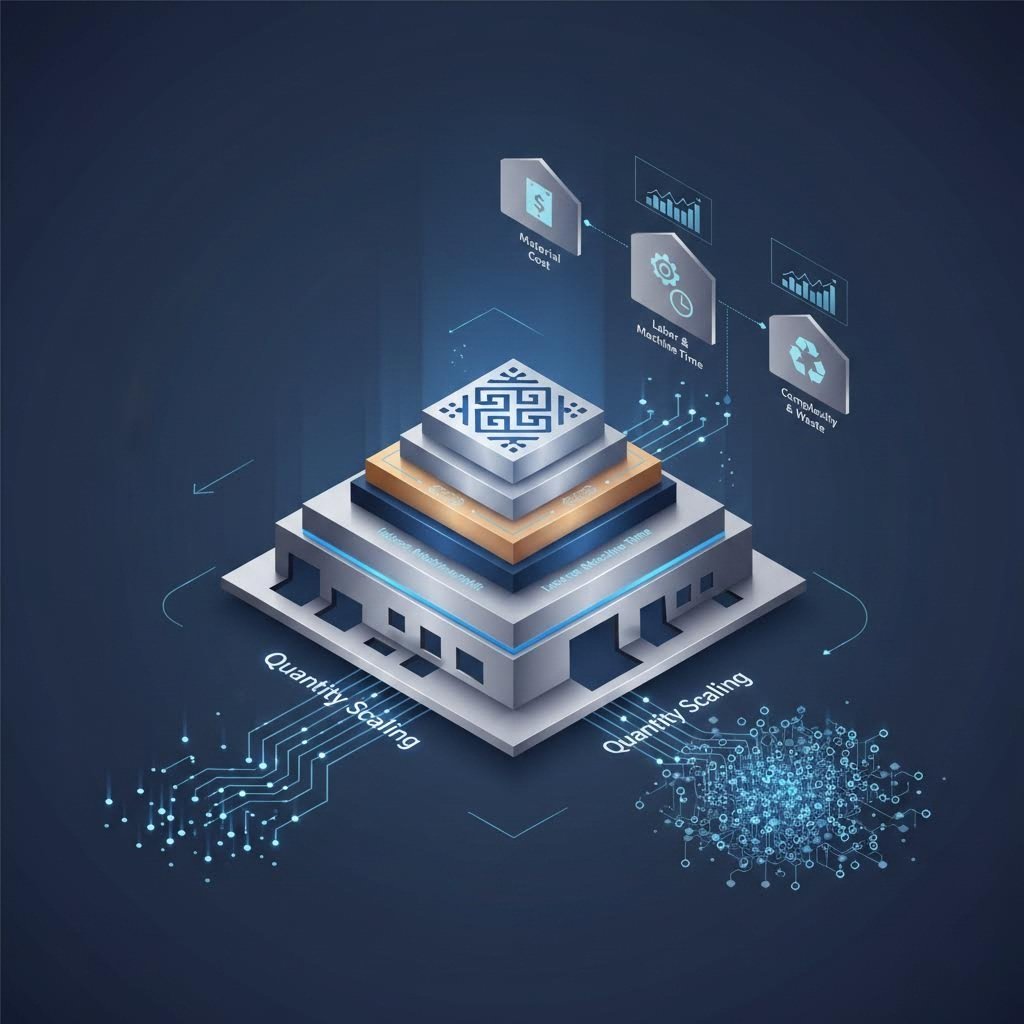
Pregledali ste celoten proces rezkanja – od oddaje načrta do dostave. Zdaj pride najpomembnejše vprašanje za vaš proračun: kaj dejansko določa, koliko boste morali plačati? Razumevanje teh gonilnikov stroškov ne pomaga le bolj natančno razumeti ponudbe; omogoča vam tudi sprejemanje strategskih odločitev, ki optimizirajo vaše stroške brez izgube kakovosti.
Stroškovni dejavniki pri projektih rezkanja kovin
Vsak ponudbeni predračun odraža kombinacijo medsebojno povezanih dejavnikov. Nekatere lahko vplivate prek konstrukcijskih odločitev; druge so odvisne od tržnih razmer ali zahtev vašega projekta. Razčlenimo vsak dejavnik, da boste točno vedeli, kaj vpliva na vaše številke.
Vrsta materiala in tržne cene
Surovi material pogosto predstavlja glavni dejavnik stroškov. Pogosti materiali, kot je ogljikovo jeklo, so na splošno manj dragi od nerjavnega jekla ali aluminijastih zlitin, medtem ko baker, mesing in titan zahtevajo višje cene. Poleg osnovnih stroškov se cene materialov spreminjajo glede na globalne tržne dinamike – cene jekla se lahko posebej znatno spreminjajo četrtletno.
Tukaj je, kar lahko pričakujete za lasersko rezkanje kovinskih pločevin za različne materiale, glede na podatke o cenah v industriji:
- Železov – 0,30–0,80 $/kg za debelino 2,0 mm
- Mehen ocel – 0,50–1,00 $/kg za debelino 1,0 mm
- Nerjavnega jekla – 1,50–3,00 $/kg za debelino 1,5 mm
- Aluminijaste – 2,00–4,00 $/kg za debelino 2,0 mm
Debelina materiala in čas rezanja
Debelina vpliva na stroške na dva načina: debelejše plošče so dražje na kvadratni čevelj, hkrati pa zahtevajo znatno več časa za rezanje. Sistem za rezanje kovin z napravo, ki obdeluje mehko jeklo debeline 2 mm, se premika veliko hitreje kot sistem, ki reže ploščo debeline 10 mm – ta razlika v času se neposredno odraža na vašem računu.
Stroški rezanja z laserjem ali plazmo pri običajnih debelinah materiala segajo od 1,50 do 6,00 USD na linearni čevelj, odvisno od materiala in zapletenosti. Za primerjavo: rezanje 1-metrske ravninske črte na mehki jekleni plošči debeline 2 mm običajno stane približno 0,75 do 1,25 USD, če upoštevamo čas delovanja stroja in obratovalne stroške.
Zapletenost načrta in število rezov
Preprosti pravokotniki se režejo hitreje kot zapleteni vzorci z desetinami ukrivljenih linij in notranjimi elementi. Vsaka točka preboja (kjer se laser za rezanje kovin začne z novim rezom), vsaka ukrivljena linija in vsak majhen detajl dodajo čas vašemu nalogu.
Stroški priprave oblikovanja se razlikujejo glede na stopnjo zapletenosti. Glede na podatke iz industrije izdelave običajno oblikovalci zaračunavajo od 20 do 100 dolarjev na uro, pri čemer se stroški projekta razdelijo takole:
- Enostavne oblike – 1 ura, skupaj 20–100 dolarjev
- Kompleksne geometrije – 2–4 ure, skupaj 40–400 dolarjev
- Posebni prototipi – 5+ ur, skupaj 100–500+ dolarjev
Količina in stroški nastavitve
Vsako rezkanje zahteva nastavitev: nalaganje materiala, kalibracijo opreme in testne reze. Čas nastavitve običajno traja 20–30 minut, delovna plača pa je v obsegu od 20 do 50 dolarjev na uro, kar vsakemu naročilu doda 6,67–29,17 dolarjev, ne glede na količino.
Ta fiksni strošek se porazdeli na vse dele vaše naročbe. Naročite 10 delov? To je lahko že 3 dolarja na kos samo za nastavitev. Naročite 1000 delov? Stroški nastavitve postanejo zanemarljivi, manj kot cent na kos.
Izbira metode rezkanja
Izbira tehnologije – laser, plazma, vodni curek ali škarjenje – neposredno vpliva na učne stopnje in hitrosti rezkanja. Stroj za lasersko rezkanje s tehnologijo vlaknastega lasera lahko stane 100–150 dolarjev na uro, vendar zelo hitro reže tanke materiale. Sistemi za rezkanje z vodnim curkom lahko zahtevajo 75–125 dolarjev na uro, vendar režejo veliko počasneje, kar lahko pomeni višje skupne stroške, kljub nižjim učnim stopnjam.
Zahteve po sekundarnem dokončanju
Operacije po rezkanju dodajajo dodatne stroške. Odstranjevanje žic običajno stane 0,50–2,00 dolarja na kos, medtem ko barvanje ali prašno barvanje dodata 5–20 dolarjev na kvadratni čevelj. Pri delu, ki meri 1 m² in je bil izrezan z laserjem ter zahteva odstranjevanje žic in barvanje, bi se skupni stroški povečali za 30–50 dolarjev.
Tabela primerjave dejavnikov stroškov
Kako se ti spremenljivki ujemata glede na splošni vpliv? Ta razčlenitev vam pomaga določiti prednostne naloge pri optimizaciji:
| Stroškovni dejavnik | Stopnja vpliva | Namigi za optimizacijo |
|---|---|---|
| Vrsta materiala | Visoka | Uporabite ogljikovo jeklo namesto nerjavnega, kadar odpornost proti koroziji ni bistvena; preverite funkcionalne zahteve, preden določite premije za zlitine |
| Debelina materiala | Visoka | Oblikujte na najtanjši merilni list, ki izpolnjuje strukturne zahteve; debelejše ni vedno močnejše za vašo uporabo |
| Zloraba oblike | Srednji-Visok | Poenostavite geometrije, kjer je mogoče; zmanjšajte točke prebadanja; dodajte kotne polmere za pospeševanje programiranja in rezanja |
| Količine naročila | Visoka | Konsolidirajte naročila, da porazdelite stroške nastavitve; razmislite o tem, da skupaj naročite prototipne in proizvodne količine |
| Način režanja | Srednja | Prilagodite metodo dejanskim tolerančnim potrebam – ne plačujte za lasersko natančnost, kadar plazma izpolnjuje zahteve |
| Čas dobave | Srednja | Načrtujte vnaprej; nujna naročila praviloma vključujejo premijo 15–30 % |
| Sekundarne operacije | Srednja | Določite le potrebno dokončanje; robovi, izrezani z laserjem, pogosto ne potrebujejo odstranjevanja žic za necentralne aplikacije |
| Učinkovitost razporejanja pločevin | Nizka–srednja | Nekoliko prilagodite dimenzije delov, če se izboljša izkoristek materiala; svetujte se s pločevinarskim obrtom glede standardnih velikosti pločevin |
Kako optimizirati svoj proračun
Zdaj, ko razumete, kaj gonilo stroške, kako jih dejansko zmanjšati brez škode za vaš projekt? Te strategije se osredotočajo najprej na dejavnike z največjim vplivom.
Izkoristite učinke obsega
Količina rezanih delov neposredno vpliva na ceno na enoto. Male serije 1–10 kosov lahko stanejo 10–50 dolarjev na kus, medtem ko se pri naročilu več kot 100 kosov cena zniža na 1–5 dolarjev na kus – pri naročilih velikih količin pa se pogosto uporabijo popusti za material ali obdelava v serijah, ki dodatno zmanjšajo stroške.
Razmislite strategično o časovnem načrtovanju. Če veste, da boste pozneje potrebovali dodatne količine, je pogosto ceneje naročiti vse naenkrat kot razdeliti naročilo na več manjših – tudi če upoštevate stroške shranjevanja zalog.
Optimizirajte svoj dizajn za proizvodnjo
Večja kot je zapletenost vašega dizajna, višji so stroški. Razmislite, ali vsaka funkcija res ustreza vašim funkcijskim zahtevam. Včasih dekorativna krivulja ali majhen polmer kota poveča vizualni učinek, a podvoji čas rezanja.
Pomemben je tudi izkoristek materiala. Ali je mogoče delno prilagoditi mere vašega dela, da bolje ustrezajo standardnim velikostim pločevin? Zmanjševanje odpadkov neposredno zmanjša stroške materiala – dobri izdelovalci pa bodo predlagali optimizacijo razporeditve, če jih le prosite.
Izberite materiale strategično
Prototip ni vedno treba izdelati iz dragega materiala, še posebej, če le preizkušate konstrukcijo. Med fazo razvoja se lahko za namesto nerjavnega jekla uporabi mehko jeklo, dokončna proizvodnja pa preklopi na predpisane materiale, ko se konstrukcija zaključi.
Načrtujte svoj časovni razpored
Če mora ponudnik prioritetno obravnavati vaš projekt ali delati dodatne ure, lahko doplačila znašajo od 15–30 % ali več. Standardni časi dostave omogočajo izdelovalcem optimalno načrtovanje proizvodnje, kar se učinkovito odraža tudi v ceni za vas.
Konsolidirajte sekundarne operacije
Vsak prenos med procesi poveča stroške. Če vaše dele potrebujete rezati, upogibati in dokončevati, je delo z enim samim ponudnikom, ki opravi vse operacije, ponavadi cenejše kot koordinacija med več specializiranimi ponudniki – hkrati pa zmanjša tveganje poškodb delov med prevozom med obrati.
Razumevanje gonilcev stroškov vas spremeni iz pasivnega prejemnika ponudbe v aktivnega optimizatorja projekta. Ista komponenta se lahko po ceni razlikuje za 50 % ali več, odvisno od tega, kako določite materiale, količine in tolerance.
Opredeljeni s tem znanjem o stroških, ste pripravljeni premisliti, kako ti dejavniki vplivajo na vašo specifično uporabo. Različne industrije in vrste projektov imajo različne prednosti – in pravi varčevanja nastanejo tam, kjer uskladite svoj pristop z dejanskimi potrebami.
Usklajevanje metod rezanja z vašo aplikacijo
Zdaj razumete stroškovne spremenljivke in kako jih optimizirati – toda tu je praktično vprašanje: kateri pristop dejansko ima smisel za vaš določen projekt? »Najboljša« metoda rezkanja ni univerzalna; močno se spreminja glede na to, ali izdelujete nosilce za avtomobilske dele, dekorativne arhitekturne plošče ali prototipe po meri. Povežimo tehnologije rezkanja z dejanskimi uporabami, da lahko s samozavestjo zahtevate ponudbe.
Industrijske in avtomobilske uporabe
Ko morajo deli delovati pod napetostjo, vibracijami in zahtevnimi pogoji, postane izbira metode rezkanja vprašanje varnosti – ne le odločitev o stroških. Industrijski in avtomobilski sestavni deli običajno zahtevajo:
- Tehnološko natančne tolerance – Deli se morajo natančno ujemati v sestave brez dodatne obdelave
- Pohitrostna ponovljivost – Vsak kos v seriji mora popolnoma ustrezniti specifikacijam
- Certificirano zagotavljanje kakovosti – Zahtevki za sledljivost in dokumentacijo pogosto zahtevajo certifikacije IATF 16949 ali podobne
- Integriteta materiala – Cone toplinskega vpliva je treba zmanjšati na minimum, da se ohranijo strukturne lastnosti
Za sestavne dele avtomobilskih podvozij, nosilce za vzmetenje in strukturne sklope, laserjeva rezovanja običajno zagotavlja najboljšo ravnovesje med natančnostjo in zmogljivostjo. Tolerance, ki jih je mogoče doseči – pogosto ±0,005 palca ali boljše – zagotavljajo pravilen vpeti pri sestavljanju, medtem ko sodobni vlaknasti laserji ohranjajo hitrost proizvodnje, kar omogoča obvladljive stroške na kus pri večjih količinah.
Plazmensko rezanje postane praktična izbira pri obdelavi debelejčega konstrukcijskega jekla. Okviri avtomobilov in nosilci za težko opremo pogosto uporabljajo pločevino debeline 1/4" do 1/2", kjer visokorezolucijski plazma zagotovi zadostno natančnost po znatno nižjem strošku na palec v primerjavi z laserskim rezanjem. Za kritične luknje, ki zahtevajo toleranco ±0,1 mm , kot so luknje za M4 vijake, vlaknasti laser pogosto opravi precizno delo, medtem ko plazma opravlja večje strukturne reze.
Ko iščete lasersko rezkanje v bližini mene ali rezkanje kovin v bližini mene za industrijske aplikacije, dajte prednost delavnicam, ki prikazujejo dokumentirane kakovostne sisteme. Certifikat ni le papirna dela – nakazuje kalibrirano opremo, usposobljene operaterje in procese pregleda, ki zaznajo dimensionalno odstopanje, preden se dele odpošljejo.
Arhitekturni in dekorativni projekti
Arhitekturna kovinska izdelava obrne hierarhijo prednosti. Videz robov pogosto pomeni več kot doseg najtesnejših možnih tolerance, vizualni vpliv končnih namestitev pa določa izbiro metode.
Za dekorativne plošče, tabule in fasadne elemente:
- Laserjeva rezovanja odlično opravlja zapletene vzorce, logotipe in podrobne načrte, kjer čisti robovi določajo vizualno kakovost
- Vodnjakovsko rezanje primerno za toplotno občutljive materiale ali kadar je popolnoma nič barvnih sprememb sprejemljivo – še posebej pomembno za vidne namestitve iz nerjavnega jekla ali bakra
- Lasersko rezanje akrila ustvarja sijajne podsvetljene plošče, osvetljene tabule in dekorativne rešetke s poliranimi, plamenom obdelanimi robovi
Arhitekturne aplikacije pogosto združujejo rezkanje z dekorativnim dokončanjem. Če vaš projekt zahteva tako izdelavo kot personalizacijo, lahko mnoge delavnice, ki ponujajo lasersko rezkanje in graviranje, opravijo rezkanje vzorcev in obdelavo površin v usklajenih postopkih. Podobno tudi projekti, ki potrebujejo storitve graviranja kovin v moji bližini, imajo koristi od združitve s ponudnikom rezkanja – zmanjša se rokovanje z materialom in zagotovi enotna kakovost po vseh procesih.
Lasersko rezkanje se izredno dobro uveljavlja pri izdelavi zapletenih dizajnov in proizvodnji gladkih robov, pri čemer pogosto ni potrebno dodatno dokončanje – kar je pomembna prednost, kadar je vidnost robov ključna za uspeh projekta. Pri večjih arhitekturnih ploščah, kjer je nekoliko teksturirani rob sprejemljiv, lahko ponudniki vodnega curka (waterjet) obdelujejo debele pločevine iz aluminija ali nerjavnega jekla brez kakršnekoli toplotne spremembe barve.
Prototipiranje in razvojni projekti
Pri delu na prototipih so prednosti povsem drugačne: hitrost in prilagodljivost prevladujeta nad optimizacijo stroškov na kos, sposobnost hitrega ponavljanja pa pogosto pomeni več kot doseganje učinkovitosti na ravni serijske proizvodnje.
Za aplikacije hitrega prototipiranja:
- Laserjeva rezovanja – Najhitrejši čas izvedbe za tanke materiale; minimalna priprava omogoča hitre prehode med različnimi iteracijami oblikovanja
- Vodnjakovsko rezanje – Med materiali ni potrebno menjati orodij; zjutraj lahko režete jeklo, popoldne aluminij, kompozite pa pred koncem dela
- Plazmensko rezanje – Gospodarno za strukturne prototipe, kjer se dokončna obdelava robov izvede kasneje v fazi optimizacije proizvodnje
Ko preizkušate obliko, ustreznost in funkcionalnost, pogosto smiselno zamenjati materiale. Prototip ni treba nujno izdelati iz dragih materialov – mehko jeklo lahko potrdi geometrijo že prej, preden se odločite za nerjavno jeklo, s čimer znatno zmanjšate stroške ponavljanja.
Iščite ponudnike, ki poleg rezkanja nudijo tudi povratne informacije o načrtovanju. Kombinacija hitrega odziva in izkušenj s proizvodnjo pospeši razvojne cikle učinkoviteje kot le samohitrost.
Projekti za navdušence in domače izdelovalce
Delate na manjših osebnih projektih? Vaše prednosti verjetno niso enake kot pri industrijskih kupcih, vendar veljajo ista načela – le primerno prilagojena.
Za navdušence, umetnike in izdelovalce:
- Spletna storitva laserjevega rezanja – Naložite datoteke DXF, prejmite izrezane dele po pošti; idealno za enojne projekte brez minimalnih naročil
- Lokalni delavni stroji za oblikovanje kovin – Osebni servis, hitri odgovori na vprašanja, včasih pripravljeni izvesti majhne naloge med proizvodnimi naročili
- Domači laboratoriji z rezilnim opremo – Dostop do laserskih rezalnikov ali plazemskih miz po urnih cenah; zahteva poznavanje obratovanja opreme
Narocila v majhnih kolicinah so sooceena s tezavo strosnin, o kateri je bilo govora prej. Ko naroicate le nekaj kosov, premislite, ali se vas dizajn lahko deli ploso z drugim izdelovalcem (nekatere storitve to omogocajo) ali ali bi nakup nekoliko vecjih kolicin dovolj zmanjsal stroskov na kus, da bi opravicil dodatni material.
Za projekte, ki zahtevajo personalizirane podrobnosti, pogosto kovinski gravirki v moji okolici ali lokalni kovinski obrti sprejmejo manjse serije, ki jih veliki proizvajalci morda zavrnejo. Osebni odnos se lahko izkaze tudi za vrednega, ko potrebujete nasvete pri izbiri materiala ali optimizaciji dizajna za prve projekte.
Povzetek izbire metode glede na uporabo
Prilagoditev vase specificne uporabe pravi rezalni tehnologiji poenostavi odlocanje. Tukaj je zdruzena referenca:
- Automobilski strukturni komponenti – Laserjsko rezanje za natancnost; plazemsko rezanje za debele konstrukcijske jeklene plosci; vedno preverite certifikate kakovosti
- Deli industrijskih strojev – Uskladite natančnostne zahteve z vnaprej določenim proračunom; plazma je pogosto dovolj dobra za nekritične nosilce
- Arhitekturni plošči in fasade – Laser za zapletene oblike; vodni curek, kadar toplotni učinki na vidnih robovih niso dopustni
- Dekorativna tabla in umetnostna dela – Rezanje z laserjem zagotavlja najbolj čiste robove; razmislite o kombiniranih storitvah rezanja in graviranja
- Prototipi in razvojni deli – Prednost dajte hitrosti izdelave; sprejmite višje stroške na kos za hitrejše ponavljanje
- Projekti za navdušence in domače izdelovalce – Spletni servisi za udobje; lokalni obrti za personalizirano svetovanje in majhne količine
Ko so zahteve za vašo aplikacijo pojasnjene, je zadnji korak izbira proizvajalskega partnerja, ki bo znal izpolniti vaše specifične potrebe. V naslednjem razdelku je podrobno opisano, kaj morate oceniti ter katera vprašanja postaviti, preden se odločite za določenega ponudnika.

Kako izbrati zanesljivega ponudnika rezkalne storitve
Določili ste svojo aplikacijo, razumeli dejavnike stroškov in pojasnili zahteve glede natančnosti. Zdaj pride odločitev, ki vse poveže skupaj: izbira partnerja za izdelavo, ki bo dejansko proizvedel vaše dele. Pravi ponudnik ne le reže kovino – postane podaljšek vaše inženirske ekipe, ki odkrije težave, preden postanejo drage, ter predlaga optimizacije, na katere niste pomislili.
Kako ločiti sposobne partnere od tistih, ki bodo povzročili težave? Poglejmo si merila za ocenjevanje, ki so najpomembnejša – in vprašanja, ki jih morate postaviti, preden sprejmete katerikoli ponudbeni predračun.
Ocena ponudnikov storitev rezkanja kovin
Ne vse trgovine za izdelavo niso enake. Nekatere se specializirajo za visokoproizvodne serije; druge pa odlikujejo hitro prototipiranje in iteracijo oblikovanja. Nekatere uporabljajo kakovostne sisteme na ravni letalstva; druge zadostujejo splošnim industrijskim potrebam, a ne morejo izpolniti strogiht zahtev glede dokumentacije. Pravilno usklajevanje zmogljivosti ponudnika z vašimi specifičnimi potrebami prepreči dragocene neujemanja.
Zmogljivosti opreme in razpon tehnologij
Ne vse trgovine za izdelavo ponujajo enako raven zmogljivosti. Nekatere samo režejo kovine, medtem ko druge izvajajo obdelavo, dokončno obdelavo ali sestavljanje v zunanji pogodbeni izvedbi – kar lahko povzroči zamude, komunikacijske vrzeli in neenakomerno kakovost. Preden zahtevate ponudbe, ugotovite, katere tehnologije ponudnik upravlja neposredno v hišu:
- Sistemi za rezanje z laserjem – Žični ali CO2? Kako debelo maksimalno lahko obdelujejo?
- Plazmensko rezanje – Standardno ali visokoresolucijsko? Kakšna je kapaciteta debeline?
- Zmogljivosti vodnega curka – Na voljo za toplotno občutljive materiale?
- Sekundarne operacije – Ukrivanje, varjenje, dokončna obdelava pod istim strehom?
- CNC obravnava – Ali lahko obdelujejo natančne funkcije poleg rezkanja?
Objekti s polnimi storitvami in integriranimi zmogljivostmi poenostavijo celoten proces na enem mestu. To omogoča tesnejši nadzor nad proizvodnjo, hitrejše čase izvedbe in dosledne standarde kakovosti pri vseh operacijah.
Certifikati in sistemi kakovosti
Potrdila o kakovosti pomenijo več kot le tržno poliranje – predstavljajo dokumentirane sisteme, zasnovane za dosledne rezultate. Najboljši izdelovalci po meri sledijo strogi kakovostni postopke in uporabljajo napredne orodja za preverjanje, da zagotovijo natančnost v celotnem procesu proizvodnje.
Za splošno proizvodnjo ISO 9001 potrdilo prikazuje posvečenost dokumentiranim sistemom kakovostnega upravljanja. Za avtomobilske aplikacije IATF 16949 potrdilo postane bistveno – kaže, da ponudnik izpolnjuje stroge avtomobilsko specifične zahteve glede varnosti, doslednosti in sledljivosti.
Močan okvir kakovosti običajno vključuje pregled prvega izdelka, medprocesne dimenzijske preglede, preizkušanje varjenja in potrditev končnega pregleda. Pred sodelovanjem preverite, ali podjetje ustreza vašim standardom kakovosti, postopkom pregleda in certifikatom ter zahtevam vaše panoge.
Čas izvedbe in hitro izdelovanje prototipov
Razumevanje tipičnih rokov dobave je nujno za načrtovanje razporeda projekta. Preverite standardne dobavne roke ter možnosti pospešene izvedbe, ki jih ponujajo.
Za razvojne projekte lahko sposobnost hitrega izdelovanja prototipov znatno skrajša čas izvedbe. Nekateri ponudniki lahko dostavijo prototipske dele že v petih dneh, kar omogoča večkratno izmenjavo dizajnov pred dokončno izdelavo orodij za proizvodnjo. Ta hitrost je še posebej pomembna pri validaciji novih dizajnov ali odzivanju na tesne razporede lansiranja izdelkov.
Na primer, Shaoyi (Ningbo) Metal Technology ponuja hitro izdelavo prototipov v petdnevnem roku skupaj s samodejno masovno proizvodnjo – kar prikazuje, kako vodilni ponudniki premostijo vrzel med hitrostjo razvoja in zmogljivostjo proizvodnje v velikih količinah.
Podpora pri oblikovanju za izdelavo
Uspešna izdelava se ne začne pri stroju – temveč pri inženiringu. Zanesljiv izdelovalec bo sodeloval z vami že v zgodnjih fazah postopka, pregledal risbe, CAD datoteke, tolerance in funkcijske zahteve.
Številni projekti imajo koristi od celovite usmerjenosti DFM, ki pomaga pri izboljševanju konstrukcij za ekonomično proizvodnjo, ne da bi pri tem ogrozila zmogljivost. Ko ocenjujete partnerja, ga vprašajte, ali ponuja:
- Podporo CAD/CAM in prilagodljivost formatov datotek
- Inženirsko svetovanje pri izbiri materiala in metode
- Proaktivne povratne informacije o načrtovanju pred začetkom proizvodnje
- Podporo pri testiranju in overjanju prototipov
Ta raven podpore zmanjša tveganje, skrajša vodilne čase in zagotavlja gladko proizvodnjo – še posebej pri zapletenih sestavih. Ponudniki, kot je Shaoyi, to prakso dokazujejo s celovito DFM podporo, ki odkrije težave s proizvodljivostjo, preden vplivajo na vaš urnik ali proračun.
Komunikacija in odzivnost
Enako pomembno je tudi pregledno sporazumevanje. Zanesljiv izdelovalec zagotavlja jasne časovne načrte, posodobitve projekta in realistična pričakovanja. Močno sporazumevanje preprečuje dragocene presenečenja in ohranja projekte usklajene od začetka do konca.
Čas vračila ponudbe je uporaben kazalec splošne odzivnosti. Če ponudniku trajajo tedne, da vrne preprosto ponudbo, si lahko predstavljate zamude, s katerimi se boste soočili, ko med proizvodnjo nastanejo vprašanja. Vodilni dobavitelji – vključno s Shaoijem in njihovim 12-urnim časom vračila ponudb – kažejo, da je odzivna komunikacija operativno izvedljiva.
Ključna vprašanja pred zahtevo po ponudbah
Vstop v postopek pridobivanja ponudb pripravljen shranjuje čas in omogoča prepoznavanje morebitnih težav že v zgodnjih fazah. Spodaj je kontrolni seznam vprašanj, ki razkrijejo sposobnosti ponudnika in usklajenost z vašimi potrebami:
Vprašanja o zmogljivostih in izkušnjah
- Kako dolgo že izdelujete dele, podobne mojim?
- Ali imate izkušnje s storitvami za mojo določeno panogo?
- Ali lahko delite primerjave izvedenih primerov ali reference iz podobnih projektov?
- Kakšne tehnologije rezkanja imate v lastni proizvodnji?
- Katere sekundarne operacije (lomljenje, varjenje, dokončne obdelave) znate opraviti notranje?
Vprašanja o kakovosti in certifikatih
- Katere certifikate za kakovost imate (ISO 9001, IATF 16949)?
- Kakšno opremo in postopke za preverjanje uporabljate?
- Kako dokumentirate in spremljate kakovost skozi celoten proces proizvodnje?
- Ali lahko zagotovite potrdila o materialih in preizkusnih poročilih?
Vprašanja o časovnem načrtu in zmogljivosti
- Kolikšni so vaši standardni roki dobave za velikost mojega naročila?
- Ponujate pospešeno ali nujno dostavo?
- Kako hitro lahko izdelate prototipe?
- Kakšna je vaša trenutna zmogljivost in kako obravnavate pike v povpraševanju?
Vprašanja o podpori in komunikaciji
- Ali ponujate pregled DFM in povratne informacije o oblikovanju?
- Katera datotečna oblika sprejemate?
- Kdo bo moj glavni stik med projektom?
- Kako hitro običajno odgovorite na vprašanja ali zahteve za spremembe?
Če vaš projekt vključuje dekorativne elemente skupaj s funkcionalnim rezanjem, vprašajte o kombiniranih zmogljivostih. Ponudniki, ki poleg rezanja ponujajo tudi prilagojeno lasersko graviranje, lahko konsolidirajo operacije – zmanjšajo prenos del in zagotovijo dosledno kakovost po vseh procesih. Podobno, če potrebujete lasersko vrezovanje v moji bližini ali specializirane površinske obdelave, vam bo razumevanje celotnega spektra sposobnosti ponudnika že vnaprej preprečilo iskanje dodatnih dobaviteljev pozneje.
Pravi partner za izdelavo ne izpolnjuje le vaših specifikacij – izboljšuje rezultate s proaktivno inženirsko podporo, doslednimi sistemi kakovosti ter komunikacijo, ki drži vaš projekt na tiru.
Kontrolni seznam za oceno ponudnika
Uporabite ta konsolidirani kontrolni seznam pri primerjavi potencialnih partnerjev za rezanje:
- Širina opreme – Na voljo več tehnologij rezanja (laser, plazma, vodni curek)
- Lastne zmogljivosti – Sekundarne operacije se izvajajo interno, ne pa izdelujejo v podizvodih
- Ustrezen certifikati – Najmanj ISO 9001; IATF 16949 za avtomobilske aplikacije
- Dokumentirani kakovostni postopki – Postopki pregleda, urniki kalibracije, sistemi sledljivosti
- Možnosti hitrega prototipiranja – Hitra izvedba za preverjanje konstrukcije (idealno v 5 dneh ali hitreje)
- Razpoložljivost podpore pri DFM – Inženirska pregled vključen pred proizvodnjo
- Hitrost ponujanja – Ponudba znotraj istega ali naslednjega dne prikazuje operativno učinkovitost
- Jasnost komunikacije – Posvečeni kontakti, jasna posodabljanja projekta, realistični časovni načrti
- Izkušnje v panogi – Dokazano delovanje pri podobnih aplikacijah
- Razširljivost – Zmogljivost za podporo prototipom in celotnim proizvodnim količinam
Za avtomobilske, podvozje, vzmetenje ali strukturne komponentne projekte, ki zahtevajo kakovost po IATF 16949 skupaj s hitrim izdelovanjem prototipov, ponudniki kot so Shaoyi (Ningbo) Metal Technology prikazujejo kombinacijo zmogljivosti, ki zmanjšajo zapletenost dobavne verige. Njihov integrirani pristop – od izdelave prototipov v petih dneh do avtomatizirane masovne proizvodnje z obsežno podporo DFM – prikazuje, po čem naj izbirate partnerje za zahtevne aplikacije.
Poleg rezkanja kovin nekateri projekti zahtevajo dopolnilne storitve, kot je graviranje lesa v moji bližini za sestave iz mešanih materialov ali pakirne komponente. Razumevanje omrežja ponudnika in njegove pripravljenosti na koordinacijo povezanih storitev lahko bistveno poenostavi upravljanje projekta.
Partner pri izdelavi, ki ga izberete, postane dolgoročna naložba v vaše proizvodno uspešnost. Zaupanja vreden partner pri izdelavi ne izdeluje le delov – podpira vaše cilje, izboljšuje vaš izdelek in pomaga postaviti vaš projekt na pot dolgoročnega uspeha. Sposobnost temeljite ocene, postavljanje pravih vprašanj in izbira partnerja, katerega zmogljivosti, sistemi kakovosti in slog komunikacije ustrezajo vašim specifičnim potrebam, je ključnega pomena.
Pogosto zastavljena vprašanja o obdelavi pločevine po meri
1. Katera je najboljša metoda za rezkanje pločevine po meri?
Najboljša metoda je odvisna od vašega materiala, debeline in potrebe po natančnosti. Laserjsko rezkanje ponuja najvišjo natančnost (±0,001" do ±0,005") in najčistejše robove za tanke materiale pod 1/4". Plazemsko rezkanje izstopa pri hitrem in cenovno učinkovitem obdelovanju debelejčega jekla. Vodni curek je idealen, kadar ne moremo dopustiti toplotnih deformacij, saj popolnoma ohranja integriteto materiala. Za preproste ravne reze v visokih količinah ostaja mehansko škarjenje najcenejša možnost.
2. Koliko stane izdelava rezkanja pločevine po meri?
Stroški se razlikujejo glede na vrsto materiala, debelino, zapletenost oblike, količino in metodo rezkanja. Rezanje kovinskih pločevin z laserjem običajno stane od 1,50 do 6,00 USD na linearno nogo. Stroški materiala se bistveno razlikujejo – mehka jekla stanejo 0,50 do 1,00 USD na kg, nerjaveče jeklo pa 1,50 do 3,00 USD na kg. Priprava dela prinese dodatne stroške v višini 6,67 do 29,17 USD na naročilo, zaradi česar so večja naročila cenejša na kos. Male serije 1–10 kosov lahko stanejo 10–50 USD na kos, medtem ko pri naročilih nad 100 kosov cena pade na 1–5 USD na kos.
3. Kje lahko dobim prilagojeno rezkanje kovin v moji bližini?
Imate več možnosti za prilagodljive storitve rezkanja kovin. Spletna izdelovalna podjetja, kot so SendCutSend, OSH Cut in Xometry, sprejmejo datoteke DXF ali STEP ter dele dostavijo v nekaj dneh. Krajevni obrti za obdelavo kovin ponujajo osebno storitev in pogosto prevzamejo tudi manjše naročila. Za avtomobilske ali industrijske aplikacije, ki zahtevajo certifikat IATF 16949, specializirani proizvajalci, kot je Shaoyi (Ningbo) Metal Technology, omogočajo hitro izdelavo prototipov v petih dneh ter nudijo celovito podporo pri DFM skupaj s proizvodnimi zmogljivostmi.
4. Katere oblike datotek so potrebne za prilagojeno rezkanje pločevine?
DXF (Drawing Exchange Format) je industrijski standard za 2D rezanje zaradi široke združljivosti in natančnega ohranjanja geometrije. DWG datoteke iz AutoCAD-a delujejo enako dobro za kompleksne oblike. Za 3D modele, ki zahtevajo razvoj ravnih vzorcev, so najprimernejše STEP ali STP datoteke. PDF-ji so sprejemljivi za preproste oblike, vendar jih morda bo treba pretvoriti. Poskrbite, da imajo vse režne črte enakomerno debelino, konture naj bodo popolnoma zaprte in risbe v merilu 1:1, da se izognete dragim napakam.
5. Kakšne tolerance lahko pričakujem pri različnih metodah kovanja kovin?
Možnosti natančnosti se bistveno razlikujejo glede na tehnologijo rezkanja. Laserje lahko dosežejo najmanjše tolerance pri ±0,001" do ±0,005" za položaj in mere. Vodni curek zagotavlja ±0,003" do ±0,010", odvisno od hitrosti rezkanja in debeline materiala. Plazemsko rezkanje običajno doseže ±0,010" do ±0,030", pri čemer sistemi visoke ločljivosti približajo ožji rob tega obsega. Mehansko škarjenje ponuja ±0,010" do ±0,060". Zahteve po tolerancah naj bi vodile izbiro metode – določanje ožjih toleranc kot je potrebno povečuje stroške.