 Účastníme sa výstavy Automechanika Frankfurt 2026 — 8. september | Hala 4.2, stánok M31 —
 EN
EN


Prečo je zváranie dôležité? Jeden slabý spoj môže zmeniť všetko
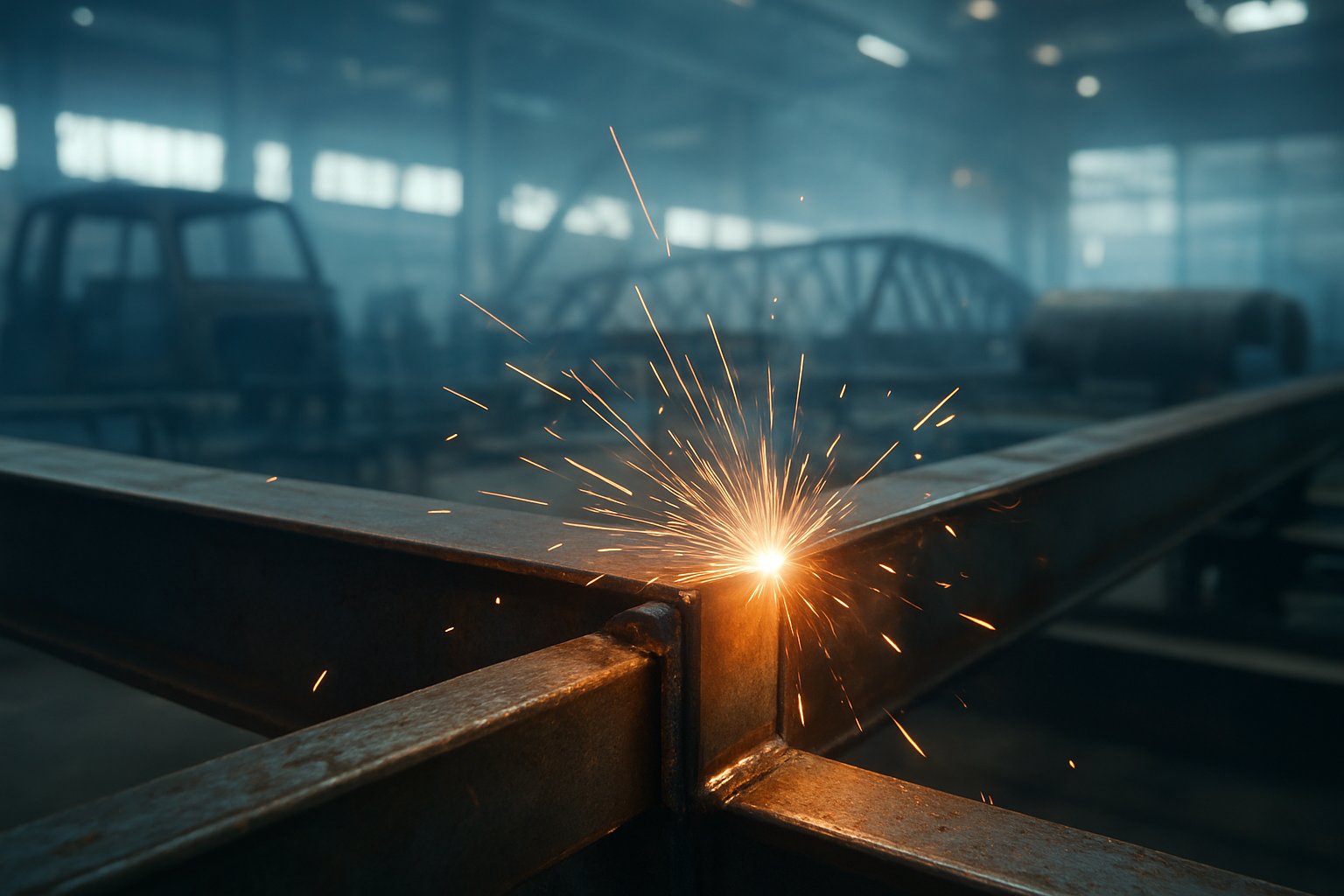
Čo je zváranie a prečo je dôležité
Prečo je zváranie dôležité? Pretože premieňa samostatné kusy materiálu na jedno trvalé spojenie, ktoré dokáže prenášať zaťaženie, odolávať vibráciám a zostáva tesné v priebehu času. Jednoducho povedané, zváranie umožňuje výrobku správať sa ako jeden pevný celok namiesto skupiny súčastí spojených len pomocou montážnych prvkov. Preto sa zváranie vyskytuje v automobiloch, mostoch, potrubiach, ťažkej technike, nádržiach a nosných konštrukciách, kde jediné slabé spojenie môže ovplyvniť celé zariadenie.
Používate Terminológia AWS podľa AWS je zváranie proces spojovania materiálov, pri ktorom dochádza ku splynutiu vplyvom tepla, tlaku alebo oboch týchto faktorov, s použitím alebo bez prídavného kovu.
Čo zváranie robí jednoducho povedané
Ak sa pýtate, čo vlastne zváranie robí, krátka odpoveď je, že spája materiály tak, že spoj sa stáva trvalým namiesto ľahko odstrániteľného. Skrutky, skrutkovacie prvky a nity upevňujú súčasti mechanickým stlačením. Zváranie je iné: vytvára zlepený šev, často presne v oblasti, kde je potrebná pevnosť alebo tesnosť. V závislosti od použitého procesu môže spájať oceľ, hliník a ďalšie kovy, ktoré sa používajú všade od tenkých plechových súčastí po hrubé konštrukčné profily.
Prečo majú trvalé spoje v reálnych výrobkoch význam
Na čo sa v praxi používa zváranie? Predstavte si karosériu automobilu, ktorá je vystavená neustálej vibrácii z cesty, prvkov mosta prenášajúceho opakované zaťaženie , alebo potrubie, ktoré nesmie uniknúť. V týchto prípadoch môže trvalý spoj pomôcť rozdeliť sily, znížiť pohyb medzi jednotlivými súčasťami a vytvoriť nepretržité švy, ktoré sú vhodnejšie pre vodotesné alebo vzduchotesné použitie ako jednoduché upevnenie v mnohých konštrukciách.
- Zabezpečuje bezpečné prenášanie zaťaženia konštrukciami a strojmi.
- Zvyšuje odolnosť voči vibráciám a opakovanému použitiu.
- Umožňuje vytvárať nepretržité švy na zabezpečenie odolnosti proti úniku.
- Podporuje kompaktné, čisté návrhy s menším počtom samostatných spojovacích prostriedkov.
- Je široko používané v kritických výrobkoch, ako sú vozidlá, mosty, potrubia a zariadenia.
To je základná odpoveď. Väčší príbeh sa skrýva v konkrétnych výhodách, ktoré zvárané spoje prinášajú z hľadiska pevnosti, bezpečnosti, trvanlivosti, oprav a efektívnej výroby.
Výhody zvárania z hľadiska pevnosti, bezpečnosti a výroby
Trvalý spoj je len začiatkom. Dôležitejším dôvodom, prečo má zváranie význam, je jeho výkon. Keď sú kovové diely správne zvarené, správajú sa viac ako jeden prepojený systém než ako skupina častí spojených iba mechanickými spojovacími prostriedkami. V oceľovej budove, časti lode, ráme dopravníka alebo podvozku nákladného automobilu táto jednota ovplyvňuje spôsob prenosu zaťaženia, odolnosť častí voči vibráciám a ako dlho zostane montáž v reálnej prevádzke funkčná .
Ako zváranie zvyšuje pevnosť a trvanlivosť
- Vytvára silnejšie nosné dráhy. Správne zvárané diely môžu pôsobiť ako jeden pevný celok, čo pomáha rozšíriť sily po celej štruktúre namiesto ich koncentrácie v mieste voľného spoja. To je hlavný dôvod, prečo sa zváracie spoje používajú v budovách, lodích a ťažkých výrobných zariadeniach.
- Zvyšuje odolnosť pri opakovanom používaní. Zváracie švy nepotrebujú samostatné spojovacie prvky, ktoré sa v priebehu času môžu uvoľniť. Vzhľadom na menší počet medzier a absenciu vŕtaných otvorov na mnohých miestach spojov môžu zostavy lepšie odolať pohybu, opotrebovaniu a únavovému poškodeniu v dopravných prostriedkoch a priemyselnom strojníctve.
Prečo zváranie podporuje bezpečnosť a spoľahlivosť
- Pomáha zabezpečiť bezpečný prevádzkový stav kritických výrobkov. Pevné spoje znížia riziko posunov, prasknutí alebo náhleho oddelenia pri zaťažení dielov hmotnosťou, tlakom alebo vibráciami. Ide o jednu z najzreteľnejších výhod zvárania pri rámových konštrukciách, nosných prvkoch, potrubných systémoch a štrukturálnych systémoch.
- Môže zabezpečiť odolnosť proti únikom a umožniť opravu. Spojenie spojené neprerušovaným zvarom môže tesniť spoj spôsobmi, ktoré jednoduché upevňovanie často nedokáže, a preto je zváranie bežné pri nádobách, potrubí a zariadeniach určených na obsahovanie tlaku. Zároveň umožňuje opravu poškodeného kovu, ktorý sa dá obnoviť namiesto jeho úplnej výmeny.
Ako zváranie umožňuje škálovateľnú výrobu
- Podporuje efektívnu výrobu. Zváranie môže znížiť potrebu ďalších skrutiek, nýtov, krytových dosiek a vŕtania. To pomáha zjednodušiť konštrukcie, znížiť hmotnosť montážnych jednotiek a zrýchliť výrobu. Ide o praktické výhody zvárania v celom spektre od výrobkov pre priemyselné zariadenia až po výrobu dopravných prostriedkov.
- Je vhodné pre opakovateľnú výrobu v veľkom rozsahu. Pri správnom nastavení možno zvárané súčiastky vyrábať konzistentne v rámci jednotlivých výrobných dávok, čo robí tento proces vhodným pre moderné výrobné linky a štandardizované komponenty.
Redakčná poznámka: Zváranie poskytuje tieto výhody len vtedy, keď sa proces prispôsobí materiálu, návrhu spoja a prevádzkovým podmienkam. Dokumentovaný postup zvárania (WPS) pomáha definovať parametre, materiály a požiadavky na skúšanie, zatiaľ čo metódy kontrolu, ako je vizuálna kontrola, ultrazvuková kontrola a röntgenová kontrola, pomáhajú potvrdiť spoľahlivosť pri kritických úlohách.
To tiež pomáha odpovedať na otázku, prečo sú zvárači dôležití. Kvalifikovaní odborníci kontrolujú prípravu spoja (fit-up), teplotu, čistotu a techniku tak, aby spoj plnil svoju funkciu podľa zamýšľania. Zásadnou podmienkou je však to, že nie každá metóda zvárania je vhodná pre každú hrúbku materiálu, každý kov alebo každý cieľ výroby a výber metódy má priamy vplyv na pevnosť, vzhľad, rýchlosť a náklady.
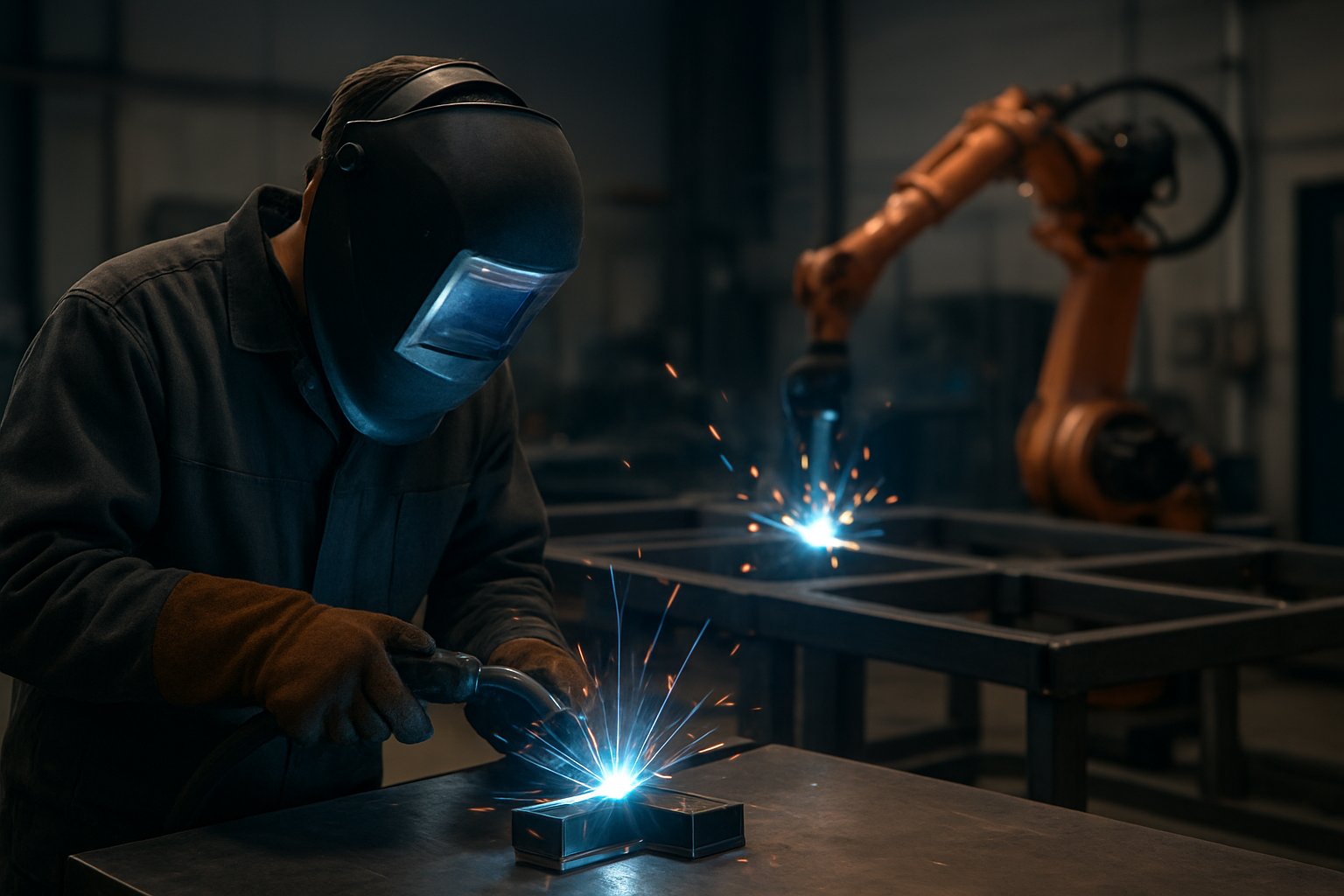
Základy zvárania v praxi
Silný spoj začína správnou voľbou procesu. V reálnej praxi zváranie nie je jediná technika obchod, ktorý vyrába hliníkové diely, továreň, kde sa spájajú tenké plechy, a skupina pracovníkov, ktorí opravujú ťažké oceľové konštrukcie vonku, všetci môžu vykonávať zváranie, avšak nepoužívajú rovnakú metódu. To je jednou z hlavných príčin dôležitosti zvárania. Proces ovplyvňuje pevnosť, rýchlosť, čistenie, deformáciu a náklady tak veľmi, ako aj zručnosť zvárača.
Bežné zváracie procesy vysvetlené zrozumiteľne
V oblasti zvárania sa opakovane vyskytujú niekoľko procesov, pretože každý z nich je vhodný pre iný typ úlohy.
| Výrobný proces | Typické využitie | Hlavné výhody | Praktické obmedzenia |
|---|---|---|---|
| MIG alebo GMAW | Výroba v dielni, výrobné zváranie, mäkká oceľ, nehrdzavejúca oceľ a hliník | Rýchle, relatívne ľahko sa naučí, čisté zvary, vhodné pre dlhé úseky a opakujúcu sa prácu | Ochranný plyn komplikuje použitie vonku, nie je ideálny pre veľmi podrobné zvary a nie je najvhodnejší pre všetky hrubé prierezy |
| TIG alebo GTAW | Presná práca, tenké materiály, nehrdzavejúca oceľ, hliník, diely, kde je dôležitý vzhľad | Vynikajúca kontrola, čistý povrch, veľmi presné, minimálne rozstrekovanie | Pomalšie, vyžaduje vyššiu zručnosť, citlivé na špinavé alebo hrdzavé povrchy |
| Ručné oblúkové zváranie (SMAW) | Oprava na mieste, stavebné práce, hrubšie oceľové materiály, práce vonku | Prenosný, odolný, dobre sa používa vonku a na povrchoch, ktoré nie sú dokonale rovné | Väčšie rozstrekovanie a škvár, ťažšie spracovanie tenkých materiálov, hrubší povrch |
| Odporové bodové spájanie | Tenké plechy, karosérie automobilového typu, výroba vysokého objemu | Rýchle cykly, dobrá konzistencia, prítlak upínania pomáha obmedziť deformácie | Najvhodnejší pre tenké materiály, obmedzený počet typov spojov, zvyčajne vyžaduje prístup z oboch strán pracovnej oblasti |
| Laserové alebo robotické zváracie bunky | Opakovateľná výroba, presné švy, komplexné alebo veľkosériové diely | Vysoká presnosť, vynikajúca opakovateľnosť, menšia tepelne ovplyvnená zóna, podporuje rýchlu výrobu | Vyššie náklady na vybavenie, veľmi dôležitý je nastavovací proces a kontrola parametrov, menej vhodné pre jednorazové opravy na mieste |
Odporúčania od Baker's Gas popisuje MIG ako rýchly a prístupný, TIG ako čistejší a presnejší a ručné zváranie (stick) ako obzvlášť užitočné pri vonkajších podmienkach alebo v špinavom prostredí. Porovnanie od DenaliWeld ukazuje, prečo je odporové bodové zváranie bežné pri tenkých plechových materiáloch, zatiaľ čo laserové zváranie sa cení pre svoju presnosť, hlbšie prieniky a menšiu prehrievanú oblasť okolo zvaru.
Prečo výber procesu ovplyvňuje konečný výsledok
- Rýchlosť a objem: MIG, odporové bodové zváranie a robotické bunky sa často vyberajú, keď sa musí rýchlo spracovať veľké množstvo podobných súčiastok.
- Presnosť a dokončenie: TIG a laser sú silnejšou voľbou, ak ide o prísnu kontrolu, čistý vzhľad alebo zníženie množstva následnej úpravy.
- Hrúbka a prístup: Ručné zváranie (stick) dobre zvláda hrubšie oceľové materiály a vonkajšie podmienky, zatiaľ čo bodové zváranie sa používa predovšetkým pre tenké plechy a špecifické usporiadania spojov.
- Čistota: TIG vyžaduje starostlivú prípravu. Ručné zváranie (stick) je tolerantnejšie. Materiál tiež ovplyvňuje voľbu. Výrobca poznamenáva, že hliník vedie teplo výrazne rýchlejšie ako oceľ a má oxidovú vrstvu, ktorá môže ovplyvniť zváranie, preto je čistenie a kontrola teploty omnoho dôležitejšia.
- Deformácia a kontrola nákladov: Proces s lepšou kontrolou teploty môže znížiť deformácie a potrebu opravy, avšak pokročilé systémy môžu byť drahšie na inštaláciu a programovanie.
- Zručnosť operátora: TIG zvyčajne vyžaduje viac cvičenia, zatiaľ čo automatizované systémy znížia rozdiely pri opakovaných dieloch, no vyžadujú dôslednú disciplínu pri nastavovaní.
Ak ste sa niekedy pýtali, v ktorom priemysle sa zvára, skutočnou odpoveďou je, že zváranie sa vyskytuje v mnohých odvetviach. Práve preto sa zváracie práce pohybujú od terénneho opravného servisu až po vysokorozsahovú automatizovanú výrobu. Odvetvia, ktoré tieto možnosti každodenne využívajú, robia hodnotu zvárania oveľa zreteľnejšou.
Kde zváranie podporuje stavebníctvo, priemysel a každodenný život
Zváranie sa zdá oveľa dôležitejšie, keď prestanete uvažovať o ňom ako o procese v dielni a začnete sa pozerať na to, kde sa v skutočnosti vyskytuje. Nedávna príručka spoločnosti Miller Electric uvádza jednoduchý fakt: takmer všetko, čo používame každodenne, je zvárané alebo vyrobené pomocou zariadení, ktoré sú zvárané. To znamená, že táto téma sa rozširuje ďaleko za rámec výrobných dielní. Dotýka sa ciest, budov, energetických sietí, dopravných systémov a strojov, ktoré stojia za modernou výrobou.
Prečo je zváranie dôležité v stavebníctve a infraštruktúre
Stavebné zváranie je srdcom zváraného stavebníctva, pretože veľké konštrukcie závisia od spojov, ktoré zachovávajú pevnosť pod zaťažením po mnoho rokov. V stavebných prácach sa zváranie používa na spojenie komponentov, ako sú nosníky I-tvaru, priehradové nosníky, stĺpy a iné oceľové prvky do stabilných rámov, ako je uvedené v tomto prehľade stavebných prác. Pri zváraní nosných rámov budov alebo mostných prvkov ide o nič iné než len pripojenie. Ide o štrukturálnu spojitosť, tuhosť a dlhodobú trvanlivosť.
Ako zváranie podporuje dopravné a energetické systémy
Dopravné a energetické systémy do rovnice pridávajú pohyb, tlak a únavu materiálu. Rámce vozidiel, železničné komponenty, potrubia, zásobníky a konštrukcie súvisiace s výrobou energie všetky závisia od spojov, ktoré vydržia náročné prevádzkové podmienky. Stavba lodí je názorným príkladom. príručka pre lodnú výrobu od spoločnosti Red-D-Arc uvádza, že zváranie sa používa takmer na každom stupni výroby lode – od plátov trupu a rámovania po potrubia a palubu – pretože lode čelia meniacim sa vlnovým zaťaženiam a vyžadujú výnimočnú kvalitu zvarov. Letecký priemysel predstavuje inú výzvu. Tá istá príručka od spoločnosti Miller popisuje laserové a TIG zváranie ako veľmi užitočné tam, kde je rozhodujúca presnosť, kontrolovaný vstup tepla a čistá kvalita zvarov.
Kde sa zváranie vyskytuje v každodennom živote
| Sektor | Typické zvárané výrobky | Prečo sa zváranie uprednostňuje |
|---|---|---|
| Stavba a infraštruktúra | Stavebné rámy, mosty, nosné systémy | Silné trvalé spoje pre nosné konštrukcie |
| Výroba | Strojné zariadenia, dopravníky, továrenské nástroje | Trvanlivé rámy a opakovateľná montáž |
| Doprava | Rámy vozidiel, koľajové časti, špeciálne vybavenie | Dobrá pevnosť pri vibráciách a opakovanom používaní |
| Energia | Potrubia, zásobníky, komponenty elektrární, konštrukcie veterných turbín | Nepretržité zvary a spoľahlivý štruktúrny výkon |
| Komerčné služby | Vodné systémy, prenosové konštrukcie, servisné potrubia | Odolnosť voči únikom a dlhá životnosť |
| Stavba lodí | Trupy, paluby, rámovanie, potrubia na palube | Integrita pri dynamickom zaťažení a náročných prostrediach |
| Letectvo | Presné kovové komponenty a zostavy | Úzke tolerancie a kontrolovaná kvalita zvarov |
| Těžké stroje | Priemyselné príslušenstvo, poľnohospodárske zariadenia, konštrukcie strojov | Vysoká pevnosť a praktická opraviteľnosť |
Ľudia zvyčajne neprestanú venovať pozornosť týmto spojom, a predsa sa každodenný život na nich závisí. Prejdete mostom, otvoríte vodu, jazdíte autom, prijmete zaslané tovar, alebo prechádzate priestorom s oceľovým rámovým konštrukciou – a niekde v pozadí dôverujete zváraným spojom. Medzi zaujímavé zaujímavosti o zváraní Miller uvádza, že sa dá vykonávať dokonca pod vodou aj vo vesmíre. Táto šírka možností veľa hovorí o jeho užitočnosti. Vysvetľuje tiež, prečo inžinieri porovnávajú zváranie opatrne s skrutkami, nitymi, pájkovaním, spájkovaním a lepidlami namiesto toho, aby považovali všetky spoje za rovnocenné.
Prečo sa zváranie vyberá pred inými metódami spojovania
Jednou praktickou odpoveďou na otázku, prečo je zváranie dôležité, je, že rieši problémy spojovania, ktoré iné metódy nie sú schopné vyriešiť. Napriek tomu zváraný spoj nie je automaticky najlepšou možnosťou v každom prípade. V rámci zváracího priemyslu inžinieri porovnávajú zváranie s skrutkami, klinmi, pájkovaním, spájkovaním a štruktúrnymi lepidlami na základe zaťaženia, tesnenia, tepla, prístupu pri údržbe a výrobných cieľov. Pri spojoch zo ocele SkyCiv uvádza skrutky, zváranie a kliny ako samostatné možnosti spojovania, zatiaľ čo Montáže poznamenáva, že spojovacie prvky pridávajú po výrobe väčšiu pružnosť a lepidlá môžu nahradiť alebo doplniť iné metódy.
Porovnanie od spoločnosti Red-D-Arc zdôrazňuje najväčší technický rozdiel: pri zváraní sa základné kovy spájajú roztavením, zatiaľ čo pri pájkovaní a spájkovaní sa spoja bez roztavenia samotného základného materiálu. Tento rozdiel vysvetľuje, prečo sa zváranie často vyberá pre štrukturálne účely a prečo ostatné metódy spojovania stále zachovávajú svoju hodnotu v príslušných oblastiach.
Keď je zváranie lepšie než iné metódy spojovania
Zváranie sa vyznačuje vtedy, keď musí výrobok fungovať ako jeden nepretržitý kus, nie ako zostava držaná pohromade iba pomocou montážnych prvkov alebo výplňového materiálu. V stavebnom zváraní , čo môže znamenať pevnejšie nosné dráhy, menej samostatných dielov a spoje, ktoré je možné vyrobiť ako nepretržité pre nádrže, potrubia a rámy. Je to tiež výhodné riešenie v prípadoch, keď je dôležitý kompaktný dizajn. Bez dodatočných hláv, matic alebo spojovacieho materiálu na prekrývanie v každom spoji môže byť výroba čistejšia a úspornejšia z hľadiska priestoru. Pri sériovej výrobe umožňuje zváranie tiež rýchlu a konzistentnú montáž, ak je proces dobre kontrolovaný.
Keď sú vhodnejšie skrutky, rivety, pájkovanie alebo lepidlá
Alternatívy sa stávajú chytrejšími, keď sa spojenie neskôr môže musieť rozobrať, keď by teplo z varu mohlo poškodiť súčiastku alebo keď cieľom nie je skutočne nosná konštrukcia. Pájkovanie je užitočné v prípadoch, keď sa základné kovy nesmú roztaviť, a môže pomôcť pri spájaní niektorých rôznorodých kovov. Lúštikovanie sa bežne používa v elektronike, pretože vytvára nielen fyzické, ale aj elektrické spojenie, avšak nie je určené na vysoké štrukturálne zaťaženia. Spojovacie prvky sú obzvlášť užitočné, ak ide o výmenu na mieste, nastavovanie alebo jednoduchší servisný prehľad. Lepidlá sa tiež dajú použiť na náhradu alebo doplnenie iných spôsobov spojovania v vybraných zostavách.
| Spôsob spojenia | Trvanlivosť | Úloha zaťaženia | Schopnosť tesniť | Prívod tepla | Prehľadnosť a použitie na mieste |
|---|---|---|---|---|---|
| Zváranie | Trvalý | Vysoká pri štrukturálnych, nosných úlohách, ak je správne vykonané | Môže vytvárať nepretržité, tesné švy | Vysoká | Vyžaduje kontrolu procesu a disciplinovaný prehľad; je menej vhodné, ak sa neskôr vyžaduje rozoberanie |
| Skrutkovanie | Odnímateľné | Je vhodné pre mnoho štrukturálnych spojení, avšak súčiastky zostávajú mechanicky upnuté namiesto zvárania | Nie je prirodzene tesnené | Žiadna na spoji | Ľahko sa skúma, utiahne, vymení a servisuje na mieste |
| Pútave | Zvyčajne trvalé po inštalácii | Užitočná ako mechanická metóda spojovania | Obmedzená, ak nie je kombinovaná so tesniacimi prostriedkami alebo konštrukčnými prvkami | Nízka až žiadna ako proces zvárania | Praktická tam, kde je uprednostňované mechanické spojenie, avšak nie je navrhnutá pre ľahké odstraňovanie, ako napríklad skrutky |
| Sväranie | Trvalý | Stredná; zvyčajne nie je prvou voľbou pre nosné účely | Dobrá pre spojenia rúr a tvaroviek | Nižšie ako zváranie | Užitočná, keď sa základné kovy nesmú roztaviť |
| Sväranie | Trvalá pri použití s nízkou zaťažiteľnosťou | Nízka štruktúrna pevnosť | Môže tesniť malé spoje a zabezpečiť elektrickú spojitosť | Nízka | Veľmi vhodné pre elektroniku a opravy, ktoré nie sú štruktúrne |
| Štruktúrne lepidlá | Často trvalé | Závisí od návrhu a materiálu | Môže pomôcť tesniť zlepené povrchy | Nízka počas spojovania | Môžu nahradiť alebo doplniť zváranie a spojovacie prvky, avšak overenie a stratégiu údržby je potrebné starostlivo naplánovať |
Správna voľba závisí od toho, čo spoj musí vykonávať v priebehu času, nie len od toho, ako je vyrobený v deň výroby. Toto sa stáva ešte dôležitejším, keď sa zariadenie starnie, súčasti prasknú alebo keď štruktúra potrebuje posilnenie namiesto výmeny.
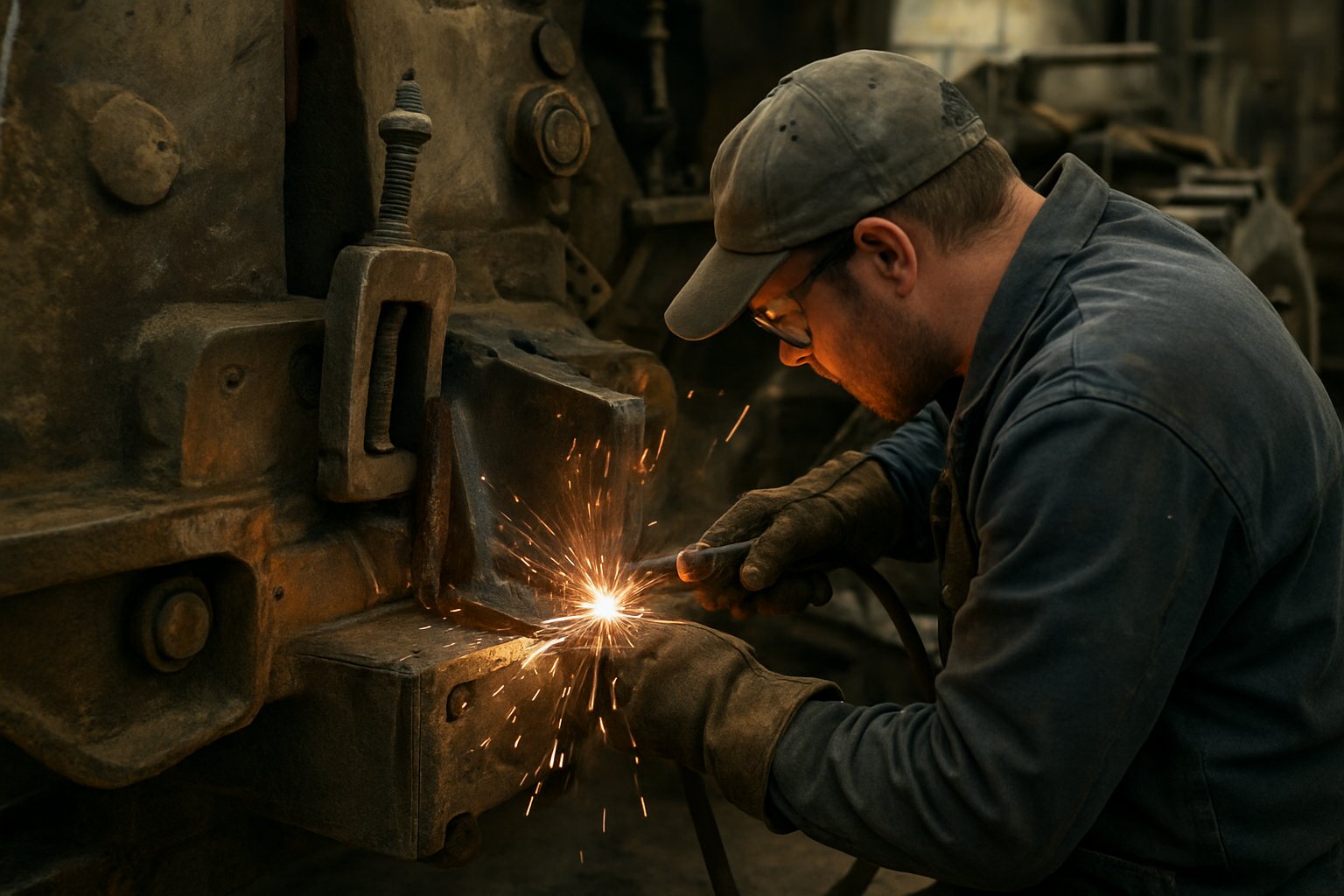
Prečo je zváranie dôležité pri opravách a údržbe
Skutočnou skúškou spoja sa často stáva až niekoľko rokov po jeho výrobe. Stroje sa opotrebovávajú, rámy sa praskajú, povrchy korodujú a v oblastiach s vysokým zaťažením sa začínajú prejavovať príznaky únavy materiálu. Práve v týchto momentoch sa znovu ukazuje hodnota zvárania. Namiesto núteného úplného nahradenia umožňuje obnoviť použiteľnosť a vrátiť vybavenie do prevádzky. Odporúčania AWS pre opravy uvádzajú, že opravné zváranie často predstavuje vyššie riziko ako pôvodná výroba, najmä keď je kritická súčiastka už v prevádzke. V centrálnej údržbe a zváraní ide o rozdiel medzi riaditeľnou opravou a nákladným výpadkom.
Ako zváranie predlžuje životnosť vybavenia a konštrukcií
Opravné zváranie nie je len o oprave toho, čo sa pokazilo. Pomáha tiež posilniť súčasti pred ich poruchou, obnoviť opotrebované povrchy a prispôsobiť vybavenie na ďalšie používanie. Praktické pokyny týkajúce sa opravy namiesto výmeny zdôrazňujú, prečo je to dôležité: obnovenie poškodených komponentov môže znížiť výpadky, zachovať pôvodné technické špecifikácie zariadenia a predĺžiť životnosť aktív. To je jednou z príčin, prečo by každý užitočný článok o zváraní mal hovoriť o údržbe, nie iba o novej výrobe.
Jedna podceňovaná odpoveď na otázku, prečo je zváranie dôležité: pomáha udržať užitočné vybavenie v užitočnom stave.
- Oprava prasknutých rámov, konzól, kĺbov a nosných častí
- Posilnenie otáčacích bodov a iných oblastí s vysokou vibráciou
- Obnova opotrebovaných alebo korodovaných povrchov metódami návaru alebo plášťovania
- Pridanie ochranných dosiek alebo modernizácia funkcií na predĺženie doby prevádzky
- Vykonávanie preventívnej údržby pred tým, než sa malé chyby rozrastú na výpadky
Prečo údržba a opravy závisia od odborne spôsobilého zvárania
Kvalitná opravná práca je presná práca. Postup opravného zvárania stanovený spoločnosťou NWE Group zdôrazňuje posúdenie príčiny poruchy, správanie materiálu, prevádzkové podmienky, kompatibilitu prídavného materiálu, kontrolu tepla, kontrolu a dokumentáciu. V regulovaných aplikáciách sa opravy môžu navyše musieť riadiť normami, ako napríklad AWS D1.1 alebo ASME Section IX, v závislosti od vybavenia a jeho prevádzkových požiadaviek.
To tiež ukazuje na jednu z praktických výhod bytia zváračom v údržbových prostrediach: kvalifikovaní pracovníci dokážu obnoviť hodnotu, predísť zbytočnému odpadu a skrátiť výpadok, ak je oprava technicky možná a zodpovedá požiadavkám. Napriek tomu rýchla, nepremyslená oprava môže stať novým slabým miestom, preto si kvalita zvarov zaslúži veľmi dôkladnú pozornosť.
Aké náklady môže v bezpečnosti a spoľahlivosti spôsobiť zlé zváranie
Oprava alebo nová výstavba môže na prvý pohľad vyzerat akceptovateľne a pritom obsahovať vážny slabý bod. Preto je kvalitné zváranie tak dôležité. Zvárané spojenie nemusí zlyhať len vtedy, keď sa kov pretrhne na dve časti. Môže stratiť spoľahlivosť v dôsledku únavy materiálu, netesnosti, deformácie, korózie alebo opakovaného opravovania, čo skracuje životnosť a zvyšuje náklady.
Čo sa môže pri zváraní pokaziť
Príručka ESAB pre chyby v zváraní vysvetľuje, že chyby vo zvárnom šve môžu byť povrchové a viditeľné alebo vnútorné a detegovateľné len pomocou nedestruktívnych skúšok, ako napríklad ultrazvuková kontrola alebo rádiografia. Jednoduchým jazykom najčastejšie problémy sú:
- Praskliny: najzávažnejšia chyba, pretože trhliny sa môžu pod vplyvom zaťaženia ďalej šíriť a spôsobiť náhle zlyhanie.
- Pórozita: plynové dutiny zachytené vo zvárnom šve. Tieto znížia pevnosť spoja a môžu vytvoriť cesty na únik v tlakových spojoch.
- Nedostatočné zvarovanie: zváraný kov sa nespojí správne so základným kovom alebo s predchádzajúcim zváraným prechodom, čím vznikne skrytý slabý rozhranie.
- Nedostatočné pretavenie: zváraný šev nedosahuje úplne koreň spoja, preto je spojenie slabšie, než vyzerá.
- Znetvořenie: nerovnomerné zahrievanie a ochladzovanie deformujú súčiastky, čím sa poškodzuje ich zarovnanie a priliehanie.
- Znečistenie a nečistoty: rdz, farba, olej, vlhkosť alebo zachytený šlak bránia vytvoreniu spoja a znížia dlhodobú spoľahlivosť.
- Nedostatočná alebo nepravidelná prieniknosť alebo tvar zváracieho hrotu: nepravidelná veľkosť zváraného švu vytvára nerovnomerné prenosové dráhy zaťaženia a nepredvídateľné výkonnostné charakteristiky.
Ako zlá kvalita zvárania ovplyvňuje bezpečnosť a náklady
Tieto chyby robia viac než len to, že zváraný šev vyzerá hrubo. Môžu znížiť únavovú životnosť, spôsobiť úniky, zvýšiť opotrebovanie, vyvolať výpadky a nútiť k opätovnému spracovaniu. V ráme, potrubí, nádobe alebo prepravnom komponente môže jeden slabý zváraný šev presunúť zaťaženie do susedných častí a spustiť oveľa väčší problém.
- Štrukturálna slabosť môže znížiť bezpečnostné rezervy v nosných prvkoch.
- V nádobách, potrubiach a tesných zostavách sa môžu vytvárať úniky.
- Deformácia môže narušiť následnú montáž a spôsobiť problémy s toleranciami.
- Opätovné spracovanie spotrebuje pracovnú silu, prídavný kov, povlaky a čas v harmonograme.
- Problémy so zhodou môžu oneskoriť schválenie alebo vyžadovať opravu pred uvedením do prevádzky.
- Riziko pre verejnú bezpečnosť stúpa, ak zvárané súčiastky podporujú ľudí, obsahujú tlak alebo sú vystavené vibráciám.
- Neskoré zistenie chýb je obzvlášť nákladné. Spoločnosť Central Welding uvádza, že opätovné spracovanie zistené v zváracom priestore môže už stáť dva až trikrát viac ako pôvodná výroba, a náklady ďalej stúpajú, ak sa chyba zistí po náteri, konečnej montáži, odoslaní alebo počas prevádzky.
Prečo je dôležitá štandardná kontrola a školenie
Kvalita zvárania nevychádza len z tepla. Vychádza zo sledovania postupov, prípravy zvarových spojov, čistoty spotrebného materiálu, kompatibility materiálov, odbornosti operátora a disciplinovanej kontroly. TWI vysvetľuje, že normy pre výrobu pokrývajú aplikáciu a návrh, kvalifikáciu zváracích postupov a kvalifikáciu zváračov. Normy pre prijatie kvality, ako napríklad ISO 5817, definujú úrovne nedostatkov, zatiaľ čo aplikačné predpisy, ako napríklad AWS D1.1 a ASME Section IX, môžu stanoviť vlastné požiadavky alebo prísnejšie limity.
Ak ste sa niekedy pýtali: je zváranie povolanie , toto je jedna z najjasnejších odpovedí. Kritické práce závisia od vyškolených ľudí, ktorí dokážu dodržiavať kvalifikované postupy, včas rozpoznávať chyby a dosahovať opakovateľné výsledky. To tiež vysvetľuje, prečo frázy ako zváranie je vyhľadávané a prečo je zváranie dobrá kariéra nachádzajú tak veľký rezonans u mnohých čitateľov. Spoľahlivé zváranie chráni konštrukcie, zariadenia a ľudí. Keď je súčiastka naozaj kritická, rozumnejšou otázkou nie je, či dodávateľ vie zvárať, ale ako je táto schopnosť preukázaná ešte pred tým, než súčiastka vstúpi do prevádzky.
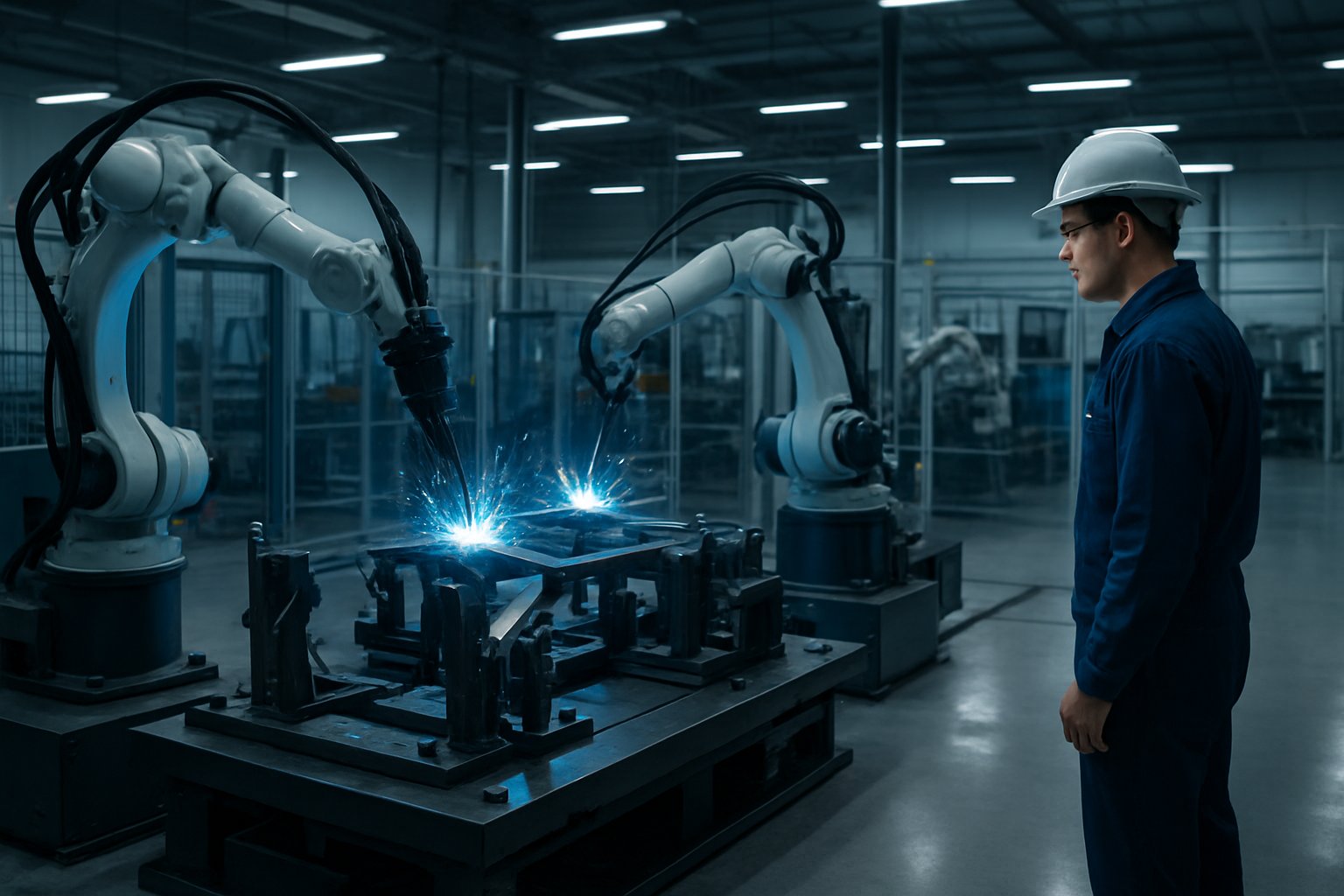
Ako posúdiť zváraciu schopnosť pre kritické súčiastky
Keď sa chyby môžu skrývať vo vnútri spoja, výber dodávateľa sa stáva rozhodnutím o kvalite. Pri kritických súčiastkach nie je skutočnou otázkou, či dokáže dielňa zvárať. Je to skôr otázka, ako táto dielňa preukazuje opakovateľnú kontrolu. Rovnaký štandard platí bez ohľadu na to, či najímate zdroj pre automobilový priemysel, zvárača pre stavebníctvo alebo posudzujete zváracie práce v rámci väčšej stavby.
Ako vyhodnotiť zváracieho partnera pre kritické komponenty
Praktické kontrolný zoznam auditu zváracieho procesu smeruje nákupcov k správnym dôkazom: dokumentácia postupu zvárania (WPS), kvalifikácie zváračov, kontrola parametrov, identifikácia prípravkov, kalibrácia, sledovateľnosť, plánovanie kontrol a jasné pravidlá pre opravy.
- Skontrolujte vhodnosť procesu. Spýtajte sa, ktorý zvárací proces sa používa pre váš materiál, hrúbku a typ spoja.
- Overte skúsenosti s materiálom. Ocel, hliník a výroba zmiešaných materiálov vyžadujú rôzne metódy kontroly.
- Preskúmajte prípravky. Kvalitné prípravky udržiavajú zarovnanie a znižujú variabilitu už pred tým, než sa vytvorí oblúk.
- Pozrite sa na kontrolu. Hľadajte vizuálne kontroly, sledovateľnosť a v prípade potreby aj vzorkovanie nedestruktívnej skúšky (NDT) a prijímacie kritériá.
- Prispôsobte systém kvality danej odvetviu. Špecifikácie zákazníka, normy a požiadavky odvetvia by už mali byť integrované do pracovného postupu.
- Overte tvrdenia týkajúce sa dodávok. Rýchla obrátenosť má význam len vtedy, ak sa kvalita udrží stabilná pri vašom skutočnom výrobnom objeme.
Prečo je robotické zváranie a systémy kvality dôležité
Automatizácia prináša najväčšiu výhodu vtedy, keď je prepojená so systémom riadenia. V jednom príklade automobilového podvozku Výrobca boli popísané robotické bunky pre GMAW zváranie s použitím upínačov na zabránenie nesprávnemu umiestneniu súčiastok, laserovej kontroly zvarového švu a monitorovania údajov o oblúku (prúd a napätie), aby bolo možné izolovať nezhodné súčiastky. Ide o silný referenčný štandard pre bezpečnostne kritické práce. Zakúpenci môžu u dodávateľov hľadať podobné znaky, ako napríklad Shaoyi Metal Technology , ktorá zdôrazňuje robotické zváracie linky a certifikovaný systém kvality podľa normy IATF 16949 pre vysokovýkonné podvozkové súčiastky z ocele, hliníka a iných kovov.
| Oblasť schopností | Čo overiť | Prečo je to dôležité |
|---|---|---|
| Proces a materiál sú vhodné | Kvalifikovaná metóda pre presnú súčiastku | Znižuje chyby, deformácie a opätovné spracovanie |
| Upínače a automatizácia | Nechybné naloženie a stabilné parametre | Zlepšuje opakovateľnosť pri sériovej výrobe |
| Inšpekcia a sledovateľnosť | Kontrolné, zaznamenávacie a obmedzovacie kroky | Zabraňuje uvoľneniu nepodarkov |
| Systém kvality a dodávka | Prispôsobenie priemyslu plus realistické dodacie lehoty | Zabezpečuje dodržiavanie predpisov aj dodržiavanie harmonogramu |
Kompetentný zvárací partner dokáže vysvetliť nielen to, ako sa súčasti spájajú, ale aj to, ako sa konzistencia preukazuje od nastavenia až po expedíciu. Tento preukaz je jednou z najjasnejších praktických odpovedí na otázku, prečo je zváranie dôležité.
Často kladené otázky o dôležitosti zvárania
1. Prečo je zváranie dôležité v každodennom živote?
Zváranie podporuje každodenný život tým, že udržiava pohromade výrobky a systémy, od ktorých ľudia každodenne závisia. Používa sa v nosných konštrukciách, mostoch, vozidlách, potrubných systémoch, vodných systémoch, priemyselných strojoch a mnohých iných zostavách, ktoré musia byť v priebehu času bezpečne upevnené. Jeho hodnota vyplýva z vytvárania spojov, ktoré vydržia zaťaženie, pohyb a dlhodobé prevádzkové podmienky, pričom zároveň pomáhajú hotovému výrobku fungovať ako jeden spojitý celok.
2. Je zváranie silnejšie než skrutkovanie alebo nýtok?
Nie v každej situácii, ale zváranie je často lepšou voľbou, ak má byť spoj trvalý, kompaktný, nosný alebo tesný pozdĺž nepretržitej švíku. Skrutky a nity zostávajú užitočné v prípadoch, keď sa spojenie v teréne môže potrebovať odstrániť, upraviť alebo vymeniť.
3. Prečo je kvalita zvárania tak dôležitá?
Kvalita zvárania je dôležitá, pretože slabý spoj môže ovplyvniť výkon celého zariadenia. Problémy, ako napríklad trhliny, pórovitosť, nedostatočné zvarenie, kontaminácia alebo deformácia, môžu znížiť pevnosť, spôsobiť úniky, viesť k problémom s priliehaním a spôsobiť výpadok prevádzky alebo nutnosť opravy. V kritických konštrukciách a strojoch je dobrá kvalita zvárania úzko prepojená s kontrolou postupu, čistou prípravou, vyškoleným personálom a správnou kontrolou.
4. Ako zváranie pomáha pri údržbe a opravách?
Zváranie zostáva dôležité aj veľmi dlho po tom, čo je výrobok prvýkrát vyrobený, pretože môže obnoviť prevádzkyschopnosť v prípade opotrebovania, prasknutia alebo korózie súčastí. Bežne sa používa na opravu poškodených rámov, posilnenie namáhaných oblastí, obnovu opotrebovaných povrchov a pridané modernizované funkcie, ktoré predĺžia užitočnú životnosť. Ak je oprava technicky vhodná a zodpovedá požadovaným normám alebo postupom, zváranie môže znížiť náklady na výmenu a skrátiť výpadky.
5. Čo by ste mali hľadať u dodávateľa zváracích služieb pri kritických súčastiach?
Hľadajte dôkazy o opakovateľnej kontrole namiesto všeobecných tvrdení. Silný dodávateľ by mal byť schopný preukázať správny postup pre váš materiál a typ spoja, zdokumentované postupy, stabilné upínanie, plán kontrol, sledovateľnosť a systém kvality, ktorý zodpovedá vašej odvetve. Pre automobilové aplikácie sú užitočnými príkladmi schopnosti, ako sú robotické zváracie linky a certifikovaný systém kvality podľa normy IATF 16949, ako ich uvádza napríklad spoločnosť Shaoyi Metal Technology pre komponenty podvozkov, čo sú príklady požiadaviek, ktoré by mali nakupujúci overiť pred schválením dodávateľa.