 Small batches, high standards. Our rapid prototyping service makes validation faster and easier —
  EN
EN


Od nahratia CAD až po doručenie: Ako online CNC služba skutočne funguje
Čo vlastne online CNC služba znamená pre modernú výrobu?
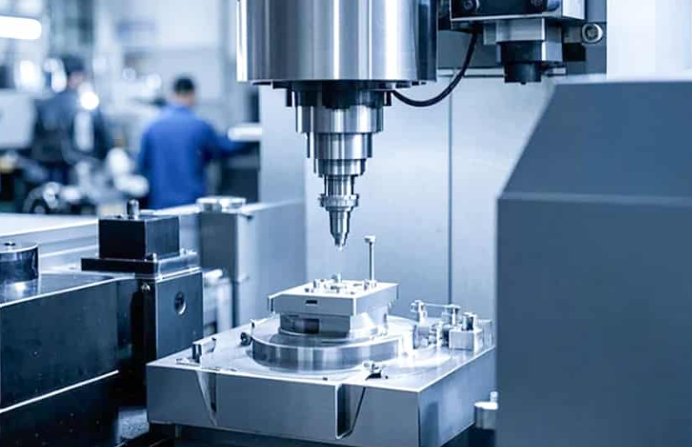
Niekedy ste sa už zamysleli, ako inžinieri premieňajú digitálny návrh na presnú kovovú súčiastku bez toho, aby vôbec navštívili strojnícku dielňu? Presne to umožňuje online CNC služba. Predstavte si ju ako digitálny most, ktorý spája vašu počítačovú obrazovku s pokročilým výrobným zariadením kdekoľvek na svete.
V podstate ide o cloudovú platformu, ktorá vám umožňuje nahrať 3D CAD súbory, okamžite získať cenovú ponuku a nechať vyrobiť presné CNC súčiastky, ktoré vám budú priamo doručené na domacú adresu. Žiadne telefónne hovory. Žiadne čakanie na cenové ponuky počas niekoľkých dní. Žiadne geografické obmedzenia. Stačí, ak nahrajete svoj návrh, vyberiete si požadované špecifikácie, a platforma zabezpečí všetko – od obrábania až po kontrolu kvality.
Od digitálneho súboru ku fyzickej súčiastke
Kúzlo sa deje prostredníctvom optimalizovaný digitálny pracovný postup keď nahrajete CAD model (zvyčajne vo formáte STEP, IGES alebo STL), algoritmy platformy okamžite analyzujú geometriu vašej súčiastky. Vypočítajú čas obrábania, vyhodnotia zložitosť a zohľadnia náklady na materiál. Do niekoľkých sekúnd obdržíte online ponuku na CNC obrábanie, ktorú by tradične bolo možné získať cez konvenčné kanály až po dňoch.
Tento proces CNC výroby eliminuje neustále e-mailové komunikácie, ktoré kedysi charakterizovali vzťahy v oblasti výroby. Namiesto toho, aby ste svoje požiadavky vysvetľovali viacerým dodávateľom, platforma priamo prečíta váš návrhový súbor a prevedie ho na praktické výrobné údaje.
Online výrobná revolúcia
Prečo je to dôležité? Tradičné postupy obrábania často zahŕňajú odoslanie požiadaviek do niekoľkých miestnych dielní, čakanie na manuálne posúdenia a vyjednávanie podmienok. Online služba CNC stroja tento celý proces skráti na minúty namiesto týždňov.
Každá moderná platforma obsahuje tieto základné komponenty:
- Okamžitý systém pre výpočet ponúk: Systémy s využitím umelej inteligencie, ktoré analyzujú váš 3D model a generujú presné ceny na základe geometrie, tolerancií a požiadaviek výroby
- Rozhranie pre výber materiálu: Komplexné knižnice ponúkajúce kovy, plasty a špeciálne materiály s podrobnými špecifikáciami ich vlastností
- Možnosti výrobných procesov: Výber medzi frézovaním, sústružením, viacosovým obrábaním a rôznymi dokončovacími operáciami prispôsobenými vašej aplikácii
- Nástroj na sledovanie objednávok: Reálny prehľad o stave výroby, výsledkoch kontrol kvality a aktualizáciách týkajúcich sa dopravy
Ako funguje cloudové obrábanie
Predstavte si, že umiestnite objednávku na svojom notebooke o 9.00 hod. a presne viete, kedy vám vaše presné súčiastky dorazia – a to všetko bez jediného telefónneho hovoru. Práve to je sila cloudových CNC služobných platforiem.
Pracovný postup sleduje logickú sekvenciu. Najprv nahrajete svoje návrhové súbory a zadáte požiadavky, ako je typ materiálu, povrchová úprava a tolerančné limity. Následne systém vykoná automatickú analýzu návrhu pre výrobu (DFM), ktorá upozorní na potenciálne problémy ešte pred začiatkom výroby. Tým sa predchádza drahým chybám a zabezpečuje sa, že vaše súčiastky sú optimalizované pre efektívne obrábanie.
Po schválení sa vaša objednávka presmeruje do certifikovaných výrobných partnerov v rámci globálnej siete platformy. Tieto výrobné zariadenia pracujú podľa štandardizovaných kvalitných protokolov, čo zaručuje konzistentné výsledky bez ohľadu na ich umiestnenie. Počas celej výroby integrované systémy kontroly kvality overujú, či každý rozmer zodpovedá vašim špecifikáciám.
Výsledok? Bezproblémové prepojenie medzi digitálnym návrhom a fyzickou výrobou, ktoré dodáva presné CNC súčiastky rýchlejšie, transparentnejšie a často aj cenovo výhodnejšie, než to umožňujú tradičné metódy.
Porozumenie frézovaniu a sústruženiu CNC a možnostiam viacoosového obrábania
Nahrali ste svoj CAD súbor a dostali okamžitú cenovú ponuku. Teraz však platforma vyžaduje, aby ste vybrali technológiu obrábania. CNC frézovanie? CNC sústruženie? 5-osové obrábanie? Ak sa vám tieto možnosti zdajú prehľadné, nie ste sami. Väčšina online platforiem uvádza tieto technológie bez vysvetlenia, ktorá z nich skutočne vyhovuje vášmu projektu.
Tu je pravda: výber správnej technológie nezávisí od technického žargónu – ide o priradenie tvaru vašej súčiastky k metóde ktorá ju vytvorí najefektívnejšie. Poďme si každú možnosť vysvetliť jednoduchým spôsobom.
Jednoduché vysvetlenie rozdielu medzi frézovaním a sústružením
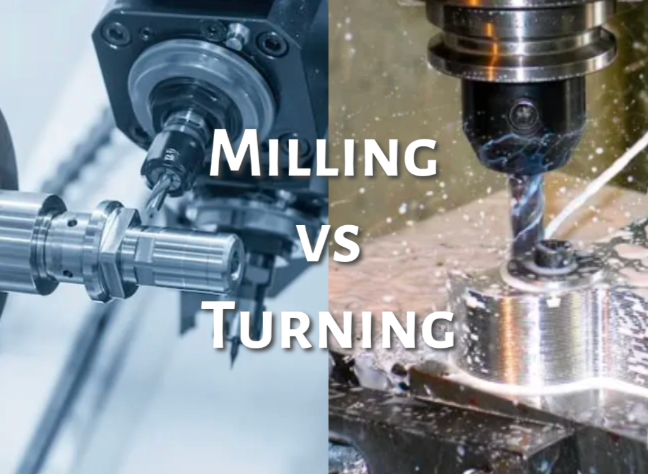
Základný rozdiel medzi CNC frézovaním a CNC sústružením spočíva v jednej otázke: čo sa počas rezného procesu otáča?
V CNC točenie pri tomto procese sa vaša súčiastka rýchlo otáča, zatiaľ čo nehybný rezný nástroj odstraňuje materiál. Predstavte si napríklad kus okrúhleho tyčového polotovaru, ktorý sa vo sústruhu otáča, kým nástroj odstraňuje nadbytočný materiál. Tento proces je výborný na výrobu valcovitých tvarov – hriadeľov, kolíkov, vložiek a závitových súčiastok. Ak je vaša súčiastka predovšetkým okrúhla alebo symetrická okolo stredovej osi, služby CNC sústruženia zvyčajne zabezpečia rýchlejšie výrobné časy a nižšie náklady.
V CNC frézovanie pri tomto procese sa deje opak: vaša súčiastka zostáva relatívne pevná, zatiaľ čo sa po jej povrchu pohybuje rotujúci viacbodový frézovací nástroj. Predstavte si napríklad frézovací nástroj (koncovú frézu), ktorý sa vysoko rýchlo otáča a vyrezáva dutiny, drážky a zložité obrysy do bloku hliníka. Súčiastky vyrobené CNC frézovaním sú ideálne v prípadoch, keď potrebujete rovné plochy, uholné prvky alebo zložité trojrozmerné geometrie, ktoré sa nepohybujú okolo stredovej osi.
Tu je praktický spôsob rozhodovania: pozrite sa na prierez vašej súčiastky. Ak je po celom svojom priebehu kruhový, obrábanie je pravdepodobne najvhodnejšou voľbou. Ak má ploché plochy, vývzdy alebo prvky na viacerých stranách, lepšie sa hodí frézovanie.
Kedy má zmysel 5-osé obrábanie
Štandardné 3-osové frézovanie posúva rezný nástroj v smeroch X, Y a Z. To postačuje pre mnoho súčiastok, ale čo sa stane, ak má váš návrh podrezové plochy, zakrivené povrchy alebo prvky pod zložitými uhlami?
Práve tu sa stávajú nevyhnutné služby 5-osového CNC obrábania. Tieto pokročilé stroje pridávajú dve rotačné osi, čím umožňujú reznému nástroju prístup k obrobku takmer z akéhokoľvek uhla. Namiesto viacnásobného prepolohovania súčiastky (čo spôsobuje chyby zarovnania) dokončí 5-osový stroj zložité geometrie v jedinom nastavení.
Kedy by ste mali špecifikovať 5-osové možnosti? Zvážte tieto scenáre:
- Letecké komponenty: Lopatky turbín, impelery a konštrukčné závesy s organickými krivkami
- Zdravotnícke implantáty: Kĺbové pohyblivé časti (bokové kĺby), zložky chrbtice a chirurgické nástroje vyžadujúce hladké, zakrivené povrchy
- Automobilové komponenty: Motorové skrinky s hlbokými dutinami a zložitými uhlami
- Formovacie dutiny: Zložité nástroje s podrezmi a jemnými povrchovými detailmi
Kompenzácia? Päťosové obrábanie je zvyčajne drahšie kvôli vyšším sadzbám za stroj a zložitejšiemu programovaniu. Avšak pre zložité súčiastky často celkovo šetrí peniaze vylúčením viacerých nastavení a znížením rizika chýb spôsobených akumuláciou tolerancií.
Pre extrémne malé a zložité súčiastky obrábané na sústruhoch – napríklad tie používané v zdravotníckych zariadeniach alebo elektronike – ponúka švajčiarske obrábanie ďalšiu špecializovanú možnosť. Tieto stroje vedú tyčový materiál cez vodidlo (bushing) umiestnené veľmi blízko rezného nástroja, čo umožňuje vynikajúcu presnosť pri veľmi malých priemeroch, ktoré nedokážu dosiahnuť štandardné sústruhy.
Priradenie vašej súčiastky k vhodnému výrobnému procesu
Nesprávna voľba znamená vyššie náklady, ako je potrebné, alebo dlhšie čakanie na dodanie. Použite túto porovnávaciu tabuľku ako pomoc pri výbere:
| Typ procesu | Najlepšie použitie | Typické tolerancie | Úroveň zložitosti | Relatívna cena |
|---|---|---|---|---|
| CNC točenie | Hriadele, čapy, puzdrá, závitové tyče, valcové puzdrá | ±0,001" až ±0,005" (±0,025 mm až ±0,127 mm) | Nízka až stredná | $ (Najvýhodnejšie pre kruhové súčiastky) |
| 3-osiové frezovanie CNC | Ploché komponenty, upevňovacie konzoly, kryty, jednoduché vrecká a otvory | ±0,001" až ±0,005" (±0,025 mm až ±0,127 mm) | Stredná | $$ (Štandardné pre hranolové diely) |
| 5-osi CNC frézka | Lopatky turbín, obežné kolesá, lekárske implantáty, letecké štruktúry, zložité formy | ±0,0005" až ±0,002" (±0,013 mm až ±0,05 mm) | Vysoká | $$$ (Premium pre zložité geometrie) |
| Švajčiarske obrábanie | Miniaturizované skrutky, lekárske kolíky, elektronické kontakty, hodinové súčiastky | ±0,0002" až ±0,001" (±0,005 mm až ±0,025 mm) | Vysoká | $$$ (Špecializované pre malé priemery) |
Všimnite si, ako sú CNC súčiastky vyrobené obrábaním na sústruhu a CNC súčiastky vyrobené frézovaním určené pre zásadne odlišné návrhové požiadavky. Presné CNC obrábanie nie je o výbere najpokročilejšej možnosti – ide o prispôsobenie technologických možností vašim skutočným potrebám.
Mnohé online platformy teraz ponúkajú automatické odporúčania technologických postupov na základe nahraného geometrického modelu. Porozumenie týmto rozdielom však pomáha overiť tieto odporúčania a urobiť informované rozhodnutia v prípadoch, keď sa váš projekt nachádza v „šedých zónach“.
Po výbere vhodného technologického postupu nasleduje ďalšie kľúčové rozhodnutie – výber z desiatok dostupných materiálov, pričom každý z nich má odlišné vlastnosti, ktoré priamo ovplyvňujú prevádzkové vlastnosti, obrábateľnosť a náklady.
Kompletný sprievodca výberu materiálov pre CNC projekty
Vybrali ste si metódu obrábania. Teraz prichádza otázka, ktorá priamo ovplyvňuje výkon, životnosť a náklady vašej súčiastky: ktorý materiál si máte vybrať? Toto rozhodnutie ovplyvňuje všetko – od rýchlosti, akou sa dá súčiastka obrábať, až po jej správanie sa za reálnych prevádzkových zaťažení.
Väčšina online platforiem ponúka desiatky materiálov pre CNC obrábanie, avšak zvyčajne ich nevysvetľuje pREČO prečo by ste si vybrali jeden materiál pred druhým. Zmeňme to. Či už potrebujete ľahkú pevnosť hliníka pre CNC obrábanie alebo odolnosť proti opotrebovaniu bronzových súčiastok, pochopenie vlastností materiálov vám pomôže vyvážiť výkon a rozpočet.
Kovové materiály pre pevnosť a trvanlivosť
Kovy stále zostávajú základom presnej výroby ich kombinácia pevnosti, tepelnej vodivosti a trvanlivosti ich robí nevyhnutnými pre nosné konštrukcie, kryty a komponenty vystavené náročným prostrediam.
Hliník ovláda online CNC priestor z dobrého dôvodu. Spracováva sa rýchlo, jej výroba je lacnejšia a ponúka vynikajší pomer pevnosti ku hmotnosti. Zliatiny ako 6061-T6 poskytujú dobrú odolnosť voči korózii a zvárateľnosť, čo ich robí ideálnymi pre kryty, upevňovacie prvky a spotrebné výrobky. Pre aplikácie vyžadujúce vyššiu pevnosť zliatina 7075-T6 ponúka výkon blízky niektorým oceliam – avšak za vyššie materiálové náklady.
Oceľový do hry vstupuje, keď potrebujete čistú pevnosť. Uhlíkové ocele, ako napríklad 1018, sa dobre obrábajú a prijímajú rôzne tepelné spracovania. Pre kalené nástroje alebo súčiastky odolné voči opotrebovaniu ponúka predkalená oceľ 4140 praktický kompromis. Avšak vysoká hustota ocele vedie k ťažším súčiastkam a jej húževnatosť predlžuje dobu obrábania v porovnaní s hliníkom.
Nehrdzavejúca oceľ kombinuje odolnosť voči korózii s rešpektovateľnou pevnosťou. Trieda 304 je vhodná pre väčšinu všeobecných aplikácií, zatiaľ čo 316 sa vyznačuje vynikajúcimi vlastnosťami v námornom a chemickom prostredí. Aký je kompromis? Neželezné ocele sa pri obrábaní tvrdia (work-hardens), čo vyžaduje nižšie rýchlosti a špeciálne nástroje – čím sa zvyšujú výrobné náklady.
Mosadz a bronz ponúkajú jedinečné výhody. Mosadz sa veľmi dobre obrába a poskytuje vynikajúce povrchové úpravy s minimálnym opotrebovaním nástrojov. Je ideálna pre dekoratívne kovové výrobky, elektrické súčiastky a spojky. CNC varianty bronzov, ako napríklad ložiskový bronz C932, sa vyznačujú vynikajúcimi vlastnosťami v ložiskách a vložkách vďaka svojej prirodzenej mazivosti a odolnosti proti opotrebovaniu. Pri obrábaní bronzu zistíte, že je mierne drahší ako mosadz, avšak jeho cena sa vyplatí pre súčiastky, kde je kritická trenie.
Technické plastové materiály pre špeciálne potreby
Keď je dôležitejšia hmotnosť, elektrická izolácia alebo chemická odolnosť než čistá pevnosť, technické plasty ponúkajú výnikajúci výkon. Tieto materiály často nahradzujú kovové komponenty v aplikáciách, kde ich jedinečné vlastnosti ospravedlňujú takéto nahrádzanie.
Delrin (POM/Acetal) delrin sa vyznačuje ako najvhodnejší materiál z radu delrinov pre presné mechanické súčiastky. Tento delrinový plast ponúka vynikajúcu rozmernú stabilitu, nízke trenie a pôsobivú odolnosť proti opotrebovaniu. Jeho tuhosť a odolnosť voči creepu ho robia ideálnym pre ozubené kolesá, ložiská a posuvné mechanizmy, kde je dôležitý konzistentný výkon v priebehu času. Delrin sa spracováva ako sen – čisté rezy, tesné tolerancie a hladké povrchové úpravy sa dosahujú ľahko.
Nylon (PA) ponúka väčšiu pružnosť a odolnosť voči nárazu ako Delrin. Obrábanie nylonu je vhodné pre súčiastky, ktoré musia absorbovať náraz alebo sa ohýbať pod zaťažením. Avšak obrábaný nylon absorbuje vlhkosť z prostredia, čo môže ovplyvniť jeho rozmery a mechanické vlastnosti. Táto hygroskopická povaha znamená, že sa rozmery nylonových súčiastok môžu v suchom prostredí mierne meniť – čo je kritické pri presných aplikáciách.
Tak kedy Delrin prekonáva nylon?
- Vynikajúca dimenzionálna stabilita pri rôznej vlhkosti
- Nižšie koeficienty trenia pre posuvné aplikácie
- Užšie tolerancie a hladšie povrchové úpravy
- Odolnosť voči creepu pri dlhodobom zaťažení
Vyberte si nylon, keď potrebujete:
- Vyššiu odolnosť voči nárazu a únavovému poškodeniu
- Väčšiu pružnosť a predĺženie
- Nižšie materiálové náklady pre menej kritické aplikácie
Polycarbonate vstupuje do hry, keď je dôležitá optická priehľadnosť alebo extrémna odolnosť voči nárazu. Je výrazne pevnejší ako akryl, pričom zostáva priehľadný. Ochranné kryty, pozorovacie sklenené okná a bezpečnostné komponenty často využívajú polykarbonát. Avšak je zraniteľnejší voči poškrabaniu ako sklo a pri obrábaní vyžaduje opatrný prístup, aby sa zabránilo napäťovému trhlinám.
Výber materiálov na základe vašej aplikácie
Výber materiálu nie je len otázkou jeho vlastností – ide o prispôsobenie týchto vlastností vašim konkrétnym požiadavkám pri súčasnom riadení nákladov. Nižšie je uvedené komplexné porovnanie, ktoré vám pomôže pri rozhodovaní:
| Materiál | Kľúčové vlastnosti | Najlepšie použitie | Hodnotenie obrábateľnosti | Cenová úroveň |
|---|---|---|---|---|
| Hliník 6061-T6 | Ľahký, odolný voči korózii, zvárateľný | Kryty, upevňovacie konzoly, spotrebné tovar, chladiče | Výborné | $ |
| Hliník 7075-T6 | Vysoká pevnosť, odolnosť voči únavovému namáhaniu | Letecké konštrukcie, súčiastky vystavené vysokému namáhaniu | Dobré | $$ |
| Ocel 1018 | Ťahovo tvárny, ľahko zvárateľný, povrchovo kaliteľný | Hriadele, kolíky, všeobecné mechanické súčiastky | Dobré | $ |
| Oceľ 4140 | Vysoká pevnosť, tepelne spracovateľný | Sprevádzky, hriadele, nástrojové komponenty | Stredná | $$ |
| Nerezová oceľ 304 | Odolný voči korózii, nemagnetický | Zariadenia pre potravinársky priemysel, lekárske zariadenia, námorné vybavenie | Stredná | $$ |
| Nerez 316 | Vynikajúca odolnosť voči korózii | Chemické spracovanie, námorníctvo, lekárske implantáty | Stredná | $$$ |
| Mosadz C360 | Vynikajúca obrádateľnosť, vodivé | Elektrické konektory, dekoratívne kovové výrobky, montážne diely | Výborné | $$ |
| Bronz C932 | Odolný proti opotrebovaniu, samomaziaci | Vložky, ložiská, tlakové podložky | Veľmi dobrá | $$ |
| Delrin (POM) | Nízke trenie, rozmerovo stále, tuhé | Kolesá, ložiská, presné mechanizmy | Výborné | $$ |
| Nylon 6/6 | Odolné voči nárazu, pružné, pevné | Opotrebovateľné dosky, valčeky, konštrukčné súčasti | Dobré | $ |
| Polycarbonate | Priehľadné, odolné voči nárazu | Pozorovacie sklenené okná, ochranné kryty, šošovky | Dobré | $$ |
Kedy je hliník lepší ako oceľ? Hliník vyhráva, keď je dôležitá hmotnosť, keď je dôležitá odolnosť voči korózii a keď rýchlejšie obrábanie zníži náklady. Oceľ vyhráva, keď má prioritu maximálna pevnosť, tvrdosť alebo odolnosť proti opotrebovaniu – a keď hmotnosť nie je obmedzením.
Hodnotenie obrádateľnosti má priamy vplyv na vaše zisky. Materiály s hodnotením „vynikajúca“ sa spracúvajú rýchlejšie, vyžadujú menej výmen nástrojov a poskytujú lepšie povrchové úpravy priamo z CNC stroja. Podľa priemyselného výskumu týkajúceho sa výberu materiálov pre CNC má obrádateľnosť materiálu priamy vplyv na čas a náklady – materiály s dobrou obrádateľnosťou sa dajú spracovať rýchlejšie a vyžadujú menej výmen nástrojov, čím sa celkové náklady znížia.
Dôkladne zvážte kompromisy medzi nákladmi a výkonom. Súčiastka vyrobená z mosadze môže mať vyššie náklady na suroviny ako hliník, avšak ak mosadz poskytuje požadované vlastnosti odolnosti proti opotrebovaniu, kým hliník v prevádzke zlyháva, vyššie počiatočné náklady zabránia drahým výmenám na mieste.
Okrem vlastností materiálu majú pre regulované odvetvia význam aj certifikáty. Protokoly skúšok materiálov (MTR) poskytujú zdokumentovaný dôkaz o zložení a vlastnostiach – čo je nevyhnutné pre letecký priemysel, zdravotníctvo a automobilový priemysel. Pri objednávaní cez online platformy sa uistite, že vybraný materiál obsahuje vhodné možnosti certifikácie.
Po výbere materiálu sú ďalšie kľúčové faktory – tolerancie a povrchové úpravy – rozhodujúce pre to, či vaša súčiastka spĺňa funkčné požiadavky alebo nedosahuje očakávané výsledky.
Vysvetlenie tolerancií a povrchových úprav pre reálne aplikácie
Vybrali ste si svoj obrábací proces a vybrali ste si dokonalý materiál. Teraz prichádza rozhodnutie, ktoré dokáže zmiasť aj skúsených inžinierov: aké tesné majú byť vaše tolerancie a aký povrchový úpravu vlastne potrebujete? Ak ich zadáte príliš voľne, vaše obrábané súčiastky nebudú správne fungovať. Ak ich zadáte príliš tesne, zaplatíte výrazne viac bez toho, aby ste získali akúkoľvek reálnu výhodu.
Tu je niečo, čo väčšina platforiem nezverejní: tolerancia 0,001" , ktorú sa chystáte zadať, môže zdvojnásobiť náklady na vašu súčiastku a ztrojnásobiť dodaciu lehotu. Pochopenie toho, kedy sa služby presného obrábania opravdu vyplácajú – a kedy stačia štandardné tolerancie – vám ušetrí peniaze a zároveň zabezpečí, že vaše súčiastky pre presné obrábanie budú fungovať presne tak, ako je zamýšľané.
Aká tolerancia je v skutočnosti potrebná
Tolerancia určuje, o koľko sa môže rozmer odchyliť od svojej špecifikovanej hodnoty. Ak má súčiastka vyrobená CNC obrábaním rozmer 25,00 mm s toleranciou ±0,10 mm, potom akýkoľvek rozmer medzi 24,90 mm a 25,10 mm spĺňa požiadavky na kontrolu. Znie to jednoducho. Avšak výrobné dôsledky zosilnenia tejto tolerance sú čokoľvek iné než jednoduché.
Štandardné obrábací tolerancie – zvyčajne ±0,10 mm (±0,004″) – efektívne pokrývajú väčšinu všeobecných aplikácií. Vaša strojnícka dielňa pracuje pri bežných rýchlostiach, používa štandardné nástroje a vykonáva pravidelné kontroly kvality. Ak prejdete na presné tolerancie ±0,025 mm (±0,001″), zmení sa všetko. Stáva sa nutnou prevádzka v prostredí s regulovanou teplotou. Stroje vyžadujú tepelnú stabilizáciu. Kontrolné postupy sa výrazne rozširujú. Podľa výskumu výrobných nákladov prechod zo štandardných na presné tolerancie zvyčajne zdvojnásobuje náklady, zatiaľ čo ultra-presné špecifikácie môžu náklady zvýšiť až 24-násobne.
Tak kedy sa prísnejšie špecifikácie opravňujú na dodatočné investície? Zvážte tieto scenáre:
- Spojovacie plochy: Keď sa dva súčiastky vyrobené CNC frézovaním musia presne do seba zapadnúť – napríklad hriadeľ v ložisku alebo piest v valci
- Rozhrania montáže: Keď sa vaša súčiastka pripája k iným presným súčiastkam s minimálnym medzerou
- Aplikácie tesnenia: Keď tesniace podložky alebo O-krúžky vyžadujú špecifické stlačenie na správne fungovanie
- Rýchla rotácia: Keď by nerovnováha pri prísnych toleranciách spôsobila vibrácie alebo predčasný poruchový stav
Pre nesignifikantné rozmery – oblasti odstraňovania materiálu, otvory na voľný priestor alebo estetické prvky – sa zvyčajne dokonale hodia štandardné tolerancie. Najdrahšou toleranciou je často tá, ktorá neposkytuje žiadny funkčný prínos.
| Trieda tolerancie | Typický rozsah | Použitie | Vplyv na náklady |
|---|---|---|---|
| Štandardná / komerčná | ±0,13 mm (±0,005") | Všeobecné mechanické súčiastky, konzoly, kryty, nesignifikantné prvky | Základná cena ($) |
| Presnosť | ±0,025 mm (±0,001") | Zostavovacie plochy, uloženia ložísk, montážné rozhrania, hydraulické komponenty | 2× základná cena ($$) |
| Vysoká presnosť | ±0,013 mm (±0,0005″) | Letecké konštrukcie, lekárske implantáty, optické upevnenia, meracie prístroje | 4–8× základná cena ($$$) |
| Ultra-presné | ±0,0025 mm (±0,0001") | Meracie zariadenia, vybavenie pre polovodičový priemysel, špecializované vedecké prístroje | 24× a viac základnej ceny ($$$$) |
Možnosti povrchovej úpravy a prípady, keď majú význam
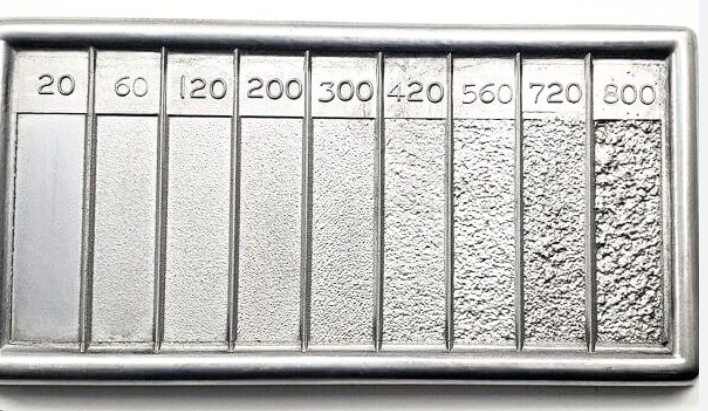
Kvalita povrchu opisuje textúru vonkajšieho povrchu vašej súčiastky na mikroskopickom úrovni. Meria sa v Ra (priemerná drsnosť) – nižšie hodnoty znamenajú hladší povrch. Avšak z praktického hľadiska je dôležité, že kvalita povrchu ovplyvňuje trenie, opotrebovanie, odolnosť voči korózii a vzhľad.
Keď sú súčiastky obrábané na CNC stroji, vznikne takzvaný „obrábaný“ povrch. Stále sú viditeľné stopy nástroja, avšak pre vnútorné komponenty alebo súčiastky, ktoré neskôr prechádzajú ďalším dokončovacím spracovaním, je tento základný stav často postačujúci. Následne sa možnosti rozširujú podľa vašich funkčných a estetických požiadaviek:
- Obrábaný povrch (Ra 3,2 μm / 125 μin): Štandardné strojové dokončenie s viditeľnými dráhami nástroja. Ideálne pre vnútorné komponenty, prototypy alebo diely, ktoré budú ďalej dokončované. Najekonomickejšia možnosť.
- Hladké obrábanie (Ra 1,6 μm / 63 μin): Znížené stopy nástroja optimalizáciou rezných parametrov. Vhodné pre všeobecné viditeľné povrchy a priliehajúce plochy.
- Jemné obrábanie (Ra 0,8 μm / 32 μin): Minimálne viditeľné stopy nástroja. Vhodné pre presné pasovania, tesniace plochy a estetické aplikácie.
- Striekanie média: Jednotná matná textúra, ktorá skrýva stopy obrábania. Vytvára konzistentný vzhľad na všetkých dieloch a zlepšuje priľnavosť farby. Často sa kombinuje s anodizáciou pre premium vzhľad výrobku.
- Anodizácia (typ II alebo typ III): Elektrochemický proces, ktorý vytvára trvalú, koróziou odolnú oxidovú vrstvu na hliníku. Dostupná v rôznych farbách. Typ III (tvrdá vrstva) poskytuje výraznú odolnosť proti opotrebovaniu pre náročné aplikácie.
- Povlak práškom: Trvanlivý lakový povrch dostupný takmer v akejkoľvek farbe. Zvyšuje hrúbku o 0,05–0,15 mm – čo je kritické pre prvky citlivé na tolerancie, ktoré môžu vyžadovať zakrytie.
- Elektrolyticky leštené: Chemický proces vytvárajúci zrkadlové povrchy na nehrdzavejúcej ocele. Znižuje drsnosť povrchu a zároveň zlepšuje odolnosť voči korózii. Bežne sa používa v lekárskej a potravinárskej výrobnej technike.
- Čierna oxidácia: Konverzný povlak pre oceľ, ktorý poskytuje miernu koróznu odolnosť a esteticky príťažlivý čierny vzhľad. Spôsobuje minimálnu zmenu rozmerov.
Výber povrchovej úpravy priamo ovplyvňuje zložitosť výroby. Ako vysvetľuje výskum povrchových úprav, práškové nátery a anodizácia pridávajú materiálovú hrúbku, ktorá môže narušiť tesné tolerancie, a teda vyžadujú zakrytie kritických prvkov – manuálny, časovo náročný proces, ktorý zvyšuje nielen náklady, ale aj dobu dodania.
Vyváženie presnosti a rozpočtu
Rôzne priemyselné odvetvia pristupujú k toleranciám a povrchovým úpravám s principiálne odlišnými filozofiami. V leteckej a vesmírnej technike sa často tlačia hranice presnosti kvôli obmedzeniam hmotnosti a požiadavkám na bezpečnosť – každý gram má význam, keď sa lietate. Zdravotnícke zariadenia kladia dôraz na konzistentné a spoľahlivé výrobné procesy z dôvodu bezpečnosti pacientov. Spotrebné výrobky zvyčajne vyvažujú vizuálnu atraktívnosť a nákladovú efektívnosť.
Najrozumnejší prístup? Uplatňovať tesné tolerancie len tam, kde to vyžaduje funkcia. Vytvorte hierarchiu tolerancií:
- Kritické rozmery: Prvky ovplyvňujúce pasovanie, funkciu alebo bezpečnosť – špecifikujte presné tolerancie
- Dôležité rozmery: Prvky ovplyvňujúce montáž alebo výkon – použite štandardné tolerancie so zreteľnými požiadavkami na kontrolu
- Referenčné rozmery: Nekritické prvky – akceptujte to, čo výrobný proces prirodzene vytvorí
Teplota je tiež dôležitejšia, ako si uvedomujú mnohí inžinieri. Hliníková súčiastka s rozmerom 300 mm sa pri zmeny teploty o 10 °C rozšíri približne o 0,07 mm. Určenie tolerancií tesnejších, ako je očakávaná tepelná variácia, vytvára nerealistickú výrobnú situáciu.
Pri nahrávaní do online CNC služobnej platformy vyhľadajte spätnú väzbu DFM (návrh pre výrobnosť), ktorá upozorní na nepotrebné príliš tesné tolerance. Mnohé systémy teraz automaticky navrhujú miesta, kde je možné špecifikácie zmierniť bez vplyvu na funkčnosť – čím vám ušetrí peniaze a zároveň zachová kvalitu služieb presnej obrábania, ktorú vaša aplikácia skutočne vyžaduje.
Keď poznáte požadované tolerance a povrchové úpravy, ste pripravení prejsť celým objednávkovým procesom – od správnej prípravy vašich CAD súborov až po sledovanie výroby a dodania súčiastok.
Kompletný pracovný postup od nahratia CAD súborov po dodanie súčiastok
Vybrali ste si svoj proces, zvolili materiál a určili tolerancie, ktoré vyvážia presnosť a rozpočet. Teraz nastáva rozhodujúci okamih: vlastné zadanie objednávky. Čo sa stane po kliknutí na tlačidlo „nahrať“? Čo sa deje za kulisami, kým vaše súčiastky z CNC obrábania dorazia k vám domov?
Porozumenie tomuto pracovnému postupu vás mení z pasívneho zákazníka na informovaného partnera v procese výroby. Keď viete, čo sa deje na každom stupni, môžete pripraviť lepšie súbory, presnejšie predvídať časové rámce a vyhnúť sa bežným chybám, ktoré spôsobujú oneskorenia projektov a zvyšujú náklady.
Príprava vašich CAD súborov na úspech
Vaša CNC strojová súprava je tak dobrá, ako je súbor, ktorý jej poskytnete. To nie je prehnanie – je to výrobná realita. Neúplná geometria, nesprávny formát súboru alebo nadmierne komplexné modely spôsobujú reťazové problémy, ktoré sa šíria celým výrobným procesom.
Začnite správnym formátom súboru. Podľa odporúčaných postupov pripravy súborov pre CNC obrábanie v priemysle tieto formáty najlepšie vyhovujú online službám CNC obrábania:
- STEP (.stp, .step): Univerzálny štandard pre CNC. Presne zachováva pevnú geometriu a je kompatibilný takmer so všetkými CAM systémami
- IGES (.igs, .iges): Starší formát, ktorý je stále široko podporovaný. Vhodný pre povrchové modely, ale pri preklade niekedy môže dôjsť k strate údajov
- Parasolid (.x_t, .x_b): Nativný formát pre SolidWorks a mnoho CAM systémov. Vynikajúco zachováva geometriu
- Nativné CAD súbory: Niektoré platformy priamo akceptujú súbory SolidWorks, Fusion 360 alebo Inventor
Vyhnite sa mriežkovým formátom, ako sú STL alebo OBJ, pre obrábanie. Hoci sú tieto formáty ideálne pre 3D tlač, rozdeľujú hladké krivky na malé trojuholníky, čo spôsobuje problémy pri generovaní nástrojových dráh. Vaša pekne navrhnutá zakrivená hrana sa tak stane plošnou aproximáciou, ktorú nie je možné presne obrábať.
Pred exportom prejdite rýchlu kontrolnú listu:
- Overte, či je váš model uzavreté, vodotesné teleso – bez otvorených plôch alebo medzier
- Odstráňte duplicitnú alebo prekrývajúcu sa geometriu, ktorá môže zmiasť CAM softvér
- Odstráňte extrémne tenké steny (pod 0,5 mm pre kovové materiály, pod 1,0 mm pre plastové materiály)
- Skontrolujte, či majú vnútorné rohy zaoblenia zodpovedajúce polomerom dostupných nástrojov
- Potvrďte správnosť jednotiek – chyby medzi milimetrovým a palcovým systémom sú prekvapivo bežné
Od cenovej ponuky po dodací termín
Keď je váš súbor pripravený, proces objednávania prebieha logickou postupnosťou. Tu je presné vysvetlenie toho, čo sa deje na každom stupni:
- Nahratie súboru a okamžitá analýza: Nahrajete svoj CAD súbor prostredníctvom portálu platformy. Do niekoľkých sekúnd automatické algoritmy analyzujú geometriu, vypočítajú objem odstráneného materiálu a identifikujú potenciálne výrobné problémy. Väčšina platforiem podporuje hromadné nahratie pre objednávky viacerých súčiastok.
- Výber špecifikácií: Vyberiete materiál, množstvo, požadované tolerancie a povrchovú úpravu. Systém v reálnom čase znova vypočíta cenu pri úprave parametrov – čím vám pomáha nájsť optimálny kompromis medzi výkonom a rozpočtom.
- Revízia konštrukcie z hľadiska výrobnej technologickej prístupnosti (DFM): Algoritmy platformy – alebo ľudskí inžinieri pre zložité súčiastky – vyhodnotia váš návrh z hľadiska výrobných obmedzení. Dostanete spätnú väzbu k prvkam, ktoré môžu spôsobiť problémy: steny príliš tenké, otvory príliš hlboké, podrezovanie vyžadujúce špeciálne nástroje. Tento krok predchádza drahým prekvapeniam v neskoršom štádiu.
- Vytvorenie cenovej ponuky: Dostanete záväznú ponuku vrátane jednotkovej ceny, poplatkov za nastavenie (ak sú uplatniteľné), doby výroby a možností dopravy. Ponuky na online obrábanie sa zvyčajne doručia do niekoľkých minút pre štandardné súčiastky – v porovnaní s dňami pri tradičných kanáloch.
- Potvrdenie objednávky a platba: Po schválení ponuky sa spustí spracovanie platby, čo vyvolá plánovanie výroby. Vaša objednávka vstupuje do výrobnej fronty so stanoveným dátumom dodania.
- Výroba: Vaše vlastné obrábané súčiastky vstupujú do výroby. Programátori CNC generujú optimalizované nástrojové dráhy na základe vašej geometrie. Operátori nastavujú stroje, overujú prvé vzorky a spúšťajú výrobu. Systémy kontroly kvality počas celého procesu monitorujú rozmernú presnosť.
- Kontrola kvality: Hotové súčiastky sú podrobené rozmernému overeniu v zhode s vašimi špecifikáciami. V závislosti od vašich požiadaviek sa to môže rozsahom pohybovať od výberovej kontroly kritických rozmerov až po úplnú kontrolu pomocou súradnicovej meracej strojnice (CMM) s podrobnými správami.
- Dokončovacie a ďalšie spracovanie: Ak ste určili povrchové úpravy – anodizáciu, práškové náterové systémy, pokovovanie – súčiastky prejdú sekundárnymi operáciami pred finálnym balením.
- Preprava a doručenie: Súčiastky sú starostlivo zabalené, aby sa zabránilo ich poškodeniu počas prepravy. Informácie o sledovaní vám umožňujú sledovať pokročilý stav, kým CNC obrábané súčiastky nedorazia k vám na dverách.
Celý cyklus pre služby obrábania prototypov zvyčajne trvá 3–10 pracovných dní, pričom presná doba závisí od zložitosti, dostupnosti materiálu a požiadaviek na dokončenie. Výrobné objemy samozrejme predlžujú časové rámce, avšak využívajú efektívnosť, ktorá zníži náklady na jednu súčiastku.
Vyhnite sa bežným chybám pri nahrávaní
Po spracovaní tisícov objednávok online platformy opakovane identifikujú rovnaké, ale vyhnutelné chyby. Vyhnutie sa týmto chybám urýchli vaše časové plány a zabráni drahým revíziám.
Chýbajúce alebo nesprávne tolerancie: Ak nezadáte tolerancie, výrobca použije svoje štandardné hodnoty (zvyčajne ±0,13 mm). To môže byť úplne postačujúce – alebo môže spôsobiť zlyhanie montáže. Buďte preto jasní a konkrétne v prípade kritických rozmerov.
Nedosiahnuteľné vnútorné rohy: Rezacie nástroje sú kruhové. Geometricky je nemožné obrábať vnútorný uhol 90 stupňov. Buď pridajte zaoblenia (fillety) zhodné so štandardnými polomermi nástrojov (3 mm, 5 mm, 6 mm sú bežné), alebo očakávajte, že výrobca požiada o upresnenie – čo predĺži váš časový plán o niekoľko dní.
Závity bez špecifikácií: Váš CAD model môže zobrazovať závitové otvory, no CNC stroje vyžadujú výslovné špecifikácie závitov. Do technickej výkresovej dokumentácie alebo poznámok zahrňte typ závitu (UNC, metrický), rozostup závitov, hĺbku a triedu pasovania.
Chýbajúce 2D výkresy pre zložité požiadavky: Hoci 3D modely riadia obrábanie, 2D výkresy komunikujú špeciálne požiadavky, ako napríklad špecifikácie geometrických tolerancií (GD&T), požiadavky na povrchovú úpravu konkrétnych plôšok alebo kritériá kontrolu. Pri CNC prototypovaní jednoduchých geometrií často postačujú samotné 3D súbory – avšak výrobné súčiastky profitujú z doplnkových výkresov.
Príliš prísne (nadmerné) tolerancie: Uvedenie tolerancie ±0,01 mm pre každý rozmer signalizuje nezručnosť a zvyšuje cenové ponuky. Pritom prísne tolerancie uplatňujte len tam, kde to vyžaduje funkcia súčiastky. Skúsení inžinieri rozlišujú medzi kritickými pasovaniami a všeobecnými rozmermi.
Profesionálna rada pre rýchlejšie dodanie: Zjednodušte prvky, ktoré nemajú vplyv na funkciu. Ten dekoratívny zaoblený okraj, na ktorý je potrebný špeciálny nástroj? Hlboká a úzka drážka, pre ktorú sú potrebné nástroje s predĺženým dosahom? Každý netypický prvok predlžuje čas nastavenia stroja. Keď sú termíny dodania veľmi tesné, často je dôležitejšie zjednodušiť konštrukciu ako zrýchliť dopravu.
Optimalizácia nákladov sleduje podobnú logiku. Štandardné materiály (hliníková zliatina 6061, nehrdzavejúca oceľ 304) sú lacnejšie a dodávajú sa rýchlejšie ako exotické zliatiny. Voľnejšie tolerancie skracujú čas kontrolných meraní. Väčšie objemy rozprestierajú náklady na nastavenie stroja na väčší počet súčiastok. A konštrukcia s ohľadom na efektívne upevnenie – rovné spodné plochy, ľahko prístupné prvky, logické postupnosti obrábania – skracujú výrobný čas bez kompromitovania kvality.
Keď už ste objednávku umiestnili a výroba je v chode, pochopenie faktorov ovplyvňujúcich cenu vám pomôže prijať múdrejšie rozhodnutia pre budúce projekty – a prípadne znížiť náklady na aktuálne projekty ešte pred finálnym stanovením špecifikácií.
Pochopenie cien CNC obrábania a optimalizácia nákladov
Niekedy ste sa zamysleli, prečo dve zdanlivo podobné súčiastky majú tak rozdielne cenové ponuky pre CNC obrábanie? Nie ste sami. Väčšina online platforiem vám zobrazuje len číselnú hodnotu bez vysvetlenia, ako bola vypočítaná. Táto nepríjemná neprehľadnosť vás núti hádať, či dostávate spravodlivé ceny – alebo či platíte príliš veľa za funkcie, ktoré v skutočnosti nepotrebujete.
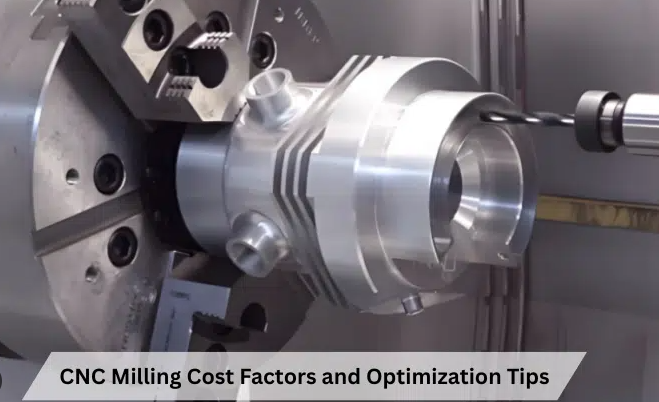
Skutočnosť je nasledovná: Náklady na CNC obrábanie nie sú ľubovoľné. Závisia od predvídateľných vzorov, ktoré sú určené konkrétnymi faktormi, ktoré môžete ovplyvniť. Pochopenie týchto faktorov vás mení z pasívneho kupujúceho na aktívneho partnera schopného strategicky optimalizovať návrhy s ohľadom na nákladovú efektívnosť. Poďme spolu pozrieť, čo v skutočnosti určuje vaše náklady na kovové súčiastky vyrobené CNC obrábaním.
Čo skutočne ovplyvňuje náklady na CNC obrábanie
Každá ponúka, ktorú dostanete, odráža šesť hlavných faktorov nákladov. Niektoré z nich môžete ovplyvniť už v fáze návrhu. Iné závisia od vašich požiadaviek na výrobu. Všetky sa navzájom ovplyvňujú spôsobmi, ktoré vytvárajú príležitosti na optimalizáciu.
Výber materiálu ovplyvňuje náklady dvoma spôsobmi. Po prvé, ceny surovín sa výrazne líšia – cena titánu je približne 20-násobná v porovnaní s hliníkom za kilogram. Po druhé, obrádateľnosť ovplyvňuje dobu výroby. Obrábanie hliníka prebieha výrazne rýchlejšie ako obrábanie nehrdzavejúcej ocele, pretože mäkšie materiály umožňujú vyššie posuvy a dlhšiu životnosť nástrojov. Podľa odhadov nákladov v priemysle stojí hliník zvyčajne 1–3 USD za kilogram, zatiaľ čo titán sa pohybuje v rozmedzí 15–50 USD za kilogram.
Zložitosť dielu priamo ovplyvňuje dobu obrábania – a čas sa rovná peňaziam. Zložité geometrie vyžadujú viacero nastavení, špeciálne nástroje a pomalšie rezné rýchlosti, aby sa zachovala presnosť. Jednoduchý upevňovací kĺbový prvok sa môže obrábať asi 15 minút. Na druhej strane zložitý kryt s hlbokými výklenkami a zložitými uhlami môže vyžadovať niekoľko hodín.
Požiadavky na tolerancie spôsobujú exponenciálne zvyšovanie nákladov. Štandardné tolerancie (±0,13 mm) sú v podstate bezplatné pri bežnom obrábaní. Presné tolerancie (±0,025 mm) vyžadujú kontrolu prostredia, starostlivé meranie a pomalší výrobný proces. Ultra-presné špecifikácie môžu náklady zvýšiť až 24-násobne alebo viac.
Množstvo rozdeľuje fixné náklady na väčší počet súčiastok. Náklady na nastavenie, programovací čas a kontrolu prvej vzorky vzniknú len raz, bez ohľadu na to, či objednáte 1 alebo 1 000 súčiastok. Vyšší objem výroby tieto fixné náklady výrazne znižuje.
Úpravu povrchu predlžuje čas spracovania a niekedy vyžaduje sekundárne operácie. Súčiastky v stave po obrábaní nepredstavujú žiadne dodatočné náklady. Obrábané povrchy vyžadujú ďalšie prejazdy. Anodizácia, práškové náterové systémy alebo pokovovanie predstavujú samostatné technologické kroky so svojimi vlastnými nákladmi.
Dodacia lehota spôsobuje príplatok za výnimočné služby v prípade potreby núdzového dodania. Rýchle objednávky narušujú výrobné plány a môžu vyžadovať nadčasovú prácu alebo expedované získavanie materiálov.
| Faktor | Úroveň nárazu | Stratégia optimalizácie |
|---|---|---|
| Výber materiálu | Vysoká | Vyberte ľahko dostupné materiály s dobrými obrábacími vlastnosťami. Hliník 6061 namiesto 7075; nehrdzavejúca oceľ 304 namiesto 316, ak požiadavky na odolnosť voči korózii to umožňujú. |
| Zložitosť dielu | Vysoká | Zjednodušte nefunkčné prvky. Znížte hĺbku výrezov. Používajte štandardné polomery nástrojov pre vnútorné rohy. Zložité diely rozdeľte na viacero súčastí a zmontujte ich do súborov. |
| Špecifikácie tolerancií | Vysoká | Používajte tesné tolerancie iba na funkčné stykové plochy. Na nehodnotených rozmeroch akceptujte štandardné tolerancie. |
| Množstvo objednávky | Vysoká | Zadávajte objednávky dávkami, aby ste rozdelili náklady na prípravu. Zvážte spoločné zadanie budúcich potrieb, aby ste získali zľavy za veľké množstvo. |
| Úpravu povrchu | Stredná | Špecifikujte povrch „ako sa obrába“, ak nie je dôležitý vzhľad. Namiesto leštenia použite pieskovanie na dosiahnutie rovnorodého vzhľadu za nižšie náklady. |
| Dodacia lehota | Stredná | Plánujte vopred, aby ste sa vyhli poplatkom za expedíciu. Štandardné dodacie lehoty 7–10 dní sú zvyčajne o 15–30 % lacnejšie ako expedované možnosti. |
Chytré stratégie na zníženie nákladov na súčiastky
Zníženie nákladov neznamená prijatie nižšej kvality. Znamená to odstránenie odpadu – nadmerného presného opracovania, prekomplikovaných prvkov alebo neefektívnych konštrukcií, ktoré predlžujú čas obrábania bez pridaného funkčného prínosu.
Začnite tým, že sa spýtate každého prísneho tolerančného rozsahu. Podľa výskumu výrobných nákladov je štandardná tolerancia ±0,127 mm už pomerne presná a postačujúca pre väčšinu aplikácií. Každý ďalší krok s prísnejšou toleranciou predlžuje čas kontrolu, spomaľuje rezné rýchlosti a zvyšuje riziko odmietnutia súčiastok.
Navrhujte tak, aby sa metalurgické obrábanie vykonávalo efektívne – vyhýbajte sa prvkam, ktoré vyžadujú špeciálne nástroje. Hlboké a úzke drážky vynucujú použitie rezných nástrojov s predĺženým dosahom, ktoré sa ohybajú a vyžadujú pomalšie posuvy. Tenké steny potrebujú starostlivú podporu a jemné rezanie. Nesúlad s bežnými priemermi otvorov vyžaduje výrobu špeciálnych vrtákov namiesto použitia komerčne dostupných nástrojov.
Zvážte tieto praktické optimalizácie:
- Zväčšite polomery vnútorných rohov aby sa zhodovali so štandardnými priemermi fréz (3 mm, 5 mm, 6 mm). Väčšie polomery umožňujú rýchlejšie rezanie a predĺžia životnosť nástroja.
- Obmedzte hĺbku dutín na 4-násobok ich šírky. Hlbšie jamky vyžadujú špeciálne nástroje a výrazne pomalšie posuvy.
- Používajte štandardné veľkosti otvorov ktoré zodpovedajú bežným priemerom vrtákov namiesto ľubovoľných rozmerov.
- Vyhnite sa nepotrebným špecifikáciám povrchovej úpravy na vnútorných alebo skrytých povrchoch.
- Ploché spodné plochy pre návrh pre stabilné upevnenie počas spracovania namiesto použitia špeciálnych upínačov.
Pri malých objednávkach na CNC obrábanie sa náklady na prípravu často vyššie ako súhrnné náklady na materiál a čas obrábania. Jeden zložitý diel môže stáť 150 USD, ale objednávka desiatich rovnakých dielov môže stáť len 300 USD – pretože príprava sa vykonáva iba raz. Vždy zvážte, či je ekonomicky výhodnejšie objednať si mierne viac kusov, než potrebujete okamžite.
Množstevné zľavy a cenové stupnice
Objemové ceny pri výrobe na mieru pomocou CNC strojov sledujú predvídateľný vzor. Pri výrobe prvého kusu je najvyššia jednotková záťaž, pretože zahŕňa programovanie, prípravu a overenie procesu. Každý ďalší kus profituje z rastúcej efektívnosti.
Matematický výpočet vám výrazne prospeje. Skutočné údaje o cenách ukazujú, že cena jedného kusu vo výške 134 GBP klesne na 38 GBP za kus pri objednávke 10 kusov – teda o 70 %. Pri 100 kusoch klesne cena na kus na 13 GBP, čo predstavuje zníženie o 90 % oproti cene jedného kusu.
Toto nie je kúzlo – ide o výrobnú ekonomiku. Programátor CNC vytvorí nástrojové dráhy raz. Obrábací technik nastaví upevnenie súčiastky raz. Kontrola kvality stanoví postupy merania raz. Všetky tieto fixné náklady sa rozdelia na celý váš objednávkový objem.
Chytrí kupujúci to využívajú niekoľkými spôsobmi:
- Konsolidovať objednávky namiesto viacerých malých nákupov v priebehu času
- Objednajte prototypy v malých sériách (5–10 kusov) namiesto jednotlivých kusov pri testovaní rôznych verzií
- Predpovedajte výrobné potreby a zaznamenajte väčší objem objednávky za lepšie ceny
- Vyjednajte rámčové objednávky pre trvalé požiadavky so zadanými termínmi dodávok
Objem však nie je vždy odpoveďou. Pri obrábaní prototypov alebo overovaní návrhu je neekonomické objednať stovky súčiastok ešte pred potvrdením ich funkčnosti. Ideálny prístup vyváži aktuálne potreby a realistické úspory založené na objeme – nikdy neobjednávajte viac, ako skutočne potrebujete, len aby ste dosiahli zľavu.
Keď poznáte faktory ovplyvňujúce cenu, vašou ďalšou úvahou je posúdiť, ktorí online CNC poskytovatelia skutočne ponúkajú kvalitu, certifikácie a komunikáciu, ktoré vaše projekty vyžadujú.
Ako posúdiť a porovnať online CNC poskytovateľov
Zistili ste, ako funguje stanovovanie cien a aké faktory ovplyvňujú náklady. Ale tu je otázka, ktorá je rovnako dôležitá: Ako zistíte, ktorý poskytovateľ vám skutočne dodá kvalitné súčiastky v dohodnutom termíne? Nie všetky online CNC služby pracujú na rovnakej úrovni. Niektoré udržiavajú prísne systémy kvality s certifikovanými postupmi. Iné pôsobia ako prostredníci, ktorí vás prepoja s neznámymi strojnými dielňami s rôznorodými kapacitami.
Výber nesprávneho poskytovateľa neznamená len straty peňazí – spomaľuje projekty, spôsobuje problémy pri montáži a potenciálne poškodzuje vašu reputáciu u vašich vlastných zákazníkov. Dobrá správa je však tá, že existujú objektívne kritériá hodnotenia, ktoré oddelujú spoľahlivých partnerov od rizikových pokusov.
Certifikáty, ktoré naozaj záležia
Odborné certifikáty pre priemysel nie sú len nádherné logá na webovej stránke. Predstavujú doložený dôkaz, že výrobca dodržiava štandardizované postupy kvality, ktoré overili nezávislí audítori. Podľa výskumu o certifikáciách výrobcov slúžia certifikáty ako základné stĺpy, ktoré podporujú a overujú každú fázu výrobného procesu v rámci systému manažmentu kvality.
Ale ktoré certifikáty sú v skutočnosti dôležité pre vašu aplikáciu? Tu je, čo vám každý hlavný certifikát hovorí:
ISO 9001 stanovuje základné požiadavky pre systémy manažmentu kvality na celom svete. Dokazuje, že prevádzka udržiava zdokumentované postupy, monitoruje ukazovatele výkonu a rieši nezhody prostredníctvom nápravných opatrení. Ak poskytovateľ nemá ani tento základný certifikát, postupujte s extrémnou opatrnosťou.
AS9100D staví na norme ISO 9001 s požiadavkami špecifickými pre letecký priemysel, vrátane prísneho riadenia rizík, prísnych požiadaviek na dokumentáciu a kontroly integrity výrobkov v rámci zložitých dodávateľských reťazcov. Všetky súčiastky určené na letecké aplikácie musia pochádzať z výrobných zariadení certifikovaných podľa AS9100D.
IATF 16949 upravuje systém manažmentu kvality v automobilovom priemysle a kombinuje princípy normy ISO 9001 so sektorovo špecifickými požiadavkami na neustálu zlepšovanie, predchádzanie chybám a prísny dohľad nad dodávateľmi. Ak vyrábate CNC obrábací stroje v blízkosti môjho miesta pre automobilové aplikácie, tento certifikát je povinný.
ISO 13485 upravuje výrobu zdravotníckych pomôcok s prísnymi požiadavkami na návrh, sledovateľnosť a zmierňovanie rizík. Pre zdravotnícke komponenty je tento certifikát vyžadovaný na splnenie požiadaviek regulačných orgánov a zabezpečenie bezpečnosti pacientov.
Nadcap akreditácia sa zameriava špecificky na špeciálne procesy kritické pre letecký a obranný priemysel – tepelné spracovanie, chemické spracovanie a nedestruktívne skúšanie. Toto predstavuje dodatočnú vrstvu zabezpečenia kvality nad rámec všeobecných certifikácií.
Otázky, ktoré treba položiť pred objednaním
Certifikáty vám hovoria o systémoch. Avšak potrebujete tiež pochopiť, ako konkrétny poskytovateľ zaobchádza s vašimi špecifickými požiadavkami. Pred tým, ako sa zaviažete k akémukoľvek online CNC službe, získajte odpovede na tieto kľúčové otázky:
- Proces zabezpečenia kvality: Aké metódy kontrol používajú? Vykonávajú kontroly počas výroby alebo iba konečnú kontrolu? Dokážu poskytnúť správy z meracieho stroja s počítačovou podporou (CMM) pre kritické rozmery? Prevádzky s robustným kontrolným systémom by mali bez problémov vysvetliť svoje meracie možnosti a protokoly kalibrácie.
- Stopovateľnosť materiálu: Dokážu poskytnúť správy o skúškach materiálu (MTR), ktoré dokumentujú zloženie a vlastnosti materiálu? Pre regulované odvetvia je táto dokumentácia povinná – nie dobrovoľná.
- Možnosti stroja: Aké zariadenia prevádzkujú? Viacoosové stroje, švajčiarske sústruhy a EDM možnosti rozširujú to, čo je možné dosiahnuť. Spýtajte sa na vek strojov a plány údržby – dobre udržiavané zariadenia zabezpečujú konzistentné výsledky.
- Zásady pre revíziu a opravu: Čo sa stane, ak sú diely dodané mimo špecifikácií? Renomovaní poskytovatelia jasne uvádzajú svoje zásady pre opätovnú výrobu a rýchlo reagujú na pripomienky týkajúce sa kvality.
- Komunikačné kanály: Môžete sa pri vzniku problémov obrátiť na skutočného inžiniera? Niektoré platformy ponúkajú iba podporu prostredníctvom chatbotov, zatiaľ čo iné poskytujú priamy prístup k technickému personálu, ktorý pochádza z oblasti obrábania a rozumie jeho výzvam.
- Spoľahlivosť dodacích lehôt: Aká je ich stopa dodávok v stanovenej lehote? Požiadajte o údaje, nie o sľuby. Konzistentné dodávky sú dôležitejšie ako optimistické odhady.
- Kvalita spätnej väzby DFM: Aký podrobný je ich analýza návrhu pre výrobu (DFM)? Poskytovatelia, ktorí odhalia potenciálne problémy ešte pred výrobou, vám ušetria čas aj peniaze.
Pri hodnotení odpovedí sa zamerajte na konkrétnosť. Váhavé odpovede, ako napríklad „máme kvalitné procesy“, majú menšiu váhu než podrobné vysvetlenia kontrolných protokolov, harmonogramov kalibrácie a zdokumentovaných postupov.
Online služby vs. miestne strojnícke dielne
Tu je uprimná analýza, ktorú väčšina online platforiem neposkytne: niekedy má viac zmyslu využiť miestne strojnícke dielne. Voľba medzi vyhľadávaním „CNC dielne v mojom okolí“ a používaním online služieb závisí od vašej konkrétnej situácie.
Online CNC služby sú najvhodnejšie v týchto prípadoch:
- Potrebujete okamžité cenové ponuky bez telefonovania alebo čakania
- Geografická poloha nie je dôležitá – akýkoľvek certifikovaný závod je vhodný
- Štandardné materiály a tolerancie vyhovujú vašim požiadavkám
- Objednávate prototypy alebo malé výrobné dávky
- Pre váš pracovný postup je dôležitá prehľadná cenová politika a sledovanie objednávok
- Nemáte už existujúce vzťahy s kvalifikovanými strojníckymi dielňami v blízkosti
Miestne strojnícke dielne dávajú zmysel v týchto prípadoch:
- Vaše súčiastky vyžadujú rozsiahlu spoluprácu a iteratívny vývoj
- Potrebujete osobne preskúmať priestory, vybavenie a výrobné procesy
- Extrémne tesné termíny vyžadujú dodanie v ten istý deň alebo do nasledujúceho dňa
- Zložité projekty profitujú z návrhových diskusií tvárou v tvár
- Vyvíjate vlastné produkty, ktoré vyžadujú prísnu dôvernosť
- Trvalé výrobné vzťahy ospravedlňujú pravidelné navštevovanie strojníka v blízkosti vašej lokalizácie
Podľa porovnávacej analýzy medzi tradičným a online obrábaním sa tradičné CNC služby zameriavajú na presnosť, poskytovanie praktickej pomoci a dôkladné kontroly kvality – vytvárate si úzky vzťah s výrobnou prevádzkou, čo je výhodné pri veľkých alebo špeciálnych projektoch. Online platformy sa zasa zameriavajú na rýchlosť, jednoduchosť a rýchly prístup, avšak môže dôjsť k obmedzenému komunikačnému kontaktu s ľuďmi, ktorí vaše súčiastky vyrábajú.
Praktická realita? Mnohí kupujúci strategicky využívajú oba prístupy. Online platformy sa zaoberajú jednoduchými súčiastkami, kde je najdôležitejšia rýchlosť a transparentnosť cien. Miestne strojnícke dielne v blízkosti zasa riešia komplexné projekty, ktoré vyžadujú úzku spoluprácu a rýchlu iteráciu.
Zvážte tento rozhodovací rámec: ak môžete svoje požiadavky úplne definovať v CAD súbore a písomných špecifikáciách, online služby zvyčajne ponúkajú rýchlejšie a cenovo výhodnejšie riešenie. Ak však váš projekt vyžaduje neustálu komunikáciu, úpravy návrhu počas realizácie alebo špecializované technologické postupy mimo štandardného obrábania, miestne strojnícke dielne ponúkajú výhody založené na vzájomnom dôvere a spolupráci, ktoré digitálne platformy nemôžu napodobniť.
Keď sú už stanovené kritériá hodnotenia, pochopenie toho, ako rôzne odvetvia tieto štandardy uplatňujú – a aké špeciálne požiadavky kladú – vám pomôže vybrať dodávateľa, ktorý najlepšie vyhovuje vašim konkrétnym aplikáciám.
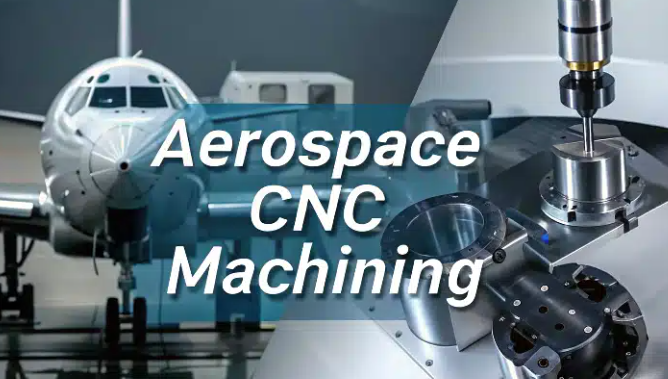
Použitie v odvetviach od automobilového priemyslu po letecký priemysel
Porozumenie certifikáciám a kritériám hodnotenia vám poskytuje základ. Ako sa však tieto štandardy prenášajú do reálnych výrobných scenárov? Rôzne odvetvia neprednostňujú len určité certifikácie – predpisujú konkrétne postupy, materiály a protokoly kvality, ktoré zásadne ovplyvňujú spôsob, akým online CNC služby pôsobia v rámci každého sektora.
Či už vyvíjate kovové CNC komponenty pre automobilové zostavy, presné CNC obrábanie pre chirurgické nástroje alebo letecké CNC obrábanie pre štruktúry kritické pre let, každé odvetvie prináša jedinečné požiadavky. Pozrime sa, čo tieto požiadavky znamenajú v praxi – a ako sa s nimi vysporiadajú vedúci výrobcovia.
Požiadavky automobilovej výroby
Automobilový priemysel funguje na jednoduchom princípe: nulové chyby v masovej výrobe. Keď vyrábate tisíce identických komponentov, ktoré sa musia presne zapasovať do montážnych línií bežiacich vysokou rýchlosťou, konzistencia nie je voliteľná – je to otázka prežitia.
Certifikácia IATF 16949 tvorí základ systému riadenia kvality v automobilovom priemysle. Tento štandard ide ďalej než základné požiadavky normy ISO 9001 a rieši špecifické výzvy vysokozdružnej výroby. Podľa výskumu v oblasti certifikácie v odvetví kombinuje IATF 16949 princípy normy ISO 9001 so sektorovo špecifickými požiadavkami na neustálu zlepšovanie, predchádzanie chýb a prísne dohľad nad dodávateľmi.
Čo to znamená pre vaše automobilové CNC projekty? Výrobcovia, ktorí tento odvetvie obsluhujú, musia preukázať:
- Štatistická regulácia procesu (SPC): Neustále monitorovanie kritických rozmerov počas celého výrobného cyklu, nie len konečnú kontrolu
- Pokročilé plánovanie kvality produktu (APQP): Štruktúrované postupy pri vývoji a uvádzaní nových súčiastok, ktoré minimalizujú výrobné riziká
- Proces schválenia výrobných dielov (PPAP): Dokumentované dôkazy, že výrobné procesy spoľahlivo vyrábajú súčiastky spĺňajúce špecifikácie
- Analýza typov porúch a ich dôsledkov (FMEA): Systematické identifikovanie potenciálnych porúch ešte pred ich výskytom
- Plná sledovateľnosť: Dokumentáciu, ktorá prepojuje každú súčiastku so špecifickými šaržami materiálu, nastaveniami strojov a činnosťami operátora
Typické automobilové aplikácie CNC zahŕňajú upevňovacie prvky podvozku, skriňu prevodovky, komponenty brzdového systému, časti riadiaceho mechanizmu a špeciálne kovové vložky. Tieto súčiastky často vyžadujú obrábanie nehrdzavejúcej ocele kvôli odolnosti voči korózii v prípadoch, keď sú vystavené vonkajším vplyvom, alebo hliníka pre komponenty kritické z hľadiska hmotnosti.
Pre výrobcov, ktorí rozširujú výrobu od prototypového obrábania po plnú sériovú výrobu, automobilový priemysel vyžaduje partnerov schopných udržať konzistentnú kvalitu pri prechode na vyššie objemy výroby. Shaoyi Metal Technology táto schopnosť je ilustrovaná spoločnosťou — ich výrobná prevádzka certifikovaná podľa normy IATF 16949 kombinuje prísne monitorovanie štatistickej regulácie procesov (SPC) s rýchlym prechodom od prototypového výrobného procesu k sériovej výrobe a ponúka dodaciu lehotu až jeden pracovný deň pre montážne celky podvozkov a presné komponenty. Táto kombinácia certifikácie, kontrola procesov a rýchlosti rieši základnú výzvu automobilového priemyslu: dodať kvalitné súčiastky do montážnych línií bez oneskorenia.
Presné štandardy pre letecký a zdravotnícky priemysel
Ak výroba automobilov vyžaduje konzistenciu v veľkom rozsahu, odvetvia leteckej a zdravotníckej techniky vyžadujú presnosť bez kompromisov. Dôsledky zlyhania – či už ide o zlomenie turbínovej lopatky vo výške 30 000 stôp alebo o chirurgický implantát spôsobujúci poškodenie pacienta – robia požiadavky na kvalitu zásadne nevyhnutnými a neprekonateľnými.
Požiadavky na CNC obrábanie v leteckom priemysle
Letecké aplikácie posúvajú možnosti obrábania na ich limity. Podľa výskumu presnej výroby letecké súčiastky, ako napríklad turbínové lopatky, motordelenia a konštrukčné závesy, vyžadujú tolerancie až ±0,0005 palca (±0,013 mm) – čo sa pohybuje v oblasti ultra-presného obrábania a vyžaduje kontrolu prostredia a špeciálne meracie zariadenia.
Certifikácia AS9100D je pre dodávateľov v leteckom priemysle povinná. Tento štandard rozširuje normu ISO 9001 požiadavkami špecifickými pre bezpečnosť v leteckej doprave:
- Zlepšené riadenie rizík: Formálne postupy na identifikáciu a zmierňovanie rizík počas celého vývoja výrobku
- Riadenie konfigurácie: Prísne kontroly zabezpečujúce, že súčiastky presne zodpovedajú schváleným návrhom
- Kontroly integrity výrobku: Prevencia použitia padnutých materiálov a neoprávnených náhrad
- Prvá kontrola článku (FAI): Komplexná verifikácia, že výrobné procesy presne napodobňujú kvalifikované súčiastky
Požiadavky na materiály v leteckej a vesmírnej technike vyžadujú špecializované odborné znalosti. Titanové zliatiny ponúkajú vynikajúci pomer pevnosti ku hmotnosti, avšak spracúvajú sa pomaly a rýchlo opotrebovávajú nástroje. Inconel a iné niklové superzliatiny odolávajú extrémnym teplotám, avšak predstavujú významné výrobné výzvy. Dokonca aj prototypovanie uhlíkových vlákien pre kompozitné konštrukcie vyžaduje pochopenie správania týchto materiálov pri rezných silách.
Typické letecké a vesmírne súčiastky zahŕňajú konštrukčné konzoly, upevnenia motora, súčasti podvozku, kryty aktuátorov a spojky palivového systému – každá z nich vyžaduje doložené certifikáty materiálov a úplnú rozmerovú verifikáciu.
Štandardy pre obrábanie zdravotníckych zariadení
Výroba zdravotníckych pomôcok pridáva k požiadavkám na presnosť aj požiadavky na biokompatibilitu. Tento odvetvie riadi certifikácia ISO 13485, ktorá stanovuje prísne požiadavky na návrh, výrobu, sledovateľnosť a zmierňovanie rizík.
Čo robí lekársku obrábkou odlišnou:
- Biomimetické materiály: Titaniové zliatiny triedy 5 a 23, chirurgické nehrdzavejúce ocele (316L, 17-4PH) a špeciálne plasty, ako je PEEK, ktoré v tele nevyvolávajú nepriaznivé reakcie
- Požiadavky na povrchovú úpravu: Hladké, bezhranové povrchy, ktoré zabraňujú poškodeniu tkanív a kolonizácii baktériami
- Kompatibilita so čistením a sterilizáciou: Súčiastky navrhnuté tak, aby vydržali opakované cykly v autokláve bez degradácie
- Kompletná stopovateľnosť: Každá súčiastka je stopeľná až po konkrétne šarže materiálu, čo umožňuje spätné vyhľadanie v prípade vzniku problémov
Aplikácie lekárskej obrábkovej techniky sa rozprestierajú od chirurgických nástrojov a ortopedických implantátov až po pouzdrá diagnostických zariadení a komponenty zariadení na podávanie liekov. Každý z týchto výrobkov vyžaduje dokumentačné balíky, ktoré spĺňajú predpisy FDA a medzinárodné normy pre zdravotnícke pomôcky.
Od prototypu po sériovú výrobu
Možno najnáročnejšou fázou výroby nie je dosiahnutie presnosti – je to udržanie tejto presnosti pri zvyšovaní objemu výroby od jediného prototypu až po tisíce výrobných kusov. Podľa výskumu týkajúceho sa škálovania výroby je jednou z najťažších úloh pri výrobe stanovenie ceny – ak sa v tomto ohľade dopustíte chyby, celý projekt sa vytratí z koľají.
Prototypovanie pomocou CNC obrábania má zásadne iné účely ako výroba pre sériovú výrobu. Obrábanie prototypov slúži na overenie návrhových konceptov, testovanie funkčnosti a identifikáciu problémov ešte pred tým, ako sa rozhodnete pre sériovú výrobu. V tejto fáze zvyčajne hraje väčšiu úlohu rýchlosť ako náklady na jednotku.
Výzva prechodovej fázy sa objaví, keď sa úspešné prototypy musia stať realitou sériovej výroby. Toto zahŕňa:
- Zlepšenie návrhu pre výrobu (DFM): Úprava návrhov prototypov s cieľom optimalizovať ich pre efektívnu výrobu
- Overenie procesu: Potvrdenie, že výrobné metódy konzistentne napodobňujú výkon prototypov
- Konzistencia materiálu: Zabezpečenie, aby vlastnosti výrobných materiálov presne zodpovedali vlastnostiam materiálov použitých v prototypoch
- Zavedenie systému kvality: Zavedenie kontrolných postupov primeraných pre sériovú výrobu
- Optimalizácia Nákladov: Zníženie nákladov na jednotku prostredníctvom zvýšenia efektívnosti výrobných procesov bez obeti kvality
Chytrí výrobcovia tieto výzvy riešia tak, že spolupracujú s poskytovateľmi služieb presného CNC obrábania, ktorí sú schopní zvládnuť obe fázy. Spolupráca so stejnou výrobnou prevádzkou od fázy prototypu až po sériovú výrobu eliminuje riziká prenosu projektov medzi dodávateľmi – pri ktorom sa často stratí tzv. „tribálna znalosť“ o konkrétnych súčiastkach.
Práve tu poskytovatelia ako Shaoyi Metal Technology preukazujú obzvlášť veľkú hodnotu. Ich schopnosť dodávať rýchle prototypy s dodacou lehotou jedného dňa a následne zväčšiť výrobu na plné výrobné objemy v rámci rovnakého kvalitného systému IATF 16949 odstraňuje nesúvislosť, ktorá zvyčajne komplikuje prechod od prototypov k sériovej výrobe. Najmä pre automobilové aplikácie ich odborné znalosti v oblasti montáže podvozkov a konzistentné monitorovanie štatistickej regulácie procesov (SPC) zabezpečujú, že výrobné diely presne zodpovedajú overeným prototypom.
Kľúčový poznatok? Výber online CNC služby nie je len otázkou výroby dnešného prototypu. Ide o vyhľadanie partnera, ktorého schopnosti sú v súlade s celým životným cyklom vášho výrobku – od počiatočného overenia konceptu až po trvalé výrobné objemy. Certifikáty, procesy a odborné znalosti z danej oblasti, ktoré hodnotíte práve teraz, určujú, či sa vaša výroba bude hladko rozširovať alebo či sa na každom prechodnom bode zasekne.
Keď poznáte požiadavky priemyslu, ste pripravení urobiť posledný krok: pripraviť svoju prvú objednávku s jasnou kontrolnou listou, ktorá zabezpečí úspech.
Začíname s prvou online objednávkou CNC
Už ste sa oboznámili s veľkým množstvom informácií – postupmi, materiálmi, toleranciami, faktormi ovplyvňujúcimi cenu a kritériami hodnotenia. Teraz vzniká praktická otázka: ako vlastne uskutočníte svoju prvú objednávku? Ešte dôležitejšie je však otázka, či sú online CNC obrábací služby vôbec vhodnou voľbou pre váš konkrétny projekt.
Pozrime sa na všetko komplexne a prevedieme to na praktické pokyny. Bez ohľadu na to, či objednávate vlastné CNC súčiastky na prototyp alebo plánujete sériovú výrobu CNC obrábaných súčiastok, táto záverečná časť vám poskytne jasný rámec na rozhodovanie s dôverou.
Váš kontrolný zoznam pre objednávku
Pred kliknutím na tlačidlo „nahrať“ prejdite tieto základné aspekty. Každá položka kontrolnej listy predchádza bežným chybám, ktoré spomaľujú projekty alebo navyšujú náklady:
- Potvrdený výber výrobného procesu: Určili ste si, či váš diel vyžaduje frézovanie, sústruženie alebo viacosové obrábanie? Valcovité diely sa výhodne spracúvajú sústružením; zložité geometrie s viacerými plochami vyžadujú frézovanie; zložité obrysy môžu ospravedlniť použitie 5-osových možností.
- Materiál správne špecifikovaný: Je vybraný materiál vhodný pre mechanické, tepelné a environmentálne požiadavky aplikácie? Overili ste si, či je materiál dostupný prostredníctvom vybranej platformy?
- Tolerance stanovené podľa priority: Identifikovali ste, ktoré rozmery sú skutočne kritické a ktoré môžu prijať štandardné tolerance? Použitie príliš tesných tolerancií všade zbytočne zvyšuje náklady.
- CAD súbor overený: Je váš model uzavreté, vodotesné teleso? Odstránili ste duplicitnú geometriu, overili jednotky (mm vs. palce) a potvrdili, že vnútorné rohy majú obrábací polomer?
- Formát súboru optimalizovaný: Nahrávate súbory vo formátoch STEP, IGES alebo Parasolid namiesto mriežkových formátov, ako je STL? Telesná geometria sa jasne prevedie do výrobných inštrukcií.
- Zaznamenané závity a špeciálne funkcie: Uviedli ste výslovné poznámky k závitom, požiadavkám na povrchovú úpravu konkrétnych plôšok alebo iným podrobnostiam, ktoré samotná CAD geometria nedokáže preniesť?
- Množstvo premyslené stratégiou: Rozdeľuje vaše objednávacie množstvo náklady na prípravu výroby efektívne? Môže zvýšenie množstva o niečo viac znížiť náklady na jednotku tak, aby sa to vyplatilo?
- Dodacia lehota realistická: Vyhrali ste dostatok času na výrobu, alebo vás nepotrebné poplatky za expedíciu nezvyšujú cenovú ponuku?
- Overené certifikáty: Poskytovateľ má certifikáty vhodné pre váš priemyselný odvetvie – minimálne ISO 9001, prípadne aj IATF 16949, AS9100D alebo ISO 13485, ak je to relevantné?
- Požiadavky na dokumentáciu kvality sú jasné: Potrebujete správy o kontrolách, certifikáty materiálov alebo osvedčenia o zhode? Tieto položky špecifikujte už v predvýrobnej fáze namiesto toho, aby ste ich požadovali až po dokončení výroby.
Urobiť správnu výrobnú voľbu
Tu je uprimná pravda: online služby CNC obrábania nie sú vždy optimálnym riešením. Pochopenie toho, kedy sú alternatívy vhodnejšie, šetrí čas, peniaze a zbytočné frustácie.
Vyberte online CNC, keď:
- Vaša súčiastka vyžaduje presnosť, pevnosť alebo vlastnosti materiálu, ktoré môže poskytnúť iba obrábanie
- Potrebujete funkčné prototypy z materiálov vhodných na výrobu – nie len vizuálne makety
- Množstvo sa pohybuje od 1 do niekoľkých stoviek kusov
- Ceníte si prehľadné ceny, okamžité ponuky a sledovanie objednávok
- Štandardné materiály a tolerancie vyhovujú vašim požiadavkám
- Dodací čas 3–10 dní sa zmestí do vášho harmonogramu
Zvážte namiesto toho 3D tlač, keď:
- Vaša geometria obsahuje vnútorné kanály, mriežkové štruktúry alebo organické tvary, ktoré sa nedajú obrábať
- Potrebujete veľmi malé množstvá (1–5 kusov) nefunkčných prototypov v krátkom čase
- Vlastnosti materiálu sú menej kritické ako rýchlosť a geometrická voľnosť
- Váš rozpočet je extrémne obmedzený a požiadavky na presnosť sú skromné
Podľa výskumu porovnávajúceho výrobné metódy sa 3D tlač vyznačuje výbornými výsledkami pri súčiastkach s malým počtom geometrických obmedzení, zatiaľ čo frézovanie CNC ponúka výhodnejšie ekonomické úspory pri veľkostiach nad 100 kusov so zjednodušenými geometriami.
Zvážte vstrekovanie plastov, keď:
- Množstvo presahuje 500–1 000+ identických plastových súčiastok
- Náklady na jednotku sú dôležitejšie ako počiatočná investícia do nástrojov
- Váš návrh je dokončený a nepravdepodobné je, že sa zmení
Zvážte miestne strojnícke dielne v prípadoch:
- Projekty vyžadujú rozsiahlu spoluprácu a iteratívny vývoj
- Dodacia lehota v ten istý deň alebo na nasledujúci deň je skutočne kritická
- Osobné diskusie o návrhu by zlepšili výsledky
- Proprietárne obavy vyžadujú maximálne opatrenia na zabezpečenie dôvernosti
Mnoho úspešných kupujúcich strategicky využíva viacero prístupov. Rýchle CNC prototypovanie prostredníctvom online platforiem umožňuje rýchlu validáciu návrhov. Výrobné objemy sa môžu posunúť k vstrekovaniu do foriem. Vysoce špecializované CNC rezné operácie môžu zostať u overených miestnych partnerov.
Ďalšie kroky pre váš projekt
Teraz máte potrebné znalosti na to, aby ste s istotou využívali online CNC výrobu. Avšak znalosti bez konkrétnej činnosti zostávajú len teoretické. Tu je, ako postupovať prakticky:
Začnite s testovacím objednávkou. Ak ste nikdy predtým nepoužívali konkrétnu platformu, začnite jednoduchšou súčiastkou namiesto najkritickejšej komponenty. Tým overíte ich kvalitu, komunikáciu a spoľahlivosť dodávok ešte pred tým, ako im zveríte rozsiahlejšie projekty.
Hľadajte partnerov pripravených na sériovú výrobu. Ak sa váš projekt môže rozšíriť od CNC prototypového obrábania až po sériovú výrobu, vyberte dodávateľov, ktorí sú schopní zvládnuť obe fázy. Podľa kritérií hodnotenia výroby by dobré partnerstvo malo riešiť nielen súčasné potreby, ale aj schopnosť spĺňať budúce požiadavky a rásť spolu s vaším podnikom.
Čo odlišuje dodávateľov pripravených na výrobu? Hľadajte preukázané schopnosti, ako napríklad dodacia lehota jedného dňa pre urgentné prototypy, certifikáty zodpovedajúce požiadavkám vašeho odvetvia a zdokumentované postupy zabezpečenia kvality (najmä monitorovanie štatistickej regulácie procesov – SPC – pre konzistenciu). Shaoyi Metal Technology tieto charakteristiky ilustruje – ich certifikácia IATF 16949, odbornosť v oblasti montáže podvozkov a schopnosť rýchleho vybavenia objednávok demonštrujú to, čo by mali ponúkať dodávateľovia orientovaní na výrobu.
Prijať učebnú krivku. Vaša prvá objednávka pravdepodobne nebude dokonalá. Objavíte jemné nuansy týkajúce sa špecifikovania tolerancií, prípravy súborov a komunikácie požiadaviek, ktoré žiadna príručka nemôže úplne predvídať. Každý projekt rozširuje vašu odbornosť a robí nasledujúce objednávky hladšie a cenovo výhodnejšie.
Pokračujte v iteráciách. Online CNC platformy sa neustále vyvíjajú – lepšie algoritmy na cenové ponuky, rozšírené možnosti materiálov, rýchlejšie dodacie doby. Zachovajte zvedavosť ohľadom nových funkcií a nepredpokladajte, že dnešné obmedzenia budú trvať aj v budúcnosti.
Výrobná krajina sa zásadne zmenila. To, čo kedysi vyžadovalo týždne telefónnych hovorov, návštev miesta a vyjednávania ponúk, sa dnes deje za niekoľko minút prostredníctvom digitálnych platforiem. Máte prístup k presným výrobným kapacitám, o ktorých si predchádzajúce generácie inžinierov mohli len snívať.
Využite tento prístup múdro. Navrhujte premyslene. Špecifikujte presne. Spolupracujte strategicky. A s dôverou transformujte svoje digitálne návrhy na fyzickú realitu.
Často kladené otázky týkajúce sa online CNC služieb
1. Koľko stojí CNC obrábanie?
Náklady na CNC obrábanie závisia od šiestich hlavných faktorov: výber materiálu (hliník stojí 1–3 USD/kg, zatiaľ čo titán stojí 15–50 USD/kg), zložitosť súčiastky, požiadavky na tolerancie, množstvo objednávky, špecifikácie povrchovej úpravy a dodacia lehota. Štandardné tolerancie udržiavajú náklady na základnej úrovni, zatiaľ čo presné tolerancie môžu náklady zdvojnásobiť. Objednávky vo väčšom objeme výrazne znížia náklady na jednotku – súčiastka, ktorá stojí 134 USD za jednu kus, môže pri objednávke 10 kusov klesnúť na 38 USD za kus. Optimalizáciou návrhu – použitím štandardných polomerov nástrojov, obmedzením hĺbky dutín a výberom ľahko dostupných materiálov – sa dá minimalizovať náklady bez kompromisu na kvalite.
2. Aká je najlepšia online CNC služba?
Najlepšia online CNC služba závisí od vašich konkrétnych požiadaviek. Posúďte poskytovateľov na základe ich certifikátov (minimálne ISO 9001, navyše IATF 16949 pre automobilový priemysel alebo AS9100D pre letecký priemysel), procesov zabezpečenia kvality, ponúkaných materiálov, spoľahlivosti dodacích lehôt a kvality komunikácie. Pre automobilové aplikácie vyžadujúce certifikáciu IATF 16949 s monitorovaním štatistickej regulácie procesov (SPC) a rýchlym prechodom od prototypovania k výrobe ponúka spoločnosť Shaoyi Metal Technology dodaciu lehotu jedného dňa a odborné znalosti v oblasti montáže podvozkov. Pred uzatvorením veľkých objednávok vždy požiadajte o skúšobné správy materiálov a overte si schopnosti kontrolných previerok.
3. Ako získať okamžitú cenovú ponuku pre CNC obrábanie?
Nahrajte svoj CAD súbor (uprednostňované formáty sú STEP, IGES alebo Parasolid) na online CNC platformu. Algoritmy systému okamžite analyzujú geometriu, vypočítajú čas obrábania a zohľadnia náklady na materiál. Vyberte si požadované špecifikácie – typ materiálu, množstvo, tolerancie a povrchovú úpravu – a dostanete aktualizácie cien v reálnom čase. Väčšina platforiem poskytuje záväzné ponuky do niekoľkých minút, na rozdiel od tradičných kanálov, kde to môže trvať dni. Uistite sa, že váš model je uzavreté, tesné teleso s polomermi vnútorných rohov vhodnými na obrábanie, aby bola zabezpečená presná automatická kalkulácia ceny.
4. Aké formáty súborov sú najvhodnejšie pre online CNC obrábanie?
Súbory STEP (.stp, .step) sú univerzálnym štandardom pre CNC obrábanie a presne zachovávajú objemovú geometriu všetkých CAM systémov. Formáty IGES a Parasolid tiež fungujú dobre. Vyhnite sa mriežkovým formátom, ako sú STL alebo OBJ, ktoré rozdeľujú hladké krivky na plošné aproximácie nevhodné pre presné obrábanie. Pred exportom overte, či je váš model „vodotesný“, odstráňte duplicitnú geometriu, odstráňte steny tenšie ako 0,5 mm pre kovové materiály a potvrďte správne jednotky, aby ste predišli bežným chybám pri nahrávaní, ktoré spôsobujú oneskorenia výroby.
5. Kedy si mám vybrať online CNC namiesto 3D tlače alebo miestnych strojníckych dielní?
Vyberte si online CNC, keď potrebujete presnosť, pevnosť a materiály na výrobnú úroveň pre funkčné prototypy alebo množstvá od 1 do niekoľkých stoviek súčiastok. 3D tlač je vhodná pre vnútorné kanály, mriežkové štruktúry alebo rýchle vizuálne makety, kde vlastnosti materiálu hrajú menšiu úlohu. Miestne strojnícke dielne sa osvedčujú pri projektoch, ktoré vyžadujú rozsiahlu spoluprácu, dodanie v ten istý deň alebo osobné diskusie o návrhu. Mnoho kupujúcich využíva všetky tri možnosti strategicky – online platformy pre jednoduché súčiastky, miestne dielne pre zložité spolupracujúce projekty a 3D tlač pre geometrickú slobodu.