 Small batches, high standards. Our rapid prototyping service makes validation faster and easier —
  EN
EN


Môžete zvárať hliník so oceľou? Preskočte drahú nesprávnu metódu
Môžete zvárať hliník so oceľou v bežnej dielni?
Zvyčajne nie. Bežné zváracie procesy v dielni nezabezpečujú spoľahlivé priame zvarenie hliníka so oceľou. Ak je cieľom spoj, ktorý vydrží zaťaženie, vibrácie a reálne prevádzkové podmienky, lepšia otázka nie je len, či je možné zvárať hliník so oceľou, ale ako spojiť tieto dva kovy spoľahlivo.
Odporúčania od AWS a ESAB smerujú rovnakým smerom: priame oblúkové zváranie hliníka so oceľou má tendenciu vytvárať krehké medzimetállicke zlúčeniny, preto je potrebné použiť špeciálne metódy namiesto jednoduchého prístupu „roztaviť ich spolu“.
Môžete zvárať hliník so oceľou priamo?
Mýtus: Štandardný zvárač, vhodný prídavný drôt a dostatok tepla to vyriešia.
Skutočnosť: Bežné priame zváranie hliníka so oceľou sa v typickej výrobnej dielni zvyčajne vyhýba. Môžete dosiahnuť, že sa kovy na chvíľu spoja, alebo dokonca položíte zvarový šev, ktorý vyzerá dobre, avšak to nie je to isté ako trvalý prevádzkový spoj. Ak ste niekedy položili otázku: je ťažké zvárať hliník? táto dvojica nesúrodých kovov je ešte ťažšie zvárať, pretože problém nie je len v technike. Samotné kovy sa pri spájaní tavením navzájom zle správajú.
Funkčné sú špecializované priemyselné postupy, vrátane bimetalických prechodových vložiek a metód ako výbušné zváranie alebo zváranie trením. Tieto metódy sú reálne, avšak nie sú bežnou voľbou pre každodenné opravy, výrobu prototypov alebo výrobu v malých dielňach.
Čo by mali najprv vedieť väčšina výrobcov
Ak sa pýtate môžete zvárať oceľ so hliníkom alebo pri práci s hliníkom a oceľou v zmesi kovových súčastí začnite analýzou požiadaviek na použitie. Je spoj predovšetkým určený na nosnú funkciu, tesnenie, odolnosť voči korózii, estetický dojem alebo rýchlosť výroby? Táto voľba je dôležitejšia než jednoduchý výber zváracieho zariadenia.
Základné pravidlo: vyhýbajte sa bežnému priamemu zváraniu, špecializované priemyselné metódy uvažujte iba vtedy, keď ich použitie v danom prípade skutočne odôvodňuje, a brazing, prechodové materiály, lepidlá alebo mechanické spojovacie prostriedky porovnávajte podľa požiadaviek na použitie.
Tento článok oddeľuje bežné dielničné metódy od špecializovaných priemyselných možností, aby začínajúci i technicky zameraní čitatelia mohli jasne posúdiť skutočné možnosti. Dôvod, prečo bežné metódy zlyhávajú, leží v metalurgii, kde sa hliník a oceľ veľmi odlišne správajú pri zohrievaní.
Prečo hliník a oceľ odmietajú priame zváranie
Hliník a oceľ je možné spojiť pomocou chytrého návrhu. Priame roztavenie oboch materiálov do jednej spoločnej zváracieho kaluže je tá časť, ktorá spôsobuje problémy. Predstavte si hliníkový kontaktový prívod (tab) pripevnený k oceľovému upevňovaciemu ramu. Hliníková strana sa začne mäkčiť a rýchlo odvádzať teplo, zatiaľ čo oceľová strana stále vyžaduje oveľa viac energie, kým sa začne správať ako pri bežnom zváraním tavením. Táto nesúladnosť je prvým dôvodom, prečo sa spoj stáva ťažko zvárateľným, ešte predtým, než do rozhovoru vstupujú prídavné materiály alebo nastavenia zváracích strojov.
Prečo sa hliník a oceľ tak odlišne správajú pri zohrievaní
CWB uvádza, že hliník sa topí pri približne 660 °C, zatiaľ čo uhlíková oceľ sa topí pri približne 1370 °C. Ten istý zdroj vysvetľuje, že hliník vedie teplo približne päťkrát rýchlejšie a rozpína sa približne dvakrát viac ako oceľ. V reálnej dielni to znamená, že jedna strana sa môže prehriať, zoslabnúť alebo stratí tvar, kým druhá strana ešte nie je pripravená na kvalitné zváracie zvarenie.
- Veľmi odlišné správanie pri tavení: hliník sa môže stať kvapalným a „utekať“, kým oceľ dosiahne teplotu potrebnú na bežné oblúkové zváranie.
- Trvalá oxidová vrstva: hliník navyše má odolnú oxidovú vrstvu, ktorá bráni zmáčaniu a čistému zvareniu, ak sa s ňou nesprávne zaobchádza.
- Odlišný tok tepla: hliník rýchlo odvádza teplo, čo spôsobuje nerovnomerné a nepredvídateľné riadenie taviacej sa kalužky na rozhraní.
- Odlišná tepelná rozťažnosť: tieto dva kovy sa pri zahrievaní a ochladzovaní rozširujú a zužujú rôznymi rýchlosťami, čo spôsobuje dodatočné napätie.
Preto sa otázky ako je možné zvárať hliník s oceľou? a je možné zvárať oceľ s hliníkom naraziť na rovnaký základný problém. Znenie sa mení, ale kovová štruktúra nie. Rovnaká odpoveď platí aj v prípade otázky je možné zvárať hliník s oceľou .
Problém medzimetalickej vrstvy vysvetlený jednoducho
Najväčšou prekážkou je reakčná vrstva, ktorá vzniká na rozhraní hliníka a železa. Štúdia materiálov o zváraných spojoch Al-Fe identifikovala Fe2Al5 ako hlavnú medzimetalickej zlúčeninu, pričom na rozhraní sa nachádza aj Fe4Al13. Tieto zlúčeniny sú krehké a štúdia zistila, že hrúbka medzimetalickej vrstvy sa zväčšuje so zvyšujúcim sa tepelným vstupom. Štúdia tiež uvádza, že maximálna teplota má výrazný vplyv na túto hrúbku.
Jednoducho povedané, môžete vytvoriť spoj, ktorý vyzerá, akoby bol spojený, avšak samotná spojovacia čiara je náchylná na vznik trhlin. Táto slabá vrstva nemusí odolať vibráciám, nárazom, tepelným cyklom ani dlhodobej prevádzke. Ak teda niekto položí otázku je možné zvárať oceľ s hliníkom skutočný problém nie je, či sa kovy môžu po zahriatí dotýkať. Ide o to, či rozhranie zostane dostatočne pevné na plnenie svojej funkcie, keď súčiastka opustí pracovný stôl.
Preto je výber procesu tak dôležitý. Stroj, ktorý hladko podáva hliníkový drôt, stále nerieši základnú chemickú zložku spoja, a práve tu potrebujú bežné dielničné metódy reálnejšiu kontrolu.
Čo MIG, TIG, ručné oblúkové zváranie a zváracie zariadenia so špulou skutočne dokážu
Vstúpte do bežnej zváracieho dielne a prvá otázka je zvyčajne jednoduchá: ktorý stroj mám použiť? Pri tejto dvojici kovov však táto otázka môže viesť na nesprávnu voľbu. Príručka AWS odporúča zváračom používať pájkovanie, dvojzložkové prechodové vložky a výbuchové zváranie v prípadoch, keď sa musí hliník zvárať so oceľou. Toto je jasný praktický signál, že bežné dielničné oblúkové procesy zvyčajne nie sú spoľahlivou odpoveďou.
Realistická kontrola možností pri MIG, TIG, ručnom oblúkovom zváraní a zváraní so špulou
MIG, TIG a ručné zváranie fungujú dobre v príslušnom režime. Pri správnej nastavenosti, vhodnom prídavnom materiáli a technike dokážu vytvoriť kvalitné zvary na spojoch hliník–hliník alebo oceľ–oceľ. Neprekonávajú však základný problém pri tomto nesúrodnom kovovom spoji, ktorým je krehká reakčná vrstva vznikajúca na rozhraní hliníka a železa pod vplyvom tepla pri zváraní.
Preto ľudia, ktorí hľadajú najlepší spôsob zvárania hliníka často dostávajú rady, ktoré dávajú zmysel len pre samotný hliník, nie však pre hliník priamo spojený s oceľou. Rovnako aj najlepší spôsob zvárania hliníka v bežnej dielni stále predstavuje inú otázku než zabezpečenie životnosti tohto zmiešaného kovového spoja v prevádzke.
| Výrobný proces | Základná uskutočniteľnosť zvárania hliník–oceľ | Potreby v vybavení | Úroveň zručnosti | Relatívna kontrola | Hlavné obmedzenie | Lepšie použiť namiesto toho |
|---|---|---|---|---|---|---|
| MIG, GMAW | Nízka pre priame zváranie v bežnej dielni | Zdroj prúdu pre MIG zváranie, podávač drôtu, chrániaca atmosféra, nastavenie kompatibilné s hliníkom | Stredná | Stredná | Rýchla depozícia nezabráni vzniku krehkých zlúčenín hliníka a železa na rozhraní | Výrobné zváranie hliník–hliník alebo oceľ–oceľ |
| TIG, GTAW | Nízka úroveň, zvyčajne obmedzená na kontrolované experimenty, nie na bežnú dielenskú prax | Zvárací stroj TIG, horák, ochranný plyn, vhodná prídavná zváracia tyč, ak sa používa | Vysoká | Vysoká | Vynikajúca kontrola oblúka stále nemôže zmeniť základnú metalurgiu a hliník sa môže prehriať, kým sa oceľ ešte užitočne nespraví | Presné práce s hliníkom alebo oceľou z rovnakej skupiny |
| Obalená elektródová metóda, SMAW | Veľmi nízka | Zvárací stroj MMA, elektródy, štandardné osobné ochranné prostriedky (OOP) | Stredná | Nízka | Hrubšia kontrola tepla a obmedzenia spotrebného materiálu robia túto kombináciu obzvlášť nepraktickou | Opravy v teréne a konštrukčné oceľové práce na spojoch oceľ–oceľ |
| Cievkový pišt'ol | Nie je samostatnou metódou spojovania | Zariadenie MIG plus cievková pištoľ a hliníkový drôt | Stredná | Zlepšuje podávanie drôtu, nie však kvalitu zváraného spoja medzi nesúrodými kovmi | Uľahčuje podávanie mäkkého hliníkového drôtu, avšak nerieši základné metalurgické problémy pri zváraní hliníka so oceľou | Práca s hliníkom pomocou MIG, pri ktorej je hlavným problémom stabilita podávania drôtu |
Ktoré prevádzkové procesy sa zvyčajne vyhýbajú
Ak sa pýtate čo potrebujete na zváranie hliníka , bežný kontrolný zoznam zahŕňa vhodné osobné ochranné prostriedky, čistý materiál, správny zdroj energie a príslušný prídavný materiál alebo spotrebný materiál pre daný proces. Tento kontrolný zoznam je dôležitý pri zváraní rovnakých kovov. Nezmení však štandardné zariadenie MIG, TIG alebo ručného oblúkového zvárania na spoľahlivé riešenie pre spojenie hliníka so oceľou .
Rovnaká opatrnosť platí aj v prípade, ak hľadáte čo potrebujem na zváranie hliníka zariadenie typu spool gun môže uľaviť podávanie hliníkovej drôtu. Zváranie TIG môže poskytnúť jemnejšiu kontrolu nad taviacou sa kalužou. Zváranie MIG môže byť rýchlejšie. Zvárací prístroj typu stick (obalená elektroda) je možno už k dispozícii v aute. Ide o výhody jednotlivých zariadení, nie o riešenia založené na metalurgii.
Stručne povedané, bežné stroje v dielni dokážu zapáliť oblúk, ale zvyčajne nedokážu vytvoriť takú trvalú zváraciu spojku, aká je potrebná pre tento spoj. V tomto bode výber procesu prestáva byť diskusiou o zariadení a začína sa porovnávaním metód, pretože niektoré možnosti sú jednoducho navrhnuté práve na tento nesúlad materiálov, iné nie.
Spôsoby spojovania, ktoré skutočne fungujú
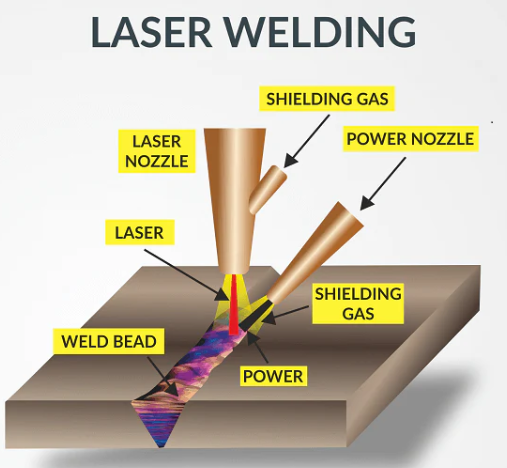
Samotné zariadenie už nie je tu hlavnou otázkou. Dôležité je, ktorá metóda spojenia udrží rozhranie medzi hliníkom a oceľou dostatočne stabilné pre reálne použitie. Podľa pokynov od TWI sa priame zváranie považuje za ťažké, pretože teplo rýchlo spôsobuje vznik krehkých železo-hliníkových zlúčenín , preto je praktické porovnanie medzi metódami, ktoré znížia množstvo tepla, izolujú oba kovy alebo úplne vyhnú sa ich spoločnému roztaveniu.
Priame zváranie tavením oproti alternatívnym metódam spojovania
Preto sa vážne diskusie stále vracajú k pájkovaniu hliníka k oceli, prechodovým vložkám, lepidlám a spojovacím prostriedkom. Každá metóda rieši iný problém. Niektoré obmedzujú rast medzimetlických fáz. Niektoré rozdeľujú zaťaženie na väčšiu plochu. Niektoré jednoducho vyhýbajú priamemu „pasti“ zvárania tavením.
| Metóda | Uskutočniteľnosť | Potreby v vybavení | Úroveň zručnosti | Relatívny potenciál pevnosti | Relatívna cena | Vhodnosť pre výrobu | Najvhodnejšie prípady použitia | Hlavné obmedzenie |
|---|---|---|---|---|---|---|---|---|
| Priame zváranie tavením | Nízka úroveň v bežnej dielni, špecializované len výnimočne | Oblúkové alebo laserové zváranie s presnou kontrolou tepla a overeným postupom | Vysoká úroveň až špecializovaná | Nízka úroveň až nespoľahlivá pri priamom zváraní tavením hliníka s oceľou bez povlaku | Na prvý pohľad môže vyzerať nízko, ale riziko zlyhania a nezhody s požiadavkami je vysoké | Nevhodné pre všeobecné výrobné aplikácie | Zriedkavé špeciálne postupy s povlakmi alebo v prísne kontrolovanej priemyselnej výrobe | Krehké intermetalické zlúčeniny sa na rozhraní tvoria rýchlo |
| Sväranie | Podmienené | Kontrolovanej teplote zdroja, kompatibilných materiáloch na pajkovanie a čistom príslušnom uložení spoja | Mierne až vysoké | Stredné, ak je spoj navrhnutý pre pajkovanie | Stredná | Vhodné pre tenké diely a aplikácie s obmedzeným teplom | Prekladové spoje, tesniace práce, niektoré spojenia rôznych kovov a prototypové práce | Čistota a zmáčateľnosť sú kritické a ide o spoj, ktorý nie je štrukturálne rovnocenný zváraniu |
| Metódy založené na trení | Vysoká priemyselná uskutočniteľnosť, nízka prístupnosť v dielni | Špecializované zariadenia na zváranie trením alebo systémy spojovania založené na trení | Špecializované | Vysoký potenciál, pretože expozícia teplu môže byť udržiavaná na nižšej úrovni | Vysoké kapitálové náklady | Silné pre opakujúcu sa priemyselnú výrobu | Komerčné spojovanie materiálov s rôznym zložením a výroba dvojkovových prechodových častí | Náklady na zariadenie, geometrické obmedzenia a potreby vývoja procesu |
| Prechodové vložky | Vysoké, ak je k dispozícii dodávka vložiek a postup | Predmontovaný vložený prvok plus normálny zvar na každej strane s rovnakým materiálom | Vysoká | Vysoký potenciál, pretože konečné zvary sú hliník–hliník a oceľ–oceľ | Mierne až vysoké | Dobré pre kritické zostavy | Štrukturálne rozhrania, práca s rúrami a trubkami, spojenia v námornej štýlovej konštrukcii | Dostupnosť vložiek a prehriatie lepeného rozhrania počas zvárania |
| Lepidlové spojenie | Vysoká | Príprava povrchu, dávkovanie, upínanie, kontrola tuhnutia | Stredná | Stredná až vysoká za predpokladu rozloženia zaťaženia a kontroly oddeľovacieho namáhania | Nízka až stredná náročnosť na nástroje, stredná náročnosť na kontrolu procesu | Veľmi vhodné pre plechové a zostavy z rôznych materiálov | Tesnenie, izolácia proti korózii, veľká lepiaca plocha, hybridné spojenia | Príprava povrchu, doba vytvrdzovania, prevádzková teplota a limity kontrol |
| Mechanické spojovanie | Vysoká | Rivnutie, klinčovanie, skrutkovanie, vŕtanie alebo nástroje pre slepé spojovacie prvky | Nízke až mierne | Stredná až vysoká podľa konštrukcie spoja | Nízke až mierne | Veľmi dobrá | Údržbovo použiteľné spoje, prípady jednostranného prístupu, zostavy z plechov rôznej hrúbky | Je potrebné riadiť lokálne napäťové sústredenia a galvanickú koróziu |
Ktorá metóda vyhovuje ktorým výrobným požiadavkám
AAutomobilová recenzia TWI zistilo, že žiadna jediná technológia nepokrýva celý rozsah kombinácií materiálov ocele a hliníka, hrúbok a výrobných cieľov. Zároveň zdôrazňuje, prečo lepidlá zohrávajú dôležitú úlohu pri zostavovaní zmiešaných kovov: pomáhajú rozptýliť zaťaženie a poskytujú vodotesný tesniaci účinok, ktorý prispieva k kontrole galvanickej korózie. Ak teda hľadáte lepidlo na spojenie hliníka so oceľou, užitočná odpoveď nie je všeobecná kategória výrobku, ale spôsob spojenia vybraný s ohľadom na trasu zaťaženia, prostredie a predbežné prípravky. Rovnaká opatrnosť sa vyžaduje aj pri výbere lepidla na spojenie hliníka so oceľou alebo pri posudzovaní spájkovania hliníka so oceľou pre spoj, ktorý v skutočnosti vyžaduje inú stratégiu návrhu.
- Všeobecne sa vyhýbajte: obyčajnému priamemu zváraniu neochráneného hliníka priamo so oceľou v bežnej dielni.
- Podmienene použiteľné: spájkovanie, spojovanie založené na trení a vložky z dvojkovových prechodov, ak návrh spoja, vybavenie a náklady na kvalifikáciu sú odôvodnené.
- Bežne uprednostňované: lepenie, mechanické spojovanie alebo hybridná metóda oboch, keď potrebujú plechové súpravy opakovateľnosť, tesnenie a kontrolu korózie.
Voľba metódy sa stane výrazne jasnejšia, ak do rovnice vstupujú povrchy, povlaky a tvar spoja. Dobrý proces na zle pripravenom spoji sa stále rýchlo poruší, čo umiestňuje prípravu povrchu a návrh spoja presne do stredu úspechu.
Príprava povrchu a návrh spoja pre hliník so oceľou
Dobrá metóda spojovania sa stále môže zlyhať na špinavom kovovom povrchu. Preto TWI považuje prípravu povrchu za základný krok pred zváraním, povlakovým spracovaním a lepením. Oleje, oxidácia, uvoľnený materiál, staré povlaky a vlhkosť všetky bránia úspešnému spojeniu. Pri hliníku a oceli príprava povrchu robí viac než len zlepšenie lepenia – pomáha tiež kontrolovať kontamináciu a neskoršiu koróziu.
Príprava povrchu pred akýmkoľvek spojením hliníka s oceľou
- Najskôr posúďte povrch: Skontrolujte prítomnosť farby, pokovovania, korózie, hrubej oxidovej vrstvy a akéhokoľvek starého povlaku pred výberom tepelného spojenia, lepenia alebo mechanických spojovacích prostriedkov.
- Odstráňte olej a mastnotu: Odstráňte mazivá a prach z dielne pred abrazívnou úpravou, aby ste nezanechali kontamináciu hlbšie v oblasti spoja.
- Odstráňte oxid hliníkový: Plocha lepenia na hliníku vyžaduje čerstvý, čistý kov. Red-D-Arc upozorňuje na to, že sa nesmie používať rovnaká drôtová kefka na oceľ a hliník, pretože častice ocele môžu kontaminovať mäkšiu hliníkovú povrchovú vrstvu.
- Odstráňte alebo spravujte povlaky: Farba, pokovovanie a iné povrchové vrstvy nesmú byť považované za neškodné. Ak zvárate oceľ pozinkovanú hliníkom, musí byť povlak súčasťou plánu spojovania.
- Kontrolujte voľný odpad: Odpad z brúsenia, zvyšky po piaskovaní, častice rzi a odpad z kefky môžu negatívne ovplyvniť zmáčanie, priľnavosť alebo presnosť prípravy.
- V prípade potreby profilujte povrch: TWI uvádza, že vhodný povrchový profil môže zlepšiť priľnavosť a mechanické spojenie pri technológiách, ktoré na to spoliehajú.
- Udržiavajte súčiastky suché: Čisté a suché povrchy sú dôležité. Vlhkosť a kondenzácia môžu znížiť kvalitu zvárania a spôsobiť neskôr problémy.
- Vykonajte suché posadenie: Pred spojením otestujte súčiastky spolu. Skontrolujte medzery, prekrytie, prístupnosť a či svorky neblokujú horák, trysku alebo aplikátor.
- Zafixujte a naplánujte postup: Čo najskôr zaistite správne zarovnanie a rozhodnite sa, kde sa najprv aplikuje teplo, výplňový materiál, lepidlo alebo spojovacie prvky, aby sa spoj počas vykonávania neposunul.
Otázky týkajúce sa môžem zvárať oceľ pozinkovanú hliníkom často preskočia túto prípravnú fázu. Ak potrebujete zvárať oceľ pozinkovanú hliníkom alebo ak je súčiastka natretá alebo pokovovaná, odstránenie bezpečného povlaku a vetranie je potrebné naplánovať pred aplikáciou tepla. Spoločnosť Red-D-Arc upozorňuje, že niektoré zahrievané povlaky môžu vytvárať nebezpečné výpary, pričom povlaky zo zinku sú jasným príkladom.
Zlá príprava môže pokaziť aj správnu metódu spojenia.
Konštrukcie spojov, ktoré zvyšujú pravdepodobnosť úspechu
Tvar spoja má takmer rovnaký význam ako čistota. Spoločnosť Miller uvádza, že prekryvné spoje ponúkajú dobré mechanické vlastnosti, ak sú dobre prispôsobené a medzery minimalizované, zatiaľ čo spoje hranou sa používajú v prípadoch, keď sa vyžaduje rovný kontúr. Pri spojovaní rôznych kovov je geometria prekryvného spoja často tolerantnejšia, pretože poskytuje plochu prekrytia, uľahčuje upnutie a zlepšuje prístup pre pájku, lepidlo, tesniacu hmotu alebo mechanické spojovacie prvky.
Zámečné spojenia môžu stále nájsť uplatnenie, najmä keď ide o zarovnanie dielov alebo vzhľad, avšak poskytujú menšiu plochu na spojenie a vyžadujú presnejší kontrolný postup. Praktické pravidlo je jednoduché: používajte prekrytie, ak je to možné, zámečné spojenie používajte len vtedy, keď ho skutočne potrebujete, a uistite sa, že proces má jasný prístup k rozhraniu. Ak galvanická korózia ocele a hliníka je problémom, pridajte izoláciu, tesniace prostriedky, povlaky alebo iné izolačné opatrenia, aby sa voda nezadržiavala medzi kovmi.
Toto malé konštrukčné rozhodnutie zmení všetko. Čisté prekryvné spojenie s dobrým prístupom je oveľa jednoduchšie zobrať do zliatiny alebo lepiť ako úzky, kontaminovaný okraj. Ak správne pripravíte povrchy a geometriu, samotná postupnosť spojovania sa začne javiť oveľa prehľadnejšie.
Ako zobrať hliník s oceľou krok za krokom
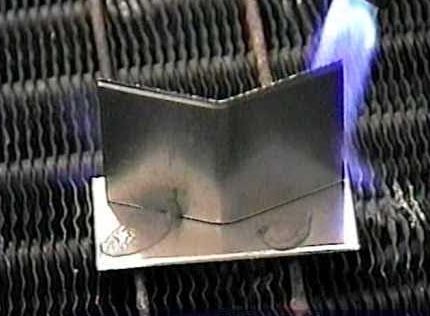
Vyhľadávania týkajúce sa spôsobu zvárania hliníka so oceľou zvyčajne predpokladajú, že v ponuke nastavení je k dispozícii bežný postup oblúkového zvárania. V praxi dielne je častejšie realistickým riešením brazovanie, pretože sa snaží spojiť nesúrodé kovy bez nutnosti ich spoločného topenia do jedného zváracieho švu. Výrobca a Lucas Milhaupt nasleduje rovnaký základný postup: tesný prítlak, čistý kov, správny fluor alebo systém prídavného materiálu, rovnomerné a široké zahrievanie, prúdenie prídavného materiálu kapilárnou akciou a následne starostlivá úprava povrchu a kontrola.
Keď je brazovanie lepšou voľbou než priame zváranie
Pájkovanie je vhodnejšie v prípadoch, keď je spoj vhodný na prekrytie, súčiastky sú relatívne tenké, nižšia teplota je výhodná alebo cieľom je pripevnenie či tesnenie namiesto štrukturálneho zvárania rovnakého materiálu s rovnakým materiálom. Ak sa pýtate, ako zvariť hliník so oceľou, ide často o najrealistickejšiu praktickú možnosť, ktorú si môže malá dielňa skutočne pripraviť, otestovať a opakovať. Stále však nie je to to isté ako bežné zváranie hliníka so oceľou a nemalo by sa považovať za univerzálny riešenie pre spoje zaťažené veľkými silami, vystavené nárazom alebo kritické z hľadiska predpisov. Presné údaje o prídavných materiáloch, taviacich prostriedkoch a teplotách musia pochádzať z schválených výrobných pokynov výrobcu pre konkrétnu kombináciu hliníka a ocele, s ktorou pracujete.
Postup prípravy, montáže a kontrola
- Pripravte oblasť spoja. Odstráňte olej, nečistoty, uvoľnené korózne produkty a akýkoľvek povlak, ktorý by mohol brániť zahrievaniu alebo vytvárať škodlivé výpary. Ak je ktorákoľvek strana natretá, pozinkovaná alebo inak povlaková, odstráňte tento povlak bezpečným spôsobom pred aplikáciou tepla.
- Najskôr vykonajte suchú montáž. Pájkovanie funguje najlepšie pri tesnom a rovnakom spoji, aby kapilárna akcia mohla vťahovať pájku cez prekrytie. Jednoduchý prekryvný spoj sa zvyčajne dá lepšie ovládať ako spoj hranou.
- Znova vyčistite tesne pred spojením. Čisté povrchy sú dôležité, pretože olej, tuk, oxidy a nečistoty bránia prúdeniu pájky. Pokúste sa pripravenú oblasť čo najmenej dotýkať, inak ju môžete znovu znečistiť.
- Naneste kompatibilný tokovací prostriedok alebo postupujte podľa pokynov pre systém pájky. Pri pájkovaní v atmosfére pomáha tokovací prostriedok chrániť horúce povrchy pred oxidáciou a podporuje zmáčanie. Používajte iba tokovací prostriedok alebo systém pájky schválený pre dané kovy a metódu ohrievania.
- Súčiastky pevne upevnite alebo podoprite ľahko. Udržiavajte zarovnanie tak, aby úprava nezmenila upínací prístroj na veľký tepelný zásobník v oblasti spoja. Zostava musí zostať počas ohrievania aj chladenia stabilná.
- Základné kovy rovnomerne a široko ohrievajte. Obe referenčné príručky zdôrazňujú rovnaké pravidlo: najskôr zahrejte základné kovy na teplotu pájkovania a až potom pridajte pájku. Pri systémoch s pridaným taviacim prostriedkom môže zmena taviaceho prostriedku slúžiť ako užitočný vizuálny signál, avšak pájka sa musí topiť v dôsledku teploty spoja, nie priamym plameňom na tyči.
- Pájku privádzajte pozdĺž spojovej čiary. Dotknite sa pájky presne na zahriatom spoji, nie na náhodnom horúcom povrchu. Pájka by mala byť kapilárnou akciou vtiahnutá do medzery medzi spojovanými časťami. Neustále posúvajte zdroj tepla, aby sa jedna strana neprehriala, zatiaľ čo druhá strana zostane studená.
- Nech sa zatvrdne, potom nech sa ochladí a vyčistí. Počas tuhnutia pájky nesmie byť zostava rušená. Po zatvrdnutí odstráňte zvyšky taviaceho prostriedku metódou, ktorá je kompatibilná s použitými materiálmi a systémom pájky. Zvyšky taviaceho prostriedku sú korozívne a nesmú byť ponechané.
- Skontrolujte to, čo sa dá skutočne vidieť. Hľadajte nepretržitý tok pájky, zjavné medzery, zlé zmáčanie, zachytené zvyšky, trhliny alebo známky toho, že sa pájka len usadila na povrchu namiesto toho, aby vnikla do spoja.
Niekoľko typov porúch sa opakovane vyskytuje: kontaminácia, ktorá spôsobuje zhrubnutie plniacej zliatiny, prehriatie, ktoré spôsobuje odparenie ochranného prípalu, deformácia spôsobená nerovnomerným ohrievaním a falošná istota vyplývajúca z esteticky pekného spoja, ktorý sa však v skutočnosti cez prekrytie nikdy nepretrhne. Lucas Milhaupt tiež upozorňuje, že zvyškový prípal môže zakrývať jehlové otvory a dokonca môže zlá kvalita spoja vyzerať ako bezchybná, kým sa v prevádzke nezačne netesniť alebo korodovať.
Takže, môžem zvárať hliník so oceľou touto metódou? Iba vtedy, keď je konštrukcia naozaj vhodná na pájkovanie a postup bol pre danú úlohu overený. Pre mnohých čitateľov ide o najjednoduchší spôsob vizualizácie postupu spojovania. Či zostane správnou voľbou, závisí od niečoho ešte praktickejšieho: hrúbky súčiastok, typu spoja, výrobného objemu, vibrácií, tepelného cyklovania a expozície korózii.
Výber podľa hrúbky, objemu a prevádzkových podmienok
Spájkovaný vzorku môže vyzerať prijateľne na pracovnom stole, avšak stále môže byť nesprávnou voľbou, ak sa súčiastky zhrubnú, spoj sa zmení na rovnobežný šev alebo ak sa montáž začne vystavovať vibráciám. Pri spájkovaní hliníka so oceľou sa najvhodnejšia metóda mení v závislosti od geometrie, výrobného objemu a podmienok, ktorým musí súčiastka v prevádzke odolať.
Výber podľa hrúbky, typu spoja a výrobného objemu
| Stave | Zvyčajne uprednostňovaný smer | Prečo sa často hodí | Hlavné upozornenie |
|---|---|---|---|
| Tenký plech | Lepenie, mechanické spojovanie alebo starostlivo navrhnuté spájkovanie | Nižšia teplota pomáha obmedziť deformácie a poskytuje väčšiu kontrolu pri tenkostenných súčiastkach | Odtrhové zaťaženie, zdvih okraja a príprava povrchu môžu rýchlo poškodiť spoj tenkých plechov |
| Hrubsie časti | Prechodné vložky alebo špeciálne metódy založené na trení | Zvyčajne vyššia hrúbka prierezu vyžaduje viac tepla, čo robí priame zváranie ešte menej tolerujúce | Vyššie požiadavky na vybavenie, nástroje a vývoj postupov |
| Násadové spoje | Často najvhodnejšie usporiadanie pre pájkovanie, lepenie a spojovanie pomocou spojovacích prostriedkov | Prekrytie rozdeľuje zaťaženie a umožňuje prístup pre plniaci materiál, tesniacu hmotu alebo montážne prvky | Tesnenie medzier a galvanická izolácia stále vyžadujú pozornosť |
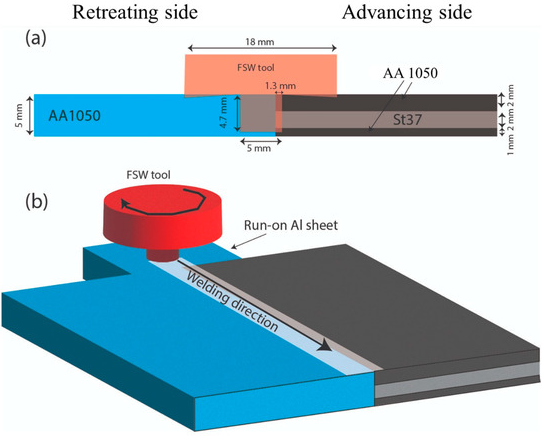
| Stykové spoje | Zvyčajne sa vyhradzuje pre špecializované metódy, najmä pre spojovanie založené na trení | Konečná (styková) geometria poskytuje menšiu toleranciu a zaťažuje rozhranie priamo | Štúdia o fricčnom zváraní za studena (FSW) zistila, že tvar rozhrania a smer zaťaženia výrazne ovplyvnili správanie pri poruche |
| Práca na prototypoch | Mechanické spojovanie, skúšky lepiacich hmôt alebo pájkovanie, ak to dovoľujú prevádzkové požiadavky | Rýchlejšie testovanie a úpravy bez nutnosti investovať do nákladného nástrojového vybavenia | Metóda vhodná pre výrobu prototypov sa nemusí čisto škálovať do sériovej výroby |
| Opakovaná výroba | Navrhnuté spojenia pomocou spojovacích prvkov, lepené zostavy s upínačmi alebo priemyselné spojenia založené na trení | Opakovateľnosť, upínanie a kontrola majú väčší význam ako pohodlie pri jednorazovom použití | Predbežná validácia procesu sa stáva súčasťou skutočných nákladov |
| Estetické požiadavky | Lepidlá, skryté spojovacie prvky alebo starostlivo dokončené zvárané spoje | Tieto postupy môžu znížiť viditeľnú veľkosť zváracieho švu a opätovné dokončovanie po zváraní | Aj skryté spoje vyžadujú posúdenie prenosu zaťaženia a odolnosti voči korózii |
Ako sa mení najvhodnejšia metóda v závislosti od prostredia údržby
- Vystavenie vibráciám: krehké rozhrania sa zle správajú, keď sa zaťažovacia dráha sústreďuje napätie. V rovnakej štúdii o fríčnom zváraní sa časti namáhané viac v ťahu zlomili krehkejšie ako zakrivené časti namáhané čiastočne strihom.
- Teplotné cyklovanie: hliník a oceľ sa rôzne rozpínajú, preto spoje, ktoré vyžadujú určitú pružnosť alebo starostlivé rozloženie napätia, sa zvyčajne lepšie správajú ako tuhé rozhrania poškodené teplom.
- Prostredia náchylné na koróziu: v sprievodnom dokumente TWI sa uvádza, že lepidlá môžu pomôcť rozložiť zaťaženie a poskytnúť vodotesný tesniaci účinok, čo je užitočné v prípadoch, keď hrozí galvanická korózia.
- Aluminizovaná oceľ: toto pridáva problém s povlakom k základnému problému s materiálom. Odporúčania pre aluminizovanú oceľ upozorňujú, že hliníkový povlak môže rušiť zvarovú lázň a jeho odpaľovanie ponecháva spojenú oblasť s nižšou ochranou.
Cieľ sa tiež mení, čo ovplyvňuje odpoveď. Dočasná montáž môže uprednostniť spojovacie prvky. Tesnenie môže uprednostniť lepidlo alebo hybridné riešenia kombinujúce lepidlo a spojovacie prvky. Štrukturálny výkon môže ospravedlniť použitie prechodového materiálu alebo špecializovanej pevnostavovej metódy. Dlhodobá trvanlivosť zvyčajne posúva kontrolu korózie a izoláciu spojov vyššie v zozname kritérií než samotnú rýchlosť spojovania.
Ak sa pýtate, či je možné zvárať nehrdzavejúcu oceľ s hliníkom, či je možné zvárať nehrdzavejúcu oceľ s hliníkom alebo či je možné zvárať hliník s nehrdzavejúcou oceľou, nehrdzavejúca oceľ nemení základnú výzvu. Recenzia MDPI uvádza, že niektoré výsledky zvárania hliníka so zváraním nehrdzavejúcej ocele na základe trenia ukázali tenšie medzikovové vrstvy v porovnaní s podobnými zváranými spojmi z uhlíkovej ocele, avšak aj tak to smeruje k špecializovaným metódam, nie k bežnému taviacemu zváraniu v dielni. U mnohých automobilových súčiastok táto realita vedie k rozumnejšej otázke: mala by sa rozhranie ešte pred pokusom o ich spojenie preprojektovať?
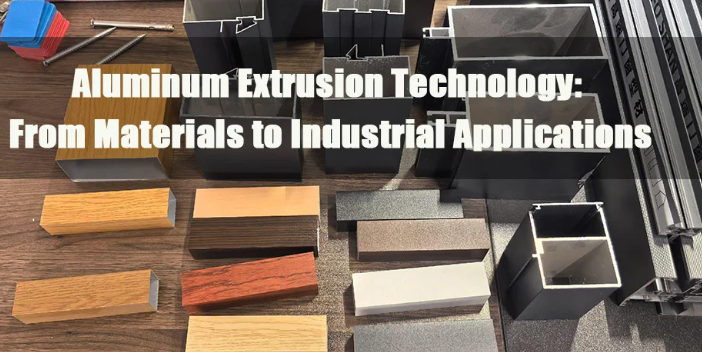
Preprojektovať automobilové rozhrania z hliníka na oceľ pred zváraním
V automobilovom priemysle drahá chyba často nie je zlyhaný zvar. Je to výber rozhrania, ktoré bolo od začiatku ťažké spojiť. Prehľad vykonaný organizáciou TWI zistil, že žiadna jediná technológia spojovania ocele s hliníkom nepokrýva celý rozsah kombinácií plechov, konfigurácií spojov, cieľových rýchlostí výroby a ekonomických požiadaviek používaných pri výrobe karosérií. Ten istý prehľad tiež zdôrazňuje, prečo je štrukturálny lepiaci prostriedok dôležitý pri spojoch z rôznych kovov: zväčšuje plochu spoja, zvyšuje tuhosť a pomáha uzatvoriť spoj proti vlhkosti, ktorá spúšťa galvanickú koróziu. To posúva diskusiu od núteného vytvárania ťažko zvárateľného spoja k prepracovaniu rozhrania tak, aby bol spoj ľahšie vyrážateľný a kvalitnejší.
Keď je prepracovanie lepšie než zváranie nesúrodých kovov
Ak sa spojenie dá dosiahnuť len v úzkom technologickom okne, nákladnými nástrojmi alebo špeciálnou validáciou, často je prepracovanie konštrukcie lacnejšou a trvalejšou možnosťou. To platí obzvlášť vtedy, keď ľudia začínajú hľadať lepidlo na spojenie hliníka so oceľou, lepiť hliník na oceľ alebo používať lepidlo JB Weld na spojenie hliníka s oceľou, akoby samotná voľba materiálu mohla zachrániť slabý koncept spoja. V sériovej výrobe sa zvyčajne lepšia geometria ukáže ako účinnejšia než chytrý dočasný opravný prostriedok.
- Geometria rozhrania: Vytvorte prekrytie namiesto kontaktu hrana ku hrane, aby lepidlo alebo spojovacie prvky mali skutočnú pracovnú plochu.
- Prístup k spojeniu: Nezabudnite nechať priestor pre nitovanie, skrutkovanie, aplikáciu lepidla, kontrolu a servisné nástroje.
- Izolácia proti korózii: Použite vrstvy lepidla alebo tesniaceho prostriedku na oddelenie kovov a udržanie spoja nepriepustného pre vodu.
- Smer prenosu zaťaženia: Usporiadajte diely tak, aby sa zaťaženie prenášalo cez prierez, nie predovšetkým cez trenie v spoji, ktoré má tendenciu k posunutiu.
- Opakovateľnosť výroby: Uprednostňujte rozmiestnenia, ktoré zodpovedajú rýchlosti výrobného pásu, veľkosti zariadení, upevneniu a kontrolám kvality.
Použitie špeciálnych profilov na zjednodušenie automobilových zostáv
Pokyny pre návrh profilov ukazujú, prečo tento prístup funguje. Spojenia hliníkových profilov sa stávajú pevnejšími, keď je zaťaženie smerované cez profil, a dosky alebo výstuhy lepšie posilňujú rohy ako samotné trenie. V automobilovej zostave môže špeciálny profil poskytnúť hliníkovej časti flanec, polohovaciu funkciu alebo povrch na upevnenie, čím sa výrazne zjednoduší lepenie alebo mechanické spojenie so oceľou v porovnaní s núteným priamym zváraním.
Pre tímy, ktoré túto možnosť preskúmavajú, Shaoyi Metal Technology je praktickým zdrojom pre vlastné automobilové profilové výrobky s komplexnou výrobnou podporou, certifikovanou kvalitnou kontrolou podľa štandardu IATF 16949, skúseným technickým poradenstvom, rýchlymi ponukami do 24 hodín a bezplatnou analýzou návrhu. Nie každá súčiastka z rôznych kovov vyžaduje prepracovanie. Avšak ak sa spôsob spojenia neustále „bojuje“ proti tvaru súčiastky, rozumnejšou odpoveďou na otázku, ako spojiť hliník so oceľou, je často najskôr zmeniť hliníkovú stranu. To výrazne zjednoduší konečné rozhodnutie.
Najlepšia rozhodovacia cesta pre zváranie hliníka so oceľou
V tomto bode by už mala byť jasná pravidelnosť. Ak potrebujete zvariť hliník so oceľou, začať bežným priamym zváraním je zvyčajne chybou, nie riešením. Pokyny od TWI a Hydro smerujú výrobcov k alternatívam, ako sú lepidlá, mechanické spojovacie prvky, hybridné spoje, v príslušných prípadoch paženie a špeciálne metódy založené na trení alebo použití prechodových materiálov, ak je to odôvodnené.
Praktická hierarchia rozhodovania
- Zvyčajne sa vyhýbať: priame zváranie na výrobnom podlaží holého hliníka priamo so oceľou pomocou štandardných metód MIG, TIG, ručného zvárania alebo zváracieho zariadenia so špulou. Esteticky uspokojivý zvar nezmení problém krehkej medzifázy.
- Používať iba s odôvodnením: špecializované priemyselné možnosti, ako je spojovanie založené na trení, prechodové vložky alebo iné prísne kontrolované procesy, kde návrh, rozpočet a úsilie o validáciu tieto možnosti podporujú.
- Často praktické pre mnoho zostáv: pájkovanie, ak je spoj navrhnutý pre prekrytie, nižšiu teplotu a prevádzkové podmienky, ktoré vyhovujú výkonu pájkovaných spojov.
- Bežne uprednostňované v sériovej výrobe: lepenie, mechanické spojovanie alebo ich hybrid, najmä pri zostavách z plechov, kde je dôležitá ochrana proti korózii, opakovateľnosť a rýchlosť.
- Najlepší prvý krok pri náročných dieloch: prepracovať rozhranie tak, aby sa hliníková strana dala spojiť spoľahlivo už od začiatku.
Spoj, ktorý vyzerá akceptovateľne na pracovnom stole, nie je automaticky trvalým prevádzkovým spojom.
Čo by mali väčšina dielní urobiť ďalej
Pre väčšinu čitateľov, ktorí sa pýtajú, či je možné zvárať oceľ s hliníkom, odpoveď nie je hľadať najjednoduchší spôsob zvárania hliníka a dúfať, že sa prenesie na túto kombináciu rôznych kovov. Najjednoduchší spôsob zvárania hliníka je stále zváranie hliník–hliník. Zváranie ocele s hliníkom je iná rozhodovacia situácia.
Začnite štyrmi otázkami: Aké zaťaženie bude spoj prenášať, v akom prostredí bude používaný, ako sa bude kontrolovať galvanická korózia a ide o jednorazový opravovací zásah alebo o opakujúci sa výrobok v sériovej výrobe? Odpovede na tieto otázky zvyčajne rýchlo zužujú možnosti.
Ak sa stále plánuje zváranie ocele s hliníkom, overte metódu v reálnych prevádzkových podmienkach, nie len podľa vizuálneho dojmu. Automobilové tímy, ktoré posudzujú možnosti prepracovania návrhu, môžu tiež nájsť Shaoyi Metal Technology užitočné pre vlastné podporovanie hliníkových profilov, najmä keď je dôležitejšia výrobná realizovateľnosť, kontrola kvality podľa štandardu IATF 16949, rýchle poskytnutie cenových ponúk a analýza návrhu než nútenie nevhodného konceptu spoja.
Často kladené otázky: Spájanie hliníka s oceľou
1. Môžete zvárať hliník so oceľou priamo metódou MIG alebo TIG?
Zvyčajne nie – aspoň nie spôsobom, ktorému by väčšina dielní mohla dôverovať v reálnych prevádzkových podmienkach. Metódy MIG a TIG dokážu vyvinúť teplo a dokonca vytvoriť zvarový šev, ktorý vyzerá použiteľne, avšak nedokážu odstrániť krehkú reakčnú zónu, ktorá vzniká na rozhraní hliníka a železa. Preto môže spoj na pracovnom stole vyzeráť bezchybne, no pod zaťažením, vibráciami alebo zmenou teploty zlyhať. V praxi sú tieto metódy omnoho vhodnejšie na zváranie hliník–hliník alebo oceľ–oceľ.
2. Aký je najlepší praktický spôsob spojenia hliníka s oceľou v bežnej dielni?
Pre mnoho malých dielní je najlepším východiskovým bodom metóda, ktorá sa vyhýba priamemu zváraniu. Pájkovanie môže byť použiteľnou možnosťou, ak má spoj dobré prekrytie a ak požiadavky prevádzky vyhovujú pájkovanému spoju. Pre plechové súčiastky a zostavy z rôznych materiálov sa často lepšie osvedčujú lepidlá, mechanické spojovacie prvky alebo ich kombinácia; tieto metódy sú častejšie opakovateľné a lepšie z hľadiska kontroly korózie. Správna odpoveď závisí od tvaru spoja, zaťaženia, požiadaviek na tesnenie a spôsobu použitia súčiastky.
3. Je možné zvárať oceľ s hliníkom pomocou cievkového horáka?
Nie. Cievkový horák uľahčuje hladší privádzanie mäkkého hliníkového drôtu počas MIG zvárania, čo je užitočné pri samotnom zváraní hliníka. Zlepšuje manipuláciu s drôtom, nie však základnú metalurgiu medzi hliníkom a oceľou. Hoci teda uľahčuje privádzanie hliníkového drôtu, nerieši krehké rozhranie, ktoré robí priame zváranie hliníka s oceľou nespoľahlivým.
4. Je možné použiť lepidlá alebo lepidlo JB Weld na spojenie hliníka s oceľou?
Môžu byť užitočné v niektorých situáciách, avšak len vtedy, keď je spoj navrhnutý pre lepenie a povrch je správne pripravený. Všeobecný epoxid môže byť akceptovateľný na ľahké opravy alebo nefunkčné (nekonštrukčné) pripevnenie, zatiaľ čo výrobné diely často vyžadujú špeciálne konštrukčné lepidlá s presne kontrolovanou prípravou povrchu, upínaním a tuhnutím. Veľkosť lepeného povrchu, oddeľovacie namáhanie, vystavenie vlhkosti a prevádzková teplota majú rovnaký význam ako samotné lepidlo. Ak je znepokojenie koróziou, lepená vrstva tiež môže pomôcť izolovať kovové materiály.
5. Kedy sa má spoj z hliníka na oceľ v automobiloch preprojektovať namiesto zvárania?
Rekonštrukcia je často rozumnejším krokom v prípade, keď má spoj zlý prístup, príliš malé prekrytie, ťažké podmienky korózneho namáhania alebo veľmi úzke technologické okno. V automobilových zostavách môže zmena hliníkovej strany – napríklad pridaním flanša, polohovacej príruby alebo povrchu na upevnenie – výrazne zvýši spoľahlivosť lepenia alebo upevňovania v porovnaní s nútením ťažko realizovateľného zvárania rôznych kovov. Tímy, ktoré posudzujú tento prístup, si tiež môžu vyžiadať podporu pri špeciálnych profiloch od spoločnosti Shaoyi Metal Technology, ktorá ponúka komplexnú výrobu „jedného stropu“, kontrolu kvality podľa normy IATF 16949, rýchle ponuky do 24 hodín a bezplatnú analýzu návrhu pre projekty orientované na výrobu.