 Small batches, high standards. Our rapid prototyping service makes validation faster and easier —
  EN
EN


Turnarea sub presiune: Cheia strategiei de ușurare a autovehiculelor
REZUMAT
Turnarea sub presiune este un proces esențial de fabricație pentru ușurarea componentelor auto, permițând crearea unor piese puternice, complexe și precise din aliaje metalice precum aluminiul și magneziul. Această tehnică este crucială pentru reducerea greutății totale a vehiculului, ceea ce se traduce direct printr-o eficiență mai mare a combustibilului în mașinile clasice și o rază de acțiune crescută în vehiculele electrice. Metode avansate precum turnarea gigantă (Giga Casting) revoluționează în continuare industria prin consolidarea a zeci de piese într-un singur component, simplificând producția.
Principalele beneficii ale turnării sub presiune pentru ușurarea componentelor auto
Turnarea sub presiune în domeniul auto este un proces de fabricație înalt performant în care metalul topit este forțat într-o formă reutilizabilă din oțel, numită matriță, pentru a crea piese cu geometrie complexă. Pentru constructorii auto, această tehnologie reprezintă un pilon al strategiilor moderne de ușurare a vehiculelor. Prin trecerea de la materiale tradiționale mai grele și asambluri din mai multe componente la componente unice, optimizate, realizate prin turnare sub presiune, producătorii pot obține reduceri semnificative ale greutății, fără a compromite rezistența sau siguranța. Această reducere a masei este un factor esențial pentru îmbunătățirea dinamicii vehiculului, de la accelerare până la manevrabilitate.
Principalul factor care determină ușurarea construcției este îmbunătățirea semnificativă a eficienței energetice. Un vehicul mai ușor necesită mai puțină energie pentru accelerare și menținerea vitezei, ceea ce duce direct la o consum redus de combustibil și la emisii mai mici de gaze cu efect de seră. Pentru piața în creștere a vehiculelor electrice (EV), acest avantaj este și mai pronunțat; reducerea greutății vehiculului permite utilizarea unor baterii mai mici și mai ieftine sau, mai frecvent, o rază de acțiune mai mare cu o singură încărcare. Așa cum este prezentat în detaliu într-un raport realizat de Autocast Inc. , această creștere a eficienței reprezintă un avantaj competitiv esențial în actualul peisaj auto.
Pe lângă economia de combustibil, turnarea sub presiune oferă o serie de avantaje în fabricație și proiectare. Procesul este foarte repetabil și poate produce piese cu formă finală sau aproape finală, minimizând necesitatea unor operațiuni secundare costisitoare și care consumă mult timp. Această eficiență conduce la cicluri de producție mai rapide și la costuri totale mai reduse. În plus, tehnologia oferă inginerilor o libertate imensă în proiectare, permițând crearea unor componente complexe, cu pereți subțiri, care integrează mai multe funcții într-o singură piesă, o idee evidențiată de Dynacast . Această consolidare reduce complexitatea asamblării și punctele potențiale de defect.
În comparație cu alte metode de fabricație, avantajele devin și mai evidente. Producția tradițională de autovehicule se bazează adesea pe ștanțarea panourilor din oțel și sudarea acestora împreună. Deși este eficientă, această metodă adaugă greutate și complexitate. Turnarea sub presiune poate înlocui un ansamblu mare de piese ștanțate cu un singur component ușor din aluminiu sau magneziu. În timp ce turnarea sub presiune se remarcă prin crearea de piese complexe și integrate, alte metode precise, cum ar fi ștanțarea automotive, rămân esențiale pentru aplicații diferite. De exemplu, companii precum Shaoyi (Ningbo) Metal Technology Co., Ltd. sunt lideri în producerea de componente de înaltă calitate matrițe de ștampilare pentru automobile , demonstrând cum diferite procese specializate contribuie la ecosistemul mai larg al fabricației. În cele din urmă, alegerea procesului depinde de cerințele specifice ale componentei în ceea ce privește complexitatea, rezistența și volumul de producție.
Principalele beneficii ale turnării sub presiune automotive pot fi rezumate astfel:
- Eficiență mai bună la combustibil: Reducerea directă a greutății vehiculului pentru a scădea consumul de combustibil și emisiile.
- Performanță îmbunătățită: Vehiculele mai ușoare prezintă caracteristici mai bune de accelerare, frânare și manevrare.
- Durabilitate crescută: Turnarea sub presiune creează piese dense și rezistente, care sunt durabile și rezistente la uzură.
- Producție rentabilă: Producția automatizată, la viteză mare, cu un proces minim de post-prelucrare, reduce costurile generale.
- Flexibilitate sporită în proiectare: Permite crearea unor componente complexe și integrate, imposibil de realizat prin alte metode.
Materiale și aliaje cheie care susțin inovația în ușurarea vehiculelor
Succesul turnării sub presiune în ușurarea autovehiculelor este strâns legat de materialele utilizate. Alegerea aliajului este o decizie esențială care echilibrează greutatea, rezistența, proprietățile termice și costul. Deși diverse metale pot fi turnate sub presiune, aliajele de aluminiu și magneziu sunt lideri în industria auto datorită raportului excepțional de rezistență la greutate. Aceste materiale permit inginerilor să proiecteze componente semnificativ mai ușoare decât echivalentele din oțel, dar care pot suporta cerințele riguroase ale funcționării vehiculelor.
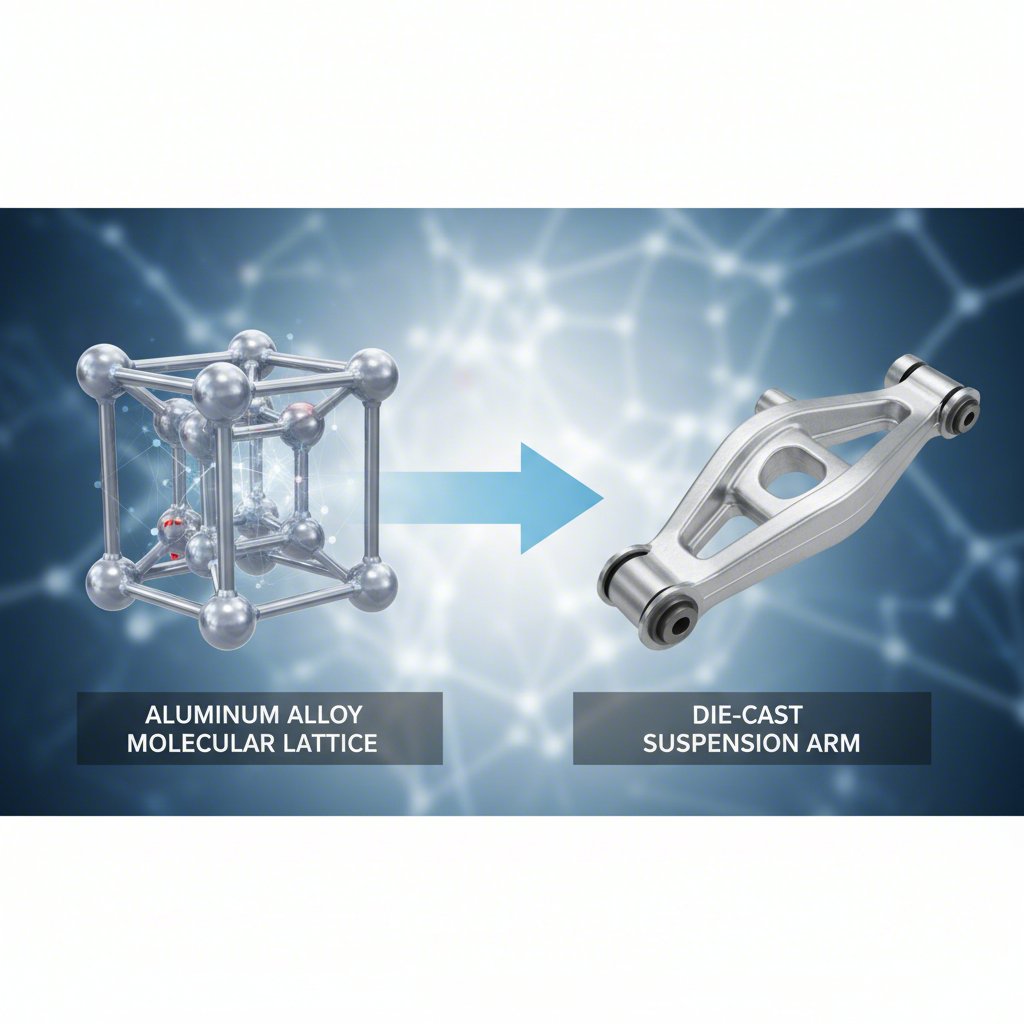
Aliajele de aluminiu sunt cele mai utilizate materiale în turnarea sub presiune pentru industria auto. Ele oferă o combinație excelentă de densitate scăzută, rezistență ridicată, bună rezistență la coroziune și conductivitate termică mare, făcându-le ideale pentru o gamă largă de piese, de la blocuri de motor până la carcase electronice complexe. Capacitatea de turnare a materialului permite producerea unor structuri complexe, cu pereți subțiri, care contribuie la economii semnificative de greutate. Inovațiile din domeniul metalurgiei continuă să extindă limitele, fiind dezvoltate noi aliaje care oferă caracteristici de performanță și mai bune.
Magneziul este chiar mai ușor decât aluminiul—cu aproximativ 33% mai puțin dens—fiind astfel un candidat ideal pentru strategii agresive de reducere a greutății. Utilizarea sa poate duce la reduceri spectaculoase ale greutății componentelor, ceea ce este deosebit de valoros pentru creșterea autonomiei vehiculelor electrice (EV). Cu toate acestea, magneziul ridică provocări mai mari în procesul de turnare, necesitând un control precis pentru a preveni defectele și pentru a gestiona reactivitatea sa mai mare. După cum explică experții de la YIZUMI , instrumente avansate de simulare și controale ale procesului sunt esențiale pentru o turnare reușită a aliajelor de magneziu. În ciuda costurilor mai ridicate și a complexității procesului, potențialul său superior de ușurare îl face o opțiune din ce în ce mai atractivă pentru componente cu impact major.
Pentru a oferi o imagine mai clară, iată o comparație între principalele aliaje utilizate în turnarea sub presiune în industria auto:
| Caracteristică | Aliaje de aluminiu | Aleante de Magnesiu |
|---|---|---|
| Greutate | Raport excelent între rezistență și greutate. | Raport excelent între rezistență și greutate; cel mai ușor dintre toate metalele structurale. |
| Cost | Mai eficient din punct de vedere al costurilor și larg disponibil. | Costuri mai mari ale materialului și ale procesării. |
| Rezistență la coroziune | Rezistență intrinsecă bună la coroziune. | Necesită acoperiri protectoare pentru a preveni coroziunea. |
| Complexitatea Procesului | Proces de turnare bine stabilit și relativ simplu. | Proces mai complex și mai exigent, care necesită controale stricte. |
| Aplicații frecvente | Blocuri de motor, carcase de transmisie, piese de șasiu, carcase electronice. | Grinzi pentru panoul de bord, componente de direcție, cadre de scaune, părți interioare ale portbagajului. |
Procese Avansate: Turnarea Giga și Turnarea Integrată cu Matriță
Deși turnarea tradițională cu matriță a fost un pilon timp de decenii, progresele recente extind limitele a ceea ce este posibil. Cel mai disruptiv dintre acestea este Turnarea Giga cu Matriță (GDC), cunoscută și ca turnare integrată cu matriță. Acest proces utilizează mașini uriașe de turnat sub presiune ridicată pentru a produce componente vehicule foarte mari, dintr-o singură bucată, cum ar fi întregul cadru frontal sau posterior. Această abordare reprezintă o schimbare de paradigmă față de asamblarea zecilor de piese mai mici tanțate și sudate, trecând la crearea unei structuri masive și integrate.
Tesla a fost prima care a introdus în mod renumit Giga Casting în producția modelului său Y, o mișcare care a avut un ecou puternic în industria auto. Tesla a reușit să consolideze aproximativ 70 de componente diferite care alcătuiau partea inferioară din spate în doar una sau două turnări mari. Această inovație a simplificat drastic linia de asamblare, a redus numărul de roboți necesari, a scăzut timpul de producție și a dus la economii semnificative de greutate. Succesul acestei abordări a determinat alți producători auto, inclusiv nou-veniți precum Xiaomi cu modelul SU7, să adopte tehnologii similare.
Beneficiile turnării Giga sunt profunde, dar tehnologia nu este lipsită de provocări. Adoptarea acestei metode necesită o investiție masivă inițială în utilaje și reproiectarea fabricii. Procesul în sine este foarte complex, cerând expertiză avansată în gestionarea dinamicii termice și a proprietăților materialelor la turnarea aluminiului de mari dimensiuni, pentru a evita defectele. În plus, există îngrijorări continue legate de reparația acestor piese integrate mari după o coliziune, ceea ce ar putea duce la creșterea costurilor de asigurare și reparații pentru consumatori.
În ciuda acestor obstacole, impulsul din spatele turnării die integrate continuă să crească. Aceasta oferă o cale clară către construirea unor arhitecturi de vehicule mai ușoare, mai rigide și mai eficiente din punct de vedere al costurilor, în special pentru vehiculele EV, unde reducerea greutății este esențială. Tehnologia modifică fundamental modul în care sunt proiectate și fabricate mașinile, împingând industria către un viitor al producției simplificate și mai eficiente.
Avantaje și dezavantaje ale Giga Casting
Pro:
- Consolidarea pieselor: Reduce drastic numărul de piese individuale, simplificând proiectarea și logistica lanțului de aprovizionare.
- Reducerea complexității fabricației: Elimină sute de suduri și elemente de fixare, conducând la un montaj mai rapid și mai eficient.
- Reducerea Greutății: Creează structuri de vehicule mai ușoare fără a compromite rezistența, îmbunătățind eficiența și autonomia.
- Eficiență mai mare a producției: Permite cicluri de producție a vehiculelor mai rapide, cu mai puțină forță de muncă și mai puține celule robotizate.
Dezavantaje:
- Cheltuieli mari de capital: Necesită o investiție inițială enormă în mașini de turnare masive și infrastructura facilităților.
- Complexitatea procesului: Necesită o inginerie sofisticată pentru a controla procesul de turnare al unor piese atât de mari și pentru a preveni defectele.
- Probleme de reparații și asigurări: Deteriorarea unei structuri turnate mari poate necesita o înlocuire completă, ceea ce poate duce la creșterea costurilor de reparații.
- Provocări legate de material: Necesită aliaje speciale de aluminiu și o gestionare precisă a temperaturii pentru a asigura integritatea structurală.
Aplicații principale: Ce componente auto sunt revoluționate?
Turnarea sub presiune nu este limitată la un set restrâns de piese; aplicarea sa se extinde întregului vehicul, de la grupul motopropulsor la șasiu și cabină. Capacitatea procesului de a produce piese ușoare, rezistente și complexe îl face o soluție ideală pentru o gamă largă de componente auto. Pe măsură ce producătorii auto își intensifică atenția asupra ușurării și electrificării, lista pieselor fabricate prin turnare sub presiune continuă să crească, afectând aproape fiecare sistem major al vehiculului.
În transmisie, turnarea sub presiune este esențială pentru producerea componentelor principale, cum ar fi blocurile de motor, chiulasele și carcasele cutiei de viteze. Pentru aceste piese, turnarea sub presiune din aluminiu oferă rezistența și proprietățile de disipare a căldurii necesare, reducând în același timp semnificativ greutatea comparativ cu fonta tradițională. În vehiculele electrice, aceeași tehnologie este utilizată pentru a crea carcase ușoare, dar robuste, pentru baterii, motoare și electronice de putere, care sunt esențiale pentru protejarea componentelor sensibile și gestionarea performanței termice.
Componentele structurale și de suspensie beneficiază de asemenea enorm de turnarea sub presiune. Părți precum suporturile de suspensie, pivotii direcției și cricile motorului trebuie să reziste la eforturi și vibrații mari. Turnarea sub presiune permite optimizarea acestor componente pentru un raport ridicat de rezistență la greutate, îmbunătățind manevrabilitatea și confortul la mers. Apariția turnării Giga duce acest lucru mai departe, creând întregi substructuri și secțiuni ale bazei ca piese unice, ceea ce îmbunătățește rigiditatea structurală și performanța în caz de coliziune.
Pe lângă piesele mecanice mari, turnarea sub presiune este esențială pentru numărul tot mai mare de sisteme electronice și senzori din vehiculele moderne. După cum se subliniază într-un raport al Transvalor , componente precum carcasele senzorilor și acoperișurile electronice sunt aplicații frecvente ale turnării sub presiune. Aceste carcase trebuie să fie ușoare, durabile și capabile să disipeze căldura, protejând în același timp electronica delicată de interferențele electromagnetice.
O listă cuprinzătoare de componente auto produse în mod obișnuit prin turnare sub presiune include:
- Transmisie: Blocuri motor, carcase de transmisie, capace de cutie de viteze, statoruri și baie de ulei.
- Structurale și Șasiu: Structuri frontale și posterioare ale batiului, turnuri de amortizor, suporturi pentru suspensie, brațe de comandă și subcadre.
- Componente specifice EV: Închideri pentru baterii, carcase motoare EV și capace pentru inversoare de putere.
- Electronice și senzori: Carcasă pentru unități de control electronic (ECU), Lidar, camere și sisteme de divertisment în cabină.
- Sisteme de frânare: Pinze de frână și cilindri maestri.
- Componente interioare: Cadre ale volanului, role retractoare ale centurilor de siguranță și traverse de susținere a panoului de bord.