 Small batches, high standards. Our rapid prototyping service makes validation faster and easier —
  EN
EN


Brațe de suspensie goale vs. solide: Un ghid practic de identificare
REZUMAT
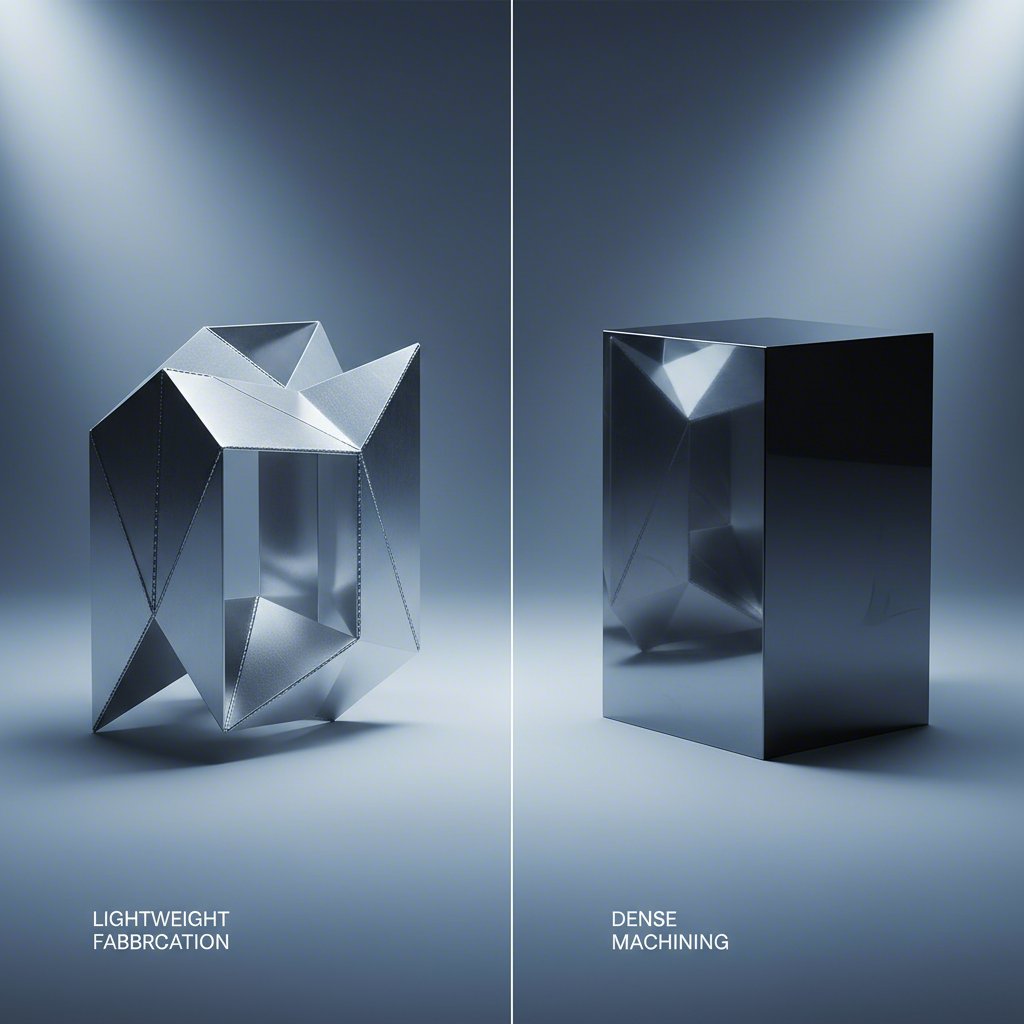
Brațele de suspensie din oțel stampat sunt fabricate din plăci de oțel presate și sudate, oferindu-le o structură goală în interior. În schimb, brațele de suspensie masive, care sunt de obicei turnate sau forjate, sunt realizate dintr-o singură bucată densă de metal. Această diferență fundamentală influențează rezistența, greutatea și costul. Cea mai ușoară metodă de a le deosebi pe un vehicul este testul sunetului: o lovitură cu ciocanul va produce un sunet înfundat la un braț stampat și un sunet surd la unul masiv.
Tipuri de brațe de suspensie: oțel stampat vs. solid (turnat/forjat)
Înțelegerea diferențelor fundamentale dintre tipurile de brațe de suspensie este esențială pentru orice proprietar de vehicul, mai ales atunci când comandă piese de schimb. Terminologia poate fi confuză, dar diferența provine în principal din procesul de fabricație, care determină dacă brațul este gol în interior sau masiv. Acest lucru influențează direct caracteristicile de performanță ale piesei și aplicația sa prevăzută.
Brațe de suspensie din oțel stampat: Acestea sunt cele mai frecvente tipuri întâlnite pe autoturismele standard și pe multe camioane cu specificații de fabrică. Procesul de fabricație implică presarea sau amprentarea foilor de oțel într-o formă dorită, urmată de sudarea pieselor împreună. Această construcție rezultă într-un braț de direcție care este gol pe interior. Deoarece această metodă este relativ ieftină și produce un component ușor, este preferată de producătorii de echipamente originale (OEM) pentru producția de serie. Deși eficient pentru condusul zilnic, brațele din oțel amprentat pot fi mai predispuși la rugină și la deteriorări cauzate de impacte puternice. Precizia necesară pentru componente auto produse în mare volum este semnificativă, iar firme specializate precum Shaoyi (Ningbo) Metal Technology Co., Ltd. se concentrează pe livrarea acestor piese amprentate complexe și de înaltă calitate pentru industria auto.
Brațe de direcție solide (turnate sau forjate): Brațele solide reprezintă un pas înainte în ceea ce privește rezistența și durabilitatea. Există două tipuri principale: turnate și forjate. Brațe de direcție turnate sunt realizate prin turnarea metalului topit — în mod tipic fier sau aluminiu — într-o formă, așa cum este descris de experții de la Switch Suspension . Acest lucru creează o piesă unică, solidă, foarte puternică și rigidă. Fonta este adesea utilizată la camioanele mari și SUV-uri datorită rezistenței sale extreme, în timp ce aluminiul turnat oferă o alternativă mai ușoară, cu o excelentă rezistență la coroziune. Brațe de direcție forjate sunt realizate prin încălzirea unui lingou solid de metal și comprimarea acestuia sub presiune extremă. Acest proces aliniază structura internă cristalină a metalului, rezultând o rezistență excepțională și o mare rezistență la oboseală, ceea ce le face ideale pentru aplicații de performanță și off-road.
Din punct de vedere vizual, de multe ori puteți observa diferențele. Brațele din oțel ambutisat au în general o suprafață mai netedă, cu cusături vizibile de sudură acolo unde au fost unite plăcile. Brațele turnate, pe de altă parte, au o suprafață mai aspră și texturată, precum și o linie subțire sau o cusătură rămasă de la forma de turnare. Brațele forjate au de obicei o finisare mai netedă decât componentele turnate, dar arată distinct ca o componentă unică și solidă.

Cum să identificați brațele de suspensie ale vehiculului dumneavoastră: Un ghid pas cu pas
Identificarea corectă a brațelor de suspensie ai vehiculului dumneavoastră este un pas esențial înainte de a comanda piese de schimb sau upgrade-uri, deoarece potrivirea poate varia semnificativ chiar și între aceeași versiune de model. Din fericire, există câteva metode simple și sigure pe care le puteți folosi pentru a determina ce aveți. Înainte de a începe, este recomandat să curățați complet brațul de suspensie, deoarece murdăria și grăsimea pot acoperi detalii importante.
Iată un proces pas cu pas bazat pe sfaturile tehnicienilor profesioniști din surse precum MOOG Parts pentru a identifica cu încredere brațele de suspensie:
- Începeți cu o inspecție vizuală. Examinați atent corpul brațului de suspensie. Un braț din oțel stampilat va avea adesea urme vizibile de sudură acolo unde sunt unite jumătățile superioară și inferioară, oferindu-i un aspect asamblat sau compozit. Un braț turnat solid sau forjat va părea o bucată unică și continuă de metal, fără astfel de cusături. Brațele turnate pot avea o textură mai aspră, de tip turnat în nisip.
- Efectuați testul cu magnetul. Aceasta este cea mai rapidă metodă pentru a face diferența între oțel/fontă și aluminiu. Luați un magnet simplu și verificați dacă se lipește de brațul de direcție. Dacă magnetul se lipește, aveți fie oțel ambutit, fie fontă turnată. Dacă magnetul nu se lipește, aveți un braț de direcție din aluminiu turnat.
- Utilizați testul sunetului. Dacă testul cu magnetul a confirmat că aveți un component din oțel sau fontă, testul sunetului va arăta dacă este gol sau masiv. Luați un ciocan mic sau o cheie și bateți ferm pe corpul principal al brațului de direcție. Un braț din oțel ambutit va produce un sunet distinct, gol sau înfundat. Un braț solid din fontă turnată va crea un sunet grav, surd, cu rezonanță foarte redusă. Această metodă simplă, dar eficientă, este frecvent utilizată de mecanici.
Urmărind acești trei pași, puteți elimina ghicirea și puteți fi sigur cu privire la materialul și construcția brațelor de direcție ale vehiculului dumneavoastră. Această cunoaștere este esențială pentru a vă asigura că achiziționați piesele corecte, evitând probleme la montaj și eventuale riscuri de siguranță în viitor.
Performanță și durabilitate: Ce braț de suspensie este mai bun?
Întrebarea care dintre brațele de suspensie este „mai bun” nu are un singur răspuns; totul depinde de aplicația vehiculului și de prioritățile proprietarului. Oțelul stampilat, fonta turnată și aluminiul forjat oferă fiecare un echilibru unic între rezistență, greutate, cost și durabilitate. Înțelegerea acestor compromisuri este esențială pentru a lua o decizie informată, fie că efectuați o înlocuire standard, fie că vă gândiți la o modernizare.
Pentru un autovehicul obișnuit, utilizat zilnic pe drumuri asfaltate, brațele de suspensie din oțel stampilat ale echipamentului original sunt perfect adecvate. Acestea sunt proiectate pentru a satisface specificațiile fabricii, sunt ușoare și reprezintă opțiunea cea mai rentabilă. Cu toate acestea, designul lor gol le face mai vulnerabile la îndoire sau rupere în urma unor impacturi severe și mai predispuse la coroziune în timp, după cum se menționează în ghidurile din GMT Rubber .
Brațele de suspensie solide, fie turnate, fie forjate, oferă o îmbunătățire semnificativă în ceea ce privește rezistența și rigiditatea. Așa cum subliniază Mevotech într-un buletin tehnic despre înlocuitorii săi din oțel forjat solid , trecerea de la un design compozit gol la unul solid sporește rigiditatea și previne modificările nedorite ale geometriei suspensiei sub sarcină. Acest lucru este deosebit de important pentru camioane, vehicule all-terrain sau mașini performante, unde suspensia este supusă unor stresuri mult mai mari. Dezavantajul constă în general în greutate crescută (în cazul fontei) și costuri mai ridicate.
Alegerea devine cu atât mai critică atunci când se modifică suspensia unui vehicul. După cum se detaliază într-un blog de la ReadyLIFT , instalarea unui kit de nivelare sau ridicare pe un camion echipat cu brațe din oțel stampilat de fabrică poate exercita o tensiune excesivă asupra capetelor de bară, ducând la defectarea prematură. În astfel de situații, trecerea la un braț de suspensie tubular sau forjat aftermarket mai rezistent nu este doar o îmbunătățire a performanței — este o măsură esențială de siguranță.
| Caracteristică | Oțel stampat | Fier de fier | Forjat/Turnat din aluminiu |
|---|---|---|---|
| Rezistența | Standard | Înalt | Foarte ridicată |
| Greutate | Ușor | Greu | Foarte ușor |
| Cost | Scăzută | Înalt | Înalt |
| Rezistență la coroziune | Scăzută | Moderat | Înalt |
| Cel mai bun caz de utilizare | Înlocuire OEM, condus zilnic | Camioane puternice, remorcare | Camioane înălțate, off-road, performanță |
Considerații esențiale pentru camioanele GM (Silverado și Sierra)
Proprietarii camioanelor moderne Chevrolet Silverado 1500 și GMC Sierra 1500 se confruntă cu o situație deosebit de confuză în ceea ce privește brațele de comandă. Așa cum este explicat atât de MOOG Parts, cât și de ReadyLIFT, începând din 2014, General Motors a utilizat trei tipuri diferite de materiale pentru brațele superioare de comandă — oțel decupat, aluminiu turnat și oțel turnat — în cadrul camioanelor sale din seria 1500. Pentru a complica și mai mult lucrurile, au fost utilizate, de asemenea, două tipuri diferite de furci de direcție (din oțel și aluminiu), fiecare având dimensiuni diferite ale orificiului pentru articulațiile sferice.
Această variabilitate înseamnă că un proprietar de Silverado nu poate pur și simplu comanda o piesă doar pe baza anului model; trebuie să identifice fizic componentele de pe vehiculul său specific. O combinație greșită de braț de comandă și fus nu se va potrivi corect, ceea ce duce la irosirea timpului și banilor. Pașii de identificare menționați anterior — inspecția vizuală, testul cu magnetul și testul sunetului — sunt, așadar, esențiali pentru orice proprietar de camion GM care trebuie să își repare suspensia față.
O problemă majoră de siguranță a apărut în mod specific pentru camioanele GM echipate cu brațe superioare de suspensie din oțel stampat de fabrică. Conform ReadyLIFT, articulația sferică de pe aceste brațe este fixată cu un design care are o zonă de retenție relativ mică și nu dispune de bride de susținere. Atunci când este instalat un kit de nivelare sau ridicare, unghiul crescut exercită o presiune suplimentară asupra acestei articulații sferice de fabrică, ceea ce poate duce la deformarea recipientului de retenție și la cedarea catastrofală a articulației. Acest lucru poate provoca desprinderea roții de la suspensie, rezultând o pierdere completă a controlului.
Datorită acestei probleme cunoscute, recomandarea experților în suspensii este clară și fermă. Dacă camionul dvs. GM 1500 din 2014 sau mai nou are brațe superioare de direcție din oțel stampat și intenționați să instalați un kit de ridicare sau nivelare, oricare ar fi înălțimea acestuia, trebuie să înlocuiți brațele originale. Actualizarea la un set de brațe superioare superioare de calitate superioară, din oțel tubular sau forjat, este un pas obligatoriu pentru a asigura siguranța vehiculului și durabilitatea pe termen lung a sistemului de suspensie.
Întrebări frecvente
1. Care este cel mai bun material pentru brațele de suspensie?
Cel mai bun material depinde de utilizarea vehiculului. Pentru condusul zilnic obișnuit, brațele OEM din oțel stampat sau din aluminiu turnat sunt suficienți. Pentru utilizare intensă, remorcare sau off-road, oțelul forjat oferă cea mai mare rezistență și durabilitate. Aluminiul turnat este o opțiune excelentă pentru vehiculele sport, acolo unde reducerea greutății nesuspendate este o prioritate, fără a sacrifica rezistența.
2. Cum pot ști dacă am brațe de suspensie din oțel turnat sau din oțel laminat?
Metoda cea mai fiabilă este testul sunetului. După ce ați confirmat cu un magnet că materialul este pe bază de fier, bateți brațul cu un ciocan. Un braț din oțel stampilat va face un sunet gol și răsunător, în timp ce un braț din oțel turnat masiv va produce un sunet surd și mat. Din punct de vedere vizual, brațele stampilate au adesea cusături de sudură, în timp ce brațele turnate par o piesă unică și solidă.
3. Care este diferența dintre brațele stampate și cele forjate?
Diferența principală constă în construcția lor și rezistența rezultată. Brațele de direcție stampilate sunt realizate din mai multe piese de tablă de oțel care sunt presate în formă și sudate împreună, creând o piesă goală în interior. Brațele forjate sunt realizate dintr-o singură bucată masivă de metal care este încălzită și comprimată sub o presiune enormă, ceea ce aliniază structura cristalină a metalului pentru o rezistență superioară și o durabilitate crescută la oboseală.