 Small batches, high standards. Our rapid prototyping service makes validation faster and easier —
  EN
EN


Van CAD-bestand naar afgewerkt onderdeel: hoe staal lasersnijden werkt
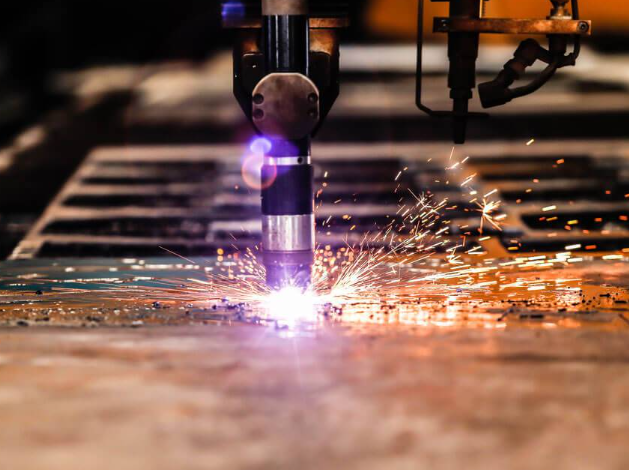
Wat stalen lasersnijden werkelijk doet met metaal
Hebt u zich ooit afgevraagd hoe fabrikanten vlakke stalen platen omzetten in ingewikkelde machineonderdelen, architectonische panelen of precieze automotive beugels? Het antwoord ligt in een staal lasersnijdienst — een hoogprecies thermisch proces dat geconcentreerde lichtenergie gebruikt om metaal met opmerkelijke nauwkeurigheid te doorsnijden.
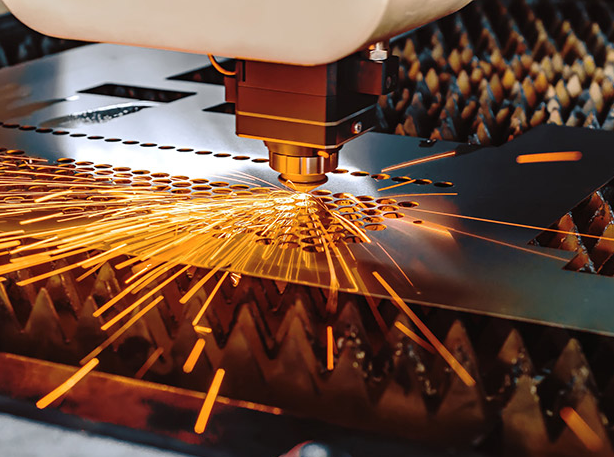
Wat is lasersnijden dan precies? In wezen is lasersnijden een thermisch scheidingsproces waarbij een gefocuste laserstraal de staaloppervlakte raakt en deze zo intens verhit dat het langs een geprogrammeerd pad smelt of volledig verdampt. Zodra de straal op het startpunt het materiaal heeft doorgedrongen, begint het eigenlijke snijden. Het systeem volgt uw exacte ontwerpgeometrie en scheidt het staal met een precisie die traditionele snijmethoden eenvoudigweg niet kunnen evenaren.
Deze technologie is essentieel geworden voor moderne productie omdat ze precies levert wat fabricagebedrijven het meest nodig hebben: snelheid, nauwkeurigheid en veelzijdigheid, zonder de gereedschapsverslet die mechanische snijmethoden kenmerkt.
Hoe laserstralen ruwe staal omzetten in precisie-onderdelen
Stel u voor dat u zonlicht door een vergrootglas richt — vermenigvuldig nu deze intensiteit met duizenden. Bij lasersnijden concentreert de straal energie in een punt dat doorgaans slechts 0,06 tot 0,15 mm breed is. Dit minuscule brandpunt genereert temperaturen van ongeveer 3.000 °C, warm genoeg om staal direct te doen smelten.
De omzetting vindt op drie mogelijke manieren plaats:
- Smelten: De laser verwarmt staal boven zijn smeltpunt, en hulpstoffen (assistentgassen) blazen het gesmolten materiaal weg
- Verdamping: Bij hogere intensiteiten gaat het staal direct van vast naar gas
- Oxidatiesnijden: Bij gebruik van zuurstof als assistentgas bij koolstofstaal leidt een exothermische reactie tot extra warmte en versnelt dit het snijproces
Het resultaat? Schone snijkanten, minimale materiaalverspilling en onderdelen die klaar zijn voor de volgende productiestap—vaak zonder dat verdere nabewerking nodig is.
De wetenschap achter thermisch snijden
Metaallasersnijden werkt dankzij de unieke fysische eigenschappen van laserlicht: coherentie, monochromatische golflengte en een uiterst hoge energiedichtheid. In tegenstelling tot gewoon licht, dat in alle richtingen verspreid wordt, produceert een laser coherente lichtgolven die perfect op één lijn lopen. Dit maakt het mogelijk om de straal te focussen tot een uiterst klein punt, waar de energiedichtheid sterk toeneemt.
Dit maakt lasersnijden van staal zo effectief:
- Energiedichtheid telt meer dan brute vermogenskracht: Een kleinere vlekkenomvang verhoogt de energie per vierkante millimeter aanzienlijk
- Golflengte bepaalt absorptie: Verschillende lasertypen produceren golflengten die door staal met verschillende efficiëntie worden geabsorbeerd
- De warmte-gevoelige zone blijft minimaal: De geconcentreerde energie betekent minder thermische vervorming van het omliggende materiaal
De snijbreedte—de breedte van de snede zelf—bedraagt doorgaans slechts 0,1 tot 0,3 mm bij toepassingen op staal. Deze precisie maakt complexe vormen, strakke toleranties en efficiënt materiaalgebruik mogelijk, wat onmogelijk zou zijn met plasma- of mechanische snijtechnieken.
In deze gids leert u hoe verschillende lasertypes omgaan met diverse staalsoorten, welke toleranties u realistisch kunt verwachten en hoe u uw ontwerpen kunt voorbereiden voor optimale resultaten. Of u nu onderdelen koopt voor prototyping of schaalt naar productieomvang: begrijpen van de technologie achter dit proces helpt u slimmer te beslissen over uw productieprocessen.
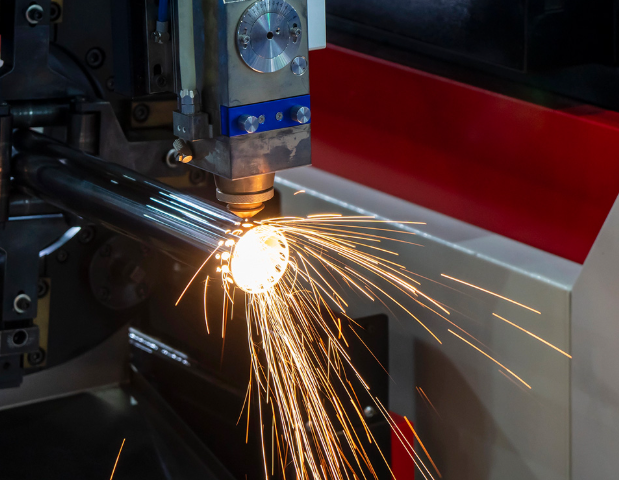
Vezellaser versus CO2-laser voor staaltoepassingen
Nu u begrijpt hoe laserenergie staal transformeert, rijst de volgende vraag: welk type laser voor een snijmachine levert de beste resultaten voor uw project? Het antwoord hangt af van uw materiaal, dikte en productiedoelen. Twee technologieën domineren de markt voor lasersnijmachines voor metaal— vezellasers en CO2-lasers —en elk biedt specifieke voordelen voor de staalbewerking.
Het fundamentele verschil ligt in de golflengte. Vezellasers geven licht af met een golflengte van 1,06 micron, terwijl CO2-lasers werken bij 10,6 micron. Dit tienmaal grotere verschil beïnvloedt sterk hoe elke lasermachine voor metaalbewerking met staaloppervlakken omgaat, en heeft gevolgen voor alles van snijsnelheid tot energieverbruik.
Vezellasers en hun voordelen bij het snijden van staal
Vezellasers hebben tegen 2025 ongeveer 60% van de markt in handen — en de redenen daarvoor zijn overtuigend. Hun kortere golflengte wordt efficiënter door metalen geabsorbeerd, wat betekent dat meer snijvermogen de werkstukken bereikt in plaats van te worden gereflecteerd.
Wat maakt vezeltechnologie de beste laser voor het snijden van de meeste staaltoepassingen?
- Superieure snelheid bij dunne materialen: Vezelsystemen bereiken snijsnelheden tot 100 meter per minuut bij dunne staalplaten
- Uitzonderlijke energie-efficiëntie: Wall-plug-efficiëntie bereikt tot 50%, vergeleken met slechts 10-15% bij CO2-systemen
- Geschiktheid voor reflecterend metaal: Aluminium, messing en koper, die een uitdaging vormen voor CO2-lasers, worden schoon gesneden met vezeltechnologie
- Minimale onderhoudseisen: Het vezeloptische straalafvoersysteem blijft volledig afgesloten tegen verontreinigingen
- Gereduceerde exploitatiekosten: Het energieverbruik is ongeveer 70% lager dan bij vergelijkbare CO2-systemen
Het onderhoudsvoordeel verdient speciale aandacht. Volgens sectoranalyse duurt het onderhoud van een vezellaser-snijkop minder dan een half uur per week, vergeleken met 4–5 uur bij CO2-systemen. Dit verschil is te wijten aan de monolithische straalafleveringsconfiguratie—een enkele glasvezelkabel voert de laser naar de snijkop, waardoor spiegels en balgen die bij CO2-machines voortdurend aandacht vereisen, overbodig worden.
Voor lasercut- en fabricageprocessen van koolstofstaal, roestvrij staal of aluminium met een dikte van minder dan 20 mm leveren vezellasers doorgaans de kortste cyclustijden en de laagste kosten per onderdeel.
Wanneer CO2-lasers nog steeds zinvol zijn voor staalprojecten
Ondanks het dominantie van vezellasers is de CO2-laser voor metaalbewerking niet verdwenen—en terecht. Wanneer uw project betrekking heeft op dik plaatstaal van meer dan 25 mm, levert CO2-technologie vaak een superieure snijkantkwaliteit die de langzamere bewerkingsnelheid rechtvaardigt.
CO2-lasers behouden voordelen in specifieke scenario's:
- Verwerking van dikke platen: Randkwaliteit op materialen dikker dan 25 mm overtreft vaak de resultaten van vezellasers
- Bestaande infrastructuur: Volwassen service-netwerken en uitgebreide operatorervaring
- Workshops met gemengde materialen: Verwerkingsmogelijkheden voor niet-metalen die vezellasers niet kunnen evenaren
- Toepassingen die een specifieke oppervlakteafwerking vereisen: Bepaalde eisen aan randkwaliteit geven de voorkeur aan de kenmerken van CO2-lasers
De metaalindustrie voor lasersnijmachines heeft innovaties zoals de CoolLine-koeltechnologie geïntroduceerd om de mogelijkheden van CO2-lasers uit te breiden, met vermogensniveaus tot 24 kW-systemen. Vezeltechnologie blijft echter sneller evolueren, waarbij systemen nu beschikbaar zijn tot 40 kW voor toepassingen met uiterst dikke materialen.
| Vergelijkingsfactor | Fiber Laser | Co2 laser |
|---|---|---|
| Snijnsnelheid (dun staal) | Tot 100 m/min; typisch 277 onderdelen/uur | Matig; typisch 64 onderdelen/uur |
| Snelsnelheid (dik staal 25 mm+) | Goed, maar de kwaliteit van de snijkant kan lijden | Langzamer, maar superieure afwerking van de snijkant |
| Energiezuinigheid | Tot 50% wall-plug efficiency | 10-15% wandrendement |
| Bedrijfskosten (energie) | $3,50-4,00 per uur | $12,73 per uur |
| Jaarlijkse Onderhoudskosten | $200-400 | $1,000-2,000 |
| Wekelijkse onderhoudstijd | Minder dan 30 minuten | 4-5 uur |
| Systeembeschikbaarheid | 95-98% | 85-90% |
| Weerspiegelende metalen (aluminium, koper) | Uitstekend — snijdt efficiënt | Uitdagend — problemen door weerspiegeling |
| Beste toepassingsgebieden | Dun-matig dik staal, roestvast staal, aluminium, productie in grote volumes | Dikplaatstaal, niet-metalen, gespecialiseerde randkwaliteitseisen |
| totale kosten van eigendom over 5 jaar | ~$655,000 | ~$1,175,000 |
| Typische terugverdientijd | 12-18 Maanden | 24-30 maanden |
Hoe interageren verschillende lasertypes met staallegeringen? De relatie tussen golflengte en absorptie is cruciaal. De 1,06 micron-golflengte van vezellasers wordt efficiënt geabsorbeerd door de meeste staallegeringen, inclusief uitdagende reflecterende materialen. De 10,6 micron-golflengte van CO2-lasers werkt goed met koolstofstaal, maar heeft moeite wanneer de straal terugkaatst—wat mogelijk schade kan veroorzaken aan de dure oscillator.
Voor toepassingen met roestvast staal behouden vezellasers sterke voordelen over de meeste diktebereiken en zijn in staat om tot 150 mm te snijden, terwijl de uitstekende snijkwaliteit behouden blijft. Voor de bewerking van koolstofstaal zijn vezellasers voordeliger tot een dikte van ongeveer 20 mm; daarboven kan CO2 een betere oppervlakteafwerking leveren bij dikke secties.
Begrijpen van deze technologische verschillen helpt u effectief te communiceren met uw leverancier van staal-lasersnijdiensten en het juiste proces te kiezen voor uw specifieke onderdelen. Vervolgens gaan we in op hoe verschillende staalsoorten en legeringen reageren op laserbewerking — kennis die direct van invloed is op uw materiaalkeuzes.
Staalsoorten die het beste met een laser kunnen worden gesneden
Het kiezen van de juiste lasertechnologie is slechts de helft van de vergelijking. Het staal dat u gaat snijden, speelt een even cruciale rol bij het bepalen van de snijkwaliteit, de verwerkingssnelheid en de prestaties van het eindproduct. Niet alle stalen gedragen zich hetzelfde onder een gefocusseerde laserstraal — en het begrijpen van deze verschillen helpt u slimmer materiaal te kiezen, nog voordat uw project de snijtafel bereikt.
Of u nu werkt met gangbare constructiestalen of met speciale legeringen, de materiaalsamenstelling beïnvloedt direct hoe de laserparameters moeten worden afgestemd. Laten we bekijken hoe verschillende soorten staal reageren bij het lasersnijden van metalen platen en wat dat betekent voor de resultaten van uw project.
Koolstofstaalsoorten en hun gedrag bij lasersnijden
Koolstofstaalsoorten vormen de werkpaarden van het lasersnijden van staal , waardoor ze uitstekende verwerkbaarheid bieden tegen concurrerende kosten. De belangrijkste variabele? Het koolstofgehalte. Laagkoolstofstaal wordt voorspelbaarder gesneden dan hoogkoolstofstaal en levert schoner snijkanten op met minimale slakvorming.
Zo presteren veelgebruikte koolstofstaalsoorten:
- A36 (zacht staal): De meest gebruikte soort bij lasersnijden. Een laag koolstofgehalte (0,25–0,29 %) zorgt voor schone sneden met uitstekende kwaliteit van de snijkant. Ideaal voor constructie-onderdelen, beugels en algemene fabricage.
- 1018 (laagkoolstofstaal): Bevat ongeveer 0,18% koolstof. Snijdt uitzonderlijk goed en levert gladde, oxidevrije snijkanten wanneer stikstof wordt gebruikt als hulpgas. Ideaal voor precisie-onderdelen die secundaire bewerking vereisen
- 1045 (middelkoolstof): Een hoger koolstofgehalte (0,43–0,50%) vereist aangepaste parameters. Snijdt nog steeds effectief, maar kan een iets grotere warmtebeïnvloede zone vertonen. Uitstekend geschikt voor slijtvaste onderdelen
- A572 (HSLA-staal): Hoogsterktestaal met lage legeringsgraad dat goed reageert op lasersnijden. De legeringselementen vereisen kleine aanpassingen van de snijsnelheid, maar leveren schone resultaten
Volgens De analyse van KGS Steel lage-koolstofstaalsoorten met minder dan 0,3% koolstof snijden over het algemeen voorspelbaarder en schoner dan hoogkoolstofvarianten. Dit is vooral relevant bij lasersnijden van staalplaat met grotere diktes, waarbij thermische eigenschappen sterk van invloed zijn op de snijkwaliteit.
De oppervlaktoestand is ook van belang. Schone, vlekkeloze oppervlakken op kwaliteiten zoals A36 geven aanzienlijk betere resultaten dan roestige of aangegroeide materialen. Als uw staal langdurig in opslag heeft gestaan, overweeg dan de oppervlaktoestand voordat u bestanden voor snijden verwerkt.
RVS-keuze voor optimale snijkwaliteit
Laserbewerking van roestvast staal is steeds populairder geworden vanwege de corrosiebestendigheid en esthetische afwerking van het materiaal. Niet alle RVS-kwaliteiten gedragen zich echter identiek onder de laserstraal. Het chroomgehalte dat RVS zijn corrosiebestendigheid verleent, beïnvloedt ook de thermische geleidbaarheid en de snijspecificaties.
Veelvoorkomende RVS-kwaliteiten en hun gedrag bij lasersnijden:
- 304 Roestvrij: De meest gebruikte RVS-kwaliteit voor lasersnijden. De consistente samenstelling en thermische eigenschappen zorgen voor uitzonderlijk schone snijkanten. Ideaal voor apparatuur in de levensmiddelenverwerking, architectonische panelen en medische componenten
- 316 Roestvrij: Bevat molybdeen voor verbeterde corrosiebestendigheid. Snijdt vergelijkbaar met 304, maar de toegevoegde legeringscomponenten kunnen kleine aanpassingen van de parameters vereisen. Uitstekend geschikt voor maritieme en chemische procesapplicaties
- 430-roestvaststaal (ferritisch): Magnetische kwaliteit met een lagere nikkelinhoud. Snijdt goed, maar geeft licht afwijkende snijkantkenmerken vergeleken met austenitische kwaliteiten. Een goede keuze voor decoratieve toepassingen en huishoudelijke apparaten
Zoals opgemerkt door ACCURL's technische gids , austenitische roestvaststaalsoorten zoals 304 en 316 zijn vaak de aangewezen keuze voor het lasersnijden van roestvaststaal vanwege hun goede snijbaarheid, brede beschikbaarheid en uitstekende corrosiebestendigheid. De lagere warmtegeleidbaarheid van roestvaststaal werkt in feite ten gunste van het lasersnijden, waardoor schoner gesneden wordt met minimale warmtebeïnvloede zones.
Bij het lasersnijden van aluminium naast roestvaststaalprojecten moet u in gedachten houden dat de hoge reflectiviteit en warmtegeleidbaarheid van aluminium heel andere verwerkingsvereisten opleggen — vezellasers verwerken aluminium veel beter dan CO2-systemen.
Materiaaleigenschappen die de snijkwaliteit bepalen
Om te begrijpen waarom verschillende soorten staal zich anders gedragen, moet men de onderliggende materiaaleigenschappen onderzoeken. Verschillende factoren beïnvloeden hoe het gekozen staal reageert tijdens lasersnijden van roestvast staal of koolstofstaal:
- Koolstofgehalte: Lager koolstofgehalte betekent gemakkelijker snijden met schoner snedegranden. Hoger koolstofgehalte verhoogt de hardheid, maar vereist mogelijk langzamere snelheden en een aangepaste focus
- Chroomgehalte: Vormt refractaire oxiden tijdens het snijden. Roestvast staal vereist stikstof als hulpgas om oxidatie te voorkomen en heldere, schone snedegranden te behouden
- Oppervlakteafwerking: Walskorst, roest of olieachtige vervuiling beïnvloeden de laserabsorptie en kunnen leiden tot ongelijkmatige snijkwaliteit. Schoon materiaal levert voorspelbare resultaten op
- Warmtegeleidbaarheid: Lagere geleidbaarheid (zoals bij roestvast staal) concentreert de warmte in de snijzone, wat schonere sneden mogelijk maakt. Hogere geleidbaarheid (zoals bij aluminium) verspreidt de warmte en vereist meer vermogen
- Legeringselementen: Silicium kan de vorming van slak verhogen, terwijl mangaan mogelijk lagere snijsnelheden vereist. Het begrijpen van uw specifieke legering helpt bij het optimaliseren van de parameters
Diktebereiken en vereisten voor laservermogen
De materiaaldikte bepaalt wat haalbaar is met uw staal-lasersnijdservice. Moderne vezellasers met hoog vermogen hebben de diktecapaciteit aanzienlijk uitgebreid, maar het begrijpen van realistische bereiken helpt bij het stellen van passende verwachtingen.
Typische verwerkingsbare diktebereiken:
- Dunne plaatmetaal (0,5–3 mm): Snelste bewerkingsnelheden, nauwste toleranties, minimale warmtevervorming. Ideaal voor behuizingen voor elektronica en precisiebeugels
- Middellange dikte (3-12 mm): Uitstekende balans tussen snelheid en randkwaliteit. Veelvoorkomend bereik voor structurele onderdelen en machineonderdelen
- Zware plaat (12–25 mm): Vereist hoger laservermogen en langzamere snelheden. De randkwaliteit blijft goed bij juiste optimalisatie van de parameters
- Ultra-dikke plaat (25 mm en meer): Krachtige CO2-lasers kunnen staal snijden tot een dikte van 1 inch (25,4 mm), terwijl geavanceerde vezellasersystemen een dikte van 1,2 inch (30 mm) of meer bereiken. De kwaliteit en snelheid van de snede nemen echter af naarmate de dikte toeneemt.
De relatie tussen materiaalsamenstelling en vereiste laserparameters wordt steeds kritischer naarmate de dikte toeneemt. Dikkere secties versterken eventuele materiaalinconsistenties, waardoor de keuze van het staalkwaliteitsniveau steeds belangrijker wordt voor toepassingen met zwaar plaatmateriaal.
Nu uw materiaal is geselecteerd en het lasertype is bepaald, is de volgende stap het omzetten van uw ontwerp in een formaat dat het snijsysteem kan uitvoeren. Laten we onderzoeken hoe digitale bestanden worden omgezet in nauwkeurig gesneden stalen onderdelen.
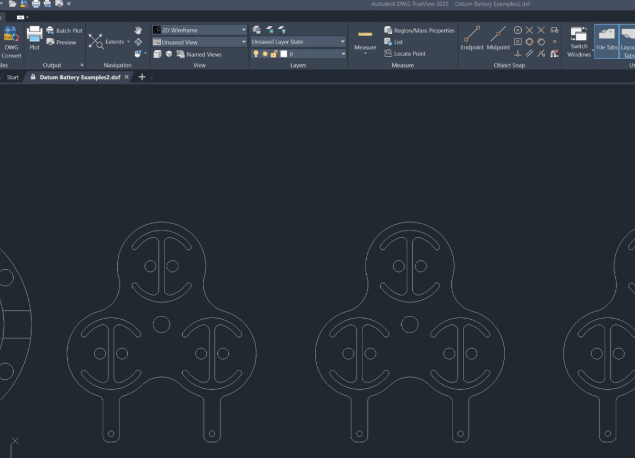
Van digitaal ontwerp naar afgewerkte stalen onderdelen
U hebt uw lasertype geselecteerd en de juiste staalkwaliteit gekozen. Nu komt de cruciale brug tussen concept en realiteit—de omzetting van uw digitale ontwerp in een nauwkeurig gesneden onderdeel. Deze werkwijze bepaalt of uw onderdelen perfect of problematisch uitvallen, en het begrijpen van elke fase helpt u kostbare fouten te voorkomen nog voordat de laser wordt geactiveerd.
De reis van CAD-bestand naar afgewerkt staalonderdeel omvat meer stappen dan de meeste mensen beseffen. Elke fase biedt kansen om de resultaten te optimaliseren—of fouten in te voeren die de kwaliteit in gevaar brengen. Laten we het volledige proces stap voor stap doornemen, zodat u precies weet wat er gebeurt wanneer uw ontwerp een CNC-lasersnijwerkwijze binnenkomt.
Voorbereiding van uw ontwerpbestanden voor staalsnijden
Elke CNC-lasersnijmachine heeft vectorgebaseerde instructies nodig om te volgen. In tegenstelling tot rasterafbeeldingen, die pixels beschrijven, bevatten vectorbestanden wiskundige paden die de snijkop nauwkeurig kan volgen. Het kiezen van het juiste bestandsformaat zorgt ervoor dat uw ontwerp nauwkeurig wordt omgezet op de snijtafel.
Welke bestandsformaten werken het beste voor laser-CNC-bewerkingen?
- DXF (Drawing Interchange Format): De branche-standaard voor lasersnijden. Volgens de technische gids van Xometry is DXF een open-source vectorformaat dat in 1982 is ontwikkeld en nog steeds universeel compatibel is met CAD-software en snijsystemen.
- DWG: Het native formaat van AutoCAD. Bevat vergelijkbare vectordata, maar vereist bij sommige bedrijven conversie. Werkt goed wanneer de oorspronkelijke ontwerpintentie behouden moet blijven.
- STEP: Ideaal voor 3D-modellen waarbij 2D-profielen moeten worden geëxtraheerd. Behoudt de geometrische nauwkeurigheid bij het afvlakken van complexe samenstellingen.
- AI (Adobe Illustrator): Veelgebruikt voor decoratieve en artistieke sneden. Vereist zorgvuldig laagbeheer om snijlijnen te scheiden van graveerpaden.
De software die u gebruikt om deze bestanden te maken, is minder belangrijk dan de kwaliteit van uw geometrie. Populaire opties zijn onder andere Inkscape (gratis), Fusion 360 (cloudgebaseerd met samenwerkingsfuncties) en Adobe Illustrator. Zoals Xometry opmerkt, kunnen alle lasersnijmachines—of het nu CO2- of vezelmachines zijn—DXF-bestanden lezen en de vectoren omzetten in snijinstructies.
Controleer voordat u bestanden indient voor een offerte voor lasersnijden de volgende essentiële elementen:
- Alle geometrie bestaat uit gesloten vectoren (geen openingen in uw snijpaden)
- Lijntypen onderscheiden duidelijk tussen snij-, vouw- en graveerbewerkingen
- Dubbele overlappende lijnen zijn verwijderd (deze veroorzaken dubbel-snijden en bobbels)
- De afmetingen komen overeen met de gewenste eindafmeting van uw onderdeel in schaal 1:1
De stapsgewijze snijvolgorde uitgelegd
Zodra uw bestand de productiewerkplaats bereikt, wordt het onderworpen aan een systematische workflow waarmee geometrie wordt omgezet in fysieke onderdelen. Het begrijpen van deze volgorde helpt u effectief te communiceren met uw leverancier en mogelijke problemen te anticiperen.
Stap 1: Bestandsimport en verificatie
Uw DXF- of ander vectorbestand wordt geïmporteerd in de laser- en CNC-besturingssoftware. Operators controleren de geometrie, zoeken naar fouten zoals open paden of overlappende lijnen en bevestigen dat het ontwerp vervaardigbaar is bij de door u opgegeven dikte.
Stap 2: Nesting voor materiaalefficiëntie
Meerdere onderdelen worden op de staalplaat geplaatst om afval te minimaliseren. Slimme nestingsoftware draait en positioneert onderdelen om het maximale rendement uit elke plaat te halen. Volgens Cyclotron Industries omvat effectief nesting consistente tussenruimten tussen onderdelen (doorgaans 1–3 mm, afhankelijk van de dikte) om rekening te houden met de snijbreedte (kerf) en thermische uitzetting. Gemeenschappelijke-snijtechniek—waarbij aangrenzende onderdelen een rand delen—vermindert afval en cyclustijd verder.
Stap 3: Machineprogrammering
De operator stelt de snijparameters in op basis van uw materiaal en dikte. Dit omvat het selecteren van:
- Laservermogen (hogere vermogens voor dikker materiaal)
- Snelsnelheid (sneller voor dunne platen, langzamer voor dikke platen)
- Assistgassoort (zuurstof voor koolstofstaal, stikstof voor roestvrij staal)
- Focuspositie (aangepast voor optimale snijkwaliteit)
- Piercep parameters (hoe de laser elke snede initieert)
Stap 4: Uitvoering van het snijden
De laser volgt uw geprogrammeerde paden, waarbij de snijkop een nauwkeurige afstand tot het materiaaloppervlak handhaaft. Invoersneden (kleine instapsneden) voorkomen piercemerkjes op zichtbare randen. Microverbindingen of steunpunten kunnen kleine onderdelen op hun plaats houden totdat het snijden is voltooid.
Stap 5: Verwijdering en inspectie van de onderdelen
De afgewerkte onderdelen worden gescheiden van het restmateriaal (de overgebleven plaat), de steunpunten worden verwijderd en de onderdelen worden geïnspecteerd op afmetingsnauwkeurigheid en randkwaliteit.
Ontwerpoverwegingen die problemen voorkomen
Veelvoorkomende ontwerpfouten leiden tot afgekeurde onderdelen, vertragingen en hogere kosten voor lasersnijden. Het volgen van vastgestelde richtlijnen draagt bij aan het eerste keer goed produceren van uw onderdelen.
Kritieke ontwerpregels voor lasersnijden van staal:
- Minimale gatgrootte: Volgens de richtlijnen van de industrie moet de gatdiameter gelijk zijn aan of groter dan de materiaaldikte. Een plaat van 2 mm vereist gaten met een diameter van ten minste 2 mm — kleinere gaten lopen het risico te smelten dicht of te vervormen
- Snijbreedtecorrectie: De laser verwijdert materiaal tijdens het snijden (meestal 0,05–0,5 mm, afhankelijk van de dikte en instellingen). Voor nauwkeurig passende onderdelen voegt u de helft van de snijbreedte toe aan het ene onderdeel en trekt u de helft ervan af van het andere onderdeel
- Plaatsing van de snijlijnen: Kleine interne onderdelen hebben microverbindingen nodig om te voorkomen dat ze door de snijtafel vallen. Plaats de tussenvoegsels op niet-kritieke randen, zodat de verwijderingsmarkeringen de functie niet beïnvloeden
- Verplichtingen inzake hoekradius: Vermijd perfect scherpe interne hoeken. Gebruik een afrondingsstraal van ongeveer 0,5 × de plaatdikte om een consistente snijbreedte te behouden en spanningsconcentraties te verminderen die scheuren veroorzaken tijdens het vormen
- Minimale steegdikte: Houd verbindingen en steegen tussen onderdelen minstens even dik als de materiaaldikte. Zeer dunne steegen branden tijdens het snijden weg
- Afstand tussen kenmerken: Handhaaf een rand-tot-rand-afstand van ten minste 1× de materiaaldikte tussen onderdelen om thermische vervorming door warmteopbouw te voorkomen
Hoe snijparameters interageren met staaldikte
De relatie tussen snelheid, vermogen en hulpgas vormt een evenwichtsact die de snijkwaliteit bepaalt. Het begrijpen van deze interacties helpt u realistische verwachtingen te stellen voor uw onderdelen.
De snijsnelheid neemt af naarmate de dikte toeneemt — de natuurkundige wetten laten hier geen ruimte voor. Een staalplaat van 1 mm kan bijvoorbeeld met meer dan 40 meter per minuut worden gesneden, terwijl een plaat van 12 mm snelheden onder de 1 meter per minuut vereist. Te hoge snelheden veroorzaken slak (gesmolten metaalrest op de onderzijde) en onvolledige sneden.
Vermoeinstellingen volgen het omgekeerde patroon. Dunne materialen vereisen minimaal vermogen om overmatig branden te voorkomen, terwijl dikke platen maximaal laservermogen vereisen. De meeste moderne machines passen het vermogen automatisch aan op basis van de geprogrammeerde snelheid en materiaalparameters.
De keuze van het hulpgas heeft een aanzienlijke invloed op de kwaliteit van de snijkant:
- Zuurstof: Veroorzaakt een exothermische reactie met koolstofstaal, waardoor warmte wordt toegevoegd en snellere sneden mogelijk zijn. Vormt een oxide-laag op de snijkant
- Stikstof: Inert gas dat oxidatie voorkomt. Essentieel voor roestvast staal om heldere, schone randen te behouden. Ook de voorkeurskeuze voor koolstofstaal wanneer hechting van verf of poedercoating van belang is
- Werkplaatslucht: Perslucht is geschikt voor minder kritieke toepassingen waar de uiterlijke kwaliteit van de rand niet doorslaggevend is
Bij het aanvragen van een offerte voor lasersnijden helpt het verstrekken van nauwkeurige materiaalspecificaties en diktegegevens om realistische prijs- en tijdplanningsschattingen te ontvangen.
Nu uw ontwerp geoptimaliseerd is en de bestanden gereed zijn, vraagt u zich wellicht af welke precisieniveaus daadwerkelijk haalbaar zijn. Vervolgens bekijken we de tolerantiespecificaties en normen voor randkwaliteit die bepalen wat realistisch is voor lasersnijdt staalonderdelen.
Precisietoleranties en kwaliteitsnormen van snijkanten
U hebt uw onderdeel ontworpen, het materiaal geselecteerd en uw bestanden voorbereid. Maar hier is de vraag die echt bepaalt of lasersnijden geschikt is voor uw toepassing: hoe nauwkeurig zullen de afgewerkte onderdelen daadwerkelijk zijn? Het begrijpen van haalbare toleranties voorkomt teleurstellingen en helpt u realistische eisen vanaf het begin vast te leggen.
Precisie-lasersnijden levert indrukwekkende nauwkeurigheid op — maar die nauwkeurigheid varieert sterk afhankelijk van de materiaaldikte, het lasertype en de kwaliteit van de machine. Laten we bekijken wat u realistisch kunt verwachten bij het lasersnijden van staal en hoe diverse factoren de dimensionele precisie beïnvloeden.
Verwachte toleranties voor verschillende staaldiktes
Hier is een fundamentele waarheid over precisielasersnijddiensten: dunner materiaal leidt tot strengere toleranties. De natuurkundige achtergrond van deze relatie is eenvoudig — dikker materiaal vereist meer warmte-input, langere belichtingstijden en diepere kerfpenetratie, waardoor allemaal meer variabelen worden geïntroduceerd die de dimensionale nauwkeurigheid beïnvloeden.
Volgens de tolerantiespecificaties van Charles Day, die aansluiten bij branchestandaardpraktijken, hangen haalbare toleranties voor lasersnijonderdelen af van zowel de materiaaldikte als de onderdeelafmetingen:
| Materiaaldikte | Typische tolerantie (onderdelen < 500 mm) | Typische tolerantie (onderdelen 500–1500 mm) | Typische tolerantie (onderdelen 1500–3000 mm) |
|---|---|---|---|
| Tot 1,0 mm | ±0,12mm | ±0,12mm | ±0,12mm |
| 1,0 mm tot 3,0 mm | ±0,15 mm | ±0,15 mm | ±0,15 mm |
| 3,0 mm tot 6,0 mm | ±0,20 mm | ±0,20 mm | ±0,20 mm |
| 6,0 mm tot 25 mm | ±0,25mm | ±0,25mm | ±0,25mm |
| 25 mm tot 50 mm | ±0,50 mm | ±0,50 mm | ±0,50 mm |
Wat betekent dit in de praktijk? Een roestvrijstalen beugel van 2 mm kan een tolerantie van ±0,15 mm over zijn afmetingen behouden — uitzonderlijk nauwkeurig voor de meeste fabricage-toepassingen. Dezelfde tolerantie is echter niet haalbaar bij plaatstaal van 30 mm, waarbij ±0,50 mm het realistische doel wordt.
Bij hoogwaardige lasersnijprecisie kunnen onder ideale omstandigheden zelfs strengere specificaties worden bereikt. Volgens de technische analyse van ADH Machine Tool kunnen vezellasers stabiel toleranties van ±0,05 mm bereiken, terwijl precisie-werk aan plaatmetaal tot ±0,025 mm kan gaan. Deze mogelijkheden vereisen echter hoogwaardige machines, gecontroleerde omgevingen en ervaren operators.
Waarom leidt een grotere dikte tot zo’n sterke toename van de tolerantiebereiken? Verschillende fysieke factoren versterken elkaar:
- Lichtbundeldivergentie: De laserstraal is niet perfect evenwijdig — hij is licht conisch. Dit veroorzaakt een mismatch tussen de snijbreedte aan de boven- en onderrand, wat een kegelvormige afwijking (taper) oplevert die erger wordt naarmate het materiaal dikker is
- Warmteopbouw: Dikker materiaal absorbeert meer energie, waardoor de zone van thermische vervorming uitbreidt
- Moeilijkheid bij het verwijderen van slak: Assistgas maakt het moeilijker om gesmolten materiaal uit diepere snijgroeven te verwijderen, wat onconsistenties veroorzaakt
- Langere snijduur: Langere blootstellingstijden geven meer kans op thermische effecten die de afmetingen beïnvloeden
Begrip van warmtebeïnvloede zones in staal
Bij het lasersnijden van metaal verwijdert u niet alleen materiaal—u verandert ook het staal naast de snede. De warmtebeïnvloede zone (HAZ) is het gebied waar de microstructuur en materiaaleigenschappen veranderen door thermische belasting, zonder dat het materiaal daadwerkelijk smelt.
Volgens de technische handleiding van Amber Steel ontstaat de HAZ doordat aanzienlijke thermische energie zich uitstrekt tot buiten het smeltpunt van het materiaal aan de snijkant. Deze thermische cyclus verschilt van de oorspronkelijke bewerking van het basismateriaal, waardoor duidelijke microstructuurveranderingen optreden.
Hoe beïnvloedt de HAZ uw met laser gesneden stalen onderdelen?
- Hardheidsveranderingen: De HAZ kan harder of zachter worden dan het basismateriaal, wat leidt tot inconsistente mechanische eigenschappen
- Verminderde corrosieweerstand: In roestvrij staal veroorzaken hoge temperaturen de neerslag van chroomcarbiden aan de korrelgrenzen. Als het chroomgehalte onder de 10,5% daalt, verliest het staal zijn passieve film en wordt het gevoelig voor sensitisatie-afbraak
- Risico's op broosheid: Waterstofbroosheid kan optreden wanneer atomaire waterstof die is opgesloten in de afkoelende las naar gebieden met hoge rek diffundeert
- Afmetingsvervorming: Snelle verwarming en afkoeling veroorzaken interne spanningen die vervorming kunnen veroorzaken — met name problematisch bij dunne platen of langwerpige onderdelen
Het goede nieuws? Lasersnijden levert aanzienlijk kleinere warmtebeïnvloede zones op dan plasmasnijden of zuurstof-brandgassnijden. Zoals Amber Steel opmerkt, vormt lasersnijden slechts een kleine, gelokaliseerde HAZ in de buurt van het snijgebied, terwijl plasmasnijden direct een breder gebied veroorzaakt en zuurstof-brandgassnijden de breedste HAZ oplevert vanwege de hoge temperatuur en langzamere snelheden.
Strategieën om thermische effecten te minimaliseren omvatten:
- Verhoging van de snijsnelheid om de verblijftijd te verminderen (indien de materiaaldikte dit toelaat)
- Gebruik van puls-snijmodi voor warmtegevoelige toepassingen
- Optimalisatie van snijvolgordes—verspreide of rasterpatronen voorkomen warmteopbouw in geconcentreerde gebieden
- Selectie van stikstof als hulpgas, wat effectiever koelt dan zuurstof
Kantkwaliteitskenmerken die u kunt verwachten
Naast dimensionale nauwkeurigheid bepaalt de kantkwaliteit of uw met een laser gesneden onderdelen voldoen aan de toepassingsvereisten. Drie kenmerken zijn het belangrijkst:
Slakvorming: Dit is de gesmolten metaalrest die zich kan vastzetten aan de onderzijde van de sneden. Een juiste druk en stroomsnelheid van het hulpgas minimaliseren slakvorming, maar dikker materiaal vormt een grotere uitdaging. Goed geoptimaliseerde snijparameters leveren bijna slakvrije kanten op dunne staalplaten, terwijl zwaar plaatmateriaal mogelijk nabewerking door slijpen vereist.
Oppervlak ruwheid: Het streepjespatroon dat door de laserstraal wordt achtergelaten, bepaalt de gladheid van de snijkant. Vezellasers produceren doorgaans fijner streepjes dan CO2-systemen op dunne materialen. De ruwheidswaarden liggen meestal tussen Ra 12,5 en Ra 25 micrometer, afhankelijk van het materiaal en de instellingen.
Loodrechtstand: De snijkant moet loodrecht staan op het oppervlak van het materiaal. Straaldivergentie, een onjuiste focuspositie of versleten mondstukken veroorzaken conische afwijking — waarbij de bovenkant van de snijkant breder of smaller is dan de onderkant. Goed onderhouden apparatuur met juiste focusinstelling behoudt de loodrechtheid binnen 1–2 graden voor de meeste toepassingen.
Wanneer lasersnijden niet de juiste keuze is
Een eerlijke beoordeling is van belang: lasersnijden is niet altijd de optimale oplossing. Het herkennen van de beperkingen hiervan helpt u om voor elke toepassing het juiste proces te kiezen.
Overweeg alternatieve methoden wanneer:
- Er zijn uiterst nauwe toleranties vereist: Als uw toepassing consistent toleranties kleiner dan ±0,025 mm vereist, kunnen CNC-bewerking of draad-EDM noodzakelijk zijn
- Een nul HAZ is cruciaal: Waterstraal- of scherpsnijden veroorzaakt absoluut geen warmtebeïnvloede zone—essentieel voor warmtegevoelige legeringen of toepassingen waar metallurgische consistentie van primair belang is
- Zeer dikke platen overschrijden de mogelijkheden: Boven ongeveer 30 mm kan waterstraalsnijden of plasmasnijden economischer zijn en toch een aanvaardbare kwaliteit opleveren
- Hoge volumes eenvoudige vormen: Voor eenvoudige vormen in zeer grote volumes levert stansen of ponsen lagere kosten per onderdeel op
- Specificaties voor oppervlakteafwerking overschrijden de mogelijkheden: Sommige toepassingen vereisen spiegelgladde snijkanten die secundaire bewerkingsprocessen vereisen
Voor de meeste precisielasersnijdtoepassingen—bijvoorbeeld beugels, behuizingen, machineonderdelen en architectonische elementen—biedt lasersnijden de optimale balans tussen precisie, snelheid en kosten. Een goed begrip van de tolerantiegrens helpt u bij het juiste ontwerp en bij het realistisch communiceren van verwachtingen met uw fabricagepartner.
Nu de toleranties en randkwaliteit bekend zijn, wordt de volgende overweging wat er na het snijden gebeurt. Veel toepassingen vereisen aanvullende afwerkingsbewerkingen om onderdelen geschikt te maken voor hun uiteindelijke gebruik.
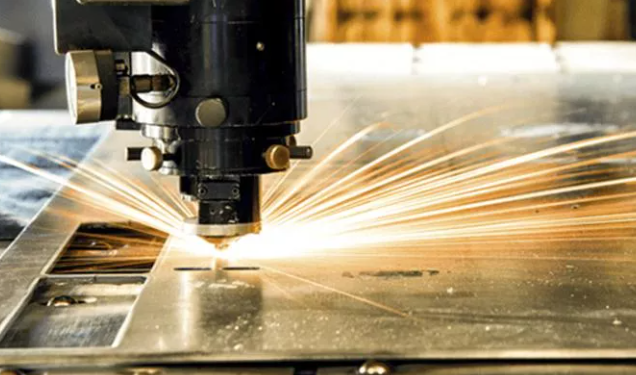
Afwerkings- en secundaire bewerkingen na het snijden
Uw stalen onderdelen zijn met precisietoleranties en schone snijkanten geïnstrudeerd. Maar hier is wat veel eerstekoopers niet beseffen: de snijbewerking is vaak slechts het begin. Afhankelijk van uw toepassing kunnen die pas geïnstrudeerde componenten extra bewerking nodig hebben voordat ze klaar zijn voor gebruik.
Laserfabricage eindigt zelden bij de snijtafel. Van het verwijderen van scherpe randen tot het aanbrengen van beschermende coatings: nabewerking transformeert ruwe gesneden onderdelen in afgewerkte, functionele componenten. Het begrijpen van deze opties helpt u bij het plannen van uw volledige productieproces – en bij het bijbehorende budgetteren.
Oppervlakteafwerking na lasersnijden
Wanneer onderdelen van de laser komen, hebben ze doorgaans spijkers, lichte oxidatie of oppervlaktemerken die aandacht nodig hebben. De afwerkingsmethode die u kiest, hangt af van het eindgebruik van uw onderdeel, de vereisten voor het uiterlijk en de downstreamprocessen.
Volgens de afwerkingsgids van SendCutSend verbeteren metalen afwerkingen de materiaaleigenschappen ten opzichte van onafgewerkte metalen. De twee meest veelvoorkomende verbeterde eigenschappen zijn corrosiebestendigheid en slijtvastheid — beide essentieel voor onderdelen die worden blootgesteld aan zware omgevingen of herhaaldelijk worden gehanteerd.
Veelvoorkomende oppervlaktebehandelingen na het snijden zijn:
- Verwijdering van aanslag: Verwijdert scherpe randen en kleine onvolkomenheden die na het snijden zijn achtergebleven. Lineair ontspelden behandelt één zijde van het onderdeel en creëert een gladder oppervlak, ideaal voor hechting van verf of coatings.
- Entgraven: Vibrerend schuurproces waarbij onderdelen en schuurmedia met elkaar interageren om randen te verzachten en consistente afwerkingen te realiseren. Werkt goed voor kleine tot middelgrote productiebatchgroottes.
- Stralen met media: Hoogdruk-afschurend stralen (zandstralen, glaskorrelstralen) reinigt oppervlakken en creëert textuur voor hechting van coatings. Uitstekende voorbereiding voor lak- of poedercoating
- Slepen: Mechanische verwijdering van materiaal voor nauwkeurige randafwerking of oppervlakteveredeling. Onmisbaar wanneer nauwe toleranties post-bewerking na het snijden vereisen
Zoals opgemerkt door Het ontbramingsschema van Evotec Group bij correcte ontbraming is dit geen keuzeoptie—het is een noodzaak voor veiligheid, prestaties en concurrentiekracht. Scherpe randen vormen een gevaar voor letsel, verstoren montageprocessen en belemmeren de juiste hechting van coatings.
Secundaire bewerkingen die uw onderdelen completeren
Buiten oppervlakteafwerking vereist aangepast metaalsnijden vaak aanvullende bewerkingen waarmee vlakke profielen worden omgezet in functionele onderdelen. Deze secundaire processen integreren naadloos met laser-gesneden onderdelen.
Opties voor beschermende coatings op aangepast gesneden metalen onderdelen:
- Poedercoating: Elektrostatisch aangebrachte droge poedercoating die in een oven wordt gehard. Volgens SendCutSend kan poedercoating tot 10 keer langer meegaan dan lak en bevat geen VOS (vluchtige organische stoffen). Beschikbaar in meerdere kleuren en texturen
- Verf: Traditionele natte toepassing voor aangepaste kleuren of touch-up werk. Vereist een juiste oppervlaktevoorbereiding—schurend borstelen gevolgd door reiniging met aceton of alcohol
- Anodiseren: Elektrochemisch proces dat de oxide-laag van aluminium verdikt. Creëert duurzame, krasbestendige afwerkingen met uitstekende corrosie- en hittebestendigheid
- Verpakking: Metaalcoating die op het substraat wordt afgezet. Zinkplating beschermt staal tegen corrosie, terwijl nikkelplating de geleidbaarheid en slijtvastheid verbetert
- Verhittingsbehandeling: Verandert mechanische eigenschappen via gecontroleerde verwarmings- en koelcycli. Kan vereist zijn voor uitharden, spanningsverlaging of temperen
Wat is er te zeggen over lasercut- en graveertoepassingen? Veel werkplaatsen die lasersnijden aanbieden, kunnen snijden combineren met oppervlaktemarkering—zoals het aanbrengen van onderdeelnummers, logo’s of identificatiecodes tijdens dezelfde instelling. Deze integratie elimineert secundaire handelingen en garandeert een nauwkeurige plaatsing van de markering.
Het aanpakken van oppervlakteoxidatie na het snijden
Wanneer zuurstof als hulpgas wordt gebruikt voor het snijden van koolstofstaal, ontstaat er een oxide-laag op de snijkant. Deze oxidatie beïnvloedt de downstreamprocessen op verschillende manieren:
- Lassen voorbereiding: Lichte oxide hoeft meestal niet te worden verwijderd voor standaardlassen. Zware oxidekorst moet mogelijk worden geschuurd bij kritieke lasnaden
- Verflaaghechting: Oxidelaag kan de hechting van coatings verstoren. Stralen of chemische reiniging verwijdert de oxidatie vóór het schilderen
- Zichtbare toepassingen: Glanzende, oxidevrije randen vereisen snijden met stikstof of een naverwerking na het snijden
Met stikstof gesneden roestvrijstalen onderdelen verlaten de machine doorgaans direct klaar voor gebruik, zonder zorgen over oxidatie — één reden waarom stikstofsnijden een premieprijs oplegt voor toepassingen waarbij het uiterlijk cruciaal is.
Integratie in bredere productiewerkstromen
Laser-gesneden onderdelen staan zelden op zichzelf. Ze worden componenten in grotere assemblages, ondergaan vormgevende bewerkingen of ontvangen machinaal aangebrachte kenmerken. Het plannen van deze downstreamprocessen tijdens het ontwerp voorkomt kostbare herwerkzaamheden.
Veelvoorkomende integratiepunten zijn:
- Buigen en vormgeven: Lasergeknipte platen worden ingevoerd in persplooimachines om plooien, flenzen en behuizingen te maken. Ontwerp uw vlakpatroon met correct berekende buigtoeslagen
- Lassen en montage: Geknipte onderdelen worden lasconstructies of mechanische assemblages. Houd rekening met de voorbereiding van de verbindingen, de passings- en montage toleranties, en de vereisten voor het vastzetten tijdens de bewerking
- Machinering: Secundaire CNC-bewerkingen voegen schroefdraadgaten, precisieboringen of gefreesde kenmerken toe die verder gaan dan de mogelijkheden van de lasersnijmachine
- Inbrengen van bevestigingsmateriaal: PEM-moeren, afstandhouders en bevestigingsmiddelen worden geïnstalleerd in lasergeknipte gaten voor montage doeleinden
Wanneer zijn onderdelen direct bruikbaar? Eenvoudige beugels, afstandsstukken of niet-kritieke componenten hebben vaak slechts een basisontbraming nodig voordat ze kunnen worden geïnstalleerd. Complexe onderdelen met coatingvereisten, precisiepassingen voor montage of esthetische eisen vereisen een volledige afwerkbehandeling.
Begrip van deze nabewerkingsmogelijkheden helpt u volledige eisen duidelijk te communiceren aan uw leverancier van staal-lasersnijden. Veel fabricagebedrijven bieden 'turnkey'-oplossingen aan—snijden, afwerken en secundaire bewerkingen onder één dak—waardoor uw toeleveringsketen wordt gestroomlijnd en de handelingen tussen verschillende leveranciers worden verminderd.
Industrieën die vertrouwen op staal-lasersnijden
Nu u het volledige proces van ontwerpbestand tot afgewerkt onderdeel begrijpt, vraagt u zich wellicht af: wie gebruikt deze technologie eigenlijk? Het antwoord omvat vrijwel elke productiesector. Industrieel lasersnijden is onmisbaar geworden in sectoren die precisie, reproduceerbaarheid en kosteneffectieve productie vereisen—of ze nu één prototype of duizenden identieke onderdelen produceren.
Wat maakt lasersnijden van plaatmetaal zo universeel toepasbaar? De combinatie van precisie, snelheid en veelzijdigheid stelt fabrikanten in staat om projecten aan te pakken die met traditionele snijmethoden onpraktisch of zelfs onmogelijk zouden zijn. Laten we onderzoeken hoe verschillende industrieën deze technologie inzetten voor hun specifieke behoeften.
Auto- en transportonderdelen
De automobielindustrie is een van de grootste afnemers van diensten voor lasersnijden van plaatmetaal. Volgens de sectoranalyse van Charles Day Steels heeft de lasersnijtechnologie een aanzienlijke impact gehad op de automobielproductie, nu voertuigen steeds geavanceerder worden en de vraag naar precisie toeneemt.
Toepassingen in de automobielindustrie bestrijken het gehele voertuig:
- Carrosseriepanelen: Lasersnijden garandeert een precieze fabricage van buitenpanelen, wat perfecte pasvormen oplevert en uitgebreide nabewerkingswerkzaamheden vermindert
- Chassis en frames: Nauwkeurig snijden van structurele onderdelen draagt direct bij aan de veiligheid en structurele integriteit van het voertuig
- Interieurcomponenten: Dashboardpanelen, versierstukken en ingewikkelde interieuronderdelen profiteren van de precisie van lasersnijden
- Uitlaatsystemen: Complexe uitlaatonderdelen vereisen nauwe toleranties voor optimale prestaties
- Bevestigingsbeugels voor het elektrische systeem: Connectoren, bevestigingsbeugels en kabelbeheeronderdelen vereisen consistente nauwkeurigheid
Waarom geeft de automobielindustrie de voorkeur aan lasersnijden van plaatmetaal boven alternatieven? Deze technologie levert toleranties tot ±0,12 mm tot ±0,75 mm — essentieel wanneer onderdelen met grote precisie in duizenden voertuigen op elkaar moeten passen. Een plaatmetaallasersnijder kan staal, aluminium, roestvast staal, koper en messing met dezelfde nauwkeurigheid bewerken, wat tegemoetkomt aan de diverse materiaaleisen van moderne voertuigen.
Het snelheidsvoordeel blijkt eveneens belangrijk. Productielopen in grote volumes profiteren van continue 24/7-bewerkingsmogelijkheden, terwijl snelle prototyping ontwerpteams in ontwikkelingsfasen in staat stelt snel iteraties uit te voeren.
Toepassingen in architectuur en constructiestaal
Loop door elk modern gebouw en u zult lasergeknipte stalen onderdelen tegenkomen—vaak zonder dat u het beseft. Architectonisch metaalwerk heeft lasertechnologie geadopteerd voor zowel functionele als decoratieve toepassingen.
Volgens de projectgids van Steelway Laser Cutting kunnen architecten en ontwerpers bijna onbeperkte creatieve vrijheid bereiken met behulp van computergestuurde ontwerpsoftware die direct aan lasersnijmachines voor plaatmetaal wordt gekoppeld. Deze mogelijkheid maakt het mogelijk om:
- Decoratieve panelen en schermen: Ingewikkelde patronen die handmatig onmogelijk te reproduceren zijn, met perfecte herhaalbaarheid te snijden
- Constructieve verbindingen: Precies gesneden verstevigingsplaten, beugels en koppelingen die een juiste krachtoverdracht garanderen
- Leuningen en balustrades: Complexe ontwerpen een consistente kwaliteit te behouden over grote installaties heen
- Gevelonderdelen: Geprikt plaatmateriaal, zonneschermen en bekledingselementen met aangepaste geometrieën
- Belettering en oriëntatie: Dimensionele letters, logo’s en richtingaanwijzende borden met scherpe, nette randen, klaar voor afwerking
De bouwsector waardeert lasersnijden vanwege de snelheid en efficiëntie bij massaproductie. Duizenden identieke constructieonderdelen kunnen snel worden verwerkt, waardoor bouwtijdschema’s op schema blijven. Tegelijkertijd maakt de mogelijkheid om unieke, op maat gemaakte ontwerpen te verwerken lasersnijden even waardevol voor op maat gemaakte architectonische elementen.
Industriële machines en apparatenfabricage
Achter elke productielijn staan industriële machines die zijn gevuld met onderdelen die met een laser zijn gesneden. Lasersnijden van plaatmetaal levert de precisie die fabrikanten van machines vereisen voor betrouwbare werking.
Veelvoorkomende industriële toepassingen zijn:
- Apparatenbehuizingen: Beschermende behuizingen die exact volgens specificatie zijn gesneden, inclusief al geïntegreerde bevestigingsmogelijkheden
- Besturingspanelen: Nauwkeurige uitsparingen voor displays, schakelaars en ventilatie — essentieel voor koeling van elektronica
- Transporteurcomponenten: Zijgeleiders, beugels en slijtvaste platen die de afmetingsnauwkeurigheid behouden
- Tandwielen en mechanische onderdelen: Hoogprecieze tandwielen vereisen exacte specificaties om correct te functioneren binnen mechanismen
- Gereedschapsfixtures: Op maat gemaakte malen en spanmiddelen die snel worden vervaardigd voor specifieke productiebehoeften
Meerdere industrieën hebben unieke apparatuur nodig die is afgestemd op hun specifieke processen. Lasersnijden stelt fabrikanten in staat om gespecialiseerde gereedschappen en apparaten te maken die perfect passen en functioneren—zonder de gereedschapskosten die gepaard gaan met stansen of gieten.
Elektronica en elektrische behuizingen
De elektronica-industrie heeft lasersnijden geadopteerd vanwege het vermogen om ingewikkelde componenten met uitzonderlijke precisie te produceren. Zoals Steelway opmerkt, kunnen geavanceerde lasersnijmachines de kleinste details met uiterste nauwkeurigheid verwerken—essentieel voor de miniaturiseringstrends in moderne elektronica.
Toepassingen in deze sector omvatten:
- Chassis en behuizingen: Servershelves, elektrische kasten en behuizingen voor apparatuur
- EMI/RFI-scherming: Nauwkeurig geperforeerde panelen die elektromagnetische interferentie blokkeren
- Koellichamen en koelcomponenten: Complexe geometrieën die de thermische dissipatie maximaliseren
- Bevestigingsplaten: Beugels en platen met nauwkeurige gatpatronen voor de montage van componenten
Prototypemogelijkheden blijken vooral waardevol in de elektronica-industrie, waar ontwerpen zich snel ontwikkelen. Een lasersnijmachine voor plaatmateriaal stelt ingenieurs in staat nieuwe concepten te testen zonder weken te wachten op gereedschap—wat de productontwikkelingscycli aanzienlijk versnelt.
Van prototyping naar productieschaalvergroting
Een van de grootste sterke punten van lasersnijden ligt in zijn schaalbaarheid. Dezelfde technologie die één prototype produceert, kan ook tienduizend onderdelen in productie vervaardigen—zonder wijzigingen in gereedschap of instellingen.
Deze flexibiliteit ondersteunt verschillende productiemodellen:
- Snel prototypen: Conceptvalideringsonderdelen geleverd binnen dagen in plaats van weken
- Kleine oplages op maat: Kleine series blijven economisch haalbaar zonder investering in gereedschap
- Middelgrote productielopen: Honderden of duizenden onderdelen met consistente kwaliteit
- Massaproductie: Geautomatiseerde laadsystemen maken continue productie op grote schaal mogelijk
Overweeg een productontwikkelingsscenario: initiële prototypes valideren het ontwerp, technische wijzigingen worden geïmplementeerd via eenvoudige bestandsupdates, proefproductie bevestigt de geschiktheid voor fabricage, en volledige productie volgt — allemaal met behulp van dezelfde snijmethode. Deze continuïteit elimineert de kostbare overgang tussen prototyping- en productiemethoden.
Zoals Charles Day Steels benadrukt, ondersteunt lasersnijden snelle prototyping en onderzoeks- en ontwikkelingswerkzaamheden, waardoor snelle iteraties en innovaties mogelijk zijn. Of u nu één monster produceert of een bestelling van meerdere duizend stuks vervult: het proces levert tijdens de gehele reeks consistente precisie op.
Inzicht in de manier waarop verschillende sectoren staal lasersnijden toepassen, helpt u kansen te herkennen in uw eigen toepassingen. Maar weten wat mogelijk is, vormt slechts een deel van de vergelijking — de keuze van de juiste fabricagepartner bepaalt of die mogelijkheden daadwerkelijk verwezenlijkt worden.
De juiste partner voor staal lasersnijden kiezen
U hebt uw onderdelen ontworpen, materialen geselecteerd en begrijpt het snijproces. Nu komt wellicht de meest doorslaggevende beslissing: welke leverancier van metalen lasersnijddiensten moet uw componenten produceren? De verkeerde keuze leidt tot gemiste deadlines, kwaliteitsproblemen en frustrerende heen-en-weercommunicatie. De juiste partner wordt een uitbreiding van uw engineeringteam—waardoor ontwerpgebreken worden opgemerkt voordat ze dure fouten worden, en waarbij consistente kwaliteit wordt geleverd project na project.
Of u nu op zoek bent naar lasersnijddiensten in uw buurt of leveranciers over het hele land evalueert, de beoordelingscriteria blijven hetzelfde. Laten we bekijken wat buitengewone CNC-lasersnijddiensten onderscheidt van matige diensten—en hoe u het verschil kunt herkennen voordat u uw bestelling plaatst.
Controle van apparatuur en capaciteit
Niet alle diensten voor lasersnijden zijn gelijkwaardig. De apparatuur die een bedrijf gebruikt, bepaalt direct wat zij kunnen produceren – en hoe goed zij dat kunnen doen. Controleer voordat u een leverancier kiest of diens mogelijkheden overeenkomen met de vereisten van uw project.
Belangrijke vragen over apparatuur:
- Lasertype en -vermogen: Gebruiken zij vezellaser- of CO2-systemen? Met welk vermogen? Hoger vermogen maakt sneller snijden en het verwerken van dikker materiaal mogelijk.
- Bed maat: De maximale afmetingen van platen die zij kunnen verwerken. Standaardwerkbladen verwerken platen van 4×8 of 5×10 voet, maar uw onderdelen vereisen mogelijk een grotere capaciteit.
- Diktecapaciteit: Wat is hun maximale snijdikte voor uw specifieke materiaalsoort? Een bedrijf dat 25 mm koolstofstaal kan snijden, kan bijvoorbeeld slechts 12 mm roestvast staal verwerken.
- Automatiseringsniveau: Geautomatiseerde materiaalhandlingsystemen wijzen op een hoge productiecapaciteit en consistente kwaliteit.
- Secundaire apparatuur: Buigmachines, lasapparatuur en afwerkapparatuur onder één dak vereenvoudigen uw toeleveringsketen.
Volgens De leveranciersgids voor Lasersnijvormen , materiaaleigenschappen vormen een van de eerste factoren die moeten worden beoordeeld. Als u een specifiek materiaal in gedachten heeft, zorg er dan voor dat de dienstverlener die u kiest in staat is om dit materiaal te verwerken — en let op de diktelimieten die afhangen van hun apparatuur.
Voor gespecialiseerde toepassingen kunt u overwegen om aanbieders te kiezen die buislasersnijden aanbieden. Ronde, vierkante en rechthoekige buizen vereisen andere apparatuur dan vlak plaatmateriaal. Als uw project zowel vlakke als buisvormige onderdelen omvat, bespaart een full-service-werkplaats u coördinatieproblemen.
Kwaliteitscertificaten die van belang zijn voor stalen onderdelen
Certificaten zeggen veel over hoe serieus een constructeur kwaliteitsbeheer neemt. Hoewel certificaten niet alles zijn, tonen ze wel aan dat systematische benaderingen worden toegepast voor consistentie, traceerbaarheid en continue verbetering.
Belangrijke certificaten waarop u moet letten:
- ISO 9001: De basisnorm voor kwaliteitsbeheer. Geeft aan dat er gedocumenteerde processen zijn en een toezegging op klanttevredenheid.
- IATF 16949: Volgens de certificatiehandleiding van Xometry bouwt deze automobiel-specifieke norm voort op ISO 9001 met aanvullende eisen voor foutpreventie en afvalreductie. Certificering volgens IATF 16949 betekent dat de organisatie voldoet aan strenge eisen die haar vermogen en toewijding aantonen om fouten in producten te beperken.
- AS9100: Lucht- en ruimtevaartkwaliteitsmanagementsysteem voor vluchtkritische onderdelen
- ITAR-conformiteit: Verplicht voor defensiegerelateerde productie
Voor automobieltoepassingen toont certificering volgens IATF 16949 kwaliteitsnormen van automobielniveau die grote OEM’s van hun toeleveringsketen eisen. Leveranciers zoals Shaoyi (Ningbo) Metal Technology die IATF 16949-certificering behouden, hebben bewezen dat zij in staat zijn aan de zware kwaliteitseisen voor de productie van chassis-, ophangings- en constructie-onderdelen te voldoen.
Naast certificaten dient u ook naar kwaliteitscontroleprocedures te informeren:
- Protocollen voor inspectie van het eerste artikel
- Tussentijdse dimensionele verificatie
- Finale inspectie en documentatie
- Materiaaltraceerbaarheid en certificering
Beoordeling van DFM-ondersteuning en ontwerpsamenwerking
De beste aanbieders van maatwerk lasersnijden doen niet alleen uw ontwerpen uitvoeren—ze helpen ze ook optimaliseren. Ondersteuning bij Ontwerp voor Vervaardigbaarheid (DFM) verandert goede ontwerpen in uitstekende onderdelen, terwijl kosten worden verlaagd en productieproblemen worden voorkomen.
Hoe kwalitatief DFM-ondersteuning eruitziet:
- Proactieve Feedback: Het identificeren van mogelijke problemen voordat het snijden begint—bijvoorbeeld te kleine onderdelen, onrealistische toleranties of geometrieën die vervorming veroorzaken
- Materiaalaanbevelingen: Het suggereren van alternatieven die beter snijden, goedkoper zijn of beter presteren voor uw toepassing
- Nesting-optimalisatie: Het opstellen van een indeling van uw onderdelen om materiaalverspilling tot een minimum te beperken en de kosten per onderdeel te verlagen
- Procesintegratie: Het adviseren over ontwerpveranderingen die downstreambewerkingen zoals buigen of lassen vereenvoudigen
Aanbieders die uitgebreide DFM-ondersteuning bieden, tonen operationele uitmuntendheid die verder reikt dan eenvoudige snijcapaciteit. Deze samenwerkende aanpak—zoals de uitgebreide DFM-ondersteuning van Shaoyi in combinatie met hun offerte binnen 12 uur—wijst op een partner die geïnvesteerd is in het succes van uw project, en niet alleen op een orderverwerker.
Levertijden en communicatieresponsiviteit
Duidelijke communicatie over uw deadlines is essentieel. Volgens Laser Cutting Shapes kan de levertijd sterk variëren, afhankelijk van de projectcomplexiteit, het ordervolume en de huidige werklast. Sommige leveranciers bieden snelle-leveringsopties aan, maar deze zijn meestal gepaard met een hogere prijs.
Vragen om te verduidelijken vóór bestelling:
- Wat is de standaardlevertijd voor uw typische ordergrootte en -complexiteit?
- Zijn versnelde opties beschikbaar en wat kosten deze?
- Hoe communiceren zij vertragingen of problemen?
- Wat is hun reactietijd op offertes? (Snellere offertes wijzen vaak op betere algehele responsiviteit)
De communicatieresponsiviteit tijdens de offertefase voorspelt de servicekwaliteit gedurende de gehele samenwerking. Als het een week duurt om een offerte te ontvangen, stel dan eens voor hoe vertragingen zich zullen opstapelen tijdens de eigenlijke productie. Leveranciers met een snelle offerteterugkoppeling—zoals Shaoyi’s reactietijd van 12 uur—tonen de operationele efficiëntie die projecten op schema houdt.
Accurate offertes ontvangen: informatie die u moet verstrekken
De kwaliteit van uw offerte hangt af van de informatie die u verstrekt. Vaag geformuleerde verzoeken leiden tot onduidelijke schattingen die u later verrassen met verborgen kosten. Volledige projectgegevens maken vanaf het begin nauwkeurige prijsopgaven mogelijk.
Geef de volgende gegevens op bij het aanvragen van offertes:
- Ontwerpbestanden: DXF-, DWG- of STEP-bestanden met duidelijke geometrie
- Materiaalspecificatie: Exacte kwaliteit, niet alleen "roestvast staal"—304 versus 316 maakt verschil
- Dikte: Opgegeven in consistente eenheden, inclusief toleranties indien kritisch
- Hoeveelheid: Zowel de directe behoefte als de geschatte jaarlijkse volumes voor prijsniveaus
- Tolerantie-eisen: Standaardtoleranties zijn goedkoper dan precisiespecificaties
- Afwerkeisen: Afwerkingsvereisten: ruwe rand, ontbramd, gecoat of andere afwerking
- Levertijd: Gewenste leverdatum en bestemming voor verzending
- Benodigde certificaten: Materiaalcertificaten, inspectierapporten of andere documentatie
Zoals richtlijnen voor de industrie benadrukken, helpt het verkrijgen van gedetailleerde offertes waarin alle kosten zijn opgesomd u om leveranciers op een eerlijke manier te vergelijken. Aarzel niet om offertes aan te vragen bij meerdere bedrijven — het vergelijken van drie tot vijf leveranciers geeft inzicht in de marktprijzen en helpt u afwijkende prijzen in beide richtingen te identificeren.
Rode waarschuwingslampjes en groene lichten
Ervaring leert welke signalen wijzen op goede samenwerkingsverbanden en welke waarschuwen voor problemen in de toekomst.
Groene lichten die wijzen op een kwalitatieve leverancier:
- Stelt verduidelijkende vragen over uw toepassing en eisen
- Doet suggesties om de onderhoudbaarheid te verbeteren of de kosten te verlagen
- Verstrekt duidelijke documentatie over capaciteiten en beperkingen
- Handhaaft transparante communicatie over tijdplanning en mogelijke problemen
- Toont bereidheid om monsters te produceren voordat grote orders worden geplaatst
Waarschuwingsborden die op toekomstige problemen duiden:
- Offertes zonder eerst uw bestanden te hebben bekeken of vragen te stellen
- Prijzen die aanzienlijk onder de marktprijs liggen, zonder uitleg
- Vaagheid over apparatuur, mogelijkheden of kwaliteitsprocedures
- Weerstand tegen het verstrekken van referenties of voorbeeldwerk
- Slechte communicatie en trage reactietijden tijdens het verkoopproces
Onthoud: de goedkoopste optie is niet altijd de beste waarde. Zoals Laser Cutting Shapes opmerkt, moet u bij uw besluit kwaliteit, ervaring en klantenservice naast de prijs in overweging nemen. Een iets hogere offerte van een betrouwbare leverancier kost vaak minder dan herwerk, vertragingen en frustratie veroorzaakt door een goedkope aanbieder die niet kan leveren.
Voor lezers in de automobiel- of precisieproductiesector die geïntegreerde oplossingen voor metaalbewerking nodig hebben—van lasersnijden via stansen tot assemblage—vermindert het beoordelen van leveranciers met end-to-end-capaciteiten uw toeleveringsketen en waarborgt consistent kwaliteitsniveau over alle componenttypen heen.
Nu duidelijke criteria voor het beoordelen van leveranciers zijn vastgesteld, bent u klaar om verder te gaan met uw staal-lasersnijproject. De laatste stap is alles wat u hebt geleerd om te zetten in actie.
Uw staalsnijproject naar voren brengen
U hebt een reis afgelegd: van het begrijpen van wat er gebeurt wanneer een gefocusseerde laserstraal op staal botst, tot het beoordelen van fabricagepartners die uw ontwerpen in werkelijkheid kunnen omzetten. Nu is het tijd om die kennis om te zetten in actie. Of u nu uw eerste project voor lasersnijden van metaal voorbereidt of uw aanpak voor leveranciersselectie verfijnt, wordt het pad naar voren duidelijker wanneer u precies weet welke stappen u moet nemen.
Het verschil tussen een succesvol project en een frustrerende ervaring komt vaak neer op de voorbereiding. Laten we alles wat u hebt geleerd samenvatten in een praktische stappenplan voor uw volgende staalbewerkingsproject met een lasersnijmachine.
Uw eerste staal-lasersnijproject voorbereiden
Een nieuw project starten hoeft niet overweldigend te voelen. Verdeel het in beheersbare fasen, waarbij elke beslissing op natuurlijke wijze voortbouwt op de vorige.
Fase 1: Ontwerpvoorbereiding
Begin met uw CAD-bestanden. Zorg ervoor dat uw geometrie bestaat uit schone, gesloten vectoren in DXF- of DWG-formaat. Verwijder dubbele lijnen, controleer de schaalverhouding 1:1 en bevestig dat de minimale afmetingen van onderdelen voldoen aan de eisen die uw materiaaldikte oplegt. Houd er rekening mee dat de diameter van gaten gelijk moet zijn aan of groter dan de plaatdikte, en dat binnenhoeken een radius moeten hebben van ten minste 0,5 × materiaaldikte.
Fase 2: Materiaalkeuze
Kies een staalsoort die aansluit bij de vereisten van uw toepassing. Koolstofarme stalen zoals A36 en 1018 worden voorspelbaar gezaagd met schone snijkanten. Roestvrijstaalsoorten 304 en 316 bieden corrosiebestendigheid en uitstekende compatibiliteit met lasers. Houd rekening met de oppervlaktoestand—schonere materialen leveren consistente resultaten.
Fase 3: Beoordeling van leveranciers
Controleer of de capaciteiten van de apparatuur overeenkomen met de behoeften van uw project. Bevestig dat de certificeringen voldoen aan de eisen van uw sector. Beoordeel de kwaliteit van het DFM-ondersteuningsaanbod en de reactiesnelheid in de communicatie. Vraag offertes aan bij meerdere leveranciers om de marktprijzen te begrijpen.
Informatiegebaseerde productiebeslissingen nemen
Elke productiebeslissing houdt compromissen in. Het begrijpen van deze compromissen stelt u in staat keuzes te maken die geoptimaliseerd zijn voor wat het meest belangrijk is in uw specifieke toepassing.
De meest succesvolle staal-lasersnijprojecten beginnen met realistische verwachtingen over toleranties, duidelijke communicatie over de vereisten en partners die investeren in het succes van uw project in plaats van alleen orders te verwerken.
Wanneer tolerantiespecificaties uw beslissingen bepalen, moet u in gedachten houden dat dunner materiaal een hogere precisie oplevert: ±0,15 mm bij 2 mm staal versus ±0,50 mm bij 30 mm plaat. Als uw toepassing strengere specificaties vereist dan lasersnijden kan leveren, overweeg dan secundaire bewerking of alternatieve processen zoals draad-EDM.
Wanneer kostenoptimalisatie het belangrijkst is, vermindert materiaalefficiëntie door slim nesten, passende tolerantiespecificaties (niet strenger dan nodig) en geconsolideerde afwerkvereisten de kosten per onderdeel aanzienlijk.
Wanneer snelheid de tijdslijn bepaalt, levert fiberglasertechnologie op dunne tot middelzware staalplaten de kortste cyclusduur. Aanbieders met geautomatiseerde materiaalafhandeling en snelle offerteterugkoppeling—zoals de reactietijden van 12 uur die worden geboden door kwaliteitsgerichte bewerkingsbedrijven—houden projecten in beweging.
Uw Weg Vooruit
De kennis die u hebt opgedaan, stelt u in staat om elk project voor metaallasersnijden met vertrouwen aan te pakken. U begrijpt hoe verschillende lasertypes interageren met diverse staallegeringen, welke toleranties realistisch haalbaar zijn en welke vragen de werkelijke capaciteiten van een aanbieder blootleggen.
Voor lezers in de automobiel- of precisieproductiesector die geïntegreerde oplossingen nodig hebben die verder gaan dan lasersnijden, bieden aanbieders zoals Shaoyi (Ningbo) Metal Technology snelle prototypingmogelijkheden en schaalbare productie—waarbij lasersnijcomponenten worden gekoppeld aan uitgebreide metaalbewerkings-, stans- en assemblageservices onder een IATF 16949-gecertificeerd kwaliteitsmanagementsysteem.
Of u nu één prototype vervaardigt of schaalt naar productieomvangen, de basisprincipes blijven hetzelfde: bereid schone ontwerpbestanden voor, kies geschikte materialen, communiceer duidelijk over uw vereisten en werk samen met bewerkers die zowel bekwaamheid als toewijding aan uw succes tonen.
Wat is uw volgende stap? Verzamel uw ontwerpbestanden, definieer uw materiaal- en tolerantievereisten, en begin gesprekken met gekwalificeerde leveranciers. De technologie voor metalen snijmachines bestaat om uw concepten te transformeren in precisie-onderdelen—nu weet u precies hoe u deze effectief kunt benutten.
Veelgestelde vragen over staallasersnijden
1. Wat kost het om staal te laten lasersnijden?
De kosten voor het lasersnijden van staal omvatten doorgaans een instelkosten van $15–40, plus per-minuut-snijkosten op basis van materiaaldikte en complexiteit. Voor de meeste opdrachten worden de materiaalkosten, de loonkosten ($40–80/uur) en de afwerkingsvereisten in rekening gebracht. Voor een nauwkeurige prijsopgave dient u uw DXF-bestanden in te dienen met specificaties van het materiaal, de dikte en de hoeveelheid, zodat u gedetailleerde offertes kunt ontvangen — kwaliteitsleveranciers met IATF 16949-certificering bieden vaak een offertetermijn van 12 uur.
2. Wat is het verschil tussen vezellaser- en CO2-lasersnijden voor staal?
Vezellasers werken bij een golflengte van 1,06 micron en zijn uitstekend geschikt voor het snijden van staal met dunne tot middelzware dikte, met snelheden tot 100 m/min, een energie-efficiëntie van 50% en lagere onderhoudskosten. CO2-lasers bij 10,6 micron leveren superieure snijkwaliteit bij dik plaatstaal van meer dan 25 mm. Vezelsystemen domineren ongeveer 60% van de markt dankzij snellere bewerking, lagere bedrijfskosten (3,50–4,00 USD/uur versus 12,73 USD/uur) en betere prestaties bij reflecterende metalen zoals aluminium.
3. Welke staalsoorten zijn het meest geschikt voor lasersnijden?
Koolstofarme staalsoorten zoals A36 en 1018 (onder de 0,3% koolstof) worden het voorspelbaarst gesneden met schone snijkanten. Roestvaststaalsoorten 304 en 316 reageren uitstekend op lasersnijden vanwege hun consistente samenstelling en lagere warmtegeleidingscoëfficiënt. Staalsoorten met een middelmatig koolstofgehalte, zoals 1045, vereisen aangepaste parameters, maar leveren toch kwalitatief hoogwaardige resultaten. De oppervlaktoestand is van groot belang: schoon, oxidevrij materiaal levert aanzienlijk betere snijkwaliteit dan roestig of vervuild staal.
4. Welke toleranties zijn haalbaar bij lasersnijden van staal?
De haalbare toleranties hangen af van de materiaaldikte: dunne plaatstaal (tot 1 mm) heeft een tolerantie van ±0,12 mm, medium dikte (3–6 mm) bereikt ±0,20 mm en zwaar plaatmateriaal (25–50 mm) bereikt ±0,50 mm. Premium vezellasersystemen kunnen onder ideale omstandigheden een precisie van ±0,05 mm bereiken. Dikkere materialen vereisen meer warmte-invoer, wat variabelen introduceert die de dimensionale nauwkeurigheid beïnvloeden — specificeer daarom altijd realistische tolerantie-eisen om kosten en kwaliteit te optimaliseren.
5. Welke bestandsformaten worden geaccepteerd door lasersnijdiensten?
DXF (Drawing Interchange Format) is de branche-standaard die universeel wordt geaccepteerd door alle snijsystemen. Andere veelgebruikte formaten zijn DWG (de native AutoCAD-indeling), STEP (ideaal voor 3D-modellen waarbij 2D-afbeeldingen moeten worden geëxtraheerd) en AI (Adobe Illustrator, voor decoratief werk). Zorg ervoor dat de bestanden gesloten vectorpaden bevatten, verwijder dubbele overlappende lijnen, controleer de schaalverhouding 1:1 en onderscheid duidelijk tussen snij-, score- en graveerbewerkingen voor optimale resultaten.